Southeast Saskatchewan Oil Industry Update June 2026
Saskatchewan’s

Saskatchewan’s
David Willberg/SaskToday.ca
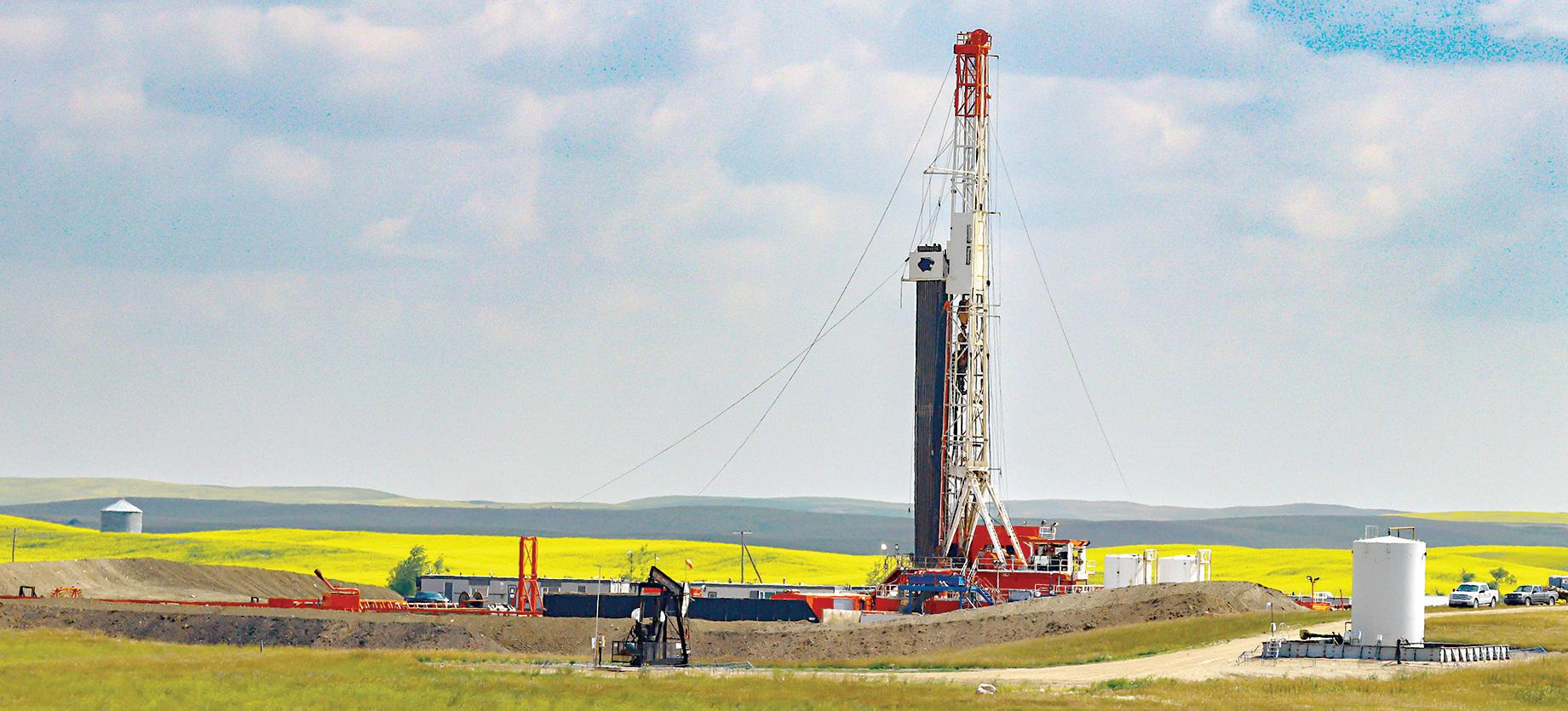
The Saskatchewan Oil and Gas Show will once again serve as an opportunity to network, socialize, promote businesses and celebrate accomplishments.
Monica Osborn, who is the manager of the biennial showcase, offered history on the event and detailed plans for this year.
This year’s show will happen June 3 and 4 in Weyburn, and will feature indoor and outdoor exhibits. “Even though the show is held biennially in Weyburn, it does help bring light to our whole southeast Saskatchewan region, and the amazing people we have here,” said Osborn.
Activities will open June 2 with a golf tournament, saddle bronc riding, and a steak and lobster supper.
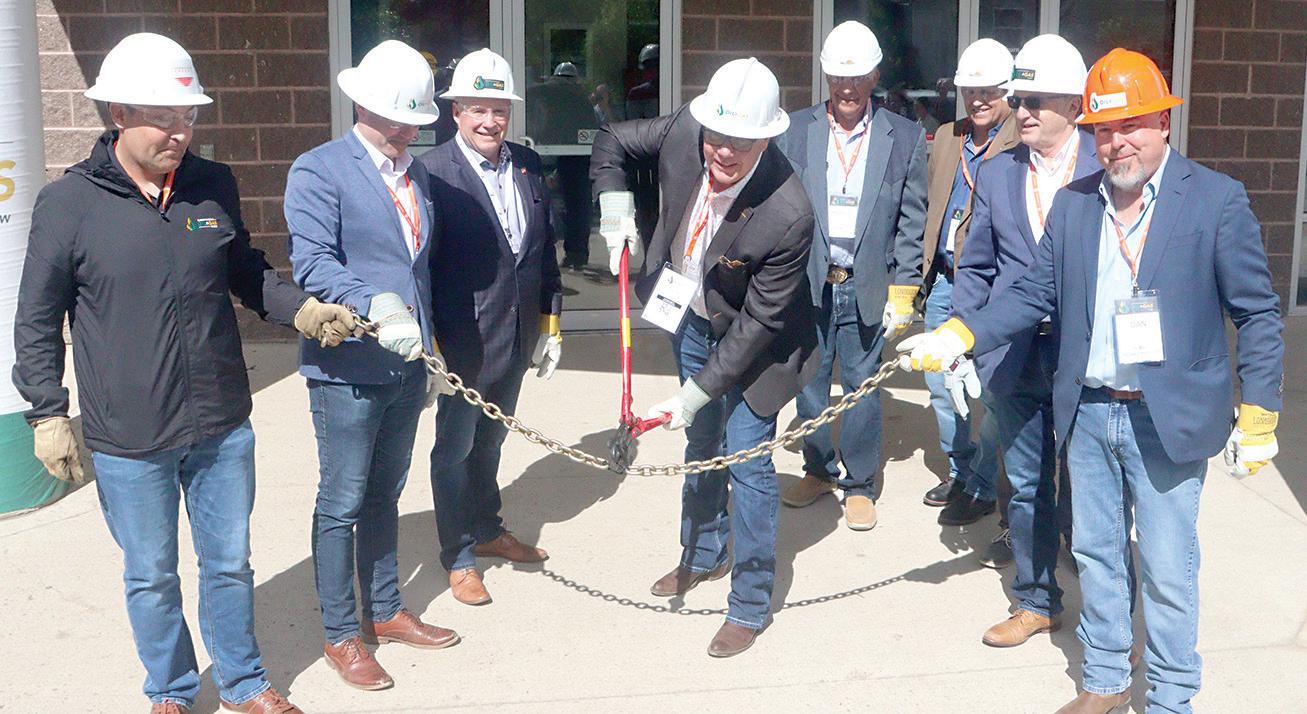
The oil show itself begins June 3 with a chain-cutting ceremony at 9:45 a.m. and the exhibits open from 10 a.m. to 5:30 p.m. An awards luncheon will feature the induction of six people as Southeast Saskatchewan Legends.
“These are people from all over southeast Saskatchewan that have made an impact on southeast Saskatchewan,” she said.
Exhibitors can network with clients and salespeople, Osborn said, and people can see how the products and services work.
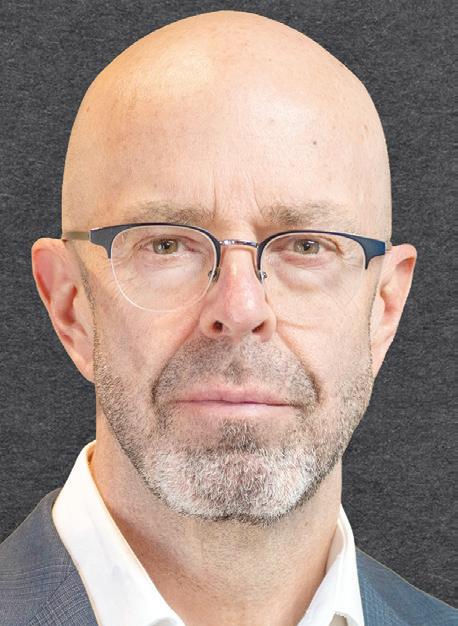
During the evening, Doug Martens of Estevan will be recognized as the Southeast Saskatchewan Oilperson of the Year. Friends of the Show will be saluted for contributing their time to making the event happen. Osborn said this year’s honourees are Pat Maloney for helping get the grounds and facilities ready, and Jerry Mainil Ltd. for providing equipment to get the grounds ready.
Saskatchewan comedian Quick Dick McDick will perform that night and will promote the show on social media.
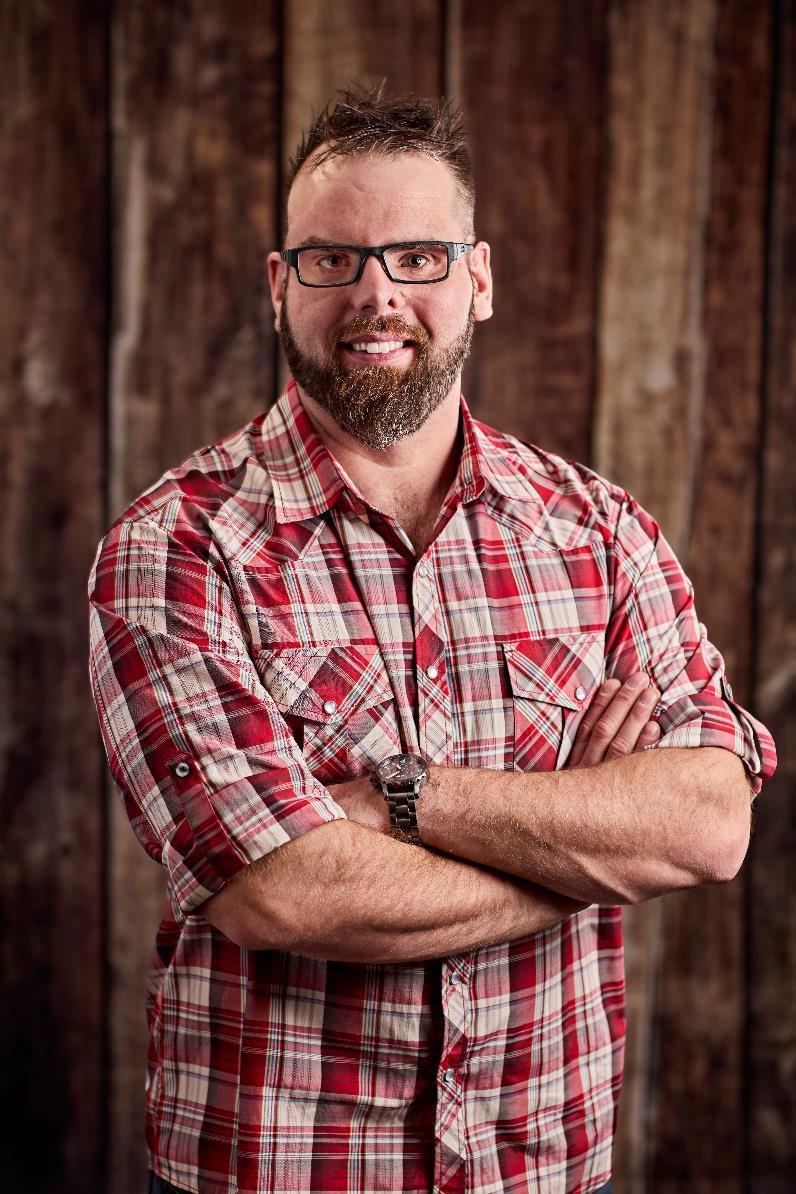
The final day of the show will start at 9 a.m. Activities include a safety stand down breakfast with Jeremy Evans, known as The Grizzly Dude after Osborn said Evans survived three encounters with grizzly bears. Osborn noted Brian Crossman with Independent Well Servicing came up with the idea for the safety breakfast.
“It’s just a way for us to connect, making sure that when people are going out to
do their job, they’re coming home safe to their families at night,” said Osborn.
Evans will discuss how people can prepare themselves to go into certain situations.
An industry luncheon will feature the inaugural Southeast Keystone Award for a business that made what Osborn called “huge” contributions and led the industry to the forefront. Pan-Canadian Petroleums, which is now the Whitecap Resources Weyburn Unit, will be recognized.
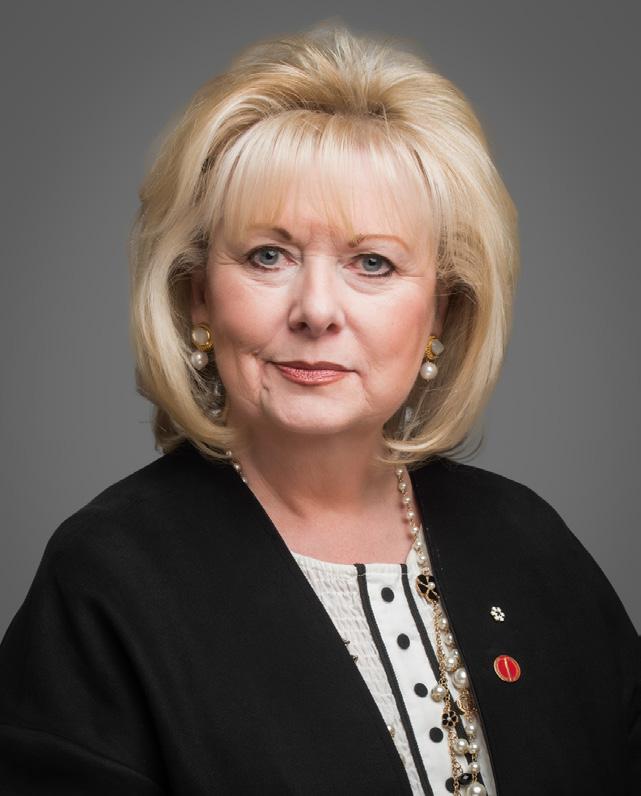
Senator Pamela Wallin will make an appearance at the luncheon on June 4.
New for this year will be tours for people in the community who want to see the grounds, learn how the exhibitors are connected and how they operate for the oil and gas industry. Osborn said tours will be June 4 at 10 a.m. and 1:30 p.m. On the registration form, as companies are filling out information, they can indicate if they’re interested in a tour.
“We’ll get you information. We’ll get you set up with going around with a group to be introduced to some of these exhibitors,” said Osborn. “And they can
tell you what they do in the oil and gas industry and how they’re connected with everyone.”
Admission is $20 and anyone can attend. At one time, the show was free for the public to attend, but Osborn said changes have been made to let exhibitors know the impact of the event, the number of people in attendance and the demographics of the visitors.
Osborn noted the show has been going since 1985. It started through an economic development committee with the Weyburn Chamber of Commerce, and eventually went off on its own. Now it is associated with the Weyburn Chamber again, reporting to the Saskatchewan Oil and Gas Show Board.
“Back in 1984, there was obviously some vision seekers that knew that it was important to provide that education piece to our region about what oil and gas is, and how it affects our communities,” she said.
The committee has supported service groups in the region, to the tune of $1.5 million-$2 million.
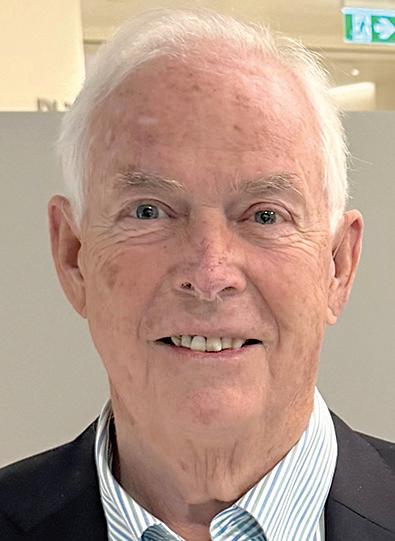
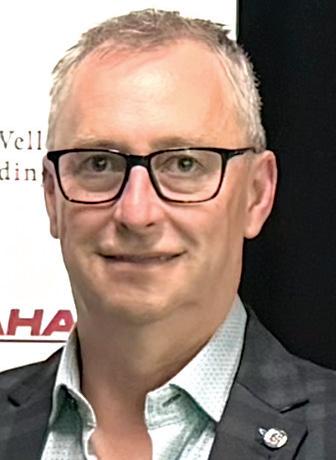
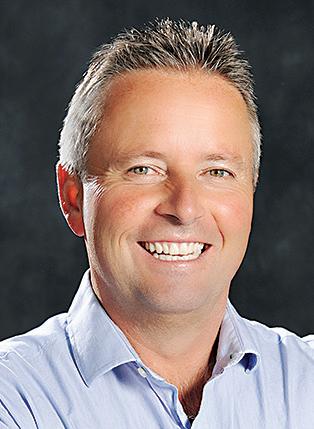
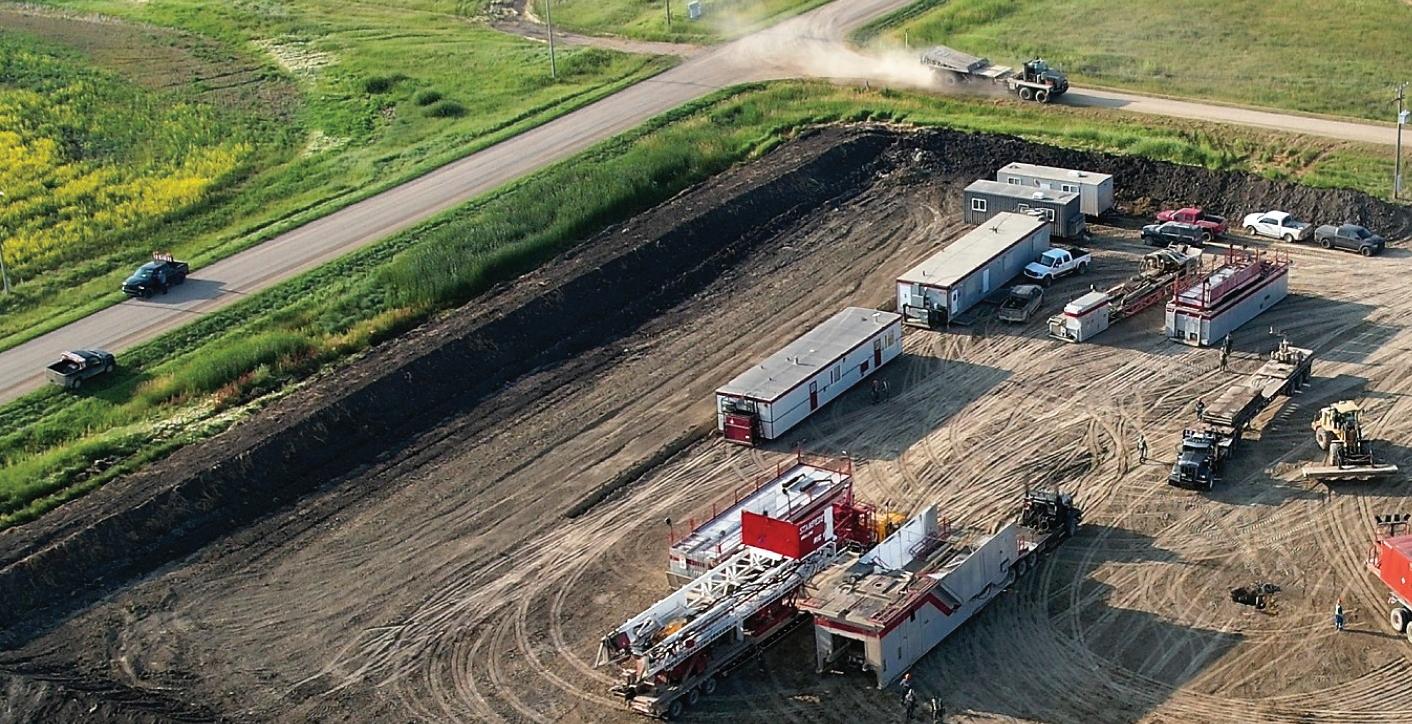





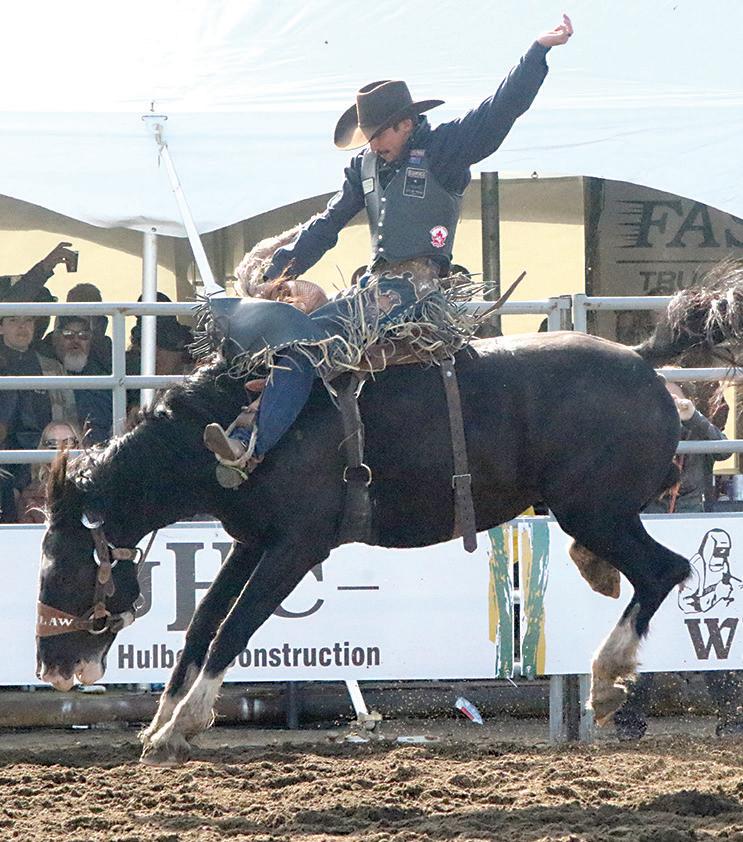
The best bronc horses in the world will be featured in Weyburn for the inaugural edition of “Outlaw Buckers and Oil Kings” bronc-riding, to be held on Tuesday, June 2 at the Weyburn fair grounds, as a supplement to the Saskatchewan Oil and Gas Show.
This premiere pro rodeo event came up as rodeo producer Robert Schmidt approached the oil show board about bringing the event here as a way to kick off the show.
One of Schmidt’s partners in the venture is Weyburn oilman Jonathan Kmita, who is also known as a competitor and for providing rodeo stock to such top events as the Calgary Stampede and the National Finals Rodeo in Las Vegas – and those top bronc horses will be coming here.
As a part of the high calibre of this show, announcer Butch Knowles will be lending his voice to the event. He is famous as the announcer for the Stampede and the National Finals Rodeo, among other events. The Outlaw Buckers will be put on and organized separately from the Oil Show, but it will featured as a part of the show, with Cugnet taking part in the tailgate party in the afternoon from 2-4 p.m., with the bucking broncos to start at 4 p.m. Tickets are $30 each, and the riders will be going for $30,000 in cash prizes. Youth 15 and under are free when accompanied by an adult, but they must have a ticket.
To buy tickets, go to the Outlaw Buckers and Oil Kings website and click on the button for tickets.
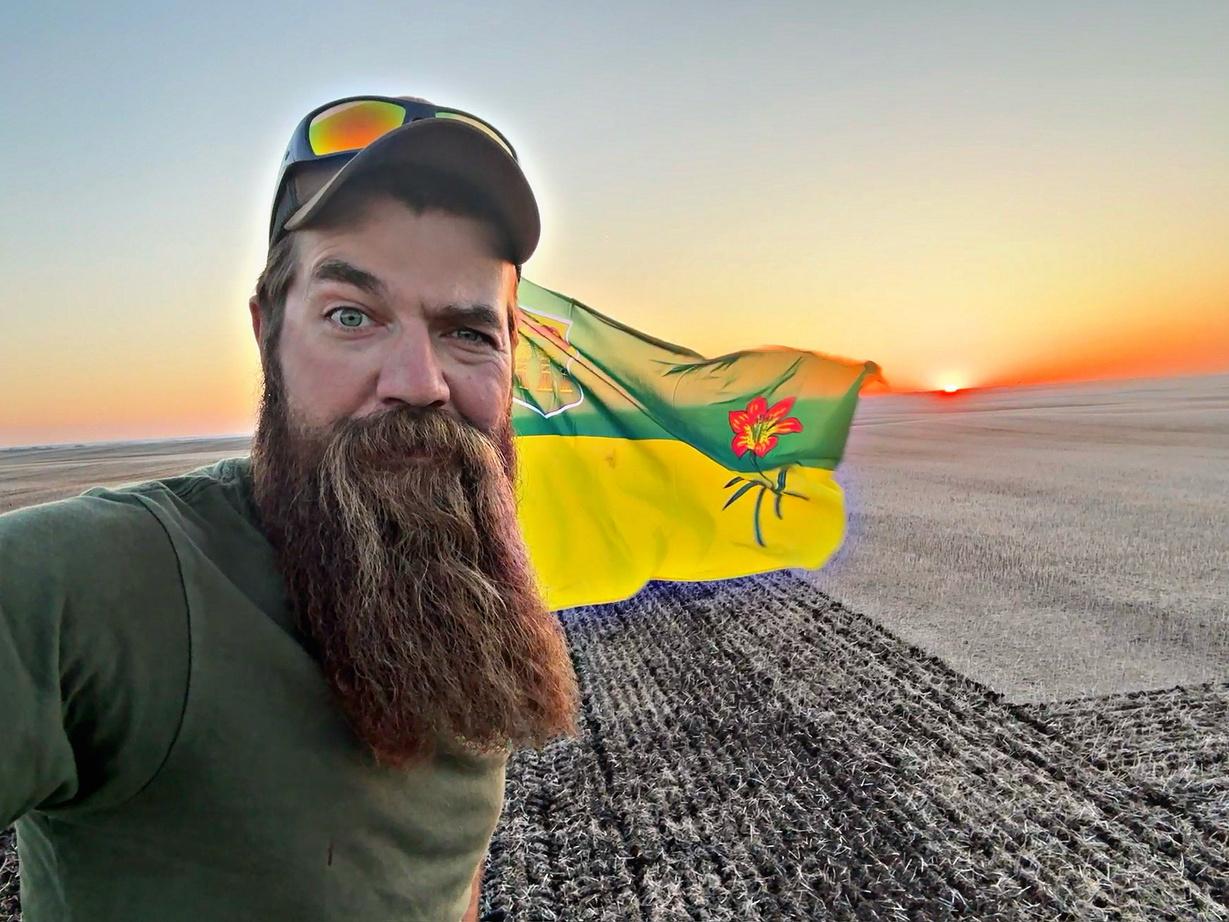
Quick Dick McDick June 3 at 8:30pm
Tuesday, June 2
6:30am - Golf Registration & 6:30am - Golf Registration & Breakfast Breakfast
June 3 & 4,
8:00am
-
Wednesday, June 3
Sign up for a guided tour!
Thursday, June 4
8:00am - Shot Gun Start
8:00am - Shot Gun Start
9:45am - Chain Cutting 9:45am - Chain Cutting Ceremony Ceremony 10:00am - Show Opens 10:00am - Show Opens
4:00pm - Outlaw Buckers & Oil
4:00pm - Outlaw Buckers & Oil
Kings Match Bronc Riding Kings Match Bronc Riding
12:00pm - Awards Luncheon 12:00pm - Awards Luncheon
7:00pm - Kick-off Dinner
7:00pm - Kick-off Dinner
11:00pm - Grounds Close 11:00pm - Grounds Close
5:30pm - Show Closes 5:30pm - Show Closes 6:30pm - Awards Supper 6:30pm - Awards Supper 8:30pm - Quick Dick McDick 8:30pm Quick Dick McDick 11:00pm - Grounds Close 11:00pm - Grounds Close
7:30am - Safety Stand Down 7:30am - Safety Stand Down Breakfast Breakfast 8:00am - Jeremy Evans ‘The 8:00am - Jeremy Evans ‘The Grizzly Dude’ Grizzly Dude’ 9:00am - Show Opens 9:00am - Show Opens 12:00pm - Industry Luncheon & 12:00pm - Industry Luncheon & Awards Awards 12:30pm - Senator Pamela Wallin 12:30pm - Pamela Wallin 3:00pm Show Closes 3:00pm Show Closes
Hours of Operation: Hours of Operation: Monday, June 1 Monday, June 1 8:00am - 6:00pm 8:00am - 6:00pm Wednesday, June 3 Wednesday, June 3 8:00am - 6:30pm 8:00am - 6:30pm Tuesday, June 2 Tuesday, June 2 8:00am - 7:00pm 8:00am - 7:00pm Thursday, June 4 Thursday, June 4 8:00am - 5:00pm 8:00am - 5:00pm













The Weyburn Theatre Community Service Cooperative announced a significant $75,000 contribution from Aldon Oils, marking a major step forward in bringing the community’s long-envisioned movie theatre to life.
This generous investment positions Aldon Oils as a leading supporter of the new Spark Cinema, a project designed to serve as a modern gathering place for families, and residents across Weyburn and the surrounding area.
“We are incredibly grateful to Aldon Oils for their leadership and commitment to our community,” said Laila Bader on behalf of WTCSC. “Their support brings us closer to creating a space where people can come together to relax, connect, and make lasting memories, just like generations did at the Soo Theatre.”
The new Spark Cinema will offer more than just movies. With two screening rooms, a dedicated party space, and modern amenities, the facility is being
designed as a hub for entertainment, celebration, and community engagement.
Aldon Oils’ contribution reflects a strong belief in the importance of community infrastructure and the role it plays in enhancing quality of life. Investments like this help strengthen Weyburn’s appeal as a place to live, work, and raise a family - while also supporting well-being through shared experiences and accessible entertainment.
“Weyburn has always
been a community that rallies behind meaningful projects,” said Del Mondor. “We’re proud to support something that will benefit local families, organizations, and the region as a whole for many years to come.”
The WTCSC aims to open the Spark Cinema in late 2026.
Community members and organizations interested in supporting the project are encouraged to get involved and be part of this transformative initiative.
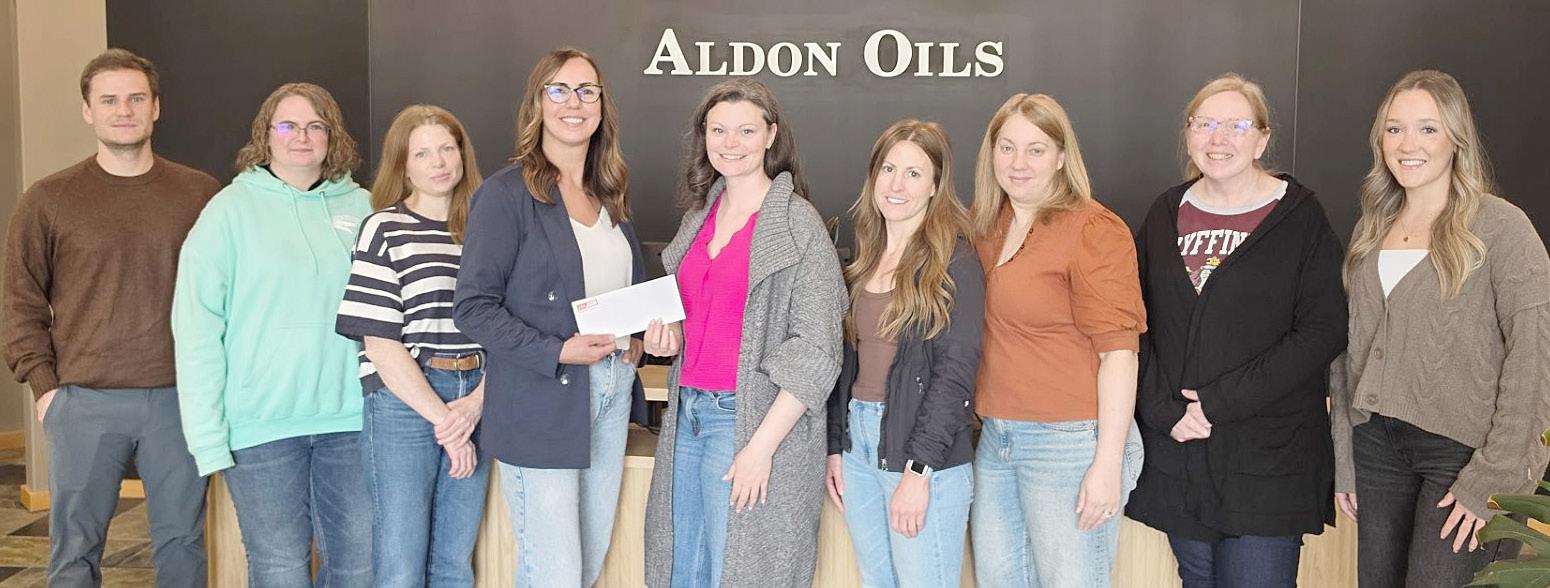
Aldon Oils recently made a $75,000 donation to the Weyburn Theatre Community Service Cooperative. Pictured l-r, Aldon Oils representatives Jenya Kistanov, Paula Pick, Janessa Walliser, Kara Somerville, Laila Bader (WTCSC representative), Leah Kot, Irita Heinberga, Edna Honig and Sophia Jordens.

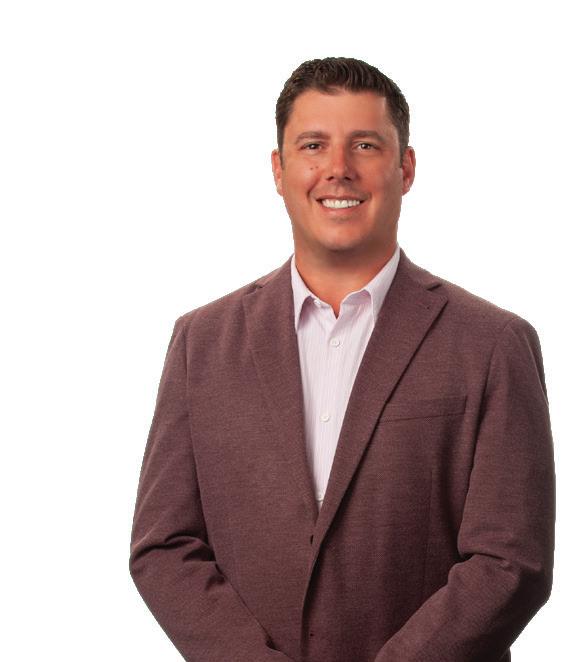

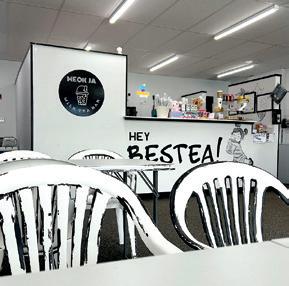
sample various local cuisines in a single night. Such tours can be especially enjoyable when those organizing them take some planning tips to heart.
• Confirm restaurant availability: A food tour might be best begun prior to the evening dinner rush, so it’s best to call ahead and confirm each establishment’s hours and menu availability at the time you hope to visit. Call ahead to identify which dishes may or may not be available at a given time. Some establishments may even arrange a special tasting menu depending on the size of the party.
• Confirm how many people will be attending: Many establishments will require reservations, particularly for larger parties. So it’s best to ask invited guests to confirm if they will be attending well in advance, allowing time to secure reservations at each establishment.
• Encourage guests to share any dietary restrictions: No two people are the same, and that’s something to keep in mind when organizing a restaurant tour. When inviting guests, ask each person to identify their dietary restrictions, including food allergies. A restaurant tour is a great way to support local establishments.














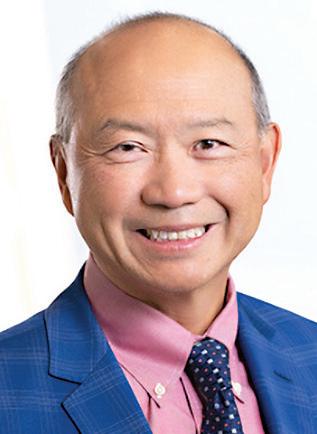
The script of the biography of Doug Martens
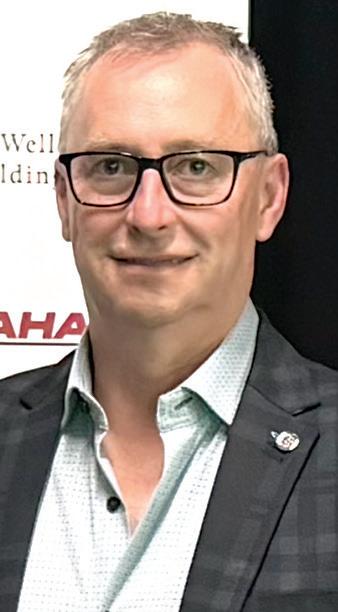
My name is Doug Martens, and I’m the President and CEO of PRIMEC Controls Canada, based in Estevan, Saskatchewan.
My career in this industry started in 1990, after graduating from SIAST in Moose Jaw with a diploma in Instrumentation Engineering Technology. I started working at Estevan Meter Services, and that’s really where my journey in the oil and gas industry began.
I grew up on a farm in southeast Saskatchewan, and from an early age I learned the value of hard work, accountability, and helping the people around you. Those lessons stayed with me and still shape how I try to lead today.
At 23 years old, in 1993, I co-founded 3D Maintenance. It was an important experience early in my career, in 1998 I exited the business.
In 2000, I became a partner in Estevan Meter Services and later took on the role of President in 2008. When I became a partner, we were a small team of fewer than 10 people. Over time, that’s grown to more than 120 today, and that growth really speaks to the people who’ve been part of the journey along the way.
Although I am the recipient of this award it is really about the various team members that have supported me on this journey.
In 2011, we established Virden Meter Services to expand into Manitoba. In 2015, we acquired
Acutec Systems, which strengthened our technical capabilities. That same year, I joined the Board of Directors at Firesky Energy. It was a challenging period in the industry, through the 2015–2016 downturn and later through COVID, and it gave me a much broader understanding of the realities and cycles within the exploration and production side of the business.
In 2017, Apollo Electric and Controls joined the group, expanding our electrical and automation services even further.
Then in 2021, we launched PRIMEC Controls LLC in Williston, North Dakota, extending our services into the U.S. market.
In 2023, we brought the Canadian operations
together under one brand — PRIMEC Controls Canada — with the goal of building a stronger, more unified organization while keeping the people and culture that made each company successful.
Over the years, I’ve come to believe that any success I’ve been part of has always been a team effort. I’ve been fortunate to work alongside a lot of good people, and I’ve always tried to approach leadership by supporting others, creating opportunities, and building something that lasts.
Community has always been important to me as well. I’ve spent many years coaching kids’ sports, which has been one of the most rewarding experiences of my life. Seeing young people
grow in confidence and learn how to be part of a team is something I’ve always valued. I was also involved from the very beginning with Moose Creek Golf Club, helping with the fundraising, design, construction, and operations for close to two decades. The golf course became an important part of the success of Moose Creek Regional Park, which I’ve also been proud to support over the years.
I’ve also had the opportunity to help establish the Estevan Bears U18 AAA Hockey Program, helping create opportunities for young athletes in our community.
Today, I remain rooted to southeast Saskatchewan with my wife, Kenda, and our family, and I
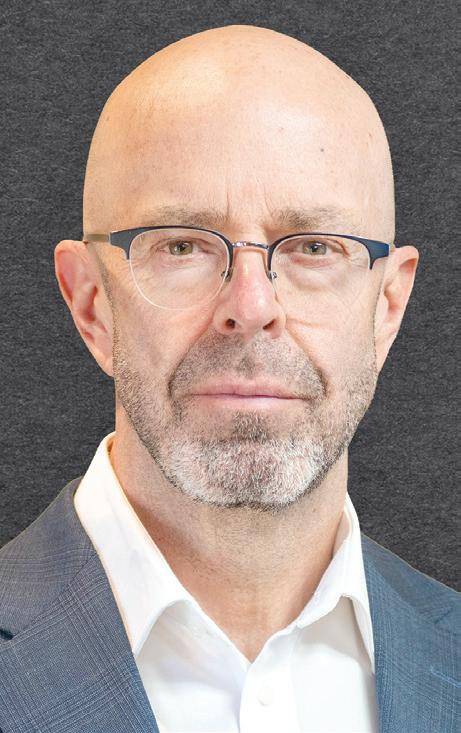
Doug Martens am committed to the future of our energy industry and the communities we call home. I continue to believe in responsible growth, strong relationships, and looking for opportunities to build for the long term across western Canada & Northern USA.
Hall of Fame inductee
Randall Smith, president of Carlyle-based Spectrum Resource Group, was named Southeast Saskatchewan Oilman of the Year in 2017. This year he is being inducted into the Saskatchewan Oil and Gas Hall of Fame. Randall was born in 1965 and raised in Oxbow. He has called southeast Saskatchewan home for most of his life. Randall attended school in Calgary twice, first graduating business admin and later petroleum land management
with honours from Mount Royal in 1993. Randall’s first oil industry job was with Dome Petroleum in 1984. His next job was with Nowsco Well Service in Medicine Hat. Randall moved back to Saskatchewan in 1988 to work for Encor Energy as an operator. After graduating petroleum land management, Randall took a job with Williston Wildcatters in Arcola, Saskatchewan, starting on the rig as a well site geologist and finally moving into the land department. In 1995 Randall and
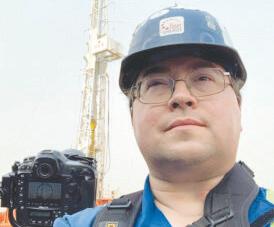
partner Nick Lazic, whom he had met in geology class and then worked with at Wildcatters, started Spectrum Resource Group Inc. They have worked since to build Spectrum to what it is today. Randall and Nick have had a great partnership for over 30 years and have continually moved forward in business. They both love the challenges, especially finding new reserves in Southeast Saskatchewan. Spectrum has drilled over 360 wells, all in southeast Saskatchewan, discovering a number of
pools, selling some pools to major-size companies and developing some itself. The company currently has 12 employees and is assisted by a group of dedicated professional consultants and contractors in its operations. Randall is especially proud of this excellent team that executes on a daily basis, some of whom have been with the company for more than 20 years.
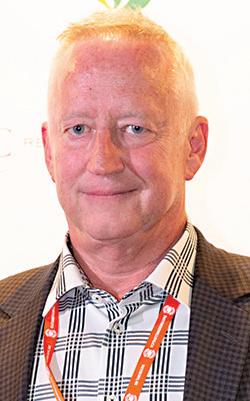
Spectrum is a great place to work and provides fulfilling growth opportunities for its people.
Randall enjoys the aspect of providing support for the many community groups in southeast Saskatchewan, helping many projects and recreation facilities that make Saskatchewan life great especially for our young people.
Spectrum’s model has been significantly different than many of the other junior oil producers who have come and gone over the years. The others would typically start up, build up production, sell the whole company to a larger public firm, and start again.
Spectrum’s model has been based on longevity. It’s been the junior producer with staying power. They would build up production, then sell about half of the assets, such as a particular pool, and then continue to
build. They never sold the whole company and started over. Over the years Spectrum did many deals when the timing was right, selling production larger public companies as feeder plays for their development. Deals were achieved with Crescent Point, Torc, and Whitecap, as examples.
“This model allowed Spectrum to maintain exposure to the upside of the finds while allowing continued focus for itself on the exploration aspect,” Randall explained. Spectrum has operated successfully in Southeast Saskatchewan for more than 30 years and is very proud to be from Saskatchewan. The plan is to continue discovering and developing our resources for the foreseeable future and to continue to work with mineral owners, land owners and all stake holders for best outcomes.

















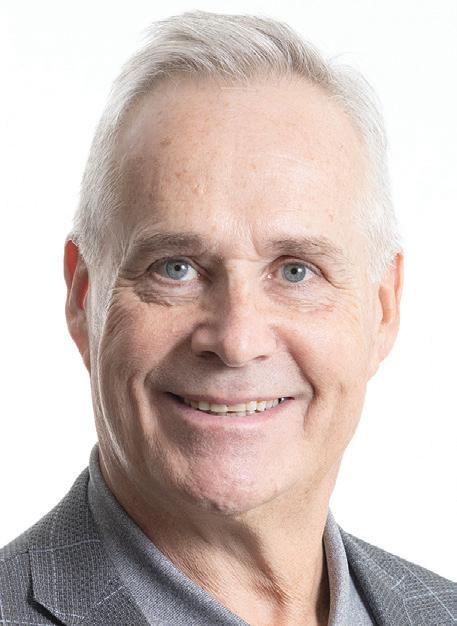
The script of the biography of
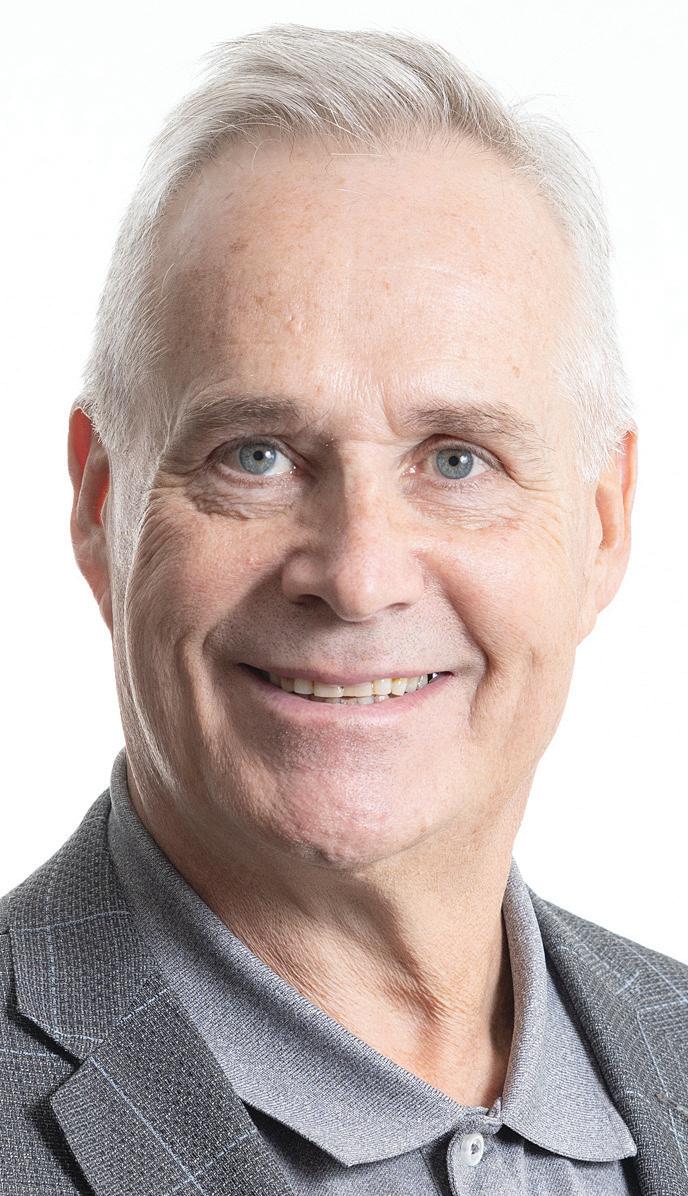
Paul Colborne
My name is Paul Colborne, President and CEO of Surge Energy, and I’m very honored and humbled to have been named this year’s Saskatchewan Oil Person of the Year.
I was born in Sarnia, Ontario, in 1958 and raised in Calgary. I attended the University of Calgary, where I played for the University of Calgary Dinos football team and completed both an undergraduate degree in economics and a law degree, specializing in corporate law. I graduated in 1986 and was called to the bar the following year.
I began my career practicing law at a large
law firm called Parlee McLaws, focusing on securities, banking, and oil and gas law. I then moved in-house, serving as legal counsel at Husky Oil for four years and at Wascana Energy in Regina for one year.
After nine years practicing law, I decided to move into the oil and gas industry. I started a small company, with a great Team, called Startech Energy in 1993, which grew to more than 16,000 boepd - before being acquired by the ARC Energy Trust in 2001 for more than $500 million.
I then founded Crescent Point Energy in 2001, where I served as President and CEO. Alongside another strong Team, in -
cluding Scott Saxberg (a prior recipient of the Oilman of the Year award), the company grew to more than 180,000 boepd, primarily in Saskatchewan. The Bakken light oil play in Saskatchewan was a huge discovery for CPG. Over time, I stepped back from management, serving as Chairman of the Board, then as a Director, before leaving the Board in 2013.
When I stepped back to become Chairman at Crescent Point, I started another small oil and gas company called Star Point Energy Trust in 2003. With another excellent management Team, we grew the company to 36,000 boepd in just 3 years. A large portion of
our assets were located in Saskatchewan and consisted of high-netback, light oil. Star Point was ultimately sold through a $4.5 billion merger that formed Canetic Resource Trust in 2006.
After the sale of Star Point, I sat on a number of Boards, including Surge Energy.
In 2013, I was the Chairman of Surge Energy, and also took on the role of President and CEO. Since then, we have grown the company to more than 23,000 boepd today. Our primary assets are located in the Sparky/ Mannville oil plays in Alberta, and the Frobisher/ Midale light oil plays in SE Saskatchewan.
Since the great 2020
COVID meltdown/restart in our industry, from January 1, 2021 Surge has delivered total shareholder returns averaging more than 80 per cent per year for 5 years in a row, and Surge is now one of the top performing crude oil dividending companies in our peer group in Canada, with a large (8,000 boepd) presence in Saskatchewan.
Over the last 25 years, I have also been a founder of, and board member for, a number of other private and public oil and gas companies, as well as three private equity firms and two service companies.
It has been a tremendous privilege to spend my career in this business. I have four kids, all of whom have been involved
in the Canadian oil industry. I have been very fortunate to work alongside outstanding people over the years, and I am deeply honoured and humbled to receive this recognition.
Southeast Saskatchewan
Legend nominee
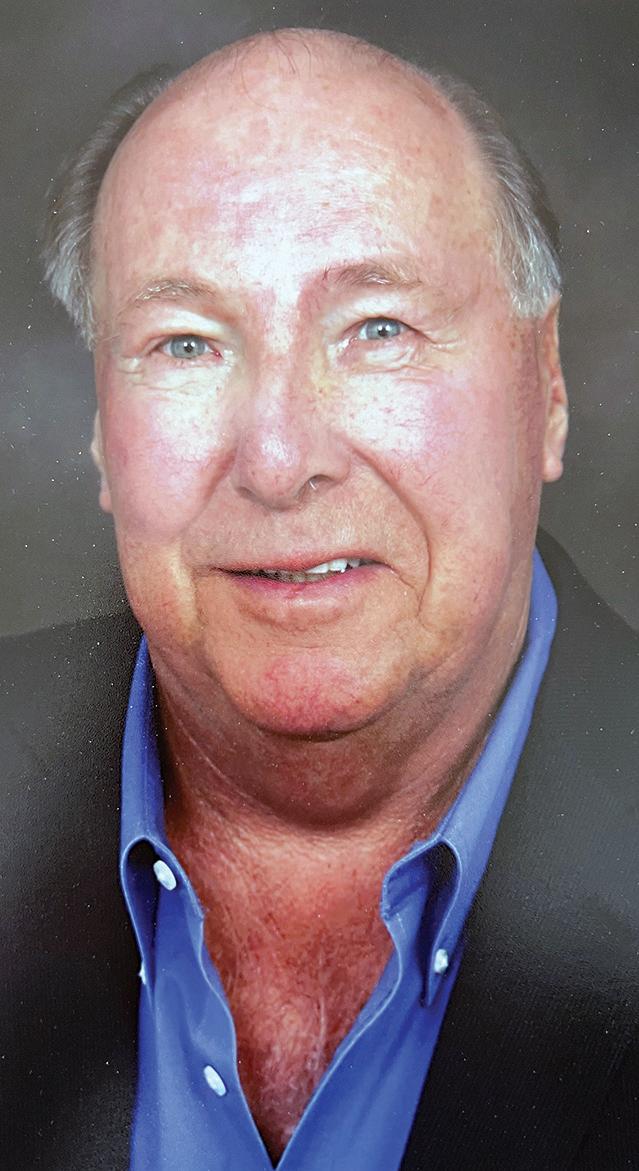
Ken Cugnet’s love affair with the oil business began when he was eight years old with the drilling of the Weyburn Unit discovery well on the neighbouring farm in 1954. The consultant on that rig became a bit of a hero to Ken and his twin brother, Dick, as he would drive into town to phone in the drilling reports to Calgary and Ken and his brother would wash his car while he did, and then get paid with a milkshake.
Ken was fascinated by the “technology” of the day and it was exciting to grow up in the midst of the development of the new oil field. Often rig personnel and their families camped in the Cugnet yard. Characters who were temporary neighbors are still part of family folklore today.
Ken’s first job in the oil patch was in the fall of 1962, at age 16. He was part of the crew tying steel for the Shell Plant in Midale. In December of that same
year, he worked for nothing on a Regent rig on one hole west of the farm. He did this just so that he could say he was experienced. During 1963 to 1964, he worked on a service rig for Addison & Leyen. From then until 1967, he worked off season (from farming) on a series of drilling rigs from Weyburn to the Northwest Territories. In 1968, he went to work for Halliburton cementing and acidizing from Weyburn to Rainbow Lake. He always showed up back in Weyburn each spring in time to farm. The next job closer to home was working part-time for Cardwell Supply. Gradually he evolved into land work, consulting, and investing.
Ken was a deal junkie, but he said the best deal he ever made was to marry his wife, JoAnne Bannatyne, in 1975. She was a public health nurse originally from Estevan. They would have four boys, Daniel, Craig, Tim and Matthew, all of whom ended up working in the various family businesses and farm.
In 1977, Ken became president of the family owned Cugnet Petroleums Inc. He formed his own company, Valleyview Petroleums Ltd., in March 1979.
It was during this time that Ken took a geology class through the University of Regina. All the other students were female teachers trying to complete their Bachelor of Education degrees. They ended up teasing him that they wish they started an oil company instead.
He first started joint ven-
tures in Alberta and in 1985 became a joint venture partner with Saskatchewanbased Tappit Resources. He went on to run their field operations and later became a company director in 1987 and then chairman of the board in 2000.
He served as director on Cypress Petroleum Corporation from 1989 to 1993. In 1987, Ken was appointed to the Saskatchewan Surface Rights Arbitration Board and served until 1992.
In 2003, Tappit Resources merged with Crescent Point Energy to form Crescent Point Energy Trust. The company became the dominant player in the Bakken boom. Ken was asked to serve on their board and did so until 2014. That year he was integral in the company’s donation, just a month before his death, of $4.5 million to the Weyburn and District Hospital Foundation. That donation put the community over the top in its efforts to trigger provincial funding for a new hospital which is now coming to completion. It also came in the wake of a $1 million donation from Ken and JoAnne on behalf of their family for the same initiative.
Star Point Energy was the additional spin-off from the Crescent Point merger. Ken served as a director from September 2003 to January 2005. The spin-off coming from the Star Point Energy merger led to him serving on Mission Oil & Gas from January 2005 to February 2007 when it merged with Crescent Point Energy Trust.
Cugnet also served as
a director of Elkhorn Resources Inc. Formerly, he served as director of Tappit Resources Ltd., Starpoint Energy Inc., Mission Oil and Gas Inc., Medora Resources Inc. and Cypress Petroleum Corp.
In 2002, Ken established an office for Valleyview Petroleums Ltd. in Weyburn. He was particularly proud to work with his four sons who are following in his footsteps making their livelihood in “cows and oil.”
In 2007 he was named Southeast Saskatchewan Oilman of the Year, along with Jim Boettcher.
Ken served on numerous boards, including Tappit Resources Ltd. as chair-
man, Mission Oil & Gas Inc., StarPoint Energy Inc., Medora Resources Inc, Elkhorn Resources, Cypress Petroleum Corp., Panther Drilling, Aaron Well Servicing, Petrotherm, Alchem Energy Services, Cugnet Petroleums, Weyburn Security, and the Saskatchewan Surface Rights Board.
In addition to continuously farming for over 45 years, Ken served on the Nickle Lake Regional Park Board for over 30 years, the Grace United Church Board and the Queen Elizabeth School Local Board while his boys attended school there.
Due to his own difficulties in school because of a learning disability,
Ken generously supported the Saskatchewan Learning Disabilities Association for many years. His corporate sponsorship tended to be “low key”wheelchair ramps, bucking chutes for the local rodeo or hiring a landscape architect to design the first therapeutic park in the province (the brain child of Peter Boyle of the former Souris Valley Regional Care Centre). He did not seek acknowledgement.
Ken was always proud to call Weyburn his home.
As Dan said in his father’s eulogy, Ken often asked, “Did we increase shareholder value today?” Indeed, he did.

Hall of Fame inductee
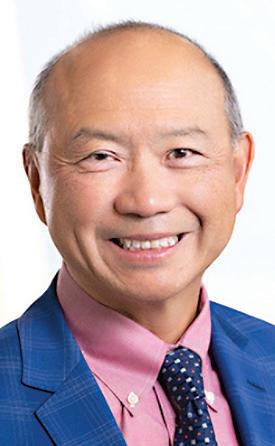
Andy Mah grew up in a family business, a quintessential Chinese restaurant in Kipling, Saskatchewan. There he learned to talk to people of all sorts, a skill that would come in handy in his career as an engineer and executive in the oilpatch.
His grandfather, who came to Canada in 1906, bought the Hub Café in Kipling in 1954, identifying the community for its location as divisional point for CN crews between Regina and Brandon. And soon thereafter, the Interprovincial Pipe Line was built through the town, with expansions every decade or so, meaning crews needed to be fed. Andy was born in 1959, and he grew up in that café, helping out
from a young age.
Andy enjoyed meeting and talking to these people, from farmers to railwaymen to the pipeliners. “Living, working and growing up in the café was always a lot of fun for me, because I Ioved talking to people and finding out what they did.”
Andy attended the University of Saskatchewan College of Engineering and earned a double degree in chemical engineering and chemistry over the course of five years. He convocated in 1982 and promptly went to work for British Petroleum, or BP. He soon found himself doing field work in Drayton Valley, Fort St. John and Bonnyville. He went through the company’s training program for young engineers, working on drill -
ing, reservoir engineering and production. “I spent a lot of time in the field. You’ve got to swing some wrenches to understand what the heck is going on,” he said.
He worked for BP for 11 Years. It was during this time he met and married Wendy Pallant, originally from Quebec, but now a teacher in Rocky Mountain House and then Calgary. They married in 1988 and had three children – Andrew, Emily and Nathaniel.
In 1983 he was headhunted by Sceptre Resources where he became a manager. There he met Grant Fagerheim, who would become a significant figure in Andy’s life.
“Grant and I left and went to Northrock Resources Ltd. in 1996,” he said. At Northrock he
joined the executive team as vice president operations. That company had around 10,000 boepd of production in southeast Saskatchewan.
In 2000, North Rock sold to Unocal Corporation. Andy stayed on another three years.
It was at that point Grant was putting together Ketch Resources Trust. He called Andy up and asked him to “get over here and help me run it.”
Ketch was a junior exploration company converted into an energy trust. Andy was its president.
But it was the 2006 “Halloween Massacre” that soon spelled the end of energy trusts. They had three years to adjust, and Ketch was merged into Advantage Energy Ltd.
Advantage had 30,000
boepd of production, including at one point about 10,000 boepd in southeast Saskatchewan around Estevan, Lampman, Carlyle and Wawota. It operated several rigs drilling in the region. Around 2016 the company sold its Saskatchewan assets, rolled into Longview Oil Corp., which eventually sold to Surge Energy.
Advantage is now focused principally in the Montney Play. In 2021, Andy retired as president and CEO after 12 years.
Andy loves hunting birds and big game whenever he can. He’s played on a lot of company hockey teams and enjoys cycling. Andy and Wendy’s three children have also found success. Andrew is a geologist with Whitecap. Emily specializes in marketing, and Nathaniel
recently retired as a world cup Nordic athlete and now works with Cross Country Skiing Canada. Andy is a member of the Association of Professional Engineers and Geoscientists of Alberta (APEGA) and is also a member of the Institute of Corporate Directors.
Southeast Saskatchewan Legend nominee
Don Spearing was literally born into the oilfield. His father, Ken, started hauling fluids from some of the first wells drilled in Saskatchewan, near Frobisher, in 1956. That company was Bowman & Spearing Service Ltd, operating out of
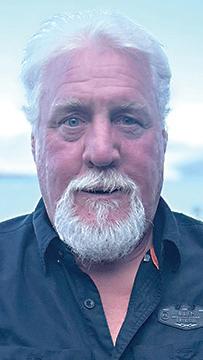
Frobisher. Don was born in 1961 in Oxbow, second of four children. He and his brother, Trevor, started working for Ken’s company at a young age, sweeping floors and fixing tires. After graduation in 1978 he worked in the shop full-time. It was a very slow time in the oilpatch due to the NDP’s Bill 42, so he got a job on a service rig. That didn’t last long, and he ended up spending a winter hitch on a service rig at Fort St. John, B.C., before returning to Oxbow.
By the early 80s, the company, now Spearing Service after Bowman was bought out in 1978, was running 10 full-time trucks and was operating from Oxbow. Don got his 1A license and drove for the family business until
1987, when he moved into the office and started to do dispatch and management, working alongside his brother. At that point, Ken decided to start spending ever-longer winters down south, leaving the company to his sons to operate. In 1989, Ken sold the majority of the company to his two sons, and reverted to a minority position. Don recalls his father saying, “Okay smartasses – you’ve been telling me how to run the company for the last 10 years. I’m going south. You guys run it!”
At this point they were running around 15 to 18 trucks, specializing in hauling fluid in the oilfield. This grew to include vac trucks, frac heaters, hot oilers, steamers and more.
It was during this time period Don met and mar-
ried Charlene Allen of Sturgis, an EMT and later nurse. They married in 1992 and had four children – Brianna, Jasmin, Courtney and Ryley, all of whom worked in the company at one time or another. Charlene left nursing to raise the children.
Spearing Service bought out Koch Trucking in 1996 with about a dozen trucks, and TransX’s oilfield division in 2003, adding another 10 trucks.
In 1999, Don started another trucking company, Great Northern Trucking USA, in North Dakota.
The 2000s proved fruitful for Spearing Service, growing to over 60 trucks and bases in Oxbow, Carlyle, Pipestone and Waskada.
In 2005 Don talked to
Murray Mullen about selling the company to Mullen Group. Don needed a break, and Mullen said, “Why don’t I own the equipment and you run it?
That deal was sealed in 2006, and took away a lot of the financial stress for Don.
While Trevor soon left to start his own hydrovac company, Extreme Hydrovac, Don stayed on for close to eight years, long past his contracted date. As the Bakken Boom took hold, Spearing grew quite a bit while Don was still onboard. Soon they had over 60 trucks, 100 crude oil trailers and 150 frac tanks, just as fracking was taking off. Don left in 2014, just before things went sour in the oilpatch, he explained.
When his non-compete expired, he added a new
company, Great Northern Trucking Canada.
The two Great Northern Trucking companies specialized in hauling oil for delivery across the border. Ironically, the USA version hauled oil to Canada for delivery, and the Canadian version delivered oil to the USA.
Daughter Brianna and her husband, Joey, were heavily involved in their operations until 2022. Then Courtney took over until the USA version was sold in 2024, and the Canadian version has been wound down in recent years. His brother and longtime business partner Trevor passed away in 2023.
These days Don and Charlene live in Lakeside, Montana, moving there before Yellowstone made it cool.

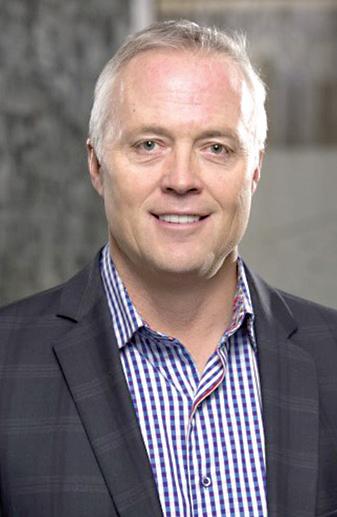
E. Craig Lothian was born in 1962 and raised in Carlyle.
He attended the University of Saskatchewan obtained his B.A. in 1986 with a focus on economics and LL.B. in 1988 from the College of Law. He was called to the bar in 1989.
A strong influence on his desire to enter the oil business was his uncle Jack Irwin, who was vice president of land with an American oil company working out of Calgary. Craig was initially going to article in Calgary with a law firm specializing in oil and gas law, but the crash of 1987 meant they couldn’t offer him a job upon completion of his articles, as they had just laid off a significant number of lawyers.
That drove Craig to join a small boutique litigation firm in Regina that was not involved in oil and gas. Despite that, he was successful in building a sizeable oil and gas portfolio for the firm, Gerrand & Co., which made him a partner in 1992.
Craig ended up doing a lot of work for Strike Energy, and its founder, Ed Sampson brought him over for a short term stint that turned into a year and a half. They bought land at Tatagwa from PanCanadian and started drilling. Craig acted as the landman, corporate lawyer and did a bit of business development. When it was bought out, Craig went back to Gerrand.
Don Woolley started a new oil company in 1995 called Flatland Exploration and brought Craig on as an investor and on the board,
giving Craig his first inside look at the executive level of the industry. In 1989 he married Pamela Conklin, a fellow lawyer, who Craig credits with his and his family’s success. “I could never have done what I did in business and in law without Pam,” he said. They two daughters, Kelsey and Jasmine. And it was in large part because of those daughters the Lothians resisted the temptation, twice, to move to Calgary. After taking her second maternity leave, Pamela chose not to return to the legal profession, but rather raised the children and has subsequently done substantial board work with numerous organizations including SaskTel. Hard choices like that made a difference. In 2002, Craig led the acquisition of Keystone Petroleums Inc., a private company that held a significant amount of freehold mineral title in Saskatchewan. To do so, he took out a second mortgage on their personal home. When raising funds for Keystone, he was frequently asked how much skin he had in the game?
Craig pointed to that second mortgage, and the fact his wife was a divorce attorney!
Craig often says the most significant member of an executive team is the vice president of serendipity. And that truly was the case when it came to Keystone, which had acquired a significant land position in southeast Saskatchewan, particularly in the area around Stoughton that became the heart of the Bakken boom. It wasn’t
prescience, however. “Nobody thought there was a way to get oil out of the Bakken,” he explained.
A few years in, the Bakken boom took hold, and soon he often had four land deals on his desk at the same time. And the offers kept getting better and better, as everyone wanted in on what was then the hottest play on the continent. This led to a succession of private oil companies founded by Craig. He served as CEO for Flatland Exploration Ltd., Keystone Energy Inc., Keystone Energy Corp., Villanova Energy Corp. and Villanova 4 Oil Corp.
Craig was also a founder and executive chair of Villanova Oil Corp., Villanova Resources Inc. and the current iteration in the Villanova franchise, Villanova Energy Inc.
In April 2022, Topaz Energy Corp. acquired Keystone Royalty Corp., a private land and royalty company that was founded and led by Craig as President/CEO and Chair, for $96 million, equating to a 24.9X Gross Multiple for
initial investors.
Craig is the founder and CEO of Lex Capital Corp., a multi-family office, with a diverse suite of investments ranging from real estate, oil and gas to the tech and renewable resource sectors.
It was originally called Lex Minerals Inc., and Craig and his Uncle Jack were business partners in it then Lex Capital Corp. for 28 years. Jack passed away several years ago. At his celebration of life, Craig borrowed (and modified) a quote from Abraham Lincoln, saying, “I’m a success today, in no small part--- because I had a friend (in my case an Uncle) who believed in me and I didn’t have the heart to let him down”.
In addition to Craig’s role at Lex Capital Corp., he was one of three founders, the original CEO and now the executive chair of Lex Capital Management Inc., a private equity firm in Regina. Since its inception in 2009, the Lex Funds have raised in excess of $645 million, which was subsequently invested in a series of early-stage oil
and gas companies in Saskatchewan and Alberta.
All of this was accomplished from Regina, whereas the conventional wisdom says he should have long moved to Calgary. But as Craig notes, there were hundreds, maybe thousands, of people like him seeking to raise investment capital in Calgary, but very few targeting the same market in Regina. He recalled doing 75 presentations in 17 cities across seven states and three provinces. And 80 per cent of the investment dollars he raised came from the U.S., so it really didn’t matter if you were based in Regina or Calgary.
“I think you can build an oil company anywhere,” he said, and it was often seen as an advantage, being closer to the actual drilling in southeast Saskatchewan than Calgary was.
Craig also serves in an advisory role for the Emmertech AgTech Fund and the West Oak Investments Real Estate Fund. On the non-profit side, Craig has served on a number of charitable boards including
The Hospitals of Regina Foundation, Enterprise Saskatchewan and the Jim Pattison Children’s Hospital Foundation, where he also served as Finance Chair and Board Chair. Currently, Craig and his wife, Pamela, are co-chairing the Capital Campaign in support of a new Ronald McDonald House in Regina. Their daughter Kelsey is a dentist in Regina, and other daughter, Jasmine, is a partner with Miller Thomson LLP in Toronto, focusing mergers and acquisitions, and general corporate law including oil and gas.
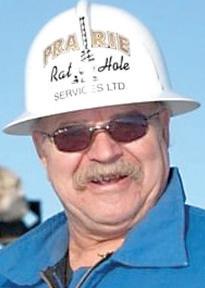
Mel Trobert
Southeast Saskatchewan Legend nominee Mel Trobert was born in 1950 and raised on a farm near Tribune. He soon found himself working on drilling rigs at a young age. That’s not surprising since, as the youngest of seven children, the probability of a Trobert working in the oilpatch was
pretty high. Nearly the entire family found itself working in the patch.
Mel was one of those irrepressible people who lived 24 hours in every day. That is, except for the one time Doris Frehlick asked why his time card said 25 hours. He replied, “Must not have stopped for lunch.”
He worked at Bourassa’s in Radville, assembling equipment, and bought his first truck before he had a drivers license. He went to work on drilling rigs at the age of 15.
After a few years on the rigs, Mel went to work for Flint, first as an equipment operator then as a pipeline foreman. He spent about five years with Flint before going to work for his brother Joe’s company CEDA in Williston. Mel spent about five years down south in
the 90s before coming to work for Ray Frehlick in the rat hole business.
A key but lesser-known component of drilling oilwells is done before the drilling rig even shows up. It’s done by the rat hole rig, which drills and installs the cellar and conductor pipe for the main hole, the mouse hole and the rat hole.
Mel entered the rat hole business in the 1980s. “We leased a rig from the States to get going. It was a bucket rig, a water well rig, more or less,” he said in 2011.
They got their first screw rig in 1987.
Ray Frehlick, the owner of Prairie Mud and Prairie Petro-Chem, used to own the business. Trobert was working for Frehlick at the time.
“Buck Scheely said we should get into setting con-
ductors,” Mel said. They initially leased a rig from Scheely.
Mel was partners with Ray for many years. He bought out his two partners in 2004 and 2008, becoming sole owner that year.
He also had two sideline businesses – M&N Rentals, an oilfield rental outfit, and Man Construction.
In 1998, Mel married Donna Paterson. It was a package deal, with Donna’s kids Travis and Tasha as part of the package. They very much became his kids, too, and by 2005 Travis was working in the business, and Tasha joined in 2010. Donna retired from SaskTel in 2007 and joined Prairie Rathole that year. Then Tasha’s son Bryce came onboard in 2016.
Tasha said Mel was “Saskatchewan’s original
rat man,” to which Travis added, “And I’m rat boy.”
Prairie Rat Hole is one of only two rat hole operations in Saskatchewan. While based in Estevan, they covered the whole province, and beyond. Mel said, “We’ve been in Cold Lake, Alberta. They told us, ‘You worked for us down there, you work for us up here.’”
The company was an early adopter of the SECOR program.
In 2013 the company expanded its fleet and moved into a new shop on the east side of Estevan.
If working 25 hours a day wasn’t enough, Mel decided to take up farming in 2004, pouring his heart into Simmentals and highland cattle and more. He even bought Donna a miniature donkey for a birthday gift. It
got to the point where Travis was largely running the rat hole operation and Mel would be tooling about on the farm, putting in fences and everything else you could imagine a few head needed. Prairie Rat Hole staff often spent a good chunk of spring breakup working on the farm.
Eventually Mel and Donna sold the farm in 2018.
When he wasn’t working or farming (is there a difference?), Mel loved spending time with his grandkids.
Mel did not retire, but he did pass away in 2021. Prairie Rat Hole continues to be run by son Travis and wife Donna. Tasha and her husband Jayson King and their son Bryce own and operate JK Containments.
Southeast Saskatchewan Legend nominee
Hugh Borgland was born in Stettler, Alberta, and spend most of his life living in Calgary, so he considers it a special honour to be selected as a Southeast Saskatchewan Legend.
Even though he doesn’t live here, Hugh’s professional focus has been in Saskatchewan. He said, “southeast Saskatchewan is perfect for smaller companies. When companies are producing 50,000 and 100,000 barrels a day, the reserves are not there in Saskatchewan. But when you’re producing 1,000 to 2,000 the 50,000 barrel reserves per well, is very economical. I enjoy the excitement of the drilling and finding oil more than managing people, so staying small is a key to our success.”
Hugh graduated from the University of Calgary in 1967 with a degree in economics. His first job was with Sun Oil in their economics department. As part of Sun’s training program, he was exposed to the land department, and found being a landman was more exciting than crunching numbers. Hugh’s first exposure to southeast Saskatchewan was as a landman with Sun and drilling
wells in the Steelman area. It was also in 1967 he married his high school sweetheart, Laureen Pickard. Laureen made a career as a psychiatric nursing, specialising in adolescent day treatment and group therapy. They have three children –Craig, Brett and Stephanie.
Hugh then moved on to Anadarko Petroleum as division landman and eventually went on his own in 1973 as a consulting landman to various oil and gas companies. During this period, he started working with two geologists organizing and raising funding for three different small drilling funds. He was approached to convert a mining company to an oil and gas company. This was the formation of Ashlu Exploration in 1978. Ashlu did drill a couple wells in the Midale area. However, between bank lending money on a handshake, inflation, high interest rates, the National Energy policy; a little youth exuberance, and the bank wanting their money back, the 1980’s were a difficult period. For Ashlu to survive, Hugh had to dilute from 30 per cent of Ashlu to 3 per cent with a new board of directors. He eventually left Ashlu and determined that he needed a proper
defined business plan on future ventures. Part of the plan was to concentrate on a defined geographic area. The area he chose was southeast Saskatchewan for a variety of reasons.
He said, “When I came up with a new business plan, I said we’ve got to concentrate in one area, and I like Southeast Saskatchewan, because number one, it’s light oil, and number two, it’s perfect for small companies, and I don’t like to get too big.”
In 1993, he formed Trego Energy Inc, concentrating in the Weyburn area. This company was sold in 1998. Landex Exploration Ltd was subsequently formed. It was sold to NAL Resources Ltd. in 2003. Then subsequent Landex Petroleum Ltd. was sold to Crescent Point Energy 2008.
Hugh’s eldest son, Craig, got his initial oil and gas experience doing field work for Trego and was more involved in Landex Exploration and was president of Landex Petroleum Ltd. His younger son, Brett, started his oil and gas career working with a geologist in Landex Petroleum. After Landex Petroleum was sold, the Borglands formed Highrock Energy of which Craig Borgland was presi-
dent and Hugh was Chairman. At the same time, they also formed a family company called Triland Energy Inc. which Brett is president and Hugh, chairman. They have subsequently issued shares to Triland’s Staff and is still active today in southeast Saskatchewan.
After Highrock Energy was sold to Legacy Oil Ltd in 2014, Craig formed Highrock Resources Ltd and subsequently sold to Whitecap Resources in 2021. After the Whitecap sale, Craig formed Taprock Energy Inc. which is also currently active in southeast Saskatchewan.
During the period of Landex Petroleum, drilling rigs were in very short supply, so they formed Totem Drilling Ltd., of which Hugh was president. They built the company up to six rigs and eventually sold this company to CanElson Drilling. Hugh served on the Board of CanElson Drilling for several years prior to its sale to Trinidad Drilling.
At the current time, the Borglands have two active exploration companies. Taprock Energy Inc (1,000 boepd) has core areas near Alameda and Souris Flats. Triland Energy Inc. (1,200 boepd) in the Wordsworth, Arcola and Manor areas. Both are active strictly in southeast. Saskatchewan. Hugh serves on the board of
these two companies. Each company has a staff of nine including field operators.
The two sister companies each have a slightly different business plan, but they both focus on southeast Saskatchewan.
“My degree is in economics and I’ve taken, accounting courses which I consider is very critical in this business Especially after my experience in the 80’s. I have also had the attitude, and I think Craig and Brett would agree that, as a landman, you shouldn’t just concentrate on land. You should understand financial, engineering and geology, not to the point where you’re second guessing the experts, but understanding what they’re doing. You become an all-around oilman, not just one, facet,” he said.
“One thing that we like about southeast Saskatchewan is a lot of oilfield crews, grew up on farms in Saskatchewan, so they understand and are more accepting of exploration and production activities.
Hugh credited his wife Laureen, saying, “We’ve been married 58 years, and she’s gone through a lot of ups and downs over the years in this oil business, and she’s still hanging in.”
He also acknowledged Ken Collopy, whose been working with their various companies for over 30 years,

and is Triland’s operations manager. Ken’ s son, James, also works for Taprock. Their daughter, Stephanie is a neuro-scientist at the Hotchkiss Brain Institute, which is part of the University of Calgary. She is also Vice President of Research at U of C and active on the board of Fresh Start Recovery Center of which Craig is currently Chairman.
“My wife and I are active in philanthropy, making donations to Fresh Start Recovery; All in for Youth and Planet Youth programs with United Way; and the O2 research cancer program at U of C. We were also one of the financial founders of the Glands-Look Lung cancer data base, We were honored to receive the Bill Siebens Award of Excellence granted by United Way in 2024,” Hugh said.
By Abby Kradovil and Shandel Clark
Bruce Miller was born to Alex and Shirley Miller and raised on the family farm near McTaggart, along with his sister Shelley. He went to Queen Elizabeth, St. Mike’s, and Weyburn Comp. Growing up, he was a true farm kid, busy playing hockey, curling, farming, riding dirt bikes, and snowmobiling.
Bruce learned early from his dad how to weld, fix, and operate just about anything. At 15, he was already renting land to farm on his own — a true sign of the work ethic that would carry him through life. By high school, he was juggling farm work, his own land, and two other jobs — as a busboy at the Weyburn Inn and as a gas attendant at Petro Canada.
In 1987, right after harvest, Bruce got a call from Laurence Woodard asking if he wanted to come work — that call changed his life. Not only did he find his career, but he also met Laurence’s daughter, Shannon, who he later married. Together they raised two kids, Nikole and Cody.
Bruce worked his way up through Woodard Well Servicing, then Penwood, and later Arc Resources as an operator. He enjoyed that experience, but his heart was still with the rigs. In 2001, Bruce, along with Kerwin and Del Mondor, started Miller Well Servicing Ltd.
They bought their first rig and never looked back. By 2003 they had three rigs, then more followed, Rig #4 in 2006, Rig #5 in 2007, Rig #6 in 2008, Rig #7 in 2009, Rig #8 in 2011, and Rig #9 in 2013. Rig #1 was rebuilt in 2018 into a double-triple, which just shows how far he’s taken things.
Today, Miller Well has been going strong for 25 years in Southeast Saskatchewan — a huge accomplishment that all traces back to Bruce’s leadership and determination. Over the years, Miller Well has grown steadily and employs an average of 45–50 people, the majority based out of Weyburn and traveling to service rigs across southeast Saskatchewan.
Since 2017, the oil industry has seen its fair share of ups and downs, yet Bruce has faced every challenge with determination and resilience. Through market changes, slowdowns, and uncertainty, he’s managed to keep his crews working — a testament to his dedication to both his employees and the community. He recognizes the value of having good workers and the importance of keeping them. That commitment to his people is one of the many reasons Miller Well continues to thrive today.
Bruce is one of those rare people who never forgets where he came from. His leadership shows in
every corner of Miller Well. It’s not just about running a successful company; it’s about keeping people safe, treating them right, and making sure they go home at the end of the day.
He doesn’t take shortcuts — and he won’t let anyone else take them either. He’s always thinking about how every decision will affect the crews. He’s built a culture where people are proud to say they work here. It’s no surprise Miller Well has employees who have been here for 10, 17, and even 20 years. That kind of loyalty doesn’t happen by accident.
Bruce always had an open-door policy — now maybe it’s more of an open-phone policy — but people know they can reach him. Over the years, he’s built up two excellent field supervisors who he’s mentored to take on leadership roles, and because of that, he’s been able to step back a little. It’s a sign of trust — something Bruce has earned from everyone around him.
It’s not uncommon to meet someone who’s never met Bruce but knows exactly who he is. His reputation speaks for itself. Whether it’s through clients, employees, or community members, people know Bruce Miller as someone who does things right and helps where he can. He doesn’t do it for recognition — he just does it because it’s the right thing to do. In fact,
he has no idea this letter exists, and if he did, he’d probably say, “I appreciate that, but it’s unnecessary.” Like many in this industry, he’s humble and likes to keep it that way.
Family means everything to Bruce. If he’s not helping his oilfield family, he’s teaching his grandchildren how to weld, fix, or build something from scratch. Whether it’s plumbing a sink, laying flooring, or building a horseshoe rack in the shop, Bruce makes sure they learn to do things right — and to finish what they starts, including sweeping the shop floor.
They learned they could ask grandpa for help from watching Bruce and his son Cody worked side by side often; “help -
ing” each other (depending who you asked). That bond was strong, and it showed in everything they did together.
In March 2024, Bruce and his family faced an unimaginable loss when Cody tragically passed away in a farming accident. It changed Bruce, Shannon, Nikole, Mike and family lives forever. Yet, through the heartbreak, Bruce’s strength and leadership continued to shine. He carries Cody with him every day showing his employees what resilience truly looks like. His ability to keep leading, to keep showing up for others, and to remind us all not to take anything for granted to keep moving forward with purpose and care.
Bruce Miller is more
Southeast Saskatchewan
Legend nominee
Dale Zeiger was born in 1967 and raised on a farm near Francis where he currently resides. During his high school years he worked at a seed plant in Sedley.
Immediately after high school Dale went to work for Lorne Stoppler with Midwest Pipeline, out of Regina. At Midwest he held different roles included labourer, parts runner, side-boom operator, bending machine operator, excavator operator, foreman, assistant superintendent and superintendent. That work took him across Alberta, Saskatchewan and Manitoba.
In 2000 he married Charity Knoll, also of Francis. They had three children –Brett, Breanna and Brodie.
In 1998 Dale started work with Carson Weld -
ing and Maintenance out of Lampman. With Carsons his roles included foreman, assistant superintendent, superintendent and Project Manager responsible for managing larger pipeline projects while actively pursuing work with existing and new clients.
In 2011 Carson Energy sold to Flint Energy. Within the next three years there were a lot of changes, as Flint Energy sold to URS and then URS sold to AECOM. His roles with these three companies changed a few times over the next four years, first as operations manager, central area manager and then vice president plains area as Ron Carson was working towards his retirement.
“It soon became very apparent that our perspective of the importance of looking
after our employees and key clients did not line up in any way,” Dale said. “It was time to move on and start a new business and go back to our roots where employees and key clients were the backbone of the operation.”
In early 2016 with the guidance of Ron Carson, some key managers and Dale started planning to start up a new entity, Canadian Plains Energy Services (CPES). It would specialize in pipelines, facility construction, fabrication and crew work, principally in Saskatchewan. Discussions started with Stephen Smith of Strike Energy and it was quickly decided that they would be a perfect fit to join forces with. CPES would be their Saskatchewan footprint.
Stephen Smith and his team made it very easy to get started in a very timely
manner, Dale said. Locations were quickly reopened in many of the old Carson Energy locations including Virden, White City, Alida and Carlyle. At a later date, North Battleford (previously a Strike entity) joined the CPES team. Acquisitions of Brent Gedak Welding in Estevan and Quakes Oilfield Construction in Lloydminster gave CPES a solid footprint in the key areas that the leadership felt it was important to operate out of.
“The key reasons for the success of CPES was due to the dedication and hard work of each and every employee, and I was very proud to work with every one of them,” Dale said.
In 2018 Dale participated in a STARS fundraiser called “Rescue on the Prairies.” A small team of participants were able to raise
over $500,000 for a very good cause.
In 2024 Dale retired from the president role and passed the reins on to Aaron Karpan. He returned to work for a short period as a business development advisor to help with some business development before officially retiring in the fall of 2025. Dale will continue to attend the management meetings periodically going forward.
Dale’s retirement plans include operating a small business out of Francis, traveling with his wife and spending time with family and friends.
In 2000 Charity opened, owned and operated Ziggy Mart, a convenience store/ gas station/bakery in Francis. It was sold in 2009. She now works as an executive assistant at McDougall Auctioneer, along with Breanna
Check out the displays and latest technology at the
Oil & Gas Show - Exhibition Grounds - June 3 & 4!