

June - JULY 2026 HAlF TERm
Greetings from the 2025-6 Head Boy - Jay J, Year 12
Marcos Burnett Photography Competition 2026
The Breach of Legends: Trekking the Pyrenees - Emerson L B, Year 7
Our Year 7 Field Day - Mark A and Akshay S, Year 7
Field Day: Year 10 Visit
Brighton - Dylan S, Year 10
Sports Day - Graydon Y-A, Year 12
Bletchley Park - Yusuf S, Alexander M, George H, Claudio N-V, Year 9
You Can’t Solve Climate Change by ‘Doing Your Bit’Dylan S, Year 10
Fulham Season 25-26 - Henry Cr, Year 8
New York Knicks Win the Championship - Thomas C, Year 10
Q, Year 10
Rollercoasters - Domenico C, Year 10
The World’s Largest Organism Is In Trouble - Santi Q, Year 10
The Forgotten Man Who
Santi’s Facts Assortment - Santi
Prevented WWIII - Santi Q, Year 10
The Ocean’s Deadliest Creatures and their Medical Properties - Santi Q, Year 10
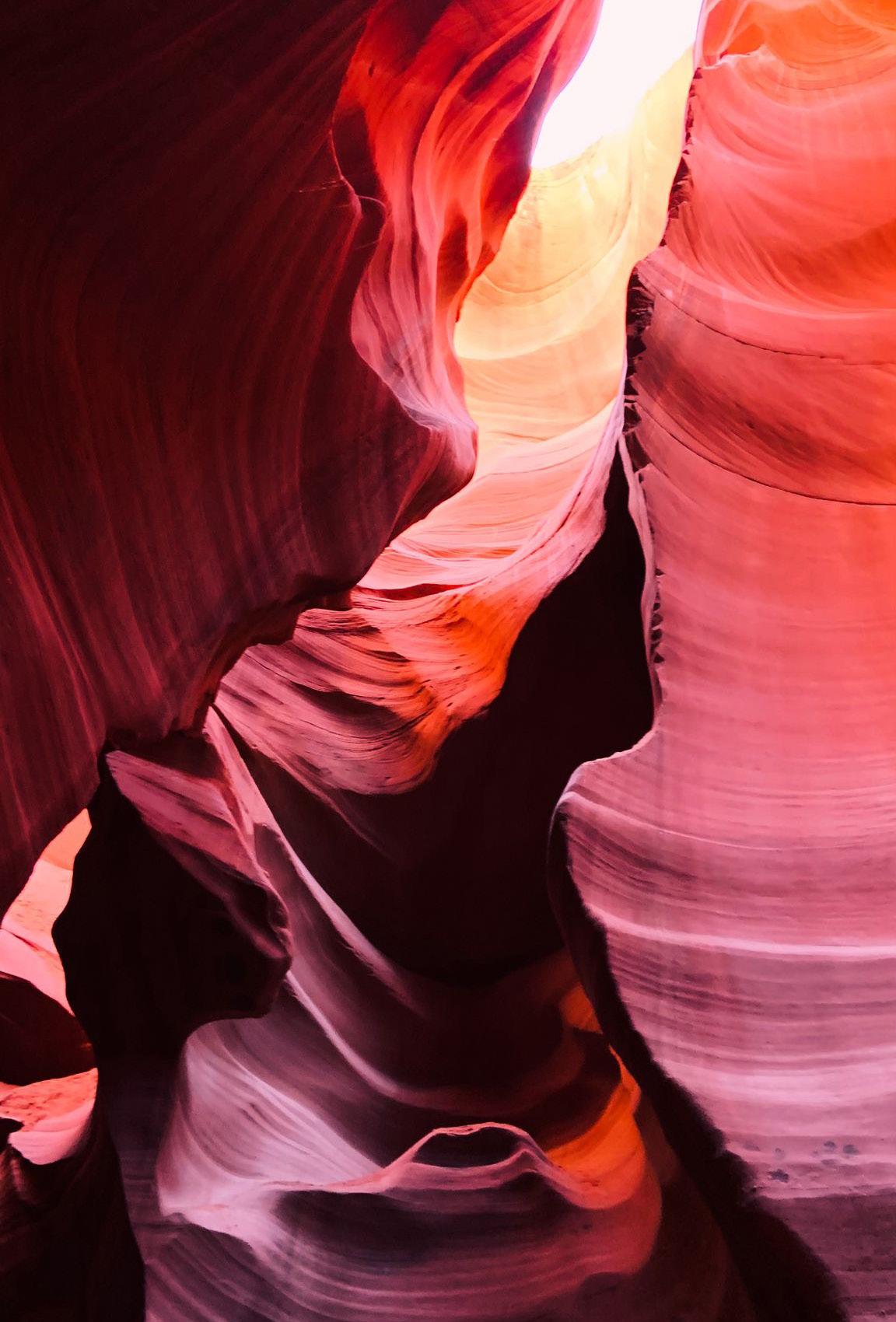
Cover photograph - Ilya S, Year 10
Contributing to the Barometer is a great way to earn gold notes, improve your writing, and it looks great on your CV
To submit articles or cover photos, join the Barometer club at Friday lunchtimes (B11) Or, you can email Mr s Bradley at nicola.bradley @wetherbysenior.co.uk
Read the latest issue at https://issuu.com/wetherbysenior
Jay J, Year 12 writes...
In September 2020, a fairly clueless Year 7 walked through the red doors of Wetherby Senior for the first time. Five years later, that same person, slightly less clueless and marginally taller, is taking over as Head Boy for the coming academic year. Strange is an understatement for how it feels to go from not knowing where any of the classrooms were to leading the Prefect Team, but here we are.
Around three months ago, over half of the Year 12s were busy working on their prefect applications. After the initial selection process, those who were successful were thrown straight into the deep end, carrying out all the usual duties during morning and lunchtime slots, representing the school at events, and organising and leading Trib assemblies.
Towards the end of this term, a handful of the probationary prefects were then chosen to undergo the selection process for senior prefect positions. After a truly rigorous process, the Senior Prefect Team was formed, and those who had successfully completed the probationary phase were appointed to their respective roles. Given that the appointments are now official, you can expect to see your new Prefect Team taking up their positions around the school in the coming academic year.
It is an absolute privilege to be able to lead the Prefect Team alongside the two Deputy Head Boys, Antonio and Tommy. I have thoroughly enjoyed my years at
Wetherby and have always made sure to take up every opportunity that has come my way. You never know what the outcome will be or what you will learn from each experience. In a school like Wetherby, opportunities are consistently presented to you, and it is so important that you make the most of every single one. They
will become some of the most memorable parts of your school life.
I would like to acknowledge and thank Felix and the outgoing Head Boy Team for all their hard work over the past year, and I am looking forward to everything the new academic year will bring.

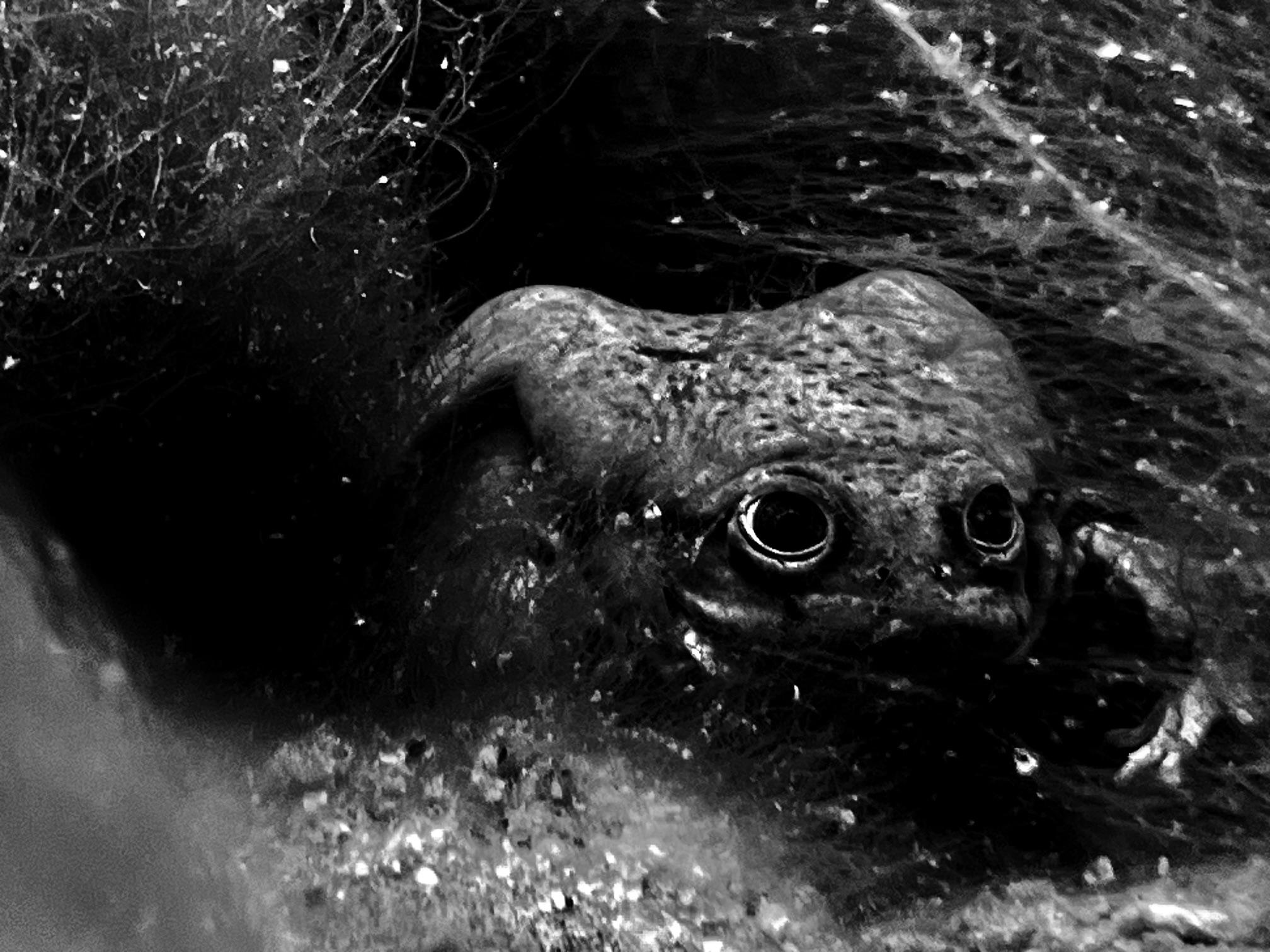
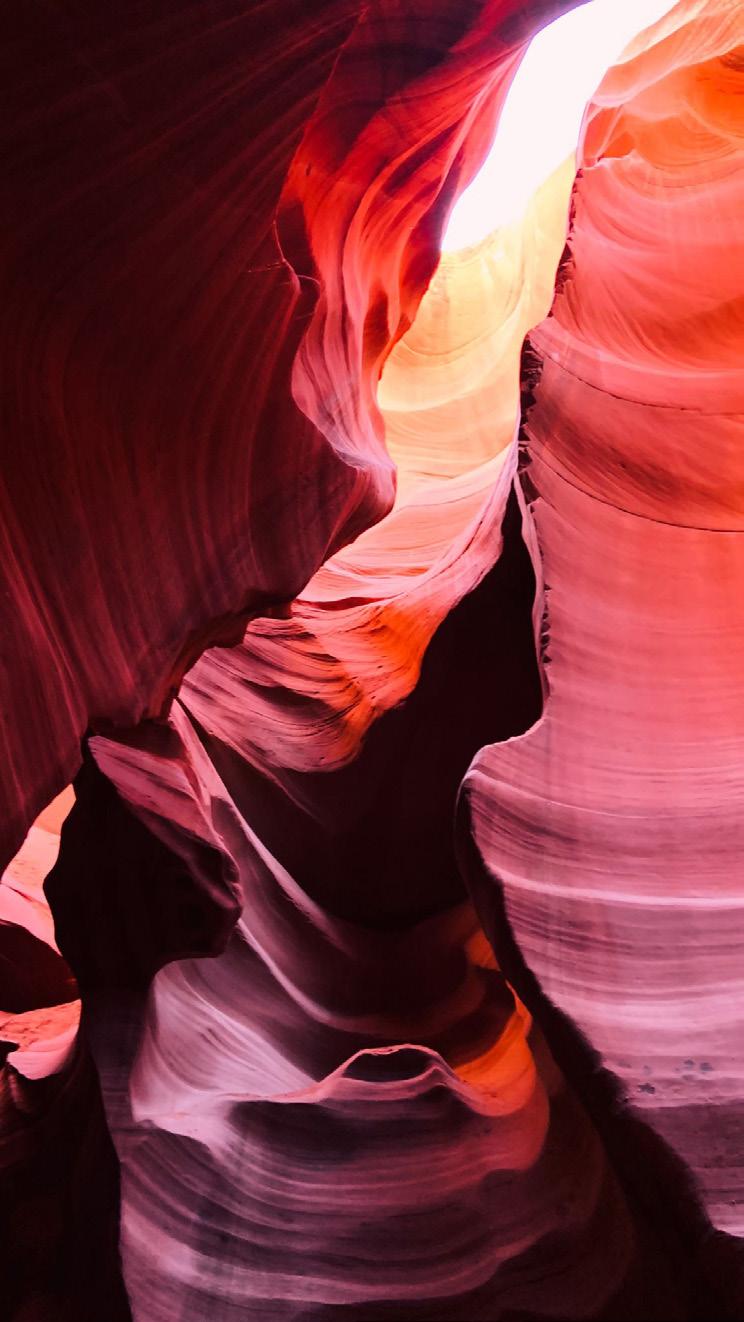
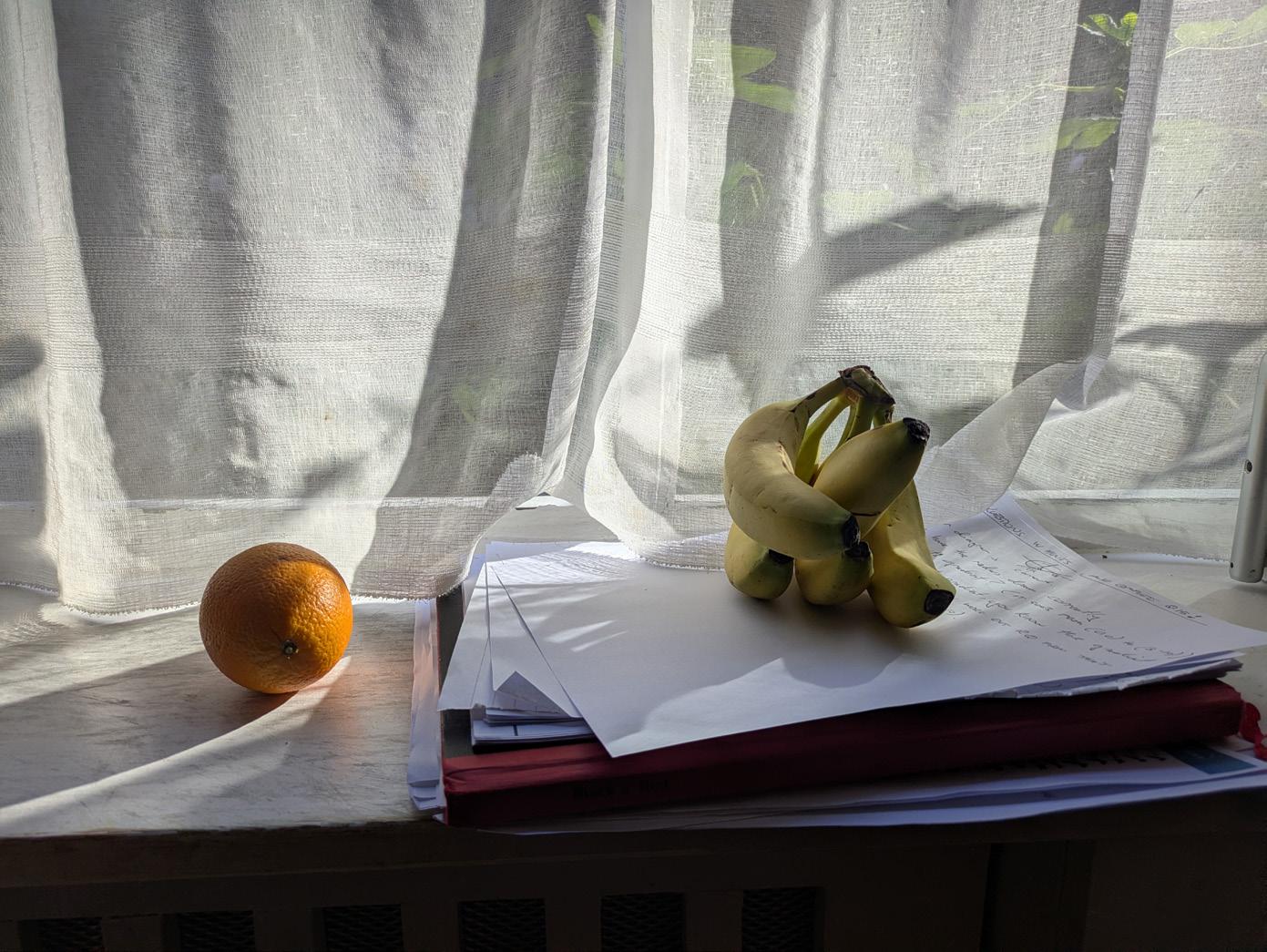

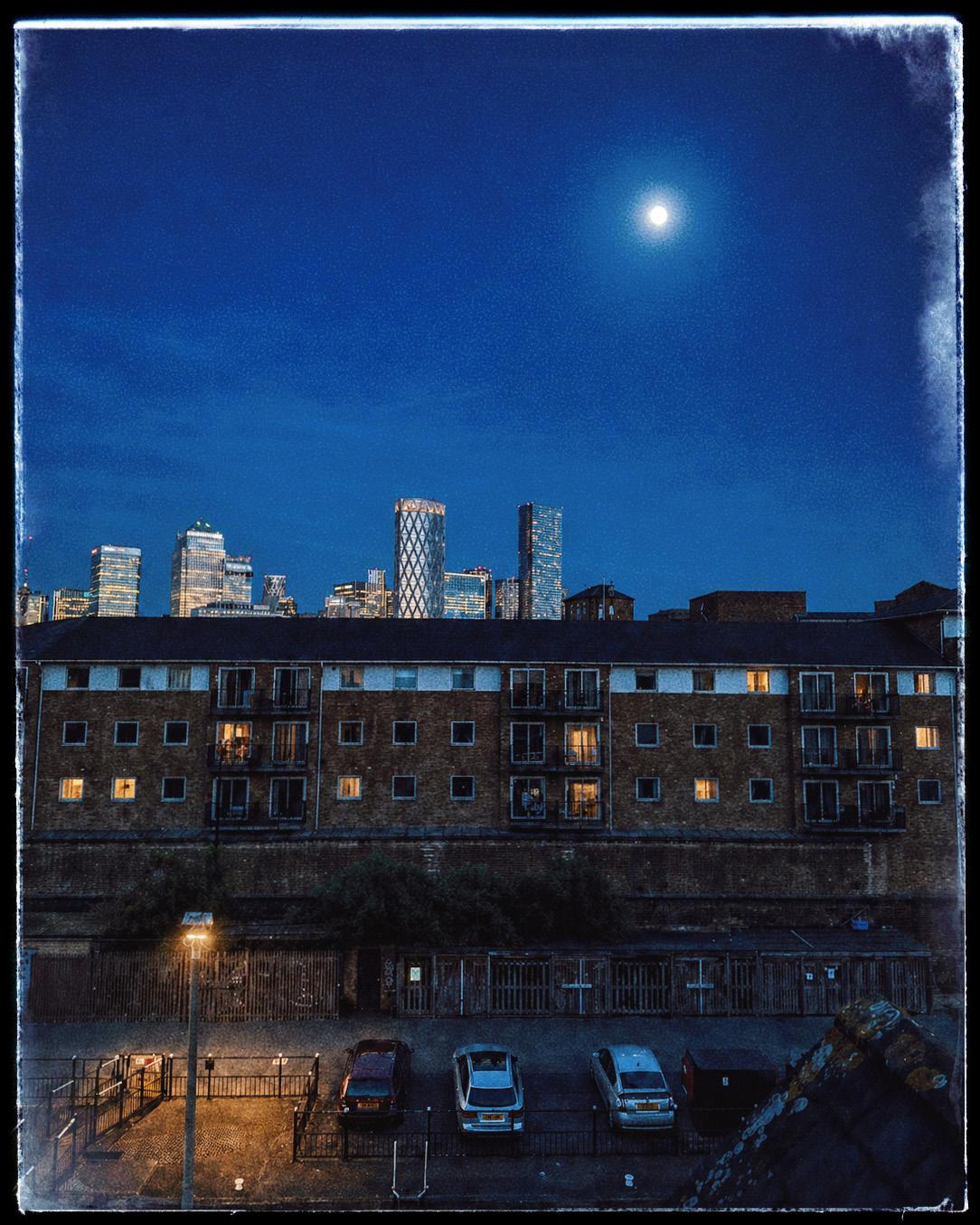
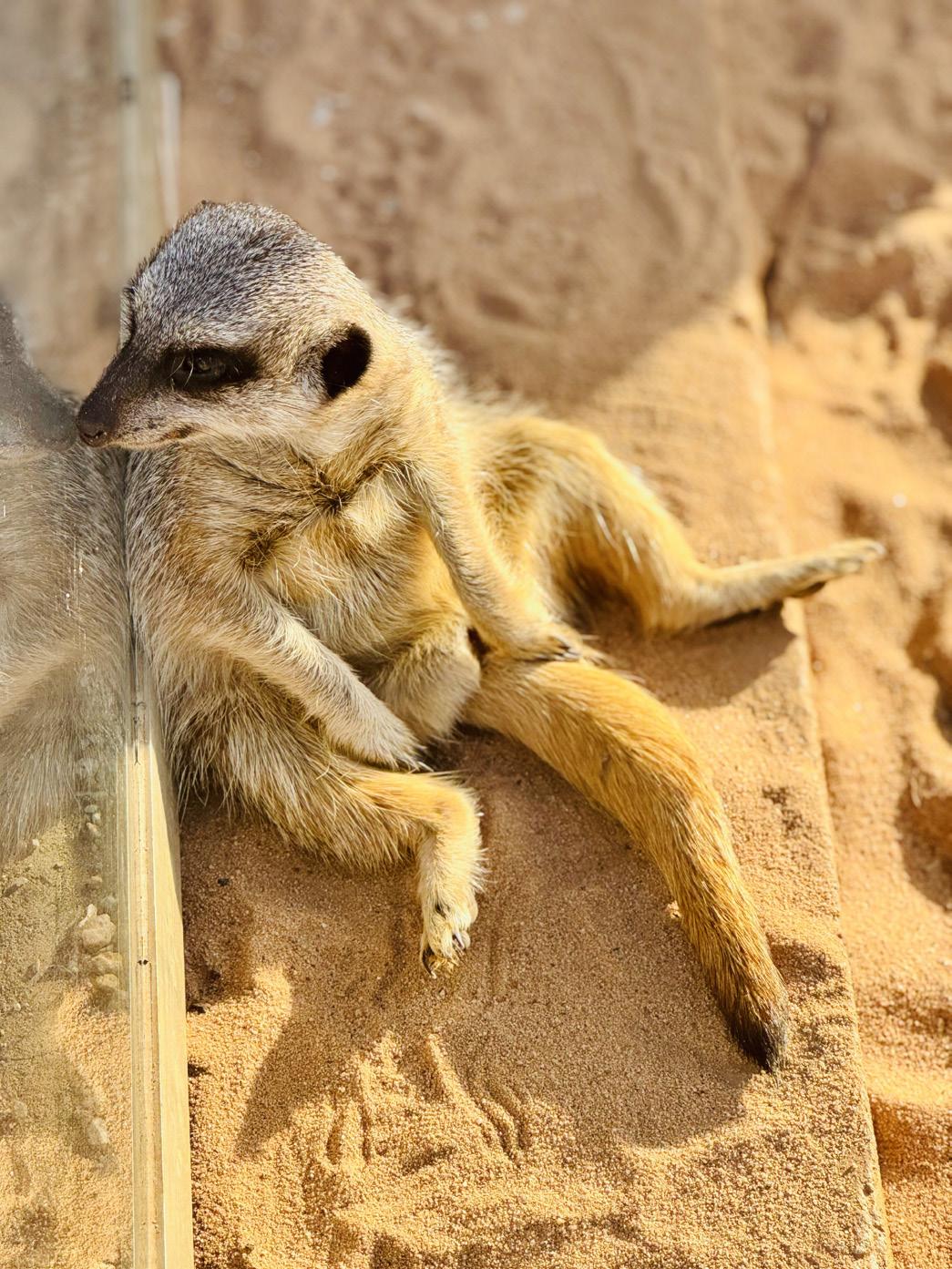
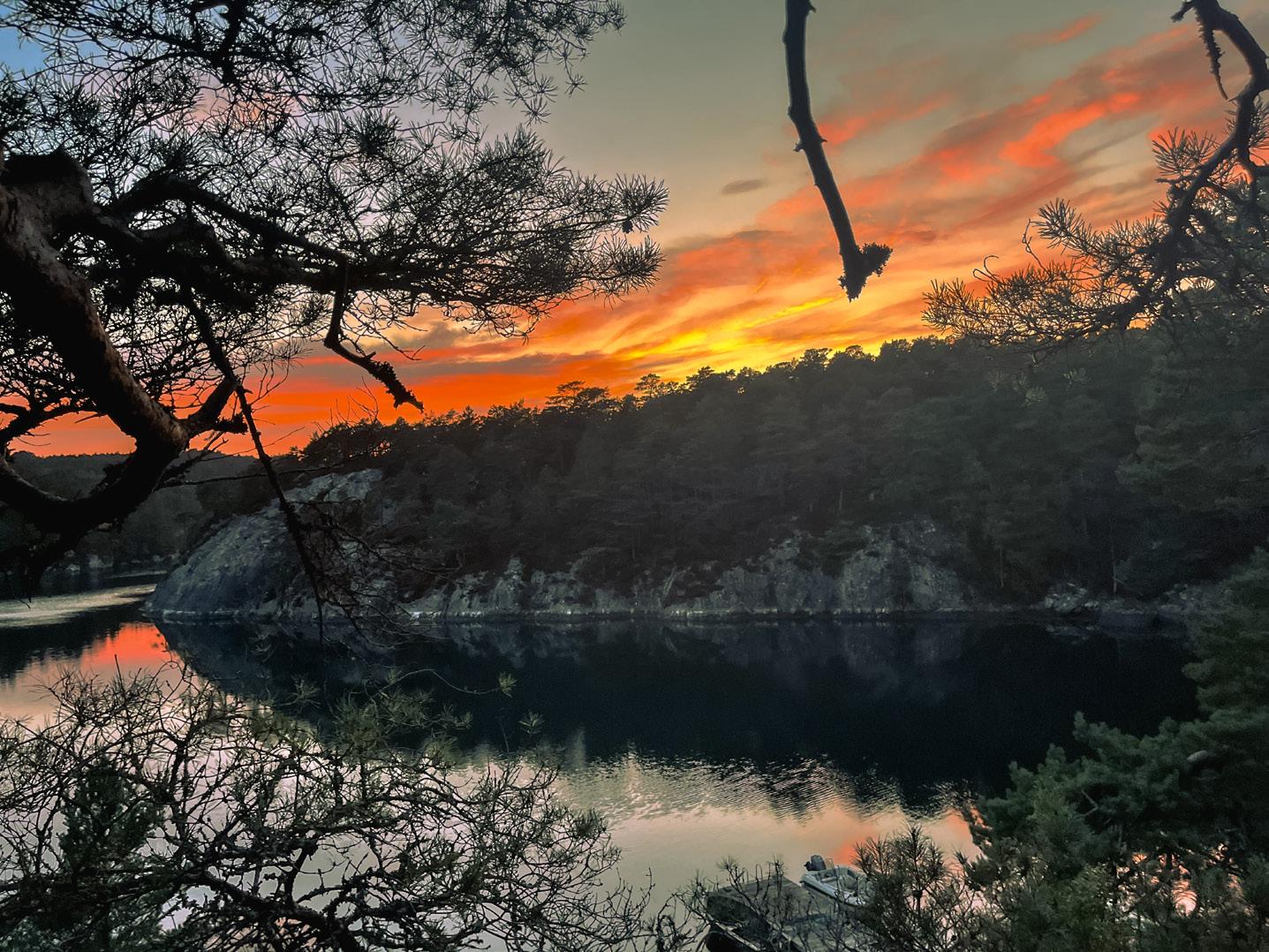
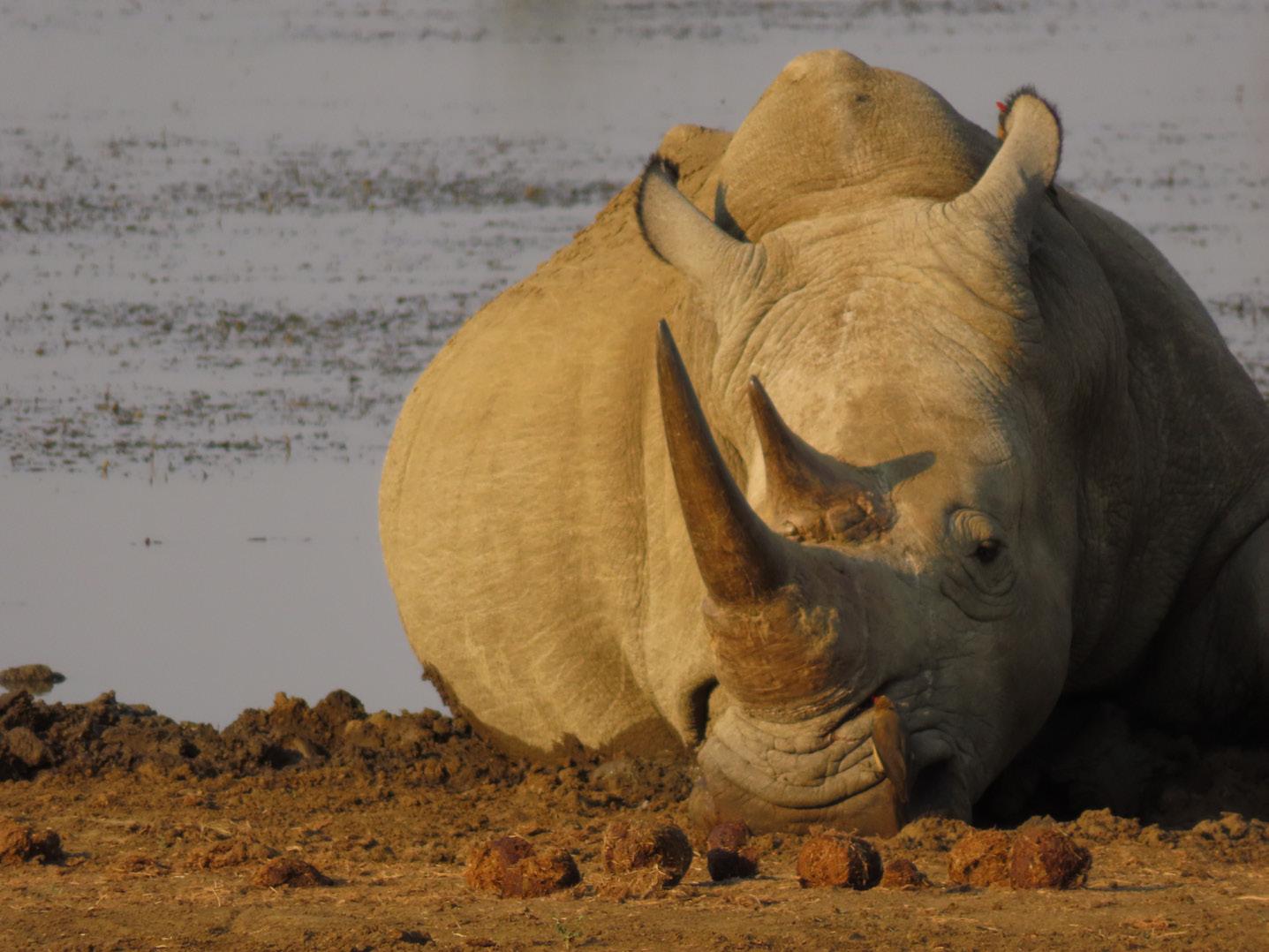
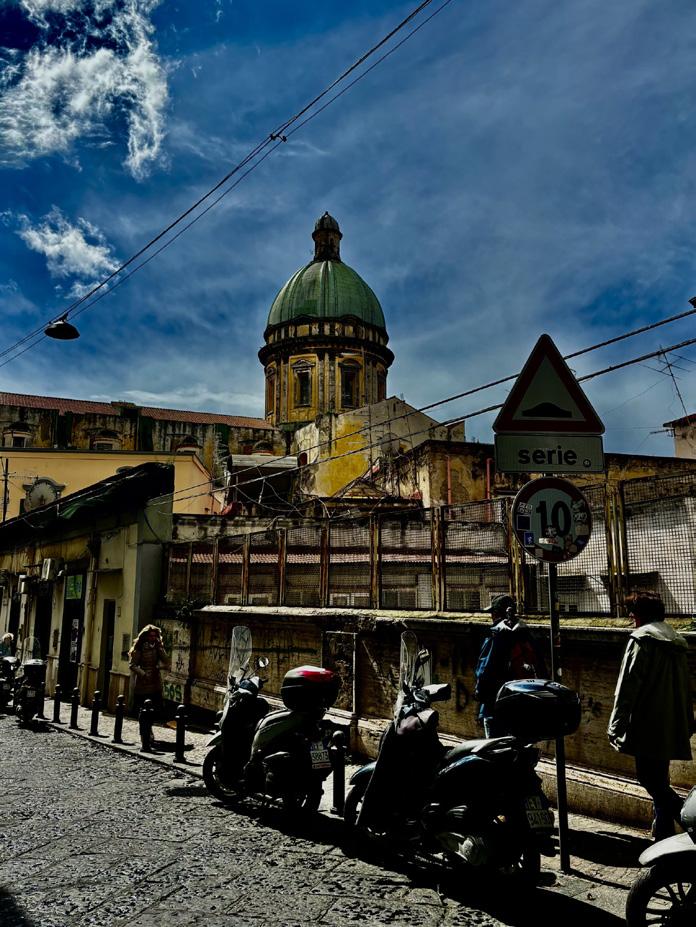

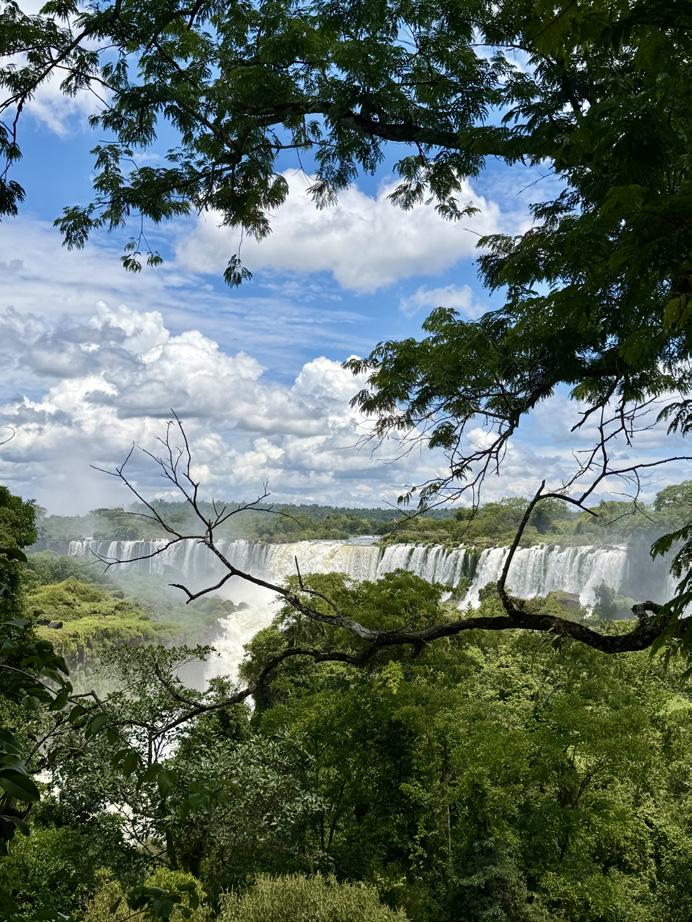

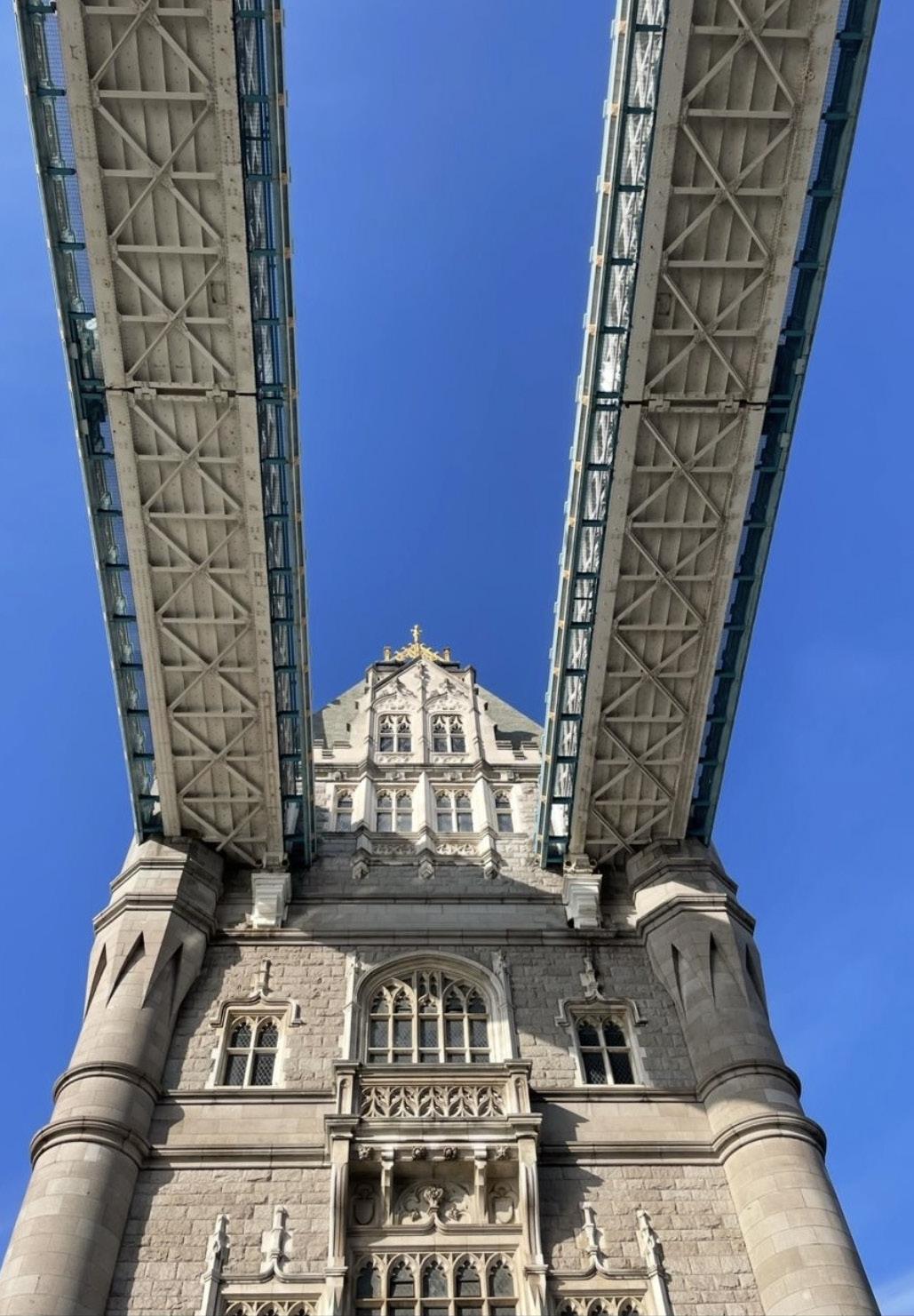
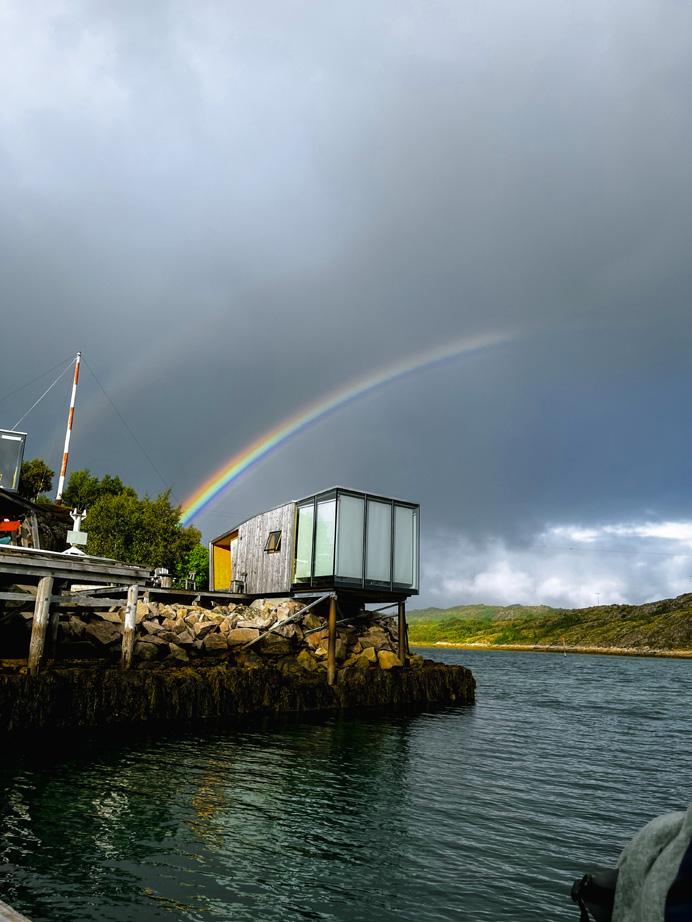
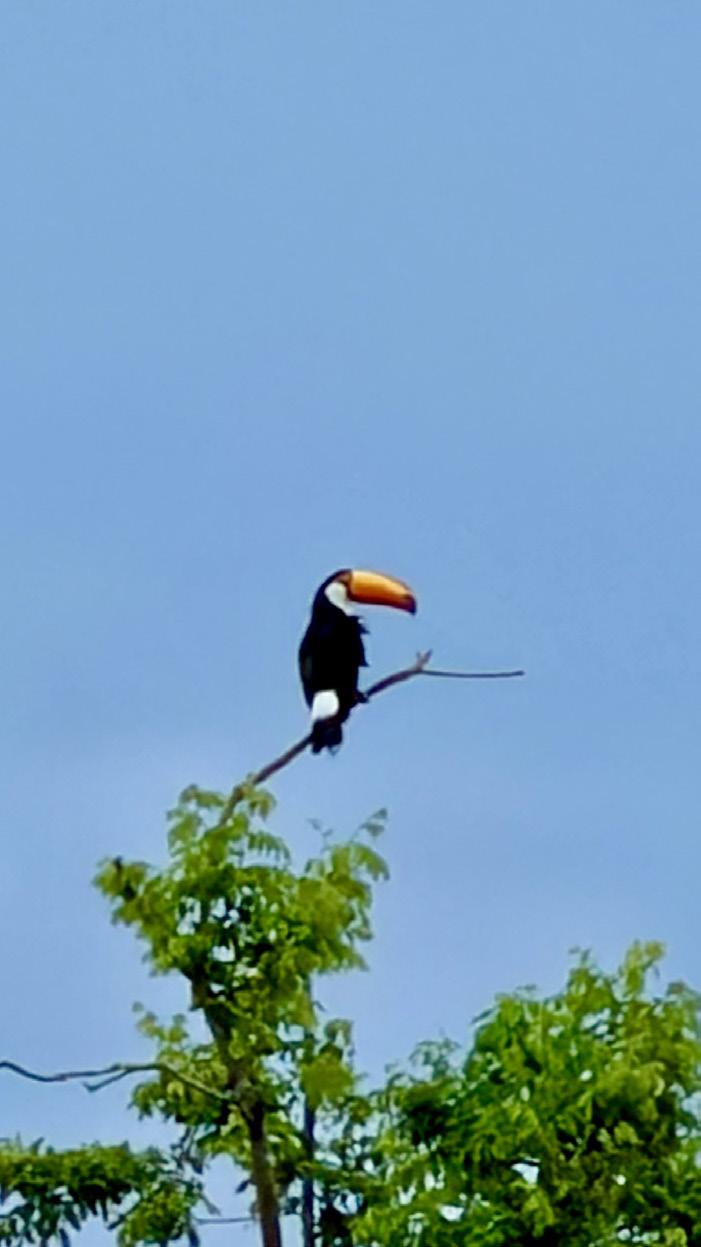
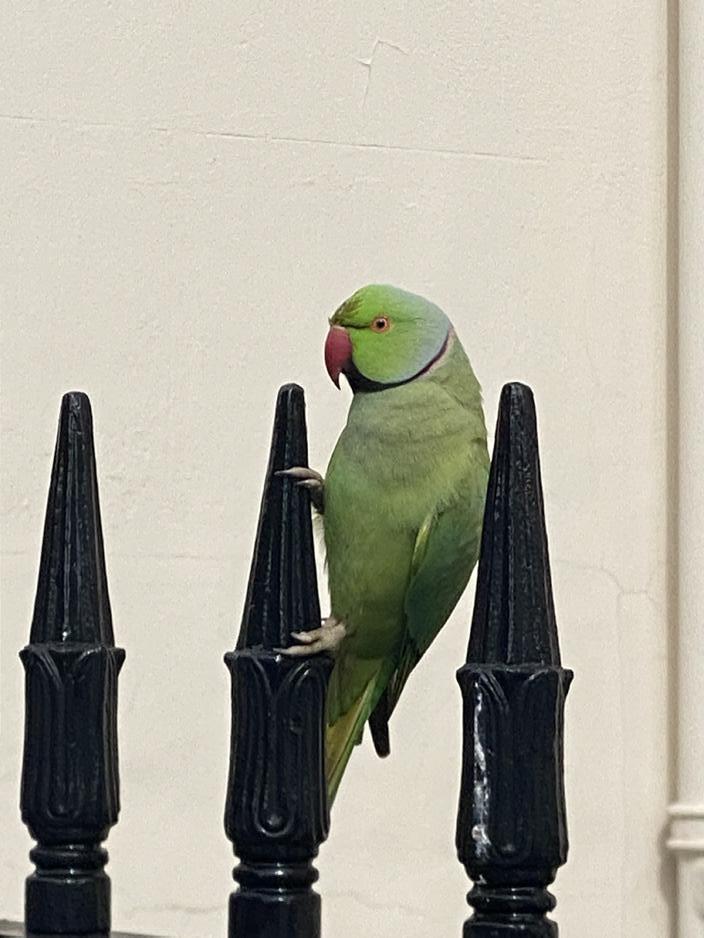
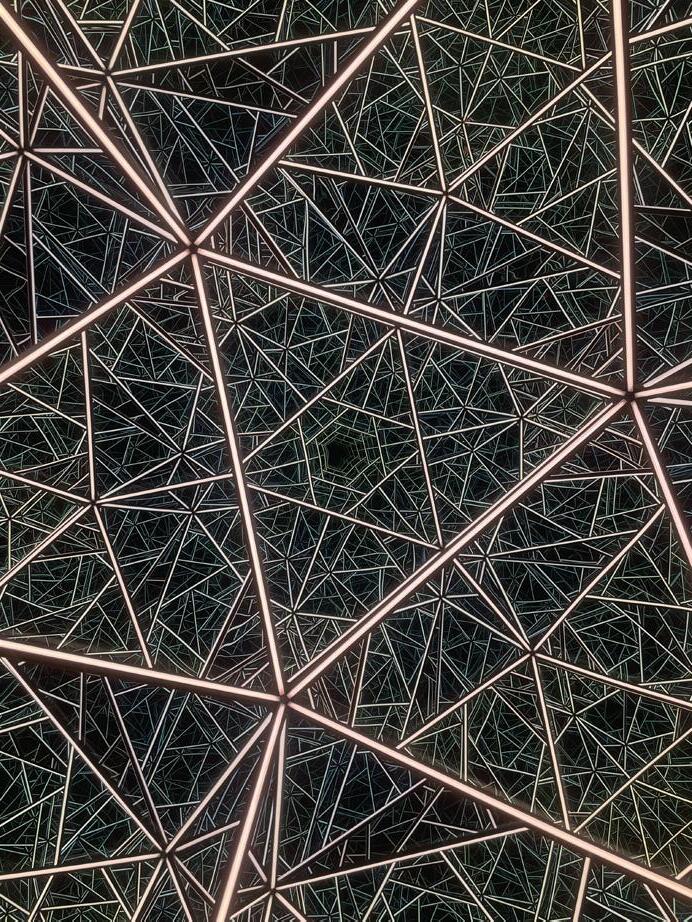
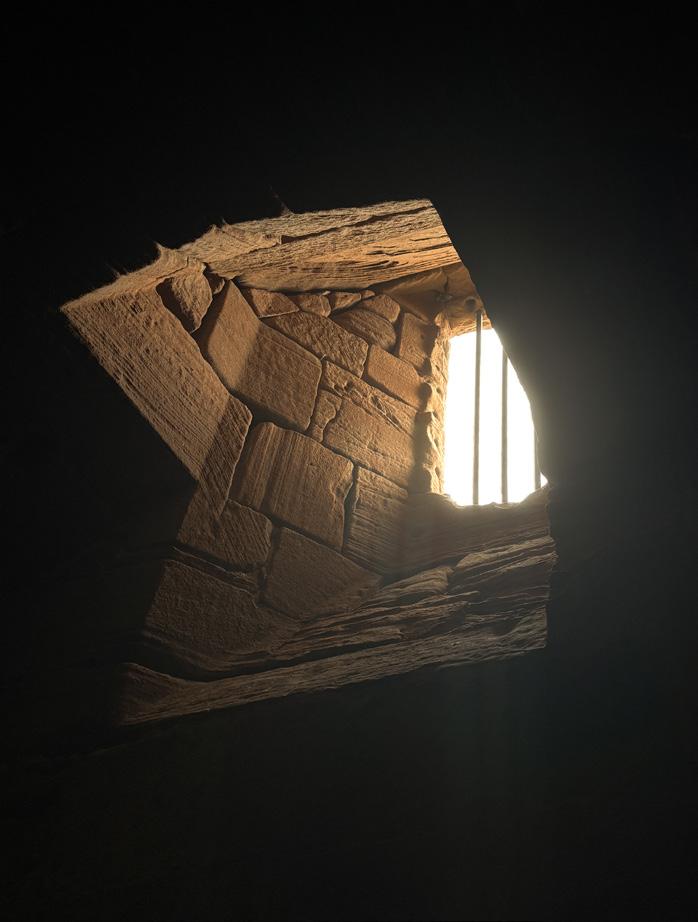
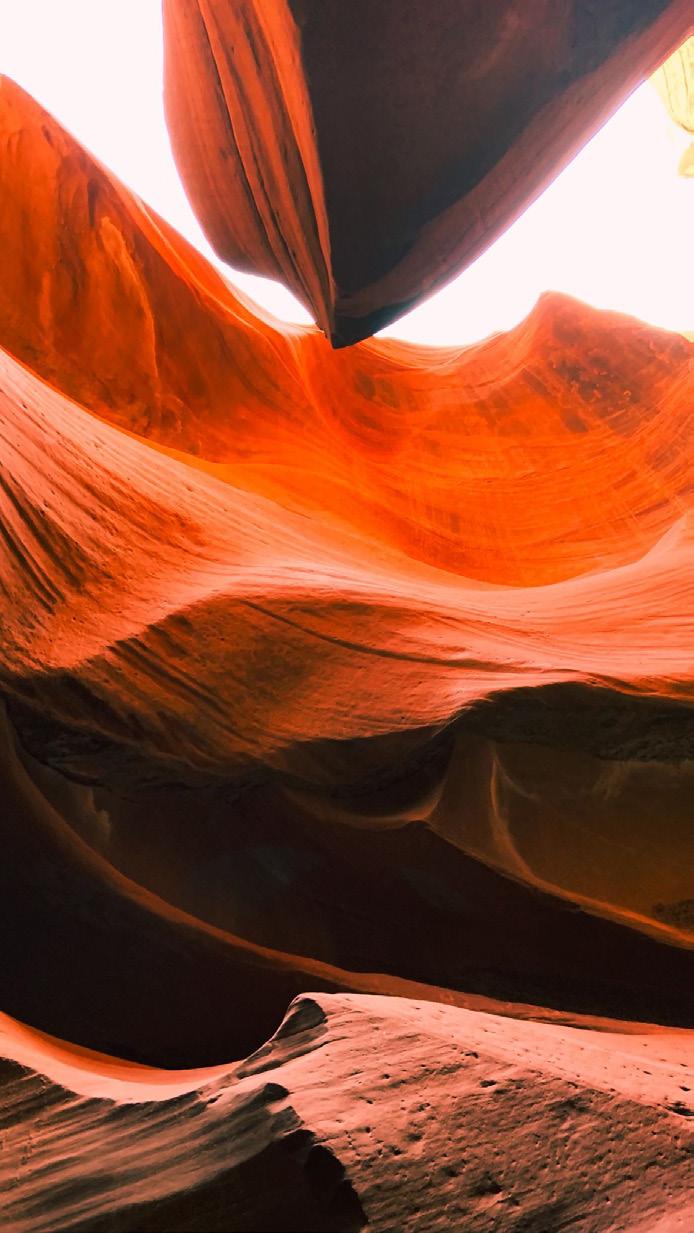
Facing page from top left: Albert C, Year 10, Albert C, Year 10, Cezar J, Year 10, Cezar J, Year 10, Rafael T-A, Year 7, Antonio D, Year 9, Freddie W, Year 7. This page: Albert C, Year 10, Billy C, Year 10, Ilya S, Year 10, Albert C, Year 10, Cezar J, Year 10, Freddie W, Year 7
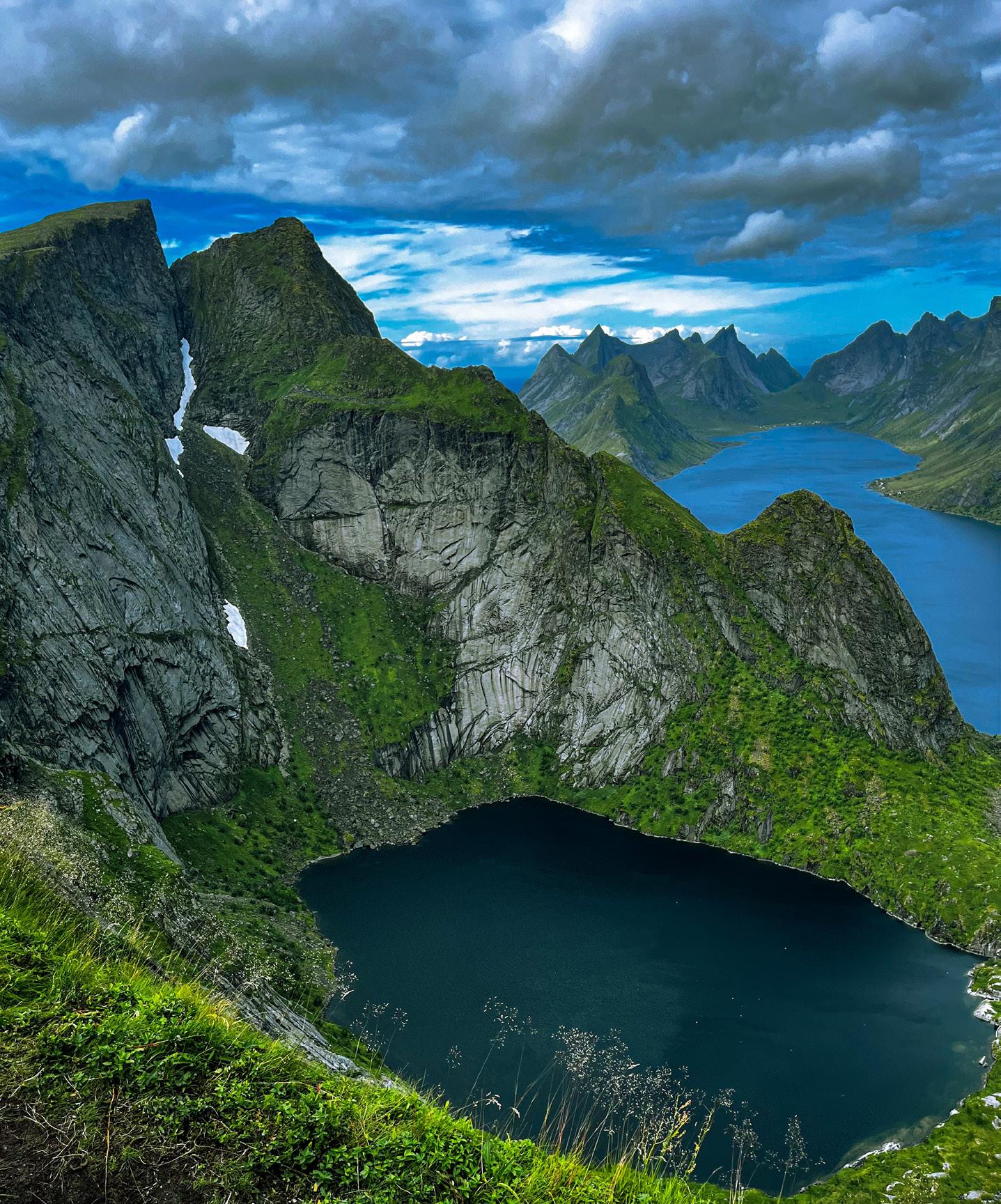

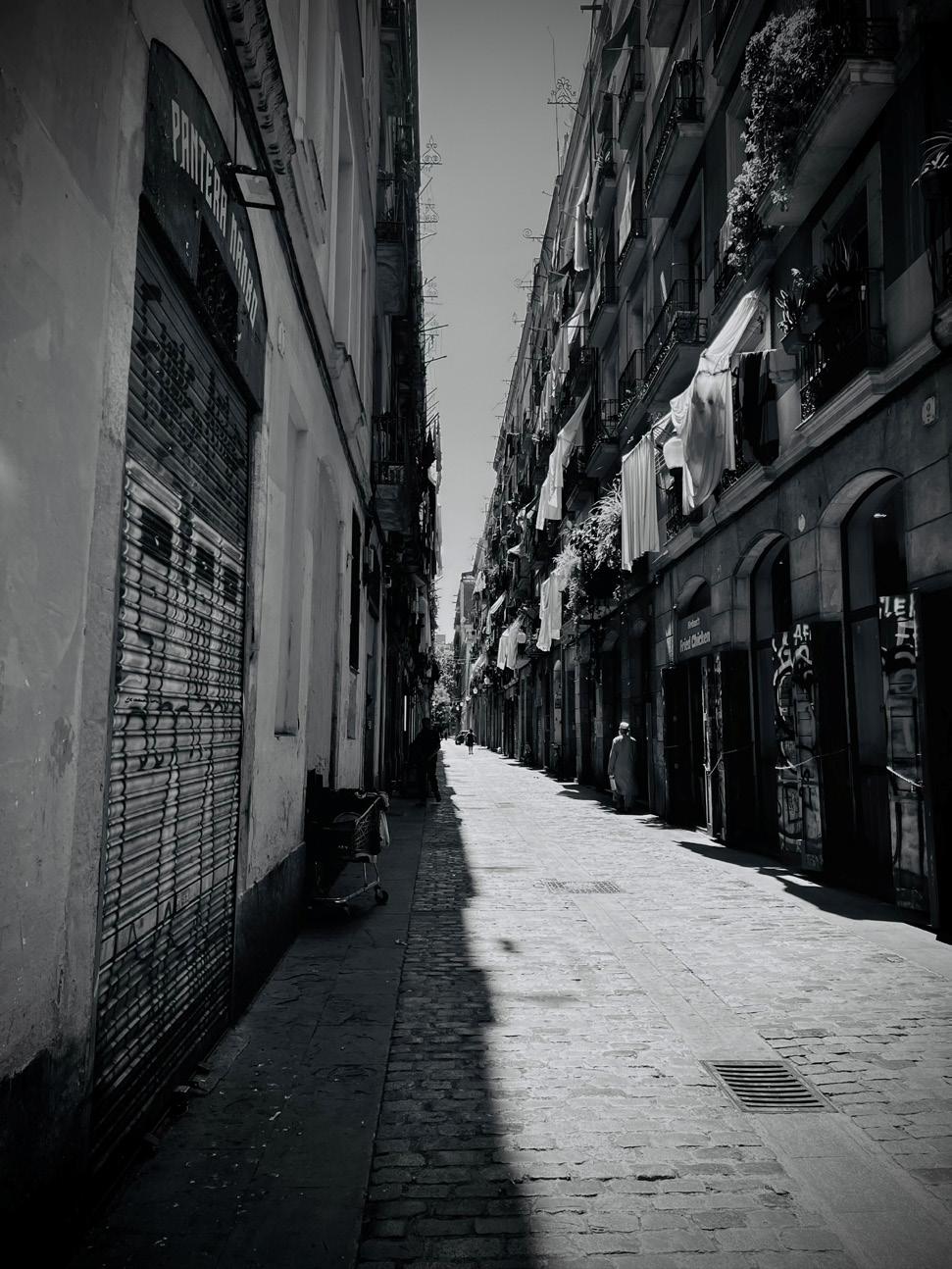
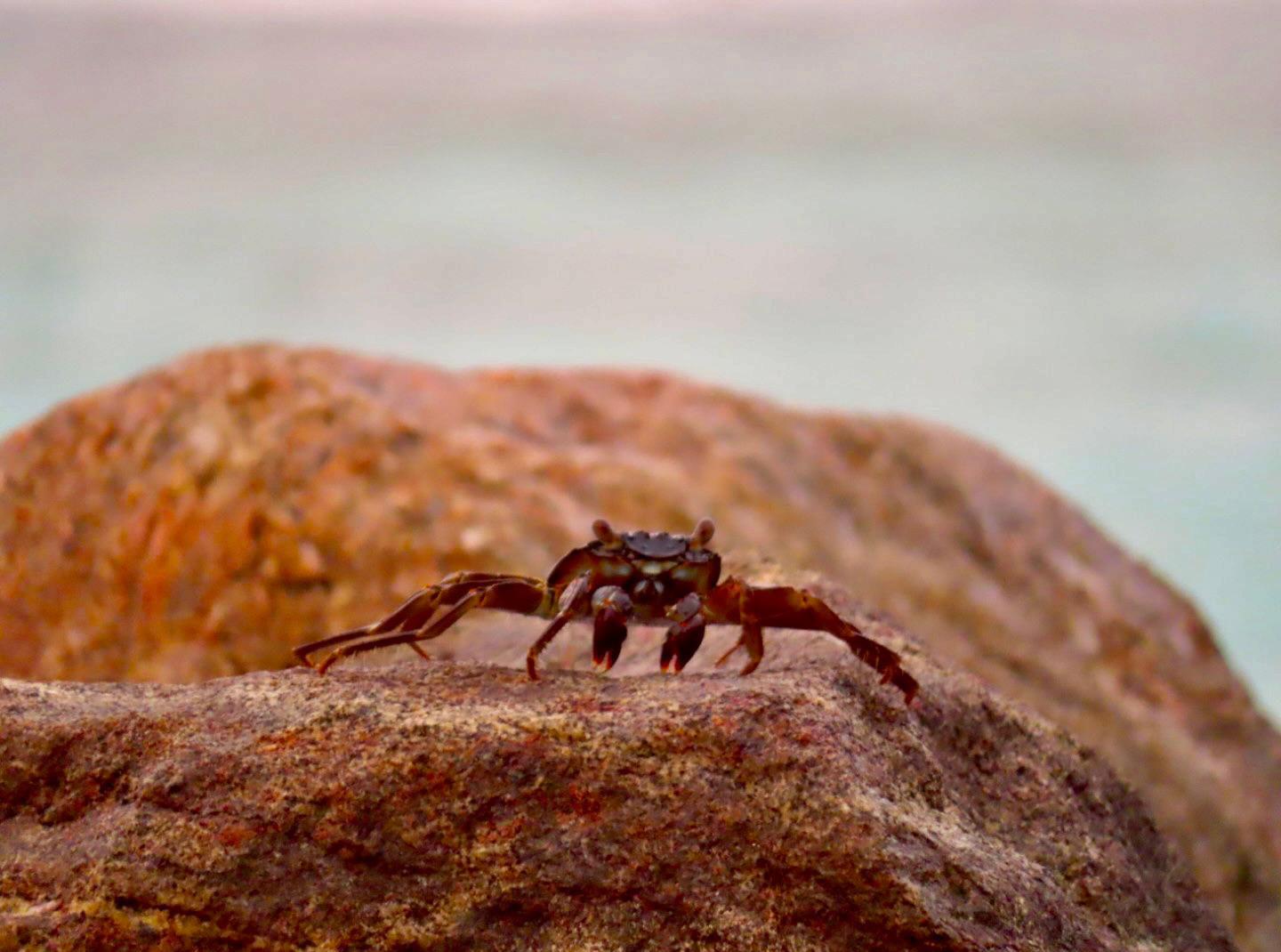

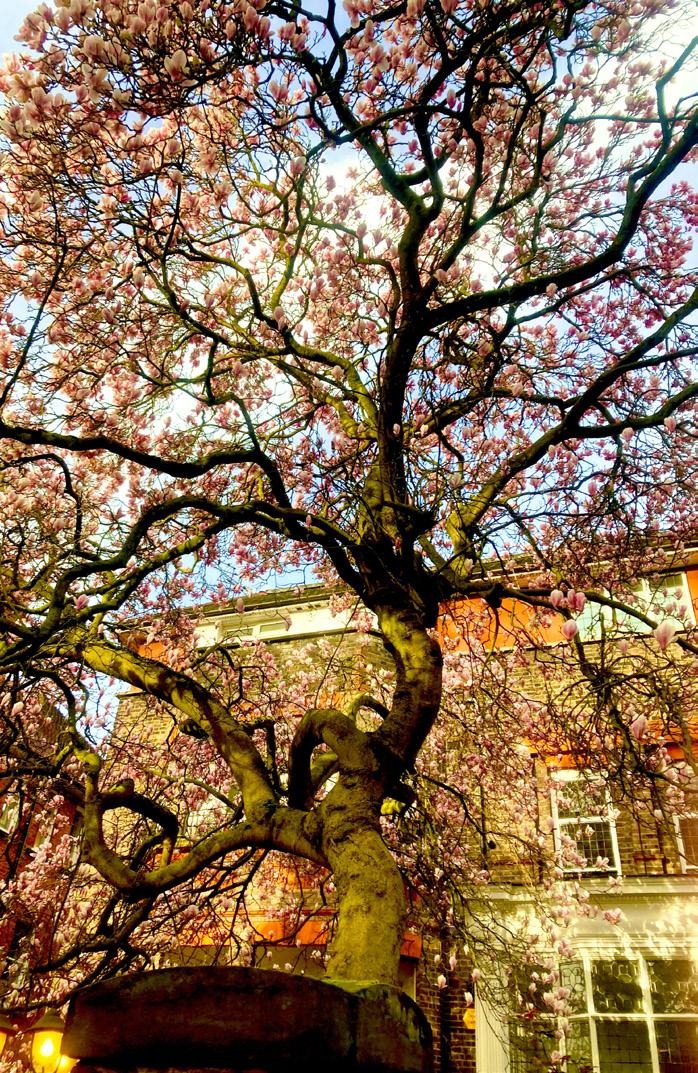
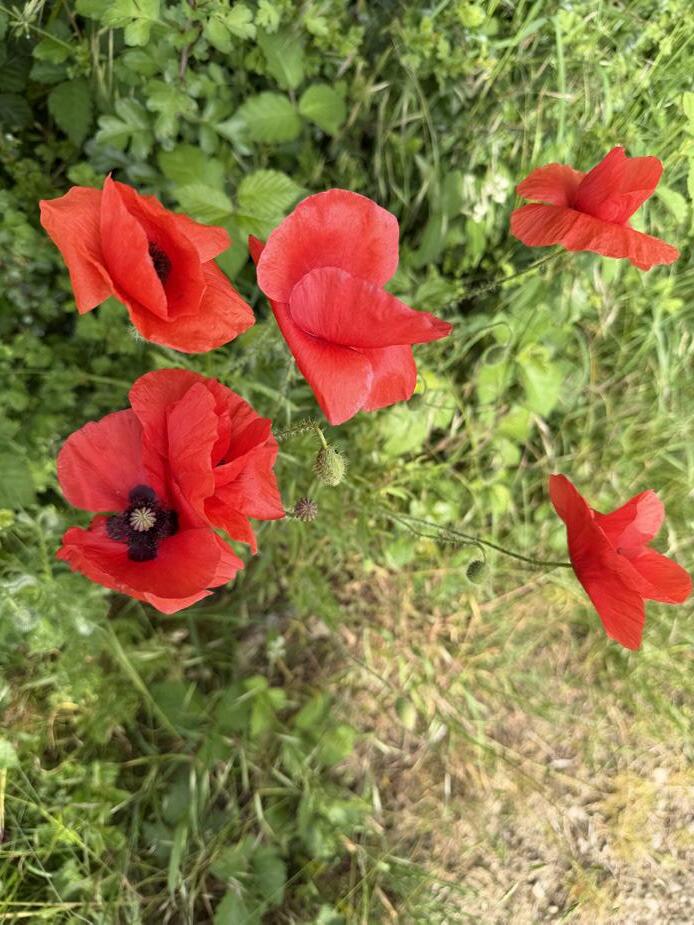
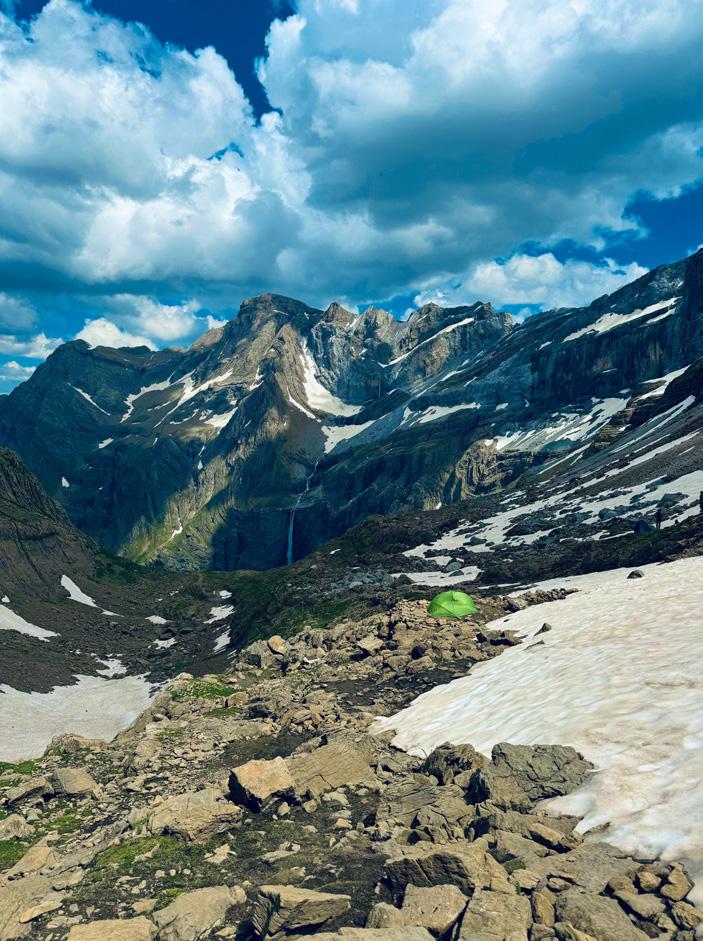
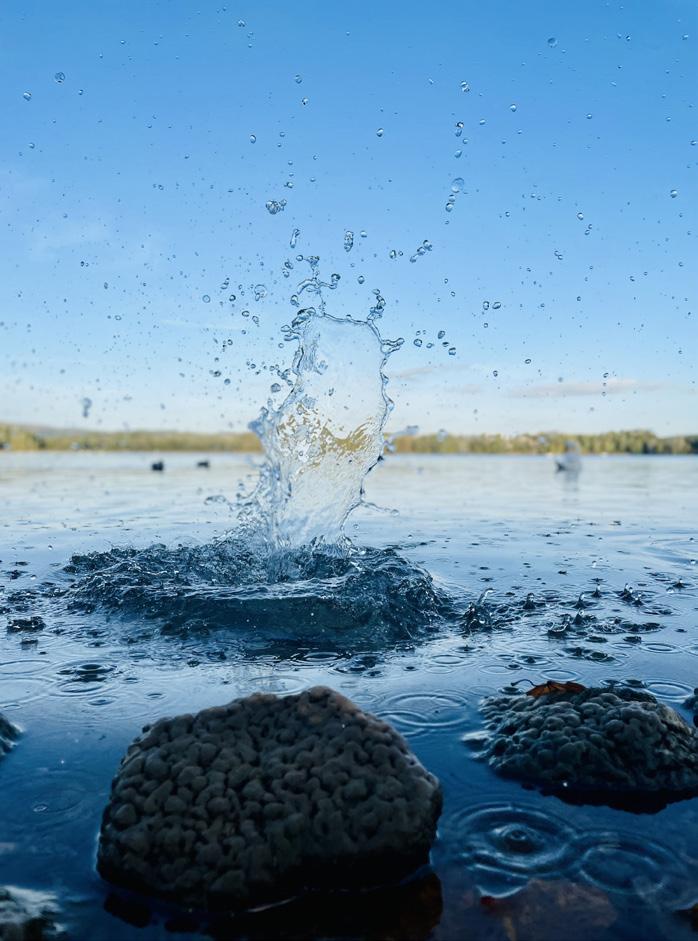
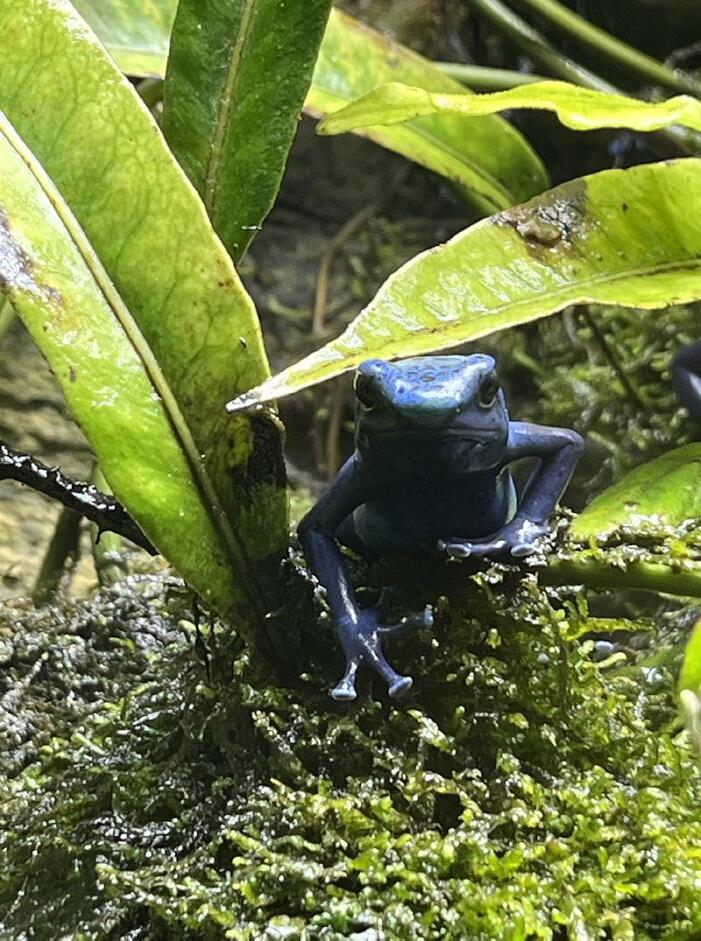
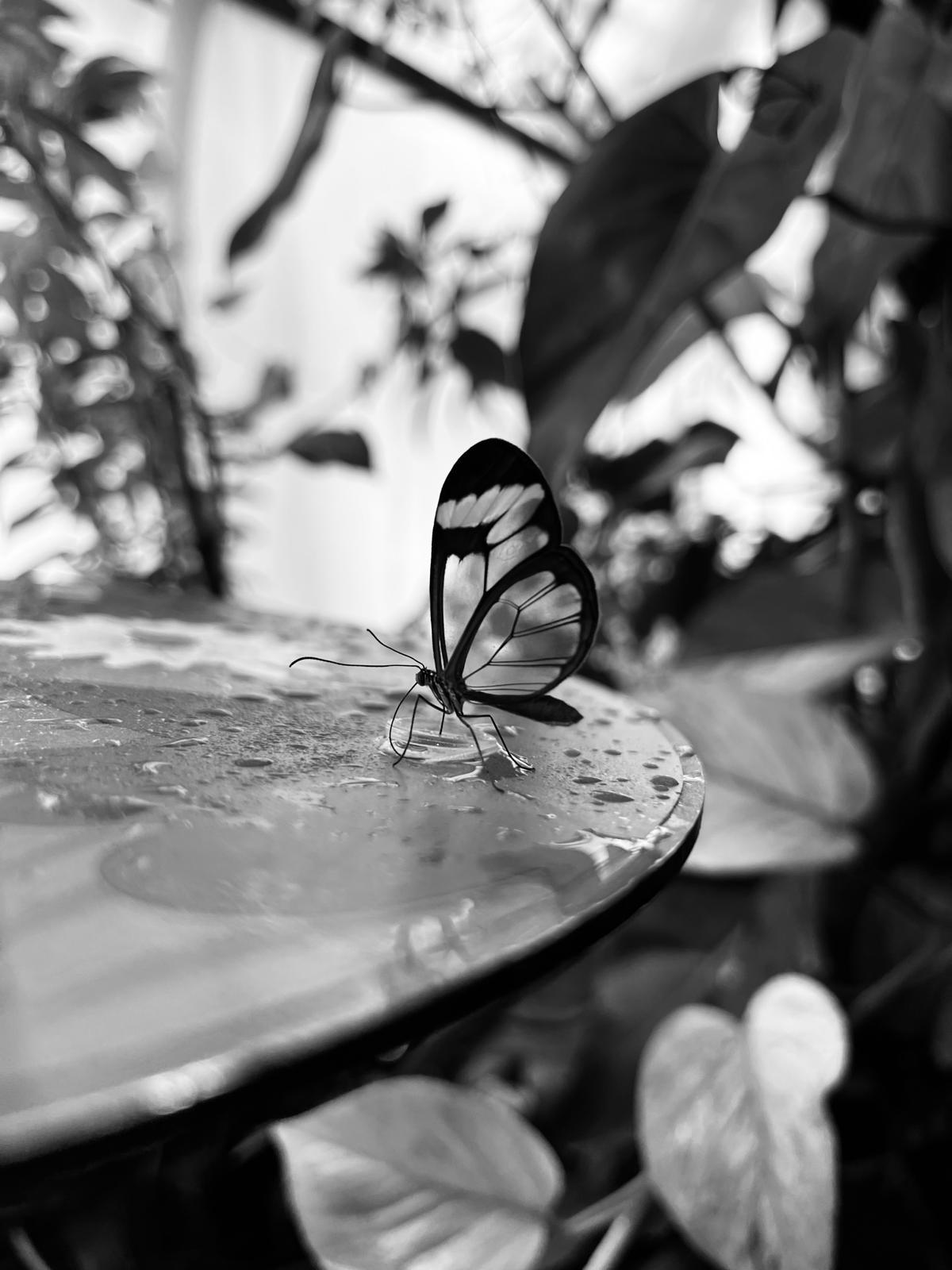
Facing page from top left: Niran R, Year 12, Leo F, Year 8, Teddy L, Year 7, Philip T-S, Year 7, Jack A, Year 10.
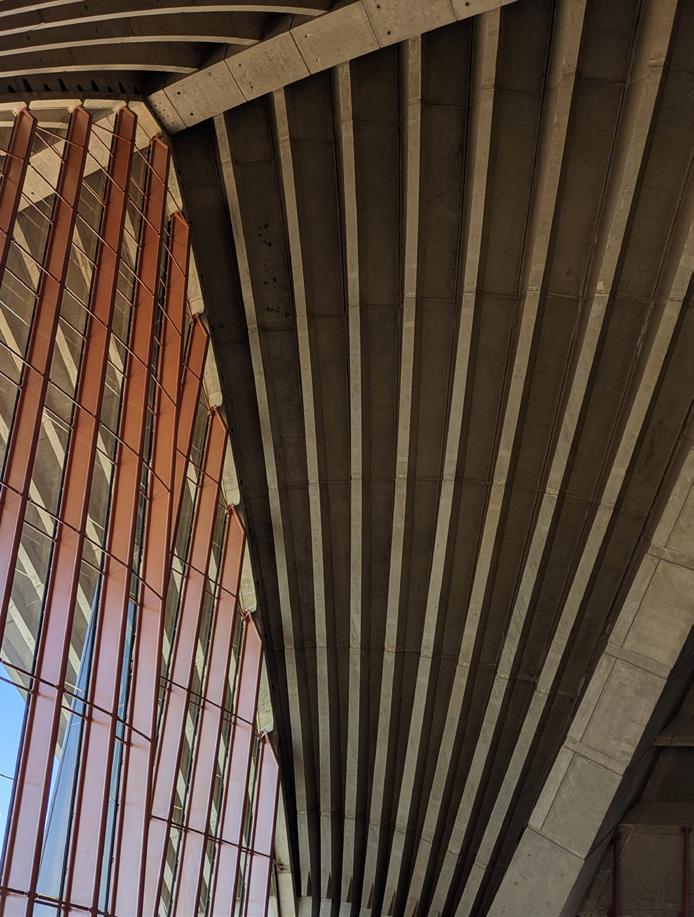
This page from top left: Ilya S, Year 10, Mostafa E, Year 8, Teddy L, Year 7, Teddy L, Year 7, Jack A, Year 10, Jack A, Year 10, Emerson L-B, Year 7 Rafael T-A, Year 7

Emerson L B, Year 7 writes...
On the 19th of July, my dad and I embarked on an epic trek to the Brèche de Roland, a spectacular natural gap in the Pyrenees, the mountain range separating France and Spain. As we set off, the sun was shining. Behind us were the last traces of civilisation, and in front of us loomed towering, menacing mountains covered in a fine layer of ice and snow.
The higher we climbed, the thinner the air became. The environment grew increasingly
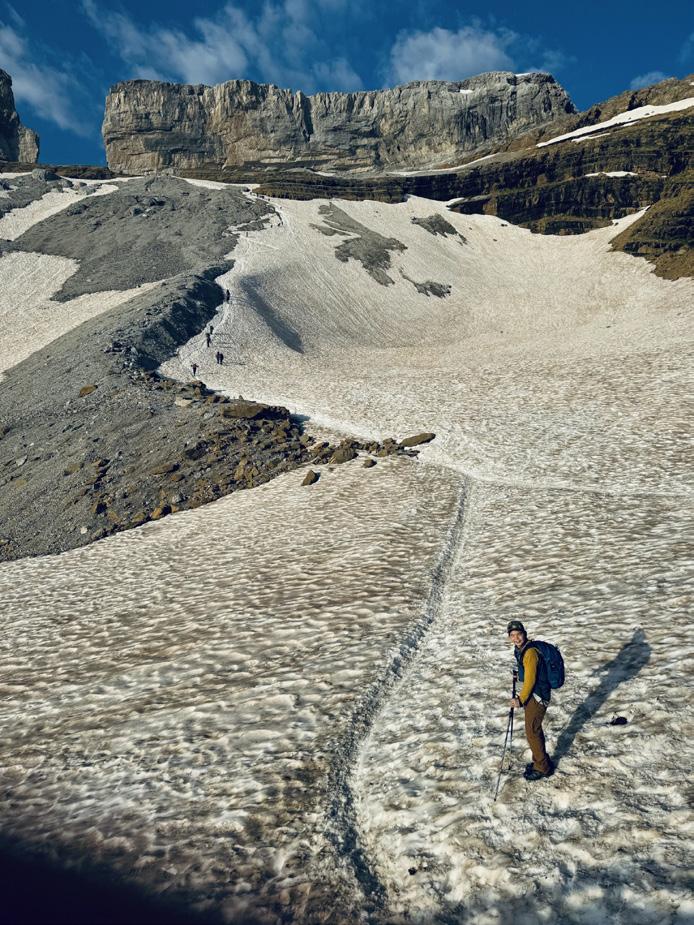
dangerous and treacherous. We were forced to halt, unpack our heavy bags, and strap on sharp metal crampons to trek through the snow and ice. After what felt like hours, and indeed was many hours (!), we finally caught sight of the Refuge de la Brèche de Roland – Les Sarradets, a remote mountain refuge where mountaineers can put down their heavy packs, rest their sore feet and share stories.
The refuge sits just below a huge natural gap in the Pyrenees.
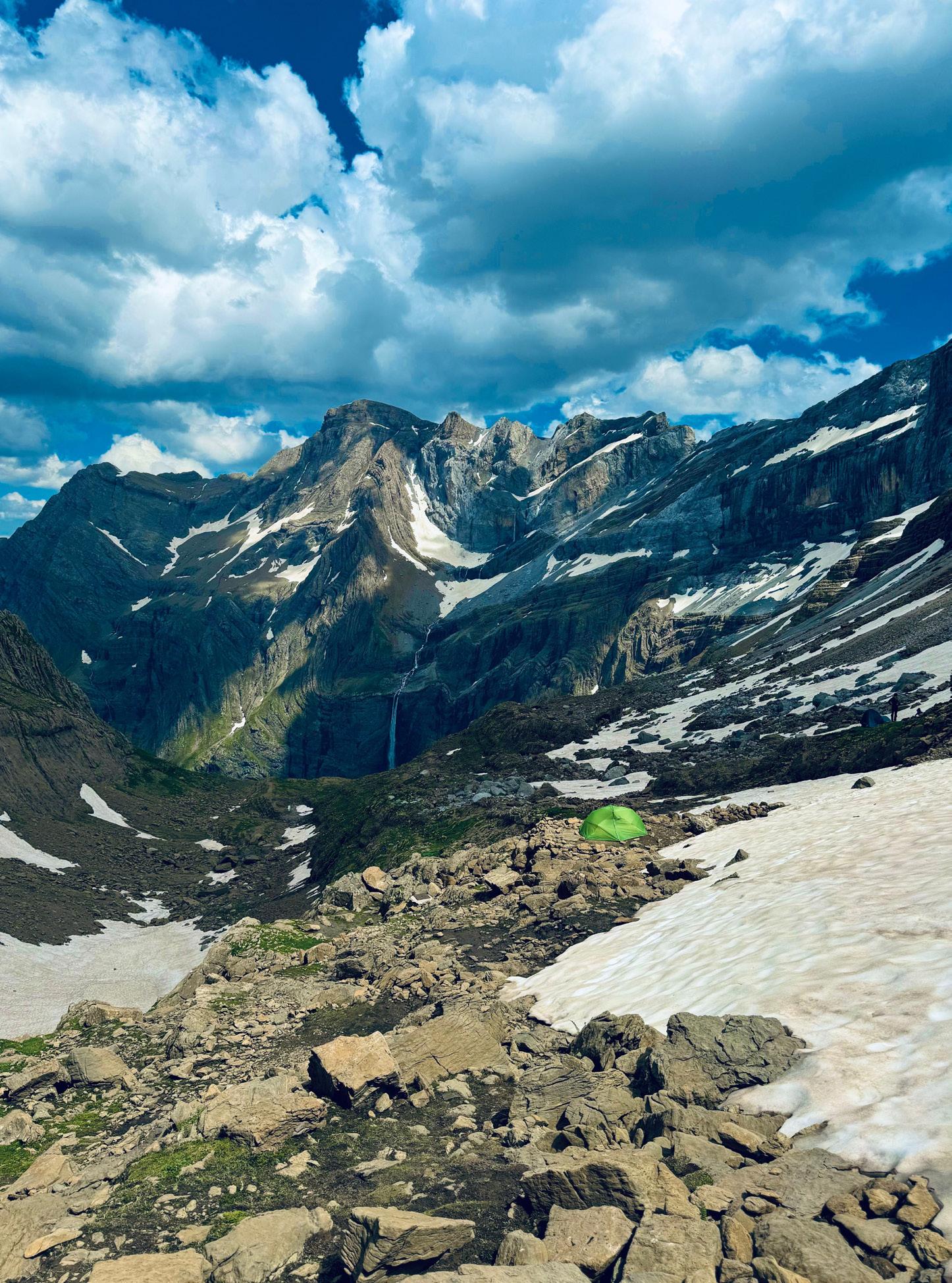
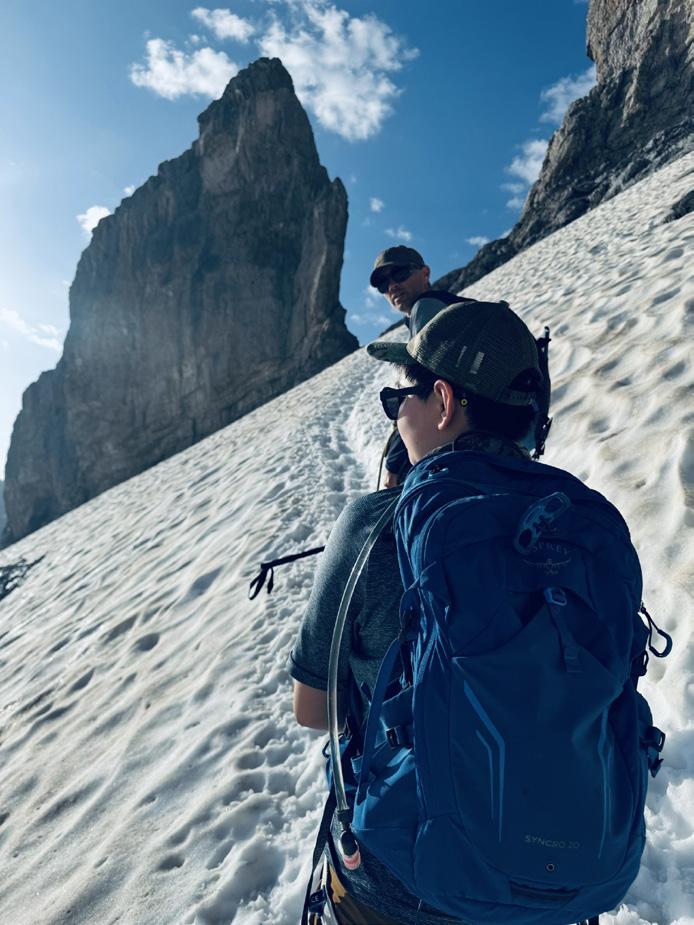
Legend has it that Roland’s Breach was created when Count Roland struck his unbreakable sword into the rock face in an attempt to destroy it after being defeated at the Battle of Roncesvalles in the year 778. The strike failed to break the sword but sliced a massive gap, 40 metres across and 100 metres high, at an elevation of 2,804 metres.
When the sun had set, everyone gathered around cramped tables, waiting for dinner to be served. Sharing a table with three generations of the same Spanish family, we learnt that they came here every year to celebrate their grandpa’s birthday. After devouring our main course and the delicious chocolate mousse, we retreated to our bunk beds, knowing that we had to get up at 5:30 am to begin our summit climb.
Stepping out of the warm, safe refuge onto the cold, unforgiving ice, we began our long trek to the summit of Mont Taillon. Before that, however, we had to pass through Count Roland’s work: the Brèche de Roland. As we crossed
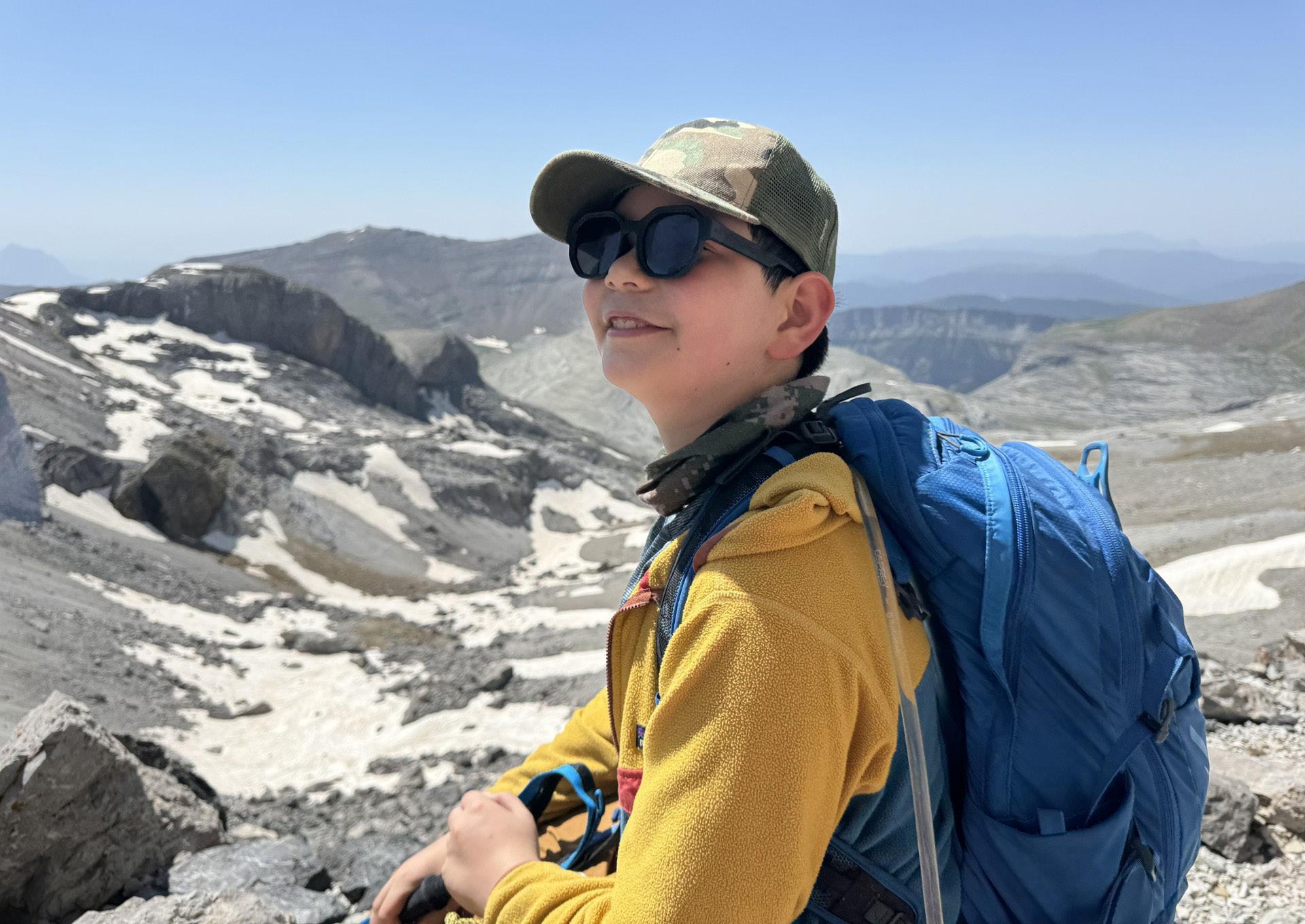
the gap, which marks the border between France and Spain, an unusual feeling enveloped me. We had just become illegal border crossers! Continuing our climb, we finally reached the summit of Mont Taillon via the Spanish side. At 3,144 metres (10,315 feet), we felt as though we were at the top of the world, above everything: the tree line, the snow line and the human line.
After a long trek back down to the refuge, we were exhausted. Hoping to get some rest, we trudged inside, only to be met with bad news: there was no space for us.
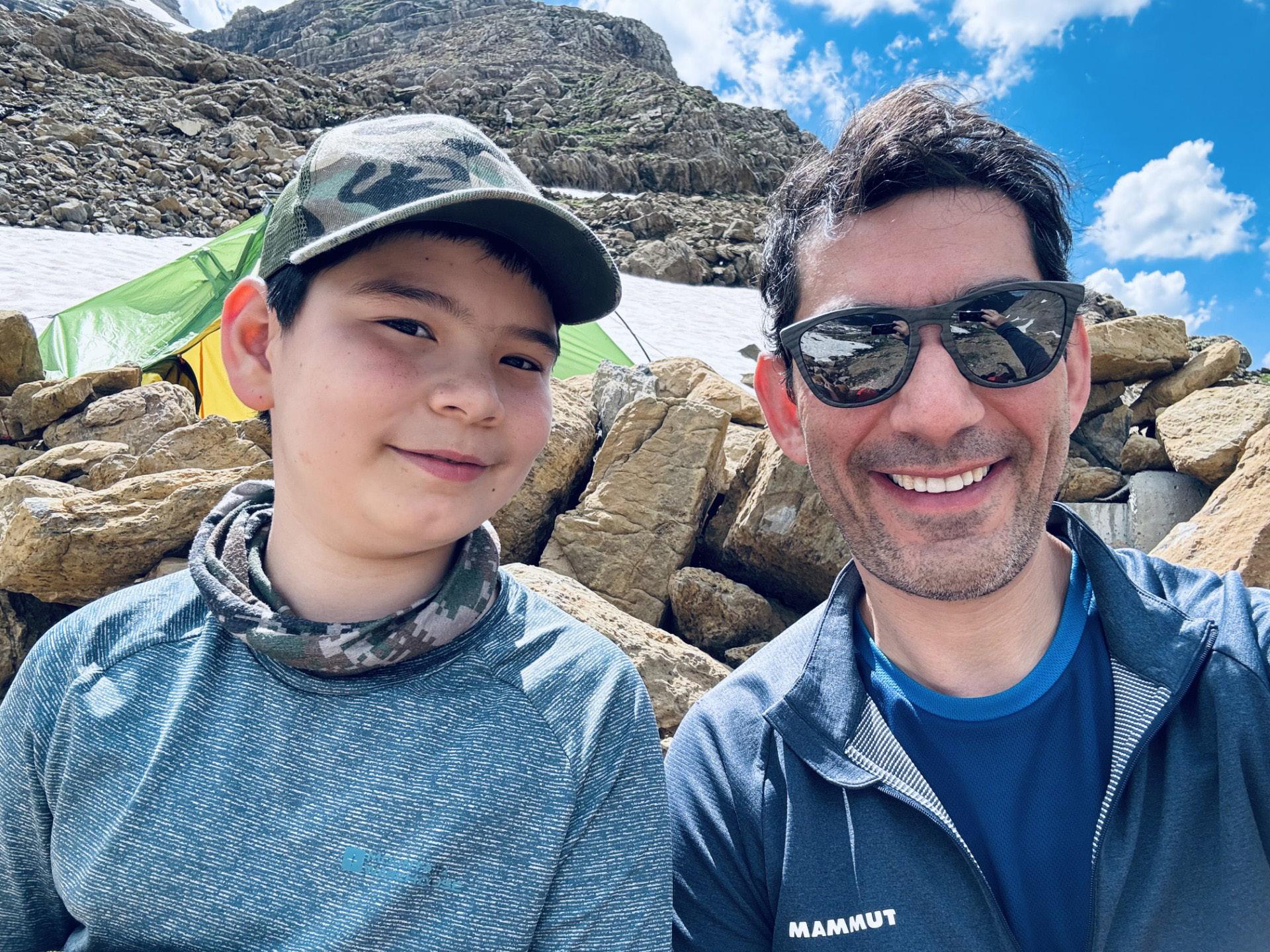
Luckily, my dad had brought his ultra-lightweight two-man tent just in case. Thanks, Dad! Our first job was to find a flat enough place to camp. As we surveyed the cliff edge, we found a suitable spot to pitch the tent. We tried to use pegs to secure the guy lines, but the ground was too hard, so we had to use the large rocks lying around instead. After the tent was up, we headed back to the refuge for dinner, which consisted of some much-needed chicken and rice. Once dinner was finished, my dad and I returned to our tent to get some sleep. Little did we
know that a thunderstorm was brewing overhead. As darkness fell, I drifted off to sleep. My dad could not, however, as the thunderstorm became a raging torment throughout the night.
The next morning, my dad told me the news: I had slept through a horrendous thunderstorm!
The morning after the storm was so foggy that we could not see one metre in front of us. Being extremely careful not to fall off a vertical cliff, we made it back
to the refuge for breakfast. After packing up our tent, we reflected on having survived the night without being struck by lightning and started our long trek down the mountain. Finally, we reached the car park, unloaded our heavy packs and headed home.
Overall, it was an amazing trip, and I enjoyed every second of it with my dad. It was the kind of adventure that leaves you exhausted, exhilarated and already planning the next one...
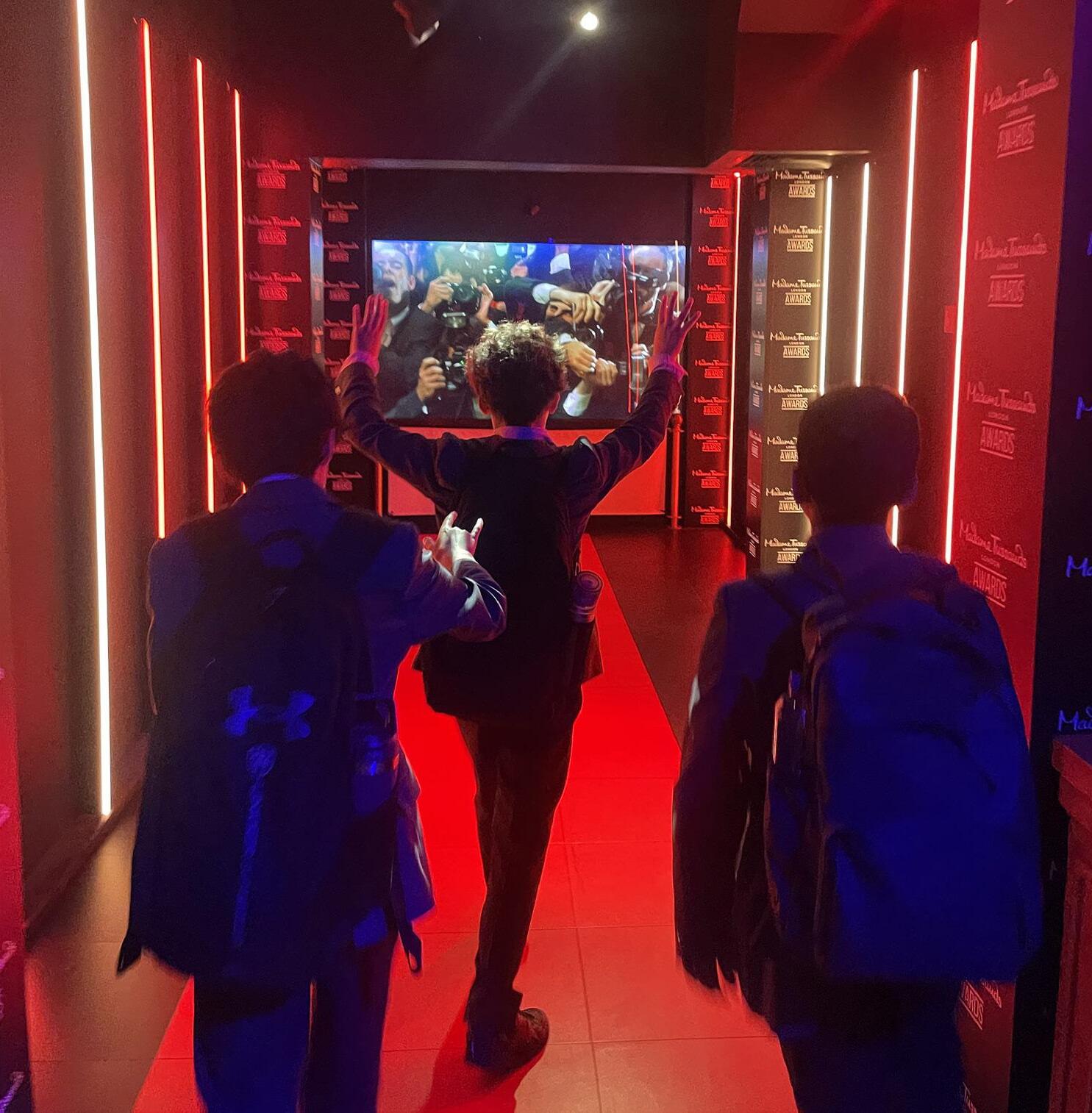
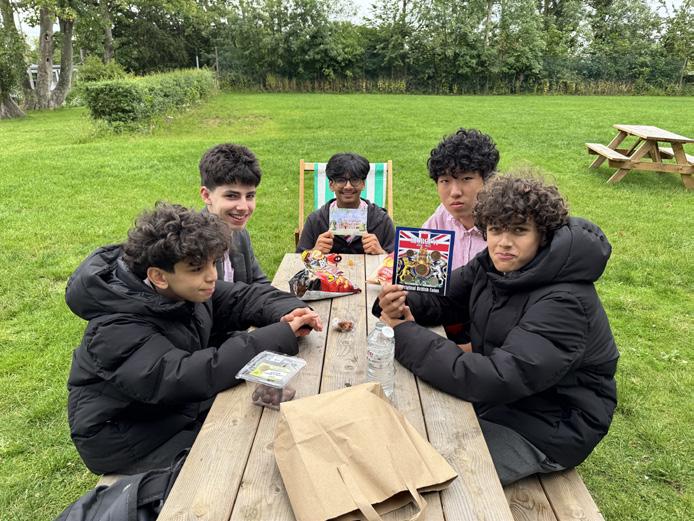
On Wednesday, Year 7 visited Madame Tussauds as well as Regent’s Park. They began the day by walking to Madame Tussauds. There, the lucky Year 7 pupils saw lifelike wax figures of famous people who have made an impact on our world, including Princess Diana, Lewis Hamilton, The Beatles and many more. Madame Tussauds is home to around 150 wax figures and eight immersive zones, including the Marvel zone, the Star Wars zone and the Music zone. Luckily, at the end of the museum, everyone had the chance to visit the gift shop, which was full of souvenirs and collectables.
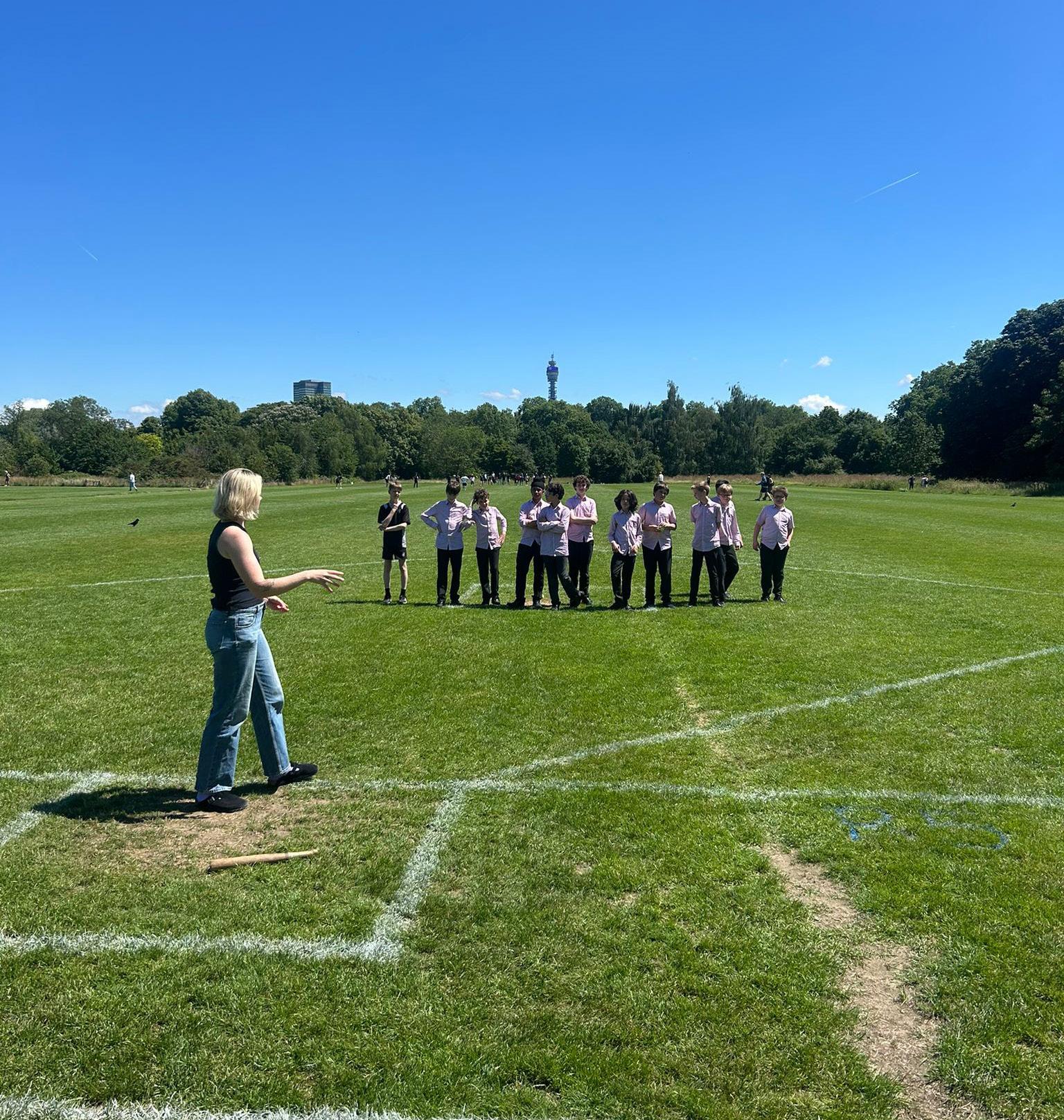
After Madame Tussauds, we went to the sunny Regent’s Park to eat lunch and meet the ducks. Our lunch was prepared by the school’s amazing chefs and was delicious. Afterwards, we had some time to play on the field before enjoying a game of rounders between 7B and 7M. By a landslide, 7B took the win. After a day full of memories, Year 7 finished with an ice cream to cool down under the bright blue sky.

Dylan S, Year 10 writes...
On Wednesday, Year 10
Geography students travelled from Victoria Station to Brighton to carry out fieldwork for the AQA GCSE Geography Paper 3 course.
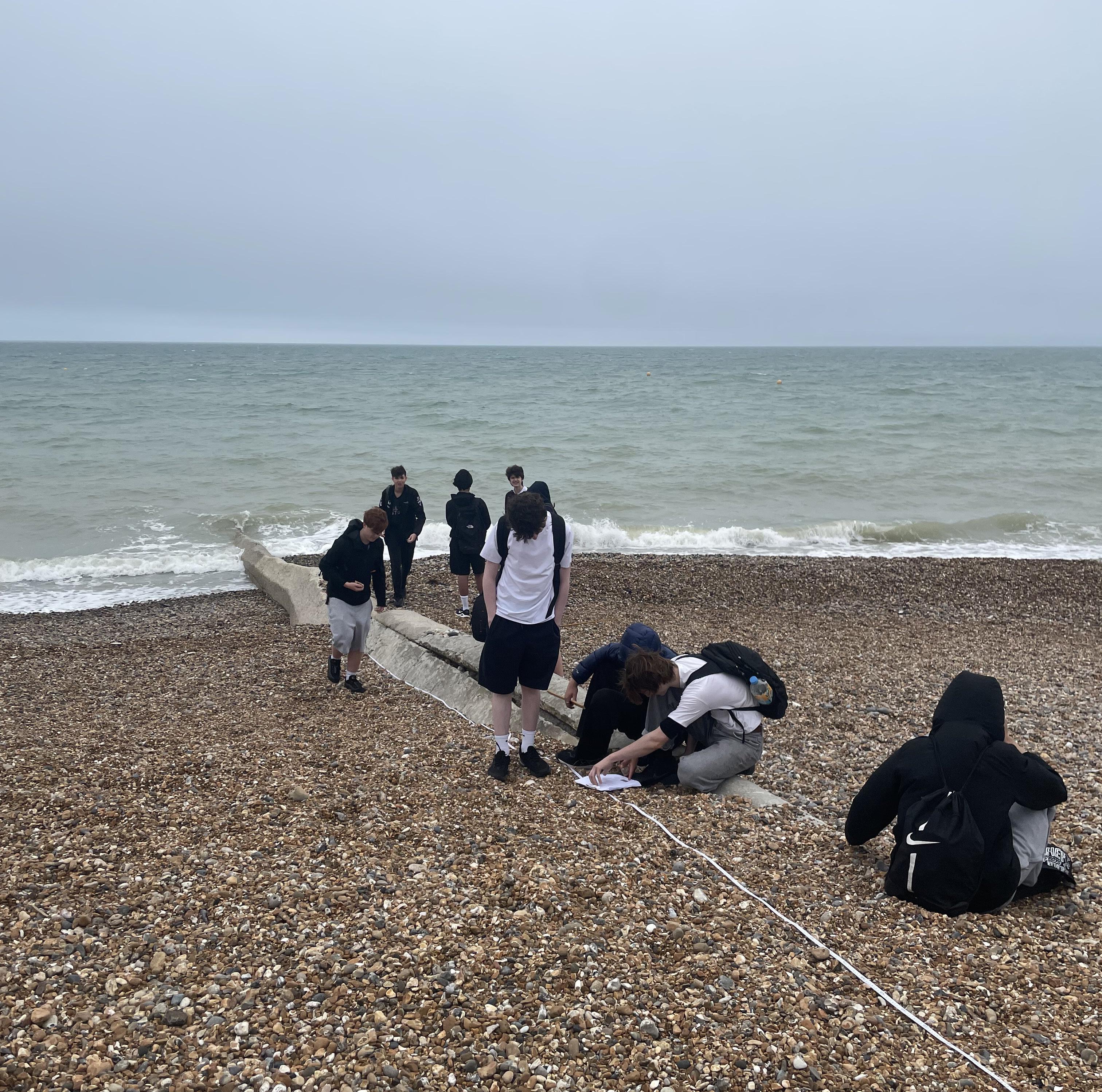
When we arrived, the weather was overcast and fairly windy, although it stayed relatively warm throughout the day. Our first task was to investigate how effective the groynes were at reducing longshore drift. To do this, we
measured the height of the sediment on either side of several groynes and compared the results. We then measured randomly selected pebbles to calculate their average size. After that, we used a clinometer to collect data for a beach profile by recording the gradient and shape of the beach.
Once we’d finished on the beach, we headed to Brighton Pier for lunch. The fish and chips were a bit of a let-down, as most people found them quite greasy and
lacking in flavour. Things also took an unexpected turn when a seagull swooped down and grabbed a student’s hot dog seconds after he had bought it, creating one of the most memorable moments of the day.
After lunch, we made our way back to the station and travelled to Victoria, where we were dismissed and headed home, with many students looking forward to watching the England game that evening.
Graydon Y-A, Year 12 writes...
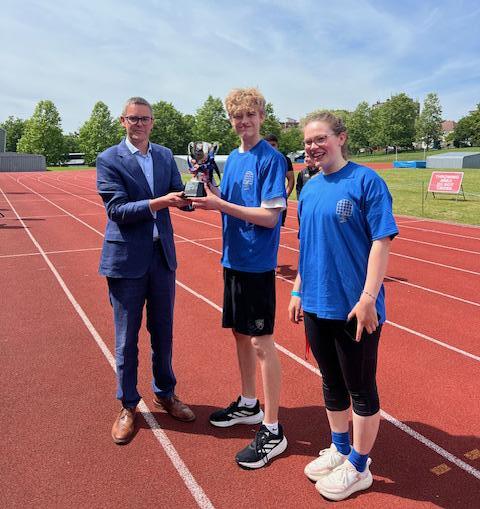
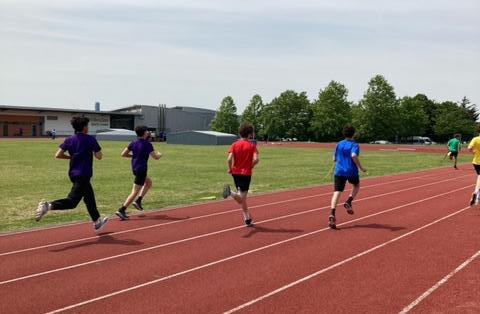
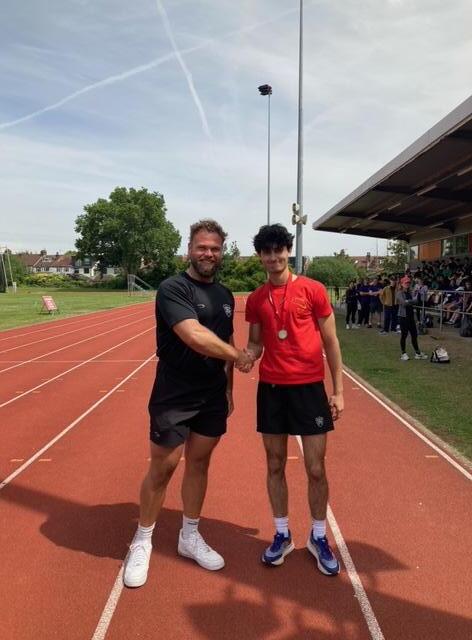
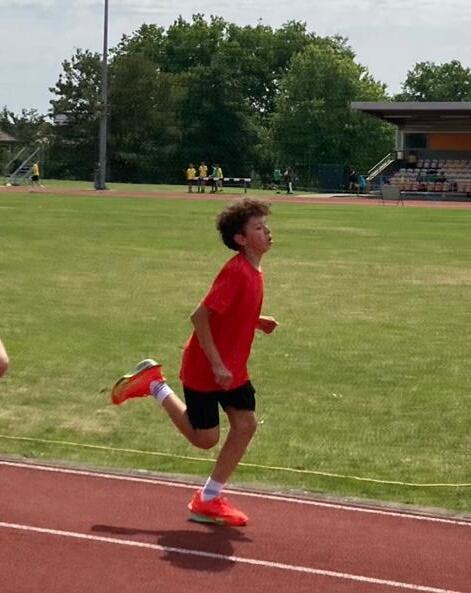
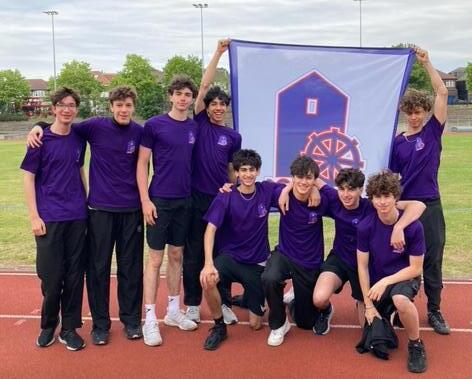
This year’s Sports Day was an outstanding success, thanks to the tremendous individual and collective performances of every student. I am incredibly proud of Effra’s triumphant victory, which fully reflected the core values of our Trib: teamwork and ambition. We have demonstrated these qualities excellently throughout the year. I would like to congratulate every student on their fantastic performances and hope that Effra can continue this success in the next academic year. Up the Effra!
Yusuf S, Year 9 writes...
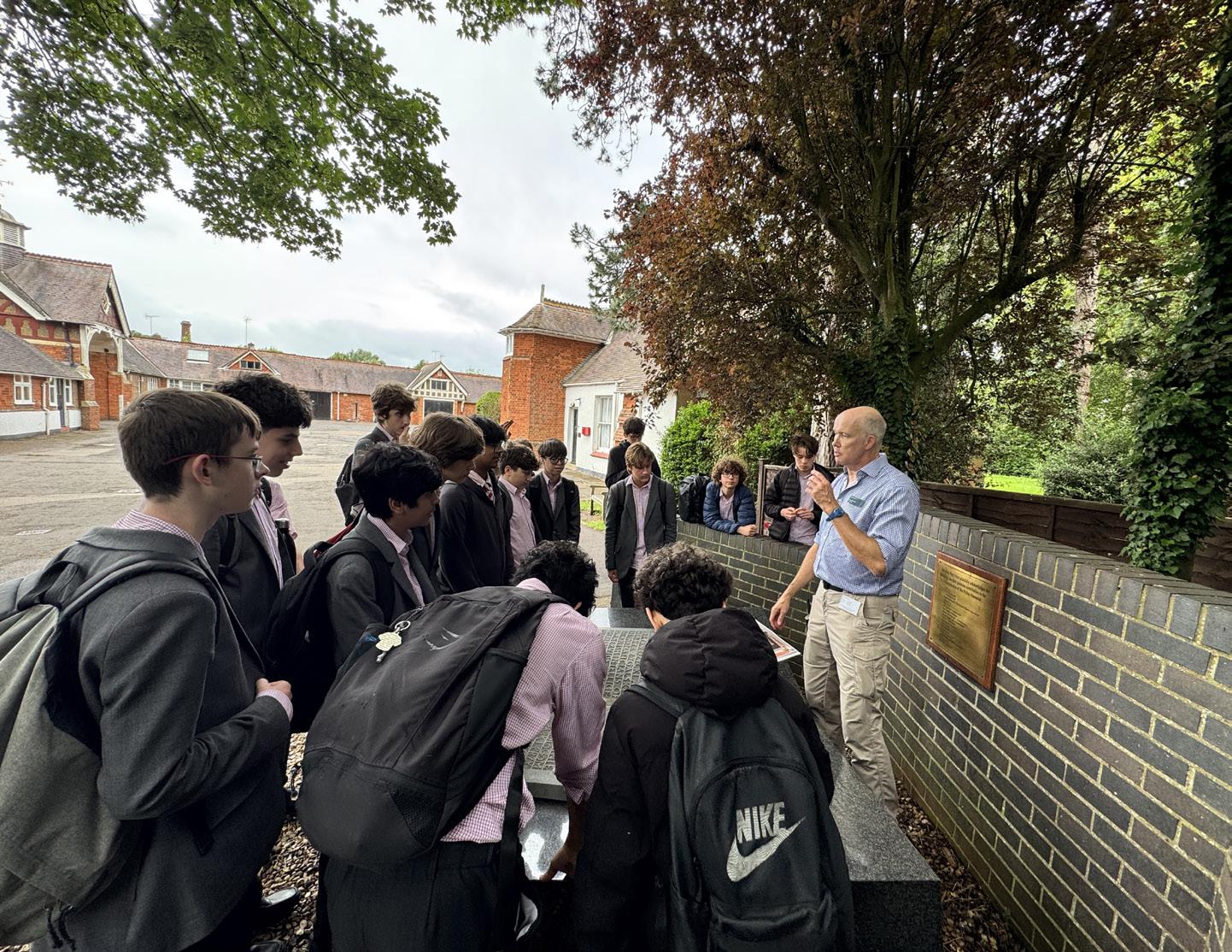
Our journey to Bletchley Park didn’t actually start when we boarded the coach. It began weeks earlier, right inside our own classrooms. Before we even set foot on the historic grounds, we had to understand the enormous significance of World War II intelligence. To gain a proper understanding of the history and the scale of the intelligence work carried out there, we spent time preparing in our lessons beforehand.
It all started when we watched a fascinating documentary about the inner workings of Bletchley Park and the Enigma machine. Seeing how this complex device could scramble messages into trillions of combinations made us realise just how impossible the codebreakers’ task seemed.
Following that, we didn’t just watch history from the sidelines. We explored the practical side of things in Maths, where we took
a break from our usual topics to try our hand at cryptography. We completed hands-on activities using code wheels, solved ciphers and spotted patterns in text. By the end, some of us had almost learned Morse code simply through the activities, discovering new methods and shortcuts to read the dots and dashes incredibly quickly.
Testing these methods ourselves and trying to decode messages gave
us a much better understanding of how logic and mathematics were used during the war. By the time the trip arrived, we weren’t just tourists visiting a museum; we already understood the background and history behind what we were seeing.
Alex M, Year 9 writes...
A week and a coach ride later, we arrived at Bletchley Park! The first thing we noticed was the wealth of information about the Second World War and the codebreaking that took place there. For example, there was a short documentary about Operation Fortitude, during which the Allies spread misinformation to make the Germans believe they were going to attack Calais when, in fact, they planned to invade Normandy. The deception was a success.
We also toured the grounds, including the mansion, the tennis courts and the living quarters, while learning more about Alan Turing and the other codebreakers. The visit gave us plenty to think about as we sat down for lunch.
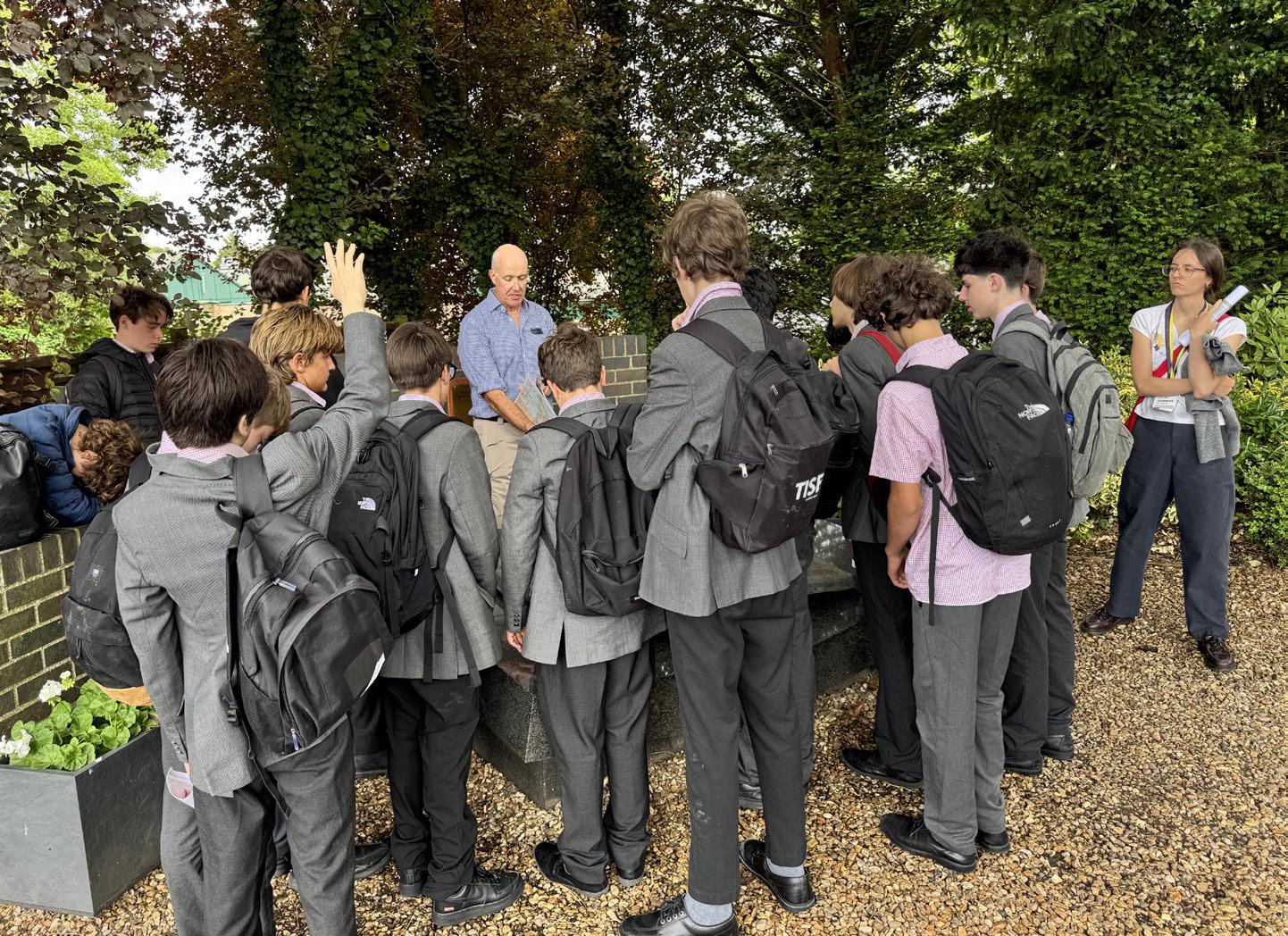
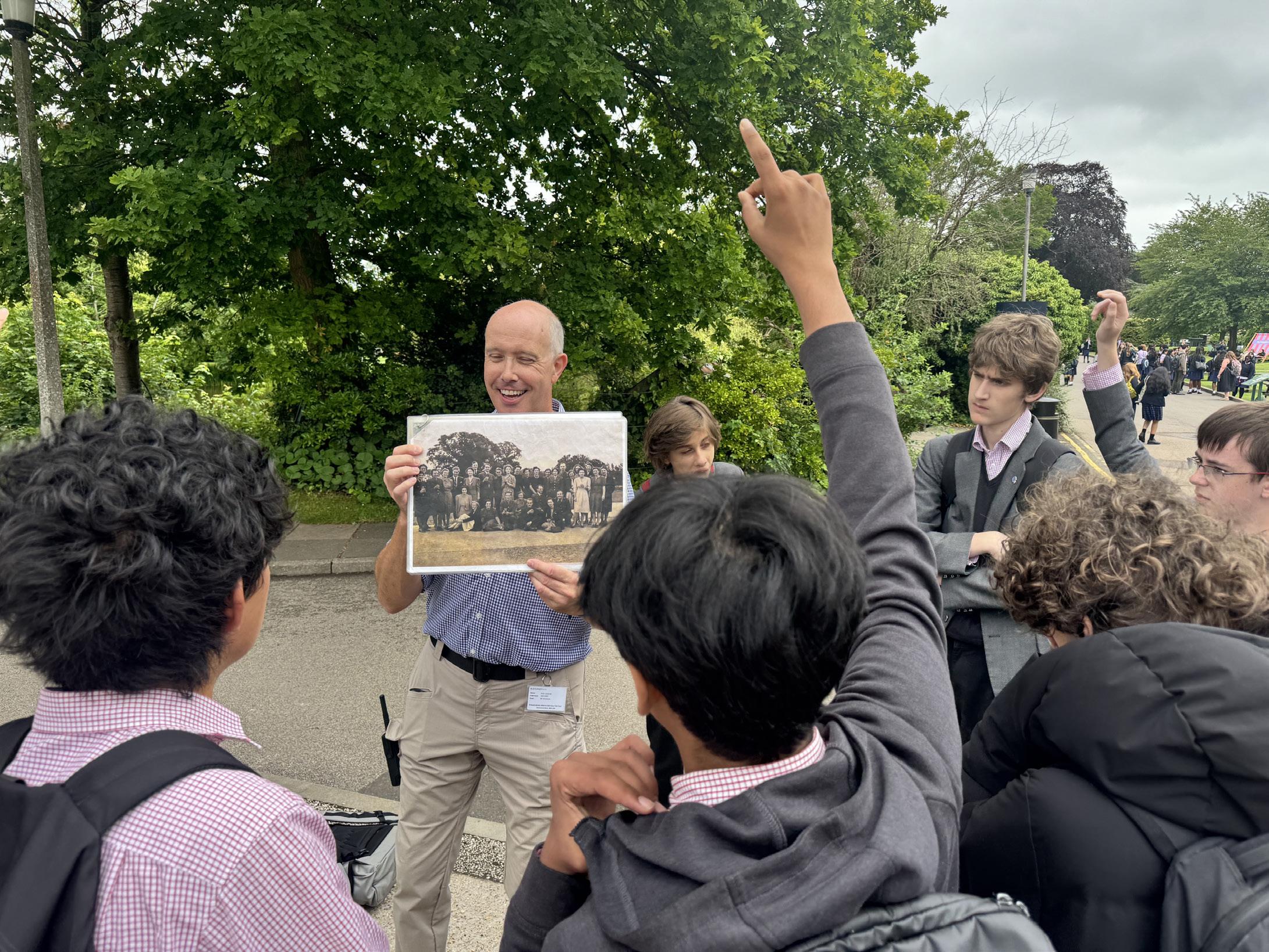
After lunch, one of the highlights of the trip was exploring the AI Centre, which felt like a maze dedicated to deciphering messages. We continued our tour of the Bletchley Park grounds, taking a closer look at the tennis courts and learning that motorcycles regularly arrived to deliver messages for the codebreakers to decipher.
We also learned more about Bletchley Park’s history, the people who worked there and the languages used to encrypt messages, including Japanese, which many staff had to learn fluently in order to help crack the codes. Our tour guide was incredibly informative and made sure we absorbed as much information as possible by asking us questions throughout the tour.
Lastly, we attended a cyber security lesson at the Block E Learning Centre. The session was led by one of Bletchley Park’s experts, who taught us how many everyday devices, including ovens and televisions, collect data such as IP addresses and how this information can be used. We also learned that public places such as coffee shops, shopping centres and restaurants are often used by data brokers to collect information through Wi-Fi networks and social media.
Do you know whether your passwords are secure? Thanks to Bletchley Park’s cyber security lesson, we now know how to create stronger passwords. Experts recommend creating a simple passphrase to improve your security. A passphrase consists of three or four random words
combined, together with some capital letters, numbers and symbols. Something as simple as FanHousePizza04 could take malicious attackers up to 68 centuries to crack!
After a long day learning about the people whose work helped change the course of history, and discussing everything we had discovered with our friends, it was time to head home. It was an honour to experience such an important part of British history alongside our Year 9 classmates.
Dylan S, Year 10 writes...
You have probably heard this sentiment before: if everyone just does their bit, we can solve the problem. It is an appealing idea, suggesting that small individual actions, such as recycling, reducing energy use or cycling instead of driving, can collectively make a meaningful difference. While this notion is wellintentioned, it overestimates the influence of personal behaviour and underestimates the structural forces that drive a global crisis like climate change. Individual efforts, though symbolically important, are insufficient to address challenges of this magnitude.
A core limitation of the ‘do your bit’ approach is the issue of scale. The world’s energy system remains approximately 80% dependent on fossil fuels (EESI, Environmental and Energy Study Institute, 22 July 2021), meaning that even widespread adoption of electric vehicles or home solar panels would not substantially reduce emissions without major infrastructure reform. Small personal choices, however conscientious, cannot alter the systemic factors, such as industrial emissions, energy production or government policy, that account for the majority of global greenhouse gas emissions. In effect, these actions are practically insignificant in influencing environmental outcomes on the scale required. Even actions often portrayed as environmentally ‘heroic’, such as limiting artificial intelligence use because it consumes significant
amounts of energy or switching off lights every time you leave a room, do little to reduce emissions in the absence of broader systemic change.
Historical evidence underscores the impact of policy and institutional decisions over individual behaviour. When New York’s Indian Point nuclear power plant was decommissioned in 2021, the resulting energy shortfall was met by increased natural gas usage, which directly contributed to higher carbon emissions and reversed previous climate progress (The Guardian, 26 April 2021). This example illustrates that political decisions, such as the closure of nuclear power stations, can override the environmental benefits of individual actions by increasing reliance on less environmentally friendly sources of energy. Meaningful climate mitigation requires coordinated policy and regulatory measures, alongside investment in sustainable infrastructure. Without these broader interventions, individual actions remain largely symbolic, even though many people sacrifice time and convenience to make them.
Even if every individual adopted sustainable behaviours, the effects would be delayed because of the long-term feedback loops within climate systems, including atmospheric chemistry, ocean heat absorption and ice melt. Immediate personal actions do not produce immediate global benefits. Furthermore, governments and corporations
control the levers of large-scale change, including carbon pricing, infrastructure development and industrial regulation. However, these mechanisms are often resistant to reform. Focusing excessively on individual responsibility shifts attention away from these systemic factors and places the burden on those with limited influence.
Proponents of personal responsibility often argue that individual action signals public concern, creating social pressure that encourages policymakers to act. ‘Think global, act local’, as the saying goes. While lifestyle changes can raise awareness, they rarely translate directly into concrete policy outcomes. Policymakers respond primarily to organised political, economic and industrial pressures rather than to the aggregate of individual consumer behaviour. Cultural shifts alone are insufficient to counteract the influence of powerful corporate and political interests. Moreover, the idea that small actions inspire policy change assumes a level of visibility and political responsiveness that is often unrealistic, especially in complex democratic and industrial systems.
Emphasising personal responsibility can also foster a false sense of ethical complacency. Many individuals may feel that modest behavioural adjustments are sufficient, potentially reducing their engagement with more impactful collective actions such as advocacy, voting or public campaigns. This misdirected
focus is particularly problematic given the unequal distribution of emissions: the top 1% of global earners produce more than twice the emissions of the poorest 66% of the world’s population (The Guardian, 20 November 2023).
Climate change is therefore driven primarily by concentrated wealth and industrial activity rather than by the habits of average individuals. Placing equal responsibility on all global citizens is therefore both ineffective and unjust.
To achieve meaningful progress, attention must shift towards structural change at political, corporate and technological levels. Policy interventions, such as carbon taxes, emissions caps and renewable energy mandates, have demonstrated measurable success in reducing emissions, as shown by the Kyoto Protocol, which achieved substantial emissions reductions among participating
developed countries during its second commitment period (2013-2020) (UNFCCC, 19 July 2024). Corporate accountability through regulation, transparency and shareholder activism can compel major polluters to adopt cleaner practices. Technological investment in scalable clean energy, including nuclear, wind, solar and grid storage, is essential to enable systemic decarbonisation. In addition, educational campaigns and public advocacy can complement these measures by building political will and holding institutions accountable, ensuring that change is not merely theoretical but implemented effectively.
In conclusion, while personal environmental actions may have educational or symbolic value, they are insufficient to address the scale of global challenges such as climate change. The narrative that we can solve systemic
problems simply by ‘doing our bit’ distracts from the institutional and structural reforms that are necessary for meaningful progress.
Climate change is not primarily a problem of individual morality but of entrenched systems and inequality. Effective solutions require collective action, policy reform, corporate accountability and technological innovation. Only by addressing the structural roots of the problem can humanity achieve lasting environmental change. Individual choices matter for awareness and culture, but real impact comes from coordinated, large-scale interventions that tackle the sources of emissions at their core because, with the Doomsday Clock currently set at 89 seconds to midnight, ‘global problems need global solutions’ urgently.

Henry Cr, Year 8 writes...
As some people might remember, last year I wrote an article about my Fulham away games during the 2024/25 season. It has been a year since then, and I have made even more brilliant memories!
First, to start the season in mid-August 2025, my family and I travelled to Brighton’s Amex Stadium for the opening game of the 2025/26 season. Coincidentally, at the end of last season I said it was the one stadium I would not go back to, but, of course, with it being the first game of the season, we had to go! The first half was fairly eventful, but the second half was packed with action. In the 55th minute, Brighton were awarded a penalty, which ex-Fulham player Matt O’Riley converted to make it 1-0. Then, in the 96th minute, just after the commentator said he would “bet his house” on Fulham not scoring from a corner, Rodrigo Muniz scored from a rebound to make it 1-1 and celebrated by lifting the Fulham scarf to show he was staying. It was a thrilling, adrenaline-filled way to start the new season.
The second away game of the season was an unfortunate 2-0 defeat to Chelsea. The main talking point was the refereeing. Early in the first half, Rodrigo Muniz won the ball before passing to youngster Josh King, who beat a Chelsea defender and rounded goalkeeper Robert Sánchez before scoring. However, the referee ruled that Muniz’s tackle had been a foul, denying King a brilliant goal in front of more than 40,000 fans. Then, in first-half stoppage
time, Chelsea scored to make it 1-0. In my opinion, that goal should not have counted, nor should their second. In the second half, Chelsea were awarded a penalty after Ryan Sessegnon was judged to have handled the ball while protecting his face. Absolute robbery!
My third away game was Bournemouth in October. It was a rather dull game for around 70 minutes until Ryan
Sessegnon scored to make it 1-0. Unfortunately, after a few Fulham mistakes, Bournemouth came back to win 3-1.
My next away game was Wycombe in the Carabao Cup. We played poorly apart from in the second half, when Josh King scored his first senior goal. The match finished 1-1, so it went to penalties, where our goalkeeper, Benjamin Lecomte, produced a brilliant performance to secure the
win.
Next came Everton away. We played poorly and lost 2-0, and I do not have much to say apart from complimenting them on their brilliant new stadium.
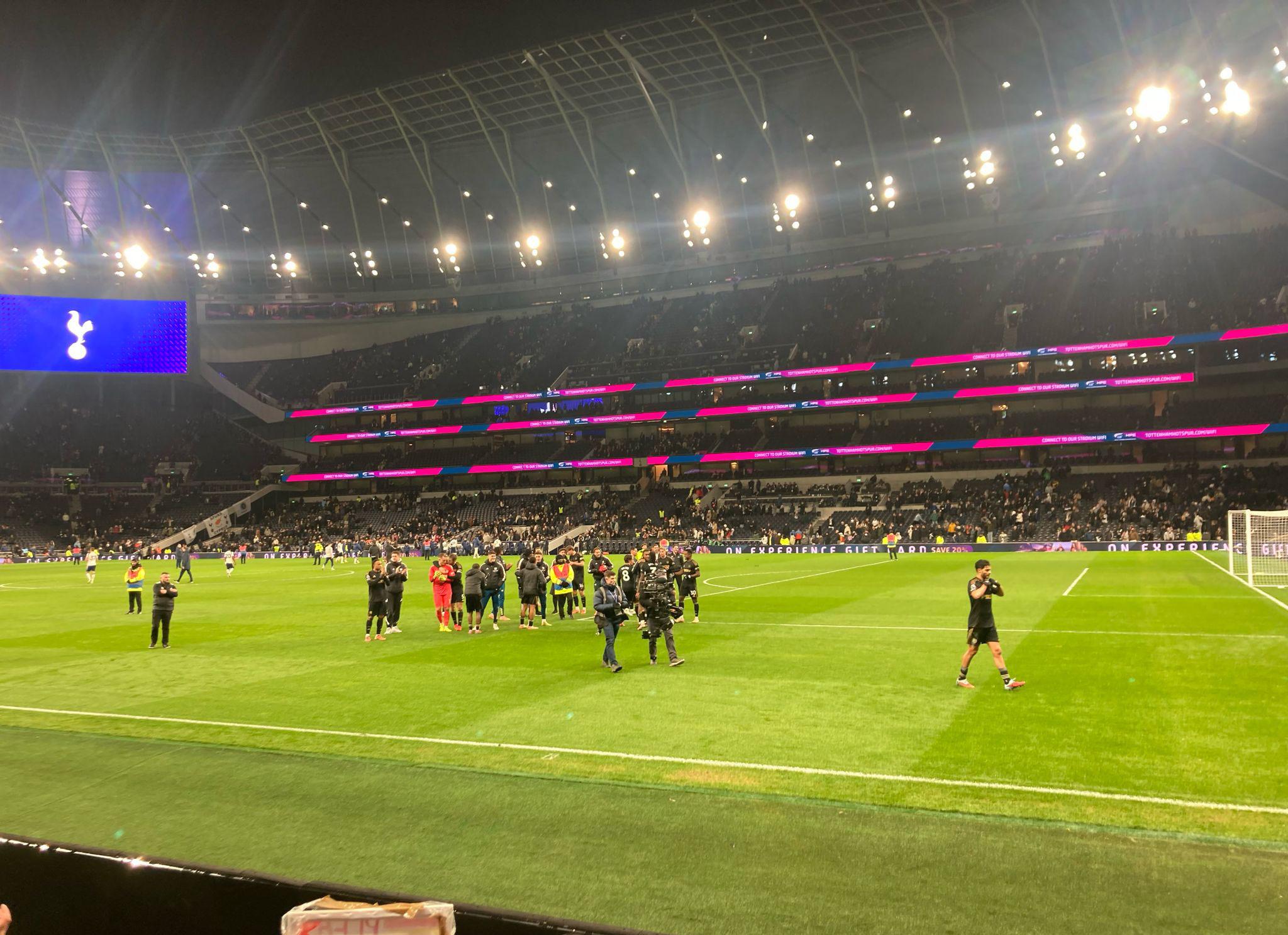
My second London derby away game was probably the best of the season. We beat Spurs 2-1, with a goal in the fourth minute and our best lob of the season from Harry Wilson. Brilliant game, brilliant fans and a wonderful day.
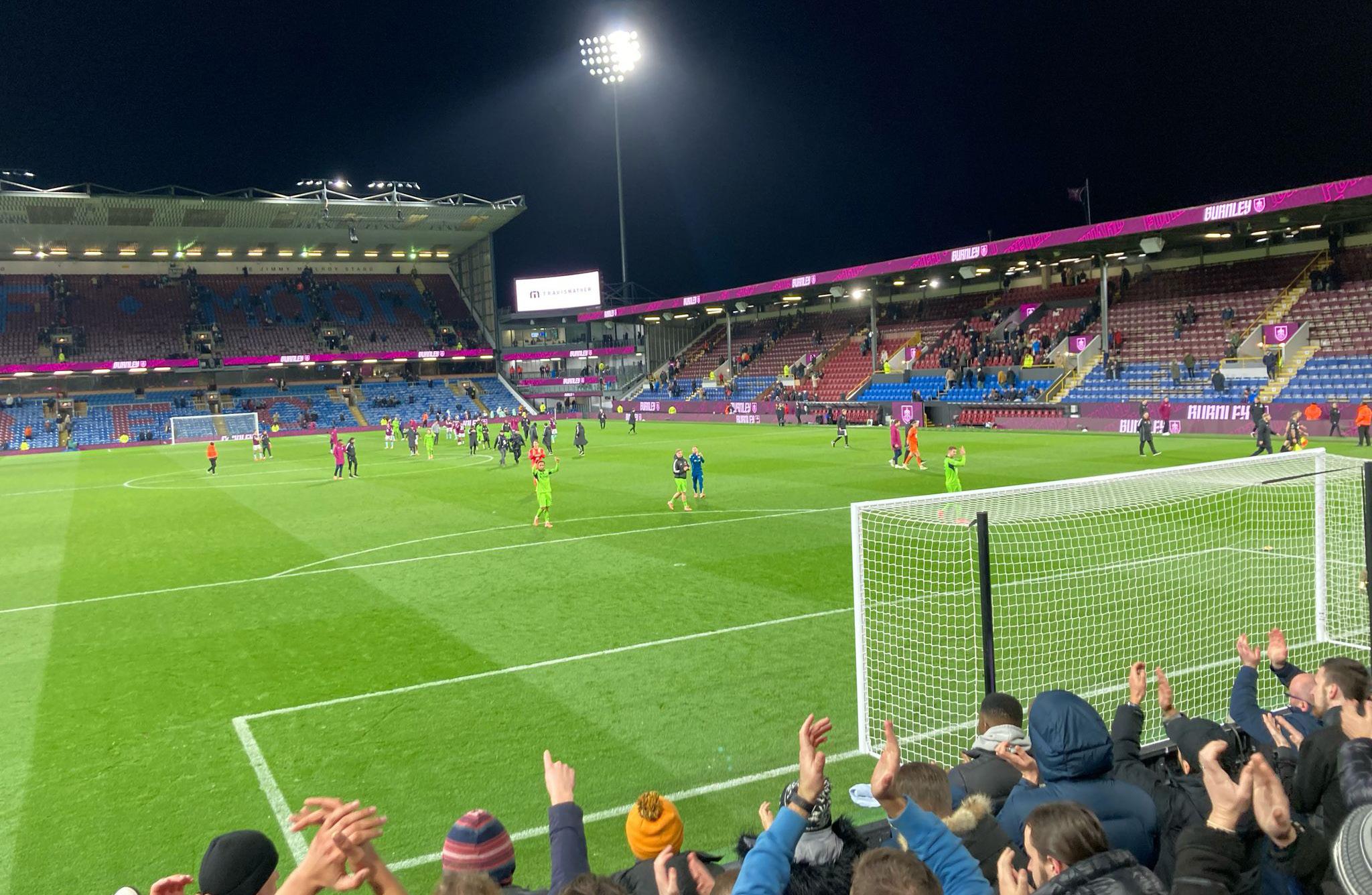
Next on the list was Burnley away, which was also one of my favourites. If you ever go, I would recommend looking out for the funny pub names, especially my favourite, The Royal Dyche, named after former Burnley manager Sean Dyche. The game itself was excellent as we won 3-2 thanks to goals from Calvin Bassey, Emile Smith Rowe and Harry Wilson. Bassey also almost scored from inside his own half, but blasted the ball high into Row Z!
My next game was Leeds, which sadly ended in a 1-0 defeat thanks to a last-minute goal. I have to give credit where credit is due: their fans were brilliant.
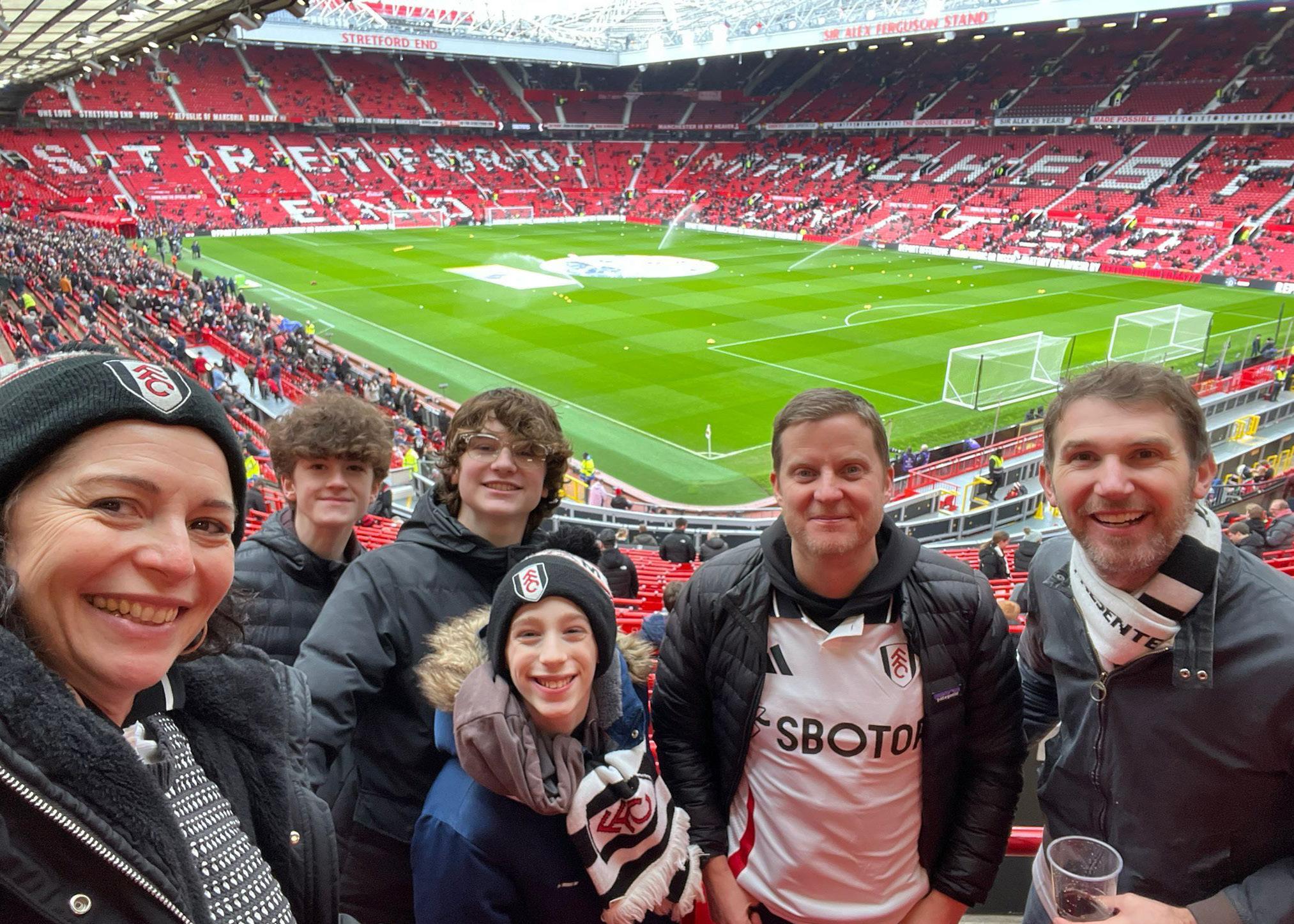
Next up was a trip to Old Trafford, where we lost 3-2. What made this game remarkable was that we came back from 2-0 down. Our striker scored a penalty before our Brazilian winger Kevin, yes, like the Minion, scored a brilliant finesse goal to make it 2-2. Unfortunately, Manchester United scored again to win 3-2, but it was still a memorable match.
Next came Nottingham Forest away, which was an incredibly dull 0-0 draw. Their stadium was the
best thing about the day.
My second-to-last away game was a 2-0 defeat to Liverpool. The only other time I had been to Anfield was for my first ever away game, which ended 4-3 and was unforgettable, so I had high hopes for this one. Unfortunately, it ended 2-0 to Liverpool, with their fans as quiet as ever!
My final away game was as boring as the club we faced: Brentford. It finished 0-0. One really cool thing about this fixture is that the club organises a charity 10 km run from Fulham to Brentford, but sadly you have to be over 16 to take part. Hopefully they change that next year.
Lastly, if you ever get the chance to watch your local club or buy a season ticket, I would really recommend it. Whatever the result, my family and I always have a fantastic time. If you go to away games, you also have a great excuse to travel around the country!

Thomas C, Year 10 writes...
The celebration that followed the New York Knicks’ 2026 NBA Championship win was enormous. It was one of the biggest sporting celebrations New York City had seen in a long time. After years of disappointment, the Knicks finally won their first championship in 53 years, beating the San Antonio Spurs in five games in the NBA Finals.
The series against the Spurs was incredibly exciting. San Antonio had a young team and reached the Finals after an impressive playoff run. The Knicks, however, combined confidence with experience. They showed great determination, worked together as a team and never gave up. One of the standout moments came in Game 4, when they recovered from a 29-point deficit. That victory gave them the lead in the series and showed why they were the best team.
The Knicks secured the championship by defeating the
Spurs in Game 5. They brought the Larry O’Brien Trophy back to New York for the first time since 1973. This was a huge moment for Knicks fans. For many years, the team had become associated with disappointment rather than success, and many supporters had never seen the Knicks win a championship. This victory was a dream come true and made people across New York City proud.
The city was filled with blue and orange, the Knicks’ colours. People were overjoyed to see their team win.
As soon as the final buzzer sounded, people began celebrating across the city. Thousands of fans poured into the streets around Madison Square Garden and Times Square. They cheered, waved flags, sang songs and celebrated late into the night. Some people even climbed poles and scaffolding, while fireworks lit up the sky.
Some celebrations got out of hand. The New York Police Department
said that 63 people were arrested. Some were charged with disorderly conduct, resisting arrest and other offences. There were also reports of property damage and injuries. Despite this, most fans celebrated peacefully and simply enjoyed the occasion.
The celebrations continued a few days later with a victory parade. Thousands of fans lined the streets to cheer for players such as Jalen Brunson, Karl-Anthony Towns and Josh Hart. The team travelled through Lower Manhattan before being honoured at City Hall. The parade gave supporters the chance to celebrate together.
The Knicks’ 2026 championship was about more than just winning a title. It was a defining moment for New York City. It brought people together and filled them with pride. The celebrations showed just how passionate Knicks fans are. The championship also ended one of the longest title droughts in professional sport and created memories that will last a lifetime.

Santi Q, Year 10 writes...
This article is a continuation of my previous collection of fascinating facts, in which I cover a wide range of topics that are interesting, surprising or even puzzling. There are simply too many facts that are either too short to justify a whole article or too complex to explain accessibly. So here are some of the ones that didn’t quite make the cut!
Your body contains atoms forged inside ancient stars. Every atom in your body has a cosmic origin. Everything humans can see - stars, planets and galaxies - makes up only about 5% of the universe, meaning that around 95% remains invisible.
The Sun is approximately 150 million km away, and its light takes about eight minutes to reach
Earth. Time is not absolute and can slow down depending on motion and gravity.
Under specific conditions of temperature and pressure, known as the triple point, water can exist simultaneously as solid ice, liquid water and water vapour.
The density of a neutron star is so great that a teaspoonful would weigh billions of tonnes on Earth. The human brain contains around 86 billion neurons, which communicate through electrical impulses and generate about 20 watts of power, roughly enough to light a small bulb.
There are more possible chess games than there are atoms in the observable universe (approximately 10¹²⁰ compared with 10⁸⁰).
Saturn’s average density is lower than that of water, meaning that, in theory, it could float in an
ocean large enough to hold it. The coldest temperature ever created was achieved by scientists: around 38 trillionths of a degree above absolute zero.
The human nose can detect trillions of different smells. More of the deep ocean remains unexplored than the surface of the Moon.
Certain species, such as salamanders, can regrow limbs, spinal cords and even parts of their hearts.
Nothing with mass can travel faster than the speed of light in a vacuum.
In around four billion years, our Milky Way galaxy is expected to merge with the neighbouring Andromeda Galaxy.
I hope this bite-sized collection of random facts has satisfied your brain’s curiosity!

Domenico C, Year 10 writes...
Introduction
With the upcoming trip to Thorpe Park (at the time of writing) for students with the highest number of Gold Notes from Years 9 to 11, it made me think about the wealth of rides the park has to offer, especially its renowned collection of rollercoasters. From the colossal Hyperia, standing at almost 72 metres as Britain’s tallest rollercoaster, to Stealth, which accelerates riders to 80 mph in under two seconds, Thorpe Park is home to some remarkable engineering.
But how did these rides come about? How do they actually work? Why are different types of rollercoaster so unique? This article explores these questions so that the next time you ride a rollercoaster, you can fully appreciate the engineering behind it.
How rollercoasters work
Rollercoasters, contrary to what many people think, do not rely on engines once the ride begins. The only major mechanical component that requires power is the chain lift, which pulls the train to the top of the first hill. From that point onwards, the ride is powered almost entirely by physics.
A rollercoaster works by converting gravitational potential energy (energy stored because of height) into kinetic energy (energy of motion). This conversion takes place continuously as the train travels around the track. Because
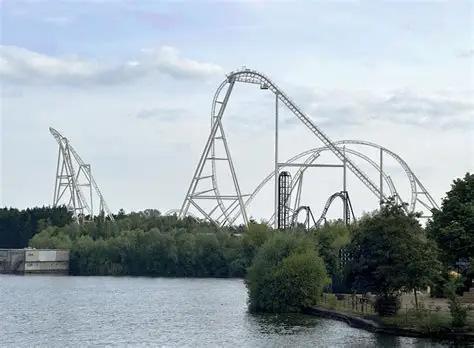
(Above: Hyperia, the biggest rollercoaster in Britain)
some energy is lost through air resistance (drag) and friction, each successive hill is usually smaller than the previous one to ensure that the train keeps moving.
Rollercoaster trains remain securely attached to the track using three types of wheels:
Road wheels – Positioned on top
of the rails, these support the weight of the train and guide it along the track.
Side wheels – Mounted on either side of the rails, these prevent the train from moving sideways and help it negotiate bends and twists.
Up-stop wheels – Located beneath the rails, these prevent the train
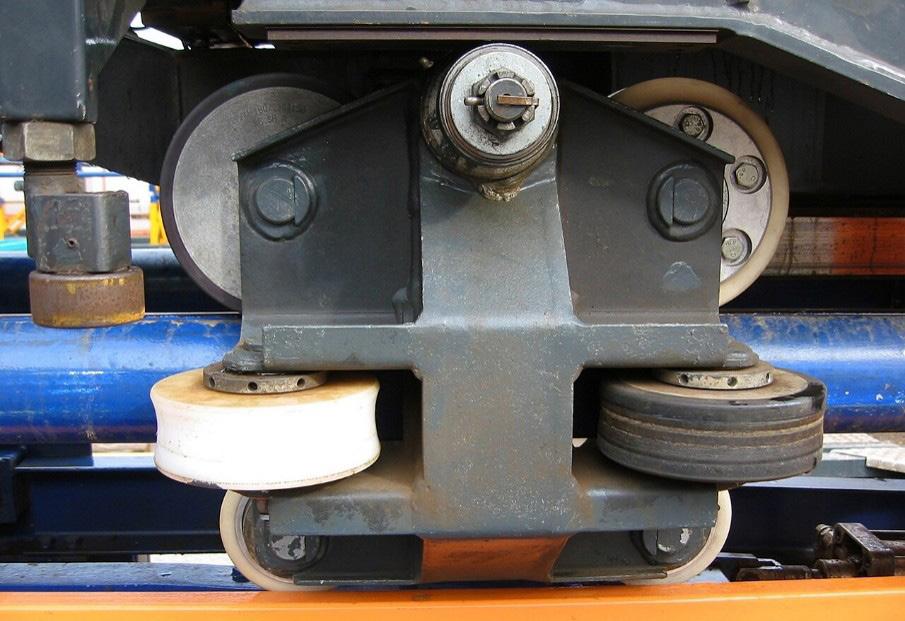
(Above: Typical wheel assembly of a rollercoaster)
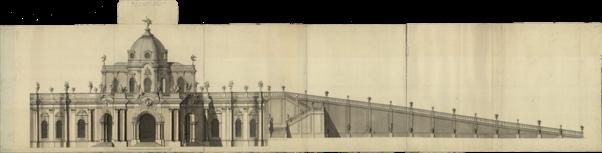
(Above: The Riding Mountain) and 1914.
from lifting off the track during hills, drops and inversions.
The rollercoaster is thought to have originated in Russia, specifically among the Russian aristocracy. On the outskirts of St Petersburg, large ice-covered hills, typically between 21 and 24 metres high, were constructed on wooden supports and became known as the “Russian Mountains”. In 1784, Tsarina Catherine the Great even had one installed at her palace.
One of the grandest examples was the Riding Mountain, built between 1754 and 1757. During winter it was covered in ice, while in summer specially designed wheeled carts allowed visitors to ride over all five hills. The Russian Mountains also gave rollercoasters their name in many Romance languages.
The next major development came in France. In 1817, two early rollercoasters were built: Les Montagnes Russes à Belleville (“The Russian Mountains at Belleville”) and Promenades Aériennes (“The Aerial Walks”). Importantly, both featured cars attached securely to tracks and guidance systems that allowed for higher speeds. Although their popularity initially declined, they enjoyed a revival between 1871
In 1887, Spanish businessman Joseph Oller, founder of the famous Moulin Rouge, built the Montagnes Russes de Belleville. Its 200-metre figure-of-eight layout represented another important step forward. Its influence can still be seen today, as the German word for rollercoaster is Achterbahn, meaning “figure-eight railway”.
At around the same time, similar developments were taking place independently in America. In 1827, a mining company in Pennsylvania built a switchback railway to transport materials downhill using gravity alone. By the 1850s, this railway had become a popular tourist attraction known as the Gravity Road.
Inspired by this idea, LaMarcus Adna Thompson opened his
famous Switchback Railway at Coney Island in 1884. Riders travelled down a 183-metre track at around 6 mph before the cars were turned manually for the return journey. In 1885, rival inventor Phillip Hinkle introduced the first complete circuit rollercoaster with a lift hill. Thompson responded by developing the Scenic Railway, which took passengers through tunnels decorated with painted scenery, including views of the Swiss Alps. These attractions became hugely popular across America. Interestingly, the Russian word for rollercoaster still translates as “American Hills”.
Although the oldest operating rollercoaster in the world was built in Melbourne, Australia, in 1912, the first underfriction rollercoaster, using technology very similar to modern designs,
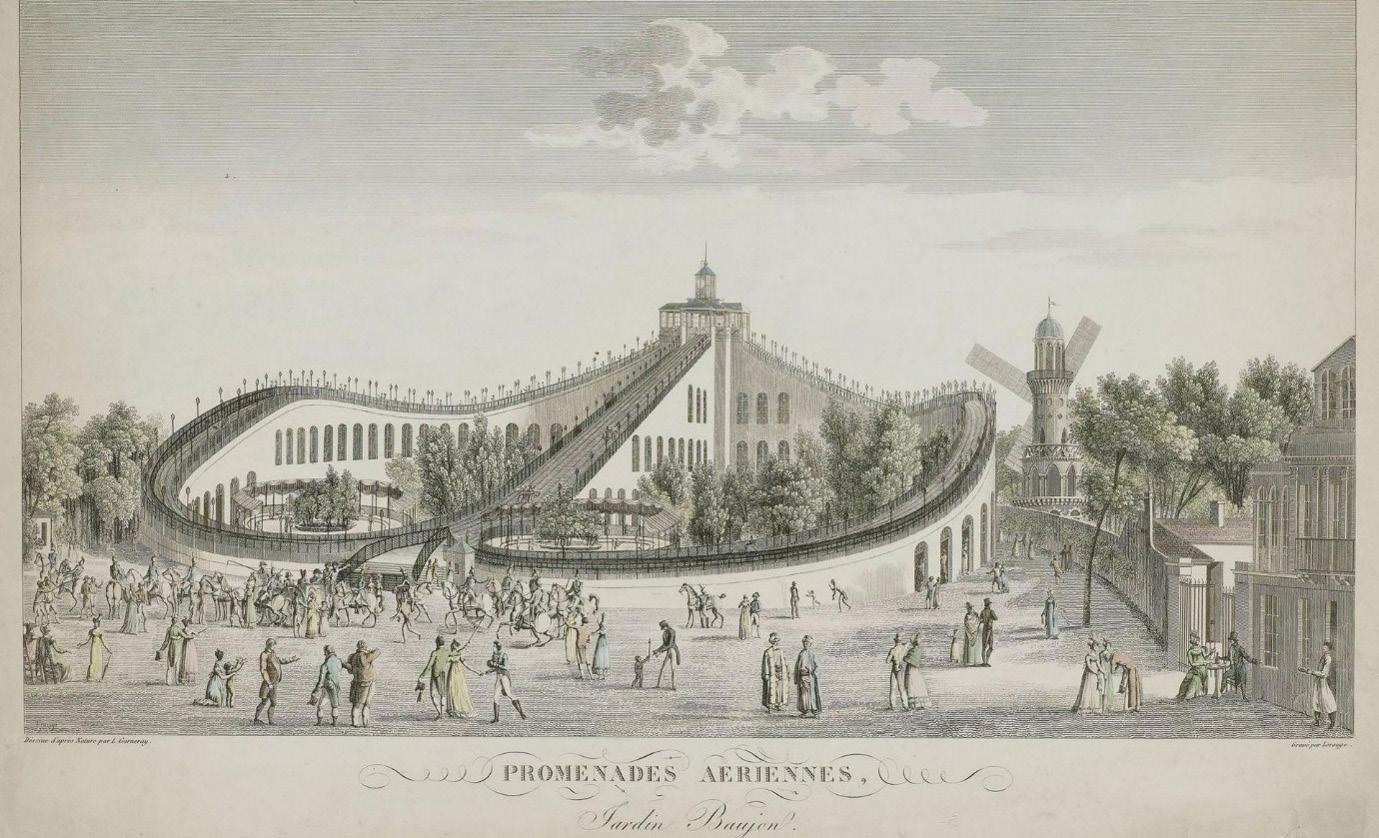
(Above: The Promenades-Aériennes)
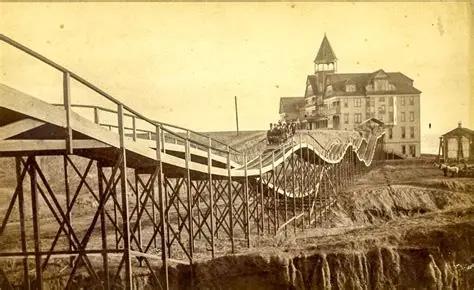
(Above: An example of a gravity switchback railway)
appeared in 1919. Rollercoasters flourished during the 1920s before the Great Depression slowed their development.
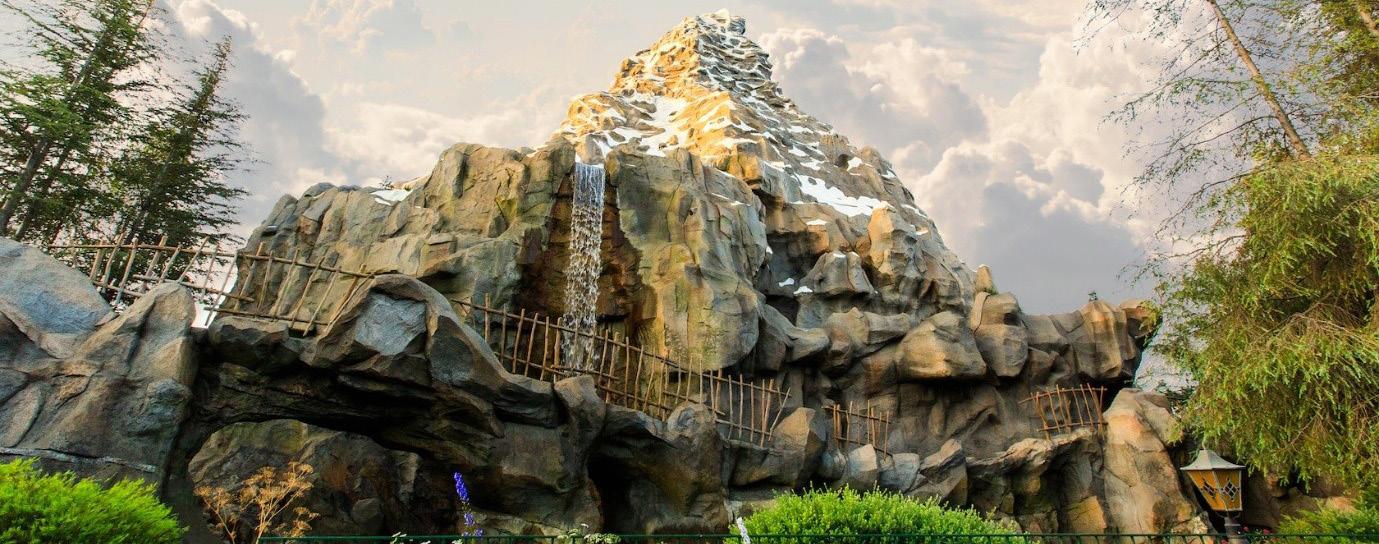
A new era began in 1959 when Disneyland introduced the Matterhorn Bobsleds, the world’s first steel tubular rollercoaster. Steel construction allowed designers to create much steeper drops, tighter turns and more complex layouts than had ever been possible with wood.
Another major milestone arrived in 1989 with the opening of Magnum XL-200, the world’s first hypercoaster, featuring a drop of over 200 feet (61 metres). Today,
the UK has two hypercoasters: The Big One at Blackpool Pleasure Beach and Hyperia at Thorpe Park.
Wooden vs steel rollercoasters
The two main materials used to build rollercoasters are wood and steel, each offering a very different experience.
Wooden rollercoasters are the traditional classics. Because wood flexes slightly under the weight of the train, these rides naturally produce more vibration and shaking, which many enthusiasts enjoy. However, wood has engineering limitations, meaning
that layouts cannot usually include the extreme drops, inversions and complex manoeuvres seen on modern steel coasters. Wooden rollercoasters are also significantly more expensive to maintain and now account for fewer than 5% of rollercoasters worldwide.
Steel rollercoasters, by contrast, provide a much smoother ride. Steel’s greater strength allows engineers to design taller structures, steeper drops, loops, corkscrews and other complex elements that would not be practical using wood. As a result, around 95% of rollercoasters today are made from steel. If you enjoy high speeds, dramatic drops and intense thrills, steel rollercoasters are likely to be your favourite.
Overall, the rollercoaster evolved through parallel developments in both Europe and North America before eventually converging into the sophisticated attractions we know today. Combining engineering, physics and creativity, modern rollercoasters remain some of the most impressive and exciting rides ever built.
Santi Q, Year 10 writes...
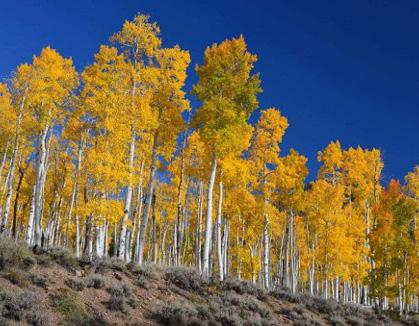
To any driver or pedestrian passing by Fish Lake on State Route 25 in Utah, this would look like just another forest of pale trunks. However, the reality is far more remarkable. It is, in fact, a single aspen organism disguised as a forest, connected underground by one vast network of roots.
This organism is called Pando, and it is considered the largest organism on Earth. It has even been suggested that it may be the largest organism ever to have lived. Quaking aspens, the species to which Pando belongs, can reproduce in two different ways. Like most flowering plants, they produce seeds. However, they can also reproduce by cloning themselves, sending up new shoots from an expanding root system. Pando is therefore a clonal organism: a group of genetically identical trees. Although each trunk appears to be a separate tree, together they form a single
living organism.
Pando’s true nature was first recognised in the 1970s by researchers Jerry Kemperman and Burton Barnes. By studying differences in leaf shape and colour, they suspected that the apparent “forest” was actually one organism. Later genetic analysis confirmed that they were correct.
So, how old is Pando? The truth is that nobody knows for certain. The often-quoted estimate of 80,000 years is possible, but it has never been confirmed. Normally, tree rings can be used to determine the age of an individual tree, but Pando presents a unique challenge because its trunks continually die and are replaced. Genetic evidence suggests that the organism may be many thousands of years old, surviving dramatic changes in climate, wildfires and the surrounding wildlife of the Fish Lake region.
Measurements show that Pando
covers approximately 43,000 square metres, weighs almost 5.9 million kilograms and consists of more than 40,000 individual trunks. While individual trunks grow old and die, the organism itself continues to survive.
Even if Pando really is around 80,000 years old, its future is far from secure. It has survived climate change, extreme weather and the extinction of countless animal species. Today, however, it faces a new challenge. Mule deer, and sometimes cattle, eat the young aspen shoots before they have a chance to mature. A 2018 study found that this grazing significantly limits Pando’s ability to regenerate.
Pando is not dying all at once, but it is gradually becoming thinner. The result is an organism with many ageing trunks but too few young ones replacing them. Conservation managers have attempted to address the problem by fencing off sections of the forest from grazing animals, and this has shown promising results in some areas.
Pando is an extraordinary and beautiful organism, but it is not immortal. Its future depends on protecting enough young shoots to ensure the organism can continue regenerating. Ongoing conservation, careful monitoring and protection from grazing will all play an important role. Climate change and increasingly extreme weather may place even greater pressure on Pando, reminding us that even the world’s largest living organism is far from invincible.
Santi Q, Year 10 writes...
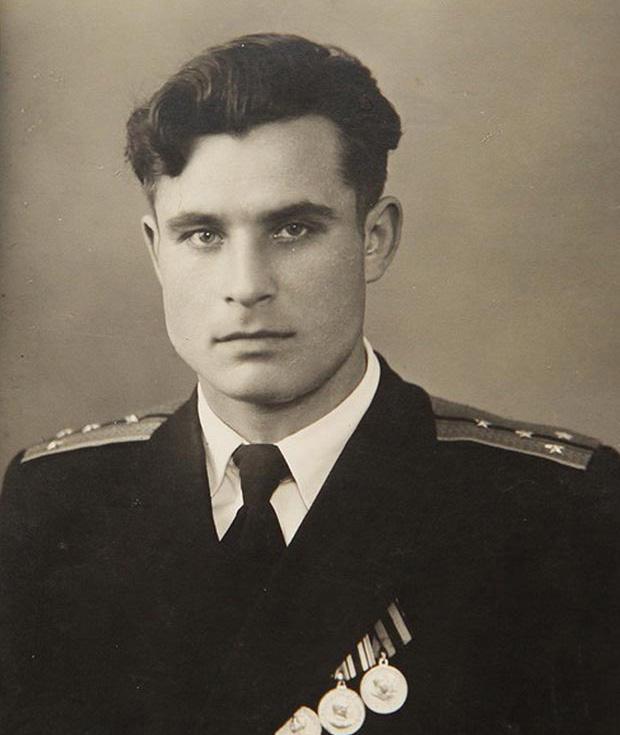
Stanislav Yevgrafovich Petrov was a lieutenant colonel in the Soviet Air Defence Forces. Combining both military and technical training, he had been involved in developing early warning systems since the 1970s. He studied at the Kiev Higher Military Aviation Engineering School of the Soviet Air Forces. His father, Yevgraf, flew fighter aircraft during the Second World War, while his mother was a nurse.
The incident occurred on the tension-filled night of 26 September 1983, at the height of the Cold War. Stanislav Petrov was the officer on duty at the Serpukhov-15 bunker near Moscow, which housed the command centre for the Soviet Union’s nuclear early warning programme. This command centre was code-named Oko. Shortly after midnight, the system reported that the United States had launched five intercontinental ballistic missiles towards Soviet territory.
Strict Soviet military procedures meant that he was expected to report the apparent attack immediately, allowing senior commanders to decide whether to launch a retaliatory strike under the doctrine of Mutually Assured Destruction (MAD). However, Petrov hesitated. Suspecting that the warning was a false alarm, he delayed reporting it as a confirmed attack while he waited for additional evidence that never arrived. He reasoned that five missiles seemed far too few for a genuine first strike and that the launch pattern did not match any
known American attack strategy. A real nuclear first strike would almost certainly have involved hundreds of missiles in an attempt to eliminate the Soviet Union’s ability to retaliate.
Petrov ultimately judged the warning to be a false alarm. He was correct. No missiles were approaching, and investigators later discovered that the satellite system had mistaken an unusual alignment of sunlight reflected from high-altitude clouds over North Dakota for missile launches. Had someone less willing to question the system been on duty that night, the consequences could have been catastrophic.
Following the incident, Petrov underwent extensive questioning
by his superiors. Initially, his judgement was praised. General Yuri Votintsev, commander of the Soviet Air Defence’s Missile Defence Units, later wrote that Petrov’s “correct actions” had been “duly noted”. However, he received no formal reward. According to Petrov, the incident embarrassed both the military leadership and the scientists responsible for the early warning system, so it was quietly downplayed. He was later reassigned to a less sensitive post, took early retirement and died in 2017. In the years that followed, his actions received international recognition through honours including the World Citizen Award, the Future of Life Award, the Dresden Peace Prize, and the documentary The Man Who Saved the World.
Santi Q, Year 10 writes...
At a glance, this little snail looks harmless, its shell covered with intricate patterns and bright colours. It is a common favourite among shell collectors. However, beneath this beautiful shell lies a vast chemical arsenal that researchers are investigating for potential treatments for pain, diabetes and brain diseases.
Many aquatic species are dangerous to humans; that is no secret. Their venom can cause paralysis and, in rare cases, death within hours. Interestingly, these same highly dangerous chemicals have attracted the attention of many medical researchers and doctors. This remarkable snail is becoming an increasingly valuable source of molecules that could inspire future medicines.
A single cone snail can produce venom containing more than 1,000 different peptides. Given that there are at least 800 known species, this represents one of the largest natural libraries of potential drug candidates. A
drug candidate is a chemical or molecule that has not yet become a medicine but has been identified as having the potential to do so because of its effectiveness, specificity and other desirable properties.
Cone snails are native to tropical and subtropical oceans around the world. Some hunt molluscs and marine worms, while the largest species can even catch fish. Although cone snails move slowly, they can capture fastswimming prey. To achieve this, evolution has equipped them with one of the most sophisticated hunting systems in the animal kingdom. Their primary weapon is a modified tooth that functions like a miniature harpoon. When prey comes within range, the snail fires the tooth and injects venom through it.
The cone snail’s extremely powerful venom is not a single toxin but a complex cocktail of compounds known as conotoxins. Some species have even earned the nickname “cigarette snails” from a long-standing anecdote suggesting that a victim would have only enough time to smoke a cigarette

after being stung before becoming paralysed.
Here is proof that some toxins can also be beneficial. Botox is derived from botulinum toxin type A, a neurotoxic protein that works by blocking the release of neurotransmitters. As the Swiss physician Paracelsus famously observed: “The dose makes the poison.”
One cone snail toxin that has successfully become a medicine is ziconotide, which is prescribed for severe chronic pain that does not respond to conventional treatments. Unlike opioid painkillers, it does not act on opioid receptors and does not carry the same risk of addiction.
Many conotoxins interact with receptors and ion channels involved in communication between nerve cells. Since disruptions in these systems contribute to disorders such as epilepsy and Alzheimer’s disease, researchers are investigating whether cone snail toxins could provide templates for future therapies.
Despite decades of research, scientists have examined only a small fraction of the compounds produced by cone snails. Many of these molecules have evolved over millions of years to interact with biological systems in highly specialised ways. Most of their potential medical applications remain at the experimental stage, but together they demonstrate the remarkable pharmaceutical potential hidden within the venom of the cone snail.
Do you have something you’d like to write about?
Is there a passion or interest you’d like to share with others?
Is there a cause you would like to draw attention to?
Would you like to report on school events?
Are you a great photographer or artist?
Send your articles (and images to go with them) to nicola.bradley@wetherbysenior.co.uk, or ask to be added to the team on Teams where you can submit it directly.
A submission deadline will be set each half term, so get writing so your article can be included!