

NORTH DAKOTA’S GUIDE TO BEST PRACTICES FOR EFFECTIVE YOUTH PROGRAMS for Out-of-School Time Programs


Afterschool programs play a critical role in helping students succeed, keeping young people safe and supporting working families. We work hard to provide youth with a safe, nurturing environment where they learn, grow, try new things — and ultimately thrive.
This book acknowledges that work and is designed to help take it to the next level.
We dug into best practices from afterschool programs all across the country and years of research into what makes an effective afterschool program. We talked to a wide cross-section of program providers across our state — from those serving early childhood to high school students, and from programs that are just getting started to those that are well established. We aligned the data on best practices with the specific needs of North Dakota’s students.
The resulting four standards and indicators are markers for an effective afterschool program.
We hope that each standard provides inspiration, reassurance and connection to resources that will help mold your program in ways that inspire youth to be their best selves and achieve positive outcomes. As a community of afterschool providers, together we’re supporting North Dakota’s young people today while strengthening our state’s workforce of the future.
P.S. We’ve included SEL Links throughout this guide to highlight just a few of the many ways afterschool connects to students’ social emotional learning.
We’ve all heard the phrase “safety first.” That applies to afterschool programs, too. In order to learn, grow and thrive, youth need a space that is safe and promotes their well-being. Same goes for youth workers and program staff — we need to keep them safe, too.
a process for addressing health or
We know what safety inspections (fire, heath, etc.) are required for our facility, and they are up to date.
We have clear procedures in place for emergencies (fire, natural disasters, lockdowns, power outages, medical emergencies, etc.). Staff are aware of and are regularly trained on these procedures. (Consider staff training annually or every program cycle, depending on your program’s needs and staff turnover.)
We know who to notify — and just as importantly, how to reach them — in case of emergency, illness or injury.
Our staff are trained in CPR and first aid prior to working with youth. Or, there’s always one CPR/ first aid trained staff member with each youth group.
We have clear procedures in place for reporting suspected abuse or neglect.
We have a clear, written visitor policy. We have clear, written policies on how youth, staff, guardians and visitors enter and exit the program facilities. Guardians, program staff and youth are aware of these policies and are following them.
We have procedures in place to ensure youth leave the program only with authorized adults. Our staff know what to do if an unauthorized person tries to remove a youth from the program.
Our systems and routines mean that staff know where youth are at all times. We have practices in place that keep students safe, especially when they move from one place to another or use the restroom.
We have clearly stated expectations about when it’s okay for staff to use electronic devices (or not.) Staff keep their attention focused on the youth.
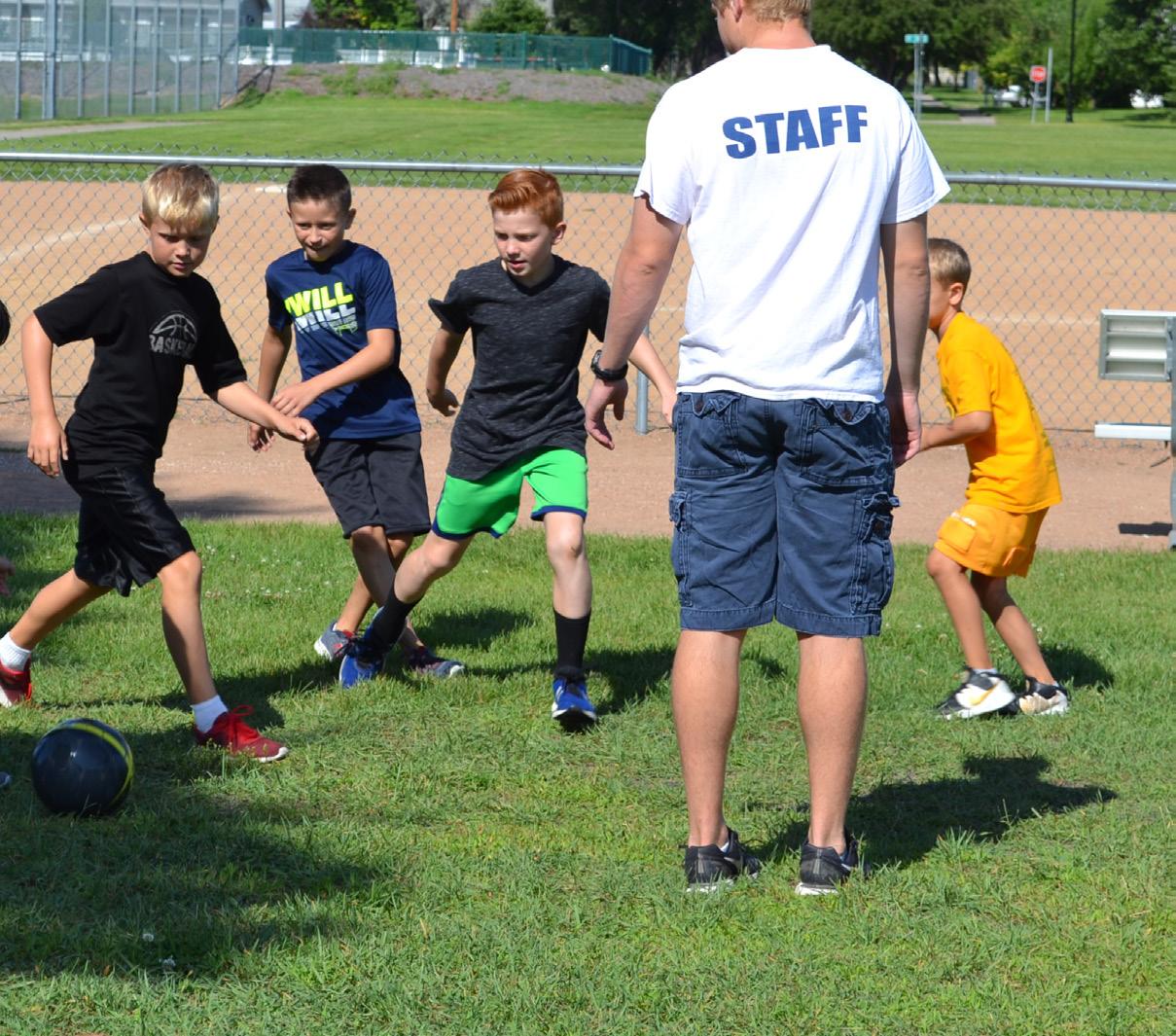
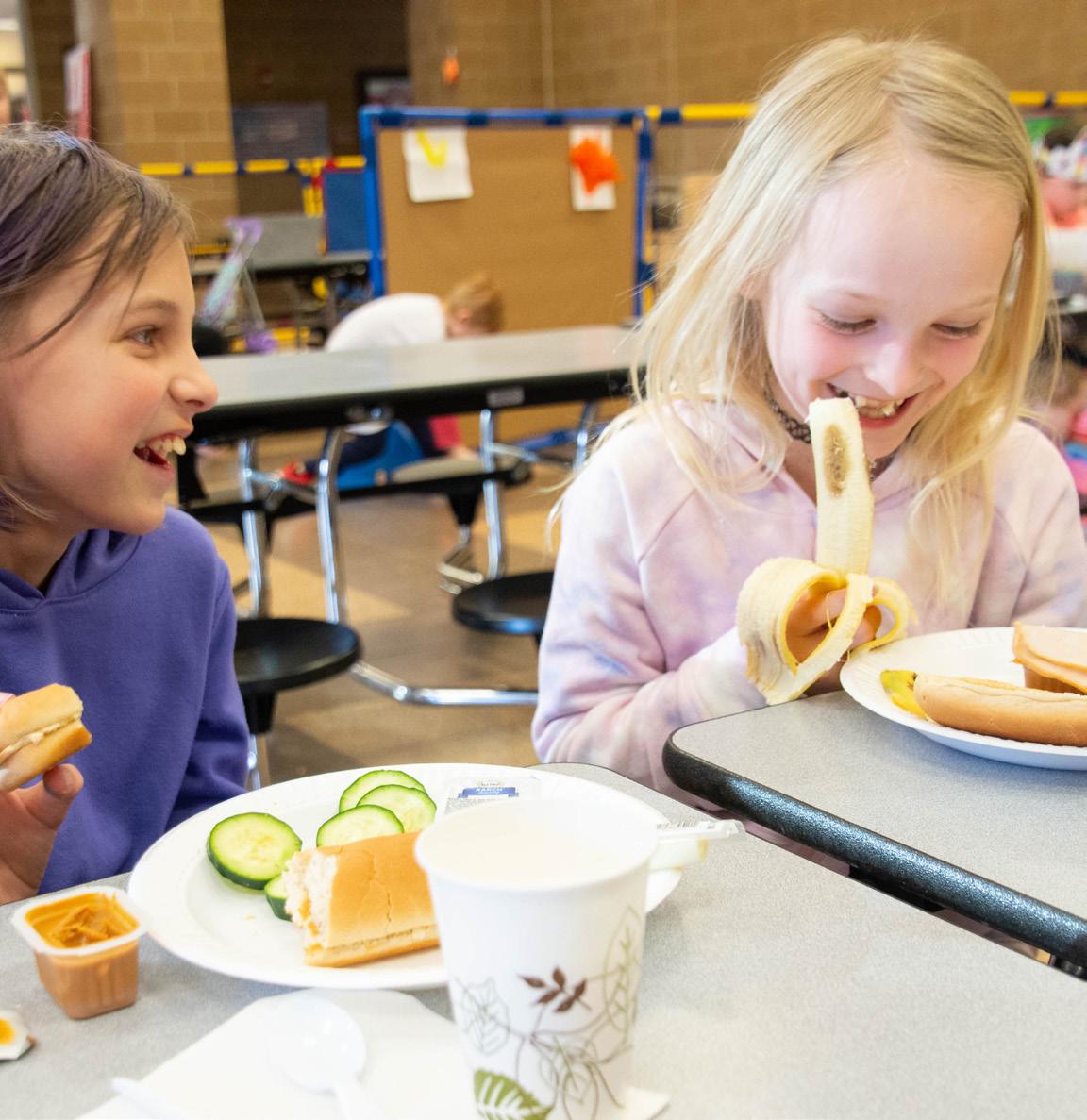
What does health & safety look like when our program serves food? (If applicable)
(https://casel.org/what-is-sel/)

When programs create an environment that is truly welcoming for all — youth, families, staff and visitors — and when relationships are deep and authentic, we’re best poised to meet students’ needs. Being intentional about our relationships and interactions will foster a safe, nurturing setting where youth can try new things, get extra support and be inspired to be their best selves.
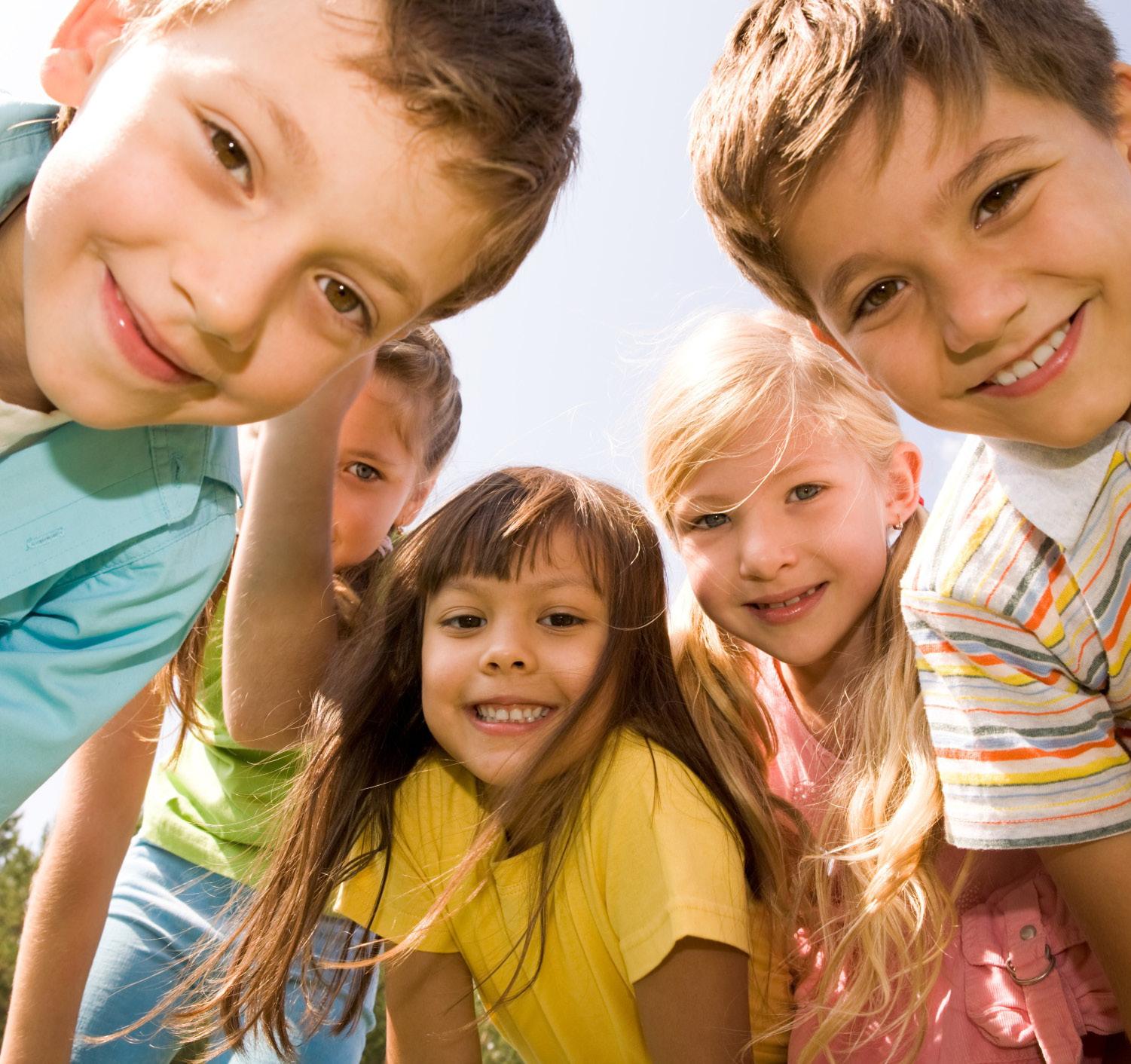
How do we build positive relationships & interactions with the broader community?
We recognize the importance of meaningful, ongoing engagement with families in our program as well as the larger community.
We have onging, collaborative, and meaningful relationships with families, schools and other community partners and stakeholders.
We provide information to families on a regular basis. (“Regular” will vary from program to program, and could mean daily, weekly or monthly communication.)
and
We welcome families’ involvement with program events.
and
We are intentional about connecting youth, families and staff to resources in our community that may benefit them.
How can we improve in this area?
What are some easy things we can do right away?
What changes do we need to work on long term?
What resources, supports or partnerships can help us?
Decades of studies prove that social emotional skills help young people succeed in school and in life. These students do better in school, have higher self-esteem, make healthier choices and have more positive relationships. At the same time, negative behaviors decrease. Afterschool provides an ideal space for SEL skill development. The creativity and flexibility that is inherent to out-of-school-time programs provides a natural setting for young people to engage in activities like team-building, conversation, self-reflection and choice that build and reinforce SEL skills.
Check out the Afterschool Alliance’s SEL Toolkit for resources specific to SEL in afterschool. (www.afterschoolalliance.org/SEL-toolkit.cfm)
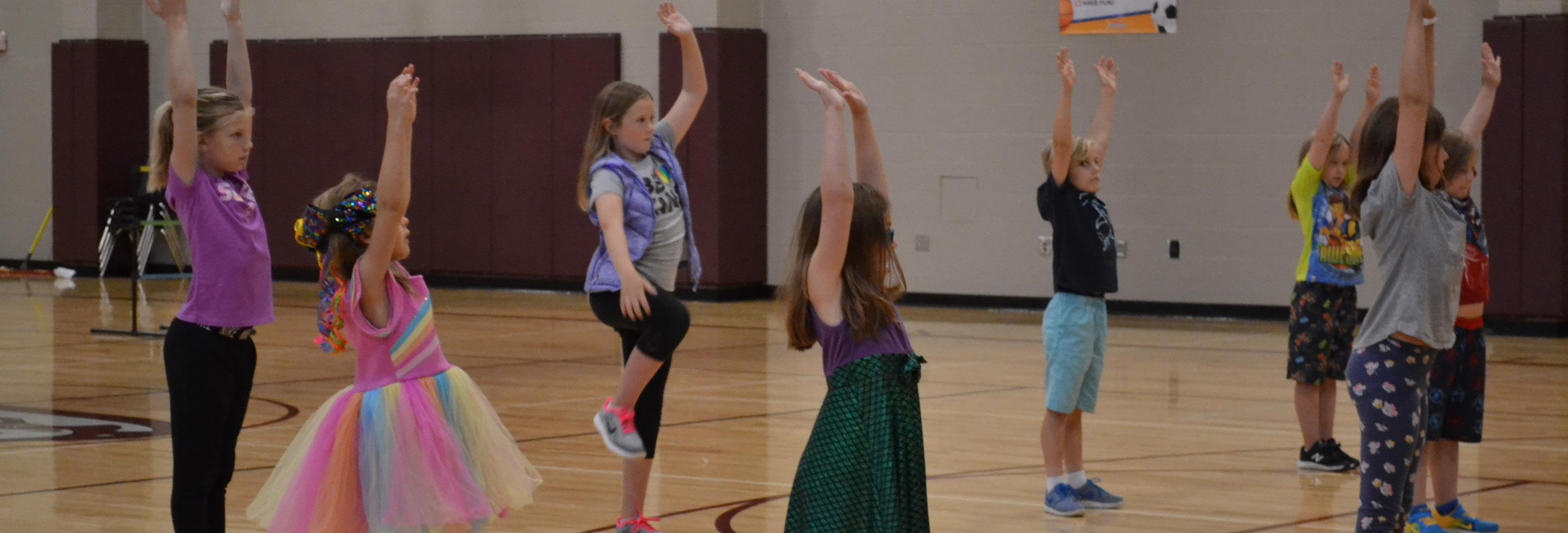
We know our programs aren’t something we do “to” or “for” youth, but rather with youth. Add in a high-quality learning environment plus program activities that speak directly to students’ needs and you’ve got the recipe for a program that really accelerates young people’s academic, social, and emotional learning.
How does youth-centered program design support workforce development?
We’re intentional about building upon students’ interests, talents and skills to prepare them for success in school, higher education, workforce, or the military.
Our program focuses on 21st Century workforce skills, like critical thinking, creativity, collaobration, and communication.
We cultivate partnerships and mutually-beneficial collaborations with colleges, employers and other professionals in our community to help youth envision themselves in a wide variety of potential career pathways.
How do staff reinforce youth-centered program design? How are we doing?
We use a variety of approaches when introducing a new activity (direct instruction, modeling, visual aids, etc.) to meet a variety of youth learning styles.
We clearly explain the goals, purposes and expectations for each activity and encourage youth to make connections to previous learning or concepts.
help youth connect program activities to real-world applications that are meaningful and relevant to them.
Social emotional learning isn’t exclusively for young people — adults need it too.
Just as we’re instructed to “put on our own oxygen mask before assisting others,” so too must we take into account our own SEL development. Afterschool programs are best positioned to help young people develop strong SEL skills when adult SEL is part of the plan.
That means being intentional about creating an environment that supports SEL development for both students and adults. CASEL offers an online model for adult SEL development that focuses on three parts: Learn, Collaborate, Model. (https://schoolguide.casel.org/focus-area-2/overview/)
An effective program starts with a strong foundation. It’s easy to get caught up in meeting the day-to-day needs of youth and forget to look inward on a regular basis. When our administrative practices are solid, and our staff is well supported, our programs are better prepared to help students thrive.
What does sound leadership & management look like in our policies and procedures?
We have clearly written policies that provide guidance for all aspects of our program. (Common policies include hiring, personnel, staff roles and responsibilities, data collection, technology, etc. Specific needs will vary based on your program.)
We have a program handbook that is easily available (in print form or online, possibly in multiple languages.) It is shared with families at the time of enrollment and annually.
We regularly review and update our policies and our handbook. When updates are made, we communicate them to staff and families.
How can we improve in this area?
What are some easy things we can do right away?
What changes do we need to work on long term?
What resources, supports or partnerships can help us?
Social emotional learning (SEL for short) is comprised of five core competencies — self-awareness, self-management, social awareness, relationship skills and responsible decision-making — that are essential for healthy development.
Did you know that North Dakota has Social Emotional Learning Goals focused on these SEL competencies? Our state provides an online resource filled with detailed breakdowns of SEL goals by grade level to help educators – and afterschool program providers too! – recognize and support age-appropriate SEL skill development in students. (www.ndrea.org/index.php?id=103)
are we doing?
We are grateful to the many partners who contributed their time, knowledge and insights to the creation of North Dakota’s Quality Standards for Out-of-School Time Programs
Amber Carlsrud
Curriculum Coordinator
Boys & Girls Clubs of the Red River Valley
Elise Pforr
Program Director
Boys & Girls Clubs of the Red River Valley
Kayla Erickson
ENCORE Director
Grand Forks Public Schools
21st CCLC Afterschool Program Staff
North Central Education Cooperative (NCEC)
Kristin Knorr
Network Lead
North Dakota Afterschool Network
Rebecca Engelman
Arts in Education Director
North Dakota Council on the Arts
Becky Eberhardt
21st CCLC State Program Administrator North Dakota Department of Public Instruction
Joel Hektner
Professor and Department Head, Human Development and Family Science North Dakota State University
Lindsey Leker
Extension Specialist, 4-H Youth Development North Dakota State University
Megan Jenson
Senior Community Impact Manager United Way of Cass-Clay
Tania Zerr
Learning Centers Program Director
YMCA of Cass and Clay Counties
Most
We recognize the following organizations for providing feedback and input:
Boys & Girls Clubs of the Red River Valley
Gateway to Science
North Dakota Department of Human Services – Early Childhood
North Dakota Department of Public Instruction
Northeast Education Services Cooperative
North Valley Career and Technology Center
South East Education Cooperative
YMCA of Cass and Clay Counties
North Dakota’s Quality Standards for Outof-School Time Programs was informed and inspired by publications and research across the field of afterschool:
• ACT Now!, Illinois Statewide Afterschool Quality Standards
• American Institutes for Research, 50 State Afterschool Network: Scan of Quality Systems
• Bright and Early North Dakota, Steps to Quality
• Ignite Afterschool, Believe It. Build It. Minnesota’s Guide to Effective Afterschool Practices
• National Afterschool Association, Core Knowledge and Competencies
• North Dakota Department of Public Instruction, Choice Ready framework and North Dakota Early Learning Standards: Birth to Kindergarten
• North Dakota Social Emotional Learning Network, Social Emotional Learning Goals
• Teachstone, Classroom Assessment Scoring System (CLASS)

We believe that every student deserves access to high-quality, safe and affordable afterschool programming. Through technical support, professional development and advocacy, we’re strengthening the programs that are key to helping North Dakota’s students succeed.