
At OLI, sustainability is at the heart of everything we do. As an ESG driven company, we design and deliver innovative vibration solutions that help industries improve efficiency, reduce waste and support the transition to a circular economy.
For over 60 years, OLI has partnered with customers worldwide to create smarter, cleaner and more productive processes for a sustainable future.
ENVIRONMENTAL
Responsible solutions for a cleaner planet.

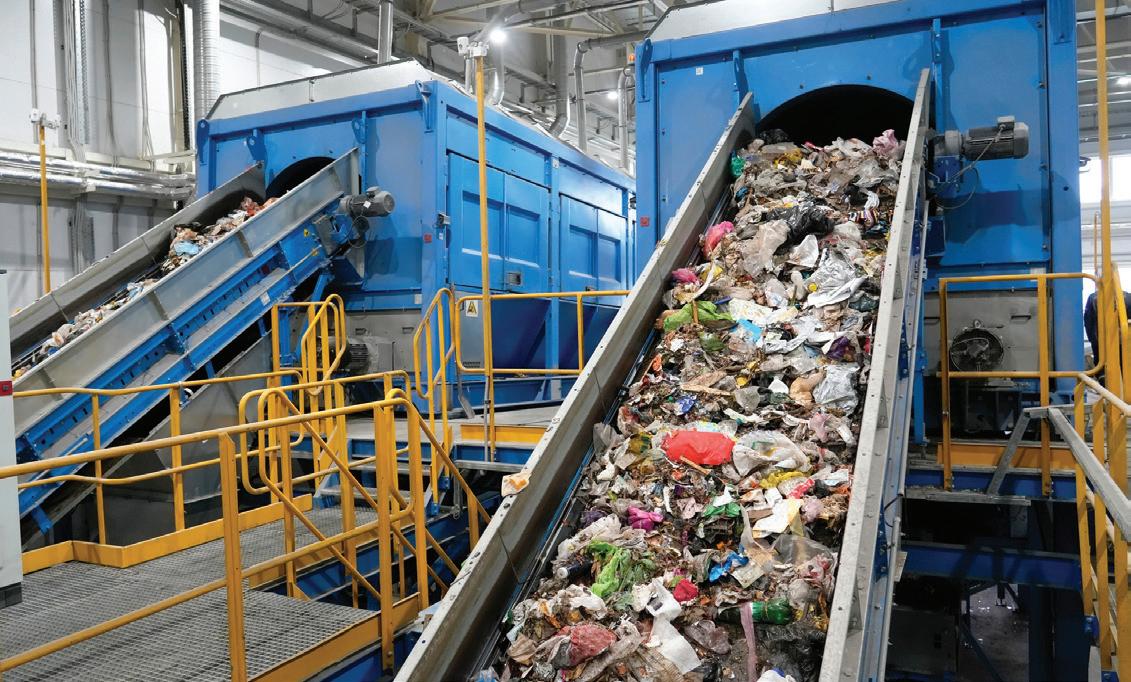
SOCIAL
Supporting people, safety and communities.
GOVERNANCE
Ethical practices, built on integrity,
ESG DRIVEN. CIRCULAR BY DESIGN. TRUSTED WORLDWIDE.
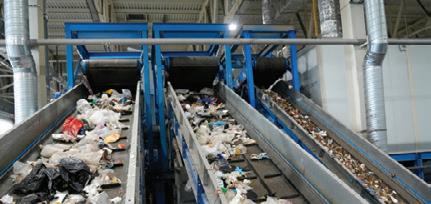
RECYCLING & RESOURCE RECOVERY
Recovering value. Reducing impact.

AGRICULTURE & GRAIN HANDLING
Efficient storage and handling of grain and bulk products.
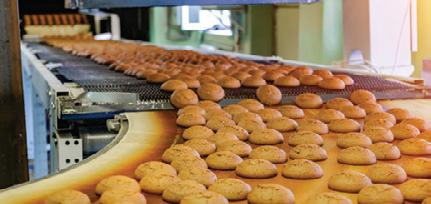
FOOD & BEVERAGE
Hygienic, reliable material flow solutions.

CEMENT, CONCRETE & CONSTRUCTION MATERIALS
Building sustainable infrastructure.
BUILT FOR PERFORMANCE. ENGINEERED FOR RELIABILITY.
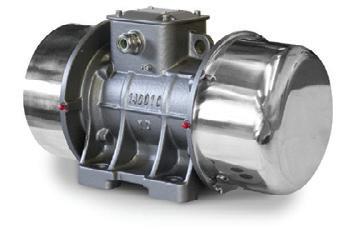
Our vibrators are designed to maximise performance, extend equipment life and drive efficiency across the toughest applications.
OLI VIBRATORS PTY LTD
141 Discovery Road, Dandenong South, 3175 VIC, Melbourne - Australia
Phone: +61 3 9764 9988
Email: info@olivibra.com www.olivibra.com

RENEWABLE ENERGY & ENVIRONMENTAL TECHNOLOGIES
Supporting emerging technologies and sustainable manufacturing.
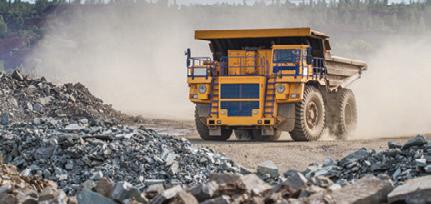
QUARRYING & MINING
Improving efficiency from extraction to processing.
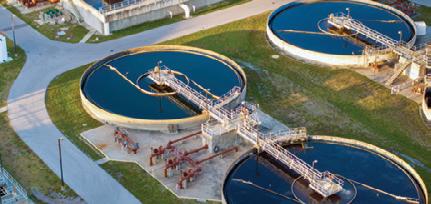
WASTE & WASTEWATER TREATMENT
Helping critical environmental infrastructure operate efficiently.

MANUFACTURING & PROCESSING
Reliable vibration technology for modern production.

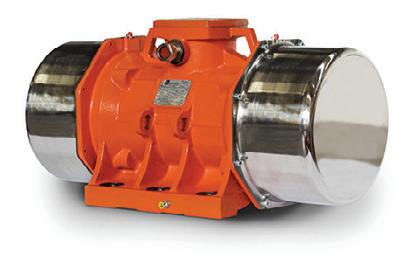
ESG DRIVEN • CIRCULAR ECONOMY FOCUSED MOTION THAT DRIVES EFFICIENCY SOLUTIONS THAT DRIVE A BETTER FUTURE
REDUCE WASTE – EXTENDED LIFE – RECOVER VALUE – REUSE RESOURCES


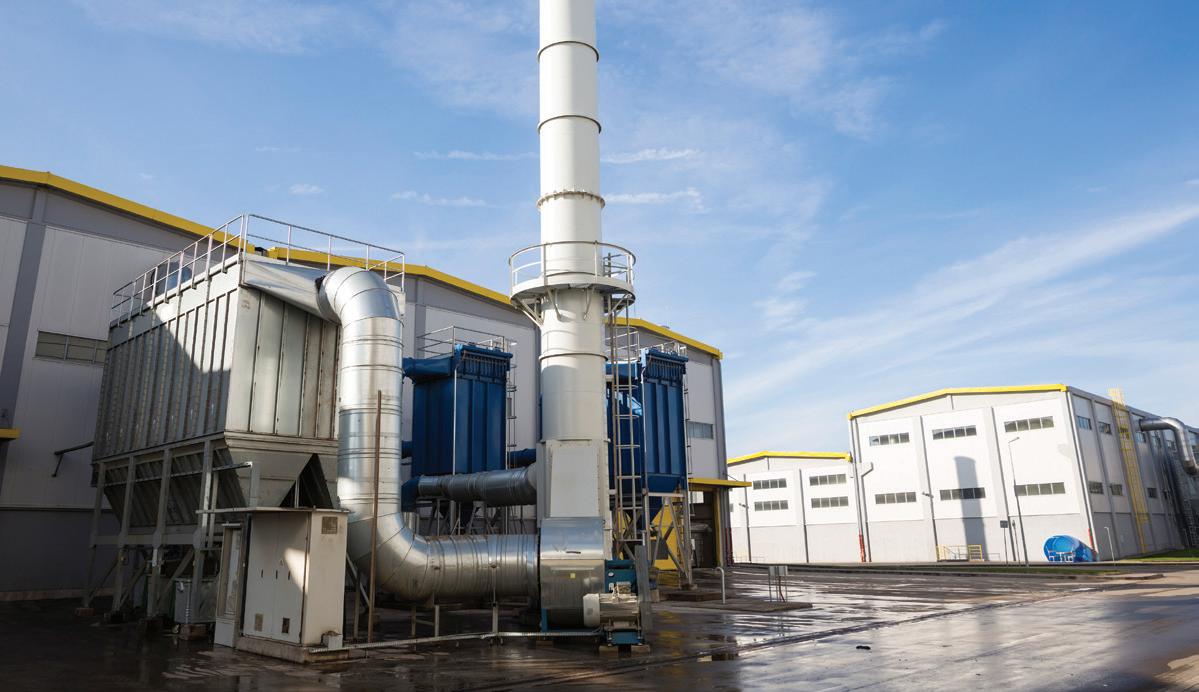


Resource recovery and recycling is an important part of the waste industry’s transition to the circular economy. However, many Australians are now demanding more transparency about how their recycling is actually being treated across the value chain.
In June, GECA and the Australian Council of Recycling (ACOR) responded to these concerns with the launch of the Australian Recycling Facilities (ARF) standard, which is establishing a national benchmark for recycling facilities. It is hoped that this new standard will help strengthen confidence in the country’s recycling system by providing independent verification of facility performance.
While there has been progress in recycling and resource recovery, millions of tonnes of residual waste still end up in landfill each year — this presents both a problem and a potential opportunity.
As you’ll read on page 6, modern WtE technology has moved beyond the myth of just burning rubbish and could provide a potential pathway for alleviating the pressure on landfills while also reducing emissions and generating energy.
This issue also includes many other sustainability solutions for addressing Australia’s waste challenges — from converting waste CO2 into useful products and making graphene from discarded peanut shells, to using AI to accelerate the recycling of solar panels and converting piggery effluent into renewable energy.
We also explore key insights from Australia’s first wave of mandatory sustainability reports and address the new expectations for data centres and AI infrastructure developers to manage our precious water resources responsibly.

Westwick-Farrow Media
A.B.N. 22 152 305 336 www.wfmedia.com.au
Head Office Unit 5, 6-8 Byfield Street, (Locked Bag 2226) North Ryde BC NSW 1670, AUSTRALIA
Ph: +61 2 9168 2500
If you have any queries regarding our privacy policy please email privacy@wfmedia.com.au
Editor
Carolyn Jackson sm@wfmedia.com.au
Assistant Editor Kylie Baracz
Publishing Director/MD Janice Williams
Art Director/Production Manager
Linda Klobusiak
Circulation
Alex Dalland circulation@wfmedia.com.au
Copy Control
Ashna Mehta copy@wfmedia.com.au
Advertising Sales
Tim Thompson Ph: 0421 623 958 tthompson@wfmedia.com.au
Media and Marketing Consultant
Richard Emanuel +61 416 751 750 remanuel@wfmedia.com.au
Advertising Manager
Richard Austin +61 401 400 866 raustin@wfmedia.com.au


All material published in this magazine is published in good faith and every care is taken to accurately relay information provided to us. Readers are advised by the publishers to ensure that all necessary safety devices and precautions are installed and safe working procedures adopted before the use of any equipment found or purchased through the information we provide. Further, all performance criteria was provided by the representative company concerned and any dispute should be referred to them. Information indicating that products are made in Australia or New Zealand is supplied by the source company. Westwick-Farrow Pty Ltd does not quantify the amount of local content or the accuracy of the statement made by the source.


Australia: beyond the myth of ‘burning rubbish’
Luke Holt, Director for Energy, APAC at Ramboll
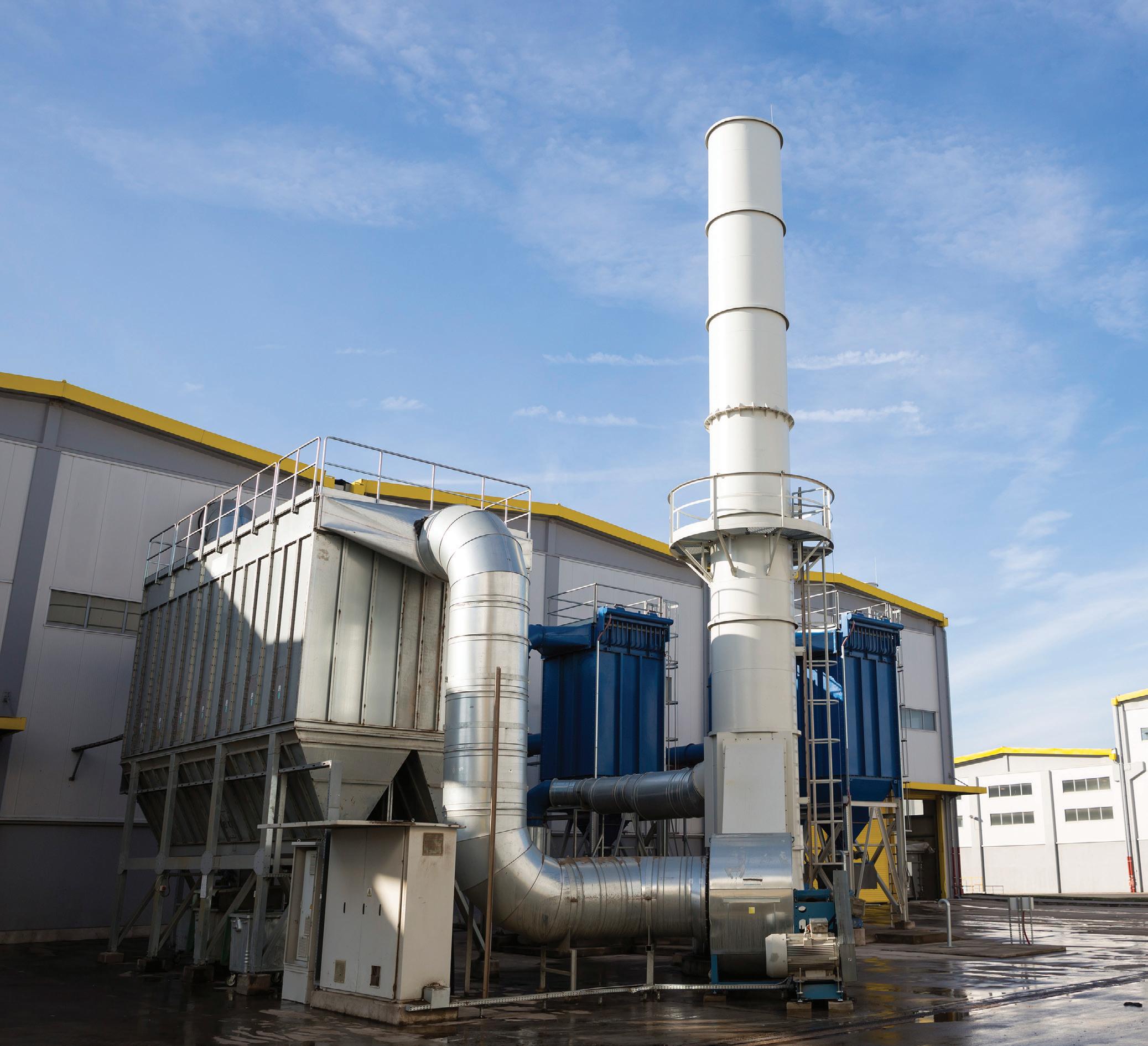
Bulgaria.
To move forward, Australia needs to treat WtE like any other regulated industrial asset: define clear performance standards, publish emissions and operating data in plain language and require independent auditing.
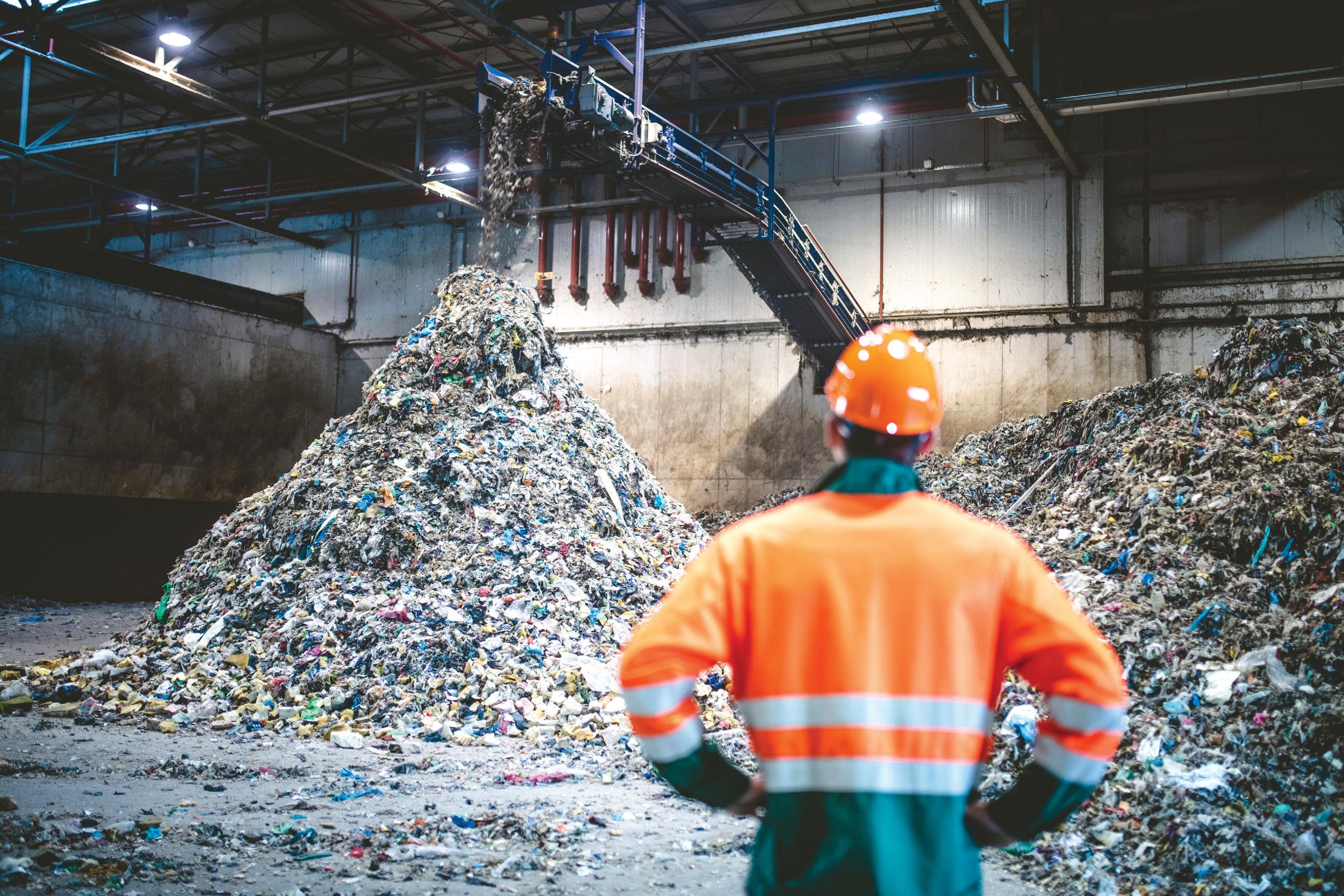
Australia’s energy transition and waste challenge are converging. As landfills reach capacity, emissions targets tighten and electricity systems seek firm, dispatchable power, waste-to-energy (WtE) is increasingly part of the conversation. Yet despite decades of safe operation overseas, WtE in Australia is often reduced to a misleading slogan: ‘burning rubbish’.
A vocal minority is actively campaigning against WtE, frequently drawing on outdated examples and selective claims rather than the modern evidence base. The result is that communities can be pushed towards the false choice of ‘incineration vs the environment’, when the real comparison is usually WtE versus continued landfilling of residual waste.
WtE sits after avoidance, reuse and recycling in the waste hierarchy. It is designed to treat residual waste — material that remains once recyclables have been removed — and recover value as electricity and/or heat. It should never be positioned as a competitor to recycling; it is a back-end solution for what cannot practically be recycled and a way to deal responsibly with what’s left over. If you want a serious landfill-diversion strategy, you need a credible solution for residuals — and you need to evaluate it on today’s science, not yesterday’s images.
Why does that matter? Because landfill is not benign. Landfills produce pollution streams including leachate and landfill gas, and these pollutants can degrade surrounding surface water bodies, groundwater, soil and air if not properly managed. Methane from decomposing organic waste is a particular concern. Regulators emphasise that when organic waste decomposes in landfill it releases methane, a potent greenhouse gas, and that landfill methane makes a material contribution to emissions inventories.
This is where WtE changes the equation. By diverting residual waste away from landfill, WtE avoids the methane that would otherwise be generated through anaerobic
decomposition. Put simply, it removes a key driver of long-term landfill emissions. That does not make WtE ‘zero impact’ — no infrastructure is — but it means the comparison must include the avoided landfill burden, not just the stack.
So what about air emissions? Modern facilities are engineered and regulated to operate within stringent, health-protective limits, using multi-stage flue gas cleaning (filters, scrubbers and other systems) and continuous emissions monitoring. The point is not to dismiss concerns, but to address them with transparent data, conservative design and independent oversight.
International experience is instructive. Germany has effectively eliminated municipal waste landfilling at scale, relying on high recycling alongside thermal treatment capacity; Switzerland has long treated residual waste through well - regulated plants that also recover energy; and the UK has used energy-from-waste within a wider framework while progressively reducing biodegradable municipal waste sent to landfill. These countries show that WtE can sit inside strong environmental regulation and coexist with high recycling, when capacity is sized to residuals and policy keeps the hierarchy intact.
Australia does not need to copy these systems wholesale. But the principles transfer well: keep recycling first, size facilities to residuals, regulate tightly, disclose performance, and engage early and honestly. Crucially, public debate should reflect what the technology is today. When campaigns present WtE as uncontrolled incineration, they risk steering communities back towards the very outcome most of us agree is worst: continued landfill dependence, with methane emissions and long-term environmental liabilities.
Waste-to-energy is not a silver bullet for Australia’s waste or energy challenges. It is, however, a practical tool for managing residual waste while contributing reliable, local energy. The task now is to have an evidence-based conversation — and to judge options against
the real alternative. When the choice is WtE or more landfill, the environmental comparison looks very different.
To move forward, Australia needs to treat WtE like any other regulated industrial asset: define clear performance standards, publish emissions and operating data in plain language and require independent auditing. Communities should expect rigorous approvals, conservative dispersion modelling and enforceable conditions, not vague promises. Equally, policymakers should be honest about trade-offs: if residual waste is not treated, it is landfilled, with methane generation and long-term leachate management obligations that do not disappear when the gate closes.
The most constructive debate is therefore comparative. Ask: which option delivers lower lifecycle emissions, lower local impacts, and higher accountability over decades?
If we keep recycling at the front end and hold WtE plants to strict transparency at the back end, Australia can reduce landfill reliance without compromising health or environmental standards. And that is where the evidence points.

Luke Holt is the Director of Energy, APAC, at Ramboll, where he leads the company’s energy strategy, operations and delivery across the Asia–Pacific region. He is responsible for all aspects of energy in the region, including onshore and offshore renewable energy, power and emerging technologies, ensuring Ramboll’s work is aligned with the global energy transition and regional priorities. With experience managing complex processing facility projects across renewable energy, infrastructure and more, his expertise spans the full asset lifecycle — from concept selection and design through to construction, commissioning and operations.
A ‘gold standard’ for soil analysis and microplastic extraction has been developed at the University of New England (UNE), providing the capabilities to safeguard agricultural soils and protect human health.
Led by PhD candidate Nivetha Sivarajah, the research team developed a new multicriteria framework to identify the most effective method to extract six common plastic types from different soil textures.

Integrating factors such as recovery, spectral integrity, extraction time, cost and environmental impact, the method identified is affordable and accessible, enabling adoption by scientists globally.
“We don’t currently have a standard method for this, so once this process has been adopted, it can be used to better understand the true extent of microplastics pollution in agricultural soil,” Sivarajah said.
Agricultural soils are extensively contaminated by plastics from mulching films, biosolids, sewage sludge, shade nets and waste that degrade over time to form microplastics.
This poses a threat to food security, soil health and crop yields — and risks the contamination of groundwater.
“This has significant environmental impact and can transfer through
the food chain and threaten human health,” Sivarajah said.
Sivarajah’s optimised extraction method uses a sequence of organic matter digestion followed by density separation, achieving a recovery of more than 92%.
The process is fast, lowcost at roughly AU$5.47 per sample, and uses reagents with a low environmental impact.
“It was important to consider cost in our method, as the cheaper it is, the more likely it will be adopted, which is an especially important consideration in low socioeconomic regions of the world,” Sivarajah said.
While this study provides the foundation for scientists to develop global standards, Sivarajah is already looking to the next phase of her research.
She is currently applying her method to soil samples collected in Sri Lanka to study the abundance of microplastics in Sri Lankan paddy fields. Sivarajah will also study how microplastics migrate through different soil layers, particularly in areas using municipal solid waste compost.
Sivarajah’s work appears in the June edition of Soil Advances journal.
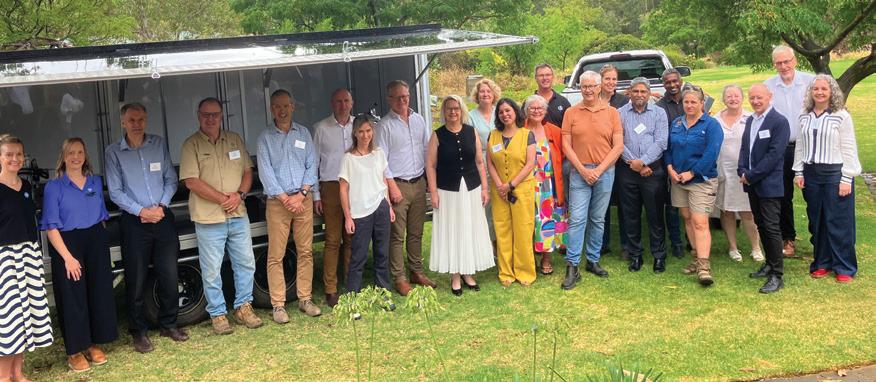
A pilot project to reuse vineyard trellis posts has been launched in South Australia, marking a step towards advancing a circular economy for treated timber.
The National Centre for Timber Durability and Design Life (NCTDDL) — along with Forest & Wood Products Australia (FWPA) and Wine Australia — launched its Vineyard Post Reuse Pilot as part of the Timber Circularity Project in McLaren Vale.
The pilot is a practical trial testing how end-of-life treated vineyard posts can be recovered, processed and reused in a commercially and environmentally viable way.
“Together with our partners in both the forestry and viticulture sectors, we are developing practical pathways for the reuse of treated posts and other end-of-life timber products, demonstrating what collaboration across sectors, in research, industry and government can achieve,” said Professor Tripti Singh, Director of the NCTDDL.
“There will not be one single recovery solution for posts. A
diverse range of options from small mobile solutions to largescale technologies will be required to ensure a shift towards a net positive future.”
The pilot builds on groundwork undertaken through the Timber Circularity Project, including mapping the volume and condition of unused wood resources, assessing national regulations and logistics challenges, and evaluating potential recovery solutions.
With additional funding from the SA Department of Primary Industries and Regions, as part of the South Australian Wine Recovery Program, the FABAL Group will undertake the pilot which features a mobile processing unit that removes fasteners such as clips, staples and nails, then cuts the posts to size using a guillotine.
This process avoids hazardous sawdust and prepares the posts for reuse as agricultural fencing or landscape timber.
Ashley Keegan, CEO of the FABAL Group, highlighted the practical benefits of the pilot.
“Our goal is to convert a problematic vineyard waste stream into a product that others are willing to confidently use,” Keegan said.
The reuse of chromated copper arsenate (CCA)-treated vineyard posts also has the potential to save the wine industry up to $3000 per hectare in disposal costs.
The pilot is one of several being planned to test other options in locations around Australia.
Hunter Joint Organisation (Hunter JO) wanted to help its 10 member councils move from circular procurement ambition to practical, consistent action.
Hunter JO saw an opportunity to give councils a shared approach that would make circular procurement easier to apply in everyday work and, to support this transition, it needed a clear, shared approach that could be applied across multiple councils, was easy to use and reflected the realities of regional supply chains.
The organisation partnered with sustainability firm thinkstep-anz to develop a Circular Procurement Toolkit for council procurement, asset management and project teams. The toolkit was designed to work within existing council processes.
The thinkstep-anz team reviewed national and state procurement frameworks, circular economy standards, verification systems and relevant industry tools — including ISO 20400, ISO 59020, NSW sustainable procurement guidance and the Transport for NSW Materials Register — to ensure the toolkit was practical, credible and aligned with current policy expectations.
The result is a set of resources that guide councils through the procurement lifecycle.
The toolkit includes five detailed guides covering:
1. Circular procurement fundamentals
2. The procurement pathway
3. Fair and proportionate evidence requirements
4. Low-carbon concrete procurement
5. A framework for future material-specific modules
It also brings together practical tools such as the Material Circularity Indicator, tiered evidence levels, product stewardship guidance and model contract clauses.
The organisation said these resources help councils set consistent expectations and support suppliers to provide achievable circular outcomes. Supplier forms, procurement checklists and case study templates turn the guidance into practical steps for council officers, engineers, asset managers and procurement teams. They help staff question whether a new purchase is needed, engage suppliers early, specify circular options, evaluate evidence and monitor delivery.
The toolkit also supports councils to consider durability, repairability, recycled content, reuse opportunities and take-back schemes. It places strong emphasis on requirements that are fair and proportionate, so regional SMEs can participate alongside larger suppliers.
By focusing on whole-of-life value rather than upfront cost alone, the toolkit helps councils make procurement decisions that reduce waste, extend asset life, strengthen regional resilience and support local industry development.
circular
The organisation said the toolkit gives councils a practical way to embed circular thinking into everyday procurement. It includes plain English guidance, a step-by-step procurement pathway, council-specific examples, checklists, supplier forms and model brief and contract clauses.
• Consistent regional approach: Clear, practical method for embedding circular procurement across councils.
• Actionable content: Specific examples of more circular actions and how to use briefs and contracts to support more circular outcomes.
• Reduced waste outcomes: Less waste through reuse, repair and better specification.
• Better-value decisions: Stronger focus on whole-of-life value for the community, not just upfront cost.
• Improved material choices: Greater confidence in procuring low-carbon concrete and key materials.
• Stronger local supply: More accessible procurement for regional suppliers and SMEs.
• Ongoing capability building: Shared foundation for learning, collaboration and continuous improvement.
For more information about the Circular Procurement Toolkit, visit the hunterjo.nsw.gov.au.
As the global sustainability agenda accelerates, the challenge facing multinational organisations is no longer defi ning ambition, it is delivering measurable, systemwide change. For Epson that ambition is clearly articulated in its Environmental Vision 2050, “to become carbon negative and underground resource free, while enriching communities and operating within the planet’s ecological limits”. What distinguishes Epson’s approach is how this long-term vision is being translated into tangible outcomes both globally and across Australia and New Zealand.
A global blueprint for operating within planetary boundaries
At the heart of Epson’s strategy is a recognition that economic activity must align with finite planetary resources. Their Environmental Vision 2050 sets a dual objective: eliminate net greenhouse gas (GHG) emissions and decouple growth from the extraction of virgin underground resources.
Epson’s decarbonisation roadmap is grounded in a clear hierarchy: reduce energy demand, transition to renewable energy and remove residual emissions.
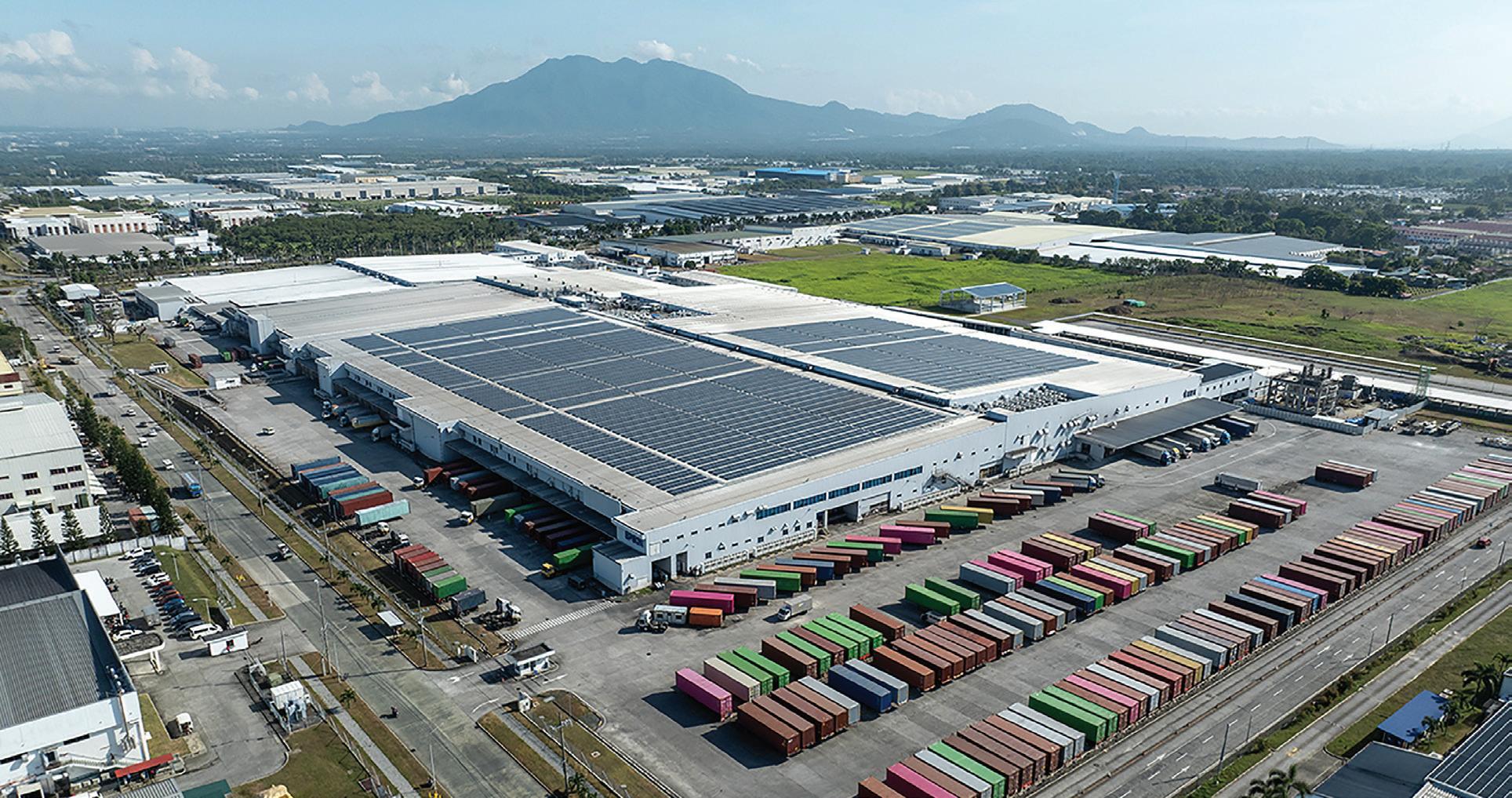
A major milestone has already been achieved. As of December 2023, Epson transitioned to 100% renewable electricity across all global sites, covering approximately 876 GWh of annual consumption. This shift alone reduced emissions by around 400,000 tonnes annually — a substantial step toward its carbon negative target.
This transition also required region-specific solutions including:
• Long-term renewable energy agreements in Japan
• Geothermal and hydroelectric power adoption in the Philippines
• Biomass energy integration in Indonesia
Beyond its own operations, Epson is working to infl uence emissions across its value chain, particularly Scope 3 emissions, by engaging suppliers and redesigning products to consume less energy during use.
Product innovation is central to Epson’s strategy. Technologies such as heat-free printing eliminate the need for heat in the ink ejection and overall printing process, significantly lowering energy consumption during operation.
Meanwhile, high-capacity ink tank systems reduce consumables and waste, extending product life cycles and minimising environmental impact for customers.
Epson also quantifies these downstream benefits as part of its “environmental contribution”, a metric that captures how its products help reduce emissions beyond its own footprint.
In parallel with decarbonisation, Epson is rethinking material use through a circular economy lens. Its goal of becoming underground resource free by 2050 is underpinned by the three aforementioned priorities of reducing resource inputs, eliminating waste and maximising the use of sustainable materials.
Epson’s circular innovation in action
• Dry Fibre Technology enables the recycling of paper and textiles into new materials such as packaging, insulation and cushioning without the need for water-intensive processes.
• Metal recycling initiatives transform used silicon wafers and manufacturing waste into reusable metal powders for applications in electronics and automotive components.
These innovations contribute to Epson’s target of achieving a 100% sustainable resource rate incorporating renewable, recycled and less-depletable materials.
Strengthening nature stewardship
Looking ahead, Epson is expanding its environmental focus beyond carbon and materials to include nature-related impacts. From 2025, the company has aligned with the Taskforce on Naturerelated Financial Disclosures (TNFD) integrating biodiversity, water use and ecosystem health into its risk management and reporting frameworks.
By identifying priority areas such as chemical use, water dependency and resource circulation Epson is establishing measurable targets to reduce pressure on natural systems while exploring opportunities for ecosystem restoration.
Localising impact in Australia and New Zealand
While global frameworks set direction, implementation at the regional level is critical. In Australia and New Zealand Epson’s sustainability strategy reflects both alignment with global goals and responsiveness to local conditions.
Understanding the emissions challenge
As above Epson A/NZ’s FY24 data reveals that the majority (99.99%) of its emissions fall within Scope 3*, underscoring the importance of value chain engagement. These emissions are largely embedded in purchased goods, logistics and product use highlighting where the greatest opportunities for impact lie.
To address this, Epson A/NZ has started engaging with key local suppliers, including logistics partners, to identify opportunities to reduce emissions and manage climate-related risks.
A practical example of emissions reduction in action is Epson Australia’s partnership with DP World. Since March 2025 inbound freight arriving at Port Botany has been shifted from road to rail for transport to their Yennora warehouse.
This modal shift reduces emissions associated with freight movement and demonstrates how operational decisions can directly influence Scope 3 outcomes.
Epson A/NZ has also made significant strides in reducing its direct environmental impact during their last fiscal year including:
• A 60% reduction in office footprint following the relocation of its Sydney headquarters resulting in a 25% decrease in electricity consumption across its Australia and New Zealand operations
• A 29% reduction in waste at Sydney facilities, driven by improved recycling and material reuse practices at its head office warehouse facilities**
• An increased commitment to circularity via their long-standing partnership with Planet Ark through the Cartridge 4 Planet Ark recycling program, where all collected Epson consumables are
diverted from landfill (zero waste to landfill). To date, Epson have recycled over 7 million units through this program
These initiatives also reflect the company’s broader commitment to operational efficiency and resource optimisation.
Epson’s partnership with the Australian Fashion Council (AFC) is a great example that highlights the role of technology in reshaping local industries. By advancing on-demand textile printing Epson and the AFC aim to improve local manufacturing, further innovation and develop digital transformation.
Epson in attendance at and supporting the recent AFC R.M.Williams National Manufacturing Strategy for Australian Fashion and Textiles 2026–2036 launch at Parliament House in Canberra.
To that end Epson are also working closely with the AFC on a feasibility study for a ‘smart factory’ and shared manufacturing hubs. These initiatives are similar to those they have already developed and implemented with The Social Outfit and Citizen Wolf where Epson’s direct-to-fabric/direct-to-garment/film digital printing technologies play a part in the overall production workflow.
Epson is particularly motivated in helping accelerate the adoption of advanced digital technologies that improve resource efficiency, reduce material waste, unlock new opportunities and create the jobs of the future. Epson’s collaboration with the AFC also aims to reduce water and chemical use compared to traditional dyeing processes, minimise waste associated with overproduction and cut emissions linked to offshore manufacturing and transport.
Epson’s approach demonstrates that achieving sustainability at scale requires more than incremental improvements. It demands systemic transformation across energy, materials, products and partnerships.
Globally, the company has made measurable progress in renewable energy adoption and circular innovation.
Locally, in Australia and New Zealand, it is translating these principles into targeted actions that address regional emissions profiles and operational realities.
The result is a cohesive strategy that connects long-term vision with near-term impact, positioning Epson as a case study in how global sustainability commitments can be effectively operationalised.
As the window for climate and environmental action narrows, this ability to bridge ambition and execution will define the leaders of the next decade.
Epson’s journey suggests that with the right combination of technology, collaboration and accountability, it is possible to operate within planetary boundaries while continuing to deliver economic and social value.
Epson Australia recently released its second, annual Sustainability Impact Report. To see highlights, details, a summary of and to download the report in full go to: https://www.epson.com. au/Impact-Report
*Due to zero market-based Scope 2 emissions, achieved through the purchase of 100% renewable electricity. **Waste data is currently only collected at our HO and Yennora warehouse, which produces the majority of waste (estimated >95%) across Australia and New Zealand.
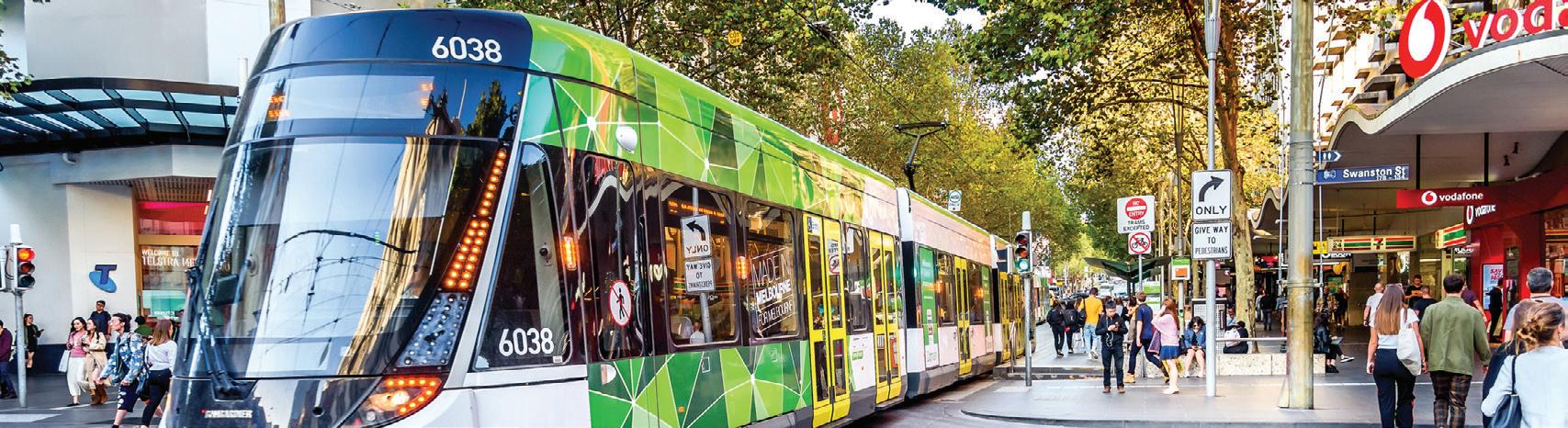
Yarra Trams cut water use at its New Preston Depot by almost 70%, saving 6.6 million litres of water a year, enough to fill 20 E-class trams after joining the WaterSmart program.
The savings come after Yarra Valley Water installed data loggers at the depot as part of the Victorian Government’s program. The depot services Melbourne’s E-class trams and includes automated wash facilities.
The smart loggers detected unusually high water use between 4 and 5 am, which was traced to the tram wash backflush, the system that keeps the wash clean. By reducing the backflush cycle to 15 minutes, Yarra Trams is saving 18,200 litres per day without affecting cleaning standards.
“The data logger at New Preston helped us reduce water used by our tram wash by almost 70% — helping us deliver on our commitment to sustainability and reduce our environmental impact,” said Yarra Trams’ Environment Manager Renée Karlson.
Yarra Valley Water General Manager Retail Services Lisa Anelli
said the results show the value of the WaterSmart program.
“Melbourne’s water storages have now dropped below 68%, due to prolonged hot, dry conditions, so it’s crucial we take every step we can to conserve water,” she said.
“Yarra Trams shows how a small operational change, backed by good data, can deliver significant savings. Programs like WaterSmart give businesses a clear picture on how water is being used and where efficiencies can be found — saving money and helping protect precious water supplies.”
The WaterSmart program is funded by the Victorian Government and delivered by the water corporations. It supports high water users in industries that provide vital services to the community, such as health care, aged care, councils, sporting facilities and some industrial sites, to save water and money.
On average, participants save around $900 a year by fixing leaks, upgrading equipment or changing how water is used.
Sunbeams contain a lot of energy, but current technology for harvesting solar power doesn’t capture as much as it could. Now, in a study published in ACS Applied Materials & Interfaces, researchers report that gold nanospheres, named supraballs, can absorb nearly all wavelengths in sunlight — including some that traditional photovoltaic materials miss.
Applying a layer of supraballs onto a commercially available electricity converter demonstrated that the technology nearly doubled solar energy absorption compared to traditional materials.
Scientists are exploring materials that absorb light across the solar spectrum to improve solar energy harvesting. Gold and silver nanoparticles (NPs) have been suggested as a solution because they’re easy and cost-effective to make, but current NPs’ light absorption is confined to visible wavelengths — a fraction of the full solar spectrum.
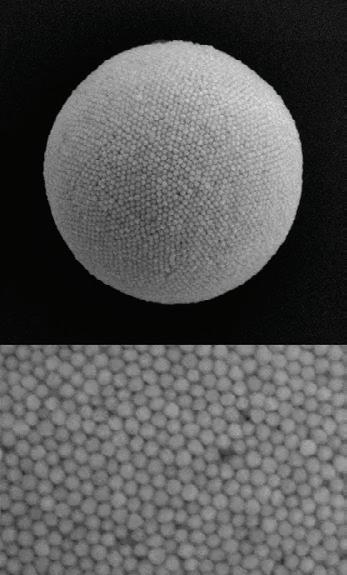
To capture additional wavelengths, including near-infrared light, Jaewon Lee, Seungwoo Lee and Kyung Hun Rho propose using self-assembling gold supraballs. These structures consist of gold NPs that clump together and form tiny spheres. The diameter of the supraballs was adjusted to maximise the absorption of
wavelengths present in sunlight.
The researchers first used computer simulations to optimise the design of individual supraballs and to predict the performance of supraball films. Results from the simulations showed that the supraballs should absorb more than 90% of wavelengths from sunlight.
Next, they created a film of gold supraballs by drying a liquid solution containing the structures on the surface of a commercially available thermoelectric generator (TEG), a device that converts light energy into electricity. The films were created in ambient room conditions — no clean rooms or extreme temperatures required.
In demonstrations with an LED solar simulator, the supraball-coated TEG had an average solar absorption of about 89%, nearly twice that of a TEG with a conventional film made from single gold NPs (45%).
“Our plasmonic supraballs offer a simple route to harvesting the full solar spectrum,” Lee said. “Ultimately, this coating technology could significantly lower the barrier for high-efficiency solar-thermal and photothermal systems in real-world energy applications.”
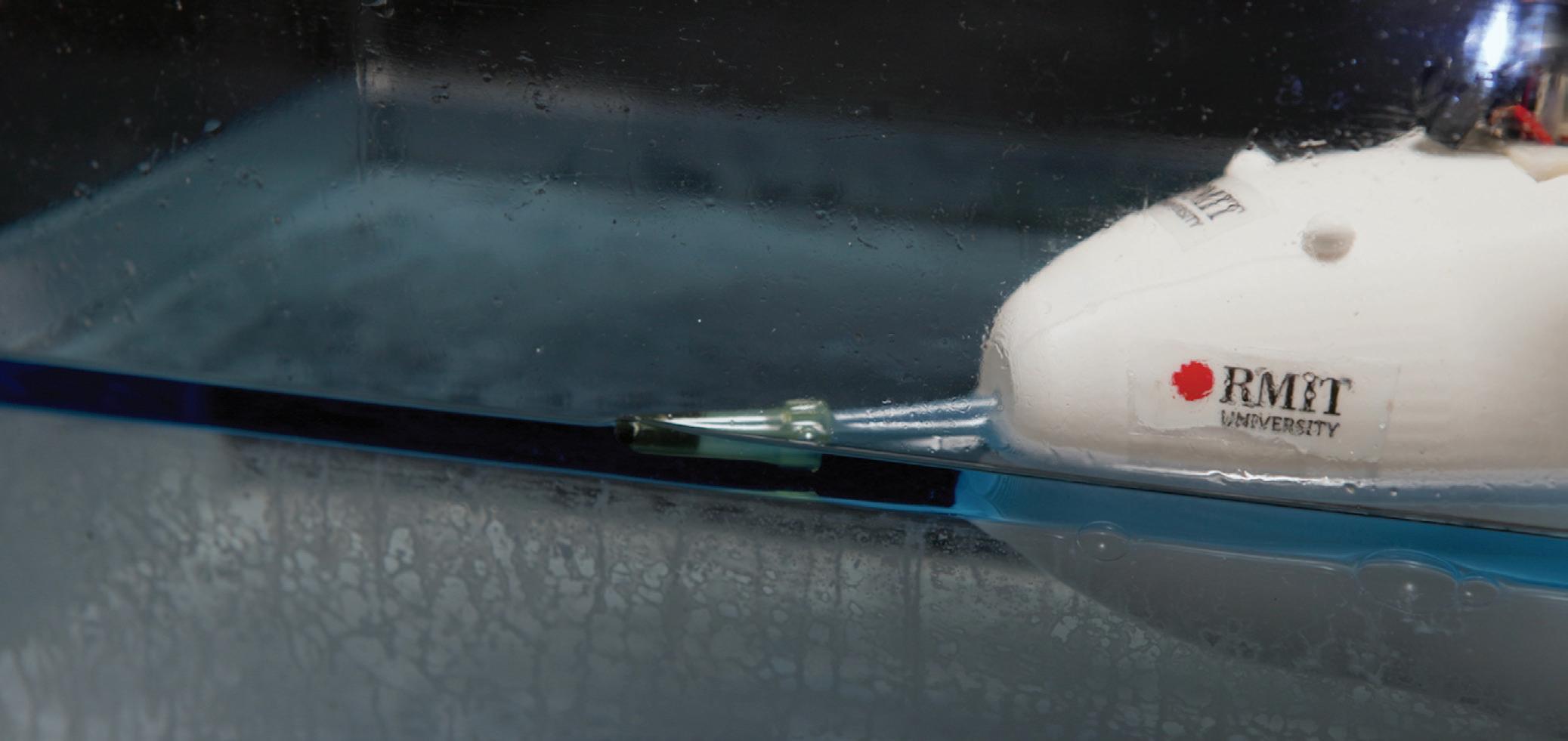
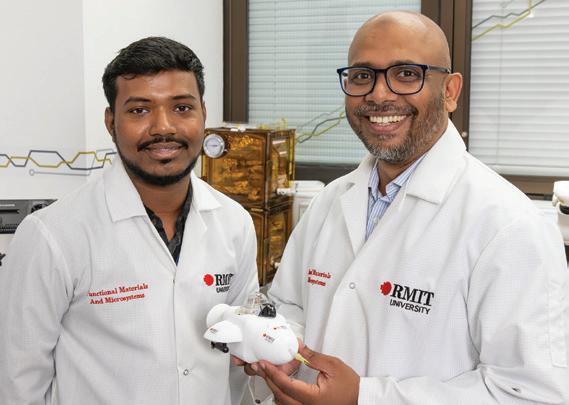
RMIT University engineers in Australia have built a remotecontrolled minibot that hoovers up oil spills using an innovative filtering system inspired by sea urchins.
The team developed a minibot called the ‘Electronic Dolphin’ to address the global challenge of removing costly oil spills, by collecting oil from the surface of water, providing a safer and more targeted way to respond to spills in sensitive environments.
The device, shaped like a dolphin and about the size of a sneaker, integrates a specially designed filter that repels water while instantly absorbing oil, allowing the robot to skim slicks and collect oil with high efficiency.
Lead researcher Dr Md Ataur Rahman, from RMIT’s School of Engineering, said the proof-of-concept minibot showed how small, adaptable platforms could support clean-up efforts without exposing responders to hazardous conditions.
“Oil spills can take a huge environmental and economic toll. We wanted to create a system that can be deployed quickly, steered accurately and used in areas that are too risky for people to access,” he said.
“We have a long-term vision of creating dolphin-sized robots that can vacuum oil, return to base to empty their tanks, recharge, then redeploy automatically — repeating the cycle until the job’s done.”
The experimental minibot runs for about
15 minutes on its current battery, but the final version would scale up depending on pump size and oil-storage capacity.
“Unlike past oil clean-up materials that often use harsh, hazardous chemicals and work only as fixed filters involving manual operation, our new technology is made using an eco-friendly coating for filter we developed.”
The minibot houses the coated filter at its front, with a small pump drawing oil through the filter into an onboard collection chamber. In controlled tests, it recovered oil at about two millilitres per minute with more than 95% purity, maintaining performance without the filter becoming waterlogged.
The filter uses a special coating that grows tiny, sea urchin-like spikes you can only see under an electron microscope. These little spikes hold pockets of air that make water roll straight off, while oil sticks to the surface. That means the material can pick up oil without soaking up water, and because it is light and can be reused many times, it is practical for real clean-up work.
PhD researcher Surya Kanta Ghadei, who led much of the materials development, said the project was driven by both technical ambition and personal experience.
“Growing up in India, I saw the impact oil spills can have on marine life, especially turtles,” he said. “That stayed with me. When I began my PhD, I wanted to create something that could help responders act faster and keep wildlife out of danger.”
The team is now exploring how to scale the technology by increasing the filter area across the robot’s surface, which would require a higher-capacity pump. Field testing and long-term durability assessments are planned as the next stage of development.
Rahman said the researchers were keen to work with industry or innovation partners to refine the design for specific applications and assess pathways for wider deployment.
The research ‘Multifunctional superwetting sea urchin mimetic nanosheet based interface for remote oil–water separation’ is published in the journal Small
The video below shows the ‘Electric Dolphin’ mini bot successfully skimming oil in a tank of water and collecting it into its onboard collection chamber.
Video: RMIT’s ‘Electronic Dolphin’ removes oil spills

Grundfos has helped improve the water reliability and overall performance of a remote Northern Territory property, enabling it to operate as a sustainable hay farm supplying Northern Australia’s beef industry.
Located 200 km north of Alice Springs, the Athelle Outback Hideaway now uses Grundfos SPE solar pumps to secure a reliable water supply in one of Australia’s most arid environments, where temperatures regularly climb past 40°C and rainfall is scarce, averaging just 15 cm.
By extending pumping windows by 60 minutes, the new system provides dependable irrigation for the farm while significantly reducing costs and improving overall performance, supporting a more water-secure and sustainable business.
In the extreme climate 200 km north of Alice Springs, water security is the top priority for the Athelle Outback Hideaway and its owners Anthony and Danyelle Haigh. The 60-hectare property supports a vital hay farm for the Northern Territory’s beef industry and a holiday park, making a reliable water supply the backbone of the business.
Previously, the farm relied on older diesel generators that were expensive to run, inefficient and unreliable, resulting in costly repairs and long trips to get them repaired.
In such a remote and arid location, any equipment failure is a direct threat to livestock, crops and essential infrastructure. This created an urgent need for a reliable solar-powered system that could withstand the conditions and secure the long-term future of their business.
The Grundfos SPE pump is a submersible pump designed to deliver reliable water flow from bores, even in tough conditions. With adjustable pump speed, the system can respond to changing sunlight and irrigation demand throughout the day, providing Anthony and Danyelle with a dependable and efficient water supply.
Its Permanent Magnet Motor and Variable Frequency Drive mean that they are far more efficient and require far less power than traditional pumps. For the Haigh family at the Hideaway, this means an extra 40–60 minutes of daily pumping powered entirely by the sun.
According to Danyelle Haigh, switching to Grundfos’s solar integrated system has cut diesel generator costs, saving around 100,000 L of fuel and more than AU$210,000 a year.
These motors run cooler, last longer, and lose less energy as heat, making them suitable for solar set-ups where every watt counts — delivering higher savings, improved reliability and a reduced environmental footprint to help ensure the Hideaway remains both economically and ecologically sustainable for years to come.
The successful installation of six Grundfos SPE pumps at Athelle Outback Hideaway supplies water to six pivots growing a variety of hay species, as well as lemon, agave, almond and mulberry orchards. This was made possible through collaboration between the property owners and the Grundfos Dealer Network, specifically Think Water Alice Springs.
Leveraging its strong local knowledge of the Northern Territory’s unique water challenges, Think Water played a key role in recommending the Grundfos SPE pump as the most reliable solution for the property’s extreme conditions, supported by the expertise of Grundfos Pumps Australia, whose positive, solutions-focused approach ensured the system was optimised for the job.
The dealer network is also equipped with reliable products, technical expertise and responsive service. From start to finish, the project showed what strong partnerships and a shared focus on sustainable innovation can achieve in the Outback.
Anthony Haigh said, “Solar just made sense for us here in the Northern Territory, especially in summer when there’s plenty of sun and the most demand for water. The SPE pumps give us an extra 20 minutes of pumping in the morning and evening, which means we’re saving money and using less fuel. Having that reliable water supply is critical for running both a productive farm and a sustainable tourism business out here in the harsh Outback conditions.”
Rick Holland, Country Director Grundfos Australia and Vice President APAC and China, said, “Operating in remote environments like Central Australia demands water solutions that are both reliable and energy-efficient. The SPE pump technology is designed to maximise solar energy and deliver consistent performance in challenging conditions. By working closely with our dealer network, we’re able to help customers secure dependable water supply while reducing operating costs and environmental impact.”


Chris Ryan, APAC Head of Water Infrastructure at Autodesk
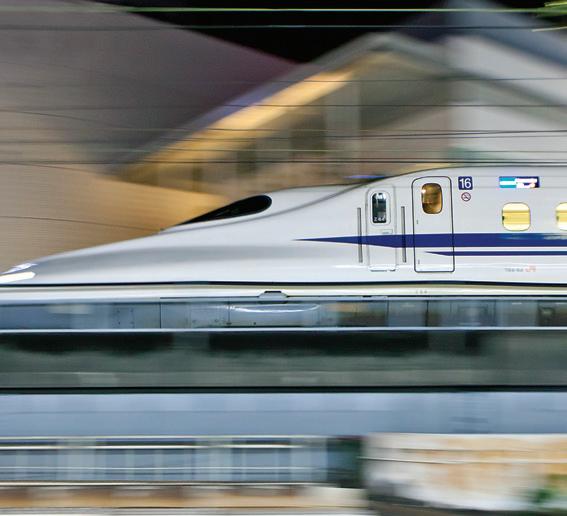
In Japan, there is a concept often referred to as “Shinkansen thinking” — inspired by the creation of the bullet train in 1964. At the time, engineers were asked to halve the travel time between Tokyo and Osaka. It was widely seen as impossible.
What followed wasn’t incremental improvement. Engineers reimagined the entire system: the trains, the tracks, the power supply, even the route itself. The result didn’t just change rail travel in Japan — it reset expectations globally.
This is exactly the kind of thinking we need to apply to the way we operate essential infrastructure like water, wastewater, stormwater and transport networks.
Australia’s emissions reduction targets are well known, and often debated. But the bigger challenge is not whether targets are too ambitious or too conservative. The real issue is how we translate them into practical, day-to-day operational decisions across high-energy, asset-intensive sectors.
For water utilities, one of the biggest opportunities to reduce emissions is also one of the most familiar parts of the network: pumps.
Pumping is one of the largest consumers of energy in water and wastewater systems. Whether moving drinking water across long distances, transferring wastewater between catchments, or managing stormwater during
rainfall events, pumps run constantly — and often inefficiently.
Many utilities still operate pumps based on static rules, manual intervention, or historical assumptions about demand and network behaviour. The result is unnecessary energy use, higher operating costs, accelerated asset wear and, ultimately, higher emissions.
This is where modernisation is key. Data gives us insight into the water network and utilities to see how pumps actually perform under real-world conditions. Digital models can bring together hydraulic models, SCADA data, asset condition, energy pricing and demand patterns into a single operational view.
It seems such a simple concept, visibility. Yet having eyes on inefficiencies can have a major impact on emissions reduction targets.

Optimising pump schedules can reduce peak energy demand, identify underperforming or oversized pumps that waste power, simulate operational changes before applying them in the real world, and reduce unplanned pump runtime caused by reactive responses to events.
Unless you’re in the industry, things like pump efficiency wouldn’t be top of mind for emissions reduction. But small improvements in pump efficiency, applied consistently across a network, translate directly into measurable reductions in electricity consumption and associated emissions. Importantly, these gains don’t rely on future technology or major capital replacement programs.
The emissions story doesn’t stop at the water sector. Transport infrastructure — roads, rail
corridors, tunnels and stations — is deeply interconnected with how well we manage stormwater and drainage systems.
Extreme rainfall events are becoming more frequent and more intense. When drainage systems fail or are overwhelmed, the consequences are immediate: flooded roads, closed rail lines, damaged pavements, eroded embankments and unsafe conditions for the public.
Every time a transport corridor is shut down due to flooding, emissions rise. Traffic congestion increases. Freight is delayed. Emergency response and repair crews are mobilised. In many cases, damaged assets must be rebuilt sooner than planned, driving additional embodied carbon.
Stormwater and drainage assets are therefore not just “water infrastructure” — they are critical enablers of low-emission,
Digital models can bring together hydraulic models, SCADA data, asset condition, energy pricing and demand patterns into a single operational view.

reliable transport networks. Technology can help us understand how stormwater systems perform under different rainfall scenarios, land use changes and climate conditions. The result is a more holistic view of networks, enabling proactive management of capacity constraints, early identification of high-risk locations, and coordinated planning across water and transport agencies.
By securing drainage performance, we protect transport assets, reduce disruption and avoid the cascading emissions that follow infrastructure failure.
The most important shift is cultural. Like the engineers behind the bullet train, we need to stop asking how to marginally improve existing processes, and instead ask how infrastructure should be designed and operated if emissions reduction were a primary objective.
Tools to support this shift in perspective are already here. What’s required now is the willingness to use it differently — to give engineers and operators the space to think beyond traditional constraints, working together to ensure operations are meeting planning estimates, all the while reducing emissions, saving money and increasing safety of utility teams and the public alike.
The bullet train wasn’t the result of doing things faster. It was the result of doing things differently. If we apply that same mindset to water, stormwater and transport infrastructure, reducing emissions becomes not just achievable, but inevitable.

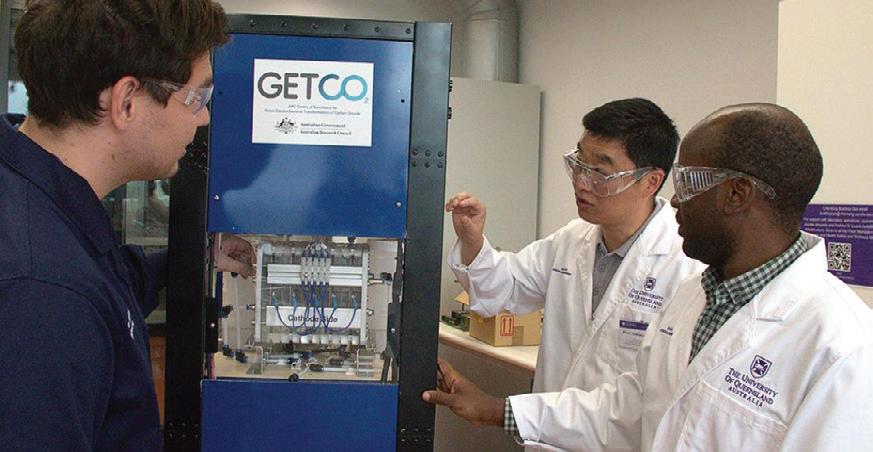
University of Queensland researchers have developed a new method to produce industrial chemicals commonly used in agriculture, textiles and pharmaceuticals with only carbon dioxide (CO 2), water and electricity.
The electrochemical generator provides high-emissions industries with a safer and more environmentally friendly pathway to convert waste CO 2 into useful products, while reducing the need for fossil-fuel-based chemical manufacturing.
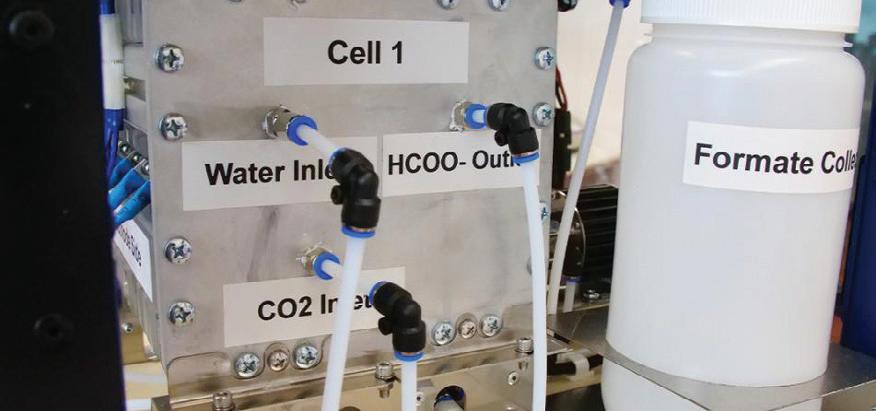
Designed by Professor Xiwang Zhang, Dr Mike Tebyetekerwa and PhD student Rizal Evans from UQ’s School of Chemical Engineering, the generator is powered by electricity and requires only water and captured carbon dioxide to create formate, the base compound for formic acid.
“With basic ingredients and the push of a button, we are able to deliver chemicals that are hugely important for a number of industries,” Zhang said. “It demonstrates that carbon dioxide can be reused, rather than treated solely as a waste product.
“There are industries that need formic acid, and others that have large amounts of CO2 they want to manage.
“This technology creates an opportunity to connect those two challenges.”
Formic acid is commonly used in agriculture, leather tanning, rubber manufacturing and other industrial processes. Australia
currently imports almost all of its formic acid, leaving local industry vulnerable to external supply disruptions.
Tebyetekerwa said the generator had been designed to be modular, allowing it to be scaled up or down depending on industry needs.
“Instead of transporting and storing large volumes of formic acid, the idea is that it could be produced where it is needed,” Tebyetekerwa said. “That has implications for safety, supply security and emissions, particularly for industries that already produce CO2 as part of their operations.”
Evans said potential applications ranged from agriculture and livestock production to resource and energy sectors.
“We have already had a resource company enquire about using it to produce formic acid as an antifreeze for its pipes,” Evans said. “The technology is still in the testing phase, and not quite ready yet for commercial use.”
The researchers said field trials with industry partners would be required to assess how the generator performs under real-world conditions and how it could be adapted to different industrial settings.
The research is supported by the Australian Research Council (ARC) through its Centre of Excellence for Green Electrochemical Transformation of Carbon Dioxide (GETCO2).
CVS engineering has introduced sustainable solutions for suction, flushing and silo vehicles. These include vacuum pumps from the VacuStar series for suction and flushing vehicles (‘sewage handling’) and oil-free screw compressors from the SKL series (‘dry bulk’).
The technologies enable maximum suction capacity and durability in extreme conditions, such as sewer cleaning and sludge extraction. The range includes oil-free screw compressors (SKL 700, 1100, 1500), rotary vane vacuum pumps (VacuStar L/W) and liquid ring pumps (VacuStar WR) — supplemented by drive components such as hydraulic adaptors or drive shaft couplings and other accessories. These solutions are in demand among fleet operators, vehicle manufacturers and engineers in the road haulage, transport, distribution and logistics sectors. The suction and flushing vehicles are used in the wastewater sector, in industrial cleaning, the construction industry, agriculture and in environmental technology for the removal of pollutants.
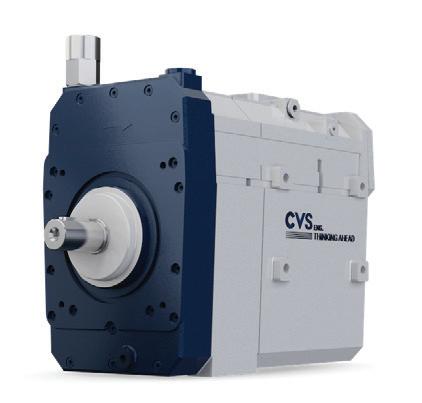
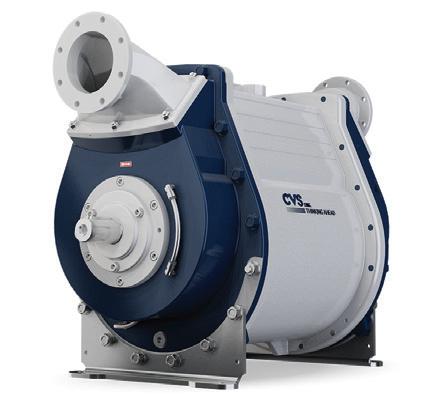
The oil-free SKL technologies enable clean conveying air for the food and chemical industries. Further benefits include their low weight, low discharge temperatures and wide speed range, enabling energyefficient, resource-saving operation.
The VacuStar series for ‘sewage handling’ provides users with high protection against wear and corrosion due to optional plasma nitriding and ceramic coating.
Convair Engineering Pty Ltd www.convair.com.au
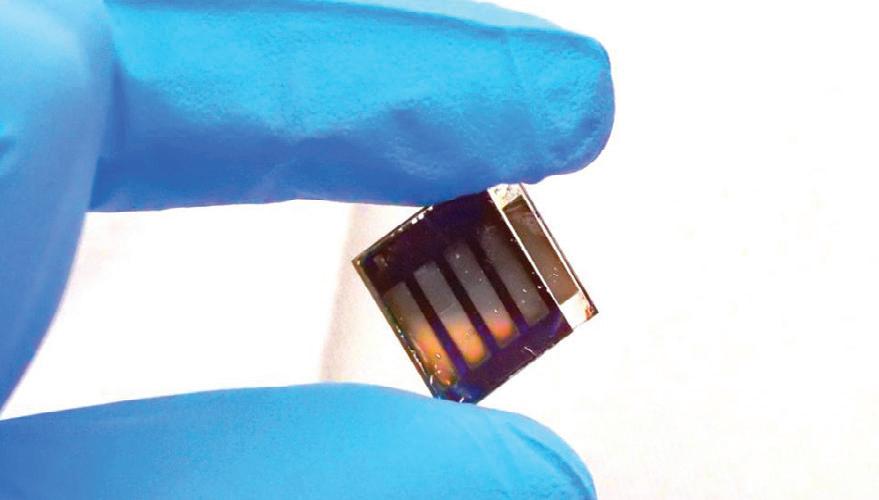
A team of chemical engineers led by The University of Queensland’s Dr Miaoqiang Lyu and Professor Lianzhou Wang have developed a fabrication method that eliminates the need for toxic lead and other hazardous solvents in perovskite indoor solar panels.
“Indoor solar cells themselves are not new, but the power conversion efficiency of the commercial silicon-based technology is only around 10%,” Lyu said. “Halide perovskites are an emerging technology that could replace silicon, offering much higher efficiencies and commercial potential.
“However, most still rely on lead-based hazardous materials.
“The technology we developed eliminates those materials while still delivering high efficiency.”
UQ PhD student Zitong Wang, under the supervision of Lyu and Professor Wang, developed a safe and scalable vapour-based manufacturing process for fabricating high-quality lead-free perovskite material with fewer performance-limiting defects.
Indoor perovskite solar cells operate under low-intensity artificial light, such as LEDs and fluorescent lamps. Using the new method, the panels achieved an efficiency of 16.36% — which researchers say is the highest reported for this type of lead-free perovskite indoor solar cell made using an industry-compatible evaporation method.
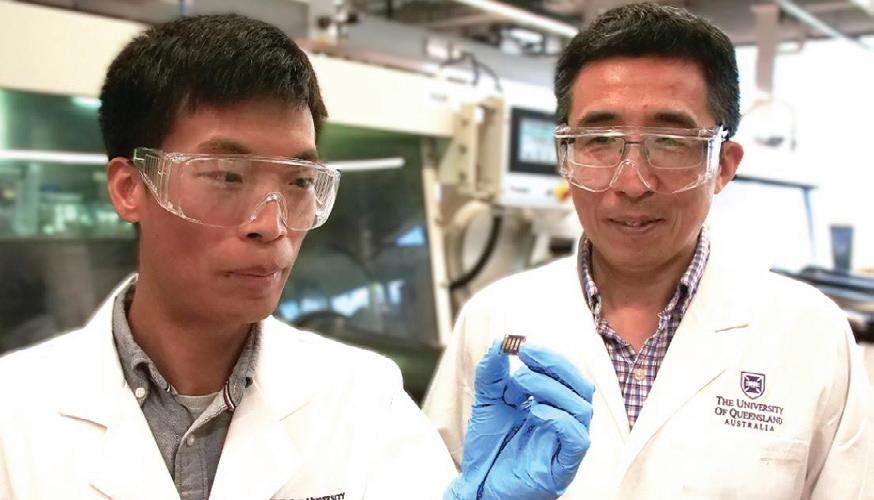
“This material has very attractive properties that can absorb indoor light and convert very weak indoor light efficiently into electricity,” Lyu said. “By removing those solvents entirely, the process is much better suited to scalable manufacturing.”
Lead-free perovskite indoor solar cells are also increasingly viewed as an alternative to coin-cell and button batteries for lowpower electronics like environmental sensors, wearables, medical and health monitoring devices, and small consumer electronics.
Supermarkets trialling battery-powered electronic shelf labels are among the potential early applications of the technology.
“With suitable voltage management, these devices can replace coin-cell batteries, reducing the number of small batteries that end up as waste or in children’s toys,” Lyu said.
Panels fabricated using the UQ process are thin, scalable and can be made on flexible plastic and in different shapes, making them suitable to integrate into a range of products.
The next step is sealing the panels before further testing.
“I think the key here is encapsulation, to protect the material from oxygen and moisture,” Lyu said. “People will probably see perovskite indoor panels and integrated consumer electronics in the market in the next few years.”
The research paper is published in ACS Energy Letters





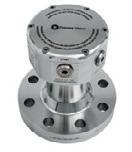




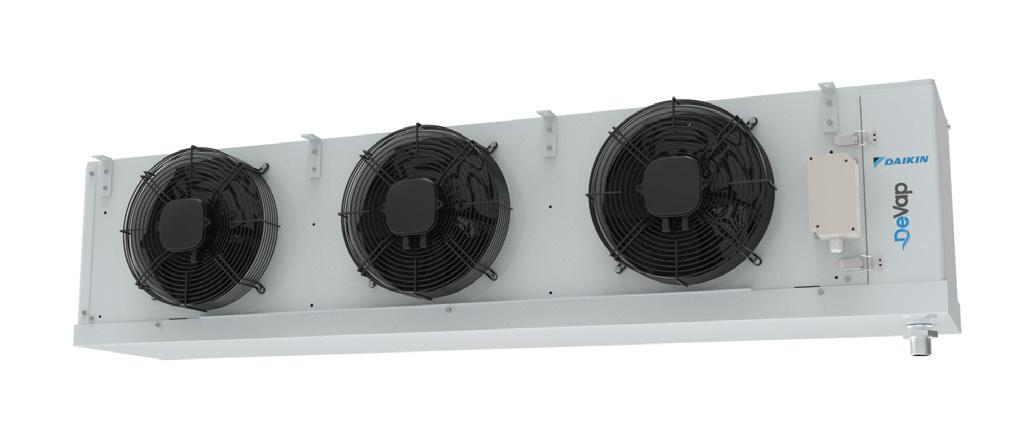
Daikin Australia has introduced its DeVap evaporator range, designed specifically for Australian conditions.
Its development was informed by onsite research conducted across metro and regional New South Wales and Queensland, including fish markets, supermarkets, meat wholesalers, delicatessens, wineries, liquor outlets, produce specialists and ice cream manufacturing facilities.
Designed for Australian installation and replacement projects, the range integrates with Daikin’s broader refrigeration portfolio and supports the transition to lower GWP refrigerant alternatives, including R448A, R452A and R513A.
Combined with installer-focused design that enables precise installation and commissioning, simplifies servicing and reduces ongoing maintenance demands, the range helps businesses make more sustainable, reliable refrigeration choices with longer service life and lower lifecycle impact.
Optional features such as factory-fitted Carel EVD-ICE models are available to reduce installation and commissioning time and further improve energy efficiency, as well as Blygold coil coating, available to enhance corrosion resistance and durability in demanding environments.
Daikin Australia www.daikin.com.au
The DULCOMETER diaLog C entry-level controller supports all ProMinent sensors and can be used as either a transmitter or a two-way controller.
It performs two-way control tasks and precisely controls two pumps for optimum dosing in industrial water treatment.
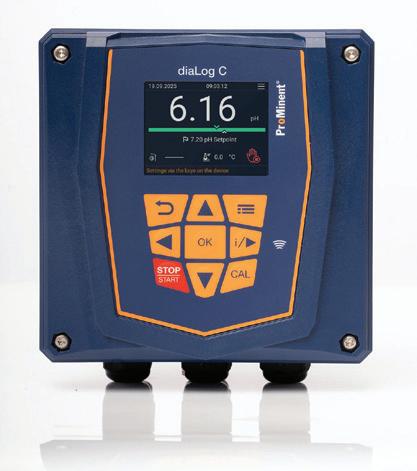
The single-channel controller simplifies the control of dosing tasks in everyday operations and helps to use resources in a targeted manner. It can be flexibly integrated into different systems and works with various sensor types. The controller is designed for intuitive operation, with a graphical display and clear menu navigation. The controller is aimed at operators and planners of water treatment plants, engineering firms and industrial and municipal users. It is suitable for applications in beverage production, chemicals, semiconductor manufacturing, hotels and wastewater treatment.
The controller can be combined with the DULCOEYE LT optical sensor for low turbidity, which will be launched in March 2026.
The sensor detects minimal changes in the water and sends the measurement data directly to the controller, which adjusts the dosage accordingly. This allows users to remain in control even under changing conditions or when performing more complex tasks.
The interaction between the DULCOMETER diaLog C and DULCOEYE LT supports reliable process control and creates transparency with regard to relevant water values.
ProMinent Fluid Controls Pty Ltd www.prominentfluid.com.au
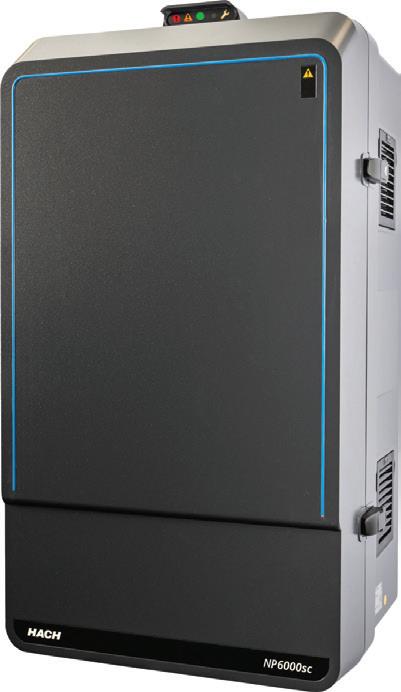
The Hach NP6000sc Phosphate Analyser is designed to set a new benchmark in nutrient monitoring for water treatment facilities. Designed specifically for utilities encountering issues with data reliability, analyser downtime and extensive maintenance requirements, the NP6000sc provides enhanced accuracy, increased operational uptime and streamlined workflows. These improvements enable water professionals to consistently meet regulatory standards. Building on the legacy of the Phosphax sc analyser, the NP6000sc introduces several workflow improvements. Its enhanced grab sample feature syncs measurements between lab and online analysers, reducing discrepancies and supporting auditreadiness. The FX6 filter is 75% lighter than previous models, making maintenance safer and simpler.
The analyser also provides continuous, precise measurement across three ranges (0.015–75 mg/L) enabling operators to achieve lab-grade accuracy directly in the process. It addresses this directly through a filtration system and optimised design that extends the cleaning frequency from once a month to once every three months. Reagent bottles are now positioned for convenient front access, eliminating the need to expose internal electrical components during routine changes.
Together, these advancements reduce downtime and help operators make more efficient use of staff resources compared to earlier models.
Hach Pacific Pty Ltd www.au.hach.com

Hyatt Regency Sydney has partnered with food waste company Goterra and Four Winds Vineyard in Murrumbateman, to turn the hotel’s daily food preparation scraps into premium wine.
This initiative represents the next evolution in the hotel’s supplier relationships, closing the loop between kitchen, waste and agriculture. The collaboration shows how hospitality can meaningfully participate in the circular economy.
The way the circular process works is:
1. Food waste from Hyatt Regency Sydney’s kitchens feeds millions of black soldier fly larvae in Goterra’s onsite MIB (Modular Infrastructure for Biological Services).
2. Within 7–10 days, these natural recyclers process up to 95% of the waste and produce frass, a nutrient-rich fertiliser.
3. That frass travels to Four Winds Vineyard, located 30 minutes’ drive from Canberra, where it nourishes cool-climate vines.
4. Those vines produce grapes, which in turn become the wine served at Hyatt Regency Sydney.
The result is a regenerative cycle that reconnects city dining with regional winemaking. M&L Group, owner of Hyatt Regency Sydney and investor in Goterra, was instrumental in supporting the integration of this onsite waste solution within the hotel.
Building on this direction, Nitin Kumar, Executive Assistant Manager of Food & Beverage, who previously worked extensively within the ACT & NSW regions and alongside local winemakers, collaborated closely with Executive Chef Sven Ullrich and sought a winemaking partner that aligned with the hotel and Hyatt’s global culinary ethos.
Four Winds Vineyard emerged as the most suitable collaborator, as it mirrored the same respect for land, craft and quality. The partnership has created the Circular Vintage Series, which will roll out throughout 2026, beginning with a shiraz released in April, followed by a riesling harvested in early 2026, to be released in September 2026.
Each varietal reflects both the Four Winds’ cool-climate vineyard in the NSW Southern Tablelands and the sustainability journey that connects Sydney’s harbour to the region’s wine country.
“We’re literally serving our guests wine grown from their breakfast,” said Sven Ullrich, Executive Chef of Hyatt Regency Sydney. “It sounds wild, but it’s actually the most natural thing in the world, returning nutrients to the soil instead of sending waste to landfill.”
This collaboration also marks a sustainability milestone for the hotel, acting as an extension of its existing ‘protein-to-table partnership’ with Hilltops Free Range, supported by larvae protein produced through Goterra’s system. The resulting ethically raised eggs already feature on the hotel’s menus.
“When frass nourishes vineyards and larvae protein supports free-range farms, we’re showing what’s possible when we rethink waste. This is circularity people can experience on their plate and in their glass as a delicious wine,” Goterra CEO Olympia Yarger said.
The wine’s label champions the project’s black soldier fly, celebrating the insect through illustration by being honest about the process and gentle on the aesthetic.
“We’re incredibly excited about this partnership with Goterra and Hyatt Regency Sydney because it aligns closely with our ethos of constantly looking for better ways to do things,” said Four Winds Vineyard CEO Sarah Collingwood.
“The new Circular Vintage wines are the tangible result of how we can tread a little more lightly and we’re really proud of what we’ve produced.”
The Circular Vintage Shiraz is now available on the wine list for events and at Jackalberry Bar & Restaurant and the Lobby Lounge at Hyatt Regency Sydney.

Researchers have developed a polymeric membrane that can desalinate seawater and brines at ambient temperature and pressure.
The research, carried out by an international research team led by scientists at King Abdullah University of Science and Technology (KAUST), was published in the journal Nature Communications “Water scarcity is severe in Saudi Arabia and is reaching unprecedented levels in countries once thought to be safe from such pressures,” said Noreddine Ghaffour, who led the research. “We urgently need to produce freshwater from seawater and brines at any scale, efficiently and cost-effectively, while conserving energy.”
Conventional membrane-based technologies such as reverse osmosis are most cost-effective at very large scales and depend on sophisticated energy-recovery systems. Even under these conditions, treating highly concentrated brines remains difficult because of the extreme pressures required.
Membrane distillation provides an alternative approach, but it typically relies on elevated temperatures to vaporise water before it passes through a membrane and condenses as freshwater.
The membrane developed by Ghaffour’s team consists of an ultrathin polymeric film supported by a porous substrate and is designed for membrane distillation at low temperatures. The film contains sub-nanometre-sized pores and has a highly waterrepellent — or superhydrophobic — surface, allowing the process to operate under ambient pressure.
In the system, warm saline water at approximately 25ºC flows along one side of the membrane, while cooler water at 20ºC flows along the other. This small temperature difference creates
a natural driving force that pulls only water vapour across the membrane, where it condenses as pure water, leaving salt and other contaminants behind.
“What distinguishes our membrane is its ultra-thin separating layer, only a fraction of a micrometre thick, combined with a highly water-repellent surface,” said project team member Mohamed Obaid Awad. “This superhydrophobicity is crucial because it prevents liquid seawater from entering and flooding the membrane pores.”
At the nanoscale, the membrane remains ‘air-filled’, ensuring that only water vapour can pass through. Water does not need to boil to evaporate; even at room temperature some water molecules naturally escape into the vapour phase. Here, the extremely small pores enhance this effect by increasing local vapour pressure, facilitating evaporation.
The membrane also demonstrates high rejection of salt and acts as a total barrier to boron and other contaminations, preventing dissolved ions from entering the vapour pathway and improving performance in realistic desalination conditions.
“Salt ions and other dissolved species cannot evaporate under these conditions and are therefore excluded,” said Sofiane Soukane, a member of the research team. “Also, the membrane material is resistant to chlorine-based oxidants, which improves durability and long-term stability.”
Moving beyond the laboratory, the team is currently testing the technology in a pilot plant at KAUST.
“Lessons from the pilot study will guide how we scale up membrane production,” Ghaffour said. “We have several industrial partners keen to get involved.”

Dave Such, VP Pacific, AVEVA
For most of us, checking our phones each morning is routine. Will we need sunscreen or an umbrella? The apps giving us that answer rely on a system where 193 countries standardise and share measurements from ocean buoys, balloon radiosondes and orbital satellites, all feeding into the World Weather Watch. No single country could build an accurate forecast alone. Shared, standardised data turns fragmented local readings into reliable global predictions.
Industrial operations face an almost identical challenge. Individual mines, refineries and manufacturing plants generate vast quantities of data from equipment sensors, process controls and asset trackers, but that data typically stays onsite. An energy anomaly at one site could inform optimisation at another, but nobody can see it.
This matters now more than ever for Australian industry. The reformed Safeguard Mechanism requires roughly 215 facilities emitting more than 100,000 tonnes of CO2equivalent per year to reduce their baselines by 4.9% annually through to 2030. In the first year of the reformed scheme, covered emissions fell by 2.7 million tonnes. But the government’s own emissions projections show the path from Australia’s 2030 target of 43% below 2005 levels to its 2035 target of 62–70% will demand faster, deeper cuts across industry.
Some of Australia’s largest operators are already demonstrating what connected data can deliver. BHP, which reported a 32% reduction in operational greenhouse gas emissions by 2024 against its 2020 baseline, connects sensor data from drilling equipment, conveyor systems and processing plants into models that predict equipment failures, reduce unplanned downtime and cut fuel use. BHP’s operational emissions dropped to 9.2 MtCO2-e, achieved
through onsite abatement rather than carbon credit purchases.
Australia’s electricity grid faces the same coordination problem at a national scale. AEMO’s draft 2026 Integrated System Plan projects that total generation and storage capacity in the National Electricity Market needs to triple from 92 GW today to 297 GW by 2050. Managing that system, where rooftop solar on 1400 homes a day joins grid-scale wind farms, utility batteries and aging coal plants across five states, is fundamentally a data-sharing problem. AEMO’s 2025 Transition Plan for System Security identifies eight transition points linked to coal plant retirements where real-time coordination between generators, storage operators and network businesses will determine whether the lights stay on. The technology to connect those assets exists. The barrier is getting separate organisations to share operational data quickly enough for the system to respond.
These examples are encouraging but they remain exceptions. The World Economic Forum estimates that existing digital technologies could enable industries to cut emissions by up to 20%. Schneider Electric, whose industrial software customers span mining, energy and manufacturing operations in over 100 countries, reports that digitally connected operations across its customer base have saved more than 734 million tonnes of CO2 since 2018.
Most of Australia’s safeguard-covered facilities are nowhere near that potential. The Clean Energy Regulator’s data from the scheme’s second year shows that 140 facilities exceeded their baselines by a combined 13.4 million tonnes, and the majority of compliance so far has relied on purchasing carbon credits rather than onsite abatement. When two-thirds of emission reductions under the scheme come from offsets rather than operational changes, the data infrastructure gap is part of the explanation.
Closing that gap requires more than buying software. Three things need to line up: reliable, standardised data flows between organisations, clear rules for how operational decisions get made from that data, and governance frameworks that give operators, vendors and grid managers enough trust to act on shared information. Many operators still treat process data as proprietary. Interoperability standards for industrial control systems remain fragmented. And the skills to interpret connected data at scale are in short supply across Australian industry.
Weather forecasting became reliable only after decades of institutional cooperation, common standards, agreed data formats and trusted exchange protocols. Industrial data sharing in Australia is at a much earlier stage. But the Safeguard Mechanism is tightening every year, and the facilities that cannot see their own emissions in real time will not find the reductions the scheme demands. BHP’s results show what connected operational data can deliver at site level. AEMO’s transition planning shows how urgently the same principle needs to scale across the grid. The question for the rest of Australian industry is whether it starts building that infrastructure now, or scrambles to buy offsets when baselines tighten further in 2027.

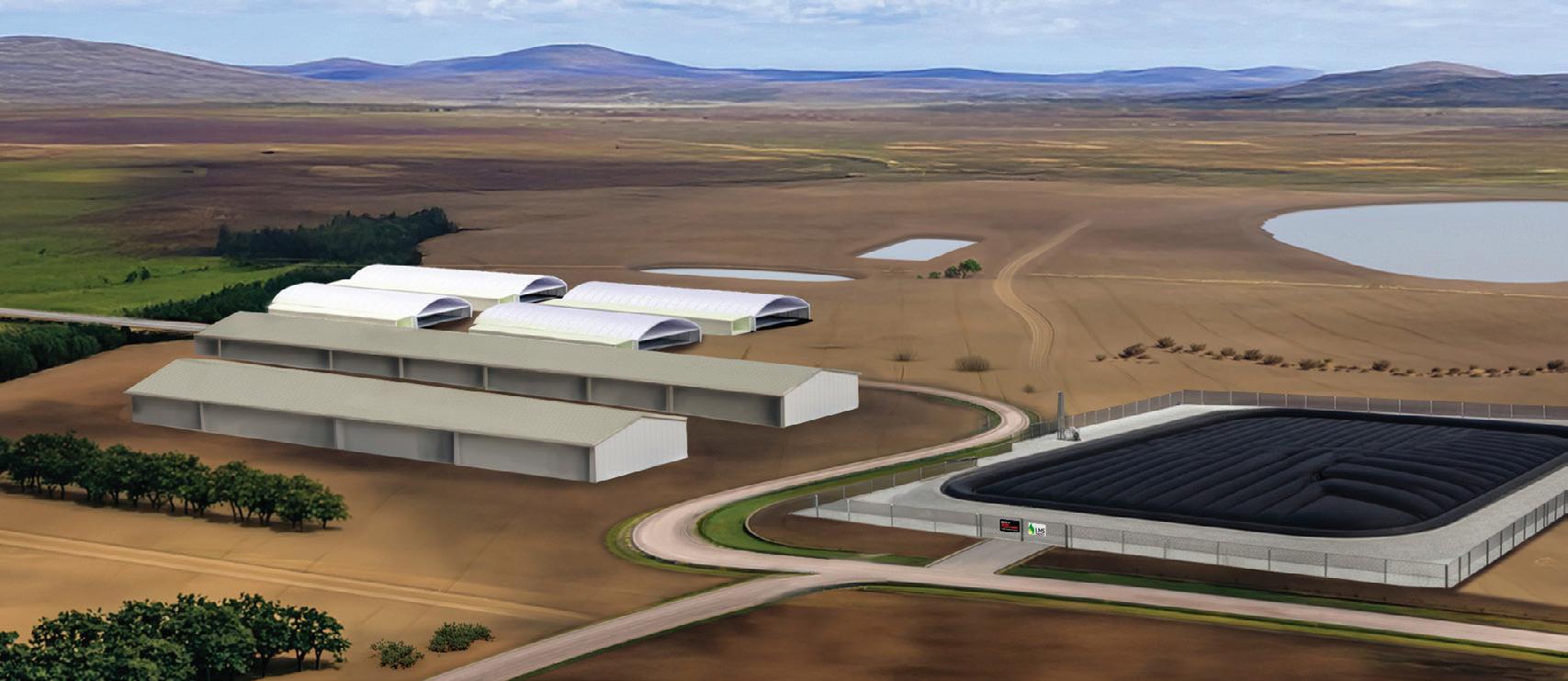
An Australian pork producer and a methane abatement business are partnering to establish a renewable gas facility that will convert piggery effluent into renewable energy for South Australia.
LMS Energy is developing the Wasleys Renewable Natural Gas Facility at the SunPork piggery, north of Adelaide.
Announcing the facility at Bioenergy Australia’s Renewable Fuels Summit in Sydney, LMS Energy Co-Chief Executive Officer James McLeay said it signalled the arrival of renewable natural gas (RNG) as the missing link in Australia’s energy transformation to a net zero economy.
“This landmark project is pioneering the supply of RNG which will start replacing conventional natural gas in industry and electricity generation,” McLeay said. “Making renewable gas from agricultural effluent will create new revenue streams for farmers and make them more sustainable.”
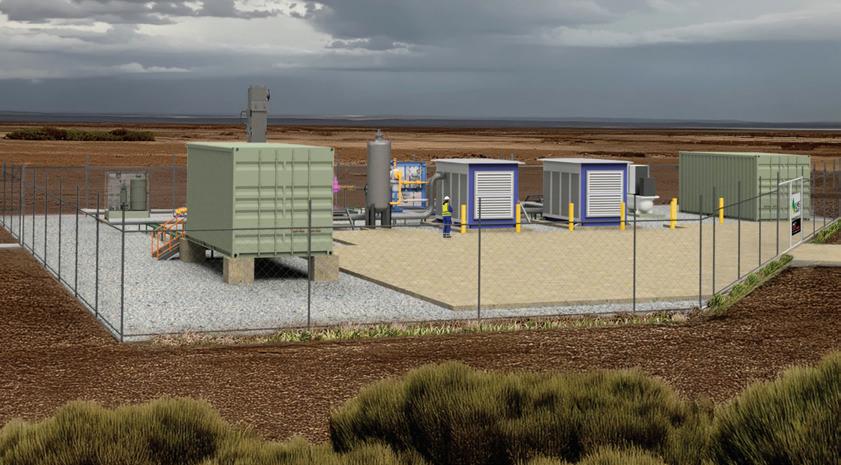
McLeay said the Wasleys project will capture and clean the gas emitted from the piggery’s effluent pond and upgrade it to biomethane — otherwise known as RNG.
“RNG is interchangeable with conventional natural gas, so it can be supplied directly into the existing gas grid, replacing fossil gas in all applications,” McLeay said.
“The development of RNG will provide the missing piece needed to support renewable energy and storage.
“RNG will drive jobs and investment in regional Australia. It’s a proven technology, ready to deploy, and can fill many of the biggest gaps in decarbonising Australian industry and energy supply.”
SunPork Group currently operates five biogas facilities across its farm network, some of which provide electricity back to the farms via biogas generators.
At the Wasleys RNG Facility, the biogas will be upgraded to RNG and fed into the gas grid, in a partnership with LMS that represents a new strategic model for deployment of biogas at other SunPork piggeries.
“The partnership with LMS represents a new strategic model to support biogas projects at our piggeries,” said SunPork Group CEO and Managing Director Dr Robert van Barneveld.
“SunPork and LMS are value-aligned, both being family-owned. Biogas is a niche industry, with significant capital investment
required, high ongoing operating costs and additional resourcing with specialist skills required. Collaborating with LMS made sense to tackle a lot of these challenges.”
Van Barneveld said SunPork generates large volumes of piggery effluent — a valuable source of renewable energy.
“It is incredible to know our Wasleys piggery will create enough RNG to power around 2000 South Australian homes,” Van Barneveld said. “SunPork’s largest source of greenhouse gas emissions are its uncovered effluent ponds. To drive meaningful action in our emissions reduction program, we must tackle these emissions.
“By covering our effluent ponds, we prevent methane from being released into the atmosphere, reducing our environmental footprint.
“The project will displace conventional natural gas, reducing our reliance on fossil fuel resources, and provide residents of South Australia with a renewable natural gas source.
“We’re proud to be doing our bit to contribute to the RNG industry and Australia’s renewable energy and emissions reduction targets.”
The project has received funding from the Australian Renewable Energy Agency (ARENA) as part of its Advancing Renewables Program. The project will be developed in stages, with Stage 1 expected to cost $10 million.
Construction of the Wasleys RNG Facility is expected to start around mid-2026 and will take about 12 months to complete. LMS www.lms.com.au

UNSW engineers have tackled the problem of how to make urea for fertiliser without the intensity of emissions associated with fossil fuel-powered factories.
Corresponding author Associate Professor and Scientia Fellow Dr Rahman Daiyan from UNSW Sydney’s School of Minerals and Energy Resources Engineering said the work is part of a broader push to go beyond the global move to green ammonia, focusing instead on decarbonising the entire fertiliser chain.
“Urea is the fertiliser used to feed the crops for more than half of the world’s population,” Daiyan said. “But currently, it’s made from natural gas or coal. It’s a very fossil fuel-intensive, high-temperature, highpressure technology with huge emissions.”
Industrial activities release enormous amounts of carbon dioxide (CO2) into the atmosphere each year, with around 40 billion tonnes released in 2024 alone. At the same time, nitrogen pollutants such as nitrate and nitrite — collectively referred to as NOx species — contaminate waterways and ecosystems.
The UNSW study brought these two problems together. Using renewable electricity to trigger an electrochemical reaction, the researchers could directly couple CO2 with nitrogen pollutants to form urea.
“Making carbon and nitrogen bond together in a controlled and reliable way is extremely difficult,” said the study’s first author, UNSW
PhD student Putri Ramadhany. “To overcome this challenge, we designed a catalyst that works at an atomic scale and can hold carbon- and nitrogen-based molecules together long enough for them to react.”
The UNSW-developed catalyst — made of copper and cobalt — demonstrated a strong synergy between the two metals, and improved urea production when compared with existing systems.
Daiyan said it’s a promising foundation for a circular process that, in future, could convert captured carbon dioxide and nitrogen pollutants into urea. This, he said, is a route that removes pollution, creates valuable chemicals and runs on renewable electricity.
“We’ve been trying to look into pathways for decarbonising urea production,” Daiyan said. “The vision is zero-carbon urea where we directly couple waste carbon dioxide with nitrogen pollutants using renewable electricity, rather than relying on ammonia as an intermediate.
“That allows us to run the system on solar and wind, avoid high temperatures and pressures and reduce emissions.”
While most fundamental research ends at benchtop experiments, the UNSW team has taken these findings and scaled them up using
urea electrolysers, which is the equipment considered a benchmark for industrial translation.
To understand how the material behaved under real-world conditions, the team used advanced electron-beam characterisation at the Australian Synchrotron. Here, they could watch the chemical reactions take place in real time, laying the groundwork for future scale-up.
The solution is outlined in a study published in Nature Communications.
The technology is still under development, but early results show promising selectivity under laboratory conditions. Rather than relying on direct air capture, the approach is designed to use carbon dioxide that is already generated from these industrial and biogenic emission streams.
Ultimately, Daiyan sees this research as part of a bigger shift towards circularity — using waste carbon for materials that require carbon dioxide for production: fuels, chemicals, plastics and other manufacturing.
He said getting technologies like this from lab to industry typically takes more than a decade — but this project may move faster.
“Hopefully it will take us another two or three years to get to the stage where we can get an industry partner on board,” he said.
“Our work highlights how thoughtful catalyst engineering paired with real-time characterisation can turn environmental problems into opportunities.”

Researchers at UNSW have discovered a new way to make graphene using just discarded peanut shells.
The researchers said this development opens the door to cheaper, more sustainable electronics and energy storage devices and could help transform agricultural waste into valuable products inside phones and computers that are used every day by billions of people around the world.
“Graphene is famous for being one of the thinnest, strongest and most conductive materials known to science,” said Professor Guan Yeoh, who led the team.
“It is made up of a single layer of carbon atoms arranged in a hexagonal lattice, but is hundreds of times stronger than steel, conducts electricity and heat better than copper and is almost completely transparent.”
Those characteristics make graphene extremely useful in a range of technologies, from batteries and solar panels to touch screens, flexible electronics and super-fast transistors.
However, graphene is expensive and difficult to produce in large quantities — requiring chemicals and energy-intensive methods — which is why finding sustainable and affordable alternatives is so useful.
Now, a UNSW team led by Yeoh have developed a process to create graphene from peanut shells — something people usually throw away.
Their research has been published in Chemical Engineering Journal Advances.
“There are about 55 million tonnes of peanut crops produced globally every year, yet most of the waste from the shell is either discarded or recycled into low-value applications that don’t maximise their full potential,” Yeoh, from the School of Mechanical and Manufacturing Engineering, said.

This gave them the idea to grind up the shells and use a series of heat treatments to unlock their potential for graphene production.
“What we have shown in this work is that basic peanut shells can be turned into highquality graphene, using much lower energy than is currently required and therefore at a lower cost. We also do not need to use any chemicals, so there is an added environmental benefit.
“Graphene is useful for making stronger, lighter and more conductive materials for applications in electronics, energy storage, medical devices, and even flexible technologies like sensors, solar cells and wearable tech.
“The demand for many of those things is increasing rapidly, so it’s exciting to find a way of producing more graphene in a costeffective way — and by using material that would otherwise be waste.”
The research team’s first breakthrough was to recognise that peanut shells are packed with lignin, a naturally occurring polymer in plants which contains lots of carbon.
The first step involves the shells being heated to around 500°C for five minutes to remove impurities and convert the shells into a carbon-rich char material.
The second step subjects the char to what is known as flash joule heating, in which a flash of electricity rapidly raises the temperature of the material to around 3000°C for just a few milliseconds.
This enormous heat energy instantaneously rearranges the carbon atoms into single layers of graphene.
Current graphene production methods traditionally include carbon black at this stage, an industrial chemical which is predominantly made from fossil fuels like oil and natural gas.
But the UNSW team’s method uses only the peanut-shell derived char itself, thus being more environmentally friendly as well as simplifying the process.
Overall, the new process can be completed in around 10 minutes, providing the benefit of needing substantially lower energy usage than commercial methods in use today.

In fact, their calculations indicate that a kilogram of graphene can be produced using their method at a cost of just US$1.30 in energy.
“What we identified in the experiments was that the most important aspect in terms of producing high-quality graphene was the pre-treatment or precursor engineering done to the peanut shells before the flash joule heating,” Yeoh said.
“That process is vital to remove the impurities and give us the best carbon-rich material to help ensure there are minimal defects in the final graphene and that it is indeed just a single layer of atoms.
“That’s what you want and need to ensure that it has the best properties in terms of conducting electricity and heat.”
Although the amount of graphene that has been produced using the new process is currently small, the researchers are hopeful that with further development the process could be commercialised within three to four years. And Yeoh said that a wide range of other organic waste could potentially be used to produce similar results.
“We’ve used peanuts as a test case, but the key ingredient to this process is the lignin which is present in many different plants,” he said. “So we are planning to also carry out experiments with other materials, such as coffee grounds, or banana peels, or anything else that can give us that good char to then turn into graphene.
“Considering how much organic material like that is available, our work demonstrates a good balance between the energy efficiency, the quality of graphene we end up with and the economic viability of the whole process.
“What we have done is really highlighted its potential for use in large-scale biomassto-graphene manufacturing.”
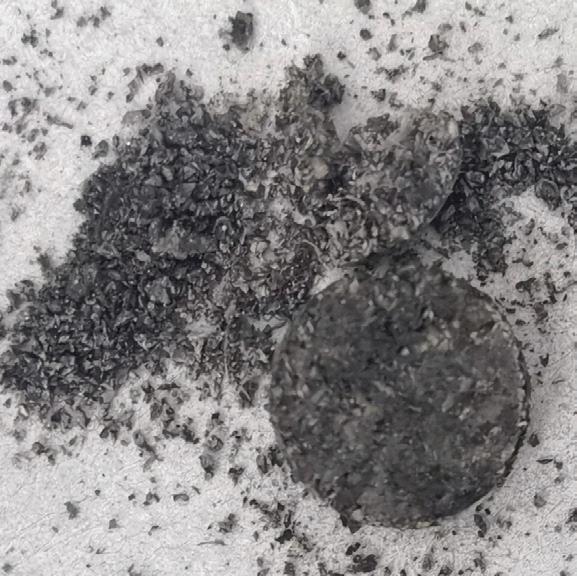
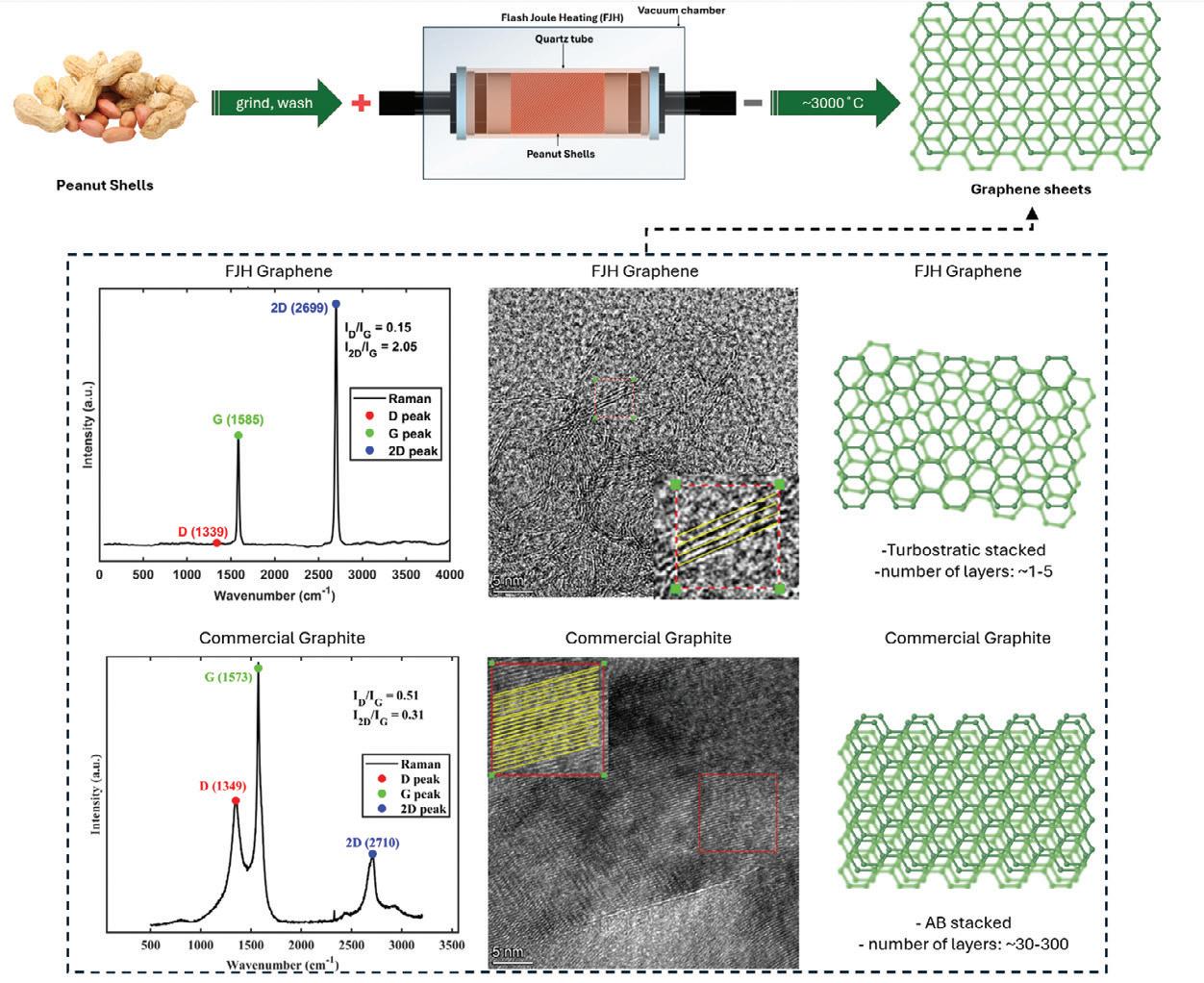
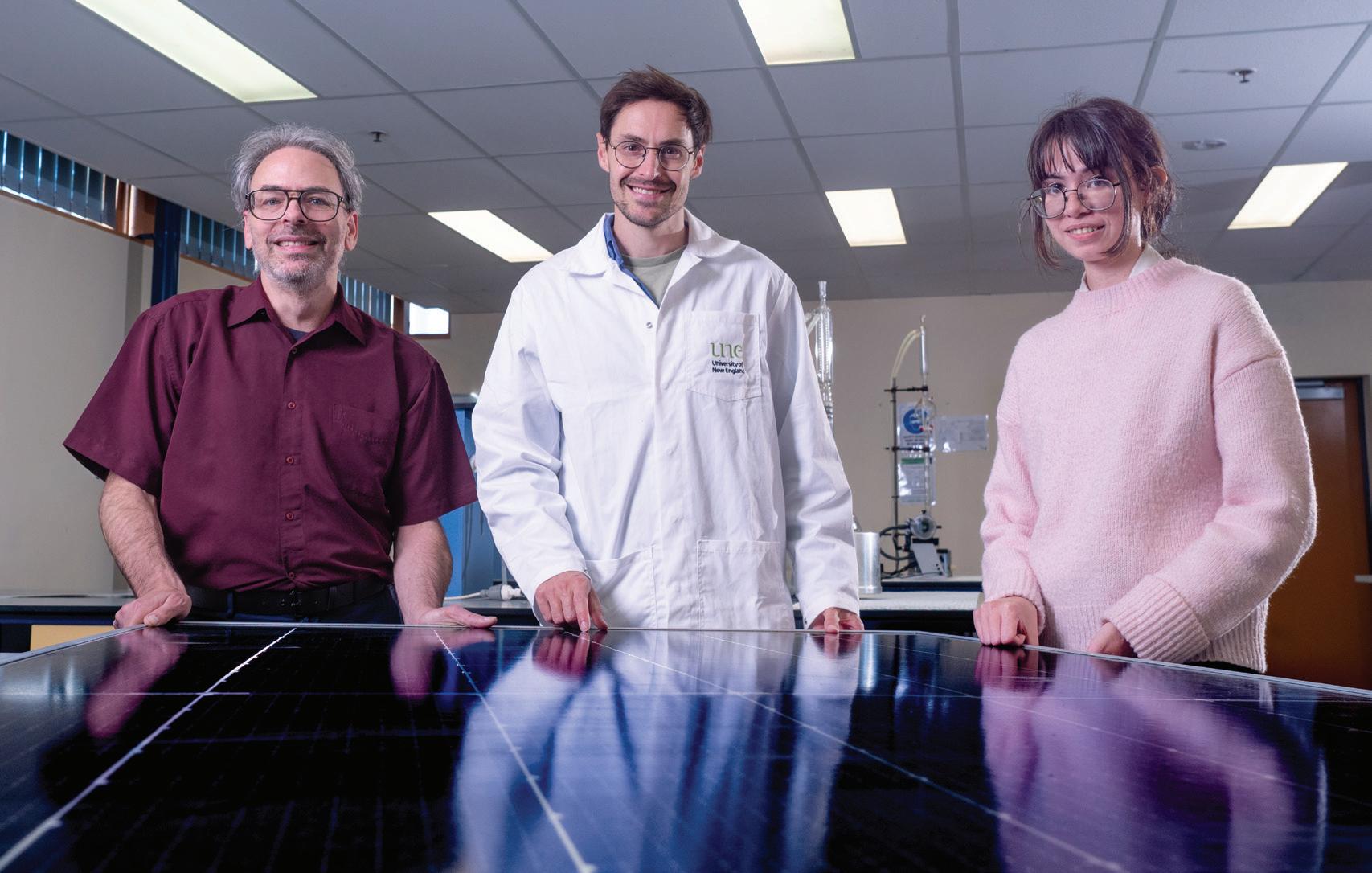
University of New England (UNE) researchers have found early promise in using AI to accelerate the recycling of solar panels.
While up to 95% of a panel’s mass can already be recovered using standard mechanical methods, the silicon wafers cannot currently be recycled. These wafers absorb photons from sunlight, releasing electrons and producing electric current.
To be able to survive at least 25 years in sunlight and weather, the wafers are bonded to their substrate using special compounds that can’t be effectively degraded in a way that allows clean separation of the silicon.
The UNE team — part of the university’s new Australian Institute for Strategic Artificial Intelligence (ISA) — is using AI and supercomputers to assess potential solvents that enable the silicon to be separated from its substrate with minimal contamination.
The researchers said the approach represents a fundamental shift in how chemical solutions are discovered. Rather than developing and testing potential compounds in a laboratory — a process that might take years without success — AI-driven quantum chemical simulations can propose potentially useful molecular formulations, evaluate their chemical efficacy, flag new pathways, and then move onto the next computation.
“Now we can use advanced quantum chemical simulations and AI models to predict how these panels can be disassembled at the molecular level,” said UNE computational chemist Dr Kasimir Gregory. “These technologies are giving an exponential boost to the process of scientific discovery.”
Another team member, Professor Amir Karton, said the discovery process is being driven through a pairing of an AI platform based at UNE, and a $2.7 million ARC-funded automated robotic laboratory shared by several institutions.
With this system, Karton said, “We can efficiently create an effective feedback loop between AI-driven predictions and experimental observations. This allows us to actively steer the experimental discovery of optimal recycling pathways at unprecedented speeds.”
The research aligns closely with NSW Government capability commitments to address renewable energy waste. It has attracted attention from the solar energy sector, which recognises that maximising material recovery is an important element in the long-term sustainability of solar power.
Renewables developer ACEN Australia is supporting the research by providing panels from its New England Solar project, near Uralla in the NSW Northern Tablelands. The company’s Managing Director David Pollington said the UNE research is an important step in further improving the effectiveness and efficiencies of recycling processes.
“We are also committed to supporting the regions in which we operate, so we’re extra excited that this industry-leading research is happening right here in the New England,” Pollington said.
For UNE, a key reason for getting panel recycling right is to support the local economies that host renewables infrastructure.
“UNE is in the heart of NSW’s largest renewable energy zone (REZ),” Karton said. “It is not practical to ship thousands of tonnes of solar waste across the country for processing. The university has a strategic focus on ensuring the renewables rollout here provides maximum benefit to the region while it benefits the nation.
“New technologies are making it possible for us to apply world-class methods to these challenges, not as some distant abstract issue, but in support of an energy revolution that is almost literally taking place in our backyards.”

Mandatory sustainability reporting has now come into force.
Mallesons’ latest report, ‘Mandatory Sustainability Reporting in Practice’, breaks down key insights from Australia’s first wave of mandatory sustainability reports.
“We have seen a strong consensus in the format and nature of mandatory sustainability reports in the first reports published under the new regime, including an unsurprising focus on risks over opportunities. Where companies differ is when judgment comes into play,” said Emma Newnham, Special Counsel at Mallesons.
“Sustainability reporting is no longer sitting at the edge of governance. Directors and their teams are now expected to actively understand how material climate risks and opportunities affect strategy, cash flows and access to capital — and be satisfied that their company’s disclosures genuinely hold together.”
Key findings of the report
‘Climate literacy’ a risk for company directors
Even with temporary liability protections in place, directors are ultimately responsible for their company’s sustainability reporting. Practically, this means that climate literacy is vital — as are clear information flows and confidence in the systems, controls and assurance supporting approval of the report and the directors’ declaration.
The report found that:
• 83% of companies now include a dedicated
climate, ESG or sustainability metric in their board skills matrices.
• 65% provide directors with dedicated climate-specific education or training, typically through targeted briefings, workshops or external short courses.
• 52% of boards or board committees receive ESG-related updates on a quarterly basis (most commonly through board committee reporting), with a further 17% receiving updates biannually.
• 61% of companies expressly link executive remuneration to climate or sustainability outcomes.
from the first mandatory sustainability reports
Early reports published under the mandatory sustainability reporting regime have been broadly aligned, especially on governance and risk identification, but diverged where companies need to exercise judgment. The report’s key takeaways included that:
• Companies disclosed on average three material climate-related risks, and one material climate-related opportunity.
• Nearly half of companies did not explain how material risks were identified.
• Most companies (83%) provided a mixture of qualitative and quantitative disclosures about the current and anticipated financial effects of material climate-related risks and opportunities on their financial position, financial performance and cash flows.
• 87% disclosed financial effects of identified material risks and opportunities on an individual basis (ie, risk-by-risk and
opportunity-by-opportunity), with the remaining 13% disclosing cumulatively.
The mandatory regime has implications for how and what companies choose to disclose as a whole, not just what is required.
“Many companies have reported on sustainability for years, well before it became mandatory, and many continue to include voluntary disclosures,” Newnham said. “ASIC has warned that voluntary disclosures are often repetitive, obscure, lacking detail and unlinked to targets, actions and strategy, although it has acknowledged they may be necessary to meet the needs of users and can be disclosed within mandatory sustainability reports. How voluntary information is framed can have important implications for the application of modified liability settings, as well as directors’ declarations.”
How companies chose to report:
• 87% of companies included climate reporting within their annual report, while the remaining 13% prepared a standalone sustainability report lodged alongside their annual report.
• While 78% of companies included their basis of preparation and methodology within the sustainability report, others relied on cross-referencing to external documents.
• 26% of companies included their climate transition plan, while 35% of companies published climate transition plans separately. 39% of companies had no climate transition plans.
For more information, visit www.mallesons.com

As the Australian Government rolls out new national expectations for data centres and AI infrastructure developers
— including responsible water use — scrutiny has sharpened on how the digital backbone of our economy manages this precious resource.
Industry leaders have broadly welcomed these expectations, acknowledging that sustainability, innovation and investment are vital for growth and national interests. Yet, as Data Centres Australia notes, meeting high standards for water efficiency isn’t optional; it’s essential to maintain public trust and secure the licence to grow.
Every time we stream a video, join a virtual meeting, or use an app, we rely on data centres. As demand for digital services grows, so does their footprint.
While much attention is paid to energy use, another critical resource is quietly consumed: water. In a world of increasing freshwater scarcity, we must balance digital innovation with responsible water use.
Data centres run 24/7, generating intense heat, and cooling systems have the greatest impact on the environment.
Operators face a trade-off between energy and water use. Air-cooling avoids water consumption and suits drought-prone areas but uses more electricity. Evaporative cooling is more energy-efficient but relies heavily on water.
There is no single solution. Facilities must be designed around local environmental conditions, reflecting the realities of each community.
The industry relies on two key metrics: power usage effectiveness (PUE), which measures how efficiently a data centre uses electricity, and water usage effectiveness (WUE), which measures how much water is used for cooling compared to the energy consumed by the IT equipment.
These two metrics must be considered together.
Reducing water use by shifting to air cooling can drive up energy demand. Reporting only one metric risks obscuring the true environmental impact. Transparency across both is essential.
For example, at Equinix we report two different WUE figures: one for our entire data centre portfolio and one exclusively for data centres that use evaporative cooling. In 2024, the last year for which complete
statistics are available, these figures were 0.95 and 1.55, respectively.
Less than 1% of the Earth’s freshwater is easily accessible. Using high-quality drinking water for cooling is no longer sustainable.
Reclaimed water offers a viable alternative. Treated wastewater, delivered via separate ‘purple pipe’ systems, is well suited for industrial cooling. However, regulatory barriers often prevent its wider use. Updating these frameworks is critical.
Desalination is another option, but it is energy-intensive and can harm coastal ecosystems if not carefully managed. While useful in some contexts, it is not a universal solution.
As the digital economy expands, data centres must stop treating water as an abundant, low-cost resource.
Operators need to assess local water stress, adopt transparent reporting, and invest in alternative water infrastructure in partnership with government and utilities.
A connected future does not have to come at the cost of our water resources. With smarter, localised design and greater use of reclaimed water, the sector can support digital growth while protecting communities and the environment.