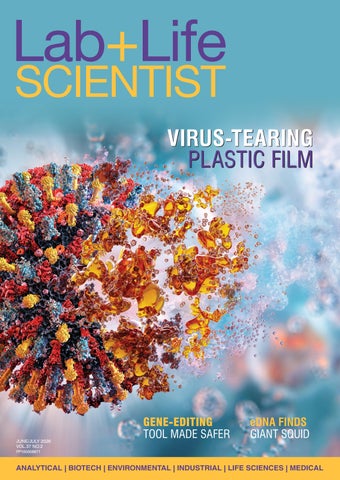
VIRUS-TEARING PLASTIC FILM
Contents
6 ‘VIRUS-TEARING’ PLASTIC FILM: PROTECTING HIGHTOUCH HOSPITAL EQUIPMENT
A thin plastic film that tears apart viruses on contact could help protect high-touch hospital equipment from spreading disease.

10 COULD ‘FUSION PROTEINS’ REDUCE ERRORS IN A PROMISING GENEEDITING TOOL?
Scientists believe they’ve made CRISPR-Cas9 — used, among many things, to engineer new cancer immunotherapies — safer.
14 ‘SMART BANDAGE’ HEALS AND MONITORS SIMULTANEOUSLY
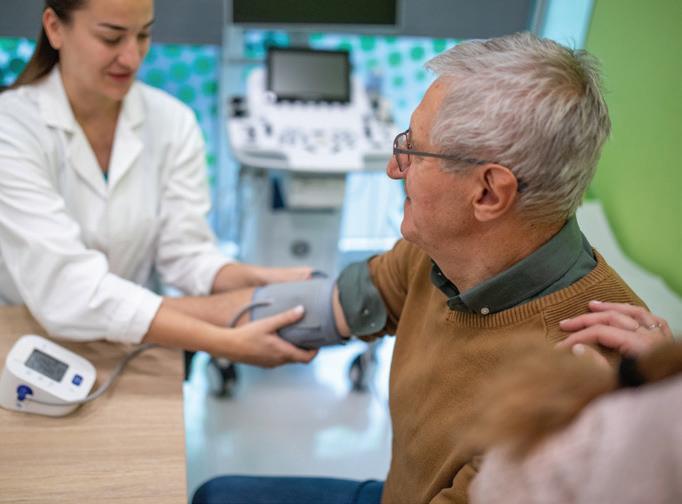
This smart bandage embeds tiny, multi-functional nanomaterials into hydrogel dressing.
16 ION: AUSTRALIA’S NEXT WAVE OF BIOTECH INNOVATION
A dedicated, purpose-built commercial life sciences precinct located in Waterloo.

20 IRREGULAR BLOOD PRESSURE PATTERNS AND DEMENTIAASSOCIATED BRAIN CHANGES
Hypertension has long been recognised as a risk factor for cognitive decline, yet the impact of blood pressure changes throughout the day has been less understood.
24 GIANT SQUID FOUND HIDDEN IN SUBMARINE CANYONS OFF WESTERN AUSTRALIA
Using eDNA, Australian scientists have found hidden biodiversity off the WA coast.
27 CAN YAWNING ADVANCE THE STUDY OF NEURODEGENERATIVE DISEASES?
MRI scans monitoring flow of cerebrospinal fluid during yawning may assist neurodegenerative disease studies.
29 ARE LAB GLOVES LEADING SCIENTISTS TO OVERESTIMATE MICROPLASTICS?
Nitrile and latex gloves worn by scientists measuring microplastics may lead to a potential overestimation of the tiny pollutants.
31 POTENTIAL BIOLOGICAL TARGETS FOR VASCULAR DEMENTIA
Could genetics-led approaches offer pathways to treatment of vascular dementia?
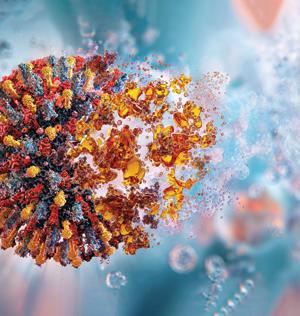
Close to the bone

Implants that naturally dissolve after healing, eliminating the need for follow-up surgeries, are in the sights of Australian researchers working in the growing field of advanced biomaterials. One recent study, by researchers at Flinders University, involved the development of biodegradable magnesium-based alloys with improved corrosion resistance and strength — an innovation geared towards the next generation of medical implants. By carefully tuning alloy composition, particularly with elements such as zinc and zirconium, the researchers suggest that materials can be produced that more closely match the mechanical properties of human bone while offering enhanced durability in biological environments.
“These new alloys not only improve mechanical performance but also enhance corrosion resistance which is critical for implants designed to safely degrade inside the body over time,” said Dr Reza Hashemi, Senior Lecturer in Mechanical Engineering at Flinders University’s College of Science and Engineering. “By refining the microstructure of the material, we were able to control how quickly the alloy breaks down, reducing the risks associated with premature degradation or loss of structural integrity,”
Hashemi added. “This balance between strength and controlled biodegradability is a key step toward safer, more reliable implant technologies.”
The findings were based on research by Master of Mechanical Engineering graduate Win Ken Look and published open access in Emergent Materials — so you can read the full study at doi. org/10.1007/s42247-026-01332-8.
This time, medical devices, clinical trials, gene editing and quality assurance are among the areas covered. In stories included in this issue, and continuing in the theme of technological innovation in the medical space, we consider a ‘smart bandage’ that by embedding tiny, multifunctional nanomaterials into hydrogel dressing, promises to both treat and monitor wounds at the same time; and also a ‘virus-tearing’ plastic film that, Aussie scientists believe, could help protect high-touch hospital equipment from spreading disease.
On the topic of gene editing, we consider the work of UQ researchers who have developed a protein that, they say, has the potential to help the CRISPR-Cas9 system reduce errors when designing new immunotherapies for lymphoma and leukaemia, and also MQ researchers looking to build on ophthalmic research into mechanisms that damage nerve cells connecting the retina to the brain, leading to irreversible blindness.
Other interesting stories this time include a US study that suggests nitrile and latex gloves worn by scientists measuring microplastics may lead to a potential overestimation of the tiny pollutants and, at home, Australian scientists who, using eDNA, have found hidden biodiversity off the WA coast — including the elusive Architeuthis dux and species possibly new to science.
There’s also a Monash study considering dementia-associated brain changes and impacts of blood pressure changes throughout the day, and a look at some imagery of ION, a dedicated, purpose-built commercial life sciences precinct located in Waterloo, which has secured its inaugural partners. Plus, much more, including a suite of further articles, case studies and some product innovations to explore. I hope you enjoy the read.
Regards, Dr Joseph Brennan, Interim
Editor LLS@wfmedia.com.au

Dr Joseph Brennan
Vaxxas partners with AI company Profenso to support quality assurance
A strategic partnership between Vaxxas and Profenso, an Australian artificial intelligence company specialising in advanced automation for regulated industries, has been announced. The partnership is to develop a next-generation AI vision capability to support quality assurance during high-speed manufacturing of Vaxxas’s highdensity microarray patch (HD-MAP) technology for vaccination.
Manufactured in an aseptic (sterile) environment, the HD-MAP technology requires precise, stringent controls to ensure every patch meets safety and performance standards — the integration of Profenso’s AI vision technology into Vaxxas’s production workflows aims to introduce real-time insights, automated quality evaluation and improved traceability across critical manufacturing steps.


agentic architecture and structured quality workflows that integrate with Vaxxas manufacturing controls.
“Manufacturing HD-MAP vaccines requires precision at a scale that few technologies demand,” said Dr Maciej Trzaskowski, Co-Founder and Managing Director of Profenso. “AI vision systems add value by augmenting human oversight, reducing variability and giving teams richer insight into the production quality essential for highly regulated industries. It’s exciting to be collaborating with Vaxxas on this project to create purpose-built technology that can elevate manufacturing quality on a global scale.”
Profenso will build and train a bespoke AI vision platform — engineered for microscopic-scale quality assurance — as part of the project. The solution will be engineered to combine advanced imaging,
$96m RNA Research and Manufacturing Facility opens in NSW
Intended to place New South Wales in a strong position in the fight against current and emerging diseases, the new 4500 sqm RNA Research and Manufacturing Facility within the Macquarie University Innovation Precinct has officially opened. The facility will aim to bolster domestic RNA manufacturing capability, attract investment, create local jobs and foster collaboration between universities, research institutes and industry.
The facility includes advanced laboratories and support spaces that will, the NSW Government said, make it the only site in Australia capable of producing a wide range of new and existing RNA therapeutics under one roof. The government also said that this facility “ensures NSW is better prepared for future pandemics by
“Ensuring the highest level of manufacturing quality is central to delivering on the promise of HD-MAP technology. Working with Profenso gives us access to leading edge AI innovation tailored for regulated production environments,” said Dr Scott Fry, Chief Operating Officer at Vaxxas. “Their approach to automated vision analysis will help to strengthen our existing quality processes and support our expansion to larger-scale manufacturing.”
Progressing through phased development, with early testing focused on automated classification, surface analysis and microstructure verification, later stages of the partnership will explore integration into broader quality management for manufacturing and alignment with future regulatory requirements.
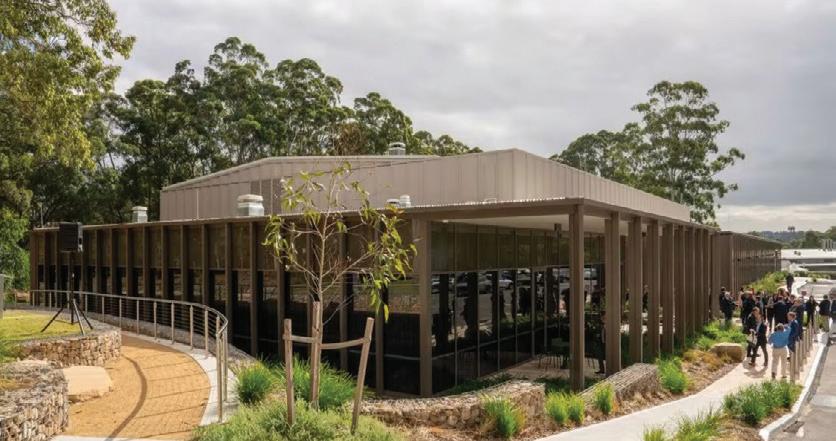
enabling the fast production of RNA vaccines and treatments when they are needed most”.
Delivered by Health Infrastructure in collaboration with the Office of the Chief Scientist & Engineer and builder Hindmarsh Constructions, Aurora Biosynthetics — industry partner and operator — will now engage with researchers and clients who aim to advance their therapeutic innovations from the laboratory towards clinical trials.
‘Virus-tearing’ plastic film: protecting high-touch hospital equipment
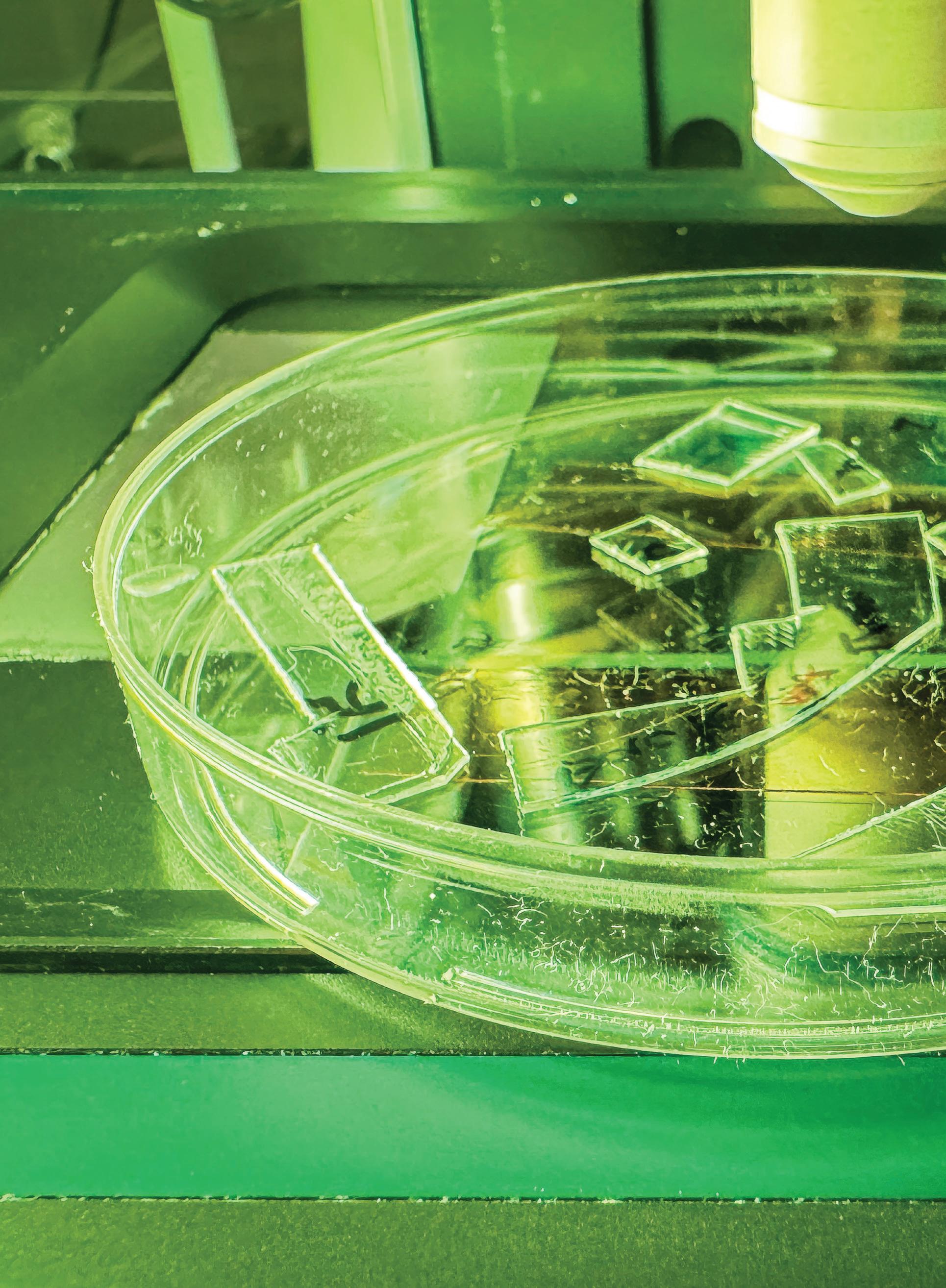
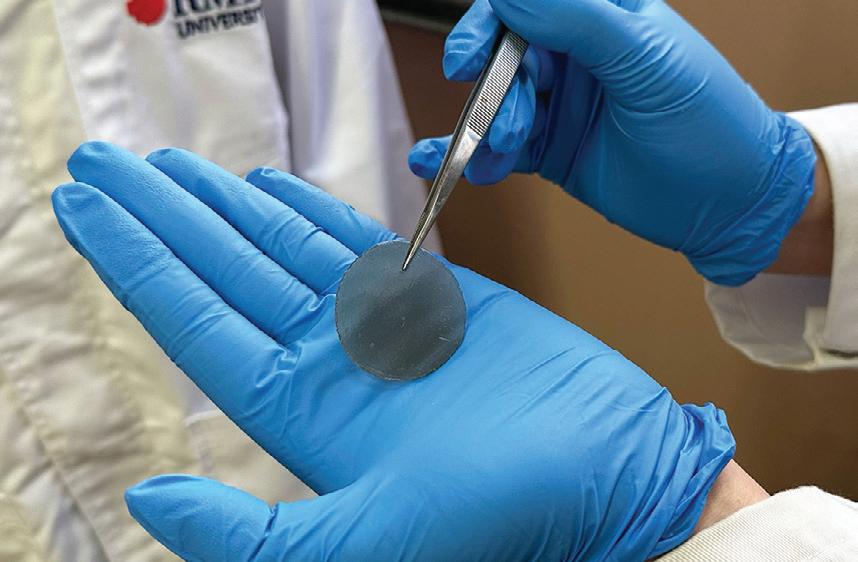
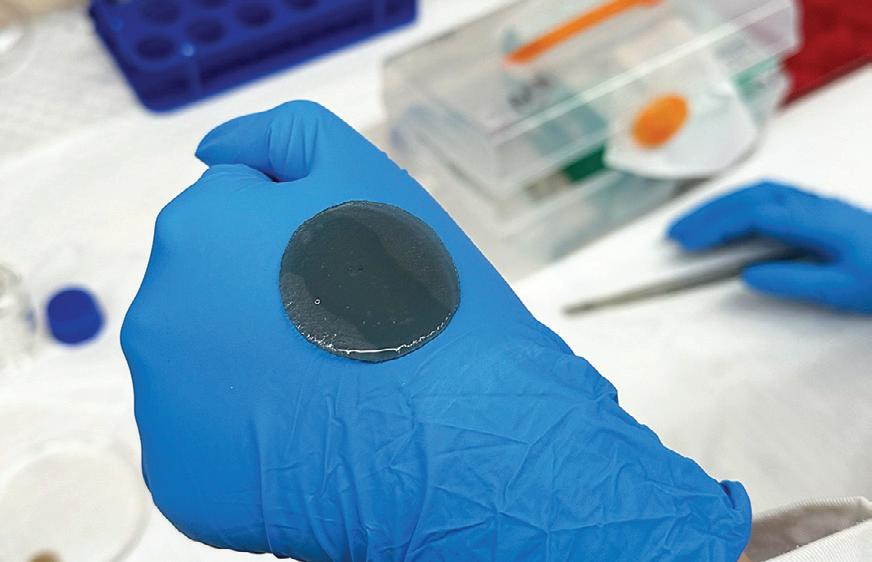
Transparent acrylic samples with engineered nanotextured surfaces, prepared for microscopy analysis, showing how clear plastic can be turned into a texturing that physically tears viruses apart on contact.
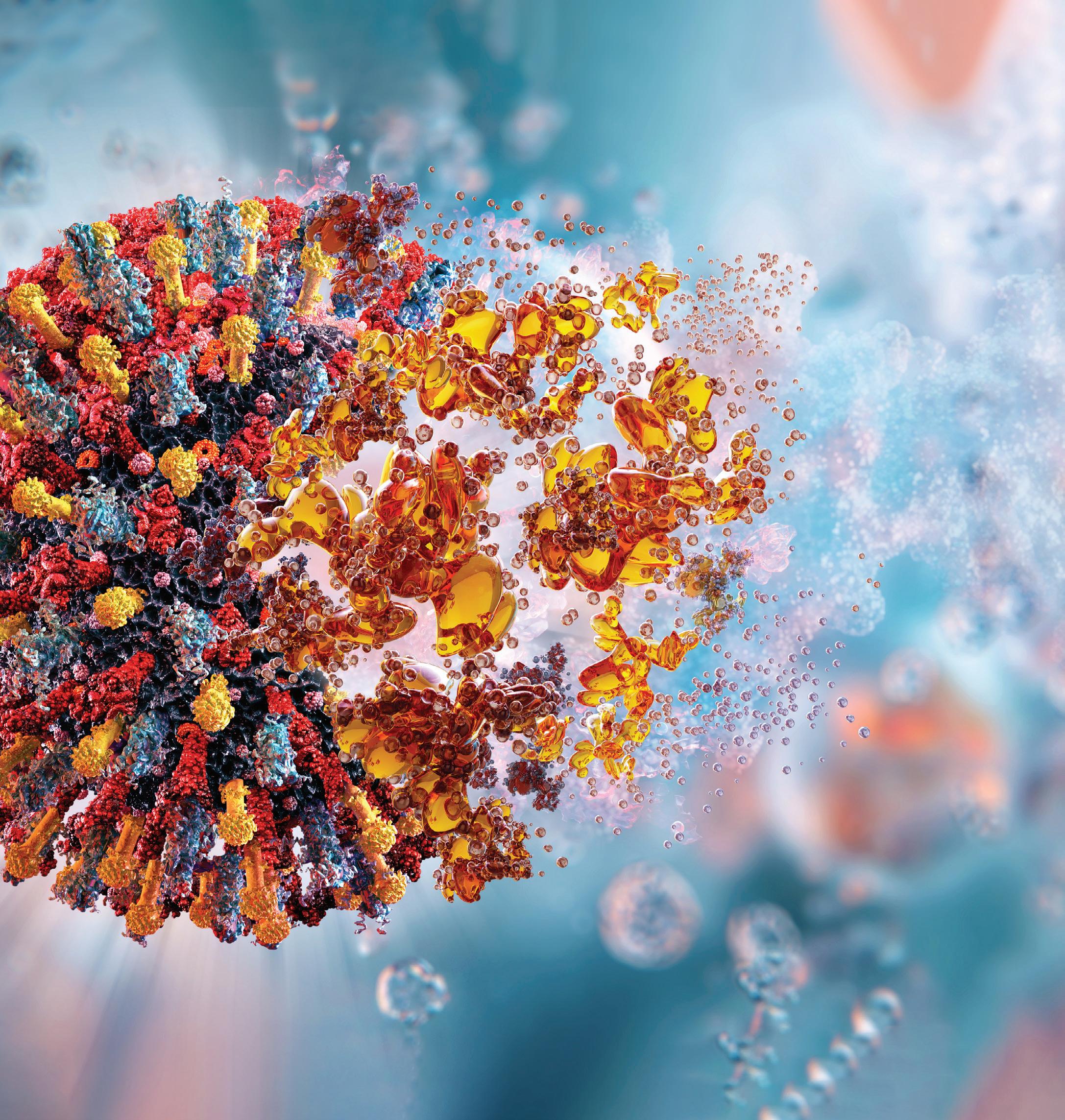
A thin plastic film that tears apart viruses on contact could help protect high-touch hospital equipment from spreading disease, Australian scientists believe.
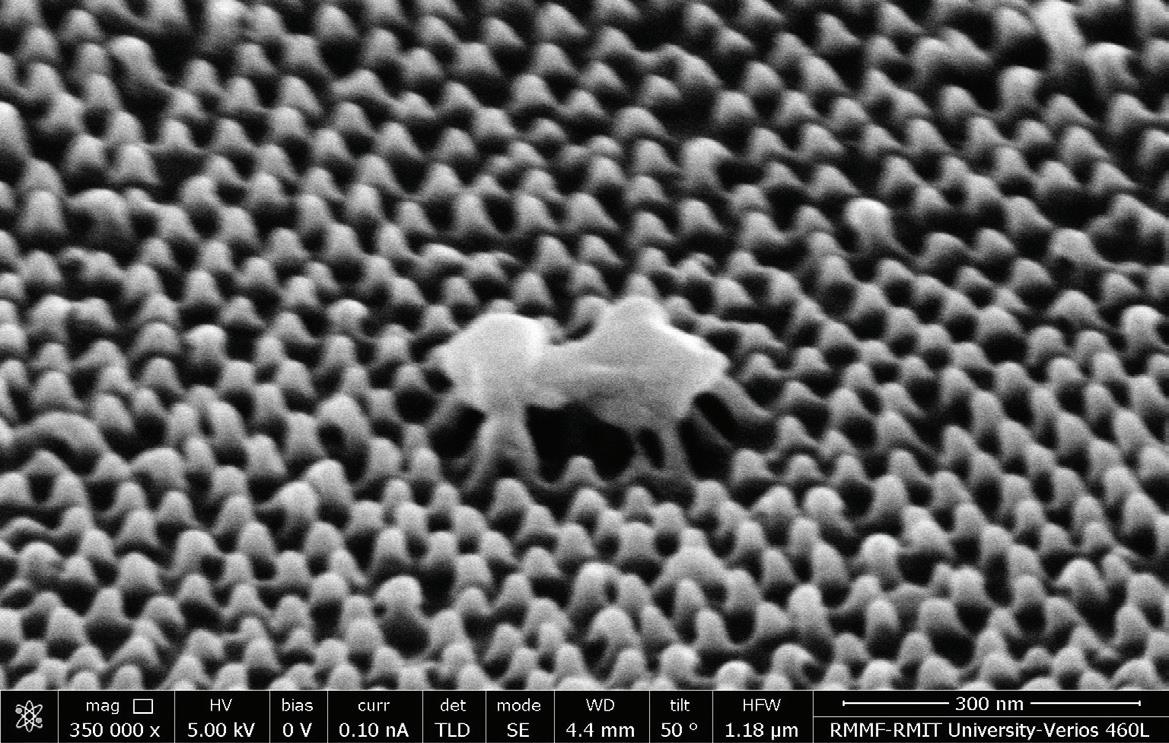
Aflexible acrylic surface textured with ultra-fine structures called nanopillars — that grab and stretch the outer shell of the virus so much that it ruptures, killing the virus through mechanical force rather than chemical disinfectants — is an innovation that, Australian scientists believe, is not only effective at killing viruses, but also far more practical and scalable than earlier metal and silicon-based antiviral surfaces.
Human parainfluenza virus 3 (hPIV-3), which causes bronchiolitis and pneumonia, was used in lab tests, which revealed that, within one hour of contact with the surface, about 94% of the virus particles were either ripped apart or damaged to the point where they could no longer replicate to cause infection. The research, published open access in Advanced Science (doi: 10.1002/ advs.202521667), shows that, unlike earlier studies on antiviral coatings, stretching rather than skewering viruses is a more effective kill.
“As nanofabrication tools get better, our results give a clearer guide to which nanopatterns work best to kill viruses,” said Samson Mah, study lead author and RMIT University PhD candidate. “We could one day have surfaces like phone screens, keyboards and hospital tables covered with this film, killing viruses on contact without using harsh chemicals.
“Our mould can be adapted to roll-to-roll manufacturing, meaning antiviral plastic films could be produced at scale with existing factory equipment.” Mah said the research revealed how distance between the nanopillars matters far more than their height. “By tweaking the spacing and height of the nanopillars, we discovered how tightly they are packed together is far more important than how tall they are for breaking viruses apart.
“When the nanopillars are closer together, more of them can press on the same virus at once, stretching its outer shell past breaking point,” Mah added. While rigid substrates — such as nanospike
RMIT University.
“As nanofabrication tools get better, our results give a clearer guide to which nanopatterns work best to kill viruses” — Samson Mah
silicon — in early experiments showed viruses could be physically disrupted, surfaces textured with not only spike-like nanofeatures, but also with blunt nanopillars were shown in the study to efficiently kill viruses.
The same virus-killing action is shown in this study on flexible plastic, proposing a simple design rule: the closer together the nanofeatures such as spikes or nanopillars are, the better they work; the strongest effect coming from densely
packed nanopillars with about 60 nanometres between them, while widening the gaps to 100 nanometres reduced the antiviral power and 200 nanometres effectively switched it off.
An enveloped virus has a fragile fatty membrane around it that can be more easily disrupted by nanopillars, while a non-enveloped virus lacks this outer layer, making it harder to kill. Having focused on hPIV-3 — an enveloped virus with a fatty outer membrane — to see how broadly
the nanotextured surface works, the team said it now plans to test smaller and non-enveloped viruses. Also needed is more research on the texturing’s effectiveness on curved surfaces, which affects the nanopillars’ spacing.
Flexibility demonstration
(Credit: RMIT University)
RMIT University.
RMIT University.
Right: Microscope image of a virus cell being ruptured by the nanotextured surface.
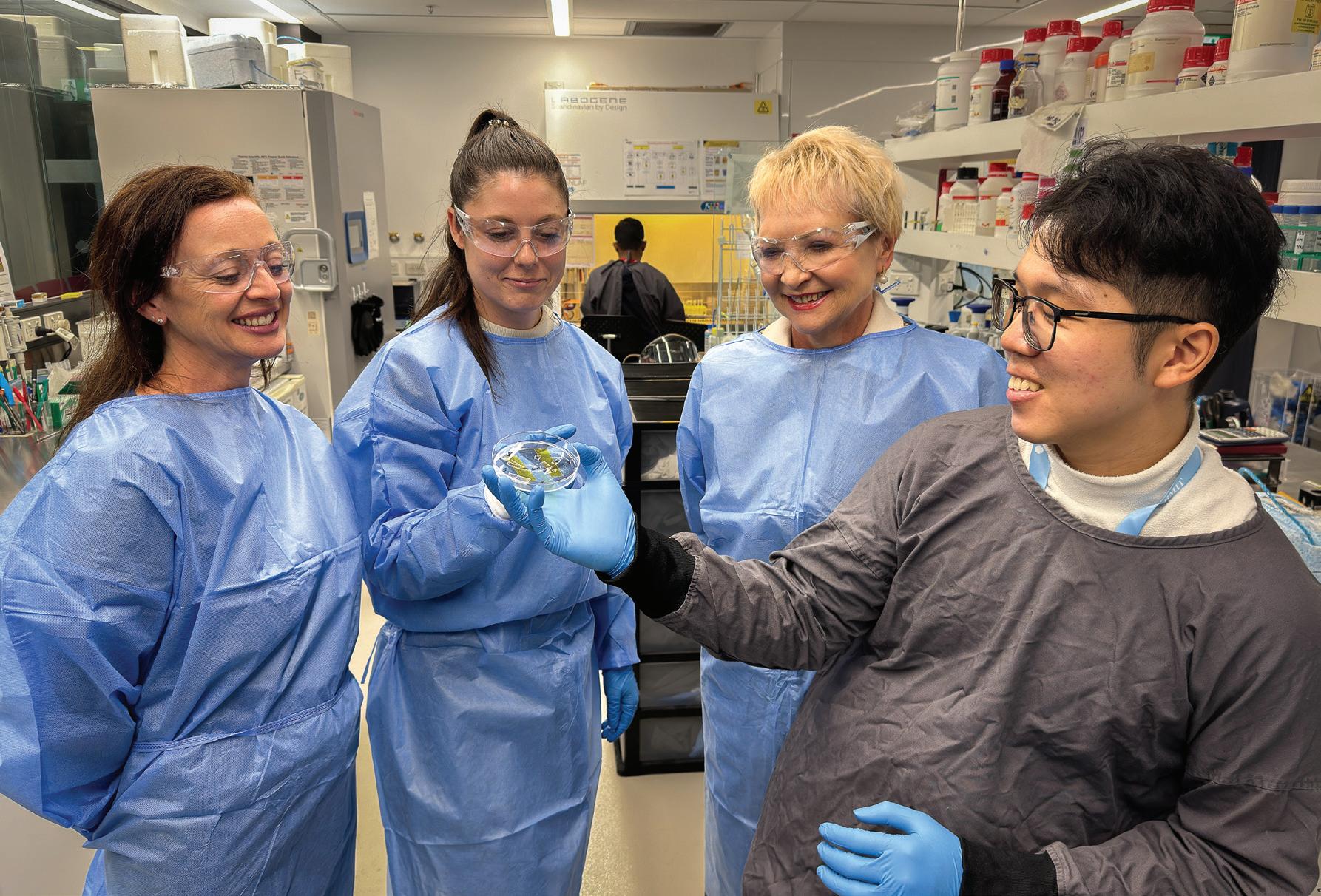
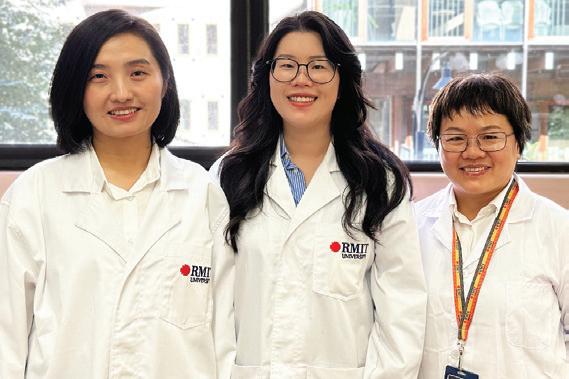
(L–R) Associate Professor Natalie Borg, Dr Denver Linklater, Distinguished Professor Elena Ivanova and Samson Mah.

$780m Sydney Biomedical Accelerator gains its
founding Executive Director
Professor Victoria Cogger has been appointed as founding Executive Director of the Sydney Biomedical Accelerator (SBA), which opens in 2028. A $780 million partnership between the University of Sydney, Sydney Local Health District and the NSW Government, the SBA is intended to transform Australia’s biomedical landscape by fasttracking world-leading research into real-world healthcare solutions.
Cogger — an international research leader in aging liver and targeted drug delivery, with a strong track record in research commercialisation — joins the SBA from her current role as Director of the ANZAC Research Institute at Concord Hospital. “Taking this role is the realisation of a lifelong ambition to really focus on impact, and to give others the opportunity to do the same,” Cogger said.
“The SBA is about giving our researchers and clinicians the best support and opportunities to work collaboratively with each other, and with industry, to make that happen,” Cogger added. “In 10 or 15 years these opportunities will create greater impact through better therapies, precision treatments, different care pathways [and] knowledge sharing, and we will approach healthcare problems in different ways.”
AusBiotech partners with Tenmile
Designed to support Australia’s homegrown life sciences innovation, AusBiotech has announced a strategic partnership with specialist health technology investor Tenmile. Acknowledging that while there is no shortage of ambitious founders, talented researchers and Australian breakthroughs, many stall before they find the capital, the partnerships, and the pathways to market they need, the partnership is geared towards moving world-class Australian science from lab to the patients who need it most, both locally and globally.
“Partnerships are in Tenmile’s DNA and it’s an important part of our mandate to support and build the broader commercialisation ecosystem that Australian health innovation needs,” Tenmile CEO Dr Steve Burnell said. “Our collaboration with AusBiotech is built around creating more of those connections, especially around key areas like anti-microbial resistance, cancer, AI, women’s health and health equity. Together we want to make sure Australia achieves the impact it deserves as a serious player on the global life sciences stage.”
Cogger counts among her most recent achievements having co-founded spinout EndoAxiom to lead the development of nanomedicines for clinical use. A culmination of 20 years of research by Cogger and colleagues has seen its lead product, nanotechnology-based oral insulin for diabetes treatment, progress to phase 1 clinical trials.
“Victoria’s extensive skills and experience working at the interface between universities and the health system make her the perfect fit for this role,” said Professor Mark Scott AO, University of Sydney Vice-Chancellor and President. “She understands both the opportunities and complexities the SBA partnership brings, and above all she is passionate about the ultimate goal of improving health care for patients.”
On the appointment, Deb Willcox AM, Chief Executive of Sydney Local Health District, said: “Victoria is an outstanding appointment and the right person to realise the vision of the SBA.” Willcox added, “She is also a beacon for women in medicine and research and for those young women aspiring for a career in these endeavours.”


Could ‘fusion proteins’ reduce errors in
a promising gene-editing tool?
Gene-editing tool CRISPRCas9 is used, among many things, to engineer new cancer immunotherapies. Now, Australian scientists believe they’ve made it safer.
Though described as versatile, highly efficient and precise, gene-editing tool CRISPRCas9 — one of its key uses being to engineer cancer immunotherapies — can sometimes introduce gene mutations to cell products that pose a risk to patients. Now, biotechnology researchers at The University of Queensland (UQ) have developed a protein that, they say,
The University of Queensland.
Dr Tahmina Tabassum from UQ’s Australian Institute for Bioengineering and Nanotechnology.

has the potential to help the CRISPR-Cas9 system reduce errors when designing new immunotherapies for lymphoma and leukaemia.
“CRISPR-Cas9 is a highly efficient and precise tool, but it is not perfect,” UQ’s Dr Tahmina Tabassum said. “When it cuts DNA in the wrong place, you run the risk of introducing genomic instability.” Tabassum added: “In ex-vivo therapies such as CAR-T or CAR-NK therapies, this could mean nullifying the effectiveness of the treatment or even activating cancer-causing mutations.”
To combat the tool’s error rate when designing cell therapies, Tabassum together with her supervisors at UQ’s Australian Institute for Bioengineering and Nanotechnology — Professor Ernst Wolvetang and Dr Giovanni Pietrogrande — turned to ‘fusion proteins’ and their potential use as damage regulators for CRISPR-Cas9; designing and fusing the right protein to the CRISPR-Cas9
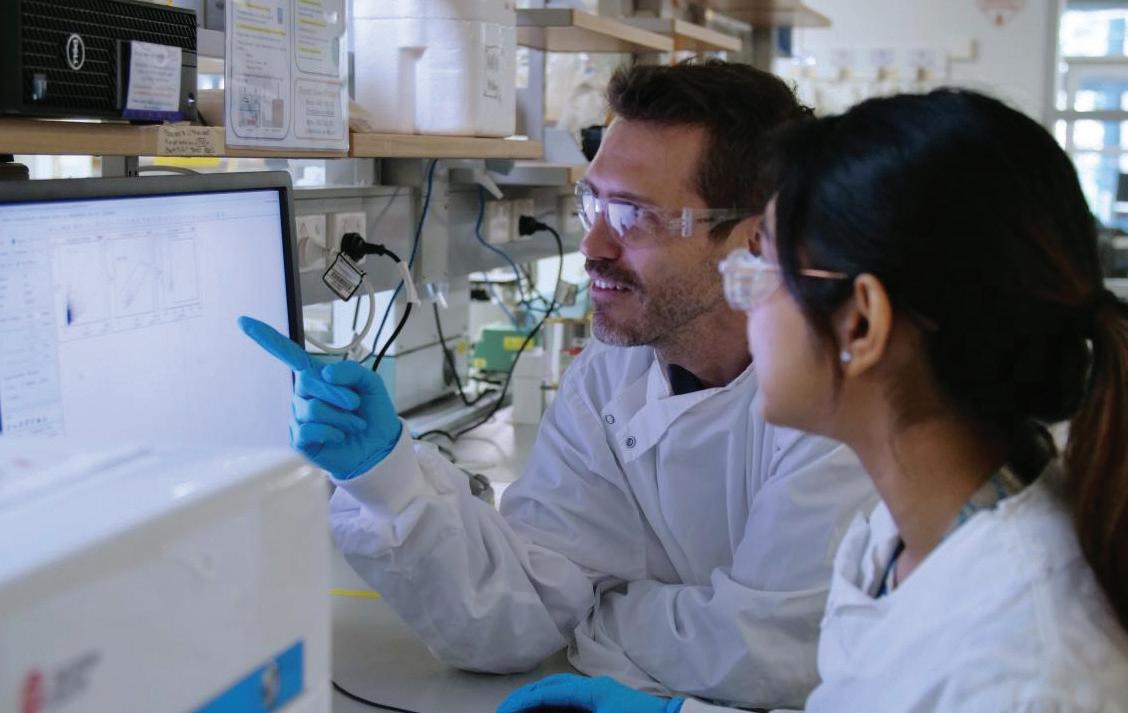
Dr Giovanni Pietrogrande and Dr Tahmina Tabassum developed their new fusion protein at UQ’s Australian Institute for Bioengineering and Nanotechnology.
“... it really opens the door to treatment for a number of diseases caused by genetic factors including rare diseases.” — Dr Tahmina Tabassum
enzyme that, Tabassum said, meant it was possible to improve the precision of a DNA cut while stimulating the desired DNA repair.
“There are a lot of great labs that are designing different types of molecules to enhance the geneediting ability of CRISPR; however, most small molecules are either not clinically translatable or focus on improving only the efficiency but not safety,” Tabassum said. “That’s why we designed CasPER — a gene-editing technology which is clinically translatable and safer to use.”
In several types of human cells, early testing showed that CasPER can edit genes more effectively than the CRISPR approach. And when it came to advanced immune therapies, such as CAR-T and CAR-NK cancer treatments, in which a patient’s own immune cells are re-engineered to find and destroy cancer cells, the researchers said results are particularly promising. A precision-editing score
nearly four times higher than CRISPR-Cas9 was shown in CasPER’s results so far, as well as tenfold reduced off-target gene modifications.
“By reducing the overall mutation burden in edited cells, you are laying the groundwork for cell therapy products that are safer and more efficient,” Tabassum said. “Right now, this could mean better CAR therapies for blood cancers.” Tabassum added: “But it really opens the door to treatment for a number of diseases caused by genetic factors including rare diseases.”
To further develop CasPER, Tabassum said her team was seeking licensing and partnering opportunities that include using the technology in combination with other RNA-guided enzymes and therapies in which genetic material is directly delivered into – or removed from – a patient’s body, in order to treat or prevent blood diseases such as sickle cell anaemia and thalassaemia.
The University of Queensland.
iStock.com/gorodenkoff

2026 Snow Fellowship recipients to receive
$24m
in biomedical funding
Australian biomedical researchers Dr Deborah Burnett from UNSW, Associate Professor Sudarshini Ramanathan from the University of Sydney and Dr Ira Deveson from the Garvan Institute of Medical Research have been named the 2026 Snow Fellowship recipients, Snow Medical Research Foundation has announced. Designed to enable exceptional scientists to pursue ambitious long-term research programs, build world-class teams and tackle complex scientific challenges, each Snow Medical Fellowship provides $8 million over eight years.
Set to tackle major global health challenges spanning autoimmune disease, neurological disorders and genetic disease, the fellows’ work addresses conditions that disproportionately affect vulnerable and underserved populations, including First Nations communities, while advancing precision medicine and translational care. Collectively, their research aims to deliver safer vaccines, better diagnostics, and more equitable genomic and neurological health care.
“Our family believes some of the most important breakthroughs in science happen when talented researchers are given the confidence to pursue ambitious ideas over the long term,” said Tom Snow, Chair of Snow Medical Research Foundation. “These fellowships are designed to remove some of the constraints researchers often face, giving them the freedom, time and resources to take risks and explore ambitious questions that could fundamentally change how we understand and treat disease.
“We are tremendously proud to support this high-calibre next generation of Australian scientific leaders and their teams and help build an environment where world-class research can thrive,” Snow added. “Great science requires courage, curiosity and persistence. By providing long-term support and also investing in the development of our Fellows and their teams, we’re helping create the conditions where truly innovative research can flourish.”
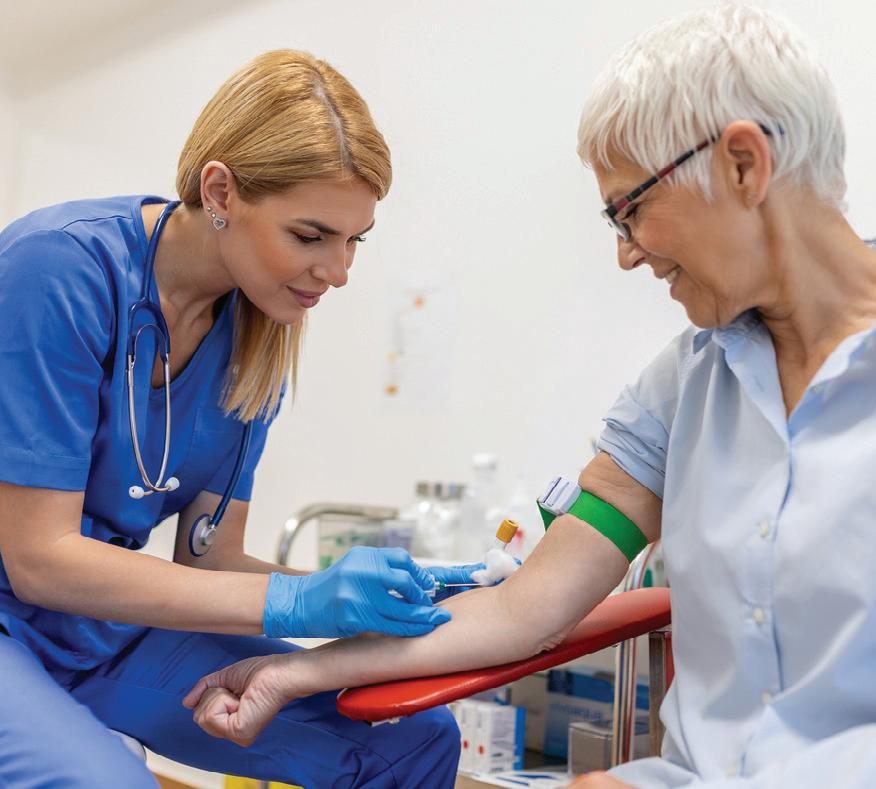
Proposed Australian trial eyes up blood testing for Alzheimer’s
The leading cause of death in Australia and estimated to cost Australia about $18.7 billion in 2025, dementia is one of Australia’s greatest public health and economic challenges. Further, with more than 400,000 Australians living with dementia, about three-quarters of people with dementia have Alzheimer’s disease.
Now, under a proposed plan by the Australian Dementia Network (ADNeT), a large-scale study — utilising networks of GPs across three states — intends on combining digital cognitive tests and blood tests (pTau217 AD) for people at risk of Alzheimer’s.
“There are currently a small number of locations in Australia using blood tests to rule out Alzheimer’s with more accurate tests expected to be available later in the year,” ADNeT Director Professor Christopher Rowe MD FRACP said. “This pilot brings forward the opportunity to one day have the combination of cognitive and blood testing available to Australians across the country.
“This would have transformative benefits for our society with earlier diagnosis and intervention leading to people at risk of or with early onset Alzheimer’s leading happier, more productive and fulfilling lives,” Rowe added. “It also has the potential to save the Australian Government billions of dollars in healthcare costs.”
Included in ADNeT’s pre-Budget submission, the proposed cost of the trial for the Australian Government is $6 million over five years.
“With current wait times outside of Melbourne and Sydney for dementia diagnosis and treatment exceeding 12 months, there is a desperate need for greater support for patients,” Rowe said. “The impact of Alzheimer’s is higher in rural, regional, Indigenous and culturally diverse communities due to longer delays in diagnosis and difficulty accessing treatment.”
Current testing shows signs of Alzheimer’s Disease can be detected in the brain up to 20 years before symptoms emerge. In the pilot, those showing signs of, or being at risk of, Alzheimer’s will be directed to Brain Health Clinics or conventional specialist memory clinics for expert diagnosis and early treatment.
Above: (L–R Dr Deborah Burnett, Associate Professor Sudarshini Ramanathan and Dr Ira Deveson.
UNSW Sydney.
Lipid science receives new Australia-led online hub
The Lipid Network launched in April to build links between researchers, clinicians and industry across the diverse and rapidly evolving field of lipid science. Investigating the structure, function and metabolism of fats, covering their roles in industrial processes, the environment and health, emerging lipid research areas include cardiovascular health, nutrient regulation, lipidomics and biomarker discovery to understand, prevent or treat malfunction in diverse settings.
An initiative led by Flinders University, The Lipid Network is an international, community-driven platform that brings together researchers and stakeholders across disciplines including biochemistry, clinical lipidology, microbiology, agriculture and environmental science. The online hub is designed to facilitate knowledge exchange, promote interdisciplinary collaboration, and highlight emerging research and innovation in lipid science.
“The Lipid Network is connecting and empowering the global lipid research community,” said Associate Professor Bart Eijkelkamp, Flinders University researcher and Lipid Network President, who addressed the official launch of the project this month. “It provides a dedicated, inclusive platform designed to connect the global lipid community, foster collaboration and support the next generation of scientists.”
Eijkelkamp added: “The new centralised, accessible platform is uniting the lipid research community and also aims to bridge gaps between disciplines, career stages and geographic regions.” Intended to strengthen the global lipid research community by enabling collaboration across academia, industry and clinical sectors, the hub provides access to awards — including publication awards — while maintaining a free and accessible membership model designed to help accelerate innovation in lipid science worldwide.
Researchers, students and professionals can join The Lipid Network by registering any prior experiences with lipids at www.lipidnetwork.com.
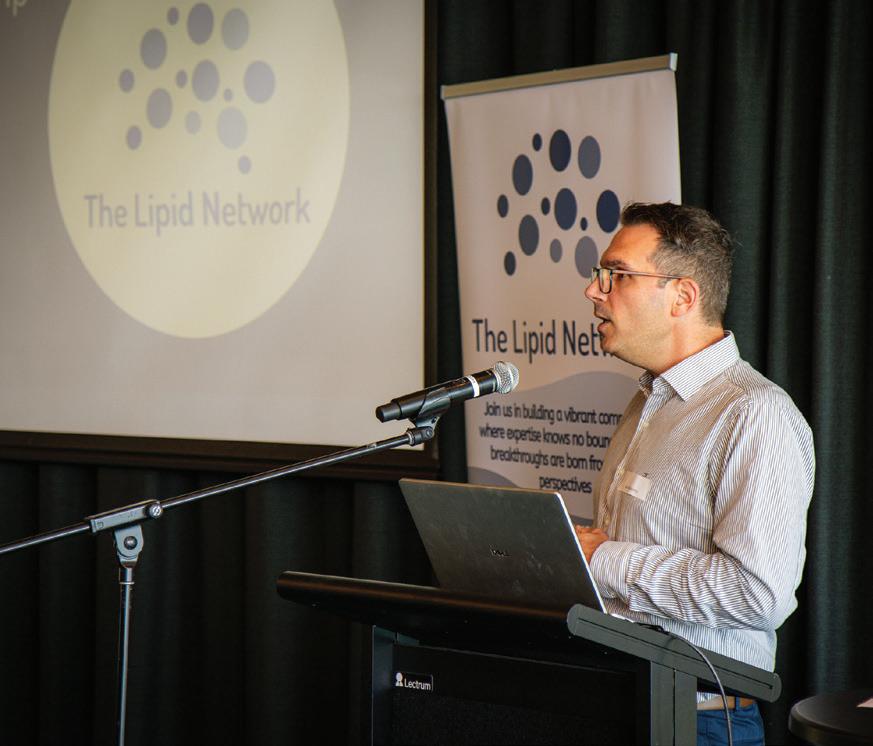
Associate Professor Bart Eijkelkamp at the Flinders University launch event.

• LIQUID LEVEL indiCation
• INDIRECT leVel GauGeS
• BOILER WATER monitorinG
• GERmAN expertiSe & quality
‘Smart bandage’ heals and monitors simultaneously
By embedding tiny, multi-functional nanomaterials into hydrogel dressing, this smart bandage promises to both treat and monitor wounds at the same time.
Due to the complexities of continuous and changing care required, chronic wounds cause significant burdens on healthcare systems. Emerging as potential solutions to this burden are smart wound dressings, which work by monitoring infection or delivering healing therapeutics. However, combining both monitoring and healing functions into one dressing has proven complex. Now, researchers at RMIT University believe they have created a simple, scalable platform able to deliver real-time monitoring and healing agents at the same time.
To serve the dual functions of monitoring and treating the wound, RMIT researchers have embedded tiny, multi-functional nanomaterials — known as carbon dots — into hydrogel dressing. The biocompatible carbon-based nanoparticles — carbon dots — can be used to image and sense changes in a wound and combat wound inflammation as therapeutic artificial enzymes (nanozymes), the new type of smart wound patch that will change colour when there is pH change in the wound caused by infection.
A portable smart device can read out the colour change and when these infection signals are detected, to promote healing the system automatically releases therapeutic nanozymes
into the wound. By applying gentle pressure to the dressing, the release of these therapeutic nanozymes can also be manually triggered — allowing clinicians or patients to provide additional treatment, if required.
“Being able to address potential infection at the earliest opportunity is critical to chronic wound management, making this real-time system a potential game changer for health care,” said Nan Nan, RMIT PhD candidate and first author of the study. “Our fabrication process using medically ready materials, such as hydrogels, to embed carbon dots for wound dressing is easy and scalable, with strong potential for commercial translation.”
Dr Haiyan Li, collaborator and Senior Lecturer at RMIT’s School of Engineering, called it a promising and adaptive platform that overcame some of the barriers that have stopped smart wound dressings being brought to market. “Many smart wound dressings developed in research
The smart wound patch’s dual function could support more timely and effective intervention from clinicians.
laboratories are difficult to translate into real clinical products because they rely on complex designs or expensive sensing systems,” Li said.
“Our approach integrates sensing and dualmode therapeutic functions into a single dressing with a simple, streamlined design, which helps address some of the key challenges that have previously limited commercial translation,” Li added. “Importantly, this work has defined concise design rules for future smart dressings.”
Initial studies were done at the lab scale, with validation in appropriate in vivo wound models being a key future step — the researchers looking to industry partnerships to refine and scale up the technology and bring smart wound patches to market. “Our next step is to evaluate how this technology performs in more advanced biological models and to work with industry partners to refine the design for real clinical use,” said Dr Lei Bao, study lead and Senior Lecturer at RMIT’s School of Engineering.
“Ultimately, our goal is to translate this research into practical smart wound dressings and integrate this smart platform into a digital health ecosystem, where the data from the patch is collected, analysed, and used to drive clinical decisions to advance chronic wound management,” Bao added. The research was conducted in RMIT’s Micro Nano Research Facility and Microscopy and Microanalysis Facility, with the study published open access (doi.org/10.1016/j.ces.2025.123225) in Chemical Engineering Science
The research team: Dr Lei Bao, Nan Nan and Dr Haiyan Li.
RMIT University.
RMIT University.
RMIT University.
Cartherics and Catalent announce enhanced partnership
Cartherics Pty Ltd, an Australian biotechnology company developing off-the-shelf immune cell therapies for high-impact women’s diseases, including ovarian cancer and endometriosis, has announced an agreement with Catalent, Inc. — a global contract development and manufacturing organisation — intended to support Cartherics’ mission to develop immune cell therapy products for the treatment of cancer and endometriosis.
Signing an amended commercial licence agreement, the partnership seeks to enable the use of a Catalent cGMP-compliant induced pluripotent stem cells (iPSC) line for the manufacture and commercialisation of Cartherics’ iPSC-derived Chimeric Antigen Receptor Natural Killer (CAR-NK) cell therapies.
“We are delighted to have established a collaborative relationship with Catalent, a leading cell and gene therapy CDMO, to expedite the development of our CAR-NK cell products,” Cartherics CEO Dr Ian Nisbet said. “We are confident that our collaboration with Catalent will underpin cost-effective manufacturing of our products.”
Cartherics is granted rights, under the terms of the agreement, to develop and commercialise multiple product candidates derived from a Catalent off-the-shelf cGMP iPSC line, including its lead CAR-NK cell product, CTH-401. “The licensed iPSC line is part of a broader portfolio of fully characterised, donor-consented, clinical-grade iPSC
lines generated under GMP conditions, supported by validated workflows for reprogramming, expansion, gene editing, differentiation and quality control,” Cartherics said.
“We are thrilled to broaden our partnership with Cartherics and support the important work the company is doing to develop Natural Killer cells for the treatment of cancer,” said David McErlane, Biologics Group President for Catalent. “Our teams are highly engaged in achieving positive outcomes across all stages of development, and we look forward to advancing Cartherics’ program toward commercialisation.”
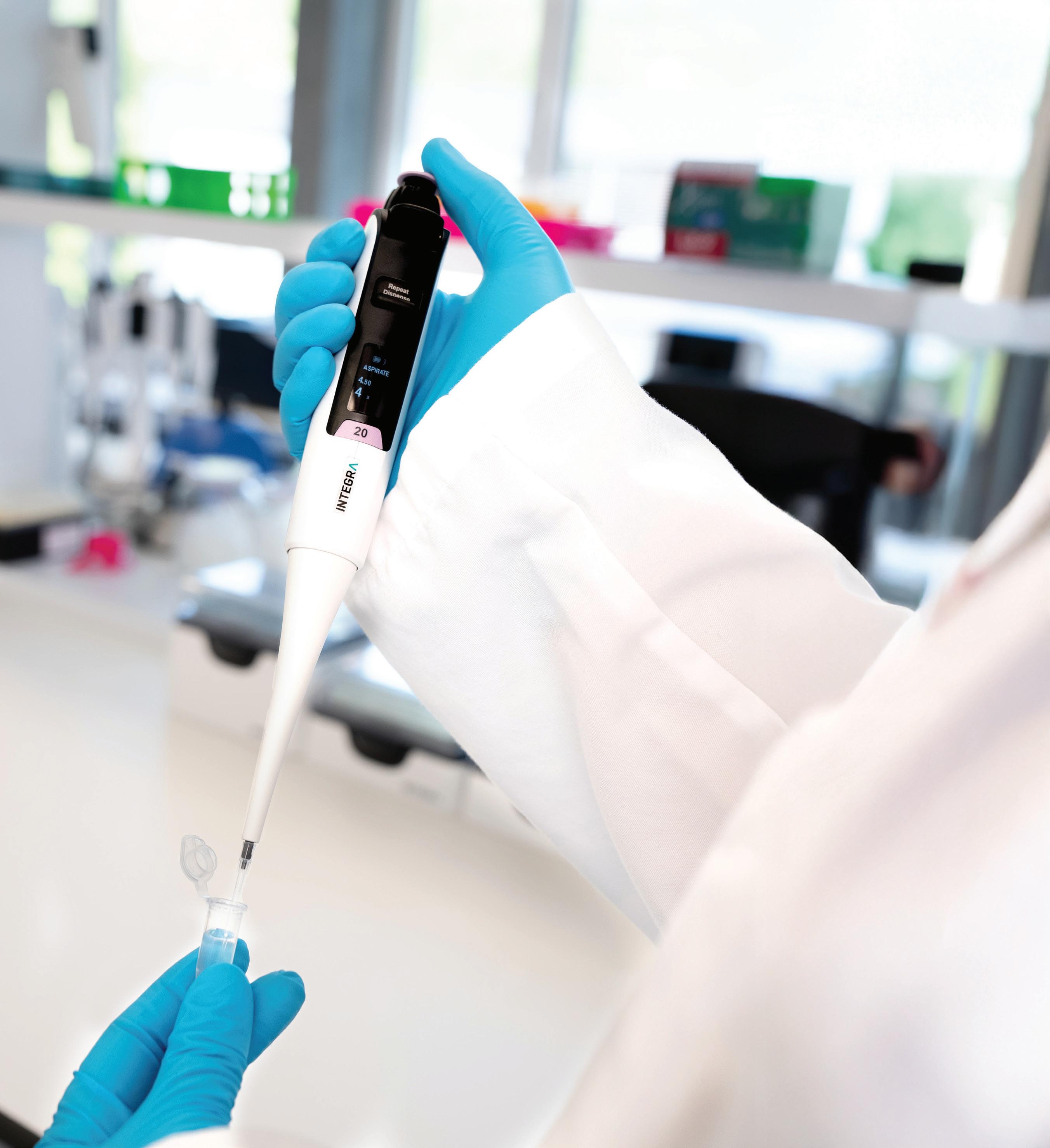


Lowest plunger force.

ION: Australia’s next wave of biotech innovation
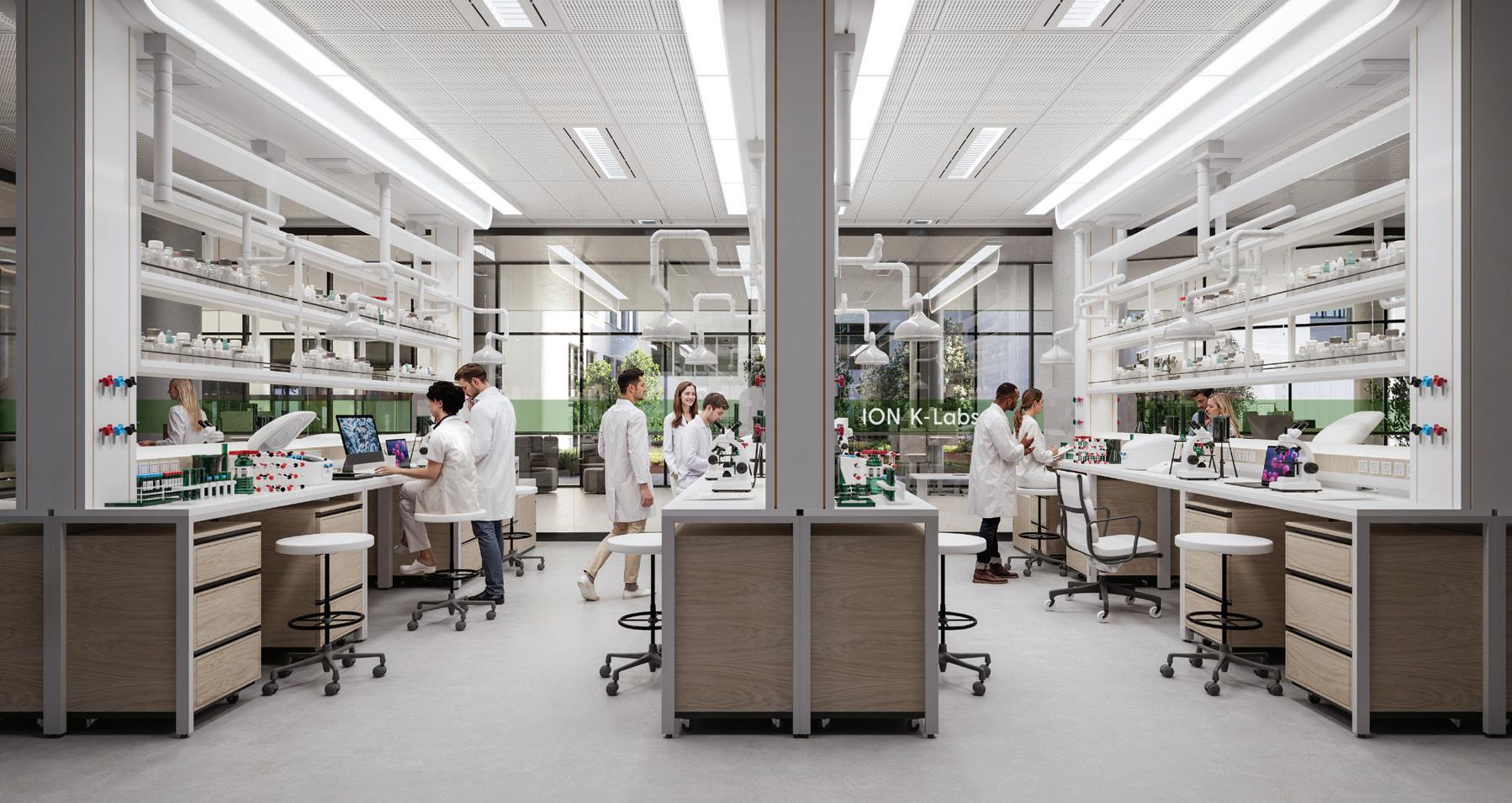
ION, a dedicated, purpose-built commercial life sciences precinct located in Waterloo, has secured its inaugural partners.
Scientific technologies and services provider Thermo Fisher Scientific, flexible laboratory infrastructure provider SmartLabs, and flexible and hybrid workspace platform IWG (International Workplace Group) are the inaugural partners of Waterloo-based, 27,000 sqm precinct ION, which aims to position Sydney at the forefront of Australia’s next wave of biotech innovation.
Representing an investment of approximately $490 million, the lab-enabled space across a multibuilding precinct of up to 10 levels in Waterloo is described by Australian innovation, life sciences and education real estate firm Kurraba Group as designed to address an historical lack in the Australian market of specialised, scalable lab infrastructure required to support the full lifecycle of life sciences innovation.
With a vision to accelerating the development of a world-class life sciences ecosystem in Australia, ION aims to enable research, clinical translation and commercial growth within a single, integrated
precinct. “This project marks the first collaboration between SmartLabs and IWG under our new strategy to expand life sciences research centres globally,” SmartLabs CEO Brian Taylor said.
“By working with Kurraba Group, we are helping to create environments where scientists and innovators can accelerate life sciences research, solve complex challenges and ultimately bring new therapies and diagnostics to market faster,” said Darren Verney, Director – Strategic Partnerships & Precincts, Thermo Fisher Scientific Australia and New Zealand. With Buildcorp appointed as builder, construction is anticipated to commence in the coming months and project delivery anticipated for Q4 2028.
External facade (front).
Kurraba Group.






Internal incubator.
External terrace.
Internal write-up space.
Internal lobby.
Internal clean rooms.
facade.
lab workspace.
Kurraba Group.
Kurraba Group.
Kurraba Group.
Kurraba Group.
Kurraba Group.
Kurraba Group.
Kurraba Group.
Objective vision assessment in mice
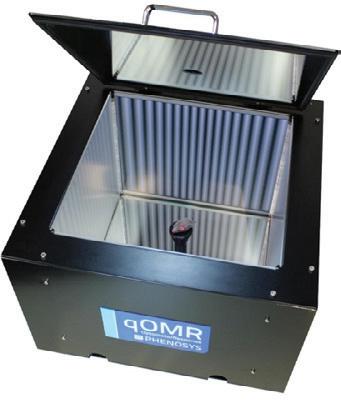
PhenoSys introduces the qOMR (quantitative Optomotor Response) system, a fully automated platform for objective and reproducible assessment of visual function in mice. The product is designed to enable highprecision measurements of visual acuity and contrast sensitivity without the need for manual intervention or specialised operator training, for use in vision research and preclinical neurobehavioral studies.
The system quantifies the natural optomotor response (OMR) — a reflexive head-tracking movement elicited by moving visual stimuli to provide high-resolution data on visual acuity, contrast sensitivity, and both spectral and temporal aspects of visual processing. By automating stimulus presentation and response detection, it eliminates human bias and inter-operator variability, producing consistent, reproducible datasets across laboratories.
Designed for diverse applications in visual neuroscience, the product allows precise phenotyping of visual deficits, evaluation of therapeutic interventions, and longitudinal tracking of disease progression in preclinical models of retinal degeneration, glaucoma or other ocular disorders. It is also suitable for rapid functional characterisation of new mouse strains or genetically modified lines.
The system employs an innovative, fully integrated hardware and software solution. A calibrated four-screen arena presents a virtual stimulation cylinder around an elevated central platform, allowing mice to respond naturally without restraint. Top and bottom mirrors create the perception of infinite depth, enhancing stimulus salience, while an infrared (IR) camera tracks head movements independently of coat colour. Adjustable IR illumination, anti-reflective protective screens, and a filter set for scotopic measurements enable precise recordings under both photopic and low-light conditions. Data acquisition, analysis and visualisation are managed through omrStudio software, providing robust computational performance with an intuitive user interface.
The system is an efficient tool for quantifying visual capabilities, detecting subtle functional impairments, and evaluating the effects of genetic or pharmacological interventions on visual circuits.
SciTech Pty Ltd www.scitech.com.au
Modular, high-integrity safe change housing system
Camfil CamSafe 3 Housing is a modular, high integrity safe change housing system designed to ensure maximum containment and operator safety when handling contaminated air. It is engineered for exhaust air applications in critical environments including biosafety levels L1 to L3+, pharmaceutical and chemical processing, hospitals, laboratories, and animal research facilities.
The system is highly configurable, available in single or multi module designs to suit a wide range of airflow requirements and filtration stages. It supports both particulate and molecular filtration, offering flexibility for diverse contamination control needs.
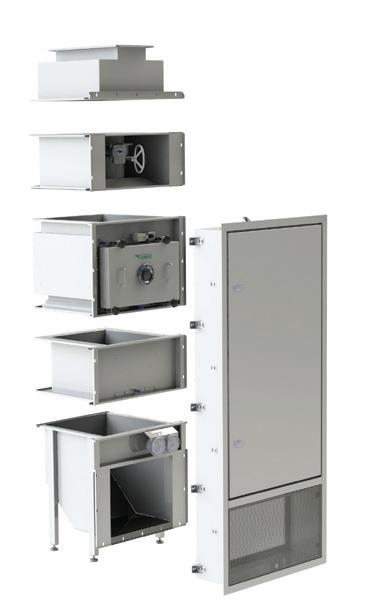
CamSafe 3 incorporates a patented clamping mechanism with a single action lever and dual safety interlock, designed to ensure correct filter positioning and consistent gasket compression. Its integrated service bag collar is engineered to enable fully contained Bag In Bag Out (BIBO) filter changes, allowing safe removal and replacement of filters without exposure to hazardous contaminants.
The housing is designed for high pressure integrity and has been rigorously tested at ±6000 Pa, meeting stringent international standards including EUROVENT 2/2 Class C, EN 1886 Class L1, ISO 10648-2 Class 3, and EN 12237 Class D. For performance verification, CamSafe 3 supports Manual Integrity Probe scanning within the housing and optional ducted injection modules for efficient leak testing using reduced aerosol volumes. A wide range of accessories, including dampers, supports, collectors, and decontamination options, further enhances system adaptability.
CamSafe 3 is designed to deliver a robust, flexible and highly secure containment solution tailored to critical air filtration environments where safety and reliability are essential.
Camfil Australia Pty Ltd www.camfil.com.au
Aqueous-based mounting medium
Lumiprobe’s LumiMount is an aqueous-based mounting medium for coverslipping cells and tissues stained with various fluorescent dyes. LumiMount is compatible with most fluorescent markers used in microscopy applications and is designed to reduce fluorochrome quenching during imaging due to anti-fade agent content. The refractive index of liquid mounting medium is 1.38 but can increase as the water evaporates at the edges of the coverslip.
LumiMount is engineered to provide a semi-permanent seal for prolonged slide storage at 2–8°C. Since LumiMount is watersoluble, the coverslip may be removed by submerging the slide in a PBS solution until the coverslip is loosened. For better sealing of slides, it is recommended to seal the edges of the coverslip with waterproof nail polish. Lumiprobe also offers LumiMount Plus Fluorescence Mounting Medium with a higher refractive index, and LumiMount DAPI Fluorescence Mounting Medium with the nuclear counterstain, DAPI, embedded.
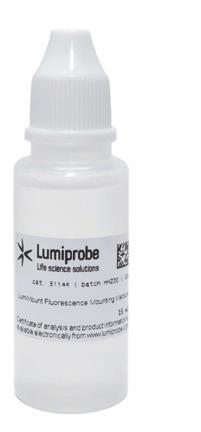
Lumiprobe’s LumiMount Fluorescence Mounting Medium is distributed in Australia and New Zealand by Sapphire Bioscience. Sapphire Bioscience www.sapphirebioscience.com
Accelerating ag-tech
R&D through innovative liquid handling
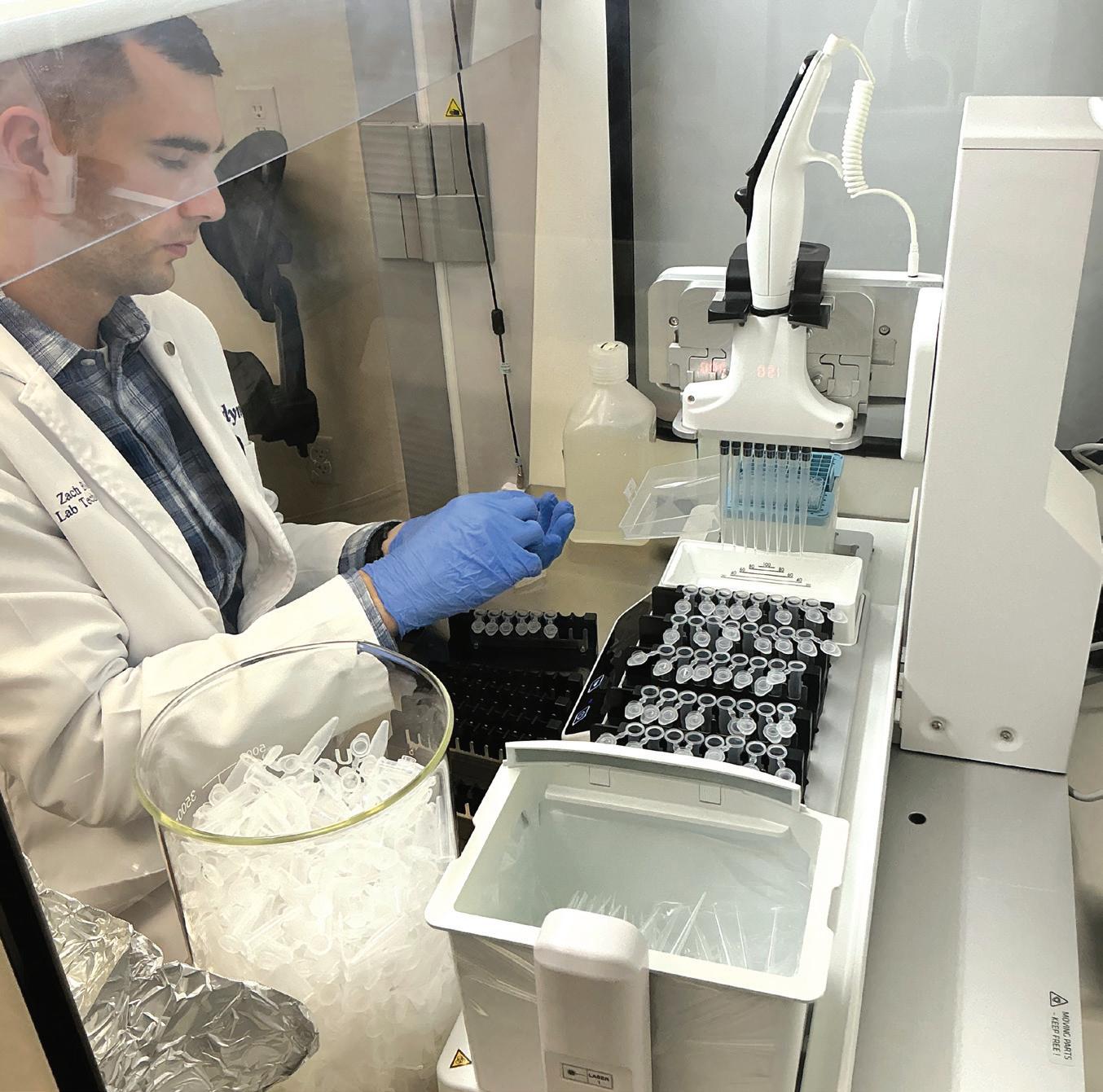
Environmental microbiology company BW Fusion was originally established to remediate soils affected by gas fields and oil spills, before expanding into biofertilizer development and the agricultural sector. BW Fusion’s laboratory services have also transformed from quality control testing to R&D, and this broader remit made it increasingly difficult for the lab to manage its growing workload. This prompted the team to explore the benefits of alternative pipetting and laboratory automation solutions.
The lab initially acquired EVOLVE single channel pipettes from INTEGRA Biosciences to speed up its varied workflows, but many of these processes require repetitive transfers between different types of labware – such
as microcentrifuge tubes and microplates –with different well spacings. To help ease this bottleneck and improve lab throughput, the team now uses INTEGRA’s intuitive VOYAGER adjustable tip spacing pipettes. Tip spacing on the VOYAGER can be easily and quickly adjusted to enable the simultaneous transfer of several samples between differing labware formats, reducing the need for many tedious and slow individual transfers.
Serial dilutions and microplate-based assays are other vital parts of the lab’s workflows, and the lab uses a VOYAGER pipette mounted on an ASSIST PLUS pipetting robot to automate and standardize liquid handling steps for these tasks. This automated set-up releases staff
from time-consuming manual pipetting, while guaranteeing that the task is performed exactly the same way each time. Platform complexity can be a bar to the adoption of lab automation, but the BW Fusion team found the VOYAGER and ASSIST PLUS set-up straightforward to implement, needing just half a day of training to get up to speed. This ease of use enabled the lab to quickly reap the benefits of automated processing. In addition, the VIALAB automation software used to program pipetting protocols is an intuitive, open platform that is free to use, so anyone in the lab can install it on their computer and easily build their own processes. Crucially, it is possible to simulate each pipetting program beforehand, allowing users to pre-emptively identify and correct any programming errors, reducing time and reagent wastage.
BW Fusion has also invested in a DOSE IT peristaltic pump for the rapid and efficient removal of liquid from bioreactors, as well as key tasks where sterile and consistent dispensing is critical, such as preparing TSA plates and preparing samples for field trials. The DOSE IT, used with a foot pedal, has been extremely helpful in ensuring that all the samples sent out contain equal and consistent volumes, and that their contents remain sterile during transportation. Using the pump is also far more efficient than preparing field samples individually using a single manual serological pipet, as this is extremely time consuming and takes staff members away from other, more complex and interesting projects.
Similarly, the PIPETBOY GENIUS intelligent serological pipet controller has been invaluable for certain tasks that require the individual transfer of larger volumes – up to 100 ml – during the preparation of culture flasks, removing the need for tedious transfers of multiple smaller aliquots per flask. This has improved the lab’s throughput and efficiency, saving valuable time and human resources.
Consistency is essential in any R&D process, as it is vital that each task is performed in exactly the same way every time for repeatable results. INTEGRA’s solutions have allowed BW Fusion to build both speed and reproducibility into its workflows, enabling the team to dedicate more time to scientific discoveries that will advance the important fields of bioremediation and ag-tech.
INTEGRA Biosciences AG www.integra-biosciences.com/australia
Irregular blood pressure patterns and
dementia-associated brain changes
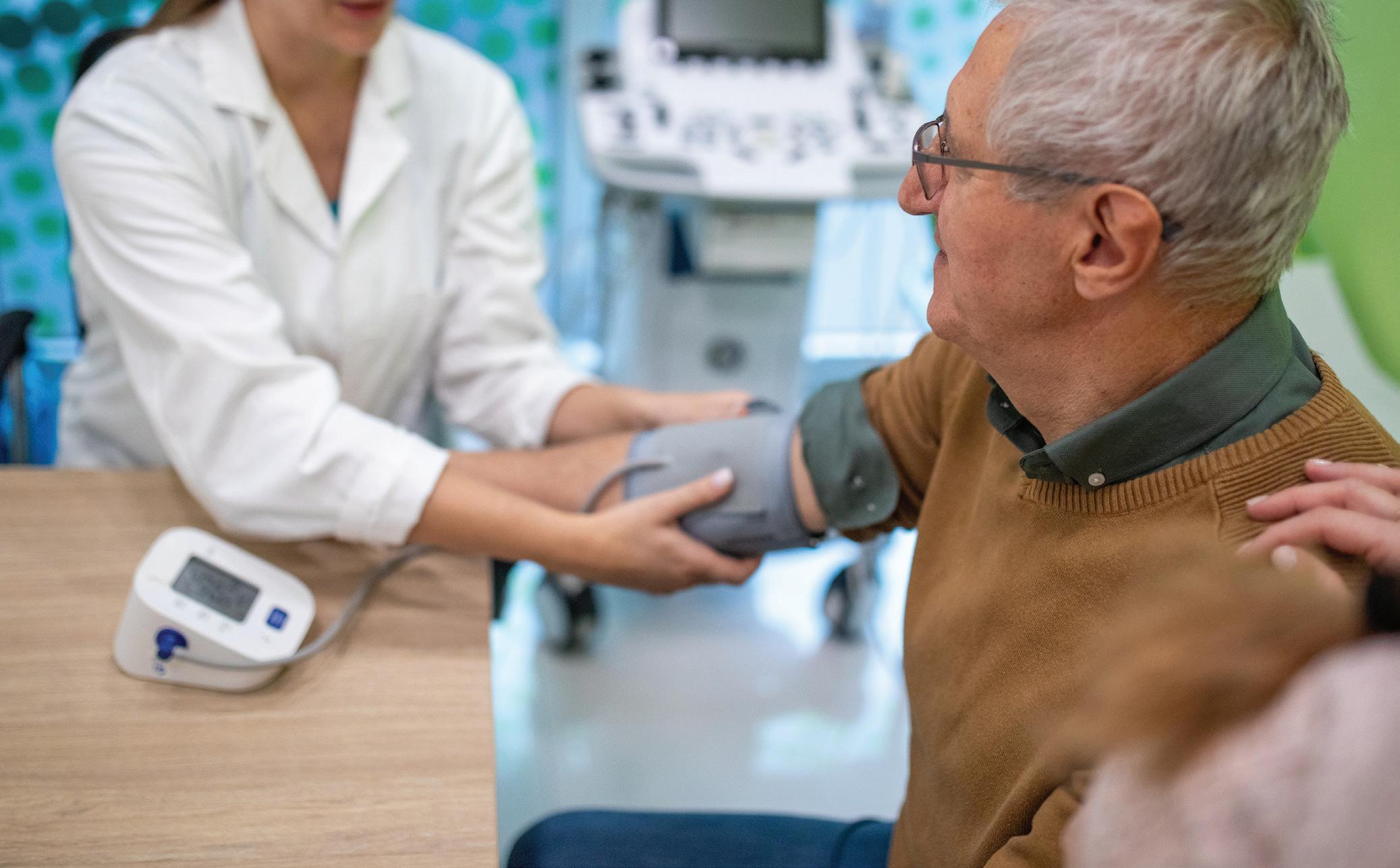
Hypertension has long been recognised as a risk factor for cognitive decline, yet the impact of blood pressure changes throughout the day has been less understood.
Greater variability in blood pressure over a 24-hour period is associated with poorer cognition, including planning, problem solving and memory; and higher average blood pressure over 24 hours is also associated with greater evidence of vascular brain injury.
This is according to a Monash University study published in Neurology (doi.org/10.1212/ WNL.0000000000214935), with findings that are significant given that — according to the university — while high blood pressure, or hypertension, has long been recognised as a risk factor for cognitive decline, the impact of changes in blood pressure throughout the day and night has been less understood.
“Our study shows that blood pressure is associated with subtle brain changes that can occur long before memory or thinking problems become apparent,” said Madeline Gibson, a PhD candidate in Clinical Neuropsychology at Monash and first author on the study. “Even a modest increase in blood pressure variability was linked to lower performance on cognitive tests, equivalent to roughly seven years of additional aging.
“Whether managing blood pressure variability could slow or reverse these brain changes is not yet known. But these findings add to growing evidence that the heart and brain are closely linked,” Gibson said. “This is especially important in midlife, which may be a key window for protecting brain health and reducing later risk of cognitive decline.”
For the study, continuous monitoring devices were used — by researchers from the Turner
Institute for Brain and Mental Health at Monash’s School of Psychological Sciences — to track the blood pressure of 225 Australians aged between 55 and 80 for 24 hours, the study highlighting several potential mechanisms through which abnormal blood pressure contributes to dementia, including injury to the brain’s white matter tracts and altered function of the blood–brain barrier, the brain’s protective filtering system.
“The research indicates that standard blood pressure readings taken at a doctor’s clinic may not provide the full picture,” Senior Author Professor Matthew Pase said. “Most people think of blood pressure as a single number taken in a doctor’s clinic, but blood pressure is dynamic,” Pase added. “Blood pressure rises and falls across the day and night, and those fluctuations may carry important information about brain health.”
Western blot imaging systems
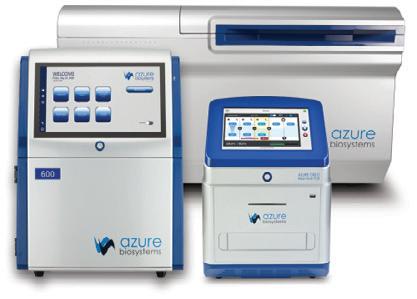
Azure Biosystems offers a range of high-performance Western blot imaging systems designed for versatility and precision. Azure Biomolecular Imagers support near-infrared (NIR) fluorescence, visible fluorescence and chemiluminescence, enabling comprehensive documentation and quantitative analysis across a wide range of applications. These include gels, Western blots, slides, tissue samples, small animal models, plants and media plates.
The Azure imaging family is engineered to deliver fast, sensitive, highresolution detection using 9MP CCD technology, all within a compact, benchtop-friendly design. Models are available across the 200, 280, 300, 400, 500 and 600 series, offering flexible solutions to meet diverse research needs. These multimodal, multichannel systems feature NIR, visible light and UV excitation, allowing detection of a broad range of dyes, including Cy dyes, Alexa dyes, Safe dyes and trihalo compound-based gels.
The Azure Cielo Real-Time PCR System is engineered to generate high-quality qPCR data through advanced optical performance and broadspectrum detection. It is designed to offer excellent specificity, precision, fast run times and reproducibility. Key applications include gene expression analysis (quantitative and qualitative), miRNA analysis, genetic mapping and fingerprinting, NGS library quantification, pathogen detection and sixchannel multiplexing.
The chemiSOLO is a compact, personal chemiluminescent imager designed for high-quality quantitative imaging. It is suitable for applications such as chemiluminescent Western blotting, densitometry and visible gel imaging.
The Sapphire Biomolecular Imager features a unique, patent-pending three-detector system combined with laser-based excitation that minimises background noise. This hybrid laser scanner-CCD platform is designed to deliver best-in-class performance across chemiluminescence, visible and NIR fluorescence, and phosphor imaging.
SciTech Pty Ltd www.scitech.com.au

Antibiotic residue testing
The Charm EZ Protect+ System is designed to bring rapid, reliable antibiotic residue testing to the dairy industry. Built for one-step residue monitoring, it uses patented incubateand-read technology to deliver results in as little as 30 seconds, with one- and three-minute options that speed up receiving bay operations and help reduce CO 2 emissions.
Several built-in features guard against operator error. ROSA barcode interpretation instantly identifies test type, incubation time and temperature. A new sloped optics module helps prevent pipetting mistakes, and guided protocols walk users through ‘accept’ or ‘reject’ decisions on every sample. The system also includes a range of preventative controls. An advanced lock-out function activates when controls fall out of specification.
Encoded expiration dates block the use of expired tests. Daily truck log reports are emailed automatically to QA and plant managers, and instant alerts notify them when antibiotic or aflatoxin M1 positives turn up. The system connects easily to existing LIMS, ERP and cloud databases through Wi-Fi, Bluetooth or cellular, and scales up to six simultaneous tests for high-volume operations.
Rowe Scientific Pty Ltd www.rowe.com.au

Improving external quality assurance (EQA) testing through automation

With the aim of eliminating manual processes for quality assurance testing in Australian laboratories, healthcare interoperability company X-Lab partnered with RCPAQAP (Royal College of Pathologists of Australasia Quality Assurance Programs) and Sonic Healthcare Australia Pathology. Implementing X-Lab’s LabgnosticEQA, the partnership was geared towards improving accuracy, efficiency and regulatory compliance across external quality assurance (EQA) testing.
As X-Lab explains, EQA — the independent mechanism by which pathology laboratories benchmark their performance against peer labs and international reference standards — is a cornerstone of patient safety and accreditation compliance, and yet for most laboratories, the EQA process has remained manual; quality assurance program (QAP) tests are typed into Laboratory Information Systems (LIS) by hand, and results are then transcribed into the EQA supplier portal.
Manual EQA creates a fundamental contradiction, X-Lab said. “Patient testing in modern laboratories is conducted electronically — yet EQA, the process designed to assess that testing, is done manually. The result is a compliance gap that places laboratories at odds with ISO 15189, the international standard for medical laboratory quality”, something which explicitly requires that QAP samples must be tested in the same, or similar, manner as patients’ samples, X-Lab added.
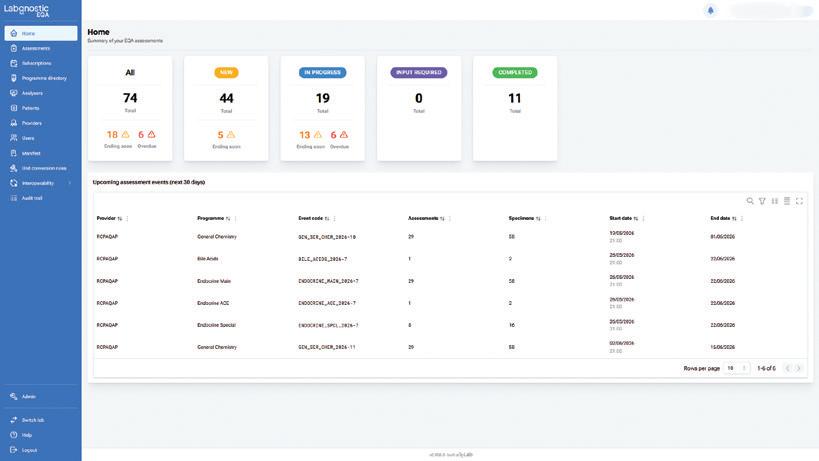
“Manual EQA fails to replicate the routine process it is meant to assess,” said Michelle Frazer, Director APAC at X-Lab. “Every transcription step is an opportunity for error — and an error in quality assurance has implications that extend well beyond the EQA program itself. It can mask issues that affect patient care.” LabgnosticEQA is designed to create a fully electronic workflow between EQA providers and laboratories — from order intake through to result submission — closely mirroring the electronic process used for routine patient testing.
Interfacing with each organisation’s existing systems, the system-agnostic platform is engineered to translate data into the required format and deposit it directly into the relevant platforms. A single connection from the laboratory LIS to the LabgnosticEQA network is sufficient to automate EQA programs across all laboratories and all departments within an organisation, X-Lab said.
For the partnership, X-Lab built dedicated interfaces for RCPAQAP’s MyQAP portal, Labware LIS, and Sonic’s Apollo LIS. An AI mapping tool aligned each organisation’s test and result codes to the LabgnosticEQA framework. Laboratories then selected which subscriptions to automate from a central dashboard. RCPAQAP conducted an audit of automated submissions against manually entered results, assessing both accuracy and submission timing. X-Lab reports that RCPAQAP’s audit found zero data entry errors and missed or late submissions, a reduction from 23 to 3 days in time to firstround submission, and a reduction from 9 to 3 days in average submission time.
Sonic Healthcare Australia Pathology evaluated the solution across a broader range of operational metrics, X-Lab said. These metrics included manual effort, turnaround speed, data accuracy, paper usage, cost and staff satisfaction. X-Lab said that key findings from Sonic Healthcare Australia Pathology’s evaluation were: 85% reduction in manual effort, double the programs processed in half the time, zero data errors, 400% productivity gain, no incorrect, missed or late submissions, at least two fewer sheets of paper per test, average 73% cost reduction, and measurably improved staff satisfaction.
“This implementation demonstrates what becomes possible when EQA is treated as an integral part of the laboratory’s electronic workflow rather than a manual process that sits outside it,” Frazer said. “The gains are not incremental. They represent a fundamental shift in what laboratories should expect from their quality assurance programs.”
X-Lab x-labsystems.com
X-Lab.
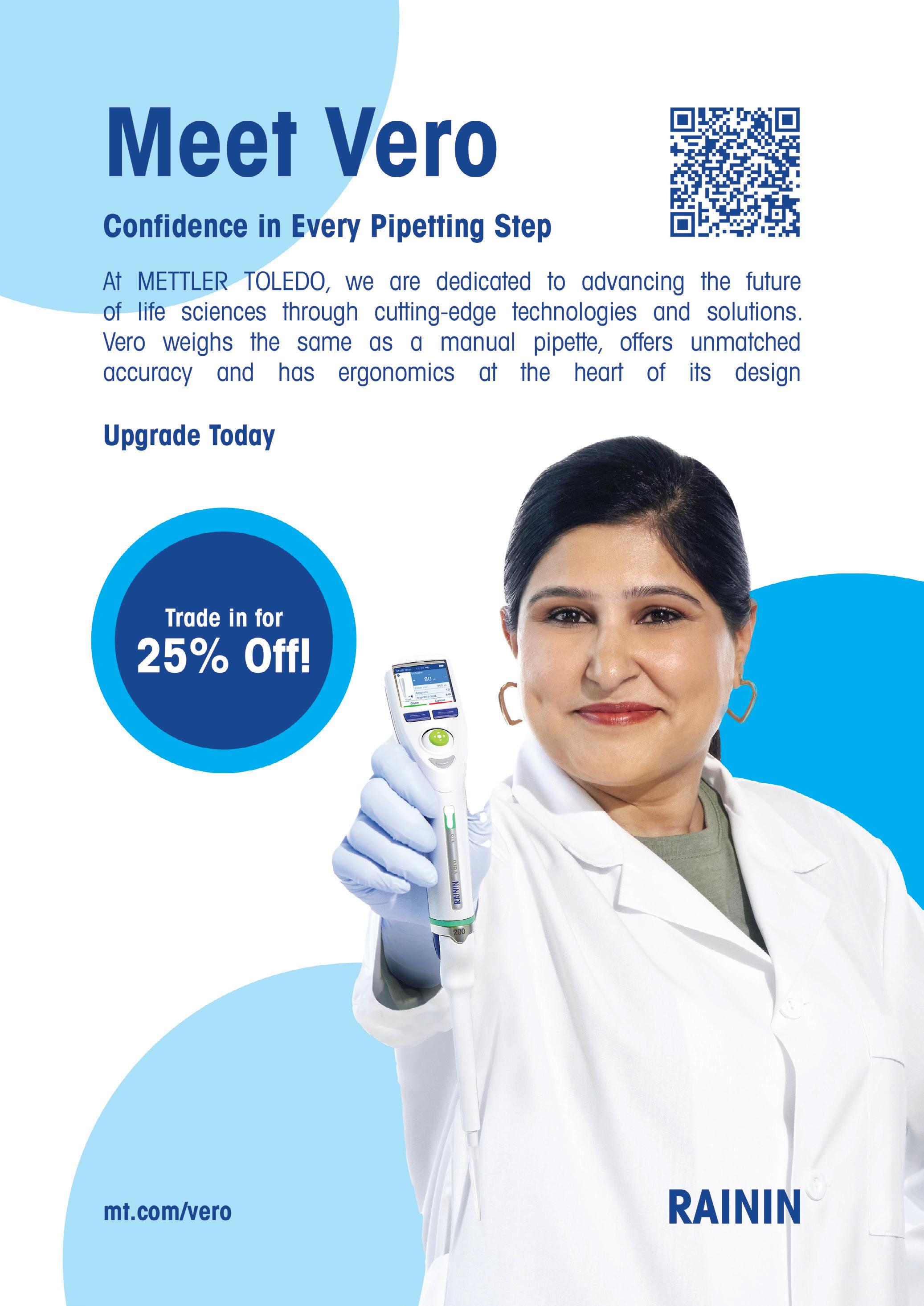
Introducing Rainin Vero: The Next Generation in Electronic Pipetting for Life Sciences
In the fast paced world of laboratory and life science research, precision, reliability, and comfort are paramount. With the recent launch of the Rainin Vero, Mettler-Toledo Rainin ANZ is setting a new standard for electronic pipetting.
Rainin: A Legacy of Innovation
The story of electronic pipetting innovation began in 1984 when Rainin introduced the world’s first electronic pipette. This groundbreaking tool helped establish the foundation for modern electronic pipetting and automated liquid handling, revolutionising laboratory workflows by delivering accuracy, reliability, and ergonomics consistently at scale.
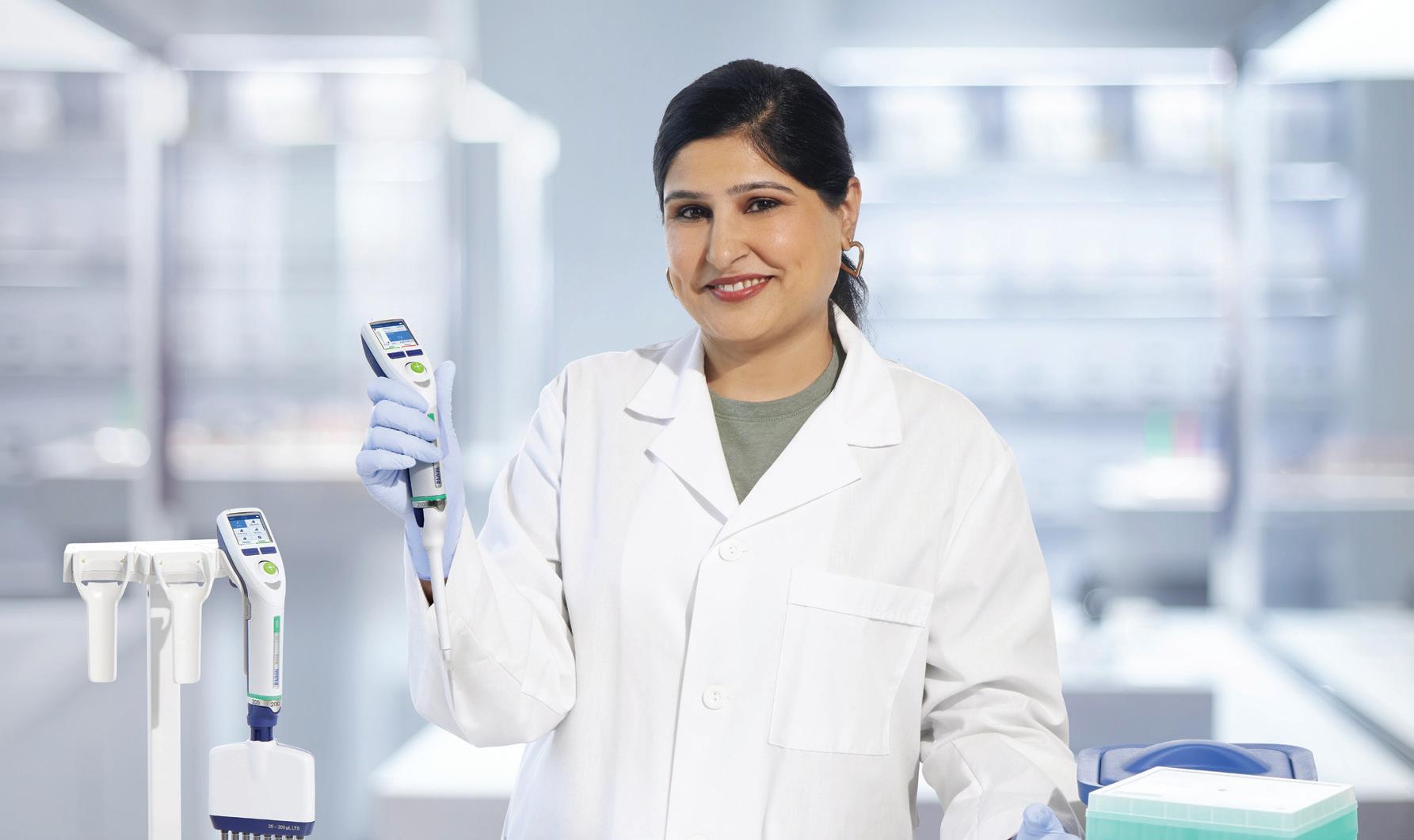
Time has passed since then and Rainin has consistently continued to break barriers and innovate the technology of tomorrow, which is where the next generation Vero pipette comes into play. Combining industry-leading accuracy and precision with an intuitive interface and ergonomic design, Vero represents a meaningful leap forward in pipetting technology, to give you confidence in every pipetting step.
Practicality Meets Accuracy
Electronic pipettes have long been championed as tools that improve reproducibility and reduce physical strain for laboratory users. However, many scientists have found that
existing electronic pipettes often fall short of expectations due to their slow responsiveness, excessive weight, and complicated interfaces. These issues can hamper workflow efficiency and cause discomfort during extended use, leading to frustration and even resistance to adopting electronic pipetting technology.
Rainin Vero was specifically designed to overcome these challenges by delivering a pipette experience that is both powerful and user-friendly. It ensures every sample is treated with the same high standard through programmable aspiration, dispensing, and mixing parameters backed by industry-leading accuracy and precision. Vero combines industry-leading accuracy and precision to ensure consistent results without mistakes — up to 3.2x lower systematic error specifications than other electronic pipettes. This level of control helps to minimize errors and variability, improving consistency across experiments and users. Because of these features, Vero has been tested and revealed to have the highest accuracy of any electronic pipette currently available on the market.
Fall in Love with Pipetting Again
Beyond accuracy, Vero dramatically enhances operational speed and ease of use. Its joystick driven, tile based interface allows
users to adjust volumes and settings within seconds, eliminating the need to scroll through cumbersome menus. This streamlined interaction translates to faster workflow and less downtime, essential factors when handling delicate or time sensitive samples.
Ergonomics have also been at the forefront of Rainin’s designs, and Vero is no exception to this; with comfort playing a central role in the electronic pipette’s design philosophy. Weighing only 150g, as little as a manual pipette, Vero has been designed for balanced and comfortable handling for all day pipetting. Vero supports low force thumb or index finger operation to reduce fatigue and strain during repetitive pipetting tasks. This attention to comfort not only benefits user wellbeing but also helps maintain precision and consistency throughout long work sessions.
Feel the Difference
For experienced electronic pipette users, Vero eliminates the common frustrations of cumbersome weight and poor usability that have become, unfortunately, the norm. For manual pipette users, it offers an attractive, straightforward alternative that enhances speed and simplicity without compromising performance. In this way, Vero bridges the gap between manual and electronic pipetting, making it a compelling choice for a broad spectrum of laboratory professionals.
If you’re interested in Rainin products including Vero contact us via email on info. mtaus@mt.com, or call us to chat about your lab’s goals via 1300 659 761.
Mettler-Toledo Ltd www.mt.com

Giant squid found hidden in submarine
canyons off Western Australia
Using eDNA, a team of Australian scientists have found hidden biodiversity off the WA coast, including the elusive Architeuthis dux and species possibly new to science.
On board the Schmidt Ocean Institute’s R/V Falkor, a Western Australian Museum-led expedition surveyed the deep Cape Range and Cloates submarine canyons, which are located around 1200 km north of Perth. Collecting more than 1000 samples from depths of up to 4510 m, the scientists — without needing to see or capture them — were able to document what species live in these deep habitats. This was achieved
using environmental DNA (eDNA) — genetic material naturally shed by animals into seawater.
Traces of the Architeuthis dux, or giant squid, were among the most striking finds, detected across six separate samples in both the Cape Range and Cloates Canyons. Typically growing 10–13 metres (or longer than a school bus), giant squid have the biggest eyes in the animal kingdom — up to 30 cm in diameter, or the size of a large pizza — and can weigh 150–275 kg. Also found were deep - diving whales such as the Kogia breviceps, or Pygmy sperm whale, and Ziphius cavirostris, or Cuvier’s beaked whale.
In all, 226 species across 11 major animal groups were detected, with rare deep-sea fish, cnidarians, echinoderms, squid and marine mammals among them. Dozens of the species detected, the scientists said, had never previously been recorded in Western Australian waters, including the Somniosus sp. or sleeper shark, Typhlonus nasus or faceless cusk eel and the Rhadinesthes decimus or slender snaggletooth.
Conducting the research as part of her PhD studies at Curtin University and now at the Minderoo OceanOmics Centre at The University of Western Australia, Dr Georgia Nester was lead author of the study, published open access (doi. org/10.1002/edn3.70261) in Environmental DNA
“Finding evidence of a giant squid really captures people’s imagination, but it’s just one part of a much bigger picture,” Nester said.
“We found a large number of species that don’t neatly match anything currently recorded, which doesn’t automatically mean they’re new

to science, but it strongly suggests there is a vast amount of deep-sea biodiversity we’re only just beginning to uncover,” Nester added.
“This is the first record of a giant squid detected off Western Australia’s coast using eDNA protocols and the northernmost record of A. dux in the eastern Indian Ocean,” said WA Museum Head of Aquatic Zoology and Curator of Molluscs Dr Lisa Kirkendale, who also noted that there were only two other records of giant squid from Western Australia, without a sighting or a specimen for more than 25 years. “The WA Museum contributed expert identification of specimens from the expedition, supporting the development of a local curated genetic reference that strengthened the eDNA analyses.”
Water samples from the surface to more than 4 km deep were collected by Nester, who combined eDNA analysis with genetic reference sequences from physical specimens collected by the remotely operated vehicle SuBastian . Identified by taxonomists, to aid further taxonomic research, the physical specimens are now permanently housed in the WA Museum’s Collection and Research Facility.
Isothermal titration calorimeter for measuring binding affinity and stoichiometry
Understanding binding affinity is central to interpreting the intermolecular interactions that drive biological processes, structural biology and structure–function relationships. It is also central to drug discovery, where accurate measurement of binding strength and specificity underpins the design of effective, targeted therapeutics.
The MicroCal PEAQ-ITC from Malvern Panalytical is engineered to be an essential tool for biological interaction analysis, delivering precise measurements of affinity and stoichiometry in a single, label-free experiment.
While many isothermal titration calorimetry (ITC) systems provide basic thermodynamic data, they often are limited by sensitivity, complex workflows and data uncertainty.
“By combining eDNA with conventional deep-sea survey techniques, we can build a far more complete picture of biodiversity, revealing species, ecosystems and ecological patterns that would otherwise remain hidden,” Nester said. “This kind of information is critical for marine park planning and management, because it gives us a much clearer picture of what species are present and how communities are structured across depth.”
On the potential of eDNA to transform how scientists explore and protect the deep ocean, senior author on the study Associate Professor Zoe Richards from Curtin’s School of Molecular and Life Sciences said: “Environmental DNA gives us a scalable, non-invasive way to build baseline knowledge of what lives there, which is essential for informed management and conservation.”
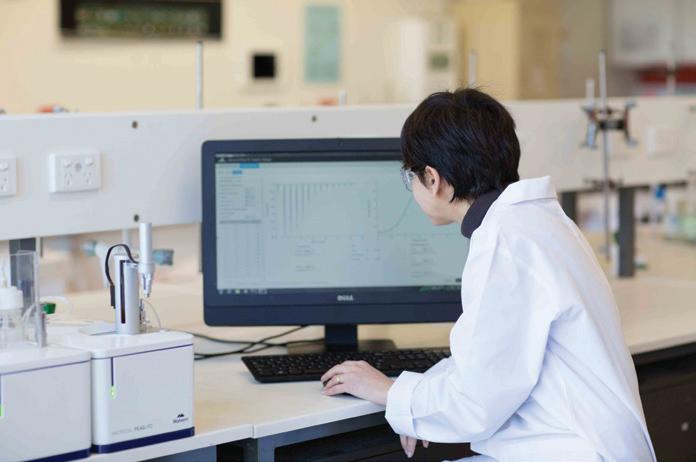
The PEAQ-ITC is designed to overcome these limitations through a combination of advanced hardware and intelligent software. Unmatched signal stability and lower noise compared to other systems are designed to enable accurate analysis of weak or complex interactions, even at low concentrations. Its enhanced sensitivity is designed to enable detection of interactions (eg, protein–protein, protein–small molecule and protein–nucleic acid) that many other systems simply cannot resolve.
Critically, common sources of error — such as inactive protein fractions or inaccurate ligand concentrations — can significantly distort binding data. PEAQ-ITC’s advanced analysis software is engineered to identify and correct these issues, allowing researchers to recover reliable thermodynamic parameters and improve confidence in structure–activity relationship (SAR) studies.
Ease of use is another defining feature. With PEAQ-Expert guidance tools, automated data quality assessment and rapid experiment-toresult workflows, users can generate high-quality data in under 30 minutes with low sample consumption and fully automated operation. By combining superior sensitivity and streamlined workflows, the MicroCal PEAQ-ITC is designed to deliver more accurate, reproducible data.
ATA Scientific Pty Ltd
www.atascientific.com.au
Dr Georgia Nester explains the survey
(Credit: Curtin University)
iStock.com/Alexyz3d. Stock image used is for illustrative purposes only.
Partnership eyes up gene-editing approaches to vision loss

Macquarie University’s Vision Science Group has announced a research partnership with biotechnology company CasBio Therapeutics focused on developing next-generation gene-editing therapies for glaucoma — one of the leading causes of irreversible blindness worldwide.
The partnership will build on ophthalmic research by Associate Professor Vivek Gupta, Professor Stuart Graham and colleagues at Macquarie into mechanisms that damage nerve cells connecting the retina to the brain, leading to irreversible blindness.
“We have identified several genes and proteins that play either a direct pathological role or are otherwise involved in glaucoma and other related diseases of the retina,” Gupta said. “This collaboration creates exciting new opportunities to take the findings from that research and use the expertise of CasBio Therapeutics to help translate them to retinal neuroprotection and regeneration.”
The retina also provides a unique opportunity to study neurodegeneration more generally, making it a critical model for investigating neuroprotection and disease-modifying treatments in other conditions including Alzheimer’s disease, Parkinson’s disease and multiple sclerosis, Gupta explained.
“We believe this collaboration is especially significant because it addresses the critical need for effective treatments for glaucoma and other neurodegenerative diseases that pose a substantial burden on global health,” Gupta said.
CasBio Therapeutics is an Australian subsidiary of a Singaporebased biotechnology company and specialises in developing novel and highly efficient CRISPR-Cas systems for gene therapy and next-generation diagnostics. CRISPR-Cas gene-editing technology is regarded as highly adaptable for clinical use as it facilitates seamless translation to potential therapeutic applications, Macquarie said.
The work of the partnership will initially focus on combining CasBio’s advanced CRISPR-Cas technology with targeted nanodelivery systems to enable precise delivery of gene-editing tools to retinal ganglion cells (RGCs), which are critically affected in glaucoma.
Researchers will evaluate targeted nanocarrier-based delivery of CRISPR-Cas gene-editing systems directly to RGCs in preclinical glaucoma models and assess their impact in terms of neuroprotection and disease modification to support RGC survival. Successful outcomes could pave the way for advanced gene-editing-based treatments for neurodegenerative diseases, Macquarie said.
Professor Ghasem Hosseini Salekdeh, CEO of CasBio Therapeutics and an Honorary Professor at Macquarie, said the collaboration reflects the importance of interdisciplinary partnerships in addressing complex health challenges.
“By bringing together expertise from academia and industry, this initiative provides a platform to explore how gene-editing technologies can be translated into approaches that may ultimately benefit patients,” Salekdeh said. “It is an important step towards connecting scientific discovery with real-world impact.”
Macquarie University www.mq.edu.au
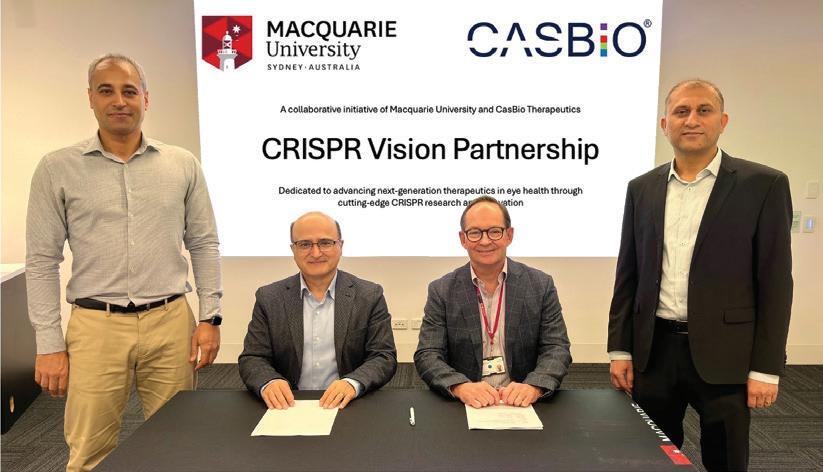
The CRISPR Vision partnership team at Macquarie University. L–R: Dr Shahab Mirshahvaladi (Research Fellow, Macquarie University and CasBio Therapeutics), Professor Ghasem Hosseini Salekdeh (CEO, CasBio Therapeutics), Professor Stuart Graham (Ophthalmology and Visual Science, Macquarie University) and Associate Professor Vivek Gupta (Vision Sciences Group, Macquarie University).
iStock.com/Lan Zhang
Macquarie University.

Can yawning advance the study of neurodegenerative diseases?
Australian neuroscientists using MRI scans to monitor the flow of cerebrospinal fluid during yawning believe their findings may assist neurodegenerative disease studies.
Scientists from UNSW Sydney and Neuroscience Research Australia (NeuRA) believe yawning may play a subtle but intriguing role in moving fluids in and out of the brain. Admitting that the idea is speculative, they said their work, which used real-time MRI scans, allowed them to see what happens inside the head and neck when
people yawn, and to compare it to the effect of normal and deep breathing. They believe the study opens up an interesting avenue for understanding the physiological functions of yawning.
With its results based on a small-scale group of 22 participants, the study was led by Professor Lynne Bilston from UNSW’s School of Biomedical Engineering and published in Respiratory Physiology & Neurobiology (doi. org/10.1016/j.resp.2026.104575). What it found was that yawning triggered a specific manoeuvre in
which cerebrospinal fluid (CSF) and venous blood moved out of the skull together, whereas during deep breathing cerebrospinal fluid flowed into the skull — a finding that surprised the researchers.
A clear liquid that surrounds the brain and spinal cord, filling the space around them like water around a floating object, CSF is important because it helps carry nutrients in and waste products out and also cushions and protects the brain and spinal cord from injury. “We observed that yawning is a body movement that can influence the flow of fluids around the brain,” Bilston said.
“There has been speculation that yawning can help clear waste from the brain, but so far there
neurobiology
has not been solid proof,” Bilston added. “Our research suggests that yawning can play a role in cleaning brain fluid, which would most likely happen close to bedtime.” The finding could prove important for studies into neurodegenerative diseases such as Alzheimer’s, Parkinson’s and dementia, the researchers believe — all of which have been potentially linked to the build-up of waste products in and around the brain that can be a result of impaired CSF flows.
In order to trigger so-called ‘contagious yawns’, volunteers were shown videos of people, and even animals, yawning. MRI scans were then taken at the level of their C3 vertebra, a crossroads in the upper neck where blood and CSF pass as they travel to and from the brain. Comparison
was then made between the scans of the subjects contagiously yawning with those simply taking a deep breath — as if pretending to yawn. Only where — via those contagious yawns — volunteers were really yawning did venous blood and CSF flow out of the skull together.
The team also said that the evidence suggests yawning is a way for the body to regulate the temperature in and around the brain. “In humans, the brain tissue can be up to one degree Celsius warmer than the rest of the body, and venous blood leaving the brain is typically about 0.2–0.3 degrees warmer than the arterial blood entering it,” said corresponding author of the paper Adam Martinac.
“So when someone yawns we can now see an increase in the cooler arterial blood flow into the
Advanced nanoparticle tracking analysis (NTA) platform
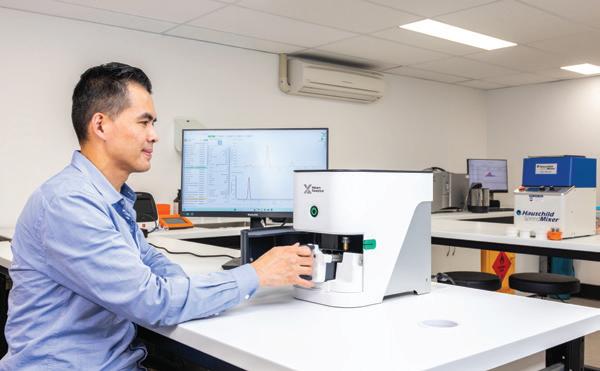
As nanoparticle-based drug delivery advances modern therapeutics, accurate characterisation has never been more critical. From liposomes to polymer nanoparticles, size and concentration directly influence targeting efficiency, circulation time and therapeutic performance. The Malvern Panalytical NanoSight Pro is engineered to address this challenge with an advanced nanoparticle tracking analysis (NTA) platform. NanoSight Pro is a widely adopted NTA solution in biomaterials research designed to deliver rapid and robust, highly repeatable results.
The NanoSight Pro visualises and tracks individual particles in real time, measuring size distribution — typically ranging from 10 to 1000 nm — and concentration simultaneously. This particle-by-particle approach is designed to enable users to quickly assess critical quality attributes with minimal sample preparation, making it suitable for complex drug delivery systems.
A key advantage is its ability to combine light scatter and fluorescence detection. This allows users to distinguish between nanoparticle populations — such as empty versus cargo-loaded liposomes — even when sizes are similar. This capability is vital for formulation optimisation and controlled delivery.
NanoSight Pro is designed to overcome common limitations of traditional NTA systems. Automated workflows are designed to reduce user bias and improve reproducibility, while intelligent analysis algorithms are designed to reduce variability and ensure consistent results. In addition, flow-based measurements are designed to overcome issues of low particle statistics and sampling bias seen in static systems, improving data robustness. Enhanced optics and detection sensitivity are designed to also minimise background noise and improve accuracy when analysing polydisperse or low-concentration samples.
With intuitive NS Xplorer software and real-time visualisation, the platform aims to ensure researchers can confidently analyse each particle as it is measured.
ATA Scientific Pty Ltd www.atascientific.com.au
skull, compensating for the coupled outflow of CSF and venous blood, and therefore we can surmise there may be a thermoregulatory process happening there,” Martinac said. “We could speculate that perhaps yawning is a way that the brain helps to cool itself down, but again we would need to do more research to state that with certainty.
“We do know that a hot brain is not a good thing because there is a risk of cell damage, seizures and cerebral swelling. And there is actually a very narrow band temperature-wise where the brain is steady and balanced — what is known as homeostasis,” Martinac added. “That’s likely the reason why there are so many mechanisms — such as blood flow, and sweating — that help regulate temperatures in the brain.”
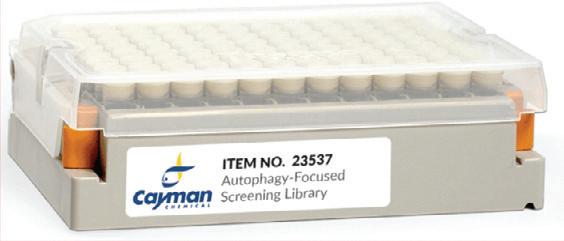
Autophagy-focused screening library (96-well)
The Cayman Chemical Autophagy-Focused Screening Library (96-Well) is for screening a variety of autophagy-associated compounds. The screening library consists of two plates and contains more than 150 autophagy-associated compounds in a 96-well Matrix tube rack format as 10 mM stock solutions in DMSO. The library includes a variety of inhibitors and inducers of autophagy, including but not limited to, mTOR, PI3K, LRRK2 and Aurora kinase inhibitors, HDAC inhibitors, protease inhibitors, calcium channel blockers, p53 and AMPK modulators, and Vps34 inhibitors.
The Cayman Chemical Autophagy-Focused Screening Library (96-Well) is distributed by Sapphire Bioscience in Australia and New Zealand.
Sapphire Bioscience www.sapphirebioscience.com
Are lab gloves leading scientists to overestimate microplastics?
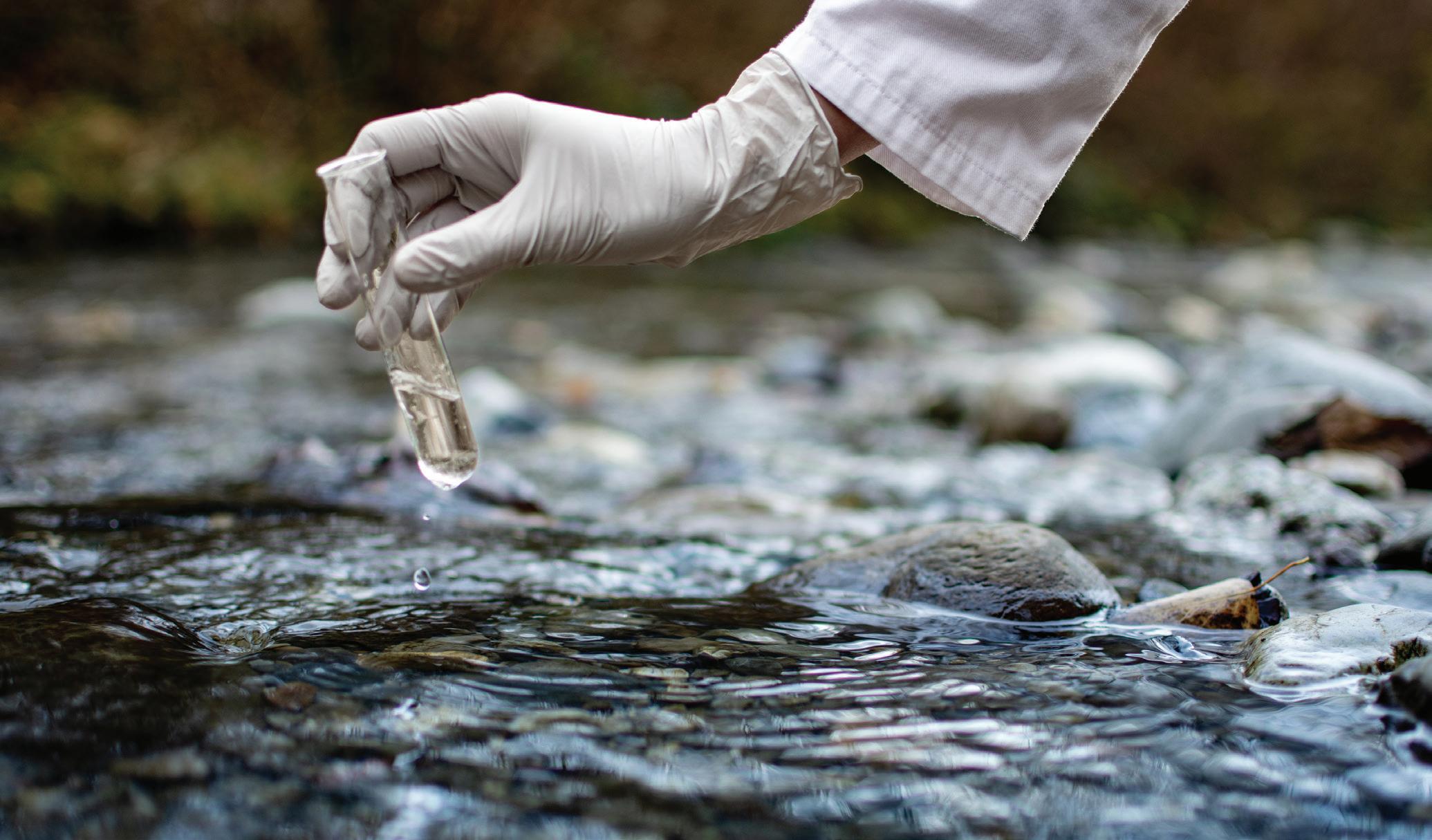
Gloves may unintentionally contaminate lab equipment scientists use to measure microplastics in air, water and other samples with non-plastic particles called stearates, researchers Madeline Clough and Anne McNeil from the University of Michigan have suggested — recommending that cleanroom gloves, which release fewer particulates, should be worn instead.
Manufacturers coat disposable gloves with stearates — which are salts, or soap-like particles — to make them easier to peel from the moulds used to form them. But stearates are also chemically similar to some microplastics, according to the researchers, and can lead to false positives when researchers are looking for microplastic pollution.
Clough led the research, published open access (doi.org/10.1039/D5AY01801C) in Analytical Methods, which began while working on another project. On that other project, while Clough prepared the substrates wearing nitrile gloves — as is recommended by the guidance of literature in the microplastics field — she examined the substrates to estimate how many microplastics she captured, and the results were many thousands of times greater than what she expected to find.
“It led to a wild goose chase of trying to figure out where this contamination could possibly have come from, because we just knew
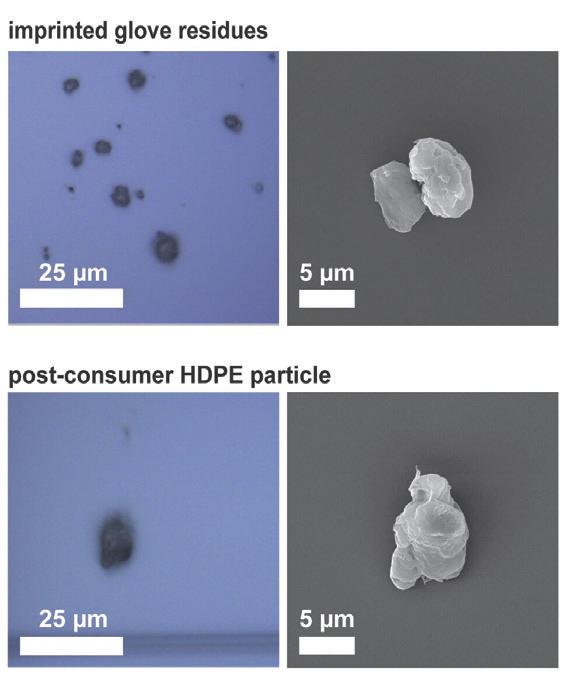
this number was far too high to be correct,” Clough said. “Throughout the process of figuring it out — was it a plastic squirt bottle, was it particles in the atmosphere of the lab where I was preparing the substrates — we finally traced it down to gloves.”
To determine how widespread the problem is, the researchers designed an experiment that tested seven different kinds of gloves. These included nitrile, latex and cleanroom gloves, as well as the most common techniques that microplastic researchers are using to identify microplastics. Mimicking the type of contact that would occur in a research environment between a researcher’s gloved hand and a point of contact, this included
Left: Residue from nitrile or latex gloves may unintentionally contaminate lab equipment scientists use to measure microplastics in air, water and other samples with non-plastic particles called stearates. Stearates, a kind of salt, are chemically similar at the structural level to microplastics. They also look similar visually.
a filter or a microscope slide — any piece of technology that a researcher might use over the course of investigating microplastics.
What they found was that, on average, the gloves imparted about 2000 false positives per millimetre squared area. “The type of contact we tried to mimic touches upon all varieties of microplastics research,” Clough said. “If you are contacting a sample with a gloved hand, you’re likely imparting these stearates that could overestimate your results.” Cleanroom gloves were found to impart the fewest particles, likely because cleanroom gloves are manufactured without the stearate coating, allowing them to be used in ‘ultrapure’ applications.
The study, the researchers said, highlights the importance of chemistry researchers in the field of microplastics, who might be able to recognise the difference in chemical structure of plastics versus other contaminants. “This field is very challenging to work in because there’s plastic everywhere,” McNeil said. “But that’s why we need chemists and people who understand chemical structure to be working in this field.”
Madeline Clough / University of Michigan.
Nitrile and latex gloves worn by scientists measuring microplastics may lead to a potential overestimation of the tiny pollutants, a US study published in March suggests.
Cancer research and clinical trials at the core of new centre
The ACRF (Australian Cancer Research Foundation) Centre for Dynamic Immuno-Oncology (CDIO) has been launched by Monash University and The Alfred. Headquartered at The Alfred’s Paula Fox Melanoma and Cancer Centre, it is co-located with Monash University’s Alfred campus (part of Monash University’s new Department of Cancer Medicine).
The CDIO is intended to advance cancer research and clinical trials in Melbourne’s south-east and regional Victoria — conducting real-time monitoring of a patient’s response to immunotherapy to improve detection of early anti-tumour benefits and side-effects.
“The CDIO will bring together the most cutting-edge technology and the leading experts in cancer immunology to accelerate the discoveries we need to further the effectiveness of immunotherapies,” said Monash’s Vice-Chancellor and President, Professor Sharon Pickering.
“As part of Monash’s new Department of Cancer Medicine, the CDIO will be at the heart of a leading integrated ecosystem of hospital and community partners, researchers, clinicians, data
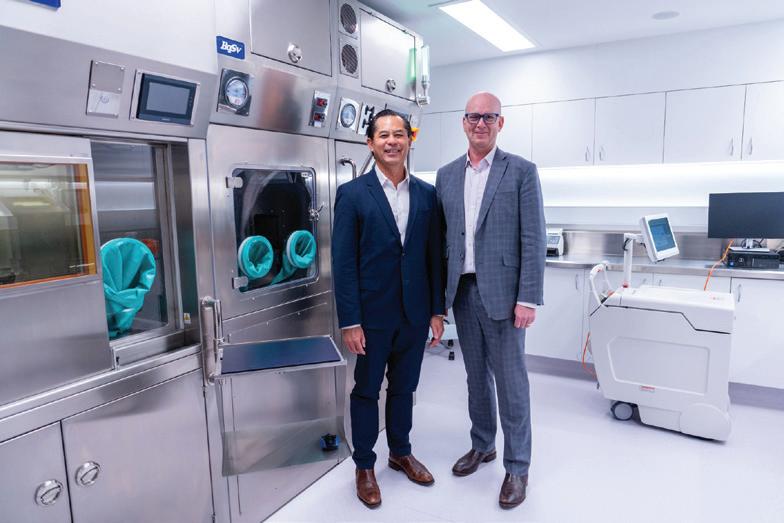
scientists and clinical trials capacity, working across all stages of cancer research, translation, diagnostics and treatment.”
Funded by the ACRF and the National Imaging Facility, the research seeks to leverage cutting-edge equipment already in place at The Alfred, equipment that includes the new $24 million Quadra PET/CT scanner — one of the most advanced scanners of its kind in the world.
Enabling earlier detection of very small cancers, faster and safer scans, and real-time assessment of treatment progress, the total-body scanner promises earlier diagnosis, and safer and more tailored treatments for patients, as well as enhanced research and clinical trials capacity, Monash University said.
“Immunotherapy is one of the most significant innovations in cancer treatment — ever,” ACRF CEO Kerry Strydom said. “Tapping into the power of advanced immune-monitoring technologies, the CDIO will track immune responses in patients, improving the safety and effectiveness of current and future immune-based cancer treatments.”
Monash University www.monash.edu
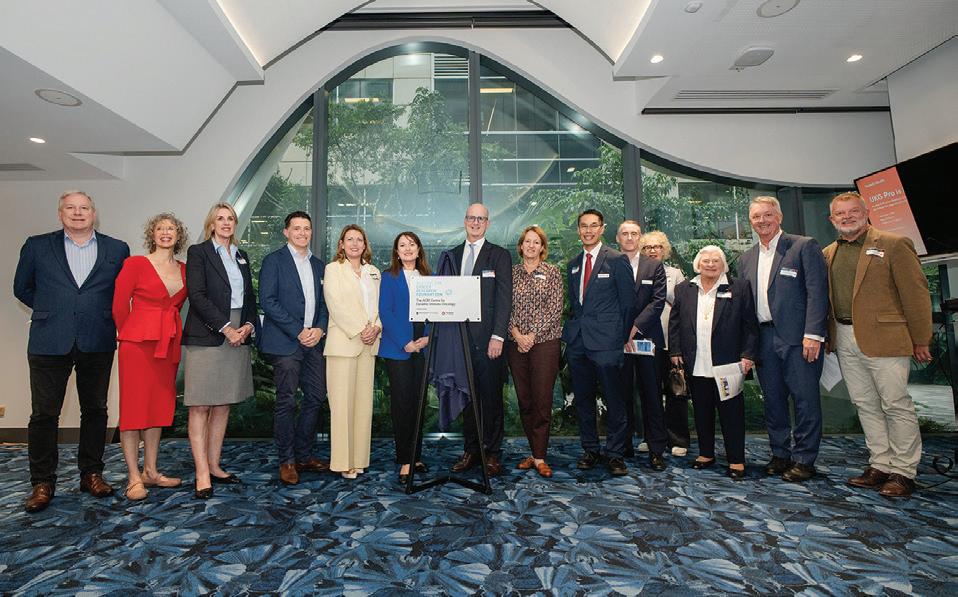
iStock.com/fatido. Stock image used is for illustrative purposes only.
Professor Meng Law (Program Director, Radiology and Nuclear Medicine, Alfred Health) and Professor Mark Shackleton (Head of the new Monash Department of Cancer Medicine, Translational Medicine and Public Health; and Director of Oncology at The Alfred). Monash University.
Monash University.
Australian Cancer Research Foundation Centre for Dynamic Immuno-Oncology & Department of Cancer Medicine launch.
Potential biological targets for vascular dementia
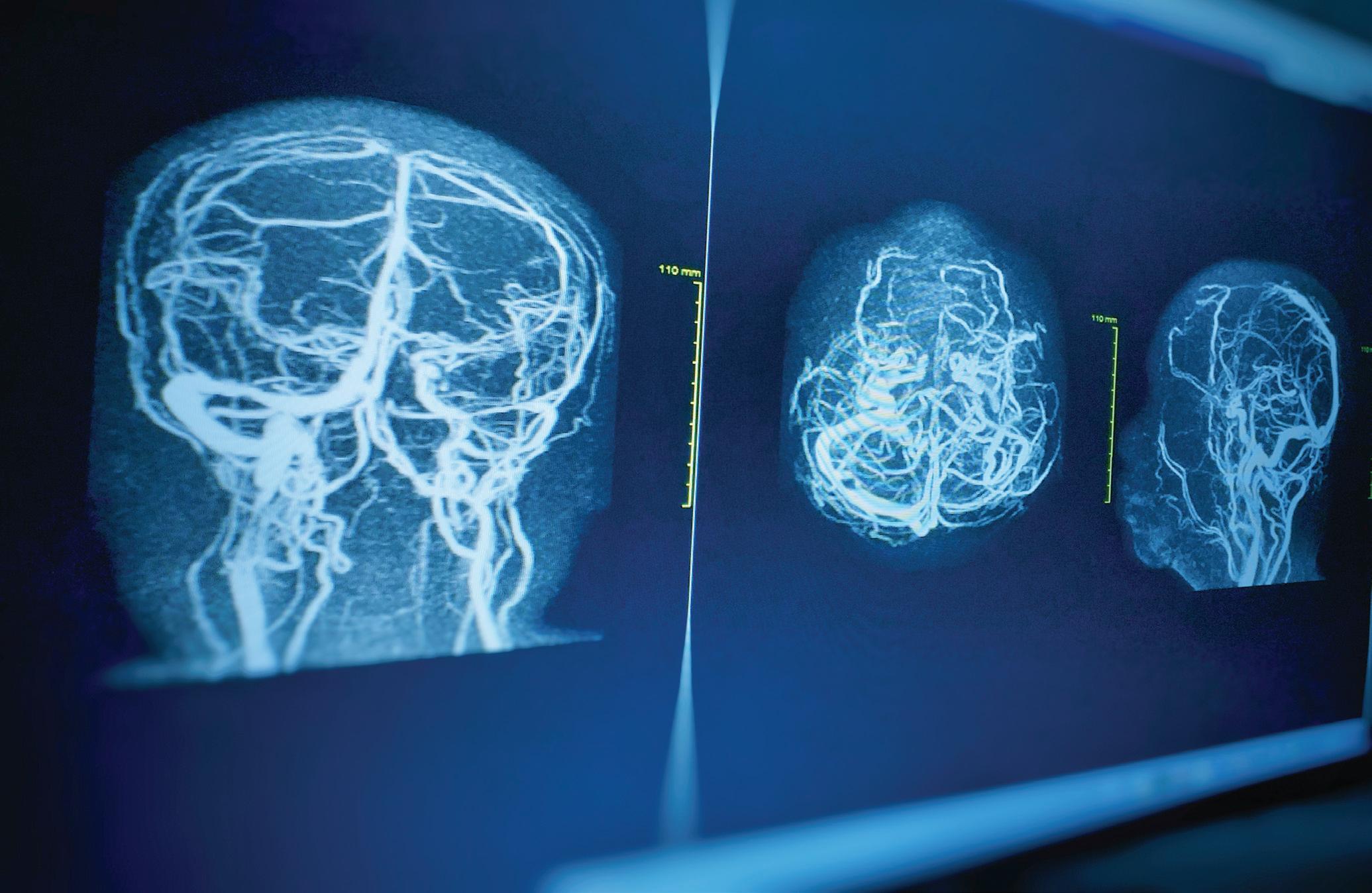
Caused by damage to blood vessels in the brain, there is currently no approved treatment for vascular dementia. Could genetics-led approaches offer pathways to future therapies?
Potential biological targets that could help guide future research into treatments for vascular dementia have been identified in a study by UNSW Sydney’s Centre for Healthy Brain Ageing (CHeBA) that was funded by the Dementia Australia Research Foundation (DARF) Royce Simmons Project Grant and published open access (doi.org/10.1002/trc2.70258) in a journal of the Alzheimer’s Association, Alzheimer’s & Dementia: Translational Research & Clinical Interventions.
Vascular dementia is the second most common form of dementia worldwide, accounting for around 15–20% of all cases, and is caused by damage to blood vessels in the brain. Despite its prevalence and impact, currently, the condition has no approved treatments in Australia.
“Vascular dementia is a major and growing public health problem. It affects memory, thinking and function, yet we have no effective treatments to stop or slow its progression. Our study provides an initial step by identifying biologically plausible targets that could inform future research into therapies,” said lead author of the study Dr Matthew Lennon.
Genetic approach Mendelian randomisation was used in the study to analyse more than
12,000 potentially ‘druggable’ genes. Along with the proteins they produce, these genes could be targeted by medications. The team identified genes that may play a causal role in vascular dementia by examining large-scale genetic datasets from hundreds of thousands of individuals.
Four such genes were identified and linked to vascular dementia risk in the study. These were APOE and TOMM40 — well-established genes already known to play roles in brain health and dementia — and ERAP and SAA1-4 — linked to inflammation and immune processes, these are newer, emerging targets.
APOE and TOMM40 were the two strongest signals and associated with brain imaging markers of small vessel disease, a major contributor to both vascular dementia and Alzheimer’s disease. The researchers said this strengthens the evidence that these genes are involved in underlying disease processes.
As to the importance of this study, the researchers said that vascular dementia research has lagged behind research into diseases like Alzheimer’s disease, where several treatments exist and many more are in development — something that has left patients with limited options.
“Managing risk factors like blood pressure and cholesterol helps, but it’s not enough,” Lennon
said. “Even under ideal conditions, prevention strategies may only reduce dementia risk by less than half. We urgently need new avenues for research into targeted treatments.”
It is believed that this gene identification may help inform future research aimed at drug development targeting pathways relevant to vascular dementia; exploration of whether existing medications acting on these genes could be repurposed; and advancing understanding of how vascular and Alzheimer’s disease processes overlap.
Yet, many potential drug targets do not ultimately lead to successful therapies, the researchers emphasised, and translating genetic findings into safe and effective treatments is a complex and lengthy process.
“At a time when vascular dementia remains a major unmet medical need, this study highlights the potential of genetics-led research to uncover new treatment pathways and bring hope for future therapies,” CHeBA Co-director Professor Perminder Sachdev said.
Laboratory studies, additional genetic analyses and clinical trials are among the further work that is needed, the researchers acknowledge, yet they also believe that the study constitutes an important lead for future drug development. “This is an important first step,” Lennon said. “By identifying potential targets, we can begin to better understand where future research and drug development efforts might be directed.”
Multiple myeloma treatment reprograms patients’ own immune cells
A funding agreement between the Australian Government, Victorian Government and Janssen-Cilag Pty Ltd (Johnson & Johnson) has allowed eligible Australians with multiple myeloma to gain access to a tailor-made treatment that uses patients’ own immune cells to fight the blood cancer.
Now, those who have exhausted other available treatments and meet certain criteria will be able to receive CARVYKTI (ciltacabtagene autoleucel) cell therapy, the CARVYKTI treatment that has begun at The Alfred and the Peter MacCallum Cancer Centre in Victoria — with access to the therapy to be expanded to other parts of the country once required arrangements are in place.
CARVYKTI is a personalised form of immunotherapy. It takes a patient’s own immune cells (T cells), re-engineers them in a laboratory and reinfuses them back into the patient so the reprogrammed cells are primed to recognise and kill cancer cells.
Johnson & Johnson points to research (doi.org/10.1111/imj.16277) that has shown half of all myeloma patients whose condition has progressed after four or more lines of currently available therapy will not survive beyond six months. According to Johnson & Johnson, this marks the first type of CAR (chimeric antigen receptor) T-cell therapy to be government-funded in Australia for people with multiple myeloma and will be provided at no cost to eligible patients.
“Australia has one of the highest death rates from multiple myeloma in the world. This new treatment could not have come soon enough,” said Professor Andrew Spencer, Head of the Malignant Haematology, Transplantation and Cellular Therapies Service at The Alfred in Melbourne who is involved in clinical trials of CARVYKTI.
“The future of cancer treatment is personalised and targeted,” Spencer added. “This treatment is tailor-made for each patient using their own cells. It is a living therapy made to fight one specific patient’s cancer and can’t be used by any other patient.”
Johnson & Johnson said that CARVYKTI works to fight myeloma through the reprogrammed cells (known as CAR T-cells) which are targeted to identify and attach to a protein (called B-cell maturation antigen [BCMA]) located on the outside of myeloma cells. They then send chemical messengers to destroy the cancer cell. Also involved
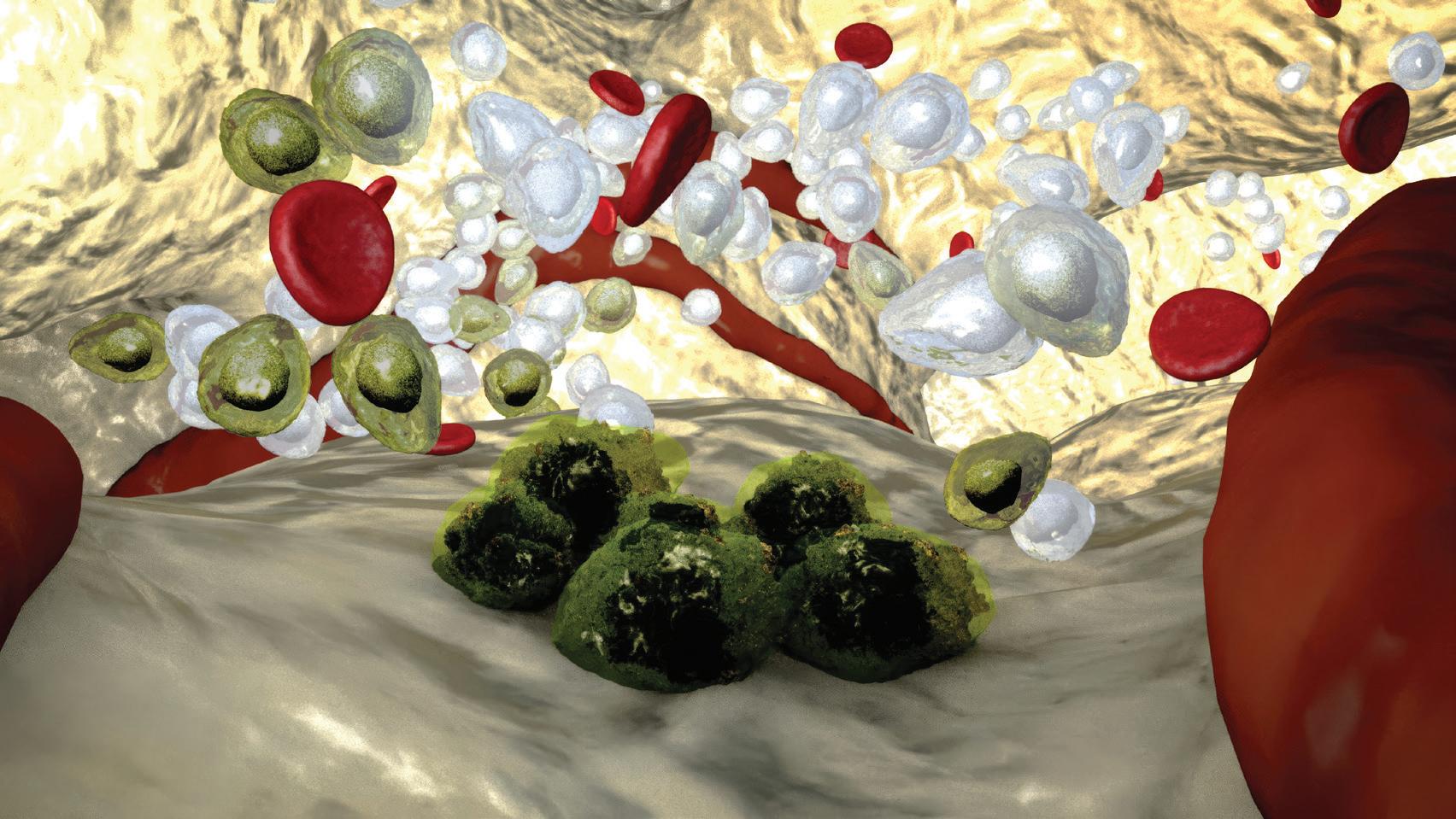
Janssen-Cilag.
Multiple myeloma affects plasma cells found in the bone marrow.
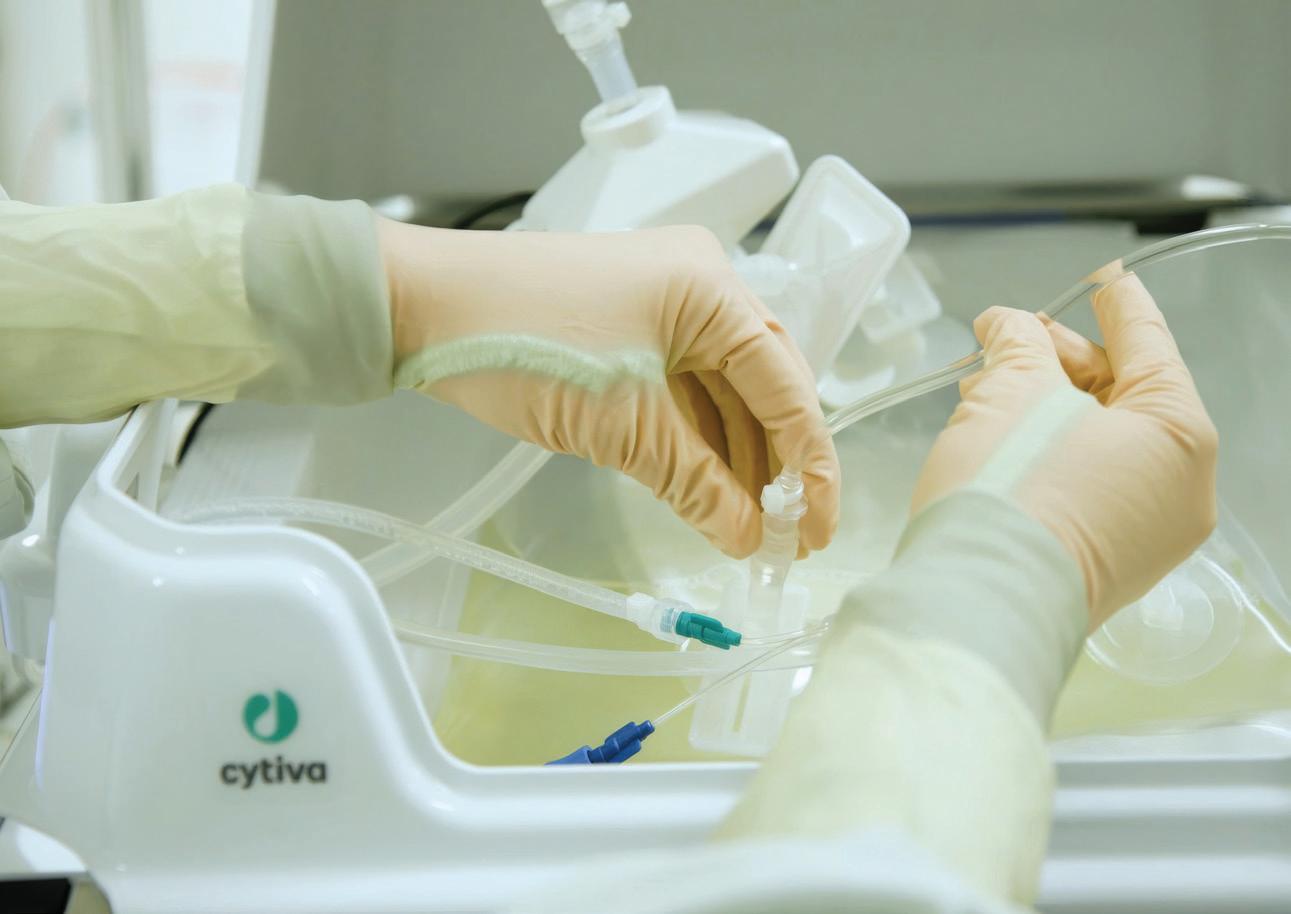
in clinical trials of CARVYKTI, and overseeing the collection of T-cells from the first patient enrolled for government-funded treatment, was Professor Simon Harrison — Director of the Centre of Excellence in Cellular Immunotherapy and Haematologist at the Peter MacCallum Cancer Centre in Melbourne.
As Harrison explained: “even though the treatment is administered only once, the cells multiply up to 10,000 times post infusion and continue to work long afterwards”. “Each CAR T-cell product contains billions of cancer-fighting cells, and each CAR T-cell can kill up to
is a living therapy made to fight one specific patient’s cancer.
1000 cancer cells. It’s incredible that medical science has brought us to this point,” Harrison added.
Spencer said that this year alone approximately 200 Australians with multiple myeloma will learn that their cancer has returned or worsened after receiving four or more lines of treatment. Some, but not all, of these patients will be eligible for one-time treatment with CARVYKTI.
Janssen-Cilag Pty Ltd www.janssen.com.au
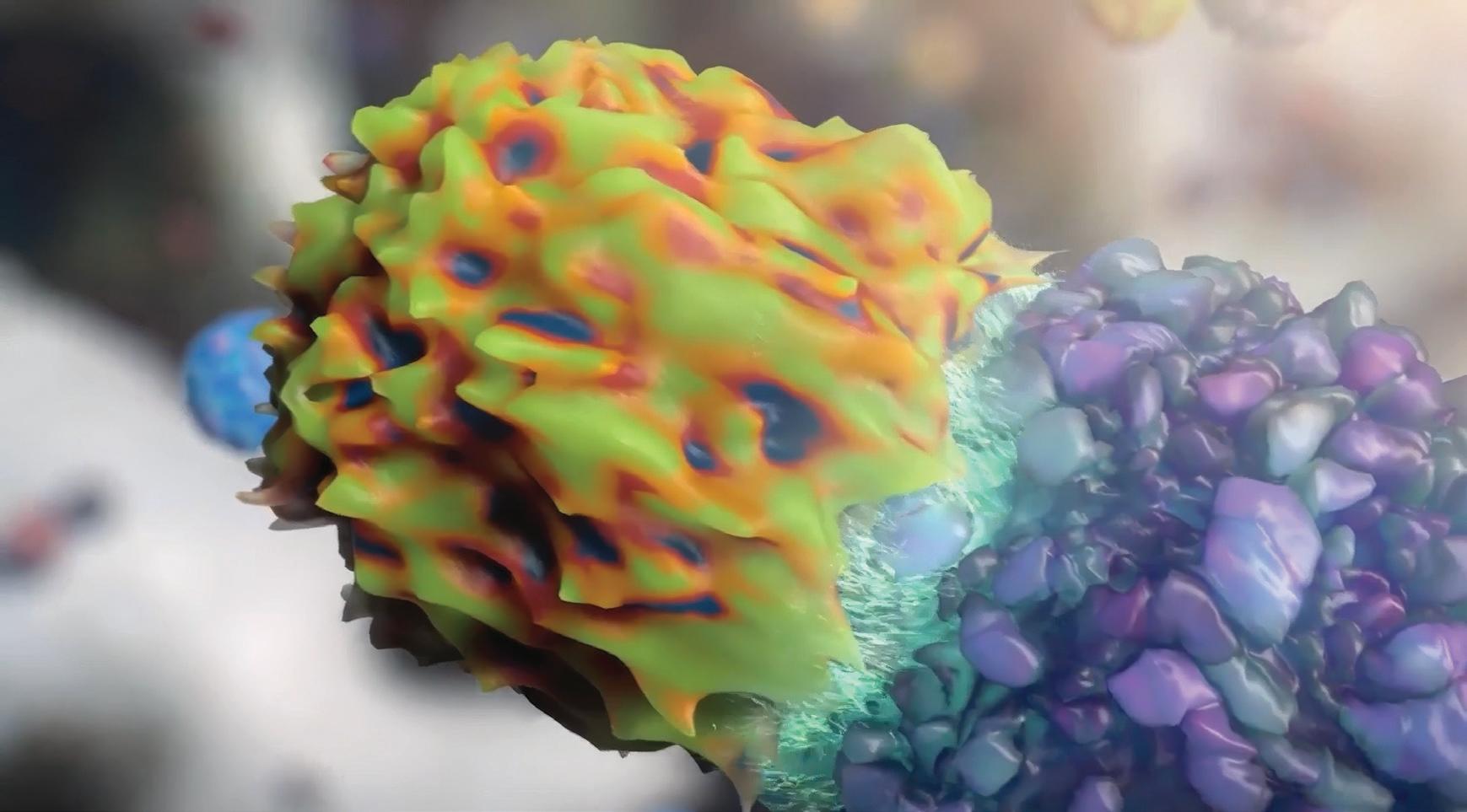
iStock.com/ Rapeepat Pornsipak
Janssen-Cilag.
Janssen-Cilag.
CAR-T cells are primed to recognise and kill cancer cells.
CARVYKTI

Accreditation Matters 2026
July 7–8, Melbourne
Accreditation Matters is billed as Australia’s biggest conference on standards, measurement, testing, accreditation and conformity assessment. Moving to Melbourne for the first time, the two-day conference will provide practical learning, shared expertise and strategic insight covering topics in technical knowledge and innovation, digital transformation and AI, and productivity, industry and regulation.
Presented by NATA, attendees will have the chance to join and network with 500+ likeminded professionals, including national and international subject matter experts, industry heavyweights, and regulatory and government representatives to discuss all things related to accreditation and conformity assessment. Registration also includes a ticket to the NATA Celebration Dinner. www.accreditationmatters.com.au
Mitochondrial Health Summit 2026
June 26, Sydney mitochondrialhealthsummit.com
2026 RACI National Congress
July 5–10, Perth www.racicongress.org.au
74th CSANZ Annual Scientific Meeting
August 6–9, Sydney www.csanzasm.com
National Science Week 2026 August 15–23, Australia-wide www.scienceweek.net.au
ASCIA 2026
September 1–4, Christchurch, New Zealand ascia2026.com
International Vascular Biology Meeting 2026
September 6–10, Adelaide ivbm2026.com
63rd AACB Annual Scientific Conference September 14–17, Melbourne aacb.eventsair.com/aacb-63rd-annual-scientificconference
Science at the Shine Dome 2026
September 15–17, Canberra www.science.org.au/news-and-events/events/ science-shine-dome/science-at-the-shinedome-2026
AIMS National Scientific Meeting 2026 September 16–18, Perth aimsnsm2026.com
ARPS 2026
September 20–24, Christchurch, New Zealand arpsconference.com.au
ComBio 2026
September 29–October 1, Sydney www.combio.org.au
AusBiotech International Conference 2026 October 20–23, Gold Coast ausbiotechic.com
ACS Conference 2026 October 25–28, Sydney cytometryconference.org.au
Tell the world about your event: email LLS@wfmedia.com.au
Westwick-Farrow Media
A.B.N. 22 152 305 336 www.wfmedia.com.au
Head Office
Unit 5, 6-8 Byfield Street, (Locked Bag 2226) North Ryde BC NSW 1670, AUSTRALIA Ph: +61 2 9168 2500
Editor Dr Joseph Brennan, PhD Interim Editor, Lab+Life Scientist LLS@wfmedia.com.au
Publishing Director/MD Janice Williams
Art Director/Production Manager Linda Klobusiak
Circulation Alex Dalland circulation@wfmedia.com.au
Copy Control Ashna Mehta copy@wfmedia.com.au
Advertising Sales
Sales Manager: Kerrie Robinson Ph:0400 886 311 krobinson@wfmedia.com.au
Tim Thompson Ph: 0421 623 958 tthompson@wfmedia.com.au
If you have any queries regarding our privacy policy please email privacy@wfmedia.com.au






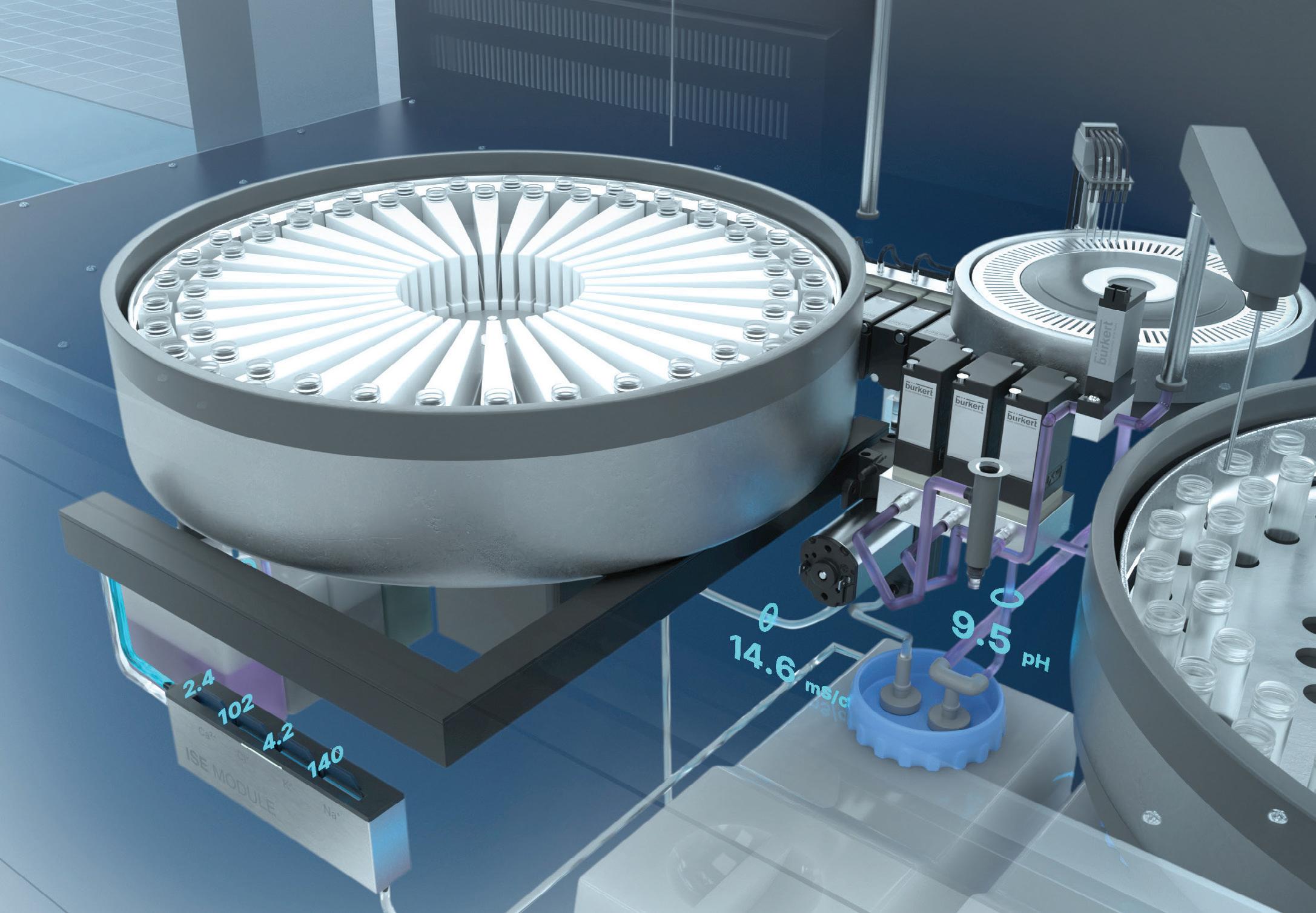
Tiny Sensors Massive Control
Boost precision, safety and throughput in your lab and medical devices with Burkert microsensors and fluidics expertise
In tomorrow’s laboratories and medical devices, every microlitre counts. Burkert microsensors give you the power to measure, control and document your critical parameters in real time, all in an ultra‑compact footprint that fits seamlessly into today’s smallest instruments.
Designed for use in laboratory automation, in‑vitro diagnostics, dialysis, life sciences and biotechnology, our microsensor platforms combine advanced MEMS technology with decades of fluidics know‑how to deliver measurable advantages in your device design.
Reliability you can count on burkert.com.au
We make ideas flow.