BOUN DARY
Balancingprioritiestocreateequitable, sustainableschoolcommunities

Balancingprioritiestocreateequitable, sustainableschoolcommunities
We reviewed past, present, and predicted futureenrollmenttrendsbyschool
We reviewed scatterplots of student residence locations for each school to understandenrollmentpatternsandwhere students are coming from across the district
We explored the concept of Tension Mappingandappliedittoourdata

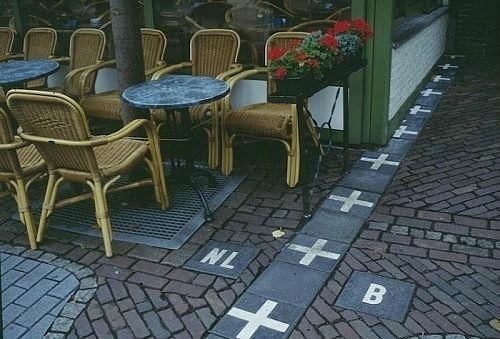
Physical Rules&Requirements
Operational
Social&Emotional

AttendanceZones
DistancetoSchools
NaturalBarriers(highways, railroads,major throughfares)
Transportationroutes
KeyIdea:Whatisphysicallypossible?
GEOGRAPHICBOUNDARIESAREPHYSICAL
BuildingSizeLimits
ClassSizeTargets
StaffingConstraints
ProgramAvailability(e.g., specialeducation,CTE)
KeyIdea:Whatcanwerealisticallyhold?
CAPACITYBOUNDARIESAREOPERATIONAL
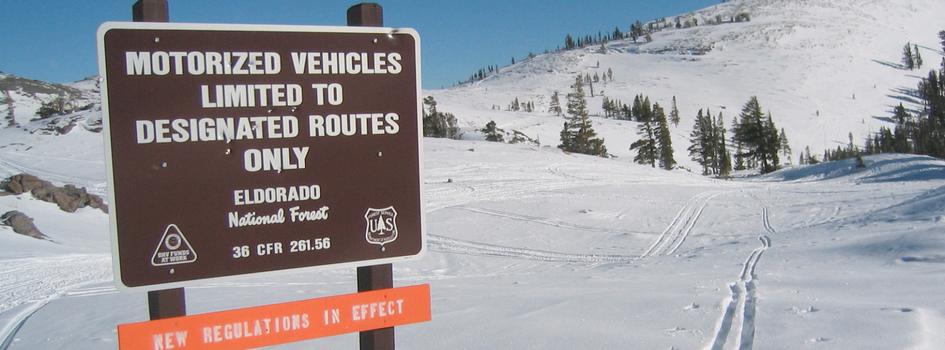
BoardPolicies
State/FederalRegulations
EquityRequirements
FeederPatterns
KeyIdea:Whatarewerequiredtohonor?
POLICYBOUNDARIESARERULESANDREQUIREMENTS
PerceptionsofQuality
Step1: Sort the provided scenario cards into one of the four boundary types. Identify scenarios that may fit more thanoneboundary. Which cards were the hardesttoplace--andwhy?
Step2: Identify 2-3 “conflicts”--pairs of cards that cannot be fully statisfiedatthesametime.
Forexample:
Card A: Keep neighborhoods intact
Card B: School is at 110% capacity
If we choose Card A, what aretheimplications? IfwechooseCardB,whatare theimplications?
Nametheconflict: Communityvs.Capacity
Usingthecardsyoualreadysorted:
Which of these are fully within our control and whicharenot?
Sort the cards into two columns--control and influence Insortingaskyourselfthefollowing:
Couldwechangethistomorrowifwechoseto?
Doweneedpermission,buy-in,orbehavior changefromothers?
Whathappensifweignorethis--doesitstill impactus?
Control refers to factors the district can directly decide, change, or implement without needing external approval. These are internal levers--such as drawing attendance boundaries, assigning programs, setting school usage, or designing transportation routes--where decisions can be made and executed by theorganization.
Influence refers to factors the district can shape or impact, but cannot directly determine. These depend on the actions, perceptions, or conditions of others--such as family school choice, community trust, housingpatterns,orbirthrates--wherethe district’sroleistoguide,communicate,and respondratherthancontroloutcomes.
Control is what we can decide and implement. Influence is what we can affect but not guarantee.
Step5: Lookatyourgroupings,what dowecontrolvs.influence? Whatdowedoaboutit?
Forexample: Birthratesdeclining--Influence---adapt system Boundarylines--control--redesign
Wherearewetryingtosolve somethingwedon’tactually control?
Which boundary type showed up mostinCONTROL?
Which boundary type showed up mostinINFLUENCE?
Which cards caused the most disagreement?
Geography
Capacity
Community Policy
Oneofthebiggestchallengesinleadershipiswhenwetreatinfluencelikecontrol-orignoreinfluencebecausewecan’tcontrolit.
Aswemoveforwardwewillneedtoanswer:
Wherearewespendingenergytryingtocontrolthingsweactuallyonlyinfluence? Wheredowehavecontrolbutaren’tusingit?
BringingItAllTogether
Boundariesareshapedby:
Geography--whatispossible Capacity--whatwecanhold Policy--whatwemusthonor Community--whatpeoplevalue
Everydecisioninvolves: Tradeoffs
Competingpriorities Imperfectoutcomes Ourroleistobalance,noteliminate.
Understandthesystem geography,enrollment,community
Identifytensions competingpriorities
Applyconstraints capacity,policy,transportation
Maketradeoffs noperfectsolution
Evaluateusingcriteria
This is not a linear process. We revisit steps as we learn, more information becomes available, and community input is gathered.
Thereisnoperfectmaptothework
Wecannotmaximizeallprioritiesatonce:
Proximitytoschool
Efficientuseofbuildings
Stableschoolcommunities
Equitableaccesstoprograms
EveryDecision
Solvesoneproblem
Createsanother Ourgoalisnotperfection--itisbalance.
EquityinBoundaryDesign
EquitydoesNOTmean: Everyoneistreatedthesame Everyschoollooksidentical
EveryDOESmean: Accesstohighqualityprograms Avoidingconcentrateddisadvantage Reducingbarriersforstudentsandfamilies Beingmindfulofwhoismostimpacted Whobenefitsandwhobearstheburdenofourdecisions?
Thesystemasks:
Areschoolsbalanced?
Areresourcesdistributedfairly?
Areopportunitiesequitableacrossthe district?
Isthissustainableovertime?
Thesystemisaboutfairnessatscale.
IndividualsExperienceDecisionsPersonally
Familiesask: Whyismychildbeingmoved? Whyisourneighborhoodsplit? Whyarewelosingaccesstothisschool?
Individualsexperience: Loss Disruption Indentityshifts
Trust(ordistrust) Theindividualisaboutlivedexperience.
Wemustbeawareof,andaddress,thistensiontosuccessfullycompleteourwork.
Controliswhatwecandecide: Boundaries Programs Transportation
Confusingthetwocreatesfrustration.
Influenceiswhatwemustadaptto: Choice Trust Demographics
UnderstandingConstraints
Someconstraintsarenon-negotiable:
Safety
Legalrequirements
Buildingcapacitylimits
Someconstraintsareflexible: Neighborhoodpreferences
Schoolidentityandtradition
Stabilityovertime
Theworkisdecidingwheremustweholdfirmandwherecanweadapt.
Notallboundarytypescarrythe sameweight,someboundaries limituswhileothersguideus.
Criteriaarenotjustachecklist--theyareafilter.Theyhelpus: Compareboundaryscenarios
Staygroundedinsharedvalues
Makedecisionstransparent
Reducebiasandopinion-drivenchoices
Withoutcriteria,decisionsfeelpersonal.Withcriteria,decisionsareanchoredinpriorities.
Boundarychangesshould: Addresscurrentchallenges
Anticipatefutureenrollment
Reducetheneedforconstantredrawing Ifweonlysolvefortoday,wecreatenewproblemstomorrow.
ExploringEquityandtheImpactofourwork
Nextmeeting: Strengths/WeaknessofCurrentBoundaries
Whatdoweneed/wantfromourcommunity?Designinginputopportunities