GrandRiverSolutions
TITLE IX ALTERNATIVE/ INFORMAL RESOLUTIONS
Kate Legee March 13, 2026

Title IX and EEO Coordinator
she/her/hers
With over 15 years in higher education, Kate has held roles at UMass Lowell and Temple University, where she also currently teaches HR and business management. She is ABD in Criminology and Justice Studies and holds graduate degrees in Human Resources Management and Counseling Psychology. Kate lives in woodsy New Hampshire with her spouse and their two feisty dogs. In her free time, she sews, bakes with sourdough starter ”Catherine Dough’Hara," and works her way through every cheese in existence. GrandRiverSolutions
MEET YOUR FACILITATOR
Kate Legee
Kate Legee is a member of the Coordinator & Director Services Team at Grand River Solutions.

ABOUT US
Vision
We exist to create safe and equitable work and educational environments.
Mission
To bring systemic change to how school districts and institutions of higher education address their Clery Act & Title IX obligations.
Core Values
• Responsive Partnership
• Innovation
• Accountability
• Transformation
• Integrity
AGENDA
Title IX Regulations, Definitions, Scope
Conducting the IR
Options & Considerations
Informal Resolution Requirements and Types
Reaching a Resolution
Impartiality
Avoiding Bias or Prejudgment
Documentation
Recordkeeping
Getting Started
Initial Steps & Considerations
Implementation
Strategies for Success
WHAT ARE YOU HOPING TO GET FROM THIS TRAINING?

Regulations, Definitions, Scope

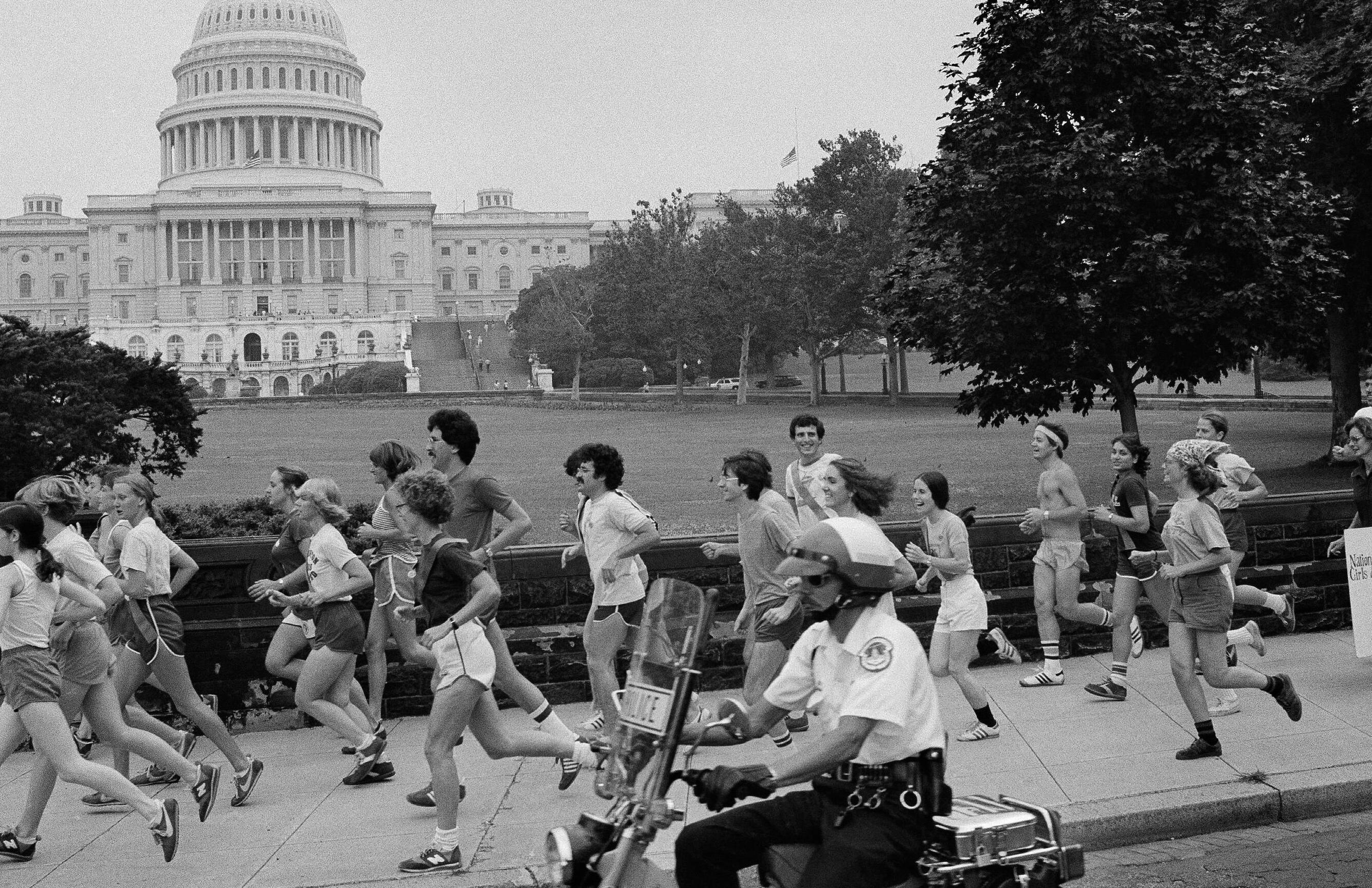
Title IX of the Education Amendments Act of 1972
”No person in the United States shall, on the basis of sex, be excluded from participation in, be denied the benefits of, or be subjected to discrimination under any education program or activity receiving Federal financial assistance.”
20 U.S.C. § 1681 (1972).
GrandRiverSolutions
EDUCATION PROGRAM OR ACTIVITY

For the purposes of this section, §§ 106.30, and 106.45, “education program or activity” includes locations, events, or circumstances over which the recipient exercised substantial control over both the respondent and the context in which the sexual harassment occurs, and also includes any building owned or controlled by a student organization that is officially recognized by a postsecondary institution.

TITLE IX APPLIES TO ALL FORMS OF SEX DISCRIMINATION
• Sexual Harassment
• Achievement Awards
• Athletics
• Benefits
• Financial Aid
• Leaves of absence and re-entry policies
• Opportunities to join groups
• Pay rates
• Recruitment
• Retention Rates
• Safety • Screening Exams
• Sign-on Bonuses
• Student and Employee Benefits
• Thesis Approvals • Vocational or College Counseling • Research opportunities
1972: Title IX is passed
THE HISTORY OF TITLE IX
A TIMELINE
1999: Davis v Monroe
1992: Franklin v Gwinnett
1979: Cannon v University of Chicago
1998: Gebser v Lago Vista
2001: Revised Sexual Harassment Guidance
2011: Dear Colleague Letter (“DCL”) 2014: Q&A
2016: DCL on Transgender Students
2018: DCL and Q&A
2017: 2017 DCL guidance & 2016 DCL on Transgender Students Rescinded
2020 Regulations Withdrawal of 2001 Guidance 2021/2022: Q&A
Regs Implemented Athletics Regs Withdrawn
Regs Vacated
2023 Proposed Athletics Regs Q&A
THE TITLE IX REGULATIONS
1 Narrows the definition of sexual harassment;
3 Narrows eligibility to file a complaint;
2 Narrows the scope of the institution's educational program or activity;
4 Develops procedural requirements for the investigation and adjudication of sexual harassment complaints, only.
Recipient
DEFINITIONS
The recipient of federal funds; the institution/school/ college
Complainant
Respondent
An individual who is alleged to be the victim of conduct that could constitute sexual harassment.
An individual who has been reported to be the perpetrator of conduct that could constitute sexual harassment.
SEXUAL HARASSMENT: SECTION 106.30
Sexual harassment means conduct on the basis of sex that satisfies one or more of the following:
• (1) An employee of the recipient conditioning the provision of an aid, benefit, or service of the recipient on an individual’s participation in unwelcome sexual conduct;
• (2) Unwelcome conduct determined by a reasonable person to be so severe, pervasive, and objectively offensive that it effectively denies a person equal access to the recipient’s education program or activity; or
• (3) “Sexual assault” as defined in 20 U.S.C. 1092(f)(6)(A)(v), “dating violence” as defined in 34 U.S.C. 12291(a)(10), “domestic violence” as defined in 34 U.S.C. 12291(a)(8), or “stalking” as defined in 34 U.S.C. 12291(a)(30). GrandRiverSolutions

COVERED GEOGRAPHY
Includes locations, events, or circumstances over which the recipient exercised substantial control over both the respondent and the context in which the sexual harassment occurs, and also includes any building owned or controlled by a student organization that is officially recognized by a postsecondary institution.


On campus or in a building owned or controlled
Off-campus incident that occurs as part of the institution's operations
Institution exercised substantial control over the respondent and the context of alleged sexual harassment that occurred off campus pursuant to § 106.44(a); or The incident of sexual harassment occurs at an off-campus building owned or controlled by a student organization officially recognized by a postsecondary institution
NOT COVERED GEOGRAPHY
x Off campus conduct, even if it has an impact on the educational program or activity;
x Conduct that occurs outside of the United States.
GrandRiverSolutions

COVERED INDIVIDUALS
ELIGIBILITY FOR TITLE IX’S PROTECTIONS:
“At the time of filing a formal complaint, a complainant must be participating in or attempting to participate in the education program or activity of the recipient with which the formal complaint is filed.” 34 C.F.R. § 106.30
• Applicant • Enrolled or Employed
• Accepted or Hired

Type of Conduct
• Hostile Environment
• Sexual Harassment
• Quid Pro Quo
• Sexual Assault
• Dating/Domestic Violence
• Stalking
Ed Program or Activity
• On campus
• Campus Program, Activity, or Building
• In the United States Required
• Complainant is participating or attempting to participate in the Ed Program or activity
• Institution has control over Respondent
CONDUCT FALLING OUTSIDE THE SCOPE OF TITLE IX
Apply other institutional policies and procedures
Ensure that those policies and procedures are complaint with VAWA/Clery, other intersecting federal and state laws
Off-Campus Sexual Assault Sexual Harassment Abroad Severe or Pervasive, only
Quid Pro Quo Between Students
ACTUAL NOTICE
A NARROWED SCOPE OF INSTITUTIONAL RESPONSIBILITY
Institution must respond when it has: ”Actual Knowledge…”
When “an official of the recipient who has authority to institute corrective measures” has notice, e.g., Title IX Coordinator
…of “sexual harassment that occurred within the school’s “education program or activity… “includes locations, events, or circumstances over which the recipient exercised substantial control” over the respondent and the context in which the sexual harassment occurred
• Fact specific inquiry focused on control, sponsorship, applicable rules, etc.
…against a “person in the United States”
So, not in the study abroad context GrandRiverSolutions
1. Receipt of Report

GrandRiverSolutions
2. Outreach/Response from Title IX Coordinator
3. Support Measures, whether or not Formal Complaint is filed
4. How to File
5. Options for Resolution
PROCEDURAL REQUIREMENTS FOR INVESTIGATIONS
Notice to both parties
Written notification of meetings, etc., and sufficient time to prepare
GrandRiverSolutions
Equal Opportunity to Present Evidence Advisor of choice
Opportunity to review all directly related evidence, and 10 days to submit a written response to the evidence prior to completion of the report
Report summarizing relevant evidence and 10-day review of report prior to hearing
PROCEDURAL REQUIREMENTS FOR HEARINGS
Must be live, but can be conducted remotely
Cannot compel participation of parties or witnesses
Standard of proof used may be preponderance of the evidence or clear and convincing; standard must be the same for student and employee matters
Cross examination must be permitted and must be conducted by advisor of choice or provided by the institution
Decision maker determines relevancy of questions and evidence offered
Written decision must be issued that includes finding and sanction
GROUNDS FOR APPEAL
(A) Procedural irregularity that affected the outcome of the matter;
(B) New evidence that was not reasonably available at the time the determination regarding responsibility or dismissal was made, that could affect the outcome of the matter; and/or
(C) The Title IX Coordinator, investigator(s), or decision-maker(s) had a conflict of interest or bias for or against complainants or respondents generally or the individual complainant or respondent that affected the outcome of the matter.

OTHER REQUIREMENTS OF THE REGULATIONS
Designation of a Title
IX Coordinator
Dissemination of policy
Separation of Responsibilities
Training and posting of training
Impartiality
Record Keeping
ALTERNATIVE RESOLUTION
Requirements and types
TRAINING REQUIREMENTS
Title IX coordinators, investigators, decision-makers, and “any person who facilitates an informal process” must receive training on:
• The definition of sexual harassment in the regulations
• The scope of the institution’s education program or activity
• How to conduct an investigation and grievance process
• How to serve impartially
• Any technology to be used at a live hearing
• Training materials must be made publicly available on website
• Training materials “must not rely on sex stereotypes” and must be maintained for seven years. GrandRiverSolutions
REPORT
• Notice to institution that prohibited conduct may have occurred
• Can be submitted by anyone
• Requires prompt outreach and response
GrandRiverSolutions
FORMAL COMPLAINT
• Notice to institution that the impacted party wants the school to take action on a report
• Can only be submitted by the party themselves or Title IX Coordinator
• Requires review under Title IX
GRIEVANCE PROCEDURES
Formal Complaint
Notice of Allegations
Informal resolution may be offered only after a formal complaint has been filed.
GrandRiverSolutions
Upon receipt of a formal complaint, the Title IX Coordinator or designee must issue a notice of allegations.
INFORMAL RESOLUTION
• Institutions have the option to offer an informal resolution; it is not required
• Institutions may decide on a case-by-case basis which matters are eligible for informal resolution; except
• Instances of alleged employee sexual harassment against a student are never eligible for informal resolution.

Informal resolution requires its own notice to the parties and must include:
• The allegations
• The requirements of the informal process
• Rights of parties to withdraw from the i nformal process at any time and return to the formal grievance process
• Any consequences of participation in i nformal process, including records that may be maintained or could be shared
GrandRiverSolutions
Informal Resolution (Pt 2)
• The parties must voluntarily agree in writing to the informal resolution process
• May not require participation in the process as a condition of employment or enrollment
• May be entered into at any time in the process, prior to reaching a determination regarding responsibility
• May be stopped at any time prior to determination regarding responsibility
GrandRiverSolutions
Informal Resolution (Pt 3)
HIGHLIGHTS FROM THE 2020 FINAL RULE
• Must identify persons designated to facilitate informal resolution processes.
• Informal resolution processes must be reasonably prompt.
• Options for informal resolution processes should be included with notice of allegations.
• Informal resolution processes must be voluntary and can only be offered if a formal complaint is filed.
• Must keep records regarding the facilitation of an informal resolution process.
• Facilitators must be trained.

Q&A ON THE TITLE IX REGULATIONS ON SEXUAL HARASSMENT
(JULY 20, 2021)
Question 58: May a school offer an informal resolution process, including restorative justice or mediation, as a way to resolve a sexual harassment complaint?
Answer 58: Yes. The 2020 amendments state that a school is not required to offer an informal resolution process but may facilitate an informal resolution process at any time prior to reaching a determination regarding responsibility, subject to certain conditions.192 A school is not permitted to offer or facilitate an informal resolution process to resolve allegations that an employee sexually harassed a student. The 2020 amendments explain that they leave the term “informal process” undefined to allow a school the discretion to adopt whatever process best serves the needs of its community.194 The amendments do not require that the parties interact directly with each other as part of an informal resolution process; mediations are often conducted with the parties in separate rooms and the mediator conversing with each party separately. The parties’ participation in mediation or restorative justice, if offered, should remain a decision for each individual party to make in a particular case, and neither party should be pressured to participate in the process. Schools may exercise discretion to make fact -specific determinations about whether to offer informal resolution in response to a complaint. The Department will not require the parties to attempt mediation in its enforcement of Title IX.
Question 59: If a school chooses to offer an informal resolution process, are there any requirements under Title IX?
Answer 59: Yes. If a school chooses to offer an informal process, the 2020 amendments require that the school obtains the complainant’s and the respondent’s voluntary, written consent before using any kind of “informal resolution” process, such as mediation or restorative justice. With the parties’ consent, schools have the freedom to allow the parties to choose an informal resolution mechanism that best suits their needs. If those needs change, however, the 2020 amendments also make clear that either party may withdraw from the informal resolution process and resume the formal grievance process at any time prior to agreeing to a resolution.
A school’s discretion to offer an informal resolution process is also limited by the school’s obligation to ensure that all persons who facilitate informal resolutions are free from conflicts of interest and bias and are trained to serve impartially without prejudging the facts at issue. For example, schools that choose to offer restorative justice as a means of an informal resolution should ensure that the restorative justice facilitators are well-trained in effective processes. A school may use trauma-informed techniques during the informal resolution process.

WHAT CAN INFORMAL RESOLUTION LOOK LIKE? GrandRiverSolutions
TYPES OF CONFLICT RESOLUTION
NO CONFLICT MANAGEMENT
Informal
DIALOGUE/DEBATE/DISCUSSION
CONFLICT COACHING
FACILITATED DIALOGUE
MEDIATION
RESTORATIVE PRACTICES
SHUTTLE DIPLOMACY
ADJUDICATION - INFORMAL
ADJUDICATION - FORMAL HEARING
Schrage, J.M. & Thomas, M.C (2008)
WHAT WORKS BEST?
Mediation
Shuttle Diplomacy
Restorative Practices
Informal Adjudication
MEDIATION
“Mediation is a process in which a neutral third party (mediator) helps the parties communicate with one another in an attempt to reach an agreement that is acceptable to everyone. Mediation is a forward-looking process in that it encourages the participants to focus on their current and future needs and interests rather than focusing on fault and blame for past actions. Mediation differs from a court proceeding in that the parties maintain control of their dispute. The decision-making power in mediation lies with the parties, not with the mediator.”
-Harris County TX Dispute Resolution Center
RESTORATIVE PRACTICES
Restorative practices focus on the respondent taking accountability and repairing harm they have caused.
Restorative practices are community based and provides space for all of the parties involved to come together to restore trust and build or rebuild community.
GrandRiverSolutions
SHUTTLE DIPLOMACY
Shuttle diplomacy is a form of mediation that does not require the parties to interact directly with each other. An agreement is negotiated by a facilitator or mediator working with one party at a time to reach an agreed upon resolution.
GrandRiverSolutions
INFORMAL ADJUDICATION
Informal adjudication is an administrative decision made in accordance with processes established by the institution. While the parties are largely responsible for suggestion outcomes and actions in other forms of informal resolution, in informal adjudication, the facilitator may lead by suggesting outcomes for the parties to consider.
IMPARTIALITY
GrandRiverSolutions
Avoiding bias, prejudgment, and conflicts of interest

GrandRiverSolutions
SECTION 106.45(b)(1)(iii)
The grievance process must require that any individual designated by the recipient as Title IX Coordinator, investigator, or facilitator of informal resolution not to have a conflict of interest or bias:
• For or against complaints or respondents generally, or
• An individualcomplainant orrespondent

SECTION 106.45(b)(1)(iii) CONT’D
“Title IX Coordinator, investigator, decision maker, or facilitator of informal resolution must receive training on…how to serve impartially, including avoiding prejudgment of the facts at issue, conflict of interest, and bias. This training material may not rely on sex stereotypes and must promote impartial investigations and adjudications of formal complaints of sexual harassment.”
IMPARTIALITY: AVOIDING PREJUDGMENT AND BIAS
Do not rely on cultural “rape myths”
Do not rely on cultural stereotypes about how men or women purportedly behave
Recognize that anyone, regardless of sex, gender, gender identity or sexual orientation, can be a victim or perpetrator of sexual assault or other violence
GrandRiverSolutions
Do not rely on genderspecific research data or theories to decide or make inferences of relevance or credibility in particular cases
Avoid any perception of bias in favor of or against complainants or respondents generally
Employ interview and investigation approaches that demonstrate a commitment to impartiality
IMPARTIALITY
Avoiding Bias
• Department also rejected commenters’ arguments that individuals should be disqualified from serving as investigators because of past personal or professional experience
• “Department encourages [schools] to apply an objective (whether a reasonable person would believe bias exists), common sense approach to evaluating whether a particular person serving in a Title IX role is biased” WHILE
• “exercising caution not to apply generalizations that might unreasonably conclude that bias exists (for example, assuming that all self-professed feminists, or self-described survivors, are biased against men, or that a male is incapable of being sensitive to women, or that prior work as a victim advocate, or as a defense attorney, renders the person biased for or against complainants or respondents” GrandRiverSolutions
IMPARTIALITY
Avoiding Conflicts of Interest
• Commenters argued that investigators and hearing officers employed by schools have an “inherent conflict of interest” because of their affiliation with the school, so Department should require investigations and hearings to be conducted by external contractors
• Department noted that some of those commenters argued that this resulted in bias against complainants, and some argued that this resulted in bias against respondents
• Department’s response: Department’s authority is over schools, not
i ndividual investigators and other personnel, so Department will focus on holding school’s responsible for impartial end result of process, without labeling certain administrative relationships as per se involving conflicts of interest
GETTING STARTED
Initial
Steps & Considerations
INITIAL STEPS
• Discussion of Goals
• Draft Process
• Managing Staffing & Training
• Develop Templates
• Recordkeeping
• Assessment and Evaluation


GOALS GrandRiverSolutions
GOALS FOR INFORMATION RESOLUTION PROCESSES

Neutral/Impartial Process
Trauma Informed Meets the Needs of the Parties Clear and Transparent
Empowerment of Parties Resolution Focused
REMINDERS ABOUT INFORMAL RESOLUTIONS
• As a best practice, any information shared or gained during the informal resolution process should not be used against either party should the matter return to the formal process.
• Informal resolutions typically do not result in a formal finding of violation.
• Any agreed upon outcomes are typically not considered sanctions.
• The Title IX Coordinator is responsible for determining when an informal resolution is appropriate.
• An agreement between the parties ends the matter.
• Informal resolution agreements are not able to be appealed.
GrandRiverSolutions

DRAFTING PROCESS
• Process should be clear and transparent
• Provides for appropriate due process under the regulations
• Provides flexibility to choose the method of resolution that best suits the parties and the situation at hand
• Complements existing formal grievance process
• Includes details about record keeping and confidentiality

POLICY STATEMENT EXAMPLES
The Department of Education provides a number of example policy statements on Page 53 and 54 of its July 20, 2021 Q&A on the Title IX Regulations on Sexual Harassment: Part 1: Questions and Answers Regarding the Department’s Title IX Regulations
STAFFING CONSIDERATIONS
• Informal Resolution facilitators need to be trained
• In some states, mediators need to be trained but do not need to be certified.
• In others, mediators need to be certified.
• Facilitators cannot be the i nvestigator or decision maker
• Confidentiality is key
• Internal vs. External
GrandRiverSolutions


GrandRiverSolutions
CONSIDERING OUTCOMES
TEMPLATES

GrandRiverSolutions
• Informal Resolution specific templates should include:
• Notice of Informal Resolution
• Informal Resolution Agreement
• Formal Resolution process templates should also be include information on Informal Resolution options, including:
• Notice of Allegations
• Notice of Investigation
• Notice of Hearing
ASSESSMENT
Consider assessing:
• Number of cases that enter IR process
• Number of cases that exit IR process
• Kinds of agreed upon outcomes
• Type of process used (mediation, shuttle negotiation, etc.)
• Overall party satisfaction with resolution process
• Compliance with resolution agreements

CONDUCTING THE INFORMAL RESOLUTION
Initial Steps & Requirements
Formal Complaint
PROCESS STEPS
Notice of Allegations
Request for Informal Resolution Evaluation of Request
Notice of Informal Resolution
EVALUATING IR REQUESTS
Is an Informal Resolution permitted?
• Reminder: If the respondent is an employee and the complainant is a student, IR is not permitted by the Final Rule
Is an Informal Resolution appropriate?
• Considerations:
• The emotional state of the parties
• Do the parties hold equal power?
• Are both parties willing to engage meaningfully in the process?

PROCESS PARTICIPANTSGrandRiverSolutions

THE PARTICIPANTS: THE PARTIES
Complainant
An individual who is alleged to be the victim of conduct that could constitute sexual harassment.
GrandRiverSolutions
Respondent
An individual who has been reported to be the perpetrator of conduct that could constitute sexual harassment.
THE PARTICIPANTS: ADVISORS
• Can be anyone, including a lawyer, a parent, a friend, and a witness
• No particular training or experience required (institution appointed advisors should be trained)
• Can accompany their advisees at all meetings and interviews
• Advisors should help the Parties prepare for each meeting and are expected to advise ethically, with integrity, and in good faith
• May not speak on behalf of their advisee or otherwise participate, except that the advisor will conduct cross examination at a hearing
• Advisors are expected to advise their advisees without disrupting proceedings
THE PARTICIPANTS: ADVISORS, PROHIBITED
BEHAVIOR
An Advisor who oversteps their role as defined by the policy should be warned once. If the Advisor continues to disrupt or otherwise fails to respect the limits of the Advisor role, the meeting may be ended, or other appropriate measures implemented. Subsequently, the Title IX Coordinator has the ability determine how to address the Advisor’s non-compliance and future role.
Prohibited BehaviorGrandRiverSolutions
THE PARTICIPANTS: THE FACILITATOR
• Manages logistics of process
• Communicates with parties
• Coordinates with and updates Title IX Coordinator
• Attempts to facilitate an agreed resolution
• Documents process and decisions
GrandRiverSolutions


GrandRiverSolutions
DOES THE FACILITATOR NEED ACCESS TO THE CASE FILE?
REACHING A RESOLUTION
Options & Considerations
PREPARING FOR RESOLUTION
Individual meetings with each party and their advisor to discuss:
• Process
• Timeline
• Party’s goals in the process
• Available types of resolution and comfort level with each
• Expectations of all participants
• Setting for resolution
• In person
• Video conference
• Asynchronous

PARTY GOALS
• Why is understanding these goals important?
• What are some approaches to determining the goals each party has?

UNDERSTANDING PARTY GOALS
• Why did they decide to participate in an informal resolution process?
• In an ideal world, what is their desired outcome?
• What are their non-negotiables?
• Where are they willing to compromise?
• What level of interaction with the other party do they want?
• What do they need to feel comfortable with the resolution?
REMINDER:
Any information shared or gained during the informal resolution process typically may not be used against either party should the matter return to the formal process.
CONFLICT STYLES
The key difference between conflict styles is the priority each individual places on agenda vs. relationship.
Agenda: Each party has their own individual agenda or goals going into a conflict, which includes how much they are willing to push for what they want.
Relationship: Each party has their own personal perception of the current state of the relationship with the other party and their desired future relationship, if any.
CHOOSING A RESOLUTION FORMAT
Mediation
Shuttle Diplomacy
Restorative Practices
Adjudication Informal
GrandRiverSolutions
In Person:
Process is conducted in person with all parties present, though not necessarily in the same room.
POSSIBLE SETTINGS
Teleconference:
Process is conducted remotely; parties may or may not meet with each other
Asynchronous
:
Facilitator meets with each part individually, at different times.
SETTING CONSIDERATIONS
• Parties’ desire for interaction
• Safety
• Physical location of the parties
• Physical environment if in person
• Timeline required by process
• Timeline desired by the parties

EXPECTATIONS
Setting expectations for behavior during the IR process is crucial for a smooth, efficient process. Your institution’s hearing rules of decorum are a good place to start.
GrandRiverSolutions
Treat everyone with respect. Speak only at approved times in process.
Redisclosure of materials is prohibited. Abusive conduct is prohibited. Role of advisor is limited & must not disrupt the process.
KEY INGREDIENTS TO A RESOLUTION
Written Clear Specific
Stated Deadlines Enforceable
State any process for foreseeable revisions
WHEN TO CALL IT
• Either party decides to withdraw from the process.
• One or both parties is unresponsive.
• One or both parties is not participating in good faith.
• There is a non-negotiable sticking point for either party.
• The institution cannot support/approve the agreed resolution.
DOCUMENTATION
GrandRiverSolutions
Recordkeeping
ELEMENTS OF A RESOLUTION AGREEMENT
• Identities of participants
• Procedural overview of matter
• Reference to appropriate policy
• Terms of the resolution
• Information on record retention
• Prohibition against retaliation
• Statement of agreement
• Signatures
GrandRiverSolutions

RECORDKEEPING
• The institution must maintain for a period of seven years records of:
• Each sexual harassment investigation including
• any determination regarding responsibility and any audio or audiovisual recording or transcript of any live hearing
• any disciplinary sanctions imposed on the respondent, and any remedies provided to the complainant designed to restore or preserve equal access to the institution’s education program or activity;
• Any appeal and the result therefrom;
• Any informal resolution and the result therefrom; and
• All materials used to train Title IX Coordinators, investigators, decision makers, and any person who facilitates an informal resolution process.
• The institution must make these training materials publicly available on its website, or if the institution does not maintain a website, the institution must make these materials available upon request for inspection by members of the public.
OTHER IR PROCESS RECORDS
• Request for Informal Resolution
• Notice of denial of request (if appropriate)
• Written agreement of parties to participate
• Notice of Informal Resolution
• Informal Resolution Agreement; or
• Notice of end of informal process and return to the formal process.

IMPLEMENTATION Strategies
for Success
GrandRiverSolutions
CONSIDERATIONS
• What information is confidential?
• Recordkeeping
• What IR process(es) will you use?
• Who will conduct informal resolution?
• What are the possible outcomes?
• Compliance with outcomes
GrandRiverSolutions

POSSIBLE OUTCOMES OF INFORMAL RESOLUTION
No-contact directives
Agreements to stay away from certain classes or activities
GrandRiverSolutions
Apology/Reflective Writing Coaching or Training
Facilitated dialogue Agreement to withdraw/transfer/re sign.
PRACTICAL APPLICATION - QUINN
GrandRiverSolutions
“Casey andI havebeen friends for a few weeks. On Friday night, we were hanging out alone in my room, watching a movie. We started to make out, and I was ok with that. After making out for a while, Casey started touching me down there. Then Casey tried to have sex with me. Casey knew that I didn’t want to have sex but kept trying anyway. Casey was being really coercive, and so I just went along with it. Casey rapedme and I want Casey to be held accountable.”
PRACTICAL APPLICATION - BARRI
“When I got to the party, I was already lit. I kept letting Marc get me drinks anyway. At some point, I just kinda don’t remember anything. And then I woke up in Marc's bed and it was morning. I had all my clothes on, but I know someone had sex with me. I could feel it. I just wanted to go, so I did. Before I left Marc woke up and tried to talk to me but I wasn’t hearing it. He looked guilty and I could tell he felt bad.” GrandRiverSolutions
PRACTICAL APPLICATION - COLIN
GrandRiverSolutions
“Pat and I have been together for about a month and have been intimate for the last two weeks. We went out with my friends on Friday night and Pat got really drunk. At some point we ran into my ex and Pat was really jealous, so we left. When we got back to my place, I thought things were fine. We started hooking up and all of a sudden Pat's mood changed. Pat got really aggressive and choked me. He was so angry and I was so scared.”
THE RIVER CONNECT IS MOVING TO LINKEDIN.
At the same place you do your business social media networking, you can now find The River Connect and all the great events, resources, and real-time discussions on the topics important to higher ed equity professionals.
GrandRiverSolutions

Let Our Team Support The Good Work You And Your Team Are Doing.
• Delegated Roles
• Investigations
• Hearings & Appeals
• Alternative Resolutions
• Program Review
GrandRiverSolutions
• Policy & Procedures
• Consulting & Coaching

RESOLUTION SERVICES
We work to resolve employee, faculty, and student cases at companies and educational institutions. Our experienced practitioners are available to serve as facilitators of alternative resolutions, investigators, decision-makers, hearing officers, chairs, panel members, or appellate officers for all equity and discrimination cases.

DELEGATED ROLES
Gap in staffing? We can help.
Interim or Long-Term Needs
• Title IX Coordinators and Staff
• Title VI Coordinators and Staff
• EO Director
• Equity Director
• ADA/504 Coordinators and Staff
GrandRiverSolutions

Delegated Roles
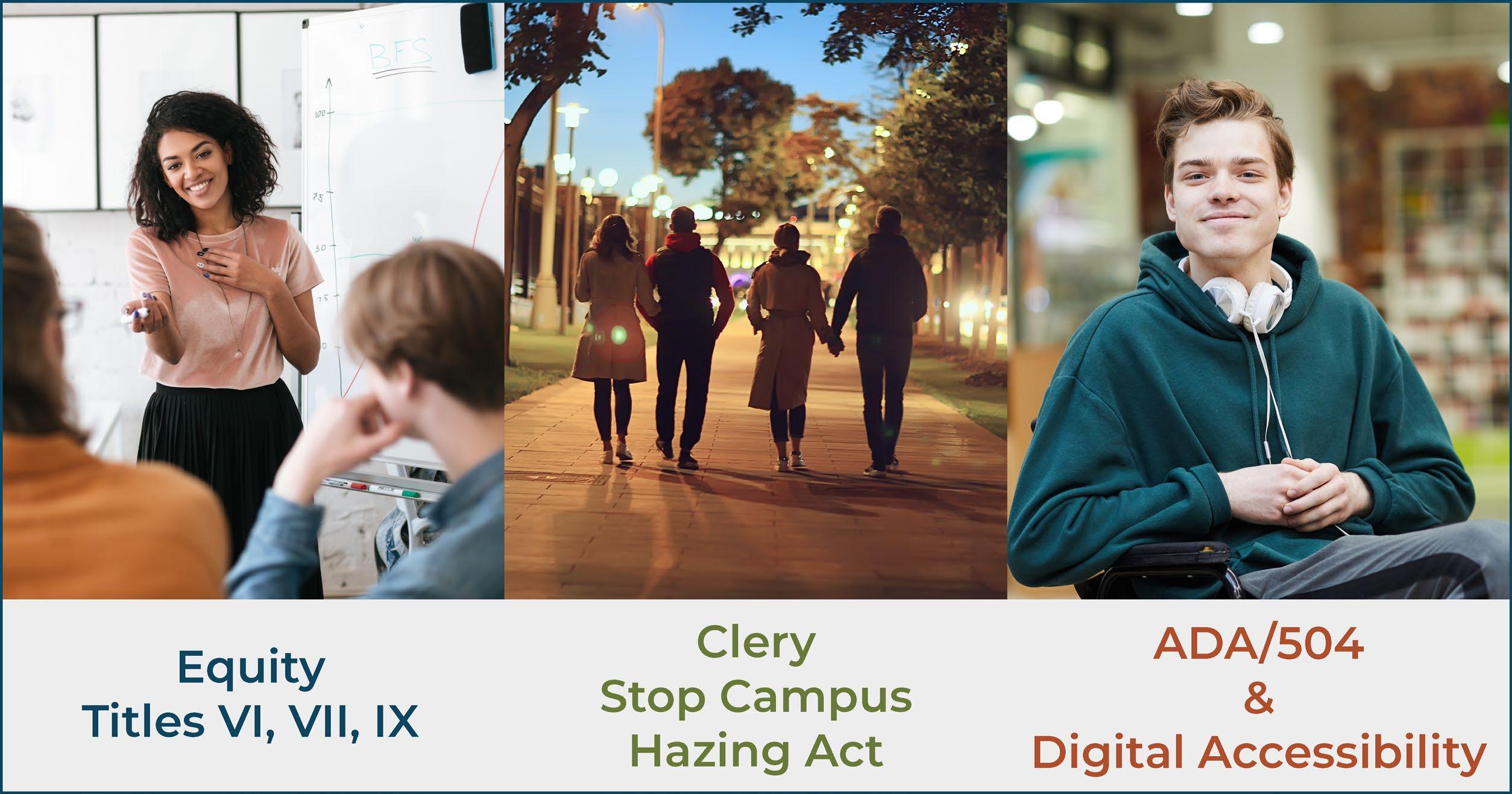
ADA/504

Digital Accessibility
ADA/504 Coordinator
Policy Development & Review Training
Accessibility & Compliance Assessment Investigations
Policy Development & Review Training Consulting Investigations


ADA/504 Services
TRAINING AND TRAINING MEMBERSHIP
Please check out our wide selection of trainings and learn about our new unlimited training membership. Unlimited open training access for your whole campus, one annual fee.

CASE MANAGEMENT SOFTWARE


Designed for you, by people like you
We are experts and practitioners working in response and resolution for discrimination, harassment, & equity concerns.
Case Tracker allows you to:
• track and manage your cases
• communicate with campus stakeholders without compromising case privacy, and
• provide parties with the ability to follow the status of their case






info@grandriversolutions.com
/Grand-River-Solutions
/GrandRiverSolutions
/GrandRiverSolutions
/GrandRiverSolutions.com

@titleixandequity.bsky.social
GrandRiverSolutions
©Grand River Solutions, Inc., 2022. Copyrighted material. Express permission to post training materials for those who attended a training provided by Grand River Solutions is granted to comply with 34 C.F.R. § 106.45(b)(10)(i)(D). These training materials are intended for use by licensees only. Use of this material for any other reason without permission is prohibited.