
Water Quality Report 2025


SOLICITE LA VERSIÓN EN ESPAÑOL
Si desea solicitar esta información en español, visite WesternWaterCA.gov/WaterQualityReport seleccione español o llame al 951.571.7104 para solicitar una copia por correo.

CRAIG MILLER General Manager
Dear Valued Customer, Western Municipal Water District (Western Water) is proud to provide this Annual Water Quality Report as part of our commitment to transparency and delivering safe, reliable water to the communities we serve.
As you will read in this report, Western Water continues to meet all federal and state drinking water standards.
Delivering high-quality water is one of our most important responsibilities. Behind every drop of water is a dedicated team of professionals who work around the clock to monitor water quality, maintain infrastructure, and protect public health.
In 2025, Western Water performed more than 36,500 water quality tests for over 220 contaminants, impurities, and water quality parameters across 117 locations throughout our service area. This extensive testing and monitoring program helps ensure the water delivered to your home, school, and business is safe and continues to meet rigorous federal and state standards.

Western Water continues to invest in infrastructure, technology, regional partnerships, and water supply planning to help ensure dependable water service for our communities.
We encourage you to review this report to learn more about your water, where it comes from, and the ongoing work underway to protect and deliver this essential resource.
Thank you for trusting Western Water. It is our privilege to serve you, and we remain committed to delivering safe, high-quality water for current and future generations.
Craig Miller General Manager
OUR MISSION
All day, every day, we ensure safe, sustainable, and reliable water and sewer service to our community.
OUR VISION
An abundant water future built through leadership, collaboration and bold solutions where communities value water and thrive.
GUARANTEED QUALITY AND RELIABILITY
Western Water has been dedicated to providing essential water, wastewater (sewer), and recycled water services to nearly 1 million people in western Riverside County. As an agency, we serve as both a direct water provider to customers and a wholesale water supplier to local water districts and cities.
The drinking water that Western Water provides to homes, businesses, and schools meets all state and federal water quality standards. The State Water Resources Control Board (SWRCB), Division of Drinking Water (DDW), and the Environmental Protection Agency (EPA) are the agencies responsible for establishing and enforcing drinking water quality standards.
In addition to performing more than 36,500 tests for more than 220 contaminants, impurities, and water quality parameters, Western Water also tests for unregulated chemicals that may have health risks, but do not have drinking water standards. This monitoring of unregulated chemicals aids the EPA and DDW in identifying their presence and evaluating the need to establish new standards.
The State Water Resources Control Board allows for electronic delivery of reports instead of paper copies via mail. Electronic copies helps Western Water reduce cost and minimize paper waste.
To request a paper copy of this report you can do so by calling us at 951.571.7104 or via email to outreach@wmwd.com
SOURCE WATER ASSESSMENT
A source water assessment lists possible contaminants that might affect the quality of your water sources. Assessments were completed for the two surface water sources Western Water relies on, the State Water Project and the Colorado River, to meet customer needs. The State Water Project underwent a reassessment in 2021, and the Colorado River was reevaluated in 2020 to address long-term reliability and resource planning. Both were found to be most vulnerable to stormwater runoff, recreational activities, wastewater discharges, wildlife, fires, and other watershed-related factors that could affect water quality.
Drinking water source assessments were completed for Western Water’s service areas to ensure continued safety and reliability. In 2020, an assessment was conducted for one of the groundwater wells serving the Murrieta area. In 2024, additional assessments were completed for wells in the Riverside-Arlington groundwater subbasin. These sources are considered most vulnerable to some of the following activities: historic gas stations, pest control storage, underground storage tanks, dry cleaners, metal plating and fabrication, automotive and machine shops, and sewer collection systems.
The vulnerability risks for the source water assessments mentioned above have either been mitigated through treatment or have not affected or degraded the applicable water supply, or treated water that is delivered to Western Water customers. Western Water remains committed to proactive planning and source monitoring to ensure the continued delivery of safe, high-quality drinking water.
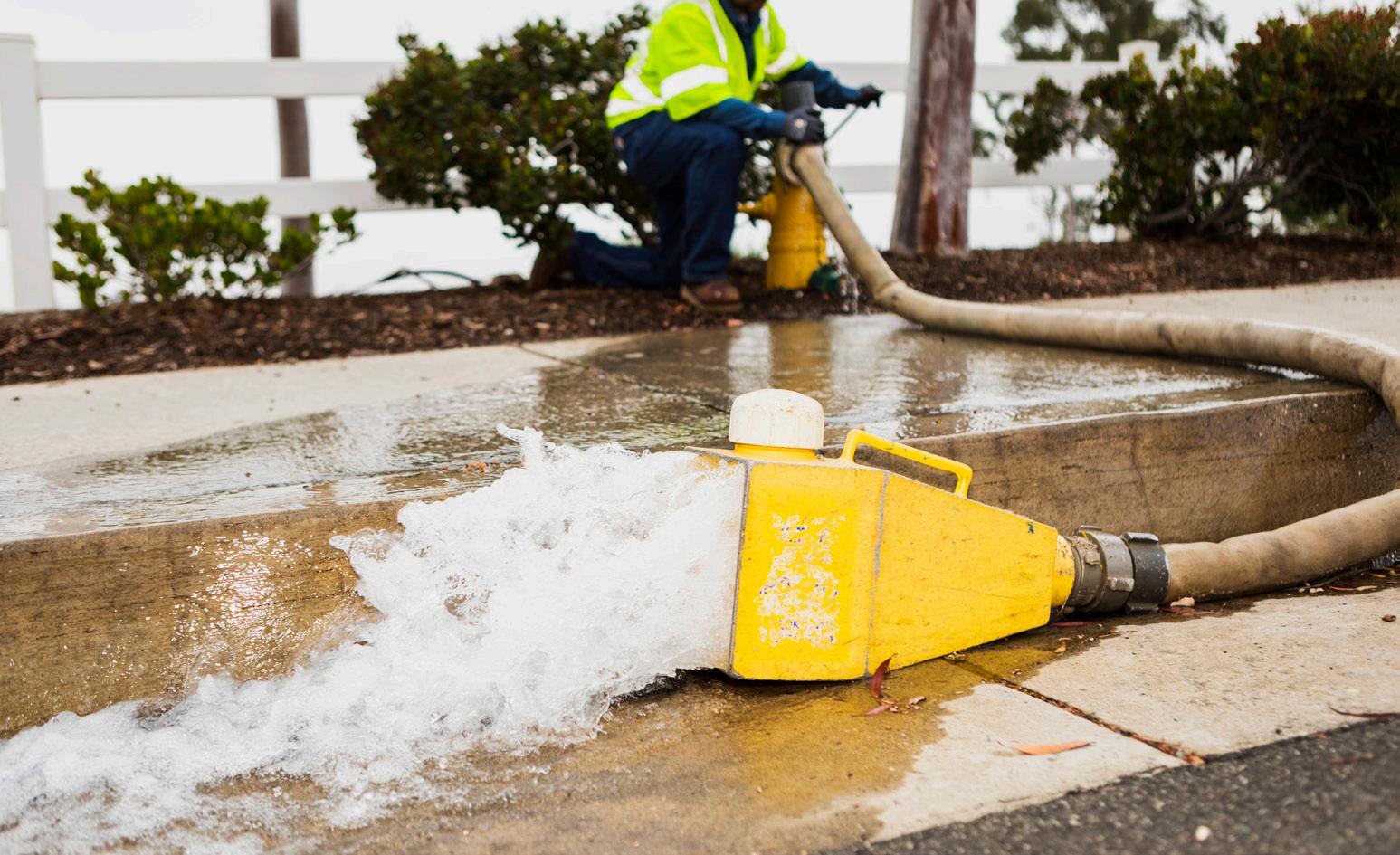
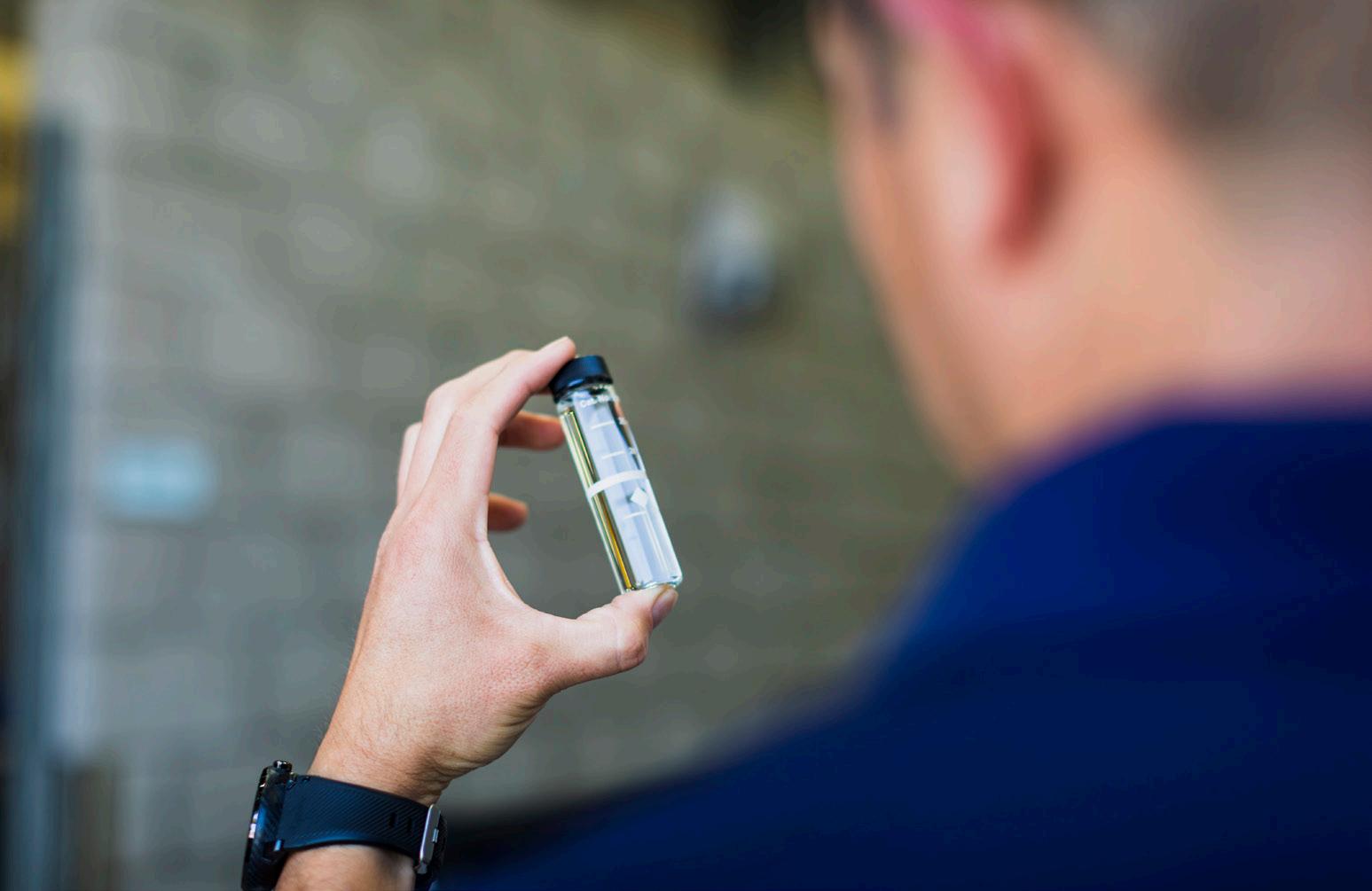
YOUR DRINKING WATER IS CONSTANTLY MONITORED AND TESTED, FROM SOURCE TO TAP.
Western Water performing pipeline cleaning of the water system.
Some people may be more vulnerable to contaminants in drinking water than the general population. Immuno-compromised individuals, who include those with cancer who are undergoing chemotherapy, those who have undergone organ transplants, those with HIV/AIDS or other immune system disorders, and some elderly individuals and infants, can be particularly at risk of infections.
These individuals should seek advice about drinking water from their healthcare providers. U.S. EPA/Centers for Disease Control (CDC) guidelines on appropriate means to lessen the risk of infection by Cryptosporidium and other microbial contaminants are available from the Safe Drinking Water Hotline at 1.800.426.4791.
While drinking water in our Murrieta service area meets the federal and state standards for arsenic, it does contain low levels. The arsenic standard balances the current understanding of arsenic’s possible health effects against the costs of removing arsenic from drinking water. The U.S. Environmental Protection Agency continues to research the health effects of low levels of arsenic, which is a mineral known to cause cancer in humans at high concentrations and is linked to other health effects such as skin damage and circulatory problems.
Nitrate in drinking water at levels above 10 mg/L is a health risk for infants less than 6 months old. Such nitrate levels in drinking water can interfere with the capacity of the infant’s blood to carry oxygen, resulting in a serious illness. Symptoms can include shortness of breath and blueness of skin. Nitrate levels above 10 mg/L may also affect the ability of the blood to carry oxygen in other individuals, such as pregnant women and those with certain specific enzyme deficiencies. If you are caring for an infant or you are pregnant, you should ask advice from your healthcare provider.
The sources of drinking water (both tap water and bottled water) include rivers, lakes, streams, ponds, reservoirs, springs, and wells. As water travels over the surface of the land or through the ground, it dissolves naturally-occurring minerals and, in some cases, radioactive material, and can pick up substances resulting from the presence of animals or from human activity. Contaminants that may be present in source water include:
• Microbial contaminants, such as viruses and bacteria, that may come from sewage treatment plants, septic systems, agricultural livestock operations, and wildlife.
• Inorganic contaminants, such as salts and metals, can naturally occur or result from urban stormwater runoff, industrial or domestic wastewater discharges, oil and gas production, mining, or farming.
• Pesticides and herbicides, that may come from a variety of sources such as agriculture, urban stormwater runoff, and residential uses.
• Organic chemical contaminants, including synthetic and volatile organic chemicals, that are byproducts of industrial processes and petroleum production, and can also come from gas stations, urban stormwater runoff, agricultural application, and septic systems.
• Radioactive contaminants, that can be naturally-occurring or be the result of oil and gas production and mining activities.
To ensure that tap water is safe to drink, the EPA and the State Water Board prescribe regulations that limit the amount of certain contaminants in water provided by public water systems. U.S. Food and Drug Administration regulations and California law also establish limits for contaminants in bottled water that provide the same protection for public health.
Drinking water, including bottled water, may reasonably be expected to contain at least small amounts of some contaminants. The presence of contaminants does not necessarily indicate that water poses a health risk. More information about contaminants and potential health effects can be obtained by calling the EPA Safe Drinking Water Hotline at 1.800.426.4791.
The water in Western Water’s service area is below the state and federal standards for Arsenic at 10 µg/L and Nitrate at 10 mg/L.
Arlington Desalter
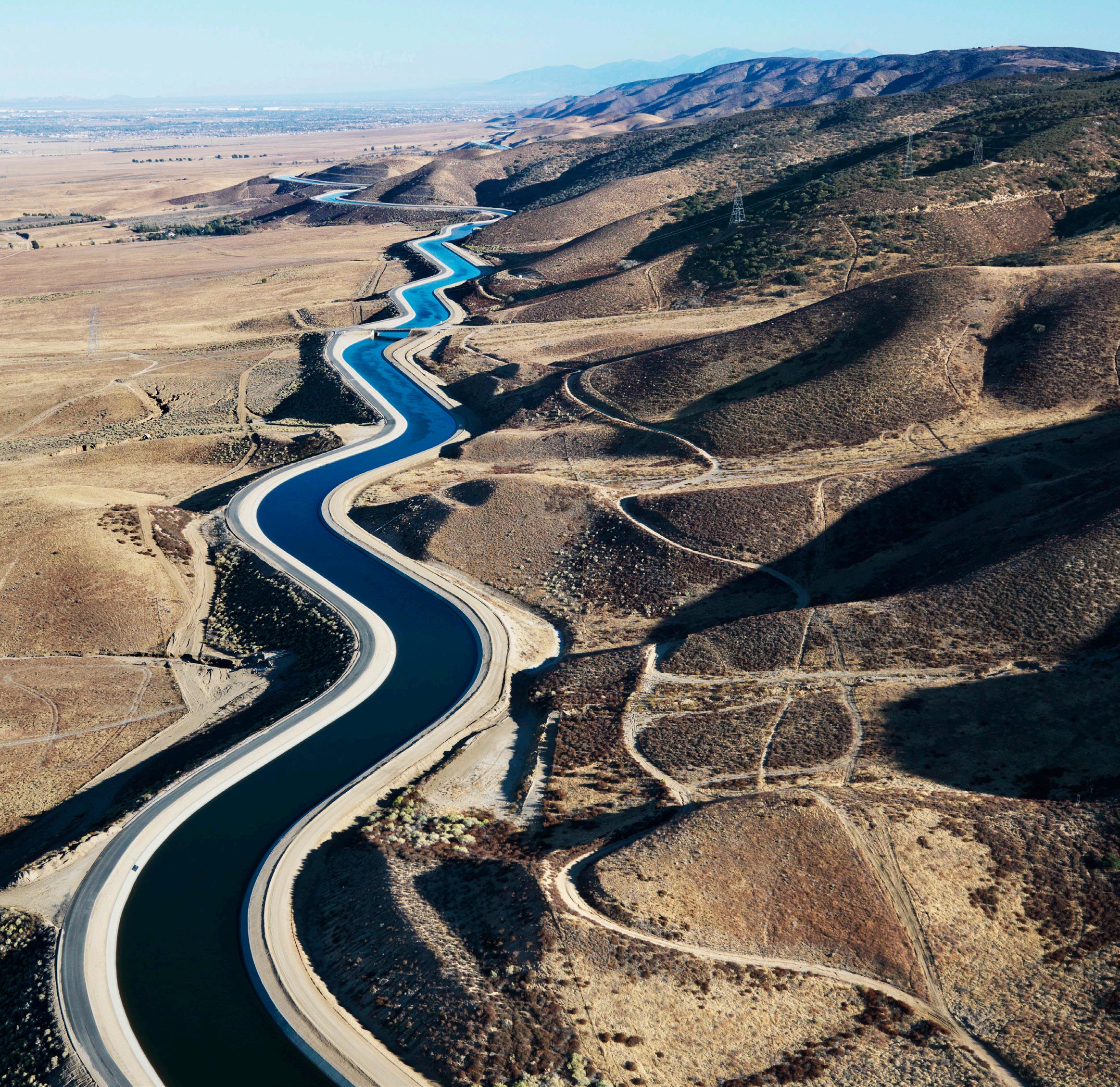
Water being imported into Southern California
PFAS DETECTION ABOVE NOTIFICATION LEVEL IN MURRIETA
Murrieta customers receive a blend of imported water and groundwater from two wells - New Clay Well and North Well 2. Samples from New Clay Well and imported water sources have not detected any PFAS in excess of the State-mandated Notification Level or the State-mandated Response Level. Notification Levels are levels at which these constituents pose no known significant health risks but warrant notification to governing bodies and further monitoring and assessment.
An early 2025 sample from North Well 2 shown in the Table below, had a concentration in parts per trillion (ppt) of PFHxS and PFOA slightly above the DDW Notification Level, but below the Response Level.
As required by regulation, staff notified the governing bodies of both Western Water and the City of Murrieta within 30 days of the receipt of laboratory results. North Well 2 is currently offline for rehabilitation and investigation of the source and determination of effective treatment and/or removal of the PFAS source. For additional information on PFAS, please visit our website at: WesternWaterCA.gov/PFAS.
North Well 2 Detections – Sampled
February 26, 2025
PFHxS has been shown to interfere with thyroid hormones levels. Thyroid hormones are needed for normal prenatal growth and development of the fetus, as well as for normal growth and development in the infant and child. In adults, thyroid hormones are needed for normal metabolism and mental function.
Some people who drink water containing PFOA in excess of the Notification Level over many years may experience adverse health effects. PFOA exposures have been shown to cause increased liver weight and cancer in laboratory animals.
1The Notification and Response Level indicated in the Table were in effect at the time the sample was taken. In Late October 2025, DDW added, revised and/or reduced several PFAS Notification and Response Levels.
LEAD AND COPPER RULE
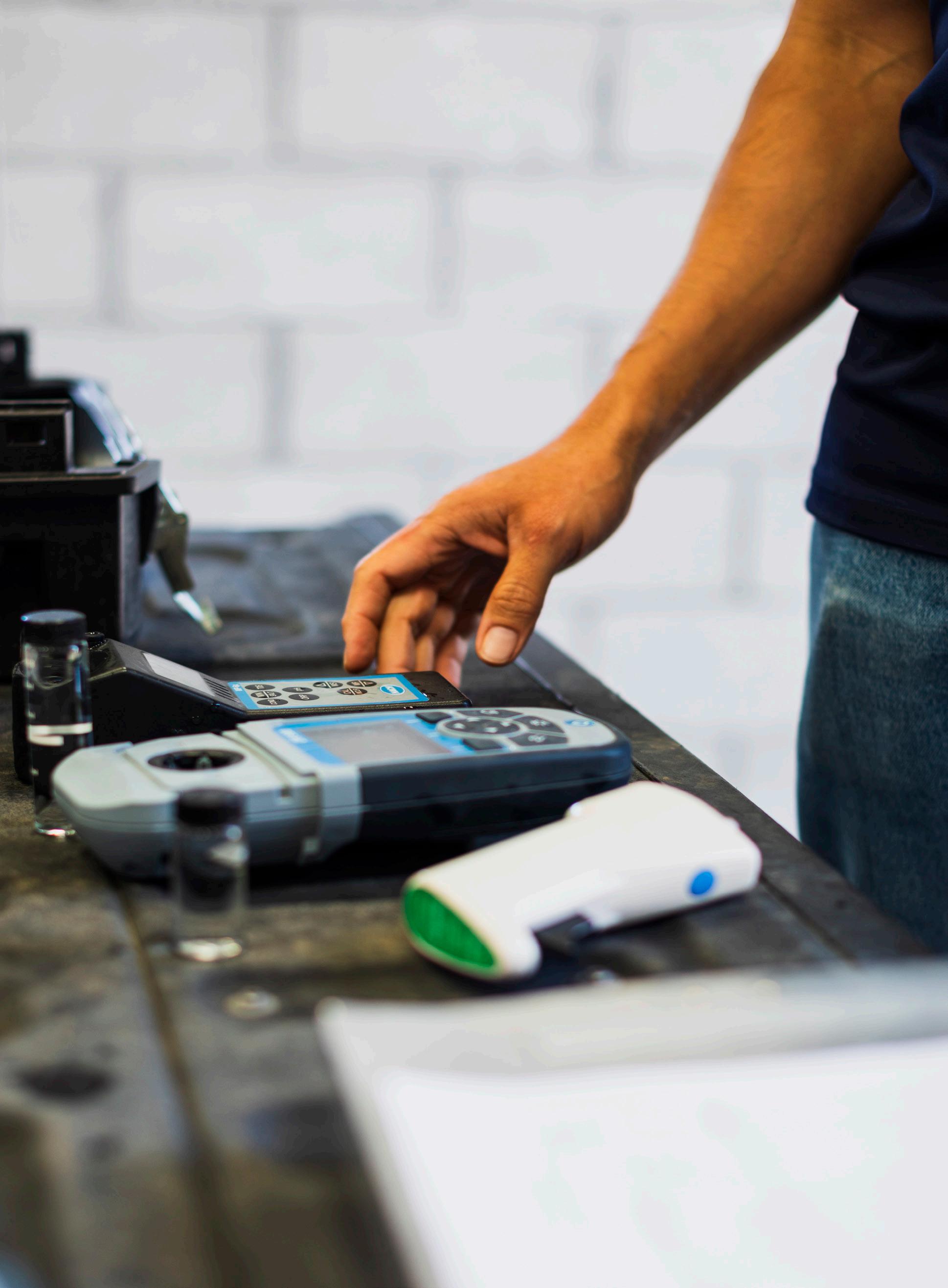
The Lead and Copper Rule (LCR) was developed to protect public health by minimizing lead and copper levels in drinking water. The most common source of lead and copper in drinking water is corrosion of plumbing materials. Plumbing materials that can be made with lead and copper include pipes, solder, fixtures and faucets. The LCR established an action level of 15 parts per billion (ppb) for lead and 1.3 parts per million (ppm) for copper based on the 90th percentile level of tap water samples. If more than 10 percent of the samples are above either action level, further actions are required. Lead and copper are sampled on a state-mandated 3-year testing cycle with sampling conducted at selected customer taps.
The LCR requires Western Water to sample at locations that may be particularly susceptible to high lead or copper concentrations. With a tiered system for prioritizing sampling sites, federal regulations prioritize sampling for single-family structures with copper pipes that have lead solder installed after 1982. Western Water’s sample locations remain the same for each sampling event unless voluntary participation from its customers is insufficient to meet the minimum required samples per the LCR.
young children. Lead in drinking water is primarily from materials and components associated with service lines and home plumbing. Western Water is responsible for providing high quality drinking water and removing lead pipes, but cannot control the variety of materials used in plumbing components in your home. You share the drinking tap water, flush your pipes for several minutes by running your tap, taking

LEAD SAMPLING IN SCHOOLS
No schools requested sampling for lead in 2025. To schedule lead testing for your school, contact Western Water’s Water Quality team at 951.789.5119.
LEAD SERVICE LINE INVENTORY
After reviewing historical records and inspecting the field, Western Water has found that there are no lead or galvanized steel service lines that need to be replaced in its Rainbow, Murrieta, and Riverside service areas (except March Air Reserve Base). Learn more about Western Water’s initial Lead Service Line Inventory at WesternWaterCA.gov/LeadServiceLineInventory
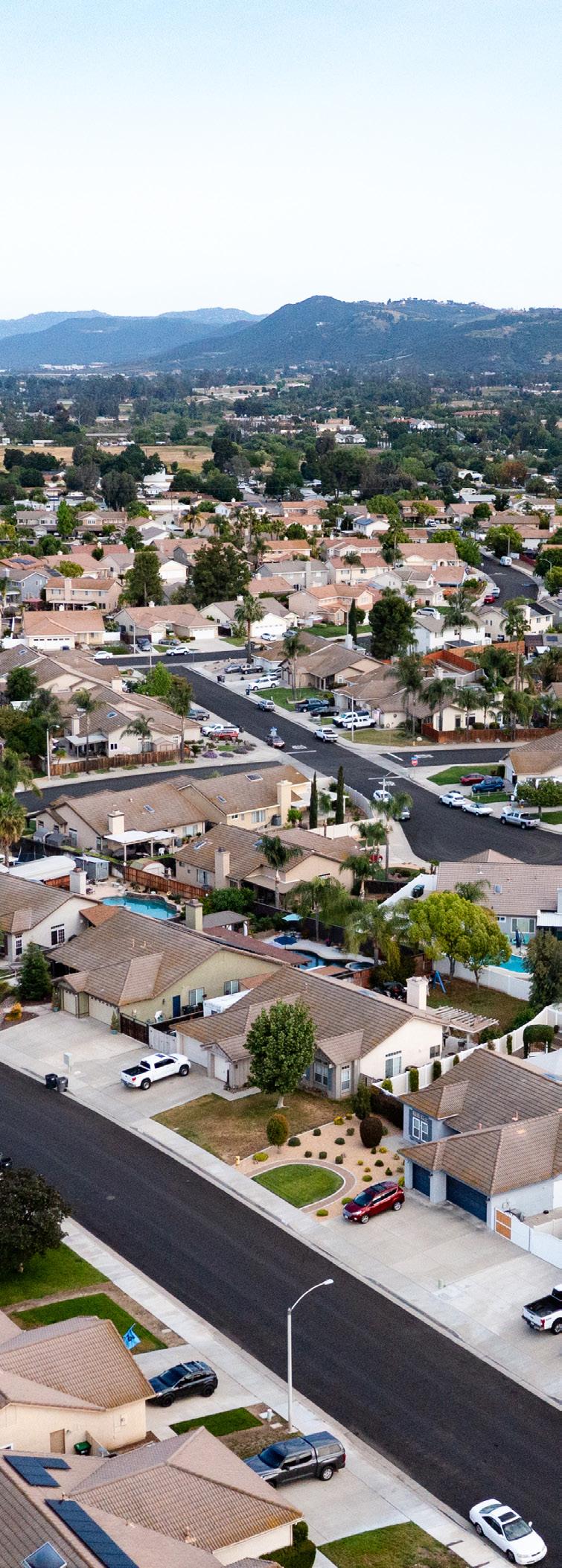
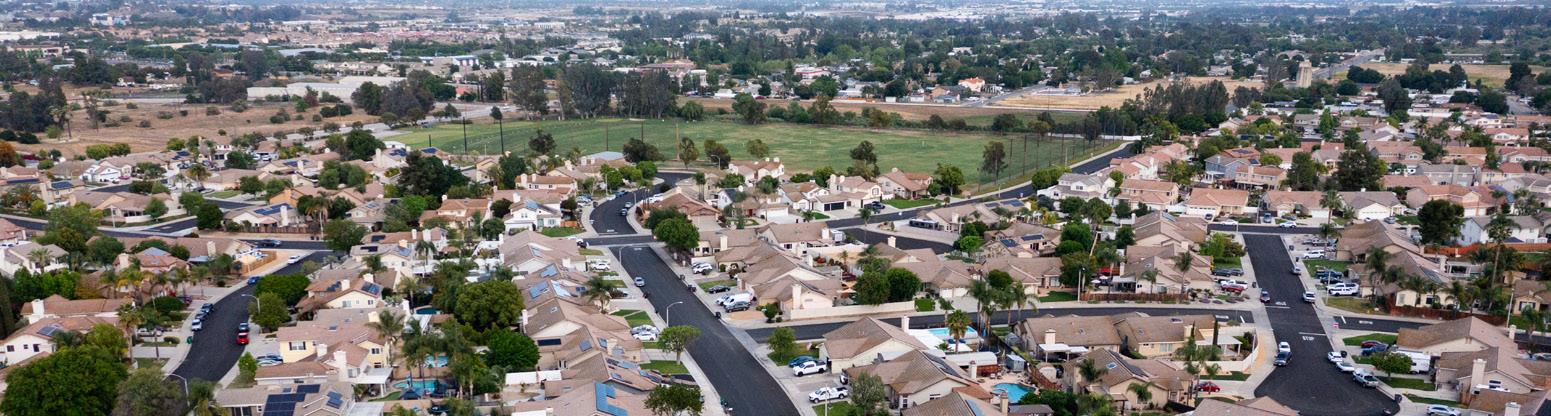
Murrieta, California

WATER QUALITY TABLES
2025 WATER QUALITY TABLE
RETAIL SYSTEM
Primary Standards, Mandatory Health Related Standards
Disinfection Byproduct Precursors
Inorganic Chemicals
Erosion of natural deposits; residue from some surface water treatment processes
Erosion of natural deposits; runoff from orchards; glass and electronics production wastes
Discharges of oil drilling wastes and from metal refineries; erosion of natural deposits
Runoff and leaching from natural deposits; discharge from industrial wastes
Erosion of natural deposits; water additive that promotes strong teeth; discharge from fertilizer and aluminum factories
Runoff and leaching from fertilizer use; leaching from septic tanks and sewage; erosion of natural deposits
Perchlorate is an inorganic chemical used in solid rocket propellant, fireworks, explosives, flares, matches, and a variety of industries. It usually gets into drinking water as a result of environmental contamination from historic aerospace or other industrial operations that used or use, store, or dispose of perchlorate and its salts
Discharge from petroleum, glass, and metal refineries; erosion of natural deposits; discharge from mines and chemical manufacturers; runoff from livestock lots (feed additive)
Radiological
Secondary Standards – Aesthetic Standards
Notification Levels, Nonregulatory Standards
Runoff/leaching from natural deposits; industrial wastes
Industrial chemical factory discharges; runoff/leaching from landfills; used in fire-retarding foams and various industrial processes
Disinfectant
Monitored in the Distribution System
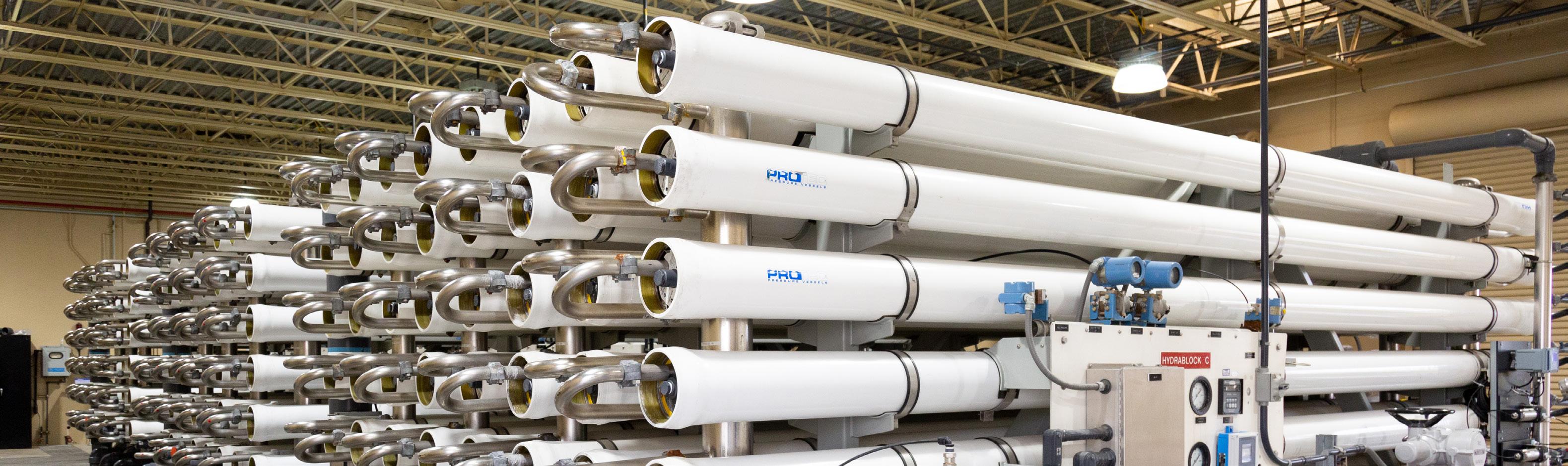
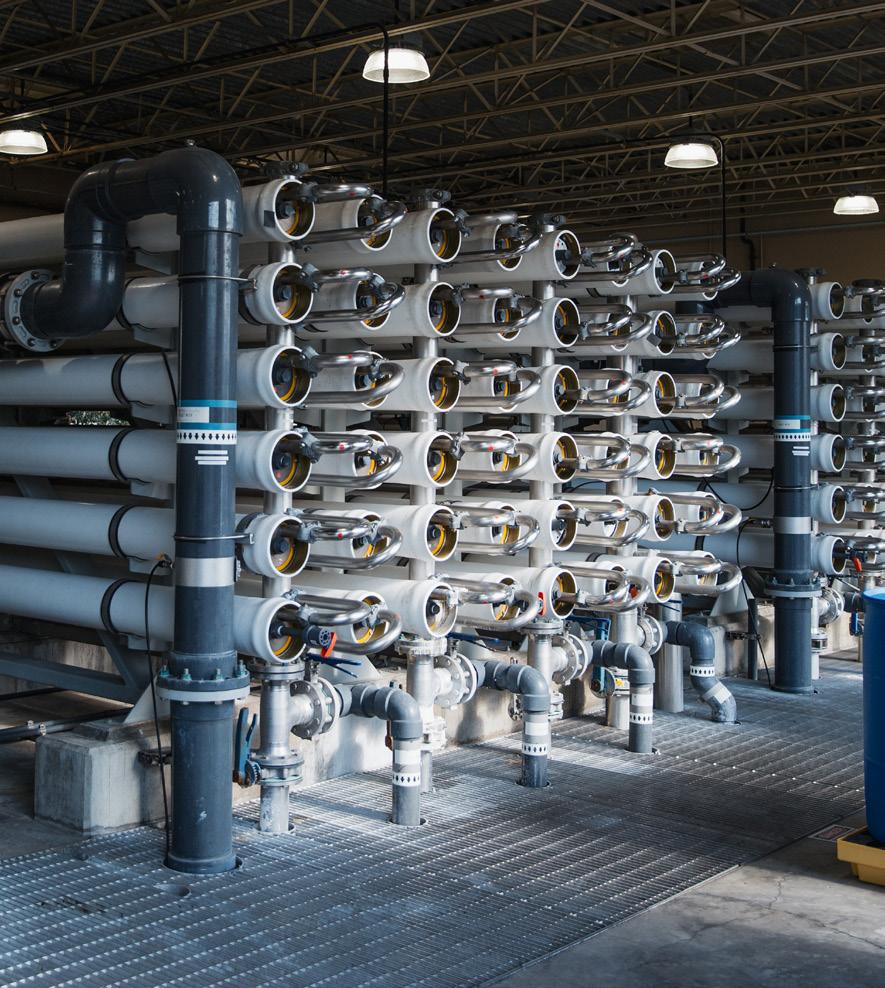
Arlington Desalter Trains
Western Water uses chloramines to disinfect its drinking water. Customers who have unique water quality needs or use specialized home treatments, such as kidney dialysis machines, should make the necessary adjustments to remove chloramines. Like chlorine, chloramines are toxic to dialysis water. Customers who have fish tanks in their homes or businesses should also take precautions to remove chloramines prior to adding water to tanks. Effective treatments include using granular activated carbon filters or chemicals specifically designed to remove chloramines.
MEASUREMENT TERMS
Maximum Contaminant Level (MCL):
The highest level of a contaminant that is allowed in safe drinking water. Primary MCLs are set as close to the (PHGs) (or MCLGs)-as is economically and technologically feasible. Secondary MCLs are set to protect the odor, taste and appearance of drinking water. The standards listed in our water quality table are the most conservative set by the State. Individual measurements above a primary or secondary MCL listed in the table do not indicate an exceedance of the regulatory standard.
Maximum Contaminant Level Goal (MCLG):
The level of a contaminant in drinking water below for which there is no known or expected risk to health. MCLGs are set by the U.S. Environmental Protection Agency.
Maximum Residual Disinfectant Level (MRDL):
The highest level of a disinfectant allowed in drinking water. Adding a disinfectant is necessary to control microbial contaminants.
Maximum Residual Disinfectant Level Goal (MRDLG):
The level of a drinking water disinfectant below for which there is no known or expected risk to health. MRDLGs do not reflect the benefits of using disinfectants to control microbial contaminants.
Notification Level (NL):
Notification levels are health-based advisory levels established by DDW for chemicals in drinking water that lack MCLs.
Primary Drinking Water Standards (PDWS or Primary Standards):
MCLs, MRDLs, and treatment techniques (TTs) for contaminants that affect health, along with their monitoring and reporting requirements and water treatment requirements.
Public Health Goal (PHG):
The level of a contaminant in drinking water below for which there is no known or expected health risk. PHGs are set by the California Environmental Protection Agency.
Regulatory Action Level (AL):
The concentration of a contaminant, which, if exceeded, triggers treatment or other requirements that a water system must follow.
Treatment Technique (TT):
A required process intended to reduce the level of a contaminant in drinking water.
ABBREVIATIONS
CCRDL Consumer Confidence Report Detection Level
DLR
Detection Limits for Purposes of Reporting
LRAA Locational Running Annual Average
MCL Maximum Contaminant Level
MCLG Maximum Contaminant Level Goal
MRDL Maximum Residual Disinfectant Level
MRDLG Maximum Residual Disinfectant Level Goal
NA Not Applicable
ND Not Detected at or above CCRDL, DLR, or RL
NL Notification Level
No Data No data for reporting year and/or previous 9 years.
NR No Range
PHG Public Health Goal
RAA Running Annual Average
RL Reporting Limit (Laboratory)
TT Treatment Technique
µg/L micrograms per liter
mg/L milligrams per liter
ng/L nanograms per liter
CFU/mL colony-forming units per milliliter
pCi/L picocuries per liter (a measure of radioactivity)
µS/cm microSiemen per centimeter
NTU Nephelometric Turbidity Units
(a) The Riverside service area benefits from multiple sources of groundwater, including the Arlington Basin (through Western Water’s Arlington Desalter), the Bunker Hill Basin (provided by the City of Riverside), and the Chino Basin (supplied by the Chino Desalter Authority). These groundwater sources complement the imported surface water received from the Henry J. Mills Water Filtration Plant, operated by the Metropolitan Water District, that is sourced from the California State Water Project. To provide an accurate representation, the reported averages for the Riverside service area groundwater encompass the collective average of all groundwater sources distributed throughout the reporting year within the service area. Similarly, the reported ranges for the Riverside service area groundwater capture the entire spectrum of groundwater sample results obtained from the various sources within the service area.
(b) The Murrieta service area benefits from multiple sources of groundwater, including the Temecula Valley Basin (through Western Water’s groundwater wells) and the Elsinore Valley and San Jacinto Basins (provided by Eastern Municipal Water District). These groundwater sources complement the imported surface water received from the Robert F. Skinner Water Filtration Plant (operated by the Metropolitan Water District) and Hemet Water Filtration Plant and Perris Water Filtration Plant (operated by Eastern Municipal Water District). These surface water contributions are sourced from the California State Water Project and the Colorado River. To provide an accurate representation, the reported averages for the Murrieta service area encompass the collective average of all sources distributed throughout the reporting year within the service area for each respective source type (groundwater or surface water). Similarly, the reported ranges for the Murrieta service area capture the entire spectrum of sample results obtained from the various sources within the service area.
(c) The Rainbow Service Area only receives imported water from Metropolitan Water District’s Robert F. Skinner Water Filtration Plant, that is sourced from the California State Water Project and Colorado River.
(d) The turbidity level in the combined filter effluent at Mills and Skinner Filtration plants must be less than or equal 0.3 NTU in 95% of monthly measurements, with no readings exceeding 1 NTU. Similarly, Riverside’s John W. North Treatment Plant and Eastern Municipal Water District’s Hemet and Perris Water Filtration plants must maintain a turbidity level less than or equal 0.1 NTU in 95% of monthly measurements, with no readings exceeding 1 NTU.
(e) Compliance with the State MCL is based on a RAA. The average value shown is the highest RAA calculated in 2025.
(f) Compliance with the State MCL is determined by the average of all samples collected within a year.
(g) The CCRDL for all source water is based on Exhibit B - Consumer Confidence Report Language, CCRDLs, and Notification and Response Levels of State Water Resources Control Board Division of Drinking Water General Order DW 2025-0002-DDW issued on December 12, 2025. The exception is Riverside Public Utilities who continued to utilize the United States Environmental Protection Agency (EPA) Fifth Unregulated Contaminant Monitoring Rule (UCMR5) minimum reporting levels (MRLs) for 25 EPA 533 constituents that was in effect prior to December 12, 2025.
(h) On October 29, 2025 the Division of Drinking Water issued a new Notification Level (NL) for PFHxA, and revised the NL for PFOA, PFOS, and PFHxS. Prior to the October revisions to the NL’s, PFOS did not exceed the existing NL in the Murrieta Service Area. However, PFOA and PFHxS did exceed the prior NL that was in place, and as required, Western Water notified all governing bodies within the Murrieta Service Area.
(i) The Riverside Service Area - Local Groundwater values reported are based solely on Riverside Public Utilities source water and is from their 2023 UCMR5 data.
(j) The Riverside Service Area - Local Groundwater values reported are based solely on Chino Desalter Authority’s Chino Desalter II source water.
(k) The values reported are based solely on Metropolitan Water District’s Mills and/or Skinner Water Treatment Plants only, as applicable to Service Area.
(l) Turbidity is a measure of the cloudiness of the water. High turbidity can hinder the effectiveness of disinfectants. Western Water monitors it because it’s a good indicator of water quality and the effectiveness of filtration systems, where used.
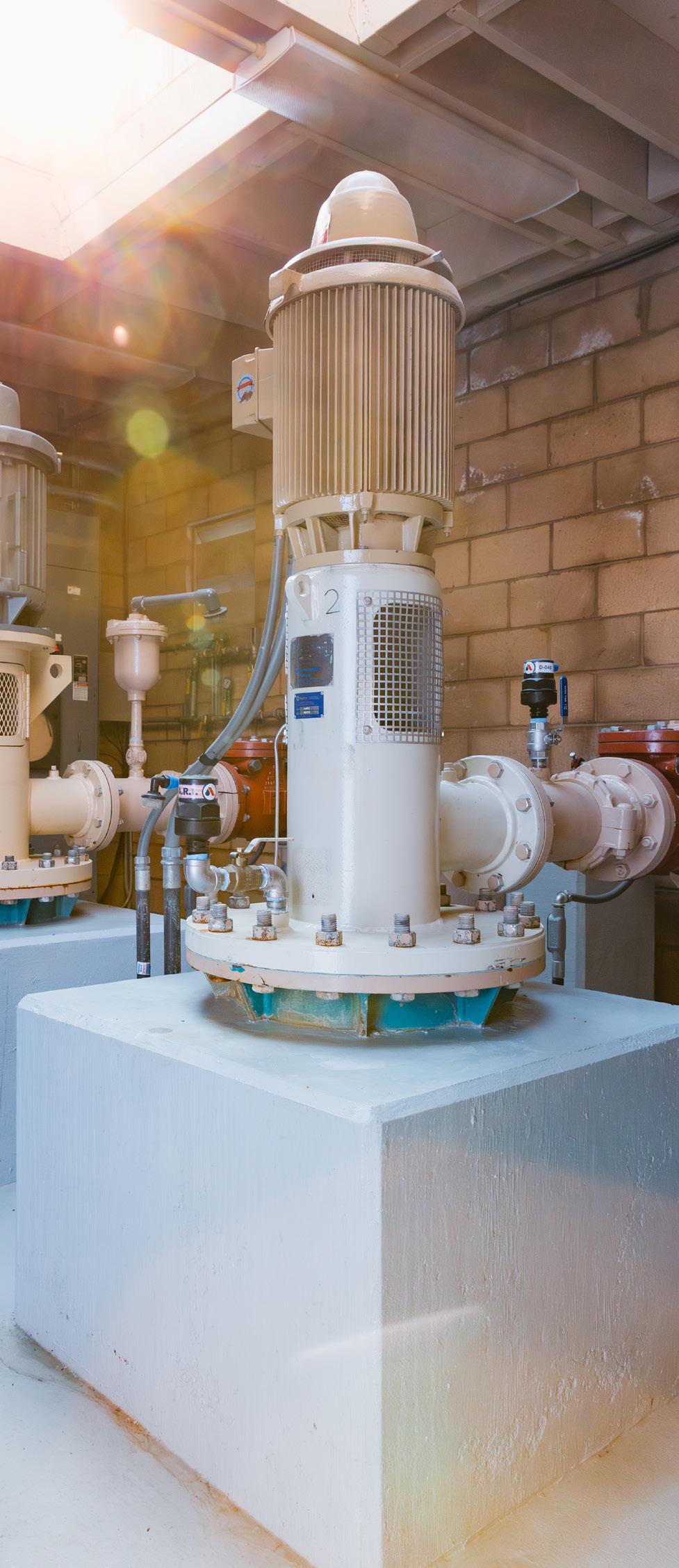
Old Lake Pump Station
2025 WATER QUALITY REPORT
VIEW THIS REPORT AT WESTERNWATERCA.GOV/WATERQUALITYREPORT
As required by federal and state drinking water regulations, Western Water is pleased to provide this important report to our customers.
If you would like a printed copy of the Water Quality Report, please contact Western Water:
Email | Outreach@wmwd.com
Phone | 951.571.7104
CONNECT WITH US FOLLOW US ON SOCIAL WesternWaterCA.gov
Outreach@wmwd.com 951.571.7104