
WearepleasedtoprovidethefirstWesternMontanaConservationCommission(WMCC)biennialreportdetailingouractivitiesin fiscalyear2023-2024 WMCCwascreatedbythe2023MontanaLegislatureandeffectivelycombinesandreplacestherolesand jurisdictionoftheFlatheadBasinCommission(FBC)andtheUpperColumbiaConservationCommission(UC3).Iwouldliketo thankallformerFBCandUC3membersandstafffortheirdedicatedservicetoMontana,andforlayingthefoundationforour work Wehopetohonortheirvisionandbuildupontheirsuccessesaswetackleaquaticresourceissuesandmonitoraquatic invasivespeciesinwesternMontana.
WMCCisadministrativelyattachedtotheStateofMontanaDepartmentofNaturalResourcesandConservation(DNRC) The commissionisnon-regulatoryandconvenesawidecross-sectionofinsightfulcitizensandlocal,state,tribal,andfederalagency representatives Bybuildingcommunity,wehopetoleadthroughconsensus
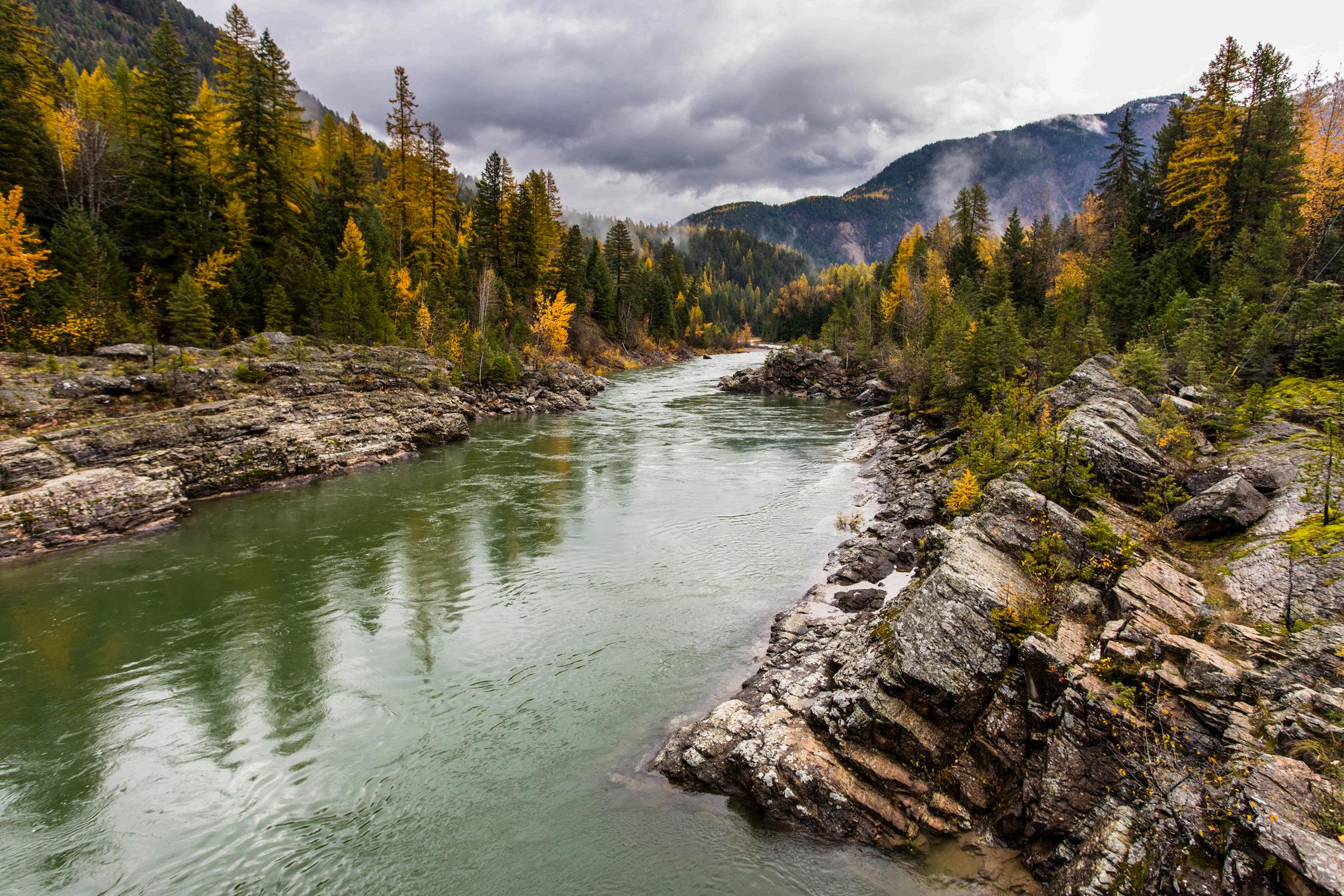
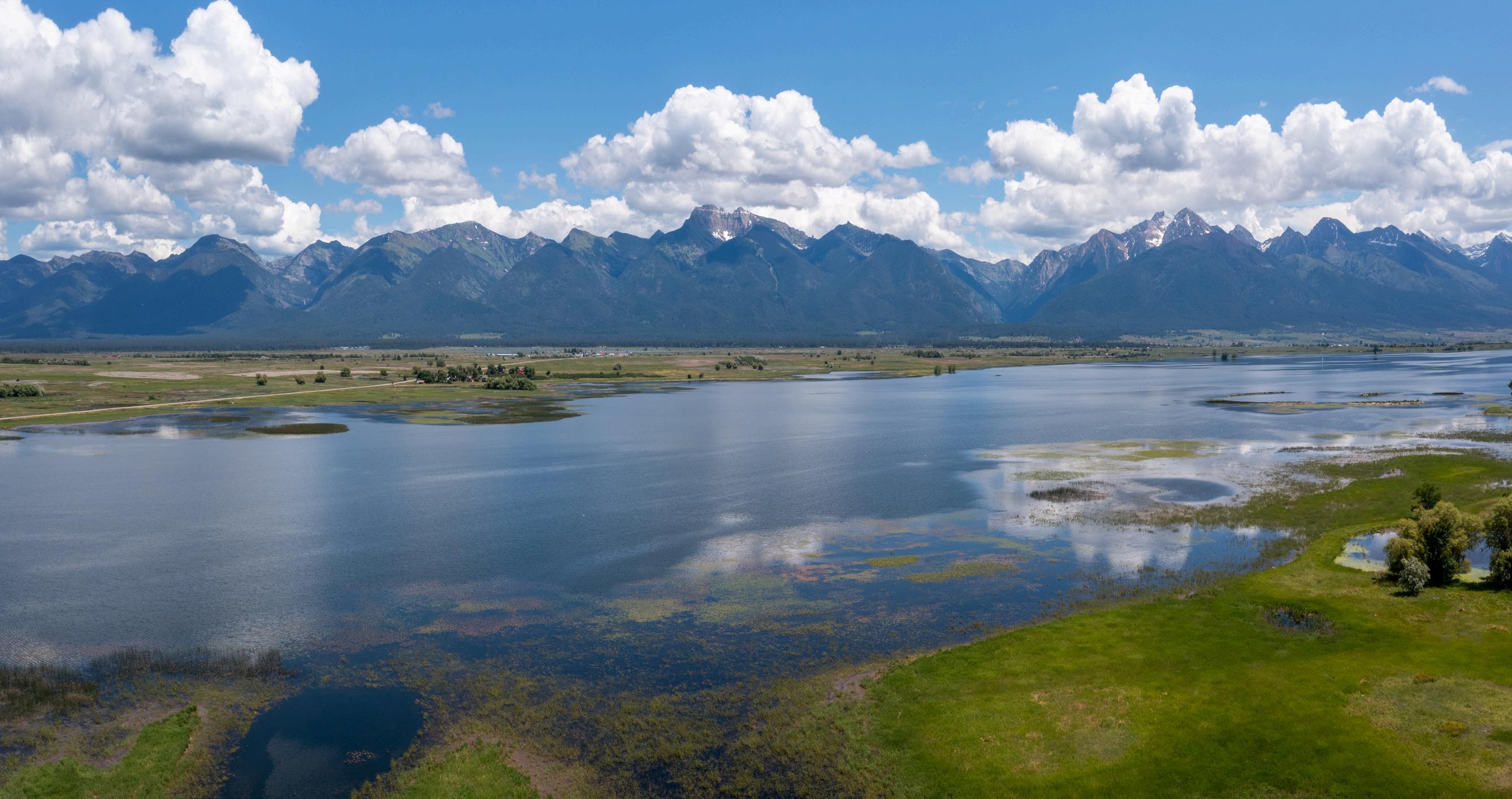
Wearesupportedbyanexceptionalstaffofdedicatedprofessionals.Theirsupporttothecommissioniscrucialsinceourmission canseemdaunting TheriversofwesternMontanameanderthrough22,653squaremilesoficonicmountainranges,agricultural valleys,andover75communities
Now,morethanever,increasingpressuresandcompetinginterestsonthe landscapewarrantathoughtfulandmeasuredapproachtogrowth.Weneedto keepinmindthatourresourcesareequallybreathtakingandfragile It’simportant toengageinaconversationtobrokersolutionsthatsustainoursharedresources whilesupportingprosperouscommunities.
Thisreporthighlightsouraccomplishments,projects,sourcesoffundingand expendituresduringourbusyfirstyearofexistence.Highlightsincludea$7Mgrant fromtheEnvironmentalProtectionAgencytoaddresstoxicsreduction,establishing ourguidingdocuments,andourworktolaunchcommitteesforkeyissues
Inthenexttwoyears,ourlevelofimpactwillbedeeplyrootedincollaborative effortswithlandmanagersandcommunitiestoturnthecomplexissueswefaceinto opportunities.Wehopetofosteraforumthatencouragesthoughtfulandrespectful discoursetohonorournaturalresourcesandculturalhistories Wemustkeepan eyeonprotectingourresourceamenitiesforfuturegenerations
I’mhumbledbytheopportunitytoChairWMCC Ithasbeenagreathonortowork alongsideandcollaboratewiththetalentedstaffandmyfellowcommissioners We areallheretoservethecommunitiesandtreasurednaturalresourcesofwestern Montana
MikeKoopal,Chair WesternMontanaConservationCommission ExecutiveDirector,WhitefishLakeInstitute
The Western Montana Conservation Commission (WMCC) is a testament to Montana’s commitment to maintain the high quality of our waters Consolidating the Flathead Basin Commission (FBC) and the Upper Columbia Conservation Commission (UC3) into WMCC increases efficiency and expands these great efforts to all waters west of the Continental Divide in Montana
Building on the strong foundation from the prior Commissions’ work on septic leachate and aquatic invasive species, WMCC’s first year has been focused on strengthening programs and strategizing the future of our commission. Identifying aquatic resource issues and collaborating with partner organizations are at the core of the work, guided by WMCC’s strong staff
As a former UC3 member, and admirer of FBC’s efforts, this exciting transition in the first year of WMCC has been rewarding I am invigorated by the inter-agency cooperation as WMCC becomes a key player in protecting our waters
Onno Wieringa, Vice-Chair
AswelookbackonourinauguralyearattheWesternMontanaConservationCommission,Iamdeeplygratefulfortheexciting journeywehaveembarkedupontogether Ourorganization,buildingonthegreatworkoftheformerFlatheadBasin CommissionandUpperColumbiaConservationCommission,wascreatedwithasharedcommitmenttopreservingthebeloved watersofourregionandhasmadesignificantstridesinashorttime.
Inourfirstyear,wefocusedonformingasolidfoundation Wereinforcedoldandestablishednewpartnershipswithlocal communities,watershedgroups,andgovernmentagencieslayingthegroundworkforcollaborativewaterconservationand protectionefforts.Throughthesepartnerships,wehavecontinuedpastandbegunimplementingnewstrategicprojectsaimedat ensuringthelong-termhealthofoursharedwaterresources
OfparticularexcitementforWMCCwastheawardofanEPAToxicsReductionLeadGrantfor$7million Thesefundswill catalyzetheimpactWMCCcanhaveinwesternMontanaoverthenextsixyears Withcommunityengagementcentraltoour mission,thefundswillsupportlocalprogramsandprojectstoreducestormwaterandsepticleachatepollutionaswellashaving astrongfocusonassociatededucationandoutreach.
Lookingforward,weareexcitedabouttheopportunitiesthatliebeforeus.OurcommitmenttoprotectingwesternMontana's watersremainssteadfast,andwe'rededicatedtoexpandingourimpactthroughinnovativeprojectsandinitiatives.Bycontinuing tofosterpartnershipsandcollaborativeefforts,weareconfidentwewillachieveourgoalsofpreservingwaterqualityforfuture generations
IwanttoextendmyheartfeltthankstoallofyouwhohavehelpeddeveloptheWesternMontanaConservationCommissioninits firstyear Wecouldn’tdotheworkwedowithoutourCommissionMembersandpartners Together,wearemakingameaningful differenceinthefutureofwesternMontana’swaters.
CaseyLewis,ExecutiveDirector
WesternMontanaConservationCommission
MontanaDepartmentofNaturalResources&Conservation
Governor Appointed Voting Members
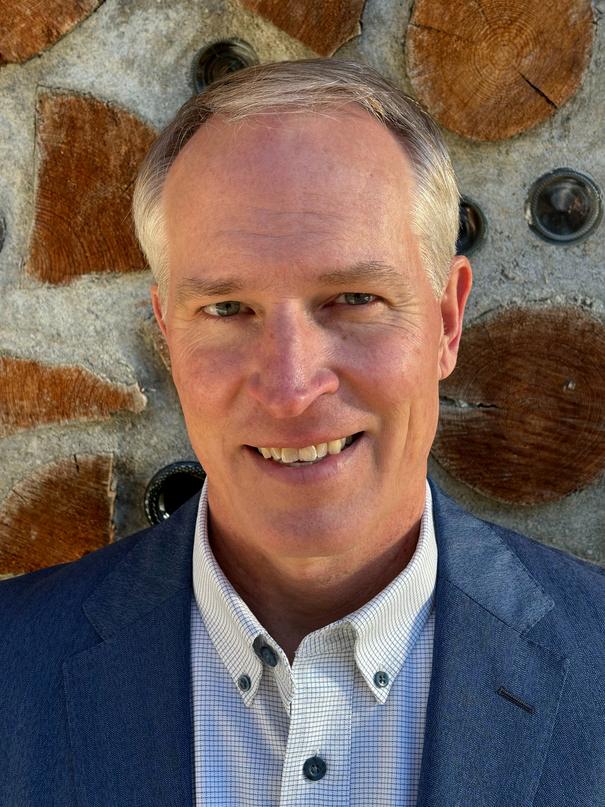
Mike Koopal, Chair
Flathead Representative
Executive Director
Whitefish Lake Institute

Arthur Potts
Hydropower Utility Representative
Terrestrial Program Manager
Avista
Matthew Peterson
Private Landowner Representative
Civil Engineer
NewFields Sandy Beder-Miller
Private Industry Representative
Pulp & Paper Process Engineer
Retired
Phil Matson
Private Citizen Representative
Research Coordinator
Flathead Lake Biological Station –
University of Montana

Onno Wieringa, Vice-Chair
Upper Clark Fork & Blackfoot
Representative
Recreation Business Owner & Manager
Retired
Duane Braaten
Electric Cooperative Representative
Trustee
Flathead Electric Co-op
Ron Pifer
Lower Clark Fork & Bitterroot
Representative
Environmental Scientist
Lech Naumovich
Kootenai Representative Director & Ecologist
Greater Than Image, LLC


Randy Brodehl
County Representative
Commissioner
Flathead County Rae Lynn Hays
Conservation District Representative
Lincoln Conservation District
Josh Letcher
County Representative
Commissioner
Lincoln County Scott Rumsey
Julie Spencer
Wastewater Utility Representative
District Manager
Bigfork Water & Sewer District and Woods Bay Water & Sewer District
Rich Janssen Jr.
Confederated Salish & Kootenai Tribes
Representative
Department Head
Natural Resources Department CSKT
Conservation District Representative
Flathead Conservation District
Tracy Campbell
Stormwater Utility Representative
Superintendent
Stormwater Department of Public
Works & Mobility, City of Missoula


Senator Janet Ellis
Montana Senate
SD41
Representative Tom France
Montana House of Representatives
HD94
Lindsey Krywaruchka
Water Quality Division Administrator
Montana Department of Environmental
Quality
Tom Woolf
AIS Bureau Chief
Montana Fish, Wildlife, & Parks
Senator Mike Cuffe
Montana Senate
SD1
Representative Neil Duram
Montana House of Representatives
HD2
Galen Steffens
Community MT Division Administrator
Montana Department of Commerce
Jim Ferch
Regional Manager, Water Resources
Montana Department of Natural Resources & Conservation
Tom Martin
Environmental Services Bureau Chief
Montana Department of
Transportation
Dr. Jim Elser
Professor of Ecology & Director
Flathead Lake Biological Station –
University of Montana

Sara Edinberg
Assistant Research Hydrogeologist
Montana Bureau of Mines & Geology

Peter Brumm
Hydrologist – Regional TMDL & Columbia Basin Coordinator, Region 8
U S Environmental Protection Agency
Martin Charlo
CSKT Tribal Council Member
Confederated Salish & Kootenai Tribes
Chris Savage
Renewable Resource Management Director
U.S. Forest Service
Heidi McMaster
IPM & Invasive Species Program Coordinator, Environmental Compliance Division
U.S. Bureau of Reclamation
Greg Hoffman
Senior Fishery Biologist
U S Army Corps of Engineers
Melissa Schaar
Associate Director of Research & Investigations, Wyoming-Montana Water Science Center
U S Geological Survey
Kate Wilson
Montana Liaison, Intergovernmental Affairs
Bonneville Power Administration
Casey Lewis Executive Director
Stephanie Murphy Communications Coordinator
Emilie Henry Program Coordinator

Heidi Fleury Grant Program Specialist
Krista Lammers Grant Administrative Specialist

Kelly Hendrix Program Coordinator
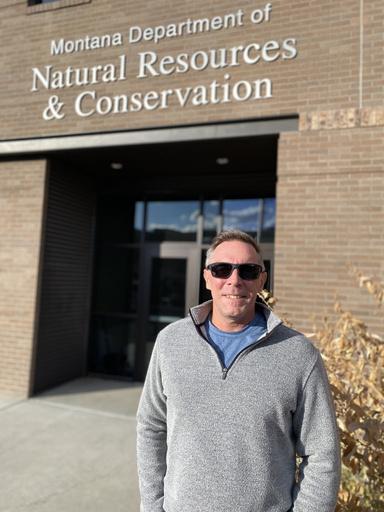
Kristen Jordan Grant Program Specialist
Mark Bostrom Division Administrator Conservation & Resource Development Division
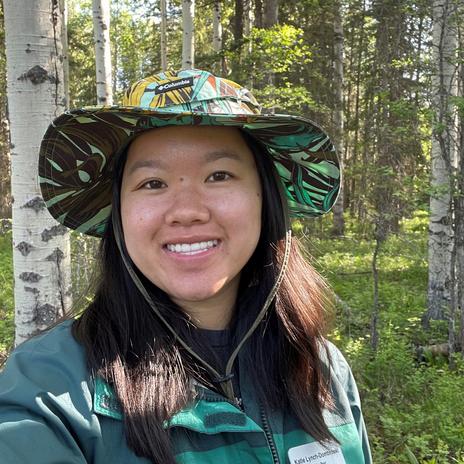
Katie Lynch-Dombroski 2022-2023
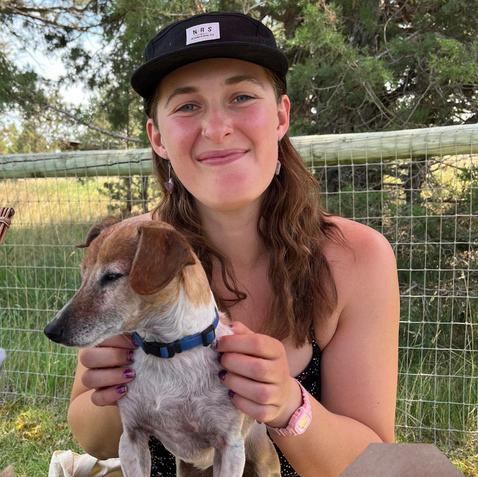
Clarissa Orton 2023-2024
The Western Montana Conservation Commission was created during the 2023 Montana Legislative Session with the passage of Senate Bill 83 and effectively combines and replaces the roles and jurisdictions of the Flathead Basin Commission and the Upper Columbia Conservation Commission to increase management efficiency and broaden the scope of work.
The mission of the Western Montana Conservation Commission is to protect and improve the quality of western Montana’s aquatic resources including water quality and quantity, recreational and scenic values, and fish and other wildlife, including the prevention and management of aquatic invasive species
Clean water is essential to maintain our way of life. Our vision is for western Montana to be a leader in innovative natural and aquatic resource conservation By fostering participation and collaboration, we envision responsible stewardship of aquatic resources to provide for future generations
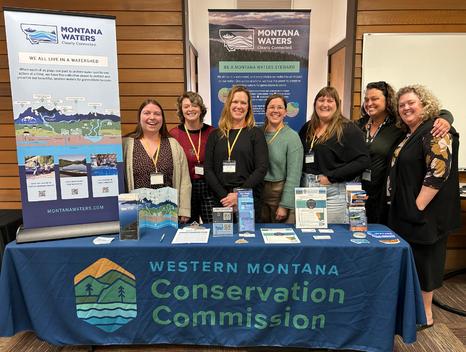
We strive to:
1 Reduce point and nonpoint sources of water pollution
2 Prevent the spread of aquatic invasive species
3
4
Maintain, enhance, restore, expand, or benefit the aquatic natural resources of Western Montana Emphasize community participation, education, outreach, and engagement
This biennial report summarizes WMCC’s activities and initiatives in the 2024 fiscal year Meetings were held in the following locations across western Montana:
Missoula, MT November 2-3, 2023
Polson, MT February 7-8, 2024
Kalispell, MT June 4-5, 2024
WMCC’s enabling legislation outlines the duties of the commission, guiding the work undertaken.
See MCA 85-1-9 and MCA 2-15-3311 to learn more about our enabling legislation.
The purpose of the Western Montana Conservation Commission is to protect the existing high quality of western Montana's aquatic resources.
MCA-85-1-902
1. Monitor & collaboratively develop a monitoring strategy for natural resources
2. Support aquatic invasive species prevention program
3. Promote cooperation among federal, state, provincial, tribal, and local managers
4. Promote international coordination with British Columbia
5. Provide targeted support for the Flathead Basin
6. Support resource-conscious economic development
7. Investigate and hold hearings about resource utilization
8 Create public-private partnerships to:
a) Reduce point and nonpoint source pollution
b) Prevent the spread of aquatic invasive species
c) Benefit aquatic resources in western Montana
The Principles that Guide Our Work
The Séliš, Qĺispé, & Ksanka tribes, land and water stewards, and other local knowledge-holders in Montana have extensive experience and vital knowledge important to conservation efforts.
We respect generational knowledge and diverse knowledge systems, while equitably integrating and prioritizing local knowledge in conservation practices.
Embrace a culture of continuous learning, encouraging staff and commission member development and capacity building to improve practices and outcomes.
Continuously learn from and with partners and community members to adaptively respond to natural resource challenges and opportunities.
The Work We Do
Aquatic Resource Protection
Goal: Support existing and create new programs and projects to have positive, on-the-ground impacts.
Foundations
Aquatic invasive species prevention
Water quality protection through point and nonpoint source pollution reduction
Foster a culture of innovation by promoting research, pilot projects, and the exploration of novel, science-based technologies to solve emerging challenges in resource conservation
Share successful strategies, best practices, and innovative solutions with partners and other organizations to make local and national conservation efforts more successful.
Uphold high ethical standards in all activities, fostering transparency, accountability, and integrity in decision-making processes and interactions with other parties.
Inclusive Education & Outreach Collaboration & Facilitation
Goal: Inspire action for responsible water stewardship and provide resources for consistent messaging.
Foundations
Diverse, engaged partners
Culturally appropriate messaging
Outreach that inspires public participation & water stewardship
Goal: Convene partners to collectively identify and address resource challenges and opportunities
Foundations
Sharing and creating knowledge with partners
Support and enhance existing efforts
First Year: at a glance
2023
WMCC Established July 1, 2023
Montana Waters: Clearly Connected Campaign
Website Launched July 4, 2023
$7M EPA Grant Finalized September 28, 2023
Inaugural WMCC Meeting November 2 - 3, 2023
Governor Appointments Finalized October 13, 2023
Budget Finalized December 2023
2nd WMCC Meeting
February 7 - 8, 2024
Staff Hiring Complete
Including 3 new positions funded by the EPA Grant
WMCC Website Launched April 15, 2024
3rd WMCC Meeting
June 4 - 5, 2024
Voted in WMCC’s first committees
Chair: Phil Matson (Flathead Lake Biological Station)
Vice Chair: Tom Woolf (Montana Fish, Wildlife & Parks)
Staff: Emilie Henry
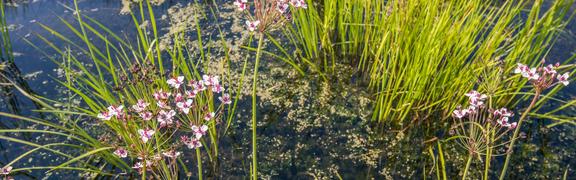
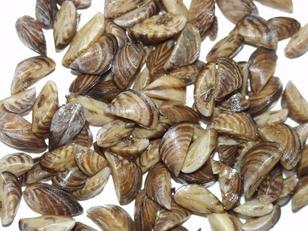
Aquatic invasive species (AIS) are plants, animals, and pathogens not native to Montana. AIS can cause ecological and economic harm by outcompeting native species, damaging infrastructure, and diminishing the quality of recreational experiences WMCC is committed to supporting and strengthening the State’s AIS prevention program in western Montana
The goals of the Committee include:
Working with partners to identify gaps and needs in current AIS efforts
Pursuing projects to fill gaps and address partner needs
Enabling and empowering local partners to do work on the ground
Exploring technologies and novel strategies to promote compliance with mandatory inspection laws
Conducting education and outreach on AIS topics
Pursuing thoughtful, strategic legislative engagement
Chair: Lech Naumovich (Greater Than Image, LLC)
Staff: Kelly Hendrix
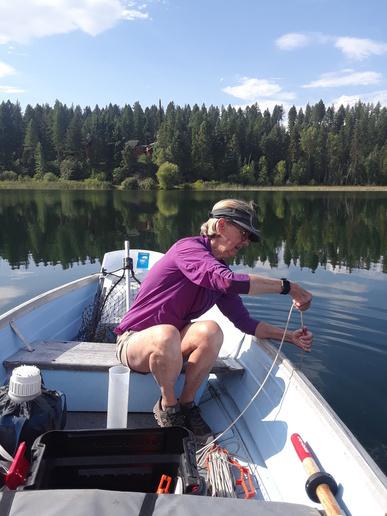
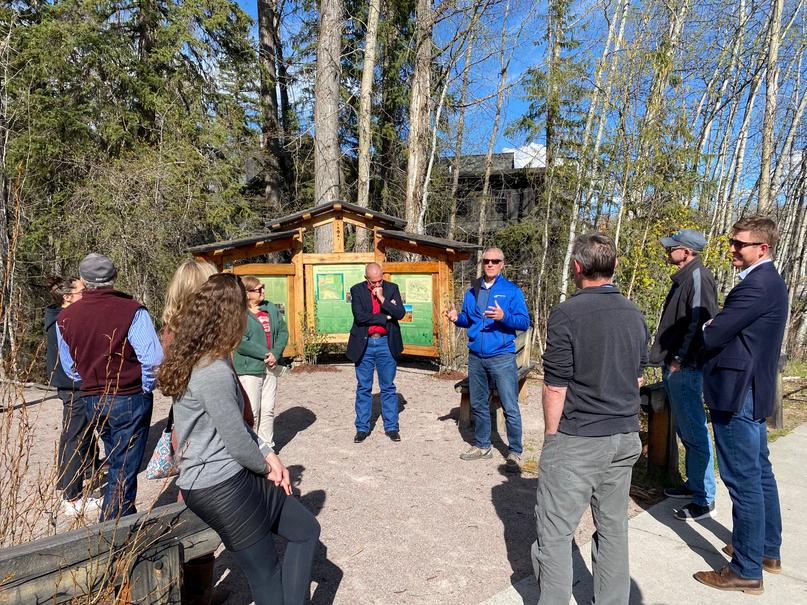
The Monitoring and Coordination Committee focuses on the monitoring of aquatic resources in western Montana. The committee also promotes coordination among federal, state, provincial, tribal, and local resource managers to establish consistent conservation practices, comprehensive monitoring, and effective data collection and interpretation. These efforts are vital for protecting and sustainably managing Montana’s natural resources.
The goals of the Committee include:
Communicate monitoring efforts and the condition of the aquatic resources
Develop a 5-year monitoring strategy with input from all land and water agencies in western Montana with a focus on aquatic resources (per statutory duties)
Foster collaboration among all resource managers to align conservation practices and strategies (per statutory duties)
Identification of land use, land development, and economic trends in western Montana (per statutory duties)
Identify potential monitoring gaps and propose solutions
Evaluate trends in the conditions of western Montana’s natural resources, with a focus on aquatic resources
Chair: Kate Wilson (Bonneville Power Administration)
Staff: Stephanie Murphy
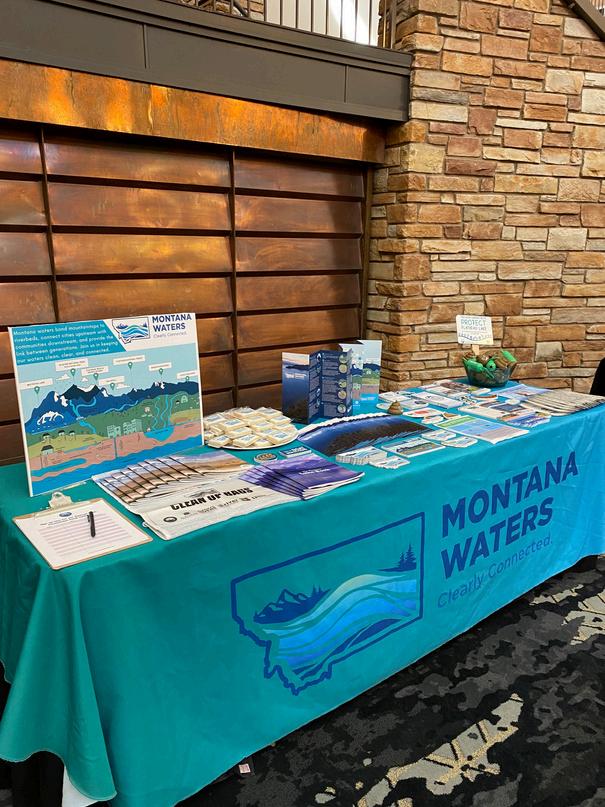
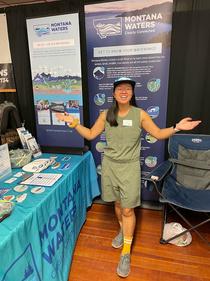
The Western Montana Conservation Commission (WMCC) emphasizes community education, outreach, and engagement to increase public awareness of water quality issues threatening western Montana By providing leadership and support on public and partner engagement, we can inspire residents and visitors to take pride and responsibility in conservation efforts and increase awareness of natural resource threats and solutions.
The goals of the Committee include:
Communication, education, and outreach support for WMCC and all committees, as needed (per statutory duties)
Support Montana Waters: Clearly Connected campaign: priorities, budget, and expansion
Advertising and marketing needs
Help plan and support engagement across Upper Columbia Basin
Support development and maintenance of WMCC website, newsletters, and social media
Support development and finalization of biennial reports to legislature (per statutory duties)
Assist with writing of RFPs and contracts for communication, outreach, and/or education related needs
WMCC established a process for committee development to ensure clarity, engagement, and effective goal setting. This preliminary phase allows for comprehensive planning before formalizing the committee, fostering a sense of ownership and commitment among participants Once a Committee-in-Development has established goals and structure, it is brought to the full Commission for official review and vote.
Co-Chairs: Mike Koopal (WLI) and Ron Pifer
Vice-Chair: Nanette Nelson (FLBS)
Staff: Heidi Fleury
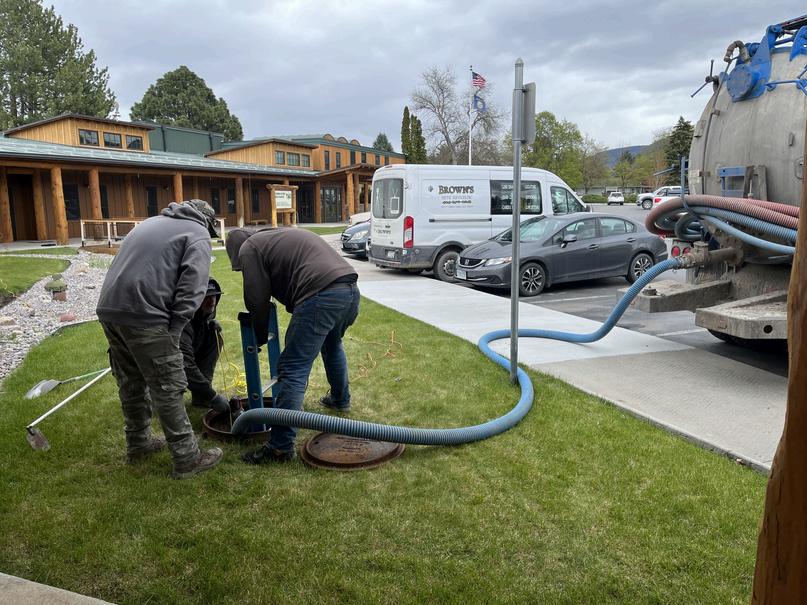
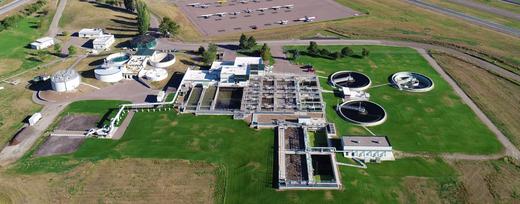
The Onsite Wastewater Treatment Committee’s primary goal is to develop a shared strategy, through a collaborative process, to manage onsite wastewater treatment systems to protect public health and water quality in western Montana.
The goals of the Committee include:
Increase public knowledge of existing standards and processes for onsite wastewater management in western Montana
Identify any knowledge gaps, data needs, and/or barriers to onsite wastewater management
Explore options for increasing performance and sustainability of onsite wastewater treatment management
Identify emerging solutions and appropriate compliance mechanisms to reduce risk to water quality degradation
Develop recommendations for approaches or actions related to onsite wastewater treatment management to WMCC for consideration
Commission Members: Tracy Campbell, Matt Peterson, Tom Martin
Staff: Kristen Jordan
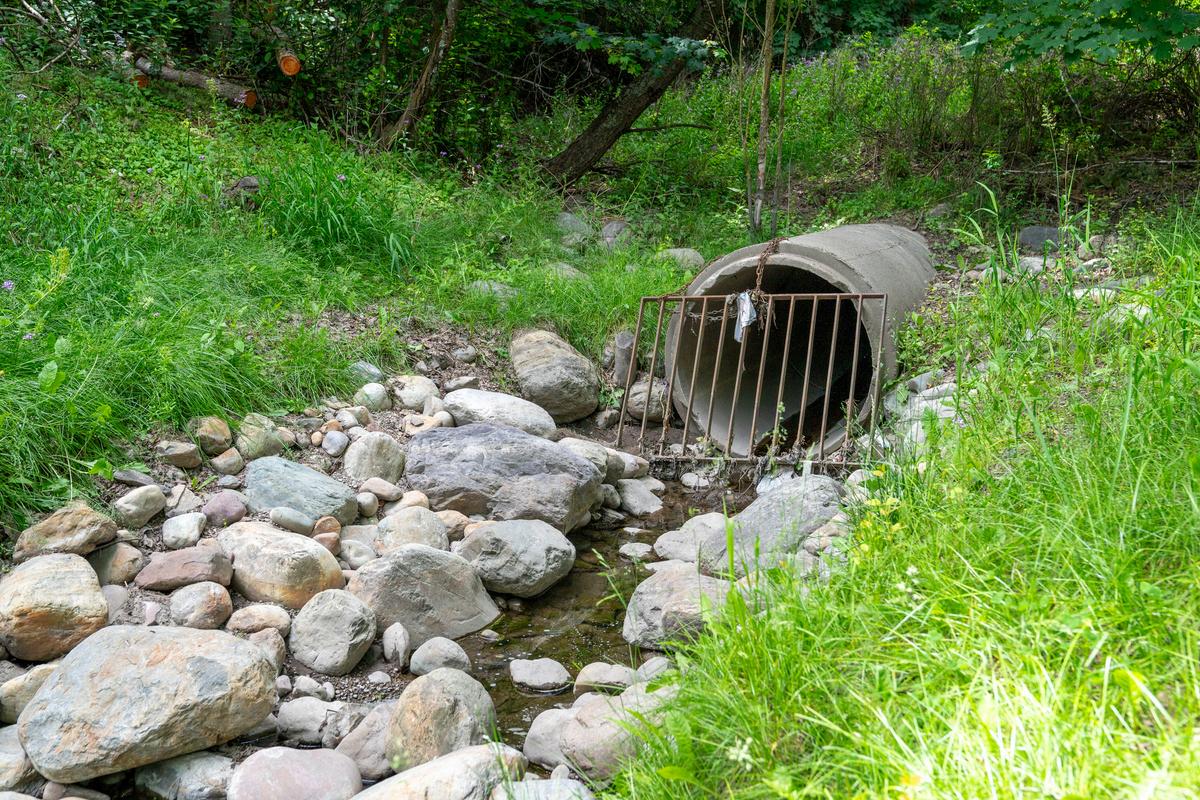
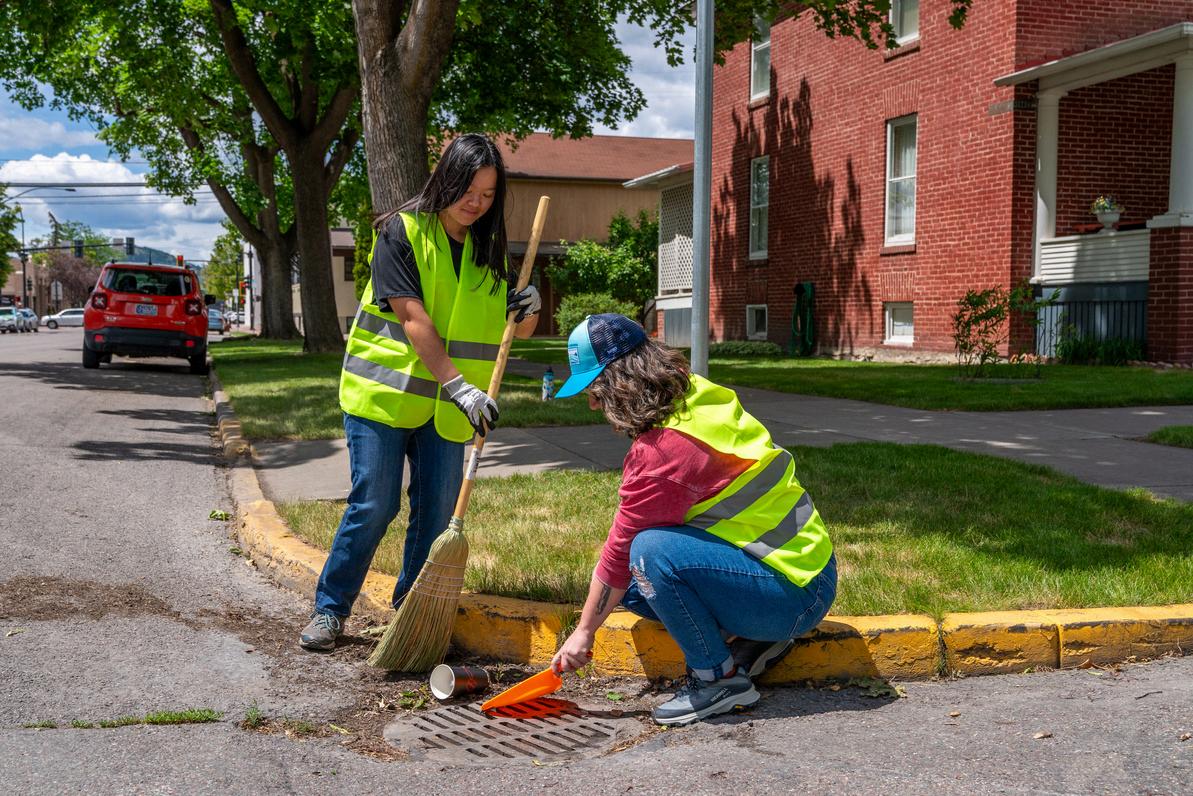
The Stormwater Advisory Council, driven by requirements in WMCC’s EPA Toxics Reduction Lead Grant, is in the early stages of development The group serves as an advisory team of stormwater experts from the region with a mission to "advise and collaborate to develop resources that promote and support a sustainable green stormwater infrastructure program in Montana." This group of stormwater experts will identify useful resources, documentation, and programmatic direction that will benefit entities in Montana to further utilize green stormwater infrastructure. The determined outputs are funded by the EPA grant.
Western Montana waters are more than just rivers and lakes. They are the lifeblood of its ecosystems and the heart of its communities We rely on them to sustain biodiversity, fuel economic prosperity, and provide boundless recreational opportunities. Protecting these waters is not just a responsibility; it’s an investment in the future a pledge to preserve the natural wonders that define western Montana's spirit and soul
Gina Hodges
As upstream users, we have legal and moral obligations to protect water quality not only for future generations, but for everyone who lives downstream.
Nonpoint source pollution is one of the biggest threats to the sustainability and resiliency of our water resources. We must focus on solutions that mitigate the cumulative impact of stormwater runoff.
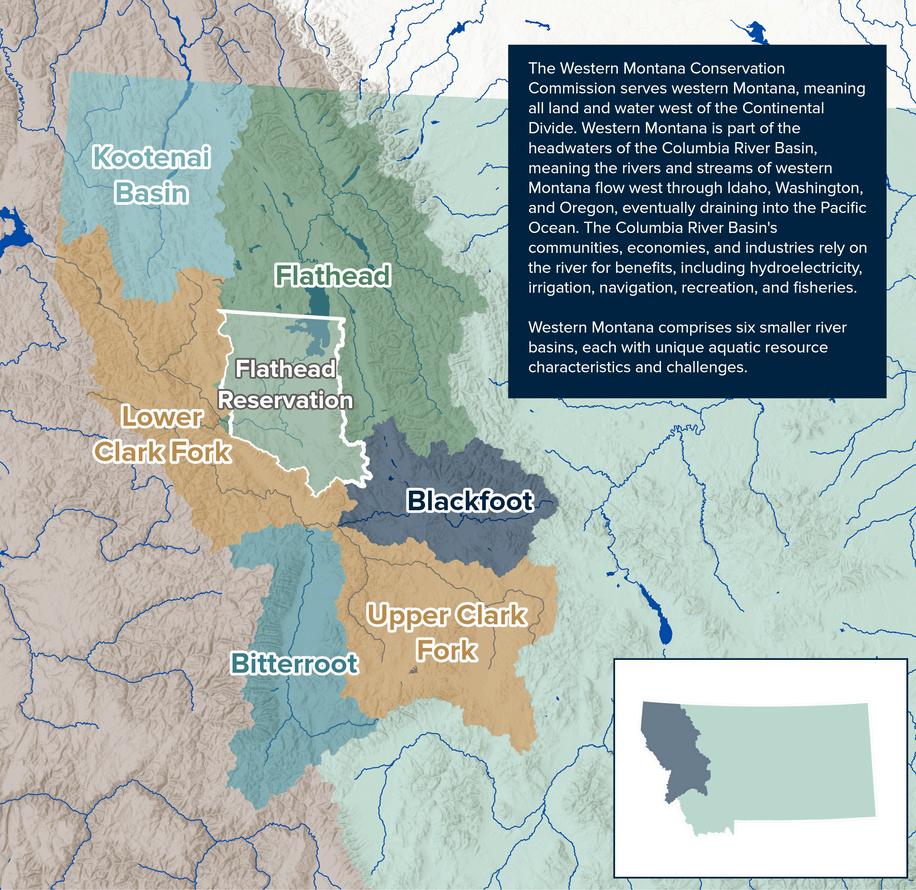
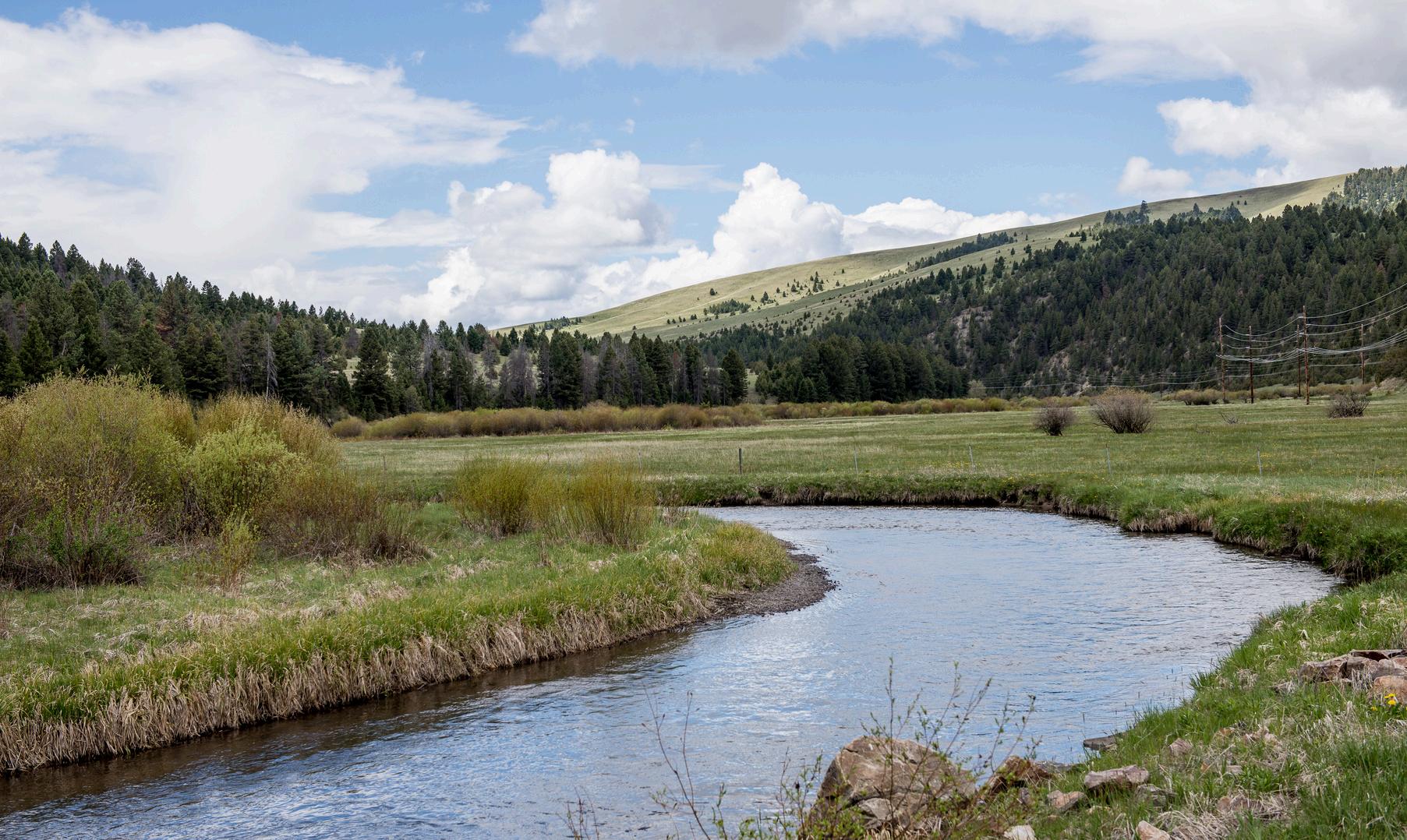
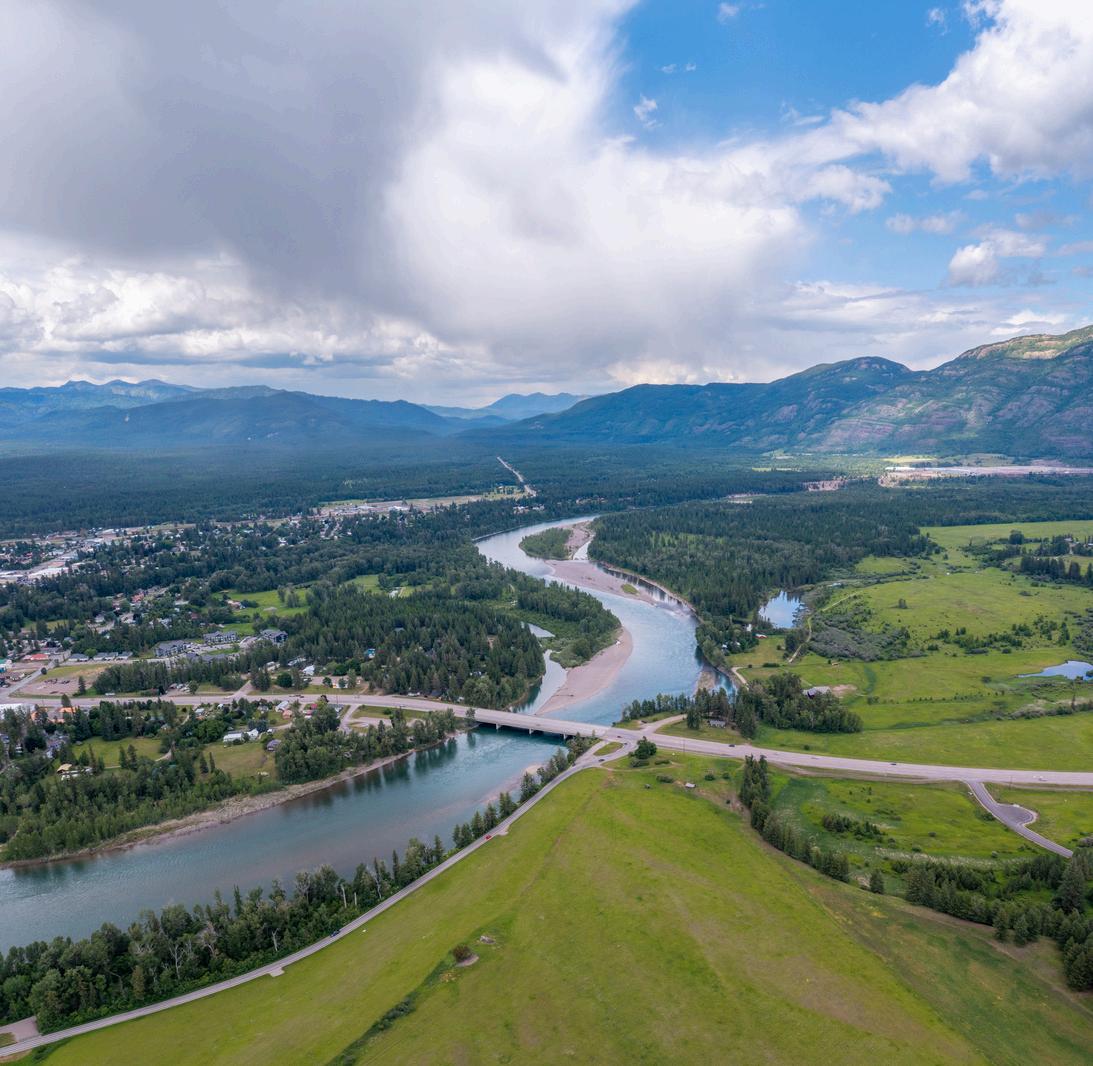
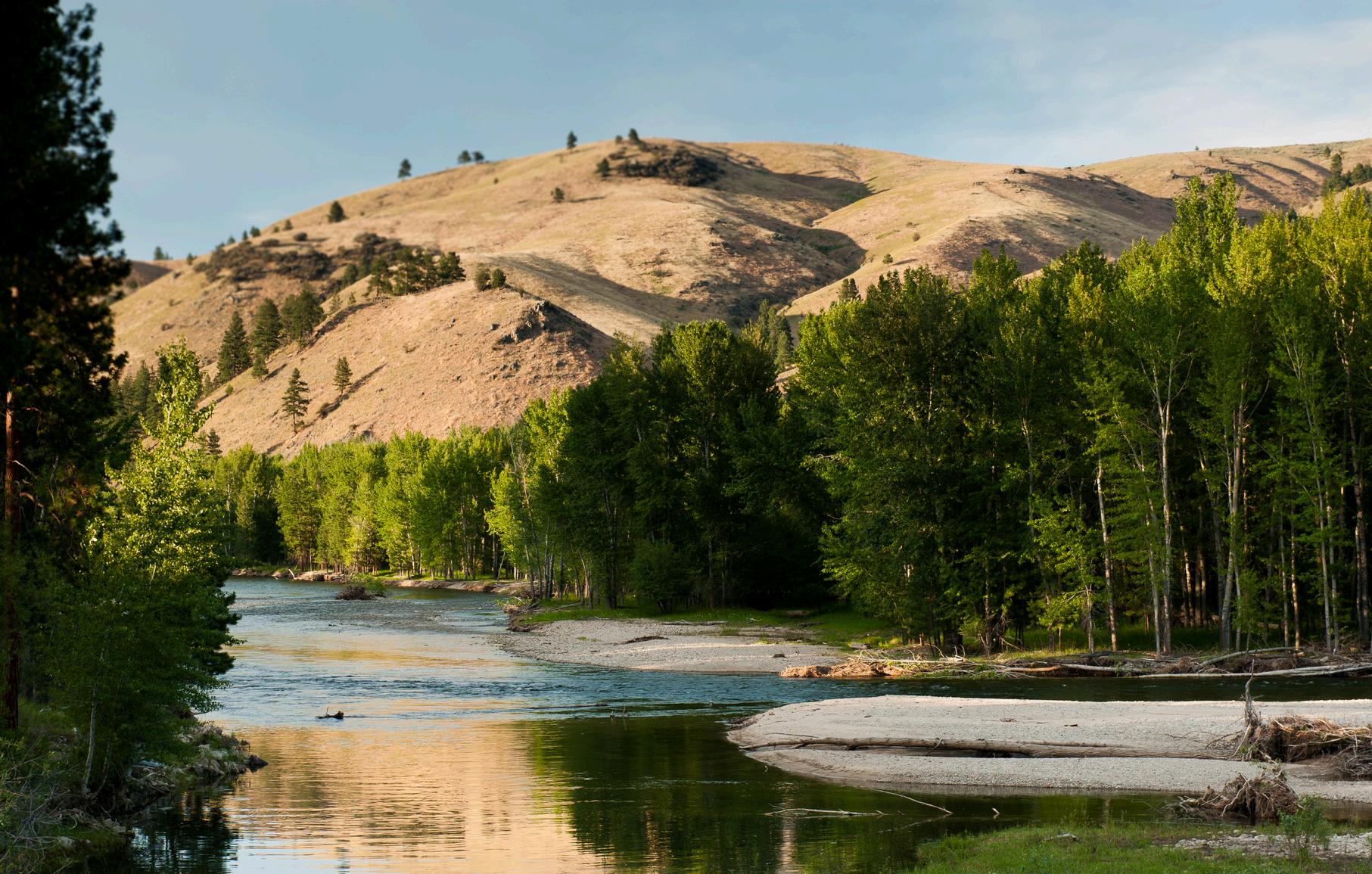
The Western Montana Conservation Commission serves western Montana, which includes all land and water west of the Continental Divide. Western Montana is part of the headwaters of the Columbia River Basin, meaning the rivers and streams of western Montana flow west through Idaho, Washington, and Oregon, eventually draining into the Pacific Ocean. The Columbia River Basin's communities, economies, and industries rely on the rivers and lakes within the watershed for many benefits, including hydroelectricity, irrigation, navigation, recreation, and fisheries
WMCC divides western Montana into six smaller river basins, each with unique aquatic resource characteristics and challenges
Originating in British Columbia, the Kootenai River flows south through Eureka and west toward Idaho. The Koocanusa Reservoir, created by the Libby Dam, provides hydroelectric and recreation opportunities Historical and active mining along the Elk and St Mary rivers pose challenges to water quality and fish health.
Originating north of the border in British Columbia, the Flathead Basin is comprised of forests, agricultural land, and towns. The Stillwater, Swan, and Whitefish rivers join with the three forks of the Flathead River to feed Flathead Lake. The Flathead Reservation lies in the southern portion of the basin, home to the Confederated Salish and Kootenai Tribes Glacier National Park and the Bob Marshall Wilderness offer vast recreation opportunities, and the Hungry Horse and Seli’š Ksanka Qlispé dams provide hydroelectric power to the region. Rapid development, increasing recreation trends, and aging infrastructure put pressure on the beautiful natural resources of the Flathead.
Beginning as Silver Bow Creek around downtown Butte, the Clark Fork River moves northwest to its confluence with the Blackfoot River east of Missoula before flowing through the city The Clark Fork receives inputs from the Bitterroot and lower Flathead Rivers, eventually crossing the Idaho border A history of mining has presented a host of water quality challenges for the watershed, leaving the Upper Clark Fork as the largest superfund complex in the U.S.
The Blackfoot River converges with the North Fork near Ovando and flows westward where it is joined by the Clearwater River carrying water from Seeley Lake and other neighboring lakes. The Blackfoot Basin remains largely undeveloped and rural compared to other watersheds in the region. Historical impacts from livestock grazing, logging, and mining have impacted the basin’s water quality, as well as a loss of intact landscapes to support fish and wildlife populations.
The two forks of the Bitterroot River unite south of Darby and flow north through Hamilton and Lolo. As it flows, the Bitterroot River receives inputs from many tributaries before it converges with the Clark Fork River. In the northern portion of the watershed, Lolo National Forest offers wilderness and recreational opportunities as well as habitat for keystone species. High rates of development and population growth put pressure on the basin’s natural resources.
The Western Montana Conservation Commission plays a crucial role in coordinating and collaborating with organizations across western Montana. We support and strengthen partner programs’ efforts to protect the region’s water quality through financial assistance, education and outreach, staffing support, and more.
In our inaugural year, WMCC has successfully engaged with over 50 partner organizations, agencies, and individuals fostering strong collaborative relationships and establishing a foundation for future initiatives. These meetings have allowed us to gather diverse perspectives and insights, enhancing our understanding and approach to natural resource management in western Montana; furthering us towards fulfilling our statutory duties.
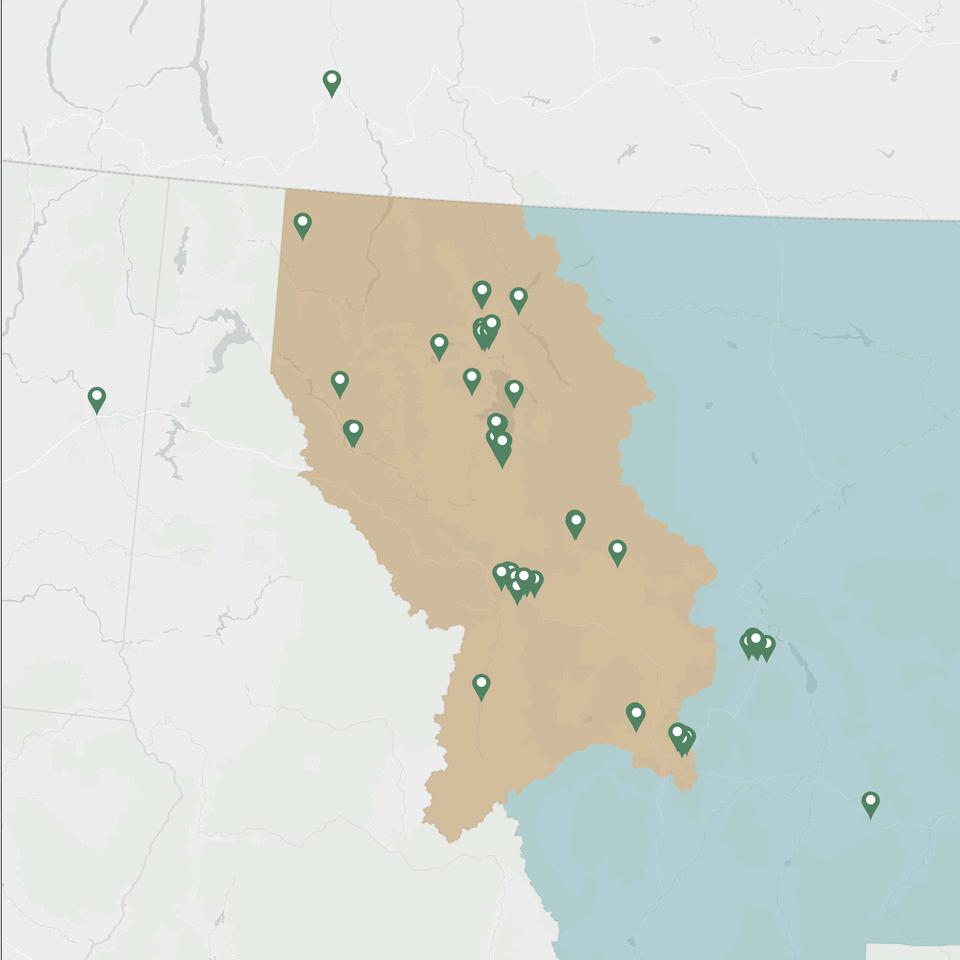
WMCC sponsored regional events to bolster community engagement, share our mission, and support our partners through collaborative endeavors.
Whitefish, MT
Montana Lakes Conference
October 18 - 20, 2023
Missoula, MT
Aquatic Invasive Species Short Course
March 4 - 6, 2024
Butte, MT
Clark Fork Science Forum
April 24 - 25, 2024
Partner organizations and agencies engaged with in 2024
Federal Agencies:
US Geological Survey
Environmental Protection Agency
Bureau of Reclamation

Conservation Groups:
Flathead River to Lake Initiative
Bob Marshall Wilderness
Foundation
Blackfoot Challenge
Ripple
Flathead Lake Biological Station
Gallatin River Task Force
Watershed Education Network
DNRC Native Plant Nursery
Yaak Valley Forest Council
Montana Association of
Conservation Districts
Midwest Assistance Program
Montana Cities:
City of Missoula Stormwater
City of Kalispell Stormwater
Montana Counties:
Flathead County
Lake County
Missoula Dept of Ecology & Extension
Sanders County Aquatic
Invasive Plant Task Force
Conservation Districts:
Flathead CD
Missoula CD
Lake County CD
Additional Groups:
Flathead Basin Wastewater
Partners
WGM Group
Montana Lakes Conference
Flathead Community of Resource
Educators
Public Lake and Water Access
Association
Butte Citizens’ Technical
Environmental Committee
NeighborWorks
WET: Water & Environmental
Technologies
Glacier Country Tourism
Montana State Agencies:
Dept of Environmental Quality
Fish, Wildlife, & Parks
Dept. of Natural Resources & Conservation
Montana Invasive Species Council
Montana Bureau of Mines & Geology
Tribal:
Confederated Salish and Kootenai Tribes
Watershed Groups:
Flathead Lakers
Little Bitterroot Lake Association
Montana Watershed Coordination Council
Clearwater Resource Council
Friends of Lake Mary Ronan
Upper Columbia Lakes Network
Upper Clark Fork Streamflow
Working Group
Bitterroot Water Partnership
Crown Managers Partnership
Whitefish Lake Institute
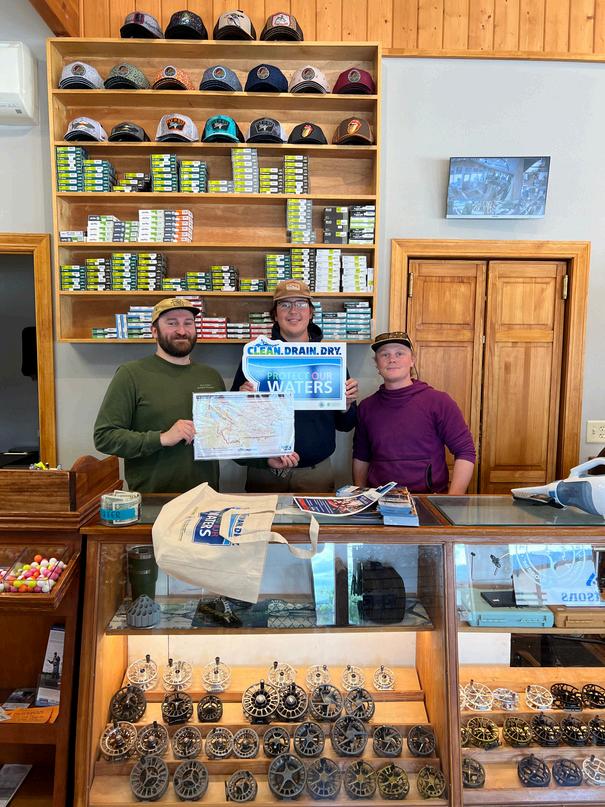
Aquatic invasive species (AIS) are plants, animals, and pathogens not native to Montana that live in aquatic environments which can hitch a ride on boats, kayaks, and equipment and spread across waterbodies Preventing the spread of AIS requires public action, especially cleaning, draining, and drying boats and gear. WMCC supports the State’s AIS prevention program, in partnership with Fish, Wildlife, and Parks (FWP), by engaging the public on AIS topics, educating them on the dangers of AIS and what they can do to protect our waters.
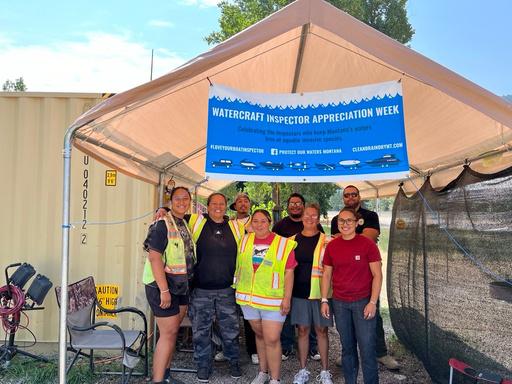
In August 2023, WMCC celebrated the third annual Watercraft Inspector Appreciation Week. Watercraft inspectors are our first line of defense against AIS, working long days in the heat to inspect and decontaminate any watercraft looking to launch on Montana’s lakes and rivers. Watercraft Inspector Appreciation Week allows WMCC and partners to thank our inspectors for their hard work and raise public awareness of the difficult and important job they do.

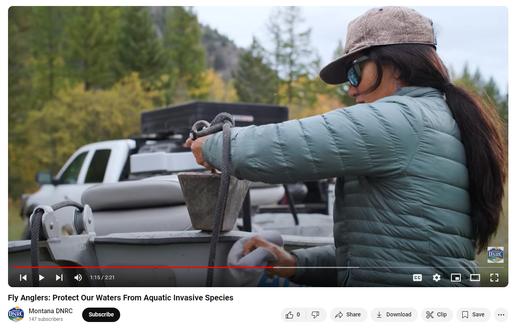
Continuing the work of UC3, WMCC produced three AIS outreach videos for both the general public and targeted audiences in partnership with MT FWP. The first, an instructional training focused on monitoring for AIS to build community science efforts in western Montana. The second, an awareness and education video focused on the impacts of AIS and the State’s AIS prevention program that water-based industries can use in seasonal training of staff, prompting action to prevent the introduction and spread of AIS and provide accurate information to staff, customers, and clients. Finally, a public service announcement (PSA) video specifically targeting fly-fishing and wade anglers for preventing the spread of AIS
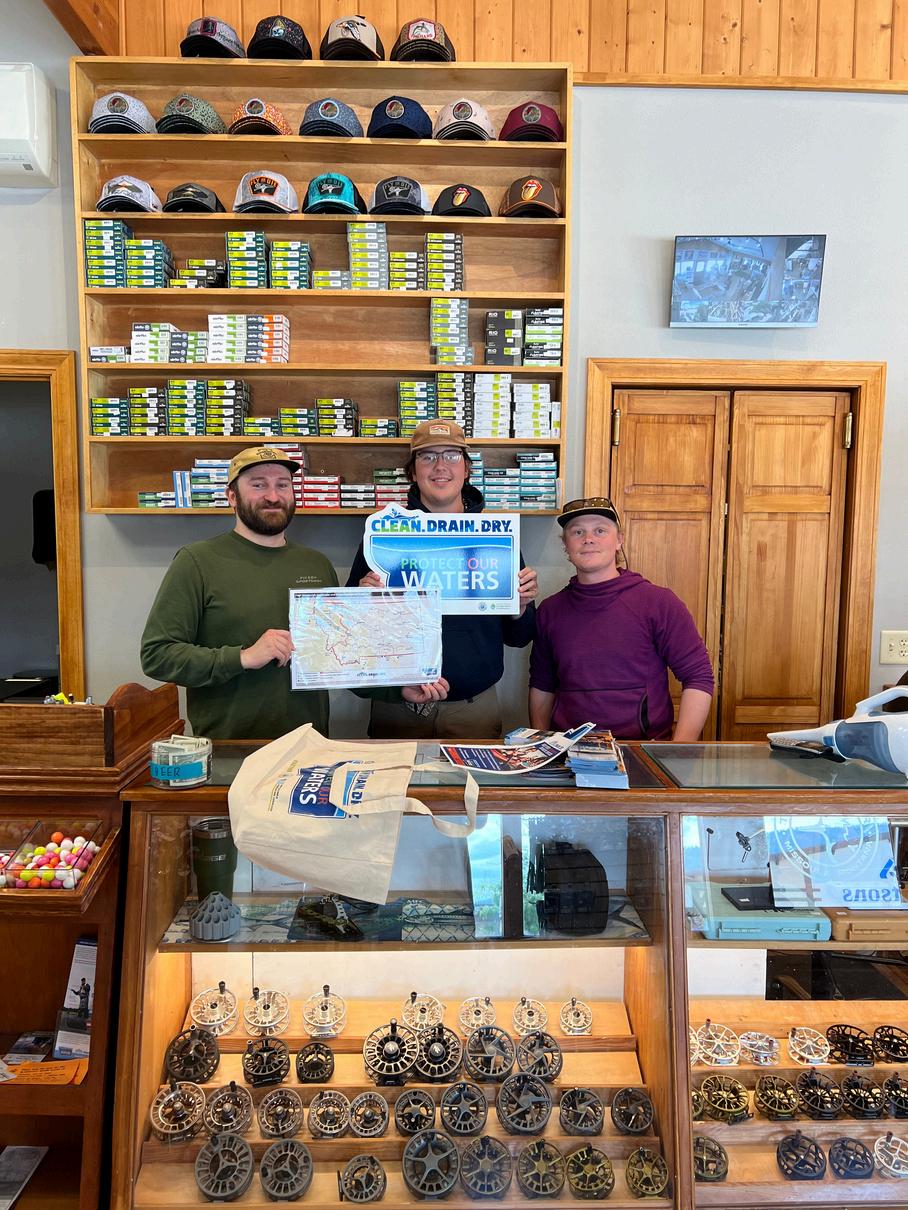
In 2024, WMCC jointly hosted a Big Sky Watershed Corps (AmeriCorps) member, Clarissa Orton, with the Missoula County Department of Ecology and Extension (MCDEE). Clarissa’s primary responsibilities include serving as an ambassador in WMCC’s industry outreach program, conducting education and outreach on AIS topics, and supporting MCDEE’s projects through fieldwork and data acquisition.
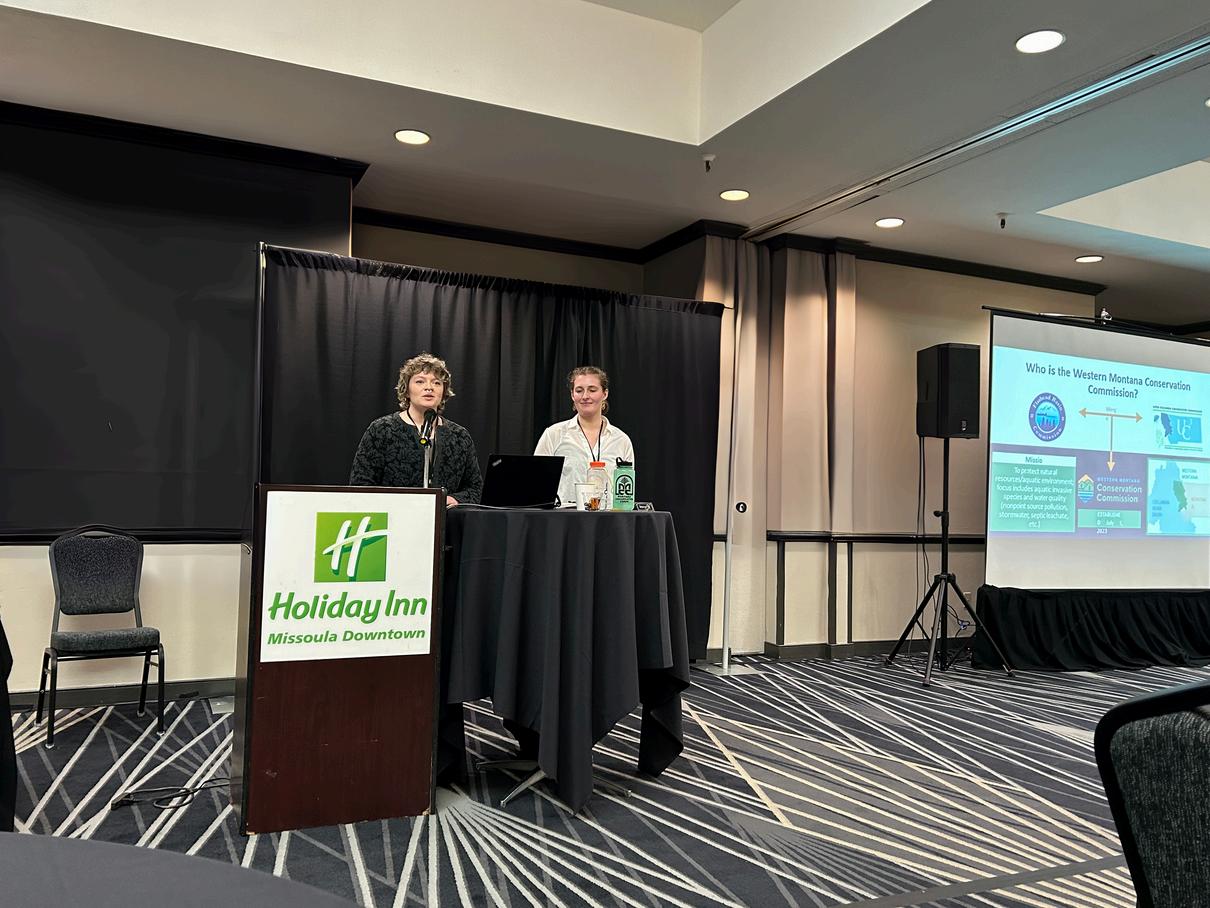
In March 2024, Clarissa and Emilie Henry, WMCC’s Program Coordinator, presented at the Western AIS Short Course hosted by MCDEE. The presentation focused on WMCC’s role in larger state AIS prevention efforts, primarily centered on community education, outreach, and engagement Audience members learned how regional organizations or commissions can successfully supplement a state’s AIS program.
To fund our AIS work, WMCC is utilizing two grants from the U.S. Bureau of Reclamation, totaling $125,797. Originally awarded to UC3 in 2021, the first grant in the amount of $58,255 funds a contract with the Upper Columbia Lakes Network to support community science initiatives and three years of AmeriCorps member host site fees from 2022-2024. A second grant in the amount of $67,542 funds an AmeriCorps host fee for a 2025 BSWC member, billboards, video production, and advertising material to spread the Clean, Drain, Dry message
As it continues to gain traction, WMCC’s AIS Committee will inform and support these efforts.
As the 2024 Big Sky Watershed Corps member with WMCC and the Missoula County Department of Ecology & Extension, I have been able to travel across the western portion of the state spreading awareness of AIS and sharing what I’ve learned about their prevention and management. Prior to this position, the only work experience I had that related to aquatics was as a raft guide. So it’s no surprise that my first few months had a steep learning curve. I have learned so much in such a short amount of time and met so many excited and engaged people – I can’t believe I’m a couple months away from being done. I have been able to try new things and build skills that will benefit me in any future position. I feel very grateful for this opportunity and all the support of my supervisors and greater community.
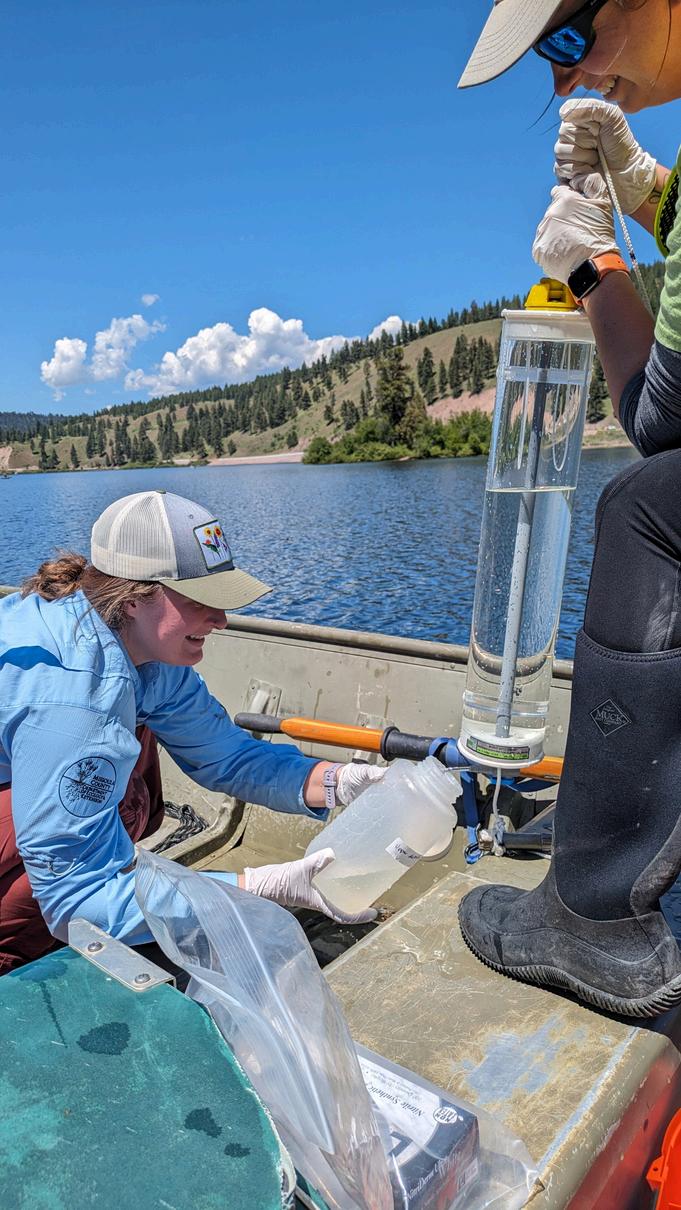
Nonpoint source pollution comes from many dispersed sources across the landscape, making it difficult to regulate. One effective way to reduce nonpoint source pollution is providing ways for individuals to mitigate their impact and resources to better understand how they can make a difference. Two sources of nonpoint source pollution that WMCC currently works to address are stormwater and septic leachate.
Septic systems are underground structures that treat wastewater from homes or businesses not connected to a sewer system Solid waste settles out in the septic tank, and the liquid is slowly released into the drain field to be treated by microbes in the soil. When properly installed, operated, and maintained, septic systems can provide adequate wastewater treatment. However, aging and underperforming septic systems can pollute surface and groundwater with nutrients, bacteria, and other pollutants.
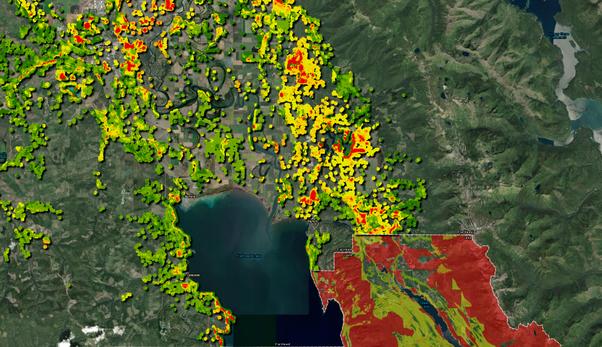
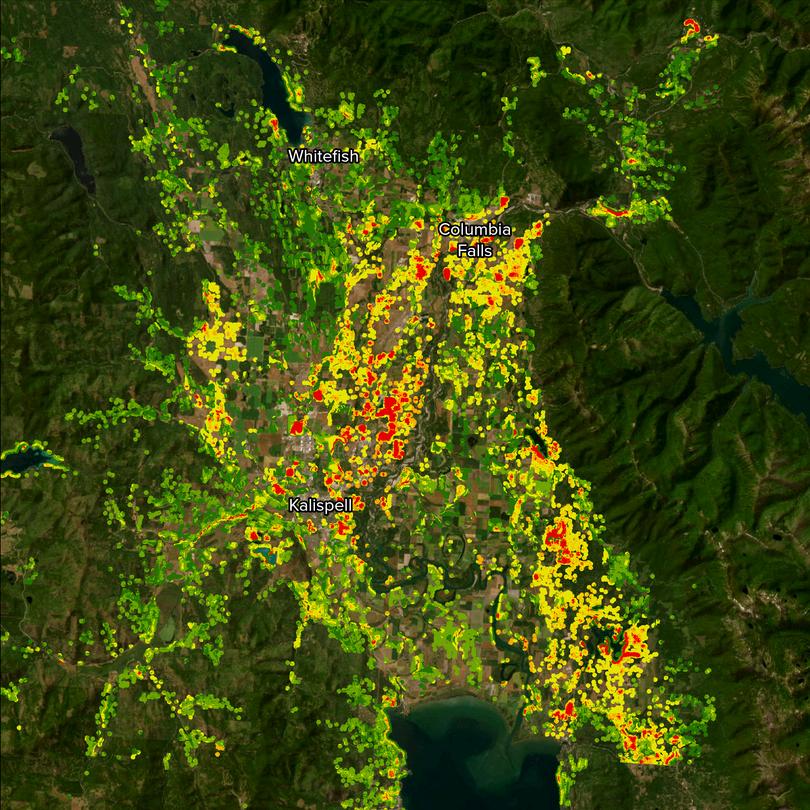
Beginning in 2020, the former Flathead Basin Commission developed a septic risk model for Flathead County that identifies areas at high risk for septic leachate pollution to water resources based on physical landscape and existing septic system characteristics. Continuing this work, WMCC held conversations with CSKT and Lake County Commissioners and staff to discuss expanding this model to the southern part of the Flathead Watershed WMCC is committed to supporting the expansion of this project, as the model serves as a useful tool for informing development and reducing water pollution.
WMCC staff also collaborated on a National Science Foundation grant application submitted by the Flathead Lake Biological Station to investigate septic leachate pollution and its nearshore impacts on Flathead Lake If awarded, WMCC’s role in this project will be outreach to communities across western Montana about septic leachate pollution and the tools available to better understand and address it, including the Flathead Basin Septic Risk Model.
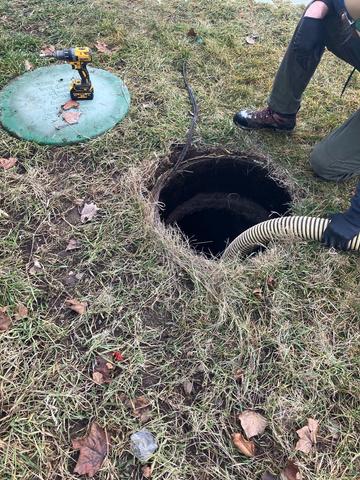
WMCC has continued a long-term partnership with the Flathead Basin Wastewater Partnership, a group dedicated to supporting and improving the Flathead Basin Septic Maintenance Reimbursement Program. In 2022, the Flathead Basin Commission initiated a contract with Lake County Conservation District to provide funding for the program, a contract that WMCC continued and finalized this year. WMCC continues to engage with the partnership on ways to improve and expand outreach and impact
Stormwater is water that runs across hard surfaces such as rooftops and roads when it rains or snow melts. As it flows, it can pick up pollutants on the landscape, including oil from leaky cars, chemicals from pesticides, and nutrients from pet waste In Montana, stormwater flows directly into streams and rivers often without treatment, bringing with it any pollutants it may have picked up.
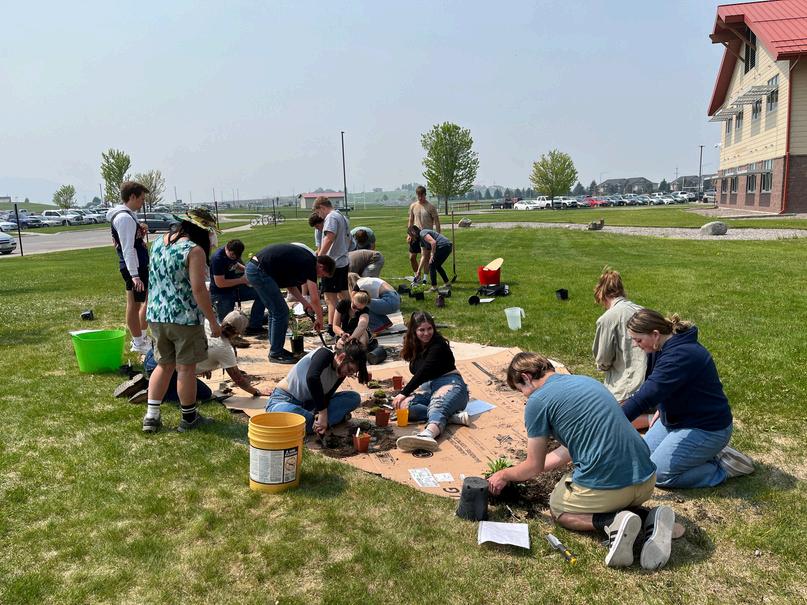
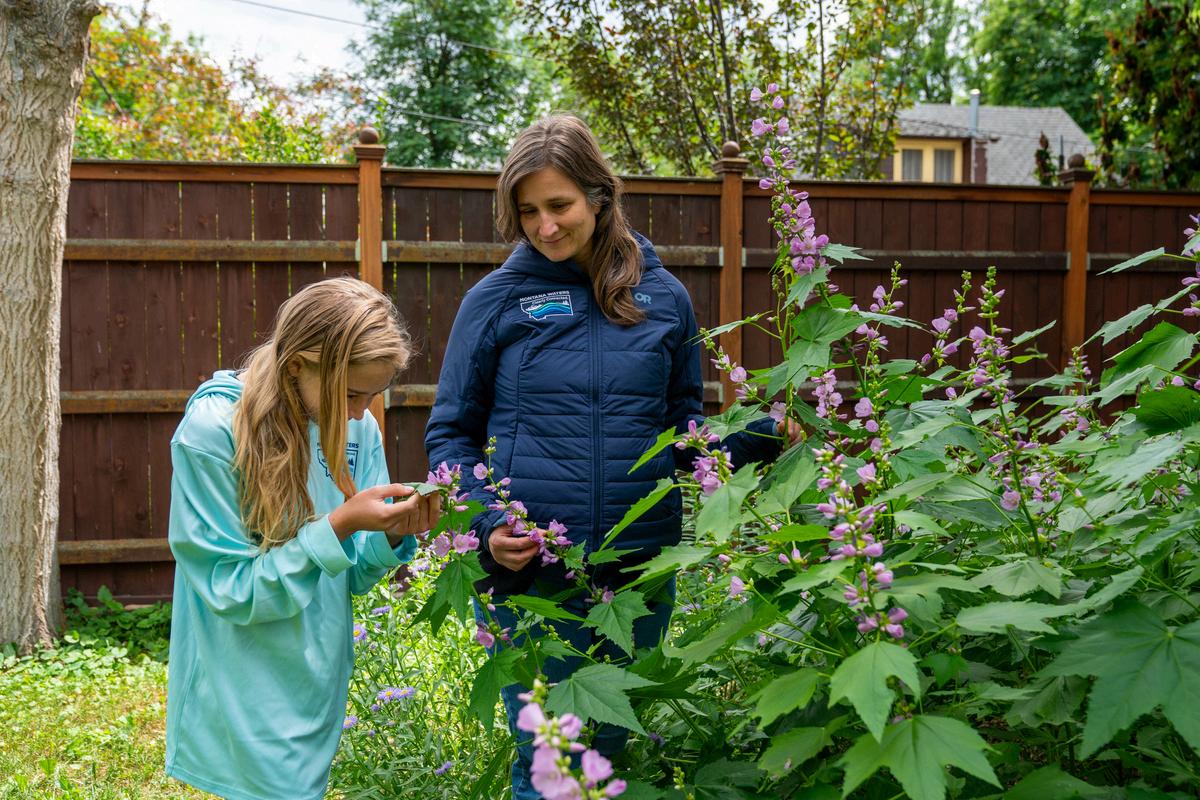
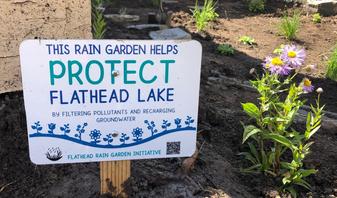
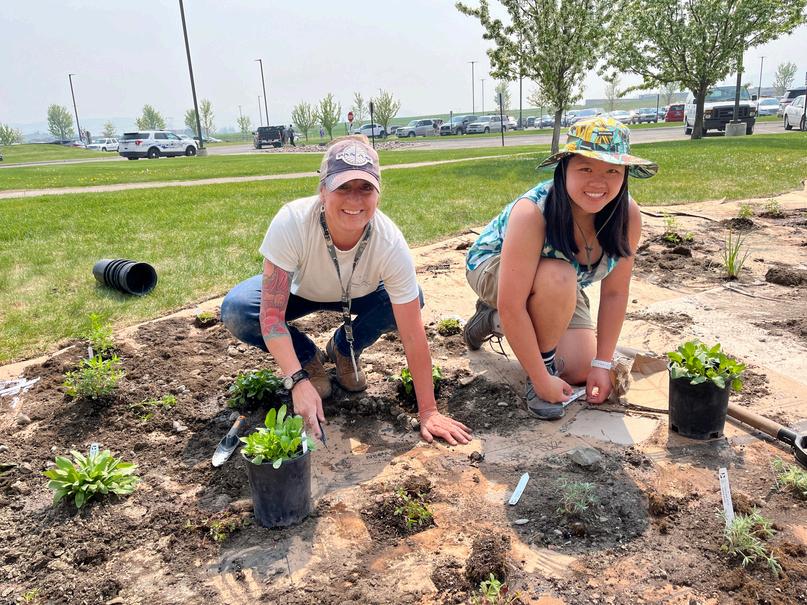
The Flathead Rain Garden Initiative (FRGI) is a collaborative program with the Flathead Conservation District, the City of Kalispell, and WMCC that empowers residents of Flathead County to reduce stormwater pollution by building rain gardens on their property. Rain gardens are designed to capture, filter, and absorb dirty stormwater and keep it out of waterbodies.
In 2023, WMCC jointly hosted a Big Sky Watershed Corps (AmeriCorps) member, Katie Lynch-Dombroski, with the City of Kalispell to support FRGI and conduct stormwater-related education and outreach.
During her term, Katie managed a $7,000 mini-grant from the Montana Association of Conservation Districts that supported FRGI program development, including radio and newspaper advertisements, targeted postcard mailings, and promotional graphics and video creation Grant funding also supported a community rain garden project at Glacier High School in Kalispell along with associated educational materials and signage Students designed and helped to plant the garden, and countless students and community members can benefit from this project for years to come! Katie also organized two educational walking tours during which participants visited rain gardens in downtown Kalispell and learned about their benefits.
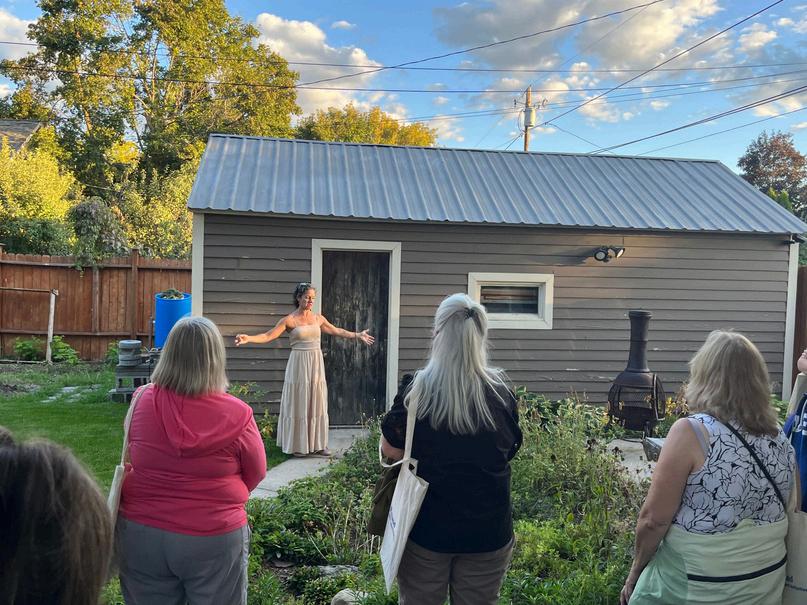
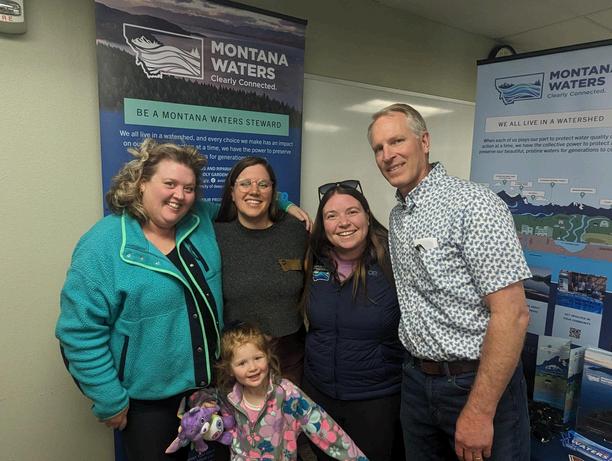
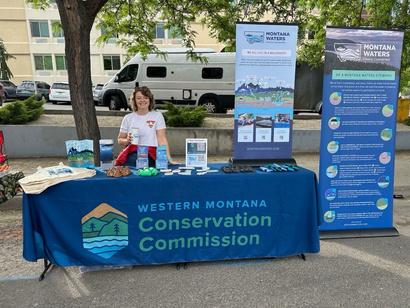
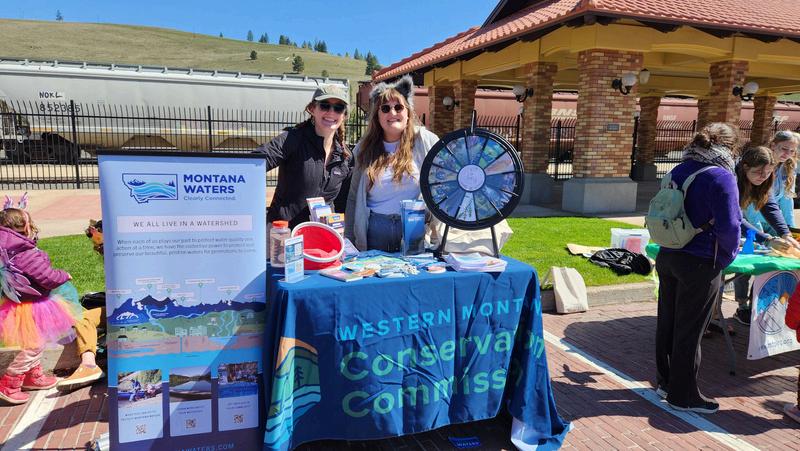
WMCC’s education and outreach efforts aim to expand public knowledge and support partner organizations. Our multifaceted outreach efforts include social media, newsletters, press releases, community events, and outreach campaigns that support aquatic invasive species prevention, nonpoint source pollution mitigation, and community stewardship. In 2024, WMCC reached over 2,300 people across western Montana at a variety of community outreach events. WMCC programs, events, and meetings were highlighted in 15 different news stories, reaching a total online and print audience of over 48,000 people Transitioning from FBC and UC3 to WMCC, a new website was written and designed to provide information about the Commission, our programs, the region we serve, and upcoming events.
Rain Garden Walking Tours
Northwest Montana Fair & Rodeo
Flathead Waters Clean Up
Workshop for Building Drought Resilience in a Changing Climate with Upper Columbia and Missouri Basin Tribes
Montana AIS Partner Meeting
Montana Lakes Conference
Montana Outdoor Recreation Summit
Free the Seeds
Home & Garden Showcase
Western AIS Short Course
Montana Plant Conservation Conference
Crown Managers Partnership Forum
Montana Watershed Coordination Council’s Annual Meeting
Flathead Earth Day
WildFest – International Wildlife Film Festival
University of Montana Sustainability Fair
Clark Fork Science Forum
Family Forestry Expo
North Flathead Yacht Club Launch Party
Big Fork Whitewater Festival
Intro to Fly Fishing Clinic
Clark Fork River Market
Columbia River Basin Restoration
Program Working Group Meeting
48,000+
people reached from online and print news audiences
2,300+
people engaged at

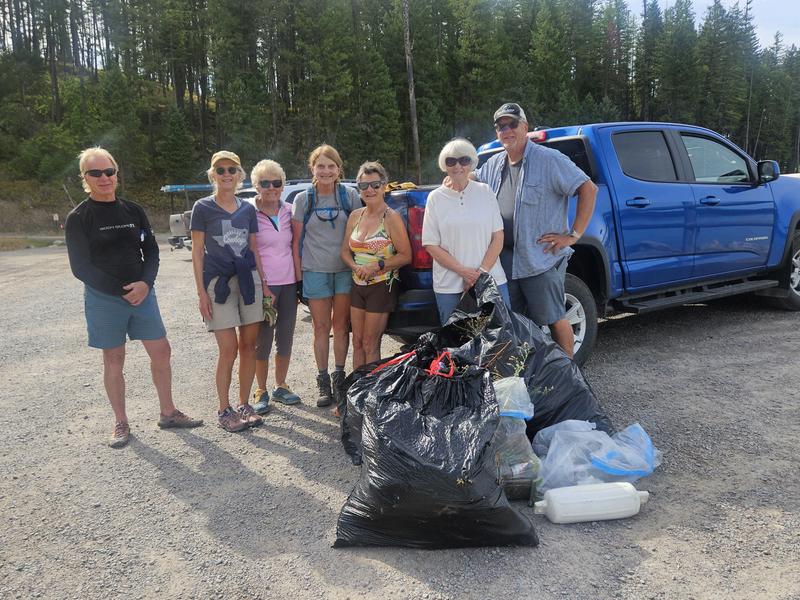
In August 2023, WMCC co-hosted the 3rd annual Flathead Waters Cleanup event with Flathead Conservation District, Flathead Rivers Alliance, Flathead Lakers, Lake County Conservation District, and the Confederated Salish and Kootenai Tribes. The goal was to encourage volunteers to clean up trash and debris in and around the waterbodies of the Flathead Basin Volunteers are invited to an afterparty at Sacred Waters Brewing Company and Glacier Brewing to dispose and weigh their trash and to qualify for amazing prizes donated by community sponsors. The event garners tremendous community support and has become a tradition in the Flathead. To date, the Flathead Waters Cleanup has engaged 534 volunteers, removed 9,770 pounds of trash, and improved 330 miles of riverbank and lakeshore.
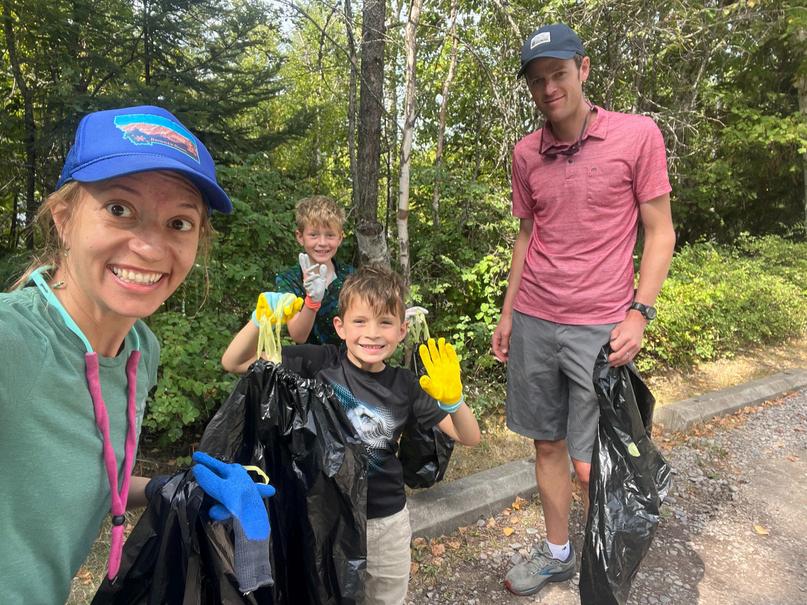
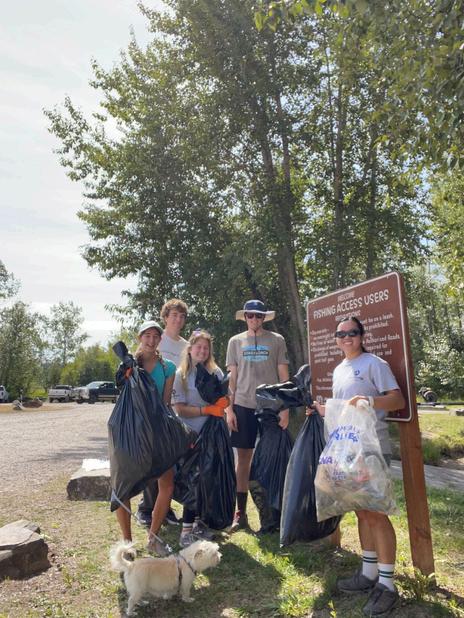
534 9,770 330 volunteers pounds of trash miles improved
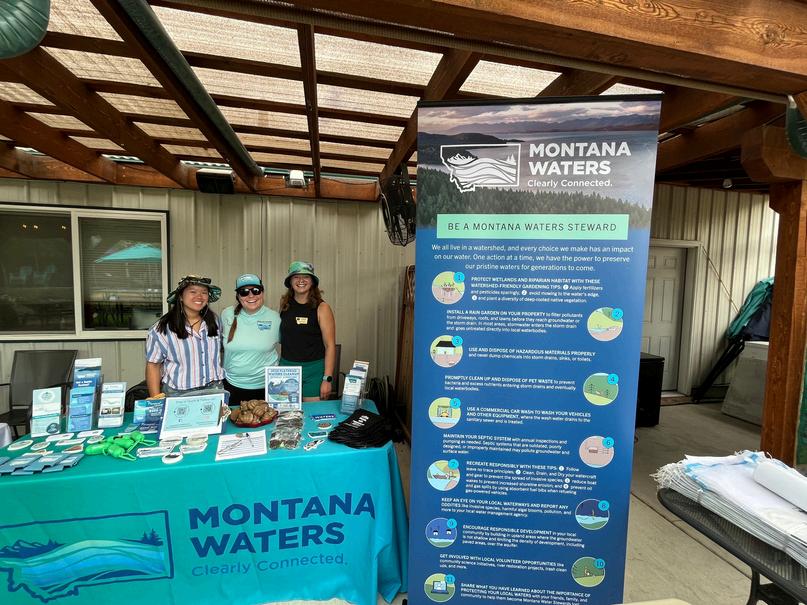
Montana Waters: Clearly Connected is an umbrella education and outreach campaign that seeks to increase public awareness of water quality issues in Montana, ultimately enhancing personal behaviors and inspiring residents and visitors to take pride and responsibility in conservation efforts. The campaign seeks to foster coordination and collaboration among partners working on water quality issues in western Montana by increasing consistency of messaging, improving accessibility and awareness of available resources, and enhancing partnership opportunities
The campaign was originally developed and soft launched by the Flathead Basin Commission When FBC and UC3 were consolidated into WMCC, WMCC took ownership of the Montana Waters: Clearly Connected campaign, launching the website and social media in July 2023.
The total number of followers gained from July 1, 2023 - June 30, 2024. Followers gained by the numbers
Reach is the number of unique people who viewed content posted on our page
10,300+
9,900+ 4,400+
166 68
94
Reducing Stormwater and Septic Leachate Toxic Pollution in the Headwaters of the Columbia River Basin
In September 2023, WMCC was awarded a $7 million grant from the Environmental Protection Agency (EPA) Columbia River Basin Toxics Reduction Work Group. Grant funds will be used for subawards and staff support of programs to help increase the capacity for local governments, agencies, and watershed groups to tackle some of the most pressing nonpoint source pollution issues surrounding stormwater and septic leachate concerns in western Montana These community programs and projects will directly address one of WMCC’s essential legislative duties set forth in MCA 85-1-904, to create public-private partnerships that result in projects to reduce point source and nonpoint source pollution.
& Projects:
$325,000
$239,000
$200,000
$488,000
$2.1 Million
$1 Million
Showcase Green Stormwater Infrastructure Projects designed to mitigate pollution and reduce runoff while highlighting co-benefits
Flathead County Septage Treatment Facility
Supports the planning and design costs associated with the facility.
Residential Septic System Education and Maintenance
Develop or expand residential septic maintenance programs that provide cost-share, outreach, and programming on water quality.
Community Research and Education
Professional services to identify resident baseline knowledge, guide outreach plans, and host a partner marketing workshop.
Community Green Stormwater Infrastructure
Regional GSI program development such as rain gardens or rain barrel programs.
Wastewater Connectivity Upgrades
Projects that benefit local water quality by replacing septic systems or connecting to sewer systems.
By the end of January 2024, three grant funded staff were hired, and the Stormwater and Septic Leachate Competitive Grant Program build began We began developing quality assurance project plans to guide and inform our grant-related research and reporting. To bolster nonpoint source pollution outreach and education in western Montana, we organized a Community-Based Social Marketing Workshop that will be held in November 2024, and began the request for proposals process for a marketing and communications firm to conduct community research and assess overall impact of our grant program outreach. We’ve begun to develop programmatic materials and collaborate with partner organizations across western Montana.
$434,000
The Stormwater Advisory Council will advise and collaborate to develop resources that promote and support a sustainable green stormwater infrastructure program in Montana.
At the June WMCC meeting, the Commission approved funding to support the Flathead County Septage Treatment Facility To establish our Stormwater and Septic Leachate Grant Program, we drafted the grant program guidelines and held the first partner information meeting. Guidelines are tentatively set to be approved by the full commission in September 2024. Once the guidelines are approved and programs are solidified, an open application period will tentatively begin in January 2025 Grant subawards will start to be awarded to support on-the-ground work in Spring 2025. Subaward funds expire in 2029.
The Western Montana Conservation Commission was created July 1, 2023; therefore, this biennial report only includes financial information from FY24. WMCC’s budget was not finalized until December 2023 since it required consolidating the former Flathead Basin Commission’s and Upper Columbia Conservation Commission’s funds
Total FY24: $478,363 – Fully Expended
$4,000, 4%
Other / Contingency
$18,000, 18%
Staff Supplies & Travel
$20,000, 20% Commission Member Travel & Meetings
FY24 Operations Expenditures by Category Operations: $101,617.20 Personnel:$376,745.80
$5,000, 5%
Big Sky Watershed Corps Member Travel & Supplies
$20,000, 19% WMCC Website Development
$17,617, 17% Nonpoint Source Pollution Projects & Support
$17,000, 17% AIS Projects & Support
Personnelfundssupport4staffforWMCC.Previously,FBCandUC3hadtwosharedstaffbetweenthetwo commissionsandoneadditionalstaffspecificallyworkingforFBCWiththeconsolidation,themissionsof bothpreviouscommissionswereconsolidatedandappliedtothelargerarea,westernMontana.Duetothe increasedareaandmission,itwasdecidedtoutilizefundstosupport4stafftoensurethecommissionhad adequatecapacitytomeetitslegislativeduties.
Supplemental Federal Grants: $7,130,873
WMCC, and formerly FBC and UC3, actively work to obtain supplemental grants to expand the Commission’s impact During FY24, WMCC had four active federal grants that provide staff support and direct funds for projects to improve or maintain water quality in western Montana.
$7,000 $58,255 $67,542 $6,998,075
Project Period 10/23 - 9/29
Supports 3 additional staff, septic leachate and stormwater toxic reduction projects, and associated education and outreach
Project Period 5/22 - 9/25
Supports clean, drain, dry campaign and WMCC’s Industry Outreach project and associated Big Sky Watershed Corps member
Project Period 8/21 - 11/24
Supports Upper Columbia Lakes Network AIS Monitoring and 3 years of Big Sky Watershed Corps members to run WMCC’s Industry Outreach project
Project Period 11/22 - 11/23
Federal subaward supporting WMCC’s Big Sky Watershed Corps Member’s stormwater projects