

GIVING
A LETTER FROM SUSAN ELL AND DICK MILES
GOOD. FOR EVERYONE.
As we prepare for the end of another year, we reflect with gratitude on the incredible generosity of our donors even during the most challenging times. For many of us, especially our heroes on the frontline of the pandemic, 2020 has been a year filled with ups and downs.
Still, we are moving forward in the fight against COVID-19 and keeping the individuals and families affected by this devastating disease in our thoughts. Through it all, we’ve seen the best of humanity shine through the darkness with countless stories of hope and courage in unprecedented circumstances.
During times like these, we can all use a little good news. In this issue of Giving Magazine, we are focusing on the good. In the following pages, you’ll read about people who have chosen to make the best of what life has given them and pay it forward to create positive change in our communities.
We hope you are as inspired as we are by these daring individuals. They include a transplant recipient who channeled her lifelong health struggles into becoming a role model for others, and a cancer patient who refuses to give up in the face of a rare disease and a grueling treatment plan. We also pay tribute to an incredible man in our community who inspired so many, and whose legacy lives on in his generosity that will help future patients with head and neck cancer. These are just some of the many examples of optimism and resilience we are privileged to share with you.
In addition, we have exciting new beginnings to share for the year to come. We are so proud to welcome John P. Lynch, MD, as the new president of Barnes-Jewish Hospital and The Foundation for Barnes-Jewish Hospital. A faculty member of Washington University School of Medicine board certified in internal medicine, pulmonary medicine and critical care medicine, Dr. Lynch has been on staff at Barnes-Jewish since 1995 and was named chief medical officer in 2017.
We look forward to continuing our partnership with him as we congratulate and thank Bob Cannon, who will now serve in an expanded BJC group president role, for his leadership at the Foundation over the last six years.
Thank you for joining us in our mission to enrich lives, save lives and transform health care through charitable gifts. For us, the essence of this mission is to be a force for good health in our community and beyond. Good. For everyone.
With gratitude,

Susan Ell Vice President and Executive Director
The Foundation for Barnes-Jewish Hospital

Richard Miles Board Chair
The Foundation for Barnes-Jewish Hospital


PHILANTHROPY AT WORK
Creating a Healthier Community for All 03:


HEROES IN TRAINING AT GOLDFARB SCHOOL OF NURSING
Ready to Learn, Ready to Care, and Ready to Lead 08:
A Legacy of Kindness, Determination and Innovation in the Fight Against Head and Neck Cancer 12:
IN MEMORY OF GREG STUBBLEFIELD

AT EVELYN’S HOUSE, NATURE PROVIDES RESPITE AND PEACE AT END-OF-LIFE
A Place of Healing and Therapy for Patients and Families 04:
COVID-19 IN OUR COMMUNITY Hearst Foundations Grant Provides Relief 10:
SITEMAN CANCER CENTER AND THE FOUNDATION Celebrating 20 Years of Innovation 14:
ILLUMINATION GALA 2020 Setting the Stage for the Future
WALKING THE RUNWAY TO REVEAL THE BEAUTY OF TRANSPLANTATION The Journey Can Be Transformative 22:
Foundation for Barnes-Jewish Hospital’s Annual Benefit Gala for the Alvin J. Siteman Cancer Center
HAS BEEN RESCHEDULED.

FRIDAY EVENING
OCTOBER 23, 2020
The Ritz-Carlton, Saint Louis
SITEMAN RARE TUMOR PROGRAM GIVES HOPE TO SARCOMA PATIENTS Determined to Beat the Disease 18:

BOARD BRIEFING
Working to Make the World a Better Place 26:
GIVING
THE FOUNDATION FOR BARNES-JEWISH HOSPITAL
Board Chair
Richard H. Miles
Ex-Officio
Robert W. Cannon
Group President, BJC HealthCare
John Lynch, MD
President, Barnes-Jewish Hospital
Susan Ell
Vice President and Executive Director, The Foundation for Barnes-Jewish Hospital
Board of Directors
James G. Blatt
Mel F. Brown*
Pat Burkhart
Isaac Butler
Thomas J. Cohn
Jonathan Deutsch
Richard Goldstein
Mahendra R. Gupta, PhD
Thomas W. Hough
Carmen Jacob
Sharon John
Jack Klobnak
Paul A. Koch
Ira J. Kodner, MD
Sam Koplar
Gene Kornblum
Brad G. Kosem
John Lemkemeier
Richard R. Lindquist
Alaina Maciá
Felicia M. Malter
F. Stafford H. Manion
Matt Matthews
James Myer
Frederick Oertli
*Deceased
ABOUT THE FOUNDATION
The Foundation for Barnes-Jewish Hospital helps donors enrich lives, save lives and transform health care through charitable gifts. Please give at FoundationBarnesJewish.org.
Your gift is very much appreciated and fully deductible as a charitable contribution. A copy of our latest financial report may be obtained by writing to The Foundation for Barnes-Jewish Hospital, 1001 Highlands Plaza Drive West, Suite 140, St. Louis, Missouri 63110, or calling 314-286-0600. The Foundation for Barnes-Jewish Hospital was formed in Missouri.
Linda G. Renner
Michael L. Roberts
Pam Rubin
Susan Sachs
Tanja Schwendinger
William E. Stevens
Rick Sullivan
Lawrence E. Thomas
Andrew Voss
Henry Warshaw
Lee Wielansky
Emeritus Directors
John P. Dubinsky
Keith B. Guller
Earle H. Harbison Jr.
William F. Holekamp
Franklin A. Jacobs
William J. Koman
Alvin J. Siteman
Kenneth B. Steinback
Joseph A. Stieven
Kenneth H. Suelthaus
Harvey N. Wallace
Mark H. Zorensky
Editorial Staff
Emily Velders
Editor
Gail Appleson Senior Writer
Photography
David McLeod Lewis
Tim Parker
Shutterstock
Design
Werremeyer Creative
Website FoundationBarnesJewish.org
Email GivingBarnesJewish@bjc.org
Phone
314-286-0600
If you no longer wish to receive Giving or if you have a change of address, please call 314-286-0442 or email GivingBarnesJewish@bjc.org.
Follow Us
@FoundationBarnesJewish The Foundation for Barnes-Jewish Hospital The Foundation for Barnes-Jewish Hospital
YOUR GIFTS SUPPORT
BARNES-JEWISH HOSPITAL
BARNES-JEWISH WEST COUNTY HOSPITAL
BJC HOME CARE + HOSPICE, EVELYN’S HOUSE
GOLDFARB SCHOOL OF NURSING
SITEMAN CANCER CENTER
WASHINGTON UNIVERSITY SCHOOL OF MEDICINE
PHILANTHROPY AT WORK
Creating a Healthier Community for All
Written by Gail Appleson
Photo courtesy of VOYCE
Ella* was an 83-year-old hospice resident whose family members were worried that her medical condition would make drinking or eating dangerous. Because of that, they requested that the facility, which is not affiliated with BJC HealthCare, withhold any food or water from Ella.
But Ella was thirsty and hungry so she sought help from a VOYCE ombudsman, an official who represents the interests of patients and investigates complaints. VOYCE is a St. Louis-based nonprofit that advocates for and helps residents who are in long-term care in the Greater St. Louis community.
The VOYCE ombudsman convinced the family that it was safe for Ella to receive food and water. As a result, hospice staff members were able to make Ella comfortable and meet her needs during the last chapter of her life.
Through the power of philanthropy, The Foundation for Barnes-Jewish Hospital is able to support VOYCE’s ombudsman program with a community grant. Awards like this one are made to organizations outside of the BJC system that align with the hospital’s mission. These grants are just one example of the many ways the Foundation plays a critical role in carrying out BJC’s commitment to the care and concern for everyone’s health. Thanks to generous donors, philanthropic investments help to make our community a healthier and safer place to live.
For 2020, the program received funding to provide more than a 10 percent increase in shots. This amounted to 13,000 shots for individuals under age 65 and 4,500 shots for individuals 65 and over.
Gifts from donors are making possible many other measures that advance the health and well-being of the community including Barnes-Jewish Hospital’s social work program. Services provided by the hospital’s social workers include arranging lodging, food and financial assistance for patients suffering from a wide range of medical issues.
Many patients have had to stop working because of their illnesses. Without regular income, it’s difficult for them to pay rent or utility bills and they don’t have money for food, transportation, medicine and other basic necessities of life. These patients have exhausted their resources and their only hope is the hospital’s social work team.
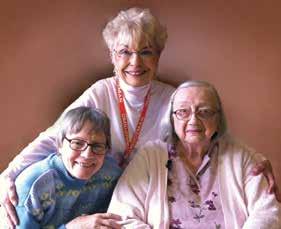
When it comes to protecting residents in underserved neighborhoods, VOYCE plays an important role at long-term care facilities in high poverty areas. The most commonly cited problems at these locations include inadequate nutrition, dehydration, overmedicating and excessive use of physical restraints.
According to VOYCE, the majority of the 8,000 long-term care residents in north St. Louis County and St. Louis City qualify for Medicaid.
“Additionally, nearly 50 percent of these residents do not have contact with family members, leaving them increasingly vulnerable to abuse, neglect and poor health outcomes,” the VOYCE grant application says. “Through funding from the Foundation, VOYCE hopes to increase the number of volunteer ombudsmen making weekly visits to the long-term care communities in this area.”
Another way the Foundation is helping to keep our community healthy and safe is through its support of the annual free flu shot clinics hosted by Barnes-Jewish Hospital in facilities across the St. Louis area. The shots are available to anyone age 6-months and older. Because of generous donors, funds are available to staff each event and cover the cost of supplies and vaccines. This year’s clinics are particularly important due to the COVID-19 pandemic.
*Fictitious name used for privacy considerations
“Patients tell me that if they hadn’t received assistance, they would not have been able to survive,” says Susana Cowan, MSW, LCSW, who works with patients in radiation oncology, breast health and head and neck cancer departments as well as other clinics within the hospital. “We are faced daily with the reality we are the last resort for hundreds of patients.”
Thanks to philanthropy, 90 social workers are able to help some 10,000 patients annually.
Social workers meet with and counsel patients, learn about pressing situations, determine what kind of help is needed and come up with solutions. Services could include connecting them to community resources, helping with expenses, assisting with Medicaid and other financial aid and legal forms or something as simple as offering a shoulder to cry on.
For example, many cancer patients must travel long distances to receive treatment at The Alvin J. Siteman Cancer Center at Barnes-Jewish Hospital and Washington University School of Medicine. Because these treatments can last for a number of days and even weeks, patients need long-term housing but some cannot afford a hotel. In those situations, social workers find and arrange for low or no-cost lodging. Sometimes an urgent problem can be resolved with a one-time fix.
“We are their last viable option,” says Susana. “This help makes it possible for them to come here and have a chance to fight aggressive cancers that cannot be treated at any other center in Missouri.”
To learn how you can help, please visit FoundationBarnesJewish.org. ¯
VOYCE Ombudsman, Carol, with two long-term care residents.


Anyone who has walked through the doors of Evelyn’s House, the 18,000-square-foot ranch-style hospice house on the campus of Barnes-Jewish West County Hospital, knows it’s much more than a medical facility.
Written by Emily Velders
Photos courtesy of David McLeod Lewis
Illustration courtesy of Shutterstock
Indeed, Evelyn’s House is truly a home, so much so that the staff refer to those spending time there as guests rather than patients, and it is where these guests and their loved ones find comfort and solace in the final days of life.
“It’s a place of life, a place of healing, a place of therapy,” says Hamish Seegers, chaplain at Evelyn’s House.
A significant aspect of the personalized hospice care offered at Evelyn’s House is the outdoor spaces, including a meditation garden and a special dedicated space known as My Sister’s Garden, where patients and families can safely enjoy the restorative qualities of nature.
“Evelyn’s House, the meditation garden, My Sister’s Garden, they are spaces that allow people to sit in the silence and discover something that they might not have discovered otherwise,” Hamish says.
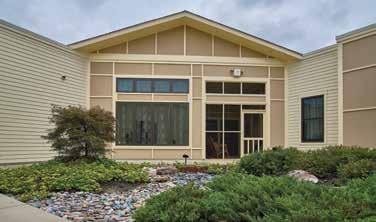
The Rock Garden at Evelyn’s House
In the center of the outdoor courtyard at Evelyn’s House, a meditation garden with a bed of colorfully decorated rocks serves as a tribute to all of the patients who have spent their last days of life at the house.
the
as
the journey, people often carry small rocks representing their hopes, dreams, guilt and regrets, and set them at the landmark Cruz de Ferro. “For our patients and for our staff, this is a part of our journey, part of our pilgrimage, to make a difference in this world,” he says.

Every week, staff gather to paint these garden rocks, donated by Kirkwood Material Supply, with words and symbols representing unique and memorable aspects of each patient who has passed away in the prior week and the impact each had on staff members.
Hamish then leads a memorial ceremony during which the rocks are placed in the garden after art therapist Jennifer Dykema reads off the names of the patients while music therapist Alison Cole performs. The process offers self-care and closure for staff members as they honor the lives of their past patients and prepare to care for those yet to come.
Today, there are more than 3,000 rocks in the garden, symbolizing each person who has passed away at Evelyn’s House since it opened in 2017.
“What this garden shows is the impact of the lives we’ve touched and how many lives have touched us,” says Ann Short, patient care manager at Evelyn’s House.

According to Hamish Seegers, Evelyn’s House chaplain, the rock garden is inspired by
famous pilgrimage known
Camino de Santiago. During


The water feature in My Sister’s Garden at Evelyn’s House provides a cleansing, renewing respite for patients and their families. “It symbolizes forever, a flow, a continued part of life. It provides some solace for their current situation,” says Ann Short, patient care manager at Evelyn’s House.
My Sister’s Garden
My Sister’s Garden, an outdoor space for guests and their families to enjoy the serenity of nature, was created to honor the memory of Kajsa, the beloved sister of Aja Stokes, one of the founding donors to Evelyn’s House.
The space, dedicated to sisters everywhere, is designed to touch all five senses with a water feature, flowers and plants.
“No matter how cold it is or how hot it is, people are always sitting out there,” Hamish says. “There’s just something about fresh air.”
“It has a lot of meaning to a lot of people,” adds Ann. “It’s just a beautiful serene place our patients and families can enjoy.” ¯
HEROES IN TRAINING AT GOLDFARB SCHOOL OF NURSING
Ready to Learn, Ready to Care, and Ready to Lead
Written by Emily Velders
Photos courtesy of Goldfarb School of Nursing
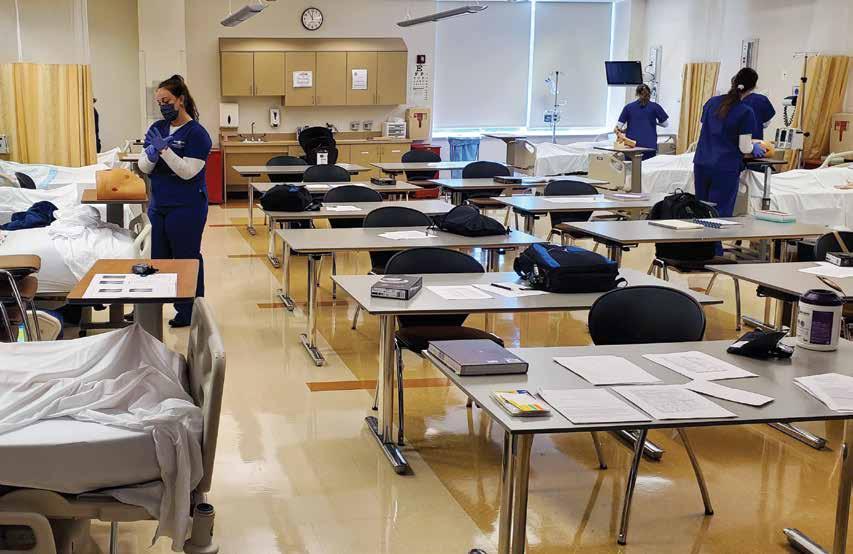
Hero—a word often used to define a person or character with supernatural powers—means so much more. It’s also someone who demonstrates unique strengths and abilities and acts courageously. During these extraordinary times, we are heartened to see these qualities every day in Goldfarb School of Nursing at Barnes-Jewish College students who are committed to making a difference in the lives of others.
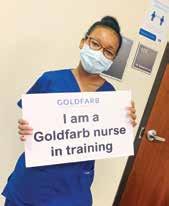
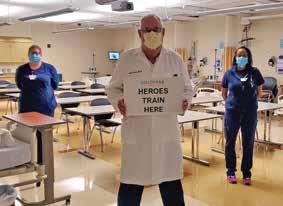
During the COVID-19 pandemic, days are often long and difficult for the health care professionals on the frontline and the many students who are training to join them. Still, our Heroes in Training at Goldfarb show up every day—ready to learn, ready to care, and ready to lead.
Driven by the generosity of donors, The Foundation for Barnes-Jewish Hospital is partnering with Goldfarb in creating a culture of support for nursing students with the Heroes in Training Scholarship Fund and the Emergency Compassion Fund. Both initiatives are designed to provide students the resources they need to become the next generation of nursing leaders.
“When you combine nursing with education, it opens up a world of opportunities, not only for the student, but also for our community and the individuals and families we care for,” says Susan Ell, vice president and executive director at the Foundation. “It is so important, now more than ever, that we continue our efforts to ensure future generations of nurses are prepared for the challenges ahead.”
Heroes in Training Scholarship Fund
So many Heroes in Training are drawn to Goldfarb out of a sense of selfless dedication and service. Though the everyday heroism of nurses is often unsung, Goldfarb students don’t choose a nursing career for prestige or praise. They choose it for a sense of purpose, for their belief in humanity, and for their desire to heal and be a positive force in the lives of patients.
But the journey to becoming a nurse can be challenging both academically and financially. As we confront the growing demand for nurses and rising educational costs, scholarships are more critical than ever to ensure that the brightest and most compassionate students have the opportunity to pursue a career in nursing.
Thanks to the generosity of donors, the Foundation’s Heroes in Training Scholarship Fund provides support each year to reduce the financial burden of nursing school and ensure dedicated nursing students can follow their calling.
“More than ever before, we have had to be nimble, innovative, resilient and focused,” says Nancy Ridenour, PHD, RN, APRN, BC, FAAN, The Maxine Clark and Bob Fox President at Goldfarb. “While we are always grateful for the support of our scholarship donors, their generosity during these times has been especially rewarding. Because of our donors, we were able to award $1,585,000 in scholarship support last year.”
With help from these scholarships, students like Chelsea Cook can focus on what matters most: studying the art and science of caring for others.
“I think scholarships provide students with an opportunity to fully put themselves into what they’re passionate about without having that worry in the back of their head, ‘How do I pay rent? How do I pay tuition?’” she says. “You’re ultimately getting the best nurses coming out of school because of scholarship support.”
The Emergency Compassion Fund
As the old adage goes, even the best laid plans sometimes go awry. Many nursing students, even with scholarship support, experience unplanned setbacks that jeopardize their financial and educational plans. The Emergency Compassion Fund represents a partnership between Goldfarb faculty and staff and generous donors working together to ensure that those emergencies do not prevent students from successfully completing their education.
“Our doors are open for all those who meet the qualifications to get in,” says Michael Ward, vice dean for student affairs and diversity and professor at Goldfarb. “Our mantra is ‘once you’re here, we’re going to surround you with support’…anyone who needs the help is provided that help.”
Part of that support is given through the Emergency Compassion Fund, which provides financial assistance to students who encounter unexpected emergencies or crisis situations that impact their ability to meet and successfully complete their academic requirements. The fund was created to honor former nurse Patricia Girard Pape and her husband, James Pape. It was initiated by their children as a tribute to their parents’ legacy of caring for others.
From car troubles, to house fires, to family illness, the fund supports students at their most harrowing times of need. According to Dr. Ward, it’s a crucial bridge that helps students get over barriers to achieve their academic goals, and one of the most rewarding aspects of his job.
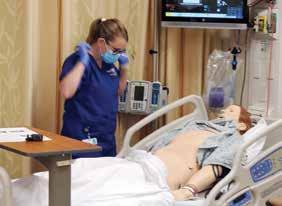
“More than anything, we’re looking for these students to be successful,” Dr. Ward says. “And that’s typically what I tell them. We’re investing in you. We care about you. You go out there and be a great nurse and be ready to take care of us. That’s all that we ask you to do…I sit a little bit taller and I feel a little bit better after those kinds of calls.”
Since its inception in 2017, the fund has awarded more than $190,000 for 61 students; more than $100,000 of that total has been awarded since March as students and their families face the financial and health burdens of the COVID-19 pandemic.
“The pandemic has sent us over the top with need,” says Dr. Ward. “We’re in a situation now where many students don’t have support from their jobs. Their hours were cut and many were furloughed. Family members who were going to be able to support them might’ve lost their jobs. And some had family members who became ill with COVID-19 and had to stop working while they were recuperating. Students have big plans to go to school, and financial support was promised or arranged, but then the floor dropped out. And now, COVID not only dropped the floor out but pulled the walls out, too.”
According to Marilyn Sheperd, a philanthropy officer at the Foundation committed to growing support for the fund, donors are shaping the future of students during critical times of need—and donations could make the difference between whether a student ultimately graduates and becomes a nurse.
“With this fund, you can make a difference in someone’s life and it doesn’t take a lot of money,” she says. “This is an opportunity to change a life.” ¯
To learn more about the Heroes in Training Scholarship Fund and the Emergency Compassion Fund, contact Marilyn Sheperd at Marilyn.Sheperd@bjc.org or 314-286-2241 or visit FoundationBarnesJewish.org/HITSF.
During these extraordinary times, students, faculty and staff at Goldfarb School of Nursing are true heroes. They show up every day ready to learn and lead.
COVID-19 IN OUR COMMUNITY
Hearst Foundations Grant Provides Relief
Written by Gail Appleson
Illustration courtesy of Shutterstock
After collapsing in late April, firefighter Justin Outland was rushed to Barnes-Jewish Hospital with a brain hemorrhage. It was later discovered that he was infected with COVID-19. This devastating combination left Justin fighting for his life.
Due to hospital restrictions aimed at reducing the spread of the virus, Justin’s family was unable to visit him. After about three weeks, Justin’s 5-year-old son began to worry. The little boy then asked his mother if Justin had died from the coronavirus.
Thanks to a generous grant from the Hearst Foundations, The Foundation for Barnes-Jewish Hospital was able to fund the purchase of iPads for all of the hospital’s inpatient units. Soon a Zoom meeting between Justin and his family was arranged and that seemed to change everything for the patient.
“He heard the voices of his children and he …waved and kind of started to wake up,” Martha Christoff, the hospital’s interim director of Neuroscience, told KSDK, a local NBC television affiliate that reported the story.
Justin’s ability to connect with his family changed the trajectory of his care, giving him a will to fight and recover. Shortly after that lifesaving virtual visit, Justin was discharged from the hospital—healthy and on the road to a full recovery.
An example of another project launched with these funds is aimed at reducing the disproportionate impact that COVID-19 is having on Black and African American neighborhoods served by Barnes-Jewish Hospital. These efforts are particularly important to the hospital as its main campus lies in a 15-mile radius of the region’s 19 zip codes that house a majority of these communities.
The project is led by William Powderly, MD, the Larry J. Shapiro Director of the Institute for Public Health and co-director of the Division of Infectious Diseases at Washington University in St. Louis. Dr. Powderly is partnering with the St. Louis Integrated Health Network to implement a communications strategy that incorporates the experiences of Blacks and African Americans in our area. The network focuses on developing solutions that eliminate health care disparities by improving the quality, accessibility and affordability of health care for vulnerable and underserved citizens.
OUR GOAL IS TO ENSURE ACCESS TO HIGH-QUALITY CARE FOR ALL, WHILE MEETING THE COMPLEX NEEDS OF MULTIPLE POPULATIONS AND SCALING INNOVATIVE HEALTH CARE DELIVERY.
— Susan Ell
Vice President and Executive Director
The Foundation for Barnes-Jewish Hospital
The firefighter’s story is just one of the examples of how the Foundation is using the Hearst gift as a catalyst for innovative new projects to help the communities we serve. In addition to providing iPads, the grant is helping the hospital launch programs aimed at reducing health disparities and providing infectious disease support to homeless shelters.
The Hearst Foundations’ grant was made to support COVID-19 response and relief efforts. In its award letter, it specifically noted BJC HealthCare’s leadership role in the region and collaborative efforts in the St. Louis area. The Foundation for Barnes-Jewish Hospital is among 100 medical, humanitarian and cultural organizations that received this emergency pandemic funding.
The Hearst Foundations are national philanthropic resources for organizations working in the fields of culture, education, health and social services. They identify and fund outstanding nonprofits to ensure that people of all backgrounds in the United States have the opportunity to build healthy, productive and inspiring lives.
“The Hearst Foundations’ generous grant is not only an investment in BJC HealthCare but also in the spirit of our greater St. Louis region,” said Susan Ell, vice president and executive director, The Foundation for Barnes-Jewish Hospital. “Our goal is to ensure access to high-quality care for all, while meeting the complex needs of multiple populations and scaling innovative health care delivery.”
The goal of this project is to raise awareness of critical COVID-19 information to help residents of these communities recover more quickly from the pandemic. This information will include such topics as virus testing, contact tracing, antibody testing and future vaccines. The strategy will address misinformation spread by social media and other sources and acknowledge a history of harm from and mistrust of research, medicine and vaccines.
Another project receiving funding from the Hearst grant provides immediate infectious disease and infection prevention support to St. Louis City homeless shelters during the COVID-19 pandemic. The project, which is being led by Stephen Liang, MD, MPHS, assistant professor of Medicine at Washington University School of Medicine, is expanding primary health care outreach to the shelters.
The project’s team also plans to pilot a telehealth program to provide addiction medicine support to shelter residents at highest risk for complications. It will provide a case manager and peer recovery support to these clients with hopes they can eventually enter community addiction treatment programs.
“We are honored to have received a project award from The Foundation for Barnes-Jewish Hospital supported by the Hearst Foundations,” Dr. Liang says. “We look forward to working with the Foundation on advancing the care of the unhoused in St. Louis, both during the current COVID-19 pandemic and after.” ¯
If you’d like to learn how you can help with BJC HealthCare’s COVID-19 response and recovery efforts, please visit us at FoundationBarnesJewish.org.
IN MEMORY OF GREG STUBBLEFIELD
A Legacy of Kindness, Determination and Innovation in the Fight Against Head and Neck Cancer
Written by Emily Velders
Greg Stubblefield described himself as the luckiest guy in the world. Over his 37-year career at Enterprise Holdings Inc., he became one of the most successful and influential leaders in the company’s history and a mentor to many. Though he was an accomplished businessman, he is most remembered by those who knew him for his commitment, optimism, kindness and willingness to lend a helping hand. In fact, his impact and presence were so large that when he passed away in late August, Enterprise flew its company flags at half-staff to honor his memory.
Greg fought his cancer in the same manner in which he lived his life—with grace and perseverance. Throughout his battle, it was this mindset that carried him through and served as an inspiration to all who knew him. He used his battle as an opportunity to learn and pave a brighter path for future patients, leaving behind a legacy that will transform the way head and neck cancers are treated—and ultimately save more lives.
Greg was known for his determined, innovative and visionary approach to business—an approach that carried him through the company ranks to the highest levels of leadership. When he was diagnosed with cancer in his jaw three years ago, which came back in late 2019, his approach was no different. He put all he had into the fight—and inspired everyone around him to join him in advancing research to help future generations of head and neck cancer patients.
Though Siteman Cancer Center offers many effective treatments for cancers like Greg’s, treatments and survival rates haven’t changed significantly in the last 40 years.
Even as Greg fought cancer, he and his wife, Nancy, were inspired to change this statistic and move the needle on the progress toward a cure. They created the Greg Stubblefield and Nancy Apel Stubblefield Head & Neck Cancer Innovation Fund at The Foundation for Barnes-Jewish Hospital.
WE ARE INSPIRED AND HUMBLED BY GREG AND NANCY STUBBLEFIELD’S GENEROSITY AND TRUST IN OUR FACULTY TO LEVERAGE THE SIGNIFICANT SCIENTIFIC AND CLINICAL STRENGTHS OF OUR INSTITUTION TO WORK TOWARD A CURE FOR HEAD AND NECK CANCER.
— Craig Buchman, MD, FACS Lindburg Professor and Head Department of Otolaryngology–Head and Neck Surgery Washington University School of Medicine
Head and neck cancer, an umbrella term for cancers that arise primarily from the mouth, throat and voice box, account for only 5 percent of cancer diagnoses, but they have a dramatic impact on quality of life. These cancers affect some of the most basic functions of daily life, and their location along with the extensive and aggressive treatments they require often mean patients must relearn how to eat, talk and swallow.
After speaking and strategizing with leading head and neck cancer physicians at Barnes-Jewish Hospital and Washington University School of Medicine where Greg was receiving treatment, the couple decided the fund would support early stage research that accelerates innovation by ensuring the availability of financial resources for physician-scientists to explore new and better therapies for this devastating disease.
“We are inspired and humbled by Greg and Nancy Stubblefield’s generosity and trust in our faculty to leverage the significant scientific and clinical strengths of our institution to work toward a cure for head and neck cancer,” says Craig Buchman, MD, FACS, Lindburg Professor and Head, Department of Otolaryngology – Head and Neck Surgery, Washington University School of Medicine.
“Mr. Stubblefield’s generosity has led to a new, multidisciplinary research effort in head and neck cancer at Siteman Cancer Center,” adds Jose Zevallos, MD, MPH, FACS, Chief, Head and Neck Oncologic Surgery, Washington University School of medicine. “This will result in an acceleration of discoveries by allowing our researchers to take the kinds of risks that lead to breakthroughs. His courageous fight against head and neck cancer continues to inspire us in the clinic, in the operating room, and in the laboratory.”
Photo courtesy of Sunshine Entertainment Group
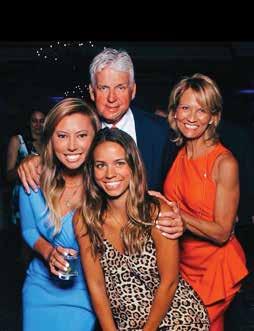
Greg Stubblefield, center, with his wife, Nancy Apel Stubblefield, and their daughters
Nicole Stubblefield (left) and Lauren Apel (right).
The fund also serves as a catalyst to encourage others to make similar investments. In early 2020, Nancy and Greg co-hosted a small event with fellow grateful patient Joe Koenig and his wife Kim to raise awareness and support for the cause. After the event, Greg’s closest friends and colleagues were inspired to lead an initiative to garner more investments in research that would help Greg and patients like him. An inner circle of Greg’s closest friends and colleagues reached out to their personal and professional networks with a goal of raising $1 million to accelerate innovative head and neck cancer research being led at Barnes-Jewish Hospital and Washington University.
The response was swift. Inspired by Greg’s personal cancer journey and unwavering commitment to drive change, many people from across the country called the Foundation office personally to make their gifts. Within just 30 days, they surpassed their fundraising goal even amid the onset of the COVID-19 pandemic, a testament to the mark Greg left on those around him.
Whether you’re a survivor of head and neck cancer, or one of the many friends, family members, loved ones and supporters affected by this disease, we all have the same goal: to further research and eventually find a cure for head and neck cancer.
Immediate philanthropic investment is critical to altering the trajectory of this disease. The availability of such resources significantly accelerates the movement of science to clinical care, extending and saving lives. New knowledge yields greater hope for the many other patients fighting this battle.
Greg’s life impacted so many and his legacy lives on in all that he accomplished in his career, in his beloved wife and daughters Nicole and Lauren, and in all of the promising research made possible through his fund.
By making a gift in Greg’s memory, you join and honor his commitment to ensure better patient outcomes for generations to come. ¯
Gifts to the Stubblefield Fund can be made in one of three ways:
1. Phone
Corey Pashea Director of Development
The Foundation for Barnes-Jewish Hospital 314-286-0604
2.
Checks can be mailed to:
The Foundation for Barnes-Jewish Hospital 1001 Highlands Plaza Drive West, Suite 140 St. Louis, MO 63110
Please note the Stubblefield Fund in the memo line.
3. Online
FoundationBarnesJewish.org
• Enter desired gift amount
• In Areas to Support type Greg Stubblefield and Nancy Apel Stubblefield Head & Neck Cancer Innovation Fund
SITEMAN CANCER CENTER AND THE FOUNDATION
Celebrating 20 Years of Cancer Research, Treatment and Patient Care
Written by Gail Appleson
Alvin J. Siteman rarely talks publicly about his role in creating the world-renowned cancer center bearing his name. But in a video made some years ago, he explained why he and his wife, Ruth, were motivated to make the $35 million gift that served as the catalyst for fundraising efforts that established the center on the Barnes-Jewish Hospital and Washington University School of Medicine campus. The video was made for The Foundation for Barnes-Jewish Hospital’s Illumination Gala that supports cancer research.
“A very close friend of mine developed brain cancer, a very aggressive brain cancer. I observed as a close friend of the family how very difficult it was for the family to have to go to Houston,” Al says in the video. “I made my major commitment to bring the cancer center into fruition and the drive began for us to raise $125 million for that purpose, which I’m happy to say was most successful.”
The reason behind the Sitemans’ pivotal gift epitomizes why so many individuals, businesses and organizations readily contributed to the campaign. The community cared about cancer patients and their families, was committed to winning the battle against cancer and strongly believed St. Louis was the best place for a world-class cancer center. Still holding those beliefs, the community continues to invest philanthropically in The Alvin J. Siteman Cancer Center at Barnes-Jewish Hospital and Washington University School of Medicine.
Washington University Chancellor Andrew Martin remembers being a young faculty member at the time the cancer center was established.
“I thought how great for our medical school to work with BJC (HealthCare) to pull together so much talent across the organization to serve the community,” he says in a Siteman history video. “I remember the excitement here in St. Louis about us finally having our own cancer center. I don’t think we could have imagined at that time how strong Siteman would become.”
Now, as Siteman celebrates its 20th anniversary, the Foundation is grateful to the many generous donors who have helped make the center a national leader in cancer treatment and research. Siteman is the only cancer center in Missouri to hold the prestigious Comprehensive Cancer Center designation from the National Cancer Institute (NCI) and membership in the National Comprehensive Cancer Network. It has received the NCI’s highest possible rating of “exceptional” and is ranked among the top cancer facilities in the nation by U.S. News & World Report.
“We are so proud to be a part of Siteman’s history,” says Susan Ell, vice president and executive director at the Foundation. “Thanks to our donors, we’ve partnered with Siteman for the past 20 years and plan to continue our support for the next 20 years and beyond.”
Here are some of Siteman’s many milestones in its impressive 20-year history.
Siteman was awarded the prestigious Comprehensive Cancer Center designation from the National Cancer Institute (NCI), placing it among the most highly ranked cancer institutions in the nation.
Siteman was selected to join the National Comprehensive Cancer Network (NCCN), an alliance of the world’s premier cancer centers, charged with setting the standard for cancer care.
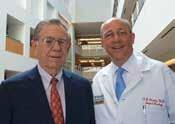
Alvin J. Siteman, left, had an extraordinary vision: create an “institution of world-class cancer research, combined with compassionate cancer care, to provide longer life and lasting hope for generations to come.”
Timothy J. Eberlein, MD, FACS, right, has been director of Siteman Cancer Center since its inception.
Photo courtesy of Washington University School of Medicine.
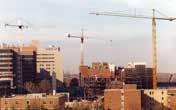
In 1999, construction began on the Center for Advanced Medicine, which would house outpatient services for Siteman Cancer Center.
Photo courtesy of Becker Medical Library, Washington University School of Medicine.
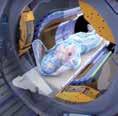
Siteman was awarded a Specialized Program of Research Excellence (SPORE) Grant from the NCI to study endometrial cancer. This was the first SPORE grant awarded to the Washington University School of Medicine and the first ever dedicated to endometrial cancer. Since then, Siteman has been awarded two additional SPORE grants, focused on leukemia and pancreatic cancer research.
The world’s first MRI-guided radiation therapy treatment was performed at Siteman. The technique allows tumors to be visualized and treatment adapted.
Photo courtesy of Siteman Cancer Center.
The financial commitment from Alvin and Ruth Siteman and the use of their name were at the heart of the fundraising collaboration between The Foundation for Barnes-Jewish Hospital and Washington University School of Medicine that began in 1999. Al Siteman is a former chairman of the board of the Foundation and is an emeritus member of the boards of both the Foundation and Barnes-Jewish Hospital.
“The Sitemans’ generous pledge will greatly benefit efforts to lessen the burden of cancer on communities in the St. Louis area, the Midwest and beyond for years to come,” Mark S. Wrighton, who served as Washington University Chancellor from 1995 to 2019, said at the time the gift was announced.
And he was right. Since the center opened its doors 20 short years ago it has touched the lives of more than one million cancer patients.
As part of the continuing efforts to drive innovation in research and patient care at Siteman Cancer Center, the Foundation hosts the annual Illumination Gala. Since Illumination’s beginning in 2007, funds raised through the event have launched more than 125 cancer research projects that have led to breast cancer and melanoma vaccines, improved treatment and outcomes for pancreatic cancer, breakthroughs in leukemia and lymphoma, and so much more. This year, the gala was held virtually on October 23 and raised more than $3.5 million to accelerate innovation (see pages 16-17 for details).
“There’s just been an extraordinary outpouring from our friends and supporters, not just individuals, but corporations who have gotten behind us and supported us,” says Timothy J. Eberlein, MD, FACS, who has been director of the Siteman Cancer Center since its inception. “It’s these critical dollars we are able to invest before obtaining peer review funds. These dollars are invested in new innovations, new strategies and new treatment paradigms that result in new opportunities to cure patients.”
Among the many advances at Siteman made possible by philanthropic dollars was the 2013 opening of the S. Lee Kling Center for Proton Therapy. The center became the first regional proton therapy facility, and the world’s first center featuring a compact proton beam accelerator to target tumors using highly accurate proton beams, thereby sparing the surrounding healthy tissue.
The idea for the center came from S. Lee Kling, a former chairman of the Foundation’s board of directors. Kling, who had to travel to Boston for proton therapy treatments for an eye tumor, believed the therapy should be available in St. Louis.
As a result, Kling—along with family and friends— established the S. Lee Kling Chair in Radiation Oncology at Barnes-Jewish Hospital to help lead the proton center’s development and conduct research into the most effective ways to use the new technology.
Thanks to generous donors, the proton therapy center was able to take a big step in June 2020 with the installation of pencil beam scanning technology that provides an even greater degree of precision. The addition made Siteman the first cancer center in the region to offer this technology.
“The growth at Siteman Cancer Center is nothing less than phenomenal,” says Richard Liekweg, BJC HealthCare president and CEO, in a Siteman history video. “Quite simply over the next 20 years I would like to see Siteman Cancer Center cure cancer. I actually believe it’s possible that together we are going to be able to make cancer a chronic disease.”
The Foundation is excited to be part of propelling Siteman’s journey toward a world without cancer. To join us on this mission of developing advanced treatments and discovering cures, please visit us at FoundationBarnesJewish.org. ¯
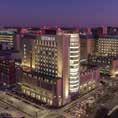
Siteman was awarded an “exceptional” rating, the highest possible by the NCI.
Washington University physicians at Siteman perform their 7,500th bone marrow transplant. The adult bone marrow and stem cell transplant program, which began in 1982, is one of the largest in the world, performing nearly 500 transplants each year.
Siteman becomes one of the first cancer centers nationwide to offer the newly approved immunotherapy called CAR-T cell therapy.
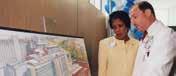
Timothy J. Eberlein, MD, FACS, director of Siteman Cancer Center, and cancer survivor Gendowlyn Randall look at an artist’s rendering of Siteman at the announcement that it had become a National Cancer Institute-designated Center in 2001.
Photo courtesy of Becker Medical Library, Washington University School of Medicine.
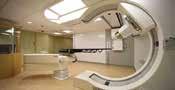
In 2013, the S. Lee Kling Center for Proton Therapy became the world’s first center featuring a compact proton beam accelerator to target tumors using highly accurate proton beams, thereby sparing the surrounding healthy tissue.
Photo courtesy of Washington University School of Medicine.

VIPs, including Arnold
participate in the ceremonial groundbreaking for the new
Cancer Center at Christian Hospital in North County in 2018. There are currently six outpatient centers associated with Siteman.
Photo courtesy of Matt Miller, Washington University School of Medicine.
2018 2020
The opening of Parkview Tower consolidated the cancer-related inpatient services of Washington University and Barnes-Jewish Hospital. Presently, there are six outpatient centers associated with Siteman.
Photo courtesy of Washington University School of Medicine.
Siteman receives its second consecutive “exceptional” rating from the NCI while celebrating its 20th anniversary.
Bullock, MD (second from right),
Siteman
Bone Marrow Transplants
Setting the Stage for the Future of Cancer Research ILLUMINATION GALA 2020
The Foundation for Barnes-Jewish Hospital’s
Written by Gail Appleson
Photos courtesy of Suzy Gorman and the Gatlin Brothers
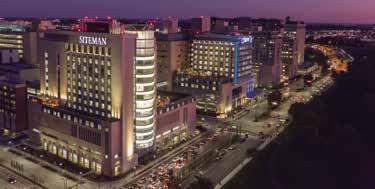
The annual Illumination Gala is always an extraordinary event but this year it was particularly special as The Foundation for Barnes-Jewish Hospital celebrated the 20th anniversary of The Alvin J. Siteman Cancer Center at Barnes-Jewish Hospital and Washington University School of Medicine and the leadership of Timothy J. Eberlein, MD, FACS. The event was also unique because it was held virtually for the first time in the gala’s 13-year history. More than $3.5 million was raised during the evening and gifts are still coming in.
Annual Benefit Gala for the Alvin J. Siteman Cancer Center HAS BEEN RESCHEDULED. FRIDAY EVENING
Michael is Centene Corporation’s chairman, president and chief executive officer and both he and Noémi serve on the boards of numerous national and local arts organizations. Noémi and Michael have made a deep and longstanding commitment to advancing medical education and research at Barnes-Jewish Hospital and Washington University School of Medicine. The Neidorffs and Centene have been generous philanthropic partners with the Foundation for many years working together to support the gala and speed efforts to develop new treatments and find a cure for cancer.
OCTOBER 23, 2020
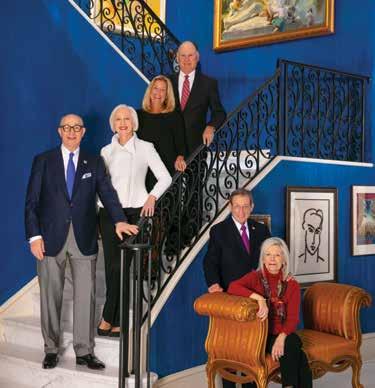
Hosted annually by The Foundation for Barnes-Jewish Hospital since 2007, this year’s event was held on October 23. Though the community was not able to gather in person, the energy and excitement was still palpable as guests logged on for an evening of entertainment and philanthropy. The evening featured music by the famous country and gospel trio the Gatlin Brothers, and moving remarks by Dr. Eberlein, John Lynch, MD, president of Barnes-Jewish Hospital, and Pat and Mark Burkhart and Noémi and Michael Neidorff, chairs of the Illumination Committee, which helped with outreach and raising funds for the gala.
The Ritz-Carlton, Saint Louis
“Siteman is known throughout the world thanks to the absolute best leadership of Dr. Tim Eberlein,” Noémi says. “Thanks to his vision, great knowledge and expertise, Siteman continues to have the very best doctors, researchers and treatments and we take great pride in the center’s accomplishments.”
“Who would have predicted 20 years ago that Siteman would become the third-largest cancer center in the U.S. and care for over 75,000 unique patients a year including 12,500 new patients this year?” adds Mark. “It is time for all of us to recognize and honor this amazing milestone.”

A Foundation board member, Pat is a HER2-positive breast cancer survivor who devotes her life to helping other patients who have cancer. She and Mark created the Pat Burkhart Breast Cancer Fund at the Foundation to benefit the research of Pat’s physician, Katherine Weilbaecher, MD, who is investigating ways to deliver highly targeted drugs to kill breast cancer tumors. Pat is a former senior vice president of Invesco and Mark is the managing principal of Burkhill Real Estate and a member of the board of Barnes-Jewish Hospital.

Moving Research Forward Faster
The generous gifts raised at the gala support innovative cancer research at Siteman, including the Cancer Frontier Fund established by Amy and Bill Koman to accelerate breakthroughs in cancer treatment. Over the past 13 years, contributions raised through Illumination have been given to more than 125 of these vital research projects that have led to breast cancer and melanoma vaccines, better treatment for pancreatic cancer, breakthroughs in leukemia and lymphoma, and so much more.
“Illumination has been an extraordinary event over the years,” says Dr. Eberlein. “There’s just been an extraordinary outpouring from our friends and supporters, not just individuals, but corporations who have gotten behind us and supported us.”
THESE DOLLARS ARE INVESTED IN NEW INNOVATIONS, NEW STRATEGIES AND NEW TREATMENT PARADIGMS THAT RESULT IN NEW OPPORTUNITIES TO CURE PATIENTS. THAT’S WHAT THIS IS ALL ABOUT.
— Timothy J. Eberlein, MD, FACS
The following are some of the researchers who received Cancer Frontier funding in 2020 and the focus of their research:
• KyungheeChoi,PhD, is developing a drug to block abnormal tumor blood vessel formation in order to enhance cancer immunotherapy treatment.
• StefanieGeisler,MD, is investigating different therapeutic strategies that block a mechanism that leads to nerve fiber damage during chemotherapy treatment with the goal to prevent chemotherapy-induced neuropathy.
• KianLim,MD,PhD, is developing new therapies to more effectively target the activated signaling pathway in pancreatic cancer and ultimately improve patient outcomes.
• ZhongshengYou,PhD,andMatthewWalter,MD, are testing whether targeting a particular RNA degradation pathway in cells with certain gene mutations is a viable strategy to treat cancer.
• MarkSchroeder,MD, is testing whether blood cancer patients who receive certain type of cell transplantation experience less graft-versus-host disease when given the drug baricitinib.
Dr. Eberlein says these projects would not be possible without funding from generous donors to the Cancer Frontier Fund.
“It’s these critical dollars that we’re able to invest before we obtain peer review funding. These dollars are invested in new innovations, new strategies and new treatment paradigms that result in new opportunities to cure patients. That’s what this is all about.” ¯
1. Clockwise from left: Timothy J. Eberlein, MD, FACS, director of Siteman Cancer Center, with his wife Kim, and Illumination Co-Chairs Pat and Mark Burkhart, and Noémi and Michael Neidorff.
2. The Illumination Gala supports Siteman Cancer Center, a national leader in cancer treatment and research.
3. The 2020 Illumination Gala featured entertainment by famous country and gospel trio the Gatlin Brothers.
SITEMAN RARE TUMOR PROGRAM GIVES HOPE TO SARCOMA PATIENTS
After a devastating cancer diagnosis knocked an avid hiker off her feet, she was determined to beat the disease—and give back to help future patients.
Written by Gail Appleson
Illustration courtesy of Shutterstock
Photos courtesy of Connie Schneider
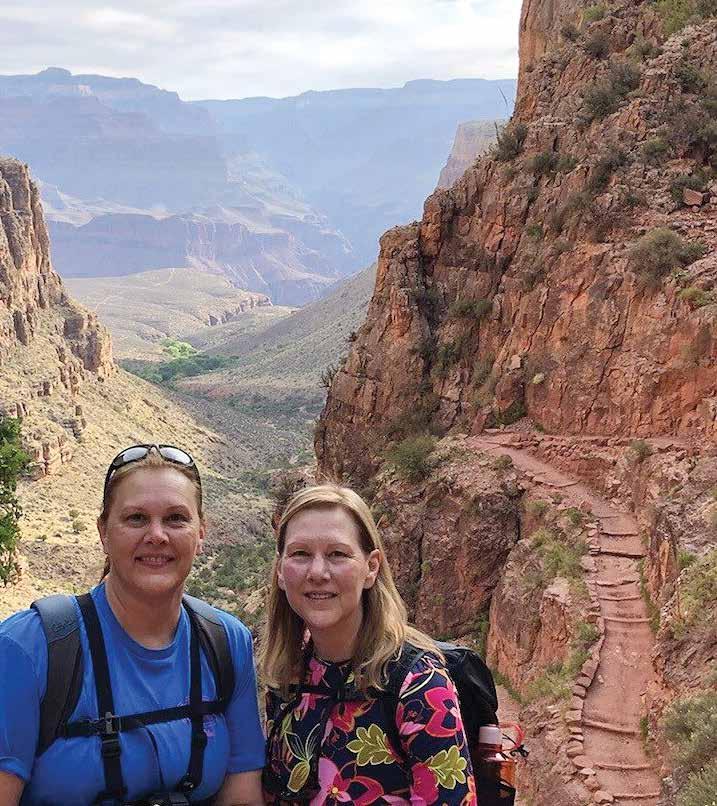
ABOVE: Connie (right) with her sister, Linda, hiking in the Grand Canyon.
RIGHT: Connie enjoys traveling and hiking with her husband, Ken. Together, they have visited all but one of the 59 national parks.
Connie Schneider was too busy to deal with the excruciating back pain that struck her last December when she was working full time as a certified financial planner and caring for her mother with dementia. When her mother died in January 2020, Connie was unable to bend into a sitting position, so she rode to the funeral lying down in the back seat of her husband’s pickup truck.
Determined to the core, she refused to let pain keep her down.
“I greeted family and friends and spoke at the funeral,” says Connie, 62, an avid hiker who leads a healthy lifestyle. “And you wouldn’t have known there was anything wrong with me. I can step up to the plate and do what needs to be done.”
And Connie did know what she had to do next. She needed to take care of herself. Although she always avoided doctors and never took medications, Connie realized something was wrong and it was time to get help.
The search for answers led her on a circuitous journey involving numerous doctors, unsuccessful injections for pain and finally a biopsy at a local hospital. Physicians there found abnormal cells suggesting cancer, but they were unable to treat her.
“I was shocked. Never in my wildest dreams would I think I would have cancer,” Connie says.
Connie’s efforts to get treated led her to The Alvin J. Siteman Cancer Center at Barnes-Jewish Hospital and Washington University School of Medicine, where she was diagnosed with sarcoma, a broad group of cancers that begin in the bones and soft tissues. These are relatively uncommon tumors, accounting for only 1 percent of all malignancies. Approximately 17,000 cases of sarcomas occur per year in the United States.
Although sarcomas may be unusual in the general population, they are not foreign to the Siteman oncologists, who have strong expertise in treating this virulent form of cancer and other rare tumors.
Connie’s oncologist is Brian Van Tine, MD, sarcoma program director and assistant professor, Division of Medical Oncology, Washington University School of Medicine. Thanks to generous donors, The Foundation for Barnes-Jewish Hospital provides support to Dr. Van Tine’s research.
“Donor support makes all the difference in the world,” he says. “We don’t really feel we’re here to just treat the cancer, we’re here to transform the treatment.”
For example, Dr. Van Tine says that his research involves identifying metabolic deficiencies in sarcomas that can be used as therapeutic opportunities. Since healthy cells don’t have this weakness, his team has been trying to create a therapy to take advantage of this defect in order to starve the tumor cells.
In Connie’s case, this type of research coupled with the depth of experience at Siteman are a necessity. Dr. Van Tine explains that Connie has Ewing’s sarcoma, which is primarily a pediatric disease. While it might be unusual to find an adult with this form of cancer at other centers, it is not unique for Dr. Van Tine, who has treated patients from across the country. In fact, his oldest Ewing’s sarcoma patient is 75.
While outcomes are generally good for pediatric patients with the disease, Dr. Van Tine explains that it can be difficult for adults to tolerate the chemotherapy treatments and some are unable to complete the regimen needed to recover.
Connie began chemotherapy on March 4 and after four rounds, the tumors shrank dramatically. She then had 33 rounds of radiation between June 9 and July 21. After taking about a month off, she resumed chemotherapy in late August and hopes to complete 13 more rounds.
DONOR SUPPORT MAKES ALL THE DIFFERENCE IN THE WORLD. WE DON’T REALLY FEEL WE’RE HERE TO JUST TREAT THE CANCER, WE’RE HERE TO TRANSFORM THE TREATMENT.
—
Brian Van Tine, MD Sarcoma Program Director and Assistant Professor Division of Medical Oncology Washington University School of Medicine
He explains that Siteman has a world-class rare tumor program that includes two labs doing research that leads to clinical trials for patients. Gifts from donors make it possible for scientists to buy the compounds needed to do testing and create the models for the next generation of lifesaving clinical trials.
“Without philanthropic support, we’re limited to how quickly we can move forward toward cures,” he says. “We have lots and lots of great ideas but we need the money to actually test them.”
Although the treatments have been grueling, Connie says she loves helping clients with investments and retirement plans so she is continuing to work part time, taking off when necessary.
As for exercising, she says: “I do work out most mornings to help keep me moving and to keep my strength up. It is not even close to what I am used to. But it really helps.”
Both Dr. Van Tine and Connie are very optimistic that she will be able to complete the program and have a highly successful outcome.
“The more fit you are, the better you tolerate it,” Dr. Van Tine says. “The fact that Connie was healthy in the first place helps her to do better.”
He also cites her determination and positive attitude.
“She’s an amazing woman,” he says. “She understands as much as she can about what she’s getting into in each component. She does her own research and we work together as a team to get her through it.”
Connie thinks Dr. Van Tine is pretty amazing too, and donates to his sarcoma research through the Foundation.
“He’s very direct just like me. I trusted him from the moment I met him. I’ve never been scared,” she says. “I love the man. He’s so smart and so kind and just so caring.”
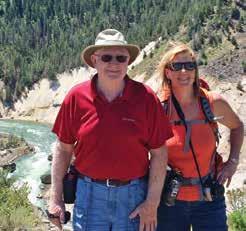
She recalls showing Dr. Van Tine a photo of herself with husband Ken while hiking in the mountains.
“I told him I want to do that again and he said ‘you will.’ And I believe him.”
If you would like to donate to cancer research to help patients like Connie, visit us at FoundationBarnesJewish.org. ¯
WALKING THE RUNWAY TO REVEAL THE BEAUTY OF TRANSPLANTATION

BY
PHOTO
IRYNA SHOSTAK

A double transplant patient takes to the fashion runway to show others the journey can be transformative.
Written by Gail Appleson
Valen Keefer could easily be mistaken for an actress, a network television anchor, or even a model. Strikingly beautiful, she exudes self-confidence, intelligence and charm.
In fact, Valen, 37, walked the runway of a New York City fashion show just last year. Although she was stunning, that wasn’t why she won this coveted spot. Instead, Valen was selected because of her courage and spirit during a lifetime of serious illness that resulted in two transplants. Her outfit was specifically designed to display Valen’s 60 inches of scars, which were highlighted with glitter. The fashion show, DreamWalk, gives people who have overcome challenges an opportunity to provide inspiration through their stories. Valen says she took to the runway to encourage others to embrace their journeys and find beauty in their own personal scars.
Valen has spent most of her life as a patient at various hospitals. She has epilepsy and severe scoliosis, which required back surgery when she was young and again as an adult. But her most trying health challenges came as a result of polycystic kidney disease (PKD), which she inherited from her mother’s side of the family. She was diagnosed with PKD when she was 10 and at the time, no family member with the disease had lived past the age of 53.
When she was a teenager, both of her kidneys were removed and Valen was hospitalized for almost a year. She was on dialysis, endured severe pancreatitis, and received more than 70 blood transfusions. At age 19, she received a life-saving kidney transplant from a living donor.
In her early 30s, PKD affected her liver and she became seriously ill. Valen received a liver transplant at age 35, which restored her health and the ability to do what she loves: helping others and living life to the fullest. She has turned her health challenges into something meaningful and become the role model she wished she would have had when she was younger.
Now, a patient advocate for PKD and organ donation with her own website, valenkeefer.com, Valen has appeared at about 100 events across America encouraging and supporting all types of audiences. The fact she looks great is an important part of her story.
“It’s important for others facing chronic illnesses and heading into transplant to see a healthy person in front of them—a person who has endured and overcome what they are about to experience,” she says. “I want them to know and see that there is a beautiful and joyful life post transplant, that they can do it too and that life is worth fighting for.”
LEFT: Valen models her 60 inches of scars at New York City’s DreamWalk, a fashion show that gives people who have overcome challenges an opportunity to tell their stories and inspire others. Today, Valen is a patient advocate for polycystic kidney disease and organ donation.
PHOTO BY THOMAS MICHAEL

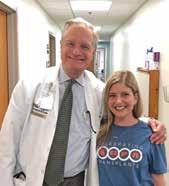
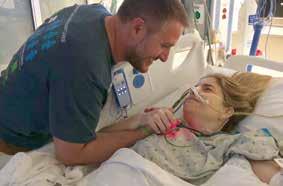
ABOVE: (left to right) Valen with husband, Noah, at the Gateway Arch a few days before her transplant; with Jeffrey Crippin, MD, during her nine-month transplant follow-up exam; waking up to Noah after her liver transplant.
RIGHT: Valen Keefer and her physicians, William Chapman, MD, (far left) and Jeffrey Crippin, MD (second from the right), were speakers at the Garden of Life Gala, which was held earlier this year to celebrate 10,000 transplants at the Washington University School of Medicine and Barnes-Jewish Transplant Center. Mid-America Transplant was honored at the event with the Innovation and Leadership Award.
“I find that this is the reason why I survived all of this. It gives a purpose to the pain,” she says. “Even though my life has been super hard at times, this is the deep-rooted purpose that keeps me grounded in gratitude. Being grounded in gratitude is really the foundation of me.”
Valen’s positive attitude and determination have helped her achieve what she calls an amazing life. She met her soul mate, Noah, in 2007, and they married on Sept. 17, 2011. Things were going well for the couple, who live in northern California, until 2016. It was then that Valen began to suffer recurrent episodes of infections to the point she developed a life-threatening antibiotic resistant bacterial infection. Finally, in 2018 her doctor in California said Valen needed a liver transplant or she would die. To improve the chances of getting an organ sooner, the doctor suggested that Valen dual list in California and another state. The physician’s top recommendation was the Washington University and Barnes-Jewish Transplant Center in St. Louis.
However, following the doctor’s advice meant the couple would have to temporarily relocate to St. Louis. It was a tough decision because it meant traveling far from the home they loved in northern California.
“The top tier medical and surgical care combined with the collegiality of the entire team makes this a place that patients want to come,” says Dr. Chapman. “It’s a multidisciplinary team. That’s a catchy term today. But I will tell you that in the area of transplant, we were doing it well before anyone else was doing it. We’ve been using that approach essentially since transplant started.”
BEING ABLE TO HAVE TRUST IN WHO CARES FOR YOU IS PRICELESS. IT’S HUGE IN A PATIENT’S WORLD TO KNOW THAT IF SOMETHING HAPPENS YOU HAVE THIS EXTRAORDINARY TEAM CARING FOR YOU. IT GIVES YOU HOPE THAT NO MATTER WHAT, EVERYTHING WILL BE OK.
— Valen Keefer
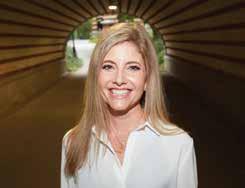
But after Valen was evaluated at Barnes-Jewish, they knew it was the right choice. Valen believes she is alive today because of her surgeon, William Chapman, MD, chief of the Section of Transplant Surgery, division chief of General Surgery at Washington University School of Medicine, and hepatologist Jeffrey Crippin, MD, vice chairman for Clinical Programs in the Department of Medicine.
“I only had to wait one week for a liver. That was extraordinary,” Valen says. “Six weeks later I couldn’t believe I was walking in an airport and on a plane on the way home.”
Although Valen was a complicated case, Dr. Chapman explains that the surgery went smoothly because the center has extensive experience transplanting patients with complex medical problems that some hospitals and physicians don’t have the expertise to address.
The transplant teams comprises professionals from a variety of disciplines. They include surgeons, hepatologists, nurses, coordinators, anesthesiologists, social workers, dieticians and financial counselors. The team may expand to include other specialists, such as oncologists, when needed.
Dr. Chapman notes that some of the center’s coordinators have been at the transplant center for more than 25 years and are available 24/7. “Because of that, patients are able to develop a lifeline to the program. It’s very reassuring to the patients,” he says.
Valen agrees, adding that a year after her liver transplant, she had the option to switch her care to California doctors near her home.
“There is no way I would ever do that. I have no interest in switching because I have such trust in Barnes-Jewish Hospital,” she says.
“I know I’m where I ought to be. Being able to have trust in who cares for you is priceless. It’s huge in a patient’s world to know that if something happens you have this extraordinary team caring for you. It gives you hope that no matter what, everything will be ok.”
Valen says she will be eternally grateful to Drs. Chapman and Crippin.
“They are both so caring and genuine. You can just feel that their work is not what they do. It’s who they are,” she says. “I am thriving today because of them, my donor and the entire health care team at Barnes-Jewish Hospital.” ¯
PHOTO BY THOMAS MICHAEL
PHOTOS COURTESY OF VALEN KEEFER
DRS. CHAPMAN AND CRIPPIN RECEIVE PRESIDENT’S ACHIEVEMENT AWARD FOR TRANSPLANT WORK
BY
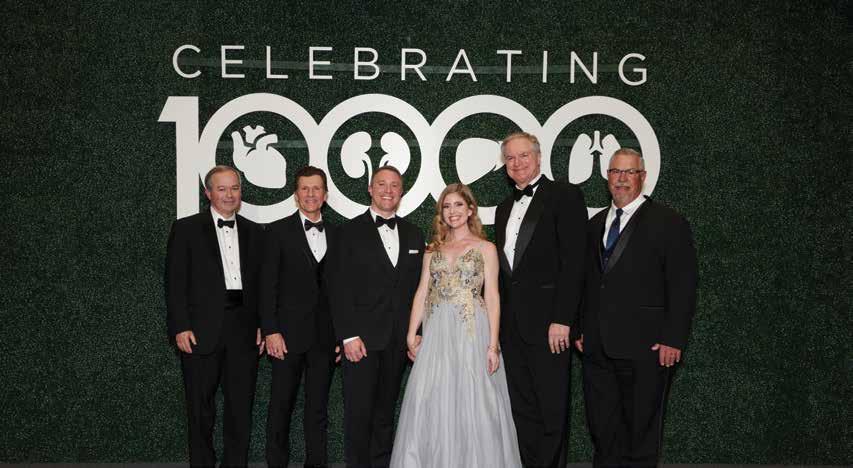
To ensure that more patients like Valen Keefer benefit from the expertise of top physicians, The Foundation for Barnes-Jewish Hospital established the President’s Achievement Award to recognize physicians who partner with the Foundation to uphold its mission and support the strategic framework of Barnes-Jewish Hospital. Although the award has traditionally been given to one recipient, this year there are two: William Chapman, MD, chief of the Section of Transplant Surgery, division chief of General Surgery at Washington University School of Medicine and hepatologist Jeffrey Crippin, MD, vice chairman for Clinical Programs in the Department of Medicine.
Dr. Chapman is the Eugene M. Bricker Chair of Surgery at Barnes-Jewish Hospital and Washington University School of Medicine. The endowed chair was established by the Foundation in memory of Eugene M. Bricker, MD, a renowned surgeon and professor of surgery whose medical career at Barnes-Jewish and the School of Medicine spanned more than a half-century.
Dr. Crippin is The Foundation for Barnes-Jewish Hospital Marilyn E. Bornefeld Endowed Chair in Gastrointestinal Research and Treatment. The chair was established by the Foundation to honor the wishes of the late Marilyn Bornefeld, a Crohn’s disease patient who was treated at Barnes-Jewish Hospital. Marilyn left her estate to the Foundation with the hope of helping others with Crohn’s, a chronic disorder that causes painful and often debilitating inflammation of the digestive tract.
When speaking about this year’s President’s Award recipients, Timothy J. Eberlein, MD, FACS, chair of the Department of Surgery at Washington University School of Medicine and director, The Alvin J. Siteman Cancer Center at Barnes-Jewish Hospital and Washington University School of Medicine, says, “Will Chapman’s leadership in transplantation has led to outstanding success in our Transplant Center. With this shared President’s Award from The Foundation for Barnes-Jewish Hospital, Drs. Chapman and Crippin will continue to lead advancements in liver transplantation.”
Boasting one of the preeminent transplant programs in the world, the Washington University and Barnes-Jewish Transplant Center’s specialists are recognized as pioneers in the development of many surgical and medical innovations for treating patients with end-stage organ disease.
Dr. Crippin says that philanthropy has been crucial to the success of the transplant program.
“The generosity of donors provides us with resources that otherwise would not be available. These gifts can assist patients, physicians, trainees, nursing staff and the hospital in general. Donations can support research efforts allowing us to potentially make a difference in the life of a patient immediately or in the future,” he says. “Many of the treatments we use today once started as an ‘idea’ that was subsequently tested. Those trials are crucial to transplant teams improving the care of patients and their outcomes.”
One example is a recently completed trial aimed at increasing the number of viable organs for patients with liver failure. As with Valen Keefer, a successful transplant is the singular lifesaving option for these patients, but due to the limited availability of organs, many die while on the waiting list. In response to this critical shortage, the Washington University and Barnes-Jewish Transplant Center took the lead in a national trial testing discarded donated livers that received normothermic machine perfusion (NMP) compared with standard cold preservation. NMP permits extended preservation times with the ability to simultaneously perform liver viability assessment. It is believed that this technology will expand the availability of livers for transplantation that may currently be considered marginal, resulting in more access and improved transplant outcomes. The results are currently under review by the FDA.
“Marginal livers will benefit from being on that device and that is going to change the way we approach patients and will make more organs available,” Dr. Chapman says. “Now about 20 percent of our patients die on the waiting list. We can’t get an organ for them soon enough and that’s a terrible problem for us nationally and locally. This strategy should help.” ¯
PHOTO
TIM PARKER
BOARD BRIEFING
Written by Gail Appleson
Tom Cohn
Tom Cohn’s father, Isadore H. Cohn, MD, was a prominent psychotherapist in New York City, where he was one of the innovators of adolescent and group psychotherapy. However, when Dr. Cohn suffered a second heart attack and his heart disease worsened, Tom and his wife, Sally, decided to move Dr. Cohn to St. Louis where they could take care of him.
Dr. Cohn urgently needed bypass surgery, but it was extremely risky because he was a long-term diabetic. As a result, Tom and Sally searched for the most skilled surgeon to perform the complex procedure. They chose Nicholas T. Kouchoukos, MD, a pioneer in cardiothoracic surgery. In 2018, Dr. Kouchoukos was installed by The Foundation for Barnes-Jewish Hospital as the first John M. Shoenberg Emeritus Chair of Cardiothoracic Surgery, honoring his legacy across BJC HealthCare, Barnes-Jewish Hospital and Washington University School of Medicine.
“He did an amazing job and saved my father’s life. He lived 12 years longer and got to see his grandchildren,” Tom says about his late father. “It was a real gift.”
Tom’s gratitude to Dr. Kouchoukos is just one of the many reasons he was drawn to join the Foundation’s board in January 2020.
He also has a strong bond to the medical field because his father was a doctor and Tom had once considered following in his footsteps. When he decided to pursue a career in insurance in the mid-1970s, he began calling on young physicians at Barnes and Jewish Hospitals.
“As a result of my relationships with those physicians, I thrived in my business,” he says. “Some of those doctors are still good clients and friends.”
In addition, the Foundation’s philanthropic mission is very much related to Tom’s work. He is the founder and CEO of Thomas Cohn Associates. Tom’s practice is focused on addressing issues that arise in the transfer of wealth to future generations and philanthropic organizations. He is a certified Chartered Advisor in Philanthropy and is very much interested in planned giving.
Tom is a board member of the Friends of St. Louis Public Radio and is a member of the Association for Advanced Life Underwriting and the St. Louis Estate Planning Council. He is also a lifetime board member of the St. Louis Psychoanalytic Institute, where Tom and Sally have established the endowed I. H. Cohn, MD, Lecture in honor of Tom’s father.
The board of directors of The Foundation for Barnes-Jewish Hospital comprises individuals who are working to make St. Louis—and the world—a better place. They offer significant partnership in fulfilling the Foundation’s mission to help donors enrich lives, save lives and transform health care through charitable gifts.
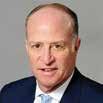
Jim Myer
When Jim Myer began his personal journey with cancer several years ago, he says he was overwhelmed by the talent and care provided by the team at The Alvin J. Siteman Cancer Center at Barnes-Jewish Hospital and Washington University School of Medicine as well as the comprehensive nature of the center’s approach to the disease.
“When I realized I was in this process for the long haul, I wanted to do whatever I could to help Siteman, not just for myself, but for the many other cancer patients and their families,” he says.
In addition, Jim wanted to honor a dear friend who had helped him get through a tough part of his illness. The friend, also a cancer patient, has since passed away.
“When I would try to thank him, he would always say ‘just pass it on and pay it forward.’”
Jim decided that joining the board of The Foundation for Barnes-Jewish Hospital would be a way to both carry out his friend’s wish and help Siteman Cancer Center.
“I had heard about the Foundation and knew people on the board, so I started asking questions about how I could get involved,” he says. “It’s a tremendous board with great people and a lot going on.”
Jim became a member of the board in March 2020. He currently serves on the philanthropy committee and helped with the Illumination Gala, the Foundation’s annual event that raises money for Siteman and cancer research (see pages 16-17 for more information on the Illumination Gala). Since Illumination’s inception in 2007, funds raised through the gala have launched more than 125 cancer research projects. It’s an event that’s very close to Jim’s heart.
“You just get blown away by the willingness of people to give, and the amounts,” he says of the generosity shown by Illumination donors. “It’s truly remarkable.”
Jim is an executive managing director of Risk Consulting Partners and leads the firm’s private equity practice.
Prior to joining the Foundation’s board, he was a longtime board member and past president of the Gateway Chapter of the Cystic Fibrosis Foundation and is involved in a variety of other charitable boards and activities.
BOARD BRIEFING
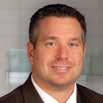
Andrew Voss
Andrew Voss’ membership on the board of The Foundation for Barnes-Jewish Hospital stems from more than just an interest in the health care industry. He’s been directly involved with hospitals, their staffs and patients for many years. In fact, even before he developed a health care law practice, Andy was a physical therapist in St. Louis.
As a shareholder of the Polsinelli law firm, Andy was introduced to the Foundation by Kenneth Suelthaus. Ken served as chair of the Foundation’s board from 2014 to 2017 and is currently an emeritus member.
“I began attending Foundation events and was introduced to the Illumination Gala through Ken,” Andy says. “I had never seen such an abundance of giving and it was fascinating to me. I became very interested in the board’s work and the more I learned, the more I wanted to get involved.”
And so he did. Andy joined the board in March 2020, just as the COVID-19 pandemic began to hit the St. Louis area.
“I’m very eager to learn and do more. This is such a great opportunity,” he says. “BJC HealthCare is a tremendous asset to our community. It’s a real gem in our own backyard.”
Andy’s professional background is a good match for his board service. In his law practice, he provides health care transactional advice to institutional and specialty health care providers, physician groups and long-term and post-acute care facilities. He also gives guidance on health care policies, regulatory and compliance issues. Recently, Andy served as an adjunct professor at the Center for Health Law Studies at the Saint Louis University School of Law.
His volunteer work includes past memberships on the boards of St. Patrick Center, which helps people who are homeless or at risk of becoming homeless, and Unlimited Play, a nonprofit that helps plan, design and build fully accessible playgrounds that allow all children—regardless of their abilities—to play together. ¯ Consistently
ranked among the top hospitals in the nation
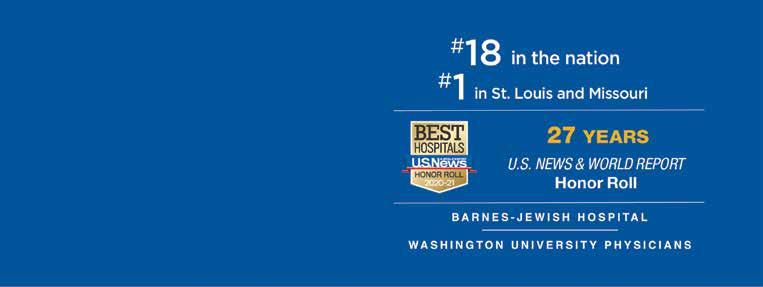
To learn more about this prestigious award visit BarnesJewish.org/About-Us/Awards-Honors.
THE BENEFITS OF PLANNED GIVING
Planned giving arrangements allow you to make a gift now or after your lifetime while enjoying financial benefits for yourself and your loved ones. Below are answers to a few commonly asked questions.
What are the advantages to planning a legacy gift?
A legacy gift to The Foundation for Barnes-Jewish Hospital will enrich lives and save lives for generations to come, while allowing you to preserve and enjoy your assets during your lifetime. Oftentimes, giving in this way allows you to make a greater impact than might be possible currently.
What are some simple ways to make a legacy gift?
You can designate The Foundation for Barnes-Jewish Hospital as a beneficiary of your bank account, retirement account, life insurance policy or donor-advised fund. Or you could include the Foundation as a beneficiary in your will or trust. Your gift might be a set dollar amount, a percentage of your estate, real estate assets, or you can designate the remainder of your estate after distributions to your other beneficiaries.
Is there a required minimum amount?
There is no minimum amount. Anyone can make a gift—no matter if your estate is worth $100 or $100 million. Any dollar amount, or any asset valuation, is welcome and helps us fulfill our mission to save lives and transform health care.
LEARN MORE ABOUT MAKING A LEGACY GIFT
For additional information, please visit our website at BarnesJewish.PlanMyLegacy.org or contact Joan Cheaney, CFRE, manager of planned giving, at Joan.Cheaney@BJC.org or 314-286-0704.
The Foundation for Barnes-Jewish Hospital
1001 Highlands Plaza Drive West Suite 140
St. Louis, MO 63110

YOUR STORY INSPIRES
We are honored to hear from patients and families who want to share their stories with us.
These stories of gratitude and kindness inspire others. We are proud to be part of your story and would be honored to hear it.
SHARE YOUR STORY
We invite you to share your story with us by visiting FoundationBarnesJewish.org/story.