
RRECENTLY I’VE BECOME drawn to museums and galleries. The spaces where art and artefacts are on display; the intention to allow one to pause and appreciate. I suspect they offer an escape, too, from a digital world where there’s little control over what content comes your way. Strolling through the corridors of a dimly lit museum at your own pace, while being intellectually stimulated, is both a luxury and much-needed reset.
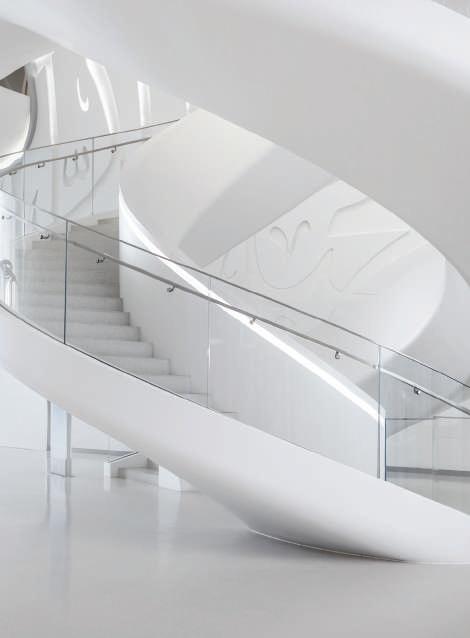
My most recent visit to a museum was in Dubai earlier this year. The Museum of the Future offers an immersive experience where you’re invited to imagine the world in 2071. From space travel, climate change and ecology to health, wellness and spirituality, you can pioneer new worlds and ways of living decades into the future with the purpose of being inspired to make our current world a better place. A robotic canine greets guests in the lobby and an incredibly lifelike AI-powered humanoid answers any question you ask it. Adventurous souls can even take a simulated elevator launch to the imagined ‘OSS Space Station’.
My all-time favourite museum is the National Portrait Gallery in London. One can spend hours roaming its vaulted rooms
whose walls are lined with people captured in a particular moment in time. If you happen to be in that part of the world, there’s an intimate Marilyn Monroe portrait exhibition currently showcasing her life, career and legacy, alongside personal artefacts including several of her dresses and shoes.
It's an interesting concept. Not all fine art can engage an audience in the personal and intimate way that fashion does. In ‘Museum Couture’ (page 30), we explore how institutions have embraced fashion to maintain relevance and attract larger numbers to their exhibits. The fashion exhibition itself is no longer a cultural outlier but increasingly a crowd-pulling affair, reshaping museum programming worldwide.
Further to the topic of artefacts and art, jewellery is moving further away from the muted tones of quiet luxury, favouring, instead, colour, scale and personality. In ‘The Art of Overstatement’ on page 38, we discover the growing appetite for jewellery with presence, pieces that play a role in an outfit, rather than simply supporting them.
Apart from exhibitions and museums, art and artefacts, there are multiple ways to escape an overloaded digital world.
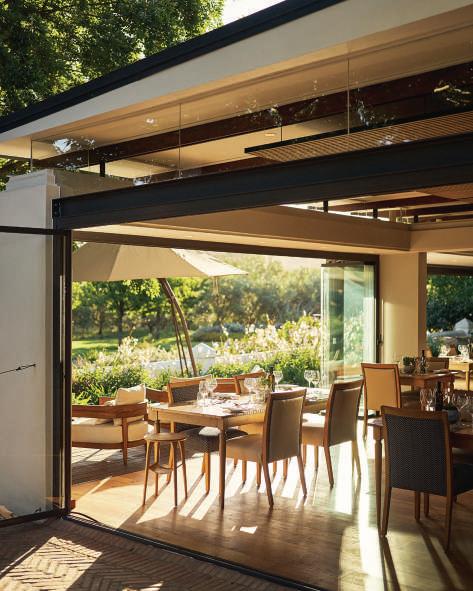
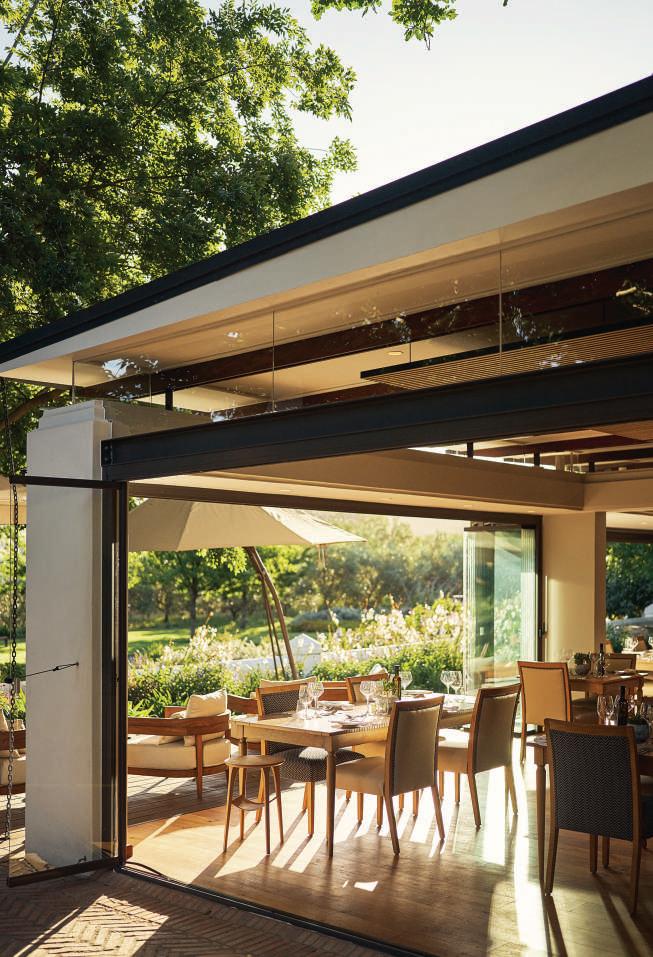
In ‘Where Time Stands Still’ (page 54), we invite you to explore Rupert and Rothschild’s newly refurbished restaurant, or take a seat on their verandah overlooking the sun-washed valley while sipping on one of their Bordeaux-style wines.
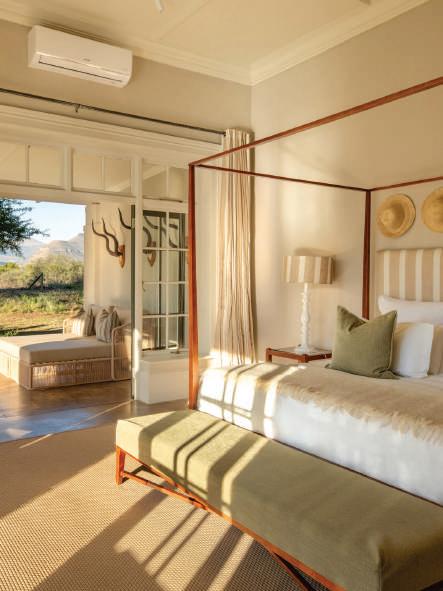
If luxury destinations are your way of finding restoration, we feature a number of desirable options. In ‘By Sea and Sanctuary’ (page 66), you can step into a private villa on the Mozambican coast, where itineraries follow the tides. Closer to home, Samara Karoo Reserve has, for the past three decades, been slowly reviving a lost wilderness in the Great Karoo. The reserve’s newly renovated exclusive-use villa, The Manor, is the perfect place from which to explore the land and revive one’s senses. (‘What the Karoo Remembers’, page 60).
If nothing else, paging through Private Edition magazine at your own pace promises moments of luxurious escape.
EDITOR SUSAN NEWHAM-BLAKE snewham@tppsa.co.za
ART DIRECTOR TINA REDDELL
COPY EDITOR WENDY MARITZ
ADVERTISING EXECUTIVE
BERNICE BLUNDELL bernice@adplacements.co.za 073 618 1882
PUBLISHING DIRECTOR SUSAN NEWHAM-BLAKE
PRODUCTION DIRECTOR JOHN MORKEL
HUMAN RESOURCES MANAGER LIZ WOLFE
FINANCIAL MANAGER NAEEMA ABRAHAMS
SUSAN NEWHAM-BLAKE EDITOR

PRINTED BY


Private Edition is published by The Publishing Partnership (Pty) Ltd, 8th Floor, Tarquin House, 81 Loop Street, Cape Town 8001. Copyright: The Publishing Partnership (Pty) Ltd 2026. No portion of this publication may be reproduced without prior written consent from The Publishing Partnership or the authors. The publishers are not responsible for any unsolicited material. The opinions expressed are not necessarily those of The Publishing Partnership or the editor.
Editorial and advertising enquiries:
PO Box 15054, Vlaeberg 8018
Tel: 021 424 3517
Email: privateedition@tppsa.co.za
Visit: privateedition.co.za
Printing: Novus Print
ISSN: 2218-063X

Roche Bobois’ latest outdoor collection fuses Stephen Burks’s signature blend of craft, culture and colour with industry and handwork.
A Michelin star would have been enough for most chefs. For Jan Hendrik van der Westhuizen, it was just the beginning. And he’s not slowing down.
The fashion exhibition has gone from cultural outlier to crowd-pulling blockbuster, reshaping museum programming worldwide. We examine how style became substance, and lift the curtain on this year’s biggest shows.
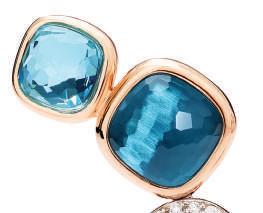
Jewellery is embracing colour, scale and personality once again.






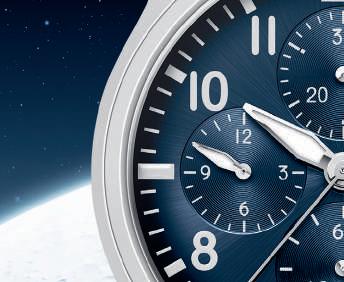
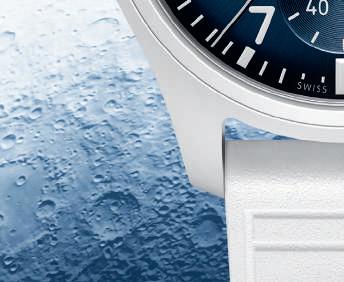

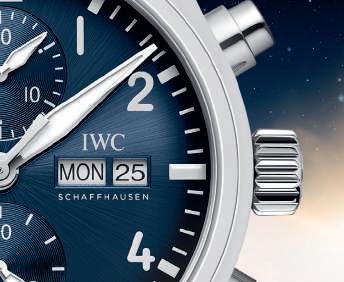
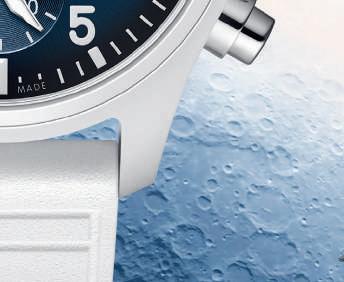





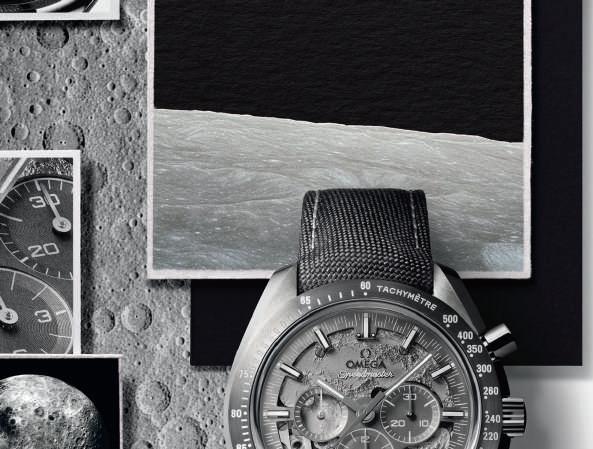
Pilot’s Watch Chronograph 41 Le Petit Prince, Ref. 3894
The spirit that leads the Little Prince beyond his asteroid continues to inspire us at IWC Schaffhausen: driven by curiosity, courage, and the pursuit of new horizons. This 41-millimetre chronograph in white zirconium oxide ceramic is IWC’s first ceramic watch dedicated to Antoine de Saint-Exupéry’s beloved tale. The deep blue, sunray-finished dial recalls the vastness of space – created for those who never stop exploring what lies beyond the horizon. IWC. Engineered.







46 GO EAST
We explore two new restaurants in Cape Town’s East City Precinct. Here, the focus is the unexpected overlap between South Africa’s love of cooking over fire and a Japanese taste for grilled wagyu.
54 WHERE TIME STANDS STILL
Rupert & Rothschild Vignerons represents a remarkable intersection of Bordeaux-inspired winemaking with the exceptional grapes and climate of the Cape Winelands..
60 WHAT THE KAROO REMEMBERS
Samara Karoo Reserve has been slowly reviving a lost wilderness in the Great Karoo and offers guests a new way to immerse themselves in this evolving landscape.
66 BY SEA AND SANCTUARY
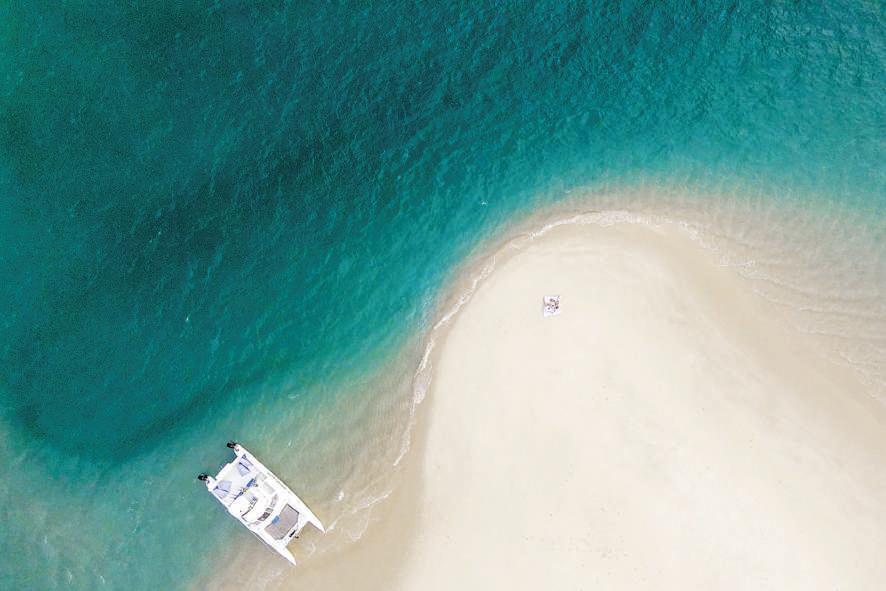
Discover how luxury is shaped by tide and tranquillity at Pambele Beach House, set within the Vilanculos Coastal Wildlife Sanctuary on Mozambique’s San Sebastian Peninsula.
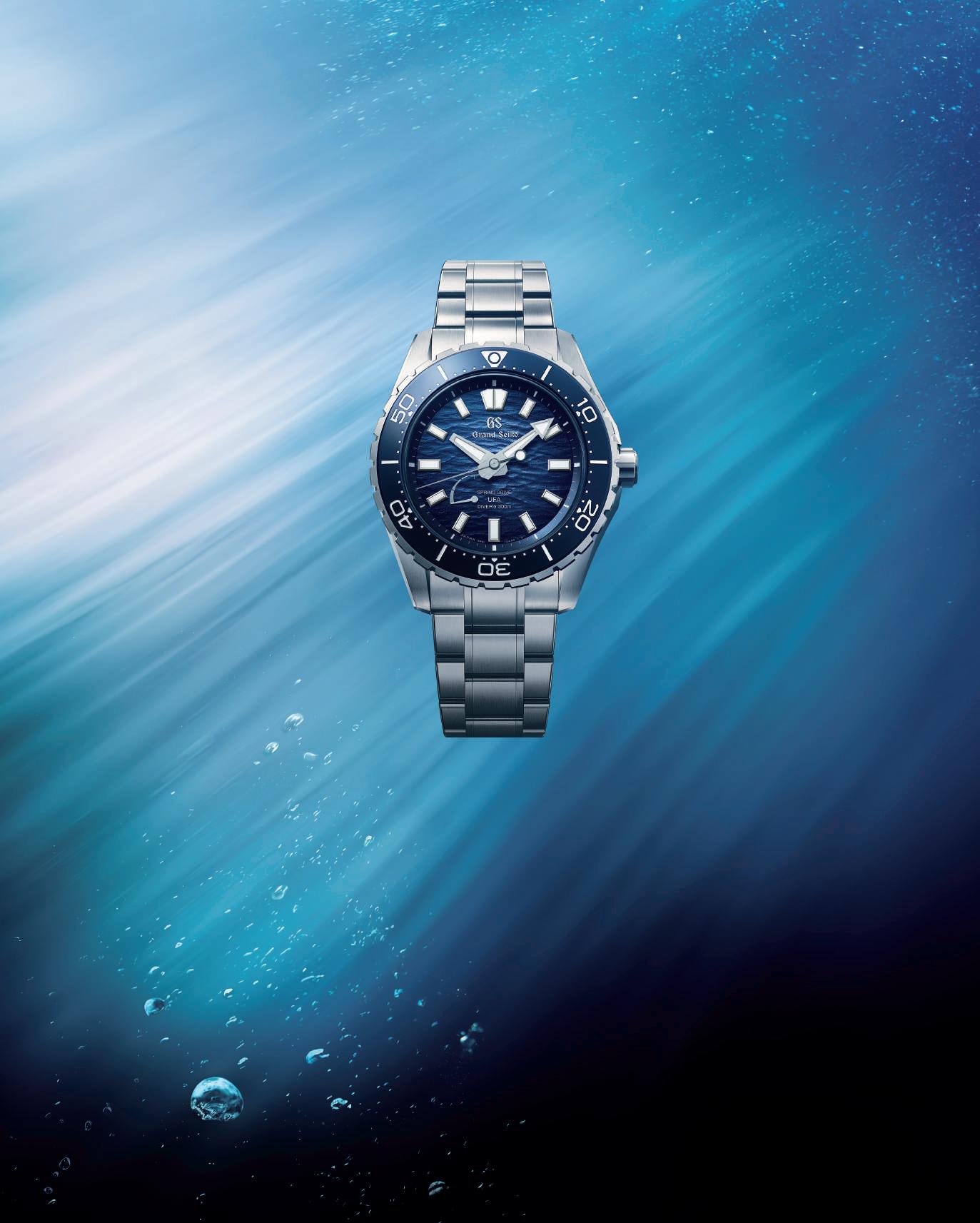
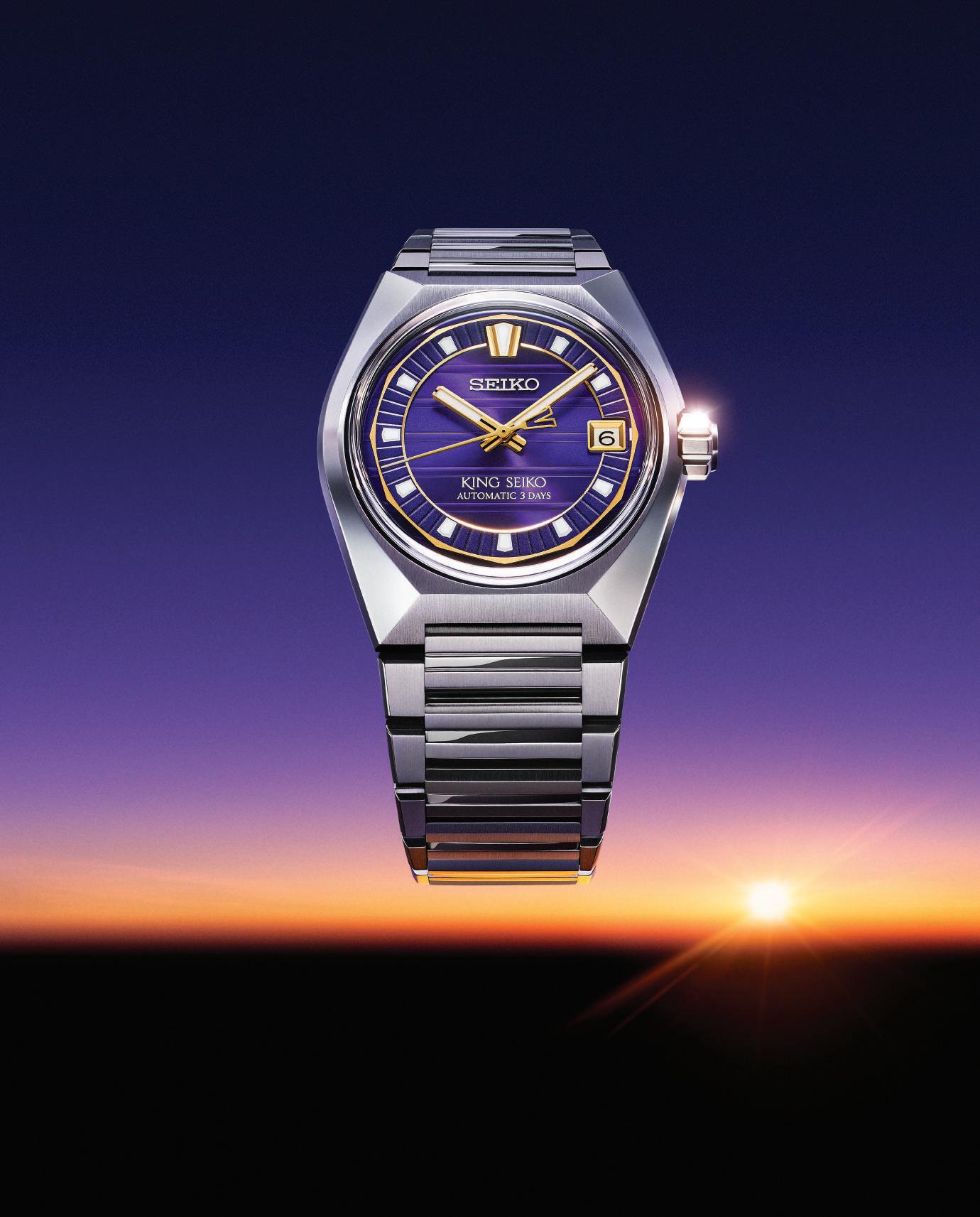
grandseiko.seikostore.co.za
AS WE REACH the middle of yet another year shaped by growing global uncertainty further intensifying local economic pressures, it’s easy to focus solely on the challenges ahead.
Yet history consistently reminds us that periods of disruption often create the most compelling opportunities for those with vision, confidence and a long-term outlook. In South Africa, the luxury property sector provides those opportunities.
Despite ongoing economic pressures, our market continues to attract strong interest from both local and international investors who recognise the enduring value of South African real estate. Our country offers a unique combination of world-class lifestyle experiences, exceptional natural beauty, favourable exchange rates, and luxury real estate that remains competitively priced when compared with many global destinations.
For discerning buyers seeking value, lifestyle and long-term growth potential, South Africa remains firmly on the radar and this is clearly evidenced by recent sales from our offices around the country, especially in areas like Cape Town’s Southern Suburbs, the Winelands and Durban’s North Coast.
One of the most significant global trends positively influencing our market is the continued rise of luxury rentals. Across the world, affluent travellers and professionals working remotely are increasingly prioritising flexibility, privacy and experiential living over traditional hotel stays. South Africa’s premier destinations –from Cape Town’s Atlantic Seaboard to the Winelands and exclusive safari regions – are perfectly positioned to benefit from this shift. High-end rental demand has strengthened considerably, creating attractive yield opportunities for investors while further elevating the appeal of premium residential assets.
A number of significant trends are shaping the sector, with the growth of remote and hybrid work being one of the most prominent. The ability to work from anywhere has fundamentally changed where people choose to live and invest. And South Africa’s lifestyle offering, climate and the comparatively lower
cost of luxury property here are attracting a growing number of international buyers seeking second homes, seasonal residences or extended-stay properties.
Sustainability and wellness-focused living also continue to redefine luxury property expectations worldwide. Buyers are increasingly drawn to homes and developments that offer energy efficiency, smart technology, security, wellness amenities and environmentally conscious design. South African developers and property owners are responding with innovation, creating sophisticated spaces that align with evolving global preferences while enhancing long-term property value.
Importantly, South Africa’s resilience remains one of its greatest strengths. Time and again, our property market has demonstrated an ability to adapt and evolve through changing economic cycles. While challenges undoubtedly remain, we believe the current environment presents a rare window for strategic investment, particularly in the luxury segment where scarcity, location and lifestyle continue to underpin long-term value.
At the heart of our business is a belief in South Africa’s extraordinary potential. We remain optimistic about the future and deeply committed to delivering exceptional opportunities for our clients, partners and investors. In moments of uncertainty, perspective matters – and we believe the opportunities ahead are both significant and exciting.
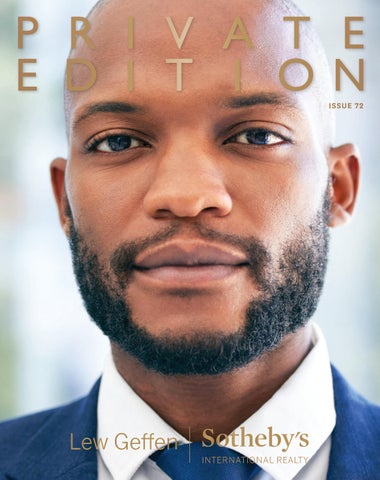
YAEL GEFFEN CEO, LEW GEFFEN SOTHEBY’S INTERNATIONAL REALTY









| OBJETS D’ART | DESIGN | DEPARTURES | TASTINGS
PRIVATE TIME

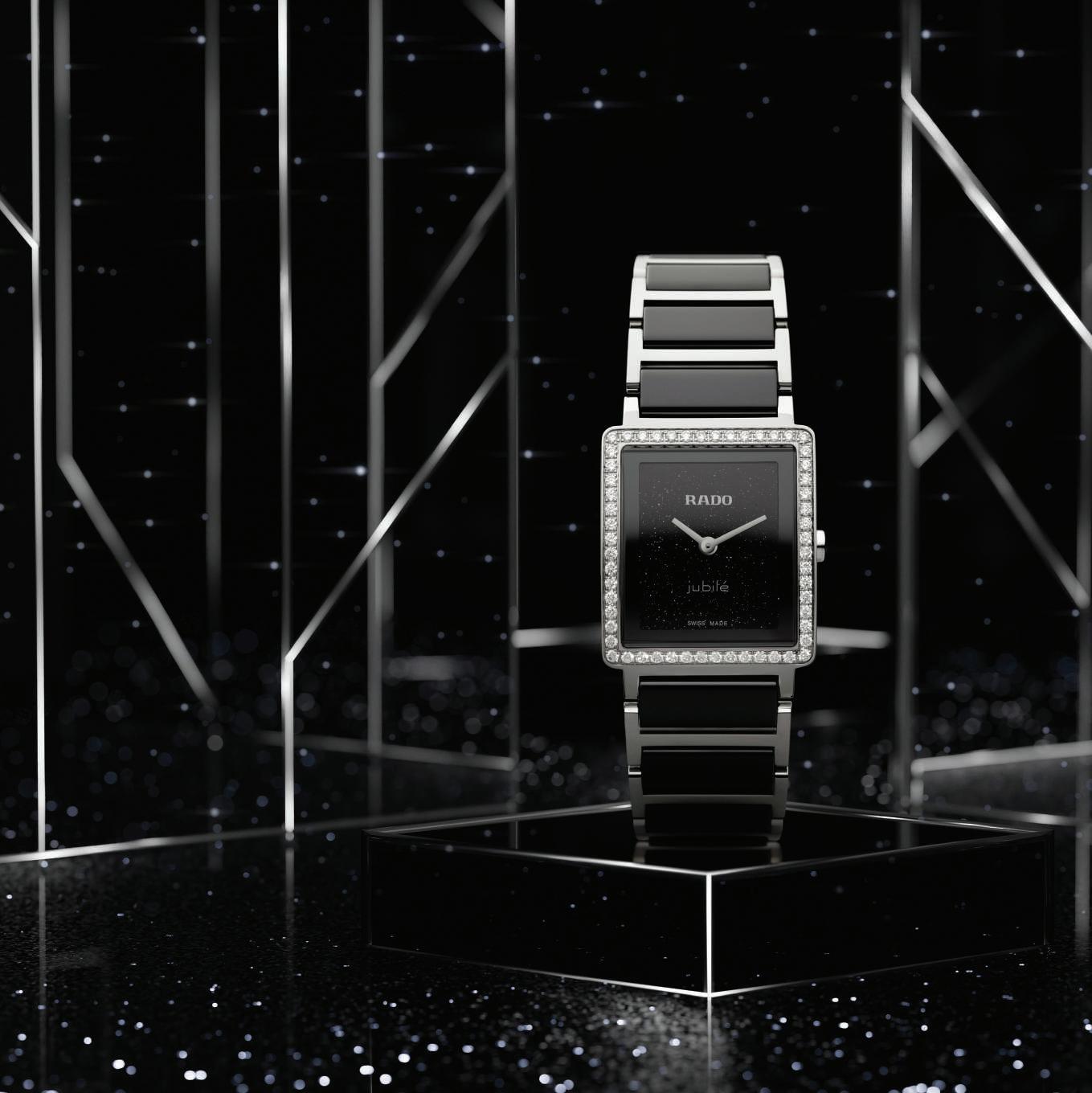
RADO NOT ONLY CELEBRATES 40 YEARS OF THE INTEGRAL, BUT ALSO FOUR DECADES OF MASTERY IN HIGH-TECH CERAMIC.


Rado presents the 40-Year Anniversary Edition of the Integral, paying tribute to the pioneering 1986 model that started it all. This anniversary edition reinterprets the signature codes of the original Integral, while elevating it with the latest innovations in Rado’s materials. It is both a celebration of heritage as well as a clear continuation of Rado’s journey. This special edition stands as a reminder of what makes Rado unique: the courage to imagine, the determination to experiment, and the mastery to transform visionary ideas into timeless design. It reflects the bold, creative spirit of Rado’s founders, whose guiding words still resonate today: ‘If we can imagine it, we can make it. And if we can make it, we will.’ rado.com


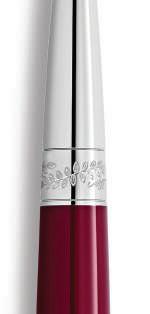

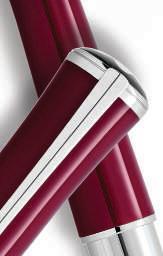
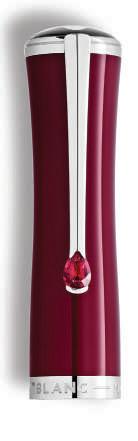



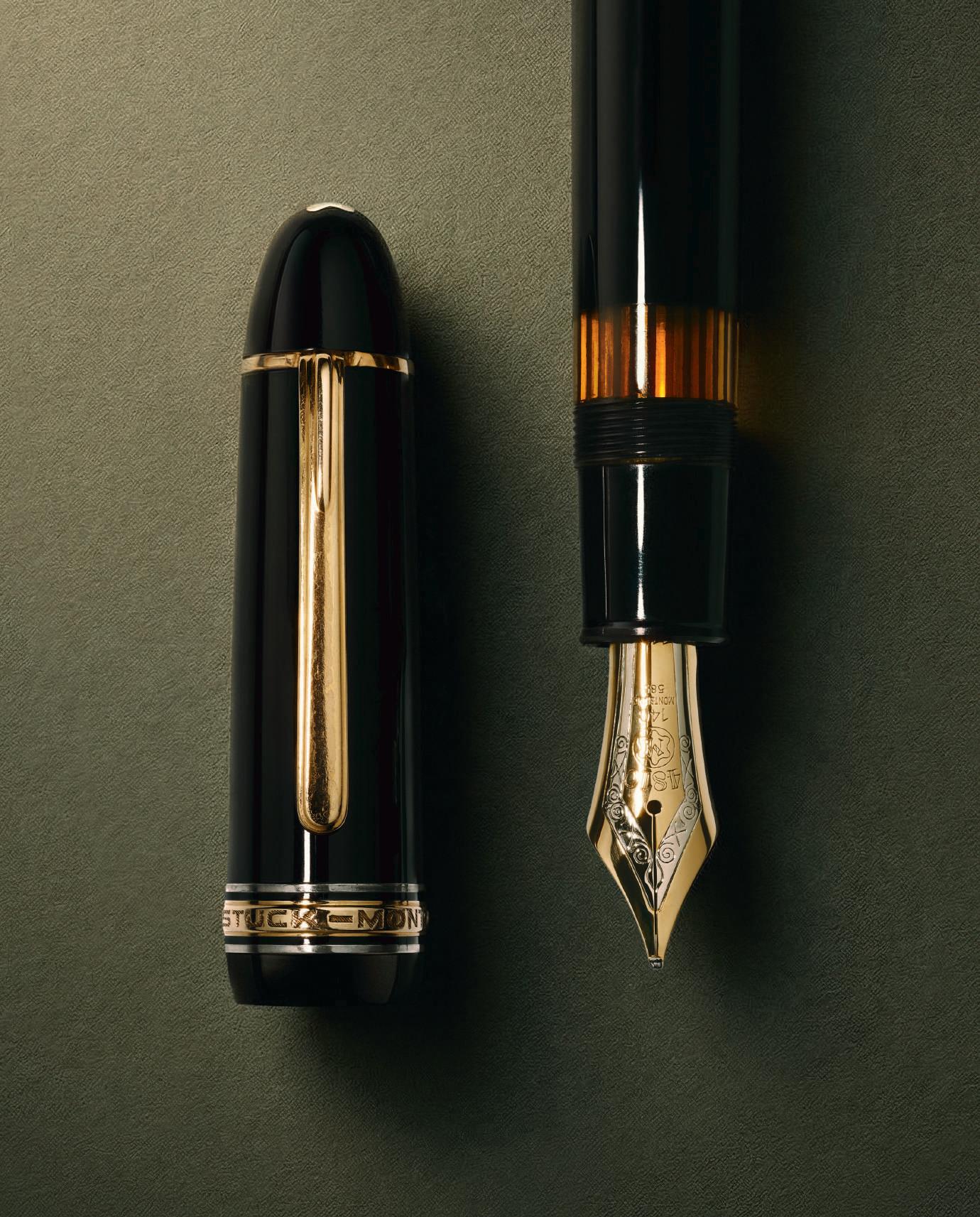
THE SECOND CHAPTER IN MONTBLANC’S TRIBUTE TO MARIA CALLAS CELEBRATES THE LEGENDARY SOPRANO’S SPARKLING LIFE IN THE SPOTLIGHT.
Maria Callas rose to fame in the 1950s and ’60s as the ultimate operatic diva performing in major opera houses around the world. To pay homage to the artist known as ‘La Divina’ (the divine one), due to her moving voice, elegant style and dramatic instinct, Montblanc has released a new writing instrument.
After first introducing the Montblanc Maria Callas Special Edition in 2023 in a vibrant turquoise colourway that honoured the opera singer’s Greek roots and one of her favourite colours, Montblanc had reimagined the writing instrument in a rich ruby colour inspired by Callas’s passion for the beautiful things in life – perhaps best exemplified by her famed love for luxurious jewellery.
While Maria Callas possessed a vocal range of almost three octaves, exceeding traditional definitions of soprano singing, she was a woman who also knew how to captivate with her breathtaking looks and was known for her love of designer dresses and fine jewellery. The ruby-coloured precious resin of the cap and barrel finds inspiration in the singer’s opulent collection of ruby jewellery, while the overall shape reflects Callas’s graceful beauty with its slender, elegant silhouette.
Nearly 50 years after her passing, Callas’s stardom still shines and her legacy lives on in a special-edition writing instrument that spotlights an unforgettable life and exceptional artistry. The Montblanc Maria Callas Special Edition Ruby-Coloured is available at Montblanc boutiques and online. montblanc.com
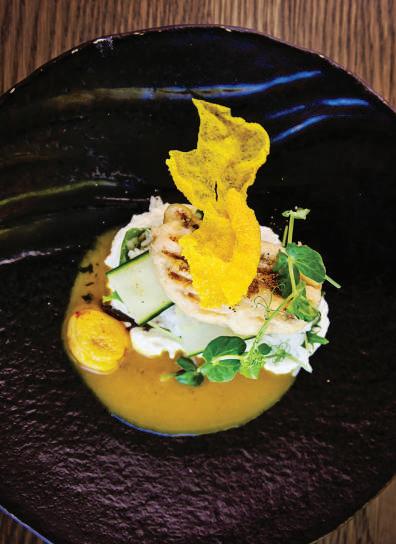
THE RECENT APPOINTMENT OF HEAD CHEF RICHARD CARSTENS MARKS AN EXCITING NEW CHAPTER FOR LA PETITE FERME IN FRANSCHHOEK.
Nestled on the slopes of the Franschhoek Mountains with sprawling views of the valley is the award-winning, five-star luxury boutique hotel and wine estate La Petite Ferme.
La Petite Ferme, French for ‘the little farm’, has grown and evolved over decades into a memorable Winelands destination that today includes a boutique hotel, an award-winning and celebrated winery offering a full range of hand-crafted wines from its own boutique-style cellar managed by talented winemaker Wikus Pretorius.
Recently appointed head chef Richard Carstens’ inaugural menu reflects his hallmark modern French style: precise, elegant and ingredient-driven while drawing on the extraordinary produce of the Franschhoek Valley and the surrounding Cape Winelands.
Carstens says, ‘Modern French cuisine as I practise it is not a departure from tradition, it’s its natural evolution. It builds on classical foundations but sheds the unnecessary, adding innovation and a singular focus on the ingredient, the season and the story of where the food comes from. At La Petite Ferme, that story is all around us.’
Carstens’ track record speaks for itself: eight distinguished years as executive chef at Tokara Restaurant in Stellenbosch, where the restaurant was repeatedly honoured as the Best Wine Tourism Restaurant in South Africa and consistently ranked among the Top 20 Restaurants nationally by Eat Out
Situated less than three minutes from the village of Franschhoek and an hour’s drive from Cape Town, La Petite Ferme is a not-to-be-missed destination. And with its beautifully appointed luxurious five-star Manor House and recently launched Winery Suites, turning the experience into a stayover doesn’t take much convincing. lapetiteferme.co.za
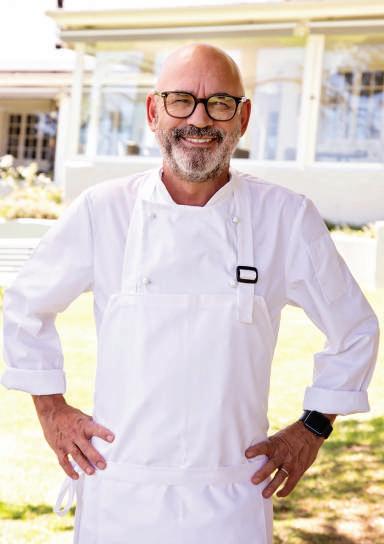
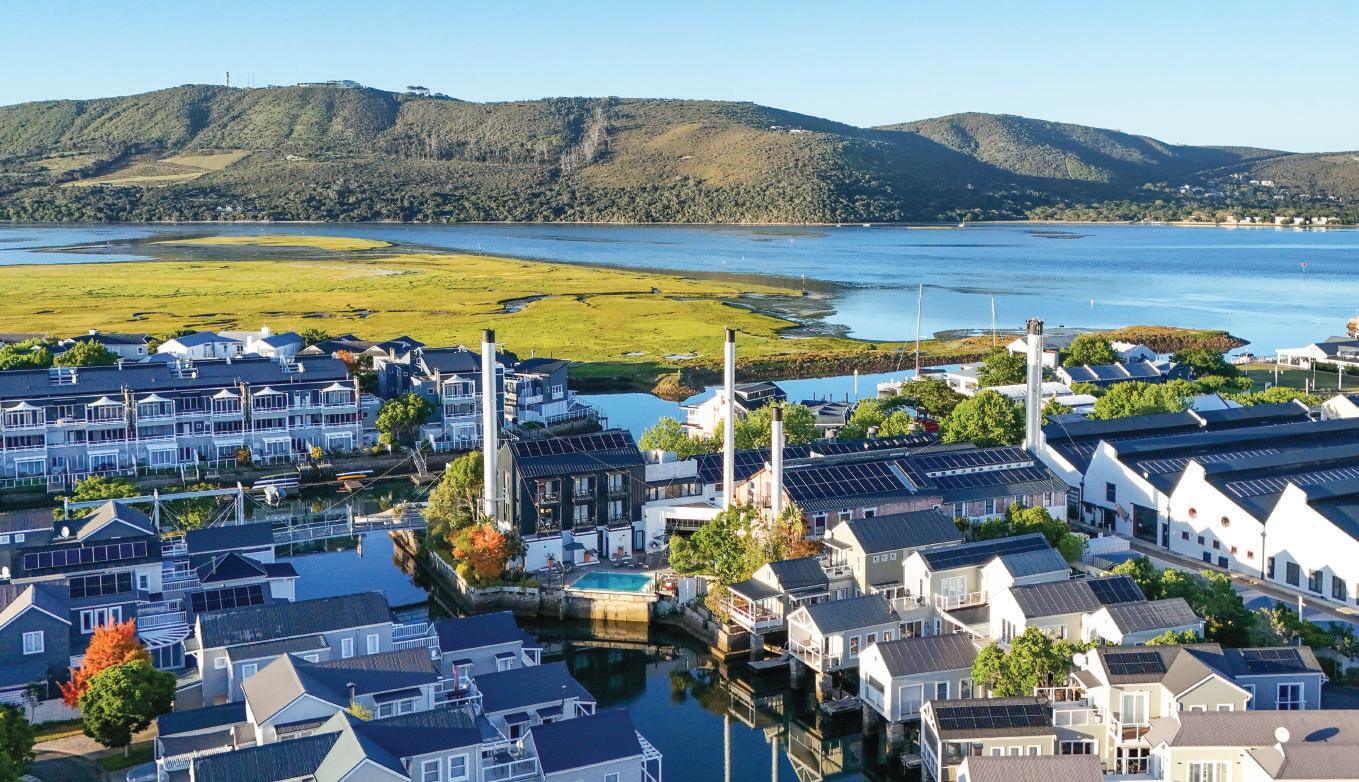
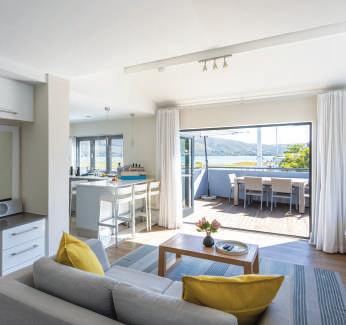
THE TURBINE BOUTIQUE HOTEL AND SPA, A CONVERTED POWER STATION ON THESEN ISLANDS, COMBINES INDUSTRIAL HERITAGE, MEMORABLE DINING AND EASY ACCESS TO KNYSNA’S WATERWAYS AND COASTLINE.
BY PAIGE DORKIN
The heart of Thesen Islands, one of Knysna’s most distinctive landmarks, has found renewed life. Once a working power station supplying electricity to the surrounding region, The Turbine Boutique Hotel and Spa today provides one of the Garden Route’s most characterful stays. The building’s past is never hidden. Original turbines and pipes, some of them brightly painted, remain integrated into public spaces, while smaller details – from preserved machinery to old switch boxes incorporated into guest rooms – serve as reminders of its former purpose. But, rather than
feeling overly themed, the interiors feel artful, quirky and grounded in the history of the site itself.
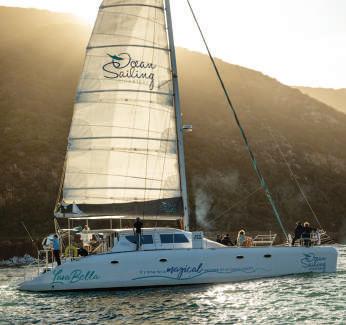
The setting is part of the appeal. Positioned on Thesen Islands, the hotel places guests within easy walking distance of the islands’ boutiques, galleries and restaurants, while the Knysna Waterfront is just across the lagoon. The surrounding waterways invite exploration too. Kayak through the islands’ network of canals with The Water Club or take a sunset cruise with Ocean Sailing Charters, which departs directly from Thesen Islands.
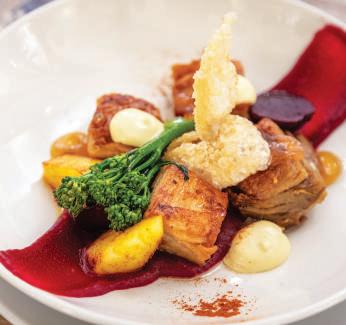
Under executive chef Greg Coleman, the food at The Turbine rises well above the standard expectations of hotel dining. Enjoy gourmet fare at the Island Café, or settle in for small plates or traditional pub fare at the cosy Gastro Pub.
What sets The Turbine apart is its personality. Here, every thoughtfully preserved detail and repurposed space contribute to a narrative that is uniquely Knysna, connecting the building’s industrial past with its present-day role at the heart of landmark Thesen Islands.
turbinehotel.co.za







HUGH’S JAZZ CLUB IN DOWNTOWN
JOHANNESBURG HONOURS SOUTH AFRICA’S RICH AND EXCITING HISTORY OF JAZZ MUSIC.
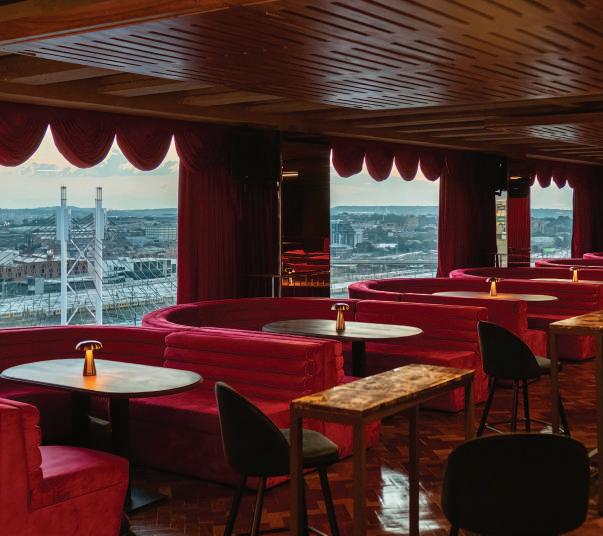
In January this year, Johannesburg opened a space where the spirit of the legendary Hugh Masekela could find a contemporary home. A place where music sits at the centre of South Africa’s most electric city. Imagined in partnership with the Hugh Masekela Heritage Foundation and visionary designer Adam Levy, Hugh’s Jazz Club is a place of warmth, velvet and amber light, and where music intermingles with good conversation.
Positioned on the 13th floor at 10 De Beer Street, Braamfontein, the club boasts extensive windows that offer a unique vantage point of Johannesburg’s skyline. Here, the energy of Braamfontein meets the enduring legacy of Hugh Masekela. Just six months after opening its doors to the public, Hugh’s Jazz Club has established itself as one of Johannesburg’s most sought-after cultural destinations, selling out every performance since its launch and reaffirming the city’s enduring appetite for world-class live music. More than a jazz club, Hugh’s is a contemporary listening room dedicated to preserving, celebrating and advancing South Africa’s rich musical heritage while creating opportunities for future generations of artists.
hughs.co.za
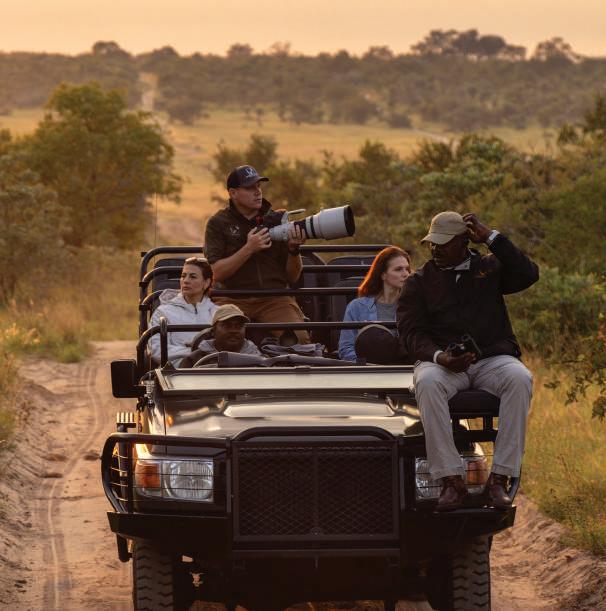
BRINGING TOGETHER THE VERY ESSENCE OF SAFARI AND STORYTELLING, CHEETAH PLAINS PHOTOGRAPHIC SAFARI INVITES GUESTS TO CAPTURE THE BEAUTY OF THE BUSH THROUGH A MORE CONSIDERED LENS.
Guided by accomplished wildlife photographer, Francois Fourie, Cheetah Plains’ exciting photographic safari offers a private experience designed for guests wishing to preserve their time on safari in a way that feels personal, natural and long-lasting.
Whether documenting quiet moments in your villa, the unique atmosphere of the bush, or the dramatic wildlife encounters that unfold throughout your stay, the experience offers a refined and highly personalised way to remember Cheetah Plains.
Guests may choose between two bespoke photographic experiences. For those wishing to be fully present in the moment, the photographer may accompany you during your stay to capture candid, natural and styled imagery of the safari experience. From game drives and lodge moments to the details that make each journey unique, guests receive a curated digital collection that beautifully reflects their time in the wild.
For guests who prefer to step behind the lens, the experience may instead take the form of guided wildlife photography sessions. During game drives and selected lodge experiences, the photographer offers hands-on guidance in composition, lighting, camera settings and visual storytelling, helping guests better understand how to capture wildlife and the surrounding landscape with confidence and intention.
Every experience is tailored according to each guest’s level of interest, experience and expectations, with an optional pre-arrival consultation to ensure a seamless and personal approach. All imagery is approached with discretion, sensitivity and respect for the privacy of each guest. Final image collections are professionally edited and delivered digitally, creating a lasting visual record of the captured safari experience.
The Cheetah Plains Photographic Safari is available as a private add-on experience and may be arranged prior to arrival, subject to availability and operational scheduling. Valid 1 June 2026 to 31 May 2027. cheetahplains.com
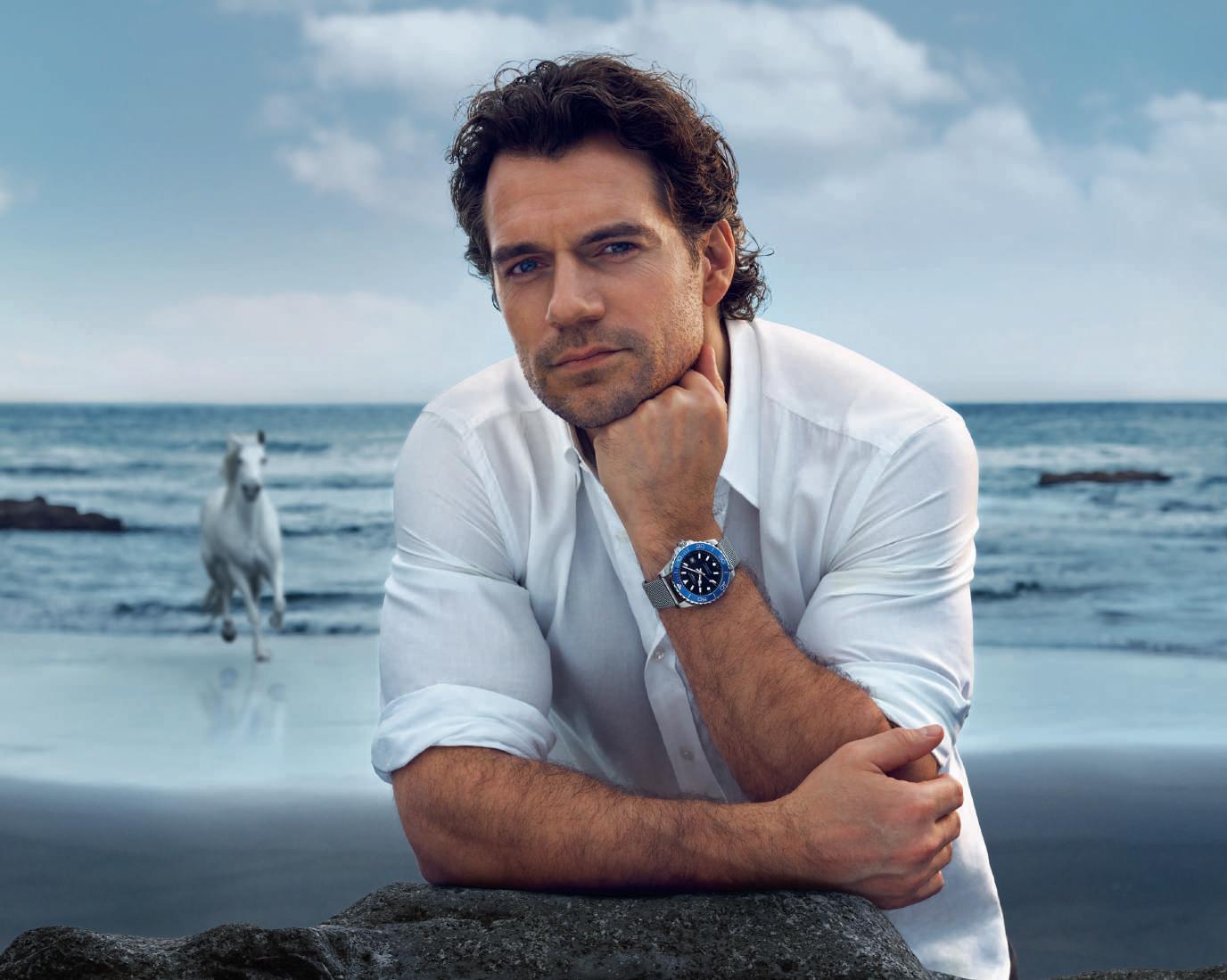





























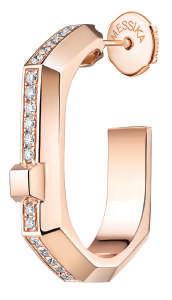


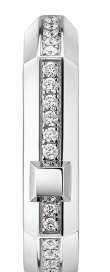

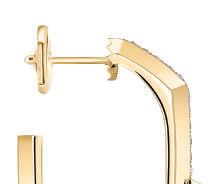
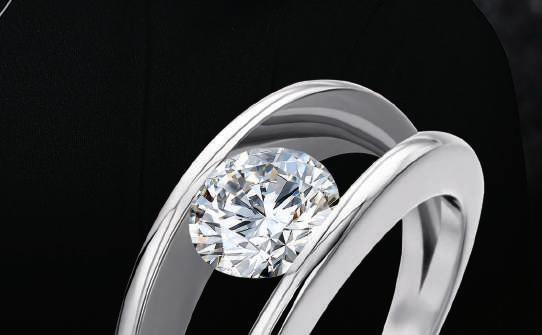
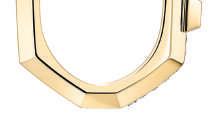
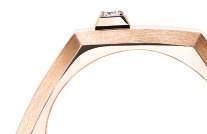
LIKE A SCULPTURE WORN AGAINST THE SKIN, MESSIKA’S NEW JEWELLERY RANGE, MODERNISTE, TRANSCENDS THE MERE ORNAMENTAL FUNCTION OF JEWELLERY.







PRIVATE TIME
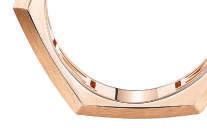

Founded in Paris in 2005 by Valérie Messika, the Maison builds on the heritage of one of the world’s most respected diamantaires, Valérie’s father, André Messika. His influence and expertise inspired Valérie to launch one of the world’s most renowned jewellery houses, famous for its signature floating and moving diamonds.
The Moderniste collection, a reflection of the couture universe, features a powerful design influenced by contemporary architecture and can be worn in multiple ways in a variety of styles.


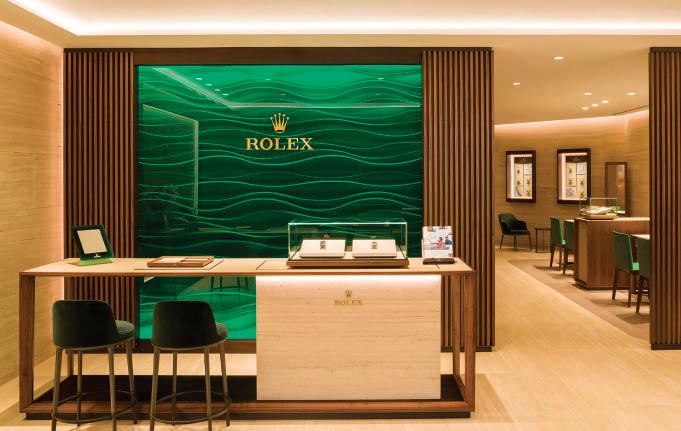
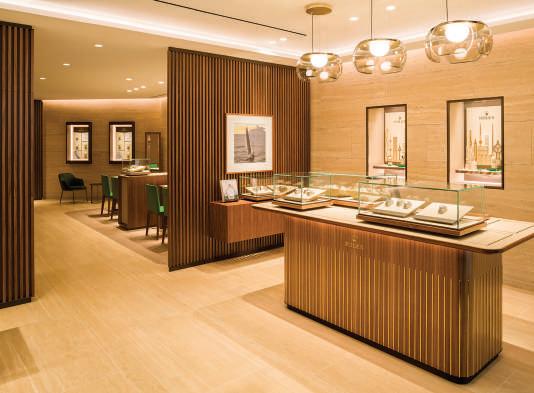
THE OPENING OF THE ROLEX BOUTIQUE AT THE V&A WATERFRONT, LAUNCHED IN PARTNERSHIP WITH CHARLES GREIG JEWELLERS, MARKS A SIGNIFICANT MILESTONE.
More than just a store, the newly opened Rolex boutique reflects a shared commitment to heritage, craftsmanship, innovation and the longstanding relationship between Rolex and one of South Africa’s most established jewellers, Charles Greig.
Situated in Cape Town’s iconic V&A Waterfront, the boutique brings together Rolex’s timeless elegance and Charles Greig’s 127-year legacy of excellence, creating a refined experience for collectors, enthusiasts and discerning clients alike.
The boutique has been carefully designed to reflect the world of Rolex while embracing the elegance and character of Cape Town. Warm wood finishes, sophisticated lighting and refined architectural details create an atmosphere that feels both luxurious and welcoming. Guests are invited to explore Rolex’s world-renowned collections in a setting that mirrors the precision and excellence synonymous with the brand.
The boutique also offers private consultation spaces where clients can discover exceptional timepieces with the guidance of experienced specialists.
Whether you’re an avid collector or simply someone who appreciates exceptional design and heritage, the new Rolex boutique offers an experience that goes far beyond luxury retail; it’s a celebration of precision, artistry and enduring excellence. rolex.com
The pavé Moderniste PM single hoop, with its timeless, graphic design, can be worn on any occasion, day or night, while pairing effortlessly with the all-gold Moderniste hoop or ear clip. The new signature of Maison Messika, the Moderniste MM ring offers a statement piece ideally worn on the index finger for a distinctly contemporary look. picotandmoss.co.za




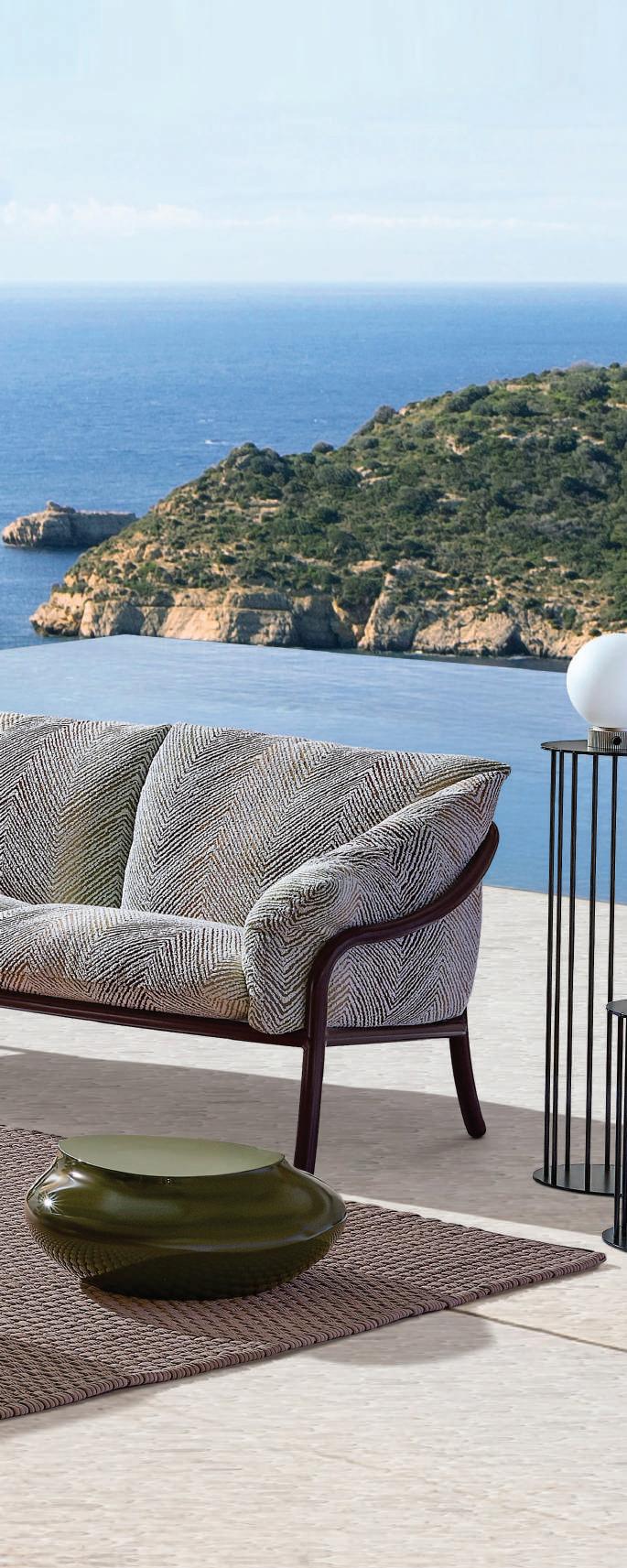
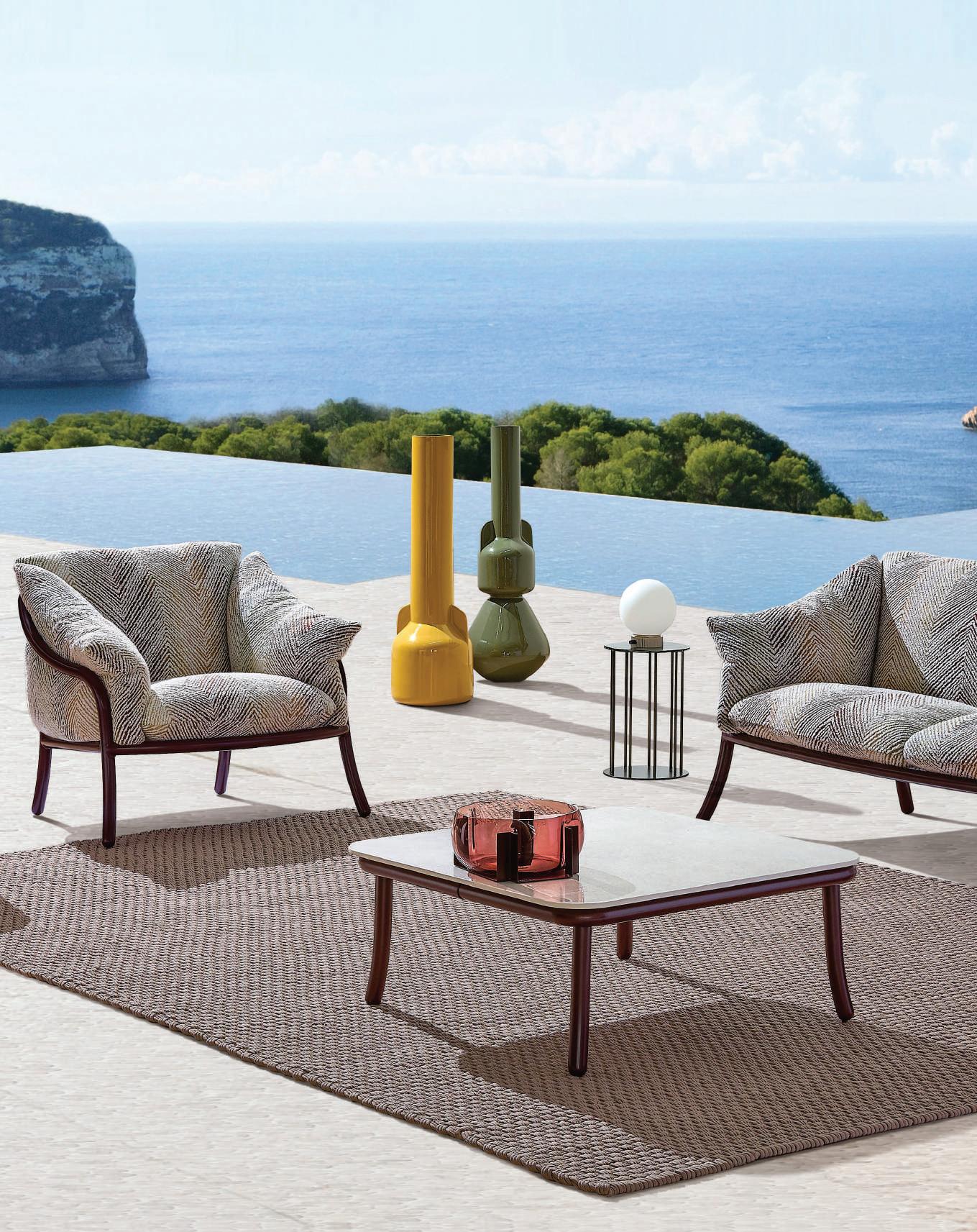
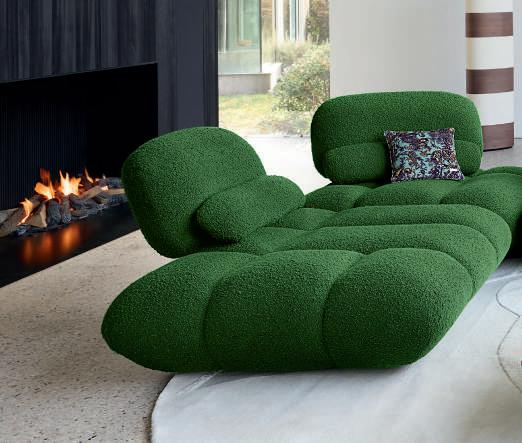
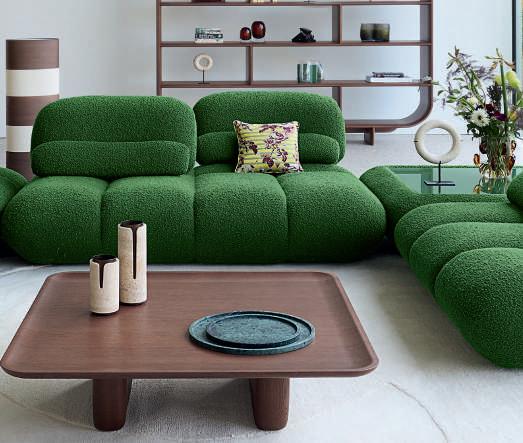
Designed by lauded creative Stephen Burks, Roche Bobois’s latest outdoor collection fuses his signature blend of craft, culture and colour with industry and handwork. Martin Jacobs speaks to the designer about Catalina’s distinctly global allure.
AT THE RISK OF dating myself, this was my 27th visit to Salone del Mobile,’ says multidisciplinary designer Stephen Burks. But this visit to Milan’s famed furniture fair – which Burks describes as ‘the only place in the world where design is celebrated and represented at this scale’ – stands apart from many of the designer’s previous visits. Having collaborated (for the second time) with French furniture and homeware brand Roche Bobois on an outdoor furniture collection, Catalina, this year Burks was a guest of the brand, invited to launch the collection in Milan. ‘With its soft curves and oversized frames, Catalina offers a new level of sensuous comfort to the Roche Bobois outdoor lifestyle,’ he says. ‘As the first collaboration since our Traveler collection, Catalina was a joy to develop. Its strong yet timeless vision had unanimous appeal to the Roche Bobois design team.’
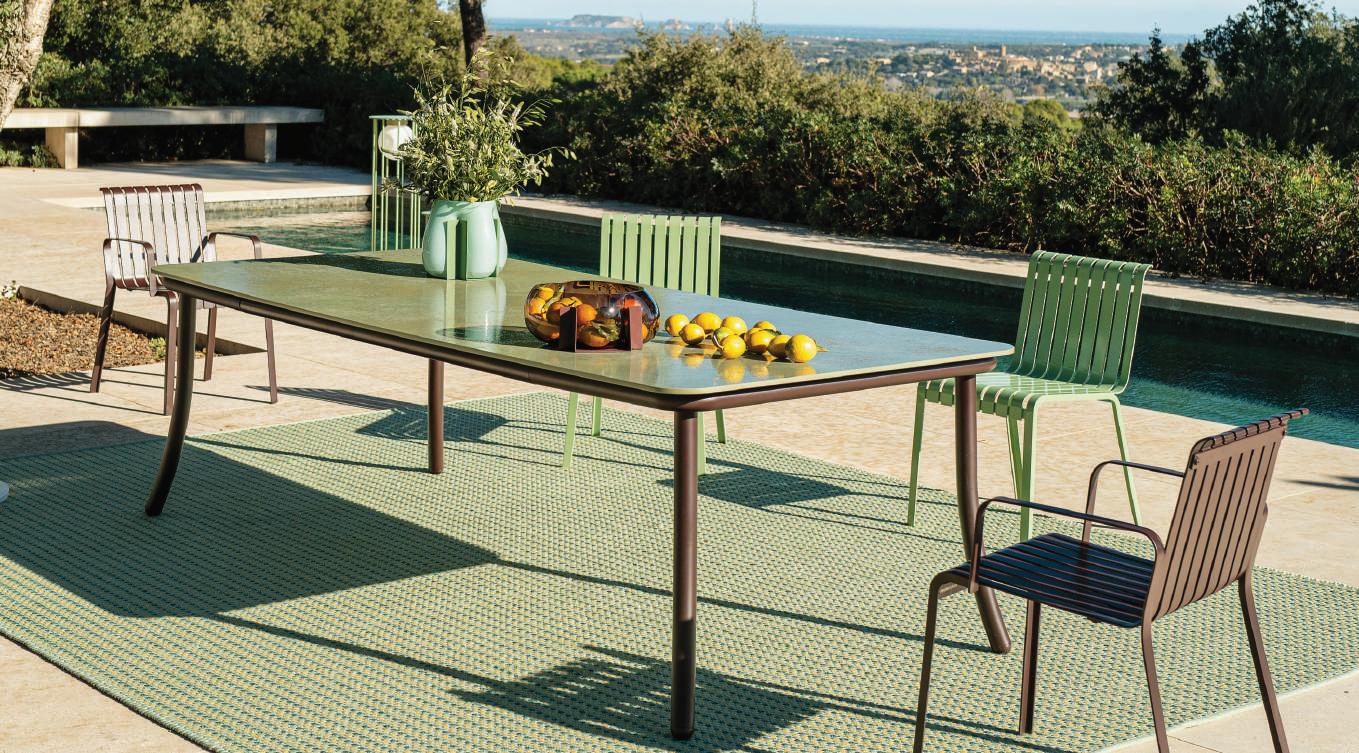
To appreciate the collection, which comprises outdoor dining and coffee tables, chairs and a sofa, is to understand the power of collaboration. The French manufacturer, with a presence in over 50 countries (including South Africa), is globally recognised not only for its creative innovation, but equally for its savoir-faire and environmental awareness and sensitivity. It regularly partners with respected designers on bespoke collections, and this collaboration with Burks couldn’t be more appropriate. His approach to design is pluralist, fusing not only industry and craft, but community too. Roche Bobois’s Group Executive Director, Eric Amourdieu, sums up why Burks’s designs are so in sync with the brand: ‘Burks’s multicultural perspective and the attention he pays to craftsmanship bring a deeply human dimension to his creations.’
Delegates of Cape Town’s 2009 Design Indaba may recall how Burks – with the sounds of percussive jazz in the background –spoke of how a prior visit to the city had catalysed his reverence for the handmade. ‘It wasn’t until coming to Cape Town in 2005 and working with a number of different artisans who, for me, were picking up raw material and immediately translating it into something beautiful and something meaningful for them, that I realised I could be engaged in this type of work as well,’ he says. This hands-on, often at-the-coalface approach to design sets Burks apart from many of his peers and, in part, is why he is the only industrial designer to be awarded the Loeb Fellowship at the Harvard Graduate School of Design and the first AfricanAmerican designer to win the Smithsonian Cooper Hewitt National Design Award.
Considered one of the most influential designers of his generation, Chicago-born Burks studied product design at the Illinois Institute of Technology, and holds a Master’s Degree in Architecture from Columbia University’s Graduate School of Architecture, Planning and Preservation. In the late 1990s he founded his Brooklyn-based studio, Stephen Burks Man Made, which he runs with partner Malika Leiper. ‘We have a nomadic
practice, meaning we travel to where the work takes us, to get as close to the act of making as possible,’ he says. ‘This way of working has allowed us to be fully present in the conceptualisation and design process, engaging directly with our collaborators, from individual artisans to family-owned factories all over the world.’
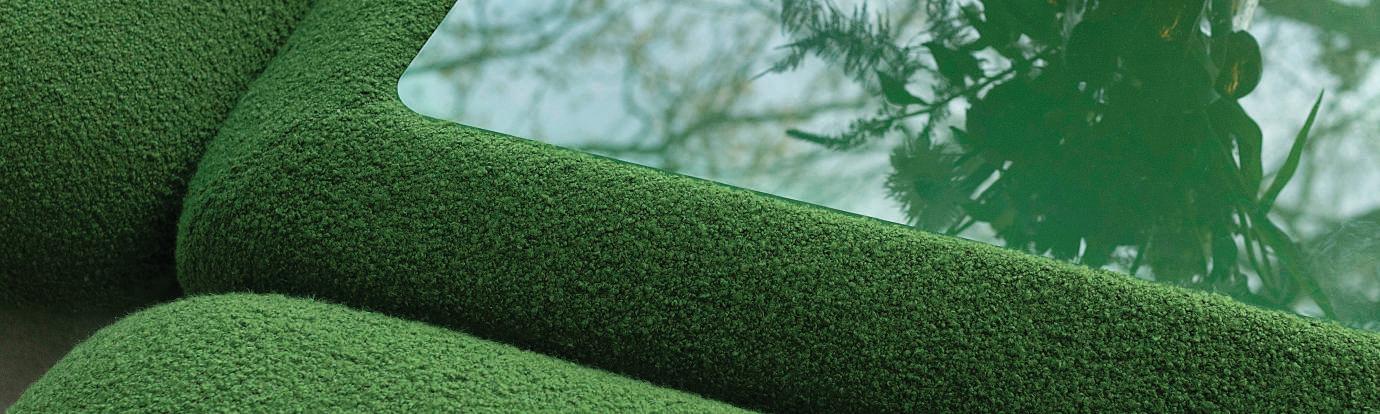
Long a collaborator with Italian fashion house Missoni, Burks’s designs for Catalina include the brand’s distinct fabrics. ‘For the seating, Roche Bobois and I used exclusive Missoni fabrics to create a sense of joy and playfulness which is what being outside is all about.’ Playful design characterises the collection, most notably in Burks’s colour choices and attention to form.
‘I wanted to create a palette that celebrates outdoor living, which we’ve achieved with the rich tones of prune paired with the mottled texture of the sea-green ceramic table top.’
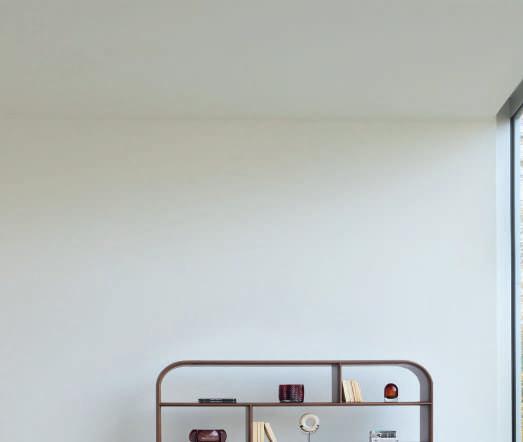
Catalina’s distinct shapes build on the design vocabulary of Burks’s first outdoor collaboration with Roche Bobois, the Traveler range, recognised for its lightweight tubular structure and colourful woven surfaces. Catalina’s sculpted cushions bulge over the curves of armrests, enhancing ergonomic comfort and accentuating an aesthetic sense of luxury. ‘Catalina reinterprets the steel tube in oversized stainless steel with soft continuous curves and gentle swag legs,’ he explains. ‘The chunky and timeless structure could only have been formed through a combination of hand and industry.’
Named after Santa Catalina Island, southwest of Los Angeles, the collection’s detailing lends the individual pieces universal appeal. They will feel as at home in a rustic Tuscan garden as they will adjacent to an infinity pool on a contemporary Ibizan patio, or in a New York rooftop garden. This approach to design is not only intrinsic to Roche Bobois’s aesthetic but, on a more personal level, speaks to the multicultural influences in Burks’s practice.
‘I wanted to create an outdoor lounge system that could live among all the places I’ve been fortunate to call “home” – from Senegal to Japan and, of course, Paris,’ he says. Catalina’s Milan debut, then, is just the introduction to a truly global stage.
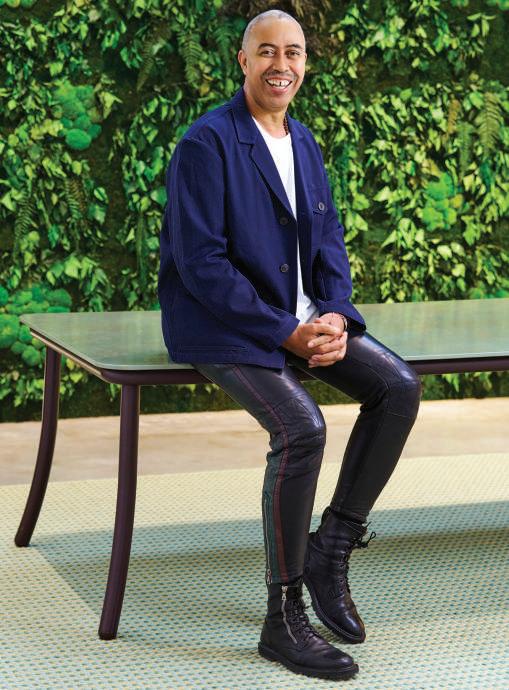
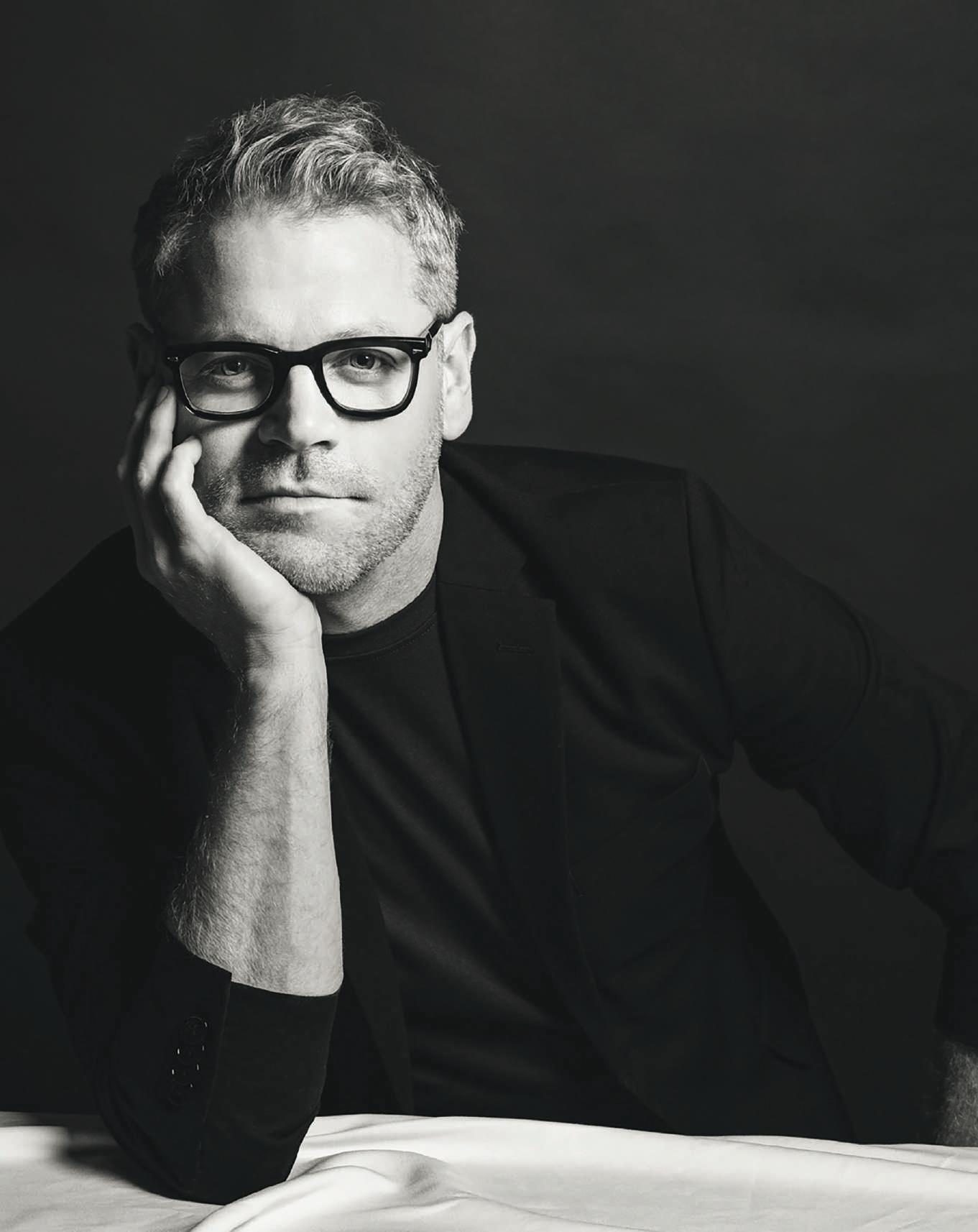
ABOVE Chicago-born multidisciplinary designer Stephen Burks in Milan for the launch of Roche Bobois’s outdoor collection.
A Michelin star would have been enough for most chefs. For Jan Hendrik van der Westhuizen, it was just the beginning. And he’s showing no signs of slowing down.
WORDS ANNA BENNETT
SINCE HIS RESTAURANT JAN in Nice earned a Michelin star a decade ago, JAN has grown into a fully-fledged brand: several restaurants, a glossy magazine, a TV series, homeware, online education, and a creative studio. ‘I’m not reinventing the wheel with each new venture,’ says Van der Westhuizen. ‘I’m weaving each new platform into a storytelling ecosystem – meeting people where they are, building on an established foundation. When it feels right, it just works.’
A farm boy who used to cook with his mom and Ouma, Van der Westhuizen journeyed to France where he began incorporating parts of his South African heritage into the food he served. Such as Cremora coffee creamer alongside classic French dishes such as beef bourguignon, melding South African ingredients with French finesse. His culinary focus has always been about adapting and serving South African favourites like milk tart, bobotie and biltong, mosbolletjies and dishes that include vetkoek and pap.
While restaurants honouring heritage, innovation and celebration of the beauty in everyday life have always been front and centre, the JAN Group’s focus has shifted more into tangible, immersive experiences, extended into other spheres.
The thread running through all Van der Westhuizen’s ventures – the restaurants, the magazine, the TV series, the homeware – is a single, clear narrative: to inspire people to slow down, notice beauty, and become more curious. The creative studio, formally called the JAN Innovation Studio in Cape Town, is multifaceted and encompasses a development kitchen and event and education space. ‘My team and I now create content wherever we happen to be, keeping it real and fresh. The online education platform – a digital library with educational courses – has expanded into increased internship opportunities in the restaurants, taking learning into the kitchen and front-of-house,’ he explains.
The TV show JAN has aired several seasons. And each year, the group hosts personalised JAN Voyage culinary and lifestyle retreats. Most recently, Van der Westhuizen launched the JAN Foundation, a non-profit supporting the elderly and most vulnerable in communities.
After eight years, he put JAN the JOURNAL – a glossy lifestyle and cookbook-like coffee-table book published twice a year – on pause. ‘I felt it had reached the end of its journey in its current form. That said, I still love print – there’s nothing like freshly printed ink on luxurious paper – so cookbooks are far from done. I’ve got plenty of stories left to tell, and stepping back from how we’ve always done things gives me an exciting chance to explore new ways of sharing them.’ One of his dreams is to grow the biggest South African cookbook library in the world, with the intention of rediscovering the culinary past.
OPPOSITE The cover of Issue 16 of JAN the JOURNAL
TOP RIGHT In 2025, the JAN Voyage series explored destinations in Italy and Morocco. Jan Hendrik van der Westhuizen hosted guests in the medieval hilltop village of Apricale and, in Morocco, a discovery journey explored spice-laden souks and the Sahara.
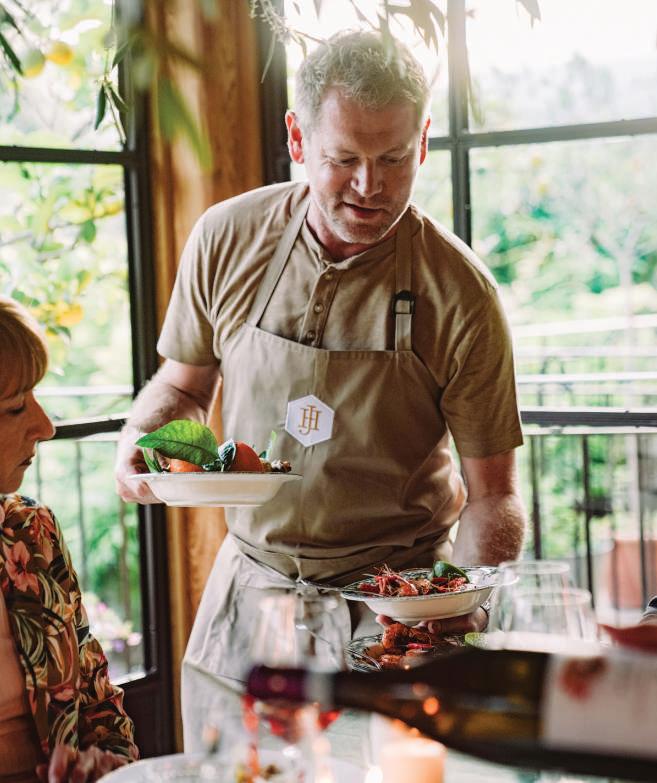
Geographic expansion is newer territory. Le Bistrot de JAN (described by the Michelin Guide as the ‘laid-back yet elegant little brother’) opened next door to its Michelin-starred counterpart JAN, both located in Nice’s Old Port district where the flagship has held its Michelin star for 10 consecutive years. Late last year, Le Bistro de JAN launched at the InterContinental Table Bay at the V&A Waterfront in Cape Town. Choosing Cape Town was easy – the Group’s creative and operational teams have already established roots there with JAN Franschhoek. And Van der Westhuizen trained at the Zevenwacht Culinary School in the city’s Northern Suburbs. ‘So, returning feels like strengthening my roots before expanding further afield,’ he says.
Brand integrity across a growing portfolio is managed through his direct involvement in every layer – interiors, menus, guest experience. ‘But it’s our exceptional teams that truly bring the vision to life with consistency and care,’ he says.
On the commercial side, partnerships are held to the same standard. He’s a brand ambassador for Lexus, and works with Checkers on the Forage and Feast range, a collaboration he describes as ‘a true meeting of creative minds’. There are plans to expand this range further.
Most of his brand partners, he notes, have been with JAN since the first JOURNAL eight years ago. ‘If I wouldn’t use a product in my own home or recommend it to close friends and family, I’m not going to promote it publicly.’
Every opportunity is evaluated against the same criteria: alignment with brand values, meaningful addition rather than
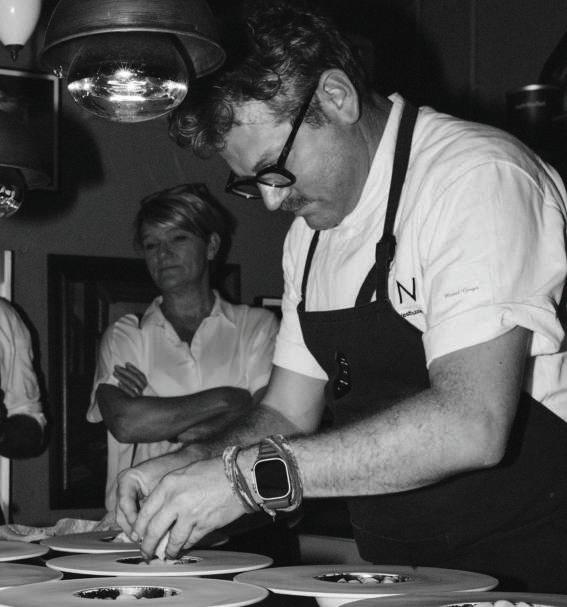
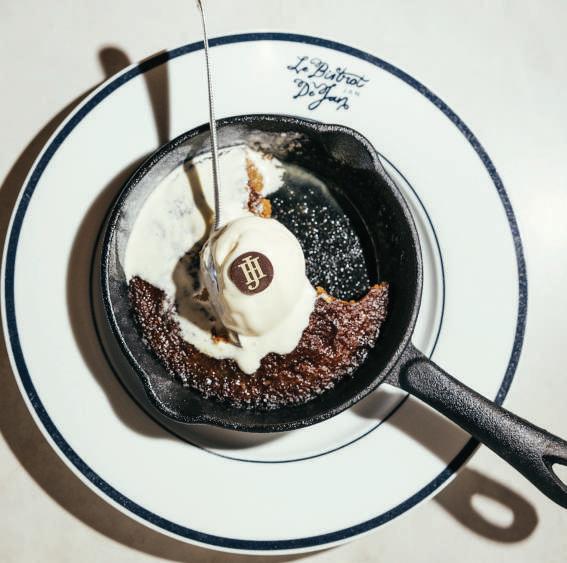
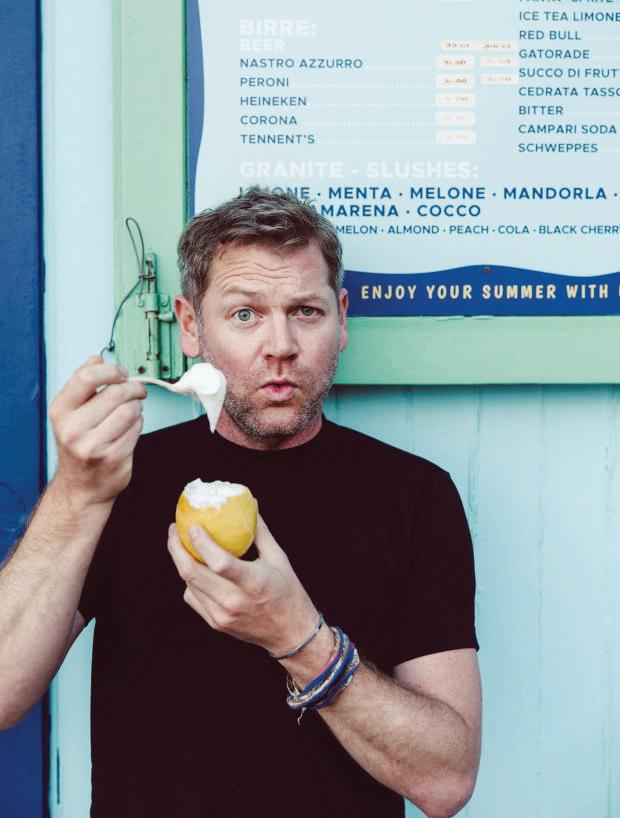
CLOCKWISE FROM LEFT JAN Franschhoek is located in the historic 18th-century Veepos cottage on the La Motte Wine Estate; ice cream – a firm favourite, even among Michelinstarred chefs; at Le Bistrot de JAN at the InterContinental Table Bay, guests can expect the exceptional fine dining for which Jan Hendrik van der Wethuizen and JAN restaurants have become renowned.
dilution, and genuine relevance to their audience. ‘I always ask my team why we’re doing this. If the answer is purely revenuedriven, it’s not the right opportunity.’
The Group is beginning to explore what a licensing or franchise model might look like – selective, limited in scope, and entirely in keeping with the pace they’ve set. ‘I’m not looking for fast growth. Everything we do is slow, thoughtful and purposeful.’
Longer term, Van der Westhuizen is intrigued by the idea of a boutique hotel, a physical homeware store, and bringing JAN training into an actual classroom – this would all depend on finding the right time, place and partners. The e-commerce platform already ships homeware around the world.
‘But I also love the idea of a beautiful, carefully curated space where you can see, touch, and really experience the products in
person, so a bricks-and-mortar store somewhere down the line is definitely not off the table,’ he says. ‘I want everyone to be able to bring a little piece of JAN into their homes.’
He sees himself as part of a rich pool of talent that is collectively positioning South Africa as a global culinary destination. The growth in both the number and calibre of culinary offerings in recent years ‘is undeniable, and it’s exciting and rewarding to see South Africa finally receiving the recognition it deserves on the world stage,’ he says. ‘I’m exceptionally proud to have played a small part in that journey.’
In 10 years, he hopes JAN will represent a globally integrated culinary narrative – lifestyle, food and education that bridge South African heritage with international luxury. Understated, accessible, meaningful.
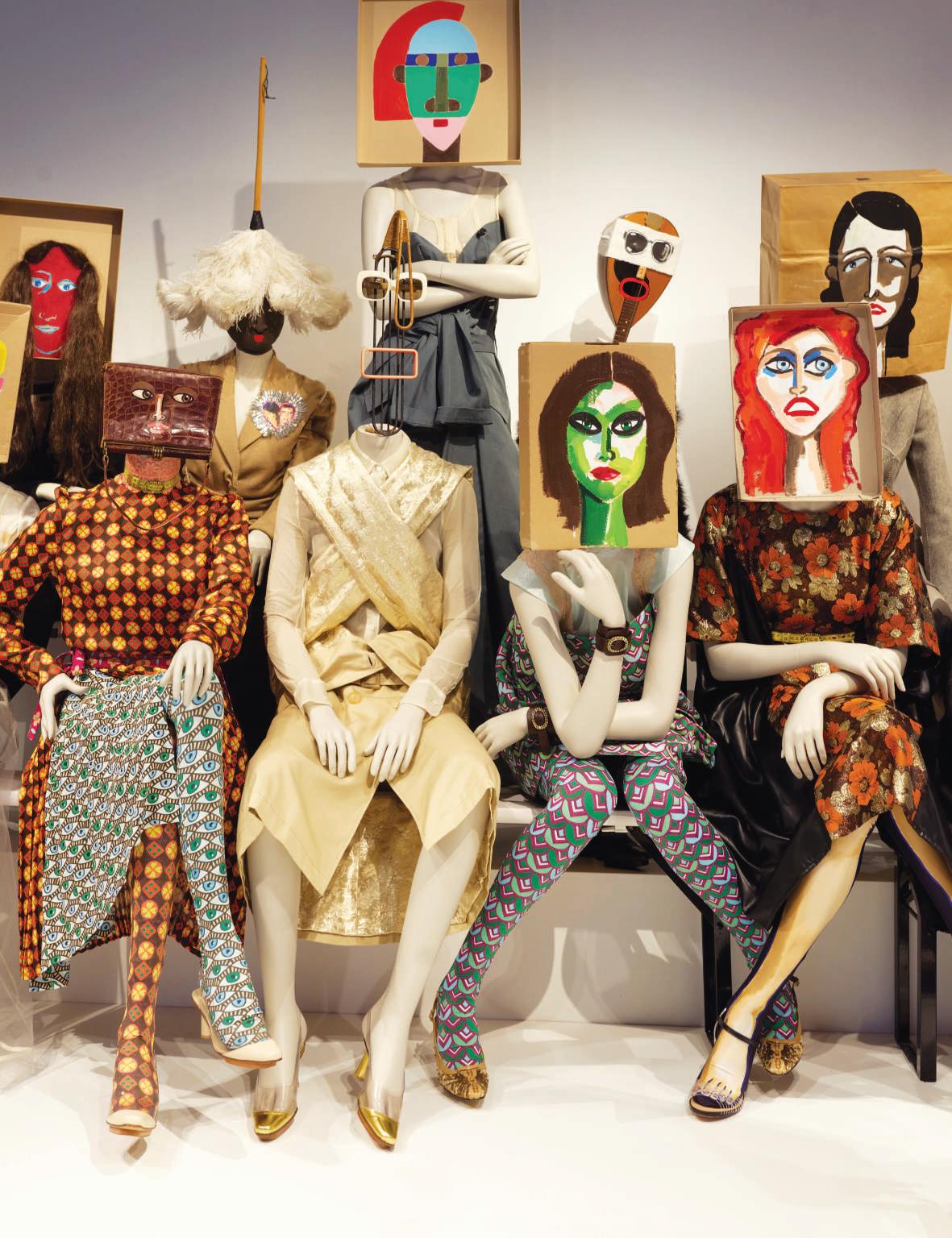



The fashion exhibition has gone from cultural outlier to crowdpulling blockbuster, reshaping museum programming worldwide. Martin Jacobs examines how style became substance, and lifts the curtain on this year’s biggest shows.
NOTHING CEMENTS the rise of the fashion exhibition in global big-name museums like the unveiling of the new Condé M. Nast Galleries in New York’s Metropolitan Museum of Art. Timed to coincide with the Met Gala and the opening of ‘Costume Art’, the Costume Institute’s Spring exhibition, the galleries see the institute’s exhibition space move from its former subterranean location to a pride-of-place position. The new galleries, home to more than three square kilometres of exhibition space, occupy what was formerly the gift shop and an interior courtyard, adjacent to the museum’s iconic Great Hall.
While Andrew Bolton, curator in charge of the Costume Institute, may sing the praises of ‘Costume Art’ for addressing body image and identity in both historical art and contemporary fashion, the new galleries tell a broader story. Designed by architecture firm Peterson Rich Office, they signal how fashion exhibitions have become big business for museums in recent decades. There’s no single answer as to why; rather, it’s the result of changing cultural, institutional, curatorial and economic attitudes towards what constitutes art.
The Metropolitan Museum of Art’s 2011 posthumous retrospective of British couturier Alexander McQueen’s work, ‘Alexander McQueen: Savage Beauty’, marked a curatorial shift. The exhibition, which four years later travelled to London’s Victoria and Albert Museum, presented the designer’s couture as objects of artistic and conceptual significance. Where fashion was once excluded from the traditional hierarchy within museums, suddenly dress was regarded an equal, not merely considered adornment.
Not all fine art is able to engage an audience on matters of identity, gender and the body. Fashion uniquely does so, and institutions use this to their advantage to maintain relevance and to position themselves within broader cultural, political and societal conversations. Clothing’s inherent familiarity and nostalgia guarantee its universal connection, engaging visitors in a way that fine art – often perceived as inaccessible or overly conceptual –doesn’t. This shift in attitude yielded a staggering change in attendance records, reflecting a diversification of audience.
Drawing over half a million visitors in its three months at the Metropolitan Museum of Art, ‘Alexander McQueen: Savage Beauty’ was, at the time, both the most visited Costume Institute show, and the eighth most visited exhibition in the museum’s history. A clear indication of how central audience appeal is to the rise of the fashion exhibition. Pair fashion with art and clear winners emerge. The institute’s 2018 show, ‘Heavenly Bodies: Fashion and the Catholic Imagination’, holds the record – with more than 1.6 million visitors – for the most attended fashion exhibition globally, followed closely by The Louvre’s 2024/25 exhibition, ‘Louvre Couture: Art and Fashion’, the only other exhibition of this nature to draw over a million visitors.
It’s safe to say then, that in an era of growing fiscal pressure, fashion exhibitions have become revenue spinners. Not only do they drive ticket sales, but they attract both sponsorship and global media coverage, especially when partnerships are with renowned fashion houses or high-profile events (like the Met Gala), extending visibility far beyond the gallery and transforming them into cultural moments. And thanks to digital technology, fashion, celebrity, media and spectacle have never been more interwoven, resulting in exhibitions that exist in both physical and online realms.
This year’s calendar includes shows as diverse as ‘La Mode en Majesté: Royal Thai Dress from Tradition to Modernity’ at Paris’s Musée des Arts Decoratifs (until 1 November), ‘The Gentleman: Men’s Style and Jewelry’ at Palazzo Morando in Milan (until 27 September), Los Angeles County Museum of Art’s ‘Fashioning Chinese Women: Empire to Modernity’ (until 12 October), and ‘Crafting Character: The Costumes of Paul Tazewell’, which includes the designer’s work for Wicked and Spielberg’s West Side Story, at Griffin Museum of Science and Industry in Chicago (until 7 September). Set aside space on your travel calendar for these firm favourites:
Victoria and Albert Museum, London
Were Coco Chanel to explore this exhibition, she might reconsider the dismissive remark she once made (‘that Italian artist who’s making clothes’) about legendary Surrealist fashion designer Elsa Schiaparelli. Spanning the 1920s to present day, ‘Schiaparelli: Fashion Becomes Art’ maps the fashion house’s rise and the designer’s connections with 20th-century artistic greats including Dalí, Picasso, Man Ray, Giacometti and Beaton. Divided into four chapters – the last a look at the house under current creative director Daniel Roseberry – the exhibition includes highlights like Schiaparelli’s 1937 Lobster dress (thought to have inspired Dalí’s Lobster Telephone), a dress the designer wore to King George VI’s 1937 coronation, the label’s only known surviving wedding dress, and Roseberry’s contemporary interpretation of Schiaparelli’s famous Skeleton dress, worn by Dua Lipa for the 2024 Golden Globes. Until 8 November 2026. vam.ac.uk
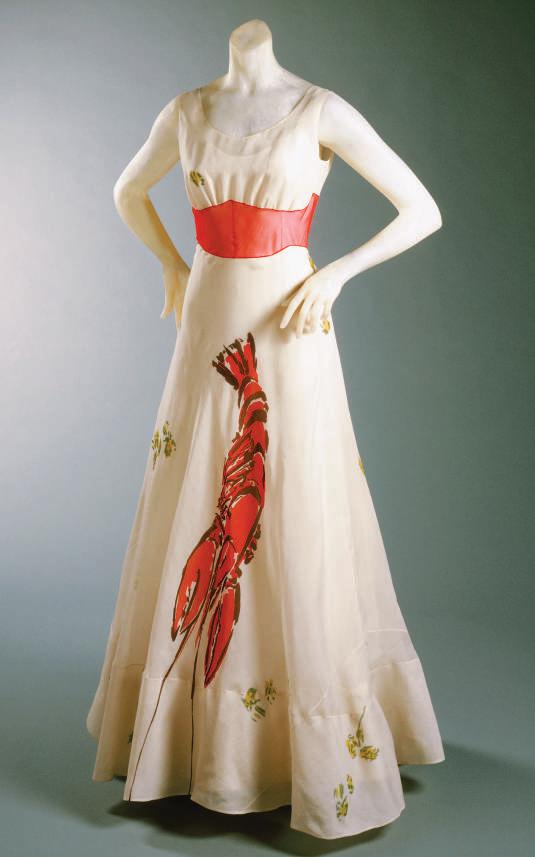
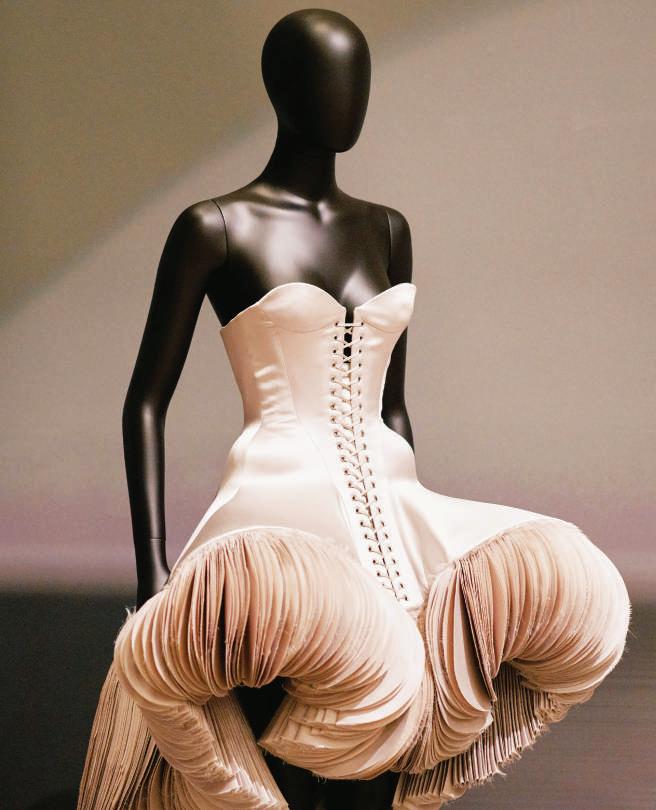
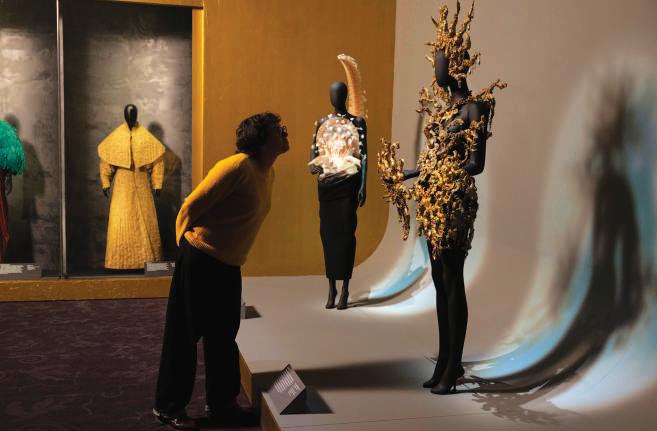
CLOCKWISE FROM ABOVE Gowns by both Elsa Schiaparelli and the fashion house’s current creative director, Daniel Roseberry, are on display at ‘Schiaparelli: Fashion Becomes Art’; the exhibit allows visitors to closely examine intricate couture; the silk organza Lobster Dress, designed in 1937, was inspired by Salvador Dalí.
The Metropolitan Museum of Art, New York
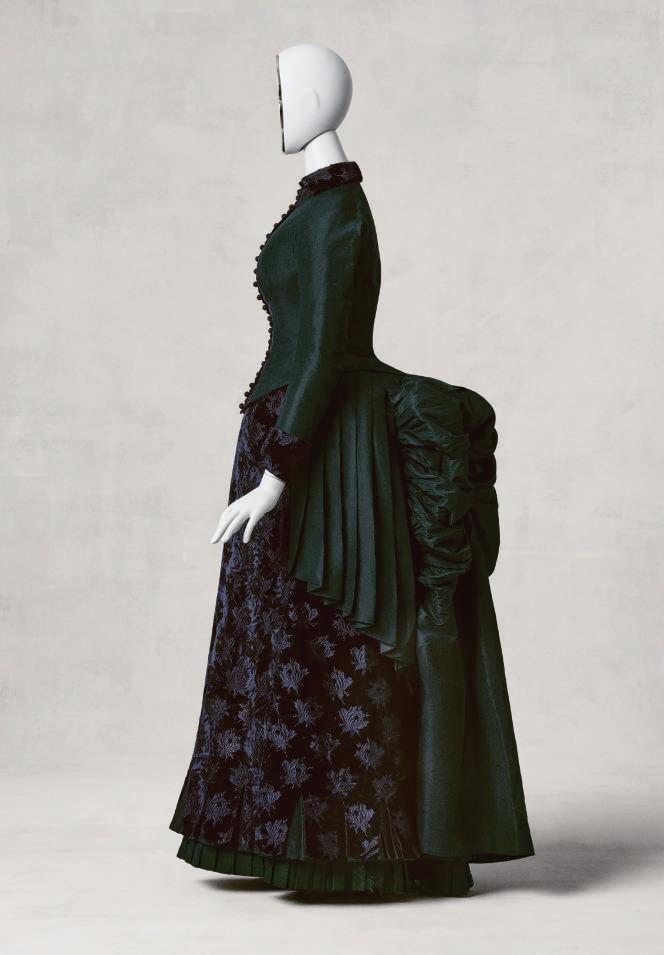
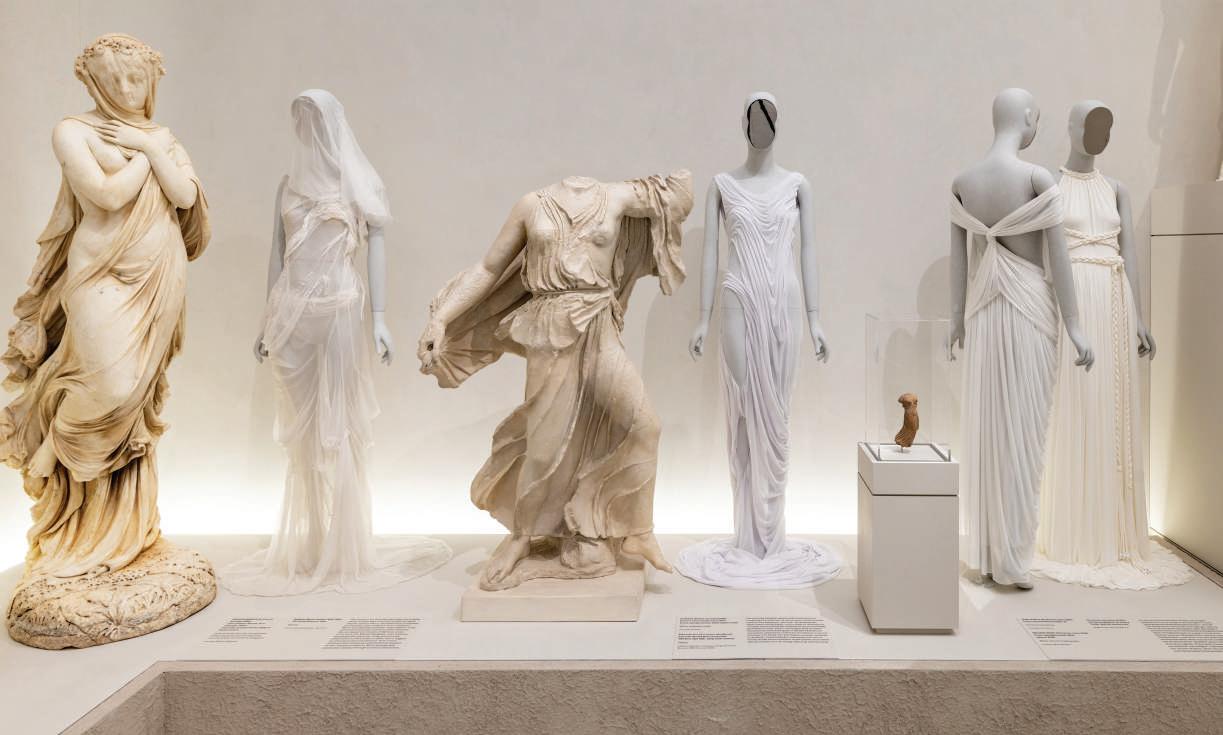
The Costume Institute’s Spring exhibition explores how the dressed body has been depicted in Western art from prehistory to contemporary culture. It marks the first time the institute has collaborated with all museum departments, pairing its garments with objects and artworks from across the institution. The exhibition begins with an exploration of the differences between nakedness and nudity, with subsequent themes exploring the diversity of bodily being (the ‘Abstract Body’ considers the female form distorted through undergarments, while the ‘Reclaimed Body’ looks at pregnant, disabled and corpulent bodies) as well as universality and commonality in bodies. Mannequins were moulded to the forms of personalities including Irish disability advocate Sinéad Burke and quadriplegic cerebral palsy musician Rose Philip. Until 10 January 2027. metmuseum.org/exhibitions/costume-art
LEFT Illustrating the concept of the ‘Abstract Body’, this walking dress from circa 1883 was gifted to the Costume Institute in 1977 by the University of Virginia’s Department of Drama. BELOW Contemporary fashion is displayed alongside antiquity at Costume Art.
Victoria and Albert Museum, Dundee
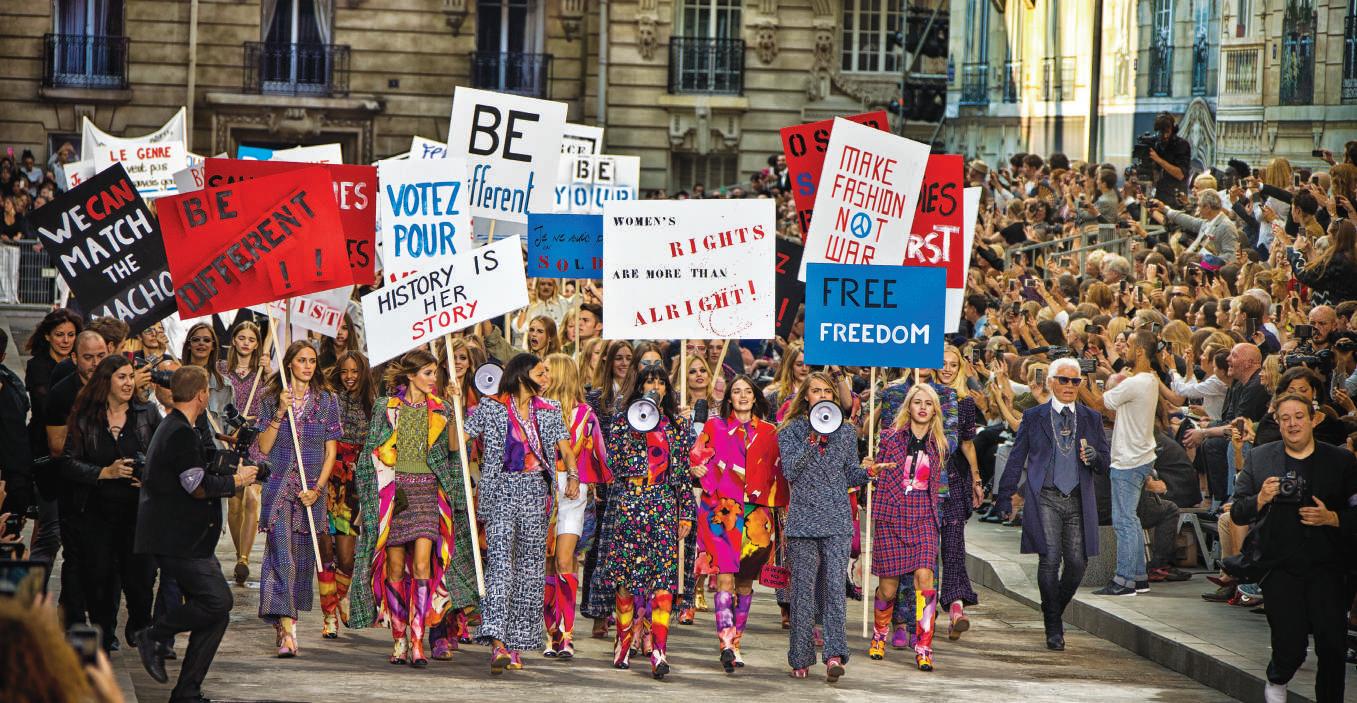
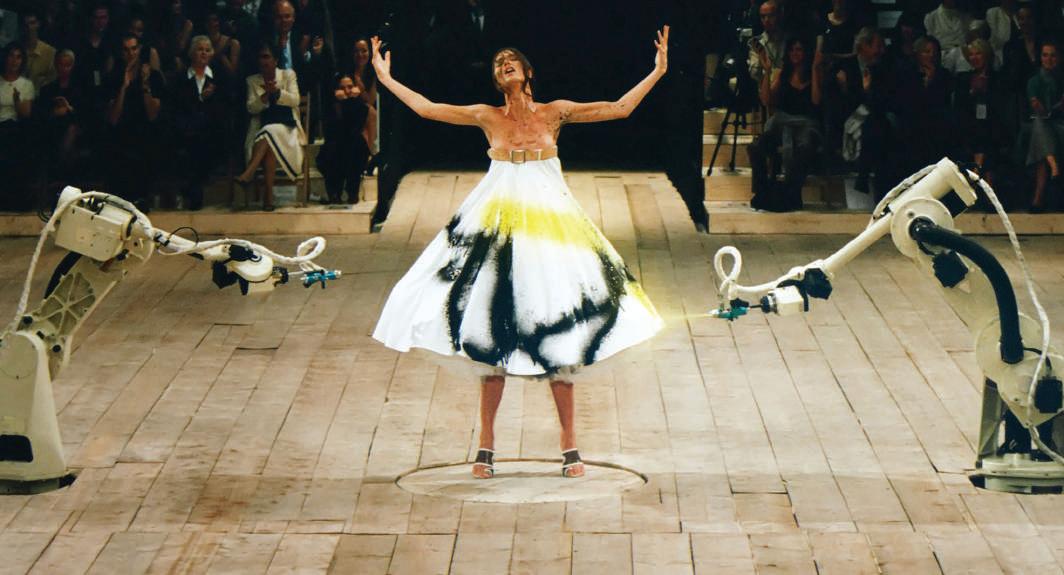
From 1900s Parisian salons to the increasing spectacle and ingenuity behind today’s catwalk shows, this exhibition invites visitors into a world of imagination, experimentation, desire and excess. Boasting over 350 objects – everything from architectural models, stage props and accessories (from shows like Chanel’s Supermarket and Rocket runways of the early 2000s) – the show equally offers insider knowledge on behind-the-scenes hair and makeup choices, instructions on models’ walks and music. Expect footage of iconic catwalk moments, like Viktor & Rolf’s 1999 Russian Doll show (the duo commented on growing consumerism by dressing a model in nine layers) and Alexander McQueen’s No. 13 show of the same year, during which two industrial robots spray-painted a dress worn by a model live on the catwalk. Expect interactive components that guarantee visitors their share of catwalk fun. Until 17 January 2027. vam.ac.uk
MoMu – Fashion Museum Antwerp, Antwerp
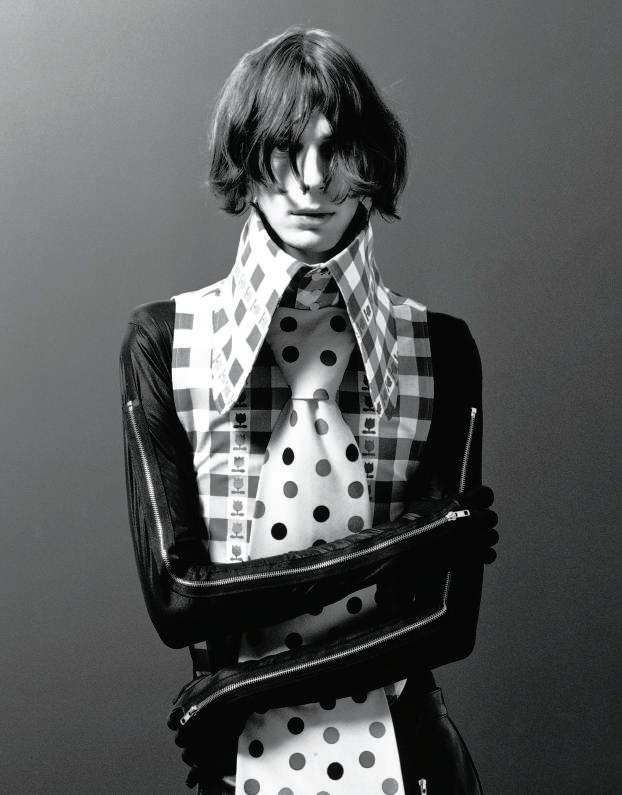
Described as a ‘reference point in international fashion and an almost self-evident benchmark for everything Belgian fashion has represented over the past decades’, the Antwerp ‘six’ are Dries Van Noten, Ann Demeulemeester, Dirk Bikkembergs, Walter Van Beirendonck, Marina Yee and Dirk Van Saene. The exhibition highlights the trajectory connecting these designers, beginning with their studies at the fashion department of Antwerp’s Royal Academy of Fine Arts in the late 1970s and early ’80s. Against this era’s backdrop of changing fashion – think Vivienne Westwood’s Punk influence and Gianni Versace’s and Giorgio Armani’s reinvented menswear – the six first exhibited together in London in 1986, drawing international press attention. Since the 1990s they have exhibited individually, mostly in Paris, and the exhibition charts each designer’s international success. Until 17 January 2027. momui.be
TOP In a groundbreaking moment for fashion, two industrial robots spray-paint an Alexander McQueen outfit during his No. 13 show in 1999.
BELOW A model wears clothing by Walter Van Beirendonck.
The King’s Gallery, Buckingham Palace, London
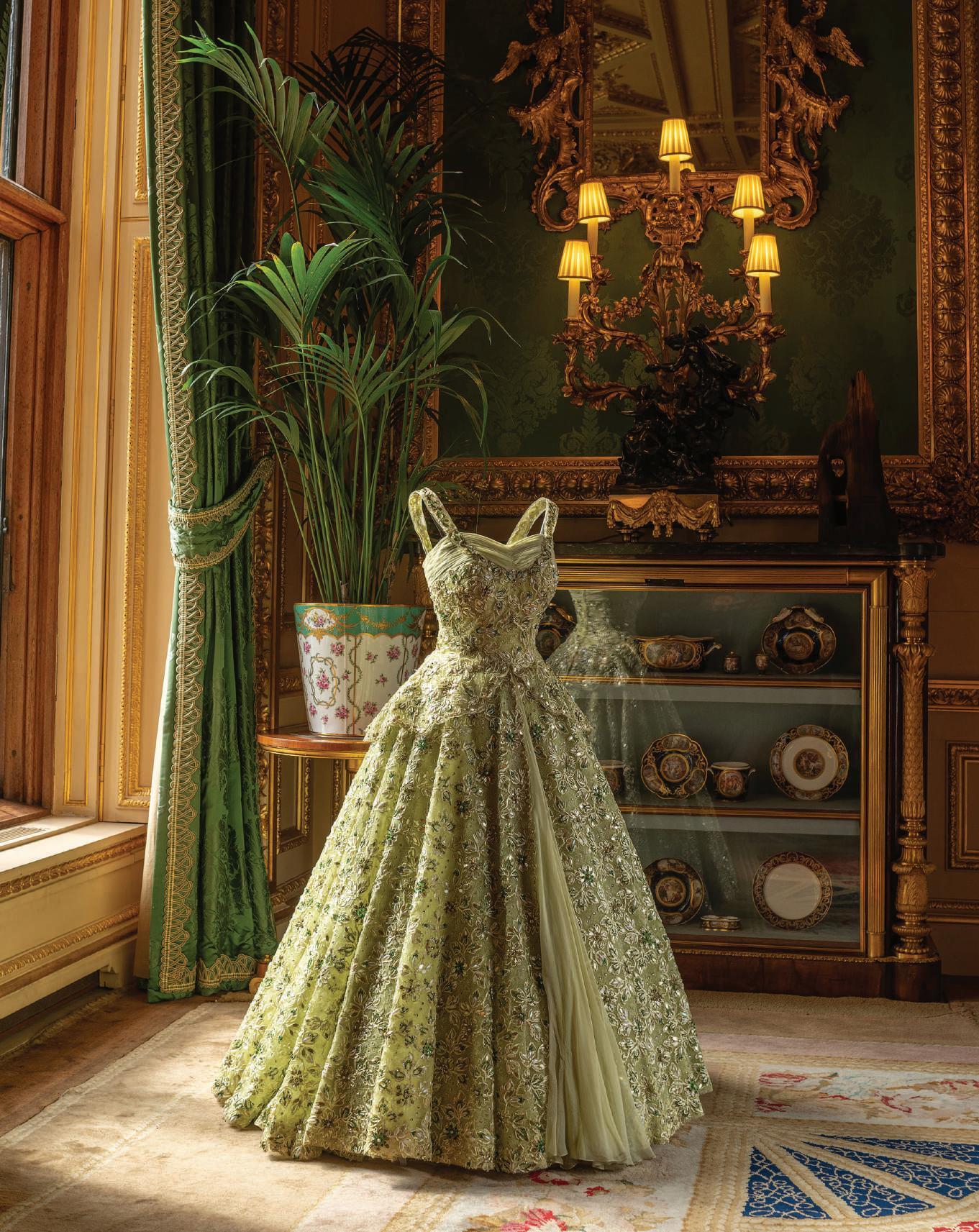
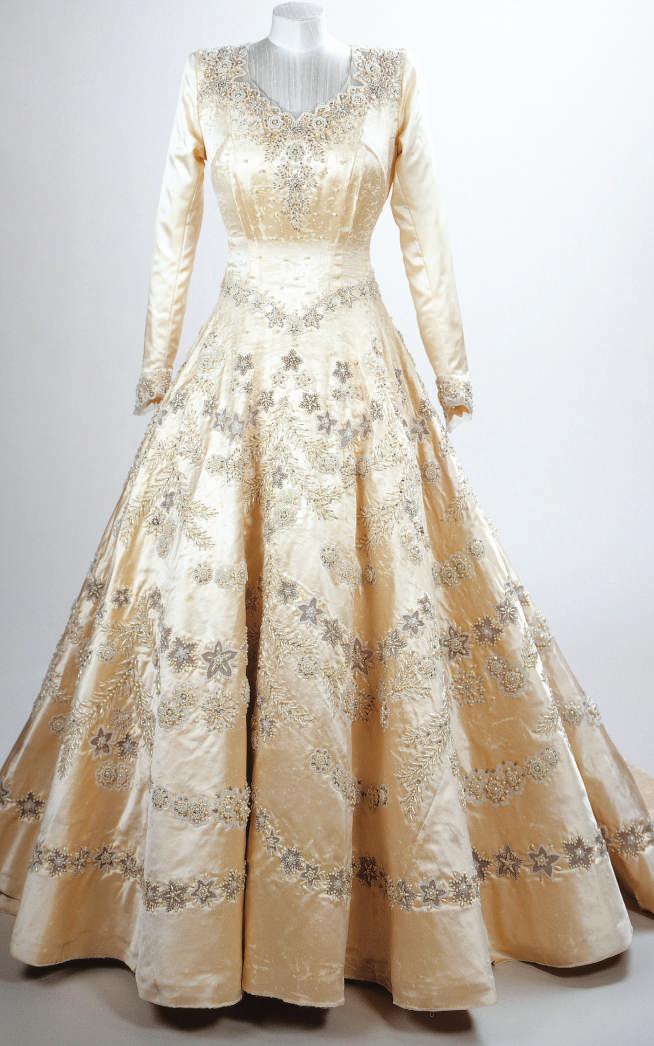
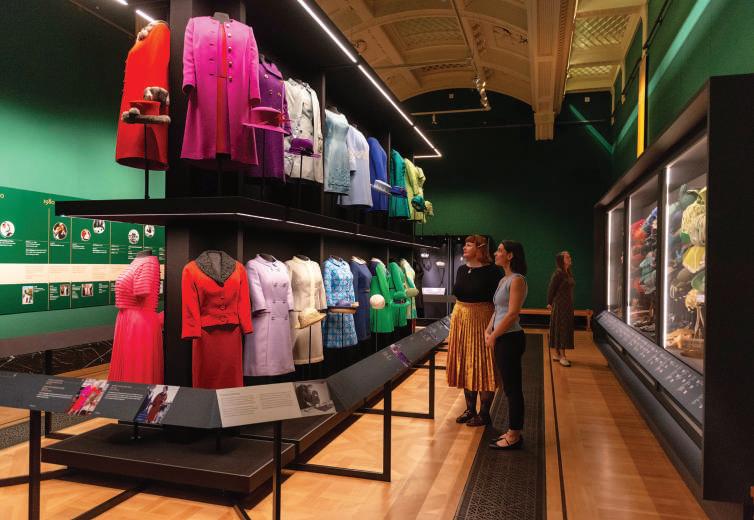
The largest display of Queen Elizabeth II’s fashion ever mounted, this exhibition marks the late monarch’s centenary and celebrates her fashion legacy. From couture eveningwear to tailored and tweed off-duty clothing, visitors can closely examine fashion spanning all 10 decades of the Queen’s life – including her wedding and coronation dresses. Garments by the monarch’s most influential designer, Norman Hartwell, include the blue gown and bolero jacket worn to Princess Margaret’s wedding in 1960, and an apple-green gown worn for a 1957 state banquet honouring President Eisenhower. Other featured designers include Hardy Amies and Angela Kelly. Tiaras, handbags, shoes, hats as well as illustrations and notes handwritten by the Queen, offer three-dimensionality to her wardrobe, and insights into the decision-making and craftsmanship behind each outfit.
Until 18 October 2026. rct.uk
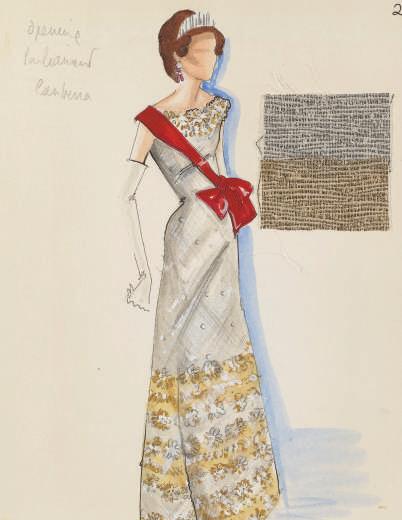
CLOCKWISE FROM LEFT On display is Princess Elizabeth’s wedding dress, designed by Norman Hartnell in 1947; also on exhibition are sketches, including Hartnell’s illustration for a silver lamé beaded shift dress worn during a state visit to France in 1972; there’s been an overwhelming attendance of the exhibition in which iconic and colourful pieces from the late Queen’s wardrobe are shown.

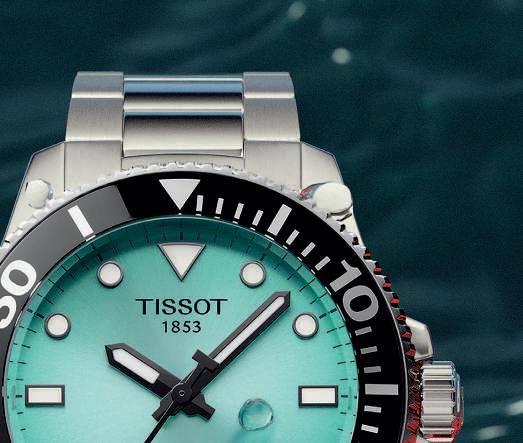
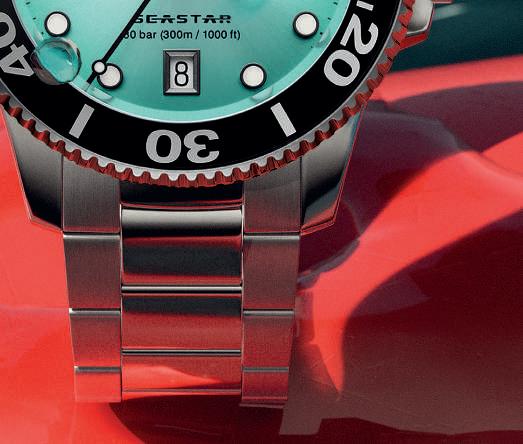
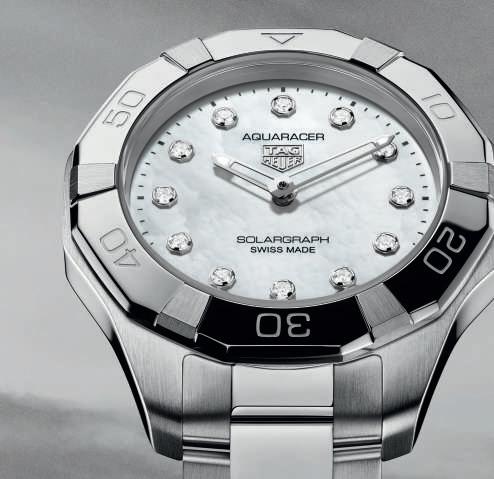
tissotwatches.com
After years of ‘quiet luxury’, jewellery is embracing colour, scale and personality once again.
WORDS PAIGE DORKIN
MUCH LIKE POLITICAL PENDULUMS swing over time, so cultural aesthetics trace a predictable arc between restraint and exuberance.
Minimalism eventually yields to self-expression. But, given enough time, an era of neutral austerity will secretly inform a craving for colour.
For much of the past five years, fashion and design have spoken in the hushed tones of ‘quiet luxury’: neutral palettes, impeccable tailoring and understated accessories. In the aftermath of the pandemic, the mood was cautious. Ostentation felt out of step with uncertainty as we began to emerge into the world again. There was, for a time, a conspicuous absence of anything too conspicuous.
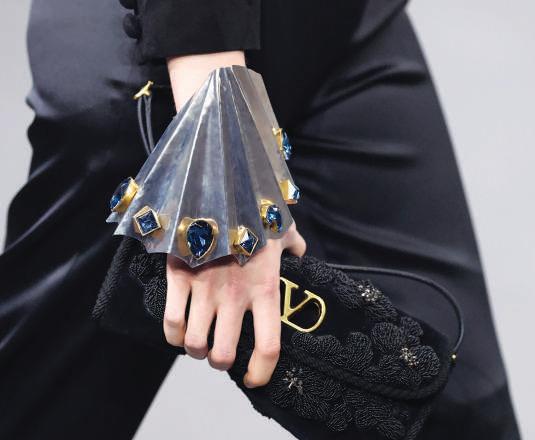
But the mood has shifted – and jewellery is leading the way. Spring 2026 ready-to-wear collections demonstrated a distinctly unapologetic approach to ornamentation. Daniel Roseberry’s collection for Maison Schiaparelli presented salt-stone jewellery that quite literally glowed with a surreal light from within. Rabanne’s oversized neckpieces were an explosion of metallic florals. Both Valentino and Lanvin committed to exaggerated cuffs, like some kind of ornate armour. DESIGN
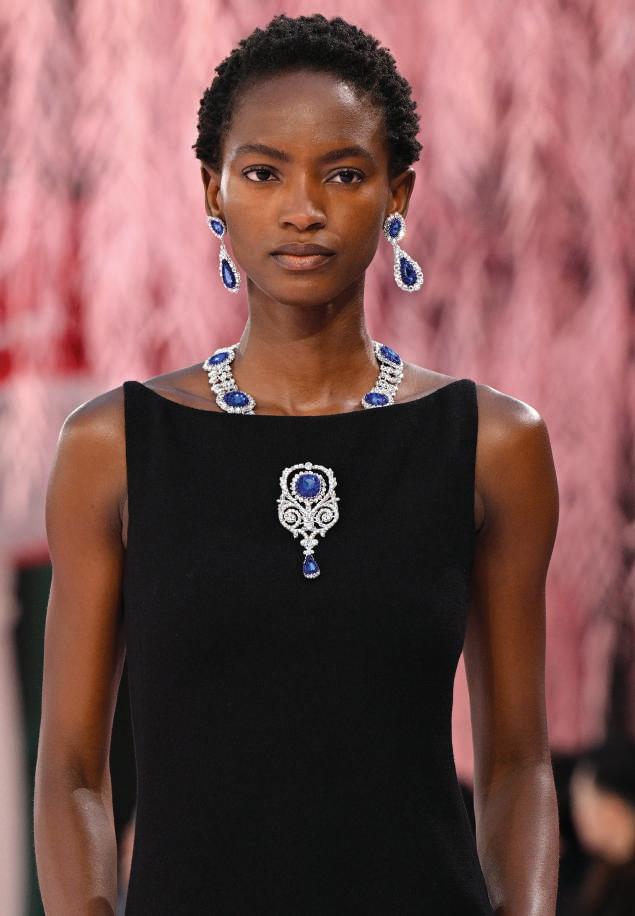
TOP LEFT Valentino’s Spring/Summer collection at Paris Fashion week included oversized sculptural cuffs. ABOVE Also at Paris Fashion Week this year, Chanel gave a masterclass in the power of statement jewellery, layering oversized necklaces, earrings and brooches for maximum impact.
MANY FINE-JEWELLERY ICONS WERE BORN OF CREATIVE AUDACITY, PROVING SOPHISTICATION DOESN’T HAVE TO WHISPER.

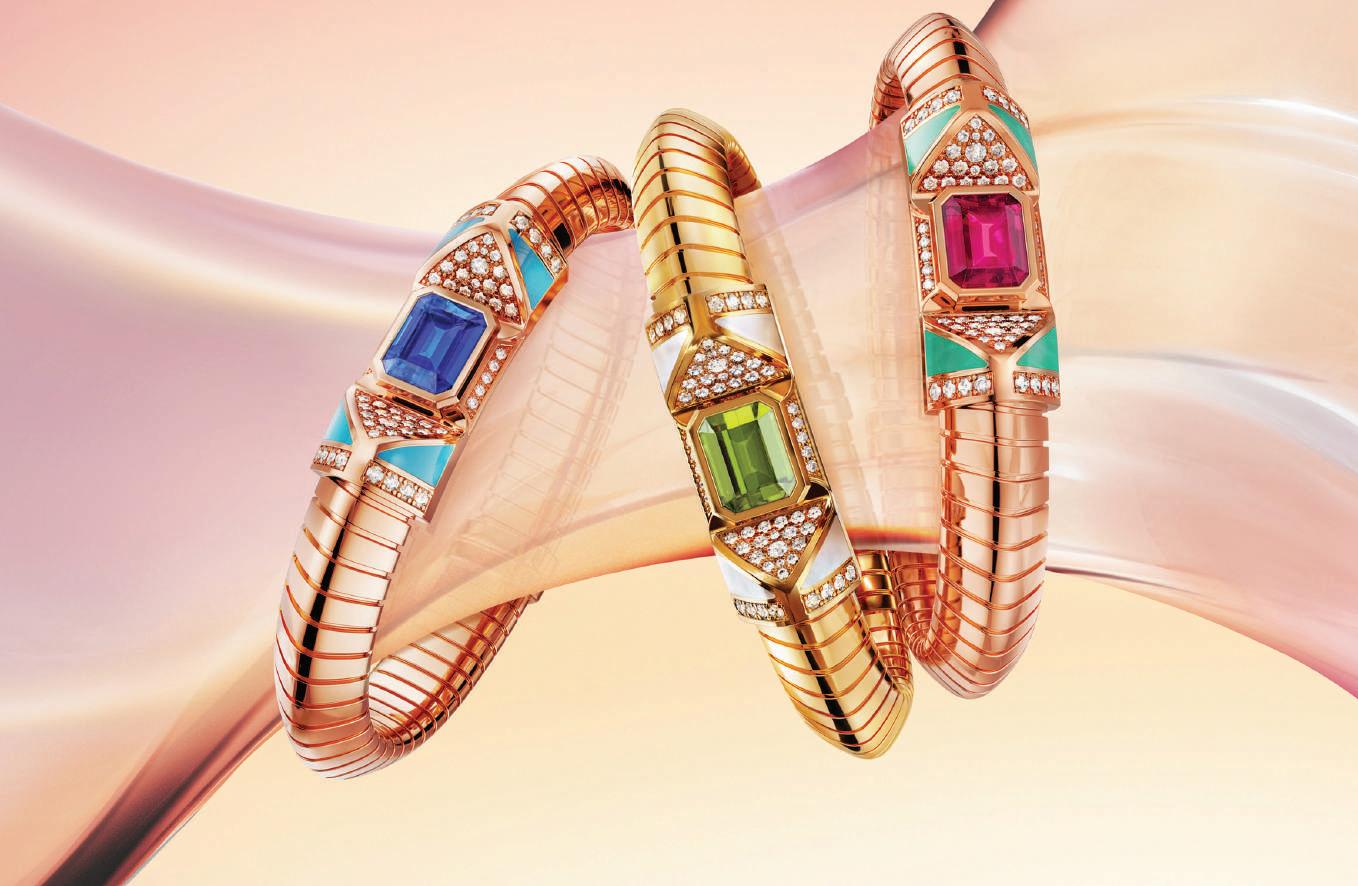
A trio of Bvlgari Tubogas bracelets from the Colors collection showcases an appetite for bold colour, sculptural form and statement gemstones.
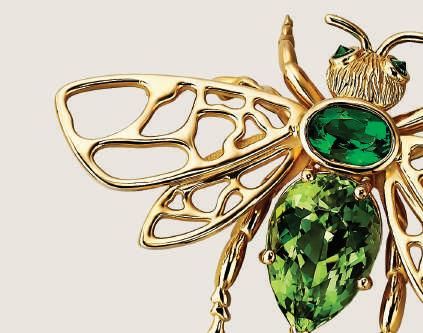



But this isn’t a case of excess for the sake of it. Instead, it’s a return to personality and artistry in an era of algorithmic (and, yes, artificial) conformity, posing a challenge to the notion that sophistication is necessarily synonymous with understatement.
Because it isn’t. Bold, assertive design that captures the zeitgeist is precisely what gave us Cartier’s Tutti Frutti jewels of the 1920s and 1930s, Coco Chanel’s Verdura-designed Maltese Cross cuffs, and Bvlgari’s revolutionary use of coloured gemstones in the 1950s and 1960s.
Many fine-jewellery icons were born of creative audacity, proving sophistication doesn’t have to whisper. Whether enduring or emerging icons, these collections make the point in 2026.





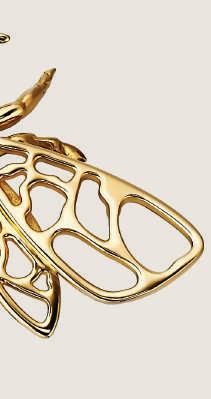
For Bvlgari, bold, expressive design is no passing trend. Since the 1950s, the Maison has been flouting fine jewellery’s unspoken codes of conduct with a kind of joyful Italian audacity. Take, for example, the tradition of pairing a single coloured stone with diamonds. Bvlgari sets that aside to embrace unexpected colour combinations, bold volumes, and a ‘more is more’ approach to design.
Bvlgari Colors, released this year, continues the legacy. Two new Doppio Baccellato rings, which create the illusion of stacked




pieces, headline the collection. The ribbed detailing (baccellatura) is organic and sculptural, while the cabochon-cut gemstone duos – either amethyst and peridot or citrine and blue topaz – strike up a lively conversation in the language of colour.
In the same collection, a trio of Tubogas bracelets combine tanzanite blue with turquoise, green tourmaline with mother-ofpearl, or rubellite pink with turquoise – yet more vibrant dialogue, this time including diamonds. In contrast to the rings, the Tubogas are all sharp, geometric lines, but they speak with the same chromatic confidence.
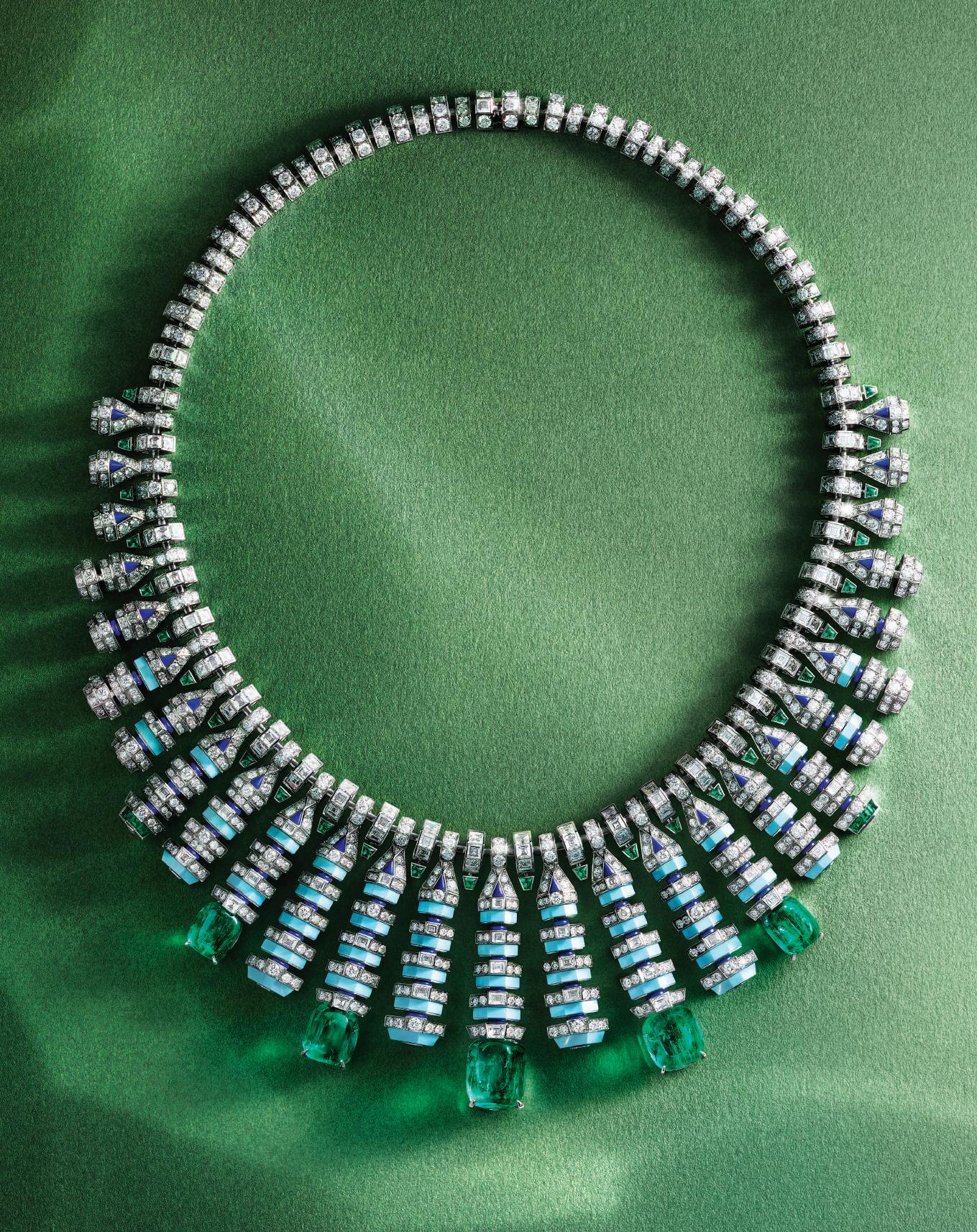
Cartier’s Le Chœur des Pierres is another example of maximalism that continues, rather than deviates from, a distinctive design legacy. ‘Chœur’ means ‘choir’ but is also a homonym for ‘heart’ – a French pun that evokes both a chorus of colours and shapes, and the intrinsic qualities of the gemstones themselves, uncovered by master lapidaries and jewellers.
The Olorra necklace is a standout piece. It’s an unmistakeable homage to Cartier’s Art Deco aesthetic, and to the iconic ‘peacock motif’ – the green-blue contrast that the Maison debuted in the early 20th century. And yet it doesn’t feel vintage. Starring five intensely green Columbian emeralds, weighing a total of 40.67 carats, it’s made up of a multitude of geometric motifs that alternate turquoise with lapis lazuli and diamonds. While there’s nothing quiet or understated about it, the profusion of stones is nonetheless harmonious, confirming that extravagance can coexist with structure and balance.
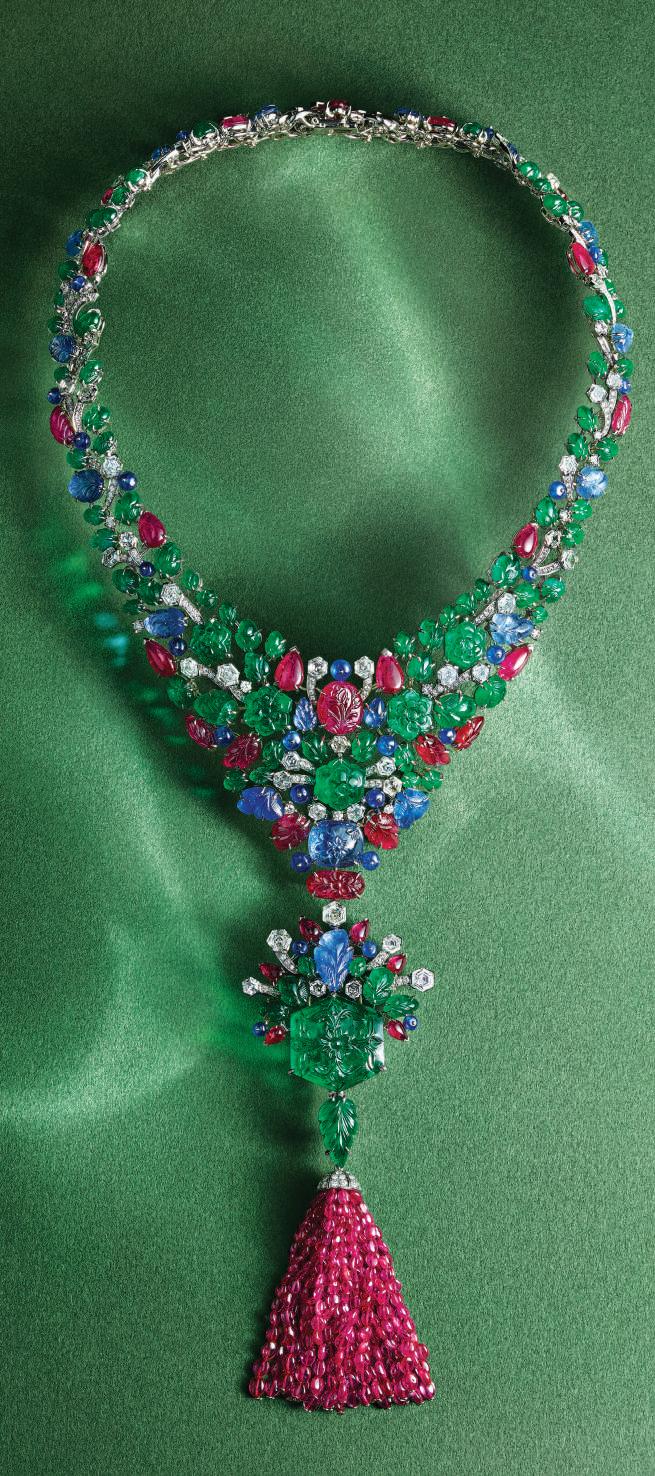
In the same collection, the Tutti Kanya necklace references Cartier’s famous Tutti Frutti Collier Hindou from 1936. Here, flowers, leaves and berries are carved from rubies, sapphires and emeralds. A single Zambian emerald (30.33 carats), engraved with a floral motif, hangs from the abundance of foliage. It’s high jewellery at its most iconic – well versed in history and yet very much of the moment.
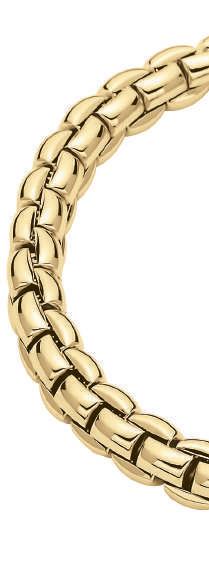
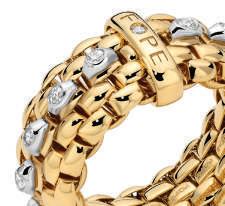
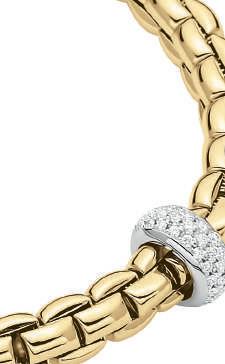
Of course, maximalism isn’t limited to colour or imposing gemstones. Sometimes it’s simply about scale. FOPE’s take on the oversized gold chain, for example, demonstrates just how
LEFT TO RIGHT
FOPE elevates the humble chain into a statement-making design, where scale and craftsmanship combine to dramatic effect; few pieces embody the ‘more is more’ aesthetic quite like Cartier’s Tutti Frutti necklace from Le Chœur des Pierres – a dazzling composition of vibrant gemstones and extraordinary carved detail.
impactful volume can be. Flex’it, the Italian house’s signature flexible gold mesh design, has taken on increasingly substantial forms – edgier, more outspoken versions of the classics, which insist on being seen.
More broadly, there is a growing appetite for jewellery with presence. After years of delicate layering and barely-there adornment, necklaces are becoming weightier, cuffs broader and chains more substantial. It’s not over the top so much as commanding – jewellery that plays a leading role in an outfit rather than a supporting one.
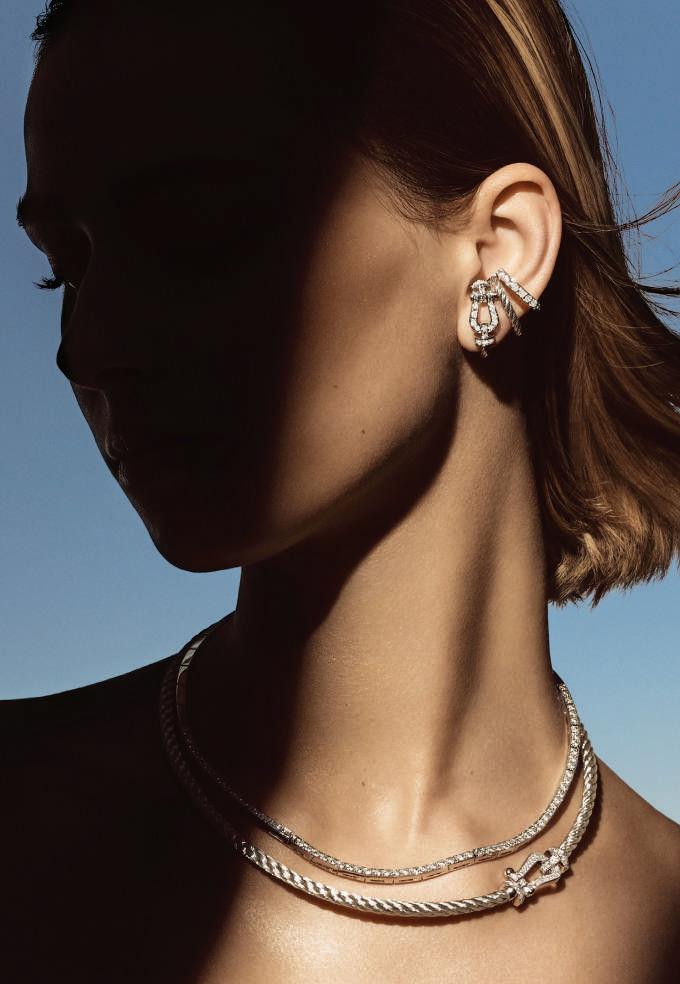
And then there’s jewellery that’s made to be mixed, layered and customised, like FRED’s Force 10 collection, which offers a different way into the trend. Here, it’s less about size or colour than about the freedom to create a look that’s entirely one’s own. Exuberance, in this sense, is about self-expression.
Whether in colour, craftsmanship, scale or customisation, the throughline is clear: jewellery is once again asserting itself. If quiet luxury taught us that sophistication need not shout, there’s now plenty to prove when it comes to fine jewellery, it needn’t remain silent either.
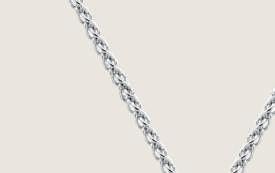
THE POWER OF PLACE
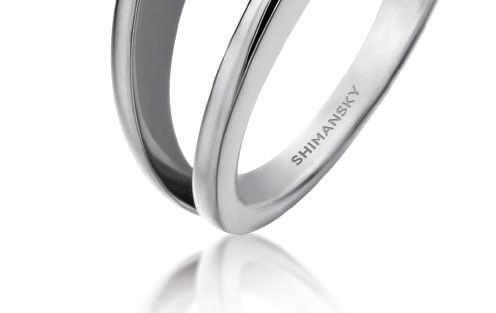
If bold colour is finding renewed resonance in jewellery’s shift towards visibility and self-expression, Shimansky offers a distinctly African perspective. The Ayanda Queen of Tanzanite collection celebrates tanzanite, a gemstone found exclusively in Tanzania and prized for its vivid blue-violet hues. Its singular provenance gives it a rarity and sense of place that few gemstones can match.
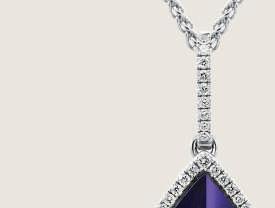
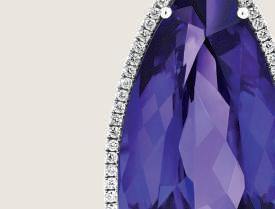
AN ICON IN COLOUR
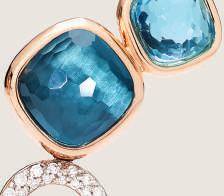
Pomellato’s Nudo collection has long made the case for bold colour in fine jewellery. Characterised by vibrant stones set in deceptively simple designs, it strips away unnecessary embellishment to let colour take centre stage. The result is playful, sophisticated and modern.





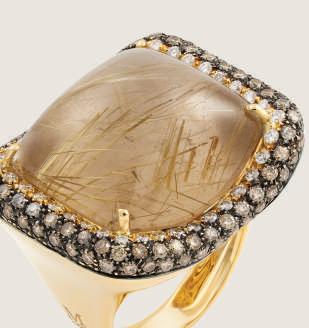














ARTFUL EXPRESSION
Italian jeweller Moraglione approaches maximalism with a distinctly artistic sensibility. Rather than relying on scale alone, the house combines vibrant gemstones, rich colour contrasts and intricate craftsmanship to create pieces that feel closer to wearable works of art than conventional jewellery.

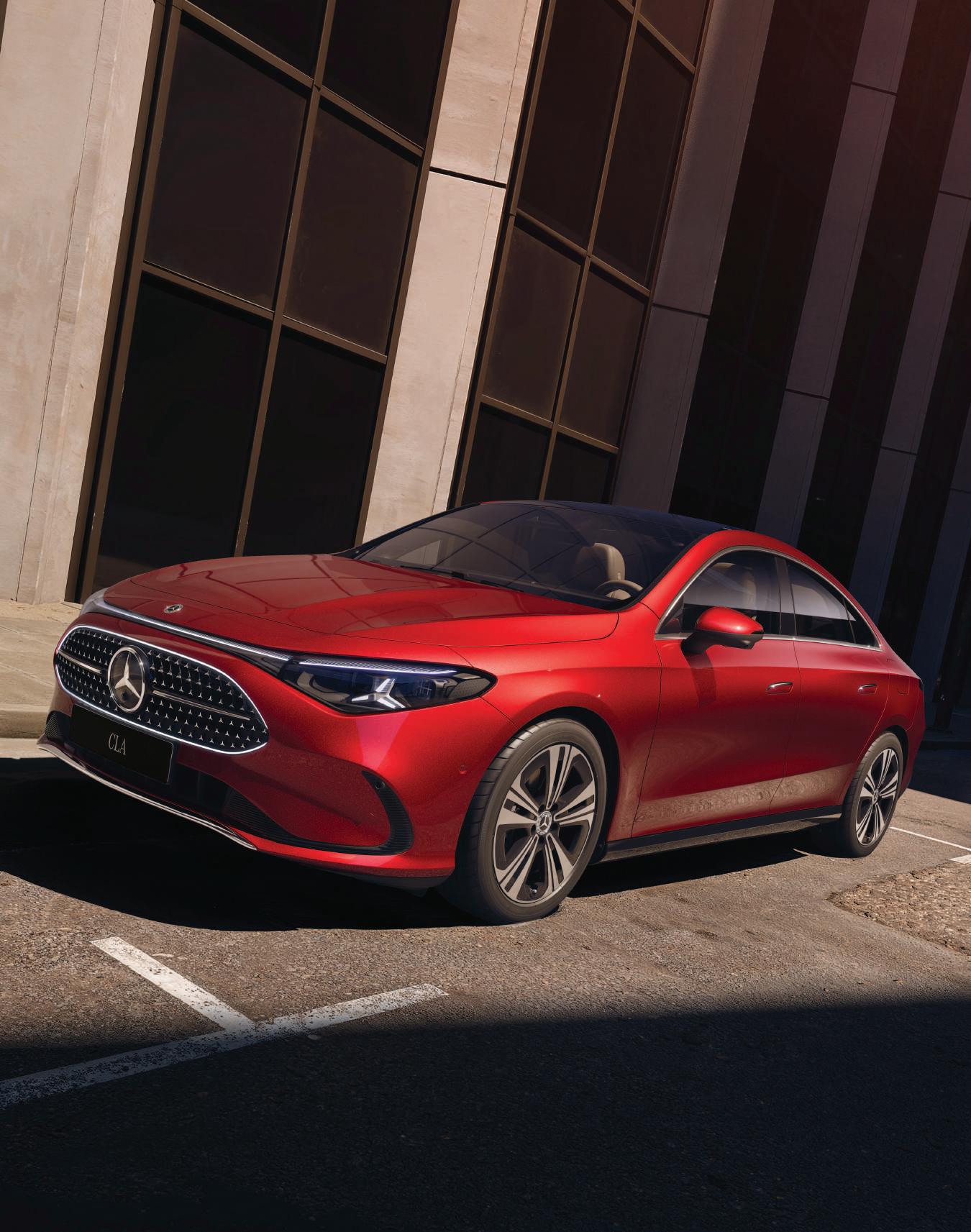
Mercedes-Benz’s heritage of engineering excellence finds its newest, most daring expression on South African soil.
Mercedes-Benz has defined and redefined the limits of automotive engineering. Ever since Carl Benz filed the patent for the very first automobile in 1886, the three-pointed star has served as a global beacon of innovation, pioneering the crumple zone, anti-lock brakes and the digital luxury cockpits we take for granted today.
Now, that rich 140-year heritage of engineering excellence finds its newest, most daring expression on South African soil.
The premium compact automotive segment is about to face its most significant shake-up of the decade. Following the CLA’s globally acclaimed unveiling and recent European Car of the Year award, Mercedes-Benz South Africa has officially confirmed that it will make its local debut in the coming weeks.
Far more than just a sleek four-door coupé, this vehicle enters the market as the undisputed pinnacle of its class. By seamlessly inheriting the pioneering DNA of its ancestors, the all-new CLA arrives as the most technologically advanced Mercedes-Benz ever introduced within the premium compact segment.
While international dialogue remains firmly anchored in an ‘Electric First’ future, Mercedes-Benz understands that the South African landscape demands a specific, high-range pragmatism. Enter the new CLA petrol variant: the undeniable cornerstone of the incoming local line-up. It represents a masterclass in compromise, pairing the brand’s groundbreaking, futuristic MB.OS digital architecture with the hyper-efficient, long-distance confidence of modern combustion engineering.
For the progressive driver, this is what makes the new CLA a genuine game-changer.
The July launch marks a historic software milestone for the three-pointed star. The CLA 200 is the first petrol-powered model to run entirely on the new Mercedes-Benz Operating System (MB.OS). Moving away from traditional, static car setups, this chip-to-cloud architecture turns the vehicle into a learning, evolving asset. Through continuous Over-the-Air (OTA) updates, the CLA 200 will seamlessly download regular improvements to its driver assistance systems and infotainment capabilities, ensuring the vehicle remains technologically current long after it leaves the dealership floor.
Inside the cockpit, the fourth-generation MBUX user experience completely alters how driver and machine interact. By deeply integrating the artificial intelligence of Google Gemini and ChatGPT-4o, the MBUX Virtual Assistant moves past rigid voice commands into the realm of natural, multi-part conversations. The system is even designed to read and recognise user emotions. Whether you are finding a dynamic destination via the bespoke, native Google Maps integration or cross-referencing complex flight data for an itinerary, the assistant acts as an empathetic, highly intuitive digital co-pilot.
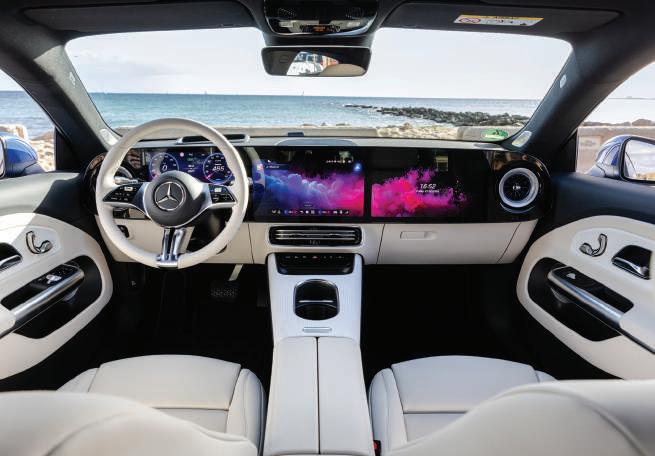
3. HIGH-PERFORMANCE GRAPHICS AND ‘ZERO LAYER’ UI
The interior design leans heavily into digital luxury, utilizing the Unity Game Engine to render crisp, real-time 3D graphics across the digital cockpit. To prevent technology from becoming a distraction, Mercedes-Benz implements its ‘Zero Layer’ concept. The system uses intelligent algorithms to keep your most vital applications – such as active navigation, media and climate – at the top of the display. There is no scrolling through convoluted sub-menus; everything you need is instantly at your fingertips.
4. HYPER-EFFICIENCY TAILORED FOR SOUTH AFRICAN ROADS
While the all-electric variants excel on grid charging, the CLA 200 petrol variant is engineered for the expansive realities of local long-distance travel. Its refined, turbocharged four-cylinder engine offers an exceptional balance of punchy performance and low fuel consumption, providing 120kW and 250Nm of torque on demand. Perfect for cross-province road trips, it pairs sophisticated open-road performance with an estimated, incredibly lean fuel economy of just 5.5l/100km.
5. UNPRECEDENTED STANDARD LUXURY
Mercedes-Benz South Africa has structured the local launch with an exceptionally high level of standard equipment, ensuring the entry-level premium feels anything but basic. Included in the standard Progressive Line are:
- LED high-performance headlamps featuring Adaptive Highbeam Assist.
- Comfort seats wrapped in premium ARTICO man-made leather with integrated heating and four-way lumbar support.
- Modern utilities like high-speed 100-watt USB-C charging ports and a sweeping panoramic sunroof that elevates the cabin’s sense of floating, modern space.
The all-new CLA isn’t just a refresh of a sleek four-door coupé; it’s a declaration that sees 140 years of engineering legacy culminating in a machine where the future of automotive intelligence belongs to those who dare to create it. mercedes-benz.co.za
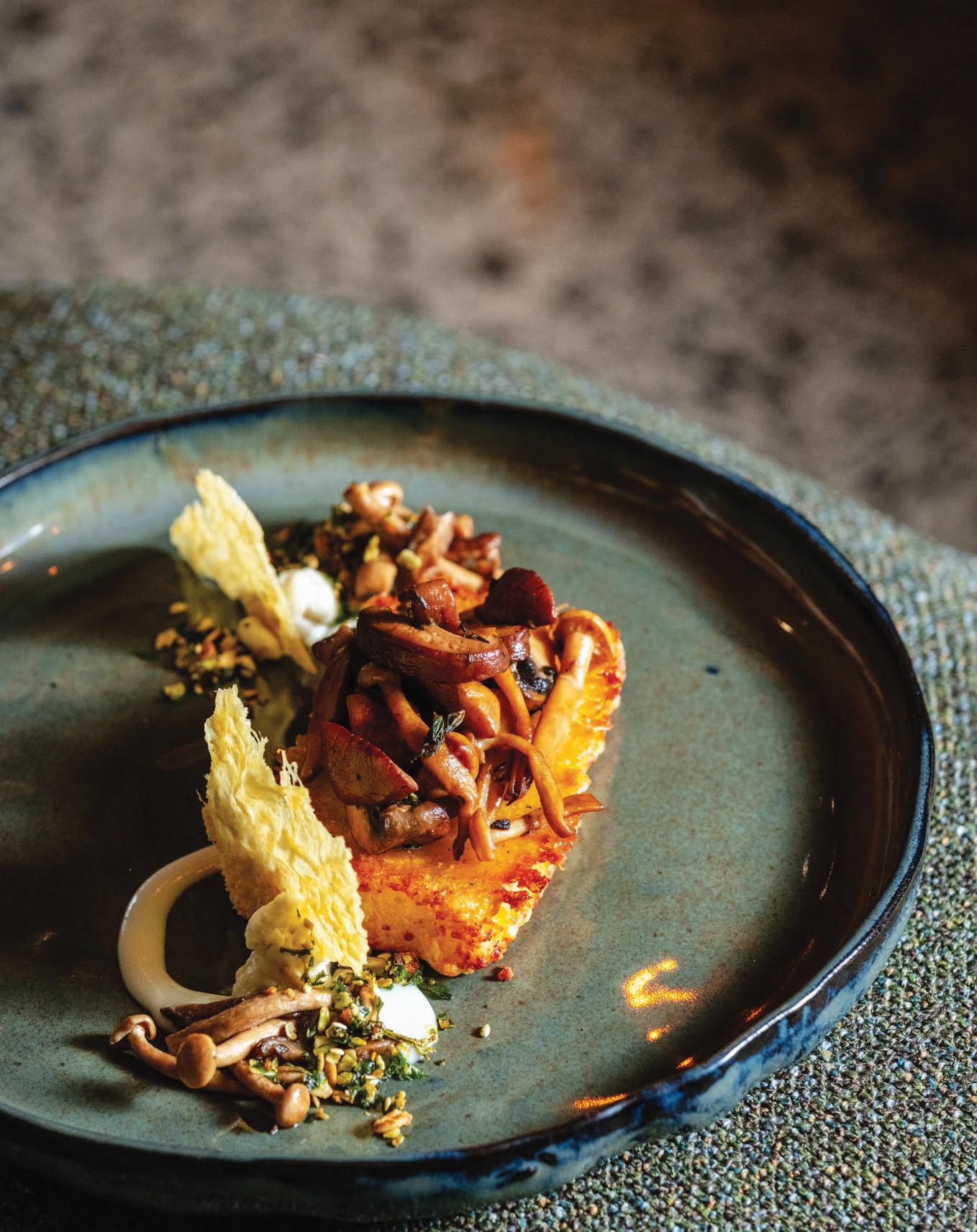
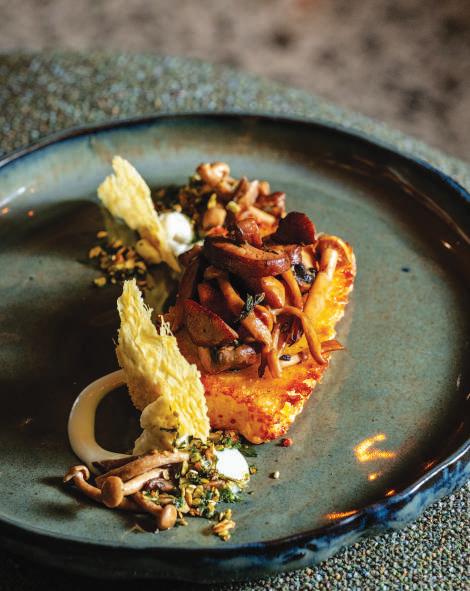
THIS PAGE While it’s mostly meatcentric, East City Grill has incredible vegetarian offerings, including this starter of pickled exotic mushrooms, potato garlic purée and Parmesan mousse on toast.
OPPOSITE PAGE They’re meatballs, but unlike anything you’ve tried before. Jaycee Ferreira’s wagyu yakidango, with garlic purée, tomato jam, mustard soy and chilli oil, is a fabulous reinvention of a Japanese classic.
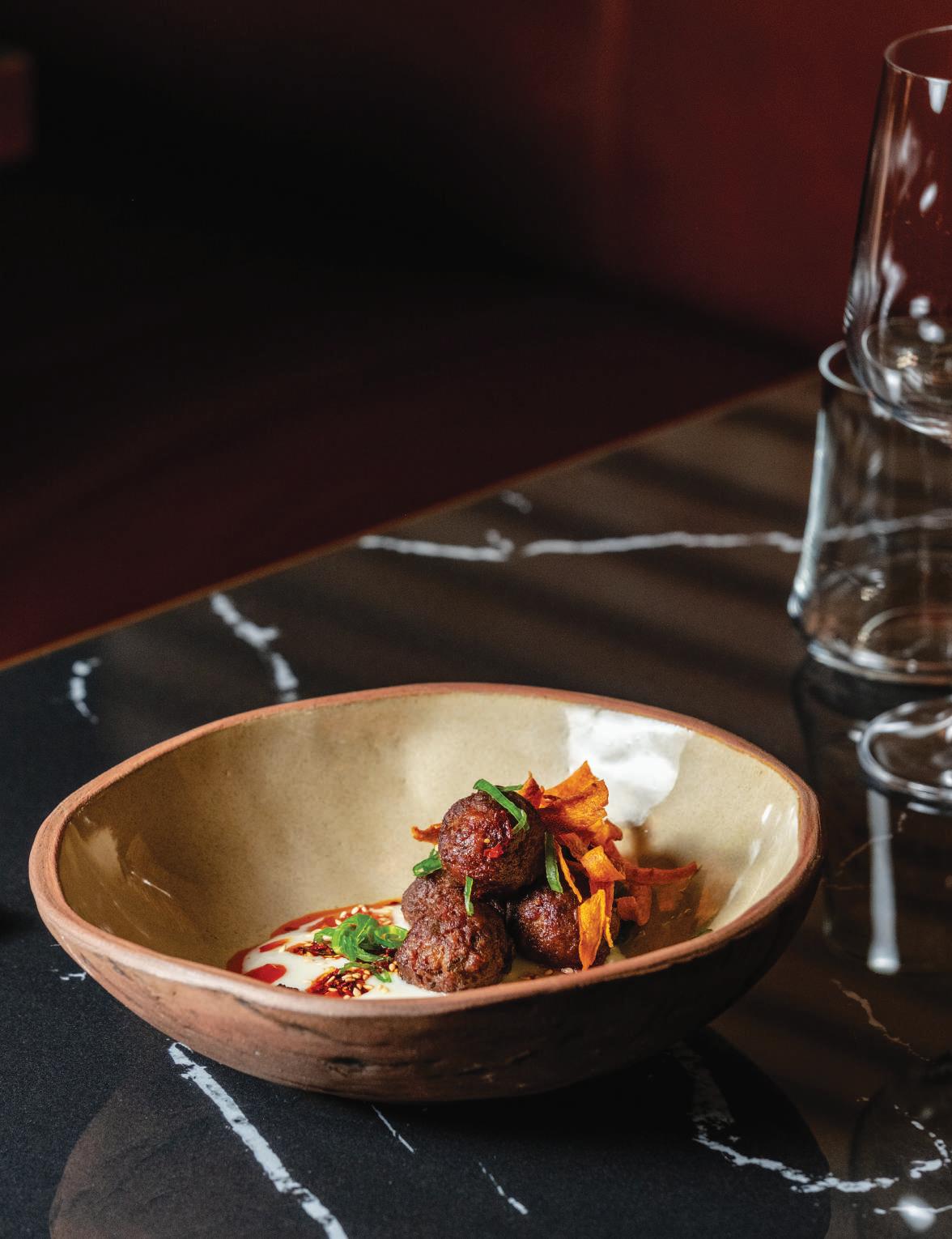
Two new restaurants have opened on Harrington Street in Cape Town’s rapidly evolving East City Precinct. Their focus is a twist on the unexpected overlap between South Africa’s love of cooking over fire and a Japanese taste for grilled wagyu.
WORDS KEITH BAIN
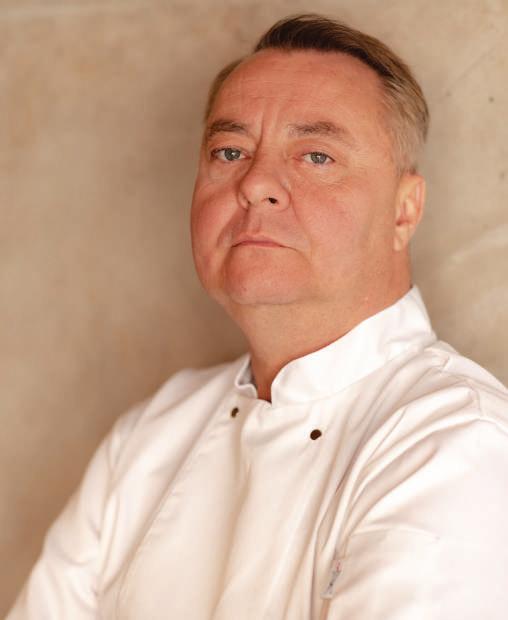
THERE’S A TWINKLE in Jaycee Ferreira’s eye as he tries to explain why, years ago, he ‘ran away’ from his hometown of Pretoria, fleeing first to the bush and then to the coast. In his words: ‘Pretoria was just too much temptation for me!’
Ferreira, who skipped formal chef training, yet, from early on, was always in kitchens practising his passion, seems to have mellowed from his days of being a ‘wild child’. Decades after escaping the seductions of urban life in favour of more bucolic locations, he’s now settled in Cape Town where you’ll find him at the top of the stairway on the first floor of one of South Africa’s most unique buildings. He’s still doing what he does best, of course, now tempting palates at two restaurants under the same roof.
East City Grill, the larger of the two side-by-side restaurants, has as its dominant ambition serving the finest cuts of buttersoft wagyu beef, part of a creative menu strongly influenced by Japanese cooking and ingredients.
The smaller sibling restaurant, Yakiniku, meanwhile, is wholeheartedly Japanese.
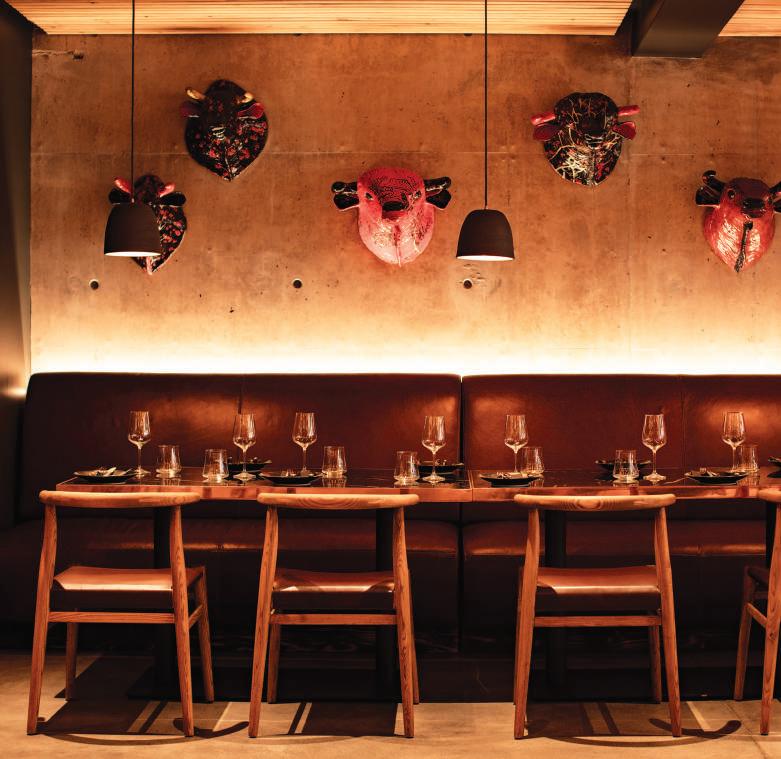
The atmosphere at the top of that stairway and through the red curtains is also decidedly Japanese, with more than a cursory nod to an aesthetic of wood-panelled minimalism, deliberate spaciousness and refined shibumi (effortless elegance). Aside from the graceful space, the cool soundtrack, creatively designed lounges, paper-panelled sliding doors, organic textures and tiny details like origami figurines on the dining tables, there are the high-tech bits and bobs, contactless buttons opening and closing various doors and automatically flushing loos. It all feels very Tokyo.
The Harrington Street venue’s real uniqueness, though, is that – at 12 storeys – it’s the world’s tallest hemp building, composed of the same material legislators confuse with marijuana. One of its owners also has a Swartland farm with a herd of wagyu cattle that thrive in free-range, pasture-reared bliss at the foot
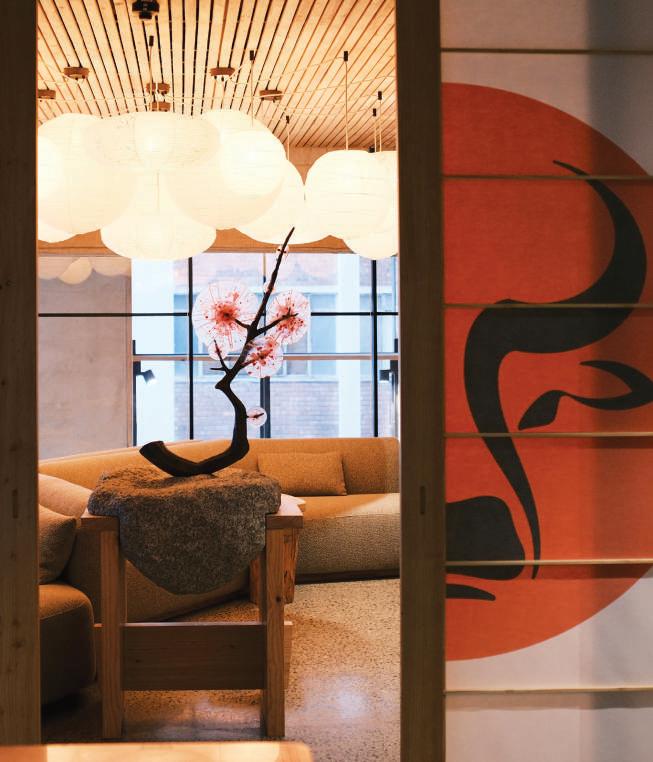
ABOVE At the entrance to East City Grill, behind sliding doors, you’ll find an elegant lounge boasting natural textures.
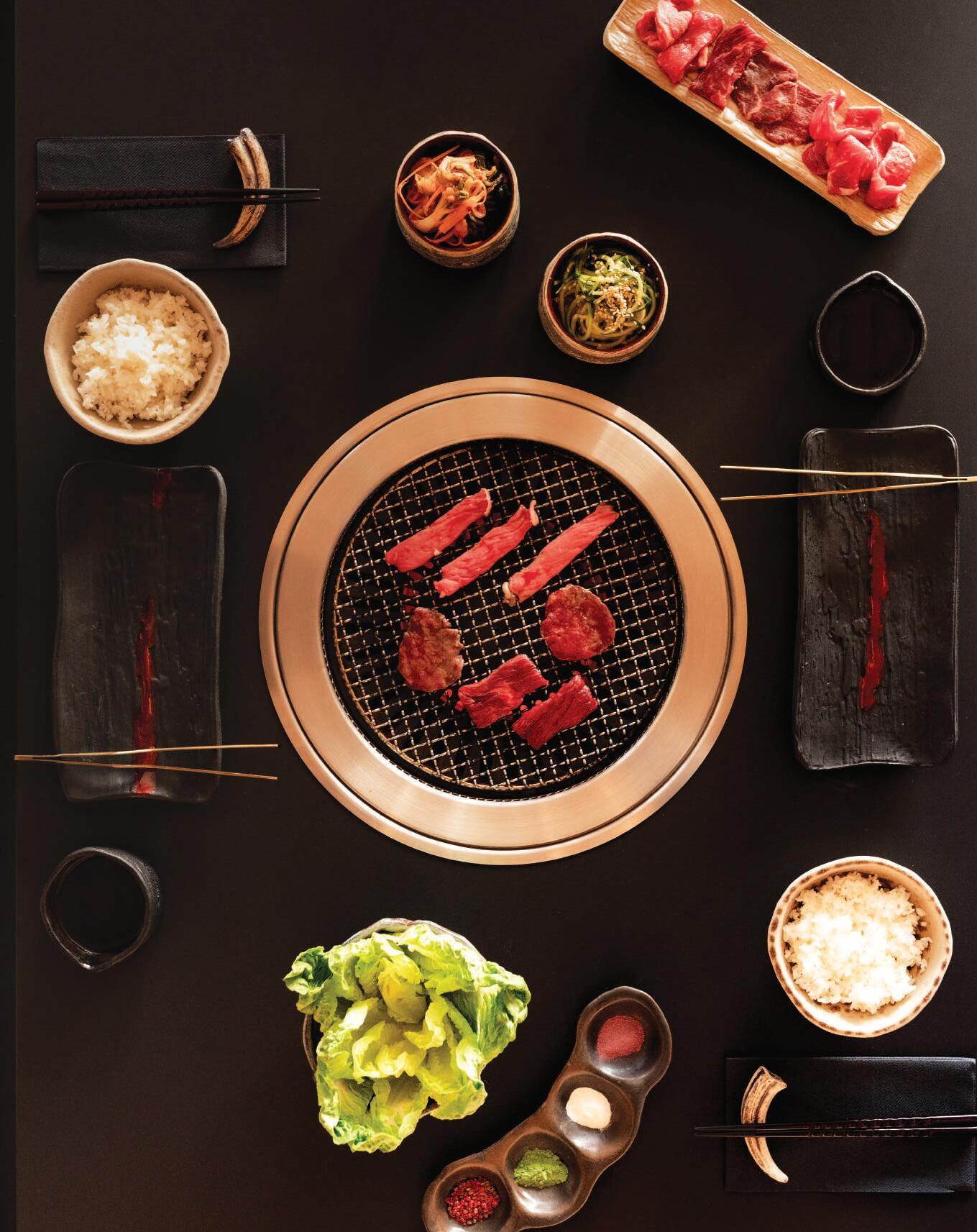
RIGHT Yakiniku’s tables feature built-in smoke-free grills over which diners cook cuts of wagyu and vegetables that are combined into bite-size parcels, along with rice imported from a single farm in Japan.
of the Elandskloof Mountains. The animals’ meat is famously marbled and extremely tender due to attentive nurturing and a finishing diet of bespoke blended grains. Wagyu, incidentally, translates literally as ‘Japanese cow’ (wa = Japanese, gyu = cow), and is not a specific breed. In Japan, it may refer to one of four breeds, while elsewhere in the world may include wagyu cows interbred with other varieties to account for differing regional climates and conditions.
Having a no-middle-man supply of wagyu means Ferreira has first dibs on the prime, generously marbled beef, which he prepares with due regard to the tremendous efforts taken to rear the animals.
‘It’s quite a gedoente (big deal) to raise wagyu,’ Ferreira tells me, explaining that the animals have ‘a highly specialised, personalised diet’ and – depending on the desired level of marbling – ‘frequent massaging’.
Ferreira’s own backstory is a little more hands-off. His accidental entry into cheffing decades ago was a rather organic departure for a Pretoria lad with a slightly short fuse and taste for temptation. ‘It’s just always been in my blood,’ he says. ‘Growing up, my mother said all I wanted to do was sit in the kitchen and play with pots and pans. From a young age, I could cook and loved making my own meals.’
His Italian stepfather, who ‘made unbelievable food’, was an early influence, as was an aunt who owned ‘a very hip and happening restaurant’ in Pretoria in the ’70s and ’80s.
While he did not train to be a chef, his natural talents were coopted into the kitchen at another famed Pretoria restaurant by the great South African chef and food evangelist, François Ferreira.
He ended up cooking for Rovos Rail during its heyday as a palace on wheels renowned for its posh cuisine; his efforts there saw him entered into a major culinary competition.
He had a taste for experimenting with food that was still quite alien to most South Africans.
There was, for example, Pretoria’s first Cuban restaurant, whose menu he developed entirely from a deep dive into cookbooks.
Multiple successes at various restaurants saw him eventually running away to the bush, and when he landed up at a small, exclusive lodge at the southern end of the Wild Coast, he fell in love with the peace, quiet and absence of limelight.
It was a short stint in Japan, though, where he travelled specifically to braai for a group of South Africans, that he discovered the overlap between our love for cooking over fire and a Japanese cooking technique known as yakiniku, which translates literally as ‘grilled meat’ (yaki = grill, niku = meat).
Years later, those unexpected parallels have been marshalled together to create a pair of restaurants that exist in synergistic conversation with one another – both bringing focus to wagyu prepared over fire.
At Yakiniku, diners prepare bite-size DIY morsels of
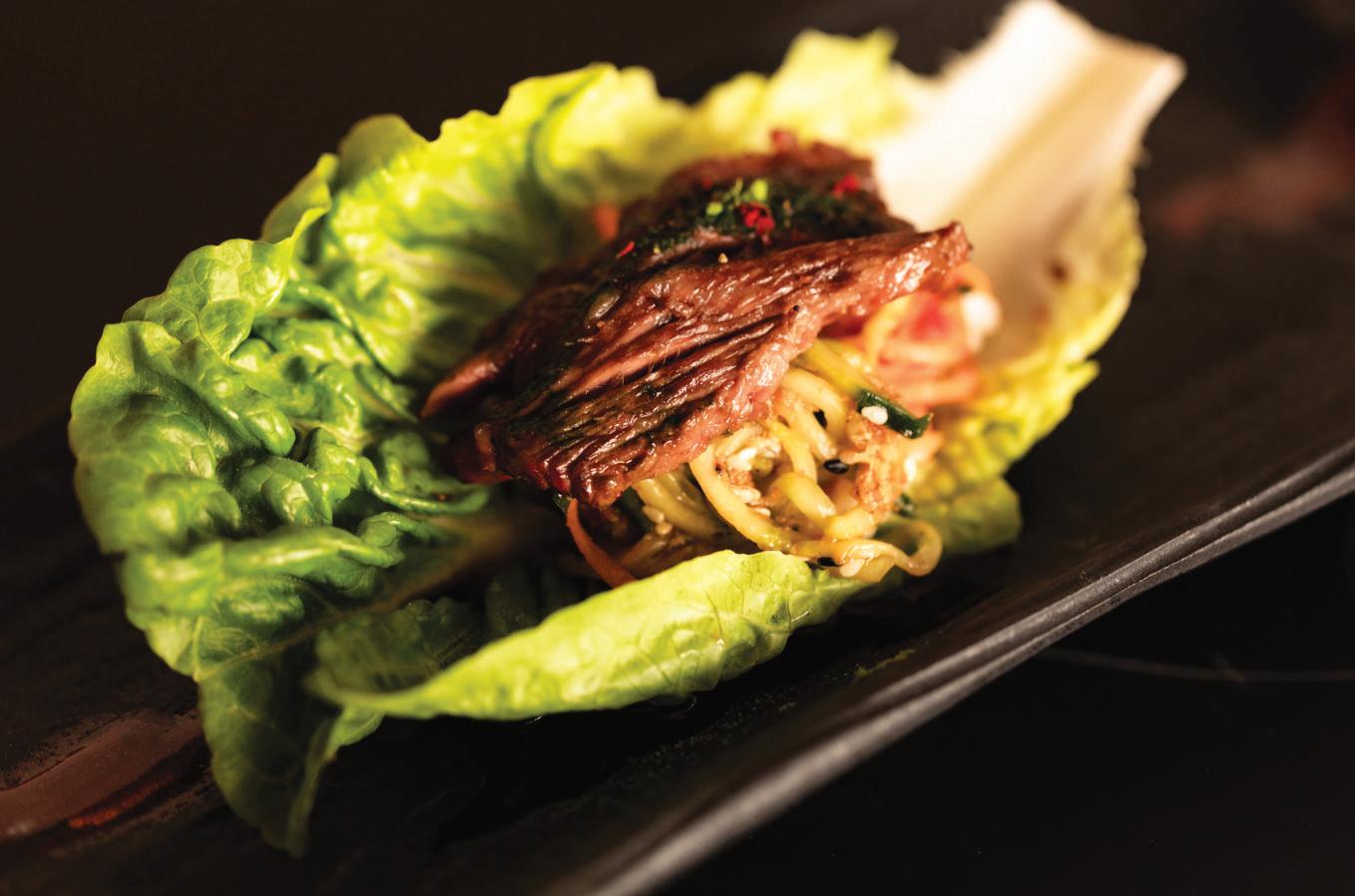
rice, grilled vegetables and dipping sauces, all tucked into a crunchy lettuce parcel.
While highly graded cuts of wagyu are a feature at East City Grill, you can feasibly order char-grilled Swartland lamb loin chops (basted in a blend of wagyu tallow and soy) or even avoid meat altogether by summoning an assortment of starters. And, although wagyu steaks are the signature on the menu, much at East City Grill hints at a strong Japanese influence, from chicken yakitori glazed with denmiso to the katsu sandwich with pankocrumbed wagyu beef, pickled cabbage, tonkatsu sauce and beef jus between slices of Japanese-style milk bread.
‘It’s good food, old techniques and old-school recipes. I make all my stocks myself and I don’t buy anything ready-made. Nothing’s artificial or bought in. We follow these old methods to build every ingredient, make every dish from scratch. And present everything beautifully.’
Lots of what’s on the menu is gleaned from childhood observation, recipes his mother used to make. He calls them ‘old ideas’ that he ‘reinvents’ and says he’s engaged in ‘a constant evolution’.
Ferreira’s natural sense of economy means running a nowaste kitchen, something that adds to the adventure of finding unique uses for non-prime wagyu cuts. He uses wagyu tallow, mixed with soy and thyme, for basting, uses wagyu bones to make stock, and makes beautiful boerewors using wagyu trim.

‘Every piece of meat actually gets a bit of wagyu-added flavour,’ he says.
A highlight, too, is the wagyu tartare, made with cured egg, parmesan and yakiniku sauce. Ferreira calls it ‘unbelievable’ – arguably the best thing on the menu.
The sauce, Ferreira explains, is ‘a massive undertaking’, requiring 11 ingredients and prolonged, attentive toil. While the sauce features at East City Grill, it’s obviously a headline element at Yakiniku, where, at just a handful of tables in an intimate, Zenlike dining room, Ferreira’s team puts on a set-menu experience that emulates a style of dining that was popularised in Japan after the Korean-Japanese war.
Set on a raised timber platform and enclosed by screens, Yakiniku’s tables feature built-in smokeless grills that are the focus of the main course during which diners use tongs to cook bite-size pieces of prime-cut wagyu and vegetables on gridirons served on low flames.
It’s here that the overlap between Japanese grilling and South African braaiing comes into focus, the difference being the ritualised pace at which you prepare each mouthful.
Also critical to the flavour of each mouthful is the choice of tare – soy-based sauces like the signature yakiniku – that are used for dipping, and the specially imported Koshihikari rice that’s bought directly from a farmer in Niigata.
Eating is an interactive experience, with enjoyment to be had from rendering the meat over the grill before dipping it into the sauces and seasoned salts (there are four varieties on the
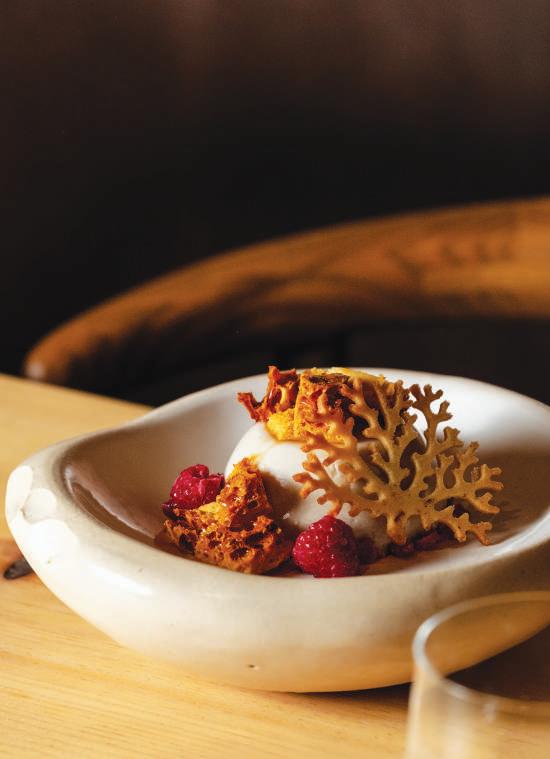
ABOVE RIGHT Sesame panna cotta with rose rooibos reduction, honeycomb and burnt butter tulle.
table: plum, yuzu, matcha and mixed peppercorn) before creating a parcel of meat, rice, kimchi and cucumber all wrapped in crisp lettuce.
It’s quite a substantial meal, the meaty main course preceded by a three-tier bento box of starters: beef wontons, tuna tartare and fried prawn and corn. As at East City Grill, there’s a selection of Japanese-inspired desserts, including a beautiful Hokkaido cheesecake, dusted with matcha and served with toasted rice ice cream and ginger curd.
No matter which restaurant you opt for, it’s unlikely to be a quick in and out. Ferreira says he’s old-fashioned enough to still believe in laying on a proper spread. His food is made for indulgence, not weight-watching, so it can be quite rich and it’s also generously portioned.
‘I still believe in proper, old-school butter,’ he says. ‘So we make our own.’
He also believes in the future of the East City Precinct, a part of Cape Town he believes is on track to become a major culinary hub. ‘Already, this road is insane,’ he says. ‘Harrington Street is destined to be one of our country’s finest food destinations.’
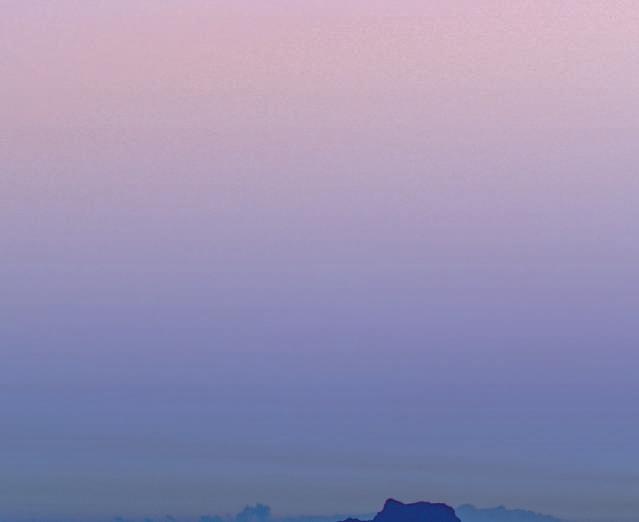
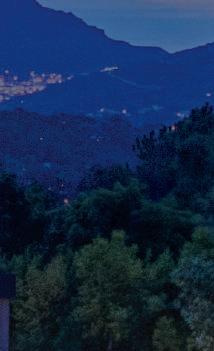
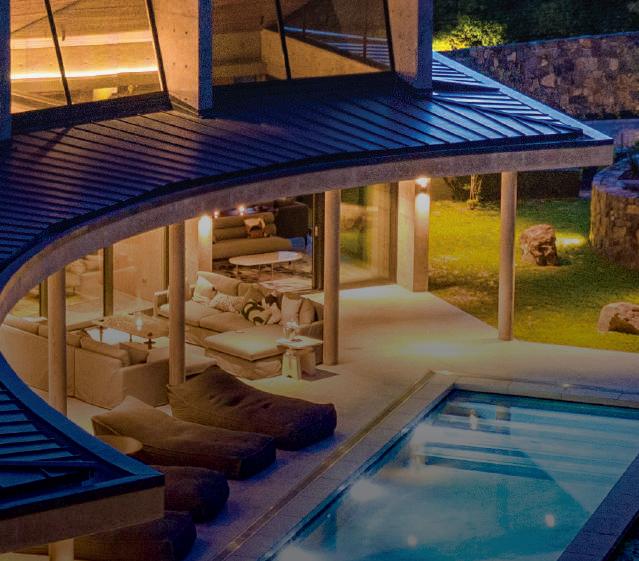
Set high above the Constantia Winelands, experience a quiet mountain escape shaped by slow living, privacy, and striking architectural design.
BOOK & STAY DATES: NOW UNTIL 31 AUGUST 2026 FROM: R8 300 PER COUPLE PER NIGHT
INCLUDES:
Accommodation in a Garden Suite or Deluxe Mountain Room • Breakfast & three-course dinner 60-minute massage per person • Optional two-hour guided hike in Table Mountain National Park
Ts & Cs apply. Subject to availability. Spa treatments and hike must be pre-booked at time of reservation.

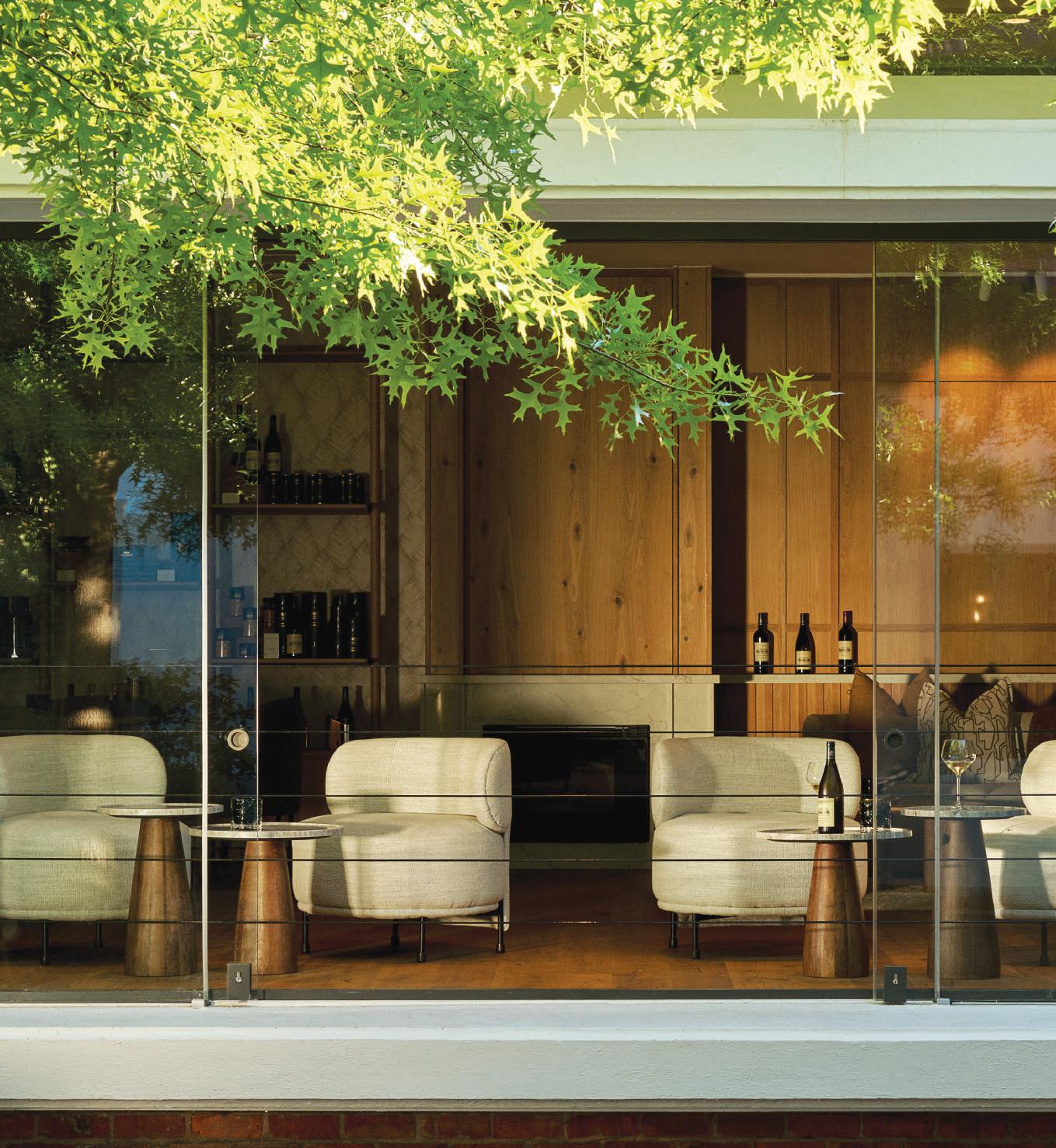
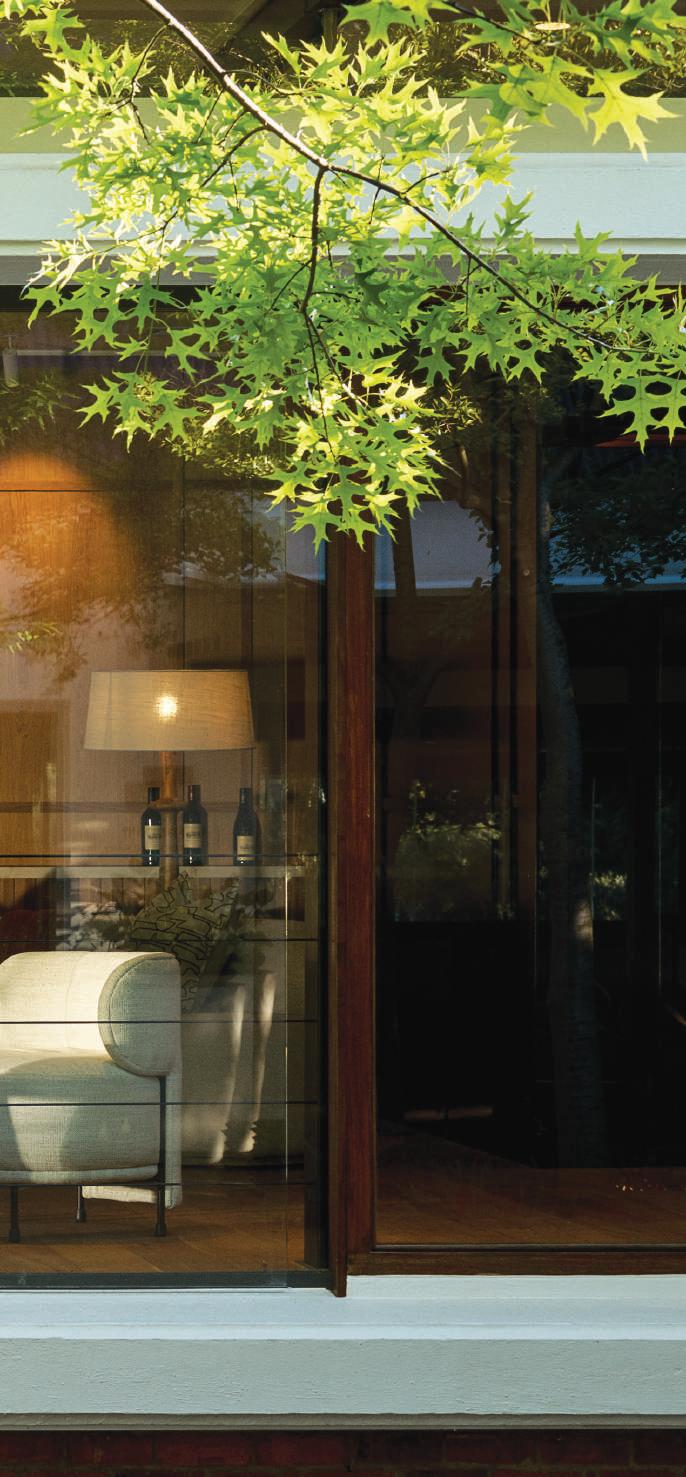
Steeped in time-honoured tradition, Rupert & Rothschild Vignerons not only represents two vaunted families within elevated circles of influence, but also a remarkable intersection of Bordeaux-inspired winemaking with the exceptional grapes and climate of the Cape Winelands.
WORDS KEITH BAIN
OUR BRAND IS NOT FASHIONABLE,’ says Carla Malherbe, marketing manager of Rupert & Rothschild Vignerons. ‘We don’t set trends, we don’t follow trends, we’re not trendy.’ Rather than chasing fads or pandering to the vicissitudes of a fickle market, it’s a wine label built on tradition. ‘We’re classic and elegant and timeless,’ Malherbe says. Which is rather a breath of fresh air in an era of fleeting tastes and throwaway fashion.
Rupert & Rothschild, like the two families whose collaborative spirit it encompasses, is about creating wines that people love and can’t resist returning to.
‘In some parts of the world, the name Rothschild means a lot more to the consumer, and in other places Rupert means a lot,’ says Malherbe. ‘Whether you know nothing about wine or you know plenty, these names have a common thread: excellence.’
That common thread spans the globe. While the Rupert name is well known in South Africa, it’s worth noting there are in fact three branches of the Rothschild family, and among them some 26 wine estates. Aside from the Bordeaux property, Château Mouton, acquired in 1853, there are Rothschild wine-producing ventures across France and in New Zealand, South America, Spain and Napa. There is Champagne Barons de Rothschild, a joint venture between the various Rothschild families, as well as a vineyard project in China.
Rupert & Rothschild Vignerons was established in 1997 through a partnership between the late Dr Anton Rupert and the late French wine magnate Baron Edmond de Rothschild. As their headquarters, they opted for Dr Rupert’s historic Franschhoek farm, Fredericksburg, established by French Huguenots in 1690 and which he acquired in the 1980s.
LEFT The tasting experience at Rupert & Rothschild is a full-sensory immersion where useful knowledge and vivid insight into the wines are balanced by the chance to simply sit back, sip, and take in the bucolic beauty of the surrounding landscape.
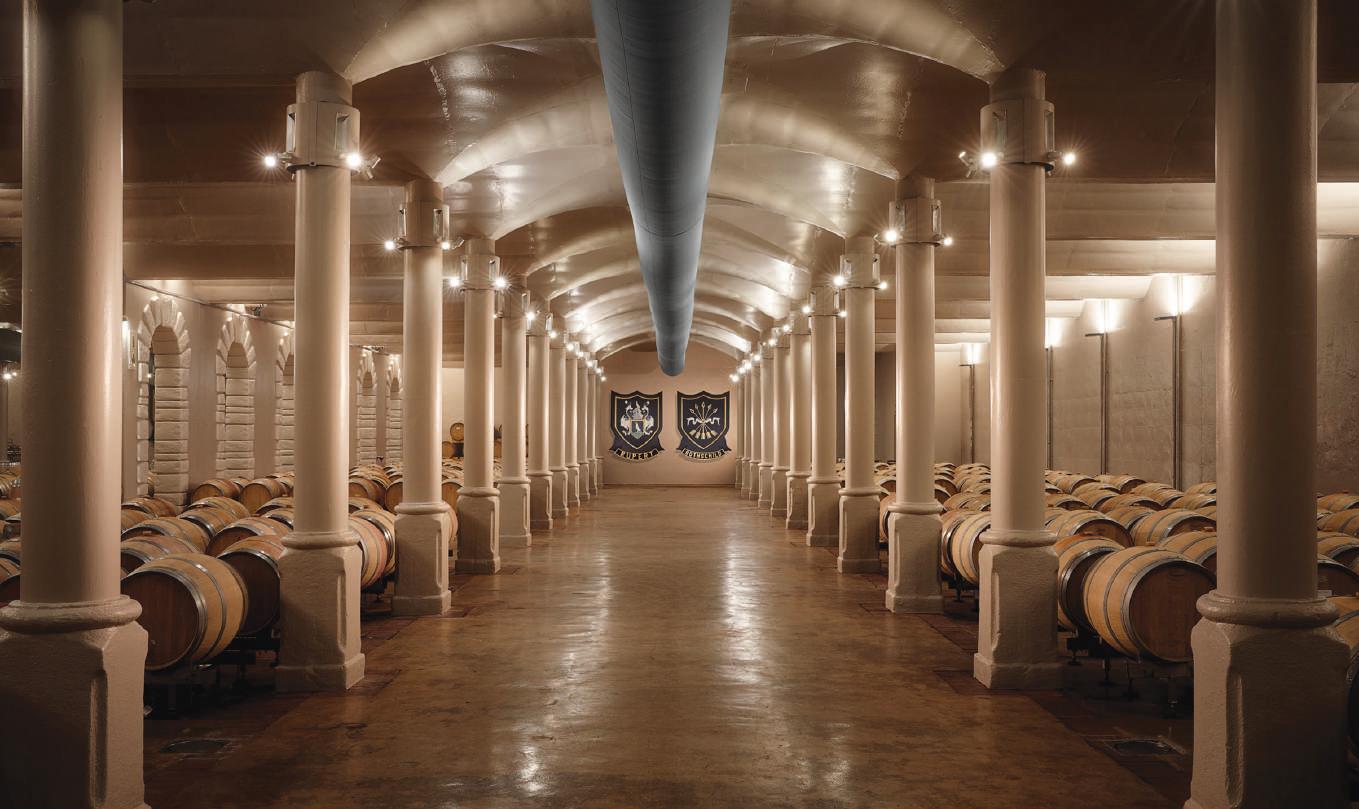
For almost three decades it has flourished as a unique French-South African collaboration, leaning into shared values centred on timeless excellence. ‘I think in this world of everyone trying to be different and throwing all their weight and energy into trying to keep up with whatever new idea is doing the rounds, there’s definitely a place for classic and timeless and that’s where we fit in,’ Malherbe says.
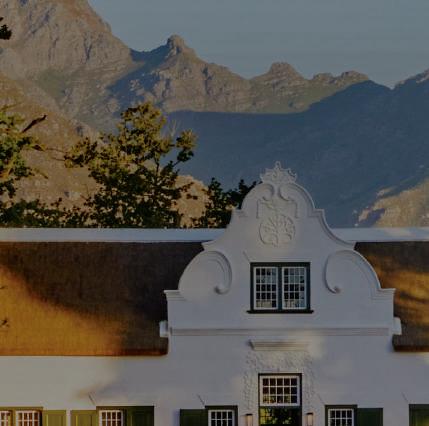
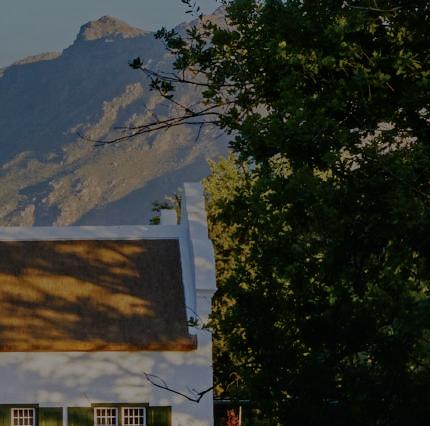
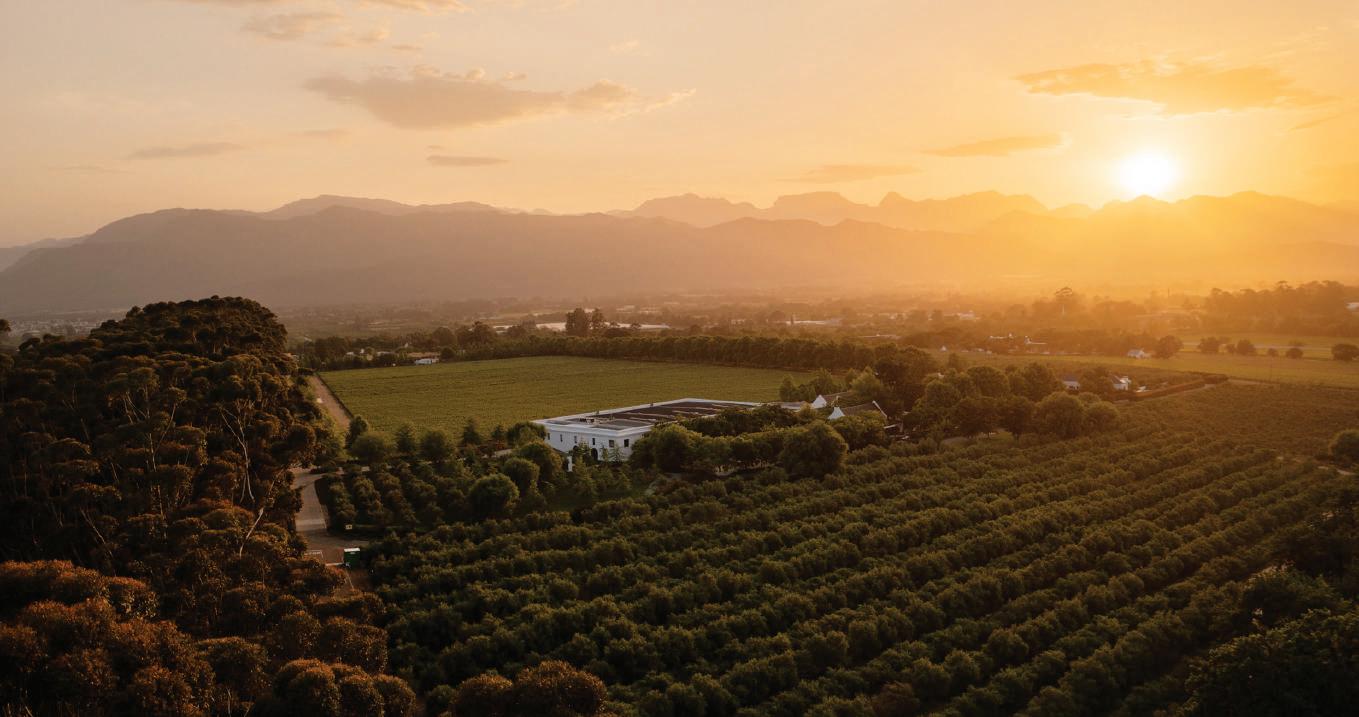
Certainly, there’s a timelessness that sinks into your soul when you visit the estate where Rupert & Rothschild’s stable of quality-focused wines is produced. Situated in Upper Simondium, at the foot of the Simonsberg mountains in the Franschhoek Valley between Franschhoek and Paarl, time seems to stand still as you pass through the gates, turn left and head down a long tree-lined avenue towards the newly refurbished tasting centre. It’s an elegant space where the aesthetic – muted shades, comfy French oak furniture and original artworks borrowed from the Rupert Museum – emphasises that sense of departure from the hubbub of the world beyond the farm. Its restrained contemporary design, rather than drawing attention to itself, gives focus to the wines and the enchantment of the surrounding scenery.
And what a spoiling experience it is. It’s not about just sniffing and spitting, but rather an invitation to absorb the romance of the farm itself at an unhurried, civilised pace. Nothing about the tasting experience is cookie cutter; it’s a bespoke, full-sensory immersion where useful knowledge and vivid insight into the

Like something out of Shakespeare, Rupert & Rothschild brings together two great houses, premium wine being a shared focus of various adventures undertaken by both families.
wines are balanced by the opportunity to simply sit back and take in the bucolic exquisiteness of the enfolding landscape.
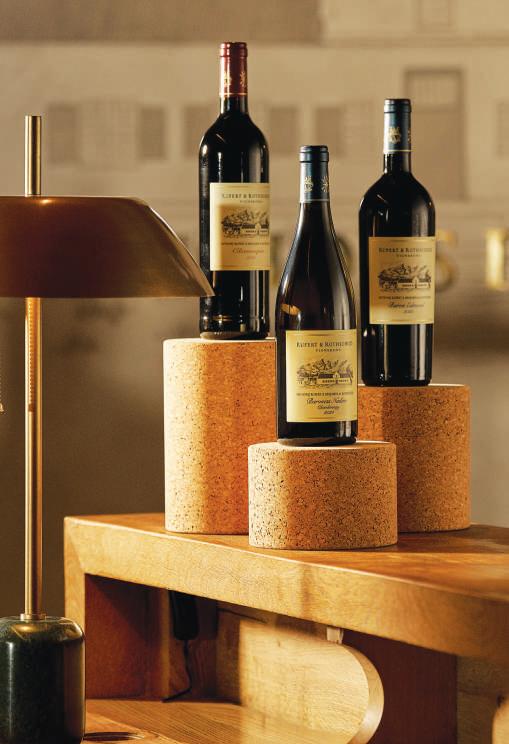
That feeling of time standing still is what they aim to capture in the bottle, too. Focus in the cellar follows the Bordeaux tradition of a limited range. Between them, winemakers André Roux and Kayla Oertle-Morse take care of just three wines. Classique, the estate’s beloved ‘bread and butter’ wine, offers an approachable understanding of what the brand represents: an easy-drinking, reliable favourite that is not only one of South Africa’s most sought-after reds, but has managed to achieve its sanctified status without excessive fanfare, flash or hype. Produced using grapes sourced primarily in Stellenbosch, and supplemented with fruit from growers across the Western Cape, it’s a beautiful Bordeaux-style blend of Cabernet Sauvignon and Merlot that’s balanced with Cabernet Franc, Petit Verdot and a touch of Malbec, the proportions adjusted according to the vintage.
Baron Edmond might be described as Rupert & Rothschild’s precision Bordeaux blend. ‘It’s a 100 percent wine of Stellenbosch origin. Those grapes are from much older vineyards and they’ve got a bit more heritage and a bit more depth and layers than the Classique,’ says Malherbe. It’s also a wine made to last, with individually selected bunches, extended skin contact, and some malolactic fermentation in new French oak prior to 18 months of ageing in Bordeaux oak barrels. The estate’s white is 100% Chardonnay and is named after Baron
Edmond’s wife, Baroness Nadine. It’s made using grapes sourced from the cool-climate Elgin region, producing a fresh-tasting, summery wine.
Such resounding love for the wines makes Malherbe’s job fairly uncomplicated. There’s no tinkering with product, no switching logos or redesigning labels because ‘it’s more about people relying on us to make wines that they love,’ she says.
Where innovation is ongoing is in the details of cellar activity, ensuring viticultural practices stay relevant and advanced.
‘We don’t do a copy-paste for every vintage. In terms of barrel selection, barrel toasting, ageing in barrels, what’s blended and how… all these minutiae come into play each year to arrive at the best possible wines per vintage,’ Malherbe explains. ‘Our cellars have some of the best equipment in the industry, and there’s international benchmarking and a European viticultural team that also helps ensure that our quality remains on track and we’re always reaching higher.’
Such rigorous efforts are ones you taste and experience rather than hear about, though. ‘A mandate of the brand is not to enter the wines for awards or submit them for ratings,’ she says. The philosophy is that people tend to fall in love with the stuff by tasting it, not by being fed technical details and tasting notes. For curious sippers, the team at the tasting centre will happily go to town elucidating each wine’s finer points.
And, since the tasting room offers wines from select Rothschild partner vineyards around the world, there’s the rare option of sampling from a wider range of global fine wines unavailable elsewhere in the country. There’s a Sauvignon Blanc from New Zealand, a Malbec from Argentina, wines from Macán
Apart from the three in-house wines, visitors to
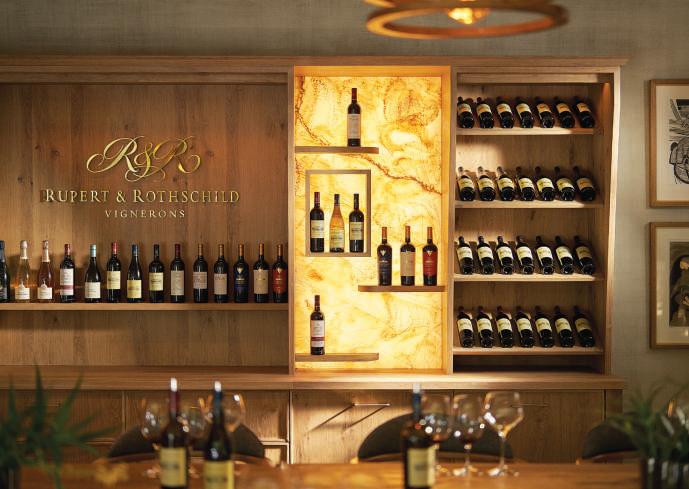
in Spain’s La Rioja, and two Bordeaux blends from Château Clarke (in the Listrac-Médoc appellation) and Château des Laurets (a Rothschild-owned castle estate in the Saint-Emilion region). There’s also the Champagne Barons de Rothschild, a glass of which is perhaps the perfect way to start a visit to the farm.
A different sort of taste journey awaits at the estate’s lunchtime restaurant, also newly refurbished after being separated from the tasting room to become its own distinct venue. Chef Jeremia de Kock calls his food ‘honest and simple’, part of his approach being to ‘let Mother Nature do most of the work’.
‘She gives us such wonderful produce that we don’t really need to do much, so my focus is on ingredients, on understanding their potential and letting their flavours speak for themselves,’ he says.
‘We’re not an Afro-French restaurant,’ De Kock emphasises. ‘We work with South African produce, but we use French techniques.’
Apart from access to the abundance from local farms, there’s a small vegetable garden, as well as edible flowers, tree tomatoes,
thyme and wild-growing spekboom on the farm, all of which De Kock finds ways of incorporating into a menu that, first and foremost, is designed to complement Rupert & Rothschild’s three wines.
There’s a squid dish, for example, that works phenomenally well with the Baroness Nadine Chardonnay, a wine whose spirit so elegantly captures what its UK devotees like to describe as ‘sunshine in a bottle’. And, in winter, a glass of Classique as an accompaniment to one of De Kock’s decadent chocolate desserts is one of life’s truly timeless pleasures.
The best moments, however, for anyone looking to discover Rupert & Rothschild’s soul, happen in the late afternoon. After a tasting or a languid lunch, take a seat on the outside deck adjacent to the restaurant and play witness to the sunlight washing across the valley, turning the mountains gold, the breeze rustling in the trees as that blissfully clear countryside scent fills your lungs.
There, as you let that majestic scene sink in, perhaps with a glass of Champagne Barons de Rothschild in hand, you’ll feel yourself adrift within a sumptuous garden. It’s the rare luxury of having time stand still – a virtuous sensation that can’t be mimicked by AI, synthesised or simulated by any means. It must, like the wines produced here, be savoured first-hand.
LEFT A purveyor of the ‘quality over quantity’ philosophy, Rupert & Rothschild produces only three wines: two red blends and a Chardonnay.
Sound innovation and exclusive design elements place Range Rover SV Ultra in a league of its own.
THE NEW RANGE ROVER SV ULTRA is the pinnacle of luxury and distinction, elegantly blending elevated finishes with world-first in-car audio technology to enrich the connection between user comfort and listening experience.
ELEGANT DESIGN
Range Rover SV Ultra’s exterior is offered in multiple colour choices, including the new, exclusive Titan Silver, which uses fine aluminium flake and advanced pigment technology to create a lustrous, highly reflective surface. The result is a finish that feels both distinctive and meticulously crafted.
Satin Platinum Atlas and Silver Chrome accents complement the Titan Silver exterior finish, while 23-inch alloy wheels are finished with Satin Platinum inserts.
Inside, SV Ultra reveals an exclusive light duo-tone Orchid White and Cinder Grey Ultrafabrics™ interior, using advanced material innovation to create a serene, design-led sanctuary. Seating features an intricate laser-crafted mosaic pattern, applied across the sculpted upper sections, extending to the inserts and back rests to create a unified, highly detailed surface treatment.
WORLD-FIRST IN-CAR AUDIO TECHNOLOGY
Range Rover SV Ultra introduces high-fidelity electrostatic sound technology to a vehicle for the very first time. The new SV Electrostatic Sound system (available as an option exclusively on SV models) ensures every sound detail places the occupant at the heart of the listening experience, with 21 lightweight thin-film transducers that create a personal auditorium for each seat. The 21 electrostatic panels are integrated within redesigned winged headrests, seat backs and existing speaker locations, delivering a consistent flow of audio boasting coherent clarity of sound.
FULL-BODY AUDIO EXPERIENCE
SV Electrostatic Sound works in harmony with Range Rover’s Body and Soul Seat (BASS) and Sensory Floor technologies. BASS generates in-seat pulsations operating in concert with Sensory Floor technology that adds haptic feedback through four transducers beneath the floor mats.
The audio experience is fully immersive and designed to envelop passengers in every in-car sonic performance. rangerover.com
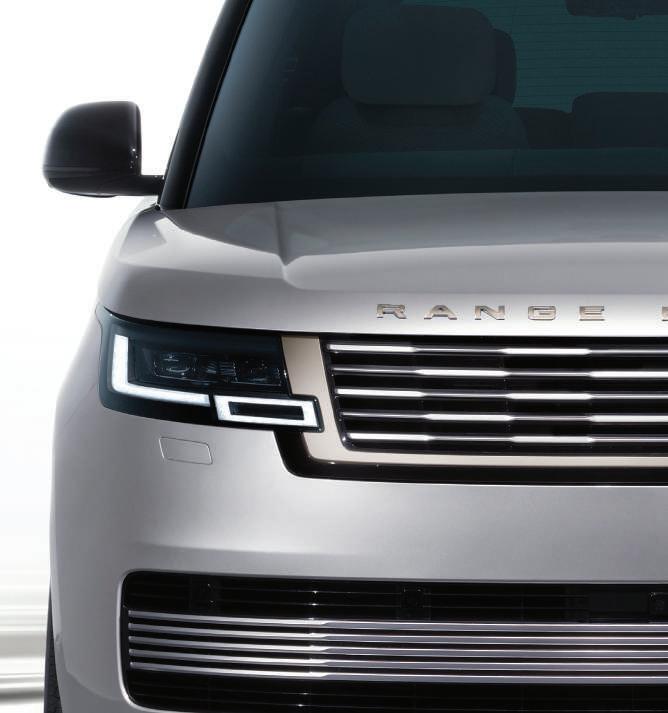
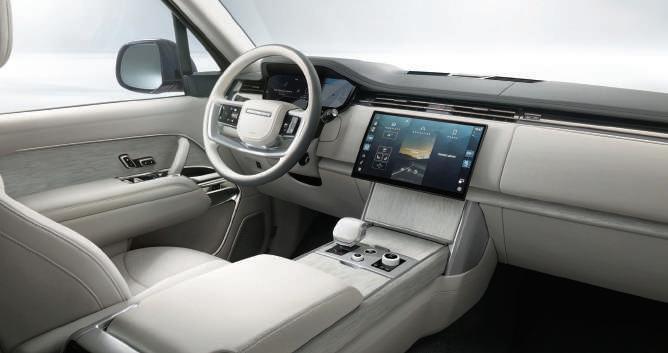
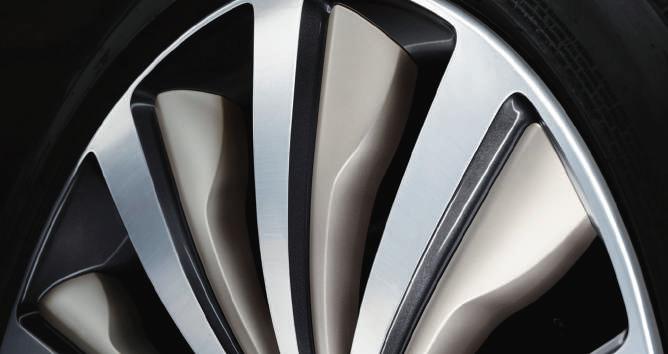
Since 1997, Samara Karoo Reserve has pioneered the rewilding of a uniquely biodiverse landscape in the Great Karoo, reintroducing historic species that had long been absent from the land.
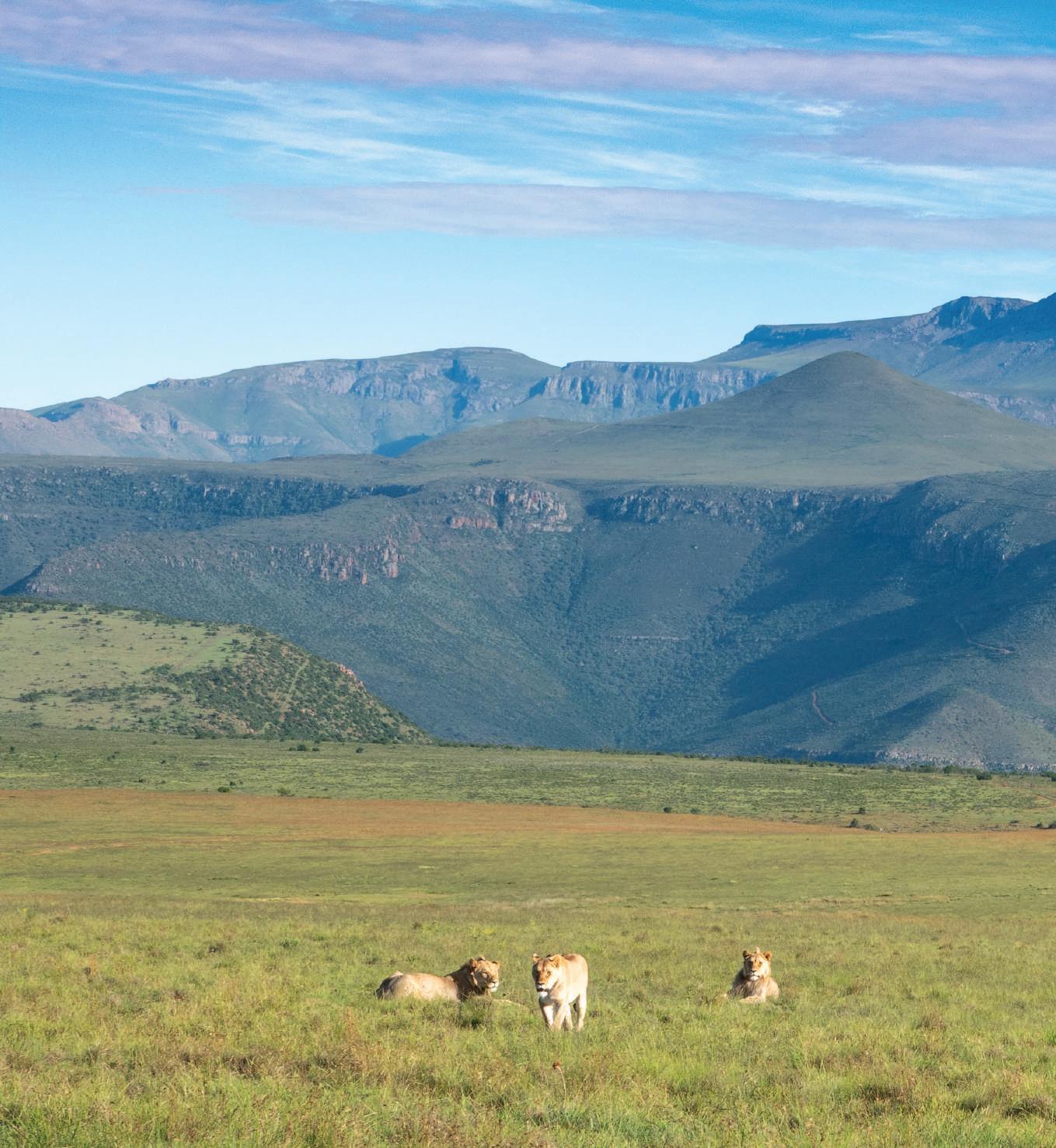
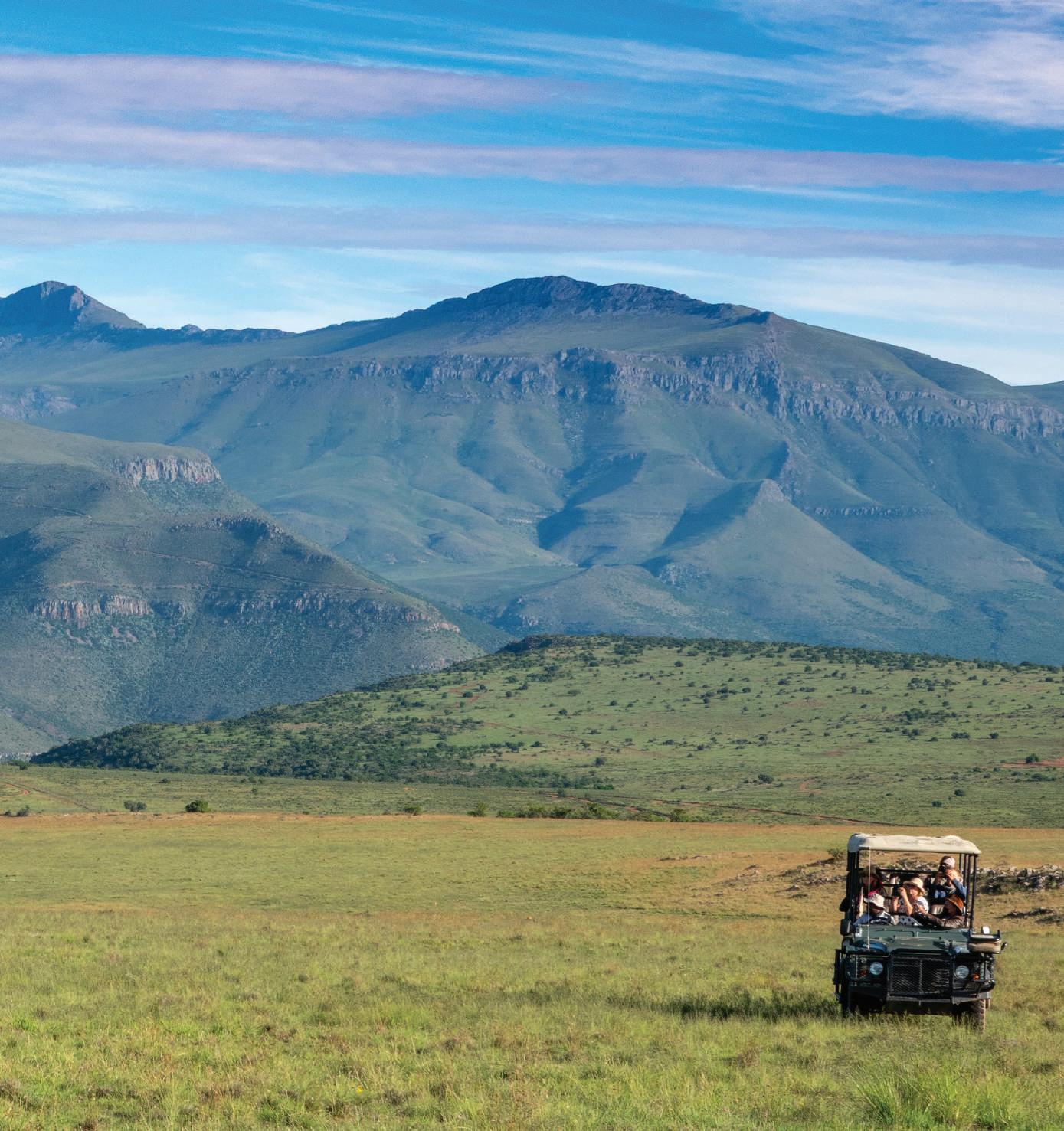
For the past three decades, Samara Karoo Reserve has been slowly reviving a lost wilderness in the Great Karoo. Now, there’s a new way for guests to immerse themselves in this evolving landscape.
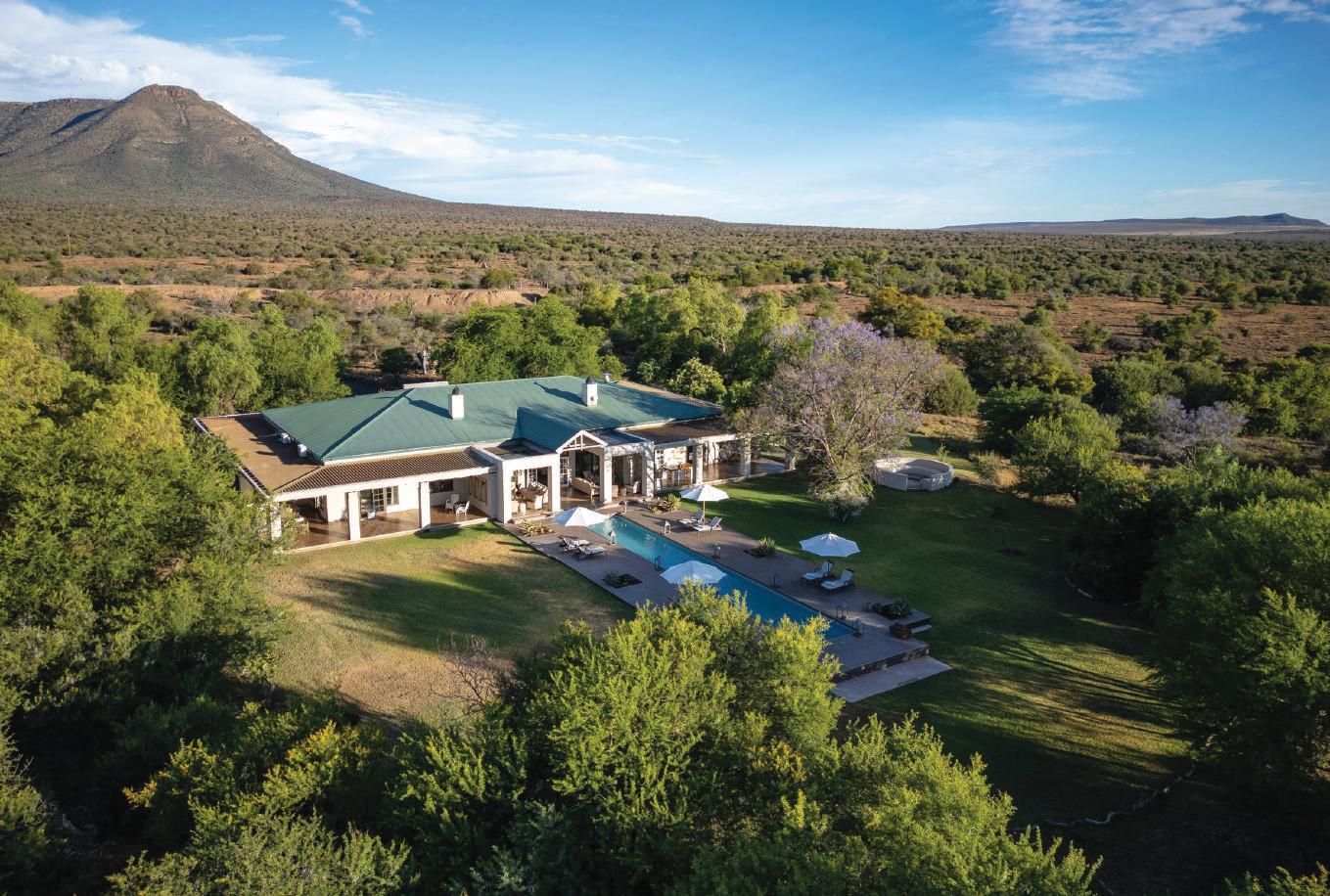
IN THE GREAT KAROO, silence feels prehistoric. Expansive, it quickens the senses. The crunch of gravel underfoot. The smell of karoobos in the midday sun. The movement of wind across plains so vast they seem to stretch back in time.
And then, suddenly, in a landscape synonymous with sheep, long road trips and lonely petrol stations: wildlife. A herd of elephant, a tower of 30 giraffe demonstrating their official collective noun, the flash of a single cheetah at full speed.
This sense of the unexpected is part of Samara Karoo Reserve’s unique appeal. Located outside Graaff-Reinet in the Eastern Cape and a three-hour drive from Gqeberha, the 67 000-acre reserve subverts ‘safari in South Africa’ search results.
For one thing, it’s located in the Great Karoo – not a region many would associate with the Big Five. And yet, until the late 1800s, this was where one of the largest wildlife events on earth took place: the springbok migration. Apex predators roamed here too, but hunting, fencing and livestock farming erased their presence.
Samara’s ambitious plan is to bring it back.
CLOCKWISE FROM TOP Newly refurbished,
The Manor offers an exclusive-use luxury safari experience for families and small groups; rhino once again roam the Great Karoo at Samara –part of a long-term vision to restore lost species to their ancestral range; brunch on the Samara Mara – a high-altitude grassy plateau with sweeping views across the reserve; The Manor offers a contemporary expression of Karoo luxury, with expansive shared living spaces.
Founded in 1997 by Sarah and Mark Tompkins, the reserve began with a single farm called Apieskloof in the Eastern Cape. Over time, the family acquired and then combined 11 farms into a vast conservation area, removing internal fencing and allowing exhausted farmland to recover.
There were no quick fixes. And while blockbuster conservation narratives typically cast megafauna in starring roles, Samara tells a far slower, more nuanced story. ‘The health of the reserve is not determined by the amount of elephants or lions,’ explains general manager Marnus Ochse. ‘It starts with the soil.’
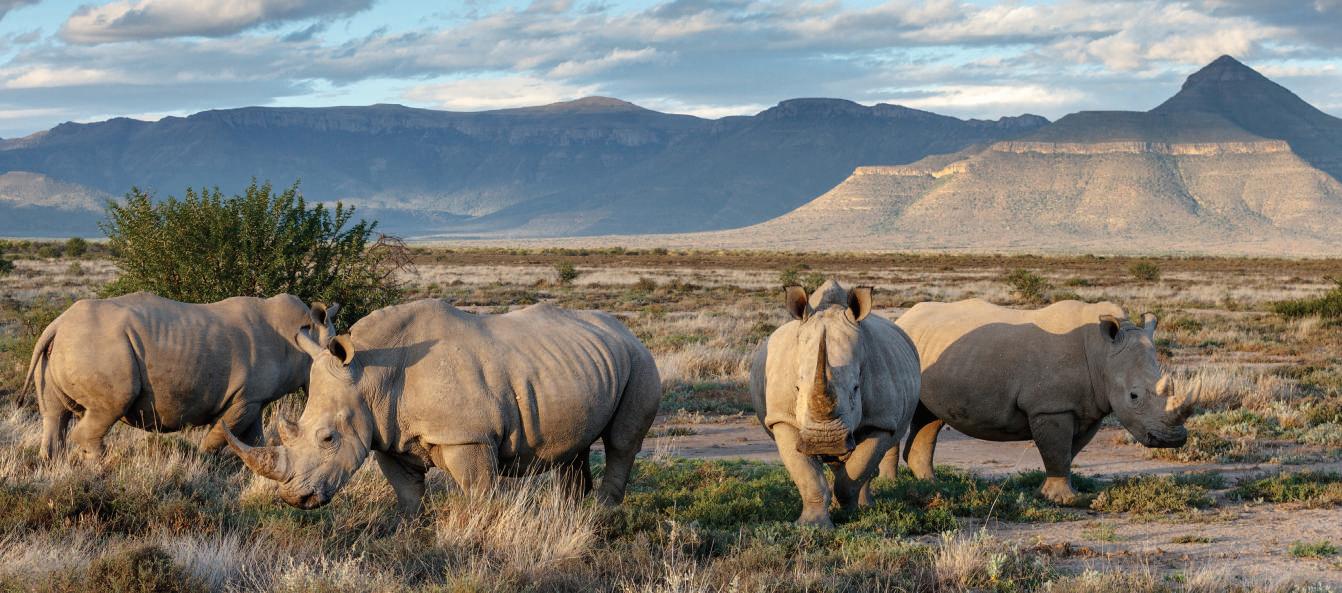
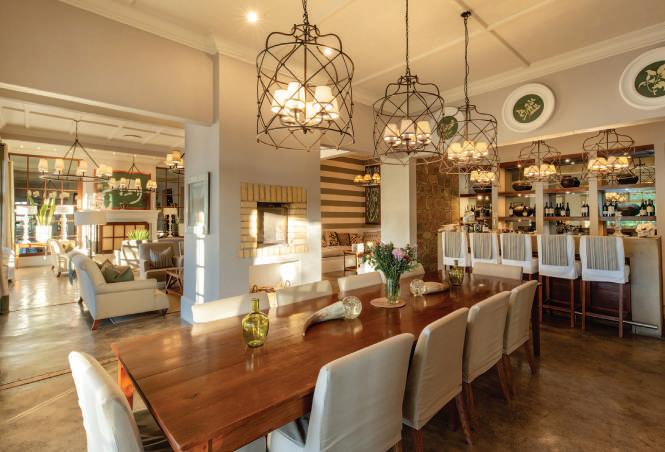
‘Predator reintroductions matter, not just because tourists want to see lions or elephants, but because those species belong here historically, and because they restore the ecological processes,’ he adds.
Roelof Wiesner, the reserve’s head guide, spends as much time pointing out small endemic flora, erosion control and watershed restoration as he does tracking lion on the game drives.
The reserve is striking, not only geographically, but biologically too. Samara sits at the convergence of five of South Africa’s nine biomes (grassland, savanna, thicket, forest and Nama-Karoo) creating remarkable biodiversity within a semiarid environment.
Over nearly three decades, species have gradually been reintroduced according to historical records and with scientific guidance. It began with cheetah – the first to return to the landscape in more than 130 years. Black rhino followed. Elephant were reintroduced in 2017, coming back to a region they had not inhabited in over a century.
The reserve has since become known for tracking cheetah on foot. Unlike vehicle-based sightings, this puts you in a direct,
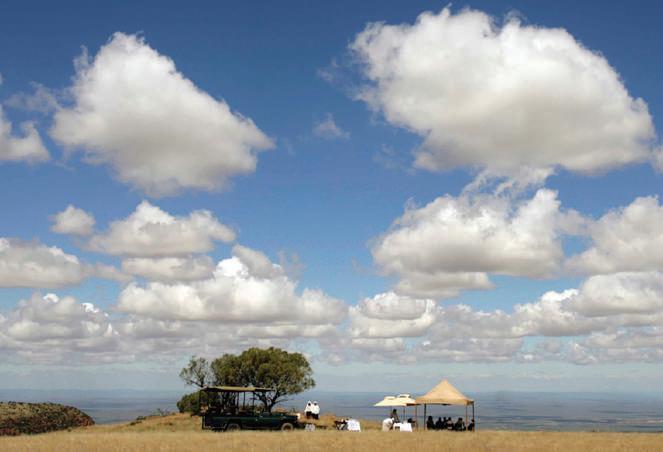
immediate relationship, both with the landscape and with the predators themselves.
On our walk, we stood just metres away from a tangle of young cubs, playing sleepily under a tree. Nonchalant, their mother rose and walked straight towards us, making eye contact for three interminable seconds before changing course to circumvent our group.
If Samara’s conservation philosophy rejects the excesses of mainstream safari culture, The Manor – the reserve’s newly refurbished exclusive-use villa – reflects a similarly thoughtful approach.
Originally opened in 2008 and recently reimagined, it offers a very different safari experience to Samara’s other lodges. While Karoo Lodge channels the warmth of a traditional Karoo farmstead, and the off-grid Plains Camp immerses guests in a more elemental tented wilderness experience, The Manor is a private retreat. The design leans into space and stillness. Deep verandas orientate towards the landscape. Outside, the pool overlooks a popular waterhole.
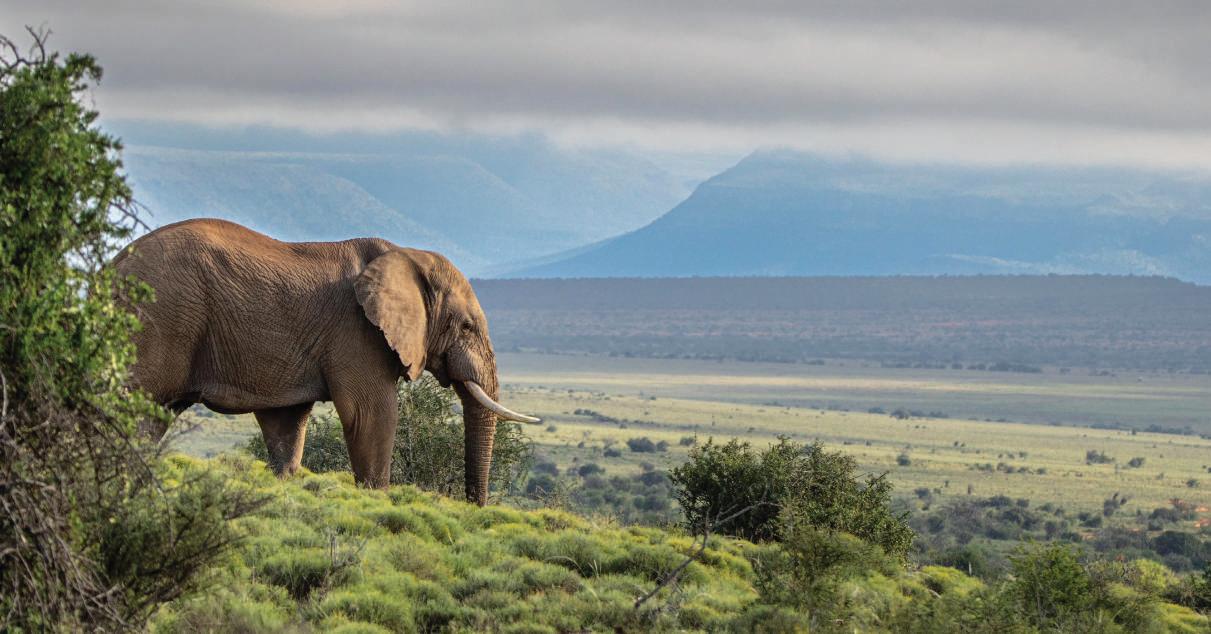
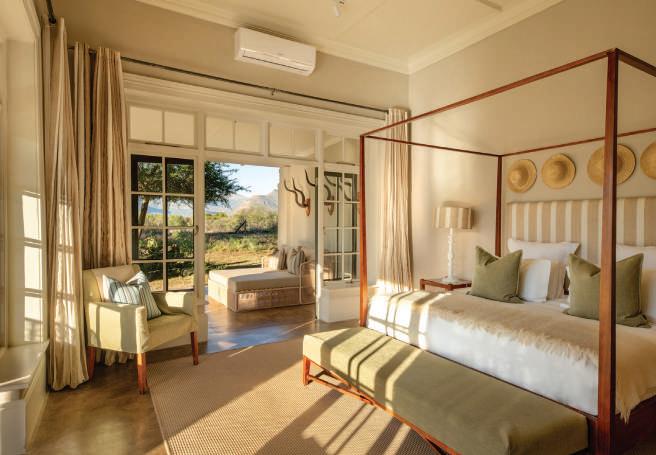
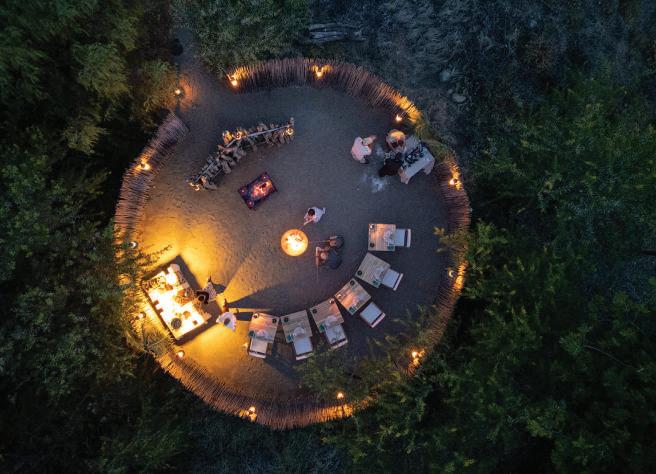
FROM TOP TO BOTTOM Reintroduced in 2017, elephant now roam the reserve, which spans five intersecting biomes; one of four luxury suites at The Manor, where contemporary interiors, expansive views and deep verandas create an immersive connection to the surrounding landscape; at lantern-lit dinners in a private bush boma, guests of The Manor experience the stillness, scale and star-filled skies of the Great Karoo at night.
What distinguishes The Manor is not simply exclusivity, but flexibility. Guests have their own guide, tracker, chef and private safari vehicle. Sundowners can stretch past sunset into lanternlit bush dinners under the immense Karoo sky, while brunch might be served on the Samara Mara – a high-altitude grassy plateau with sweeping views across the reserve.
Families can shape their days to suit their needs, while conservation-minded travellers can spend time engaging with Samara’s restoration work.
All guests, however, have the chance to play a role. Each visitor is invited to plant a spekboom – an indigenous succulent that sequesters carbon and plays an important role in soil restoration and erosion control. To plant one, you must dig down into the hard Karoo earth, kneel to cover the spindly roots, and then place the branch of a thorn tree alongside to protect the young plant from hungry herbivores. It feels fitting: a small act in a much larger timeline.
Perhaps this is what makes Samara feel so distinct. The reserve does not present wilderness as something finished or pristine, but as something being actively, methodically rebuilt.
Its ambitions remain enormous. The long-term vision is to help establish a three-million-acre protected conservation corridor linking Camdeboo, Mountain Zebra and Addo Elephant national parks. If realised, it would reconnect fragmented ecosystems, restore ancient migration routes and create one of South Africa’s most significant conservation landscapes.
It’s a project on a generational scale – a reminder that meaningful conservation cannot be rushed; that landscapes can heal, given enough time; and that the greatest luxury of all may be the chance to witness a wilderness becoming whole again. samara.co.za
Modern luxury skincare is discarding the hollow pursuit of perfection in favour of personal evolution.
LUXURY IS NO LONGER defined by the weight of accumulation or the noise of excess. Instead, it’s found in the quietude of intentionality, transformation and self-awareness. This cultural pivot is subtly dismantling decades of skincare conventions – moving from the clinical language of ‘correction’ and ‘fixing’ towards an approach that embraces the emotional richness of a life well lived. This philosophy is the heartbeat of FutureMe™, a luxury skincare house founded by visionary entrepreneur Supriya Mody. Born into the legacy of a preeminent Indian pharmaceutical family, Mody’s foundation is built on rigorous scientific innovation and advanced formulation expertise. Yet, FutureMe was never intended to be a mere addition to the vanity. It was conceived as a highsensory experience rooted in evolution, designed for those who view skincare not as an obligation, but as a sacred ritual. ‘In every venture, my philosophy has been simple: dream limitless,’ she says. ‘Without dreaming, we place boundaries on our aspirations.’
The concept of the Woman of the World is also key to FutureMe’s strategy. This is someone who moves through life with instinctive intention and a refusal to be defined by convention. Her life is a tapestry of changing climates, long-haul travel and the kinetic energy of urban living. Because her reality is constantly shifting, her skincare must possess the intelligence to evolve. FutureMe identifies this as ‘Global Skincare Intelligence’, a philosophy that recognises the skin as a dynamic, adaptive organ. Rather than advocating for cumbersome, multi-step routines, the brand champions fewer, more sophisticated formulations. True luxury, after all, is not found in excess, but in the freedom of possibility.
At the core of this innovation lies FutureBlend™, a proprietary formula engineered to optimise ingredient bioavailability and efficacy. However, the brand’s scientific pursuit extends into the avant-garde with its pioneering BeautyFrequency™ technology. This transformative sound therapy process is integrated during production, utilising meticulously calibrated frequency to amplify ingredient absorption. By fusing potent, globally sourced botanical extracts with cutting-edge scientific actives, FutureMe delivers high-performance results wrapped in an indulgent, sensory experience.
FutureMe’s debut collection, Arayani™, named after the Indian goddess, is symbolic of the untamed and pristine aspect of nature. The Arayani formulations are intentionally designed to support
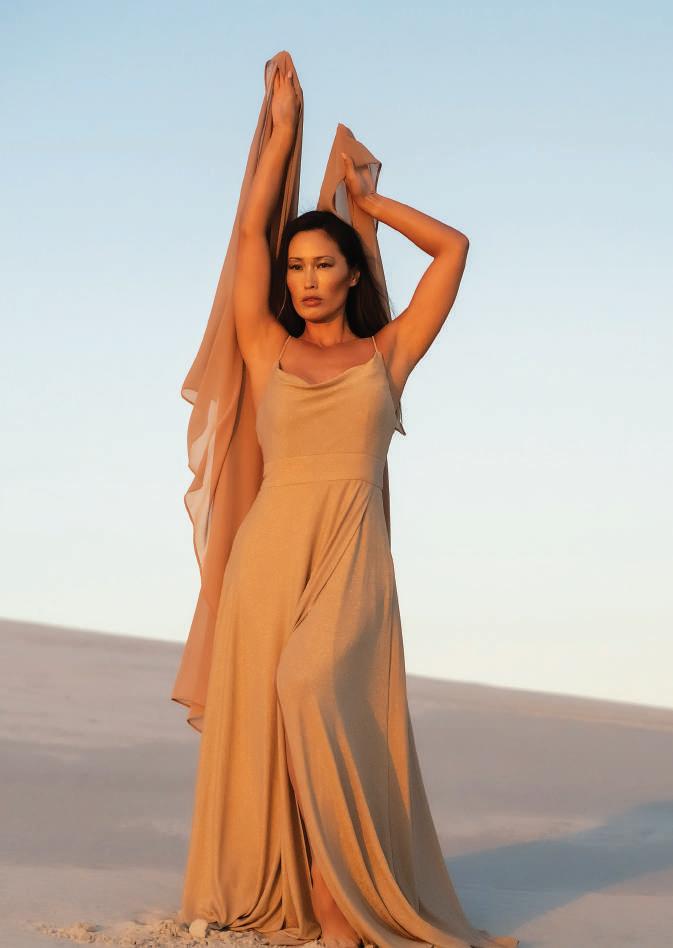
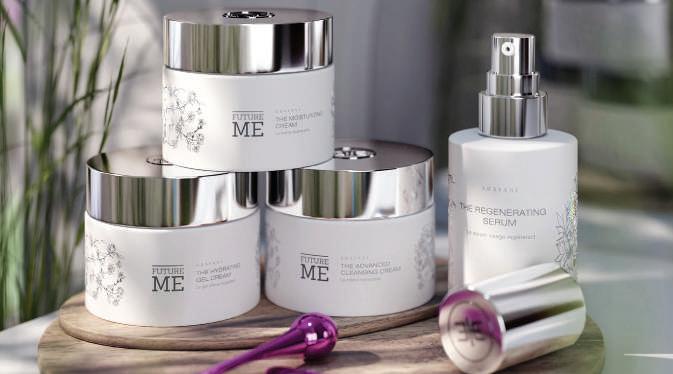
the skin across varying lifestyle conditions and climates. The collection reflects the realities of modern global living without compromising on the indulgence expected from the pinnacle of beauty.
The future of skincare is no longer a race toward perfection; it’s about becoming more connected, more intentional and more expansive. Perhaps the luxury of becoming is the most exquisite indulgence of all.
Discover the FutureMe Arayani collection at futuremeworld.com
At Pambele Beach House, set within the Vilanculos Coastal Wildlife Sanctuary on Mozambique’s San Sebastian Peninsula, luxury is shaped by tide, and tranquillity; where the Indian Ocean’s beauty reveals what conservation and community hold in balance.
WORDS RYAN ENSLIN
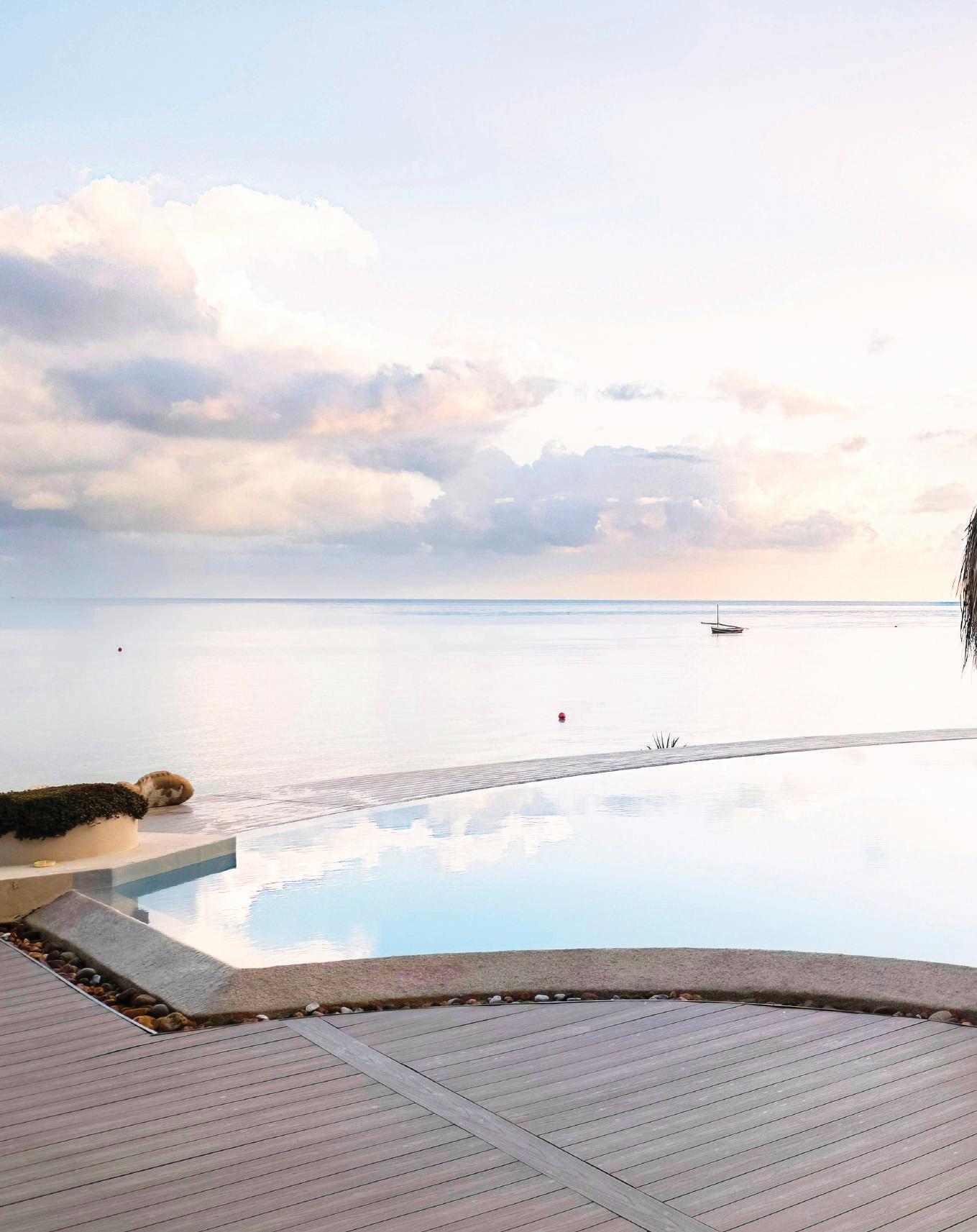
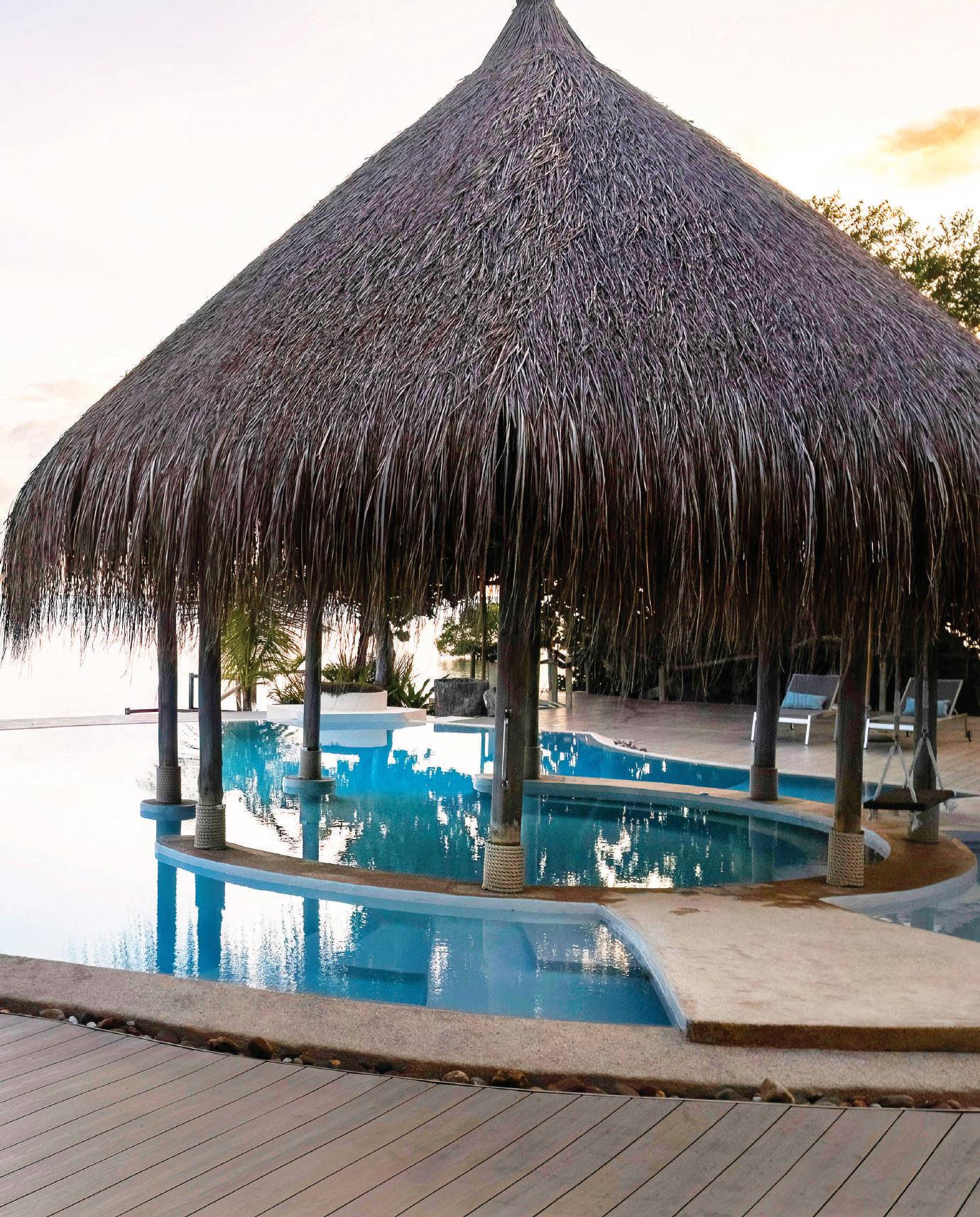
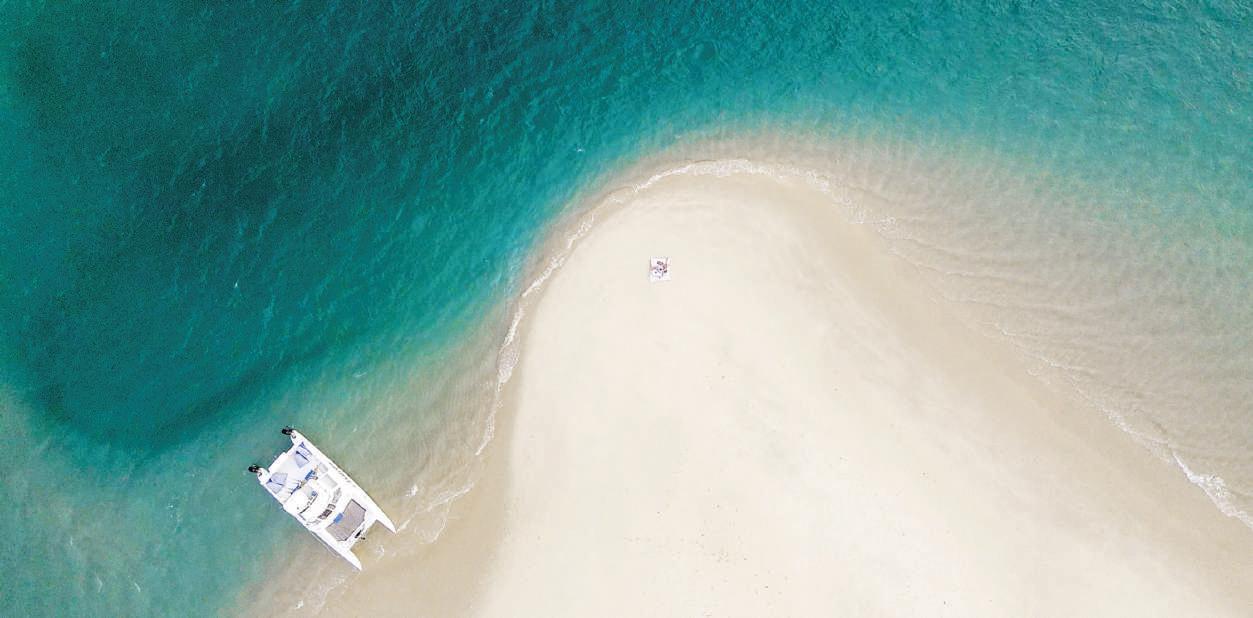
THE TIDE WAS OUT when lunch was served beneath Pambele’s pool gazebo. Crab tucked into its shell with a prickle of heat, chicken elevated by salsa verde, cauliflower sweetened with dates and pine nuts, and warm beer-and-onion bread. Not to mention fruit so bright it seemed to have borrowed colour from the afternoon.
Beyond the table, the Indian Ocean had drawn back, revealing something of her inner life; sandbars, channels and wet seams of light usually kept beneath the sea’s blue veil. In the distance dhows travelled through the afternoon with ancient ease.
At Pambele Beach House, the tide is not scenery alone. It decides movement. At low tide, you walk to the catamaran. At high tide, perhaps after reef snorkelling, the catamaran brings you to your suite. But that afternoon, with nowhere else to be, I could stay with it. I watched water return to the channels, allowing dhows to travel with it.
Something in me surrendered.
Not because the world had receded, but because I had become quiet enough to meet what was in front of me. Thought loosened from its usual urgency. It came slowly, with the water.
Pambele, an exclusive-use property accommodating up to 10 guests, is described as a beach house, and the phrase has its barefoot truth. Yet the property is more considered than the description suggests. Four suites allow for retreat, while the communal spaces gather life around food, conversation, water and view. It sits between curated private lodge and family home, elevated by the sea.
Part of Pambele’s generosity is revealed by the space it offers to choose one’s own rhythm. My suite gave sufficient private comfort for an afternoon spent quietly alone, but never far from the sea. When I wanted the shared life of the villa, the summer lounge held me with a book; the pool gazebo became a place for
pre-dinner drinks with Conrad and Zoë Dednam, the couple who manage life at Pambele with the ease of those who’ve lived here for 17 years, and understand its tides and quiet shifts of mood.
The villa does not compete with nature. It lets nature do the deeper work. Salt air moves through open spaces. The ocean sounds louder at night. Meals draw from local waters. Even the bar, made from an old dhow, brings the sea indoors.
On a Thursday afternoon, we crossed by catamaran to Paluma Sandbank for sundowners. Accessible only by boat, and with no one else there, the world narrowed to its gentlest elements. Sand underfoot, water gathering at the edges, sun lowering towards the horizon. I became aware again of the tide, not as scenery, but as a force deciding the shape of the evening.
Conrad watched the tide closely, knowing the sea would tell us when to leave. Around my feet, the sand began to cool. The water at the edge darkened from pale turquoise to silver-blue, inching closer as the catamaran shifted lightly at anchor. No one hurried. For a few minutes, the whole scene seemed to rest on the smallest things. A sandbank, a tide, a setting sun. Nothing more was needed.
The next morning, Pambele widened beyond blue. We climbed into an off-road vehicle and drove inland through the Sanctuary, into coastal bush, pans and birdlife.
The ocean fell away, then returned from higher ground as a shimmering presence beyond the trees.
After the bush drive, we stopped for coffee at Muco Pan. Vegetation pressed close. The stillness felt denser here, less tidal, more rooted. It was clear Pambele was not simply a villa beside protected water. It sat within a living system of reef, seagrass, pans, woodland, birds, fish, community and tides.
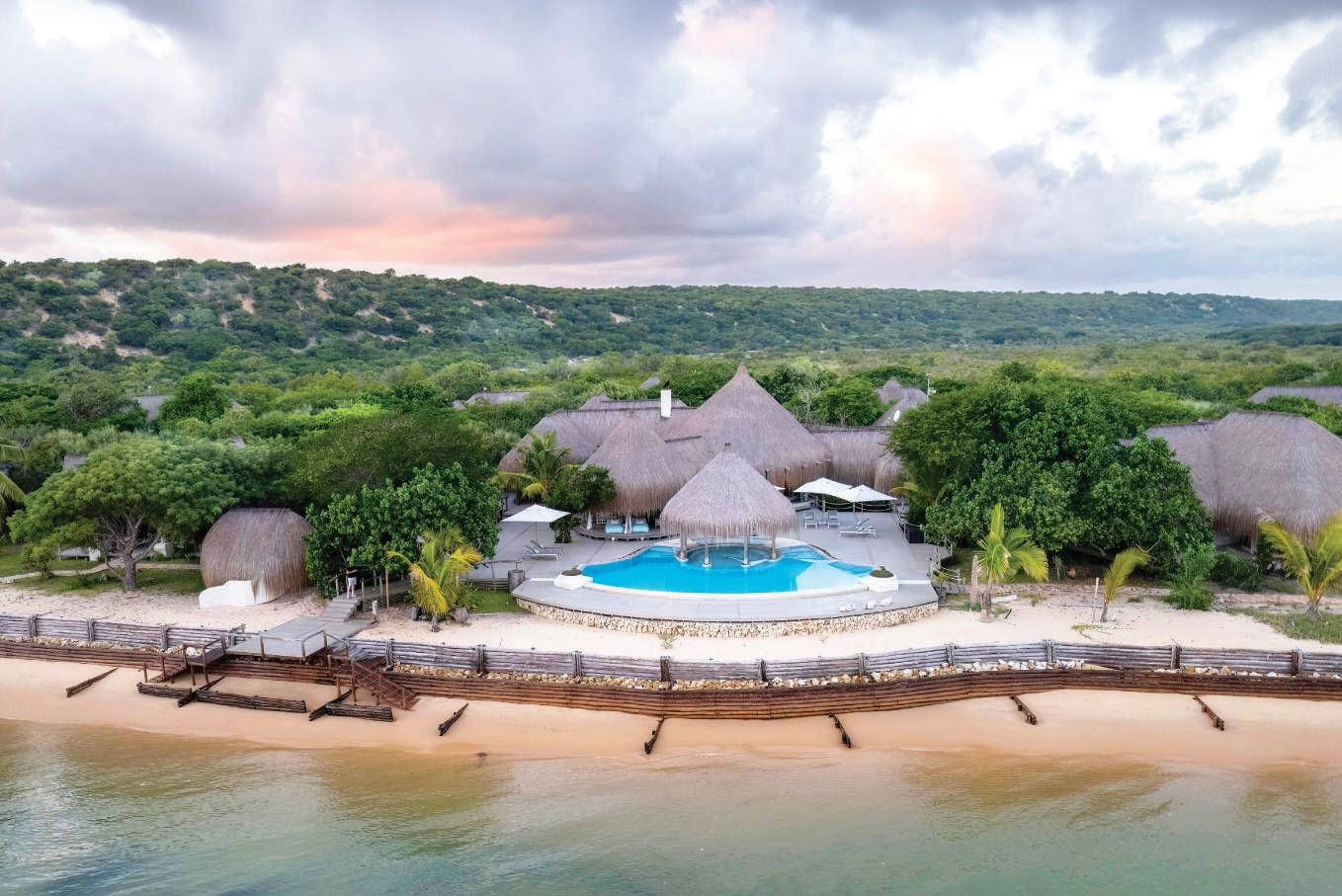
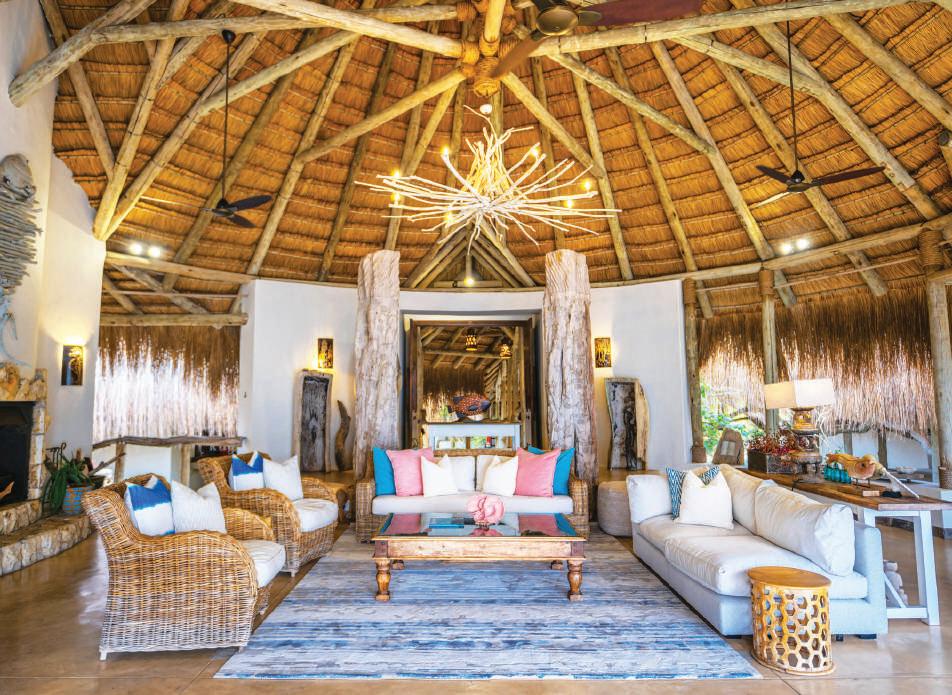
OPPOSITE Paluma Sandbank appears like a private island, with turquoise water gathering around its pale, shifting edges.
ABOVE Pambele rests between coastal forest and tide, its thatched roofs opening softly towards protected water and changing skies.
LEFT In the summer lounge, warm thatch and carved timber soften the coastal light, lending the room a quiet, lived-in soul.
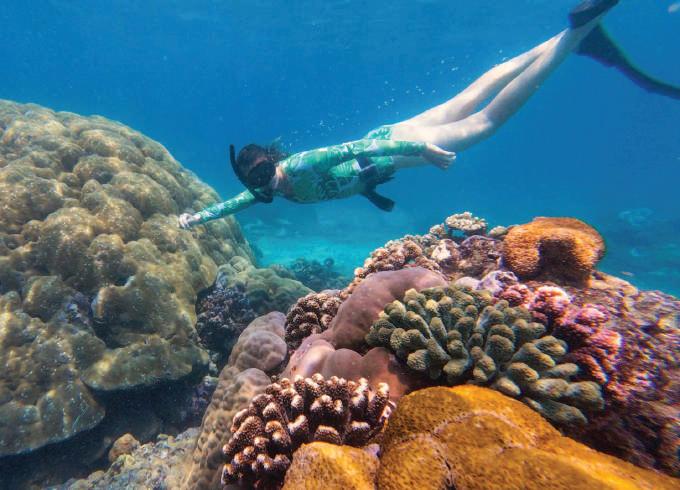
By the time I returned from Muco Pan, the beauty no longer felt effortless. I wanted to know what kept it in balance.
The Sanctuary’s care rests on more than goodwill. It has taken more than two decades of investment, commitment and belief to hold this coastline in its present form, with homeowner levies carrying the daily work and donors supporting specific conservation projects. Pambele’s owners, Maggie and Stephen Lansdown CBE, have also supported seahorse research linked to seagrass protection, after former poachers near Vilanculos were guided into seahorse tourism. Men who once knew where to find these small, fragile creatures now have reason to keep them there.
But conservation cannot belong only to the owners or those who visit. On a Friday afternoon, I went to Marape to spend time with Carlos Luzenda Zivane and Amadeus Alberto Vilanculos, wanting to hear more about how the Sanctuary is understood by people whose lives move with, depend on, and help shape the same coast.
Carlos spoke with the honesty of someone who has watched attitudes change. At first, he said, protected fishing areas were not easily accepted. The sea was livelihood, not scenery. With time, people began to see fish return, grow larger, and move beyond protected waters. He spoke of community fishing councils, solar power, freezers, ice machines and a small hub now part of the rhythm of fishing here. Later, he led me there himself, past boats and the working evidence of the shore. Here, the day’s catch can be held before market. Pride sat quietly in the gesture. Amadeus (23) stayed with me for another reason. He spoke of involvement as opportunity, a chance to learn, to grow, to understand how his community might carry its own projects forward. His youth mattered. For him, the Sanctuary’s future feels less like policy than inheritance, dependent not only on fish stocks or seagrass, but on whether young people can see purpose in conservation.
On my last morning, the catamaran carried me back towards Vilanculos. For 40 minutes, Pambele receded into the Sanctuary’s green margin while the water opened ahead.
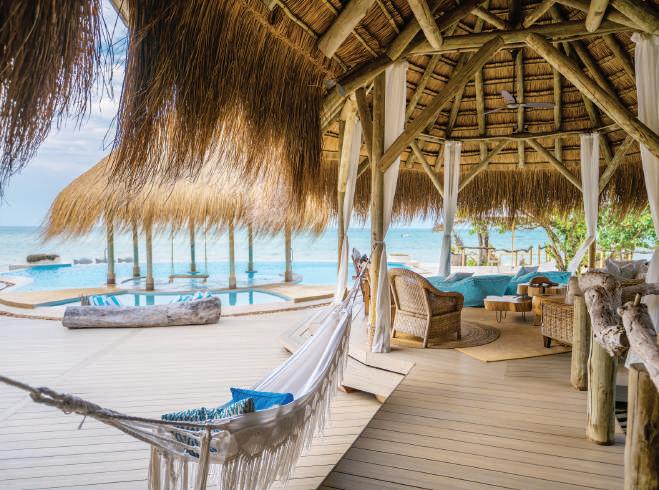
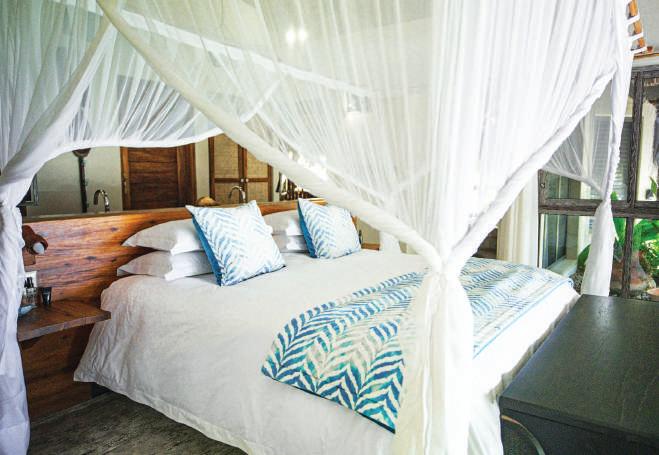
CLOCKWISE FROM TOP LEFT Reef snorkelling reveals the living colour beneath the Indian Ocean, where coral gardens make the protected seascape feel newly intimate; from the open deck, Pambele’s thatched spaces blur into pool, sea and sky, inviting unhurried hours beside the Indian Ocean; each bedroom draws its calm from the coast beyond, with natural textures keeping comfort close to the sea and shore outside.
Pambele had shown me that nature does not need embellishment, but it does need protection. The beauty I had moved through was not untouched by human choice. It depended on restraint, trust and people willing to leave space for life to thrive. Luxury need not always arrive through addition. Sometimes it works like a tide drawing back, revealing what was there all along. The rare arrangement of place and time that lets us slowly recognise, if only for a moment, that nothing more is needed.
Access is reassuringly simple. A 90-minute flight from Johannesburg to Vilanculos, then a catamaran transfer across the water to Pambele.
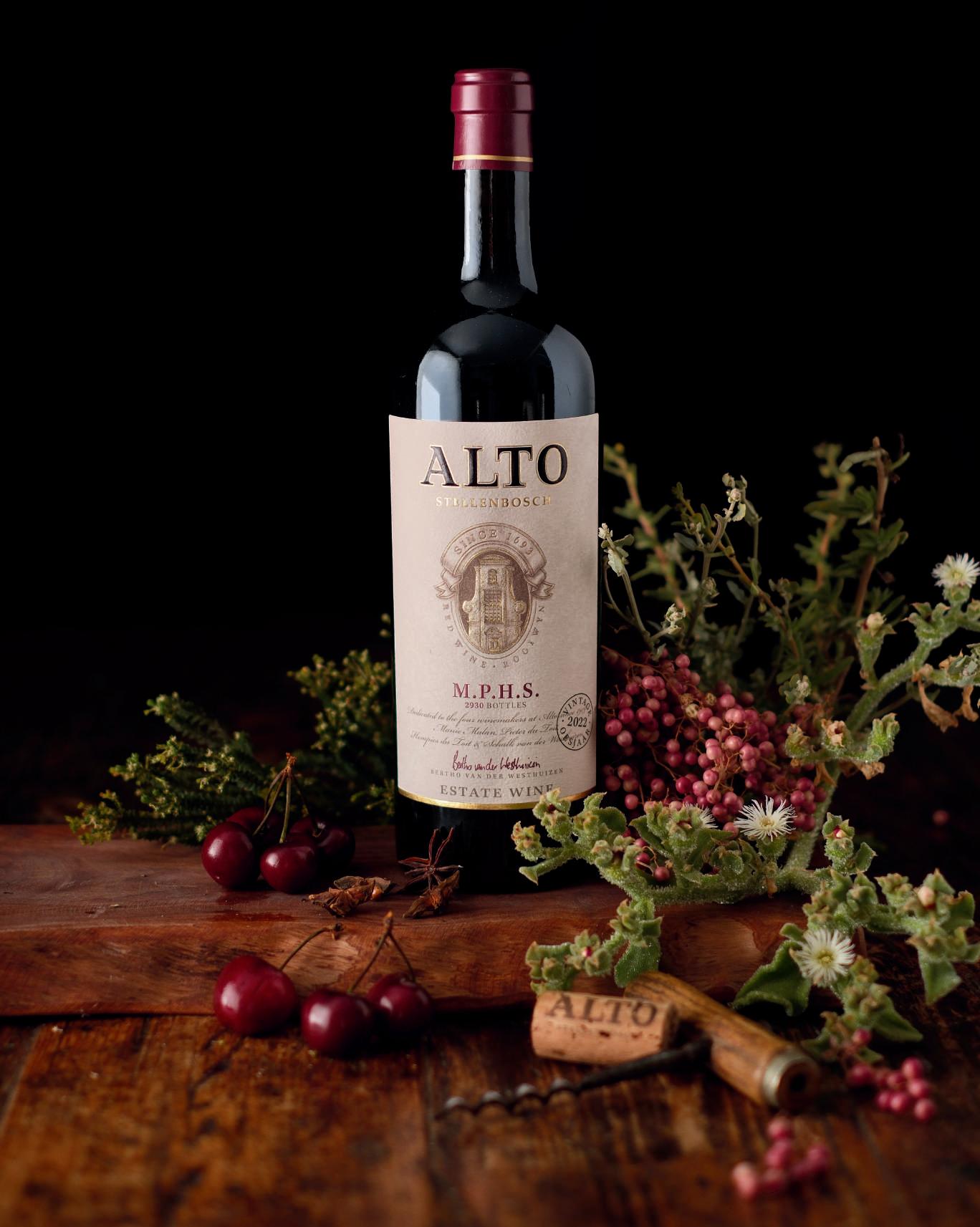
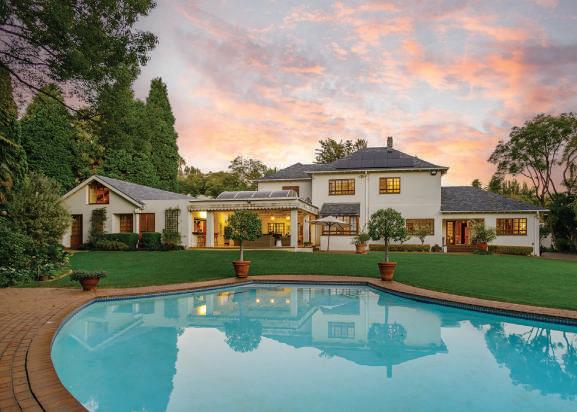
Asking: R20 million | 4 Bedrooms | 3.5 Bathrooms | 4 Garages
Asking: R20 million | 4 Bedrooms | 3.5 Bathrooms | 4 Garages
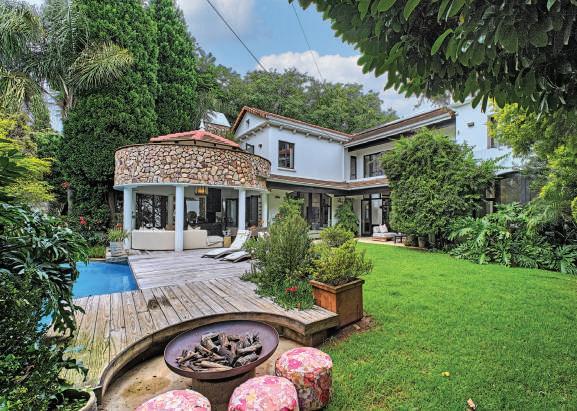
Asking: R12.5 million | 4 Bedrooms | 4 Bathrooms | 3 Garages
Asking: R12.5 million | 4 Bedrooms | 4 Bathrooms | 3 Garages
Set on 4,040sqm of beautifully landscaped gardens in sought-after Saxonwold, this exceptional residence is designed for luxurious family living and effortless entertaining. Elegant reception areas flow to a covered patio overlooking a heated pool, tennis court and mature gardens. Four spacious bedrooms, a guest cottage, games room and pub create a lifestyle of comfort and distinction. Complete with solar power, borehole water, five garages and excellent security, this is a rare offering of space and sophistication. Elsabe Burnett: 082 414 6655; Office: 011 886 8070; Web Ref: 6538508.
Set on 4,040sqm of beautifully landscaped gardens in sought-after Saxonwold, this exceptional residence is designed for luxurious family living and effortless entertaining. Elegant reception areas flow to a covered patio overlooking a heated pool, tennis court and mature gardens. Four spacious bedrooms, a guest cottage, games room and pub create a lifestyle of comfort and distinction. Complete with solar power, borehole water, five garages and excellent security, this is a rare offering of space and sophistication. Elsabe Burnett: 082 414 6655; Office: 011 886 8070; Web Ref: 6538508.
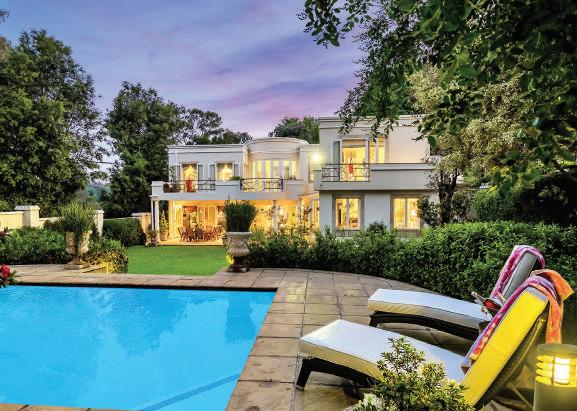
Asking: R12.450 million | 5 Bedrooms | 4 Bathrooms | 2 Garages
Asking: R12.450 million | 5 Bedrooms | 4 Bathrooms | 2 Garages
Nestled in the heart of prestigious Melrose, this elegant family residence offers a seamless blend of timeless charm and contemporary comfort. Generous living spaces flow effortlessly to beautifully established gardens and inviting entertainment areas, creating a home designed for both relaxed family living and stylish hosting. Spacious accommodation, refined finishes and a prime location complete this exceptional offering, delivering a lifestyle of convenience, sophistication and enduring appeal. Di: 082 960 5353; Debbie: 083 326 7739; Office: 011 886 8070; Web Ref: 7296788.
Nestled in the heart of prestigious Melrose, this elegant family residence offers a seamless blend of timeless charm and contemporary comfort. Generous living spaces flow effortlessly to beautifully established gardens and inviting entertainment areas, creating a home designed for both relaxed family living and stylish hosting. Spacious accommodation, refined finishes and a prime location complete this exceptional offering, delivering a lifestyle of convenience, sophistication and enduring appeal. Di: 082 960 5353; Debbie: 083 326 7739; Office: 011 886 8070; Web Ref: 7296788.
On sought-after 5th Street Houghton Estate, a contemporary residence that blends architectural elegance with effortless luxury. Expansive light-filled interiors flow to beautifully landscaped gardens, creating an atmosphere of privacy and sophistication. Designed for both refined entertaining and comfortable family living, the home offers generous accommodation, premium finishes and outstanding attention to detail. A rare opportunity to secure a distinguished home. Sabina: 083 254 6981; Kobus: 083 632 2626; Office: 011 886 8070; Web Ref: SIR124711.
On sought-after 5th Street Houghton Estate, a contemporary residence that blends architectural elegance with effortless luxury. Expansive light-filled interiors flow to beautifully landscaped gardens, creating an atmosphere of privacy and sophistication. Designed for both refined entertaining and comfortable family living, the home offers generous accommodation, premium finishes and outstanding attention to detail. A rare opportunity to secure a distinguished home. Sabina: 083 254 6981; Kobus: 083 632 2626; Office: 011 886 8070; Web Ref: SIR124711.
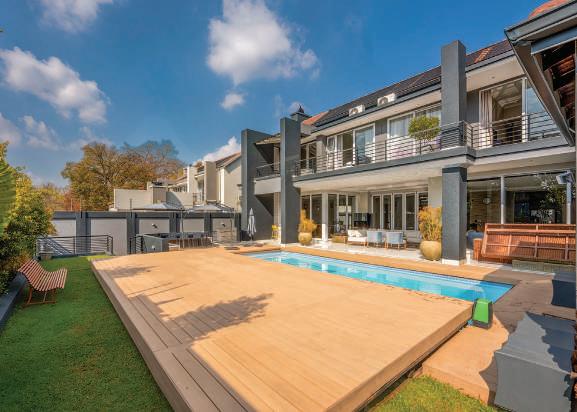
Asking: R7.5 million | 4 Bedrooms | 4.5 Bathrooms | 3 Garages
Asking: R7.5 million | 4 Bedrooms | 4.5 Bathrooms | 3 Garages
Set within prestigious Senderwood, this exceptional residence combines contemporary elegance with effortless family living. Expansive interiors, luxurious en-suite bedrooms and sophisticated entertainment spaces flow seamlessly to beautifully landscaped outdoor areas. Designed with comfort, privacy and style in mind, every detail reflects quality craftsmanship and modern convenience. A rare offering in one of Bedfordview’s most sought-after addresses, this remarkable home delivers a lifestyle of distinction, security and refined luxury. Charlene: 082 448 0440; Jodi: 072 110 0276; Office:011 886 8070; Web Ref: SIR124897.
Set within prestigious Senderwood, this exceptional residence combines contemporary elegance with effortless family living. Expansive interiors, luxurious en-suite bedrooms and sophisticated entertainment spaces flow seamlessly to beautifully landscaped outdoor areas. Designed with comfort, privacy and style in mind, every detail reflects quality craftsmanship and modern convenience. A rare offering in one of Bedfordview’s most sought-after addresses, this remarkable home delivers a lifestyle of distinction, security and refined luxury. Charlene: 082 448 0440; Jodi: 072 110 0276; Office:011 886 8070; Web Ref: SIR124897.
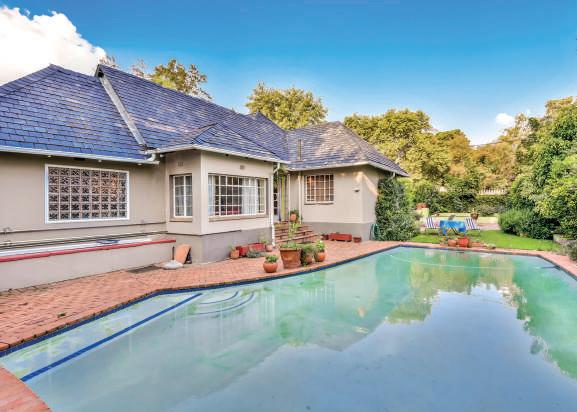
Asking: R4.295 million | 3 Bedrooms | 2 Bathrooms | 2 Garages
Perfectly positioned in the heart of Parktown North, this exceptional residence offers a seamless blend of contemporary elegance and relaxed family living. Light-filled interiors, generous accommodation and sophisticated entertainment spaces flow effortlessly to beautifully landscaped gardens. Designed for comfort, privacy and effortless entertaining, the home combines premium finishes with timeless appeal. A rare opportunity to secure a distinguished lifestyle in one of Johannesburg’s most sought-after neighbourhoods. Darrell Wright: 072 227 0992; Office: 011 886 8070; Web Ref: SIR124378.
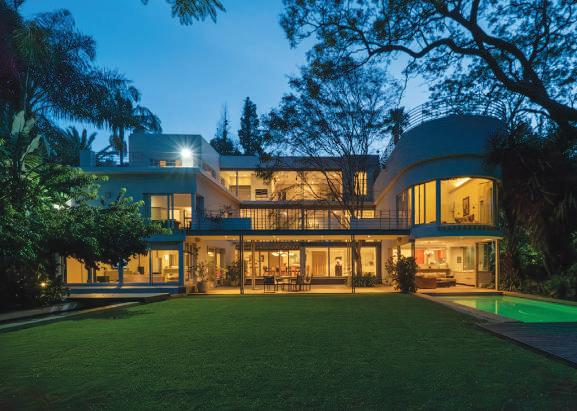
Asking: R11 million | 4 Bedrooms | 4.5 Bathrooms | 3 Garages | Pool
Iconic contemporary living in a prestigious Northcliff avenue. Renovated by renowned architect Sarah Calburn, this distinguished residence blends modern elegance with subtle Art Deco influences. Expansive glazing and lightfilled interiors create seamless flow to substantial landscaped gardens. The luxurious primary suite offers impressive scale whilst multiple entertainment areas and a modern designer kitchen offer effortless hosting. A rare home delivering architectural prestige, privacy, security, and lasting value in one of Northcliff’s most sought-after addresses. Melinda Odendaal: 083 399 4113; Louw Stuart: 082 464 7914; Office: 011 476 8303; Web Ref: 7365420.
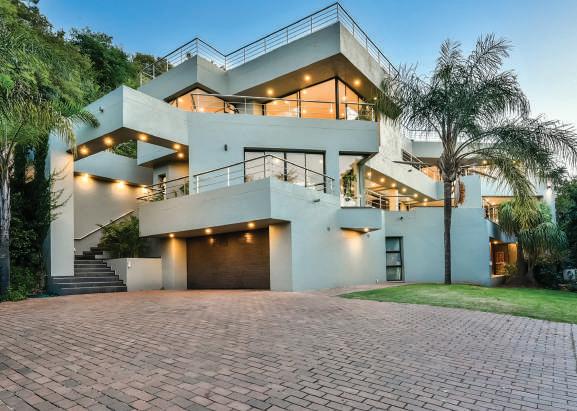
Asking: R10.950 million | 4 Bedrooms | 4.5 Bathrooms | 2 Garages | Pool
Modern masterpiece with panoramic Northcliff views in a secure gated enclave. This exceptional contemporary home blends space, architectural design and sophistication. Expansive open-plan living flows to elegant entertainment terraces and a feature pool. The designer kitchen with statement island and gas cooker connects seamlessly to indoor and outdoor dining. A wine cellar with tasting area, rooftop terrace with fire pit, multiple reception rooms and premium finishes complete a home designed for refined living and effortless entertaining. Melinda Odendaal: 083 399 4113; Louw Stuart: 082 464 7914; Office: 011 476 8303; Web Ref: 7409696.
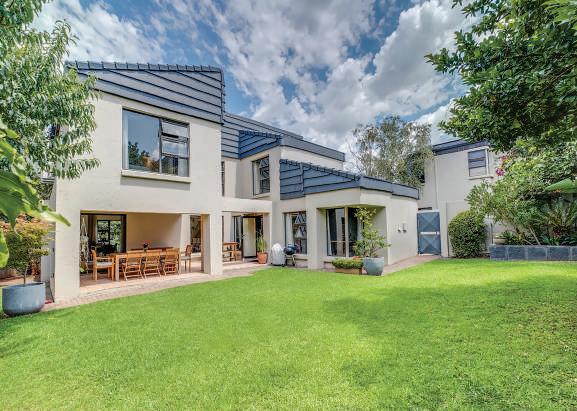
Asking: R3.2 million | 3 Bedrooms | 2.5 Bathrooms | 2 Garages
Tranquil freestanding cluster in an exclusive full-title complex of just 12 homes, offering privacy, space and direct access to a beautifully maintained park. Light-filled open-plan living areas flow to a covered braai patio and peaceful garden. The stylish Smeg kitchen includes a separate scullery and laundry. Three spacious bedrooms, including a luxurious main suite with walk-in cupboard and en-suite bathroom, plus staff accommodation. CCTV throughout the complex provides added peace of mind. Secure, serene and perfectly positioned. Ria de Wet; Gail Broderick; Office: 011 476 8303; Web Ref: 7407593.
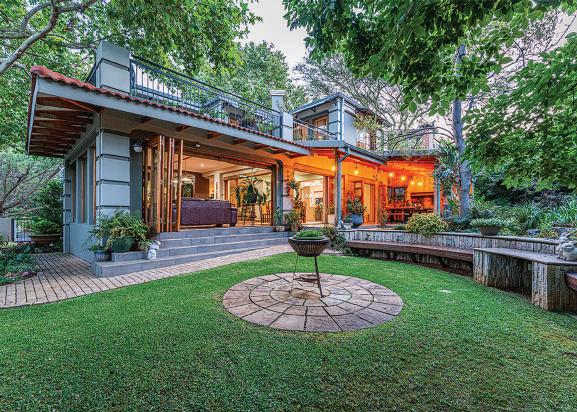
Asking: R4.999 million | 3 Bedrooms | 2.5 Bathrooms | 3 Garages
Immaculate Corner Stand on the Greenbelt in Featherbrooke Estate. This beautifully maintained home offers 3 spacious bedrooms, 2.5 newly renovated bathrooms, modern kitchen, 2 lounges, dining room, study/entertainment room with bar, and a jacuzzi room. Enjoy mountain views from expansive patios, a lush garden with abundant birdlife, built-in braai, boma, borehole, irrigation, water tank, workshop, and 3 garages. Positioned on a prime greenbelt stand, this exceptional property offers luxury, comfort, and an exclusive lifestyle in one of Gauteng’s most sought-after estates. Bianca Parsons: 083 645 6590; Charmaine von Gordon: 079 882 3360; Office: 010 900 3450; Web Ref: SIR118105.
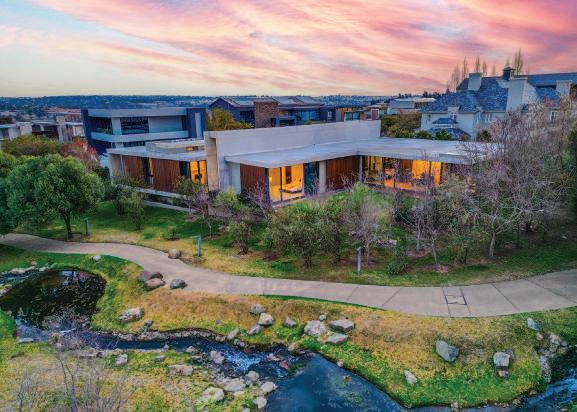
Asking: R26.5 million | 4 Bedrooms | 4.5 Bathrooms | 5 Garages
Residence BMY in Steyn City is an award-winning 700m² concrete home by Gottsmann Architects, built by Bartosch Construction. Recognised by leading architecture institutes and featured in House & Leisure, the single-storey home centres around a light-filled gallery with four en-suite bedrooms, open-plan living spaces, a gourmet kitchen, and home office. Set on a 1,279m² cul-de-sac stand, it offers refined indoor-outdoor living, backup systems, and integrated security. Yaqshaan Sukdev: 068 333 3984; Office: 010 823 2205; Web Ref: SIR124644.
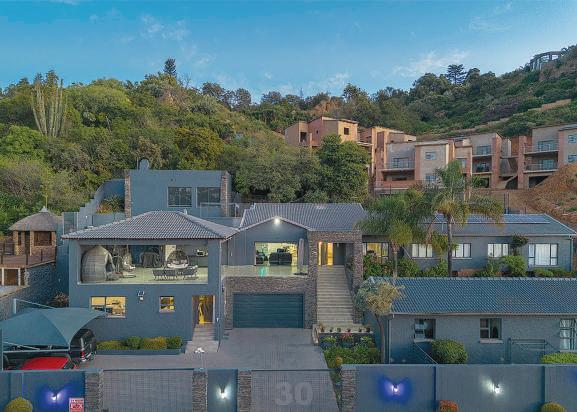
Asking: R5.999.999 million | 9 Bedrooms | 6 Bathrooms | 2 Garages
Elevated Ultra-Modern Living with Two Self-Contained Flatlets. Perched in an elevated position in Glenvista, this property offers 9 bedrooms, 6 bathrooms across three separate dwellings. The ultra-modern main home features spacious open-plan living areas, cinema room, designer kitchen, and a luxurious main suite. Glass stack doors open to a covered entertainment terrace with panoramic views and pool. Two self-contained flatlets provide excellent accommodation or income potential. Additional features include solar power, borehole with backup tanks, staff quarters and automated garage. Joshua Barker: 071 208 1288; Office: 010 900 3450; Web Ref: SIR124557.
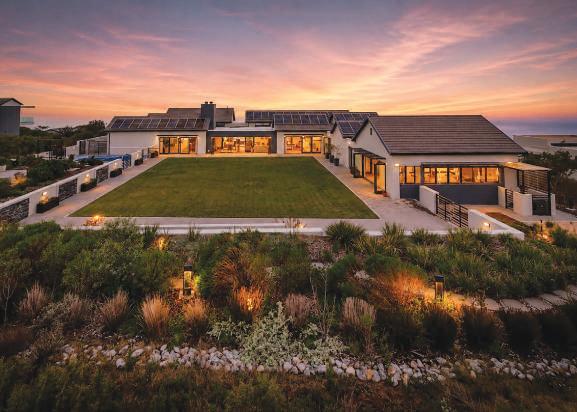
Asking: R28.499 million | 5 Bedrooms | 6.5 Bathrooms | 4 Garages
Set within the prestigious “The Brink Eco Estate”, this exceptional residence provides absolute privacy, uncompromising security, and sweeping ocean views. Designed for sophisticated family living and effortless entertaining, this contemporary home features an indoor heated pool, gym, pickleball court, home office, multiple entertainment lounges, and a designer kitchen. Luxurious bedroom suites, guest accommodation, expansive sea-facing terraces, and premium finishes are complemented by sustainable amenities, including solar power and water storage. A remarkable coastal sanctuary, where luxury, wellness, and lifestyle converge. Beatrix de Waal: 072 394 8822; Office: 044 873 2519; Web Ref: SIR124918.
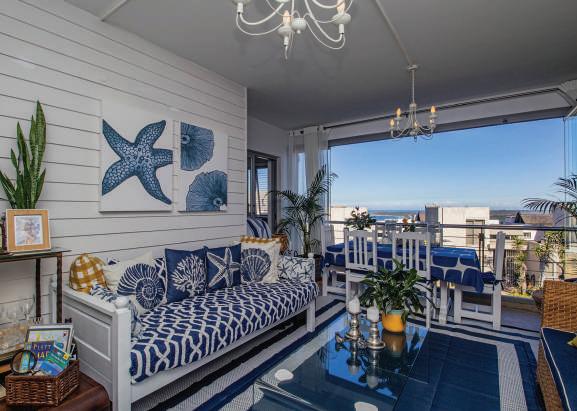
Asking: R5 million | 4 Bedrooms | 3 Bathrooms
Sun, sea, sanctuary. First-floor apartment in turnkey condition, low maintenance, luxury lockup-and-go, refined, elegant, and with views over Robberg Beach. Open plan living area with indoor-outdoor entertaining, modern kitchen with plenty of cupboard space, 8KVA generator, and 2 carports right outside the apartment. Thulana Hill is a gated estate with attractive gardens and a communal saltwater swimming pool. This coastal sanctuary residence is ideal for those get-away holidays, positioned close to town and beaches. Fully furnished. Desre Reck: 079 497 0008; Office: 044 533 2529; Web Ref: SIR125060.
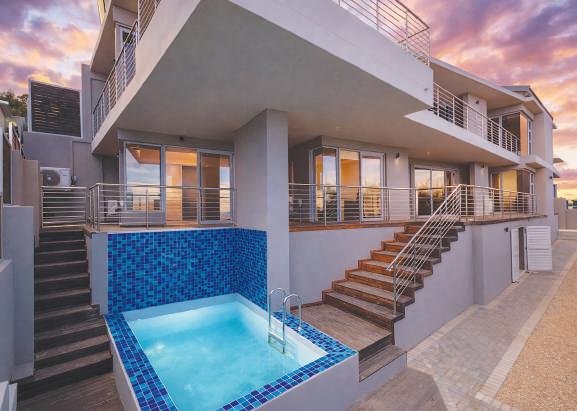
Asking: R16.5 million | 4 Bedrooms | 3.5 Bathrooms | 2 Garages
Set high within the exclusive Fairhaven Country Estate, this sophisticated contemporary home captures uninterrupted views across Somerset West, False Bay, and the dramatic Hottentots Holland mountain range. Thoughtfully designed for modern family living and refined entertaining, the residence offers four spacious bedrooms, elegant open-plan living spaces, and a beautifully appointed kitchen. Expansive glass doors open onto a generous terrace that embraces the spectacular outlook, while luxury comforts such as air conditioning, inverter backup power, and a double automated garage enhance the home’s effortless appeal. James Botha: 0827893300; Mara Daly: 0762890430; Office: 021 851 4450; Web Ref: SIR124526.
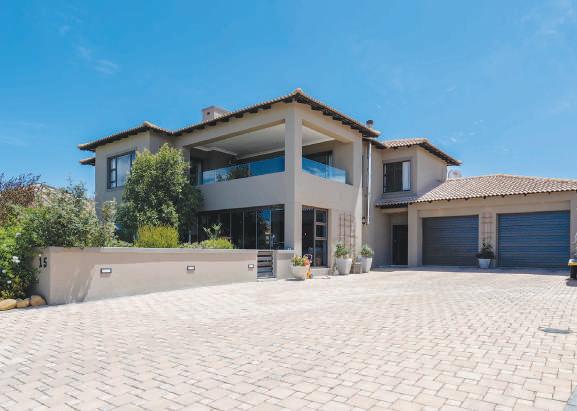
Asking: RR8.785 million | 4 Bedrooms | 4 Bathrooms | 2 Garages
Luxury sea view property in The Hill Private Estate, with 4 ensuite bedrooms, guest toilet, spacious open-plan kitchen (separate scullery and laundry), lounge and dining area flowing out onto the spacious enclosed patio, which extends out to the beautifully manicured garden. The main bedroom has a large walk-in dressing area. The covered patio upstairs offers spectacular northerly views of the bay and mountains. Very practical layout, which lends itself to lavish entertaining. Quality bespoke finishes and workmanship. Paul Jordaan: 082 876 0577; Office: 044 533 2529; Web Ref: SIR117522.
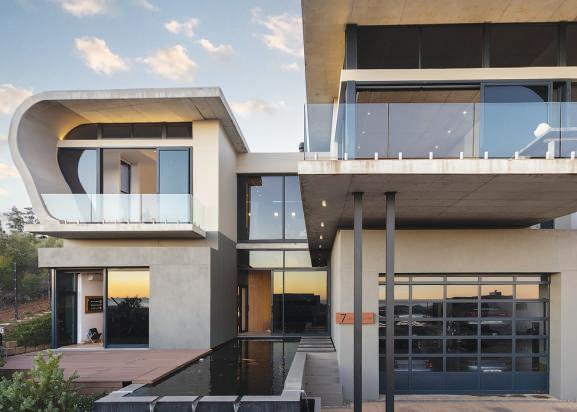
Asking: R26.9 million | 3 Bedrooms | 3 Bathrooms | 2 Garages
Architect-designed 3-bedroom luxury home in a secure upmarket estate, offering panoramic views of Table Mountain, Table Bay, and the Helderberg range. Features include double-volume ceilings, 3 bathrooms, 3 lounges, a study, open-plan kitchen with scullery, fireplace, pool, undercover balconies and patio, landscaped indigenous garden, double garage, 4 extra parking bays, and backup utilities. Designed for comfort, privacy, and seamless indooroutdoor living with 24-hour security. Chantal Botes: 0837025460; Office: 021 851 4450; Web Ref: SIR124604.
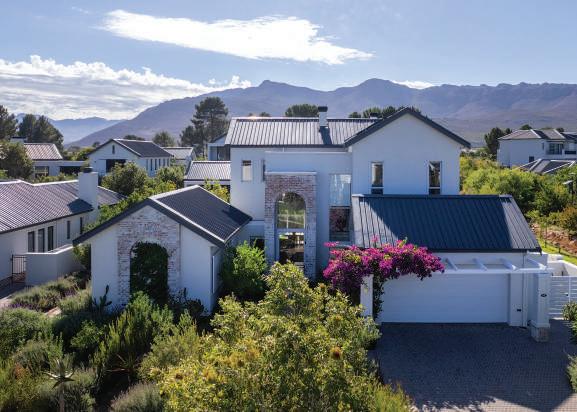
Asking: R21.950 million | 4 Bedrooms | 4 Bathrooms | 2 Garages
Nestled in one of the most tranquil pockets of Val de Vie Estate, this elegant double-storey home offers refined family living surrounded by mature trees, lush greenery and an exceptional sense of privacy. Designed for modern living, the home blends sophistication with everyday comfort, offering generous spaces, seamless indoor-outdoor flow and high-quality finishes throughout. Kim Edges: 072 562 4472; Suritha van Tonder: 084 440 4283; Office: 021 867 0065; Web Ref: SIR124100.
Lew Geffen Sotheby’s International Realty – Winelands is
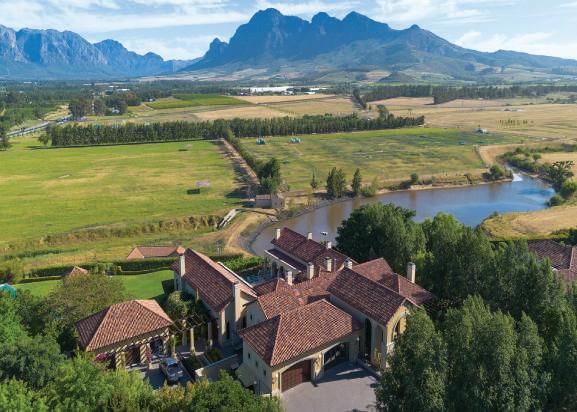
Asking: R35 million | 5 Bedrooms | 6 Bathrooms | 4 Garages
This exquisite luxury home, situated in the stunning Winelands, offers a truly exceptional lifestyle. Nestled on a sprawling estate, it boasts panoramic views of the majestic Simonsberg Mountains. The home also includes a wine cellar, ideal for wine enthusiasts, and an expansive enclosed entertainment patio to host gatherings year-round. Kim Edges: 072 562 4472; Suritha van Tonder: 084 440 4283; Office: 021 867 0065; Web Ref: SIR117117.
Lew Geffen Sotheby’s
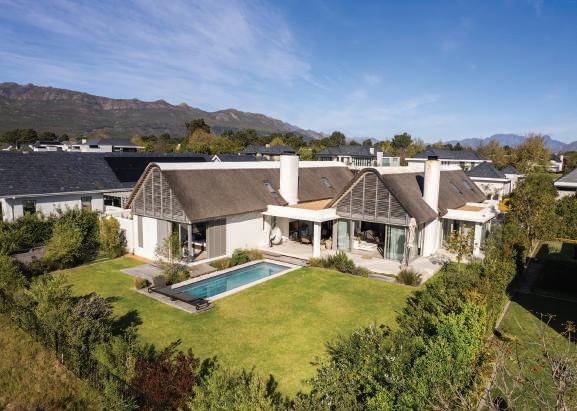
Asking: R25.9 million | 5 Bedrooms | 5.5 Bathrooms | 2 Garages
This exceptional architecturally crafted home, meticulously designed with attention to detail, will captivate even the most discerning buyer. A spacious north-facing residence featuring warm tones and a welcoming atmosphere seamlessly extends to a stylish undercover patio, tranquil pool, and beautifully landscaped gardens. Highlights include underfloor heating throughout, soaring ceilings with trusses, solar panels, polished concrete floors, an automatic pool cover, shutters, and double-glazed windows. Kim Edges: 072 562 4472; Suritha van Tonder: 084 440 4283; Office: 021 867 0065; Web Ref: SIR116586.
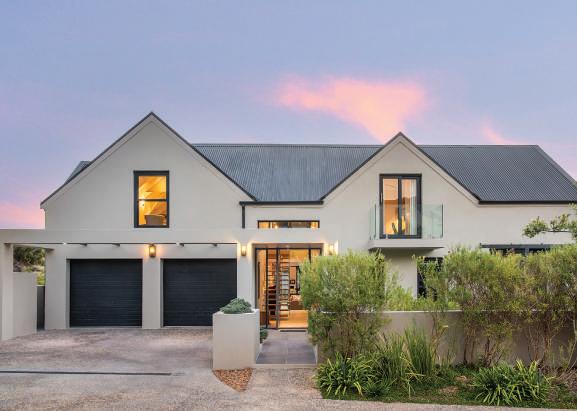
Asking: R36 million | 4 Bedrooms | 6 Bathrooms | 2 Garages
Framed by vineyards and the dramatic Franschhoek mountain silhouettes, this home captures the essence of estate living at its most elevated: private, secure, serene and deeply connected to its natural surroundings, yet within minutes from the internationally renowned Franschhoek village. Completed in 2021, it has been designed by the architect to create seamless indoor-outdoor flows, expansive living areas spilling onto generous terraces and landscaped garden spaces. Moira Barham: 082 896 3597; Gary de Valle: 082 464 8038; Office: 021 876 8480; Web Ref: SIR124172.
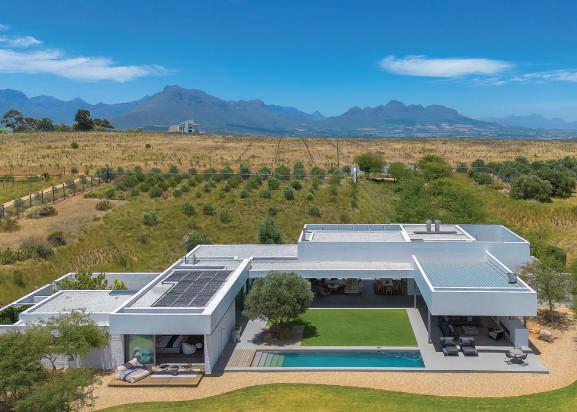
Asking: R29 million
A sanctuary of light, space, and calm, this architect-designed retreat sits on 4.5 hectares of north-facing, wind-sheltered land in the heart of the Stellenbosch Winelands. Minimalist, contemporary architecture meets the natural landscape, creating a home that is at once striking and serene. Set among approximately 1 hectare of indigenous fynbos and about 100 olive trees, the residence unfolds through open, flowing spaces where every frame captures the surrounding landscape. Detlef Struck: 079 597 1727; Office: 021 809 2760; Web Ref: SIR117530.
Asking: R5.350 million | 4 Bedrooms | 3 Bathrooms | 2 Garages
A rare Plot & Plan opportunity to secure a freestanding, double-storey Type 7 home in the prestigious Verdeau Lifestyle Estate Luxury Phase. Positioned on a 385m² stand, this home offers modern family living combined with the peace and privacy of Winelands luxury living. This home is designed for open-plan modern living with spacious lounge and dining areas flowing seamlessly to the covered patio with built-in braai, perfect for entertaining or relaxed family life. TC Kohler: 082 894 5231; Marisa Carstens: 084 663 1859; Astrid Colling: 079 456 7787; Office: 021 873 0260; Web Ref: SIR124179.
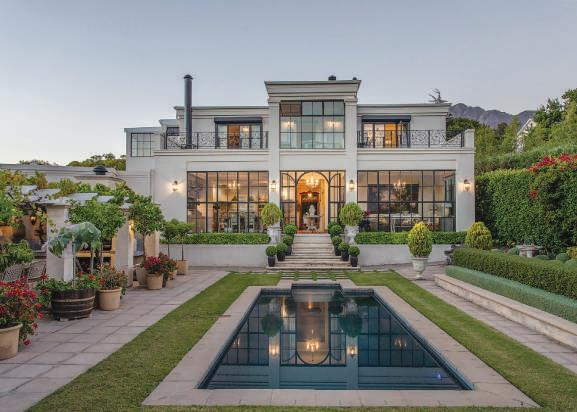
Asking: R25.450 million | 3 Bedrooms | 3.5 Bathrooms | 2 Garages
Perfectly positioned at the prestigious entrance to La Cotte Farm, this exceptional French château-style residence offers a rare blend of elegance, privacy and prime village living in the heart of Franschhoek.This home enjoys a unique sense of presence and security, while remaining within easy walking distance of boutique shops, award-winning restaurants, art galleries and world-renowned wine estates. Additional features include a separate scullery, pantry, tool room and laundry, as well as a large tandem garage. Gary de Valle: 082 464 8038; Office: 021 876 8480; Web Ref: SIR125098.
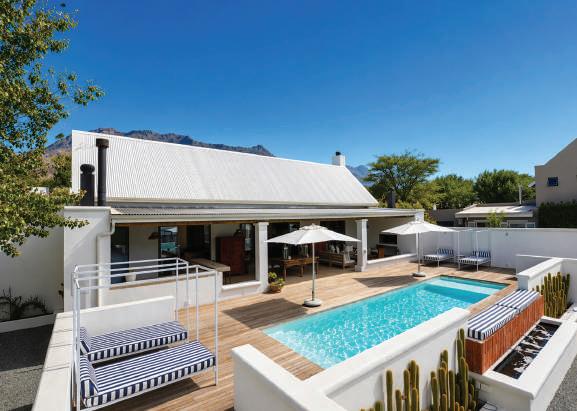
Asking: R14 million | 5 Bedrooms | 5.5 Bathrooms
A rare opportunity to own a distinctive village retreat in the center of the everdesirable Riebeek Kasteel, where country charm meets cosmopolitan allure. This extraordinary residence presents a rare and compelling opportunity to acquire one of the village’s most distinctive and beautifully curated lifestyle property of remarkable versatility, undeniable appeal and income-generating potential. indicated price is inclusive of VAT. Lizette Visser: 072 826 0555; Office: 021 870 1011; Web Ref: SIR124541.
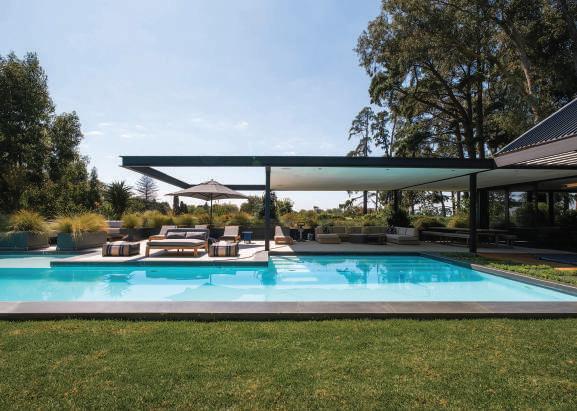
Asking: R80 million | 7 Bedrooms | 6.5 Bathrooms | 3 Garages
Architectural brilliance meets serene country living – No transfer duty necessary – all furniture included. Set in a tranquil, leafy country setting in Constantia, a striking north-facing residence unfolds over two elegantly designed levels, capturing sweeping views in every direction and bathing the interiors in natural light. This is a rare opportunity to own a distinctive architectural residence in a serene country setting, where style, functionality, and natural beauty come together in harmony. Rouvaun McKirby: 071 671 0821; Jo Thomas: 084 404 4120; Office: 021 701 2446; Web Ref: SIR124001.
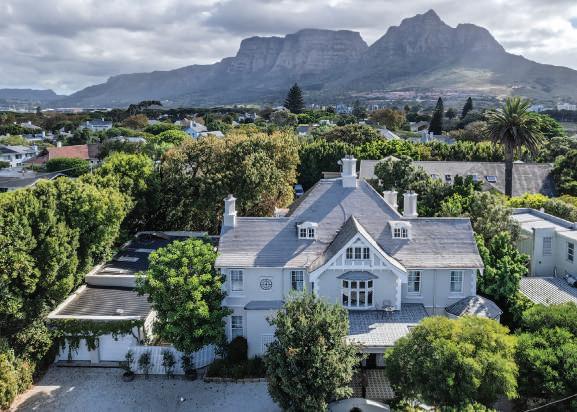
Asking: R18.650 million | 5 Bedrooms | 4 Bathrooms | 2 Garages
The beautifully restored “Rose Cottage” (circa 1905) set on 1.331m2 erf, blends historic charm with modern living. This home features preserved period details, elegant reception rooms, and a spacious open-plan kitchen and family area opening onto undercover entertainment deck and swimming pool. Accommodation includes five large bedrooms. Two separate luxurious income generating self-contained units. This versatile Silwood home offers exceptional lifestyle and investment appeal. Lesley Payne: 082 455 4808; Office: 021 673 1280; Web Ref: SIR124386.
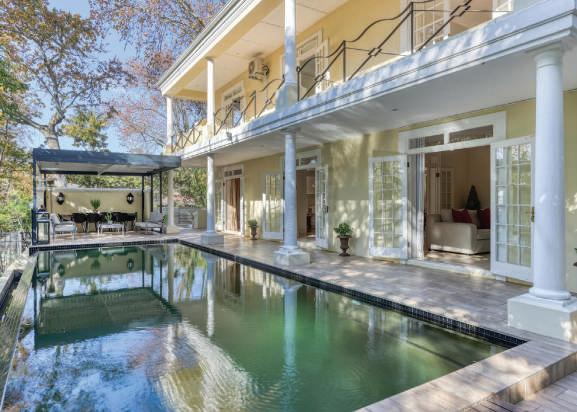
Asking: R14.450 million | 3 Bedrooms | 2.5 Bathrooms | 2 Garages
An elegant residence in Newlands, surrounded by majestic trees and mountain views, with a tranquil stream at the garden’s base. Designed with graceful proportions, it features a formal lounge with a fireplace, flowing seamlessly to a veranda overlooking the pool and terraced garden. Upstairs, three spacious bedrooms offer private, light-filled retreats amid lush greenery. This charming, stately home embodies quiet luxury, blending timeless appeal with serene, nature-rich surroundings in one of Cape Town’s most treasured suburbs. Jennifer Lee: 082 562 5139; Christine Commaille-Rey: 082 655 5552; Office: 021 673 1280; Web Ref: SIR124956. Lew
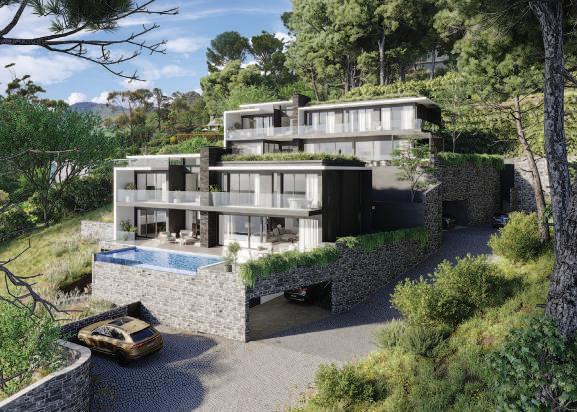
Asking: R40 million | 4 Bedrooms | 4.5 Bathrooms | 3 Garages
Redefining Luxury Living – Designed by leading Capetonian Architect, Gerd Weideman, whose inspiration originated from the surrounding magnificent mountains – Constantiaberg as an impressive backdrop with Elephant’s Eye cave as a dominant feature, the Table Mountain Range, Muizenberg Peak, the Hottentot’s Holland Mountain Range and False Bay coastline, glittering in the distance. Dawn Bloch: 072 496 9458; Office: 021 701 2446; Web Ref: SIR118278.
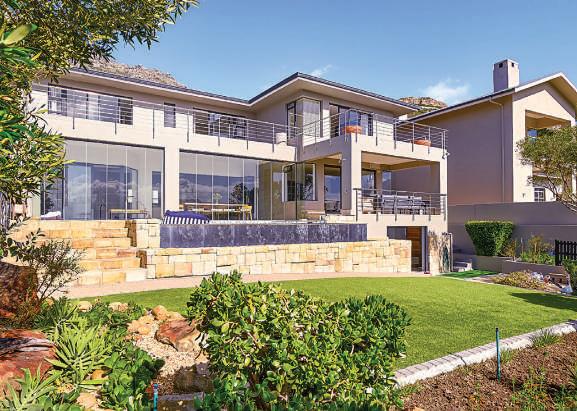
Asking: R20.950 million | 5 Bedrooms | 7 Bathrooms | 3 Garages
A Home that lives with the mountains, not just beside it. This home sits on the Southern end of Constantiaberg valley, with exceptional views. Some homes offer comfort, and then some homes quietly take your breath away. Set high within Stonehurst Mountain Estate, this is one of those rare spaces where position, design, and atmosphere come together in perfect harmony. Steve Thomas: 084 471 4722; Dave Burger: 083 458 3333; Office: 021 701 2446; Web Ref: SIR124635.
Lew Geffen Sotheby’s International Realty – Southern Suburbs is an independently owned and operated franchise business of Capeprop
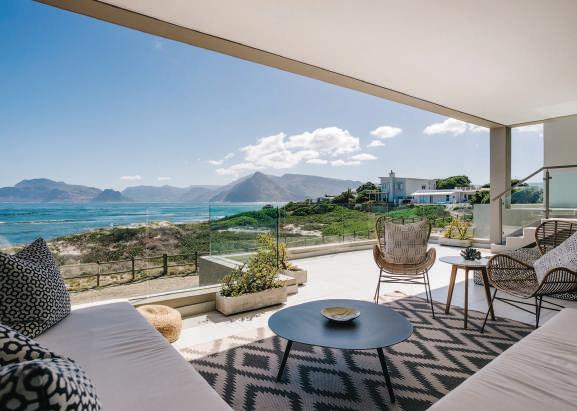
Asking: R28 million | 4 Bedrooms | 4 Bathrooms | 3 Garages
Elevated and privately positioned, this north-facing three-level home captures sweeping Atlantic Ocean views towards Chapman’s Peak. Designed for effortless coastal living, it offers light-filled open-plan spaces, a German Nobilia kitchen, fireplace, and a dedicated study. Outdoor terraces, a splash pool and shower create year-round entertaining areas, sheltered from Cape winds. Upstairs includes a TV lounge and underfloor heating throughout key areas. Additional features include a triple garage, solar power, gas heating and a self-contained flatlet—ideal for guests or rental income. Natalie Cooper: 083 630 0911; Office: 021 783 8260; Web Ref: SIR119338.
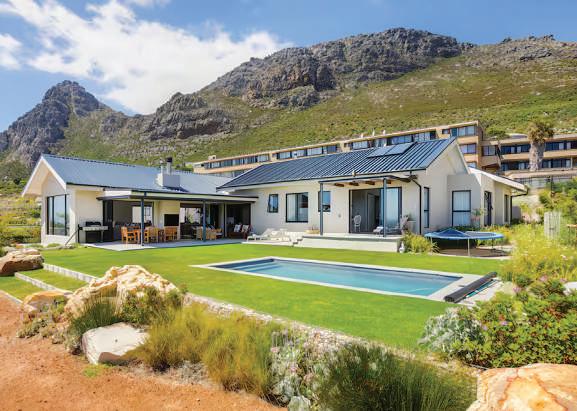
Asking: R24.5 million | 4 Bedrooms | 3.5 Bathrooms | 2 Garages
Elegant Mountain view home set in Stonehurst Mountain Estate – Set within the prestigious Stonehurst Mountain Estate, this beautiful home enjoys breathtaking mountain views offering an exceptional lifestyle in a secure, sought-after setting. The living spaces are generous and welcoming, with the lounge, dining room and family room all opening out to the garden through stack-back doors, creating a wonderful flow between indoor and outdoor living. Warm laminate flooring runs throughout these areas, complemented by two wood-burning fireplaces that add character and comfort. Steve Thomas: 084 471 4722; Dave Burger: 083 458 3333; Office: 021 701 2446; Web Ref: 8S7Y3Y.
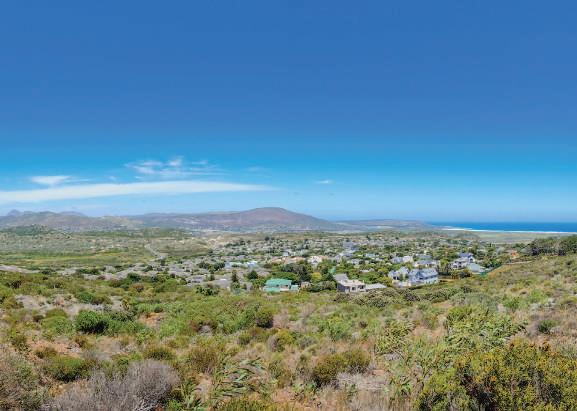
Asking: R21 million | Vacant Land: 62 396 sqm
Panoramic Dual-Ocean Acreage in Noordhoek – Set on the slopes of Silvermine Mountain, this rare 15-acre agricultural property offers uninterrupted views of both the Atlantic and Indian Oceans. Indigenous fynbos, mature trees and a year-round pond create a private sanctuary bordering SANParks. Enjoy a peaceful, nature-conscious lifestyle just minutes from Noordhoek Farm Village and the iconic Noordhoek Beach, with excellent amenities and Cape Town only 45 minutes away. Lilian Bron: 076 959 2733; Helen Smith: 084 503 5464; Office: 021 783 8260; Web Ref: SIR117288.
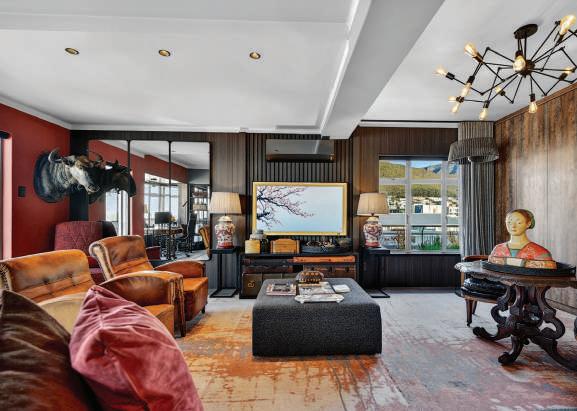
Asking: R9.750 million | 2
Where timeless elegance meets refined coastal living. Positioned directly on the promenade, this beautifully renovated corner apartment offers exceptional privacy, abundant natural light, and sweeping views of the Atlantic Ocean, Lion’s Head, and Table Mountain. Reimagined as a spacious one-bedroom residence, it features bespoke finishes, warm wooden panelling, designer wallpaper, and a marble-topped kitchen with premium appliances. Complete with a secure garage and expansive wraparound balcony, this distinctive oceanfront home delivers comfort, exclusivity, and effortless sophistication. Grant Bailey: +2783 444 5171; Office: 021 401 4338; Web Ref: SIR125018.
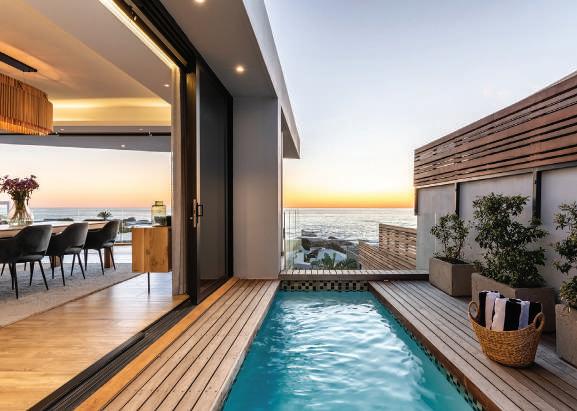
Asking: R60 million (incl VAT) | 5 Beds | 5 Baths | 2 Garages | 359 sqm
Perched above a secluded beach on the Atlantic Seaboard, this extraordinary oceanfront villa offers uninterrupted sea views and effortless coastal luxury. Designed for seamless indoor-outdoor living, expansive glass doors open onto sun-drenched terraces and private pools. The residence features five elegant ensuite bedrooms, generous entertaining spaces, a dedicated work-from-home area, and exceptional guest accommodation. Complete with secure parking and outstanding incomegenerating potential, this remarkable home presents a rare opportunity to own one of Cape Town’s most coveted coastal addresses.
Andrea Glew: +2779 893 9197; Office: 021 401 4338 Web Ref: SIR117414.
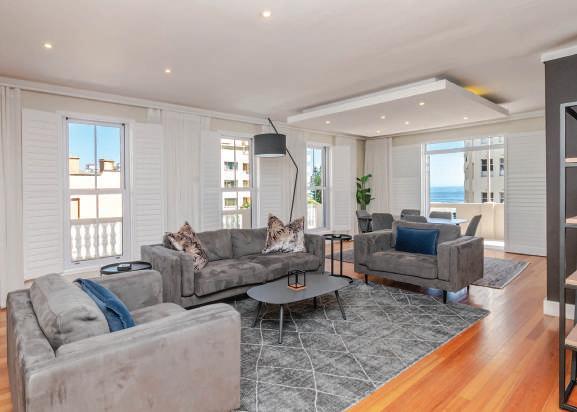
Asking: R10.950 million | 3 Bedrooms | 2 Bathrooms | 2 Garages | 248 sqm
Perched above Rocklands Road moments from the Promenade, this exceptional penthouse captures the essence of luxury coastal living. Framed by panoramic Atlantic Ocean views, the residence features expansive open-plan interiors flowing onto a wraparound terrace designed for effortless entertaining. Three air-conditioned bedrooms, including a luxurious ocean-facing principal suite, offer refined comfort, while premium finishes, smart-home security, and elegant furnishings complete the experience. Situated in the heart of Three Anchor Bay, this turnkey home is a rare lifestyle and investment opportunity. Ulla Holtzer: +2783 685 5634; Office: 021 401 4338; Web Ref: SIR124453.
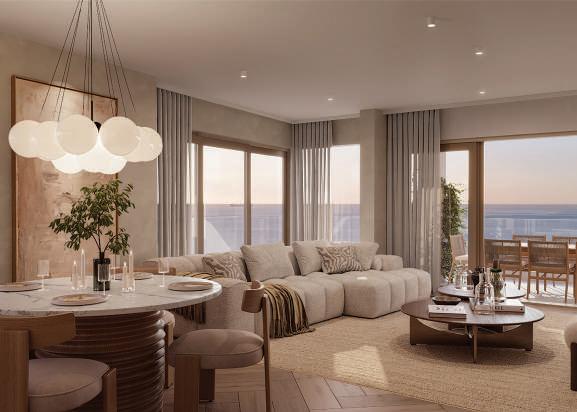
Asking: R8.495 million (incl VAT) | 2 Beds | 2 Baths | 1 Parking | 93 sqm
An exceptional opportunity awaits at The Shoreclub Private Residences, an ultraexclusive beachfront development situated just steps from the iconic Sea Point Promenade. With only a handful of residences remaining, this highly anticipated address offers a rare chance to own along Cape Town’s prestigious Atlantic Seaboard Developed by an award-winning team with more than three decades of experience and over 1,500 homes delivered, The Shoreclub sets a new standard for sophisticated coastal living, combining prime location, luxury design, and enduring investment appeal. Grant Bailey: +2783 444 5171; Office: 021 401 4338; Web Ref: SIR125051.