IN THIS ISSUE
NATIONAL OFFICE
PO Box 197, Macquarie Park BC NSW 1670 1800 189 900 office@weldaustralia.com.au weldaustralia.com.au
Geoff Crittenden
Chief Executive Officer 1800 189 900 office@weldaustralia.com.au
STRATEGIC PARTNERSHIPS
Ben Mitchell, Director, Strategic Partnerships 0467 419 657 office@weldaustralia.com.au
TRAINING
Guy Brooks, General Manager, Training Operations 0488 743 322 training@weldaustralia.com.au
MARKETING & EVENTS
Michelle Tagliapietra, Executive General Manager, Sales & Marketing 0437 106 726 marketing@weldaustralia.com.au events@weldaustralia.com.au
MEMBERSHIP
David Choudry, Membership Manager 0417 878 104 membership@weldaustralia.com.au
QUALIFICATION & CERTIFICATION
Luke Nicholls, General Manager, Qualification & Certification 0487 487 985 qnc@weldaustralia.com.au
ENGINEERING
Simon Doe, Director, Engineering 0490 384 406 engineering@weldaustralia.com.au
NEW SOUTH WALES
Ashkan Abdibastami, Welding Engineer 0456 850 315 a.abdibastami@weldaustralia.com.au
VICTORIA, TASMANIA, SOUTH AUSTRALIA & WESTERN AUSTRALIA
Victor Blain, General Manager, Engineering – VIC, TAS, SA & WA 0409 823 991 v.blain@weldaustralia.com.au QUEENSLAND &
Ross O’Bryan, General Manager, Engineering – QLD, ACT, NSW, NT 0491 491 888 r.obryan@weldaustralia.com.au





WE DID NOT LOSE AUSTRALIAN MANUFACTURING. WE GAVE IT AWAY.
There was a time, not so long ago, when Australia was a manufacturing nation.
We made cars. We built trains. We fabricated bridges, transmission towers, ships, pressure equipment and critical infrastructure. We had profitable steel mills, a world-class mining sector, strong aluminium capability, and engineering businesses that could take on projects of genuine national significance. Transfield, for example, was awarded the contract for the ANZAC frigates in 1989—a project worth billions that employed more than 10,000 people in Australia and another 1,300 in New Zealand.
Welding Fumes Are Now a Compliance & Liability Risk... Are You Covered?
This was not nostalgia. It was capability.
Manufacturing employment peaked at roughly 27% of Australia’s workforce around 1950 and remained high throughout the 1960s. Manufacturing accounted for 26% of GDP in 1962–63. Today, World Bank data puts manufacturing value added in Australia at just 5% of GDP.
The decline is not abstract. For instance, Australian mass car manufacturing ended in 2017 when Toyota and Holden closed their remaining plants, following Ford’s closure the year before.
So what happened?
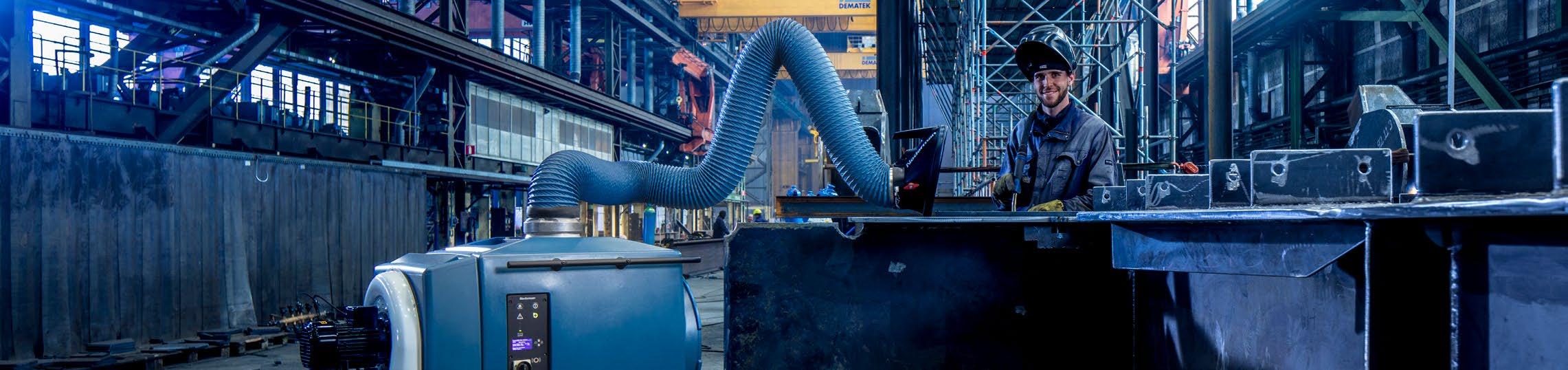
Stricter workplace exposure limits and increased enforcement mean inadequate fume extraction now exposes your business to compliance risk, operational disruption and long-term liability.
Poor air quality can lead to worker exposure to carcinogenic fumes, lost productivity and increased absenteeism, compliance breaches, fines and shutdowns, and long-term health and insurance liabilities.
Engineered Fume Extraction - Done Right
At Nederman, we design and deliver complete, engineered solutions, not just products, we help you:
• Capture fumes at source (manual, robotic and automated welding)
• Calculate correct airflow, hood design and ducting requirements
• Ensure compliance with current standards and upcoming 2026 changes
• Improve system efficiency and reduce operating costs
How We Work With You
Why Nederman
• 75+ years in industrial air filtration
• Engineering-led approach — designed for your application
• Full system capability including extraction arms, on-torch, ducting, filtration, controls
• Backed by national support, commissioning and service
We deliver end-to-end support from site assessment and airflow design through to system supply, project delivery, commissioning, training and ongoing service.
“ If we want a future made in Australia, then governments must start buying, verifying and backing what is made in Australia.”
It is easy to blame China, Vietnam, Korea or India. But that is too convenient. These countries are doing what industrial nations do: building capability, supporting industry, securing work, creating jobs and pursuing national interest.
We Gave the Work Away
The real question is: what did we do? Too often, the answer is: we gave the work away.
For 20 years, Australian governments and major procurers have talked about local content while awarding contracts to the lowest upfront bidder. They tender major public projects to primes, the prime chases the cheapest fabrication package, and the Australian taxpayer is left with the consequences when things go wrong. There is little meaningful whole-oflife cost analysis. There is little accountability for the downstream cost of non-compliance. And there is still no effective mechanism to verify that imported fabricated steel complies with Australian Standards before it is erected.
The examples are everywhere. The New South Wales Government ordered a fleet of inter-city trains from South Korea for $2.3 billion, expecting them to be 25% cheaper than locally made trains. The trains did not fit sections of the Blue Mountains network, requiring station and infrastructure modifications, while the Auditor-General warned the total project cost could rise to $3.9 billion.
Queensland’s New Generation Rollingstock project was manufactured in India. A commission of inquiry found all 75 trains failed to comply with disability access laws, with rectification works costed at $335.7 million.
At WIN Stadium in Wollongong, a $30 million grandstand used steel from China, with virtually no BlueScope steel, despite Port Kembla being just two kilometres down the road. At GMHBA Stadium in Geelong, defects delayed the redevelopment of the new northern grandstand, with reports pointing to welding quality problems in steel imported from Qatar. On Melbourne’s Tullamarine Freeway, a massive overhead road sign fell and crushed a car after a strengthening steel plate was not installed; the audit found similar issues on other signs.
These are not isolated incidents. They are symptoms of a system that confuses paperwork with compliance.
Imported structural steelwork may be fabricated to unknown standards, fabricated poorly due to weak quality assurance systems, or involve improper substitution of materials and welding consumables. It also warns that without proper quality assurance, the result can be catastrophic structural collapse causing serious or fatal injuries.
Local Fabricators Are Being Hollowed Out
Meanwhile, local fabricators are being hollowed out. Fabricated steel imports have climbed from 450,000
tonnes a year to 700,000 tonnes a year. Vietnam has emerged as a major exporter to Australia, increasing steel exports by almost 50% in 2025. In NSW alone, more than 15 fabricators have gone out of business in recent years.
This is what Weld Australia is hearing every day from our members. One Western Sydney fabricator told us that this time last year he had 90 tradespeople working for him. Now he has 12. Another local company quoted $100,000 for compliant work, only to see the job awarded overseas for $30,000.
When I wrote to the NSW Government about this crisis, the response from Building Commission NSW simply pointed back to existing National Construction Code pathways for demonstrating product suitability. That completely misses the point. The problem is not that compliance pathways do not exist on paper. The problem is that nobody is consistently, independently checking that imported fabricated steel actually complies before it enters our buildings, bridges, stadiums and infrastructure.
This is not just about fabricated structural steel. Evidence from Dux Hot Water shows imported heat pump water heaters raising serious safety concerns, including independent testing that found steel in some imported models had carbon content up to 90% lower than comparable Australian-made units. Some units reportedly imploded, leaked flammable gases or failed outright.
The contradiction is extraordinary. On one hand, governments are spending billions trying to revive sovereign capability. The Commonwealth has committed $22.7 billion over a decade to the Future Made in Australia agenda. Governments are working to keep Tomago Aluminium open, investing up to $600 million to support the Mount Isa copper smelter and Townsville refinery, and providing a $135 million support package for Nyrstar’s Port Pirie and Hobart smelters.
The same test must apply to the Government’s new fuel security infrastructure. If taxpayers are underwriting a $10 billion permanent, government-owned Australian Fuel Security Reserve of around one billion litres, then the tanks, pipework and associated fabricated steel should be fabricated in Australia wherever local capability exists, and any imported content must be independently verified to Australian Standards.
On the other hand, public procurement continues to send Australian work offshore. That is not industrial policy. That is self-sabotage.
The Solution
The solution is not complicated. Weld Australia, working with industry partners, is progressing the National Fabrication Authority: an independent, not-for-profit body designed to verify compliance with Australian
Standards for fabricated steel, whether made in Australia or overseas. Its role would be to certify, audit and inspect fabricated steel before it is erected or installed.
If imported fabricated steel complies with Australian Standards, it should be welcome. If it does not, it should not be used.
That is not protectionism. That is public safety. That is fair competition. That is common sense.
Australia did not lose its manufacturing capability overnight. We gave it away, contract by contract, project by project, tender by tender.
Now we have a choice. We can keep rewarding the lowest upfront price and watch the last remnants of our fabrication industry disappear. Or we can finally enforce the standards we already claim to uphold.
If we want a future made in Australia, then governments must start buying, verifying and backing what is made in Australia.
Geoff Crittenden CEO, Weld Australia
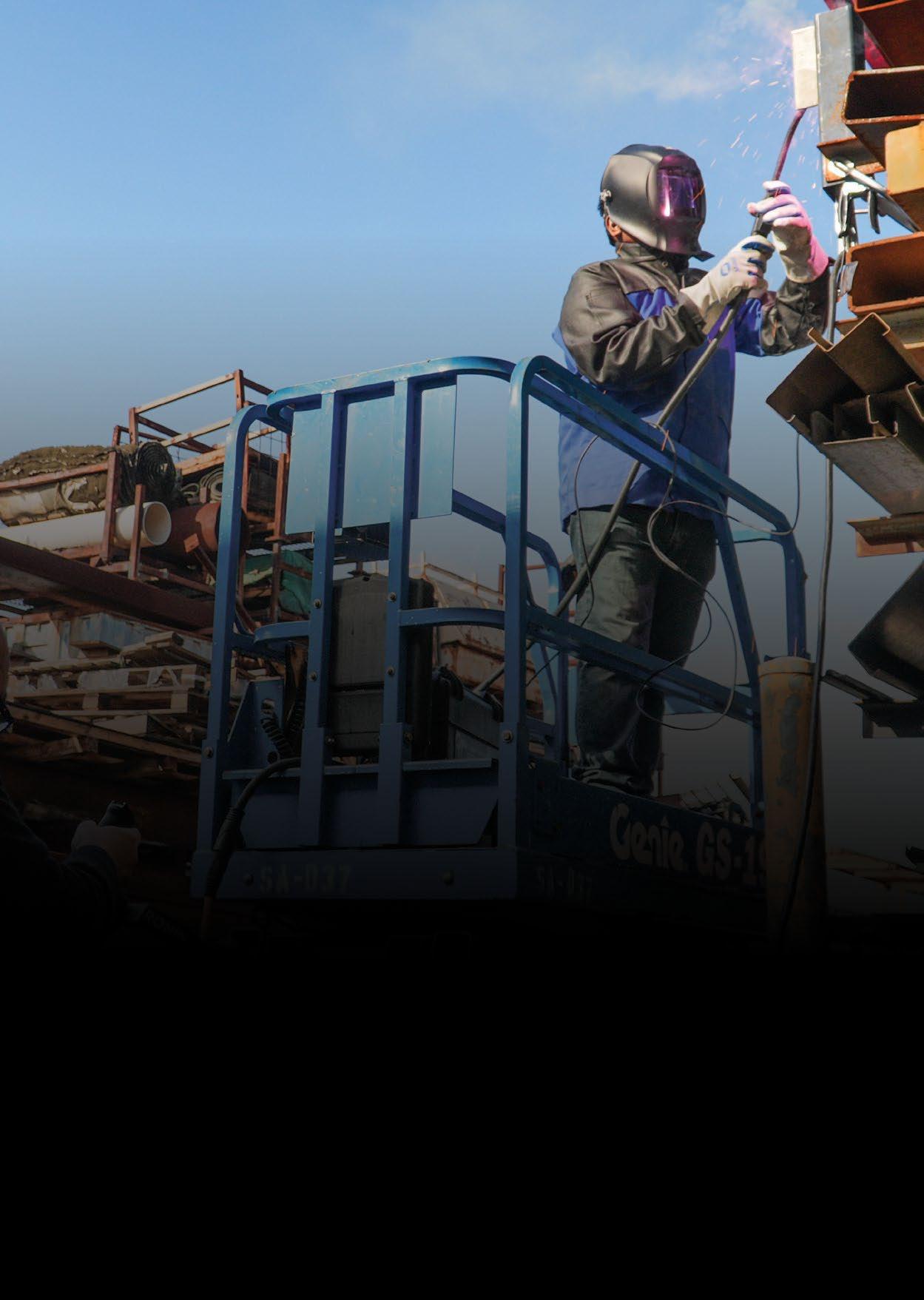
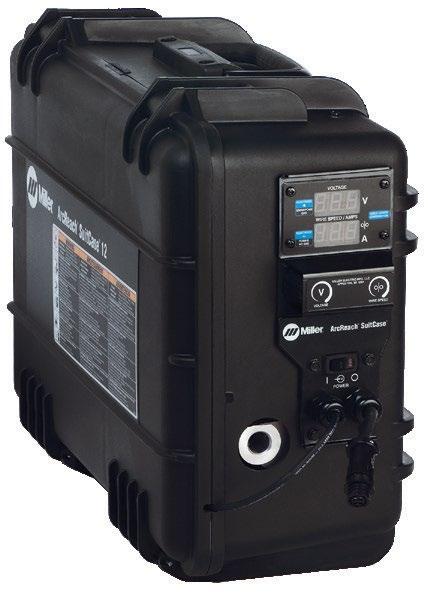
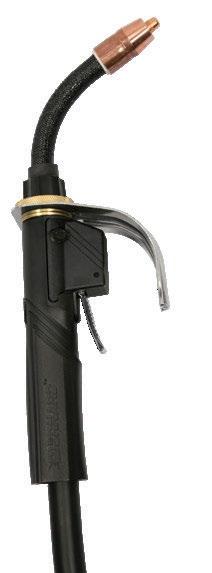
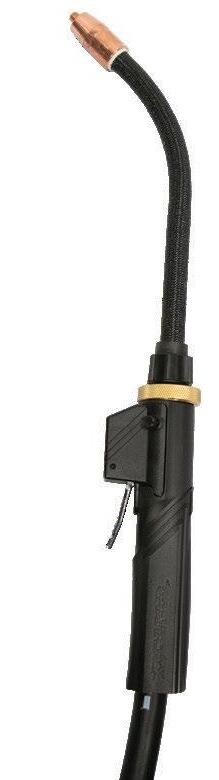
PROVEN SELF-SHIELDED FCAW SOLUTIONS BUILT FOR ON-SITE FABRICATION.
AS/NZS 1554.1 Prequalified. Higher Productivity. Safer Jobsite.

Enrolments Now Closed
WANT TO DISCOVER HOW WELD AUSTRALIA CAN SUPPORT YOU THROUGH MEMBERSHIP?
Questions? Queries? Wondering how Weld Australia can help support your business, staff or career progression?
Contact our Membership team to set up a 20 minute Zoom chat. We will take you through the ways that Weld Australia can add value to your professional career or your business. Touch base with Steve Rogers on s.rogers@weldaustralia.com.au (for WA, Victoria, South Australia and Tasmania) and Allan Aurelius on a.aurelius@weldaustralia. com.au (if you’re in Queensland or New South Wales).
A reminder that your Weld Australia membership should have been renewed before 31 March in order to remain active. So, if you haven’t already renewed yours for this year, it is now overdue.
If you’re not sure if you have renewed for this year, or you want to renew now, log into the Member Portal or contact us on membership@weldaustralia.com.au
WELD AUSTRALIA WOULD LIKE TO WELCOME ALL OUR NEW MEMBERS WHO HAVE JOINED RECENTLY.
CORPORATE MEMBERS
• Bulgin Group: bulgingroup.com.au
• Fifteen54: fifteen54.com.au
INDIVIDUAL MEMBERS
• Vinay Mathapati
• Jose Castillo
• Luke Anderson
• Logan Beckett
• Paul Trigg
• Virein Khanijow
• Brodie Hefferan
• Flinders Apsitis-Lynch
• Sam Benson
• Michael Stokes
• Christopher James
• Lukasz Lakomy
• Christiane Schulz
• Ben Kerrigan
GOLD
AML3D
APA
Delta Electricity (Vales Point)
Energy Australia
Loy Yang B Power Station
Millmerran Operating Company
NRG Gladstone Operating Service
Stanwell Corporation Limited
TRIGONOMICS
SILVER
ASC
Blue Tongue Skills
HRL Technology Group
Main Roads Western Australia
Micron Manufacturing
Outsource Institute (Aust)
Process & Pipeline Services
SRG Global Asset Care
Uneek Bending
BRONZE
3Way Solutions
ACT Steelworks
Allweld Manufacturing
Ancon Building Products
Apave Australia
APS Industrial Services
ARL Laboratory Services
ArcStructural
BAE Systems Maritime Australia
Baker & Provan
Barker Hume Homes
Bisalloy Steels
Bossong Engineering
Callidus Welding Solutions
Camco Engineering
Catten Industries
CCR Group
Century Engineering
Core Inspection Services
Coslee Australia
GOLD
BlueScope Steel
BOC
Coregas
Elliotts Australia
Kemppi
SFE Group
SPW
CORPORATE MEMBERS
Crisp Bros Haywards
Cullen Steel Fabrications
D&L Engineering
DGH Engineering
Direct Force
Diverse Welding Services
Dux Hot Water
DVR Engineering
Edcon Steel
EMH Industries
Empire Industrial Engineering
Engineering Industries Australia
Epiroc
FIELD Engineers
Fifteen54
Fluid Engineering
Foxheat
Fredericks Fabrication
Fremantle Steel Group
Frontline Manufacturing
Furphy Engineering
Global Manufacturing Group
GM Poles
Griffin Marine Services
GVP Fabricators
Halliday Engineering
Hanlon Industries
Haulmark Trailers (Australia)
Hilton Manufacturing
HVAC Australia
IKAD Engineering
Incat Tasmania
Ingal EPS
iScope4Repair
Jake’s Steel & Welding
Jayben Group
JB Specialised Engineering
JGF Engineering WA
KAW Engineering
KOTZUR
KS Metal Fabrications
LAI Switchboards
Laser 3D
INDUSTRY SUPPLIER MEMBERS
Nederman Weldclass W.E.S.S.
SUPPLIER
Alphaweld Supply Group
Applied Ultrasonics International
Lead College
Lighthouse Engineering
Linkforce Procurement
Lucky Strike Welding
Macfab Engineering
Marand Precision Engineering
MC Quality Control
Midway Metals
Monadelphous Group
MRT Fabrication
Munster Services Group
NEACH
NEPEAN Engineering & Innovations
OPIE Group
Precision Metal Group
Precision Oxycut
Prince Engineering
Queensland Transport & Main Roads
QSM Fabrication
Ralsto Steel Services
RCR Mining Technologies
Red Earth NDT
RJB Industries
Rockpress
Roddy Engineering
RUD Australia
Santos
Shadbolt Group
Steel Mains
Structural Integrity Engineering
SWA Water Australia
TEi Services
Telwater
TMH Welding & Fabrication
TTM Engineering
UGL
United Pacific Engineering
Ventia
Victoria State Emergency Service
Victorian Testing & Inspection Services
Water Corporation
Williams Metal Fabrications
WPF Duratec
KEEN TO WORK WITH A WELD AUSTRALIA MEMBER?
Welding Industries of Australia (WIA)
SILVER
Air Liquide
Apex Welding Solutions (AWS)
Diverseco
Lorch
BRONZE
Gentronics and Onegas
Bulgin Group
CIGWELD
Colbotic Automation
Industrial Laser Solutions
Lincoln Electric
OLP Robotics
Robotic Automation Group
Smenco
Ulbrec Products
Welding Guns of Australia (unimig)
If you’re seeking a trusted supplier, contractor or specialist, we can help connect you with the right organisation for your needs.
To request an introduction to one of our members, contact us via membership@weldaustralia.com.au
Our team is happy to assist.
One of the most valuable inclusions in Weld Australia’s new Corporate Membership packages is the annual credit voucher available to Gold, Silver and Bronze Corporate Members.
These vouchers are designed to deliver immediate, practical value to your business. They can be used towards Weld Australia’s engineering services and training programs, helping you strengthen capability, reduce risk, improve compliance, and upskill your workforce.
The annual credit voucher values are:
• Gold Corporate Members: $3,000
• Silver Corporate Members: $2,000
• Bronze Corporate Members: $750
The credit is flexible and simple to use. It is valid for one year and expires at the end of the calendar year (31 December 2026). So, members are encouraged to plan early and make the most of their voucher during their membership period.
What Can the Voucher Be Used For?
Your voucher can be applied to Weld Australia’s expert engineering and advisory services, giving your business access to some of Australia’s most experienced welding engineers and materials specialists.
These services can support everything from compliance and quality assurance through to complex technical problem solving. Weld Australia’s engineering
team works across sectors including manufacturing, construction, defence, infrastructure, mining, power generation, rail and rolling stock.
Examples of engineering support include:
• Welding procedure development and review
• Welding inspection and supervision
• Weld failure investigation
• Review of fabrication specifications
• Design and qualification of welded connections
• Supply chain assessment and development
• Weld maps and quality documentation
• Technical reviews and compliance advice
• Maintenance optimisation and risk mitigation
For many businesses, even a small amount of targeted engineering support can prevent costly rework, reduce production delays, or help ensure a project is delivered to the required standard the first time.
Your voucher can also be used towards Weld Australia’s training programs. These include welding inspection courses, supervision and coordination courses, welder certification theory, welding appreciation courses, and tailored in-house training for teams.
Weld Australia delivers training across face-to-face, online and blended formats, with internationally recognised qualifications available through its role as an International Institute of Welding Authorised National Body and Authorised Training Body.
Training options include:
• IIW International Welding Inspector – Basic and Standard
• IIW International Welding Engineer, Technologist and Specialist
• Welding Supervisor – AS 1796 Certificate 10 and 11
• Welding Supervisor – AS 2214
• AS 1796 Certificates 1–9 Theory
• Welding Fundamentals
• Tailored in-house training
How to Make the Most of Your Voucher
The best way to use your voucher is to identify one practical business challenge you want to solve this year.
That might be a compliance issue, a recurring weld defect, a gap in your welding procedures, a need to upskill supervisors, or preparation for a major tender or certification process. Once you have identified the priority, Weld Australia can help direct the credit towards the right service.
For example, a Bronze Member may use their $750 voucher to offset the cost of targeted technical advice, procedure review, or training for a key staff member. A Silver Member may choose to apply their $2,000 voucher towards a broader engineering review, inspection support, or multiple training places. A Gold Member may use their $3,000 voucher to support in-house training, more detailed engineering assistance, or strategic compliance support across a project or team.
Why It Matters
The voucher is not just a discount. It is a practical tool to help your business improve quality, productivity and capability.
Used well, it can help you:
• Reduce rework and avoid costly mistakes
• Strengthen compliance with Australian and international standards
• Build technical knowledge across your workforce
• Improve project delivery and quality outcomes
• Support certification readiness
• Increase confidence with clients, asset owners and project partners
Weld Australia’s Corporate Membership packages are designed to provide measurable value. Your credit voucher is one of the clearest examples of that value in action.
To get the best return, don’t wait until the end of your membership year. Consider your upcoming projects, workforce needs, compliance requirements and technical challenges now, and speak with Weld Australia about how your voucher can support your business.
* Please note: Credit vouchers cannot be applied to Examinations.
Not a Weld Australia member? Join today.
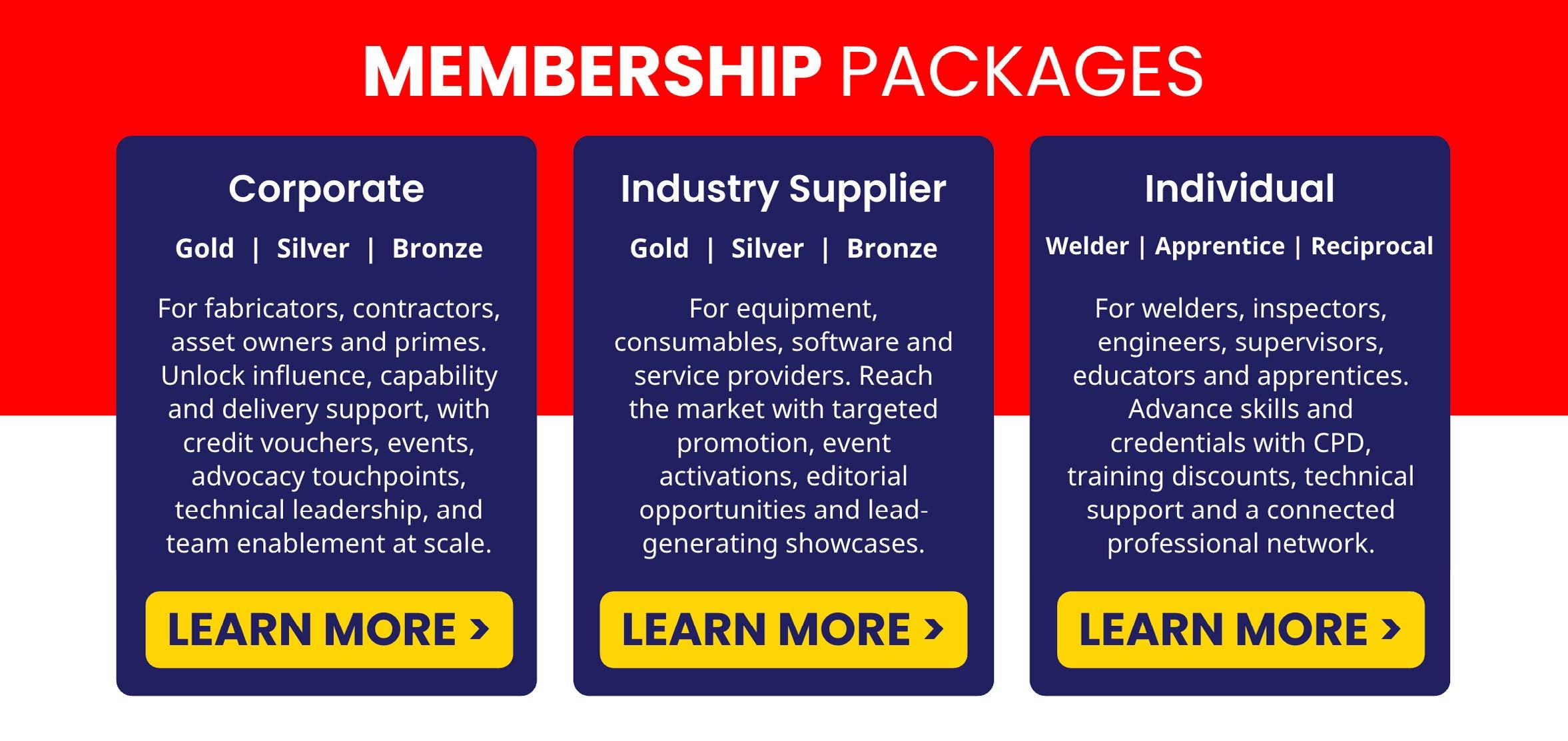
Weld Australia is delighted to welcome Peter Natalier and Steve Rogers to the team. Peter has joined our engineering department as a trusted Welding Technologist and is based in Brisbane. Steve has come on-board as a Business Development Manager and will be based in our Melbourne office.
Peter Natalier, Welding Technologist
Peter is an experienced welding professional and International Welding Technologist (IWT) with over two decades of hands-on experience across fabrication, quality assurance and production leadership. Prior to joining Weld Australia, Peter was the Welding Coordinator and QA Officer at Rockpress. He was responsible for ensuring all welding activities complied with both Australian and international standards.
Peter’s career progression—from apprentice through to production foreman, leading hand and senior technical specialist—has given him a deep understanding of manufacturing environments. He brings strong leadership capability, with a proven track record in managing production teams, improving workflows and ensuring quality outcomes across large-scale projects.
Peter’s broad technical knowledge, combined with his practical experience and commitment to industry standards, makes him a valuable contributor to Australia’s welding and fabrication sector.
Steve Rogers, Business Development Manager
Steve is an experienced engineering and welding professional with over 40 years in the industry, bringing deep technical knowledge and practical insight across a broad range of welding and manufacturing applications. Prior to joining the Weld Australia team, Steve spent 23 years with BOC, where he held roles as both a Welding Process Specialist and Applications Engineer. During this time, he developed extensive expertise in welding technologies and industrial applications, working across a wide range of sectors and project environments.
His technical experience spans structural and pipe welding, aluminium welding (particularly within shipbuilding), along with advanced areas such as automation, including industrial robotics and collaborative robots, modified waveform welding processes, and additive manufacturing.
With a strong combination of hands-on experience and strategic industry knowledge, Steve plays a key role in supporting Weld Australia’s mission to advance capability, productivity and innovation within the welding and fabrication industry.


Peter Natalier, Welding Technologist
Steve Rogers, Business Development Manager
RECENT MEDIA COVERAGE
Weld Australia and Australian Stainless Steel Development Association sign MoU, published by Manufacturers’ Monthly
Industry Bodies Partner to Strengthen Sovereign Capability, published by Infrastructure Magazine
Weld Australia, ASSDA Sign ManufacturingFocused MoU to Boost Industry Collaboration, published by Australian Manufacturing
Weld Australia and ASSDA Sign MoU, published by HVAC News
Weld Australia and ASSDA Sign MoU to Strengthen Industry Collaboration and Support Sovereign Capability, published by Australian Stainless Magazine
Weld Australia backs Cairncross Dockyard Redevelopment as Manufacturing Capability Model, published by Australian Manufacturing
Weld Australia backs Cairncross Dockyard project, published by Asia Pacific Defence Reporter
Weld Australia Backs Cairncross Dockyard, published by Manufacturers’ Monthly
JOIN WELD AUSTRALIA’S TASMANIA STATE COMMITTEE
Weld Australia is committed to securing the future of Australia’s welding industry. Engaging with the welding community at a local level is central to that mission.
Weld Australia is looking for passionate local members to join our Tasmania Committee.
This is an opportunity to step forward as a leader within the local welding and manufacturing community. As a committee member, you will:
• Help guide regional initiatives, contribute to industry discussions and provide valuable insight to help shape Weld Australia’s programs and priorities
• Champion excellence, innovation and best practice across the welding industry
• Support activities that build capability, connections and opportunity across the state
• Advocate for the needs of local businesses and professionals
• Connect with other industry leaders and expand your professional network
To join, you will need to be a financial member of Weld Australia and committed to promoting excellence and innovation in the welding field. If you are ready to give back, build new connections, and help strengthen the industry, we would love to hear from you.
Contact David Choudry, Membership Manager, on membership@weldaustralia.com.au or 0417 878 104 to learn more.
MANUFACTURING EXPANDS AS THALES SECURES $750M FOR NEXT-GEN BUSHMASTER PRODUCTION
Thales Australia has welcomed an investment of AU$750 million from the Australian Government in sovereign defence capability and will work with the Australian Government to deliver an additional 268 next generation Bushmaster PMVs.
This announcement supports over 290 jobs and provides continuity for the Thales Bendigo workforce, reinforcing the long-term future of regional advanced manufacturing. This investment will enable Thales Australia to develop the next generation Bushmaster with the Australian Defence Force, strengthening the Australian Army’s capability to deal with battlefield threats. Capability enhancements include improved protection and mobility, advanced digital systems, and increased adaptability including:
• Increased capacity for carrying personnel and increased tow capacity
• Stronger additional armour
• Ability to carry more powerful weapons systems, including roof mounted effectors
• Opportunity to integrate a wide range of sensors and effectors to efficiently defeat threats
• A fully modular crew cabin allowing for versatile configurations based on user needs
• Designed for export with left-hand drive capability and next-gen comms interfaces.
FUNDING BOOST TO EXPAND MANUFACTURING AND JOBS IN VICTORIA’S CRITICAL MINERALS SECTOR
The Victoria Government has announced new funding aimed at boosting manufacturing opportunities and job creation through the development of its critical minerals sector, with grants now open to support early-stage work on antimony processing.
Victorian Minister for Energy and Resources Lily D’Ambrosio said businesses, universities, researchers and industry groups are being invited to apply for a share of $1 million under the Advancing Antimony Grants to explore how a local processing industry could be established. The initiative focuses on assessing the feasibility of building a modern facility to process antimony within the state.
Antimony, a critical mineral used in products such as electronics, batteries and fire-safe materials, is in growing demand globally. Victoria is home to Australia’s largest known antimony deposits and hosts the country’s only operating antimony mine at Costerfield.
According to the government, processing the mineral locally could significantly expand employment across mining and manufacturing, with estimates suggesting the number of supported jobs could potentially double if value-adding activities are developed within the state.
$6.15 BILLION TO BACK AUSTRALIAN INDUSTRY AND SHORE UP SUPPLY CHAINS
Australian businesses are now able to access $6.15 billion through the National Reconstruction Fund, as the Albanese Government fast-tracks three streams of funding to get finance moving to strengthen critical supply chains.
This will provide Australian businesses with low-cost, long-term concessional finance to help them ride out global shocks and secure production, bolstering the industries that underpin the national economy.
The $1 billion Economic Resilience Program’s zero-interest loans are available to businesses in critical supply chains, including those producing and transporting the fuels, plastics, fertilisers and agricultural protection chemicals that Australian farmers and manufacturers rely on every day.
The $5 billion Net Zero Fund is open to back new manufacturing investment and energy-efficiency upgrades in hard-to-abate sectors, building domestic clean-energy supply chains and supporting the manufacture of low-emissions technologies such as wind, solar and energy storage solutions – and the production of low carbon liquid fuels.
The $150 million Forestry Growth Fund is open to support timber processing for housing construction and backing investment in mills and processing facilities to move up the value chain.
This investment sits alongside other support and actions the Government is taking to support Australia’s domestic industries. Together, these measures are about keeping Australian production moving, protecting local jobs and building a more resilient economy in a volatile world.
Applications are now open. For more information, visit: nrf.gov.au/erp
WHY LIBERTY SHIPS BROKE IN HALF: SIMON DOE GIVES EXPERT PRESENTATION
Simon Doe (Director of Engineering, Weld Australia) recently gave a presentation to the Adelaide Chapter of the Institute of Marine Engineering, Science and Technology (IMarEST) the international professional body and learned society for marine professionals, uniting engineers, scientists, and technologists.
Titled “Why Liberty Ships Broke in Half. Hydrogen Cracking, Brittle Fracture, and Lessons for Marine Welding”, Simon’s presentation introduced the catastrophic failures of Liberty Ships during World War II (some breaking in half without warning), revealing critical gaps in understanding steel behaviour and welded structures.
The presentation demonstrated the root causes of these failures, focusing on the interaction between hydrogen, stress, and microstructure, and how the shift from riveted to welded construction introduced new risks such as hydrogen-induced cold cracking and brittle fracture.
Simon concluded that despite advances in materials and technology, hydrogen cracking remains a significant risk. This means that a strong understanding of metallurgy is essential for ensuring the safety and reliability of ships, offshore structures, subsea pipelines, and renewable energy assets.
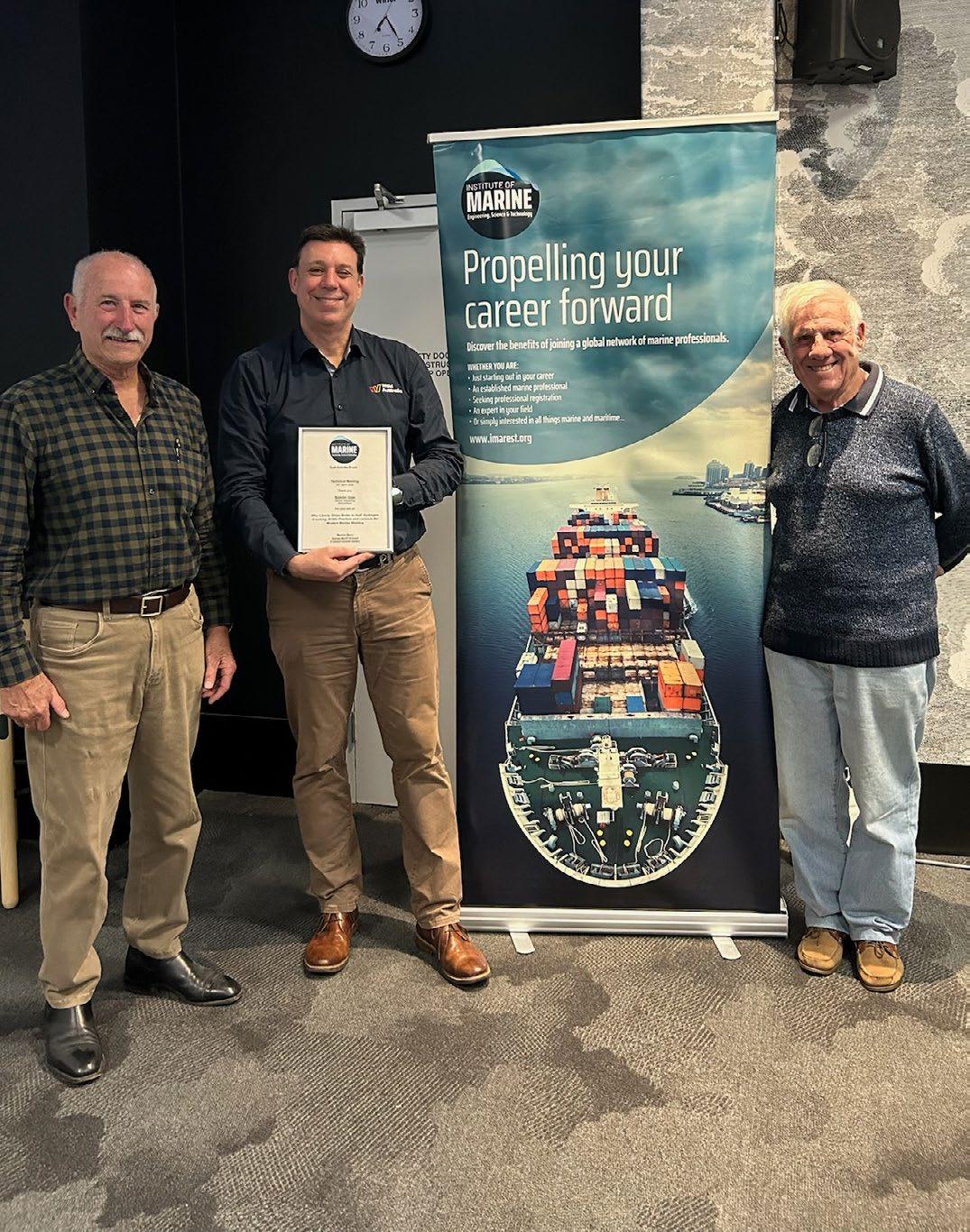
L to R: Brian Johnston, Simon Doe (Weld Australia), and Maurice Berry (Chair, IMarEST)
As the peak body for Australia’s welding industry, Weld Australia relies on input from individuals like you to understand the challenges, opportunities and workforce trends shaping our sector.
That’s why we’re inviting you to complete the 2026 Weld Australia Industry and Workforce Outlook Survey
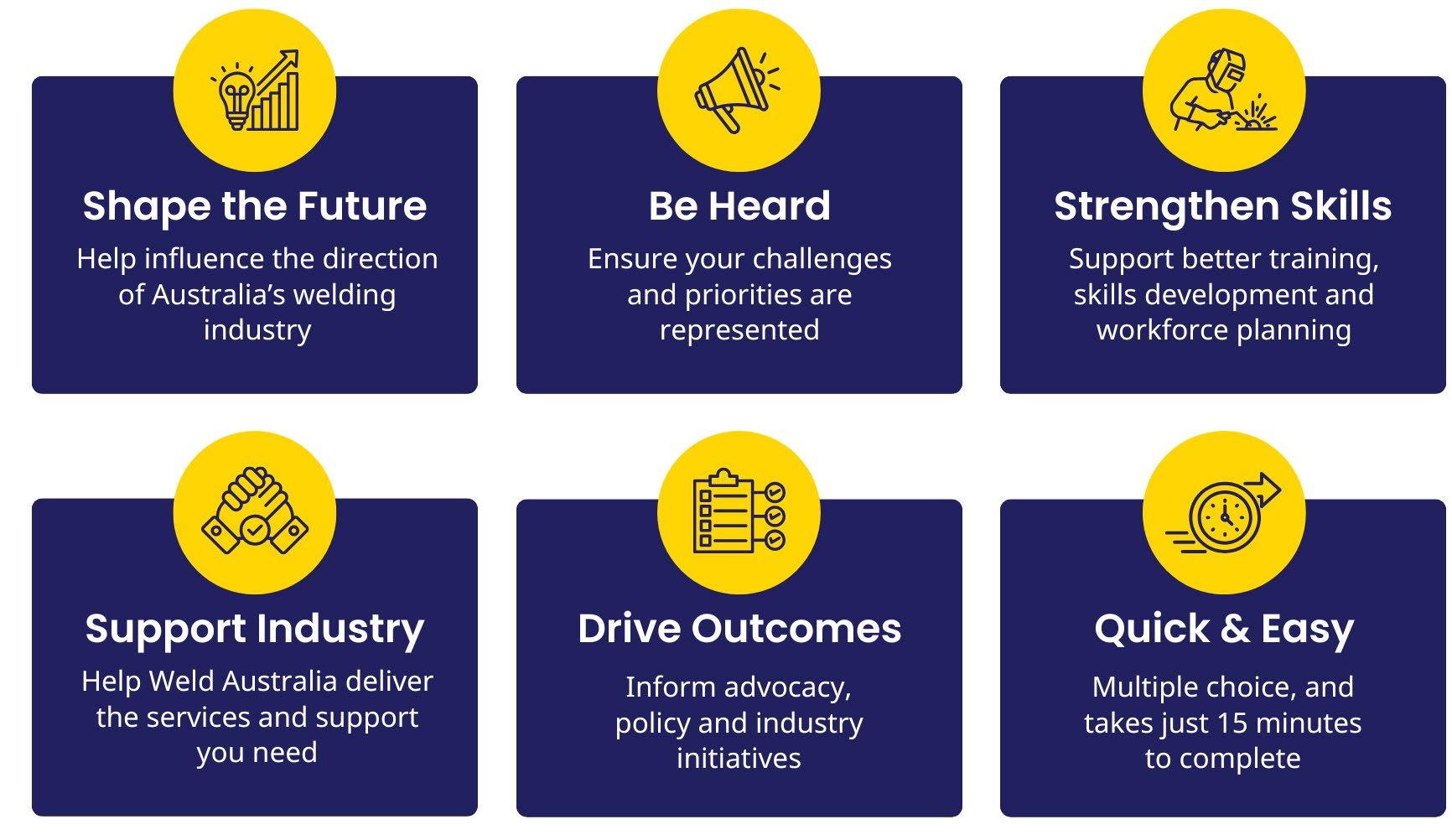
This survey plays a critical role in helping us:
• Advocate for the needs of our industry
• Identify skills gaps and workforce challenges
• Shape future training, policy and industry initiatives
• Ensure we’re delivering the right support to you, your business and the industry
We know your time is valuable. The survey is designed to be straightforward and efficient, with mostly multiplechoice questions, and will take approximately 15 minutes to complete.
Your feedback will directly influence how Weld Australia represents and supports the industry in the year ahead. Take the survey now.
WHY TAKE THE SURVEY?

SOUTH
AUSTRALIA COMMITTEE TECHNICAL NIGHT
NDT IN PRACTICE: FUNDAMENTALS TO ADVANCED TECHNIQUES
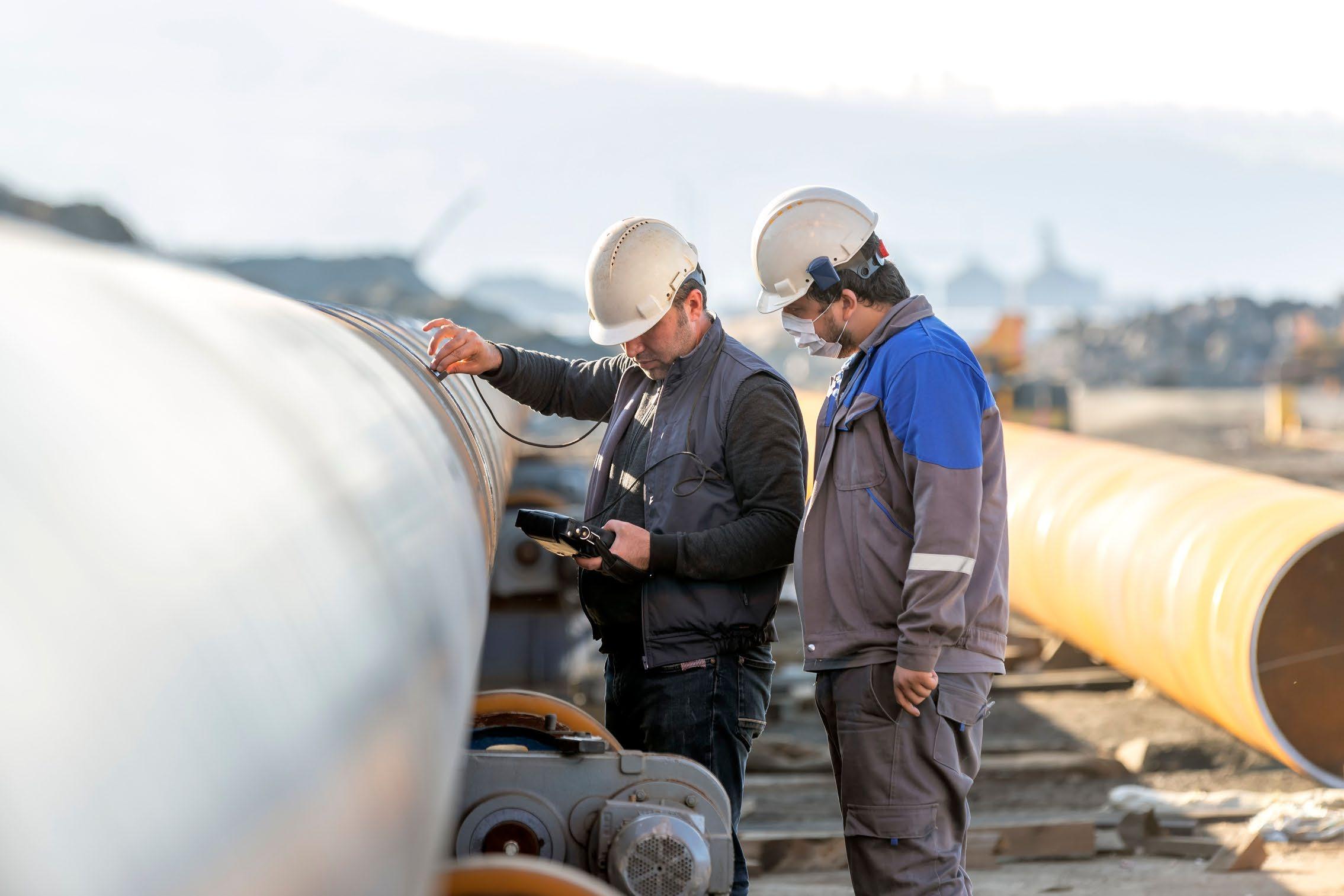
Join Weld Australia for an informative and handson evening exploring the latest in Non-Destructive Testing (NDT) technologies and techniques
The session will begin with a comprehensive presentation covering the advantages and limitations of a range of NDT methods, including widely used conventional techniques such as Magnetic Particle Testing (MT), Penetrant Testing (PT), Radiographic Testing (RT), and Ultrasonic Testing (UT)
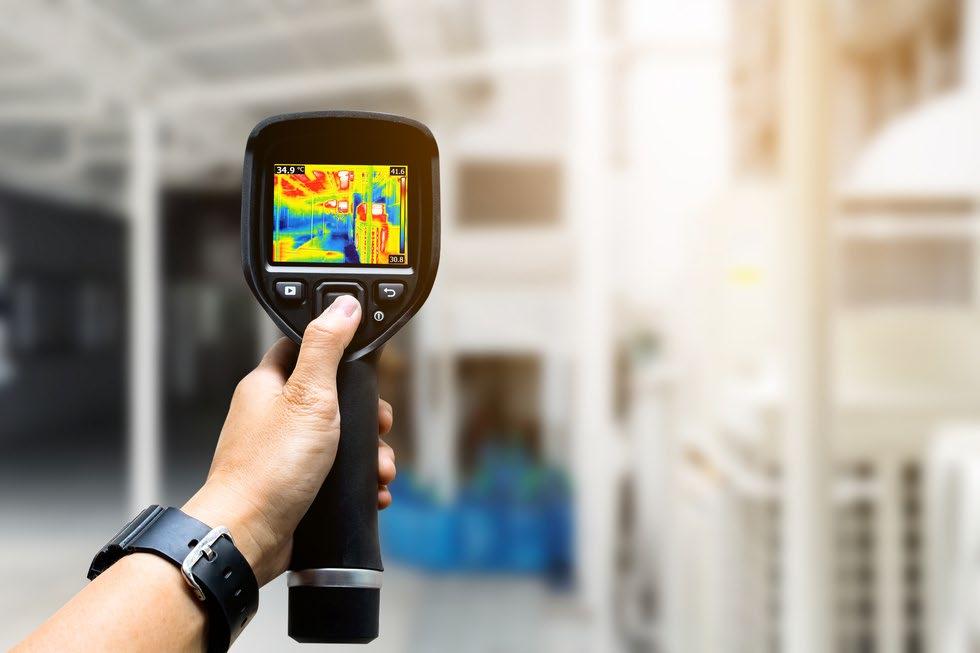
Attendees will also gain exposure to advanced and emerging methods, including Eddy Current Testing, Positive Material Identification (PMI), Phased Array Ultrasonic Testing (PAUT), Digital Radiography, and Safe Proximity Radiographic Testing
WHO SHOULD ATTEND?
This event is ideal for welding supervisors, coordinators, engineers, QA professionals, NDT technicians, production managers, and business owners seeking to deepen their understanding of inspection techniques and stay current with industry advancements.
ABOUT THE PRESENTER
Simon Wilding, QA Manager & NDT Level 3, Red Earth NDT
Simon Wilding brings over 30 years of experience in non-destructive testing (NDT) and inspection across a diverse range of industries. His expertise spans environments including foundries, manufacturing workshops, rail maintenance, in-water shipping surveys, site erection projects, and power generation sectors, covering fossil fuel, renewable, and nuclear applications
EVENT DETAILS
Date: Thursday 21 May 2026
Time: 6:00pm for 6:30pm to 8:00pm
Venue: Red Earth NDT
Address: 16 Playford Crescent Salisbury North, SA 5108
FREE FOR MEMBERS
FREE for Weld Australia Members
$15.00 for Non Members
Refreshments will be provided
UPCOMING EVENTS
MATERIAL INTEGRITY IN WELDING IN MELBOURNE
Weld Australia’s Victoria State Committee invites members and industry professionals to a technical evening hosted at Ringwood Training, featuring practical insights into material grouping, inspection technologies, and modern welding processes. Attendees will leave with a clear understanding of:
• A practical overview of the material grouping system used in AS/NZS 1554
• What handheld XRF and OES is and what it can do
• Why it matters in welding and fabrication
• Where it fits into real welding workflows (before, during, after welding)
• How it reduces risk, rework, and compliance issues
EVENT DETAILS:
• Date: Thursday 21 May 2026
• Time: 5:30pm to 8:00pm
• Venue: Ringwood Training
• Address: 3 Hill Street Ringwood East, Victoria
• Cost: Free for all to attend
REGISTER NOW >
NDT IN PRACTICE IN ADELAIDE
Join Weld Australia for an informative and hands-on evening exploring the latest in Non-Destructive Testing (NDT) technologies and techniques. Hear from Simon Wilding (QA Manager & NDT Level 3, Red Earth NDT). The session will begin with a comprehensive presentation covering the advantages and limitations of a range of NDT methods, including widely used conventional techniques, as well as advanced and emerging methods.
Attendees will also have the opportunity to participate in practical demonstrations, where they can engage directly with the equipment and observe these technologies in action
EVENT DETAILS:
• Date: Thursday 21 May 2026
• Time: 6:00pm for 6:30pm to 8:00pm
• Location: Red Earth NDT
• Address: 16 Playford Crescent, Salisbury North, South Australia
• Cost: Free for all to attend
REGISTER NOW >
WELDING FUME MITIGATION AND CONTROL IN ORANGE
Join Weld Australia for our Welding Fume Mitigation & Control event — a practical, hands-on demonstration focused on protecting welders from hazardous fumes generated during fabrication and manufacturing. The session will showcase equipment and systems designed to reduce exposure and improve workplace safety, including:
• On-gun fume extraction systems
• Hooded capture extraction units
• Welding helmets with Powered Air Purifying Respirators
EVENT DETAILS:
• Date: Thursday 25 June 2026
• Time: 6:00pm to 9:00pm
• Venue: TAFE NSW Orange
• Address: 109 March Street, Orange NSW 2800
• Cost: Free for all to attend
REGISTER NOW >
WELDING FUME MITIGATION & CONTROL IN WAGGA WAGGA
With legislative changes reducing the workplace exposure standard for welding fumes from an 8-hour time weighted average (TWA) of 5 mg/m³ to 1 mg/m³, it’s more important than ever to understand your obligations and the practical solutions available. This technical event focused on practical ways to ensure compliance.
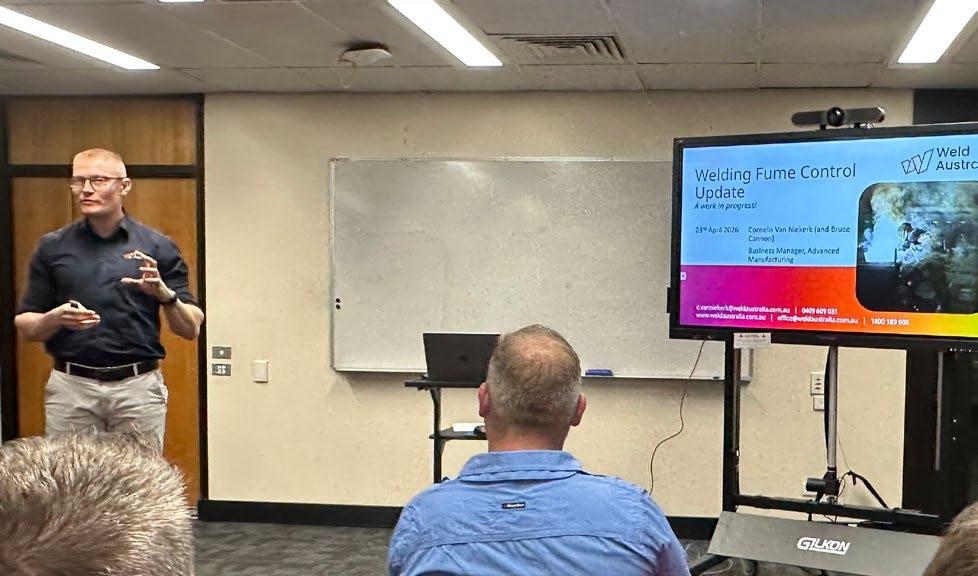
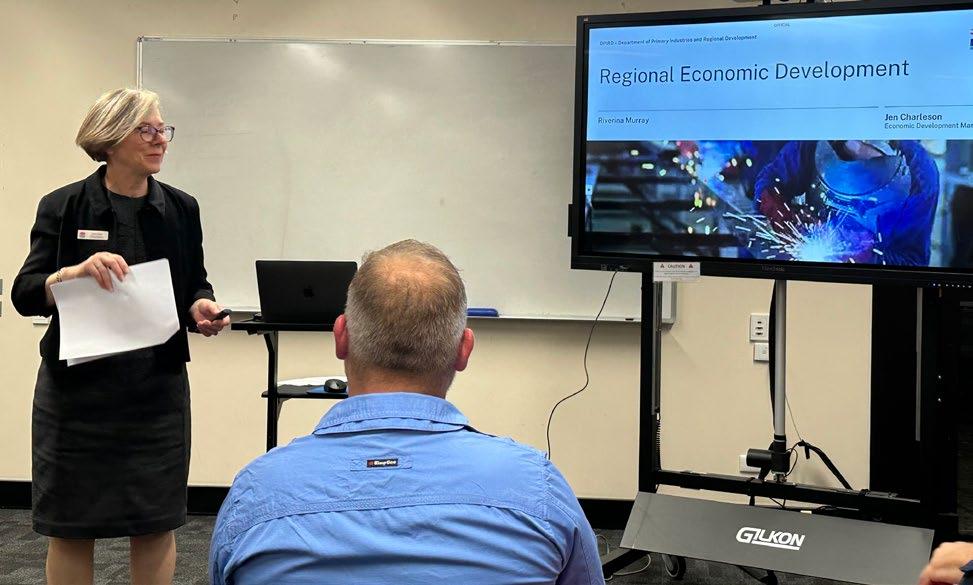
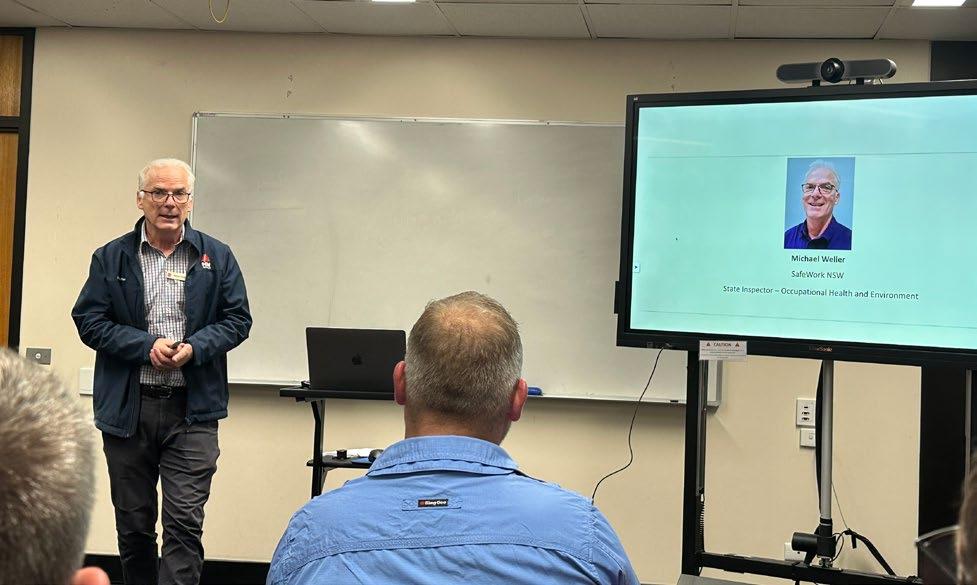
Held at TAFE NSW in Wagga Wagga, attendees had the chance to see fume control equipment operating in real time, gain hands-on experience with extraction and respiratory protection systems, and an understanding of how to align their workplace with the updated exposure standards.
Expert presenters included Cornelis Van Niekerk (Advanced Manufacturing Manager, Weld Australia), Jen Charleson (Economic Development Manager, Department of Primary Industries and Regional Development), and Michael Weller (State Inspector, Occupational Health and Environment team, SafeWork NSW).
There were also displays from a range of our member companies, including Apex Welding Safety BOC, SPW, Coregas, Kemppi, Lincoln Electric, Nederman, Smenco, UNIMIG, Weldclass and Welding Industries of Australia (WIA). We’d like to thank all of these companies for their support and expertise.
INDUSTRY GAINS CRITICAL INSIGHTS AT ANNUAL STANDARDS WEBINAR
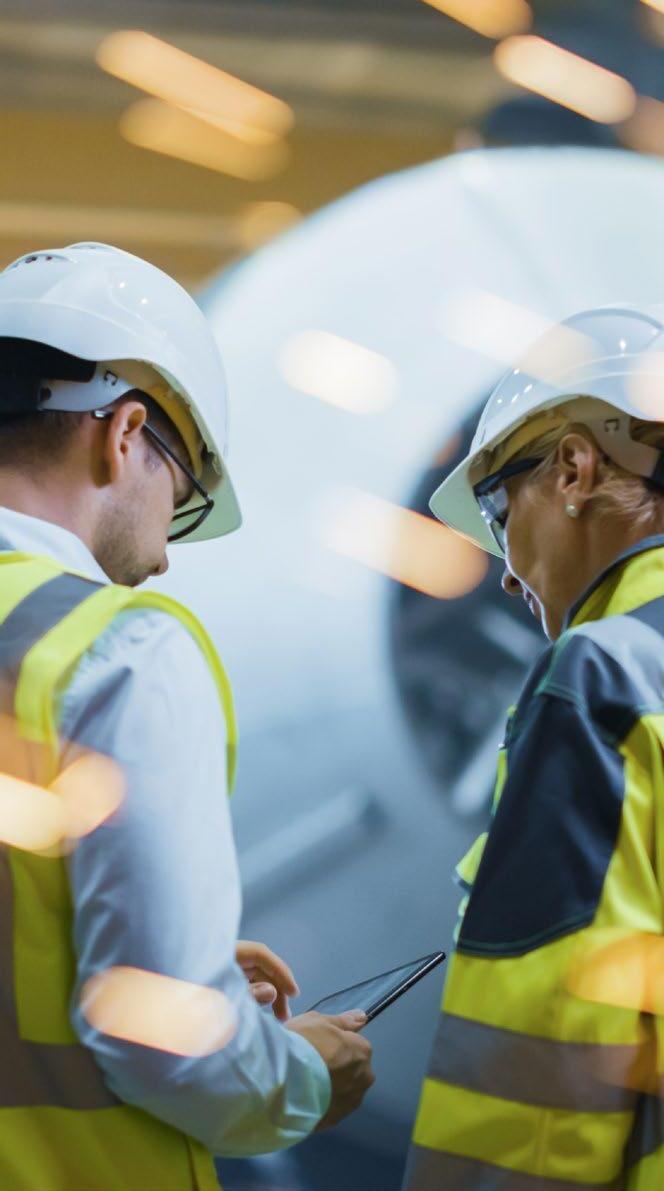
Weld Australia recently hosted it’s annual webinar on the Australian and international Standards shaping the welding industry. With over 160 people in attendance, the webinar provided attendees with valuable clarity on compliance requirements and their practical impact on day-to-day operations.
The webinar was presented by Bruce Cannon, Principal Welding Engineer at Weld Australia. Attendees gained a deeper understanding of how these standards apply to their work, and what businesses need to do to ensure ongoing compliance.
The webinar covered key standards across multiple areas, including design and fabrication (AS 4100, AS/NZS 5100.6), pressure equipment (AS 3788, AS 3992, AS 4343, AS 4458), and structural welding (AS/NZS 1554, AS 2214, AS/NZS 1665), along with important welding safety standards (AS 1674.1 and AS 1674.2) and relevant ISO standards. The session also provided practical guidance to help businesses assess their current position and ensure they are meeting the required standards, reinforcing the importance of compliance in maintaining safety, quality, and competitiveness.
Cornelis Van Niekerk
Jen Charleson
Michael Weller
MACKAY AND MORANBAH GIRLS POWER UP WITH QMEA’S ALL-FEMALE ‘TRADIES FOR A DAY’ PROGRAM
Female secondary students in the Mackay region have been breaking down gender barriers this month, attending an all-female Tradies for a Day program.
The full-day program involved students completing a series of trade activities delivered by the Queensland Minerals and Energy Academy (QMEA) in partnership with BHP Mitsubishi Alliance (BMA).
The first workshop at Pioneer State High School on Tuesday had 25 students attending from Pioneer SHS, Mackay Northern Beaches SHS, Mackay North SHS, Mackay SHS and Sarina SHS.
The second workshop, which was held at Moranbah State High School, had eighteen Year 10 students rotating through seven trade stations including a new virtual reality (VR) truck driving and maintenance activity developed by Mining Skills Australia.
Lisa Veney, Pioneer State High School principal, said the integration of new technologies into the trade workshops was a real bonus for the students.
“Being able to virtually drive a haul truck and use interactive technology to do a maintenance check of a mining vehicle is a great experience for the students,” said Ms Veney.
“It brings another perspective to their trades studies and a deeper understanding of the types of roles they could have in the resources industry,” she said.
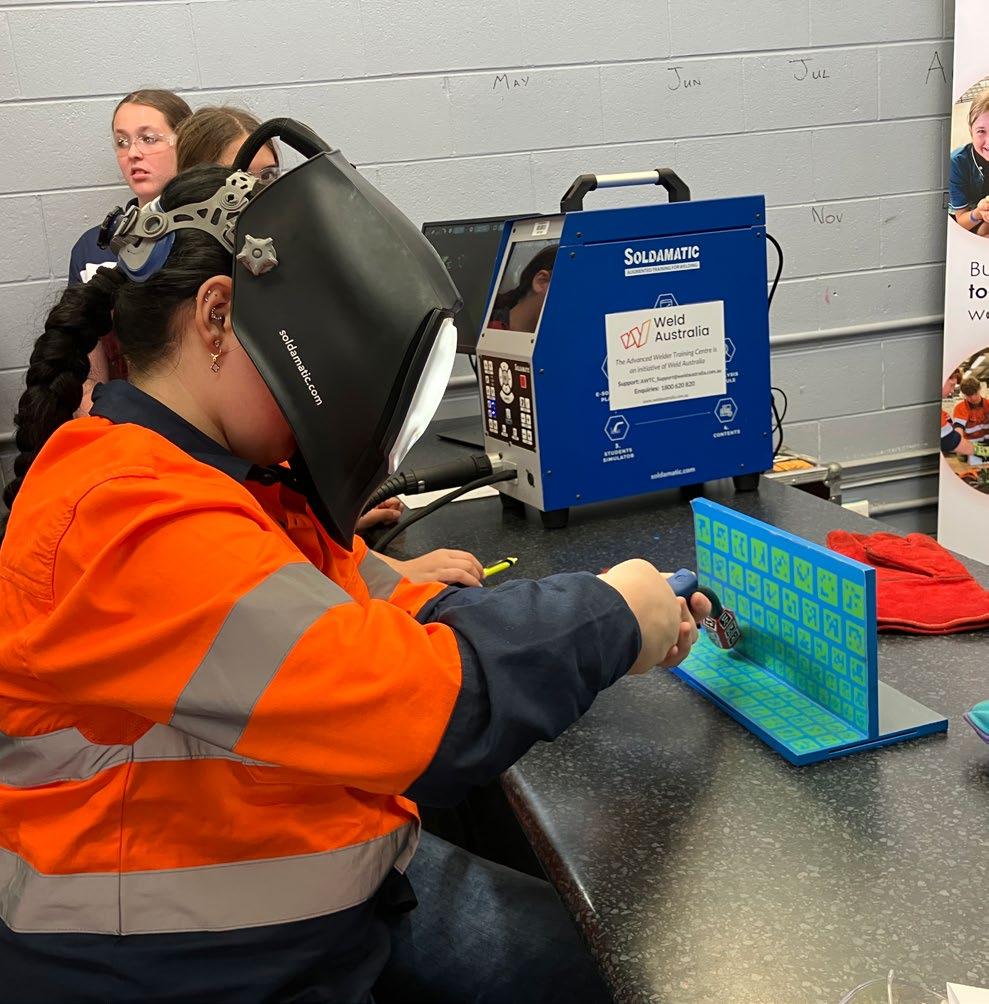
The students also completed hands-on activities involving electrical circuits, mechanical skills, virtual welding and a pneumatic challenge.
Katrina-Lee Jones, Policy Director – Skills, Education and Diversity at the Queensland Resources Council said the popularity of the all-girls workshop signified a growing interest in trade careers.
“Mackay and Moranbah students are fortunate to live in a region rich with resources which can offer plenty of job opportunities,” said Ms Jones.
“Gone are the days when women were mainly in support roles on a site – they are now also in operational, trade and professional roles,” she said.
“I am sure many of the young women in these workshops will go onto create successful careers as tradespeople in the resources industry and broader community.”
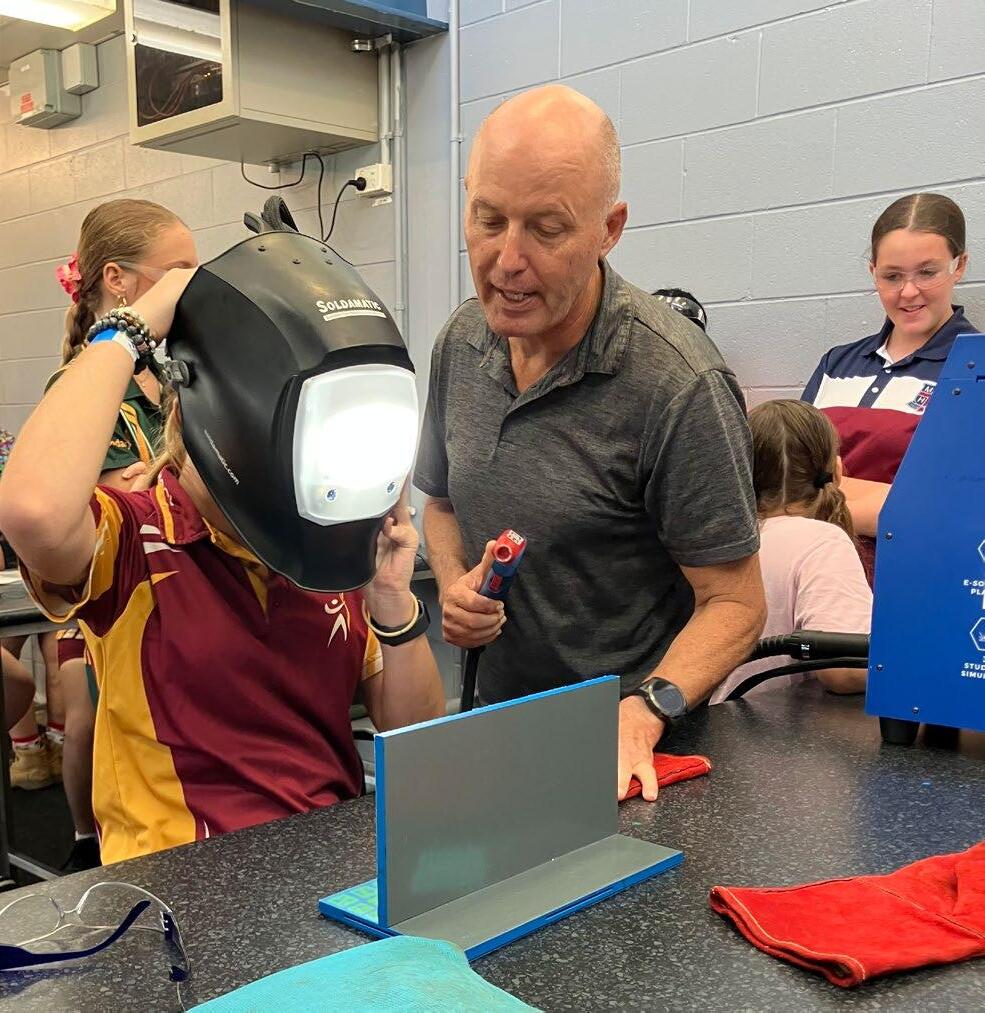
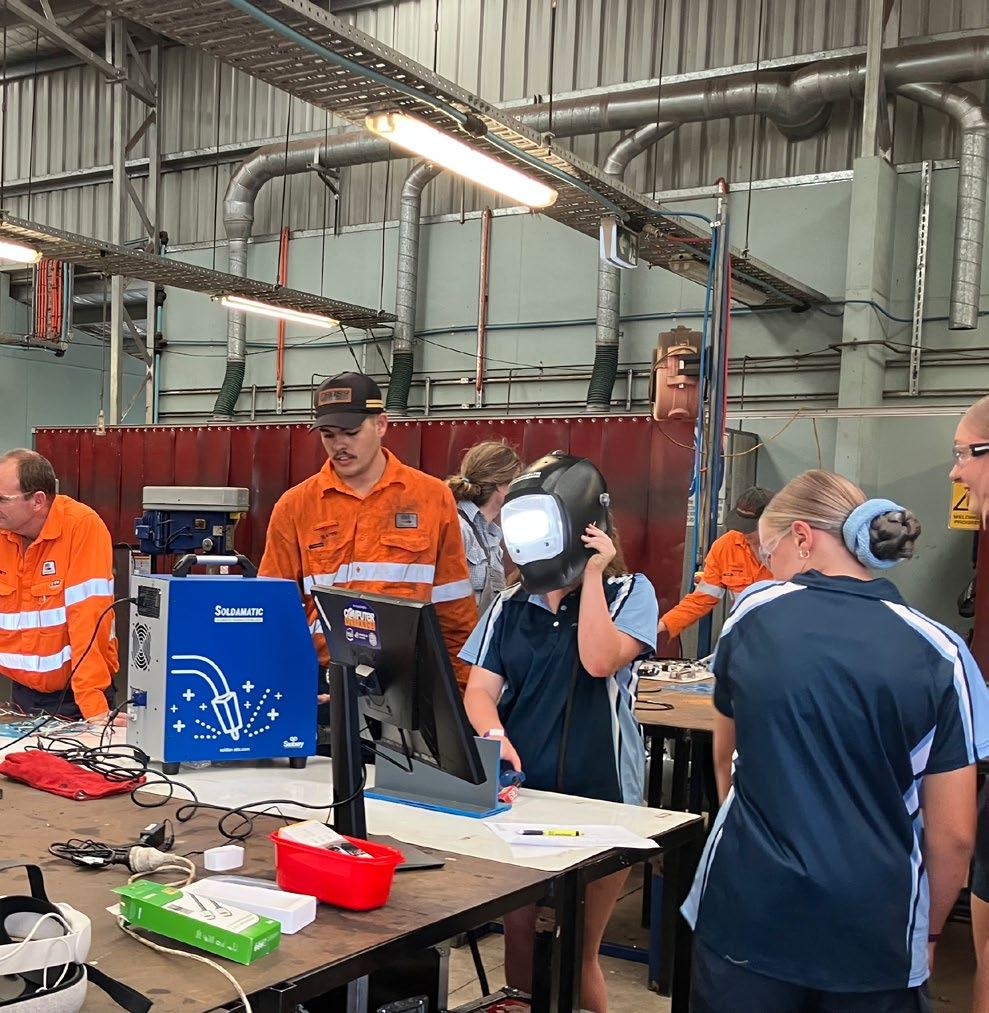
Pioneer State High School
Pioneer State High School
Moranbah State High School
VIRTUAL TOOLS AND REAL TRADE SKILLS AT QMEA’S ‘TRADIE FOR A DAY’ WORKSHOPS
From virtual haul trucks to hands-on welding challenges, secondary students have discovered just how exciting a trade career in mining can be with a series of ‘Tradies for a Day’ workshops giving students the chance to learn from real-world experts.
The workshop was designed to give students a realistic insight into the vital role that trades play in the resources sector and the apprenticeship pathways available to them beyond school.
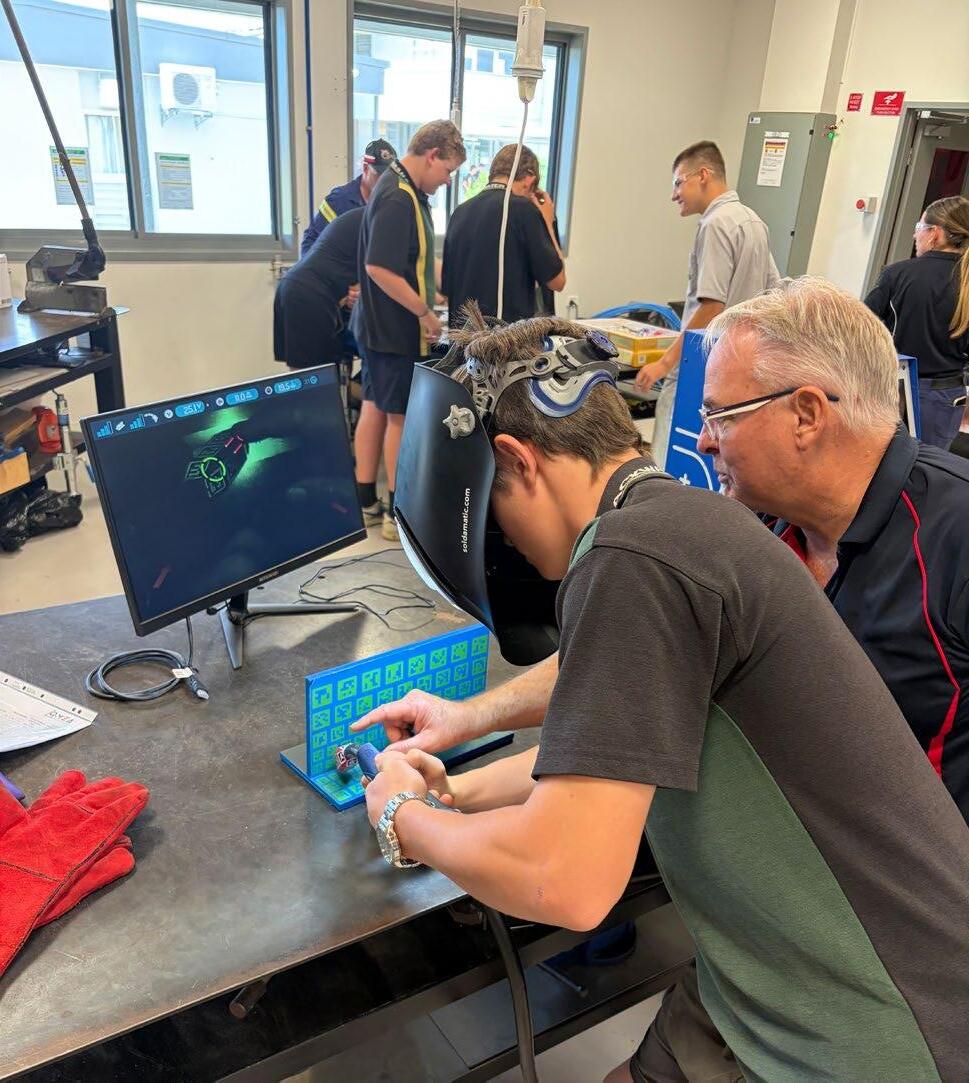
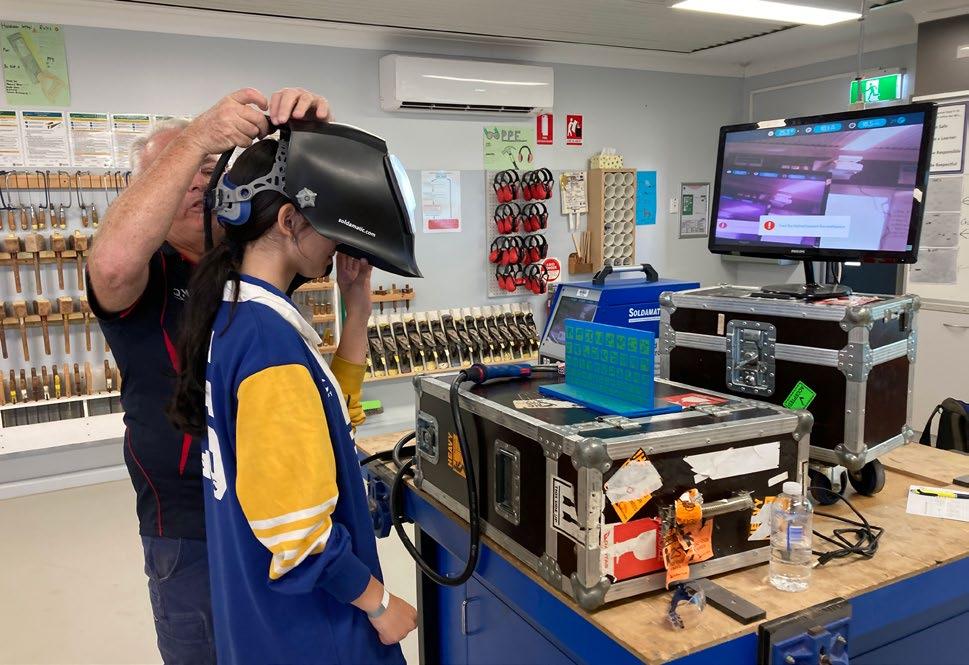
This year’s program also featured cutting-edge technology, with students using virtual reality (VR) to experience welding, haul truck driving and complete a vehicle maintenance check in a simulated mine-site environment.
The workshop was delivered this month by the Queensland Minerals and Energy Academy (QMEA) at:
• Blackwater State High School, with a group of 18 Year 10 students participating. Congratulations to Ty Brown who was the best welder of the day with an impressive top score of 95%.
• Millmerran Secondary School, with 15 Year 10 students participating in the workshop. Congratulations to Marley Lewis who was the best welder of the day with an impressive top score of 96%.
Rebecca Vitale, Principal at Blackwater State High School said the opportunity for students to immerse themselves in a full day of trades was invaluable.
“Spending an entire day focused on trade skills allows students to build confidence, try new things and find out more about trade apprenticeships,” Vitale said.
“Hearing directly from tradespeople about their career journeys helps students make informed decisions about their future and the subjects they need to study in their final years at school.”
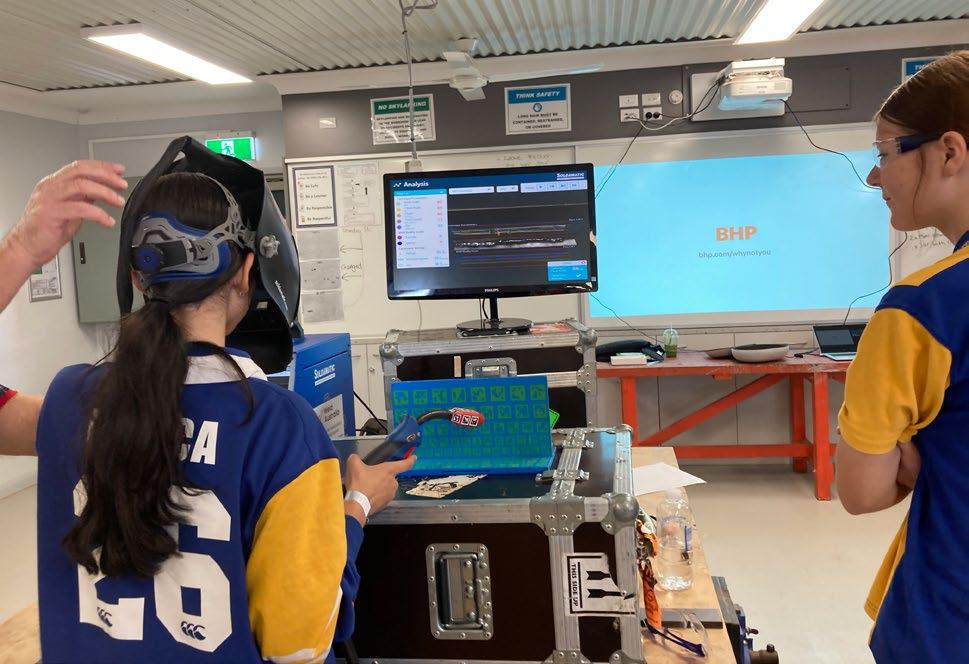
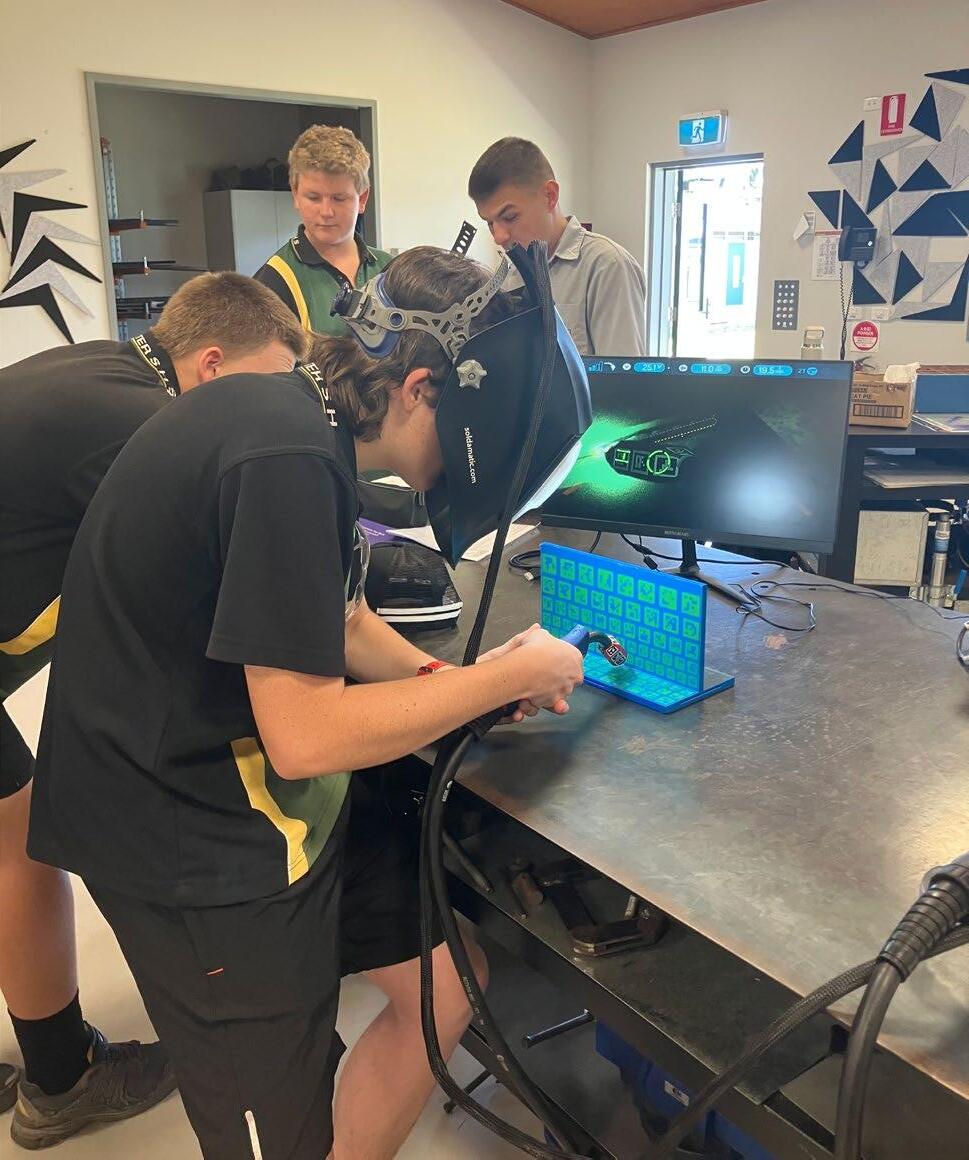
Blackwater State High School
Blackwater State High School
Millmerran Secondary School
Millmerran Secondary School
LUNCH & LEARN AT THE
WELDING SUPPLIES TRADE SHOW
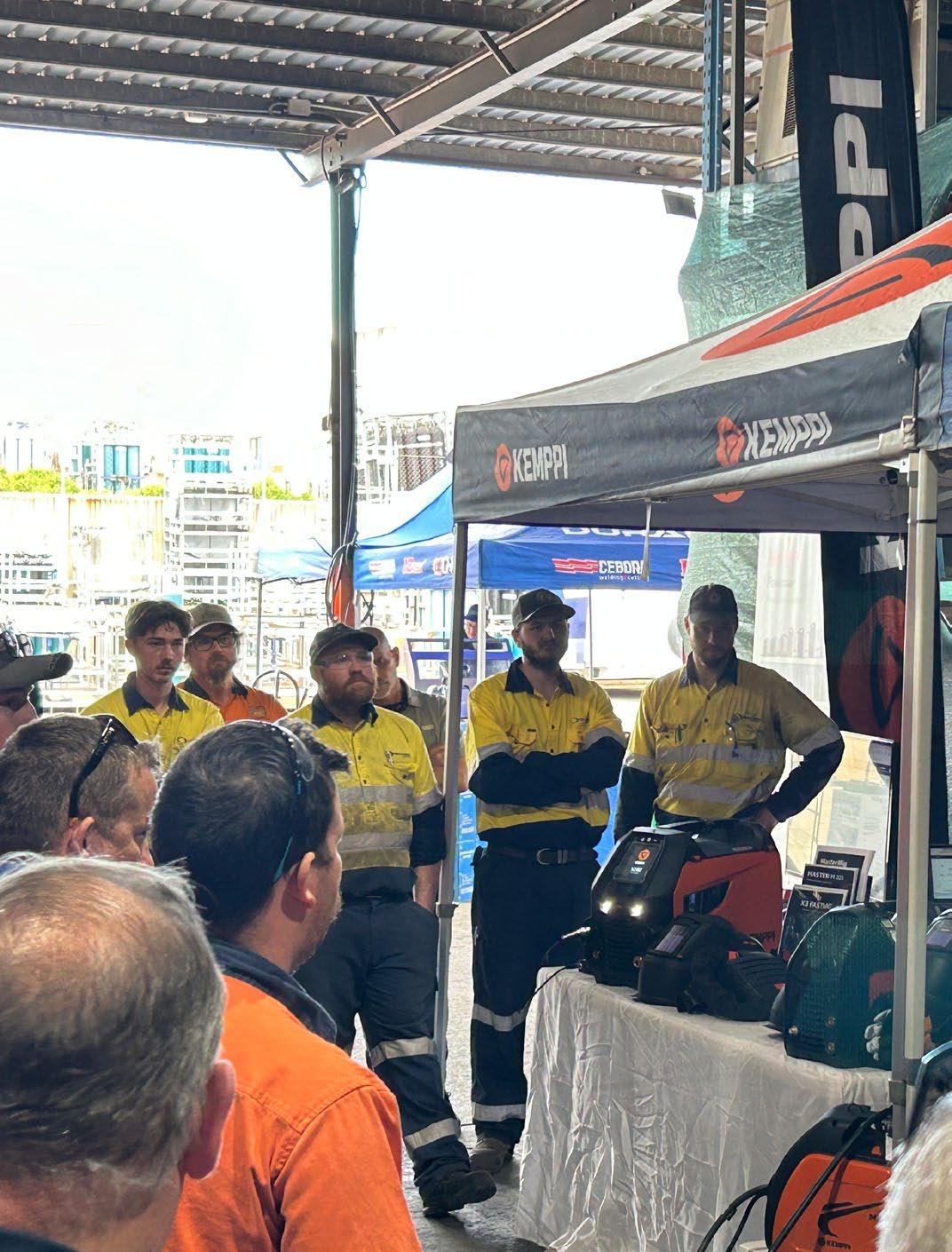
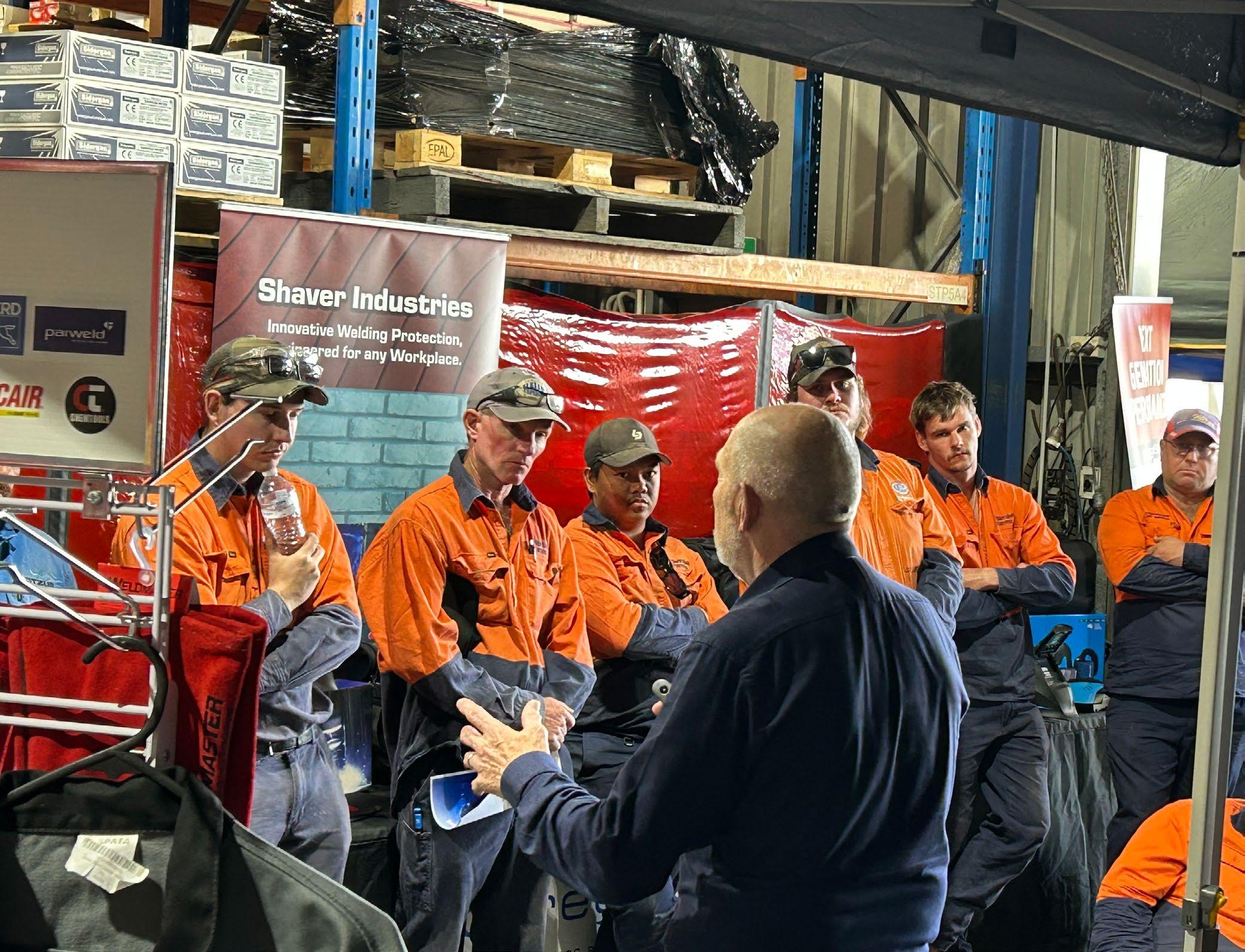
Innovation, productivity and safety took centre stage at the recent Toowoomba Welding Supplies Trade Show, showcasing the latest advancements shaping the future of the industry.
The event brought together leading suppliers and industry professionals for a series of handson demonstrations and displays, highlighting cutting-edge technologies in welding, cutting and finishing, fume management, safety solutions, and cobot welding automation.
Attendees also gained valuable insights into how Weld Australia supports businesses across the sector, through membership, compliance guidance, training pathways and strong industry advocacy.
Weld Australia CEO Geoff Crittenden was on site, providing updates on major industry initiatives and engaging directly with attendees to share practical advice and expert insights.
QUEENSLAND COMMITTEE HOSTS SUCCESSFUL PRODUCTIVITY & INNOVATION NIGHT
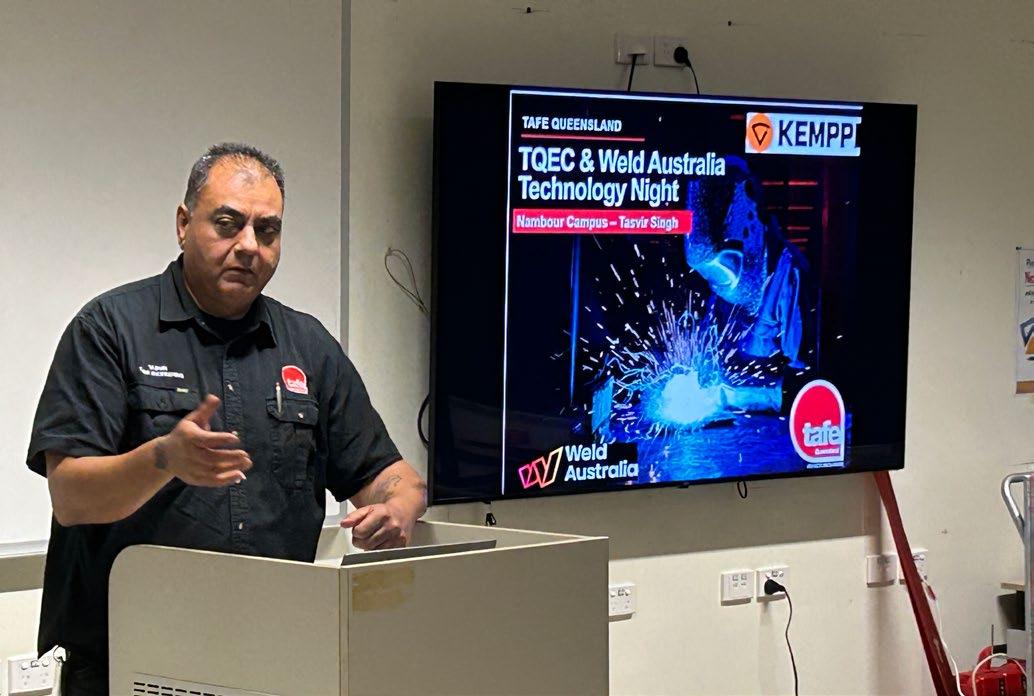
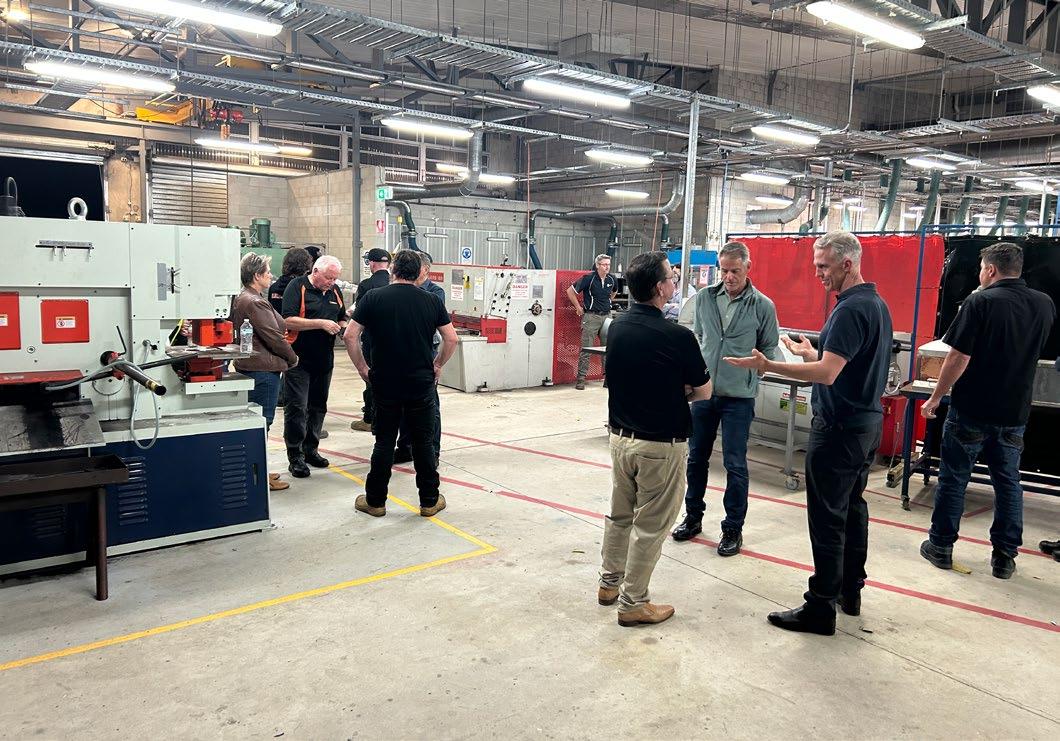
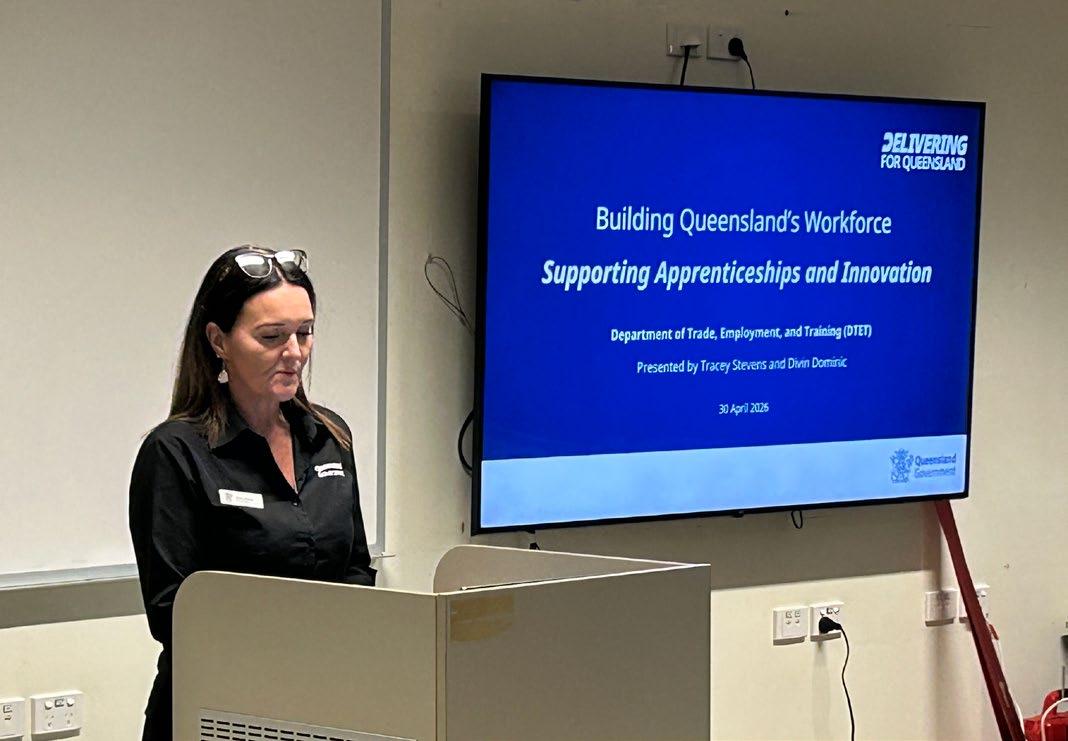
Weld Australia’s Queensland Committee recently hosted a highly successful Productivity and Innovation Night at TAFE Queensland’s Nambour Campus, bringing together industry professionals, educators, students, and business leaders from across the Sunshine Coast.
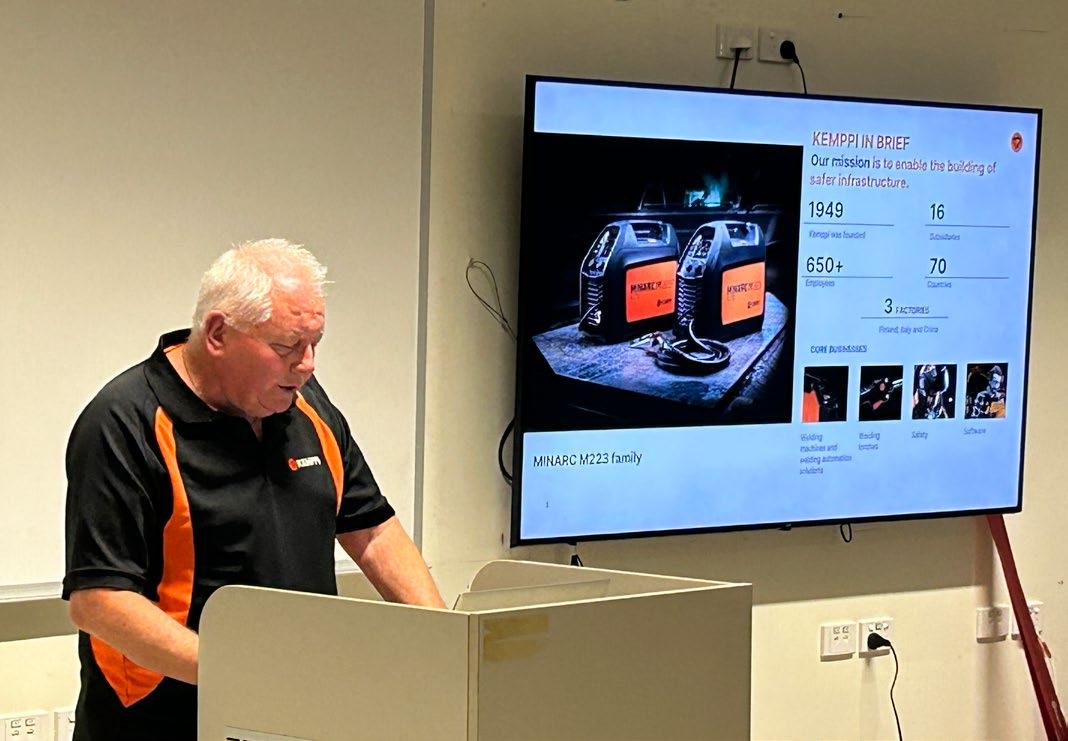
Delivered in partnership with TAFE Queensland and Kemppi Australia, the event focused on the latest advancements in robotics and advanced manufacturing, providing attendees with practical insights into the technologies shaping the future of the welding and fabrication sector.
The evening featured engaging presentations from Stuart Orr (Sales Director, Kemppi Australia) and Tasvir Singh (Educator for Engineering, TAFE Queensland), who shared their expertise on emerging technologies, workforce capability, and the importance of aligning with industry standards.
A key highlight of the event was the opportunity to experience live demonstrations of advanced manufacturing technologies, giving attendees a handson look at how innovation is improving productivity, quality, and safety across the industry. Participants also gained valuable guidance on standards compliance and certification pathways, as well as practical advice on strengthening workforce capability.
Beyond the technical insights, the event provided an excellent platform for networking and collaboration, helping to strengthen connections between local industry, training providers, and future talent. Events like this play an important role in supporting regional industry growth, fostering innovation, and ensuring that Australian welding and fabrication businesses are well positioned for the future.
Weld Australia extends its thanks to TAFE Queensland, Kemppi Australia, speakers, and attendees for contributing to a successful and engaging evening.
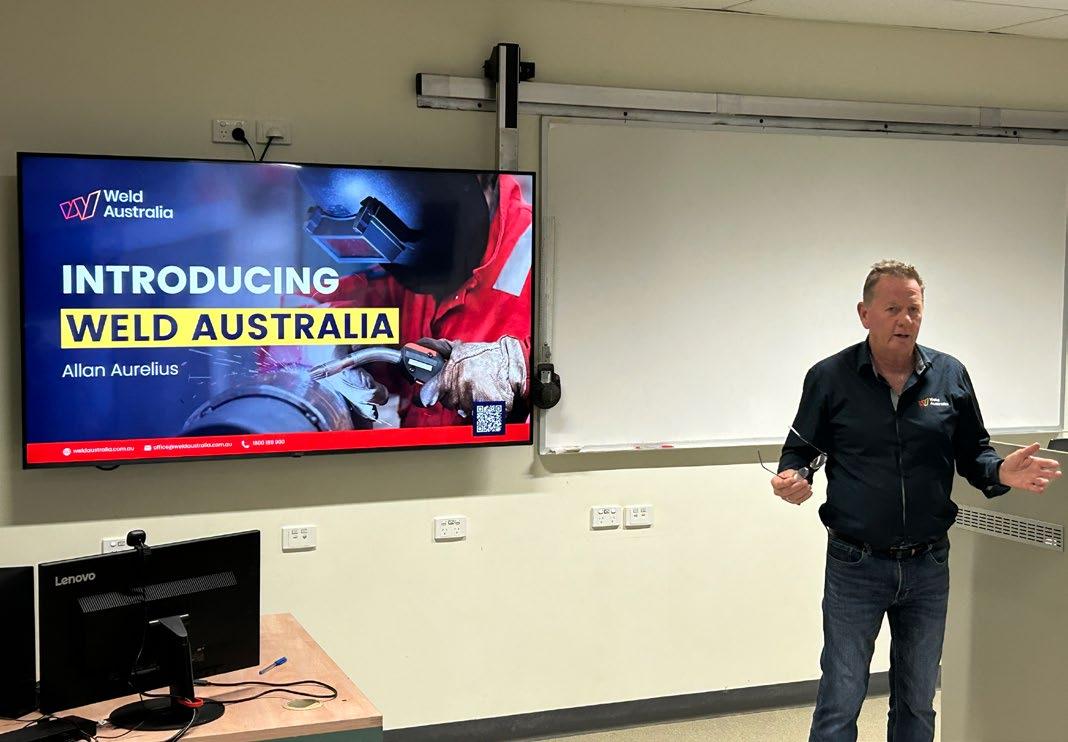
Allan Aurelius (Weld Australia)
Stuart Orr (Kemppi Australia)
Tasvir Singh (TAFE Queensland)
Tracey Stevens (Queensland Government)
2026 NATIONAL MANUFACTURING SUMMIT POSTPONED
Weld Australia wishes to advise that the National Manufacturing Summit, scheduled to be held in Adelaide this July, will be postponed.
This decision has been made following careful consideration of a number of external factors currently affecting the broader environment.
These include evolving ministerial and government travel constraints, increasing travel and accommodation costs, and the challenging conditions many organisations are navigating at present.
We also recognise that, particularly within the Defence sector, many attendees are focused on critical operational priorities and delivery commitments. It is important to us that participation in this national event does not place additional pressure on individuals or organisations during this time.
As a Summit of national importance, our objective is to deliver a high-quality event with strong attendance, meaningful engagement, and tangible outcomes for industry. Under current conditions, we do not believe this could be achieved to the standard expected by our attendees, speakers, and sponsors.
We have therefore taken the proactive step to
postpone now, allowing all participants sufficient notice and flexibility in their planning.
The Summit will be rescheduled once there is greater clarity in the operating landscape. We are confident that when it returns, it will provide an even stronger platform for connection, collaboration, and advancing Australia’s manufacturing capability in support of Defence.
We sincerely thank you for your interest and support, and we look forward to welcoming you when the event is reconvened.
Further updates will be shared in due course.
For further information and any questions, please contact events@weldaustralia.com.au
THORIATED TUNGSTEN IN WELDING
PERFORMANCE BENEFITS AND OCCUPATIONAL HEALTH RISKS
By Corentin Avila (Welding Engineer, Weld Australia), Bruce Cannon (Principal Welding Engineer, Weld Australia) and Simon Doe (Director, Engineering, Weld Australia)
Introduction
Tungsten (symbol W, derived from Wolfram) electrodes have been a cornerstone of welding technology since the early 20th century. The metal’s exceptional properties, most notably its high melting point of 3,410°C, make it uniquely suited for welding applications. Tungsten boasts the highest melting point of all metals, along with the lowest vapor pressure and the highest tensile strength above 1,650°C. These characteristics ensure that tungsten electrodes remain stable and are not consumed by the welding arc, making them ideal for precision welding.
The transition to inverter power sources further accelerated the adoption of alloyed tungsten electrodes, which offer superior arc stability and performance compared to pure tungsten.
Limitations of Pure Tungsten Electrodes
Early tungsten electrodes for GTAW (Gas Tungsten Arc Welding) / TIG (Tungsten Inert Gas) and later also PAW (Plasma Arc Welding) were composed of pure tungsten (classified as AWS A5.12 EWP or AS/NZS ISO 6848 WP, and colour-coded green). While pure tungsten electrodes excel in AC (Alternating Current) welding applications, particularly useful for welding aluminium, aluminium bronze, magnesium and their alloys with a “balled” tip, they exhibit significant limitations in DC (Direct Current) applications.
In DC mode, pure tungsten electrodes tend to split or crack as well as emit molten tungsten particles into the weld pool, compromising weld integrity and quality. This instability spurred the development
of alloyed tungsten electrodes to enhance the performance of tungsten electrodes in welding.
Alloying Tungsten Electrodes
Thoriated tungsten (classified as AS/NZS ISO 6848 WTh10, 20 or 30, and respectively colourcoded yellow, red or violet) contains additions of Thorium oxides (ThO2) within the range of 0.8 to 3.2%, while the balance is pure tungsten. They have increased usable life compared to unalloyed tungsten electrodes because of their higher electron emission, better arc starting and arc stability. However, they come with a serious safety risk.
Occupational Health Risks of Thoriated Tungsten
Thorium-232 (²³²Th) is the primary isotope present in thoriated tungsten. This naturally radioactive isotope undergoes alpha decay as part of its decay chain. While its alpha radiation is blocked by human skin, inhaling or ingesting thorium oxide (ThO₂) dust, released during grinding or sanding of thoriated tungsten electrodes, poses a serious health risk. The dust exposes internal tissues to alpha particles, increasing the risk of lung cancer and respiratory diseases.
Thoria is classified as a known human carcinogen by both the International Agency for Research and Cancer (IARC) and the National Toxicology Program (NTP, USA). In Australia, thoriated tungsten is not regulated as a hazardous chemical, but is managed under Work Health and Safety (WHS) regulations. These require employers to identify and eliminate or, if not possible, minimise health and safety risks as far as reasonably practicable.
Alternatives to Thoriated Tungsten
Because of the health risks associated with thoriated tungsten, different non-radioactive tungsten alloys have been developed over the years to provide equivalent or even better welding characteristics. These developments allow the risks associated with the use of thoriated tungsten to be eliminated by substituting these alternative alloy electrodes.
Various studies have looked at concerns raised in relation to the perceived loss of life between the thoriated tungsten electrodes compared to other alloyed electrodes. It has been shown that thorium oxide has the greatest tendency to be lost through the welding operation compared to other currently used alloying elements. Lanthanum oxides exist at the weld tip for longer, lowering the overall erosion rate and increasing the life of the electrode.
Lanthanated tungsten (classified as AS/NZS ISO 6848 WLa10, 15 or 20, and respectively colour-coded black, gold or blue) contains Lanthanum oxide, Lanthana (LaO2) or dispersed Lanthanum oxide (La2O3) in ranges of 0.8 to 2.2%. Lanthanated tungsten is an allpurpose electrode that can be used in both DC- (DC electrode negative or DCEN) and AC applications. The blue tungsten (2% La2O3) offers a much longer service life and better arc starting than thoriated tungsten if not overloaded (using the correct diameter). It is particularly resistant to pulsed welding, short weld cycles and contamination. It is well suited for applications requiring high current.
Ceriated tungsten (classified as AS/NZS ISO 6848 WCe20 and colour-coded grey) contains cerium oxide, ceria (CeO2) in ranges of 1.8 to 2.2%.
Ceriated tungsten is similar to lanthanated tungsten in performance but with distinct advantages in low-amperage applications, because it starts very easily at low amps and usually requires about 10% less amperage than the thoriated equivalent. They are ideal for use in low current applications such as orbital tube and pipe welding and welding of small parts.
Rare earth tungsten electrodes (classified as AS/NZS ISO 6848 WG, colour may vary but different from previous) are typically a blend of different oxides from lanthanum, zirconium, yttrium, etc. Rare earth tungsten may also be a suitable alternative as they are specially fabricated to balance migration and evaporation rates (electrode wear), while keeping the minimum required energy to emit electrons as low as possible. This ensures easier arc starting, better arc stability and longer service life. The exact mixture typically differs from one manufacturer to another and so will the service life.
Zirconiated tungsten (classified as AS/NZS ISO 6848 WZr3 or WZr8, and respectively colour-coded brown or white) contains zirconia, ZrO2 in ranges of 0.15 to 0.9%. It is typically used as an alternative to the pure tungsten for welding aluminium and magnesium alloys. This electrode performs well in AC mode where it “balls” up well and maintains better arc stability, starting capability and a higher current-carrying capacity compared to pure tungsten.
Minimising Exposure and Contamination
If it is impracticable to substitute alternative alloy tungsten in place of thoriated tungsten, then exposure to thoriated tungsten dusts and contamination must be minimised. The following actions are good practices as applied to all welding and grinding operations using thoriated tungsten welding rods:
• Eliminate Thorium oxide by using alternative alloyed tungsten
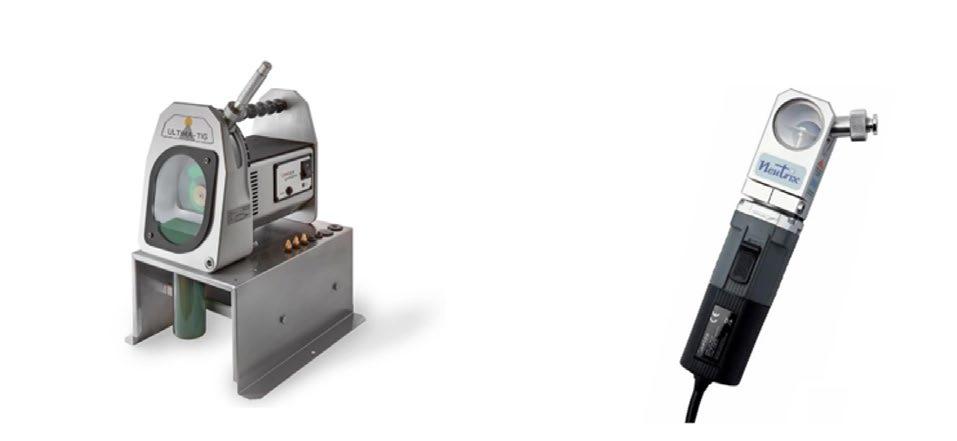
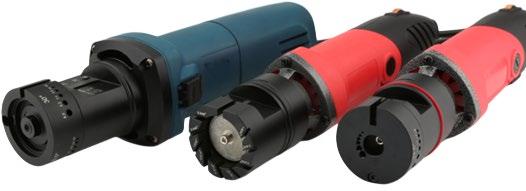
• Use of a precision grinder with an enclosed dust-capture chamber (Figure 1)
• If a grinder with a dust-capture chamber is not available, a dedicated grindstone with local dust capture (extraction) with HEPA filter and wearing of a P2 filter mask (wearer to be fit tested and clean shaven for it to be effective) as minimum; the extracted dust must be sealed within a protective bag and not be released into the atmosphere
• If local dust capture is not available, thoriated alloyed tungsten should not be used
• Workers should be encouraged to wash their hands before using the toilet facilities and work breaks
• After welding or grinding operations are completed, ensure the work area is adequately cleaned
• Ensure welders are trained in the safe and efficient operation of the welding and grinding equipment and measures to reduce surface contamination.
Figure 1. Benchtop (left) and portable (right) tungsten grinders with enclosed dust-capture chamber
THORIATED TUNGSTEN IN WELDING (CONTINUED)
Tungsten Tip Preparation Guide
The tungsten electrode tip shape affects arc stability, starting, and performance. A larger flat tip improves penetration and electrode life but can hinder arc starting. On the other side, a pointed tip eases starting but risks melting and contamination. For low-current or short welds, a point is best; otherwise, a flat (truncated) tip is preferred.
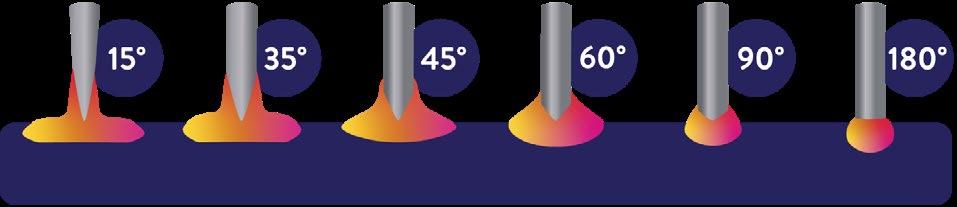
Electrode included angle/taper impacts arc shape, penetration, and longevity. Blunter angles (larger included angle) last longer, offer better penetration, a narrower arc, and handle higher amperage without erosion. Sharper angles (smaller included angle) provide a wider, more consistent arc but with less penetration and durability (See Figure 2).
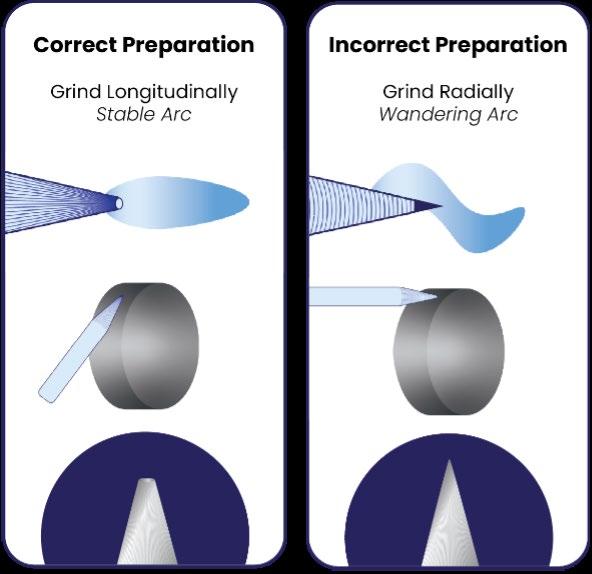
Electrodes should always be ground in the longitudinal direction and never in the radial direction, as angled or spiral grinding scratches may cause arc instability, especially at lower welding currents (see Figure 3).
For grinding non-thoriated alloyed tungsten electrodes, a dedicated grindstone or a portable tungsten electrode grinder, even without a dustcapture chamber, can be safely used (Figure 4).
Key Takeaways
Under Work Health and Safety (WHS) regulations, employers are required to identify and eliminate safety risks. For thoriated tungsten, safer alternatives are available on the market, offering similar or longer service life with enhanced arc stability and starting capabilities.
If replacement is not possible, the reason why replacement is not possible must be documented and all reasonably practicable measures must be taken to prevent inhalation or ingestion of thorium oxide by welders, grinders, or fitters.
NEED ENGINEERING SUPPORT?
With diverse expertise in industries like defence, manufacturing, construction, rolling stock, infrastructure, power generation and mining, Weld Australia has the unique capability and experience to solve your welding problems. Our engineering services can help substantially increase the operational life of your plant and equipment, and reduce your maintenance and repair overheads. Simply email: engineering@weldaustralia.com.au

Figure 2. Impact of angle/taper of tungsten electrode on arc shape and penetration
Figure 3. Tungsten electrode preparation
Figure 4. Portable tungsten electrode grinders without dust-capture chamber
INNOVATIVE, EXPERT ENGINEERING & ADVISORY SERVICES
By taking advantage of Weld Australia’s engineering and consulting services, you have access to the peak industry body in Australia’s welding industry. This will provide your commercial enterprise with access to our expert advisory services, delivered by highly qualified welding and materials experts.
With diverse expertise in industries such as manufacturing, construction, rolling stock, defence, infrastructure, power generation and mining, Weld Australia has the unique capability and experience needed to solve your joining problems.
Our consulting services can help you substantially increase the operational life of your plant and equipment, and reduce your maintenance and repair overheads.
Broad and Deep Experience
Weld Australia has the largest team of International Welding Engineers (IWE) in Australia. Issued by the International Institute of Welding (IIW), this qualification is the highest post-graduate professional welding qualification available.
With expertise in a wide range of industries, from defence, manufacturing and composites to rail and resources, Weld Australia has the uniquely broad and deep capability needed to solve your welding problems.
HOW WE CAN HELP
• Analysis and resolution of complex welding, materials and fabrication problems
• Design, development and project management of fabrication solutions
• Design and qualification of welded connections
• Advice on safety practices pertaining to welding, cutting and joining
• Review of requirements and technical review
• Weld failure investigation
• Drafting and review of fabrication specifications
• Welding inspection and supervision
• Writing and review of welding procedures
• Optimisation of maintenance for risk mitigation
• Welder qualifications
• Supply chain assessment and development
• Weld maps and quality documentation
• Comprehensive failure investigations and engineering critical assessments
• Expert evidence and witnessing services
• Pipeline in-service welding, repairs, hot tapping
• Burn through calculation
SUCCESSFUL CERTIFICATION AUDITS AROUND THE COUNTRY
Weld Australia’s team of experts carried out several successful audits over the last month. Achieving certification is a mark of excellence, demonstrating that companies not only meet the highest technical and safety requirements, but also deliver consistent, compliant, and reliable outcomes for clients.
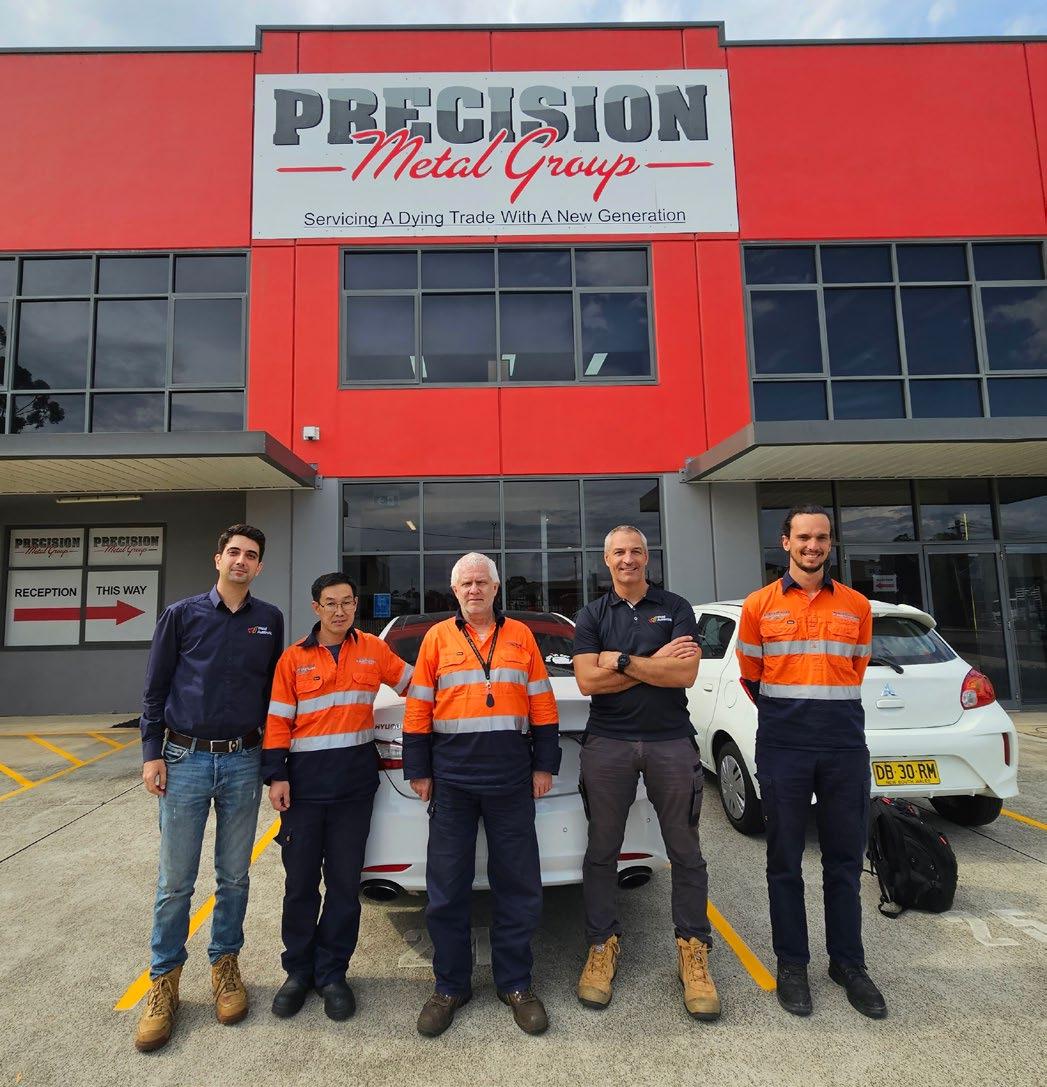
Precision Metal Group (ISO 3834.2, AS/NZS 5131 CC3 and EN 15085 CL1 surveillance audit)
Precision Metal Group (PMG) is certified to several international welding standards, including AS/NZS ISO 3834, EN 15085 and DIN 2303. Jason Elias established Precision Metal Group in 2000 in Yennora, Western Sydney. After eight successful years as a sole trader, Elias formed a company and moved into bigger premises at Wetherill Park. Ten years on, PMG boasts up a team of over 40 employees, delivers innovative, quality work, and is involved with some of Australia’s biggest companies and projects. The company specialises in mechanical engineering services, onsite machining, machinery maintenance, machinery relocation and welding.
3WAY Solutions (EN 15085 CL1 surveillance audit)
Based in Christchurch, New Zealand, 3WS has a team of over 45 qualified experts brings superior problemsolving abilities, technical skills, and industry know-how to every task. They pride themselves on staying at the forefront of innovation, combining the latest, cuttingedge technologies with creative thinking to develop solutions that are both effective and efficient. Their expansive 4,000m2 premises can easily facilitate large-scale projects. From conceptualising and prototyping to full-scale manufacturing, their end-to-end services ensure that every aspect of a project is expertly managed under one roof. By managing each stage of the manufacturing process in-house, 3WS eliminates the need for multiple vendors, saving time and money.
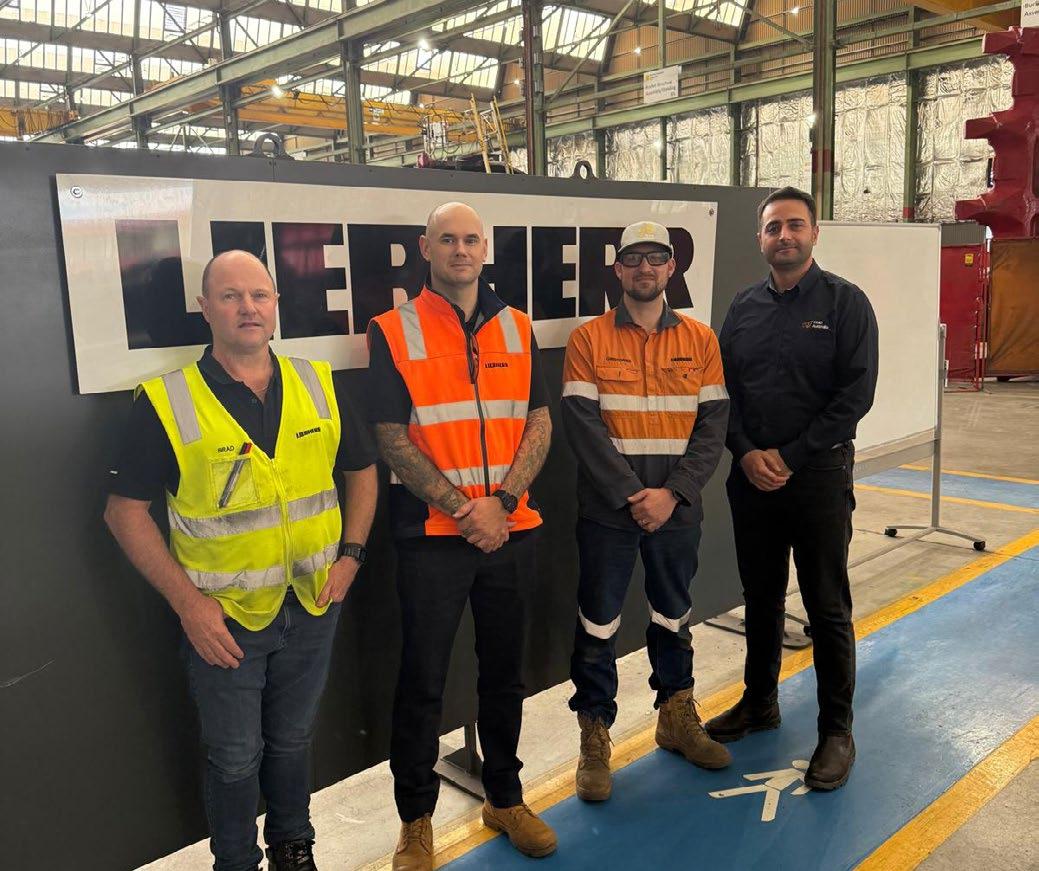
Liebherr-Australia (AS/NZS ISO 3834.2 recertification audit)
Liebherr-Australia is part of the global Liebherr Group, delivering high-quality machinery, services and technical support across Australia since 1981. With a strong national presence, the company combines global engineering and manufacturing expertise with local knowledge to support customers across mining, construction, maritime, and industrial sectors. Their end-to-end capability spans equipment supply, service, remanufacturing, training and technology solutions, enabling reliable, safe and efficient operations across the full equipment lifecycle. Through its 17 branches across both Australia and New Zealand, Liebherr-Australia supports customers all over the country.
L-R: Arya Sharifian, Jason Han, Peter Jonas, Ross O’Bryan, Leo Belpomo.
L-R: Bradley Trent Menz (Liebherr), Steve Smith (Liebherr), Chris Jamieson (Liebherr) and Gokhan Sacli (Weld Australia).

Weld Australia would like to congratulate everyone who qualified in April.
IIW INTERNATIONAL WELDING INSPECTORSTANDARD (IWI-S)
• Luke Christopher Callaghan
IIW INTERNATIONAL WELDING INSPECTORBASIC (IWI-B)
• Aaron Zemek
• Adam Phillips
• Edmund Gemelo
• Grant Stagg
• Hossein Ghafouri
• Jaden Hargreaves
• Josh Glendenning
• Mason Boschetti
• Michael Ashton
• Michael Kenny
• Narciso Tolentino
• Peter Phillips
• Ralph Austin
AS 2214
• Benjamin Mason
• Bryton Humphreys
• Emily Irwin
• Kieran Zube
• Sebastian Materne
• Tyson Dye
AS 1796 CERTIFICATE 2
• Ethan Johnston
• James Forbes
AS 1796 CERTIFICATE 4
• James Forbes
• Zac Schil
AS 1796 CERTIFICATE 5
• Ethan Johnston
AS 1796 CERTIFICATE 7
• Ethan Johnston
• Joseph Lothian
• Riley Hammond
AS 1796 CERTIFICATE 8F
• Brian Gonzalez Oliveira
AS 1796 CERTIFICATE 10
• Daniel Brand
WELD AUSTRALIA’S EXAM CALENDAR
Do you need to book an exam through WeldQ? We’ve made the process even easier, with our new exam calendar, which can be accessed via the WeldQ homepage
The calendar includes all exam dates for 2026, making planning ahead as simple as possible. Upcoming exam dates include:
• Friday 15 May: National Welding Supervisor Exam
• Wednesday 27 May: Re-sit Online Exams
• Friday 12 June: IWE / IWT - EA2.1 and TA2.1 Exam
• Friday 19 June: PE-B and WIE-B
• Wednesday 24 June: Re-sit Online Exams
• Wednesday 1 July: WTE-B and WTE-S Online Exam
• Friday 10 July: IWS SA2 Exam
• Wednesday 22 July: National Welding Supervisor Exam - Paper A
• Wednesday 29 July: Re-sit Online Exams
• Wednesday 5 August: WTE-B/WTE-S Online Exam
• Wednesday 26 August: Re-sit Online Exams
FURTHER INFORMATION
For further information about exams and qualifications, simply email our team via: qnc@weldaustralia.com.au
WELDING SUPERVISOR FACETO-FACE IN CAIRNS
Starts 18 May 2026
This program helps welding personnel enhance their occupational knowledge through structured theoretical training. It enables them to obtain formal qualifications for welds they routinely perform, or to upskill and gain qualifications in additional weld types and positions. It covers equipment, safety, procedures and more.
Starts 25 May 2026
Welding Supervisors play a vital role in industry. They understand the factors that influence welding quality, how to oversee welders effectively, and the variables that help maximise productivity. This course is the next step in your professional welding career. Enrol now to learn new skills you can apply straight away.
Starts 25 May 2026
This program helps welding personnel enhance their occupational knowledge through structured theoretical training. It enables them to obtain formal qualifications for welds they routinely perform, or to upskill and gain qualifications in additional weld types and positions. It covers equipment, safety, procedures and more.
Starts 29 June 2026
This program helps welding personnel enhance their occupational knowledge through structured theoretical training. It enables them to obtain formal qualifications for welds they routinely perform, or to upskill and gain qualifications in additional weld types and positions. It covers equipment, safety, procedures and more.
Starts 14 September 2026
As a Welding Inspector, you will play an important part in ensuring that welded components comply with the appropriate International or Australian Standards, codes and client specifications. You may also be responsible for ensuring that documentation, procedures and welder qualifications are in place.

Starts 28 September 2026
This program is designed to build the technical knowledge of welding personnel through structured, theorybased learning. It provides a pathway for individuals to gain formal recognition for the welds they already perform, while also offering the opportunity to expand their skills across different weld types and positions.
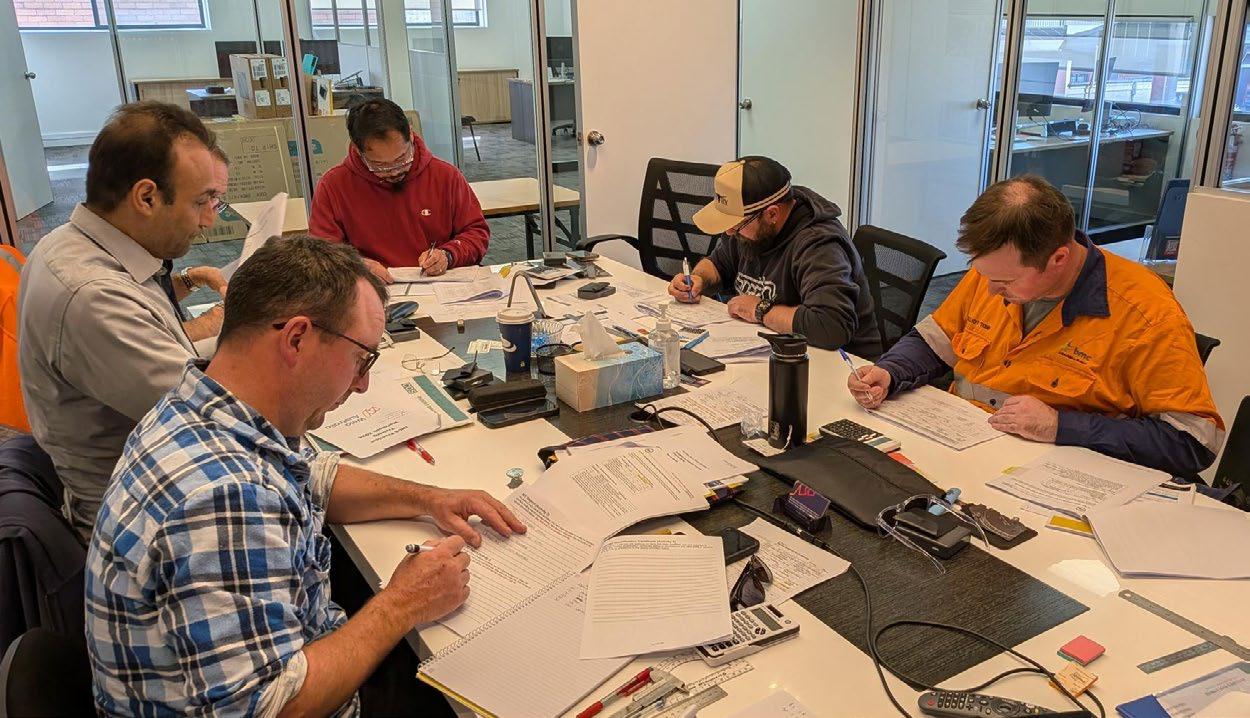
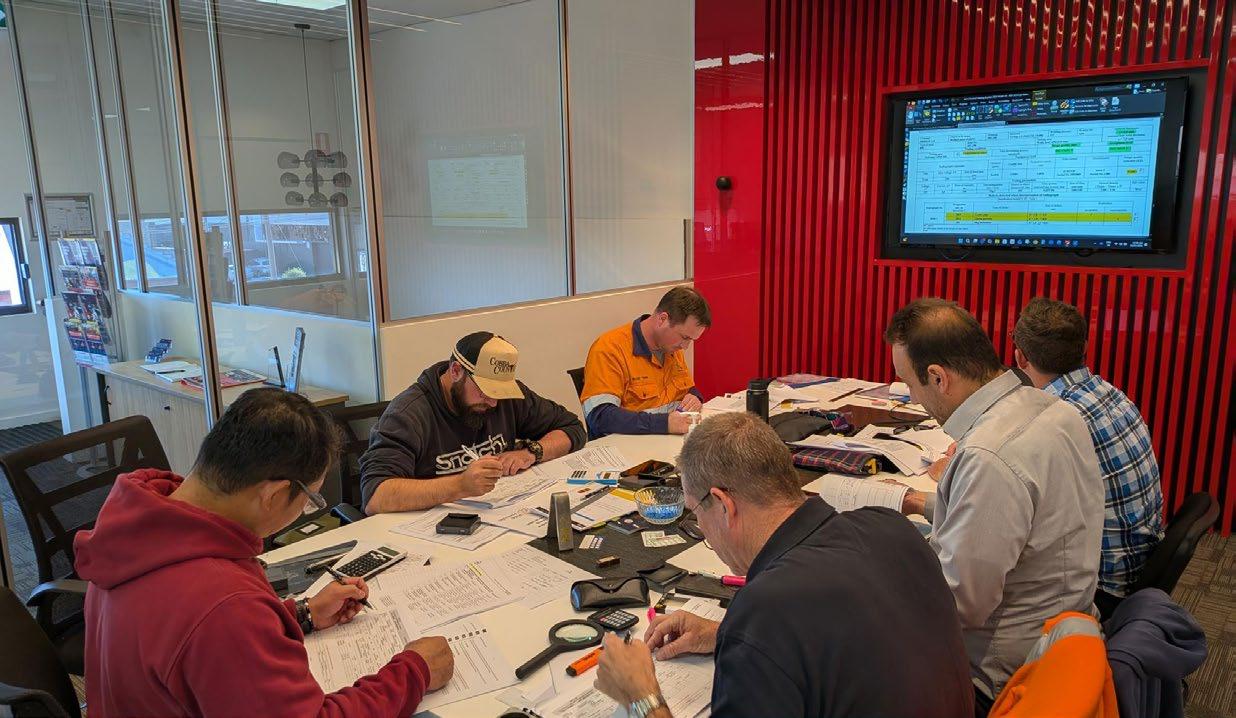
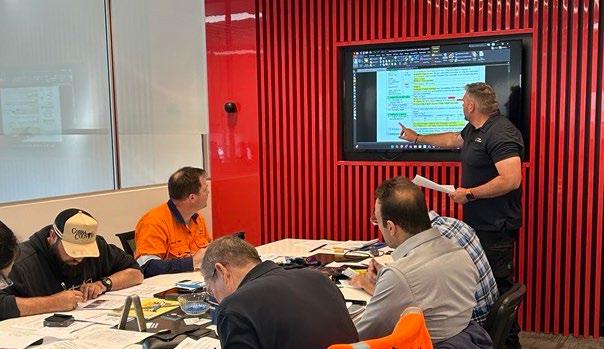
WELD AUSTRALIA DELIVERS IWI-S PRACTICAL TRAINING IN MELBOURNE
Weld Australia was pleased to deliver the International Welding Inspector – Standard (IWI-S) practical training in Melbourne this month, led by our highly experienced trainer Kobus Beets.
The IWI-S qualification is a critical step for professionals responsible for ensuring weld quality, equipping participants with the practical skills and technical knowledge required to carry out effective welding inspection.
Throughout the training, attendees gained hands-on experience across key areas including inspection procedures, weld imperfection identification, mechanical and visual testing techniques, and quality assurance processes.
Delivered face-to-face over an intensive program, the course provided participants with the opportunity to apply inspection theory in real-world scenarios, strengthening both their technical capability and confidence in managing welding quality.
Recognised by standards like AS/NZS ISO 3834 and AS/NZS 1554.1, the IWI-S qualification continues to be a valuable credential for those looking to advance their careers in welding inspection and quality management.
Interested in gaining an IWI-S qualification? Enrol online now or contact our training team via training@weldaustralia.com.au for further details.
HANDS-ON IWE TRAINING DELIVERED AT WOLLONGONG TAFE
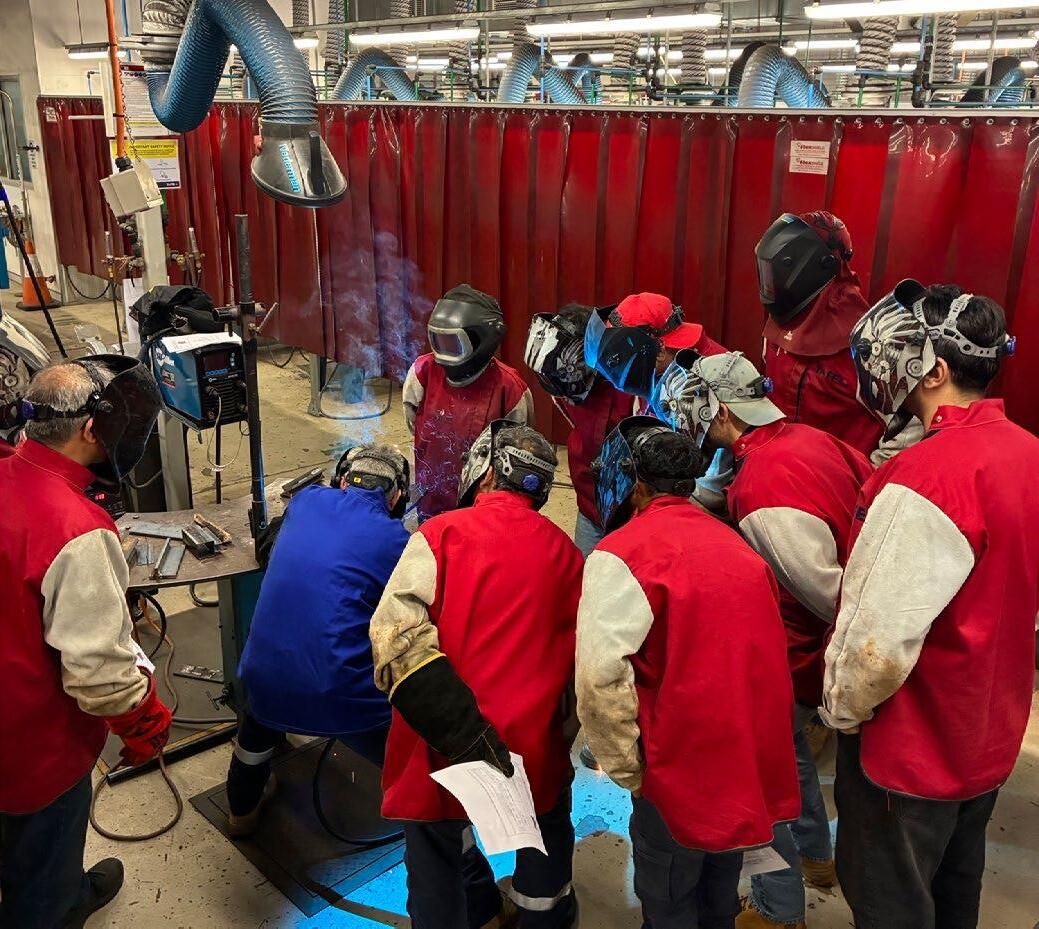
Weld Australia recently delivered the practical component of its International Welding Engineer (IWE) training program at TAFE NSW’s Wollongong campus, with expert instruction provided by Joe Sandor (Principal Welding Technology Trainer).
Following completion of module one theory, participants took part in an intensive hands-on program designed to bridge the gap between theoretical knowledge and realworld application. The practical training covered a broad range of core welding and cutting processes, including oxy cutting and gouging, oxy welding, Manual Metal Arc Welding (MMAW), Gas Tungsten Arc Welding (GTAW), gas metal arc Welding (GMAW), and Flux Cored Arc Welding (FCAW).
This immersive experience is a critical part of the IWE qualification, reinforcing participants’ understanding of welding processes, equipment, and material behaviour—key competencies for those responsible for overseeing complex welding operations.
With Australian Standards placing increasing emphasis on the role of Welding Engineers, the IIW International Welding Engineer qualification continues to grow in importance across industries including construction, defence, infrastructure, and manufacturing. The course equips participants with comprehensive technical knowledge across welding processes, design, fabrication, and engineering applications, ensuring they are well prepared to meet industry demands.
Weld Australia extends its thanks to Joe Sandor for his expert delivery, and to TAFE NSW for hosting the training. The strong engagement from participants highlights the ongoing demand for advanced, practical training that supports the development of highly skilled welding professionals.
WELDING SUPERVISOR TRAINING DELIVERED IN GLADSTONE THROUGH MANUFACTRUING SKILLS QUEENSLAND PARTNERSHIP
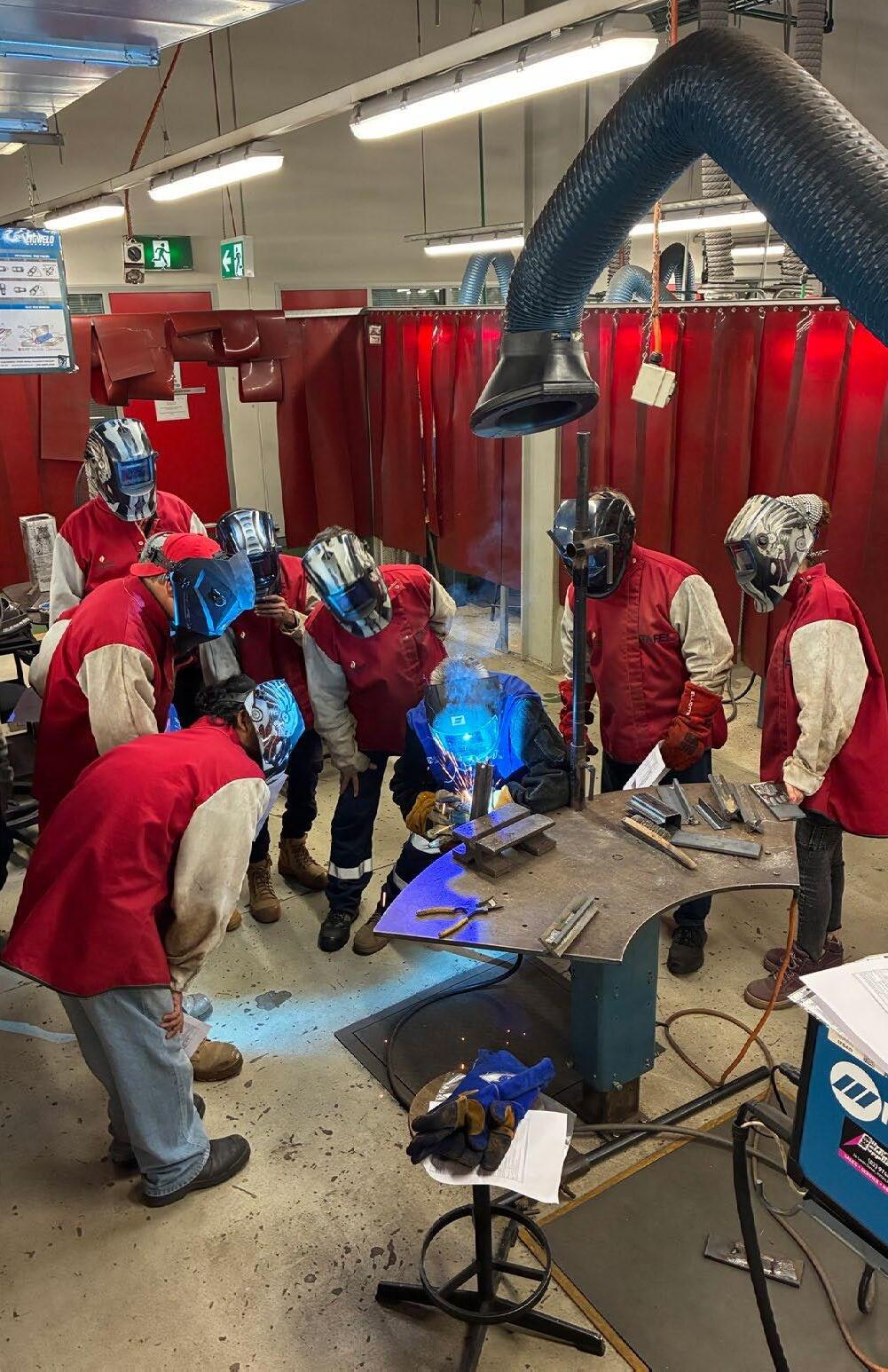
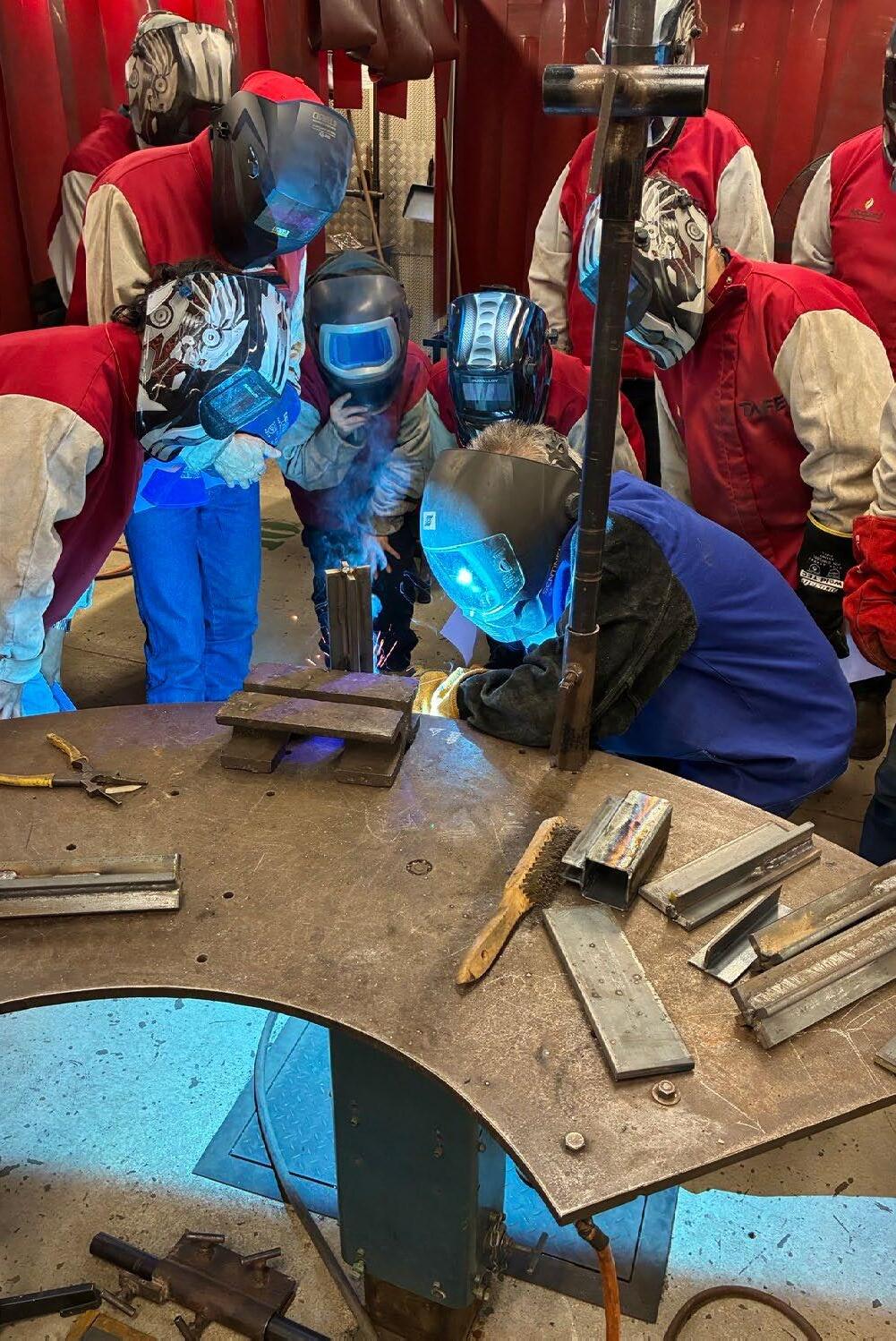
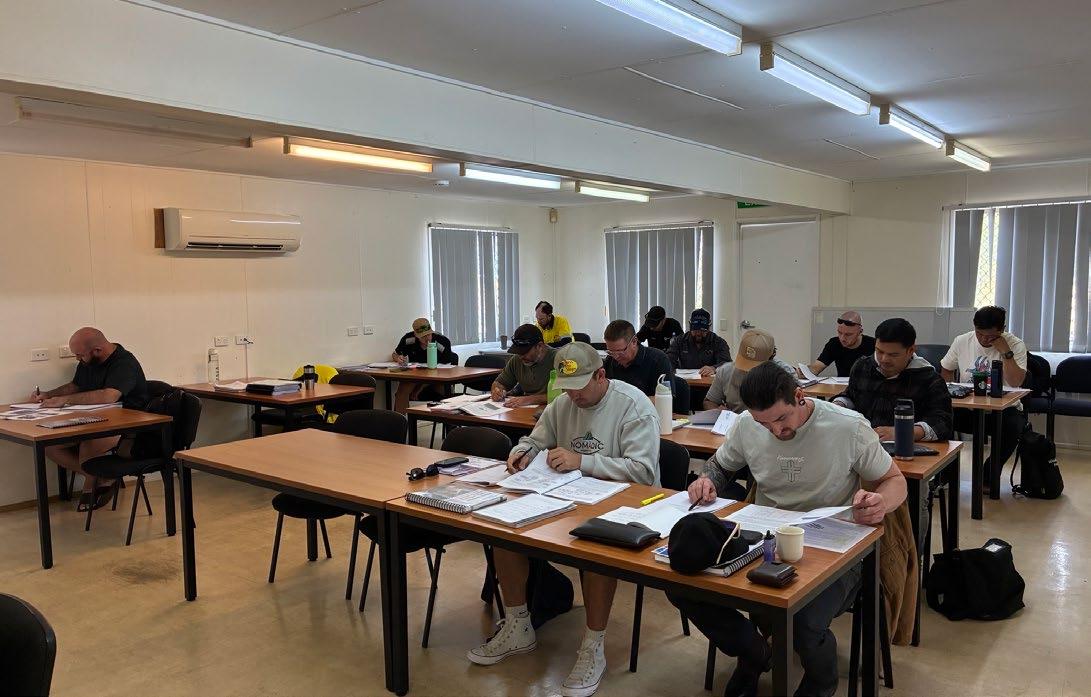
Weld Australia successfully delivered Welding Supervisor training in Gladstone this month. The training was led by experienced instructor Joe Sandor, as part of our statewide partnership with Manufacturing Skills Queensland (MSQ).
This initiative is a key component of a broader program aimed at addressing critical skills shortages and strengthening welding capability across Queensland’s manufacturing sector, particularly in regional areas.
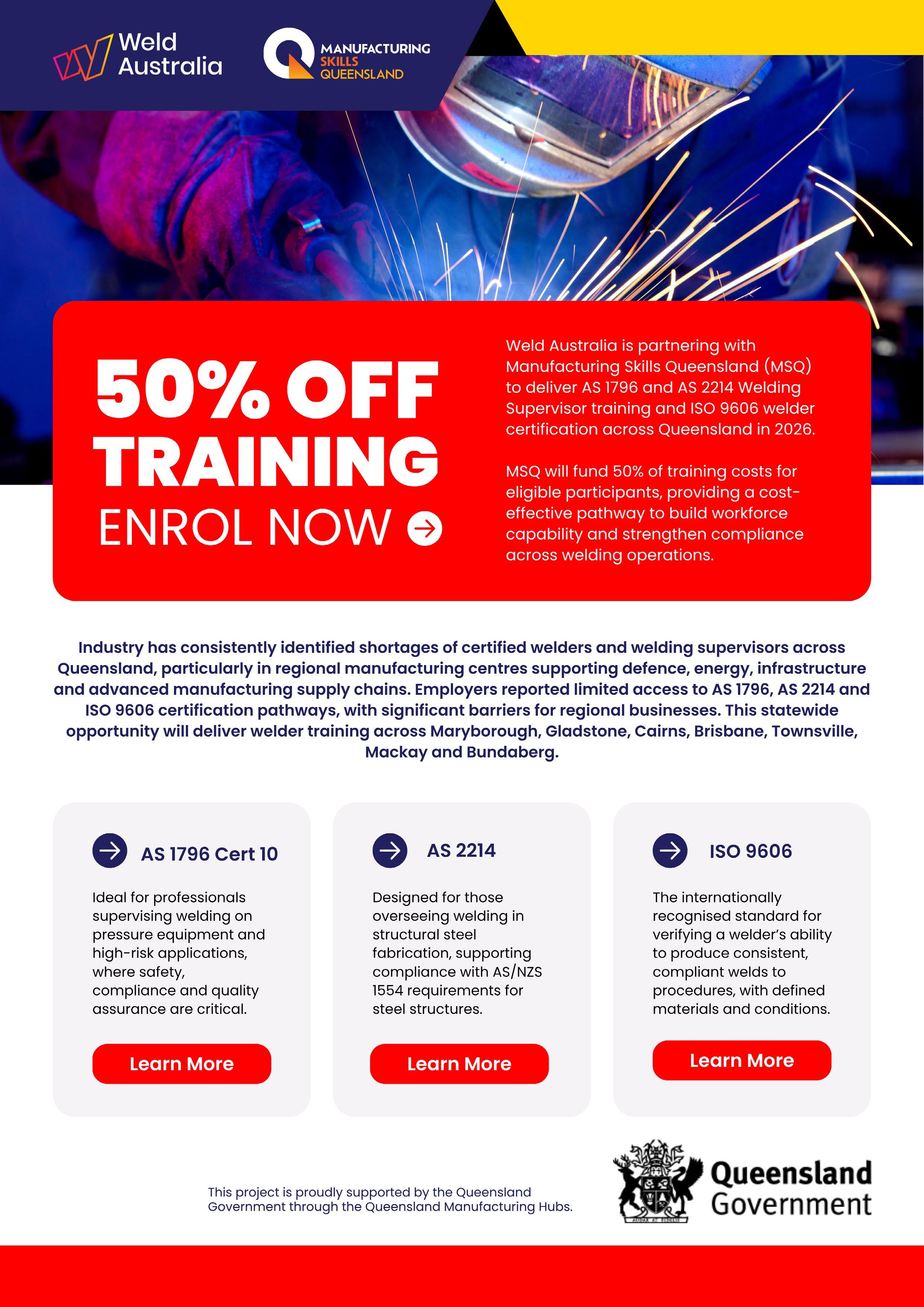
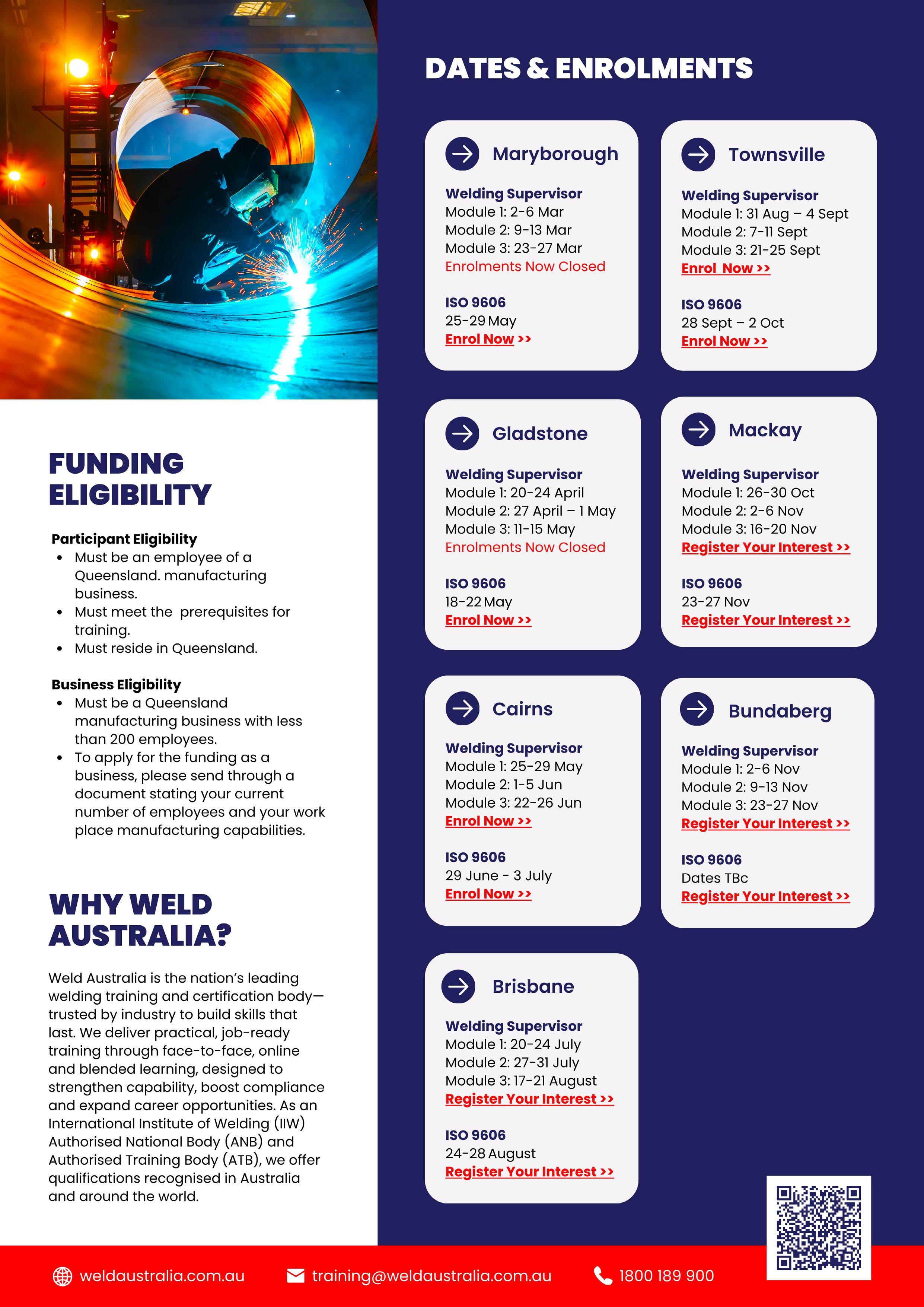
Weld Australia is partnering with MSQ to deliver AS 1976 and AS 2214 Welding Supervisor training and ISO 9606 welder certification across Queensland in 2026.
Manufacturing Skills Queensland is funding 50% of training costs for eligible participants, providing a costeffective pathway to build workforce capability and strengthen compliance across welding operations.
Industry has consistently identified shortages of certified welders and welding supervisors across Queensland, particularly in regional manufacturing centres supporting defence, energy, infrastructure and advanced manufacturing supply chains.
Employers reported limited access to AS 1796,
AS 2214 and ISO 9606 certification pathways, with significant barriers for regional businesses.
This statewide opportunity is delivering welder training across Maryborough, Gladstone, Cairns, Brisbane, Townsville, Mackay and Bundaberg.
Funding is available for employees of Queenslandbased manufacturing businesses who meet the training prerequisites and reside in Queensland. Eligible businesses must have fewer than 200 employees and provide details of their workforce size and manufacturing capabilities when applying. This project is proudly supported by the Queensland Government through the Queensland Manufacturing Hubs.
For further information and to enrol, visit the Weld Australia website
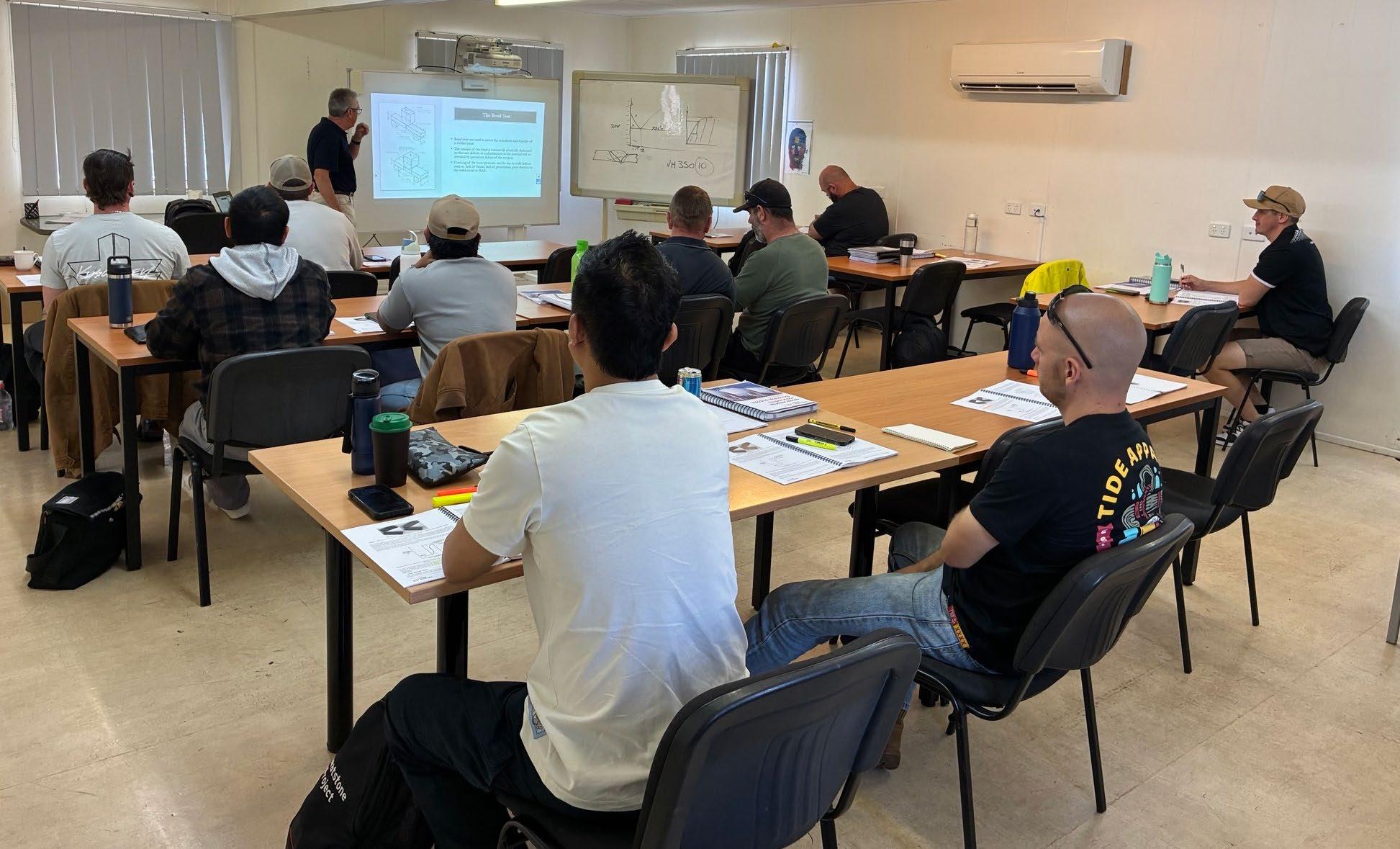
Joe Sandor delivers the Welding Supervisor training in Gladstone.