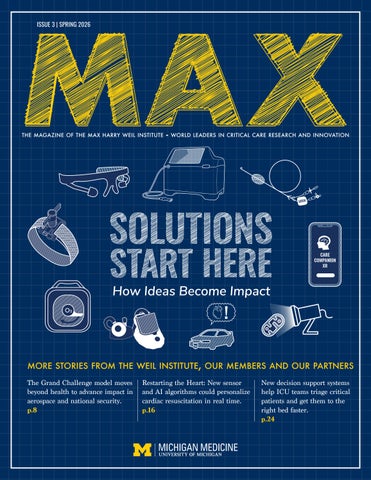
more stories from the weil institute, our members and our partners
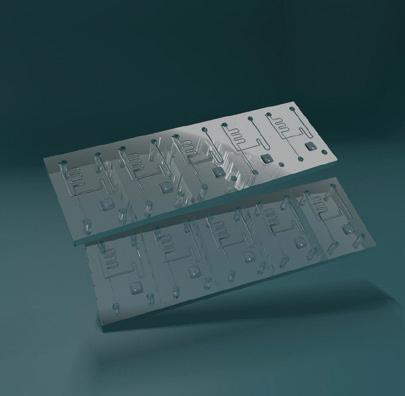
The Grand Challenge model moves beyond health to advance impact in aerospace and national security. p.8
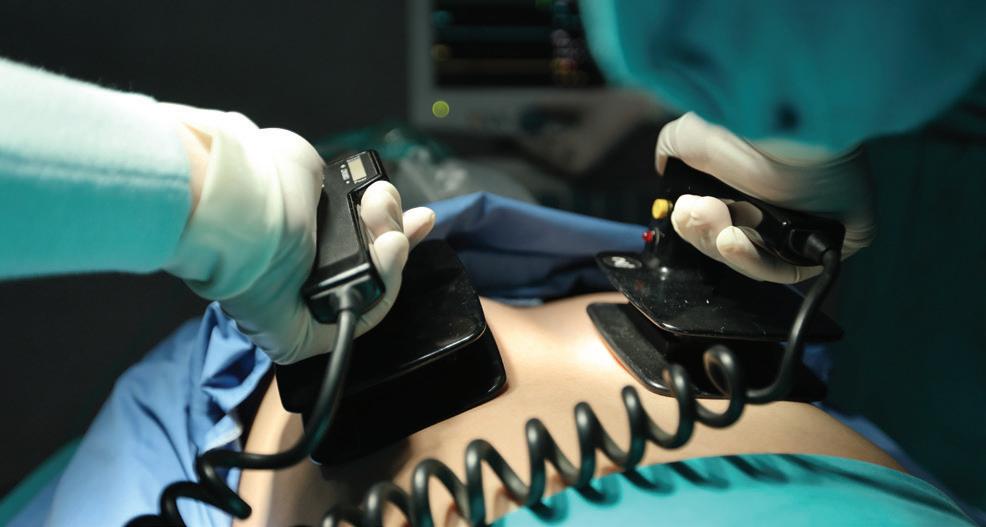
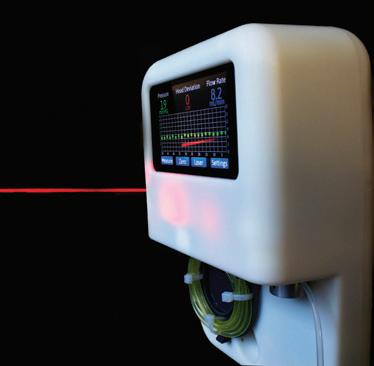
Restarting the Heart: New sensor and AI algorithms could personalize cardiac resuscitation in real time. p.16
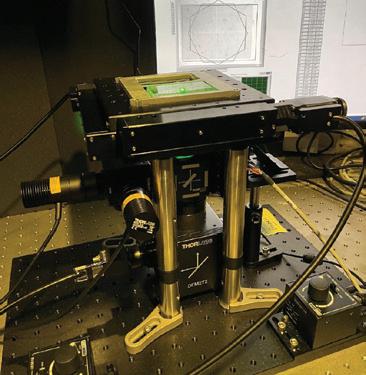
New decision support systems help ICU teams triage critical patients and get them to the right bed faster. p.24
from the desk of dr . ward
“Solutions start here” is more than a title. It is an institutional commitment to the full arc of discovery.
It begins when a researcher notices a pattern others might overlook, or when a clinician asks why a treatment works for some patients but not for others. It grows through collaboration, fueled by data, refined by experimentation, and strengthened by diverse perspectives across disciplines. What starts as a hypothesis in a lab or a question in a clinical setting becomes a shared endeavor—one that connects scientists, physicians, nurses, engineers, and patients themselves.
But good ideas alone are not enough. Breakthroughs depend on the strength of the systems around them—on the infrastructure, funding, and interdisciplinary collaboration that allow promising questions to take shape and evolve. At the Weil Institute, advances in data science are helping clinicians anticipate complications before they occur. Novel therapies are redefining what recovery can look like. Integrated care models are ensuring that the right expertise reaches the right patient at the right moment. Each of these developments represents the culmination of countless breakthroughs, experiments, and collaborations—each one a step along the path from idea to impact.
This issue explores that journey. This, the third edition of MAX Magazine, highlights the people and processes that transform questions into solutions, and solutions into measurable improvements in patient care. It underscores the importance of translational research—the deliberate effort to bridge the gap between bench and bedside—and it celebrates the persistence required to move ideas forward, even when the path is uncertain.
U-M Weil Institute
2800 Plymouth Road
NCRC 10-A106
Ann Arbor, MI 48109
weilinstitute.org
Editor Megan VanStratt Design
Kate Murphy
Furthermore, the stories on these pages highlight how strong support systems like Weil enable the kind of research that drives meaningful change in emergency and critical care, underscoring a simple but essential truth: ideas can come from anywhere, but they are built into impact, step by step, in environments designed to support discovery. At the end of the day, the measure of our work isn’t just what’s published on these pages; it’s what changes for patients because someone asked a better question and had the support to pursue the answer. As you read this issue, I invite you to see each project, each idea, as part of something bigger - an ongoing process where discovery is not an endpoint, but a beginning, and where the next breakthrough is already taking place.
Kevin Ward, MD Executive Director, Max Harry Weil Institute
Contributing Writers and Featured Perspectives
Robert Dickson, MD
Prashant
Mahajan, MD, MPH, MBA
Kelly Sexton, PhD
How Ideas Become Impact
we asked a weil institute member
What does it take to get research ideas off the ground?
Weil Institute Deputy Director Dr. Robert Dickson discusses the journey of moving a concept for research out into the real world.
What are the typical barriers to getting a new research project off the ground?
The biggest barrier is rarely coming up with the idea itself. It is assembling the conditions that make the idea feasible: funding, personnel, technical expertise, clinical access, analytic support, regulatory guidance, and time.
That challenge is especially acute in critical care research, where any question worth asking crosses multiple scientific and methodological disciplines. A strong research ecosystem like the Weil Institute lowers those barriers and makes ambitious projects possible.
What do researchers really need to take an idea from concept to patient impact?
Researchers need a translational path: the right collaborators, access to patient specimens and data, rigorous methods, early feedback from clinicians and end users, and a plan for moving discoveries beyond publication.
Patient impact comes from connecting each step, from mechanism to measurement to intervention to implementation. The hard part is maintaining momentum across that entire arc. Too many promising ideas stall before they ever reach the patients they were meant to help.
How can groups like the Weil Institute help researchers reach their impact goals?
The Weil Institute helps by shortening the distance between an idea and the people, tools, and expertise needed to move it forward. Weil brings together clinicians, scientists, engineers, data experts, regulatory and commercialization support, and clinical research infrastructure around a shared mission: turning critical care discoveries into patient impact.
This ecosystem changes what is possible. It helps investigators move faster, ask more ambitious questions, and avoid the common fate of promising ideas that never escape a single lab, discipline, or manuscript. Translational research should not depend on heroic individual effort. Weil makes it a team sport.
Robert Dickson, MD
Dr. Dickson is the Galen B. Toews Legacy Professor of Pulmonary and Critical Care Medicine at the University of Medicine, and an Associate Professor in the Division of Pulmonary and Critical Care Medicine and the Department of Microbiology and Immunology at the University of Michigan. Clinically, he cares for patients in the Critical Care Medicine Unit and serves as the program physician for the Washtenaw County Tuberculosis Clinic.
Dr. Dickson serves as Associate Chief (Research) for the Division of Pulmonary & Critical Care Medicine and as Deputy Director of the Weil Institute for Critical Care Research & Innovation. He is the Program Director of the University of Michigan’s Multidisciplinary Training Program in Lung Disease (T32HL007749), and Associate Program Director (Research) for the Pulmonary and Critical Care Medicine Fellowship Program.
featured weil member research
Researchers & industry unite to transform survival after cardiac arrest.
During a cardiac arrest, immediate application of highquality CPR is crucial to a good outcome. Automated external defibrillators (AEDs) often play a vital role in this process. AEDs use a built-in electrocardiogram (ECG) to gauge whether a patient’s heart rhythm is shockable, yet an accurate read can be difficult to obtain during CPR, as motion artifacts generated by chest compressions distort the ECG’s signal.
Supported by a $2.8 million NHLBI grant, a team led by Dr. Sardar Ansari (Emergency Medicine) is collaborating with the University of Connecticut, Massachusetts General Hospital and Defibtech, LLC to develop artificial intelligence algorithms trained to remove CPR motion artifacts from ECG signals in near real-time.
The work involves the curation of a database of ECG-CPR cases to be used as a gold standard on which the algorithms will be tested and optimized. Weil’s Big Data Platform is crucial to this effort, as it can collect real-time streaming data from 500+ patient beds at U-M Health, de-identify it, and store it on a secure repository where it can be used for analysis by multiple researchers.
Could infrared light help protect the injured brain?
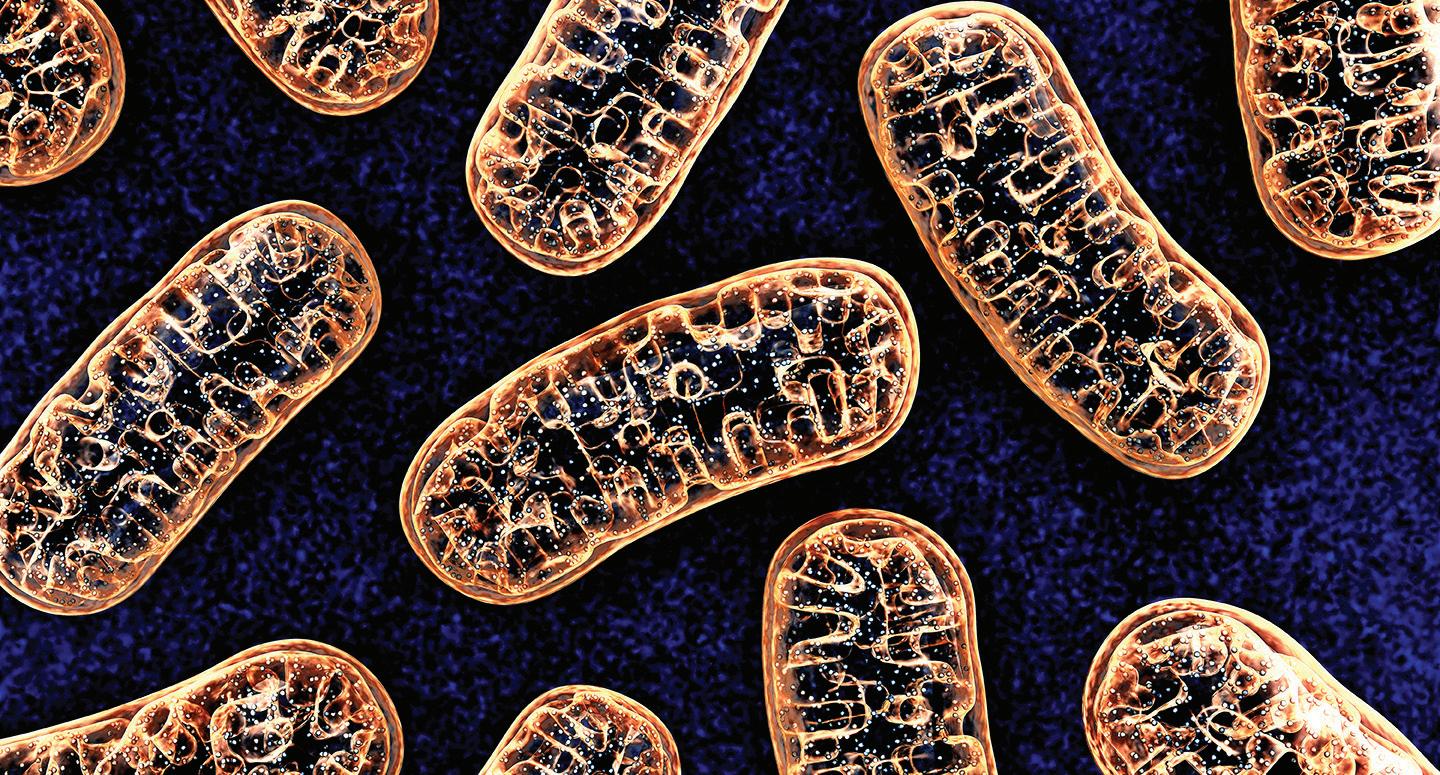
Dr. Joseph Wider (Emergency Medicine) and Dr. Thomas Sanderson (Emergency Medicine, Molecular and Integrative Physiology) have developed LUCID, a therapeutic that delivers unique wavelengths of infrared light into the brain to prevent mitochondria dysfunction, which has been found to be a significant factor in the progression of secondary brain injury.
In 2025, the team landed a $2.8 million NINDS grant to study how LUCID’s neuroprotective mechanisms affect not only the mitochondria in the neurons, but also the mitochondria within the primary cells that make up the neurovascular unit. Insights gained will provide crucial information on how to best use LUCID clinically.
The Massey TBI Grand Challenge program funded LUCID’s early stages of development and enabled the large animal model of traumatic brain injury that continues to inform the team’s work.
Support from Weil and the Massey Family Foundation also helped the investigators secure a $1.5 million Department of Defense (DoD) award in 2022 followed by a $1.2 million equipment grant through the DoD’s Defense University Research Instrumentation Program (DURIP) in 2023.
The PIONEER studies aim to reshape the landscape of traumatic brain injury.
Investigators led by Dr. Fred Korley (Emergency Medicine) are taking a multipronged, multinational approach to transforming traumatic brain injury (TBI) care. Supported by a $6.8 million DoD grant, the team is developing four separate but concurrent studies aimed at spurring the widespread use of FDAcleared biomarkers to improve care and outcomes for TBI patients and promote more efficient use of medical resources on a global scale. Ultimately, the findings from this program will inform an implementation toolkit to help others facilitate the adoption of TBI biomarkers in EDs, guide decision-making around brain CT imaging and patient management and inform discussions in the ED regarding TBI prognosis and treatment.
The Massey Grand Challenge provided vital support to the team by funding an initial pilot study of their algorithm, which empowered a $1.5 million DoD grant in 2023. This earlier work then enabled the researchers to secure their latest DoD award. Dr. Korley also credits Weil’s Proposal Development Unit as being a key factor in the grant’s success. “This large project grant is comprised of four separate project grants, and the Proposal Development Unit was instrumental in helping us put it all together,” he said.
New global collaborative empowers laboratory research in cardiac arrest.
In the United States, over 350,000 people die each year from sudden cardiac arrest (SCA). Despite this major burden, no new laboratory-derived interventions SCA have been translated into clinical practice since 2002.
Supported by a $300,000 grant from the Laerdal Foundation, a team led by Dr. Robert Neumar, (Emergency Medicine and Molecular and Integrative Physiology), aims to address these and other challenges in translation by establishing a collaborative laboratory research network aimed at enhancing the quality, effectiveness, and sustainability of preclinical cardiac arrest research.
Called TRANSCEND, the network will bring together an international community of laboratory scientists under a common mission to create new infrastructure that aligns incentives, removes barriers, and supports the next generation of resuscitation scientists.
The work will culminate into a traditional Utstein Conference to be held in June 2026, which will result in an Utstein-style manuscript to be published as an update to the 1996 Guidelines for Uniform Reporting of Experimental Cardiac Arrest Research.
ImItatIon is the sincerest form of flattery.
How two universities adopted and adapted the Weil Institute’s Grand Challenge model.
The University of Utah & the Massey Traumatic Brain Injury Grand Challenge
In April of 2016, Dr. Austin Johnson, then an Emergency Medicine Physician at UC Davis Medical Center, traveled to the University of Michigan to attend the second annual Massey TBI Grand Challenge at the Weil Institute. As a judge on the Grand Challenge’s Wolverine Den panel, Johnson was struck by both the caliber of the projects presented and the diversity of expertise present among the teams and panelists alike.
“What I saw back then was a rallying of experts coming together to address complex challenges in a way that would have been difficult, if not impossible, had those collaborations not existed,” he recalled. “The people involved at every stage were thinking not only about the science, but about what needed to be done to make that science a reality.”
The Grand Challenge Goes West
In 2023, the University of Utah was seeking to expand its research portfolio around opportunities with the Department of Defense. Johnson, now at Utah as Associate Professor and Vice Chair for Research in Emergency Medicine, remembered his time at the Grand Challenge and pitched the idea of launching a similar program—one shaped by the Massey experience of a live funding competition with multidisciplinary teams and judges yet customized for University of Utah Health’s unique position as both the state’s only academic medical center and as the health system with the largest geographic attachment area in the country.
This culminated in the Remote and Austere Conditions (RAC) Grand Challenge which funds medicine and biomedical research for resource-limited settings.
The RAC Grand Challenge would expand in 2025, broadening its topics of interest to include aerospace and national security, in addition to its original focus on biomedical research. The expansion into these domains led to the program being renamed “High Tech West,” and it drew a wider range of expertise, further demonstrating the ability of the Grand Challenge model to adapt beyond its initial scope.
Today, High-Tech West has funded a total of 16 teams, with projects including a method of improving detection and prediction of cold-weather injuries and a dronebased blood delivery system.
Multiple teams have gone on to receive significant follow-on federal funding, with one new company being founded.
“Early stage, high-risk innovation is where breakthroughs begin, yet these projects are typically considered ‘too early’ for major funders like the National Institutes of Health and the Department of Defense,” said Dr. Ward. “Programs like High-Tech West and the Massey TBI Grand Challenge lower the barrier to entry for ambitious, cross-disciplinary research. We need hundreds of these programs across the country to tackle complex problems and pursue the kind of science-fiction-level thinking that becomes tomorrow’s reality.”
Northwestern
University & the Kahn Pediatric Critical Care Grand Challenge
On October 6, 2025, Stanley Manne Children’s Research Institute at Ann & Robert H. Lurie Children’s Hospital of Chicago and Northwestern University Feinberg School of Medicine officially opened the new Lurie Children’s Center for Pediatric Acute and Critical Care Research and Innovation (PACCRI). Weil Institute leadership provided consultation early in the center’s development, with PACCRI’s co-directors crediting both Weil and its Kahn Pediatric Critical Care Grand Challenge program as sources of insight and inspiration.
PACCRI was established with the goal of leveraging multidisciplinary collaboration, real-time data and translational science to advance care for critically ill and injured children. When talks about developing PACCRI began, Dr. Tom Shanley, President and CEO of Lurie Children’s and a long-time participant on the Weil Institute’s Kahn Grand Challenge Wolverine Den, connected PACCRI’s future co-directors with Dr. Kevin Ward at the Weil Institute. Dr. Ward then brought on Dr. Rodney Daniels, Scientific Director of Weil’s Kahn Grand Challenge and Associate Professor of Pediatric Critical Care Medicine and Biomedical Engineering, who would advise on a new funding competition facilitated through PACCRI called the Spark Challenges.
“PACCRI and the Spark Challenges bring together the vision of Weil and the Kahn Grand Challenge with the leading pediatric acute care expertise at Northwestern and Lurie Children’s. This kind of collaboration is exactly what we need to drive meaningful advances that we can rapidly translate into better treatments and brighter futures for kids,” said Dr. Daniels.
Beyond Silos, Beyond States
In reflecting on the partnership between PACCRI and the Weil Institute, Dr. Ward spoke to the potential of such collaborations in breaking traditional barriers in medical innovation.
“By sharing expertise, resources and perspectives, these collaborations help accelerate the development of new technologies while ensuring that advances are tailored to meet urgent clinical needs,” said Dr. Ward. “The more centers that are doing this, the better. Collective expertise, collective volume of work done, and collective volume of output are among the best ways to overcome some of the challenges that face us in this type of research and in this field.”
The opening of PACCRI was officially marked with a kickoff symposium featuring an expert panel discussion on innovation in pediatric critical care. Dr. Daniels served as one of the invited guest speakers.
“Every year, 30 million children seek acute care in emergency departments across the United States, with nearly 500,000 requiring intensive care,” said Dr. Shanley, in his opening remarks at the symposium.
“These are among the most vulnerable moments in a child’s life and demand care that is precise, timely, patient- and family-centered, and grounded in the best available evidence. PACCRI is here to bridge clinical excellence with research and innovation. It is more than a center—it’s a hub where experts come together to advance the science of saving lives, which is what Lurie Children’s is all about.”
Mass ey G r and Chal l en g e Kahn G r and Cha ll en g e
Improving diagnosis, monitor ing & treatment of severe TBI.
Transfor ming care & outcomes for critically ill & injured kids.
What a r e G r and Cha l len g es ?
Weil Institute Grand Challenges are power ful funding avenues for multidisciplinar y critical care researc h teams. These unique programs suppor t high-impact proposals by funding milestonedriven researc h over a 12-mont h time frame.
The Grand Challenge process includes:
• Education sessions
• Two rounds of proposal submissions
• Project reviews and collective feedbac k from top t hought leadindustr y, and t he Depar tment of Def ense
[ Yo u r G r an d Cha ll en g e he r e! ]
The Weil Institute is actively seeking donors to empower new Grand Challenges!
Are you interested in suppor ting any of t he following topics?
If so, let ’s talk!
2025 Grand Challenge Season Highlights
G R A ND C H AL LEN G E S E ASON HI G H L IGH TS
KICKOFF EVE NTS
KICKOFF EVE NTS
Keynote Speakers
Gweny t h Fischer, M D, FA AP
As sociate Profes sor, Pediatr ics; Division Direc tor, Pediatr ic Cr itical Care, Universit y of Minnesota
Ra mon Diaz-Arra st ia , M D
John McCrea Dickson, MD Profes sor of Neurology ; Direc tor, Clinical TBI Research Center, Universit y of Pennsylvania Perelman School of Medicine
Using Biomarkers to Guide Prehospital Triage of Patients with Acute Traumatic Brain Injury, A Feasibility Study
Regina Royan, MD, MPH (Emergency Medicine); Lauren Mamer, MD, PhD (Emergency Medicine); Brian Stamm, MD, MSc (Neurology)
Development of Therapeutic Approach for Mitochondrial Restoration Following Traumatic Brain Injury
M A S S E Y
Thomas Sanderson, PhD (Emergency Medicine, Molecular & Integrative Physiology); Joseph Wider, PhD (Emergency Medicine)
Novel Approach of Targeting Thrombo-inflammation and Cerebral Microthrombosis in Traumatic Brain Injury
Anuska Andjelkovic-Zochowski, MD, PhD (Pathology); Thomas Sanderson, PhD (Emergency Medicine, Molecular & Integrative Physiology); Joseph Wider, PhD (Emergency Medicine)
Leveraging Machine Learning for Enhanced Detection of Traumatic Brain Injury using a Microfluidic Device
Mark Burns, PhD (Chemical Engineering); Frederick Korley, MD, PhD (Emergency Medicine); James Ashton-Miller, PhD (Mechanical Engineering)
Low Intensity Focused Ultrasound Neuromodulation for the Treatment of Traumatic Brain Injury
Chengzhi Shi, PhD (Mechanical Engineering); Brian Fowlkes, PhD (Radiology, Biomedical Engineering); Luis Hernandez-Garcia, PhD (Biomedical Engineering)
PICTURE Glob Goes
PICTURE (short for “Predicting Intensive Care Transfers and other UnfoRseen Events”) is a clinical decision support system developed at the Weil Institute that uses electronic health record data to passively and accurately detect patient deterioration up to an average of 30 hours before indications appear in vital signs.
In December of 2025, PICTURE was licensed to PreSense Health, a University of Michigan technology-based start-up that launched with the support of Innovation Partnerships. PreSense is now in the process of deploying PICTURE at hospitals in India and Saudi Arabia, where the analytic will help clinicians detect and respond proactively to potential patient deterioration events.
PreSense Health has licensed the entire PICTURE suite, which includes separate models tailored for adult and pediatric patient populations plus a streamlined “lite” version ideal for environments where technical resources are limited, such as in rural hospitals or busy outpatient clinics.
“It is challenging to get an analytic like this through the regulatory processes here in the United States,”said Drew Bennett, PICTURE’s licensing manager and Director of Software, Content Licensing and Research Partnerships at Innovation Partnerships. “Starting out in these countries will provide us with a lot of valuable information from broad, diverse sets of patients that will ultimately have a positive impact as PICTURE is refined for eventual adoption in the US.”
PICTURE Helps Clinicians Act in Advance
PICTURE harnesses electronic health record data to passively and accurately predict a patient’s risk of deteriorating up to an average of 30 hours before indications appear in traditional vital signs. PICTURE also explains its predictions, giving clinicians clear insight into the individual factors driving each risk alert and making it easier for them to understand why a patient has been flagged. This transparency empowers care teams to make more informed decisions earlier and enhances trust in the system’s recommendations.
A Story that Began at Weil
The success of PICTURE’s licensing is closely tied to the unique background and relationship between the CEO of PreSense Health, Ashwin Belle, and the Weil Institute. Originally a member of Weil (then known as the Michigan Center for Integrative Research in Critical Care), Belle was also a co-inventor of an earlier Weil Institute-developed predictive analytic—the Analytic for Hemodynamic Instability (AHI)— around which Belle and colleagues would form the spin-off company FifthEye, Inc.
“Having been involved with some of Weil’s earlier predictive analytics, I’ve seen first-hand the passion and rigor that drives innovation here,” said Belle. “PICTURE is going to be the perfect addition to PreSense’s portfolio of clinical intelligence systems, and I am proud to partner once again with a team whose focus remains on empowering clinicians and improving outcomes for patients around the world.”
“Ashwin coming back to Weil to license PICTURE really shows the caliber and lasting impact of our work,” said Dr. Kevin Ward, Executive Director of the Weil Institute and Professor of Emergency Medicine and Biomedical Engineering. “We’re thrilled to work with him on this and to see Weil’s vision of innovation, integration, and entrepreneurship in action.”
Where in Michigan is PICTURE?
In 2025, the Weil Institute completed a data use agreement with U-M Health West in Wyoming, MI to integrate PICTURE into their adult general care floors.
Since January of 2026, PICTURE’s pediatric model has been undergoing a first-of-its-kind pilot randomized control trial at C.S. Mott’s Children’s Hospital. This study follows 18 months of human-centered design and clinical outreach to optimize the clinical workflow via Epic. Since 2023, PICTURE has been deployed with the Adult Rapid Response Team (RRT) at U-M Health’s main hospital. The RRT reports that the analytic is helping them respond proactively to potential deterioration events.
Check out this video to hear from RRT members about PICTURE!
from protocol to precision
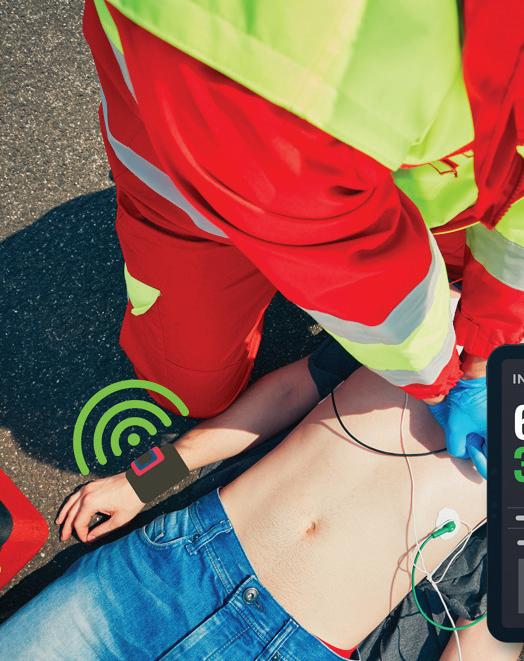
New sensor and AI algorithms aim to help rescuers tailor CPR strategies based on individual patient physiology rather than one-size-fits-all guidelines.
350,000 out-of-hospital cardiac arrests occur each year in the United States.1
3 out of 4 of these cases do not survive to hospital admission due to rescuers being unable to restart the patients’ hearts.
1. American Heart Association “CPR Facts and Stats”: https://cpr.heart.org/en/resources/cpr-facts-andstats
When a cardiac arrest occurs, a critical barrier to successful resuscitation is the challenge of assessing, in real-time, how well blood is flowing to the patient’s heart during cardiopulmonary resuscitation (CPR).
“To assess whether the heart is getting enough blood flow during CPR, we have to insert invasive catheters into the arteries to measure the patient’s diastolic blood pressure (DBP), which serves as a surrogate measurement,” said Dr. Cindy Hsu, Division Chief of Critical Care, Associate Professor of Emergency Medicine and Surgery, and Weil Institute member. “This is challenging to do during cardiac arrest and, depending on where the patient is located, may not be possible because of resource limitations.”
Hsu states that even if the patient already has pre-existing arterial catheters in place, chest compressions can distort DBP measurement, leading to inaccurate assessment of blood flow to the heart by current bedside monitors. As a result, rescuers today have no real way of knowing whether their resuscitation approach is effective for cardiac arrest patients.
INSIGHT-CPR Turns “One-size-fits-all” Into a Personalized Approach
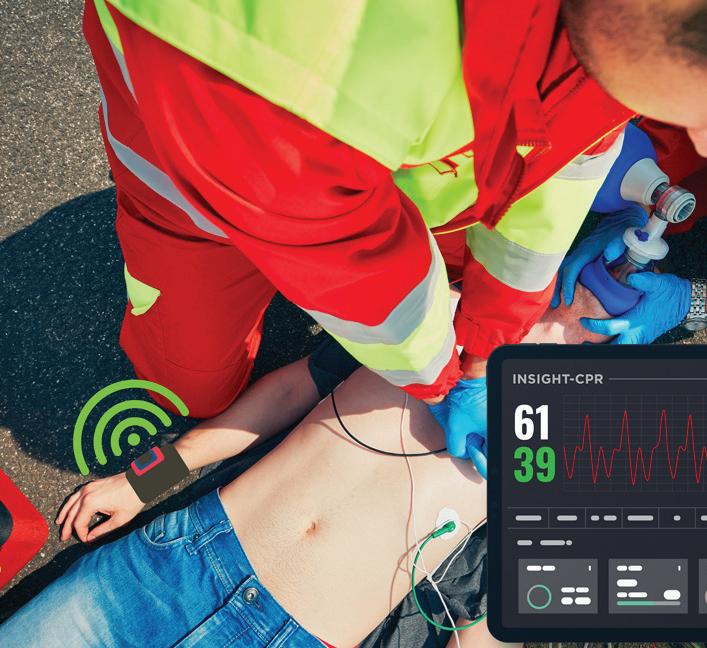
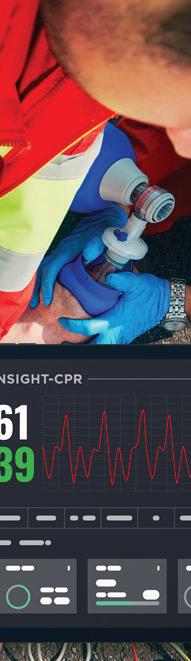
To address these challenges, Dr. Hsu and collaborators in resuscitation, data science, engineering, emergency medical services (EMS), and design thinking, are developing “INSIGHT-CPR,” a technology that combines a noninvasive wearable sensor with an advanced neural network algorithm trained on arterial waveform data to accurately detect cardiac arrest patients’ DBP in real-time.
Placed around the patient’s arm, the sensor will capture and transmit the patient’s DBP information to a mobile device or monitor, providing rescuers on the scene with accurate insight into how blood is flowing to the heart. This allows rescuers to assess and refine their resuscitation techniques—such as the best placement of their hands during chest compressions and the type and timing of medications given—providing every cardiac arrest patient the best chance at survival with good outcomes.
Zachary Sharpe, a Data Scientist at the Weil Institute’s Preclinical Critical Care Laboratory, is leading development of INSIGHT-CPR’s AI algorithms alongside Dr. Hsu. With a background as a paramedic and as an Army MEDEVAC flight medic, Sharpe sees this technology reshaping how first responders treat sudden cardiac arrest (SCA) no matter where it occurs.
“Due to technological gaps and lack of personnel, prehospital systems can lag behind hospitals in their ability to provide personalized care,” said Sharpe. “By developing a device that can perform real-time analytics using embedded AI, it will help us to not only improve resuscitation outcomes in the field, but to also potentially deploy future AI-based methods in EMS or combat casualty care scenarios without the need for an internet connection.”
Combining Global Expertise
At the core of the INSIGHT-CPR project are a series of synergistic collaborations between the Weil Institute, (including members in Michigan Medicine and the U-M College of Engineering), the Children’s Hospital of Philadelphia (CHOP), the East Anglian Air Ambulance (EAAA) in the United Kingdom, and consultancy groups Blue Cottage of CannonDesign and In2Being.
The Weil Institute Proposal Development Unit assisted Dr. Hsu and her team in the writing and submission of two successfully funded grants for INSIGHT-CPR, including the $5.5 million American Heart Association award as well as a $100,000 grant facilitated through Weil’s Kahn Pediatric Critical Care Grand Challenge.
The Weil Institute’s Data Science Team is managing the training and validation of the INSIGHT-CPR neural network models using diverse sets of adult and pediatric cardiac arrest waveform data provided by Michigan Medicine (adult inhospital SCA), EAAA (adult out-of-hospital SCA), and CHOP (pediatric in-hospital SCA from the ICU-RESUS multicenter study). The EAAA dataset will be especially informative, as EAAA physicians place arterial catheters for OHCA patients in the prehospital setting—something that is not feasible for most emergency medical service agencies.
The INSIGHT team’s sensor is being adapted from previous iterations developed by project co-investigator Dr. Kenn Oldham, Professor of Mechanical Engineering and an Associate Director of the Weil Institute. Weil’s Preclinical Critical Care Laboratory, led by project co-investigator Dr. Hakam Tiba, is aiding the team in testing prototypes of the sensor in a large animal model of cardiac arrest with the goal of gauging the device’s compatibility with defibrillation, determining its accuracy in detecting DBP during CPR, and comparing the effectiveness of DBP-directed CPR strategy guided by INSIGHT-CPR to current advanced cardiovascular life support protocol.
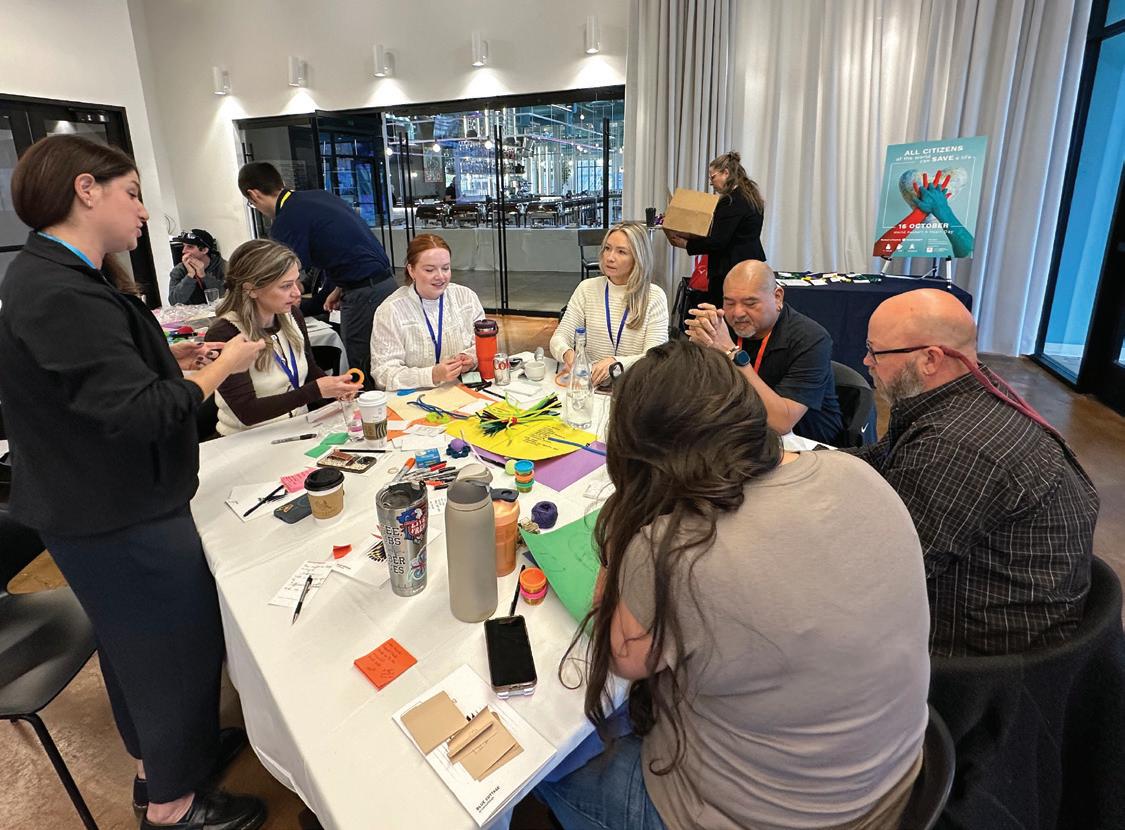
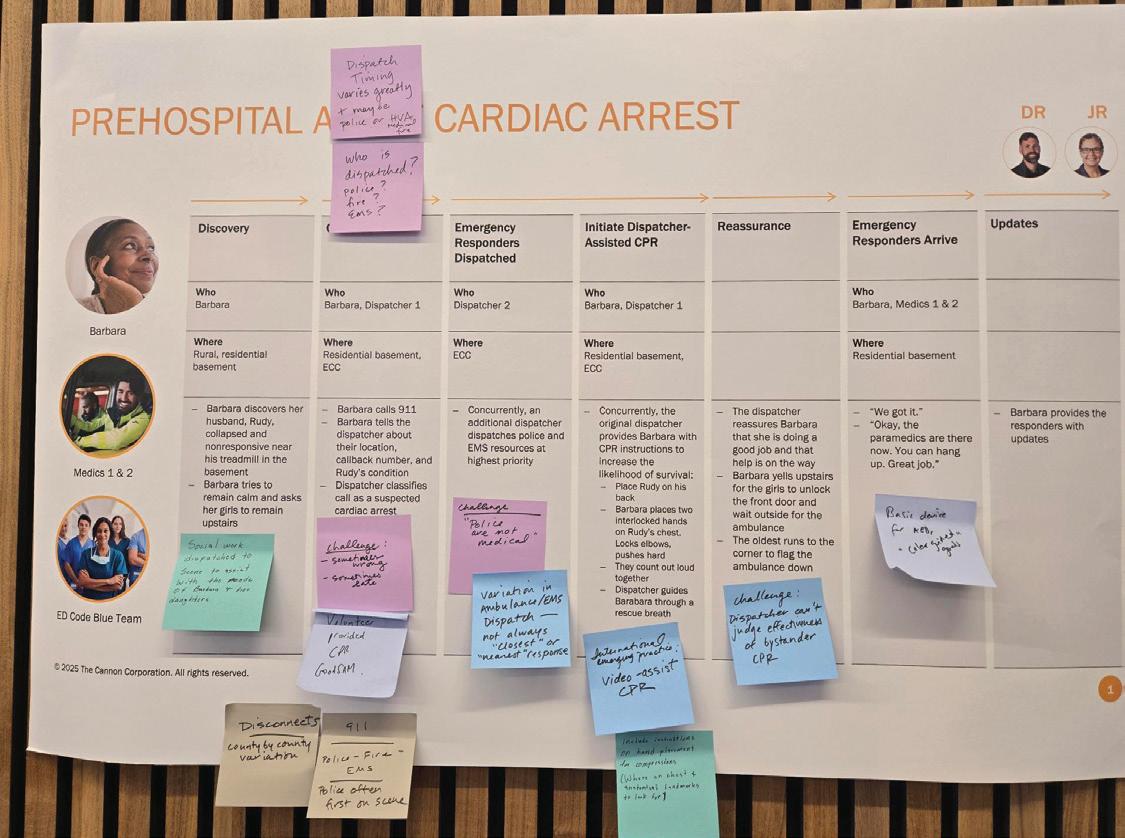
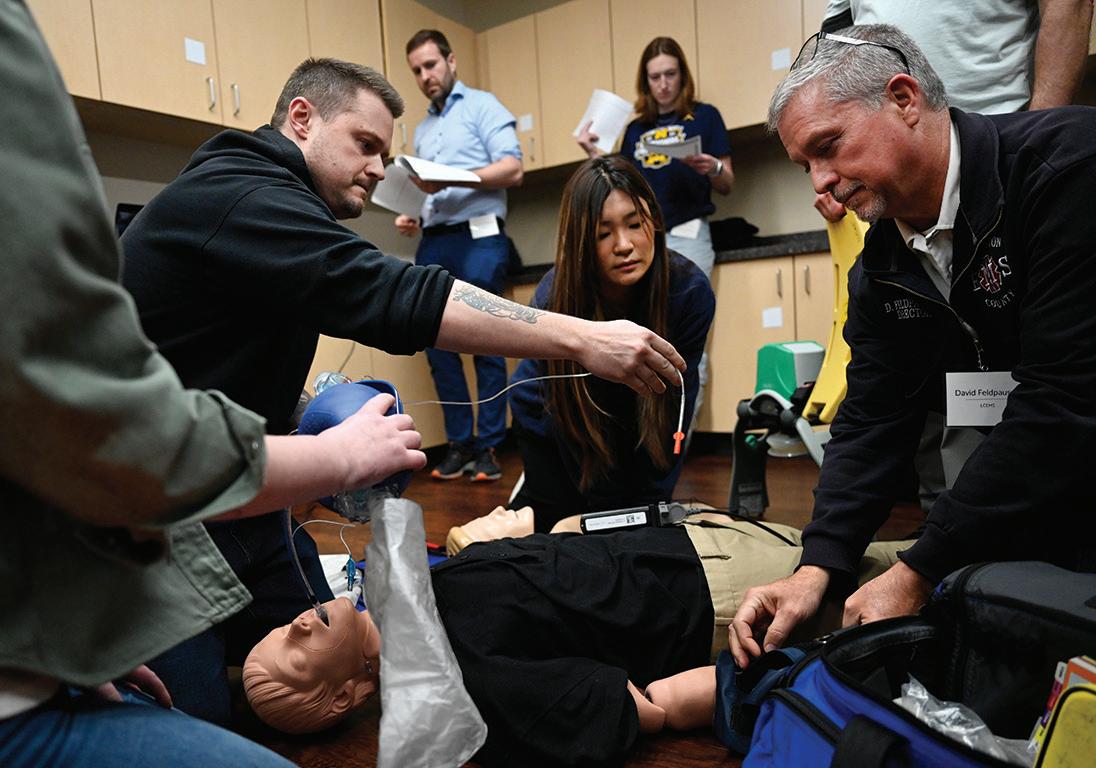
Left: Scenes from the INSIGHT-CPR Design Thinking Workshops. INSIGHT-CPR is being designed in direct collaboration with end users, from prehospital first responders to in-hospital and air medical transport teams.
“While we designed our sensor to measure changes in arterial properties, we discovered some time ago that manipulating pressures applied to the sensor lets us measure underlying blood pressure with high accuracy,” said Dr. Oldham. “This project gives us a chance to use that capability to directly address a pressing challenge in emergency medicine, with direct input from clinicians and other healthcare providers on critical features needed to improve outcomes of CPR.”
Blue Cottage of CannonDesign is facilitating design thinking workshops to iteratively refine the prototypes using human-centered design through end-user engagement. In addition, they are providing a go-to-market strategy to accelerate INSIGHT-CPR’s commercial launch. In2Being is providing prototype development and FDA regulatory support.
Finally, INSIGHT-CPR has also benefited from the fastPACE program available through the University of Michigan’s Fast Forward Medical Innovation (FFMI) initiative, which helped Dr. Hsu and her team craft a compelling pitch to the sponsors.
“For other big killers like cancer, we know the patients’ tumor genetics and can tailor their treatments accordingly. But for cardiac arrest, every patient gets the same exact resuscitation protocol regardless of their individual physiology,” said Dr. Hsu. “Our goal is to fundamentally change how cardiac arrest is treated by removing the need for invasive monitoring, taking out the guesswork for rescuers and tailoring resuscitation strategies to the patient. Even if we can save an additional 10% of patients, that’s over 60,000 more lives saved from in-hospital and out-ofhospital cardiac arrest each year.”
Learn more and follow the device’s development at
Accelerating Impact: The Michigan Model in Action at the Weil Institute
By: Kelly Sexton, PhD
Associate Vice President for Research – Innovation Partnerships and Economic Impact, University of Michigan
In my role leading Innovation Partnerships at the University of Michigan, I focus on a simple goal: ensuring that research reaches people. That goal is captured in our office’s guiding principle, amplifying the impact of research.
At the University of Michigan, we have built an intentional framework to support the translation of university research into new products and services that improve and even save lives, while supporting our local economy through startup-fueled economic growth. Innovation Partnerships serves as the university’s research commercialization arm, working to translate cutting-edge research into products, services and companies. Our vision is to redefine how world-class university research can fuel a region and help solve the world’s greatest challenges.
We believe that what we’re building here can become a national model, because the challenges we face in Michigan (namely, access to entrepreneurial talent and early-stage venture capital) are shared by most university communities outside of the coastal entrepreneurial hotbeds. We call our approach the Michigan Model.
The Michigan Model is designed to close the gap between breakthrough ideas and real-world application. It brings together business mentorship, industry partnerships, entrepreneurial talent and early-stage investment to support research teams as they move toward impact. A critical component of this approach is our close partnership with the Michigan Economic Development Corporation, which helps align university innovation with statewide
Innovation Partnerships leads research commercialization at the University of Michigan, working alongside faculty and researchers to translate discoveries into real-world solutions.
economic development priorities while providing essential support for research commercialization and our statewide innovation ecosystem. Through support for programs such as the Michigan Translational Research and Commercialization program, which enables translational research, and the Technology Transfer Talent Network, which provides business mentorship and entrepreneurial connections, this partnership ensures that promising discoveries are paired early with the resources and expertise needed to move forward. And the university’s Accelerate Blue Fund helps to power the entire engine, providing early-stage capital that enables the most promising startups to move from concept to product and attract follow-on investment.
At the Weil Institute, the Michigan Model is fully operational.
The Weil Institute has created a culture where ideas move seamlessly from clinical insight to engineered solutions to validated technology. Interdisciplinary teams develop novel tools that can diagnose patients earlier, treat them more effectively and extend care beyond the walls of the hospital. When paired with the commercialization expertise of Innovation Partnerships, that work accelerates. Promising technologies are evaluated and de-risked earlier. Entrepreneurs and potential investors are engaged sooner. Pathways to regulatory approval and industry adoption are built from the outset.
In close collaboration with Innovation Partnerships, the Weil Institute has built an impressive innovation pipeline of novel devices, diagnostics and therapies that are advancing from the lab bench to the patient bedside. The impact of this approach can be seen in the Institute’s track record: multiple FDA-approved technologies, successful startup companies and a robust portfolio of innovations that are poised to transform the future of critical care practice.
Weil Institute innovations have improved patient care for people both in our community and in some of the most challenging environments in the world. Through Weil Institute startup Precision Trauma, hundreds of life-saving Turn-I-Kit devices were donated to Ukraine to support the care of wounded patients in hospitals and on the battlefield.
The scale of the impact that the Weil Institute is poised to achieve is simply humbling. I am deeply grateful to the supporters of the Weil Institute, and to the faculty and staff whose relentless commitment to improving patient care makes this impact possible. Their work is a powerful example of what can happen when discovery, collaboration and purpose come together with a sense of mission and urgency.
The Front Door of Medicine is Also its Innovation Engine
By: Prashant Mahajan, MD, MPH, MBA
William G. Barsan Legacy Professor and Chair of Emergency Medicine, Professor of Pediatrics
The emergency department serves as the front door of the health care system, a place where critically ill patients arrive at their most vulnerable, and is often the site of firsthand diagnoses of conditions that are highly significant to patients. It is where strokes are first recognized, where heart attacks are confirmed, where cancers are discovered.
But the emergency department is more than a point of entry. It is one of the most powerful places for innovation in modern medicine.
It is the only place in the health care system where clinicians care for patients across every organ system, every age group, and every stage of illness. It is also a setting defined by urgency, where decisions must be made quickly, often with incomplete information. This combination creates a natural laboratory for discovery.
In textbooks, disease often presents in predictable ways. In reality, patients rarely follow the script. We get so many people with stroke or heart attack, but they don’t all present the same way. A heart attack may not come with chest pain. A child’s respiratory illness may resemble one condition but behave like another. The discrepancies between expectation and reality provide an opportunity for us to question traditionally held assumptions. The practice of emergency medicine is a rich environment for these questions.
Consider care for children with bronchiolitis. For years, clinicians treated this condition like asthma, administering steroid medications because they assumed the treatments were going to be the same for both conditions. But emergency physicians, including many in our department, questioned this assumption and began researching bronchiolitis to determine if this assumption was correct. They collaborated with colleagues in the Pediatric Emergency Care Applied Research Network, and their collaborative research ultimately concluded that not only were steroids ineffective for children with bronchiolitis, but also potentially harmful. This critical information has resulted in improved care and outcomes for children.1
Another example is how emergency physicians evaluate patients who have suffered minor head injuries. For many years, clinicians used CT scans to diagnose head injuries. Although this
method was effective, it can result in high costs and unnecessary radiation exposure. Research led by U-M emergency medicine and Weil Institute researchers helped determine that there was a better way to identify the risk of TBI (Traumatic Brain Injury) in patients by using a simple blood test looking for certain biomarkers. As a result of this research, patients are able to get faster and more efficient care while minimizing unnecessary radiation exposure.
This same dynamic has shaped my own work as well. For more than two decades, my research has focused on the evaluation of febrile infants (infants less than 90 days old with fevers greater than 100.4 degrees). Because many of these children will have serious life-threatening illnesses, making quick and appropriate medical decisions on those patients can have lifelong consequences. The results from my research along with many of my collaborators and mentors have been used to create clinical guidelines that have changed how clinicians care for these children across the world. 2 This research has expanded to me exploring the host immune response, with the goal of improving how we identify and treat pediatric sepsis.
These types of innovations are led by real-world experiences and moments of uncertainty. They are driven by curiosity and thrive in the right environment.
At Michigan, we have built an environment that allows research to be taken from an idea (questions) into practice (impact). We bring together a diverse patient population, investigators skilled in conducting research, and the infrastructure necessary for conducting and collaborating in discovery, such as the Weil Institute. This environment allows us to translate research directly to the bedside, providing meaningful effects for the patients we see.
For us to successfully continue making progress, we must invest in people, training, and infrastructure. Additionally, we must advocate on behalf of emergency medicine to gain recognition for its vital role within the healthcare system. In my role as Chair, I will continue to help foster and sustain that environment within our department.
There are also many challenges facing Emergency Medicine. Research funding remains uncertain, a decrease in interest in
emergency medicine for research and career opportunities, and a strain on clinical care due to challenges like boarding. Because of these pressures, finding new methods of accelerating progress is critical.
Artificial intelligence is one example of achieving this goal. We don’t see AI as a replacement, but as a means of accelerating the development, release, and improvement of new solutions across clinical care, research, education, and advocacy.
We are already experiencing these results within our department. For example, predictive analytics being developed at the Weil Institute, such as the PICTURE platform, are now being implemented globally to help clinicians predict patient deterioration earlier, allowing for timely intervention.
We have formed a new Division of Clinical Informatics that seeks to further develop the capability of using data, technology, and clinical insight to convert new ideas into improvements in patient care, both locally and throughout the world.
We believe that our continued support of this ecosystem, along with providing the tools that enhance the ecosystem, will not only allow us to ask the right questions but also deliver solutions that change lives.
The emergency department, long recognized as the front door of medicine, is also where those solutions begin.
References
1. Corneli, H. M., Zorc, J. J., Mahajan, P., Majahan, P., Shaw, K. N., Holubkov, R., Reeves, S. D., Ruddy, R. M., Malik, B., Nelson, K. A., Bregstein, J. S., Brown, K. M., Denenberg, M. N., Lillis, K. A., Cimpello, L. B., Tsung, J. W., Borgialli, D. A., Baskin, M. N., Teshome, G., & Goldstein, M. A. (2007). A multicenter, randomized, controlled trial of dexamethasone for bronchiolitis. The New England Journal of Medicine, 357(4), 331–339. https://doi.org/10.1056/NEJMoa071255
2. Kuppermann, N., Dayan, P. S., Levine, D. A., Vitale, M., Tzimenatos, L., Tunik, M. G., Saunders, M., Ruddy, R. M., Roosevelt, G., Rogers, A. J., Powell, E. C., Nigrovic, L. E., Muenzer, J., Linakis, J. G., Grisanti, K., Jaffe, D. M., Hoyle, J. D., Greenberg, R., Gattu, R., & Cruz, A. T. (2019). A Clinical Prediction Rule to Identify Febrile Infants 60 Days and Younger at Low Risk for Serious Bacterial Infections. JAMA Pediatrics , 173(4), 342. https://doi. org/10.1001/jamapediatrics.2018.5501
optibed
Researchers look to data science to transform triage and ICU bed assignment for patients with acute heart and lung conditions.
Studies have shown that mortality rates trend higher among acute heart and lung patients who are initially placed in a general ward rather than being directly admitted to the intensive care unit (ICU). Delays in deciding which patients should go to the ICU and when, as well as long waits in the emergency department for a hospital bed, can lead to worse outcomes, especially for patients needing urgent and complex care. Data-driven tools show promise in helping to enhance decision-making around ICU triage and bed allocation; however, there are several challenges to implementing such solutions.
“Figuring out the best timing for moving a patient depends not only on how sick the patient is and how their condition is changing, but also on factors like staffing and how busy the hospital is,” said Dr. Sardar Ansari, Assistant Professor of Emergency Medicine and Director of Data Science at the Weil Institute. “Second, to really help patients, we need systems that can also predict what might happen to those patients under different decisions, so that we can make the best determination for each individual. Finally, since hospital staff and beds are shared resources, decisions about one patient can affect other patients. So, even if a decision seems best for an individual, we also have to think about how it might impact everyone else including hospital staff.”
Supported by a 5-year, $3.4 million grant from the National Institutes of Health (NIH), Dr. Ansari and fellow Weil Institute member Dr. Andrew Admon, Assistant Professor of Internal Medicine and Epidemiology, are leading OPTIBED (“Optimize the Care of Acute Heart and Lung Diseases through Precision Triage and Inpatient Bed Assignment”).
Comprised of Weil experts in the fields of data science, health services research and clinical medicine, and in collaboration with co-investigators at the University of Pennsylvania Health System, Yale University, UM Health West and Hurley Medical Center, the team aims to develop data-driven models that personalize triage and bed assignment for acute heart and lung patients. They hypothesize that such models will be able to safely reduce deterioration rates among these patients.
The team will first focus on discovering and understanding the multitude of variables that inform decision-making around ICU admission and bed assignments. The researchers will look at “hard numbers,” such as electronic health record (EHR) and hospital data, combined with interviews and direct observations of staff across four diverse healthcare systems.
“Hospitals are dynamic environments, and there are so many factors that go into determining where a patient is admitted,” said Dr. Admon, Co-Principal Investigator on the OPTIBED project, Assistant Professor of Internal Medicine and Epidemiology and member of the Weil Institute. “By blending data analysis and real-life experience, we’re going to be able to build a much more detailed profile of the patient, staff and hospital-level variables that drive these decisions.”
Next, the team will develop a clinical decision support tool that uses both data and context to recommend which patients should be prioritized for ICU care. Rather than relying on one-size-fits all guidelines, the team’s system will use advanced computational methods to personalize its advice, leveraging past cases to learn how each patient might benefit from lower or higher acuity care. The team will then test this approach by simulating its use through years of real patient data while also considering the practical hospital limitations such as those studied in the first aim.
Finally, the team will focus on optimizing how patients are assigned to hospital beds overall. The team will
use powerful mathematical and machine learning methodologies to suggest the best possible bed assignments with the intent of maximizing benefit for the most urgent patients while still considering hospital constraints. The researchers will also test this approach using real-life patient records and will compare their model’s recommendations to the actual outcomes.
Through the new NIH grant, the team’s ultimate goal will be to have developed and evaluated two model-based approaches to ICU triage and hospital bed assignment, and to have gathered strong observational evidence of the new systems’ safety and efficacy that can then be applied to future research and model development efforts in this area.
“As hospitals grapple with capacity challenges, OPTIBED holds the promise of transforming how patients are prioritized and treated,” said Dr. Kevin Ward, Professor of Emergency Medicine and Biomedical Engineering and Executive Director of the Weil Institute. “It’s powered by data science but grounded in the real-world complexity of healthcare systems, making it both a practical and safe tool. It also demonstrates the strength in the diversity of expertise that the Weil Institute brings to the table. From clinicians to data scientists to engineers, we are all united by the common goal of making care for our most critically ill and injured patients smarter and more efficient, providing the right care for the right patient at the right time. This is the essence of precision health!”
solutions start here
How an idea became impact through the Weil Institute
As one of the first comprehensive enterprises devoted to transforming critical care medicine, the Weil Institute has become an innovation hub—unifying scientists, clinicians, engineers, and industry partners to support discoveries from the lab all the way to drug, device and diagnostic licensing and approval.
One project that the Weil Institute and its core teams have helped propel from bench-to-bedside is the Micro-Gas Chromatography (Micro-GC) breath analysis system. Developed by a multidisciplinary team led by Dr. Xudong (Sherman) Fan, an associate director at the Weil Institute and Richard A. Auhll Endowed Professor of Biomedical Engineering, this device uses the molecular compounds found in exhaled breath to detect and monitor a range of condition—from respiratory infections, to cancers, to even brain injuries. While gas chromatography technology has existed for years, the machines have never been practical for use at the bedside.
In 2015, Dr. Fan teamed up with Dr. Ward at the Weil Institute, seeking to re-envision the landscape of breath analysis for critical illness. Like all research ideas, the Micro-GC device was, at this point, little more than an idea shared between researchers. However, through the support of the Weil Institute’s core teams, it has since received millions in funding, has been recognized in leading journals, has led to the development of a spin-off company, and is now a fully licensed product in clinical use (with potential applications in the environmental and agricultural industries also being explored).
To see how this journey unfolded, turn the page and follow the timeline to discover where the Weil Institute helped propel the Micro-GC device forward, ushering the idea across the finish line and into the hands of those who need it most.
CLINICAL TESTING
DEVELOPMENT BEGINS
In 2015, the team lands a $25,000 grant through M-KICKSTART that enables them to officially begin development of the Micro-GC device.
IDEA
2015
FIRST FEDERAL FUNDING
Clinical Research Team
In 2018, an NIH R21 grant allows the team to expand clinical testing of the Micro-GC device in a larger patient population.
2018
FURTHER TESTING
Clinical Research Team
In 2016, the team receives $116,250 through the NIH Center for Accelerated Innovation Funding. Additional MTRAC funding awarded during this time enables the team to study their device with a focus on acute lung injury.
In 2019, the team publishes a study in “Analytical and Bioanalytical Chemistry” using the device with human breath to differentiate between acute respiratory distress syndrome (ARDS) and non-ARDS causes of respiratory failure.
APPLICATIONS IN COVID
With the pandemic ramping up, the team lands a $1.9 million grant from the NIH to use the Micro-GC device to validate biomarkers of COVID-19.
ENHANCING ARDS DIAGNOSIS
In 2024, a $4.9 million grant from the NIH enables the team to expand use of the Micro-GC in ARDS. Weil investigators from multiple disciplines are involved in this work including pulmonary, data science, and engineering,
IMPACT
ENABLING A CLOSER LOOK
In 2021, the Micro-GC team demonstrates that their device is not only able to detect COVID, but it can also distinguish between COVID variants, and non-COVID illness.
LICENSING & BEYOND
RUA Diagnostics is established to commercialize the Micro-GC device. As of 2026, the team is preparing to submit a grant to study the device in cardiac arrest. Weil’s Preclinical Laboratory is also currently using the device in all of its cardiac arrest models.
FAST FAST FAST the future
,
Emergency Medicine at U-M positions artificial intelligence as a department-wide strategy.
Artificial intelligence is transforming medicine nationwide—and at the University of Michigan, the Department of Emergency Medicine is moving faster and thinking bigger.
Rather than using AI as a one-off tool, the department is adopting it as a core strategy—reshaping everything from education and clinical decision-making to operations, discovery and diagnostics. It’s a vision that places emergency medicine at the forefront of AI’s role in redefining academic medicine.
Why Emergency Medicine?
With more than 140 million emergency visits annually in the U.S., the emergency department, or ED, is the front door to the health care system where decisions happen in seconds, and mistakes can be deadly. That high-stakes environment makes emergency medicine a natural proving ground for AI.
The ED often operates in a state of controlled chaos, where multiple evolving cases are assessed simultaneously by providers with diverse training and backgrounds. The cognitive and physical demands on providers are immense.
EDs nationwide also face a growing crisis of overcrowding, driven by more frequent and more complex patient cases. Many of these complex conditions require extended hospital stays, and hospitals are struggling to discharge patients due to a shortage of outpatient options like skilled nursing facilities.
“It is imperative that we enhance diagnostic excellence to ensure safe care and better outcomes,” said Dr. Prashant Mahajan, William G. Barson Collegiate Professor and Chair of Emergency Medicine. “We must also support provider wellbeing—burnout in emergency medicine is nearing 60 percent. Still, more than 90 percent of diagnostic decisions lead to life-saving interventions and positive outcomes.”
At Michigan Medicine, the ED team is thinking bigger and aiming higher. AI can accelerate real-time diagnostic decisions, reduce patient harm and ease the burden on providers.
“AI should be more than a tool; it should be a strategy for transforming emergency care,” Dr. Mahajan said. “Every patient interaction in the ED involves an element of diagnosis, and decisions must be made quickly, with little margin for error.”
By adopting AI as a department-wide strategy, Michigan Medicine is asking: Can it improve clinician training? Reduce diagnostic error? Support real-time decisions? Prevent burnout? And do it all safely, ethically and equitably?
Chair’s Initiative: Embedding AI Across Emergency Care
To drive this transformation, Dr. Mahajan launched the “Chair’s Initiative: AI in Emergency Care”—a department-wide effort spanning four academic domains: education, clinical care, research and advocacy, all with a focus on safe, transparent and ethical implementation. AI is being integrated into both existing workflows and new innovations across all domains.The initiative includes a series of pragmatic interventions. Teams will rapidly prototype tools to detect critical illnesses earlier and evaluate AI-driven decision aids designed to expedite diagnoses for conditions like pulmonary embolism and sepsis.
In the education domain, teams will explore how AI can enhance clinical training, including the impact of brief, just-intime learning interventions.
In research, the department will lead robust trials comparing AI-enabled tools with traditional decision aids. It will also advocate for safe, ethical and patient-centered technologies across the field.
By embedding AI across education, clinical care and research, the department aims to reduce diagnostic errors, empower clinicians and improve access to timely, high-quality care, laying the groundwork for national leadership in diagnostic excellence.
Pushing the Boundaries of Possibility
Faculty are already piloting AI-driven projects that address real-world challenges in emergency care.
Dr. Mahajan, along with Douglas Craig, statistician staff specialist, and Dr. Ruta Sharangpani, research department specialist, is using large language models to analyze over a million ED notes to predict visit necessity and uncover patterns clinicians may overlook. Craig is also developing Clara Bedside Assistant, a palm-sized, voice-activated assistant that provides secure, real-time clinical guidance without an internet connection.
Tools like PICTURE, developed at the Max Harry Weil Institute for Critical Care Research and Innovation, help predict patient deterioration up to 30 hours in advance and are already in use. AHI, another AI system, detects blood flow instability from ECG data, offering up to 26 hours of lead time before symptoms. Both are changing how teams intervene before critical events occur.
Dr. Alex Janke, clinical assistant professor of emergency medicine, is developing feedback tools to help physicians learn from their own diagnostic patterns, improving performance over time.
Dr. Max Spadafore, director of educational informatics for the Office of Medical Student Education and clinical assistant professor of emergency medicine, is exploring how ambient AI documentation might influence clinical reasoning in medical students, and whether it risks dulling their ability to think like a doctor. He’s also building algorithms that coach faculty on how to write more effective feedback.
Others are using generative AI to automate literature reviews, draft grants and simulate trial designs.
“There’s a misconception that large language models are just chatbots,” Dr. Mahajan said. “But they’re capable of enhancing real-time decisions, documentation, research and even communication.”
The End Goal: Diagnostic Excellence
At the heart of the initiative is a commitment to what Dr. Mahajan calls “diagnostic excellence.” That means reducing errors, empowering clinicians and improving care.
“Every patient deserves an accurate and timely diagnosis,” Dr. Mahajan said. “By reducing cognitive load and giving our providers better tools, we can move patients through the system faster, improve safety and reduce burnout. That’s the real promise of AI.”
The stakes are high. About 5 percent of ED patients experience a diagnostic error, equating to 7.5 million missed or delayed diagnoses and more than $1 trillion in annual impact.The department believes that AI, if used carefully, can help close that gap.
Dr. Mahajan stresses that success depends on doing it right.
“We need to make sure the algorithms are accurate, reliable and safe,” he said. “And we need to study their impact. Does it improve care?”
AI as Culture, Not Just Code
For Michigan Medicine’s Department of Emergency Medicine, this is just the beginning. By embedding AI into the department’s culture, leaders aim to set a new standard for the future of academic medicine.
“AI is no longer just a product of our research,” Dr. Mahajan said. “It is a strategy. It is a goal. And we want everyone — clinicians, educators, researchers – to see it as a future they’re building toward.”
Adapted from an article originally published July 29, 2025 by Danielle Jimenez, Communications Specialist for Emergency Medicine
Stopping a $40k Infection With a $40 Device
Multidisciplinary investigators across Michigan Medicine tackle one of the deadliest, most overlooked hospital-acquired infections.
Adapted from an article originally published July 18, 2025 by Danielle
Jimenez, Communications Specialist for Emergency Medicine
Ventilator-associated pneumonia (VAP) affects one in 10 ventilated patients and is responsible for the majority of deaths from health care associated infections, adding about nine days to intensive care unit stays and costing more than $40,000 per case.
Now, an interdisciplinary team has developed a simple but powerful solution: a soft, antimicrobial mouthguard that absorbs secretions before harmful bacteria can reach the lungs.
“It’s a $40 device to solve a $40,000 problem,” said Dr. J. Scott VanEpps, Associate Director of the Weil Institute, Associate Professor of Emergency Medicine, Biomedical Engineering, and Macromolecular Science and Engineering, and co-founder of the start-up Prevada Medical. “You can wear it comfortably, it requires no special training, and it could be used anywhere, from hospitals to ambulances to battlefield care.”
Despite decades of clinical workarounds—antiseptic mouth rinses, special endotracheal tubes with suctioning, and antibiotics—VAP rates haven’t budged.
“This is a huge, stubborn problem in critical care,” said Robert Dickson, M.D., Professor of Pulmonary and Critical Care Medicine and Associate Professor of Internal Medicine and Microbiology & Immunology at the University of Michigan. “We haven’t had a new, effective way to prevent VAP in a very long time. We’re overdue for a bold idea.”
The device’s protective coating originated from research on hospital surfaces and wound care.
The team is now preparing for final biocompatibility testing and first-in-human trials, pending additional grant support.
Backed by the Weil Institute and the BioInterfaces Institute, the team—comprising experts in emergency medicine, critical care, materials science, and microbiology —has received Michigan Translational Research and Commercialization (MTRAC) funding to build the prototype and advance toward clinical testing.
The start-up is a true example of what Michigan Medicine does best: fostering collaboration.
“It’s a highly collaborative project,” VanEpps said. “Emergency medicine, pulmonary and critical care medicine, engineering, materials science, we’re breaking traditional boundaries to solve an old problem in a new way.”
A Start-up With Heart
The original concept was first proposed and patented by Dr. Kevin Ward, Executive Director of the Weil Institute, over 15 years ago.
Ward brought the idea to U-M to expand development with added antimicrobial technology and cross-disciplinary expertise in engineering, the microbiome, and critical care and to consider starting a company around the technology.
Prevada, founded by Ward and led by Dylan Bourelle, co-founder and CEO, exists to bridge the gap between promising research and realworld use, a gap that VanEpps says is notoriously difficult to cross.
“Academia rewards discovery. Industry rewards the final product. But the hard work in between often falls through the cracks,” VanEpps said. “This startup is our way of making sure this innovation doesn’t die on the vine.”
Life-saving Potential
Beyond the ICU, the mouthguard could serve intubated patients in ambulances, field hospitals, or during long medical evacuations, such as battlefields — anywhere a ventilator is needed. Its simplicity is its strength.
“This isn’t just a scientific exercise,” Dickson said. “We’re talking about an inexpensive, easy-to-use tool that could prevent infections, shorten hospital stays, reduce antibiotic use, and ultimately save lives. That’s incredibly motivating.”
As clinical testing nears, the team remains optimistic that their low-cost innovation will make a high impact difference in emergency medicine and critical care worldwide.
VAP Mouthguard Specs
Natural antimicrobial surface coating provides continuous protection against pathogens
Simple to apply and works with any endotracheal tube
Can be used at any point of care
a half- century of tradition
LODGE•BLAIRS
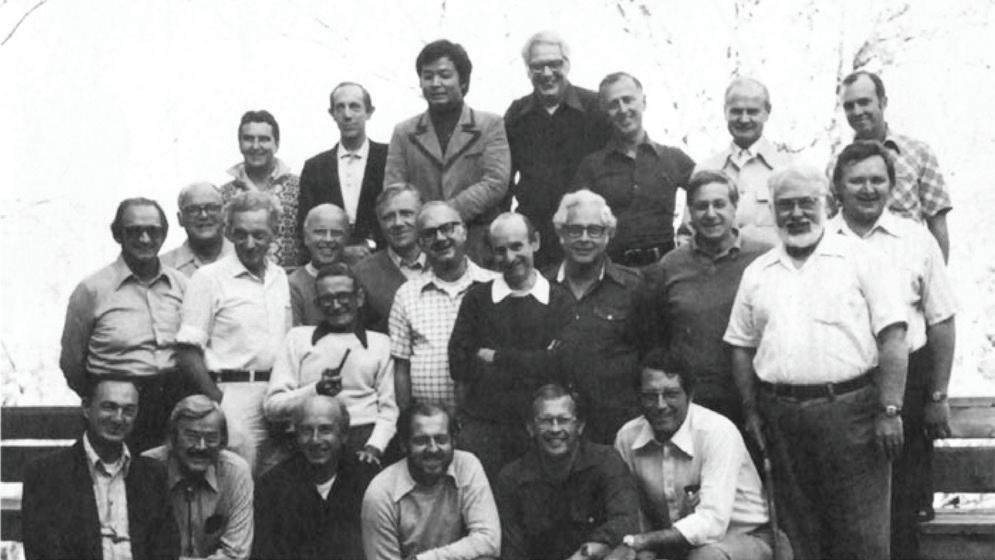
In 1975, twenty-four pioneers of modern CPR gathered in the remote mountains of Georgia to shape the future of cardiac arrest and resuscitation science.
Fifty years later, that same spirit of innovation brought together more than 150 of the world’s leading experts and thought leaders to explore the next frontier of life-saving research.
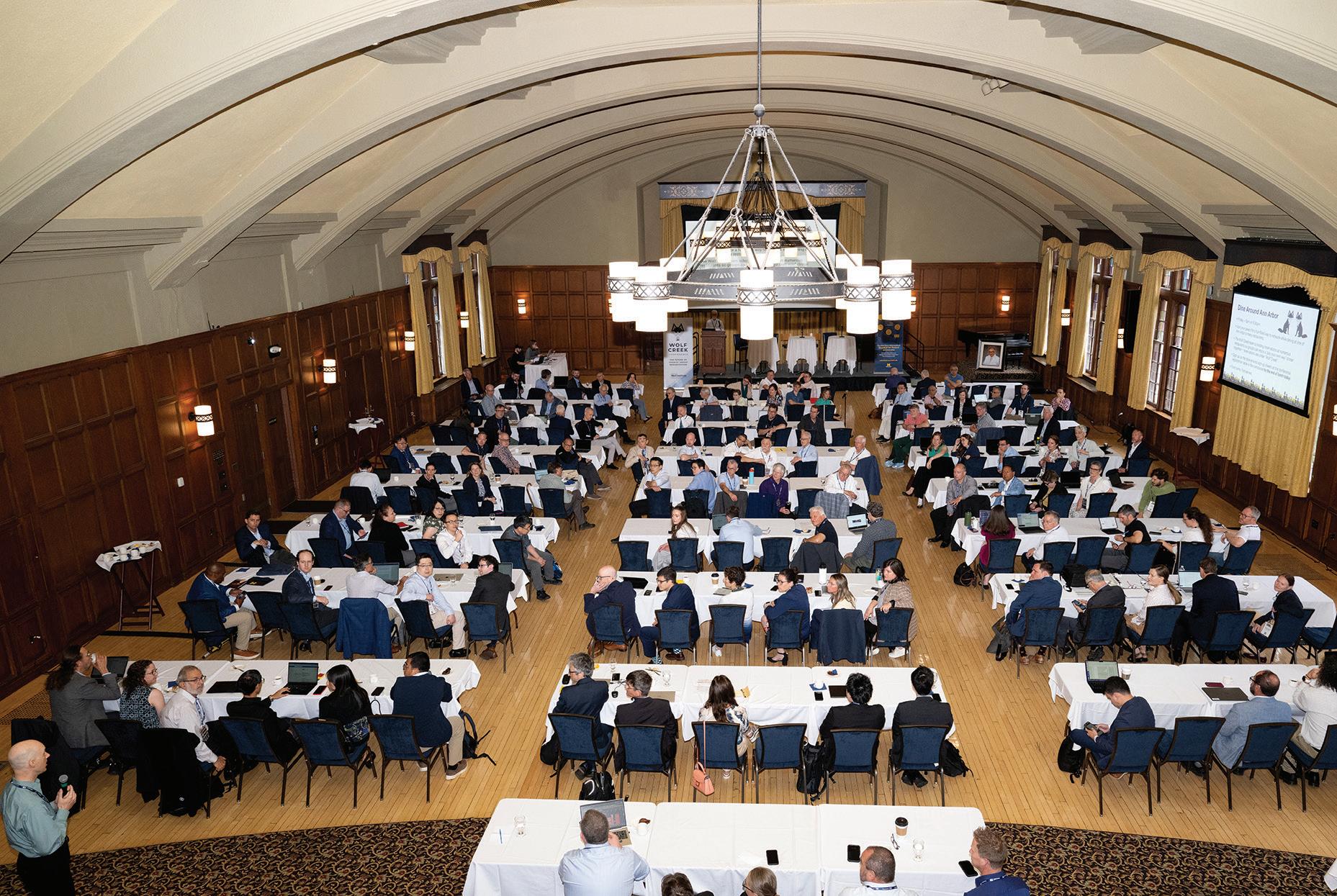
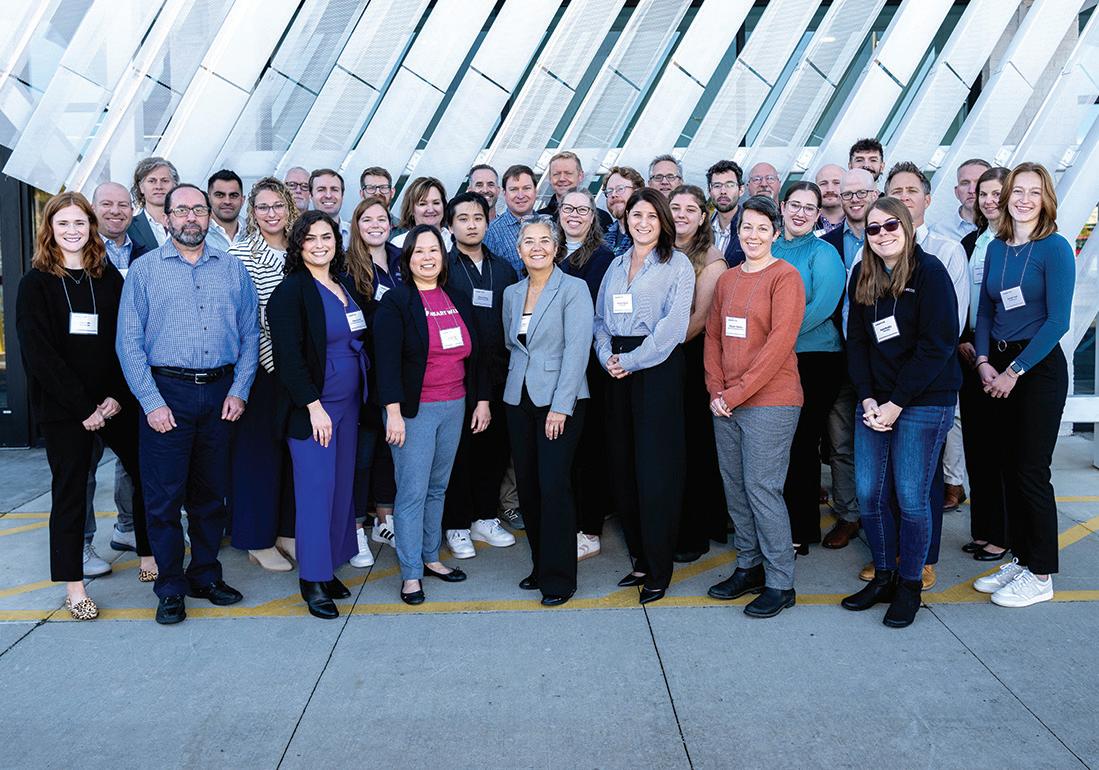
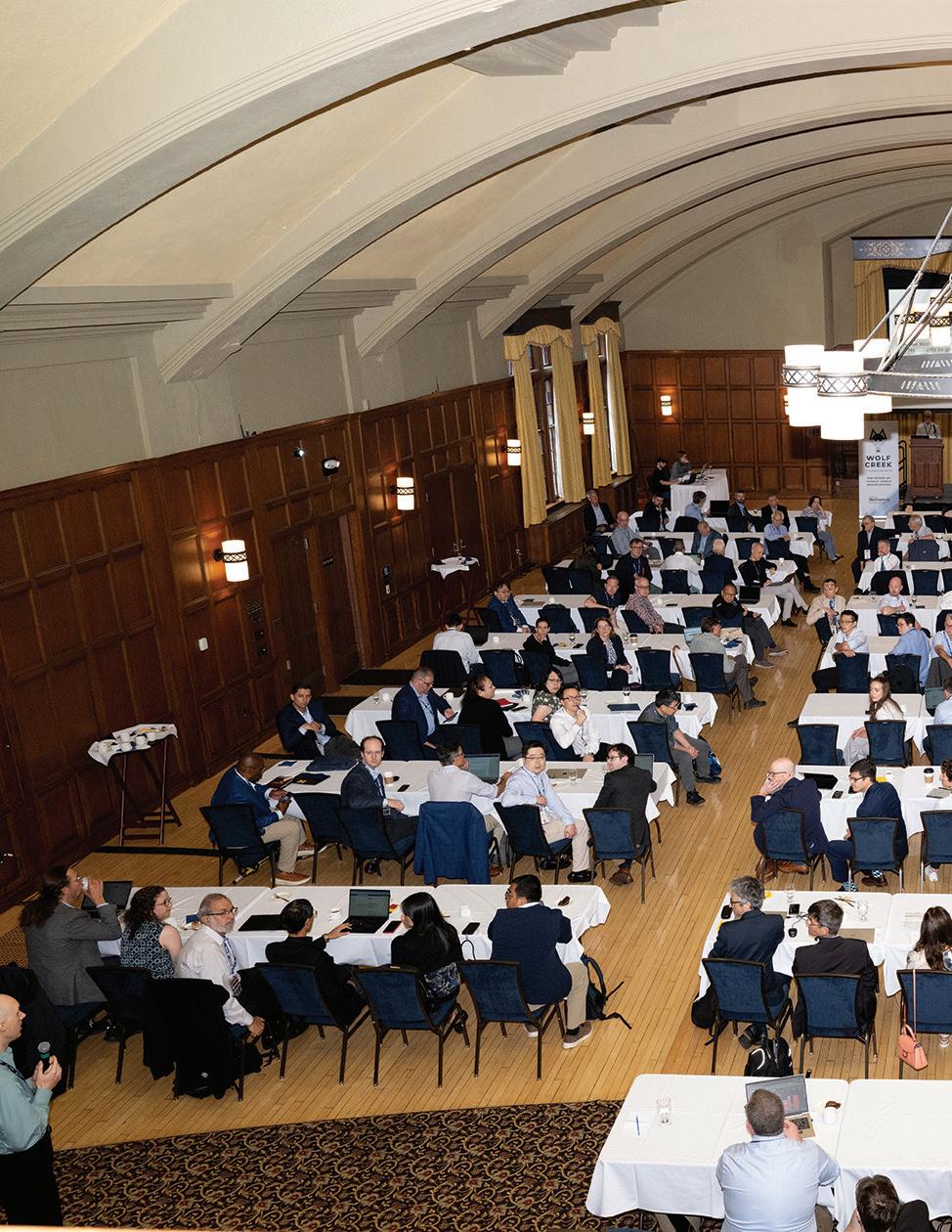
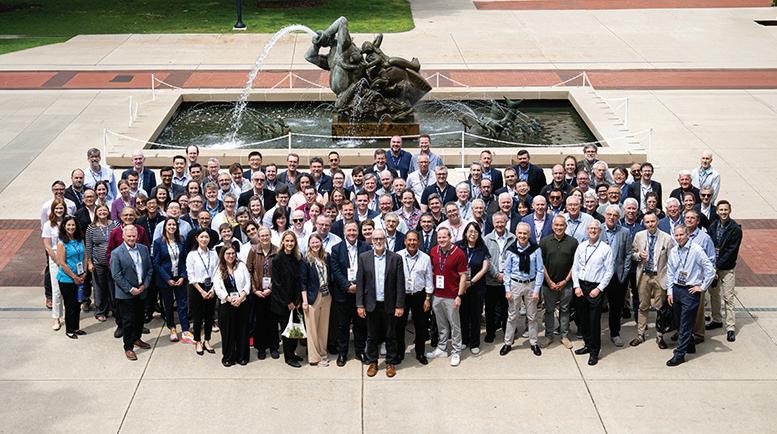
In the summer of 2025, Ann Arbor became the global epicenter for cardiac arrest research as 150 of the field’s foremost thought leaders and innovators, along with industry scientists and early-career investigators converged for the eighteenth iteration of the legendary Wolf Creek Conference.
Wolf Creek is a historic tradition in resuscitation science that began in 1975 under the direction of pioneers Drs. James Elam, James Jude and Peter Safar named after Dr. Jude’s “Wolf Creek Lodge” where the first conference took place. The goal of the meetings is to foster a robust exchange of ideas among experts, stimulating laboratory and clinical research to transform the future of cardiac arrest care.
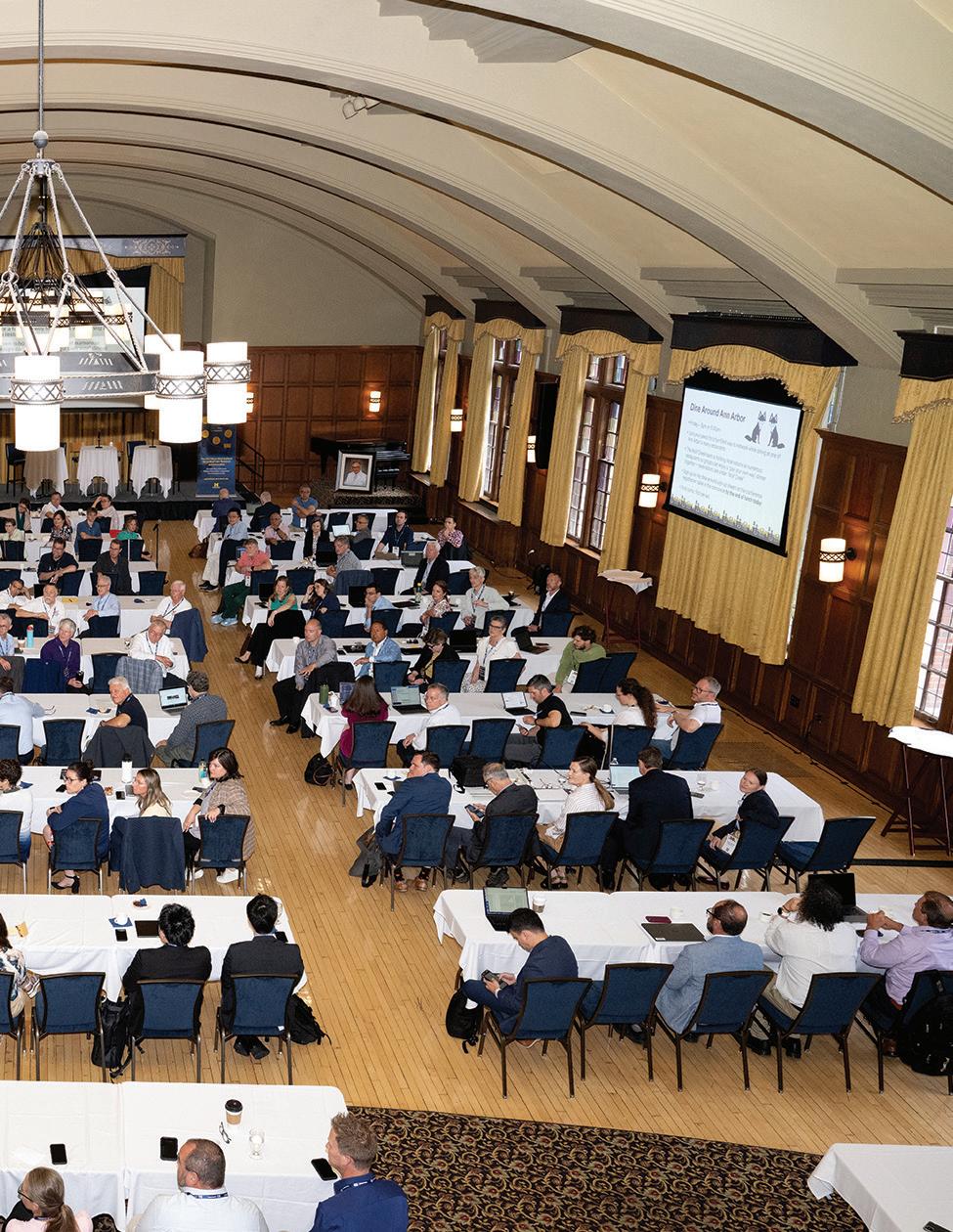
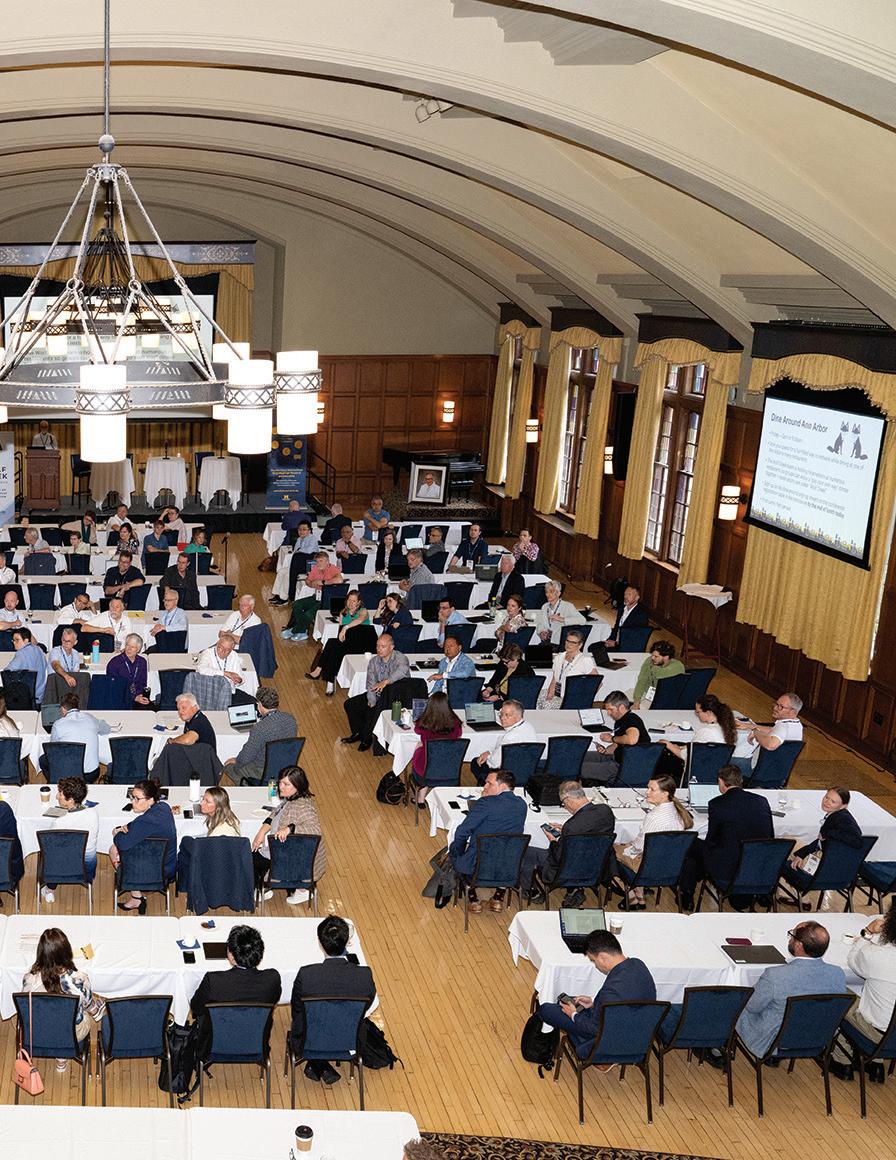
Hosted for the second year by the University of Michigan Max Harry Weil Institute for Critical Care Research and Innovation, the 2025 conference embodied the spirit of the seventeen that came before it through its focus on spurring active discussion and debate to determine where future research efforts should be focused. The event was structured around a series of discussion panels that covered key areas of scientific advancement interest in cardiac arrest research and CPR including survivorship, optimizing time intervals in cardiac arrest care, innovations in defibrillation science and ECPR technology, clinical trial design, and optimizing international collaborations.
With debate being a foundational aspect of Wolf Creek, each panel was followed by an open floor session, during which any attendee could step up to the mic to ask questions of both the panelists and fellow guests,
to share their own perspectives and pearls of wisdom, and to even offer up biting critiques— all in the service advancing research efforts in cardiac arrest and resuscitation science.
Honoring the History and the Future
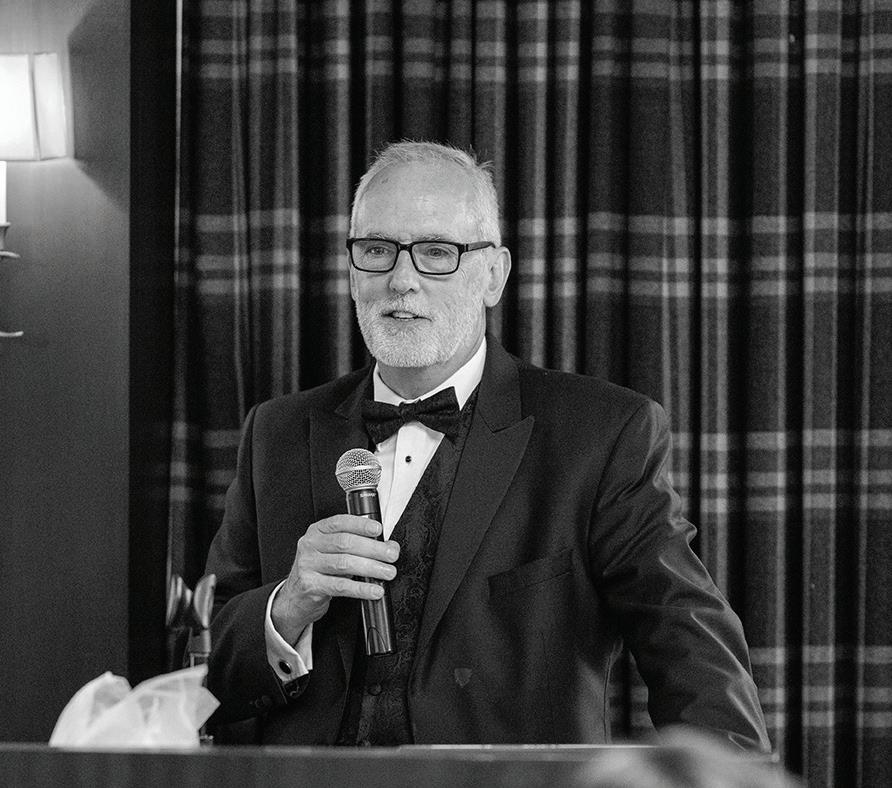
The 2025 Wolf Creek conference was especially unique as it marked the fiftieth anniversary of the inaugural 1975 meeting. In honor of this milestone, the Weil Institute team hosted a special dinner gala celebrating the meeting’s history, complete with a fireside discussion between longstanding attendees— some of whom had been at every Wolf Creek since the third. Between humorous accounts of rogue golf outings and then-greenhorns anxiously presenting their work before the giants of the field, each speaker also reflected on the impact the conference had on both their personal careers and on the field of resuscitation science.
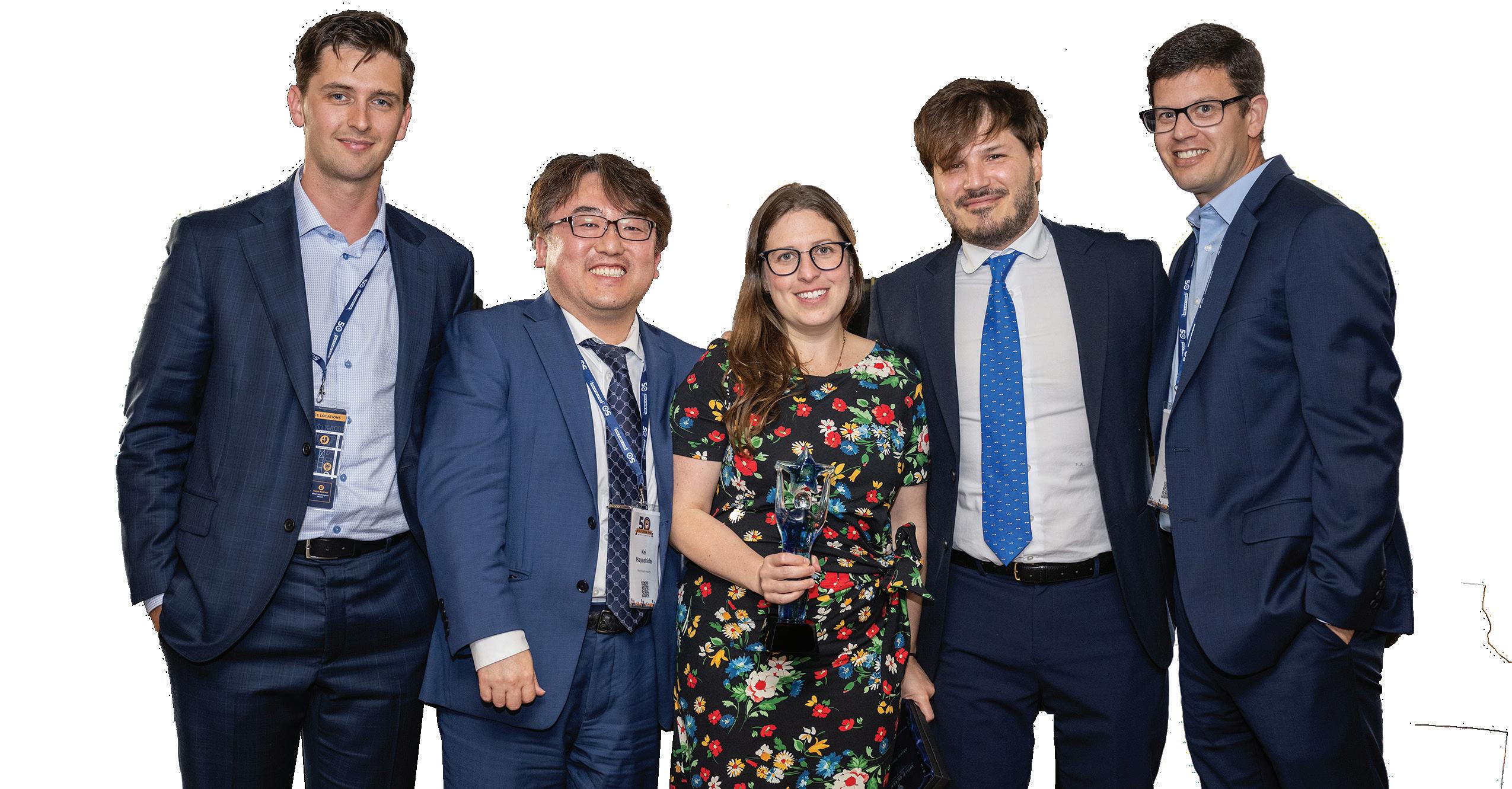
In keeping to the conference’s theme of “The Future of Cardiac Arrest Resuscitation,” a portion of the event was also dedicated to looking ahead at the field’s potential through the Wolf Creek Innovator Award. Originally launched at the 2023 conference, the Innovator Award recognizes early career investigators who are challenging current paradigms in resuscitation science. Following a rigorous application process and proposal
Wolf Creek 1
Creek 3
Wolf Creek 2 Key West, FL
Wolf Creek 4 Palm Springs, CA
Creek 14 & 15
review earlier in the year, five finalists from around the world were selected to present their work at Wolf Creek. The winner, selected by audience vote, was Dr. Alexis Steinberg from the University of Pittsburgh School of Medicine, who was awarded $10,000 to further support her research in decision science and organizational behavior in TBI prognostication.
More Wolf Creek on the Horizon
The next iteration of the Wolf Creek Conference will be held in Summer 2027. Planning is already underway.
“The Weil Institute Events and Marketing teams were true champions that did an incredible job designing and implementing this incredibly important meeting,” said Dr. Robert Neumar, Chair of the Wolf Creek Program Committee and Professor and Chair Emeritus of Emergency Medicine. “National and international recognition of the Weil Institute has grown exponentially due to their efforts.”
Those who are interested in learning more about the conference may view the published proceedings, available now in Resuscitation Plus.
...in need of research support?
The Weil Institute empowers critical care researchers of all stripes.
Across the University of Michigan, members of the Max Harry Weil Institute for Critical Care Research and Innovation are transforming critical care through groundbreaking research. Our unique approach uses multidisciplinary team science, big data analytics, specialized funding sources, and tailored commercialization pathway plans to push research from the bench to real applications in patient care.
Consulting and support services for multidisciplinary teams pursuing research awards.
Data modeling, analysis, and analytics used to develop clinical decision support tools.
Best-in-class, high-fidelity models of multisystem disease and injury such as sepsis and ARDS.
Assisting investigators with patient recruitment, IRB submissions, and data collection and processing.
Strategically collaborating with PIs and teams to propel products to commercial viability.
Member networking events and Grand Challenge competitions to accelerate novel research.
upcoming events
JOYCE MASSEY
TBISUMMITVI
October 7, 2026
The Massey TBI Summit unites leaders and experts in the field to present their current research, discuss the future of the field and identify important barriers to improving outcomes.
Neuro-EM SCHOLARS
December 1–4, 2026
The third annual Neuro-EM Scholars Retreat K12 program is happening later this winter. The 2025 and 2026 funded scholars will be in attendance to present their progress and provide guidance for this year’s applicants and Pipeline Program participants.
Summer 2027
Global leaders in cardiac arrest and resuscitation science will journey to U-M for the nineteenth iteration of the legendary Wolf Creek Conference, now hosted by Weil for the third year.
meet our members
Anesthesiology
Milo Engoren, MD
Sachin Kheterpal, MD, MBA
Mark Korenke, MD
Michael C. Maile, MD
George A. Mashour, MD, PhD
Paul Picton, MD, MRCP, FRCA
Kevin K. Tremper, MD, PhD
Biomedical
Engineering
Omar, Ahmed, PhD
David Burke, PhD
Hao Chen, PhD
Yu-Cheng Chen, PhD
Xudong (Sherman) Fan, PhD
Tristan Frum, PhD
James B. Grotberg, MD, PhD
Brian Love, PhD
Chenshuo Ma, PhD
Aaron Morris, PhD
Mary-Ann Mycek, PhD
Ruchi Sharma, PhD
Albert Shih, PhD
Peter Tessier, PhD
Zhen Xu, PhD
Computational Medicine and Bioinformatics
Lingrui Cai
Gerry Higgins, PhD
Jiahe Li, PhD
Emily Wittrup, MS
Ivo Dinov, PhD
Chemical Engineering
Mark A. Burns, PhD
Omolola Enoila-Adefeso, PhD
Sanaz Habibi, PhD
Nicholas Kotov, PhD
Joerg Lahann, PhD
Jouha Min, PhD
Peter Tessier, PhD
Anish Tuteja, PhD
Chemistry
Ryan C. Bailey, PhD
Mark E. Meyerhoff, PhD
Dentistry
Kenichi Kuroda, PhD
David Sarment, DDS, MS
Cristiane Squarize, DDS, MS, PhD
Economics
Zoey Chopra, MD/PhD Candidate
Electrical Engineering and Computer Science
David R. Chesney, PhD
Reetuparna Das, PhD
Yogesh B. Gianchandani, PhD
H.V. Jagadish, PhD
Honglak Lee, PhD
Kevin Pipe, PhD
Jenna Wiens, PhD
Euisik Yoon, PhD
Emergency Medicine
Sardar Ansari, PhD
William Barsan, MD
Benjamin Bassin, MD, FACEP, EDAC
Emergency Medicine (Continued)
Alexander Clark, MD
Ivan Co, MD
Michael Cover, MD
Douglas Craig, PhD, MFA
Negar Farzaneh, PhD
Christopher Fung, MD
Colin Greineder, MD PhD
Kyle J. Gunnerson, MD
Adrianne Haggins, MD
Nathan Haas, MD
Cindy Hsu, MD PhD
Vinitha Jacob, MD, PhD
Justin Jones
Daniel Keyes, MD, MPH
Frederick K. Korley, MD, PhD
Steven Kronick, MD, MS
Kathleen Li, MS
Prashant Mahajan, MD, MPH, MBA
Ronald Maio, DO, MS
Lauren Mamer, MD, PhD
Brandon McNaughton, PhD
Richard P. Medlin Jr. MD, MSIS
William Meurer, MD, MS
Takahiro Nakashima, MD, PhD
Kayvan Najarian, PhD
Robert Neumar, MD, PhD
Maxwell Raithel, MD
Regina Royan, MD, MPH
Thomas Sanderson, PhD
Phillip Scott, MD, MBA
Graham Smith, MD
Florian Schmitzberger, MD, MS
Nik Theyyunni, MD
M. Hakam Tiba, MD, MS
Emergency Medicine (Continued)
Bradley Uren, MD
J. Scott VanEpps, MD, PhD
Kevin R. Ward, MD
Joseph Wider, PhD
Douglas Wiebe, PhD
Family Medicine
Elham Mahmoudi, PhD, MBA, MS
Health Information Technology Services
Myron Hepner, CCRP
Industrial/Operations Engineering
Amy E.M. Cohn, PhD
Erkin Otles, MSE
Institute For Social Research
Jeanette Jackson, MBA
Internal Medicine
Keith Aaronson, MD, MS
Andrew Admon, MD, MPH
Vishwaratn Asthana, MD, PhD
Owen Albin, MD
Lawrence An, MD
Brian D Athey, PhD
Anna Barker, MD, PhD
Yuqing E Chen, MD
Colin R. Cooke, MD, MSc, MS
Scott Denstaedt, MD
Robert P. Dickson, MD
Scott A. Flanders, MD
Hamid Ghanbari, MD, MPH
Jessica Golbus, MD, MS
Internal Medicine (Continued)
Hitinder S. Gurm, MD
Meilan Han, MD, MS
Rachel Hechtman, MD, MSc
Michael Heung, MD, MS
H. David Humes, MD
Scott L. Hummel, MD, MS
Robert C. Hyzy, MD
Sangchoul Im, PhD, MSc
Taylor Lebeis, MD
Daniel A. Lawrence, PhD
Nikhilesh Mazumder, MD, MPH
Bethany Moore, PhD
James Morrissey, PhD
Elizabeth Munroe, MD, MS
Brahmajee K. Nallamothu, MD, MPH
Roomi Nusrat, MD
Hallie C. Prescott, MD, MSc
Karthik Ramani, MD, MHA
Mohammed Saeed, MD, PhD
Benjamin H. Singer, MD, PhD
Michael W. Sjoding, MD
Andrew Stephens, PhD
Balazs Szamosfalvi, MD
Muneesh Tewari, MD, PhD
Thomas S. Valley, MD
Lenar Tatios Yessayan, MD
Kinesiology
Pete Bodary, PhD
Learning Health Sciences
Vitaliy Popov, PhD
Deborah Rooney, PhD
Mechanical Engineering
Lei Chen, PhD
Nikos Chronis, PhD
Erin Donnelly
Bogdan Epureanu, PhD, MS
Jianping Fu, PhD
Miguel Fuñes-Lora, PhD
Xun Huan, PhD
Sridhar Kota, PhD
Grant H. Kruger, PhD
Katsuo Kurabayashi, PhD
Xiaogan Liang, PhD
Lauro Ojeda, MS
Kenn R. Oldham, PhD
Young Geun Park, PhD
Jeff Plott, MS
Chengzhi Shi, PhD
Yujing Song, PhD
Yihao Zheng, PhD
Medical Students
Helly Patel
Sidney Perkins, MSc
Michigan Medicine Leadership
Andrew Rosenberg, MD
Molecular and Integrative Physiology
Daniel Beard, PhD
Jimo Borjigin, PhD
Brian Carlson, PhD
Louis G. D’Alecy, DMD, PhD
Geoffrey G. Murphy, PhD
Santiago Schnell, PhD
Neurosurgery/ Neurology
Steven Broglio, PhD
Jeffrey Fletcher, MD
Hugh J.L. Garton, MD, MHSc
Teresa Jacobs, MD
Jacob Joseph, MD
Richard F. Keep, PhD
Aditya S. Pandey, MD
Venkatakrishna Rajajee, MBBS
Kyle Sheehan, MD
Brian Stamm MD, MSc
Neurosurgery/
Neurology (Continued)
Craig A Williamson, MD
Guohua Xi, MD
Nursing
Patricia A. Abbott, PhD, RN, FAAN
Deena Costa, PhD, RN
Ivo D. Dinov, PhD
Andrew Heiler, MBA, RN
Fadi Islim, RN, MSN, DNP (c)
Ophthalmology & Visual Sciences
Cagri G Besirli, MD, PhD
Mark T Draelos, MD, PhD
Otolaryngology
Zahra Nourmohammadi, PhD
Adam J Van Horn, MD
Pathology
Robertson D. Davenport, MD
Steven L Kunkel, PhD
Yang Xiao, PhD
Pediatrics
Ryan P. Barbaro, MD, MSc
Giulia Benedetti, MD
Erin Carlton, MD, MSc
John Charpie, MD, PhD
Sung W Choi, MD
Mary Dahmer, PhD
Rodney Daniels, MD
Karl Desch, MD
Daniel Ehrmann, MD, MS
Lindsay A Ellsworth, MD
Michael Gaies, MD
Rachel Gottlieb-Smith, MD, MHPE
Nadine Halligan
Jennifer Helman, CPNP-AC/PC
Beau Hunsinger, MD
Joseph Kohne, MD, MSc
Andrea Les, PhD
Rebecca Lombel, MD
Pharmacy
Mike Dorsch, PharmD, MS
Michael Kenes, PharmD
James J. Moon, PhD
Manjunath (Amit) Pai, PharmD
Leslie Satin, PhD
Anna Shenderova Schwendeman, PhD
Steve Schwendeman, PhD
Kathleen A. Stringer, PharmD
Peter Tessier, PhD
Physical Medicine & Rehabilitation
Alecia K Daunter, MD
Jonathan Lifshitz, PhD
Katharine Seagly, PhD
Psychology
Omar Ahmed, PhD
Richard Gonzalez, PhD
Ioulia Kovelman, PhD
Radiology
Jayapalli R Bapuraj, MD, MBBS, PDCC
Neeraj Chaudhary, MD, MBBS,FACR
J B Fowlkes, PhD
Craig J Galban, PhD
Oliver Kripfgans, PhD
Jonathan M Rubin, MD, PhD
Ashok Srinivasan, MD, FACR
Erica Stein, MD
Kera E Luckritz, DO, MPH
Frank W. Moler, MD, MS
Gabe Owens, MD, PhD
Mike Quasney, MD, PhD
Nathaniel Sznycer-Taub, MD
Ashish Wasnik, MD, FACR
Robotics
Xiaonan Huang, PhD
Patricia Alves-Oliveira, PhD
Student Health Services
Joseph Myers, OD, FAAO Surgery
Andrew Benjamin MD, MS
Ben Biersterveld, MD
Jill R Cherry-Bukowiec, MD, MS
Anne Cain-Nielsen, MS
Jonathan L. Eliason, MD
Mark R. Hemmila, MD
Jill Jakubus, MHSA, MS
Orsolya I Lautner-Csorba, PhD, MSc
Yongqing Li, MD
Lena M. Napolitano, MD, FACS, FCCP, FCCM
Pauline K. Park, MD, FACS, FCCM
Joseph Potkay, PhD
Krishnan Raghavendran, MD
Alvaro Rojas-Peña, MD
Sara E. Samborn, RN, MSN
Stewart C. Wang, MD, PhD
Nicole L. Werner, MD, MS
Undergraduates
Shreya Kashyap
Sid Lakhani
Yao Lee
Shakira Woods
U-M Dearborn Engineering
Sridhar Lakshmanan, PhD
Aditya Raghunandan, PhD
U-M Flint College of Engineering
Khalid Malik, PhD
Unit For Laboratory Animal Medicine
Dalis Collins, DVM
Benjamin Curtis, DVM, DACVP
Christopher Fry, MS
Kimberly Johnston, DVM, DACVS
Jean A. Nemzek, DVM, MS, DACVS
You have the ideas. We provide free resources and expertise to make those ideas a reality.
Multimodal Deidentified Data Repository
Electronic Health Records, SES data, medical images and clinical notes for 5+ million U-M Health patients
Extensive Genetics Dataset
Through our MGI Community, we offer fully consented research dataset with over 100,000 participants. Whole genome sequencing now being added!
AI Tools & Implementation Support
We leverage AI to develop tools for all health AI researchers and provide resources to help implement pilots/studies for research models.
Proposal Development Support
Our e-HAIL community supports members by connecting collaborators, locating extramural funding, providing technical support to develop proof-of-concepts, and editing proposals.
Data Storage & Processing
Robust, secure HPC infrastructure for storing and analyzing health data
Team Science Support
400+ researchers from 75 U-M departments across 17 schools and colleges
recognitions and accolades
A “Giant” in Resuscitation Science
In October 2025, the International Liaison Committee on Resuscitation (ILCOR) officially inducted Dr. Robert Neumar, Professor of Emergency Medicine and Molecular and Integrative Physiology, as an ILCOR “Giant” for his outstanding commitment and career in the field of resuscitation science and for his significant contributions to saving lives.
Leading Surgical Excellence
Dr. Lena Napolitano, Massey Foundation Professor of Surgery, Founding Division Chief of Acute Care Surgery, Director of Surgical Critical Care, and an associate director of the Weil Institute, was elected chair of the Board of Regents for the American College of Surgeons (ACS). In her new position, Dr. Napolitano is working to expand how ACS programs benefit surgeon members, patients, hospital partners and surgical quality.
Top Honors in Health and Medicine
Dr. Frederick Korley, Professor and Associate Chair of Research in Emergency Medicine and Scientific Director of the Massey TBI Grand Challenge, was elected to the National Academy of Medicine (NAM) for his efforts in transforming traumatic brain injury care through pioneering biomarker research, innovative clinical algorithm development, clinical trial leadership and impactful mentorship. Election to the Academy is considered one of the highest honors in the fields of health and medicine.
Innovating in Emergency Medicine
Dr. Ben Bassin, Clinical Professor of Emergency Medicine, received the 2025 Innovative Change in Practice Management Award from the American College of Emergency Physicians (ACEP). The organization recognized him for his leadership in emergency medicine, healthcare design and system innovation. Dr. Bassin is the first from the University of Michigan to receive this award.
Uniting Engineering and Medicine
Dr. Xudong (Sherman) Fan, Richard A. Auhll Endowed Professor of Biomedical Engineering and an associate director of the Weil Institute was inducted into the American Institute for Medical and Biomedical Engineering (AIMBE) College of Fellows. Election to the College is one of the highest professional distinctions granted to medical and biological engineers.
Weil Institute Welcomes New Associate Director
Dr. Sardar Ansari, Assistant Professor of Emergency Medicine, was appointed an associate director of the Weil Institute and is serving in this role alongside his ongoing duties as director of Weil’s Data Science Team.
Dr. Ansari’s research is focused on the development, validation and implementation of data science tools to address challenges in medicine and clinical care. At the Weil Institute, he has both led and collaborated on various initiatives applying signal processing, image processing, and machine learning techniques to aid the diagnosis, prognosis and treatment of patients with acute and chronic conditions.
Some of Dr. Ansari’s most recent work includes the NIH-supported development of data-driven models aimed at personalizing intensive care unit (ICU) triage and bed assignment for patients with acute heart and lung conditions—a project that was performed in collaboration with investigators from the University of Pennsylvania Health System, Yale University, U-M Health West and Hurley Medical Center. Dr. Ansari is also a co-inventor of the Weil Institute’s “PICTURE” predictive analytic suite, which passively and accurately predicts intensive care unit (ICU) transfer or death as a proxy for patient deterioration.
to new horizons
Phil Jacokes, who has served as the Weil Institute’s managing director since 2015, is now managing director at AI & Digital Health Innovation (AI&DHI), U-M’s artificial intelligence and health research initiative.
I’m proud to have helped develop leaders & team members who aren’t afraid to tackle hard problems.
- Phil Jacokes
Brandon Cummings, who has been with Weil as a data scientist, has moved to the Michigan Medicine Emergency Department’s Division of Clinical Informatics, where he is now helping to lead data science efforts.
I am especially grateful to have helped guide PICTURE from an early idea on a napkin to a licensed tool used by clinicians.
- Brandon Cummings
Joe Blackmer, who has led the Data Operations team at the Weil Institute since 2021, is now head of Data Ops. at AI & Digital Health Innovation where he applies his expertise in the development of clinical AI tools.
I loved working with such a talented team to support dozens of projects, help to get those tools into clincians’ hands, and demonstrably improve patient care.
- Joe Blackmer
weil institute catalyst team
Executive Leadership
Internal Advisory Board
Kevin Ward, MD Executive Director
Mary-Ann Mycek, PhD Biomedical Engineering
Sherman Fan, PhD Associate Director
J. Scott VanEpps, MD Associate Director
Ryan Barbaro, MD, MSc Pediatrics
Timothy Blackwell, MD Internal Medicine
Lena Napolitano, MD, FACS,FCCP, FCCM Surgery
Robert Neumar, MD, PhD Emergency Medicine
Kelly Sexton, PhD Innovation Partnerships
Christopher Shoemaker, MEd, MBA, CFRE Development
Mark Burns, PhD Chemical Engineering
MeiLan Han, MD, MS Pulmonary & Critical Care
Steven Kunkel, PhD U-M Leadership, Pathology
Rodney Daniels, MD Scientific Director, Kahn Grand Challenge
Frederick Korley, MD, PhD Scientific Director, Massey Grand Challenge
Tanner Vincent Interim Managing Director
Heidi Flori, MD, FAAP Associate Director
Robert Dickson, MD Deputy Director
Lena Napolitano, MD, FACS,FCCP, FCCM Associate Director
Kathleen Stringer, PharmD Deputy Director
Kenn Oldham, PhD Associate Director
Sardar Ansari, PhD Associate Director
Michael Sjoding, MD Associate Director
Core Team Leads
Sardar Ansari, PhD Data Science Team
Megan VanStratt Marketing Communications
Kait McMurray Clinical Research Unit
Peter Walczyk Data Operations
Support Team
Brittany Baur, PhD Senior Data Scientist
Courtney Dennis Research Lab Specialist
Kate Murphy Communications
Hongyi Yang Data Scientist
Drew Bennett Licensing Liaison
Negar Farzaneh, PhD Research Investigator and Data Scientist
Suranjan Ottikutti Data Architect
Justin Yates Research Area Specialist
Meagan Ramsey, PhD Proposal Development Unit
Jay Semerad Product Commercialization
Tiba, MD, MS Preclinical Laboratory
Erin Bisco Research Area Specialist
Nicholas Greer Research Intermediate Supervisor
Mike Ranella Business Development Liaison
Ava Zarewych Clinical Research Coordinator Technician
Loc Cao Data Scientist
Bella Johnson Clinical Research Technician
Zachary Sharpe Data Architect and Research Lab Specialist
Lisa Coon Special Events Manager
Justin Jones Clinical Research Lab Operations Manager
Denise Wieck Administrative Specialist
Alexis Davis Research Lab Specialist
Sai Likhita Mamillapalli Clinical Research Coordinator
Sue Wozniak Events Specialist
Dr. Bartlett was a humanist, a physician, an involved educator, and a generous mentor.
Known globally as the Father of ECMO (Extracorporeal Membrane Oxygenation), he spent his life not only caring for the critically ill, but pioneering, establishing and teaching others new ways to provide life-saving support to these patients.
Dr. Bartlett changed the landscape of surgery and critical care; he had friends all over the world and lived life fully. His work will continue to save lives. He will be missed by many and remembered by us all as an inspiration, a compassionate clinician, and a great intellect.
Hakam
products available for licensing
Reach out to U-M Innovation Partnerships to begin a conversation about any of the Weil Institute’s Available to License products listed below!
Analytic for Detecting Acute Respiratory Distress Syndrome (ARDS)
DETECT-ARDS uses electronic health record data to detect ARDS findings on chest x-ray images with humanlevel accuracy.
Desktop Digital Biomarker Analysis System
An accurate, point-of-care, highly multiplexed digital immunoassay device for rapid diagnosis of up to 14 blood biomarkers and diseases.
Model Performance Diagnostics Suite (MPD)
A suite of tools for assessing the performance of predictive models post-deployment. Detects data shift and model degredation.
Digital Extraventricular Drain (DEVD) with Data Analytics Integration
Improves accuracy of intracranial pressure measurements and control, while monitoring patient position and providing real-time alerts.
Therapeutic Vibration Device (TVD)
A full-body device that helps patients in the intensive care unit (ICU) avoid Post Intensive Care Syndrome (PICS) by applying vibration to activate their muscles.
The products listed below have completed initial testing and proof-of-concept validation. They have high confidence for commercial viability and will be ready to license in 1-2 years.
Point-of-Care Microfluidic Platform for Detecting Traumatic Brain Injury
Portable device that measures FDA-approved biomarker concentrations in whole blood and plasma to detect traumatic brain injury (TBI).
Redox Point-of-Care Platform
Microfluidic chip platform that captures real-time measurements of oxidation reduction in whole blood and other biologic fluids at the point of care.
Executive Officers of Michigan Medicine
Thomas J. Wang, M.D.
Dean, University of Michigan Medical School
Josiah Macy, Jr. Professor of Health Professions Education Chief Academic Officer, Michigan Medicine
David C Miller, M.D., M.P.H.
President, University of Michigan Health System, Executive Vice Dean for Clinical Affairs, Medical School
Debra F. Weinstein, M.D.
Executive Vice Dean for Academic Affairs, Medical School Chief Academic Officer for Michigan Medicine
Steven L. Kunkel, Ph.D.
Executive Vice Dean for Research, Medical School Chief Scientific Officer, Michigan Medicine
The Regents of the University of Michigan
Jordan B. Acker, Michael J. Behm, Mark J. Bernstein, Paul W. Brown, Sarah Hubbard, Denise Ilitch, Carl J. Meyers, Katherine E. White, Domenico Grasso (ex officio)