



























































BY LAUREN HENRY
Protecting prime agricultural land from renewable energy, mining and transmission-line projects were the key issues raised at the ‘Defending your right to farm forum’ in St Arnaud on Thursday.
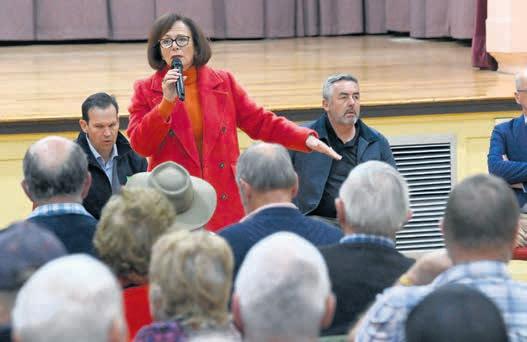
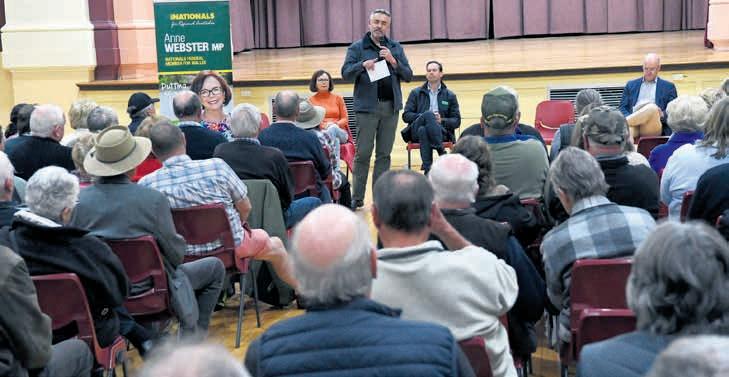
Member for Mallee Anne Webster, flanked by her Nationals colleagues, federal leader Matt Canavan, shadow agricultural minister Darren Chester and Victorian leader Danny O’Brien, spoke and answered questions at the forum.
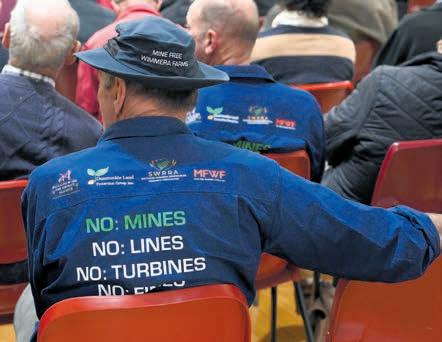
More than 150 people – mostly farmers from across the region – attended the forum at St Arnaud Town Hall, with many taking the microphone to either make a comment or ask a question of the MPs.
The Nationals MPs were warned about a rise in popularity of One Nation, questioned on their relationship with the Pauline Hanson-led party and whether they would be swapping preferences with One Nation candidates in upcoming elections.
Farmers, with many representing Mine Free Wimmera Farms and Mine Free Mallee Farms, raised concerns about the impact of sand-mining projects near Lalbert and Horsham, and questioned the Victorian Nationals’ position on mining on agricultural land.
Gannawarra Shire Mayor Garner Smith joined a chorus of farmers at the forum who were critical of the Victorian Nationals’ performance and position on policies in relation to the VNI West transmission-line project and protecting agricultural land.
Cr Smith also took Dr Webster to task about supporting the VNI West project in 2020 – under the Morrison Coalition government – and questioned when she had changed positions to now oppose the project.
“You can’t just change positions –that is what you are actually accusing the current Labor government of doing with things like capital gains tax. We’ve got a massive backflip here,” he said.
Dr Webster responded that she had initially toed the party line on the project, as it was in her early years of being an MP, but she had now listened to her constituents and was against the project.
Prior to the forum at a media conference, Dr Webster said she had learnt about the impact of net-zero poli-
cies on farmers, farming families and farming communities – of which St Arnaud was one.
“It is really important that farmers’ voices are heard, that community voices are heard,” she said.
“The Victorian Labor government has done the worst job in terms of social licence. They have not even attempted to really understand how farming communities work, and they’re railroading them, and they have been railroading them,” she said.
“I’ve been standing with farmers in protests, in Spring Street and in Canberra, and out in the community to support them, because they’re the ones who bring in food and fibre for our nation.
“They contribute so much to our
country and our country’s wealth, and they should not be ignored. They should be respected and given the dignity that they deserve.”
Dr Webster said the forum was not ‘about us telling the farmers’ but about listening to the farming community.
Mr Canavan said he was interested to hear from farmers who were on the front line of dealing with projects that were being built to achieve net-zero.
“I’m here as a new Nationals leader because Anne Webster pretty much every week in Canberra has raised the issues of VNI West, the trampling of people’s property rights here by the Victorian government,” he said.
“So now as Nationals leader with responsibilities all around the country, not just in Queensland, I’ve come here
to hear from Anne Webster’s constituents directly about why they’re so upset about this.
“ I’ve fought this net-zero madness from the get-go. I’ve been on the front lines of the net-zero wars for five years now and, very much here in western Victoria, you are on the front-line of the net zero impact being felt by people’s property being taken without their consent and farmland being destroyed from large industrial wind and solar projects.
“And the question has to be asked –for what benefit?
“Why are we destroying all of this beautiful farmland?
“Why are we angering our nation’s farmers?
“Why are we trampling over peo-
ple’s rights to their own property, their own homes?
“Because we were promised by Lily D’Ambrosio and the Victorian government and Chris Bowen in Canberra, we were promised that doing all this would lower energy bills.
“That doing this would bring hundreds of thousands of manufacturing jobs to our country.
“None of those things have happened. Net zero has been a complete and utter failure, and so then why would we continue with net-zero projects?”
Mr Canavan said central Queensand and regional New South Wales were experiencing similar issues to northwestern Victoria.
“It’s the same stories everywhere, that large industrial, often foreignowned renewable-energy companies are coming into towns and communities, paying almost zero respect to the generational family farms that have been here forever, and think that because they believe they’re saving the planet, they can do whatever they like,” he said.
“The problem seems to be that because these companies feel they are saving the planet, they think they can just get away with anything.
“And, I’ve got a newsflash, I don’t think a 300-meter wind turbine is going to change the temperature of the globe.
“But it is destroying people’s ambience, their livelihoods, destroying our natural environment, and it is also pushing up the cost of everything and power prices for all Australians.”

Yetanother angry and highly emotionally charged forum was held last week on that most divisive of regional developments: renewable energy.
The ‘Defending your right to farm’ forum in St Arnaud was organised by the federal Member for Mallee Anne Webster, alongside local grassroots groups including the Farmers Fightback Across Victoria Alliance and the Wimmera Mallee Environmental and Agricultural Protection Association.
Recently elected Nationals leader, Queensland Senator Matt Canavan, jumped at the opportunity to raise his profile in Victoria.
His main message was his mission to dump a net-zero carbon emissions target, but he wasn’t definitive on solar and wind farms.
After the forum Mr Canavan said ‘The Nationals will fight to stop the Victoria to NSW Interconnector West, VNI West, by scrapping Labor’s net-zero agenda.
He told Country Today: “I support all types of energy but I don’t support the industrialisation of farmland … The (Albanese) government’s current plan, this rollout of renewables will destroy about 12,000,000ha of farmland. That’s two times the size of Tasmania. I don’t think it’s a good deal. We need to keep our farmland, we need to protect the beautiful soil that we are lucky enough to have here.”
So where else can farmers seek help?
There is another route, the Australian Energy Infrastructure Commissioner.

with Libby Price
ing placed, there is someone who they can talk to, that’s me,” Mr Mahar told Country Today Mr Mahar made it clear he does not have the power to stop projects going ahead. That’s in the hands of planning ministers. But he can mediate discussions with power companies to ensure better outcomes.
So, what are the most common complaints he receives?
“Lack of engagement, lack of genuine partnership so people are concerned their communities are hosting this renewable energy infrastructure and their community is going to be worse off … they feel like it’s being done to them, rather done with them,” Mr Mahar said.
Many farmers are turning to their local council for answers. The reality is, they have very little power.
“My message to the energy companies is look after the councils, resource councils,” Mr Mahar said.
“They can help you address the challenges, identify opportunities and they will have a good idea of what their community wants in terms of benefits from this transformation.”

You’ve probably never heard of it. I hadn’t. And it’s none other than former chief executive of the National Farmers Federation Tony Mahar, who has spoken to Country Today about what the job is all about.
“People perhaps don’t know there is someone to complain to and someone that can help them with their concerns, when they’re not feeling like they’re being heard … If you’ve got some real concerns about where the project is actually be-
For many regional communities, the damage has already been done and is unlikely to be undone. How to lodge a complaint Complaints should be in writing. People who would like to discuss their complaint first can call Australian Energy Infrastructure Commissioner on 1800 656 395. People can email their complaint to aeic@aeic.gov.au or post it to PO Box 24434, MELBOURNE VIC 3001.




BY LAUREN HENRY
Ahead of a farmers forum last week in St Arnaud, The Nationals leader Matt Canavan announced a Coalition government plan to scrap Labor’s capital gains tax changes to protect Australian farmers.
Mr Canavan, a Queensland-based senator, was in the Mallee electorate last week on the invitation of local MP Anne Webster, who organised a farmers forum at St Arnaud Town Hall. Shadow agricultural minister Darren Chester and Nationals Victorian leader Danny O’Brien were also in attendance at the forum, which attracted more than 150 people – mostly farmers from across the region.
At a media conference prior to the forum, St Arnaud accountant Peter Knights joined Mr Canavan and Dr Webster to discuss the impact of increased taxes on farmers and regional communities.
Mr Canavan said a future Coalition government would immediately stop many of Labor’s taxes, including changes made to the capital gains tax, CGT, which would also impact farmers who were not made exempt.
He said the recent Federal Budget was built on a ‘mountain of ignorance’ and did not understand the impact it would have on people, especially those in regional Australia.
Mr Canavan said the Coalition called on the government to undertake ‘a proper parliamentary inquiry into the changes’ to the various taxes proposed in the Budget.
“Returns for Australian farmers are skewed towards capital gain, not income, and so any increase in the taxation of capital gains is going to hit Australian farmers the hardest,” he said.
“Farming will be one of the industries hit most, particularly by the changes to capital gains taxation.
“The government says they’re moving from just a nominal system to a real system and the treasurer is tying himself in wraps to say that some industries have been over-taxed and others under-taxed.
“The situation is for Australian farming and farmers is that they do generate most of their returns through capital gains.”
Mr Canavan said according to ABARES data, the average broadacre farm made a rate of return on capital of 0.6 per cent in 2023-24, but the average broadacre farm had increased by 9.8 per cent per year, on average, over the past decade.
“Because of that skew towards capital gains, the government’s own calculations, the modelling the government released earlier this week, show that farmers, based on those numbers, based on historical returns, would face an increase in their capital gains tax rate from 23 per cent to 36 per cent under the government’s changes, and they will be one of the hardest hit industries.”
Mr Knights, of Knights Norfolk Accounting, said it could not be understated how much of a negative impact CGT changes would have on farming families.
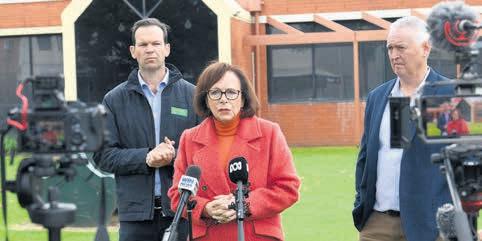
OFFICIAL: The Nationals leader Matt Canavan, Member for Mallee Anne Webster and Peter Knights, of Knights Norfolk Accounting in St Arnaud, spoke ahead of a farmers forum in St Arnaud on Thursday about the impact that changes to the capital gains tax would have on farming families.
“As far as it being a death tax, I know CGT’s not paid on death, but it’s paid certainly on the transfer by the beneficiaries through to the next lot, and we have to make those pathways easier to the next generation coming through so they can put the productive assets in the productive hands,” he said.
“There’s an old saying, you can’t eat bricks and mortar – well, you certainly can’t eat land.
“When we transfer assets, we don’t release any cash – no money comes from that process if we’re transferring it through a multi-generational process and moving those assets through to maintain them as family farms.
“We don’t want to see a return to the days of probate where family farms had to be sold to be able to pay the tax.”
Mr Knights, also a farmer, said his

father was still shaken by the impact of the probate regime in the 1960s and 1970s, and having to borrow money to continue farming.
“Whilst small business CGT concessions remain unchanged in this Budget, the eligibility rules are also unchanged for 20 years and fast losing relevance and effect to ensure families stay farming. If nothing else these concessions need modernising,” he said.
“From a farming industry point of view, we have to make sure we can take assets through to the next generation, to those most capable of enterprising, leveraging assets and hard work, producing for the benefit of everyone else.
“When times are tough, traditionally, family farms still show up, but corporate farming must answer to shareholders.


“This is a productivity issue. If we increase tax barriers to transfer of farmland, it puts that business at risk and stability of food production at risk.”
Mr Knights said farmers were under a lot of threats and pressures – from the impact of the net-zero, renewables and VNI West projects and ‘ridiculously’ placed Renewable Energy Zones – as well as government taxes.
“And as far as trust changes, there’s a lot more in the detail and we don’t use trusts for tax minimalisation – forget that – we do it to make sure we’ve got the right structure to make sure our businesses can move through generations, and are protected,” he said.
“We protect our assets so we have sustainable businesses, not to avoid tax.”
Mr Chester said if not scrapped, the CGT changes would also be a hammer blow to many young farmers stressed about whether they could take on debt, as well as the risk and frustration inherent in farming life.
“Our farmers might suffer low annual returns but can keep going through a drought, knowing that their land value will probably increase,” he said.
“If the government is going to consult the start-up industry on its tax changes, it should consult with Australian farmers as well, who are equally affected.
“In regional Australia we grow great food, we grow great fibre and we grow great kids. But they need to see a future for them in our world-class agricultural sector, and not a future filled with higher Labor taxes.”









BY BRONWYN HASTINGS
Bees contribute an estimated $4.2-billion to Australian agriculture each year in plant pollination and honey production, yet they face multiple threats, including habitat loss, agriculture chemical use, climate change, and the ongoing spread of pests and diseases.
One of the world’s most destructive honey-bee pests is the notifiable Varroa mite, which was detected in Australia in June 2022.
In January this year, pyrethroid resistance in Varroa mites was confirmed for the first time in Australia.
Although no miticide resistance is reported in Victoria to date, the cost of managing the pest is expected to reach $70-million a year.
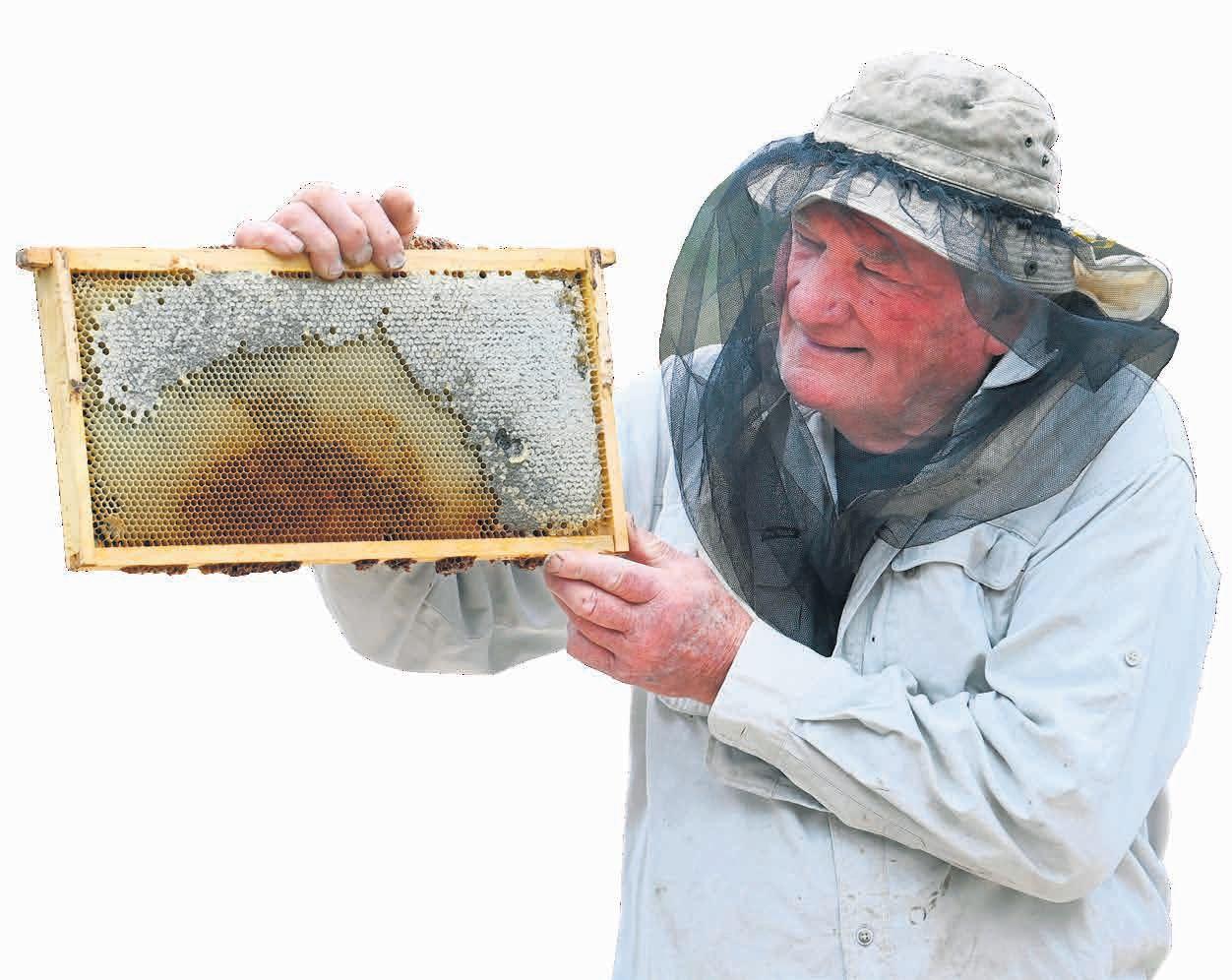
Dimboola apiarist Geoff Somers said he had avoided the mite by avoiding other beekeepers, placing his hives on local private and government land agistments.
He said he was not confident his bees would remain unaffected.
“They are going to get it on my next shift, when I take them to the almonds at Red Cliffs in July or August,” he said.
“Cross-pollinating pays well – it’s money for jam and the only way to make money out of bees – but there are a lot of other beekeepers there.
“I’d say two-thirds of beekeepers in Victoria have it now, commercial or otherwise.”
Now semi-retired, Mr Somers will take 150 hives to Red Cliffs – at the height of his business, he would take 500 hives.
He said he preferred a chemical-free approach, and had a natural way to eradicate the mites.
“Even though I’m not certified organic, I just don’t like the idea. I never have – I eat my own product,” he said.

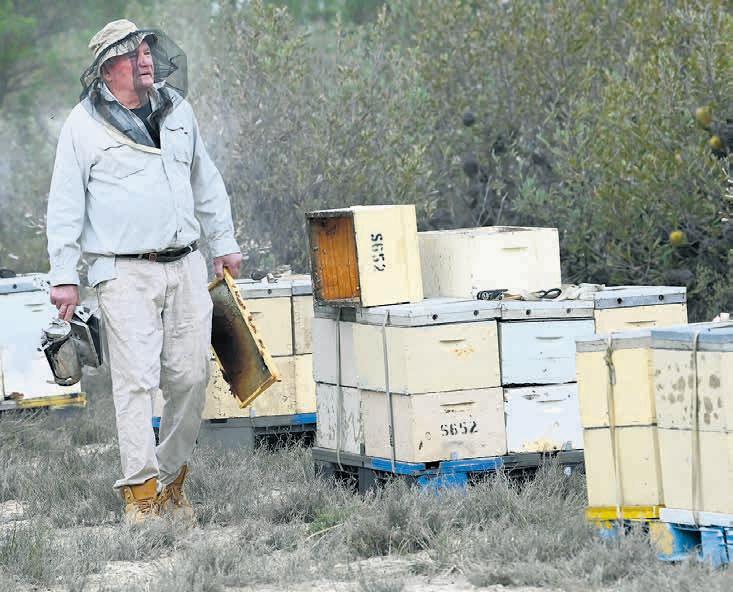
“An American beekeeper who came to Australia to avoid mites about 15 years ago told me about a freezing method, which worked in America, on and off.
“I’m going to try this way and I might get out of using chemicals.
“He said sometimes that, with a bit of chemical, it worked for some people, but it’s very labour intensive.”
Agriculture Victoria bee biosecurity officer Ashton Edgley said bee biosecurity was integral to the health of hives.
“At Agriculture Victoria’s site in
Atwood, we maintain six hives for industry biosecurity training and as replacement stock for the ports surveillance program, which acts as an early warning system to detect new incursions of exotic bee pests and pest bees,” he said.
“The hives greatly increase the possibility of eradicating and incursion, and limits the scale and cost of any eradication program.
“Bees need our protection so that they can carry out the role of plant pollination and honey production –one out of every three mouthfuls of
food depends on bees and two thirds of Australia’s agricultural production benefits from honeybee pollination.”
Mr Somers said he had worked with bees for most of his life, starting as a child with his uncle in Western Australia.
He moved to work in Ballarat, where he met now-wife Maureen, and kept hives as a hobby.
He ultimately moved to Dimboola and started a commercial operation.
Mr Somers said in 30 years he had never had two low-production years in a row, and averaged three
“Cross-pollinating pays well – it’s money for jam and the only way to make money out of bees – but there are a lot of other beekeepers there. I’d say two-thirds of beekeepers in Victoria have it now, commercial or otherwise”
– Geoff Somers
low-production years in each decade. “I’ve never had two in a row, up until now – last year was a dud year, it was so hot and dry,” he said.
“A lot of the banksia bushes died, especially where they are thick – they need a fire.
“They also need a frost, it’s the only plant I know that reacts to frost in a positive way.
“There’s a beekeeper saying that is pretty right: ‘the first frost after Anzac Day, the banksias will start’.
“Well, we haven’t had one. Now the bees are wearing themselves out, they burrow in and they’re not getting much pollen.”
Mr Somers said until the outbreak of Varroa mite and an African beetle, Australia was known as the best for beekeeping operations.
“I’ve worked in Canada, and we were the best beekeepers known, for our flora, we’re pretty easy, and no mites,” he said.
“We’ve now had two incursions –we kept it out until three or four years ago, but it’s just bad news.”
• World Bee Day, observed on May 20 in more than 100 countries and recognised by the Food and Agriculture Organisations of the United Nations, highlights how much the natural world relies on the pollinators. It asks people to act locally while thinking globally by growing more flowers and reducing pesticides in home gardens.




•
•




than a 2nd major 5203 bearing manufacturer.








Charles Darwin University researchers are working to improve scientific understanding of the impact of extreme heat on food security as climate change affects Australia’s agricultural industry.
A project led by the university’s Northern Institute aims to explore how rising temperatures are affecting labour productivity, operational costs, crop and livestock production, and the long-term sustainability of agricultural businesses in Australia.
With Australia receiving more frequent and more intense heatwaves, principal investigator Professor Kerstin Zander – a senior research fellow with the Northern Institute – said the research would address a knowledge gap in understanding the impacts of extreme heat on agriculture.
“While drought has traditionally received significant attention in Australian agriculture, the impacts of extreme heat and heatwaves on workers’ health and productivity, as well as farm operations, remain comparatively underexplored,” she said.
“This is particularly important as Australia experiences more frequent and intense heatwaves, placing growing pressure on essential food-producing industries and regional communities.”
The study is part of a broader research initiative supported by Natural Hazards Research Australia, which focuses on strengthening the nation’s resilience to natural hazards and climate-related risks.
Ms Zander said the survey was one of the few
Australian studies designed to examine human and operational dimensions of heat impacts across multiple agricultural sectors, including horticulture, cropping, viticulture and livestock production.
She said the findings could support evidencebased policy development, improve preparedness planning and strengthen climate resilience.
She encouraged agricultural workers across the sector to participate to ensure a diverse response.
Research assistant Amila Udage said the project combined climate-resilience research with practical agricultural challenges faced by farmers and workers.
“Extreme heat is not only an environmental issue. It is increasingly becoming a labour, productivity and economic challenge for agricultural businesses,” he said.
The study will investigate how heatwaves affect day-to-day farming operations, worker wellbeing, production systems and adaptation decisions across the agriculture sector.
The project also aims to identify emerging adaptation strategies used by farmers, including operational changes, heat-mitigation practices and future technology-based responses, particularly those enabled by emerging digital technologies.
People can find detailed information and participate in the survey by visiting go.cdu. edu.au/frdq.
Participants can also volunteer for a followup interview to further discuss their experiences.


Farmers statewide are encouraged to subscribe to Agriculture Victoria’s Soil Moisture Monitoring Cropping Report e-newsletter for realtime soil water data in their region.
The report summarises data from underground probes at 20 monitoring sites across Victorian cropping regions as part of Agriculture Victoria’s Soil Moisture Monitoring project.
Agriculture Victoria seasonal risk agronomist
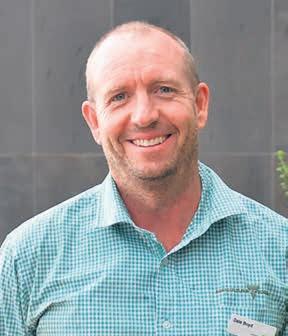
Dale Boyd said the newsletter aimed to be both informative and educational about seasonal rain events and how far they have soaked down into the soil profile.
“The newsletter describes what is happening at each reference point and provides resources to help you learn more about understanding the deep soil moisture probe graphs,” he said.
“If you invest some time in learning how to interpret moisture probe graphs, you can really reap some benefits.
“For example, after the large volume of rain in March, you could ask, ‘what was the deepest sensor to react to the rain?’.”
Where feasible, Mr Boyd validates the sensor findings in the paddock with coring tubes and said it was promising to see moisture still evident in the profile.
The sites record soil water content at one source point from 30cm down to one metre as a reference point for a paddock.
Some key findings noted in the current report include: summer weed control remains critical to conserving soil moisture; cropping regions north of the divide are showing improvement due to March rainfall increasing stored soil water; several grain-growing areas still have deep soil moisture deficits following a dry summer.
Other findings were: regions with decile nine March rainfall are showing strong recovery and soil profiles that are at least half full receiving
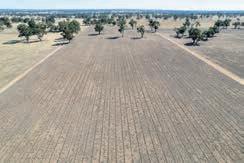

more than 100mm of rain during March; districts that received rainfall greater than 150mm – decile 10 or highest on record – are more than 75 per cent full and many have deep moisture that is 100 per cent.
Overall, soil water app data is showing mixed trends with notable increases at Ouyen and Coonooer Bridge, both 88 per cent, while other areas remain low in the south-west around Hamilton, 12 per cent, and Lake Bolac, 29 per cent.
People can read the latest edition of the Soil Moisture Monitor e-newsletter on the Agriculture Victoria website.
For drought support, including grants, technical advice and mental-health services, people can visit www.agriculture.vic.gov.au/drought or call 136 186.

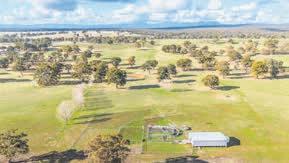
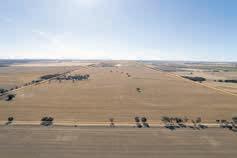
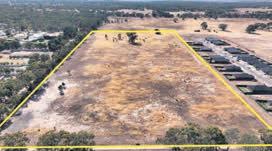


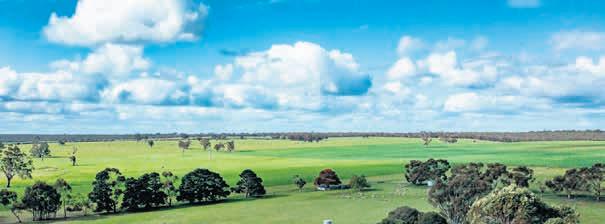
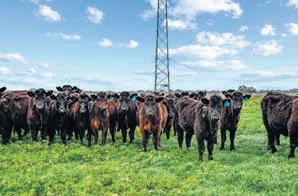
PPHS Real Estate proudly offers a comprehensive range of residential, rural, and commercial property services, with an established presence spanning both Victoria and South Australia.

PPHS Real Estate proudly offers a comprehensive range of residential, rural, and commercial property services, with an established presence spanning both Victoria and South Australia. Servicing an extensive region including Horsham, Dimboola, Nhill, Kaniva, Natimuk, Warracknabeal, Murtoa, Noradjuha/Quantong, Harrow/ Balmoral, Hamilton, Goroke and surrounding communities in Victoria.
PPHS Real Estate proudly offers a comprehensive range of residential, rural, and commercial property services, with an established presence spanning both Victoria and South Australia.
Servicing an extensive region including Horsham, Dimboola, Nhill, Kaniva, Natimuk, Warracknabeal, Murtoa, Noradjuha/Quantong, Harrow/ Balmoral, Hamilton, Goroke and surrounding communities in Victoria.
Servicing an extensive region including Horsham, Dimboola, Nhill, Kaniva, Natimuk, Warracknabeal, Murtoa, Noradjuha/Quantong, Harrow/ Balmoral, Hamilton, Goroke and surrounding communities in Victoria.
Contact: Ashleigh Knight 0484 295 972
Contact: Ashleigh Knight 0484 295 972
Contact: Ashleigh Knight 0484 295 972





CSIRO research officer Steve Henry has warned growers across the Wimmera and the rest of Victoria to be vigilant of the threats mice pose to their crops as numbers surge across Australia.
Mr Henry said while Victoria had not yet recorded the concentrations of mice reported in South Australia or Western Australia – the latter of which he described as ‘a full-blown plague’ – numbers were on the rise.
“Things had been relatively quiet up until about a month ago when we started to hear some anecdotal reports of other researchers putting down slug mats to attract the slugs, and when they lifted those mats they were finding mice underneath them.
That was in an area just north of Horsham,” he said.
“About three weeks ago I had a phone call from a farmer at Swan Hill who said he was expecting to bait most of his cropping program as he sowed the crop.
“Then within a week or two we’d heard some reports of higher-thannormal numbers of mice up around Mildura.”
Mr Harvey said while mouse numbers remained under control in most of the state, they could quickly get out of hand.
“Mice are the pest animal that you can’t turn your back on even for a moment because their rate of breeding is high,” he said.
“At this time of the year it’s really important farmers know what’s
going on in their paddocks and are prepared to bait as they sow their crops if mouse numbers are higher than they expect to see.
“We’re going into winter now, and generally mice stop breeding in the wintertime.
“If we can push numbers low going into winter, when they start breeding again next spring they’ll start breeding from a lower population base, which means it’s less probable that they’ll breed up to numbers that could cause damage as the crop ripens and matures.”
Grain Producers Australia last week announced it had received an emergency permit by the Australian Pesticides and Veterinary Medicines Authority allowing growers to access more potent ZP50 mouse bait.
Mr Harvey said mice could quickly ruin crops if left unchecked.
“What we’re seeing out of Western Australia is quite dramatic,” he said.
“I’ve got photos coming in on almost a daily basis of mice that have worked out where the furrows are and worked along a furrow of freshly sown seeds, digging down above each seed and taking each freshlysown grain.
“There’s an issue where those seeds will never germinate because they’ve been stolen by mice.
“Then we hear accounts of canola seedlings being browsed off. Once the cotyledon is chopped through on a canola plant, that’s it – the plant is gone.
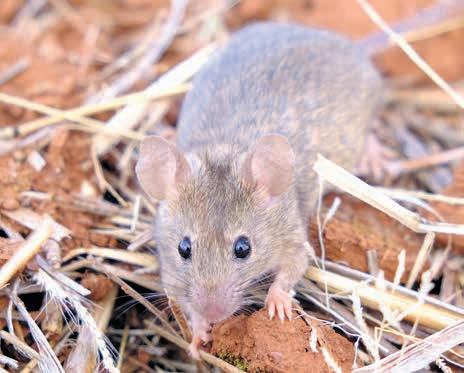
“It’s not quite as serious in cereal crops if you’ve got a good season, because if a mouse takes a couple of tillers from a freshly germinated plant, then that plant has a chance to recover. But still, you don’t want to see those sorts of things happening.”
Mr Harvey said growers could take simple steps to monitor mouse activity.
“I think it’s really important that farmers get out and have a look for mice before they sow the crop,” he said.
“The last thing we want to hear is farmers saying they burnt the stubble and then found out there were thou-
sands of mouse burrows there that they hadn’t detected.
“That was certainly what happened in 2016-17 when there were really big numbers in western Victoria.
“It’s really important to get out and go for a walk and look for those signs of mouse activity. Count active burrows to get an indication of how many burrows you’ve got per hectare, and that will help you make decisions about whether you need to bait as you sow the crop.”
People can find more information about the GPA’s mouse-bait access at www.grainproducers.com.au/mousecontrol.
Emerging leaders in the state’s agriculture industry are invited to express their interest in a two-year term on the Young Farmers Advisory Council.
Bringing together passionate young people aged between 18 and 45 from a wide range of agricultural contexts, the council provides direct advice to government on the issues that matter most to the next generation of farmers.
Agriculture Victoria is seeking a diverse group of members who reflect the breadth of the industry, from different sectors, regions and professional backgrounds.
During the past 11 years, the council has played a critical role in advising on agriculture policy, programs and engagement approaches that support young people to enter, remain and thrive in agriculture.
Agriculture Victoria chief executive Beth Jones said the council input has always been a key consideration in designing policy and developing solutions.
“The council is instrumental in bringing forward the perspectives and lived experience of young people, ensuring our programs and policies genuinely reflect what they need to succeed,” she said.
“We want to hear from emerging leaders who are passionate about the future of Victorian agriculture and ready to contribute their ideas, insights and energy.”
Outgoing council chair Clay Gowers is a broadacre farmer from Carwarp and committed advocate for young people in ag.
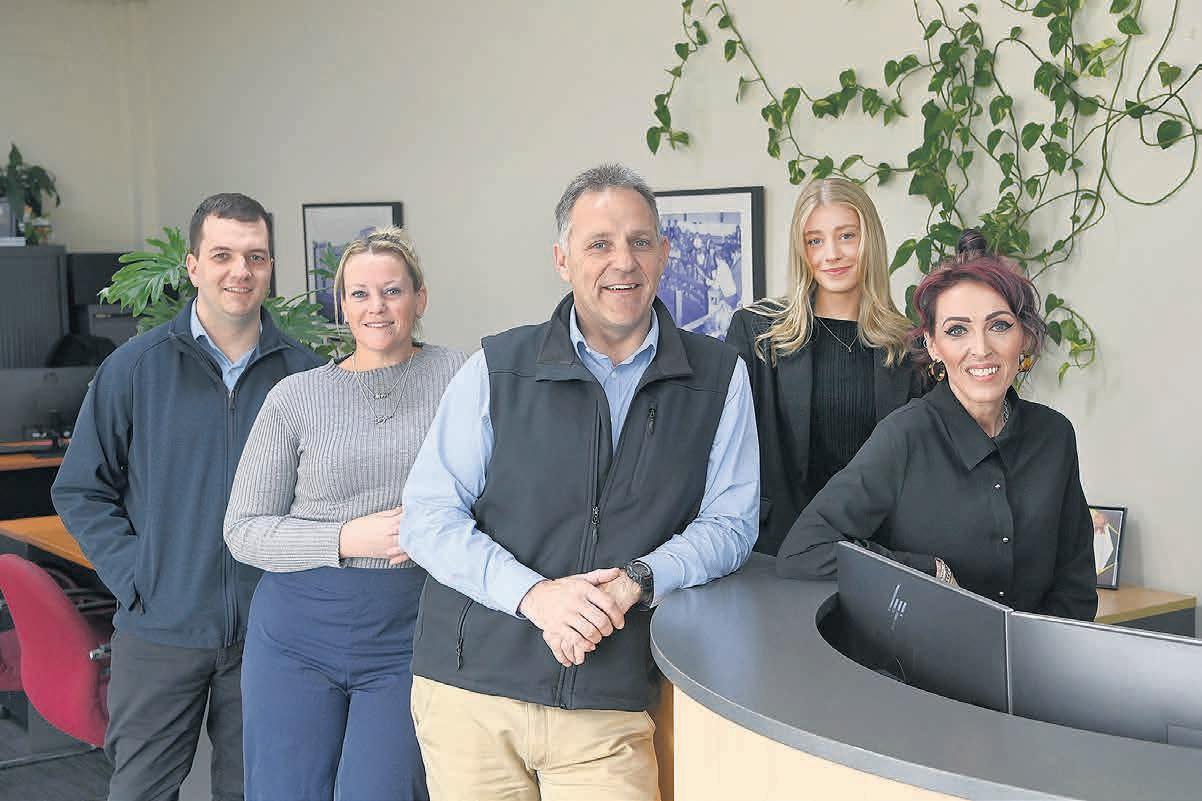
“To make an impact you just need a passion for agriculture and young farmers,” she said.
People can visit www.boards.vic.gov.au/ search-board-vacancies to register an expression of interest before June 14.










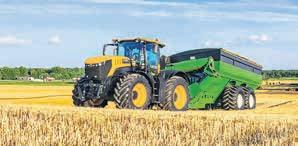
The State Government has touted a $127-million package for track maintenance across Victoria’s rail-freight network in this month’s budget as a win for farmers.
The money will be used for critical maintenance works, such as replacing sleepers and upgrading bridges, across regional areas of the network.
Ports and Freight Minister
Melissa Horne said the upgrades would allow heavier and longer freight trains to operate across the state, boosting the capacity and reliability of the network and improving transit times for freight operators.
Ms Horne said a more efficient rail freight network would be a win for producers, with one loaded container train able transport an average of $2.5-million worth of freight and take more than 100 trucks off the roads.
“We’re building a stronger rail network so Victorian producers can get their goods to market faster,” she said.
“Moving more freight by rail means fewer trucks on our roads – improving safety, cutting emissions and reducing wear and tear on local roads.”
Ms Horne said the government had invested more than $460-million into rail-freight maintenance since 2020 in a bid to allow heavier, longer trains to run across the regional network.
She said it was important for regional producers to have the best-possible access to the Port of Melbourne, which is Australia’s busiest container port, handling more than a third of the nation’s container trade annually.
Ms Horne said Victoria’s freight and logistics sector contributed more than $36-billion to the state’s economy each year and supported about 240,000 jobs.
People of all ages and fitness levels are invited to participate in Fat Farmers Rural Health Initiative workout and chat sessions, each Tuesday from 6pm at Horsham’s Hamilton Lamb Memorial Hall.
People can contact Fat Farmers Horsham team champions Steph Jones on 0400 092 964 or Cathy Tucker on 0447 517 533 for more information. Sessions are $10 each or 10 for $90.
HANDY GUIDES:
Agriculture
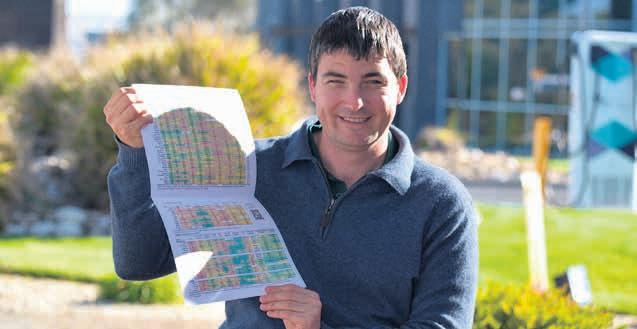
Victoria plant pathology research leader Joshua Fanning showcases Agriculture Victoria’s 2026 cereal and pulse disease guides.
Picture: BRONWYN HASTINGS
Agriculture Victoria’s 2026 cereal and pulse disease guides are now available to help grain growers make informed decisions about disease management this season.
The annual guides, produced with support from the Grains Research and Development Corporation, GRDC, provide updated disease ratings and advice on reducing disease risk for the 2026 season.
Agriculture Victoria plant pathology research leader Joshua Fanning said the guides detailed how resistant or susceptible new and commonly grown grains, such as wheat, barley, oats, lentils, faba bean and chickpea, were to a range of crop diseases.
“Checking the latest disease ratings is a crucial step for pulse and cereal growers planning for this season, especially as ratings can change from year to year,” he said.
“Disease ratings are the first and most important step in managing disease, so it’s important to understand the latest resistance ratings of varieties.”
Dr Fanning said while last year’s below-average rainfall reduced the potential for disease carry-over in both cereal and pulse crops, growers still needed to be proactive with disease management this year.
“There’s a risk of disease carryover in pulses from infected seed and stubble of crops that had disease during 2025, particularly the areas with Ascochyta blight,” he said.
“Growing more resistant varieties is a major way to reduce disease pressure and reliance on fungicides.”
Dr Fanning said crops that had been sown early with susceptible varieties would also need to be monitored closely.
“Early sowing and plant establish-
ment increases disease risk, and disease is already being reported in early sown crops in the Mallee,” he said.
“Monitoring is critical to ensure timely application of fungicides should disease develop.
“This is especially important for diseases like stripe rust and Septoria tritici blotch in wheat, net blotches and scald in barley, and Ascochyta blight and botrytis in pulses, where timely decisions can prevent yield loss.”
The 2026 Cereal Disease Guide is available at agriculture.vic.gov.au/ biosecurity/plantdiseases/grain-pulsesand-cereal-diseases/cereal-diseaseguide.
The 2026 Pulse Disease Guide is available at agriculture.vic.gov.au/ biosecurity/plantdiseases/grainpulses-and-cereal-diseases/pulsedisease-guide.













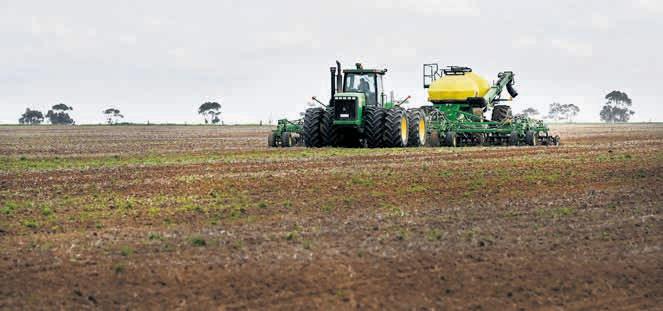
An average break and good followup rains throughout this month have provided an excellent start to the season in the Wimmera and surrounds.
If you could dial in rain events for the beginning of a season, what we have been delivered has generally been made to order, and with crops, along with stock-feed, bolting out of the ground, it has provided a welcome distraction from the seemingly endless doom cycle of events ever present in the news, both domestically and internationally.
With talk of a Super El Niño forming by the end of winter – you can’t just call things what they are without a superlative anymore – the majority of growers have been motivated to finish seeding as quickly as possible, wary of sowing into half-half moisture, but with the knowledge there is a good level of subsoil there and rain of any sort would help get things underway.
As a result, many large-scale operators have already finished their seeding programs and with persistent, mild conditions along with the absence of frosts, things are growing, and growing fast.
Livestock are also benefiting from a green pick, with new-season lambs starting to hit the ground in increasing numbers. Outstanding scanning percentages have flocks poised for success, however good levels of feed are required to maintain survival and growth rates of young stock. With rain injecting a level of confidence

into the season, breeding ewes, particularly SIL, continue to attract high levels of support, with most stock in this class selling anywhere from $300-$450 per head.
It is understandable that a level of scepticism might exist around a prediction from the Bureau of Meteorology given its recent track record.
Predictions for the east coast of Australia cover a lot of area and what can be right for some can be totally wrong for others.
It begs the question, how strongly do east-coast predictions correlate to what is actually happening on the ground in western Victoria?
Time always reveals the answer, and someone will inevitably be right.
However in the end, it probably pays to back your own judgement and stick to a program you think will work, whether that be hanging off every word from the latest internationally renowned forecaster, tuning in to the local elder statesperson with a stick who has an aching left knee, pointing towards the running spring on the side of a hill, or the number of ducks congregating on dams.
Birchip Cropping Group has released a personal podcast featuring Mallee farmer Terry Cox.
The episode offers insight into Mr Cox’s 2026 sowing program, as well as an accident during the 2023 harvest that changed his day-to-day life.
A fourth-generation farmer from Boigbeat, near Sea Lake, Mr Cox speaks openly about his injury and the adjustments he has made since.
The podcast captures a unique father-daughter conversation, reflecting on the realities of farming, resilience, and recovery.
Birchip Cropping Group, BCG, communications officer Claudia Cox said the experience was both challenging and personally meaningful.
BCG is preparing to launch a new podcast series, Ri$ky Business, which will explore the factors behind decision making in agriculture.
The Riskwi$e series will feature farmers and industry professionals discussing topics such as risk, nitrogen strategies, and how different people approach both practical and strategic decisions.
“Podcast producing is part of my role at BCG, but I’ve never done it before. I had no idea what to expect, so I thought there was no better person to start and practice with than Dad, in our family home,” Ms Cox said.

Terry Cox
“I’ve always admired his humility. Watching him quietly navigate the challenges of his injury without ever drawing attention to it, I think is incredibly powerful.
“I knew this conversation would be meaningful before I had hit record.”
Beyond sharing Mr Cox’s story, the podcast aims to spark broader reflection within the farming community.
The conversation also touches on themes of succession, resilience, and the emotional realities that can often go unspoken in rural communities.
“This wasn’t really about telling the story of what happened the day of the accident,” Ms Cox said.
“I hoped it would encourage people to think and reflect – about
“I’ve always admired his humility. Watching him quietly navigate the challenges of his injury without ever drawing attention to it, I think is incredibly powerful”
– Claudia Cox
safety, communication and the things we all often take for granted in everyday farm life.
“I also wanted to hear Dad talk about the accident and his hand in a way he never had before. To ask questions I hadn’t, and to create space for a deeper conversation.”
The podcast has already received feedback from the local community, resonating particularly with those who know Mr Cox and understand the challenges of farming.
“It highlights just how important it is to have these conversations. It’s a reminder of how special our rural communities are; the strength, the kindness, the connection – above all, these are the networks we rely on,” Ms Cox said.
The podcast is available now through BCG’s channels.
People can listen by searching for BCG Shared Solutions on Spotify or Apple Podcast, or visit omny.fm/shows/bcgpodcast/farmer-in-focus-terrycox.


Western Victoria’s role in the nation-leading food and fibre export market is highlighted in a State Government report released this month.
The Victorian Food and Fibre Export Performance Report 2024-25 showed growth in Victoria’s exports last financial year, with the state achieving a record $22.1-billion – about 28 per cent of national exports.
Agriculture Minister Michaela Settle said the fourth consecutive year of food and fibre export growth reflected the hard work of Victorian farmers and producers.
The report mentions western Victoria’s role in the animal-fibre export market, noting shifts in sheep flock composition away from fine-wool Merinos and towards dual-purpose or meat-focused breeds.
The report said the trend, notable in western and south-west Victoria, was driven by strong lamb and mutton prices.
Industry figures framed the shift as a challenge of dual-purpose optimisation, with the report noting it constrained the supply of high-quality fibre.
Victoria’s 168,000 tonnes of exported wool in 2024-25 accounted for $1.358-billion – a rise of one per cent in value despite a six per cent drop in export volume from the previous financial year.
Overall, Victorian exports were up by
nearly $2-billion on the previous year, with the state surpassing a $20-billion target for the second year in a row.
Meat remained the state’s biggest food export at $8.2-billion, with beef and sheep meat exports lifting the state’s national market share from 28 to 30 per cent – making it Australia’s secondlargest meat exporter.
The grains industry accounted for $4.6-billion, dairy exports brought in $2.8-billion and a record year for horticulture exports saw them generate $1.9-billion.
China remained Victoria’s largest export market, totalling almost $5-billion in 2024-25.
Other top food and fibre export markets included the United States, Japan, Indonesia and New Zealand, but nearly half of export income came from markets outside those countries.
Ms Settle said farmers had adapted to a dynamic global market and were producing higher-value products.
“Behind these results are hardworking farming families and regional communities who continue to adapt and produce world-class products despite tough seasonal conditions,” she said.
Ms Settle said the State Budget included an $84-million package for Victorian agricultural industries, alongside more than $146.5-million in drought support for farmers and communities.
A Horsham agronomist has reported optimism among Wimmera, Grampians and southern Mallee growers amid healthy rainfall across the region in May.
Matthew Sparke, of Sparke Agricultural and Associates, said many parts of the region received sustained rainfall in a 24-hour period on the weekend of May 16 and 17.
The Bureau of Meteorology recorded more than 20mm of rainfall at several locations on May 17, including Horsham, 23.8mm; Nhill, 21.6mm; Stawell, 23mm; and Hopetoun, 27.2mm.
Ararat and Edenhope received 18.4mm and 12.2mm respectively, but an additional 3.6mm on May 16 brought Edenhope’s weekend total rainfall to 15.8mm.
Mr Sparke said the rain had improved soil moisture and provided a confidence-boost for growers as most finished their programs and early crops began to emerge.
“We’ve got some early oats and forage crops up, and they’re looking pretty good. Vetch is generally looking pretty good,” he said.
“Summer was a little bit hit and miss for people – some guys got some really good rain over summer, some got a reasonable amount, some got some average rain.
“Some guys are probably looking at nearly a full profile while others are maybe looking at maybe half a profile.
“But it’s still good for this time of the year after such a hot, dry summer leading into the beginning of March when it rained.”
Mr Sparke said more rain in late May or early June would be good news for farmers.
“Hopefully we get another rain late in the month, which would make it a glorious month, or early in the new month,” he said.
Mr Sparke said challenges re-
mained for growers, with glyphosate-resistant ryegrass reported across Victoria’s winter cropping region.
“That’s been a major concern. There’s been a lot of paraquat used this autumn to get that ryegrass under control,” he said.
Overall, Mr Sparke said he was ‘hearing a little bit more optimism’ following recent uncertainty due to high nitrogen-fertiliser prices.
“You can’t not be optimistic with a nice break and the beautiful weather we’ve had,” he said.
“The days have been glorious –it’s nearly April temperatures in May, so crops are jumping away.
“Now for growers it’s about getting the crop in and then getting back and monitoring their crops for pests and grass weeds, obviously ryegrass being our major issue.
“It’s just getting a strategy around what they need going forward.”




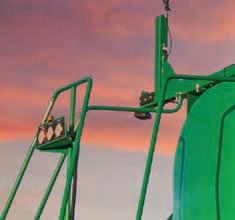





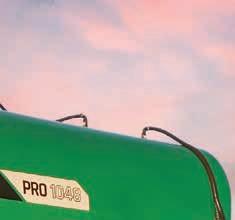








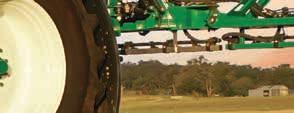

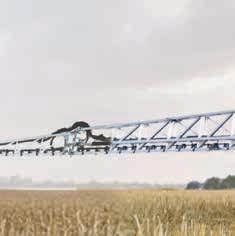
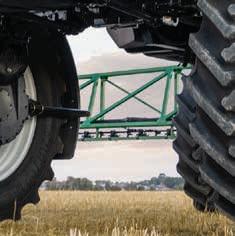
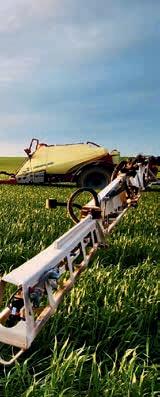
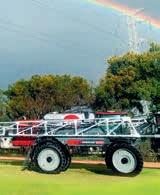
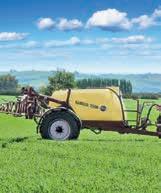
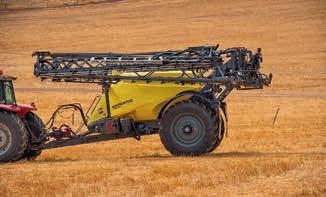
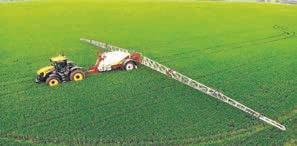
5,000 to 10,000L on board and a TriTech boom from 24 to 48m. G-Hub puts the controls on one screen. FastFill loads the tank in minutes. Designed and built in Ballarat.

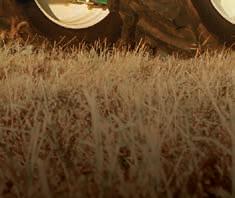
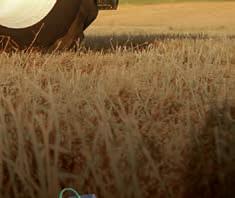







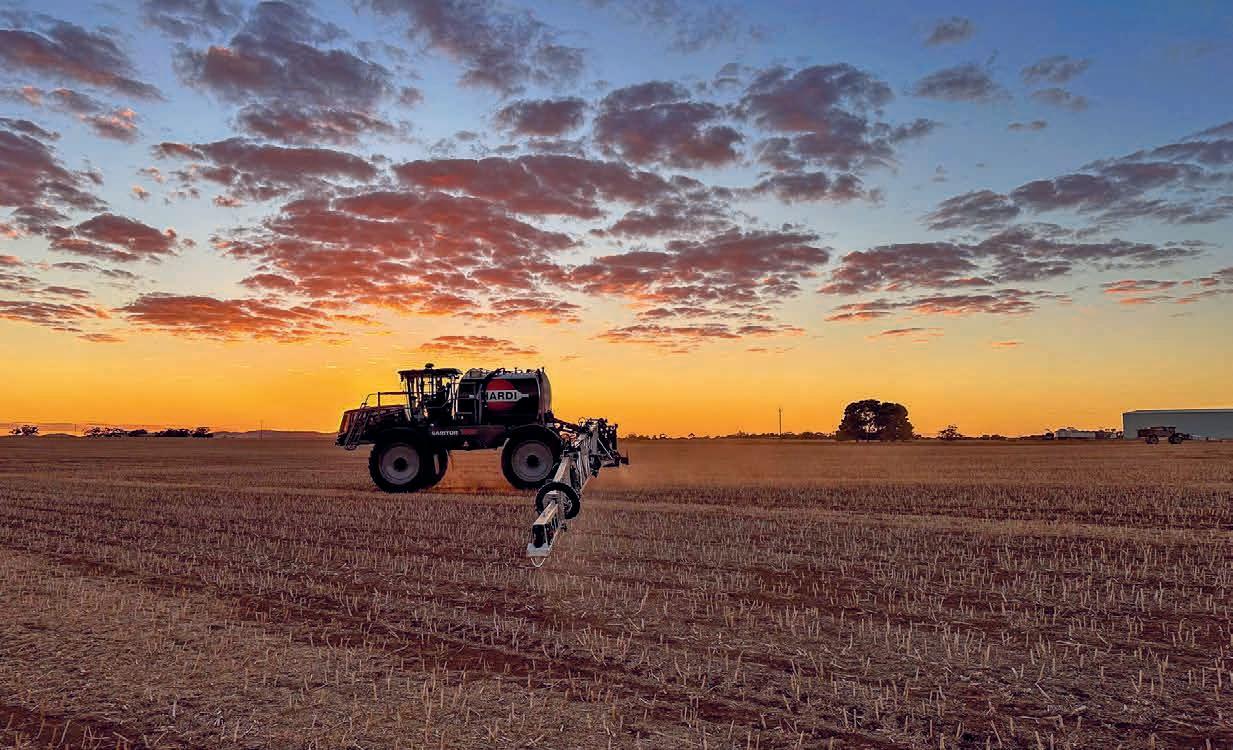
Builttocoverground,dayafterday—theG8Crop CruiserSeries3,designedandbuiltinBallarat.
• 8000L product tank — fewer stops, more ground covered. (optional 1500L front tank)
• TriTech RivX boom (36–42m) or TriTech V boom (48m).
• FastFill — fill the tank in minutes.
• Dynamic Drive — mechanical 4WD that keeps moving when the going gets soft.
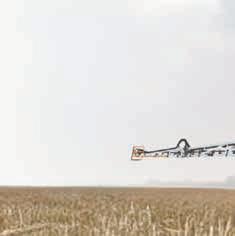

• G-Hub 2.0 — total machine control from one screen, now with remote support.
• 64dB cabin — quietest self-propelled environment on the market
• Weedetect® Green-on-Brown or Green-on-Green camera — target only the weeds.
Findyour closest dealer