

By BILL DWYER Contributing Reporter
The contentious legal battle Suburban Medical Center silience Healthcare and landlord Ramc Healthcare Holdings continued in Thursday morning. But the already seen several significant de ments.
At a June 30 status hearing, rick T. Stanton suggested he might be willing to revisit his ruling on not CEO Manoj Prasad with an ceiver to manage West Sub. Also on Tuesday, Wednesd viewed a 15-page defense brie that disclosed that Prasad has set aside $2 million in a fund he personally to compensate himself for $90,000 annual salary.
And Tuesday night ABC7 news that notices had been sent to Sub employees informing them that they would be permanently fur ABC7 quotes a notice saying, “a mass layoff at West Suburban Medical Center” will

Manoj Prasad, CEO of West Suburban Hospital, leaves cour t at the Richard J. Daley Center in Chicago a er a closed-door settlement conference on July 2.
By SYDNEY LOVAN Reporting Intern
The finance committee of the Oak Park vilconsidered two scenarios for funding critical long term capital projects at its 2. Both options reflect substantially reduced cost estimates for a planned new police department headquarters.

























file any charges against the officer.
The still-unnamed officer remains on medical leave due to an injury sustained during the struggl e, which lasted approximately 70 seconds.
The officer pulled Wallace, a Chicagoan, over at 9:10 p.m. for failing to signal a lane change as he drove south on Austin Boulevard and for not signaling a right turn into the gas station further than 100 feet from the station.
The village released a 29-minute prepared video compilation that starts with Oak Park Chief Latonya Johnson. In the video Johnson expresses concern for all involved and says that body cam video is just one type of evidence in cases such as this.
The released tape included bodycam video from three Oak Park officers, dash cam video from the squad car of the officer who
made the stop, and security camera video from two angles at the g as station.
The video is not definitive. Images from the officer’s body cam are blurred during the struggle with Wallace as his body cam may have been dislodged during the struggl e, the dash cam video is from a distance and the gun Wallace is alle ged to have been carrying cannot be seen. It cannot be seen if he still had a gun when he was shot. The dashboard camera from the first officer’s vehicle shows the struggle more clearly, including showing the two men wrestling on the ground, and the officer later drawing his weapon and firing. After the shooting, the officer told a fel-
low officer that his body camera had fallen of f during the struggl e.
A review of the videos shows a relatively calm first three minutes of the encounter.
“What’re you doing,” Wallace is heard asking the officer as he stands by the driver door.
“I’m doing my job, bro,” the officer replied.
“I didn’t do nothing wrong,” Wallace said at one point. He provided the officer with his license and insurance.
“No bullshit, I’m cool,” Wallace said.
“I smelled boo ze,” the officer told him.
By JACKIE PISANO Contributing Reporter
For decades, the Community of Cong regations has served as a beacon of unity for locals from all faith backgrounds throughout the Oak Park and River Forest area. In recent years it has worked hard to build its connections to faith communities in Austin.
Now the food pantries, a mission of the organization, opened its sixth pantry which is its second in Austin. On Sunday, June 28 volunteers welcomed guests to New Jehovah MB Baptist Church. The church is located at 1101 S. Austin Boulevard
Since its inception, the Community Fridge Project has grown quickly, maintaining six public, outdoor community fridges that are open 24 hours a day, seven days a week.
Operations are simple; local volunteers regularly stock, clean and maintain the fridges, and anyone is able to take food at any time — no ID, no cost, no questions
Four pantries are located in Oak Park: Boulevard Presbyterian Church (607 Harvard St.), Edwin Gale House (124 Kenilworth Ave.), Grace Episcopal Church (924 Lake St.) and United Lutheran Church (409 Greenfield St.); and two in Austin: A House in Austin (533 N. Pine Ave.) and now at New Jehovah MB Baptist Church (1101 S. Austin Boulevard).
In March 2025, board member Karen McMillin pitched the idea of creating and maintaining outdoor food pantries and community fridges for locals in need. The organization’s board gave the initiative quick and unanimous approval.
Enter the Community Fridge Project — a grassroots, volunteer-led program housed under the Community of Congregations working to reduce food insecurity in the immediate area.
For McMillin, an Oak Park resident, the motivation behind the idea was simple — food insecurity amongst locals is often an invisible struggle, but one which is more widespread than people think.
“It’s a simple, human way to care for our neighbors,” she said. “These fridges provide immediate relief to individuals and families who may not qualify for or feel comfortable accessing traditional food assistance.”
In addition, locals looking to help out can

also do their part by leaving what they can — extra groceries, nonperishable pantry staples, unopened to-go meals, and even health and personal care essentials.
McMillin says that apart from other types of food outlets, including food pantries and gover nment assistance programs, what makes the Community Fridge Project unique to the area is that there are no paid staff and the project is 100% community run.
“Together, we’re building a community where neighbors support neighbors and nutritious food is accessible to everyone,” McMillin said.
Boasting upwards of 90 regular volunteers, McMillin says since the Community Fridge Project began, she estimates that several hundred people from the area are served from the six pantry locations McMillin says for the Community Fridge
Project, having multiple locations sprinkled throughout the area was an important goal.
“We want to provide access in all areas of Oak Park and in the western Austin area,” she said. “Each serves a different neighborhood with different demographics — houses versus unhoused, or both.”
Fortunately, McMillin adds, the group has not run into any major issues with maintenance of the pantries and fridges in the year and a half since opening
“They have continued to run in some brutally hot weather, as well as the very cold winter we just experienced,” she said. “We are learning as we go.”
In maintaining multiple of these community fridges and mini food pantries across the area, McMillin says the Community Fridge Project demonstrates that locals truly care about the well-being of
their neighbors.
“I don’t know that this model would work in every community, but Oak Park is a pretty special place, and this project is just one of the ways that we prove it every single day as we feed people.”
Alongside interfaith liturgical events, the Community of Congregations regularly coordinates neighborhood vigils, supports nonprofit educational services, provides assistance for local unhoused populations and area organizations, advocates for local senior programming, and annually preps holiday food and gift baskets for low-income individuals and their families.
For more information about the Community Fridge Project, including opportunities for food donation, monetary support and volunteering, visit communityfridgeproject.org.
By BOB SKOLNIK Contributing Reporter
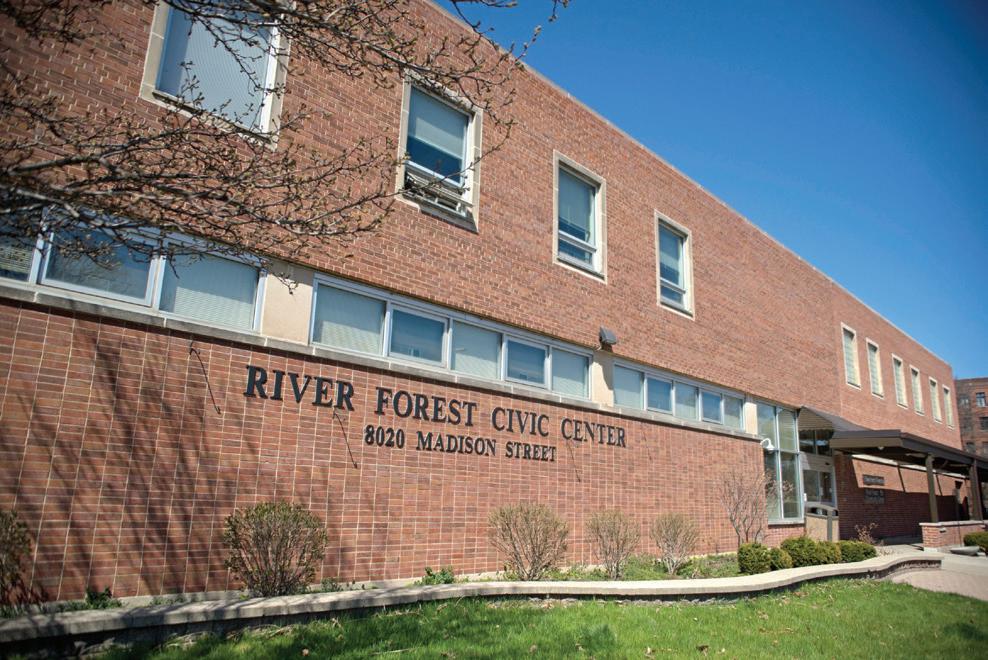
River Forest Township Supervisor John Becvar met in closed session with the Ri Forest Village Board on June 22 to discuss the purchase or lease of real property pe haps indicating that Village ofRiver Fo might be considering buying or leasing the River Forest Civic Center building locat ed at 8020 W. Madison St.
The move to executive session was, according to the motion to go into executi session, made under the exception to the Open Meetings Act that allows governmental bodies to discuss “the purchase or lease of real property for the use ofthe public body including meetings held for the purpose ofdiscussing whether a particular parcel should be acquired.”
Colleen Morris Manager, Event Coordinator
Center
Becvar also leads the Board of Managers ofthe River Forest Civic Center Authority which owns the Civic Center building. The River Forest Center Civic Authority was established in 1984 to oversee the Civic Center building which was purchased from Laidlaw Publishing.
Neither Becvar nor River Forest Village President Cathy Adduci have responded to multiple requests for comment.
The Civic Center was a source a controversy last year when the Civic Center’s Board of Managers led by Becvar, wrested control ofleasing and managing the Civic Center building from its chief tenant, the River Forest Community Center. The Civic Center Board of Managers, which by law is made up ofmembers ofthe River Forest Township Board, owns and manages the Civic Center but for decades the Community Association handled subleasing at the building. After months of contentious ne gotiations and some contentious public meetings, the Board ofManagers took back control ofsubleasing and exerted control over the building.
Becvar has said the building is in need ofexpensive upgrades, such as a new
roofand perhaps a new HVAC system, in the not too distant future leading many to wonder how such re pairs could be paid for. T he Civic Center Authority has no power to levy property taxes thus limiting its ability to raise funds for major building re pairs and upgrades. Some believe the village, or perhap s, the Park District ofRiver Forest, both of which have inde pendent taxing authority, are better positioned to pay for or raise the money to pay for needed re pairs and upgrades to the Civic Center leading to speculation that handing the building over to the village could be a solution.
Jonathan Livingston, new executive director ofthe Community Center, said talks between Becvar and the River Forest village board could be a positive development.
“I’m eager to hear more about the discussion when the time comes because I do think that it could be a very promising and potentially exciting development,” Livingston said.
Livingston is also an elected member of the school board at Oak Park and River Forest High School.
Anne Dwyer, who is now the acting board president of the Community Center, said that collaboration among the various entities is the best way forward.
How did you end up at Maya Del Sol?

I actually met Anan in a spin class at FFC — front row, of course — and we got to talking about hospitality. I’ve lived in Oak Park for 13 years, so it felt like a natural fit.
What do you love most about the job?
The people. Everyone I’ve worked with, ownership, and all of our guests.
A favorite memory from your time here?
I can’t pinpoint just one. Planning events and being part of so many special occasions — that’s the best part.
Outside of work, what keeps you busy?
Biking, family, friends, staying active, and being part of the Oak Park community. I love going out to eat and finding new cocktail bars.
Your go-to order at Maya — one dish, one drink.
The Nachos — I’ve been eating them since my first week in Oak Park. Platanos are a close second. And the Oaxacan Old Fashioned or the Zipkana.
One thing guests would be surprised to know about you?
I’ve been in hospitality for 28 years, and my favorite position ever might still be the host stand.



By GREGG VOSS Contributing Reporter
One by one, local storytellers and poets made their way to the stage July 2 at Robert’s Westside to share stories of freedom, tying into the coming 4th of July holiday. Deborah Adelman, a retired Colle ge of DuPage professor, was one of them. She spoke about marching in her hometown of Milwaukee as a child in the turbulent late 1960s.
Thursday, she wore a black t-shirt with the words Free Palestine and spoke with a re porter afterward about the issue that brought together about 100 people to Rob-
ert’s – bills in the state Senate and House of Re presentatives that would amend the Illinois Pension Code to remove the requirement to include businesses that boycott Israel on its list of restricted companies for investment.
On April 28, at Oak Park township’s annual town meeting, residents voted down 352-134 a non-binding referendum that asked if they supported the right of individuals and organizations, including state contractors, to boycott, divest and sanction Israel.
“I thought it was so apparent that many people coming out to vote when normally five people would show up for something like that is an indication of how high the stakes are, how important the matter is,” Adelman said. “So, I feel strongly that this should become an issue that the entire community has a right to vote on.”
Like many, Jesse Bauer, co-org anizer for

Oak Parkers for Free Speech, t-shirt with a circular logo that said Oak Park Supports Free Speech. He that April 28 vote in his opening rema
“There is a very small, ve organized group in our community that worked together to deny the broader Oak Pak electorate the chance to that issue, and the vote putting that ward to the ballot failed 352 to 134.
“We could have stopped ther stead, we’ve decided to go straight to the voters ourselves,” he said, noting the mechanism is collecting signatures, petitioning the Oak Park village board and getting a non-binding referendum on its November ballot that would be advisory to politicians in Springfield.
He added the specific wording of the proposed referendum question: “Should the state of Illinois re peal laws that ban state investment in businesses that bo state of Israel?”
The group Jewish Community and Friends for Democra cy thinks not.
In a prepared statement to Journal, the group said, “This is a aged initiative – same org name – that 72 percent of Oak rejected in April

“Rather than accept that result, this group is now siphoning resources that could be better spent taking back the House and Senate, all while using misleading claims to get Oak Parkers to sign their petition. Oak Parkers’ right to boycott has never been compromised by this law. And after more than a decade, there’s no evidence this law has hurt Illinois’ pension returns. We should be working together on the many issues that impact Oak Park – not pretending a village advisory referendum can resolve the Middle East conflict.”
Don Harmon, the State Senate president and Oak Parker, appears to have his reservations as well.
“Senator Harmon respects the right of everyone to petition their government, but he is concerned this particular referendum will leave lasting divisions in a community that has more to gain from working together,” said a statement to the Journal from Harmon’s office.
Caren Van Slyke, another leader of Oak Parkers for Free Speech, also spoke at Thursday’s event.
“Tonight’s org anizers have asked me to address the elephant in the room of our campaign,” she said, “the claim that many of us have heard or read that the referendum discriminates against Jewish Oak Parkers. As a Jewish Oak Parker, I reject that claim.
“At a time when antisemitism and all for ms of bigotry are rising, we need to distinguish between hatred against Jews and criticism of Israel. Ef for ts to conflate those issues weakens the fight against antisemitism and undermines protection of free speech for human rights.”
She said the referendum asks whether Illinois should stop shielding Israel from boycott, a form of constitutionally protected free speech. Bauer echoed that sentiment.
“This first and foremost is about free speech,” he said. “We are looking to re peal this law which restricts our free speech, which penalizes a form of peaceful protest, which penalizes companies to make their own decisions in terms of boycott.”
On Sunday, Van Slyke noted Oak Parkers for Free Speech raised $4,980 at the event at Roberts in Forest Park last week and shared a statement from the group responding to Harmon’s remarks.
“At his June 23 Oak Park town hall, Senator Harmon said Illinois’ 2015 anti-boycott law would not have passed if he had been president of the Senate at the time,” the statement said. “If that’s true, why hasn’t he joined the 37 legislators who have already cosponsored its re peal? We’ve been asking him to do so since the re peal bill
passage, no lawsuit attempting to overturn the law has ever been filed,” the group said. “If this law in fact was a violation of the First Amendment, it would long ago have been found unconstitutional by a court.”
Caren Van Slyke, one of the leaders of Oak Parkers for Free Speech, had her own view.
“I think that just demonstrates a misunderstanding of how the U.S. system works,” she said, referencing the unanimous 1982 U.S. Supreme Court decision in NAACP vs. Claiborne Hardware Co. that said nonviolent political boycotts are constitutionally protected free speech and association under the First Amendment.
“Until that changes, that’s the law of the land,” she said. “The Illinois ACLU is part of the coalition to overturn the law. Boycotts for social change are protected as free speech.”
The second claim from the Oak Parkers for Free Speech website was that “the law violates the fiduciary responsibility of Illinois to its pension holders. One analysis of the Illinois anti-boycott law shows that companies were banned from investment cost the Illinois pension fund approximately $149 million in fore gone returns.”
was introduced.
“Too often, when people fight for human and civil rights, those in power say the timing is wrong, the issue is too divisive, or that we should be patient. Senator Harmon has the opportunity to undo the wrong.”
As for Thursday’s presenters, who faced three vertical rows of seats full of people coming of f the stage, it was an opportunity, Oak Park poet James Madigan said. He read selections from his book “Political Prisoners USA and Other Poems.”
“This is a serious issue and people came together in order to be entertained, to have fun and to raise money to accomplish a political goal,” he said.
Jewish Community and Friends for Democracy surveyed Oak Parkers for Free Speech website and purported to debunk two claims. The first was the claim that “since 2015, Illinois law has prohibited pension fund investments in businesses that boycott or divest from the state of Israel for any reason, including ethical or human rights concerns.” Thus, “the ban on boycotts is a violation of the First Amendment right to free speech.”
“To our knowledge, in the 11 years since
Jewish Community and Friends for Democracy said its team includes a for mer Northwestern economics professor and a business professional with an MBA from the University of Chicago.
“We conducted extensive research and could not find any publicly available analysis claiming the law led to fore gone returns,” the group said. “Assuming the analysis was conducted privately, we used our internal expertise to conduct our own assessment. We did not get very far due to a lack of available data.
“Of the 27 ‘banned investments,’ only five had publicly available stockholder returns data,” it said. “The remaining are privately held companies and investment funds that do not make their returns public. In short, the $149 million claim, or any claim about fore gone returns, is a false claim because there is no performance data available for the large majority of these investments.”
Van Slyke said the Illinois Coalition for Human Rights conducted its own analysis using publicly available data.
“What happened is restricted companies have outperfor med in international benchmarks by 59 percentage points,” she said, noting that analysis covered five years of data.
“(This has a) systematic impact on the pension system. All it does is make a deeper hole. What’s most important is we have a deeply underfunded pension system.”
begin Aug. 31 and that “this mass layoff is expected to be per manent.”
Under the Illinois Receivership Act, a judge may appoint a receiver if a property’s ability to generate revenue “is being subjected to or is in danger of waste, loss, dissipation, or impairment.”
At a hearing in May, Judge Stanton denied Ramco’s motion to appoint a receiver, ruling that its lawyers had not provided evidence proving that Prasad was responsible for West Sub’s problems.
“Current management has already demonstrated his inability to reopen Weiss Hospital for nine months.” Ramco attorney Scott Kaplan had argued, saying there was no evidence Prasad would be able to turn things around at West Sub.
Kaplan also wanted to include as evidence an alle gation, he said that Prasad had made payments of more than $2 million from an account meant to fund the hospital to a consulting firm alle gedly owned by his daughter.
But Martin Tasch, the attorney for Resilience, argued it was Kaplan who lacked evidence, saying they had not of fered any proof that a receiver would produce different results than Prasad had.
The judge ag reed, saying, “There was no evidence of fered that Dr. Prasad caused any of these problems or that he failed or refused to address them.”
However, at the conclusion of Tuesday’s brief hearing, Stanton suggested he might reconsider that decision.
On Tuesday Kaplan told the court that Prasad’s personal legal counsel, which re presents his interests outside of Resilience


Healthcare, had told him that he’d have “red lines,” to share with Kaplan, that is, issues they consider non-ne gotiable.
“We still don’t have that,” Kaplan said. He said he asked “repeatedly” about what would happen if the hospital did not pay the Com Ed electric bill. Com Ed has said it will disconnect power to the Oak Park campus early this month.
“We’ re concerned about the electric and the occupancy order (from the Village of Oak Park) declaring the hospital uninhabitable,” he said.
Stanton then asked Tasch if Prasad and his legal counsel would be present at Thursday’s settlement conference.” Tasch replied “Yes.”
“The court urges the parties to respond to each other’s requests,” Stanton told the attorneys.
“We are in communication with both Commonwealth Edison and the village,” Tasch said. “I’m not really sure what more we can do.”
At that point the judge suggested his previous ruling might be subject to reconsideration.
“If there’s a change in circumstances, that
may result in the court re-visiting its ruling,” Stanton said without elaborating
The judge reiterated his call for the attorneys to work together, saying “The court urges parties to exchange their respective positions so the discussion will be productive.”
All sides were in Stanton’s chambers Thursday morning for what was hoped would be a final settlement conference.
In fighting Ramco’s effort to get a receiver appointed, Tasch on May 8 disclosed the $2 million in sequestered funds for Prasad in a 15-page brief.
As part of their argument to the court, Ramco’s attorney had referred to $2 million in allegedly misappropriated funds sequestered in an account controlled by Prasad.
Not so, Tasch wrote in his brief. “The money was intended to address Prasad’s shortfall in compensation, which has apparently now become an issue.” Tasch said it is money Prasad was justified in taking “Prasad testified he only received $90,000 per year, but the parties never explored or took discovery on what he was entitled to,” Tasch wrote.
“The AUM Global Healthcare Management


Lawyers representing Resilience Healthcare and its CEO Manoj Prasad withdrew from the case Monday afternoon citing disagreements with their clients. Bill Dwyer reports on page 15.
LL Amended and Restating Operating Agreement,” Tasch argued, “provided in Section 6.2 that Prasad ‘shall be paid compensation, including a comprehensive set of benefits, that is similar to compensation paid to CEOs of other similar sized hospitals.’”
Neither the $2 million fund for Prasad nor the mass firings sit well with State Rep. La Shawn Ford, whose 8th State House district includes much of the Austin neighborhood once served by West Sub.
Ford said Wednesday morning that Prasad’s actions “reflect a troubling disregard for the health and safety of our residents.”
“As a State Representative, I am deeply outraged by the revelations surrounding the mismanagement of our local hospital. It is unacceptable for an executive to believe they deserve significant compensation while profiting off the backs of the most vulnerable members of our community—those reliant on Medicaid and Medicare.”
Ford suggested the West Sub situation is as much a political and social justice issue as a legal issue, saying, “We need a healthcare system that prioritizes the well-being of our community over personal enrichment. I call on the court to ensure accountability and transparency, so we can restore trust in the services we depend on.”

By SYDNEY LOVAN Reporting Intern
A man alle gedly punched a River Forest police officer on June 23 after police responded to reports about different incidents with a similar description that morning according to a Village of River Forest press release
Police arrested Daron Gray, 32, after locating him near Washington Boulevard and Park
Wallace shot 4 times
from page 3
Wallace told him he’d just come from a friend’s place and showed him a plastic cup.
“I’m not wor ried about a little bit of drink in that cup,” the officer said. He again infor med Wallace that he didn’t signal a lane change and didn’t signal within 100 feet before a right tur n.
“Can I use the bathroom?” Wallace asked. When the officer told him not now, Wallace asked why and was told “because this is a traffic stop.”
Wallace exited the vehicle when the officer directed him to and turned around to be patted down.
“No weapons on you,” the officer asked. “No,” Wallace answered.
Wallace, who initially had his arms raised and hands at shoulder height, then lowered his hands and reached toward his waist. T he officer, standing behind Wallace, reached around to Wallace’s front waist area.
“What are you doing,” Wallace asked.
“Do not reach,” the officer told him, repeating it three times in a row. T hen, “Do not reach or you’ re gonna get shot. Do not reach for that gun.”
Wallace then pulled away to his right, with the officer holding tight to his waist as they banged of f a g as pump and careened several feet over to the pump station near the squad car. “Do not reach. Do not reach,” the officer told Wallace as he struggled to control him.
As Wallace gained his feet, the officer
Avenue. He allegedly punched the approaching officer in the face, resisted arrest and spit on assisting officers. A “metal crowbar-type device” was also found in his sleeve
This came after River Forest police responded to a report of a man that tried to hit a person with a crowbar hidden in his sleeve around 12:02 p.m. on the 100 block of Thatcher Avenue. The description of the suspect matched an incident that occurred earlier on
leaned into him and threw him to the pavement, saying again, “Do not reach! Do not reach!”
Wallace struggled to stand up and the of ficer brought him down ag ain. But Wallace rose back up
“Do not reach or you’ll g et shot,” he commanded again. “Do not reach,” as he used his body weight to again take Wallace to the pavement.
Yet again Wallace started to his feet, and the officer commanded “Do not reach” and threw him down. As Wallace appeared to momentarily break free, the officer grabbed his arm and swung him into the g as pump, saying, “Do not reach for that gun!”
Appearing to finally gain control, the officer said, “Do not reach for that f -’ gun” and looked like he was trying to hand cuff Wallace. “Do not reach for that f-----’s gun or you’ re going to g et shot. You hear me? Hear me? It’s not wor th it.”
T he officer followed Wallace as he apparently wriggled on the pavement out of the dash cams visual, below the squad’s hood.
“David, step it up, he’s got a gun,” the officer said into his radio as he called for backup. After around five seconds of silence, the officer appears to be lifting Wallace to his feet, when Wallace jerked up and twisted around, breaking the officer’s hold on him.
Wallace moves several feet over toward his own vehicle, and a “click click” can be heard, as if something is hitting the concrete. “David! Step it up,” the officer calls out ag ain, as Wallace reaches down to the concrete
T he officer then reached for his own gun, and as Wallace straightens up the officer appears to reach out briefly to him
the same day.
Previously that morning, around 9:26 a.m., River Forest police responded to reports of a man throwing rocks at people near the River Forest Metra station. During the search for the suspect, police were notified of a person who “battered several children and an adult in the forest preserve,” according to the press release.
There were no major injuries reported and
as Wallace looks at him from a couple feet away
What sounded like “You’ re gonna get shot,” was followed a second later by five shots in quick succession, as Wallace turns away after the first gunshot.
Wallace ran west from the officer as two more shots are fired. He then cut left toward Austin Boulevard as the last two shots sound.
the suspect was unable to be found before the investigation was turned over to the Cook County Forest Preserve Police.
The Cook County State’s Attorney’s Felony Review Unit charged Gray with two counts of Felony Aggravated Battery to a Police Officer, one count of Resisting Arrest, and one count of Aggravated Assault.
River Forest police officials did not respond to a request for comment.
T he village had previously said that Wallace was shot four times. T hose wounds were re por tedly to his right flank, right forear m, right wrist and to his head
Two responding officers are seen providing CPR to Wallace before an ambulance arrives. Wallace was pronounced dead at 9:59 at Loyola Hospital in Maywood. A firearm with a defaced serial number was re por tedly recovered at the scene.

Cantata’s continuum of care, you can live your best life today, tomorrow and into the future. We’ve been here, right across from the zoo, for more than a century passionately serving the needs of local seniors.




By BOB SKOLNIK Contributing Reporter
A proposal for Oak Park and River Forest High School to spend $157,000 next school year to fund eight snack cabinets in the school’s hallways was met with a mixed reaction from the OPRF District 200 school board when the proposal was discussed at the June 25 school board meeting.
The proposal was made by the group Students Feeding Students. The group was for med late last year. The students raised $11,556 this year. The group ran a selffunded pilot project in May in which the students stocked four cabinets in OPRF hallways with snacks for any student to take. The idea behind the free snacks is to combat hunger and food insecurity among students without stigma.
Nolan Krue ger, a rising senior at OPRF, is a leader of Students Feeding Students. In a public comment made at the June 25 school board meeting Krue ger told the school board that the pilot program in May was a success.
“We’ve received overwhelmingly positive feedback from students and staf f,” Krue ger said. “As expected, it’s not just the students who need snacks that take them. We’ve observed students who skipped breakfast to arrive at school on time taking a snack as well as students with a 6th period lunch or, you know, other outstanding problems. This program has the ability to reach all parts of the school without a bit of stigma.”
Krue ger said during the May pilot the cabinets, which contained granola bars, Goldfish crackers and other snacks, were empty by the end of lunch time every day. Krue ger says Students Feeding Students surveyed 475 students after the May rollout and found 40% had taken a snack from
a cabinet while 80% had seen the cabinets.
The students are also asking for a refrigerator stocked with items such as milk, yo gurt cheese sticks, meat and cheese snacks and Lunchables.
Krue ger’s mother, Mollie Hertel, has been helping Students Feeding Students. Hertel has for med a group called Oak Park Mutual Aid which plans to operate somewhat like a parent teacher organization for OPRF and hopes to obtain official status from the school this summer. Krue ger said Mutual Aid wrote up the proposal last November.
Among those speaking in support of the project was Oak Park Village Trustee Jenna Leving Jacobson.
“Over the past several months, I have had the great privilege of observing this inspiring group of OPRF students first identify the injustice of food insecurity at their school, study and learn about the causes of that injustice and the current insufficient response to it,” Leving Jacobson told the school board.
While all board members praised the hard work and good intentions of the students, only three board members, Fred Arkin, Jonathan Livingston and Kathleen Odell, seemed very supportive of the proposal.
“I think it’s a really, really compelling proposal to a really, really worrisome problem,” Odell said.
Three other board member s, Tim Brandhorst, Josh Gertz and board president Audrey Williams-Lee, expressed reservations about the snack cabinet proposal while Graham Brisben said more study and meetings were needed. No vote was taken and the proposal will be discussed at another board meeting, likely this summer when it will probably get a for mal vote.
Odell said she liked that the snacks were available to everyone, a key component of the proposal because that avoids any stigma or embarrassment for students who might need a snack because of not having enough food at home.
But it is that universal access that caused

problems for Brandhorst, Gertz and Williams-Lee. They questioned whether having snacks available for all students during the school day was the best way to combat the food insecurity of some students.
“It is incumbent on us to look at alternatives that are going to directly address that food insecure cohort specifically,” Brandhorst said before going on to state his concern with the snack cabinet idea.
Williams-Lee also wondered whether snack cabinets are the best way to address food insecurity.
“I am challenged by not knowing if the food is going to the kids who really need it,” Williams-Lee said. “What the students have done is, I think, a really great start. I don’t necessarily know that this is the right solution for our kids and families who are experiencing food insecurity.”
Gertz said that meals, not snacks, are the best way to combat hunger noting that some of the snacks are mostly empty calories.
“The idea of bottomless snacks is not super convincing to me,” Getz said.
After the meeting Krue ger said he didn’t know much about the food needs
of those who took snacks from the cabinet in May.
“There’s no real way to track it,” Krue ger said. He said he is happy that the board is considering the proposal. “I’m just glad that we finally got into the board room,” Krue ger said.
Williams-Lee said she would like the board to consider other ideas to help food insecure students whose families don’t qualify for free or reduced lunch who need help, perhaps figuring out a way to add money to those students’ lunch cards.
“I want to understand who it is we’re trying to help and actually help those students in ways that are sustainable.” But Arkin warned against endless study and delay even though he said that the school board is still in the figuring out stage. Arkin said he wants the program to continue to be student led.
“I am supportive of moving forward for next year and setting up some kind of formal arrangement,” Arkin said.
Gertz said that there is no rush.
“I’d rather the administration bring up a viable solution and if that takes until December I’m OK with that,” Gertz said.
By GREGG VOSS Contributing Reporter
In an ef fort to expand parking and improve access for patients and visitors, especially those using the emergency department, Rush Oak Park Hospital plans to demolish the vacant building it owns at 1147 Madison St., a for mer currency exchange.
A hospital spokesperson said that in addition to expanded parking and campus circulation improvement, new landscaping is
anticipated, along with signage and other streetscape enhancements that will “improve the appearance, accessibility and safety of this prominent corner adjacent to the hospital.”
The spokesperson noted that the project is a standalone, and is not part of the hospital’ ongoing, long-term master planning
Construction is expected to be completed by early October. Craig Failor, director of the Oak Park village’s development services department said that applications have been made for demolition and site and landscaping plans, all of which are currently under review.
“We are working closely with the village

1147 Madison St
of Oak Park to move this project forward in a way that minimizes disruption to our neighbors, patients and visitors,” said Dr. Dino Rumoro, chief administration officer of Rush Oak Park Hospital, located at 520 S. Maple Ave.
The hospital spokesperson also said the building is currently undergoing asbestos and lead paint abatement, which is anticipated to be finished by Thursday
By BILL DWYER Contributing Reporter
Ron Haddad Jr., the for mer River Forest resident first arrested in 2009 on domestic ter rorism charges and eventually sentenced to 150 months in federal prison, was back in the Dirksen Courthouse downtown Monday afternoon for a status hearing on his latest alle ged violation of probation.
Haddad, 50, has been under home incarceration 24 hours a day since being released from the Winnebago County Jail May 28, where’d he’d been held since violating his supervised release by sending unsettling emails to staff at the River Forest Library He was convicted in county court of criminal trespass in 2025.
He currently wears two ankle monitors and is not allowed to step outside the front door of his mother’s Forest Park apartment except for pre-approved medical and court appointments
Judge Edmund Chang eased those restrictions a bit Monday, despite Haddad having filed a six-page handwritten letter to the Executive Committee of the Northern District of Illinois court, lambasting the judge’s al-
leged “openly brazen approach” to his case. Haddad accused the judge of being “biased, hostile, prejudiced,” and of “literally already deciding any hearing results well in advance.”
Haddad’s screed never entered into the discussion Monday. His court appointed defense attorney, Susan Pavlow, asked Chang to give Haddad permission to leave the apartment to “run errands” once or twice a week.
“I don’t have a problem with Hadda d stepping out,” probation officer Re gina King told the judg e. “My only c oncern is that he (not) go to a l ibrary where there are computers. ”
C hang authorized the probation offic e to monitor his leaving the apar tment “for defined periods of time and for defined pu rp oses as appropriate,” including to g et a haircut, but to stay clear of any p lace with computer s.
One of the terms of Haddad’s cu rrent release is that he c ooperate with mental health professionals treating him fo r seve r al previously diagnosed ps ychiatric c onditions. Haddad has re peatedly denied he has any problems in that re ga rd . But in the 17 years since he was ar rested
by a federal Jo i nt Te rro risn task forc e, he has battled numerous defense attorney s, seve r al judges, various mental health professionals, and g one as far as filing a lawsuit ag ainst his trial judg e.
Mond ay ’s hearing was supposed to be in prep aration for a “show cause” hearing in which Judge Chang would r ule on whether or not Haddad should be reincarcerated for a second violation of his probation. Pavlow told Chang that Had-
dad’s Cook County trial for the alle ged battery to a police officer has been scheduled for Aug. 31.
Chang suggested that his judicial calendar presents a problem, with him scheduled for a nine-week trial starting in Se ptember. T he judge set a Sept. 10 status hearing, leaving it unclear whether any hearing requiring the presentation of evidence in Haddad’s probation violation will take place before November.
Senior living communities offer a myriad of benefits that enhance the quality of life for older adults. One of the primary advantages is the opportunity for social interaction. Residents can participate in a variety of activities, from arts and crafts to group outings, fostering friendships and reducing feelings of isolation.
from page 1
The committee heard proposals from its financial consultants and now plans to present its prefer red option to the full board later this month.
The re port outlined spending on upcoming major projects and projected financial impacts through 2058 after initial plans presented to the committee on June 18. Key goals ofthe plan are to fully fund prioritized projects wh ing the village’s strong credit rating and “preserve financial flexibility” ture according to the presentation
“The board asked us to be a little more strategic,” said Village Manager Jackson. “We have this frame you and we’re hopeful that we can at least get it adopted and that the board is aware that you can always make adjustments to this framework, but what it does do is give us clear direction for now.”

costs will be covered by water and sewer fund revenue.
Senior living communities also free residents from the burdens of home maintenance and chores. Housekeeping, laundry services, and meal preparation are typically included, giving residents more time to enjoy their hobbies and interests. Moreover, senior living communities often provide various levels of assistance, from independent living to full-time care, allowing residents to age in place comfortably. This flexibility ensures that as needs change, the appropriate level of care is always available.
Visit Cantata.org for more senior living advice or call (708)387-1030. for friendships and reducing feelings of comfortably. This flexibility ensures


The majority of board members present at the meeting supported the first structure, which offers more taxpayer predictability but has a higher total cost. That scenario will be presented to village board for approval on July 21. Approval for the issuance of bonds for the ongoing Oak Park Avenue sewer and streetscape project, the main project for 2026, is also set to take place at that meeting.
The revisions in the plans included a 13.5% decrease in projected costs for a new Oak Park police station. Based on updated construction cost estimates the plan calls for estimated spending of$64.8 million for a facility planned in a renovated bank building at Madison Street and Austin Boulevard. Acquisition ofthat site from U.S. Bank is pending.
The village’s long ef fort to create a bike plan and initiate a Vision Zero safety plan faced notable funding shifts as spending on the projects was stretched out to reflect a longer-term borrowing schedule. Instead of formatting most ofthe program funding into the first five years, the new plan spreads the project over 30 years for the Bike Plan and 10 years for Vision Zero. $5 million is allocated from 2026-2030 for the Bike Plan with the remaining $25 million available through 2055 while $16.5 million is evenly split over 10 years for Vision Zero.
The Percy Julian Chicago Avenue Streetscape project was also revised to reflect the assumption that $1.5 million ofthe
The Village Hall remodeling project is also included in the plans for 2028 with an estimated total cost of$27.7 million. However, that pricing and phasing is still under review.
Ifall outlined projects are approved by the board and bonds are issued, the village will have maxed out its borrowing capacity for the next few years. This limit is predicted through the goal ofhaving no more than an annual debt growth of 3%.
“If we ag ree to follow this,” said Trustee Derek Eder ofthe 3% limit, “our hands are kind of tied until 2032.”
Both scenarios did show a projected additional borrowing capacity of over $120 million when looking at long-term growth.
Village Trustee Brian Straw shared a “slight” preference for the alternative structure presented which offers lower overall interest but higher taxes through 2040 before dropping of f. This format also allows for more spending flexibility further down the road.
“I think we’re more likely to experience larger capital projects 15 years from now than we are to encounter them five years from now,” said Straw. “I’m fine with the board’s direction, but that would be my choice if I was choosing in a bubble.”
The presentation also of fered a comparison ofthe tax impact ofthe 2026-2030 major projects and a total including the existing debt service for homes at the 25th,
50th and 75th percentile under the two plans. The first case shows total tax payments evening out around 2033 to remain steady until 2058. A home at the 50th percentile, wor th $450,000, could expect a total of about $393 in added taxes through those years. The second scenario reflects a higher and fluctuating payment for the same value home of about $465 through 2040 before steadily dropping to about $312 in 2047 and dropping even fur ther to about $106 in 2058.
Although she is not a voting member, Brigett Allen Hedgeman, a finance committee member, also expressed her support for the second framework
“The taxpayers are used to sort of unpredictable tax bills,” said Allen Hedgeman. “You are paying less interest over time and leaving your predecessors more room to do what inevitably will come up in terms of projects, I think it’s a good thing.”
The other trustee members present, Eder and James Taglia, expressed their preference for scenario one. Trustee Straw also said Village President Vicki Scaman “fir mly” supported this plan, however, she was not present to definitively say.
“It gives us a little bit ofmore headroom sooner, and I think that the predictability for taxpayers is also a pretty strong argument,” said Eder.
The committee closed the meeting with remarks that they feel they are ready to make a decision and to present their preference to the full board.
Village did not make the Top 10 but touts its e or t
By ROBERT J. LIFKA Contributing Reporter
Although River Forest was not among the 10 municipalities designated All-Americ Cities by the National Civic League, village officials are proud of being among the 20 finalists.
The announcement of winners was mad June 28 at the Civic League’s annual AllAmerica City Conference in Denver. Rive Forest and 19 other municipalities were named finalists in March
“This recognition is a testament to the strength of our community and the commitment of our residents, elected officials and staff to build meaningful connections together,” said Village President Cathy Adduci “Being selected as one of only 20 communi ties in the nation to share our story was an incredible honor
“We remain committed to expanding op portunities for engagement and ensurin residents have a voice in shaping the future of River Forest.”

Not only was River Forest the only Illinois municipality selected as a finalist, but it was also the smallest community in terms of population invited to present at the conference. River Forest also had one of the smaller delegations with 11 people compared to other groups with more than 30. The state has only sent two finalists to the competition in recent years, Evanston in 2021 and Peoria in 2013.
The culmination of the three-day event was finalists delivering 10-minute presentations to a panel of 12 judges
residents with the village and one another Among the featured programs in the presentation were Neighborhood Dialogues; Casual Conversations with the President; and Senior Bingo & BBQ.
“Being selected as one of only 20 communities in the nation to tell our story was an incredible honor.”
CATHY ADDUCI River Forest Village President
The River Forest delegation was led by Deputy Clerk Luke Masella, who coordinated the village’s presentation. To showcase River Forest’s community engagement approach, the team created an interactive bingo-themed presentation highlighting successful initiatives designed to connect
The delegation also included Adduci; Megan Keskitalo, Robert O’Connell and Lisa Gillis, village trustees; Matt Walsh, village administrator; Jack Bielak, director of public works; Jessica Spencer, assistant village administrator; Trish Ivansek, human resource manager; Tom Gaertner, fire chief; and James Greenwood, police chief.
Masala was credited with the bingo presentation idea, but he said he received “big time” assistance from Spencer and Ivansek. “I knew we had a small delegation com-
pared to other towns so I thought the bingo board may make us stand out,” he said.
The village has critics of its engagement efforts. The current process to consider a new development at Madison and Ashland has drawn unhappy comparisons to the failed development efforts at Lake and Lathrop.
That said, the village made engagement central to its presentation. Seven sessions of the Neighborhood Dialogues were held over four months in 2024. The gatherings were hosted by residents who invited a small group of friends and neighbors to discuss economic development in the village
Nine Casual Conversations have been held since they were started in May 2024. The gatherings provide an infor mal opportunity for community engagement that helps to shape the future of River Forest. Community members are invited to attend and receive answers to any questions they may have about village operations and initiatives.
Since the award’s inception in 1949, 500
ommunities have been recognized for their innovation, collaboration and commitment to civic excellence. The Civic League, which was founded as the National Municial League in 1894, has typically presented wards to 10 communities annually in recent ears. During the event, officials were able to ollect ideas from other finalists
“The National Civic League conference was a great opportunity to meet towns from across the country and learn more about their hallenges and solutions,” Keskitalo said. “I am inspired and motivated to bring some of these great ideas back to River Forest.”
Although the endeavor took months of preparation, Adduci said she thinks it was worth it.
“I thought the amount of time and effort we put in was absolutely worthwhile and I am very appreciative of the creativity that our village staf f and trustees put into our presentation,” she said. “We were the smallest community by far to be a finalist and we competed among some pretty incredible cities and villages with many more resources, some of which have won this award in the past.”
At the same time, Adduci was noncommittal regarding applying for the award again.
As first-time participants, everything was new to members of the River Forest delegation, but Adduci said she was particularly impressed by several aspects of the threeday conference.
“I admit I was surprised at the level of enthusiasm and turnout of municipal officials, community partners and residents, as well as the entertainment provided through the finalist presentations,” she said, noting that two communities flew mariachi bands into Denver to be part of their presentations.
“A very pleasant surprise was the level of youth eng agement by many of the participating communities, much like our village that has involved our youth,” she said, citing the seating of student commissioner on the Sustainability Commission; providing ongoing civic eng agement presentations to D90 students; and hosting the Junior Police Academy and Village President for the Day program.
By RISÉ SANDERS-WEIR Eats Reporter
Summertime is cool drink sipping time. There’s a new beverage bugg y on the streets. A mobile soda fountain called Fizz’d Up came from the minds of Oak Parkers Cammie Hunter and Tracie Iannantuoni.
On Facebook the owners, amused with themselves, posted: this is what a midlife crisis looks like.
“All of this all started in late January of this year. I brought the idea to Tracie because we’ve been good friends for many years,” Hunter said. “Our 13-year-old boys have been best friends since they were three. We started poking around Facebook Marketplace to see if there were trailers available. We just decided to pull the trigger.”
said. “The favorite one, I feel, is coconut cream. We also use vanilla cream, and we use heavy whipping cream to make cold foam. We have a cherry cola drink that has a cheesecake cold foam on it, which has been very popular.”
The base liquids are Coke, Dr. Pe pper, Sprite, Fanta or root beer. They also serve dirty refreshers, which are made with sparkling water. Dirty energy drinks use Alani, Monster, and Red Bull. There are also lemonade and sugar-free options: Sprite Zero, Coke Zero, Diet Coke, Diet Dr. Pe pper. Syrups provide the zingy flavors like vanilla, lime, salted caramel, cotton candy, cherry, watermelon and more. A selection of sugar-free syrups are available too.

Their decked-out drink trailer made its first pours over Memorial Day weekend.
What is dir ty soda?
“The creams are what makes the drinks dirty,” Hunter

A quick look at the menu and a few options jump out. A “Shark Attack” combines Sprite, lemonade, with blue raspberry, coconut and strawberry syrups. Whipped cream floats on that wave of flavor.
The “OG Remix” is Dr. Pe pper, vanilla and lime syrups topped with coconut cream.
In the energy drink category, the “Electric Sunset” gets


Red Bull together with strawberry and raspberry syrups and orange juice.
While there are other local outlets serving dirty sodas these days, what really got the owners invested in the idea was the ability to go where the customers were
“We are mobile and we want to be where the people are,” Hunter said. “We can pick up and go to different activities. Block parties are a really big thing for us We have been at some graduation parties as well. And we also plan to pop up around the pools because, they don’t have concessions at the pools anymore. We can be there when you’ re thirsty leaving the pool or come out for a quick drink.”
Drink cost in the range of $6 to $8.
“We have some more deluxe dirty sodas, which have whipped cream, gummies, coffee, boba or some other fun elements in it,” she said.
They are making re gular stops around town. You can check out the schedule on Fizz’d Up’s social media accounts. You can also book a stop at private events. There is a $30 booking fee and a 25-drink minimum.
So far, so good for these new entrepreneurs.
“Everyone just seems really excited to try it,” she said. “It’s something new that no one’s had. And it’s good flavors and tastes. We’ve had a really great time. Right now, we’re anticipating working through Halloween and then putting it to rest in November and then probably coming back again in May.”
By BILL DWYER Contributing Reporter
As a second round of settlement talks ended Monday in a judge’s chambers at the Daley Center, there continues to be no resolution of the dueling lawsuits between West Suburban Medical Center’s CEO Manoj Prasad and landlord Rathnaker Patlola of Ramco Holdings. Meanwhile, lawyers for Resilience Healthcare have asked the judge to withdraw from the case, citing “fundamental disagreements” with an unspecified client. A check of the Court Clerk’s website Monday afternoon showed a “Motion to Withdraw as Counsel” filed. ABC7 News re ports the filing states that “Circumstances have developed that have created fundamental disagreements between undersigned counsel and the client re gard-
ing the re presentation and the client’s objectives in this matter.”
The lawsuit effectively has three parties, with Prasad holding a 60% stake in Resilience Healthcare and Patlola a 40% stake.
However, Prasad has retained a second attorney to re present himself and Westlaw Management, an entity Prasad controls and through which he operates independently of Resilience and West Sub. That includes a checking account within Westlaw into which he has repor tedly directed funds from the shuttered hospital.
While the motion did not identify specifically who the attorneys had a fundamental disagreement with, Resilience attorney Martin Tasch told the judge on June 25 that “Resilience and Dr. Prasad do not have identical interests. Dr. Prasad has his own counsel.”
“Counsel for Dr. Prasad,” Tasch told the judge, “needs to participate (in any settlement talks) because his interests are different than the corporate entities.”
Prasad arrived at court on July 2 ac-

companied hours later alone and ment to a Wednesday Jour
Following an inconclusi settlement conference in Stanton scheduled court. Ho into the courtroom se fore the scheduled start time, there was no one present, only a against a c
About a half hour later the courtroom remained empty, the doors on either side of the judge’s chambers closed.
ABC7 News that the meeting “ended with nothing finalized.” Stanton has now set another hearing in the case for Monday afternoon the Clerk’s noted the initial appearance ience Healthcare of Brookins Jr., who is listed as of at Ottosen, in Lisle.
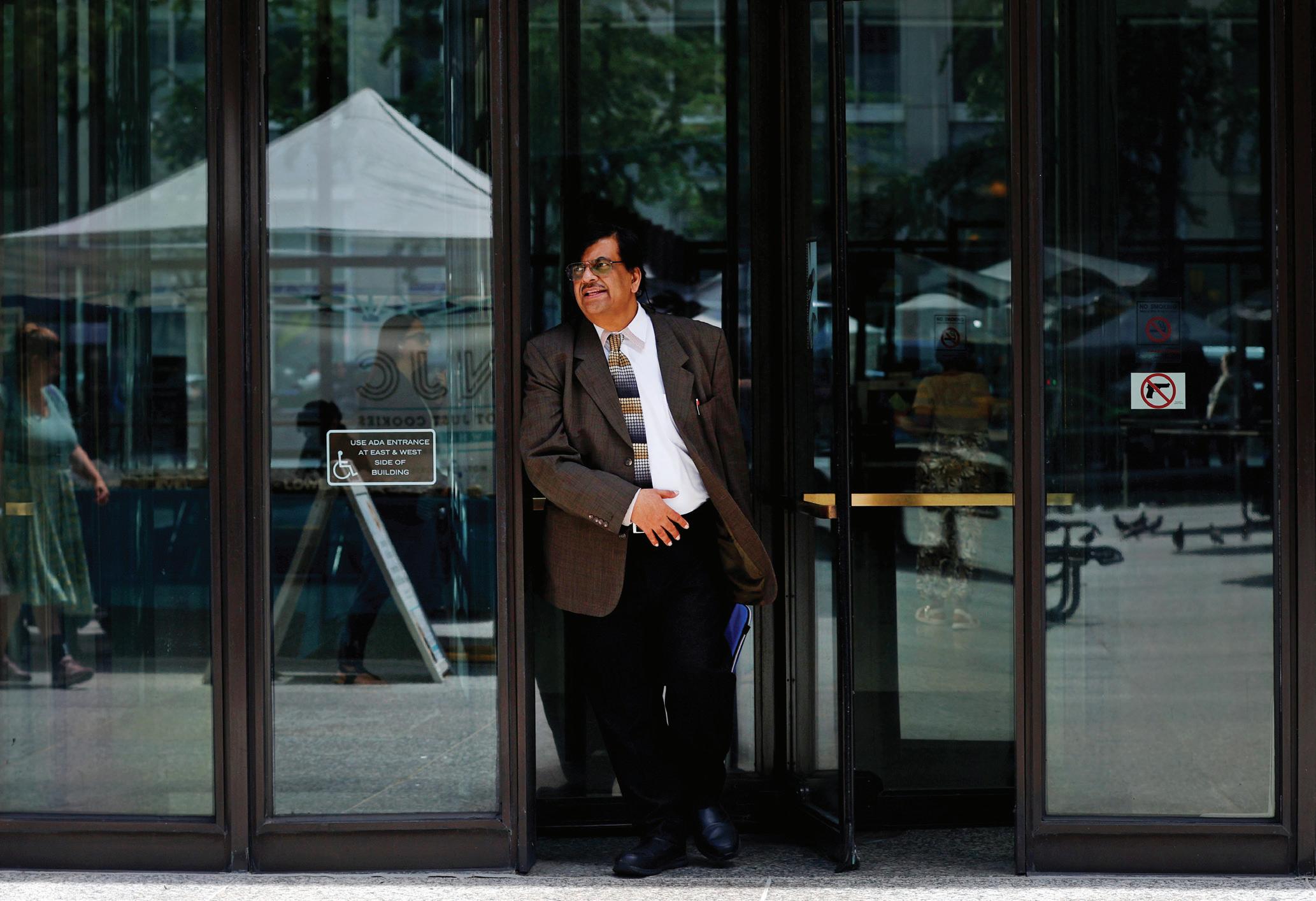
Manoj Prasad, CEO of West Suburban Hospital, leaves cour t at the Richard J. Daley Center in Chicago a er a closed-door settlement conference on July 2.
“Enjoying life - making connections - maintaining independence”
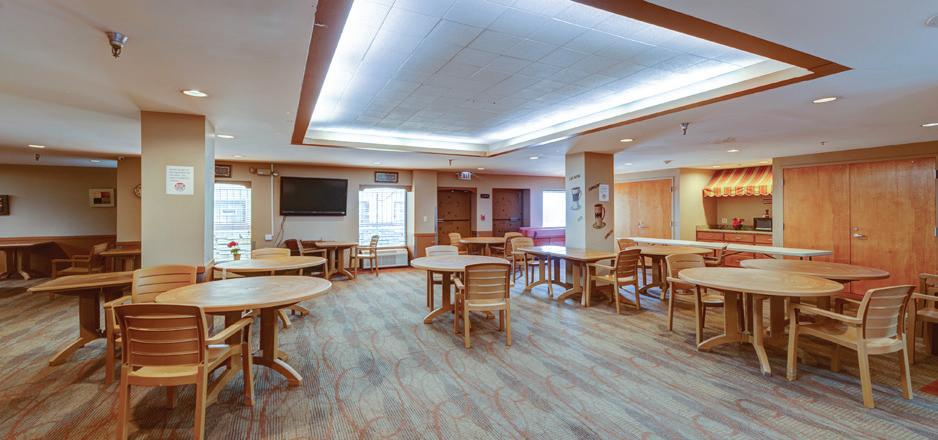
Our beautiful 6-story building provides quality, a ordable, independent housing for seniors. We o er 75 studio and one-bedroom apartments. Amenities include an award winning interior landscaped atrium, central meeting room, library, laundry facilities, computer learning center, internet access, electronic key entry system, parking, onsite management, and 24/7 emergency maintenance service. e Oaks is funded by the Department of Housing and Urban Development through HUD’s Multifamily Housing Program. Monthly rent is based on the resident’s income, with individuals paying approximately 30% of their monthly income toward rent.





The making of a mainstay takes time and passion
By RISÉ SANDERS-WEIR Eats Reporter
lmwood Park’s de facto downtown, Conti Circle, has always been a center good food and night life. Six years into his ownership of Circle Tavern, W. Conti Parkway, Michael Jardine feels that he’s reached his target. ew up here my whole life and Circle is somewhere that I would want to go and hang out,” Jardine said. “That was oal all along. It took time to g et there, ll keep updating it just to make ood as possible. Consistency is my main goal.”
Burgers and pizza were the first menu items that the owner perfected. Once he felt re in the zone, he turned his attention to the chicken dishes. Where before they had thinner breading and less zing, they now are marquee players too.
“It’s like a Popeye’s fried chicken sandwich, more crispy, juicy, more exciting. It’s esome, updated,” he said. “I’m just




trying to make everything as good as possible. The chicken tenders are the same way now. Both are breaded and battered in-house.”
Back when Jardine took over, the taver n’s atmosphere played one note.
“We kind of went from a late-night place with a pool table and dartboard,” he said. “Now it’s more, I don’t want to say more upscale, but more upscale from there. We just take it up to somewhere you could come eat with the family on a Friday night or you could go on a Saturday night without the family and also have as good of a time, but in different ways. So, we take on different personalities.”


Rotating, weekly events, menu features and seasonal specials give customers many chances to figure out which version they like best:
■ Mondays, pizza half price
■ Wednesday, bingo night (21 and up)
■ Taco Thursday
■ Fried chicken Fridays
■ Saturday, DJs or karaoke
“I think it’s now at the point where I wanted it to be from the start, whether that be the menu aspect of it, the vibe of the place, the decorations,” Jardine said. “The staff is fantastic. I know I’m biased, but everybody here is really friendly. It just fits the vibe that I’m going for, which is just a neighborhood bar and restaurant.”
Summer is special on the Conti Circl e. The Tavern’s wall of windows that face the Circle push back, opening the whole front onto the patio. That makes it the perfect place to take

in Elmwood Park’s summer events, like the Thursday night concerts series, the annual car show and more.
Food and drink specials carry the easy-living feeling onward.
“We have a summer sampler. It features those brand-new chicken tenders we were talking about and also comes with fried pickles and our sweet corn fritters,” he said.
“There’s two drinks right now actually that are awesome. There’s the Capri Sunburn. which is a Campari drink, a little summer sweet, really nice. And then the other one is called ‘Offensively Hawaiian’ because it’s pineapple-based, like you’d have at a tiki bar.”
Tasty specials on the menu include a three slider platter and a pasta primavera.
When summer is over, the fun isn’t. At Halloween the bar goes all out with what they call ‘Spooky Tavern’ decorations, but Jardine is quick to note that it’s still family friendly, nothing too gruesome. He still wants you to have an appetite. Christmastime gets the full treatment too.
“We’re constantly trying to stay on it and on top of it, not only for the regulars who come here and get something different. But then when someone does come here for the first time, it’s distinctive,” he said. “It’s nice to still be here and just keeping it exciting.”







email: dhaley@newswellchicago.org
By LACEY SIKORA Reat Estate Reporter
Anew book on Oak Park’s most famous architect highlights Frank Lloyd Wright’s work in Illinois. Publishing July 7, Frank Lloyd Wright’s Illinois: Explore His Most Prolific State, From Prairie to Usonian, is Kristine Hansen’s second book dedicated to Wright.
Her first Wright-centered book looked at designs in Wisconsin. This time around, she decided to focus on her home state of Illinois. Hansen’s interest in Wright is inspired by her experience growing up in Northern Illinois and now living in Wisconsin. “I’ve been surrounded by his project for years,” she said.
Focusing on Illinois was a natural step for the author who notes that of Wright’s 532 completed projects, the highest concentration of his works worldwide is in Oak Park, including his Home and Studio. The book covers 41 of the nearly 80 completed Wright works that are within four hours of Chicago. Locally, she covers 11 homes in Oak Park, 1 in River Forest and 3 in Riverside.
Hansen calls the book part travel guide and part a story of the stewards who maintain and care for the private, Wright-designed homes in Illinois.
“I think it takes a special person to live in a Wright-designed home or a similar landmark, “she said, adding, “They have to have the courage to honor the le gacy but also allow the casual onlooker to learn more.”
Hansen, who visited each of the sites she profiles, said it was important to be in a space to be able to write about it fully. She also says that she learned more than she expected about what it takes to be a steward of a Wright design.
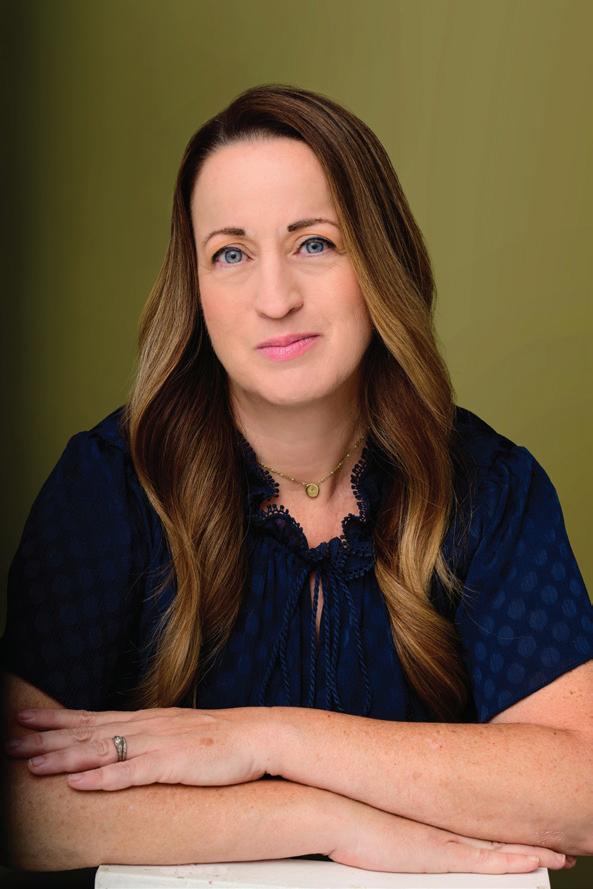
Kristine Hansen
The book is organized by region and covers sites built from 1889 to 1959. Hansen includes information on each home’s history, from its ownership and commission, to how materials were selected and how the natural landscape was used.
The book is not meant to be a comprehensive guide to all of Wright’s work in Illinois. Hansen says she leaned on an approach she uses when writing for Architectural Digest’s website: covering how people actually live in their homes
“I didn’t want to just regurgitate detail on architecture,” she said. Rather, she focused on the tension between living in a historical home and modernizing it, taking the original character and adapting to today’s life
One of her favorite aspects about researching the book was meeting with homeowners.
CREDIT: THE REFINERY
“One commonality that I was ve ry surprised about was that a lot of Wright owners in Oak Pa rk didn’t necessarily set out to buy a Frank Lloyd Wright home,” she said.
One i nterviewee was looking to live near the train. A nother set of homeowners we re looking for the right house to raise their blended f amily
On the other hand, she interviewed a couple who tried for years to buy a Wright house after seeing it on a house walk. They not only really want to live in a Wright home but a particular Wright home.
Hansen says both Illinois and Wisconsin offer the opportunity to build day or weekend trips around Wright’s designs but says Illinois is different due to the high concentration of Wright homes in the area.

On July 11, Hansen will be signing copies of her book at Bar nes & Noble on Lake Street in Oak Park from noon to 3 p.m.
On July 29, she will be speaking at the Oak Park Public Library’s Main Branch, at 7 p.m. The event is free, but re gistration is requested. For more information visit: https://oakpark.libraryc alendar.com/ event/author-visit-frank-llo yd -wrights-illinoiskristine-hansen-131611
Oak Park’s The Book Loft and Dandelion Bookshop will also carry Hansen’s book.
“Oak Park is often the first place people go,” she said, noting that it’s a planned site for many Wright pilgrimages. In Oak Park, she says homeowners are used to people walking by, taking pictures and marveling at their homes. This might be more unusual at a home like the Wright Usonian in Libertyville that she also profiles
She hopes people will use her book to plan their own Wright pilgrimages and to deepen their understanding of the stewardship that goes into owning a Wright design. “A common thread among these sites is that a Wright home is like a living person. It has a heartbeat,” she said.






































The following property transfers were re ported by the Cook County Clerk from March 2026. Where addresses appear incomplete, for instance where a unit number appears missing, that information was not provided by the clerk.
Us Reif Oak Pk Illinois Llc Flt Oak Pk City Llc 819 Lake St $237,000 Salinas Corina Yono Patricia
Washington Blvd $240,000 Rau-Stathakos James Westbrook Jessica P
North Ave $255,000 Land Trust Co Tr D&D Shack Latino Llc 333 S East Ave $267,000 Stapleton Ashlie N Kuvyrkova Anastasia 1133 S Ridgeland Ave $275,000 Kratochvil Kathy J Tr Geans Kesha
S Grove Ave $279,500 Halfpenny Dennis Tr Germain Karen L 412 N Marion St $298,000 Westbrook Jessica P
DEADLINE FOR SUBMISSIONS IS FRIDAY 5 P.M.
Call Viewpoints editor
Ken Trainor at 613-3310
Email: ktrainor@newswellchicago.org

he village was in an uproar over housing. Letter writers warned that property rights were under attack. A public hearing at the OPRF High School auditorium drew 500 people. The real estate industry, sensing trouble, offered up a friendlier alter native ordinance. And a citizens group circulated a petition demanding a binding referendum, claiming 10,156 signatures, more than a quarter of the village’s registered voters. Let the people decide, they said.
The year was 1968, and the ordinance was fair housing
On May 6, 1968, in that same auditorium, the village board declined the referendum and passed the Fair Housing Ordinance 5 to 2. The two dissenting trustees wanted exemptions for homeowners, and a referendum. The petitioners sued to force the question onto the June ballot anyway. They eventually lost.
Today that vote is the cornerstone of Oak Park’s identity. We put it on the museum wall. We bring it up whenever anyone questions our progressive credentials. And the petition with its 10,000 signatures? Nobody celebrates that.
I bring this up because the referendum is back. As the village board prepares to vote on the Shape Oak Park zoning refor ms this summer, letters to this paper are demanding a binding referendum on single-family zoning. A former trustee writes, “Trusting the people is not an obstacle to democracy. It is democracy.” Another letter objects to decisions made by “a small group of officials.” Others ask for a pause, more meetings, a study of alter natives.
Every one of these moves was field-tested in 1968. Agree with the goal, object to the method. Offer a softer substitute. And when the board votes can’t be swayed, demand a referendum.
Consider who would actually vote in this referendum. Zoning controls what can be built, which means it mostly affects people who don’t live here yet, the teacher commuting in from Berwyn, or the retiree who would downsize to a flat if one existed near the grandkids. They don’t get a ballot. In 1968, the people whose rights were at stake weren’ t in the electorate either. A referendum settles the question by polling only the people the current rules already serve
Nobody knows how a June 1968 referendum would have turned out, but the opponents clearly liked their odds
We do hold referendums in Oak Park, for money. When a taxing body wants thousands of dollars from every household, we vote, as we should. Zoning reform asks for no tax dollars. It re-legalizes the two-flats and courtyard buildings that already make up more than half of Oak Park’s homes, on blocks where they have been banned for a century.
The two issues are connected. Single-family zoning survived the refor ms of the 1960s and ’70s largely intact. The Fair Housing Ordinance said a Black family could buy any home in Oak Park. Single-family zoning made sure large parts of Oak Park would only ever contain homes most families can’t afford. One got fixed in 1968. The other is on the agenda this summer
The board should hold every hearing the law requires, listen carefully, and then vote. That’s the job. Trustees who find the vote too consequential for mere elected officials might reflect on the fact that we remember the names of the five who voted yes in 1968, and not the thousands who signed the petition.



Re ections on an
One the one hand, Trump is threatening democracy and institutions (e.g. the Federal Reserve).
He is cryptically – or crypto-icly – making billions by selling high to “investors” in his crypto Ponzi scheme. “He’s a good businessman,” MAGA explains.
He’s losing wars, indicting enemies, imposing tariffs, fueling inflation, etc.
But, and it’s a big but, on the 4th, my wife and I kayaked on Helen Lake in the Sylvania Wilderness in the Upper Peninsula of Michigan near our cabin.
We saw two white swans cruising in tandem.
A fawn, left alone by its mother, swam near the shore. “Now don’t get into trouble,” the mother deer must have thought before leaving. And a loon fished in the middle of
Helen Lake, occasionally standing up in the water by flapping its wings for a better view.
The shoreline was an ancient, old-g rowth forest. With hemlock, cedar and white pine, never forested
One angle of American history says the Revolution in 1776 was caused by white pine like these. The British Royal Navy needed straight and tall masts for their sailing ships to rule the seas. But they had cut down all the good mast trees in England.
So in 1691, under the Broad Arrow Policy and a series of White Pine Acts, the Crown reserved for itself any tree larger than 24 inches in diameter in New England. Surveyors acting for the king made three ax slashes in the trees to prevent them from
In January, the village of River Forest announced a proposed development by Five Thirty One Partners for vacant lots at Madison Street and Ashland Avenue. After open houses, public meetings, resident feedback, and reviews by village departments and consultants, the Development Review Board (DRB) will consider Five Thirty One Partners’ for mal application on July 9.
I encourage all interested River Forest residents to join us at the hearing this Thursday at 7 p.m. in the Trinity High School Gymnasium (7574 Division St., Door 8). Residents can provide public comment at the hearing or submit it online through the online form linked on vrf.us/Madison or via email at publiccomment@vrf.us.
The village announced the DRB hearing on June 24 and published the development application at vrf.us/Madison, along with memos detailing the village staf f and consultant reviews. We have also posted the village staf f’s “transmittal letter” to members of the DRB, which provides an overview of the application, the accompanying materials, design changes made since January, and staf f’s recommended conditions to place on the planned development permit.
Included are:
■ Five Thirty One Par tners’ application.
■ Site plans, drawings & elevations
■ Developer traffic study
■ Economic analysis
■ Technical reviews by Police, Fire and Public Works departments.
■ Economic analysis conducted by the village’s consultant, Ryan LLC, to evaluate the developer’s projections on tax revenue, school impacts and project viability.
■ Zoning analysis and shadow study conducted by the village’s consultant, Houseal Lavigne. The analysis includes a list of zoning variations requested by the applicant.
■ Inde pendent peer review of the developer’s traffic study. The village commissioned Thomas Engineering to evaluate the study’s methodolo gy and findings.
At the July 9 hearing, Five Thirty One par tners and village staf f will address the DRB. Residents will be able to share comments, and DRB members will have an opportunity to ask questions, then deliberate.
The DRB will provide the village board with recommendation for or against approval of the application. The DRB can place conditions on their recommendation, such as changes to the design, traffic controls, building operations, and other areas. Members may vote on these matters at the hearing, or they may adjourn to deliberate and vote at a future meeting.
Within 60 days of receiving the recommendation, the village board will meet to vote on the application. The board can place further conditions on a vote for approval.
We look forward to hearing from residents about the updated proposal as we be gin the for mal public review.
Matt Walsh
Village Administrator
Sure on this shining night / Of star made shadows round / Kindness must watch for me / This side the ground. / The late year lies down the north. / All is healed, all is health. / High summer holds the earth. / Hearts are whole. / Sure on this shining night I weep for wonder wand’ring far / alone / Of shadows on the stars.
Do you have such moments — where all is healed, all is health? Which seems … undeservedly blissful? When High Summer holds the earth (like right now). Or maybe High Summer reigns within us, when Kindness watches on this side of the ground. When your heart feels whole?

The lines above constitute a fragment from a longer poem, “Descriptions of Elysium,” by the late poet James Agee. Samuel Barber wrote a lovely song and set those words to music. Worth a listen.
Elysium is the paradise of Greek mythology But we don’t live in Elysium — or maybe we do and just don’t notice, except once every long while, on shining nights of star-made shadows. A moment here and there, temporary, elusive … like us.
I’ve had some such moments lately, as I move along this stretch of strange change called aging, with a full heart, feeling healed. How is a mystery.
Lately, food has been unusually flavorful. Maybe I’m less discriminating these days, or more inclusive. Maybe I lost my sense of taste some time back and didn’t notice for … years? decades? … until it suddenly returned. Like my sense of humor, resurfacing from some Bermuda Triangle of lost laughter. I’m no funnier, but life is, or so it seems. Humor that takes me by surprise, the kindest kind.
Like the dream I had where a friend and I are barreling down the street in a garbage truck that crashes into an apartment building and somehow rolls to a stop on the third floor. Which is occupied by squatters. Wow, my friend the driver says. How did we get here? Good question I re ply, and how do we get of f the third floor — in a garbage truck? So he calls an insurance adjustor who can’t make it until Thursday, so my friend makes himself at home and finds a mattress to sleep on for the next two days, but one of the squatters says, I don’t think that’s allowed here. I say, You mean there are established protocols for
this kind of situation? And I wake up laughing.
Insanity? … or a higher level of sanity? There is a fine line in dreams.
And speaking of surprising I had a week recently where I may have helped numerous people feel better about themselves. Who knows for sure? But one thing I know: they deserve to feel better about themselves, so I did what I could, using my par ticular skillset and my established place in their lives. Opportunities presented themselves so I put my thumb on several scales. It all happened in a short time span. And it felt good.
This is what we should be doing with our lives, isn’t it? Helping people get what’s coming to them — recognition, appreciation, attention? Connection. Maybe something comes of it, maybe not. A little here and there. Things they might not even notice. Small goodnesses. Nothing made up, no empty flattery. Real things that maybe only we can see and point out. We are the enzymes of betterment, the yeast of rising. People in our lives helped us feel better about ourselves, so we pass it on.
Maybe that’s the only way to escape the dungeon of ourselves, being part of the nexus of small good deeds. The radiant relay. Do your part and keep the line moving. All above board. All aboard the Better ment Express. No buttering up, just bettering up. The power of positive doing. Turning resistance into assistance. Do you have a list in your heads of people who qualify?
We live a lifetime and develop abilities and invest in people and see what maybe they don’t see, so we point things out and bring together people who might benefit from their respective skillsets and talents.
When we stop wrestling with our inner demons and battling our body chemistry and life lets up on its battery of challenges and hardships and our taste buds spring back to life and our sense of humor returns, goodwill rises. It happens once every while. When it happens several times in one week, you take notice. It’s easy and feels good and people deserve it. It shouldn’t just happen after they die. We have the capacity and the opportunity to appreciate people now.
I’m sure on this shining night that we can benefit from living like this, when High Summer holds the earth, and we are healed, and our hearts are whole.
WN by Marc Stopeck

E-rides (e-bikes, e-motos, e-scooters, or micromobility devices) have become an increasingly popular form of convenient, inexpensive, and environmentally friendly transportation. However, without appropriate health and safety guardrails, e-rides can be dangerous. It’s time for Oak Park to urgently take actions:
1. Spread the word: If you e-ride, learn the health-andsafety risks and guidelines. Injuries from e-rides are more frequent and dangerous to riders and pedestrians than regular cycling or walking. A recent study of Illinois hospitalizations from e-bike and e-scooter injuries over 2021-2023 showed that, compared to non-motorized cycling, users of e-rides were significantly more likely to be admitted to hospital and intensive care units. Traumatic brain injuries and skull fractures were nearly double for e-scooter injuries and more than triple for e-bikes
2. Adopt policy now: Oak Park should immediately regulate e-rides that aligns with pending state law. Neighboring municipalities have already adopted e-ride ordinances. Meanwhile, pending the Gover nor’s signature, Illinois Senate Bill 3336 (SB 3336) will go into effect Jan. 1, 2027. The law will require a rider on a low-speed Class 1 or Class 2 device to be at least 15 years old and those on a Class 3 device must be at least 16 years old. Riders of e-bikes and e-motos capable of traveling over 28 mph must have a driver’s license, title, registration and insurance. High-speed micromobility devices such as e-scooters, electric skateboards and electric
unicycles would be prohibited from operating over 28 mph on roads, bike lanes, bike paths and sidewalks. Unfortunately, helmets will not be mandated but can be recommended. Oak Park should not wait for more injuries, hospitalizations or even death!
3. Emphasize education to ensure everyone knows e-ride safety. Although violations of an adopted ordinance may result in fines, Oak Park should focus on launching an education & outreach campaign in partnership across all relevant community stakeholders/taxing bodies (i.e. D97, D200, Park District, Township, etc.) about the new ordinance and safety precautions for e-rides. Education and knowledge can change behavior and save lives faster than any fine.
Help keep each other safe: Adopt an ordinance and launch a collaborative, village-wide health and safety campaign now.
Christina Welter, DrPH, MPH
Chair, Oak Park Board of Health
Mark Johnson, PhD Commissioner, Oak Park Board of Health
Judy Carter, MD Commissioner, Oak Park Board of Health
of Oak Park and River Forest
e goal of the Viewpoints section is to foster and facilitate a community conversation and respectful dialogue. Responsible community voices are vital to community journalism and we welcome them. Space is at a premium and readers’ attention is also limited, so we ask that Viewpoints submissions be brief. Our limit for letters to the editor is 350 words. For One View essays, the limit is 500 words. Shorter is better. If and when we have su cient space, we print longer submissions, but when space is limited — as it o en is — we may ask you to submit a shorter version or hold the piece until space allows us to print it.
We reser ve the right to edit submissions. We do not have time to allow the writer to review changes before publication. We also do not have time to do more than super cial fact-checking, and because of our national epidemic of misinformation and conspiracy theories, when writers include statistical evidence to support their opinions, we require them to include the source of that information, such as credible websites, print publications, titles of articles and dates published, etc. Be as speci c as possible so that we and our readers have some way of assessing the credibility of your claims. Links may also be included for the online version. We follow the Society of Professional Journalists’ code of ethics: seek the truth and report it and minimize harm. As a result, we will do our best not to publish pieces that espouse doubtful or debunked theories, demonstrate harmful bias, or cross the line into incivility. While we will do our best not to engage in censorship, we also do not intend to be used as a platform for misinformation. Your sources for fact-checking are a critical step in keeping the discourse honest, decent and respectful.
All submissions must include your rst and last name and the municipality in which you live, plus a phone number (for veri cation only). We do not publish anonymous letters. One View essays should include a sentence at the end about who you are.
If we receive your submission by 5 p.m. on Sunday, you can expect your opinion to be included in that week’s paper (and online), space permitting.
Suzanne Feeney, PharmD Commissioner, Oak Park Board of Health
Janet Cosbey, PhD Commissioner, Oak Park Board of Health
Jenna Holzberg, MS
Chair, Oak Park Transportation Commission
Jenna Leving Jacobson
Oak Park Village Trustee
Pieces can be submitted through our online form at oakpark.com or directly to Viewpoints editor Ken Trainor, ktrainor@newswellchicago.org. For the latter, we prefer attached Word les or plain text included in the email.
■ 350-word limit
■ Must include first and last names, municipality in which you live, phone number (for verification only)
‘ONE VIEW ’ ESSAY
■ 500-word limit
■ One-sentence footnote about yourself and/or your connection to the topic
■ Signature details as at left
In the November 2024 election, the people of Oak Park voted overwhelmingly on an advisory referendum calling for the adoption of an initiative process in our village.
To gether with people from across our community, I organized the campaign for the following ballot question: “Shall the people of Oak Park have the initiative right to amend and propose ordinances by voter petition and enact those ordinances by voter referendum?”
As a student at Oak Park and River Forest High School, I studied the history of the initiative process, which has existed for the past century in thousands of towns and cities across America, including every municipality in Wisconsin, Michigan, and Ohio.
I learned how much positive, progressive change local initiatives have produced. I was thrilled when 24,000 Oak Parkers voted in an 85% landslide in favor of the Oak Park Voter Initiative referendum in 2024.
Immediately after this resounding mandate from Oak Park voters, I submitted a proposed Oak Park Voter Initiative
Ordinance to the president and trustees of the village board for their consideration. This ordinance is modeled on the initiative process that has been in place in Arlington Heights for the last 45 years.
Our village board has until Aug. 17 to vote to place the Oak Park Voter Initiative Ordinance on the November ballot as a binding (not advisory) referendum question for Oak Park voters to approve.
After the board’s review of the ordinance for the past year and a half, now is the time to act upon the clear will of the people of Oak Park and send it to a vote. What better time to do so than the 250th anniversary of the founding of our democracy?
We are lucky to have strong leaders like President Vicki Scaman and the tr ustees of the village board standing up for Oak Park. By putting the voter initiative ordinance on the November ballot, they can show that the power of democracy is alive and well in Oak Park
Jacob Drews Oak Park
It was about a decade ago that Oak Park decided to extend their Park District basketball hours from 8 a.m. to 8 p.m. (https:// www.oakpark.com/2018/04/24/park-districtof-oak-park-extends-basketball-hours). It was a few years ago that I, pushing 30, started playing again at Longfellow some evenings after work. My jumpshot has worsened since high school, it turns out, and I’m slower now than I care to admit. But it still made for enjoyable summer nights — full of movement and competition and laughter — as I was graciously welcomed into this community of hoopers.
These nights are cut short, however, when the Park District workers arrive at 8 p.m. to take down the rims. Even while some daylight remains, and the games are as lively as ever, it’s apparently time to shut it down. Why?
Longfellow is the only outdoor full court in Oak Park (https://pdop.org/recreationdestinations/basketballcourts). It has no lights, unlike a few of the two dozen tennis/ pickleball courts, some of which have lights available until 10 p.m. (https://pdop.org/ recreationdestinations/tenniscourts).
I’m a maximalist when it comes to promoting community participation in sports, so
I’m glad Longfellow is getting even more pickleball courts (https://www.oakpark. com/2026/03/05/construction-starts-onlongfellow-park-including-new-pickle-ballcourts). The Aspen Institute’s Project Play has plenty of data and argumentation demonstrating the multifaceted benefits of youth spor ts (https://projectplay.org/youthsports/facts/benefits). Plus, well, it’s just a lot of fun.
Maybe in the long run we should consider lighting some of the basketball courts in our neighborhood. In the meantime, my proposal is more modest: We should extend the basketball hours for as long as daylight allows. Sunset is around 8:30 p.m. this time of year, but there’s enough light remaining to push until 9 p.m. if the game demands. Perhaps we don’t need to take down the rims at all. Nature itself will tell us when it’s time to stop as night sets in.
So I ask, gently but seriously: Why do we let tennis and pickleball go until 10 p.m. but cut of f basketball at 8 p.m? Is it noise restrictions? Is it something else? Is there a reason at all?
Matt Wiley Oak Park
As he frequently does, reporter Bob Skolnik seeks to elevate a particular narrative rather than provide balanced reporting. The most recent example is his story in the July 1 edition of Wednesday Jour nal where he uses part of my reply to his email inquiry and precedes it with his opinion:
“A number of school board members were frustrated that the May presentation did not include any immediate extra staffing for tutoring or academic support.
‘Several board members requested that the administration clarify their plans in this area for the upcoming school year, and the discussion will be held at the July 16 board meeting,’ said Audrey
Williams-Lee, school board president, in an email.”
The full text of my email reads: “As you reported in your article covering the June 16 CFC meeting, there has been ongoing work to support our students academically, and that work will continue. Several board members requested that the Administration clarify their plans in this area for the upcoming school year, and the discussion will be held at the July 16 board meeting.”
Skolnik apparently believes every story needs an element of conflict and arranges his stories accordingly.
Audrey Williams-Lee D200 Board of Education Oak Park
Cook County’s second installment tax bills — which are supposed to be mailed by July 1 and due by Aug. 1 — will be late this year. Current estimates are that second installment bills will be due Oct. 1.
Last year, problems with a new county computer system resulted in a Dec. 15 due date for second installment tax bills. Although the new computer system appears to be working better now, last year’s delayed bills are a major reason for this year’s delays For many taxpayers, the arrival of second installment bills marks the first time they realize there are problems with their assessments. Taxpayers
often address such problems by filing appeals. Last year, however, many could not file because their townships had already been closed for appeals In response, county officials reopened appeal periods for the closed townships, including Oak Park Township, last December. But the reopening delayed the final resolution of appeals for this year, resulting in late tax bills again. Fortunately, this year’s bills are not expected to be nearly as late as last year’s. This means there is a good chance that next year’s tax bills will be issued on time
Ali ElSaffar Oak Park Township assessor
Alan Brouilette is right: We need to rethink America’s practice of shooting off fireworks every year [“We got to talk about this bir thday party of yours, America,” June 30]. The “bombs bursting in air” often ter rify dogs, who sometimes become so scared by the noise that they dig, chew, and claw at their sur roundings in an attempt to escape. Dogs have even crashed through
windows and run, petrified, through their neighborhoods. Many get lost or are hit by cars
Drones, laser light shows, and other “silent firework” displays are safe and awe-inspiring. Please see PETA.org for more information.
Heather Moore Senior writer, PETA Foundation Norfolk, Virginia
Celebrations of the 250th anniversary of our United States were on most channels. My choice was from Williamsburg, Virginia – deeply soul-stirring in giving passionate voice to the timeless declarations from the founding era and with a spectacular fireworks display that rivaled anything I’ve seen over many decades, in person or on a screen. It happened, of course, in the shadow of this present administration’s trashing of so many cherished bulwarks of the rule of law, freedoms of the press and assembly, separation of church and state, and pursuit of the common good, not just the ballooning enrichment of the privileged few.
President Abraham Lincoln’s Gettysburg Address echoes in my mind – his sur passingly elegant and eloquent 272-word, two-minute reconstituting of our nation, its purpose, and its enduring aspiration:
“gover nment of the people, by the people, and for the people.” It needs reclaiming yet again in the face of the grotesque reality that unfolds day by day: the far-right’s project of a gover nment and even an entire society that is of the pedigreed (only whites count, ideally of Norther n European background), by the predatory (using whatever means necessary, legal or not), and the plutocratic (money talks, no shouts, everywhere, including in elections).
Which vision of our future will prevail?
We can’t just wait and watch from the sidelines. The past is the gift we celebrate. Its ideals and examples – the good ones, not the many bad ones – need to stiffen our resolve to move forward, united for all, with no one left behind
Fred Reklau Oak Park
On July 4th, the United States tur ned 250. A few years ago, India celebrated 75 years of independence, both nations having won their freedom from the same colonial power. I’ve lived roughly one-third of India’s independent history there and about one-tenth of America’s here.
I arrived here shortly after 9/11, became a citizen in 2016, and had the privile ge of serving our community as an elected official. Along the way I’ve reinvented myself many times — son to father, engineer to entrepreneur, consultant to community builder, immigrant to citizen, executive to nonprofit leader. That journey has taught me something: renewal is necessary for progress.
These days I often hear people say America has lost its shine. It’s made me reflect on this deeply. As someone who chose this country and this community, I see this moment differently.
America’s greatest strength has never been perfection. It has been the willingness to confront its own contradictions and keep going. Every generation inherited an unfinished country. Every generation was asked to do something about it. That’s not a flaw in the design, it is the design itself. Like the challenges of the past – slavery,
first moved to an apartment in Oak Park in 1972, to join a roommate while we were in medical training at the U of I and Rush Medical Centers. We knew nothing about Oak Park, except that it would be convenient. The next year the roommate left, I got married and we stayed in that same apartment for four years. During that time we fell in love with Oak Park, started a family, and in 1977 bought our first and only home. We have never left Oak Park because of all it has to offer.
MICHAEL GOODMAN
One View
neighborhoods, its housing mix, its diversity, its character, its architectural significance, its cultural and artistic sensibility, its proximity to the city while still enjoying suburban living, its public transit accessibility, safety, its schools, parks and programs. It is livable, walkable and bikable. Well-thought-out historic preservation is worth protecting and we do. If all this represents the status quo, what justifies change?
civil war, world wars, economic depression/recessions – the challenges ahead are real and immense. Political polarization, economic uncertainty, geopolitical and demog raphic shifts, and artificial intelligence are reshaping our lives faster than we can track. The pace and promise of the current change is both scary and exciting, But I’ve seen versions of this disruption before. The people who fared best weren’ t the ones with all the answers. They were the ones willing to keep learning. I approach this moment with gratitude. Gratitude doesn’t require believing a country is perfect. It means honestly accounting for what it has given you and accepting the responsibility to give something back. America gave me the chance to build a career, raise a family, and serve a community in ways I never imagined when I first arrived in this country. That’s extraordinary.
On this 250th birthday, I choose optimism – from the knowledge that this country has navigated worse and ke pt moving. The American experiment endures because each generation found the will to renew it. That work belongs to us now.
Ravi Parakk at Oak Park
While any area will have issues, during our over 50 years of living here, I see changes that either make no sense at all or address issues that are appropriate, but with solutions that are not well thought out. They often don’t represent the needs of the majority and many times there is little opportunity for the majority’s voice to be heard.
I am speaking about leaf collection, which I have addressed in previous letters, gas leaf blowers, and the Ridgeland Common pool issue which, when put to a referendum, had over 75 percent of the voters against the proposal.
Much time, effort and probably expense was spent to sell the project. It is concerning that those in charge didn’t have a better read of the public’s sentiment. I am also speaking of bike lanes and all that has been done village-wide to enhance the safety of both bikers and pedestrians
This is an issue that deserves everyone’s support, but I and many others have questioned whether the choices made were the best we could do
I may try to address these areas in a separate letter but for now I would like to comment on the plan to abolish singlefamily zoning and the thoughts voiced by Josh VanderBerg in his columns, “10 bad arguments against housing reform,” and “The stealth conservatism of Oak Park.”
Mr. VanderBerg suggests we are too conservative and too resistant to change. He speaks against the status quo and historic preservation and in his earlier column, even against community feedback. He says studies tell us what we need to know and he supports eliminating the zoning restriction to redistribute multifamily housing throughout the suburb. With our longevity here, clearly we are happy. Oak Park offers the beauty of its
Oak Park is not sprawling or spread out. Our homes are mostly on modest lots that are close together. Streets are narrow. Oak Park has a mix of all housing types and the neighborhoods tend to be homogeneous.
It already offers a spectrum from entry-level apartments to grand, estatelike properties. We are built up and landlocked. There are no open areas or dilapidated structures ready to tear down. When other suburbs had tear-downs it has been to replace it with something more expensive but usually homogeneous to the area, rather than replacing a home with multifamily housing. We have already struggled with the acceptance of multi-unit condos and apartment buildings integrating with our commercial districts and many suburbs are further along in this process. Our buildings often attract Oak Parkers who want to downsize and yet remain in Oak Park.
When someone chooses where to live it is based on many factors, including job opportunities, proximity to family and friends, affordability, schools and the character of the area. We cannot be all things to all people and because of the maturity of our suburb, the changes proposed would not occur without major disruption and upheaval and, I believe, would diminish the attractiveness of Oak Park.
I do not believe Mr. VanderBerg’s concepts and goals for Oak Park are well supported or make sense to me and his last column would have been better titled, “Let’s Just Change.” There is a lot for us to continue to work on in Oak Park but I don’t agree with abolishing single-family zoning, change without supporting why, or not allowing for a process of community input to help direct the destiny of what many of us care greatly about.
Dan Haley’s recent column [Race, housing and headway, Viewpoints, June 24] acknowledges an historic truth. Trustee Wesley has made a case that, in many communities, single-family zoning became part of a broader system of racial and economic exclusion.
I do not take issue with Mr. Haley’s comments on history. However, I disagree with his logic. He conflated two issues into one
The first question is whether singlefamily zoning is sound public policy. I feel strongly that this policy should be debated using evidence, projections, and analysis of what the proposal will likely accomplish before any deter mination is made. The second question is, “Should this policy be approved by the voters?”
It is my understanding that Trustee Taglia is not arguing against public hearings, nor opposed to expert analysis. Neither is he against the consultant’s work or the role of the Plan Commission.
Taglia recommends that, after the reviewing consultant recommendations, after the Plan Commission has conducted public hearings, and after the village board has completed its legislative work, then would be the time for Oak Parkers to cast the deciding vote. Oak Parkers deserve a strong voice in this matter which will shape the village for generations to come Haley responded by defending the merits of the zoning proposal and reminding us that we elect officials to make difficult decisions. Both may be true, but they do
not address Taglia’s concer ns. The merits of the proposal and the question of who should make the final decision are independent issues.
Representative democracy is essential to our system of gover nment. So is public participation, on occasion, through referendum. Some decisions are so consequential that they benefit from direct public decision-making.
Whether one ultimately supports or opposes eliminating single-family zoning, Taglia’s call for a referendum deserves to be evaluated on its own merits — not entangled with the separate debate over the zoning proposal.
Rhoda Bernstein Oak Park
This is a letter to parents whose children are having a wonderful summer meeting at our parks to play, our pools to swim, our public walkways to get them from East to West on Lake Street and back home.
Walking is wonderful for young and old; however, the sidewalks on Lake and Marion Street, and Oak Park Avenue, as
well as many side streets, have become quite hazardous. Why? Because youngsters and oldsters are riding their bikes and scooters on the sidewalks putting pedestrians in great danger. We who are out for a walk are continually dodging oncoming vehicles, not on the street but on the sidewalks!
Please remind all children and your-
selves to walk not ride your bike or scooter if it is not safe to be on the street. We all should be able to walk safely on our sidewalks. By the way, there are signs, so far I’ve seen two that state that bikes are not to be ridden on sidewalks, obviously ya’ll aren’t reading them.
Susan Cicelsky Oak Park
The newly released revised proposal for the Madison Street development still completely ignores residents’ concerns regarding density, traffic, and parking. If a private buyer proposed a 72-unit building anywhere else in River Forest, the village would rightfully reject the permit. Why then is our administration actively pushing for this development? Perhaps because, in this case, the village owns the land. We would do well to remember the troubled fate of another project on village-owned land at
Lake and Lathrop
River Forest has strict zoning rules for a reason. Just two years ago, the administration tried to rewrite these rules to allow tall, dense buildings along our business corridors. Due to overwhelming community opposition then, that proposal was soundly rejected. This new Madison Street proposal feels like a backdoor attempt to bypass the rules and push that failed agenda through anyway
At recent meetings, resident opposition
was unanimous; not a single voice spoke in support. While this development may only directly impact the Madison Street corridor right now, a project like this could easily be proposed near your home next. We must show solidarity. If the broader community stays silent, the administration will treat it as implicit approval. Our message to the village must be clear: enforce your own zoning rules
Tanju Sofu River Forest
from page 21
being cut down.
This did not go over well with the colonists who needed the white pine to build their homes and for industry.
So in April 1772 the Pine Tree Riot occur red in Weare, New Hampshire. Local mill owners attacked British law enforcement and destroyed their logs. The conflict inspired the creation of Pine Tree Flags as a symbol against tyranny. Gen. George Washington and the revolutionary ar my first unfurled the White Pine Flag and its statement “Appeal to Heaven” in 1775.
So at our nation’s founding the question arose, who owns these woods?
The King and Parliament? Or as Robert Frost later put it, “whose woods these are I think I know. His house is in the village though.”
Colonists or kings? No one at the time asked whether it was the Native Americans.
As evidenced by recent No King rallies, we continue to fight against the tyranny of corruption and the whims of a crazy monarch or old man.
In 1787, when an aging Ben Franklin was asked, “What have we got, a re public or a monarchy?” Franklin replied, “A re public, if you can keep it.”
And so it goes.
I would like to thank the Riverside officer and paramedics who were on duty on June 28. You folks helped me out big time. I cannot say thank you enough.
The guy on the bike





Stephen Claycomb Bruner, 84, of Oak Park, died on June 8, 2026. Born in Chicago on Nov. 11, 1941, he grew up in Racine, Wisconsin, the middle of five brothers. In high school, he participated in three sports and was co-valedictorian of his class. He attended Yale Colle ge, graduating in 1963, then spent a year abroad with the Cor ning Traveling Fellowship, visiting India, Nigeria, and Brazil, among other countries. After his fellowship, he attended Harvard Law School, graduating cum laude. In 1968 he volunteered for the U.S. Navy, and was sent to Naval Supply School in Athens, Georgia. With typical self-de precation, Steve liked to say that his position as a naval officer put him in charge of a BMD — a “big maho gany desk.”
After his naval service, in 1972 he went to work at the law firm Winston & Strawn and friends introduced him to his future wife, Beth. They were mar ried in Washington, DC in 1973 and they eventually settled in Oak Park, where they raised their two children, Elizabeth and David, and spent eight years on the District 200 school board and was active in a variety of community and civic organizations. He retired from Winston & Strawn in 2001 and for his “second act” he became fluent in Italian and obtained a PhD in modern European history with a focus on Italy. His frequent trips to Italy with his wife and family were a source of great joy and intellectual stimulation. His dissertation was on Italian colonialism and was eventually revised into a book, Late Nineteenth Century Italy in Africa: The Livraghi Affair and the Waning of Civilizing Aspirations (Cambridge Scholars Publishing, 2017) in addition to several articles in peer-reviewed journals. A lifelong Christian of deep faith and learning, he served in ministry in a wide variety of ways, including teaching Bible study, visiting the sick and homebound, and serving as an elder. He loved to reading the theology Lesslie Newbigin, Reinhold Niebuhr, Stanley Hauerwas, and many others. But his faith was mostly
evident in his kind character. He was caring, patient, and gentle, possessed of a sense of poise and equanimity that only rarely deserted him. He took great joy in his expanding family and became a gentle and af fectionate father-in-law and grandfather. His sense of humor buoyed him through hard days, and which he deployed to lower the temperature in moments of stress or conflict. He had a quiet but fierce determination when he put his mind to something, whether it was swimming laps, mastering a new hymn on the piano, winning at Hear ts, or perfecting his apple pie recipe.
Steve died from Parkinson’s Disease complications at home, at peace, and surrounded by his family ’s love and gratitude for his care givers, especially David Tembo and Teta Vundamina, who did so much to improve his quality of life these last several years.
Steve is survived by the love of his life, Beth Bruner; his children, Elizabeth (Michael) Bruner, and David (Becca) Bruner; his grandchildren, Elizabeth, Eleanor, Benjamin, and Margaret; his brothers, Philip (Margee) and Robert (Bobbie) Bruner; and numerous nieces and nephews.
A memorial service will be held at First Presbyterian Church of River Forest on Saturday, July 18, at 11 am. A lunch rece ption will follow. In lieu of flowers, donations to the National Parkinsons’ Institute or First Presbyterian Church of River Forest would be appreciated.
Arrangements were handled by ConboyWestchester Funeral Home.

Kevin O’Mara Walsh, 77, died suddenly of natural causes on June 27, 2026. Born on March 25, 1949, to John and Loretta Walsh, he grew up with a strong faith, family, and education. He graduated enwick High School before ear ning his de gree from John Carroll University, then worked alongside his family at PM Walsh & Co., later serving in the Cook County Assessor’s Office before discovering his true calling in 1981 as a wealth management professional. For more than four decades, he helped individuals and
families plan for their futures with wisdom, integrity, and care
But his greatest legacy is measured by the lives he touched. His most profound personal achievement was his 44 years of continuous sobriety. As a devoted member of Alcoholics Anonymous, he faithfully attended meetings, sponsored countless newcomers, and dedicated much of his life to helping others find hope and lasting recovery.
He raised his five sons with unwavering love, quiet strength, humor, faith, and an enduring example of perseverance. His greatest joy in recent years was watching his family continue to grow through his nine grandchildren.
Golf was one of his lifelong passions, providing not only friendly competition but friendships, unforgettable stories, and countless cherished memories.
Kevin is survived by his five sons and their families: Kevin (Kiera) and sons Harry, Emmett, and Buckley; Patrick and fiancée Cris; Michael (Claire) and children Reilly and Tully; Emmett (Lisa) and children Samuel, Emma, and Marc; and Ryan (Sarah) and daughter Nora; as well as his for mer spouse Patricia Sexton Walsh.
He is also survived by his siblings, John (Dia) Walsh, Mary (John) McHugh, and Therese “Tagger” (William) O’Brien; his goddaughter, Molly Crawford; many nieces, ne phews, cousins, lifelong friends, colleagues, fellow members of the recovery community, and those for tunate enough to call him mentor, sponsor, and friend.
He was preceded in death by his wife, Maggi Shanahan Hamilton; his parents, John and Loretta Walsh, and his dear sister, Loretta (“Lori”) Walsh, whose passing in December 2025 was a profound loss.
Kevin will be remembered for his steadfast faith, generous heart, quick wit, integrity, and ability to make others feel seen, valued, and loved. Whether through his devotion to his family, his guidance in recovery, his love of golf, or the quiet acts of kindness he of fered, he lived a life of purpose and service.
And he leaves behind the lives he changed.
A visitation and funeral Mass were held on July 7 at St. Vincent Ferrer Catholic Church, River Forest, with interment at Queen of Heaven Catholic Cemetery. In lieu of flowers, the family requests memorial contributions to the Muscular Dystrophy Association and Alcoholics Anonymous.
Arrangements were handled by Peter B. Kennedy & Co., Funeral Director

Raymond L. Greeley III, 72, died on Father’s Day, June 21, 2026. Bor n on Oct. 3, 1953, at Elmhurst Hospital, he is survived by his children, Caitlin and Lo g an; his sister, Evelyn; and his grandson, Edwin.
Ray embraced life with boundless energy and curiosity, making meaningful contributions to every community he joined. He excelled in athletics, competing in colle giate wrestling at LSU while earning his bachelor’s de gree, then built a successful career with the Park District of Oak Park, before becoming a private contractor and property investor.
But it was in 1995 that Ray truly found his tribe when he joined the Oak Park Runners Club. In 2011, he met his future wife, Annie there. They celebrated their mar riage in the middle of a Monday Night Fun Run at Lindberg Park, with their club family cheering them on.
Ray’s adventurous spirit led him to salsa dancing, hiking, car camping and spontaneous road trips across the country. He found joy in gardening, cooking, and maintaining his health and fitness. His playful spirit and ability to make people laugh touched many
In his downtime, he cultivated vibrant gardens (often sharing tips on the Oak Park Garden Club Facebook group) and whipped up healthy, delicious meals that perfectly complemented his fitnessfocused lifestyle.
Above all, Ray was a source of laughter and lightness. His playful spirit and infectious humor left an indelible mark. He will be forever remembered at the starting line and in the hearts of his Oak Park Running Club community.
Ray died competing in a 10K Father’s Day race in Portage, Indiana, exactly where he belonged: in motion, pushing his limits, and doing what he loved. .
Please contact Ken Trainor by e-mail: ktrainor@newswellchicago.org before Monday at noon. Please include a photo if possible.
By MELVIN TATE Contributing Reporter
In his three seasons with the Oak Park and Ri est High School boys volleyball team, rising senior Jimmi “Trayce” Chrusfield III has developed into one of the state’ top prospects in the Class of 2027. This past season, he fin ished with 263 kills, 106 digs, 31 blocks, and 26 aces as the Huskies were runner-up in the IHSA state tournament with a record of 33-6-1.
For Chrusfield, the reasons for his success are simple: maturity and hard work
“My freshman year, being 14, competing against much older competition was tough in some ways,” he said in an interview with Wednesday Journal. “Over the three years of play, I definitely learned confidence in myself teammates. But like so many other things, my hinges on my ability to decide on what I want and then to put in the work to get there.”

Chrusfield’s work ethic was developed before he ar rived at OPRF. When he was 12, his coach with Lights Out Volleyball, Harshil Thaker, had him write down his goals, then he went to work on achieving them.
“It’s fun to start to see some of those dreams come to fruition, but there’s so much more in store for the future,” he said.
In addition to OPRF and Lights Out, Chrusfield credits his career development to his club – MOD Volleyball, Transform Fit Club, and the U.S. National Team Training Program.
Speaking of the national team, Chrusfield got valuable experience in May. He tried out for USA Volleyball’s U-19 men’s team and made it. The team played in the 2026 NORCECA Continental Championship in British Colum-
STEVE JOHNSTON
OPRF’s Jimmie Chrus eld (6) sends the ball past Brother Rice’s Isaac Soto (10) during the Argo Sectional championship June 2, in Summit. Jimmie “ Trayce” Chrus eld III is one of Illinois’ top boys volleyball prospects.
bia, Canada, losing the title match in five hard-fought sets to the host Canadians despite Chrusfield contributing 12 kills, along with a block.
“Competing for the national team was, of course, a really special experience,” he said. “I not only learned so much about the game, but also myself and what I’m capable of. I got to play alongside some amazing volleyball players who are also just really fun people. I truly built friendships for life.”
Upon completion of the NORCECA tournament, Chrusfield rejoined OPRF and helped the Huskies repeat as West Suburban Conference Silver Division champions, going 6-0 in league play
reached the state finals for the first time since 2023 and defeated Lake Park in the quarterfinals, then Marist in the semifinals to meet WSC Silver rival Glenbard West in the title match. The Huskies split the first two sets and had a two-point lead midway through the third and final set, but the Hilltoppers rallied to prevail and deny OPRF its first state ogram history.
“We had a lot of confidence going into the game,” Chrusfield said. “I think the main pa rt that gave Glenbard West the pper hand was when we didn’t convert the free balls that en to us. There were a lot of times when we made misthe wrong time, and that eventually caught up to us unfortunate, especially since we had it in us to beat them.” ood news is that Chrusfield returns this upcoming season to lead OPRF, which will be in a bit of a rebuilding ven the loss of eight players to graduation. But he’s optimistic that the Huskies will remain highly competitive, thanks to head coach Justin Cousin along with assistants Izzy ibir and Symone Speech.
“It’s an honor playing for Coach Cousin,” Chrusfield said. “He’s one of the most invested coaches I’ve ever played for, and along with coaches Izzy and Symone, we have a coaching staff that we know really cares about us. Without them, we wouldn’t have had as much discipline, and we wouldn’t have gotten as far as we did.”
As far as college goes, Chrusfield is looking for a school in an ideal weather climate that prides itself on both academic and athletic excellence and will challenge him.
“I want a coach who will push me, is innovative, and wants to win it all,” he said. “I’d also like to play somewhere war m and sunny.”
But first, Chrusfield has some unfinished business at OPRF “For myself, I just want to dominate, continue to develop my game, and play the best I can every day, no matter who is on the other side,” he said. “For the team, it’s to keep the same energy we had last season and create that bond with each other, which is one of the most important things to build a winning team.”
By GREGG VOSS Contributing Reporter
Preparing a fastpitch softball team for a trip across the Midwest to participate in a major tournament may not be an
easy thing, but it’s rewarding. Just ask Becky Mongiat, coach for the Windmills 13U fastpitch softball team. She and her squad will travel this weekend to Des Moines for the USSSA Midwest National Championship tournament.
“Honestly, we start preparing for nationals sometime in
the winter,” said Mongiat, from Oak Park. “We focus our development. All of the tournaments that we choose through the course of the spring are intended to help build the level of competition. “They are getting progressively more challenging throughout the year, so we’re hitting our peak at this
WBy MELVIN TATE Contributing Reporter
hen it comes to Major League Baseball in Chicago, usually one team is doing well and the other not so much. Or – as we’ve all seen far too often in these parts, both teams really struggle at the same time.
But this year, at least so far, seems a bit of an anomaly. Both the Cubs and White Sox are currently in playof f position, which is something I certainly didn’t see coming. Yeah, I figured the Cubs would be in contention, but the Sox, who had lost 100-plus games in each of the past three seasons (including a ghastly 121 in 2024, a new MLB record)? No way.
Yet here we are in early July, and the Sox have outperfor med expectations by a wide margin. Entering this week, they lead the American League Central Division by a game over the Cleveland Guardians.
The Sox have been buoyed by a young, powerful lineup headlined by All-Star third baseman Miguel Vargas, shortstop Colson Montgomery, and rookie first baseman Munetaka Murakami, who came over from Japan. All three have at least
point of the season.”
20 home runs, and Murakami hasn’t played in multiple weeks due to a hamstring injury, although he’s scheduled to return from the disabled list later this week following a rehab assignment.
Second baseman Chase Meidroth and rookie outfielder Braden Montgomery ha also made positive contributions, and the Sox just saw another key hitter, catcher Kyle Teel, return from a leg injury. He’s been terrific since he came back and gives the lineup another weapon.
The main concer n is pitch ing. Davis Martin has been consistently good in the rotation this season and Sean Burke is coming on strong, but it seems like they need a veteran arm to stabilize things. Same with the bullpen; there’s really no reliable closer at this point. Seranthony Dominguez was supposed to be the guy, but he’s been inconsistent and has been demoted from the role.

wild-card or AL Central champions. The AL is wide-open this season with no truly dominant
wever, if I’m Sox general manager Chris Getz, I’m not trading my Grade-A plus prospects to go all-in. This team is not quite at the stage where they can afford to take a big swing at the top pitchers likely to be available, such as the Detroit Tigers’ Tarik kubal, at the trade deadline, ich is Aug. 3. But there should be plenty of solid pitchers who an help the South Siders
On the North Side, the Cubs the top wild-card spot in the National League entering this week. What makes this remarkable in my opinion is that they’ve been wrecked by injuries all season, especially with the star ting pitching staf f. Cade Horton is out for the season, and Edward Cabrera and Jameson Tallion are currently on the injured list, although both are expected to retur n soon.
Somehow, the Cubs keep winning, and that’s because their bats have come to life in recent weeks. For example, in the Cubs’ 23-3 rout of the San Diego Padres, July 1, shor tstop Dansby Swanson had three home runs, including a grand slam, and eight RBIs. That continued a hot streak which began on June 24 when he drove in 11 runs in a doubleheader sweep of the New York Mets
Also, center-fielder Pete Crow-Armstrong was named to the NL All-Star Team. After a slow start, he’s putting together another good season with a .292 batting average, 19 home runs, 23 stolen bases, and 49 RBI. Like the Sox, the Cubs have to beef up their pitching, both in the rotation and bullpen. President of baseball operations Jed Hoyer does have a deep farm system he can employ to get the veteran arms he needs. Unlike his South Side counterpart, Hoyer has all his chips in; he wants to get the Cubs back to the World Series for the first time in 10 years.
If the Sox can shore up the pitching, I feel they’ll have a realistic chance at securing a playoff spot, whether it’s as a
That might sound pretty serious, but there’s plenty of fun involved, too.
Mongiat and a host of Oak Park-River Forest Windmills players enjoyed Monday’s sendoff party at Veterans Park in North Riverside, which featured food, a DJ and a visit from US99 radio personality Melissa McGurren. Later this week, the program’s 11U, 13U, 14U and 15U squads will be off to Des Moines for the Midwest national championships, while the 12U team will head to Canton, Michigan, for the USSSA Great Lakes National Championship.
Ask the players what they think, and sure, they’ ll agree nationals is a big deal, but they are cognizant of the fact that there is a whole experience to be had, not just game play. There’s the camaraderie with your teammates.
Leigh Ludwig, a 13U second baseman/outfielder from Oak Park, has never been to Des Moines for any reason, softball or otherwise. What is her perception of what the experience will be like?
“I personally have never been to nationals,” Ludwig said. “I’m really, really excited. I’m excited for the hotel part and the playing part.”
The hotel part?
“I’m excited to be with my friends and for the team-bonding activities,” she said with a big smile
T he bullpen has had it worse, with multiple relievers, including closer Daniel Palencia, out due to assorted injuries.
Unlike Ludwig, Oak Park 13U catcher/outfielder Jo Swain has actually been to Des Moines, though not in a softball context. Does that provide an advantage in some wa ply knowing the lay of the land?
“A little bit,” Swain said, noting that there really isn’ of pressure this weekend. Just go out and play your game and let the chips fall where they may.
“Sometimes, yes, I beat myself up if I play bad, b whole team is very supportive and my coaches ask us to tr our best,” she said.
Amelia Camacho, a 13U player from Galewood, hasn’t been to Iowa, but she’s excited for the opportunity
“I think it’s going to be stressful, but I think it’s also goin to be a great way for our team to bond,” Camacho said, noting she participated in nationals last year and took second “It was an incredible experience. It was super-fun. We did stuff outside of the tournament and we hung out and it brought us closer.
“I think that’s what this is going to be like.”
These next three months should be a fun time for both Cubs an d Sox fans. It’s not too often we have this situation where both teams are contenders, so let’s enjoy the ride. Here’s hoping both sides of town g et to experience postseason baseball.

Helena Barnett is a 13U catcher and third baseman from Oak Park. Does she have any worries about high temperatures that will prescribe a lot of hydration and cooling towels? Nah.
“It’s good exercise,” she said.
PROVIDED
Oak Park and River Forest Windmills 13U players and coach Becky Mongiat are looking forward to this weekend’s trip to Des Moines for the USSSA Midwest National Championship tour nament.

PUBLIC NOTICE
Notice is hereby given, pursuant to “An Act in relation to the use of an Assumed Business Name in the conduct or transaction of Business in the State,” as amended, that a certification was registered by the undersigned with the County Clerk of Cook County. Registration Number: M26001773 on June 24, 2026 Under the Assumed Business Name of GREEK CONNECTIONS with the business located at: 1122 NORTH HAYES AVENUE, OAK PARK, IL 60302. The true and real full name(s) and residence address of the owner(s)/partner(s) is: BEVERLY SINGLETON 1122 NORTH HAYES AVENUE, OAK PARK, IL 60302, USA
Published in Wednesday Journal July 1, 8, 15, 2026


LEGAL NOTICE
The Village of Oak Park will receive sealed bids from qualified contractors at the Public Works Center, 201 South Boulevard, Oak Park, Illinois 60302 Monday through Friday, 8:30 a.m. to 4:00 p.m. local time until 2:00 p.m. on Wednesday July 22nd, 2026 for the following: Village of Oak Park Water Distribution System Assessment Program Bid Number: 26-118

Bid documents may be obtained from the Village’s website at http://www.oakpark.us/bid. For questions, please call Public Works at (708) 358-5700 during the above hours.
Published in Wednesday Journal July 8, 2026






The

of
will receive bids for
computer equipment. The full bid document, “26IT-0002 Information Technology,” is available on the Village website www.oakpark.us. Bids will be accepted until July 20, 2026 4PM Central.

LEGAL NOTICE
The Village of Oak Park will receive bids for Dell server equipment. The full bid document, “26IT-0003 Information Technology,” is available on the Village website www.oakpark.us. Bids will be accepted until July 20, 2026 4PM Central.
Published in Wednesday Journal July 8, 2026









Submit events and see full calendar at oakpark.com/events















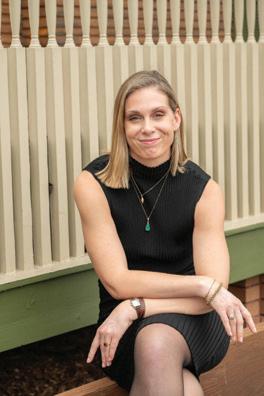
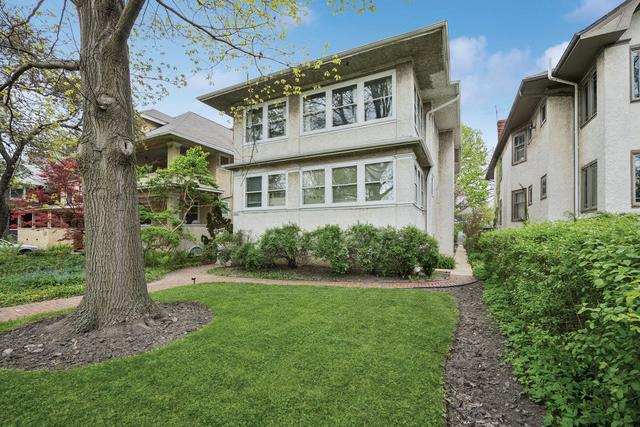


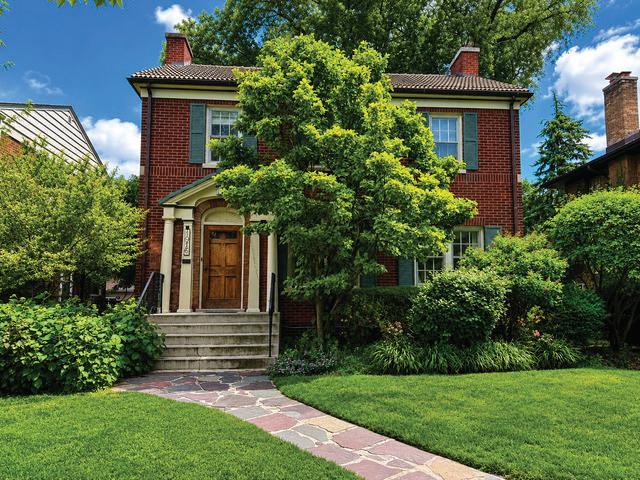

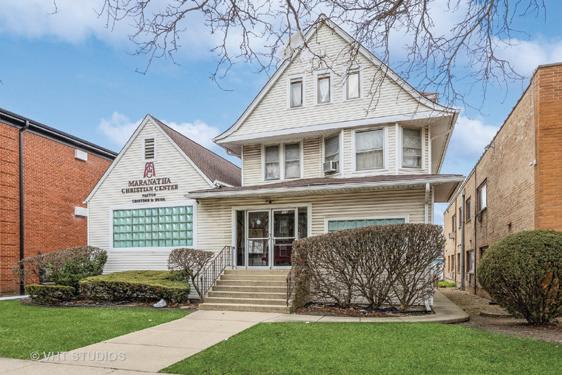
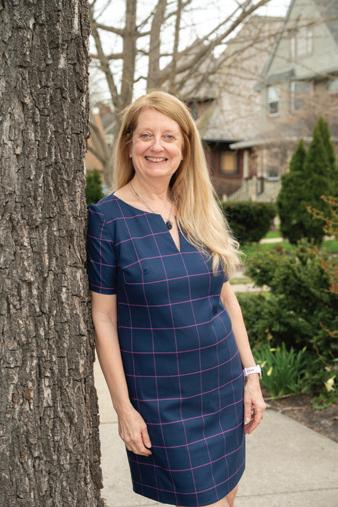

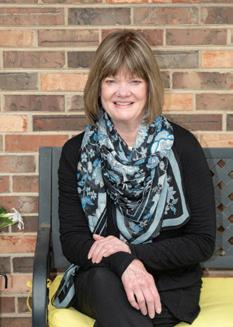
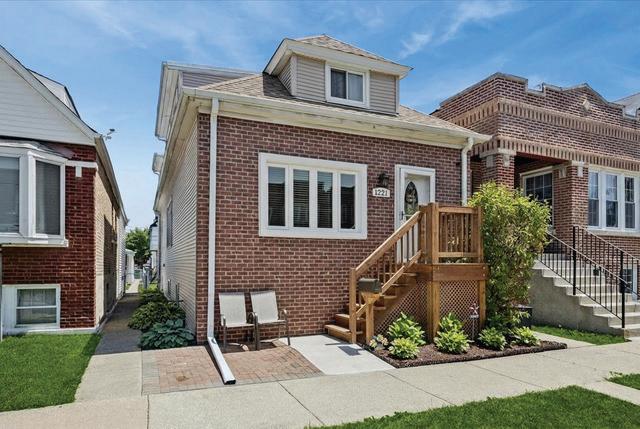





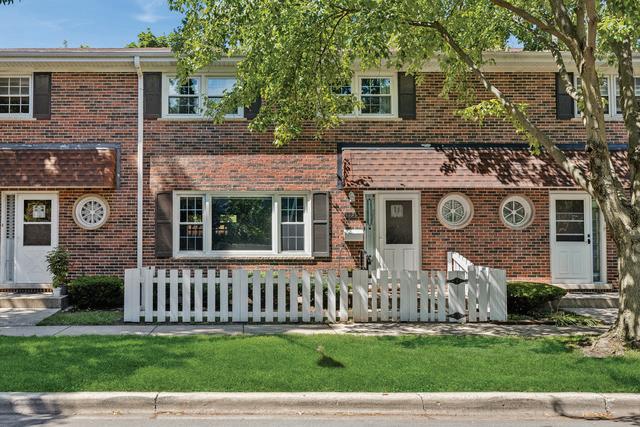
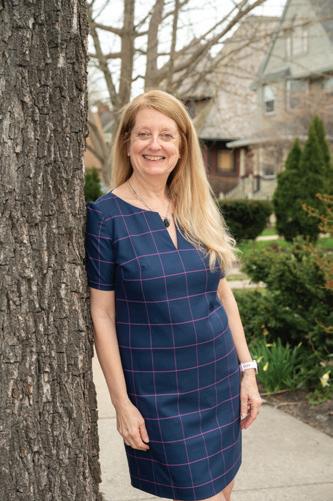

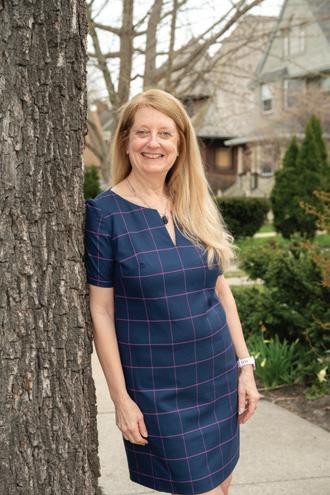
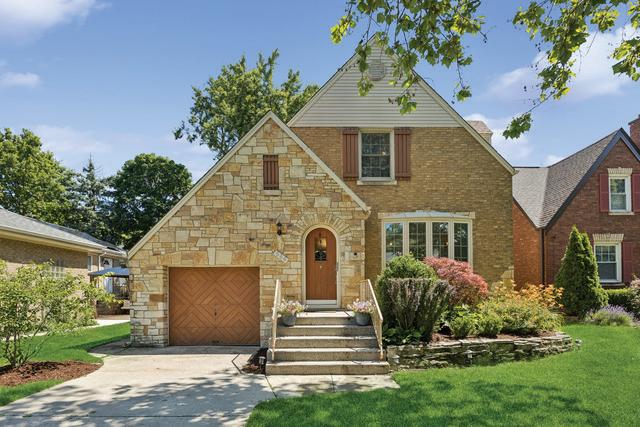


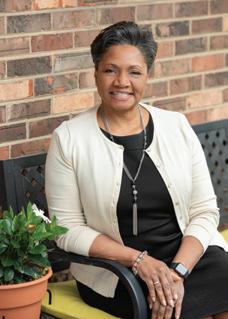
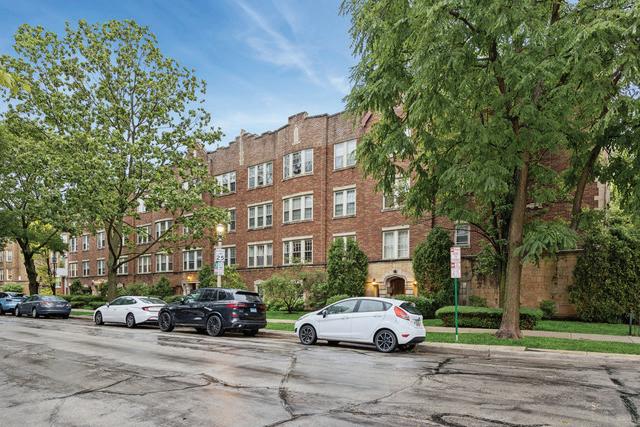
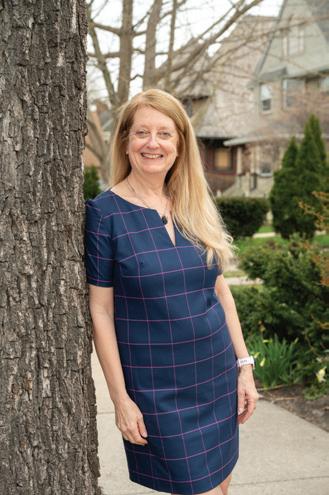
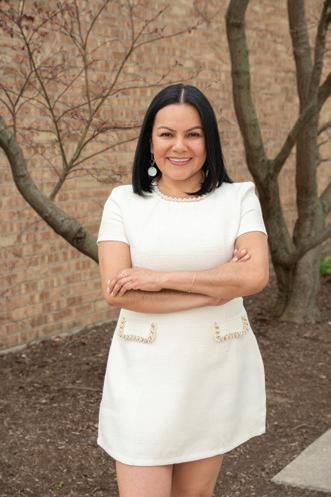





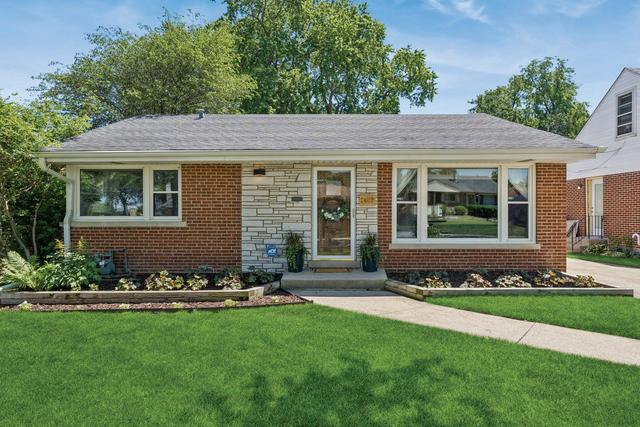

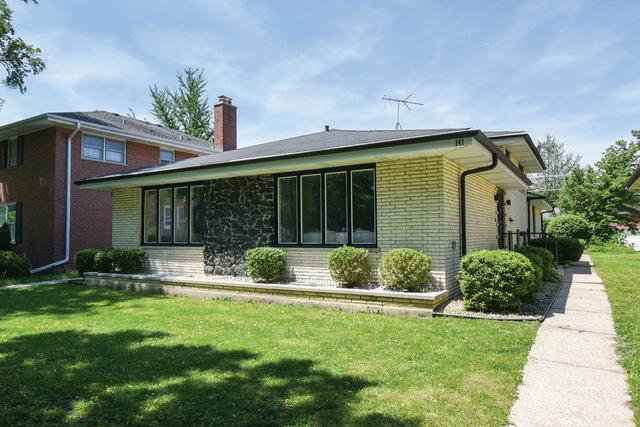



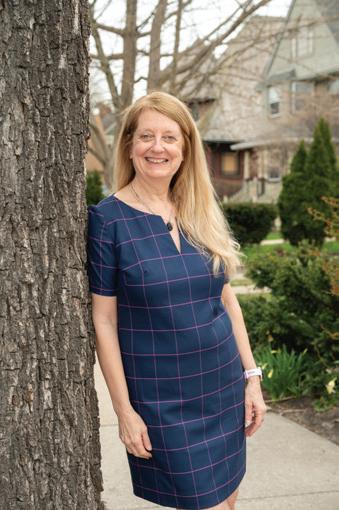

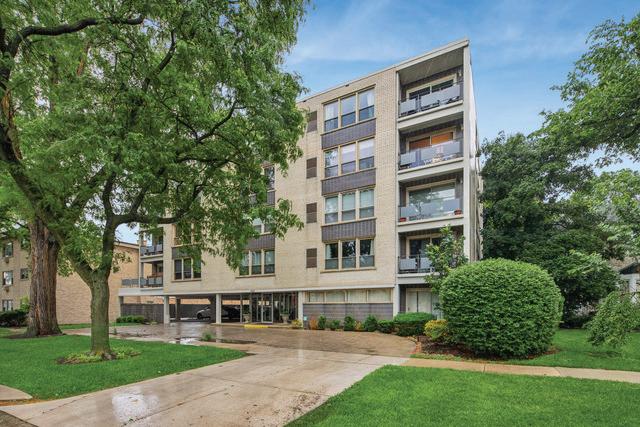





THE AUSTIN COMMUNITY PUBLISHED ITS FIRST QUALITY-OF-LIFE PLAN CALLED AUSTIN FORWARD. TOGETHER. (AFT) IN 2018. THIS QUARTERLY PUBLICATION DESCRIBES HOW AUSTIN COMING TOGETHER (ACT) IS SUPPORTING THE COMMUNITY TO IMPLEMENT AFT AND OTHER EFFORTS. July 8, 2026
AUSTIN FORWARD. TOGETHER. 2026 QUARTER 2
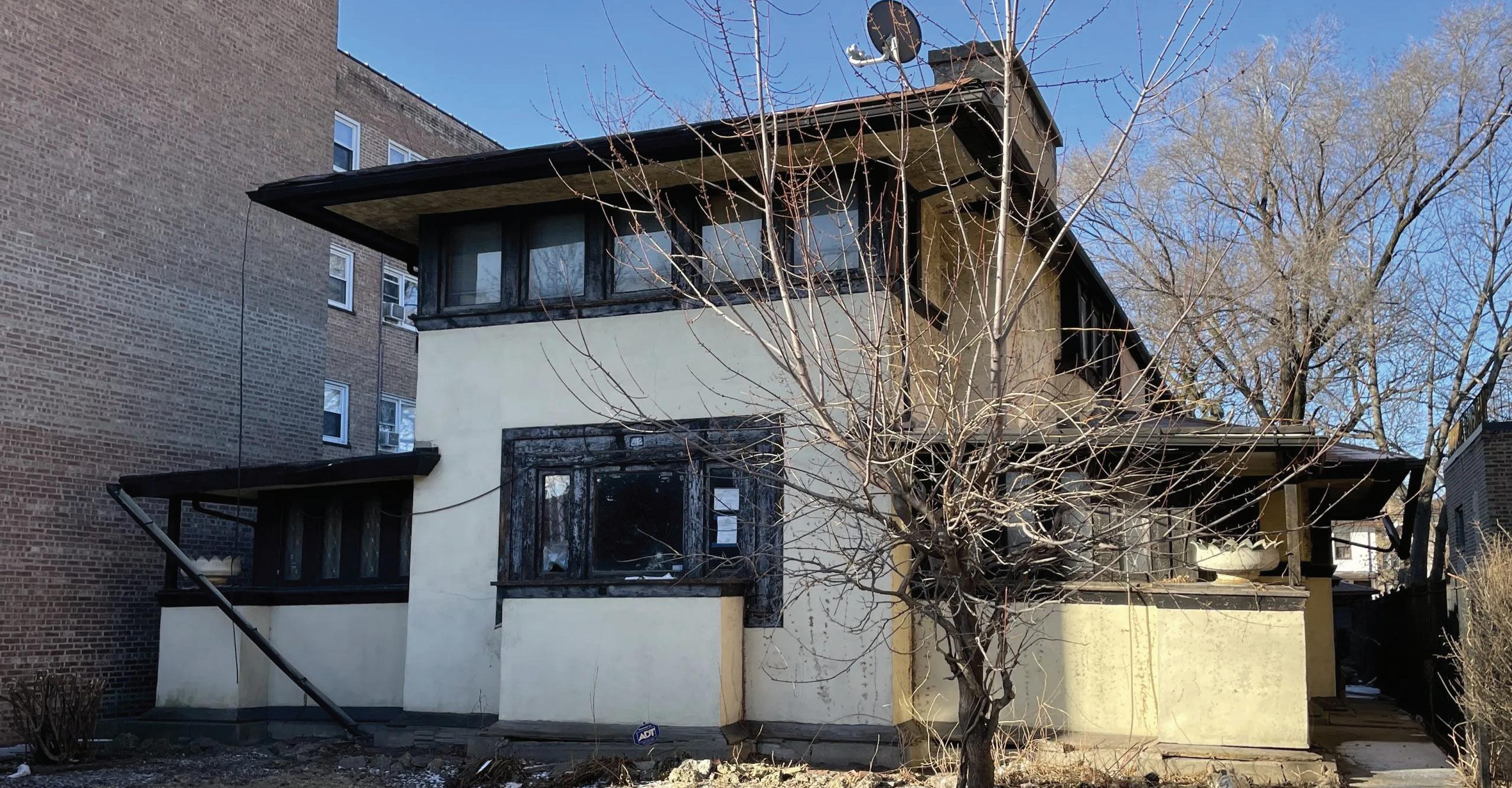

Historic landmark secured on the Westside by Austin Coming Together
THE JOURNEY OF AUSTIN COMING TOGETHER AND THE WALSER HOUSE PAGE B3
ROADMAP: RECLAIMING AN ASSET FOR THE COMMUNITY PAGE B4 THE WALSER HOUSE SAVED BY A WESTSIDE COALITION PAGE B7



Since 2010, Austin Coming Together (ACT) has facilitated collaboration to improve education and economic development outcomes in Chicago’s Austin neighborhood.
Today, we serve a network of 50+ organizations committed to improving the quality of life in the Austin community. Our strategic plan is called Thrive 2025 and outlines how we will mobilize our resources to achieve four impact goals by the year 2025: Quality Early Learning, Safe Neighborhoods, Living Wage Careers, and Stable Housing Markets.
Officers
CHAIR
Larry Williams
Broker, State Farm Insurance
VICE CHAIRMAN
Bradly Johnson
CEO, BUILD Inc.
SECRETARY
Jerrod Williams
Law Clerk, Illinois Appellate Court
TREASURER
LaDarius Curtis
Director of Community Engagement, Greater Chicago Food Depository
EXECUTIVE DIRECTOR
Darnell Shields
Austin Coming Together
Directors
Sharon Morgan
Director of Graduate Support & Community Outreach, Catalyst Schools
Reverend Reginald E. Bachus
Pastor, Friendship Baptist Church
ACT STAFF Naysha Alcala
Data & Systems Analyst
Leadership
Darnell Shields
Executive Director
Research & Evaluation
Andrew Born*
Senior Director of Community Impact
Mia Almond
Research Associate
Operations
Deirdre Bates
Director of Operations
Dearra Williams
Executive Liaison
Londen Mance Office Administrator
Alfred Jackson
Community Liaison/ receptionist
Marsha Williams
Office Clerk
Strategic Initiatives
Sandra Diaz*
Service Delivery Enhancement Manager, Hub @Aspire Center
Emone Moore Engagement Specialist
A House in Austin
Academy of Scholastic Achievement
Austin Childcare Providers Network
Austin Community Family Center
Austin Weekly News (Growing Community Media)
Be Strong Families
Beat the Streets Chicago
Bethel New Life Beyond Hunger BUILD Inc.
By The Hand Club For Kids Cara
Catholic Charities
Chicago Austin Youth Travel Adventures
Chicago Community Loan Fund
City of Refuge
Defy Ventures Illinois
Erikson Institute
Friends of the Children
Friendship Community Development Corp. of Austin
Greater West Town
Community Development
Project
Housing Forward i.c. stars IFF
Tenisha Jones
Executive Management Professional
Reginald Little
Business Development Specialist, Great Lakes Credit Union
Deborah Williams-Thurmond
Founder & CEO, D.W. Provision Consulting Services
Ruth Kimble
Founder & CEO, Austin Childcare Providers Network
Dollie Sherman
Engagement Specialist
Ethan Ramsay* Planning and Investment Manager, Austin Forward Together
Grace Cooper Lead Organizer
Natalie Goodin
Special Projects Manager
Arewa EKUA Community Organizer
Institute for Nonviolence Chicago
Jane Addams Resource Corporation
Kids First Chicago
KRA Westside American Job Center
Learning Edge Tutoring (fka Cluster Tutoring)
Legal Aid Chicago (fka LAF)
Manufacturing Renaissance
Mary Shyrese Daycare
Maryville Academy
Max Komnenich
Associate Principal, Lamar Johnson Collaborative
In Memoriam
BOARD OF DIRECTORS
Jack Macnamara 1937–2020
FOUNDING BOARD CHAIR
Mildred Wiley 1955–2019
La’Shawna Bundy
Community Land Trust Coordinator
Mary White Community Resource Coordinator
Krys Cano Community Resource Coordinator
Ariel Bland Referral Network Coordinator
Mercy Housing Lakefront
New Moms
OAI, Inc.
Oak Park Regional Housing Center
Open Books
PCC Community Wellness Center
Project Exploration
Renaissance Social Services, Inc.
Sarah’s Inn
South Austin Neighborhood
Association
St. Joseph Services
Marketing & Development
Robbie Gorman* Director of Development
Jon Widell
Marketing and Development Specialist
Sydni Hatley
Marketing and Development Specialist
*Also part of the ACT Leadership Team
Westside Health Authority
West Side Forward
St. Leonard’s Ministries
Stone Community
Development Corporation
The Catalyst Schools
The Journey Forward
The North Avenue District, Inc.
Towers of Excellence
UIC Jane Addams College of Social Work
VOCEL
Worldvision
Youth Guidance District, Inc.
Towers of Excellence
UIC Jane Addams College of Social Work
VOCEL
Westside Health Authority
West Side Forward
Worldvision
Youth Guidance
By Darnell Shields Executive Director, Austin Coming Together
In late June 2026, Austin Coming Together acquired the J.J. Walser House –– the Frank Lloyd Wright-designed residence at 42 N. Central Avenue in Chicago’s Austin neighborhood. The acquisition marks a major preservation milestone for Austin, with ACT taking responsibility for the endangered landmark and guiding its next chapter with community accountability and long-term care.
The home, which was designed by Frank Lloyd Wright in 1903 for Joseph J. and Grace Walser, is a rare example of Wright’s Prairieperiod residential work in the city of Chicago. It is a designated Chicago Landmark, listed on the National Register of Historic Places, and is Wright’s only single-family residence on Chicago’s West Side. The Walser House has benefited from generations of stewardship, including nearly five decades of care by Hurley and Anne Teague, who purchased the home in 1970. Following Anne Teague’s passing in 2019, the property entered a period of vacancy and uncertainty, underscoring the need to protect the home and carry forward its legacy.
For ACT and its partners, the acquisition is not only about preserving a Frank Lloyd Wright-designed home. It is also about recognizing the Walser House as part of Austin’s future. As steward of the Austin Forward. Together. quality-of-life plan and Austin’s Central Avenue Plan, ACT sees the house as a valuable asset with the potential to anchor the preservation of history, and the opportunity for more cultural and educational experiences along one of the neighborhood’s key corridors. The Walser House was a dot on a map in the Qualityof-life plan back in 2018, and we see this as a full circle moment for the community, and the vision and direction that had been set out for Austin all of those years ago. Further, this acquisition continues the momentum and transformation taking place on Central Avenue, moving the Central Avenue Action Plan fully into implementation, preserving a piece of Austin’s rich history and beginning a journey that mirrors the trajectory of the community.
This moment has been years in the making. Along the way, we have navigated a complex process, outside development pressures, severe weatherization, foreclosure, and a myriad of financial and maintenance hurdles. Through bringing both preservation leadership and a longstanding commitment to Austin, we are ready to usher in the next chapter.
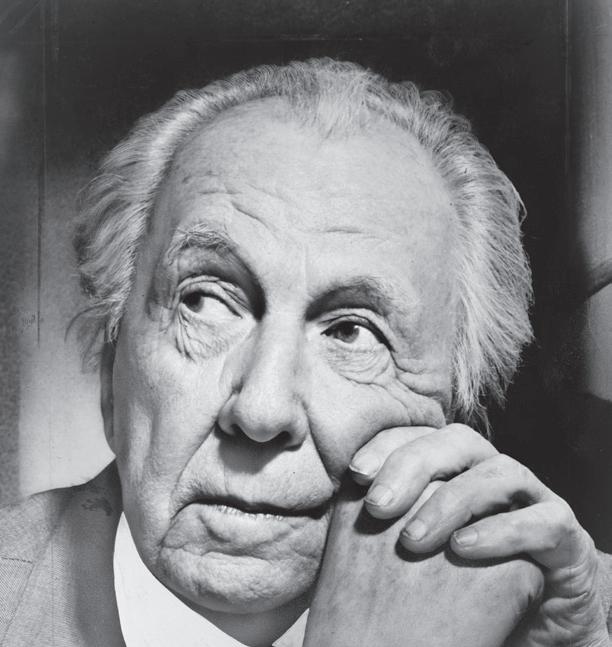




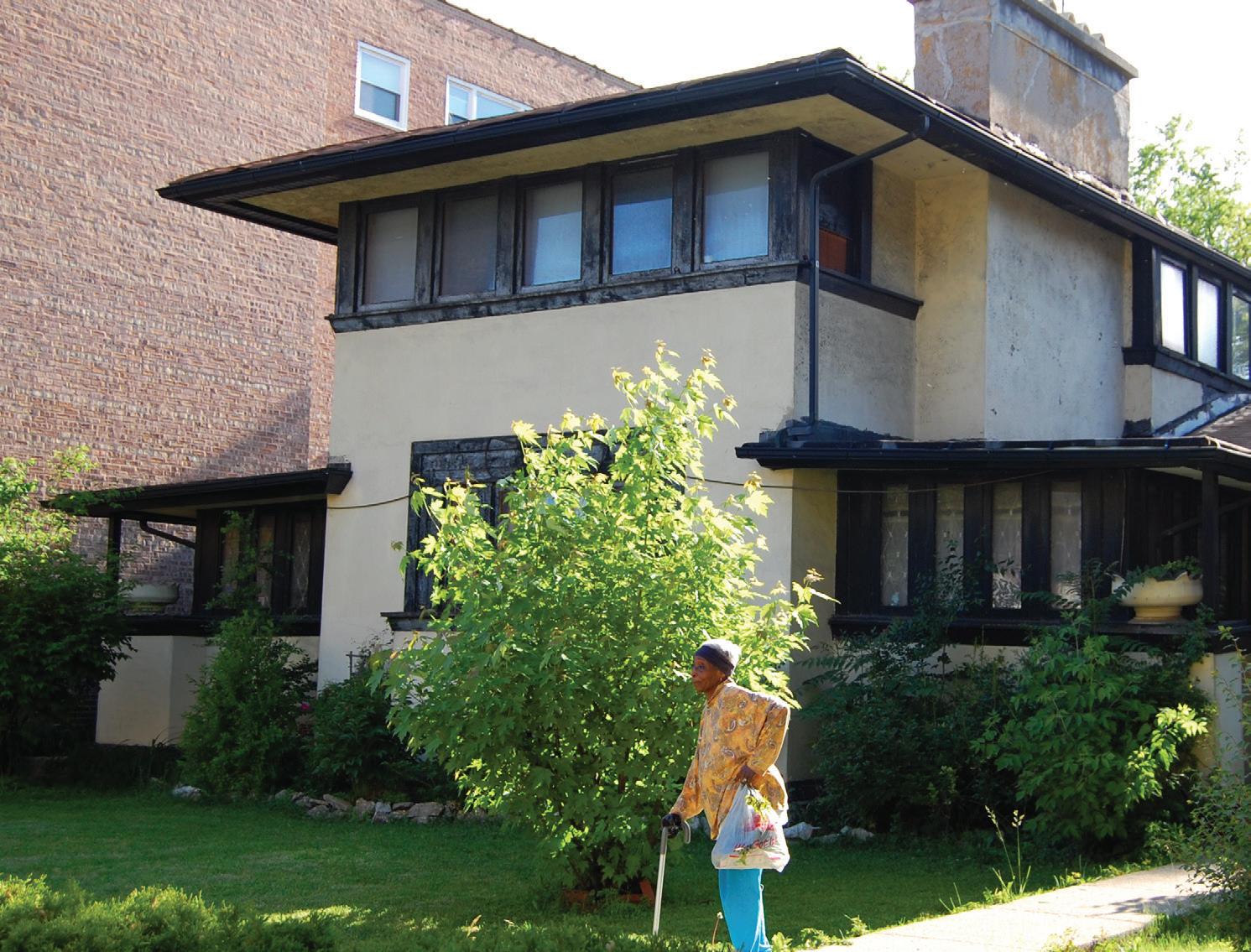
Reclaiming an asset for the community entails a lot of work: stabilization, community engagement, development, in addition to navigating the complexities involved with acquiring a property that has a rich history; it requires time and patience. We are now entering the next phases of this process, after acquisition, and while this process is demanding, we are excited for the opportunity and privilege that has presented itself to restore an iconic home in Austin.
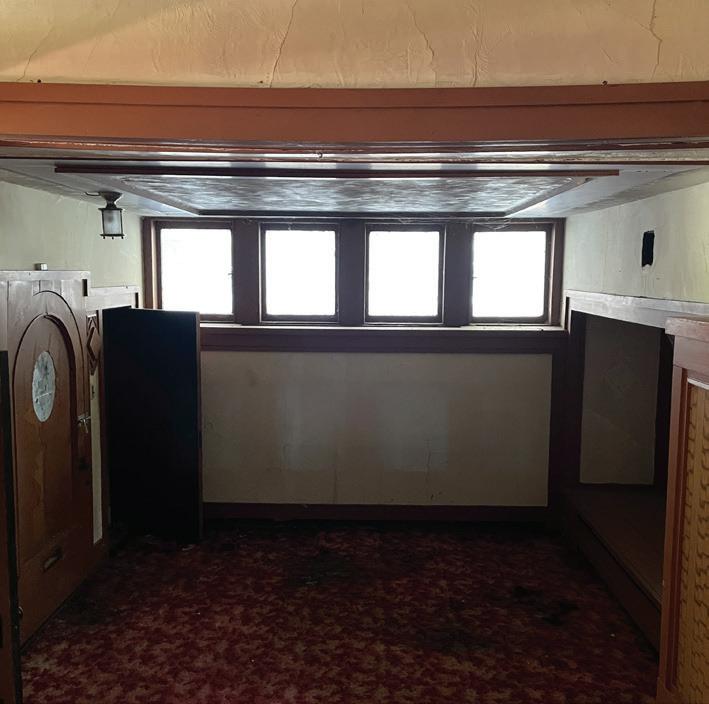
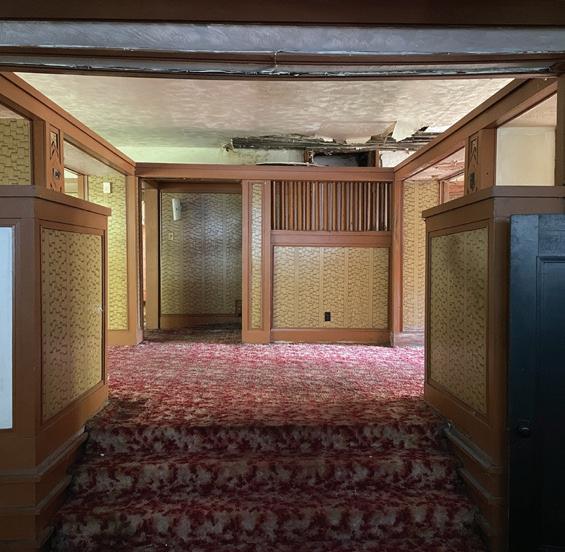
Stabilization is the first critical step. This work focuses on addressing the immediate physical needs of the property to prevent further deterioration while continuing to assess the home’s long-term restoration needs.
Early priorities include weatherproofing the roof to protect the home from elements, working with architects and engineers to develop and execute a plan to support the structural foundation and addressing environmental concerns that resulted from years of deferred maintenance. The stabilization efforts will help ensure the Walser House is protected and prepared for future restoration and reuse. .
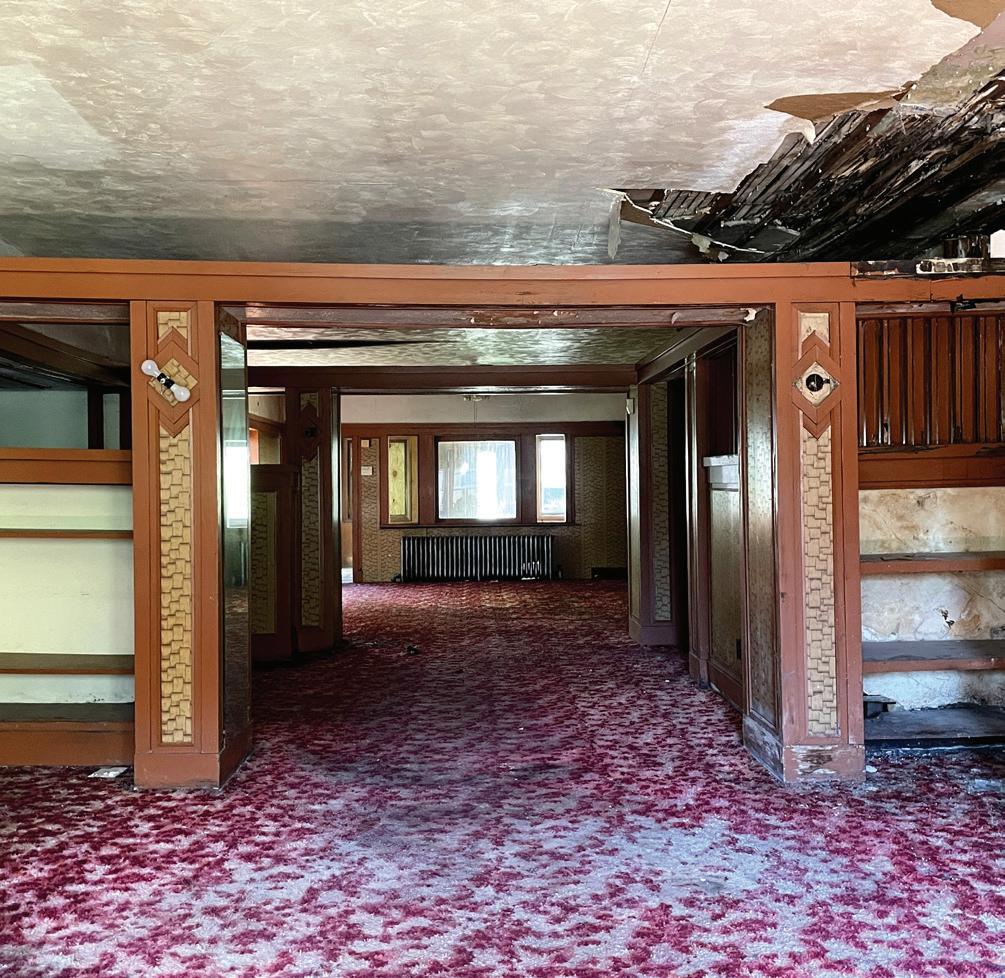
The Walser House is more than just an architectural project, reclaiming this asset for Austin is a tool for community equity, furthering the revitalization of Central Avenue, and honoring previous stewards of the property, like the Teague family. The home has tremendous potential to serve as a cultural hub and multi-use space that reflects the needs, history, and aspirations of Austin residents. Additionally, its architectural significance also creates opportunities for tourism associated with the architectural appeal of Frank Lloyd Wright, while preserving and sharing the important history connected to the former resident owners and the Austin community.
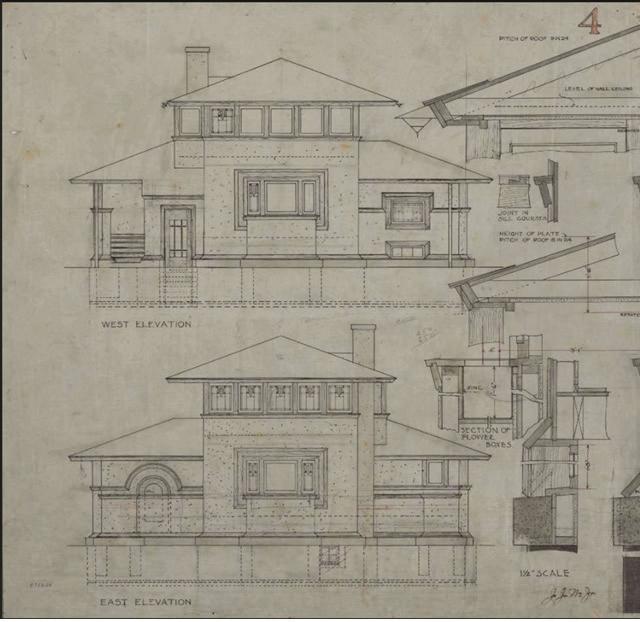
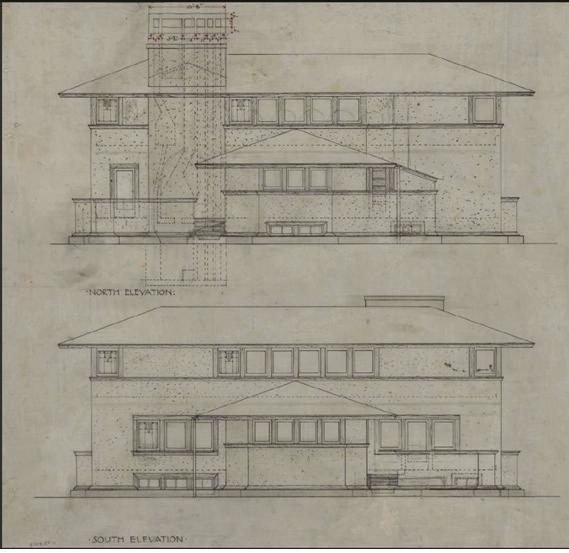
This is an exciting and complex adaptive re-use development project that will require strong partnerships, a massive fundraising e ort, and deep community engagement.
The development will occur in multiple phases. ACT is well positioned to lead this project, as the new owner of the home, building on our successes stewarding assets for the community, including the Aspire Center for Workforce Innovation. ACT will ensure this process has community accountability, input, and the longterm care and development that is required. .
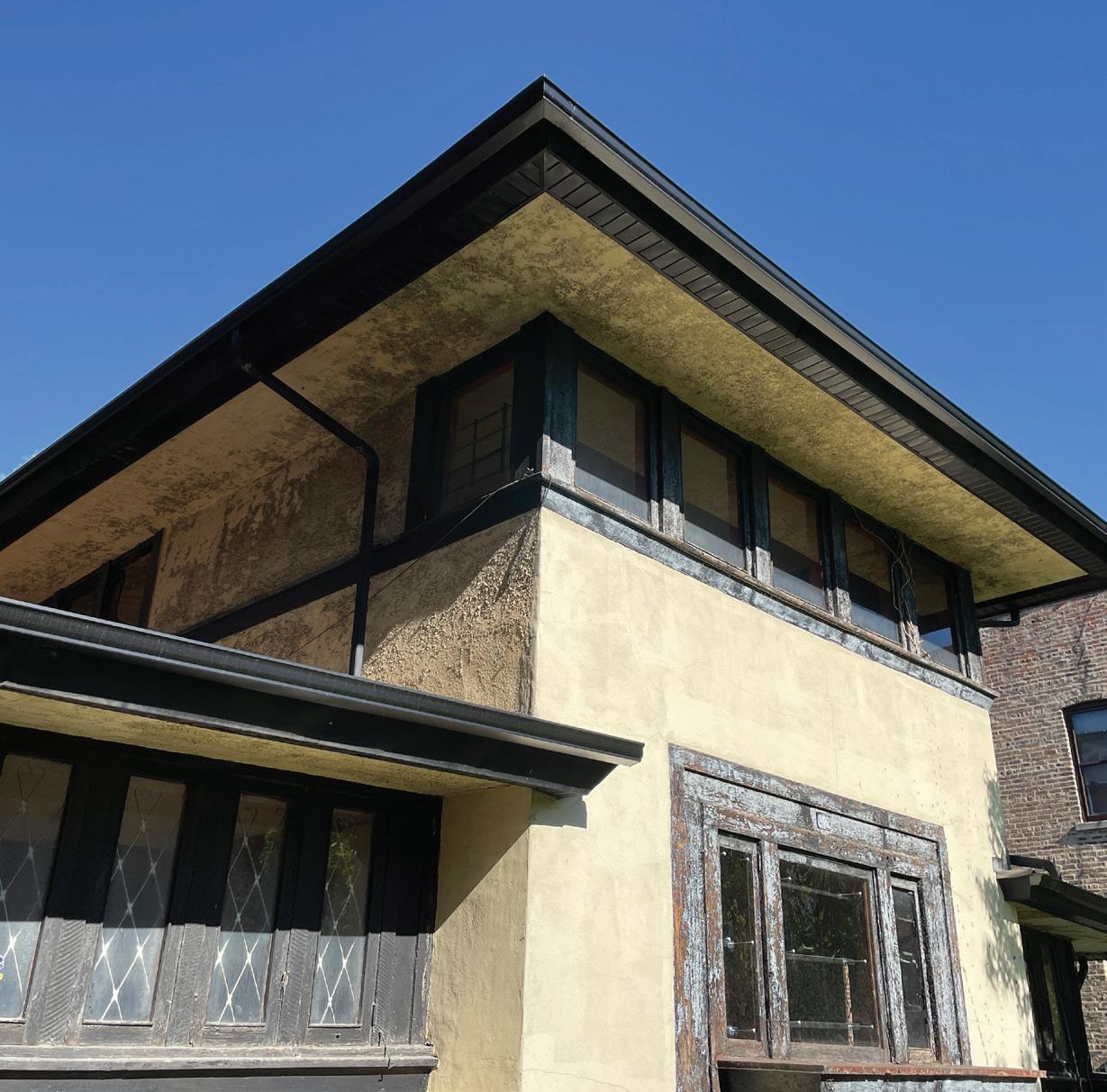
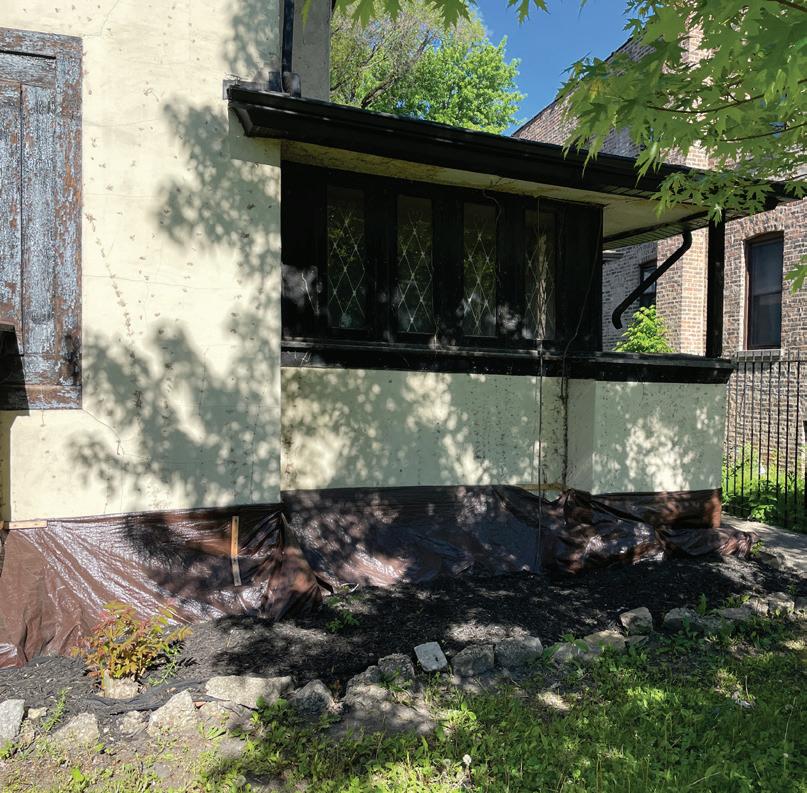
The acquisition reflects a broad coalition e ort to move the house from uncertainty into stewardship. The stewardship is a permanent long-term phase of ownership that is unique to an acquisition of this nature. Unlike standard real estate ventures that end when construction finishes, ownership and acquisition of a landmark is an ongoing responsibility. Austin Coming Together is honored to take on this project and maintain, protect, and manage the Walser House to restore it to its former status, and see it become a contributor to Austin continuing to thrive.
With the release of the AFT Highlighted Agenda, ACT is going “on the road!” Our team will be on tour and available to co-host discussions about the new phase of Austin’s AFT quality-of-life plan and its vision and strategy, with block clubs, churches, community organizations, coalitions, etc. Other ways we’ll ensure to update the community on the progress of implementing the Highlighted Agenda are through newspaper sections like this, emails, and social media.

Community Narrative
TASK FORCE CHAIRS
Kenneth Varner
Healthy Schools Campaign
Dearra Williams
Austin Coming Together
Reesheda Nicole Berry
The Kindred Civic Arts Forum
STRATEGY LEADS
Cindy Gray Schneider Spaces-n-Places
Maria Sorrell
Community Resident
Megan Hinchy
Ann & Robert H. Lurie
Children’s Hospital of Chicago
Andraya Yousfi By the Hand Club for Kids
Jai Jones
United Way and Community Resident
Adrienne Otkins Community Resident
Michael Romain The Culture
Keli Stewart Front Porch Arts Center
Imani Lewis Civic Researcher
Kenn Cook Westside Historical Collective
TASK FORCE CHAIR
Roxanne Charles West Side Forward
STRATEGY LEADS
Emily Peters
Jane Addams Resource Corporation
Tina Augustus Community Resident
Melissa O’Dell Defy Ventures
Fanya Buford-Berry Community Resident
Baxter Swilley Community Stakeholder
Ed Coleman Austin Chamber of Commerce
Nikea Banks Community Resident
Education
TASK FORCE CHAIR
Charles Anderson Michele Clark High School
STRATEGY LEADS
Pam Price Director of Parent University
Ruth Kimble Austin Childcare Providers Network
Cata Truss Community Resident

Housing
TASK FORCE CHAIRS
Athena Williams Oak Park Regional Housing Center
Allison McGowan Community Resident
STRATEGY LEADS
Shirley Fields Community Resident
Rosie Dawson Westside Health Authority
Public Safety
TASK FORCE CHAIRS
Langston Harris Project Exploration
Deondre Rutues Rutues Center for Business & People Development
STRATEGY LEADS
Edwina Hamilton BUILD Inc.
Jose Abonce The Policing Project
Ruby Taylor Taproots, Inc.
Youth Empowerment
TASK FORCE CHAIR
Kenya Hawkins Community Stakeholder
STRATEGY LEADS
Aisha Oliver Root2Fruit
Helen Slade Territory NFP
Dollie Sherman Austin Coming Together
Chris Thomas YourPassion1st
Civic Engagement
TASK FORCE CHAIR
Deborah Williams-Thurmond
D.W. Provision
Consulting Services
The journey to rescue the historic JJ Walser House has reached a monumental turning point. The acquisition by Austin Coming Together reflects a broad coalition e ort and marks a critical shift from uncertainty into stewardship.
Without the commitment from a broad coalition: the Frank Lloyd Wright Conservancy, Landmarks Illinois, Preservation Chicago, City of Chicago Historic Landmarks Division, Austin Forward. Together, and the Teague Family this historic moment would not be possible. Their work has helped the asset in the hands of the community.
This acquisition reflects years of coordinated e orts to rescue the property from foreclosure and neglect. Civic and community partners, including Fannie Mae and the Community Investment Corporation, worked alongside community stakeholders and preservation partners to secure a pathway for the property’s transfer to ACT so the community can benefit from it.
Moving forward, we are committed to and focused on the long-term stabilization of the home. This is an outcome preservation advocates described as significant for both the landmark and the West Side community. t

We commend Austin Coming Together for its vision and determination to preserve the J.J. Walser House, a nationally recognized architectural and cultural asset on Chicago’s West Side.
KENDRA PARZEN, LANDMARKS ILLINOIS ADVOCACY MANAGER
ACT understands the potential waiting to be unlocked by revitalizing this landmark Frank Lloyd Wright design, celebrating Austin as a destination for notable architecture. The organization’s deep roots in the community mean they know the rich stories the house can tell about how it has changed over time, and what Austin residents envision for its future.
BARBARA GORDON, EXECUTIVE DIRECTOR OF THE FRANK LLOYD WRIGHT BUILDING CONSERVANCY


Austin Coming Together’s acquisition of Frank Lloyd Wright’s Walser House will be transformative for both the home and the community.
WARD
MILLER, EXECUTIVE DIRECTOR OF PRESERVATION CHICAGO