The Rise of DLC Servers in Next-Gen Data Center Cooling Infrastructure
The demand for high-performance computing is accelerating rapidly across Canada, driven by artificial intelligence workloads, cloud expansion, and data-heavy applications. Traditional airbased cooling methods struggle to keep pace with rising heat densities in modern IT environments. This has created strong momentum for DLC servers as a next-generation approach to thermal management in advanced data centers. A well-positioned to adopt direct liquid cooling technology due to cooler ambient conditions, rising sustainability targets, and increasing pressure to reduce energy consumption in large-scale digital infrastructure.
What Are DLC Servers in Modern Data Centers?
Understanding Direct Liquid Cooled Servers
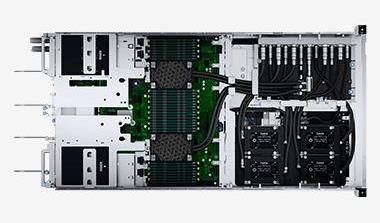
DLC servers are computing systems designed with integrated liquid-based thermal management. Instead of relying solely on air movement, these systems use specialized liquid to remove heat directly from high-performance components such as CPUs and GPUs.
This approach is fundamentally different from legacy cooling architectures and is considered one of the most efficient advanced server cooling solutions available today.
Direct Liquid Cooling Technology Explained
At the core of this innovation is direct liquid cooling technology, in which heat is transferred from electronic components to a circulating coolant. This method significantly reduces thermal resistance and allows servers to operate at higher densities without overheating.
Role of Liquid Loop Cooling Systems
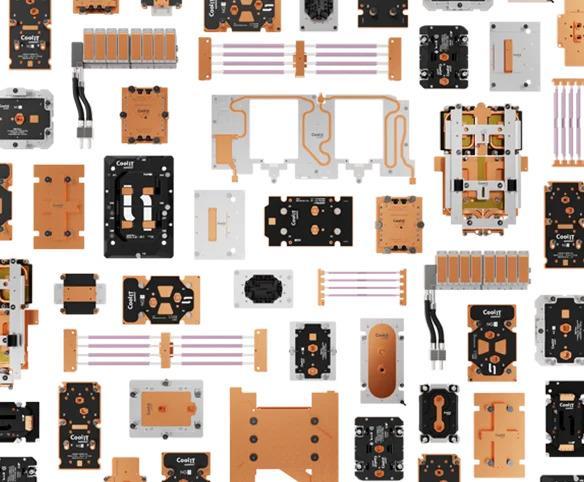
The heated liquid is then transported to a heat exchanger where it is cooled and recirculated. Modern liquid loop cooling systems circulate coolant through sealed pathways, absorbing heat from cold plates mounted on processors. This closed-loop process minimizes water waste and enhances operational efficiency.
Why Are Data Centers Rapidly Adopting DLC Servers?
Growing Demand for High-Density Computing
Canada is experiencing increased demand for AI training clusters, machine learning workloads, and edge computing deployments. These applications generate extreme heat loads that traditional air cooling systems struggle to manage effectively. Professional DLC servers enable operators to increase rack density without compromising thermal stability, making them ideal for next-gen infrastructure.
Energy Efficiency and Sustainability Goals
Many Canadian provinces have strict energy-efficiency and carbon-reduction targets. Liquidbased cooling significantly reduces reliance on energy-intensive HVAC systems, lowering overall power usage in data centers.
Key Benefits of DLC Servers in Next-Gen Infrastructure
Higher Computing Density
One of the most significant advantages of DLC servers is the ability to support higher rack densities. This is essential for AI workloads and high-performance computing clusters that require maximum processing power in minimal physical space.
Reduced Energy Consumption
By eliminating or reducing dependence on traditional air-cooling systems, data centers can significantly reduce energy use. This leads to lower operating costs and improved sustainability metrics.
Improved Thermal Stability
Liquid-based cooling provides more consistent and predictable thermal control compared to air cooling. This stability improves hardware reliability and extends equipment lifespan across Canada.
Support for Advanced Server Cooling Solutions
As workloads become more complex, advanced server cooling solutions are necessary to maintain performance. DLC systems are designed specifically for next-generation computing environments that require efficient heat removal at scale.
Role of CoolIT Systems in DLC Server Innovation
In the evolution of liquid cooling infrastructure, CoolIT Systems has played a significant role in developing scalable direct liquid cooled servers and enterprise-grade cooling technologies tailored for high-density computing environments.
Challenges in Implementing DLC Servers
Infrastructure Compatibility
Transitioning from air cooling to DLC systems often requires significant infrastructure redesign. Existing data centers may need retrofitting to accommodate liquid distribution units and heat exchange systems.
Higher Initial Investment
While DLC systems offer long-term savings, the upfront capital investment can be higher compared to traditional cooling solutions. This includes specialized hardware, installation, and system integration costs.
Maintenance and Operational Expertise
Liquid-based systems require specialized maintenance protocols and trained personnel to manage coolant loops, detect leaks, and ensure system integrity.
Standardization Across the Industry
As adoption grows, standardization of components and protocols is still evolving. This can create integration challenges for multi-vendor environments.
The Future of DLC Servers in Canadian Data Centers
The future of digital infrastructure is increasingly aligned with liquid-based thermal management. As AI, cloud computing, industrial equipment, and edge technologies continue to expand, DLC servers are expected to become a foundational element of next-generation data centers.
Advancements in direct liquid cooling technology will likely lead to even more efficient systems capable of handling higher heat loads with minimal environmental impact. Hybrid cooling architectures combining air and liquid systems may also become more common during the transition phase.
Their engineering focus on rack-level and chip-level cooling integration supports data centers transitioning toward liquid-based infrastructure. CoolIT Systems has helped make DLC adoption more practical for enterprise and hyperscale deployments across North America, including Canada.
FAQ: Direct Liquid Cooling and DLC Servers
What makes direct liquid cooled servers different from traditional servers?
Direct liquid cooled servers use liquid-based thermal management instead of air cooling, allowing heat to be removed more efficiently from high-performance components.
How does direct liquid cooling improve data center efficiency?
It reduces reliance on energy-intensive air conditioning systems, lowers overall power consumption, and improves thermal stability across server environments.
Are DLC servers suitable for AI and high-performance workloads?
Yes, DLC servers are well-suited for AI, machine learning, and HPC workloads due to their ability to handle extreme heat densities effectively.
What types of cooling systems are used in DLC infrastructure?
Most systems rely on liquid loop cooling systems that circulate coolant through cold plates and heat exchangers in a closed-loop design.
Conclusion
DLC servers are reshaping how modern data centers manage heat in high-density computing environments. With rising demand for AI, cloud, and edge workloads in Canada, direct liquid cooled servers are becoming a practical and scalable solution. Their efficiency, stability, and sustainability advantages make them a strong fit for next-gen infrastructure. As adoption grows, liquid-based cooling will continue to redefine performance standards in data center design.
To explore advanced data center infrastructure solutions and locate nearby facilities for modern cooling technologies are being implemented in real-world environments.