Direct Liquid Cooling Servers for

Artificial intelligence platforms rely on powerful processors and GPU-intensive computing systems that generate substantial heat during continuous operation. As organizations expand AI adoption, data center environments must support higher processing densities without compromising hardware reliability. Traditional airflow systems often struggle to dissipate concentrated heat quickly enough in these environments. Direct liquid cooling technology helps address this challenge by removing heat more efficiently at the component level. This allows enterprise infrastructure to maintain stable performance under demanding computational workloads.
Modern enterprise environments are designed to maximize processing capacity within limited physical space. Higher rack density improves operational efficiency but also increases thermal pressure across the infrastructure. Excessive heat can reduce hardware lifespan, increase maintenance requirements, and create operational instability if not managed effectively. Advanced server cooling solutions are helping organizations maintain consistent thermal performance while supporting infrastructure growth. Efficient heat management is now considered a critical part of enterprise scalability planning.
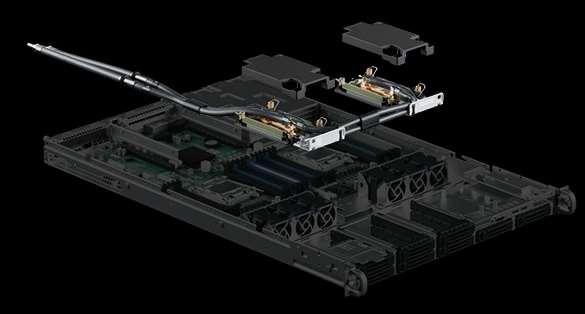
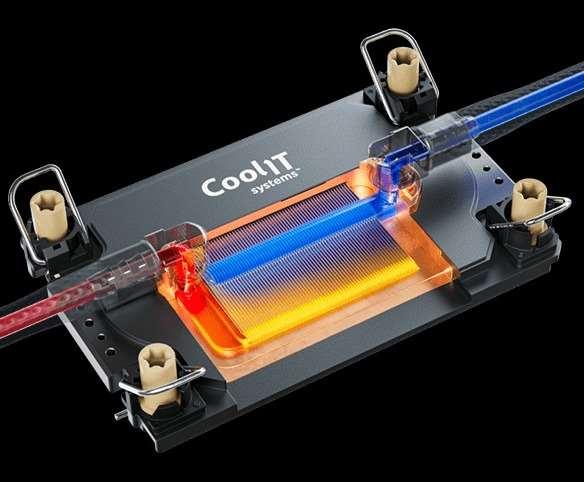
Direct liquid cooling servers transfer heat away from processors and GPUs using liquid-assisted thermal management rather than relying entirely on ambient airflow. Because liquid conducts heat more efficiently than air, these systems can maintain lower temperatures even during heavy computational activity. This targeted heat removal process reduces thermal fluctuations that may otherwise affect performance stability. Enterprise facilities can maintain more predictable operating conditions across high-density environments. Improved temperature consistency also contributes to longer hardware life cycles and better operational reliability.
Cooling infrastructure is often one of the largest operational expenses in a data center environment. Traditional airflow systems require significant power to operate fans, chillers, and environmental control equipment continuously. Liquid loop cooling systems help reduce this burden by improving heat-transfer efficiency and minimizing unnecessary energy use. Lower cooling demand can reduce operational costs and improve sustainability performance across enterprise facilities. Calgary organizations focused on long-term infrastructure efficiency are increasingly evaluating these technologies as part of modernization initiatives.
Enterprise infrastructure must be designed to support evolving workload demands without requiring constant redesign or costly facility upgrades. Direct liquid cooling technology allows businesses to scale computing capacity more efficiently while maintaining stable thermal conditions. This flexibility is especially important for organizations supporting cloud applications, analytics platforms, and AI-driven operations. Modern cooling architecture enables higher-density deployments without significantly increasing environmental strain. Scalable thermal infrastructure helps enterprises prepare for future operational growth with greater confidence.
Infrastructure resilience becomes increasingly important as organizations depend on uninterrupted access to digital systems and enterprise applications. Heavy computational demand can create thermal spikes that impact hardware performance and increase the risk of downtime. Reliable direct liquid cooling servers provide more consistent thermal regulation during periods of intense activity. This improves uptime, operational continuity, and system reliability across enterprise environments. Reliable thermal management is becoming a strategic requirement for modern infrastructure operations.
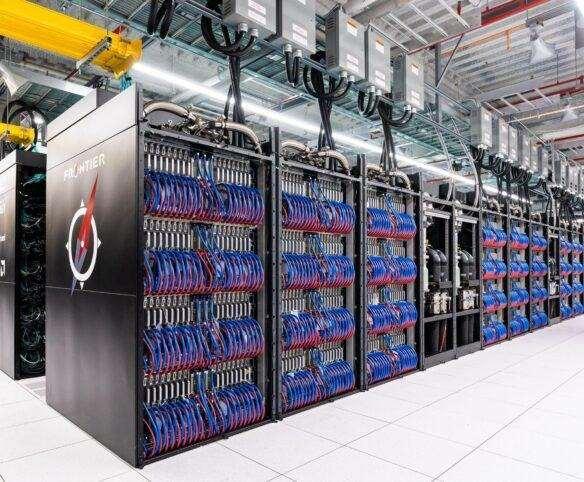
Liquid loop cooling systems circulate coolant through closed-loop environments designed to absorb and transfer heat efficiently away from critical components. These systems provide targeted thermal control across server environments where concentrated heat loads are common. By reducing dependence on room-level airflow management, organizations can optimize infrastructure layouts more effectively. Improved thermal distribution also enables facilities to maintain stable operating conditions while reducing overall energy consumption. This approach supports both operational performance and infrastructure sustainability objectives.
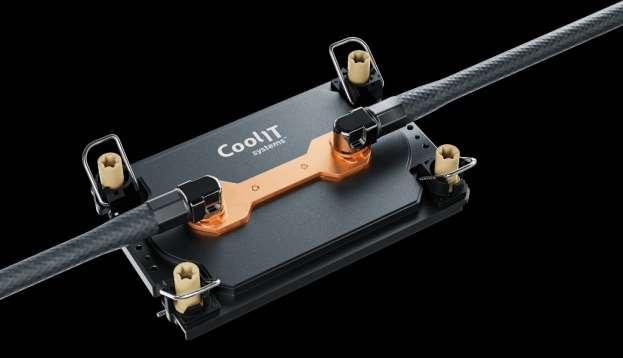
Calgary businesses continue investing in digital transformation initiatives, cloud infrastructure, and enterprise-scale analytics platforms that require reliable computing environments. As infrastructure complexity increases, organizations are placing greater emphasis on advanced server cooling solutions that support operational resilience and long-term scalability. Efficient thermal management contributes directly to infrastructure reliability, energy optimization, and workload performance. Businesses evaluating future-ready data center environments are increasingly prioritizing intelligent thermal strategies. Modern infrastructure planning now includes thermal efficiency as a key operational consideration.
Many enterprise facilities located near southeast Calgary business corridors, such as Deerfoot Trail and Quarry Park, benefit from improved accessibility for infrastructure deployment and ongoing maintenance operations. Convenient transportation access simplifies logistics coordination, equipment servicing, and long-term operational planning for expanding data center environments. Organizations evaluating modern cooling infrastructure can also use local maps to access Calgary’s growing number of direct liquid cooling servers and nearby business districts. Efficient accessibility often contributes to smoother deployment timelines and reduced operational disruption. Strategic location planning continues to support the development of scalable enterprise infrastructure across the region.
Modern data center environments increasingly rely on real-time monitoring systems that track temperature, coolant flow, and equipment performance across enterprise infrastructure. These intelligent thermal management systems provide operators with actionable insights that improve operational decision-making and predictive maintenance planning. Automated adjustments help optimize cooling performance based on workload demand and environmental conditions. This level of control improves efficiency while reducing unnecessary energy consumption. Advanced monitoring capabilities are becoming standard features within scalable enterprise infrastructure environments.
Sustainability goals are influencing how businesses design and operate modern data center facilities. Scalable direct liquid cooling servers help reduce overall energy consumption while supporting higher-density computing environments more efficiently than traditional airflow systems. Lower power usage contributes to reduced environmental impact and improved longterm operational value. Many organizations now view efficient thermal infrastructure as both a performance advantage and a sustainability initiative. As enterprise workloads continue evolving, environmentally conscious infrastructure planning will remain an important operational priority.
Direct liquid cooling servers use liquid-assisted thermal management to remove heat directly from processors and GPUs. This helps maintain stable operating temperatures in highperformance computing environments.
Why are liquid loop cooling systems important?
Liquid loop cooling systems improve heat transfer efficiency and reduce reliance on traditional airflow-based cooling methods. They help enterprise facilities manage high-density workloads more effectively.
Are advanced server cooling solutions energy efficient?
Yes, advanced server cooling solutions improve thermal efficiency and reduce operational energy demands compared to conventional cooling methods. This can lower long-term operating costs.
Why are Calgary enterprises adopting modern cooling infrastructure?
Calgary enterprises are expanding AI, cloud, and analytics operations that require more efficient thermal management. Modern cooling infrastructure supports reliability, scalability, and operational performance.
The increasing demands of AI processing, cloud computing, and high-density enterprise infrastructure are reshaping how organizations approach thermal management and operational scalability. Traditional airflow systems are no longer sufficient to maintain consistent performance in modern computing environments with concentrated heat loads. Nextgeneration Direct liquid cooling servers provide a more efficient and reliable solution for managing these evolving infrastructure challenges while improving long-term operational stability.
For enterprise organizations across Calgary, investing in intelligent thermal infrastructure is becoming essential for future-ready operations. Direct liquid cooling technology, liquid loop cooling systems, and advanced server cooling solutions are helping businesses support scalable computing environments with greater efficiency and resilience. As infrastructure demands continue growing, modern thermal management strategies will remain critical for maintaining performance, sustainability, and operational continuity.