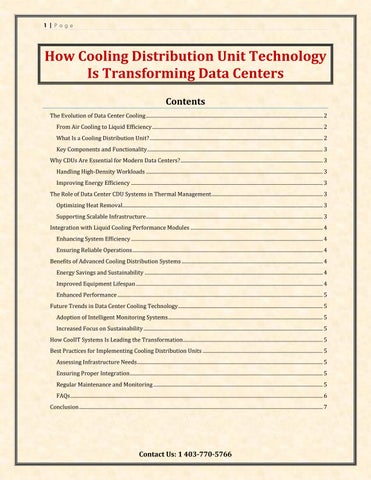
The rapid expansion of cloud computing, artificial intelligence, and high-performance computinghasplacedunprecedenteddemandsonmoderndatacenters.Asworkloadsgrow morecomplex,traditionalair-basedcoolingmethodsarestrugglingtokeepupwithrising heat densities. Thisshift has made advanced cooling technologies not just an option buta necessity. By enabling better heat removal and improved operational efficiency, these systemsarereshapinghowdatacentersapproachthermalmanagement.
The Evolution of Data Center Cooling From Air Cooling to Liquid Efficiency
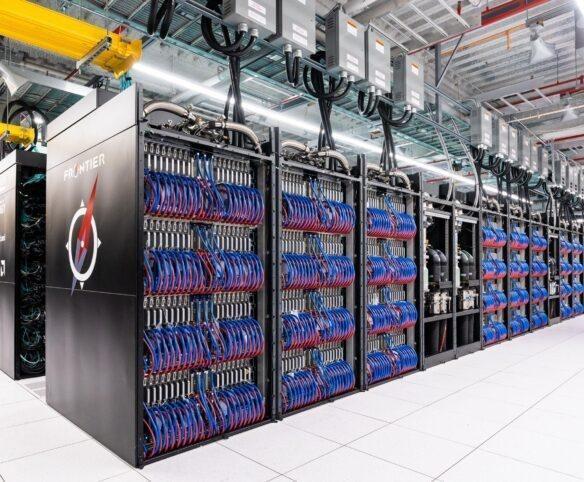
For decades, air cooling has been the standard in data centers. While effective for lowerdensity environments, it becomes inefficient as server racks generate more heat. Highdensity computing environments demand faster and more direct heat transfer, which is whereliquidcoolingcomesintoplay.Ahigh-performancecoolantdistributionunitenables thistransitionbycirculatingcoolantdirectlytoheat-generatingcomponents.
What Is a Cooling Distribution Unit?
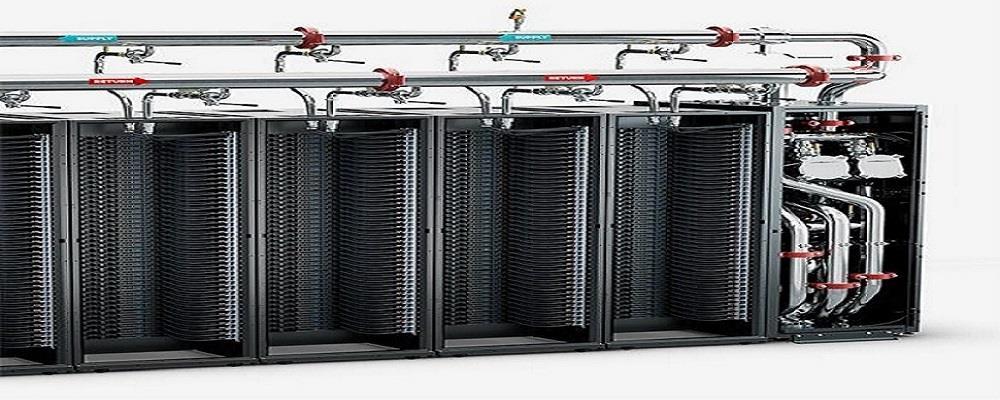
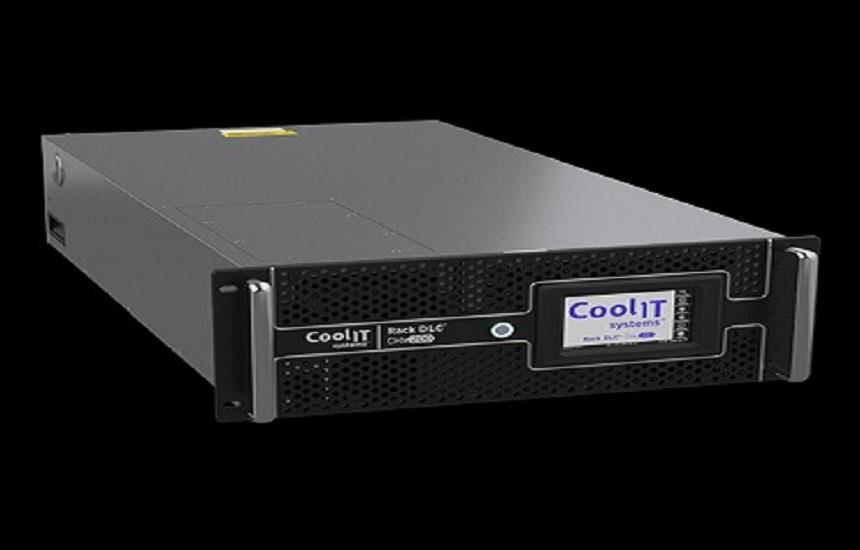
Thesesystemsareengineeredtointegrateseamlesslywithserverracks,providingtargeted cooling exactly where it is needed. By doing so, they help maintain optimal operating conditionsevenunderheavyworkloads.Acoolingdistributionunitisacentralizedsystem that managestheflow,temperature, andpressureofcoolant deliveredtoITequipment. It serves as the backbone of liquid-cooling infrastructure, ensuring consistent and reliable performance.
Key Components and Functionality
Thismethodsignificantlyimprovescoolingefficiencywhilereducingenergyconsumption, makingitapreferredchoiceformodernfacilities.
Modern systems include advanced features such as:
Precisionpumpsandheatexchangers
Integratedsensorsforreal-timemonitoring
Automatedcoolantflowadjustments
Built-insafetyandredundancymechanisms
Together,thesecomponentscreatehighlyefficientcoolantcontrolandmonitoringsystems, enablingoperatorstomaintainstableconditionsandpreventoverheating.
Why CDUs Are Essential for Modern Data Centers?
Handling High-Density Workloads
As data centers support AI, machine learning, and big data analytics, heat generation has increaseddramatically.CDUsprovidethenecessaryinfrastructuretomanagethesethermal challenges effectively. By delivering coolant directly to servers, they reduce the thermal resistance associated with air cooling. This ensures that even the most demanding applicationscanrunwithoutperformancedegradation.
Improving Energy Efficiency
Energyefficiencyisacriticalconcernfordatacenteroperators.Traditionalcoolingsystems consumeasignificantportionoftotalenergyusage.WithadvancedCDUunits,facilitiescan achieve better cooling performance while lowering overall power consumption. This not only reduces operational costs but also contributes to sustainability goals by minimizing environmentalimpact.
The Role of Data Center CDU Systems in Thermal Management
Optimizing Heat Removal
Amongthemostimpactfulinnovationsisthecoolingdistributionunit,asystemdesignedto deliverpreciseandefficientliquidcoolingtoITequipment.Awell-designeddatacenterCDU ensuresefficientheattransferfromITequipmenttothecoolingmedium.
Supporting Scalable Infrastructure
Modern data centers must be flexible enough to scale as demand grows. Cooling systems needtoadaptaccordingly.Amodularcoolingdistributionunitallowsoperatorstoexpand their infrastructure without compromising performance. This scalability is particularly importantforfacilitiessupportingcloudservicesandedgecomputing.
Integration with Liquid Cooling Performance Modules
Enhancing System Efficiency
The integration of liquid cooling performance modules with CDU systems enables more efficient heat removal at the component level. These modules are designed to work in tandemwithcentralizedcoolingsystems,ensuringoptimalthermalperformance.
Ensuring Reliable Operations
Reliability is a key factor in data center operations. By using advanced cooling solutions, operators can reduce the likelihood of downtime and equipment failure. This reliability translatesintoimprovedservicedeliveryandcustomersatisfaction.Thisefficiencysupports sustainability initiatives and helps organizations meet regulatory requirements related to energyusageandcarbonemissions.
Benefits of Advanced Cooling Distribution Systems
Energy Savings and Sustainability
Oneofthemostsignificantadvantagesofmoderncoolingsystemsistheirabilitytoreduce energy consumption. Liquid cooling is inherently more efficient than air cooling, allowing facilitiestoachievebetterresultswithlesspower.
Improved Equipment Lifespan
Consistent temperature control, supported by advanced coolant control and monitoring systems, reduces stress on hardware components, extending their lifespan. This leads to lowermaintenancecostsandfewerreplacements,providinglong-termfinancialbenefits.
Enhanced Performance
Bymaintainingoptimaloperatingconditions,coolingsystemsenableserverstoperformat theirbest.Thisisespeciallyimportantforapplicationsthatrequirehighprocessingpower andlowlatency.
Future Trends in Data Center Cooling Technology
Adoption of Intelligent Monitoring Systems
Thefutureofcoolingliesinintelligentsystemsthatcanadapttochangingconditionsinreal time. Advanced monitoring tools provide insights into system performance, enabling proactive maintenance and optimization. This trend will drive further innovation and developmentincoolingtechnologies.
Increased Focus on Sustainability
As environmental concerns grow, data centers are under pressure to reduce their carbon footprint.Innovativecoolingsolutionswillplayacrucialroleinachievingthesegoals.
How CoolIT Systems Is Leading the Transformation
Byfocusingoninnovation andreliability,thecompanyprovidescutting-edgetechnologies thataddressthechallengesofmoderndatacenters.Theirsolutionsaredesignedtodeliver superiorperformancewhilemaintainingenergyefficiency,makingthematrustedpartner for organizations worldwide. With a commitment to continuous improvement, CoolIT Systemscontinuestoshapethefutureofdatacentercooling.
Best Practices for Implementing Cooling Distribution Units
Assessing Infrastructure Needs
Before implementing a cooling system, it is essential to evaluate the data center's specific requirements. This includes understanding heat loads, equipment density, and future growthplans.
Ensuring Proper Integration
Seamless integration with existing systems is crucial for effective data center thermal management and optimal performance. Proper planning and execution can help avoid disruptionsandensureasmoothtransition.
Regular Maintenance and Monitoring
Ongoingmaintenance andmonitoringarenecessarytokeep systemsoperatingefficiently. Advancedtoolscanprovidevaluableinsightsandhelpidentifypotentialissuesbeforethey escalate.
FAQs
What is the primary function of a cooling distribution unit?
A cooling distribution unit manages the flow and temperature of coolant delivered to IT equipment. It ensures efficient heat removal and maintains stable operating conditions in datacenters.
How do CDUs improve energy efficiency?
InCanada,CDUsreducerelianceonaircoolingbydeliveringcoolantdirectlytoheatsources. This targeted approach lowers energy consumption and improves overall cooling performance.
Are CDU units suitable for all types of data centers?
CDU units are highly versatile and can be adapted for various environments, including hyperscale, enterprise, and edge data centers. Their scalability makes them suitable for differentinfrastructureneeds.
What role does a data center CDU play in system reliability?
AdatacenterCDUensuresconsistenttemperaturecontrol,reducingtheriskofoverheating andhardwarefailure.Thisenhancessystemreliabilityandminimizesdowntime.
Why is liquid cooling becoming more popular in data centers?
Liquidcoolingofferssuperiorheattransfercomparedtoaircooling,makingitidealforhighdensityenvironments.Italsosupportsenergyefficiencyandsustainabilitygoals.
Conclusion
Coolingtechnologiesareevolvingrapidlytomeetthedemandsofmoderndatacenters.The adoption of advanced systems is transforming how facilities manage heat and energy consumption. By embracing innovative solutions, organizations can achieve higher efficiency,bestperformance,andlong-termsustainability.Astheindustrycontinuestogrow, theroleofintelligentcoolingsystemswillbecomeevenmorecriticalinshapingthefutureof digitalinfrastructure.