
Anyone who has spent time reading ingredient labels on wellness products has likely come across the word "terpene" more than once. These aromatic compounds are responsible for the scent of pine forests, the zing of citrus peel, and the warm spice of black pepper. Among the hundreds of terpenes found in nature, one has drawn steady attention from researchers and everyday consumers alike for its connection to comfort and balance: beta-caryophyllene. Understanding β-caryophyllene inflammation research helps explain why this particular compound is showing up in more oils, capsules, and topical formulas across Canada. This article walks through what terpenes are good for inflammation, how BCP fits into that picture, and what the current science says about supporting the body's natural response to everyday stress and strain.
What Are Terpenes and Why Do They Matter for Wellness
Terpenes are naturally occurring organic compounds produced by plants, often as part of their defence against pests or as a way to attract pollinators. They give herbs, fruits, and flowers their distinctive aromas and flavours. Beyond scent, many terpenes interact with biological systems in the human body in ways that scientists are only beginning to map out in detail.
Some terpenes are calming, some are energising, and some appear to influence how the body manages inflammation, discomfort, and stress. This is why the question of terpenes that help with inflammation has become a common one among people exploring plant-based approaches to daily wellness. Rosemary, clove, black pepper, hops, and cannabis all share overlapping terpene profiles, and beta-caryophyllene is one of the compounds that connects them.
How Terpenes Differ From Cannabinoids
It helps to understand that terpenes are not the same as cannabinoids, even though they are frequently discussed together. Cannabinoids like THC and CBD interact with the endocannabinoid system in specific ways, while terpenes were traditionally viewed mainly as flavour and aroma contributors. Beta-caryophyllene changed that assumption because it behaves in a way that overlaps with cannabinoid activity, which is part of why researchers began studying it more closely for its role in comfort and immune balance.
Understanding Beta-Caryophyllene and Its Unique Role
Beta-caryophyllene, often shortened to BCP, is a sesquiterpene found in black pepper, cloves, basil, oregano, rosemary, hops, and copaiba resin. What sets it apart from thousands of other plant compounds is its ability to interact directly with the CB2 receptor, part of the body's endocannabinoid system. This makes betacaryophyllene inflammation research particularly interesting, because CB2 receptors
are concentrated in immune tissue rather than in the brain, meaning BCP does not produce any intoxicating or mind-altering effect.
Because it binds selectively to CB2 rather than CB1 receptors, beta-caryophyllene is sometimes described by researchers as a dietary cannabinoid found naturally in food. That distinction matters for people who want the potential comfort-supporting properties of cannabinoid-receptor activity without the psychoactive experience associated with THC.
Where Beta-Caryophyllene Is Naturally Found
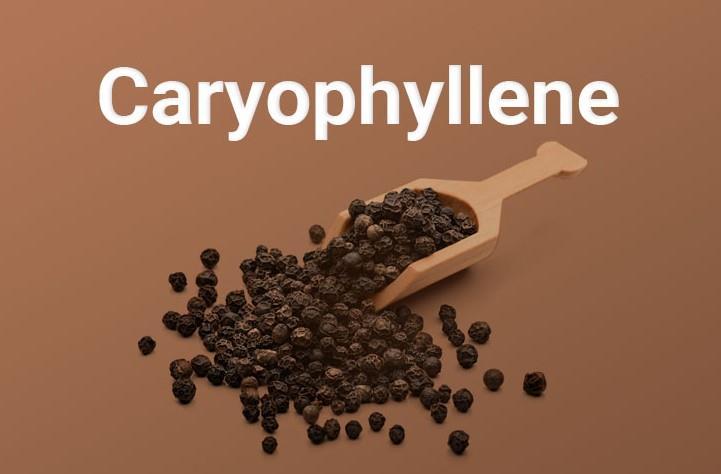
Black pepper is one of the richest natural sources of BCP, which explains its warm, peppery aroma. Cloves, hops, oregano, and rosemary also carry meaningful concentrations, and many culinary traditions have used these herbs and spices for generations, long before the underlying chemistry was understood. While everyday cooking introduces small amounts of BCP into the diet, concentrated formulations are typically needed to reach the levels studied in laboratory research.
BCP Inflammation Benefits Explained
The connection between BCP and the body's inflammatory response is the most studied aspect of this terpene. CB2 receptors are heavily expressed throughout immune cells, and when beta-caryophyllene activates these receptors, early laboratory research suggests it may help regulate the release of pro-inflammatory signalling molecules. This is central to understanding BCP inflammation benefits and why the compound has attracted attention from both the wellness industry and the scientific community.
Several preclinical studies have looked at how BCP influences markers associated with inflammation, including cytokine activity and oxidative stress pathways. While human clinical research is still developing, the preclinical evidence has been consistent enough that beta-caryophyllene is now considered one of the more promising plant compounds for supporting the body's natural inflammatory balance.
Supporting Joint and Muscle Comfort
One of the more practical applications people associate with BCP relates to everyday physical comfort, particularly around joints and muscles after activity. Because CB2 receptors are present in tissues involved in the body's response to physical stress, some Canadians incorporate BCP-containing formulas into their post-activity or recovery routines. This is not a guarantee of a specific outcome, but it reflects the growing interest in how terpenes that help with inflammation might complement an active lifestyle.
Digestive and Gut Balance
Beyond joints and muscles, researchers have also looked at how the gut lining responds to CB2 receptor activity. Because the digestive tract contains a meaningful concentration of immune tissue, some studies have explored whether betacaryophyllene inflammation pathways extend to gut barrier support. This remains an emerging area of study, but it adds another dimension to why BCP is discussed as a broadly supportive compound rather than one tied to a single body system.
What Terpenes Are Good for Inflammation Besides BCP
While beta-caryophyllene tends to dominate the conversation, it is not the only terpene worth knowing about. Understanding what terpenes are good for inflammation more broadly gives a fuller picture of how plant compounds work together, often described as the entourage effect, where multiple compounds appear to support one another's activity rather than working in isolation.
Alpha-humulene, commonly found alongside BCP in hops and cloves, has also been studied for its potential role in supporting comfort. Myrcene, found in mangoes and lemongrass, is another terpene frequently mentioned for its calming and soothing associations. Limonene, abundant in citrus peel, is generally discussed in the context of mood and digestive comfort rather than direct inflammatory pathways, though research is ongoing. None of these compounds replace BCP's unique CB2 receptor activity, but together they illustrate why terpene-rich botanicals have remained part of traditional wellness practices for centuries.
Why Combining Terpenes May Offer Broader Support
Many wellness formulators choose to combine BCP with complementary terpenes rather than isolating it entirely. The reasoning behind this approach is that plant compounds rarely act alone in nature, and combining them may better reflect how the body has evolved to process these substances through diet and topical exposure over time.
How BCP Fits Into a Canadian Wellness Routine
Interest in plant-based, non-intoxicating wellness options has grown steadily across Canada, particularly among people who want support for everyday comfort without the effects associated with THC. Because beta-caryophyllene does not bind to CB1 receptors, it does not produce a high, which makes it suitable for daytime use, including for people managing an active work or family schedule.
Canadians exploring terpene-based products often look for third-party testing, clear sourcing information, and transparent labelling that identifies BCP concentration. As with any wellness compound, individual results vary, and beta-caryophyllene inflammation support should be viewed as one part of a broader lifestyle approach that includes movement, nutrition, sleep, and stress management rather than a stand-alone solution.

Choosing a Quality Formula
When comparing products, it is worth looking closely at how a formula is made rather than relying on marketing language alone. RHS Formula focuses on transparent labelling and thoughtful sourcing so Canadians can make informed choices about the terpene-based options they bring into their daily routine. A wellformulated product should clearly state its BCP content and disclose any other terpenes or carrier ingredients included in the blend.
Safety Considerations and Realistic Expectations
It is important to approach beta-caryophyllene inflammation research with a balanced perspective. Most existing evidence comes from laboratory and animal studies, and while the findings are encouraging, large-scale human clinical trials are still limited. BCP is generally recognised as safe when consumed in food-level amounts, and it has a long history of use through culinary herbs and spices.
People who are pregnant, nursing, managing a chronic health condition, or taking prescription medication should speak with a healthcare provider before adding any new supplement to their routine, including terpene-based formulas. This guide is intended for general educational purposes and does not replace personalised medical advice from a qualified professional.
Frequently Asked Questions
What is the difference between beta-caryophyllene and other terpenes?
Beta-caryophyllene is unique among terpenes because it binds directly to CB2 receptors in the endocannabinoid system, a property most other terpenes do not share. This gives it a distinct mechanism for supporting comfort and immune balance, while most other terpenes are understood mainly through their aromatic or mild calming properties rather than direct receptor activity.
Does beta-caryophyllene cause any intoxicating effects?
No. Beta-caryophyllene binds selectively to CB2 receptors, which are found primarily in immune tissue, rather than CB1 receptors, which are concentrated in the brain and responsible for the intoxicating effects associated with THC. This means BCP can be used during the day without impairing focus, coordination, or cognitive function.
Which foods contain the highest levels of BCP?
Black pepper is considered one of the richest natural sources, followed by cloves, hops, rosemary, oregano, and basil. While these foods introduce BCP into a regular diet, the concentrations used in laboratory research are typically much higher than what a person would consume through everyday meals, which is why concentrated formulas exist.
How long does it take to notice a difference when using BCP products?
Individual experiences vary considerably depending on the formulation, dosage, and the person's own body chemistry. Some people report noticing changes within a few days of consistent use, while others may need several weeks. Because research in
this area is still developing, it is best to approach any timeline with realistic, patient expectations.
Is BCP legal and regulated in Canada?
Beta-caryophyllene itself is a naturally occurring food compound and is not a controlled substance, so it can generally be sold as part of food products, supplements, and topical formulas across Canada. That said, regulations can vary depending on how a product is marketed and what other ingredients are included, so it is worthwhile to check labelling and choose products from reputable, transparent sources.
Can BCP be used alongside other supplements or medications?
Beta-caryophyllene is generally well tolerated, but anyone currently taking prescription medication, managing a chronic condition, or who is pregnant or nursing should consult a healthcare provider before starting a new terpene-based supplement. This helps rule out any potential interaction and ensures the approach fits safely within an existing health plan.
Final Thoughts
Beta-caryophyllene stands out among plant compounds because of its direct, selective interaction with the CB2 receptor and its long-standing presence in everyday herbs and spices. From joint and muscle comfort to digestive balance and immune modulation, the growing body of research into BCP inflammation benefits offers a compelling reason for Canadians to pay closer attention to this particular terpene. As with any wellness approach, informed choices, realistic expectations, and quality sourcing make the biggest difference.
If you are ready to explore terpene-based wellness options that prioritise transparency and quality, take a moment to review your current routine and consider where a well-sourced BCP formula might fit. Reach out to a knowledgeable retailer, ask questions about sourcing and testing, and make choices that align with your personal health goals and the guidance of your healthcare provider.
Social Profiles: Facebook | Instagram