Wellington based singer songwriter Maxine Macaulay will perform original songs from her recent solo album, Goodnight My Darling, alongside covers of contemporary Kiwi classics. Webb’s Senior Art Specialist, Mark Hutchins-Pond will also share insights on some of his favourite artworks on view.
Specialist Enquires
auckland Georgina Brett Specialist, Select georgina@webbs.co.nz
+64 27 929 5609
Megan Shaw
Manager megan@webbs.co.nz
+64 22 301 8259
wellington
Mark Hutchins-Pond
Senior Specialist mark@webbs.co.nz
+64 22 095 5610
christchurch
Sean Duxfield
Senior Specialist
sean@webbs.co.nz
+64 210 536 504
Condition Reports
Mia Foulds Pre-Sale Coordinator mia@webbs.co.nz
+64 9 529 5600
wellington 23 Marion Street Te Aro, 6011 Celebrate our May Select with a conversation between gallerist Tim Melville and Webb's Specialist Georgina Brett, as they share their auction highlights.
auckland 33a Normanby Road Mount Eden, 1024

Tēnā koutou katoa, welcome to the second edition of the Select premium online auction catalogue. It is my pleasure to present another exceptionally fine offering.
As autumn gives way to winter, we naturally spend more time at home. These spaces should offer more than respite from the grind of the nine-to-five or the weight of the wider world; our personal domains should be places of inspiration. Home, as the expression “I felt as if I’d come home” suggests, is a place of belonging and recognition, where authentic self-expression is possible.
Living with artworks is much like spending time with close friends, and this catalogue reads like a dream dinnerparty guest list: compelling personalities you would not only want to spend time with, but happily invite to move in.
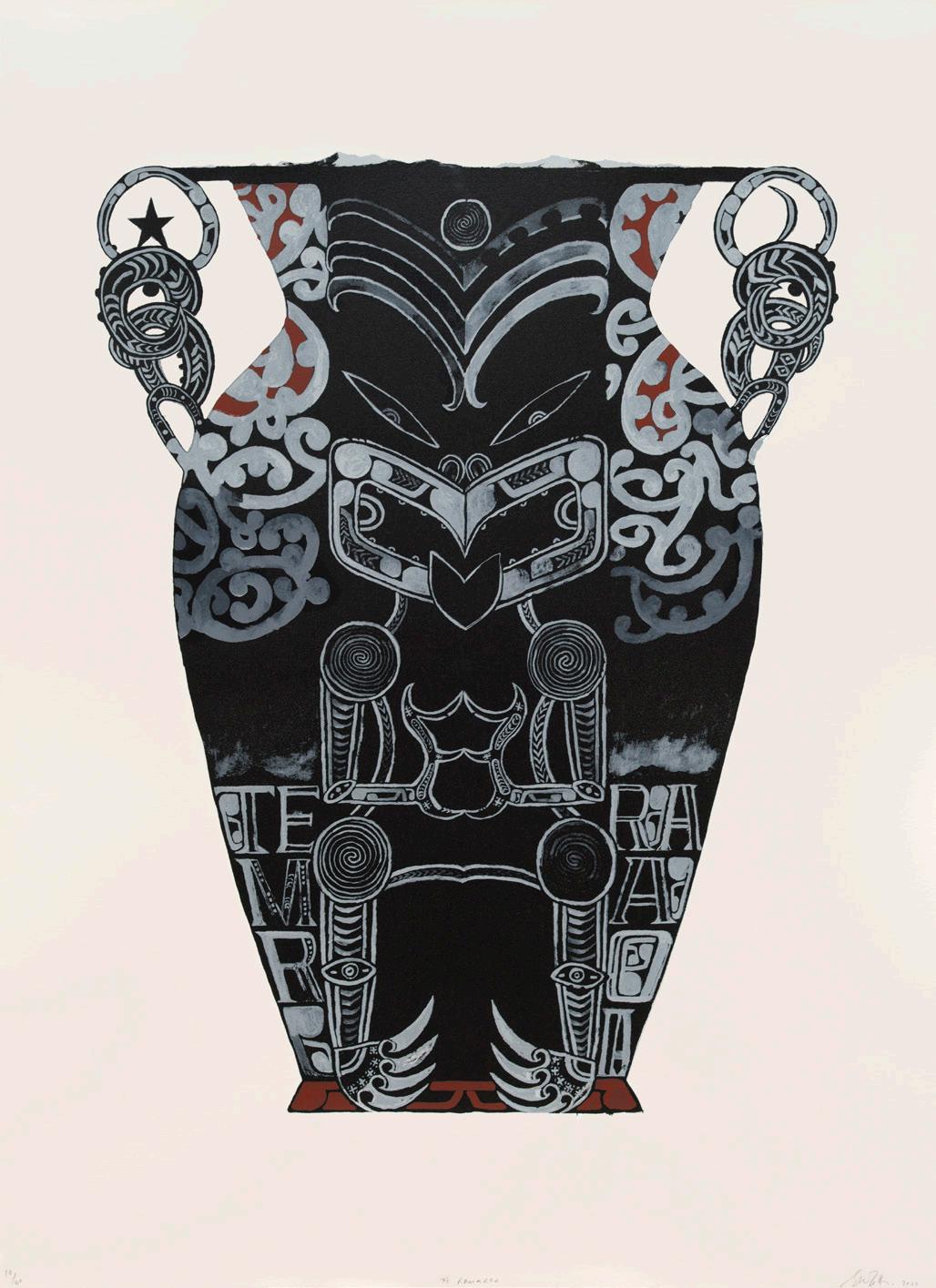
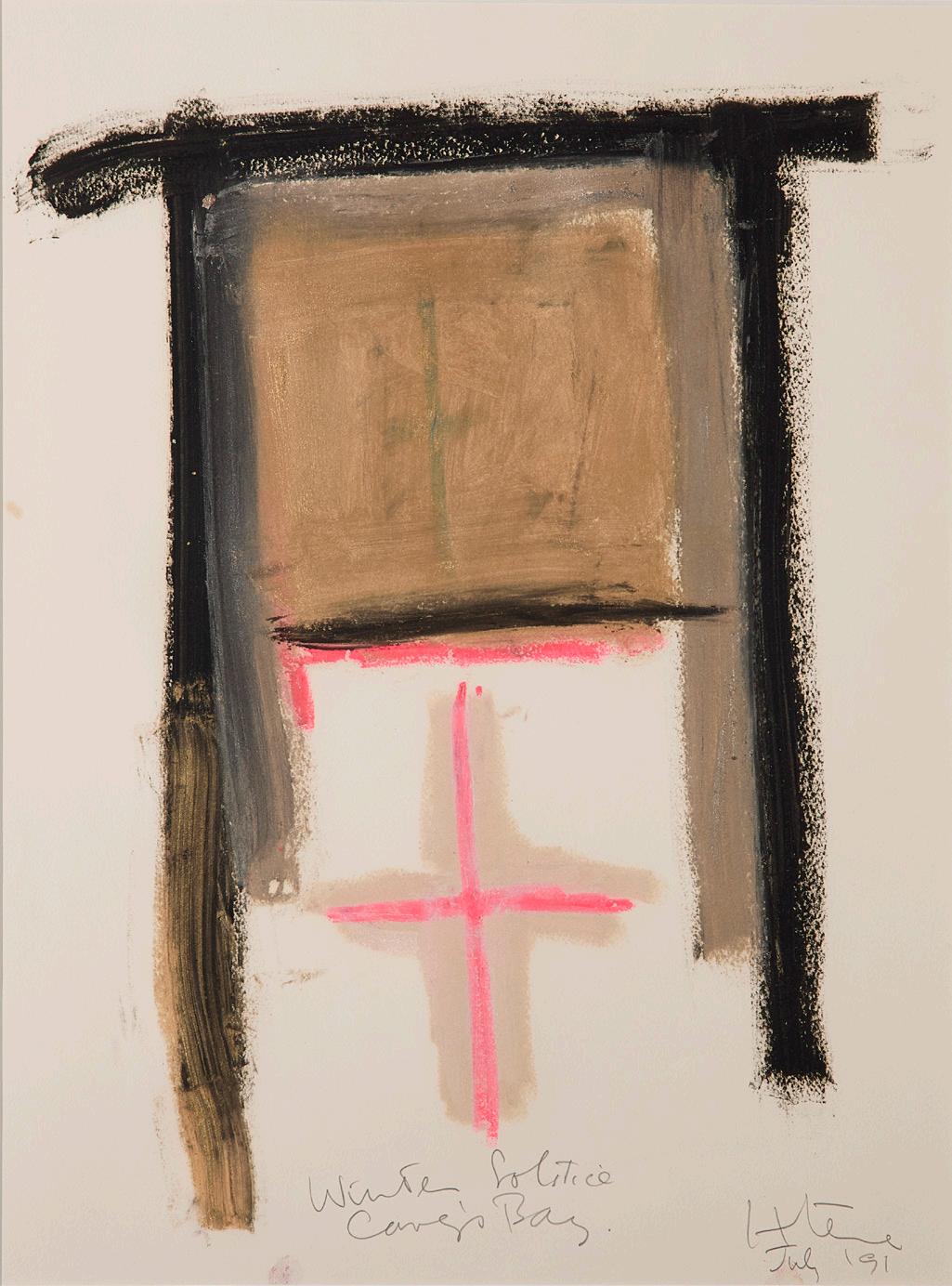
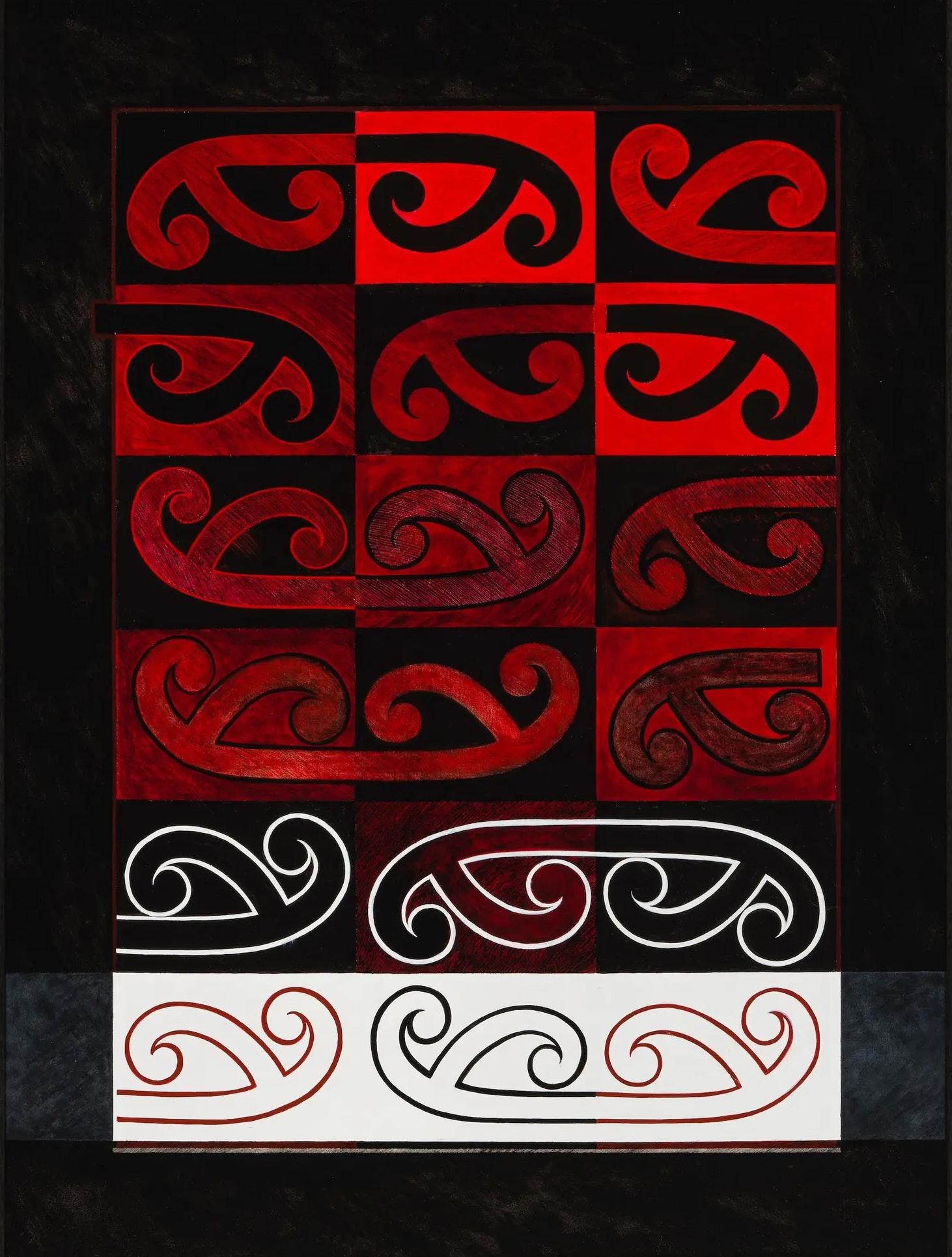
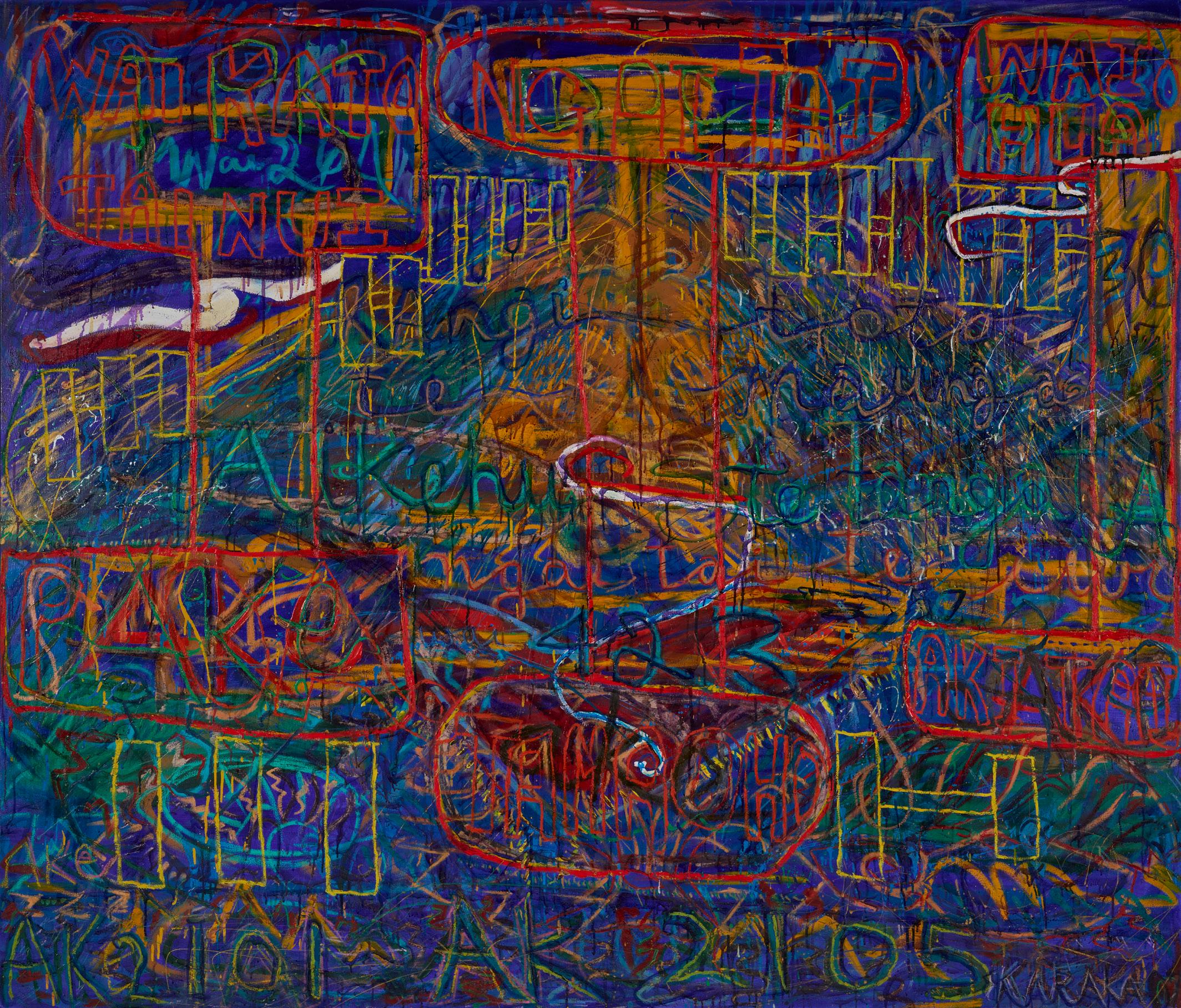
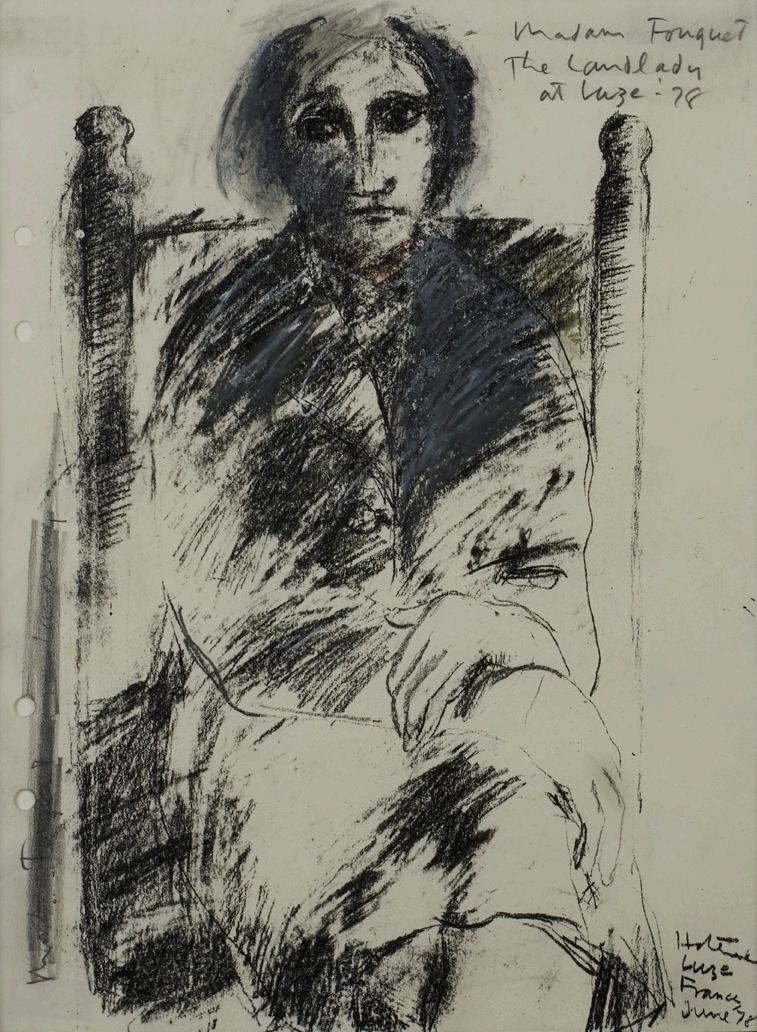
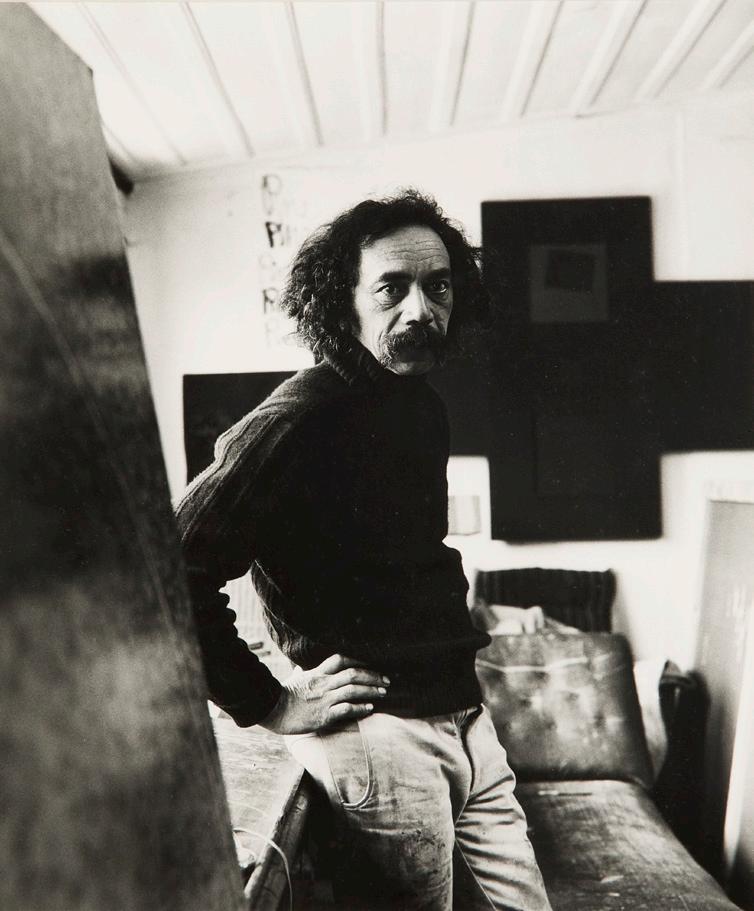
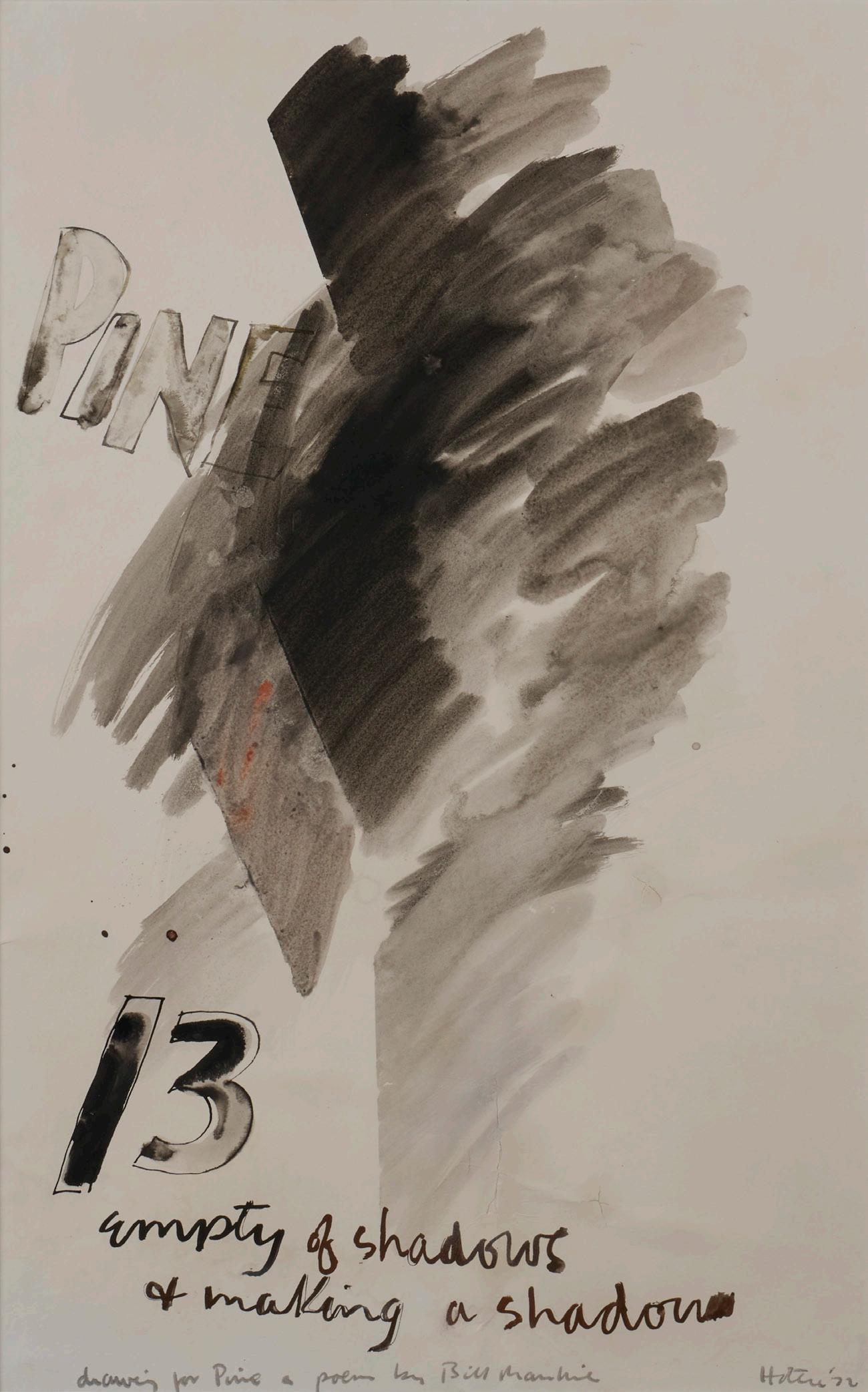
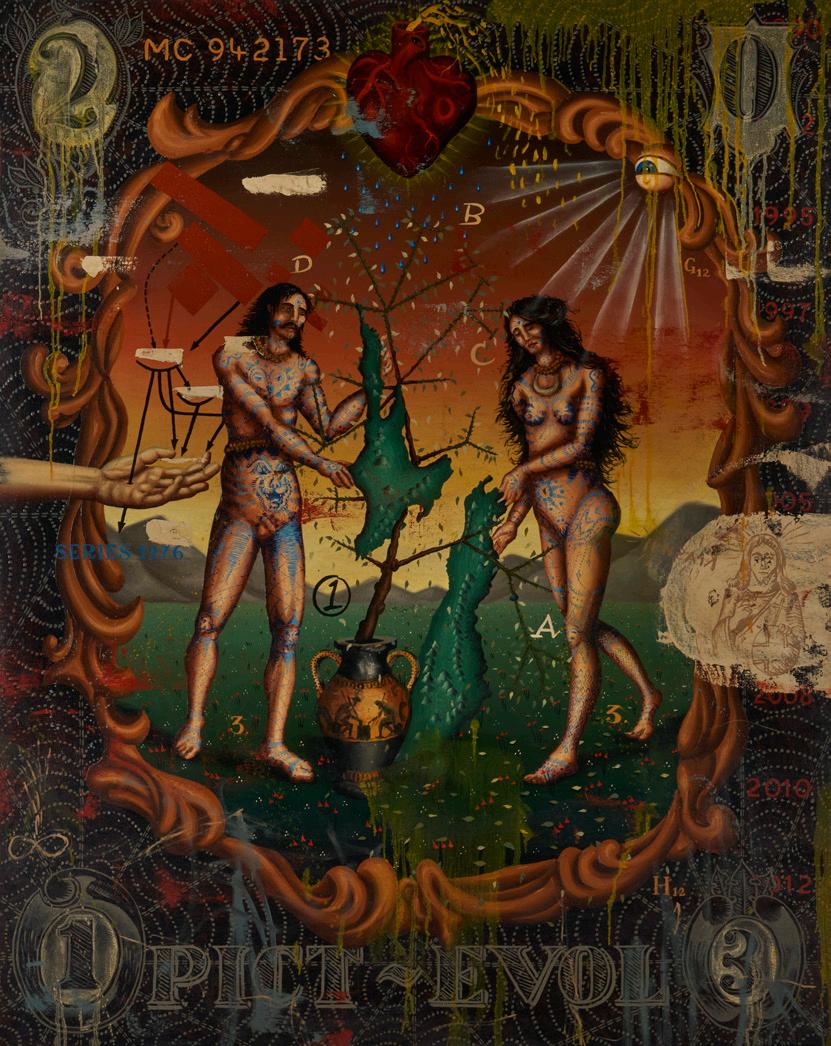
A particular point of pride for this edition of Select is the resonant presence of Māori artists whose voices arc across generations, past and present: Hiria Anderson-Mita, Sandy Adsett, Shane Cotton, Star and Aroha Gossage, Ralph Hotere, Emily Karaka, Fiona Pardington, Reuben Paterson, Peter Robinson and Robin White. Collectively, these artists lend the catalogue its visually rich dimension and considerable critical gravitas.
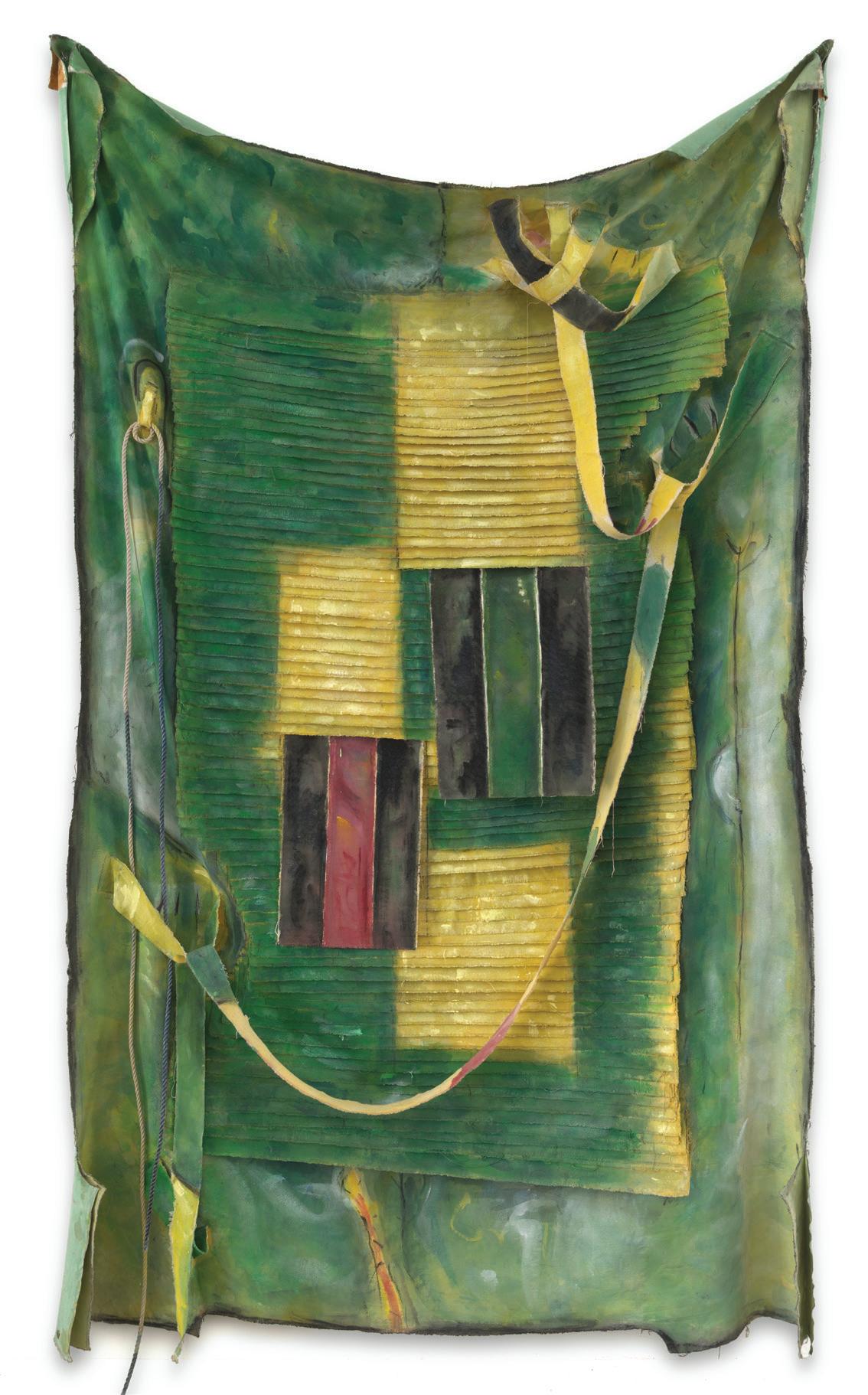
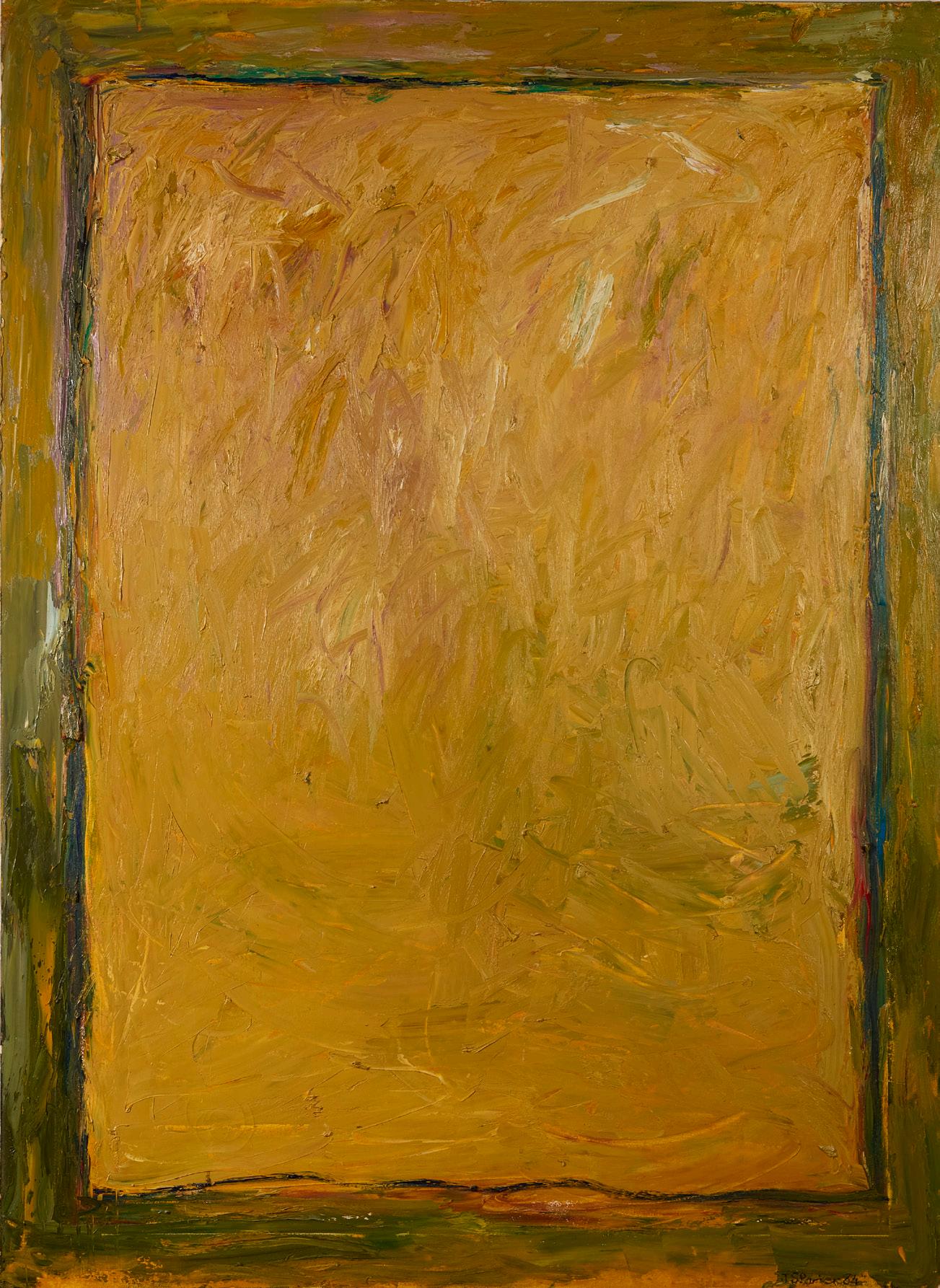
An early painting by the late Philip Trusttum, who
passed away in March, is a poignant highlight that brings a special intimacy to the table. Smaller than the artist’s typically large, unstretched canvases, the work nonetheless carries Trusttum’s unmistakable optical energy and expressive brushwork, for which the artist is so fondly remembered.
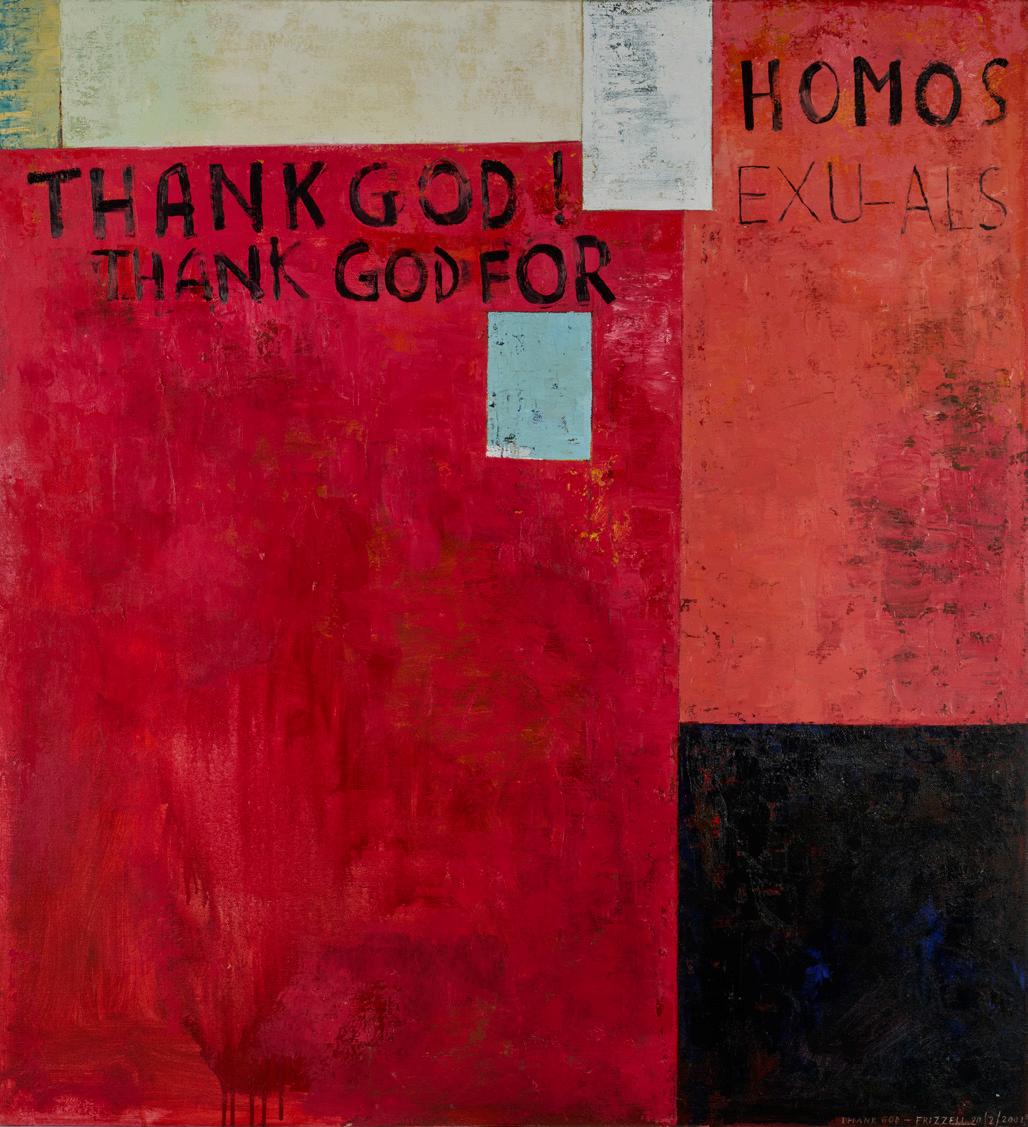
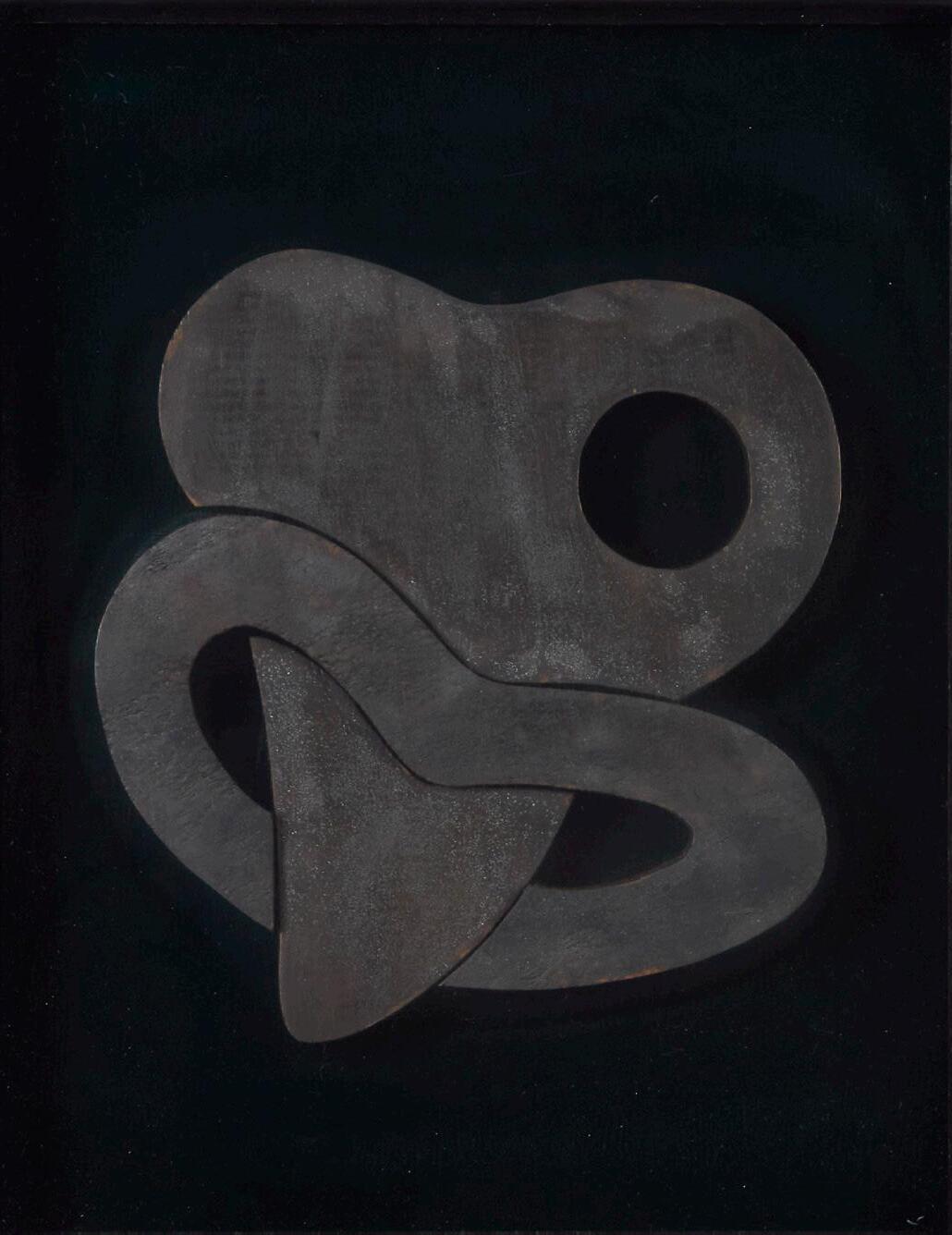
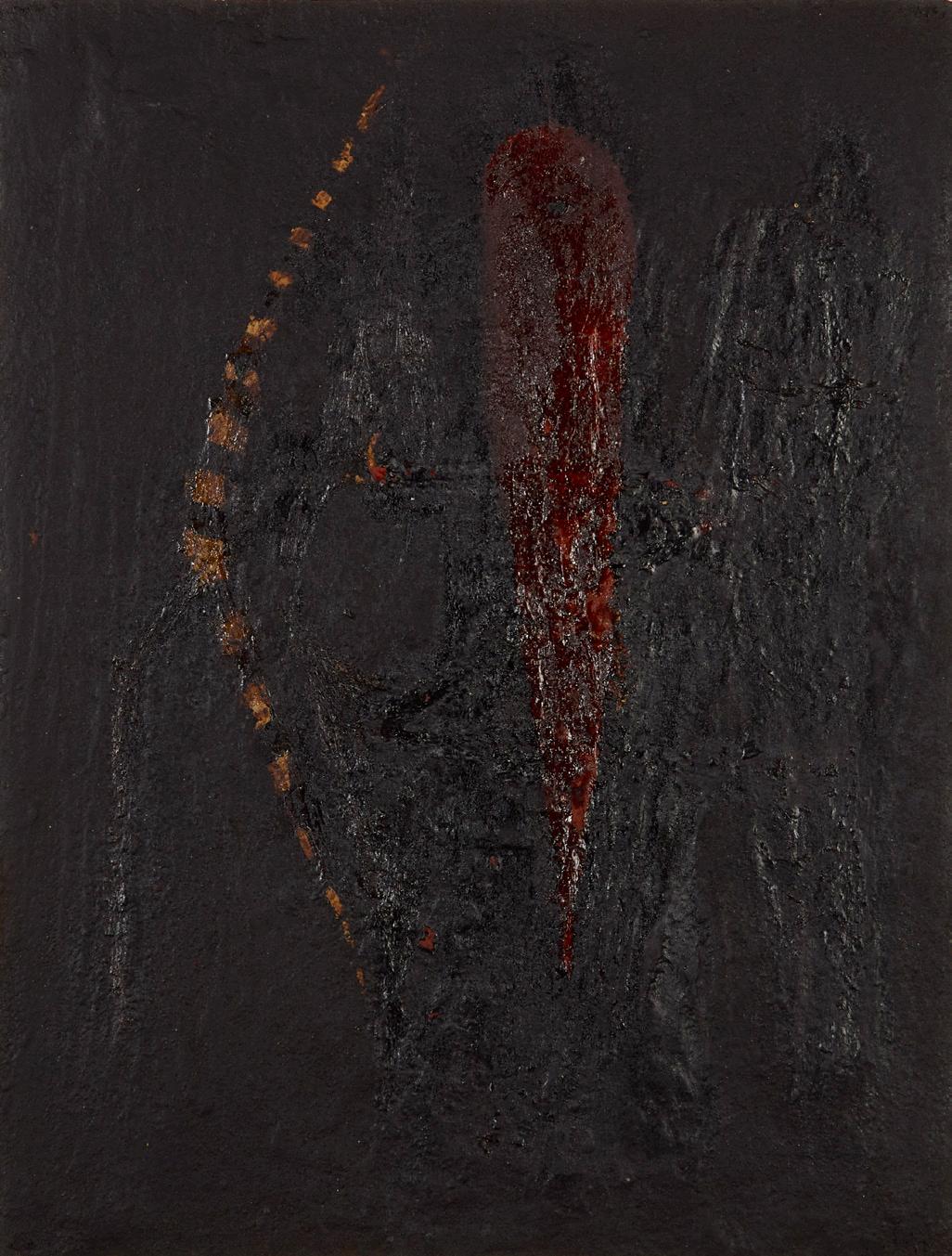
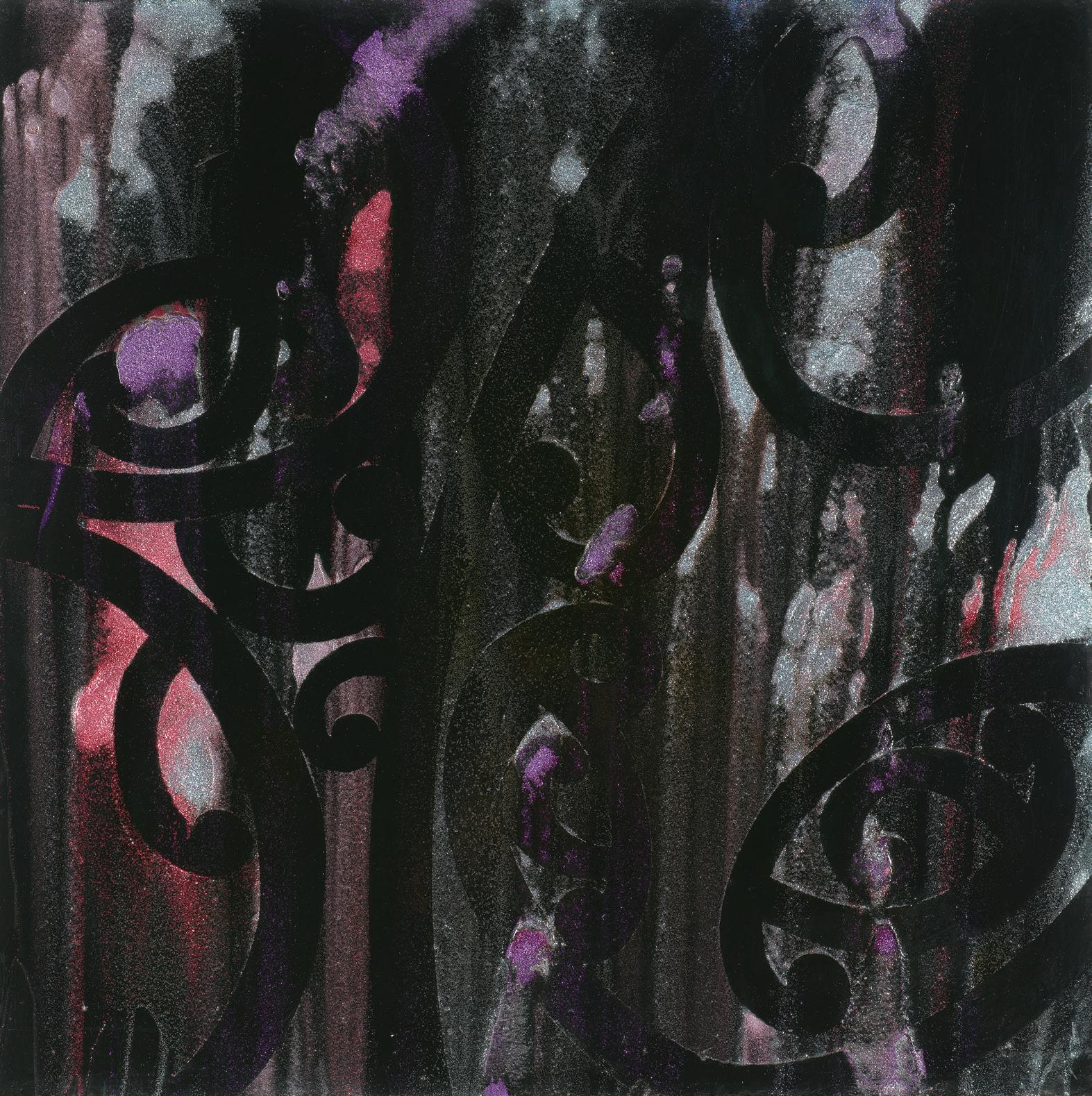
Some of the catalogue’s more conceptual guests may not immediately command the room; nevertheless, they often prove the most rewarding company. Bringing a theoretical charge to this offering are works by the Estate of L. Budd, et al., and international artist Terry Fox, a key figure in West Coast conceptual art of the late 1960s and early 1970s.
This Select catalogue is host to a diverse group of artworks, each with the potential to become a meaningful companion in the home. While some announce themselves immediately, others reveal their character more slowly, over seasons and through new conversations with people, artworks and objects around them. These are not fleeting encounters, but works that settle in, shaping the atmosphere and bringing vitality, stimulus and personal expression. Each enriches the lived relationship between art and life.
5
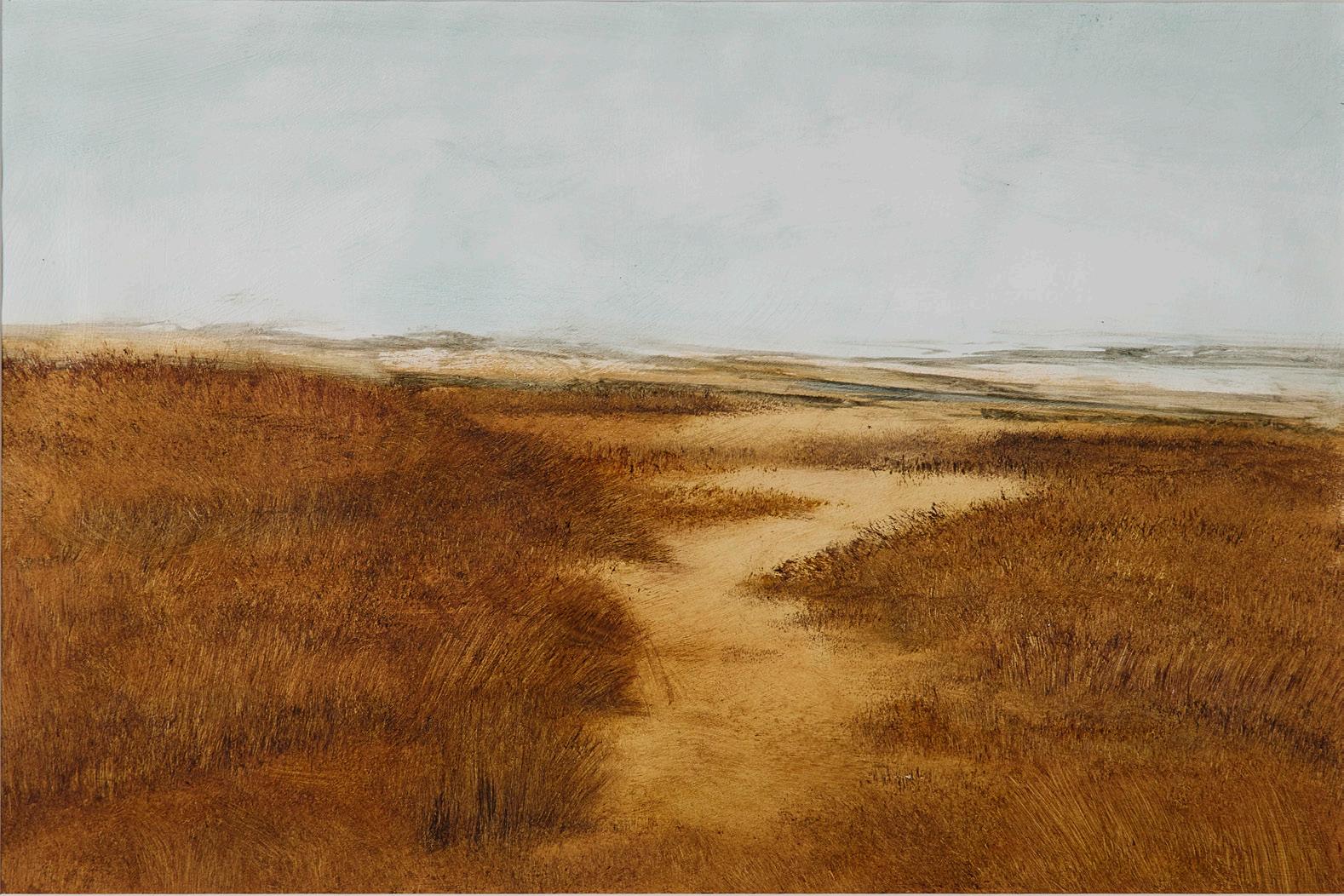
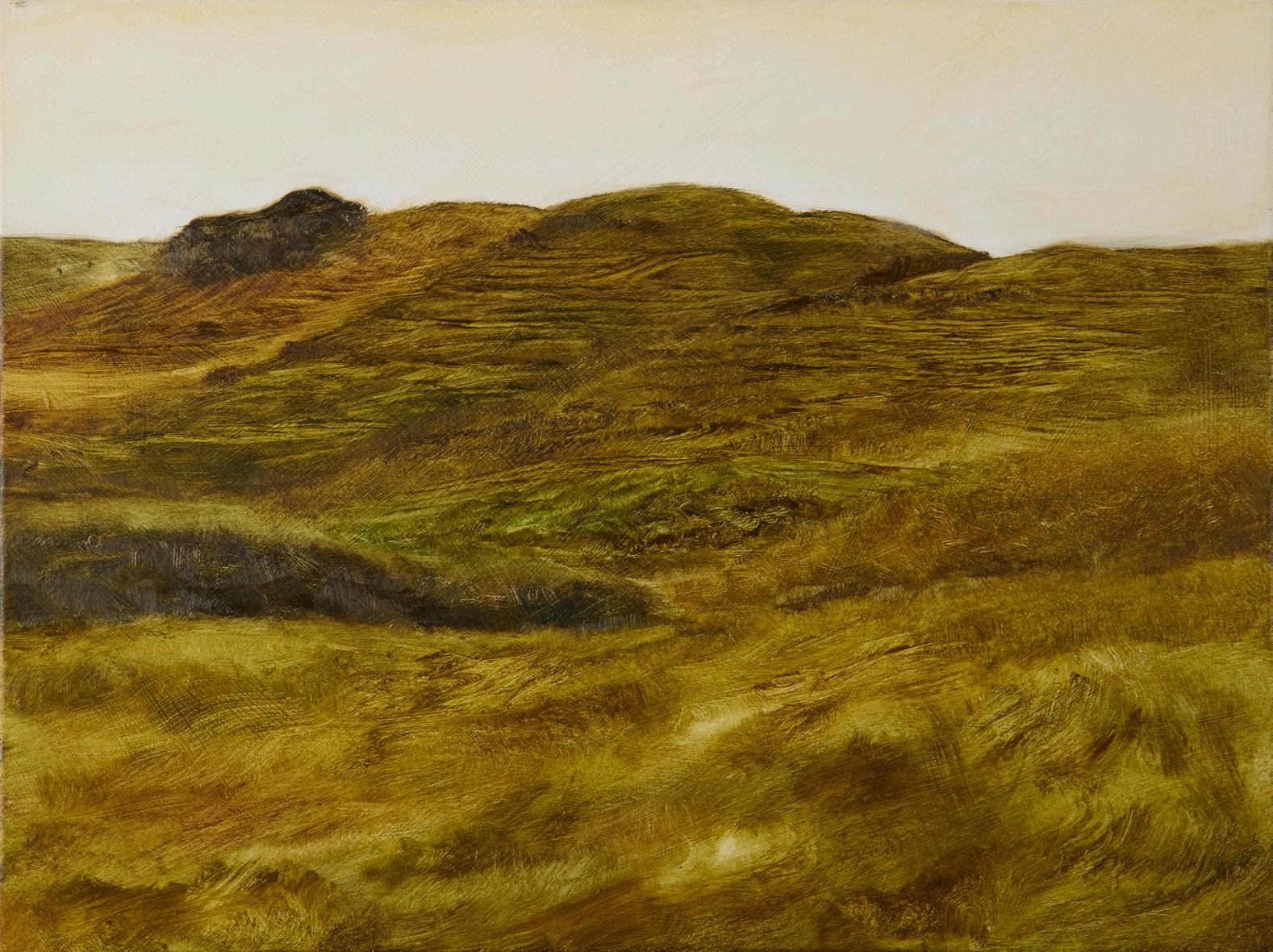
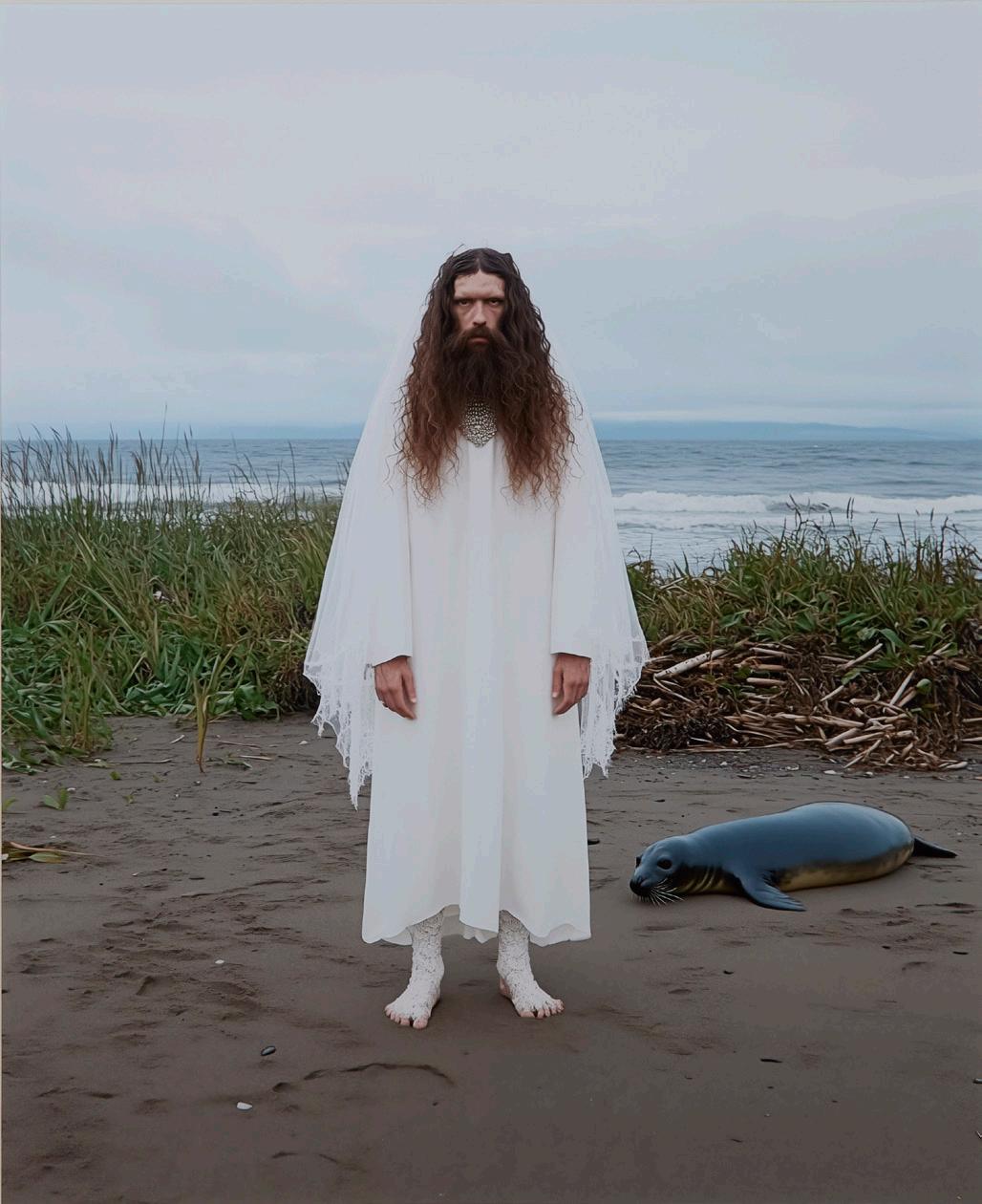
Aroha Gossage and Star Gossage’s practices emerge from the same coastline of Pakiri. Shifting figures and landscapes fade in and out of focus, sprawling across canvas and paper. Often dissolving into a fog or soft haze, the Gossage sisters carry their whenua with them in their works, communicating wairua and mauri through landscapes, faces, and feelings that reside in, and continually arise from, Pakiri. These works feel deeply rooted yet fluid. They are shaped by memory. Ghostly presences move through both practices: emerging faces, lingering figures, and fleeting forms. In Aroha’s paintings, bodies appear to dissolve back into the whenua itself, thinning into atmosphere and slipping toward horizon and hill. Half-seen and half-felt, these presences glance toward the viewer through tall grass and drifting mist, beckoning toward rest, remembrance or quiet passage. The works are not haunting, but gently accompanying, tracing an enduring relationship between landscape,
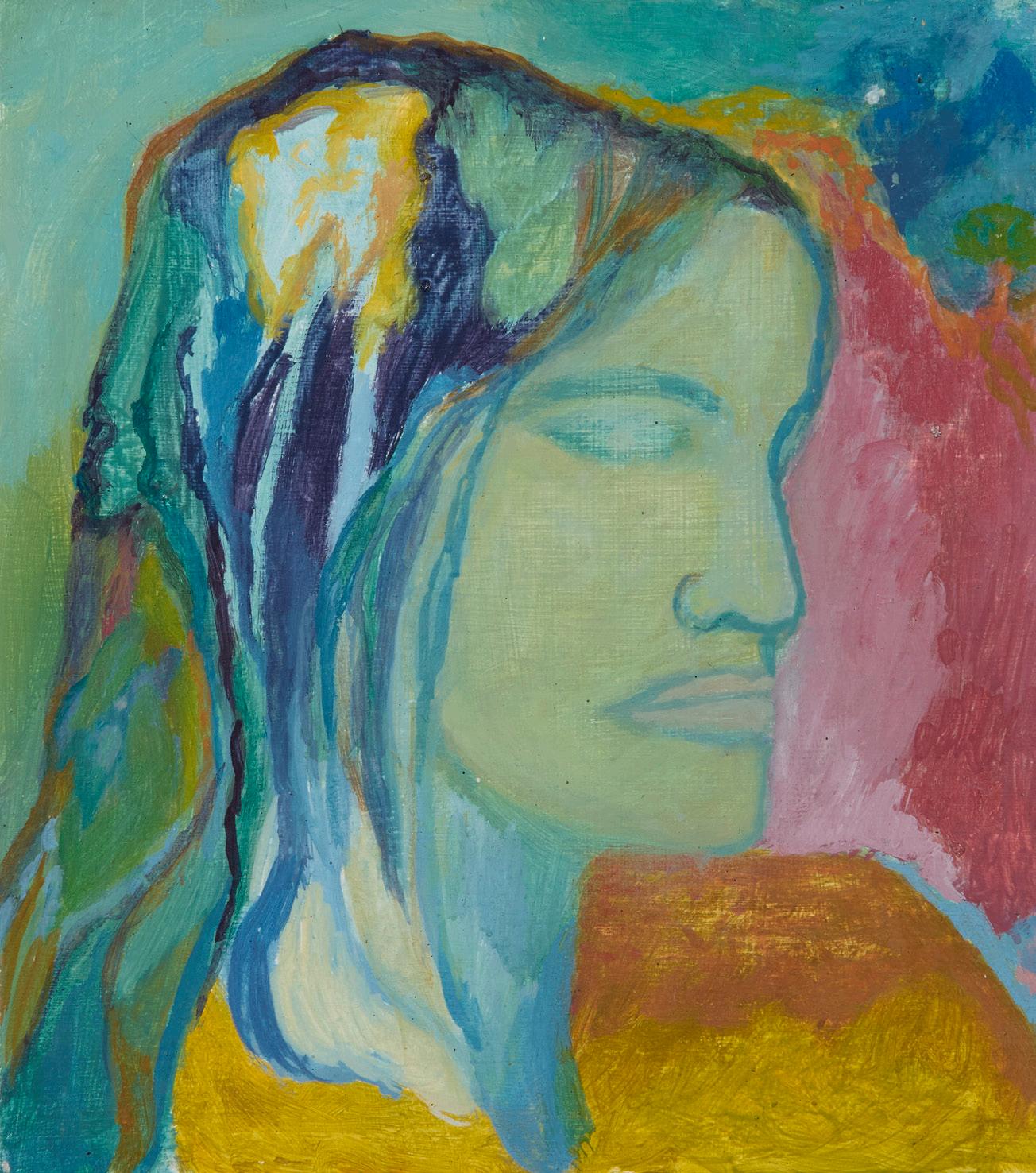
whenua, and emotional connection.
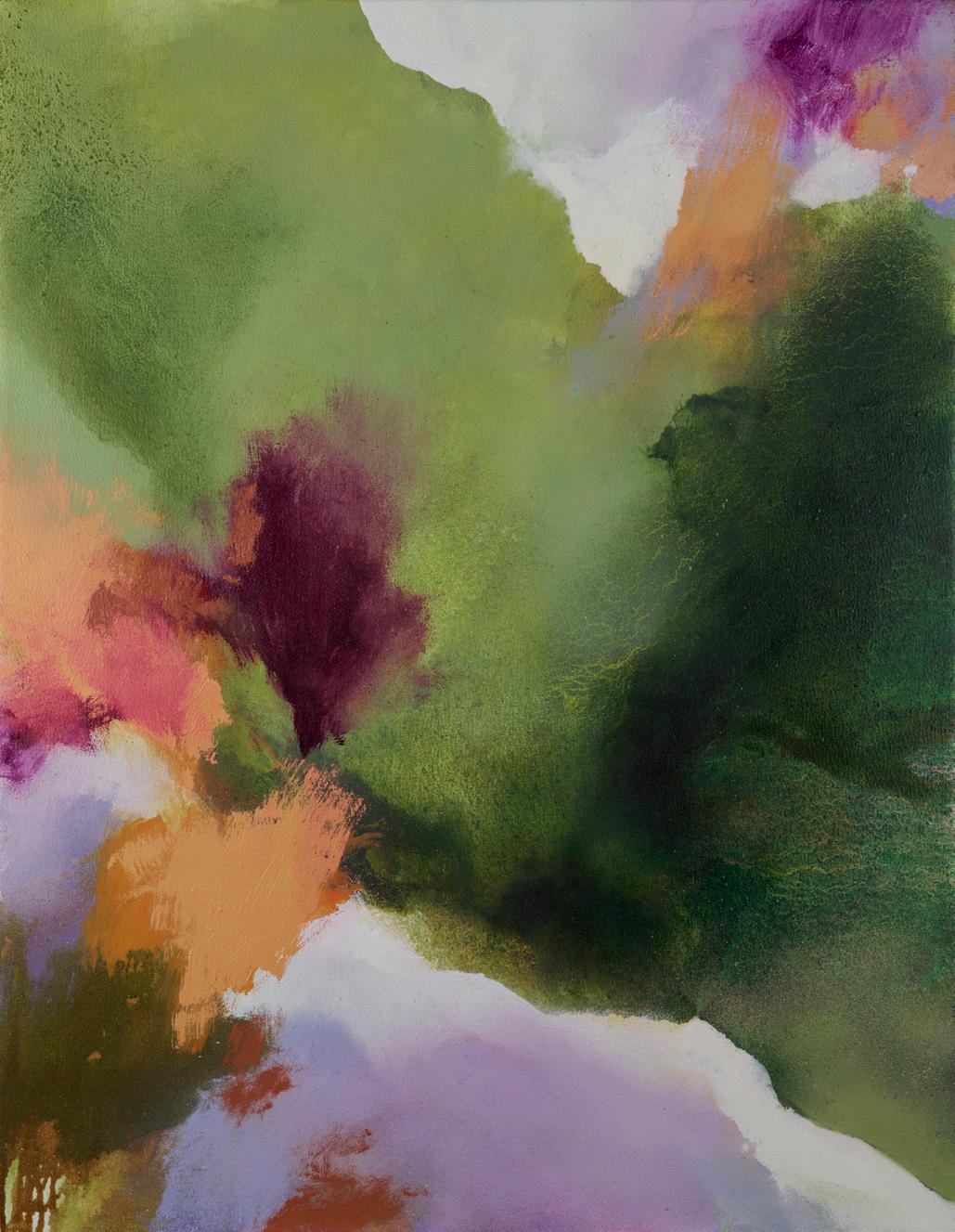
Star Gossage often works with more vibrant, luminous colour, allowing pigment to spill, blend, and settle into figures and landscapes as if light itself were shaping the form. In A Skylark Is Singing, colour becomes both subject and structure. Building the self-portrait from layers of hue and movement, identity feels as though it has fallen into being rather than been fixed or defined. The figure emerges gradually through these pigments.
By contrast, Aroha Gossage leans towards muted tones and searching, visceral brushstrokes, as seen in the gentle landscapes of Pakari Oioi and Pakari Whenua. Their surfaces feel weathered and tactile, as if brushed by wind and salt air. Forms are coaxed slowly into view before receding again, absorbed by land and sky.
Together, Star and Aroha Gossage’s practices move between presence, memory and becoming. Rather than fixing place or identity, they honour an ongoing living relationship between whenua and person.
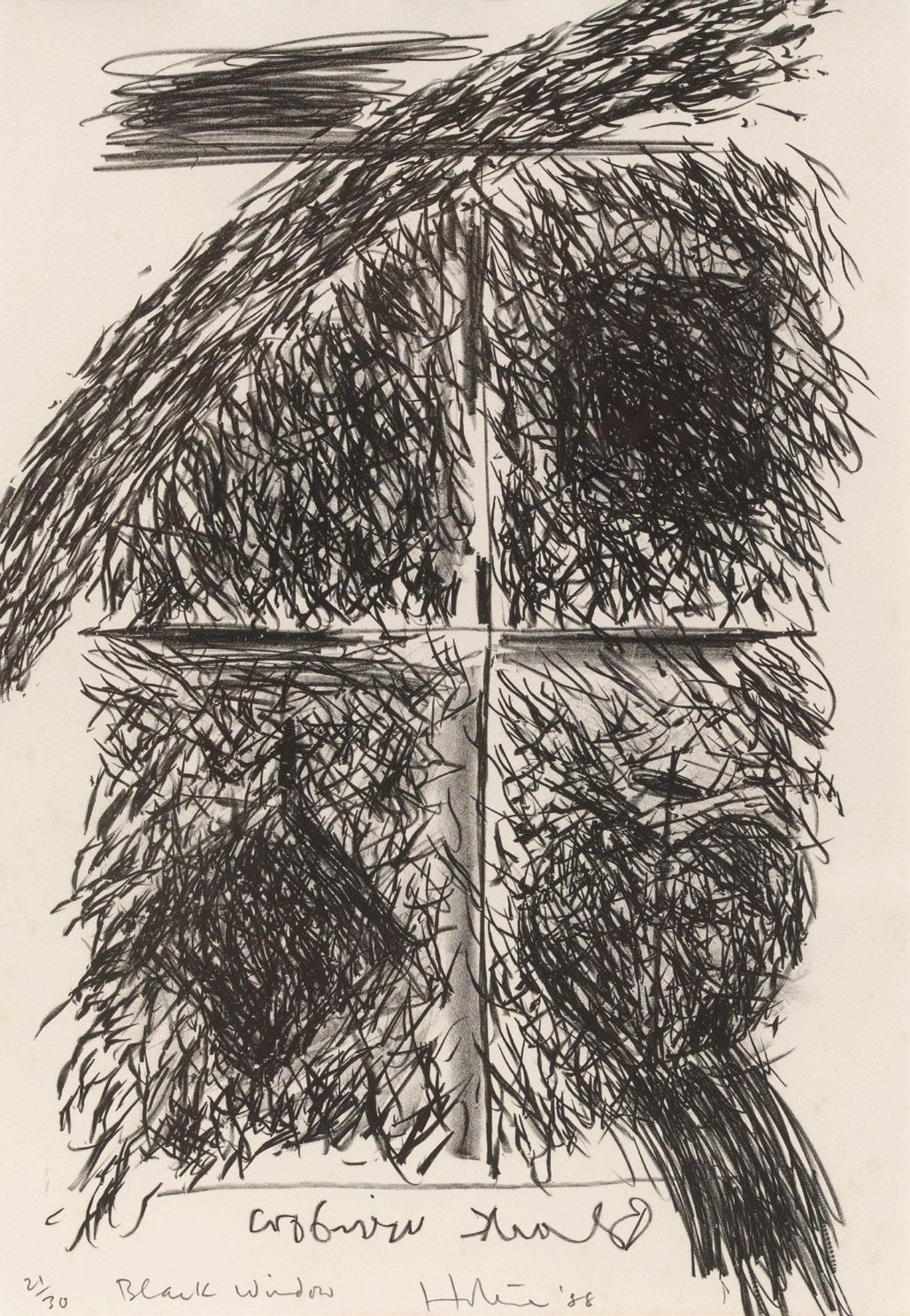
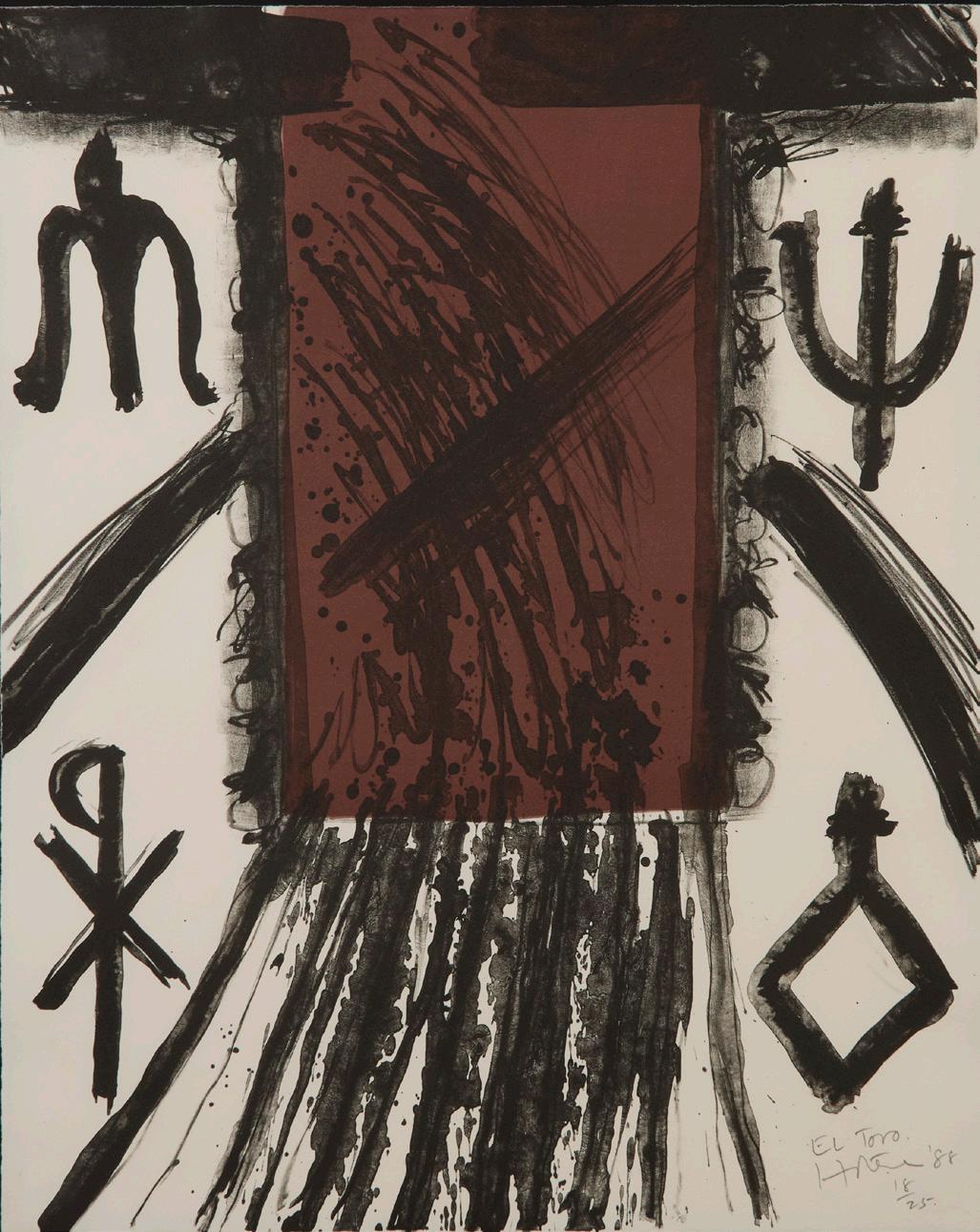
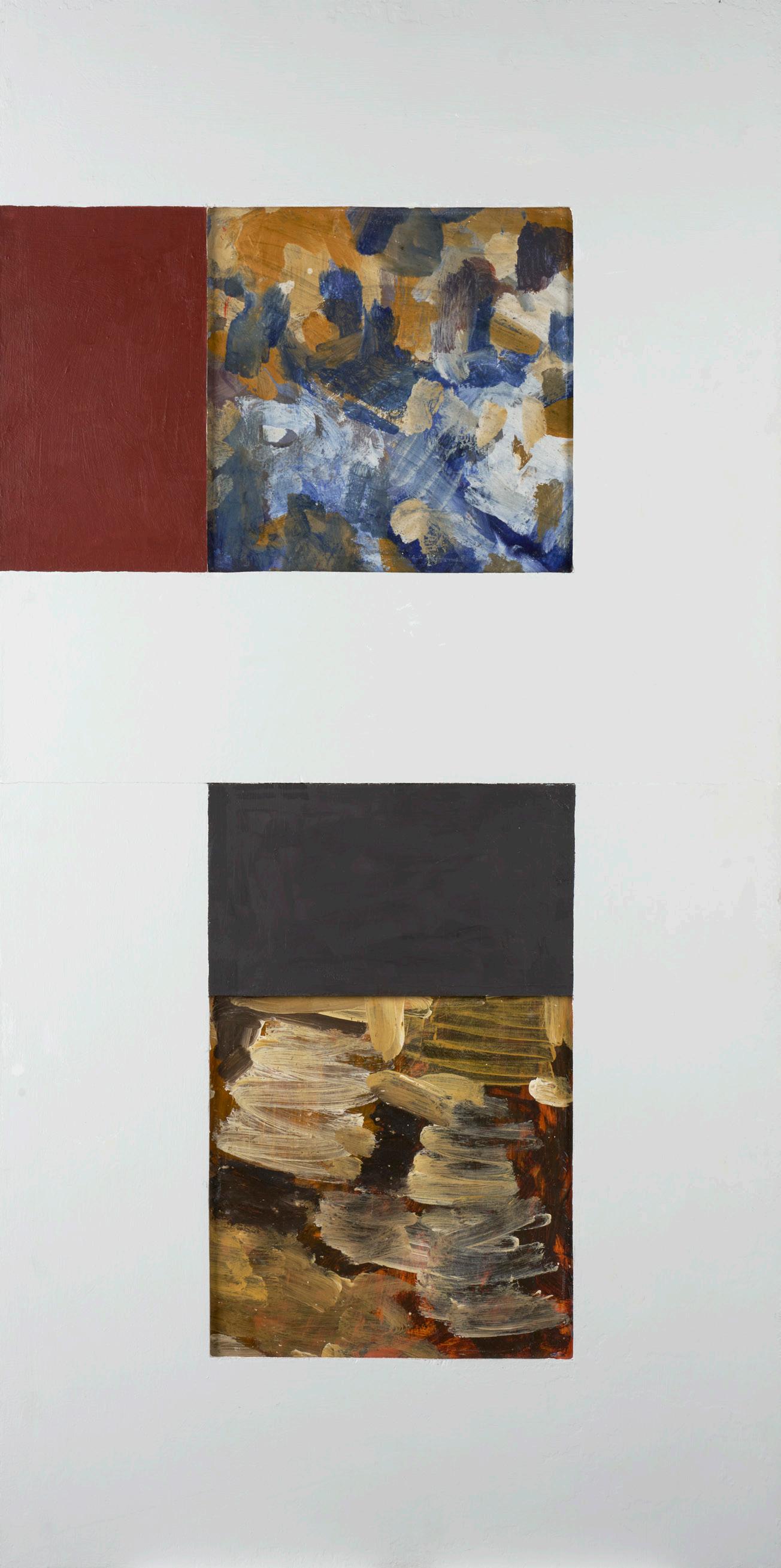
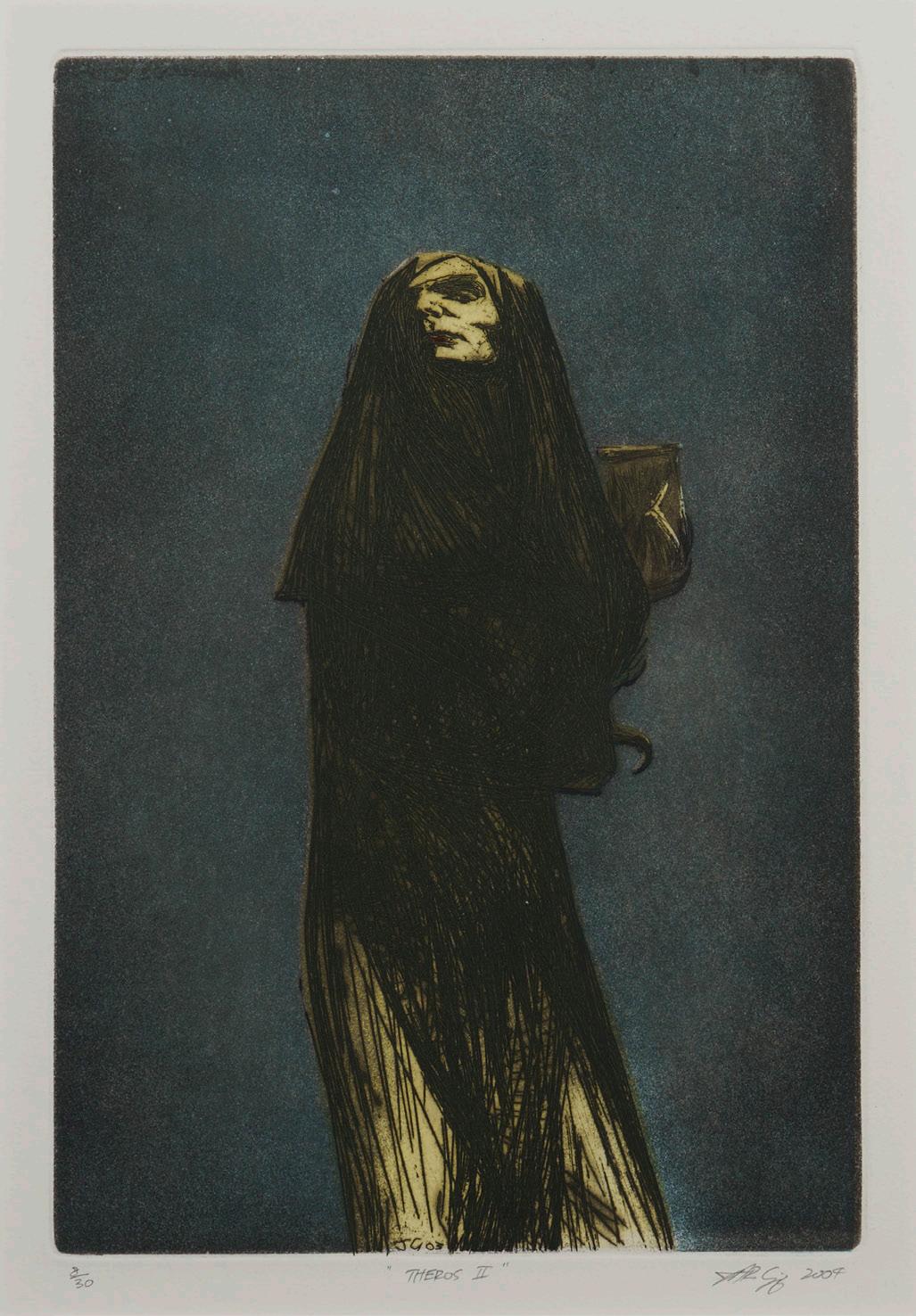
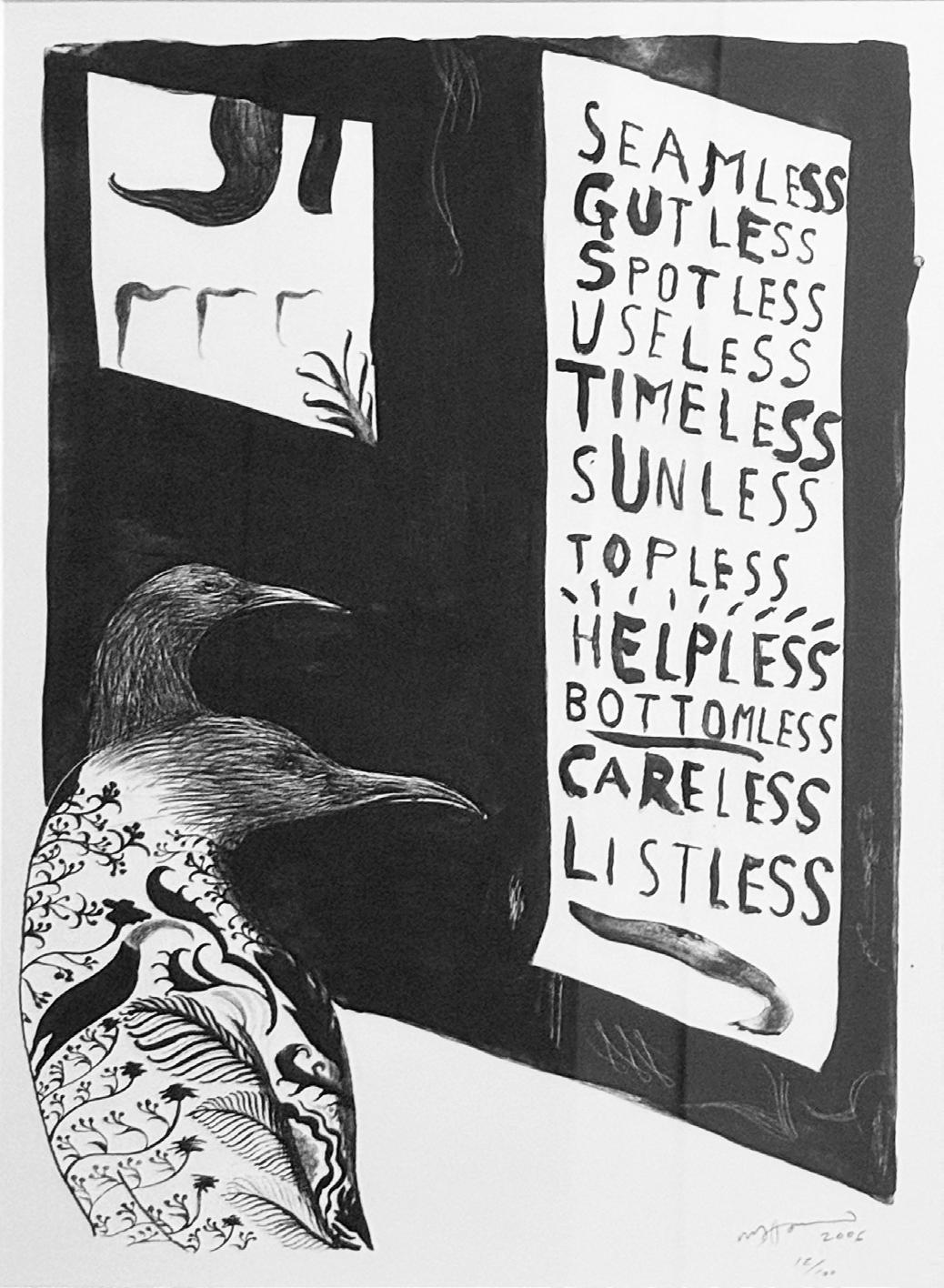
13 Jason Greig, Theros II 2004 etching on paper, 8/30 signed, dated and title inscribed 325 × 230mm
EST $2,000—$3,000
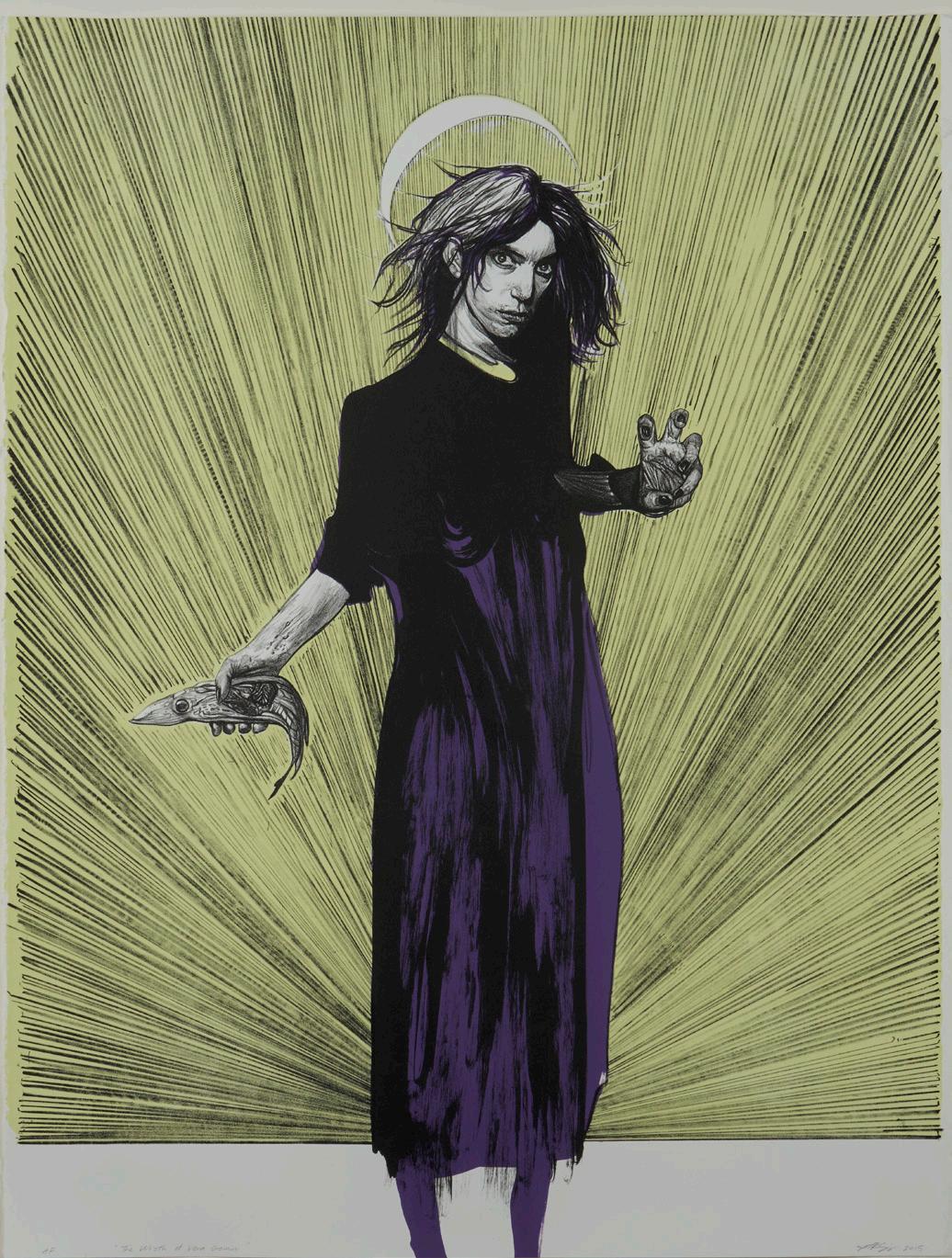
14 Jason Greig, The Wroth of Vera Gemini 2015 lithograph on paper signed, dated and title inscribed 750 × 570mm
EST $4,000—$6,000
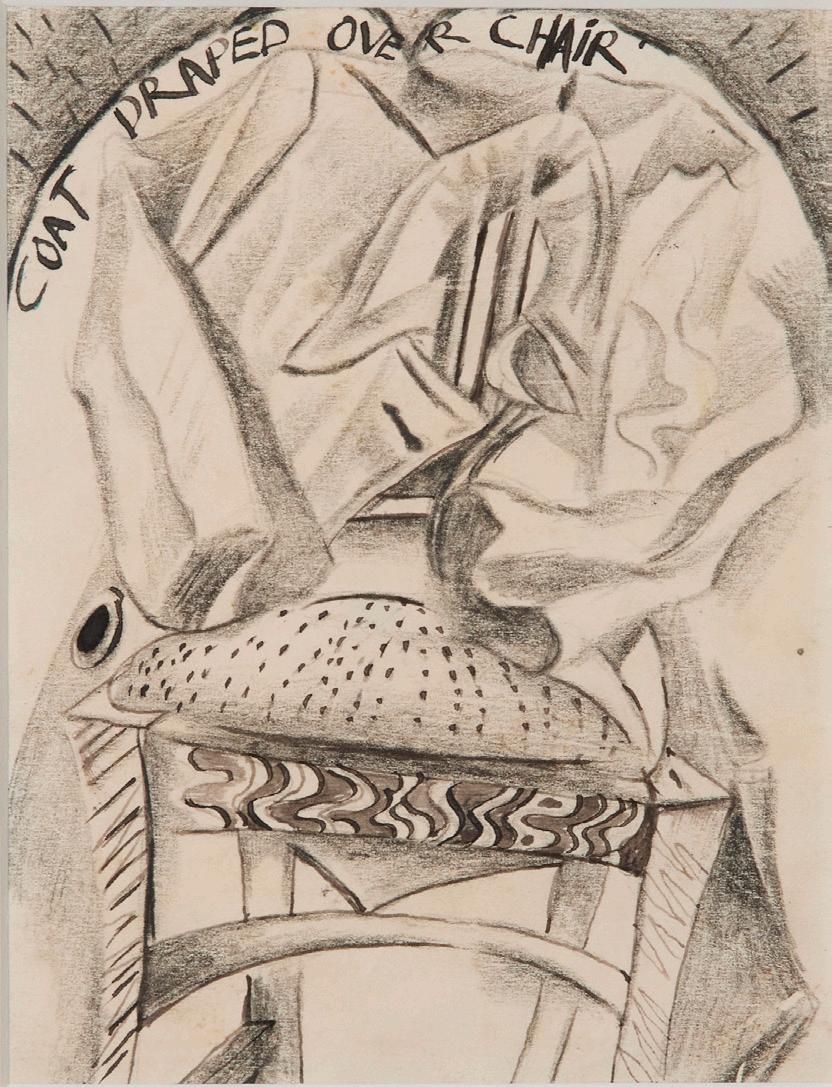
15 Philip Clairmont, Coat Draped over Chair graphite on paper signed 170 × 130mm
EST $2,200—$3,200
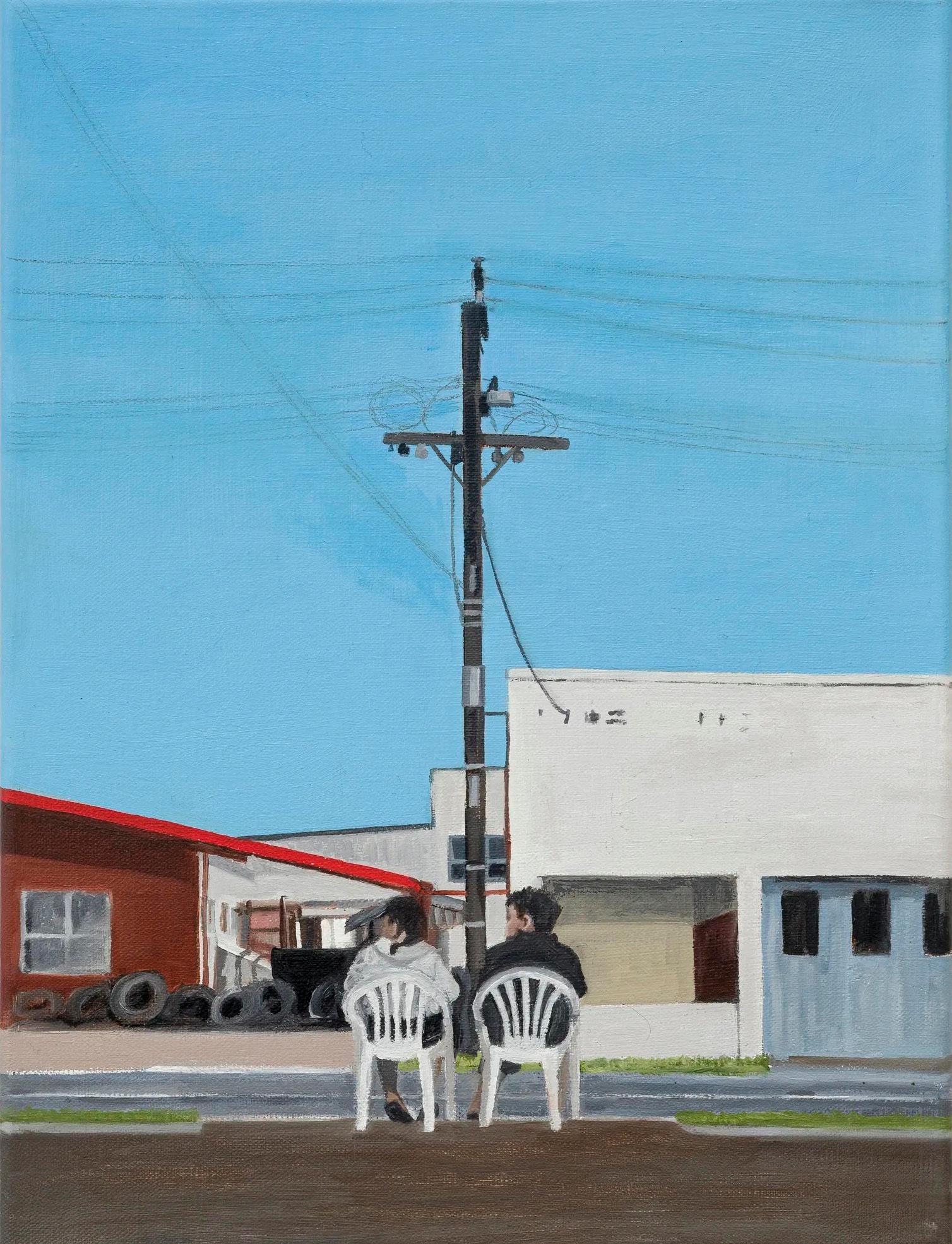
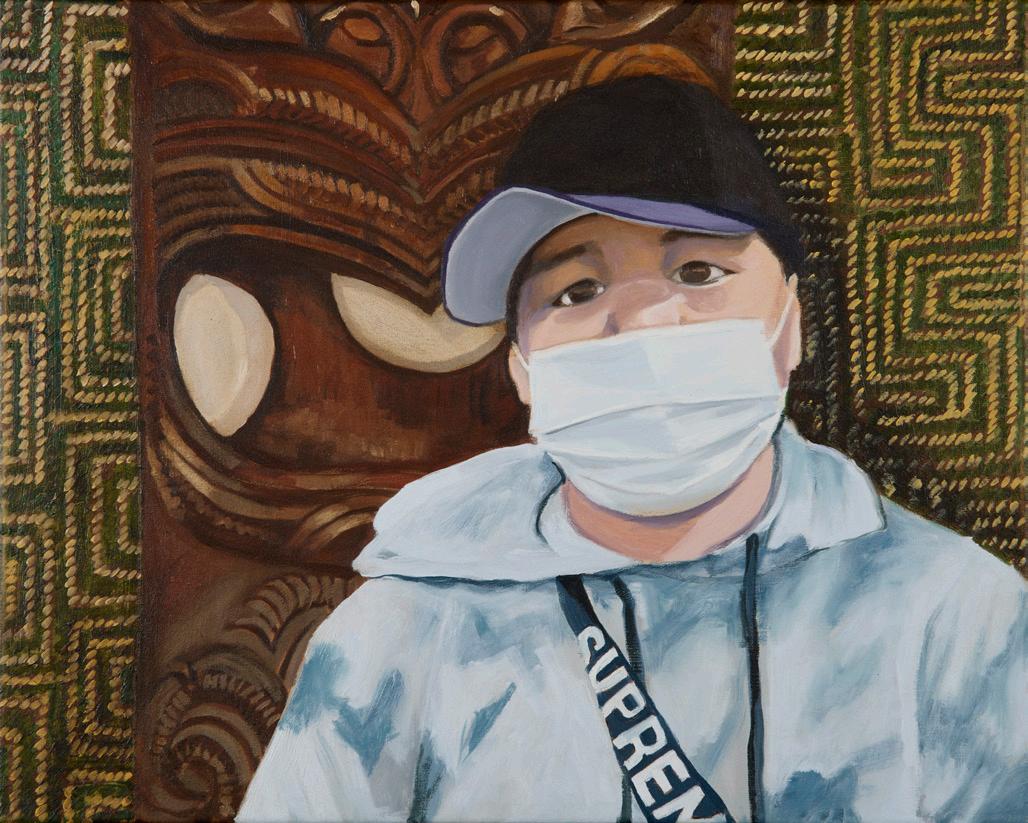
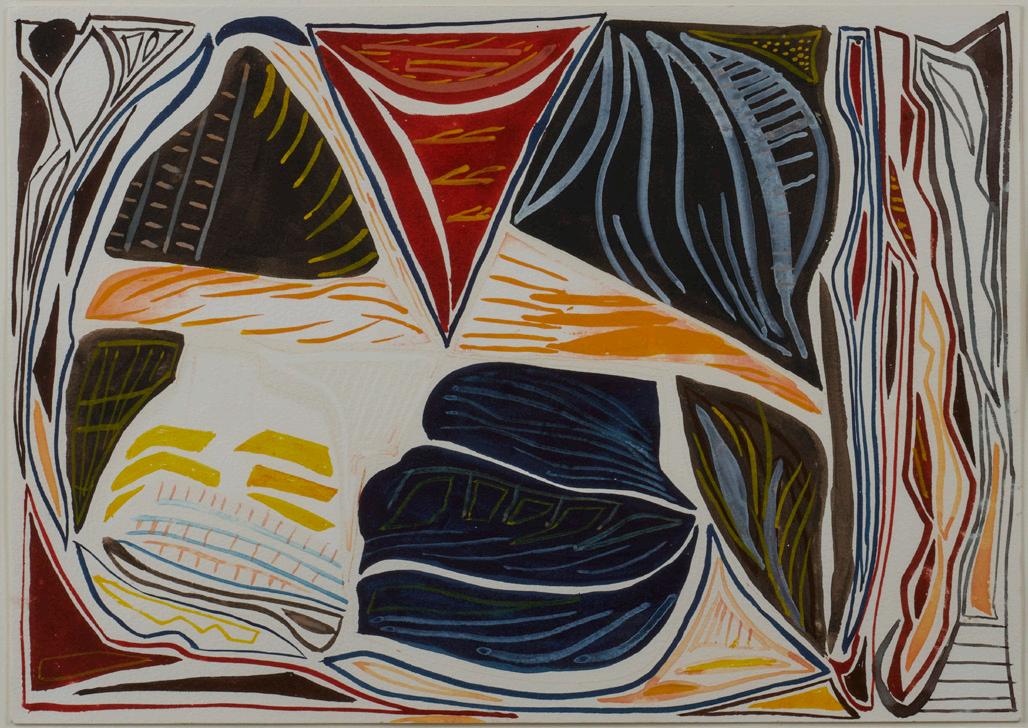
× 1190mm
$14,000—$16,000
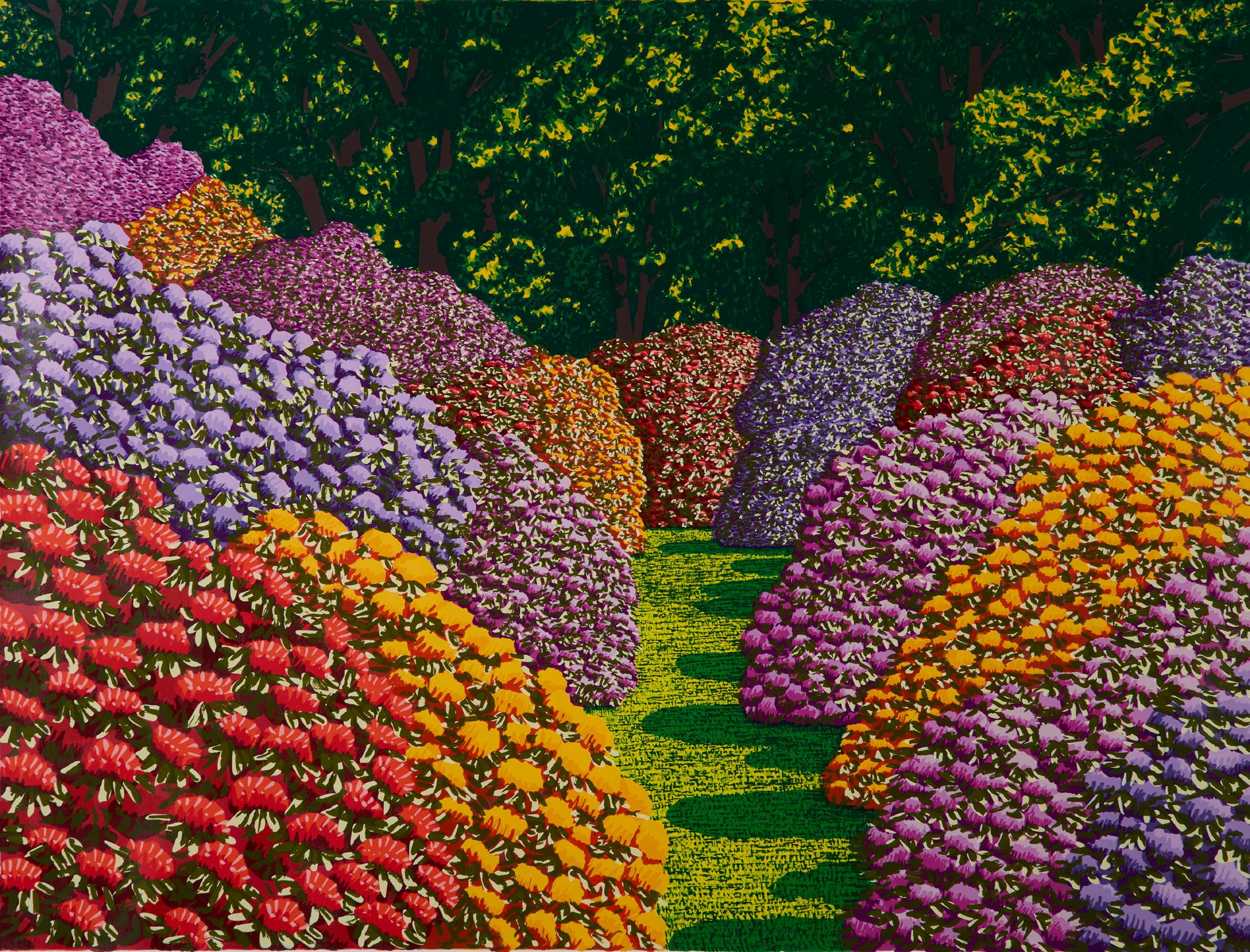
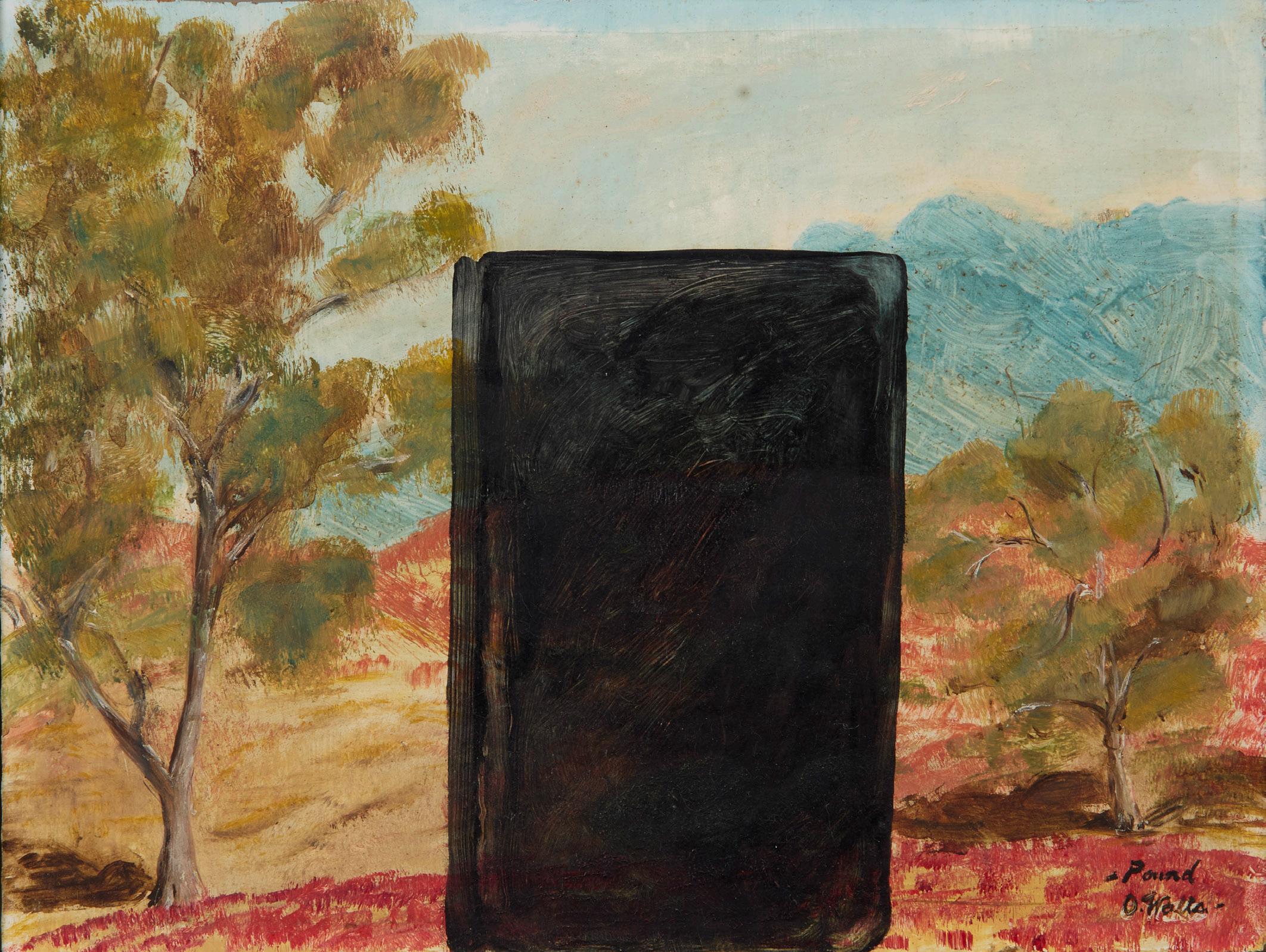
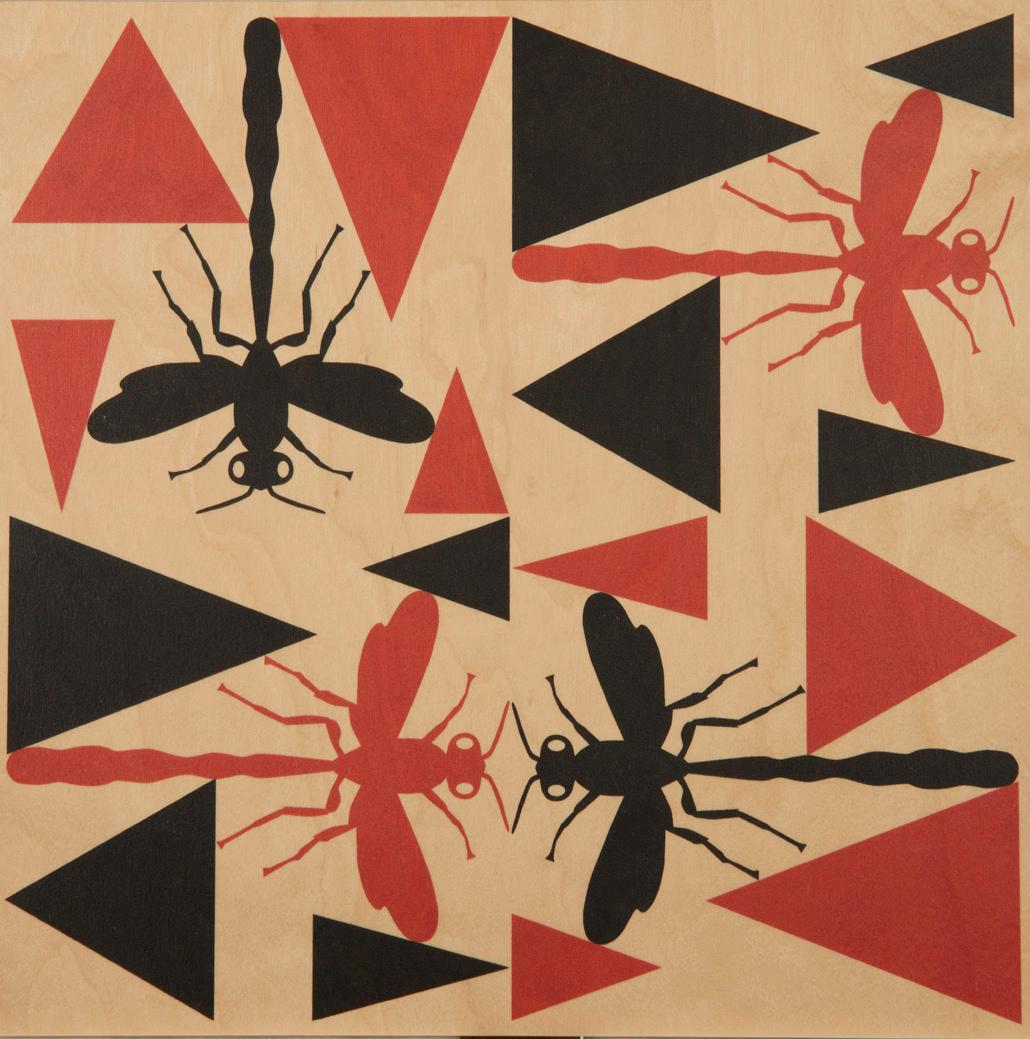
Castle —Sean Duxfield
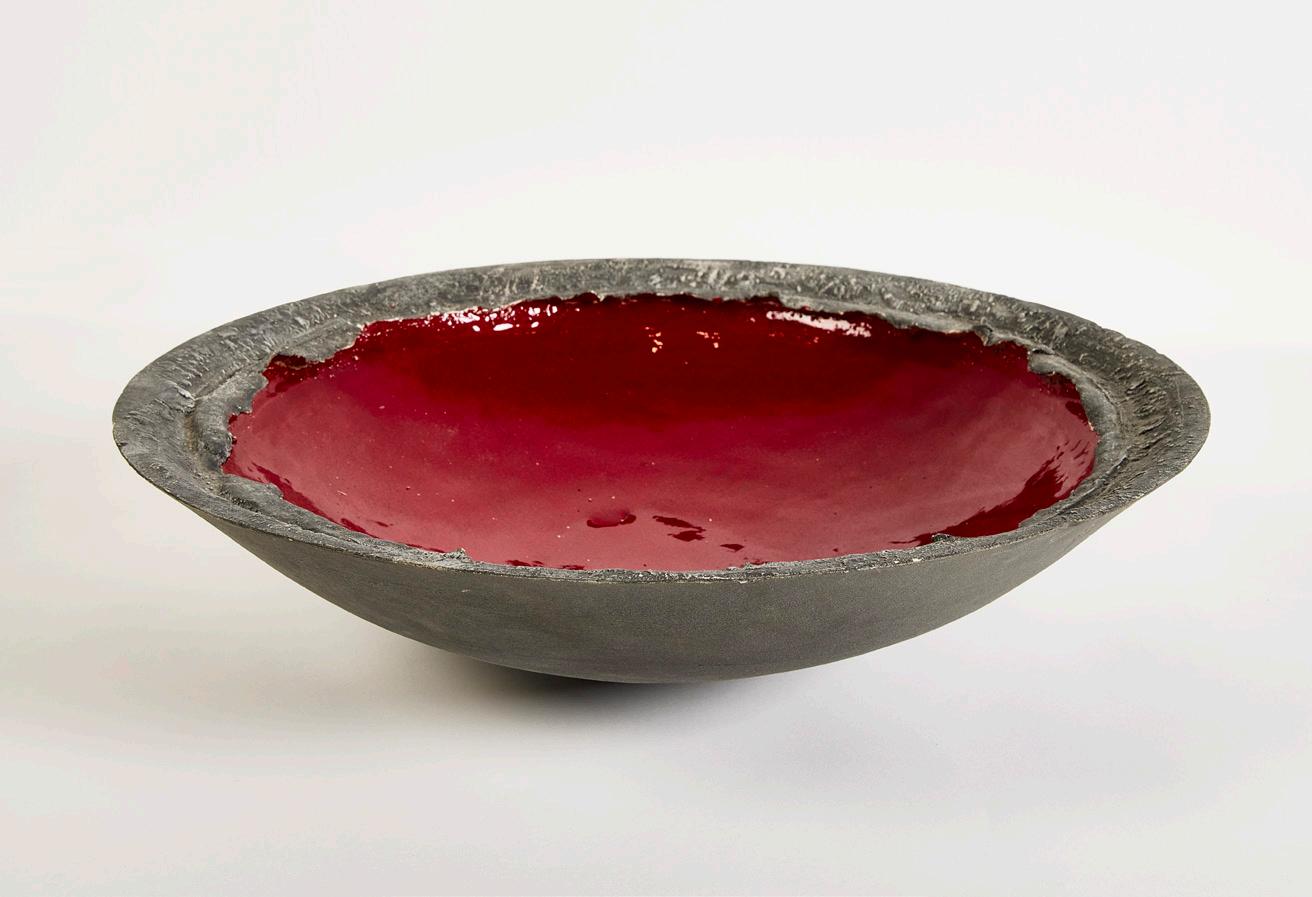
Len Castle is widely regarded as one of New Zealand’s most celebrated studio potters. Born in Auckland, Castle first encountered clay while studying at Auckland Teachers’ College in 1947. Although largely self-taught, he developed a distinctive artistic style that would later earn him international recognition.
pottery movement led by Bernard Leach and Shōji Hamada, which emphasised simplicity, craftsmanship, and the beauty of natural materials rather than highly decorated surfaces. Castle was particularly influenced by volcanic and geothermal landscapes, a connection evident in his earthy blue, green, sulphur-yellow, black, and ash-like glazes.
22 Len Castle, untitled (Lava Lake) c1990s earthenware with red glazed interior impressed with maker’s mark 145 × 540 × 540mm
$6,000—$8,000
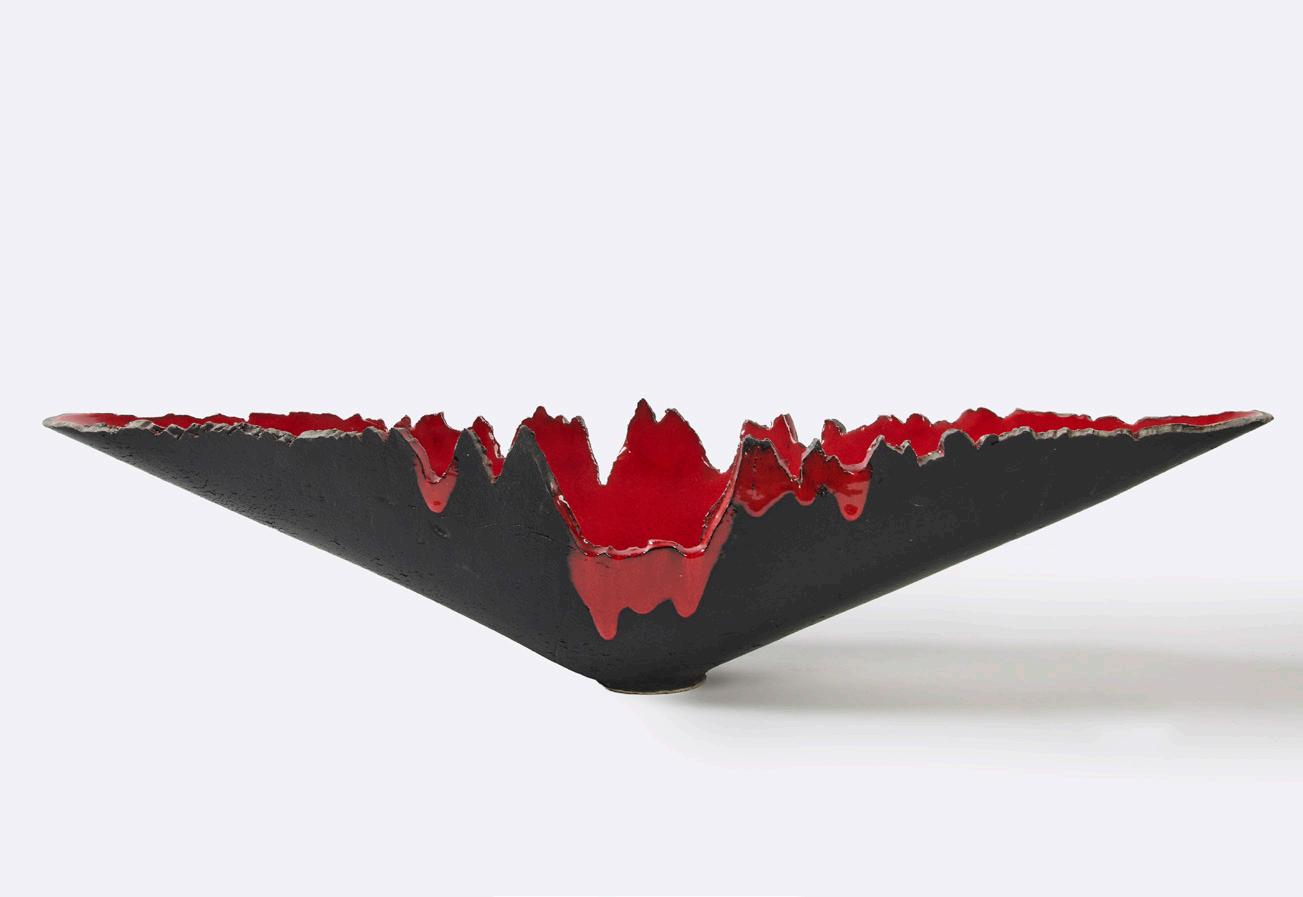
23 Len Castle, Inverted Volcano c1990 earthenware with red glazed interior impressed with maker’s mark
190 × 865 × 200mm
In 1966–67, nearly twenty years after beginning his pottery career, he received an Arts Council fellowship that allowed him to travel to Japan. This experience had a profound influence on his practice and deepened his appreciation and engagement with East Asian ceramic traditions. Inspired by the natural environment, Castle produced pottery characterised by simple forms and minimal decoration, often glazing his works in a single bold colour. This approach reflected the ideals of the studio
His work also reflects the influence of Chinese and Korean ceramic traditions, particularly in its balance, texture, and understated elegance. A striking example is Inverted Volcano, based on his wellknown inverted volcano forms. The vessel evokes the flow of red lava and transforms the dramatic shape of a mountain into a functional object. Its jagged edges echo natural rock formations and crevasses, reinforcing Castle’s enduring connection to the New Zealand landscape.
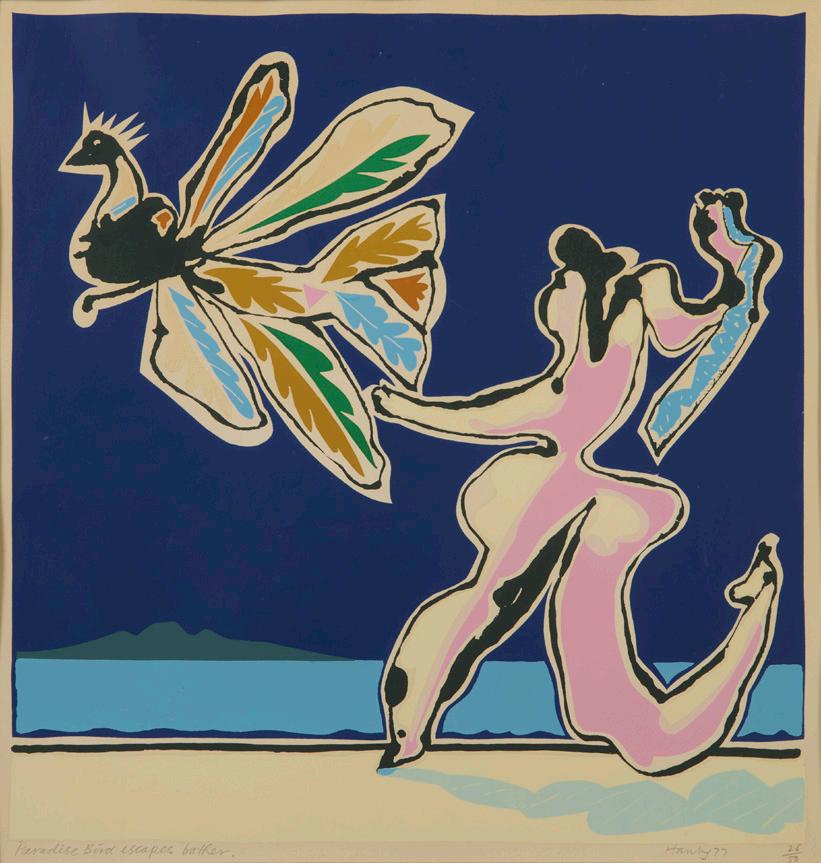
26/50 signed, dated and title inscribed 500 × 470mm
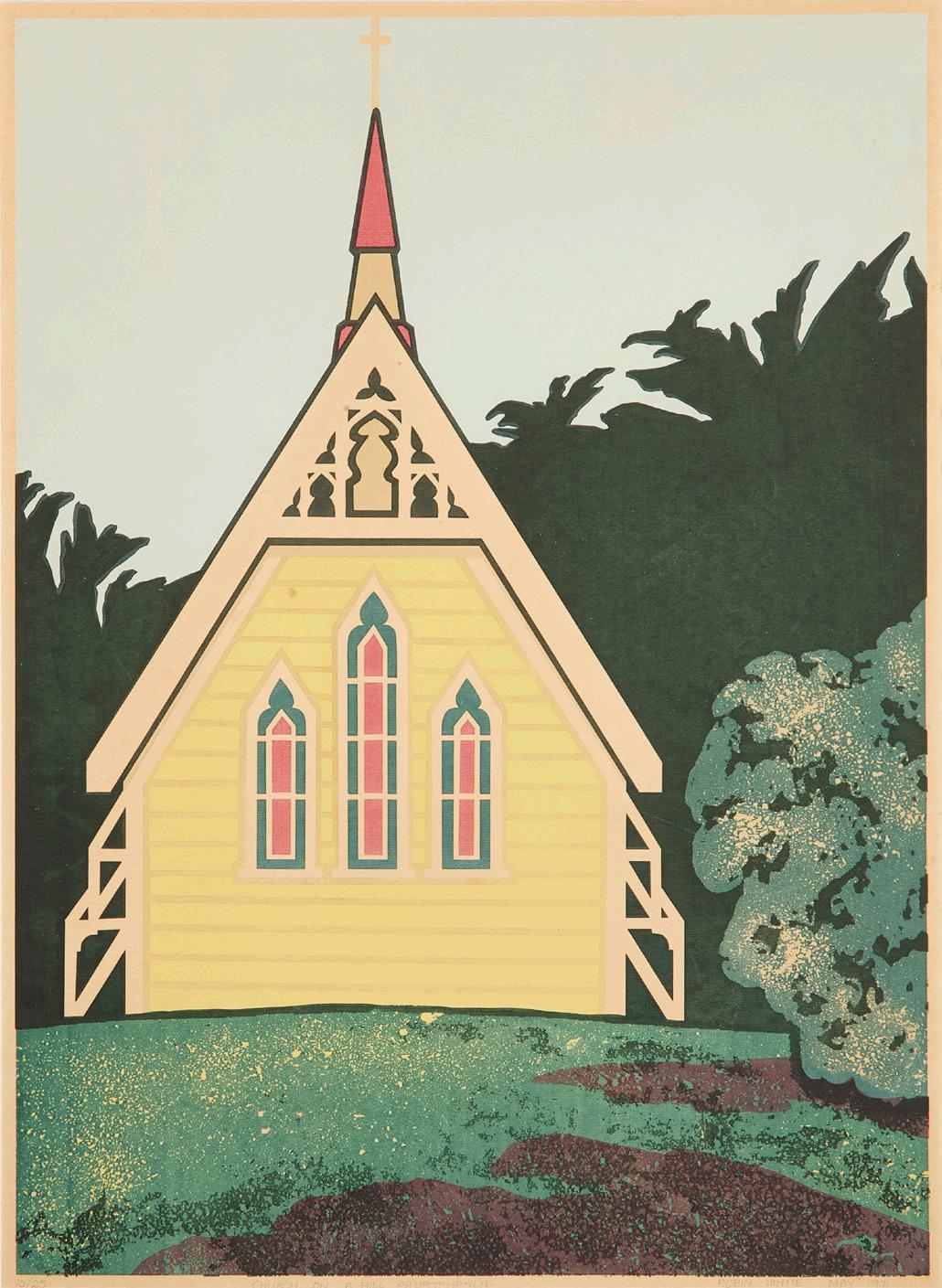
× 410mm
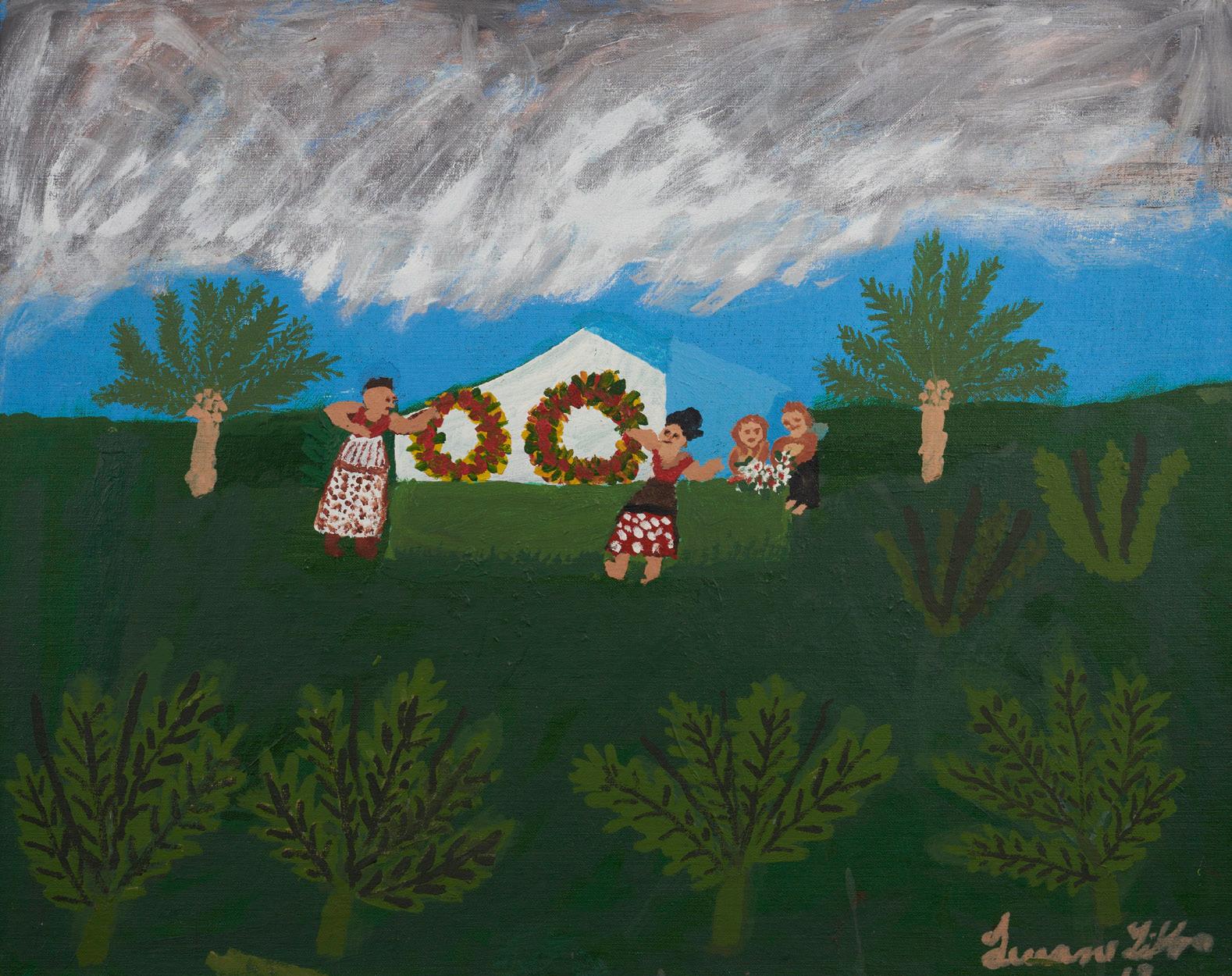
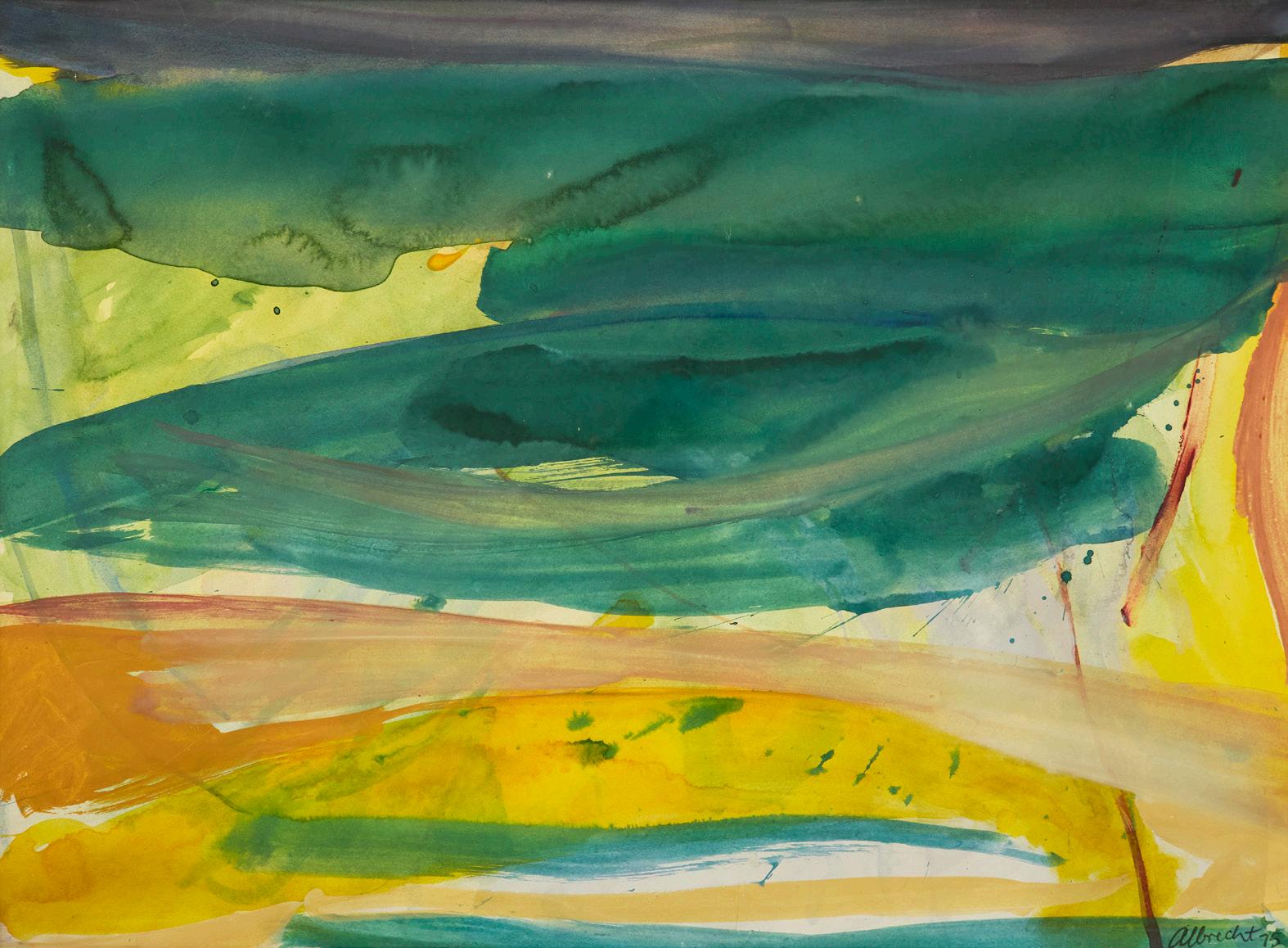
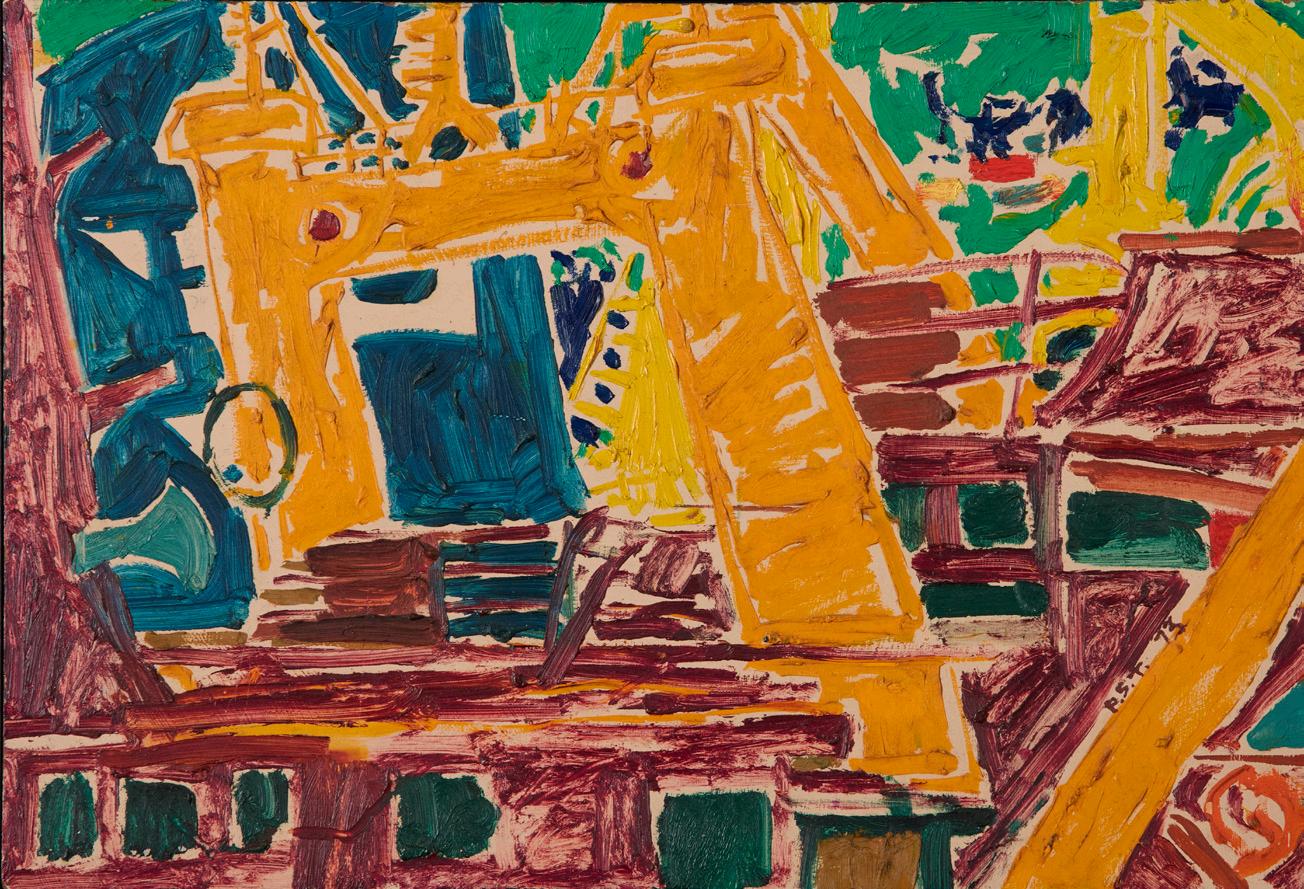
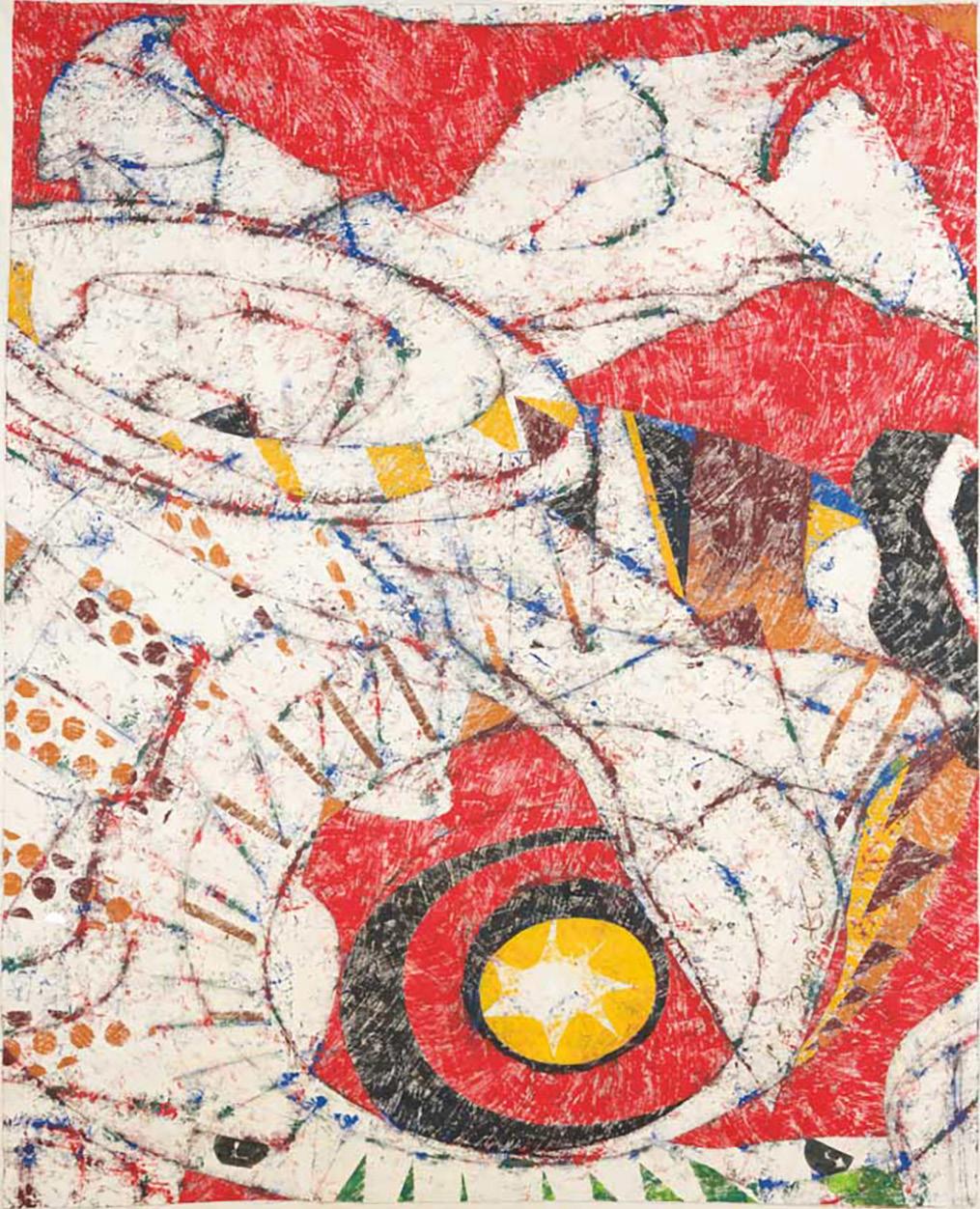
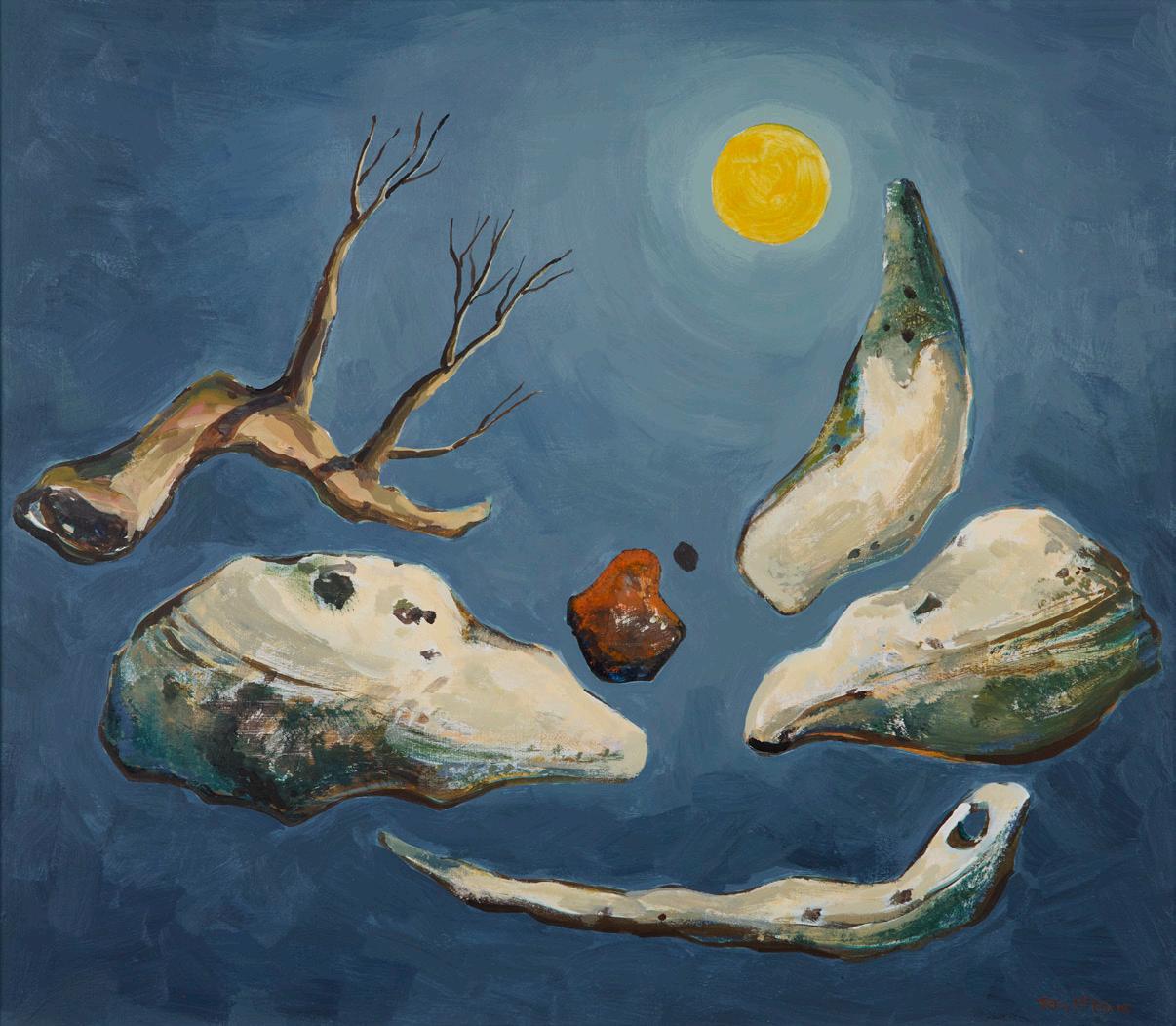
Philip Trusttum’s paintings were nothing short of extraordinary: spiritual yet impulsive, visually captivating yet deceptively simple in subject. Despite the seriousness of his career, marked by his appointment as an Officer of the New Zealand Order of Merit in 2021, a Queen Elizabeth II Arts Council scholarship and a Pollock-Krasner Foundation grant, Trusttum’s work never ceased to embrace the strange and wondrous aspects of the world.
The son of a Methodist lay preacher, Trusttum and his family moved several times during his childhood. These relocations, particularly a period spent in Oxford, gently coaxed him towards a serious interest in art. At the age of 20, Trusttum was accepted into the University of Canterbury School of Fine Arts (Ilam), where he was taught by the German-born artist Rudi Gopas, who became a core influence on his practice. Trusttum also acknowledged European and American influences, including the brushwork and colour of Vincent van Gogh, the shapes and figures of Paul Klee, and the articulation of space found in the work of Joan Miró.
However, Trusttum’s works were uniquely his own, drawing on the everyday subjects of his life. His interests in tennis and music, activities he pursued when taking a break from the easel, became recurring
themes within his oeuvre. He also painted scenes from his Waimate farm, capturing the physical energy required for daily labour in the remote South Island town. A manual push lawn mower emerged as a potent symbol of this work within the paintings.
Most notable is the body of work that stayed closest to home: scenes painted in his own yard. Following a visit in 1972 to Europe and the United States, where Trusttum encountered major works of European painting, these influences intersected with his developing ideas, giving rise to an increasingly energetic use of colour and form.
Trusttum’s garden series from the early 1970s unfolds as a vivid daydream of nectarine skies, cerulean leaves and aubergine branches, rendered through tactile brushwork that envelops the viewer. These works were painted entirely from his own garden. A favourite quote of Trusttum’s, from Paul Cézanne, was: “If you don’t know what to paint, you should paint your stove’s chimney.”
Philip Trusttum’s art offered a vision of the rural South Island landscape and lifestyle that exists nowhere else. Recently departed and dearly missed, recognition of his contribution of joyful chaos to New Zealand’s art history remains vital. His sense of joy and wonder is singular, and not easily replicated.
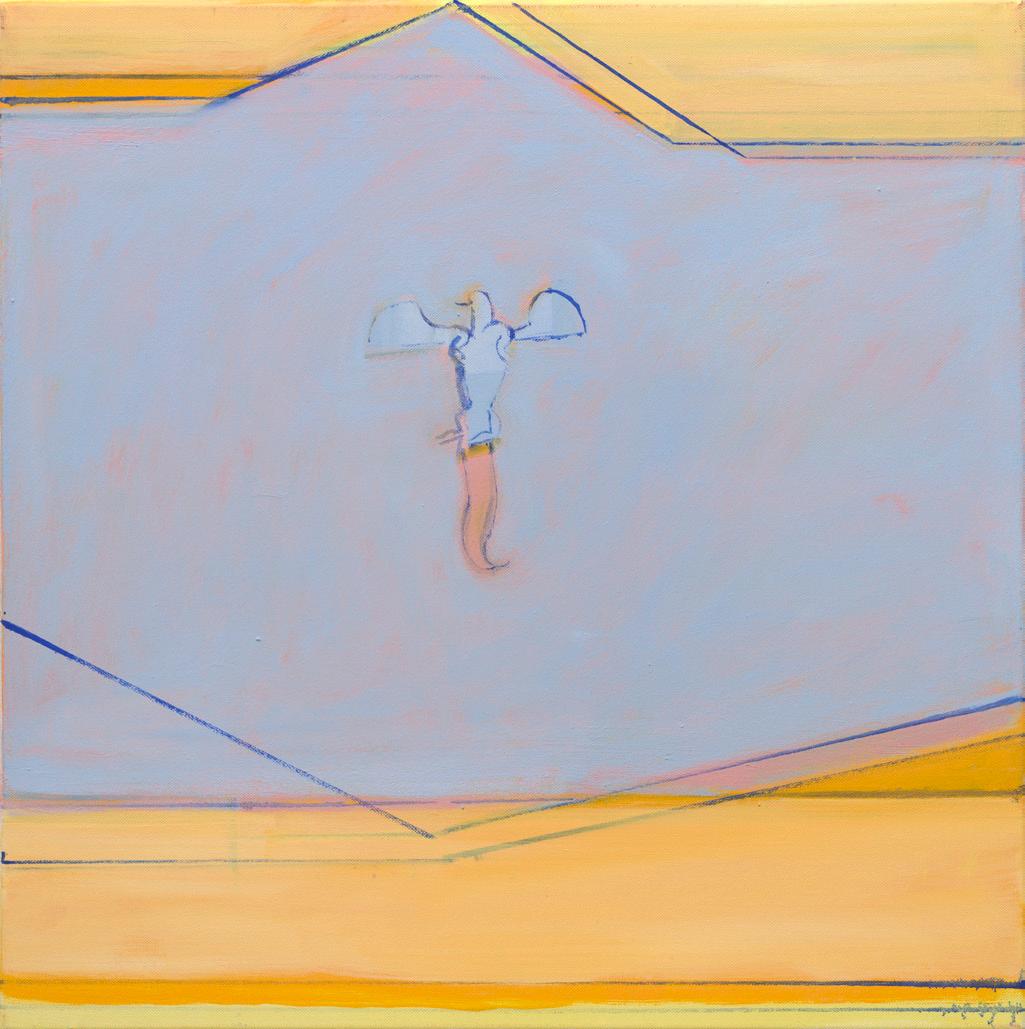
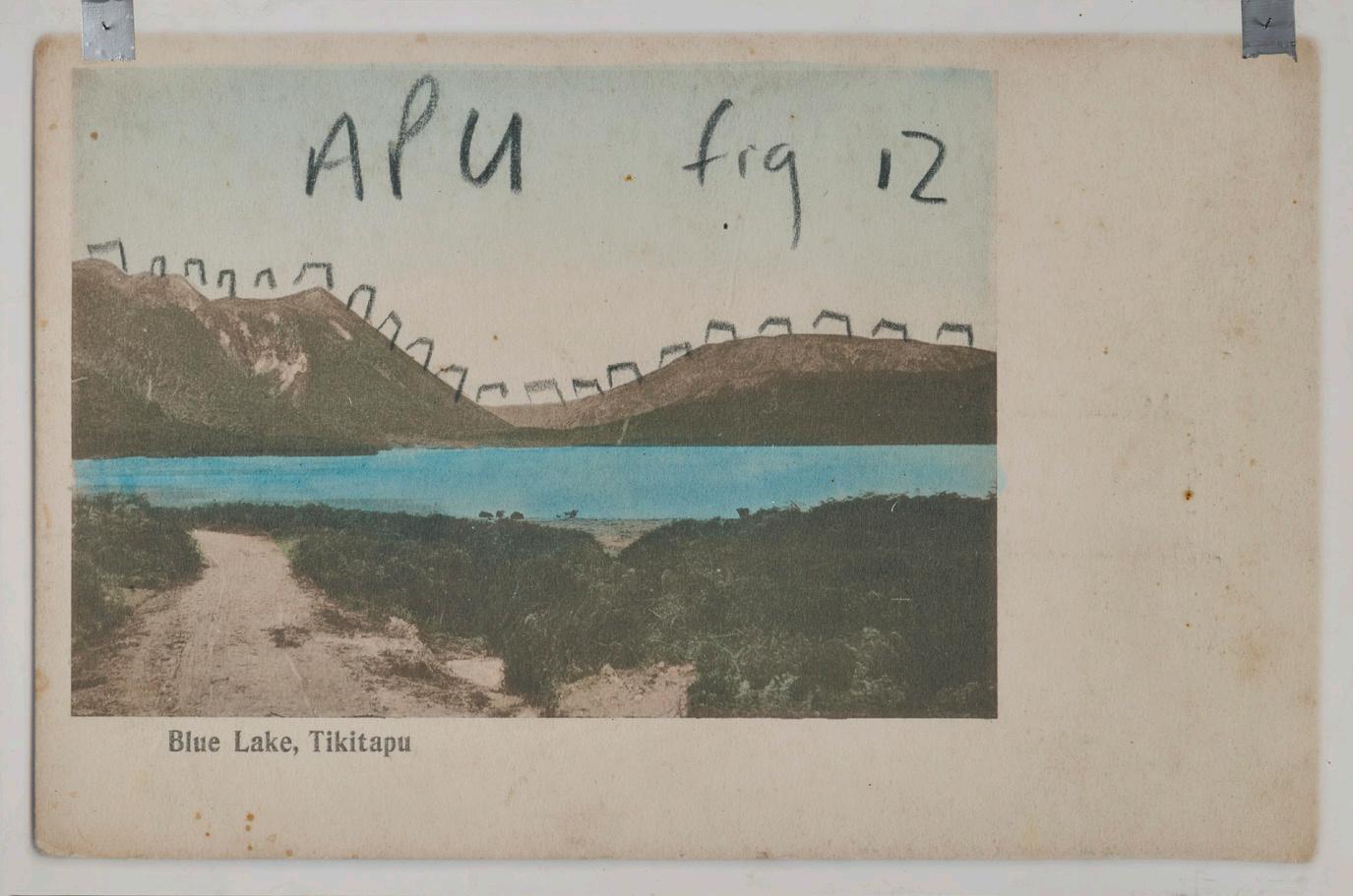
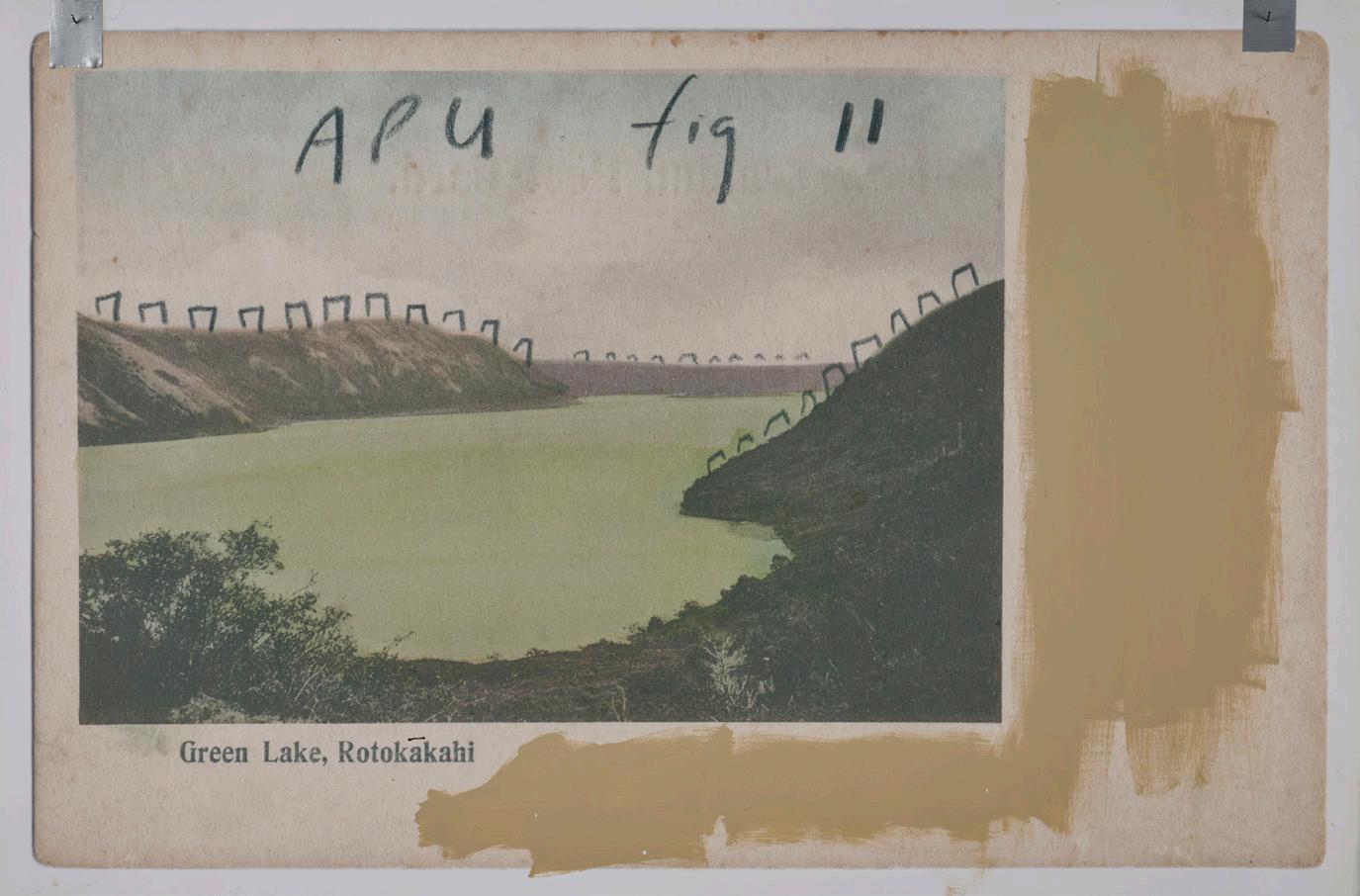
et al. —Kelly
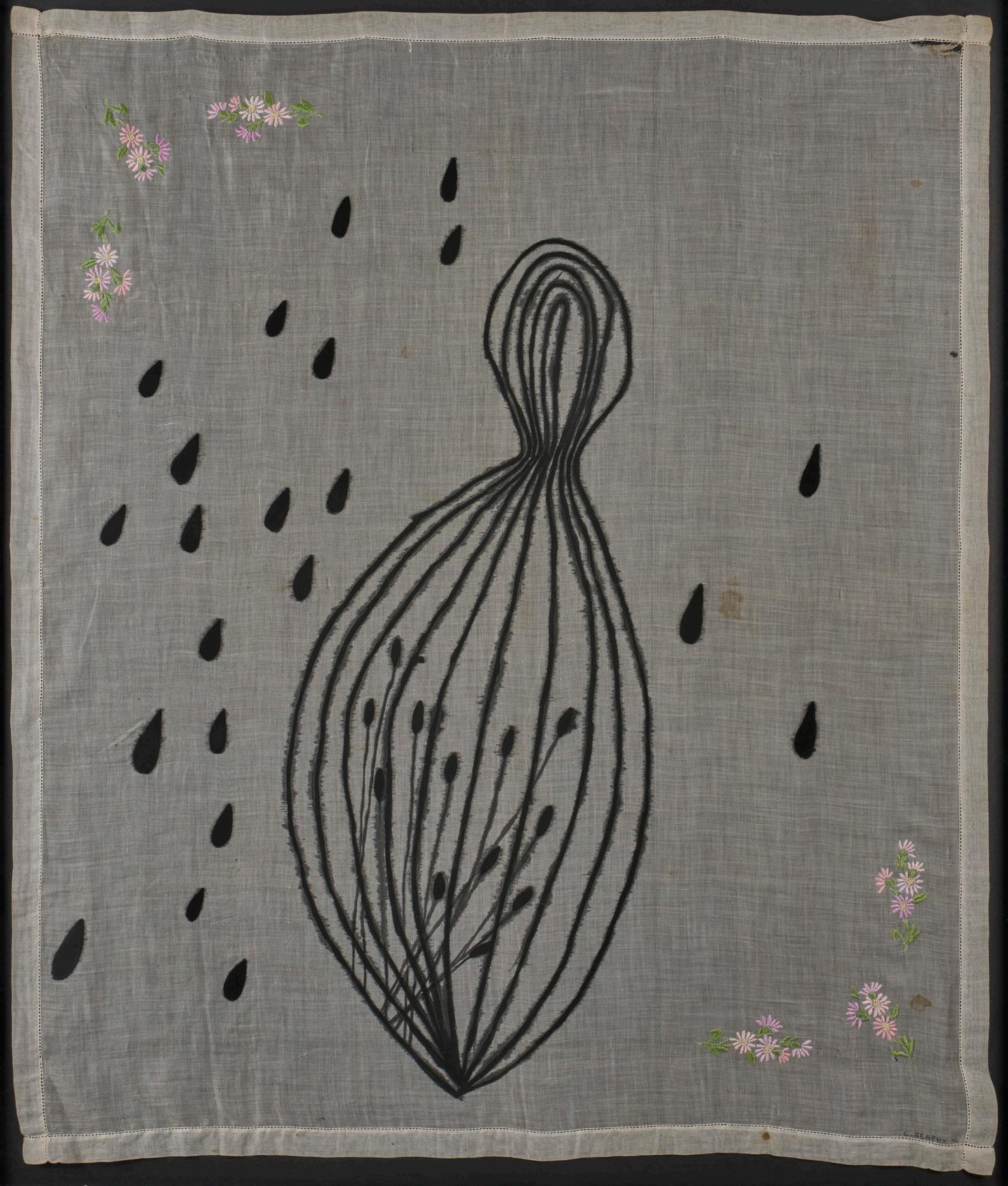
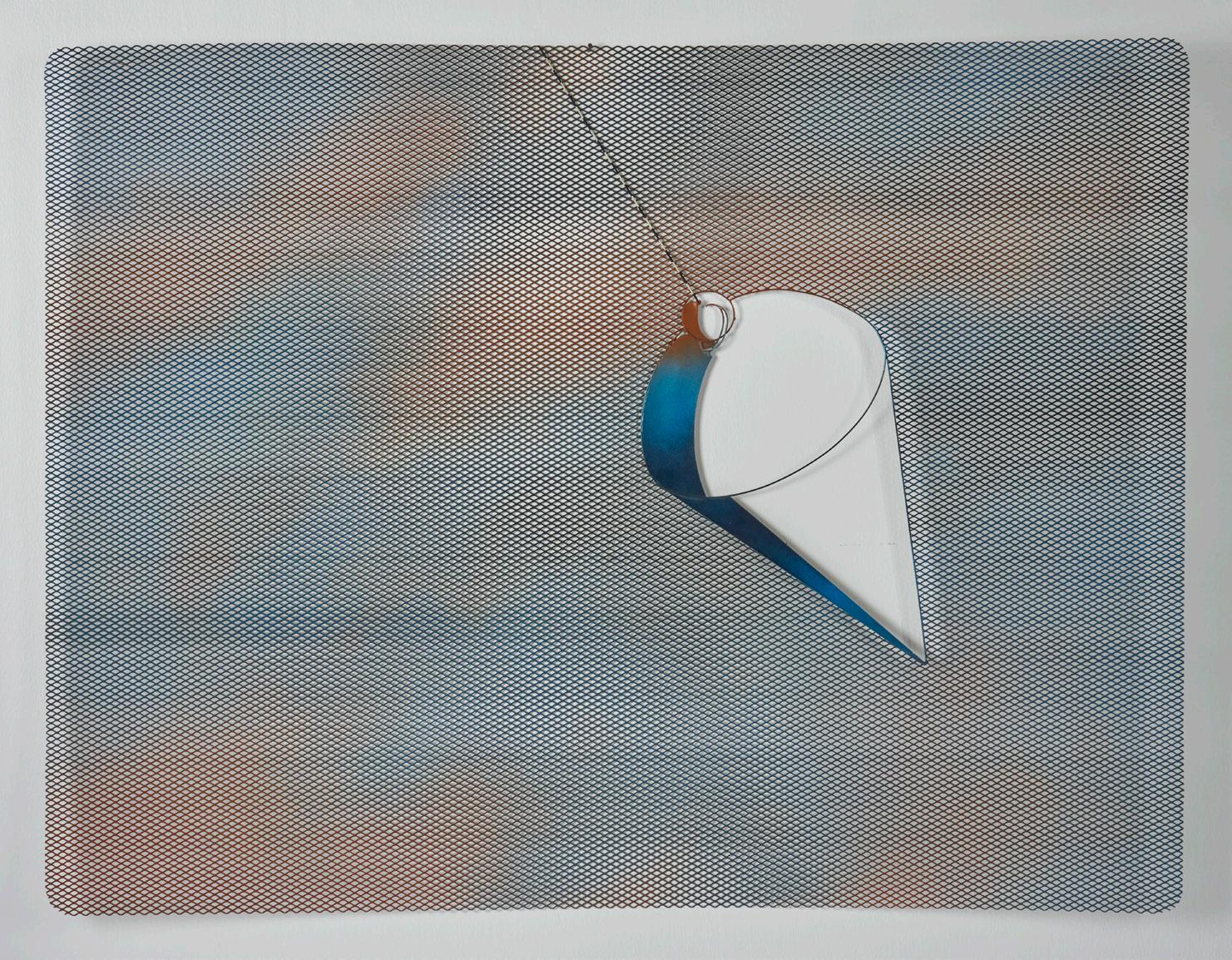
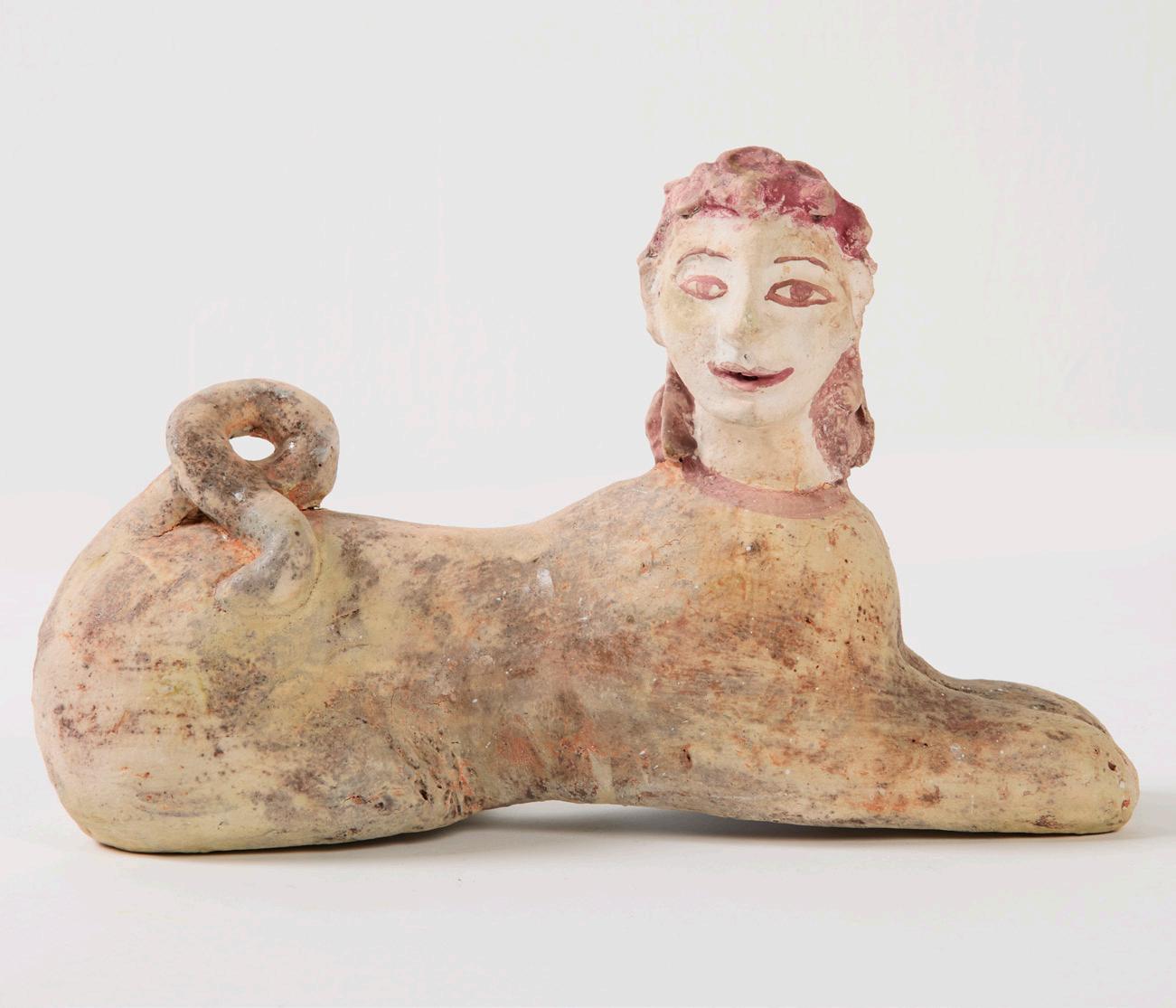
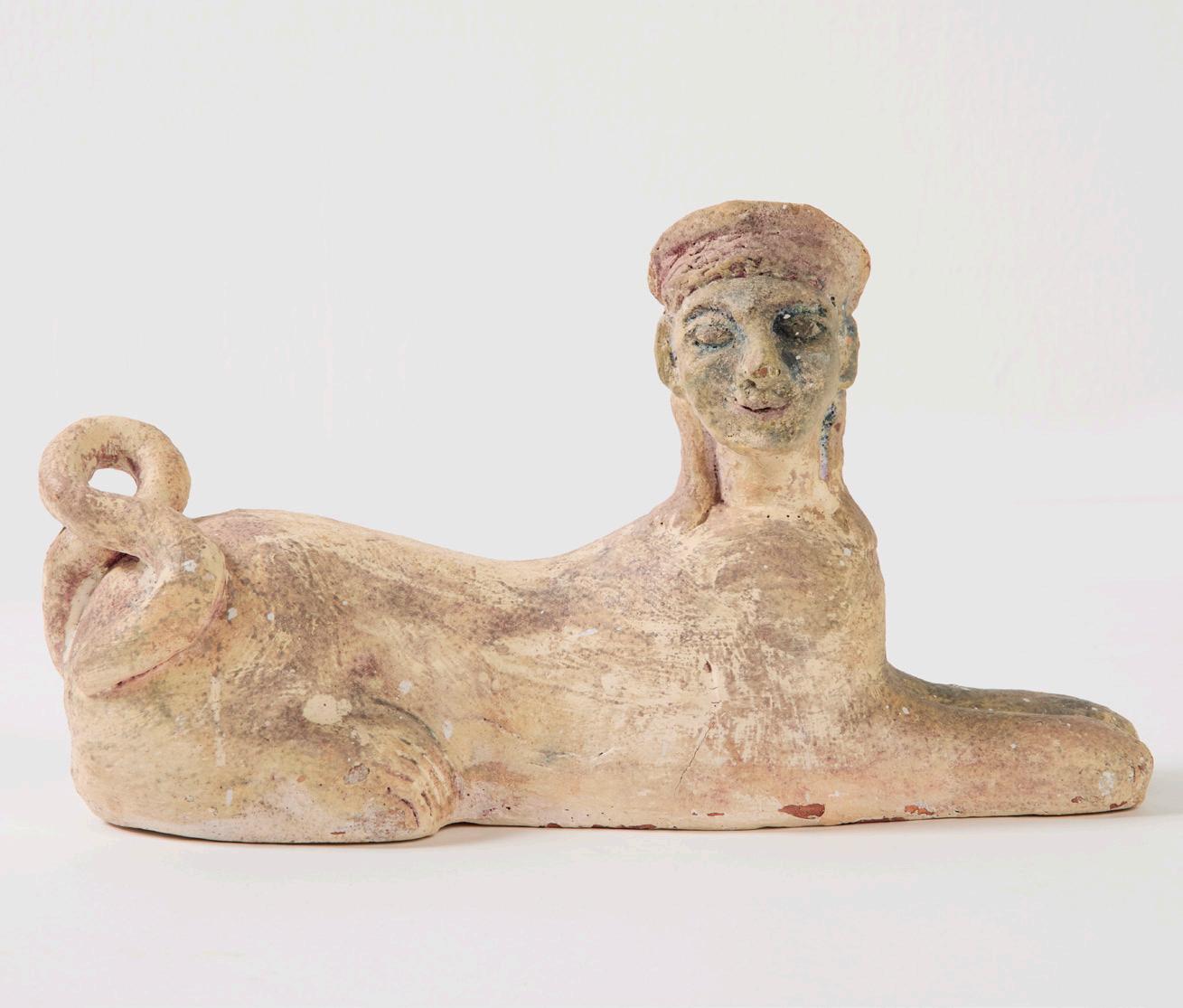
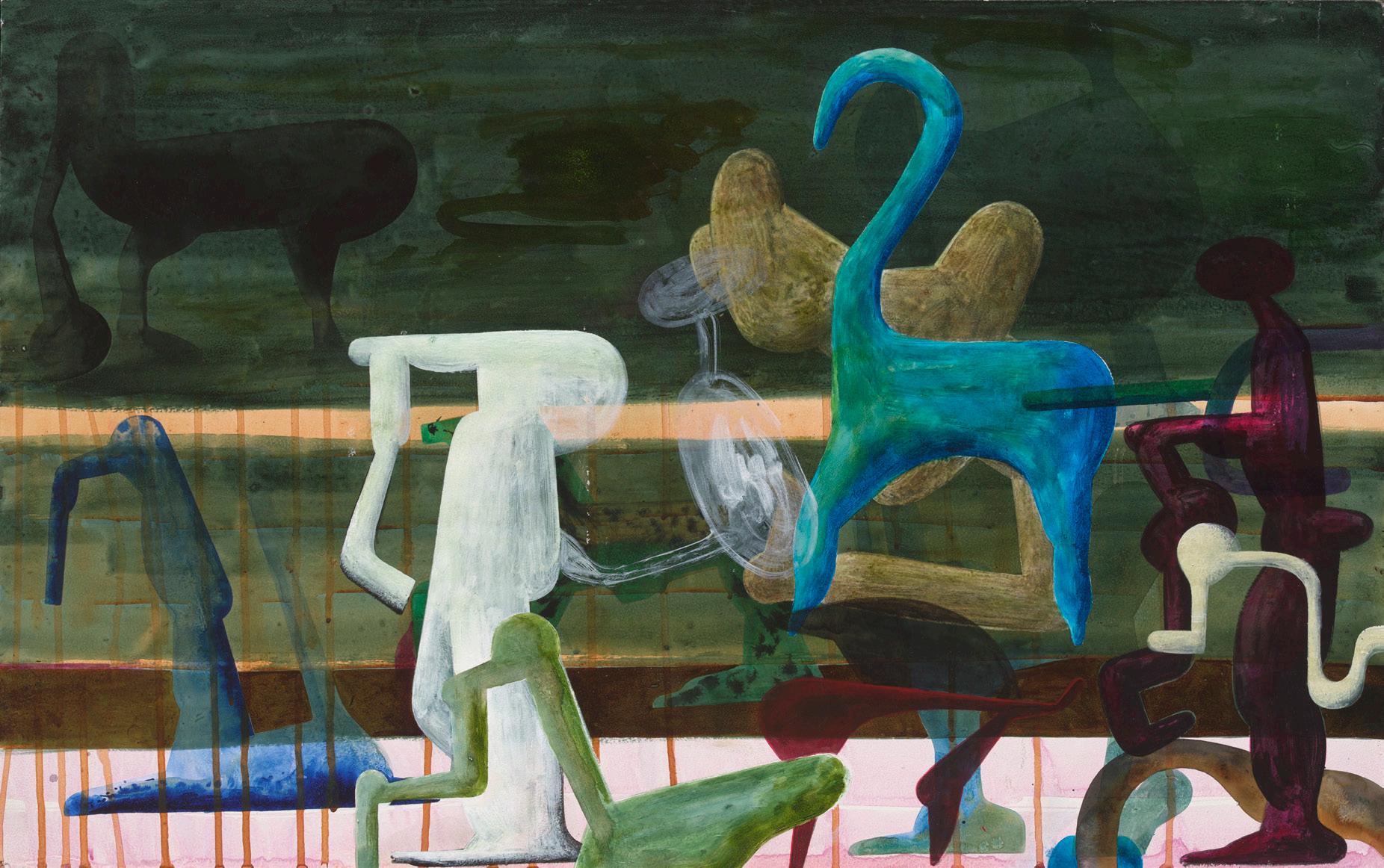
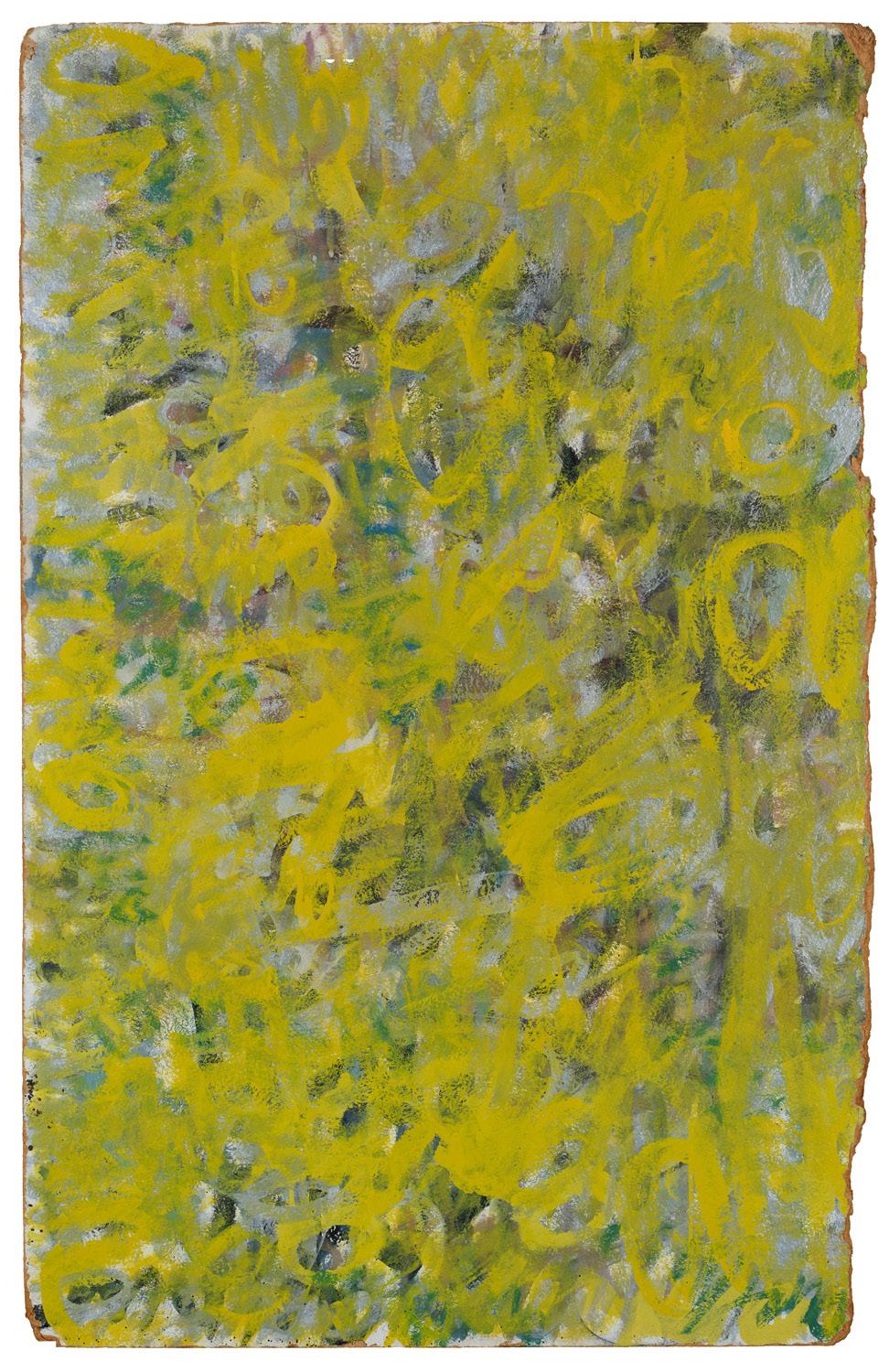
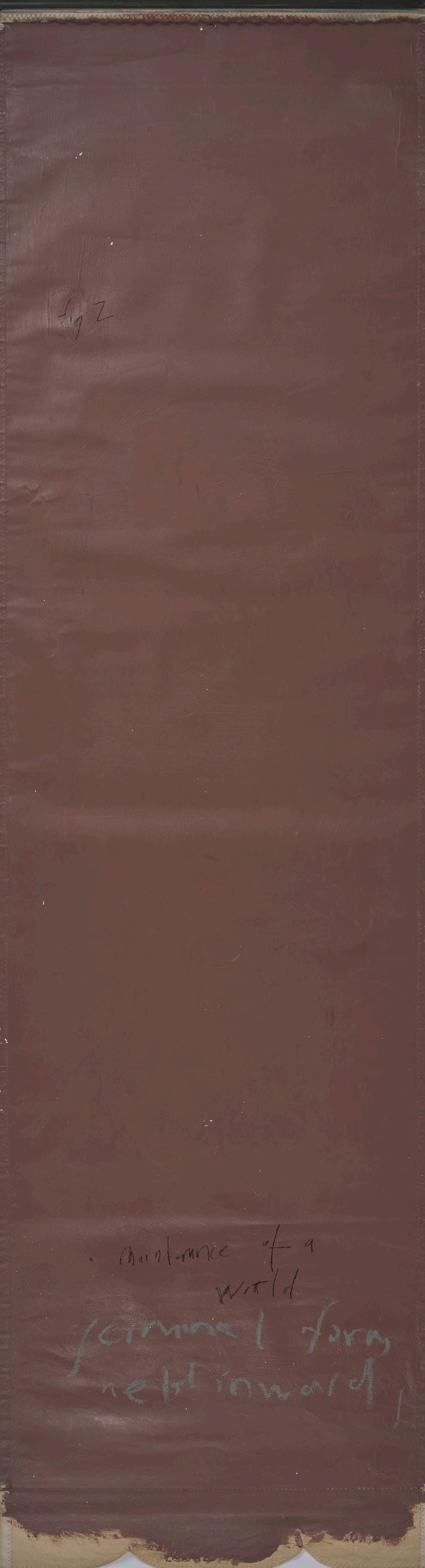
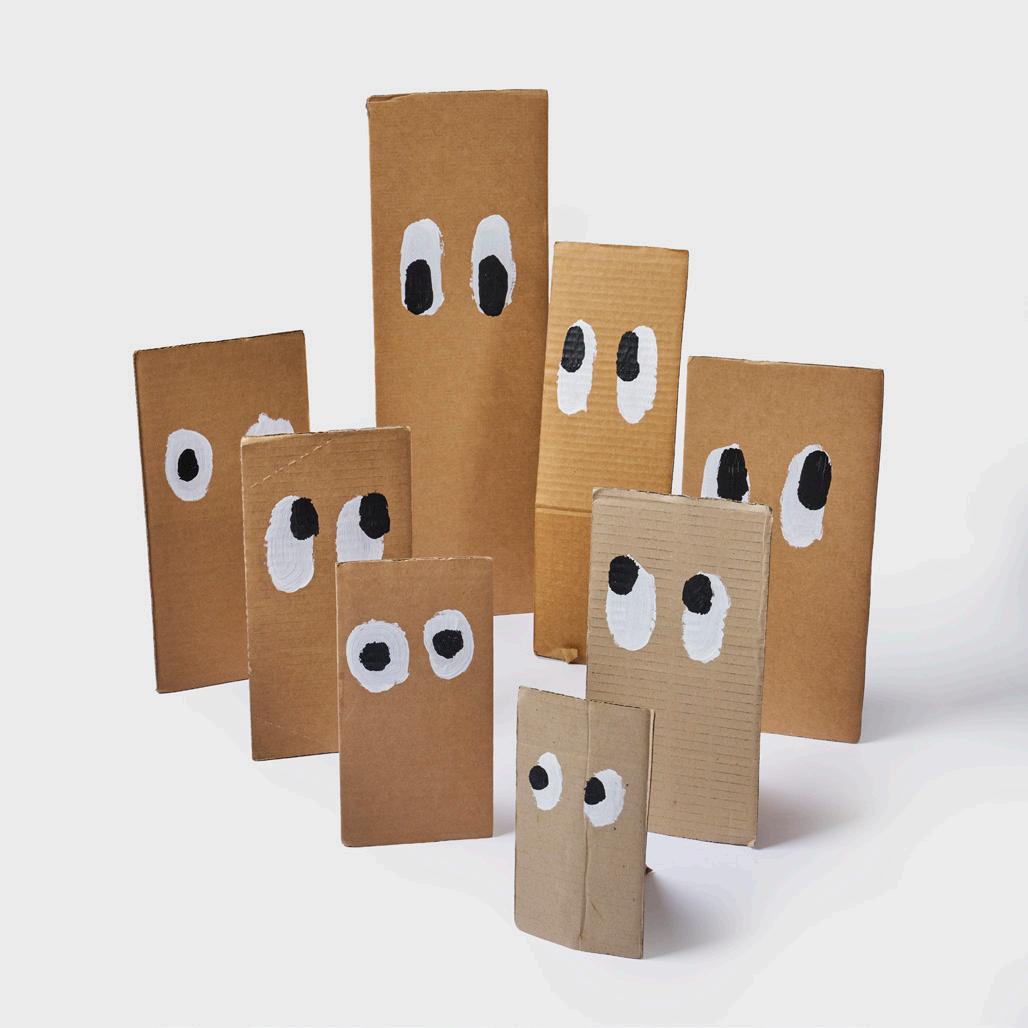
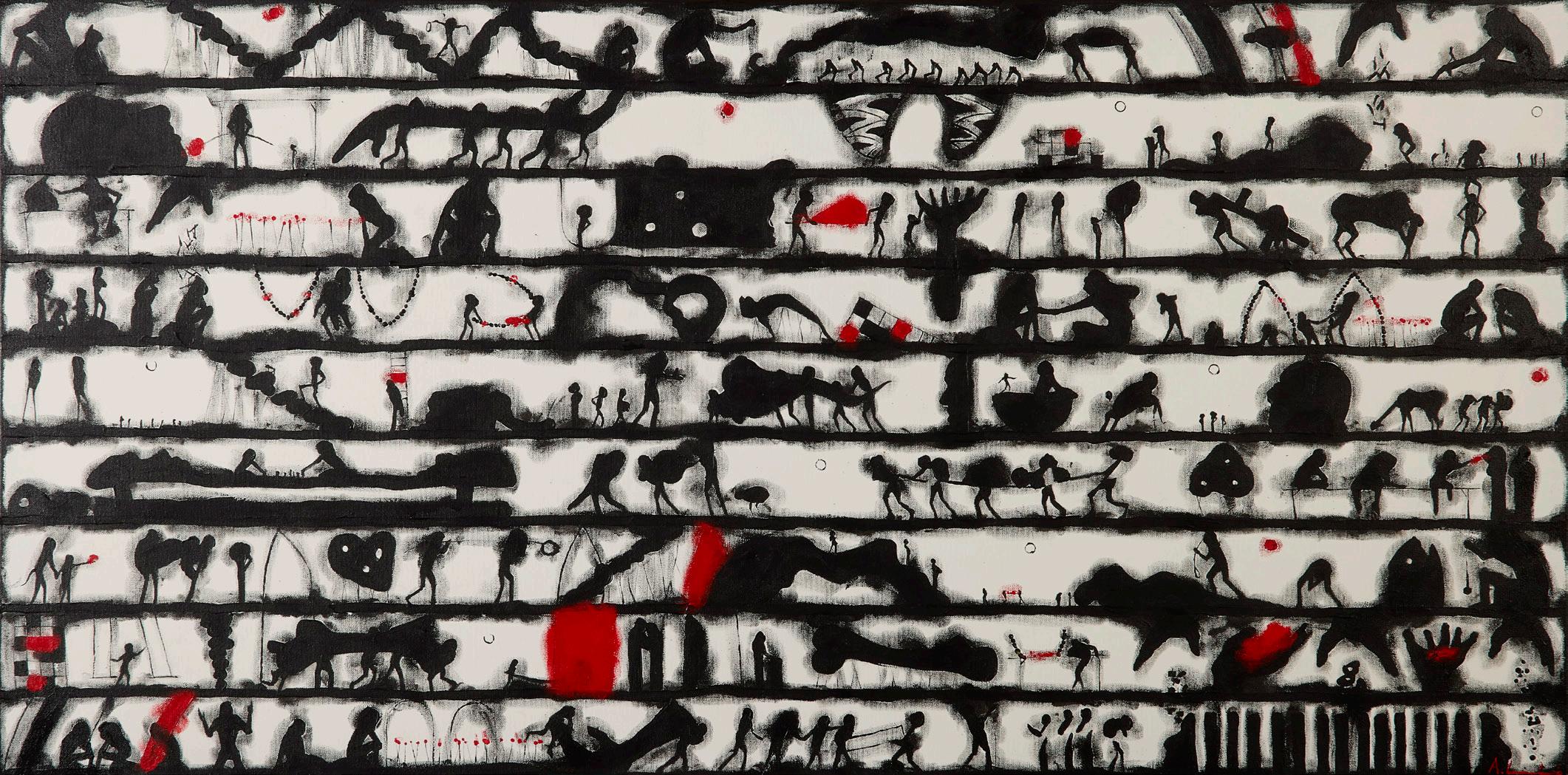
Across the history of contemporary New Zealand art, the entity known as et al is a singular phenomenon. Artist collectives can be notoriously capricious, yet few have sustained a practice as dynamic and multilayered as the anonymous et al. Working together and creating art since the mid 1980s, a collaborative group of compelling personas including Lillian Budd, Merit Gröting, P. Mule, Blanche Ready-made and others – now known as the collective et al. –has created an extensive body of work that persistently redefines concepts of authorship, identity, histories and belief systems.
in 2004, New Zealand’s most prestigious art award. In 2005, et al. was selected to represent New Zealand at the 51st Venice Biennale, presenting an intriguing and complex installation of sound recordings, metal structures, and mixed-media elements that challenged traditional viewing.
44
Over several decades, the collaborators have drawn critical acclaim, with representation by leading dealer galleries and recognition including the Walters Prize
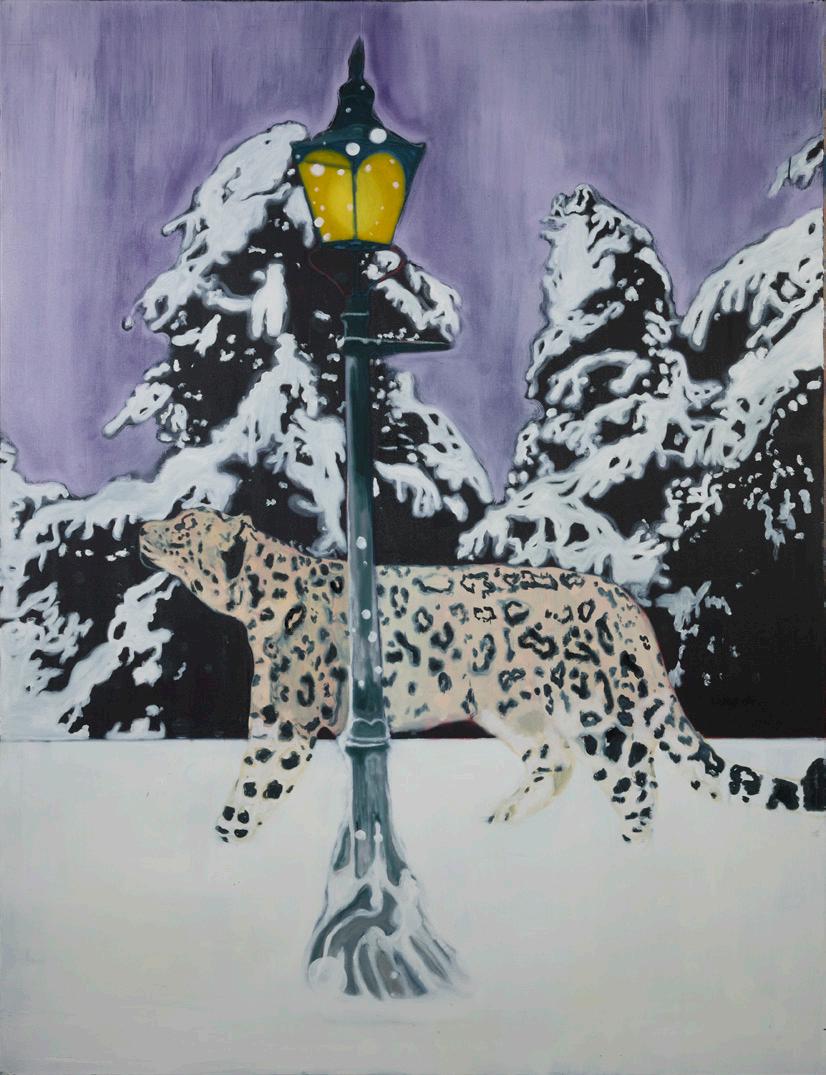
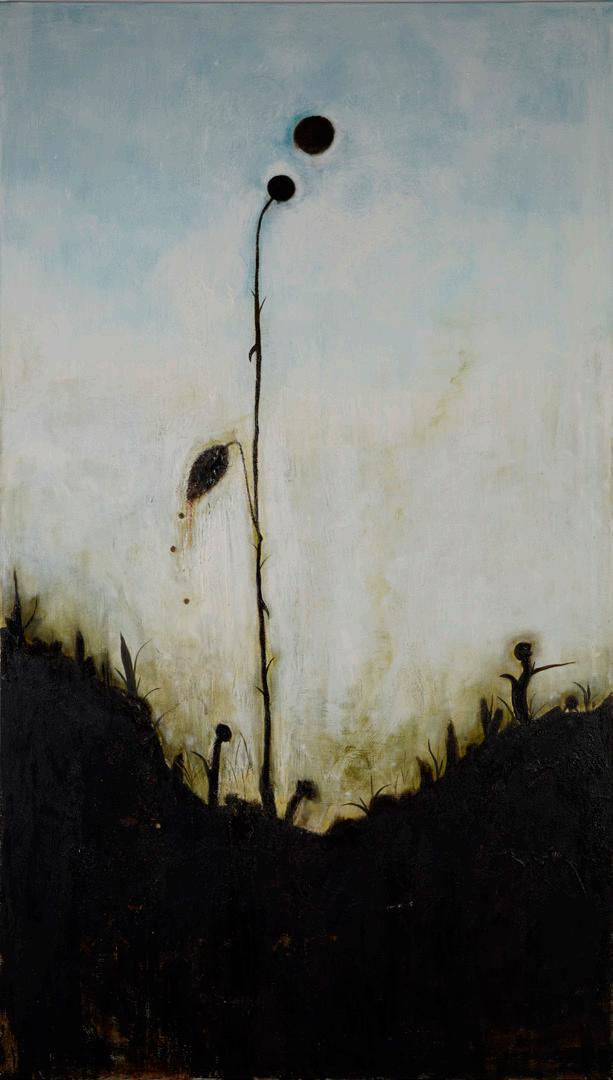
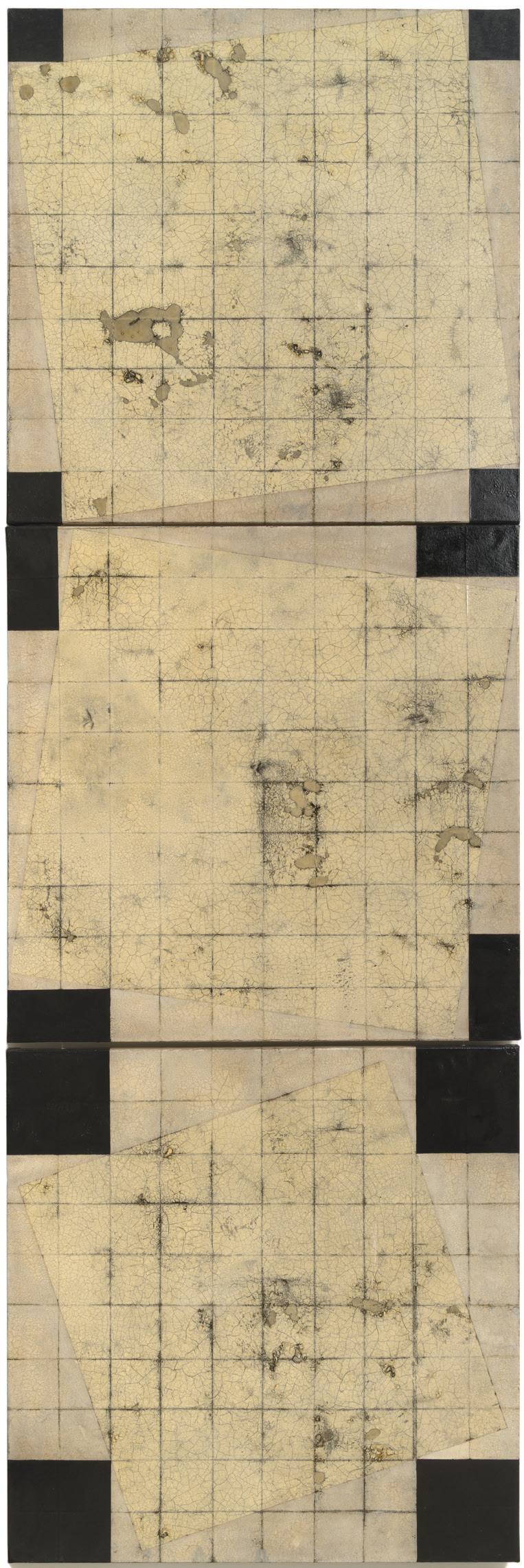
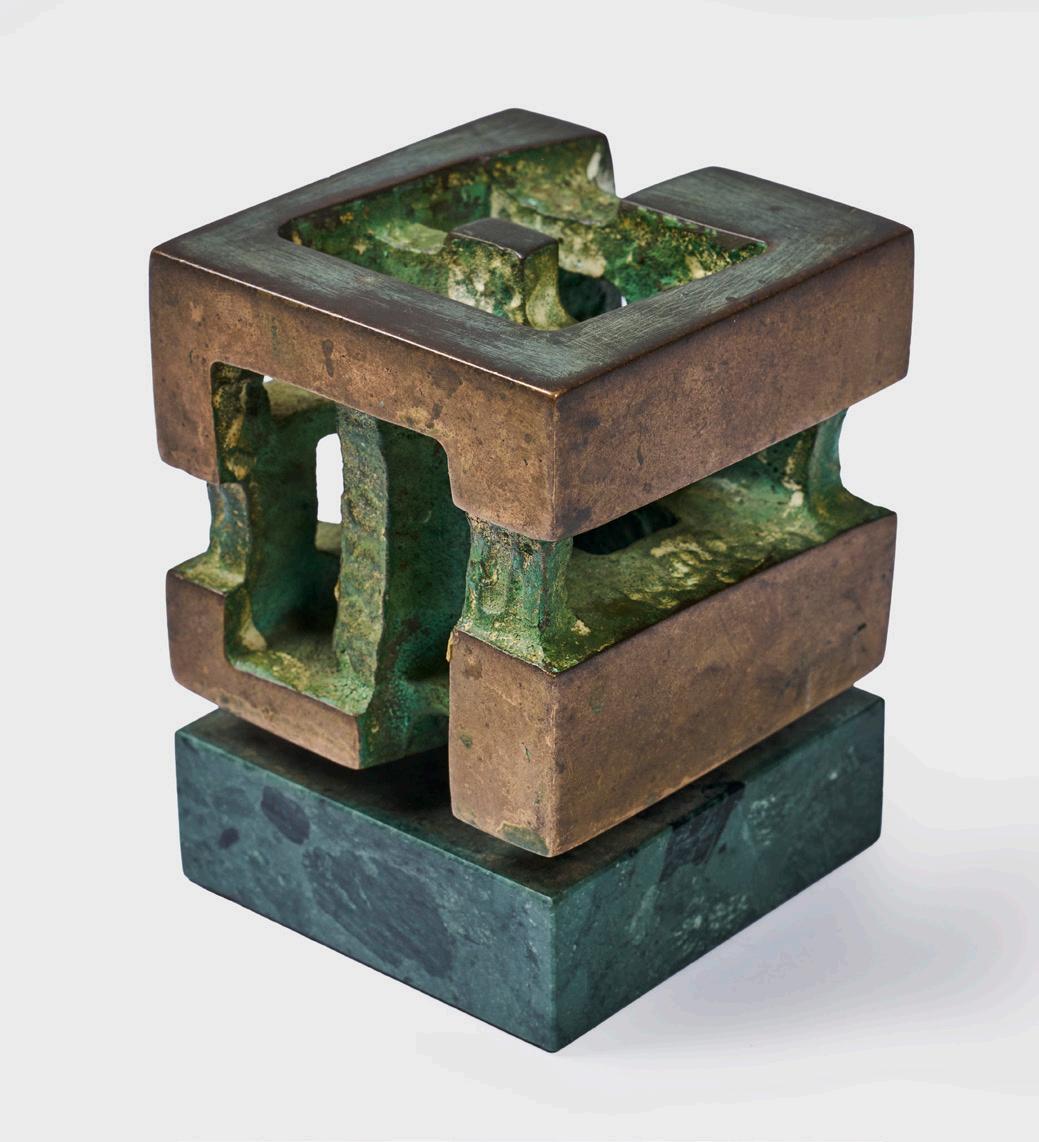
Known for conceptual and often mixed-media “superfictions,” et al. moves fluently between the curiously gritty and industrial and the unexpectedly elegant. Two of the three works presented here draw on historical images of New Zealand’s natural beauty, transforming them into PVC readymades onto which new, unstable narratives are projected. In recasting images of the misty past, these works invite new and elusive fictions to be written.
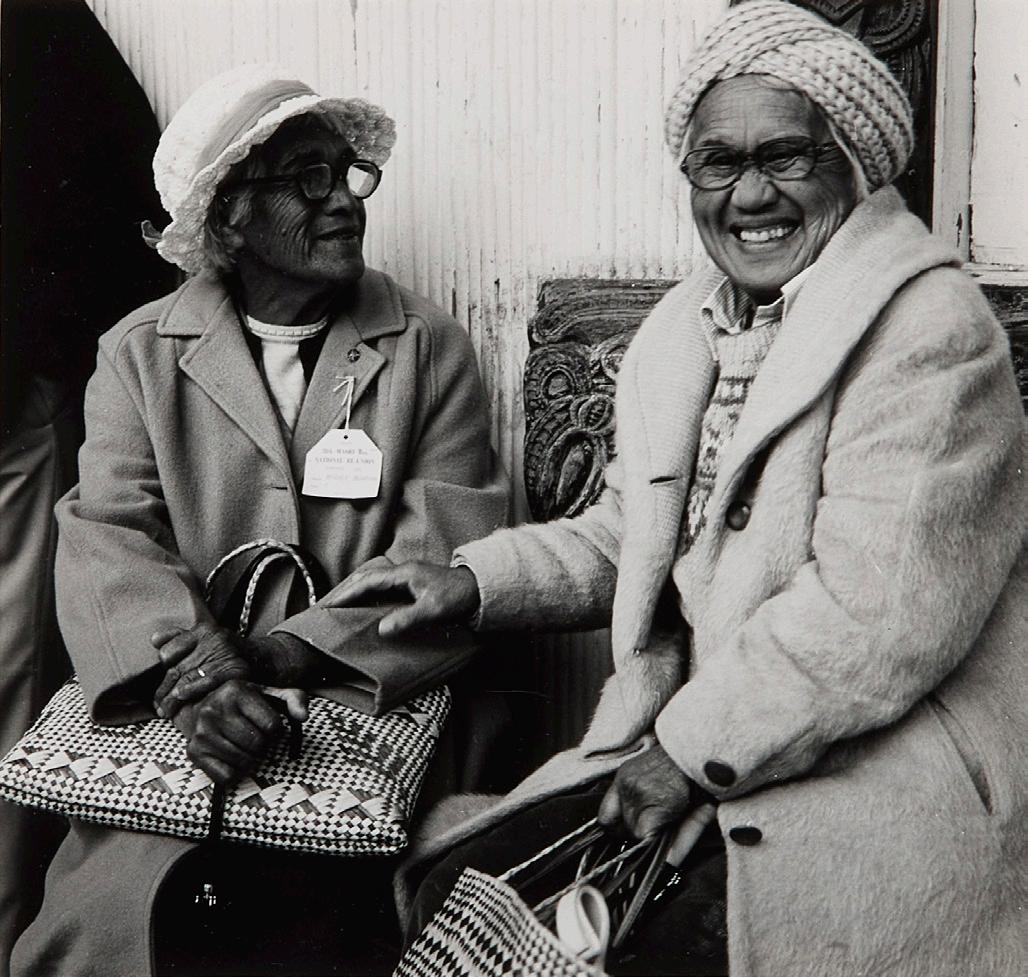
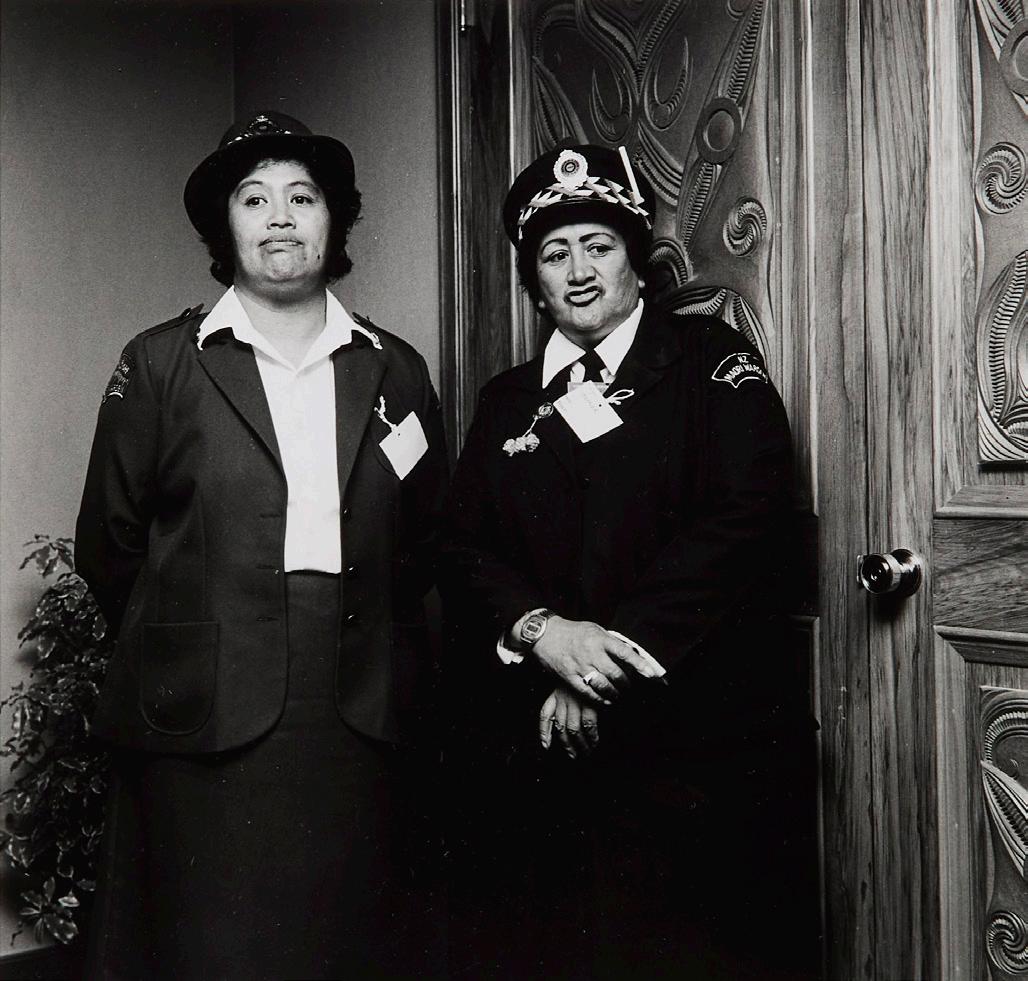
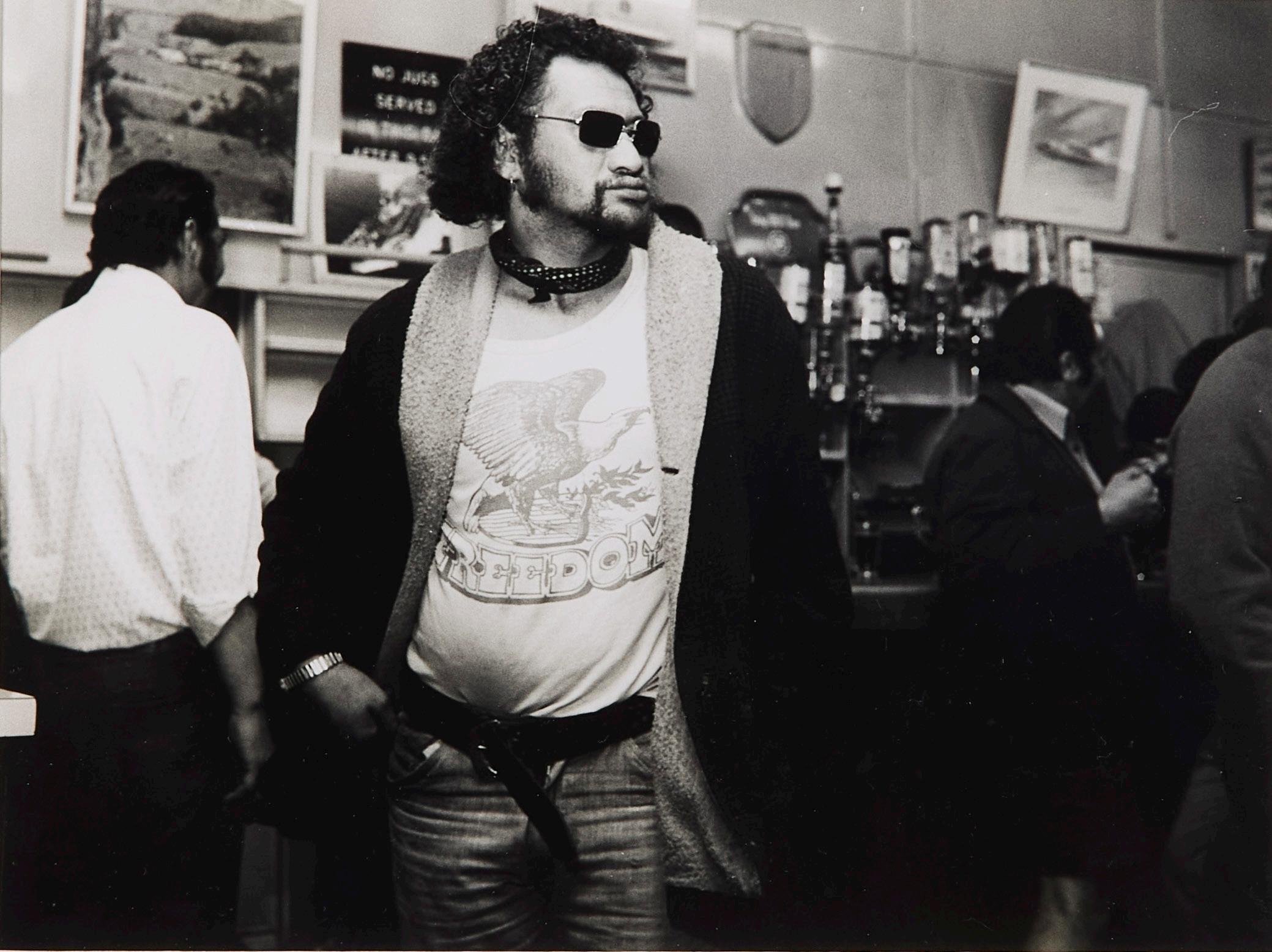
EST
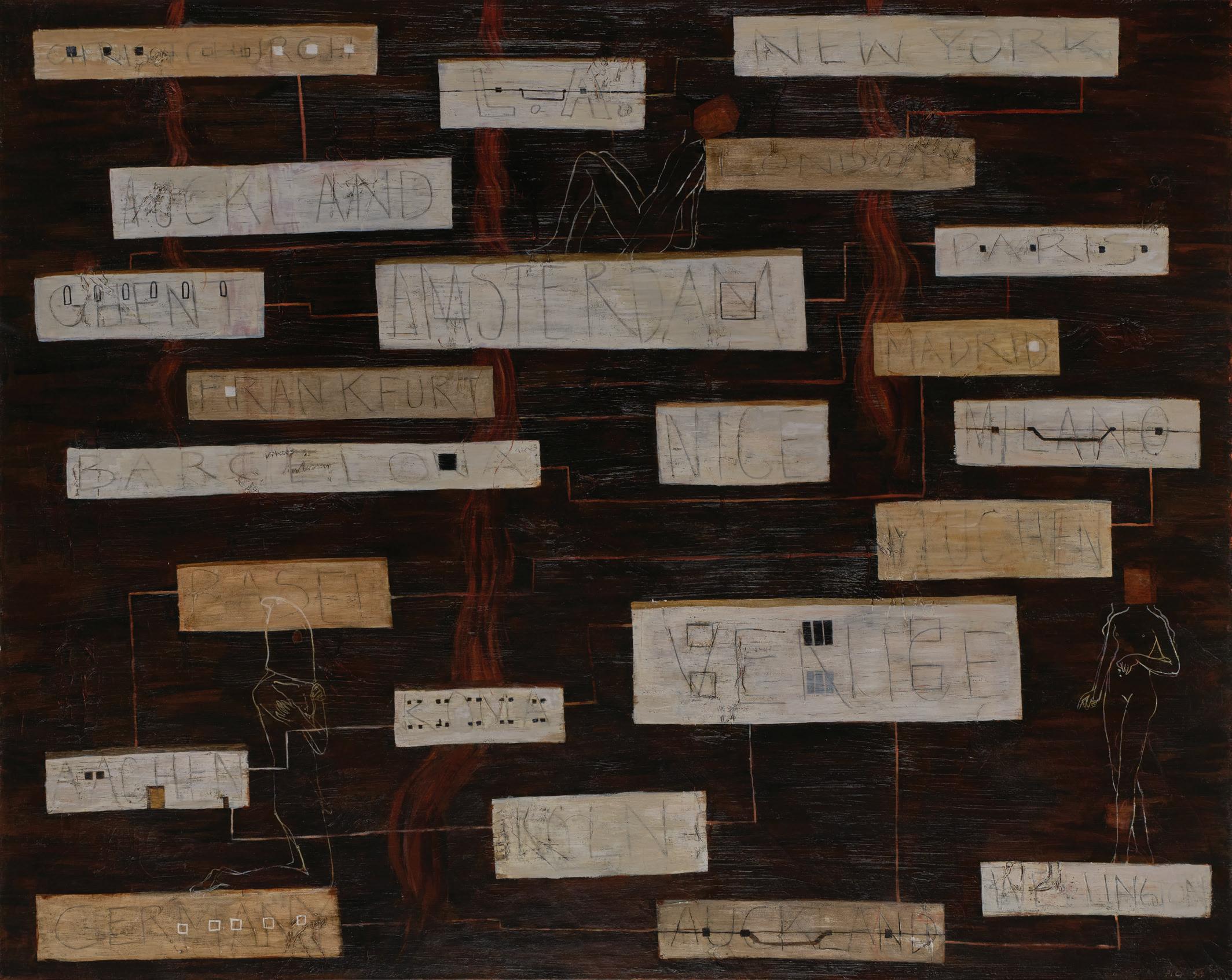
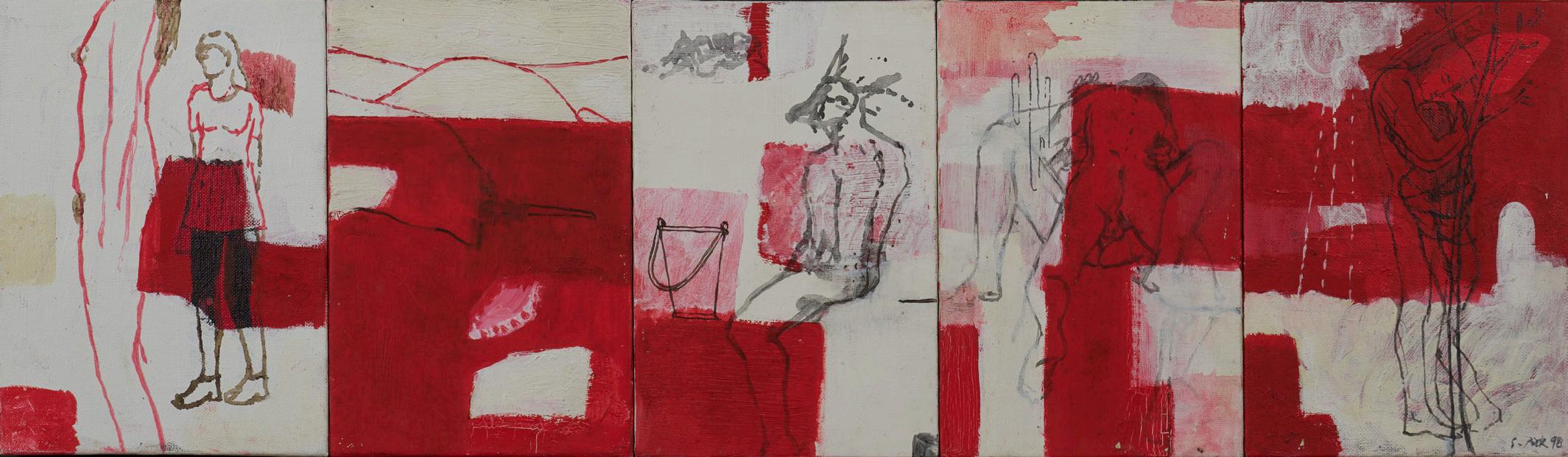
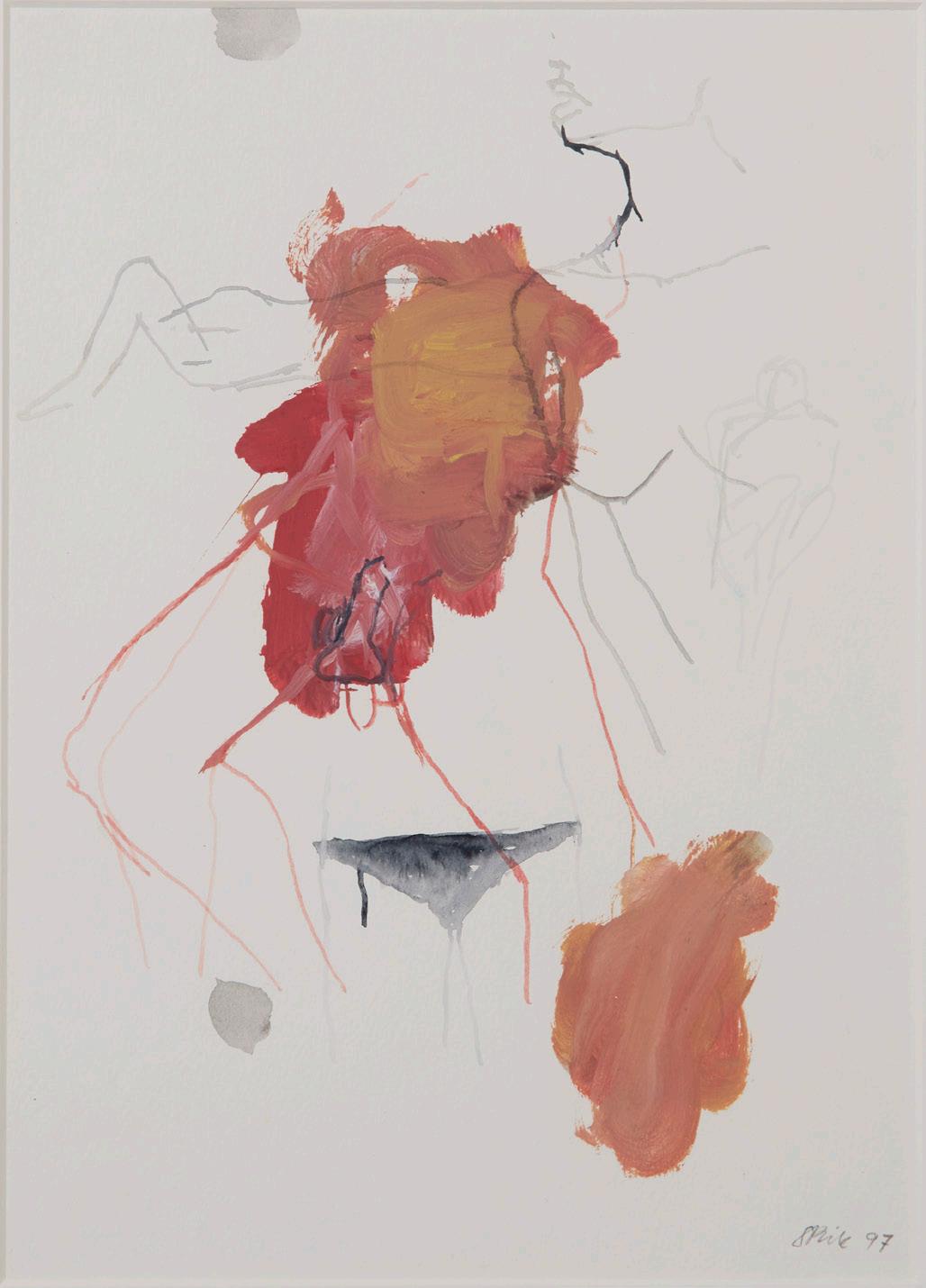
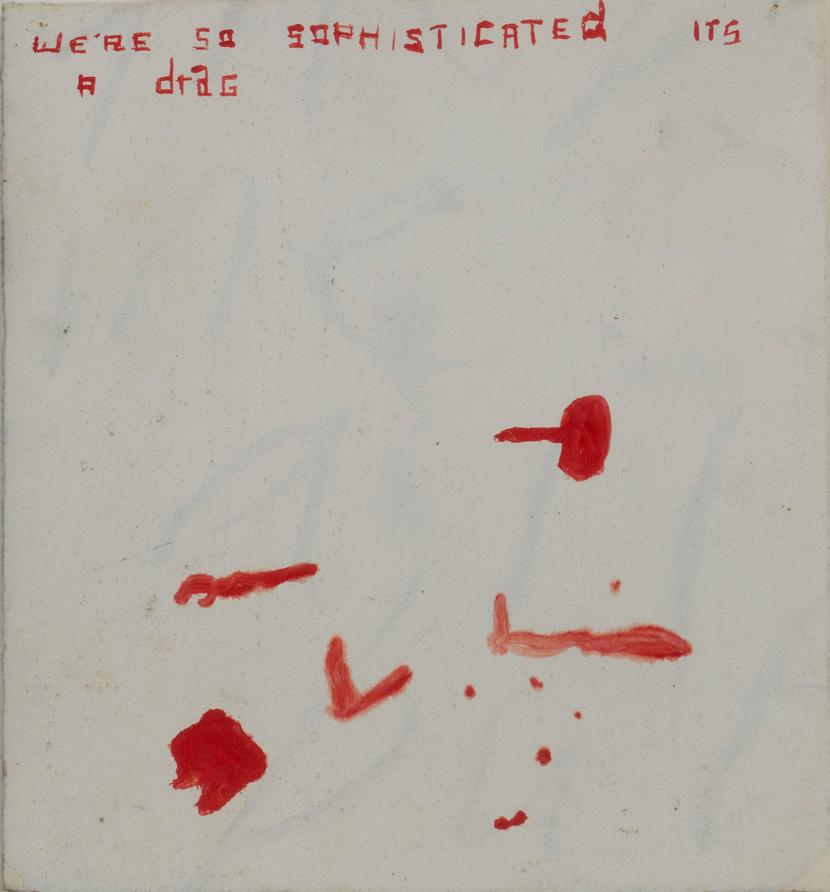
For the past thirty years, Séraphine Pick has explored figments of memory, treating the body as a site of consciousness within her painting practice.
Emerging from the Ilam School of Fine Arts in the 1990s as part of the significant group known as the Pencil Case Painters, Pick has become one of New Zealand’s most idiosyncratic and instantly recognisable artists. Her subconsciously driven, dreamlike imagery moves fluidly between physical embodiment and psychological experience, often centring female subjectivity.
Pick’s early works, produced shortly after leaving Ilam, were populated with lightly drawn heraldic motifs interspersed with doodle-like forms. Like her contemporaries, she initially relied on art historical imagery, frequently incorporating Gothic insignia from the medieval period. By 1994, however, she had developed a more distinctive and deeply personal iconographic lexicon. These works often evoke uneasy dream states, where familiar domestic objects drift across ambiguous, surreal spaces.
Following a formative trip to Europe, Pick produced the large Untitled (1995), which reflects both travel and dislocation. At first glance, the painting appears to document her journey: the names of cities: Amsterdam, Barcelona, L.A., Nice, and Venice, are inscribed across irregular cream and ochre forms floating on a rich umber ground, evoking luggage labels on a welltravelled suitcase. Closer inspection reveals dotted, zig-zagging lines linking these ‘labels’, tracing the artist’s itinerary. Beneath them, faint outlines of nude figures emerge, predominantly female, rendered anonymous through obscured or absent heads, each charged with a subtle erotic tension. In later works from the late 1990s, this eroticism becomes more explicit, reflecting Pick’s ongoing engagement with female desire and agency. Her practice resonates with broader contemporary explorations of similar themes, notably those of Tracey Emin, while maintaining a distinctly introspective and psychologically complex visual language.
Roy Good —Sean Duxfield
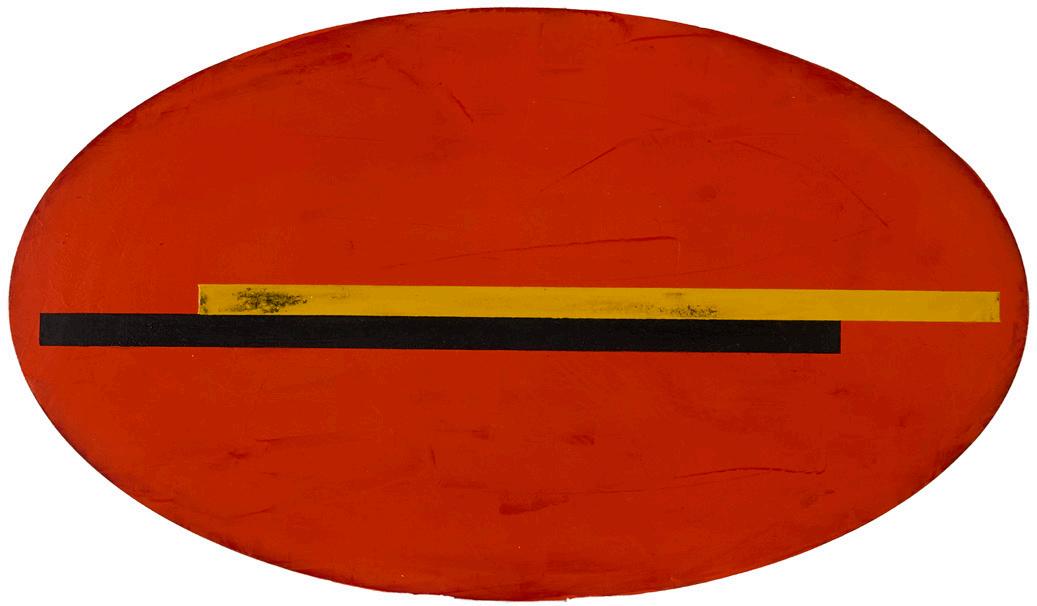
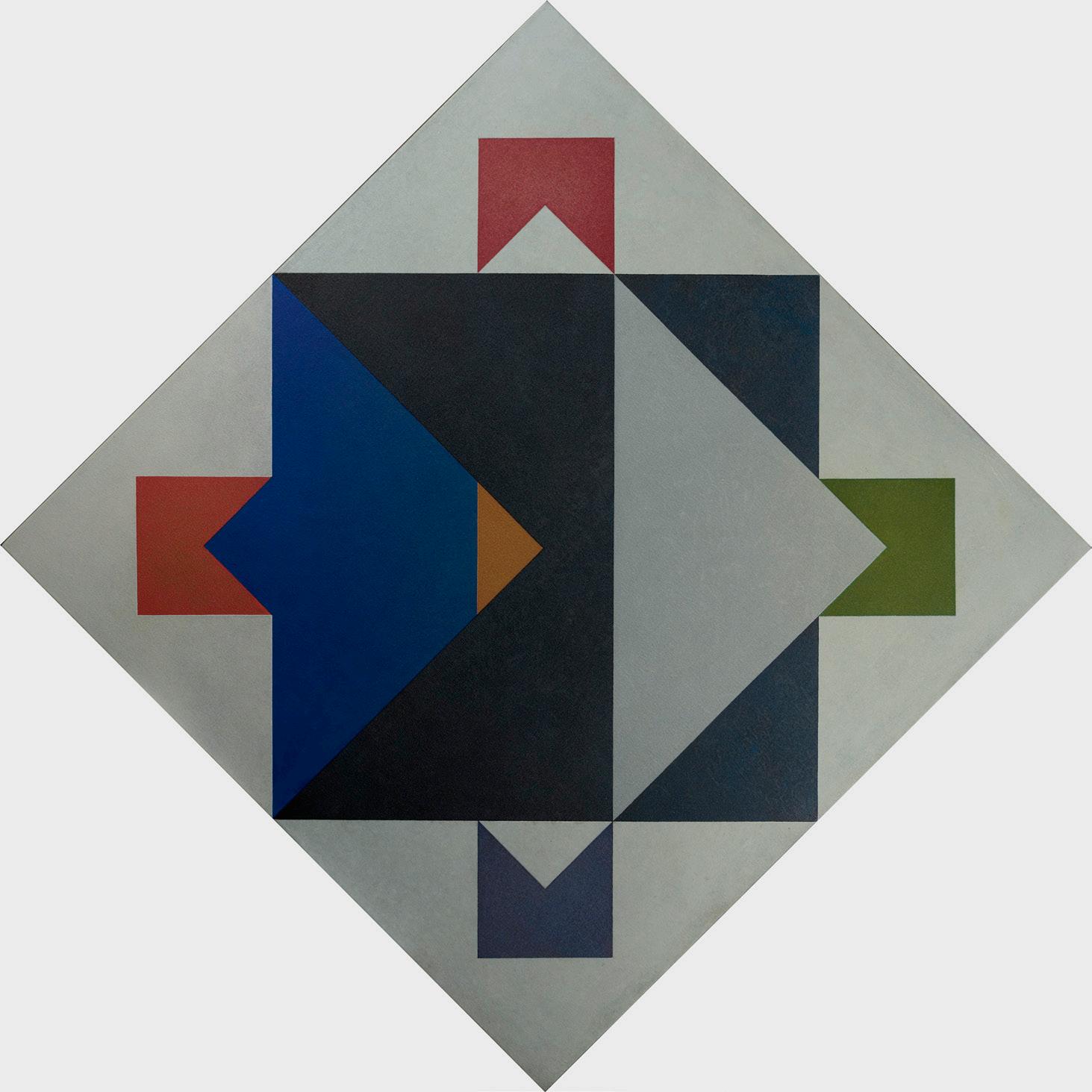
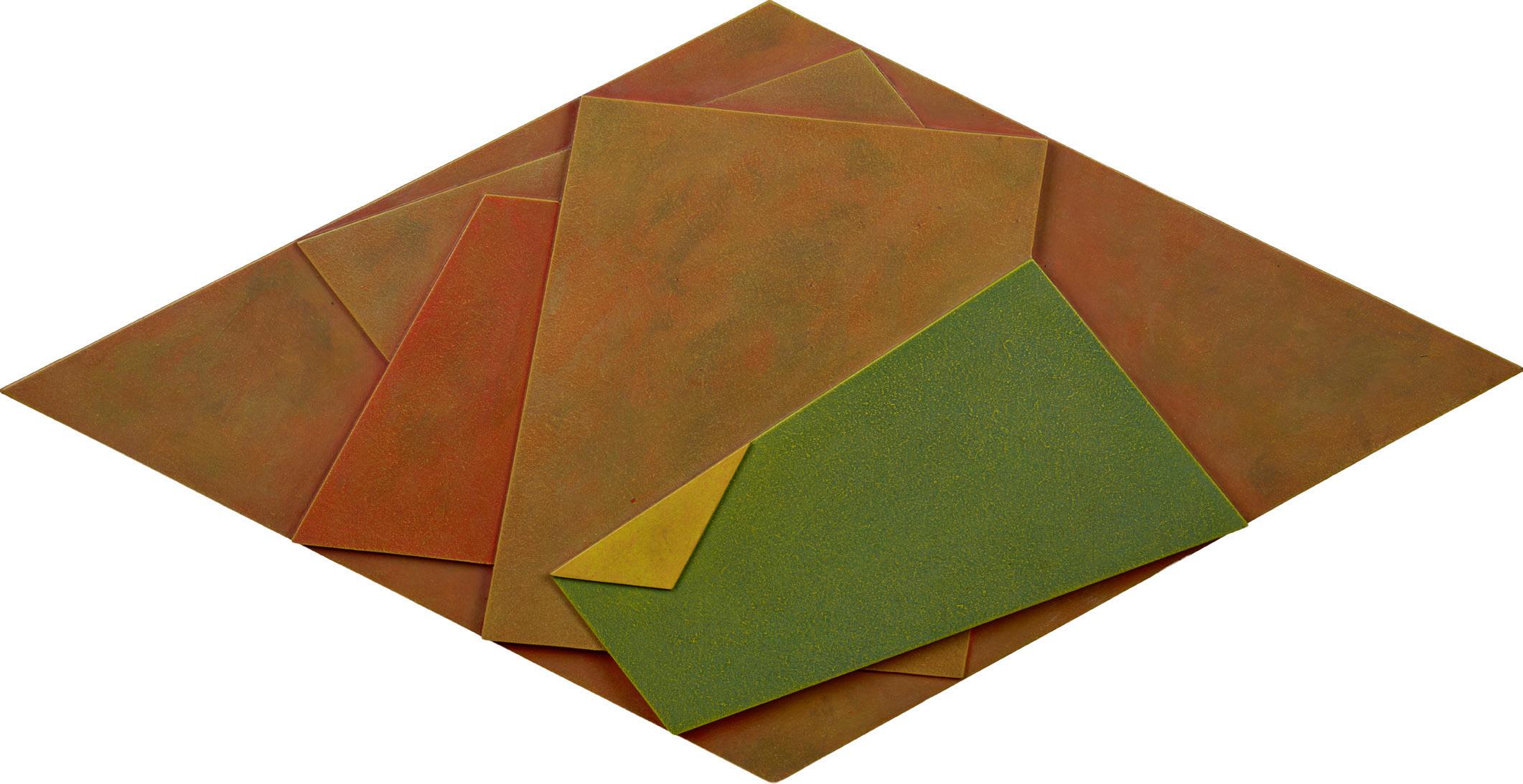
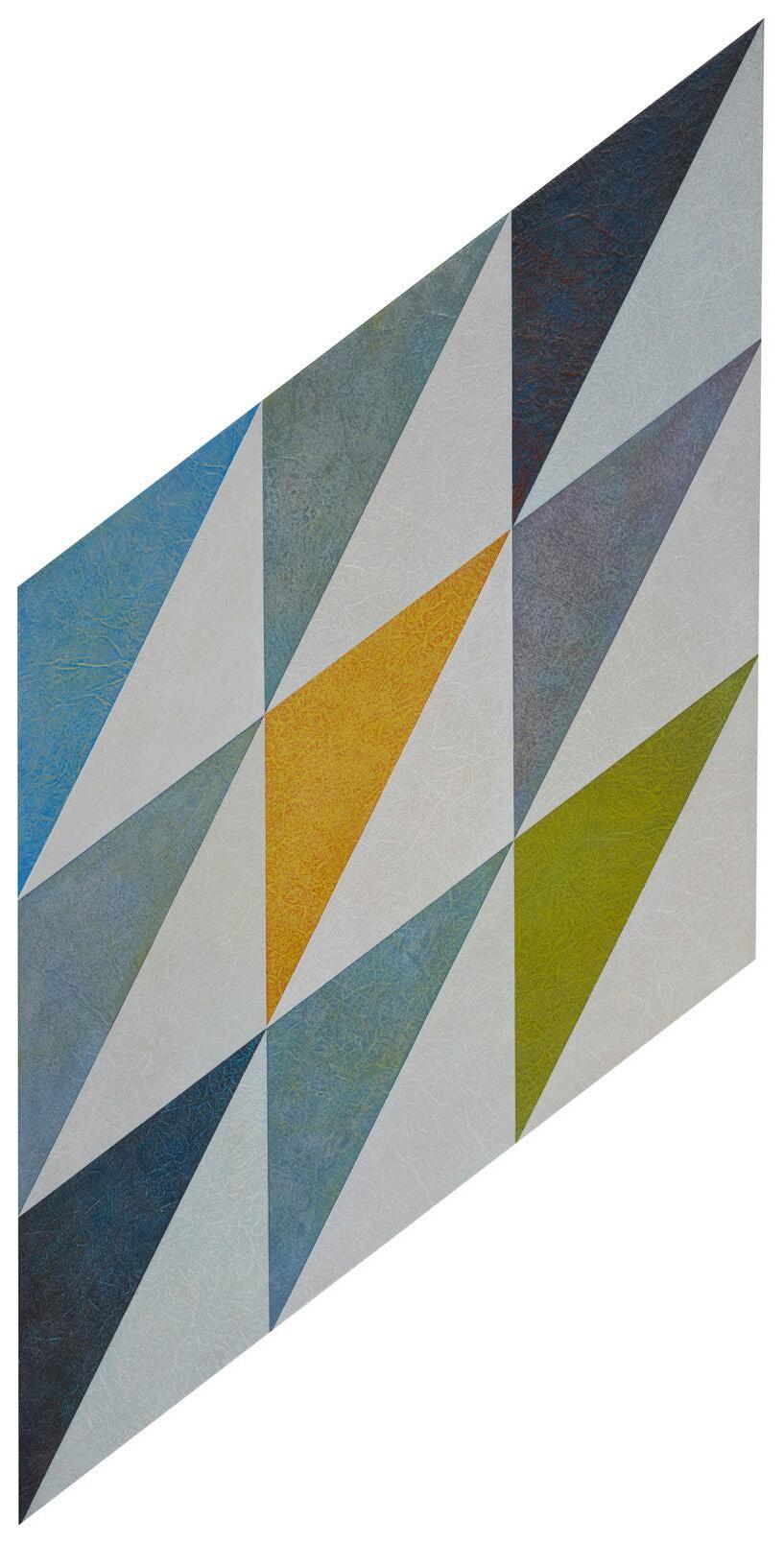
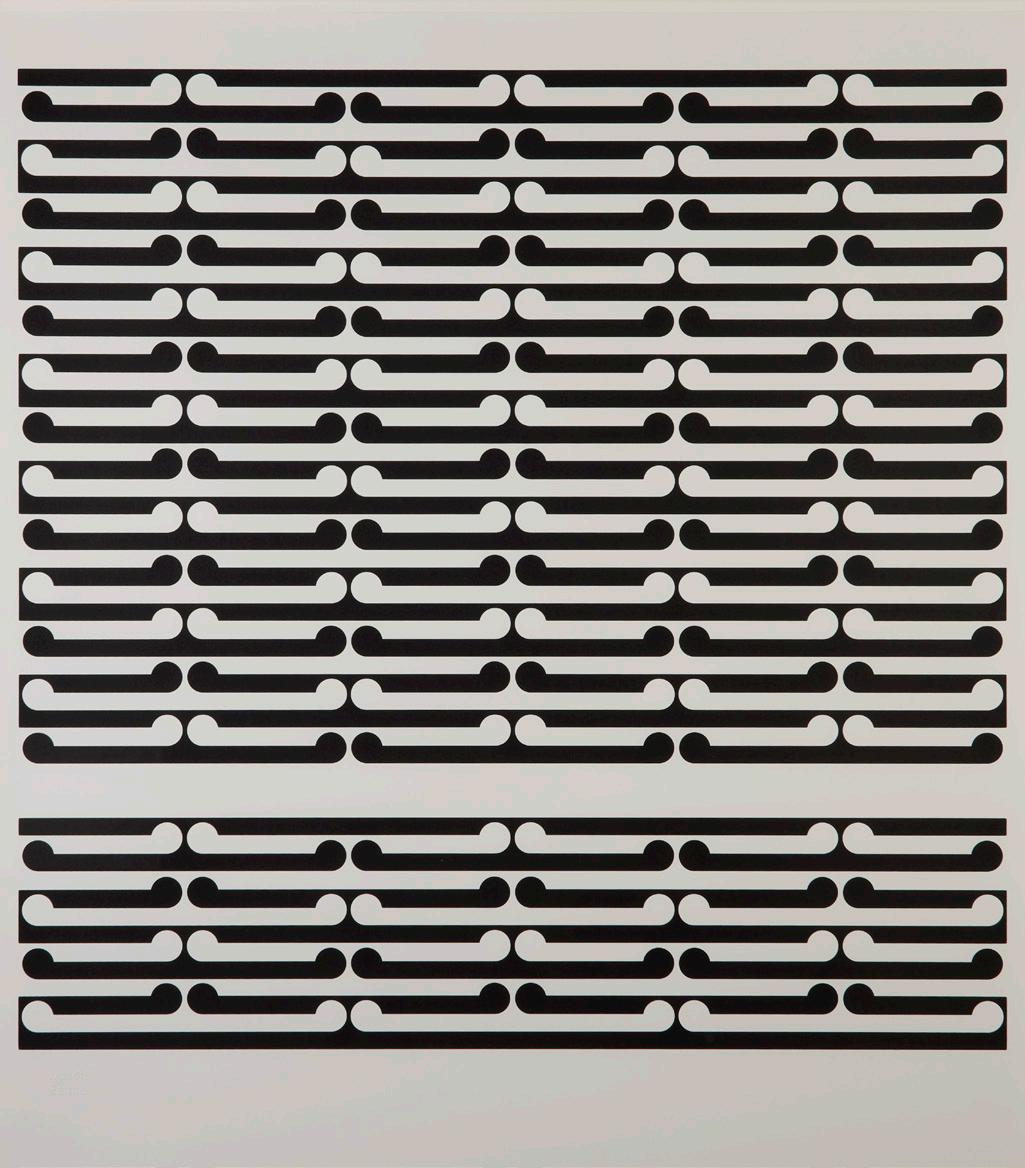
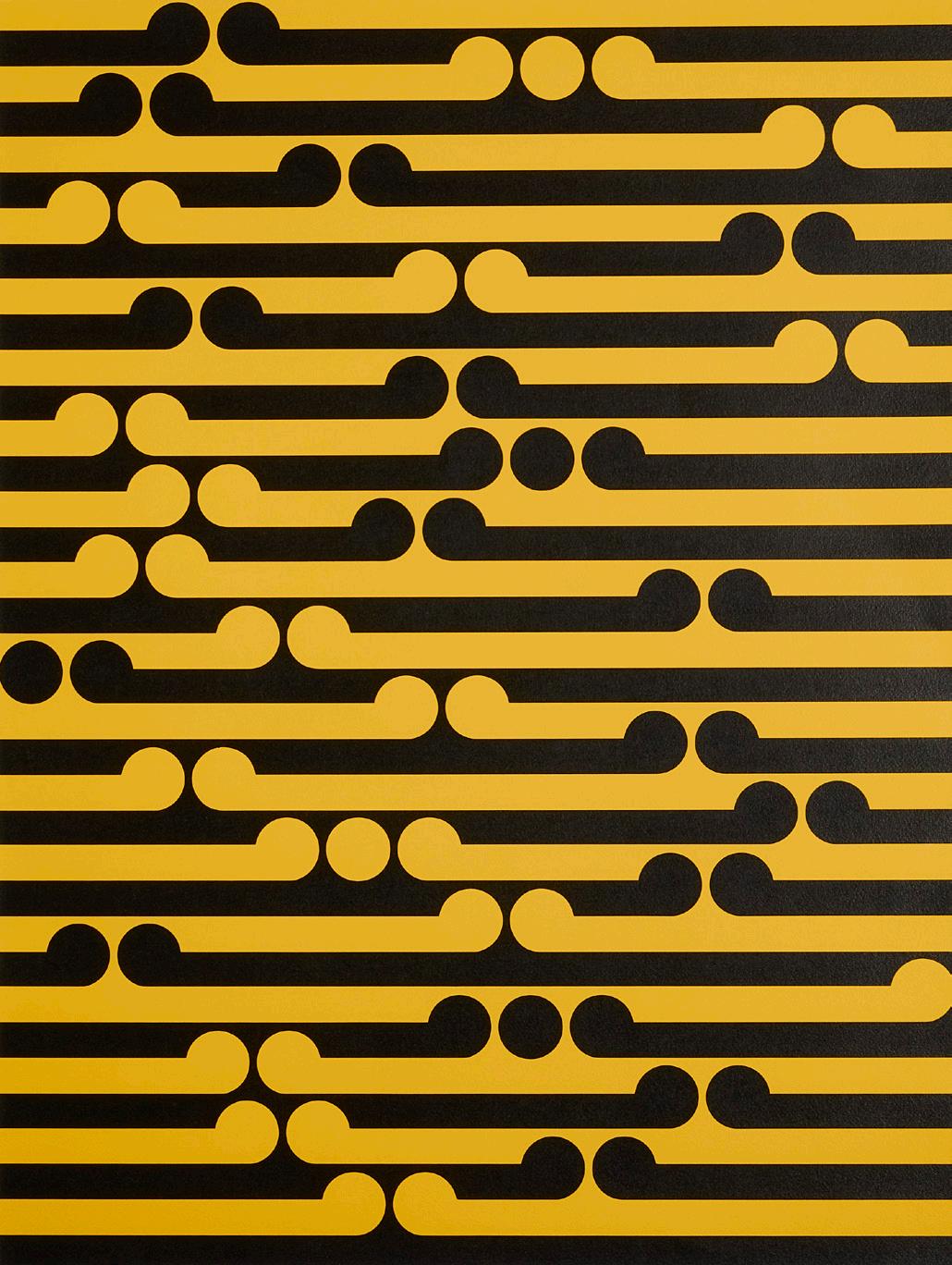
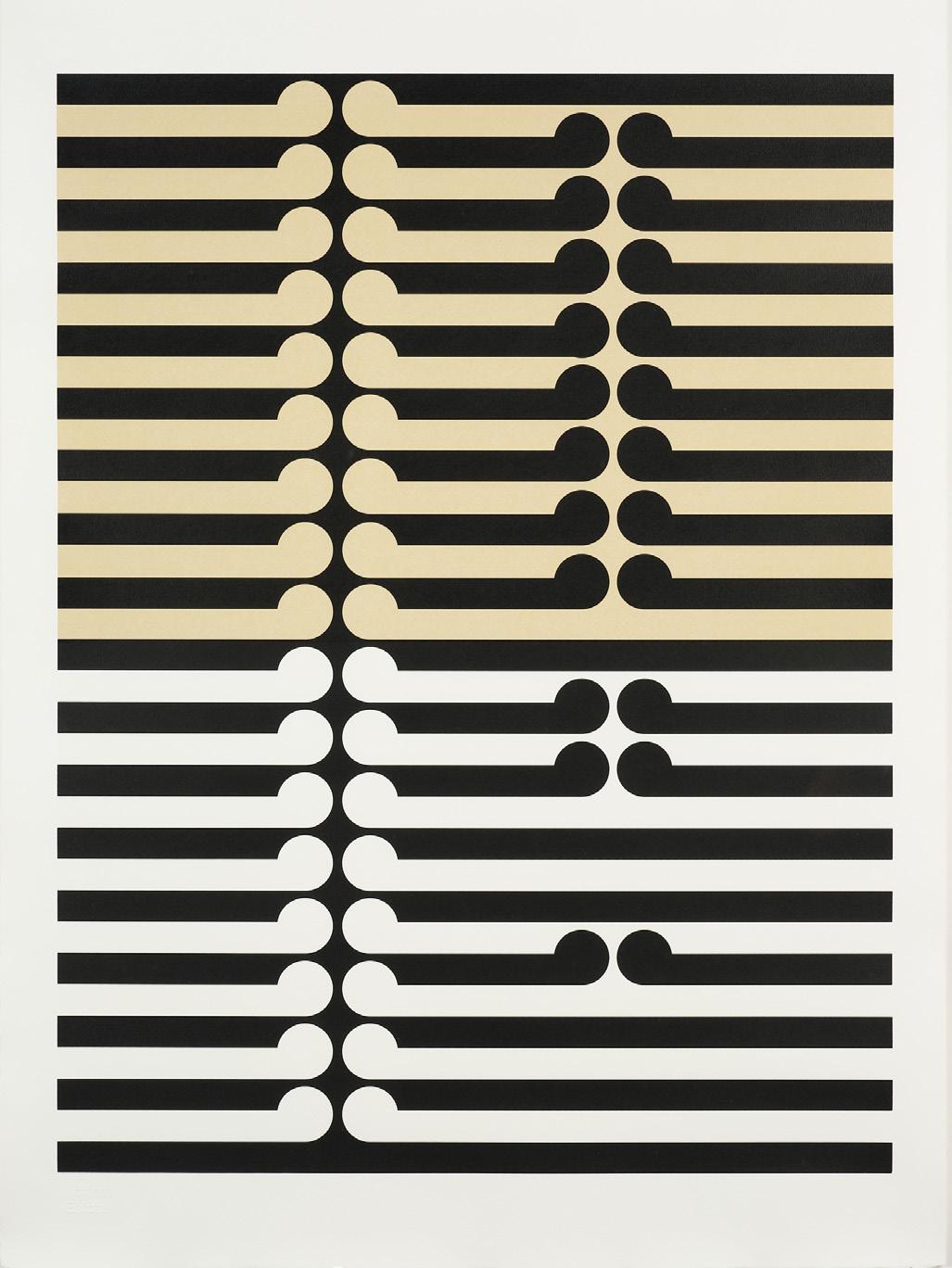
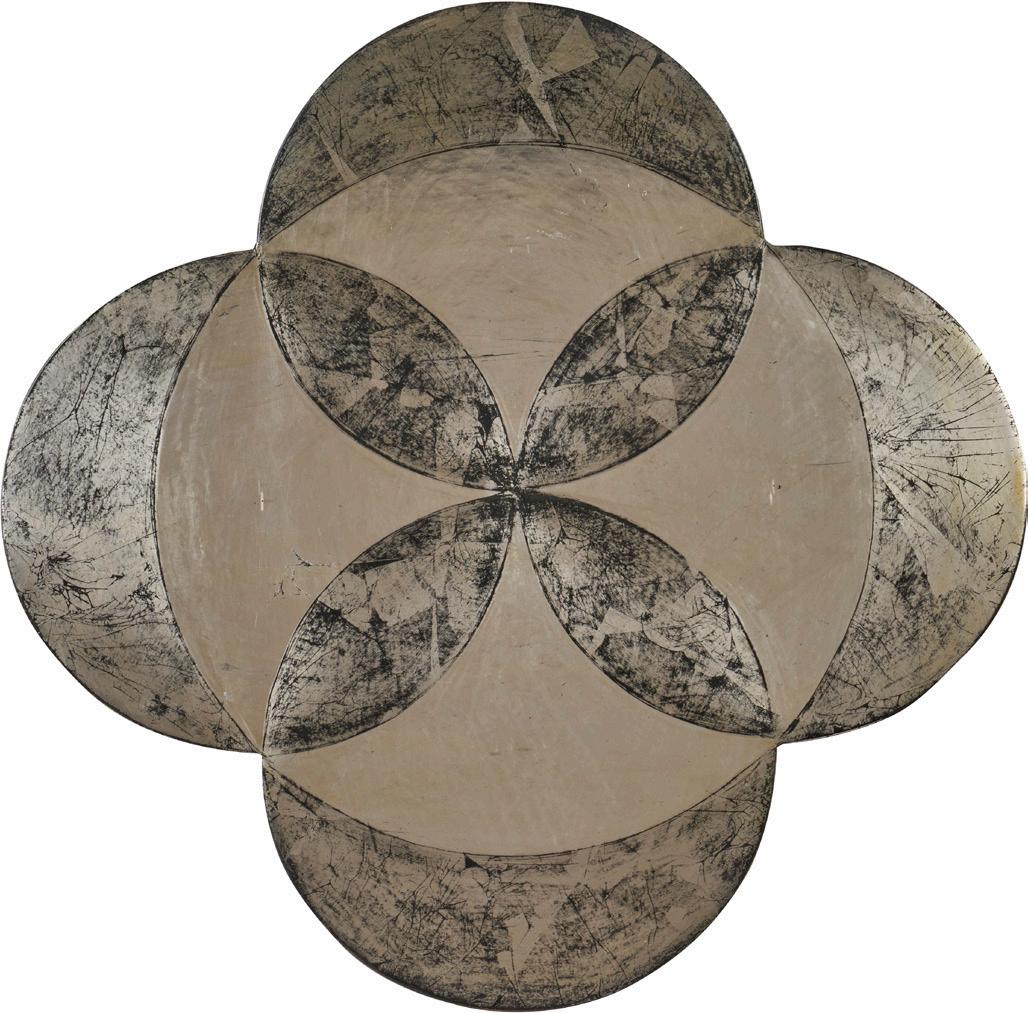
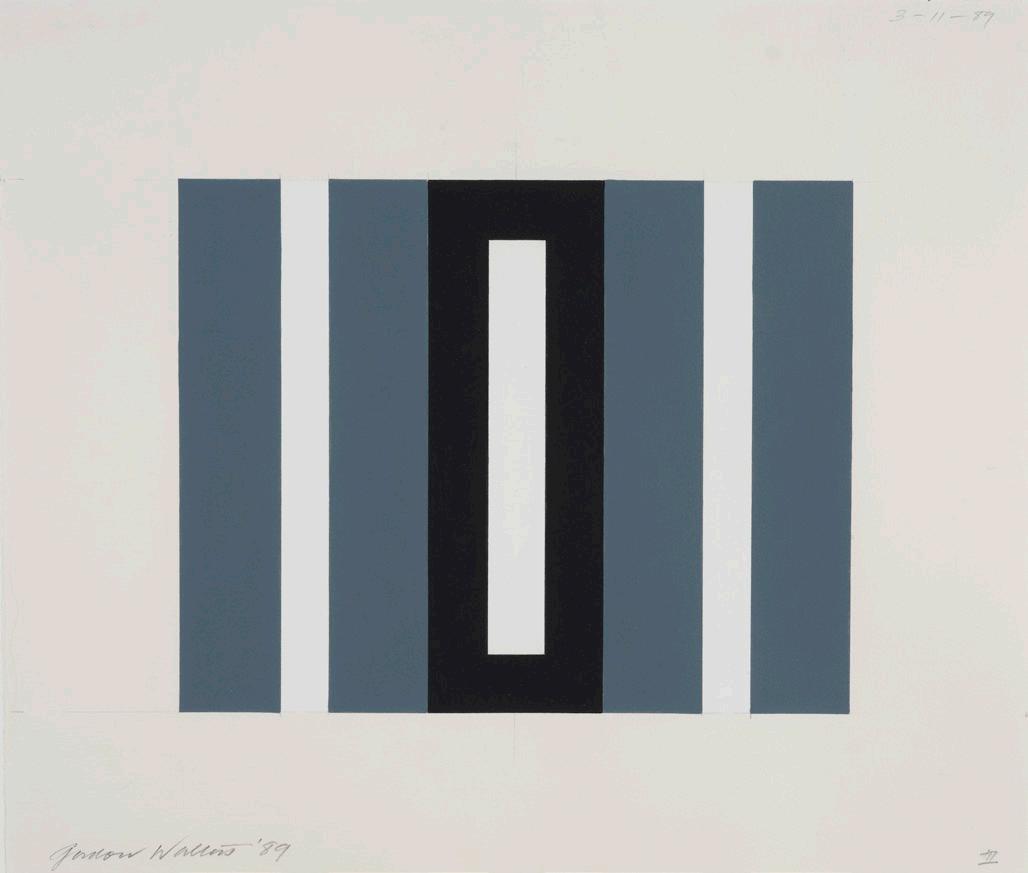
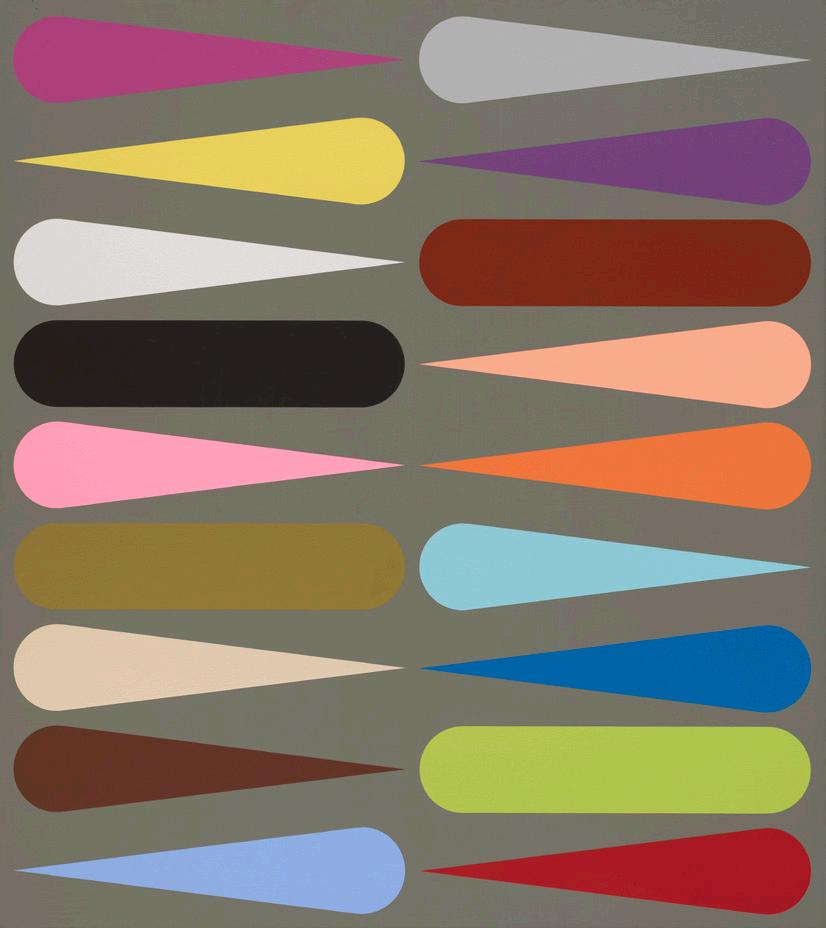
Roy Good has remained at the forefront of modernist abstraction in New Zealand for over fifty years. The works in this catalogue reflect key moments within this sustained practice, revealing Good’s consistent dedication to geometric structure, formal clarity and modernist ideas. Inspired by the principles of the Bauhaus movement, he has built a career that reflects a deep commitment to both art and design.
Born in Timaru, Good studied at the School of Fine Arts in Christchurch in the early 1960s. He went on to a successful career as Head of Design at TVNZ, contributing to major projects such as the 1990 Sesquicentennial Kōtuku logo and the TVNZ brand identity.
A contemporary of New Zealand’s leading modernist artists, Good’s painting practice is characterised by hard edges, repeated forms, and strong colour contrasts. His compositions feature structured
arrangements and intersecting planes, demonstrating a distinctly graphic sensibility. In works such as Diamond Matrix Crossroads (2017), the composition is presented within a diamond format. This form, championed by Piet Mondrian in the 1920s, introduced a conceptual shift in modern art by rotating the traditional square picture plane 90 degrees onto its point. The diamond format removes the traditional horizon line and reinforces the artwork’s physical presence, allowing it to function as both a painting and a sculptural object. Good has exhibited for now over half a century, and was part of the influential Vuletic Circle during the 1970s and 1980s, which showed at the Petar/James Gallery. Under the direction of Gallerist Petar Vuletic, this group championed hard-edge abstraction and formalist modernism at a time when New Zealand art was largely focused on landscape and national identity.
71
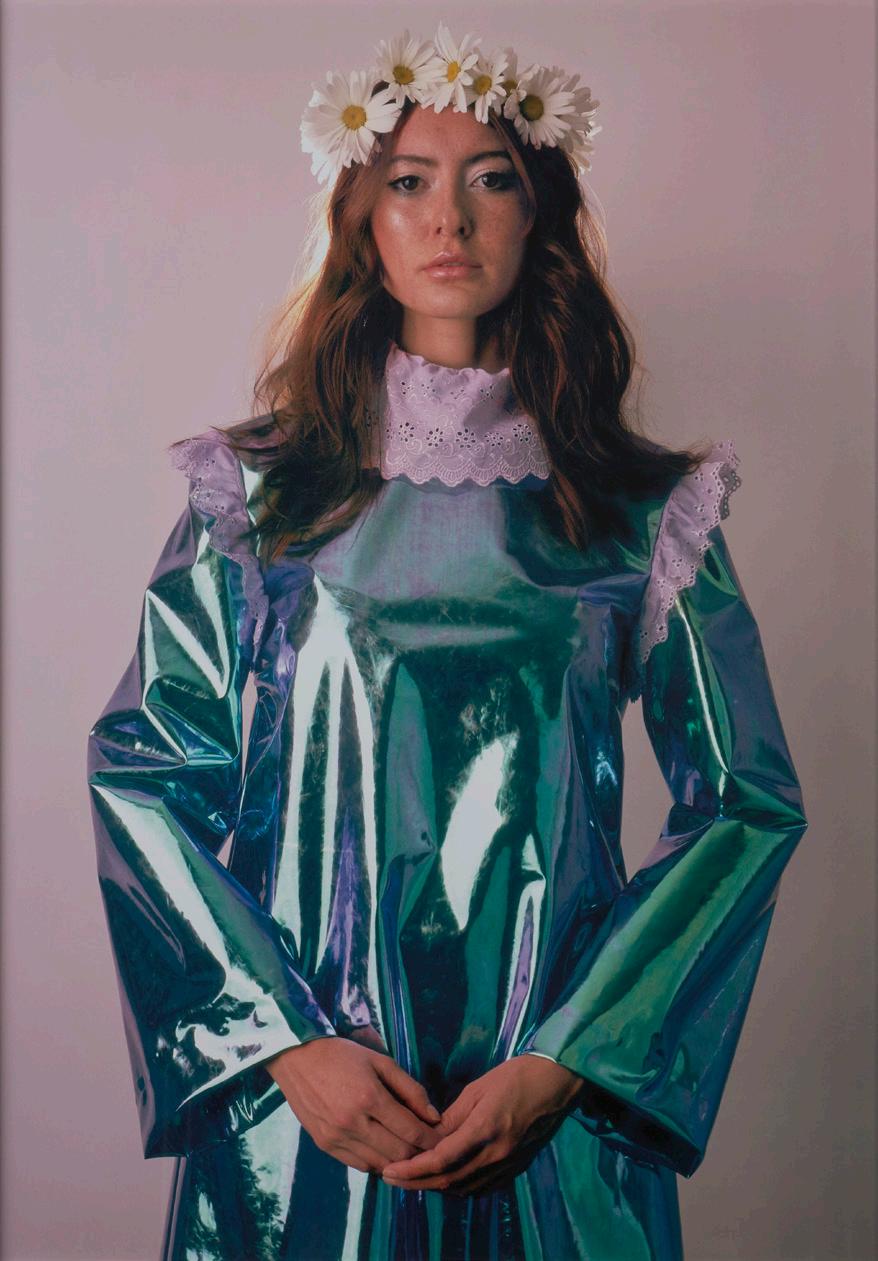
70 Yvonne Todd, Remy 2025 giclée print on Ilford Smooth Pearl 310 gsm inkjet paper, edition of 3 + 2 A/P 460 × 380mm
EST $5,000—$7,000
71 Yvonne Todd, Next Time It Will Be Different 2021 offset print on paper, edition of 200 835 × 585mm
EST $2,000—$3,000
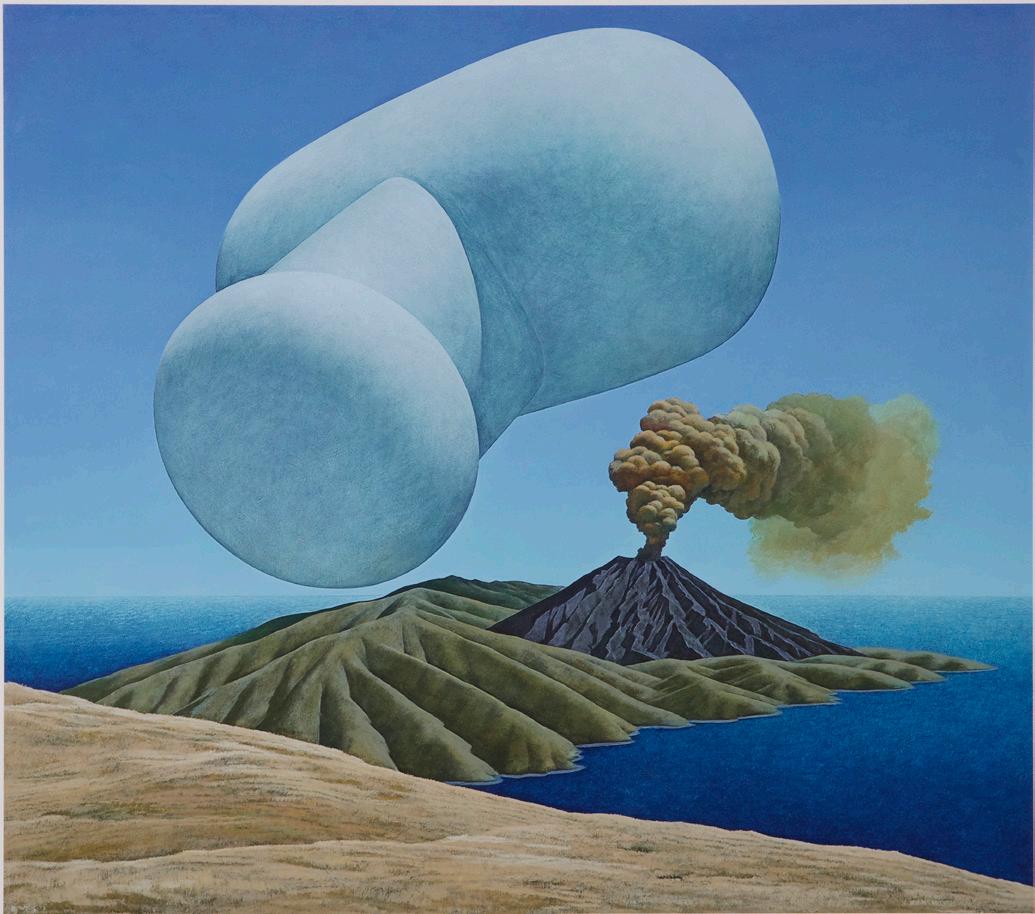
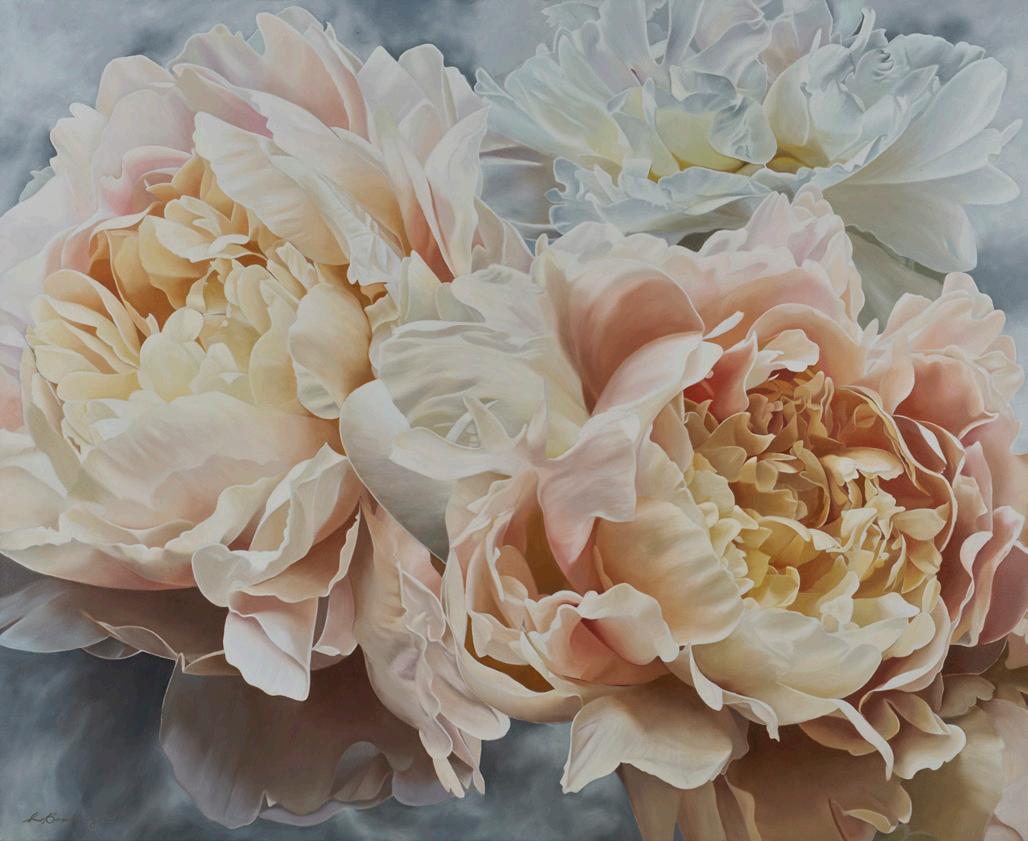
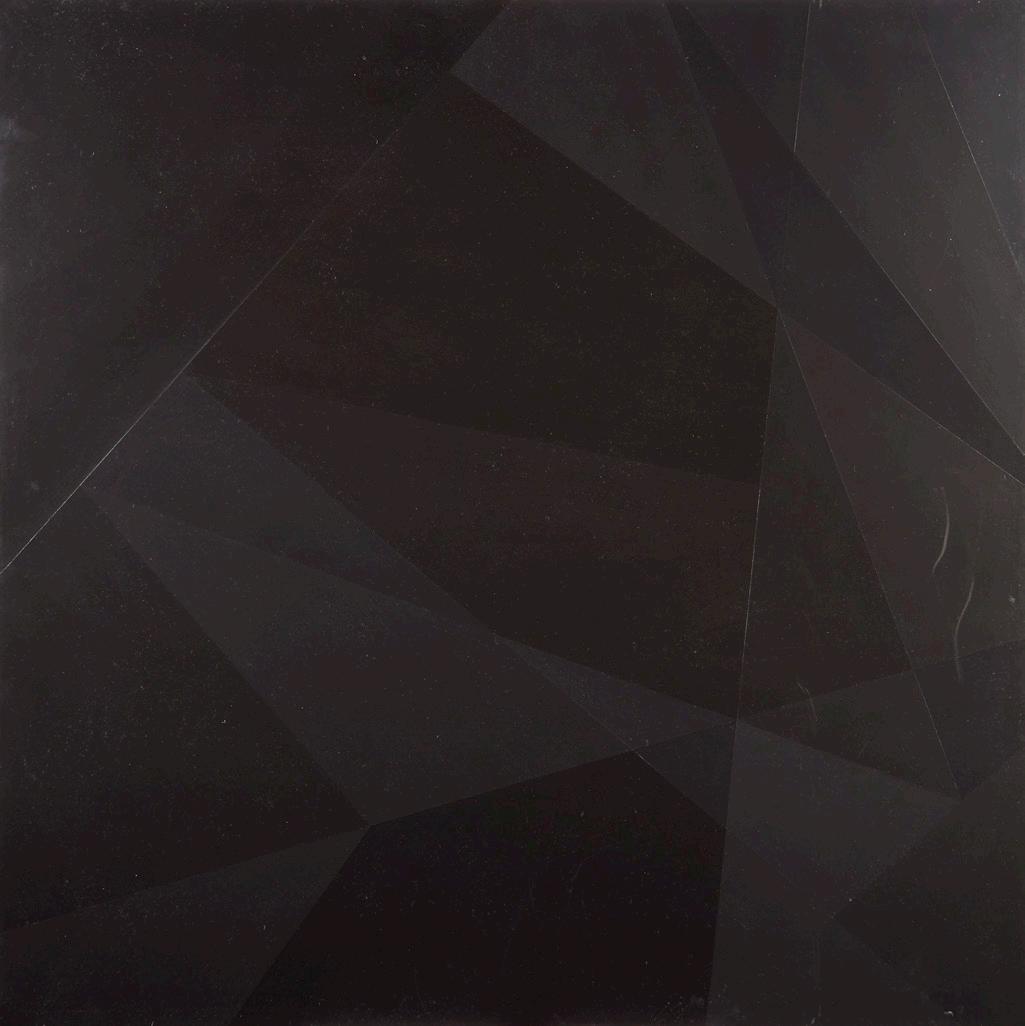
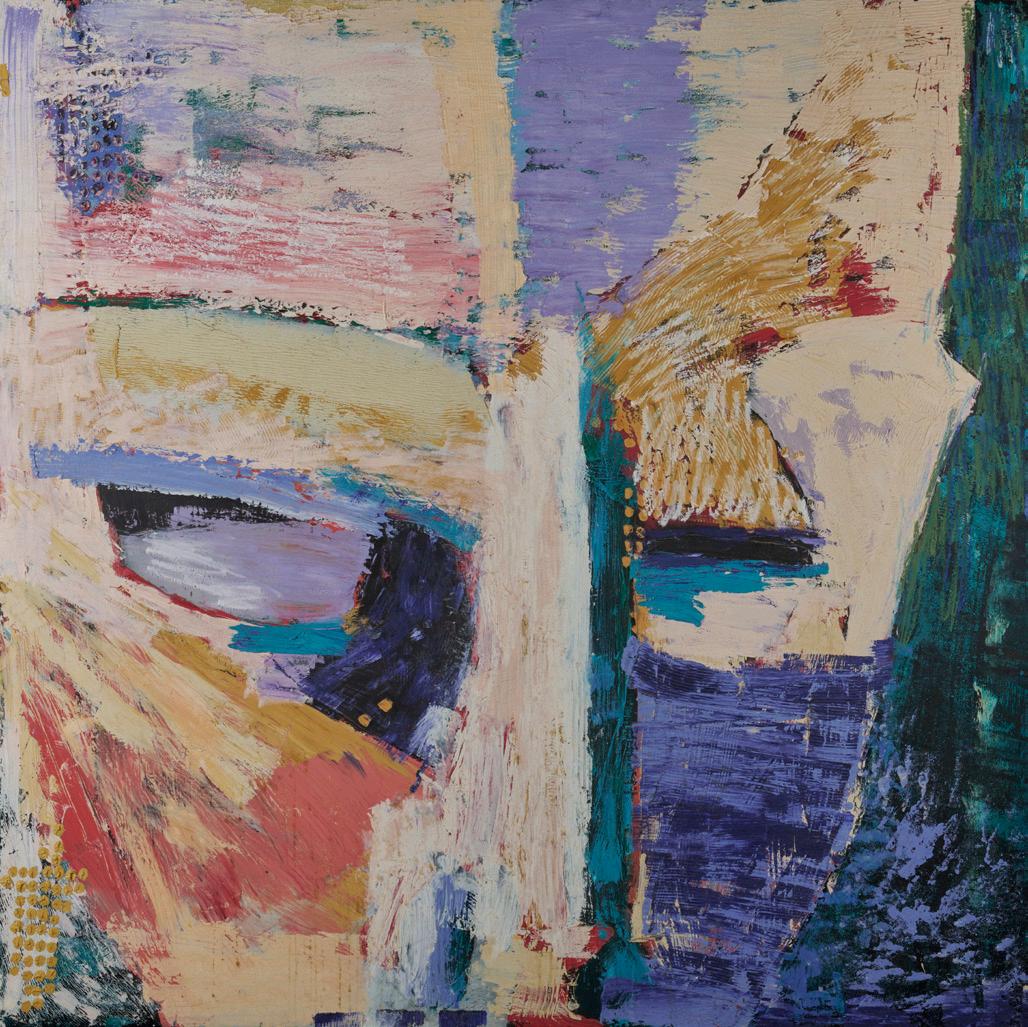
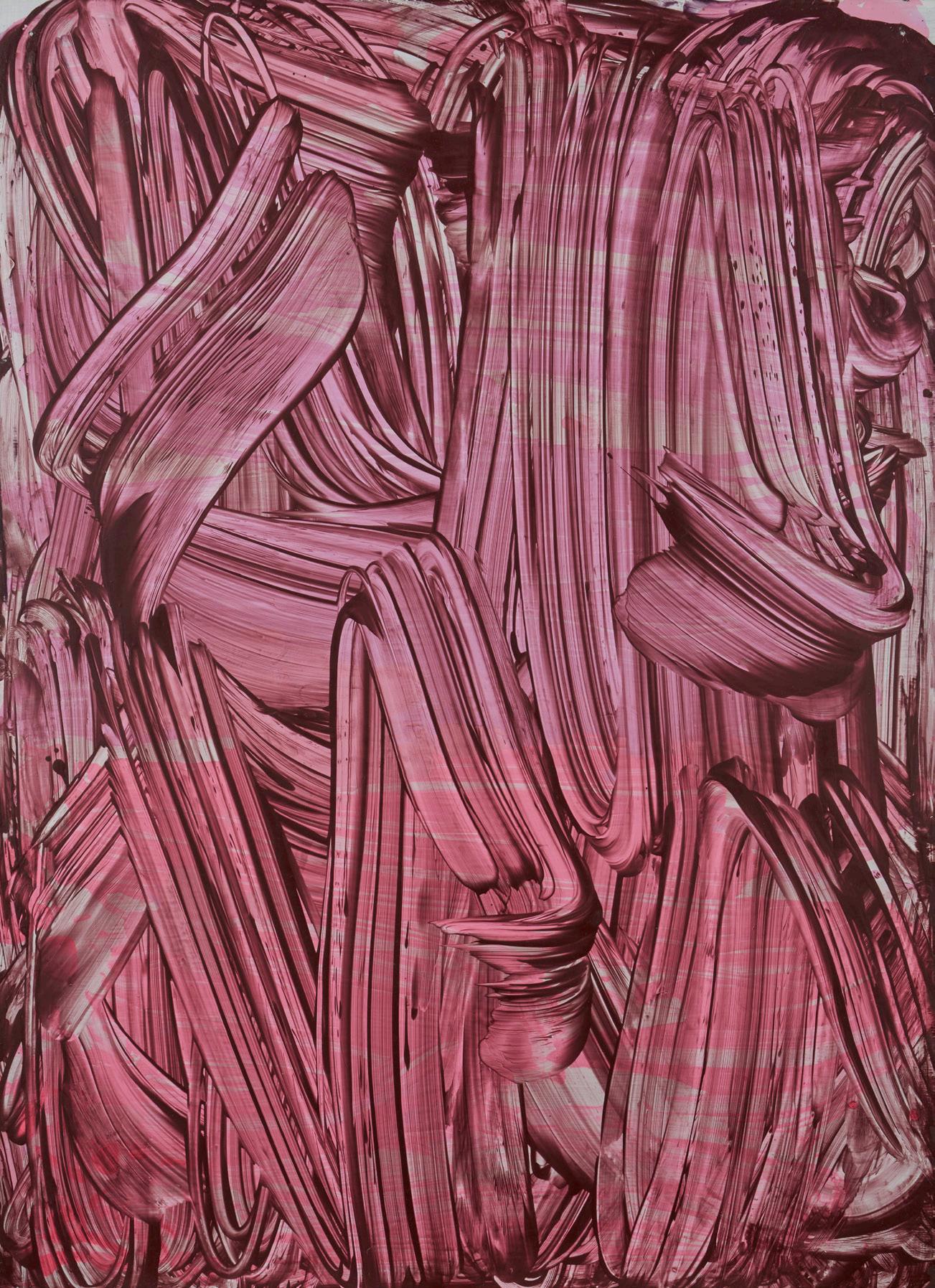
72 Lynley Brownridge, Blush 2023 oil on canvas signed, dated and title inscribed 910 × 1110mm
EST $6,000—$8,000
Judy Millar —Kelly Carmichael
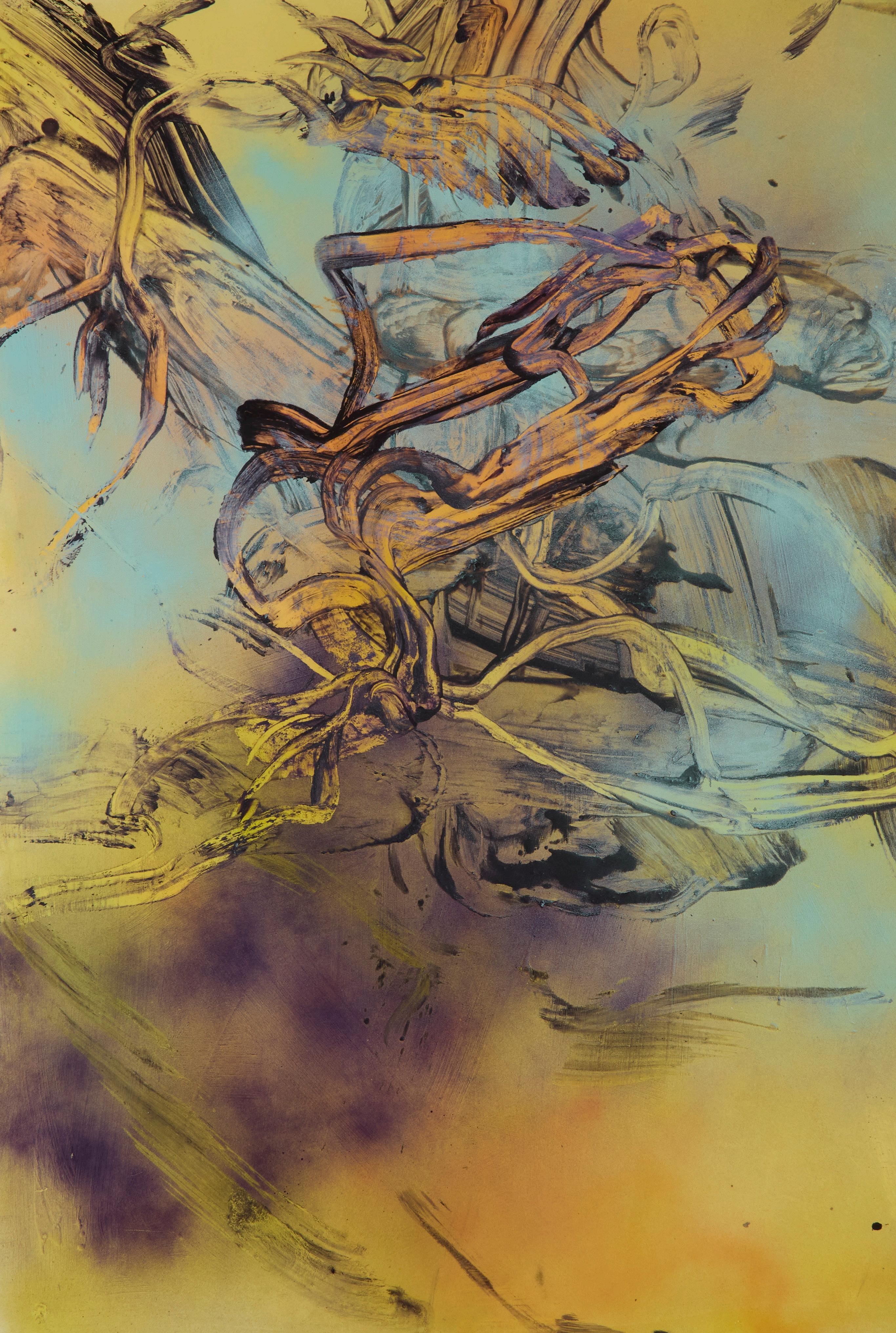
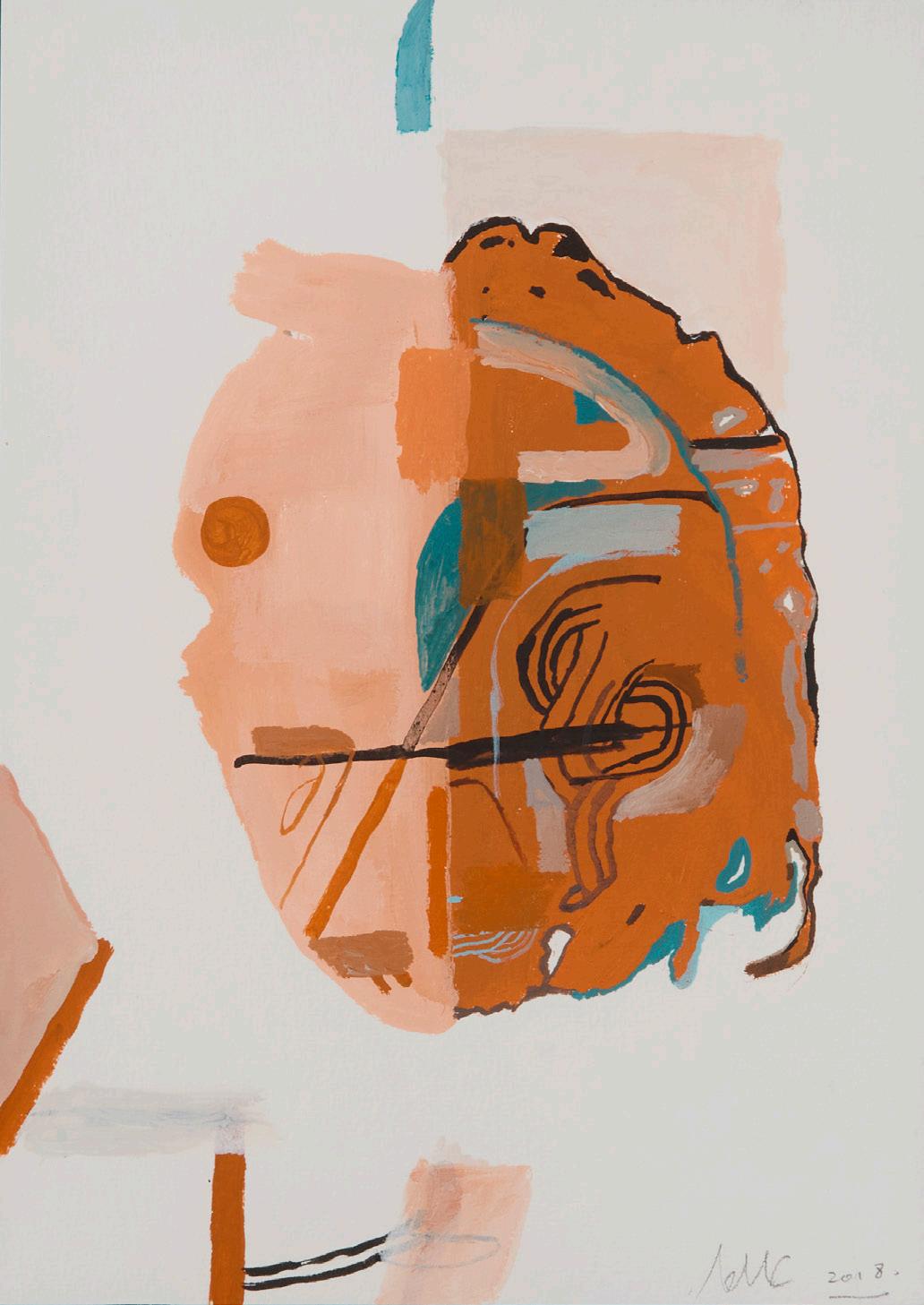
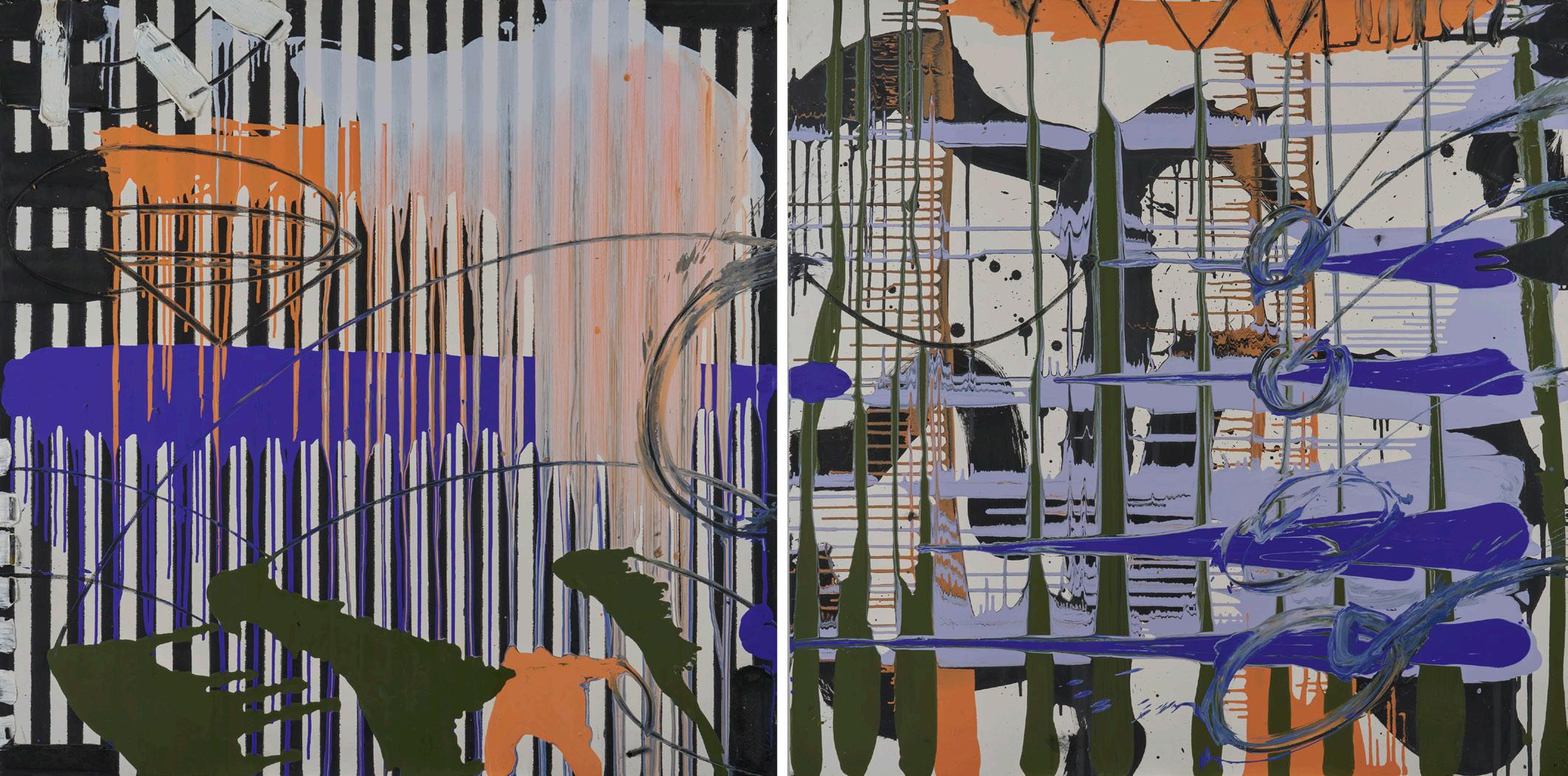
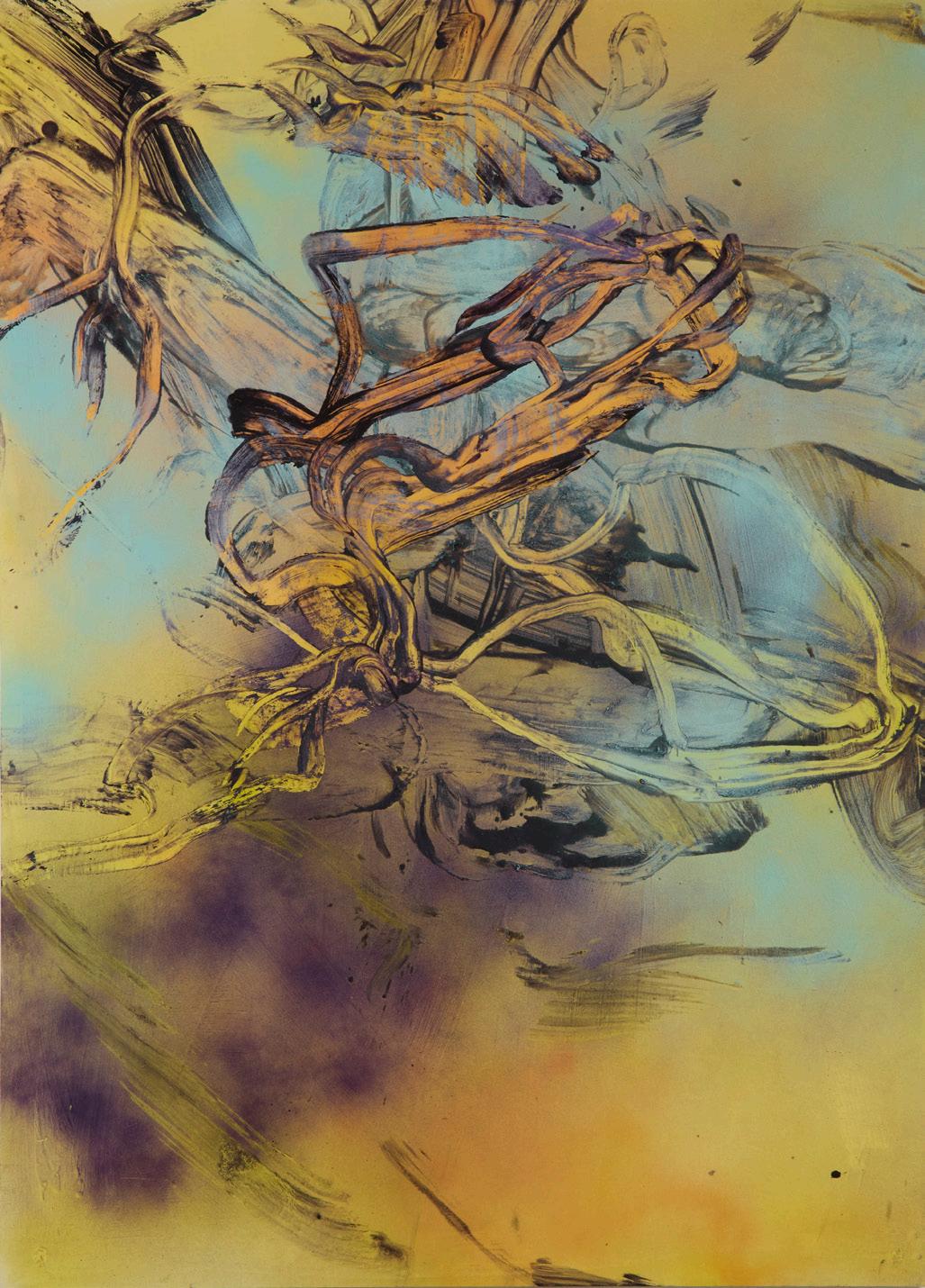
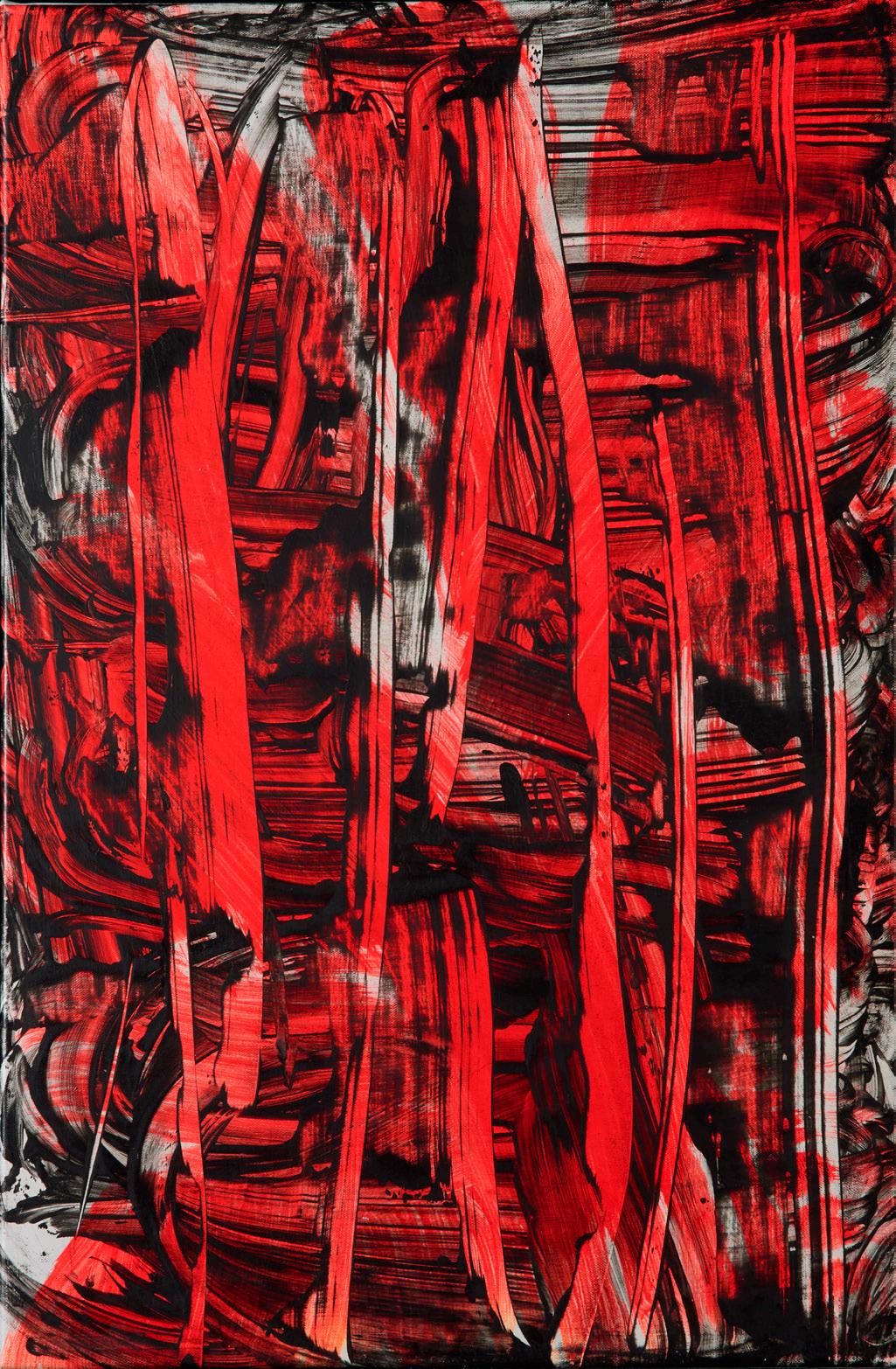
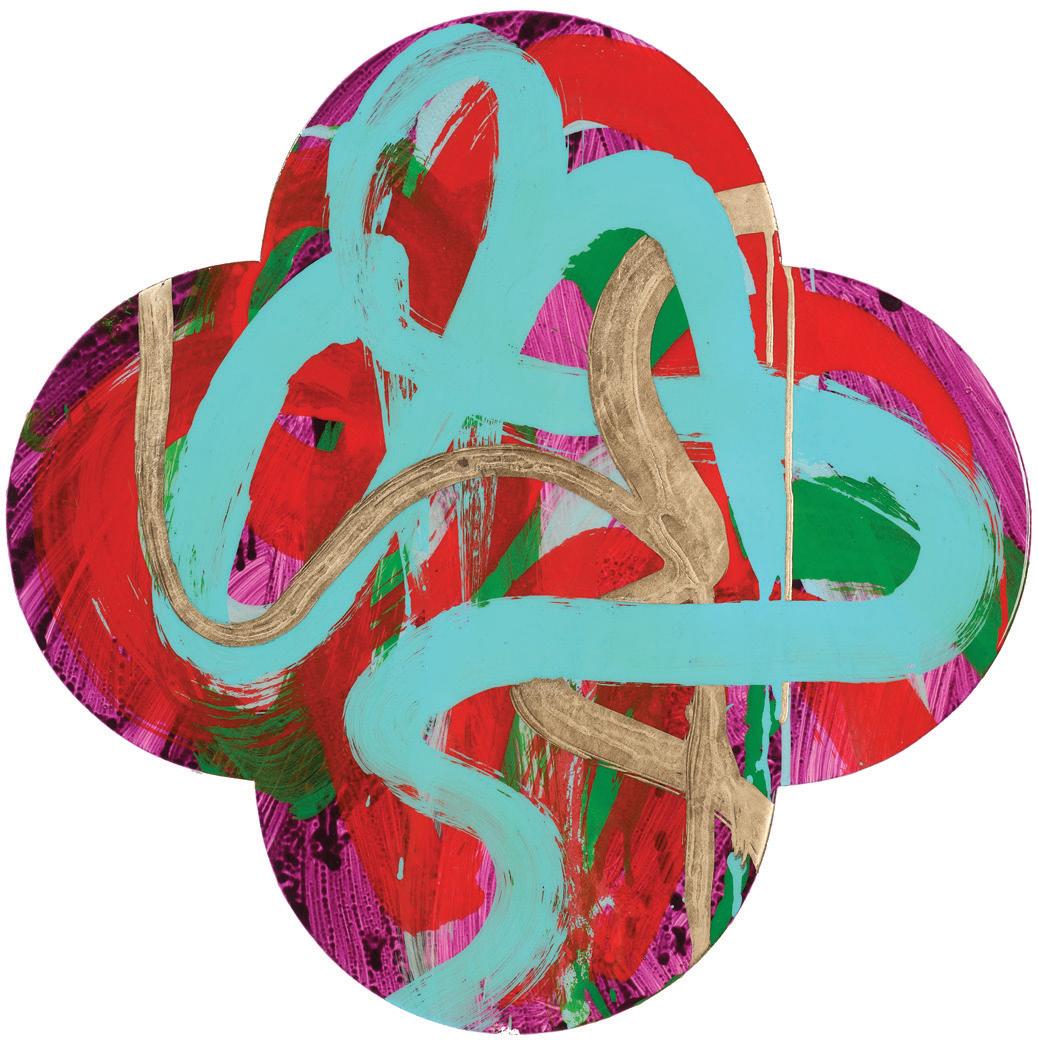
Judy Millar is one of New Zealand’s most significant contemporary painters, known for her large-scale abstract works that challenge traditional ideas about the art form. Working between Auckland and Berlin, she has built an international reputation and in 2009 represented Aotearoa New Zealand at the Venice Biennale, sharing the pavilion with fellow New Zealand artist Francis Upritchard. Millar’s paintings begin within a conceptual framework, in which she freely references the medium’s recent histories and the expressiveness of gestural painting. Her practice is energetic and visually striking, often employing swooping lines, bold colours, and layered textures. Through techniques of erasure such as scraping, wiping, and manipulating
paint across the canvas, she creates complex surfaces that appear both spontaneous and carefully constructed. Reflecting on her process, the artist has described it as “a constant exchange between the visible and the removed, between recording and obliterating.”
While Millar’s painting process can involve the artist’s full bodily span to form the characteristic sweeping strokes, these are not works that rely simply on emotional, physical gestures. Millar instead understands her paintings as a set of relations that explore the process of looking, drawing, and what takes place between a painting and the space it occupies. Repetition brings meaning and advances progression, creating a body of work across decades that evolves yet retains memory.
85
85 Fiona Pardington, A69170
pigment inks on Hahnemühle Photo Rag, 3/10
610 × 445mm EST $8,000—$10,000
86 Fiona Pardington, Choker
× 410mm
Fiona Pardington
—Kelly Carmichael
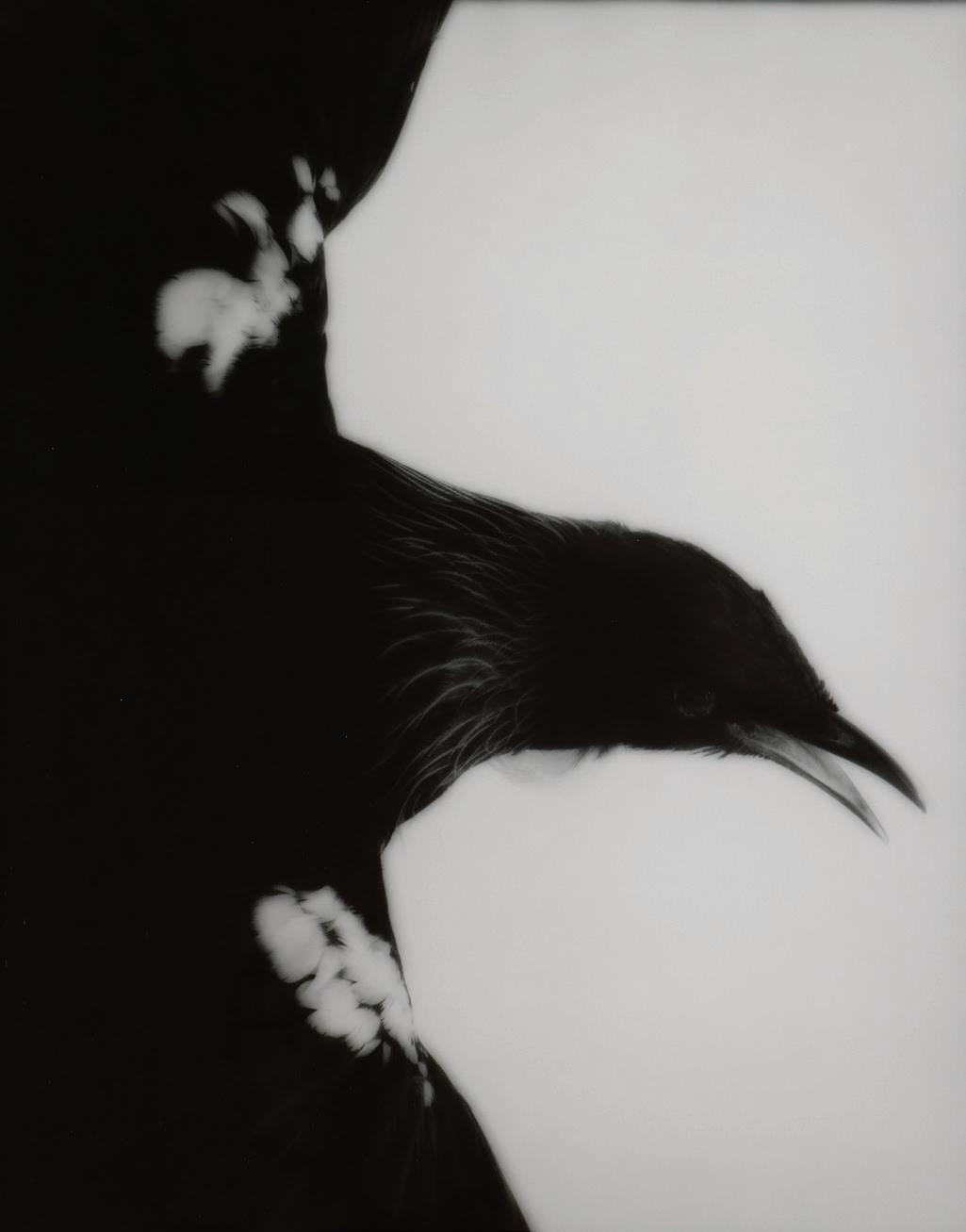
Fiona Pardington stands among our most respected contemporary artists, recognised for a practice that is at once visually arresting and intellectually layered. Selected to represent Aotearoa New Zealand at this year’s prestigious Venice Biennale, her exhibition Taharaki Skyside is a series of large photographic portraits of native birds from Aotearoa and the Southern Ocean, on display in Venice until November 2026. Pardington’s work is held in significant public collections across the world, including, most recently the Metropolitan Museum of Art in New York. Rising to prominence in the 1980s as part of a group of women artists who challenged photography’s social documentary aesthetic, Pardington’s early work explored the representation and perception of the body. Poking at boundaries between the ethnographic and
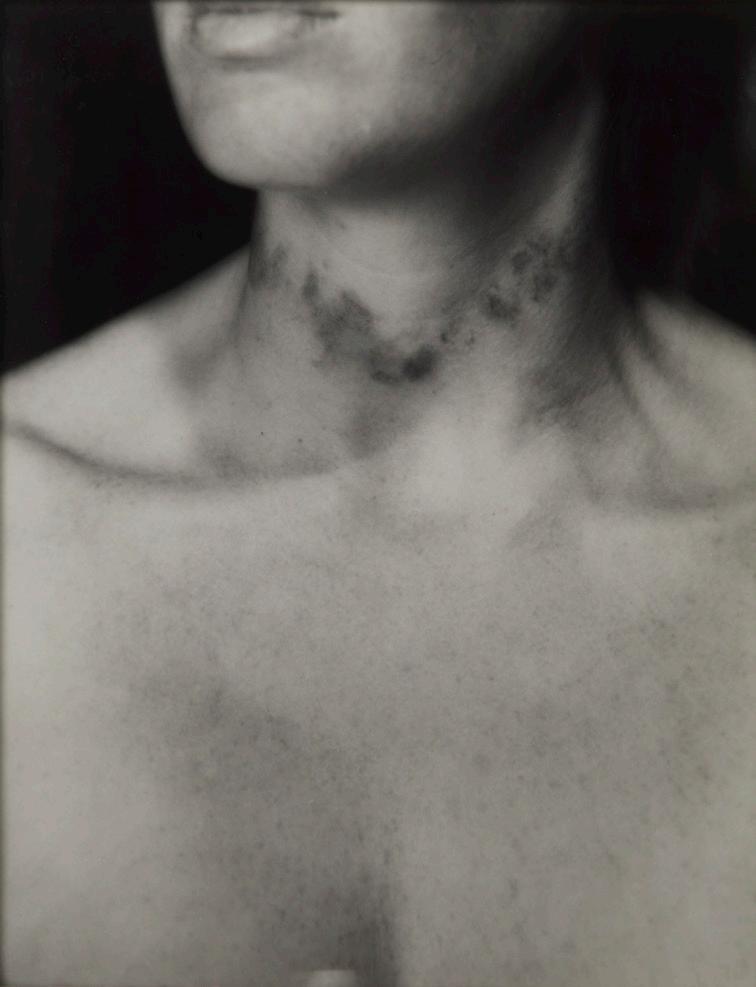
the psychological, images such as Choker with its necklace of bruises, formed part of a series of unsettling and compelling works.
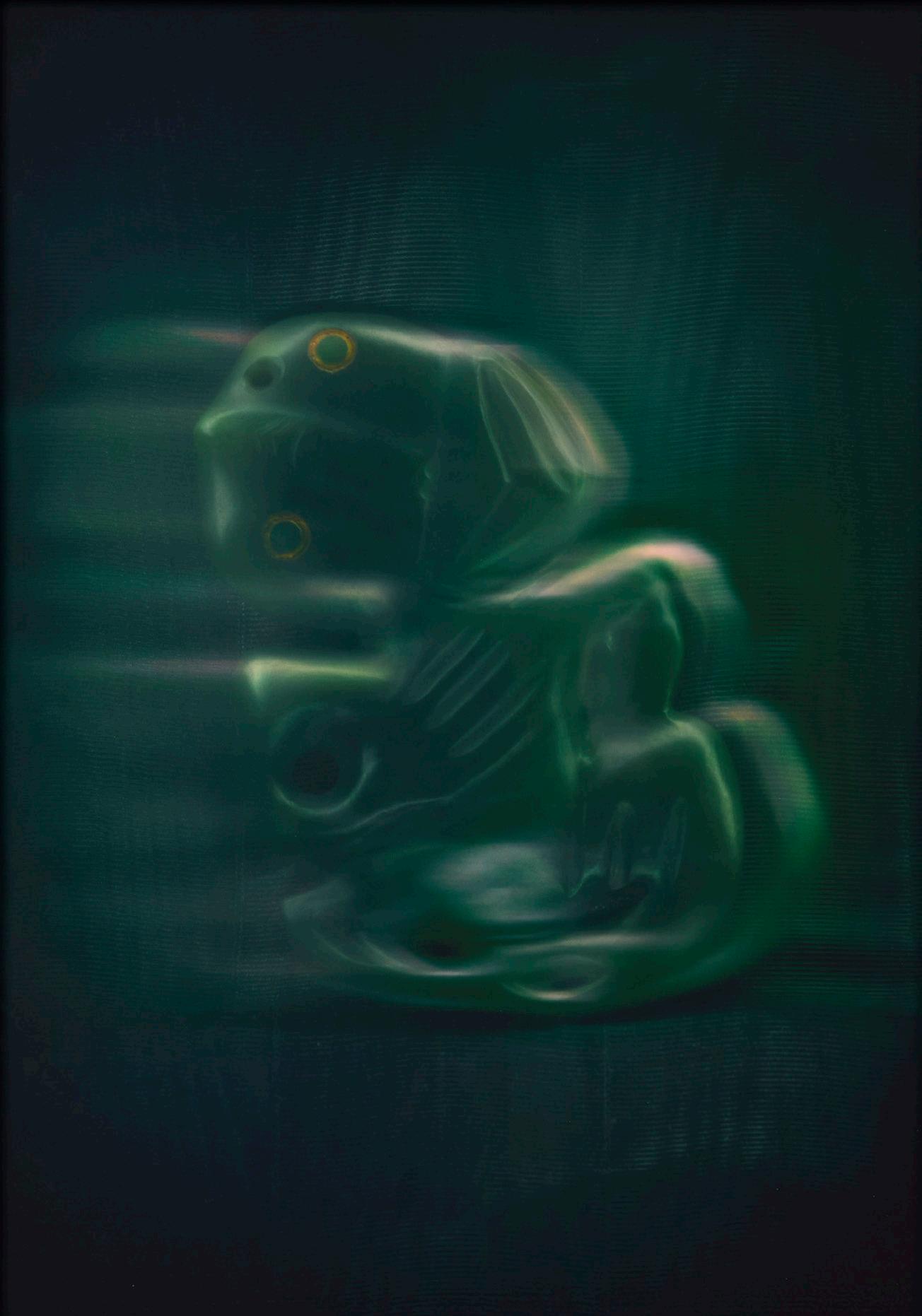
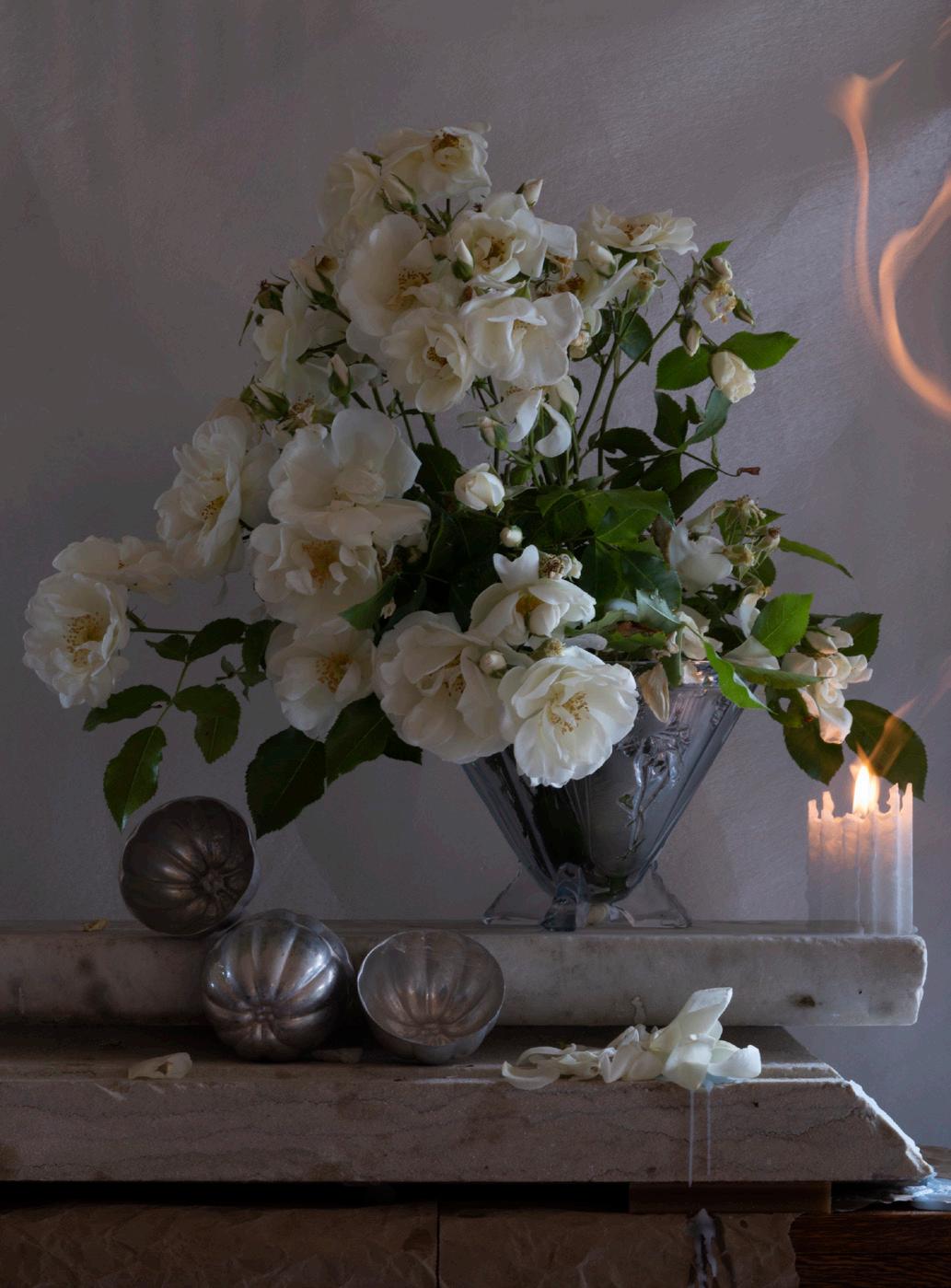
Of Kāi Tahu, Kāti Mamoe, Ngāti Kahungunu and Clan Cameron of Erracht descent, Pardington draws deeply on cultural narratives, often engaging with objects that carry complex histories. Over more than four decades, she has built a practice that explores museum collections and storage spaces internationally, seeking out objects that tell stories of people and place. She is celebrated for her representations of taonga, or cultural treasures, and for the way her practice returns to the world objects and presences previously hidden away. Whether adding to her ongoing still life series, or turning toward hei tiki and taxidermied native birds held in museum collections, Pardington’s work examines intertwined histories of ecological loss, colonial collecting and cultural memory. Her characteristic manner is to isolate taonga, be it from the natural or cultural world, against dark backgrounds, drawing attention to texture, composition and the connections they evoke.
Pardington’s carefully staged tableaux of multiple objects build upon the Dutch still life tradition, in which arrangements of seemingly everyday items suggest hidden meanings and secrets. This ongoing body of work brings together objects she has found, salvaged from beaches and riverbeds, or drawn from her extensive personal collection, each selected for its deep personal and cultural meaning. Her photographs contains their own unique language of symbols, deliberately openended, allowing viewers to create their own readings, yet sometimes remaining mysteriously just out of our reach.
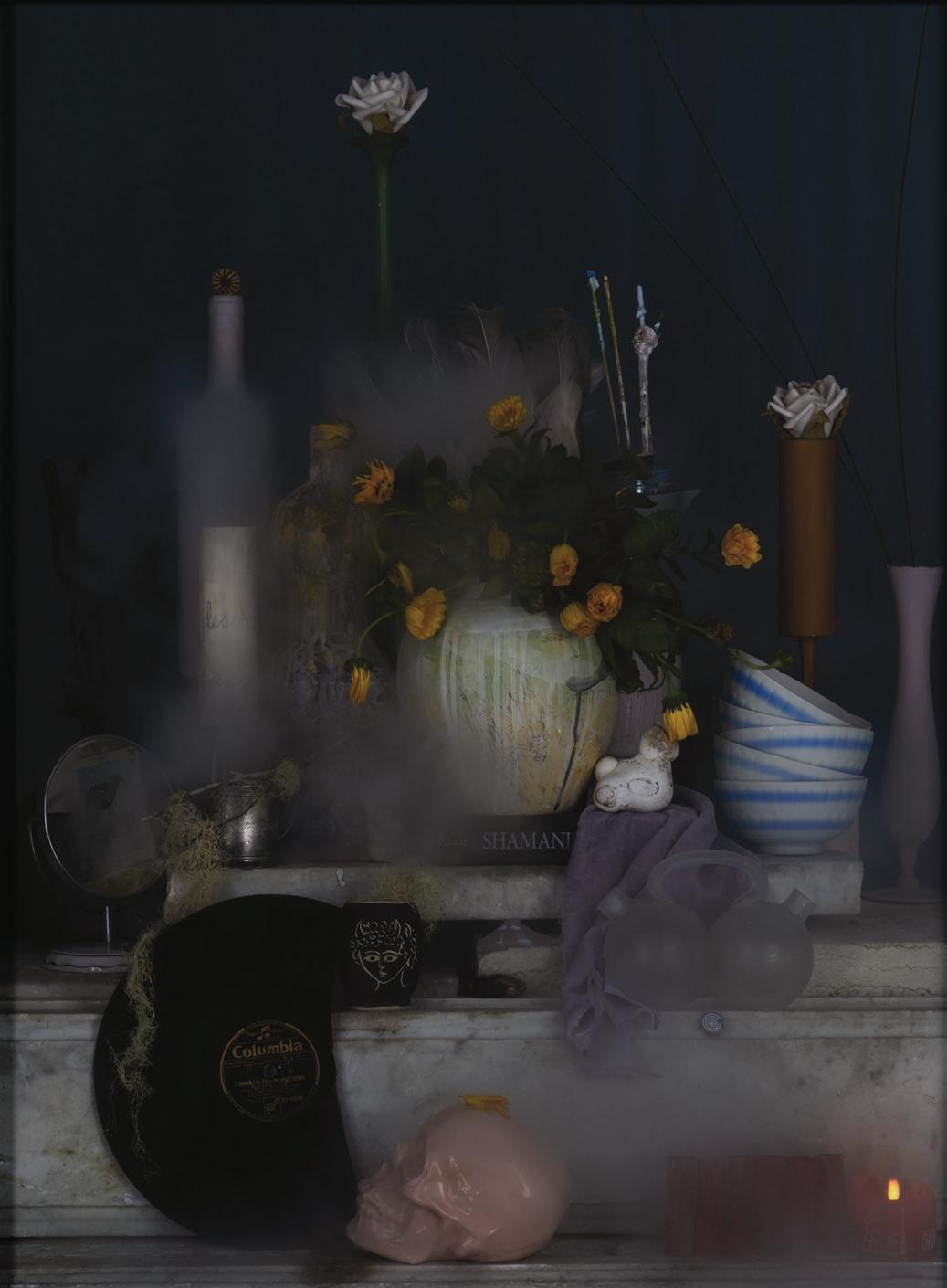
87 Fiona Pardington, The Sun, The Satyr 2021 archival inkjet print on Hahnemühle Photo Rag, 2/10 signed 1090 × 810mm
EST $12,000—$18,000
88 Fiona Pardington, Maranga / Arise Tui Whanganui Museum 2008 2008 toned silver bromide fibre-based print, 1/5 590 × 455mm
EST $9,000—$16,000
89 Fiona Pardington, Hermes Mercury, Cannelles and Parsonage Road 2023 inkjet print on Hahnemühle Photo Rag, 3/10 1400 × 1120mm
EST $14,000—$19,000
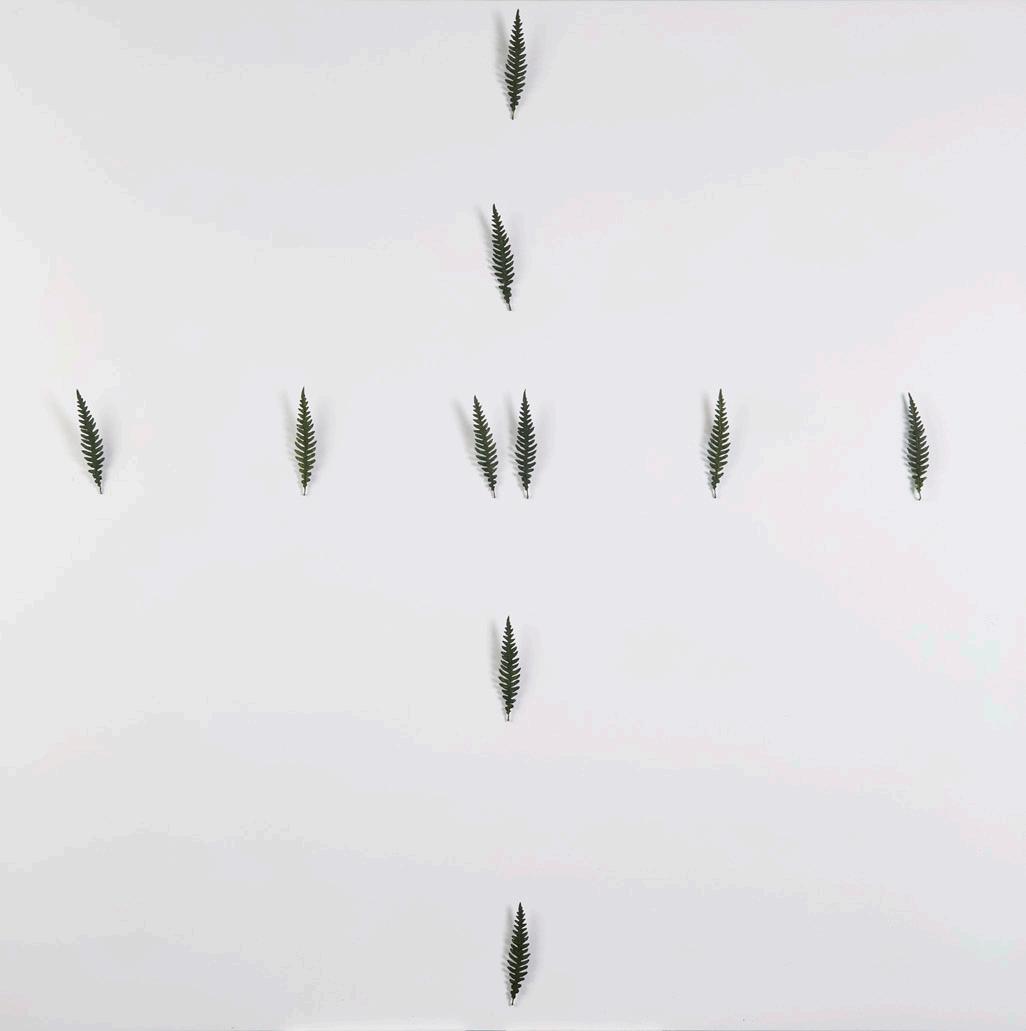
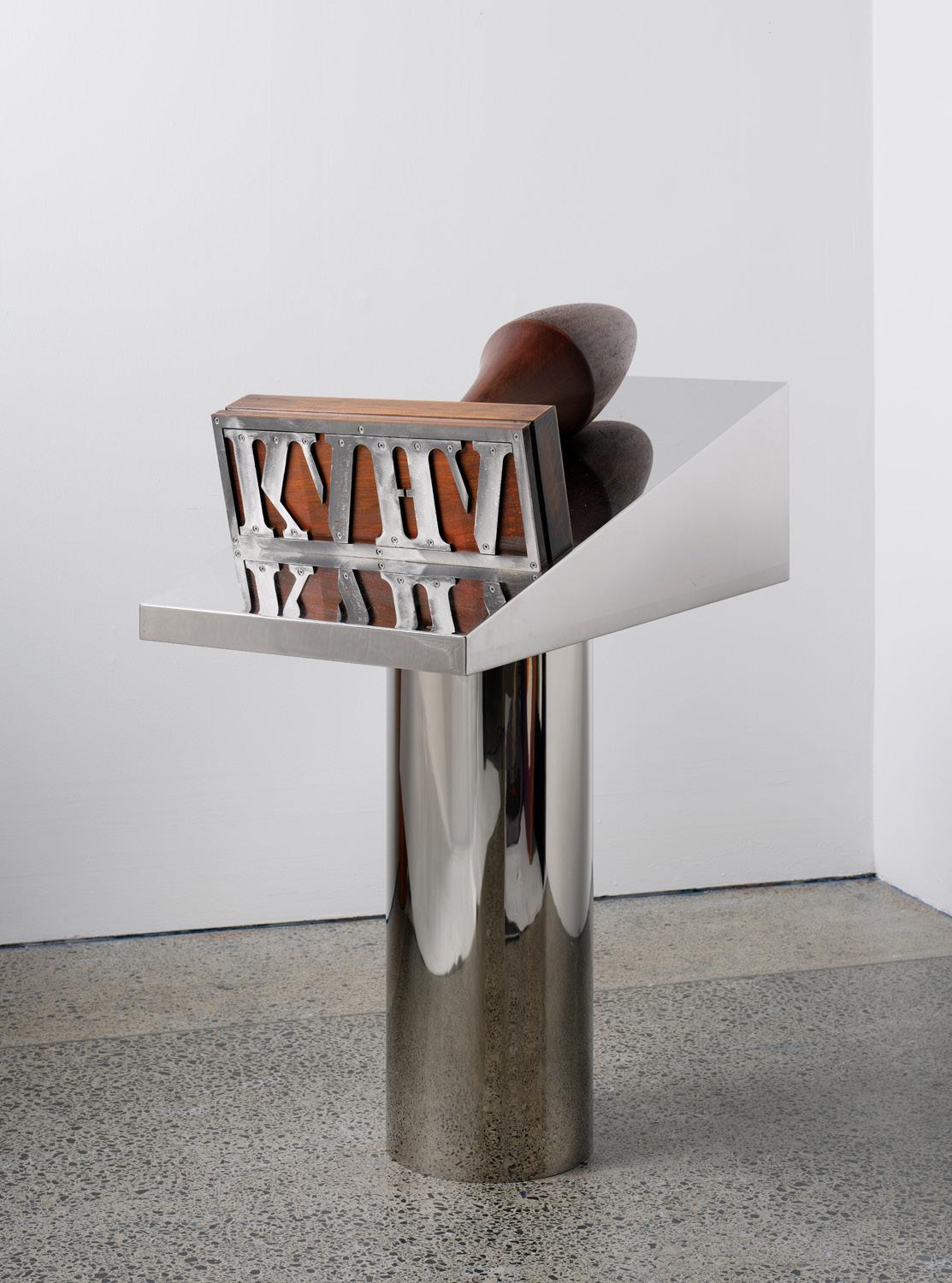
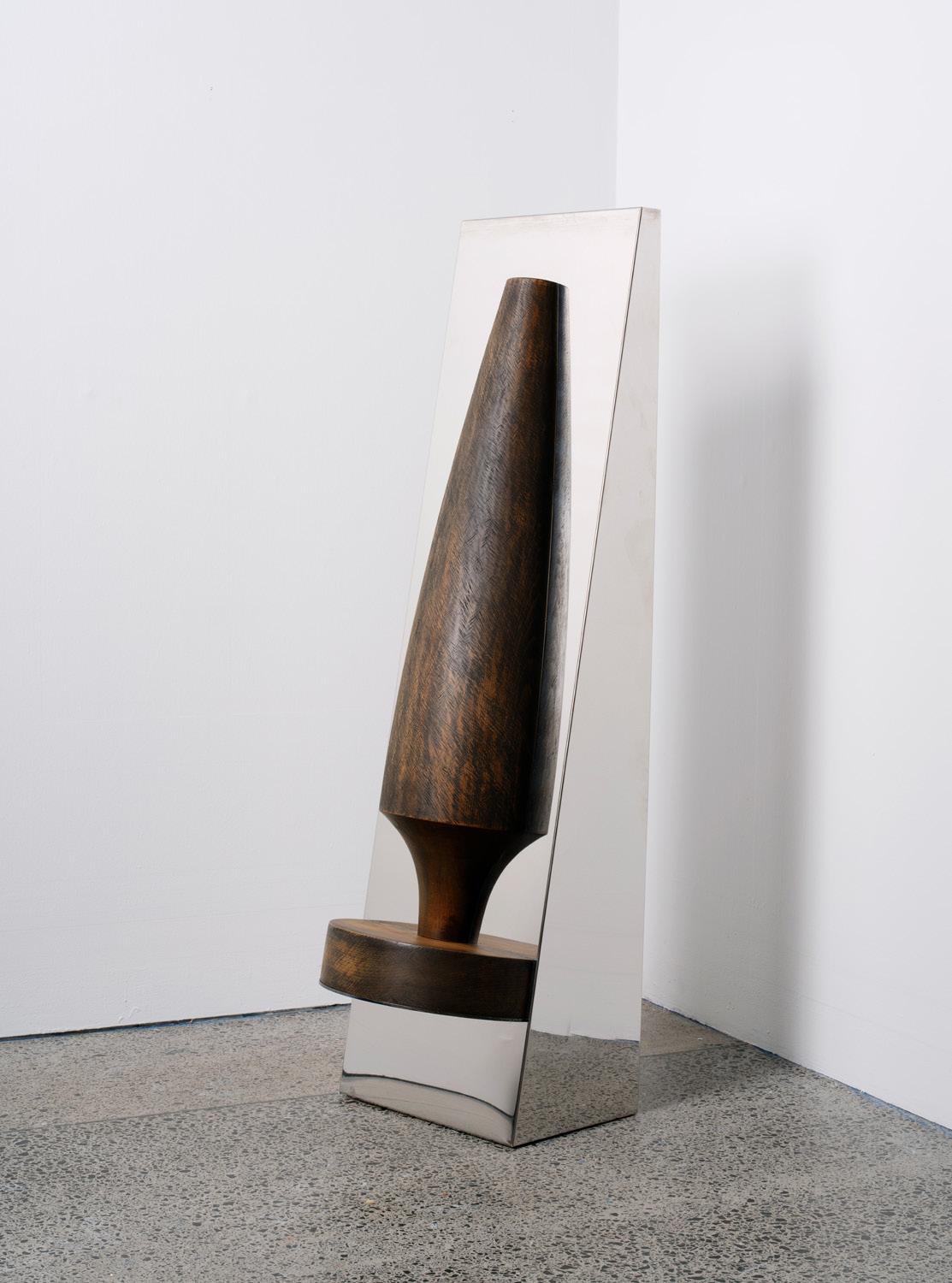
Terry Fox —Georgina
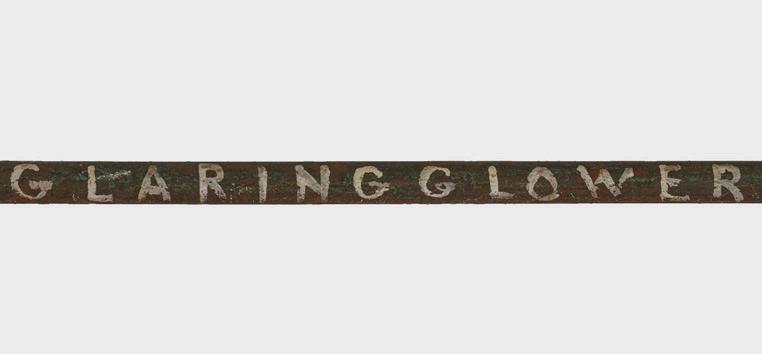
Seattle-born American artist Terry Fox was a key figure in the performance, video, sound, and conceptual art movements of the late 1960s and 1970s. Known for experimental sculpture and site-specific action-performances, Fox challenged conventional definitions of sculpture by treating sound, gesture and text as sculptural mediums. Sound was regarded as a democratic medium, valued not only for its immediacy, and its capacity to create shared sensory experience, but also for its universality.
Fox’s practice formed part of a broader shift in the 1970s toward action-based and process-driven approaches to art. By incorporating the body and everyday found materials, Fox reconceived sculpture as an event unfolding in time rather than a fixed object. This approach aligns closely with the ideas of Buckminster Fuller, who understood material form as dynamic and vibrational rather than solid and permanent. Fuller’s thinking resonates with Fox’s use of sound to create immersive works that audiences could enter and experience directly.
This understanding of sculpture as a spatial and experiential situation is reflected in Fox’s own words: “I am dealing with objects in space and their relationship to each other, and with how my mood alters them,” an idea he saw as central to his “situations.”
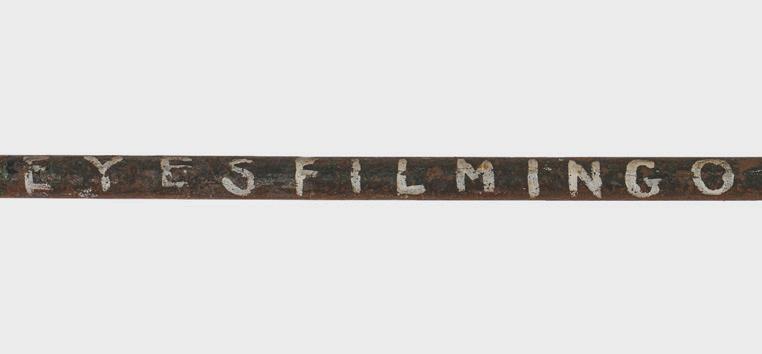
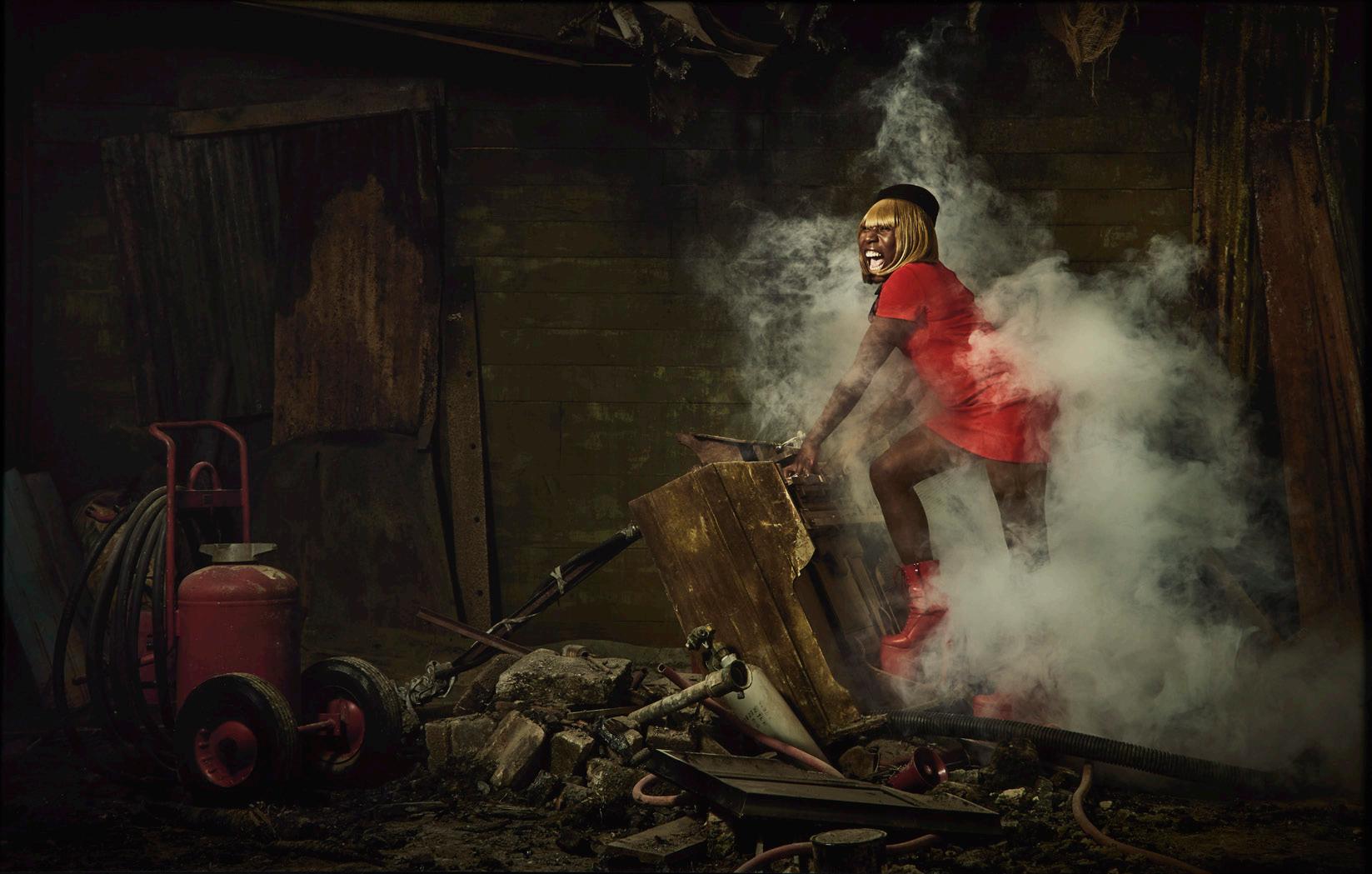
The work featured in this catalogue is a remnant of Fox’s sculptural situationperformance Arrectus Auribus, presented at the 1990 Biennale of Sydney. In this work, Fox and sound artist Yoshi Wada transformed the space into what Fox described as “aural architecture.” The performance combined sparse visual elements, including smoke and slow, deliberate bodily movement, with sound to heighten the audience’s awareness of the room’s resonance and physical presence. Using a specialised long metal pipe instrument struck against the floor, Fox generated deep, bell-like vibrations that made the space itself seem animated and sculptural.
Fox expanded sculpture beyond static form, using sound, movement, and spatial perception to create situations that were at once physical, temporal, and deeply experiential. His practice invites audiences not simply to observe an artwork, but to inhabit it, revealing sculpture as a dynamic encounter shaped by resonance, sensation, and the body’s presence in space.
“I am dealing with objects in space and their relationship to each other, and with how my mood alters them”


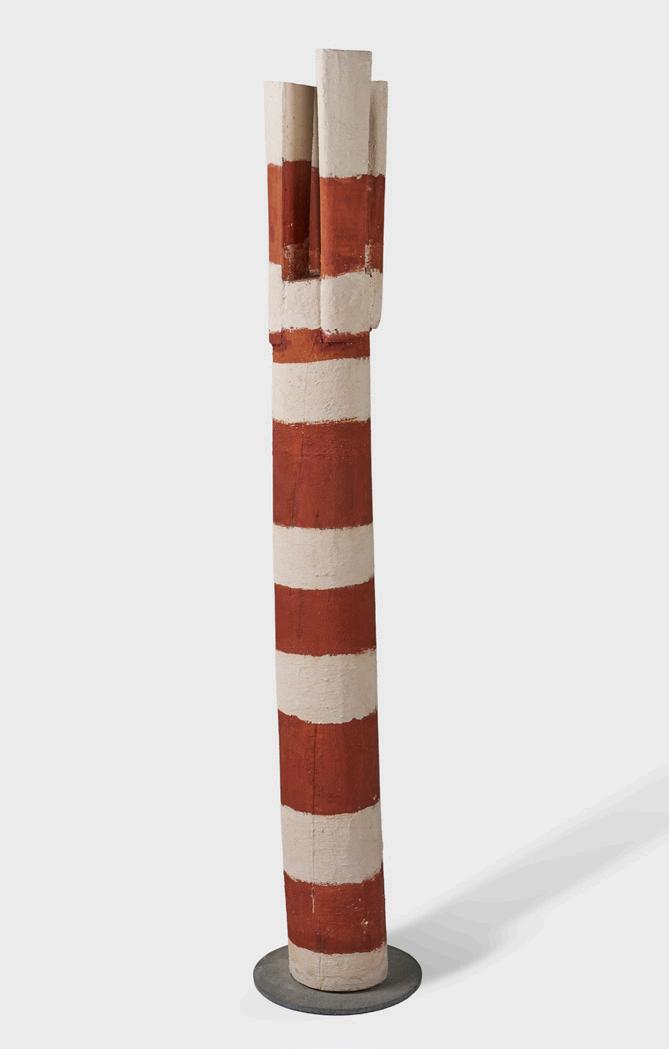
99 Joe Ngallametta, Thap Yongk (Law pole) 2002-2003
carved milkwood (Alstonia muellerana) with synthetic polymer paint and natural pigments
1600 × 330mm
EST $4,000—$6,000
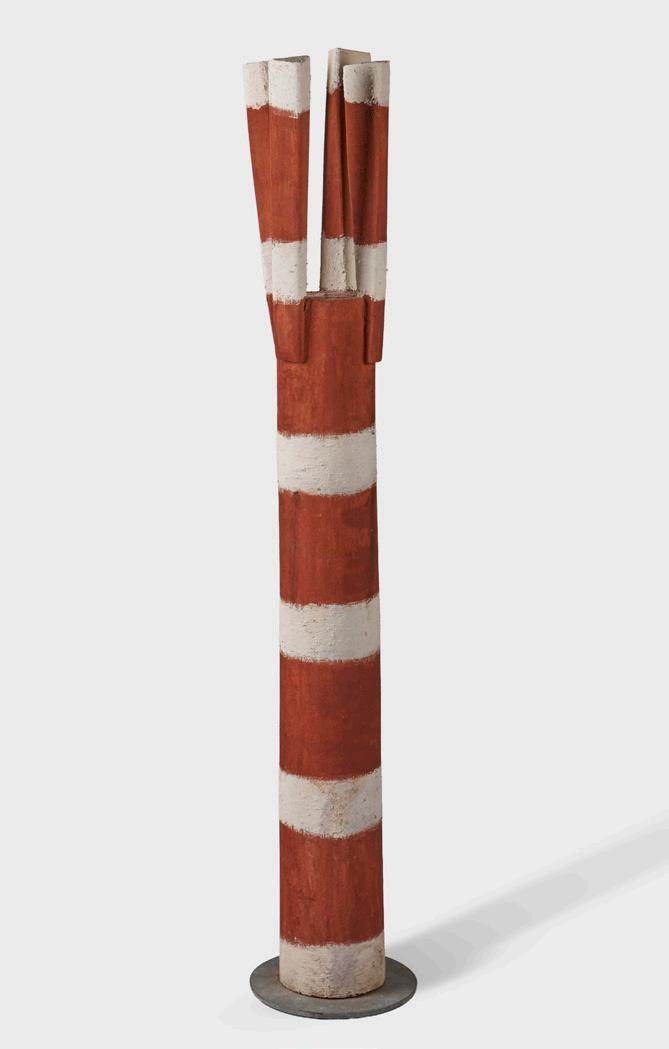
100 Joe Ngallametta, Thap Yongk (Law pole) 2002-2003
carved milkwood (Alstonia muellerana) with synthetic polymer paint and natural pigments
1630 × 300mm (widest points)
EST $4,000—$6,000
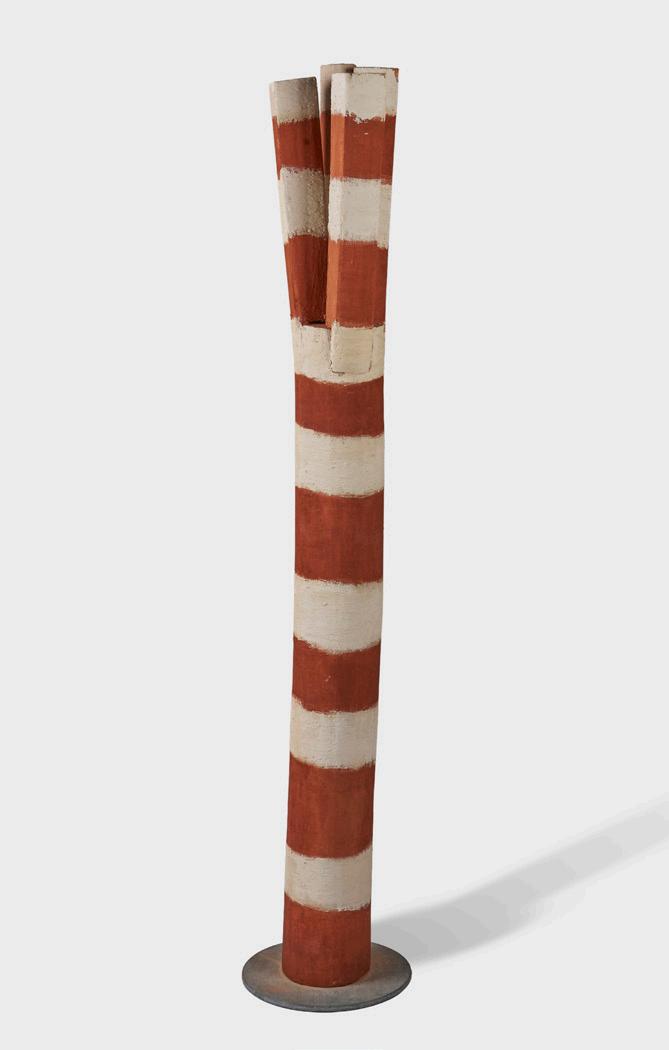
101 Joe Ngallametta, Thap Yongk (Law pole) 2002-2003
carved milkwood (Alstonia muellerana) with synthetic polymer paint and natural pigments
1680 × 340mm
EST $4,000—$6,000
Rising with a quiet, architectural presence, these three carved poles exemplify the sculptural language of Thap yongk (law poles), created by Aurukun Elder and Aboriginal artist Joe Ngallametta (1945–2005). Comparable in conception and scale to an important installation held by the Queensland Art Gallery | Gallery of Modern Art, this grouping reflects forms developed at Aurukun to give visual expression to enduring relationships between land, knowledge and community.
A Kugu Elder and custodian for the Wanam ceremonial group, Ngallametta was among the first Kugu artists to bring ceremonial visual traditions into the sphere of contemporary art. His early paintings are distinguished by the thick application of ochre and bold white overlays of designs still used today. Known throughout northern Queensland as “the professor,” Ngallametta was a performer and senior law man. In the early 2000s, he developed new ways of presenting ancestral narratives in material form, maintaining continuity between past and present while supporting the intergenerational
transmission of knowledge. Ngallametta became a principal maker of Thap yongk, carving the poles from milkwood and painting them with natural earth pigments. Conceived as upturned trees, the poles are imagined with branches beneath the ground and roots rising upward, a form that speaks to systems of knowledge and ancestral connections embedded within the land. He was among a generation of Aurukun leaders who chose to share Thap yongk beyond restricted contexts, stating, “I know your laws: now you can understand mine.” While the poles read cohesively as a group, their clarity of form and material allows each to function equally as an individual sculptural work. Within Aboriginal art, law poles are recognised as a distinctive sculptural form developed at Aurukun, where carving, painting and performance intersect. The use of milkwood and natural earth pigments situates these works within a wider Indigenous tradition of making with materials drawn directly from Country, reinforcing the close relationship between place, process and form.


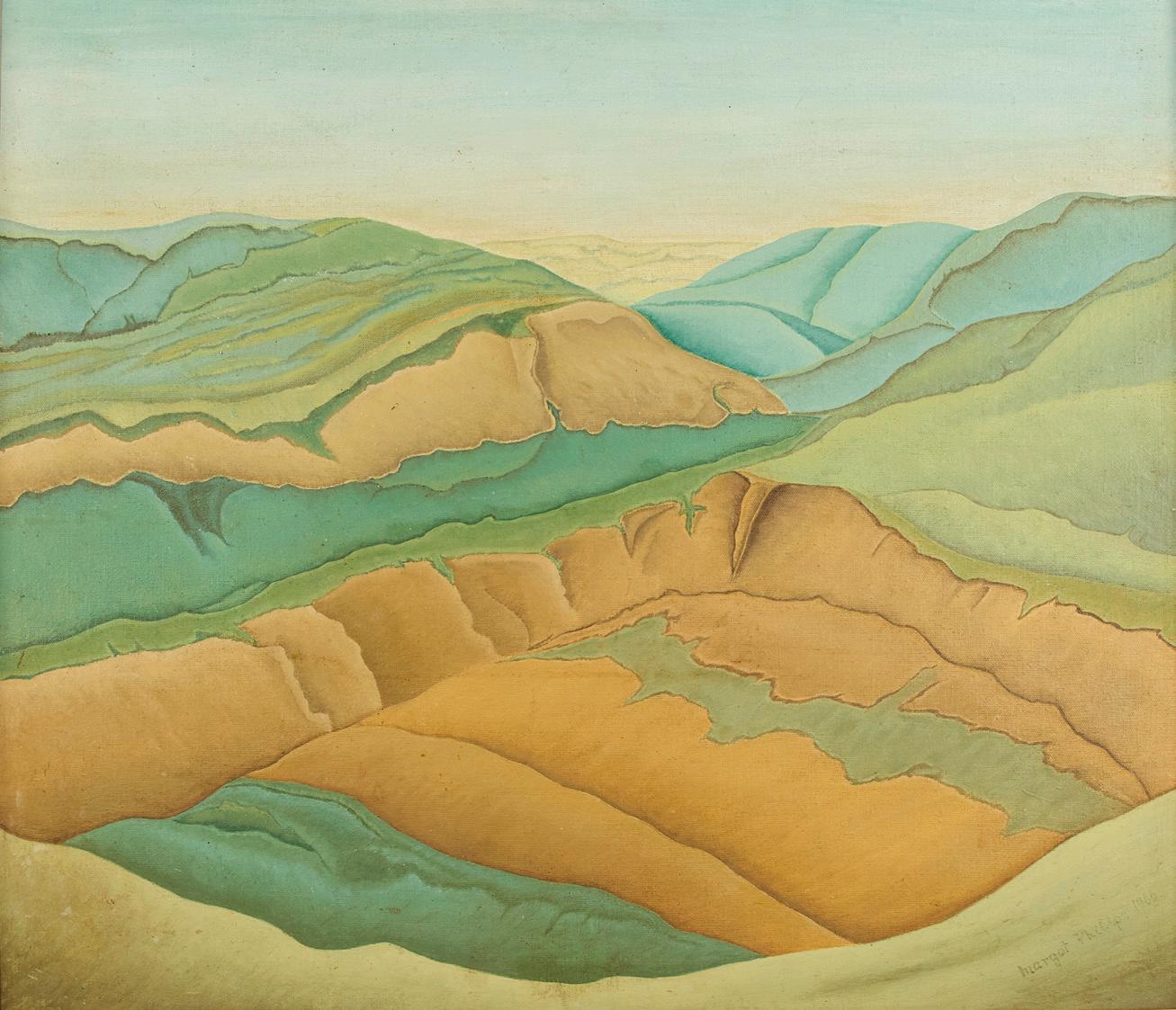
Margot Philips —Mark Hutchins-Pond
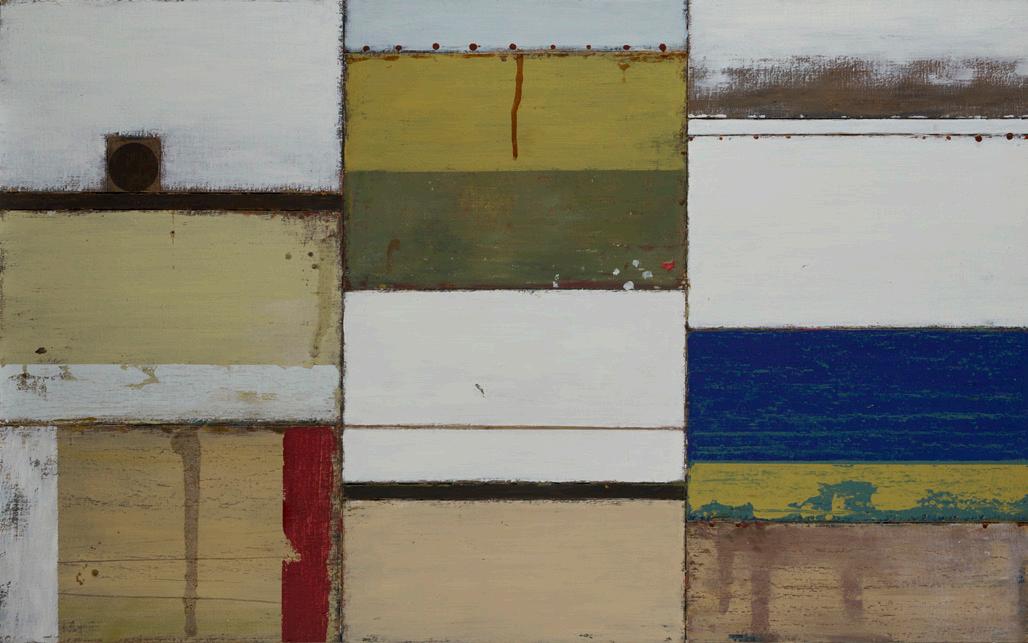
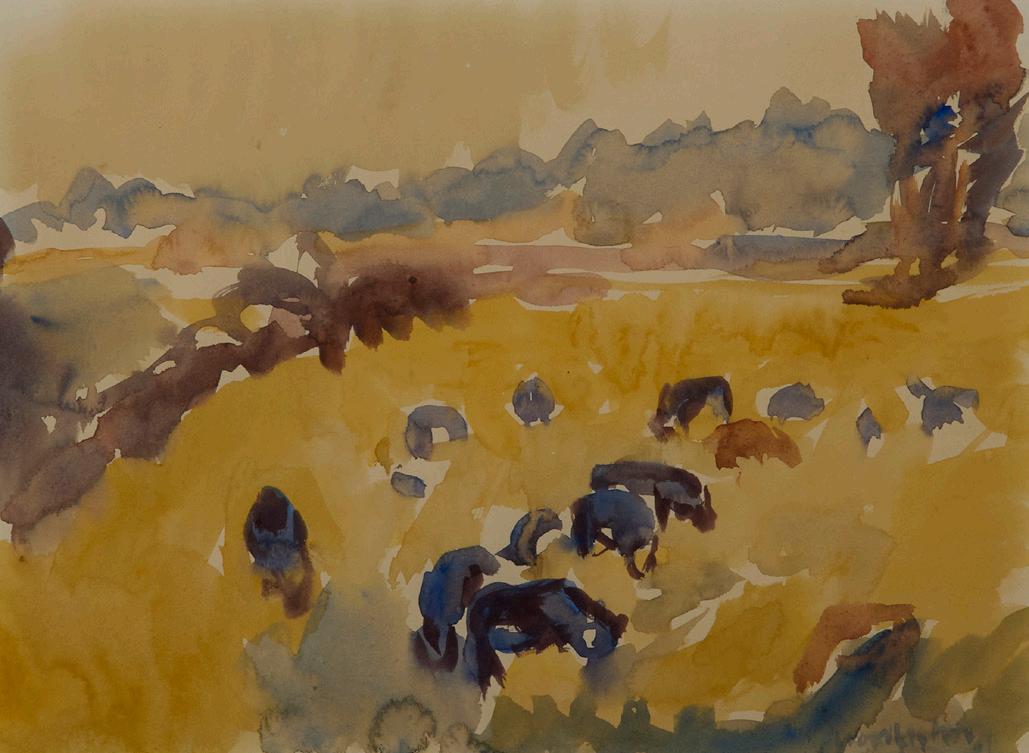
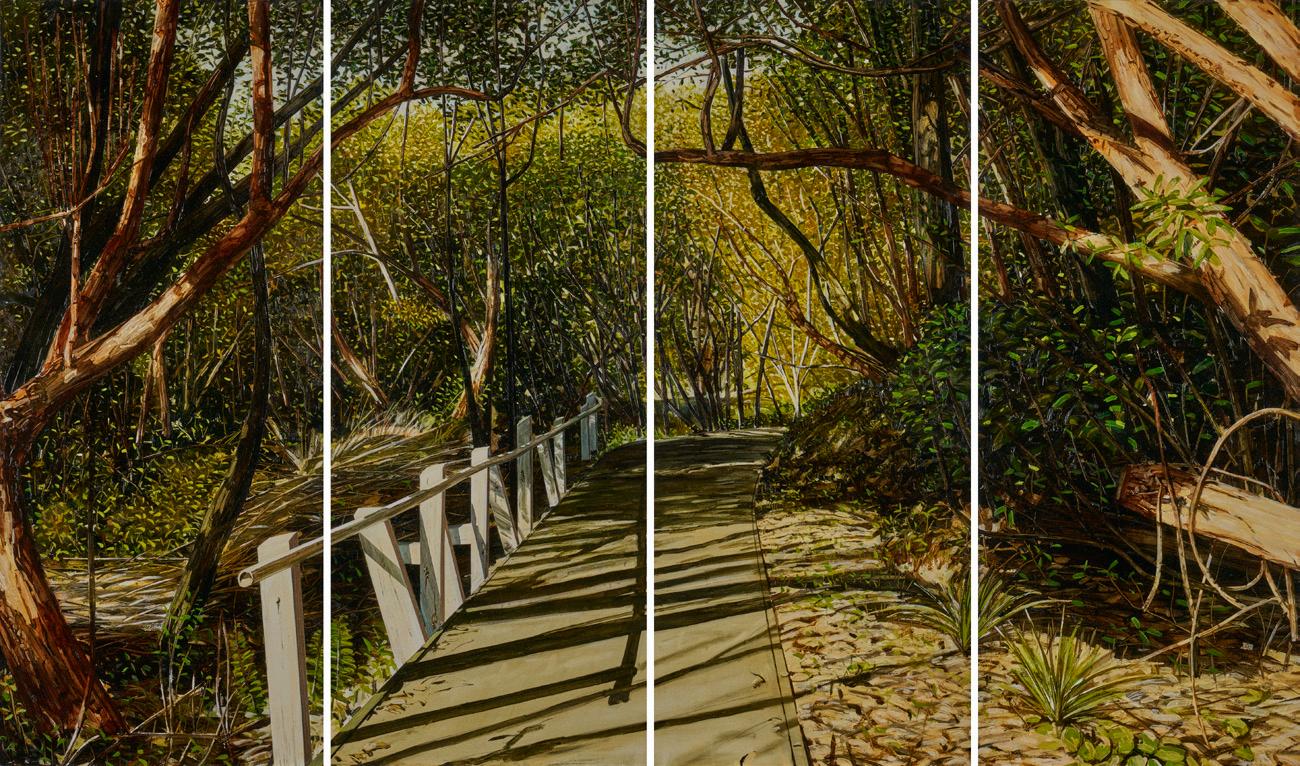
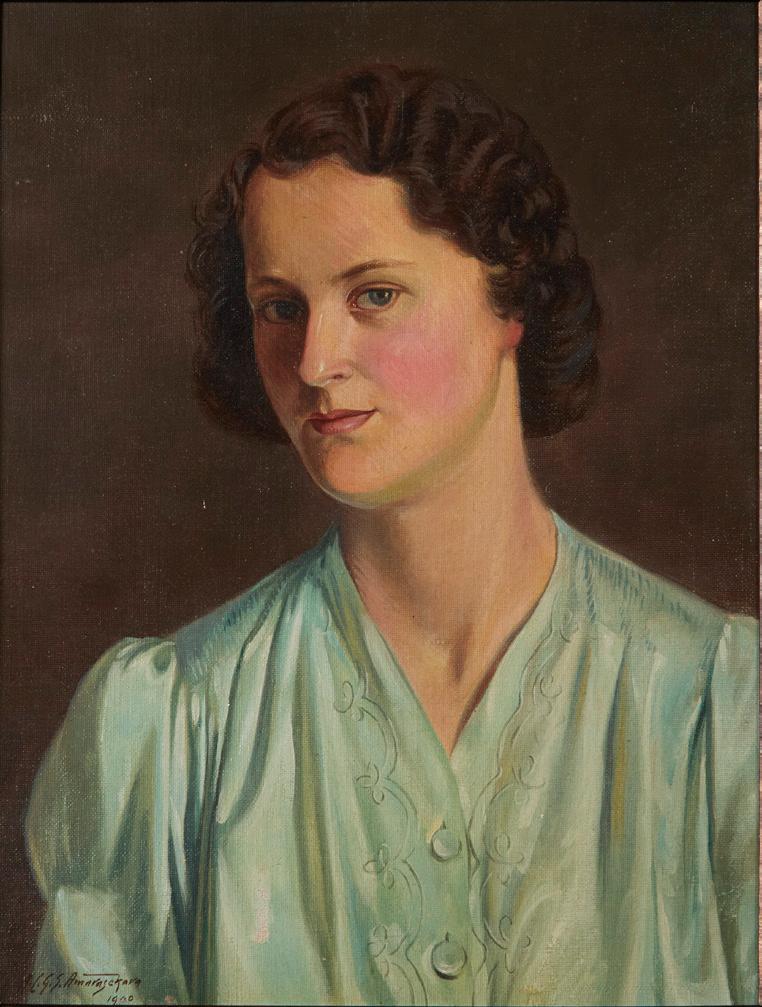
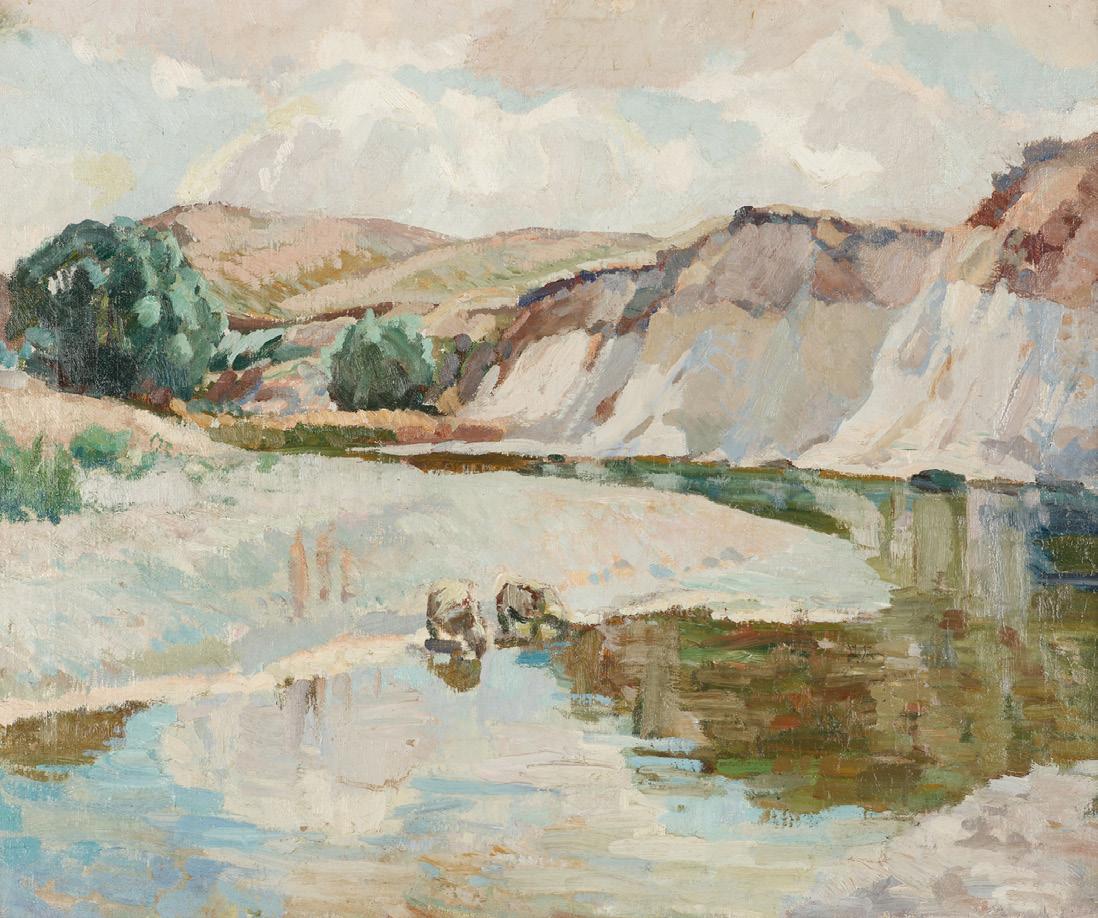
Margot Philips was born in 1902 into a traditional yet liberal Jewish family in Duisburg, Germany. After her parents’ deaths following World War I, and with Adolf Hitler’s appointment as Führer in 1934, Philips and her siblings began planning their departure from Germany. They settled briefly in London in 1935, where she encountered the city’s rich tradition of English landscape painting.
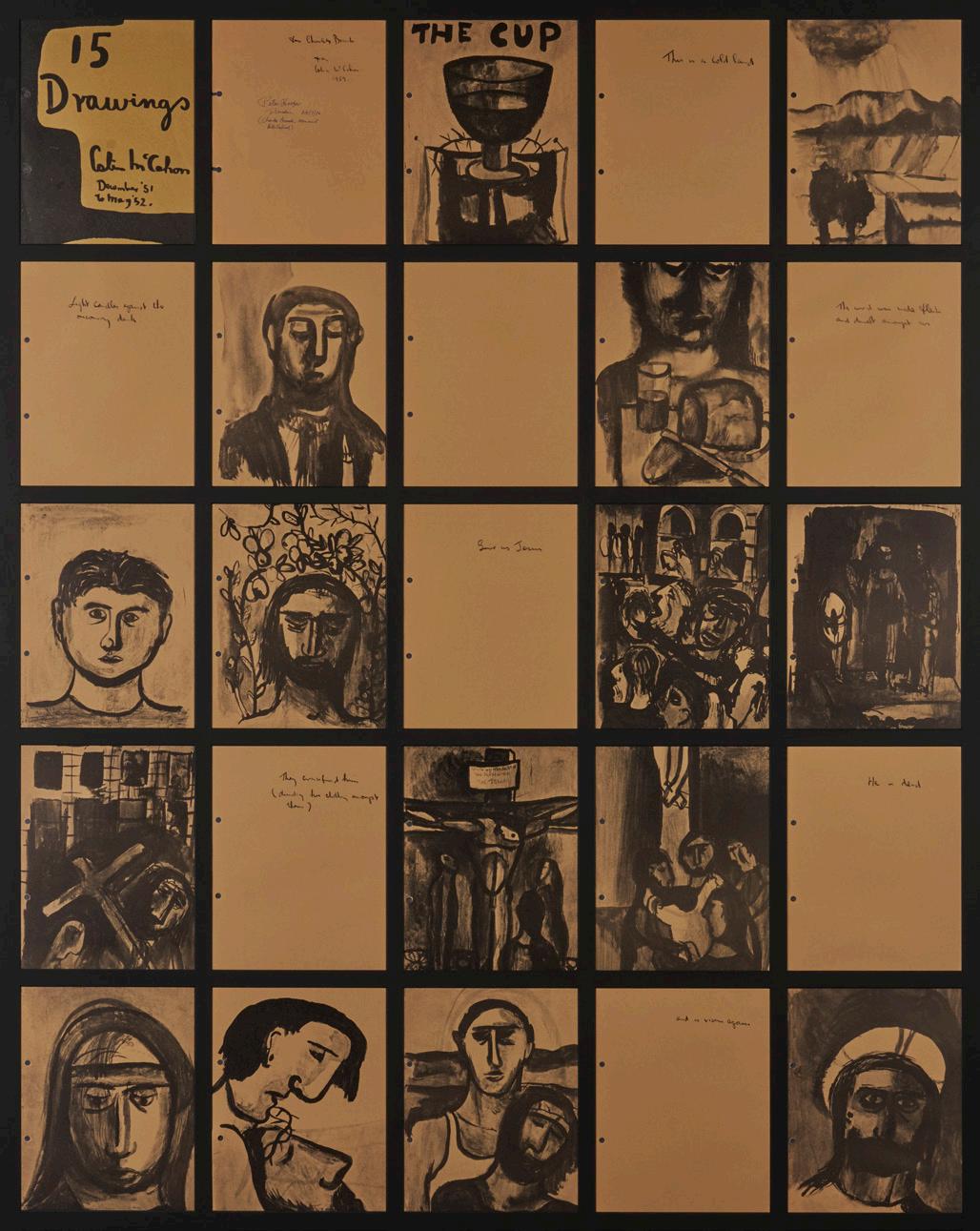
In 1938, Philips sailed for New Zealand, following her brother Kurt and his wife to Hamilton, where they ran a traditional European restaurant called the Vienna Café. Margot soon joined them and began to establish social and creative connections within the local community. Without formal art training, Philips began sketching and painting the homes and gardens of friends in the Waikato. She later attended drawing classes at technical colleges and attended summer schools taught by Colin McCahon during the 1950s. McCahon encouraged Philips to experiment and follow her own vision. She reached the height of her artistic output in the 1960s and 1970s, and her contribution was recognised in a major exhibition held at the opening of the Waikato Museum of Art and History in 1987, later followed by a gallery named in her honour.i
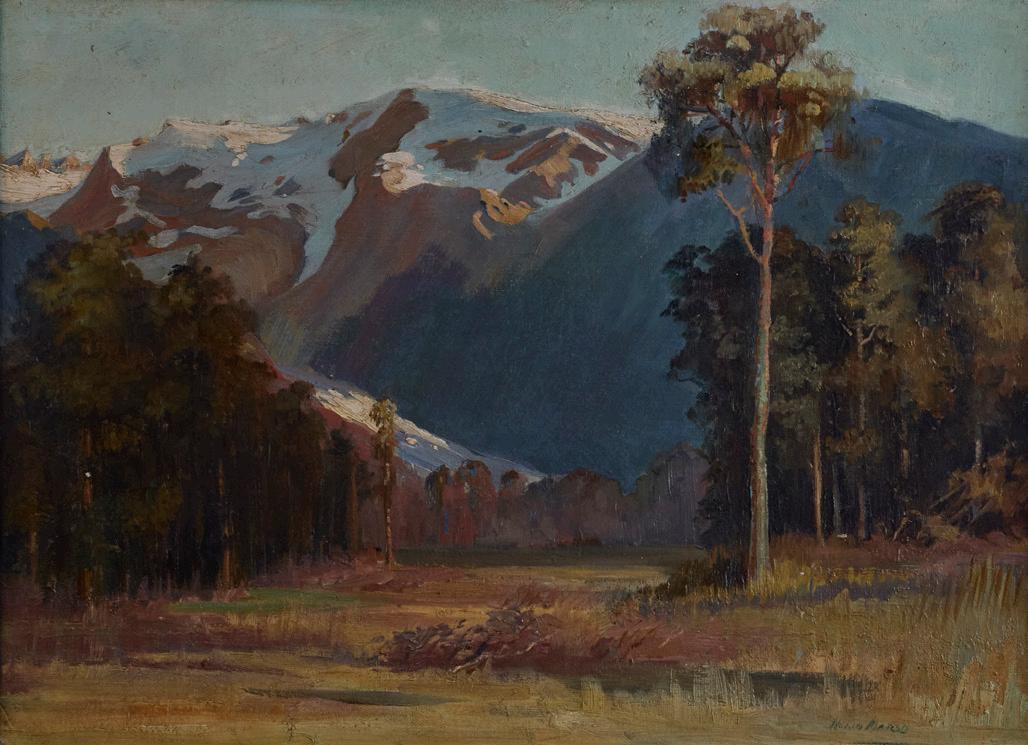
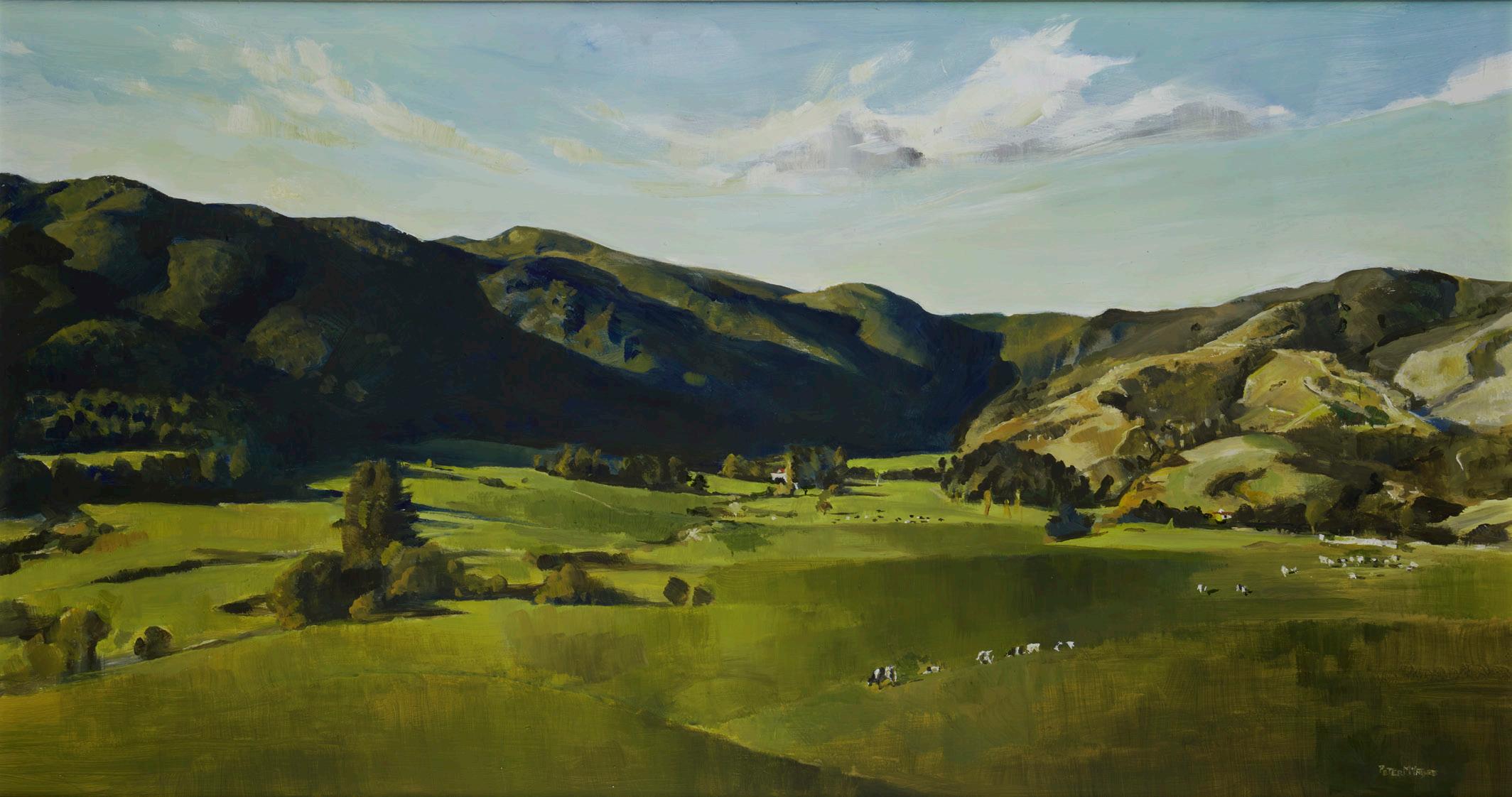
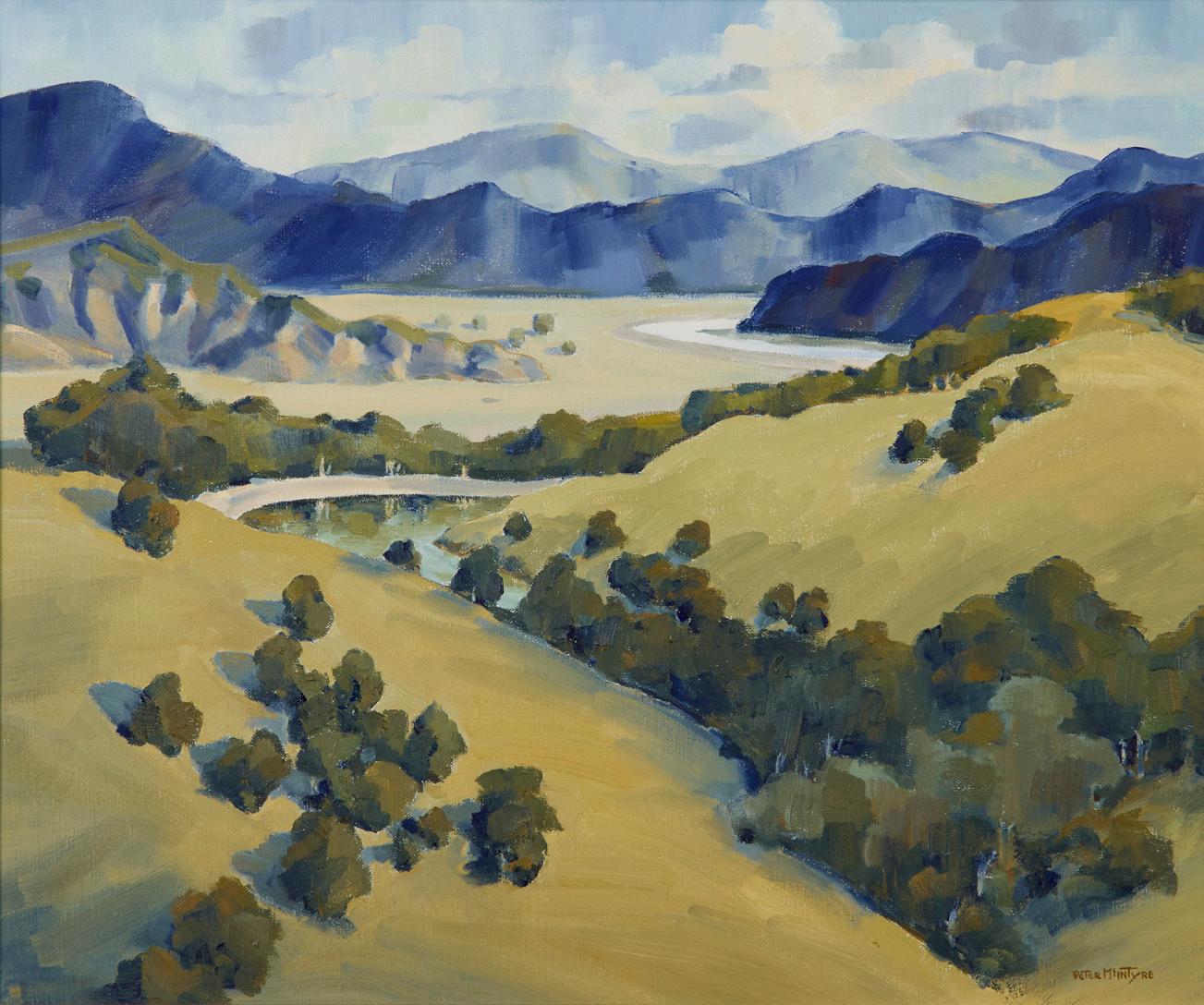
A defining feature of Philips’ work is her distinctive bird’s-eye view of the
landscape. One commentator remarked that this perspective was inspired by an epiphany experienced on a visit to the United States in the late 1940s, when she viewed the Colorado River and Grand Canyon from surrounding bluffs. Subsequent air travel within New Zealand “reinforced this predilection for an elevated perspective, expansive spaces and horizons.”ii Her Waikato and South Island landscapes are marked by dynamics lines and undulating fields of colour, “which hint at the subterranean geological dynamics of New Zealand landscapes… Her paintings not only depict the visual surfaces of the land and its vegetation but also the underlying geological developments beneath landslides, erosion and lahars that have become solidified and transformed.”iii Although largely self-taught, Philips expressed a singularly and deeply felt vision of place. For many, she remains the artist who most vividly captures the character of the Waikato. As she once reflected: “I was terribly excited by the Waikato landscape, once I was really ready to look.”iv
i https://www.aucklandartgallery.com/explore-art-and-ideas/ artist/2546/margot-philips
ii https://eyecontactmagazine.com/2023/08/margot-philips-landscapes-in-hamilton, Norman Franke – 24 August, 2023
iii Ibid iv https://www.aucklandartgallery.com/explore-art-and-ideas/ artist/2546/margot-philips
signed 540 × 630mm
EST $10,000—$16,000
signed
320 × 390mm
EST $13,000—$20,000
signed
510 × 680mm
EST $19,000—$28,000
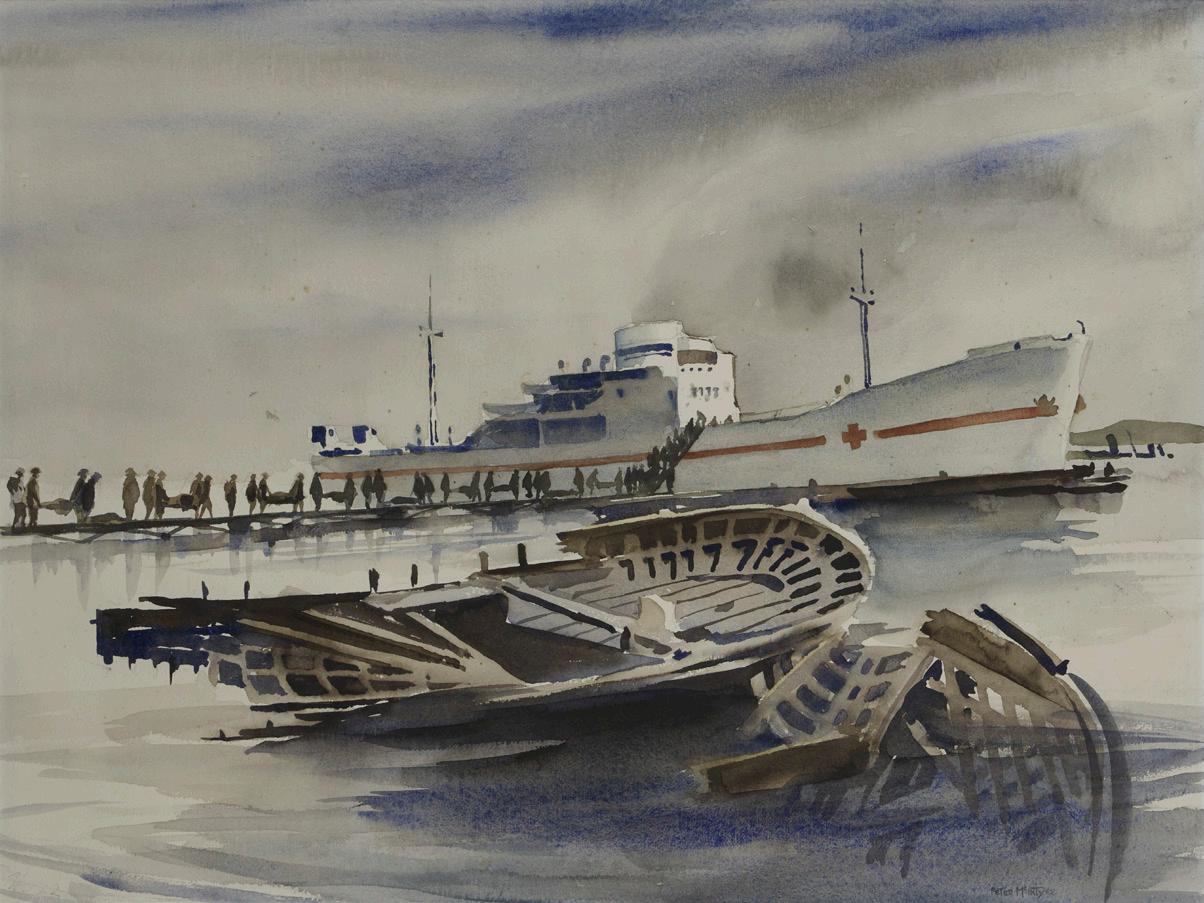
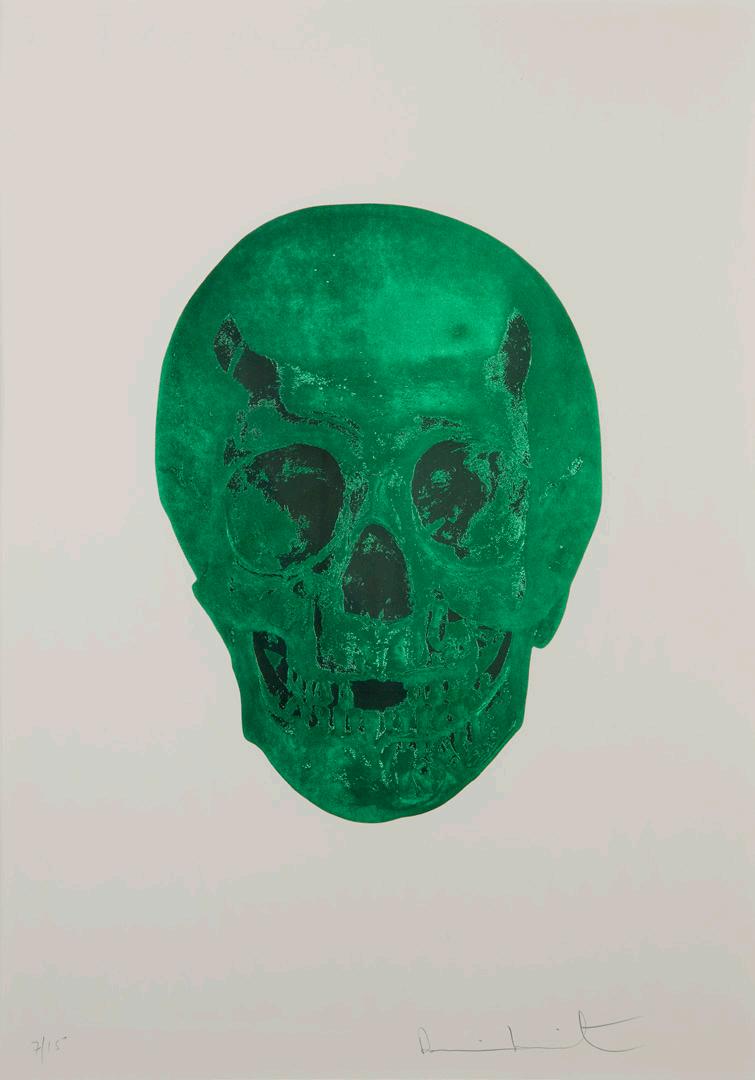
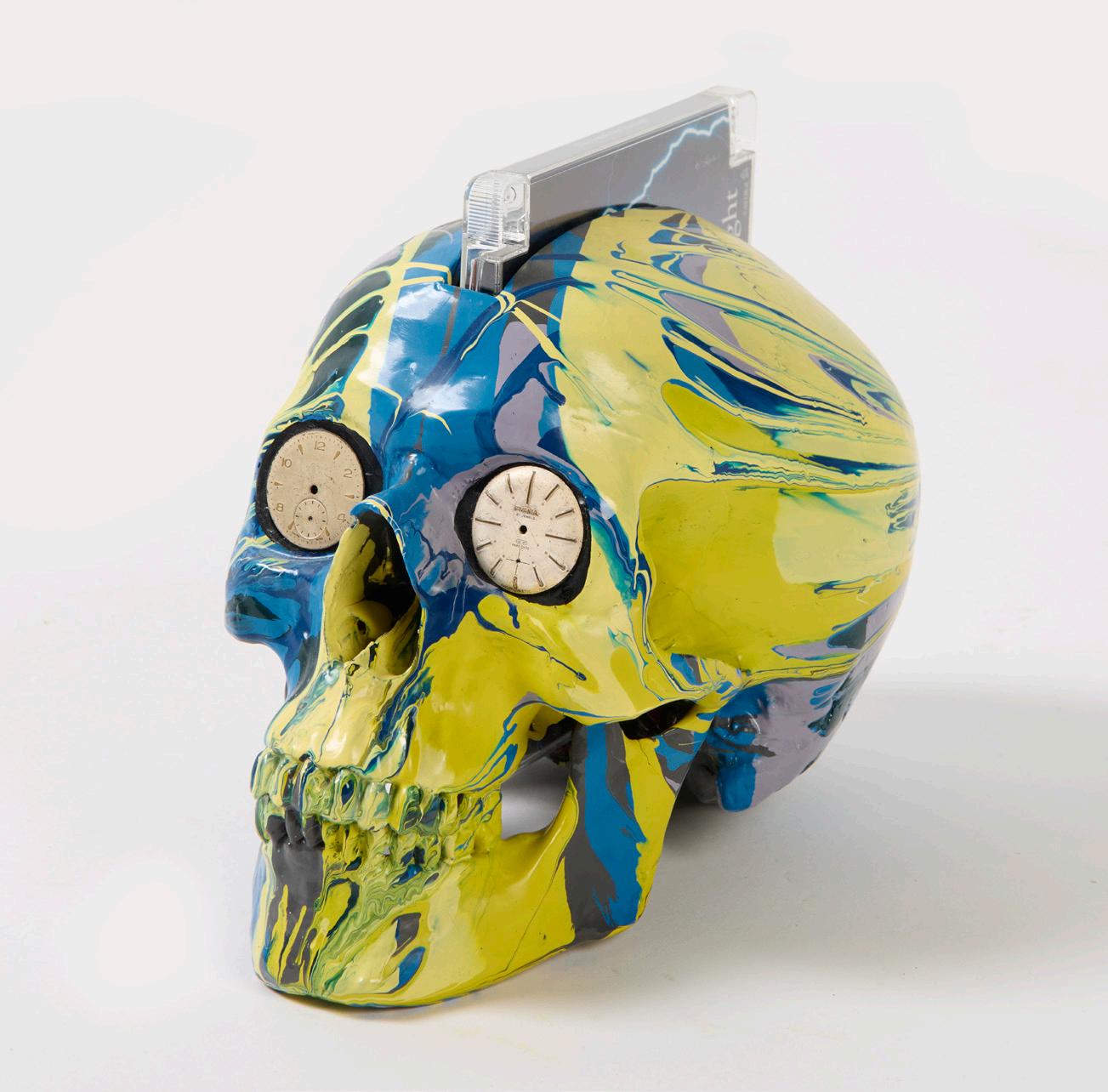
2 colour foil block on Arches 88 archival paper, 7/15 signed 710 × 500mm
EST $5,000—$8,000
180 × 150 (widest points)
EST $8,000—$12,000
2017 oil, acrylic and ink on paper signed, dated and title inscribed 500 × 695mm
EST $23,000—$32,000
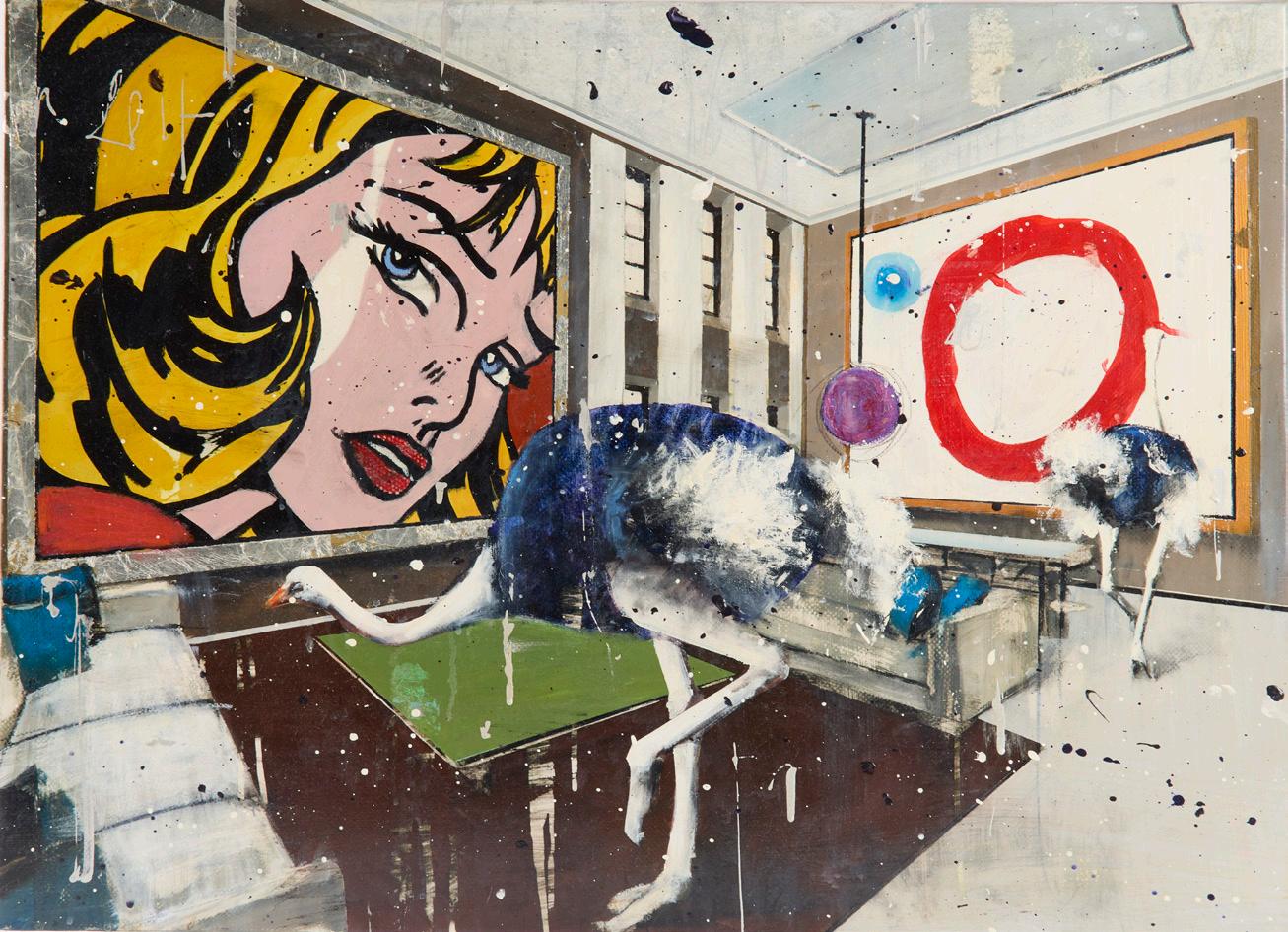
2690 × 1835mm
EST $4,000—$6,000
124
2003 acrylic on canvas signed, dated and title inscribed 1150 × 640mm
EST $5,000—$8,000
EST $2,000—$3,000
Don
Brownridge, Lynley
C Castle, Len
Clairmont, Philip
Cornish, Bronwynne
Couper, Matthew
Gimblett, Max
Good, Roy 30, 31
Gossage, Aroha 04, 05
Gossage, Star 04, 05
Greig, Jason 09
Gruenwald, Amanda 48 H Hammond, Bill 15
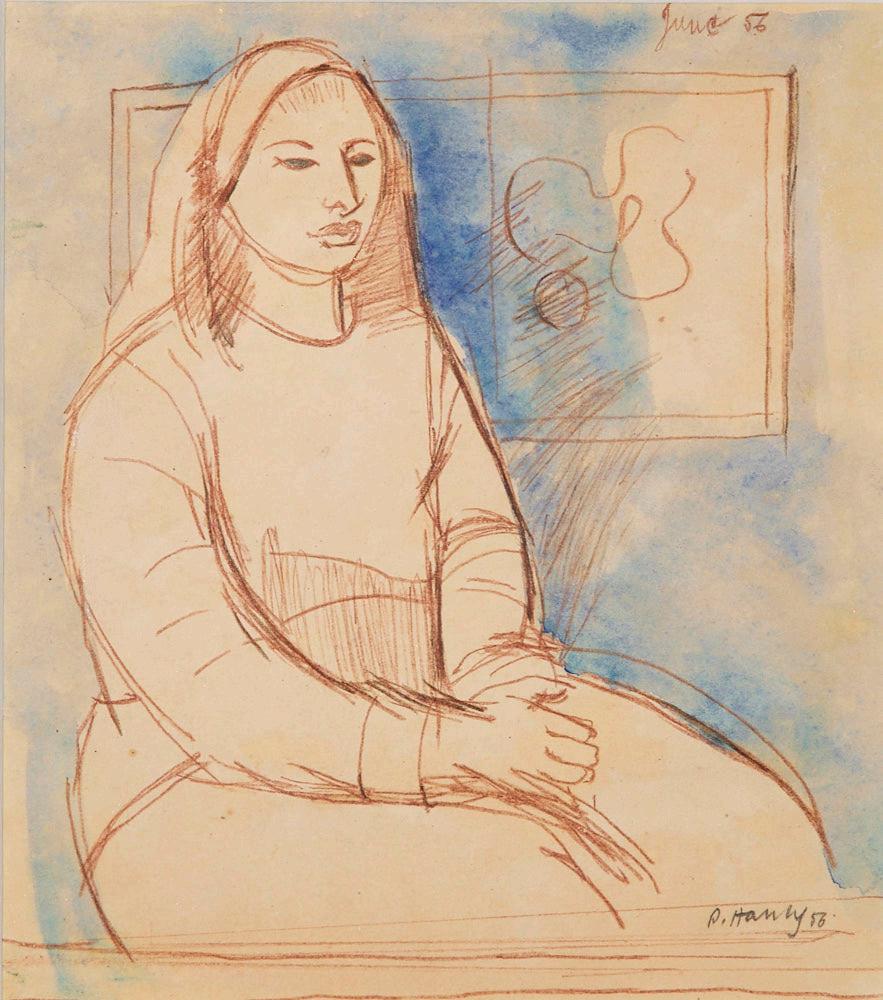
Hanly, Pat 16
Heaphy, Chris 19, 45
Hight, Michael 48
Hirst, Damien 50, 54
Hotere, Ralph 03, 07, 08, 39 Hunt, Bruce 57
Toss
The terms and conditions of sale listed here contain the policies of Webb’s (Webb Fine Art). They are the terms on which Webb’s (Webb Fine Art) and the Seller contract with the Buyer. They may be amended by printed Saleroom Notices or oral announcements made before and during the sale. By bidding at auction you agree to be bound by these terms.
Foreign buyers should note that all transactions are in New Zealand Dollars so there may be a small exchange rate risk. The costs associated with acquiring a good opinion or certificate will be carried by the purchaser. If the item turns out to be forged or otherwise incorrectly described, all reasonable costs will be borne by the vendor.
3.3. Buyers Responsibility
All property is sold “as is” without representation or warranty of any kind by Webb’s or the Seller. Buyers are responsible for satisfying themselves concerning the condition of the property and the matters referred to in the catalogue by requesting a condition report.
No lot to be rejected if, subsequent to the sale, it has been immersed in liquid or treated by any other process unless the Auctioneer’s permission to subject the lot to such immersion or treatment has first been obtained in writing.
4. At the Sale
4.1. Refusal of Admission
Webb’s reserves the right at our complete discretion to refuse admission to the auction premises or participation in any auction and to reject any bid.
4.2. Registration Before Bidding
Any prospective new buyer must complete and sign a registration form and provide photo identification before bidding. Webb’s may request bank, trade or other financial references to substantiate this registration.
4.3. Bidding as a Principal
1. Background to the Terms used in these Conditions
The conditions that are listed below contain terms that are used regularly and may need explanation. They are as follows:
“the Buyer” means the person with the highest bid accepted by the Auctioneer.
“the Lot” means any item depicted within the sale for auction and in particular the item or items described against any lot number in the catalogue.
“the Hammer price” means the amount of the highest bid accepted by the auctioneer in relation to a lot.
“the Buyer’s Premium” means the charge payable by the Buyer to the auction house as a percentage of the hammer price.
“the Reserve” means the lowest amount at which Webb’s has agreed with the Seller that the lot can be sold.
“Forgery” means an item constituting an imitation originally conceived and executed as a whole, with a fraudulent intention to deceive as to authorship, origin, age, period, culture or source, where the correct description as to such matters is not reflected by the description in the catalogue. Accordingly, no lot shall be capable of being a forgery by reason of any damage or restoration work of any kind (Including re-painting).
“the insured value” means the amount that Webb’s in its absolute discretion from time to time shall consider the value for which a lot should be covered for insurance (whether or not insurance is arranged by Webb’s).
All values expressed in Webb’s catalogues (in any format) are in New Zealand Dollars (NZD$). All bids, “hammer price”, “reserves”, “Buyers Premium” and other expressions of value are understood by all parties to be in New Zealand Dollars (NZD$) unless otherwise specified.
2. Webb’s Auctions as Agent
Except as otherwise stated, Webb’s acts as agent for the Seller.
The contract for the sale of the property is therefore made between the Seller and the Buyer.
3. Before the Sale
3.1. Examination of Property Prospective Buyers are strongly advised to examine in person any property in which they are interested before the Auction takes place. Neither Webb’s nor the Seller provides any guarantee in relation to the nature of the property apart from the Limited warranty in the paragraph below.
The property is otherwise sold “AS IS”
3.2. Catalogue and Other Descriptions All statements by Webb’s in the catalogue entry for the property or in the condition report, or made orally or in writing elsewhere, are statements of opinion and are not to be relied upon as statements of fact. Such statements do not constitute a representation, warranty or assumption of liability by Webb’s of any kind.
References in the catalogue entry to the condition report to damage or restoration are for guidance only and should be evaluated by personal inspection by the bidder or a knowledgeable representative. The absence of such a reference does not imply that an item is free from defects or restoration, nor does a reference to particular defects imply the absence of any others. Estimates of the selling price should not be relied on as a statement that this is the price at which the item will sell or its value for any other purpose. Neither Webb’s nor The Seller is responsible for any errors or omissions in the catalogue or any supplemental material.
Images are measured height by width (sight size). Illustrations are provided only as a guide and should not be relied upon as a true representation of colour or condition. Images are not shown at a standard scale. Mention is rarely made of frames (which may be provided as supplementary images on the website) which do not form part of the lot as described in the printed catalogue.
An item bought “on Extension” must be paid for in full before it will be released to the purchaser or his/her agreed expertising committee or specialist. Payments received for such items will be held “in trust” for up to 90 days or earlier, if the issue of authenticity has been resolved more quickly. Extensions must be requested before the auction.
for any errors or failure to execute bids. In telephone bidding the buyer agrees to be bound by all terms and conditions listed here and accepts that Webb’s cannot be held responsible for any miscommunications in the process. The success of telephone bidding cannot be guaranteed due to circumstances that are unforeseen. Buyers should be aware of the risk and accept the consequences should contact be unsuccessful at the time of Auction. You must advise Webb’s of the lots in question, and you will be assumed to be a buyer at the minimum price of 75% of estimate (i.e. reserve) for all such lots. Webb’s will advise Telephone Bidders who have registered at least 24 hours before the auction of any relevant changes to descriptions, withdrawals, or any other sale room notices.
4.7. Online Bidding
Webb’s offers an online bidding service. When bidding online the buyer agrees to be bound by all terms and conditions listed here by Webb’s.
Webb’s accepts no responsibility for any errors, failure to execute bids or any other miscommunications regarding this process. It is the online bidder’s responsibility to ensure the accuracy of the relevant information regarding bids, lot numbers and contact details. Webb’s does not charge for this service.
4.8. Reserves
When making a bid, a bidder is accepting personal liability to pay the purchase price including the buyer’s premium and all applicable taxes, plus all other applicable charges, unless it has been explicitly agreed in writing with Webb’s before the commencement of the sale that the bidder is acting as agent on behalf of an identified third party acceptable to Webb’s and that Webb’s will only look to the principal for payment.
4.4. International Registrations
All International clients not known to Webb’s will be required to scan or fax through an accredited form of photo identification and pay a deposit at our discretion in cleared funds into Webb’s account at least 24 hours before the commencement of the auction. Bids will not be accepted without this deposit. Webb’s also reserves the right to request any additional forms of identification prior to registering an overseas bid.
This deposit can be made using a credit card, however the balance of any purchase price in excess of $5,000 cannot be charged to this card without prior arrangement.
This deposit is redeemable against any auction purchase and will be refunded in full if no purchases are made.
4.5. Absentee Bids
Webb’s will use reasonable efforts to execute written bids delivered to us AT LEAST 24 Hours before the sale for the convenience of those clients who are unable to attend the auction in person. If we receive identical written bids on a particular lot, and at the auction these are the highest bids on that lot, then the lot will be sold to the person whose written bid was received and accepted first. Execution of written bids is a free service undertaken subject to other commitments at the time of the sale and we do not accept liability for failing to execute a written bid or for errors or omissions which may arise. It is the bidder’s responsibility to check with Webb’s after the auction if they were successful. Unlimited or “Buy” bids will not be accepted.
4.6. Telephone Bids
Priority will be given to overseas and bidders from other regions. Please refer to the catalogue for the Telephone Bids form. Arrangements for this service must be confirmed AT LEAST 24 HOURS PRIOR to the auction commencing. Webb’s accepts no responsibility whatsoever
Unless otherwise indicated, all lots are offered subject to a reserve, which is the confidential minimum price below which the Lot will not be sold. The reserve will not exceed the low estimate printed in the catalogue. The auctioneer may open the bidding on any Lot below the reserve by placing a bid on behalf of the Seller. The auctioneer may continue to bid on behalf of seller up to the amount of the reserve, either by placing consecutive bids or by placing bids in response to other bidders.
4.9. Auctioneers Discretion
The Auctioneer has the right at his/her absolute and sole discretion to refuse any bid, to advance the bidding according to the following indicative steps:
Increment Dollar Range Amount
$20 $0–$500
$50 $500–$1,000
$100 $1,000–$2,000
$200 $2,000–$5,000
$500 $5,000–$10,000
$1,000 $10,000–$20,000
$2,000 $20,000–$50,000
$5,000 $50,000 – $100,000
$10,000 $100,000–$200,000
$20,000 $200,000–$500,000
$50,000 $500,000–$1,000,000
Absentee bids must follow these increments and any bids that don’t follow the steps will be rounded up to the nearest acceptable bid.
5. After the Sale
5.1. Buyers Premium
In addition to the hammer price, the buyer agrees to pay to Webb’s the buyer’s premium. The buyer’s premium is 19.5% of the hammer price plus GST. (Goods and Services Tax) where applicable.
5.2. Payment and Passing of Title
The buyer must pay the full amount due (comprising the hammer price, buyer’s premium and any applicable taxes and GST) not later than 2 days after the auction date.
The buyer will not acquire title to the lot until Webb’s receives full payment in cleared funds, and no goods under any circumstances will be released without confirmation of cleared funds received. This applies even if the buyer wishes to send items overseas.
Payment can be made by direct transfer, cash (not exceeding NZD$5,000, if wishing to pay more than NZD$5,000 then this must be deposited directly into a Bank of New Zealand branch and bank receipt supplied) and EFTPOS (please check the daily limit). Payments can be made by debit card or credit card in
person with a 2.2% merchant fee for Visa, Mastercard and Paywave, and 3.3% for American Express. Invoices that are in excess of $5,000 and where the card holder is not present, cannot be charged to a credit card without prior arrangement. Cheques are no longer accepted.
The buyer is responsible for any bank fees and charges applicable for the transfer of funds into Webb’s account.
5.3. Collection of Purchases & Insurance
Webb’s is entitled to retain items sold until all amounts due to us have been received in full in cleared funds. Subject to this, the Buyer shall collect purchased lots within 2 days from the date of the sale unless otherwise agreed in writing between Webb’s and the Buyer.
At the fall of the hammer, insurance is the responsibility of the purchaser.
5.4. Packing, Handling and Shipping
Webb’s will be able to suggest removals companies that the buyer can use but takes no responsibility whatsoever for the actions of any recommended third party. Webb’s can pack and handle goods purchased at the auction by agreement and a charge will be made for this service. All packing, shipping, insurance, postage & associated charges will be borne by the purchaser.
5.5. Permits, Licences and Certificates Under The Protected Objects Act 1975, buyers may be required to obtain a licence for certain categories of items in a sale from the Ministry of Culture & Heritage, PO Box 5364, Wellington.
5.6. Remedies for Non-Payment If the Buyer fails to make full payment immediately, Webb’s is entitled to exercise one or more of the following rights or remedies (in addition to asserting any other rights or remedies available under the law)
5.6.1. to charge interest at such a rate as we shall reasonably decide.
5.6.2. to hold the defaulting Buyer liable for the total amount due and to commence legal proceedings for its recovery along with interest, legal fees and costs to the fullest extent permitted under applicable law.
5.6.3. to cancel the sale.
5.6.4. to resell the property publicly or privately on such terms as we see fit.
5.6.5. to pay the Seller an amount up to the net proceeds payable in respect of the amount bid by the defaulting Buyer. In these circumstances the defaulting Buyer can have no claim upon Webb’s in the event that the item(s) are sold for an amount greater than the original invoiced amount.
5.6.6. to set off against any amounts which Webb’s may owe the Buyer in any other transactions, the outstanding amount remaining unpaid by the Buyer.
5.6.7. where several amounts are owed by the Buyer to us, in respect of different transactions, to apply any amount paid to discharge any amount owed in respect of any particular transaction, whether or not the Buyer so directs.
5.6.8. to reject at any future auction any bids made by or on behalf of the Buyer or to obtain a deposit from the Buyer prior to accepting any bids.
5.6.9. to exercise all the rights and remedies of a person holding security over any property in our possession owned by the Buyer whether by way of pledge, security interest or in any other way, to the fullest extent permitted by the law of the place where such property is located.
The Buyer will be deemed to have been granted such security to us and we may retain such property as collateral security for said Buyer’s obligations to us.
5.6.10. to take such other action as Webb’s deem necessary or appropriate.
If we do sell the property under paragraph (4), then the defaulting Buyer shall be liable for payment of any deficiency between the total amount originally due to us and the price obtained upon reselling as well as for all costs, expenses, damages, legal fees and commissions and premiums of whatever kinds associated with both sales or otherwise arising from the default.
If we pay any amount to the Seller under paragraph (5) the Buyer acknowledges that Webb’s shall have all of the rights of the Seller, however arising, to pursue the Buyer for such amount.
5.7. Failure to Collect Purchases
Where purchases are not collected within 2 days from the sale date, whether or not payment has been made, we shall be permitted to remove the property to a warehouse at the buyer’s expense, and only release the items after payment in full has been made of removal, storage handling, insurance and any other costs incurred, together with payment of all other amounts due to us.
6. Extent of Webb’s Liability
Webb’s agrees to refund the purchase price in the circumstances of the Limited Warranty set out in paragraph 7 below. Apart from that, neither the Seller nor we, nor any of our employees or agents are responsible for the correctness of any statement of whatever kind concerning any lot, whether written or oral, nor for any other errors or omissions in description or for any faults or defects in any lots. Except as stated in paragraph 7 below, neither the Seller, ourselves, our officers, agents or employees give any representation warranty or guarantee or assume any liability of any kind in respect of any lot with regard to merchantability, fitness for a particular purpose, description, size, quality, condition, attribution, authenticity, rarity, importance, medium, provenance, exhibition history, literature or historical relevance. Except as required by local law any warranty of any kind is excluded by this paragraph.
7. Limited Warranty
Subject to the terms and conditions of this paragraph, the Seller warrants for the period of thirty days from the date of the sale that any property described in this catalogue (noting such description may be amended by any saleroom notice or announcement) which is stated without qualification to be the work of a named author or authorship is authentic and not a forgery. The term “Author” or “authorship” refers to the creator of the property or to the period, culture, source, or origin as the case may be, with which the creation of such property is identified in the catalogue.
The warranty is subject to the following: it does not apply where a) the catalogue description or saleroom notice corresponded to the generally accepted opinion of scholars and experts at the date of the sale or fairly indicated that there was a conflict of opinions, or b) correct identification of a lot can be demonstrated only by means of a scientific process not generally accepted for use until after publication of the catalogue or a process which at the date of the publication of the catalogue was unreasonably expensive or impractical or likely to have caused damage to the property.
the benefits of the warranty are not assignable and shall apply only to the original buyer of the lot as shown on the invoice originally issued by Webb’s when the lot was sold at Auction.
the Original Buyer must have remained the owner of the lot without disposing of any interest in it to any third party.
The Buyer’s sole and exclusive remedy against the Seller in place of any other remedy which might be available, is the cancellation of the sale and the refund of the original purchase price paid for the lot less the buyer’s premium which is nonrefundable. Neither the Seller nor Webb’s will be liable for any special, incidental nor consequential damages including, without limitation, loss of profits.
The Buyer must give written notice of claim to us within thirty days of the date of the Auction. The Seller shall have the right, to require the Buyer to obtain two written opinions by recognised experts in the field, mutually acceptable to the Buyer and Webb’s to decide whether or not to cancel the sale under warranty.
the Buyer must return the lot to Seller in the same condition that it was purchased.
8. Severability
If any part of these Conditions of Sale is found by any court to be invalid, illegal or unenforceable, that part shall be discounted, and the rest of the Conditions shall continue to be valid to the fullest extent permitted by law.
9. Copyright
The copyright in all images, illustrations and written material produced by Webb’s relating to a lot including the contents of this catalogue, is and shall remain the property at all times of Webb’s and shall not be used by the Buyer, nor by anyone else without our prior written consent. Webb’s and the Seller make no representation or warranty that the Buyer of a property will acquire any copyright or other reproduction rights in it.
10. Law and Jurisdiction
These terms and conditions and any matters concerned with the foregoing fall within the exclusive jurisdiction of the courts of New Zealand, unless otherwise stated.
11. Pre-Sale Estimates
Webb’s publishes with each catalogue our opinion as to the estimated price range for each lot. These estimates are approximate prices only and are not intended to be definitive. They are prepared well in advance of the sale and may be subject to revision. Interested parties should contact Webb’s prior to auction for updated pre-sale estimates and starting prices.
12. Sale Results
Webb’s will provide auction results, which will be available as soon as possible after the sale. Results will include buyer’s premium. These results will be posted at www.webbs.co.nz.
13. Goods and Service Tax
GST is applicable on the hammer price in the case where the seller is selling property that is owned by an entity registered for GST. GST is also applicable on the hammer price in the case where the seller is not a New Zealand resident. These lots are denoted by a dagger symbol † placed next to the estimate. GST is also applicable on the buyer’s premium.