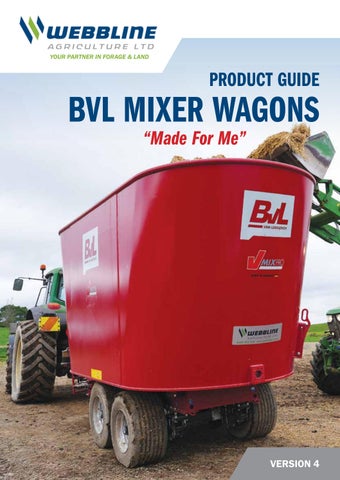
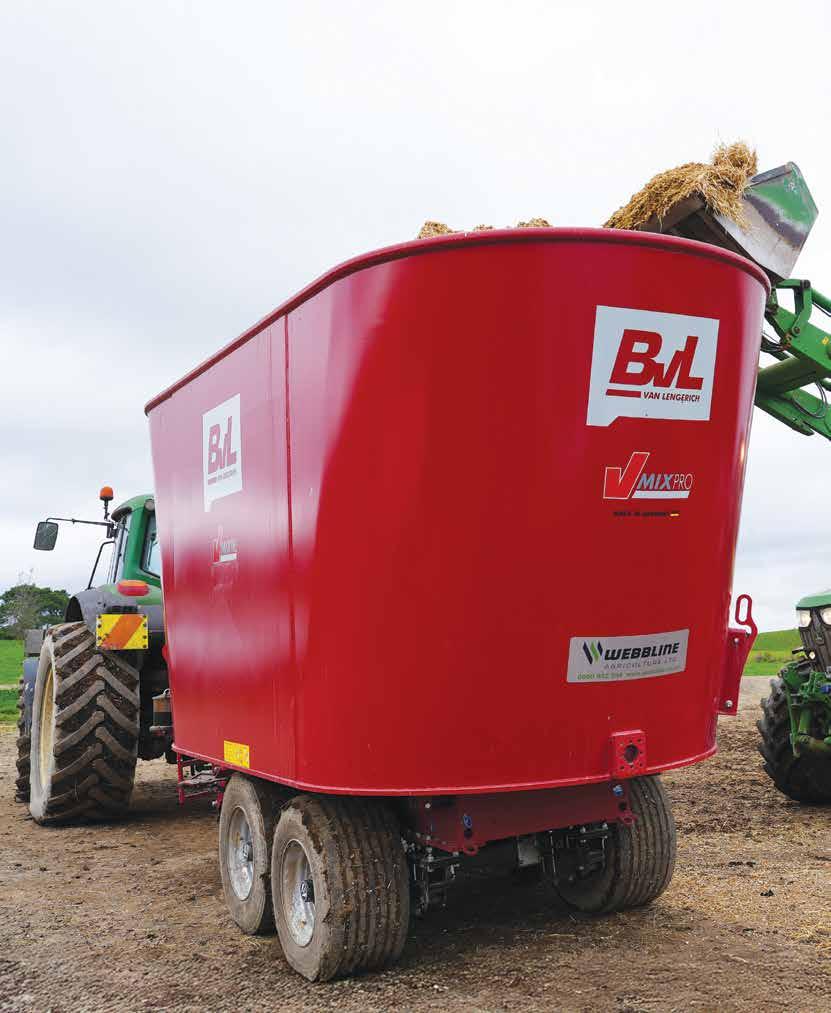
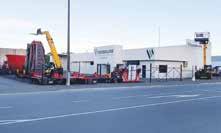
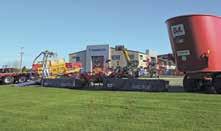
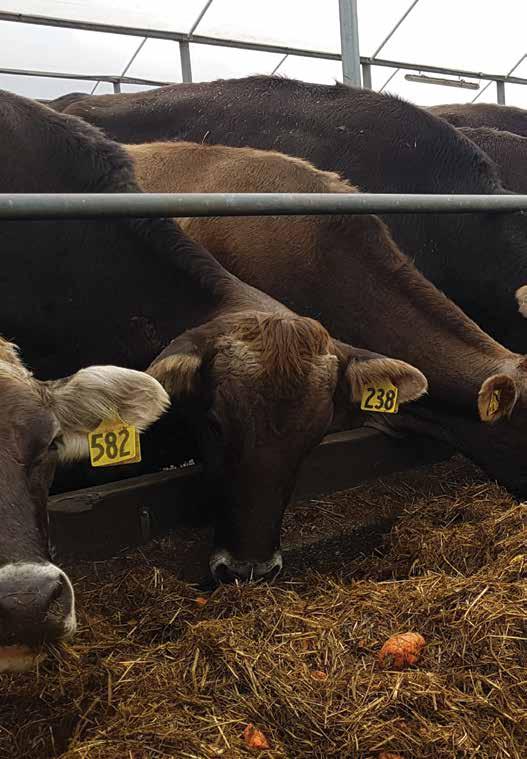
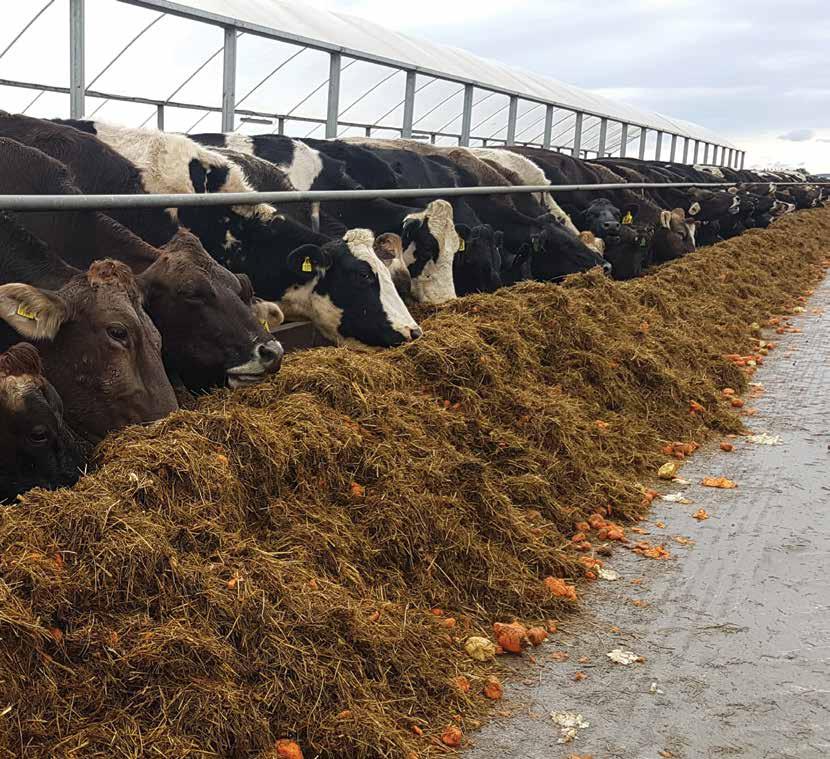
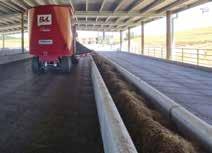
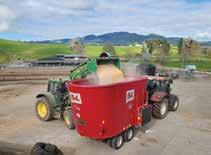
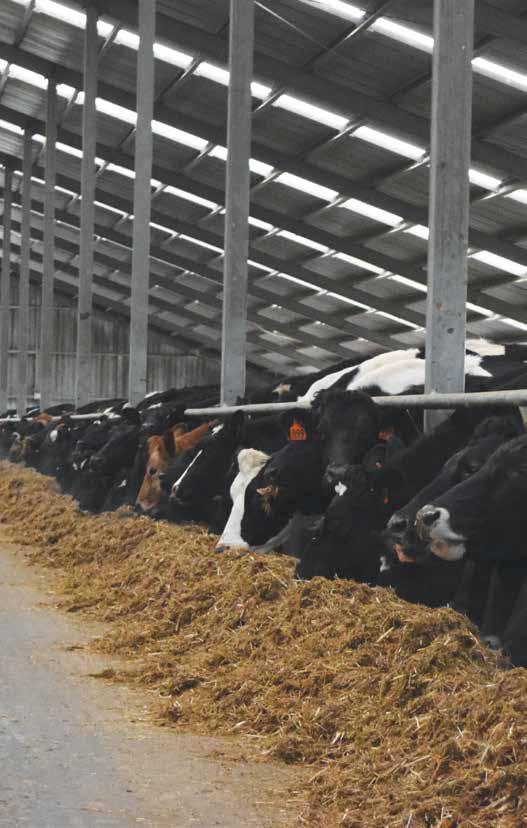
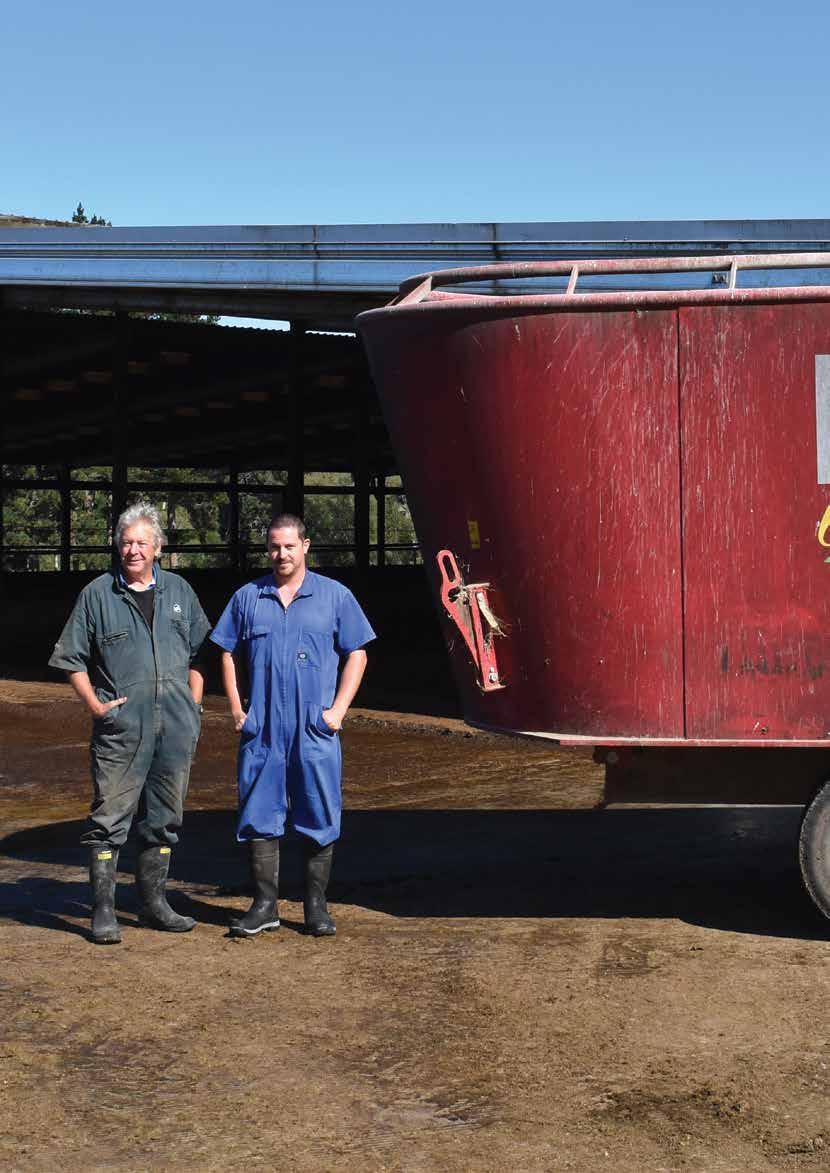
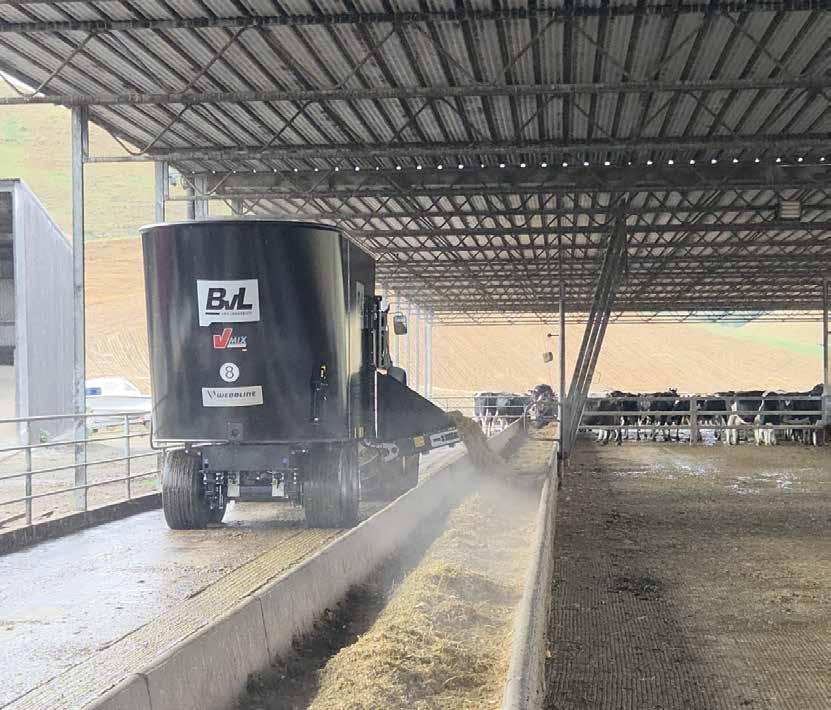
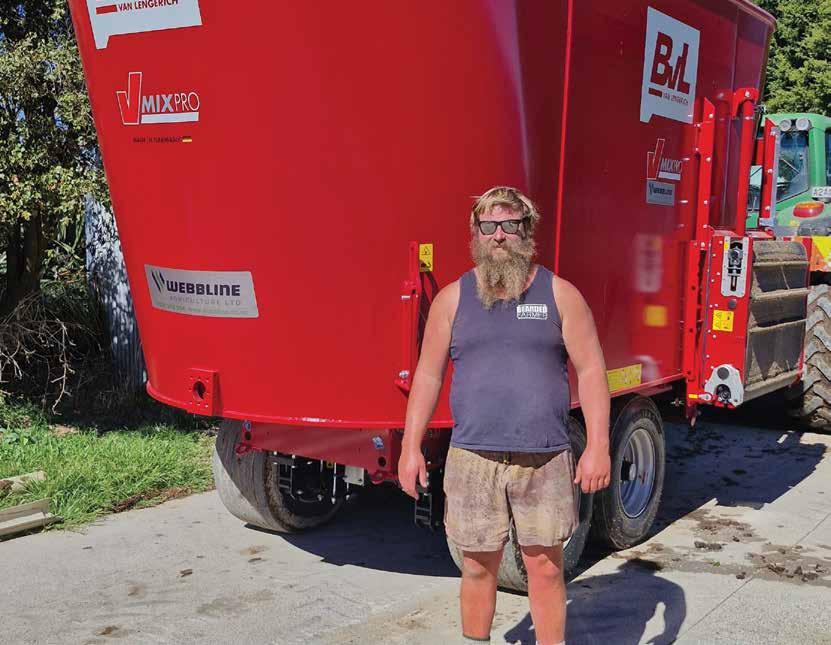
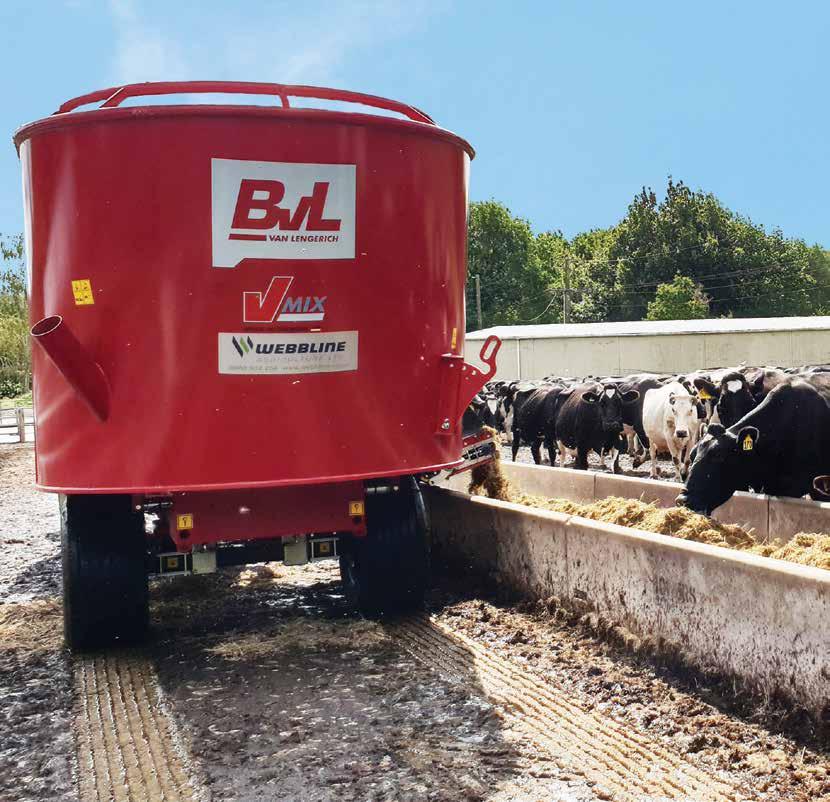
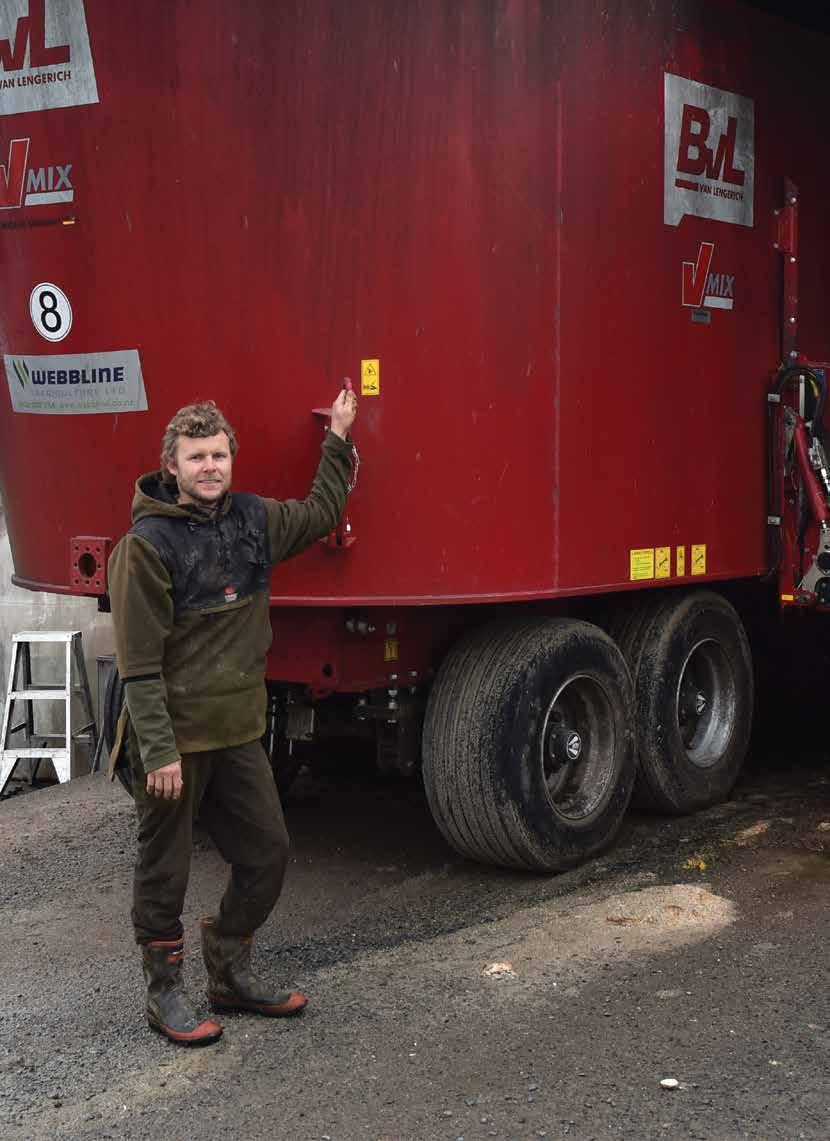
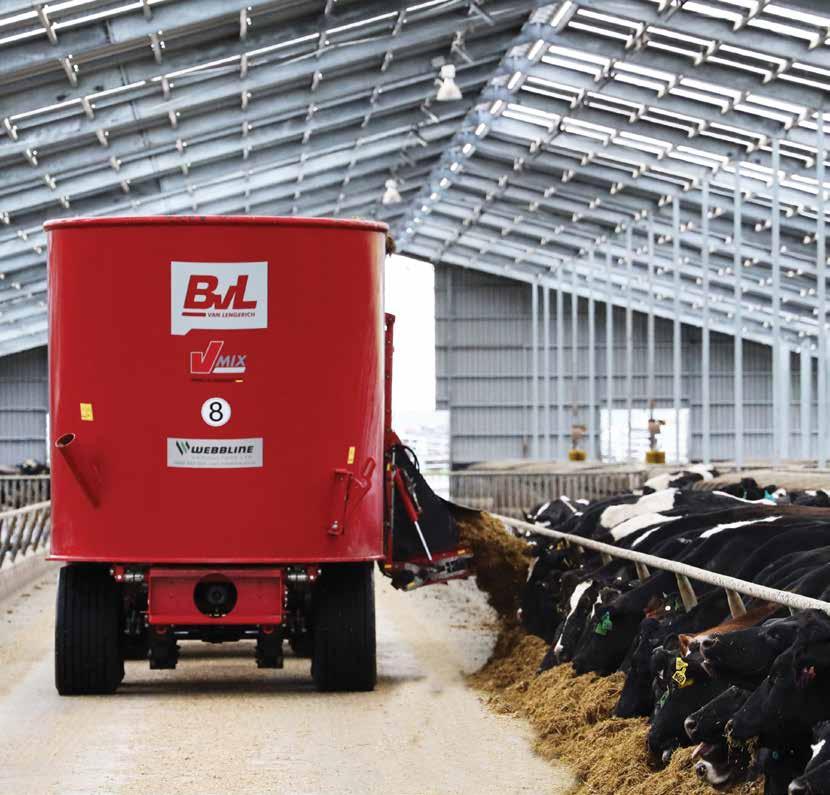
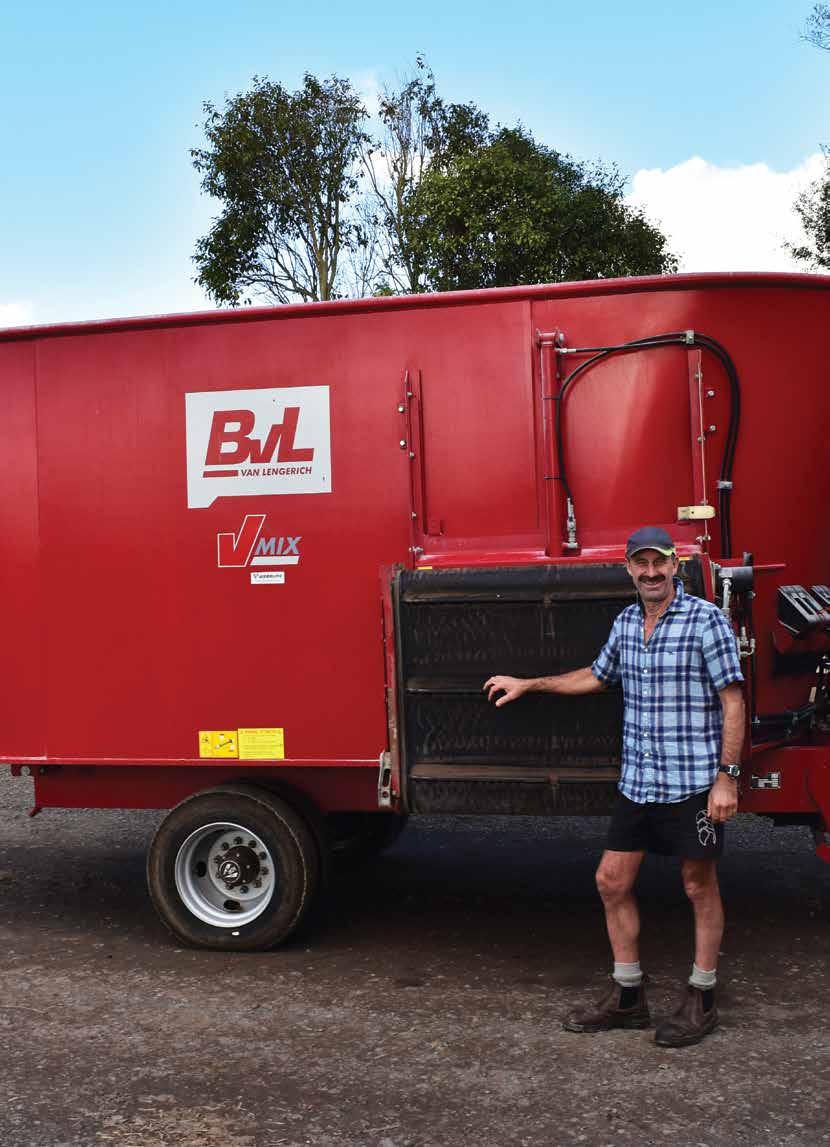
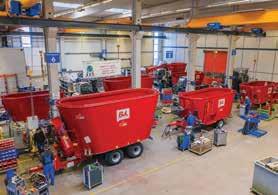
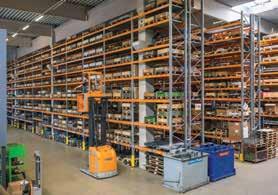
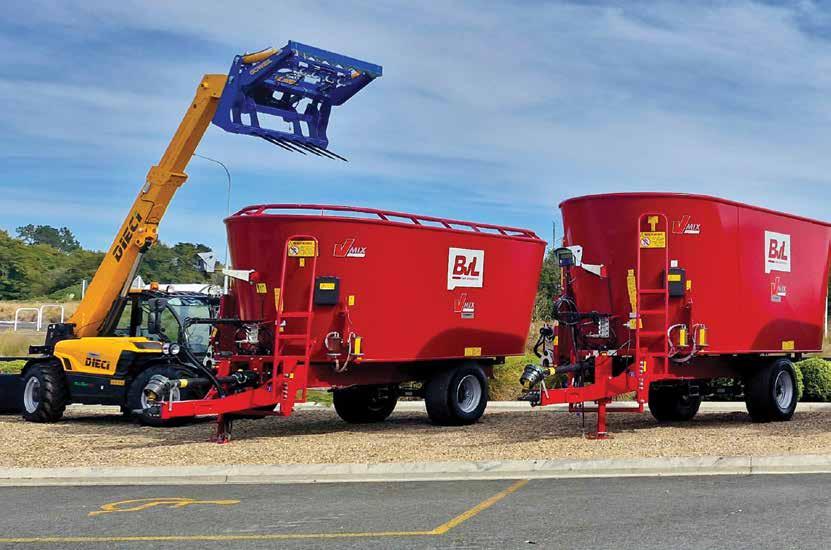
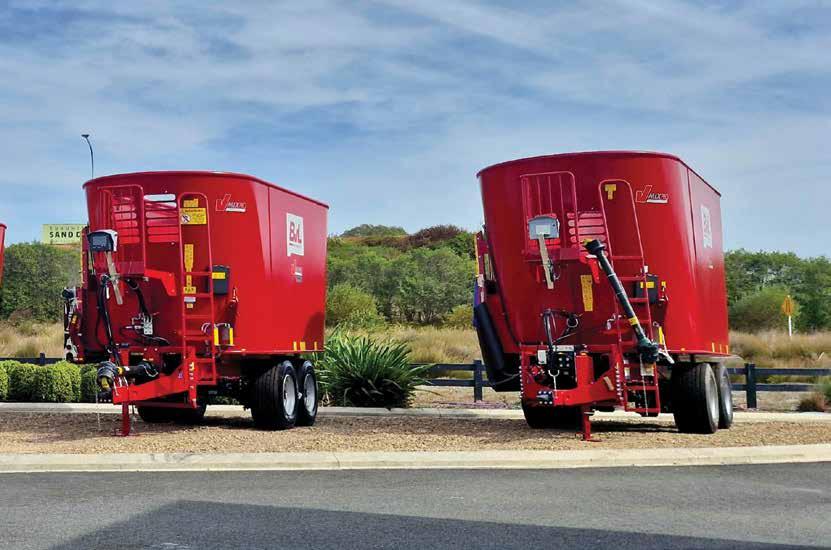
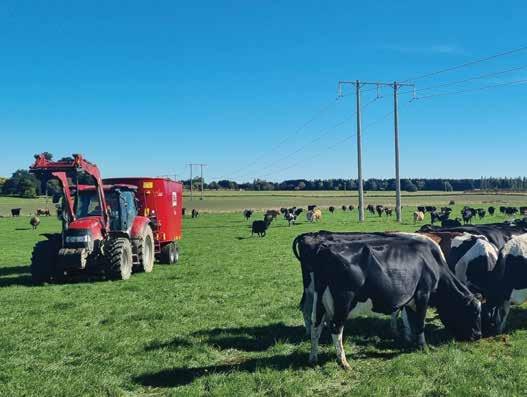
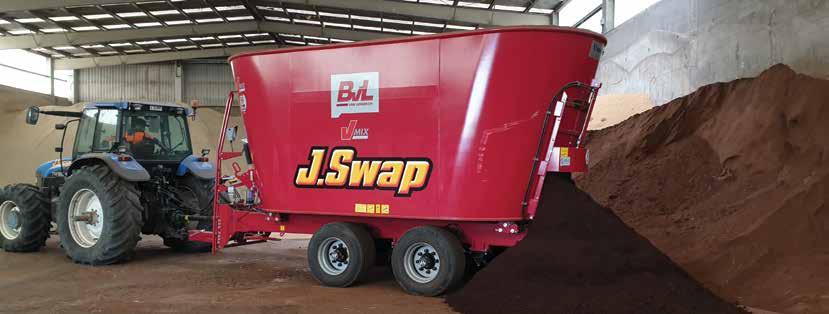
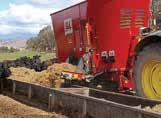
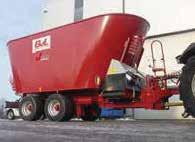
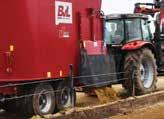
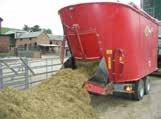
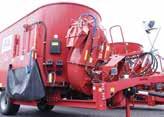
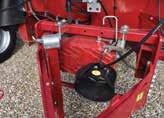
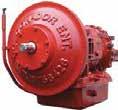
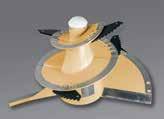
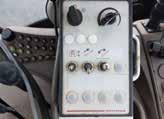
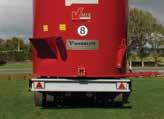
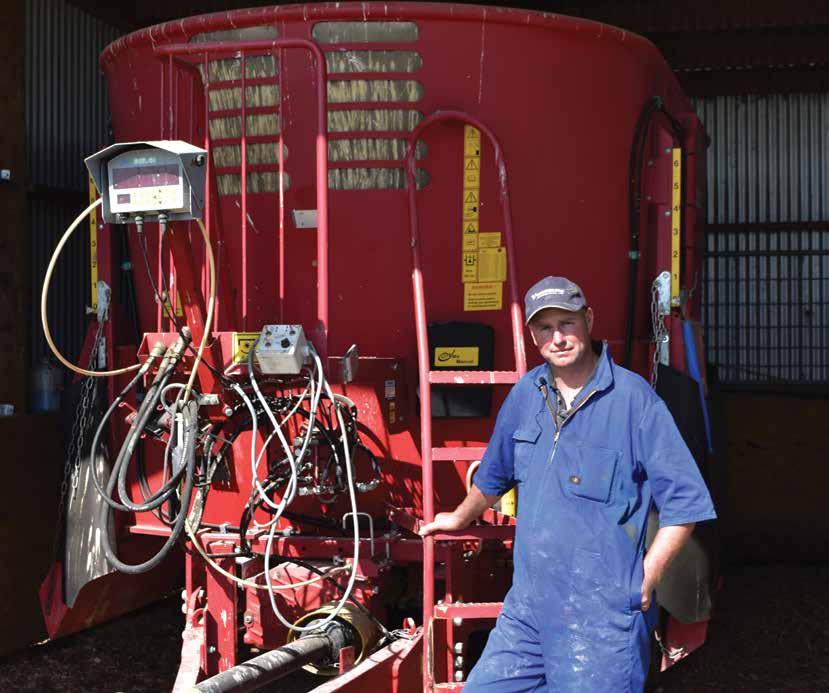
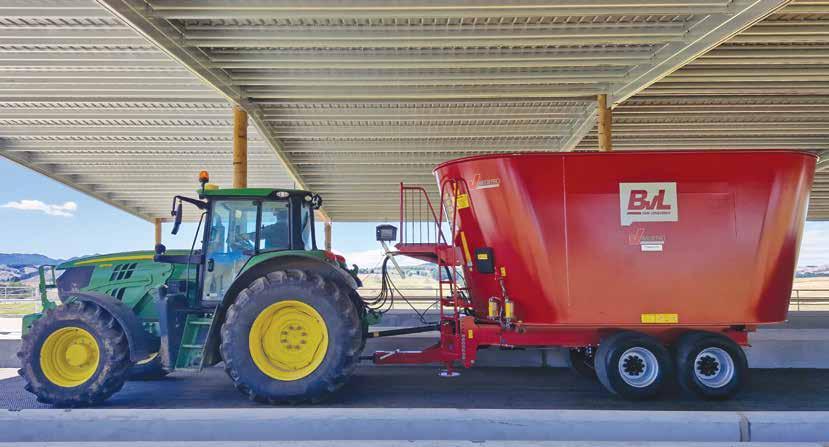
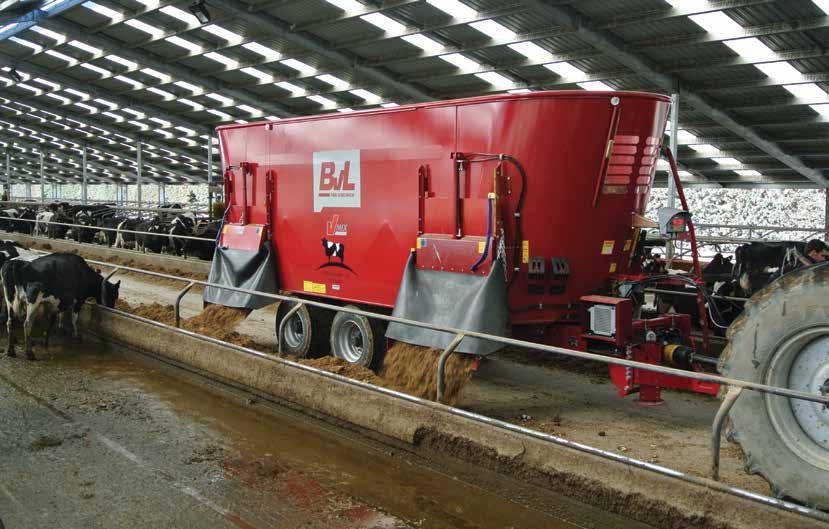
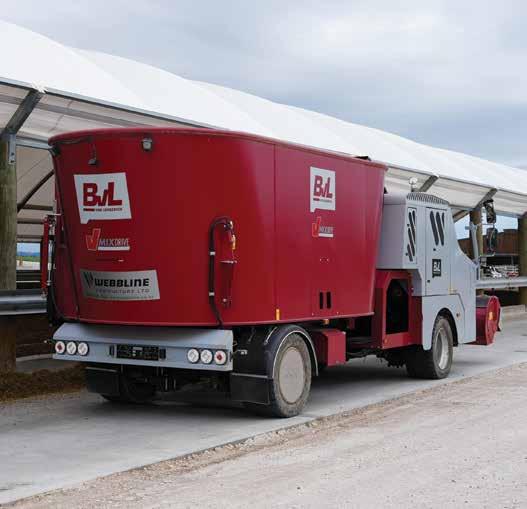
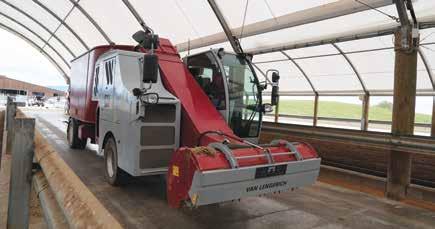
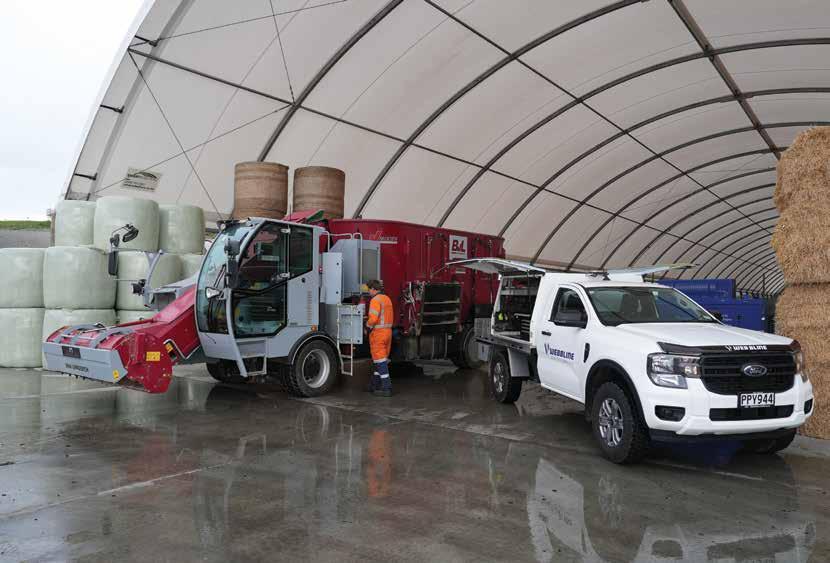
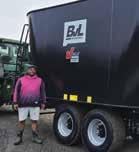
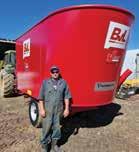
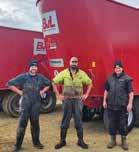
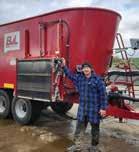
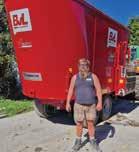
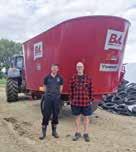
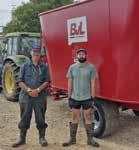
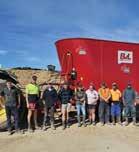
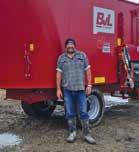
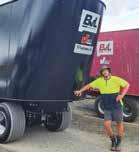
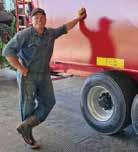
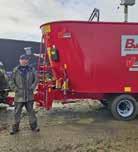
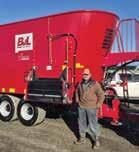
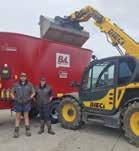
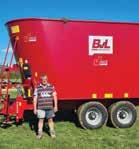
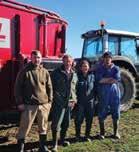
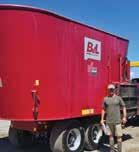
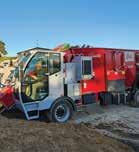
At Webbline Agriculture, our range of BvL Mixer Wagons are supported by an extensive range of genuine spare parts, and our factory trained technicians are committed to ensuring your BvL Mixer Wagon remains operational from pre-delivery, right through its hard-working life.
ABOUT WEBBLINE
Webbline Agriculture was established to provide sales and support solutions for farm and forage equipment throughout New Zealand. Today, Webbline has fully equipped sales and service branches in Waikato, Manawatu, Canterbury and Southland.
We predominantly source our machinery from leading European suppliers, many of whom are family-owned with similar values to us. One of our suppliers is over 250 years old and still owned by the same family descendants today. Like your farming business, family and continuity matter.
Vern Malcolm Director
Our Webbline team is a dedicated, professional and hard-working group of individuals, a number of whom have been with the company for decades.
Our staff understand that getting your stock fed is a vital part of your farming operation, which is why we take it so seriously, and getting your herd fed, is as important to us, as it is to you.
We work hard to create a strong business relationship with our valued clients.
Stan Malcolm Director
BASICS OF FEEDING CATTLE
A successful dairy operation relies on safe, quality milk from healthy animals.
To achieve this, you need to get cows off to a good start and properly navigate the lactation process. After all, these elements have the biggest impact on the health and performance of your cows and therefore, the profitability of your farm.
So, how do you start to improve things? If you’re looking to improve the volume and milk consistency of your herd, using a mixer wagon is the obvious feeder choice. Backed by science, mixers help keep your animals healthy and milk production at optimum levels. By measuring each ration, so it includes the correct amount of minerals and ensures feed has greater digestibility, it increases feed intake, and reduces disease giving you more days in milk.
FEED SELECTION
Inadequate feed, nutrients, minerals, or water supply can all have a detrimental effect on milk production by limiting output - so it’s critical to get this right.
Vitamin E and selenium
These minerals help reduce the impact of oxidative stress, such as excessive fat mobilisation, poor air quality, disease and injury/lamenessall of which decrease the efficiency of the animal’s immune system function.
Anionic salts
Getting the correct levels of anionic salts into your animals eliminates the effects of clinical and sub clinical milk fever (hypocalcemia)/ketosis and has considerable benefits. Mix mag chloride or mag sulphate with maize silage, DDG, straw or hay that is free from effluent applications and molasses.
MAINTAIN ANIMAL HEALTH
When your cows are healthy, so is your production. Pay extra attention to cows that have a predisposition towards health problems so you can take preventative action and minimise the impact. By detecting and correcting mastitis, milk fever, and facial eczema issues sooner, you’ll save money and ensure you have healthy, high milk yielding cows. As a result, your farm will benefit from increased production per cow, more milk in the vat, and higher premiums on your milk.
CUSTOMER PROFILE
Tony & Lucas Allcock Dairy Farming
TE AWAMUTU, WAIKATO
The Allcocks decided that they needed to do something to look after their cows better, especially during wet weather. “We had nowhere to stand the cows other than races, or the cowshed,” said Tony. “We decided to build a barn for housing and feeding cattle which can house all our stock as required.”
Before feeding in the barn, they were using in shed feeding. “We fed them 3kg/day and production was around 380MS. It put a shine on their coat, made them milk a little better but all we were doing was paying for our production,” said Tony.
“We then decided that since we have got this barn, we need to get into feeding the cows properly,” commented Lucas, “feed them more maize as a bulk feed as well as growing cows bigger and production at the same time.”
“Our farm is 95 hectares, and we are focussing on increasing production rather than ramping up stocking numbers,” said Lucas. “Obviously we want to increase production, but we are aware of environmental factors, so we are trying to build the perfect combination of high performing cows without it being at the expense of the environment.”
In 2014, they added a BvL Mixer Wagon to their operation. “This made life a whole lot easier,” said Tony, “It mixed really well, it’s solidly built and meant we could push on with growing more maize, mixing it, and feeding a balanced diet to the cows.”
The first season with the BvL Mixer Wagon saw a lift in production of 28%. “We went from 99,000MS to 128,000MS without spending any more on feed compared to in shed feeding.” commented Lucas, “After four seasons, we are at 160,000MS and still no more being spent on feed.”
“We haven’t bought any more cows, we’ve kept the same land, and the bulk of our feed is grown on farm with 30Ha shut up for maize each year,” commented Lucas.
The Allcocks have found the cows are a lot more even across the herd. “We don’t have fat cows, skinny cows, they are all looking very similar because they are getting their fair share of feed that they are supposed to get,” said Lucas.
“Cows are bigger now when we come to hook them they are 20-30kg heavier in carcass weight. They have got better health, we spend very little on health issues.” said Tony, “Calving is much more condensed, the cows are cycling better, holding the calf better and we have fewer empties.”
“After 11 years of trouble-free operation with our BvL V-Mix 17 Mixer Wagon, we have recently upgraded to a new BvL V-Mix 20 Mixer Wagon.”
BENEFITS OF USING A FEED MIXER WAGON
This machinery offers a mixed ration which improves the feed dry conversion ratio to milk solids. This provides greater digestibility, meaning more milk production from a given amount of feed. The mixer wagon works by supplying a partially mixed ration over the day, so your cows have the correct balance of energy, protein, fibre, and minerals with a healthy rumen environment. As a result, they are more efficient, productive and profitable.
Mixer wagons help you address many of the milk production factors previously mentioned, as a result of improved animal health. By increasing overall feed palatability and including water in the mix, you will increase feed intake, reduce feeding time and prevent selective feeding by dominant cows. Cows will also be more settled while feeding.
You’ll ensure each animal receives the prescribed mineral dose, while effectively masking the more unpalatable minerals in the feed without reducing feed intake. By using this machinery, each animal will receive the optimal mineral intake, resulting in reduced metabolic disease, earlier cycling, better facial eczema control, and more days in milk.
Dry periods and lead feeding are the two most critical ‘set up’ feeding times in the cow’s lactation cycle. Poor feeding, low appetite and high DCAD diets during these times can cause sick, unprofitable cows. Mixer wagons allow better and quicker adaption to milking type feeds, with correct anionic salts, micro-mineral, and ionophore intakes that are well masked to avoid taste and feed rejection issues. No other feeding system optimises these challenging health requirements in this critical time.
CUSTOMER PROFILE
Jason Groot, Dairy Farmer PUTARURU, WAIKATO
BvL V-Mix 24 Pro
Having a BvL is a crucial part of consistently feeding out to my cows
Sharemilking 560 cows in Lichfield, Jason Groot has relied on BvL mixer wagons for more than a decade. After running his first BvL for ten years, feeding up to 1,100 cows and putting around one million kilograms or 1000 tonnes of palm kernel through it each year, Jason says the decision to upgrade to a new BvL V-Mix Pro was a “no-brainer.”
“Palm kernel is a pretty abrasive product, but the BvL stood the test of time. It’s proven itself, so jumping back into another one was an easy decision.”
On Jason’s system-four spring calving farm, feeding consistency is everything. “We can’t afford to miss even half a day of feeding,” he said. “With the BvL, I know the mix is always right. I’ve never had a patch of minerals left sitting at the bottom or a load that hasn’t come out properly. It’s always a good, even consistent mix.”
Jason opted for the 24-cube model, which he says gives him the capacity and efficiency his farm demands. “The added
height gives a lot of down pressure on the feed, so I can get a full day’s load into it. The efficiency and flexibility of loading once a day is huge. I can have it fully loaded, select low gear, and start mixing with no problems. I’ve had other wagons that wouldn’t restart once stopped; that’s never been an issue with the BvL.”
Features like the stainless-steel hardliner on the augers, mixing magnets, large side feed door, and the anti-spill ring add to the wagon’s robust and thoughtful design. But for Jason, reliability is the biggest advantage. “I haven’t had the breakdowns I’ve seen others deal with, and parts have never been an issue. Servicing is easy, too. Webbline rings me when it’s due, it gets done, and I don’t even need to think about it.”
After more than ten years of proven performance, Jason sees his BvL as a long-term investment. “I haven’t had to trade it every couple of years like other machines. The BvL just keeps going, and for me it’s another 10–15 year investment.”
When asked if he’d recommend BvL, his answer is simple: “It’s an easy recommendation. I’ve never had any issues.”
USING A FEED MIXER WAGON
Feed mixer wagons are the superior feeder choice for improving the weight and production of your herd. This machinery offers a mixed ration which improves the feed conversion ratio to milk solids or increased weight gain.
This provides greater digestibility, meaning more milk production from a given amount of feed. The feed mixer wagon works by supplying a mixed ration over the day, so your cows have the correct balance of energy, protein, fibre, and minerals with a healthy rumen environment. As a result, they are more efficient, productive and profitable.
By using a mixer, you’ll supply your animals with optimum minerals and vitamins in a more palatable form, reduce disease, and even accelerate feeding time. As a result, animal health will improve, as will stock weight, and your farm’s production will be maximised.
CUSTOMER PROFILE
Paul Scheres, Dairy Farming PUTARURU, WAIKATO
The Scheres family has been farming in the Putaruru area for over 30 years. With five dairy farms and producing 1,400,000kg of milk solids per year, they know a thing or two about getting feed into their cows and maintaining a healthy herd.
The third generation of the family, farmer Paul Scheres runs 520 Friesian cows on Grangeland Farms and has run BvL Mixer Wagons since 2013. “We purchased BvL because of their build quality, and they were the perfect fit for our tight and narrow feedpads,” he said.
The Scheres started with small 14m3 NDE mixer wagons which were slow to mix, took heaps of horsepower and weren’t big enough to keep up with their farms. “We now run 20m3 and 24m3 BvL wagons, with a 24m3 on our farm here,” said Paul. “The BvL’s make a far more consistent mix compared to our previous machines; there are no dead spots around the doors that don’t get mixed.”
“We feed a lot of high end foods and minerals, and don’t drench,” said Paul, “since running mixer wagons we have never had eczema in the herd.”
“As we are winter milking, we need to keep a lot of high end feeds, golden flake, soya bean meal plus minerals go into the rations,” he said, “Every cow gets the same portion with the even mix, even food and even diet.”
Paul’s ration at the start of July was to get 17kg dry matter into the cows each feed. “We were mating, so feeding 17 kilos on the pad. This is made up of 6kg maize, 2kg of apple, 3kg of bread, 2kg soya bean, minerals, lime flour and Bolster. We add in two bales of Lucerne and two bales of silage for fibre,” he said, “We feed this twice a day, and upgrading to the 24m3 BvL made the process a whole lot quicker as we would always be doing three loads, and sometimes four to get the same amount of feed into the cows.”
“Some people had told us previously that mixer wagons are a bit hit and miss with results,” commented Paul, “We have had excellent results across our farms, and think the BvL does an outstanding job. We wouldn’t be spending all that money on supplementary feed and minerals to put in the wagon if we didn’t think they worked.”
BVL FEED MIXER WAGONS
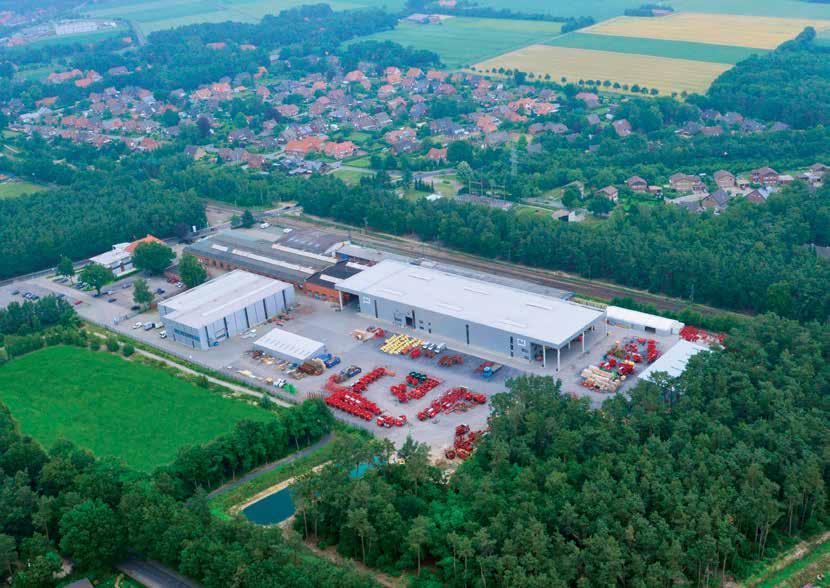
It is not just BvL’s 150 years of experience in the construction of agricultural machinery that has built its reputation, it is also the German determination to succeed in products of reliability and quality. As a result of this focus, BvL’s family-owned company continues to become world leaders in innovative ideas, fully developed technology and comprehensive service.
Waikato dairy farmer Richard Greenville milks over 900 cows on his two farms. After 40 years of dairy farming, he knows a lot about getting the most from limited resources and running a lean operation.
He had always used feedout wagons for feeding out on his feedpads. “It was a two-man operation, one-person loading and another trying to layer the minerals and bits and pieces into the feed,” Richard said. “We thought we were getting the feed mixed well, but after we added our first BvL mixer wagon, we realised how poor this process was.”
“We were unable to use urea or Rumensin because we couldn’t get it to mix properly, it was just too dangerous,” said Richard.
In 2016, he decided to add a BvL mixer wagon into his 580 cow home farm operation. “We have got big gains from the mixer wagon”, said Richard, “Over the five years with the mixer, our production has increased from 180,000 to over 245,000MS.”
“The mixer wagon gives us the ability to mix other feeds that couldn’t be used earlier with the SAM wagon,” he commented. “We could only feed about 50 to 60 grams of lime flour a cow a day. If you put any more in, it would come out too white, and they wouldn’t eat it. Now we can feed over 300 grams, and you can’t see it in the mix.”
“The mixer wagon gives us the same consistency of feed from the front of the feedpad to the end,” said Richard, “It’s all mixed exactly the same.”
“Most of the year we are feeding a mixture of maize silage, palm kernel and a meal blend (which changes, throughout the season). It’ll be a particular blend of meal in the spring and that will change with the season. We change the PK and maize levels depending on the sunlight and the grass growth around the farm,” said Richard. “We’re putting in Rumensin and urea, and all that minerals and mag oxide, lime flour, salt, all that will be mixed into the whole, and add minerals as well, all thrown into the mixer wagon.”
Richard had looked at a few different mixer wagons when he was looking to purchase. “I liked the look of the BvL, it was built solid and did a great mix,” he said. “I’d never dealt with Webbline before, so that was a new experience. They’ve been good as far as the servicing goes, and communications, and I’ve been really happy with the BvL, so I was in no mood to change when it came time to upgrade, I’m now onto my third BvL. I thought I’d just buy another one and stick with the same company, and stick with the same service. It works.”
CUSTOMER PROFILE
Richard Greenville, Dairy Farming TE AROHA, WAIKATO
BVL HISTORY & FACTORY
The Bernard van Lengerich (BvL) family started out as a hoof and wagon smithy in 1860, with their first machine manufacturing taking place in 1875.
The company and family has continually evolved over the decades and were the first manufacturer in the world to build a vertical auger mixer wagon back in 1978.
Now with one of the largest range of mixer wagons available from 6.5m3 to 46m3 including a range of self-propelled mixer wagons, BvL is a global market leader in the manufacture of feed mixer wagons & feedout equipment.
CUSTOMER PROFILE
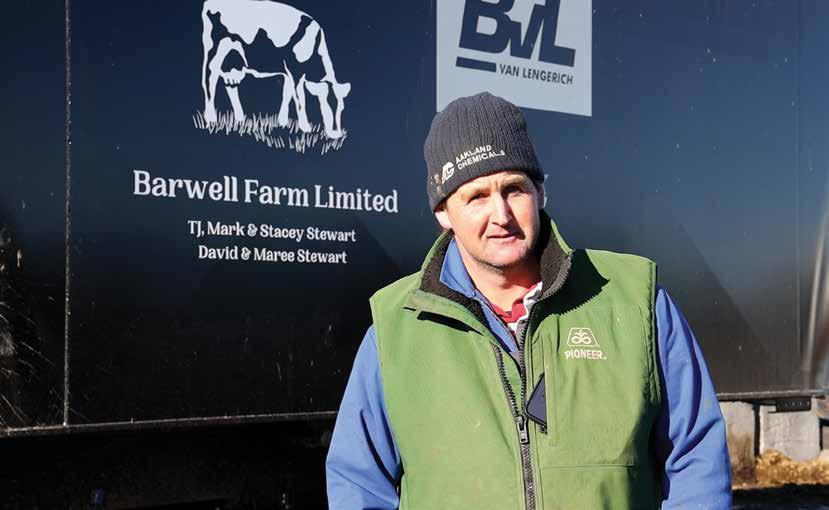
Mark Stewart, Barwell Farm Ltd Dairy Farming
ASHBURTON, MID CANTERBURY
Ashburton dairy farmer Mark Stewart may be able to look back on a long family history of farming pedigree Holsteins but, when it comes to running the farm, he and his family are constantly looking at new ways of improving their operation.
“As life has progressed, we’ve wanted to get more and more out of what we’re doing and look after our animals, so we decided to build a barn,” he says.
The impetus to provide some cover for the 600-odd cows on the 200-hectare farm came about 10 years ago, after a wet winter which saw Mark’s father, David, make the decision to steer away from paddock-based feeding.
“Over a period of four weeks, we had six inches of rain and we just had mud everywhere,” Mark says. “Dad was standing out in the middle of a paddock, with a howling southerly up his bum, mud up to his knees and he said ‘I’ve had enough of this. I want to build a barn,’ and that’s where it all started.”
The addition of the barn required a change in feeding regime and, Mark admits, they didn’t look too far when it came to choosing a mixer wagon, so ended up with one that failed to live up to expectations.
“The first three years of that was alright, but then the cracks started appearing.”
Two more seasons of constant repairs to keep the machine running took their toll, but the addition of a 24 cube BvL changed the Stewarts’ opinion.
“It was fantastic,” Mark says. “It was bigger, stronger, it handled the bales way better, it mixed way better.
“Three-and-a-half years later, and it was still basically like brand new.”
In order to improve efficiencies even more, the Stewart operation upgraded their machine, replacing the 24-cube mixer with a brand-new 34-cube model, clad in the black livery to represent Webbline’s 10-year association with BvL in New Zealand.
“With our 24 cube, four days a week, we were doing three mixes a day because we found what was happening is we were having to be in the barn every 12 hours with the mixer wagon.
“With the bigger mixer wagon, we only have to be in there every 13 or 14 hours, so it gives us an extra two hours from after milking before we actually have to be in there with any food, because there’s a layover from one milking to the next.”
Mark says reduced mixing time on the BvLs have improved efficiencies, while two doors on the new machine replace the previous elevator system, reducing feed-out time, while the durable German build quality remains a hallmark.
“They’re built strong, they’re good and no problems.”
BVL BUILD QUALITY
BvL’s Look Heavier Because They Are Heavier
BvL Construction
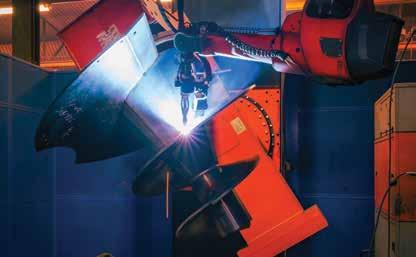
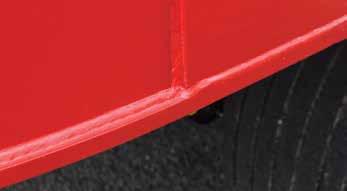
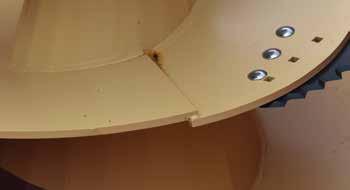
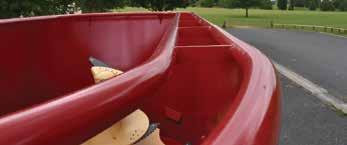
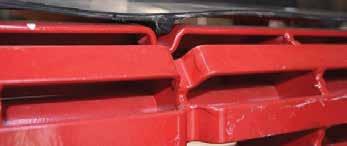
BvL’s have 20mm floor plate and 8mm sidewalls. The walls are lapped at the joints, and these joints are positioned the highest wear point resulting in double thickness to extend life. The walls are fillet welded on both sides, increasing strength and life expectancy.
BvL Chassis
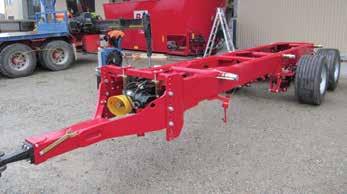
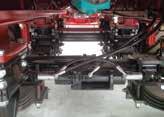
The BvL is running on a separate truck-style chassis, designed to take the flex and vibration of driving around the farm. There are four to eight independent weigh cells, one in each corner for consistent weighing. Compared to other mixers which have the chassis welded to the mixing bowl with only three weigh cells, one on each axle and one on the drawbar. This system gives a less accurate weighing and can cause cracking in the mixer as the bowl flexes.
BVL BUILD QUALITY
BvL Wheel Equipment
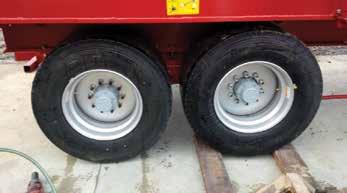
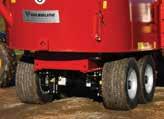
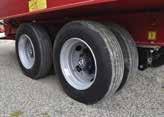
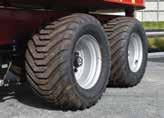
The BvL mixers offer ten stud heavy duty axles. The axles are mounted at close centre’s this combined with the parabolic suspension results in tight turns being able to be made without the need for a steering axle.
BvL Overlap Joins on Augers
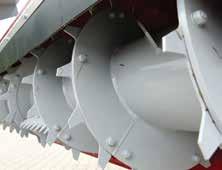
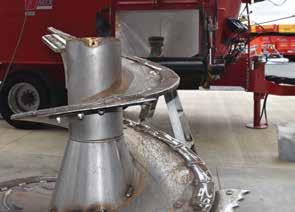
The BvL overlapped joins result in what is the weakest point on other augers becoming BvL’s strongest point.
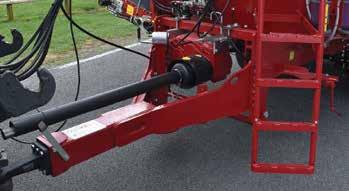
The BvL drawbar is solidly built for long term reliability. Each model has a different length to facilitate the tightest turning circle. The adjustable height means the mixer wagon is always mixing while level.
BvL Drawbar
LOWER RUNNING COSTS
BvL Asymmetrical Mixing Wedges
The non-symmetrical setup of BvL Mixer Wagons results in the following:
Optimum flow of material
High volume utilisation
Faster mixing time
Low power requirement
BvL Exact Dosing System
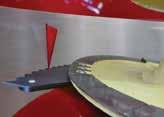
This system uses the asymmetrical design along with the sharks bite on the augers to ensure full utilization of the bowl capacity and to make sure that trace elements which find their way to the bottom of the bowl are evenly mixed. In turn, the result is a consistent flow of product discharged through the door opening that is positioned at the widest possible position to ensure the product is deposited as a loose swathe.
BVL BUILD QUALITY
BvL Double Anti Spill Ring
The anti-spill ring helps prevent feed spilling out the top of the bin as well as increasing the strength of the top of the bin in case of the loading tractor hitting the mixer. The spill ring also holds dry materials inside the bin as they try and fluff up, causing it to mix faster and with maximum consistency, even when very full.
BvL Heavy Duty Elevator
With specially designed ‘V’ shaped self-tracking, self-cleaning conveyor systems with cage rollers to help eliminate buildup and keep tracking true. Quality is further enhanced with double-layered, 6mm rubber belting. The centring guides and the cleats are made from tough, vulcanised rubber, and the belts are also set with a very simple yet reliable joiner that helps ensure a long and trouble-free life.
THE RIGHT MIXING AUGER
Twice welded auger flights
Conical flight taper
Overlapping auger flights
Mixing made easy
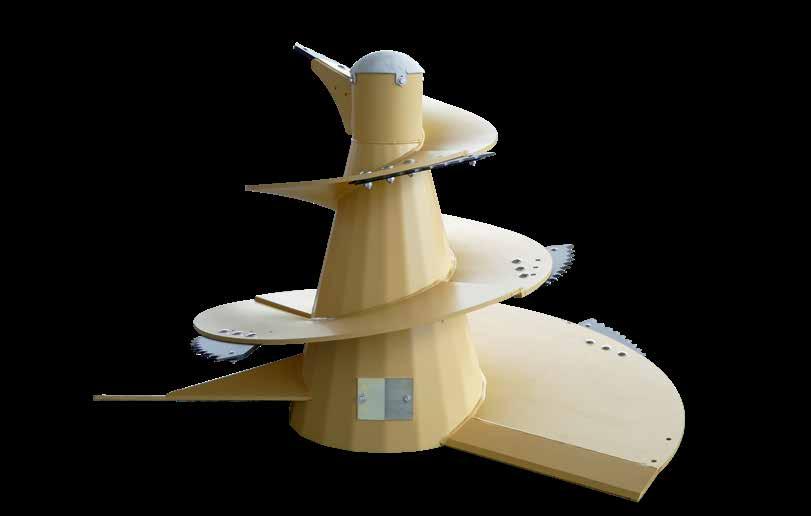
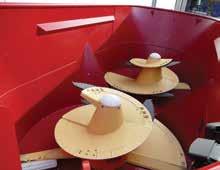
Forming the core of the mixer wagon, the mixing auger is always the main focus of our further development. In line with your specific feeding philosophy and requirements, we will outfit your mixer wagon with the type of mixing auger that is best suited to deliver a perfect mixing result. All mixing augers are marked by a mixing process that is energy-saving and gentle on the structure of the feed.
Custom-made design
Adjusting the knives is not the only way to optimally adjust the mixing auger to the various types of feed. If necessary, you can also add the following options to further optimize its performance:
Hard surfacing
Guide shears
Knives
Magnets
Much more
Outwardly ascending flights
Adjustable knives with induction-hardened blade
Auger flights made of high-quality steel S 355
HIGH VOLUME UTILISATION
The mixing auger is always matched perfectly with the mixing hopper. This guarantees high volume utilization at a power requirement that is as low as possible. The mixing auger is as small as possible, but as large as necessary. This helps save time and money.
Leading edge made of "HARDOX 400"
Second discharge arm made of "HARDOX 400"
BVL OPTIONS
With over 1000 different variants available, BvL is able to manufacture a machine to suit any requirements.
435/50
CUSTOMER PROFILE
Stu Russell, Dairy Farming ASHBURTON, CANTERBURY
Mid Canterbury dairy farmers Stuart and Sara Russell are sharemilking 700 Jersey cows on 265 effective hectares.
Stuart had always been intrigued by the concept of the mixed ration. “We were always feeding straw and a bit of silage or maize, and I had always wondered whether we would be able to make it work in our system,” he said. “We don’t have concrete and always feed out in the paddock, and I was always a little apprehensive about driving on our heavy soils with a mixer wagon.”
“Our feed utilisation has dramatically increased since adding a BvL Mixer Wagon,” said Stuart, “We used to have around 30% wastage before, and now we are down to as little as 10% with the mixer wagon.”
“In our springers diet, it has a high percentage of straw which they used to lie on; they would mostly sort out the maize and silage, and leave the straw,” he said. “The mixer wagon gave the ability to mix everything up so they couldn’t choose what feed, and get their diet a lot better.”
“We went down the track of putting pre-calving pellets of 1kg/ cow/day before the mixer wagon and had limited feed space for 150 cows. This meant that the cows that went after the pellets over indulged, and other cows that needed them more weren’t getting any,” said Stuart, “With the mixer wagon, we know that every cow is getting their required portion every time.”
“We found that the number of downer cows in the first winter of running the mixer wagon was well down from where we used to be,” said Stuart. “The ability to get the minerals into all the cows is great. They were consuming all the straw which had never happened before the mixer wagon.”
“We tow our mixer wagon in and around the paddock and feed in the break ahead of the stock. Some people still have the mindset that you need to have concrete pads to use mixer wagons, but we just run around in the paddock with no issues,” said Stuart.
DAIRY FEEDER
A Digital Tool to Streamline Your Feeding Routine
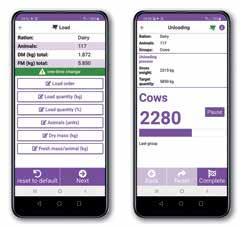
Designed to support everyday farm operations, Dairy Feeder by BvL helps to plan, track and manage feeding with less guesswork.
INTELLIGENT FEEDING
Ability to split your herd into different groups and create a specific feed mix based on each feed source for each group based on their nutritional requirements.
Visual display of remaining quantity required for each feed source, mixing order and mixing time for each feed source.
Visual display of remaining feed mix quantity to be fed out.
INVENTORY MANAGEMENT
Track on farm inventory to ensure you never run out.
Preset inventory list or tailor the list to your own feed sources.
Easily adjust dry matter and cost for each feed source.
REPORTING
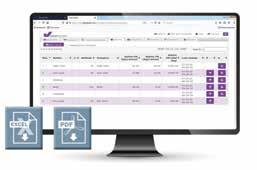
Ability to run multiple reports e.g.
Feed cost per group
Total inventory used
Feeding accuracy
Feed Conversion Efficiency (FCE)
Ability to integrate with other farm management software.
USER MANAGEMENT
Ability to set up user permissions and system setup for individual users eg Farm Manager, Farm Worker, Nutritionist or Vet.
BVL FEED MIXER WAGON SPECIFICATIONS
Subject to variation, due to mixer wagon or tyre configuration.
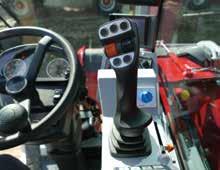
The cab is clean, simple to operate and has a single multi-function joystick for ease of use.
Augers distinguished by their unique, outwardly ascending flights, it centres the flow of the feed in the mixing hopper with exceptional speed and precision.
The unique profiled roller is designed to protect the face of the feed block during removal.
V-MIX Drive
The V-MIX Drive mixer wagon is both self-loading and self-propelled, reducing the need for additional loading and towing machinery.
With a patented profiled roller, which is designed to retain the structure of the silage or fodder, the BVL V-MIX Drive is designed with the well-being of your animals in mind. Already at work on New Zealand farms, Maximus self-propelled mixers are proving their worth.
Optional four-wheel steering for manoeuvrability
A range of discharge options available to suit your needs 167-243hp (123kW) four-six cylinder turbo diesel FPT engine
Scan the QR code to see more video information on the V-MIX Drive mixer wagon.
OWNING A BVL MIXER WAGON
Can you afford not to run a BvL Mixer Wagon?
Dairy Farmers who have previously upgraded from a silage wagon into a BvL mixer wagon have commented that they on average achieve a 15kgMS production increase per cow, even over a dry year when grass growth has been limited
Estimated Ownership Cost of a BvL Mixer Wagon
Average herd size: 450 cows
Average production increase: 15 kgMS
Average dairy payout (last ten years): $8.32kgMS
Average production increase with a BvL Mixer Wagon: (450 x 15kgMS) x $8.32 = $58,185
BvL lease cost per year (est) =$27,600
Total extra earnings $30,585.
MIXER WAGON MAINTENANCE
Mixer Wagon Servicing
Webbline can supply and fit the required parts to refurbish the mixing augers and bowls.
Mixer Wagon Refurbishment
Webbline can supply and fit the required parts to refurbish the mixing augers and bowls.
To extend the life of your augers, it is recommended that they are fitted with RAEX wear protection along the outside of auger flights. If your augers become too worn, the mixer wagon will take longer to mix, and use more fuel and horsepower.