












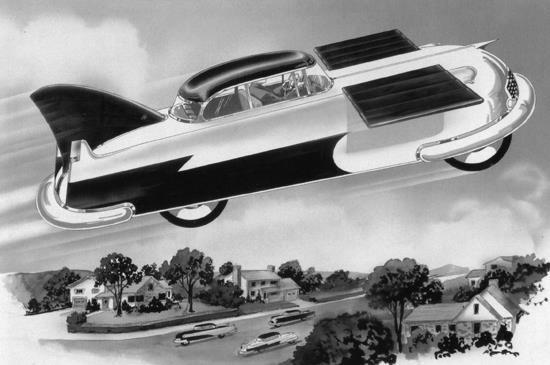
• Or: "Computers in the future may weigh no more than 1.5 tons.”
-- Popular Mechanics, forecasting the relentless march of science, 1949
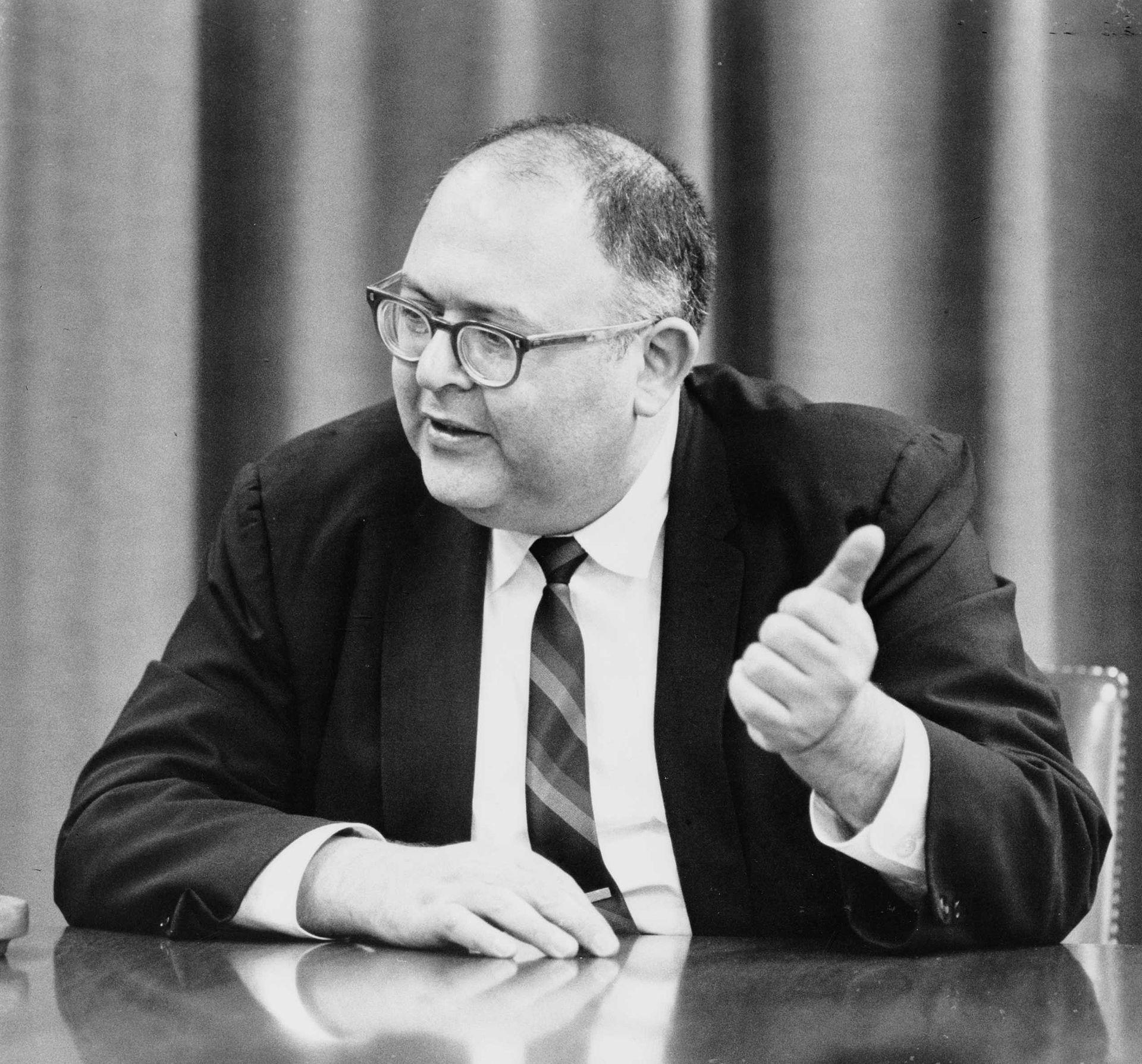
• Futurist
• Co-wrote ”Towards 2018” in 1968
• Man-controlled tornados
• Mach 25 aircrafts
• No mention of USSR
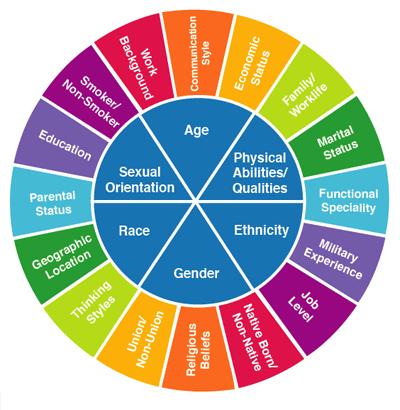
• Exaggerated technology and played down social trends
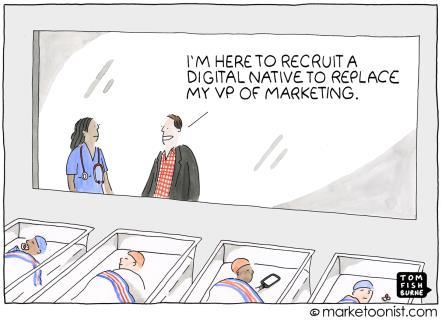
(Self) Educated Responsible, Post-9/11.

More private than millennials, shares data, but in limited circles/circumstances
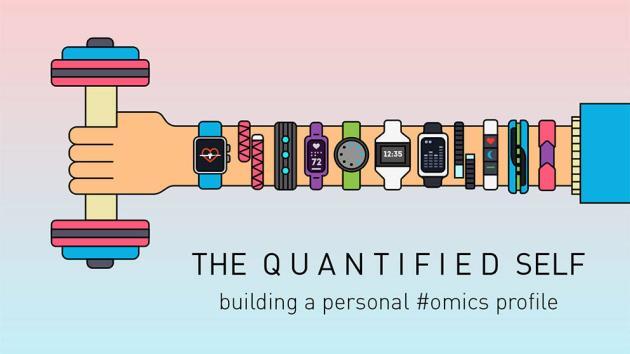
Quantified Self
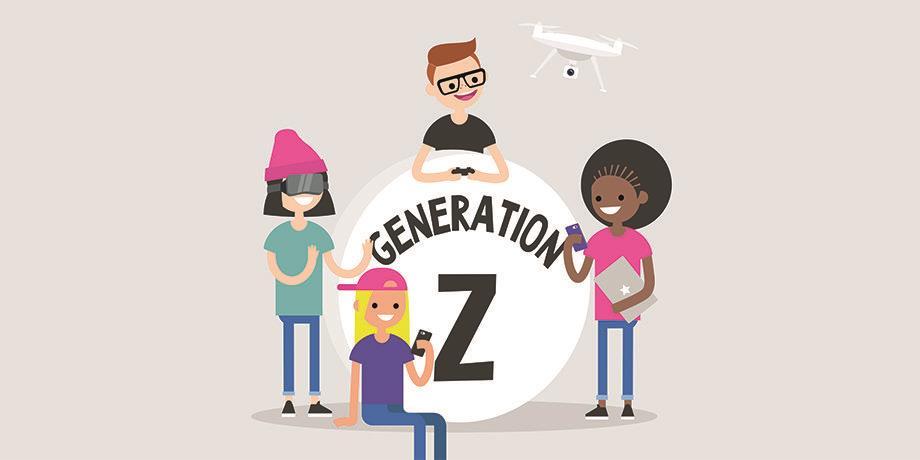
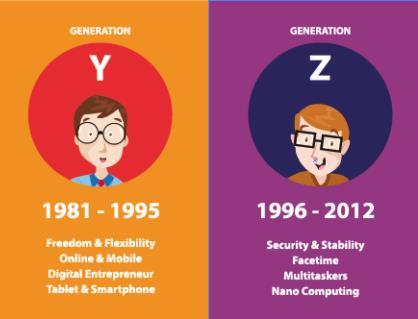
Tolerant – grown up with genderneutral bathrooms and marriage equality. Post-race, post-gender.
Life-time prevalence tripled among 20-29 compared to 65+

Millennials will be 75% of the US workforce in 2025
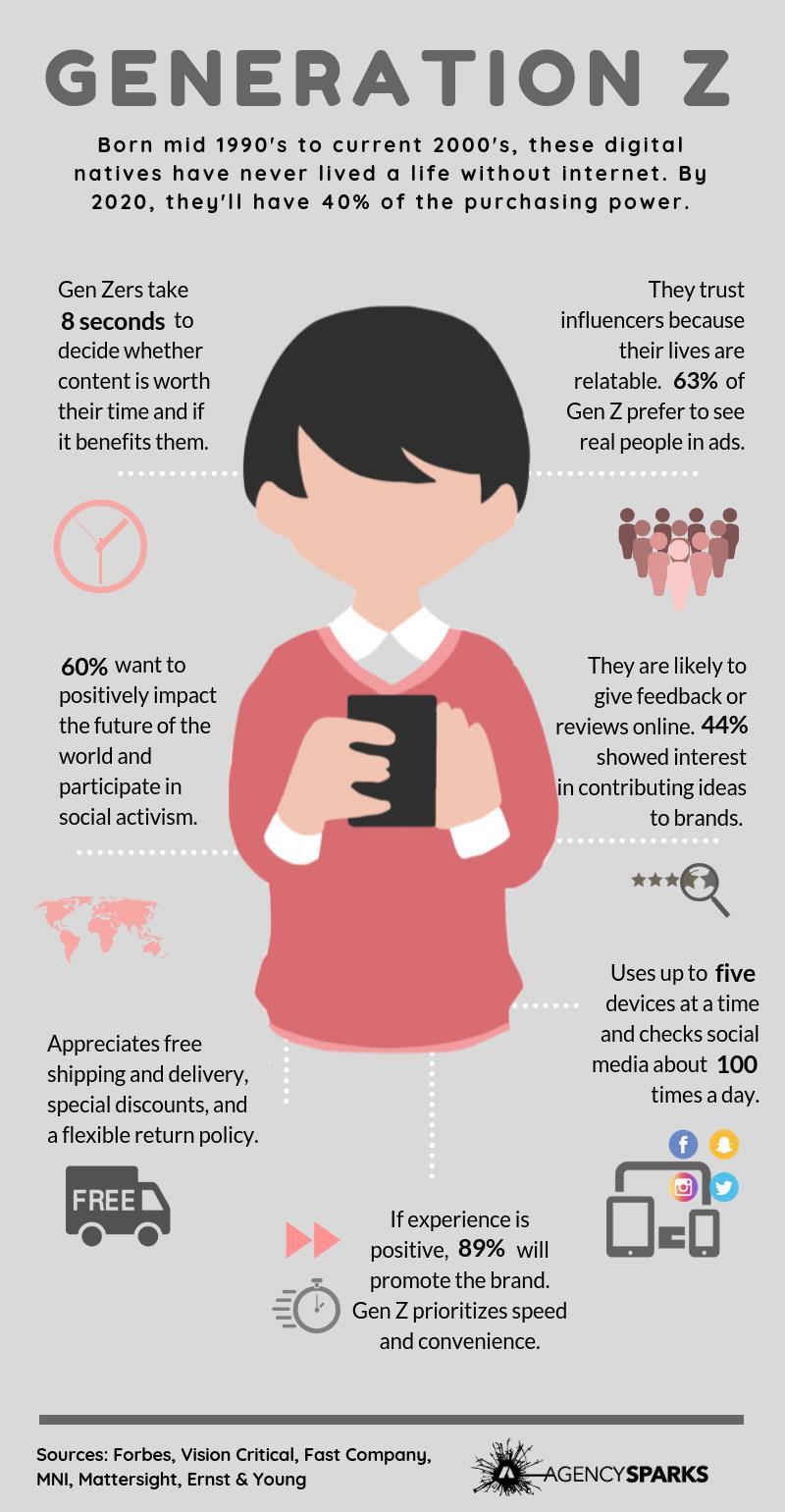
Generation Z will have 40% of consumer shopping in 2020
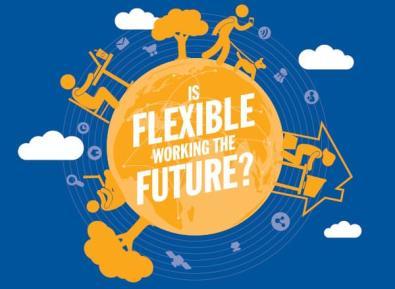
“Me time on the job”
Millennials want flexible work schedules
Generations Z: Unique is the new cool – uses products to express unique sense of identity
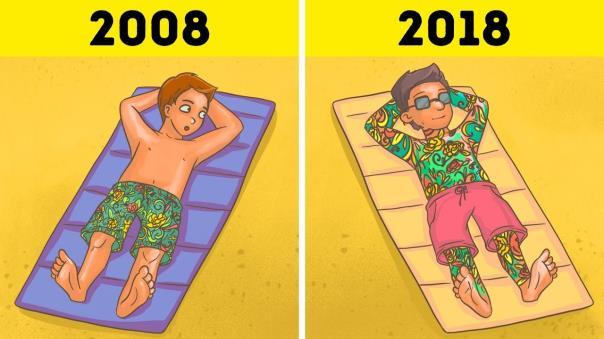
They form brand loyalty quicker (but also leaves a brand quicker due to bad experience) than other generations. Influence, not affluence

Voice will (might) drive interaction

Digital Twins
Long-term consequences of behavior
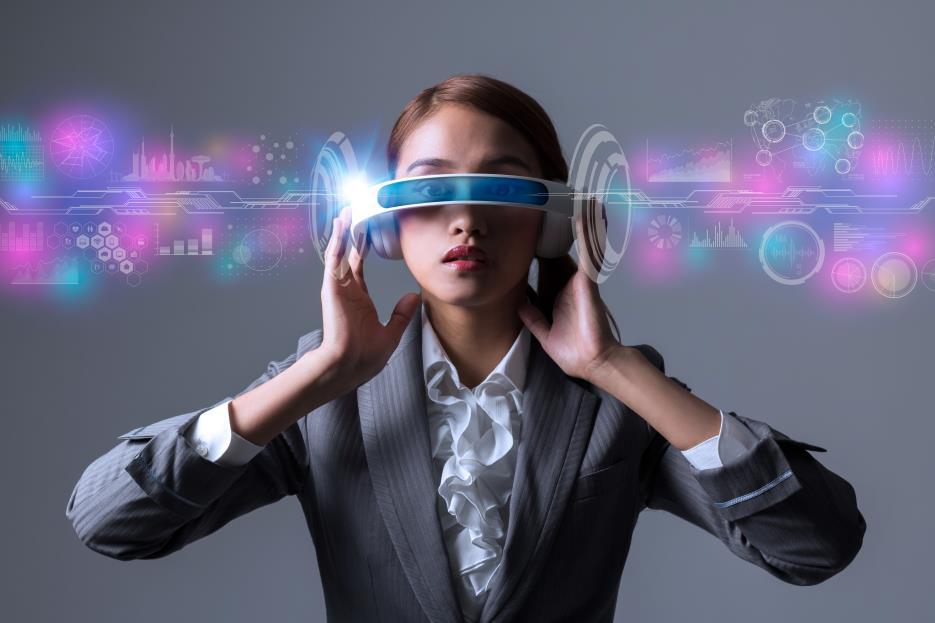
Virtual Assistants will augment human decision making
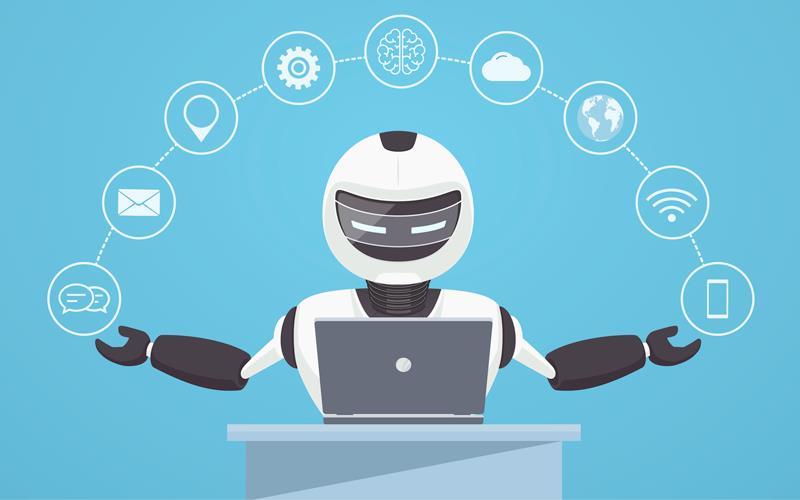
Might rise when rich people have an AI to support their decisions, and poor people don’t
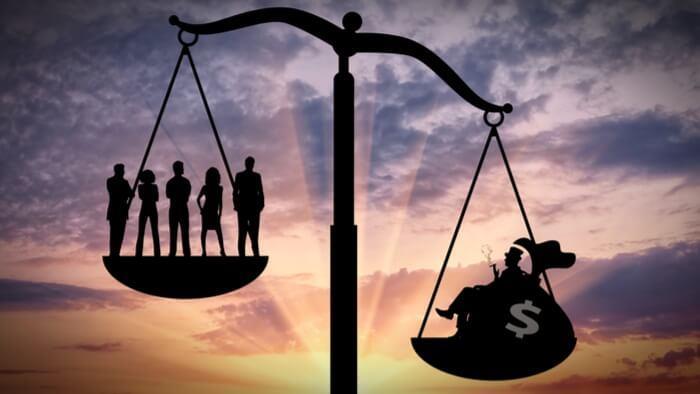
Apathy awaits?
We might become apathetic, due to decision delegation.

Globalization and technologies like automation disrupts and will continues to disrupt jobs.
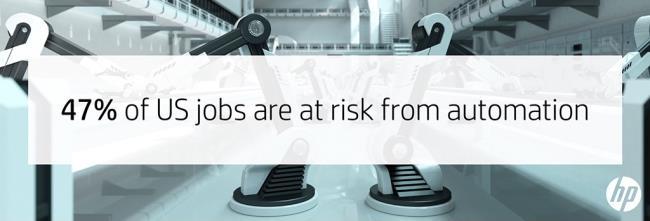
77% in China

social contracts
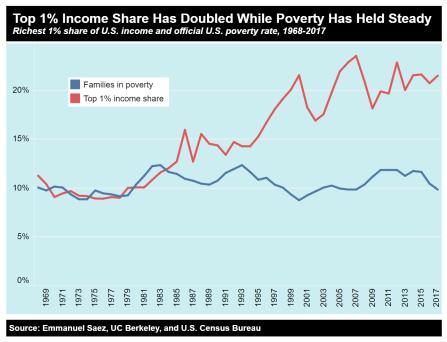
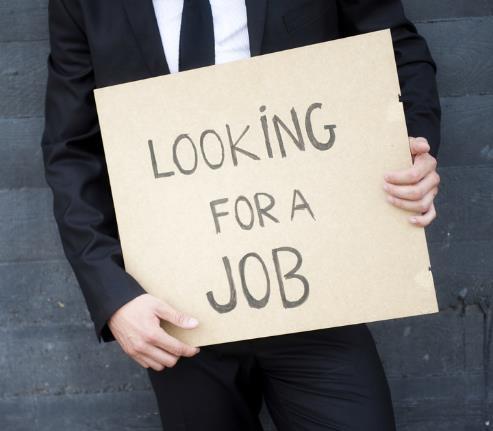
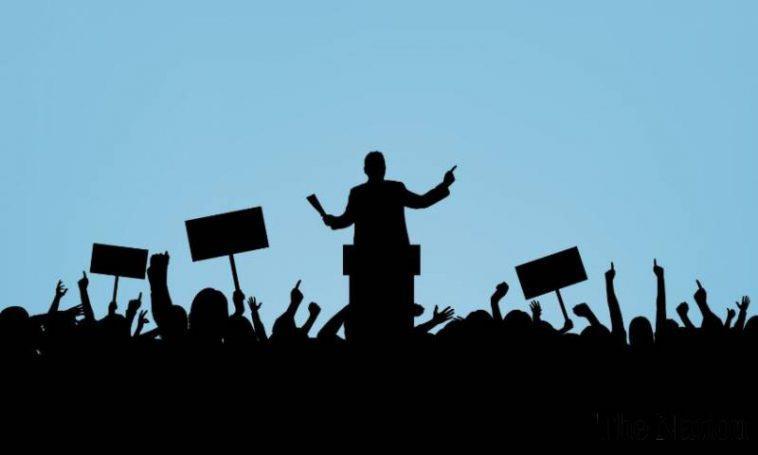
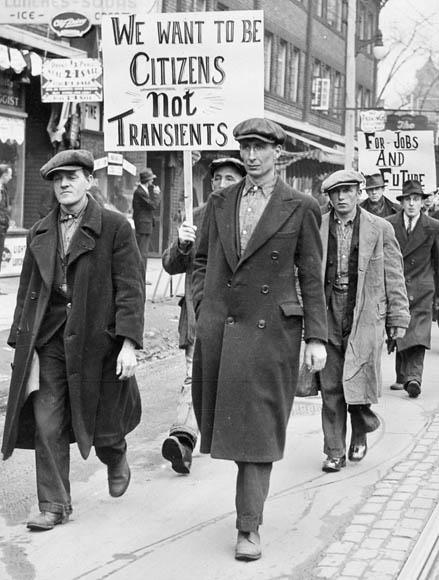
Populist movements against automation and other threatening new technologies
Let’s live in Åtvidaberg!
Technologies like AR, VR, AI, Additive Manufacturing, IoT are enablers.
They give rise to the rural innovation communities.
Smaller cities will become more popular.
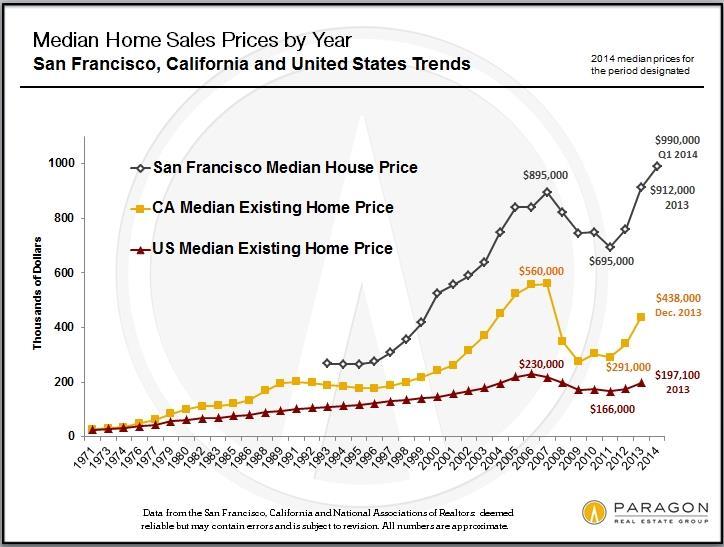

Also driven by prices in hotbed areas that will fuel and be fueled by income inequalities
The return of the Old Cities. With excess capacity that might be used for new innovations.
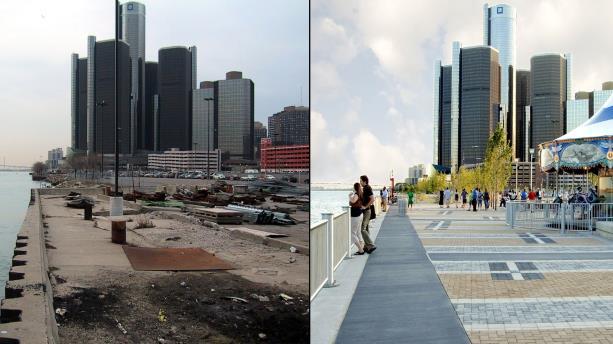
Lite Detroit, below.