Dynamic Strategizing
- a customer focused way to succeed -



Dynamic Strategizing
Strategizing is a tricky task. It is easy to get stuck with just another plan that might end up in a drawer, together with last years. Strategizing needs to strike a balance between being visionary and create a tangible result that people can understand, embrace and execute on.
Dynamic Strategizing is classic strategy work in a very new format.
The dynamics in Dynamic Strategizing is when internal aspiration and resources bounce again new data and requirements from customers and partners and alter the current strategy.
Dynamic Strategizing establish a creative play ground for iterative refinement of your current strategy in an agile and fast process.
It is a real time work process whereas live data are interpreted to generate new initiatives, products, services and customer values.
Management
Structures
Processes
Leading Innovation
This way people feel in control of what is happening and can truly contribute to their best ability.
Simple, smart and highly competetive.
Busines model
Service logic
Digitalization Dynamic
Strategizing resources requirements
Tools/methods
Facilitation
IT-support
Creative Ideation
Simple Guiding Rules
❑ Strategizing is about satisfying your customers needs
❑ Strategizing should be a dynamic plan-act-evaluate process
❑ View mistakes as stepping stones in a learning process
❑ Involve a wider audience in the strategic work from now on
❑ Prototype to make ideas and solutions tangible
❑ Test early with relevant users to obtain real life feedback
❑ Make the strategic work a constant and ongoing process .


Dare to challenge your core assumptions
That means you need to engage two types of thinking, logical and lateral. Logical thinking is an incremental step by step process and the lateral thinking process is a disruptive and challenging one. It question some of the things you have always taken for granted. Succeeding with this balance is the essence of being innovative, and something all enterprises strive for.
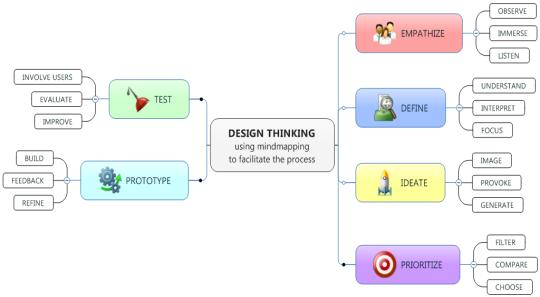
Designing and building a new strategy requires an agile approach to adapt to new circumstances. Use tools and methods that lend itself to a plan-act-evaluate-process.
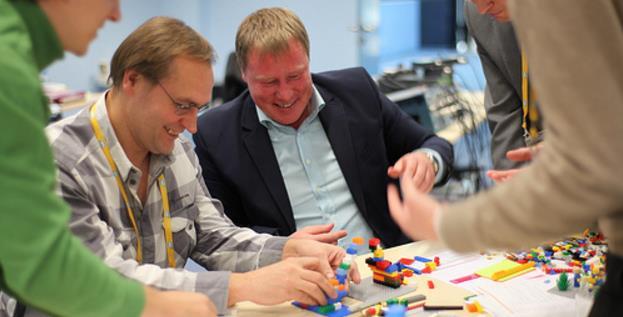
This is never compatible with only “words on paper”. You need a fullbody-engagement whereas your creative thinking process is supported with tools that boost an open dialogue, interaction with different stakeholders and designed to be a truly iterative process.


Co-creation to make it stick
It is important that you thru out the work can involve parties that is peripheral, but still important to get acceptance and implementation of the new strategy. Without an early commitment and “ownership” there is a clear risk that people will stick with the old strategy. These stakeholders can be not only employees but also partners, suppliers and most important customers.
Companies that are able to integrate their customers in the development work are more successful in the implementation of new products and services and shorten the process from idea to innovation. This co-creation is important when doing dynamic strategizing.

Narrow down by looping
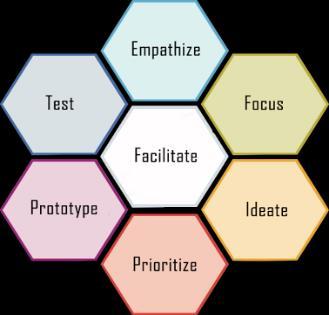
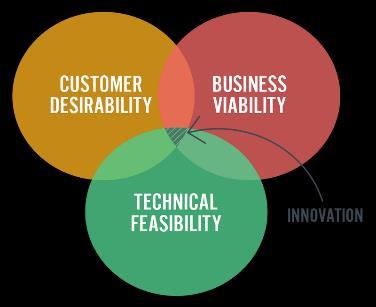
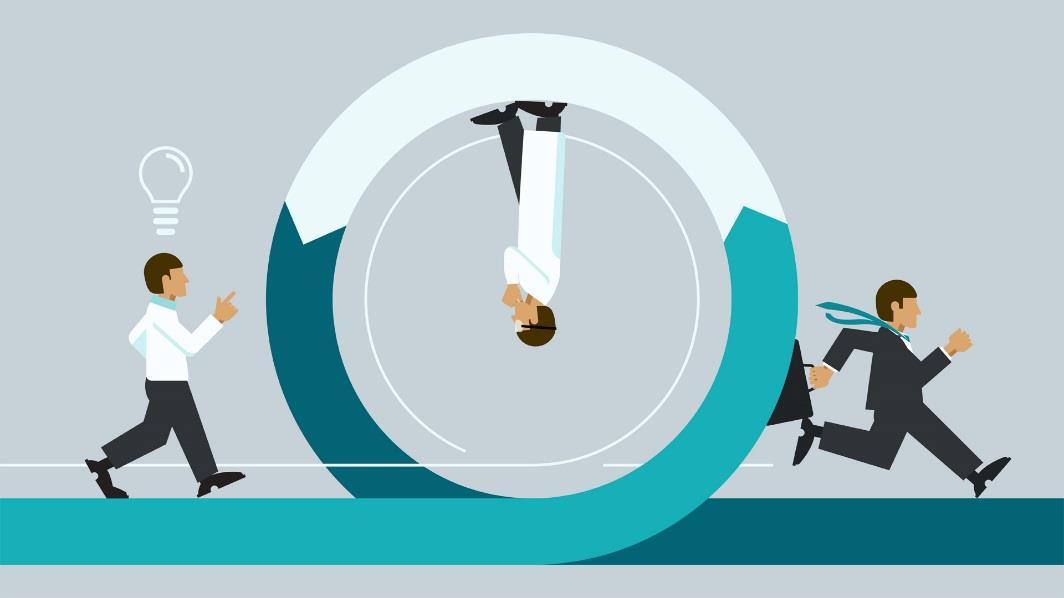
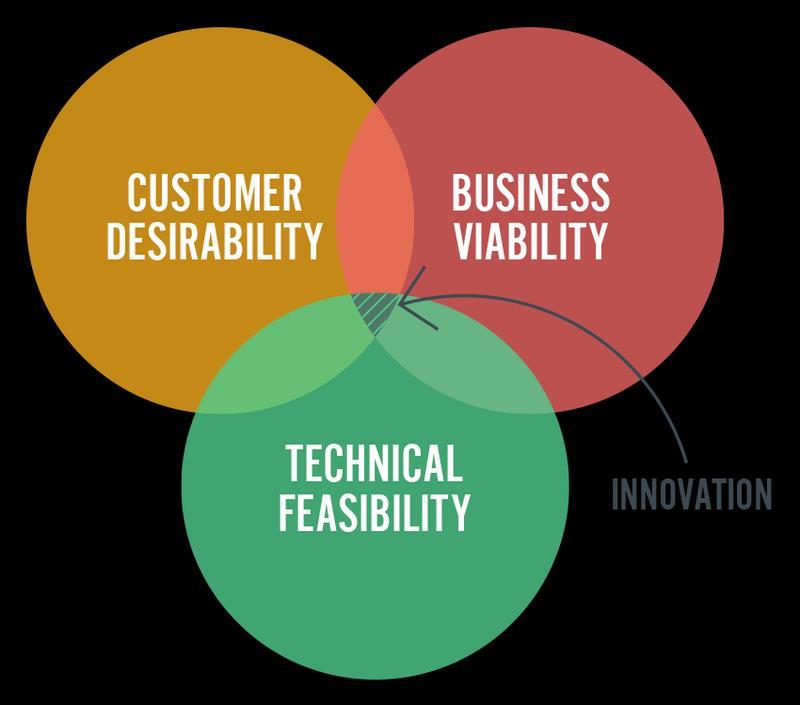
Dynamic strategizing has a non-linear work flow. It is iterative and has a learning by doing approach. For each loop in the process you narrow in on a Desirable, Viable and Feasible result.
In other words, a strategy that is doable from a technical standpoint, it is business appropriate and most important it is desirable from a customer standpoint.
Strategy is what people do, and as we are not operating in a static world the strategy work should be iterative and dynamic. Strategic work is a constantly ongoing process and at its best applied to multiple projects and initiatives. Projects that from time to time need to accelerate or decelerate depending on internal and external factors.


Engage and use real time data
Strategy is not for the few but for the many, employees. Dynamic strategizing is both the actual work process and the result.
The process benefits from an interchange of data and (new) insights from the tactical as well as the operational levels. That is where you get a more frequent feedback on customers, competitors and other stakeholders actions and re-actions.
If you have a transparent and no-blame company culture even internal failures can pave the road to a successful strategy. Transparency can do wonders in combination with a well thought, communicated, accepted and inspiring strategic plan.

Blue oceans and white spaces
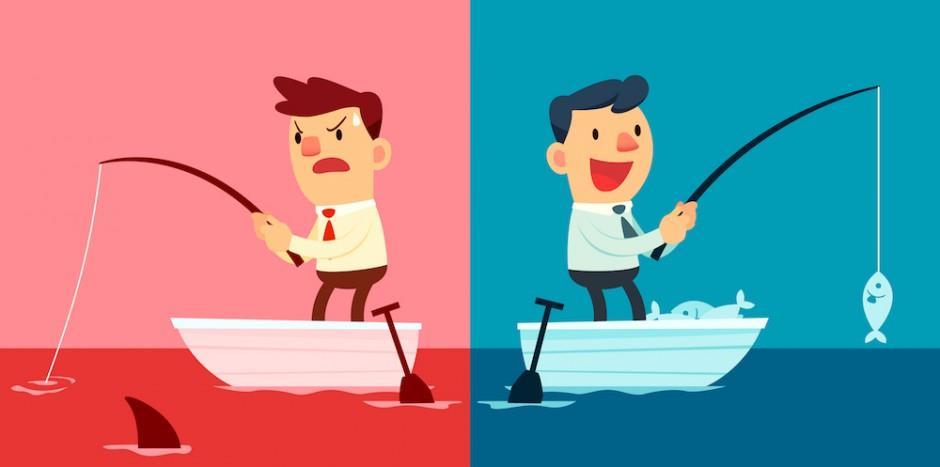
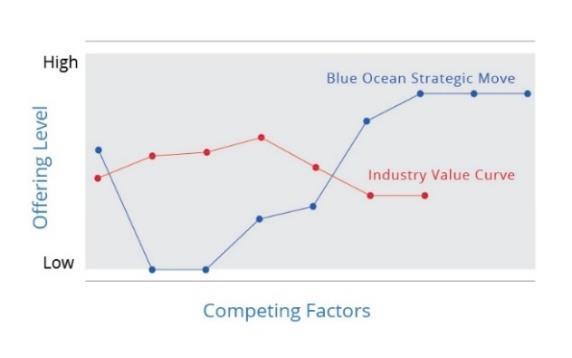
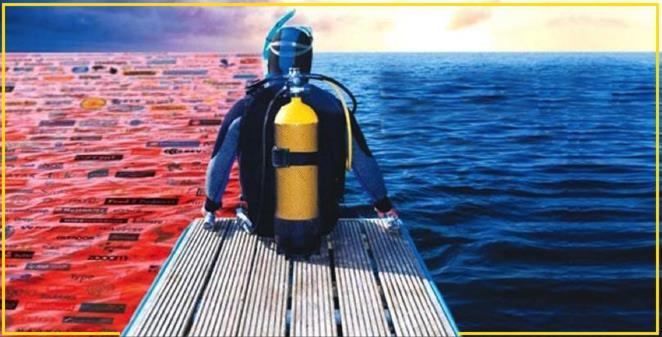
A blue ocean is defined, in contrast to a red ocean, as a not yet explored/exploited white space in your potential market. So in simple words: find the next white space and navigate there.
That will open up what we call a temporary monopoly, whereas you set the game rules. Timing is key to success, which leads us back to the insight that strategizing must be a constantly ongoing process.
A dynamic, experimental, focused and not the least important, a fun process to engage in.
Fast feedback loops will help you build the next iteration of your dynamic strategy and hopefully you will be the company that defines and design the next blue ocean opportunity.

The sweet spot for innovation
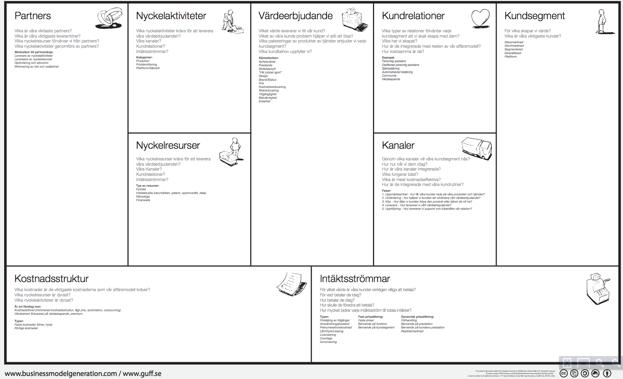
There are three lenses when viewing strategic work. Feasibility, viability and desirability. Your work is to design a journey from where you are – to – where you want to be and present it in an updated Business Model. That new model together with your “story telling” will manifest your new strategy.
A new strategy means change. Based on the magnitude of change you apply we talk about incremental or disruptive innovation.
Dynamic strategizing support the three levels in your strategic plan
1. Values, Identity and Purpose
2. Vision and Mission
3. Customer needs and your Capability and new Value propositions


The work process is a five (5) day process with workshops, interviews and modelling follow by internal and external test and verification. Preparation and documentation in addition.


CUSTOMER NEEDS
ASSESSMENT ASPIRATION