CONTROL & ADVICE
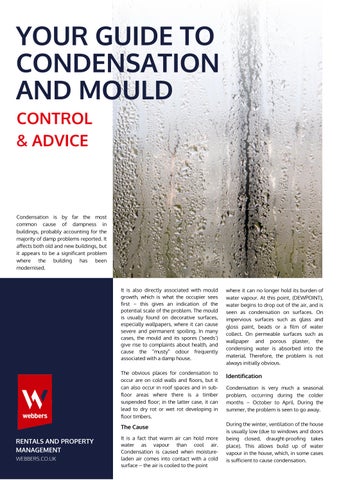
Condensation is by far the most common cause of dampness in buildings, probably accounting for the majority of damp problems reported. It affects both old and new buildings, but it appears to be a significant problem where the building has been modernised.

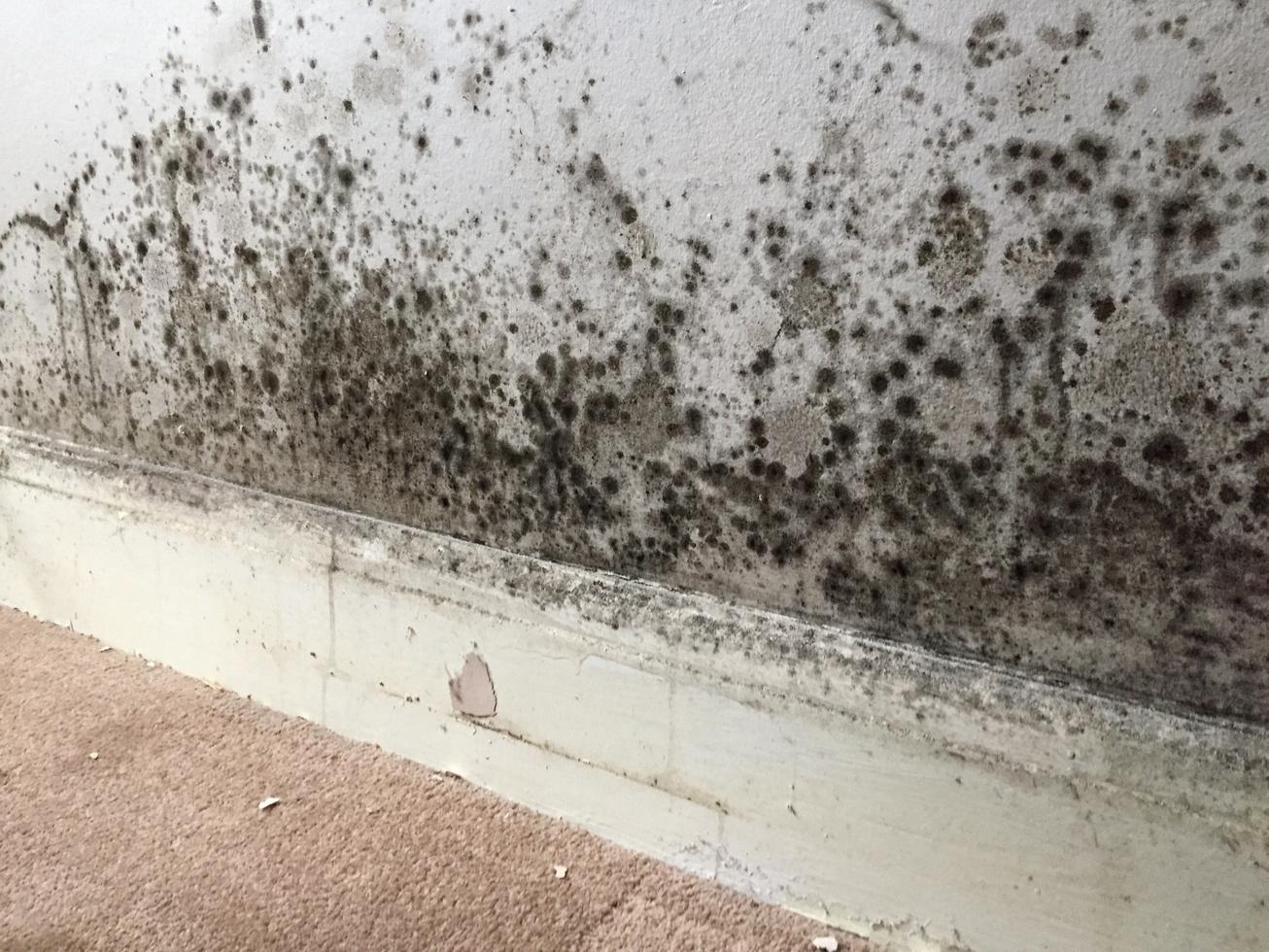
It is also directly associated with mould growth, which is what the occupier sees first – this gives an indication of the potential scale of the problem. The mould is usually found on decorative surfaces, especially wallpapers, where it can cause severe and permanent spoiling. In many cases, the mould and its spores (‘seeds’) give rise to complaints about health, and cause the “musty” odour frequently associated with a damp house.
The obvious places for condensation to occur are on cold walls and floors, but it can also occur in roof spaces and in subfloor areas where there is a timber suspended floor; in the latter case, it can lead to dry rot or wet rot developing in floor timbers.
The Cause
It is a fact that warm air can hold more water as vapour than cool air. Condensation is caused when moistureladen air comes into contact with a cold surface – the air is cooled to the point
where it can no longer hold its burden of water vapour. At this point, (DEWPOINT), water begins to drop out of the air, and is seen as condensation on surfaces. On impervious surfaces such as glass and gloss paint, beads or a film of water collect. On permeable surfaces such as wallpaper and porous plaster, the condensing water is absorbed into the material. Therefore, the problem is not always initially obvious.
Identification
Condensation is very much a seasonal problem, occurring during the colder months – October to April. During the summer, the problem is seen to go away.
During the winter, ventilation of the house is usually low (due to windows and doors being closed, draught-proofing takes place). This allows build up of water vapour in the house, which, in some cases is sufficient to cause condensation.
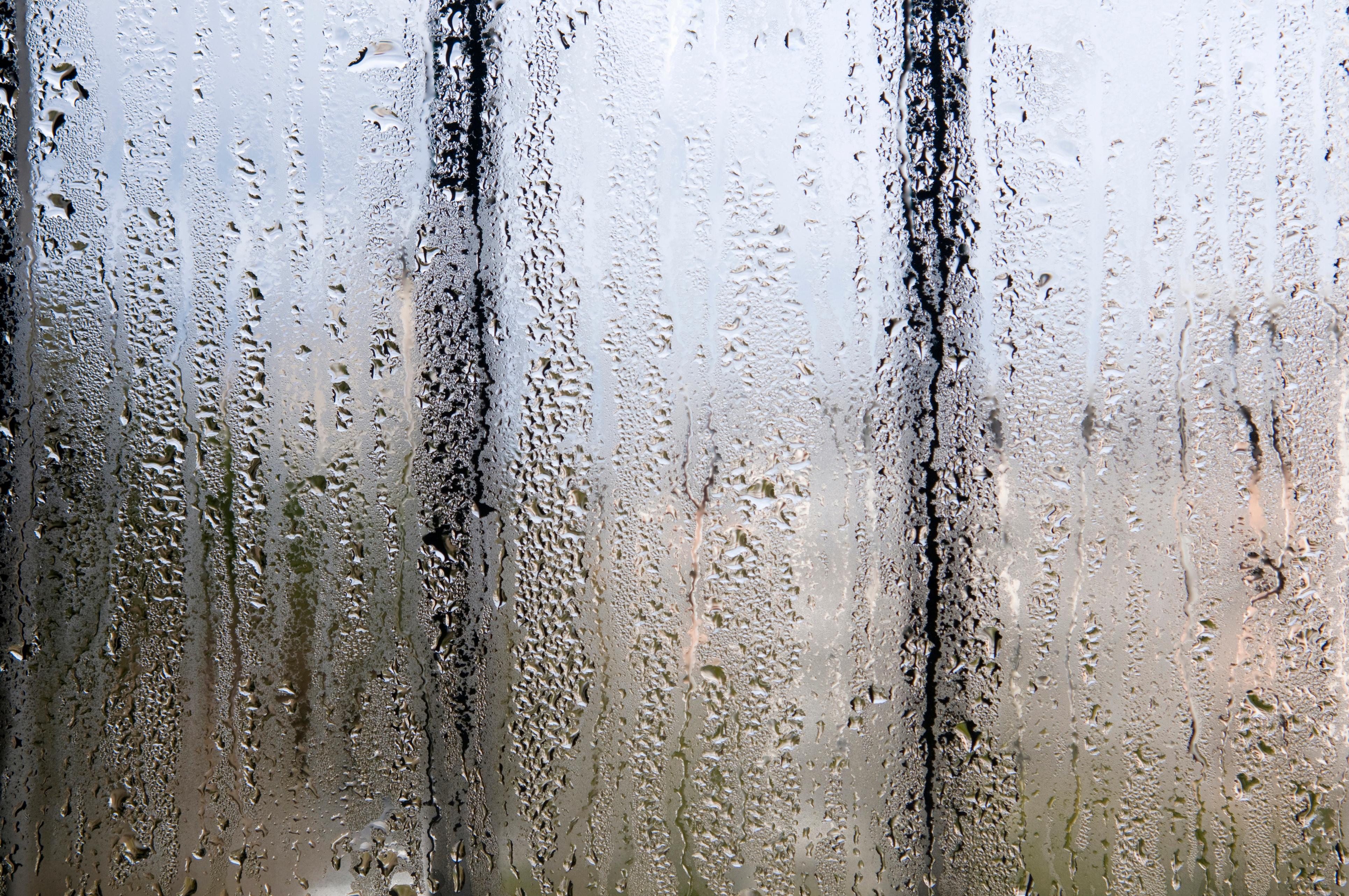
This condensation becomes apparent from the following symptoms:
Water droplets form on cold, impervious surfaces such as glass and paint.
Slightly damp wallpaper (often not noticed).

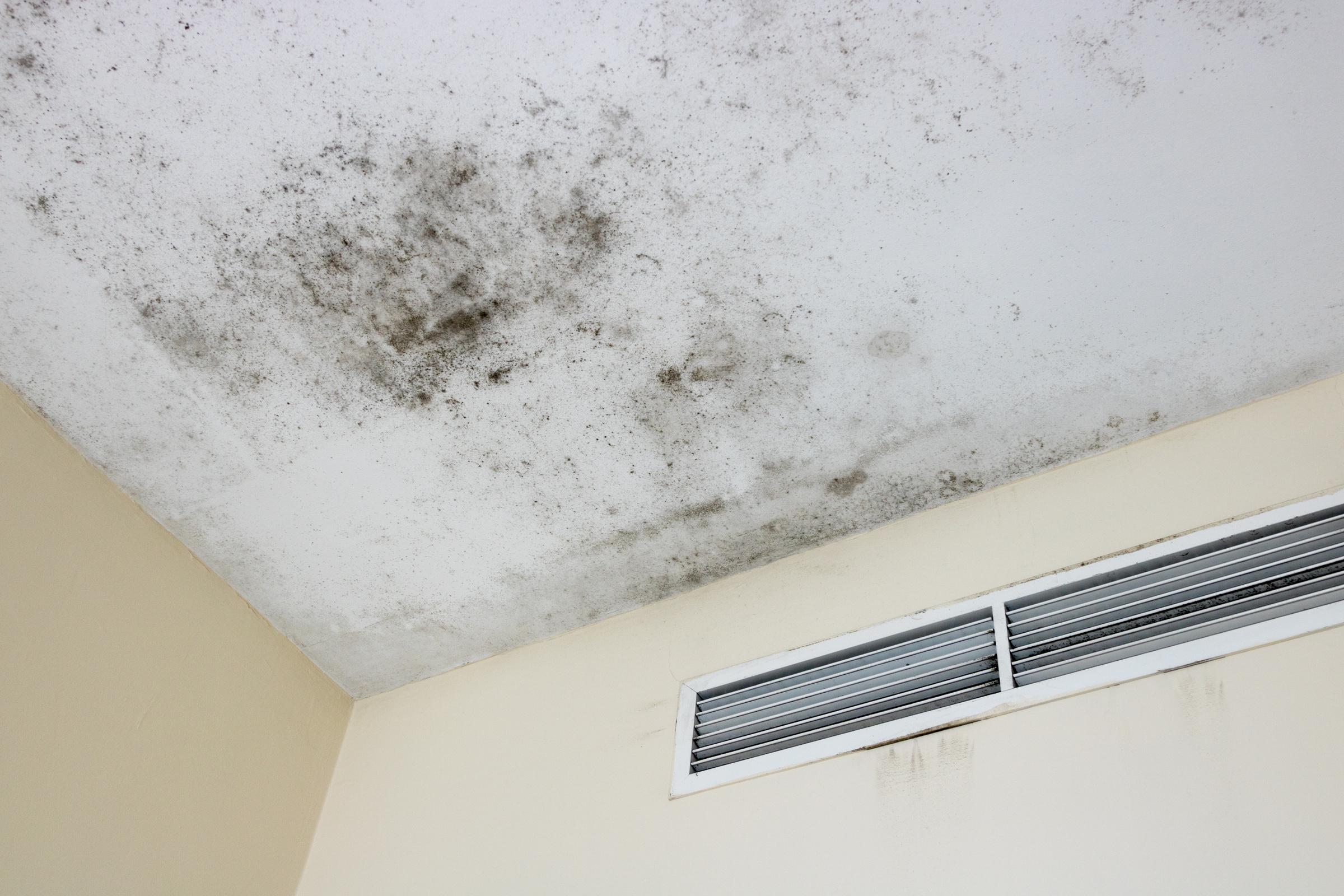
Development of moulds, usually black mould (see pictures above)
In some cases, condensation may be long term, but intermittent, forming only at certain times of the day or night. In these cases, the only sign of condensation may be mould growth, as the moisture may have evaporated by the time moisture measurements are taken.
One should also be aware that the problem can occur well away from the site of most water vapour production. E.g. water vapour produced in the kitchen may diffuse through the house into a cold bedroom where it will condense on cold walls.
Our Advice
The control of condensation is based on two very simple primary measures, supported by a number of secondary measures.
Primary Measure 1 - IMPROVE VENTILATION
• This will sweep away the internal moisture-laden air and replace it with drier air from the outside (yes, external air is drier than internal air most of the year!)
• Mechanical ventilation should be considered to alleviate the condensation and humidity issues, such as running a dehumidifier during evenings.
• Any mould growth must be killed using specalised mould killers available from supermarkets etc.
Primary Measure 2 - IMPROVE HEATING
• Coupled with ventilation, heating should be set or applied to give a low-level background heat. This will ensure no rapid changes to the environment, and will facilitate slight warming of wall surfaces over a period of time, thus reducing the risk of condensation.
Secondary Measures
Remove excess moisture sources – e.g. paraffin heaters, indoor drying of clothes. Prevent possible water penetration. Install a dehumidifier.