Brevard County Firm Foundation Preschool & Daycare 825 Forrest Ave, Cocoa, FL 32922
Orange County Outreach Center
611 Business Park Blvd, St. 101. Winter Garden, FL 34787
Mon-Friday: 8-4 Saturday: 8-2
Brevard County Outreach Center 825 Forrest Avenue Cocoa FL 32922 Mon-Friday: 8-4 Saturday: 8-2
Orange County Hope Chest Store
1027 S Dillard St, Winter Garden, FL 34787
Monday- Saturday: 10am-4pm
Brevard County Trinity Oaks 825 Forrest Ave, Cocoa, FL 32922
Courtney@Trinityoaksvenues.org
Phone: (321) 514-6215
Founder's Forum
It’s difficult to Celebrate America 250 when you see what we see at Matthew’s Hope daily. This edition of *Moving Forward Magazine* explores “America 250 – The Good, The Bad, And The Ugly.” While many of us are blessed and feel fortunate to live out the American Dream, for others, they feel forgotten.
Let’s start with “The Ugly.” How are we caring for the men and women who were brave, sacrificed, and served our country?
Rising rent and limited affordable housing options have placed enormous pressure on vulnerable populations, especially veterans on fixed incomes. Reports indicate that nearly 1,900 Florida veterans were experiencing homelessness in 2025.
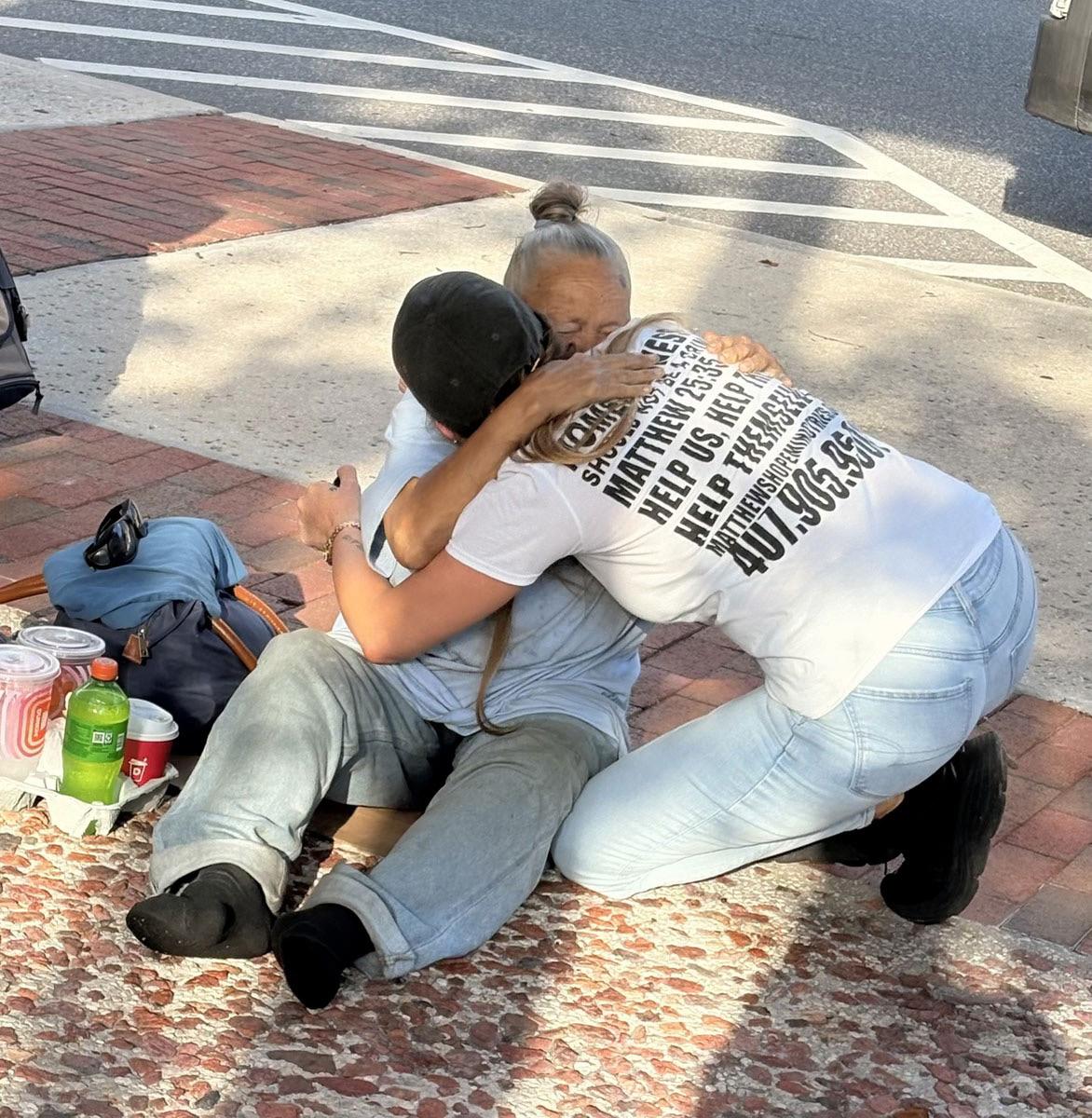
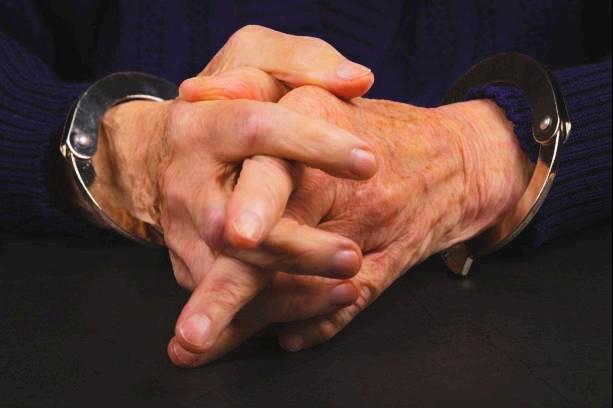
Further, HB 1365 makes it illegal to be homeless in the State of Florida. In simple terms, it prohibits individuals from sleeping outside in public spaces. Instead of looking for solutions to the homeless crisis, our elected officials believe it’s better to incarcerate the homeless at a cost of $50,000 per year. As I always say, “Not here is not an answer.”
Please take some time to read “Point-In-Time, Understanding The Numbers.” This article truly illustrates, through numbers, the homeless crisis.
There has been a 40% increase in domestic violence-related homelessness since 2023. Fifty-one
means they are living with a disability and have experienced homelessness for at least a year.
One out of four of the homeless population are families with children. And in both Brevard and Orange Counties, roughly 40% of the homeless population is over the age of 55. More often, outreach teams are meeting individuals who have simply been priced out of housing, displaced by medical crises, domestic violence, rising rent costs, or the inability to survive on fixed incomes.
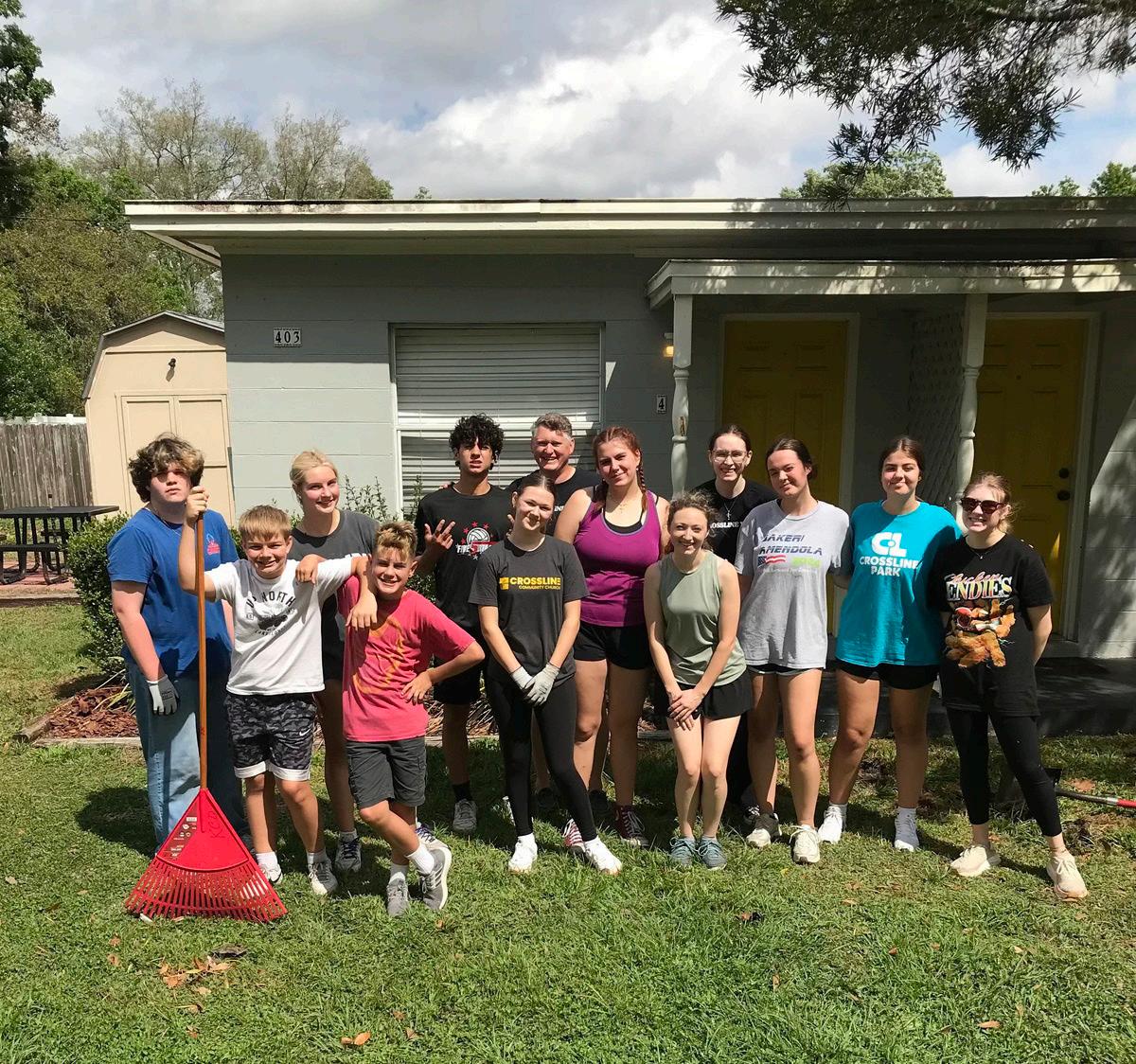
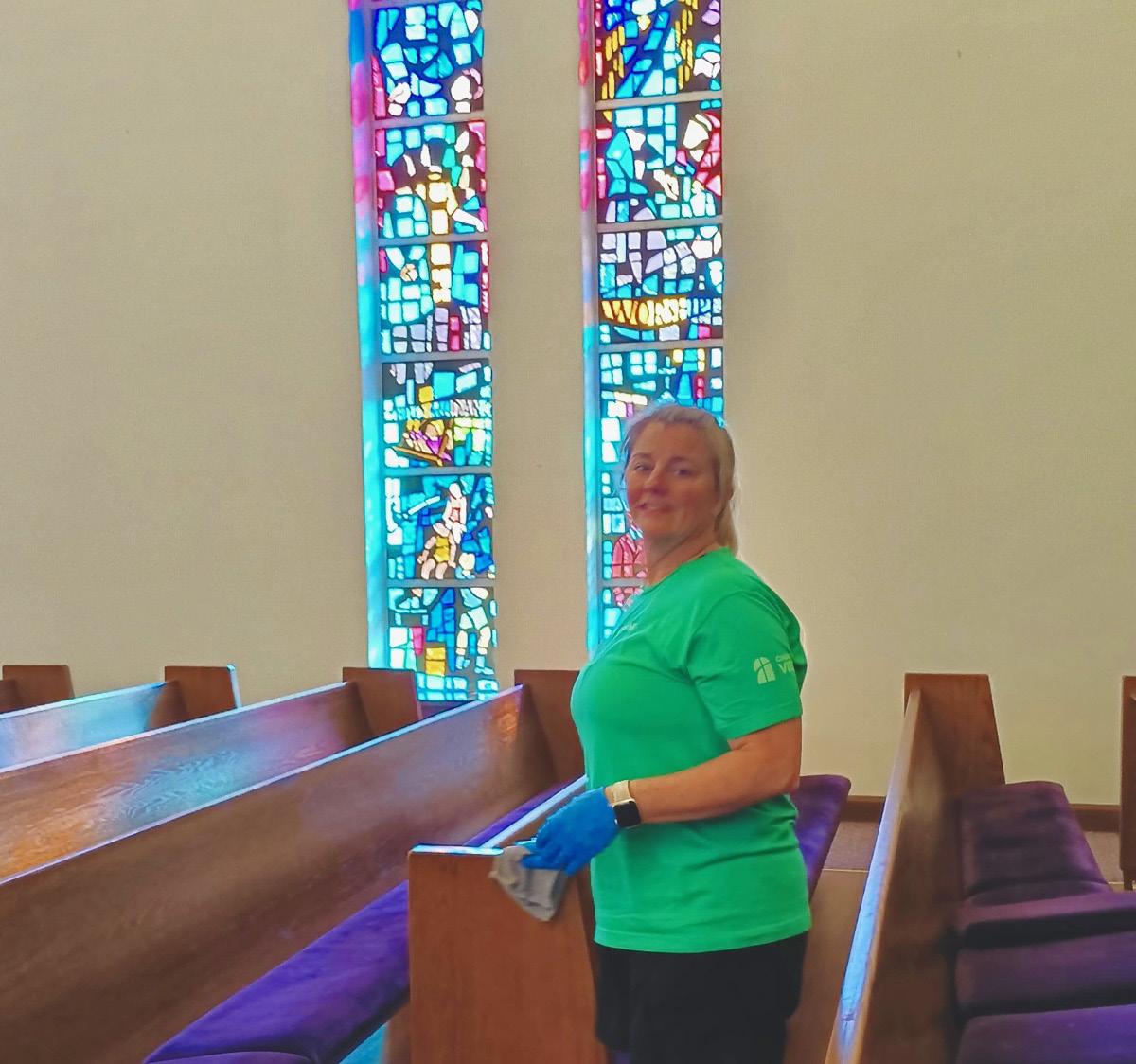
Just when I’m about to give up, I am rejuvenated by the “Good” — I mean the GREAT men and women who have been called to serve. They are selfless and are truly the best of what America has to offer. Our dedicated staff and volunteers serve with compassion, lead with faith, and are changing lives.
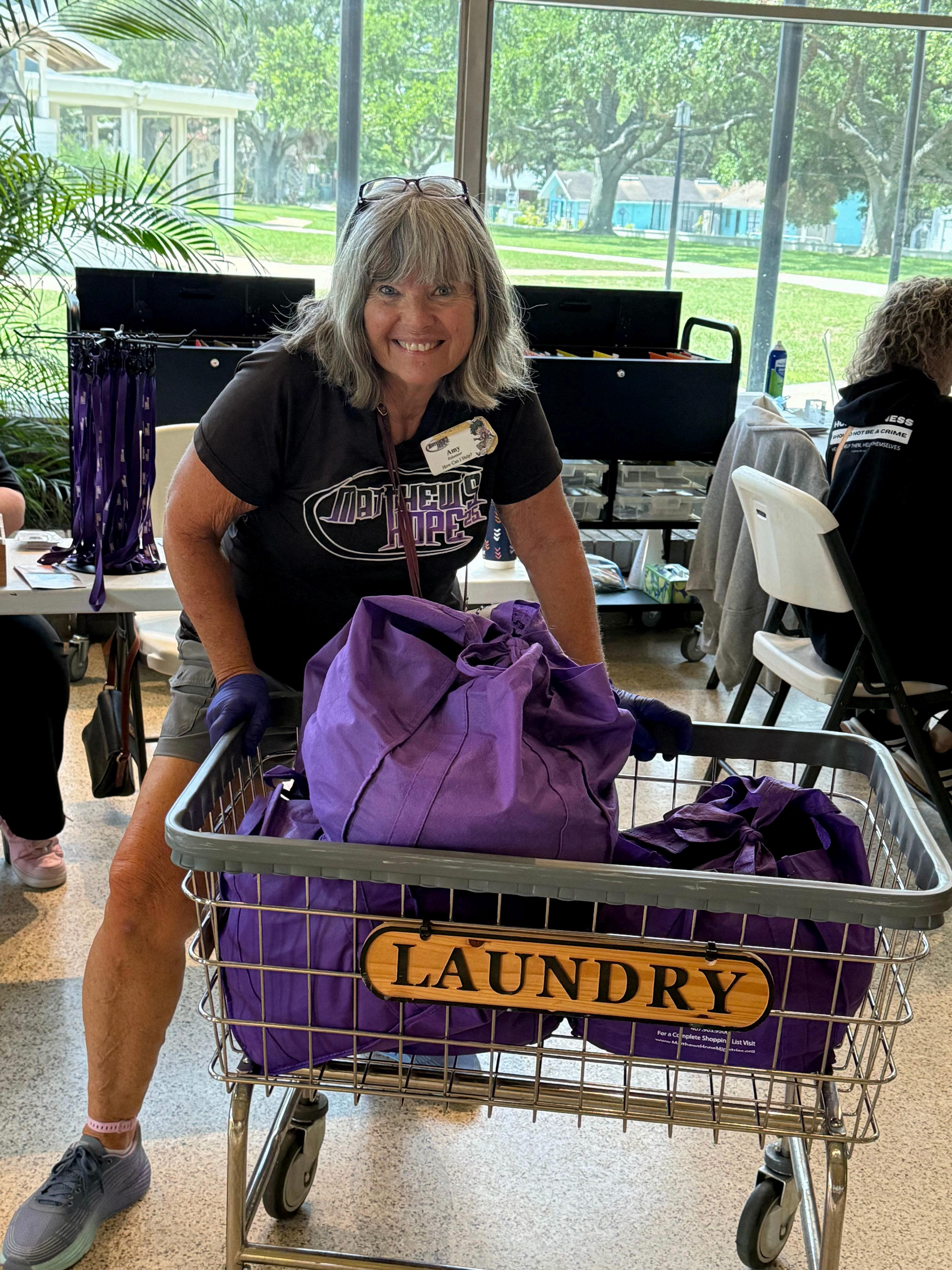
Our Brevard County volunteer Amy said it best:
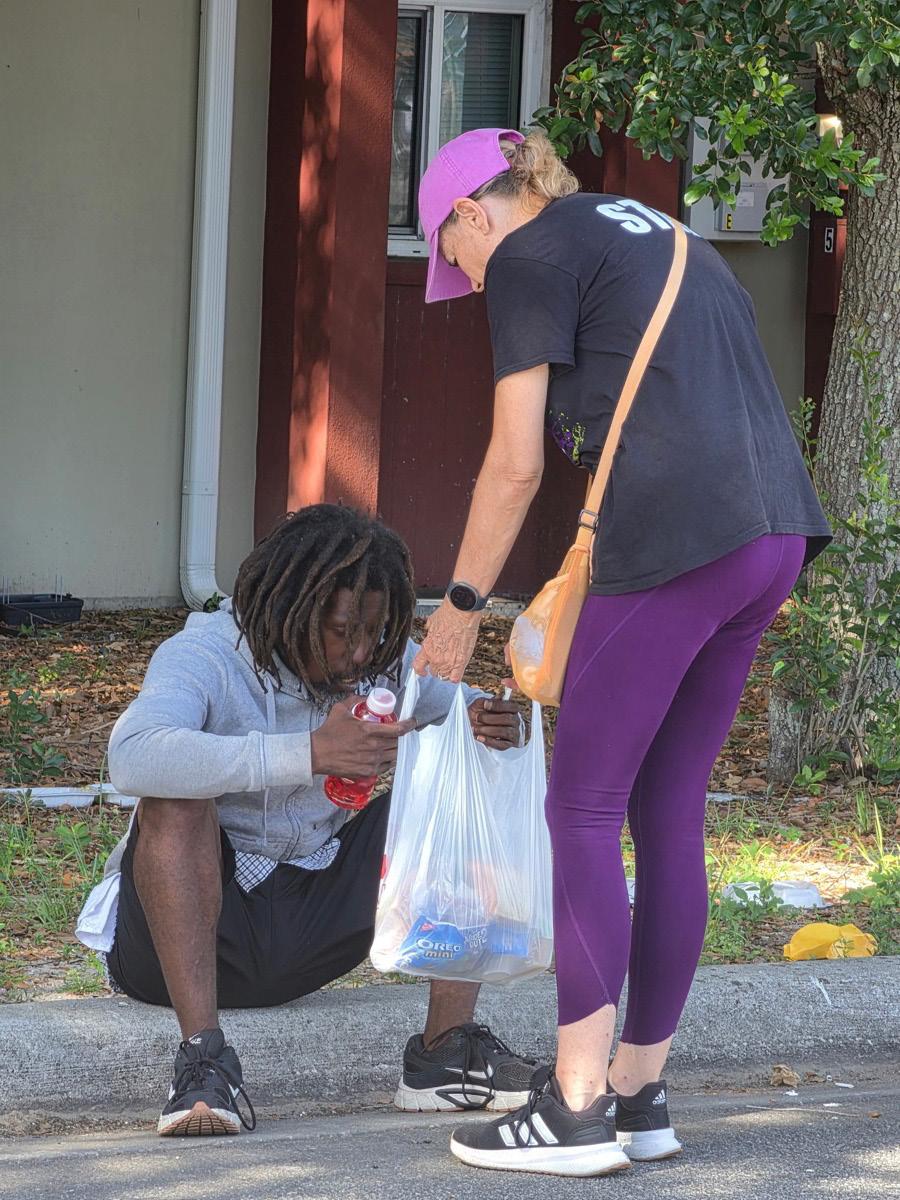
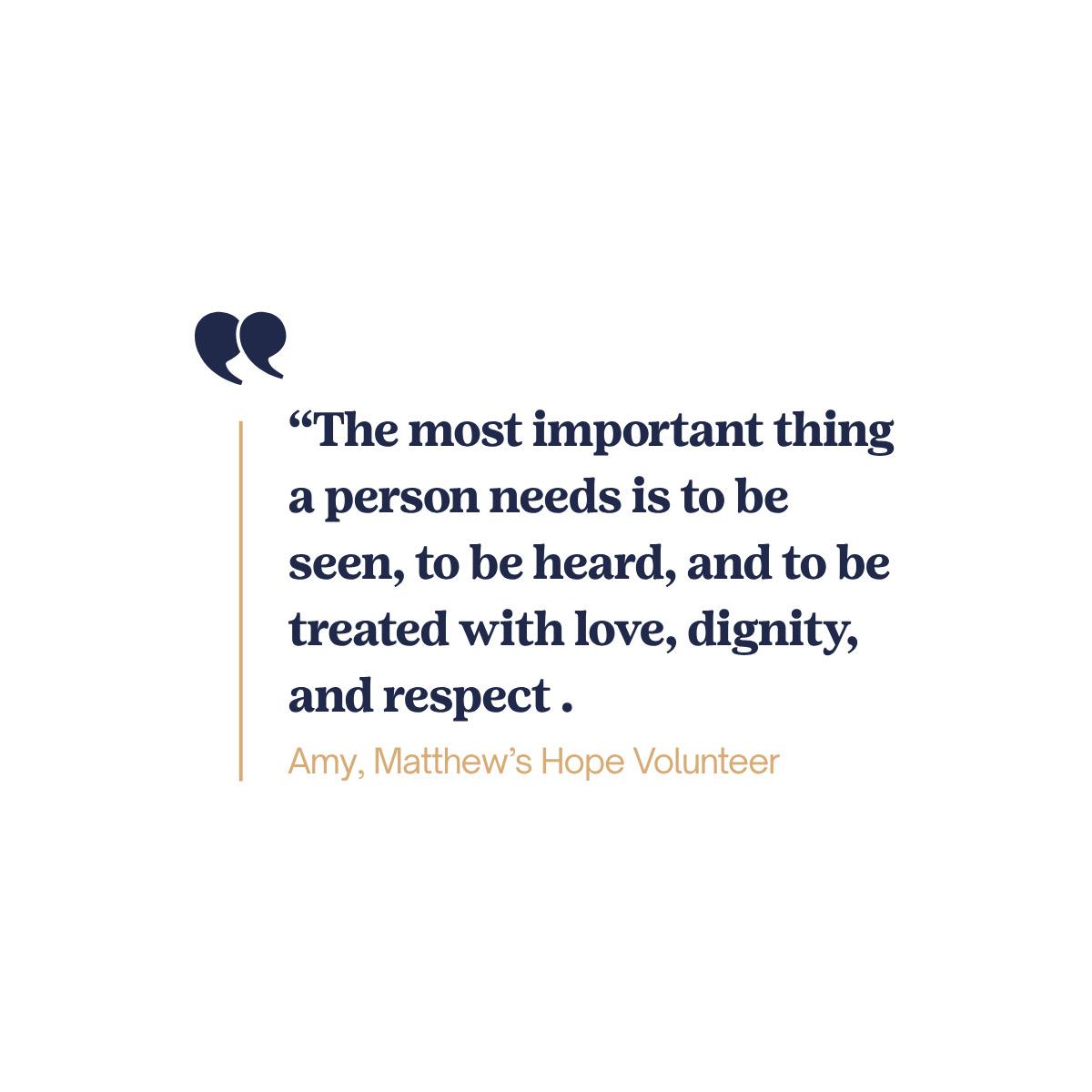
“The most important thing a person needs is to be seen, to be heard, and to be treated with love, dignity, and respect because you don’t know what that person has been through in the past year or even the past hour.”
Amy, thank you for seeing our homeless guests, and we see you.
As Shelley Bradford states in her article, we have had to learn to redefine success. Success might simply look like an individual filling out an ID application, a traumatized mother sleeping through the night, or a child staying at the same school for a consecutive term.
It’s appropriate to celebrate America 250 — the Good, the Bad, and the Ugly. Educate yourself. Don’t ignore the ugly truth; learn from it. That’s the only way we can grow individually and as a nation.
Blessings In Christ,
Scott Billue, CEO and Founder
A SHIFT IN SYSTEMS
In the early and mid-twentieth century, low-cost housing options such as boarding houses and single-room rentals helped prevent many people from ending up on the streets. Over time, much of that affordable housing disappeared due to redevelopment, stricter regulations, and rapidly increasing property values.
At the same time, the country transitioned away from what was seen as “traditional” mental health care. The Community Mental Health Act of 1963 was intended to move people out of large institutions and into community-based care, but many of the promised community supports were never fully funded or built. As state hospitals closed, some people with serious mental illness were left without stable treatment, housing, or support. This is identical to the challenges we are facing in America today.
THE 1980'S: A TURNING POINT
By the 1980’s, homelessness became far more visible in cities across the country. Federal housing assistance declined, wages failed to keep up with rent prices, and emergency shelters became overcrowded.
Today, housing experts widely agree that the strongest driver of homelessness is the lack of affordable housing. Only about 35 to 37 affordable and available rental homes exist for every 100 extremely low-income renter households, and the nation faces a shortage of more than 7 million such homes.
Many Americans live paycheck to paycheck, meaning a medical emergency, job loss, domestic violence situation, or untreated mental illness can quickly lead to housing instability.
LIVING LIFE UNSEEN
Despite how common homelessness has become, society has also grown increasingly used to seeing it. People sleeping near storefronts, sitting on sidewalks, or pushing shopping carts through busy intersections often fade into the background of everyday life.
Many individuals experiencing homelessness describe feeling invisible, ignored unless they are considered a problem, and treated as though their struggles are entirely self-inflicted. Over time, public desensitization has created
SOLUTIONS THAT
Research shows that some solutions have worked. Coordinated outreach teams, veteran assistance programs, transitional housing, job development, and access to mental health and recovery services have all helped reduce chronic homelessness in many communities. Stable housing combined with consistent support gives individuals a far greater chance of rebuilding their lives than temporary solutions alone.
Other approaches have repeatedly fallen short. Emergency shelters are important during crises but shelter alone does not solve homelessness without pathways toward stability. Criminalizing homelessness, repeatedly relocating encampments, or simply pushing people from one area to another often addresses visibility rather than the root causes themselves. Many of the people who have an issue with the visibility of the unhoused population state, “not in my backyard.” Individuals who think this way are a major part of the new-age problems society is facing.
Connect people to resources, build trust, and remove barriers to services.
JOB DEVELOPMENT & INCOME SUPPORT
Employment assistance and income support help people regain independence and long-term stability.
STABLE HOUSING
Stable housing combined with consistent support gives individuals a far greater chance of rebuilding their lives.
MENTAL HEALTH & RECOVERY SERVICES
Access to mental health and recovery services reduces chronic homelessness in many communities.
America’s history shows that homelessness grows when affordable housing disappears, wages stagnate, support systems weaken, and communities stop truly seeing people. The question going forward is not whether homelessness exists. Rather, it is if our country is willing to acknowledge the humanity of those experiencing it and pursue solutions that ensure no person feels forgotten simply because they
Good and Faithful Servants
The volunteers of Matthew’s Hope show up as the hands and feet of Christ—restoring dignity, offering compassion, and planting seeds of hope for a better tomorrow.
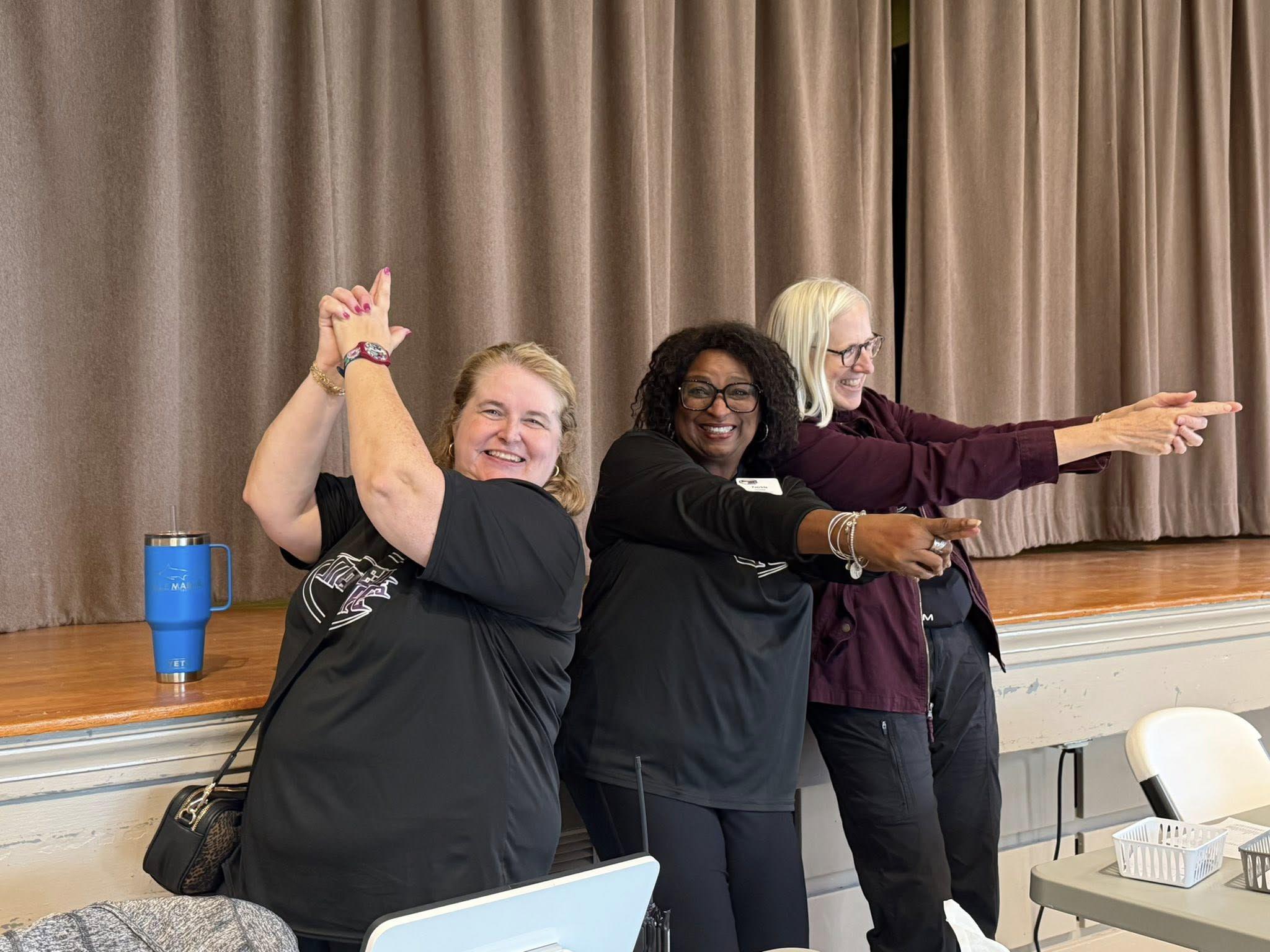
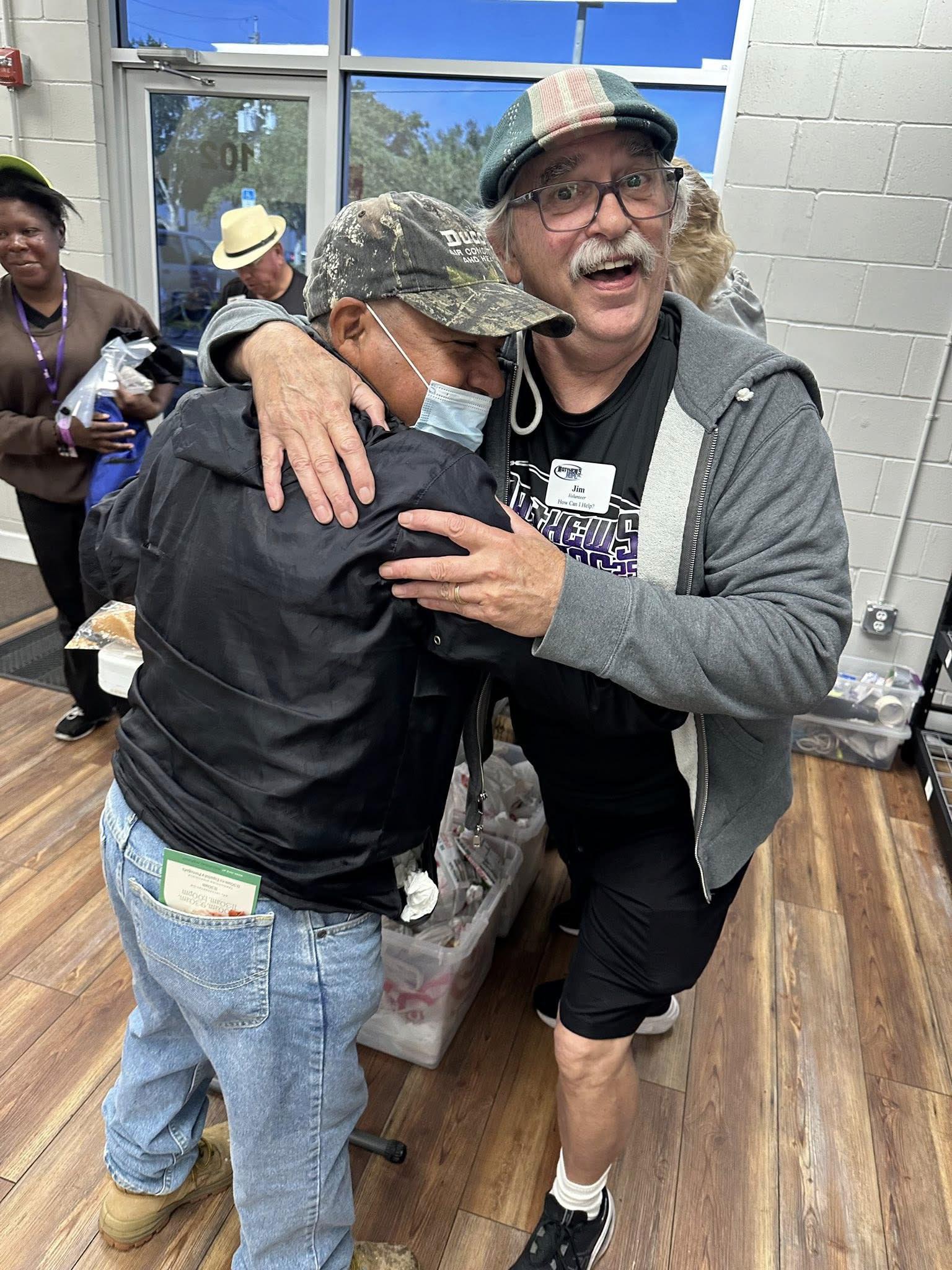
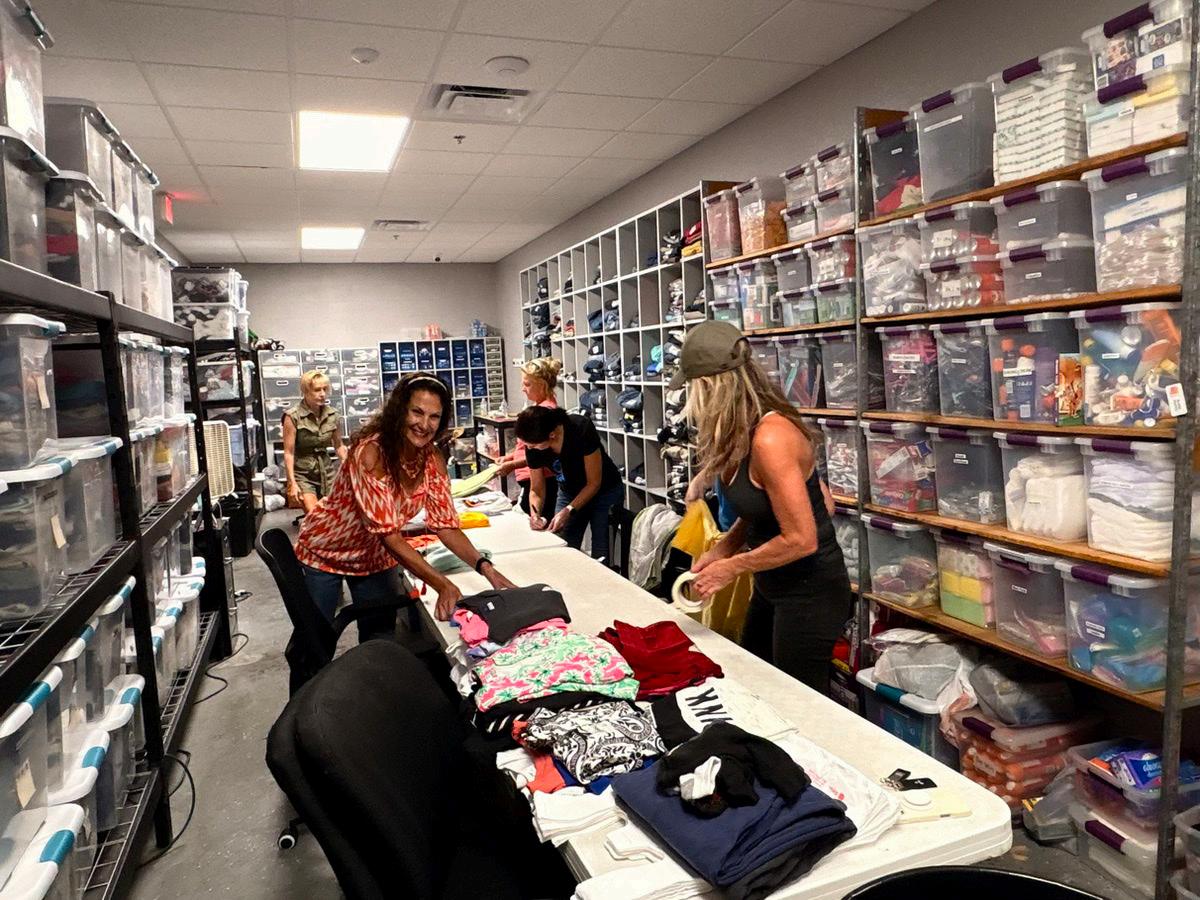
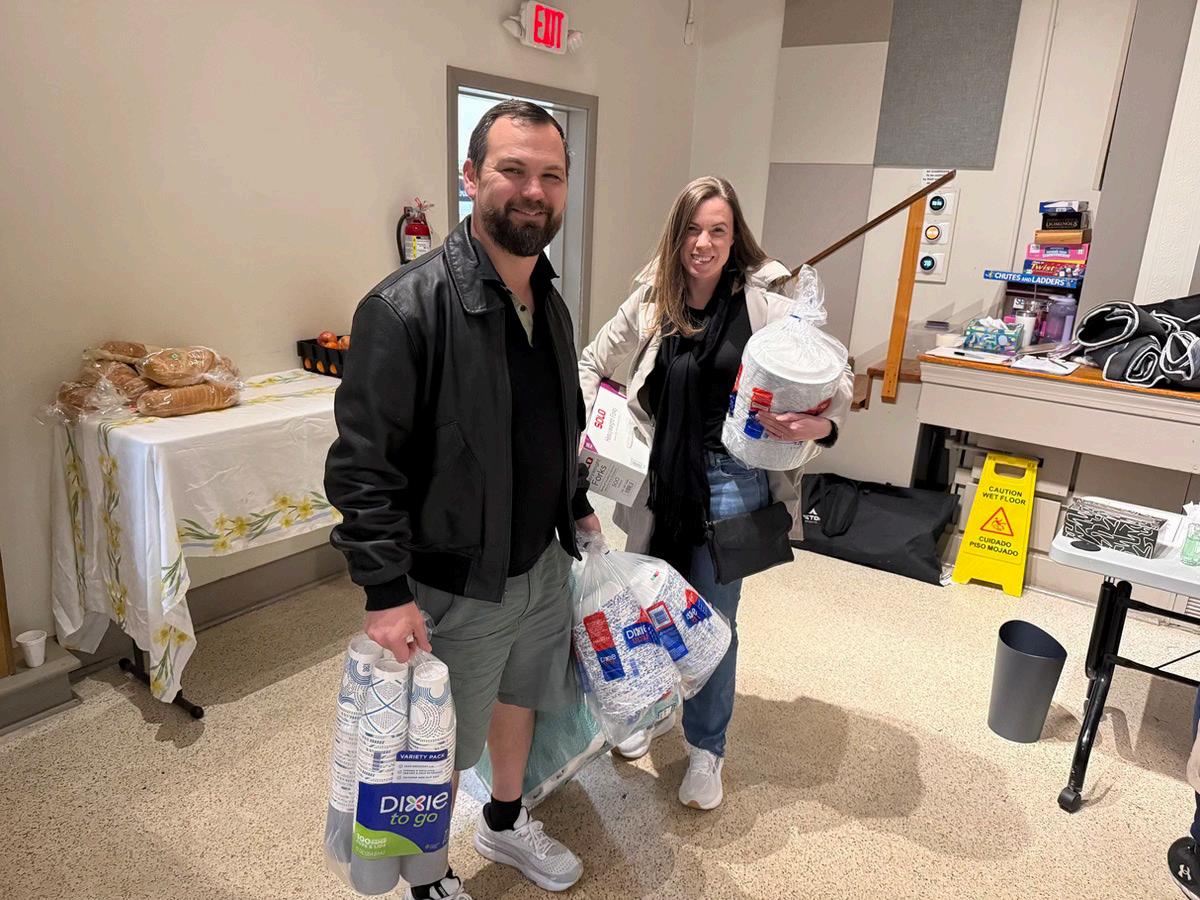
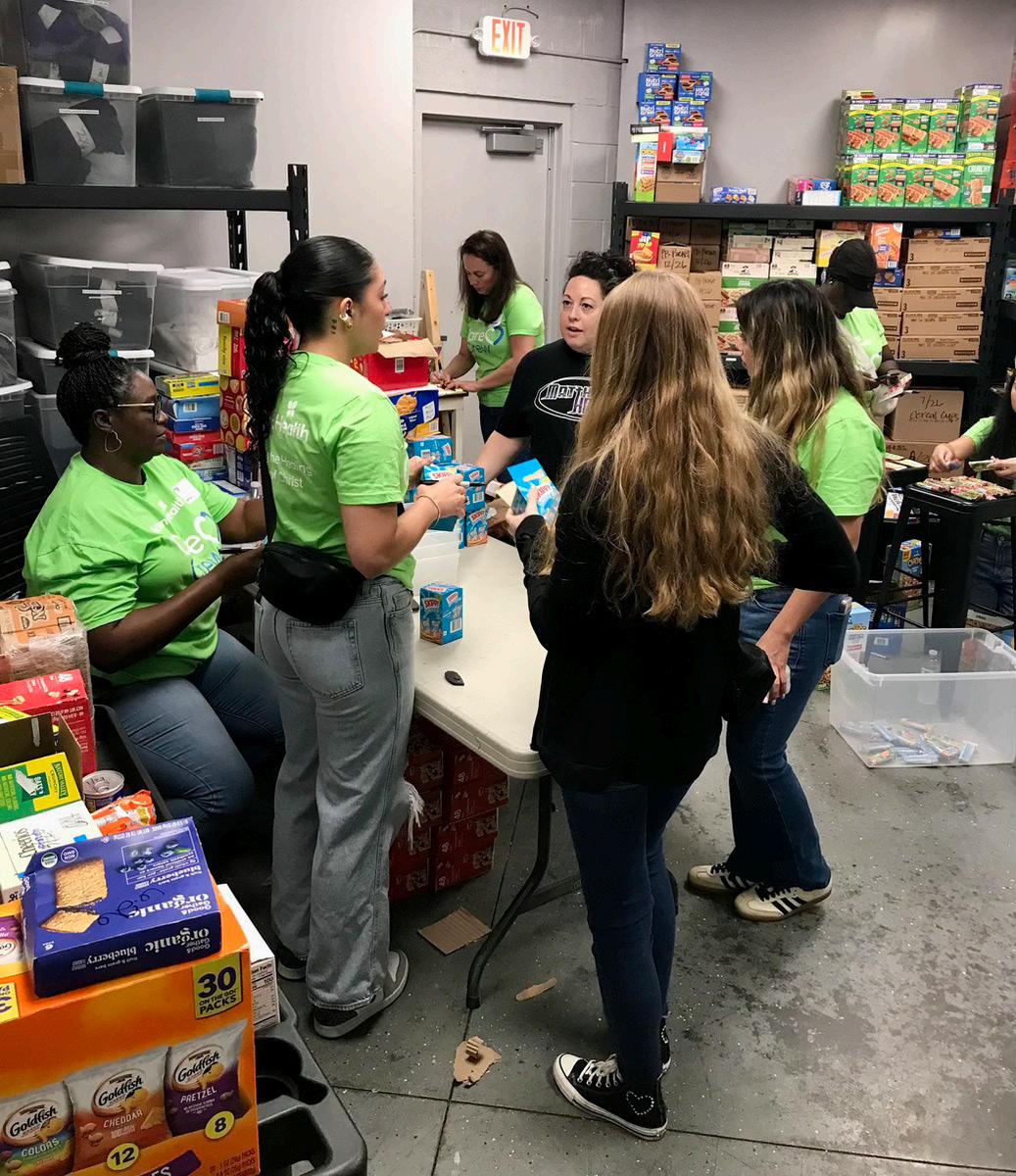
The backbone of Matthew’s Hope is without a doubt the blessed volunteers who serve our people. These individuals truly live as the hands and feet of Christ, showing patience and kindness in everything they do.
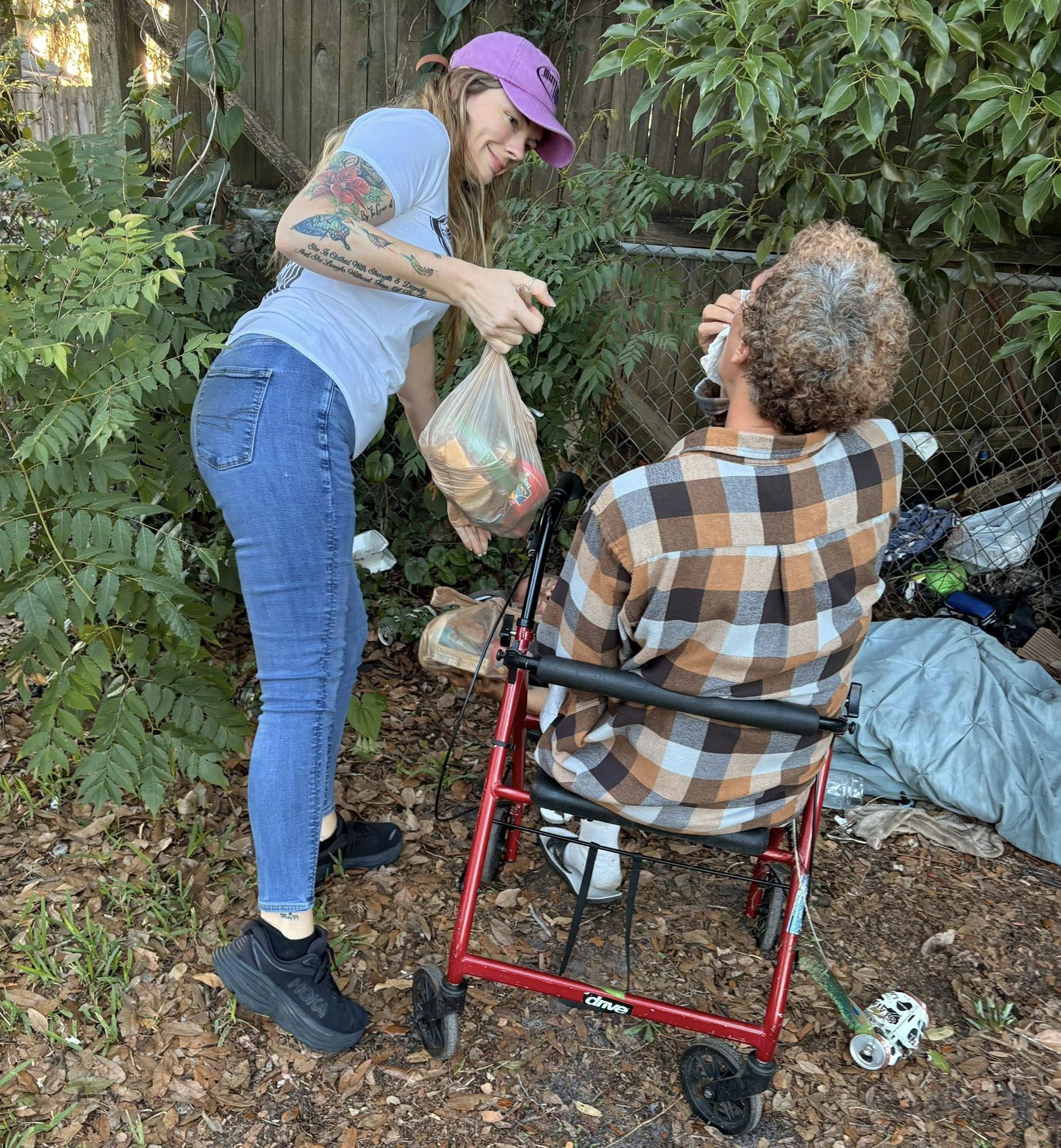
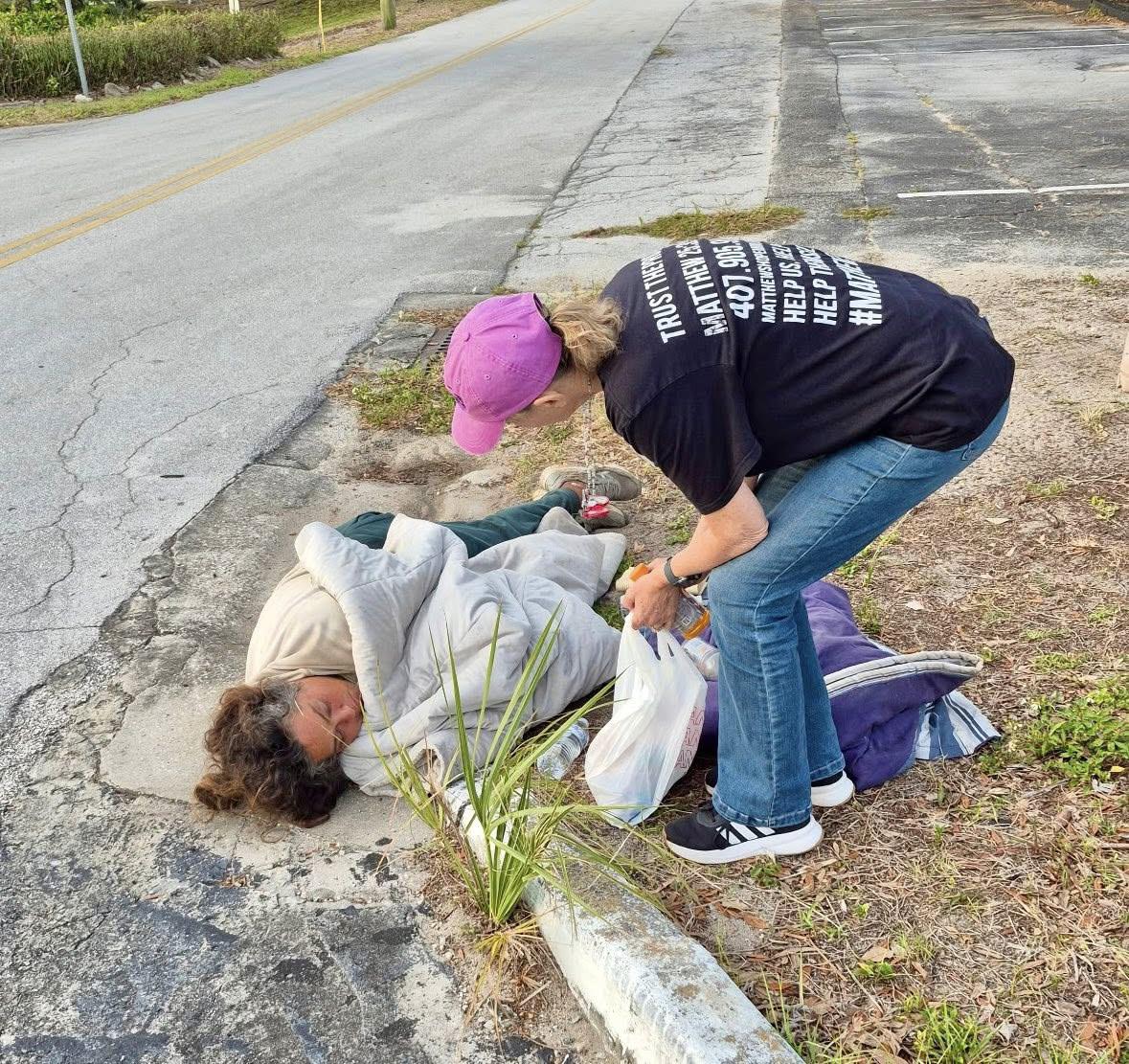
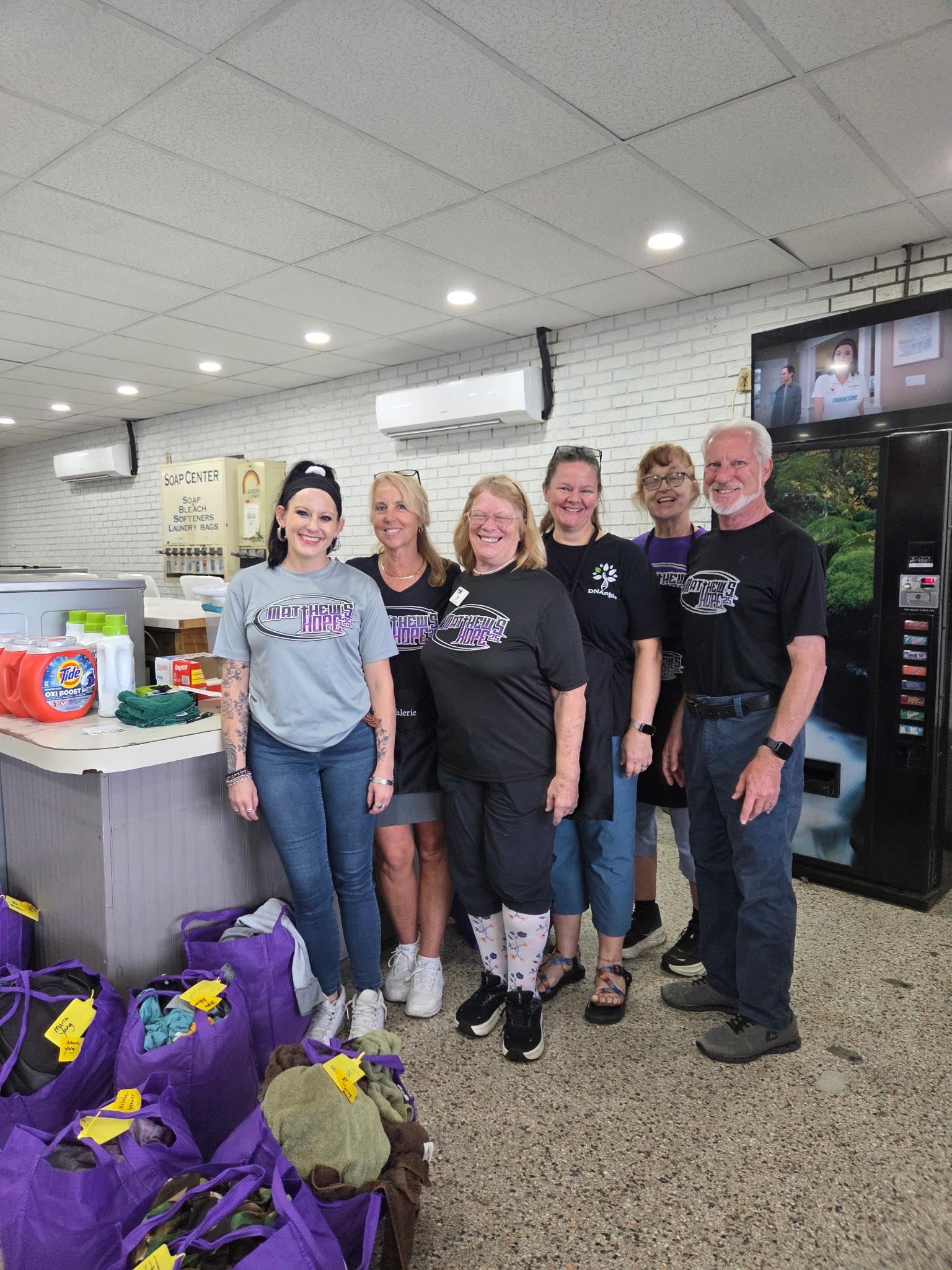
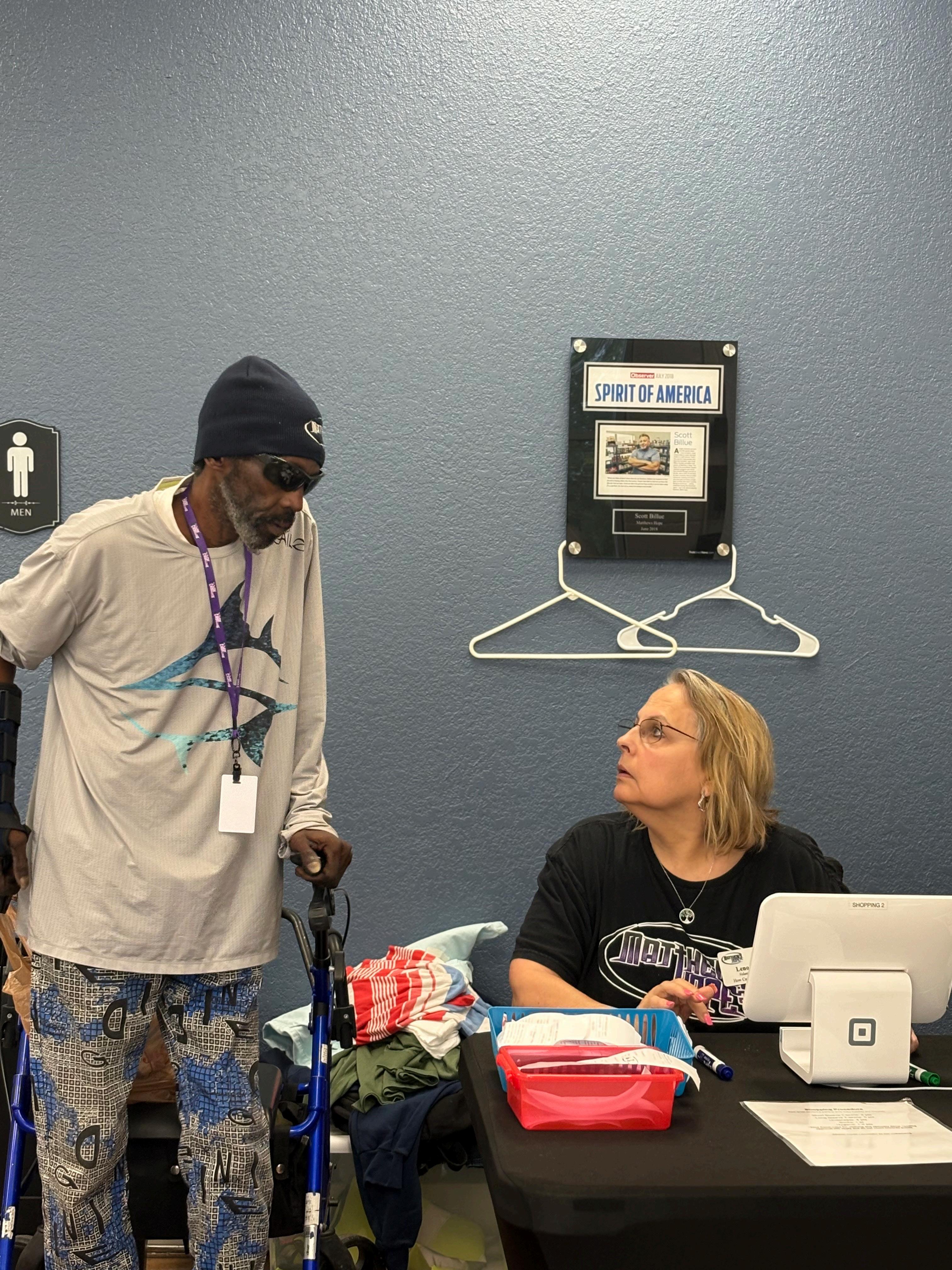
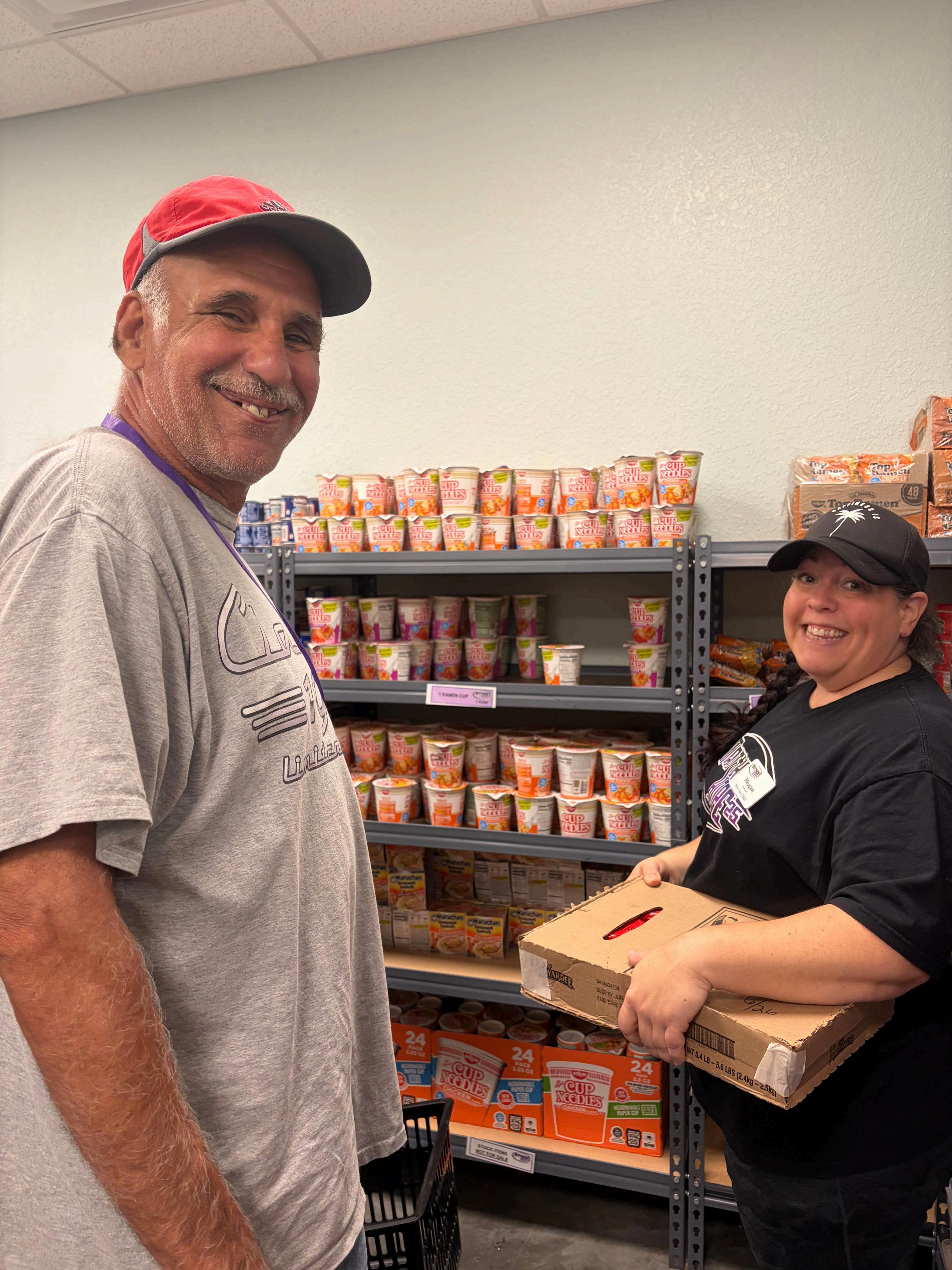
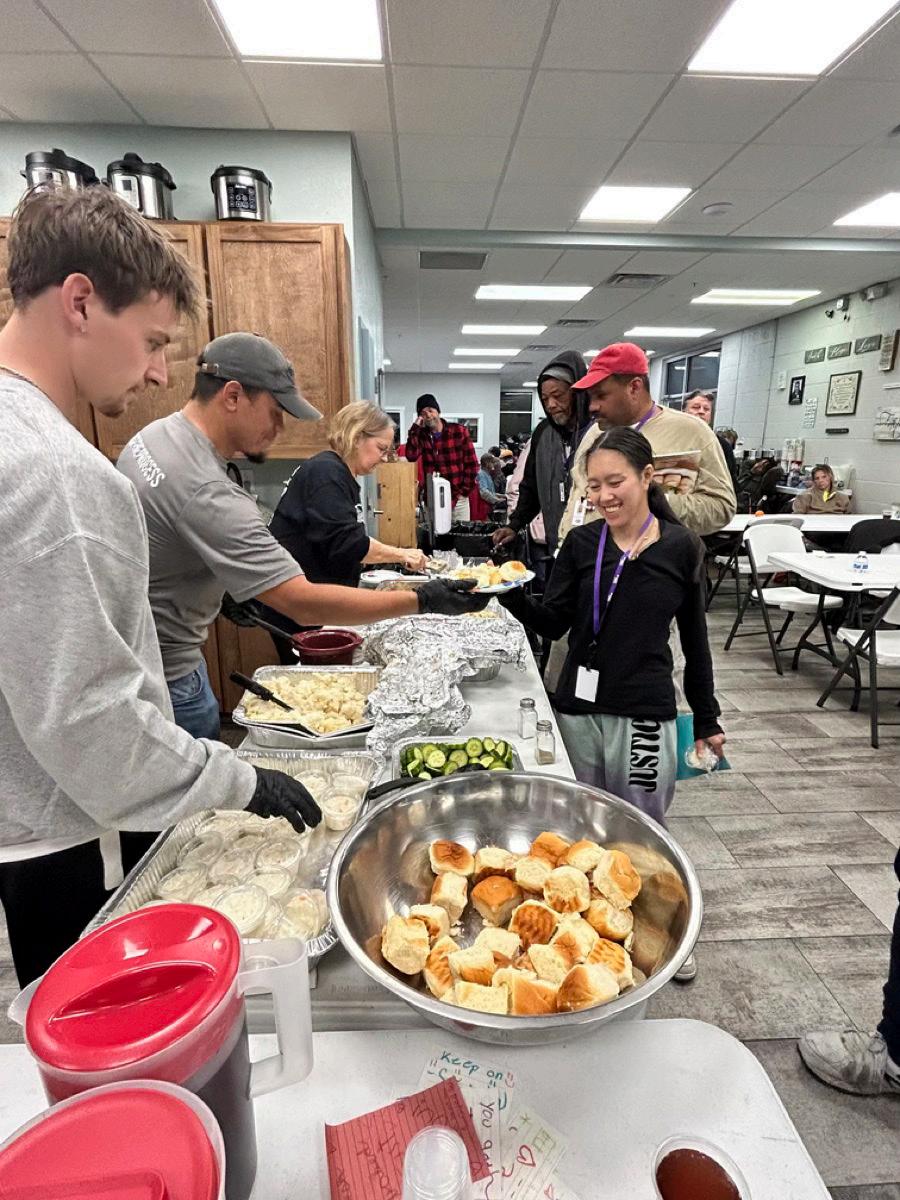
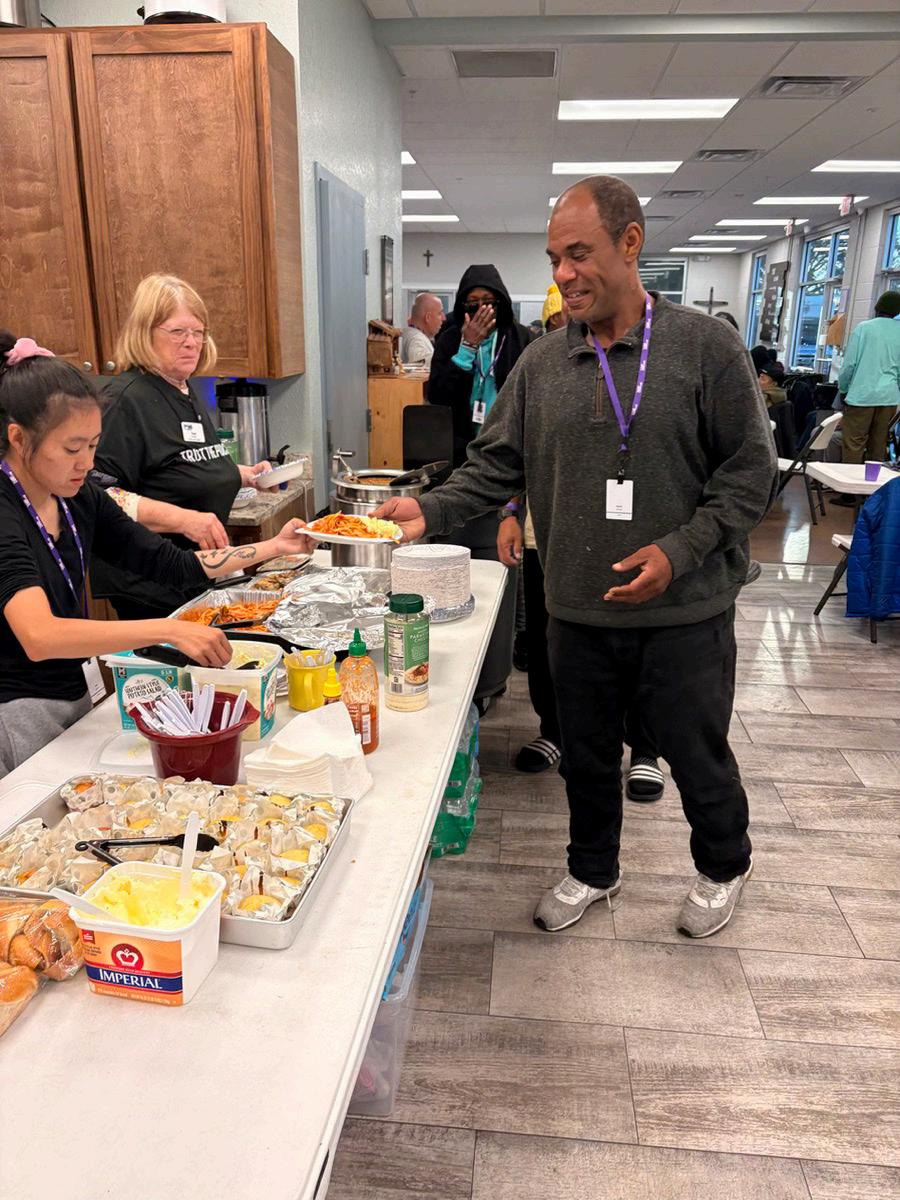
Whether it is preparing meals, organizing donations, driving outreach routes, or simply sitting and listening to someone who feels forgotten, every act of service plays an important role in restoring dignity and hope to those experiencing homelessness.
Due to their boots-on-the-ground experience with our guests, our volunteers are individuals who can give fabulous testimonials to what
they witness at Matthews Hope every time they are on campus.
Brevard County volunteer Amy shared that, “The most important thing a person needs is to be seen, to be heard, and to be treated with love, dignity, and respect because you don’t know what that person has been through in the past year or even the past hour”.
That mindset is at the heart of Matthew’s Hope’s mission. While necessities such as hot meals, cold drinks, showers, and hygiene items are critical, guests also need compassion and human connection. Many individuals who walk through the doors feel exhausted, defeated, and unseen by the world around them.
Serving with compassion. Leading with faith. Changing lives.
Amy explained that when guests are given a glimpse of Christ through us, the change in their demeanor is often immediate. “Some look as though they can’t take another step forward,” she said, “yet when they have been heard,
blessing.”
He specifically pointed out Greg, who you may remember from the latest edition of our Moving Forward Magazine or as a guest on our “Straight Talk, No B.S.” podcast. Greg has gone from a life on the streets to getting his education, housing, and is now on staff at Matthew’s Hope.
Ken also dedicates his time to our Moving Forward Program guests by conducting a weekly Bible Study on campus. He shared that, “while all the guests are extremely active in Bible Study, there are two specific folks who have been increasing their familiarity with Christ. So much so that they have been giving ideas of what they’d like to learn and which readings they’d like to discuss”. Ken’s words are a fabulous reminder that just a little patience and a whole lot of God’s love is what our
Matthew’s Hope is guided by the Lord’s good and faithful servants and would not be able to function without the dedicated staff and volunteers who faithfully serve others each day. To say that we, as a charity, have been blessed is an egregious understatement. The men and women who have been called to action and stand alongside us to help us, help them, help themselves are indispensable and we would not be where we are without them.
Matthew’s Hope 250: Remembering America’s Promise
By Marc Jablon
As America celebrates its 250th anniversary, we must remember that some were left behind. While many of us are blessed and feel fortunate to live out the American Dream, others feel forgotten.
Do we remember our core values? The iconic Statue of Liberty quote reads:
“Give me your tired, your poor, Your huddled masses yearning to breathe free, The wretched refuse of your teeming shore. Send these, the homeless, tempest-tost to me, I lift my lamp beside the golden door!”
Do Americans still believe this to be true? Are we still willing to help “your tired, your poor…the homeless”? We know the supporters of Matthew’s Hope still feel this way.
That’s why we are launching Matthew’s Hope 250 for this year’s Christmas in July campaign.
BREAKING NEWS!
We just received a matching grant of $250,000!
We’re looking for 1,000 individuals or organizations to join us in our fight against homelessness. We would like to invite you to become a sustaining donor for just $21 per month or make a one-time contribution of $250.
Each donation will be matched dollar for dollar up to $250,000. That’s right — your $250 donation becomes $500 and our $250,000 becomes $500,000! Please help us, help them, help themselves.
Redefining the Win: Managing Expectations in Homeless Ministries
By Shelley Bradford
We are constantly asked by donors, volunteers, and the community to define success. Everyone wants to know exactly how Matthew’s Hope measures success. It is a natural question because people want to see a tangible return on their investment of time and resources. We all want the Hollywood ending where a person experiencing homelessness accepts a meal, moves into an apartment, and starts a job immediately. It is a beautiful narrative, but it is incredibly rare.
At Matthew’s Hope, we have to teach our community a complex truth: success is not always putting someone in a house. Giving someone a key does not instantly heal the underlying trauma that caused their homelessness in the first place. If we measure our worth solely by housing placements, we fail to see the real human being in front of us. Furthermore, we cannot want their success more than they do. In our eagerness to solve homelessness, we often project our own timelines onto the men, women, and children we serve. When reality fails to match these idealized expectations, fatigue sets in, and staff and volunteers can burn out. To build an effective support system, we must radically recalibrate how we measure outcomes.
Homelessness is a compounding crisis that affects different demographics in vastly different ways. Single men make up the majority of the chronically unhoused, often carrying years of untreated trauma or mental illness. Expecting immediate adaptation to a lease is unrealistic when survival mode has altered their brain chemistry. For women, homelessness is deeply intertwined with domestic violence, meaning safety and trust must precede any talk of employment. Meanwhile, unhoused children face an invisible toll, where success must be measured by school attendance and emotional stabilization rather than just parental income.
Too often, outside support comes with invisible strings of expected compliance and instant gratitude. When a guest relapses or misses an appointment, frustrated observers often label them "non-compliant." In reality, recovery is non-linear, and true trauma-informed care recognizes that hesitation is a predictable part of healing.
So, how does Matthew’s Hope define success? To sustain our efforts, we replace grand, societal expectations with smaller, foundational victories. Success might simply look like an individual filling out an ID application, a traumatized mother sleeping through the night, or a child staying at the same school for a consecutive term. Sometimes success is simply a guest choosing to walk through our doors again today when they wanted to run away yesterday. These unglamorous building blocks require immense patience and radical empathy. Managing outcome expectations does not mean giving up on ending homelessness; it means leaving our timelines at the door and understanding that real change moves at the speed of trust.
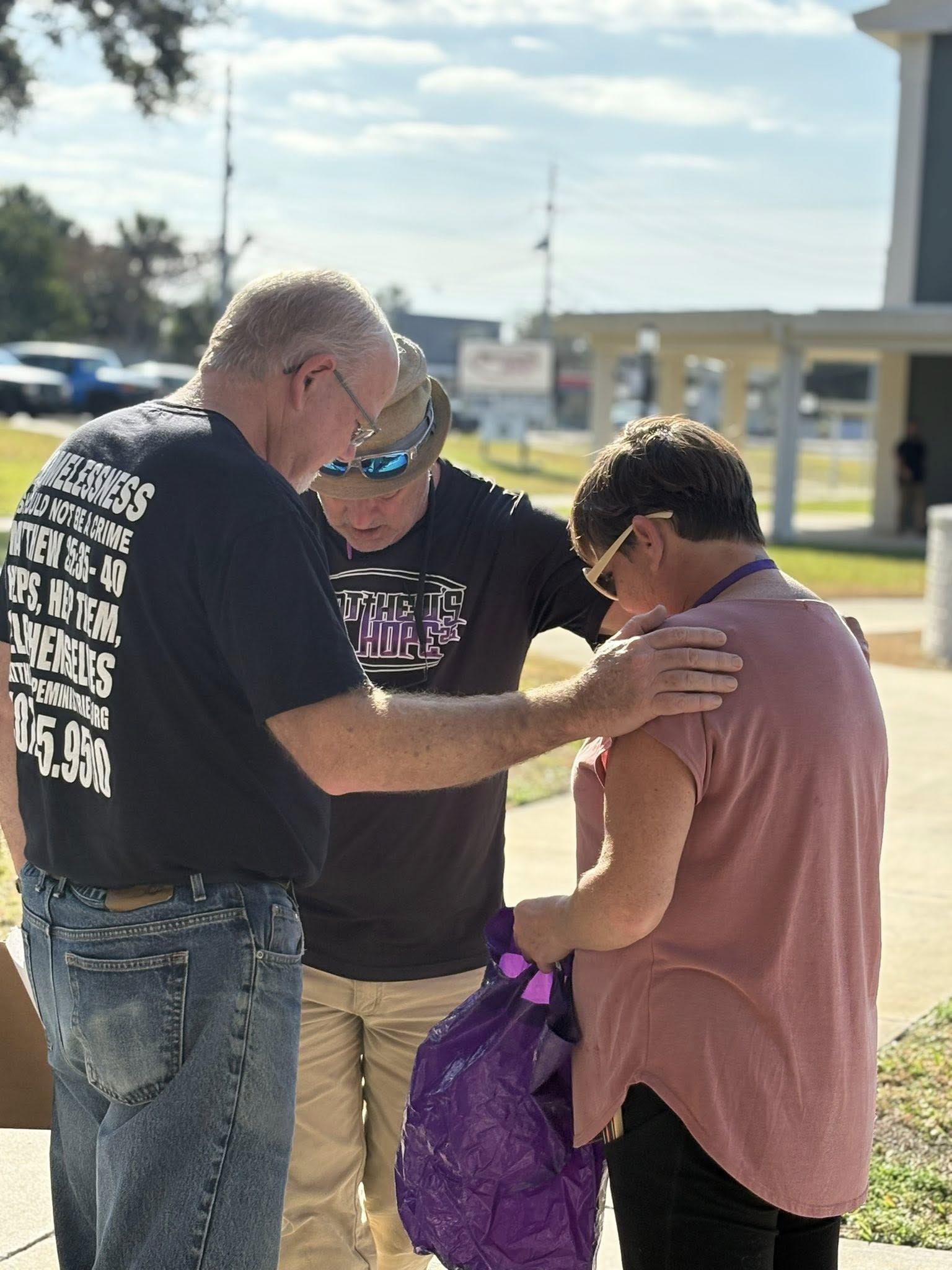
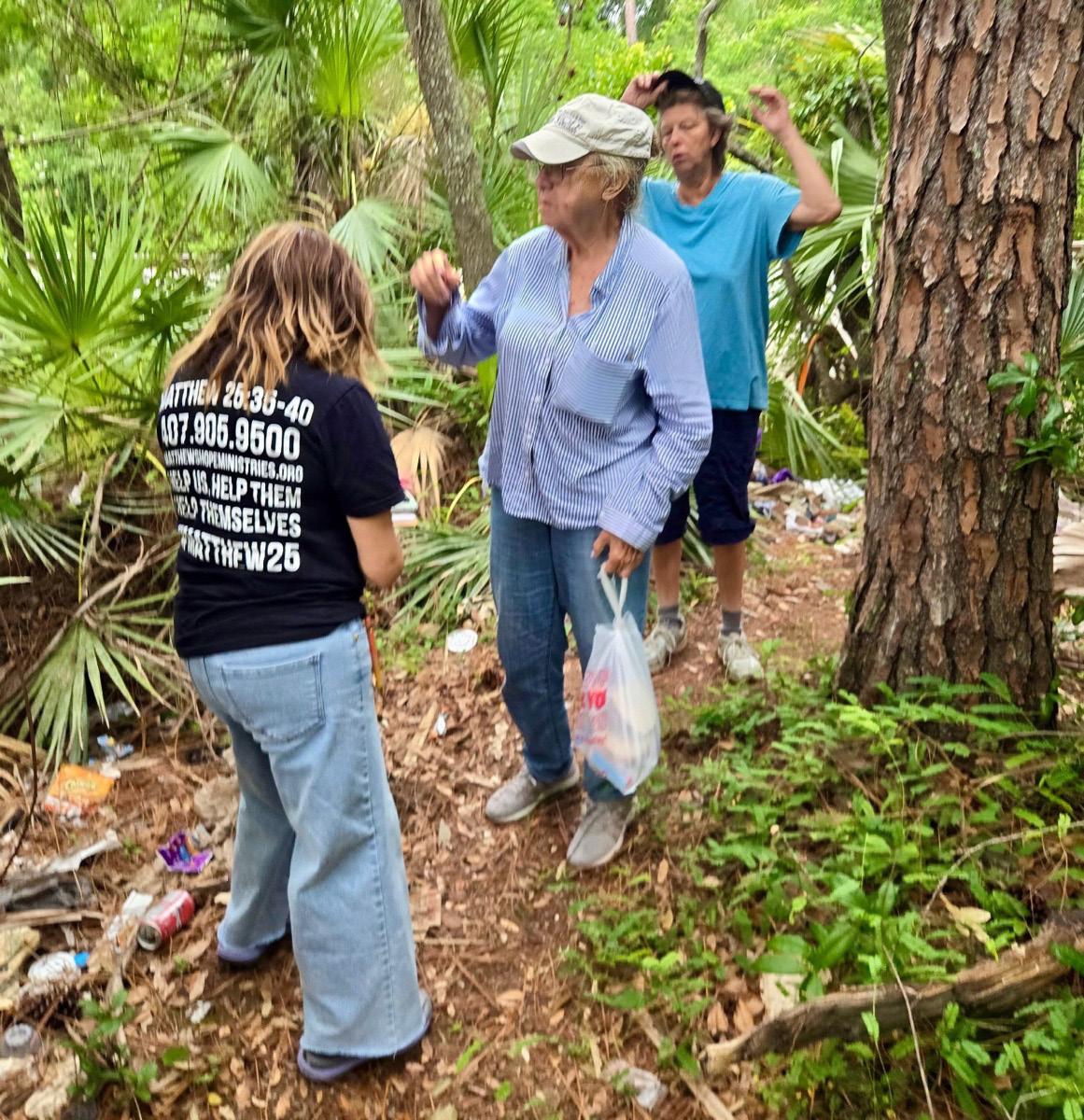
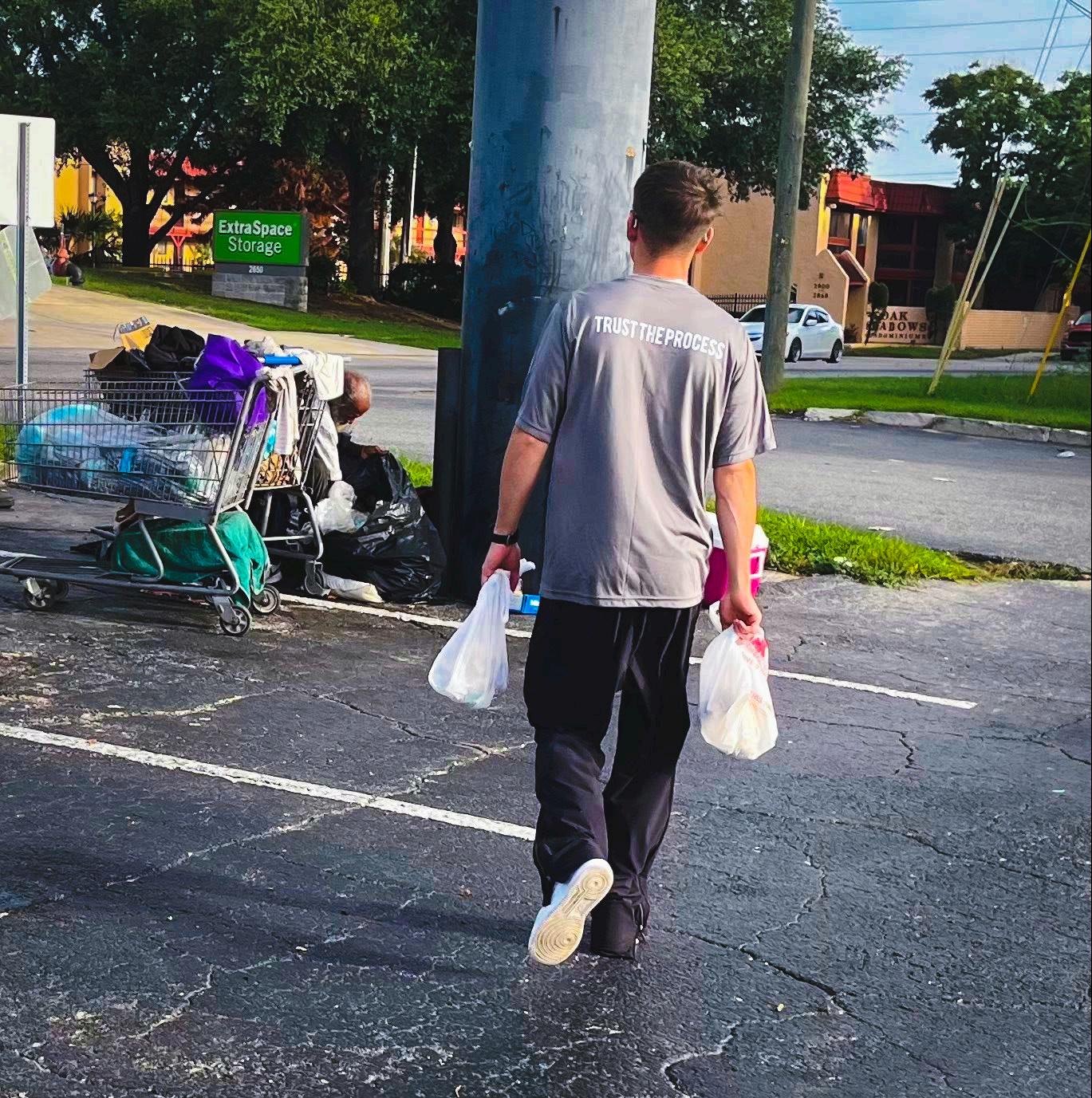
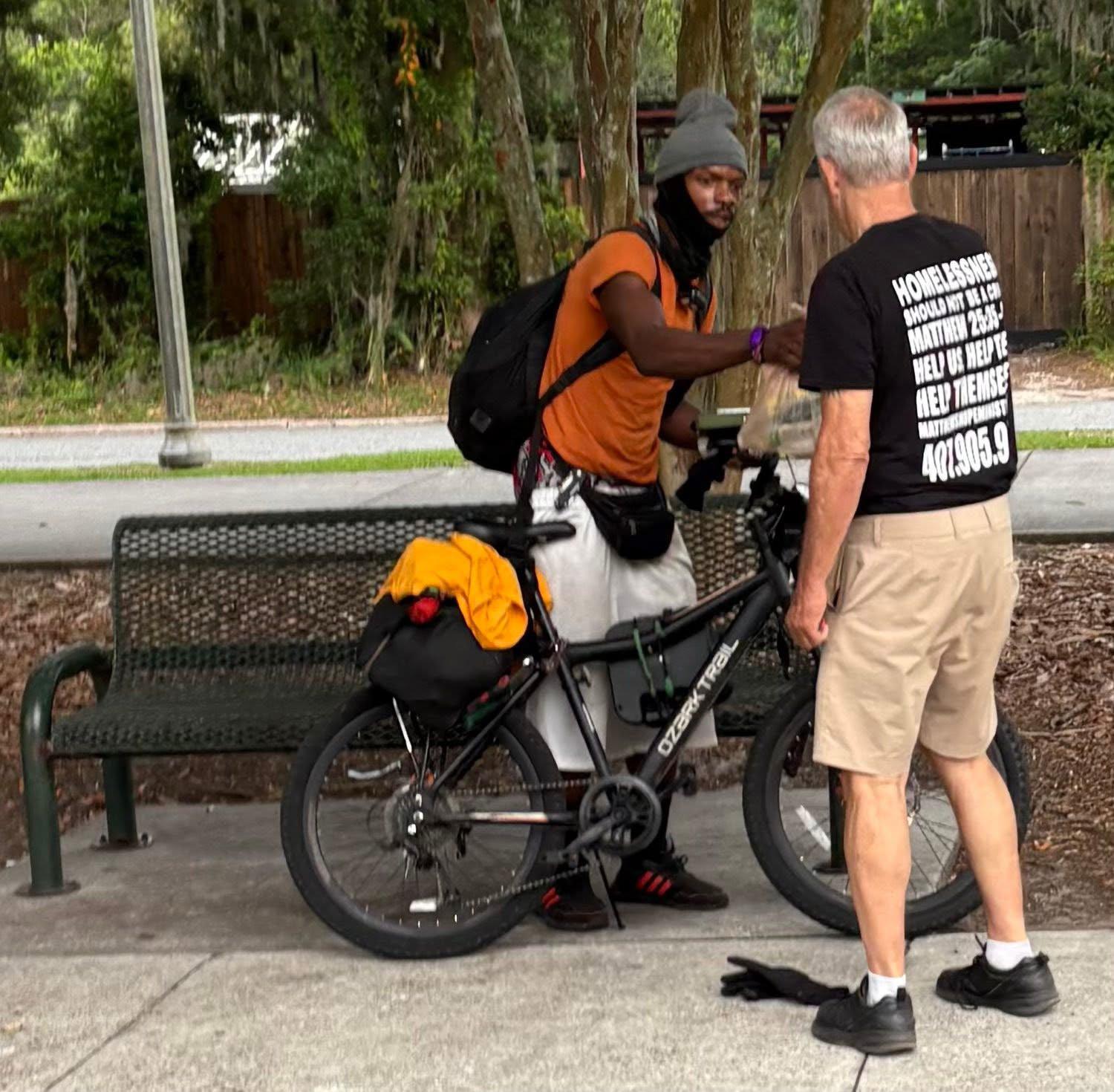
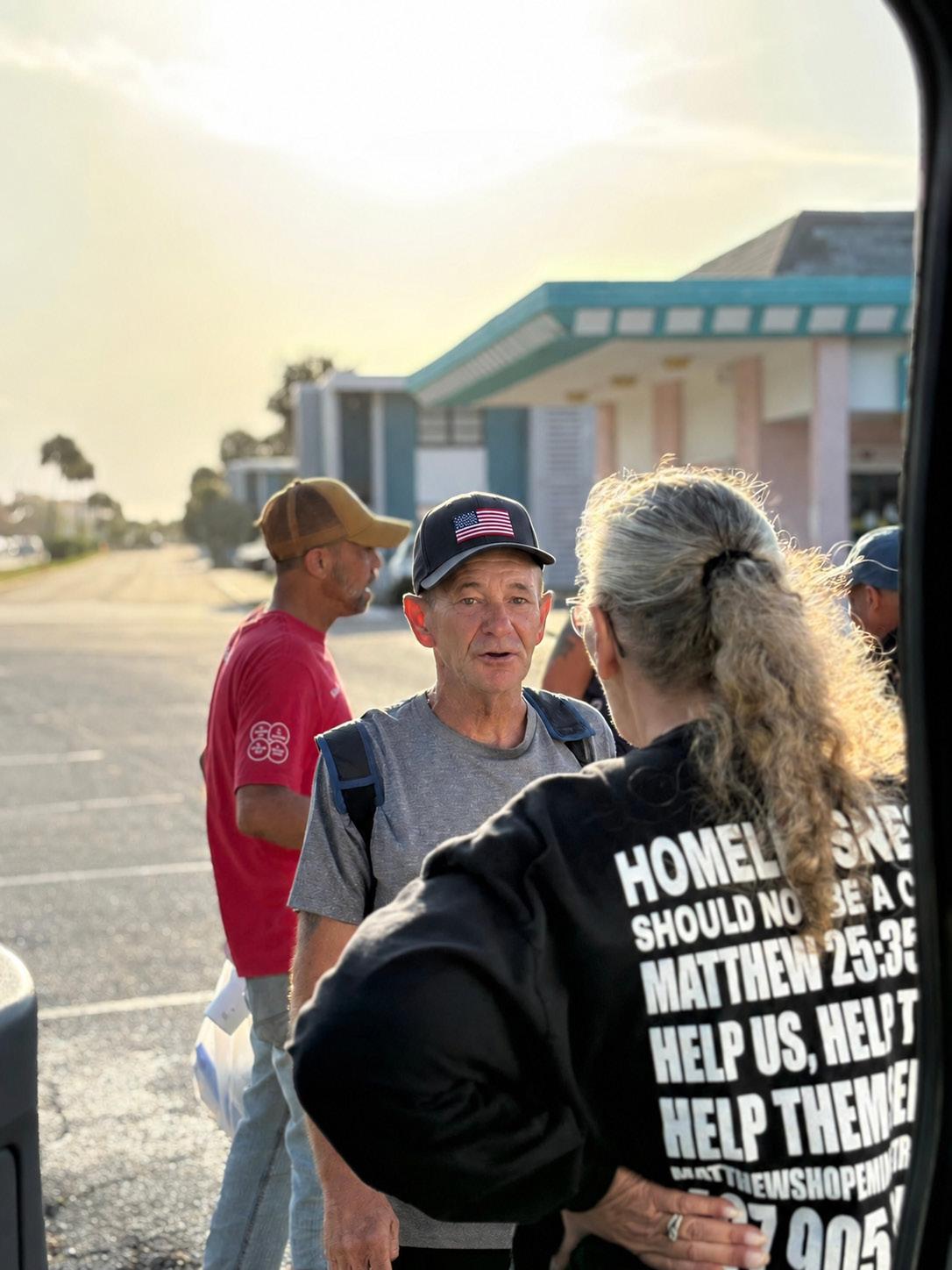
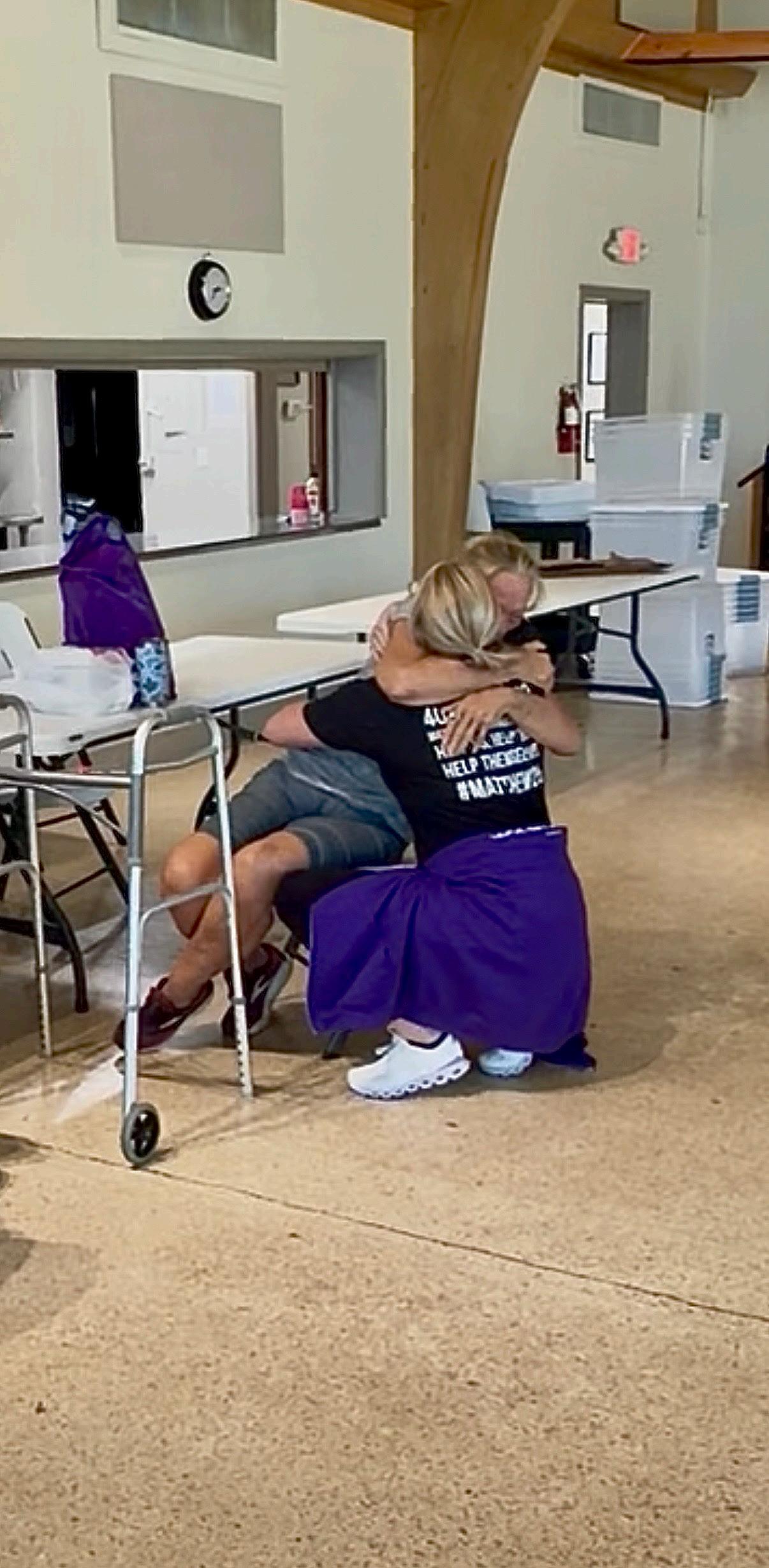
HOPE IN ACTION: ORANGE COUNTY
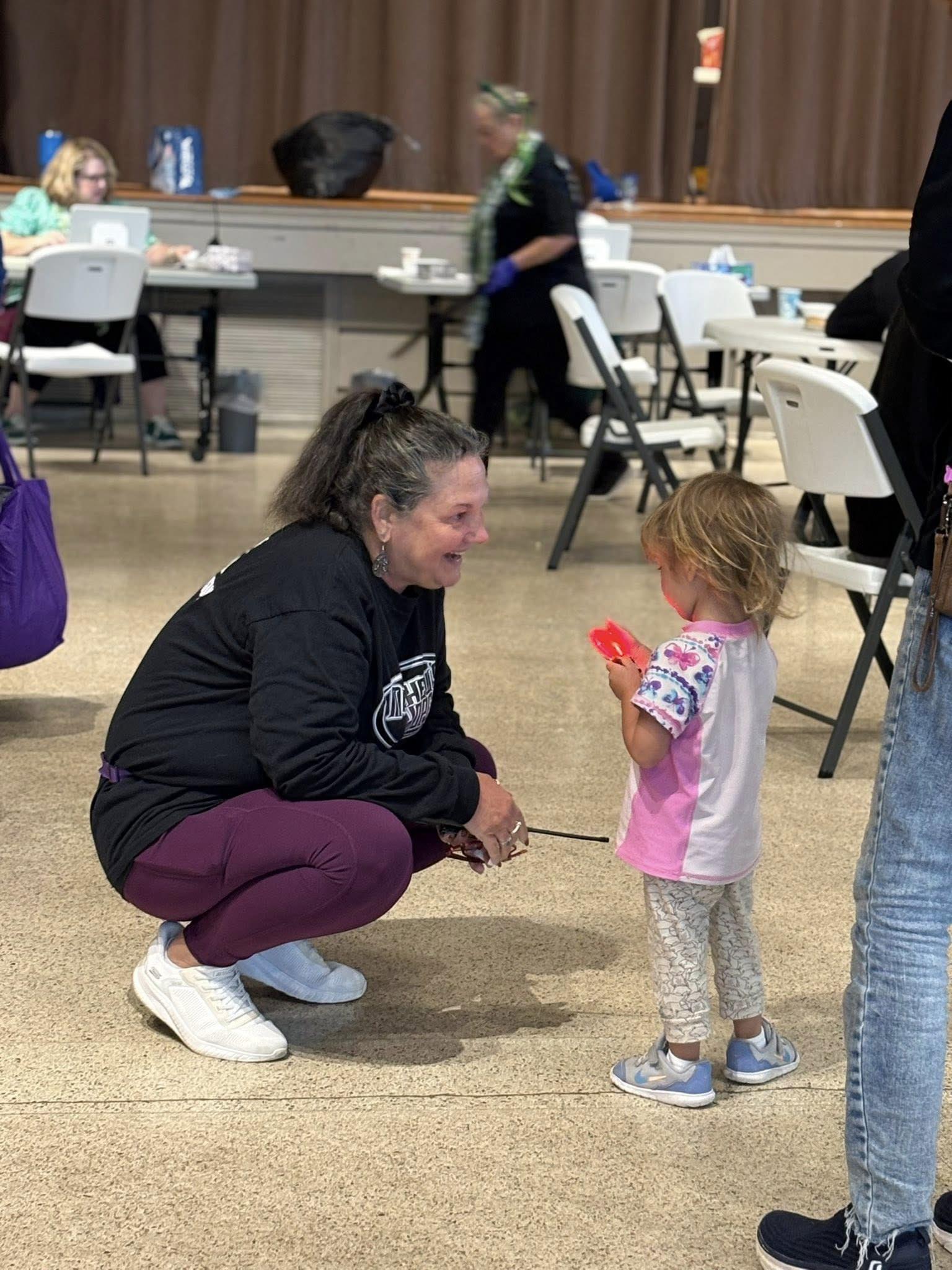
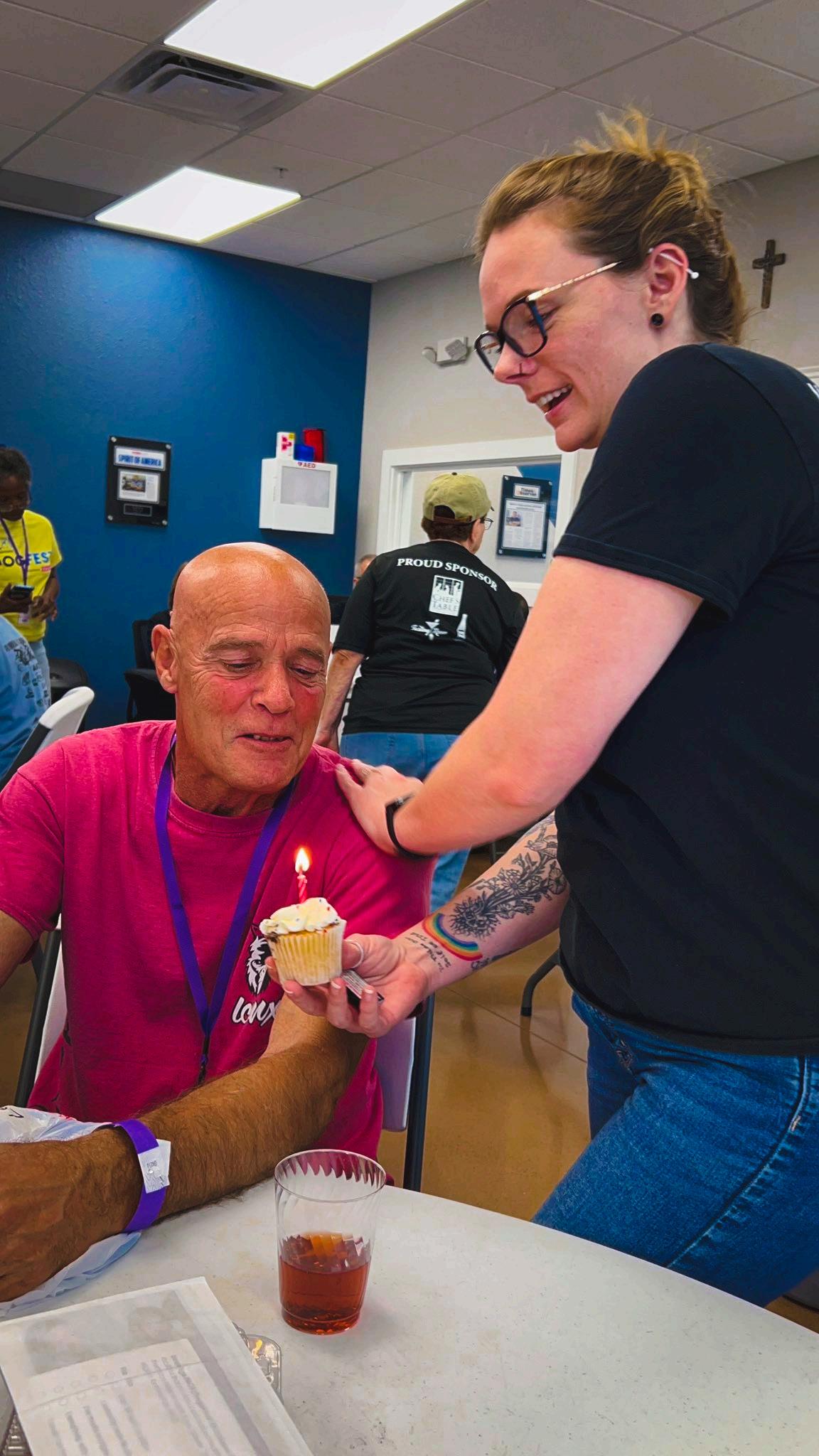
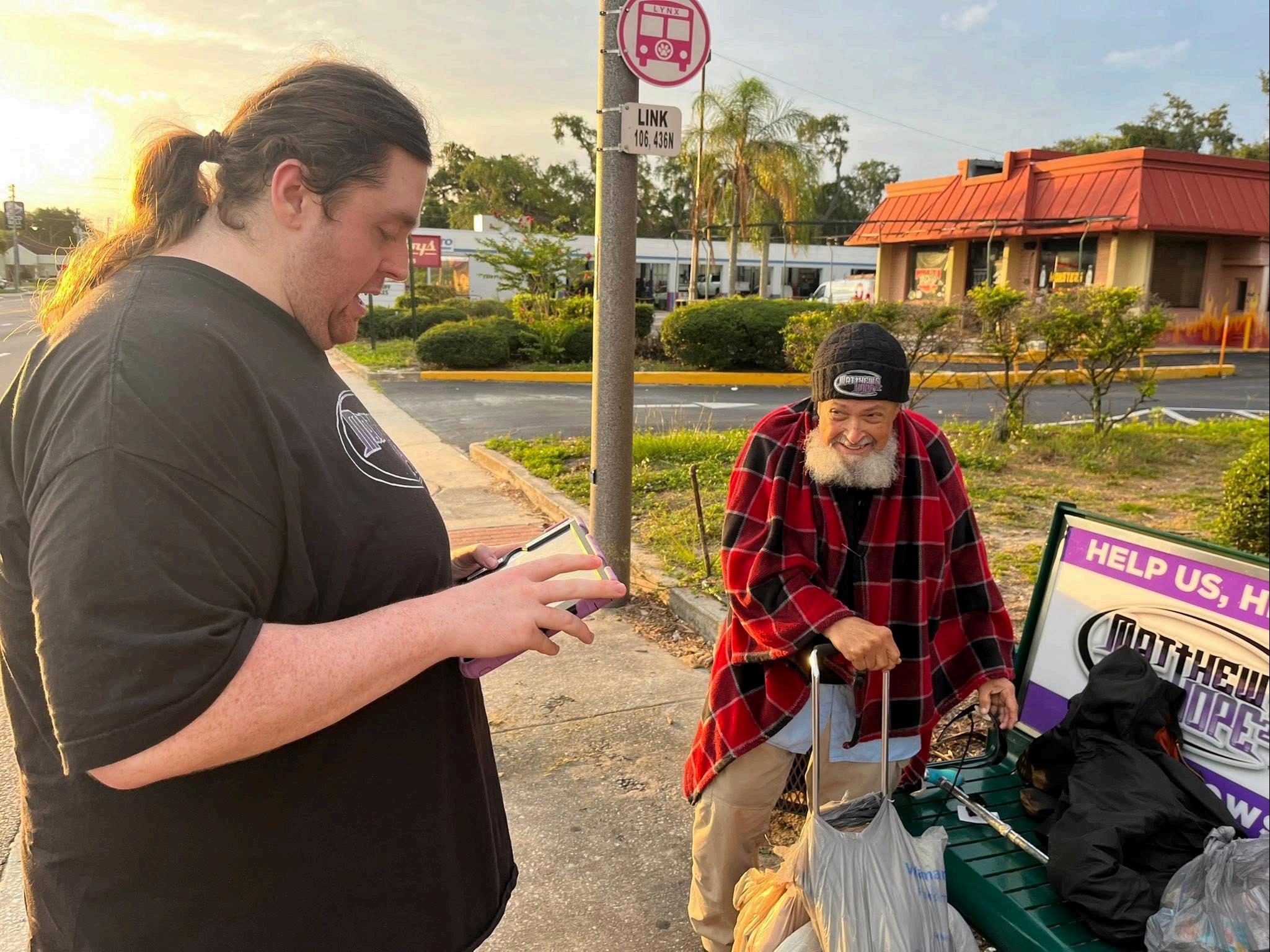
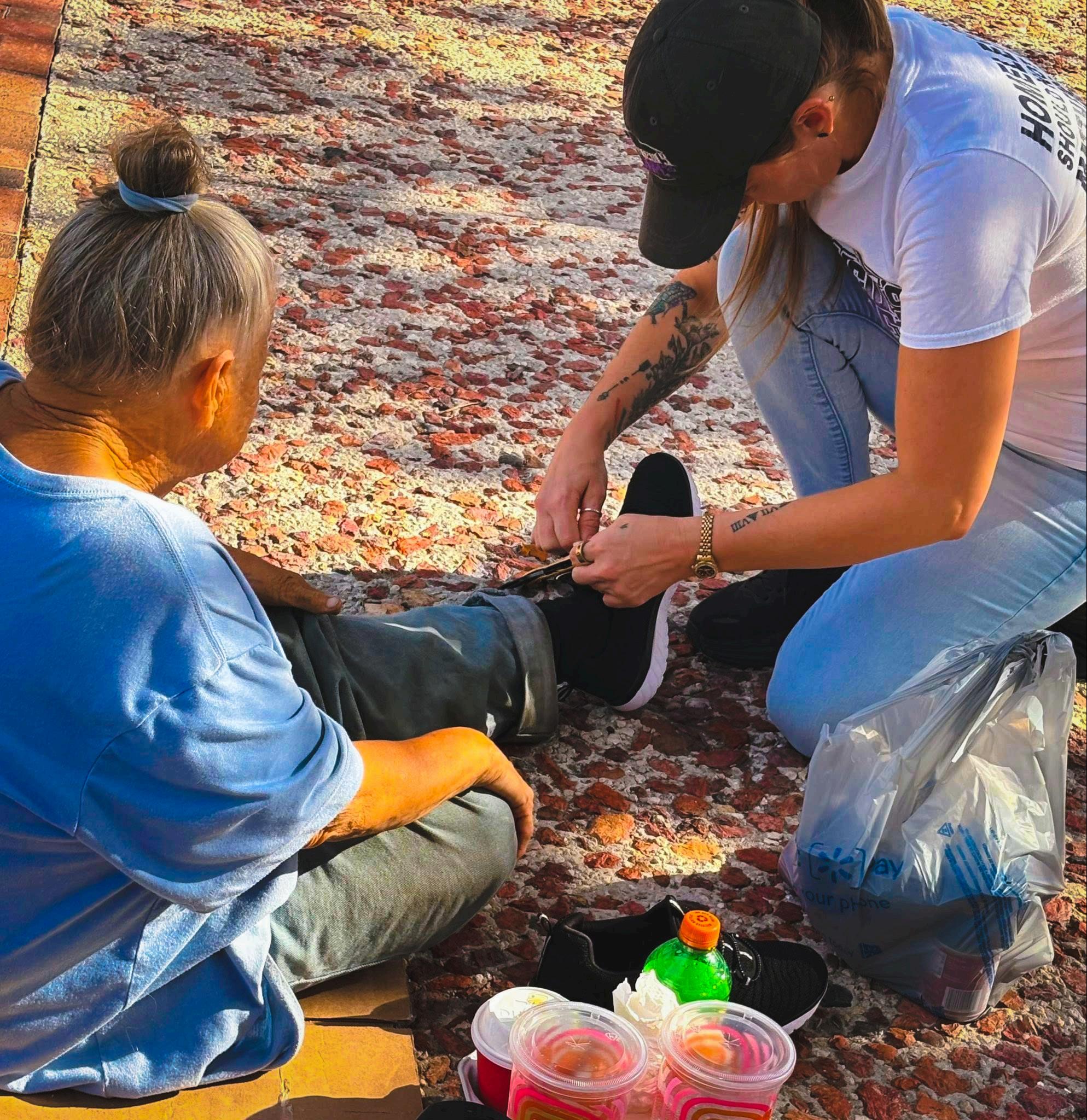
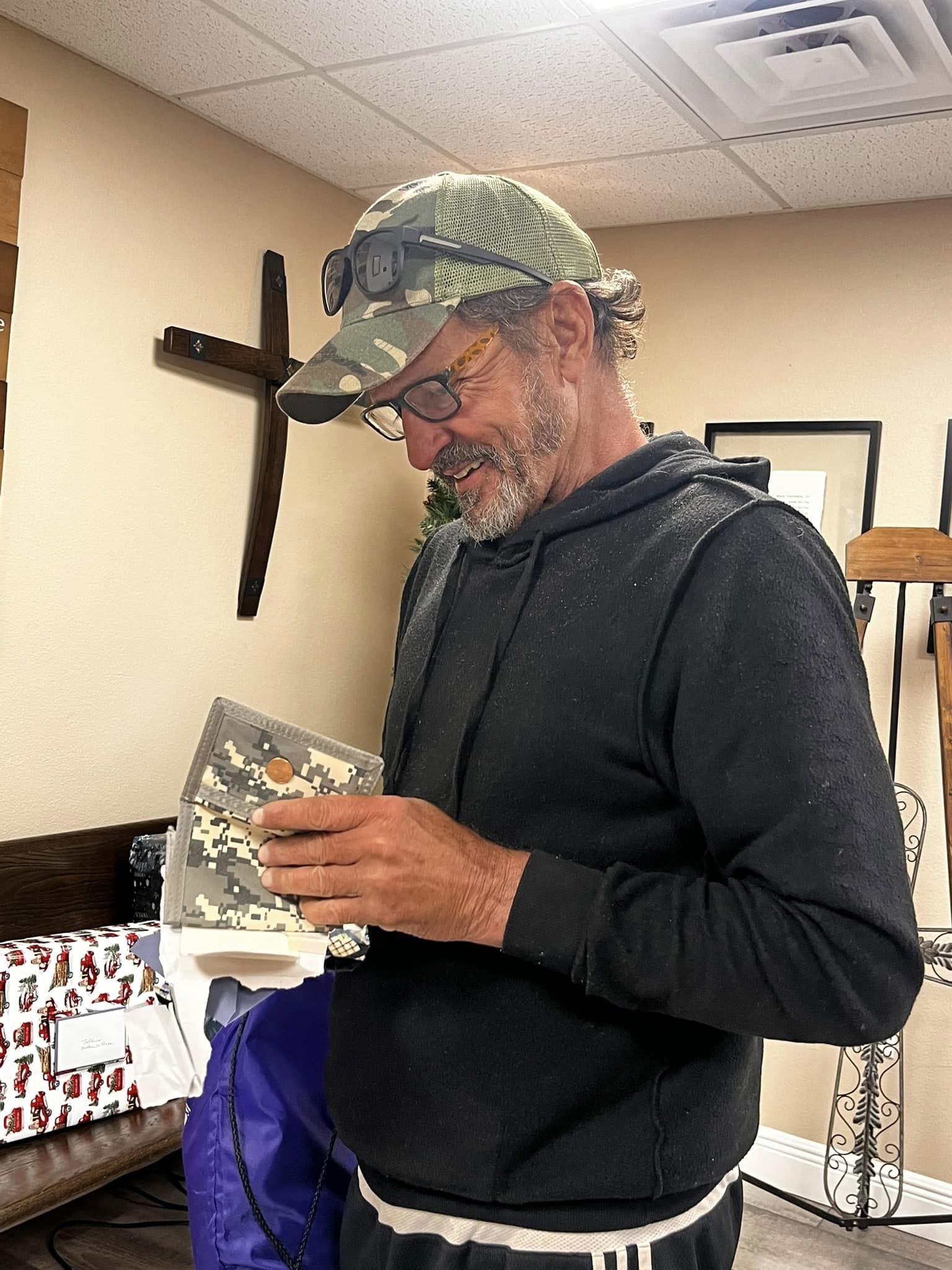
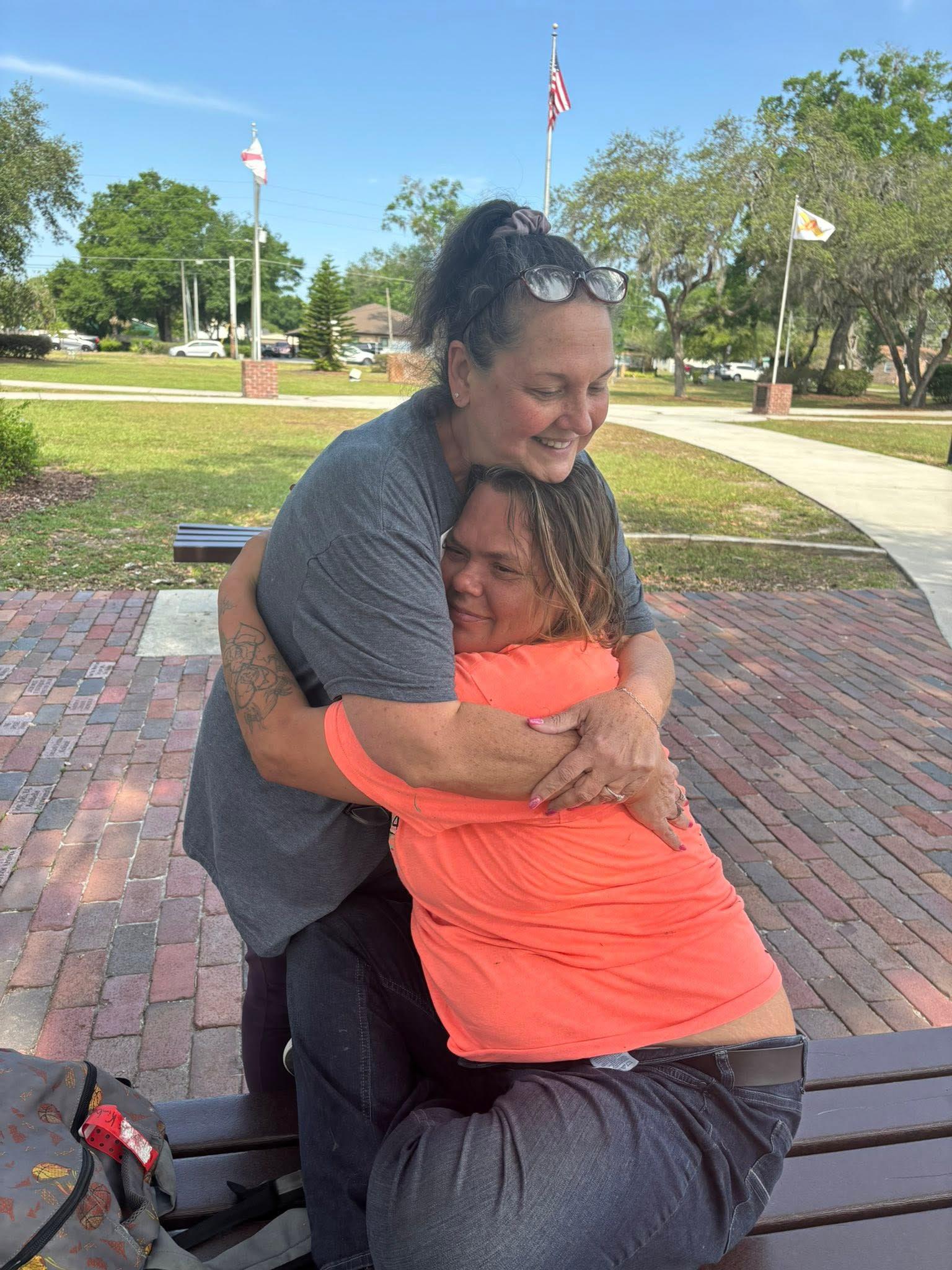
HOPE IN ACTION: BREVARD COUNTY
Liberty & Compassion For All
By Sarah Dewitz
Our great nation was founded on the principles of “life, liberty, and the pursuit of happiness”. These words reflect the belief that every person deserves dignity, opportunity, and the freedom to build a meaningful life. The question we must ask ourselves is whether those opportunities truly exist for our homeless neighbors. Can someone pursue these God given rights when they are judged, displaced, and denied even the most basic stability?
HB 1365 is now approaching two years as law in Florida. In simple terms, it prohibits individuals from sleeping outside in public spaces. While the intent may have been to address visible homelessness, the reality is far more complicated. A person cannot rebuild their life without consistency or, at the very least, rest. When someone is forced to move from park bench to park bench simply to avoid arrest or trespassing charges, survival becomes their full-time focus. Stability becomes nearly impossible.
The concept of liberty is also worth examining. Liberty is defined as being free from arbitrary, external, or oppressive restrictions imposed by authority on one’s way of life, behavior, or political views. Regardless, many individuals experiencing homelessness face constant restrictions and
judgment. Those struggling with mental illness are often treated as nuisances rather than people in crisis. When mental illness is combined with self-medication or addiction, obtaining government assistance, proper healthcare, or housing becomes even more difficult.
Public perception also plays a major role. Many assume homelessness is primarily caused by addiction, but statistics tell a different story. In Florida, only an estimated 13% to 18% of people experiencing homelessness struggle with a diagnosed substance use disorder. Addiction is highly visible among the unsheltered population, but for many, homelessness begins with economic hardship, medical debt, job loss, domestic violence, or untreated mental health conditions.
Barriers That Keep People Stuck
• Limited access to showers, clean clothes, and proper nutrition affects how someone looks and presents themselves.
• Employers may overlook qualified individuals who appear exhausted, malnourished, or unkempt.
• Without employment, it becomes harder to afford transportation, housing applications, identification documents, or healthcare.
• The cycle feeds itself.
Studies have shown it can cost taxpayers more than $50,000 annually to incarcerate someone experiencing homelessness when accounting for law enforcement, court costs, public defenders, medical care, and jail housing. By comparison, supportive housing programs often cost less than half that amount and provide far better long-term outcomes.
If we truly believe in protecting life, liberty, and the pursuit of happiness, then we must extend those values to everyone, including those who have fallen on hard times. Supporting organizations like Matthew's Hope Ministries helps bridge the gap between crisis and stability by connecting individuals with food, shelter, healthcare, outreach, and pathways toward self-sufficiency. Real change begins when communities choose compassion alongside accountability and recognize that homelessness is not simply an inconvenience to hide, but a human issue that deserves thoughtful solutions. We must help our fellow Americans in their times of need.
13% to 18% of people experiencing homelessness in Florida struggle with a diagnosed substance use disorder.
$50,000+
It can cost taxpayers more than $50,000 annually to incarcerate one person experiencing homelessness.
Less
than half
Supportive housing programs often cost less than half that amount and deliver far better long-term outcomes.
We Need Your Help This February! Why Sustaining Donors Are the Key to Our Long-term Success
By Marc Jablon
When you first read the title of this article, it might seem a little ridiculous. However, the commitments that Matthew’s Hope makes today will need to be paid for in the months and years ahead.
Sure, we have been blessed with grants and donations that have helped us launch our sleeper bus program and purchase transitional housing, but what about the ongoing costs? We have been seeing a significant increase in the number of people seeking our help, making your ongoing support more critical than ever. “Sustaining donors” are crucial to our long-term success. By committing to a monthly donation, be it $10, $25, or $100 a month, it will allow Matthew’s Hope to work with a healthier budget, especially during the summer months when donations are down.
The questions we worry about daily are often set in the future, not the here and now. How many times will we need to open as an overnight
shelter during hurricane season? Will we need to open as a cold shelter 8 times again this winter? How much will diesel fuel cost for our new sleeper buses next month? In three months? And yes, in February?! The truth is, we don’t have an exact answer to these questions. However, our sustaining donors allow us to be prepared.
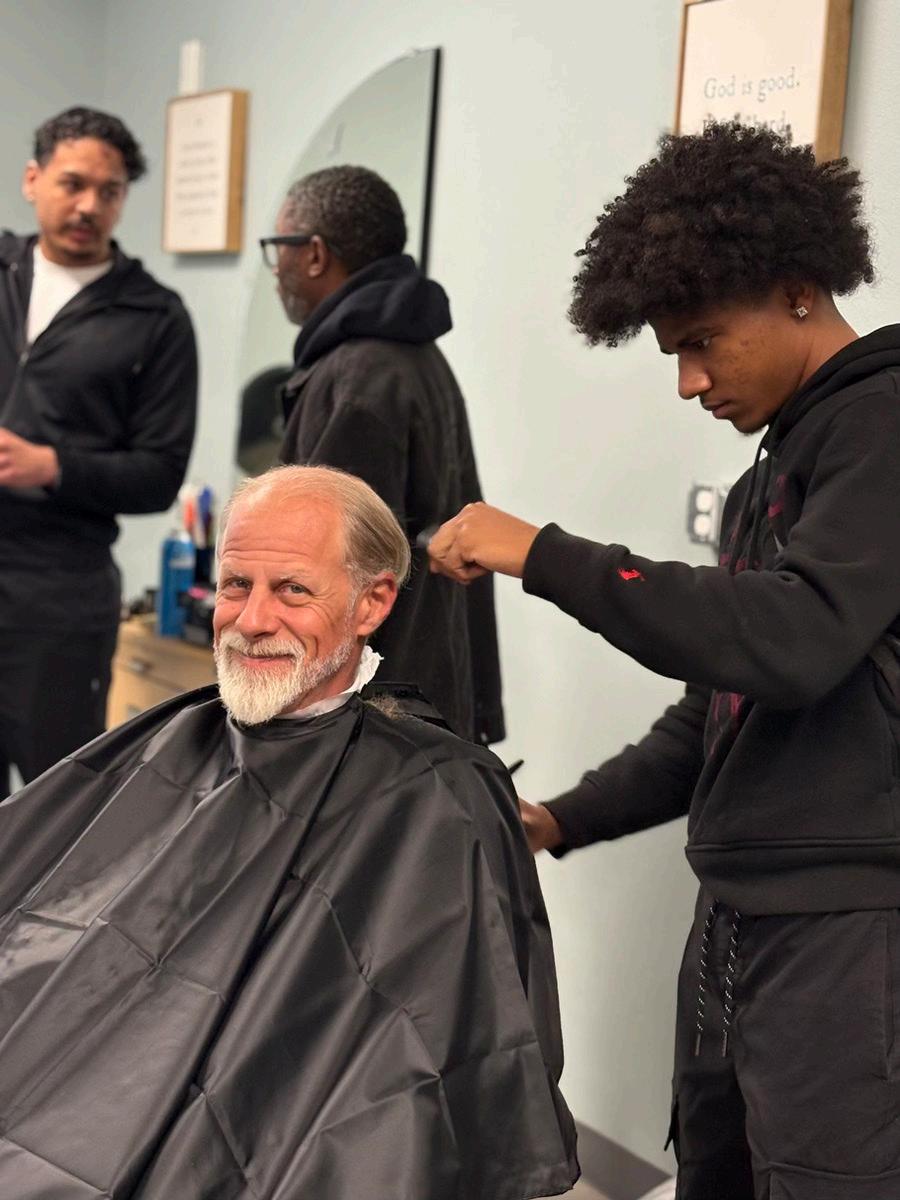
Over the past 15 years, Matthew's Hope Ministries has taken on massive growth which has increased our opportunities to serve the homeless men, women, and families in Central Florida. Matthew’s Hope has been leading the fight against Homelessness with dirt under our fingernails. What started as a small ministry handing out socks in Winter Garden, now has become a full blown 501C not for profit with a $15 million annual budget. Matthew’s Hope services have expanded past the essentials of food, clothing, and hygiene. Our Winter Garden and Cocoa campuses both have a hair salon, preschool, day care, woodworking shop, medical
transitional housing. Our advocates can also assist with resources such as government assistance, recovery facility information, and so much more.
Our growth is due to necessity not ambition. The fastest growing segments of homelessness in Central Florida are Baby Boomers and young families. They simply can’t afford to live in this economy.
According to a recent audit, 87% of Matthew’s Hope funding goes towards services. This means our donors, or “investors” as we like to call them, can feel confident that the funds are going to a great place and will be used for the purpose of moving homeless guests forward toward a life of independence. Please consider becoming a sustaining donor by visiting www.matthewshopeministries.org.
Once there, listen to our weekly podcast, learn how you can volunteer, and learn more about our programs. We are forever grateful
Beyond the Ban: The Real Path to Community Stability
By Shelley Bradford
The implementation of Florida’s public camping ban under HB 1365 has made the daily work of local advocates and service providers brutal. By criminalizing the act of sleeping on public property, the law pushes unhoused men, women, and families out of sight, yet fails to address the root causes of their displacement. Simply declaring "not here" is not the answer to the homeless crisis.
Slapping vulnerable individuals with fines they cannot pay is cruel and counterproductive. Instead of incentivizing stability, financial penalties anchor people in a vicious cycle of legal debt and criminal records, making it nearly impossible for these individuals to secure employment or background check approvals. The cost to jail a homeless individual is more than $131 per day. Poverty cannot be fined out of existence, and penalizing survival only erodes trust with outreach workers trying to deliver aid.
The true solution lies in transitional housing programs, such as the one we have at Matthews Hope, paired with comprehensive wraparound services. Moving people off the streets and into a safe, structured environment immediately alleviates the high-stress
survival mode that paralyzes progress. From this stable foundation, individuals can gain access to mental health support, financial literacy training, and employment readiness programs.
Since 2010, the Matthew’s Hope Moving Forward Program has evolved to become a multi-faceted list of options from which a guest may choose to engage. The intent is to offer many "levels" of entry that seek to meet a person where they are and challenge those who desire more for their life than their present circumstances. True safety for any of us does not come from punishing or pushing our neighbors into the shadows. We must advocate for resources that prioritize human dignity, helping people learn how to become truly self-sufficient.
POINT-IN-TIME UNDERSTANDING THE NUMBERS
A snapshot doesn’t tell the whole story.
By Sarah Dewitz
Every year, communities across the nation participate in the Point-In-Time Count, more commonly known as the PIT Count. The goal is to provide a snapshot of homelessness on a single night in January. The keyword, however, is snapshot. While the data collected is important and helpful for understanding trends, it is impossible for one evening of surveying to fully capture the depth and complexity of homelessness in our communities, especially in a state where many individuals experiencing homelessness are now actively trying not to be seen.
According to the U.S. Department of Housing and Urban Development, or HUD, homelessness is traditionally defined as individuals living on the streets, in encampments, on park benches, in shelters, transitional housing, supportive housing, or those fleeing domestic violence. The State of Florida uses a broader definition, also recognizing individuals living in hotels, couch surfing from place to place, or residing in travel trailer parks without stable housing. Even with these broader definitions, many people still fall through the cracks of the data.
The two counties served by Matthew’s Hope Ministries, Brevard and Orange County, recorded a combined 3,018 individuals during the most recent PIT Count. While that number is significant, it still only reflects those who are willing and able to be counted during that single night. Between January 1, 2025 and May 22, 2026 alone, Matthew’s Hope’s campuses encountered 1,899 new guests who had never previously interacted with outreach teams. That number represents only the portions of the counties our teams actively serve, not the entire geographical regions.
Cold Weather Shelter Data: The Full Story
The Brevard PIT Count reported that 58 individuals were sheltered in cold weather shelters on the night of January 22nd.
While accurate for that specific evening, the reality throughout the winter season looked much different.
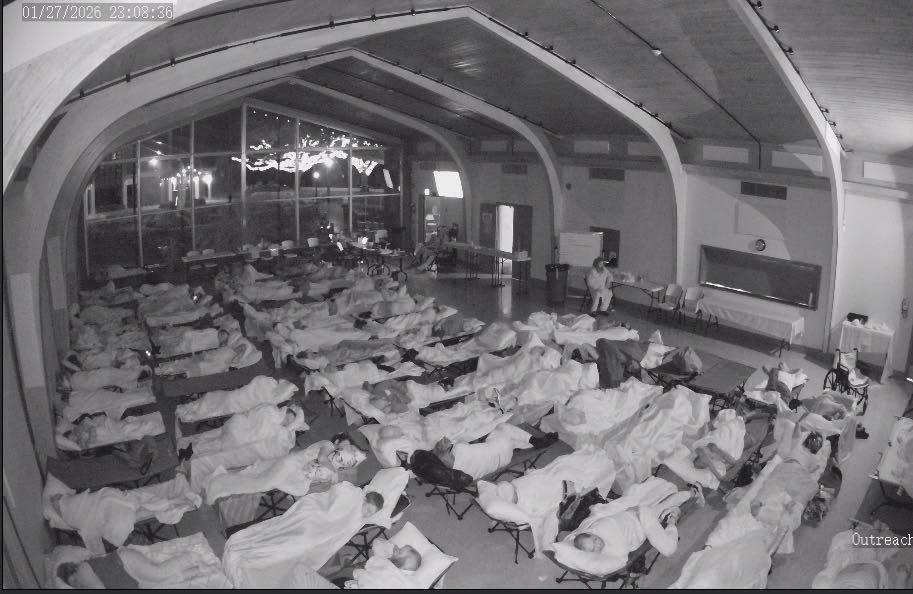
During one of the harshest winters Florida has seen in recent years, Matthew’s Hope opened eight separate cold weather shelters in both locations, many of which saw over 75 guests each night.
The demand consistently exceeded what a single-night snapshot could ever fully represent.
THE TRENDS BEHIND THE NUMBERS:
40% Increase in Domestic Violence Related Homelessness Since 2023
More individuals are fleeing dangerous and violent situations than ever before.
51% Chronically Homeless
More than half of the homeless population is considered chronically homeless, meaning they are living with a disability and have experienced homelessness for at least one year.
1 Out of 4 Are Families With Children
Families continue to make up a significant portion of those experiencing homelessness.
40% Are Over the Age of 55
In both Brevard and Orange Counties, roughly 40% of the homeless population is over the age of 55.
20% Decrease in Histories of Incarceration
While homelessness has increasingly become criminalized under HB 1365, fewer individuals have incarceration histories.
More often, outreach teams are meeting individuals who have simply been priced out of housing, displaced by medical crises, domestic violence, rising rent costs, or the inability to survive on fixed incomes.
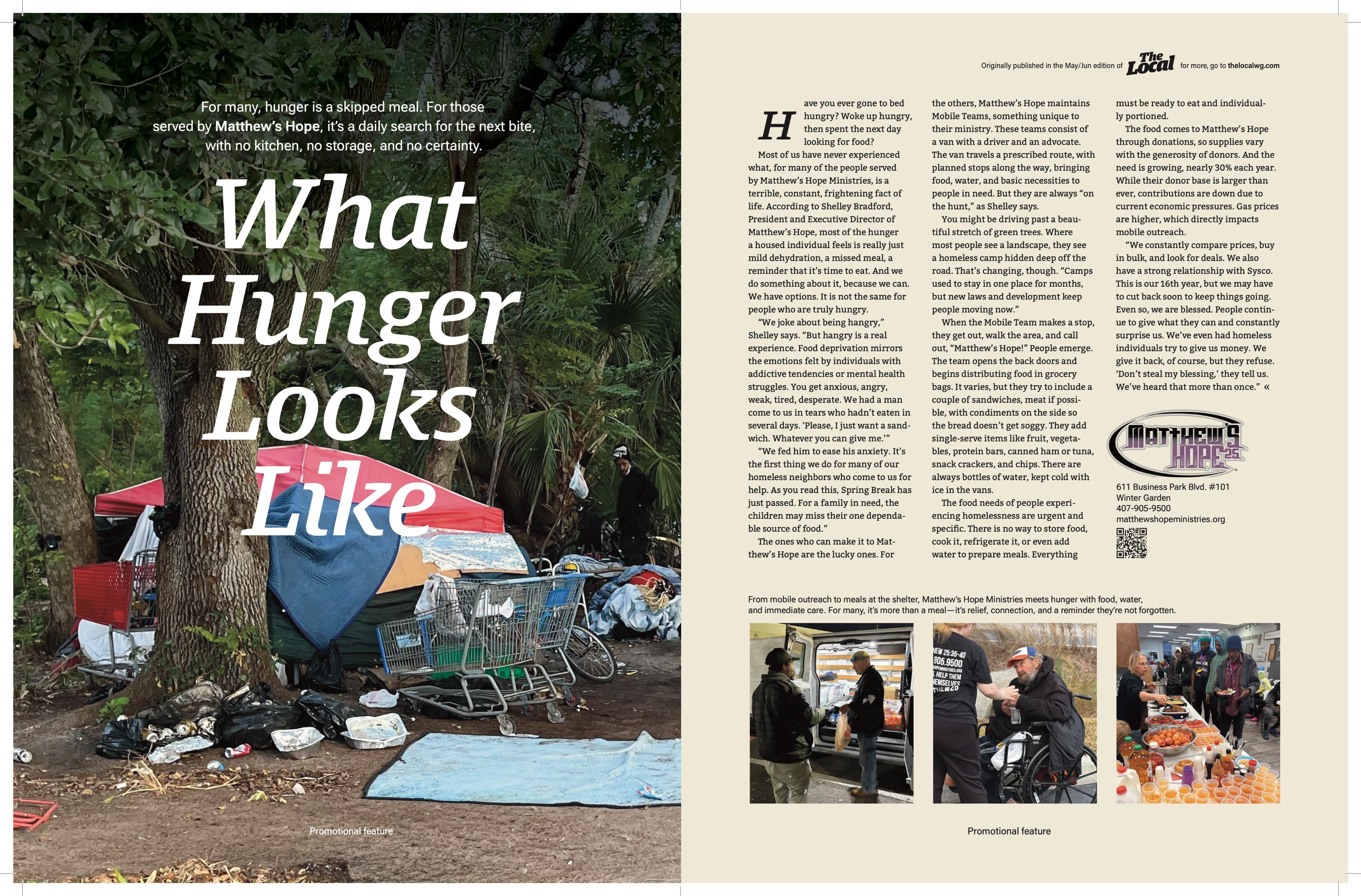
Since the passing of HB 1365 in Florida, many individuals experiencing homelessness have become increasingly fearful of being seen sleeping outdoors or interacting with outreach workers. Some hide deeper within wooded areas, abandoned properties, or isolated locations to avoid law enforcement contact or public attention. Others refuse to answer questions from volunteers during counts because they fear the information could somehow be used against them. Outreach teams throughout Florida have noticed a growing hesitation and distrust, making it even harder to accurately document how many people are truly experiencing homelessness.
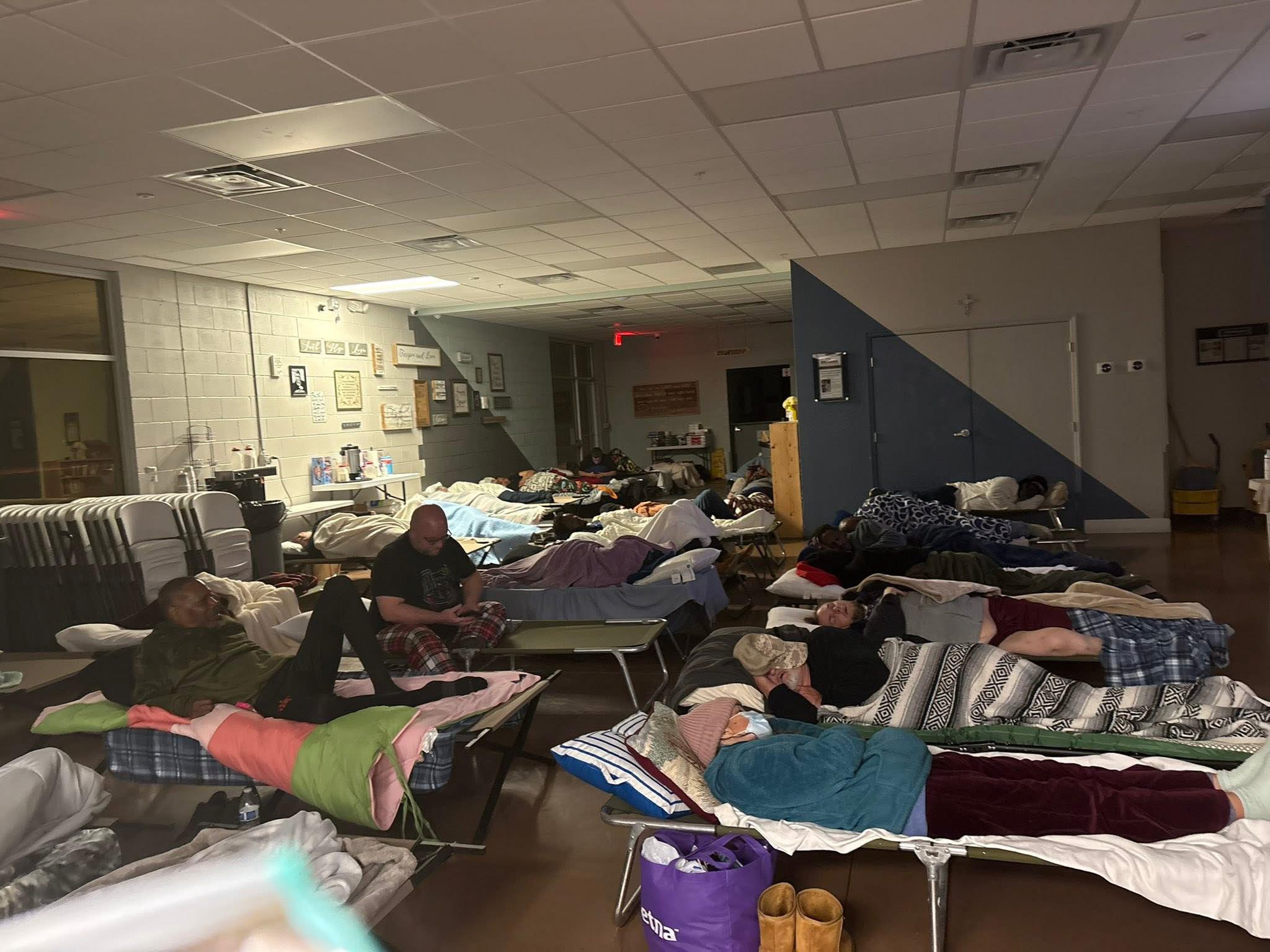
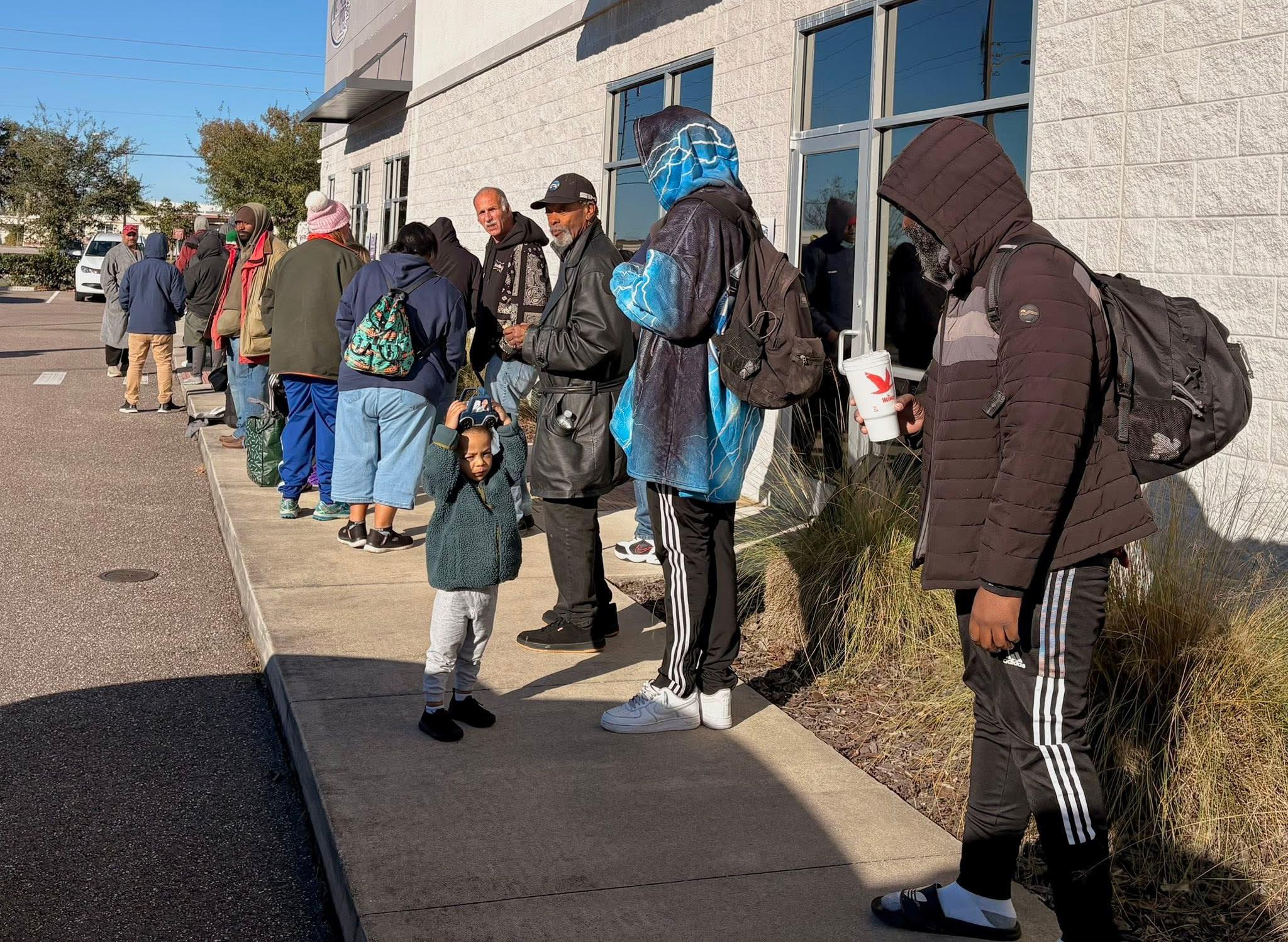
Cold weather shelter data provides another example of why a one-night count does not tell the full story. The Brevard PIT Count reported that 58 individuals were sheltered in cold weather shelters on the night of January 22nd. While accurate for that specific evening when the count took place, the reality throughout the winter season looked much different. During one of the harshest winters Florida has seen in recent years, Matthew’s Hope opened eight separate cold weather shelters in both locations, many of which saw over 75 guests each night. The demand consistently exceeded what a single-night snapshot could ever fully represent.
The data also reveals changing trends among those experiencing homelessness. Domestic violence related homelessness has risen dramatically since 2023, with a reported 40% increase in individuals fleeing dangerous and violent situations. Meanwhile, 51% of the homeless population is considered chronically homeless, meaning they are living with a disability and have experienced homelessness for at least one year. Families continue to make up a significant portion of the homeless population as well, with one quarter of those experiencing homelessness being families with children. In both Brevard and Orange Counties, roughly 40% of the homeless population is over the age of 55. Many are experiencing homelessness for the first time in their lives. These are individuals who worked for decades, raised families, and never imagined they would one day struggle to secure stable housing.
Interestingly, while homelessness has increasingly become criminalized under HB 1365, there has simultaneously been a 20% decrease in histories of incarceration among those experiencing homelessness. This challenges the stereotype that homelessness is primarily tied to criminal behavior. More often, outreach teams are meeting individuals who have simply been priced out of housing, displaced by medical crises, domestic violence, rising rent costs, or the inability to survive on fixed incomes.
Statistics matter because they help secure funding, shape policies, and direct resources where they are needed most. However, numbers alone can never fully capture the human side of homelessness. The PIT Count serves as an important tool, but it is exactly what its name suggests: a point in time. A brief glimpse into an issue that is constantly changing, growing, and, in many cases, becoming less visible to the public eye. Behind every statistic is a human being, and many of them are no longer standing where the world can easily see them.
In Florida, it’s not just a housing issue. It is a human one.
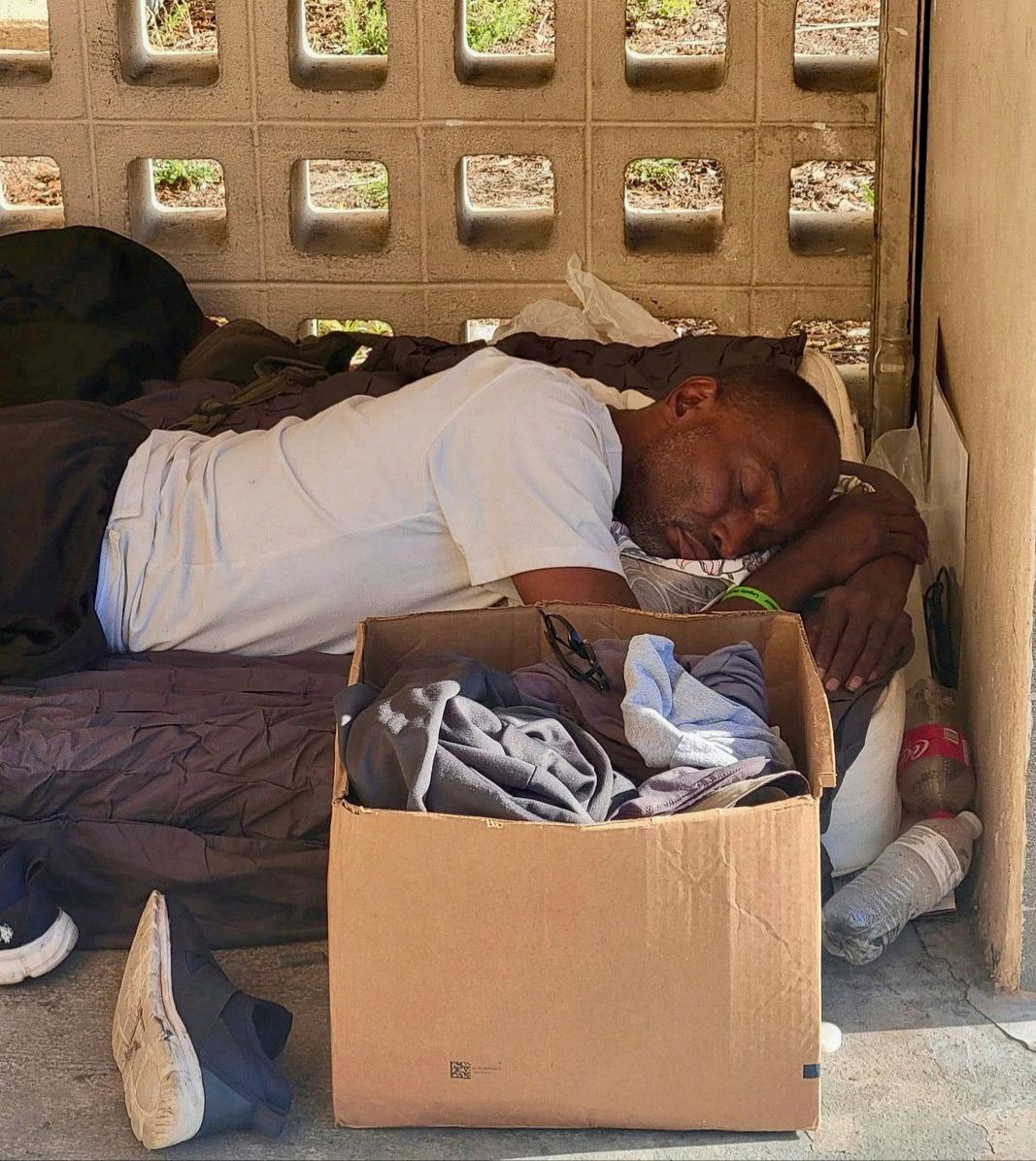
They served. They sacrificed. Too many are still sleeping outside.
BY SARAH DEWITZ
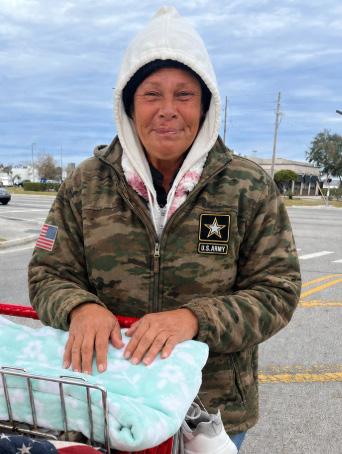
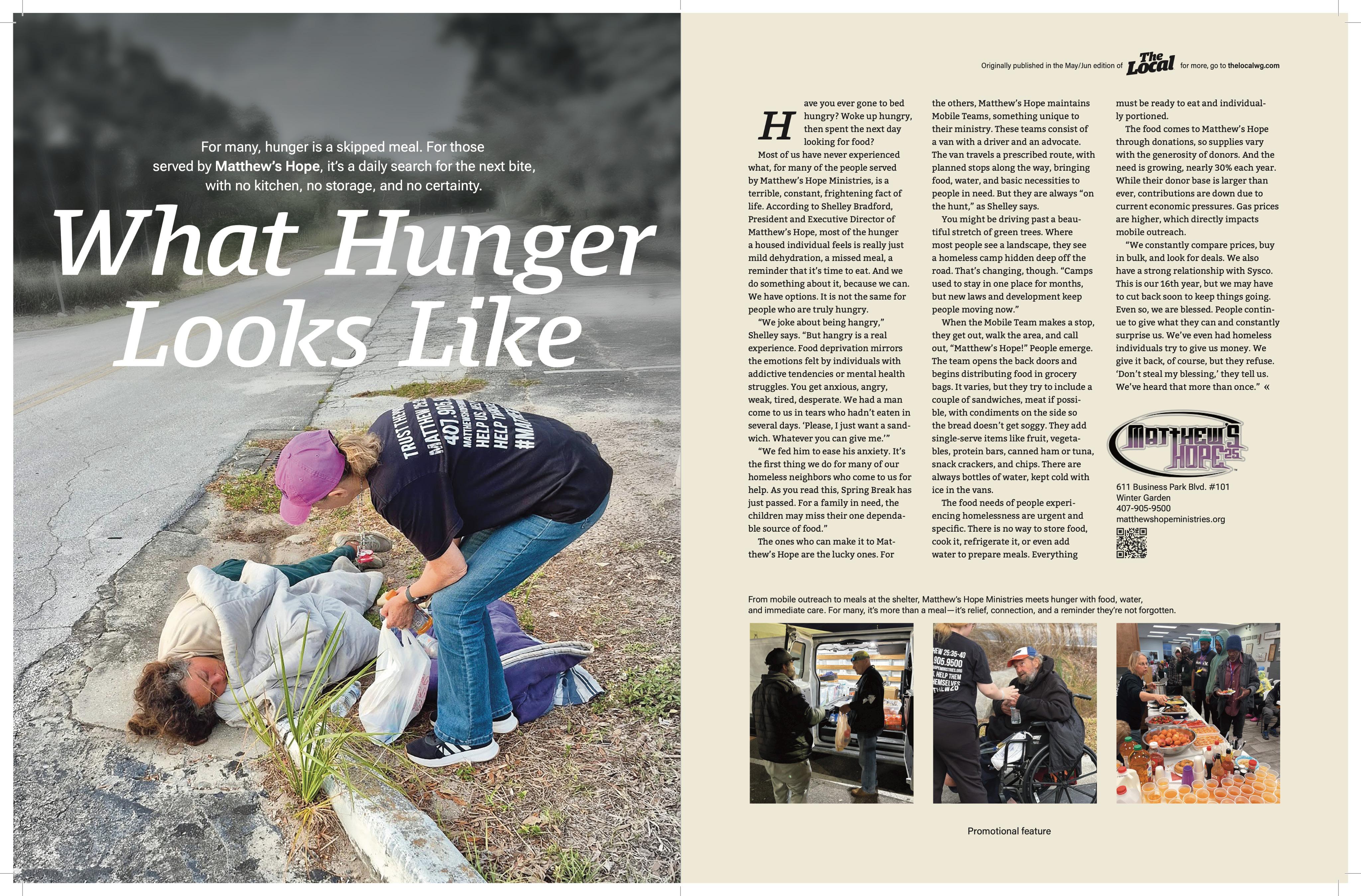
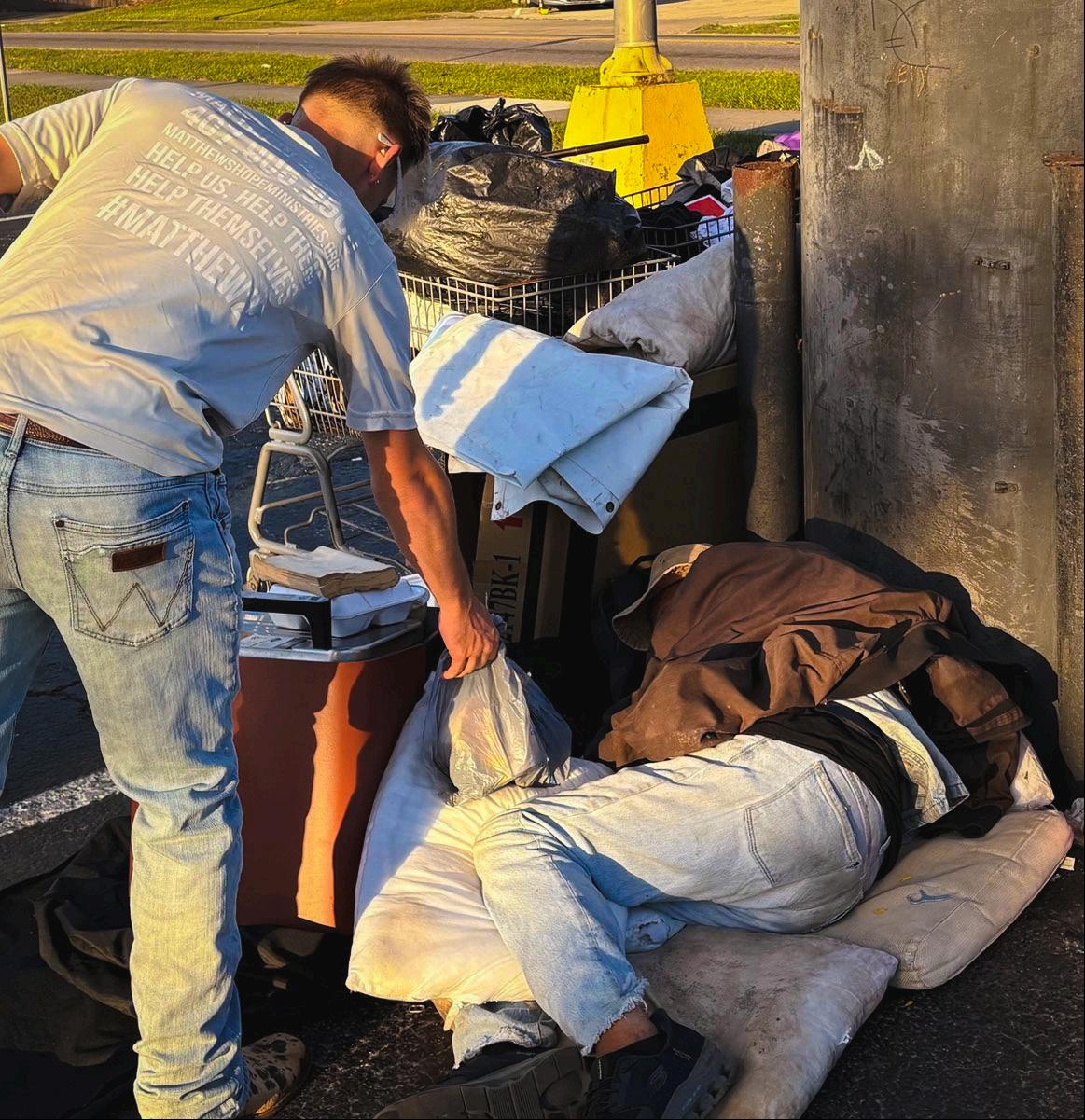
When most Americans picture a veteran, they picture sacrifice, courage, and patriotism. They picture someone who answered a call greater than themselves. What they do not picture is a man sleeping in the Florida heat or severe thunderstorms behind a shopping plaza with military boots beside him. They do not picture a woman who once wore the uniform now sitting in a wheelchair outside a gas station wondering where she will sleep that night. Yet for far too many veterans across Florida, that is reality.
The Real Solution Requires More Than Shelter
While tremendous progress has been made in reducing veteran homelessness, many are still falling through the cracks. Florida has seen veteran homelessness decrease dramatically over the last decade, with the Florida Department of Veterans’ Affairs reporting a nearly 70% reduction since 2010. Nationally, the number of veterans experiencing homelessness has also dropped significantly. These are victories worth celebrating. But numbers do not tell the whole story.
At Matthew’s Hope, we have witnessed firsthand what proper veteran care can look like. Through partnerships with organizations like the VA and Volunteers of America, many of our veteran guests have been housed quickly and compassionately. We have seen veterans transition from surviving day to day on the streets to finally having stability, dignity, and hope again. These programs work because they treat veterans as human beings first, not statistics. Unfortunately, not every system operates that way.
Solving veteran homelessness requires far more than temporary shelter or a roof. It requires a comprehensive approach:
• Mental health care
• Addiction recovery
• Employment support
• Transportation
• Medical care
• Affordable housing that is truly livable
• Human connection
Veterans should never be treated as burdens, projects, or funding opportunities.
They should be seen for who they are: people who served, people who sacrificed, and people who still matter.
Too often, housing becomes about placement instead of permanence. A veteran may technically be “housed,” but what are the conditions? Is the apartment safe? Is there mental health support available? Is the veteran isolated from transportation, employment opportunities, or community? Is there follow-up care to ensure they succeed long term? Housing someone is not the same as helping someone heal. Many veterans carry invisible wounds long after their service ends. PTSD, traumatic brain injuries, chronic pain, addiction, and depression do not disappear once a lease is signed. Studies have shown that without consistent support services, many formerly homeless veterans are at risk of returning to homelessness within a few years. Yet some organizations focus more on hitting grant benchmarks than building meaningful relationships with the people they serve. This is the ugly truth many do not want to discuss.
In some cases, veterans begin to feel less like heroes and more like numbers attached to funding reports. Beds filled. Placements completed. Metrics achieved. But behind every statistic is a human life that once stood willing to sacrifice everything for this country. Florida continues to face major housing challenges. Rising rent and limited affordable housing options have placed enormous pressure on vulnerable populations, especially veterans on fixed incomes. Reports indicate that nearly 1,900 veterans were experiencing homelessness in Florida in 2025, though many advocates believe the real number
vehicles, or in places never intended for human habitation.
Then comes another layer of uncertainty: government funding instability. When discussions of government shutdowns begin, nonprofits and service providers are often left wondering what programs may be delayed, interrupted, or underfunded. Veterans who already struggle with anxiety and instability are forced to question whether the services they rely on will still exist tomorrow. During the 2025 federal government shutdown, thousands of VA employees were furloughed or worked without pay, while some veteran support services faced interruptions. For someone already fighting to rebuild their life, uncertainty can be devastating. Veterans deserve consistency.
The reality is that solving veteran homelessness requires far more than temporary shelter or checking a box on a report. It requires communities willing to walk beside veterans long after the paperwork is completed. It requires mental health care, addiction recovery services, employment support, transportation, medical care, and affordable housing that is truly livable. Most importantly, it requires people willing to see veterans not as burdens, projects, or funding opportunities, but as fathers, mothers, sons, and daughters. The ugly truth is that too many veterans still feel forgotten after their service ends. But the beautiful truth is that when communities come together with
By the Numbers
Nearly 1,900 veterans were experiencing homelessness in Florida in 2025.
Many more go uncounted, living outdoors, in vehicles, or in places never meant for human habitation.
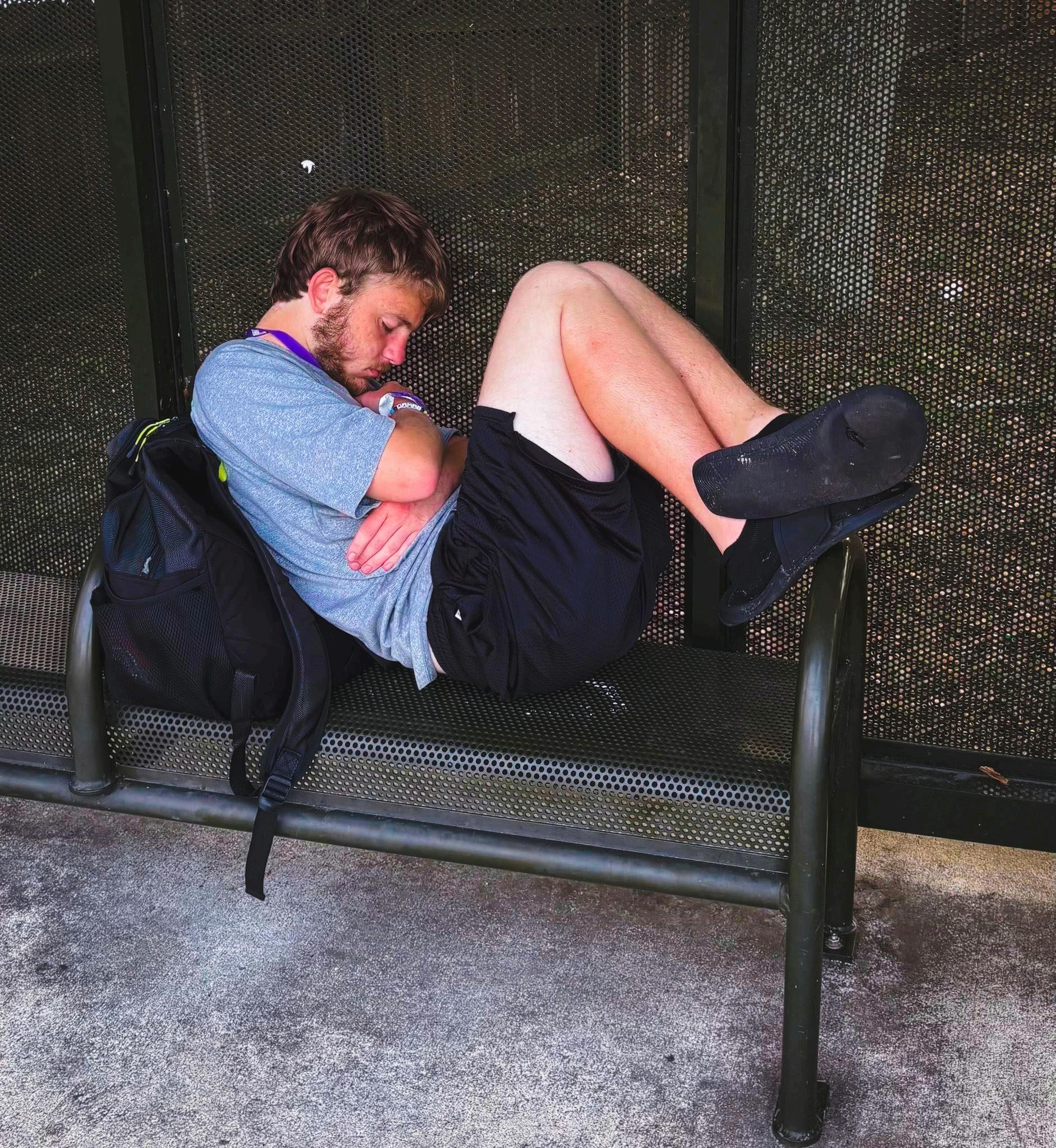
Many veterans remain unsheltered. They are sleeping outdoors.
Called to Advocate
How Listening Changed My Life
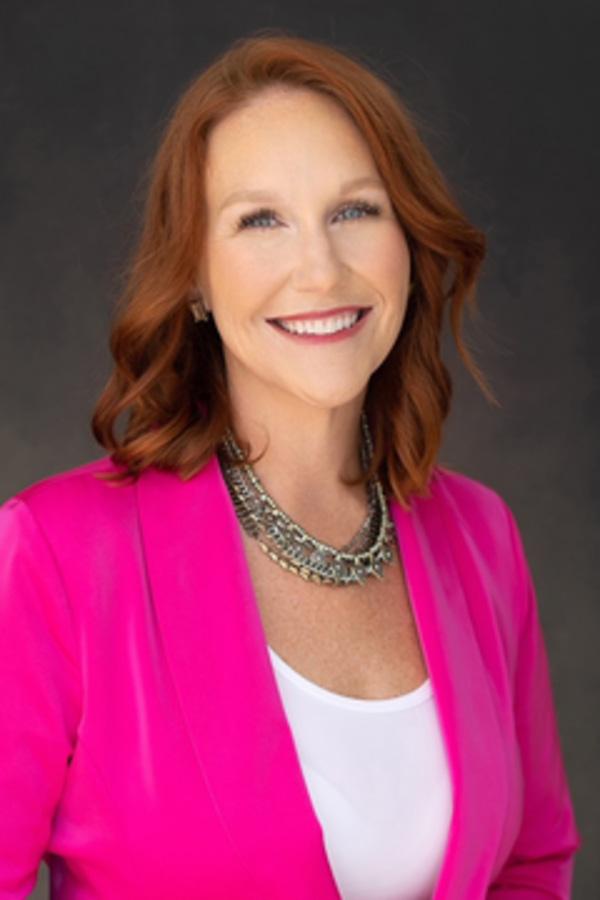
By Courtney Woolbright
When most people think about homelessness, they picture statistics, stereotypes, or headlines. Few have the opportunity to sit down, hear personal stories, and build meaningful relationships with people who are experiencing homelessness, housing instability, and profound life trauma. I am fortunate to have had that opportunity, and it has completely changed my life.
As the Venue Director for Trinity Oaks, located on Matthew's Hope's Cocoa campus, and the Event Director for Matthew's Hope fundraising events, I initially approached my role through the lens of operations, logistics, and event management. What I never expected was that my work would lead me into advocacy and fundamentally transform how I view people, hardship, and my own purpose.
Like many Americans, my understanding of homelessness was shaped by limited exposure and assumptions. Society often reduces people to a label while overlooking the circumstances, setbacks, and deeply personal stories that brought them to where they are today.
What I discovered through Matthew's Hope was a reality far different from what I had imagined. Behind every person seeking assistance is someone with hopes, talents, dreams, and a story worth hearing. I've met people who lost everything after a medical emergency, the death of a loved one, domestic violence, job loss, family disputes, inheritance battles, mental illness, or unexpected financial hardship. Some
experienced life-altering events with less than 24 hours' notice. The truth is that many of the circumstances that lead to homelessness could happen to any of us.
The more people I met, the more I realized how wrong many of my assumptions had been. We grow up hearing the phrase, "Don't judge a book by its cover," yet in today's world, especially through social media, that is often exactly what we do. I know because I was guilty of it myself. Matthew's Hope changed that. It taught me to slow down, listen, become more compassionate, and truly appreciate the blessings I have in my own life.
One of the greatest lessons I've learned is that homelessness is not simply a housing issue. It is often a relationship issue.
When people feel unseen, unheard, or forgotten, the obstacles they face become even harder to overcome. Through direct interaction with our guests, I've witnessed the incredible impact that dignity, respect, and genuine human connection can have on someone's future.
I no longer see people as problems to be solved. I see neighbors who deserve compassion, opportunity, and hope.
Over time, my role expanded beyond venue and event management. Today, I serve as an advocate for Matthew's Hope, working directly with individuals and families seeking assistance. That transition has deepened my understanding of the challenges our guests face and strengthened my commitment to helping create pathways toward stability.
To me, advocacy is about much more than providing resources. It is about listening, encouraging, and helping people recognize their own worth. Every success story begins with someone believing transformation is possible. If I can be the person who helps start that journey, or simply walk alongside someone as they take their next step forward, then I know I am exactly where I am supposed to be.
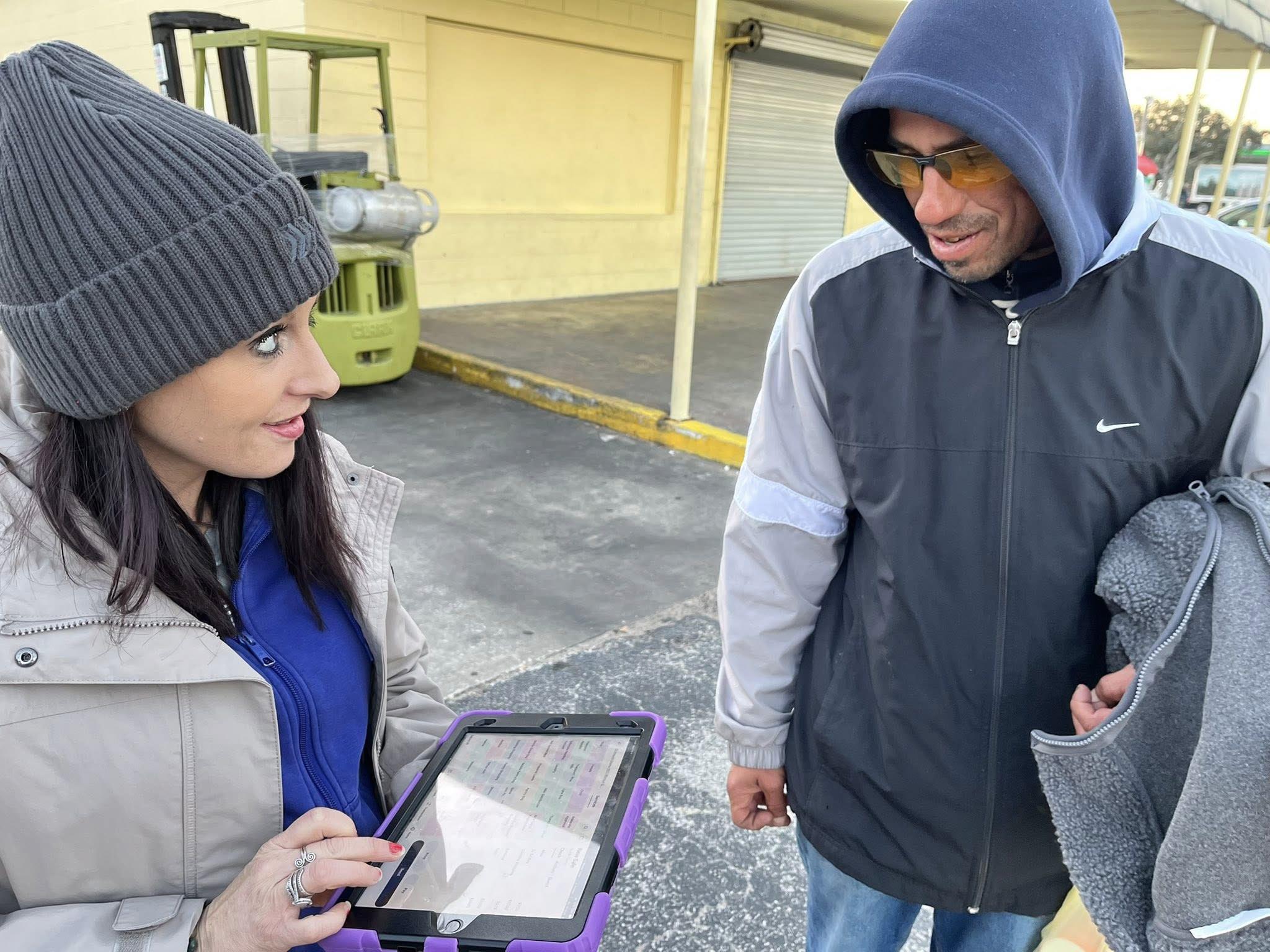
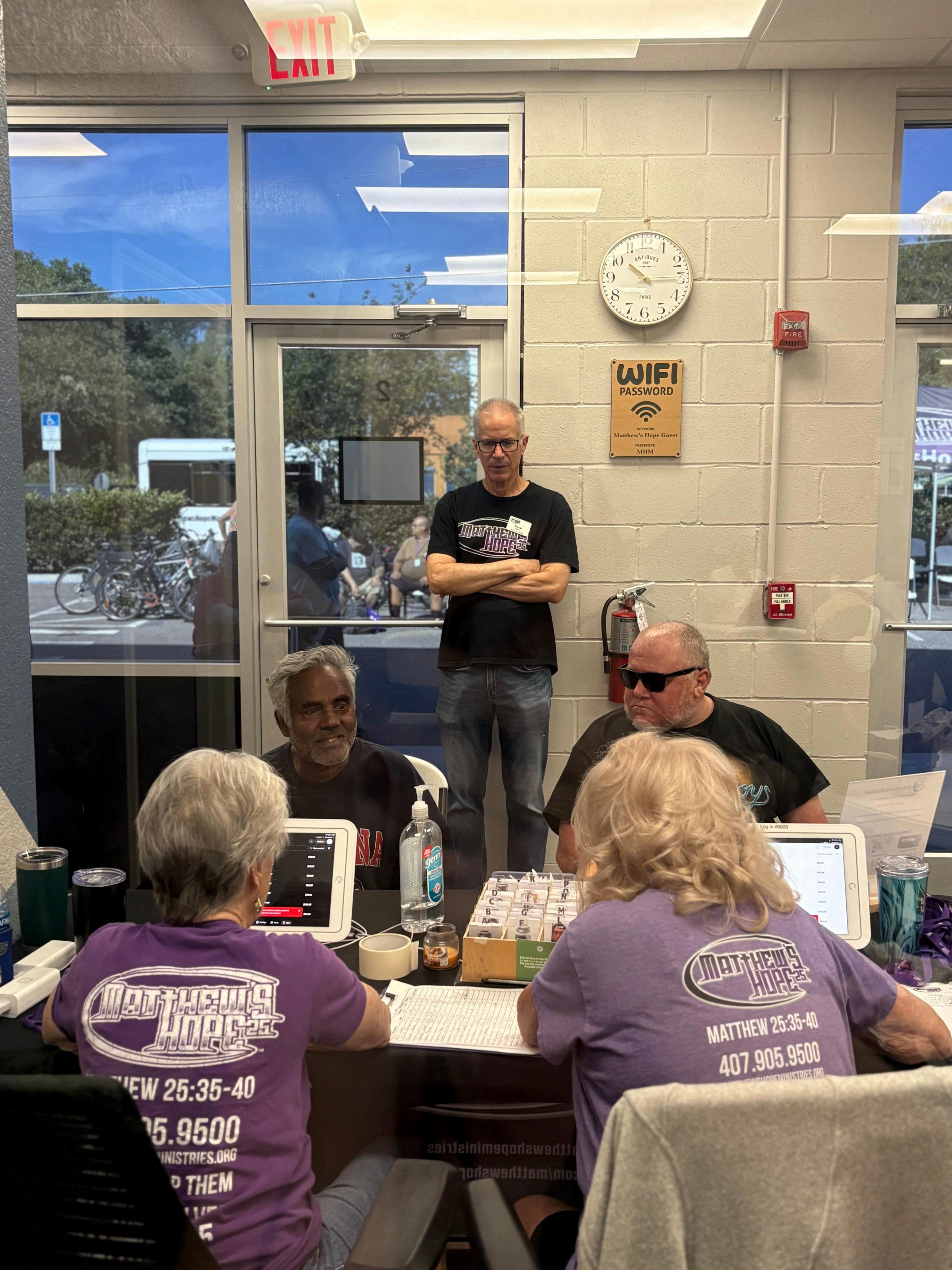
One of the most eye-opening parts of my role is conducting new intakes during outreach days. I am often the first person guests speak with when they arrive at Matthew's Hope. While I gather basic information, I also hear the stories that brought them here.
Many of these conversations happen through tears.
People open up to a complete stranger because they are desperate for someone to listen. In those moments, I am reminded how powerful it is simply to be heard. Often, I am not just completing paperwork, I am witnessing someone's darkest chapter while helping them believe a new chapter is possible.
When we connect someone with housing, employment assistance, mental health services, our Moving Forward Program, the Brevard Homeless Coalition, or one of our many nonprofit partners, it is an incredible feeling. Knowing you played even a small role in helping someone rebuild their life is something that never gets old.
But this work is not always sunshine and rainbows.
I have sat across from mothers fleeing domestic violence, covered in bruises, holding the hands of terrified children. They escaped because staying would have been dangerous. With no family nearby and nowhere else to turn, they found themselves sitting at our intake table looking for hope.
I've met individuals who witnessed unimaginable trauma as children and have spent decades battling the emotional aftermath. I've met people whose mental health struggles spiraled after the loss of a parent, leaving them isolated, unemployed, and without support.
One young man I met believed selling drugs was the only way he could survive. Today, he is thriving in our Moving Forward Program. He is sober, mentally stable, reconnecting with family, and building a future he never thought possible.
Stories like his raise an important question: How can we expect people to move forward when affordable mental health care is out of reach? When medications are unaffordable? When employers are reluctant to hire someone visibly struggling with mental illness?
Many people are quick to criticize homelessness, but few stop to consider the obstacles people face when trying to escape it.
One of the most powerful lessons I've learned came from Scott Billue, Founder and CEO of Matthew's Hope. He often says:
"Instead of saying, 'They need to get a job,' ask yourself, 'What trauma happened in this person's life that made living like this acceptable?'"
That perspective has stayed with me from my very first day as an advocate.
Our Sleeper Buses 4
buses
80 guests each night 3 nights at a time
Brevard
+ West Orange County
Another question I ask during intake is for an emergency contact. About 80 percent of the time, the answer is simple:
"I don't have anyone."
Every time, I respond the same way:
"Then we'll be your emergency contact."
The emotional reaction that follows never gets easier to witness.
Most of us can immediately name someone we would call during a crisis. We never stop to think about how fortunate that is. Imagine not having a single person to list. Not one.
That reality is heartbreaking, but it is also why Matthew's Hope exists.
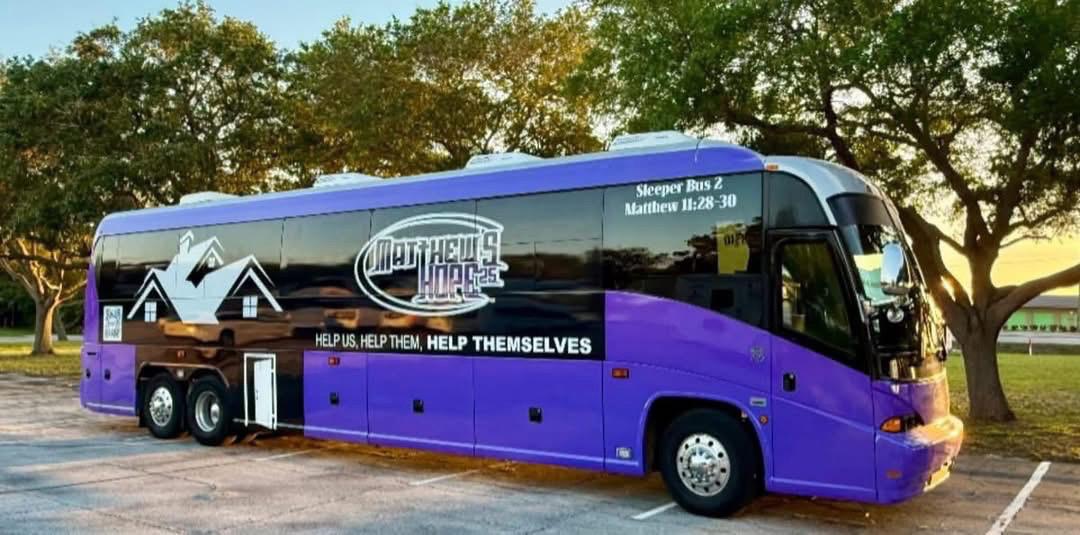
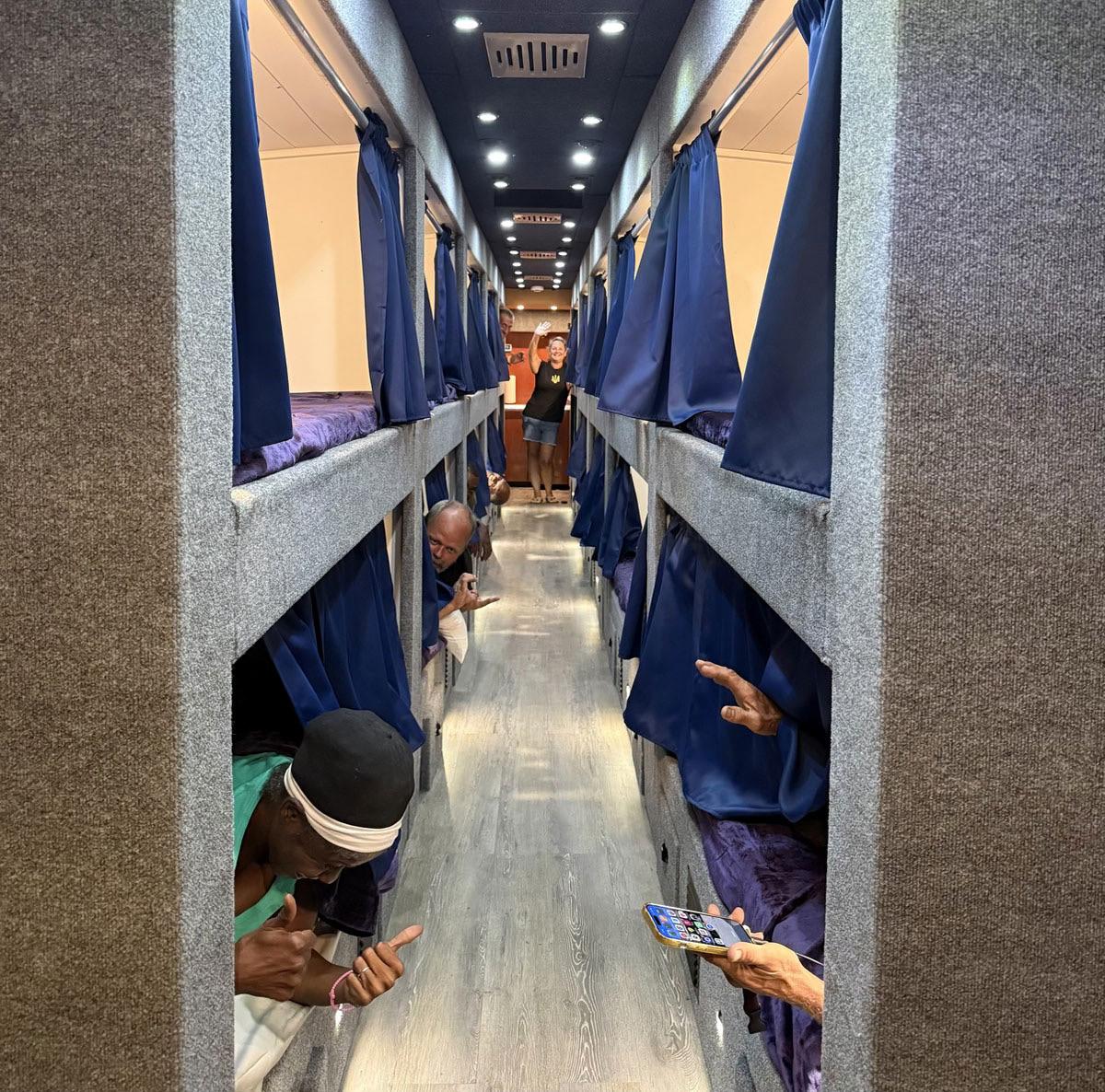
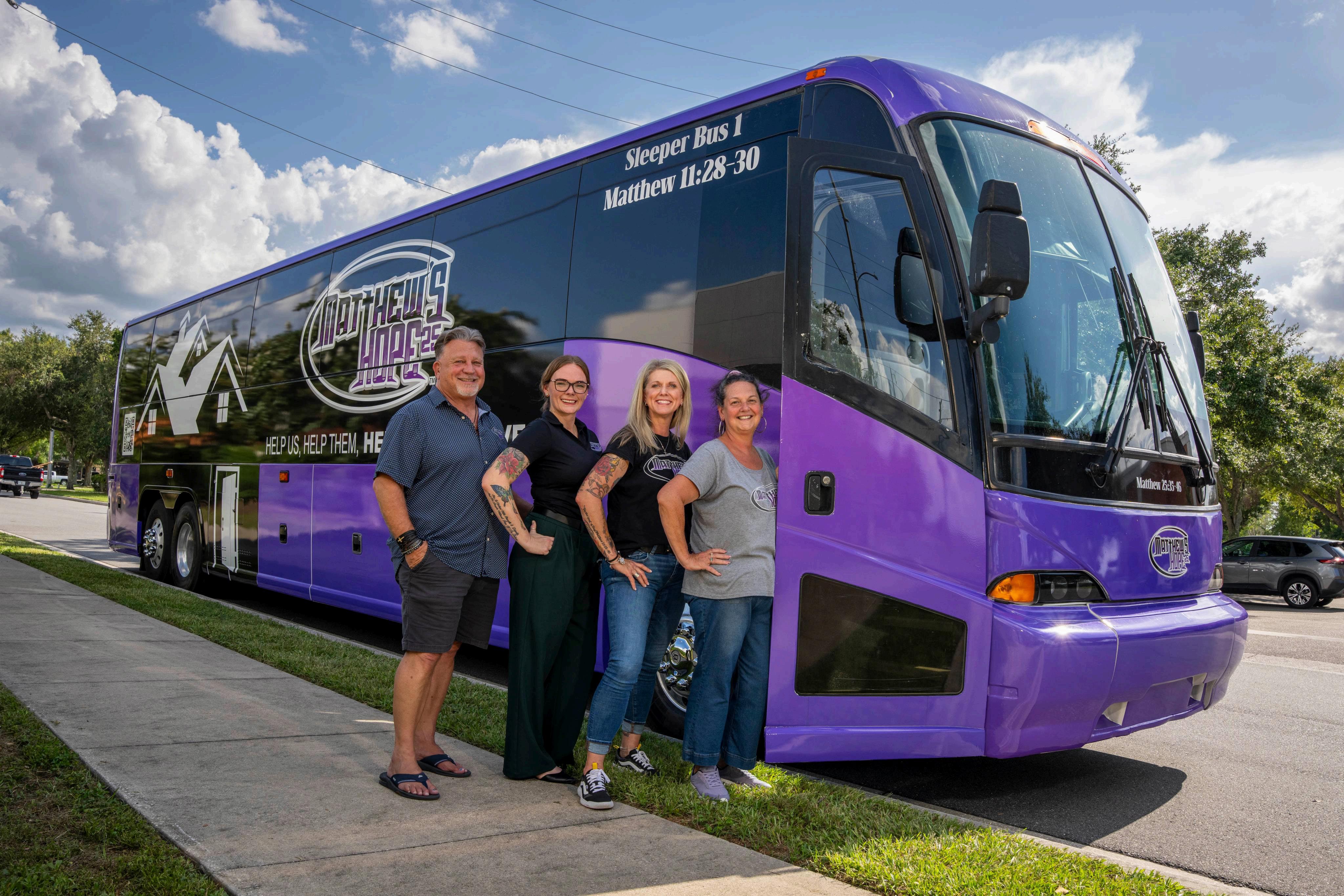
One of the projects I am most excited about is the launch of our new sleeper buses. These buses will provide a safe place for homeless individuals to get off the streets and out of the elements for three nights at a time. Between our Brevard and Winter Garden locations, we will operate four buses capable of serving 80 guests each night.
Will it solve homelessness? No.
Will it change the lives of 80 people every single night? Absolutely. And that matters.
If there is one thing I hope readers take away from my story, it is this:
The next time you see someone experiencing homelessness, resist the urge to judge. Resist the temptation to assume you know their story. Instead, choose curiosity over criticism. Choose compassion over condemnation.
Because homelessness is rarely the result of a single bad choice. More often, it is the result of trauma, loss, illness, abuse, grief, mental health struggles, or circumstances most of us pray we never have to face.
The people we serve are not statistics. They are fathers, mothers, veterans, sons, daughters, and neighbors. They are human beings.
And every human being deserves dignity.
The true measure of a community is not how it treats its most successful members. It is how it treats those who are struggling the most. We can continue looking away, passing judgment, and assuming the worst, or we can choose to be part of the solution.
I know which choice changed my life.
My hope is that after reading this, it changes yours too.
“Choose compassion over condemnation.” Every human being deserves dignity.
Everyone Poops: A call for dignity, public restrooms, and practical solutions
Matthew's Hope founder Scott Billue wants communities to address one of homelessness's most basic realities by providing restroom access rather than simply locking doors and hoping the problem disappears
By Scott Billue
There is a children's book called Everyone Poops. It may seem like an odd place to start a conversation about homelessness, but every time I hear someone complain about a homeless person using the bathroom behind a bush or in some other public place, that book comes to mind.
I understand the frustration.
I don't want people relieving themselves in public places any more than anyone else does. But after the complaint is made, I always find myself asking the same question: What's your answer? It's easy to point out a problem. It's much harder to offer a solution.
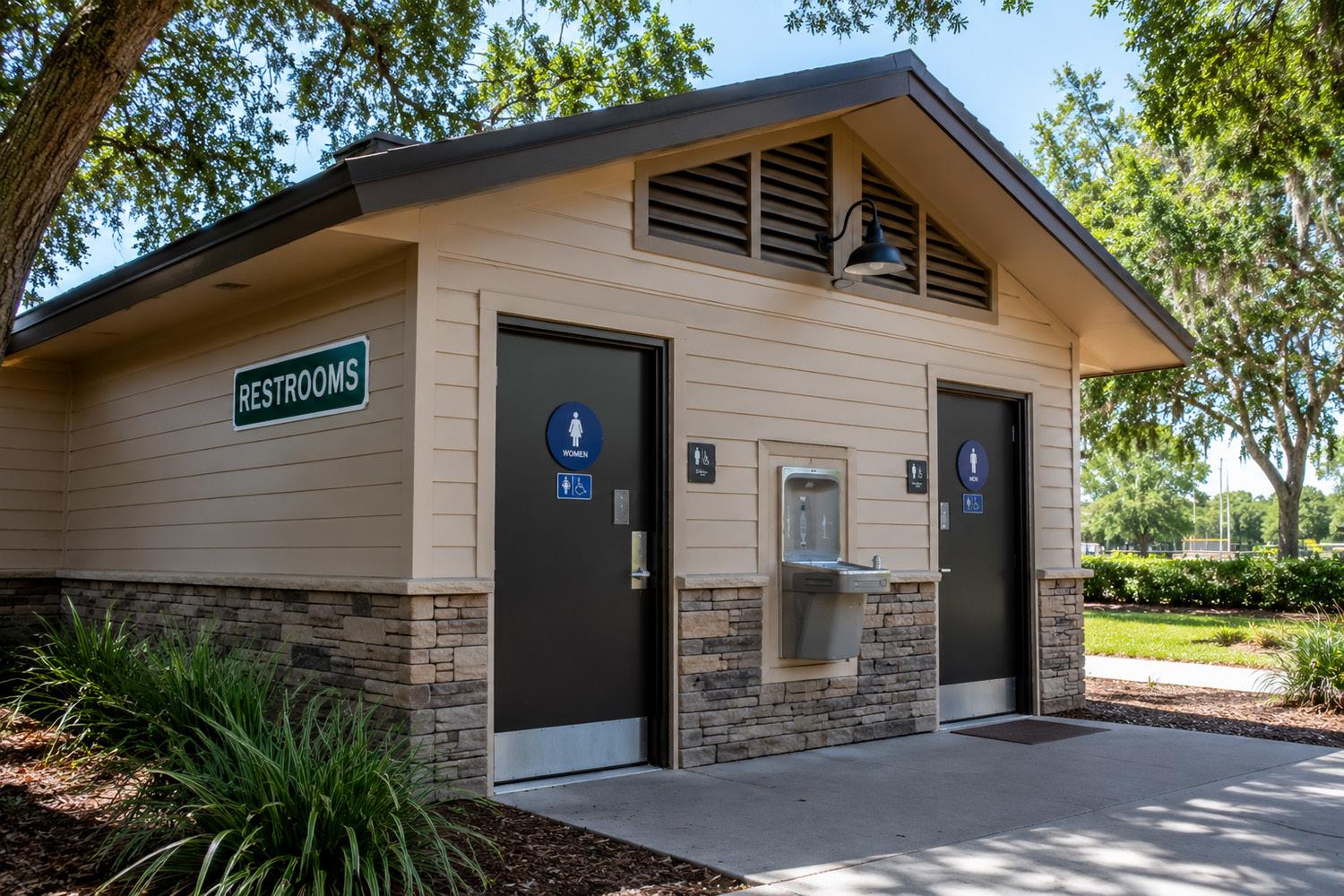
One thing I am pretty sure every healthy person does nearly every day is use the restroom. It's a basic human function. Now imagine living outside in Central Florida. It's 100 degrees. The humidity feels like 100 percent. You have no home, no bathroom, no toilet paper, and many public restrooms are locked. What exactly are you supposed to do?
The reality is that the body will do what it needs to do.
And while the conversation often focuses on using the toilet, imagine the reality for a young woman living outdoors with no access to a restroom. Beyond the basic need to use a toilet, there are issues of
privacy, dignity, and personal hygiene that many of us take for granted. Managing menstruation, washing hands, changing clothes, or simply cleaning up after a long day becomes a daily challenge when public restrooms are locked.
If we truly want cleaner parks and safer public spaces, we should start by recognizing that access to a restroom isn't a luxury—it's a basic human need.
Homelessness does not eliminate basic human needs. People still need food. They still need water. They still need a safe place to sleep. And yes, they still need access to a restroom. Yet one of the most common responses we see from communities is to lock public restrooms in parks and other public spaces.
To me, that's one of the most absurd things we do.
The argument is usually that facilities get vandalized, abused, or left in poor condition. Those concerns are real, and nobody wants taxpayer-funded facilities destroyed. But locking every restroom door punishes everyone because of the actions of a few.
Here's a novel idea: install cameras facing the restroom entrances, not inside the facilities. Check them regularly. If someone vandalizes property, creates
damage, or commits a crime, identify them and hold them accountable. Focus enforcement on the people causing problems rather than on an entire population that simply needs a place to go.
As it stands now, park departments already send employees out every day to lock and unlock restroom doors. Why not invest in a system that provides both accountability and access?
Cameras could save money, reduce damage, and most importantly, preserve dignity. They would shift the focus to those causing problems rather than treating every homeless person as if they were the problem.
One final thought.
Did you know that 35% of all first-time homeless individuals we are now seeing at Matthew's Hope are Baby Boomers? These are people who worked, raised families, paid taxes, and never imagined they would find themselves without stable housing.
They need a restroom.
They deserve dignity.
And as a community, we should be able to provide both.
Faces of Hope
At Matthew's Hope Ministries, our mission comes to life through people. Every board member, volunteer, guest, and staff member plays a vital role in creating a community rooted in compassion, dignity, and hope. This page celebrates the individuals who serve, lead, grow, and walk alongside us, each story reflecting the heart of Matthew's Hope Ministries and the power of love in action.
Meagan Galamback
For over 17 years, Meagan has dedicated her life to the classroom, including the last 10 years with Firm Foundation Preschool. Her passion for well-rounded teaching shines through in everything she does as our Firm Foundation Preschool Director. As a mother of two herself, Meagan brings both experience and heart into the classroom each day, creating an environment where both children and teachers alike feel supported physically and spiritually. Known for her joyful spirit, she says her favorite thing is “smiling excessively,” something that has undoubtedly brightened the days of countless students and families over the years. Keep shining, Meagan!
Amy Cottone
Volunteers like Amy are a true blessing to both our guests and staff. Having served with Matthew’s Hope for around three years, Amy has continuously demonstrated a heart of gold and a genuine servant’s spirit in everything she does. Lovingly nicknamed “Crazy Amy” due to her unmatched passion and endless energy, she never backs down from a challenge and rarely slows down for a moment. Whether helping behind the scenes, running back and forth between stations, (she’s gotta get her steps in!) or directly serving guests, Amy brings compassion, determination, and joy wherever she goes. Her devotion is a beautiful reminder of what it means to serve others wholeheartedly and without judgement. Stay crazy, Amy!
Faces of Hope
Amy Krupp
Amy is a financial advisor with Edward Jones and a lifelong resident of Brevard County who believes that "volunteerism is in [her] DNA." Dedicated to strengthening the community that helped shape her, Amy serves on seven local boards focused on issues including behavioral health, hospice care, small business support, and homelessness. Her involvement with Matthew's Hope has reinforced her belief that "no one chooses homelessness" and that by approaching others "with empathy instead of judgment," communities can move from condemnation to compassion. Amy considers serving others both a privilege and an opportunity to put her faith into action, noting that she often receives far more from serving than she could ever give. Thank you for your servant’s heart, Amy!
Clinton Hynes
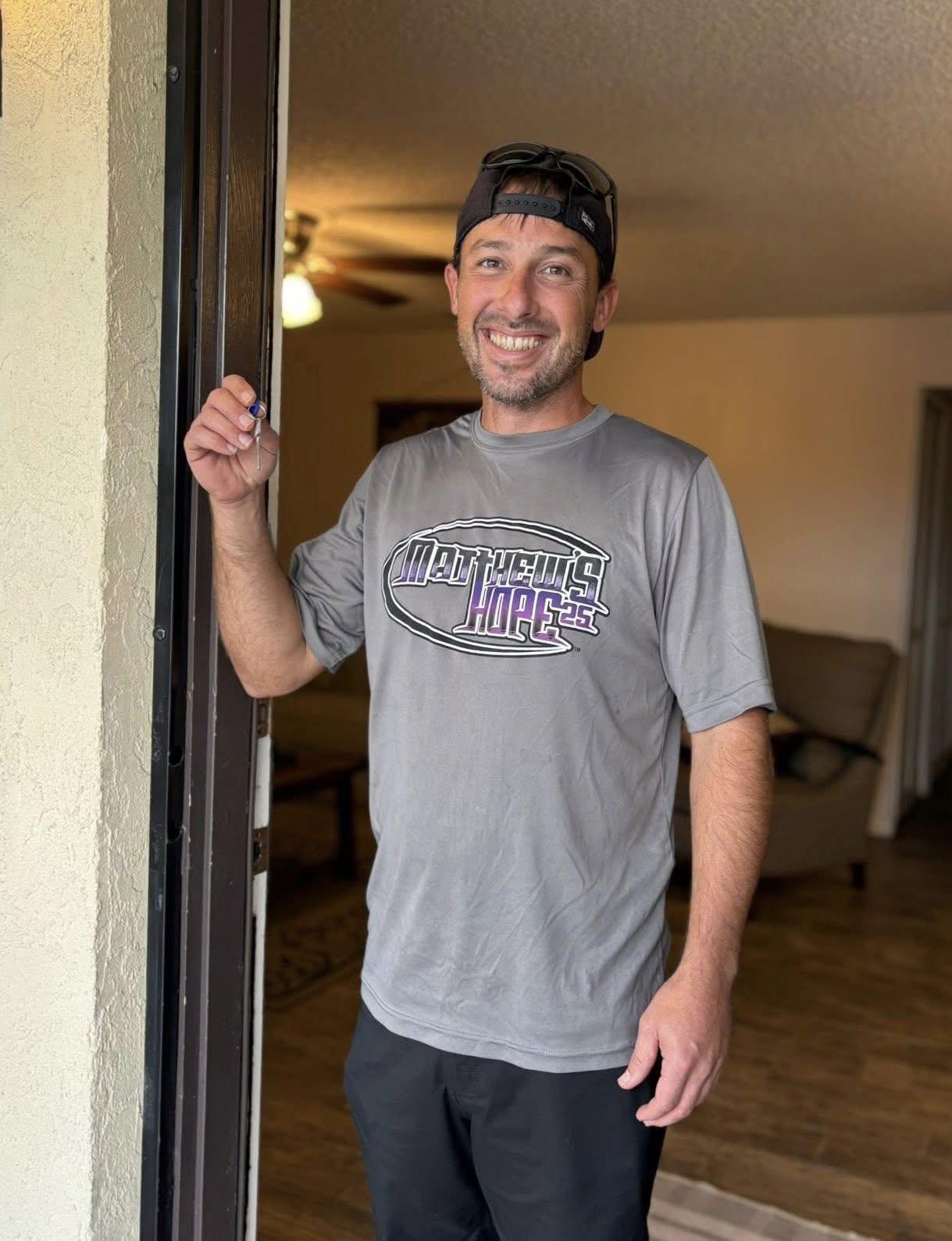
Clinton has transformed from someone who spent his days sunburned and dehydrated over beachside into a dedicated and thriving guest in the Moving Forward Program at Matthew's Hope. Through his positive attitude and determination to better his future, he has become an encouragement to both staff and fellow guests alike. Clinton shows dedication in everything he does. From working hard within the program on campus or serving others during mobile outreach on the beach he formerly called home; he has cleared a path to a life of independence and self-sustainability. With experience in electrical work, he hopes to return to his former trade and continue building a stable and successful future for himself. Keep it up, Clinton!
JOIN THE FIGHT AGAINST HOMELESSNESS
We’re looking for 250 individuals or organizations to join us in our fight against homelessness.
We would like to invite you to become a sustaining donor for just $21 per month or make a one-time contribution of $250. Each donor will receive a Free ticket and be recognized at our award-winning fundraisers. They will be able to pick the Garden Party in Orange County or the Speakeasy Gala in Brevard County.