
Learn more about upcoming events, meetings, trainings, and workshops for students, families, and educators on the San Joaquin County Office of Education calendar at www.sjcoe.org.



TROY A. BROWN, Ed.D. San Joaquin County Superintendent of Schools
TERRELL MARTINEZ
Deputy Superintendent Business Services
JANINE KAESLIN
Deputy Superintendent Student Programs and Services
JANE CHAMBERLAIN
Deputy Superintendent Professional Learning and Support
ANNIE CUNIAL
Assistant Superintendent Educational Services
CONNOR SLOAN, Ed.D.
Assistant Superintendent County Operated Schools and Programs
PETER FOGGIATO
Assistant Superintendent Business Services
ANTHONY CHAPMAN Chief Human Resources Officer
The San Joaquin County Office of Education is a regional agency that provides educational leadership, resources, and customized services to assist school districts. The SJCOE promotes student achievement and accountability, serves San Joaquin County’s most vulnerable students, and strives to create an environment in which every student, regardless of circumstances, has an opportunity for a quality education.
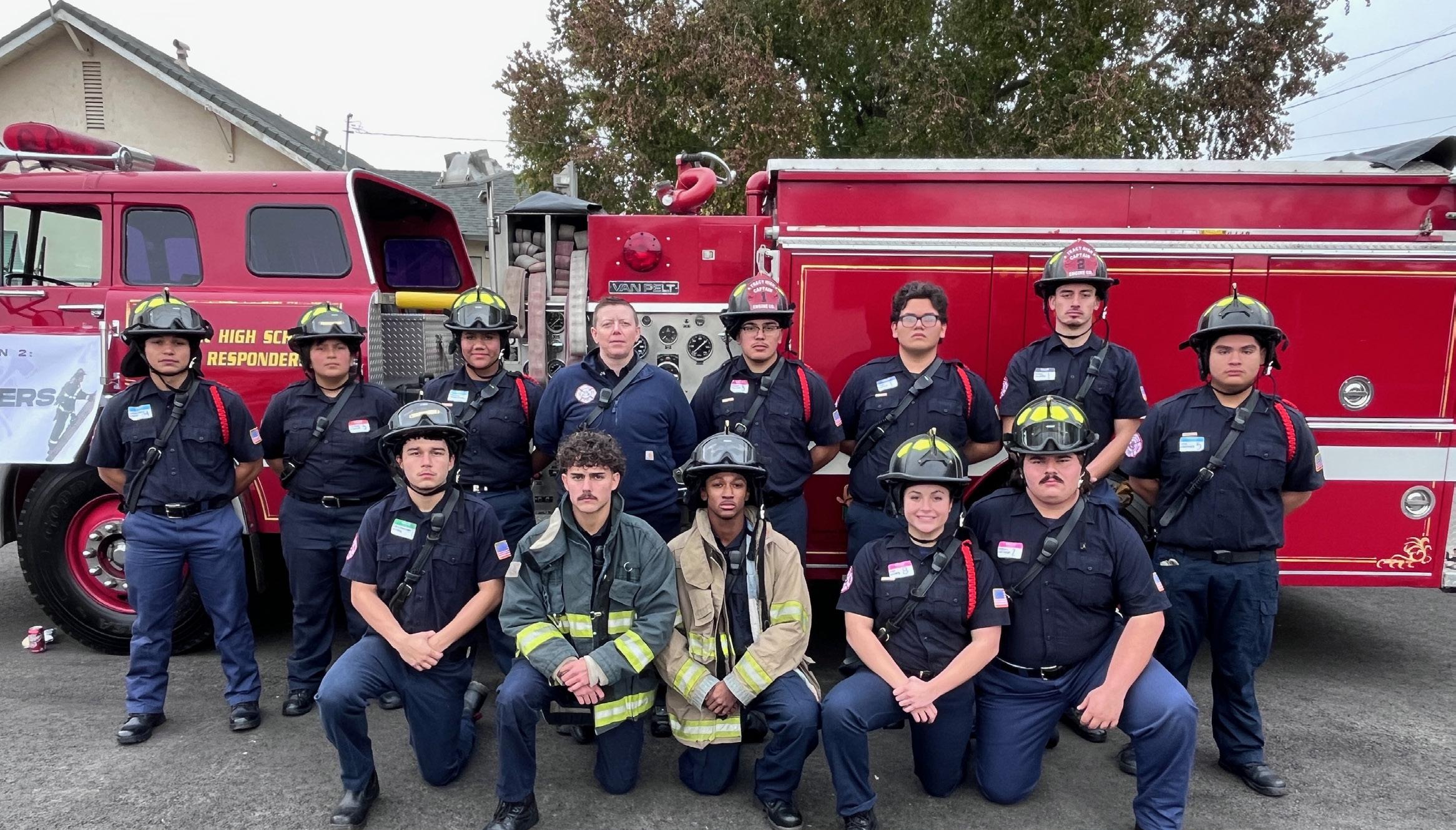
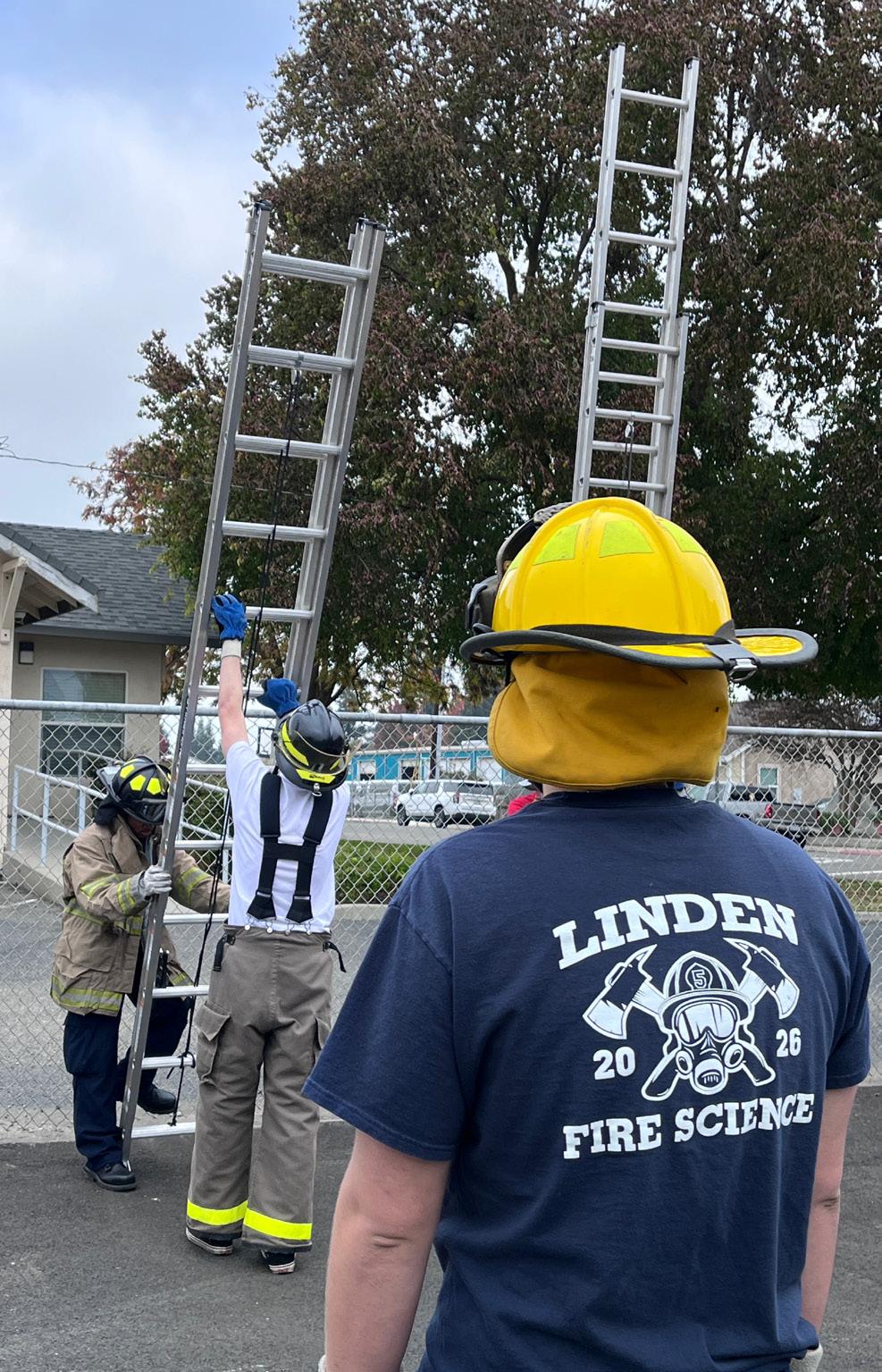
Future firefighters bashed through doors, raised ladders, and raced to equip themselves in protective gear at the second annual CTE Fire Science Competition at Escalon High School (Escalon Unified School District) on Dec. 4.
It was a day for students in Career Technical Education (CTE) programs to compete with each other using the skills they had been developing in their fire science classes. And for students and educators, alike, the competition was a time to collaborate, network, and share best practices to strengthen participating fire science programs. The competition also brought current and retired officials from fire agencies who supported the competition by monitoring the events and sharing their expertise with students.
The competition has grown since launched by Escalon High School’s First Responders Program, which provides classes focused on firefighting and emergency medical care.
This year students from eight teams competed from Escalon, Linden, Delta Charter, Tracy, Grace Davis, and Livingston high schools and Lodi and Manteca unified school districts. Some teams consisted of multiple schools within a district.
Events tested competitors’ skills and knowledge. Students demonstrated their ability to use fire extinguishers and ladders. They identified tools and tied knots. They pulled dummies to simulate removing an immobile victim from a dangerous location. These and other events mirrored what they would be called on to do if they went on to become first responders in their future careers.
The competitors, themselves, said their classes had prepared them well for the competition.
“It’s fun doing what we practiced,” said Andrew, Escalon High School senior. “And it’s pretty cool to see how other schools run their systems.”
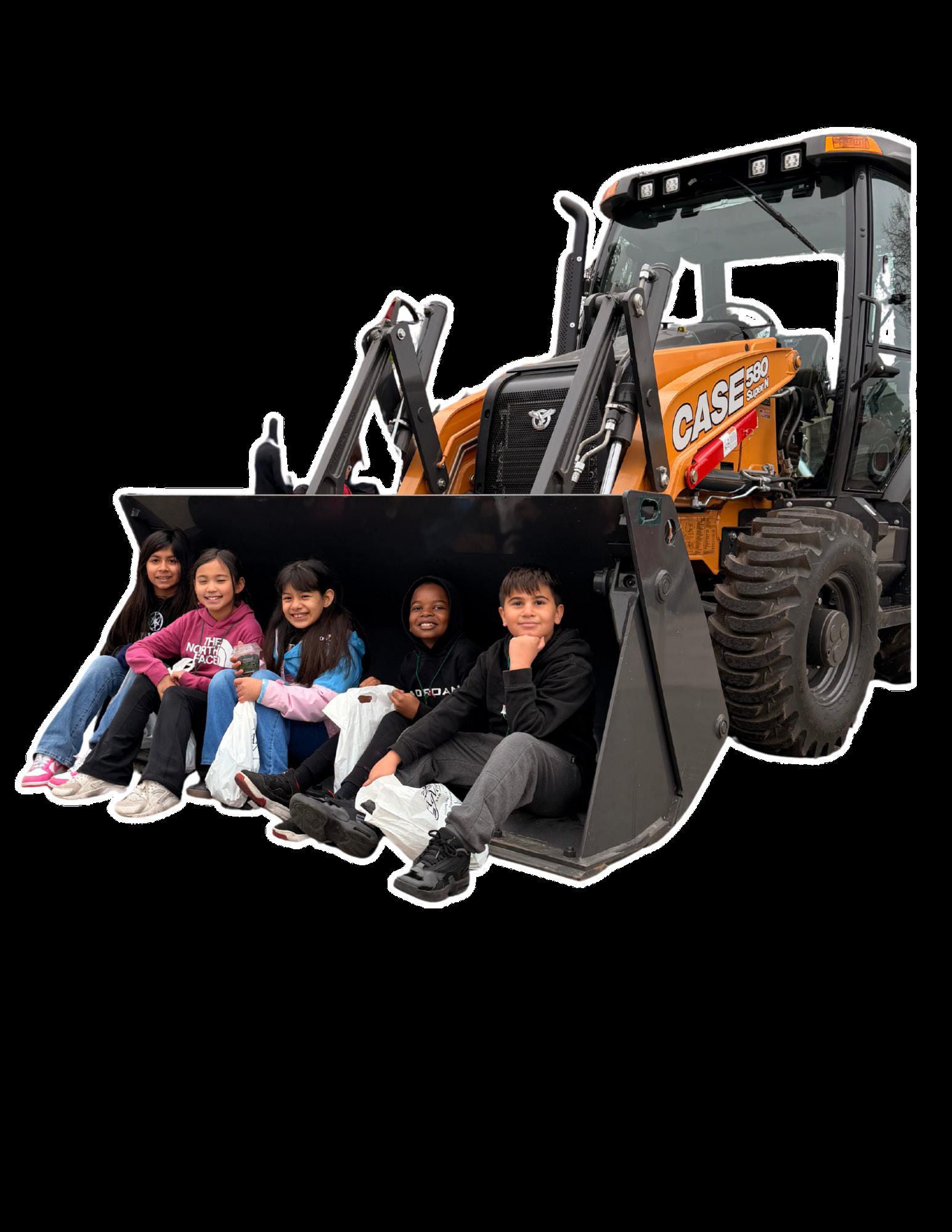
More than 2,500 third grade students from Stockton Unified School District and Lincoln Unified School District attended the annual AgVenture at the San Joaquin County Fairgrounds immersing themselves in a full day of handson learning centered on the rich agricultural landscape of San Joaquin County.
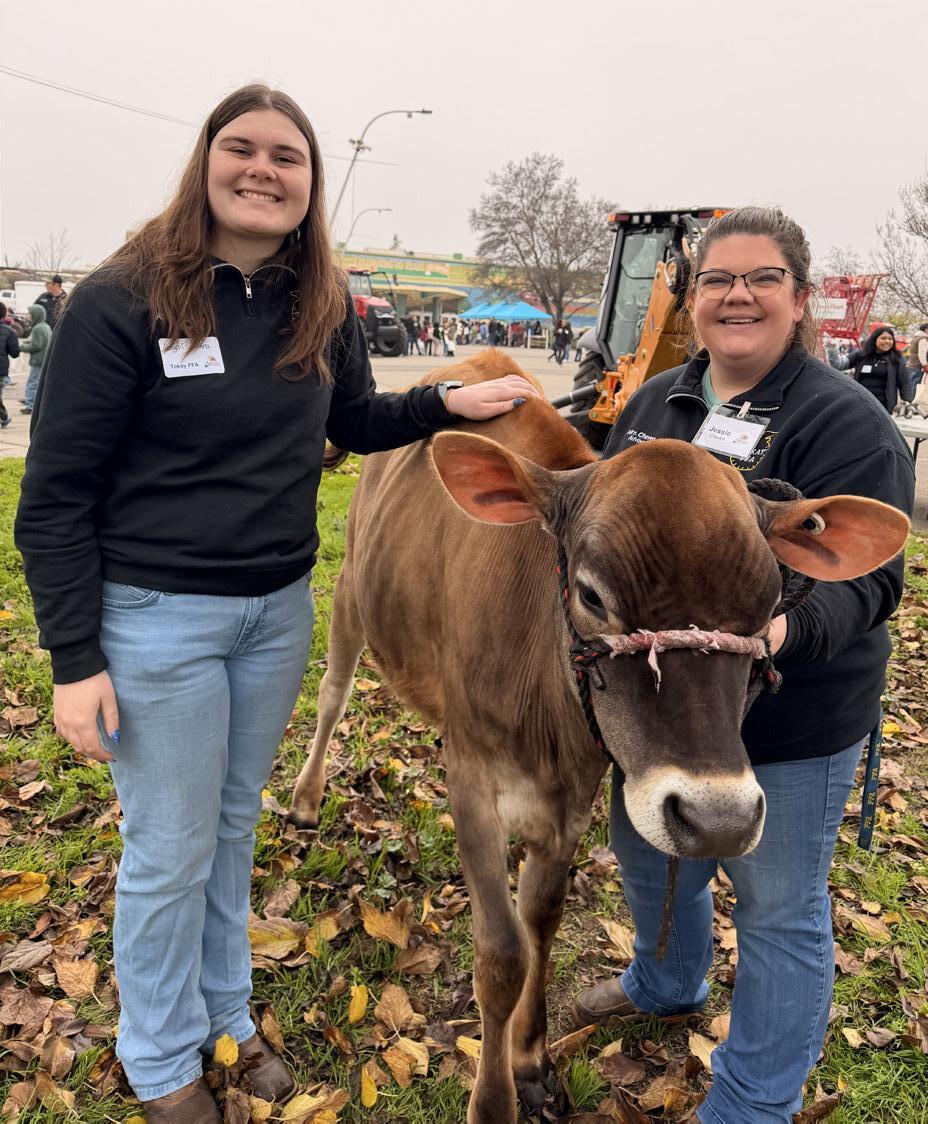
Future Farmers of America (FFA) chapters from across the county volunteered to ensure every student could fully participate in the experience. These student volunteers led interactive activities like learning how to use power tools and basic roping skills. They also facilitated many of the farm animal displays — including Minnie, the minature horse!
This year’s event also featured an exciting new addition made possible by the Specialty Crop Block Grant that introduced a farmers market-style experience for students. Manned by San Joaquin County Office of Education (SJCOE) volunteers, the booths allowed students to “shop” for and learn about fresh, locally grown specialty crops. Cucumbers, apples, and almonds were among items available, helping students make a tangible connection between what is grown here in San Joaquin County and the food they eat every day.
“We’re excited to provide the opportunity for students to learn and enjoy fresh fruits and vegetables grown locally,” said Christie Fuso, coordinator with the STEM, Workforce Development, and Innovation department. “We secured this grant so that students would be able to shop, learn, and take home healthy produce.”
Local agriculture industries and agencies were also on hand to highlight the wide range of careers connected to agriculture. From the California Department of Fish and Wildlife to the San Joaquin Stanislaus CattleWomen’s Association, students learned about livestock care, regional crops and grains, and even how to milk a cow! SJCOE STEM Programs and Greater Valley Conservation Corps (GVCC) were also in attendance to teach students about environmental stewardship, the impact of recycling, and how to track animals and birds.
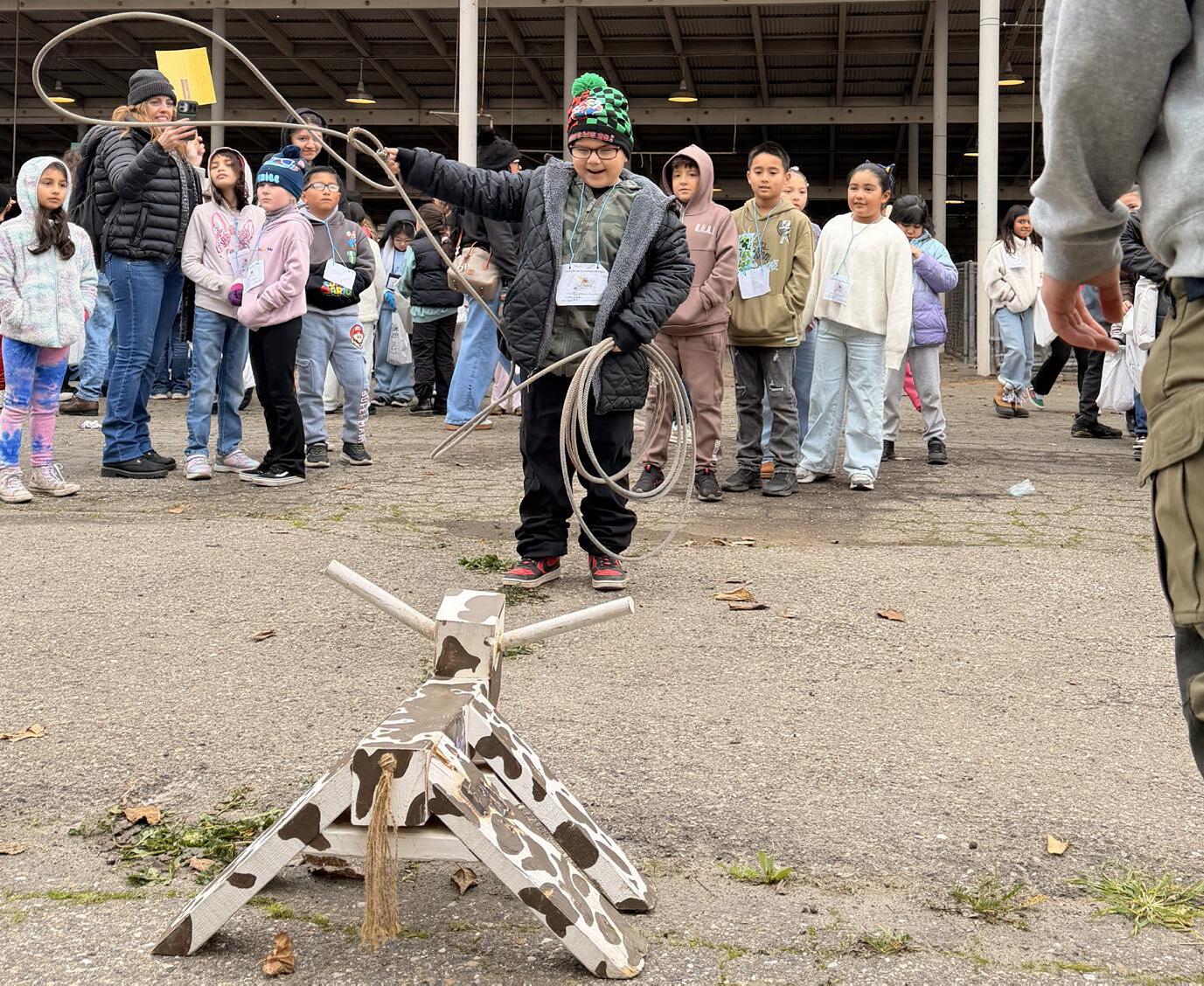
For more information on AgVenture and upcoming events for local districts, visit sjcagventure.com or contact Krista McCoon, AgVenture coordinator, at sjcagventure@yahoo.com.

The seventh Annual Women Together International Virtual Conference convened women from across the region and beyond for a powerful day rooted in its guiding principles: Entrepreneurship, Empowerment, and Empathy.
The event, sponsored by the San Joaquin County Office of Education (SJCOE), Eleanor by Women United, Association of California School Administrators (ACSA) Region 7 San Joaquin County Charter, and Lodi Unified School District, created a dynamic virtual space where women were reminded that not only was there a seat at the table for all, but room for us to build bigger tables for women coming behind us in the workforce and world.
Keynote speaker Jen Hatmaker delivered a deeply personal and energizing message, urging attendees not to let rejection, underestimation, or false starts define their futures. “Your own dreams don’t cancel our service to your families,” she affirmed, challenging the “fake binary” that forces women to choose between ambition and motherhood. Hatmaker’s stories, like writing her first book while raising three small children, underscored the power of persistence and resilience.
Hatmaker also addressed the myth of the scarcity of women. Sharing a vulnerable moment of jealousy early in her writing career, Hatmaker described intentionally choosing to celebrate other women’s successes. Her vivid description of female elephants circling around one another in times of vulnerability became a needed reminder for
the day. “We are sisters,” she shared. “Not competitors. A rising tide can lift us all.”
The conference also spotlighted local changemakers and women entrepreneurs who have created an impact in their industries. Lakisha Little Shaw, who shared her journey from childhood trauma to becoming a regionally recognized advocate for equitable health initiatives, and Janelle Van Ruiten, a professional shark diver and ocean conservationist who recounted the dive with sharks that changed the trajectory of her career path, were among the speakers for the day. A recurring theme, as noted by Deputy Superintendent of Student Programs and Services Janine Kaeslin, was women rising into spaces where they are needed most.
During the afternoon sessions, a powerful panel featuring Herlife Magazine co-owner Anna Sass, Sarah Jones of Jones Candle Company, and 13-year-old entrepreneur Bishop highlighted the courage it takes to pivot from scared to brave. Bishop reflected, “I surprise myself every day!” and captured the spirit of possibility that organizers intentionally wove throughout the conference.
The day concluded with a poem written by Deputy Superintendent of Professional Learning and Support Jane Chamberlain. She recited and reflected, “We are the rising tide.”
Participants ended the day reminded that empowered women, united in purpose, are indeed unstoppable.
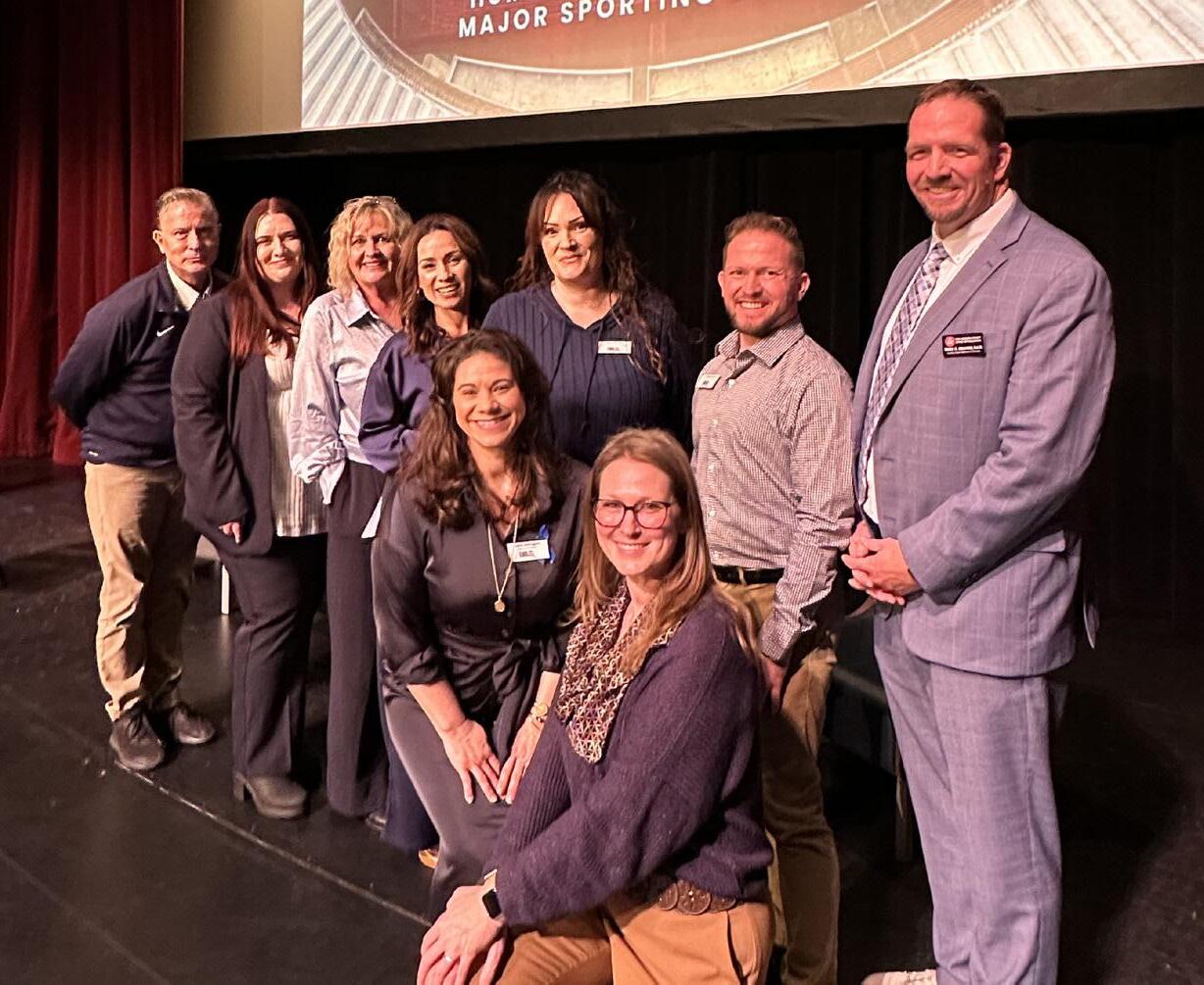
Collaboration and interagency partnerships were on full display at the 8th Annual End It Summit
For more than a decade, San Joaquin County leaders, agencies, and community-based organizations have worked to change how human trafficking is addressed and combatted. A victimcentered approach has been intentionally shaped and woven into the culture of participating agencies. This work was strengthened with the opening of the San Joaquin County Family Justice Center in 2018 and continues today through the efforts of the Anti-Sex and Labor Trafficking task force, known as ASALT, whose members are dedicated to prevention, intervention, and survivor support.
During a powerful panel featuring frontline professionals, Alexis Wilbur, Family Justice Center program manager, underscored the importance of keeping humanity at the center of the work. “In this work, we may get lost in the technical, the law, and what we can prove,” Wilbur said. “But it is important to remember these victims and survivors are people who deserve autonomy and their rights restored. Humanity matters.”
The urgency of this work is evident in recent data. Since July of 2024, 60 percent of the human trafficking cases overseen by the San Joaquin County ASALT task force have involved minors.
County Superintendent of Schools Dr. Troy Brown addressed the broader societal factors that contribute to exploitation. “We also live in a society that too often glamorizes this horrific exploitation,” Brown said. “Major sporting events and large-scale entertainment gatherings bring similar risks. Wherever massive crowds, excess wealth, and highly paid athletes converge, trafficking activity increases. This is not speculation. It is documented reality.”
This reality directly informed the theme of this year’s summit, which focused on how large-scale events, including sporting events, can increase demand and create conditions for trafficking.
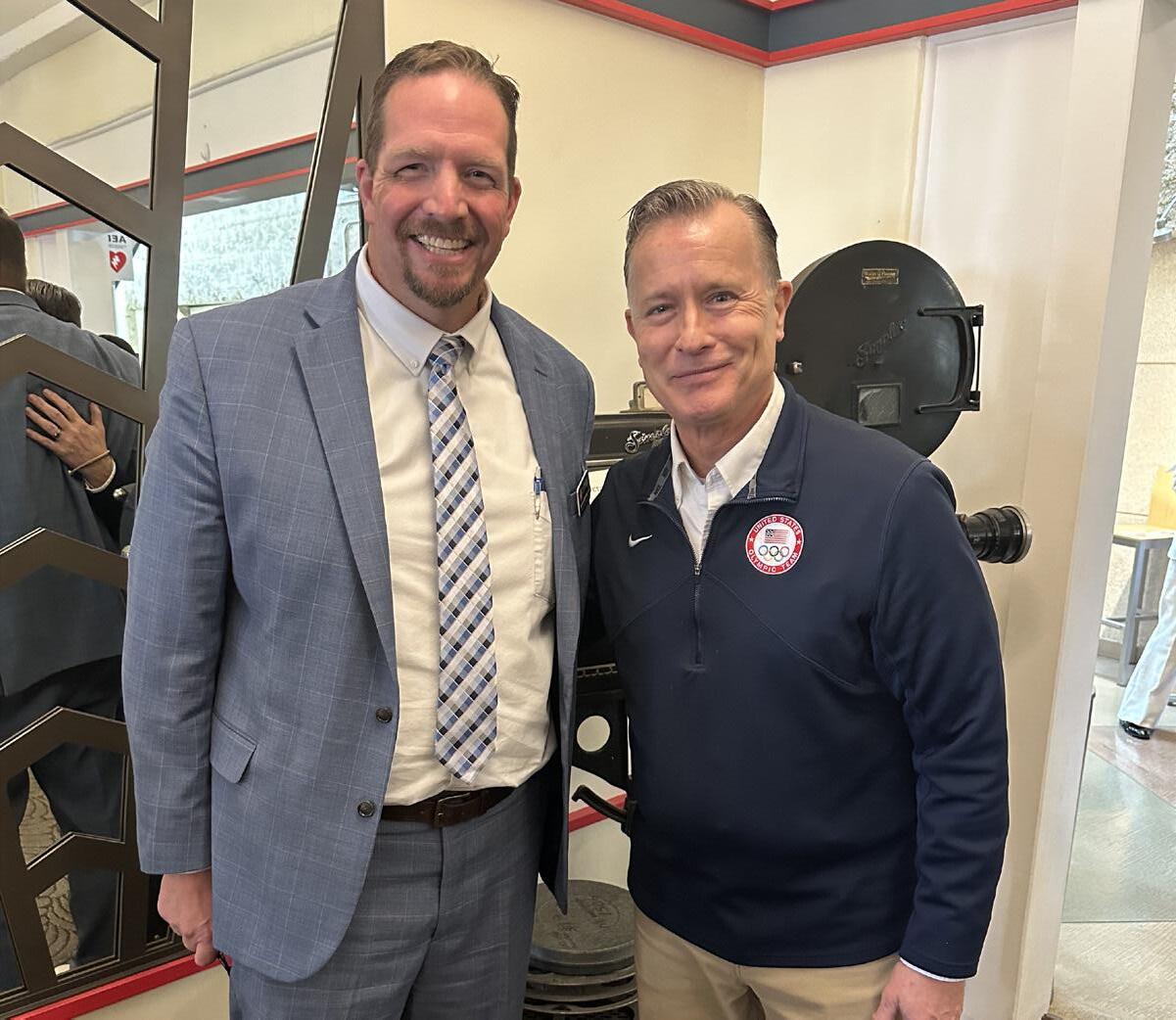
Former Olympian John-Michael Lander, a nationally ranked diver and swimmer, delivered one of the summit’s most impactful moments by bravely sharing his personal story. His testimony challenged common misconceptions about trafficking and where it occurs. “While law enforcement and focused groups were looking outside arenas for the uptick in crime and trafficking,” Lander said, “I was inside the stadium with my abusers.”
Lander’s courage helped expose a trafficking ring involving young athletes in Ohio and sparked critical dialogue about the hidden nature of exploitation. His story reinforced a central message of the End It Summit: prevention, awareness, and collaboration must extend into every space where vulnerability exists, including those that appear safe or prestigious on the surface.
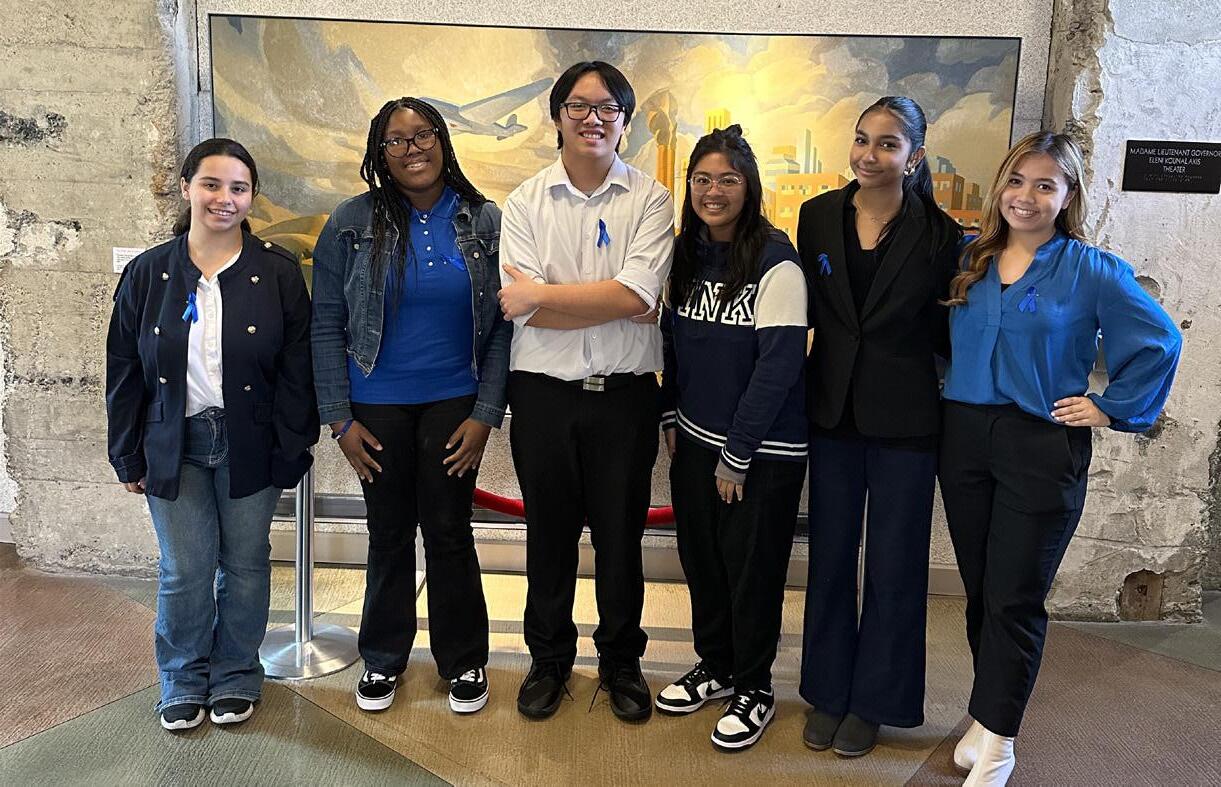
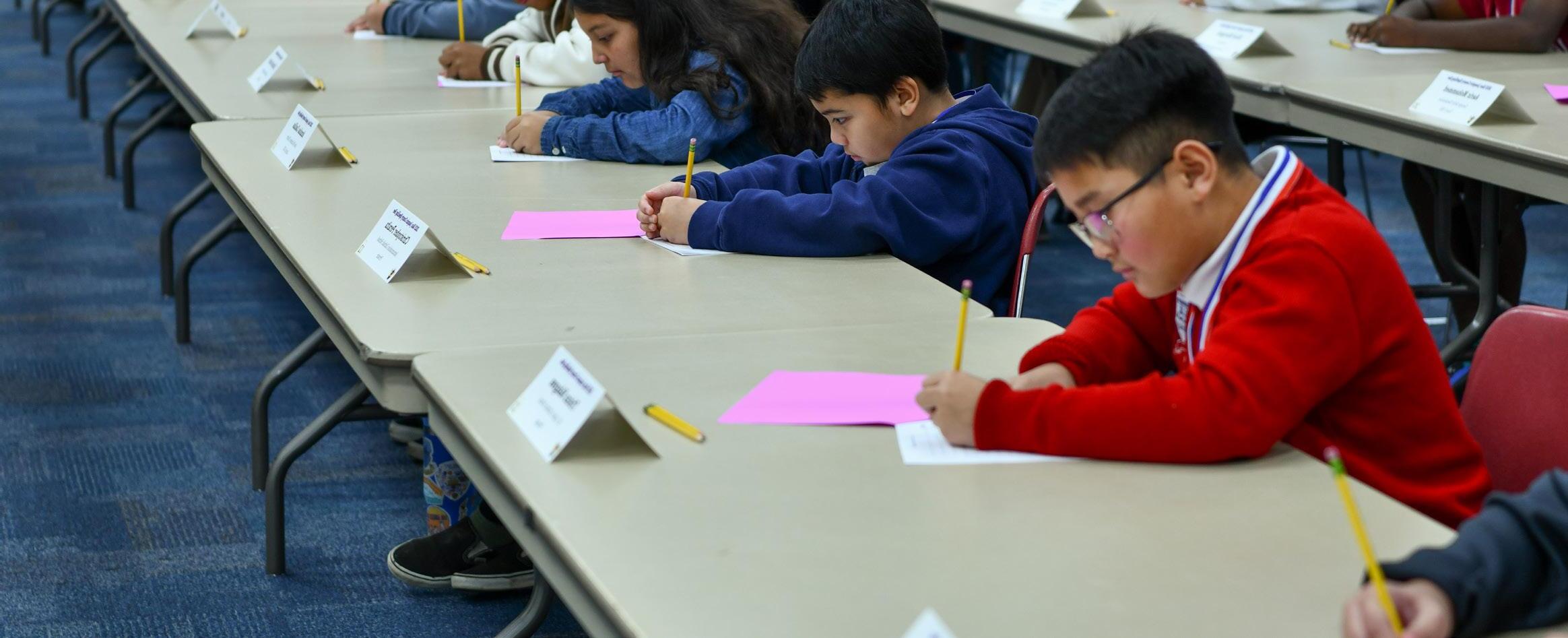
Spelling champions from across San Joaquin County competed in the 28th Annual San Joaquin County Spelling Bee Championships at San Joaquin County Office of Education in December.

To make it this far, students spent countless hours with word lists and dictionaries to prepare for competitions at their schools and districts to qualify for a chance to be named the countywide champion.
Students in grades four to six competed in the Elementary Division on Monday, Dec. 1, and students in grades seven to nine competed in the Junior High Division on Wednesday, Dec. 3. The Spelling Bee is open to students in public and private schools in the county. Each division drew more than 40 champion spellers.
Winners and runners-up from each division qualified to represent the county in the statewide competition.
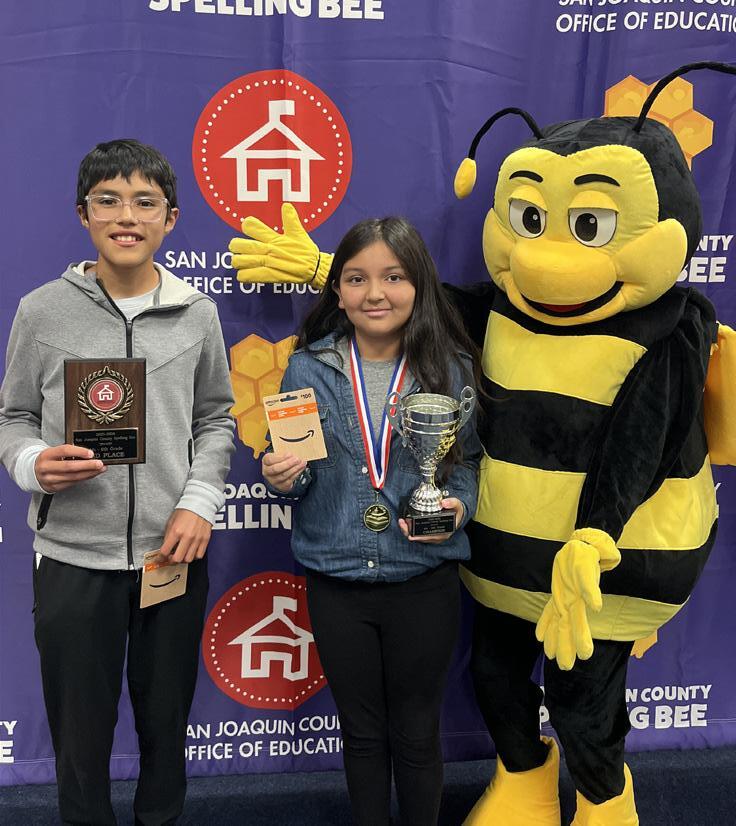
The winner is Annalisa Casillas, fifth grade, John McCandless STEM Charter School (Lincoln Unified School District).
The runner-up is David Perez, sixth grade, Veritas Elementary School (Manteca Unified School District).
WINNING WORD: PARENTHESES
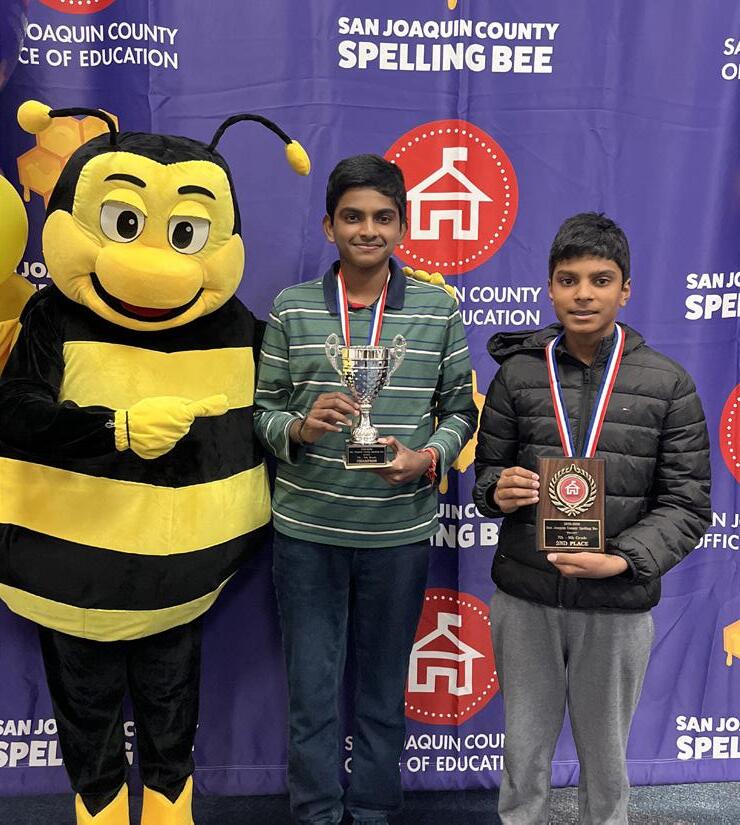
The winner is Praneet Aditya Kyumaravel, ninth grade, Millennium High School (Tracy Learning Center).
The runner-up is Pranav Karyamapudi eighth grade, Williams Middle School (Tracy Unified School District).
WINNING WORD: GENEALOGY
CALIFORNIA STATE SPELLING BEE CHAMPIONSHIPS COMES TO SAN JOAQUIN COUNTY
The San Joaquin County Office of Education (SJCOE) will continue to host the California State Spelling Bee Championships. On April 25, county champions from all over the state will come to the Great Wolf Lodge/Northern California in Manteca to compete for the state title.
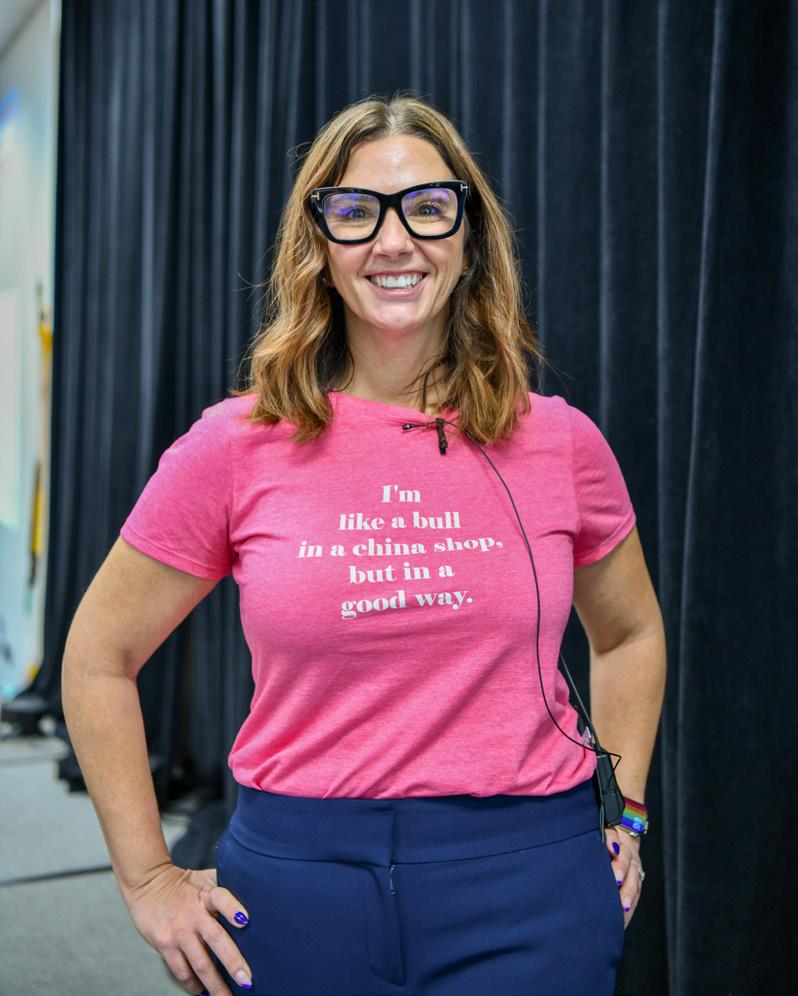
Emily Mosovoy-Luna refuses to tiptoe when it comes to student learning. After being labeled a “bull in a china shop” when it comes to educational norms, she faced a choice: shrink to fit the room, or change the room entirely.
She changed the room.
Instead of retreating, she reflected, learned, and transformed that “bull-like” energy into a resolve to shatter the barriers within modern education.
Today, as an advocate for Universal Design for Learning (UDL), Mosovoy-Luna doesn’t just navigate learning environments; she helps school communities, educators, and leaders redesign them so every student has the room to succeed.
At its core, UDL is a shift in perspective. It is a style of teaching that prioritizes learning by providing students with multiple ways to engage, express themselves, and effectively demonstrate knowledge. In the classroom, this looks like flexible learning environments, curricula, and assessments that accommodate the diverse needs of all learners.
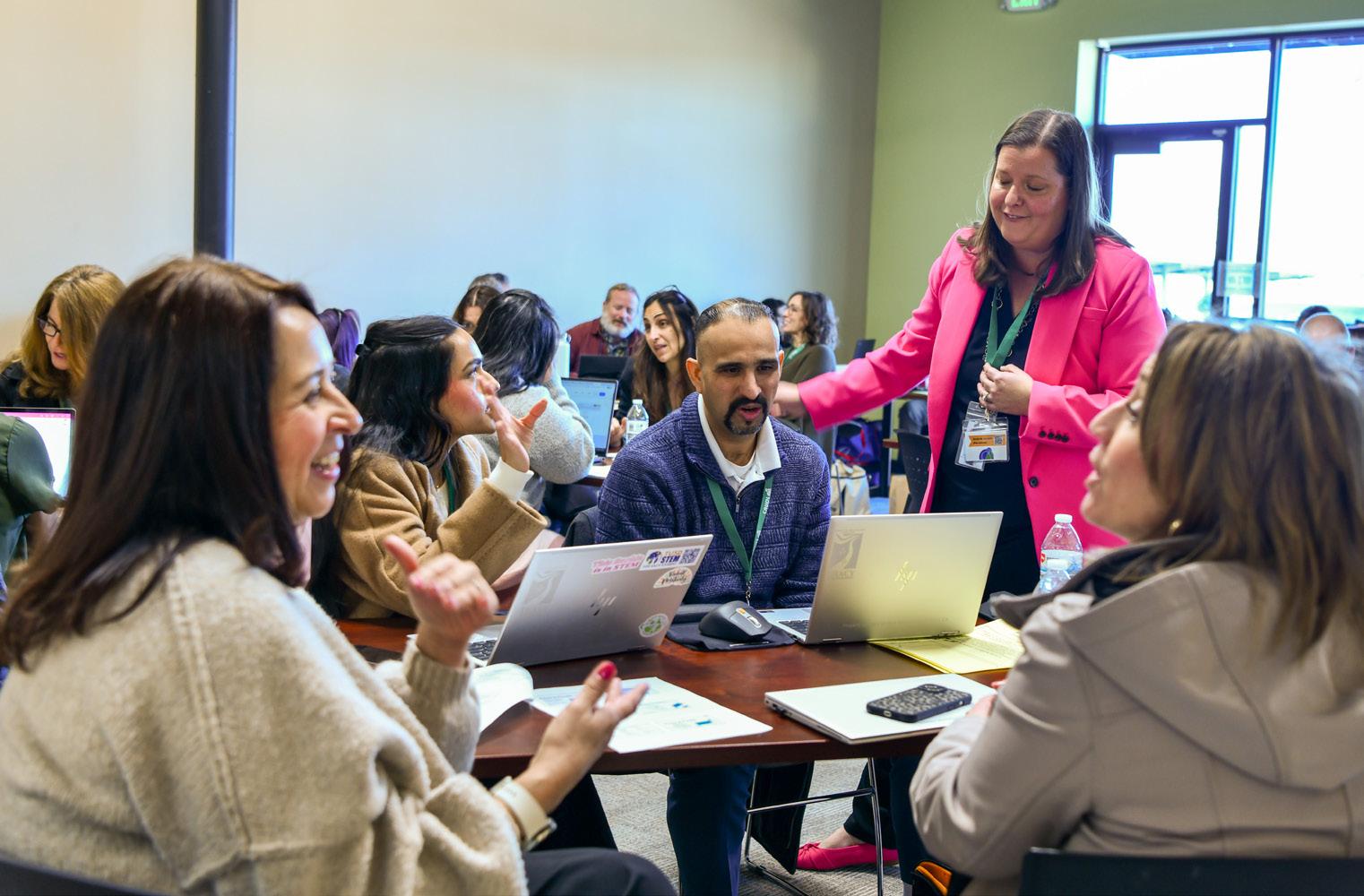
This spirit of proactive inclusion was the heartbeat of the third annual California UDL Summit, hosted by the San Joaquin County Office of Education (SJCOE). Under the theme “Powered by Stories, Driven by Design,” the event welcomed more than 320 educators from across California, and as far as Washington State, to explore how to remove learning barriers.
Mosovoy-Luna set the tone with an inspiring keynote, followed by a special guest presentation by Dr. Shelley Moore, host and author of 5 Moore Minutes. Dr. Moore is well-known for illustrating aspects of the UDL framework using short stories that support the learning of educators and students alike.
Over two inspiring days, attendees engaged in breakout sessions on topics like merging STEAM and UDL, creating UDL choice boards in classrooms, designing reading interventions with UDL principles, and more.
The summit also highlighted real-world success stories. Jennifer Smith, MTSS coordinator in Morongo Unified School District, sat on a featured panel, sharing how her school transformed a single teacher’s initiative into a schoolwide movement. She emphasized that UDL implementation doesn’t have to be daunting. She advised educators to conduct walkthroughs and discuss with their colleagues what they are doing in the classroom. “[Teachers] are doing this work, “ Smith said. “Walkthroughs help them see that this isn’t so scary, because you learn what it looks like in your classroom and how you’re already doing UDL.”
The sentiment was echoed by Fred Cochran, SJCOE Continuous Improvement and Support coordinator. “The way we approach professional learning around UDL is to help educators understand that they’re already doing this work,” he said. “But when you think about it within a framework and incorporate the other pieces, you become more effective.”
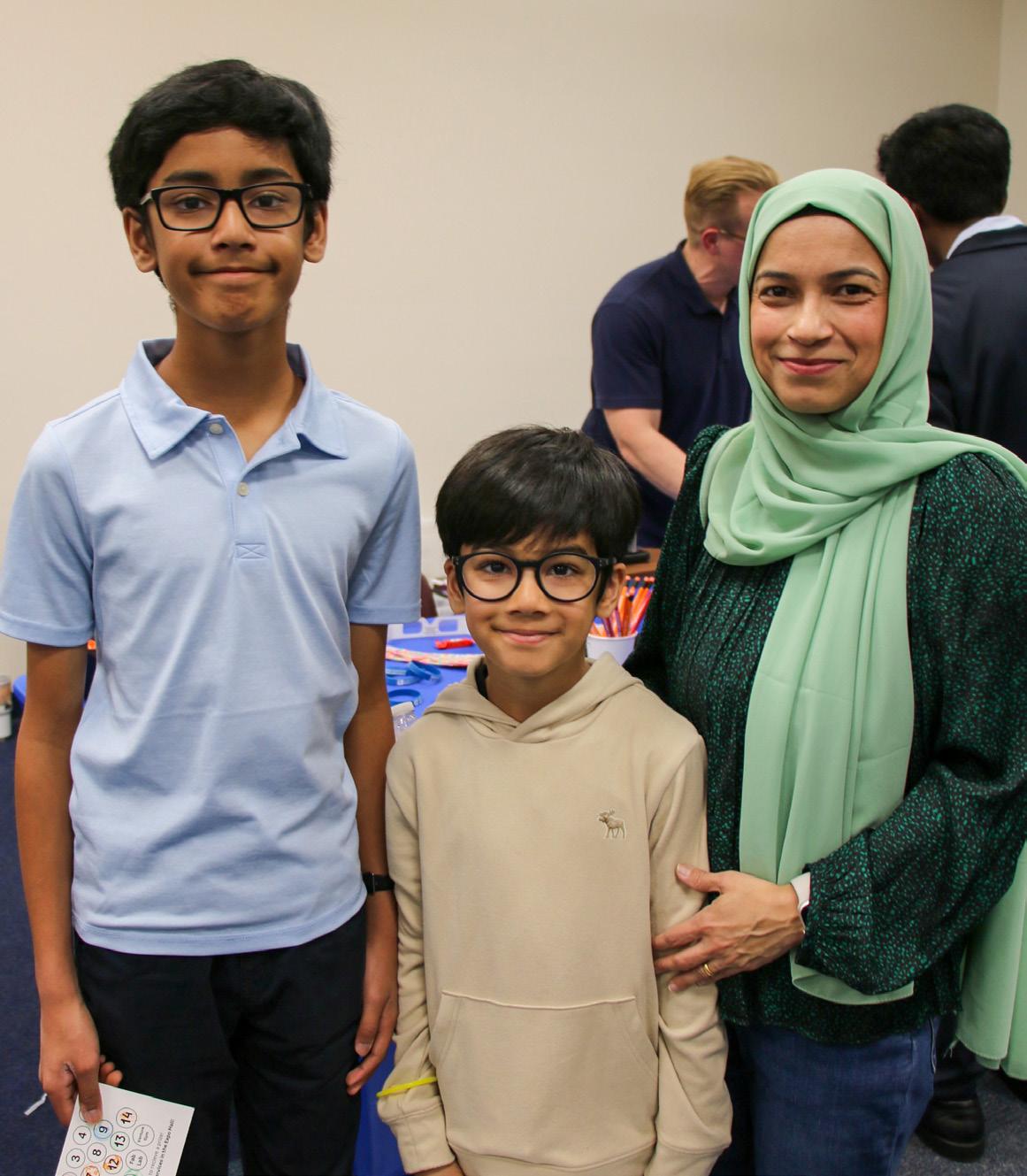
Inside a transparent orb, tiny bolts of electricity reached out to the exact points where Ayaan and his younger brother Adnan placed their fingers on the outside of the sphere.
At the same time, a physicist from Lawrence Livermore National Laboratory explained how the effect came from electrified neon and other gases turning into plasma — the same effect as a lightning bolt.
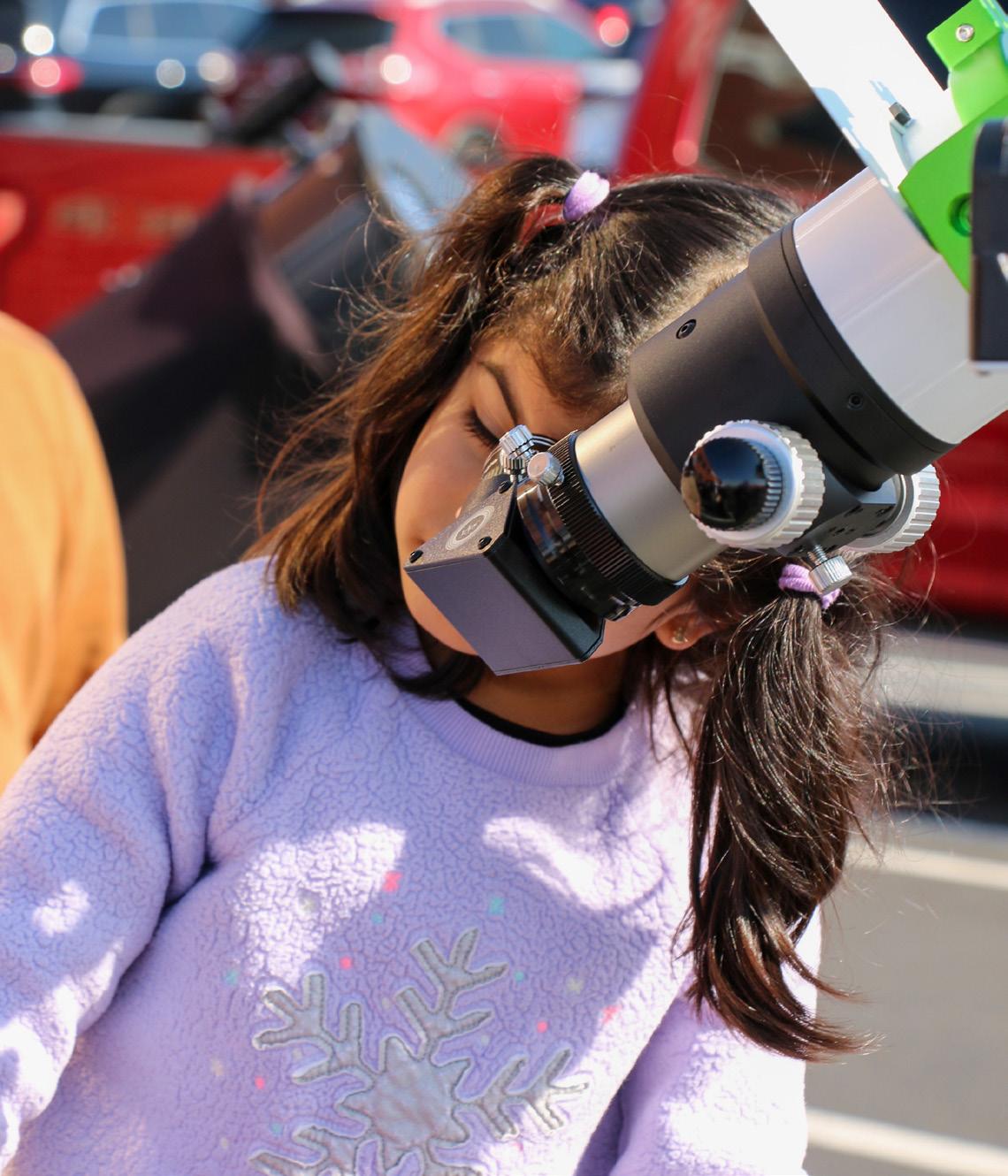
That exhibit was one of several hands-on activities at the 67th Annual San Joaquin County STEAM Fair & Expo. The STEAM Fair portion — where students create science projects for a countywide competition — has been a staple in the local educational landscape for decades. But the STEAM Expo is a more-recent addition, inviting the community to come together at a free event to have fun while learning about science, technology, engineering, art, and math.
“It’s definitely really cool,” said Ayaan, a sixth grader from Veritas Elementary School (Manteca Unified School District) who also entered a project in the STEAM Fair.
“The great thing about the Expo is that it’s a STEAM party — it’s a celebration of the
subjects,” said Stephen Callahan, who coordinates the SJCOE FabLab — a maker space that was filled with activities during the STEAM Fair and Expo. The activities at the Expo are not just for students who are already interested in science, he said. “It’s also great for kids who haven’t yet fallen in love with science to have an entry point, to have games to play, to see that math can be fun, and be able to make something that matters to them.”
Organized by the San Joaquin County Office of Education STEM, Workforce Development, and Innovation department, the STEAM Fair and Expo also drew community partners sharing their expertise and activities with students.
In total, the activities hit on a wonderful range of topics, from technology to agriculture to geology and more, said Nilofar Sanadi, Ayaan and Adnan’s mother. That gives students interested in STEAM a chance to see what career options are out there, she said. “They are still learning and growing, and it gives them an opportunity to figure out what they want to do.”
At the same time as people engaged in a wide range of hands-on activities or
grabbed a meal from food trucks in the parking lot, the serious business of the STEAM Fair also took place.
Volunteer judges interviewed approximately 550 students in all grades from 38 San Joaquin County schools about their projects. The competition is open to all K-12 students in the county and is a qualifying fair for the California Science & Engineering Fair. Students compete in traditional science

Inaugural symposium challenges educators to reflect, act, and connect
“Just because I carry it well does not mean it is not heavy.”
“Not all who wander are lost.”
“Knowledge without action is meaningless.”
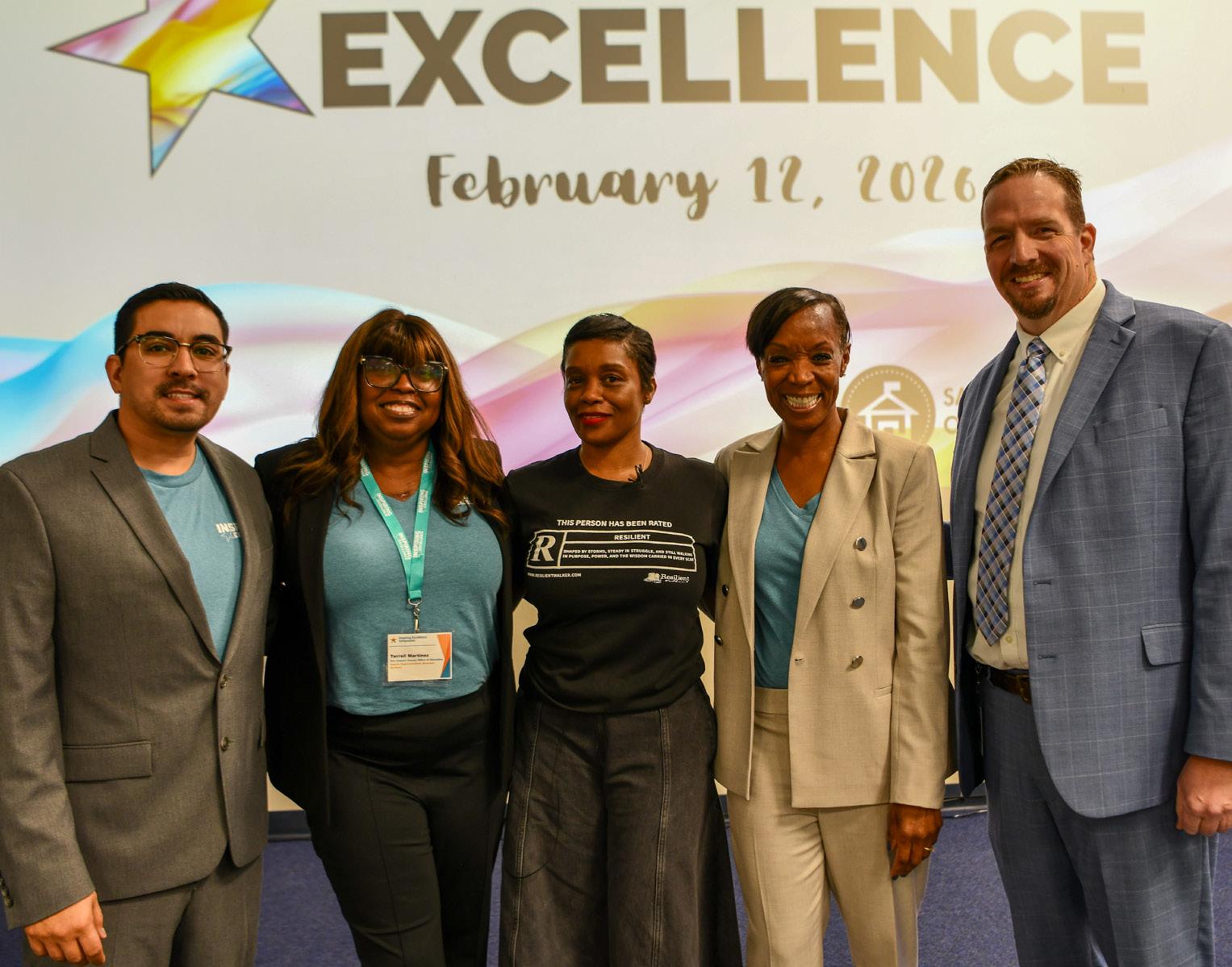
When Dr. Shree Walker concluded her keynote at the inaugural Inspiring Excellence Symposium, she asked attendees to share the most memorable part of her welcome. It did not take long before these powerful lines echoed through the room, underscoring the depth of reflection Dr. Walker sparked with attending educators and administrative professionals.
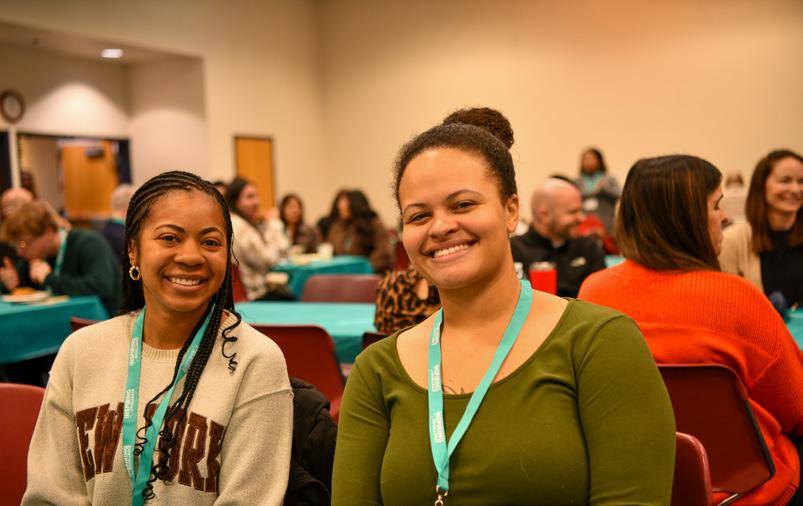
Hosted by the San Joaquin County Office of Education (SJCOE), the one-day professional learning event centered on equity, wellness, connection, and action for educators, leaders, students, and staff.
Dr. Walker shared her experiences in a vulnerable address, challenging attendees to examine their belief systems and how those beliefs may show up in classrooms and communities. She urged educators to sit with “the weight of your contribution” and consider what students experience when they walk into classrooms. “Excellence is the only option,” she added, framing excellence as both outcome and obligation to the students and communities they serve.
Walker encouraged reflection with hard questions: “Where did these beliefs come from?” and “How blessed are you to not understand?”
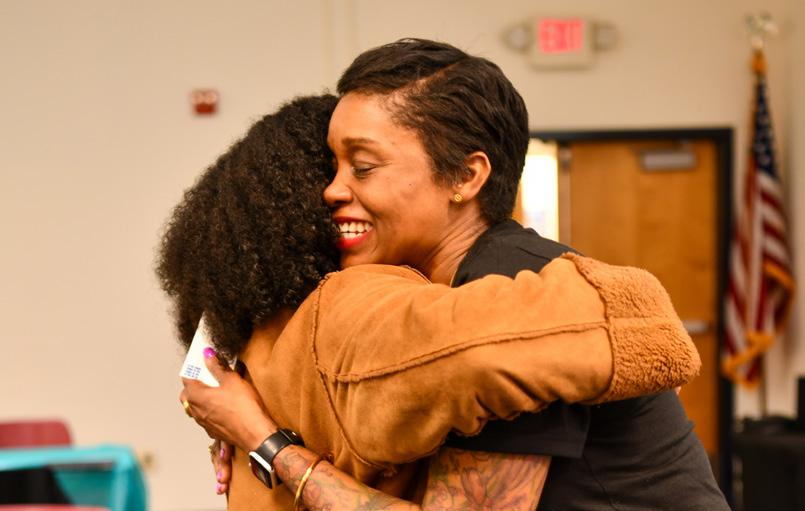
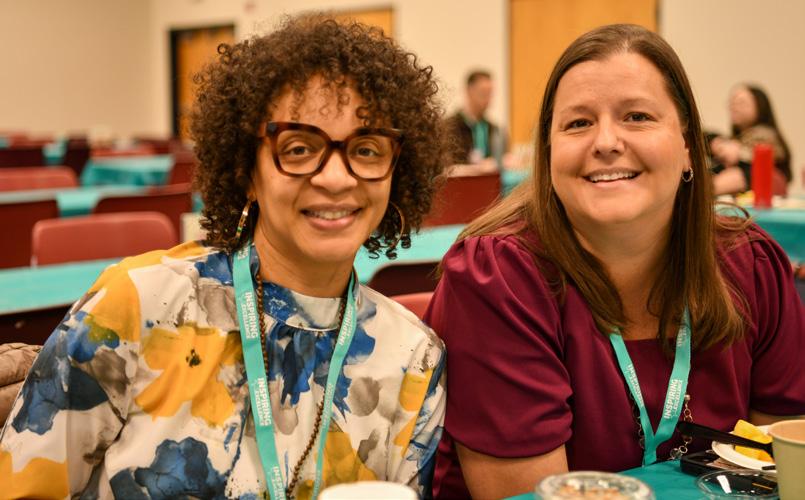
Education, she said, begins with internal inquiry, one that must lead to action. After all, knowledge without action is… “meaningless,” attendees loudly answered.
The event continued with breakout sessions that explored culturally responsive practices, inclusive classroom strategies, and equitycentered leadership. Topics included understanding student identities, building student-teacher connections, and adapting instructional practices to meet diverse needs.
Near the end of the symposium, a student panel offered candid advice: “Please be patient with your students,” and “Not every day is the best day for kids.” Students encouraged teachers to innovate instruction, connect personally, and see the world through students’ lenses.
“We were intentional in featuring a keynote speaker, student panel, community vendors, and workshop presenters who met the diverse needs of all attendees and the students, schools, and communities they serve,” said Jacalyn Davis, director of the Diversity, Equity, Inclusion, and Access department at the SJCOE and event organizer. “We wanted our participants to engage, reflect, and learn from one another, strengthening our shared commitment to excellence and creating a lasting impact in our schools and communities.”
The symposium’s takeaway message was clear: continue to inspire those you guide, serve, and lead with excellence.
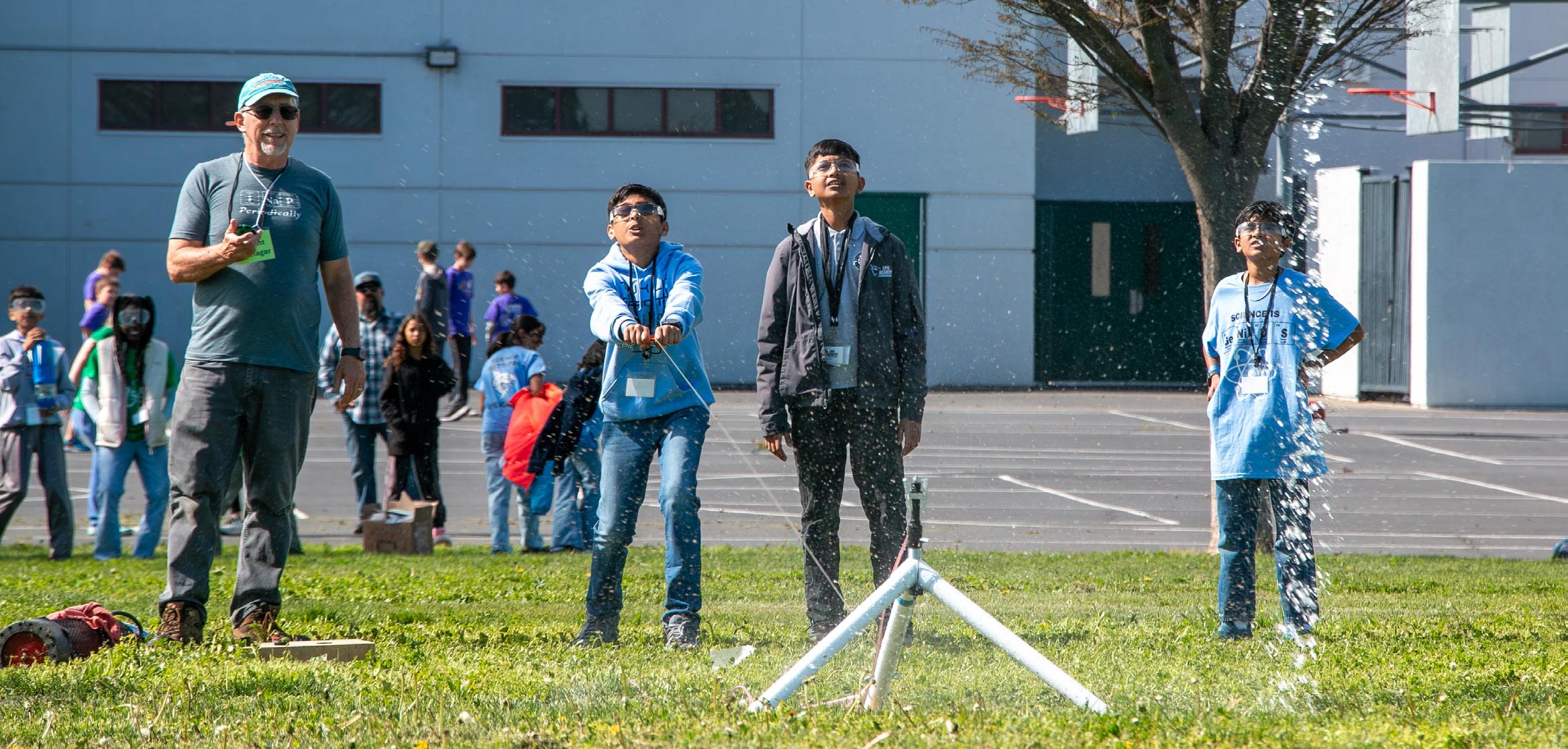
Thousands of students across San Joaquin County participate in the various student events and competitions offered by the San Joaquin County Office of Education (SJCOE). From the Academic Decathlon and Spelling Bee to Honors Concerts and the Best of San Joaquin County Art Show, these countywide offerings enhance the academic experience of students in the county.
They could not happen without the tireless efforts of many community volunteers.
From keeping time to scoring mock trial presentations to assisting with registration and more, volunteers dedicate their afternoons, evenings, and weekends to ensure students have the best experience as they perform, compete, and showcase their talents.
“They generously share their time, knowledge, and encouragement, consistently uplifting students and inspiring them to achieve their very best,” said Erika Chapman, director of SJCOE Student Engagement and the Arts. “Their willingness to invest in our young people reflects the true spirit of service within our county.”
Many volunteers come back year after year.
Vincent P. D’Angelo, Esq., has been a long-time volunteer for the San Joaquin County Mock Trial, in which high school teams debate fictitious cases before court judges. D’Angelo has served as a scoring attorney for the event since 2017. Being able to encourage students to pursue a legal career path keeps him coming back. “My mentors stressed the importance of giving back, and I’ve tried to honor their grace and memory by volunteering as often as I can,” D’Angelo said. “We always need lawyers to advocate for the citizens of San Joaquin County.”
For David Diskin, the chance to return to the Academic Decathlon world drew him in. As a student in Riverside, Diskin participated in the event, learning about the world and earning medals alongside his
closest friends. Now, he looks forward to connecting with the future of San Joaquin County each year. “While Super Quiz is exciting and fast-paced and interviews give a great way to connect with students, listening to their speeches is a joyfully different experience every time,” he said. “Some of them are so great, and so powerful, we almost forget that we’re there to score them.”
Russ Rieber (pictured above), a retired engineer, began volunteering for the Science Olympiad when his son began competing. Seeing the students’ excitement to learn and apply science has brought him back for the past 18 years. As manager of the A-Division Water Rockets and C-Division Robot Tour, Rieber gets a front-row seat. “It is amazing to watch them solve problems on their own. And the pride in their expressions is almost magical,” he said. “This, to me, is the true beauty of science.”
Volunteers are critical to these academic events each year, and there is always a need for additional volunteers. To learn more about volunteering to support students across the county as they participate in these events, please contact Michelle Hicks at mihicks@sjcoe.net or 209-468-4866.
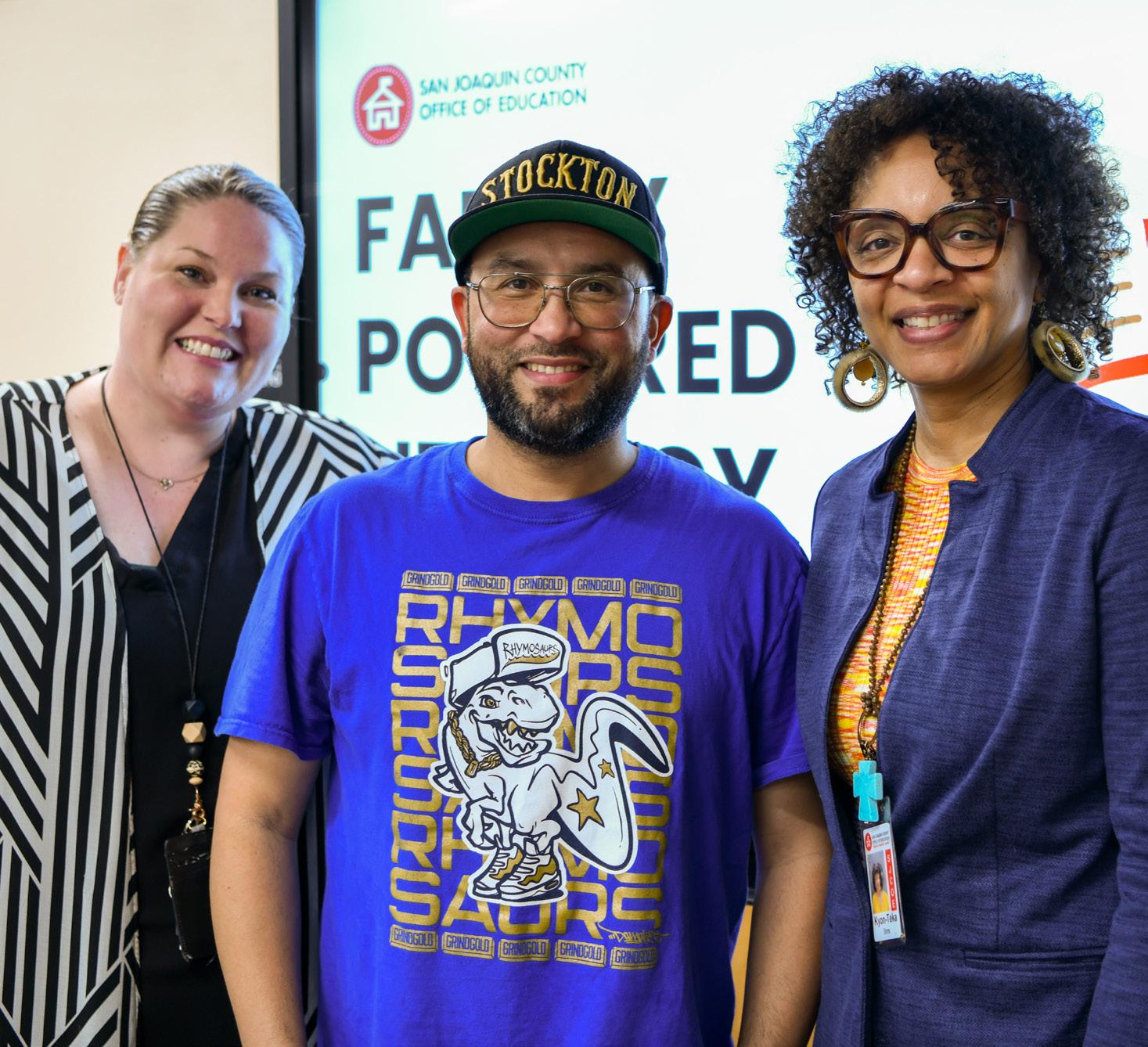

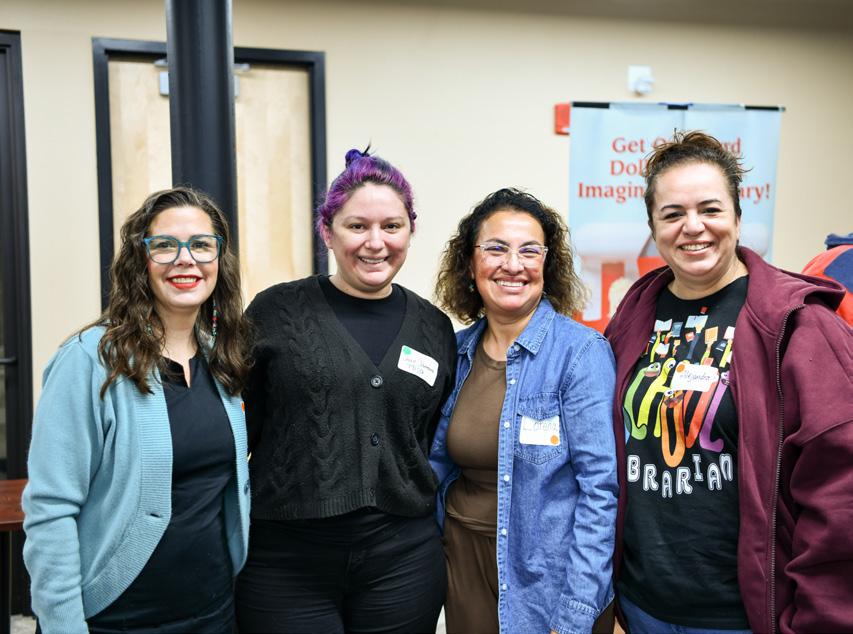
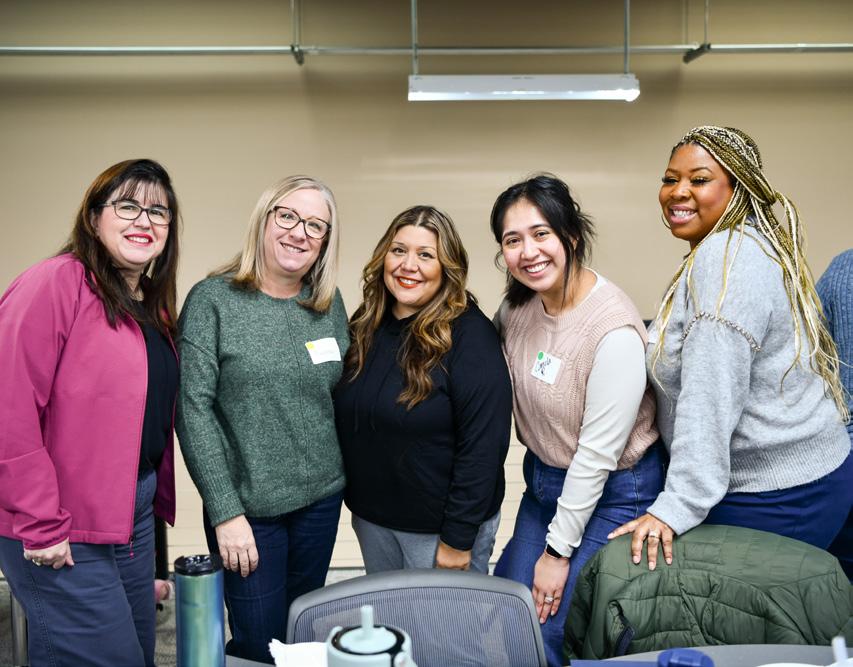
“Hello, hello. I like to eat marshmallows. I like bananas because they are…”
“Yellow,” the room of excited adults shouted back in unison.
Rhyming to beats created moments before, the freestyle call-and-response transformed the once-quiet room of educators and school staff into an energized community of learners. The effect mirrored the impact it has on students of all ages. By blending creativity and play, participants were ready to engage with literacy in a way that felt like a game rather than a lesson.
The activity was one of many demonstrated by Orlando Molina, author and creator of Rhymosaurs, during his keynote at the Family Powered Literacy event, hosted by the San Joaquin County Office of Education (SJCOE). Molina, also known as MC ZEPS, fell in love with hip-hop culture while attending The High School of Art & Design in Manhattan.

Now, with his team of skilled musicians, Molina incorporates the culture in his live kids’ events, workshops, and afterschool program visits. From the “animal rap” to his silly remix of “The Wheels on the Bus,” his arts-based activities turn any moment into a learning opportunity.
Molina demonstrated how everyday environments can enhance literacy instruction, reminding educators that strong readers and writers don’t only grow in classrooms – they are also created at home with their families and within the community.
The SJCOE event aimed to help schools strengthen relationships with families. When families are empowered with the right tools, literacy becomes part of everyday fun at home.
“The event introduces some of the Community Schools philosophy to every school, helping them see how working hand-in-hand with families improves
student outcomes,” said Megan Filice, MTSS and Community Schools coordinator at the SJCOE. “We want every family in our county to have a seat at the table when it comes to their child’s education.”
Following the keynote, more than 100 attendees participated in breakout sessions, which equipped them with strategies to elevate family voice and encourage family partnership in their child’s reading journey.
The event was held collaboratively between the SJCOE’s Language and Literacy department and Continuous Improvement and Support department.
The event also supports San Joaquin County Superintendent of Schools Dr. Troy Brown’s initiative to strengthen countywide early literacy rates, ensuring all students have the opportunity to be proficient in reading by the end of third grade. To learn more about the Superintendent’s initiatives, visit www.sjcoe.org/about/superintendent.
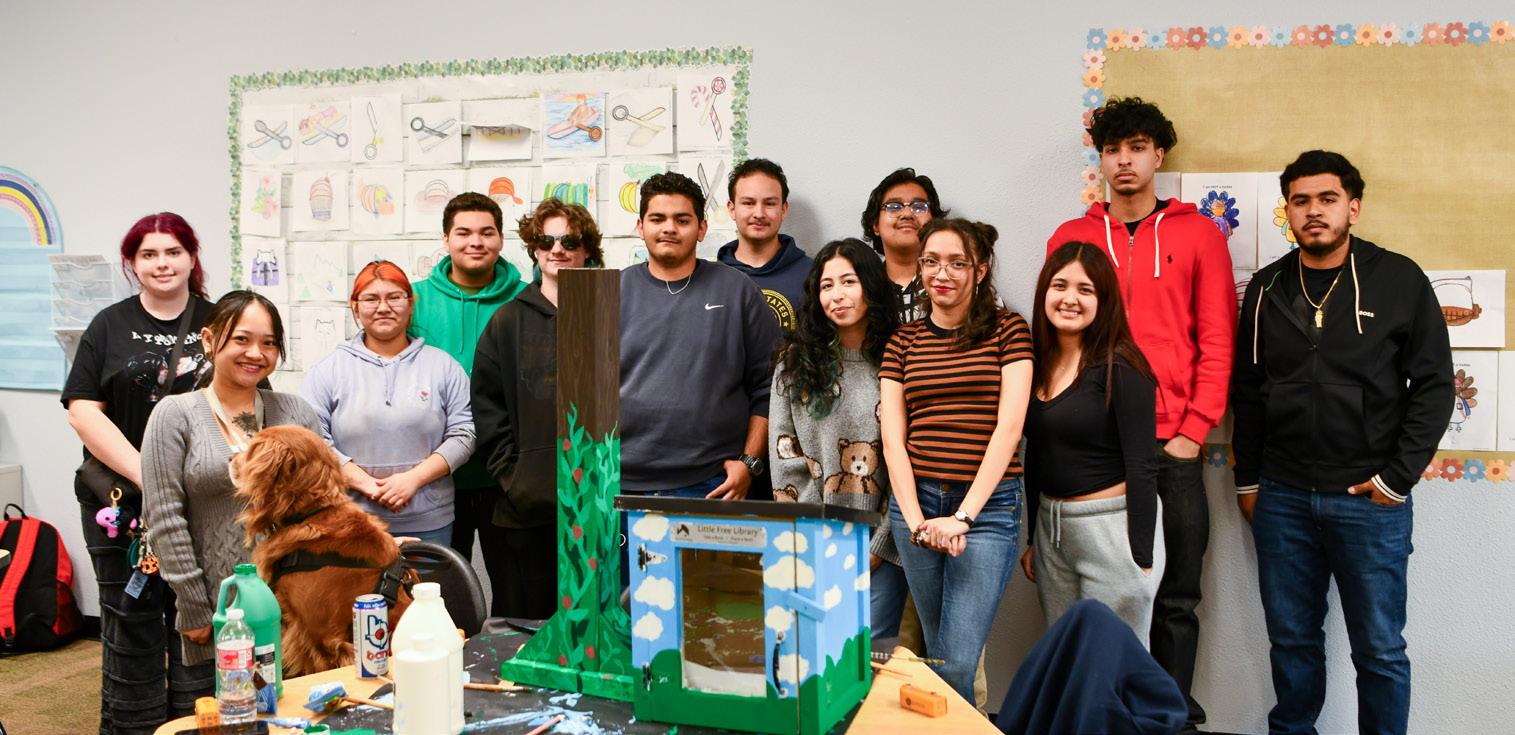
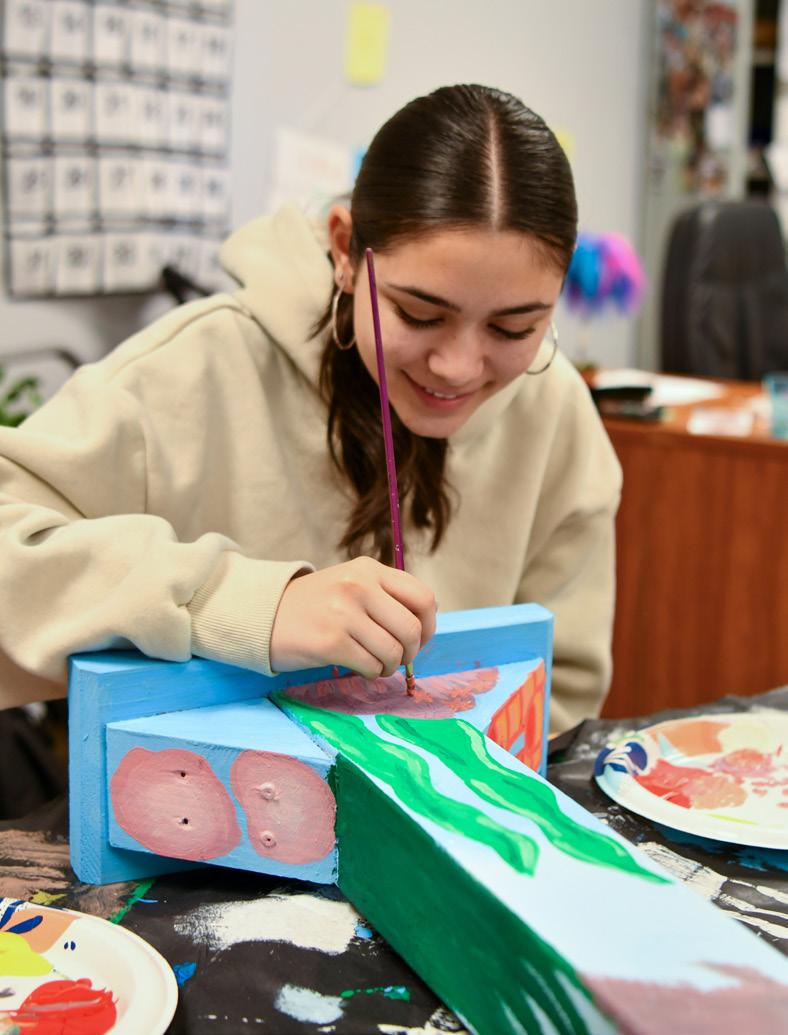
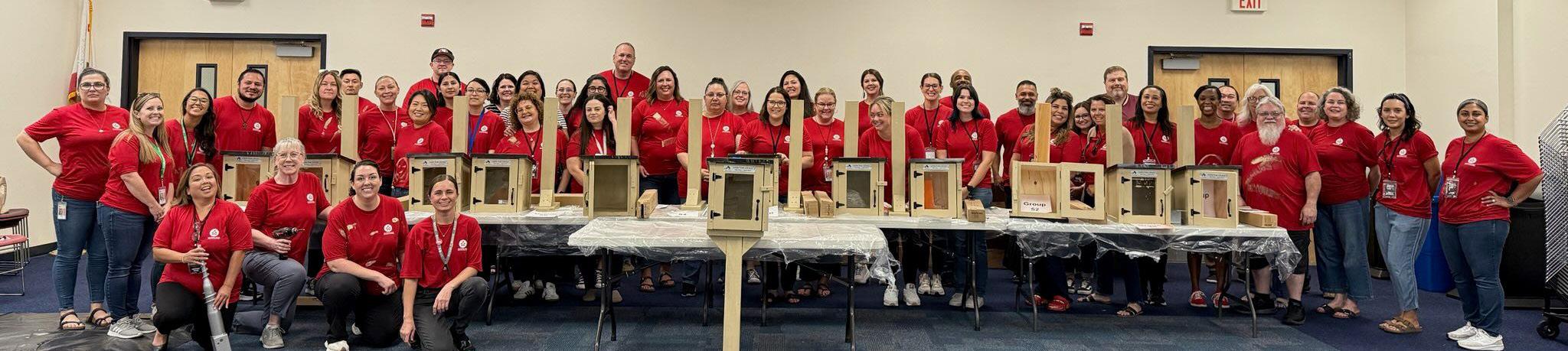
The sound of the new school year for the San Joaquin County Office of Education (SJCOE) didn’t begin with the traditional ring of a school bell. Instead, it opened with the rhythmic sound of pieces of wood being tapped into place.
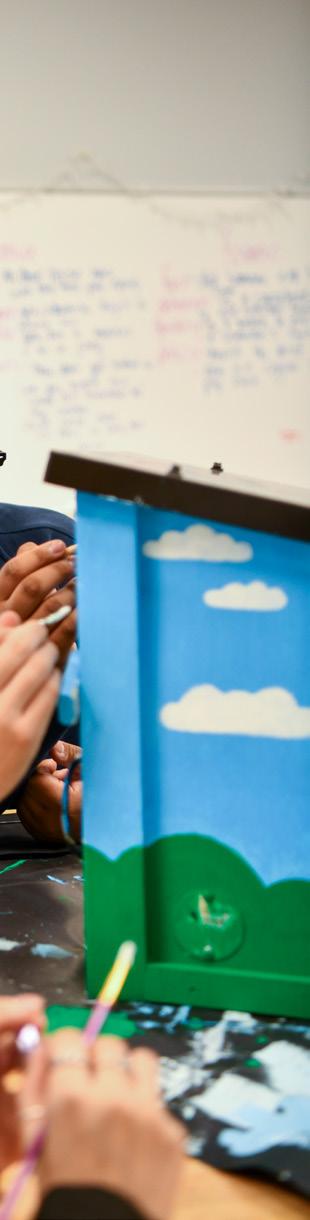
During the annual SJCOE Leadership Retreat, staff rolled up their sleeves to construct and paint Little Free Libraries – tiny structures that would soon be installed in neighborhoods across the county to serve as hubs for literacy, connection, and a lifelong love of reading.
The hands-on project was more than a team-building exercise. It also supported San Joaquin County Superintendent of Schools Dr. Troy Brown’s priority to strengthen early literacy efforts, ensuring all students have the opportunity to be proficient in reading by the end of third grade.
The ability to read by the third grade is the most critical academic indicator for future success, as it sets the foundation for future learning. When students can confidently read
by this milestone, they are better equipped to learn, grow, and realize their full potential.
For Megan Smith, coordinator in the SJCOE STEM, Workforce Development, and Innovation department, the opportunity to build the libraries served as an important reminder that literacy success impacts every field.
“Books can inspire future scientists and engineers by providing diverse role models and perspectives that help students see themselves as explorers, innovators, artists, and so much more,” she said. “By having the opportunity to step outside of our daily roles, we were able to gain insight about the needs of our community and learn more about how we might better serve others and support student achievement in San Joaquin.”
Art students from Venture Academy Family of Schools joined in to make the libraries more inviting. For Amber Cabaccang-Plares’s class, this meant four weeks to transform the blank canvases into eye-catching landmarks for the communities they will be installed in. The class
used their artistic abilities to freehand details on their natural sky and coral reef-themed libraries.
The project also served as a chance for students to use their skills for a greater purpose.
“It’s very important for kids to have books accessible because reading can open a new world for their imaginations,” said Sam, a senior in the class. Together, he and his classmates hand-painted clouds, vines, seaweed, and other marine life on structures.
Beginning in February, the Little Free Libraries built during the SJCOE Leadership Retreat rolled out across the county. Each library is sponsored by an SJCOE department or community partner, ensuring they are stocked with books and well-maintained. Together, staff, students, and community members are helping create spaces where literacy can take root — and where every child has the chance to discover the joy of reading.
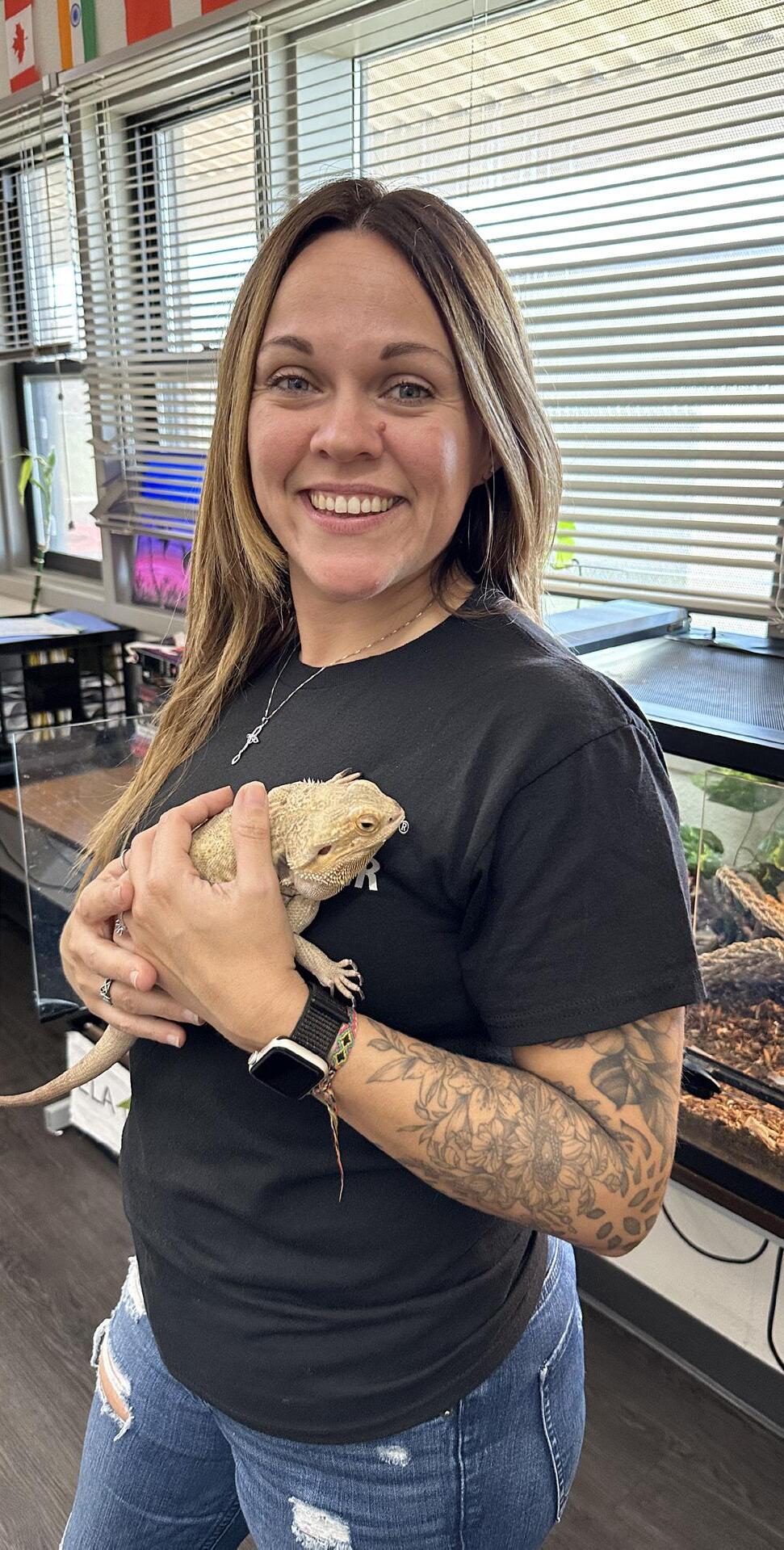
A 2008 graduate of one.Lodi, Kelsey Sequeria originally planned to return to her home district after making up credits. But something unexpected happened during her time at one.Lodi – she felt supported and valued by her teachers, fellow students, and grew to love the learning environment that quite literally changed the trajectory of her life.
“I was kind of lost as a person,” Sequeira reflects. “Growing up, I loved school, but there were things outside my control.” By her freshman year, that disconnect showed up in her academics. What one.Lodi offered instead was something rare. “My teachers saw past my behavior, my disconnect, and saw me as a person,” she shared.
She credits several educators, Darrel Wildt, Gina Mickley, and Brandy Thurman, for reigniting her love for learning and showing her what meaningful connection in education could look like. “They reminded me of who I was,” she said. “They encouraged me to be the best version of myself without trying to change me or judge me.”
While at one.Lodi, Sequeira briefly considered a career in culinary arts and was part of, what she jokingly calls, the “OGs of dual enrollment” with San Joaquin Delta College, taking culinary courses while at one.Lodi. But during a reflective essay assignment, she had a realization. “It wasn’t my passion,” Sequeira shared. “Teaching was. When I was younger, I imagined myself as a teacher, often ‘teaching’ my younger sister at home.”
Sequeira pivoted, completing general education courses before earning her degree through National University. Along the way, she worked in roles that consistently supported children, from after-school programs to joining the San Joaquin County Office of Education (SJCOE) in 2014 as an instructional assistant while finishing her degree.
In 2017, Sequeira began substituting for the SJCOE and reconnected with her mentor, Gina Mickley, before stepping into a permanent position at one.Cruikshank. In 2022, an opening became available at one.Lodi and the decision for Sequeria was immediate.
“It felt like coming home,” she recalled. “I couldn’t pass up an opportunity to teach at my alma mater.”
Today, she describes one.Lodi as having a truly unique culture, one grounded in connection, consistency, and understanding that not every student thrives in a traditional school setting. “Alternative education gives students an individual path,” she said. “If not for one.Lodi, I don’t know where I would be.”
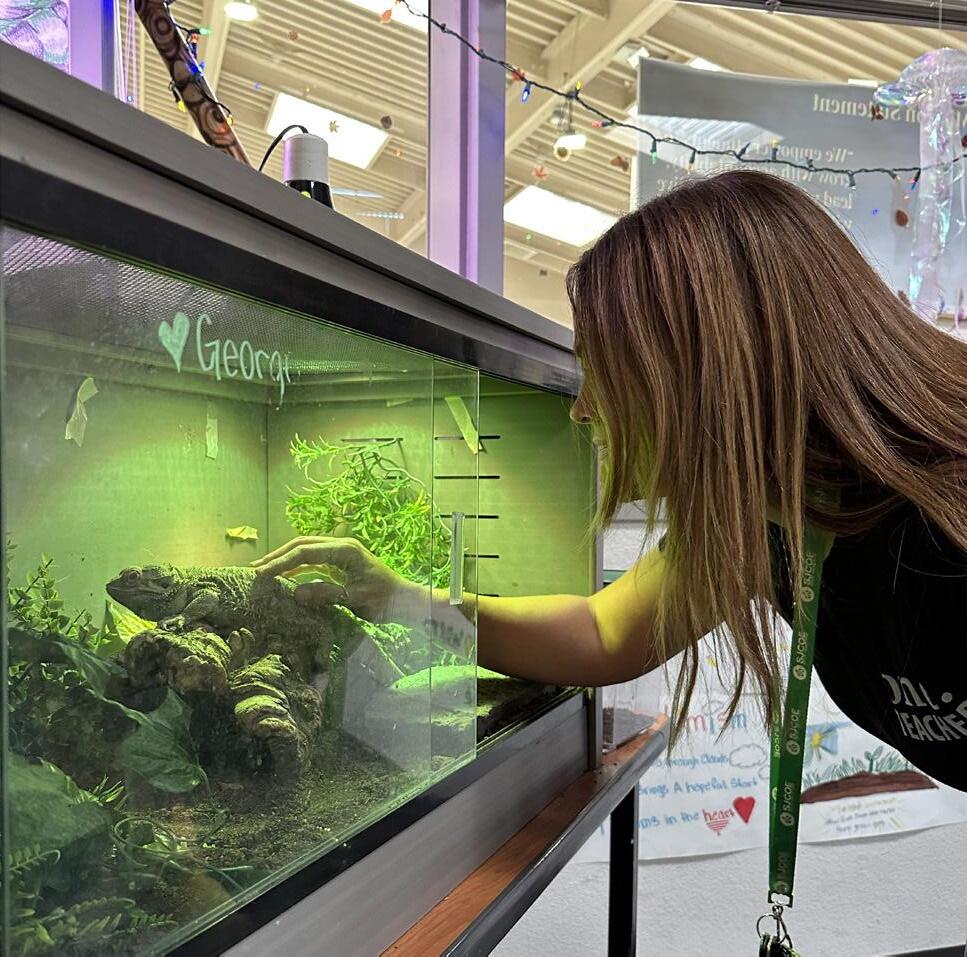
That belief shows in her classroom daily, where one-on-one relationships are central. Her classroom itself also reflects that philosophy. Filled with plants, which she says bring her joy, the space feels anything but sterile. It is also home to an unexpected community builder, class reptiles! What started as one leopard gecko has over time turned into a small sanctuary for bearded dragons, geckos, lizards, and the occasional corn snake. “It teaches responsibility,” Sequeira said. “And it gives the students something to care about together.”
Outside of school, Sequeira is happily married and the proud mom of two boys whose lives revolve around baseball and wrestling.
From student to teacher, from searching to serving, Sequeria’s journey is a testament to the power of

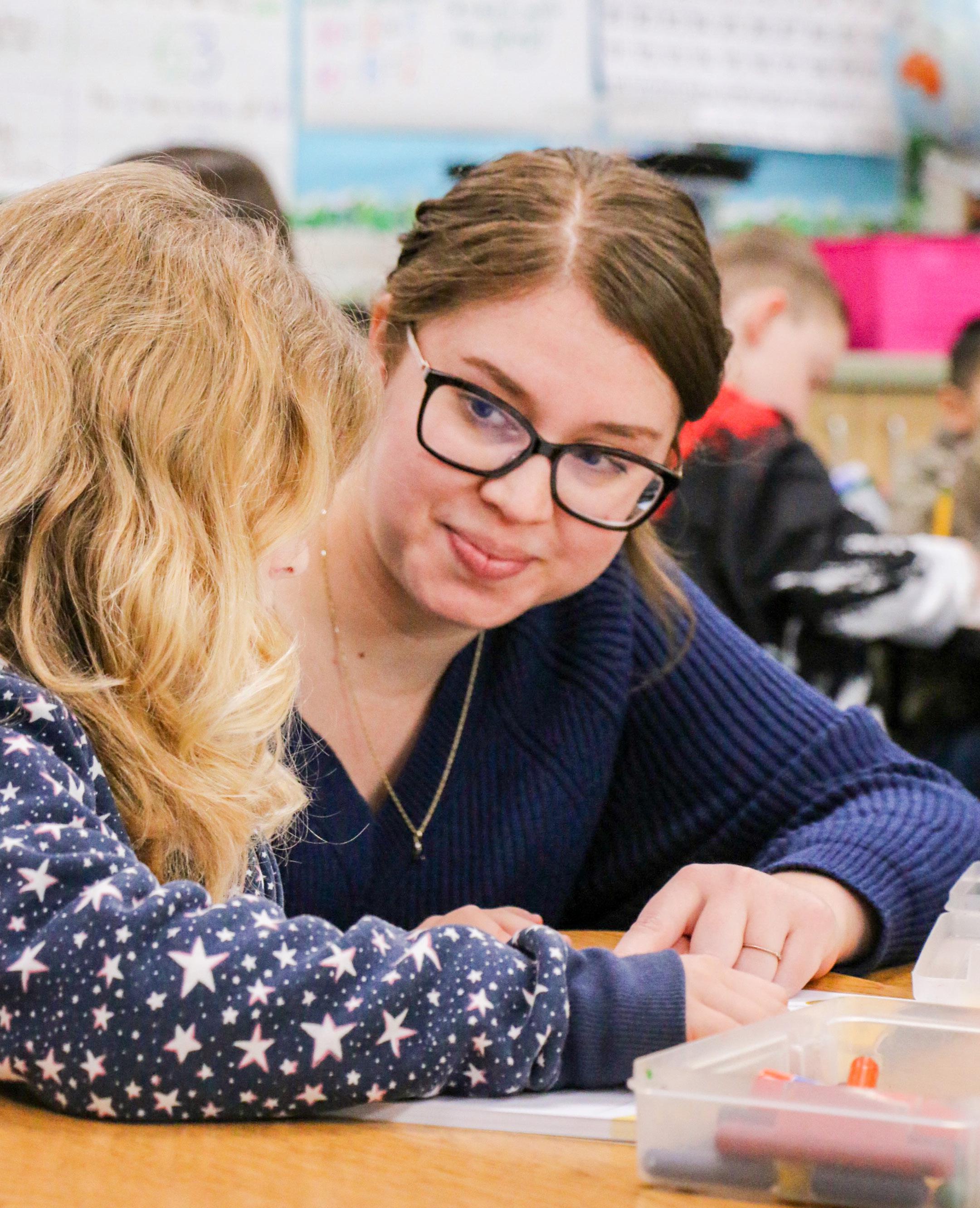
Educators across San Joaquin County are taking the leap to take comprehensive literacy training to implement structured literacy instruction and knowledge of the science of reading into their classrooms.
For the team at George Kelly Elementary School (Tracy Unified School District), teaching students how to read is a way of life.
Outside of school hours, teachers read research, listen to podcasts about literacy, and attend events focused on teaching reading. So, when the San Joaquin County Office of Education (SJCOE) last year began offering an intensive course focused on strengthening reading instruction – it was no surprise that George Kelly teachers jumped at the chance to sign on. Right now, there are seven teachers from the school who are taking one of the two teacher-focused cohorts in an intensive, comprehensive training for educators known as LETRS. Additionally, the school’s principal, Brittani Ryan, is taking the LETRS course designed for administrators.
“We have amazing teachers who truly care about our students’ academic success,” Ryan said. “We have a group of teachers who are very passionate about wanting to see our students succeed in reading.”
LETRS, which stands for Language Essentials for Teachers of Reading and Spelling and offered by Lexia, is an intensive, comprehensive training for educators.
Ryan says there is broader focus on early literacy at the school and district level that has brought changes in recent years. It includes screening tools and new curricula. Taking the LETRS courses gives educators deeper knowledge of the science of reading and the methods they are using in the classroom. And the course for administrators is giving her a framework to support them, she said. “I feel like everything is aligning.”
Sarah Cook, a second grade teacher at the school who started her second year in a LETRS course, said she likes the course because it is both theoretical and practical.
“I think that the nice part about LETRS is you read about the research, you read about all these things, and then in each section, there are activities that you take back to your classroom,” she said.
Not all the students entering kindergarten have been to preschool or transitional kindergarten, said Kyra Finely, a kindergarten teacher at the school. The LETRS training is something that gives her a better understanding of the work as these students just get started learning the sounds of letters. Through intervention and consistency, the students are able to show progress through the year – learning one new sound after another, assembling the building blocks of literacy, she said.
The LETRS training also gives her more confidence in her teaching, she said. “You are never done learning. There’s always room to grow and learn more.”
Learning to read is a foundational skill. Students who fall behind in literacy fall behind in their education.
San Joaquin County in recent years has seen changes taking place in classrooms, schools, and districts focused on literacy. In 2023, leaders from all 14 school districts, Teachers College of San Joaquin, and San Joaquin Delta College joined San Joaquin County Superintendent
“YOU ARE NEVER DONE LEARNING. THERE’S ALWAYS ROOM TO GROW AND LEARN MORE.”
of Schools Dr. Troy Brown in signing the Early Literacy Declaration of Support. They reaffirmed their commitment earlier this year.
The original declaration led to the formation of the county Early Literacy Community of Practice, which is organized by the SJCOE and meets regularly to exchange ideas, introduce strategies, change systems, and more to improve early literacy in San Joaquin County.
Training educators is a critical part of the effort. When the SJCOE began offering the LETRS course, teachers were eager to sign on to one- or two-year commitments to take an online course that included several in-person meetings on Saturdays.
“When you see that sense of urgency in the teachers as well, it is so powerful,” Brown said. “It warms your heart, because they see how critical it is to teach reading so the kids can be successful.”
Through the SJCOE, approximately 255 educators have taken part in LETRS courses in two teacher cohorts and one administrator cohort. Educators in the county have also taken LETRS and other literacyfocused training when offered through their districts. Stockton Unified, alone, has brought the LETRS course to hundreds of its educators.
“LETRS is a comprehensive professional learning opportunity,” said Teka Sims, SJCOE early literacy coordinator. “Its purpose is to create educators that are language and literacy experts.” The course provided the Lexia.
Through the training, teachers develop a deep understanding of the science of reading – how the brain learns to read – and structured literacy – which shows what to teach and how to teach it, she said. On top of the academics, they also come away from the course with “bridge-to-practice” activities they bring directly into their classrooms.
The LETRS course for administrators gives a bird’s eye view to understand what teachers are learning in their course and build a framework that supports analyzing data, creating sustainable systems, and engages families, Sims said.
Educators learning more about structured literacy and the science of reading are able to speak with each other in a “common language” about reading instruction, she said. As more people learn the knowledge, that common language can expand, from grade-level teachers to schools to entire districts. “Our ultimate goal is to have this transformation of instruction across our county,” she said.
It’s a common language educators at Weston Elementary School (Ripon Unified School District) understand.
“Really, we all talk about the science of reading when we’re in the lunch room,” Principal Lisa Fereria said. She has joined four members of her team taking teacher-focused LETRS courses through the SJCOE.
It was part of a concerted and deliberate effort at the school in recent years to look at instructional materials, teaching strategies, and assessments to increase the focus on teaching reading at the school. When the LETRS course became available, they leapt at the chance to do more for their students.
“LETRS connects all the Language Arts dots for teachers,” said kindergarten teacher Heidi Hawes. “It expresses the importance of how both word recognition and language comprehension are essential for reading comprehension success.”
The countywide push to improve early literacy doesn’t just focus on improving strategies to reach students on track to reading at grade level. “Second tier” instruction for students who need more help and strategies to reach all students to overcome barriers to learning how to read are key to lifting literacy rates across the county.
At a recent meeting of the Early Literacy Community of Practice, the group spent part of the day focusing on strategies to support students with dyslexia, for example. LETRS helps here, too, since it is accredited by the International Dyslexia Association.
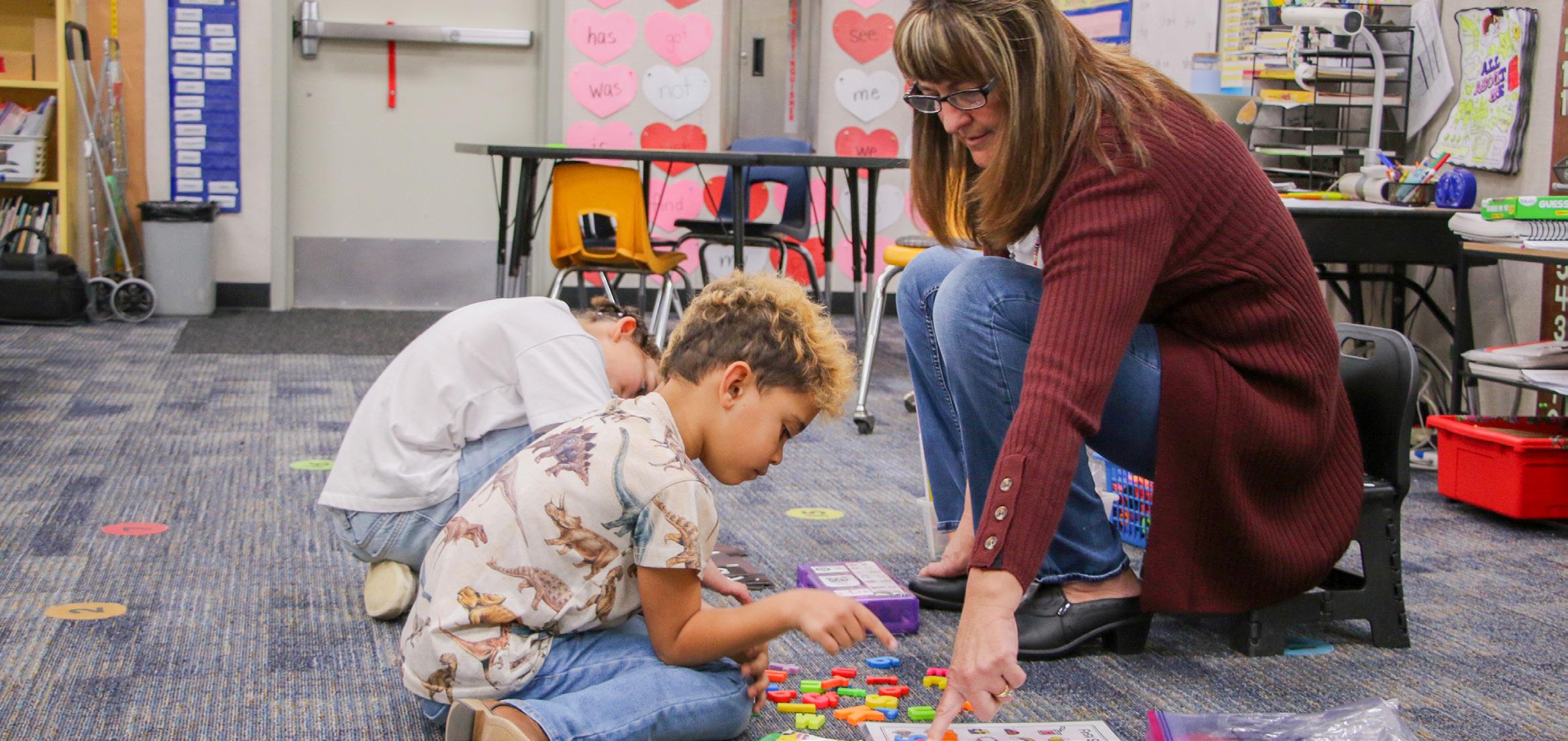
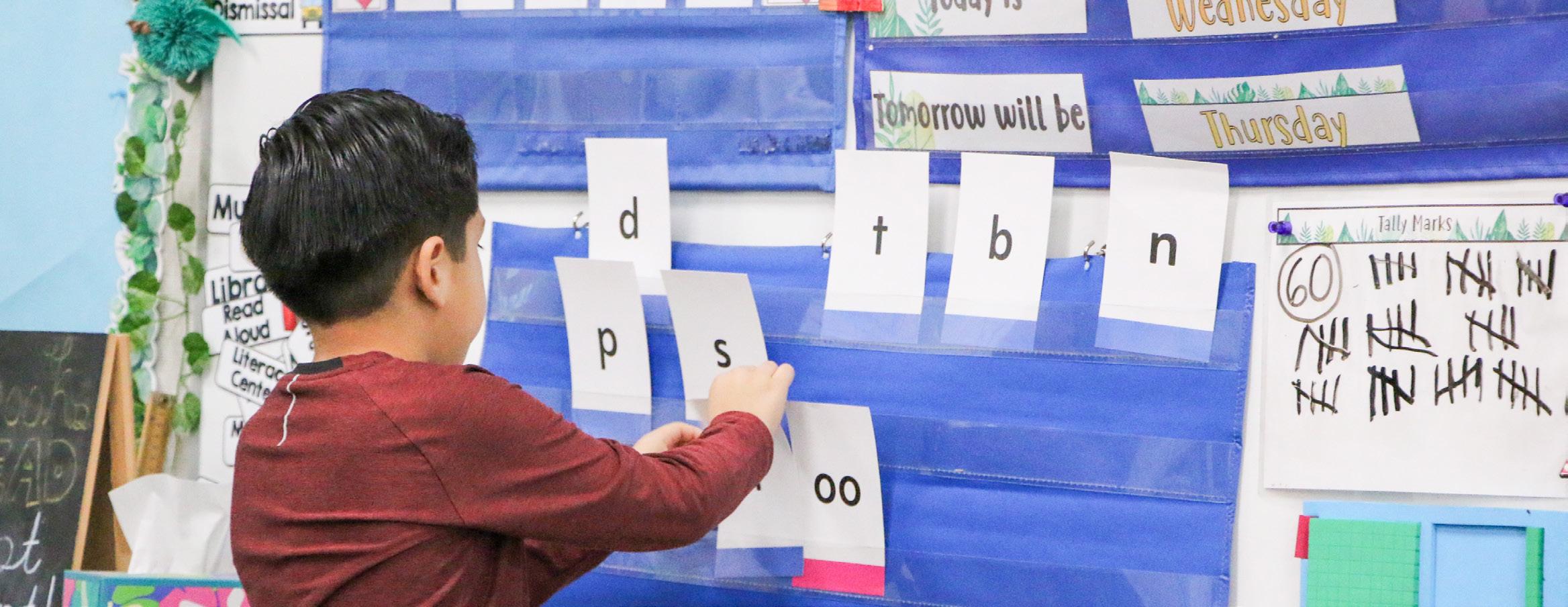
And the knowledge gleaned from the course about the science of reading benefits all types of educators, from special education teachers to specialists, like speech pathologists. No matter the educator’s main focus, literacy is important, Sims said.
“We’re all reading teachers, right?”
Dr. Michelle Edache is a speech-language pathologist with the Lodi Unified School District working with elementary school students who holds a doctorate in reading and literacy and is passionate about promoting literacy for early readers.
She is also in the early childhood LETRS cohort, and it is already impacting her work.
The phonology piece of the LETRS course coincides with much of the work she does with students with language and articulation issues, like helping young students understand the correct tongue placement of pronouncing a “k” sound instead of using a “t” sound, for “car” instead of “tar.” In cases like that, Edache will work with her students on blending sounds and decoding words. “I have been doing this before, but now I have a better understanding of how to incorporate all aspects of this process to assist with a smoother transition to reading, which is great.”
There are other benefits, too.
“Being in the Early Childhood LETRS program has really given me a sense of how we can work together – meaning speech-language pathologists and teachers – really work together to enhance the learning, language, and literacy skills of early readers.”.
The motto at George Kelly Elementary School is “Ohana,” the Hawaiian word for family.
“Which means no one gets left behind,” Principal Ryan said. That is especially important for teaching reading, because future academic success depends on developing reading skills, she said.
Teachers going above and beyond to take a course like LETRS to improve fits with that motto, she said. It’s also apparent in the steps the school is taking to ensure that young readers in TK through third grade are getting the instruction they need – especially when they are struggling. Tier 1 teaching is important, but so are the interventions put in place, including an afterschool program. The school breaks out into Reading Academy, where students in the same grade will come together in reading groups focused on particular needs.
The Reading Academy is where the George Kelly teachers combine all their experience, knowledge, teaching tools, and curriculum together in the classroom, using evidence-based practices to teach structured literacy to students learning to be proficient readers.
And they also have a lot of fun while doing it.
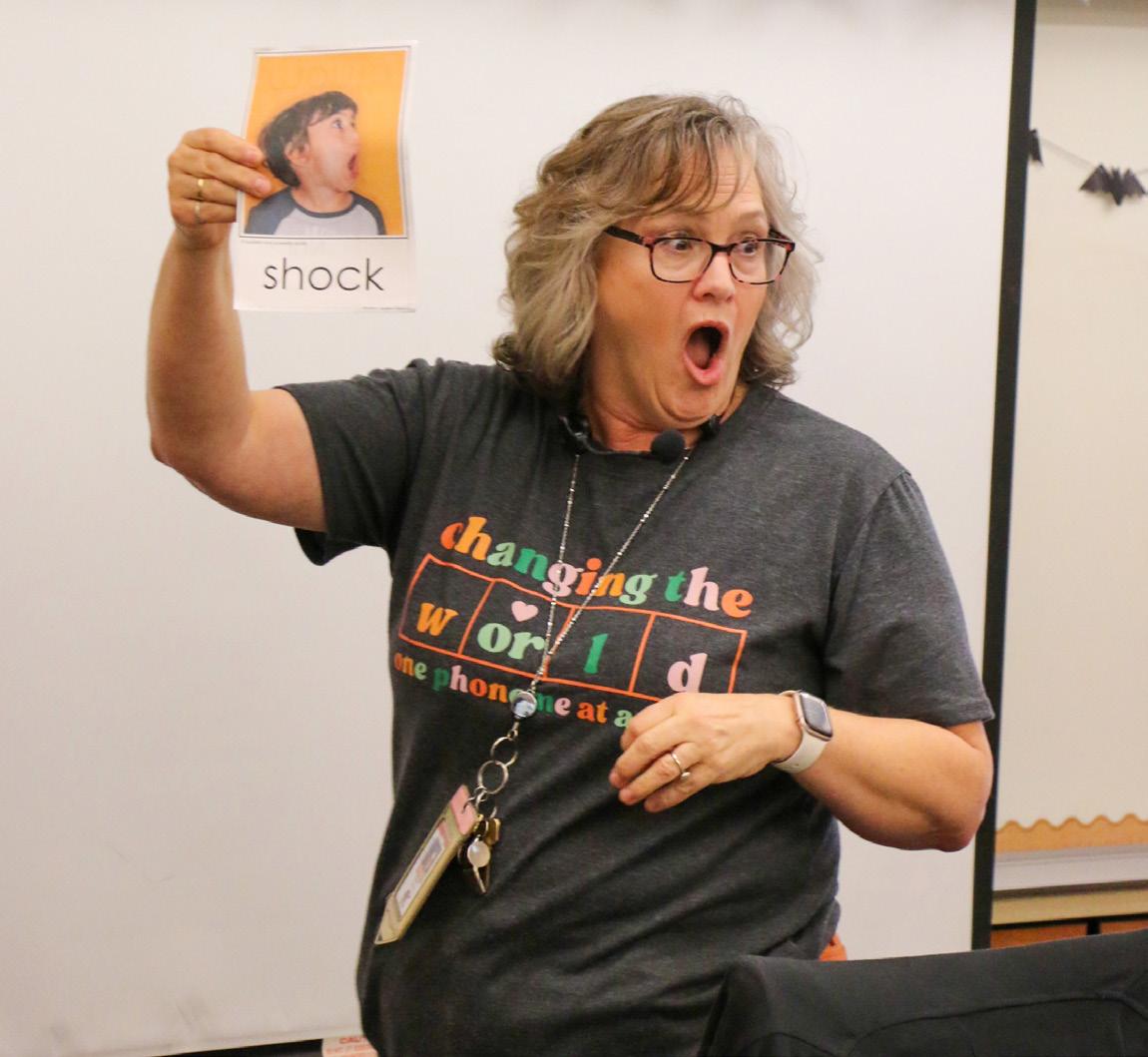
Sarah Cook, George Kelly second grade teacher, started a recent Reading Academy session focusing on the “th” digraph. Wearing a T-shirt that read “Changing the world, one phoneme at a time,” she started the day’s lesson focusing on phonemic awareness.
“Thump,” “tenth,” and sloth” were some of the words of the day.
“I’m going to ask you how to break these words into sounds,” she said. All eyes were on her as she called on students.
After class, second-graders Alice and Ishan said they were becoming better readers in Cook’s reading class. They both said their teacher made reading fun and that they liked reading, whether in class or on their own.
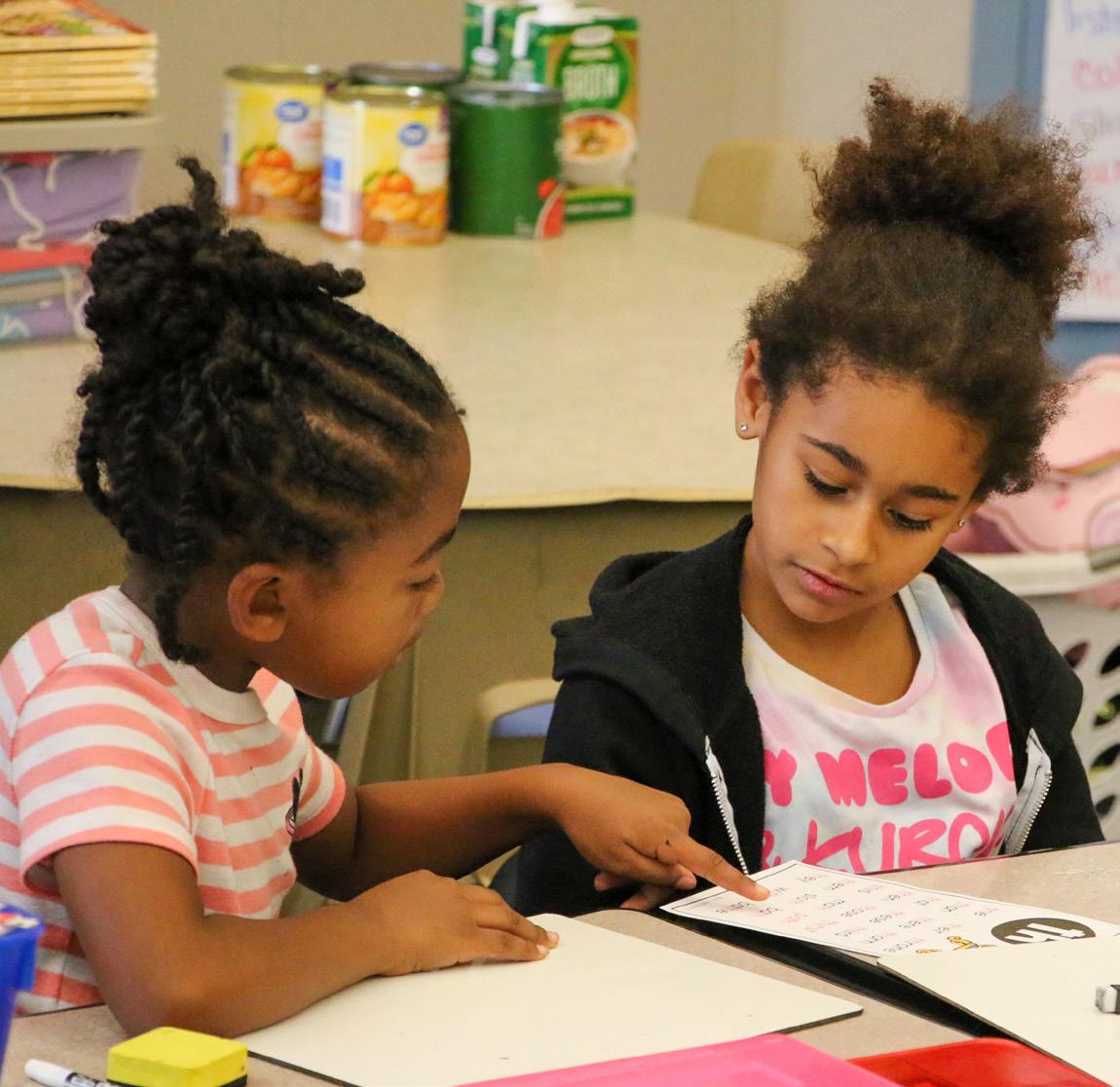
And they both knew what to do whenever they came across a word they didn’t know. Alice described how she would use her finger to help her “map” a new word.
Ishan said he knows his classmates and teachers are there for him, but he doesn’t ask for help until he needs it. He described what he would do first when coming across a new word.
“I would break it into syllables. And then after, I’m going to put it back together,” he said. “And if I get stuck, I can just sound it out again. And then I can read the whole word.”
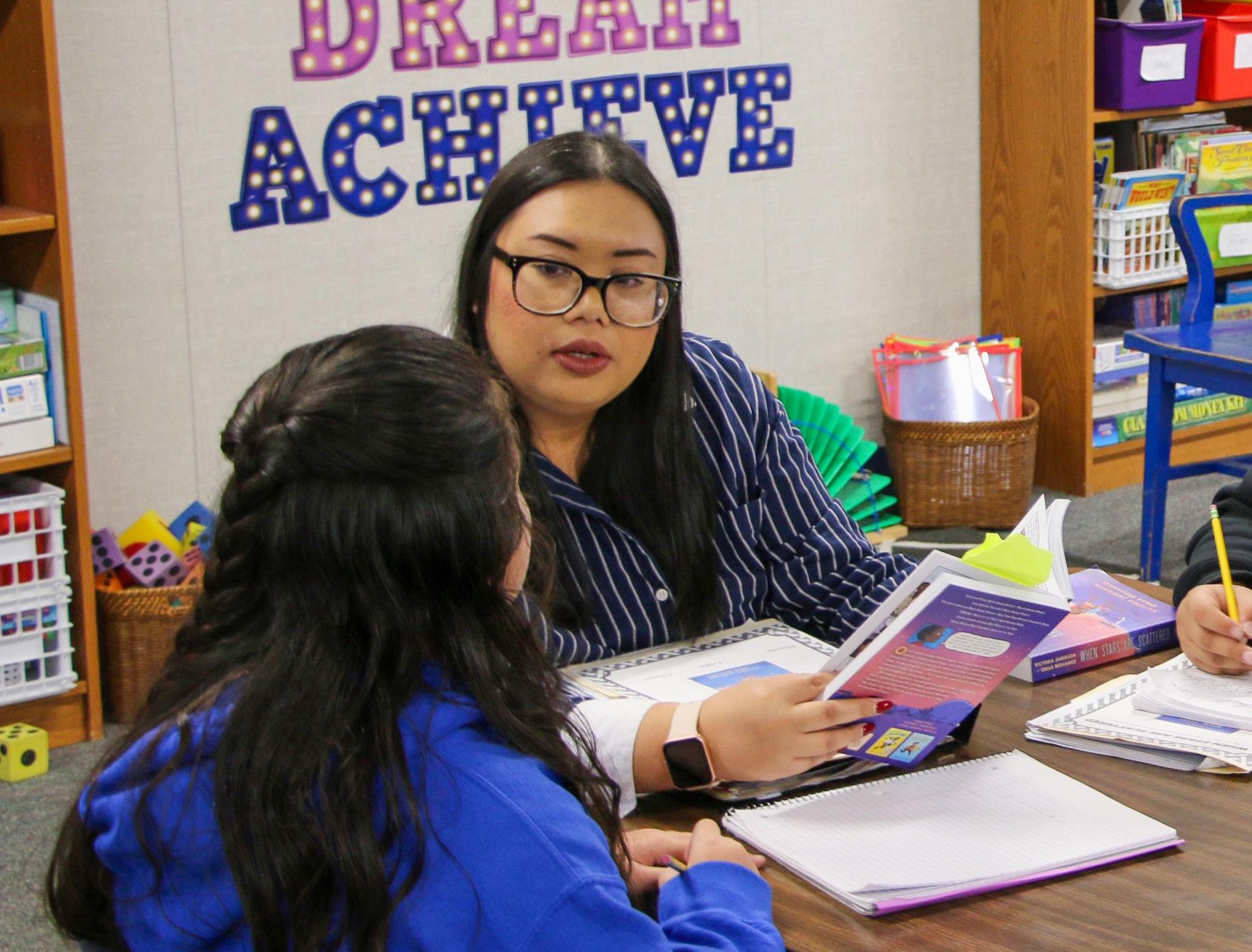
Support for both new teachers and participating schools driving growth at TCSJ program preparing next generation of well-qualified teachers for California schools
Working as a paraeducator in a special education classroom kindled the love of teaching in Chheanna Phoeun.
She felt like she was making a difference in the lives of students, so she made her decision to go back to school and become a teacher.
“I knew I could do so much more,” she said. “I wanted to be up in the front. I wanted to create lesson plans.”
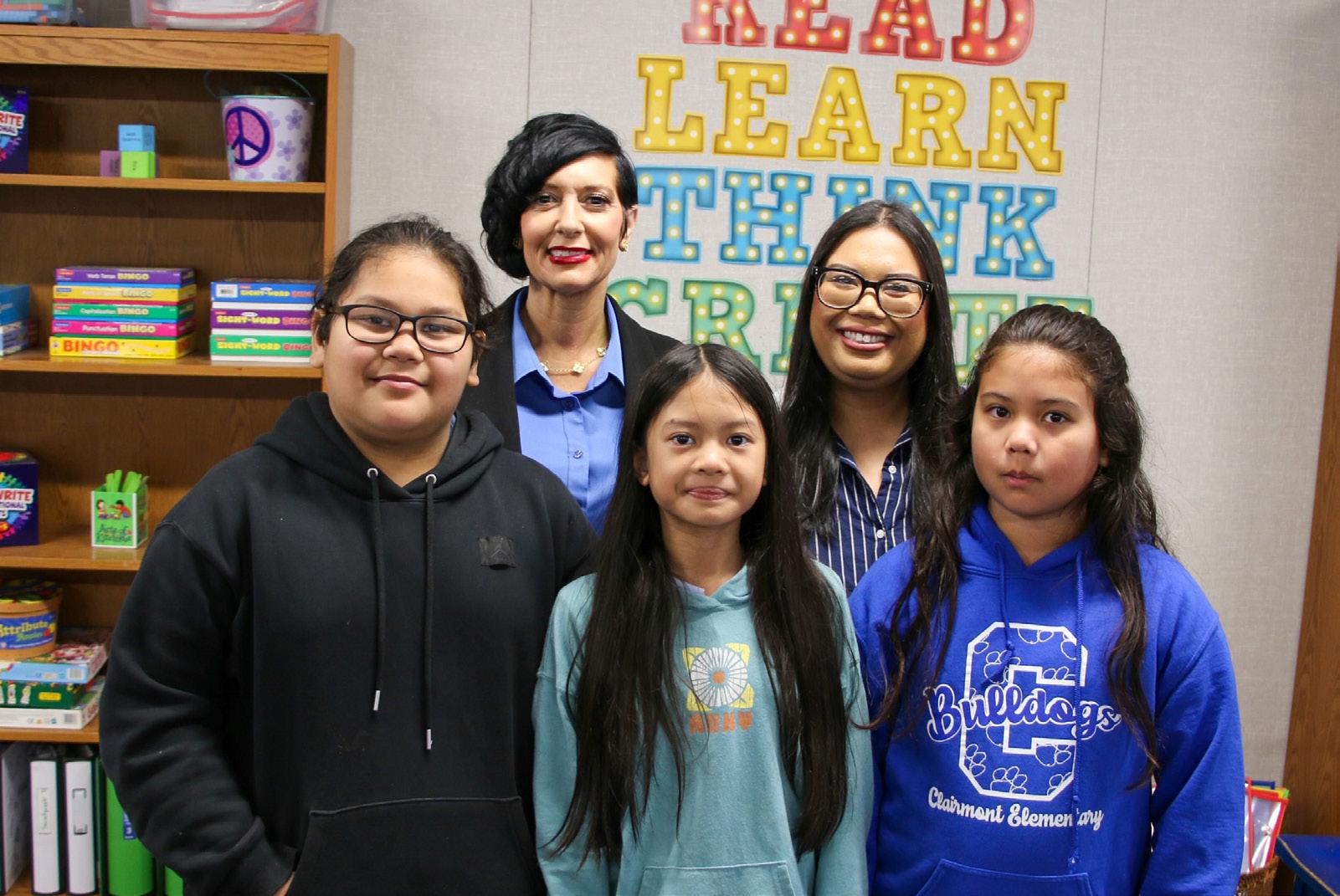
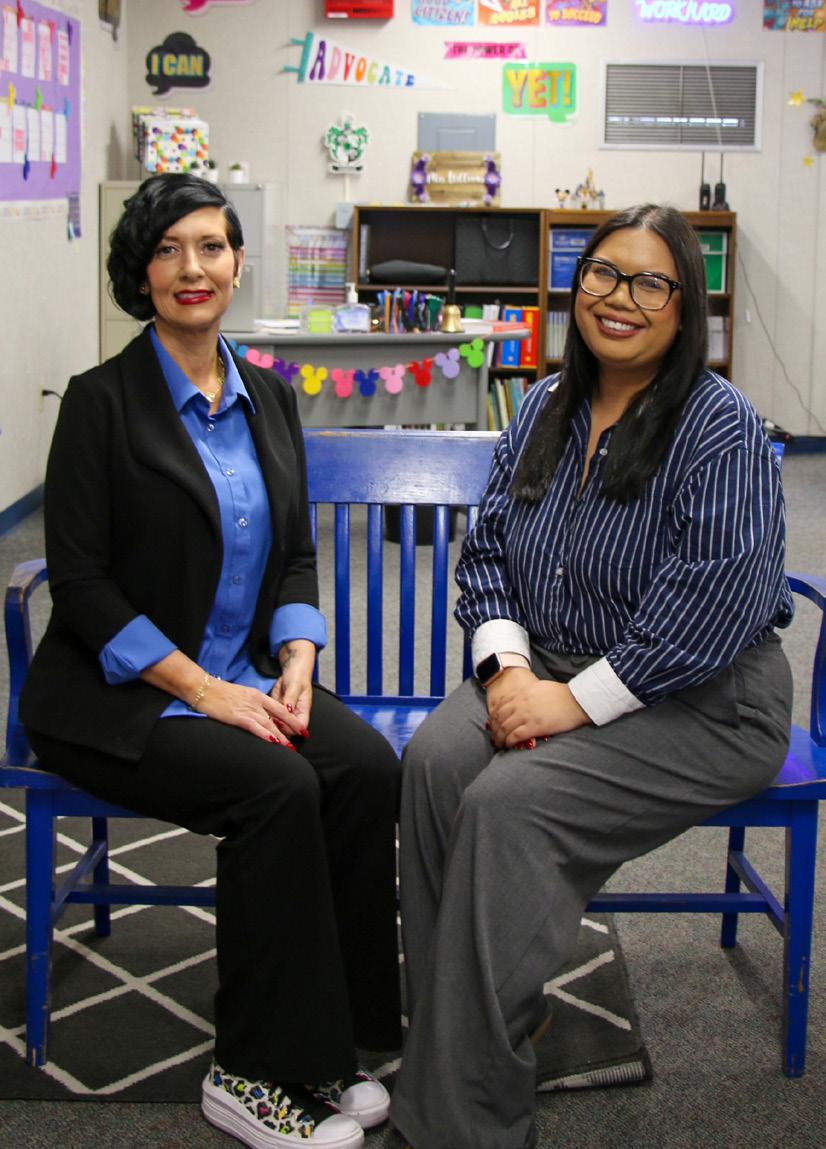
She’s now on her way to reaching that goal. And as a resident teacher in the Residency@ TCSJ program at Teachers College of San Joaquin (TCSJ), she’s not alone. She’s paired with a mentor, Elaine Williams, a resource specialist at Clairmont Elementary School (Lodi Unified School District).
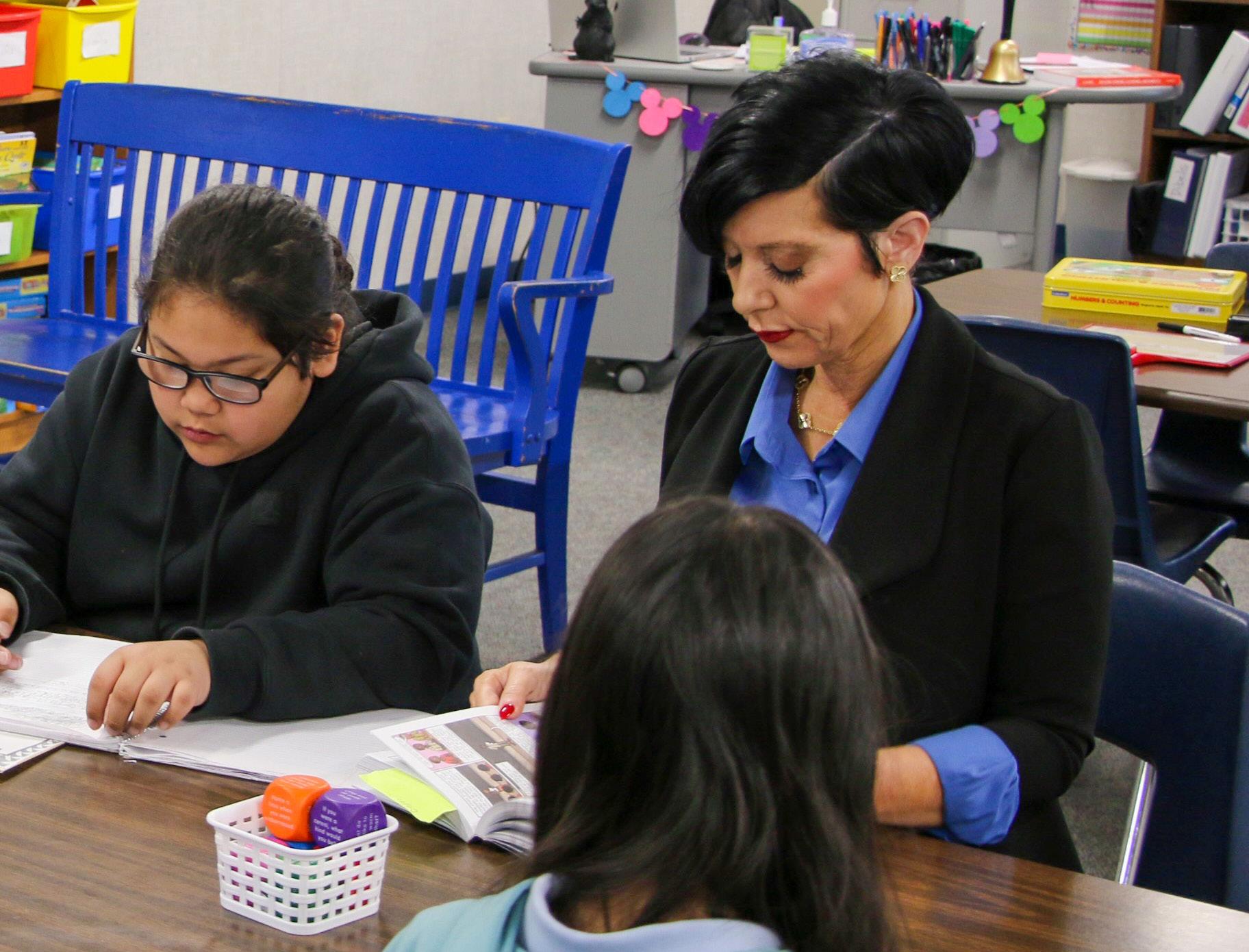
They are a teaching team, with Williams providing real-time inspiration and knowledge as Phoeun gains hands-on experience in the classroom. Besides learning the craft of teaching, the relationship is giving Phoeun the confidence to take the next step as a full-time teacher at the head of her own classroom.
“I will be ready,” she said. “I have gained so much knowledge and support from Elaine that I know exactly what I need to do.”
Modeled after medical residencies, the program was launched in 2018 by TCSJ, which is part of the San Joaquin County Office of Education (SJCOE). During the year-long program, residents take TCSJ courses while working closely with an experienced mentor.
“It’s an opportunity for them to take risks with constant, ongoing feedback,” said Karin Compise, program director. The residency program partners with school districts, which select their mentors and often recruit current employees, parents, or others in the district’s community to grow into teaching roles.
Residency programs in California have grown as districts in the state work to grow the pipeline of new teachers to fill vacant positions. They aid in retention, providing the support that helps new educators stay in teaching once they join the profession.
“I feel like the overall theme of Residency@TCSJ is support,” Compise said.
It’s not just the support residents receive from mentors and TCSJ instructors. The program also provides mentor development throughout the year and works closely with districts and county offices of education to meet specific needs. For the residents, support doesn’t stop after the end of one year.
“A big part of Residency@TCSJ is ensuring that our candidates feel a sense of belonging, both when they’re in the program, but also after they finish the program,” she said. Residents become part of a network that includes both fellow residents from their cohort and veteran teachers. And the program has taken more steps to bolster its support for residents by bringing back some alumni to serve in a
more formal role as an “encourager” for residents.
The support network crackles throughout the year of residency, on the TCSJ campus, in online classes, and in group texts. Chheanna Phoen’s classmates have a standing date to meet up for dinner one week into the next school year to compare notes on what life is like as full-time teachers.
Schools and districts see immediate benefits, too. For one, the resident teacher is an additional resource in the classroom. They are also available to work as substitute teachers on days they aren’t teaching with their mentors.
There’s that and more, said Angela Phillips, director of TEAM Charter School in Stockton. The school joined the residency program this year. A teacher’s aide at the school is now a resident at TEAM Charter - Bianchi.
“The opportunity for us is to grow our own with a resident who’s working with a strong teacher and learning all of our systems, organically, just by working side by side,” she said.
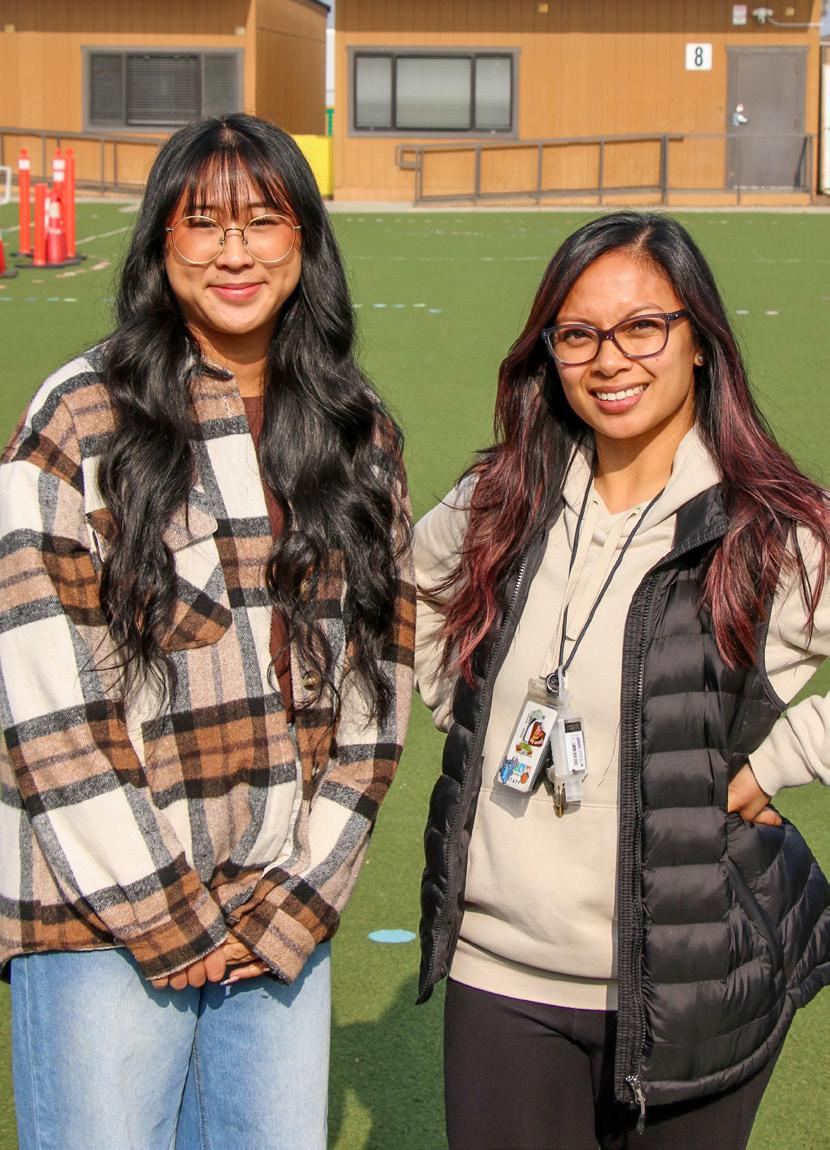
Alyssa Alcantara, the mentor kindergarten teacher at TEAM Charter - Bianchi, said her resident, Teresa Nguyen, is a good fit. “She blends in well with our culture. Not just the kids, but the staff, too.”
Alcantara said Nguyen is learning to take on a classroom on her own during the residency. But even when the year is up, Alcantara said she would still be there for guidance. “I’m only a phone call or a text away.”
The residents as well as the mentors come into the residency program with a passion for education, the commitment to provide necessary support, and the desire to make a difference, said Compise, the Residency@TCSJ coordinator.
She sees a power in the program to make a big difference, transforming the educational landscape of California.
“As we grow bigger and bigger, we are connecting like-minded changemakers.”
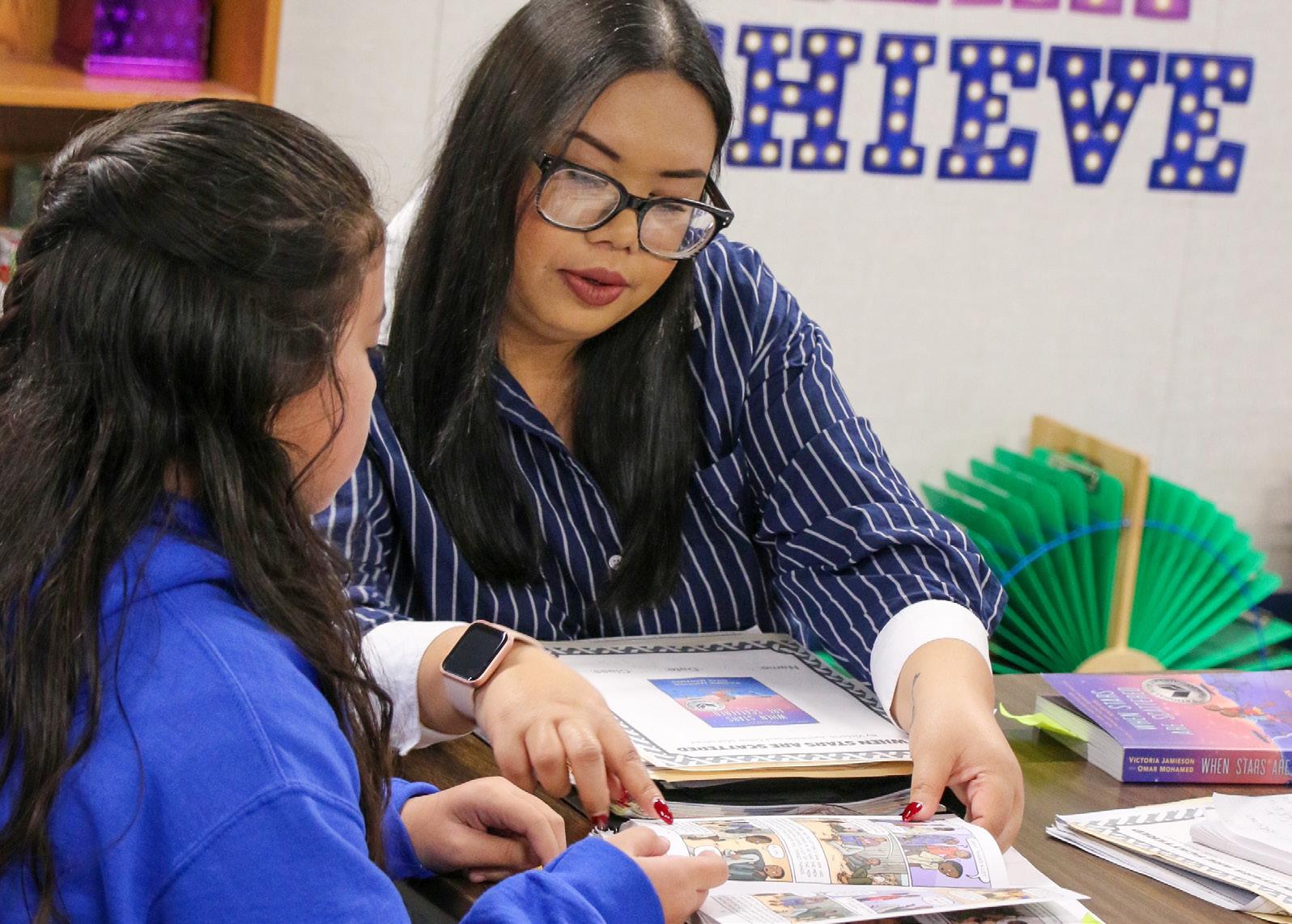
Residency@TCSJ provides a one-year traditional pathway for acquiring a preliminary teaching credential. Unlike other programs with brief student teaching periods, this model involves a year-long immersive placement alongside a mentor teacher, allowing residents to experience the full spectrum of the academic year. Residents initially observe their mentor, then as they gradually assume more teaching responsibilities, they benefit from ongoing coaching and feedback. This results in increased confidence and competence benefitting the resident as well as the students they serve.
Learn more about the program at teacherscollegesj.edu.
“AS WE GROW BIGGER AND BIGGER, WE ARE CONNECTING LIKE-MINDED CHANGEMAKERS.”
When Teachers College of San Joaquin (TCSJ) was founded as part of the SJCOE in 2009, one of its goals was to build a teacher pipeline to ensure schools would be able to find the highly qualified teachers their students deserved.
That same drive to bring more teachers into the classroom drove the recent movement toward building residency programs in California. TCSJ was an early adopter, receiving its first grant in 2018 to start its first cohort. The value of these programs drew more money from the state, which has invested $620 million in residency programs over the past five years, according to the California Department of Finance.
As interest grew to use new funding to build new residency programs, some districts and county offices of education looked to the Residency@TCSJ, which had an established program with coursework tailor-made for residency programs. The first out-of-area partnership with El Dorado County Office of Education in 2023 piloted online coursework with in-person experience. It grew from there, with other partnerships to follow.
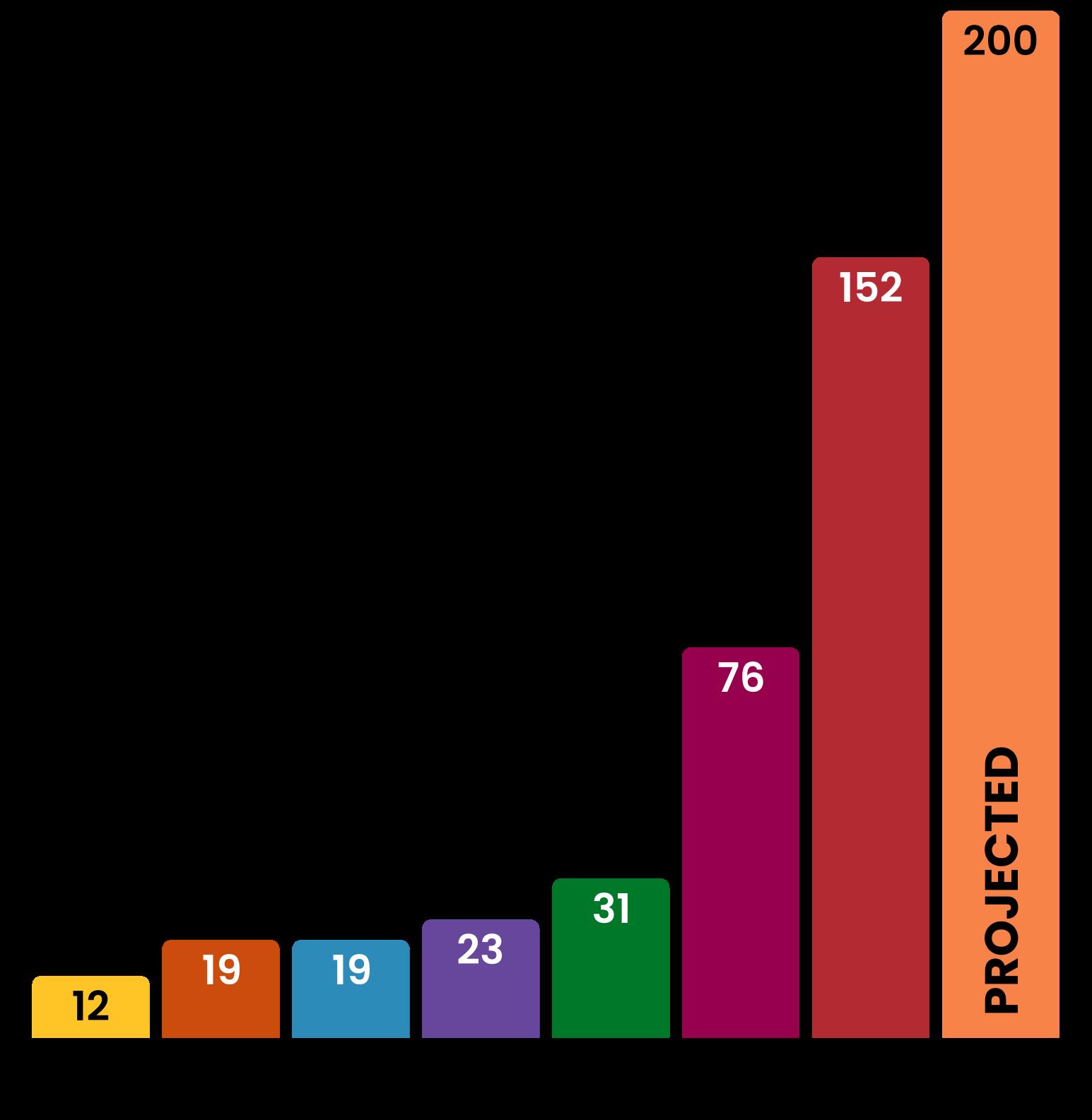
TCSJ’s residency program scaled up quickly. What started with a 12-resident cohort in 2019-20 is now serving more than 150 resident teachers through partnerships with county offices of education, districts, charter schools, and consortiums that span the state.
The second county office of education to partner with TCSJ was the Santa Clara County Office of Education (SCCOE), which has a wide impact spanning 12 districts and about 20-30 residents a year, said Kelly Lonergan, SCCOE’s residency program coordinator.
Residency programs are the “gold standard” of teacher-preparation models, she said. One of the strengths of the program in Santa Clara County is the sense of community and support.
“From the moment they’re admitted, they know I’m in their corne adding they also have each other, which creates a network of support during their early teaching careers. That support at the local level also includes regular site visits and seminars, with topics selected with input from residents and their mentors. It’s also supported with input from TCSJ.
It’s a truly collaborative partnership she said. “If we identif or gaps, the Residency@TCSJ welcomes us as a thought partner.” Responsiveness and collaboration are some of the reasons why other organizations are eager to partner with Residency@TCSJ.
“It’s so open-minded. It’s not a barriers-focused group of peop she said. “It really attracts other organizations because peop spread so thin. So, if you have a partner who’s really engaged and really committed, it makes all the difference, right?”
The number of resident teachers served by Residency@TCSJ has grown quickly in recent years and is projected to continue to grow.