

The Business Case for 2X Challenge Qualification
Research Report
June 2026



Table of contents
Executive summary
Background and overview of the research
Snapshot of findings
Tailoring the business case
What this means for investors
Research objectives and scope
Objectives
Research questions
Methodology and sample
Key findings
What drives organisations to pursue 2X qualification?
Access to capital: what role does 2X qualification play?
How does 2X qualification influence market differentiation and reputation?
What are the operational benefits associated with 2X qualification?
Are there any challenges associated with 2X qualification?
Acronyms
Assets Under Management
Central and Eastern Europe
Development Finance Institution
Environmental, Social, and Governance
Financial intermediary / institution
Gender-based violence and harassment
Gender-lens investing
Human Resources
Key informant interview
Limited Partner
Multilateral Development Bank
Non-bank financial intermediary / institution
Technical assistance
Glossary
2X Challenge - The 2X Challenge is an initiative launched by the G7 Development Finance Institutions in 2018 to mobilise capital for investments that empower women. To date, it has mobilised over US$34 billion in investments supporting gender equality and women’s economic empowerment.
2X Criteria - the 2X Criteria is the global industry standard for assessing, structuring and monitoring investments that provide women with leadership opportunities, quality employment, finance, enterprise support, and products and services that enhance economic participation and access.
2X Qualification - 2X qualification is the formal process through which an investor reports an investment that is aligned to the 2X Criteria to be counted towards the 2X Challenge totals. It requires a formal agreement between the investor, the investee, and 2X Global.
Executive summary

01 Background and overview of the research (by 2X Global)
Since its launch at the 2018 G7 Summit, the 2X Challenge has become a flagship initiative in the global movement to mobilise capital for women’s economic empowerment. To date, more than 1,000 transactions—representing over US$33.6 billion invested across 600+ entities—have been formally qualified under the 2X Challenge by participating investors.
2X qualification involves a formal agreement between the investor, the investee, and 2X Global, signalling strong gender performance and alignment with internationally recognised gender-lens investing (GLI) standards. Qualification is assessed at the transaction level at the time of investment and requires the investee to meet defined, measurable gender thresholds across 2X Criteria dimensions such as leadership, ownership, quality employment, supply chains, products and services that enhance the wellbeing of women or girls, and/or gender diversity within their investment portfolios. While the 2X Criteria themselves are a public good and may be used by any institution as a framework to assess gender performance, formal 2X qualification is reserved for investments made by 2X Challenge participating investors, who are responsible for verifying that the investee meets the requirements of the 2X Criteria.
As the market for GLI has matured and expectations around 2X qualification have become more rigorous, there is growing interest in understanding the tangible business value of 2X qualification for participating investees. What strategic advantages does it offer investees? What benefits are realised in practice? And how can 2X Challenge investors better support and leverage this designation?
To help answer these questions, 2X Global partnered with social impact advisory firm Kore Global to conduct research on the business case for 2X qualification. The study drew on survey insights from 55 investees that qualified under the 2X Challenge between 2018 and 2023, including 22 investment funds, 10 companies, and 23 financial institutions (FIs). The survey was complemented by nine deep-dive interviews with survey respondents. Drawing on this evidence base, this report outlines the business case for 2X qualification, with a focus on what motivates investees to seek 2X qualification, where they experience most commercial value, and how investors can tailor their strategies and support to enhance the value, uptake, and market resonance of 2X qualification across investee types. For the purpose of this research, commercial value was defined across three core pillars, including access to capital, market differentiation and reputational positioning, and operational improvements.
For 2X Global, the findings sharpen our priorities as an ecosystem builder. They provide evidence that 2X qualification creates tangible commercial and strategic value for investees - and a prompt to act on that. As the steward of the 2X Challenge, we are committed to ensuring that value is better understood, more widely recognised, and more effectively supported across the ecosystem.
The findings and analysis that follow are those of Kore Global.
02 Snapshot of findings
The study findings show how investees pursue 2X qualification for a combination of values-driven and market-driven reasons. Three-quarters of surveyed investees cited internal gender commitments as a primary driver for seeking 2X qualification, challenging the assumption that investor pressure alone drives adoption. At the same time, external incentives reinforce internal gender commitments. Over half of respondents cited investor or Limited Partner (LP) requirements as a key influence, alongside improved access to capital and stronger market positioning.
Internal commitment and culture
Three-quarters (75%) of respondents cited internal commitment to gender equality as a primary reason for pursuing 2X qualification.
Almost three-quarters (74%) reported that 2X qualification made a significant or moderate contribution to fostering a gender-inclusive culture.
Seven in ten (70%) respondents said 2X qualification strengthened leadership and staff buy-in to focus on gender equality.
Market positioning, differentiation and reputation
Nearly four in five (79%) respondents reported that 2X qualification moderately or significantly strengthened their reputation among investors or LPs.
Over half (62%) of respondents perceived 2X qualification as either a significant or moderate market differentiator.
Over half (60%) indicated that 2X qualification had contributed to either a significant or moderate improvement in their organisation’s reputation.
Operational improvements
Nearly two-thirds (64%) of respondents indicated that 2X qualification made either a significant or moderate contribution to strengthening their internal data collection and reporting systems.
Access to finance and commercial outcomes
Over half (60%) of companies and financial institutions rated the influence of 2X qualification on securing additional financing as significant or moderate.
More than a third of (36%) respondents reported that 2X qualification has already led to new commercial opportunities.
2X qualification is widely seen as a valuable asset that strengthens investor appeal, especially in facilitating engagement with development finance institutions (DFIs), multilateral development banks (MDBs), and mission-aligned investors. Over half of respondents rated the influence of 2X qualification on securing additional financing as significant or moderate. For more than a third of respondents (36%, 16), 2X qualification has led to new commercial opportunities, such as strategic partnerships, entry into new markets, or access to new customer segments.
2X qualification is widely perceived to generate commercial value by strengthening market differentiation, enhancing reputation, and driving operational improvements. During key informant interviews, respondents shared examples of how 2X qualification reinforced investor confidence, strengthened strategic positioning, and enhanced longer-term readiness for future capital. While few described it as the sole or decisive factor in investment or lending decisions, respondents noted that it strengthened impact narratives, supported due diligence processes, and, in some cases, helped unlock additional or follow-on capital.
Most investees view 2X qualification as a credible marker of gender-smart leadership that enhances visibility with investors, partners, and peers, and in some cases has directly contributed to new commercial or partnership opportunities. Internally, the 2X qualification process acts as a catalyst for strengthening operations, driving leadership buy-in, improving gender-smart human resources (HR) systems and processes, strengthening gender-based violence and harassment (GBVH) risk management policies and procedures, and upgrading data and reporting practices.
However, the nature and depth of operational benefits varies across investees depending on their starting points. For some, 2X qualification accelerates and deepens existing gender commitments; for others, it serves as a foundational step toward strengthening gender systems and practices.
Taken together, these findings indicate that the commercial value of 2X qualification is cumulative and strategic in nature: it can contribute to stronger governance, more robust internal systems, and long-term competitiveness, positioning investees to attract and deploy additional gender-smart capital over time.


03 Tailoring the business case
Four different types of investees were surveyed as part of the study: funds, non-bank financial intermediaries (NBFIs), banks and companies. While 2X qualification can potentially deliver commercial value across these investee types, the findings signal that the benefits, barriers, and motivations associated with 2X qualification differ across these four groups. For investors, understanding these differences is essential to strengthening pipeline development, improving adoption, and supporting investees to unlock greater commercial value from 2X qualification.2
Where they’re seeing the most commercial value of 2X qualification3
All funds surveyed (100%) reported that 2X qualification helped attract new DFIs, and 95% said it was influential in attracting new LPs.
More than four in five (83%) stated it was critically or moderately influential in securing DFI/MDB commitments.
Over three-quarters (78%) rated 2X qualification as a critical or moderate market differentiator.
Over half (55%) believed that 2X qualification strengthens their fund’s exit prospects.
Most (89%) reported some positive influence on their ability to secure additional financing.
Over three-quarters (78%) reported some positive influence on market expansion.
Two-thirds (67%) reported that it significantly or moderately helped to future-proof their business.
Two-thirds (67%) perceived some positive influence on increasing their customer base, customer loyalty, and retention.
All banks surveyed (100%) indicated some positive impact on their reputation and market differentiation across all stakeholder groups.4
Over three-quarters (78%) reported it’s been extremely or moderately influential on their ability to secure additional financing.
Over three-quarters (78%) believed it’s been influential for future-proofing and positioning as a social impact leader.
Three-quarters (75%) considered it a moderate market differentiator.
Most (86%) reported it’s been moderately influential on their ability to secure additional financing.
Three-quarters (75%) viewed 2X qualification as a moderate market differentiator.
Nearly two-thirds (63%) perceived a significant or moderate influence on reputation among investors and the media or public.
Nearly two-thirds (63%) perceived a significant or moderate influence on improving HR processes and GBVH risk management and mitigation strategies.
2 Tailored business cases for each of the four segments of investees surveyed are provided in Annex 1.
What they need from investors
Joint communication strategies to increase 2X qualification visibility among commercial LPs.
Targeted capacity support and gender TA for portfolio companies.
Orientation materials for fund managers and their teams.
Support for systematic documentation of exit processes and outcomes.
Translation of 2X guidance and tools into Spanish and other widely used languages to increase accessibility.
Support to clearly articulate and communicate the business case for 2X qualification internally, helping to secure leadership buy-in and align 2X qualification with core business incentives.
Greater flexibility in interpreting thresholds and setting targets in line with demographic and market realities.
Peer learning opportunities and practical case studies.
Stronger signalling that 2X qualification is valued within the banking sector, especially from DFIs, regulators, and large capital providers.
Clearer use cases / success stories demonstrating how 2X aligns with risk management, ESG performance, and access to future blended finance opportunities.
Stronger articulation of the business case to build internal leadership buy-in.
Practical guidance and resources, particularly for investees earlier in their gender journey.
Peer learning opportunities tailored to specific sectors and geographies.
Expanded regional and sectoral outreach/ awareness.
3 Note: the quantitative results presented in this table are based on survey findings that exclude NA / I don’t know responses where applicable.
4 Stakeholder groups asked about in the survey include: investors, customers/clients, business partners and suppliers, employees, the media and public, third party, and rating/standard setting agencies.
04 What this means for investors
The potential commercial value proposition of 2X qualification looks different depending on where investees are in the ecosystem. To accelerate adoption of 2X qualification investors must engage in a way that is tailored, strategic, and supportive. This means:
Targeting messaging
To align with investee priorities, for example:
Funds: emphasise differentiation, fundraising credibility, and co-investor alignment.
FIs: highlight financing access, reaching new underserved market segments, Environmental, Social and Governance (ESG) integration, and risk mitigation.
Companies: lead with internal alignment, brand value, and long-term strategic fit.
Reinforcing the signal
Making it clear that 2X qualification is not just appreciated, but rewarded in allocation and investment decisions.
Supporting implementation
Through technical assistance and resources to strengthen internal systems, and by recognising operational realities, particularly in early-stage and emerging market contexts.
Building the ecosystem
Through technical assistance and resources to strengthen internal systems, and by recognising operational realities, particularly in early-stage and emerging market contexts.

Research objectives and scope
Objectives
The primary objective of this research was to assess and articulate a business case for 2X qualification by examining the commercial value derived by qualified investees participating in the 2X Challenge. To complement growing evidence on the impact case for 2X-aligned investing, this study sought to unpack the commercial benefits of 2X qualification, generating practical insights and learning for the broader field.
The research serves multiple purposes for 2X Global and the broader GLI community. It aims to help DFIs, MDBs, and commercial investors to articulate the value proposition of 2X qualification both internally and externally. For 2X-qualified investees, the research provides tangible evidence of commercial value, helping reinforce the benefits of continued engagement. It also informs the future direction of the 2X Challenge and the ongoing evolution of the 2X Criteria, ensuring they remain relevant and impactful. More broadly, it contributes to collective learning and transparency across the GLI ecosystem, supporting field-building efforts and advancing shared goals for equity in finance.
Research questions
To better understand and unpack the potential commercial benefits of 2X qualification, the research utilised a three-pillar conceptual framework to explore how 2X Challenge qualification is expected to provide commercial value for investees (see Figure 1).

Figure 1: Conceptual framework for defining the commercial value of 2X qualification
Methodology and sample Figure
What is the commercial value of 2X qualification for DFI investees (companies, funds, FIs)? ?
1. How does 2X qualification affect investees’ access to new financing opportunities?
2. Does 2X qualification influence preferential financing terms or faster fundraising cycles for companies and funds?
3. How does 2X qualification affect fund managers’ ability to attract LPs and raise capital?
4. Does 2X qualification contribute to higher exit valuations and increased portfolio credibility?

5. In what ways does 2X qualification enhance investees’ market reputation with investors, partners, and customers?
6. How do stakeholders perceive 2X qualification as a differentiator in competitive markets?
7. How and in what ways has 2X qualification influenced market penetration? And how (if at all) has this affected commercial performance?
8. What operational advantages do companies experience from 2X qualification (e.g., talent attraction and retention, productivity gains, cost savings, risk reduction)?
9. Cross cutting question: How do these benefits compare across investee types (and where relevant) sectors, geographies, and their year of qualification?

The research employed a mixed-methods approach, triangulating evidence from the following sources:
Desk review: Synthesising findings from published reports and evaluations to guide the research questions and approach.
Anonymous online survey: Distributed to a sample of 2X-qualified investees to gather quantitative and qualitative data on the perceived benefits of 2X qualification.
Key informant interviews: Conducted with a subsample of survey participants to deepen the understanding of survey trends and gather illustrative examples and case studies.
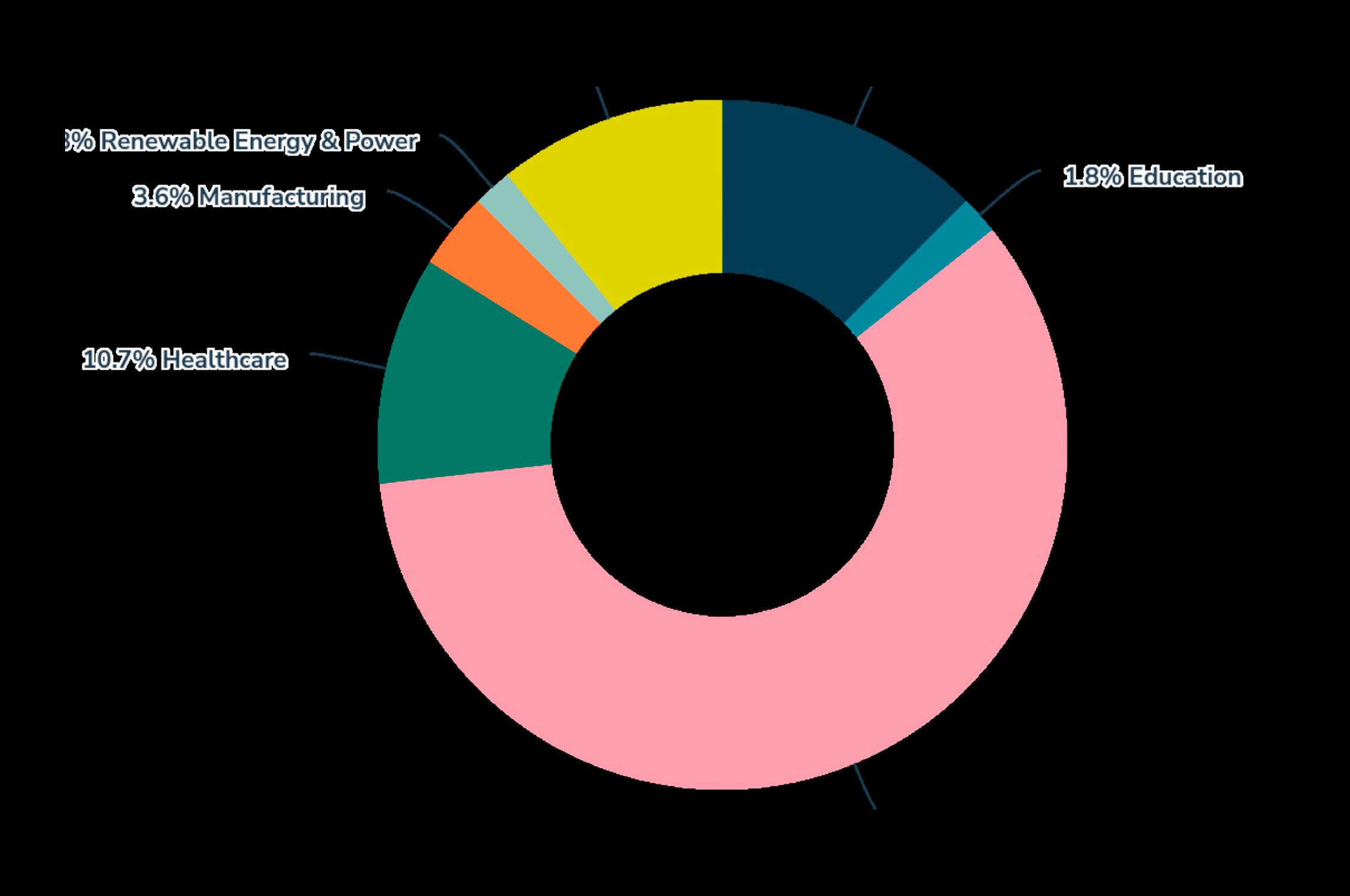
The final survey sample consisted of 55 investments that qualified under the 2X Challenge between 2018 and 2023. The sample composition was mostly representative and broadly mirrored patterns across the full group of 2X-qualified investments made globally up to 2023.5 See Figure 3 below for a complete breakdown of the survey sample. In addition to the survey, nine investees also took part in a key informant interview, including representatives from four funds, three companies, and two financial institutions with regional representation across Africa, Asia, Europe, and Latin America.
5 When compared to the full list of 2X transactions, most discrepancies in representation were lower than 10%. However, those qualified under the Ownership/ Entrepreneurship and Employment Criteria were over-represented in the survey sample by 16% and 22%, respectively. Funds were overrepresented in the survey by 11%, while investees in the Financial Sector were underrepresented by -11%. The survey sample was also slightly skewed toward more recently-qualified investments, with those who qualified in 2023 over-represented by 10%.








Sectors
Study limitations
Several limitations should be considered when interpreting the findings.
Sample size and coverage: In total, 55 2X qualified investees responded to the survey.6 Results should therefore be understood as providing trending or directional findings rather than as statistically significant insights. The sample size did not allow for statistical weighting or disaggregation across specific subsectors or smaller geographic regions due to the low number of respondents in those categories. In addition, response counts varied by question because not all respondents completed the full survey.
Self-selection bias: Participation in both the anonymous online survey and key informant interviews was voluntary, introducing potential self-selection bias.
Attribution challenges: Many respondents noted the difficulty of directly attributing new financing or commercial success solely to their 2X qualification, given the influence of broader market dynamics and investee-level factors. The study therefore assessed the perceived contribution and influence of the 2X qualification rather than the causal impact.
Variation
While internal commitment to gender equality emerged as a consistent motivator across all types of investees, important variations were observed in the relative importance of other drivers (see Figure 5).
Figure 5: Primary drivers by investee-type
Of all the segments surveyed, funds were the most likely to cite internal commitments to advancing gender equality (86%) and investor or LP requirements (68%) as key drivers for seeking 2X qualification. FIs, by contrast, were more likely than funds to be motivated by the potential to improve access to financing (i.e., 64% of NBFIs and 58% of banks compared to 32% of funds). This reflects the business models of many banks and lenders, which are highly responsive to capital incentives and sustainabilitylinked financial instruments. Notably, banks were the least likely to report investor or LP requirements as key motivators for 2X qualification, likely reflecting differences in their funding sources, ownership structures, or regulatory environments.
Market differentiation emerged as a meaningful driver for both funds and financial institutions, but had more limited influence on companies. Only one company identified market positioning as a reason for seeking 2X qualification. This underscores an opportunity to enhance the visibility and positioning of 2X qualification as a source of competitive advantage for companies.
What were the primary drivers for your organisation to seek 2X qualification? (multi-select)
Insight for 2X strategy and outreach
2X qualification is primarily values-driven, but external investor signals and incentives play a critical role in reinforcing and scaling that commitment. These differences in motivation patterns highlight the need for tailored engagement strategies. For funds, messaging that emphasises mission alignment, brand positioning, and access to new forms of capital may resonate most. For FIs and companies, the focus may need to be on capital access, compliance, or operational value. Understanding these motivations can help drive more targeted and effective outreach.
Among all surveyed respondents, N = 55; bars are indicating percentages
Access to Capital: What role does 2X qualification play?
One of the central questions underpinning the business case was whether 2X qualification helps to unlock financing opportunities for investees. The research explored the perceived influence of 2X qualification on capital raising, investor engagement, financing terms, and exit outcomes. The findings below, organised by type of investee, show that 2X qualification is widely seen as a valuable asset that strengthens investor appeal, particularly within the development finance ecosystem.
Funds
For most funds, 2X qualification has been influential in their fundraising outcomes, especially within the DFI ecosystem. Excluding those who selected NA / I don’t know, all funds (100%, 19) reported that their 2X qualification played a role in attracting new DFIs. Further, the vast majority of funds (89%, 16) also indicated that their 2X qualification status was influential for securing DFI/MDB commitments, confirming the influence of 2X within the development finance ecosystem.
In addition to strengthening DFI relationships, funds also reported a positive, though somewhat modest, impact on total fund size, fundraising timeline, and attracting new LPs. Interview insights suggest that this effect is partly driven by the credibility conferred by the 2X Criteria, which provides a pragmatic structure for reporting gender data and strengthens transparency during due diligence. One fund noted that this level of rigour enhanced credibility with institutional investors (such as FMO, IDB, and IFC) who prioritise robust ESG and impact metrics, supporting more effective engagement and capital-raising conversations.
Figure 6: 2X qualification influence on access to capital among funds
On a scale of 1 (Not at all influential) to 4 (Critically influential), how has your 2X qualification influenced your ability to…
Among funds, n = 20, excluding “N/A / I don’t know”
The influence of 2X qualification was generally less pronounced with private or commercial LPs, indicating that while 2X qualification is well-recognised among DFIs, it currently carries less weight in the broader commercial investment landscape. Interview insights suggest this may be particularly true for national or regional LPs who are less aware of the 2X Challenge.

Box 2: Using 2X qualification to unlock additional capital and strengthen investor confidence
Phatisa, a private equity fund manager focused on agri-business and food value chains in Africa, leveraged the 2X qualification in its Food Fund 2 to deepen relationships with existing investors and access new pools of capital. While Phatisa has not yet attracted new investors solely on the basis of 2X qualification, it has successfully used its qualification status to strengthen trust and unlock additional capital from existing partners in a successor fund.
A clear example came from one DFI investor, which committed an additional $9 million to Phatisa Food Fund 3 from its gender-focused fund. Food Fund 3’s broader ESG and sustainability strategy, combined with its gender lens, gave investors increased confidence in the Phatisa team’s long-term alignment with inclusive investment principles.
As Phatisa continues to raise Fund 3 toward final close, its 2X qualification remains a key differentiator. The team is particularly interested in how it may influence other types of capital beyond DFIs, including mission-aligned or values-based investors, as interest in gender and inclusion grows across the ecosystem.
Beyond fundraising, 2X qualification has also delivered practical value in co-investment settings. In a recent transaction in South Africa, Phatisa partnered with two institutional coinvestors to integrate gender targets into shareholder agreements of the investee. In this context, being 2X qualified helped streamline due diligence, providing a credible, ready-made benchmark that aligned with both LP and regulatory expectations.
This case underscores the role of 2X qualification as both a signalling mechanism to investors and a practical tool for advancing gender integration within investment processes.
Fund managers were also asked whether 2X qualification enhances exit prospects, such as valuation, buyer interest, and credibility at the point of sale (see Figure 7). Responses were cautiously optimistic, with over half of funds (55%, 11) believing that 2X qualification enhances exit prospects. However, 40% (8) of funds said that they did not yet know or that it was too early to tell, suggesting that while 2X qualification may help with positioning, the tangible impact on valuation or buyer behaviour is still being tested in real-time. One fund manager interviewed shared anecdotally how their portfolio companies supported to adopt more inclusive leadership and workforce practices, even without formal 2X qualification, demonstrated stronger exit outcomes, suggesting that gender-smart practices can strengthen exit readiness and buyer appeal, even where the direct impact of 2X qualification remains difficult to isolate.
Figure 7: 2X qualification influence on funds’ exit prospects
To what extent do you believe 2X qualification enhances the exit prospects of the fund (e.g., credibility, valuation, buyer interest)?
Among funds, n = 20
Thefundisdesignedtohavea10-yearfirstequitystageandsubsequentequitystagesof5years each. The fund is aiming to prepare for an exit towards the end of the second equity stage, for whichwearecurrentlyworkingwithawell-knowninvestmentbank.Thegendercomponentof thefundhasbecomeakeyelementtoattractpotentialbuyers/investorstowardsthisexitgoal.

Fund representative
Companies and FIs
Among companies and FIs surveyed, 2X qualification is seen as a valuable asset in attracting capital (see Figure 8). Nearly three-quarters (73%) of companies and FIs8 rated 2X qualification as having some positive influence on their ability to secure additional financing, scoring 2 or higher on a 4-point scale where 1 indicated not at all influential and 4 indicated extremely influential. Most (57%) of these (i.e., 67% of companies, 50% of NBFIs, and 55% of banks) indicated that the influence was moderate (i.e. a score of 3). However, only one investee (a bank) considered it to be extremely influential. This suggests that, for companies and FIs, while 2X qualification is recognised as a valuable signal of gender strategy alignment for investors, it is rarely a decisive factor in investment or lending decisions.
One in six companies and FIs (17%, 5) could not quantify the influence of their 2X qualification on securing additional financing (see Figure 8).9 Some of these respondents cited expected benefits in the years to come, while others noted the general difficulty of attributing new financing to their 2X qualification status. This reflects both the longer timelines often required to realise capital-related benefits and the reality that financing decisions are shaped by multiple factors.
2X qualification influence on securing additional financing among companies and FIs
To what extent do you feel that the investment’s 2X qualification status has influenced your ability to secure additional financing (i.e. beyond your initial 2X-qualified investment)?


Approximately one in six companies and FIs (17% - one company, one bank and three NBFIs) reported receiving more favourable conditions, such as improved pricing or loan terms (see Figure 9). The three NBFIs—as the largest representatives of this small group—expectedly cited the widest variety of favourable financial terms.
Figure 8:
Figure 9: 2X qualification influence on favourable financial terms among companies and FIs
To what extent do you believe 2X qualification enhances the exit prospects of the fund (e.g., credibility, valuation, buyer interest)?

Among companies and financial institutions, n = 30
These findings are consistent with survey responses on broader perceptions of how 2X qualification contributes to business outcomes. FIs were asked to rate the influence of 2X qualification across several operational and strategic dimensions on a 4-point scale ranging from no influence at all to critically influential. Responses suggest that 2X qualification is more influential as a reputational asset and strategic positioning tool than as a lever for immediate financial gains.

Around 80% of FIs rated 2X qualification as slightly to critically influential in helping them future-proof their business and position themselves as social impact leaders. Over half reported the influence as moderate to critical, indicating a strong perceived value in the reputational and strategic benefits of 2X qualification. Notably, NBFIs (compared to banks) rated all metrics as being less influenced by 2X qualification with the exception of this item (see Figure 10), suggesting that 2X status may be primarily valuable to NBFIs when it comes to future proofing and positioning.

For metrics like market expansion, customer growth, loyalty, and cross-selling, the influence of 2X was moderate. Most respondents reported that 2X was slightly influential, with around 30% indicating significant or moderate influence. Banks were more likely than NBFIs to rate 2X qualification as influential in these areas. This suggests a modest but growing potential to leverage 2X qualification for expanding the customer base or tapping into unmet demand.
For indicators like deposit and account growth or profitability and credit performance, nearly half of respondents reported that 2X status is not at all influential. NBFIs in particular were likely to report no influence of 2X status on these metrics. This suggests that many FIs (especially NBFIs) do not yet associate 2X qualification with measurable improvements in financial outcomes.
Figure 10: Influence of 2X qualification for banks vs NBFIs
On a scale of 1 (Not at all influential) to 4 (Critically influential), how has your 2X qualification influenced your ability to…
Among financial institutions, n = 20, excluding “N/A / I don’t know”
Insight for 2X strategy and outreach
2X qualification is a credible investor signal that enhances positioning, particularly with DFIs, but its perceived value differs across investee types. Strategy and outreach efforts should be tailored accordingly: emphasise strategic differentiation and alignment for funds, and focus on credibility, investor readiness, and future capital access for companies and FIs. Strengthening the link between 2X qualification and tangible financing outcomes will be key to driving broader uptake among this group.

Banks (10) NBFIs (9)
(8)
(9)
(8)
How does 2X qualification influence market differentiation and reputation?
Market differentiation
For most respondents, 2X qualification serves as a powerful marker of credibility in the global market, with over three-quarters (78%, 35) reporting that it helps differentiate them from peers, signalling that gender-smart investing is increasingly recognised as a competitive advantage (see Figure 11). However, its perceived differentiating value and degree of market visibility vary by organisation type and context, affecting how its benefits materialise in practice.
To what extent has your 2X qualification served as a meaningful market differentiator within your competitive landscape?
“As an impact-driven investor, the 2X qualification signals our maturity and credibility. It has strengthened investor confidence, enhanced the Fund’s positioning in a competitive ESG-focused landscape, and demonstrated alignment with global best practice, thereby elevating [our] visibility and attractiveness to capital providers and strategic partners.”
Among all survey respondents, N = 45
“While 2X is a very welcoming development that helps structure our gender engagement and provides clearer, more consistent language at the company level, it has only marginally differentiated us within the market.”
“The results achieved through the 2X Challenge has enhanced our visibility among investors and helped distinguish ourselves in the market”
“To date, 2X qualification has not emerged as a market differentiator in our competitive landscape. As a result, while we value the qualification institutionally, its influence on our commercial positioning has been modest so far.”
“I do not think our target audience are aware or care about this 2X qualification. I also do not think this was a differentiator from a hiring perspective, or a supply chain perspective.”
The effect was strongest among funds with approximately one in three (33%, 6)11 viewing 2X qualification as a critical differentiator. Funds were also the most proactive in leveraging their 2X qualification externally, with the majority (87%) featuring their 2X qualification status in pitch decks, annual reports, and other communications. In competitive fundraising environments, fund managers described 2X qualification as helping secure a “seat at the table,” streamline due diligence, and reinforce credibility, particularly where a 2X participating investor has already conducted due diligence and qualified the investee.
Figure 11: Influence of 2X qualification on market differentiation

Box 3: How 2X qualification can enhance credibility, commitment and regional influence
Horizon Capital, a leading private equity firm operating in Emerging Europe with over $1.8 billion assets under management (AUM), is the only 2X-qualified fund manager in the Central and Eastern European (CEE) region and the first 2X Flagship Fund in the CEE. This distinction underscores its leadership in advancing women’s participation in the alternative assets industry.
The team views the 2X-qualifying investment as a meaningful differentiator for the firm with mission-aligned investors, including DFIs, ensuring increased visibility among global investors of the firm’s leadership role in gender-smart and responsible investing in emerging markets.
Horizon Capital invests continuously in its team and capacity, despite operating in a complex environment, integrating best practices at the firm and across its portfolio through data collection, gender-smart investment practices, and support for portfolio companies implementing related policies. In markets where gender equality is not yet widely prioritised, it takes ongoing engagement, leadership advocacy, and clear articulation of the business benefits to promote the 2X qualification as a strategic value driver.
The fund manager also notes that awareness of the 2X Challenge within CEE remains limited, with most recognition coming from international institutional investors and development institutions. This highlights an opportunity for greater outreach and visibility to expand the impact of the 2X Challenge in underrepresented markets.
Despite these differences in visibility and signalling, 2X qualification was directly linked to new commercial opportunities for over a third of all respondents (36%, 16), including just over half (53%, 10) of funds. This effect was less pronounced among non-funds, with only 6 of 45 (13%) reporting similar benefits. These opportunities included forming new strategic partnerships with DFIs and MDBs and, for funds, attracting a greater pipeline of women-led companies.
Has your 2X qualification directly led to new commercial opportunities, such as new strategic partnerships, entry into new markets, or access to new customer segments?
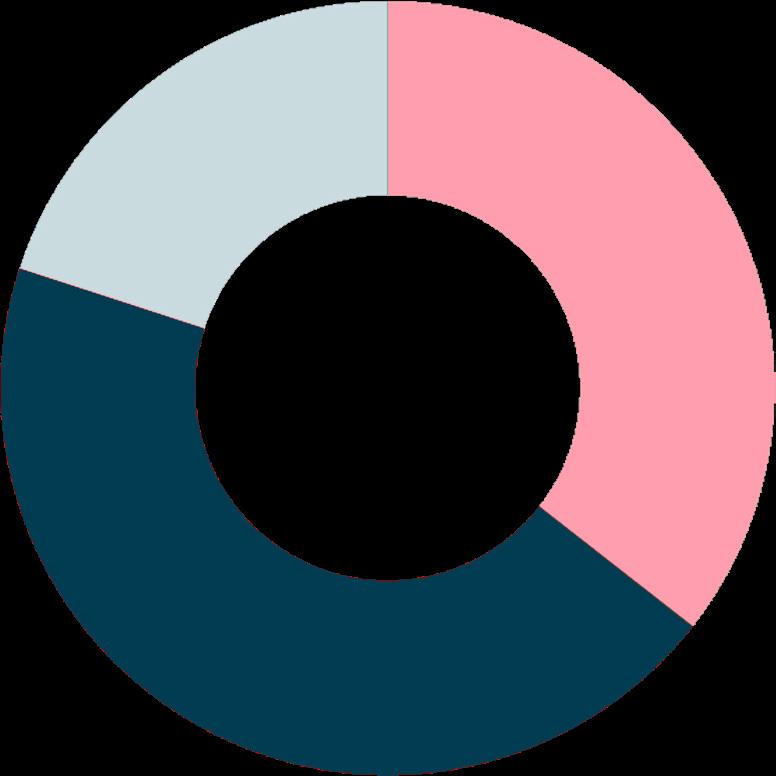

10 funds (63%)
3 non-banks (19%)
2 banks (13%)
1 company (6%)
Among
Our 2X qualification has directly led to new commercial opportunities. For example, it enabled us to build strategic partnerships with institutions such as IFC and to participate in initiatives such as Invest2Equal. [...] Through these engagements, we connected with new investornetworksandpotentialpartners
Fund representative
The findings suggest that the influence of 2X qualification on investees’ reputation is strongest when engaging with investors or LPs (see Figure 14). The vast majority of respondents (79%, 34) reported a moderate to significant impact, with 44% (19) citing a significant impact on reputation with this group. For these stakeholders, 2X qualification is believed to serve as a credible shortcut for due diligence, signalling immediate alignment with global gender standards and DFI mandates.
Surveyed investees reported that 2X qualification enhanced their reputation among other external stakeholders. Specifically, 74% (31) perceived a moderate to significant improvement in how they are viewed by the media and public, and 60% (21) reported similar effects with rating and standard-setting agencies. This suggests that the 2X “stamp” may act as a validator of an organisation’s ESG maturity and social impact leadership. The influence of 2X qualification is also perceived to be fairly strong for workforce-related audiences. Over half of investees (63%, 26) reported a moderate to significant impact on their reputation among current and future employees.
Investee reputation
Figure 13: Influence of 2X qualification on new commercial opportunities
Those who said yes:
Figure 14: Influence of 2X qualification on reputation
Has your 2X qualification directly led to new commercial opportunities, such as new strategic partnerships, entry into new markets, or access to new customer segments?
2X qualification was perceived to be less influential with stakeholder groups outside the core finance ecosystem. The influence of 2X qualification on investees’ reputation and market differentiation among customers, clients, and third parties was rated more modestly, and least visible or impactful with business partners and suppliers, with approximately a quarter of investees reporting no impact at all on these groups. This highlights a clear opportunity for broader ecosystem signalling to ensure the value of the 2X brand is recognised beyond the development finance sphere.
Insight for 2X strategy and outreach
For fund managers, 2X qualification helps unlock investor interest, streamline due diligence, and enhance competitive positioning. However, this commercial value is uneven across investee types and markets. Limited brand visibility among NBFIs, and to a lesser extent, companies, points to a clear opportunity to raise awareness in underrepresented sectors and regions and support investees to better leverage 2X qualification in their positioning and communications. Strengthening outreach and differentiation around 2X Certification can further reinforce the value proposition, particularly for funds operating in competitive or nascent gender-lens markets.

What
are the
operational
benefits associated with 2X qualification?
One of the most widespread operational benefits reported was the role that 2X qualification plays in shaping a gender-inclusive organisational culture and generating leadership buy-in, with 82% (32) and 77% (30) of respondents signalling their 2X qualification status had made a significant or moderate contribution to these areas respectively. This cultural shift has had a direct impact on human capital for around half of respondents who reported that 2X qualification made a significant or moderate contribution in attracting (44%, 17) and retaining (55%, 21) diverse talent and strengthening their overall employer brand (65%, 26). While this trend held across most investee-types, companies were notably less likely to endorse 2X qualification having an influence on senior leadership buy-in, with over half (57%) of companies indicating no contribution
To what extent has the organization’s 2X qualification status contributed to any of the following operational benefits?

Figure 15: Operational benefits associated with 2X qualification
On the other hand, funds were especially likely to report that their 2X qualification had made a significant contribution to both organisational culture and leadership buy-in. By providing a structured framework and a consistent language for gender equality, the process has helped many funds align their internal values with their strategic goals. For example, one fund manager noted that while ESG teams had previously led gender efforts, the responsibility for maintaining 2X qualification has now become embedded in the investment committee’s priorities, demonstrating a clear shift in ownership and integration across the business.
Beyond organisational culture, the rigour required to meet 2X Criteria has driven important upgrades to internal infrastructure and systems. HR processes saw the most substantial impact, with over threequarters (76%, 29) of respondents reporting that their 2X qualification had influenced moderate to significant improvements in internal HR processes. Additionally, 68% (25) of respondents reported that 2X qualification moderately or significantly helped them strengthen GBVH risk management and mitigation strategies. Funds were especially likely to benefit, with over half (63%, 10) of funds indicating that their 2X qualification status had a significant contribution to improving their HR processes, while other investee-types gave more mixed ratings across the scale.
To what extent has the process of meeting and maintaining the 2X Criteria contributed to the following operational benefits?
Among all survey respondents, N = 45, excluding “I don’t know”

Figure 16: Benefits to internal infrastructure and systems associated with 2X qualification

Box 4: How better data helps drive better decision making
Wysa, a mental health venture with commercial backing and a social impact arm in India, illustrates how 2X qualification can act as a catalyst for institutionalising gender-smart internal systems. While the company already maintained a strong baseline regarding gender representation, including a female co-founder, a female head of technology, and a workforce with a high ratio of women (>50%), the 2X qualification process has helped to drive deeper institutional change.
Prior to pursuing 2X qualification, Wysa’s approach to gender data was largely informal. However, the 2X qualification process prompted the organisation to “institutionalise and formalise the collection of sex-disaggregated data,” marking the first time the HR department was tasked with capturing sex-disaggregated data across key workforce metrics.
Importantly, the 2X qualification process has helped to generate a more intentional approach to gender. Recognising their existing strengths through the 2X qualification process, Wysa used the process as a springboard to go further, implementing targeted initiatives such as specialised leadership coaching specifically for their female staff.
Wysa’s experience highlights that even for mission-aligned investments starting from a good baseline, 2X qualification can provide the structure, language and momentum to embed gender-smart thinking into the core of how a business operates.
Insight for 2X strategy and outreach
2X qualification is proving to be a catalyst for institutional strengthening, particularly by driving leadership buy-in, embedding gender into organisational culture, and improving HR, risk management, and data systems. These benefits are most pronounced among funds, suggesting that structured frameworks can accelerate integration where governance and investment processes are closely linked. More uneven uptake among companies points to an opportunity for targeted guidance and support to help translate 2X qualification into deeper organisational change. Positioning 2X qualification not only as an impact credential but as a tool for operational excellence may further strengthen its value proposition.
Are there any challenges associated with 2X qualification?
While respondents overwhelmingly support the intent and relevance of the 2X Criteria, many reported practical challenges with 2X qualification and implementation. These challenges don’t reflect resistance to the standards themselves, but rather point to gaps in capacity, context, and clarity of benefit. Importantly, the nature and intensity of these challenges vary by investee type, market, and starting point.
Data collection and monitoring
Resource and capacity gaps
The most widespread challenge reported, particularly among fund managers, was the burden of data collection and monitoring. This was especially acute when working with SMEs or early-stage portfolio companies that often lack systems to track gender-disaggregated data. In emerging markets, fund managers noted that they’re not just collecting data, they’re building the infrastructure to generate it. As a result, 2X qualification becomes an ongoing, resource-intensive effort that requires technical expertise and sustained support, rather than a one-time compliance task. While funds experience this most intensively, NBFIs and companies also noted data challenges, though often shaped by external factors like national statistics gaps or limited access to sex-disaggregated data at the sector level.
Across all investee types, resourcing and capacity gaps were raised as a consistent challenge. For funds, especially those with small teams or lean structures, the process of training staff and preparing documentation was described as demanding. Among companies, capacity was more mixed. Those with existing gender certifications or embedded policies described the process as confirmatory and relatively smooth. In contrast, those earlier in their gender journey, or operating in male-dominated sectors, faced steeper learning curves, often due to structural constraints like limited female talent pipelines. This underscores a preparedness divide: the further an organisation is from meeting 2X Criteria thresholds at baseline, the more resource-intensive the path becomes.
Contextual and market barriers
Perceived return on investment
Some organisations, particularly NBFIs and companies, raised concerns around feasibility tied to market realities. For instance, when women represent a small portion of the target client base (e.g., in certain lending portfolios), meeting 2X Criteria thresholds can be inherently challenging. These issues were not framed as objections to the standards, but rather as calls for context-sensitive implementation support, especially in demographic or sectoral environments where change takes time. One NBFI shared that while the 2X qualification process helped catalyse targeted initiatives to support women employees, leadership noted that external factors such as regulatory changes and a challenging industry environment constrained their ability to fully meet recruitment and retention goals. This highlights how even committed organisations may face structural barriers that slow progress despite strong internal alignment.
A small number of FIs expressed uncertainty around the commercial return on 2X qualification. While they did not question the value of the gender-lens approach itself, they noted that the benefits were not always visible or clearly communicated, especially in markets where 2X brand recognition is still developing. For these investees, the process was feasible, but they wanted a stronger articulation of the “why” behind the investment of time and resources.
2X
The challenges reported highlight the need for more tailored implementation support. Strengthening technical assistance, providing context-sensitive guidance, and clearly articulating the value of 2X qualification will be critical to reducing friction and supporting uptake, particularly for organisations with lower baseline capacity or operating in structurally constrained markets.
Implications and recommendations
Taken together, the findings highlight actionable opportunities for investors and 2X Global to enhance the value, uptake, and market resonance of 2X qualification across investee types.
For investors
Position 2X qualification as a strategic value driver rather than an investor requirement
Findings suggest that 2X qualification delivers the greatest value through credibility, positioning, and institutional strengthening. Investors can reinforce this by integrating gender considerations early in investment processes and framing 2X qualification as a contributor to long-term resilience, governance quality, and risk management.
Tailor engagement to investee motivations
Investors should calibrate the value proposition of 2X qualification by investee type, recognising that motivations and perceived sources of commercial value differ across portfolios. Messaging that emphasises strategic differentiation, credibility, and fundraising advantage is likely to resonate most with funds, while financial institutions and companies may respond more strongly to clearer links between 2X qualification, investor readiness, access to capital, and long-term business resilience. Where internal commitment is already strong, investors can position 2X qualification as a mechanism for institutionalising gender practices and enhancing governance. For investees earlier in their gender journey, pairing expectations with targeted technical support and clearer articulation of return on investment will be critical to sustaining engagement and accelerating uptake.
Reinforce incentives for adoption
At the same time, investors should consider strengthening financial and strategic incentives, such as sustainability-linked features, access to gender technical assistance (TA), preferential terms where feasible, or clearer signalling in investment processes, to further encourage uptake and reward demonstrated gender performance.
Invest in targeted gender TA
Operational and data-related requirements remain a significant implementation burden, particularly for funds working with SMEs and early-stage companies. Tailored TA can reduce friction, improve data quality, and increase the likelihood that 2X qualification translates into tangible operational and commercial gains.
Strengthen the evidence base
While perceived commercial value is strong, empirical evidence linking 2X qualification to measurable revenue growth remains limited. Investors should more systematically capture how gender performance influences financial results, from fundraising and financing terms to portfolio performance and exit outcomes, across investee types. Commissioning strategic research and independent evaluations will be critical to deepening this evidence base, addressing investee uncertainty around return on investment, and reinforcing the credibility of 2X qualification as both an impact and value-creation framework. Investors can further support this effort by promoting proportionate reporting and developing practical approaches to measurement that translate emerging experience into actionable market insights.
For 2X Global
Strengthen incentives and market signalling
To reinforce the commercial relevance of 2X qualification, 2X Global should work with investors to more explicitly signal that 2X status is valued in investment decisions. This could include stronger integration into allocation frameworks, due diligence processes, blended finance structures, and investor communications. Making the market reward clearer would help shift 2X qualification from a reputational asset to a recognised commercial advantage.
Increase market recognition beyond the development finance ecosystem
Awareness of the 2X Challenge and 2X qualification remains concentrated among DFIs, limiting its signalling power with commercial LPs, customers, and broader market actors. Coordinated communications, developed jointly with investors, should more clearly articulate the commercial relevance of 2X qualification, positioning it as both an impact and value-creation framework.
Provide more context-sensitive implementation support
Challenges related to data infrastructure, talent pipelines, and market demographics highlight the need for guidance that reflects varying starting points. Practical, step-by-step materials tailored to first-time fund managers, lean teams, and emerging-market contexts could help reduce barriers and support earlier integration of gender considerations.
Help investees better leverage 2X qualification as a market signal
Many organisations, particularly companies and NBFIs, underutilise their 2X qualification in external positioning. Providing clearer guidance on how to communicate verified 2X qualification, differentiate it from broader ESG claims, and incorporate it into investor and partnership narratives could strengthen its commercial return.
Enhance accessibility of tools and guidance
Expanding multilingual resources would lower participation barriers and support uptake in underrepresented regions, particularly where language constraints intersect with capacity gaps.
Build the evidence base on commercial outcomes
Commissioning longitudinal research, structured exit analyses, and case studies would help clarify how 2X qualification influences financing terms, valuation, and long-term performance. A stronger evidence base will be critical to sharpening the business case and accelerating adoption among commercially oriented investors.

Annex 1: Tailored business case briefs13
Business case for funds
Organisations pursue 2X qualification for a range of reasons, with internal commitment to gender equality the strongest and most consistent reported driver across respondents.
Funds
2X qualification is a high-value differentiator and credibility tool for funds operating in competitive fundraising environments. It streamlines due diligence, offers an edge in coinvestment negotiations, and positions funds as leaders in GLI, particularly in regions and sectors where peer participation remains low.
Motivations
Where they’re seeing most commercial value
Internal gender commitments reinforced by investor expectations: Nearly nine in ten (86%, 19) funds surveyed identified internal commitments to advancing gender equality as a primary driver for seeking 2X qualification, and seven in ten (68%, 15) cited LP requirements.
A critical differentiator: 2X qualification serves as a strong market differentiator for funds. Nearly half (44%, 8) of funds surveyed reported its influence as moderate and a third (33%, 6) described 2X qualification as a critical differentiator. Interviews further suggest that 2X Certification is increasingly viewed as an important distinguishing feature within this market segment.
Strong influence on DFI financing: 100% of funds (19) reported that their 2X qualification played a role in attracting new DFIs, and 83% (15) said it was critically or moderately influential in securing DFI/MDB commitments.
Enhanced fundraising and exit prospects: Most funds indicated that 2X qualification has had some positive influence on increasing their total fund size (89%, 16) and accelerating their fundraising timeline (78%, 14). Over half (55%, 11) believe that their 2X qualification strengthens their exit prospects, such as by enhancing credibility and valuation narratives.
High data and monitoring burden: Fund managers report data collection and monitoring requirements as the biggest challenge associated with 2X qualification, and this was particularly true for fund managers investing in early-stage SMEs, or for those with small fund management teams.
Challenges
What they need from investors
Portfolio-level capacity gaps: Funds reported that they often need to support investees in building gender data infrastructure from the ground up, requiring technical expertise, hands-on engagement, and sustained resource investment across the portfolio.
Joint communication strategies to increase visibility among commercial LPs: Strengthen and align messaging that positions 2X qualification as a credible commercial, due-diligence, and risk-management signal for commercial and regional LPs.
Targeted capacity support and gender TA for portfolio companies: Provide or co-finance gender TA to help funds and their investees strengthen HR systems, GBVH risk management, and data systems, reducing implementation burden and improving the commercial value of 2X qualification.
Orientation materials: Develop practical orientation materials for fund managers and their teams to clarify 2X qualification expectations, requirements, and resource implications. Translate 2X guidance and tools into Spanish and other widely used languages to increase accessibility and uptake across underrepresented regions.
Systematic documentation of exit processes and outcomes: Support structured documentation of exits to capture how 2X qualification influences valuation narratives, buyer interest, and deal terms, to help build the evidence based on its commercial impact over time.
13 Please note, the quantitative results presented in these tables are based on survey findings that exclude NA / I don’t know responses where applicable. Furthermore, response counts often vary by question because not all respondents completed the full survey.
Business case for NBFIs
Non-bank Financial Intermediaries (NBFIs)
2X qualification helps NBFIs strengthen investor credibility and improve access to capital. It reinforces NBFIs’ strategic positioning as impact leaders and can unlock financing benefits. However, translating 2X qualification into wider commercial value often requires stronger incentives, a clear internal business case, and context-sensitive implementation support.
Motivations
Where they’re seeing most commercial value
Access to capital as a key driver: NBFIs were the most likely group to cite improved access to capital as a primary motivation. Alongside this, internal gender equality commitments and investor requirements were motivators for almost two thirds (64%, 7) of the sample.
Improved access to capital: The majority of NBFIs (89%, 8) rated 2X qualification as having some positive influence on their ability to secure additional financing. Additionally, over a third of NBFI respondents (38%, 3) had received preferential financing terms, representing the highest proportion among respondent groups.
Limited evidence of customer and revenue growth: Perceived influence on customer growth and revenue is modest. For example, two-thirds (67%, 6) of NBFIs reported that 2X qualification had no influence on increasing profitability or credit performance in operations, and over four in five (83%, 5) indicated no influence on deposit or account growth.
Contextual challenges: Some NBFIs operate in markets with demographic or structural barriers to meeting 2X Criteria thresholds, for example, where women make up a smaller share of the potential customer base.
Generating internal buy-in: The benefits of 2X qualification are not always well understood internally, making it harder to justify the time and effort required for initial 2X qualification or verification.
Challenges
What they need from investors
Limited market awareness: Over a third (38%, 3) of NBFIs surveyed rated 2X qualification as not at all a market differentiator, with the same proportion considering it to be only somewhat of a differentiator. During interviews, several cited limited brand recognition within their specific investor or client segments as a key challenge.
Improved customer relations: Most NBFIs reported some positive influence of 2X qualification on increasing their customer base (67%, 6), encouraging customer loyalty and retention (67%, 6), and positively impacting market expansion to tap into unmet demand (78%, 7).
Enhanced strategic positioning: For NBFIs, a strong perceived benefit of 2X qualification lies in enhancing their strategic positioning and credibility as leaders in financial inclusion; over two-thirds (67%, 6) rated its influence on future-proofing their organisation as significant or moderate, and over half (56%, 5) indicated critical or moderate influence on their reputation with rating and standard-setting agencies.
Communications support: Provide support to clearly articulate and communicate the business case for 2X qualification internally, helping to secure leadership buy-in and align 2X qualification with core business incentives.
Flexibility and contextual awareness: Ensure flexibility in interpreting thresholds and setting targets in line with demographic and market realities.
Peer learning: Provide opportunities for peer learning opportunities and practical case studies.
Business case for banks
Banks
For banks, 2X qualification supports access to financing while reinforcing ESG credibility. It supports long-term positioning and investor confidence, but clearer incentives and use cases are needed to translate 2X qualification into stronger commercial benefits.
Motivations
Internal commitments lead, reinforced by capital incentives: Three in four banks (75%, 9) were motivated to pursue 2X qualification due to an internal commitment to advancing gender equality and over half (58%, 7) were motivated by the potential to access new sources of capital.
Weaker incentives: Banks were less likely to cite investor requirements as a motivator (33%, 4), reflecting differences in capital structures, regulatory environments, and lower direct exposure of some banks to DFI-linked investment mandates.
Where they’re seeing most commercial value
Reputation enhancement: 100% of banks indicated that 2X qualification has had some positive impact on their reputation and market differentiation across a range of stakeholder groups.14 Around half of banks perceived the reputational impact to be significant among investors (50%, 4) and customers (43%, 3).
Broad financial benefits: Most banks surveyed (88%, 7) reported at least a slight influence of 2X qualification on their ability to: increase profitability and credit performance in operations, generate deposit and account growth, increase their customer base, encourage customer loyalty and retention, and catalyze cross-selling with customers. The same proportion endorsed a positive impact on market expansion to tap into unmet demand. Three in four (75%, 6) reported a moderate or slight influence on increasing profitability or credit performance in operations and on generating deposit or account growth.
Additional financing: Over three-quarters of banks (78%, 7) rated 2X qualification as being extremely or moderately influential in their ability to secure additional financing.
Strong branding and credibility benefits: 2X qualification is perceived to have strong branding and credibility benefits; 75% (6) considered it a moderate market differentiator, and 78% (7) reported that it has been influential for future-proofing and positioning as a social impact leader.
Challenges
What they need from investors
Demonstrating return on investment: The primary challenge reported by banks was demonstrating the return on investment of 2X qualification, particularly in terms of financing benefits or increased client acquisition.
External signalling: Stronger external signalling that 2X qualification is valued within the banking sector, especially from DFIs, regulators, and large capital providers.
The business case: Clearer use cases and success stories that demonstrate how 2X aligns with risk management, ESG performance, and access to future finance opportunities.
Business case for companies
Companies
For companies, 2X qualification functions as both a validation mechanism—formally recognising and externally signalling existing gender commitments, policies, and values—and an emerging commercial signal reinforcing investor credibility and access to financing. However, its potential as a competitive differentiator remains largely untapped.
Motivations
Where they’re seeing most commercial value
Mission-driven rather than market-driven: Over half of companies were motivated to pursue 2X qualification by internal gender commitments (60%, 6) and investor expectations (50%, 5), with minimal emphasis on competitive positioning (10%, 1), pointing to an opportunity to strengthen the commercial narrative of 2X qualification for corporate investees.
Formalisation of existing commitments: Interview data suggests that companies may pursue 2X qualification as a way to formalise and signal existing commitments to gender equality; for example, some companies already had gender policies or values in place before qualifying, and the process offered a formal way to signal this commitment externally and generate internal alignment.
Improved access to financing: Most companies (86%, 6) reported that 2X qualification had a moderate influence on their ability to secure additional financing.
Moderate competitive differentiation: Three in four companies (75%, 6) viewed 2X qualification as a moderate market differentiator.
Enhanced reputation: Over half (63%, 5) of companies surveyed perceived that 2X qualification had a significant or moderate influence on their reputation among investors, the media or public.
Improvements in internal processes: Over half (63%, 5) of companies perceived a significant or moderate influence on improving internal HR processes as well as GBVH risk management and mitigation strategies.
Challenges
What they need from investors
Limited ability to leverage their 2X qualification status: Companies represent a gap in brand leverage; 44% do not feature their 2X status externally, with several companies questioning recognition of 2X qualification in domestic markets.
Weaker internal integration: Over half of companies (57%, 4) reported no influence on senior leadership buy-in, and nearly two-thirds (63%, 5) saw no impact on attracting or retaining new talent.
Contextual barriers to implementation: Many companies operate in markets where demographic constraints make some 2X Criteria thresholds more difficult to achieve, highlighting the importance of context-sensitive support.
Stronger articulation of the business case: Ensure tailored messaging and communication support that clearly links 2X qualification to commercial and reputational value, helping build internal leadership buy-in.
Targeted implementation support: Provide practical guidance and resources, particularly for investees earlier in their gender journey, to help translate 2X qualification into deeper organisational change.
Peer learning opportunities: Facilitate knowledge exchange across companies, regions, and sectors to help accelerate adoption and surface practical solutions to common challenges.
Expanded regional and sectoral outreach: Promote 2X qualification among domestic investors and ecosystem actors to strengthen external recognition and enhance the signalling value of 2X qualification in local markets.

The information provided is for general informational purposes only and is not intended to constitute legal, financial, or investment advice, with any reliance placed on it strictly at your own risk. We do not guarantee the accuracy, relevance, timeliness, or completeness of information from external sources, and the views expressed do not necessarily reflect the official policy of 2X Global or its members; we disclaim all liability for damages arising from the use of or reliance on this information.