A Five-Year Strategic Plan for the Prairie House Preservation Society
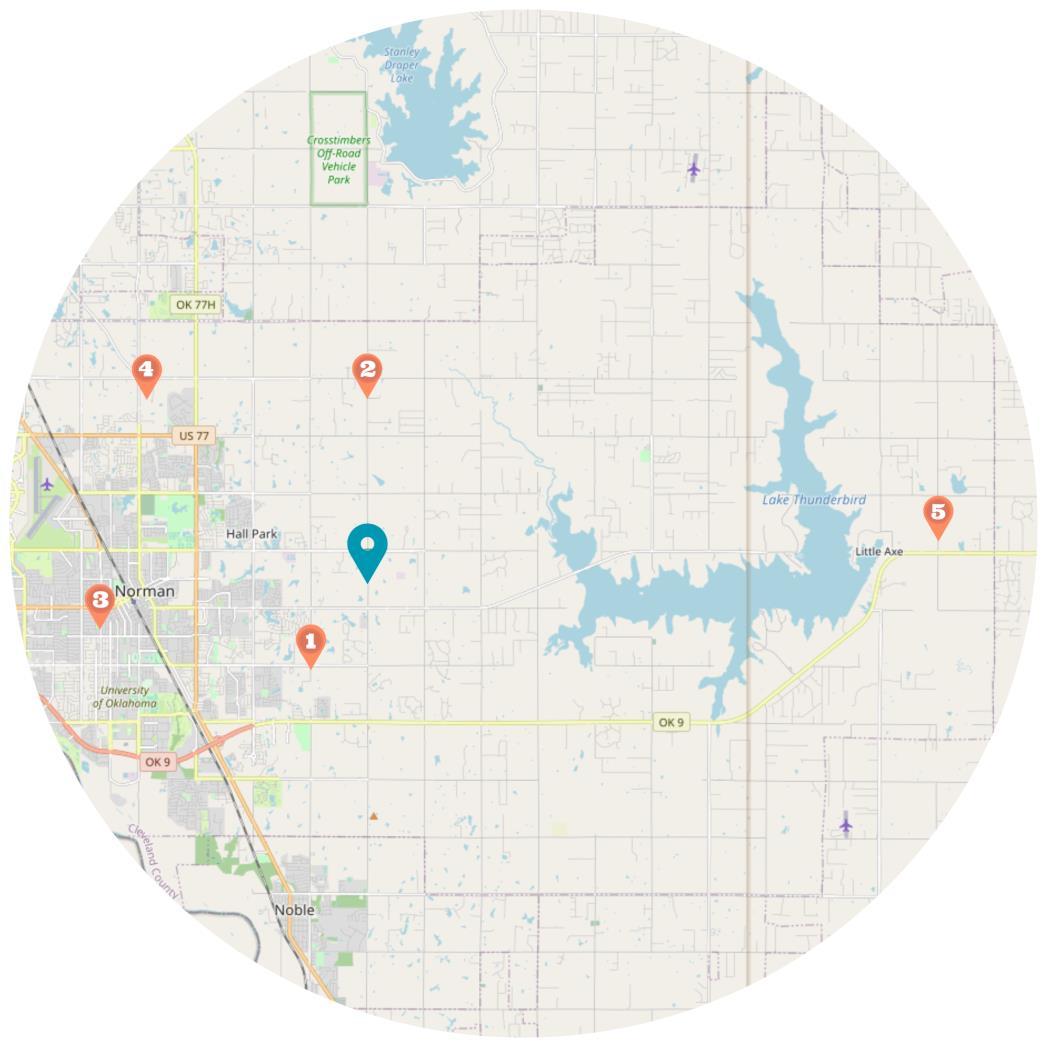
550 48th Ave. NE, Norman, Oklahoma 73026
Living Document
Prepared by: TrailTree Consulting For The Prairie House Preservation Society Date: 2023
Message From PHPS Executive Director
Executive Summary: Strategic Plan for Prairie House Preservation Society
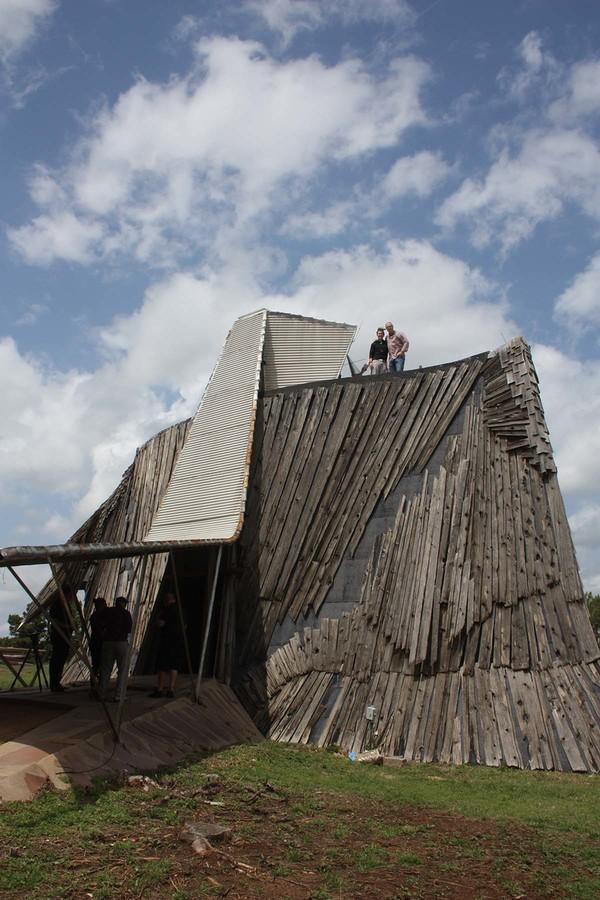
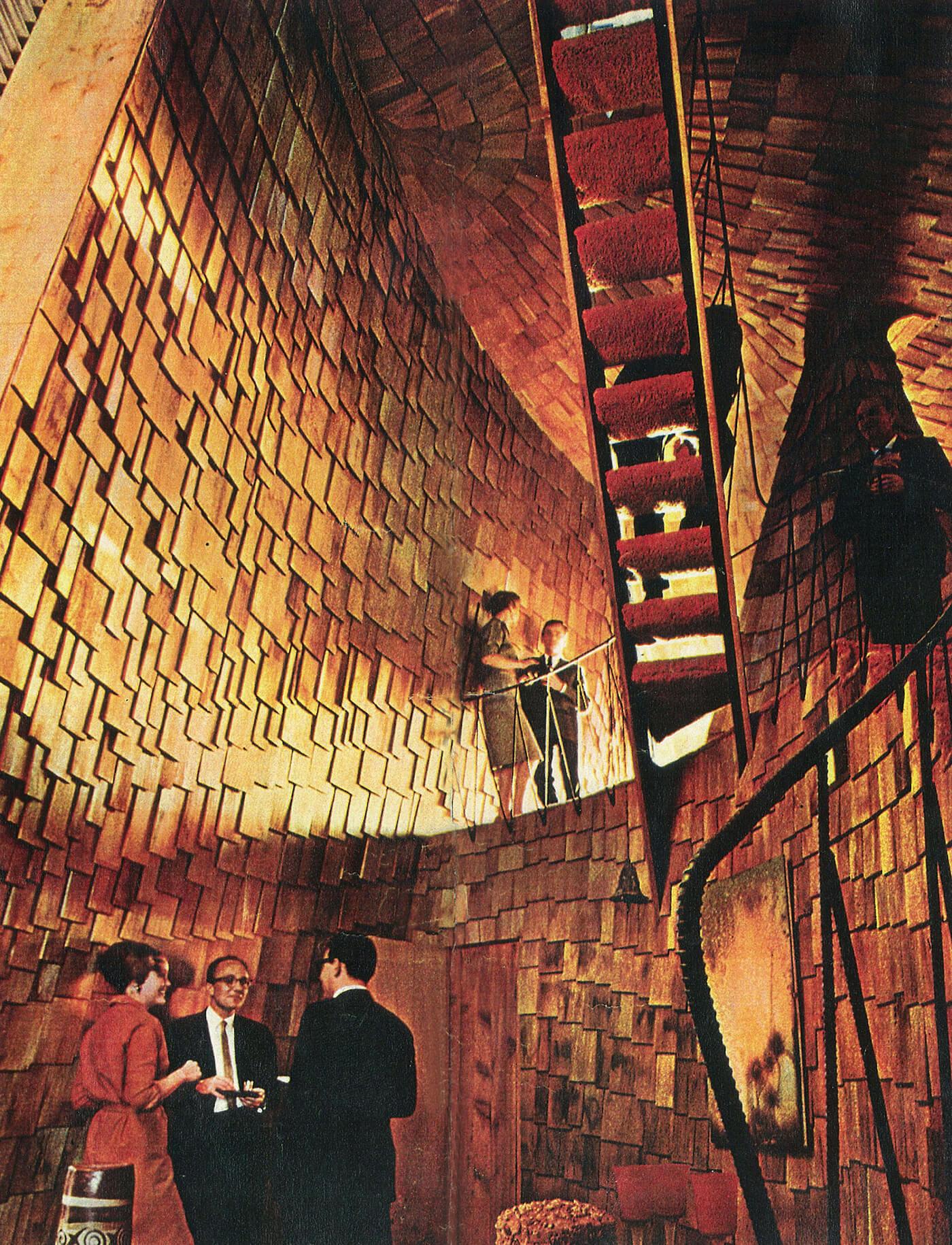
The following executive summary provides an overview of the strategic plan for Prairie House Preservation Society (PHPS), outlining the key goals and initiatives to preserve and celebrate the historical significance and architectural beauty of Prairie House in Oklahoma. Prairie House Preservation Society is dedicated to the preservation, restoration, and promotion of Prairie House as a significant historical site. Our vision is to inspire a deeper understanding and appreciation of Oklahoma's rich heritage by engaging the community and providing educational experiences centered around the architectural and cultural significance of the site. This strategic plan encompasses six primary goals.
First, we aim to prioritize the preservation and restoration of the historic site by conducting a comprehensive assessment, securing funding for restoration projects, and implementing a longterm maintenance plan to ensure the site's historical integrity.
Second, fundraising and sustainability are crucial for the success of Prairie House Preservation Society. We will develop a comprehensive fundraising strategy, pursuing grants from local and national sources, establishing partnerships with corporate sponsors and foundations, and engaging individual donors who share our commitment to preserving historical sites.
Third, we intend to develop and enhance partnerships and colloborations . These components ar e critical to the mission of the PHPS. It will give us the opportunity to value new expertise and insight, build meaninglful relationships with people inside and outside of our organization, and enable informed and inclusive programs.
Fourth, we aim to strengthen community engagement and outreach which are vital to our mission. By fostering partnerships with community organizations, hosting events, and establishing a volunteer program, we aim to actively involve the community in the preservation and promotion of PHPS, cultivating a sense of ownership and pride.
Fifth, we seek to develop and implement engaging educational programs that showcase the architectural significance and historical context of historic site. Through collaborations with local schools, universities, and historical organizations, we will offer work shops, programs, tours, and lectures that promote a deeper understanding of Oklahoma's architectural heritage.
Finally, effective marketing and public relations efforts will be employed to raise awareness about Prairie House Preservation Society and its mission. Through strategic branding, communication channels, and media relations, we will increase public visibility and generate support for upcoming events, restoration projects, and educational initiatives.
To ensure successful implementation, a dedicated board of directors and committees will oversee the strategic plan. An action plan has been developed, outlining specific tasks, timelines, and responsible parties for each goal and objectives. Regular monitoring and evaluation will take place, allowing for necessary adjustments to ensure alignment with the mission and desired outcomes.
By executing this comprehensive strategic plan, Prairie House Preservation Society will continue to preserve and promote the historical significance and architectura l beauty of the site. Through restoration efforts, collaborations, educational programs, community engagement, fundraising, and effective marketing, Prairie House will remain a cherished historical site and a beacon of Oklahoma's cultural heritage.
Introduction
The Prairie House Preservation Society five-year strategic plan establishes organizational goals and provides a framework for attending to the priorities of restoring the building, launching sustainable programs and the ongoing preservation efforts necessary to realizing the mission. The strategic plan out lines future measures of success based on an outline of six primary goals: Restoration and Preservation; Public and Education Programs; P artnerships and Collaboration; Community Outreach; Resources; and Marketing. Each of the six goals leverages strategic planning to determine challenges, strengths, action plans and organizational structure.
Prairie House Preservation Society (PHPS) Mission Statement
This Prairie House Preservation shall preserve and manage the historic Prairie House in Norman, Oklahoma. (The Prairie House Preservation Society founded in December of 2021, is a 501(c)3 organization).
Board of Directors
• President- Jason Pierce, Architect Discipline Director, Jacobs Engineering, St. Louis, MO
• Secretary-Clay Dobbins, Architect, TAP Architecture, Oklahoma City, OK
• Treasurer-Chuck Thompson, Managing Partner and President, American Investment Group, Norman, OK
• Dennis Brigham, Owner, Bentley Turf Farms, Norman, OK
• Lila Cohen, Architect and Manager of Herb Greene Studios, Berkeley , CA.
• Helen Colton, Director, Legacy Projects, Sante Fe, NM
• Ron Frantz, Architect, Professor, Gibbs College of Architecture, University of Oklahoma, Norman, OK
• Austin Hacker, Ox Collective and former owner of Prairie House, Oklahoma City, O K-
• Zach Hicks, Project Architect, Architectural Design Group, Oklahoma City OK
• Stephanie Pilat, Director, Gibbs College of Architecture, University of Oklahoma, Norman, OK
• Matthew Peacock, Architect, Peacock Design and Norman City Council Member, Norman, OK
• Ex-Officio: Herb Greene, Architect and Artist, Berkeley, CA
• Executive Director: JD Merryweather , Norman, OK
PHPS is managed by an exceptional group of board members and volunteers who se diverse skills, backgrounds and interests generate the ideas that motivate the team’s enthusiasm for preserving the past, present and future of the Norman communities. Each board member serves in a voluntary capacity The board meets at least ten times in a calendar year to determine the policies governing the administration and operations of the organization, give direction and oversee budgets.
Strategic Plan Development
PHPS board members provided guidance, direction, and input prior to and during the development of the strategic plan, a proc ess outsourced to an independent consultant. The framework for formulating the outcomes, goals, objectives, strategies, key players, and evaluation components was arrived at collaboratively. After visiting the historic site, studying and reviewing presentations, articles about PHPS , and reviewing existing programs, press releases, events, by laws, and gathering ideas from the board, the comp onents listed above were drafted by a hired consultant and then shared with the PHPS team.
The intent of the strategic plan is to guide PHPS toward restoring and preserving the building, crafting new ideas, establishing relationships with various entities for collaborative initiatives, designing new programming and developing strategies to sustain new programs and event. PHPS and the consultant communicated regularly during the creation of the strategic plan document to ensure accuracy of information, define expectations, and to discuss the mission and forward-thinking vison for future programs.
Methodology for Organizational Audit
Prior to the development of the PHPS strategic plan an organizational audit was conducted. The Audit covered the time period prior to the opening to present. This sample provided sufficient information to help understand the historical context and reflect current or emerging trends and programs. The methods used in developing the strategic plan included:
• Reviewing Mission Statement, by-Laws and a sample of board meeting minutes
• Reviewing and assessing programs, events, and collections .
• Discussing goals and ideas for strategies with team members
• Touring of site and viewing the collection and archival photographs.
• Researching history of Norman and other adjoining communities .
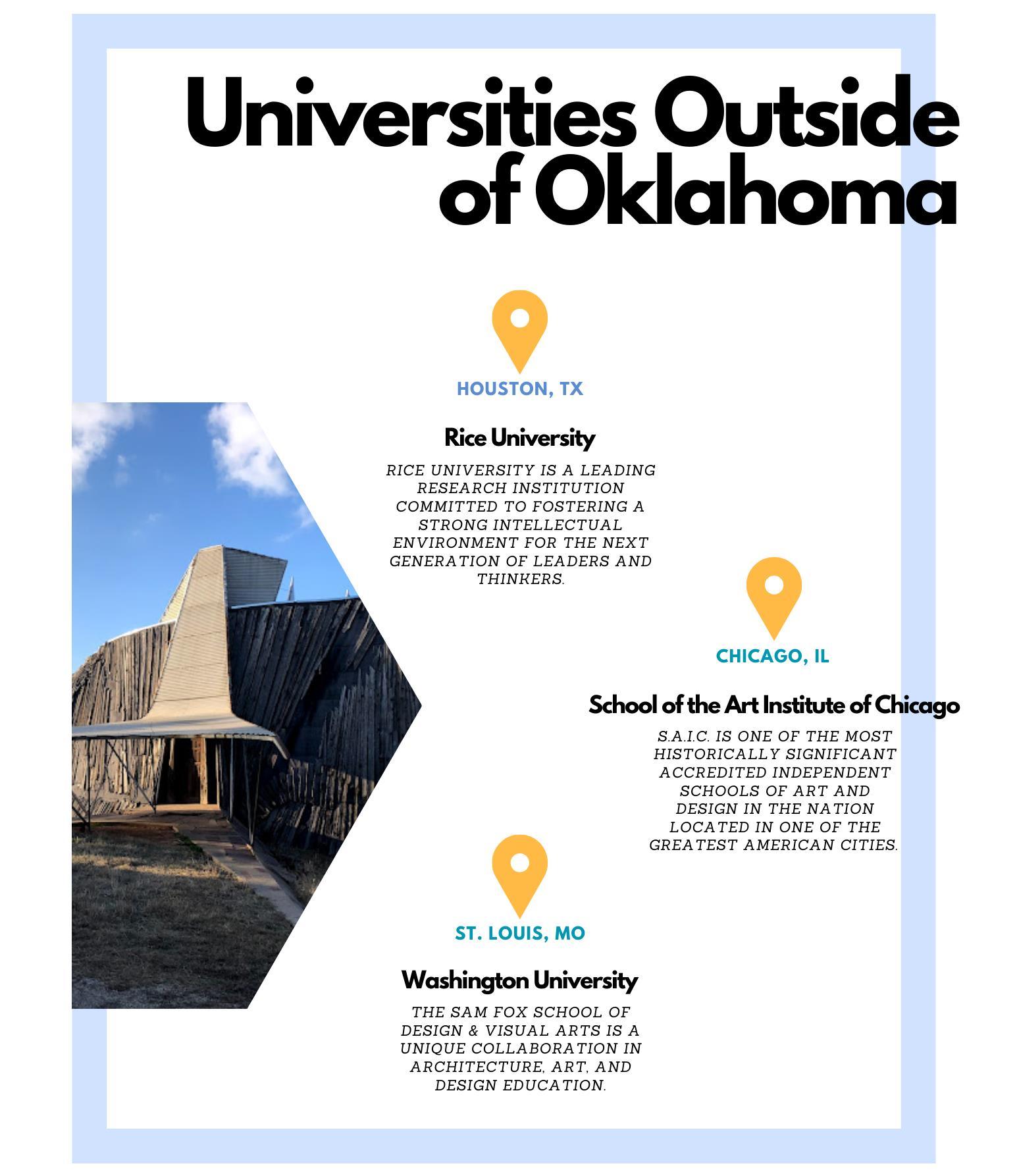
• Examining in state and out of state universities and colleges, & K-12 school systems.
• Researching the need for historical sites.
• Reviewing media publications, website, design drawings, and documentary film.
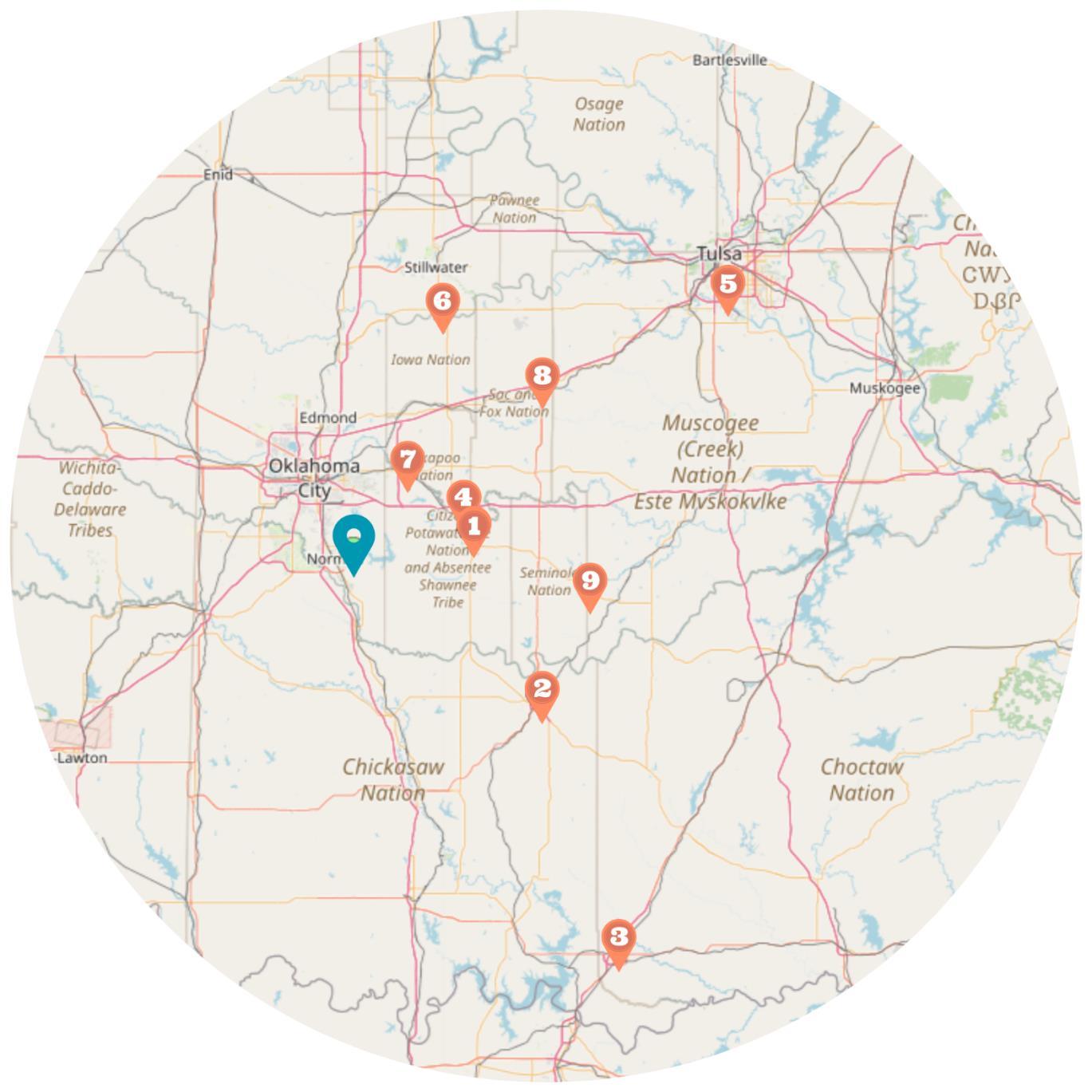
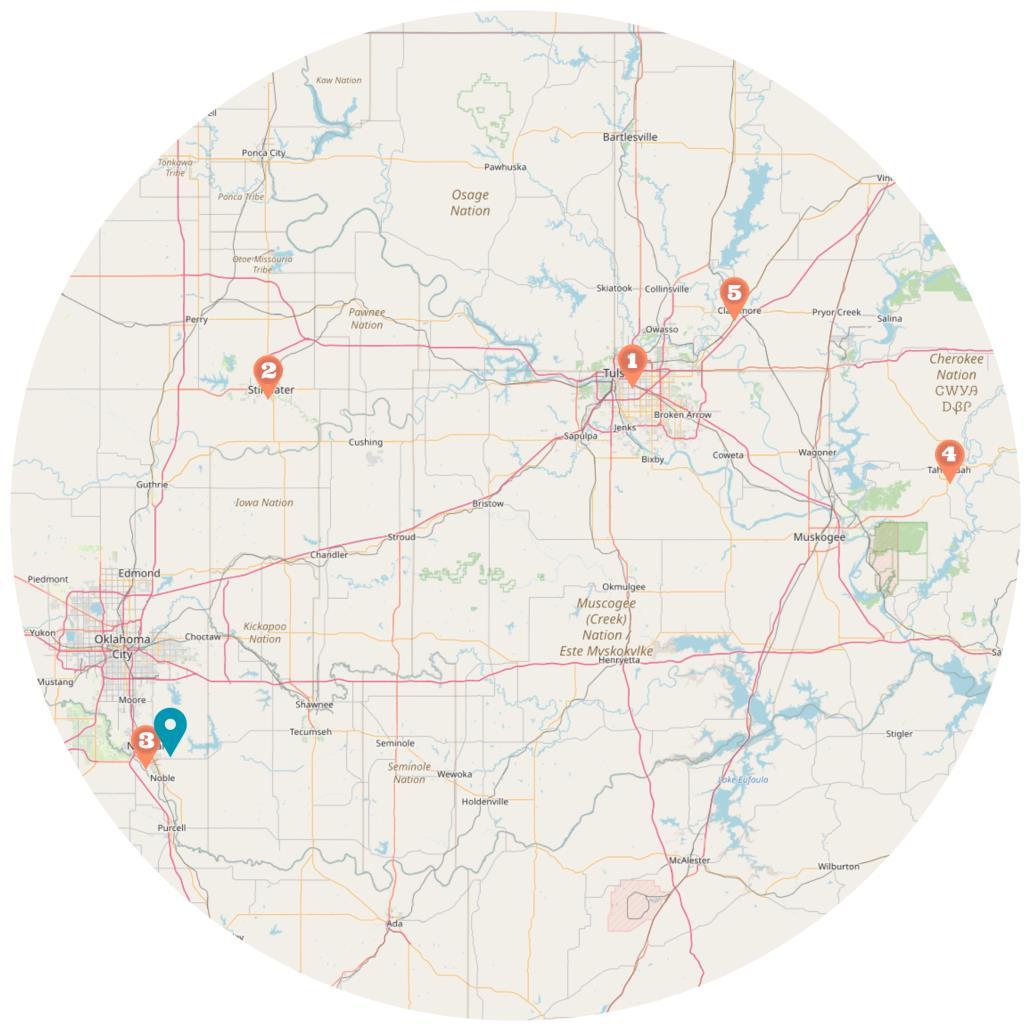
• Studying tribal museums mission statements and locations
Strategic Outcomes
• Seek donations and submit proposals for external funding with a focus on restoration and preservation.
• Expand outreach efforts to strengthen community relationships
• Create environmentally conscious initiatives.
• Develop educational programs and become a hub learning center.
• Increase volunteers and levels of opportunities.
• Build collaborations between PHPS and tribes; businesses; educational entities; various organizations and other historic sites and museums.
• Strengthen relationships with existing partners and foster relationship with new partners .
• Develop marketing and promotional tools and social media platforms .
• Increase memberships and build a donor legacy program
The Importance of Historical Sites to Non -Urban Areas: The Prairie House Preservation Society
Introduction
Historical sites hold immense cultural, educational, and economic value, not only in urban areas but also in non-urban or rural regions. These sites often reflect the rich heritage and historical significance of a community or region. Historical sites are crucial elements of a nation's cultural heritage, providing insights into the past and connecting present generations with their history. While the importance of historical sites in urban areas is widely recognized, this essay aims to shed light on their significance in non-urban regions. Specifically, the Prairie House Preservation Society serves as an excellent example for understanding how this historical site contributes to non-urban areas. The preservation of historical sites in rural regions, emphasizes the positive impact they have on cultural heritage, economic growth, and community identity. Additionally, the importance of historical sites in non-urban areas, sheds light on their cultural preservation, educational opportunities, tourism potential, community engagement, and sense of place.
Cultural Heritage Preservation in Non-Urban Areas
Preserving historical sites in non-urban areas is essential for safeguarding cultural heritage. These sites often reflect the historical, architectural, and cultural characteristics of a region (Dixon, 2016). Through their preservation, non-urban communities can maintain a connection to their roots and preserve their unique identity. Prairie House Preservation Society is an exemplary organization that promotes the conservation of historical sites in non -urban areas, specifically focusing on regional and Organic design. By preserving these structures, Prairie House Preservation Society ensures that future generations can appreciate the historical significance of these architectural gems.
Economic Impact of Historical Sites in Non -Urban Areas
Historical sites also play a pivotal role in stimulating economic growth in non -urban areas. Tourism centered around historical sites can generate substantial revenue and learning opportunities such as residency, internships and jobs, thereby supporting local businesses and contributing to the regional economy (Gibson & Connell, 2003). Prairie Ho use Preservation Society will promote tourism to rural areas by organizing guided tours , programs and events, attracting visitors interested in history and architecture. These initiatives will not only bring revenue to non-urban communities but also create a ripple effect by boosting local businesses such as accommodations, restaurants, visits to tribes and other nearby historical sites and museums.
Community Identity and Sense of Place
Historical sites serve as anchors for community identity in non -urban areas, fostering a sense of place and belonging. These sites often embody the collective memory and shared experiences of a community (Kareiva & Marvier, 2012). Prairie House Preservation Society 's efforts to preserve the site enable local residents to take pride in their heritage and foster a deeper connection to their surroundings. By engaging community members in preservation activities, the organization strengthens social bonds and reinforces the sense of community within non -urban areas.
Challenges and Solutions in Historical Site Preservation
Preserving historical sites in non-urban areas presents unique challenges. Limited funding, lack of awareness, and lack of community engagement are common obstacles faced by organizations like the Prairie House Preservation Society. However, various strategies can address these challenges. Public-private partnerships, grants, and endowment initiatives can secure financial resources for preservation projects. Raising awareness through educational programs, outreach campaigns, and digital platforms can help garner support from the wider community. Collaboration and partnerships with local agencies, historical societies, higher education entities and community organizations can also contribute to the long -ter m sustainability of historical site preservation efforts in non-urban areas (Sullivan, 2004).
Conclusion
Historical sites hold immense value beyond urban areas, contributing to the preservation of cultural heritage, educational programming, fostering economic growth, and strengthening community identity. By recognizing the importance of historical sites and addressing the associated challenges, communities can ensure the continued preservation and celebration of their unique heritage. The efforts of organ izations like Prairie House Preservation Society serve as inspiration for other non-urban communities to embark on similar preservation endeavors, ultimately creating a more culturally rich and sustainable future and positive impact in the community and th e state.
Dixon, M. F. (2016). Heritage and rural development. Abingdon: Routledge.
Gibson, C. &. (2003). Music festivals and regional development in Australia. Farnham: Ashgate Publishing.
Kareiva, P. &. (2012). What is conservation science? BioScience, 62(11), 962-969.
Sullivan, R. (2004). Tourism and indigenous communities. Abingdon: Routledge.
A Three Phase Approach for the PHPS Comprehensive Strategic Plan
Including three phases when developing the Prairie House Preservation Society’s (PHPS) comprehensive 5-year plan for a historic site is of utmost importance, particularly when prioritizing restoration and preservation in the first phase. This focused approach acknowledges the critical need to address any challenges to the site's integrity and ensure its long -term survival.
The first phase, dedicated to restoration and preservation, allows for the careful assessment of the site's condition, identification of key preservation p riorities, and implementation of necessary maintenance measures. It provides an opportunity to address structural issues, stabilize deteriorating elements, and protect the site from further damage, laying a solid foundation for future development phases. This sets the stage for subsequent phases to build upon this strong framework, allowing for thoughtful and sustainable development that respects the site's heritage and unique characteristics.
Secondly, a phased approach enables a long -term vision for the PHPS site, ensuring its sustainability and continued relevance. By breaking down the plan into three distinct phases, it becomes more manageable and adaptable to changing circumstances, allowing for adjustments and refinements along the way.
Additionally, including multiple phases facilitates fundraising and stakeholder engagement. It provides a clear roadmap for progress and demonstrates a commitment to incremental improvements, making it easier to garner support from donors, federal and state agencies, a nd community members. Each phase can serve as a milestone that celebrates achievements and generates momentum for future fundraising efforts.
Furthermore, a multi-phased plan enables effective project management, with each phase having its own goals, strategies, timeline, key players, and set of deliverables. This allows for better control over resources, risk mitigation, and accountability, ensuring that the project stays on track and reaches the milestones within the specified timeframe.
In summary, inc luding three phases when developing a comprehensive 5 -year plan for the PHPS historic site ensures a strategic, sustainable, and well -managed approach to its preservation and development. It provides a clear roadmap, facilitates fundraising, engages stakeh olders, and allows for adjustments along the way, ultimately leading to the successful achievement of the site's long- term vision.
Goals. Objectives. Strategies.
PHASE 1
The goal of our placemaking initiative is to strengthen community engagement and raise awareness about the importance of historic architecture preservation, restoration projects, and the historic environment. Through a series of programs and activities rooted in the humanities and architecture design, we aim to inspire individuals to appreciate and protect their local heritage. By showcasing the rich history embedded in our built environment, we strive to foster a sense of pride and connection to the past. Through creative and public programming efforts, we seek to empower community members to actively participate in the preservation and restoration of historic structures, ensuring their longevity for future generations. By nurturing a deep understanding of the historical significance of these spaces, we aim to create an environment where cultural heritage thrives and the community actively works towards sustainable development and the protection of our collective identity.
Goal 1: Restoration and Preservation
Faithfully restore interior and exterior of the Prairie House to revive the original spirit and intention of the architecture, by extending the original vision of Herb Green e. Preserve the historical structure to create a creative culture incubator and learning center for public programming.
Objective 1
Contract a specialized team of historic architecture preservationists to lead the restoration of the Prairie House and ensure the historical integrity of the original design will be retained and preserved for the future.
Strategy 1
Strategy 2
Strategy 3
Strategy 4
Key Players
Evaluation
• Choose a contractor who values preservation as much as PHPS; who knows the review, permitting, and approval process for the county. (1)
• Research services. Call local historic preservation office, historical society, and various house museums to gather suggestions for reputable contractors. (1)
• Inquire about historic museums or homes in the area to determine who worked on them and gather contact information. (1-2)
• Complement the historical significance by ensuring the people hired understand the importance of original project areas. (1 -5)
• Board members, Contractors, Historians, and Historic Architecture Preservationists
• Agreement of adherence to highest standard of restoration practiced
• Contractors identified.
Goal 1: Restoration and Preservation
Faithfully restore interior and exterior of the Prairie House to revive the original spirit and intention of the architecture, by extending the original vision of Herb Green e. Preserve the historical structure to create a creative culture incubator and learning center for public programming.
Objective 2
Research and identify agencies that will support the restoration and preservation projects.
Strategy 1
Strategy 2
Strategy 3
Strategy 4
• Study searchable database of consultants who work with historic properties in Oklahoma: https://www.okhistory.org/shpo/consultants (1)
• Identify additional information on historical websites such as the “Publications” page: https://www.okhistory.org/shpo/publications (1-5)
• Participant in various free webinars and workshops on the Oklahoma Historical Society website found on - “Event page: https://www.okhistory.org/shpo/events to strengthen PHPS board members knowledge in various areas. (1 -3)
• Submit applications to funding agencies to support the projects such as: the National Park Service https://www.nps.gov/subjects/historicpreservationfund/projectgrants.htm and the National Trust for Historic Preservation https://savingplaces.org/grants#.Y1AE80zMKUk (1-5)
Key Players
• Board members [dedicated Restoration Sub-Committee lead], National Register Coordinator at OHS Evaluation
• Sufficient expertise researched and restoration plan developed.
• Proposals submitted to funding agencies
Goal 1: Restoration and Preservation
Faithfully restore interior and exterior of the Prairie House to revive the original spirit and intention of the architecture, by extending the original vision of Herb Greene. Preserve the historical structure to create a creative culture incubator and learning center for public programming.
Objective 3
Increase awareness of historical importance and the value of the original design of the PHPS building.
Strategy 1
Strategy 2
Strategy 3
Key Players
Evaluation
• Work with the state historical society for assistance to install markers or signs throughout the region and local community. (2-3)
• Create a preservation plan to build an annex structure to host events, educational forum, youth camps, speaker series, and protect the main building. (3-5)
• Document via professional photographer/videographer the making of videos of the various phases of the restoration for archival and collection purposes. (1-5)
• Board members, Oklahoma Historical Society, professional photographer
• Photographer identified and archival documents collected .
• Building annex action plan outlined
• Markers installed.
Goal 1: Restoration and Preservation
Faithfully restore interior and exterior of the Prairie House to revive the original spirit and intention of the architecture, by extending the original vision of Herb Green e. Preserve the historical structure to create a creative culture incubator and learning center for public programming.
Objective 4
Enhance the preservation of the historic environment and culture by contributing to a desirable place to connect individuals with the site .
Strategy 1
Strategy 2
Strategy 3
Key Players
Evaluation
• Increase local interests and benefits about public empowerment, and grassroots planning to preserve the site, through community participatory development of projects. (2-5)
• Assess the residents’ opinion on the criteria of preservation via surveys asking questions such as: “when identifying a historic property such as the PHPS house for preservation, how important do you think each item is?”: historic/cultural importance; architecture merit; esthetics of the building, and e conomic potential of property. Analyze data for the purposes of funding and reporting. (23)
• Conduct an impact study to assess measures that need to be taken to mitigate future effects of climate change. Adapt restoration/preservation plans t hat will address current damage due to environmental factors such as extreme weather conditions. (2-4)
• OHS, Board members, Photographer, research assistants or interns.
• Conservator of photographs identified .
• Assessment to evaluate sustainable engagement analyzed and summarized.
PHASE 1
Our primary goal is to strengthen the financial position of our organization by implementing strategies for growth and diversification of revenue streams. Fundraising and gr ant writing play a crucial role in our efforts to raise the necessary funds to restore the building to their former glory. By securing financial support, we can undertake essential renovations and repairs, ensuring the preservation of the architectural gem for future generations. Our team is dedicated to researching and pursuing various funding opportunities, including grants, sponsorships, and communitydriven fundraising campaigns. In addition, we recognize the crucial role that membership and donors play in our financial sustainability. Cultivating a strong membership base and nurturing relationships with donors allows us to access vital financial resources, as well as tap into their expertise, networks, and passion for historic preservation. Through thei r support, we can ensure the long-term viability of our organization and continue to safeguard this architectural treasure for future generations to enjoy.
Goal 2: Resources
Strengthen PHPS financial position through sustainable growth and diversification of revenue streams to advance strategic goals.
Objective 1
Expand capacity by means of capital, endowment, and legacy funding, engaging the volunteers, board, and members in a culture of philanthropy.
Strategy 1
Strategy 2
Strategy 3
Strategy 4
• Review Grant opportunities from local, state, regional and national foundations. (1-5)
• Develop a “Sources for Grant Opportunities” spreadsheet listing funding agencies, deadline dates, former recipients, and grant cycles. (1-3)
• Hold Quarterly Grants/Resources meetings to review “Sources for Fundraising,” schedule application deadlines, assess active grant status and discuss development goals. (1-5)
• Create a contact spreadsheet with all individuals who have donated, all current member, and businesses. Write a “request for funding” letter identifying specific items needed, i.e., office supplies, repairing of roof, display cases, etc., and offering prospective donors to support one line item. (2-5)
Strategy 5
Strategy 6
Strategy 7
Strategy 8
Strategy 9
Key Players
Evaluation
• Implement a robust donor stewardship program that recognizes and appreciates their contributions and provide tax credit information. With their permission, post their contribution on social media and inform them of the impacts. (2-5)
• Add donation button t o the website. (1)
• Collect data on visitors to the museum, events, programs and meetings to gather information for: reporting purposes; to seek external funds; and create legacy funding. (2-5)
• Track all in-kind service hours and mileage such as when traveling to museums, tribes, organizations, running errands for site, etc., for recording purposes. Utilize this data when seeking external funding. (1-3)
• Identify potential donors who have a vested interest in historic preservation or the local history Craft persuasive and personalized appeals that articulate the urgency and impact of their contributions.(2-5)
• Board members
• List of donors identified and funding sources tracked.
• Website updated for donation button
• Visitor data collection process in place.
• In-Kind contributions identified.
• Funding campaign executed.
Goal 2: Resources
Strengthen PHPS financial position through sustainable growth and diversification of revenue streams to advance strategic goals.
Objective 2
Seek funding to restore and maintain PHPS facilities.
Strategy 1
Strategy 2
Strategy 3
Strategy 4
Strategy 5
Strategy 6
Key Players
Evaluation
• Organize a committee whose intentions will be to contact local contractors to request supplies on work projects such as roof repair, signage, sidewalk, insect extermination, etc. (2-5)
• Gather bids and assess the total budget to determine funds needed when seeking external funding requests. (1 -3)
• Visit with managers/owners of local an d regional hardware stores to request donations for supplies. Recognize contributions via social media, plaques, bricks, signs, etc. (2-5)
• Contact local construction companies and/or volunteers to ask if they would contribute labor for prairie grass area. Recognize contributions via social media, plaques, bricks, free admission, etc. (2-4)
• Schedule “membership meet up days” at coffee shops to discuss ideas on how to raise funds and to get buy in from stake holders. (3-5)
• Join local organizations such as the chamber of commerce to network; expand partnerships and give a presentation to garner funds. (1-5)
• Board members, local organizations and companies, contractors.
• Funding sources identified and proposal submitted.
• Itemized budget determined for funding requests.
• Increase in contribution revenue.
• Increased membership engagement.
Goal 2: Resources
Strengthen PHPS financial position through sustainable growth and diversification o f revenue streams to advance strategic goals.
Objective 3
Build intentional collaborations between local businesses by sharing resources .
Strategy 1
Strategy 2
Strategy 3
Strategy 4
Key Players
Evaluation
• Communicate with local businesses to learn about their community programs and build upon or collaborate with their events and programs. (2 -4)
• Dedicate a committee to visit businesses in the area and present a 3-minute elevator talk about the PHPS site. (2-4)
• Provide a forum for businesses to speak with PHPS team to learn about mutual opportunities. (2-5)
• Attend their business events and demonstrate support so they may reciprocate. (2-5)
• Board members, Executive Director, local businesses
• Diversified internal system developed to rank partnership impact.
• Creation of lecture opportunities for speakers .
Goal 2: Resources
Strengthen PHPS financial position through sustainable growth and diversification of revenue streams to advance strategic goals.
Objective 4
Membership and Donors: Develop an alliance with various historical sites and museums’ staff and board members to determine recruitment methods to increase new members and visitors.
Strategy 1
Strategy 2
Strategy 3
Strategy 4
Strategy 5
Strategy 6
Strategy 7
Key Players
Evaluation
• Engage new donors and be exemplary stewards to those whose long -standing support has helped put PHPS “on the map”. (2-5)
• Host gatherings or individual luncheons or coffees to meet with a museum ally to learn about their programs. (2 -5)
• Assign an Artist in Residents to design a tour that focuses on the continuum of Greene’s Link between Art and Architecture. (3-4)
• Create a membership committee to contact various museum staff to discuss their membership drive strategies; and review other museums websites to learn of their recruitment and marketing approaches. (2 -3)
• Request that each current board member recruit a new PHPS member on a quarterly basis and to encourage new visitors to the museum on a monthly basis. (1 -3)
• Proactively set up an information table / portable display at community fairs, parks, education fairs, high school events, etc. to recruit new memberships. (2-4)
• Create a process to provide board members an opportunity to share their engagement efforts as reflected in PHPS bylaws. (1-3)
• Board members
• Increase in membership and contribution revenue.
Goal 2: Resources
Strengthen PHPS financial position through sustainable growth and diversification of revenue streams to advance strategic goals.
Objective 5
Design and implement multi- faceted strategies designed to increase membership and cultivate toward donorship
Strategy 1
Strategy 2
Strategy 3
Strategy 4
Strategy 5
Strategy 6
Strategy 7
• Create an email outlining membership benefit and send to a membership cultivation list on a regular basis. Inform prospective members that becoming a member provides unlimited admission all year long, discounts to event, nurtures family through educational and creative art experiences, and many other perks. (2 -5)
• Design a one-page infographic outlining the benefits and value of becoming a member. (1)
• Design a tiered donor membership program of giving ($50 to $5000), by creating unique names for each level that reflect Herb Greene’s vision. And create a PHPS community membership program price ranging from $10 -$75 (individual, student, family, & business) (1-2)
• Consider a student membership for a reduced cost of $10 to $15 with intentions to diversity the audience and insp ire young visionary thinkers. (1)
• Inform members about the benefits of taking the next steps to become a donor and the benefits they will receive. (1-5)
• Sponsor conferences to increase return on investment, build business relationships and to foster a positive reputation. (3-5)
• Create financial support spreadsheet outlining capital and revenue areas. Funds for capital expenditure (i.e. setting up costs, building refurbishment, preliminary displays, equipment etc.). Provide supporter/Donors with tangible list of items to show for their sponsorship. Stress importance of revenue needed for ongoing cost of the building-both preventive and interventive, documents, storage, exhibition work and security. (1 -5)
Key Players
Evaluation
• Board members
• Executive Director
• Expansion of visitors to active members and donors
• Increased membership engagement.
• Record measurable progress, impact and improvement made from benefits of external funds.
• Record the number of proposals submitted ad amount of funds awarded each year.
Goal 2: Resources
Strengthen PHPS financial position through sustainable growth and diversification of revenue streams to advance strategic goals.
Objective 6
Donor appreciation and recognition.
Strategy 1
Strategy 2
Strategy 3
Strategy 4
Strategy 5
Strategy 6
Strategy 7
Strategy 8
Key Players
Evaluation
• Send a handwritten letter, make a phone call, send a text message, organize a special museum tour with refreshments for donors and send a “welcome package” to PHPS membership. (2-5)
• Invite a donor to give the welcome at programs or events. (1-5)
• Enhance donor cultivation and increase level of contributions revenue. (1-5)
• List donors in PHPS annual report, either alphabetically or based on donation ranges and on website and design a creative Donor appreciation wall. (1-5)
• Send a special letter outlining how, what and who the donation impacted and write a short personal story. This approach appeals to emotions and impact. (1 -5)
• Thank donors across PHPS social media channels (Instagram reels) with a photo image and send a “thank you” video. (1-5)
• Collect testimonials from donors and visitors about the House to post on website; and for writing a coffee table art book. (3-5)
• Convert visitors to become donors and expand donor base. (2-5)
• Executive Director, Board members, donors, visitors .
• Permanent funding in place.
• Measurable progress, and impact from donors align with goals.
Goal 2: Resources
Strengthen PHPS financial position through sustainable growth and diversification of revenue streams to advance strategic goals.
Objective 7
Operations: Plan, organize and establish a broad range of services and human resources within the historical site that ensure that the building and site are maintained, safe, secure and that services & programs fit to support the mission of the PHPS.
Strategy 1
Strategy 2
Strategy 3
Strategy 4
Strategy 5
Strategy 6
Strategy 7
Key Players
Evaluation
• Develop Standard Operating Procedures (SOP) for processes and subprocesses as an integral part of PHPS. (25)
• Provide individuals with the information to perform a job properly, and facilitate consistency in the quality and integrity of PHPS goals. (2-5)
• Write SOP”S to provide direction, improve communication, and team work for consistency.(2 -5)
• Recognize volunteers have limited time to give and consider hiring a several part time staff. (1)
• Diversify the range of staff experiences of those involved in setting up and running PHPS. (2-5)
• Develop a comprehensive training to ensure that new employees & volunteers make a useful as well as enthusiastic contribution to PHPS. (2-5)
• Develop a Visitor Safety guideline based on local liability and insurance concerns to minimized the risk of accident. (2-5)
• Board members, volunteers, donors
• Increase in contribution revenue.
• Increase employee baseline.
PHASE 2
Partnerships and collaborations play a vital role in our efforts to develop and promote public programs centered around our historic site. By actively cultivating partnerships with other organizations, we can tap into a broader network and leverage shared resources and exp ertise. Regular meetings and exchanges with staff from other historic sites, tribes and local businesses provide invaluable opportunities for learning, idea-sharing, and enhancing the quality of our programming. Collaborating with local schools and higher education institutions allows us to engage with students, educators, and researchers, fostering a deeper understanding and appreciation for our site's historical significance. We aim to develop a residency program that invites individuals to work on-site, inspiring creativity and facilitating a cross -pollination of ideas. By collecting data on our audience, we gain valuable insights into their preferences and interests, enabling us to tailor our programs to better meet their needs and enhance their experien ce. Additionally through diverse partnerships and collaborations, we can create a dynamic and inclusive environment that nurtures future artists, engages the community, invites new perspectives and ensures the continued relevance and impact of our histori c site.
Goal 3: Partnerships and Collaborations
Develop and promote public programs to cultivate collaboration and partnerships.
Objective 1
Build intentional collaborations between local businesses and aligned organizations by sharing resources.
Strategy 1 • Communicate with local community and stakeholders to learn about their programs and build upon or collaborate with their events and programs. (2-5)
Strategy 2 • Dedicate a committee to visit potential partners in the area and present a 3-minute elevator talk about PHPS. (1-5)
Strategy 3 • Provide a forum for cultural and economic sectors to speak with PHPS team to learn about mutual opportunities. (2-5)
Strategy 4 • Attend various business events and demonstrate support so they may reciprocate. (1-5)
Strategy 5 • Enhance relationships with existing partners such as the University of Oklahoma, National Trust for Historic Preservation and Oklahoma Historical Society. Cultivate new relationships such as Friends of K ebyar; Okie Mod Squad; OKCFA, Historic Artists ’ Homes & Studios, etc. (1-5)
Key Players
• Board members, Executive Director, business executives, OU, organizations employees.
Evaluation • Diversification of partners and collaboration .
Goal 3: Partnerships and Collaborations
Develop and promote public programs to cultivate collaboration and partnerships.
Objective 2
Explore ideas with the local schools and higher education systems to assess their curriculum requirements relevant to the mission of PHPS to determine which programs complement each other’s needs and visions.
Strategy 1
Strategy 2
Strategy 3
Strategy 4
Strategy 5
Key Players
Evaluation
• Meet with local high school officials to determine possible internship opportunities. (2-5)
• Review accredited “Oklahoma Home Schooling” system requirements to determine opportunities at PHPS that support the student’s curriculum requirements. (2)
• Request to give a presentation to middle school and high school history classes and clubs and share information about PHPS. (1-5)
• Meet with high school counselors to explore ways students might earn academic credit, strengthen volunteer portfolios and to consider architecture & design as a career option. (2-4)
• Enhance relationships with OU School of Architecture and build new relationships with other aligned departments to integrate PHPS activities and programs. (2 -5)
• Executive Director, middle school & high school personnel, University of Oklahoma faculty and student body .
• Enriched partnerships and measurable progress monitored
• Trusting and enhanced relationships with local school systems
Goal 3: Partnerships and Collaborations
Develop and promote public programs to cultivate collaboration and partnerships.
Objective 3
Organize a forum with board members of other museums and historic site staff to discuss lessons learned, encourage collaboration, and foster new initiatives.
Strategy 1
Strategy 2
Strategy 3
Key Players
Evaluation
• Design a “visitation schedule” and take turns visiting historical sites and buildings in the area to learn about programs, collaborate with events and gain ideas for new programs. (3-5)
• Ask historical sites & museums staff to post links on their websites and PHPS to post links to ally museums on it s website. (1-5)
• Research established historic site museum organizations with shared objectives to the PHPS such as: Manitoga -The Russel Wright Design Center, Alden B. Dow Home & Studio, Taliesen West-FLW Foundations, & Arcosanti Project. (2 -3)
• Board Members, historical site and museum directors .
• Sustainable partnership with museums and organizations
• Increased awareness of PHPS via hits on website .
Goal 3: Partnerships and Collaborations
Develop and promote public programs to cultivate collaboration and partnerships.
Objective 4
Assess interest in develop ing a cross disciplinary pilot residency program to inspire future artists, architects, and to reinvigorate Herb Greene’s legacy.
Strategy 1
Strategy 2
Strategy 3
Strategy 4
Strategy 5
Strategy 6
Strategy 7
Key Players
Evaluation
• Design a -page concept paper outlining the benefits of a residency program at PHPS, mission of PHPS, opportunities available, skills gained, and expertise of staff who will supervise intern. (3-5)
• Create a one-page infographic outlining what an residency program would look like at PHPS and post on social media, share with school systems, library’s businesses, and across the community. Determine level of interests. (3-5)
• Cultivate relationships with high school teachers and university and community colleges faculty to discuss possible intern projects such as assisting with developing marketing materials, data collection, creative programming , etc. (3-5)
• Pursue opportunities to talk on local radio & NPR, TV and podcast to promote residency program and share information about the historical site. (3-5)
• Research funding opportunities that support residency programs and place making initiatives such as NEA Our Town and Art Programs grants. (2 -5)
• Contact the Architecture, Art, History, Engineering & Liberal Arts Departments at nearby universities to discuss ideas of a Residency program. (3 -5)
• Develop biographical sketches of the PHPS board members and volunteers and share their professional skills, experiences and their passion of the site. (3 -5)
• Board members , Executive Director, educators, volunteers, radio and TV hosts.
• Pilot residency program created and tested.
• Residency program advertisement efforts in place.
• Increase relationships with educational entities, artists and creative culture communities.
Goal 3: Partnerships and Collaborations
Develop and promote public programs to cultivate collaboration and partnerships.
Objective 5
Develop new relationships and strengthen existing relationships between PHPS and Native American tribes to collaborate on projects.
Strategy 1
Strategy 2
Strategy 3
Strategy 4
Strategy 5
Strategy 6
Strategy 7
Strategy 8
Strategy 9
Strategy 10
• Coordinate visits with tribal museum staff and facilitate interactions by inviting tribal members to give talks about their cultures and explore connections to the PHPS mission. Inform them of complimentary admission to PHPS. (1-5)
• Reach out to Johnson O’Malley and Indian Education programs and invite students to the education programming. (2-5)
• Ensure that PHPS website is sensitive and responsive to Native American cultural issues. (1-5)
• Seek input on the creation of future site projects from various tribes such as native plants and flowers, dwellings, and educational programs.
• Give a land acknowledgement before all events and programs to recognize the Indigenous people. (1-5)
• Build relationships with tribal cultural experts to verify the background/history of the land the site stands on. (2 -3)
• Gain a better understanding of specific local tribes’ histories including the tribes within a 100-mile radius. (1-3)
• Establish a clear and consistent narrative between the City of Norman and the Native American communities using culturally appropriate terms (i.e., , Native American, Indigenous) in written, website and social media platform communications. (1-5)
• Invite Native American STEAM professionals to give a demonstration on the design/structure/engineering of Native American Dwellings. (Native American’s have always been architects, artists, engineers, mathematicians). (2-5)
• Leverage existing resource such as the OU school of Architect to consider a cross -collaborations involving new scholars, professors, curators and archivists supported by the American School project Faust endowment.
Key Players
Evaluation
• Board members , Native American Tribal staff, Indian Education program staff , OU School of Architecture
• Mutual goals reached and trusting relationship established .
• Culturally responsive language reflected on public messaging .
• Sustainable partnership with tribe s.
Goal 3: Partnerships and Collaborations
Develop and promote public programs to cultivate collaboration and partnerships.
Objective 6
Invite and incorporate new voices and perspectives into partnership programs, with a strong emphasis on diversity, equity, and accessibility to foster inclusivity and enrich programs.
Strategy 1
Strategy 2
Strategy 3
Key Players
Evaluation
• Actively engage with diverse stakeholders through community events, workshops, and networking opportunities to encourage their participation and input . (3-5)
• Provide opportunities for diverse voices and perspectives to help shape the content, themes, and formats of partnership programs (1-5)
• Incorporate principles of diversity, equity, and accessibility into the design and planning of partnership programs. (1-5)
• Board members, diverse stakeholders, diverse community leaders.
• Collect and analyze demographic data to track participation of diverse communities.
• Review effectiveness of partnership programs in promoting diversity, equity, and access ibility.
PHASE 2
Community outreach is of utmost importance in increasing the number of guests visiting our historic site. By actively engaging with the local community through outreach programs, we can raise awareness about the site's historical significance and foster a sense of pride. To expand the reach of the historic site, it is crucial to adopt diverse ap proaches that appeal to a wide range of audiences. This can include hosting themed events, partnering with local organizations, and utilizing digital platforms to reach broader demographics. Leveraging visitors' curiosity and interests is essential in providing educational experiences that are meaningful and memorable. By tailoring programming to align with visitor interests, we can create engaging and interactive experiences. An artist-in-residency program offers a unique opportunity to infuse creativity and fresh perspectives into future programs. Through various collaborations we can develop innovative and interdisciplinary initiatives that captivate visitors, encouraging them to explore the site from new angles and fostering a deeper connection to its h eritage. Additionally, volunteers are of immense importance to PHPS as they provide valuable support and contributions to the operations. Volunteers bring their passion, expertise, and time, offering a diverse range of skills and perspectives that enrich the programs and services. Moreover, volunteering can create a sense of fulfillment and personal satisfaction, knowing that their efforts directly contribute to the success and impact of PHPS.
Goal 4: Community Outreach
Increase the sites guests for a stea dy stream of visitations.
Objective 1
Evaluate operating hours pre- restoration and post restoration to determine potential visitor alignment and create welcoming invitation messaging.
Strategy 1
Strategy 2
Strategy 3
Strategy 4
Strategy 5
• Collect data on visitors, attendees, tours, programs and events and incorporate the line item “visitor update” into the meeting agendas to report out on a monthly basis. (1 -5)
• Develop and display visible signage on the site’s lawn and near the main road. (2)
• Create a welcoming house entryway to immediately capture visitor attention. (1)
• Offer small tokens of appreciation to guests for visiting the historical site. (2-5)
• Collect visitation data and assess most frequent days, hours and months site has been visited or days requested to be
Strategy 6
Strategy 7
Key Players
Evaluation
visited, to consider a determination of the operating hours. (1-5)
• Welcome visitors with a dynamic and impactful first impression, such as a showing of film “Herb Greene: Continuum” upon arrival. (1-5)
• Ask student interns to design and build a custom table in the former dining room. Convert this space into an educational center where printed materials and the short documentary could be shown. (2)
• Executive Director, researcher, stude nt interns
• Established visitation schedule .
• Increase satisfaction level of visitors .