Expect great things from God, attempt great things for God
WILLIAM CAREY (1761-1834)
Theme 1 - Key School Bodies
Expect great things from God, attempt great things for God
WILLIAM CAREY (1761-1834)
Theme 1 - Key School Bodies
As I review 2025, I thank and praise God for the way he has and continues to lead William Carey Christian School. Our Motto of “Expect Great Things from God, Attempt Great Things for God” is still extremely relevant and along with our Vision and Mission continues to guide the school day-to-day and strategically.
We have continued to see our school grow in student numbers, even with the addition of more public and independent schools and the changing population demographics of the area. With our open enrolment policy, we see families of many religions and no religion seeking to send their children to our school. God has certainly provided us a mission field, may we continue to be faithful as we present and live the Gospel to our students, their parents and relations and the wider community.
Our marketing plan for 2025 has highlighted four broad areas that we wanted to concentrate on. These being:
• Strengthen our digital presence
• Enhance our physical branding
• Improve communication
• Amplify events and community engagement
All of these areas progressed in 2025 and will further develop during 2026.
There has also been significant development as the school facilities continue to be improved. Unfortunately, some of the improvements are not seen but have been necessary for the growth of the school. Improvements have included:
• New carpet in the Library
• Repairs and re-staining the floor in the main Hall
• Building to be used as the Primary Canteen Kiosk (to be operational in mid-2026)
• Upgrade to the irrigation system on the bottom oval
• Upgrade to the electrical transformer, switch room and distribution boards (due to higher usage of electricity and in preparation for new buildings)
we as Directors, Association Members, Staff, Parents and Students
• Two demountable buildings (short-term while prefabricated modular building is being built)
• Work continues on the preparation of the prefabricated modular building which will be positioned in the G-Block quad area
• Discussions continue on the upgrade to the carpark
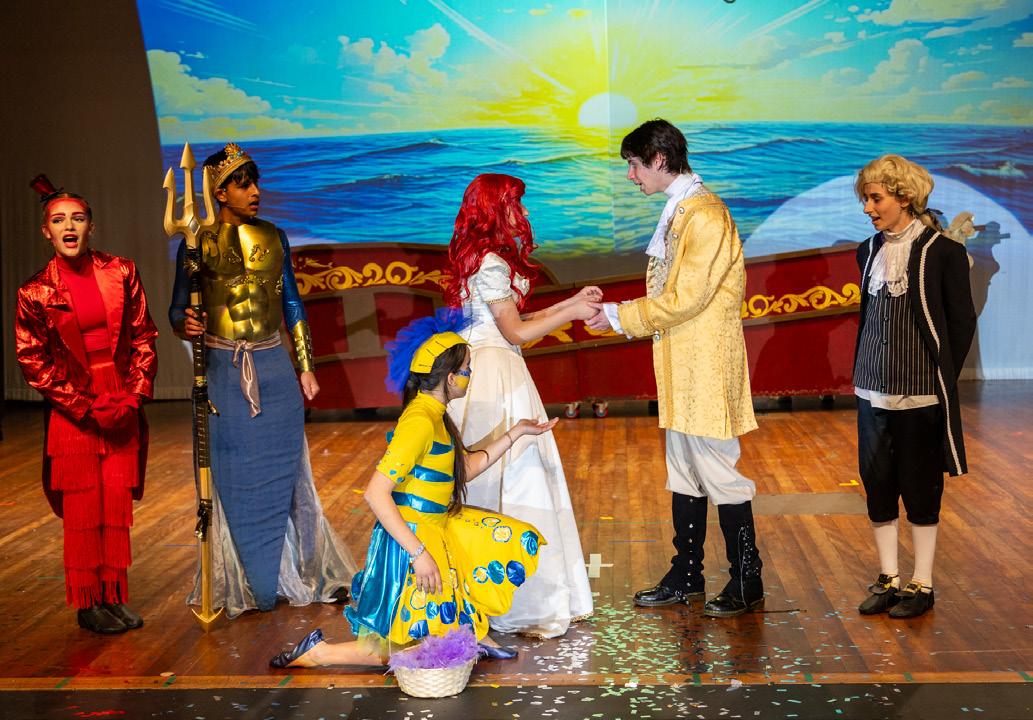
Once again, we were presented with a great musical, this production being ‘The Little Mermaid’. The amount of time and effort by the actors and crew is immense and involves many months of preparation and rehearsals. Also, the behind-the-scenes work of preparing the props and costumes and setting up the lighting and sound. Not to forget the volunteers who worked on the stalls. An immense thank you to everyone involved in all parts of the musical.
During the year, a strategic plan was developed, taking us through the coming 5 years. This started with the Board, Senior Executive joining with some teachers, parents and students to develop some objectives. Work continued with the Board and Senior Executive refining and building on these to develop the strategic plan that will be released during Term 1 of 2026.
We have welcomed a number of new association members during the year with a number more proceeding through the mentoring process. Thank you to Van Tester and Anna Huynh for seeking out people who have interest in association membership. We can still grow the Association membership further so if you know of anyone who could be interested, please encourage them to go to the school website and put in an expression of interest. The stronger we can make the Association membership, the more people we have available to be Board members.
Thank you to my fellow Board members for your involvement in leading the Governance of our school and the time and diligence that you put in. I am pleased that we will be welcoming Andrew Smith to the Board in early 2026. Please remember the Board in your prayers, for wisdom and that we will be aware of God’s guidance as we make decisions.
Please continue to be in prayer for our school, that it may continue to be God’s shining light to the students, parents and community. Remember all our staff, both teaching and non-teaching, as they tirelessly work keeping the school functioning. Much happens in the background that no-one gets to see. Thank you to all our staff for everything that you do, your normal work and all the extras that you take on.
Pray for 2026 and beyond as the strategic plans are implemented, and for the other activities in and around the school that 2026 will bring, including the Fun Fair.
Thank you for your continued interest in and prayer for our school.
Yours in Christ
PHILLIP HARMAN President
2025 was another extremely busy year which included a great many events and successes for which to give thanks to God. The complexities of a large school with a myriad of interactions between students, staff and families will also bring challenges. Hence, I am deeply thankful for the expertise and passion of our staff and community members who invest deeply in the vision and mission of the School and the faithfulness of God who continues to bless us richly.
Student enrolment (K-12) between 2024 (1277) and 2025 (1325) census dates continues the trend of year-on-year increases with strong intakes in the Kindergarten and Year 7 cohorts. Enrolment in the Prep School remained steady.
NAPLAN testing for 2025 resulted in strong achievement outcomes. WCCS students achieved at or above average in each of 20 results for Years 3, 5, 7 and 9 compared to similar schools. WCCS NAPLAN 2025 results were the first to report on progress (growth in learning) since 2021 due to the scale reset in 2022. Student progress from 2023 to 2025 was very strong, leading to WCCS being identified in media as a leading school in our area for student growth in literacy and numeracy.
The 2025 Year 12 cohort was the smallest across the School. While HSC Band 6 results were not as strong as previous years, the mean and median results were comparable with previous cohorts. Of the 65 HSC students in this cohort, 4 gained an ATAR over 90 (Dux gaining a rank of 97.7). Courses which exhibited strong student outcomes include Mathematics Advanced and Standard, Science Extension, Geography, Construction, and Hospitality Arts. The proportion of Band 1 and 2 results (marks of less than 60%) for the cohort remain well below NSW average.

Ongoing improvement in the quality of teaching and learning continued to be a focus area. The appointment of a new Director of Teaching and Learning at the start of the year was supplemented
with two new Assistant Teaching and Learning roles. Focus areas include development of a professional learning framework, support of Primary and Secondary syllabus implementation, and provision of professional learning to teachers in to boost literacy (reading). The Teaching and Learning team also lead a review of the gifted and talented programs across the School with the goal to develop a cohesive K-12 program and support the
transition of students from Years 6 to 7. A review of Learning Support was planned for 2025, however was postponed until 2026.
Staff undertook many professional learning sessions to inform and develop practice across the School’s diverse range of activity. Training included readings and workshops for leaders and teaching staff from Flourishing Together: A Christian Vision for Students, Educators, & Schools by Dr Lynne E Swaner, and Andy Wolfe. Focusing on purpose, relationships, learning, wellbeing and
resources, this book calls Christian educators back to a deeper vision of flourishing within a robust theological framework, with the practical guidance necessary for implementation. The time spent with staff proved to be most stimulating and beneficial for the development of the School’s strategic plan.
The School was blessed with the provision of teaching staff for all positions, while casual staffing continued to be an area of need. While this is an improvement on more recent years, the School sees the need to attract, train and retain quality staff who can own the School’s mission, vision and ethos. To assist in meeting this need, WCCS continued its participation in the Sydney Christian Schools Teaching Hub (SCSTH) expanding the number of trainees from 2 to 4 (Primary and Secondary HSIE). At the heart of this approach is the importance of building strong relationships and opportunities for the next generation of Christian Teachers to become classroom ready. Both trainees and their mentors speak positively of the benefits of this program in developing their teaching practice.
The School undertook a whole-school community survey. Participation in Perspectives: Your school in focus gathered feedback from all stakeholder groups with a high participation rate. Results from the 5 domains of: School Environment; Teaching and Learning; Student Wellbeing; Leadership; and Community was both positive with improved scores from 2021 and informative for areas for further growth. The School also launched student voice forums to gather further feedback. Using the information gathered from these sources the Board and Senior Leadership
commenced a process for developing a 5 year strategic plan. In conjunction with Spark Leadership, and representatives of the Board, leadership, teachers, students and parents, the strategic plan was developed through a series of consultative steps. The strategic plan will be launched in Term 1 of 2026. The 2026-2030 Strategic Plan can be accessed via the School website.
The School resumed its routine of musicals with a series of performances of Disney’s ‘The Little Mermaid’. Once again, this centrepiece of the Schools’ community calendar delivered in terms of joy, energy and high production values. The Carey Community Carols were held at the end of the year under favourable weather conditions. The evening was a great time together celebrating Jesus, our saviour’s birth. I wish to acknowledge and thank Jo Barden and the CPC team in their vision, organisation and hard work on these and other community events through the year.
The School undertook a range of small to medium capital expenditure projects (further toilet facility upgrades, drainage improvements to playing fields and learning space refurbishments) to continue to refresh and upgrade facilities. The large-scale projects to increase the number of classrooms and provide all weather protection for play areas were further delayed by changes to planning pathways at short notice. These and other delays have proven to be an ongoing frustration, which we are hoping will be resolved with occupancy expected for 2027.
I would also like to acknowledge the leadership Phillip Harman has provided for the Board and Association in his role as President. It has been a great blessing to work with Phillip and the Board, being most mindful of their prayer and material support.

Keith McMullen Principal

The 2024–2025 period for the Student Leadership Council (SLC) was marked by both continuity and innovation. Building on the strong foundations of previous years, the SLC sought to deepen its role as a bridge between students, staff, and the wider school community.
Under the steady guidance of Mrs Clisdell and Miss Morphett, the council embraced opportunities for creativity, service, and growth, while also taking on new responsibilities that reflected the evolving needs of the student body. This was a year of balancing traditions like J-Walk, Multicultural Day, and student-led service with bold new ventures such as the development of the Student-led Podcast and Return and Earn Pilot Program, coupled with a new commitment to an educational project in Ethiopia.
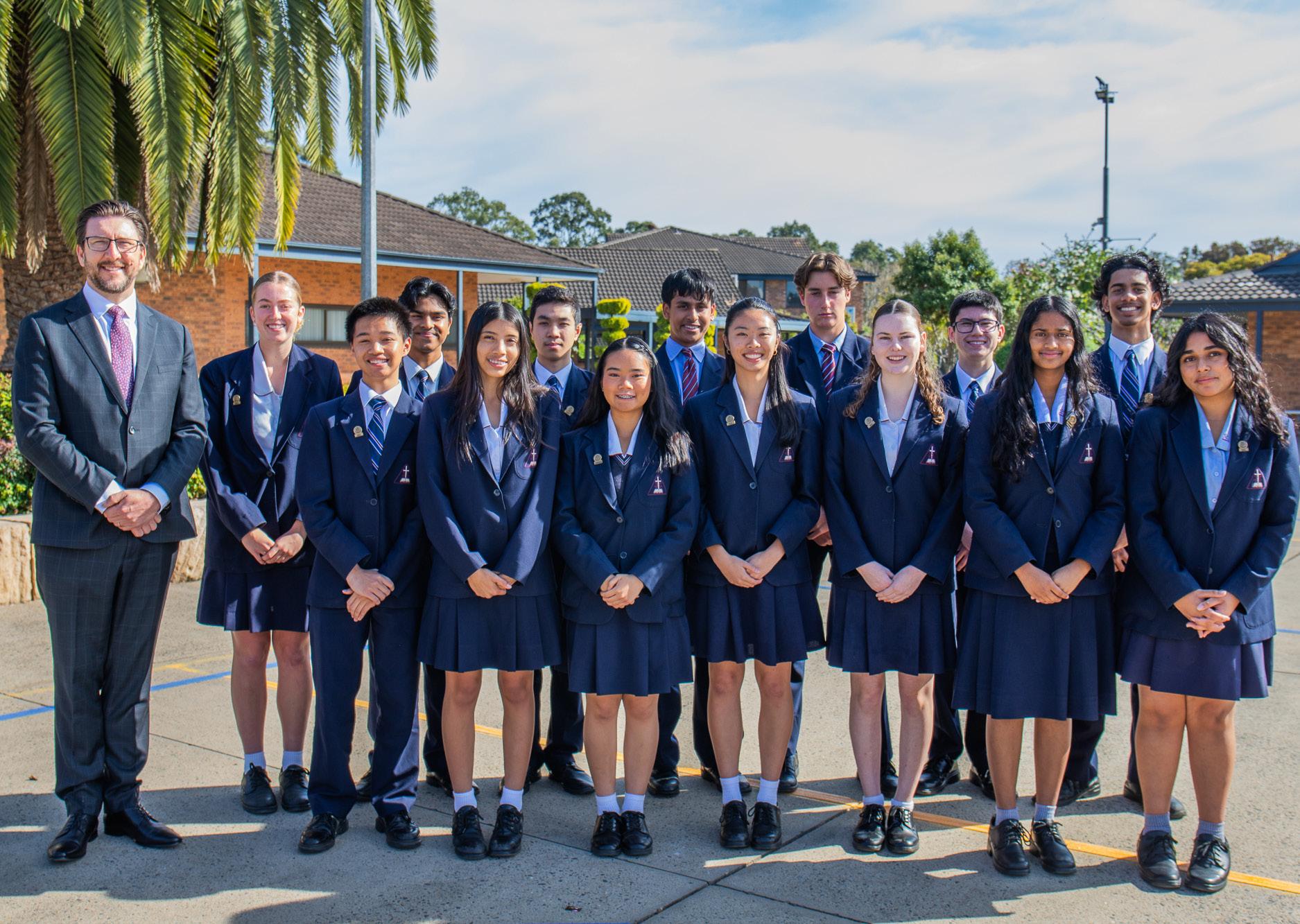
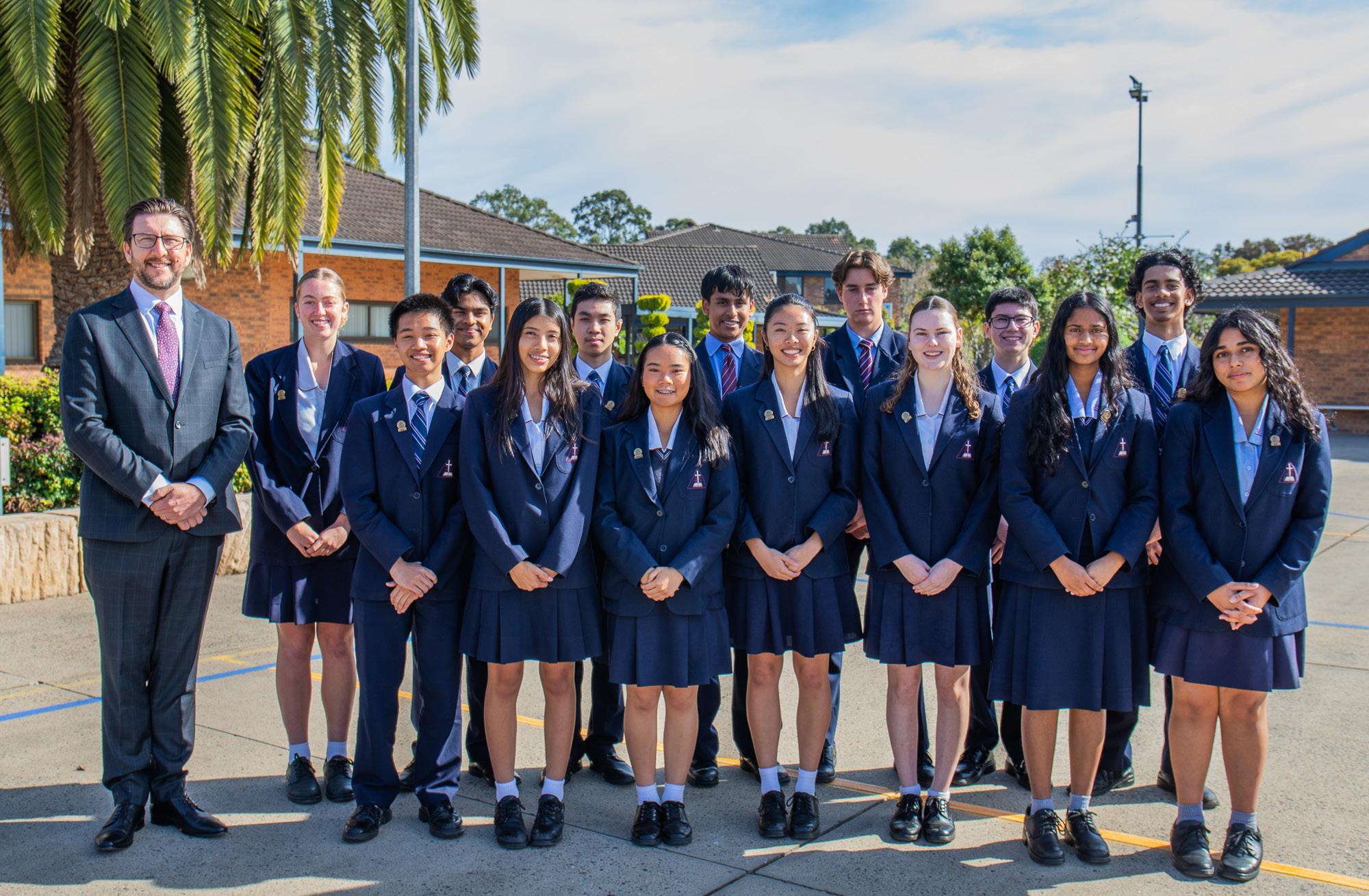
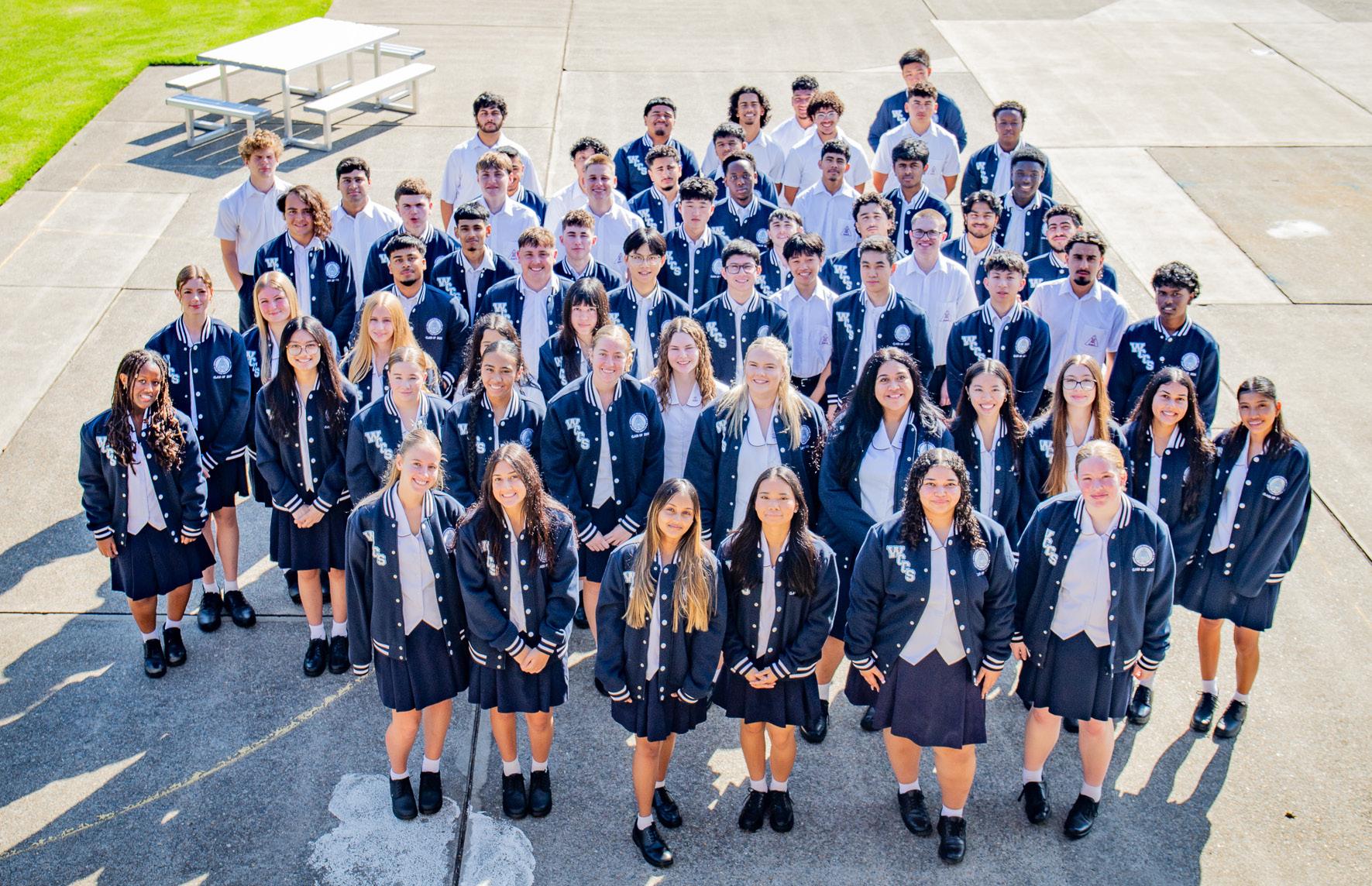
2025 SLC
(Captains):
Central to the council’s work was its emphasis on communication and connection. The SLC Instagram page continued to act as a dynamic platform for sharing announcements, promoting events, and celebrating student life, while also experimenting with reels and creative features to reach a broader audience. Alongside this, the introduction of the school podcast was a milestone initiative that gave students a voice in an entirely new medium. By bringing together representatives from both primary and high school, the podcast not only celebrated achievements and provided updates, but also helped to strengthen ties across age groups. This reflected a growing commitment to inclusivity, accessibility, and student voice.
The SLC also placed strong focus on wellbeing, sustainability, and student engagement. Events such as Bullying No Way Day and R U OK Day were adapted to ensure grade-specific conversations and activities, while J-Walk remained a vital space for students to explore and
share their faith in a welcoming setting. At the same time, the Return and Earn Pilot Program showcased the council’s vision for environmental stewardship, with practical steps taken to reduce waste while reinvesting funds into school initiatives. These projects reflected the council’s ongoing effort to serve not only the immediate needs of students but also to instil long-term values of care, responsibility, and resilience.
Throughout the year, grade-specific initiatives remained at the heart of the council’s work. From Year 12’s pyjama days, scavenger hunts, and staff versus student games to Year 7’s focus on transition activities and bonding with Year 6, each grade found creative ways to build spirit and community. These initiatives, big or small, reinforced the SLC’s role in shaping positive school culture through both leadership and service. In many ways, the year has been defined by collaboration, whether through training days with Year Leaders, partnerships with advisers, or simply the everyday acts of service like ushering at assemblies and events. As the 2024–2025 SLC period concludes, it leaves behind a legacy of innovation and connection, encouraging future leaders to build on its work with the same spirit of faith, creativity, and service.
Instagram: The Instagram page continued to grow as a tool for communication throughout 2024–2025. Posts and reels promoted key events such as J-Walk, Multicultural Day (11th April 2025), Easter (end of Term 1, 2025), and the musical promotion (Term 2, 2025), while grade-specific notices and fun features kept engagement strong. Moving forward, there is potential to share more behind-the-scenes updates and highlight grade events to make the page even more accessible to students.
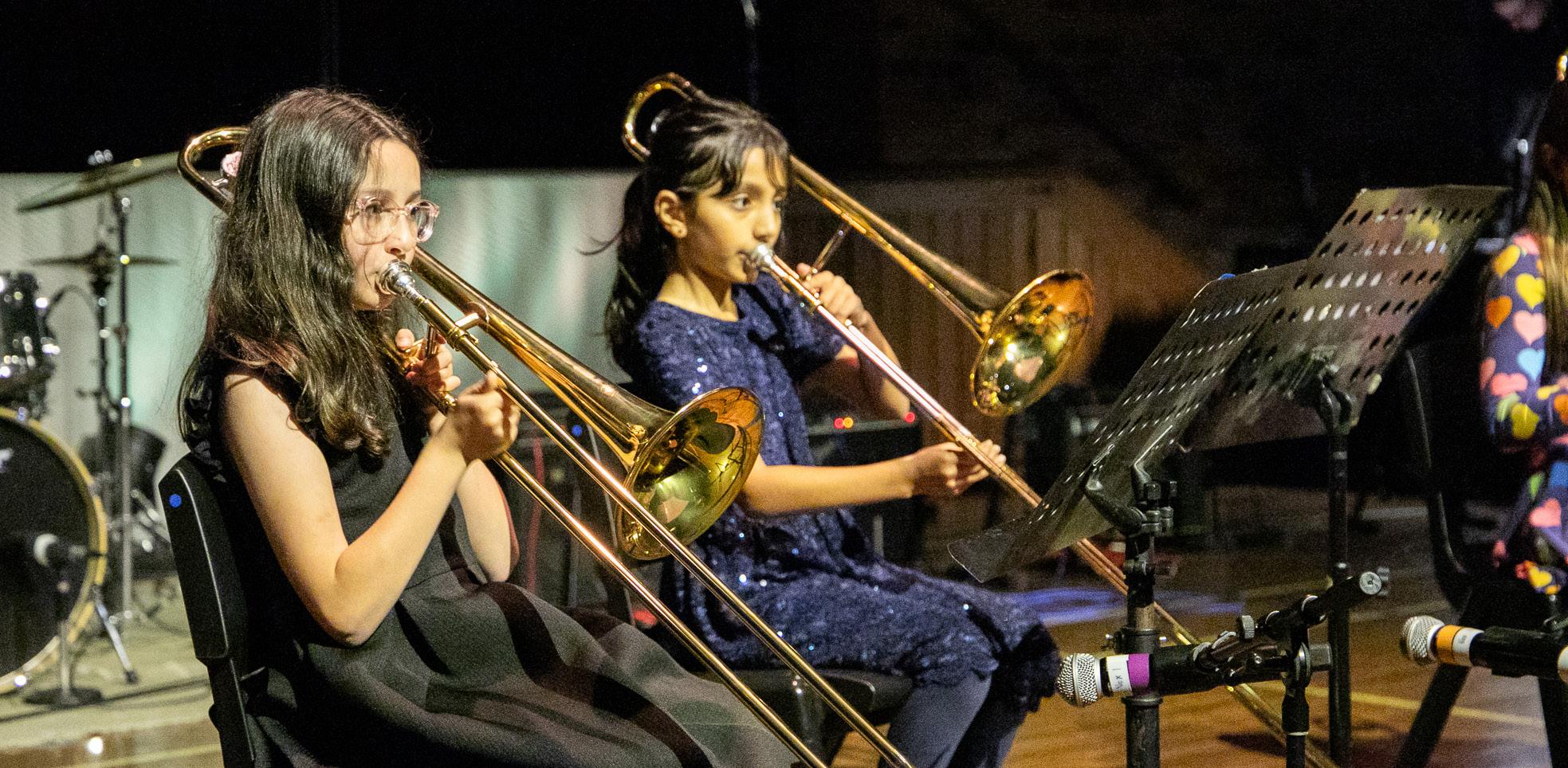
Left: A Little Night Music
Student-led Podcast: One of the most significant new initiatives was the launch of a school podcast. Equipment was purchased during Term 3, 2025, and recording took place in the Cube. The podcast involved a team of both primary and high school representatives, supported with proper audio gear and reviewed by PR before release. Episodes are planned to run once or twice a term, beginning from late Term 3, 2025, aiming to celebrate student achievements, share news, and provide entertaining and meaningful content. Already, the project has sparked ideas around humour, Q&As, and community updates, and is expected to grow into a consistent feature of school life.
J-Walk: J-Walk continued to run as an event each term in 2024–2025 as an evangelistic opportunity for students to invite peers to hear biblical talks. Jonah and Tijo were in charge of organising J-Walk on top of their SLC roles, and consistently provided great music and worship for J-Walk. J-Walk was held in two locations, following previous year’s trends, in G-block quad and Hall Foyer, which allowed for increased student participation and attendance, while also providing adequate space and convenient locations for students. Promotion, however, remains an area for growth, as consistent advertising in assemblies, Figleaf notices, and Instagram posts would ensure more students know about the opportunity.
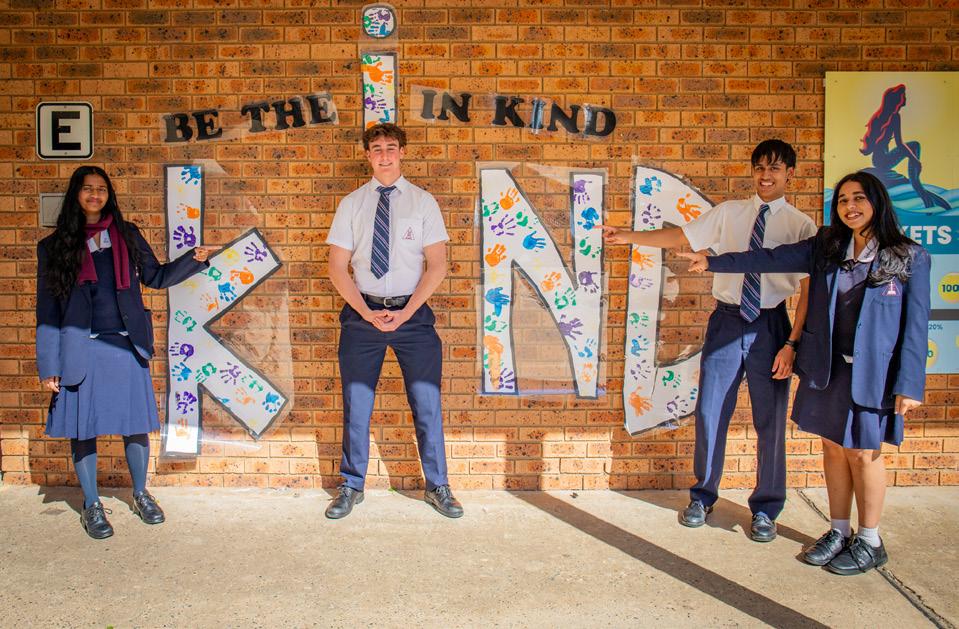
Bullying No Way Day & R U OK Day: Both days continued to play an important role in student wellbeing. Bullying No Way Day was held during Week 3 of Term 3, 2025, with the theme “Be the I in Kind.” Grade-specific discussions took place across different classrooms, helping to address issues directly within year groups. R U OK Day followed later in the term, on 14th September 2025, and was run in spaces throughout the school by cohort. While younger grades
responded positively with high engagement through games and prizes, senior years were able to respond effectively to a more relevant message under the stresses associated with Year 11 and 12. Future years can reuse the framework while ensuring smoother delivery.
Return and Earn Pilot Program: The council invested significant energy into the Return and Earn sustainability initiative during 2024–2025. Planning discussions began in Term 2, with logistics (such as bin design and contamination concerns) explored through webinars and reports. The pilot aims to launch in Term 1 2026 using see-through wire baskets placed in visible locations around the school grounds. The program will allow students to recycle bottles and cans, with funds directed back into school programs or service learning. This initiative represents an important long-term project that will encourage environmental awareness and student participation into 2026.
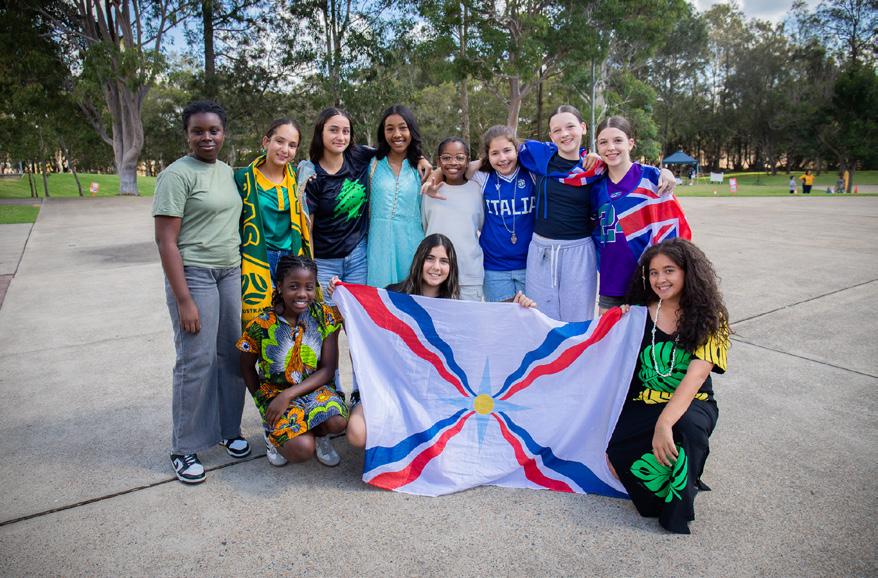
Multicultural Day: Multicultural Day was held on the 11th April, 2025, in the B Block basketball court and oval. The event included a mufti day, food stalls with international treats next to L Block, and a cultural parade that began at lunch and was located in B-Block. Improvements were noted in organisation and food sales, though challenges remain in sourcing enough performers and ensuring primary school involvement in decorations and displays. Overall, it remains a highlight of the year, with strong potential for further growth as a celebration of school diversity.
Service and Recognition: The SLC maintained traditions of service and recognition across the 2024–2025 period. In Term 3, 2024, the SLC’s had the opportunity to usher for the year 12 graduation. In Term 4, 2024, the council organised ushering for the High School Awards Assembly (December 2024, School Hall) and continued to support Open Day (Term 1, 2025). In November 2024, students volunteered at Carey Carols, supporting community events and Tearfund stalls. The SLC also promoted a culture of gratitude by encouraging students to thank behind-the-scenes staff who play an essential role in daily school life. These small but meaningful contributions reinforced the council’s role in service and community connection. Additionally, the School Captains and SLC were able to MC many of the assemblies at the start and end of each school term, including a special reconciliation week assembly that ran during the 29th of May.
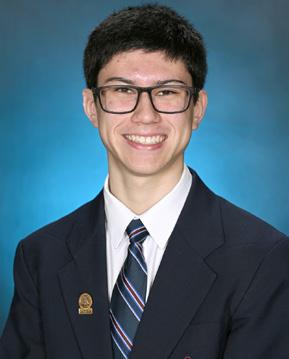
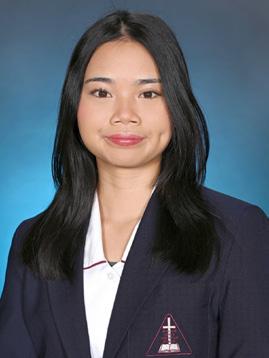
Year 12 – Caroline Nguyen and Matthew Tran
Year 12 focused on building memories in their final year with initiatives such as scavenger hunts, pyjama and character days, cookie and brownie gifts, social events, and staff-versusstudent games. Their BBQ lunch and social activities, including team-building events, fostered community even during the busy lead-up to trials. A key contribution this year was the development of the Captains Handbook, an initiative led by the School Captains to ease the transition into the role. This resource is designed to guide future Captains and ensure more effective leadership in years to come. The year group also worked on balancing study commitments with opportunities to enjoy their last months together, showing creativity and care in leaving a legacy for the grades to come.
Year 11 worked hard to build community while navigating the challenges of assessments and camp preparations. They organised pizza lunches, jersey days, and casual activities such as trivia-style games to strengthen year spirit. Camp proved a highlight, with SLC leaders actively engaging in games and devotionals, though overall student participation was mixed. Beyond events, Alicia and Jonah led early vision planning for their senior years, discussing potential fundraising and community-building ideas. Their efforts laid groundwork for stronger traditions for their year group next year as they step into Year 12.
Year 10 embraced inclusion and creativity through grade breakfasts, mufti days, and lunchtime activities. Madison and Zavier focused on giving their peers a voice in shaping events, often collecting ideas from year meetings and collaborating with advisors. They also began preparing for service learning projects, brainstorming ways to integrate grade activities with meaningful service. Their initiatives demonstrated a balance between fun, student-led ideas and thoughtful planning, helping the year group to feel connected during an important transitional stage.
Year 9’s SLC leaders brought energy and innovation through creative events such as “anything but a backpack day” and jersey days. They partnered closely with Mr Miller to pitch new ideas like fashion shows and pizza days, ensuring that the grade had opportunities for both fun and engagement. At Year 9 Camp, Charley and Tijo played a central role in running games and devotions, supporting younger peers and strengthening the camp’s impact. Their leadership showed a willingness to experiment with new formats while maintaining consistent involvement in grade life.
Year 8 – Evangeline Sing and Benjamin Venevongsos
Taking over from the School Captains, the SLC’s of year 8 thrived under small but consistent initiatives that encouraged participation and community. Evangeline and Ben organised bake sales, dodgeball competitions, and jersey days, while also leading their grade’s involvement in the annual fete. They regularly engaged with their Year Leaders and advisors to ensure events matched the grade’s vision, and often used PC visits to build relationships. Their focus on being the “yes” grade highlighted their desire to say yes to opportunities, activities, and service, creating momentum that will continue into future years.
Year 7 placed strong emphasis on transition and bonding, helping new students feel welcome in high school. Jiya and Angus organised breakfasts, dodgeball games, and visits
to PC groups, creating touchpoints for connection across the cohort. They also collaborated with Year 6 on combined events, easing the transition for incoming students through shared games and conversations. Their involvement at Year 7 Camp further reinforced their commitment to community-building, as they stepped into leadership roles in devotions and activities.
Year 6 leaders embraced their role with enthusiasm, running fun grade events such as kahoots, games afternoons, and zooper dooper sales. They played a key part in promoting the school musical through competitions and assemblies, ensuring primary students felt included in whole-school events. They also helped plan transition activities with Year 7, building early bonds that made the move to high school smoother for younger students. Their leadership reflected both energy and service, setting a strong example for future primary leaders.
We’re incredibly excited to see all that you will achieve in your term, and Matthew and I leave with full confidence in you both. Keep others at the heart of your leadership, and you’ll accomplish amazing things. Above all, remember to maintain a healthy balance between your wellbeing, studies, and captaincy responsibilities.
To
On behalf of the Student Leadership Council, thank you for the countless ways you support and shape school life. From the teachers who guide us daily, to the cleaners and grounds staff who keep our spaces safe and welcoming, to the IT team who ensure we stay connected, your contributions often happen behind the scenes but are felt by every student. This year’s projects and initiatives could not have been achieved without your encouragement, patience, and partnership. You remind us that leadership is never carried alone but flourishes in community, and we are deeply grateful for all you do to make WCCS a place where students can thrive.
Outgoing Captains of 2025
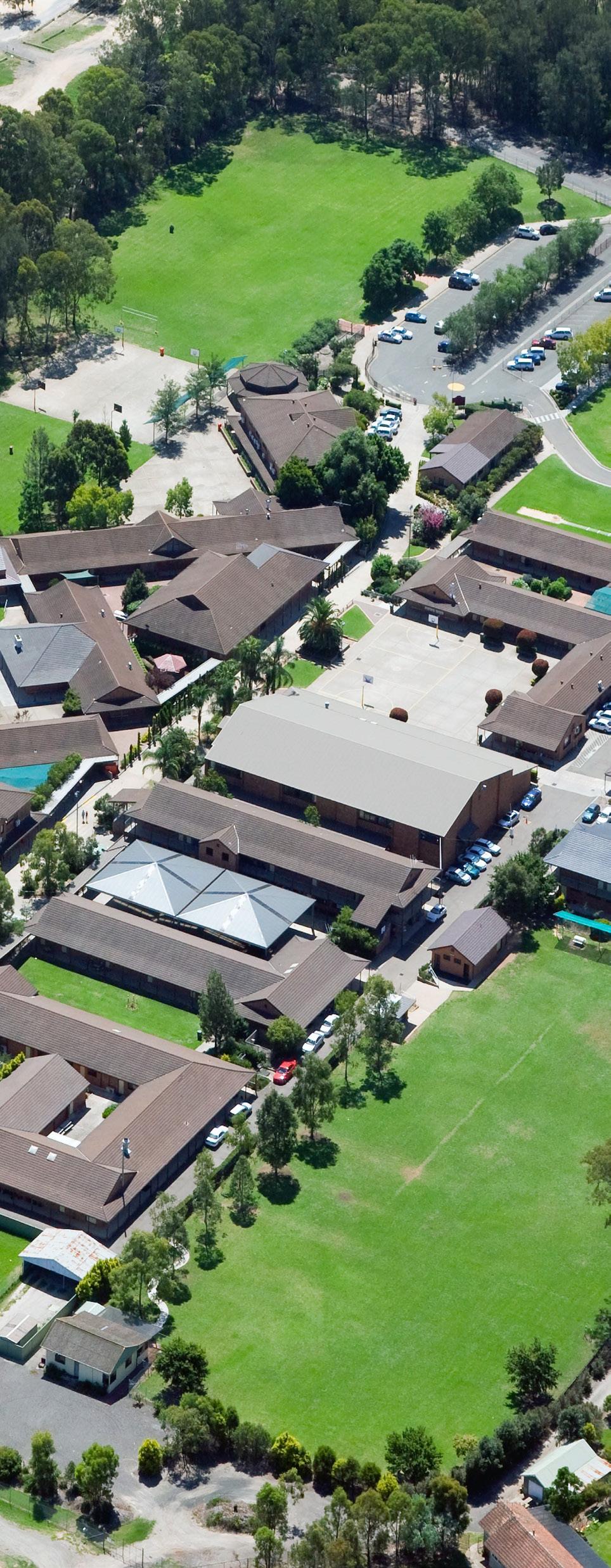
William Carey Christian School (WCCS) is a co-educational school providing education from Prep to Year 12. We are a non-denominational Christian school located in Prestons, within the Metropolitan Southwest school zone of Sydney. As of the August 2025 Census, the school had 1401 students enrolled.
WCCS is situated on 17 acres and is home to a wide range of high-quality facilities that support both academic and co-curricular learning. Our school hosts many technologyequipped traditional classrooms, as well as a variety of specialised learning environments. These include commercial-grade industrial kitchens, science laboratories, Creative and Performing Arts studios, visual art rooms, and purpose-built spaces for woodwork, metalwork, textiles, and vocational education through our Trade Training Centre. The school also features a large hall, a wellresourced library, multiple sports courts, playing fields, and onsite OOSH and Vacation Care services.
The school has an open enrolment policy and welcomes students from diverse religious, cultural, and linguistic backgrounds. Approximately half of our students are EALD (English as an Additional Language or Dialect) learners, representing around 40 language groups and all six populated continents. Our students come from a wide range of faith traditions, including Christian (across many denominations), Muslim, Buddhist, Sikh, Hindu, as well as non-religious backgrounds.
WCCS is committed to supporting the individual learning needs of all students. Our Educational Support team assists students with additional learning needs. Our Advanced Learning Class program is offered from Kindergarten through to Year 10 and caters to students who are gifted or need academic extension. Academic Scholarships are also offered to students entering Years 7, 9 and 11.
A broad range of programs is available to encourage excellence in academic pursuits, sports, and the arts. WCCS aims to ensure education remains accessible to families; all compulsory school costs, including camps, excursions, sporting fees, textbook hire, and stationery, are included in the annual tuition fees, with no hidden charges.
The school is serviced by a network of bus routes, with a total of 35 services operating across morning and afternoon runs. This allows students from a wide geographical area to attend.
William Carey Christian School continues to serve its community with a strong commitment to high-quality education, inclusive support, and foundational Christian values.
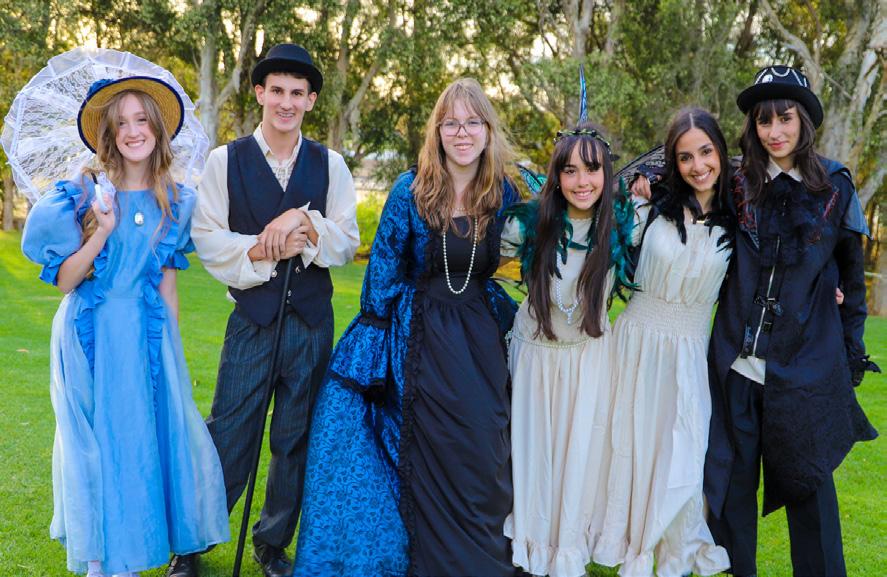
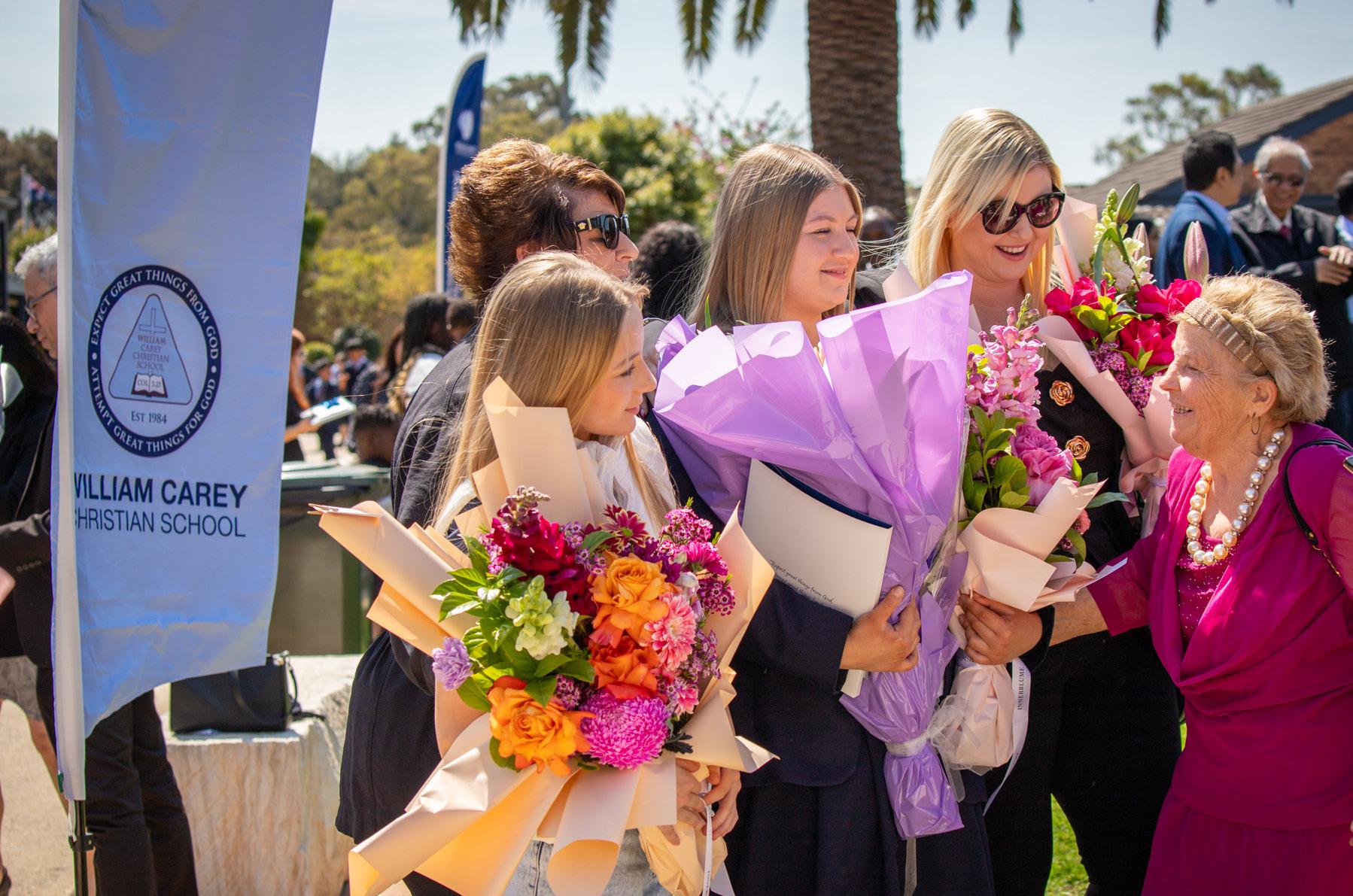
The school has an active community of Parents, Carers and community members who enjoy supporting the school in a variety of ways.
The highlight of the year was supporting the school by running food and merchandise stalls at each of ‘The Little Mermaid’ shows.
CPC also runs a weekly bible study for parents and carers, a weekly prayer meeting, Carey Carols at the end of the year with over 1,500 school and community members in attendance.
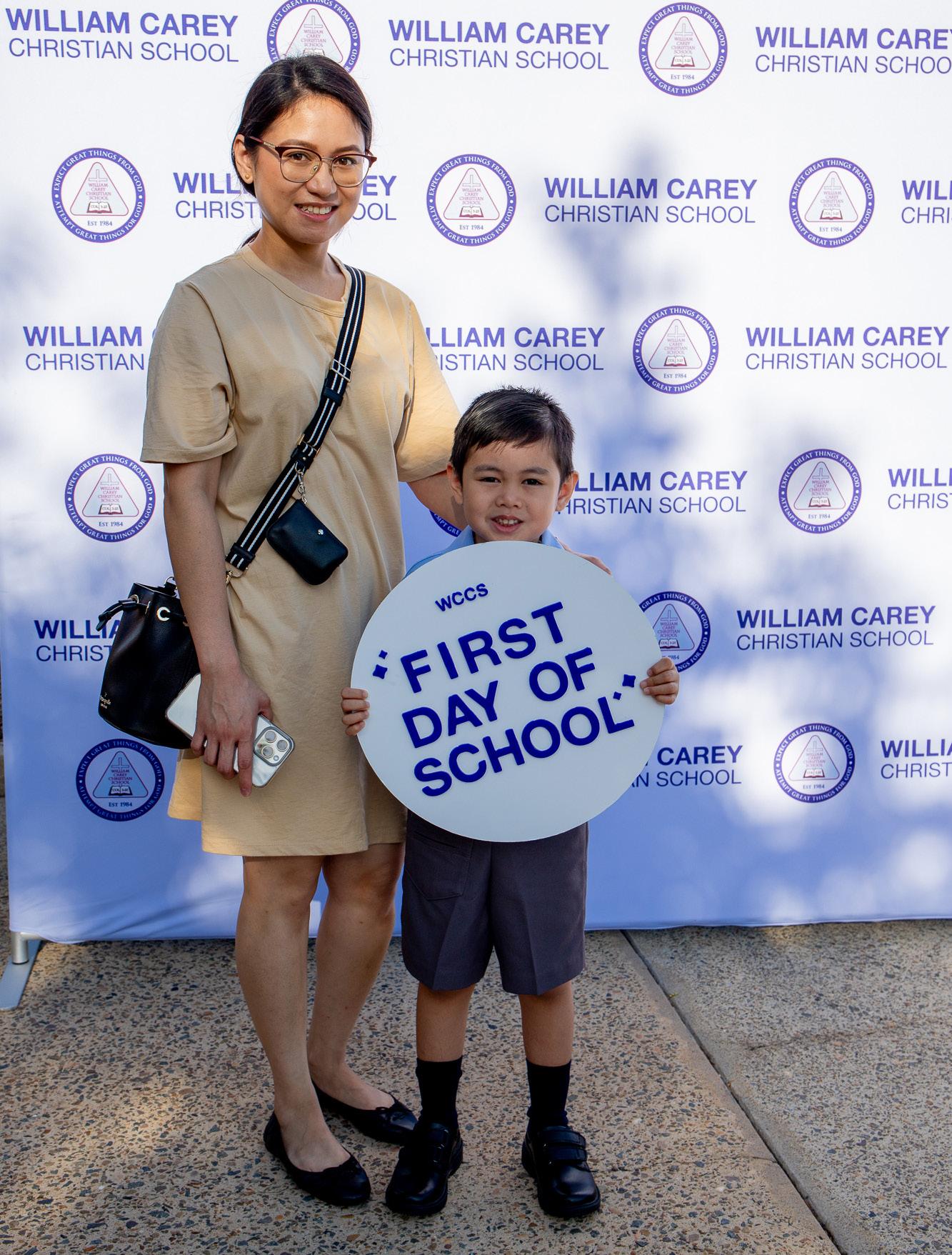
On the first day of school, we run a morning tea for our new Kindy parents, called ‘ Tea and Tissues ’. CPC also runs a Mother’s and Father’s Day stall for Prep - Yr 12 students, with over 600 gifts being sold at each stall to help celebrate these days.
A Prep - Year 12, whole school Mother’s Day and Father’s Day breakfast were a great success with over 500 people attending each event.
Grandparents’ Day was again held in conjunction with the Book Week Character Parade. Grandparents and parents were invited into the classrooms to enjoy the learning spaces and were given an opportunity to view the character parade and Scholastic Book Fair hosted by the library, as well as enjoy a BBQ lunch together hosted by CPC.
To keep the parents and carers of our community up to date with what is happening at school, we have information evenings at many significant points in students’ academic lives. Events include: Prep and Kindergarten Information Night, Year 7 Information Evening, and Year 11 Subject Selection Night.
We conduct Year 10 student /carer subject selection reviews with parents, carers, students, and Senior Executive staff. Parents are provided with video links to other recorded information on the topics of Year 9 Subject Selection, Stepping into Senior School and VET Information.
We also have Meet the Teacher Nights and Parent/Teacher Interview Nights throughout the year.
We held Parent Seminars early in the year, and these are designed to address the needs of parents with students in Years P–12, delivering parent-specific information on issues such as:
• Common mental health concerns like stress, anxiety and depression,
• Issues relating to gender identity, hyper-sexualisation and the effects of the adult world on a developing adolescent mind,
• Cyber safety and social networking,
• Body image, teenage sex, adolescent relationships.

We seek to offer a curriculum that gives a pathway to all students, whether they are globally or partially gifted and talented, average students with specific interests, students with disabilities or additional needs (physical, emotional, learning-related, intellectual, social or spiritual).
We teach Biblical Studies as a compulsory subject in its own right, from Prep to Year 12. Our aim is for students to hear the gospel, understand the story of the Bible and develop the skills needed to work with the text themselves. This allows students of all backgrounds to make an informed choice about how they respond to the Bible’s teaching.
Students in the Primary School attend three camps. These camps occur in Year 4, Year 5 and 6. Year 4 students went to Wedderburn for a one-night experience away from home. They enjoyed socialising together and challenging themselves by completing unfamiliar activities. Year 5 students went to Teen Ranch which has a particular focus on social cohesion and students challenging themselves to try new things. This helps support their beginning journey into Stage 3 and the need for increased independence. Year 6 students travelled to Canberra for a three-day camp focused on reinforcing the material they have learnt in HSIE about Government in Australia.
In High School, we send all students in Years 7, 9 and 11 on camps. The focus for the Year 7 and 9 Camps is on building teamwork, resilience, social cohesion, and serving each other. There is also an extensive focus on the Gospel of Jesus Christ throughout these camps. This year, Year 7 attended Teen Ranch and Year 9 attended Wedderburn Christian Campsite for their camps. The Year 11 Camp has a greater focus on connecting together as a Christian community, looking at
problem-solving, decision-making, resilience and their future. This camp takes place at The CRU Site, Galston Gorge.
We send our students on many excursions. The purpose of these is to encourage experiences that will expand student understanding of units being taught. Some fulfil requirements mandated by the syllabus, while others provide practical interaction not possible in the classroom. These excursions do not incur an extra charge above our fees. Incursions are used for a similar purpose. Numerous organisations provide resources and presenters who will come to the school and work with children studying particular units of work.

The Biblical Studies Library Annex: This is located in the B3 and B4 classrooms and supports staff, students, exstudents, parents and friends of the William Carey Christian School community in their deliberations about the Bible and theological or pastoral issues. It has a wide range of books including commentaries, theological texts, biographies and pastoral resources.
Library Readers: The library has a large range of phonicsbased and graded readers, as well as picture books and novels available for both parents and students to borrow, to assist students in becoming proficient readers.
725 students completed the Premier’s Reading Challenge in 2025. Students from Kindergarten to Year 9 participated in the challenge.
On Wednesday, all Primary School students, Years 3 to 6, participate in sport. For this, we run a two-tiered system: school sport and competitive grade sport at various venues. These sports do not incur an extra charge above our fees. The focus during school sport is the practice and use of the fundamental movement skills taught during physical education in class and the development of game sense within a variety of sports. Our competitive sport body, IPSSO, includes students who have trialled for the junior (Year 3 and 4) or senior teams (Year 5 and 6) and are selected to represent the school weekly.
Primary students may go on a variety of sport-related gala days that ensure they can compete at levels appropriate to their skill level, up to elite team sport levels. Membership of CSSA/CIS sport gives us the opportunity to compete at zone, state and national levels.
Selected students and grades have the opportunity throughout the year to participate in skills days, Multiclass or Para-Athlete days and gymnastics. Students are also offered extracurricular sporting opportunities in soccer, cricket, and tennis through a range of before and after-school programs.
High School students participate in compulsory sport on Tuesday afternoons. This may consist of inter-school sporting opportunities in the MISA competition or a range of school sports on WCCS grounds. Students may also elect to represent WCCS in a wide variety of gala days at Zone and State levels in the CSSA competition. School carnivals occur in Swimming, Cross-Country and Athletics to qualify for elite levels. Membership in CSSA/CIS sport presents an opportunity to compete at Zone and State levels and also a pathway to National level.
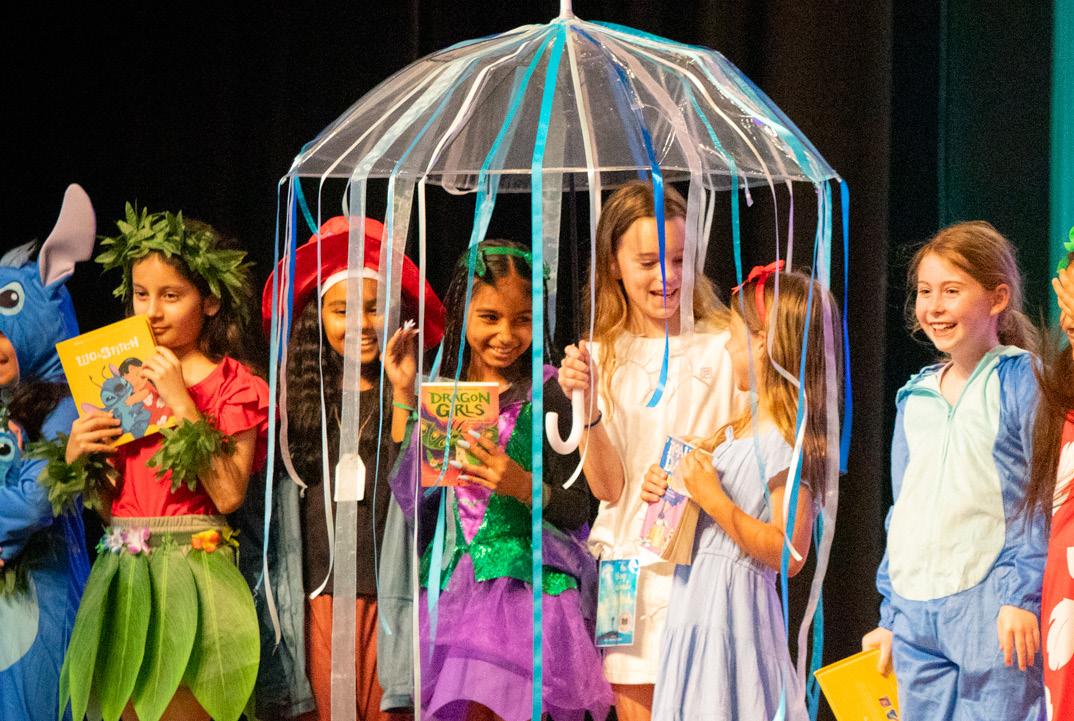
Book Week is the week in which the Children’s Book of the Year, across a range of categories, is announced. School and public libraries celebrate this week with a new theme each year. Our library celebrates Book Week with competitions for classes and students, and special activities including “the great teacher swap”. Teachers dress up, and Primary classes have a different mystery teacher each day for a special reading lesson. The books read are chosen by the students from a selection of award-winning books. P-6 students dressed as their favourite storybook character and participated in a character parade held at school. The community, particularly grandparents, were invited to view the parade in our school hall.
This year, National Literacy Week was celebrated with students conducting interviews with their grandparents and completing creative writing pieces about Grandparents Day. In class, students wrote descriptions about what they would be like as a grandparent. Students also played “Hot Seat”, where they were asked questions about the Book Week character they had come dressed as.
National Numeracy Week was incorporated into our Book Week and Grandparents Day celebrations. With the help of their grandparents, students created a timeline to reflect the life of their grandparents and counted the different characters that were present, using the data to create a simple graph.
Years 1–6 also have a public speaking competition in Term 3. There are a variety of set topics for each grade, and students choose from these topics. Two class representatives are chosen to progress to the next level, then a grade representative is selected, who presents at the end of Term 3 assembly.
Students were able to access a number of career-related programs during 2025.
Students in Year 9 commenced their careers journey with a careers-related diagnostic test, which helped them think more clearly about the types of work they would enjoy doing in the future. The test results helped them to identify a range of suitable careers to investigate. They also completed a resume writing workshop delivered by Elevate Education, which helped them create a job-ready resume for future employment.
Year 10 students participated in a work experience program for one week during the school holidays. The program helps students get first-hand experience in
the workplace. Students travelled to Camden later in the year to attend the Camden Careers and Job Expo. The event brings together job seekers, exhibitors, students, and industry leaders for a day exploring the opportunities available to them.
Year 12 students attended the University of Wollongong’s “Discovery Day” program to gain insight into tertiary education. The cohort were stepped through the process required to make an application for ongoing studies through the Universities Admissions Centre (UAC) and were given a practical example by visiting staff from Western Sydney University (WSU). They also attended fortnightly career-focussed presentations that gave insights and direction for their next steps after the HSC. All Year 12 were offered a one-on-one Careers interview with a careers adviser to assist them with post-school planning. Year 12 students also attended a Careers Expo, which exposed them to a range of tertiary institutions and industry professionals.
The Careers Centre is open every recess and lunchtime for students to make career and further education related enquiries.
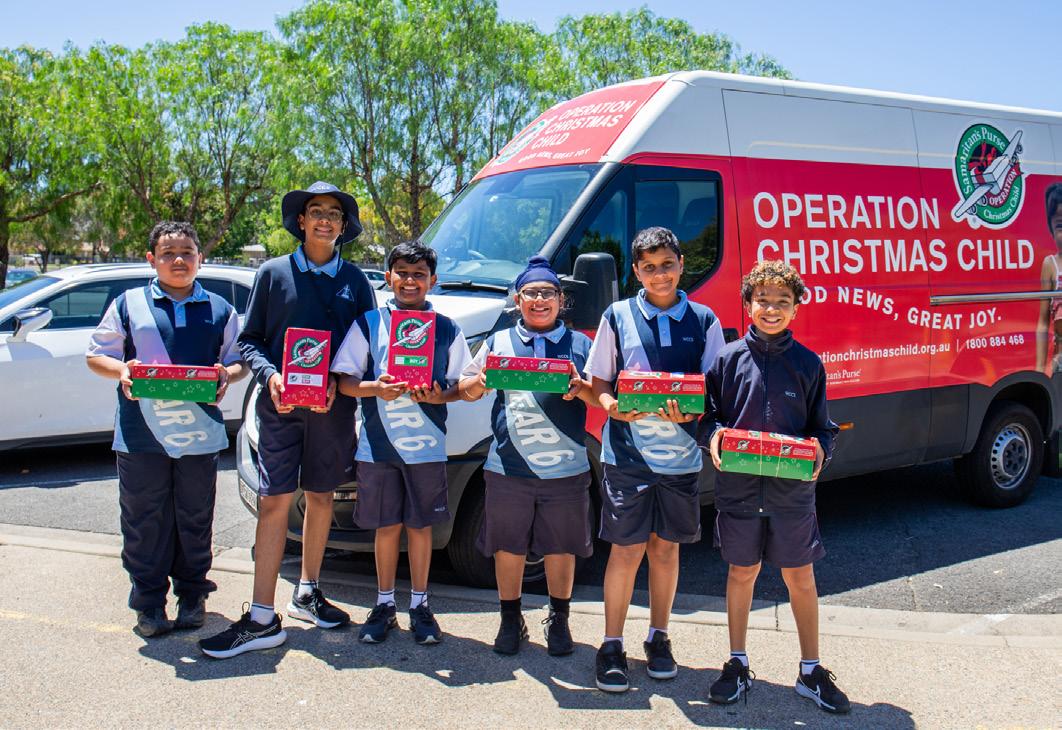
6 prepare gift packages for ‘Operation Christmas Child’ by Samaritan’s Purse
Year 9 Commerce students planned, organised and created a home-based business during the year. Students researched the industry, created their own business name, logo and brand and then presented their ideas to potential investors. Students were able to develop the knowledge and skills required to plan and run a home-based business.
Year 11 Business Studies students participated in a business simulation, which involved market research and writing a business plan for a business that operated for one day in the Primary school playground. Students had to propose business strategies that might appeal to their target market. This realworld experience helped students to better understand the risks and rewards of being a business entrepreneur.
The CAPA Open Night ran in Term 4. It is an opportunity for all CAPA students from Years 7–11 to showcase their Drama, Music, Dance and Visual Arts work with technical support from the sound and lighting crew.
Within the High School specifically, opportunities for students to perform arise frequently. All Year 12 Creative Arts students are involved in the CAPA HSC Showcase, which serves to showcase the creative talents of these students, including performances by those students who have chosen to complete a performance piece as an HSC major work. This was held early in Term 3.
The school continued to work closely with its Work Placement Service Provider, SouthWest Connect, for structured workplace learning. With guidance from Independant Schools NSW, students are able to gain nationally recognised qualifications.
There are groups in both the Primary and High School which provide opportunities for students to hear and discuss the Bible with peers. The High School groups are led by students and also provide training in preparing and leading Bible studies. We receive assistance with material and training from CRU.
Our annual ‘A Little Night Music ’ Concert ran in Term 2 and was well attended. Students from K-12 performed a diverse range of repertoire with both solo and small group items.
Music Opportunities
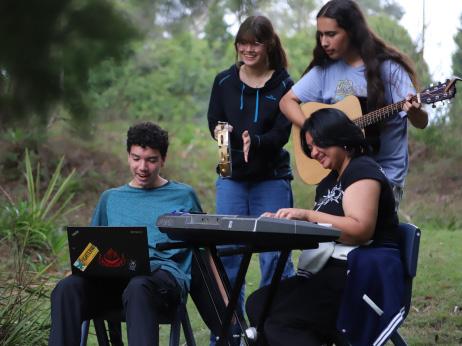
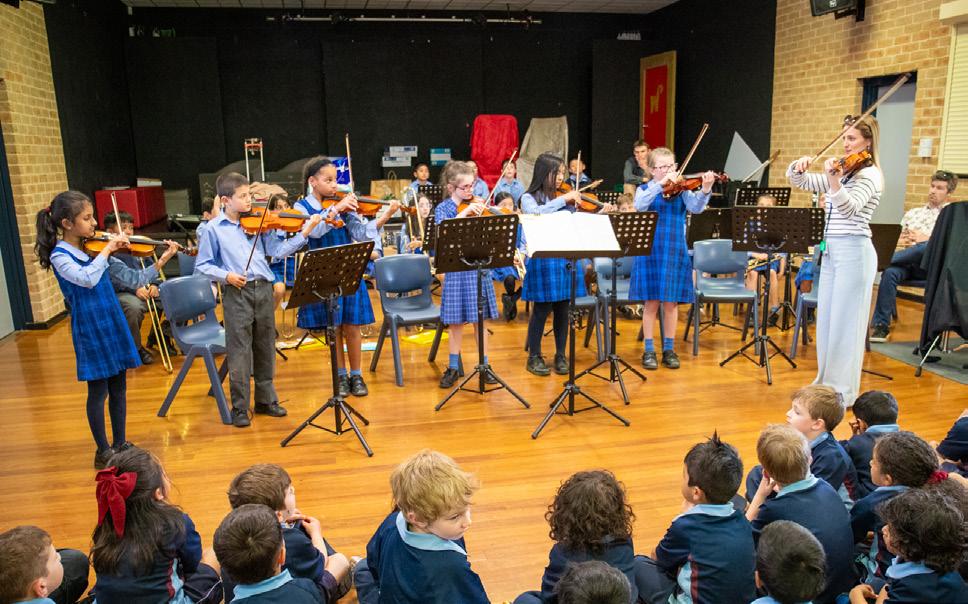
At William Carey, there are several different musical groups that students are welcome to join. There are options for everyone, from beginners through to experienced performers. Guitar ensemble and String Ensemble ran, as did primary vocal groups.
The school offers music tuition from experienced tutors, which takes place on school grounds, during school hours. Although music tutoring takes place in this way, the tutors themselves are not employees of the school; positions are limited and come at an additional cost that is paid directly to the tutor. Currently, there is tutoring available to both Primary and High School students for guitar, piano, violin and vocals.
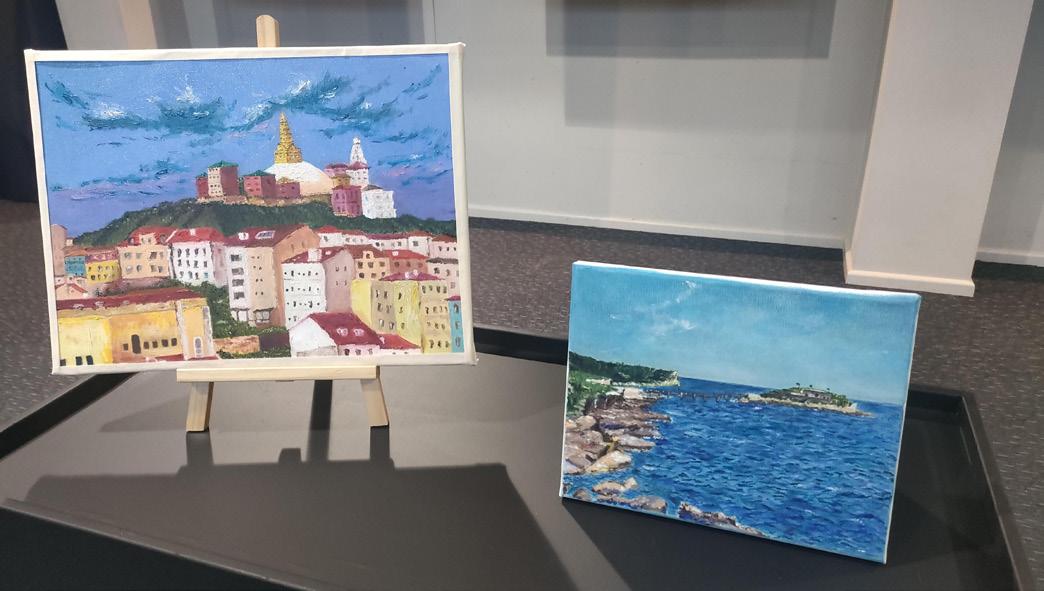
The Natural Photography Competition
The CAPA department runs an annual natural photography competition open to any students in Years 5– 12, who compete in specified categories.
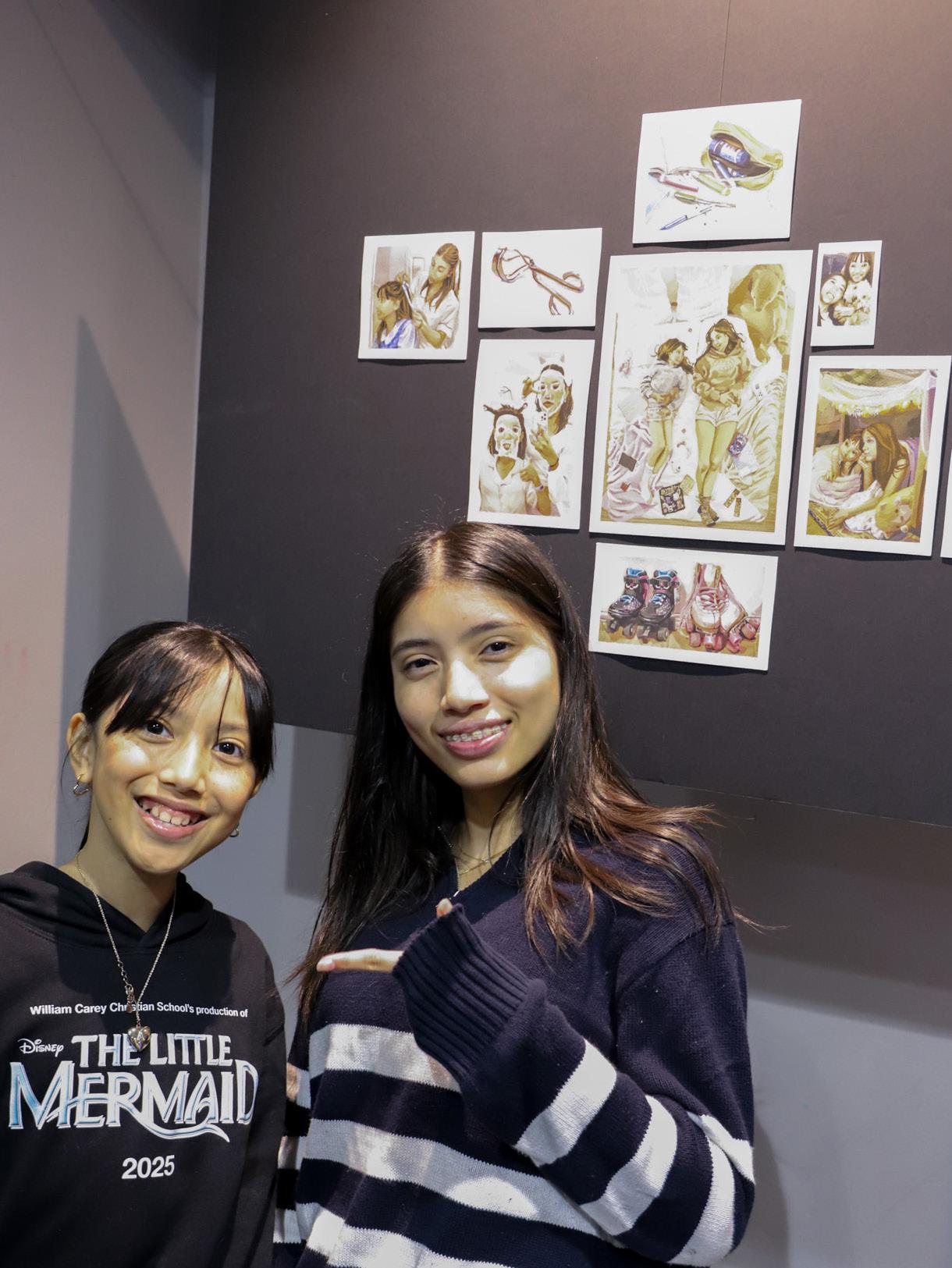
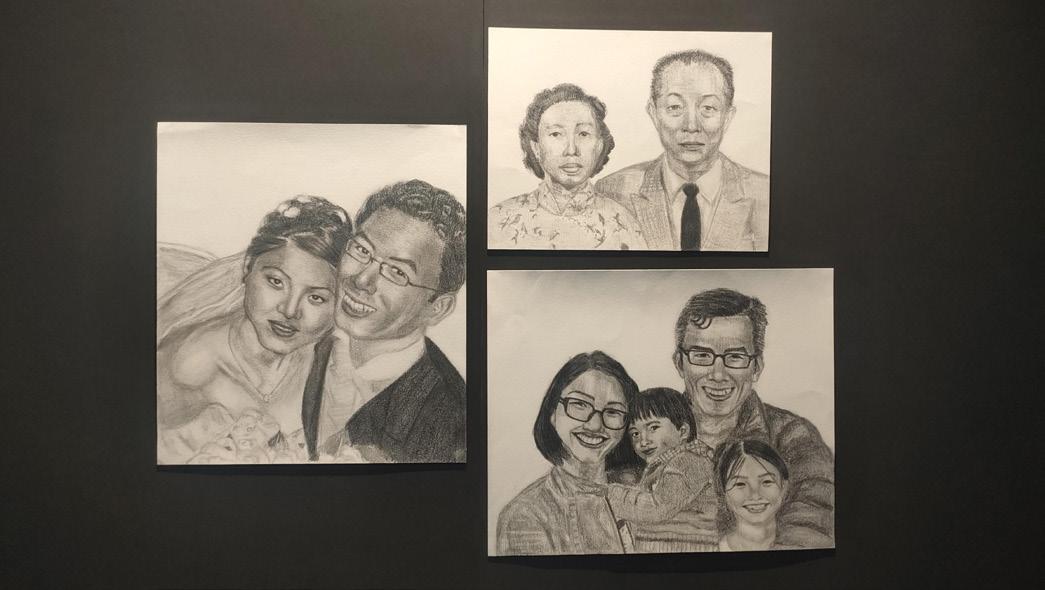
Portraits Competition
The CAPA department ran a portraits competition open to any students in Years 5– 12, who competed in specified drawing and photography categories.
• Board games ran for High School students in the Library once per week.
• Chess and card games were available for K-12 to play every day.
• Minecraft Club ran each Monday at lunchtime for high school students.
• Crochet club ran on a Wednesday during lunch for High School students.
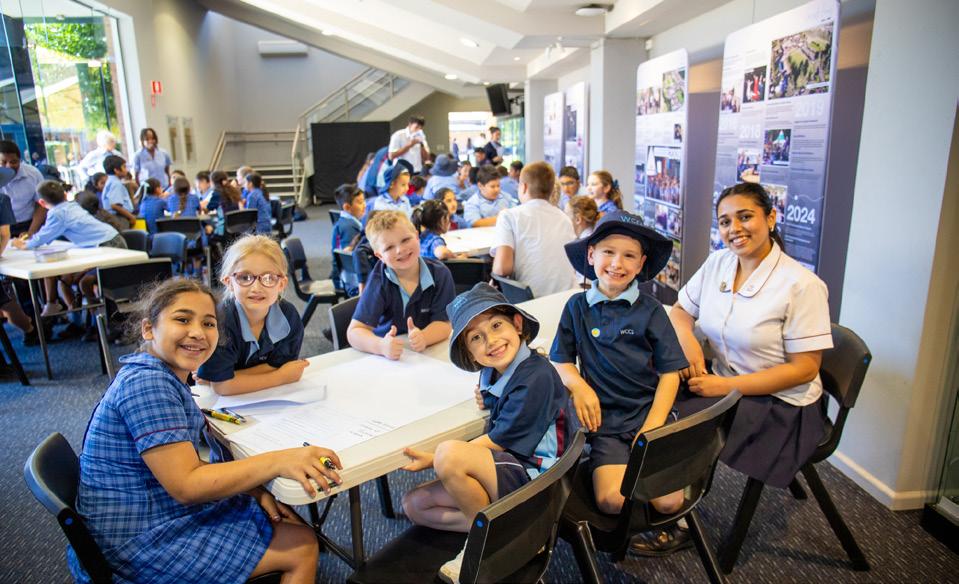
• Chess Club ran Tuesdays during lunch, with an external chess expert, for High School students.
• Craft activities, Lego and online stories were also available on a rotating roster for Primary students during lunchtimes.
Debating at WCCS in 2025 involved both Primary and High School students. William Carey competed in both the MISA and HICES competitions, equipping students with experience in both speaking and listening, as well as broadening their horizons through debate topics and visits to other schools.
In 2025, WCCS performed the musical The Little Mermaid. It was an excellent production, bringing together students from across the school. The cast and crew were amazing, and the show was very well received by the school community. Ticket sales were strong across all six performances and feedback was extremely positive. We are thankful for the ongoing support that musical team receives each production, and we look forward to our next show in 2027.
William Carey offers a range of before and after school programs for our students to encourage them to be active and compliment their academic outcomes. Tennis, Cricket, AFL, Basketball, Soccer, Dance activities are available to students before or after school. Some of these occur in a four-week block, some occur each week.
Primary year groups are involved in some end-of-term social activities such as dances and barbecues.
The Duke of Edinburgh’s International Award is an enriching program inviting young people from Years 9–12 to participate in a number of activities over a set period of time. Voluntary participants design their own unique program centred on their interests and passions. They develop skills in outdoor education and leadership and have the opportunity to provide service to both local and overseas communities.
J-Walk is an SLC initiative that happens once a term. It is an evangelistic event with guest speakers, often local ministers or youth leaders, and live music. It is an opportunity for Christian students to invite their non-Christian friends to hear the message of the Gospel. Students are challenged to live life from a Christian perspective.
The Year 10 Commerce students participated in the UNSW “Playconomics” Step-Up Competition. This is designed by the Department of Economics at the University and is designed to extend student economic and business literacy, planning, analytics and decision-making skills. Five students were invited to attend the Presentation Day at the UNSW, where they received their certificates and monetary prizes for outstanding results (as well as receiving a selection of UNSW merchandise).
This team provides valuable training and experience in the setup and operation of sound, lighting and vision systems, and venue preparation – from Year 6 and through High School.
The SLC aims to embody our student attribute, to “serve and lead for the benefit of others”. Humility and integrity are the hallmarks of the character we wish to see in our SLC representatives. Elected by the students and staff to serve the
needs of the student body, each SLC member has left their positive mark on the school as they have adopted an “eyes down” approach to their role, which is modelled on Jesus, the Servant King. Each year group from Years 6 to 12 have a pair of representatives who work in close collaboration with the relevant Year Advisers to help meet the pastoral needs of the students in each year. This has included activities such as organising and attending year events, preparing and presenting Bullying No Way Day talks and speaking at camps. Integrity, humility and servant-heartedness are attributes of students on the SLC. Its members endeavour to embody these in all their dealings with the school community.
Parallel to the SLC is the Primary Leadership Council and Global Student Leaders. Students in Years 4 and 5 nominate themselves at the end of the school year and then sit with a member of staff to talk about their ideas and why they should be considered as a member of the PLC or GSL. Peer voting occurs at the end of the year. The 8 PLC (four each from Years 4 and 5) and 8 GSL (four each from Years 4 and 5) are introduced to the student body at the End of Year Presentation Assembly.
Our Primary Global Student Leaders are trained to become global citizens, challenged to switch their minds from those of passive listeners to generators of ideas, hope and advocates of change. They raise awareness of the TearFund project and promote fundraising activities to support the project.
Six senior students meet with the Work Health and Safety Management Team once a term. Their role is to develop WHS awareness and skills in using risk evaluation techniques, to bring student safety concerns to the meeting for discussion and to provide student perspectives in recommendations to the executive regarding safety.
In 2025/2026 the Representative Group:
• Continued to liaise with staff over issues of student behaviour on buses and pedestrian access to and around the school, and
• Helped to identify a variety of hazards around the school, including hazards in the front car park area, and
• Helped to identify maintenance issues, and
• Assisted with the evaluation of evacuation and lockdown drills.
In 2025, William Carey Christian School continued its partnership with Tearfund, supporting the EKHC Literacy and Numeracy Project in rural Ethiopia. Students and families across the school participated in a range of fundraising and awareness activities, including mufti days, a second-hand book stall and student-led events, helping to make a difference in the lives of children and communities overseas.
The school’s Service Learning Framework continued to provide opportunities for every student P–12 to serve others at a local, school, community or global level.
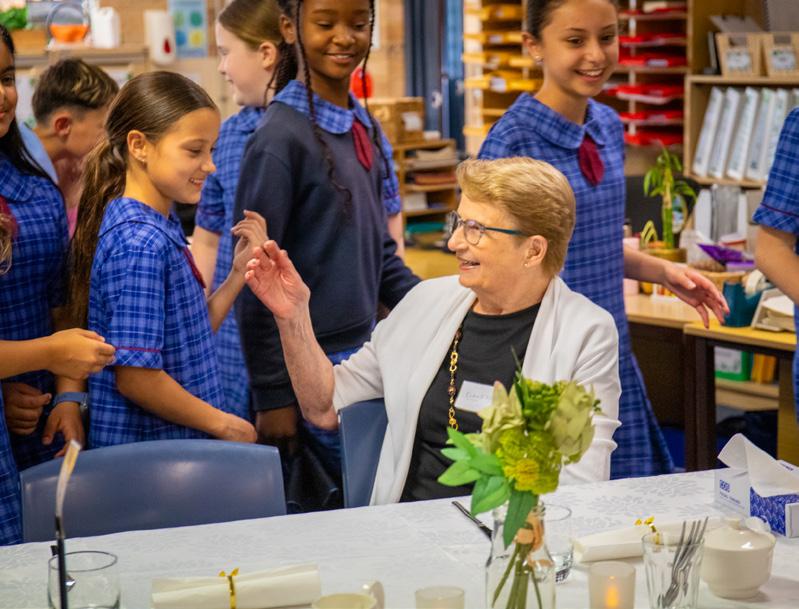
Below: Members of Blue Hills Retirement Village visited the WCCS High School Learning Support class for a morning tea of freshly baked scones with jam and cream, followed by a special performance from the Primary Choir.
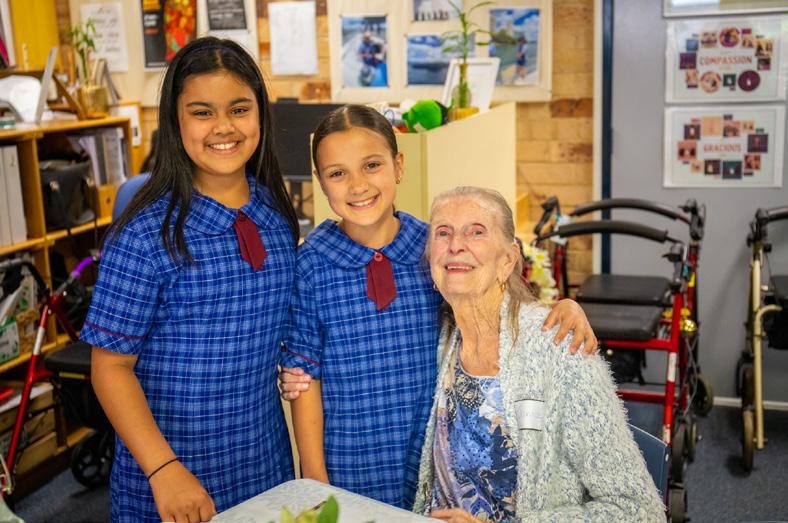
Prep and Primary families supported the Tearfund project through Picnic + Pages, where families gathered for a reading picnic and purchased books from a second-hand book stall stocked through generous donations from the school community. The event was made possible through the efforts of our Primary Global Leadership Team, who spent many lunchtimes sorting and pricing more than 2,000 donated books. The same team also organised a successful Talent Show, with all proceeds supporting the Tearfund project. High School students and staff participated in a mufti day and BBQ fundraiser, while Year 8 students organised and ran their annual Fundraising Fair with proceeds supporting Tearfund. Year 7 students participated in a Character Day to raise awareness and funds for the project.
Year 9 students supported Anglicare’s Toys ‘n’ Tucker appeal through an Anything But a Backpack Day, raising donations for families experiencing hardship. Year 10 students learnt about loneliness and financial hardship and participated in a Service Learning Day, serving with organisations including Anglicare Food and Financial Assistance, Anglicare’s Op Shop Warehouse, Padstow Community Care and local aged care facilities. Year 10 students also joined Year 6 students in preparing Operation Christmas Child shoeboxes for Samaritan’s Purse.
Year 11 students dedicated their year to serving and encouraging Year 12 students throughout their HSC year. Through care packages and words of encouragement, they sought to support their peers during this significant season. Year 12 students also served the school community in many ways, particularly through fundraising initiatives.
A new Pen Pal Project provided opportunities for Year 11 students to volunteer alongside identified Primary students to write letters to residents in local aged care facilities. Meeting fortnightly throughout the year, students exchanged letters with residents from Prestons Lodge and Bolton Clarke Willowdale, building meaningful relationships across generations. At the end of the year, students had the opportunity to meet their pen pals in person and celebrate Christmas together.
Prep students continued their connection with residents at Prestons Lodge through regular visits throughout the year. It was particularly special to see this relationship extend into Kindergarten in 2025, with both Prep and Kindergarten students regularly visiting residents and building meaningful intergenerational connections.
High School Learning Support students also welcomed residents from Bolton Clarke Willowdale to the school for an afternoon tea, with the Primary Vocal Ensemble providing entertainment. These opportunities reflected the school’s commitment to developing students who serve and lead for the benefit of others and seek to demonstrate Christ’s love within their local and global communities.
In Term 4, students from across the school participated in Student Forums, which were facilitated by the Student Leadership Council and Primary Leaders. Through discussions centred on connection, belonging and respect, more than 200 students attended and shared their perspectives and experiences. The forums collected valuable insights from our student body, helping to inform future initiatives, including the formation of Student Action Groups. They were well received by the students who requested more Forums into 2026.
In 2025, the Beyond the Bell parent engagement initiative was launched to provide opportunities for parents and carers to engage with current research and practical strategies to support their children and young people. Through articles, resources and webinars, families explored topics including emotional wellbeing, digital wellbeing and healthy relationships. These opportunities strengthened the partnership between home and school and reflected the school’s commitment to equipping parents and carers as they nurture and guide their children.
Mates is a program that provides K–6 students with support from older trained High School students. It provides a time for social interaction for students with social, behavioural or emotional needs.
Blue Hills Retirement Village
Some senior students are involved in service-learning programs in the nursing homes at Blue Hills Retirement Village and Prestons Lodge during Tuesday sport. At Blue Hills, they give foot massages and chat to the residents, who often have very few or no other regular visitors. At Prestons Lodge, they do room visits to residents who are often less able to come out of their rooms. The residents who benefit from this program are often people who have limited other social interaction and very few, if any, visitors. Although they only have a limited time together on a Tuesday, the students and residents form deep connections, and it is the highlight of the week for many of the students to go and spend time with their special friends.
In 2024, Ms Sarah Taylor, one of the Prep Teachers, together with Brom Morphett, worked in collaboration to launch the Prep to Prestons Lodge project, involving a small group of Prep students visiting the residents of Prestons Lodge Retirement Village fortnightly. The program involved the children engaging with the residents and
building relationships through activities including games, craft, stories and songs. The goal of the project was to build strong community connections between the School and local external community services; to offer opportunities for students to engage in genuine service learning opportunities within the local community; and to enhance the learning outcomes for Prep students as they developed language, social and emotional skills through this program. Focus children were selected as class teachers observed children who demonstrated a capacity to be able to interact with a level of confidence in a new environment, as well as in partnership with these families.
In 2025, the Prestons Lodge program was expanded to include both Prep and Kindergarten students participating in visits with the residents on alternating weeks. Ms Sarah Taylor and Brom Morphett worked closely with Primary executive to coordinate the launch of the Kindergarten program and provide training to the staff. This has been well received by the Prestons Lodge staff and residents, expressing appreciation for the program running weekly. The residents were once again invited as special guests to the Prep End of Year Celebration event. This night affords the opportunity for the parents of students participating in the program to connect with the staff and residents.
Both Prep and Primary (Kindergarten) to Prestons Lodge programs are set to continue through 2026.
The Carey Cubby program commenced in 2014 and has continued through 2025 under the care of Patricia Deck, with oversight from the Prep Director. The program runs weekly on Wednesdays and typically welcomes between three and fifteen children, each attending with a parent or carer. Many families already have older children enrolled at the school or have a younger child preparing to enter the Prep program. Occasionally, families from the wider community also participate, often leading to further enrolment enquiries.
Carey Cubby provides a welcoming and safe environment where parents can connect with one another as well as with school staff. Most attendees have not identified as Christian, making relationship-building a particularly valuable aspect of this ministry.
The Prep Director regularly attends the sessions, creating meaningful opportunities to build relationships with incoming parents and children. This involvement supports the development of trust, eases transition into the school environment, and enables a deeper understanding of each child, contributing to more effective class placement and teacher preparation.
Pastoral Care and roll marking in High School are done in small groups of about 12 to 15 students (same grade, same gender) with a teacher who may have them for their whole High School experience. In these comfortable groups with people who know them well, students discuss issues, learn to study, share news, pray, and support each other – as well as disseminate school information.
Pastoral Care classes also meet for a timetabled period each Thursday. These periods are known as “Wellbeing Tutor periods”. The purpose of these extended periods for Pastoral Care is to facilitate year meetings and assemblies, as well as enabling the delivery of study programs and a variety of physical, social, emotional and spiritual learning programs that may be offered by the school.
Peer Support
Trained Year 11 students work with Year 7 Pastoral Care groups to develop resilience in our new High School students as they settle into new routines. This is in Term 1 to help Year 7 settle into senior school.
Celebrating our graduating students involves many staff-student activities, including: high achievers breakfast; various staffstudent games; a farewell assembly, a graduation assembly with parents in attendance, and an end-of-year formal.
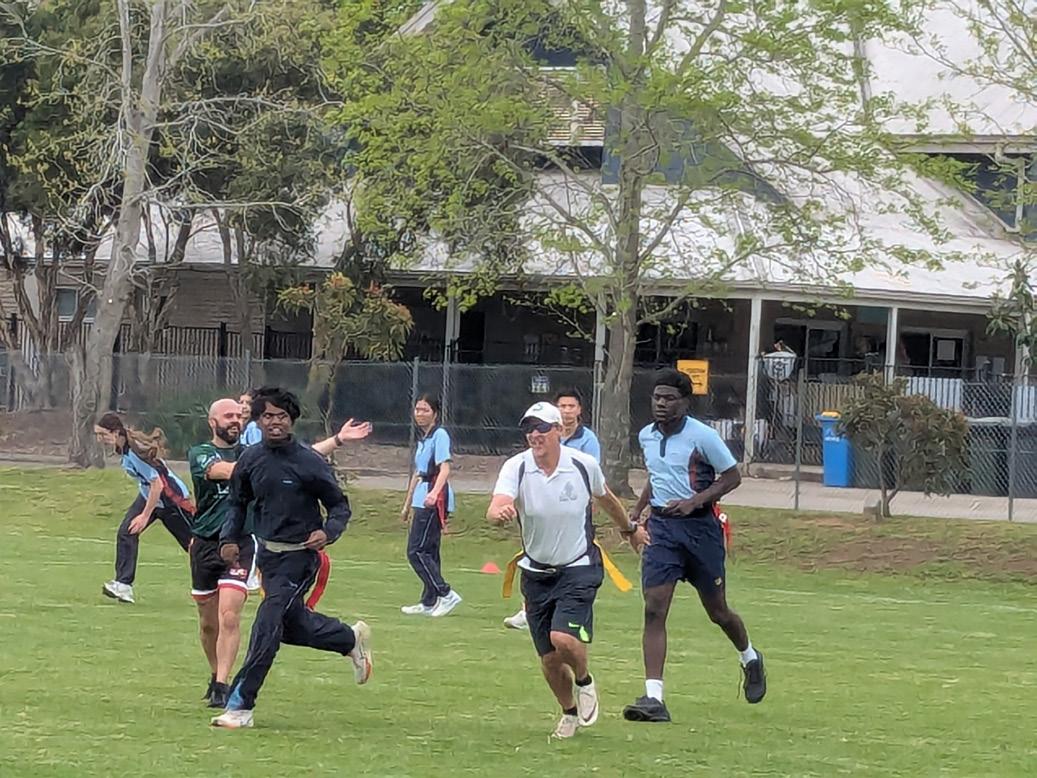
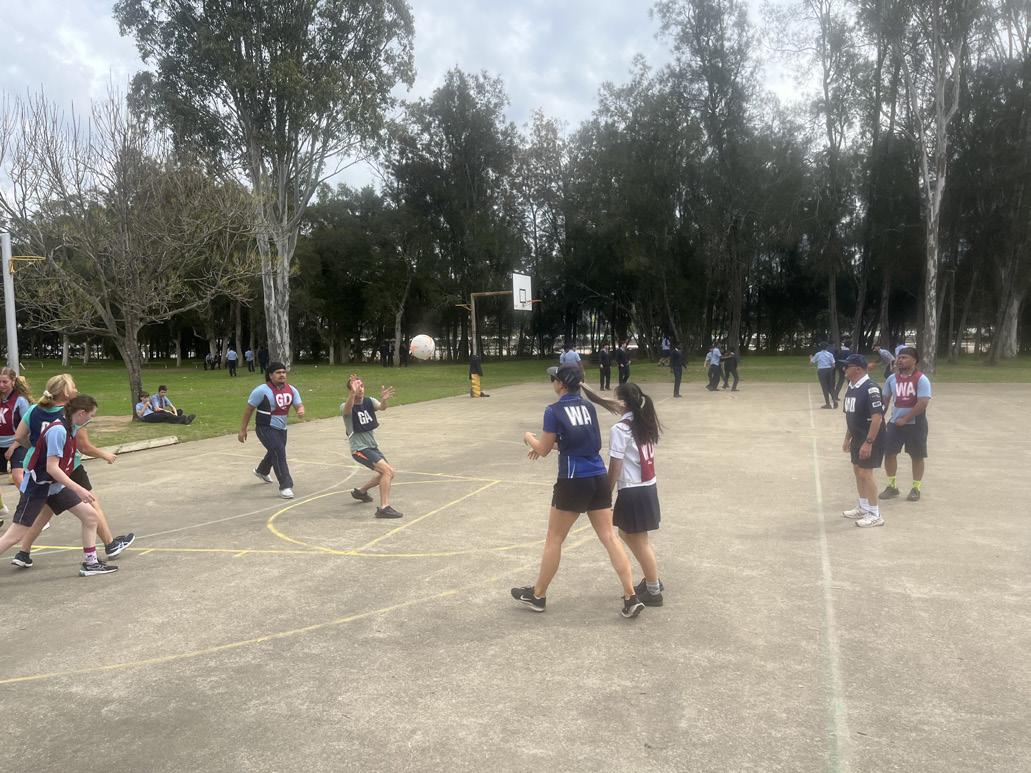
School Learning Support provides specialist support services to staff, parents, carers and students across the school (Prep to 12). Professional development to support teachers and parents is a valued contribution for those working with children with learning challenges and disabilities. Students with learning challenges and disabilities have access to educational assessments and counselling services that aim to provide a great foundation for learning.
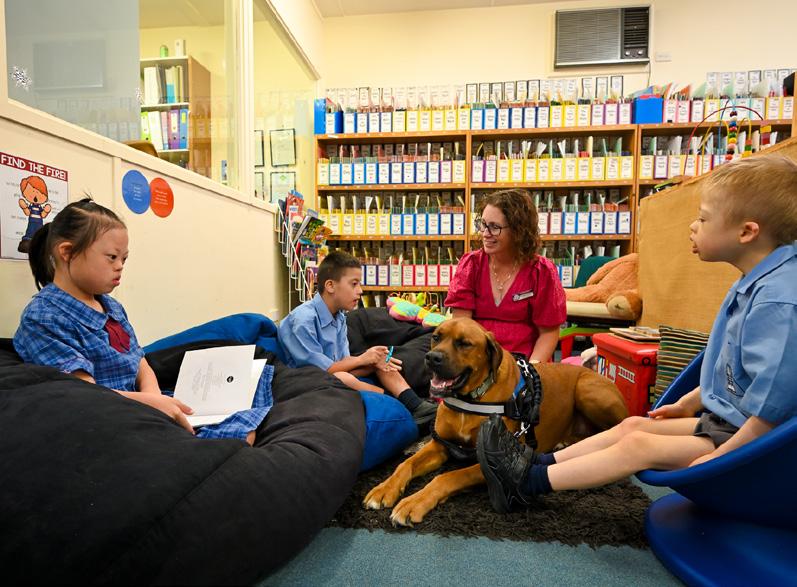
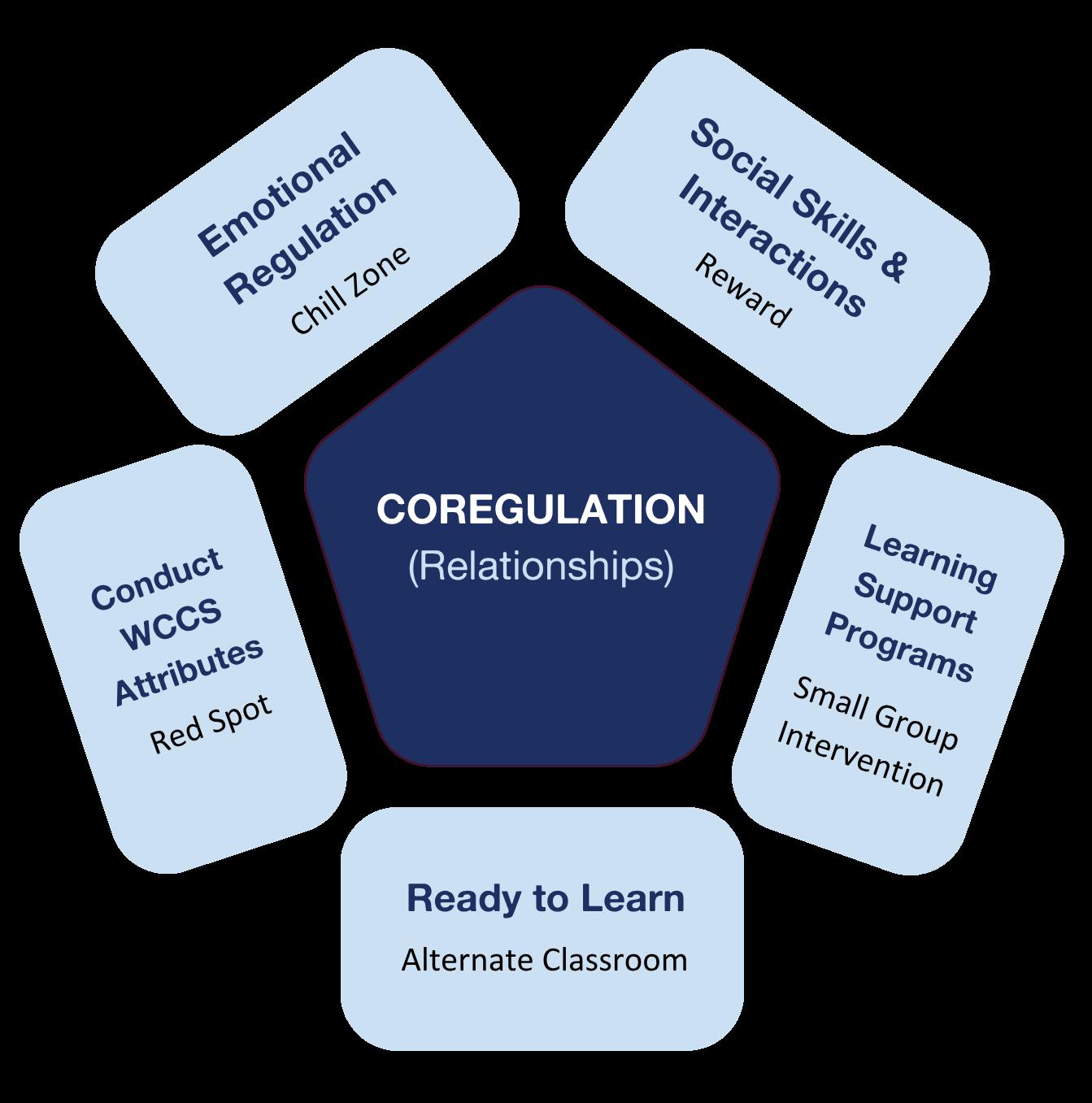
At WCCS, we provide support for the whole child, acknowledging the importance of the brain and body for readiness to learn. We believe that learning is best achieved in community. The Learning Centre is designed to meet students where they are at socially, emotionally and academically, supporting students and teachers to connect, consider and express concerns, and celebrate partnership and growth. We foster and develop learning spaces that promote collaboration and communication. Our learning support programs help students enjoy involvement in a wide range of learning experiences, to gain access to the curriculum and develop independence. Students are equipped to be learners, team members, leaders and helpers, that are respectful and compassionate, wise and brave.
T he L earning C entre is a place where all our primary students have the opportunity to access support for their individual needs.
In T he L earning C entre, our learning support staff are equipped to facilitate learning, co-regulate emotions, listen and provide feedback. Students are provided with time, space, tutoring and/or mentoring, along with some Tender Loving Care. In time, students will develop the skills to learn academically, socially and emotionally within their classrooms, with less support.
The Learning Centre is open every day from 8:15 am - 3:15 pm, including recess and lunch.
• Students learn in small groups, one-to-one or independently.
• Students may engage with intervention programs or require access to an alternative environment to complete their work.
• Students may need time and space to calm or rest and ready themselves for learning, or be reminded how to be safe, respectful, and responsible at school.
The Learning Centre is facilitated by our primary learning support team and led by Mrs Melissa McCleary (ADP - Student Wellbeing and Learning Support), in partnership with Mrs Alison Roberts (Learning Support Assistant).
In-class support is provided by functional support and/or early intervention programs. As our NCCD collection illustrates, we have students enrolled at an extensive, substantial and supplementary level of adjustment for cognitive, social/emotional, physical and sensory needs. As students develop their independence, these adjustments may change in frequency, intensity and range. A small number of students with extensive adjustments require support for toileting, mobility, to maintain safety, and to access the curriculum.
A team of LSAs are trained to support students to access the mainstream learning environment under the direction of classroom teachers. They may run small group interventions, 1:1 support and/or prompts to remain engaged in whole-class activities. The LSA role includes providing the adjustments determined in Individual Planning meetings with the student’s parents/carers, and at times, specialists. Classroom teachers design the Individual Plan, and regular meetings are held collaboratively with ADP-Learning Support and Student Wellbeing and the student’s classroom teacher to monitor progress and review goals.
TLC Group Time is available for students with mild to moderate intellectual disability, Years 3-6, to maximise their opportunities to develop academically and socially at their developmental level within a mainstream school setting. The students identified require targeted literacy and numeracy skills, along with executive function and social skills, to equip them for inclusion. Lessons are delivered in a group context utilizing early learning theory and framework (ELYF) to design learning activities that support engagement through hands-on, playbased learning. The group has a six-seat placement, during mainstream literacy and numeracy sessions and is led by the Primary Learning Support teacher with a Learning Support Assistant.
Disability provisions applications are submitted and allow students access to support during internal and external (NAPLAN and NESA) exams. Life Skills Courses can be accessed by students in mainstream classes where appropriate, as well as by students in High School Learning Support (HSLS). HSLS runs Life Skills courses in Bible, English, and Maths specifically for students in Years 7 to 12 with significant learning disabilities, and Life Skills Work in the Community, especially for senior students in Years 11 and 12. Life Skills classes are run by specialist mainstream teachers in HSIE, Science, TAS, Creative Arts and PDHPE for students in HSLS. Students with disabilities receive support in transitioning to appropriate post-school options. Students who access the HSLS attend a two-day camp, which provides them with opportunities to develop social, emotional and physical skills as they participate in many indoor and outdoor leisure activities together.
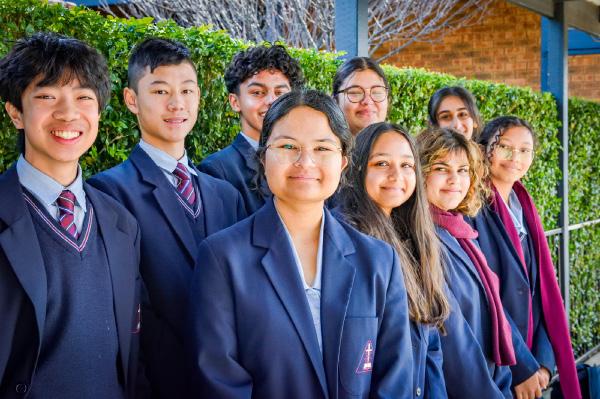
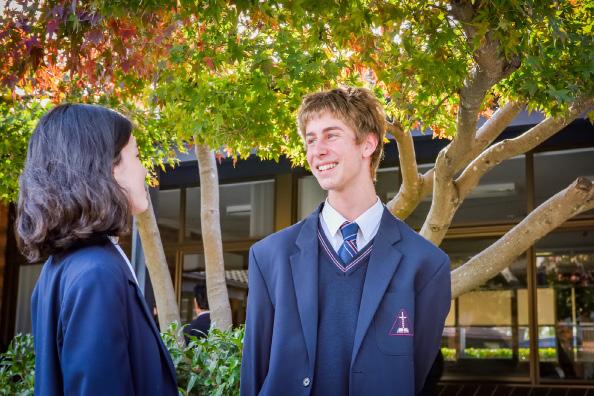
Our Primary Advanced Learning Centre (ALC) provides enrichment and extension through differentiated lessons and programs planned by the classroom teachers. The ALC was also involved in several projects that extended beyond classroom teaching.
In Term 1, students from Years 3 to 6 participated in Night of the Notables. Each student chose a notable to research, specifically trying to identify the particular habits of mind that the notable had utilised to succeed in their endeavour. The in-depth study culminated in a celebratory evening when students created a display centre about the notable, dressed up as the notable and answered questions posed by the community.
All ALC classes studied and performed excerpts of Shakespearean plays in Term 2. Year 3 studied A Midsummer Night’s Dream Year 4, The Tempest; Year 5, Macbeth; and Year 6, Romeo and Juliet.
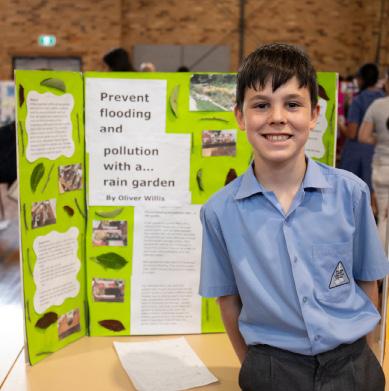
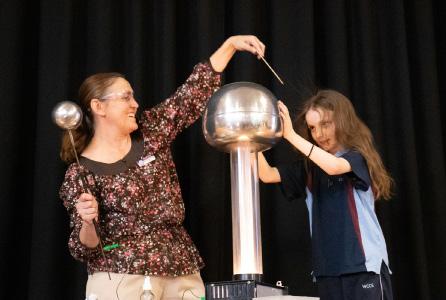
Term 3 saw our annual Science and STEM Fair. Year 3 and 4 students selected their own projects, researched the particular topic to come up with experiments and a hypothesis, then performed the experiments and noted their observations. Building upon this foundation, Year 5 and 6 students were tasked with an even more challenging endeavour. They were required to identify real-world problems and apply their STEM skills to propose innovative solutions. Through rigorous research, hypothesis formulation, design development, and experimentation, these students demonstrated a deeper understanding of the practical applications of STEM principles. The event was held in the school hall for parents to attend.
At the end of Term 4, all students in the Advanced Learning Centre (Years 3–6), along with students in Advanced Mathematics groups, participated in a week-long enrichment experience titled Maths: Madness and Mayhem. This event replaced the previously run commerce unit “Money, Manna or Mammon?”.
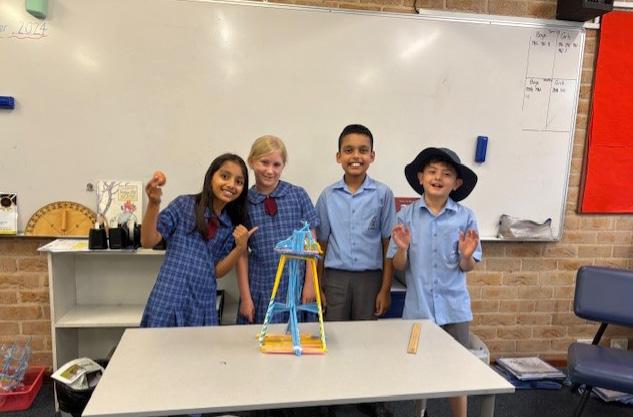
Maths: Madness and Mayhem was a dynamic and engaging program designed to stretch students’ abilities across Mathematics, Science and Technology, and Problem Solving. Each day involved a different challenge:
• Monday (STEM Day): Students undertook hands-on engineering and physics challenges, including building straw towers to support eggs, creating balloon-powered vehicles, designing egg parachutes, and launching Alka-Seltzer rockets.
• Tuesday: A fast-paced Math Game Show allowed students to compete in mathematical problem solving and trivia challenges, culminating in finals at the end of the session.
• Thursday: Students rotated through a series of collaborative board games and escape rooms to apply critical thinking and logic skills in an interactive format.
• Friday: The week concluded with the design, construction, and demonstration of Rube Goldberg machines, with a focus on teamwork, creativity, and sequential problemsolving.
This event was a highlight of the year and successfully integrated mathematical reasoning, scientific inquiry, and collaborative design, while engaging students in a meaningful and joyful learning experience.
Other opportunities provided for enrichment and extension in primary for 2025
• HICES Gifted and Talented Camp
• ‘Enrichematics’ mathematics problem-solving program
• Maths Olympiad – Years 3, 4, 5 and 6 Advanced Mathematics
• Levelled Spelling and Mathematics groups (Years 3-6 with advanced work for the highest group in each grade group)
• ICAS Mathematics and English Competitions
• HICES debating training sessions and competition (Two debating teams)
• Tournament of Minds competition
• Gateway 8 - inter-school academic challenge
• KidsLit Quiz
In High School we offer several pathways for students to be extended and enriched:
• Support through monitoring the progress of the students, particularly the high achievers and underachievers.
• Differentiation in the classroom to stretch the thinking and creativity of our students.
• Enrichment through providing numerous cocurricular and extracurricular activities.
• Extension through the offering of Advanced Learning Projects and the CS Lewis Program.
The CS Lewis Advanced Learning Program, a withdrawal class for high-potential and gifted students in Years 7-10, ran for a sixth year in 2025. The program aims to develop critical thinking, research, and problem-solving skills by providing them with a differentiated and challenging learning environment that goes beyond the curriculum.
In Term One, students completed a unit on Criminology. The students investigated the emergence of Criminology as a discipline, as well as the development of Social Theories, and Social Labelling Theories. They then applied this learning to a film study, wherein they analysed characters and narrative through the lens of their study of Criminology.
In Term Two, the students participated in the Day of AI Student Challenge. They learned about the development and implications of Artificial Intelligence, and then worked in teams to propose and develop mechanisms for using AI in ways that positively impacts the environment. This was an incredibly successful venture, with one team from Year 10 being selected to take part in a Think Tank to develop their idea and pitch, and a second team from Year 10 being awarded a cash prize.
In Term Three, the CS Lewis classes undertook independent research projects. They brainstormed, shortlisted, and selected topics of particular interest to them personally, and then spent the term developing their project to the point of publication. They were encouraged to present their research in ways that were meaningful to their topic, and many students elected to produce final products which subverted the quintessential paper report (such as through e-zine, or song).
Lastly, the students in the CS Lewis Program spent Term Four “gamifying” their research; they worked in groups to develop
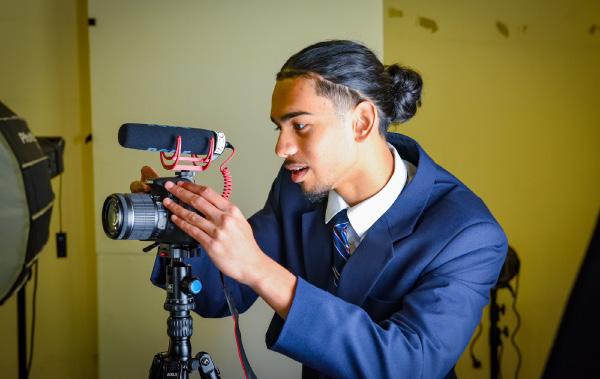
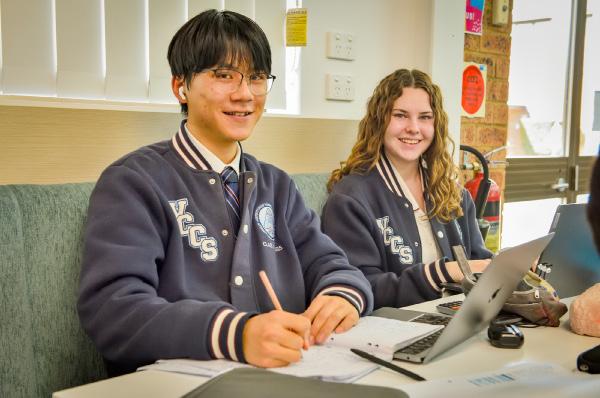
games for Year Five and Year Six students which communicated the essential ideas of their research. This activity was particularly valuable, as it fostered collaborative, “outside-the-box” thinking within the classes, and also provided opportunities for the High School students to engage with, teach, and serve students from the Primary School.
Enrichment and Extension Opportunities exist for all students who may be interested in attempting challenging activities. The following activities were available in 2025:
Advanced Learning Projects (ALPs) were available for all students to attempt. These projects are student-designed or studentselected and require students to work on their own challenging projects over an extended period. Students submit a written component and present to a large audience of peers and parents on a Google Site. This year, ten students completed a project. Project topics included crochet, creative writing, engineering, and design.
William Carey participated in the Illawarra da Vinci Decathlon. Our teams achieved some solid results competing against a number of experienced teams from the Sydney/Illawarra region.
We also participated in the Gateway 8 Academic Gala Day, a competition hosted by Macarthur Anglican School, where teams from around Sydney complete academic challenges based around a theme.
Homework Club was established in 2019 to provide students in Years 7-9 with a settled and supportive study environment after school and on-site. Held in the library, this school service was supervised by a WCCS staff member to provide fundamental support for students completing homework and assessments.
Senior students who have periods during the day that are not scheduled for lessons are required to sign in to the library for study periods. They have access to library facilities including books, study guides, databases, specialist teachers and librarians.
Students in Years 10–12 wishing to access the library and its facilities after school may do so. Tutors, experienced in most senior courses, are on duty each afternoon, Monday to Thursday.
While the students of 2025 enjoyed these opportunities, we cannot guarantee that each of these will be available in the coming years as changes to staff, students, and curriculum affect the wide range of opportunities on offer.
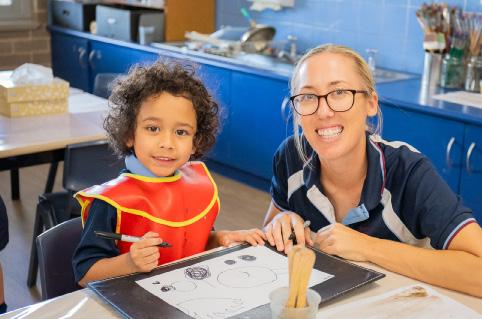
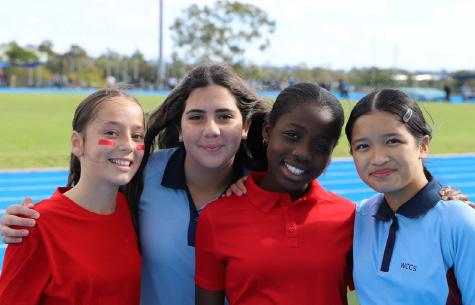
William Carey Christian School is committed to the delivery of an excellent, Christian education. This is demonstrated in part, through student achievements in HSC outcomes. As a non-selective school, accessible to the whole community, William Carey is building a strong record, reflected in the results throughout our student body. It is important to remember that, HSC results are most meaningful when interpreted in the light of individual students’ strengths, needs, progress and life experience.
98% of students were awarded their HSC and graduated from William Carey Christian School
7 Students achieved 9 Band 6/E4 Results in 6 Subjects
4 of our students received ATARs of 90 (rank value) or over
courses achieved the same or higher than the state average for Bands 4-6
In 24/26 courses, WCCS recorded fewer band 1-2 results than the state average
• 7 of our students received ATARs of 90 (rank value) or over.
• 16 Students (25%) in 2025 completed a vocational education course as part of their HSC pattern of study.
• In 2025, 98% (64 students) of the Year 12 cohort attained the Higher School Certificate.
• 62% of the graduating class of 2025 gained university admissions into a variety course in the faculties of Education, Business, Nursing, Health, Science, Arts, Law, Social Science, Information Technology.
• Students who left William Carey Christian School before the end of their HSC mostly left to enter the workforce, including apprenticeships and traineeships offered to them. Some moved to other schools or moved out of the area.
• Out of our graduating class, some students were offered places at universities. Others went to TAFEs or business colleges, or to the workplace.
HSC marks for non-Extension courses are divided into 6 bands:
Band 6 = 90 - 100 marks
Band 5 = 80 - 89 marks
Band 4 = 70 - 79 marks
Band 3 = 60 - 69 marks
Band 2 = 50 - 59 marks
Band 1 = 0 - 49 marks
For a 2-Unit course, Band 6 indicates the highest level of performance. The minimum standard expected for a course is 50. Band 1 indicates that a student has not met enough of the course outcomes for a description to be made, as performance is considered to be below the minimum standard expected. There is no pre-determined distribution of students to particular bands.
Each Extension course is divided into 4 bands:
Band E4 = 45 - 50 marks
Band E3 = 35 - 44 marks
Band E2 = 25 - 34 marks
Band E1 = 0 - 24 marks
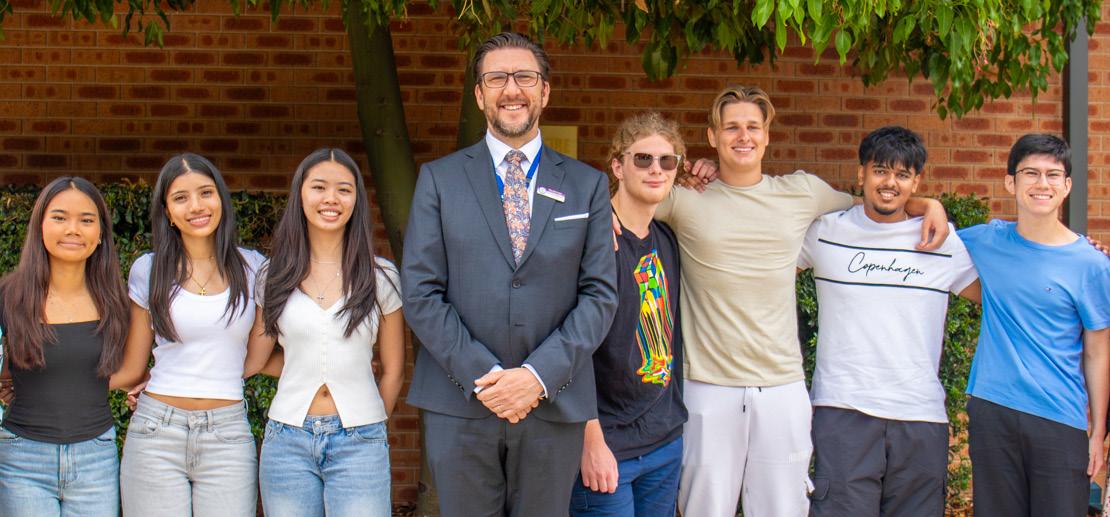
HSC High Achievers Breakfast celebrated students who achieved an ATAR above 90, received a Band 6 in their course and/or for achieving a nomination for an HSC Showcase for a major project.
Our 2025 High Achievers were (in alphabetical order - first name): Caroline Nguyen, Celina Strojanovski, Danny Su, (DUX of School), Evangeline Sing, Luke Kelava, Madison Biala, Matthew Tran and Thomas Frame.
Danny Su received a Band 6 in Chemistry, Physics and Mathematics Advanced, with an ATAR of 97.70.
Caroline Nguyen, Matthew Tran and Evangeline Sing all received an ATAR over 90.
Madison Biala’s Visual Arts Major Work was selected for ARTEXPRESS.
Celina Strojanovski’s Major Work in Industrial Technology was selected from the SHAPE Showcase.
Theme 3 - Staffing
When hiring teachers, the School does not discriminate on the basis of gender, race or ethnicity. As a result, teachers are drawn from a very diverse range of ethnic and language backgrounds. One of the current teaching staff members at WCCS has declared that they identify as an Aboriginal person or Torres Strait Islander person.
In order to maintain our Christian distinctiveness, especially the Reformed, evangelical heritage upon which we were founded, the School hires only Christian teachers who are active participants in a local church. Applicants for teaching positions are asked to affirm their theology and church participation during the interview process.
As at the end of Term 4 in 2025, the School employed 119 full-time and part-time teachers. All WCCS teachers, including casual teachers, have teaching qualifications from a higher education institution within Australia, or they have teaching qualifications recognised within the National Office of Overseas Skills Recognition guidelines.
All teachers employed by WCCS, including casual teachers, hold active teacher accreditation with the NSW Education Standards Authority (NESA). As at the end of Term 4 of 2025, there were 107 full-time and part-time teachers accredited at the level of Proficient Teacher. A further 12 teachers were accredited at the level of Graduate Teacher, with 5 of these holding Provisional Teacher accreditation and 7 holding Conditional Teacher accreditation.
Teaching Staff: 119
Full-time equivalent teaching staff*: 104.8
Non-Teaching Staff: 91
Full-Time Equivalent Non-Teaching Staff: 63.5
As part of our service to the wider community, our School regularly hosts practicum placements for teachers in training, sometimes encouraging them to return as casual teachers when they are suitably qualified. This included four trainee teachers from the Sydney Christian Schools Teaching Hub. The School also hires a number of ex-students to work as library tutors in the High School, some of whom are themselves studying to become teachers.
*The full-time equivalent (FTE) value of teaching staff is a measure of the level of staffing resources of a school. Staff who are employed full time and engaged solely on activities that fall within the scope of the NSSC have an FTE value of 1.0. All FTE values are rounded to one decimal place. For staff not employed on a full-time basis, and/or engaged in a combination of in-scope and out-of-scope activities, the FTE value is calculated on the basis of the proportion of time spent on in-scope activities compared with staff who would be considered full time. The FTE value of teaching staff is calculated by adding the number of full-time teaching staff and the FTE value of part-time teaching staff.
As an independent school, the professional development of our teaching staff is essential to ensure that we continue meeting our students’ needs in accordance with current educational thought and practice. Every teacher at the School is encouraged to participate in professional development activities during the year, and a wide range of professional development opportunities are made available for them.
Every teacher who is accredited with NESA is required to maintain a program of professional growth throughout their career. Full time teachers accredited at the level of Proficient Teacher are required to complete a minimum of 100 hours of professional development activities in each five-year maintenance period.
WCCS offered a range of PD courses to its own teachers, in order to assist in meeting NESA requirements. Our School has many highly qualified, experienced teachers with the capacity to lead further accredited training in the future.
School-wide professional development continued to focus on Design for Learning as a distinctive framework for planning and delivering excellent teaching and learning, whilst also embedding the Christian Teaching Framework, Transformation by Design.
WCCS runs two staff development weeks each year – one in January and one in July. These are designed to address issues of educational importance, and they enable the staff to work towards a unified understanding and approach. The range of topics covered in 2025 included classroom practice, Christian
theology, pastoral care, wellbeing, literacy, ICT and WHS training, as well as annual updates for Child Protection.
Individual faculties and stage groups also address professional development issues that are specific to their own needs.
In addition to the professional development opportunities provided on site, teachers were also encouraged to access PD through outside providers. To support this, we maintain a school- wide subscription to the online provider TLN (Teacher Learning Network), and we frequently utilise the services of the Independent Schools NSW and other recognised providers.
The school employs an accredited trainer and assessor to provide the following training at no extra cost to the school: CPR, Asthma and Anaphylaxis – Recognition and Management Training.
In 2025 WCCS spent $778.86 per teacher on professional development for teaching staff. This figure does not include the cost of replacement teachers to cover any absences associated with Professional Development.
Many of our High School teachers assist with developing and/or marking the NESA HSC examinations and practical works:
• Senior HSC Markers – Katrina England (practical marker Textiles & Design)
• Pilot Markers –Tanya Ayoub (Geography).
• HSC Markers – Daniel Miller (Business Studies), Beth Jackson (English), Pollyanna Doyle (Maths Standards 1 & 2)
English: The English Faculty are members of the NSW English Teachers Association (ETA) and participate in various professional forums specific to English.
Human Society in its Environment (HSIE): HSIE teachers are members of the Economics and Business Educators (EBE); History Teachers Association (HTA); Geography Teachers Association (GTA); and Legal Studies Association (LSA). The head of HSIE was part of the NESA exam setting process.
Mathematics: The Mathematics Department is a member of MANSW (Mathematics Association of NSW).
Science: Science faculty members belong to professional associations and forums that collaborate on NESA syllabuses. These include STANSW (Science Teachers Association of NSW), Science Extension Teachers NSW, Biology Teachers NSW, Chemistry
Teachers NSW and Physics Teachers NSW, Awesome Science Teachers NSW.
Personal Development, Health and Physical education (PDHPE): The Head of PDHPE is a member of the NSW PDHPE Teachers Association.
Technologies and Vocational Education and Training: The Technologies faculty are members of ITE (The Institute of Technology Educators); TEA (Textile Educators Association); ICTENSW (Information Communication Technology Educators of New South Wales). The Head of Technologies also represents the School on the SouthWest Connect VET Reference Group.
The WCCS Library belongs to the Australian School Library Association (ASLA) and The Australian Christian School Library Network (ACSLibNet).
Our Careers Advisers are members of the Careers Advisers Association.
Cheryl Anderson, the Head of High School Learning Support is a member of the Professional Association for Learning Support (PALS).
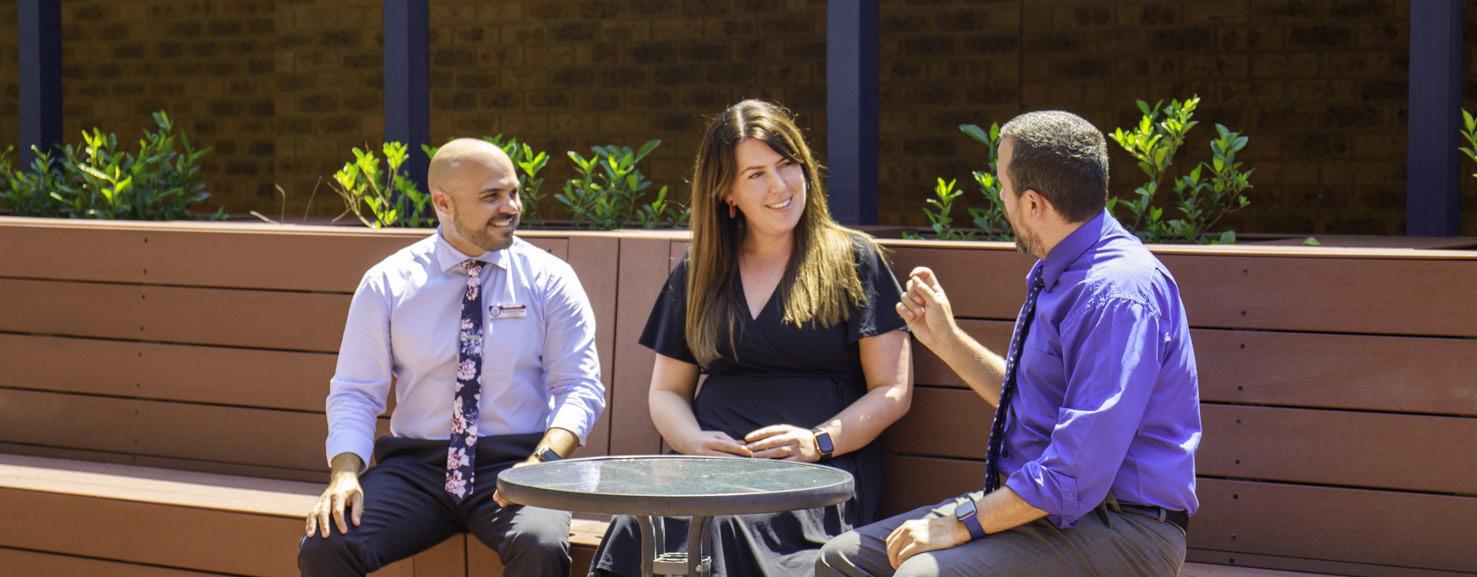
Theme 4 - Attendance 4 – Student Attendance
In 2025, 92.8 % of students attended school on average each school day. The student attendance level in 202 5 was higher than in 2024.
Day-to -day non -attendance is managed by the Classroom Teacher (in Primary) and the Pastoral Care Teacher (in High School) who marks the roll (using NSW attendance register codes) and collects notes from parents regarding absences. Where such notes are not forthcoming the Pastoral Care Teacher will contact the parent to ascertain whether the absence was known and to elicit a note – or parents can enter reason on parent portal or send an email.
In 2025, 92.8% of students attended school on average each school day. The student attendance level in 2025 was higher than in 2024.
Day-to-day non-attendance is managed by the Classroom Teacher (in Primary) and the Pastoral Care Teacher (in High School) who marks the roll (using NSW attendance register codes) and collects notes from parents regarding absences. Where such notes are not forthcoming the Pastoral Care Teacher will contact the parent to ascertain whether the absence was known and to elicit a note – or parents can enter reason on parent portal or send an email.
Student punctuality to school is monitored by Primary and High School student offices. If there is a pattern of unacceptable lateness, partial attendance or non-attendance, the Year Adviser and/or relevant Executive may seek a parent interview to work through the issues. If the pattern persists, the matter will be brought to the review committee and the Deputy Principal will pursue the matter through the parents or other community agents. Students requiring long leave or exemption from attendance at school seek permission from the Principal.
Student punctuality to school is monitored by Primary and High School student offices. If there is a pattern of unacceptable lateness, partial attendance or non -attendance, the Year Adviser and/or relevant Executive may seek a parent interview to work through the issues. If the pattern persists, the matter will be brought to the review committee and the Deputy Principal will pursue the matter through the parents or other community agents. Students requiring l ong leave or exemption from attendance at school seek permission from the Principal.
2025 figures extracted from Edumate (DEST Attendance report):
2025 figures extracted from Edumate (DEST Attendance report):
Theme 5 - School Policies
William Carey Christian School prioritises the implementation of a comprehensive array of policies and procedures to not only align with legislation and current best practice but also to ensure a secure and enriching learning environment for our students and a supportive working environment for our dedicated staff.
Policies and procedures are reviewed and updated regularly to meet regulatory requirements and uphold exceptional standards of practice. Through this ongoing process, we strive to adapt swiftly to evolving educational needs and emerging challenges, thereby reinforcing our dedication to continuous improvement.
Various policies are readily available through multiple platforms, including the School Website, Family Portal and Staff Portal. The Parent Carer Handbook is provided to all new and prospective WCCS parents and is accessible on the Family Portal. The following policies are publicly available on the School website and can also be accessed via this link - WCCS Key Policies
• Anti-Bullying Policy
• Child Protection
• Student Behaviour Policy
• Enrolment Policy
• Complaints Policy
Theme 6 - Stakeholder Satisfaction
During Term 1 of 2025, the school undertook the AISNSW (now known as ISNSW) school survey ‘Perspectives - your school in focus’ which asked community stakeholders for feedback across five key domains (School Environment, Teaching and Learning, Student Wellbeing, Leadership and Community), each with multiple dimensions. Participants also had the opportunity to provide further comments in writing.
Our leadership team analysed the results in partnership with AISNSW data specialists. The survey system also allowed leaders to view responses by gender, year group, and by Primary or Secondary.
Overall, the feedback was very positive. Results across all five domains showed improvement compared with 2022. Parents and carers indicated that the School’s vision, mission, and values are clear and remain at the heart of everything we do. Families also affirmed that our classrooms are well maintained and that they feel welcomed when visiting the school. Particularly encouraging was the finding that 96% of parents agreed William Carey Christian School is their “preferred school of choice” and that they are “proud to have their child attend this school.”
Students also provided valuable insights. The survey analysis highlighted the strength and thoughtfulness of their written responses. Students emphasised the importance of respectful relationships, and the majority indicated that they feel safe at school and have positive connections with two or more adults on staff. It was also encouraging to see that students know what to do if they witness bullying, reflecting our ongoing commitment to a safe and supportive learning environment.
Many parents and carers also offered constructive and heartfelt suggestions for further improvement. Some common themes included:
• School facilities
• Teaching and learning
• Communication
From these results, the School hosted student forums on the topics of ‘Respect’ and ‘Belonging’. Feedback from these forums resulted in the ongoing development of school procedures to increase opportunities for student voice, wellbeing and co-curricular and extra-curricular activities and plan for further facility developments.
The School provides a variety of ongoing pathways along which students can provide feedback. Ongoing pathways include the Student Leadership Council and Year Leaders team, made up from students in Years 6 to 10.
Parents were provided with avenues to contact staff to discuss matters regarding their children’s school lives both electronically and in person.