























Few manga series have had as profound an impact on the world of Japanese comics and global pop culture as Dragon Ball, One Piece, and Hunter x Hunter. Each of these iconic series, while unique in style and story, has shaped generations of readers and inspired countless artists.
Dragon Ball, created by Akira Toriyama in 1984, follows the journey of Son Goku, a powerful martial artist with a pure heart and an insatiable thirst for challenge. Beginning as a whimsical adventure inspired by the Chinese tale Journey to the West, it evolved into a high-octane battle saga that introduced the world to Super Saiyans, energy blasts, and epic tournament arcs. Its influence on shonen manga—and anime in general—is immeasurable.
One Piece, written and illustrated by Eiichiro Oda, set sail in 1997 and quickly became a phenomenon. The story follows Monkey D. Luffy, a rubber-powered pirate with dreams of becoming the Pirate King. With its rich world-building, emotional storytelling, and imaginative character designs, One Piece has maintained its popularity for over two decades. As of 2025, it’s approaching its final saga, with fans worldwide eagerly following every twist of the Grand Line. Hunter x Hunter, created by Yoshihiro Togashi in 1998, stands out for its deep psychological themes, unpredictable story arcs, and complex characters. The plot centers on Gon Freecss, a boy who becomes a Hunter to find his elusive father. While Hunter x Hunter is beloved for its depth and innovation, it is also known for its sporadic release schedule, due to Togashi’s health. Nonetheless, each new chapter is met with fervent anticipation.


Together, these three series represent the heart of modern shonen manga—blending adventure, friendship, and personal growth with intricate storytelling. Whether you’re a lifelong fan or new to the genre, Dragon Ball, One Piece, and Hunter x Hunter are essential reads that continue to inspire and captivate readers around the world.











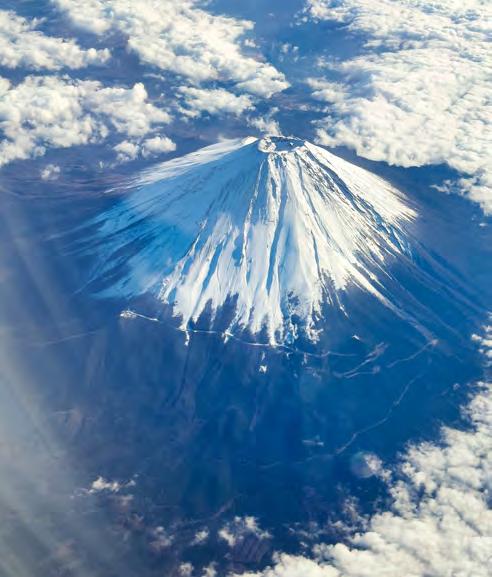
dormant volcano, located on Honshu Island, is one of Japan’s most famous landmarks, revered not only for its beauty but also for its cultural significance. Whether you are visiting as a pilgrim, a tourist, or an outdoor enthusiast, climbing Mt. Fuji is an experience like no other. This article will guide you through the essential things to know before setting out to explore this awe-inspiring mountain.



A Sacred Mountain
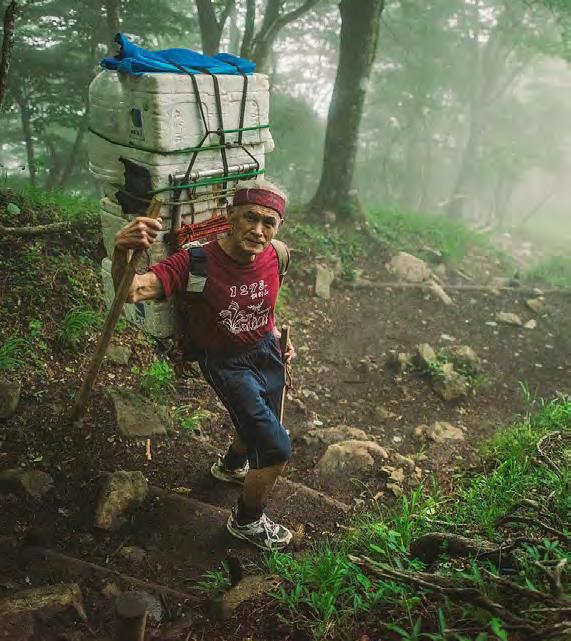
Mt. Fuji is considered sacred in Japanese culture and has been an important part of the country’s history for centuries. It is believed to be the home of the goddess Konohanasakuya-hime, who represents life and creation. Many Japanese pilgrims historically made the arduous journey to the summit as part of a religious pilgrimage.
In addition to its spiritual significance, the mountain is also an important symbol in Japanese art and literature. It has been immortalized in countless works, the most famous being Hokusai’s “Thirty-Six Views of Mount Fuji”, which continues to be celebrated worldwide.
Today, Mt. Fuji is listed as a UNESCO World Heritage Site, a recognition that emphasizes its significance not only as a natural wonder but also as an enduring cultural symbol.
When to Visit Mt. Fuji
The best time to visit Mt. Fuji depends on the type of experience you’re seeking. If you’re interested in climbing, the official climbing season is from early July to early September. During this period, the mountain’s weather is relatively mild, and the climbing trails are open. The rest of the year, the weather is harsh, with extreme cold and heavy snow making the trails unsafe and inaccessible.
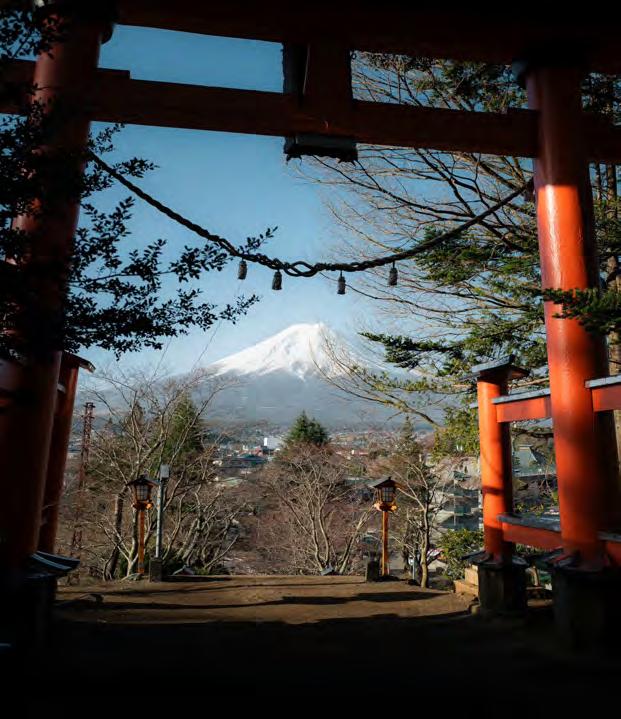
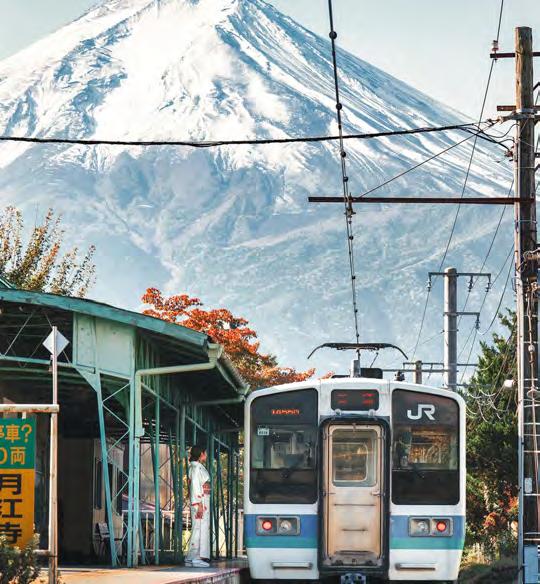
For those who are simply interested in sightseeing, Mt. Fuji is beautiful year-round. The colder months offer crisp views, particularly from areas like the Five Lakes region, where you can capture breathtaking shots of the snow-capped peak. During spring, the surrounding cherry blossoms create a beautiful contrast with the mountain, and
in autumn, the foliage around the base turns into a vivid canvas of red, orange, and yellow.
If you plan to hike to the summit, preparation is key. Although the climb is not technically difficult, it is physically demanding due to the altitude. Here are some tips for ensuring a safe and enjoyable experience:
Physical Fitness: The altitude can make it difficult to breathe, so it’s important to be in good physical shape. While most people can handle the climb, it’s helpful to train with some cardio and stamina-building exercises.
Altitude Sickness: As you ascend, the air thins, which can lead to altitude sickness. To combat this, it’s crucial to acclimatize by resting frequently during your climb. Make sure to drink plenty of water and avoid alcohol, which can exacerbate dehydration.
Proper Gear: The climb requires sturdy hiking boots, warm layers of clothing, a waterproof jacket, and sun protection. Even if you’re climbing during the summer, temperatures at the summit can fall below freezing, especially at night.
Clothing: Dress in layers to adjust to changing temperatures. It’s a good idea to wear moisture-wicking clothes and bring gloves, a hat, and a scarf. You’ll also need a headlamp if you’re climbing early or late in the day.
Climbing Trails: Mt. Fuji has several climbing routes, but the Yoshida Trail is the most popular. It’s the easiest and most accessible from the fifth station, where many climbers begin their ascent. This trail has several huts where you can rest and even sleep during the climb.


1. Getting to the Starting Point To start your climb, you’ll need to reach one of the mountain’s Fifth Stations. These stations are located at various points along the mountain, and they provide necessary services like food, drink, and toilets. The Fifth Station on the Yoshida Trail is the most popular starting point, accessible by bus from Fujiyoshida City.
2. The Climb The climb typically takes about 5-7 hours to reach the summit from the Fifth Station, depending on your pace and rest breaks. The terrain is steep, and at higher altitudes, the air becomes thin, so it’s important to take your time. You’ll pass through several “stations” along the way, where you can take short breaks or purchase snacks and water. Most climbers opt to take a break around the Eighth Station to rest before making the final push to the summit.
3. The Summit Experience The summit of Mt. Fuji is a stunning, otherworldly landscape with vast views of the surrounding area. On a clear day, you can see all the way to Tokyo, more than 100 kilometers (62 miles) away. The summit is also home to a small shrine and a crater. Many climbers make a symbolic offer or prayer at the shrine to mark their achievement. It’s common for climbers to arrive at the summit around dawn, so you can witness the famous “Goraiko” (the sunrise over the mountain), a breathtaking sight that draws people from all over the world.
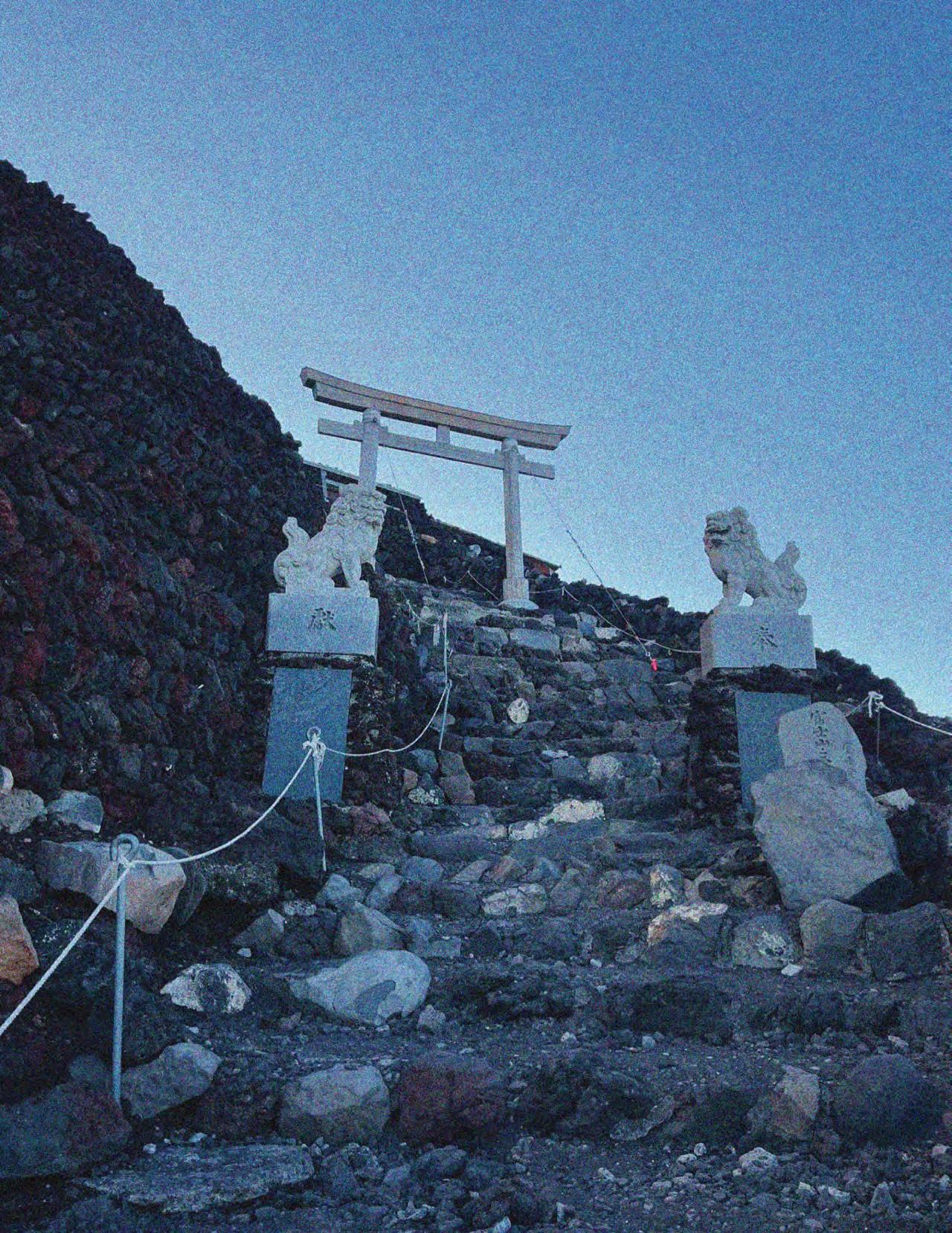

1. Reaching the Fifth Station: The climb begins at one of the mountain’s Fifth Stations, the starting point for most climbers. The Yoshida Trail Fifth Station is easily accessible by bus from Fujiyoshida City.
2. The Climb: The ascent takes about 5-7 hours depending on your pace. The terrain can be steep, and the air thins as you climb. You’ll pass several stations with resting areas where you can buy snacks and water.
3. The Summit: The summit offers panoramic views, including a chance to see “Goraiko”—the stunning sunrise over the

mountain. A small shrine at the top marks the spiritual significance of the peak, and many climbers make a prayer upon reaching the summit.
Other Attractions Around Mt. Fuji
If you’re not interested in climbing, there are still plenty of ways to enjoy the beauty of Mt. Fuji without having to break a sweat. Some of the best ways to enjoy the mountain and its surroundings are by visiting the nearby Fuji Five Lakes area, Fujigoko, or the Fujisan World Heritage Center.
Fuji Five Lakes: Located at the northern base of the mountain, these five lakes (Lake Kawaguchi, Lake Yamanaka, Lake Saiko, Lake Shoji, and Lake Motosu) offer spectacular views of Mt. Fuji, especially during the early morning when the mountain is reflected on the still waters.
They’re also great for hiking, boating, and enjoying hot spring resorts.
Fuji-Q Highland: For thrill-seekers, Fuji-Q Highland is an amusement park located near the base of Mt. Fuji. It offers adrenaline-pumping rides with Mt. Fuji as the backdrop. The park is famous for its roller coasters, including one that has the world’s steepest drop.



Fujisan World Heritage Center: If you want to learn more about Mt. Fuji’s cultural and natural significance, this museum offers indepth exhibits about the mountain’s history, mythology, and environmental preservation efforts.
Mt. Fuji is a safe destination for climbers and visitors when proper precautions are taken. Always make sure to follow these safety tips:
• Stick to the official routes and avoid shortcuts.
• Be aware of your physical limits and don’t hesitate to take breaks.
• Respect the environment—take all trash with you.
• Stay updated on the weather forecast, as conditions can change quickly on the mountain.
• Make sure your smartphone is fully charged, especially if you plan to hike at night.
Visiting Mt. Fuji, whether climbing to its summit or simply admiring it from the surrounding area, is an unforgettable experience. The mountain offers
natural beauty, physical challenge, and cultural depth. Whether you’re a seasoned hiker or a first-time visitor, you’ll find that Mt. Fuji’s majesty and significance will leave a lasting impression. So, pack your gear, respect the mountain, and get ready to experience one of the world’s most iconic natural wonders.

















Yakushima:
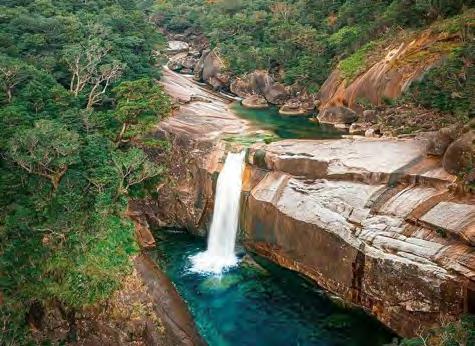
Located in southern Japan’s Kyushu Island, Yakushima is a lush, mountainous island known for its ancient forests, unique wildlife, and breathtaking landscapes. Recognized as a UNESCO World Heritage Site, Yakushima offers nature lovers, hikers, and wildlife enthusiasts a chance to experience one of Japan’s most pristine environments. Here’s an overview of what to expect during your visit to this remarkable island.
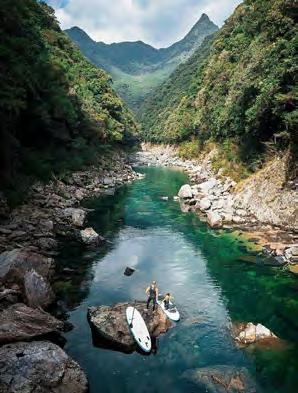
Natural Beauty of Yakushima
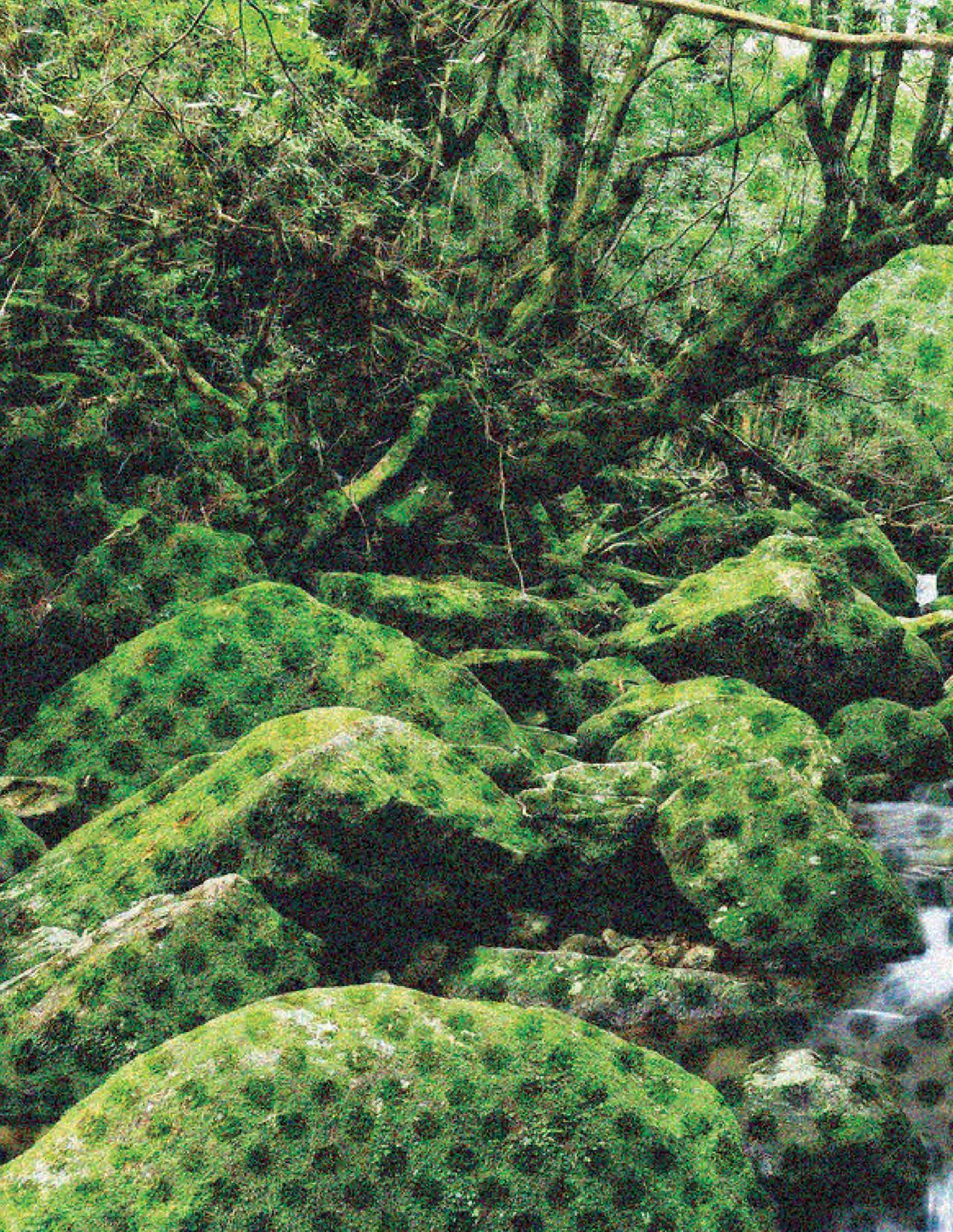
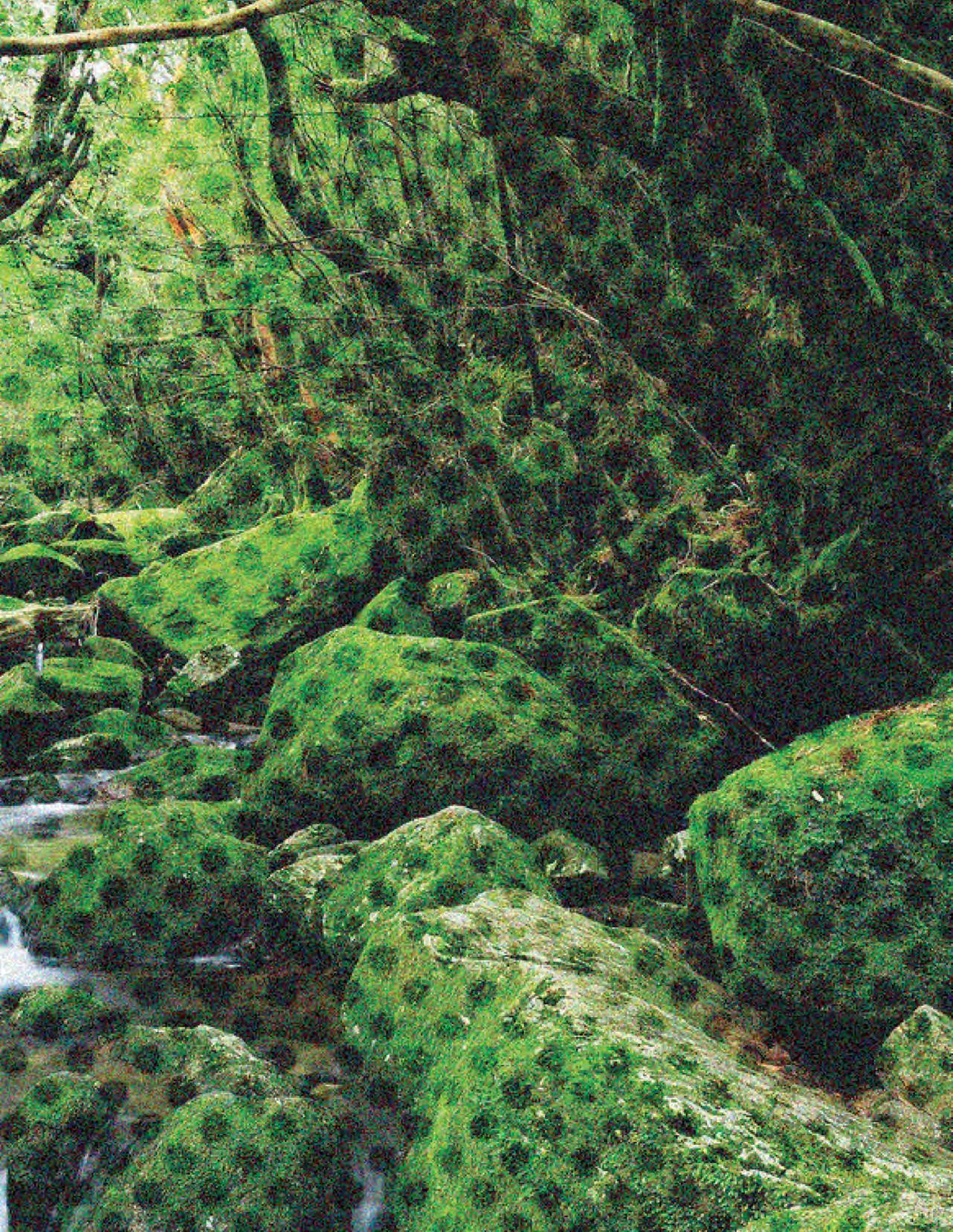
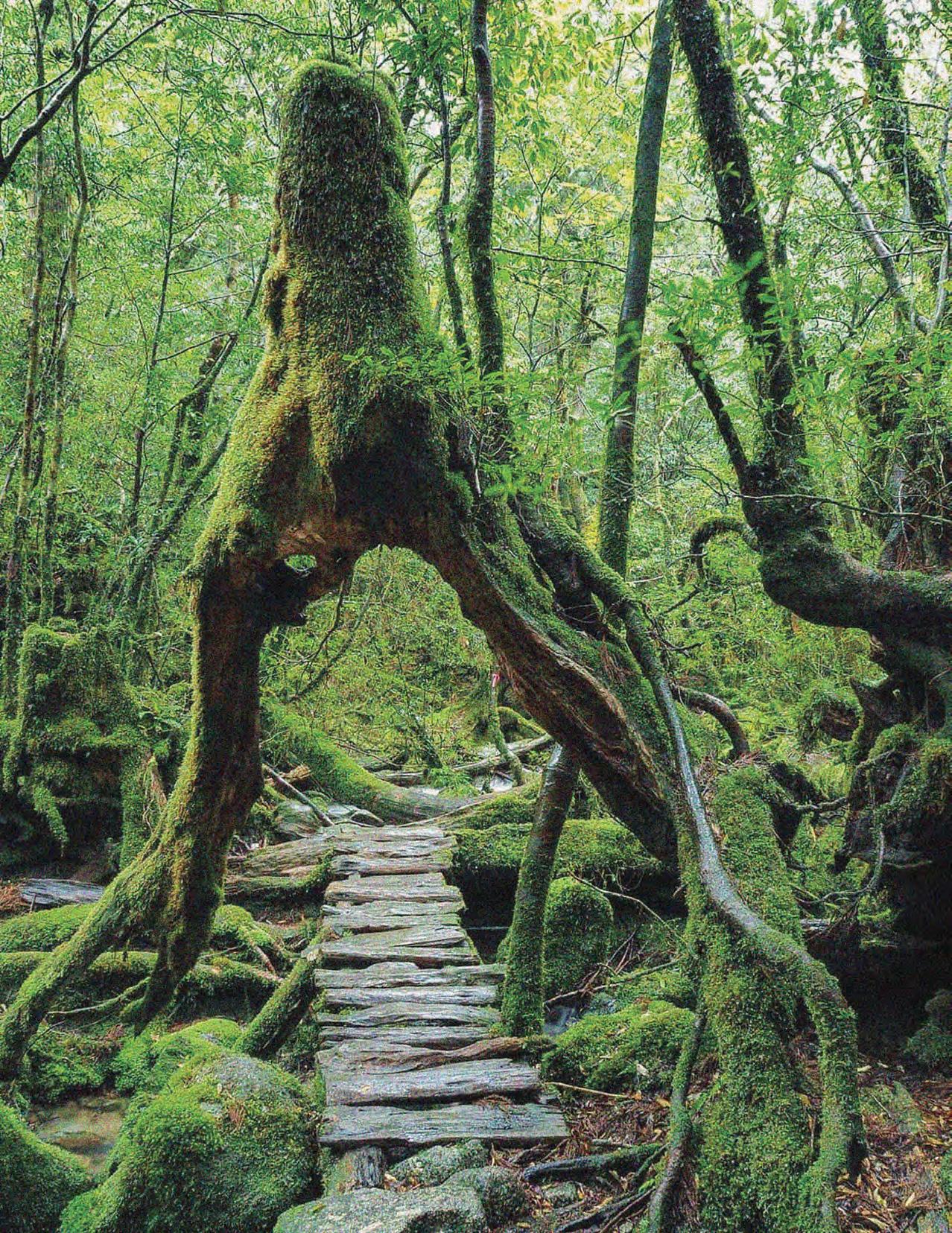
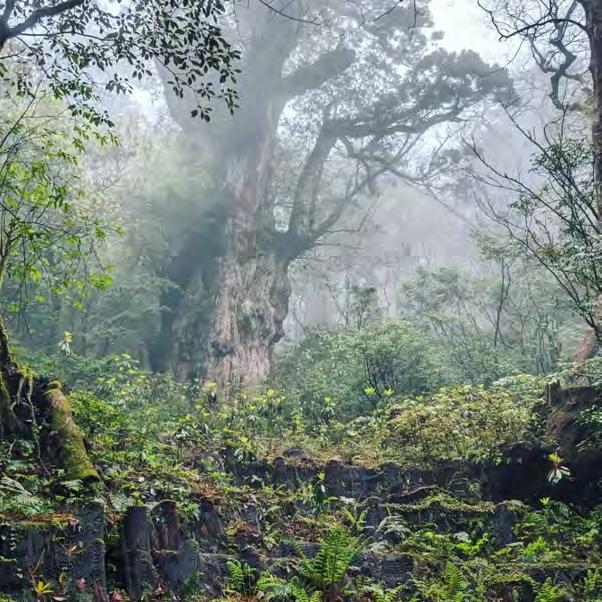
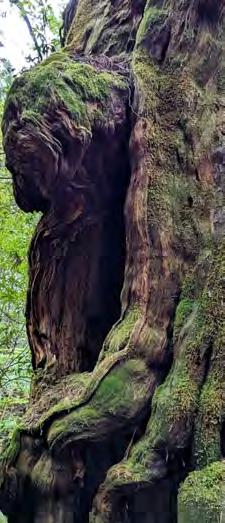
Yakushima is famous for its Yakusugi cedars, some of which are over 7,000 years old. These ancient trees thrive in the island’s wet, subtropical climate, creating a stunning, otherworldly landscape. The Jomon Sugi, the oldest and largest cedar on the island, is a must-see for visitors.
The island’s rainfall, which exceeds 4,000 millimeters (157 inches) annually, supports a rich array of ecosystems, from temperate rainforests to alpine meadows.


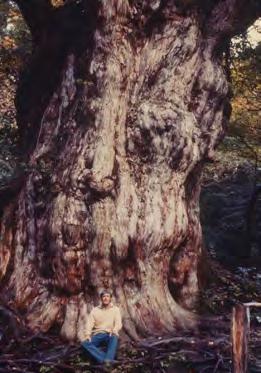
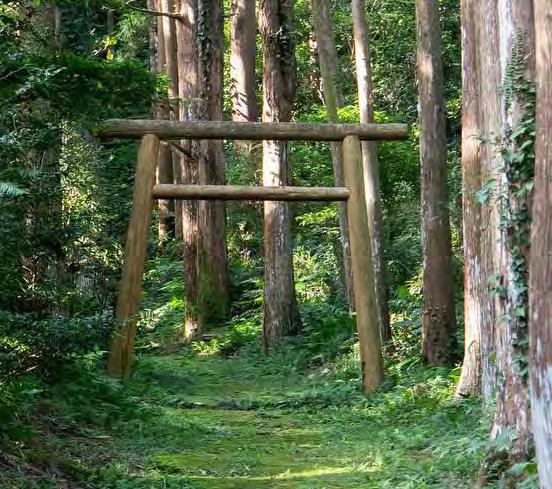
Yakushima is a haven for hikers, offering trails of varying difficulty: Jomon Sugi Trail: A challenging hike to the Jomon Sugi, which takes 6-8 hours to complete. The trail is steep and rugged but rewards hikers with views of the island’s ancient cedar forests.
Shiratani Unsuikyo Ravine: A scenic hike that takes about 2-3 hours and is known for its moss-covered trees, streams, and waterfalls. It inspired Studio Ghibli’s Princess Mononoke.
Yakusugi Land: For an easier hike, the trails at Yakusugi Land are relatively short (1-3 hours) and give visitors a chance to see the island’s famous cedars up close.
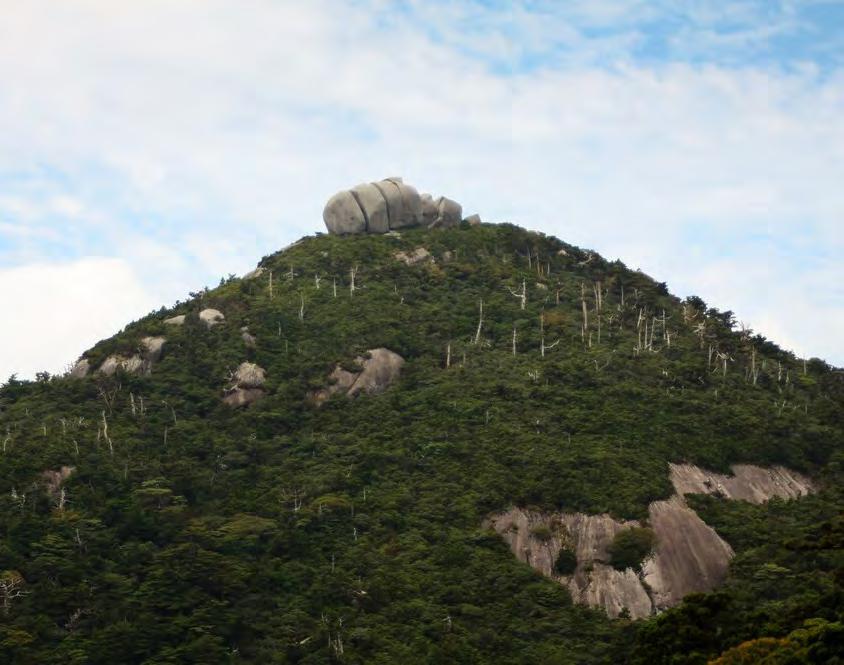
Mount Miyanoura: The highest peak on Yakushima, at 1,936 meters (6,355 feet), offers a challenging climb with pan-

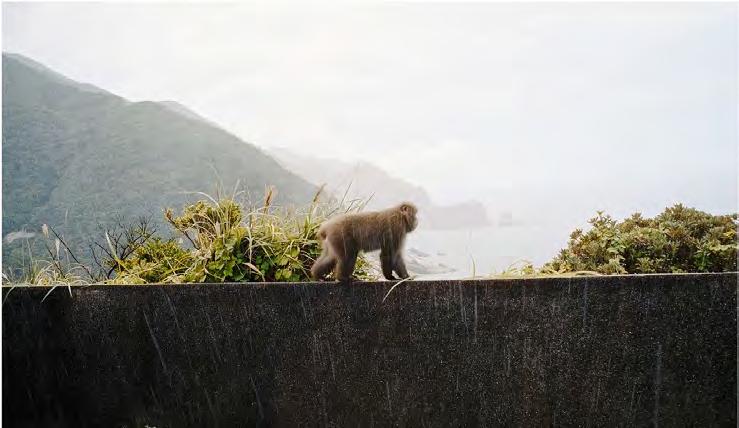
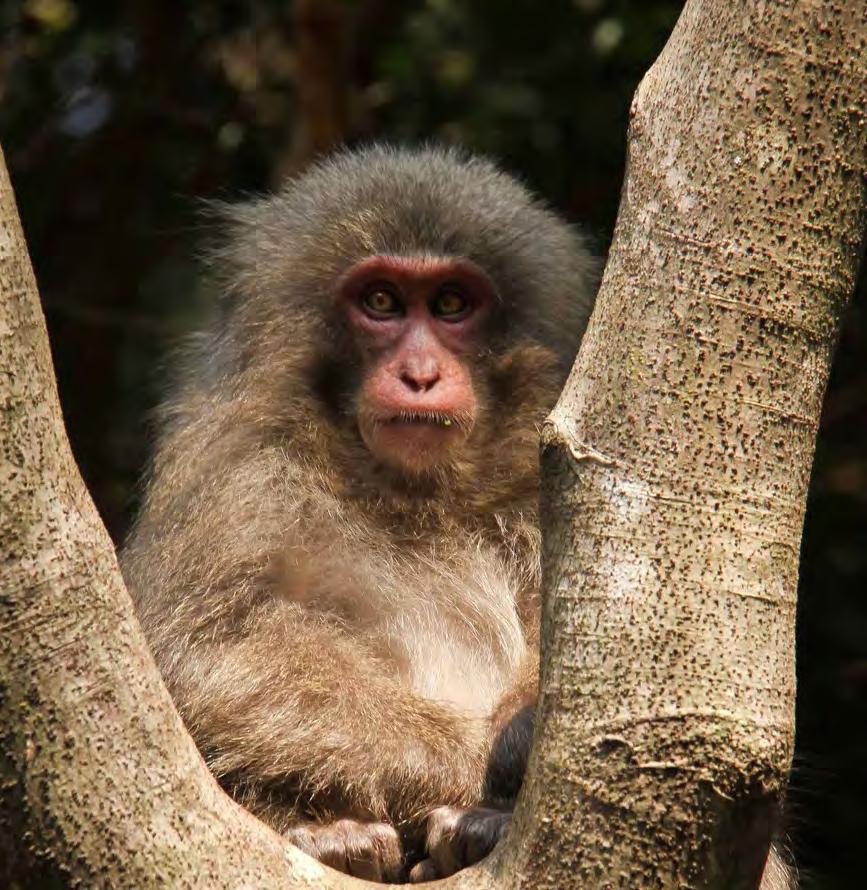
The dense forests are home to a variety of plant species, including mosses, ferns, and orchids, alongside endemic wildlife like the Yakushima macaque, sika deer, and Japanese wood pigeon.
oramic views. The hike takes 8-10 hours to complete.
Wildlife and Flora
Yakushima is home to unique species, including the Yakushima macaque, sika deer, and a variety of birds. The island’s flora is just as impressive, with ancient Cryptomeria cedars, bamboo groves, and rich mosses. The dense forests are also home to reptiles like the Yakushima rat snake and the Yakushima tree frog.
Local Culture and Attractions
Historical Sites: Yakushima has a rich
cultural history, with sites like Onoaida, a former mining area, and the Yakushima Culture Hall, which showcases the island’s natural and cultural heritage.
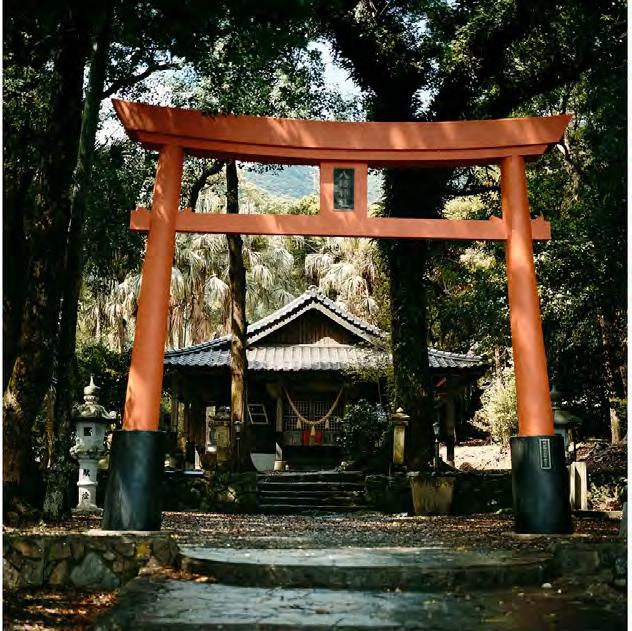


Onsen (Hot Springs): After hiking, relax in one of Yakushima’s natural hot springs, such as Onoaida Onsen, which offers a soothing bath with views of the surrounding landscapes.
Local Cuisine: Enjoy local specialties such as yakushima-sugi smoked fish, mochi rice cakes, and fresh seafood, including yakushima tuna and shirasu (baby sardines). For dessert, try the island’s famous satsuma-imo (sweet potato).
Pack for the Weather: Due to the island’s high rainfall, bring waterproof clothing and sturdy shoes.
Take Your Time: Allow yourself ample time to explore the forests, trails, and beaches.
Safety: Some trails can be challenging. Plan your hikes carefully and consider hiring a guide if you’re unfamiliar with the terrain.
Respect Nature:
• Follow conservation guidelines
Conclusion
Yakushima is a nature lover’s paradise, offering ancient forests, diverse ecosystems, and some of Japan’s most beautiful hiking trails. Whether you’re hiking to see the Jomon Sugi, exploring the island’s moss-covered ravines, or soaking in hot springs, Yakushima provides an unforgettable experience. With its unique wildlife, rich cultural heritage, and pristine landscapes, this UNESCO World Heritage Site offers a peaceful es-