Are Waterproof Chemical Services
Essential for Flood-Prone Areas?
Understanding Flood-Prone Areas
Flood-prone areas are regions susceptible to inundation due to various factors such as proximity to rivers or coastal areas, inadequate drainage systems, and heavy rainfall. These areas face significant risks, including property damage, disruption of essential services, and threats to human safety As populations grow and urbanization expands, the vulnerability of these areas to flooding escalates, underscoring the importance of proactive measures to mitigate such risks.
Role of Waterproof Chemical Services
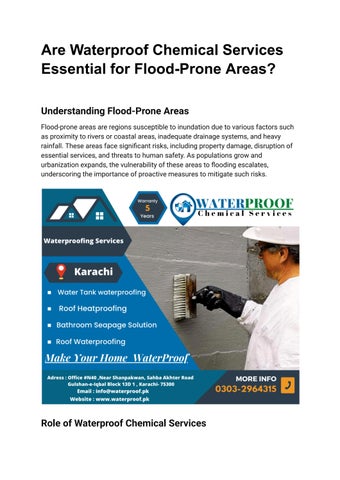
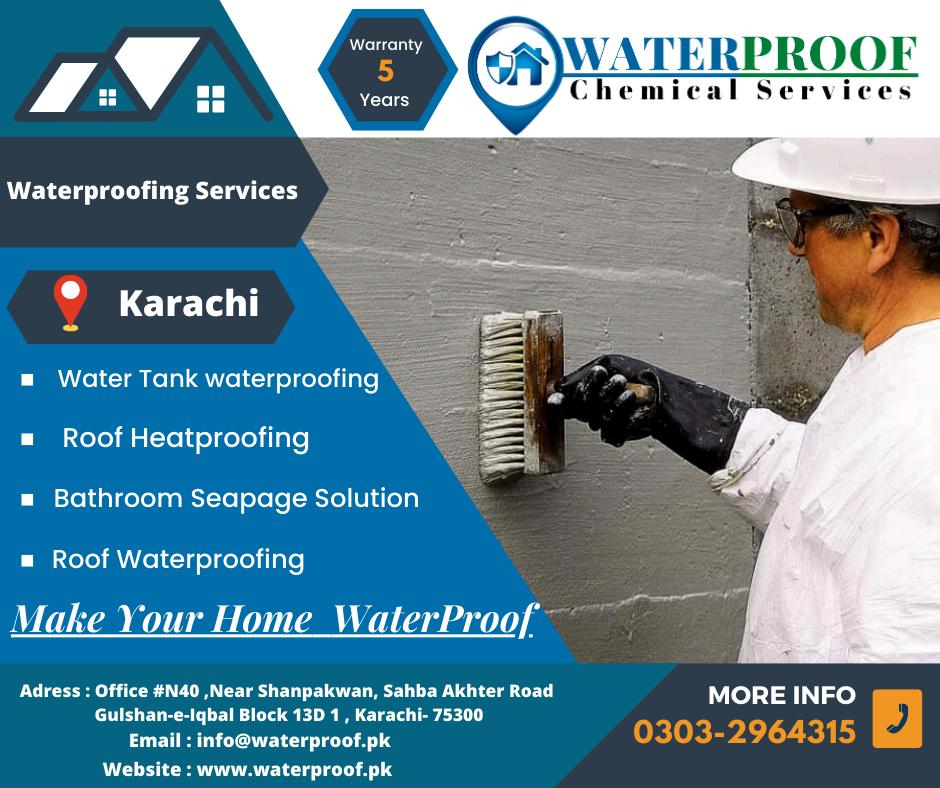
Waterproof chemical services encompass a range of techniques and materials designed to protect structures from water intrusion and damage. These services involve the application of specialized coatings, membranes, and sealants to surfaces, creating impermeable barriers that repel moisture and prevent seepage. By forming a protective shield, waterproof chemical services enhance the durability and resilience of buildings and infrastructure, thereby mitigating the adverse effects of flooding.
Benefits of Waterproof Chemical Services in Flood-Prone Areas
Prevention of Water Damage
One of the primary benefits of waterproof chemical services is their ability to prevent water damage to buildings and assets. By sealing vulnerable areas such as foundations, walls, and roofs, these services inhibit water penetration, thereby minimizing the risk of structural deterioration, mold growth, and corrosion. This proactive approach not only preserves the integrity of the property but also reduces the need for costly repairs and renovations in the aftermath of flooding.
Protection of Infrastructure
In flood-prone areas, critical infrastructure such as roads, bridges, and utilities are particularly susceptible to water-related damage. Waterproof chemical services provide an effective means of safeguarding these assets against moisture infiltration, prolonging their lifespan and functionality. By fortifying infrastructure components with waterproofing solutions, communities can enhance resilience to floods and ensure continuity of essential services during adverse weather events.
Long-Term Cost Savings
While the initial investment in waterproof chemical services may seem substantial, the long-term cost savings far outweigh the expenses associated with flood damage remediation. By proactively addressing vulnerabilities and implementing preventive measures, property owners can significantly reduce the financial burden of flood-related repairs and reconstruction. Moreover, the enhanced durability and resilience conferred by waterproofing solutions contribute to the overall value and marketability of the property.
Challenges and Considerations
Despite their numerous benefits, waterproof chemical services pose certain challenges and considerations, particularly in the context of flood-prone areas.
Environmental Impact
Some waterproofing materials contain chemicals that may have adverse effects on the environment if not properly managed. Therefore, it is essential to select eco-friendly products and adhere to sustainable practices to minimize environmental impact.
Applicability to Different Structures
Not all waterproofing solutions are suitable for every type of structure or substrate. Factors such as building materials, design complexity, and environmental conditions must be taken into account when choosing the appropriate waterproofing method.
Case Studies
Several successful chemical waterproofing projects demonstrate the efficacy of waterproof chemical services in flood-prone areas. From residential buildings to commercial complexes and infrastructure projects, these case studies highlight the importance of proactive waterproofing measures in mitigating flood risks and preserving assets.
Best Practices
To maximize the effectiveness of waterproof chemical services in flood-prone areas, it is essential to follow best practices. These include thorough surface preparation, proper application techniques, regular inspections, and maintenance to ensure long-lasting protection against water damage.
Future Trends
The field of waterproofing is constantly evolving, driven by technological advancements and sustainability trends. Innovations such as self-healing materials, nanotechnology-based coatings, and green waterproofing solutions offer promising avenues for enhancing the resilience of structures in flood-prone areas while minimizing environmental impact.
Conclusion
In conclusion, waterproof chemical services are indispensable for mitigating the impact of flooding in vulnerable areas. By investing in proactive waterproofing measures, property owners can protect their assets, minimize disruption, and promote community resilience in the face of increasing climate risks.
FAQs
Are waterproof chemical services only necessary for buildings located in floodplains?
While structures in floodplains are at higher risk, waterproofing is beneficial for any property prone to water damage.
Can waterproofing be applied retroactively to existing buildings?
Yes, existing structures can undergo waterproofing to enhance their resilience to floods and moisture.
Do waterproofing materials require regular maintenance?
Periodic inspections and maintenance are recommended to ensure the effectiveness and longevity of waterproofing treatments.
Are waterproof chemical services environmentally friendly?
Many manufacturers offer eco-friendly waterproofing options that minimize environmental impact.
What is the typical lifespan of waterproofing treatments?
The lifespan varies depending on factors such as the quality of materials, application technique, and environmental conditions, but properly applied treatments can last for many years.