lessonObjective:
You will be able to:
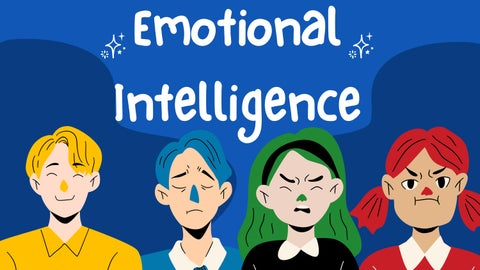
define emotional intelligence and explain its importance in everyday interactions, both in personal life and at school.
identify and understand the key components of emotional intelligence, such as self-awareness, empathy, recognizing and managing emotions, and effective communication.
what is Emotional intelligence?

Emotional intelligence refers to the ability to recognize, interpret, and process emotions in yourself and others. While genetics, upbringing, and environment all play a role, there are steps you can take to develop your emotional intelligence over time. Get to know yourself emotionally.


For example, if a friend seems quiet and withdrawn, interpreting their emotion may involve recognizing that they may be feeling sad or upset, considering what could have caused this (like a recent event or stress), and predicting how they might act as a result (like wanting to be alone).
self-awareness

Knowing Yourself
When people understand themselves, it's like looking in a mirror. They see clearly the things they're good at and the things they need to get better at. They also understand how others see them. It's like having a secret power - the power of self-awareness.
Learning from Friends
One magical way to improve this power of self-awareness is by listening to our friends. What they say about us can help us see things we may not notice ourselves. Think of it as uncovering hidden treasures or secrets about ourselves that were there all along.
Discovering Your Triggers
Part of knowing yourself is understanding how you react in different situations. It's like being a detective and figuring out what makes you feel a certain way.
self-awareness

The Last Time You Felt Pressure
Remember the last time you were stressed or under pressure? How did you feel? Did those feelings make things easier or harder for you? Understanding this can be like finding a key to controlling your emotions.
Recognizing Emotions
Knowing how you feel and why you feel that way can change how you react. It's like having a map of your emotions. This map can guide you to react better when you face similar situations in the future.
empathy and active listening
Seeing things from someone else's per will help you understand their values a beliefs. This is important when it come motivating and engaging others. Make conscious effort to get to know your classmates. Ask open questions and ac listen to what they have to say rather simply waiting for your turn to speak. lookout for body language and other n signs as these may tell you more than is willing to express.


Own your emotions

Part of being emotionally intelligent is about taking responsibility for the way you interact with others. If someone upsets you, pause and reflect on why their actions led you to feel this way instead of reacting impulsively. Recognize that a conversation is a twoway interaction, and it takes two people to make you angry, sad, or frustrated.
1.
Taking Responsibility: Being emotionally intelligent involves acknowledging how your actions and reactions can impact your interactions with others. You're responsible for how you respond to others, not just their actions towards you.
2.
Reflection: If someone upsets you, it's important to pause and reflect on why you feel this way instead of reacting impulsively. This means examining your emotions, considering what triggered them, and thinking about how you could respond differently.
3.
Two-way Interaction: The text highlights that conversations involve two people, and it takes both parties to create negative feelings like anger, sadness, or frustration. This suggests that one should not solely blame the other person but also consider their own role in the situation.
4.
Trusting Your Intuition: The phrase "Go with your gut" suggests that sometimes, our intuitive feelings can guide us in understanding our emotional responses and deciding the best course of action. It's part of being emotionally aware and making decisions that feel right for us.
Conclusion
Remember, emotional intelligence isn't about suppressing emotions; it's about learning how to recognize, process, and channel them in a way that benefits you and the people around you. Enhancing your emotional intelligence requires effort but can be achieved with sustained practice.

BUILD VOCABULARY SET


Don’t know how to pronounce some words?