KEYNOTE / ANTHROPOLOGY / ARTS / HISTORY / SOCIAL SCIENCES
Lacquerware and Shamisen: The Divergent Trajectories of Tsugaru’s Cultural Commodities
Anthony S. Rausch
FASHION / ARTS / HISTORY
Blending Past and Present: The Enduring Appeal of Kimono Fashion
Carolin Becke
FILM / BILINGUAL / REVIEW
Uno sguardo indietro –Nippon Connection 2024 & Nient’altro che tutto –Perfect Days (2023)
Jenny Reichert and Christian Esposito (Transl. Dœlma Goldhorn)
Back to the Present –Nippon Connection 2026 A Glance Back – Nippon Connection 2024 & Nothing But All –Perfect Days (2023)
Amelia Lipko
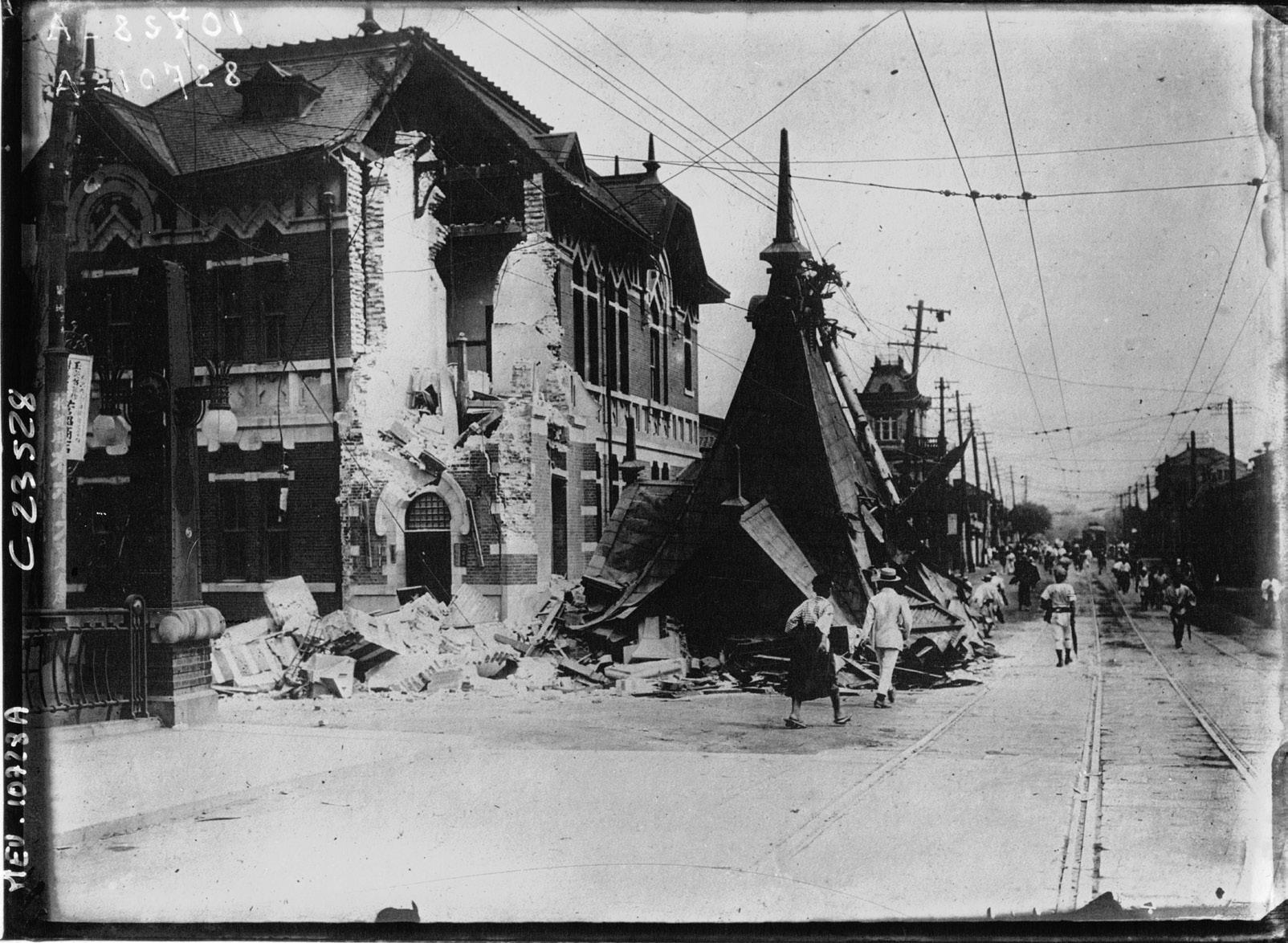
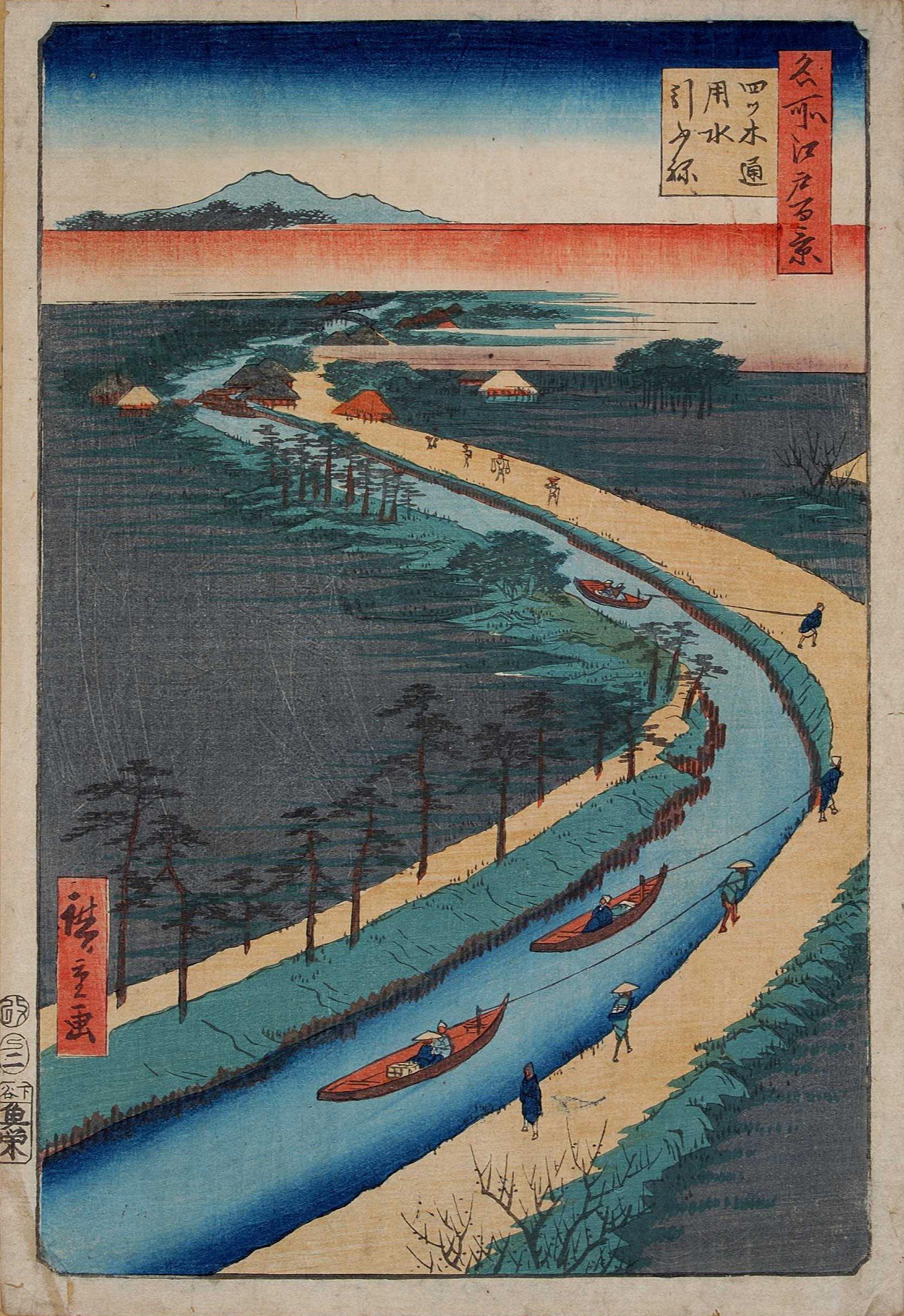
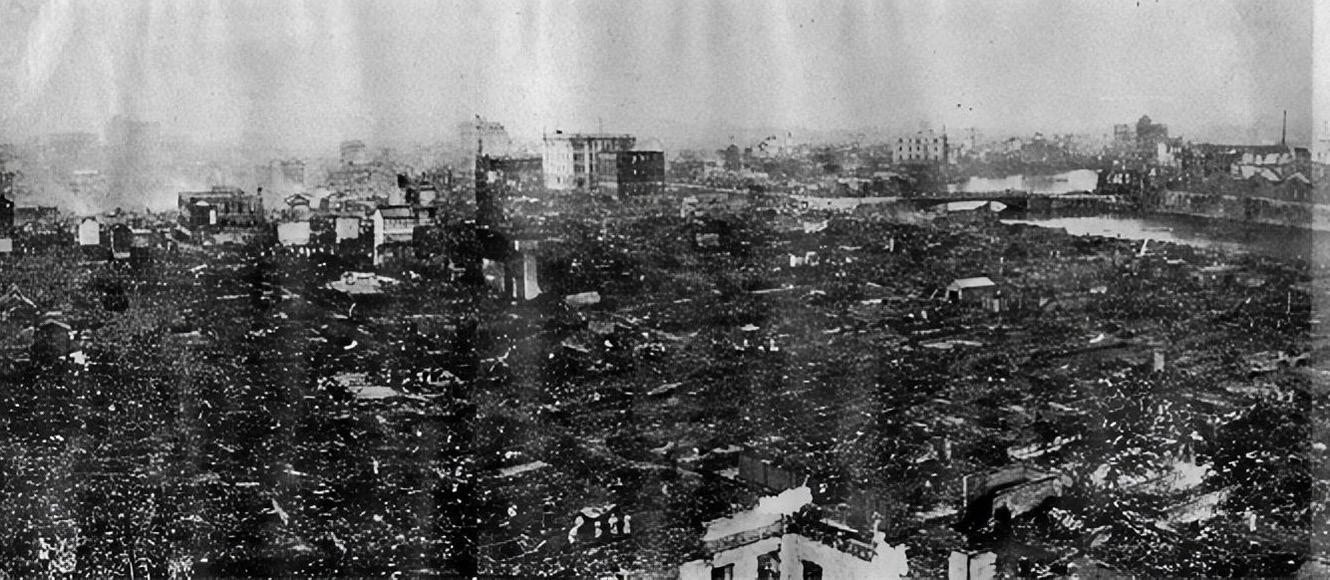
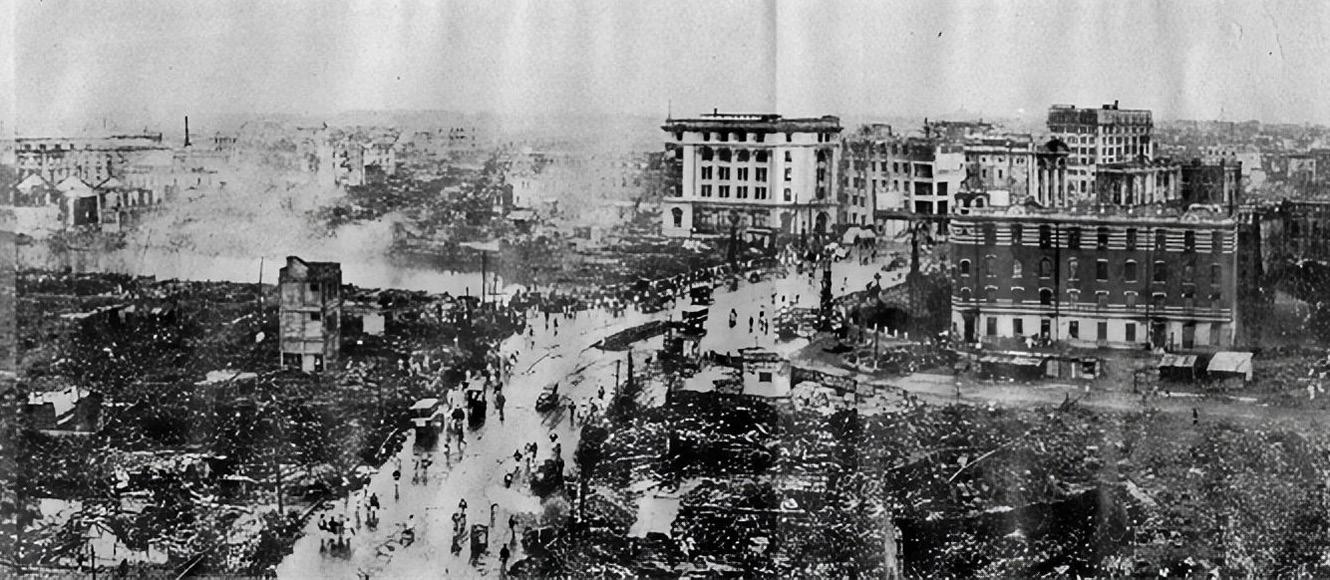
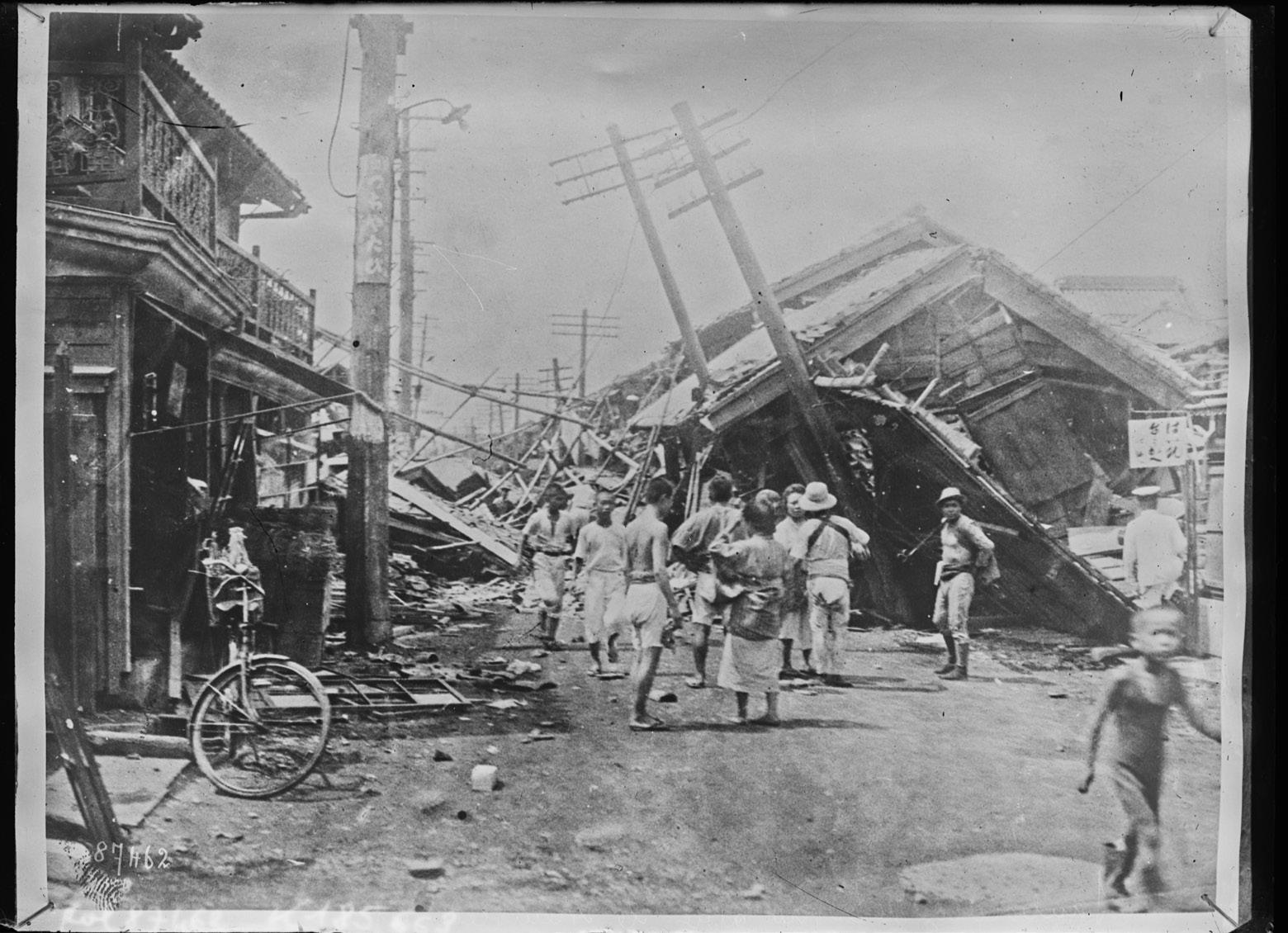
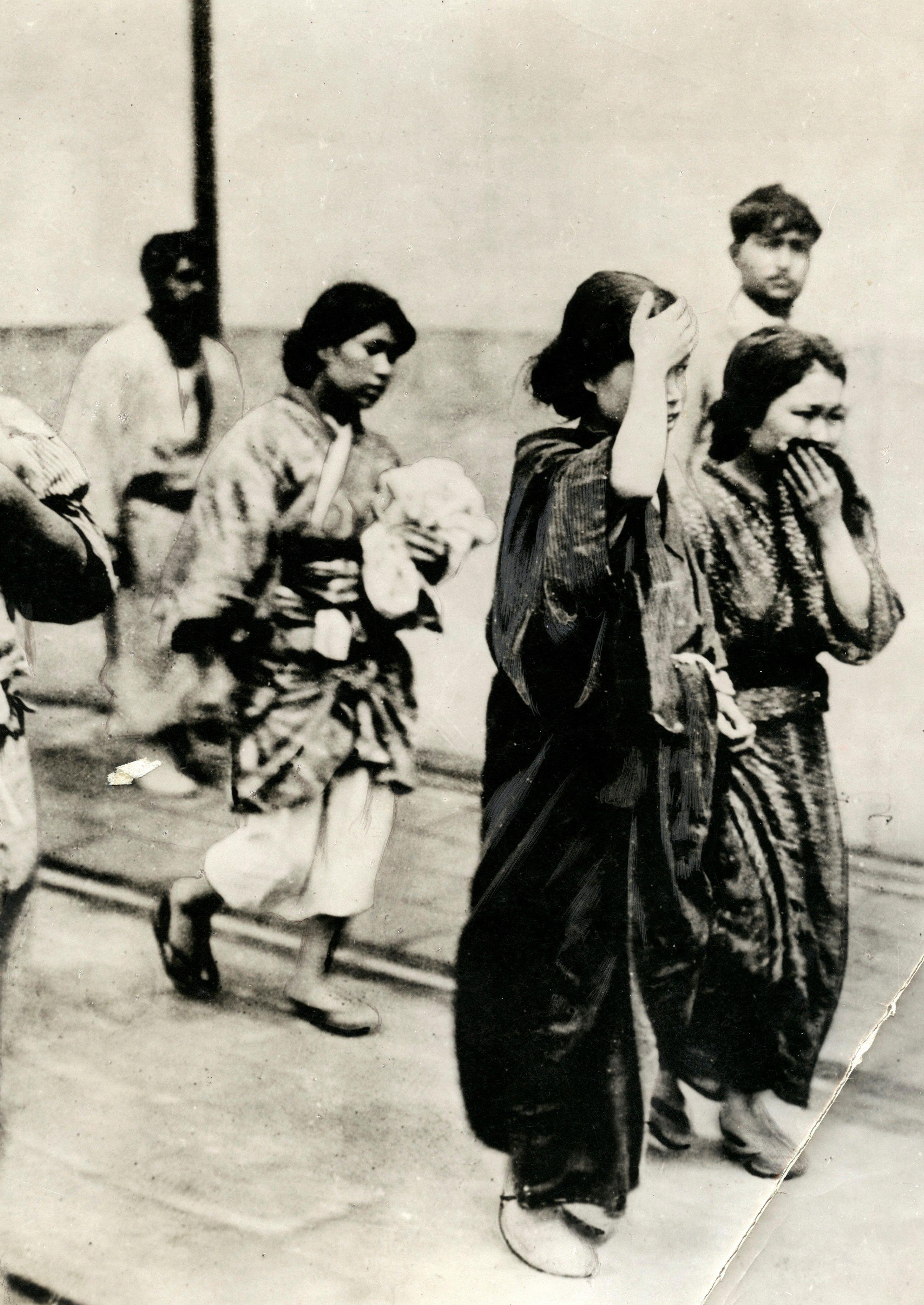
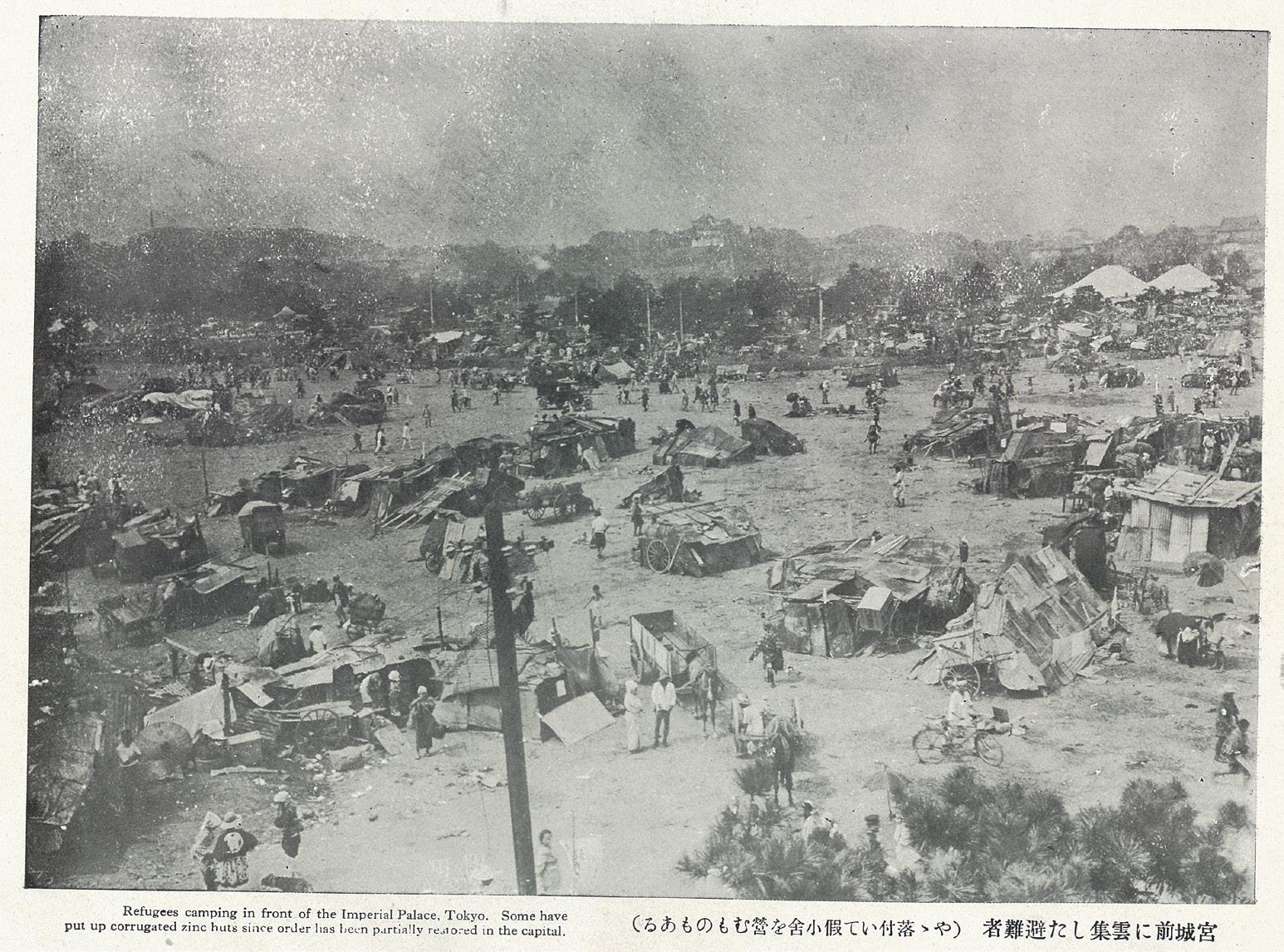
When the Imaginary Meets Sound: Audio-visualising the Emotional Response to the 1923 Great Kantō Earthquake Through Sendō Kouta
Emmanuelle Montegnies
HUMANITIES
HISTORY / EDUCATION / SOCIOLOGY
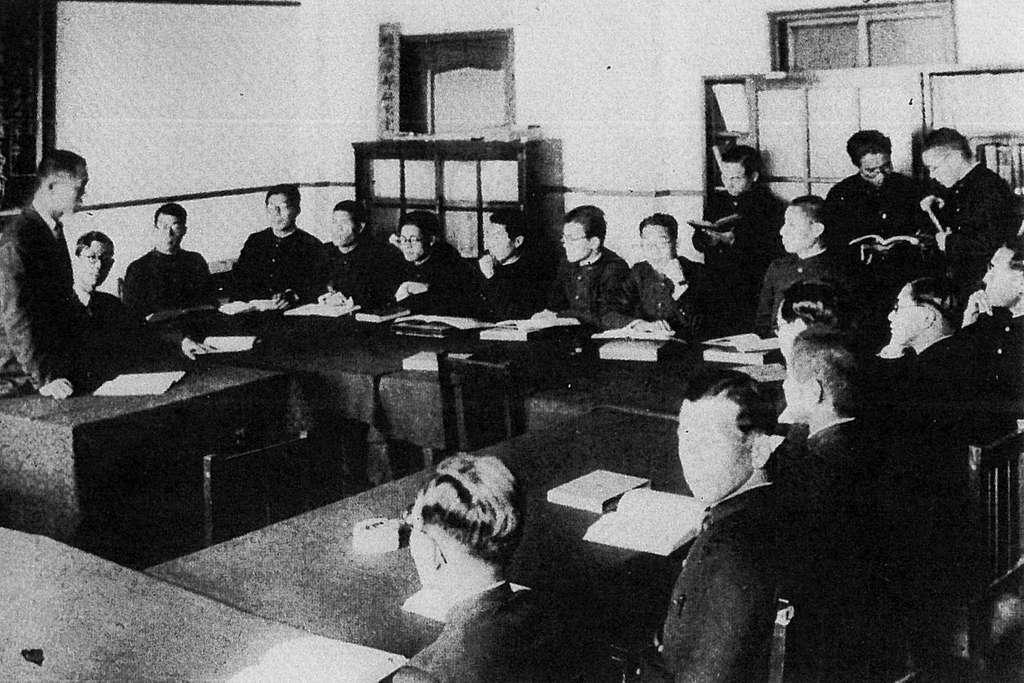
Academic Powerhouses in Japan: Following the Introduction of the Zemi in Modern Japan 1868–1945
Brecht Scherens
SOCIAL SCIENCES
POLITICS / HISTORY
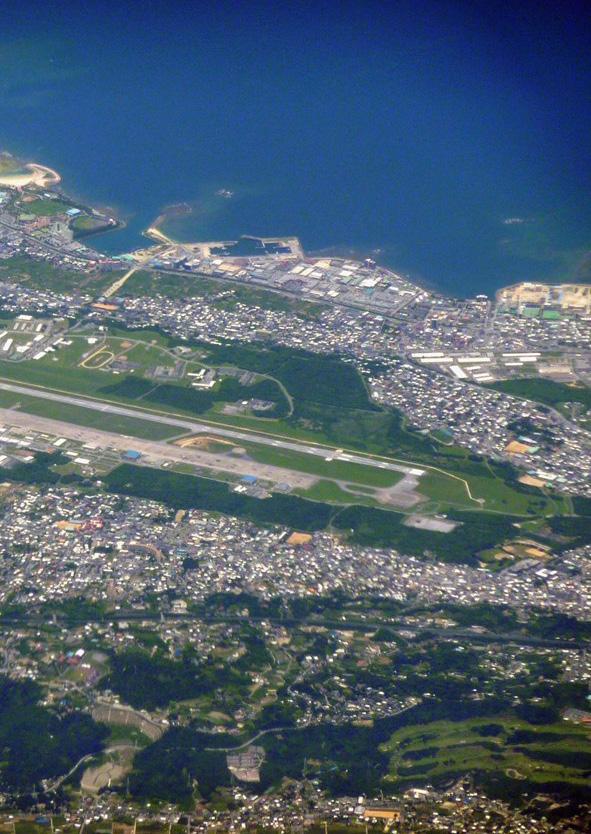
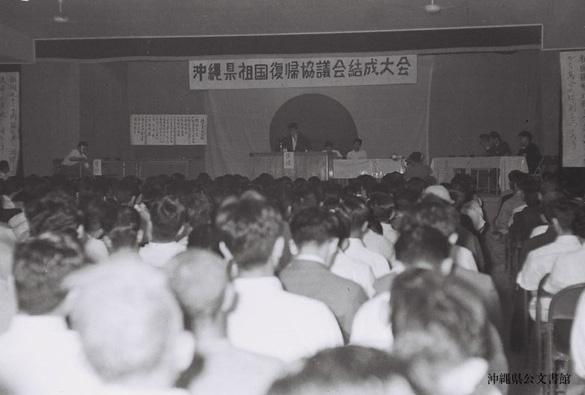
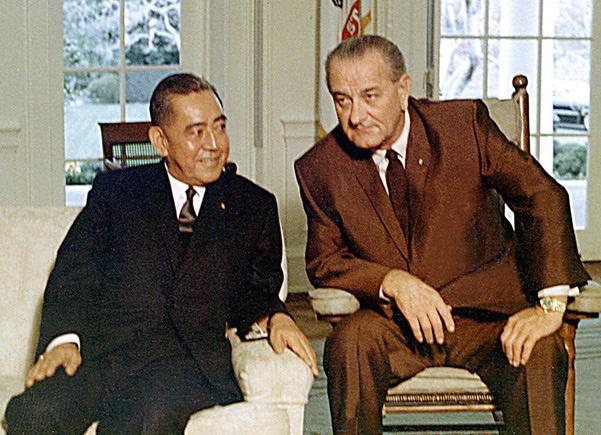
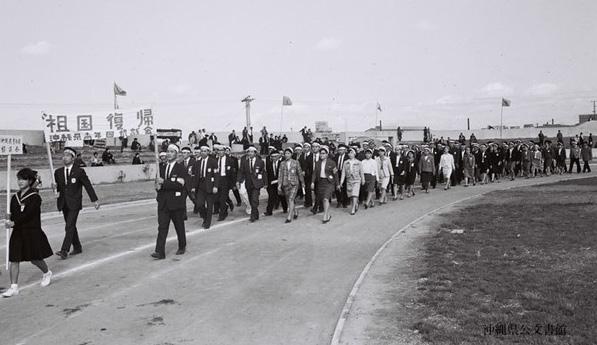
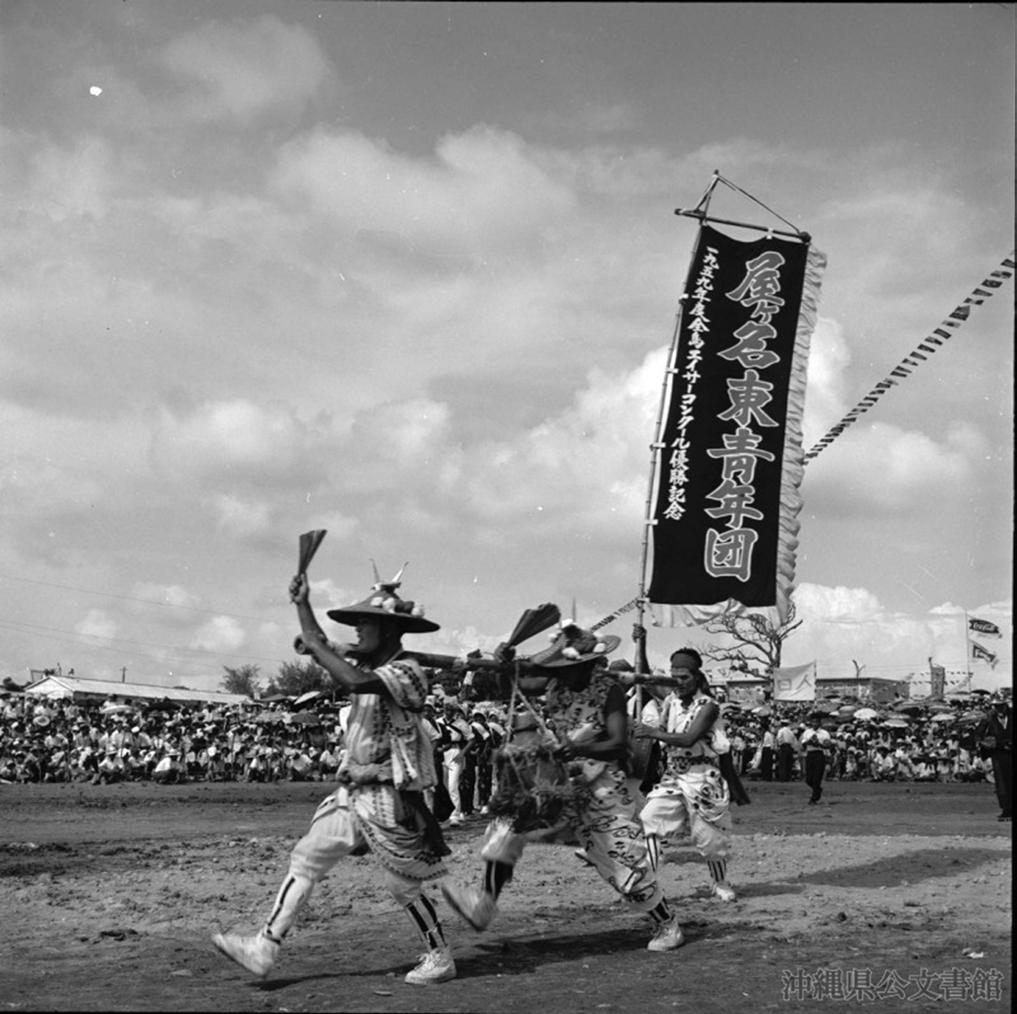
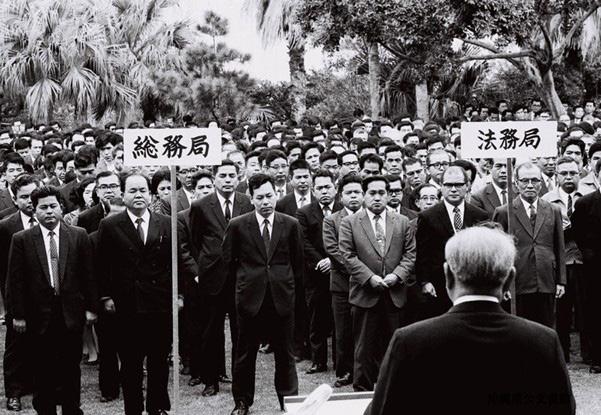
Rural Youth Groups as 'Diplomats': The Role of the Nagano Prefectural Seinendan Members to Okinawa (1963–1980)
Yannick Brack
SOCIOLOGY / ANTHROPOLOGY
Pay As You Go
Females:
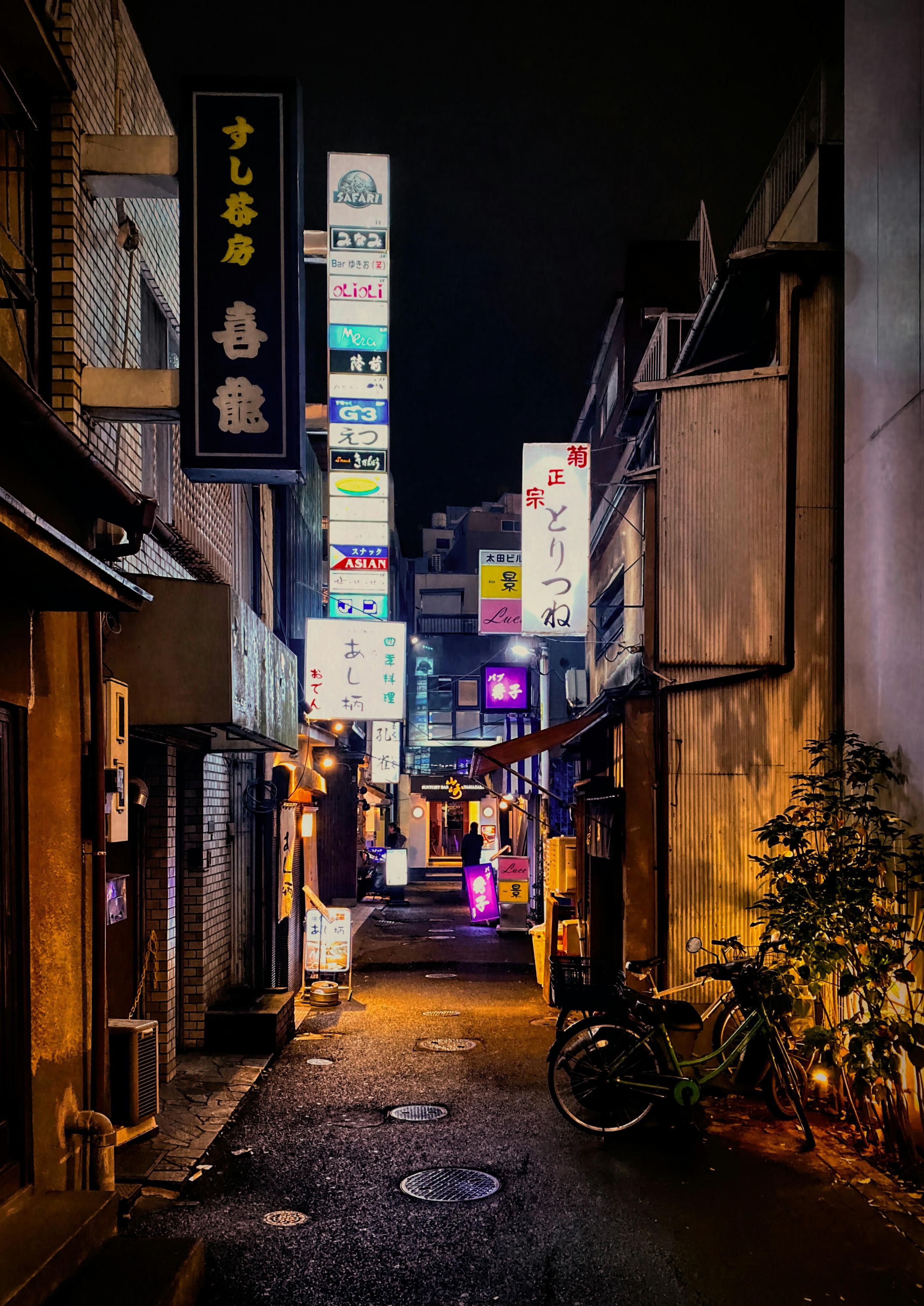
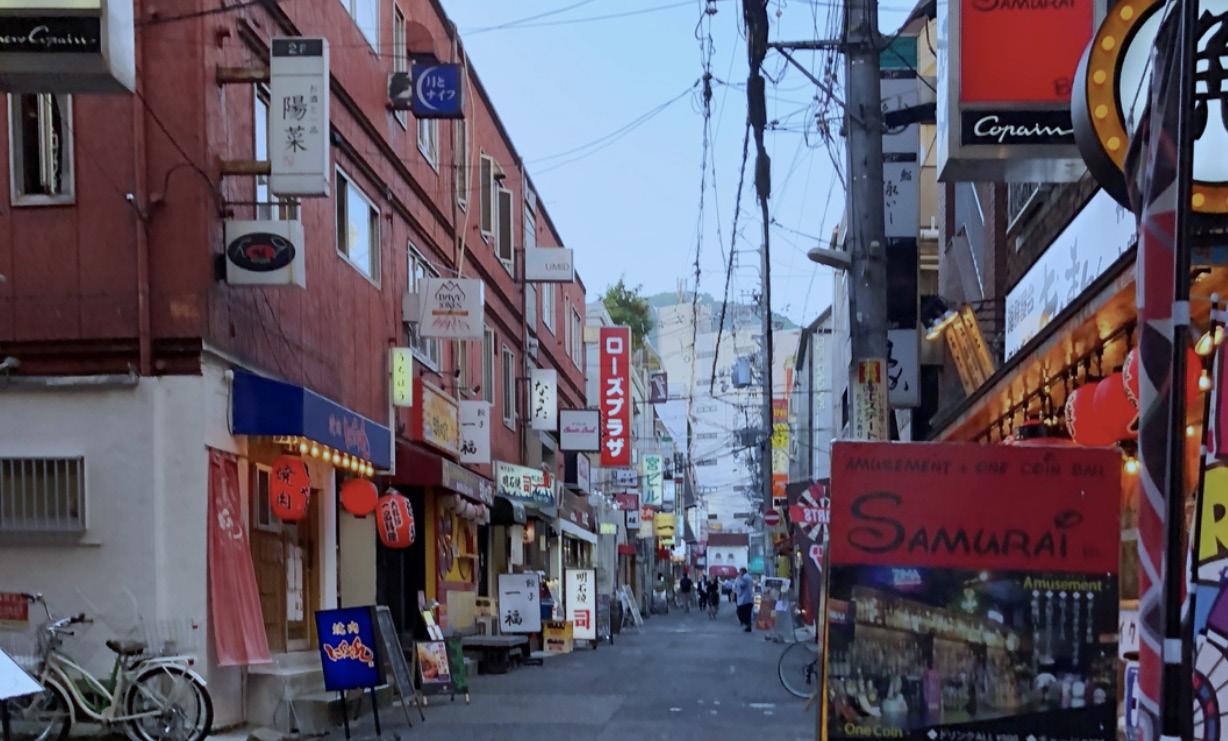
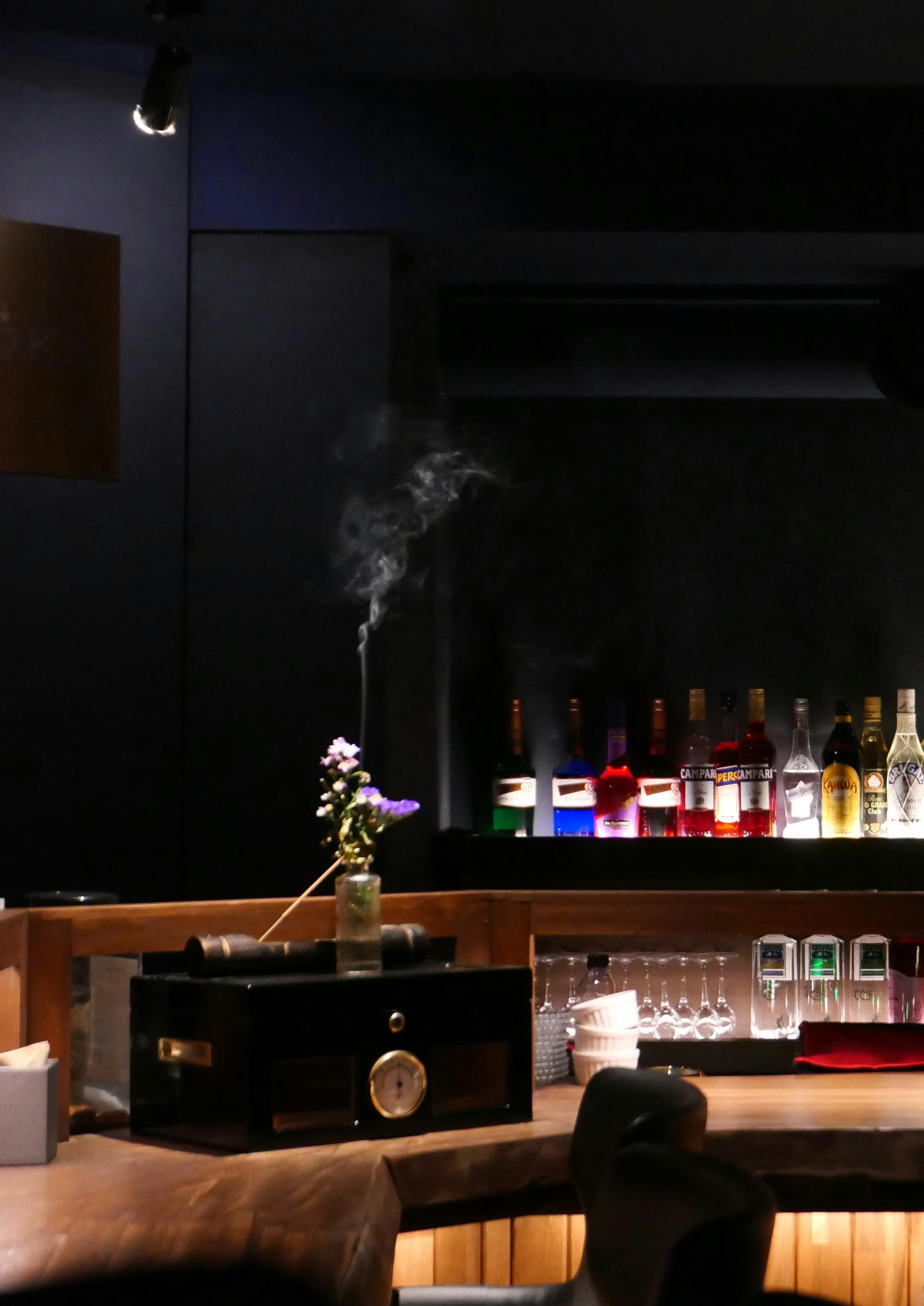
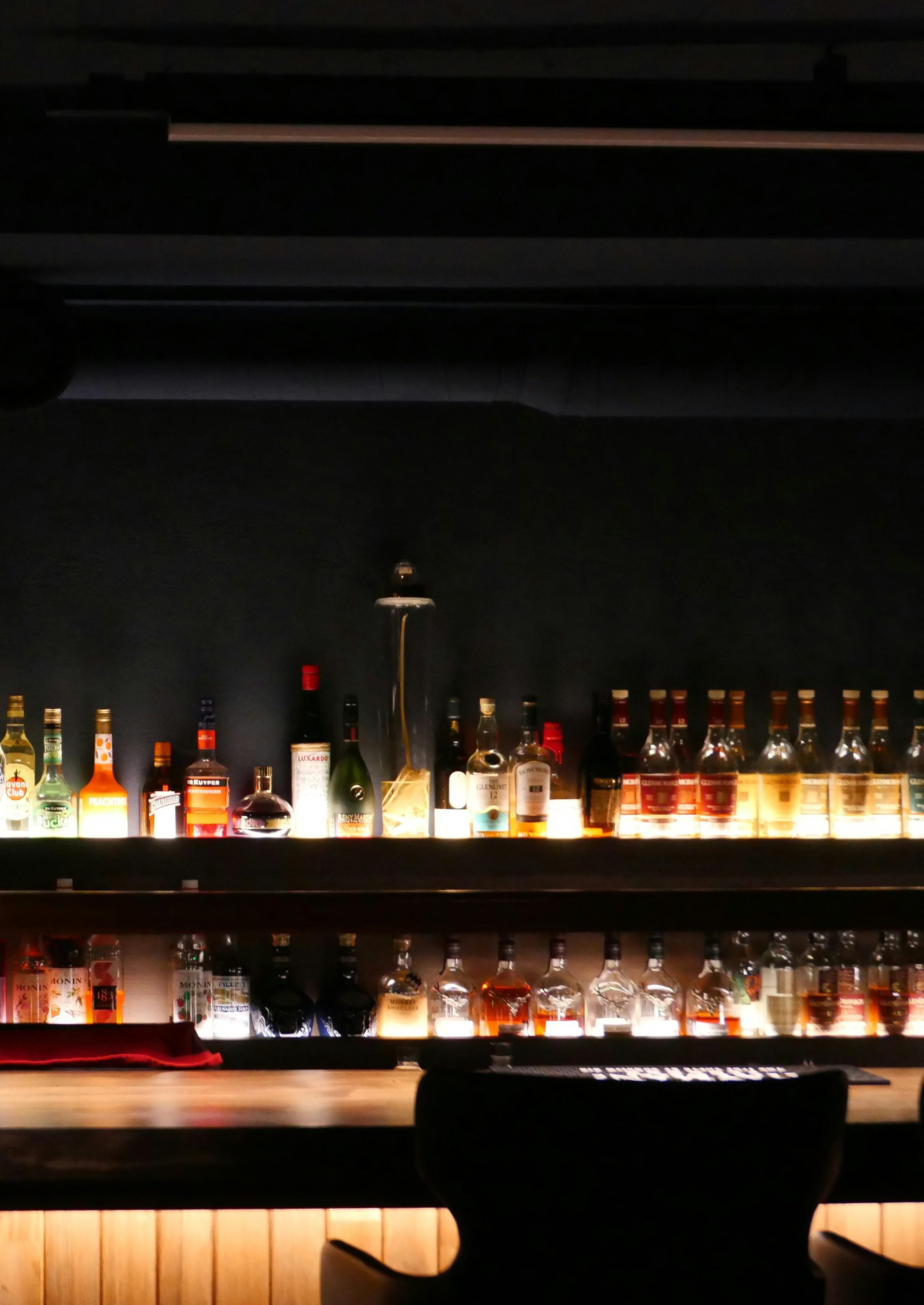
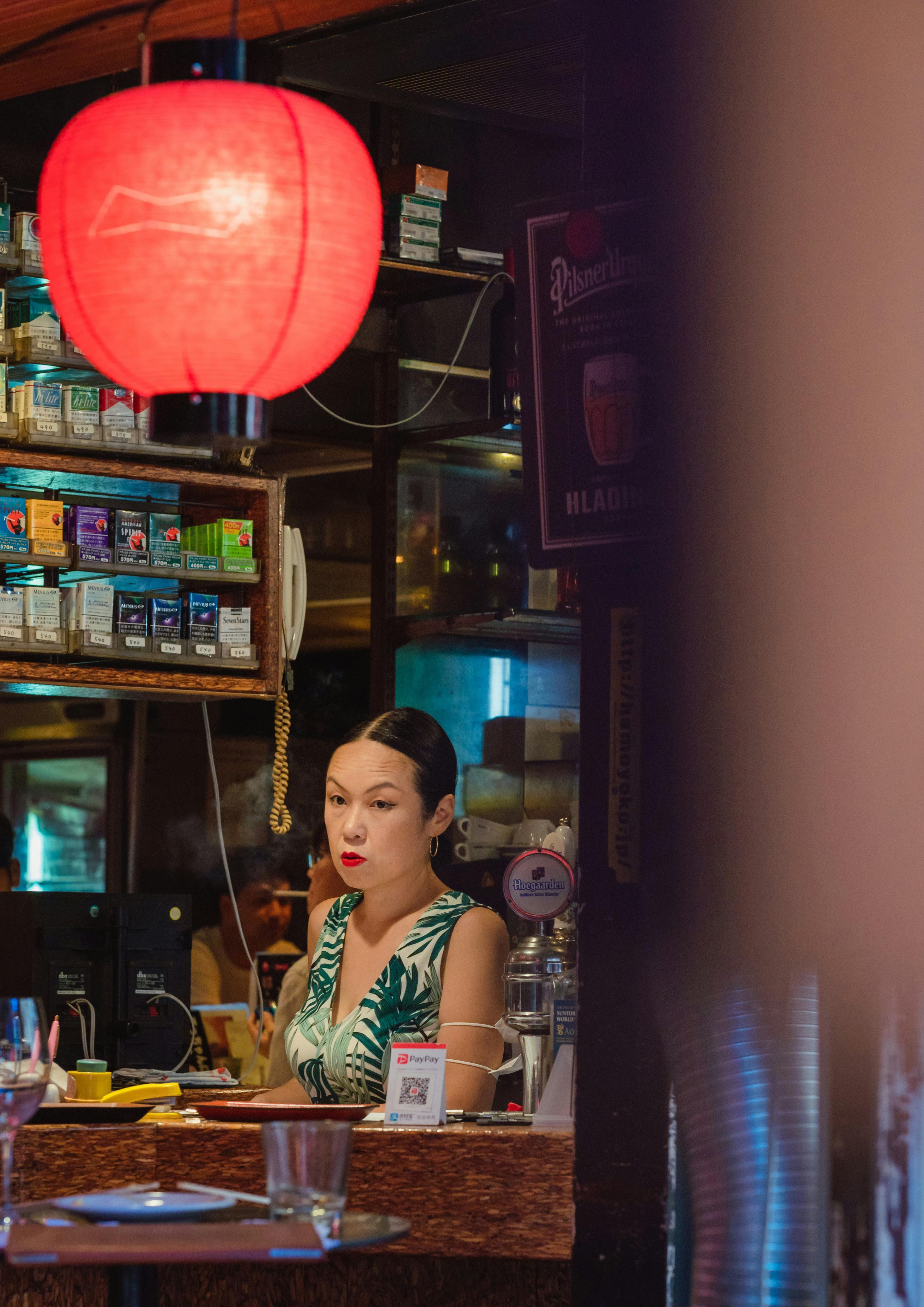
How Women Service Men in Japanese Snack Bars
Jessica Hindle
ILLUSTRATED SHORT STORY / BILINGUAL
Vor Sonnenuntergang / Before the Sun Teil 1 / Part 1
Vilsan Red Illustrator: Enrico Bachmann (Transl. Amelia Lipko)
EDITORIAL AND REBRANDING
Aurel Baele, Luigi Zeni, Marty Borsotti
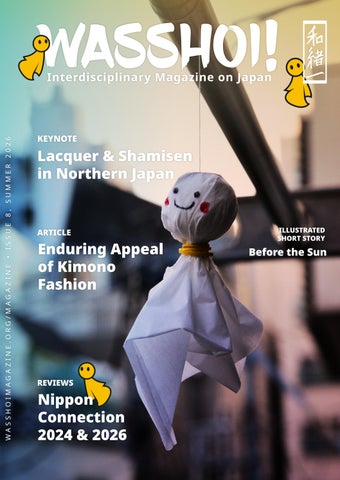
It was Autumn 2020 when we released the first publication of Wasshoi! Since then, six years have passed and more than 80 contributions have been published across eight digital magazines, each with its own logo and main theme. You may wonder why a tiny, ghost-like doll is on our cover this time around – please stick until the end of this editorial to find out. As always, we are very grateful for the wonderful work and dedication of our team, and for the support and interest of our readers.
We resume our work after a period of hiatus, and we would like to thank you for waiting patiently until now. Before delving into the summary of this issue’s content, we wish to share some news! We are currently working on a rebranding of Wasshoi! which will develop in two steps. The first, you may have
already noticed, consists of grouping our content and the existing tags into four new macro-categories, plus a corresponding colour palette. This update should allow a clearer structure, simpler visual appeal, and the potential addition of new tags in the future.
As part of this first phase, we have redesigned our social media profile to present content in a new, more engaging way, so please check out our Instagram page! A big thank you goes to our two new team members who have been helping to plan our rebranding: Minami Wetli (graphic designer) and Giulia Cappello (communications manager). A warm welcome goes also to Benedict Dornyei, who has joined the team of copy editors.
Below is a summary of the four macro-categories and their 17 sub-categories:
The second step consists of turning Wasshoi! into a web magazine, which is expected to be complete by the time of our next publication, before the end of 2027. This will improve the reading experience across all types of devices, and since Wasshoi! is published digitally, we believe this is the best solution for the future of the project.
The current issue presents you with a diverse range of topics including art, fashion, and history, as well as a short story. For our keynote article, Prof. Dr. Anthony Rausch (Hirosaki University) introduces us to the little-known medieval art of Tsugaru in Aomori prefecture, with a focus on lacquerware and shamisen music. Carolin Becke then ties past and present together in a discussion of Taishō era kimono fashion and its resurgence among current designers. Jenny Reichert and Christin Esposito present a joint, bilingual review of the 2024 Nippon Connection Japanese film festival, while Amelia Lipko analyses the same festival which just took place in June 2026, providing a unique comparison and new insights into their programme. Staying within the realm of cinema, Giovanni Seregni takes us to the surreal world of Satoshi Kon to mark the 25 th anniversary of the film Millennium Actress . Emmanuelle Montegnies provides an account of the 1921 hit ‘The Boatman’s Ballad’ and its interpretation by contemporary critics in the wake of the 1923 Great Kantō Earthquake. Another history article by Brecht Scherens delves into the origins of seminar practice in Japan’s universities, illustrating the connection between 19 th century Ger -
many and Japanese exchange students. Following is a contribution by Yannick Brack on youth groups ( seinendan ) from postwar Nagano, and their political activities regarding Okinawa and its American military base. Jessica Hindle then welcomes us into the Japanese snack bar, an establishment where non-sexual, female-male relationships are commodified. Concluding is the first part of an intriguing bilingual short story written by Vilsan Red, illustrated by Enrico Bachmann, and translated by Amelia Lipko.
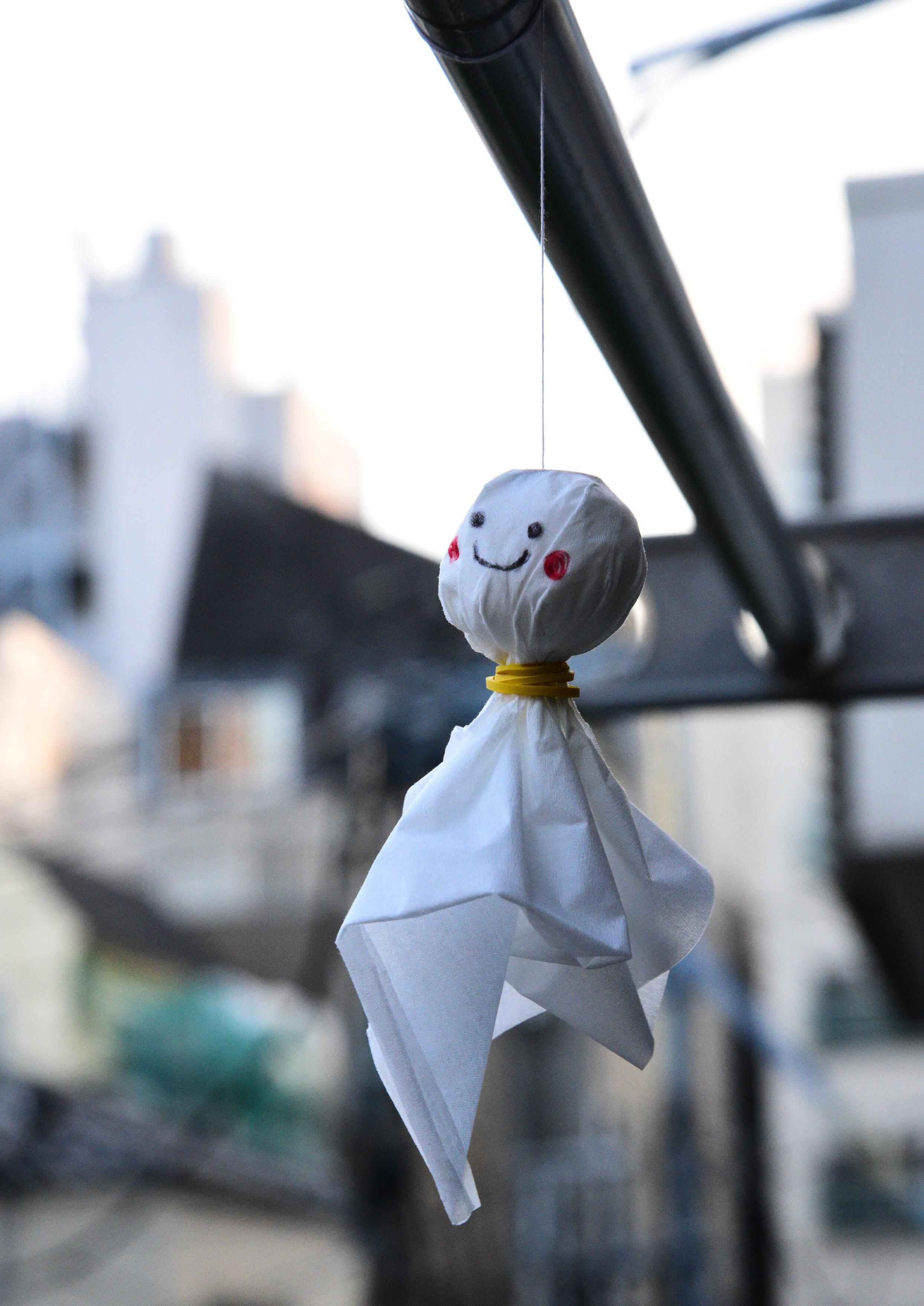
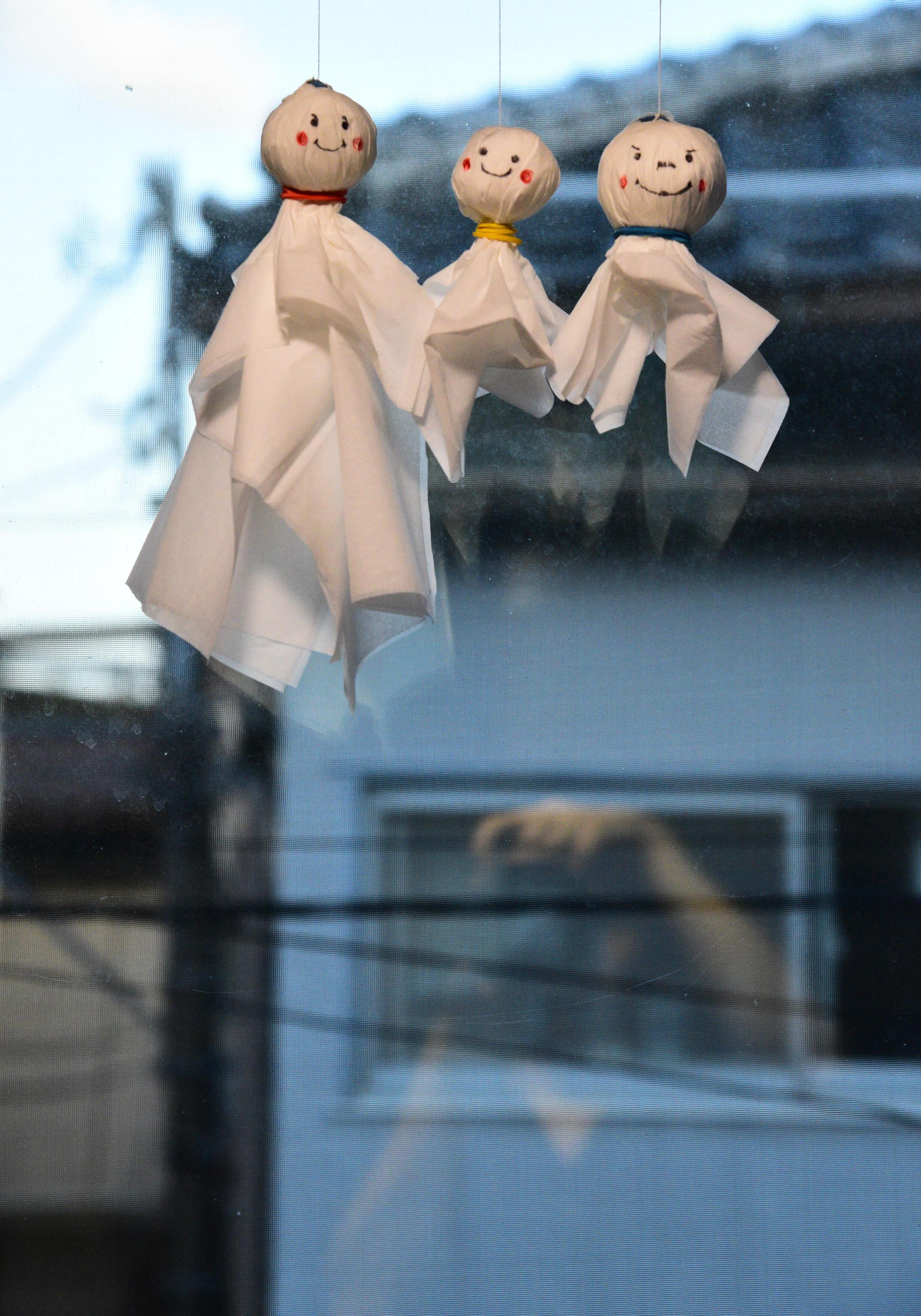
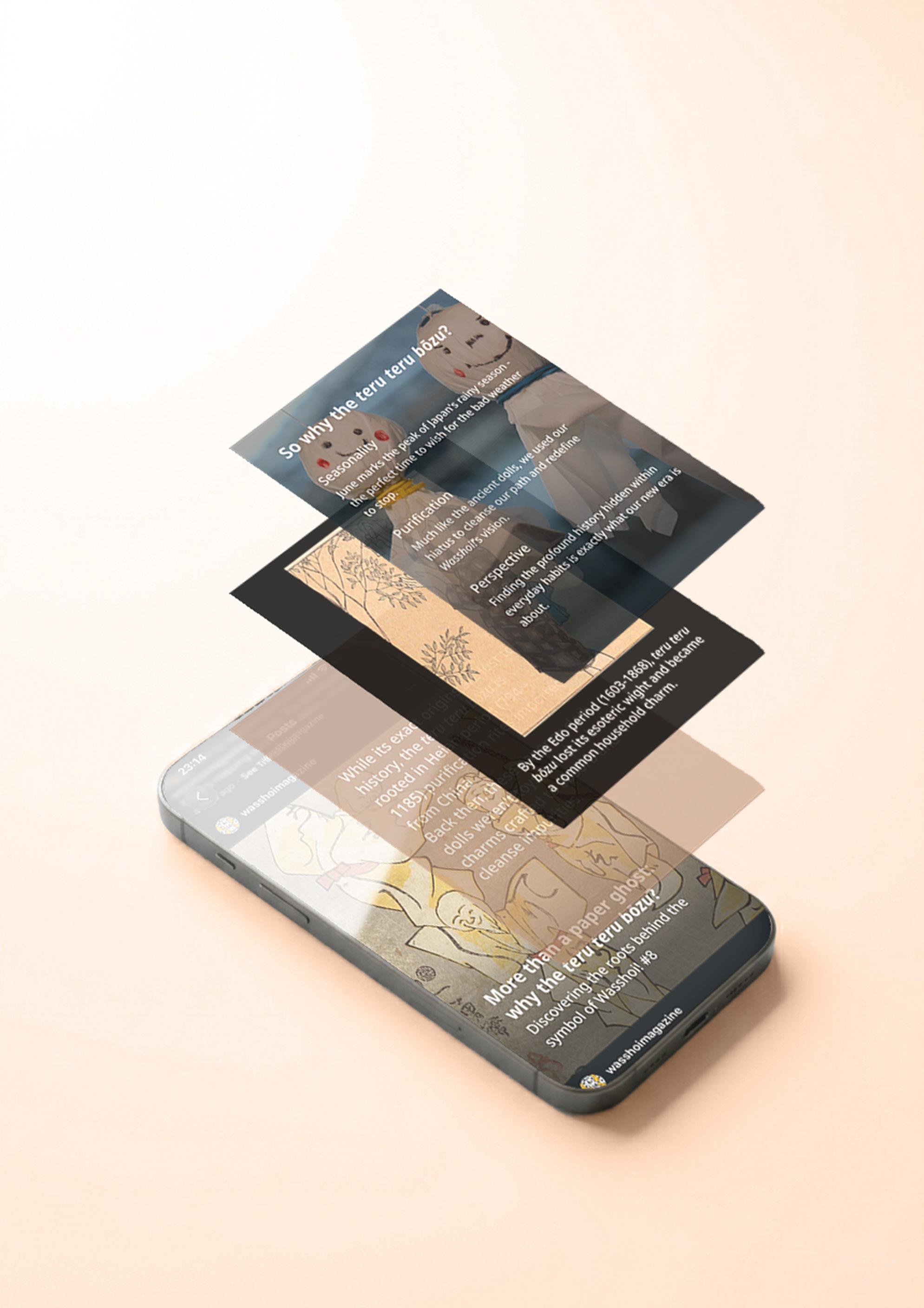
Last but not least, a word on the theme of this magazine: teru teru bōzu and its magical power to cast away bad weather and bestow sunshine. As with many practices that incorporate Japanese folklore, the origins of teru teru bōzu , the ‘shine monk’, are somewhat lost to history. The commonly agreed upon theory refers to Chinese-imported, Buddhist purification rites held during the Heian period (794–1185), where paper or cloth dolls would be used as charms to cleanse impurity. Fast forward a millennia and this once exoteric ‘shine monk’ has now been completely domesticated into child’s play. Kids create very simple dolls out of paper or cloth, and hang them up as a wish for prolonged bad weather to stop. This activity often peaks during the rainy season of June, making it the perfect theme for our summer edition.
So, without further ado, please enjoy reading this rich and diverse publication and let us look ahead to Issue #9, chanting Wasshoi! Wasshoi! Wasshoi!
Marty Borsotti
てるてるぼうず、てるぼうず
Teru teru bōzu, teru bōzu
明日天気にしておくれ
Bring a sunny tomorrow いつかの夢の空のように Make the sky as blue as dreams 晴れたら金の鈴あげよ
You’ll get a shiny bell for it てるてるぼうず、てるぼうず
Teru teru bōzu, teru bōzu
明日天気にしておくれ
Bring a sunny tomorrow 私の願いを聞いたなら
If you’ll hear my wish 甘いお酒をたんと飲ましょ
We’ll drink some sweet sake てるてるぼうず、てるぼうず
Teru teru bōzu, teru bōzu
明日天気にしておくれ
Bring a sunny tomorrow それでも曇って泣いてたら
But if clouds will cry そなたの首をちょんと切るぞ
I’ll make sure to drop your neck!
This lullaby from 1921 sings the lore behind teru teru bōzu , the shine monk , who in Japanese folklore is correlated to a wish for clear skies and an end to bad weather. Teru teru bōzu are often crafted by children during prolonged bad weather as a wish in the hope of sunnier days.
‘ Teru teru bōzu ’, hums the little kid scribbling on a piece of plain white cloth. The rainy season is keeping him hostage, far away from the dear playground. For three days he’s been patiently waiting for deliverance, and now is the time for last resorts. The plain cloth slowly comes to life; a crayoned face is taking shape. A wish for the sun to return is expressed through this act, from both the child and the mother, as rainy days can be painfully long in a Tokyoite mansion. Smiling at last, the head comes to life with a simple trick of cotton and rubber band. Quick! Hang it outside for its magic to work.
Chase the bad weather away and free us from this homely prison.
Teru teru bōzu!
Tsugaru peninsula
Shimokita peninsula
1 The Tsugaru Region in Northern Japan.
Fig.
Hokkaidō
Honshū
Nambu
Tokyo
Fukushima
Aomori
Yamagata
Miyagi
Iwate
Akita
Kyūshū Shikoku
Tsugaru
Tohoku
LACQUERWARE AND SHAMISEN
The Divergent Trajectories of Tsugaru’s Cultural Commodities
Anthony S. Rausch
Tsugaru nuri lacquerware and the Tsugaru shamisen musical performance both originated in the Tsugaru District of Aomori Prefecture. Yet, the only characteristics they share at present is the Tsugaru name itself. Beyond the obvious differences – lacquerware is a tangible craft commodity while shamisen is a musical genre – the origins and the historical trajectories of these two Tsugaru namesakes, as well as their places in Japanese society, are not just distinctly different, but are almost perfectly opposite. The journeys presented in this article reveal how these two cultural commodities, while sharing the same socio-cultural roots in the Tsugaru region of northern Japan, came to such distinctly different contemporary places.
The Tsugaru District
The Tsugaru District, or simply Tsugaru 津軽 , comprises the western half of Honshū’s northernmost Aomori Prefecture, from the southern Shirakami Mountains that separate Aomori and Akita, to the tip of Cape Tappi in the north, and from the Sea of Japan on the western coast to the eastern Hakkōda mountain range (Fig. 1). Tsugaru, as this wide and unofficial geographic area – not to be
confused with the homonymous city established in the Heisei Mergers in 2005 – emerged through the consolidation of power by the Tsugaru clan before and during the Edo period (1603–1868). Far from the Edo period’s political centre, the Tsugaru fiefdom controlled this northern corner of Japan. While there has never been a ‘Tsugaru District’ on any official map, Tsugaru as a recognisable space is very real, with realities both physical and cultural. There are deep valleys and forest-covered gorges; landscapes of spring green, autumn red, and winter white. There are quaint, end-of-the-road villages that still have their own unique characteristics, along with the peculiar idiosyncrasies of locals going about life as they have done for generations. It is these images that the Japanese refer to when they speak of furusato , the idealised ‘homeplace’. But there are also cities in Tsugaru –with stations and business districts and shopping areas and colleges. Hirosaki City, which has its origins as the site of Tsugaru clan’s Edo Period castle, still stands as the prefecture’s cultural and intellectual centre. It is in this intersection of geographical peripherality, feudal history, and urban modernity that the completely independent trajectories of Tsugaru nuri , the traditional lacquerware, and Tsugaru shamisen , the musical performance, co-exist.
The Origin and Trajectory of Tsugaru Nuri Lacquerware
Tsugaru nuri 津軽塗 is a representative example of regional Japanese lacquerware. The lacquerware has been designated as a Traditional Craft, based on official recognition by the Japanese government that it derived from a specific area, has an established historical trajectory, and is produced through specialised and human-directed techniques. 1 There are 23 such traditional lacquerware production locations throughout Japan; 2 what ties them together is their origin in the Edo period, when local artisans producing the crafts, for purposes both functional and ceremonial, were sponsored by regional elites. However, essential to each of these regional lacquerwares is a specific technique which yields unique design characteristics and an identifiable surface pattern.
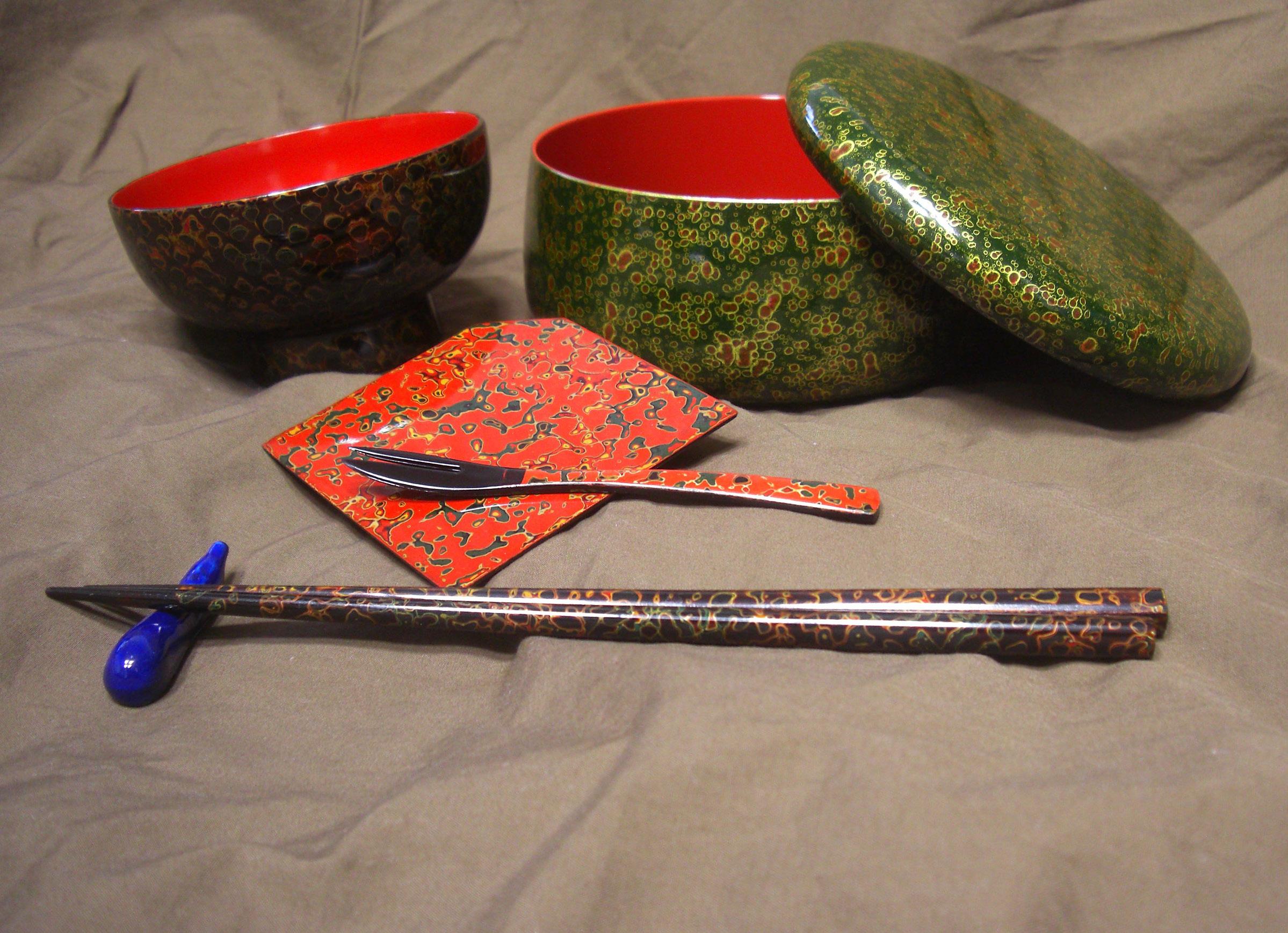
Tsugaru nuri today is most commonly made in one of three patterns: kara-nuri 唐塗 (Fig. 2), nanako-nuri な々子 塗 , or monsha-nuri 紋紗塗 . These three surface designs emerged out of a creative technique that is unique to Tsugaru nuri . All true and traditional lacquerware is based on applying multiple layers of lacquer over carefully crafted wood bases. The highly-detailed Tsugaru nuri patterns arise from the ‘will’ of the lacquer itself, by virtue of sanding, polishing, and buffing through the layers of lacquer that have been built up over the form of the piece. Each pattern – kara , nanako , and monsha – is based on increasing layer by layer the viscous lacquer to produce unique designs. In the case of kara-nuri , a spatula-like tool is used to create the semi-ordered patterns (Fig. 3); in nanako-nuri , dried seeds are spread across the surface and
1 As indicated on the Ministry of Economy, Trade and Industry Traditional Crafts website.
2 As indicated on the Traditional Craft Industry Promotion Association website.
left to dry (Fig. 4); and with monshi-nuri , the ash of burned rice husks are spread on the wet lacquer surface. Once these ‘design layers’ harden, coats of lacquer in different colours and thicknesses are applied over them, each requiring days to dry and harden, in order to create the complex colour combinations that eventually emerge. It is only after many sandings that the underlying pattern surfaces – the abstract design of kara-nuri , the minutely detailed circles of nanako-nuri , and the rough, almost sandy appearance of monsha-nuri – as the crafter works down through the layers of lacquer that have been built up. Tsugaru nuri has been denigrated as baka-nuri , since only a fool would commit themselves to sanding away so much of the lacquer they had already applied.
Fig. 2 Kara-nuri 唐塗 : One of the Tsugaru Lacquerware patterns.
But the truth is that there were, in the Edo period, hundreds of Tsugaru lacquerware patterns. Evidence, both in physical form and in official diaries of the period, confirms that the crafters sought out patronage support from military and political elites by innovating hundreds of unique designs, each based on this principle of building up the lacquer, only to sand down through it. The nomenclature of this lacquerware reflected specific techniques – hineri-nuri ひねり塗 , based on twisting the viscous lacquer, or tataki-nuri 叩き塗 , where the pattern was created by gently tapping a cloth on the wet lacquer surface – and specific materials – bengara-nuri 弁柄塗 or tabako-nuri タバコ 塗 , made by sprinkling iron rust on the surface in the former and dry tobacco in the latter – each creating a characteristic pattern once the layers above were sanded through
And who could afford to demand such innovation and effort? Royalty. The military and religious elites of the Tsugaru clan were the primary benefactors of this early lacquerware. It was this support that sustained the craft from its Edo period origins in military and ceremonial applications to the status-oriented, yet utilitarian usage in tea sets, soup bowls, vases, and platters that came to represent Tsugaru nuri in the Meiji period (1868–1912). However, as time passed, the uninhibited creativity and innovation required for truly original lacquerware, which only the Edo elites could financially support, came to be less desirable than a standardised and instantly recognisable Tsugaru kara-nuri , nanako-nuri or monsha-nuri that sufficiently signalled the owner’s sophistication and wealth.
Unfortunately, as the Meiji period gave way to the Taishō (1912–1926), and the Taishō to the long run of the Shōwa (1926–1989), lacquerware was forced to reconcile with the changing expectations of modern life. Consumers didn’t value the months-long, step-by-step process that led to what had become a culturally meaningful and generational craft item, a signifier of Tsugaru culture that would be passed on through families, if rarely used. Few could justify the expense of true lacquerware next to the affordability, convenience, and attractiveness of mass-produced ‘modern’ goods. As this reality became clearer and clearer, the Tsugaru nuri industry responded inexplicably by further concentrating its efforts on signature forms in signature patterns.
This gradual loss of the lacquerware’s innovative character to standardised techniques and forms was institutionalised in 1975, when Tsugaru nuri was designated a Traditional Craft by the precursor to the Japanese Ministry of Economy, Trade and Industry. With the backing of this new benefactor, local associations for the craft product, the wholesale supply chain, and the crafters themselves were officially established. Unfortunately, such industry-wide stability further perpetuated the slow decline of a local cultural good that had lost its market.
上げ漆 'age-urushi'
種漆 ‘tane-urushi' base or seed lacquer
Fig. 4 Cross Section of Nanako-nuri.
The Origin and Trajectory of Tsugaru Shamisen Performance
Tsugaru shamisen 津軽三味線 originated as beggar’s music. Even as Japan was progressing toward modernisation through the Meiji period, there remained peripheral places where time seemed to have stopped. For the under-privileged in this period, entrenched practices of discrimination continued, and in many areas of rural Japan, poverty and famine brought a host of social ills and health ailments. Smallpox, which often led to blindness, was not uncommon. For the blind of Tsugaru, there was little alternative to life as an outcast beggar. But there were those who sought to escape their fate. Many blind women in Tsugaru developed a way of serving as spiritual mediums, becoming the itako イタコ that continue their practice today. For blind men of Tsugaru, there was the shamisen.
*the sighted based on fieldwork of Daijō Kazuo
Desakibō 1880
*Momo of Kase 1884
Shirakawa Gunpachirō 1909
*Hogetsu 1885
*Nagao Kunimasa 1902
*Kusumi Kichirō 1904
Tracing the history of Tsugaru shamisen , one can faintly follow a narrowing line of blind players harking back to the performance of a man named Nitabō 仁 太坊 , who is believed to have lived from 1857 to 1928 (Fig. 5). This history tells of shamisen players surviving by way of their instruments: their lives consisted of following the seasonal flow of labourers, who would have money to spend on drink and entertainment as they moved between work in fishing, farming, and forestry. Other Tsugaru shamisen players would stand on a busy corner or near a shrine, hoping to attract the attention of a patron, who might pay for an afternoon or evening of entertainment to accompany a meal or drink. Under such conditions, the key to being successful was improvisation and an energetic musical performance.
Nitabō 1857
Chosakubō 1875
Shingorobō 1880
Tsunebō 1884
Fujisawabō
Takahashi Chikuzan 1910
Kinobō 1876
Torabō 1878
Kamebō
Heijirobō 1884
Kumashirobō 1885
Torazobō 1893
Akabō 1880
*Sulta Sanshoei 1907
*Kida Rinshoei 1911
< Fig. 5 Principal Tsugaru Shamisen Players Born in the Meiji Period.
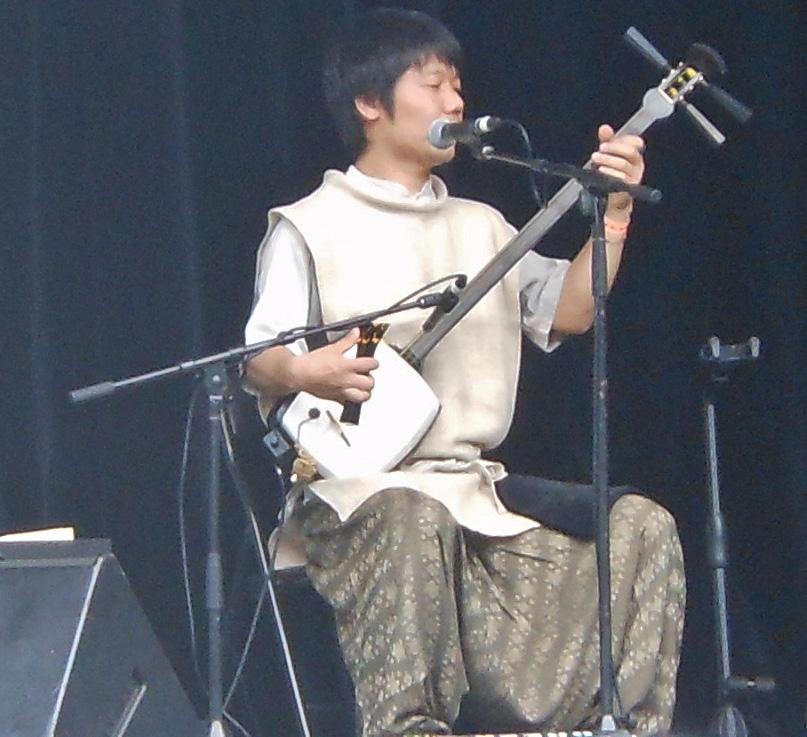
Fig. 6 Tsugaru Shamisen Player, 2013.
The Tsugaru shamisen itself is, like the Japanese shamisen, a threestringed lute, but made with heavier wood and thicker strings. The shamisen had to withstand the rigours of being carried about, strung over a blind beggar’s back as he made his way from place to place, as well as the hard style of play that was characteristic of the performance.
The players in Tsugaru didn’t gently pluck their instruments to bring about a delicate, floating sound, soothing to the ear and the soul. A Tsugaru shamisen performance was powerful and sometimes jarring, a rhythmical journey as the player pounded the strings on the downward stroke and yanked on them on the up stroke, striking the skin in between to create the percussion sound that carried the performance forward. The loudest and most energetic player – and the one with an original tune – was usually the one who got paid on any given day or night.
Once rural society stabilised and the lives of blind Tsugaru shamisen players became more predictable, performance venues increased as shamisen and singing contests were organised regularly at local shrines. For such destitute players, these competitions presented opportunities to develop their style and win fame, fans, and pecuniary rewards, as well as disciples, who would ensure the music continued to expand its creativity and repertoire. The fans were demanding, but music was alive and well in Tsugaru, even if it still lacked a common and identifying name. With the period of high economic growth in the 1960s, Tsugaru shamisen was pulled to the big cities of Kantō and Kansai, along with migrant workers from outlying areas. In these urban venues, patrons were ignorant of this music from the north – indeed it was in Tokyo that the term ‘Tsugaru shamisen’ was coined – and so they demanded a set repertoire of pieces that would go on to prove popular.
This was the era of Takahashi Chikuzan ( 高橋竹山 ; 1910–1998) and the early years of sound recording. As the 1970s and 1980s came and domestic tourism gradually increased with national efforts to bring urbanites to rural areas, similarly naive listeners, in the form of furusato -seeking tourists to Aomori prefecture, demanded that the raucous Tsugaru shamisen live houses offer up a more predictable programme with a start and an end; this was the beginning of the 20-minute set. These twin processes of urban expansion and local rebirth narrowed the music down to the standard five pieces of Tsugaru shamisen music: jonkara bushi じょんから 節 , yosare bushi よされ節 , ohara bushi 小
原節・おはら節 , aiya bushi あいや節 , and san sagari 三下がり. Further cementing Tsugaru shamisen as a predetermined
style of play and performance was the inauguration of not one, but two National Tsugaru Shamisen Championships in the 1980s, both held in Tsugaru one week apart during the Golden Week break. As a wave of amateur players began to swell, the number of participants increased, and for both championships, crowning the winner came down to how well a contestant could play through a predetermined set of riffs.
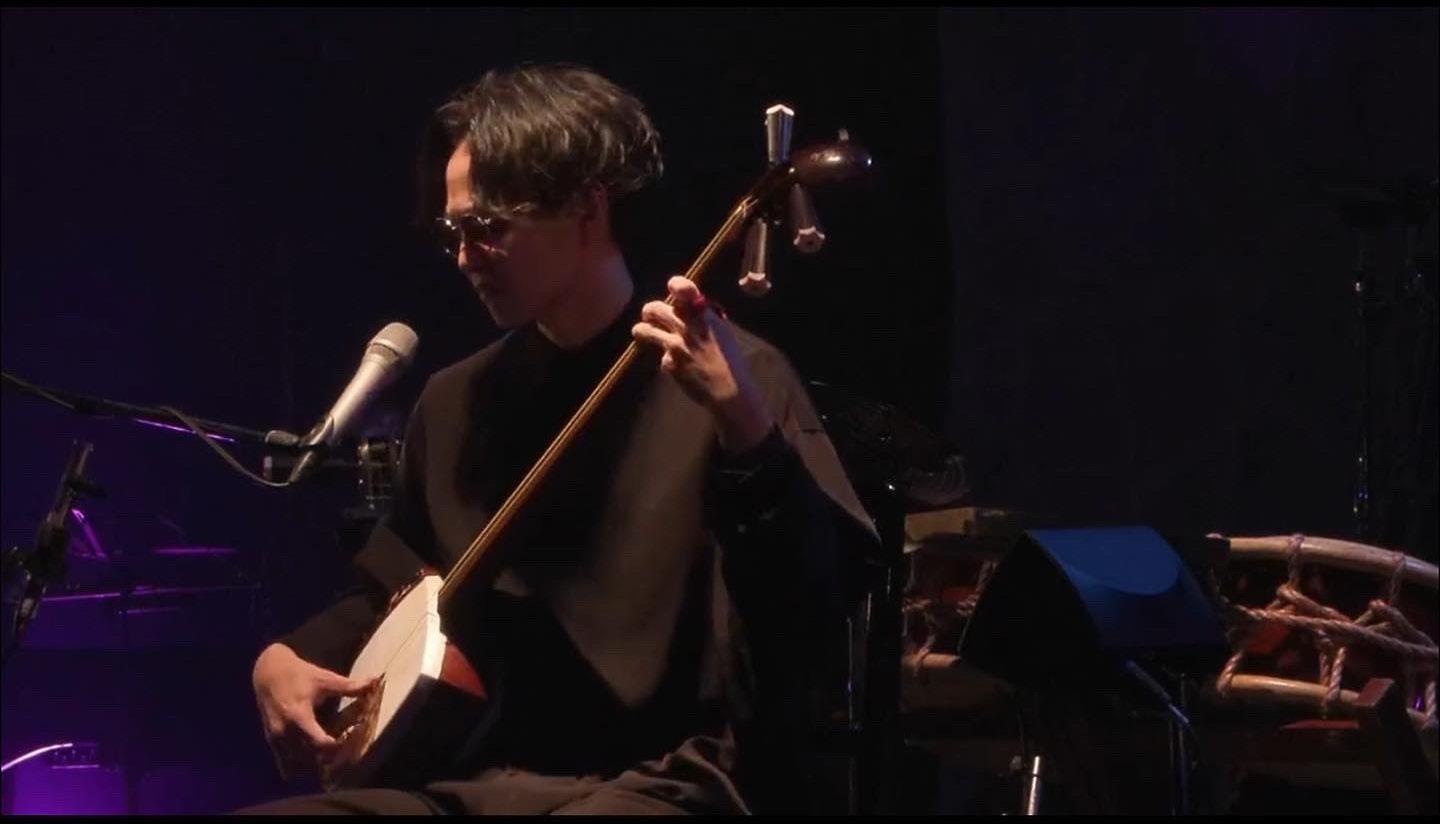
Fig. 7 Asano Sho performing on the Tsugaru Shamisen, 2022.
Where They are Now: Comparing
the Trajectories
With the lacquerware’s designation as a Traditional Craft in 1975, it was acknowledged officially by the Japanese government, and subsidy money poured into the Hirosaki Tsugaru Nuri Commerce and Industry Association. The money was used to exhibit the history of the craft as well as to stabilise the industry, support the crafters, and open up sales venues to appeal to the public. In reality, what this designation and its accompanying subsidy support did was to further stagnate the industry. Although there were lacquer crafters who innovated in product type and pattern design, they had been recognised on the basis of three dominant designs ( kara-nuri , nanako-nuri , and monsha-nuri ) meaning that lacquerware producers and wholesalers, together with prefectural and municipal advisors, all agreed on the predetermined and predictable product forms and production practices. The result was little or no incentive for change within the local craft. Con -
sumers came to see lacquerware only as an expensive relic of Tsugaru’s cultural past. With no place for it in most homes, it was relegated to high-end Japanese restaurants, and purchased by local residents only occasionally as a gift, one which would likely be put away once received, to spend its life inside a box in a cupboard, where such cultural relics often wind up. Despite the discovery of over 500 te-ita 手板 , hand-sized display pieces dating from the early history of Tsugaru lacquerware, in a Hirosaki City storage facility in 2002, the dominance of the three ‘known’ patterns was reinforced as the latter became designated an Important Intangible Cultural Property in 2017, at both the municipal and national level. Such accolades aside, the industry was languishing. At the peak of Tsugaru nuri production in 1980, there were over 750 crafters working in approximately 170 enterprises, producing just under 2.2 billion yen of lacquerware. By 2001, this had declined to 300 crafters in 125 enterprises, producing just over 1 billion yen’s worth. In the most recent data from 2020, the industry comprised about 100 crafters in 72 enterprises, producing 275 million yen of Tsugaru nuri .
As the raucous Tsugaru shamisen competitions in the cities, towns, and villages of western Aomori disappeared after the war years, the music being played in the Tokyo bars and local live houses of Tsugaru through the 1960s and 1970s came to consist of the same five songs performed in the same set way. Nevertheless, Tsugaru shamisen outside of Tsugaru, and outside of Japan, was finding new avenues of interpretation and performance. By the late 1990s and early 2000s, even as efforts were made to establish, preserve and capitalise on the its origin and history, the art was moving forward, evolving into new styles, venues, markets, and meanings. A Tsugaru Shamisen Museum, offering a comprehensive history, was opened in 2000 in Kanagi Town, the heart of Tsugaru, and thereafter Hirosaki City finally gave the genre official recognition, with the Chamber of Commerce inaugurating the Tsugaru Ado Matsuri , a gassō or ensemble group festival, in 2001, and
the Neputa Mura tourist site in 2002, which included a Tsugaru shamisen exhibition incorporating live performances. Expanding on the national scale, the 1990s saw several NHK documentaries broadcast; scores of appearances by Tsugaru shamisen players on television programmes of all varieties; more than 30 Tsugaru shamisen CDs released by young players from across Japan; a dozen or more books published on the history of the music or its techniques; and an increasing number of non-Japanese players taking up the instrument in their home countries. By the 2000s, the music was global and had been incorporated into numerous fusion styles of play. A Rate Your Music site on Tsugaru shamisen lists around 50 CDs, 3 and instruments can be purchased online at the press of a button. 4
3 The earliest CD on the site is by Takahashi Chikuzan from 1973, and Chikuzan (as he is known) has been well represented with several CDs; other major names include the Yoshida Brothers, Hiromitsu Agatsuma, Shinichi Kinoshita, and Michihiro Sato. However, as I live in Tsugaru, I have received about half-a-dozen CDs directly from local and national players that are not on the Rate Your Music site.
4 This Sonica Instrument site has a great deal of technical information regarding the acoustic performance characteristics of the Tsugaru shamisen. Of course, there are several shamisen makers and sellers in Tsugaru as well.
Tsugaru Nuri and Tsugaru Shamisen: Same Place – Separate Destinies
Tsugaru nuri lacquerware and Tsugaru shamisen , despite originating in the same far-off place in northern Japan, travelled along completely different trajectories that have yielded completely different contemporary circumstances. The table that follows illuminates the separate destinies of Tsugaru’s lacquerware and music, summarising their socioeconomic origins, the characteristics of product and performance, the consciousness of producer and consumer, and finally an analysis of what the cultural commodity is in its contemporary reality (Fig. 8).
Tsugaru nuri originated as a distinctive product designed for the elite, only to be gradually standardised through acknowledgement of its cultural status to become what it is now: a high-priced, but predictably-designed traditional craft commodity caught in a stagnant market, without the innovative character necessary to compete with other products in modern society. Ultimately, the lacquerware languished due to its privileged place in society and the social burden that accompanied it. Tsugaru shamisen , meanwhile, was born among outcasts who survived using the instrument as a means of subsistence. The music genre of Tsugaru shamisen was able to meet the future on two distinct paths, one which celebrated the planned set pieces based on its imagined historical uniqueness, and another which capitalised on its essential ingenuity
and originality, in the instrument’s capacity to reinvent itself for virtually any style of music. Shamisen performances evoke nostalgia for an older, more powerful Japan, while also blossoming into a globally popular genre that inspires new forms of performance. In order to survive, Tsugaru nuri must likewise project a modern image and find its way on two paths, discovering how to diversify in form and function for the ordinary consumer, whilst cultivating its distinct artistic character for the collector. As for Tsugaru shamisen , its continued evolution will likely enhance its power to forge new identities, with consumption realised through some form of participation – be it simply enjoying the music or actually picking up a shamisen and beginning to play.
The only question that remains for each of these cultural commodities will be the strength of their continued connection to Tsugaru as their place of origin. For the lacquerware, it is likely that production in Tsugaru will continue; Tsugaru is where its knowledge base resides. But to survive, it must somehow learn to enchant the local people.
For Tsugaru shamisen , the region will continue to be a site of pilgrimage: a place passionate players seek out, whether to participate in annual contests or just to ‘breathe the air and taste the dirt’ of Tsugaru. For certain, both will continue to carry the Tsugaru name.
Fig. 8 Historical Trajectory: Tsugaru Lacquerware and Tsugaru Shamisen
Socioeconomics
Origin:
Transitions:
Analysis:
Characteristics
Origin:
Transition:
Analysis:
Consciousness of Producer
Current transition / tension
Consciousness of Consumer
Current purchase patterns
Analysis and Future:
Tsugaru Lacquerware
artisans under elite patronage systems (1600s - late 1800s) to subsidy support and then market competition
modern patronage through government subsidies; sales through specialty stores and tourist venues
creative innovation; various techniques; creative/original patterns
techniques / patterns standardized; little product development
continued standardization, but rediscovery/ reappraisal of original creativity
From: lacquer craftsman To: company worker
From craftsman to company worker to lacquer artist
From: elite patrons buying prestige To: personal home use, then use for guests and as a gift
tourism, formal gift, high-priced Japan items; some non-traditional forms as jewelry and art
From Elitism to Protected Status; now Multi-dimensional Utilitarianism and Epiphany Possession
Source: original Fig. 8 Historical Trajectory: Tsugaru Lacquerware and Tsugaru Shamisen.
Tsugaru Shamisen
social outcasts in social margins (late 1800s)
to local competitive play; then expansion domestically and globally
high profile stars; concerts-events, urban live houses, national competitions; tourist, educational and cultural venues
a representative repertoire along with hobby play and teaching students
continued performance of established repertoire; simultaneous innovation and fusion with other instruments & genres
From: blind beggar as performer To: traditional music musician
From outcast to multi-dimensional professional as skilled musician, performer, and teacher
From: wealthy benefactor To: festival setting, party / group consumption;
traditional music aficionado, new traditional pop music fan, hobby player, Japan or local place identity seeker
From Survival to Entertainment; now Social Identity in Participatory Consumption
Suggested Readings
Nanyan, Guo, et al. Tsugaru: Regional Identity on Japan’s Northern Periphery . Dunedin, New Zealand: University of Otago Press, 2005.
Rausch, Anthony. Cultural Commodities in Japanese Rural Revitalization: Tsugaru Nuri Lacquerware and Tsugaru Shamisen . Leiden, The Netherlands: Brill, 2010.
Rausch, Anthony. Resolving the Contemporary Tensions of Regional Places: What Japan Can Teach Us . Middletown, DE: Kindle, 2021.
Satō, Takeshi. Appare! Tsugaru no urushinuri [Splendid! The lacquerware of Tsugaru]. Hirosaki: Hirosaki University Press, 2005.
Suda, Naoyuki, Kazuo Daijō and Anthony Rausch. The Birth of Tsugaru Shamisen Music: The Origin and Development of a Japanese Folk Performing Art . Aomori City, Japan: Aomori University Press, 1998.
1
Fig.
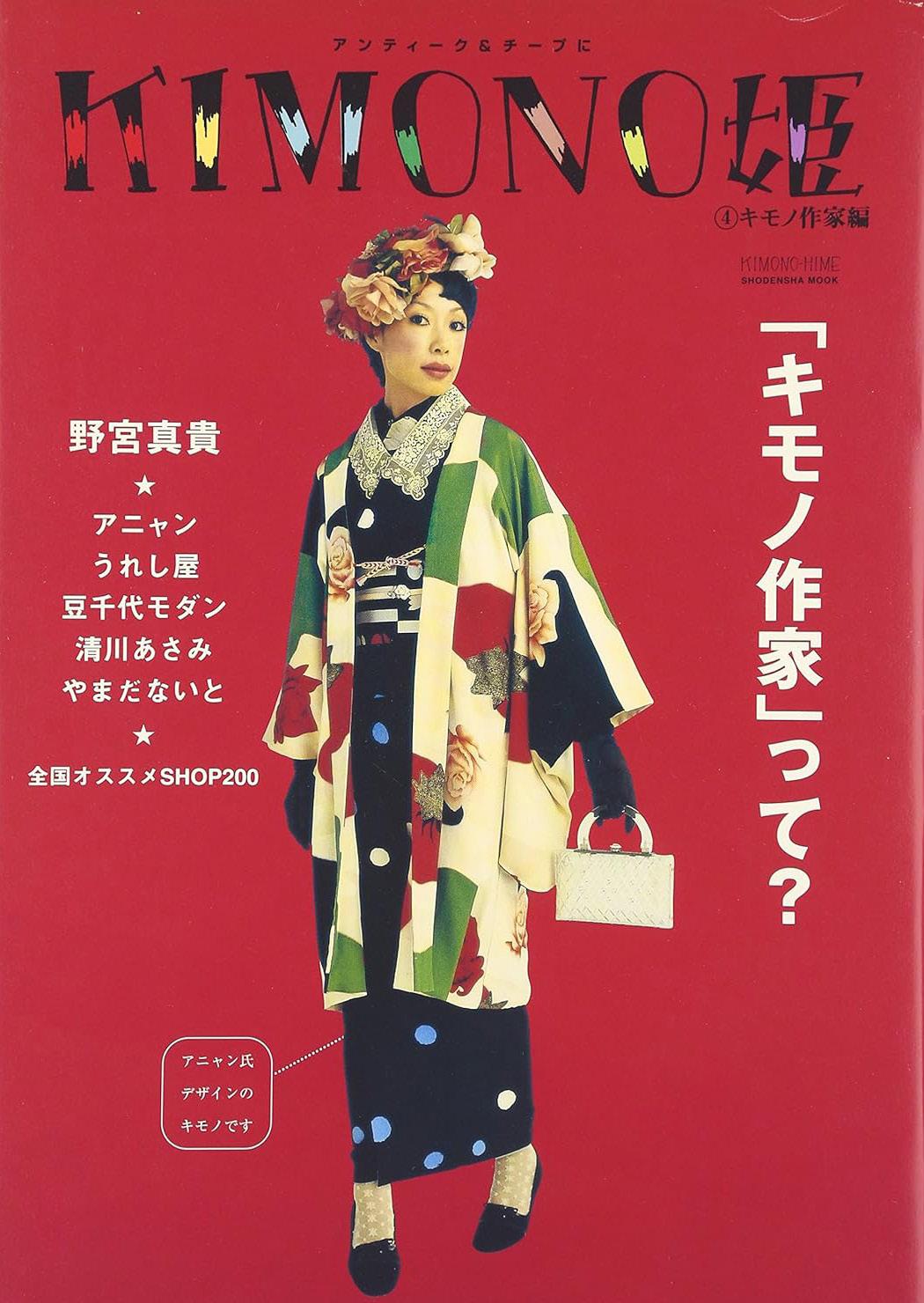
Cover of Kimono Hime , Issue 4, 2003.
BLENDING PAST AND PRESENT
The Enduring Appeal of Kimono Fashion
The kimono holds significant cultural symbolism both domestically and internationally, representing Japanese tradition and refinement. In advertisements, it is often depicted being worn by women posing amidst iconic cultural landmarks like the snow-capped peak of Mount Fuji, delicate cherry blossoms, or the historical temples of Kyoto. While Japanese and international tourists don yukata for leisurely explorations in Kyoto's Higashiyama district or around Tokyo's Sensō-ji temple, for many Japanese individuals, encounters with kimono are primarily reserved for ceremonial occasions such as weddings, seijin-shiki ( 成人式 , coming-of-age ceremonies), or sotsugyō-shiki ( 卒業式 , academic graduation ceremonies). The once-prevalent role of kimonos as everyday attire seems to have faded from contemporary awareness at first glance.
However, there is also a counter-movement to this development. Women and men, especially in their 30s and 40s, have rediscovered the garment and wear it for everyday occasions such as coffee outings with friends, museum excursions, or shopping sprees. This resurgence in interest is reflected in publications which showcase the contemporary relevance and versatility of kimonos in modern-day attire.
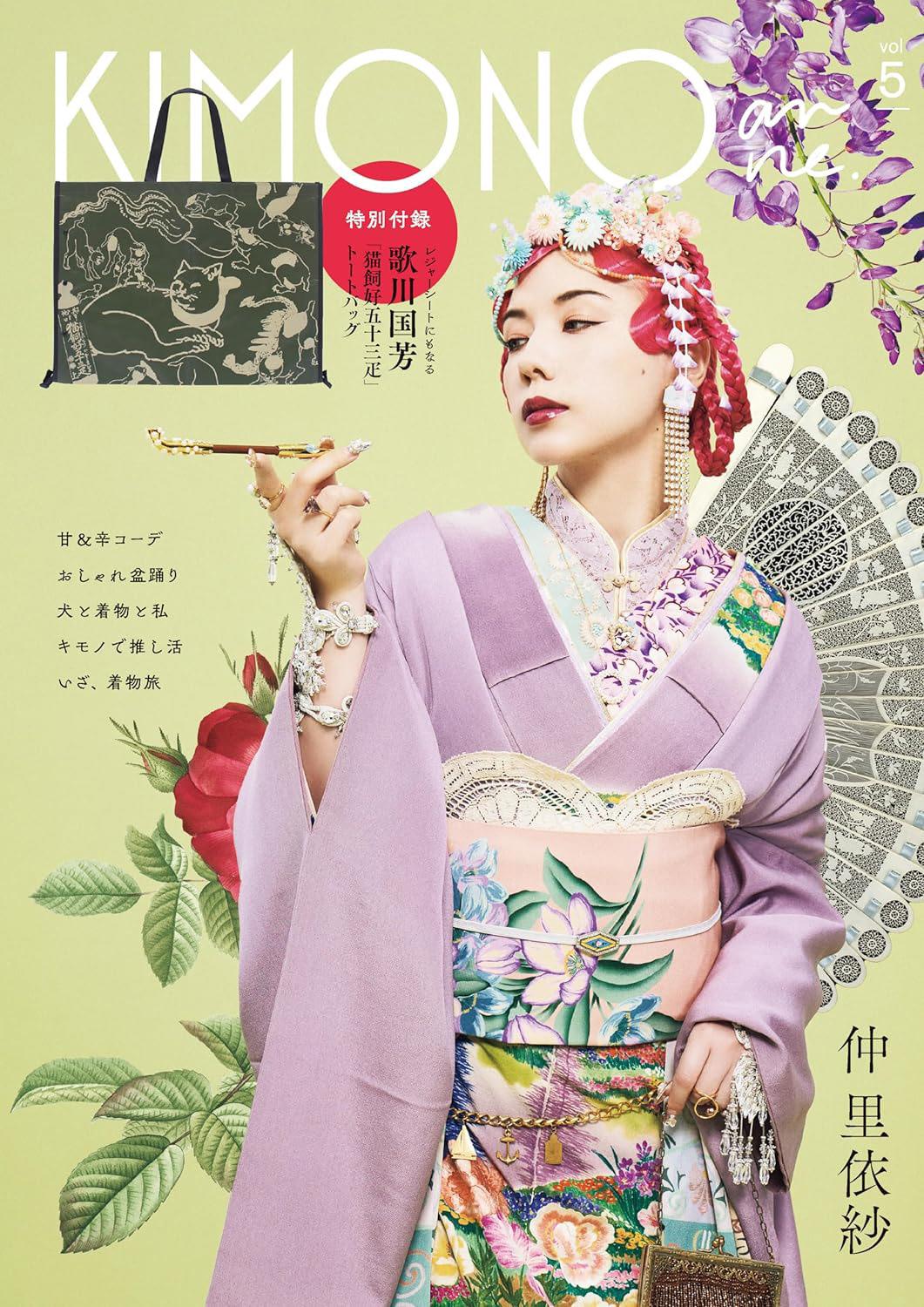
One of the most influential magazines among these publications is arguably Kimono Hime (KIMONO 姫 , 2001–2018, Shōdensha, Fig. 1), which has now been succeeded by Kimono Anne (2019–present, TAC Shuppan, Fig. 2). The mag -
azine demonstrates how kimonos can seamlessly integrate into everyday wear, appealing to a diverse audience seeking fashion inspiration. Additionally, it bridges the gap effectively between tradition and innovation by featuring a blend of conservative and contemporary designs, fabrics, and styling techniques. This approach resonates with readers who value the rich cultural heritage of the kimono while embracing contemporary fashion trends.
Carolin Becke
Fig. 2 Cover of Kimono Anne , Issue 5, 2023.
This approach is thanks to the vision of Tanabe Mayumi, the editor-in-chief of Kimono Hime and Kimono Anne , who was previously in charge of the influential Harajuku fashion magazine Zipper ( ジッ パー , 1993–2017, Shōdensha).
In an interview with her that I conducted as a part of my doctoral dissertation in March 2018, Tanabe recounted her own transformational encounter with the kimono. Seeing an old friend in her hometown adorned in what she described as an 'extremely fashionable' kimono ensemble, she was struck by the extravagant combination of fabric patterns and accessories. Tanabe remarked, ‘Much of my generation grew up with a dislike for kimonos. They represent conservative values and a traditional image of women with which we did not want to identify.’ Indeed, the idea that kimonos could be fashionable was absurd to many women of her generation.
Nevertheless, Tanabe was so intrigued by her friend’s unconventional approach to the garment that she embarked on her own kimono journey, developing an appreciation for kimono’s versatility and artistic potential.
This is what she wants to share with her readers through the magazine: ‘I want people who have so far not had an interest in kimono to pick up the magazine and think “wow, these outfits are so fashionable! I would like to wear something like this!”’
3 Cover of Zipper, Winter 2022-2023 Issue, 2022
Fig.
In order to achieve this vision, the magazine finds considerable inspiration in the intricate world of kimono fashion from the Taishō (1912–1926) and early Shōwa (1926–1989) periods, a time marked by transformative shifts in patterns, fabrics, dyeing techniques, and the integration of Western accessories into traditional Japanese attire. This era not only witnessed an evolution in aesthetic sensibilities but also served as a dynamic nexus of cultural exchange, where traditional Japanese values intersected with modern influences, giving rise to a romantic and whimsical kimono style.
As societal norms underwent redefinition and women's roles expanded, the kimono became more than just a garment – it became a canvas for self-expression and a reflection of the
changing zeitgeist. The magazine thus celebrates this era of sartorial innovation, exploring the rich tapestry of styles and trends that emerged during this period of cultural flux.
I will now use the lens of Taishō-era fashion to explore how the kimono continues to inspire contemporary styles, bridging the gap between Japan's rich cultural past and its dynamic, innovative present. As it is important to understand the cultural context out of which these fashions were born, I will start with a short introduction to the Taishō era, focusing on the development of the urban youth culture of the time.
Societal Evolution in the
Taishō Era: Transitioning Toward
Modern Ideals
The Taishō era witnessed significant societal transformations marked by the embrace of modern lifestyles, the rise of urban youth culture, challenges to traditional gender roles, and the assertion of individuality and independence among modern girls and boys. The preceding Meiji period (1868–1912) witnessed the opening and establishment of a national state that had successfully isolated itself from the outside world for over two and a half centuries.
The period following World War I also marked a time of change in Japan: the growing middle class embraced democratic values and demanded a say in not only economic but also political matters. This led to the introduction of universal male suffrage in 1925.
New freedoms and improved educational and employment opportunities were also offered to the female population, leading to greater independence and autonomy. As a result, a steadily increasing group of young women pursued higher education, bringing the graduation rate of secondary education institutions to a record high. It should nevertheless be noted that only about 10% of young women in urban centres regularly attended school, and many, especially in rural areas, often worked under harsh conditions in fields or factories.
This prolonged period of change within the education system coincided with a significant increase in disposable income, leading to the emergence of an urban youth culture. This development was mainly made possible by the strong economic conditions following the participation of the Japanese army in World War I, which diversified employment opportunities and heightened financial means for the general population for the general population.
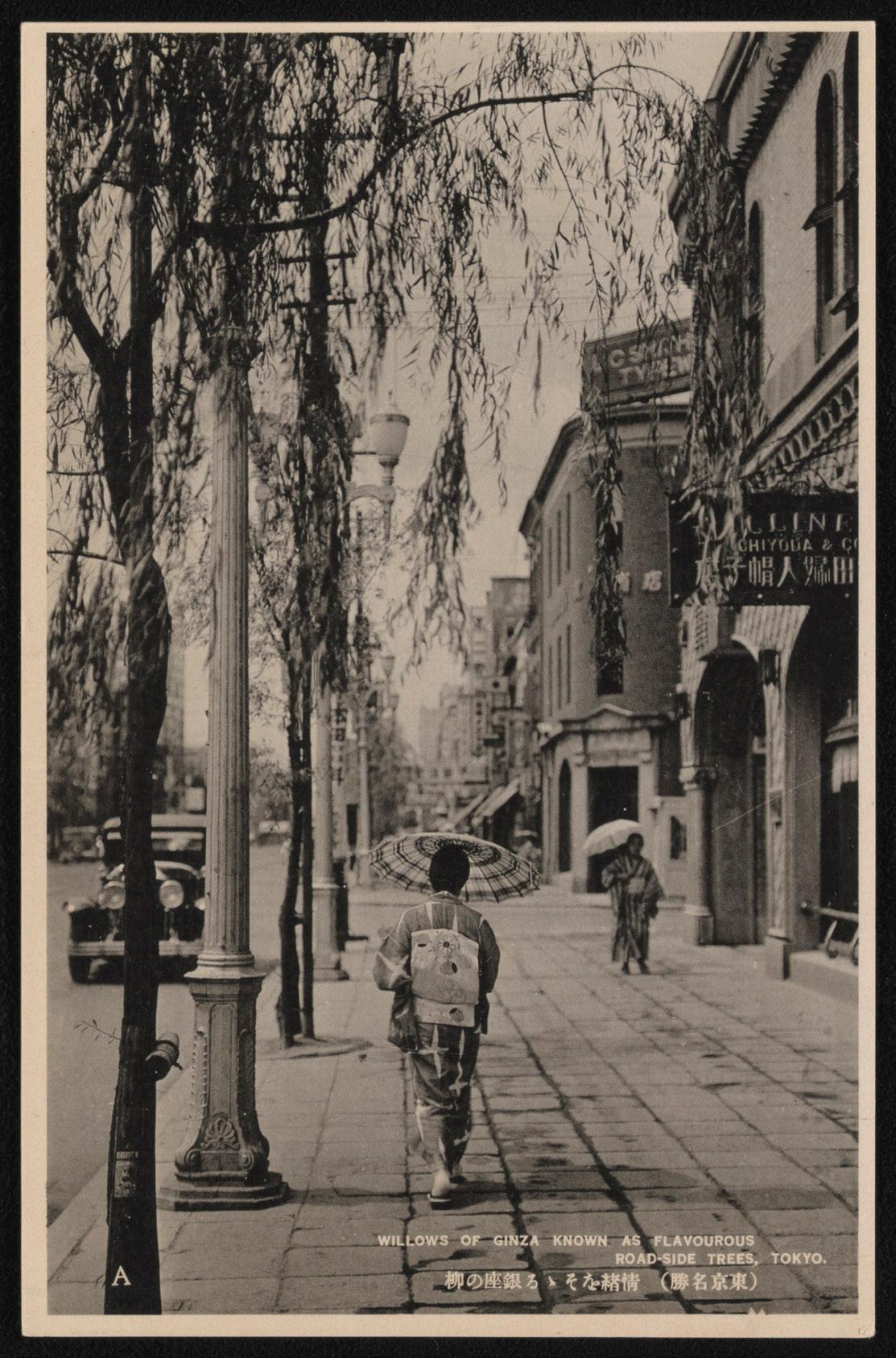
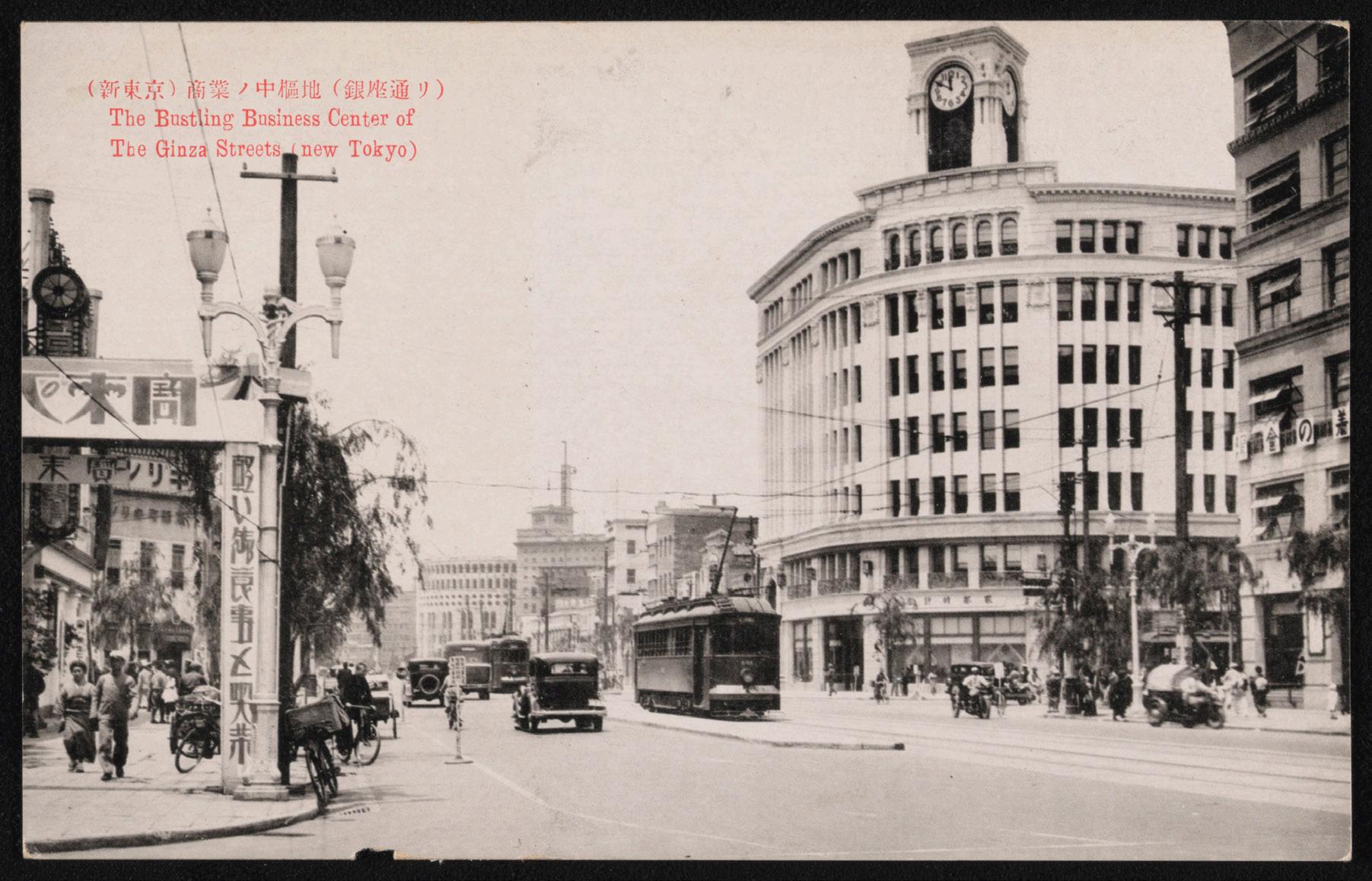
Urban youth culture thrived as a result, with the introduction of new leisure activities being influenced by the establishment of cultural hubs like cafes, dance halls, retail outlets, and cinemas. Among these, Tokyo's Ginza district became a pioneering centre for modern daytime leisure and nightlife, attracting visitors from all over the city to socialise
in trendy cafes, explore shops, and engage in the social phenomenon of 'seeing and being seen’. The reconstruction of Tokyo after the Great Kantō Earthquake in 1923 further altered the capital’s outlook to that of that of an even more modern metropole.
During the Taishō period, the concept of o-share ( おしゃれ or オシャレ, can be translated as ‘fashion'), took on a new significance, particularly among young people who sought to challenge traditional gender roles. As Japan underwent rapid modernisation, young women embraced Western-influenced fashion and lifestyles, breaking away from the ideals of ryōsai kenbo ( 良妻賢 母 ), which emphasised the conserva -
tive virtues of being a “good wife” and “wise mother”. Modern girls, known as moga ( モガ), and boys, known as mobo ( モボ ), rebelled against societal expectations by adopting avant-garde clothing styles, frequenting Western-style cafes and ballrooms, and engaging in more liberated social activities.
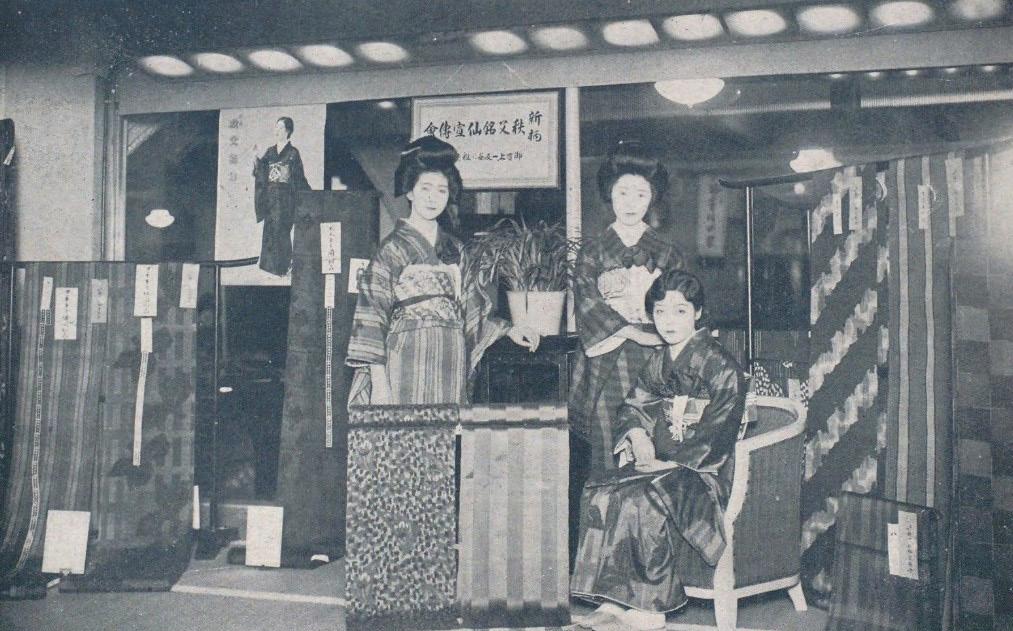
Department stores played a pivotal role in shaping this new consumer mindset, with their expertly curated storefronts and boutique-style interior layouts reflecting both local and global fashion trends. Notably, catalogues, postcards, and posters from renowned stores like Mitsukoshi, Takashimaya, and Daimaru set the tone for contemporary fashion and design. Through their pursuit of o-share , often inspired by the trends set by department stores, moga and mobo asserted their individuality and independence, striving to redefine notions of femininity and masculinity through fashion in a rapidly changing society.
Fig. 4 Willows of Ginza known as flavourous road-side trees, Tokyo. Postcard.
The Taishō Roman Movement and Jojōga Artistic Style
Most did not completely break with established values, however, but rather strived for a blending of Japanese and Western elements. This spirit was encapsulated in the cultural and intellectual movement named Taishō Roman ( 大 正ロマン , 大正浪漫 ). The name consists of the name of the era and the term ‘Roman’ (spelled either in katakana or kanji), which in this context conveys a sense of romanticism or a romanticised interpretation of life and aesthetics, reflecting the dynamic fusion of Eastern and Western influences prevalent in Taishō Japan. Indeed, a fascination with Western ideals of individualism, romanticism, and modernity were prevalent during this period, but these were often embraced alongside what were thought of as ‘traditionally Japanese’ values of group consensus, respect for elders, and harmony.
A variety of magazines with titles such as Shōjo Kai ( 少女界 ‘Girls’ World’, 1902–1912, Kinkō-dō Shoseki), Shōjo Gahō ( 少女画報 ‘Girls’ Pictorial’ , 1912–1942, Tōkyō-sha), and Shōjo Kurabu ( 少 女倶楽部 ‘Girls’ Club’, 1923–1962, Kōdansha) emerged as important vehicles in capturing and spreading the sentiment of the movement to young women. One of the main vehicles was a romantic and dreamy artistic style known as jojōga ( 抒 情画 , ‘lyrical painting’).
Departing from traditional artistic norms, the style prioritised the capture of emotional expression and inner sentiment, aiming to evoke intimacy and introspection in readers. Renowned artists like Takehisa Yumeji ( 竹久夢二 ; 1884–1934) and Nakahara Junichi ( 中原 淳一 ; 1913–1983), who were hired to illustrate the magazines’ articles and covers, played pivotal roles in popularising jojōga . Their use of delicate brushwork and nuanced compositions skilfully conveyed profound human emotion, shaping perceptions of femininity through their evocative illustrations.
Takabatake Kashō ( 高畠華宵 ; 1888–1966) stands out as another prominent figure in lyrical painting. Unlike Takehisa, who developed his artistic style through self-teaching, Takabatake received formal training in Kyoto and Osaka. He studied under some of the most esteemed artists, specialising in both Japanese ( nihonga 日本画 ) and Western ( yōga 洋画 ) painting techniques, at the esteemed Kyōto City School of Arts & Crafts (now the Kyōto City University of Arts, 京都市立芸術大学 ). This unique blend of Japanese and Western artistic education significantly influenced his style, enabling him to elevate commercial art to a level that rivalled the high art of his era. Takabatake's artistic repertoire often showcases a diverse array of subjects, prominently featuring both young women and men.
One particularly captivating aspect of many of his illustrations is his juxtaposition of a woman clad in traditional Japanese attire alongside another adorned in Western-style clothing. At first glance, there is a clear distinction between the two outfits, but upon closer examination, the differences become less pronounced. This, I argue, illustrates how it was the blending, rather than the opposition, of elements from ‘West’ and ‘East,’ Japan and Europe, or fashion and traditional dress, that captivated young women of that era, and which continues to appeal to young people today.
Fig. 5 The bustling business center of the Ginza Streets (new Tokyo). Postcard.
Bridging Cultures Through Fashion in Takabatake Kashō’s ‘Early Summer Breeze’ (1929)
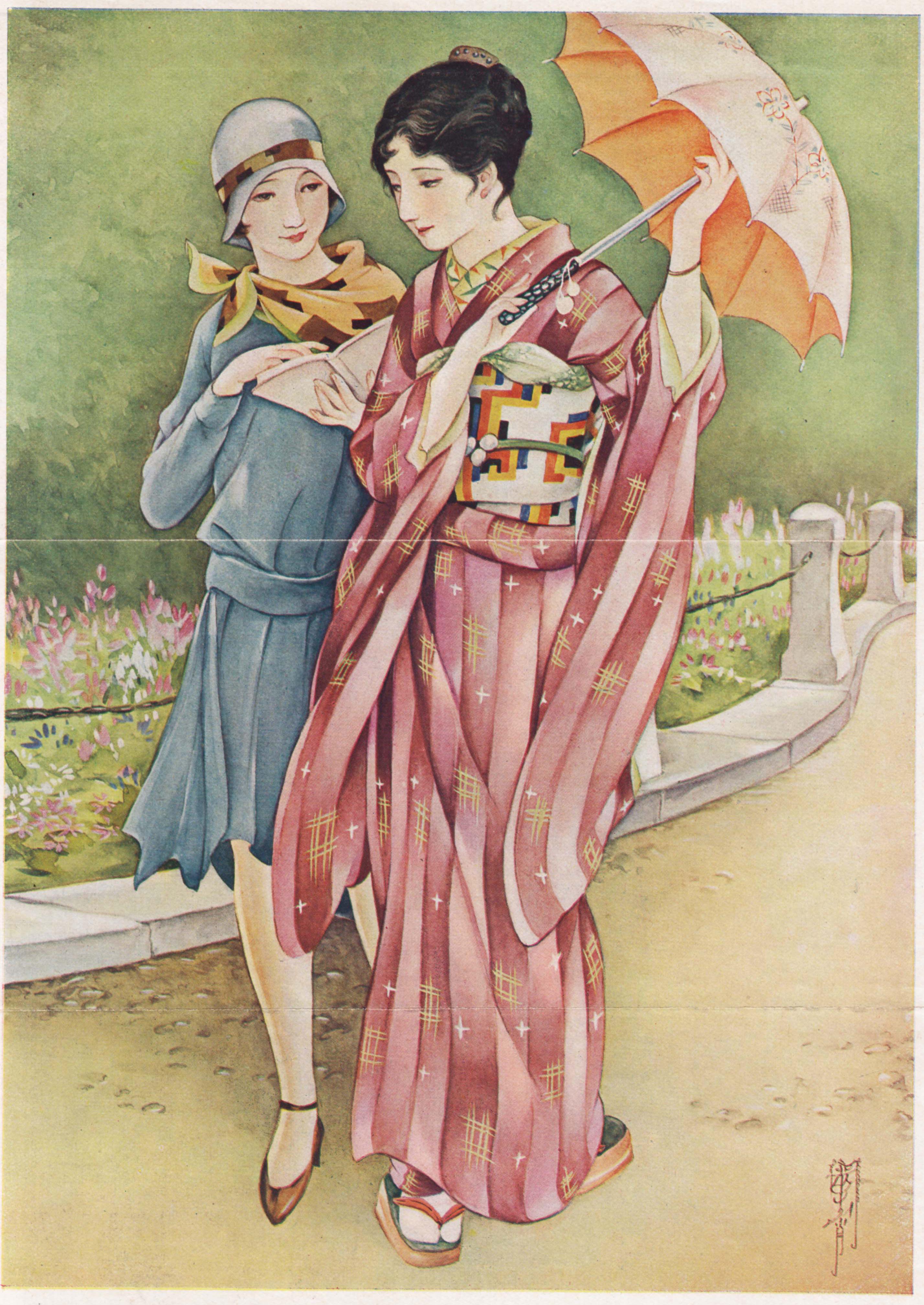
I will now use an illustration by Takabatake titled ‘Early Summer Breeze’ (shoka no kaze 初夏の風 ) from Shōjo Gahō (volume 18, issue 5, published in 1929) as an example to highlight this transcultural exchange through dress. Through a closer examination of the garments, patterns, and accessories depicted, we can discern how the era's dynamic interplay of influences shaped a new aesthetic, blending the old with the new in ways that continue to resonate in fashion today.
The illustration depicts two young women leisurely strolling through a park. The woman on the right wears a full kimono ensemble consisting of a deep rose-coloured, striped long-sleeved furisode ( 振袖 ) kimono, a wide Nagoya obi accessorised with an obi-jime ( 帯締め , decorative rope) and an obi-dome ( 帯留 , brooch), as well as an obi-age ( 帯揚げ , obi sash), a han-eri ( 半衿 , under-collar), and white tabi ( 足袋 ) socks with geta ( 下 駄 ) platform sandals. She is also gracefully holding a parasol umbrella. The woman on the left, on the other hand, has opted for a light-blue, tailored day dress complemented by a stylish scarf and cloche hat. Her footwear consists of slightly pointed, brown ankle-strap pumps, and she is holding a book, from which she seems to have just recited a passage to her companion.
< Fig. 6 Kashō Takabatake (1888 - 1966), Early Summer Wind (shoka no kaze), from Shōjo Gahō, Volume 18, Issue 5, 1929.
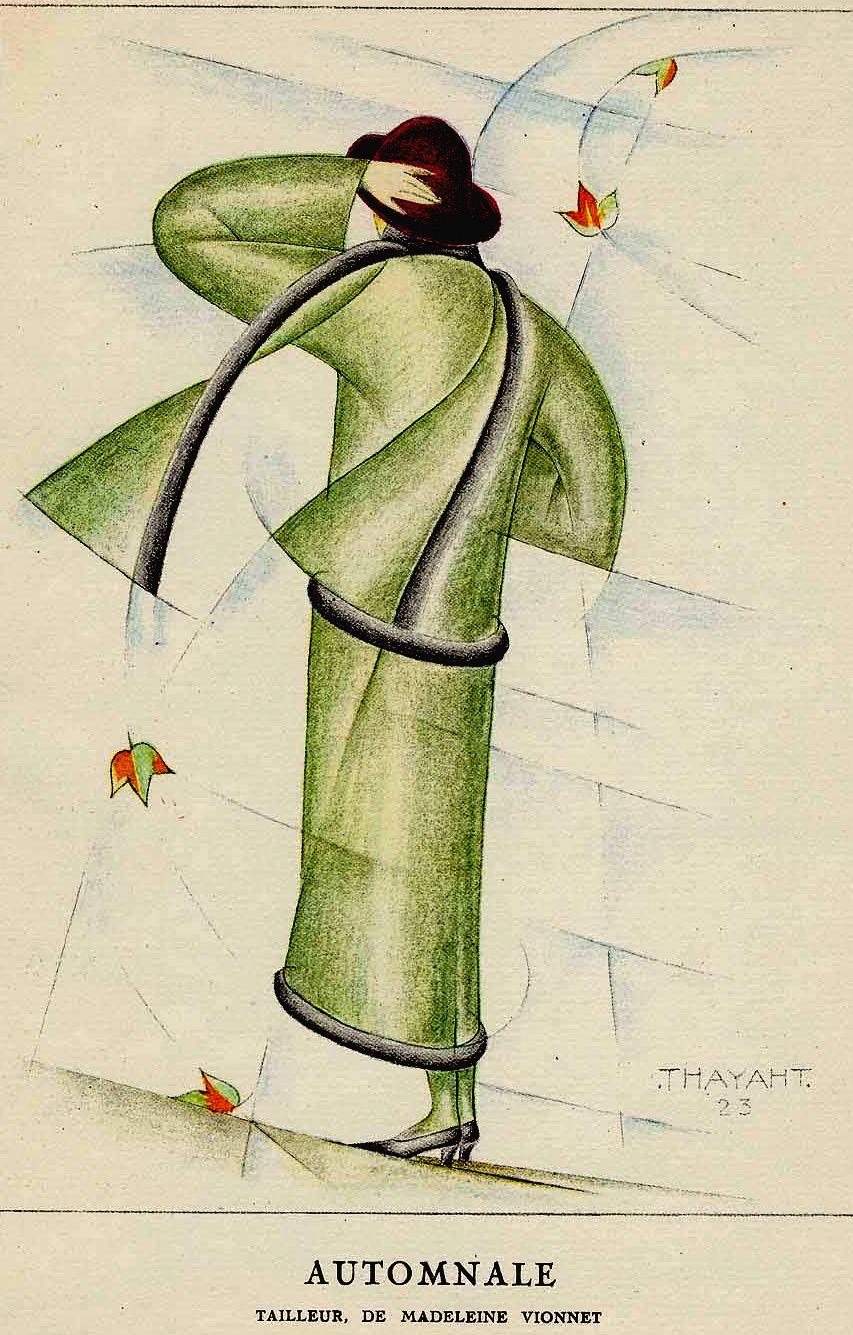
> Fig. 7 Thayaht (1893–1959), Automne, tailleur de Madeleine Viollet , from La Gazette du Bon Ton, Issue 4, 1923.
Despite variations in length, both garments share similar basic shapes – straight-cut yet subtly voluminous. While both garments are likely to be one-pieces, they both appear like twopiece ensembles; in the case of the kimono, this is due to the position of the obi and also the o-hashori ( おはしょり, the fold below the obi ), which make the lower part of the garment resemble a skirt with a waistband. The blue dress is constructed in a similar manner, with the waistband positioned at the upper hip, clearly dividing the garment into an upper and a lower part; the biggest difference is the length of the ‘skirt’. Both garments visually elongate the body, placing an emphasis on straightness rather than curviness.
The loose-fitting attire which became popular throughout Europe in the 1920s has drawn direct inspiration from the kimono. Japan participated in the Paris Exposition Universelle in 1867, displaying arts, crafts and textiles in a teahouse pavilion. This led to the inclusion of kimono in French fashion magazines like the Journal des Demoiselles (1833–1922) in the same year.
The following Japonisme craze only further fuelled the demand for ‘all things Japanese’, with the industry in Japan producing kimono-like dressing gowns for the foreign market as a consequence. By approximately 1910, coats and dresses featuring silhouettes reminiscent of uchikake ( 打掛 ) kimonos began to emerge in the Parisian fashion world. Visionary designers like Madeleine Vionnet (1876–1975) and Paul Poiret (1879–1944) capitalised on the ki -
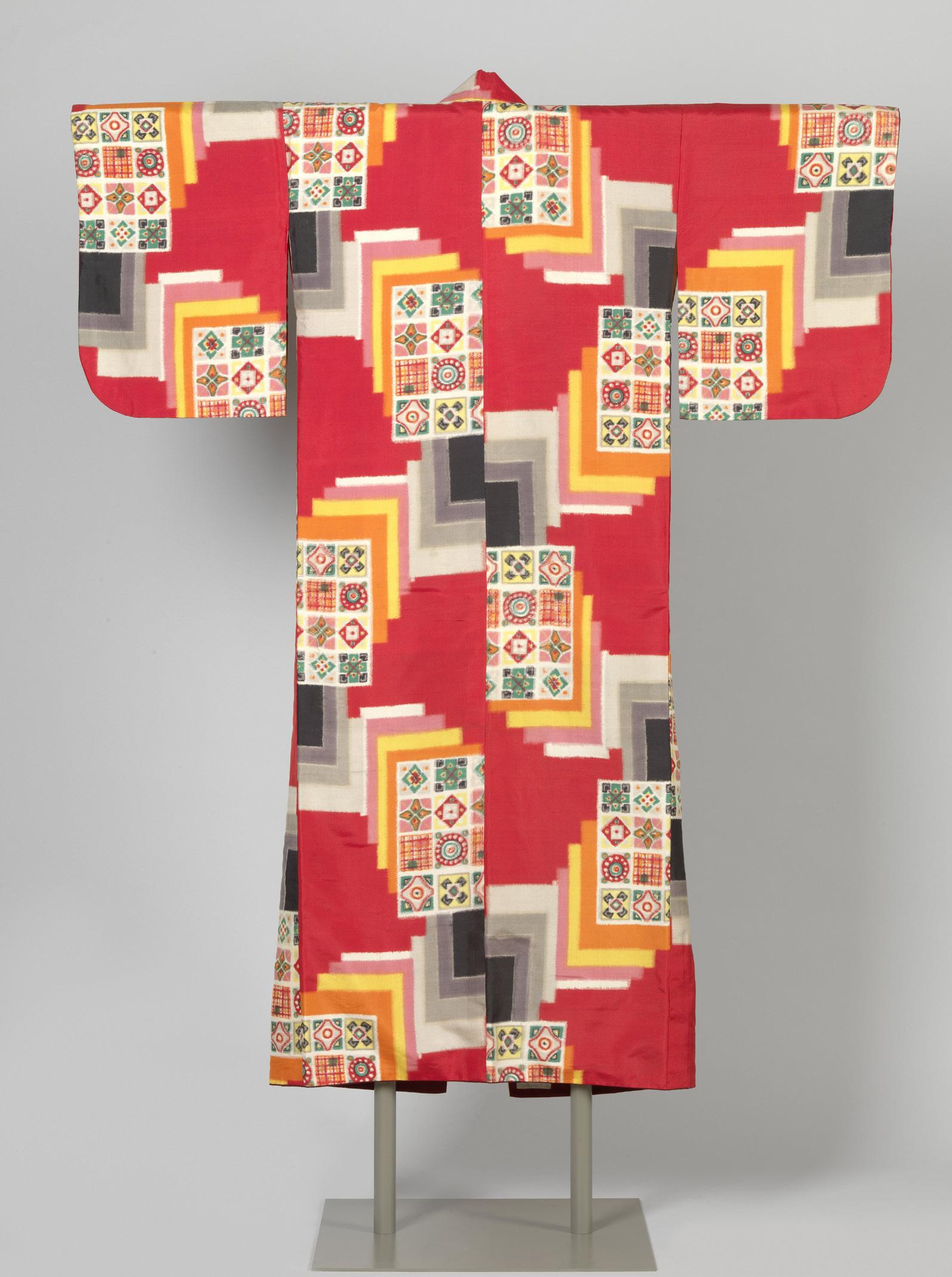
mono's straight-cut construction technique, paving the way for fashion trends characterised by cylindrical designs comprising straight lines crafted from rectangular fabric pieces, a hallmark of 1920s fashion. Thus, we can see how the blue dress of the woman on the left is directly inspired by the kimono, demonstrating the transnational connection between fashion evident at the time. Let us now take a closer look at the woman on the right’s striped furisode kimono. This is almost certainly a meisen ( 銘仙 ) kimono. Meisen is a type of silk fabric which became very popular during the Taishō era due to its affordability and durability.
Fig. 8 Mannequins for Kimono.
Historical records indicate that meisen kimono were tailored nationwide, with specific regions like Tochigi's Ashikaga, Gunma's Kiryu and Isesaki, Saitama's Chichibu, and Tokyo's Hachiōji recognised as key production hubs. The production of the fabric was made possible by the adoption of industry technologies such as the power loom, patented by English inventor Edmund Cartwright in 1785, enabling efficient mass production of fabrics without compromising quality or durability. Hence, meisen kimono were made possible by applying the advancements of industrialisation to Japanese dress production practices.
Due to these characteristics, meisen kimono emerged as a ubiquitous choice for everyday wear and trendy attire among middle-class women living in the urban centres during the 1920s and can be thought of as the ‘fast fashion’ of its time. Renowned for its laid-back aesthetic, meisen kimono presented a stark departure from the formality associated with the conservative kimono style, appealing to the urban masses with its relaxed charm.
Fig. 9 Meisen Kimono, Rijksmuseum
We see this in the illustration, with the kimono featuring a so-called igeta ( 井桁 ; well) pattern which is found all over the garment; this design arrangement is considered less formal than the asymmetrical, continuous eba-moyō ( 絵 羽模様 ) pattern style, in which the motifs accumulate on certain sections of the kimono, and which often involved collaboration with artisans. The analysis of the kimono being less formal also applies to the production of the pattern, which appears to be made by the kasuri ( 絣 ) weaving technique. This technique deliberately shifts coloured vertical and horizontal yarns to create a geometric motif with blurred outlines. These features once again hint towards the mass production aspect of the kimono ensemble, marking it as less formal but more fashion.
Fashion was also paramount in the fabric designs of kimono, which often followed young women’s tastes – bold colours and abstract prints are wellknown characteristic of meisen kimono, for example. Modernist, abstract art served as a popular reference for designs, as seen in the illustration not only on the kimono’s pattern design, but also on the obi and han-eri . The young woman in the blue dress also has these designs incorporated in her outfit, namely in the pattern of the shawl and hat band. The specific design of pattern is very similar on both outfits, consisting of geometric forms on a plain background in each instance. This once again demonstrates the dynamic exchange of artistic influences between cultures and their dress.
The illustration captures the Taishō sentiment of incorporating accessories of diverse origins into a kimono ensemble. This is evident through the delicate, thin bracelet on the wrist of the woman in kimono, as well as the light-orange parasol umbrella which is adorned with a flower pattern. This incorporation is emblematic of the seamless blend of what some would call ‘Western’ and ‘Japanese’ influences prevalent in Taishōera fashion. The harmonious matching not only enhances the aesthetic appeal of the attire but also embodies the playful spirit of the Taishō period, where experimentation with styles and accessories was celebrated.
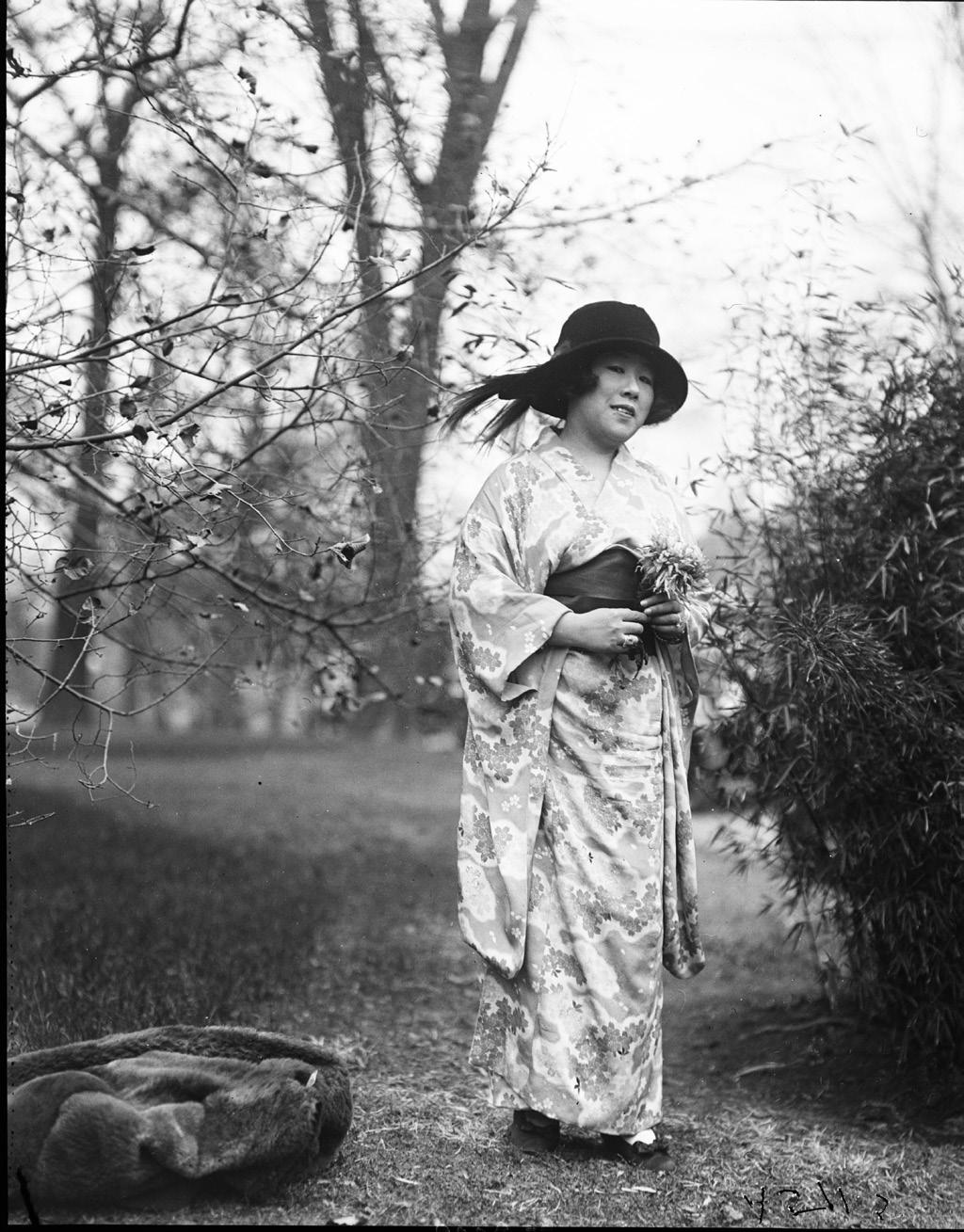
Fig. 10 Japanese woman in kimono at White House, Harris & Ewing, 1922
Beyond bracelets and umbrellas, an array of accessories symbolised the fashion trends of the era: earrings, rings, necklaces, wristwatches, brooches, and hairpins were among the embellishments commonly found adorning fashionable individuals living in an urban setting, serving as personal statements of style and refinement. Particularly notable here are shawls and hats, which emerged as beloved accessories adding an extra layer of opulence and charm to outfits. This sentiment is illustrated by the woman in the blue dress, who wears a stylish hat and shawl combination perfectly matched to the dress and shoes.
Experimentation with styles and influences affected not only clothing practices, however, but also make-up and hair. The make-up and hairstyles of both women in the illustration share a cohesive aesthetic, for instance, reflecting a nuanced blend of established practices and evolving trends. Both women exhibit natural eyebrows and are adorned with light-red lipstick and a subtle application of blush. In historical Japanese make-up, achieving a fair complexion was paramount, symbolising notions of beauty and elegance. This fair impression was often further visually strengthened by bold accents such as vivid red lipstick and pronounced black eyeliner. However, sensibilities of the Taishō period leant towards a more understated look, with young women toning down previous trends to prioritise a ‘natural’ appearance of fair skin and delicate facial features.
As for hairstyles, there were two noteworthy trends during the period. One was that of braided pigtails embellished with ribbons, which enjoyed popularity as early as 1890. The other was a chic bob cut that became fashionable in the 1920s. Despite – or maybe precisely due to – the societal norms perpetuating the belief that “long hair is a woman's life", shorter hairstyles gained popularity among young women, as evident in the illustration. While the woman in the dress has her hair cut in what looks like a short bob, the updo by the woman in the kimono presents a modern take on the distinct nihongami ( 日本髪 ) hairstyle, which had been made fashionable by performers of the Edo period (1603–1868). The contemporary rendition seen in the illustration offers a sleeker interpretation of the original style, while the carefully placed comb visually references the topknot of the nihongami style.
The two women’s dress in the illustration ‘Early Summer Breeze’ by Takabatake Kashō offers a compelling snapshot of the Taishō era's intricate fashion evolution, where traditional and modern dress elements intersected in a Japanese context. The woman on the right, dressed in a traditional yet contemporarily styled kimono symbolises the resilience of cultural heritage, subtly adapted to the times. In contrast, her companion’s European-inspired day dress reflects the increasing Western influence that permeated Japanese society during the early 20 th century. However, rather than presenting these as opposing forces, the illustration captures a harmonious interplay between the two women and their respective attires, highlighting the transnational exchange of fashion elements. This underscores how the Taishō period became a crucible for blending indigenous traditions with global modernity through dress.
It should come as no surprise, then, that the fashion of this era continues to influence the way young people engage with kimono today. Publications like Kimono Hime and Kimono Anne celebrate the playful versatility of meisen kimono, encouraging readers to experiment with various elements of traditional dress to craft unique and personal styles. This seamless blending of past and present lies at the heart of kimono's enduring appeal. As contemporary audiences continue to draw inspiration from the aesthetics of the Taishō era, the influence of its fashion remains vibrant, bridging the gap between tradition and modernity while celebrating the timeless allure of kimono attire.
Suggested Readings
Bincsik, Monika, ed. Kimono Style: Edo Traditions to Modern Design, The John C. Weber Collection . New York: The Metropolitan Museum of Art, 2022.
Hamada, Nobyoshi. Taisho Kimono: Beauty of Japanese Modernity in 1910s & 20s . Tokyo: PIE International, 2015.
Iwata, Chieko, Keiko Nakamura, and Haruka Nakagawa, eds. Antīku kimono mangekyō: Taishō-Shōwa no otome ni manabu kikonashi . Tokyo: Kawade Shobō Shinsha, 2019.
Nippon Connection assume con grande serietà la propria responsabilità di più grande festival di cinema giapponese al mondo. Il programma celebra ogni sfaccettatura del cinema giapponese con la massima cura e autentica passione. Oltre a J-drama, commedie, J-horror, cortometraggi, anime, documentari, film classici o contemporanei, vi si trova tutto ciò che interessa (al netto di piccoli intoppi tecnici con l'audio o sottotitoli qua e là, che tuttavia non sminuiscono il divertimento). Per quanto mi riguarda, il mio cuore batte per il genere della commedia giapponese, che di solito si presenta in due modi: assurda come “Fly Me To The Saitama – From Biwa Lake With Love” ( 翔んで埼玉 ~琵琶湖より愛をこめて ~ ) oppure confortante e leggera come “We’re Millennials. Got A Problem?” ( ゆと りですがなにか インターナショナル ) o “Let’s Go Karaoke!” (カラオケ行こ!).
Soprattutto quest'ultimo ha suscitato in me il piacere e la gioia che solamente ottime commedie giapponesi raggiungono. A quanto pare, non ero l'unica a sentirsi così, visto che “Let’s Go Karaoke” dal regista Yamashita Nobuhiro ha vinto il premio Nippon Cinema 2024. Questi premi annuali impartiti da Nippon Connection sono un altro modo per onorare l'arte del cinema giapponese, e votare per i propri favoriti è un'esperienza coinvolgente e divertente. Complessivamente ci sono cinque premi: tre si basano sui voti del pubblico, il Nippon Cinema Award, il Nippon Visions Audience Award e il Nippon Docs Award; due si basano sul voto di una giuria internazionale, il Nippon Visions Jury Award e il Nippon Storytelling Award. Dal momento che registi, altri professionisti del cinema o fan del J-cinema si radunano al Nippon Connection per partecipare alle tavole rotonde, alle conferenze e, appunto, per l’assegnazione di questi premi, potrebbe capitare che si abbia l’occasione di ascoltare il proprio regista preferito e di dirgli quanto le sue opere siano apprezzate, o di incontrare altre persone con cui entusiasmarsi per i film giapponesi davanti a una birra in un bar locale. Tutto questo è reso possibile grazie all'atmosfera informale e rilassata di Nippon Connection.
A GLANCE BACK - NIPPON CONNECTION 2024
Jenny Reichert
Event Review
Nippon Connection takes its duty as the world’s largest Japanese film festival very seriously. It is with the utmost love and care that the programme celebrates every facet of Japanese cinema. Be it comedy, drama, horror, shorts, anime, documentaries, old classics, or contemporary films, you will find what you are looking for. Personally, my heart beats for Japanese comedy, which usually comes in two flavours: absurdist, like Fly Me To The Saitama: From Biwa Lake With Love ( 翔んで埼玉 ~琵琶湖より愛をこめて~ ), or light-hearted, such as We’re Millennials. Got A Problem? ( ゆとりですがなにか インタ ーナショナル ) and Let’s Go Karaoke! (カラオ ケ行こ!). The latter especially filled me with a kind of joy that only wholesome, Japanese comedies can inspire. And apparently I was not the only one who felt this way, as Let’s Go Karaoke by regisseur Yamashita Nobuhiro went on to win the 2024 Nippon Cinema Award. These annual Nippon Connection awards are a way to honour the art of Japanese cinema, and voting for your favourites is a fun, engaging experience. There are five awards in total: three based on audience votes (Nippon Cinema Award, Nippon Visions Audience Award, and Nippon Docs Award) and two based on an international jury vote (Nippon Visions Jury Award and Nippon Storytelling Award). Filmmakers and J-cinema aficionados flock
to Nippon Connection for panels, talks, and award presentations, so you might be able to hear from your favourite director and even talk to them about their work, or simply find people to enthuse with about Japanese film over a beer at the local bar. This all is enabled by the welcoming and relaxed atmosphere of Nippon Connection.
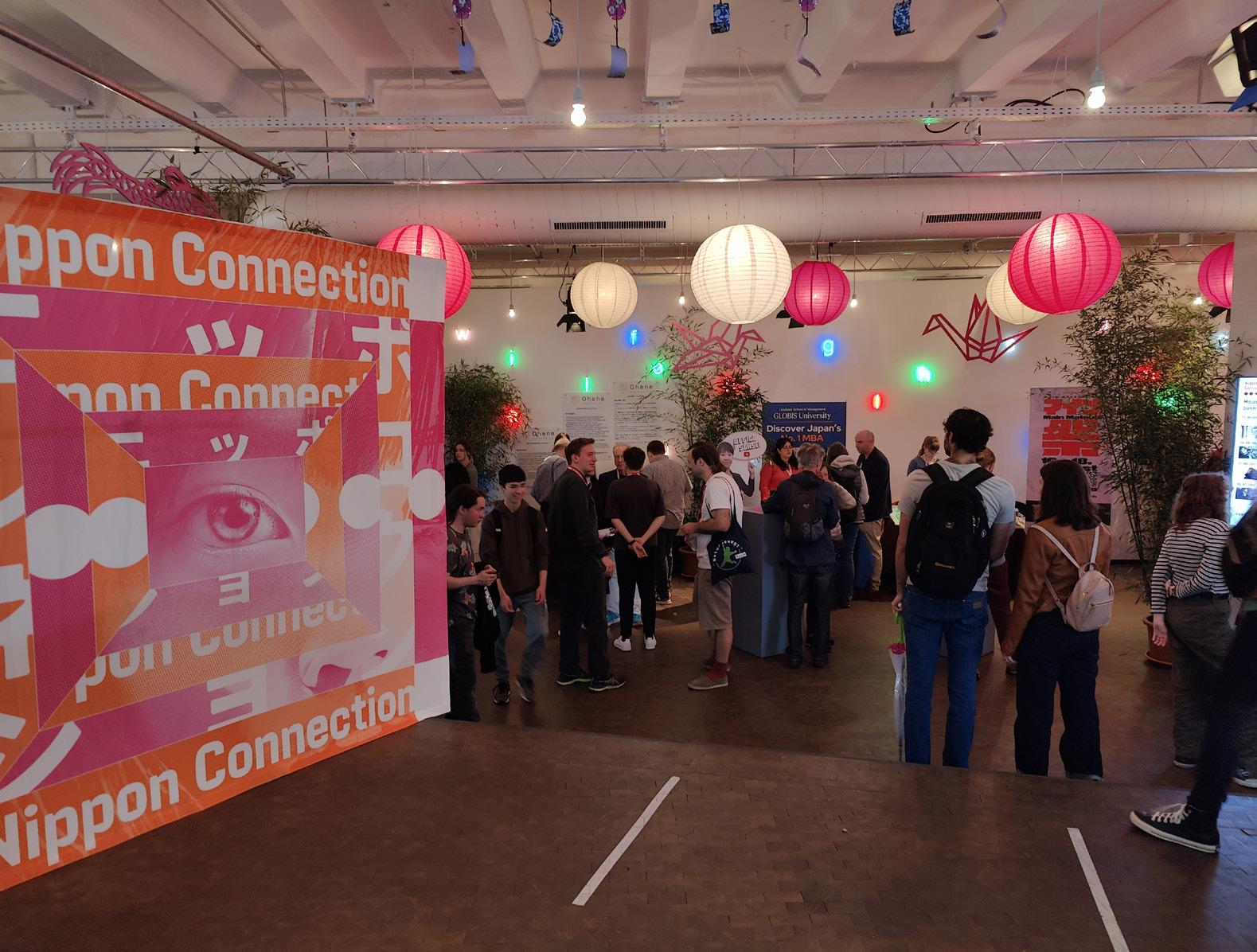
Across six days in the early summer, Frankfurt am Main is bustling with Japanese, English, and German chatter about the latest screening. But if you tire of watching movies, there is a plentiful side-programme of workshops and exhibitions, as well as stalls selling food, handicrafts, books, and more, each infusing the air with Japanese culture. Some among you may greet the connection of ‘Japanese culture’ and ‘festival’ with scepticism; I certainly do. Year after year, it seems, ‘Japan
Durante i sei giorni del festival, Francoforte sul Meno diventa una città frenetica animata da chiacchiere in giapponese, inglese e tedesco sulle impressioni dell'ultimo film visto. Nel caso in cui si fosse stanchi di guardare film, esiste un ricco programma parallelo oltre a bancarelle che circondano i luoghi principali di proiezione, diffondendo nell'aria un pizzico di cultura giapponese. Qualche lettore potrebbe aver avuto un'esperienza simile alla mia con i festival giapponesi e assumere una modalità di difesa e di scetticismo alle sole parole “festival” e “cultura giapponese” unite nella stessa frase.
Anno dopo anno, i festival giapponesi mettono in scena una certa frivola ostentazione del soft power giapponese: accessori kawaii , anime ecchi , sugoi street food e il classico di tutti i tempi, la “fusione di tradizione e modernità”.
Diventano noiosi al più tardi alla terza volta. Mentirei se non ammettessi che sono andata al Nippon Connection
pronta ad affrontare un’altra dose di “cool Japan!”, con la speranza di vedere magari qualche buon film giapponese e mangiare un po' di takoyaki . Non potete immaginare il sollievo che provo nel poter riferire che i miei timori erano privi di fondamento. Certo, questo festival condivide dei tratti simili con tipici festival giapponesi, come le bancarelle con cianfrusaglie giapponesi e gli street food giapponesi. Tuttavia, è stato un grande piacere esplorarle. Ho apprezzato in particolare le bancarelle con oggetti di seconda mano e articoli confezionati a mano. Ma soprattutto, non erano l’attrazione principale, bensì un corollario, un “accenno aromatico” di immersione culturale consumerista per celebrare la vera star del festival: i film! In ogni angolo di questo evento si respira l'amore per il cinema giapponese e, a mio avviso, è proprio questo che rende Nippon Connection un'esperienza così straordinaria.
festivals’ showcase the same frivolous display of soft power: kawaii accessories, ecchi anime merch, sugoi street food, and the all-time classic refrain: ‘a fusion of tradition and modernity’. It gets old by the third or fourth time, and I would be lying if I did not admit that I went to Nippon Connection steeled for another load of ‘cool Japan!’, hoping just to watch a few good movies and eat some takoyaki. You cannot imagine my relief in reporting that these fears were baseless. The merchandise stalls were
such a blast to explore, and I especially enjoyed the ones with second-hand and handmade items. They were not the main attraction but merely a topping, a dash of consumerist cultural immersion to accompany the actual star of the festival: film! Every aspect of this event radiates with love for J-cinema, and to my mind, that is exactly what makes Nippon Connection such a wonderful experience.
NIENT'ALTRO CHE TUTTO - PERFECT DAYS (2023)
Christian Esposito
Recensione film
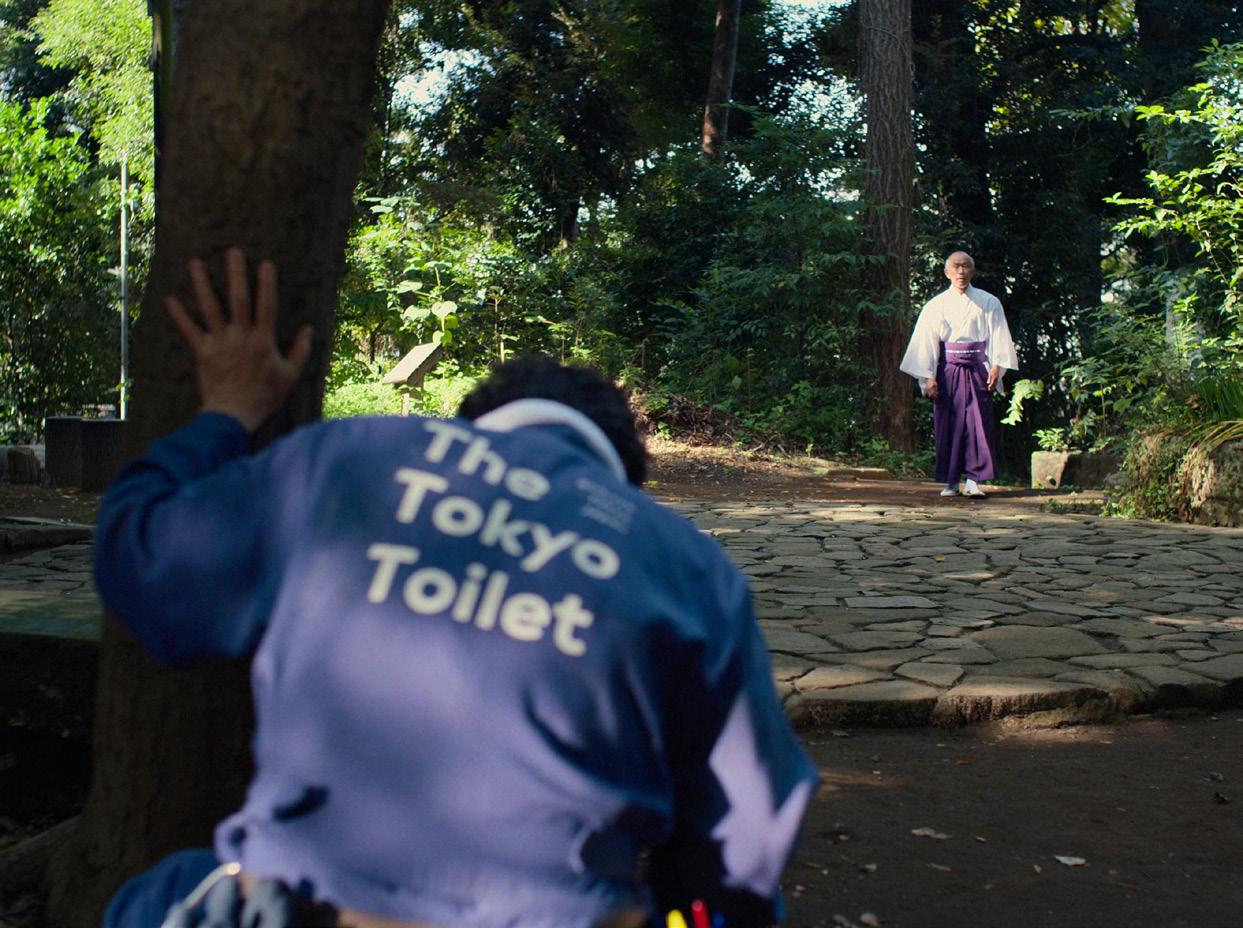
Hirayama è nel giardino del Santuario Yoyogi Hachimangu 代々木八幡宮
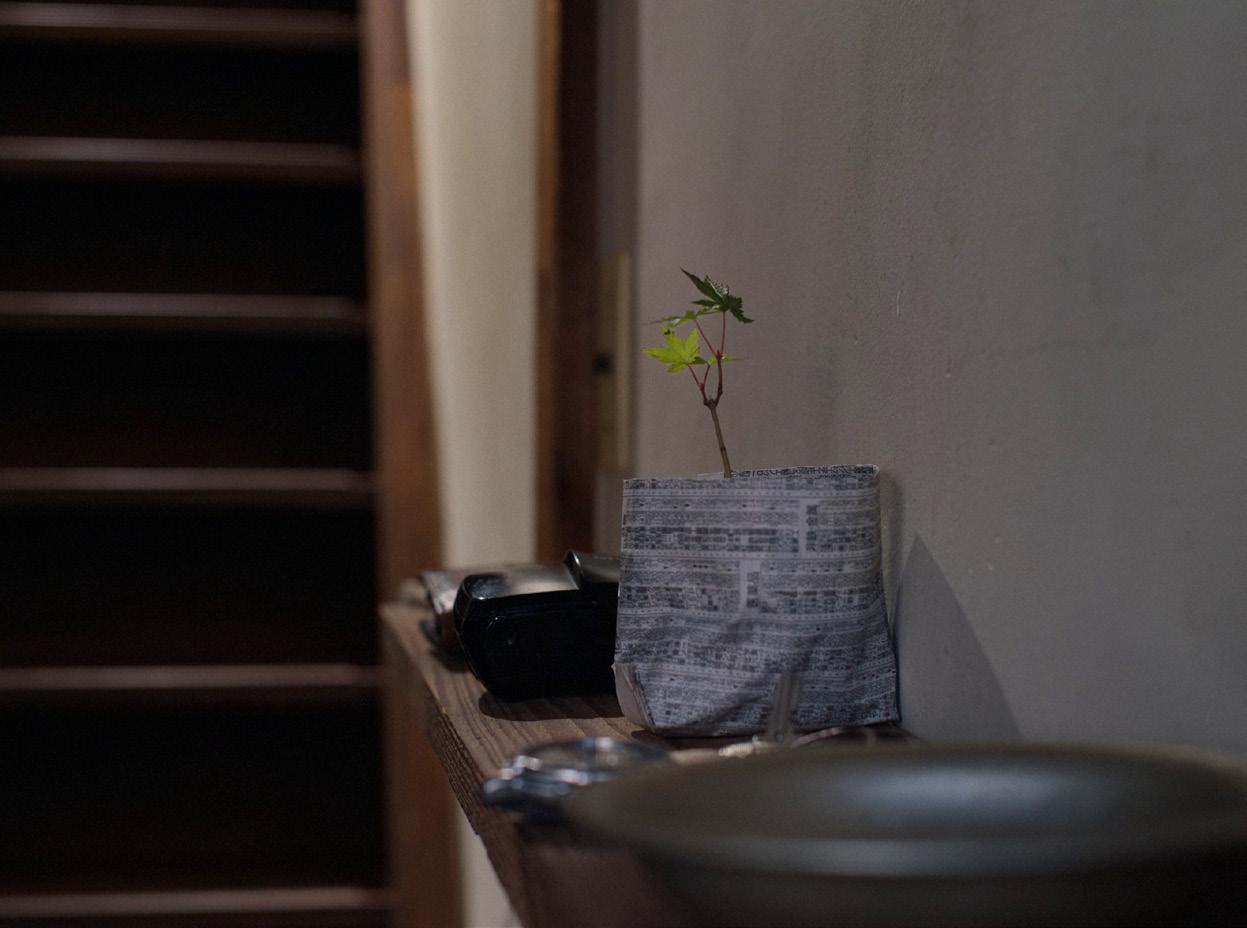
Quando il suo sguardo incontra quello di un monaco, i due si salutano rispettosamente con un inchino. Poco dopo l’uomo indica un germoglio e chiede se può raccoglierlo; il monaco acconsente. Lui allora mette al sicuro la piantina in un recipiente ricavato da un foglio di giornale e poi la porta a casa. Tutta la bellezza di Perfect Days racchiusa in una scena di pochi secondi. Il film di Wim Wenders, uscito nel 2023, è ambientato a Tokyo e racconta la quotidianità di un signore giapponese di mezza età.
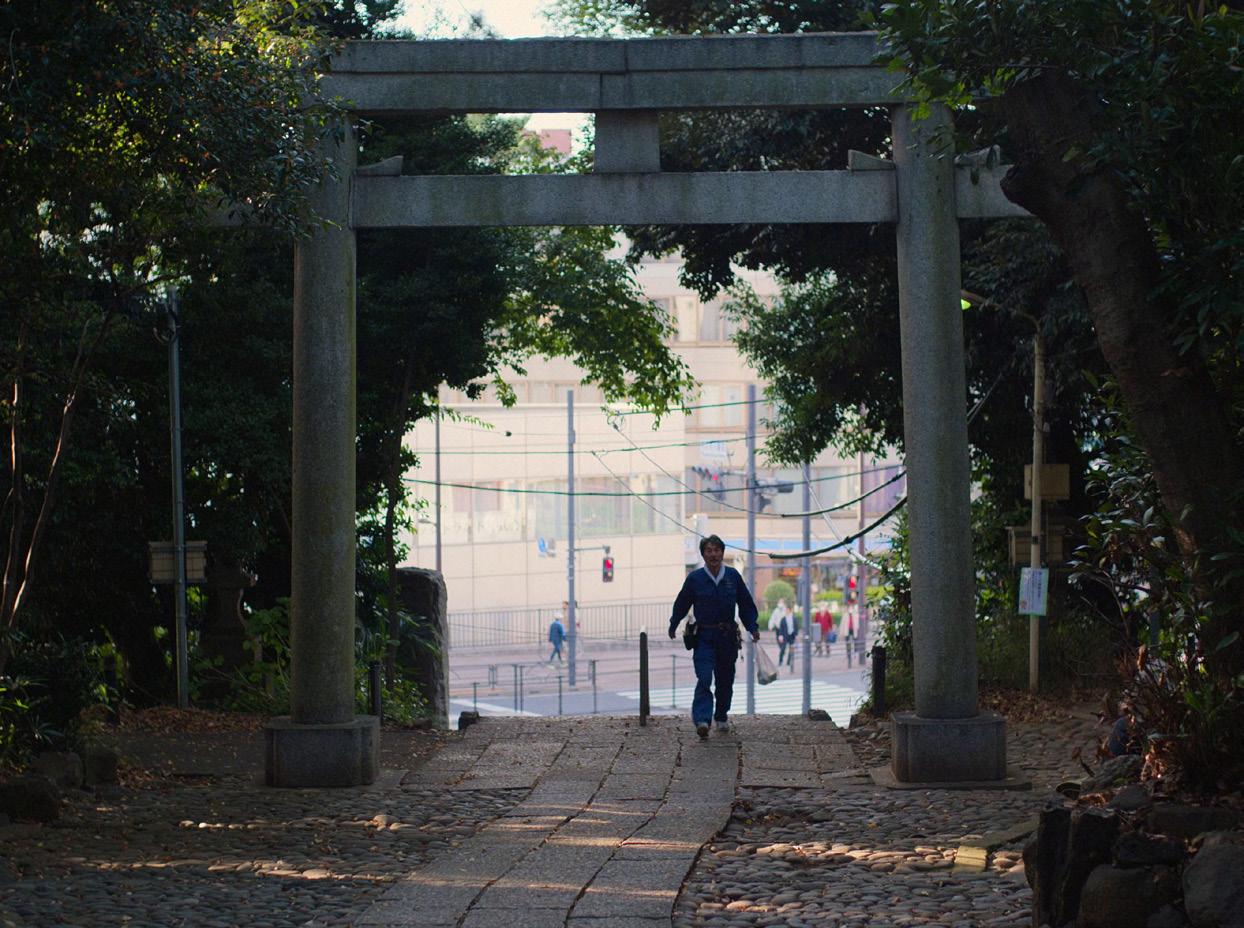
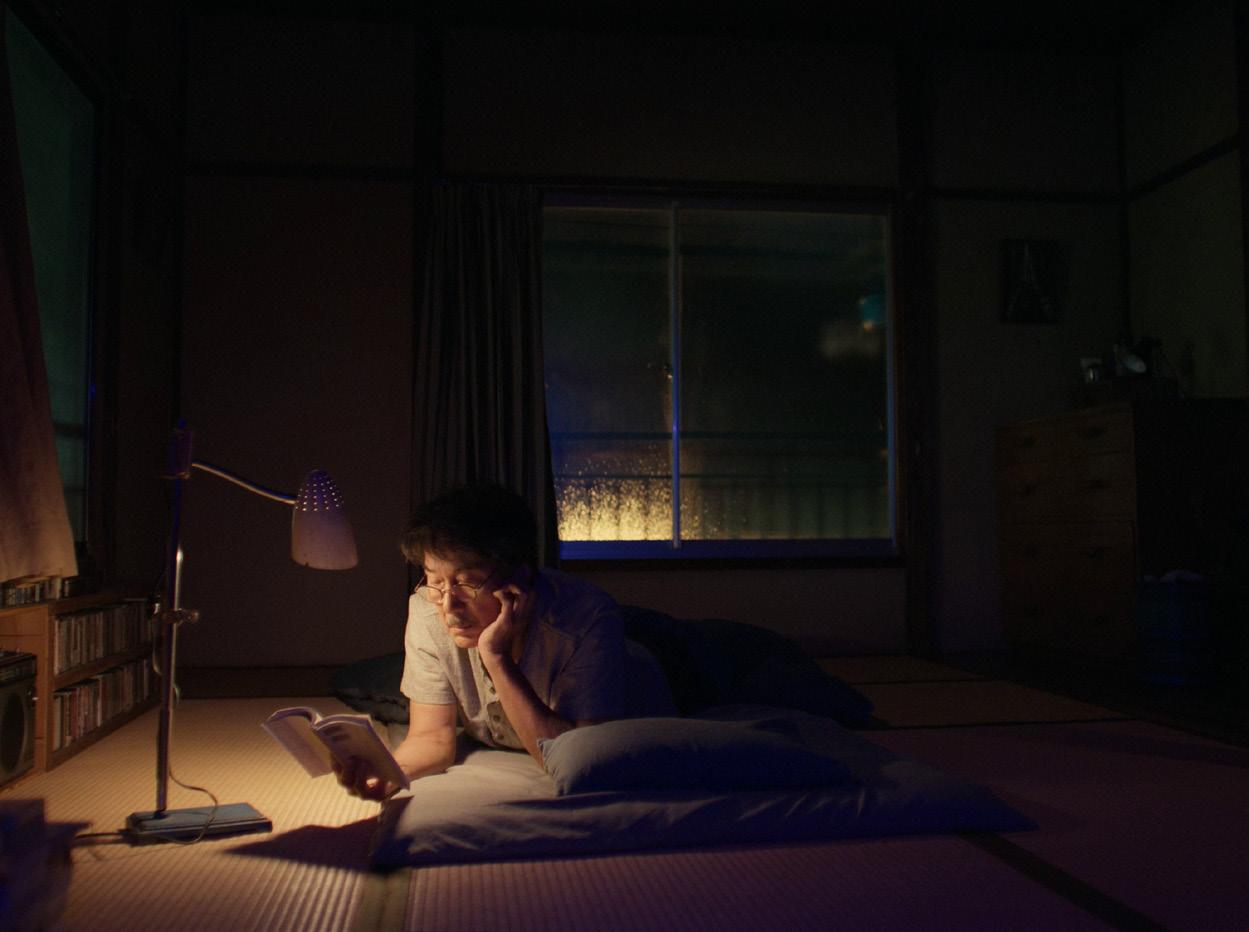
Il regista riesce a catturare la magia nell’ordinario di Hirayama ( Kōji Yakusho ) che, per lavoro, pulisce i bagni pubblici. Sia quest’attività che le altre scandiscono l’esistenza del protagonista, che è fatta di piccoli gesti: dall’innaffiare le piante ogni mattina a prendere il caffè in lattina al distributore vicino casa, passando per l’ascolto della musica mentre guida.
L’uomo è in armonia con ciò che lo circonda. Il suo rapporto con persone, piante e oggetti segue il medesimo principio di gentilezza e cura, perché Hirayama non risparmia sorrisi e premure verso chi ha intorno, rispetta profondamente l’ambiente e, oltre alla sua dedizione nella pulizia dei bagni, tiene molto alle foto che scatta con la macchina fotografica analogica e alla sua collezione di audiocassette.
Sceneggiatura
Wim Wenders, Takuma Takasaki
Interprete principale
Kōji Yakusho
Regia
Wim Wenders
Durata
2h 3 minuti
Distribuzione
25 Maggio 2023
Casa di produzione
Master Mind
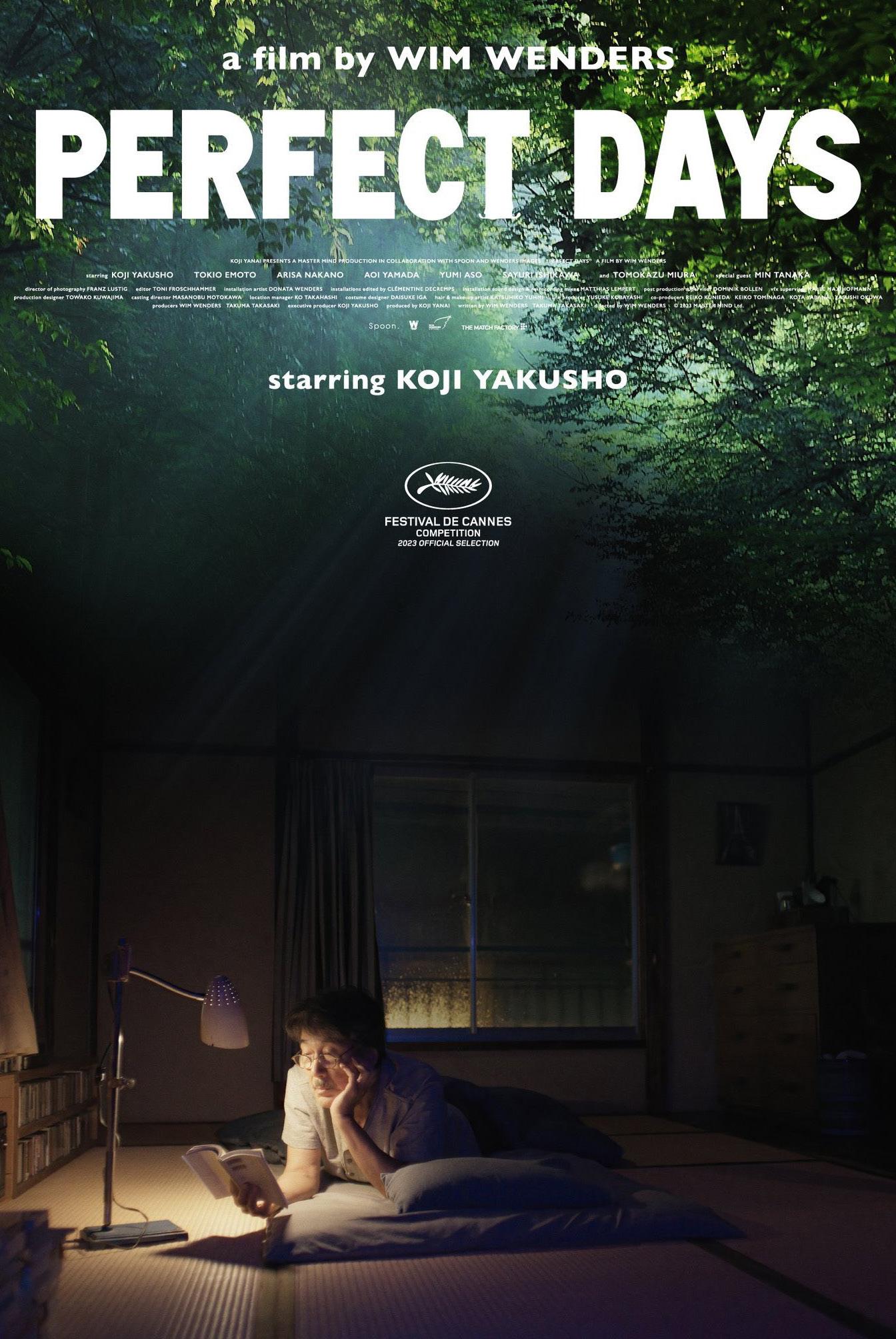
Fig. 1 Poster del film
NOTHING BUT ALL - PERFECT DAYS (2023)
Christian Esposito
Film Review (translated by Dœlma Goldhorn)
Hirayama is in the garden of Yoyogi Hachimangu Shrine 代々木八幡宮 when his gaze meets that of a monk. The two greet each other respectfully with a bow. Pointing to a sapling at the base of a tree, Hirayama asks if he may pick it up, and the monk silently consents. He then takes out a small pot, fashioned from a sheet of newspaper, and places the plant carefully inside, to bring home. All the beauty of Perfect Days is wrapped in a scene of a few seconds. Directed by Wim Wenders and released in 2023, the film is set in Tokyo and portrays the mundane life of a middle-aged Japanese man.
Hirayama, played by Kōji Yakusho, cleans public toilets for a living, but Wenders manages to capture the magic of this simple life. Small gestures, repeated day after day, form the rituals that mark the protagonist’s existence: watering his plants every morning, getting coffee in a can from the vending machine by his house, listening to music while driving... Hirayama is in harmony with his surroundings. His relationships with people, plants, and objects all follow the same principle of gentle kindness, and he is unafraid to smile or be present for those around him. Alongside his deep respect for the environment, and the pride that he takes in his job, Hirayama has a passion for analogue photography and audio cassettes.
Fig. 1 Movie Poster
Written by
Starring
Directed by
Wim Wenders, Takuma Takasaki
Yakusho
Wenders
È nel sonno che la pace del protagonista viene messa alla prova. Sono frequenti le sequenze oniriche in bianco e nero che suggeriscono echi di un passato complicato che cerca di emergere nei suoi incubi; si percepisce dolore non elaborato anche nei momenti in cui l’uomo ha a che fare con questioni di famiglia o romantiche. Ma la sua insicurezza emotiva può essere collocata in un quadro sociale più ampio, perché i giapponesi sono tendenzialmente molto timidi e sono abituati a reprimere ciò che provano piuttosto che esternarlo. Il film non indugia su questo argomento ma si limita a inserire queste difficoltà come parti naturali del percorso di Hirayama, come sassi gettati nel fiume placido della sua esistenza, che tuttavia continua a scorrere delicato.
It is in his sleep, however, that this picture of inner peace is unsettled: dream sequences in black-and-white are frequent, and suggest echoes of a complicated past that tries to resurface in the shape of his nightmares. There is a sense of unresolved pain in moments when Hirayami deals with familial or romantic matters. His emotional challenges might be placed within a broader, societal picture, one in which Japanese people are more accustomed to suppressing their emotions than expressing them. The film does not dwell on this subject; these difficulties are merely natural parts of Hirayama’s journey, like pebbles dropped into the quiet river of his existence, which gently flows on.
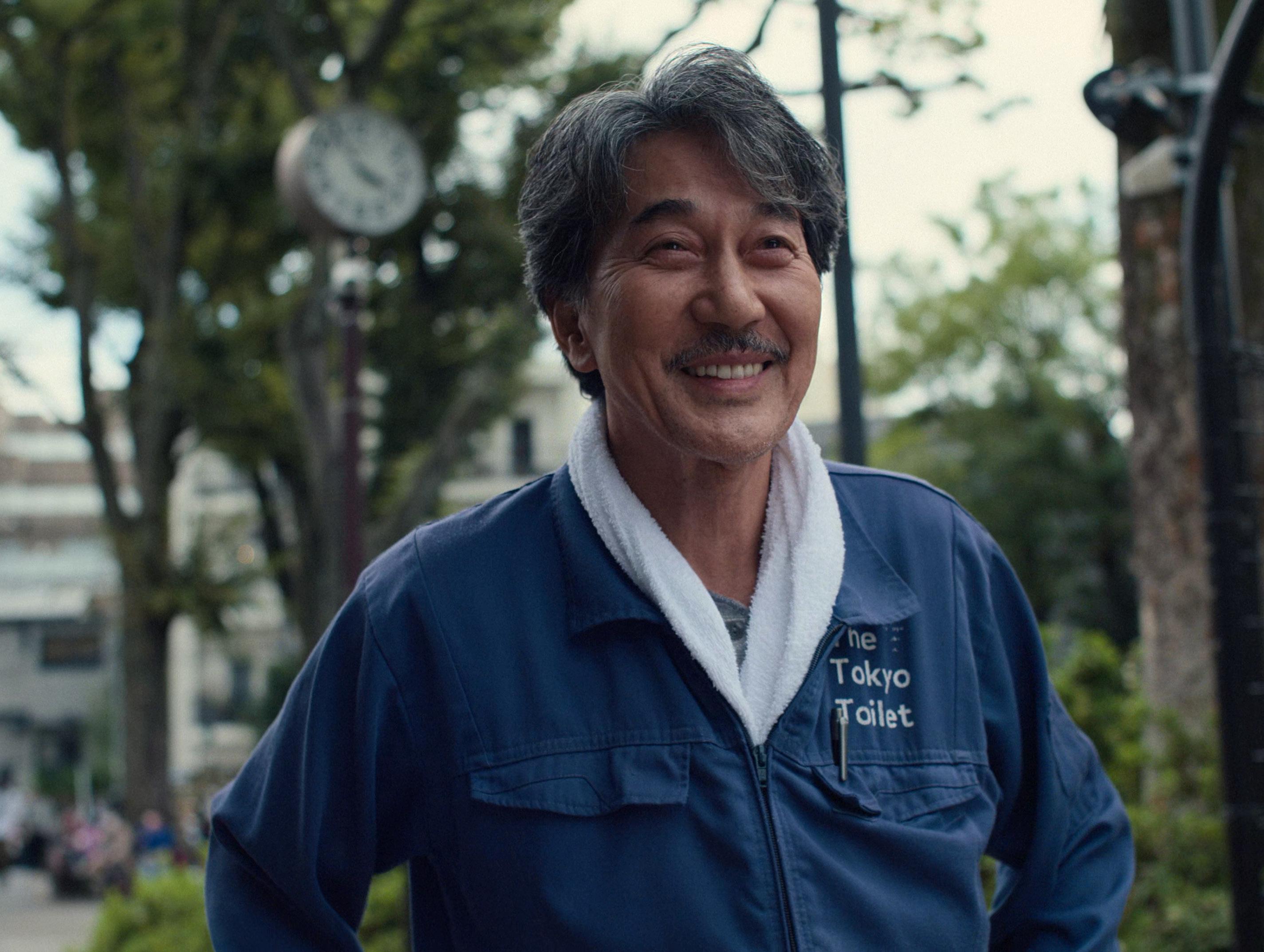
Fig. 2 Hirayama
Fig. 3, 4, 5, 6 Scene di vita quotidiana di Hirayama
La regia di Wenders è caratterizzata da movimenti di macchina lenti, che rispettano il ritmo della vita di Hirayama e si limitano a sbirciare senza disturbarlo. Il regista tedesco dà spazio ai silenzi di Tokyo lasciando il trambusto del traffico e della folla sullo sfondo, dimostrando che un matrimonio artistico rispettoso tra occidente e oriente è possibile. Del resto, Wenders era già entrato in contatto con la grande città negli anni ‘80, quando realizzò il documentario Tokyo-Ga (1985), dedicato al regista Yasujirō Ozu. In quella pellicola egli girava per Tokyo cercando le sensazioni che aveva provato con le pellicole di Ozu e familiarizzava con tutti quei luoghi che aveva conosciuto solo attraverso il grande schermo. L’intimità sviluppata col Giappone durante quel viaggio ha sicuramente aiutato nel plasmare Perfect Days.
Un altro punto d’incontro tra le due metà del mondo è la colonna sonora, formata da pezzi degli anni Ottanta di cantanti e gruppi occidentali: tra i pezzi che il buon Hirayama ascolta in macchina è presente il capolavoro di Lou Reed che dà il nome al film e ne esplicita le intenzioni. “Perfect Days” è dunque un titolo che sottolinea l’importanza della musica per protagonista e insieme glorifica un equilibrio quotidiano costruito sulle piccole cose. Prendersi cura di una piantina o ringraziare un albero dopo averlo fotografato sono, quindi, momenti che riflettono la bontà d’animo di un uomo che, nella sua ordinaria esistenza, riesce a trovare dei giorni perfetti .
Wenders’ direction reflects the overall harmony of the film, with slow camera movements that peer into Hirayama’s daily activities without disturbing him. By leaving aside the hustle and bustle of traffic and crowds, the German filmmaker gives space to Tokyo’s stillness, demonstrating that with enough sensitivity, an artistic marriage between the East and West is possible.
Wenders had already come in contact with the city in the 1980s when he made his documentary Tokyo-Ga (1985), concerning the life of director Ozu Yasujirō. There, Wenders traverses Tokyo in search of the same sensations he had experienced with Ozu's films, familiarising himself with those places he had only known through the big screen. The intimacy he developed with Japan during that time surely contributed to the pensive ambience of Perfect Days .
The soundtrack, comprised of songs by Western musicians, forms another cultural crossroad. Hirayama has a rich collection of cassette tapes that he listens to in his car, among them the Lou Reed track that gives the film its name and signals its intentions. Perfect Days is therefore a title that emphasises the importance of music for Hirayama, whilst celebrating a simple life in which balance is born from the small things. Taking care of a sapling, or thanking a tree after photographing it, are moments that capture the warm soul of a man who, in his ordinary existence, manages to find perfect days .
Fig. 3, 4, 5, 6 Scenes from the everyday life of Hirayama
BACK TO THE PRESENT - NIPPON
Having known about Nippon Connection for several years now, I had big expectations for my first visit – and I was not disappointed. The Frankfurt festival lived up to its reputation as a huge source of inspiration for lovers of cinema, Japan, or both. Packed with live action and animated movies of all genres, contemporary titles and older classics, full features and shorts, it does not leave you idle even for a moment.
The theme of this year’s 26 th edition was ‘Shades of Reality – Between Truth and Fiction’, which led to some unorthodox inclusions. All Greens (Fig. 1), a coming-of-age dramedy about three high school girls growing and selling weed to break free of their small town, is definitely one of them. Despite handling many serious themes, the movie manages to be entertaining and deal with the topic of marijuana in a light-hearted way, which is quite surprising for a story set in Japan, a country with very strict anti-drug regulations. Its heroines rail against expectations, exercising their agency in the face of unfavourable circumstances, family issues, and threats from people far stronger than them.
Amelia Lipko
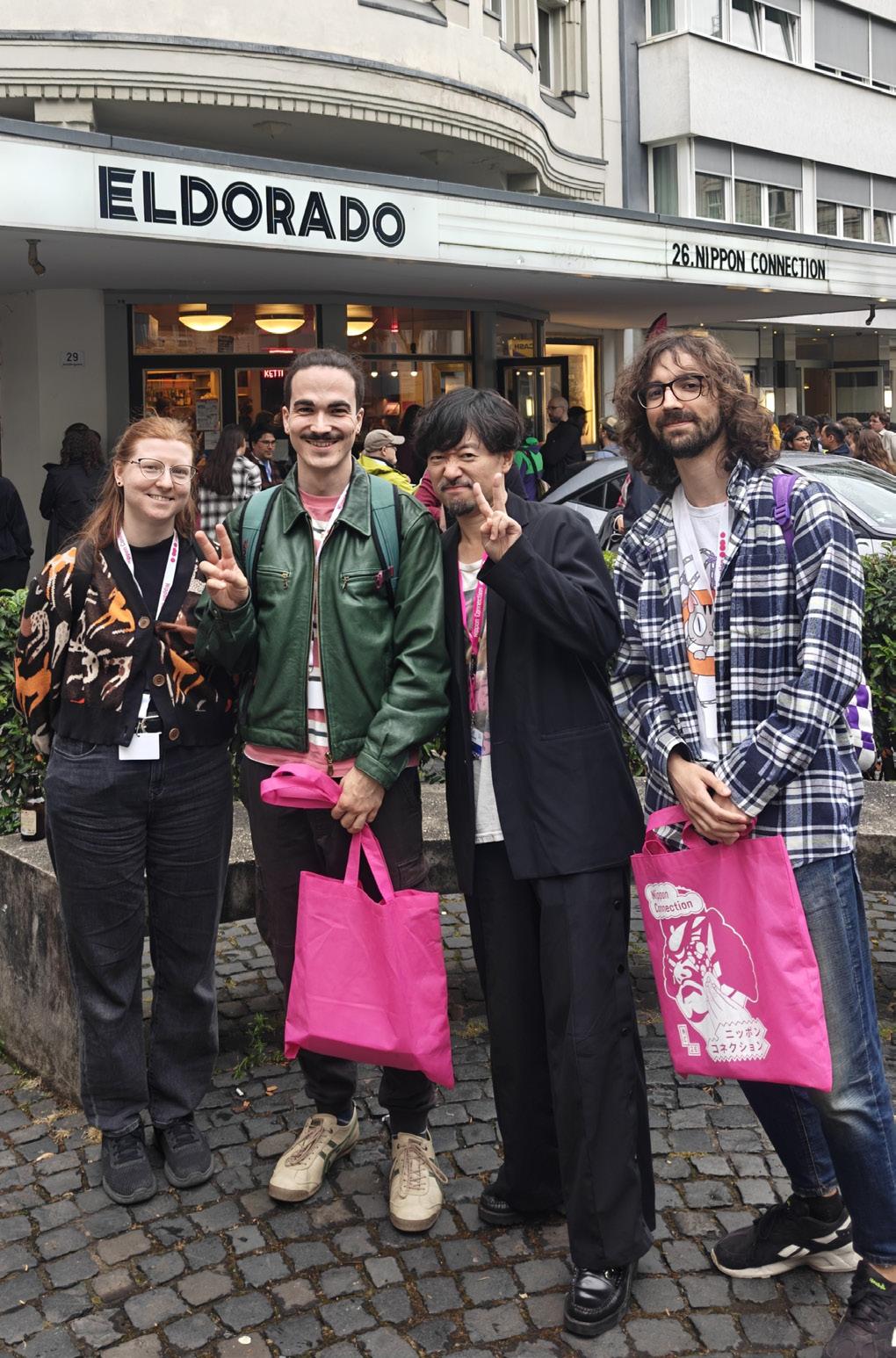
Fig. 1 From left to right: Amelia Lipko, Luigi Zeni, Koyama Takashi (film director of All Greens ) and Christian Esposito.
Another film that highlights a character living on the verge of social acceptance is Tiger , the story of a gay man in his 30s who works as a masseur and sex worker, based on real experiences of the Tokyo LGBTQ+ community shared with the director, writer, and editor of the piece, Anshul Chauhan. Through emotional shots and sharp visuals we follow the life and dreams of Taiga (Fig. 2). Still holding on to the past – memories of his mother, who passed away years ago, and the bond with his former lover, who decided to live a more heteronormative life when Taiga left for Tokyo – he wants to carve out a future for himself, trying to enter the porn industry, arguing with his sister over a potential inheritance, and dreaming of having children of his own.
Fig. 2 Taiga (left) playing with his niece and friend.
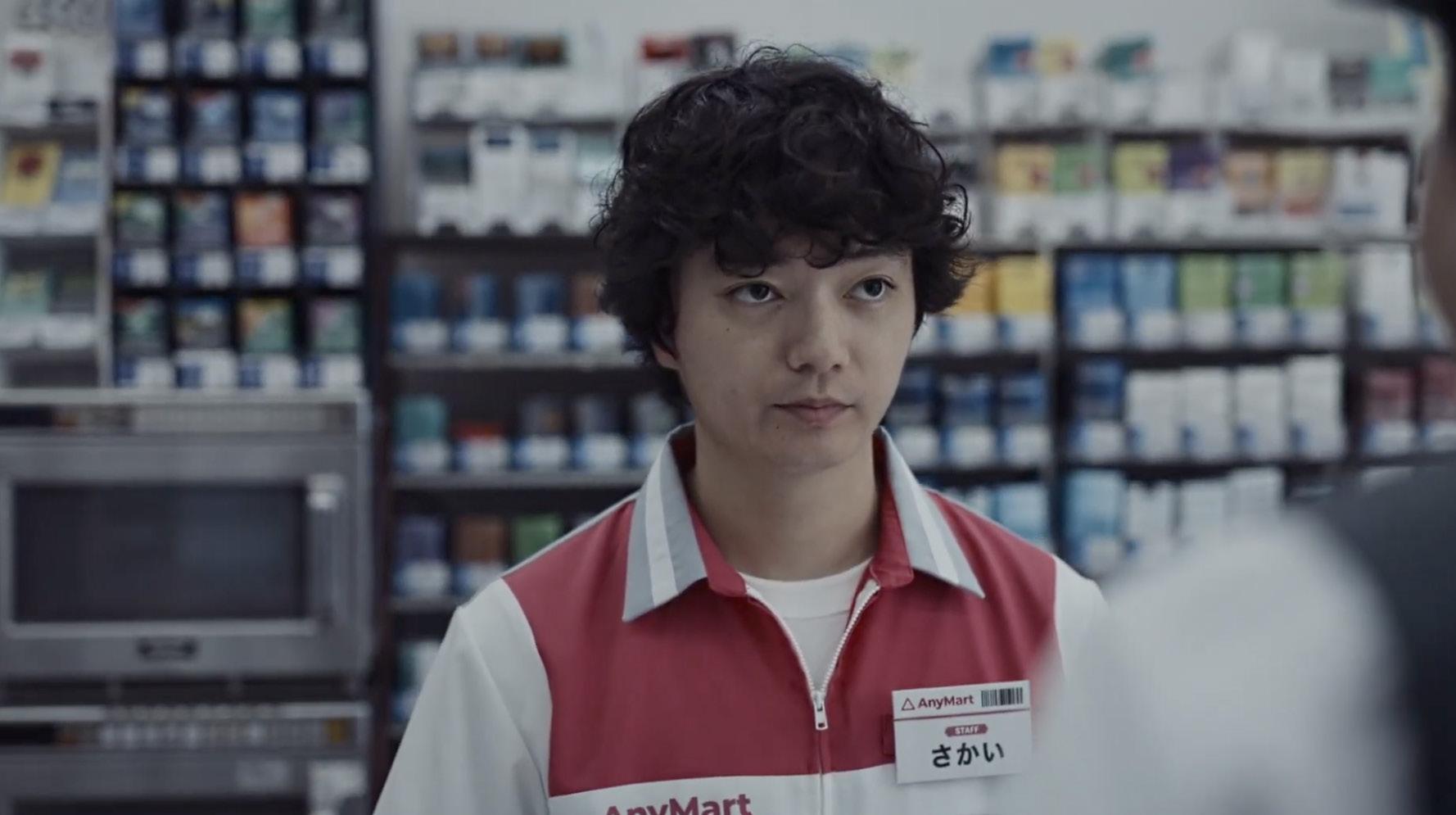
My personal favourite from this year’s festival, though, which offers a very surreal shade of reality, is AnyMart . Set in the liminal space of a convenience store, this unsettling psychological horror with elements of gore follows Sakai, an apathetic shop clerk who only livens up during first dates with women (Fig. 3). As sterile and structured as his workplace seems, it soon turns out to be far from safe, and blood begins to flow. Yet arguably the most spine-chilling moments are those that hint at social commentary and feel existential in nature. It is one of those movies that draws you in and traps you together with the protagonist in its menacing world, leaving you shaken to the core. Not recommended for late night viewing.
Fig. 3 Sakai working at the convenience store.
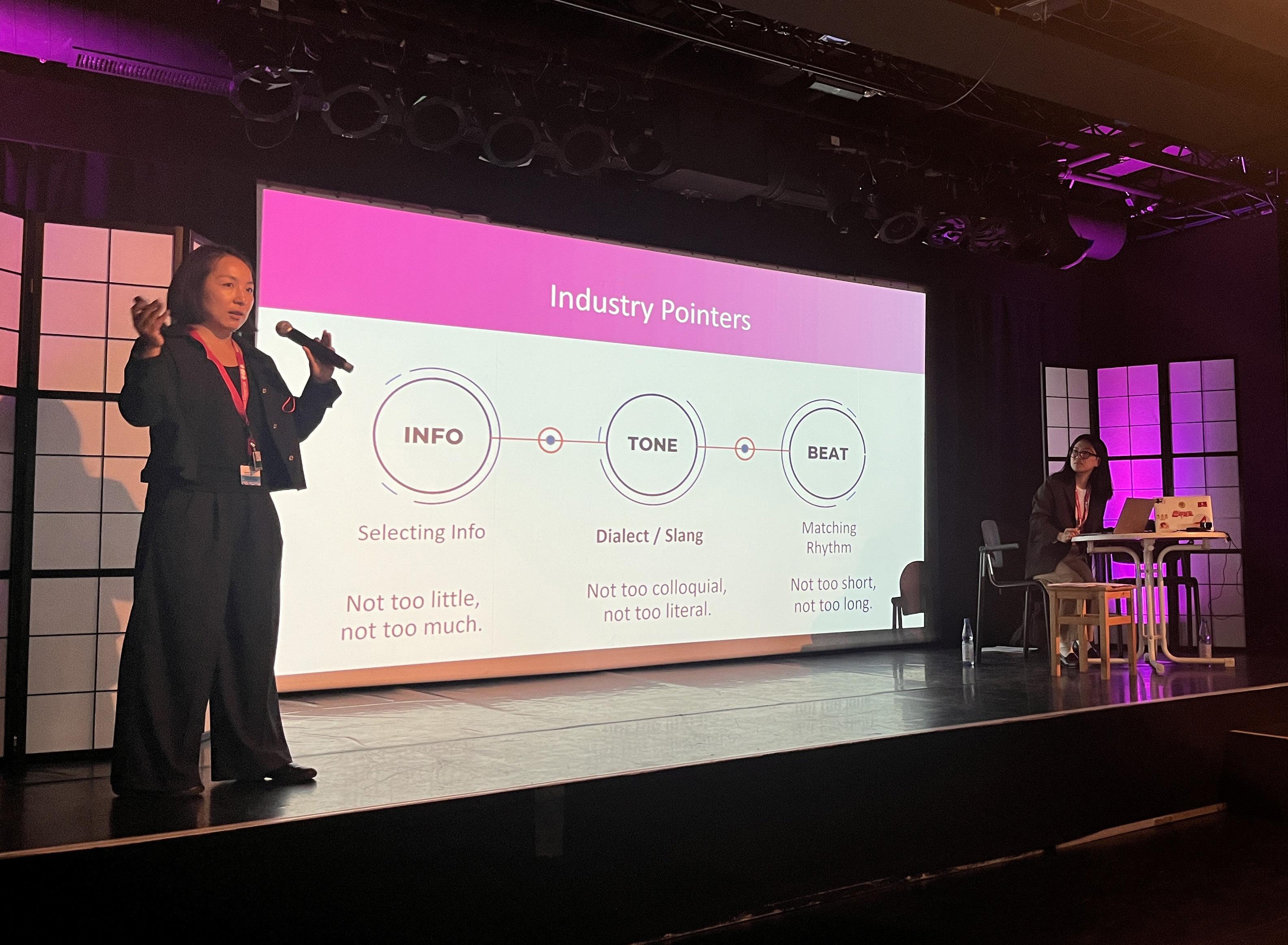
Luckily, the festival itself creates a completely different, positive environment, providing all kinds of social opportunities. There were plenty of occasions to mingle with other attendants, be it during nomikai , karaoke, or collaborative workshops, such as the subtitle translating workshop hosted by the Japan Visualmedia Translation Academy (Fig. 4). The convivial atmosphere of the festival is something that leaves a lasting impression.
Fig. 4 Subtitle translating workshop.
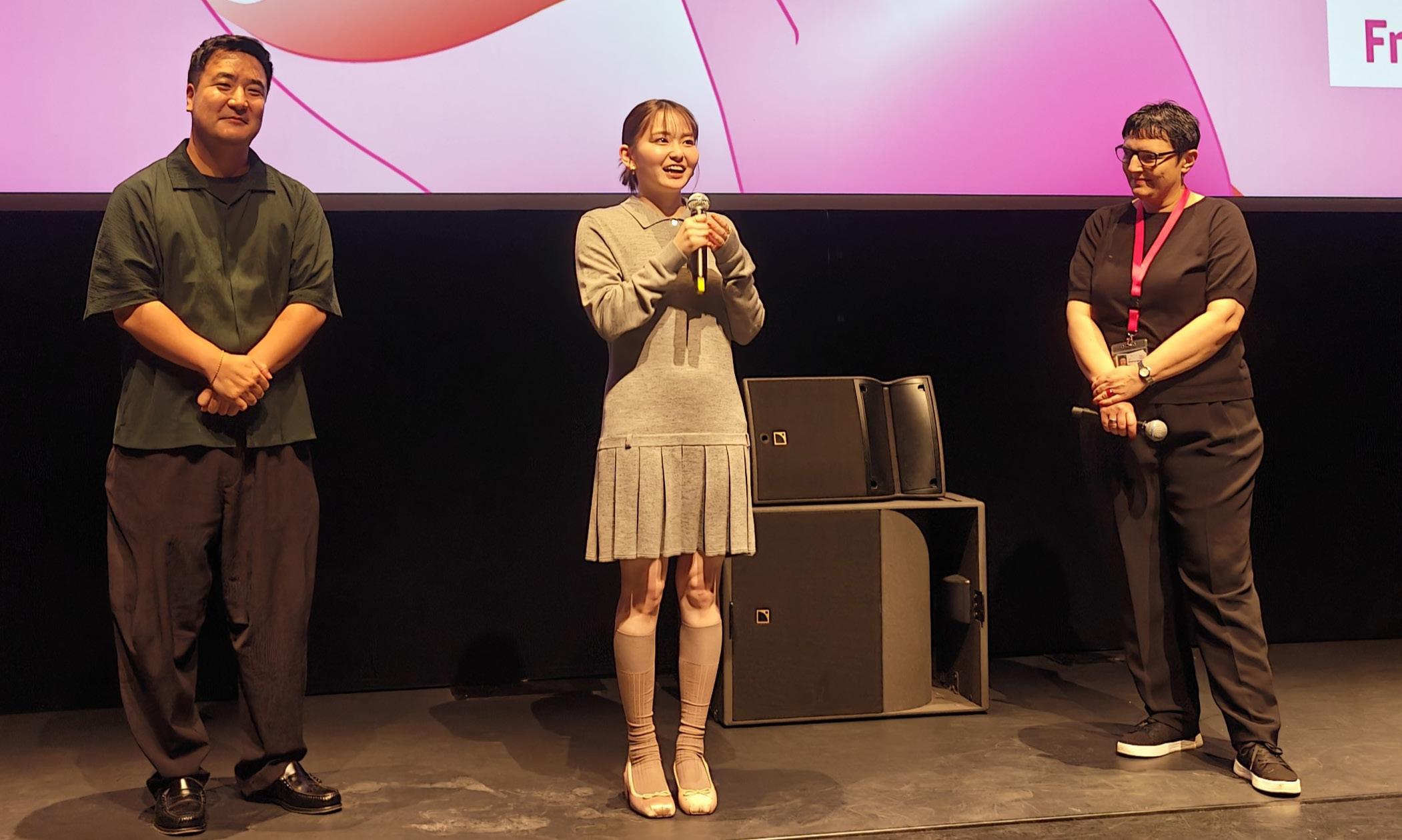
It is also a unique chance to interact with the many directors and moviemakers who were present for insightful Q&A sessions and open for conversations after screenings. Among them, one guest of honour who shone exceptionally bright was Yamada Anna, the recipient of this year’s Rising Star Award (Fig. 5). The young actor starred in three films shown at Nippon Connection this year: ChaO , a visually stunning animation about the relationship between a human and a mermaid; The New Group , a wacky
horror comedy about people gathering in gymnastic formations under the influence of an alien signal, which makes the heroine reconsider her conformity to society; and A Little Love Song , a moving coming-of-age story set in Okinawa, featuring music by the popular band MONGOL800. For the latter role, Yamada Anna spent 6 months learning to play the guitar, so all performances in the film demonstrate her and her costars’ actual skills.
Fig. 5 Yamada Anna (centre), Shimotsu Yūta (left, film director of The New Group ) and Marion Klomfaß (festival director of Nippon Connection).
Among the various accolades awarded during the festival was the first Nippon Animation Shorts Award, sponsored by Wacom. The international jury granted it to the 9-minute-long animated documentary Find Me by Maru Akari (Fig. 6). The short uses hazy imagery in different shades of blue to portray interviews conducted with three young women, all struggling with mental health, family issues, and a sense of belonging. It is also available on YouTube with English subtitles under its Japanese title 私を見つけて.
Fig. 6 Maru Akari receives the Nippon Animation Shorts Award.
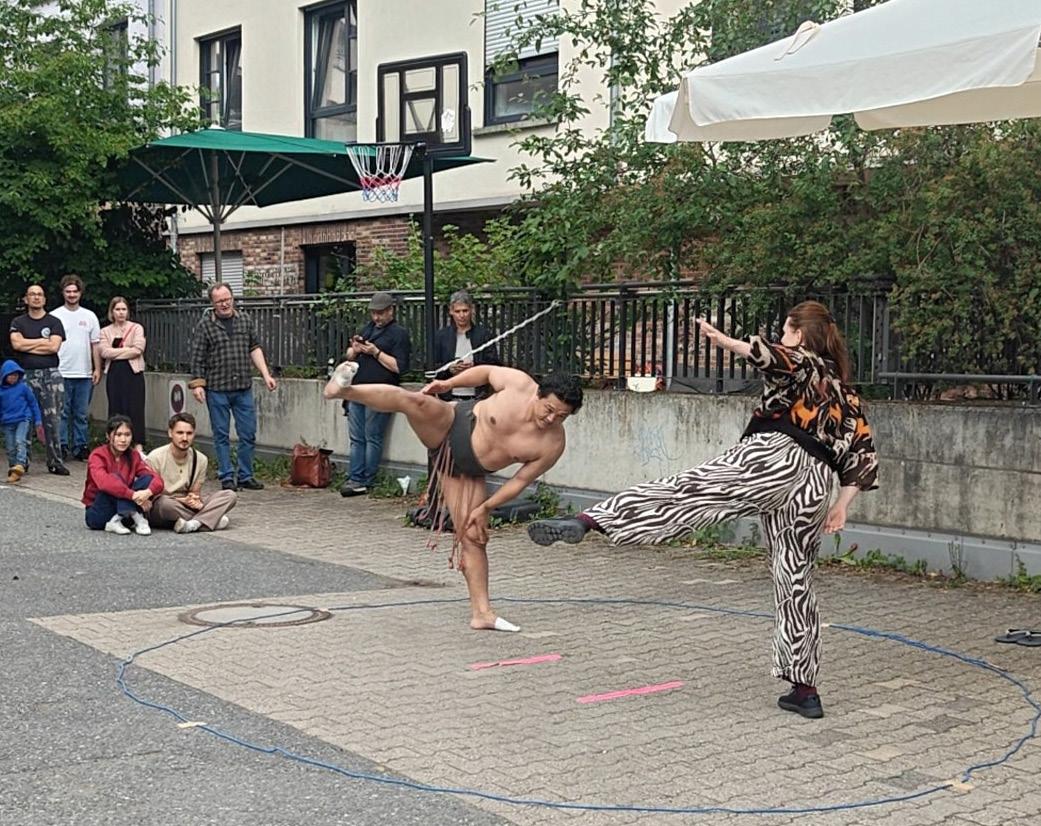
Even with such an exciting film programme, you might want to rest your eyes from the screen sometimes, which is the perfect opportunity to enjoy a live concert, learn how to dance bon odori , or challenge the sumo wrestler Gocchanko (Fig. 7), who also happens to be a passionate rapper. These accompanying events provide entertainment for young and old, and the cooking classes or literature lectures will leave you with new knowledge and skills.
On a more technical note, the organisers deserve huge praise for the smooth running of the festival, which surely required a lot of effort. The participating cinemas are all within a
walkable distance and there is a wide variety of food and refreshment options available. We encountered no significant delays, the facilities were clean, and all information was provided in a structured way in both English and Japanese. While the grounds of the main venue were quite crowded at times, it never felt too overwhelming.
Nippon Connection Japanese Film Festival is a unique chance to enjoy many works of Japanese cinema that are otherwise difficult to access in Europe. The curated programme, wide variety of events and attractions, as well as the warm atmosphere all make it well worth a visit.
Fig. 7 The sumo wrestler Gocchanko prepares to fight against Amelia Lipko.
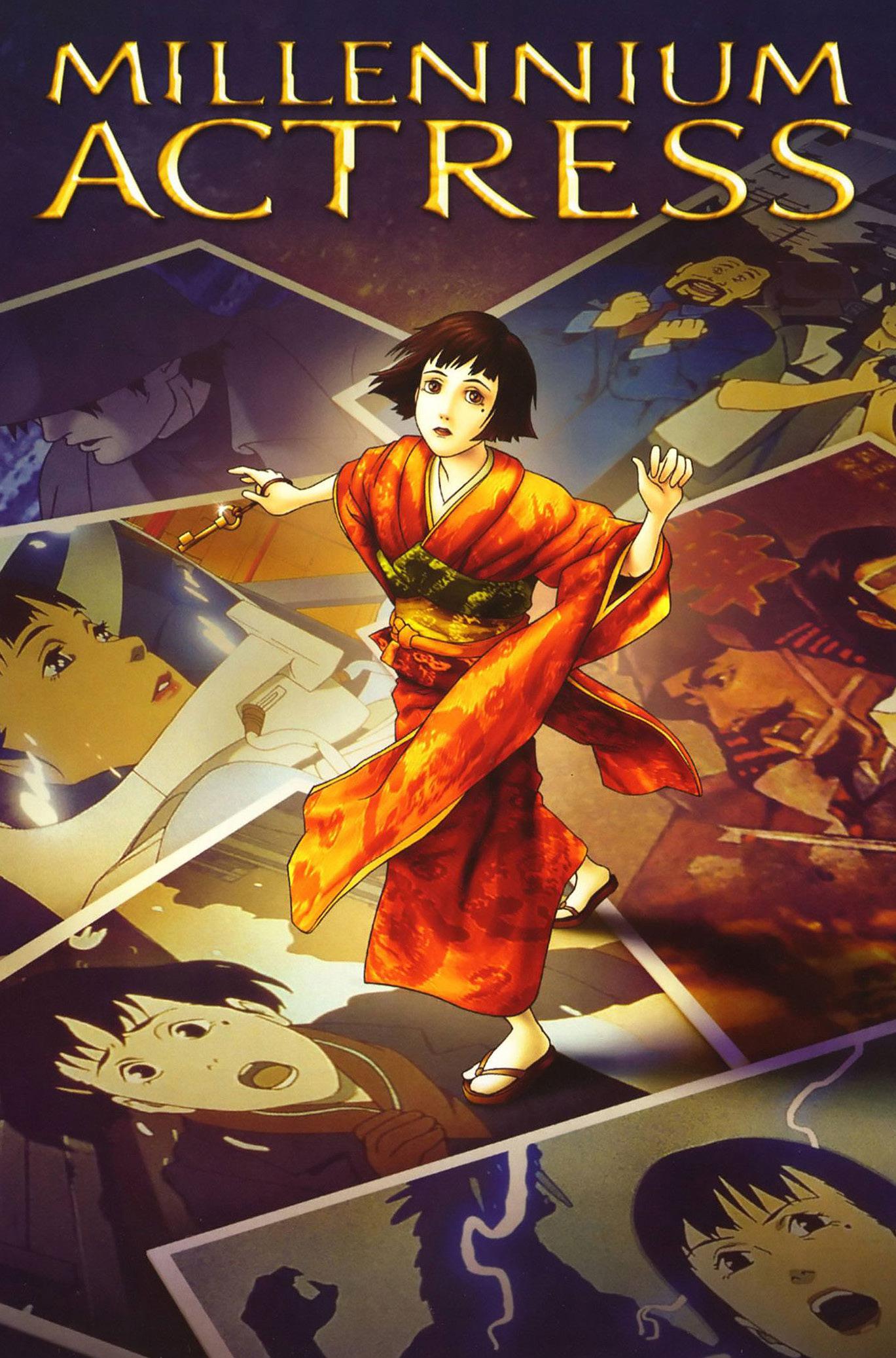
MILLENNIUM ACTRESS
Giovanni Seregni
Time goes by relentlessly, the seconds ticking away as the audience eagerly awaits the skyward climax. A woman in an astronaut suit quivers with anxiety, ready to leave on a shuttle bound for the vastness of void space. A filmmaker is captivated by the scene, trembling at the engine’s roar while an earthquake tremor, in his own world, rattles the tiny television screen.
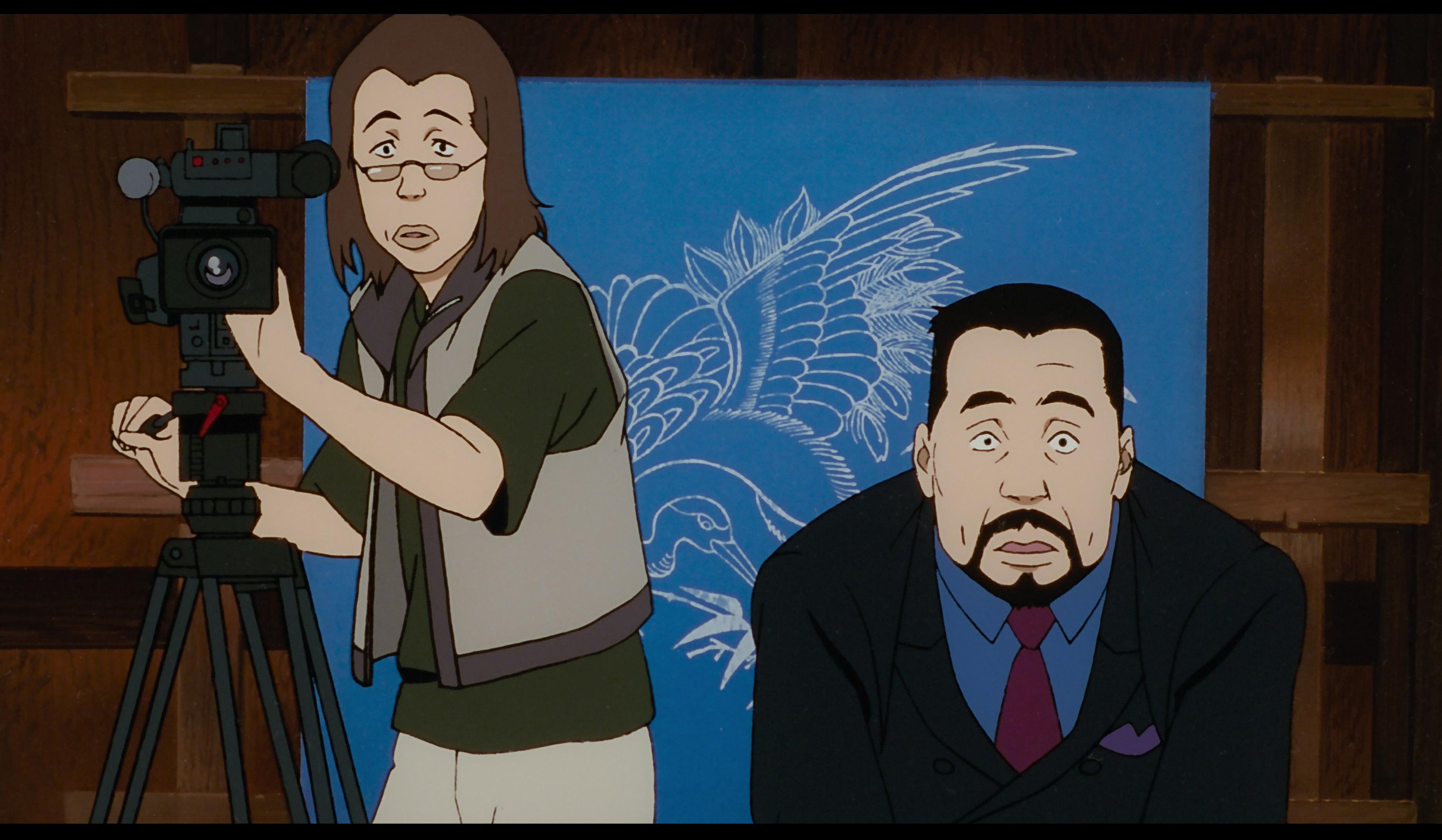
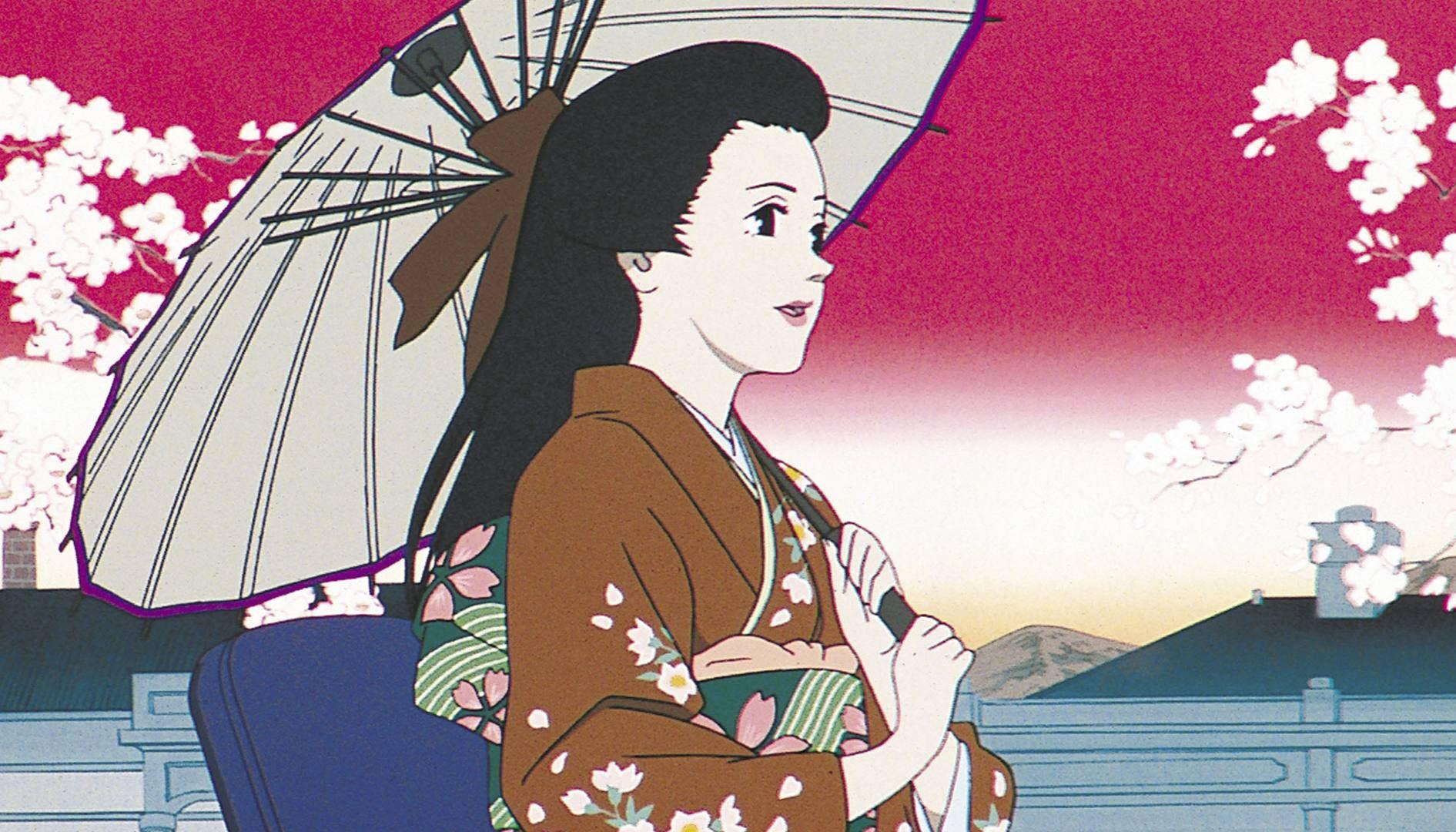
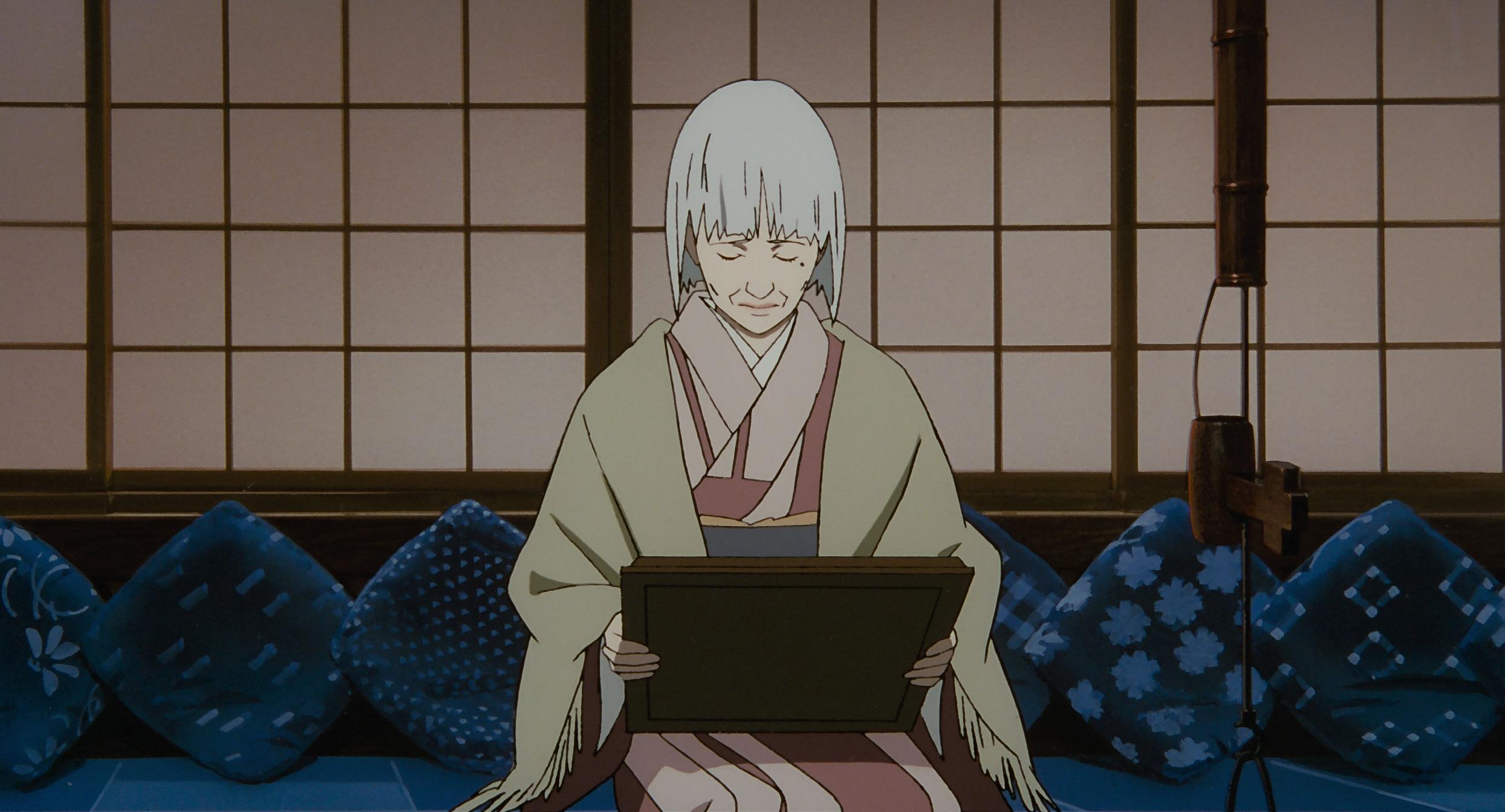
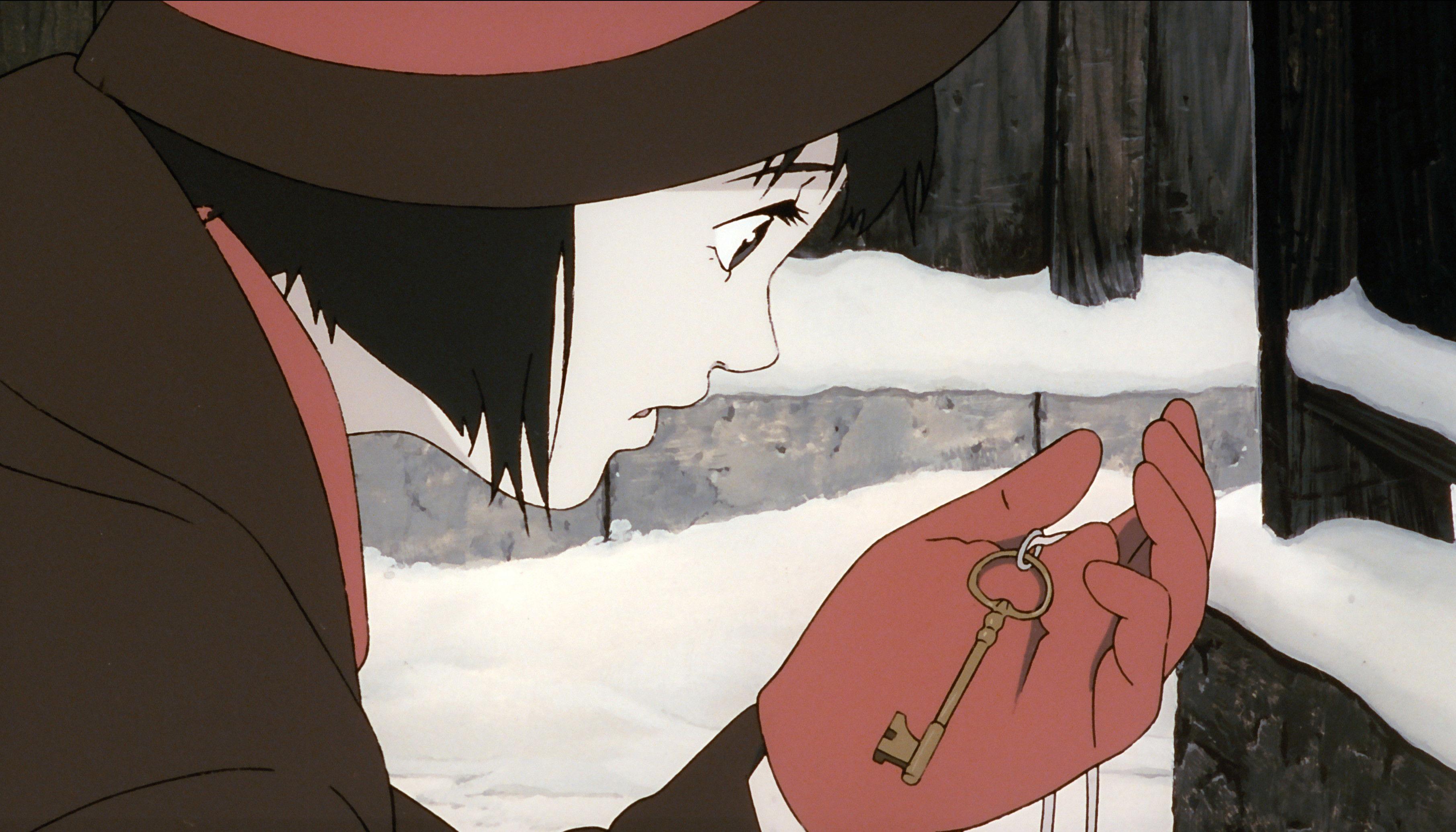
To mark the closure of Gin’ei Studios, former director Tachibana Gen’ya persuades cameraman Kyōji Ida to join him in crafting a documentary dedicated to Fujiwara Chiyoko, the elusive cinema darling of the Shōwa era (1926–1989). The film follows a tumultuous period in Japan’s history, where the country’s dominance in Asia increasingly clashed with American interests in the Pacific, leading to rising tensions. Japan underwent demilitarisation, having witnessed nuclear devastation, post-war reconstruction, and the establishment of a democratic regime allied with the United States. Throughout the movie she, Chiyoko, evocatively recalls the films she starred in, with fiction, memory, and reality merging together, blurring the boundaries between past and present.
Director Kon Satoshi ( 今敏 ; 1963–2010) adopts an original theme for Millennium Actress ( Sennen Joyū 千 年女優 ), loosely drawing inspiration from actresses Hara Setsuko ( 原節子 ; 1920–2015) and Takamine Hideko ( 高峰 秀子 ; 1924–2010). During the Second Sino-Japanese War, a personal narrative of the protagonist is intertwined with the broader tapestry of Japanese cinema,
which itself represents the Golden Age of Hōga ( 邦画 , domestic cinema ). The director and his co-writer, Murai Sadayaki ( 村井さだゆき; 1964–), draw inspiration from Gojira (1954) and Zatoichi (1962), as well as mirroring Kurosawa Akira's ( 黒澤明 ; 1910–1998) grand Shakespearean epics Ran and Throne of Blood . It is a descent into the underworld amid the pastel-coloured scenery of Hidetora, the tragic hero of Ran ; deprived of his children’s love, emptied and ashen-faced, he fades away, becoming completely imperturbable, catatonic, inert. A stirring parallel is crafted with Chiyoko and her mother, also echoing the emotional depth found in Ozu Yasujirō's ( 小津安 二郎 ; 1903–1963) Tokyo Story . Chiyoko was born during the Kanto earthquake, which stands as one of the most significant calamities in modern Japanese history. Tragically, her father perished
amidst the chaos, yet in sacrificing his life for hers, he bestowed upon her the means to endure his absence. Woven together are the threads of her acting career with both the people she encountered in life and the characters portrayed on screen.
Delving into the role of memory, with its ever-shifting appearance, mementos serve as a conduit to contemplating cinema, but the central mystery of the film remains obscure. The protagonist harbours a self-loathing for the agony inflicted upon herself in pursuing an unknown painter, whom she had saved from arrest and near-certain death years before. Kon catapults us to another cinematic world, a symphony of death in feudal Japan. Here, the crying demon that confronts Chiyoko embodies the malevolent Kurozuka; this oni , a yōkai from Japanese folklore, offers her the tea of longevity, intending to prolong her pain and suffering. ‘I hate you more than I can bear,’ the oni says, ‘and I love you more than I can bear’, coaxing her with thoughts of suicide, a means of escape from the agony of ill-fated romance. It recalls Throne of Blood , where Kurosawa's self-reflexivity is evident in the presentation of Washi -
zu’s wife, Asaji (Isuzu Yamada); her makeup resembles the shakumi mask, which represents a middle-aged woman devastated by separation from a loved one. This visual cue preys on Washizu's insecurities, convincing him to murder his way to power. Implicit throughout is the suggestion that the voice goading him to commit murder is the samurai’s own.
Fuelled by profound affection for the innocent painter, Chiyoko refrains from committing suicide. The leading heroine is lost, and so are we as perspective shifts continually to the documentary director Gen’ya, a sentimental believer in the former’s dream. The pursuit of love is represented by means of the sole tangible bequest – a key – given by her beloved artist, a mysterious fugitive dedicated to opposing the war. The key in question is promised to unlock the ‘most important thing there is’.
Fig.
4
Chiyoko opts to pursue acting with the singular aim of attaining fame, so that she may encounter her better half. This hope would govern her existence, forming the bedrock of an illustrious career as Japan's greatest star. On her deathbed, taking the faintest breath, the protagonist’s final words encapsulate the essence of her journey: ‘I only wonder if he... or perhaps it no longer holds significance, because in the end... Because in the end, it's the pursuit itself that I cherish’. The painter's statement, that ‘there’s still tomorrow, tomorrow means hope’, carries the weight of expectation for the end of the war and the attainment of peace in Japan. According to Chiyoko, glimpsing the moon represented her dream of reuniting with him one day. A montage towards the end of the movie features several shots of Chiyoko gazing up at the moonlight, searching for his presence. The little key evolves into a cherished keepsake,
a talisman warding off doubts and detractors, reinforcing her steadfast commitment to the quest she has chosen to embark upon. Yet the protagonist comes to the realisation that she could never again meet the man she longed for, having changed from the girl he once knew, prompting her to withdraw from the spotlight.
The actress inquires of Gen’ya whether he comprehends the significance behind the lotus, attributing to it the essence of goodness. Throughout the movie, this symbol recurs, notably following the moment when Gen’ya learns of Chiyoko’s impending death. The image of the bud in the rain is a poignant one, embodying a quest rooted in the purity of love.
Fig.
Koyama Mami ( 小山茉美 ; 1955–), one of the voice actresses for the protagonist, stated: ‘When you’re watching it, through Chiyoko you feel a love for Japanese cinema, the director’s love for it. For the director, the shadow that Chiyoko pursues is perhaps cinema itself. I think it is a film with very strong feelings towards filmmaking.’ Notably, the finale of Millennium Actress is set in space, which serves as both the opening and closing image of the film. The adolescent journey of the protagonist illustrates a romance that embraces all facets of existence, including a profound admiration for cinema and a romantic tale striving for the unattainable. Chiyoko lacks a tangible vision, but the emotional conviction is palpable and amplified by the fervour of her acting, which blurs the lines between fiction and reality. This meta-narrative of Kon’s enriches the Japanese cinematic odyssey.
Millennium Actress is visually stunning, indicative of Kon’s experimental style while opening up unique opportunities for narrative freedom, unparalleled in animation or by any other medium. ‘A film worth exploring’, its metafictional narrative introduces mainstream audiences to an array of genres that span the history of Japanese cinema. The meticulous attention to detail reflects the commitment only found in masters of their craft, such as Kon. The interview seen through Gen’ya’s lens highlights how the journey through memory allowed Chiyoko to feel youthful again, a leitmotiv of Kon’s films being the limitlessness of a person’s mind. The movie is not about Chiyoko's final objective, but the relentless pursuit of her dreams. Indeed, this film serves as a reminder that life's meaning is found along the path, not at the destination, making Millennium Actress an inspiring masterpiece, undoubtedly the most influential work by Kon Satoshi.
Fig. 5
Fig. 6
Fig. 1 Yanagawa, Fukuoka.
WHEN THE IMAGINARY MEETS SOUND
Audio-visualising the Emotional Response to the 1923 Great Kantō Earthquake Through Sendō Kouta 船頭小唄
Emmanuelle Montegnies
After silence that which comes nearest to expressing the inexpressible is music. 1
Aldous Huxley
Music possesses the peculiar power of evoking mental imagery and emotions amongst listeners which can create for both a positive and negative experience. 2 This was certainly true for Sendō Kouta 船頭小唄 (The Boatman’s Ballad), a song written in 1921, which came to be blamed for the 1923 Great Kantō Earthquake. This massive earthquake hit Japan with a magnitude of 7.9 and was rapidly followed by fires, which burnt large parts of Tokyo to the ground.
Despite the criticism directed towards this particular song, as well as its general dismissal as sad and nostalgic, it remained popular, 3 which begs the question: why?
During the Taishō period (1912–1926), Japan was undergoing fundamental changes as it drew inspiration from the West and saw a broad democratisation of society. 4 Japanese citizens became more aware of their individual rights which, in turn, sparked debate
1 Aldous Huxley, ‘The Rest is Silence,’ in Music at Night and Other Essays (Garden City, NY: Country LifePress, 1931), 17.
2 Sandra Garrido, Why Are We Attracted to Sad Music? (Cham: Springer International Publishing, 2017), 255.
3 Nagamine Shigetoshi, Utau taishū to Kantō daishinsai: ‘Sendō kouta’ ‘Kago no tori’ wa naze ryūkō shita no ka? (Tōkyō: Seikyūsha, 2019), 16-28.
4 Harry D. Harootunian, ‘Introduction: A Sense of an Ending and the Problem of Taishō,’ in Japan in Crisis: Essays on Taishō Democracy , ed. Bernard S. Silberman and H. D. Harootunian (Princeton: Princeton University Press, 1974), 3–4.
and concern amid society at large. In the eyes of the elite, western practices such as individualism, mass consumerism, and capitalism were hardly compatible with traditional gender roles and conservative family structures. In fact, western practices were regarded as a threat to this status quo. Self-realisation and personal development goals were seen as selfish, and seeking pleasure was associated with recklessness, lavishness, and frivolity. 5 The earthquake only accelerated social unrest and fuelled the contempt of intellectuals, who turned to a variety of outlets to express their disdain, one of which was Sendō Kouta However, their criticism may have been rooted far more deeply than in a ‘simple dislike’ of the song.
This article proposes that the lyrics and the melody of Sendō Kouta , immersed in the Taishō period’s cultural climate and in the aftermath of a largescale disaster, created a unique emotional experience amongst the traumatised audience. It constitutes an important example of how music can both positively and negatively impact human affect, 6 as the latter is too often forgotten.
5 Hosokawa Shūhei, ‘The Music Culture after the Great Kantō Earthquake (1923),’ in Ca’ Foscari Japanese Studies , by Marcella Mariotti et al. (Venice: Edizioni Ca’ Foscari, 2018), 76-78 Harootunian, ‘Introduction,’ 20-21.
2 Asashi Beer poster, Dai Nippon Brewery, 1920's.
6 ‘Affect’, as a psychological term, refers to the feeling and experience of any kind of emotion(s) and mood(s).
Fig.
Framing a National Disaster
The growing trends and concerns observed in the Taishō period led to the so-called discourse of reconstruction. Those defending this discourse, mainly men from the new intellectual elite, believed that western influence had brought moral decay upon Japanese society, hence why Japan needed a spiritual reconstruction. Soon, however, an opportunity to elevate this discourse presented itself.
Fig. 3 Tokyo ‒ Earthquake (Tokyo ‒ Tremblement de terre), Agence de presse Meurisse, 1923.
When the Great Kantō Earthquake struck Tokyo, just before noon on September 1 st 1923, it razed the city to the ground. It gave spiritual reconstruction a physical dimension with the city needing to be rebuilt. The earthquake became framed as a ‘divine punishment’ ( tenken 天譴 ), a disaster dealt out by higher forces to punish the reckless, frivolous, decadent, and superficial behaviour of the masses and the youth, to annihilate its core and provide an opportunity for reconstruction and purification. In other words, a necessary evil and a wakeup call for Japanese citizens to make things right. 7
7 Nagamine, Utau taishū to Kantō daishinsai , 83-85; J. Charles Schencking, ‘The Great Kanto Earthquake and the Culture of Catastrophe and Reconstruction in 1920s Japan,’ Journal of Japanese Studies 34, no. 2 (2008), 295–307.
Sendō Kouta 船頭小唄: Retrospective Imagination of the Earthquake
Sendō Kouta (The Boatman’s Ballad) was composed before the earthquake. It was reported that Noguchi Ujō ( 野口雨情 ; 1882–1945) had written the first draft of the lyrics around 1919 and that Nakayama Shinpei ( 中山晋平 ; 1887–1952) had finalised the melody by 1921. The song quickly gained popularity, first thanks to enka masters who performed on the streets, then through numerous gramophone records, and finally through its film adaptation. By 1923, it was known and sung by all, adults and children alike. Its popularity reached a peak roughly one month before the disaster. 8
When the Great Kantō Earthquake hit Japan, the song, combined with the divine punishment discourse, revived the ancient tradition of Japanese foretelling songs ( wazauta 童謡 ). Originally, wazauta foretold the lives and faiths of Japanese Crown Princes, but over time (13 th –17 th century), as the warrior class stabilised and changed the ruling dynamics, the practice of wazauta slowly faded. It was only during the peaceful, yet strictly controlled, Edo period (1600–1868) that these songs saw both a revival and important shift in function. The propagation of stories and rumours about political topics was prohibited, so the purpose of wazauta transitioned from describing the lives of Crown Princes to explaining man-made and natural disasters. 9
8 Nagamine, Utau taishū to Kantō daishinsai , 34-39, 77-79.
9 Sey Nishimura, ‘Retrospective Comprehension: Japanese Foretelling Songs,’ Asian Folklore Studies 45, no. 1 (1986), 46-61.
Fig. 4 Towboats Along the Yotsugi-dōri Canal ( 四ツ木通用水引ふね ), Hiroshige, 1857.
When the Imaginary Meets Words
It is unclear how the rumour started, but soon after the 1923 earthquake, Sendō Kouta was branded a foretelling song and came to be blamed for anticipating a grandscale disaster. The following will be an analysis of the song’s lyrics 10 and the images they evoke, as a means to understand why this song was blamed and how it was interpreted as part of a divine punishment.
おれは河原の 枯れすすき
同じお前はも 枯れすすき
どうせ二人は この世では 花の咲かない 枯れすすき
死ぬも生きるも ねえお前
水の流れに 何に変わろ おれもお前も 利根川の 船の船頭で 暮らそうよ
枯れた真菰に 照らしてる
潮来出島の お月さん
わたしゃこれから 利根川の 船の船頭で 暮らすのよ
なぜに冷たい 吹く風が 枯れたすすきの 二人ゆゑ 熱い涙の 出たときは 汲んでお呉れは お月さん
どうせ二人は この世では 花の咲かない 枯れすすき
水を枕に 利根川の 船の船頭で 暮らそうよ
10 Noguchi Ujō. Gokuraku tonbo. Kuroshiosha, 1924. National Diet Library Digital Collection (last accessed 15/11/2025).
I am; of the riverbed; withered pampas grass
and so are you; withered pampas grass
The both of us are, after all; in this world; on which flowers won’t bloom; withered pampas grass
Dying or living; oh my dearest
Nothing ever changes in the flow of water
Both you and me; on the Tonegawa river; as boatmen; we should live
The withered wild rice; in a bath of moonlight
in Dejima, Itako
I will from now on; on the Tonegawa river live as a boatman
How is the blowing wind so cold
For the both of us are withered pampas grass
When a warm tear rolled [down my cheek] The moon showed sympathy
The both of us are, after all; in this world; on which flowers won’t bloom; withered pampas grass
With the water as our pillow as boatmen; we shall live
Words have an intrinsic evocative power and it is natural for a person to form a mental image of a written or spoken word. 11 The general image formed upon reading these lyrics would be the scenery of the Tonegawa river, flanked on either side by withered pampas grass. On the river, a boat, boarded by a couple, is slowly drifting away.
The fourth verse of the poem sheds light on how this scenery was reinterpreted in terms of the divine punishment discourse. An alternative, and maybe more explicit, translation suggested by Sey Nishimura, researcher of Japanese folklore and classical texts, reads as: ‘destined never to bloom.’
In the song’s context, it speaks of the couple, but Nishimura suggested that in context of the earthquake, this phrase came to refer to the city of Tokyo. Simply put, it was the fledgling Tokyo, centre and symbol of modernity, that was destined to never bloom fully. Thus the song warned that Tokyo would meet its end, and be reduced to a wild, open space covered by pampas grass. It is hard to grasp why in the 20 th century, when science was preeminent, people would still believe in this kind of superstition. As a tentative answer, Nishimura expressed that such beliefs are consistent throughout human history, and that in times of hardship, people tend to rely upon familiar ways of thinking to make sense of the world around them. 12
11 Garrido, Why Are We Attracted to Sad Music? 255.
12 Nishimura, ‘Retrospective Comprehension,’ 60.
Kōda Rohan ( 幸田露伴 ; 1867–1946), a highly praised author, critic, and specialist in Chinese and Japanese classics as well as religious literature, was a fervent defender of the divine punishment discourse. In somewhat archaic terms, he argued that the population prior to the earthquake was haughty, arrogant, self-conceited, and heretical. According to him, there was a need for self-reflection, which would lead to enlightenment. Kōda disliked the song and characterised it as a carrier of ill-sentiments. In one article, he wrote that he did not like to hear the song as, in the wake of the disaster, it reminded him of the countless dead bodies, piling up on the riverbed. 13 Furthermore, as mentioned earlier, this song had become very popular by 1923 and had undergone various recordings for the gramophone. Reaching the middle and working classes of the Taishō period, this fairly new medium was in itself already subject to controversy. The sound it produced was
13 Nagamine, Utau taishū to Kantō daishinsai, 85-87.
rather loud and was said to resonate as far as neighbouring houses. As a result, some argued that the gramophone was a nuisance in society, as it disturbed the peace of the community. 14 In sum, Kōda found himself confronted with the song and its associated images on a regular basis, which could have enhanced his dislike for Sendō Kouta . Reading further into the lyrics, the song is likely set in winter or in autumn. This is based on the references to a cold wind and dried (withered) pampas grass. Whether the song is set in autumn or winter does not change the argument towards which this article leans. Winter itself bears symbolism of the end. Consequently, it also promises a new beginning to follow. This can easily be paralleled with the divine punishment discourse in which autumn ( Sendō Kouta ) articulates the coming of winter (the earthquake), and finally the promise for a new beginning after hard times (post-quake reconstruction).
14 Ibid., 40-42.
Fig. 5 Desolation of Nihonbashi and Kanda after the Kanto Earthquake, Osaka Mainichi newspaper, 1923.
When the Imaginary Meets Sound
For centuries, psychology and philosophy have been advocating that music evokes feelings in a way unlike any other medium, and the underlying reason for why we are moved by music is because we recognise in it something that stems from our own experiences. Humans unconsciously attribute meaning to sounds, based on their understanding of the world around them. Like words, music affects our mental imagery. Music can recall memories, a previous affective state, and reenact the experience of the emotion felt at that time. It can provide individuals with a safe space to explore and work through their emotions, both positive and negative. The belief that music possesses healing powers has led to the emerging discipline of music therapy. 15
15 Dunja Degmečić, Ivan Požgain, and Pavo Filaković, ‘Music as Therapy / Glazba Kao Terapija’, International Review of the Aesthetics and Sociology of Music 36, no. 2 (2005), 288-290; Garrido, Why Are We Attracted to Sad Music? 67-68, 91, 242.
Various theories try to explain how this process of music-evoked imagery works, but one stands out in the context of the 1923 earthquake: the ‘episodic memory’. This is a mechanism in which music recalls the memory of a specific life event, as well as the accompanying emotional experience. 16 Japanese citizens had just undergone a collective, widespread trauma, undergoing hardship in trying to assimilate and make sense of what had happened. Sendō Kouta , as explored above, came to be associated with this traumatic ex -
perience. Therefore, within the episodic-memory-mechanism, Sendō Kouta is the trigger which recalls the traumatic experience of the earthquake and its aftermath. This is where the discussion takes a turn, because if Sendō Kouta triggered the traumatic emotional experience of Japanese citizens, it does not explain why some still enjoyed the song, whilst others were fervently against it. This points to the more general question of why people listen to sad music.
16 Patrik N. Juslin, ‘From Everyday Emotions to Aesthetic Emotions: Towards a Unified Theory of Musical Emotions,’ Physics of Life Reviews 10, no. 3 (2013), 235-266. Liila Taruffi and Mats Küssner, A Review of Music-Evoked Visual Mental Imagery: Conceptual Issues, Relation to Emotion, and Functional Outcome (2018), 6.242.
Fig. 6 Tokyo neighbourhood after the earthquake ( Faubourg de Tokio après le tremblement de terre ) Agence Rol, 1923.
> Fig. 7 Earthquake Japan 1923: Refugees walk along railway line in Yokohama after devastating earthquake and subsequent tsunami.
An interesting claim, made in the context of the melodic voice (singing voice), is that of people unconsciously choosing to listen to music connected to their current state of mind, as it allows them to identify more deeply with the emotional message portrayed through the melody. It permits the listener to experience a form of emotional release. 17 This argument potentially forms a partial answer to the question posed above, especially since Nagamine Shigetoshi, specialist in Japanese popular music, hinted that Sendō Kouta ‘seemed to have resonated with, and perfectly impersonated the sorrow and depressed mood of the victims of the earthquake.’ 18
Other studies, coming from the field of neuroscience, argue that sadness, in an aesthetic context (such as music), can simultaneously induce feelings of enjoyment. Furthermore, humans never truly experience one specific emotion at a time, and claims have been made that listening to sad music triggers a multitude of emotions, both positive and negative, which balance out the possible experience of sadness (usually considered in negative terms). 19
Sandra Garrido, whose work focusses on music psychology, proposes another, and maybe more convincing, explanation. Although music has been recognised as a powerful mood regulator throughout history, the actual effect it has on the individual varies, and this is due to individual differences as well as listening settings.
17 Xanthoula Dakovanou, ‘Quand l’âme chante. La voix mélodique et son pouvoir affectif,’ Topique 120, no. 3 (2012), 35. A Review of Music-Evoked Visual Mental Imagery, 17-19.
18 Nagamine, Utau taishū to Kantō daishinsai , 97.
19 Emery Schubert, ‘Enjoying Sad Music: Paradox or Parallel Processes?’ Frontiers in Human Neuroscience 10 (2016), 1-2.
Listening to music within a crowd enhances the experience because emotions propagate throughout the group, and listeners directly experience others’ emotional responses. However, it also acts as a restraint. It is generally harder to display vulnerability or cry when surrounded by others. It is then a person’s own predispositions that can change the affective outcome. Personality traits such as empathy and proneness to nostalgia impact how well an individual interprets music, and how strongly an individual experiences emotion. Given that group-listening enhances the emotions experienced, this can become dangerous in regard to negative feelings. While some might experience relief and use music as a way of coping and processing difficult emotions, for others, listening to sad music can worsen their mental health, trapping them in a spiral of negative thoughts. The reason why people still seek sad music, though it may negatively affect them, is because they search for a sense of belonging, and for others to understand and share their pain. 20
20 Garrido, Why Are We Attracted to Sad Music? 67-86, 171-212, 233-266.
Reflection: Coping with a Large-Scale Natural Disaster
Following the Great Kantō Earthquake, which left the capital in ruins, some intellectuals saw an opportunity to exploit this disaster and advance certain critiques regarding the frivolity of youth, widely associated with the modern lifestyle. Within the discourse of divine punishment, it was argued that the earthquake was wrought by higher powers and served as a sign that Japanese society needed to change its ways. It did not take long before another kind of superstition was brought to the forefront. In the wake of its peaking popularity amongst the masses, Sendō Kouta was deemed a foretelling song and was blamed for the 1923 earthquake.
As explored in this article, both word and sound aid the creation of mental imagery by bridging (constructed) experiences, (personal) associations, and memories. The song came to be associ -
ated with the experience of the earthquake and its aftermath, creating a new interpretational dimension for both the lyrics and the melody of the song; it became the embodiment of people’s helplessness, fear, and sorrow.
Some individuals may find comfort and relief in music; they might use it as a means to process and come to terms with strong emotions. Certainly, this is not true for everyone. Individual sensitivity explains why the song was both popular and harshly criticised. For some, music recalls a negative affect or state of mind and can actually cause more harm than good. The act of criticizing and attempting to silence Sendō Kouta can thus be interpreted psychologically as a coping mechanism: to not be reminded of lifeless corpses, nor the devastated areas, turned into open space, covered by pampas grass.
Fig.8 Refugees camping in front of the Imperial Palace, Tokyo, The Osaka Mainichi, 1923.
Fig.9 Wash day on the Tone River, Japan, Elstner Hilton , 1914
Suggested Readings
Garrido, Sandra. Why Are We Attracted to Sad Music? Cham: Springer International Publishing, 2017.
Hosokawa, Shūhei. ‘The Music Culture after the Great Kantō Earthquake (1923)’. In Rethinking Nature in Post-Fukushima Japan: Facing the Crisis , by Marcella Mariotti, Maria Roberta Novielli, Bonaventura Ruperti, and Silvia Vesco, 71-86. Venice: Edizioni Ca’ Foscari, 2018.
Nagamine, Shigetoshi. Utau taishū to kantō daishinsai: ‘sendō kouta’ ‘kago no tori’ wa naze ryūkō shita no ka? Tōkyō: Seikyūsha, 2019.
Nishimura, Sey. ‘Retrospective Comprehension: Japanese Foretelling Songs’. Asian Folklore Studies 45, no. 1 (1986): 45–66.
Taruffi, Liila, and Mats Küssner. A Review of Music-Evoked Visual Mental Imagery: Conceptual Issues, Relation to Emotion, and Functional Outcome . 2018.
Fig. 1 Zemi get-together
ACADEMIC POWERHOUSES IN JAPAN Following the Introduction of the Zemi in Modern Japan 1868–1945
Brecht Scherens
In Japanese universities, students of humanities will usually find themselves ‘belonging’ to one or more zemi ゼミ
As the name suggests, the zemi or zemināru ゼミナール are similar to the modules taught at most universities around the globe. What sets those of Japanese universities apart is the culture and practices that surround them. In Japan, these unique seminars are often referred to by the responsible professor's name (e.g. ‘Tanaka zemi’, ‘Fujikawa zemi’) and can be taken repeatedly as a credited course across multiple semesters, since the content varies over the year. Nowadays, even foreign exchange students may find themselves partaking not only in the zemi as a course, but also in other activities that accompany the format.
Using the zemi as an object of study, a strong argument can be made for examining formal education alongside informal approaches, the two being intrinsically linked. Why have such practices escaped academic attention, even though they are quintessential in cases like the zemi ? Examining its historical development in Japan gives us a clear example of how and why these forms of education became intertwined in the way that they did. Such a study contributes to the discussion as to why certain practices, particularly within education, developed in a diverging way, even though they might seem similar when we take them at face value.
Rationalising Disasters
From a history of education perspective, what makes the zemi so intriguing as an object of study? One characteristic of zemi culture is that it stimulates not only strong relationships between students but also between teachers and students. With no obligation to do so, zemi participants sometimes stay for hours after the official time slot of the seminars to continue their discussions. University professors regularly take the students in their zemi out for get-togethers, such as lunches or dinners, drinks, or even research trips. Through both casual and academic conversation, these practices encourage interaction between zemi participants, including the professors themselves (Fig. 1).
A second defining aspect of the zemi is that its environment is specially structured. At least, this is true for the universities that have the budget for such an infrastructure. It comprises a trinity of the research room, zemi room, and storage space for source materials and literature. It is not uncommon for participants to head out to the adjacent research or storage room to bring in materials that can contribute to discussions during zemi sessions.
A third notable point about zemi is that the ‘level’ of participants tends to be mixed. Depending on the subject, undergraduate as well as graduate students participate, and are sometimes joined by PhD students or even other professors. This creates an atmosphere for discussions and questions that come from different levels of expertise on the topics tackled in the zemi. These characteristics render the zemi a core practice for would-be researchers and academics in Japan.
Now, when and why were these zemi practices established and where did they come from? There is no simple answer and still much to be cleared up, but we do know when and where the first seminars in the world appeared.
Following das Seminar to Zemi
If we consider Eisenstadt's concept of multiple modernities, we must look beyond the assumption that all modern societies converged into the modernity of 'the West'. It argues that institutions of modern societies, such as seminar education, developed in varying arenas, amid differing cultures and time periods. Therefore, it is important to examine the time frame and spaces in which the zemi developed.
The earliest form of the seminar as we know it was the philological seminar at the University of Göttingen. From 1763, Christian Gottlob Heyne (1729–1812) transformed the seminar from an institute that focused on teacher training to an institute that trained researchers. Heyne's seminar attracted scholars from all over Europe. Over the course of the 18 th and 19 th centuries, the Göttingen-method spread throughout Germany to the point where almost every university had at least one such philology seminar by 1838. This approach spread to other higher education institutions in Europe and the United States, becoming well established by the end of the 19 th century.
The vast expansion of the Göttingen-method coincided with the Japanese government opening up the country to the influence of the West. Commodore Matthew C. Perry's (1794–1858) show of force in Edo Bay in 1853, and his promised – or rather threatened – return in 1854, resulted in the Treaty of Kanagawa, one of a series of infamous unequal treaties imposed by Western powers. They meant an effective end to the isolationist policies upheld by Japanese governments for over two hundred years. These events brought about a period of unrest that eventually resulted in the Meiji Restoration and the fall of the Tokugawa bakufu military government in 1868.
This forceful foreign presence drove many of the actions carried out by the new Meiji government. With Western imperialism looming, Japan’s officials sought to modernise the country to escape the imminent threat of becoming colonial subjects. To accomplish this, young Japanese intellectuals travelled to European states and the United States of America to study at their respective institutions.
These individuals reported back on the organisation of government, factories, companies, banks, post offices, etc. What is important in the case of the zemi is that there were also would-be experts studying the systems of these modernised states, especially in Germany. By this time, the Göttingen-method of seminars had already become a widespread institution.
Following the first two decades after the Meiji Restoration, several individuals with different views on education introduced traditions from France and the U.S. respectively. By the end of the Franco-Prussian War in 1871, Germany had asserted itself as the dominant power in Europe and Japanese officials came to perceive Germany as the model for Japan's modernisation. After his appointment as Minister of Education in 1885, Mori Arinori ( 森有礼 ; 1847–1889) brought in experts on education from Germany. In doing so, German educational traditions started to seep into the education system of Japan.
Shaping the Zemi Culture
There is no definite answer yet as to why seminars and their practices in Japan developed as they did. Why did professors start taking students from their zemi out for dinner and other activities? Why have faculty members in Japan remained so keen on preserving the trinity of the zemi room, research room, and storage room? The space and time frame in which the zemi were initially held could be a clue. It was not until the 1950s that higher education in Japan underwent a massive expansion,
though post-secondary education was mainly still reserved for the elite of Japanese society, i.e. members of the former 'bushi' caste. This created a thriving environment for the introduction of scholarly activities in a small group setting, such as the zemi . The adoption of a seminar format was gradual and certainly not university-wide, let alone countrywide. Let us look at notable examples of three higher education institutions in Japan and their introductions to seminar education:
Hozumi Nobushige ( 穂積陳重 ; 1855–1926), Tokyo University Faculty of Law Professor, started a free seminar in 1893 in his own home. The fact that Hozumi had studied in Germany in 1879 was no coincidence. It is not clear how exactly the seminar proceeded, but that it took place in such an informal setting, with the current practices of the zemi in mind, certainly demands some attention. The zemi tended to be held in private, because initially they were not official components of the curriculum. However, individuals like Hozumi slowly introduced the courses into the higher education system, as the modernising state demanded the development of research skills (Fig. 2).
Fig. 2 Hozumi Nobushige
Another case was Tokyo University Faculty of Arts Professor and sociologist Takebe Tongo ( 建部遯吾 ; 1871–1945), who in 1905 introduced a seminar as well as the establishment of a research room where students could enter freely and work on their research. He stipulated that the seminar be a place wherein both the professor and students participated actively in discussions, as well as serving the development of character. The latter suggests that the zemi were not only seen as a course with academic benefits but also personal ones (Fig. 3).
Fig. 3 Takebe Tongo
A third interesting development was in Dōshisha University, a prestigious private university in Japan, originally founded as 'Dōshisha English School' in 1875 by Nījima Jō ( 新島襄 ; 1843–1890) in Kyoto. A few years after Nījima published a document in 1888 stating his intention to establish Doshisha University, professor in politics and law Ono
Eijirō ( 小 野英 二 郎 ; 1864–1927) introduced seminar education in 1891 with a certain goal in mind. The description that he gave in 'The First Report on Dōshisha's Political Sciences and Law School' strikingly resembles not only the content but also the environment of the contemporary zemi :
‘To briefly explain this format, ten to twenty students in a class are to perform research according to their grade on a designated subject. At the beginning of the semester, the professor takes charge of this subject, assigns research problems to each student, and provides a catalogue of materials to assist them in their research. Establish a research room in the library where books related to the subject are displayed (such as a history research room, a finance research room, a philosophy research room, etc.). In this research room, the students thoroughly explore the
problems they have acquired, and usually spending two to three weeks, make up a research report. The responsible professor holds a meeting at least once a week, either at home or in the research room (which is opened in the evening). One or two students present their reports, and other students take notes on key points, asking questions about any uncertainties). The reports, which are supported by referenced works, defend the students’ arguments. The professor again critiques the report and corrects any mistakes.’ 1
1 Nishino, Takero. Nihon no zemināru kyōiku: jinbun- shakaikagaku ryōeki-tō no gakushi kattei kyōiku ni okeru gakushū kyōdō no sugata (Chōta: Tamegawa daigaku shuppanbu, 2022), 33.
Note how he suggested that the zemi were to be held either in the research room or at home. Ono also commented on how he saw the relationship between teachers and students:
‘It's not an uncommon occurrence that by working closely with the professor, the [student] gets inspired themselves, and that they perform research on things through close cooperation.’ 2
It is unsurprising that Ono introduced this seminar format, as he had studied and received his doctorate at Michigan University a few years earlier in 1889. As William Clark wrote in his history of the research university, this educational method was by then already embedded in the academic landscape among U.S. scholars, who adopted the format from German scholars.
While there is no mention of dinners or other similar activities – presumably because such mundane events were likely not recorded in official reports – it is clear how bonding between researchers, professor or student, was perceived positively by Ono (Fig. 4). 2 Ibid., 33-34.
Fig. 4 Ono Eijirō
Smoking in the Classroom
An oral history project on the zemi between the 1960s and the 1980s with professors at Kyūshū University revealed that some practices were already firmly established by the time their own professors had assumed office around the 1960-70s, and were continued by these same professors.
Kyūshū University is one of the seven former imperial universities on Kyūshū island in the southwest of Japan. In 1983, a report by the 'Council for the Bureau of General Education in National Universities' showed that the first zemi were supposedly only introduced to the curriculum in 1982, yet an article in the Kyūshū University newspaper revealed that seminars as an education format were already being discussed as early as 1933. Soon afterwards, articles mentioning instances of zemi started to appear. The interviews conducted for the oral history project support the argument that zemi were already in place long before 1982. The case of Kyūshū University exemplifies how informal practices were incorporated into the format, as the zemi had already made its way into the academic landscape before it came to be considered a formal practice, giving hosting academics a lot of freedom regarding organisation.
Some interviewed professors commented on how they had attended zemi held at the residences of their own professors. A famous name in Kyūshū University history is Takizawa Katsumi ( 滝 沢克⼰ ;1909–1984) who was known to host free seminars in his home.
What made him even more famous were his actions during the student protests in the 1960s, during which all teaching activities had been suspended as a result. Takizawa continued to teach free classes, including zemi , inside the barricades on campus.
Another recurring practice of the zemi at Kyūshū University is that they commonly exceed the assigned time slot. The students were free to stay and continue if they had no other obligations. Sometimes they continued the zemi well into the evening over food and drink. One professor even joked about how their professor told them they could smoke during the zemi . Though none of them truly did, at least according to the interviewee, it speaks volumes about the informal element of these zemi which persists to this day.
Defending the History of the Zemi
In any case, the zemi are not simply courses in a curriculum but a complex culture of their own, vital to the network of young researchers in Japan. While seminar education was conceived within the German academic landscape and later introduced to Japan, it was ultimately 'translated' into something quite different (Fig. 5).
The case of the zemi makes a strong argument as to why it is important to examine the development of institutions within different contexts, both cultural and temporal. Specifically, from a history of education perspective, it shows us why it is important to see how educational formats develop within the scope of varying modernities.
Suggested Readings
Clark, William. Academic Charisma and the Origins of the Research University . Chicago: University of Chicago press, 2006.
Nishino, Takero. Nihon no zemināru kyōiku: jinbun- shakaikagaku ryōeki-tō no gakushi kattei kyōiku ni okeru gakushū kyōdō no sugata . Chōta: Tamegawa daigaku shuppanbu, 2022.
Fig. 5 Zemi at Chuo University in 1938
Fig. 1 Marine Corps Air Station Futenma in Ginowan city.
RURAL YOUTH GROUPS AS 'DIPLOMATS'
The Role of the Nagano Prefectural Seinendan Members to Okinawa (1963–1980)
Yannick Brack
Seinendan 青年団 (and their predecessor, the wakamonogumi 若者組 , ‘young men’s group’) were one of the pillars of Japanese rural society from the Edo period (1600–1868) until the late 20 th century. Considered to be one of the concrete embodiments of peasant cooperation, they acted not only as a community service for village youth, but also as a regulatory body in keeping village peace through engaging in local duties such as community land management, firefighting, and neighbourhood watch. From the early 20 th century onwards, these youth groups increasingly became organised and influenced by the Home Ministry and the Imperial Japanese Army, which supported Japanese militarism and imperialism through the instillment of patriotic and nationalistic ideals in Japanese youth before and during the Second World War. The endeavour was a success, with a total of 40,518 seinendan active across Japan by the latter half of 1945, comprising approximately 4 million members. 1
After the war and under the U.S. Occupation (1945–1952), these groups broke with their militaristic and nationalistic past, focusing their efforts instead on the spread of democratic and pacifistic ideals and the education of the Japanese youth. Throughout the postwar period, the seinendan faced a significant decline in membership, mainly due to ongoing rural depopulation as a result of Japan’s high economic growth between 1954 and 1973, as a large number of rural youth, who made up the majority of seinendan membership, moved to more urban areas. Furthermore, from the mid-1970s onwards, overall seinendan participation in political activities diminished as the group took on a new role of promoting local culture and assisting in environmental protection.
1 Hisada Kuniaki, ‘Seinendan ga oshietekureru koto,’ Kaze no koe , no.77 (2010), last modified 18 September 2018.
However, already from the early 1950s onwards, amidst the ongoing Korean War (1950–1953), growing anti-rearmament and anti-military base sentiments, and the rise of student activism in Japan, seinendan in a number of prefectures maintained a relatively high membership and remained remarkably active in political activities. During the late 1950s and 1960s, which saw the spread of international student and citizen movements in opposition to the Treaty of Mutual Cooperation and Security between the United States and Japan (hereafter referred to as the U.S.-Japan Security Treaty), and later to the Vietnam War, these seinendan came to be central actors within a web of oppositional movements. In particular, the seinendan of Nagano Prefecture were regarded as the most politically involved groups, with the majority of their activities during this period being centred around political issues such as the aforementioned U.S.-Japan Security Treaty, the global ban on nuclear bombs, and the reversion of Okinawa to Japan. The issue of the reversion of Okinawa had sparked a nationwide initiative by seinendan in the form of the ‘Delegation of Youth Representatives to Okinawa’, in which the Nagano Prefectural Seinendan (Nagano-Ken Rengō Seinendan 長野県連 合青年団 ), as the official overarching organisational body for seinendan across Nagano Prefecture, played a leading organising role.
This article will discuss what these delegations entailed and what kind of influence they had on the participating youth by looking at the case of the Nagano Prefectural Seinendan’s involvement in these youth delegations. However, before a closer examination of the seinendan , it is necessary to briefly explain the events leading up to the reversion of Okinawa and the development of a nationwide movement for the island chain’s reversion.
The Long Struggle against the U.S.-Japan Security Treaty
The U.S.-Japan Security Treaty, signed in conjunction with San Francisco Peace Treaty between Japan and the U.S., came into force on 28 April 1952, thereby permitting the stationing of U.S. troops and military bases on Japanese soil and forming a de facto military alliance between the two nations. The majority of these troops and military bases would be stationed in Okinawa, now Japan’s southernmost island chain, which remained under administrative U.S. military occupation from 1945 until 1972. This treaty quickly came to be criticised by Japanese leftist and moderate intellectuals as well as by the general public due to its empowerment of U.S. military forces in Japan; its stark contrast
with Article 9 of the postwar Japanese Constitution, which outlawed war as a means to settle international disputes involving the state; and Okinawa’s prolonged postwar occupation. By 1957, public discontent with the treaty and with numerous accounts of crimes such as theft, murder and rape committed by U.S. troops grew to such a level that a revision of the treaty seemed inevitable. Negotiations between the Japanese and U.S. governments commenced in February 1957 but dragged on until June 1960 due to disagreement over the position of Okinawa in the treaty. Meanwhile, public dissatisfaction over the treaty and a provisional draft of the revision released to the public in November 1959 continued to grow, leading to nationwide protest, and the ‘People’s Council for Preventing Revision of the Security Treaty’ was created in March 1959. This alliance between Japanese political parties, student organisations, and labour unions was responsible for the organisation of a series of large-scale rallies in Tokyo between March 1959 and June 1960, in which approximately 30 million Japanese citizens participated. 2
2 Nick Kapur, ‘Japan’s Streets Of Rage: The 1960 US-Japan Security Treaty Uprising And The Origins Of Contemporary Japan,’
The Asia Pacific Journal: Japan Focus 18, no. 11 (2020).
Despite much public opposition, the revision of the treaty was forcefully ratified on 19 June 1960 by then-prime minister Kishi Nobusuke ( 岸信介 ;1896–1987), after which political activism and seinendan participation in political activities subsided for a short period, only to be rekindled around the mid-1960s as preparations started to be made for the proposed extension of the treaty in 1970 and the reversion of Okinawa on 15 May 1972. This once again attracted the attention of (inter)national student, citizen, and peace movements, quickly growing into a second nationwide anti-treaty movement. However, again this movement failed to achieve its goal of blocking the treaty’s extension. In conjunction with rising anti-treaty activism in Japan in the years leading up to 1960 and 1970, waves of anti-base protests swept over the island chain of Okinawa.
Fig. 2 Public assembly celebrating the establishment of the Okinawa Homeland Reversion Council, Naha city, April 28, 1960.
Okinawa, the Island Inside a Military Base
Since Okinawa’s forced annexation by the Japanese Empire in 1879, its inhabitants have been met with harsh discriminatory policies by the Japanese state. The culmination of this discrimination came with the Battle of Okinawa (26 March 1945–7 September 1945), during which approximately 140,000 Okinawan civilians perished, the majority of which at the hands of the Imperial Japanese Army. Often referred to as ‘The Keystone of the Pacific’, 3 the island chain of Okinawa constituted a vital part of U.S. Cold War policy in Asia, as its strategic location allowed it to serve as a forward military base. The centrality of U.S. military bases and military personnel stationed on Okinawa in U.S. Cold War policy in Asia continues to put a strain on U.S.-Japan relations up to this day; even now the continuing presence of U.S. military bases in Okinawa (a total of 32, around 75% of the total number of U.S. military bases in Japan) remains vital to regional U.S. security interests in Asia (Fig. 1). 4
Okinawan citizens’ suffering caused by discriminatory practices, forced land reclamations for the construction of new military facilities, and concerns regarding the environmental impact of hosting U.S. military forces led to the development of an island-wide protest movement, also called Okinawa’s ‘island-wide struggle’. Between the late 1950s and early 1970s, anti-treaty and anti-base sentiments reached their peak due to the continued occupation after the 1960 revision of the U.S.-Japan Security Treaty, leading to the organisation of multiple mass demonstrations.
Fig. 3 A B-52 bomber plane takes off on its mission towards Vietnam amidst fierce ongoing protest (1968).
3 Nicholas Sarantakes, Keystone: The American Occupation of Okinawa and U.S.-Japanese Relations (College Station, Texas: Texas A&M University Press, 2001), xv-xvi.
4 Masamichi S. Inoue, Okinawa and the U.S. Military: Identity Making in the Age of Globalization (New York: Columbia University Press, 2007), 2-4.
As early as April 1960, the Okinawa Prefecture Homeland Reversion Council was created to serve as a regulatory body for the actions of the pro-reversion movement (Fig. 2). While experiencing a difficult start due to conflicting public opinion in Okinawa regarding the desirability of reversion, after the island and its inhabitants were once again cast aside by the Japanese government with the revision of the treaty, the movement’s support surged from the mid1960s with the start of U.S. involvement in the Vietnam War and the subsequent increased dispatches of bomber planes and military ground forces from Okinawa (Fig. 3). Increased military activity caused severe disturbances in the daily lives of local residents and led to an increase in crimes committed by U.S. military personnel against Okinawans, while also causing fear amongst the Japanese public of becoming inadvertently involved in the war. As the reversion movement gained traction in Okinawa, it also garnered support in mainland Japan from citizens, students, and social movements such as the Japanese New Left activist group Beheiren ベ平連 (The Citizen's League for Peace in Vietnam).
On 15 November 1967, reversion looked close to being achieved, with the issuing of a joint statement by Japanese prime minister Satō Eisaku ( 佐藤栄作 ; 1901–1975) and U.S. president Lyndon B. Johnson (1908–1973), but the conditions set out for reversion were met with heavy criticism (Fig. 4). According to this statement, Okinawa would be returned to Japan by 1972, while retaining the U.S. military bases and troops stationed on the island for an indefinite period of time. Despite heavy opposition, the decision was ratified without any changes on 21 November 1969, causing largescale demonstrations and riots.
The Japanese youth did not sit by idly, as a growing number of them came to be involved with the reversion movement through their participation in various youth organisations. In urban areas, university student organisations became the main focal point for youth activism, while in more rural regions this role was filled by the seinendan
Seinendan around Japan now increasingly came to organise educational activities on the topic of Okinawa’s reversion, with the goal of fostering Japanese youth’s understanding of and engagement with the Okinawa issue, while also aiming to strengthen solidarity and sympathy between Japanese and Okinawan youth. The majority of these activities consisted of public lectures,
round-table discussions, movie and documentary screenings, and excursions to military bases. In addition, from the early 1960s onwards, seinendan in multiple prefectures organised and participated in more overtly political activities such as protest rallies and sit-ins, providing them with an opportunity to contribute to the seinendan movement’s quest for the creation of a peaceful, democratic and equal Japan through their participation in the reversion movement. One yearly activity which received considerable nationwide attention from its start in 1963 was the sending of a delegation of youth representatives to Okinawa in cooperation with local seinendan in Okinawa itself (Fig. 5).
Fig. 4 Meeting between Japanese Prime Minister Eisaku Satō (L) and U.S. President Lyndon Johnson at the White House, November 1967.
Japan’s Youth Representatives: Towards Unity, Solidarity, and a Base-Free Okinawa
The Delegation of Youth Representatives to Okinawa was a nationwide initiative organised by the Japanese Seinendan Council, the overarching body of Japanese seinendan , aimed at raising public awareness of the living conditions in Okinawa and the need for reversion. The task of delegates was to meet with Okinawan seinendan representatives and study the challenges the Okinawan populace faced as a result of the presence of U.S. military bases, while fostering friendly ties between seinendan in mainland Japan and Okinawa. After returning, these delegates would report on their findings and experiences to their fellow members in a prefecture-wide assembly with the hope of inspiring them to continue to support the reversion movement.
These delegations struggled to gain traction initially as seinendan were not obliged to organise them, and even if they did, it would generally be independently from other seinendan . In some prefectures, such as Aichi, seinendan experienced difficulties in gathering support from the local populace and their own members, on whom they relied for funding the delegations, making it fi -
nancially impossible to organise them. Such was the case for many seinendan lacking any previous history of political involvement, as they now came to be criticised by their own members who objected to the delegations, believing that seinendan should not become involved with political matters lest they once again become a tool of political parties. Because sending these delegations was perceived as a politically motivated activity, it was also met with resistance from government authorities, who delayed the approval of representatives’ passports to enter Okinawa. However, with the proliferation of resident and peace movements and the explosive growth of the Okinawa Homeland Reversion Movement in the late 1960s, an increasing number of seinendan joined the initiative. Amongst these, no other prefectural seinendan did as much to contribute to the initiative and sent as many representatives as the Nagano Prefectural Seinendan.
Nagano’s Seinendan as the Vanguard
The Nagano Prefectural Seinendan was formally established in February 1922 (and re-established after the war on 22 February 1946) as a result of reforms imposed by the government in an attempt to exert greater control over local youth organisations. It was the overarching seinendan organisation overseeing the activities of seinendan in all cities, towns, and villages in Nagano Prefecture, while also organising its own initiatives. Although similar prefecture-level seinendan were established in every prefecture across Japan, the Nagano Prefectural Seinendan distinguished itself by the high level of political involvement amongst its members – Nagano Prefecture and its seinendan were already often portrayed as a hot -
bed of radical youth activism during the 1920s and 1930s. This intensified during the postwar period, as youth came to organise themselves around issues such as the American involvement in the Korean War and the global proliferation of nuclear weapons. From the early 1950s, youth opposition to these matters came to take the form of a prefecture-wide movement centred around local seinendan opposing the construction of U.S. military bases on Japanese soil, as their presence would only lead to Japan’s remilitarisation.
Nagano’s seinendan movement, and consequently their anti-base movement, grew during the following years, experiencing explosive growth from late 1958 onwards as the revision of the U.S.-Japan Security Treaty in 1960 drew closer.
Having failed in blocking the ratification of the U.S.-Japan Security Treaty, the leaders of the Nagano Prefectural Seinendan then set their sights on strengthening the local seinendan movement through developing the youth’s political knowledge and organisational skills with the aim of fostering critically minded and politically engaged youth. It became clear that the group needed a new concrete goal to work towards and around which future activities would be organised. The ongoing anti-base movement in Okinawa and the establishment of the Okinawa Prefecture Homeland Reversion Council around this period provided an answer to this search, with the main goal of the seinendan movement in Nagano now shifting towards achieving Okinawa’s unconditional reversion to Japan. 5
In light of this decision, educational activities were increasingly organised aimed at clarifying the impact of U.S. military presence on Japan’s economy, political landscape, and the daily lives of Okinawan citizens. However, these activities were deemed insufficient for fostering a sense of solidarity with the inhabitants of Okinawa due to a lack of direct engagement with the actual conditions in Okinawa. This prompted the organisation of the first Delegation of Youth Representatives to Okinawa by the Nagano Prefectural Seinendan in January 1963 as a way to provide local youth the opportunity to experience the living conditions in Okinawa first-hand, after which they would use these experiences to further educate mainland Japanese youth on the issues at hand.
< Fig. 5 The Okinawa Prefectural Seinendan Council at the festivities for the unveiling of the ‘Forest of youth’ monument commemorating the 1964 Olympics in Japan. The group used this event to organize a rally calling for Okinawa’s reversion.
5 ‘Unconditional reversion’ in this case was generally understood as including the removal of all U.S. military bases, military personnel, and never-officially-confirmed nuclear material from Okinawa.
Since its first edition in 1963, the delegation was organised annually as a 10day mission to Okinawa, during which the representatives would be guided by seinendan representatives to meet local activists, residents and military base workers; visit memorial sites and neighbourhoods surrounding military bases; and participate in cultural activities organised by local seinendan (Fig. 6).
By the sixth delegation in January 1969, the Nagano Prefectural Seinendan had already managed to send 101 of its members to Okinawa. These delegations required a large amount of preparation throughout the year, not only in order to acquire the necessary funds, documents and government permission to travel to Okinawa, but also for the purpose of selecting and preparing the delegations’ participants. The latter was primarily achieved through the organisation of educational activities such as workshops led by participants in earlier
delegations, evening schools, and weekend-long study trips, with the purpose of educating the youth on the history and current conditions of Okinawa under U.S. occupation while also assisting them in developing their public speaking skills and fostering a sense of unity amongst the representatives. Through their role as representatives, participants in the dispatch also served as diplomats between the prefectural seinendan of Nagano and Okinawa, fostering amicable ties between the two groups that served as the foundation for future joint activities and the continued existence of the Youth Representatives initiative. Furthermore, their contact with local activist groups in Okinawa served as an important bridge between the local youth movement and Okinawan reversion movements through which ideas, ideals, and tactics were exchanged, resulting in greater cooperation between the two parties.
Fig. 6 Okinawa youth and girls performing Ryukyuan dances in the annual "Obon dance" contest which is held at Koza in central Okinawa.
The impact of these delegations on those who participated can be gauged from reports by participants in the seventh and ninth delegations in 1969 and 1971 respectively. What becomes apparent from these reports is the eye-opening nature of their experience as they got their first glimpse of the Kadena Air Base in Okinawa City and the Marine Corps Air Station Futenma in Ginowan city, the sheer size of which can be imagined from the words of the leader of the seventh delegation: ‘the problem is not that there are military bases in Okinawa, but that Okinawa itself lies in a military base.’ 6 Exploring the surrounding neighbourhoods and talking to local residents quickly left the representatives with feelings of sadness and empathy as it became clear what kind of hardships these people had to endure, facing daily discrimination by U.S. military personnel and working in inhumane conditions for less than minimum wage.
6 Takai Ichirō, ‘Seinen Nagano: Seinendan Undō no daiyakushin wo chikau,’ Nagano-ken Rengō Seinendan , February 1970, 2.
Also present in the majority of reports was critique against the Japanese and U.S. governments’ discriminatory and oppressive policies in Okinawa and their unwillingness to change these in the near future. However, the representatives were also critical of themselves and of Japanese youth in general, believing that the youth’s understanding of the military base issue and their sense of responsibility towards addressing it were inadequate. This is expressed by the leader of the ninth delegation:
While it is clear that the government bears the largest responsibility for this, it is not that none of us carry any responsibility. As such, what all of us should strive for is to rationally understand the situation on Okinawa. When we return to our fellow members, our duty as the representative group of 1971 is to spread this belief by appealing to a large amount of group members through educational activities.” 7
7 Nakamura Takaji, ‘Seinen Nagano: Takaraka ni seishun wo hyōgen,’ Nagano-ken Rengō Seinendan , March 1972, 2.
From these testimonies, the Nagano Prefectural Seinendan maintained that it was not sufficient for the seinendan members simply to act as passive bystanders waiting for the government to take up the responsibility of improving the conditions in Okinawa. Instead, it was the shared duty of all Japanese citizens to share the hardships of the Okinawans and fight together with them for a ‘true’ reversion of the island. Amidst the general tendency towards political inaction present amongst the majority of Japanese seinendan , the Nagano Prefectural Seinendan had already from an early stage dedicated itself to the fostering of youth’s political consciousness and the creation of an independent youth movement that would form the vanguard in the Japanese youth’s struggle for peace and democracy. These continued efforts by the members of the Nagano Prefectural Seinendan during the postwar period were crucial in the continued occurrence of the Delegation of Youth Representatives to Okinawa – far longer than in any other prefecture – and the zeal with which the initiative was met by its members. Already possessing a long history of political involvement, the Youth Representatives initiative in Nagano was plagued by criticism from
the seinendan ’s own membership far less than in many other prefectures, which had been the downfall of the initiative there. In addition, the initiative in Nagano Prefecture did not have the same issue as in most other prefectures of a lack of participants, as the Nagano Prefectural Seinendan’s past efforts in heightening local youth’s political consciousness and promotion of participation in political activities helped forge a critically minded and politically engaged membership who were all but eager to participate.
Fig. 7 Speech by Yara Chōbyō ( 屋良朝苗 1902-1997), former governor of Okinawa, announcing the official date of Okinawa’s reversion to Japan, Naha City, January 1 st , 1972.
The Birth of a New Generation of Diplomats
Although not the case for the Nagano Prefectural Seinendan, the announcement of the joint statement of Japanese Prime Minister Satō and U.S. President Johnson in November 1967, setting out the conditions for the return of Okinawa, led to a severe decline in seinendan activities and participant in the yearly delegations to Okinawa. This can be seen in the example of the Aichi Prefectural Seinendan, where the number of participants dropped from 13 in 1968 to a mere 5 people in 1970, and continued to drop in the years thereafter. This situation was only exacerbated after another failed attempt to block the extensions of the U.S.-Japan Security Treaty in June 1970, resulting in many seinendan dropping out of the Youth Representatives initiative due to a lack of public and financial support, as a sense of powerlessness to influence government decisions swept through the Japanese public (Fig 7).
This article argued that the initiative of the Delegation of Youth Representatives to Okinawa and the organisation thereof by seinendan came to play a crucial role in the larger context of the ongoing reversion and anti-base movements, the struggle against the ratification of the U.S.-Japan Security Treaty, and the global fight against growing U.S. imperialism in East and South East Asia exemplified by the country’s intervention in the Vietnam War. The seinendan ’s close connection to local communities due to its long history of acting as a community service group and educational centre for local youth allowed it to more easily raise its members’ and the public’s support for these causes. Among them, the contribution towards the Youth Representatives initiative of the Nagano Prefectural Seinendan, with its history of political activism and close ties to various activist groups in mainland Japan, should certainly not be underestimated. Through the organisation of these dispatches, the group provided its members the opportunity to hone their knowledge and skills in their function as diplomats between mainland Japanese and Okinawan youth groups and activist groups. By doing so, the groups achieved their goal of forging their members into a critically minded and politically engaged youth generation that would take centre stage during a period of fierce ongoing global anti-imperialist and post-colonial activism.
Suggested Readings
Hook, Glenn D. & Siddle, Richard (ed.). Japan and Okinawa: Structure and Subjectivity . London: Routledge, 2013.
Nōnaka, Itaru & Yamashiro, Chiaki. ‘Sokoku fukki undō ni okeru seinendan undō no saikentō: Amami・Okinawa no koyūsei ni chūmokushite.’ Shakai kyōiku kenkyū , no. 59 (2023): 29-40.
Rabson, Steve. The Okinawan Diaspora in Japan: Crossing the Borders Within . Hawai’i: University of Hawai’i Press, 2012.
Takagi Shigeharu. ‘Sengo chiiki seinendan no katsudō ni miru seinendan kinō no henka.’ Jinbun Kagaku・Shakai Kagaku-Hen , no. 65 (2017): 223-241.
Tanji, Miyume. Myth, Protest and Struggle in Okinawa . London: Routledge, 2006.
PAY AS YOU GO FEMALES
How Women Service Men
in Japanese Snack Bars
Jessica Hindle
What Are Snack Bars?
The snack bar ( sunakku スナック) is a simple yet intriguing concept – a venue where a woman, affectionately termed ‘mama’, operates behind a counter, dispensing drinks and offering a space for casual conversation. The term ‘snack bar’ traces its origin back to regulatory shifts preceding the 1964 Tokyo Olympics. Faced with restrictions on opening hours for establishments exclusively serving alcohol, diminutive bars, formerly referred to as ‘standing bars’ ( tachinomi bā 立ち飲みバ-), ingeniously introduced snack-sized meals to sidestep these constraints. Consequently, they could reclassify themselves within the food industry.
Typically, these establishments are concentrated in multi-story buildings in the heart of cities, often in proximity to train stations. Observing the seedier side of town, one might chance upon these locales, marked by numerous plaques adorned with pleasant-sounding English or European names. Think Cosy , Amour , Believe , or even Ecstasy . These names, devoid of substantial meaning or marketing potential, do not seek to entice the transient passer-by. They welcome an exclusive inclub: if you know, you know. Here, the allure lies not in photogenic interiors or meticulously crafted cocktails, but in something all the more intangible.
Constituting the overwhelming majority of Japan’s adult entertainment industry ( mizu-shōbai 水商売 ), snack bars are almost exclusively staffed by women and predominantly attended by men. Against a backdrop of whiskey, shōchū, cigarettes, and the occasional sparkling wine, the mama and her supporting staff adeptly navigate a spectrum of female roles. Depending on her assessment of a given customer, the mama might embody the nurturing mother, the teasing confidante fostering corporate camaraderie, the therapist, or the gracious party hostess. To perform this chameleon-like role, she leverages a range of linguistic modalities, the ambiance, and the consumption of alcohol.
A Place of Pseudo-Family
The title of the snack bar owner, ‘mama’ ( mama ママ ), reflects the role of the bar as a home, and more importantly as a family. For the many company employees who spend years away from their families on business transfers, snack bars can truly become a second home. By virtue of the title mama , any girls working part-time underneath her can be seen as daughters. In fact, the possibilities for familial roleplay in the snack bar are virtually endless, not to mention the possibilities that the Japanese language allows for in terms of alternative meanings. That is to say, in Japanese, linguistic self-definition is object dependent. Customers may be referred to as older brother, younger brother, or by titles that might suggest a father or even grandfather figure, such as ojīsan おじいさん among others. Staff members can be referred to as
older sister, younger sister, daughter, and granddaughter. The standard paradigm of the mama acting as a literal mother occurs most obviously when a customer arrives at the bar alone. Rather than on evenings when the bar is at high capacity and customers share the mama ’s affections, he comes when it is quiet, and he has her entire attention. By turning up alone, these men are not restricted by their traditional work-related roles. Those arriving alone are often unmarried, in extremely difficult estranged marriages, or are particularly elderly. The mama comforts these men, listening to their worries and offering light-hearted, empathetic comments that do not seek to look beneath the surface, but simply soothe. This allows them to leave the bar in a better state of mind.
A Corporate Catalyst
Anne Alison 1 thoroughly explores the way the women in the adult entertainment industry ( mizu-shōbai 水商売 ) facilitate corporate goals. Whilst her writing focuses on the hostess bar, much of it applies to snack bars as well. When it comes to being a corporate catalyst, women basically fall into two different roles. 2 For men who attend the bar with co-workers, the woman acts as a social leveller. 3 To these men, who may differ in superiority and rank, the woman before them is equally unobtainable physically, but available to all for conversation and attention. She is a unifying object, over whom they can feign competition and bond without risk of real victory or defeat. By virtue of being a woman, she fosters the men’s similarities to and with each other. For men who choose the snack bar to network with a different company, to make a deal, for instance, the woman is an index of status and ability. 4 If one corporate group is able to show another that they have access to an admirable woman, this bodes well for their status
and professional capabilities. Whilst this paradigm does work best in the hostess clubs, where cost is much more significant and visually represented by the youth and attractiveness of the girl, it applies nonetheless. In a snack bar a woman may impress through her looks, but it can also be through her charisma, or the extent to which she knows the client and can vouch for his character in a genuine manner. An interesting reflection of this dynamic can be seen in Japanese members clubs based abroad. Where these bars resemble the snack bar model, the bill often lists something along the lines of a ‘PR Girls’ charge. 5 This implies that a Japanese hostess is serving a public relations function, and so their role in supporting business relations, boosting egos, and shaping conversation becomes entirely logical. In some contexts, synonymous with ‘PR girl’ might be a ‘promo girl’ or ‘promo model’, and it only takes a Google image search to see the visual similarities with polished Japanese nightlife workers.
1 Anne Allison, Sexuality, Pleasure, and Corporate Masculinity in a Tokyo Hostess Club (Chicago: Chicago University Press, 1994), 64.
2 Allison, Sexuality, Pleasure, and Corporate Masculinity in a Tokyo Hostess Club, 64.
3. Ibid., 64.
4. Ibid., 65.
A Place of Wellness
It is possible to find examples of snack bars that do not follow the conventional paradigm described. However, these iterations can help shed light on the processes underlying the typical snack bar model. For instance, an establishment in Yokosuka, Kanagawa prefecture is operating as a nursing snack bar. 6 Catering specifically for the elderly, it brings to the surface elements of care that are implicitly provided to the average male customer. Much like any snack bar, the owner aims to learn the customer’s habits and desires in order to offer a bespoke service. In this particular case, learning takes the form of an explicit discussion with family and outside care providers about the customer’s specific desires and needs. This includes whether they can consume al -
cohol and in what quantity, as well as their food and beverage preferences. It is not difficult to see how this nursing snack bar model simply makes overt those services that were previously implicit. Another example of a modification is the teleconference snack bar that arose during the Covid-19 pandemic. The website ‘Online Snack Yokocho’ 7 hosts numerous snack bars, and allows visitors to browse and join the rooms they find appealing. The online format emphasises how undeniably central communication is to the snack bar model as, of course, no food or drink is being served. The users are simply paying for the chance to socialise online. The founder stated that she knew the communication skills of snack bar owners would be a big draw.
6 Ishihara Takibi, '"Puro" ga omotenashi suru kaigo sunakku "Ryūgūjō" wo nozoite kita: kangei tsukide tabe, nomi, utai hōdai' (15 May 2019)
7 Tashiro, K. (2020, June 28). Backstories Online lifeline for Japan's snack bars. Retrieved from NHK.
A Facilitator of Inter-Male Bonding
Usually, male bonding is difficult to achieve in the more overtly sexualised parts of the adult industry. However, the varied and metamorphosing female roles embodied by snack bar workers only tantalise the sexual. Toying with equivocation, they create an expanse of possibility – the key to what anthropologist Takeyama calls the ‘art of seduction’. 8 The female role transcends the binary of familial and sexual. By virtue of these women being strangers, all female personas become possibilities to explore, and the low-stakes snack bar environment permits such fantasies. The bonding and socialising that occurs between the male customers themselves (those with no corporate attachments) is an important yet overlooked effect of this ambiguous sexual mood ( funiki 雰囲気 ). Against the backdrop of dual female roleplay (that of the familial and caring versus sexualized, corporate relations catalyst), inter-male bonding occurs in various forms.
Especially during a larger event, known as a party ( pātī パーティー ), when the bar may be at full capacity, customers inevitably interact since the attention of limited staff is shared between them. Through going out together and embracing the drunken ritual of the snack bar, the men become closer. During my observations, I witnessed the growing connection between two customers who had originally attended the snack bar alone. Due a clashing engagement, one of the men had to alter his usual weekly schedule and visit on a Thursday instead. This allowed him to meet another regular Thursday customer. The two became close as they typically visited during quiet times, and were inevitably privy to each other’s conversations. Eventually, the two men began to align their snack bar visits on purpose, and displayed signs of camaraderie such as paying each other’s bills. This incident is illustrative of the typical inter-male bonding that takes place.
8 Takeyama Akiko, Staged Seduction: Selling Dreams in a Tokyo Host Club (Stanford: Stanford University Press, 2016).
What Does the Future Hold for Snack Bars
Speaking from his own experience during our interview, Professor Taniguchi Koichi, Dean of the Faculty of Law at the Tokyo Metropolitan University,himself aged 49, remarked that there has been a rupture ( danzetsu 断絶 ) in the continuation of snack bar culture due to the economic crash. His generation did not involve young men as much as their own fathers and elder co-workers had, so there is now a lack of knowledge about snack bar culture and protocol. This is possibly why we observe an almost exclusively older demographic attending snack bars. Another reason aside from this is a change in young people’s drinking behaviour in general, caused primarily by a lack of spending money. The country’s annual per-capita alcohol consumption in 2017 was 80.5 litres, down more than 20% compared to the peak consumption of 101.8 litres in 1992. 9
9 Tax Revenue from Alcoholic Beverages Falling as Aging Japan Drinks Less , Nippon, 29 May 2019.
Furthermore, social issues are changing the ways in which customers seek female company. Fewer young people in Japan are getting married, and less are having sex and children, causing an increased demand for certain forms of commodified intimacy, but it appears that snack bars are not their preferred choice. Whilst porn consumption, socalled virtual relationships, and venues for prostitution have all increased in recent years, 10 the number of snack bars has decreased. 11
Not only does their nature as modest establishments, incompatible with franchising and expansion, leave them vulnerable to urban development, but the relatively conservative and ritualised intimacy of a snack bar has left the business model unappealing to young persons, who often want quick and unambiguous fulfilment. As traditions ease in society, flirting and playing on
taboos seems to have become less tantalising, with men opting for virtual relationships or prostitution where they can play on their own terms. What might have once been described as a modern concept, to commodify the multifaceted roles of women under one roof, now seems to pose too high an entry barrier for the younger demographic, with the former’s complex rituals and ultimately modest outcome. This younger generation want their desires fulfilled right away, and the art of the snack bar is to never quite satisfy them at all.
10 Statista. (2024, April). Number of businesses operating in the sex industry in Japan from 2015 to 2023. Retrieved from Statista, Life, Love & Sex.
11 Taniguchi, K. (2022, February 11). Legend of the Night: An Introduction to Japanese Snack Bars . Retrieved from Nippon.
Suggested Readings
Allison, Anne. Nightwork: Sexuality, Pleasure, and Corporate Masculinity in a Tokyo Hostess Club . Chicago: University of Chicago Press, 2019.
Befu, Harumi. 'An Ethnography of Dinner Entertainment in Japan.' Arctic anthropology 11 , no. 1 (1974): 196-203.
Hendry, Joy. 'Drinking and Gender in Japan.' In Gender, Drink and Drugs , edited by Maryon McDonald, 175-190. London: Routledge, 1994.
Linhart, Sepp. ‘Sakariba: Zone of ‘evaporation' between work and home?’ In Interpreting Japanese Society , edited by Joy Hendry, 231-240. Oxford: JASO, 1986.
Vor Sonnenuntergang - Teil 1
Vilsan Red
Illustrator: Enrico Bachmann
E ine unangenehm harte Fläche drückt gegen mein rechtes Auge, sodass meine Wangenknochen zu schmerzen beginnen. Für einen Moment lang bin ich irritiert, was mit mir geschehen ist, denn es ist laut und hektisch und ich nehme alles nur verschwommen wahr. Der Raum fühlt sich kalt an und ich merke, dass mein Körper bereits friert. Wie aus dem Nichts packt mich ein drängender Schub, sofort aufzustehen. Etwas angestrengt strecke ich meine verhärteten Finger aus, um mein Gewicht auf meine Handflächen zu lagern. Als ich mich nach oben stützen will, trifft mich sekundenschnell ein gewaltiger Stich im Rückenmark, sodass ich wieder mit dem Gesicht zu Boden lande. Mein Körper ist wie gelähmt bei dieser Eiseskälte.
Nach einer Weile versuche ich es nochmals. Dieses Mal will ich mich auf den Rücken drehen, um mich nach vorn zu bücken. Doch es klappt nicht. Auch seitlich mit dem Ellbogen schaffe ich es nicht mich abzustützen. Aus Verzweiflung beginne ich zu weinen. Ich fühle mich machtlos. Niemand eilt mir zur Hilfe herbei, wobei ich ständig Stimmen und Schritte höre, die als flüchtige Schatten an mir vorbeiziehen. Ein Gefühl der Einsamkeit ergreift mich und ich frage mich, ob ich hier am Boden erfrieren werde.
Hoffnungslos verliert sich mein Blick irgendwo in der Ferne, wo sich mir nach und nach glänzende Lackschuhe und farbige High Heels zu erkennen geben. In Zeitlupe bewegen sie sich in verschiedene Richtungen fort, während ich in Raum und Zeit gefangen bleibe. Noch bevor sich das ganze Bild einer drängenden Masse erkenntlich zeigt, wird mir schwindelig zumute, bis ich nur noch schwarz sehe. Eine abgründige Tiefe, die ich so zuvor noch nie gespürt habe. Dabei schien es mir, dass kürzlich noch jemand nach meinen Namen gerufen hätte …
Ein Gelächter lockt mich aus meinem Zustand heraus. Dieses Mal blicke ich in einen weiss-gräulichen Knollen, der sich allmählich wie ein Nebel voluminös vor meinem geistigen Auge ausbreitet. Es ist eine grosse Wolke auf dem weiten, hellblauen Himmel. Sie schwebt in der Mitte meines Wohnzimmerfensters, ohne sich einen einzigen Zentimeter zu bewegen. Offensichtlich bin ich wieder auf dem Sofa eingeschlafen, denn es scheint Mittag zu sein. Die Autos hupen wie verrückt; Kinder erzählen ihren Eltern aufgeregt, was sie in der Schule erlebt haben; und der Pöstler verteilt wohl die Briefe, da er an seinem klappernden Fahrrad zu erkennen ist. Alles hat seinen üblichen Rhythmus. Auch die Kopfschmerzen, die mir nach dem Aufwachen signalisieren, dass ich wieder zu lange geschlafen habe. Etwas betrübt schaue ich auf meine schlaffen Hände, die mir noch vor kurzem keine Hilfe waren - starr vor Kälte Wie schrecklich, wenn auf den eigenen Körper kein Verlass mehr ist. Es ist schon lange her, seit ich zuletzt von dieser Situation geträumt hatte.
Hinter der Wolke flackert die Sonne leicht auf und wirft ein paar Strahlen auf mich. Ich schaue dem satten Grün des Ahornbaumes entgegen, dessen Äste sanft mit dem Wind auf und ab wiegen, sodass ein Saum von Blätter es bis zu mir hinüber schafft und an die Fensterscheibe klopft. Als ob der Ahorn mich auf andere Gedanken bringen wollte. Zaghaft bewegen sich die Vögel auf ihm, in Mitten ein paar versteckte, üppige Knospen, die erst im Spätsommer zum Blühen kommen und die Farbenpracht des Baumes gänzlich verändern werden. Im Anblick dieser Synergie breitet sich eine angenehme Wärme in mir aus. Sie erinnert mich an eine Zeit, die mir im Herzen nahe liegt. Wie diese Vögel habe ich einst aus einem nie endenden Lebensdrang geschöpft. Wo diese Kraft geblieben ist, ist mir heute ein Rätsel. Als ob ich ganz plötzlich das Fliegen verlernt hätte, liege ich hier wie angekettet. Eine aussichtslose Lage, die ich so nie hatte.
Früher war das noch ganz anders. Nach der Schule half ich meinen Eltern beim Einsortieren in unserem Kleinwarenladen. Während mein Vater mir beibrachte, wie wichtig es ist, beliebte und günstige Produkte gut sichtbar zu präsentieren, pflegte meine Mutter stets zu sagen, dass ein freundliches Lächeln die halbe Kundschaft bedeutet. Durch meine Eltern lernte ich, gewissenhaft vorzugehen und die Freude in den kleinen Dingen zu entdecken. So beriet ich die Kunden mit viel Geduld und Empathie. Ich spürte bei meiner Tätigkeit Zuversicht, wollte Verantwortung übernehmen und habe mich weiterentwickelt. Der Laden, so simpel wie er war, lehrte mich, innezuhalten und zu schätzen, was da war. Also brachte ich einen Elan an den Tag, wie man ihn an einem simplen Ort wie diesen niemals erwarten würde. Vielleicht lag es daran, weil die Dinge dort so übersichtlich waren, einen festen Platz hatten, und ich die Menschen nur heranführen musste. Es schien an nichts zu fehlen - so wie dieser Baum samt Vögel ganzheitlich in Synergie erscheint, ohne was daran ändern zu wollen. Entsprungen wie aus einem Farbholzschnitt, dass dem Ideal der Menschheit nicht näher liegen könnte, strahlt es eine innere Ruhe aus. Ob aus mir je ein zufriedener Mensch geworden wäre, wenn ich im Laden weiter gearbeitet hätte? Manchmal frage ich mich das. Auch, wie es dazu kam, dass meine Gewissenhaftigkeit mich an einen viel hektischeren Ort getrieben hat. Schon wenn ich nur daran denke, wird mir wieder schwindelig zu Mute.
Nachdem die Kopfschmerzen wieder ansetzen und die unerträgliche Hitze weiter ins Wohnzimmer durchdringt, stehe ich vom Sofa auf und gehe mir ein Glas Wasser holen. Mein Blick gleitet über leere Soda Dosen auf dem Boden, aneinanderreihende Teller unterschiedlichster Fertiggerichte, die sich auf dem Wohnzimmertisch angesammelt haben, und auch sonst scheint alles durcheinander zu sein - von herumliegenden Klamotten auf Stühlen und Kommoden bis hin zu geöffneten Briefen auf dem Esstisch, die ich weder beantwortet noch sortiert habe. Es ist, als ob jemand hier eingebrochen wäre und alles in die Luft gejagt hätte. Wie in Vergessenheit geraten, streife ich nun als Geist durch meine eigenen Trümmern in einer mir längst fremdgewordenen Wohnung. Dass ich mich irgendwann so stark verändern würde, wollte ich selbst nicht wahrhaben. Aus einem kleinen Küchenschränkchen hole ich mir ein Aspirin heraus. Da das Geschirr noch nicht sauber ist, nehme ich ein benutztes Glas von Gestern, das ich nun mit Wasser fülle. Ich schlucke das Medikament samt Flüssigkeit auf Ex runter und halte kurz am Geschirrbecken inne. Die Kopfschmerzen pulsieren heftig weiter, sodass mir das Aufräumen des Geschirrs wieder unmöglich erscheint. Dabei gab es Tage, an denen ich unter Umständen wie diesen trotzdem die Energie fand, zu funktionieren. Stattdessen könnte ich mich jederzeit wieder hinlegen und den ganzen Tag ver
In der Wohnung ist es stickig. Mir fällt auf, dass die drückende Hitze durch das offene Badezimmerfenster hinein kommt. Als ich das Fenster schliessen möchte, nehme ich den Glanz der wunderbaren Blumen wahr, von denen es viele im Nachbargarten zu sehen gibt. Ihre bunte Vielfalt bildet einen U-förmigen Kranz, sodass ich direkt auf die gegenüberliegende Strasse blicke, wo sich der übliche Verkehr sammelt. Schon aus der Ferne sehe ich im Sonnenlicht die schön polierten Polyesteranzüge und an ihrer Taille perfekt zugeschnittene Hosen und Röcken mit ihren Aktentaschen leuchten. Alle tragen ihren förmlichen Sūtsu Zielgerichtet, ohne irgendwo Halt zu machen, gehen sie ihre Wege, als ob sich die Welt nur um die Arbeit drehen würde. Dabei gerät der wunderschöne Sommertag ganz in Vergessenheit, der sie wie selbstverständlich neben ihren stolzen, geraden Schritten begleitet. Ein wehmütiges Gefühl ergreift mich, also wende ich mich vom Geschehen ab und schliesse das Fenster.
Gleich danach ziehe ich mein verschwitztes Unterhemd und Unterwäsche aus und entscheide direkt unter die Dusche zu gehen. Zuerst kalt, um wieder etwas Lebendigkeit in meinen Körperzellen zu spüren. Dann warm, um den Wunsch nach Leidenschaft in meinem Herzen zu erwecken. Unentschlossen wechsle ich zwischen den zwei Extremen ab, während meine Existenz irgendwo dazwischen schlummert. Was ich will oder brauche, spielt jetzt keine Rolle, solange ich für einen Moment alles loslassen kann, was mich bedrückt, während sich meine Seele langsam in sanfte Kreise dreht, wie auf einem Fluss, der in einen kleinen Strudel mündet. Dabei schaue ich entspannt, wie das Wasser in den Abfluss fliesst und sich mit alten Schichten meiner selbst verdichtet. Irgendwo da drin gibt es eine Vergangenheit von mir, doch nichts davon ist wirklich real. Eine Illusion, die so lange gehalten hat, bis es nicht mehr ging. Sie wieder zurückzuholen, hat ohnehin keinen Zweck.
Während der Dampf und meine Gedanken sich leicht verflüssigen, drehe ich den Hahn irgendwann zu, creme mein langes Haar in Jasminduft ein und schlüpfe in meinen flauschigen Bademantel. Wie frisch gebacken taumle ich aus dem Badezimmer heraus und spüre den rauen Holzboden unter meinen nackten Füssen. Ich schneide mir ein Stück Yokan zurecht und verteile ein paar geraspelte Pistazien auf der glatten Oberfläche, wobei ich eine Tasse Blütentee aufkoche.
Die weich-klebrige Zubereitung der roten Bohnen mit den gerösteten Nüssen löst eine kleine Geschmacksexplosion in meinem Mund aus, sodass der fruchtig-blumige Tee dem Gemisch einen sanften Kontrast gibt.
Ich lese eifrig einen der herumliegenden Briefe vom Esstisch auf und beginne mich durch den unsortierten Stapel abzuarbeiten. In einer übersichtlichen Tabelle steht, wie viele Krankentaggelder ich bereits bezogen habe und wie viele mir noch zustehen - genügend. Ich lege den Brief beruhigt auf einen bestehenden kleinen Haufen und picke den nächsten Brief hoch - eine Rechnung von der Ärztin für die letzte Untersuchung, mit der höflichen Bitte, mir therapeutische Hilfe zu suchen. Seufzend lege ich diesen Brief auf eine separate Ecke, als Hinweis, wieder darauf zurückzukommen, wobei ich ihn vermutlich länger ignorieren werde. Weitere Briefe bestehen aus einer lästigen Werbung über ein neu eröffnetes Restaurant, die ich zugleich wegwerfe, sowie diversen Stiftungen, die zur Spende auffordern. Dann Reklamen, mehr Werbung, eine Stromrechnung und zuunterst eine unerwartete Postkarte. Auf dem Bild ist ein imposanter Vulkan zu sehen, der glühende Lava in verschiedene Richtungen ausspuckt. Auf der Rückseite steht in hellblauer Farbe gross ALOHA geschrieben. Sie muss von Shiori sein.
Soooo schöööön ist es hier in Hawaii!!!
Lerne gerade das Surfen, echt cool. Ein paar Schildkröten habe
ich auch gesehen. Die Insel ist klein und die Menschen sehr lieb. Du glaubst nicht, wie viele Japaner*innen ich hier schon angetroffen habe.
Vielleicht sollte ich hier umziehen und du kommst mit, um dein Englisch zu verbessern? Das wäre doch was. Wusstest du übrigens, dass man nachts die Milchstrasse von hier aus sehen kann? Bald gehe ich zum Big Island den Kilauea Vulkan besichtigen. Aufregend!
PS: Du fehlst mir!!! S. <3
Die Welt zu bereisen, war schon immer ihr Traum. Zumindest sagte sie das, als wir zusammen an der Uni waren, während ich unbedingt Karriere machen wollte. Seitdem haben wir uns kaum noch gesehen, doch sie schickt mir immer wieder Postkarten, sobald sie ein anderes Land besucht. Wie eine Nomadin pendelt sie mit ihrem Laptop von einem zum nächsten Ort und kann von überall aus arbeiten. An ihrer freiheitsliebenden Haltung bewundere ich sie bis heute. Hat sie es immerhin geschafft, sich aus den festgeschriebenen Strukturen zu befreien, während ich darin unterzugehen drohe, statt die erhoffte Sicherheit darin zu finden, für die ich Blut und Wasser geschwitzt habe. Dabei liegt Hawaii gar nicht so weit weg von hier. Ob es ihr auch wirklich gut geht?
Ich schiebe ihre Postkarte in eine freie Ritze auf der Haustür neben all den anderen Postkarten, die ich von ihr erhalten habe. San Francisco, Mexico City, Sucre, Lima, New York, Oslo, Amsterdam, Berlin, Paris, Lissabon, Marrakesch, Rom, Sarajevo, Athen, Istanbul, Mumbai. Wie ein bunter Altar versammeln sich all ihre Spuren auf der blassen Tür und verheissen vielversprechende Aussichten auf eine andere Zukunft. Eine, wofür ich keinen Mut finden kann. Obwohl das Alltägliche genauso viel Mut und Beharrlichkeit von einem abverlangt. Was wohl der genaue Unterschied sein mag?
Vielleicht schafft sie es dieses Mal, nach Tokyo zu kommen, und überrascht mich mit einer Karte vom Tokyo Tower. Dann kann sie mir von ihren Abenteuern erzählen. Vielleicht würde sie es schaffen, mich aus diesem Loch zu befreien. Geantwortet habe ich ihr zwar nie, um ihr zu erzählen, wie es mir geht. Und trotzdem schreibt sie mir weitere Postkarten, als ob sie aus mir herauslocken möchte, dass auch ich dazu fähig wäre, mich ihr irgendwann anzuschliessen, um den gleichen Lebensstil wie sie zu verfolgen. Versprochen haben wir es zumindest, dass wir die Welt irgendwann gemeinsam bereisen würden. Dabei hätte ich niemals damit gerechnet, dass alles anders kommen würde. Wie vulnerabel das menschliche Leben doch manchmal erscheint.
Ich schaue mir den Vulkan etwas genauer an. Die kraftvollen Farben, das erdige Braun. Sie verleihen Zuversicht - Zuversicht in etwas, das mir noch völlig unbekannt erscheint.
Als ich wieder zur Wohnung zurückblicke, ergreift mich eine starke Unlust, mein eigentliches Vorhaben - das Chaos zu beseitigenfortzusetzen. Jeden Tag ermahne ich mich, dass ich meinen inneren Schweinehund überwinden und alles aufräumen werde. Doch etwas in mir widerstrebt sich dieser Absicht. Eine unberechenbare Seite von mir tritt dann hervor, die an Ordnung und Sauberkeit längst ihre Lust verloren hat und stattdessen lieber alles auf den Kopf setzt. Vermutlich muss sich dieses neue Ich zuerst ausbreiten, ehe es an Relevanz gelangt. Ein Gesicht, das sich im Chaos versteckt hält, wie ein Zerrbild, das sich in verschiedene Richtungen deuten lässt. Als verschwommenes Spiegelbild lässt es seine wahre Identität nicht entziffern - nicht mal von mir selbst. Und irgendein Wunsch in mir lässt mich wissen, dass es am liebsten für immer so bleiben möchte.
Doch das Leben verläuft nach anderen Gesetzen, die von uns Menschen weder vollumfänglich beschrieben noch beeinflusst werden können. Prozesse, die weder in unserer Macht stehen, noch auf eine bestimmte Weise angepasst werden können. Warum das so ist, vermag ich selbst nicht zu erraten.
Before the Sun - Part 1
Vilsan Red
AIllustrator: Enrico Bachmann
Transl. Amelia
Lipko
n unpleasantly hard surface presses against my right eye so that my cheekbone begins to hurt. For a while I’m just confused about what’s happened, then my surroundings burst with sound and movement, but everything is foggy. It’s cold and I realise that I’m freezing. Out of the blue I’m overcome by a strong urge to stand up at once. With some effort I stretch my numb fingers and try to put weight on my hands, but when I want to push myself up, a violent sharp pain runs through my spine and I land with my face on the ground again. The air is ice-cold and my body feels paralysed.
After a moment I try again – this time I want to roll over to my back and then bend to the front. But I cannot. Supporting myself on an elbow and sitting up sideways doesn’t seem to work either. Desperate, I begin to cry. I feel powerless. Nobody offers to help, even though I keep hearing voices and steps, as the fleeting shadows pass me by. The loneliness is suffocating and I wonder, will I freeze to death lying here on the ground?
Having lost all hope, my eyes wander off to the distance. Shiny dress shoes and colourful high heels flash past me. They keep moving in different directions in a time loop, while I stay trapped in time and space. I feel dizzy even before a growing mass starts to take over my field of vision until I can only see black. Never before have I experienced such a bottomless hole. At the same time, I have a feeling someone was just calling my name...
A laughter jolts me out of my state. I’m looking at a voluminous, white and grey lump which spreads steadily over me like fog. It’s a huge cloud on a big, bright blue sky. Hanging in the middle of my living room window, without moving even a centimetre. I must have fallen asleep on the sofa again, since it seems to be past noon. The cars are honking like crazy, children blabber to their parents about what’s happened at school, and the sound of a rickety bike announces the postman delivering letters. Everything follows its usual, familiar afternoon rhythm. Even the headache, which creeps in to tell me I slept too long again. Slightly distressed, I look at my limp hands, which were proving to be useless just a moment ago – numb from the cold . How awful not to be able to rely on your body anymore. It’s been a long time since I’ve last dreamt of this situation.
The sun slants through slightly from behind the cloud and bestows a few sunrays upon me. I look towards the vivid green oak tree, whose branches gently sway on the wind, one of them knocking on my window with its leafy seam. As if the oak wanted to distract me and make me think of something else. Timidly, the birds fly about the few luscious flower buds hidden in the middle, which will only bloom in late summer, completely transforming the tree’s splendid colour palette. A pleasant warmth starts to flow through me at the sight of this synergy. It reminds me of a time that is dear to me. Just like these birds, I was once filled with an unstoppable urge to live. It’s a mystery where all that energy has gone. Now I’m lying here, chained, as if I suddenly forgot how to fly. More hopeless than ever.
Everything was different before. I used to help my parents refill shelves in our small corner shop after school. My father taught me how to choose the right spot for the popular and affordable products, and my mother kept saying that a friendly smile brings in half the customers. Thanks to them I learnt to be conscientious and discovered the joy hidden in small things. I treated people with much patience and empathy. Was confident about my actions, wanted to take over responsibility and kept developing. The shop, modest as it was, taught me how to stop for a moment and assess things from a distance. As a result, I went about my day with enthusiasm that couldn’t have been expected at such a simple establishment. Maybe because everything there was so well-organised and had a fixed spot, so I only needed to guide the customers. There was nothing lacking – just like this tree and birds seem to be in full synergy, not wishing for any change. It radiates the inner peace of a woodblock print, one that couldn’t be closer to humanity’s ideal. Would I have been happy if I continued to work at the shop? Sometimes I wonder. How did my conscientiousness lead me to that frantic state? These thoughts alone make me dizzy again.
When the headache sets in and unbearable heat spreads further into the living room, I get up from the sofa to pour myself a glass of water. My eyes land on the empty soda cans abandoned on the floor, stacks of various ready-made meal trays that have amassed on the living room table, as well as the rest of the mess, such as clothes thrown carelessly at chairs and furniture or open letters on the dining table, waiting to be replied to or sorted out. It looks as though someone broke in and blew up the whole room. I walk like a ghost among my own ruins in an apartment I don’t recognise anymore, forgotten. I don’t want to admit even to myself that I could have changed this much.
I take out aspirin from a small kitchen cabinet. Since all the dishes are dirty, I pour water into the glass I used yesterday. I swallow the medicine with the liquid in one gulp and pause shortly by the sink. My head keeps throbbing and cleaning up dishes feels impossible again. There used to be days when under similar circumstances I would have found the energy to function anyway. Now I feel like I could lie back down and sleep the whole day away. But the headache wouldn’t let me.
The apartment is stuffy. I realise that the heat is pressing in through the open bathroom window. I walk up to close it, but notice the wonderful, lustrous flowers, grown in abundance by the neighbour in their garden. The horseshoe-shaped flowerbed is filled with all kinds of colours and variety. Then I look at the street across with its usual hustle and bustle. Even from distance I see the neat polyester suits, perfectly tailored pants and skirts, suitcases gleaming in the sun. They all wear their formal sūtsu Eyes on the goal, the people rush by without a stop, as if the world only revolved around work. The beautiful summer day taken for granted and forgotten, merely a background to their proud, straight steps. A nostalgic feeling overcomes me, so I turn away from this ordeal and close the window.
I take off my sweaty shirt and underwear and decide on the spot to take a shower. First cold, to imbue my cells with some life. Then warm, to awaken a longing for passion in my heart. Undecided, I change between the two extremes, while my existence slumbers somewhere in between. What I want or need doesn’t matter, as long as I can let go of all this pressure at least for a moment, while my soul slowly floats in gentle circles, as if following a river that turns into a small whirlpool. Relaxed, I look at the water flowing into the drain which then condenses with the old layers of myself. Somewhere there, inside, is my past, but none of it is real. An illusion which only persisted until it couldn’t anymore. Getting it back would be pointless anyway.
As the steam and my thoughts slowly liquify, eventually I turn the tap off, put jasmine- scented cream on my long hair and slip into my fluffy bathrobe. Right as rain, I sway out of the bathroom and feel the raw wooden floor under my bare feet. I cut myself a good piece of yokan and sprinkle some grated pistachios on its smooth surface while brewing a cup of flower tea. The soft, sticky red bean paste paired with roasted nuts explodes on my taste buds, while the fruity-flowery tea adds a soft contrast to the mix.
With some eagerness I reach for one of the letters that are lying on the dining table and start to go through the unsorted stack. A neat chart shows how many sick days I’ve used up and how many I have left – enough. Calmly, I put the letter on a small pile and pick up the next one, which turns out to be a bill for my last medical visit with a polite request to look for a therapist.
I sigh and put it in a separate corner to remind myself I need to get back to it, although I will probably continue ignoring it. The rest of the stack turns out to be an annoying ad for a newly opened restaurant,
which I throw away at once, different foundations asking for contributions, flyers, more ads, an electricity bill, and, on the very bottom, an unexpected postcard. Its verso shows an impressive volcano, which spits out glowing lava in different directions. On its back someone wrote a big, bright blue ALOHA. It must be from Shiori
Hawaii is sooooo beauuuuutiful!
I’m learning how to surf, it’s really cool. Also, I saw some tortoises. The island is small and people very nice. You wouldn’t believe how many Japanese I’ve already met here. Maybe I should move here, and then you can come to practice your English? That’d be something. And did you know that you can see the Milky Way from here? Soon I will go visit the Kilauea Volcano on the Big Island. Exciting!
PS: I miss you!!! S. <
She has always dreamt of traveling the world. At least that’s what she said when we studied together at the university. Meanwhile, I was set on building a career. We’ve barely seen each other since then, and yet she keeps sending me postcards whenever she visits a new country. She can work anywhere, so she travels with her laptop like a nomad from one place to another. I still admire how she just acts upon her love of freedom. At least she managed to break free from the rigid structures, while I am still at risk of drowning in them instead of finding the security I hoped for, which I worked my hands to the bone for. Hawaii is not even that far away from here. Is she really doing well?
I slip her postcard into an empty slot on the entrance door, next to all the others from her. San Francisco, Mexico City, Sucre, Lima, New York, Oslo, Amsterdam, Berlin, Paris, Lisbon, Marrakesh, Rome, Sarajevo, Athens, Istanbul, Mumbai. Her traces make up a colourful altar on the pale door, offering promising sights of a different future. One for which I cannot find the courage. Even though the mundane requires just as much courage and perseverance. What is even the exact difference?
Maybe this time she will manage to come to Tokyo and surprise me with a postcard of Tokyo Tower. Then she can tell me all about her adventures. Maybe she could get me out of this hole. I’ve never replied to tell her how I’m doing, yet she keeps writing to me. As if she wanted to make me believe that I could join her someday and live the same lifestyle. At least that’s what we promised each other, that we would one day travel the world together.
I couldn’t have expected that everything would turn out so different. Human life seems so fragile sometimes.
I look closer at the volcano. The vivid colours, the earthy brown. They make me feel like I could confide in something – something still fully unknown to me.
Looking back at the flat, I strongly feel that the will to act upon my decision – to curb the chaos – has left me. Every day I scold myself, try to overcome my inner sloth and tidy up, yet something in me opposes. An unpredictable part, which since long has had enough of order and cleanliness, and prefers everything upside down. Probably this new ‘me’ must first establish itself before it reveals its relevance. It’s a face that stays hidden in the turmoil, like a distorted image which can be interpreted in different ways. A blurred reflection in the mirror – its true identity unknown, even to me. And somewhere inside I feel that it would prefer to stay like this forever.
But life is governed by different laws, ones which cannot be completely written down nor influenced by us humans. Processes, which are beyond our power and cannot be moderated as we please. Why that is so, I cannot even begin to guess.