Rotronic, part of DwyerOmega and the specialised manufacturer of humidity and temperature instrumentation, has launched a combined Bluetooth Water Activity meter with smartphone and tablet app.
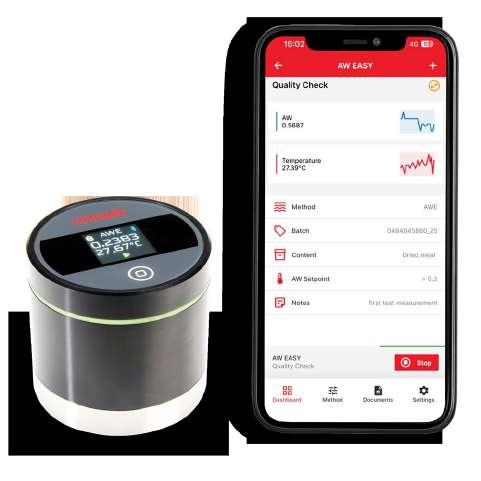
Called the AwEasy, the new stand-alone instrument is advanced, lightweight and compact, and is designed to produce extremely accurate reading simply and quickly – up to ten times faster than traditional devices. This makes it ideal for use by laboratory analysts, quality control teams and production staff who need to take spot-water activity measurements in the food, pharmaceutical, cosmetics and chemical industries.
The new AwEasy is the most recent addition to Rotronic’s existing range of water activity analysers, meters and probes. The company believes that it is the first of its type to offer both Bluetooth connectivity with the ability to use a smartphone or tablet app, to store and analyze data and then automatically output reports as pdf documents, for use in quality control and traceability regimes.
The AwEasy features a robust stainless steel and aluminum housing, measuring just 65mm tall and 68mm in diameter, with a top-mounted color LCD display, indicator ring and single control button. The instrument also incorporates Rotronic’s latest humidity and temperature sensing technologies. These are capable of providing levels of accuracy to within plus or minus 0.008aw, which is far better than competing devices in the same price range, while ensuring exceptional repeatability and stability.
Set-up and operation is carried out via the iOS or Android compatible app, with measurement simply requiring a test name and batch number. Analysis is automatic and can be displayed in detail, as raw data or on a choice of charts, with reports being exportable as pdf or csv files.
The AwEasy has also been designed to minimize the time required for water activity measurements. These normally take up to 50 minutes, but with the AwEasy in Quick Function mode this time can be significantly reduced to around 5 minutes. Combined with the in-depth analysis reports, this enables the new AwEasy to offer considerable improvements in productivity, quality control and traceability.
In areas such as factory environments, where connectivity may be an issue, or where the use of Smartphones is prohibited, the new AwEasy can be used on its own. Control of each analysis can be carried out directly from the front panel, with data being displayed on the LCD control panel and then automatically uploaded once the smartphone is back within range.
As part of DwyerOmega, Rotronic is able to provide a comprehensive range of technical and sales support services, including training, sensor calibration and repairs.
Kimberley Read at: kimberley@foodanddrinknetwork-uk.co.uk or Joanne Murphy at: joanne@foodanddrinknetwork-uk.co.uk
foodanddrinknetwork.co.uk
FIX Dessert Chocolatier Returns to Harrods with their brand-new flavour: Jam Or Go Nuts
FIX Dessert Chocolatier is officially back at Harrods, and the sugar‑rush isn’t stopping anytime soon. ‘The Original Dubai Chocolate’ is back to give Londoners the FIX they’ve been craving.
Leading the comeback is a new, original flavour: Jam Or Go Nuts, FIX’s love letter to the classic flavour combination - peanut butter and jam sandwiches. Warm peanut butter notes, a perfectly jammy centre and that FIX signature blondie chocolate finish offer the sweet, nostalgic taste of childhood.
Sarah Hamouda, Co-Founder of FIX Dessert Chocolate, commented: “Returning to the Harrods Chocolate Hall feels incredibly special for us. What started as a dream launch has now grown into a lasting partnership, and finding FIX a home in such an iconic destination is a huge personal milestone.”
Back due to very popular demand, FIX doesn’t travel light. The original
Tetra Pak Advances Food System
Resilience as it Cuts GHG Emissions
Across the Value Chain by Over a Third
Tetra Pak has launched its full year 2025 (FY25)
Sustainability Report, outlining how its continued emissions reductions are supporting greater resilience across the global food system.
In 2025, the company achieved a 34% reduction in greenhouse gas (GHG) emissions across its value chain since 2019, while also reducing emissions across its own operations by 56% and reaching 97% renewable energy consumption.
This progress reflects Tetra Pak’s growing focus on translating emissions reductions into long-term food system resilience. By directing efforts and investment towards areas where it can deliver the greatest long-term value, the company aims to support more efficient, robust food production while continuing to reduce its environmental impact.
Adolfo Orive, President & CEO at Tetra Pak, comments: “Feeding a growing global population is becoming ever more complex as environmental risks intensify. This is why we remain firmly committed to strengthening the resilience of the world’s food systems. With clear, measurable targets in place, 2025 marked a year of tangible progress, including passing the milestone of a one third reduction in greenhouse gas emissions across our value chain.”
To guide its actions and investment decisions, and to support more efficient, resilient food systems, Tetra Pak developed and launched an integrated climate and nature risk and opportunity assessment in 2025.
Overall, 2025’s progress sees Tetra Pak on track to meet its long-term climate targets. These include achieving a 46% reduction in value chain GHG emissions by 2030, increasing renewable electricity consumption across operations to 100% by 2030, and reaching net-zero emissions by 2050.
Dubai Chocolate ‘Can’t Get Knafeh Of It’ bar makes its grand return, alongside other favourite dessert bars including ‘Pick Up A Pretzel,’ ‘Catch Me If Pecan,’ and ‘Mind Your Own Biscuit.’ Whether you’re a FIX fanatic or a curious first timer, guests can expect flavour-packed bars, unforgettable textures, and that unmistakable FIX rush that keeps you coming back.
Brought to London by Imagine FMCG, FIX’s return marks another milestone in the brand’s international expansion.
Follow @fixdessertchocolatier for updates and behind-the-scenes moments.
Award-winning FORA gin captures the spirit of Andorra with labels from The Label Makers
Premium label specialist, The Label Makers, has helped Andorra’s first craft gin brand create an award winning identity that captures the essence of the Pyrenean principality through premium embellishments, sustainable design solutions and print expertise.
The label design has already received international acclaim, with FORA Terroir winning Best Branding at The Gin Guide Awards and securing a Gold Medal at the World Gin Awards. The product was also named among the World Gin Awards’ Top Five Global Finalists, while FORA Clàssic received a Gold Medal and Negroni secured Silver at the International Wine & Spirit Competition (IWSC).
Working within these parameters, The Label Makers developed a solution that delivered luxury branding without compromising environmental values. Using premium uncoated white paper stock, the team combined copper foiling with tactile screen embellishments to create a label that is both visually striking and highly tactile. Raised detailing on the mountain landscape and pine sprig helps evoke Andorra’s dramatic scenery while reinforcing the product’s handcrafted nature.
Soraya Spiers, co-founder and co-master distiller at FORA, said: “We originally wanted to screen print the bottles, but budget constraints meant we needed to explore other options. In hindsight, that proved to be a blessing. The finished labels are beyond what we imagined and have helped us establish FORA as a premium brand from day one.
“The Label Makers’ Malcolm Rushforth was a dream to work with throughout the project, guiding us through every stage of the process, while Polly Playford’s design work brought our vision to life. The labels are everything we hoped they would be and have played a huge role in the success of the brand.”
Ben Robinson, sales director at The Label Makers, concluded: “FORA had a clear vision for how it wanted to showcase Andorra’s character through its packaging while remaining committed to sustainable principles. By combining premium materials, copper foiling and tactile embellishments, we created a label that delivers strong shelf appeal and reflects both the quality of the product inside and the values behind the brand.”
For more information on The Label Makers, visit thelabelmakers.co.uk
Macsween launches innovative new sausage range
Iconic haggis manufacturer Macsween of Edinburgh Ltd has launched an innovative new sausage range inspired by its proud family heritage of producing the finest quality products.
The two new products - Pork and Haggis Sausages, and Pork and Black Pudding Sausages - deliver an innovative new twist to the Macsween range and mark an exciting diversification to the company’s product portfolio.
Produced in 350g packs that contain six sausages per pack, and attractively labelled to underline Macsween’s proud family butcher heritage and dedication to quality, it is anticipated the new range will prove popular with consumers.
James Macsween of Macsween of Edinburgh said: “These great tasting sausages are based around our renowned haggis and black pudding, and deliver a completely new flavour sensation to the traditional Scottish pork sausage.
“Innovation is at the heart of what we do and our new Pork and Haggis Sausages, and Pork and Black Pudding Sausages, illustrates
Automating Efficiency in Sustainable Potato Packing
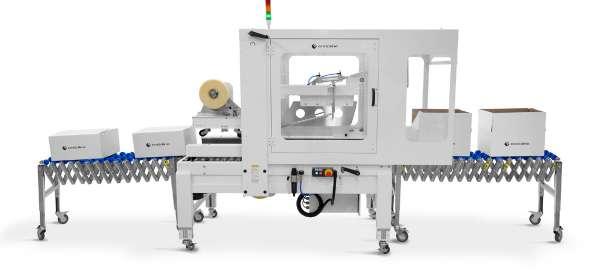
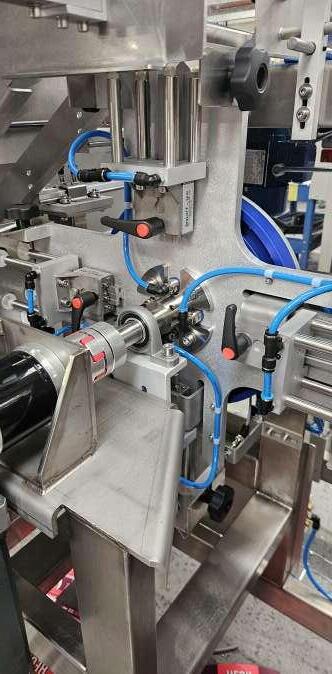
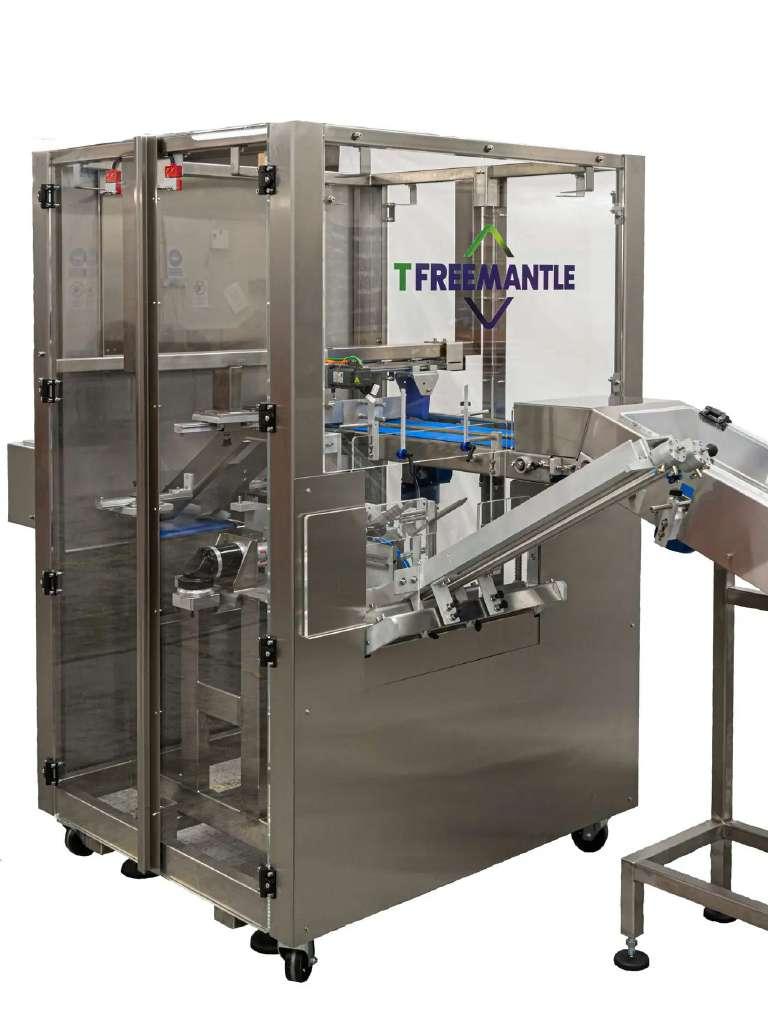
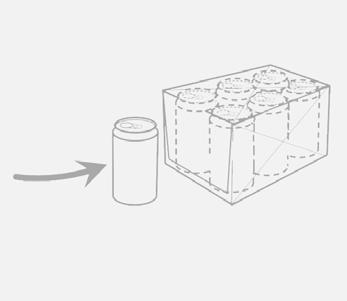
Pengelly Farms, a long-standing Cornish potato producer, has significantly enhanced operational efficiency by integrating automated case assembly and sealing technology from Endoline Automation.
In the coastal landscape of Helston, West Cornwall, Pengelly Farms has spent over half a century perfecting its potato harvest. Established in 1967, this family-run operation has evolved from a local grower into a premier UK producer of premium salad potatoes. Managing 1,200 acres, they supply approximately 16,500 tonnes of produce annually to UK and European supermarkets, wholesalers and high-end restauranteurs.
However, as the Red Tractor and LEAF-accredited farm scaled its infrastructure, it encountered a classic industrial friction point: the highspeed potato packing bottleneck.
Following the recent modernisation of its processing line with a high-speed Newtec chute loader, Pengelly Farms identified an opportunity to optimise its downstream packing operations.
The solution lies in the ‘dual opposing vacuum technology’ unique to Endoline. Rather than attempting to pull the box open from a single direction, the system applies force symmetrically.
“The dual opposing vacuum technology is especially beneficial when forming heavy-duty boxes. It works by clamping each side of the case during the forming process applying the same amount of pressure to simultaneously open it from both sides,” explains UK Sales Manager James Saywell.
The Endoline 221 Case Erector and 613 Case Sealer were integrated into the existing packing area that already featured heavy-duty Haith multisize graders and Tomra 3A optical sorters.
“Endoline Automation was extremely accommodating. Labour shortages meant we needed to automate this aspect of our potato packing line. But replacing our high end sorting and grading equipment was non-negotiable. Endoline worked around this. As a result, we are already exploring automating labelling and palletising with them,” comments Ben Cavill.
our determination to reinvigorate the market place with exciting products that inspire consumers.”
Pork and Haggis Sausages, and Pork and Black Pudding Sausages, are currently stocked in Asda stores in Scotland and will be rolled-out into other retail outlets over the coming months.
www.macsween.co.uk
The
Industrial Skills Gap Nobody Talks About: Equipment Familiarity
As businesses across the UK continue to grapple with labour shortages and workforce turnover, Pallet Trucks UK is bringing attention to a specific challenge facing warehouses and distribution centres: the decline in equipment familiarity among new starters.
Much has been written about skills shortages in logistics, from HGV drivers to warehouse operatives. However, according to Pallet Trucks UK, one of the most overlooked issues is the growing number of employees entering the sector with little or no previous experience of warehouse environments and the equipment used within them.
Pallet Trucks UK says that equipment complexity can quickly become a barrier in these environments. When staff are unfamiliar with warehouse operations, reliable pallet trucks that are straightforward to operate can help reduce mistakes, minimise downtime and support safer handling practices.
Phil Chesworth, Managing Director at Pallet Trucks UK, said, “There’s a lot of discussion around labour shortages, but not enough attention given to experience levels. Many people entering warehousing today are capable and eager to learn, but they may never have worked with pallet trucks or warehouse equipment before.
“That makes equipment choice more important than many businesses realise. The easier equipment is to understand and use correctly, the faster new starters can become confident and productive members of the team. Good equipment should support operators, not create additional obstacles.”
The company notes that this issue is particularly relevant as businesses prepare for future growth and increasingly dynamic staffing models. Temporary workers, seasonal recruits and employees moving between sectors all benefit from equipment that is designed to be practical, durable and easy to operate.
For more information, please visit: www.pallettrucksuk.co.uk.
FREELANCE SALES AGENTSWanted
We are looking for motivated and results-driven freelance sales agents to help grow advertising across our portfolio of magazines, websites and digital marketing services.
Whether you are looking for a full-time opportunity or additional income alongside your existing role, we would love to hear from you.
Teknomek expands food processing offering with precision balances and washdown scales
Hygienic furniture and equipment specialist Teknomek has expanded its food processing range with the addition of precision balances and washdown scales from Adam Equipment. Designed to support accuracy, hygiene and compliance, the new range provides food manufacturers with reliable weighing solutions suited to demanding production environments.
The Adam Equipment models have been chosen to meet the stringent requirements of the food sector, where accurate weighing, robust construction and hygienic design are essential to maintaining product quality and meeting regulatory standards. Known for reliability, competitive value and strong customer support, Adam Equipment’s products are particularly well suited to clean and controlled environments, aligning closely with the needs of Teknomek’s customers.
Alongside these, Teknomek has added washdown scales designed specifically for harsher environments where equipment is exposed to frequent cleaning and wet conditions. Constructed with sealed components and durable materials, the scales are engineered to withstand regular washdown procedures, helping to prevent ingress and maintain performance over time. This makes them particularly well suited to production lines, preparation areas and high-care environments where hygiene protocols are rigorous and downtime must be minimised.
The addition of weighing equipment complements Teknomek’s wider portfolio of hygienic furniture and equipment, enabling customers to specify everything from work benches and storage units to critical weighing solutions through a single, trusted supplier. This integrated approach supports food manufacturers in creating efficient, compliant production environments where hygiene and performance go hand in hand.
“Accurate weighing plays a vital role in ensuring product consistency, reducing waste and maintaining compliance in food processing environments,” says Michelle Locke, product and marketing manager at Teknomek. “With the addition of Adam Equipment balances and scales, we are enhancing our ability to provide customers with robust, reliable solutions that perform in demanding, hygiene-critical settings.
“From precision weighing for ingredient control through to durable washdown scales for production areas, this expanded range gives customers the flexibility to meet both operational and hygiene requirements, helping to reduce risk and support consistent, highquality output,” Michelle concludes.
For more information, please call the customer services team on +(0)1603 361999 or visit www.teknomek.co.uk.
First British-made sparkling wine bottle enters production as English and Welsh wine sector continues to grow
Croxsons, a 150-yearold packaging partner supplying glass bottles and jars to the food and drink sector, has worked in collaboration with glass manufacturer Encirc to oversee the first production run of Sovereign, the UK’s first British-made sparkling wine bottle.
The amber bottle has been developed specifically for the English and Welsh sparkling wine industry, marking a significant milestone for producers seeking a domestic alternative to imported glass packaging.
Last week, close to one million bottles were produced during the first production run of Sovereign at Encirc’s Cheshire facility. The milestone marks a significant step forward for the English and Welsh sparkling wine sector, providing producers with access to a domestically produced bottle designed specifically for the sector at a time when the industry continues to expand and demand for reliable, high-quality packaging continues to grow.
Until now, producers have largely relied on imported bottles from Europe, with no British-made bottle specifically designed for the English and Welsh sparkling wine industry.
Sovereign has been developed to address that gap, offering producers a domestic alternative that strengthens supply chain resilience, improves availability and reduces reliance on overseas imports and potential border delays. By manufacturing the bottle in Britain, the initiative supports a more localised supply chain while strengthening both the sustainability and provenance credentials of English and Welsh sparkling wine.
The UK now boasts more than 1,000 vineyards and over 200 wineries, with vineyard acreage more than doubling over the last decade.
Speaking of the first production, Tim Croxson, CEO of Croxsons, said: “For many years, English and Welsh wine producers have built worldclass sparkling wines using bottles sourced from overseas. Sovereign changes that. After almost two years of collaboration to bring the concept to life, this first production run represents the culmination of a huge collective effort.”
The bottle is already being adopted by producers including Three Choirs and Ridgeview, demonstrating growing demand for British-made packaging within the sector.
Following the successful first production run, Sovereign is now available to English and Welsh sparkling wine producers.
Reliable metal detection even in challenging conductive products like meat, dairy, and cheese. Eriez. Always the Right Choice. The simultaneous frequency technology of the X8-SF metal detector delivers superior sensitivity with easy operation and rugged washdown performance, making it ideal for demanding food processing environments.
The Biggest Barcode Upheaval in Decades: GS1 Sunrise 2027
Are You Ready?
An article By Roy Green, Harford Control Ltd. July 2026
The standard 1D linear barcode (the classic EAN/UPC) has been the workhorse of the grocery supply chain for decades. But in an era governed by strict food safety traceability and rapid recall demands, it has finally ‘run out of road’. Driven by Tesco and other major supermarkets, the food industry is rapidly transitioning toward GS1-compliant 2D/QR codes.
With the global ‘GS1 Sunrise 2027’ deadline fast approaching, the milestone date by which retail point-of-sale (POS) systems must universally scan and accept 2D/QR codes, food manufacturers are running out of time to upgrade their factory floor operations.
What is GS1 Compliance in the Food Industry?
At its core, GS1 compliance means identifying your products, assets, locations and date codes using a standardised, globally recognised digital language. Instead of relying on internal, proprietary stock codes, compliance requires encoding data using the uniform GS1 blueprint.
Historically, this meant assigning every item
a unique Global Trade Item Number (GTIN) and printing it as a 1D barcode. Today, achieving true compliance requires navigating the 2D barcode migration, moving toward data-rich formats like the GS1 DataMatrix or 2D/QR codes powered by the GS1 Digital Link.
Unlike traditional barcodes, a GS1-compliant 2D/QR code encapsulates dynamic, realtime manufacturing data directly on a single piece of food packaging:
• GTIN: Universally identifies the product type.
• Batch and Lot Numbers: Pinpoints the exact production run for hyper-targeted product recalls.
• Best Before & Use By (expired) Dates: To automatically trigger price markdowns at the till or block the sale of expired goods.
What Products Require GS1 Compliance?
In food and beverage manufacturing, GS1 compliance applies to virtually every
product that passes through a modern supply chain or crosses a retail point of sale. There is no size threshold or sector exemption.
If your packaging lines process any of the following categories, your factory is directly in scope:
• Fresh & Perishable Foods: Meat, poultry, seafood, dairy, and prepared produce lines where automated expiry management is vital to reducing food waste.
• Beverages: Juices, soft drinks, wine, spirits, and multi-packs.
• High-Risk Allergen Products: Ready meals, bakery items, and multi ingredient food kits requiring strict batch isolation and control.
• Case-Level & Secondary Packaging: Outer transit cases and pallets must also feature GS1-128 linear barcodes or 2D variants to automate warehouse tracking and meet compliance audits.
The Hidden Risk on the Food Factory Floor
While marketing and retail teams champion the data capacity of 2D/QR codes, production directors face a massive operational challenge: dynamic data drastically increases operational risk.
When a barcode was static, printing it was simple. Now that a 2D barcode and QR code contain live, changing variables, like real-time date stamps and shifting batch codes, the opportunity for human error on the factory floor increases.
If an operator manually inputs an incorrect date code, or an inline inkjet printer suffers a minor nozzle clog that smudges a dense data matrix, the consequences on a high-speed food line are immediate and potentially catastrophic:
• Allergen & Recall Vulnerability: If a printed 2D barcode or QR code fails to accurately reflect the ingredient data or masks an allergen risk, it triggers a high-cost, brand-damaging Emergency Product Withdrawal (EPW).
• Supermarket Fines & Rejections: Major grocers will automatically reject entire pallets of food if the inline codes are unreadable or non-
compliant, leading to heavy retail barcode penalties, lost shelf space, and damaged supplier relationships.
• Slowing Down OEE: If your quality control team still relies on random, manual paper checks, errors can go unnoticed for hours. To compensate, lines are often slowed down, severely hurting your Overall Equipment Effectiveness (OEE).
But it doesn’t need to be this way: How to Guarantee Food Safety Compliance without Sacrificing Speed
Achieving robust GS1 compliance requires moving away from fragmented, paperreliant quality checks and embracing automated, inline verification on the factory floor.
Harford Manufacturing Execution System (MES) protects your food operations across three critical areas:
1. Automated Code Configuration (Autocoding)
Eliminate manual data entry at the line printer. By linking your factory floor printers directly to your master ERP or product specification database, the correct 2D barcode and QR code data, including dynamic batch numbers and complex shelf-life calculations, are sent to the packaging line automatically, minimising human error.
2. 100% Inline Barcode & Vision Inspection
Random manual checks cannot keep up with lines running hundreds of packs a minute. Integrated vision inspection systems scan every single pack in real-time. The system verifies that the 2D/QR code is perfectly legible, properly graded to GS1 quality levels, and matches the product
inside. Any defect triggers an instant automated rejection before the pack ever reaches a transit crate.
3. Immediate Root-Cause Identification
If an inkjet printer begins drifting or a thermal transfer ribbon folds, you cannot afford to waste a whole batch. Synchronised automated technologies capture the exact moment a print defect occurs, allowing operators to make a rapid, 30-second fix and maintain highspeed line efficiency.
Future-Proof Your Production Lines
The global transition to GS1 compliance isn’t just a regulatory hurdle to be feared; it is an opportunity to build a tighter, safer, and more transparent food production process. By automating your coding setup and verifying every single item inline, you eliminate the threat of supermarket fines and protect your consumers from allergen risks.
With 2027 barely 6 months away, there is no time to lose
Are you ready for the future of retail?
Contact the Harford Control team today to learn how our integrated Automated Label Verifications solutions can seamlessly future-proof your packaging operations ahead of GS1 Sunrise 2027.
(01225) 764461
STOP RETAIL FINES
Eliminate unreadable codes, mismatches, and incorrect date labels before they reach the supermarket.
FULL TRACEABILITY
Automate your batch validation to ensure accuracy and mitigate high-cost recall risks.
FUTURE-PROOF OPERATIONS
Prepare your packaging lines for the global retail transition to 2D/QR codes.
High Performance Solutions for MODERN PRODUCTION LINES
FOR ALL YOUR PALLETISING NEEDS
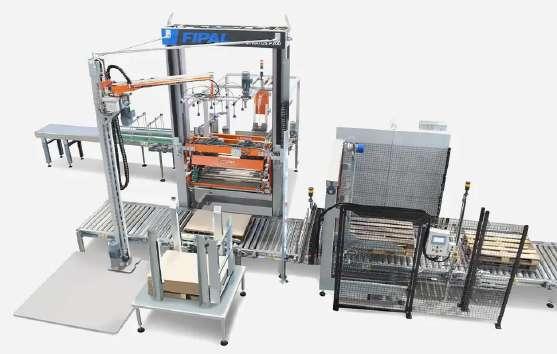
Designed for production lines that require speed, flexibility and absolute reliability, the Stratus P200 Palletiser from FIPAL is the ideal end-of line companion.
For all types of containers and packages, multiple formats are handled with ease.
Equipped with FIPAL’s innovative Dynamic Box and Easy Turn System, the P200 guarantees perfectly prepared layers every time - optimising pallet stability.
Up to 250 layers per hour
Low maintenance design
Flexible configurations for any layout
Product infeed from above or below
Adaptable with additional modules for pallet magazines, pad dispensers, roller conveyors, and pallet wrappers
High-grade materials for robust build and consistent performance
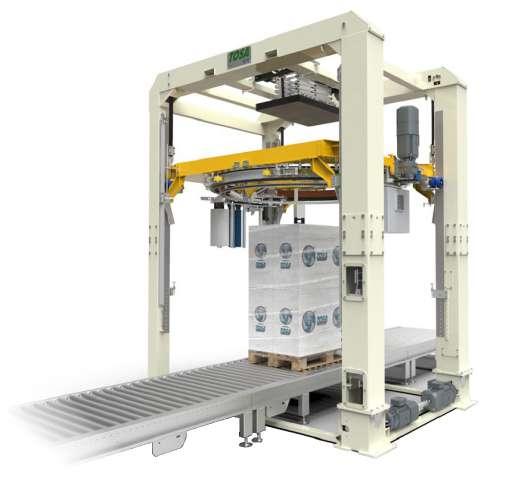
JURACAN HIGH SPEED STRETCHWRAPPER
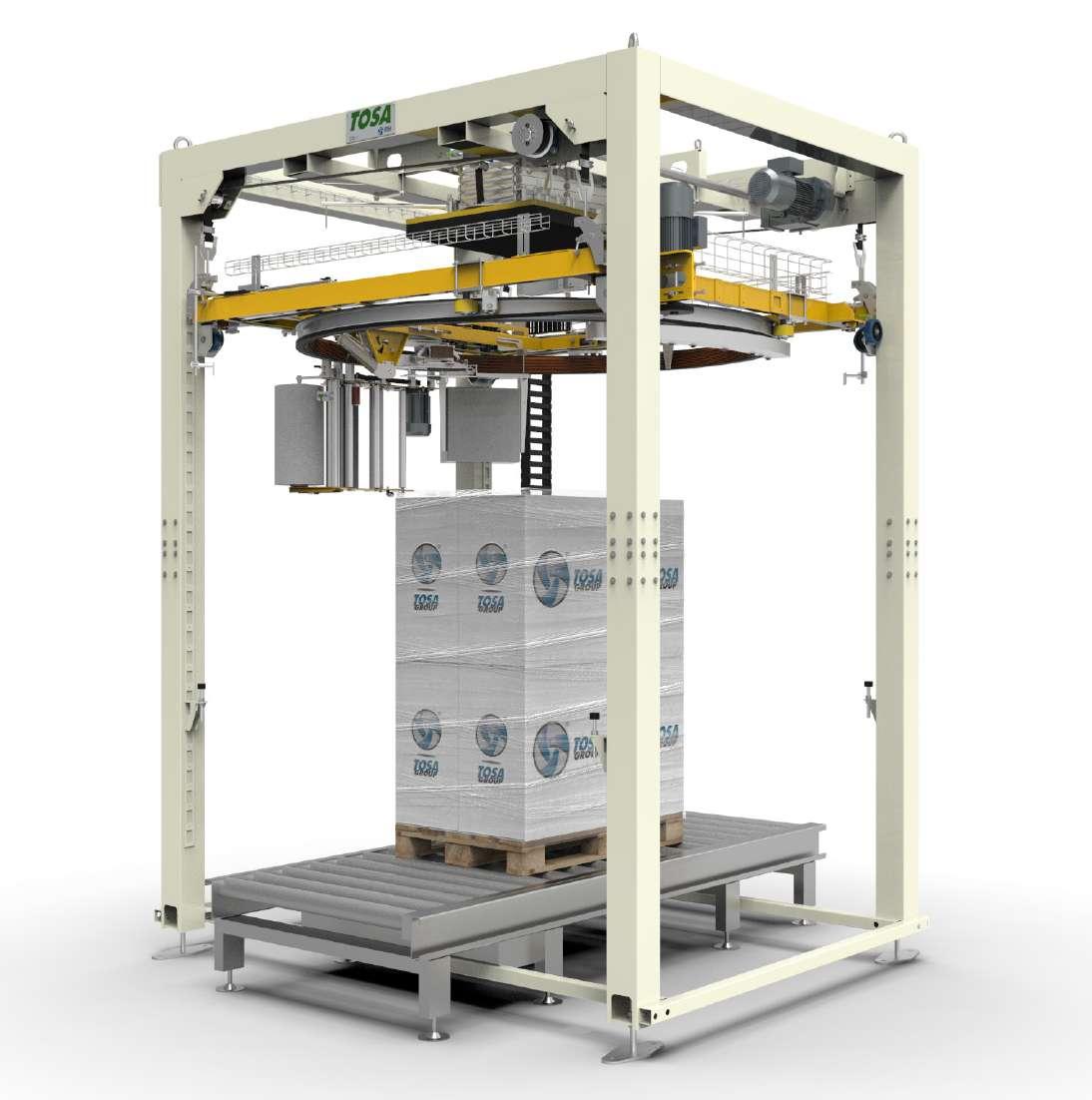
Low Maintenance Rotating Ring Stretch Wrapping Machine up to 160 PALLETS PER HOUR
TOSA JURACAN STRETCHWRAPPER is a high-performance machine for demanding production lines, supporting 500 or 750mm stretch film rolls individually or simultaneously.
Strategic film placement reinforces wraps where required and a powered pre-stretch, up to 400%, helps reduce film consumption while improving load stability.
Patented Automatic Stretch Film Roll Change System
Powered Variable Pre-Stretch Vertical Corner Post Application System 20 Customisable Wrapping Programs User-friendly Operator Panel
Smart Data-Gathering System and Troubleshooting Interface offers intuitive maintenance
Packaging’s boldest ideas are back at London Packaging Week 2026
Whether you’re looking for fresh ideas, new partners or a more complete view of where packaging is heading, London Packaging Week on 16 & 17 September is where it all comes together.
London Packaging Week returns to Excel London on 16 & 17 September 2026, with registration now officially open for the UK’s leading platform for packaging innovation, design and sourcing across the luxury, beauty, premium drinks and FMCG markets.
A key meeting place for the global packaging industry, London Packaging Week brings together the brands, designers, suppliers and innovators shaping the future of packaging. Following a recordbreaking 2025 edition, the show returns for two days of discovery, collaboration and commercial insight in the heart of the capital.
The 2026 edition is set to welcome more than 5,700 visitors, over 220 exhibitors and thousands of packaging solutions from across the global supply chain. From materials innovation and structural design to sustainability, regulation and brand experience, it provides a focused environment where the sector’s most important conversations take place in real time.
Across the show floor, visitors will explore the full breadth of the packaging ecosystem through five core sectors: luxury packaging, beauty and personal care, premium and luxury drinks, FMCG and consumer goods, and packaging design and innovation. Together, these areas reflect the complete lifecycle of packaging — from concept and material development through to production, compliance and consumer experience.
Alongside the exhibition, visitors will access a free-to-attend content programme featuring talks, panels and industry discussions. The agenda will explore the most pressing challenges and opportunities facing the sector, including sustainability legislation, EPR, circularity, accessibility, material innovation and the evolving role of packaging in brand storytelling.
Josh Brooks, Divisional Director – Packaging Portfolio at Easyfairs, said: “London Packaging Week is where the industry connects as a single, unified ecosystem. It is no
longer defined by separate sectors or silos, but by shared challenges across the entire packaging value chain.
“The momentum from last year’s record-breaking edition has carried into 2026. We are seeing that energy continue to build, with strong engagement already across all sectors from luxury and beauty to drinks and FMCG. It reflects an industry that is not only present but actively invested in what comes next.”
The 2026 edition also reflects continued momentum across its exhibitor base, with leading global and specialist suppliers confirmed. Returning exhibitors include Amcor, Fedrigoni, Billerud, Autajon, Kurz, Sun Branding and Ecosurety, alongside a wider network of converters, materials innovators and packaging specialists from across Europe.
The event also welcomes a strong cohort of first-time exhibitors, including Sabert, PakTech, Coppice and Sustain Holdings, reflecting continued expansion across foodservice, circular materials and sustainable packaging systems.
London Packaging Week continues to strengthen its position as a uniquely London platform with global influence. With 92% of visitors based in the UK and participation from leading British and international brands including Diageo, William Grant & Sons, Jo Malone, Harrods, Selfridges and Penhaligon’s, the event reflects the commercial strength and creative influence of the UK packaging ecosystem.
Supported by organisations including WRAP, INCPEN, Walpole, British Beauty Council and BCMPA, London Packaging Week remains closely aligned with the institutions shaping the industry’s future direction.
Registration is now officially open for London Packaging Week on 16 & 17 September.
The Strategic Advantage of Treating Calibration as a Service
By Joern Migge, Head of Market Management and Service, Mettler-Toledo Product Inspection
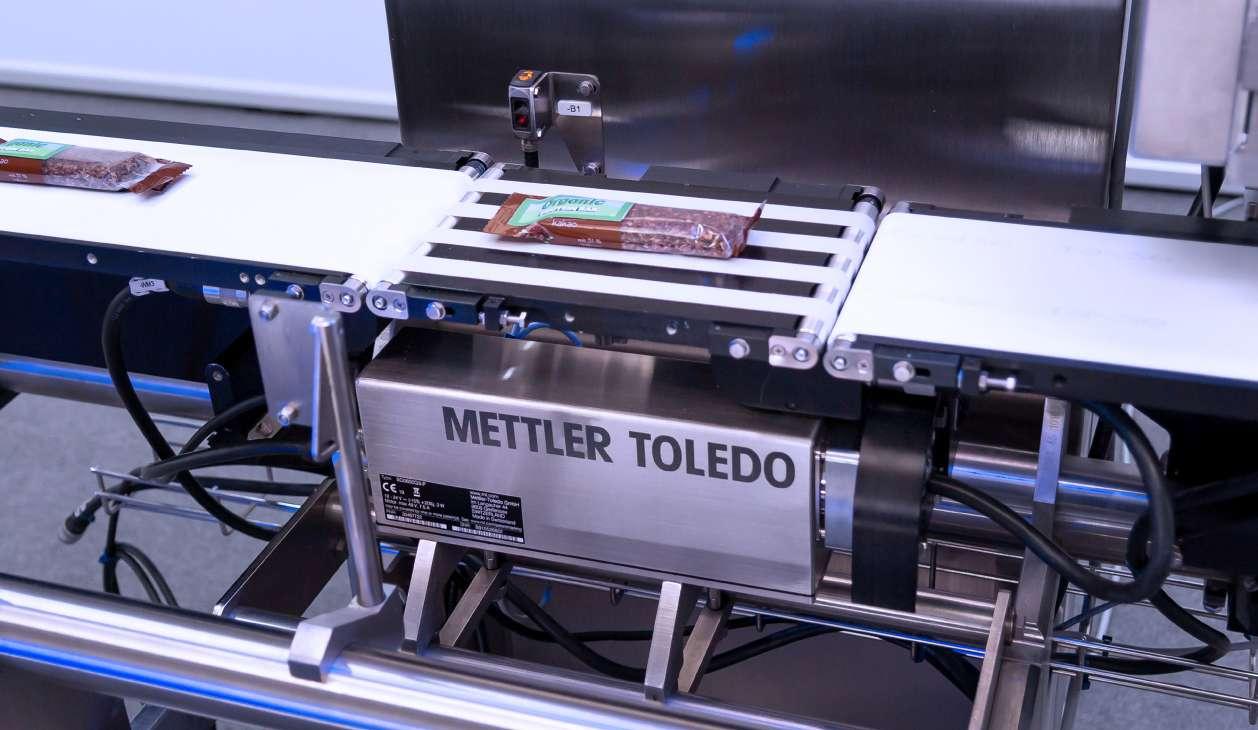
Precision in manufacturing is often measured in grams, not guesses. Small inconsistencies in product weight can lead to higher costs, wasted materials and strained compliance processes. While calibration is a routine requirement for any business using automatic weighing instruments, its real potential lies in how it is used.
Calibration is the process of assessing how closely a weighing instrument performs compared to a known reference value. It allows manufacturers to understand the possible variation in readings and determine whether equipment is delivering consistent results. This variation is called measurement uncertainty. When viewed not as a technical obligation but as a tool for improvement, calibration becomes a key driver of performance. It supports better decision-making, improves reliability on the line and helps manufacturers respond more effectively to commercial and regulatory pressures.
Automatic weighing instruments, including checkweighers and catchweighers, are subject to gradual performance drift. Factors such as mechanical wear, conveyor misalignment and ambient conditions can all affect weighing accuracy. Regular calibration identifies these issues and helps teams understand how closely instruments are performing to expected standards.
The brand new EURAMET (European Association of National Metrology Institutes) Calibration Guideline No. 26 provides a structured method for determining this uncertainty. Developed with manufacturers such as Mettler-Toledo, it outlines how calibration should be conducted in production environments using appropriate test loads and process conditions. It also defines how to calculate repeatability, reproducibility and the effects of off-centre loading. For manufacturers, this creates a consistent framework that supports accurate comparison across lines and sites.
However, the value of calibration is not in the measurement alone. It is in how the results are applied. Manufacturers who treat calibration
as a core part of their service and maintenance strategy will see far more value than compliance alone would offer.
Controlling costs through process improvement
Many manufacturers operate in environments where even small inefficiencies have a significant financial impact. Consistent overfilling of packs may seem minor on a single unit basis but can result in thousands of pounds in product giveaway over time. Underfilling, on the other hand, risks non-compliance, customer dissatisfaction and costly recalls.
Calibration data helps to pinpoint where these issues are occurring. It can show whether instruments are consistently reading above or below expected levels and whether environmental factors or loading methods are contributing. Acting on this information allows teams to fine-tune processes and reduce unnecessary costs without compromising quality.
Improving maintenance strategies and extending equipment life
Treating calibration as part of a broader service strategy also supports better planning. For example, if a checkweigher shows increasing variation across weights or signs of deteriorating repeatability, it may indicate that servicing is needed before a more serious fault develops.
Over time, tracking these patterns allows maintenance teams to shift from reactive repairs to proactive interventions. This reduces unplanned downtime, supports higher line availability and extends the
life of critical equipment. Where replacement is under consideration, calibration data can also help determine whether performance remains within operational limits or if investment is justified.
Enabling better audit readiness and traceability
In regulated industries such as food, pharmaceuticals and chemicals, audit preparedness is a constant concern. While the EURAMET guideline does not define compliance thresholds, it provides traceable, structured documentation that supports audits and inspections.
EURAMET Calibration Guideline No. 26, for example, provides a recognised framework for checkweigher calibration and verification services. This supports manufacturers in maintaining compliance with quality management systems such as ISO 9001, where measurement equipment must be calibrated or verified against traceable standards as part of demonstrating measurement validity.
Professional calibration is central to this process. It must be performed by qualified service engineers using traceable reference standards, as it requires specialist knowledge of weighing technologies, environmental influences and uncertainty calculations. By scheduling professional calibration at defined intervals, typically at least once a year, or more frequently in demanding environments, manufacturers can gain verified confidence in weighing accuracy and access to validated documentation that demonstrates control over their processes.
This expert-led approach not only strengthens compliance but also provides the traceability and transparency needed to reduce audit stress and build trust with regulators and customers alike.
Benchmarking performance across systems and locations
Where production takes place across multiple lines or sites, calibration becomes even more valuable. When the same
Quality Assurance & Compliance
methodology is applied consistently and results are recorded over time, manufacturers can benchmark equipment performance more effectively.
This can reveal areas where processes need adjustment, highlight equipment that is underperforming and help prioritise upgrades or training. It also helps align teams across functions, such as quality, operations and engineering, around a shared understanding of performance.
Shifting the role of calibration from compliance to business intelligence
The most important shift comes when calibration is no longer treated as an isolated event. When embedded within a continuous service and maintenance approach, it becomes part of a broader effort to optimise performance.
It enables teams to move beyond pass or fail outcomes and use calibration data to understand trends, spot early warnings and improve decision-making. This supports a culture of performance, where teams feel confident that their equipment is working as intended and have the insight to act when it is not.
As manufacturing environments grow more complex, the ability to act on performance data is increasingly important. Faster product changeovers, tighter regulation and rising demand for traceability all require systems that are not only accurate but fully understood.
Calibration gives manufacturers the clarity they need to meet these demands. It provides a consistent method for assessing performance and a practical foundation for improvement.
Learn how forward-thinking manufacturers are using calibration not just to stay compliant, but to optimise performance across their operations by visiting www.mt.com/cw-calibration-ds-pr .
PAC-E COOPERATION UNCAPPED
Bericap UK and Sumitomo (SHI) Demag present findings from 18-month collaborative development project testing every performance aspect of the latest PAC-E machine in a real production setting. Results corroborate the 50%+ energy savings, market-leading all-electric fast cycle times and 1.5 year ROI claims.
It is uncommon for companies to embed end-users in the creation of a flagship innovation, especially in large-scale machinery. Defying convention, Bericap UK and Sumitomo (SHI) Demag rigorously tested the new energy-efficient, fast-cycle PAC-E machine for caps and closures using high-pressure production conditions. Through this collaborative approach, both organisations established a new industry benchmark, demonstrating the significant advantages of integrating operational insights from end-users throughout the development process.
“With razor-thin margins, processing speed is everything in the packaging industry. We never imagined all-electric could meet our performance demands until the PAC-E machine proved otherwise. Utilising our high-demand production environment as the proving ground, Sumitomo (SHI) Demag delivered on their productivity promise, giving us the competitive edge to take our business even further,” explains Bruce Margetts of Bericap UK.
“Working so closely with the Sumitomo (SHI) Demag team has been incredibly valuable. It led to a game-changing machine that is not only transforming our operations but could reshape the entire packaging industry,” adds Bruce.
After observing the performance advantages and energy efficiencies throughout an 18-month testing period, Bericap UK proceeded to place an order for a serial production 350 ton PAC-E.
HIGH PRESSURE TESTING GROUND
Already conceptualised with significant input from Sumitomo in Japan and the German product engineers, the PAC-E development faced one major industry challenge. This new machine would have to demonstrate and convince packaging manufacturers that it could match the previously unparalleled performance of Sumitomo (SHI) Demag’s El-Exis SP series, but deliver the environmental, cleanliness and efficiency benefits of an all-electric system.
Bericap UK in Hull provided the real-world, demanding production environment to validate and optimise the machine’s capabilities. Accommodating a 350 ton PAC-E in active production, over 18 months the machine ran over 11 million cycles. This enabled the Sumitomo (SHI) Demag engineering team to fine-tune cycle speeds, further-improve component resilience and reduce energy consumption in cap production by over 50%, all while delivering on Bericap’s live commercial orders.
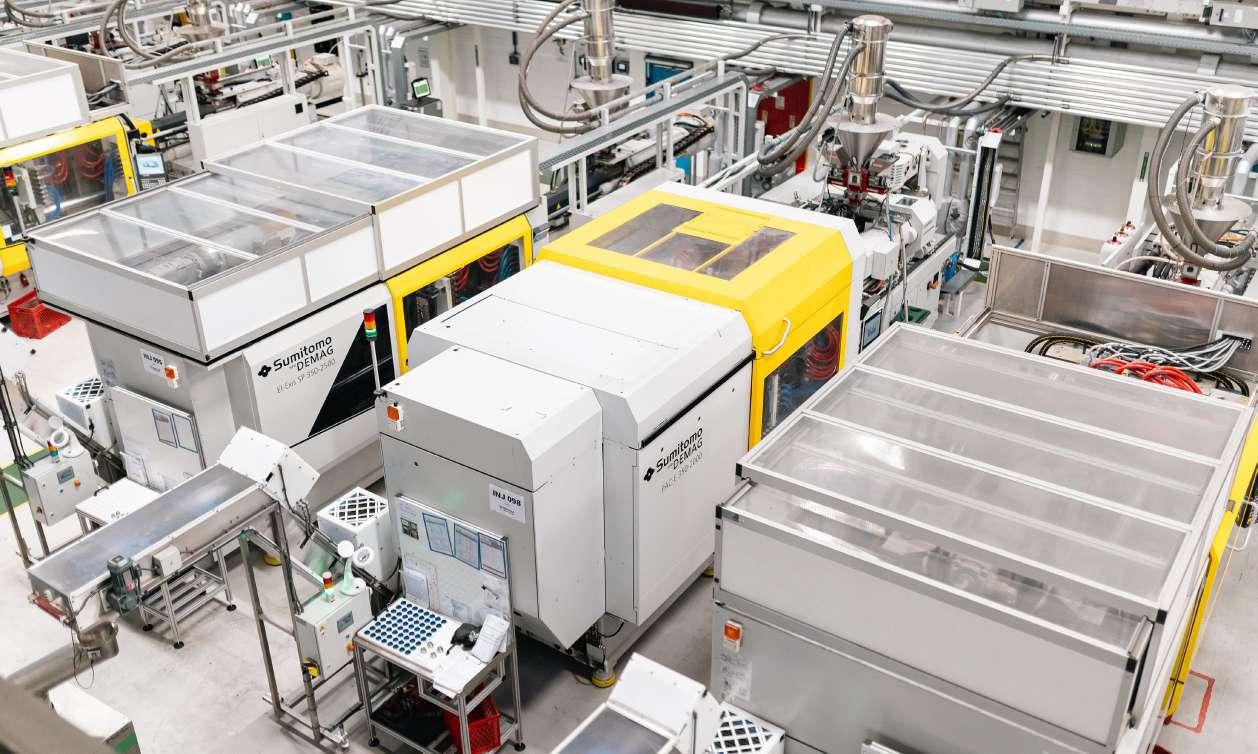
The PAC-E machines combine German manufacturing precision with advanced Japanese all-electric technologies to save caps and closures manufacturers over 50% energy
PAC-E’s functionality was stress-tested in situ, testing parameters such as cycle time stability, dosing consistency and thermal loading on the drives and spindles.
“In fact, the machine was running continuously and proving to be so energy efficient and reliable, it was challenging to persuade the production team to switch it off to make adjustments,” notes Bericap UK process engineer Dean Bramley.
For the entire duration of the project, engineers, process managers, directors and technical specialists from both companies hosted regular on-site reviews, bi-weekly development meetings and weekly technical calls. This continuous feedback loop allowed PAC-E to evolve through live production insights rather than lab-based testing.
The end result has changed the landscape of plastic packaging production for the benefit of all mass manufacturers, claims Sumitomo (SHI) Demag’s UK & Ireland Managing Director Dave Raine. He expands: “With Bericap’s demanding production environment, we were able to analyse hundreds of application datasets, engage with mould makers and ultimately refine the machine to meet the precise production and user safety requirements.”
ECOLOGICAL MEETS ECONOMICAL
Given the urgency of Net Zero and the emphasis on sustainable design, PAC-E drew upon its extensive all-electric expertise. Specifically, the all-electric direct drives designed by Japanese parent company Sumitomo Electric, served as a springboard to initiate faster machine developments for sectors traditionally served by hydraulic and hybrid machines, reports Dave Raine.
With an advanced model ready to market, PAC-E’s functionality underwent months of live tests at Bericap UK. Production parameters such as cycle time stability, dosing consistency and thermal loading on the drives and spindles were just several of the focus areas. By the end of the testing programme, the collaborative team had generated all the production data required to prove that PAC-E consistently achieved speeds and energy savings once considered unattainable with all-electric injection moulding.
Sumitomo (SHI) Demag engineer Aaron Driver reflects: “Cycle time, energy consumption and machine uptime are the biggest variables in ROI, so they became our core development priorities. By zeroing in on these performance indicators and continuously refining every element that influenced them, we were able to break through innovation limitations.”
Towards the end of the testing programme a full injection profile linearity study was conducted by Bericap UK. This helped to distinguish the differences between the El-Exis and PAC-E to build up a portfolio of evidence as to why the PAC-E significantly benefitted the company’s production strategy and provided proof of the benefits.
One of the key highlights of this impartial study drew attention to the re-engineered motion system optimised for short-stroke, highprecision applications. Although the maximum injection speed is lower (550 mm/s vs. 1000 mm/s), the dynamics are significantly higher. The result is sub-2-second cycle times, fast enough to support production of over 1 billion caps per year on machines running 24/7.
“Customers are signalling that they want absolute certainty before they make a purchase decision. The development has to be mature, the performance excellent, the energy savings significant. PAC-E was co-developed with and for the customer and with this programme we have proven that PAC-E delivers on every count. In Bericap’s case it made 500 million caps per annum, more than halved energy consumption, equating to a 1.5 year ROI,” states Dave.
Operations Director Chris Hood concludes: “The level of cooperation and desire to succeed on this project was exceptional. The Sumitomo (SHI) Demag UK team went above and beyond in their availability and determination to take learnings from the installation and implement solutions and improvements. These can be seen on the final production machines installed by the Bericap Group.”
GLP-1s are changing the long-term effects of appetite: is it time for food innovation to catch up?
By Greg Holgate
Until recently, food brands and manufacturers targeting consumers focused on weight loss and weight management were primarily concerned with reducing overall calorie intake while still delivering strong organoleptic and sensory performance. This was typically achieved through formulations designed to increase satiety by boosting protein and fibre content and reducing sugar, fat and overall energy density.
The result has been a steady rise in high-protein yoghurts, reduced-sugar beverages, fortified snack bars, meal replacements and portion-controlled convenience foods. Yet many traditional ‘diet’ products still struggle to deliver genuine sensory satisfaction, often characterised by thin textures, limited indulgence and short-lived fullness. As a result, consumers can remain vulnerable to rebound snacking and poor long-term adherence to calorie-restricted eating plans.
However, the rapid rise of GLP-1 therapies is forcing a much deeper rethink of how consumers experience hunger while in treatment, and how they manage appetite once treatment ends.
GLP-1 medications do far more than suppress appetite. These medications can fundamentally interrupt long-established eating behaviours, reward responses and internal hunger cues. For many consumers, foods they once craved suddenly become unappealing, portion sizes shrink dramatically and eating itself becomes less emotionally rewarding.
This creates an entirely new challenge for food manufacturers: how do you develop products for consumers who may physically want to eat less, but still need nutrient-dense foods that deliver satisfaction, nourishment, pleasure and long-term eating confidence? The opportunity is no longer simply about helping consumers eat less, but about helping them rebuild a sustainable relationship with eating itself.
Smaller, nutrient-dense portions
One of the biggest behavioural shifts emerging from GLP-1 use is a growing preference for smaller meal volumes. Consumers often report struggling with large portions, rich meals, heavy textures or highly indulgent products during treatment. This creates demand for food products that are not only available in smaller, nutrient-dense portions but are sensory satisfying, metabolically balanced and easy to digest.
Consumers using GLP-1 therapies frequently consume substantially fewer calories overall, which can unintentionally reduce intake of essential nutrients. This may contribute to fatigue and side effects, including sarcopenia (muscle loss) and hair thinning. Common nutritional concerns during GLP-1 use include inadequate protein intake, low fibre consumption, dehydration, reduced micronutrient intake and insufficient calories to preserve lean body mass during weight loss.
Protein, including hybrid proteins, becomes particularly important as rapid weight loss can increase the risk of muscle loss alongside fat reduction. Many healthcare professionals now encourage higher protein intake to help preserve muscle mass, physical function and metabolic health. In addition to nutritional gaps, many consumers also struggle with nausea, satiety, digestive discomfort, and food aversions.
This is creating significant opportunities for high-protein mini-meals, nutrient-dense smoothies and fibre-fortified dairy and snack formats that are easy to digest while still delivering complete nutritional and meaningful satisfaction.
Retailers and brands are already beginning to move in this direction. Marks & Spencer, for example, has developed smaller format meal concepts high in protein and fibre that align with consumer needs. However, the category is still largely underdeveloped specifically for GLP-1 consumers.
What happens once appetite returns?
One of the most important, and least discussed, implications of GLP-1 therapies is that appetite suppression is not permanent. With millions of consumers going off these medications when their goal weight is reached, a new challenge is emerging around what to do when hunger signals and food noise return.
This can be a surprisingly complex adjustment. Consumers may experience hunger cues that feel unfamiliar, find that their satiety thresholds have shifted, and develop anxiety about overeating and regaining weight. Some will struggle to judge appropriate portions, while others will find it difficult to distinguish between physical hunger and emotional appetite. For many, the challenge is no longer weight loss itself but learning how to trust their appetite again.
This creates significant risk for rebound overeating, binge episodes, blood sugar instability and emotional eating cycles once treatment stops or dosage changes. Managing when to eat, how much to eat, and how to interpret hunger cues may become one of the next major frontiers in food science and product innovation.
Structured satisfaction
Traditionally, many health-focused products have been designed around restriction: fewer calories, less fat, lower sugar. But post-GLP-1 consumers are not necessarily looking for restriction in the longer term. What they are seeking is reassurance that the food they choose to eat can still feel indulgent without triggering loss of control. In essence, they are looking for eating to feel manageable again.
This is particularly important because many modern processed foods are optimised for maximum palatability and repeat consumption behaviour. Highly refined combinations of sugar, fat, salt, fast-digesting carbohydrates, and flavour enhancers can overstimulate reward pathways, encourage rapid eating, and weaken natural satiety responses.
Texture also plays a role. Soft, low-chew foods that dissolve quickly or deliver intense flavour release can reduce sensory fatigue and make it easier to overconsume before fullness signals register.
Many ultra-processed products are formulated around what food scientists call the ‘bliss point’ – the precise balance of sugar, fat, salt, and flavour intensity that maximises pleasure and encourages continued eating behaviour. Large portion formats, hyper-palatable coatings, layered crunch textures, rapid melt characteristics, and high glycaemic carbohydrate systems can all contribute to reduced portion awareness and rebound hunger shortly after eating.
For consumers emerging from GLP-1 therapies, this creates a potential vulnerability. As appetite and reward responses recalibrate, foods designed primarily for overconsumption may feel increasingly difficult to self-regulate around, particularly for individuals rebuilding confidence in hunger cues and portion control.
This creates an opportunity for manufacturers to rethink indulgence itself. The next generation of products may need
to deliver satisfaction without hyper-stimulation. That means combining pleasure, satiety, nutrient density, slower energy release, and sensory completeness in ways that support appetite stability rather than override it.
This brings us to the idea of ‘structured satisfaction’ – the ability of a food product to deliver fullness, pleasure and sensory satisfaction in portions that are manageable without encouraging overconsumption. Importantly, this goes beyond simple satiety. It combines physiological response in the gut with the behavioural and emotional experience of eating. A product might meet all the right nutritional targets on paper, but if it leaves consumers psychologically unsatisfied or prone to rebound hunger, it fails the real-world test of sustainable eating behaviour.
Preventing sugar crashes & rebound hunger
As consumers transition away from active appetite suppression, one of the biggest nutritional risks may not simply be weight regain, but a return to appetite dysregulation.
Consumers who have become accustomed to reduced appetite may unintentionally under-eat earlier in the day only to experience intense cravings later, particularly for high-rewarding sugar and fatrich foods. Rapid blood glucose swings can further amplify fatigue, cravings and overeating behaviours.
This signals a need for products specifically formulated to support appetite stability and glycaemic balance. Foods that combine protein, fibre, healthy fats and slower-digesting carbohydrates may help to moderate post-meal glucose spikes and reduce rapid hunger rebounds.
This is moving food formulation beyond simple calorie reduction and towards designing products that support sustained energy release, steadier appetite patterns and longer-lasting satisfaction.
Ingredient systems that support eating behaviour
At ACI Group, we see growing demand for ingredient systems that help developers formulate products not just for nutrient targets, but for the eating experience itself.
Hybrid proteins remain a validated tool for satiety support without heaviness, sensory fatigue or excessive portion burden. Similarly, fibre innovation is entering a new phase. Functional fibres can support appetite pacing, glycaemic stability and digestive comfort –important for consumers recalibrating their hunger cues.
Texture is also important post-GLP-1. Emerging research continues to show that oral processing, chew rate, viscosity and texture complexity all influence satiation and eating behaviour. Foods designed with layered textures, balanced flavour intensity and more engaging mouthfeel, may help consumers to experience greater satisfaction from smaller portions without feeling deprived.
A defining moment for food innovation
The scale of GLP-1 adoption means this is no longer a niche wellness trend. It represents a massive shift in consumer eating behaviour that could influence food expectations across categories for years to come.
The brands that succeed in this new environment will be those that understand that consumers do not want to feel restricted forever. They want to feel capable of eating well again. For ingredient partners, this creates an opportunity to become far more than raw material suppliers. It creates an opportunity to help manufacturers design the next generation of food products around appetite resilience, behavioural nutrition and long-term eating confidence.
Food Science & Technology Smart Food Safe
The Cost of Delayed Supplier Decisions in Modern Food Manufacturing
Food manufacturers have always relied on suppliers, but the consequences of slow supplier decisions are becoming more severe. Supply chains are now exposed to ingredient shortages, weather disruptions, geopolitical uncertainty, changing tariffs, and fluctuating customer demand. In this environment, the greatest cost of delayed supplier approvals is often not a compliance failure but a loss of business agility. When manufacturers cannot assess and approve suppliers quickly, they struggle to adapt to unexpected changes, secure alternative sources, and maintain production continuity when disruptions occur.
One of the most common causes of delay is not the supplier itself but the documentation surrounding the supplier. Quality teams frequently wait for updated certifications, audit reports, specifications, insurance records, questionnaires, or risk assessments before a review can be completed. While each document serves an important purpose, the collection and verification process can become a bottleneck. Procurement may identify a suitable supplier within days, yet approval can remain stalled for weeks while documents move between suppliers, quality teams, and internal reviewers.
The food industry has experienced repeated examples of supply disruption in recent years, from poor harvests and climate-related events to transportation bottlenecks and geopolitical uncertainty. In many cases, manufacturers are able to identify alternative suppliers quickly, but internal approval processes often take significantly longer than the sourcing effort itself.
The operational impact becomes visible when manufacturers need to react quickly. A preferred supplier may experience a shortage, transportation issue, or production interruption, requiring an alternative source to be activated. If backup suppliers have not already been reviewed or approved, production teams may face delays despite having potential suppliers available. In
many cases, the problem is not a lack of options but the inability to make timely decisions about those options. This can slow production planning, reduce flexibility, and increase pressure across procurement, quality, and operations functions.
There are also significant financial implications. Emergency sourcing often comes with higher costs, while delayed product launches can postpone revenue opportunities. Employees may spend substantial time chasing documents, responding to approval requests, and following up on outstanding reviews. These administrative activities rarely appear in cost reports, yet they consume resources that could be directed toward supplier performance improvement, risk reduction, or strategic sourcing initiatives.
As supply chain volatility becomes a permanent reality rather than an occasional challenge, manufacturers may need to rethink how supplier decisions are made. The organisations that perform supplier reviews efficiently, maintain current supplier information, and keep qualified alternatives available are often better positioned to respond when disruptions occur. In modern food manufacturing, faster supplier decisions are not simply a procurement advantage; they are increasingly a requirement for operational resilience and competitiveness in the market.
Author Credits : Prasant Prusty (Founder and CEO of Smart Food Safe). | Mahmad Aseef (Digital Marketing Specialist)
Why Water Activity Measurement Matters in Modern Food Manufacturing
As food manufacturers continue to focus on quality, shelf life, food safety and operational efficiency, water activity measurement has become an increasingly important part of quality control programmes. While moisture content has traditionally been used to assess product stability, water activity provides a more accurate indication of the free water available for microbial growth, chemical reactions and product degradation.
Water activity (aw) is a critical parameter across a wide range of food products, including bakery goods, dairy products, confectionery, dried foods, snacks, meat products and ready meals. By understanding and controlling water activity levels, manufacturers can improve product consistency, reduce waste and ensure compliance with food safety requirements.
Unlike moisture content, which measures the total amount of water present in a product, water activity measures the amount of unbound water available to support microbial growth. This makes it a valuable tool when assessing the risk of spoilage organisms, mould growth and pathogen development. Many manufacturers now use water activity testing as part of their Hazard Analysis and Critical Control Point (HACCP) programmes and wider quality assurance procedures.
Advances in measurement technology have made water activity testing faster, more accurate and easier to integrate into production environments. Modern instruments are capable of delivering highly accurate readings within minutes, helping quality control teams make informed decisions without disrupting production schedules. Portable and compact devices are also becoming increasingly popular, enabling measurements to be taken directly on the factory floor rather than solely within laboratory environments.
The latest generation of instruments can also provide additional measurements such as humidity and temperature, helping
manufacturers gain a more comprehensive understanding of product and environmental conditions. Smartphone and tablet connectivity is becoming a common feature, allowing results to be stored digitally, analysed automatically and exported as reports to support quality control, traceability and audit requirements.
These developments are particularly valuable for manufacturers seeking greater efficiency. Traditional water activity testing methods can be time-consuming, whereas modern systems are designed to reduce analysis times significantly while maintaining accuracy and repeatability. Automated reporting functions further streamline quality processes, reducing administrative workloads and improving data management.
As consumer expectations continue to rise and regulatory requirements become increasingly stringent, reliable water activity measurement is playing a growing role in helping food manufacturers protect product quality and extend shelf life. By investing in accurate testing and monitoring technologies, businesses can strengthen quality assurance procedures, improve productivity and minimise the risk of costly product failures.
For food manufacturers operating in an increasingly competitive marketplace, water activity measurement is no longer simply a laboratory exercise. It has become an essential tool for maintaining product integrity, supporting food safety objectives and delivering consistent quality from production through to the end consumer.
Keeping Steam Systems Running Efficiently
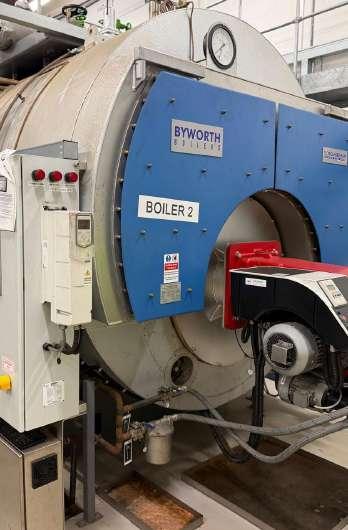
Steam is one of the most important utilities in food and drink manufacturing. Whether it is used for cooking, pasteurisation, sterilisation, cleaning or heating, reliable steam generation is essential to maintaining production, product quality and operational efficiency. Yet while boilers and steam systems work tirelessly behind the scenes, the importance of effective water treatment is often underestimated.
Water quality has a direct influence on how efficiently a steam system performs. Untreated or poorly managed water can lead to the build-up of scale, corrosion and deposits throughout the system, reducing heat transfer and placing additional strain on equipment. Even relatively small amounts of scale can reduce efficiency, increasing fuel consumption and operating costs over time.
For manufacturers operating in competitive markets, every percentage point of efficiency matters. Rising energy prices, increasing environmental expectations and tighter production schedules mean that boiler performance has never been more important. A well-managed water treatment programme helps maintain consistent operation, reduces unnecessary energy use and supports longer equipment life, all while helping to minimise the risk of costly breakdowns.
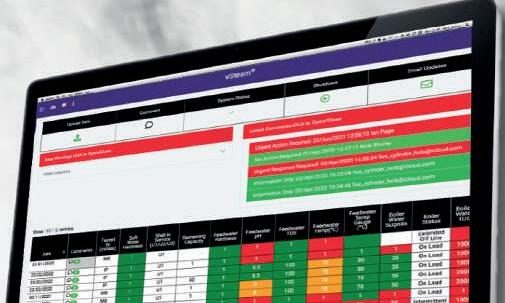
Modern food manufacturing also demands greater visibility of plant performance. Rather than relying solely on periodic manual testing, many businesses are embracing digital monitoring and automated reporting to provide a clearer picture of how their steam systems are operating. Continuous monitoring allows trends to be identified early, enabling maintenance teams to respond before small issues develop into expensive repairs or unplanned downtime.
Reliable data also plays an increasingly important role in demonstrating compliance. Many food manufacturers operate under rigorous quality management systems that require accurate records of maintenance, testing and operational
performance. Digital logbooks and automated reporting can simplify record keeping while providing confidence that critical systems are being monitored consistently.
Alongside technology, knowledgeable operators remain essential. Even the most advanced monitoring systems depend on people understanding what the information means and knowing how to respond appropriately. Regular training helps ensure testing procedures are carried out correctly, treatment programmes remain effective and any changes in system performance are identified quickly.
Water treatment is also closely linked with wider sustainability objectives. Efficient steam systems typically require less fuel, consume less water and operate with fewer interruptions, helping manufacturers reduce waste while lowering operating costs. Extending the service life of boilers and associated equipment also reduces the need for premature replacement, supporting a more sustainable approach to asset management.
As food and drink manufacturers continue to invest in productivity and resilience, the supporting infrastructure behind production deserves equal attention. Steam systems may not be the most visible part of a factory, but they remain one of the most critical. By taking a proactive approach to water quality, monitoring and maintenance, businesses can improve reliability, enhance efficiency and protect the processes that keep production moving day after day.
Experts in Steam System Water Treatment
Steam is the quieT engine of your facility
vSteam from Deep Water Blue helps bring that engine under control, turning raw test results into clear actions that protect product quality, safeguard equipment and help reduce operating costs.
MAIN FEATURES:
Web-Based monitoring and logbook
Colour-coded alerts and trending
Two-way expert support
Integrated with treatment programme
Training and compliance backbone
BENEFITS FOR FOOD & BEVERAGE PROCESSING:
Minimise chemical demands
Manage energy and water efficiencies
Optimise plant life and reliability
Strengthen compliance and audit readiness
Help safeguard product quality
Health & Safety Pallet Truck Shop
Why More Warehouses Are Struggling with Condensation and Moisture Damage
Pallet Truck Shop, the UK’s largest supplier of pallet and sack trucks, is warning that condensation and moisture build-up are a little-known but common operational problems inside warehouses - creating hidden safety risks and accelerating wear on manual handling equipment.
Modern warehouse environments are particularly vulnerable to moisture-related issues due to constant temperature fluctuations between loading bays, storage areas and refrigerated zones. During colder months - and increasingly during unpredictable seasonal weather swings - warm air entering through busy loading doors can quickly create condensation on floors, shelving and equipment.
While often dismissed as a minor inconvenience, Pallet Truck Shop says the long-term effects can be significant. Slippery floors increase the risk of accidents, while repeated exposure to damp conditions can shorten the lifespan of handling equipment such as pallet trucks, stackers and table trucks.
Phil Chesworth, Managing Director at Pallet Truck Shop, said many operators underestimate how damaging moisture can be over time.
“Condensation may not look like much of an issue, but it does create a constant low-level strain on warehouse operations,” he explained.
“You’ve got moisture settling on floors, forming around wheel bearings, affecting hydraulic systems and increasing corrosion risk. Those issues build gradually
until businesses suddenly start seeing more breakdowns or maintenance problems.”
Chesworth added that the rise of high-turnover logistics environments has intensified the issue.
“Warehouses today have far more movement between temperature zones than they did in the past. Loading bay doors are opening constantly, goods are moving rapidly between environments, and that creates the perfect conditions for condensation to form.”
Moisture-related problems often emerge in subtle ways at first. Pallet truck wheels may begin wearing unevenly, steering can become less responsive, and metal components may show early signs of rust or degradation. At the same time, damp floors increase rolling resistance, making equipment harder to manoeuvre and placing additional physical strain on workers.
Pallet Truck Shop is encouraging operators to review ventilation, floor maintenance and equipment inspection routines, particularly in areas where warm and cold air regularly meet. Choosing highquality manual handling equipment with durable components and maintaining wheels, seals and hydraulics properly can help reduce long-term damage.
To find out more about Pallet Truck Shop, visit: www.pallettruckshop.co.uk.
Wrapmaster® hits major sustainability milestone
Parent company the Melitta Group earns SBTi validation
Wrapmaster®, the professional kitchen dispensing system trusted by chefs across the globe in 40+ countries, has announced that its parent company – the Melitta Group - has approved near and long-term science-based emissions reduction targets with the Science Based Targets initiative (SBTi). Confirmed at the end of October 2025, the SBTi validation establishes that Melitta’s emissions reduction plan meets the standards needed to limit global warming to 1.5 degrees Celsius, in line with the UN Paris Agreement.
For Wrapmaster® customers and the wider foodservice sector, it is a significant step towards environmental goals. Sustainability credentials are increasingly scrutinised throughout supply chains, and SBTi validation carries independent weight. The targets have been assessed against the latest climate science and confirmed as crediblecovering the full value chain, from kitchen operations to supply.
Libby Coe, Sales and Sustainability Manager –Wrapmaster® - part of the Melitta Group comments:
“SBTi validation is not something you can shortcut - it confirms that our emissions reduction targets are fully grounded in science. Sustainability is something everyone across the foodservice supply chain cares about deeply, and this validation gives our chef customers, operators and distributor partners reassurance our path to a science-based net-zero target is fully credible and we are moving in the right direction together as an industry.”
What the SBTi targets mean
The SBTi validation covers both near-term and long-term targets across all emission scopes. By 2030, Melitta Group has committed to cutting its absolute Scope 1 and 2 greenhouse gas emissions by 43.15%, against a 2021 baseline. Selected Scope 3 emissions –covering fuel - and energy-related activities, upstream transport and distribution and the use of products sold - are targeted to fall by 37.5% by 2035.
Agriculture and forestry-related emissions (Scope 3 FLAG) are set to reduce by 45.5% by 2035. Given Wrapmaster’s product range includes baking parchment, derived from raw materials with agricultural origins, the target will have a very positive impact Wrapmaster’s own footprint.
Working with suppliers is also central to the plan; the Melitta Group has committed to ensuring that suppliers responsible for 70% of emissions from purchased goods and services will have sciencebased targets in place by 2030 that meet SBTi requirements.
Achieving a science-based net-zero target by 2045
The SBTi has also validated the Melitta Group’s long-term sciencebased net-zero target. The group has committed to reducing Scope 1 and 2 (Energy & Industry) greenhouse gas emissions by 90% by 2045, with Scope 3 emissions subject to the same reduction target over the same period – all measured against 2021 levels. Scope 3 FLAG emissions are targeted to fall by 72% by 2045.
The approach prioritises direct emissions reductions throughout the business and supply chain. Any unavoidable residual emissions will be offset to a limited degree, in line with SBTi criteria.
With the SBTi validation, the Melitta Group, including Wrapmaster®, aims to reduce greenhouse gas emissions to net zero across all scopes by 2045 at the latest, thereby aligning itself with the SBTi Net-Zero Standard.
For more information on Wrapmaster®visit www.wrapmaster.global
Article Framework: Why Climate Risk is Rising in 2026
Written by Emily Alexander, Senior Associate Scientist at Tunley Environmental
www.tunley-environmental.com
The evidence is difficult to ignore. 2023, 2024, and 2025 were the three hottest years on record, and the UK’s Met Office expects 2026 to rank among the warmest years ever observed, with global temperatures projected to remain around 1.46°C above pre-industrial levels1. The cause- increased pressure on our natural systems which result in aggravated changes in climate regulation. We often view climate risk as a future challenge, but for many organisations it is already a present-day operational reality.
This extreme weather caused by inflated pressure from humaninduced activities leads to a knockdown effect: communities and businesses are experiencing more frequent and severe heatwaves, flooding, droughts, wildfires, and storms, creating growing disruption to operations, infrastructure, and supply chains. The stable climate that is used as a reference point for infrastructure, supply chains, and business models, which underpin modern economies are changing drastically. Thus, how can we continue to rely on such climate conditions of the past when they no longer represent the present?
The changing climate is creating a growing range of climate hazards that organisations must now consider as part of their risk landscape. Extreme rainfall, flooding, heatwaves, droughts, wildfires, and severe storms are no longer rare events that can be treated as exceptions. Instead, they represent increasingly material threats to infrastructure, operations, supply chains, employees, and customers. As historical weather patterns become less reliable predictors of future conditions, understanding exposure to climate hazards is quickly becoming a critical component of effective risk management.
As climate hazards become a more prominent feature of the business landscape, organisations are increasingly experiencing their operational and financial consequences. Climate change is no longer solely an environmental issue; it is a strategic challenge that requires proactive management. In response, adaptation, resilience, and long-term risk management are becoming central to protecting assets, maintaining operational continuity, and creating value in an increasingly uncertain future.
Early Warning Signals from the Insurance Industry
An unlikely warning signal of the present-day reality of climate change comes from the insurance industry. A variety of examples are available to directly showcase the uncertainty of climate change translating into increased insurance premiums and restrictions. Recent example is in Florida, where home insurance rates have increased at double the rate of the rest of the U.S. due to the increased risk of hurricanes. Another is the announcement from major insurance companies limiting new homeowner policies in wildfire-prone areas of California, with “rapidly growing catastrophe exposure” cited among other reasons for limiting their coverage area.
Insurance markets often act as the economy’s early warning system. When insurers struggle to price climate risk, businesses should take notice and prepare for this uncertainty in their financial planning.
Outdated Infrastructure and the Need for Resilience
Much of the infrastructure in use today was designed using historical climate data. Asset lifetimes, design tolerances, maintenance schedules, and operational assumptions were developed based on environmental conditions that were considered relatively stable and predictable. As these conditions change, many assets are being exposed to stresses beyond those anticipated during their design. The consequences are increasingly visible, from drainage systems operating beyond capacity to transport networks, power systems, and other critical infrastructure experiencing greater disruption and deterioration.
In response, organisations, governments, and infrastructure operators are increasingly adopting resilience-focused approaches that account for a wider range of future climate conditions rather than relying solely on historical records for system designs. This may include incorporating climate projections into planning and investment decisions, enhancing asset design standards, implementing nature-based solutions, and strengthening maintenance and monitoring programmes. By considering future climate uncertainty during design and operation, infrastructure systems can become more adaptable, reducing the likelihood of costly failures, service disruptions, and premature asset degradation. As climate risks continue to evolve, resilience is becoming not just an environmental consideration, but a fundamental component of long-term infrastructure performance and value.
Cascading Risks and the Trickle-Down Effect
Climate risks are rarely confined to a single asset, location, or organisation. Today’s global economy is built on highly interconnected infrastructure, supply chains, and services, and as a result the impacts of extreme weather can spread far beyond the area directly affected. Organisations may face significant disruption or financial stress even when their own facilities avoid physical damage.
Many assume that because they are not located in a floodplain, wildfire zone, or coastal area, they have limited exposure to climate risk. However, climate impacts increasingly arrive indirectly through supply chains and critical dependencies. Drought can reduce agricultural yields and disrupt raw material availability and cost. Low river levels can restrict freight transport, while heatwaves can reduce labour productivity and strain logistics networks. In a connected economy, disruption in one region can quickly create operational and financial consequences elsewhere.
These interconnected impacts are often referred to as cascading risks. Unlike traditional risk events, where a single hazard causes a single consequence, climate-related events can trigger a chain reaction of secondary and tertiary impacts. Understanding these cascading risks is becoming increasingly important for effective climate risk management. Building resilience therefore requires organisations to look beyond their own assets and consider the wider systems in which they operate. Those that identify vulnerabilities across their supply chains, infrastructure networks, and operational dependencies will be better positioned to adapt to and withstand future climate-related disruptions.
Regulatory expectations are also evolving. Frameworks such as the EU Corporate Sustainability Reporting Directive (CSRD), ESRS E1, and IFRS S2 (TCFD) increasingly require organisations to identify, assess, and disclose climate-related risks, including physical climate hazards and their potential impacts on business operations, assets, supply chains, and long-term resilience.
Why is Risk Rising Even if Emissions Halted Tomorrow?
At this point, it may be tempting to conclude that reducing GHG emissions is the solution. While emissions reduction remains essential, it addresses only part of the challenge. Greenhouse gases already accumulated in the atmosphere will continue to influence the climate for decades to come, meaning many of the physical changes we are experiencing today are already underway.
Even under optimistic emissions scenarios, many climate risks are already locked into the coming decades. The effects of decades of environmental degradation will continue to influence natural and human systems long after emissions begin to decline. At the same time, the degradation of natural systems can amplify these risks by reducing the ability of landscapes to absorb floodwaters, regulate temperatures, store carbon, and support biodiversity. Protecting and restoring nature represents an opportunity to strengthen resilience. Nature-based solutions such as wetland restoration, sustainable water management, and habitat enhancement can help reduce climate risks and deliver wider benefits.
This changes the nature of the conversation. Climate resilience is no longer solely about protecting assets from individual hazards; it is about strengthening the systems that support long-term business continuity and societal wellbeing. Organisations that understand their exposure, invest in adaptive measures, and work with natural systems rather than against them will be better positioned to manage uncertainty and recover from disruption. The question is no longer whether change is coming, but whether we are building the resilience needed to navigate it.
The organisations that thrive in the coming decades will not necessarily be those that predict every risk correctly. They will be the ones that recognise uncertainty, invest in resilience, and adapt before disruption forces their hand. As climate risk continues to grow, preparation is no longer a competitive advantage. It is rapidly becoming a prerequisite for long-term success.
The T Freemantle Compact Sleever (S01) is a new preglued sleeving solution that offers the smallest footprint of any other sleeving machine on the market, making it ideal for sites with space limitations. This ‘patent protected’ design has been developed from T Freemantle’s 30 years of sleeving experience.