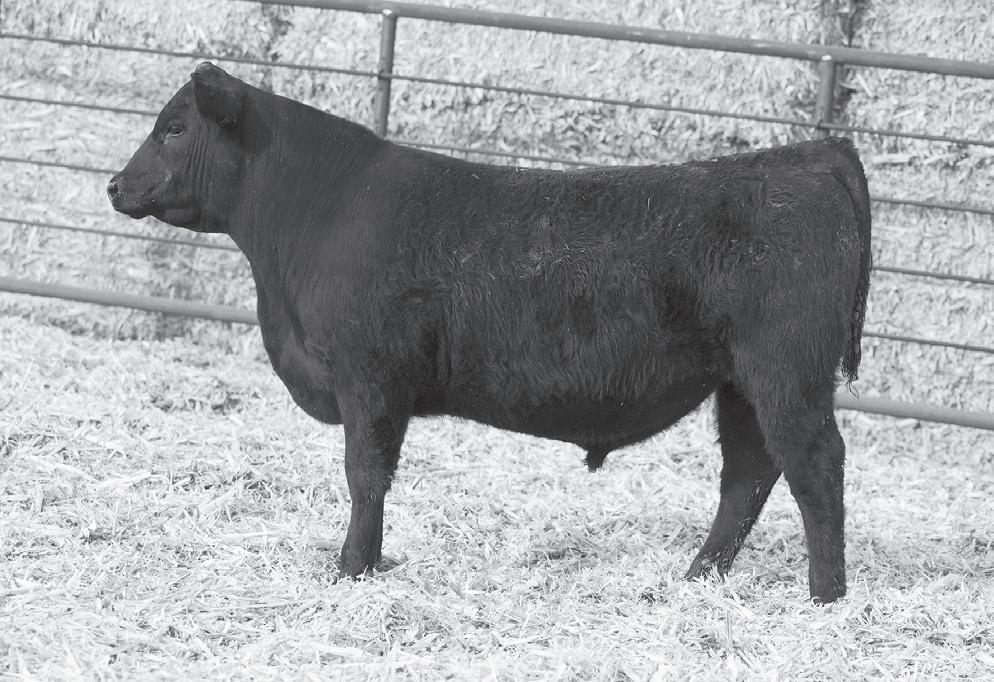
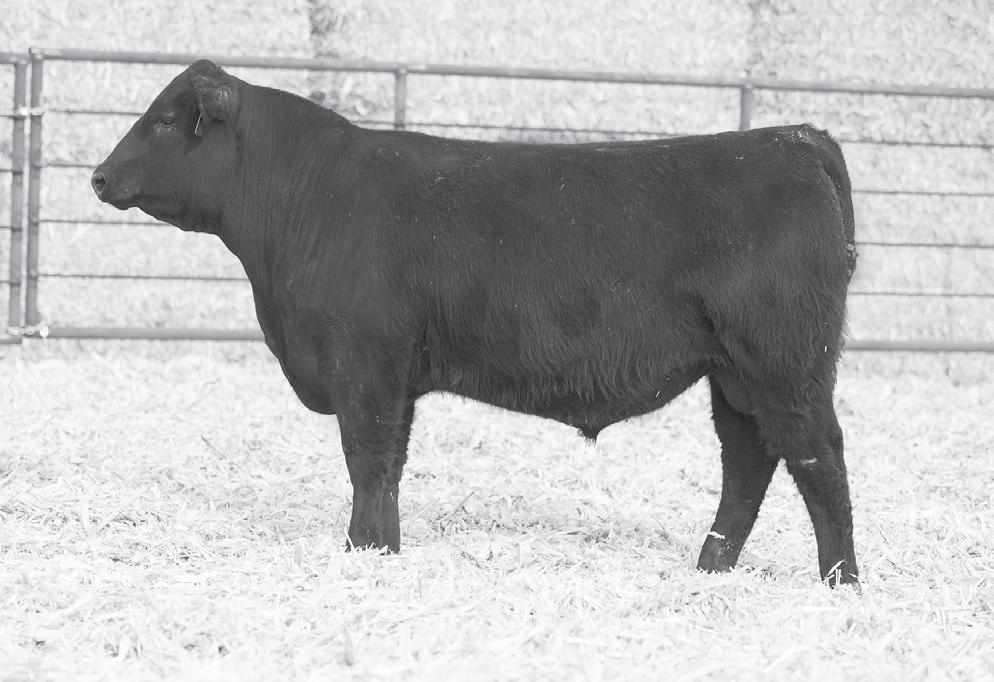
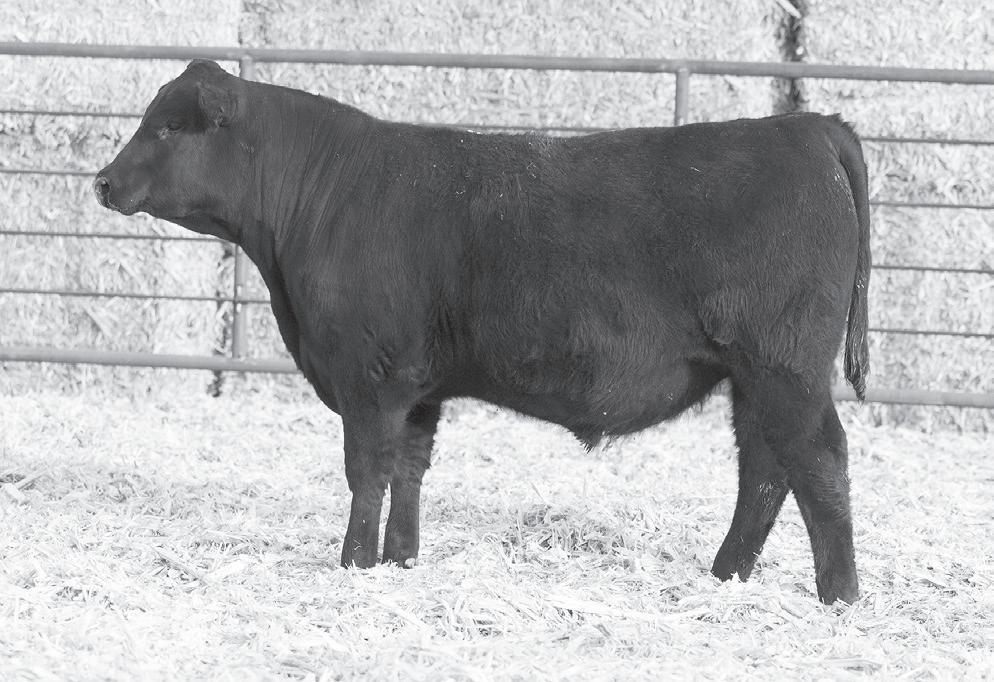
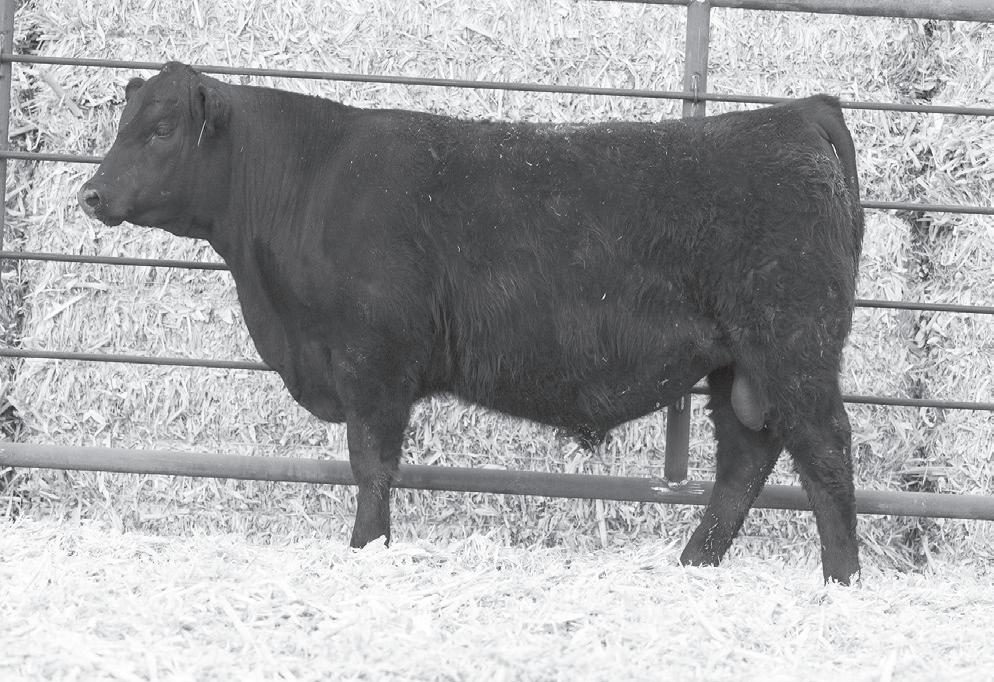
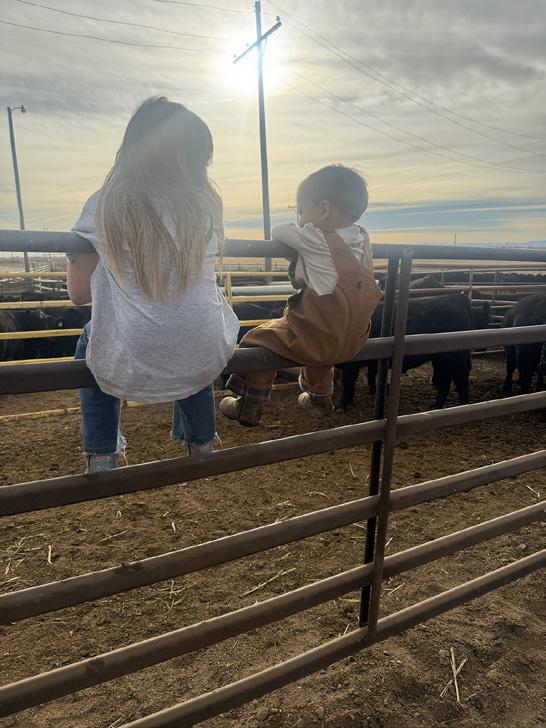
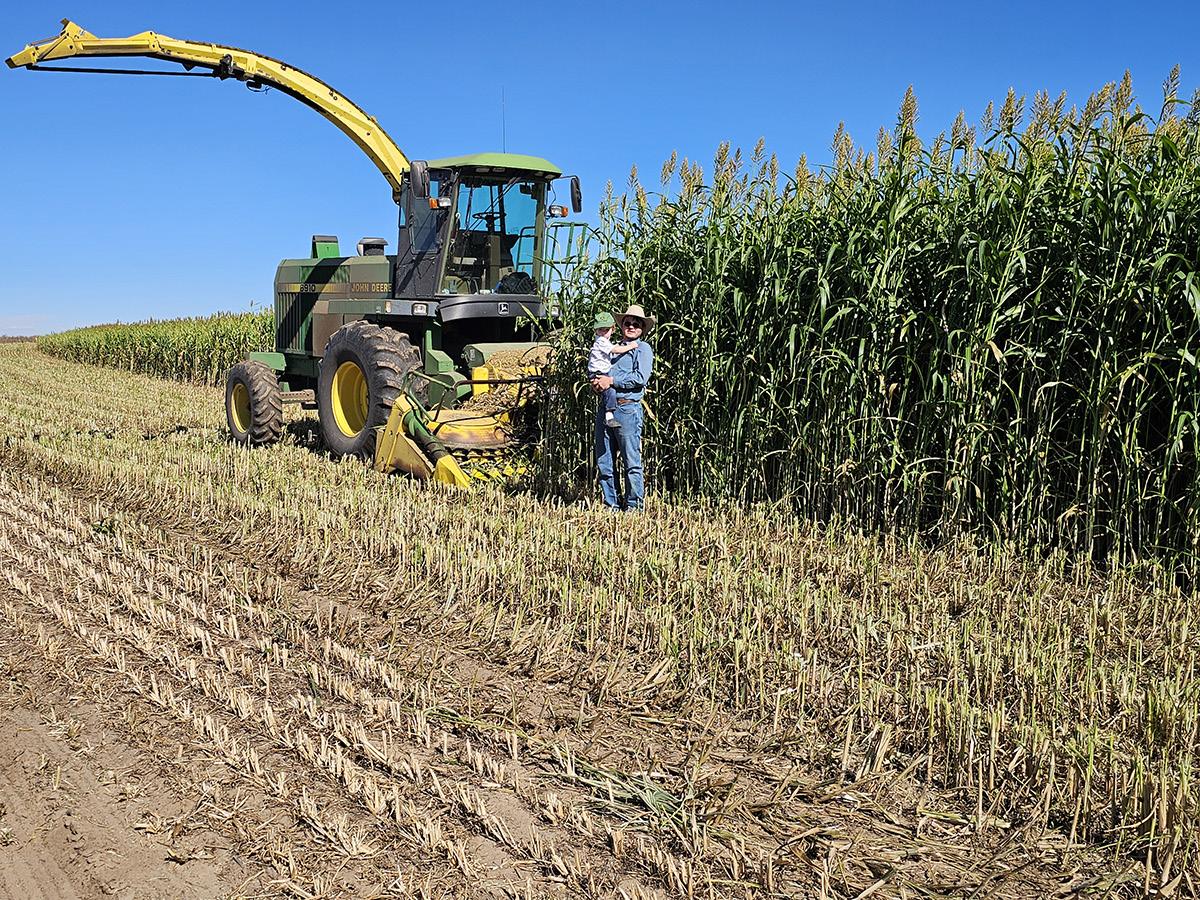
Our family is excited to welcome you to our annual bull and female sale! There has truly never been a better time to be in the cattle business, and we believe the future looks very bright for our industry!
This year the bulls were PAP tested in Silverthorne, Colorado at 8,200 feet. Even at this altitude, this was our best PAP tested contemporary group of bulls to date, with over 106 bulls in this year’s sale PAP testing under 42. After the genomic data came back, we were also impressed to see that the bulls in this sale ranked in the top 35% for Teat, Udder, and $Weaning, and ranked in the top 30% for the new Functional Longevity EPD and $Maternal index. All these maternal traits can be the biggest economic driver for any ranch: by getting cows bred, raising her calf, and getting rebred on a timely matter. We will always think of the traits that matter most to you as a producer first and foremost. We are very proud of this set of bulls and feel that there is a tremendous amount of genetic diversity to suit any traits you are looking to add or improve to your herd.
It is always humbling to watch our customers continue their support, year after year, in our program. We are extremely blessed to know, and work with each one of you. If you would like any more info on the cattle, please feel free to reach out. We look forward to seeing you on the third Saturday of February!
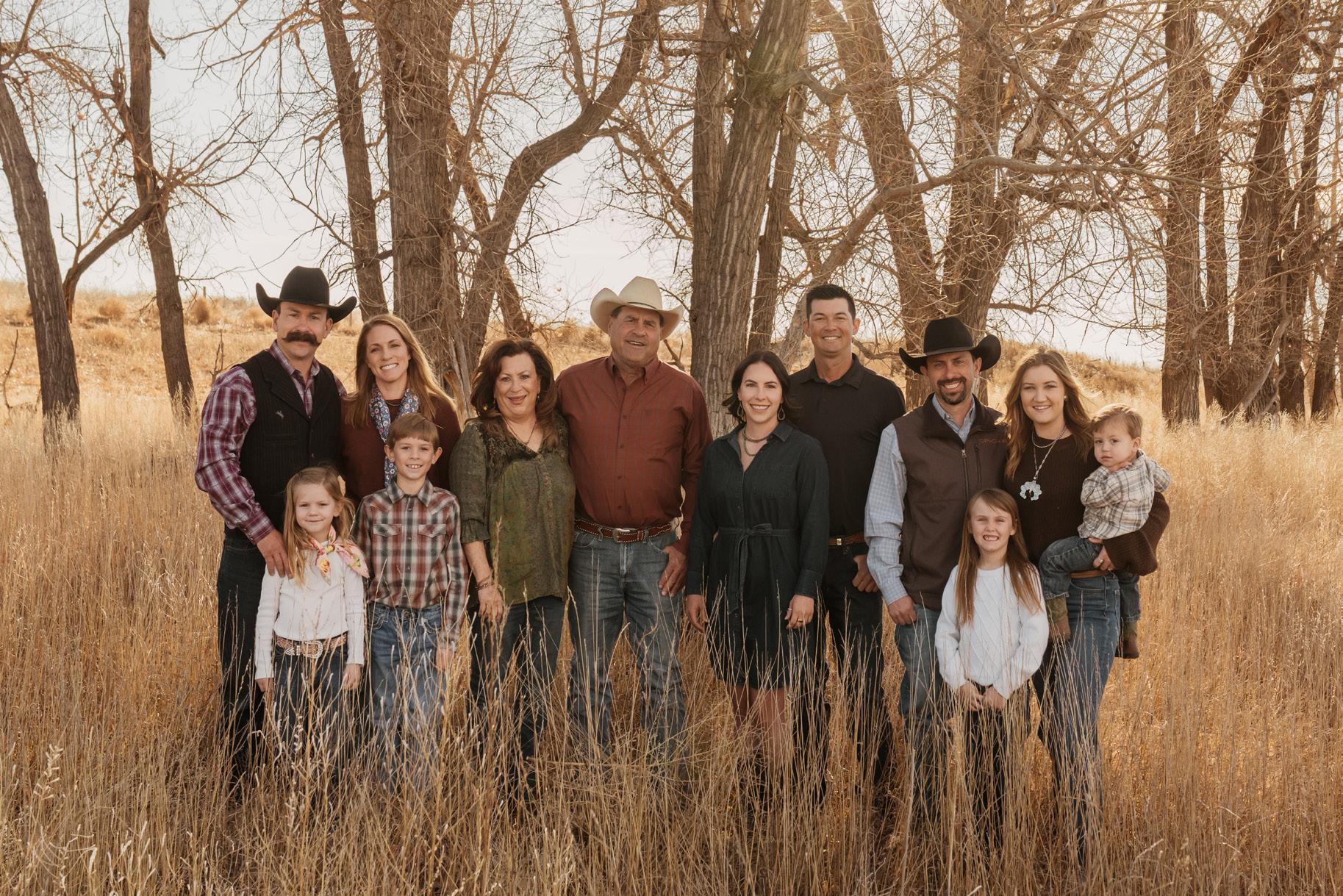
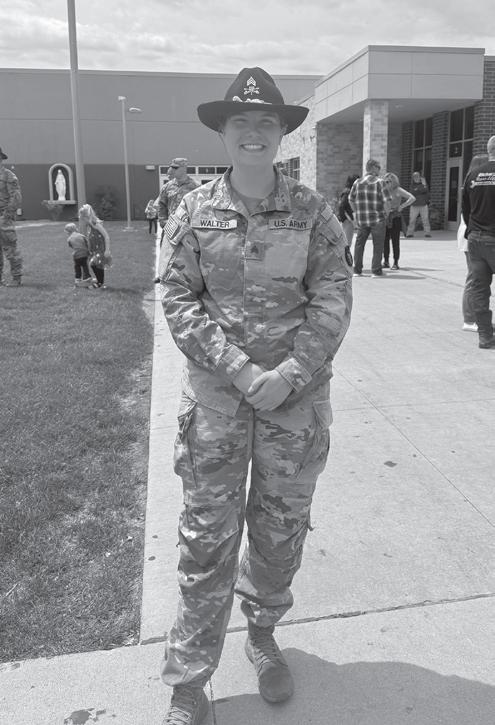
The Walter Family Welcomes You!
Sale Time: The first Bull will SELL at 1:00pm MST
Food: A quality lunch will be served at 11:00am with coffee and donuts being served in the morning.
Delivery: We offer free delivery on bulls if the total purchase price of the invoice is over $5,000. If the buyer picks up their bull before 10:00am on Sunday they will receive a credit of $50 per bull. Heifers can be delivered at average freight costs, however we do ask that you make transportation arrangements as soon as possible.
Wintering: We will winter the bulls free of cost, at the buyer’s risk. We will start to deliver bulls the second week in March.
Fertility and Health: All bulls have passed a Breeding Soundness Exam by Dr. Tim Thompson, and have been tested BVD free. Scrotal measurements will be available sale day.
Sale Order: Sale order will be available two days before the sale and will posted on our website.
Videos: Videos of each lot will be posted on DV Auctions.
Internet Bidding: The sale will broadcast on DV Auctions. Please make sure to register to bid within 24 hours of the sale. Please see the DV insert for more information. Walter Angus will send invoices to buyers after sale to internet buyers.
Heifer Information: See Back Page.
Inspection of Cattle: The cattle may be evaluated anytime, and if you are being catious from the pandemic we are able to accomadate you and your cattle viewing needs.
Terms and Conditions: All cattle sell under the terms and conditions of the American Angus Association. All persons who attend the sale do so at their own risk and Walter Angus assumes no liability.
Hotel: Best Western Plus Hudson (8 Miles from Sale) 303-536-4401
Retained Interest: We are selling full possession and1/3 revenue sharing interest on every bull of the sale. The bull you purchase is completely in your control regarding how you handle the bull and your natural service use. You receive 100% of the salvage value of the bull. Semen collection will be done at our expense and the buyer’s convenience. Usually there is a small percentage of bulls that we collect and typically are able to collect them before delivery. If we plan to collect a bull an announcment will be made before the bull is sold.
Sight Unseen Guarantee: We offer a sight unseen guarantee on all animals sold. However we ask that if you have a question on an animal that you contact us. For a third party opinion please contact Ben Fritz. Ben has a very successful resume in the collegiate level of livestock judging, and is a reputable stockmen in the cattle business.
Buckles: We will be giving away custom belt buckles to the High Selling Bull Buyer, Volume Bull Buyer, and Volume Heifer Buyer.
Directions:
Driving the science of better breeding
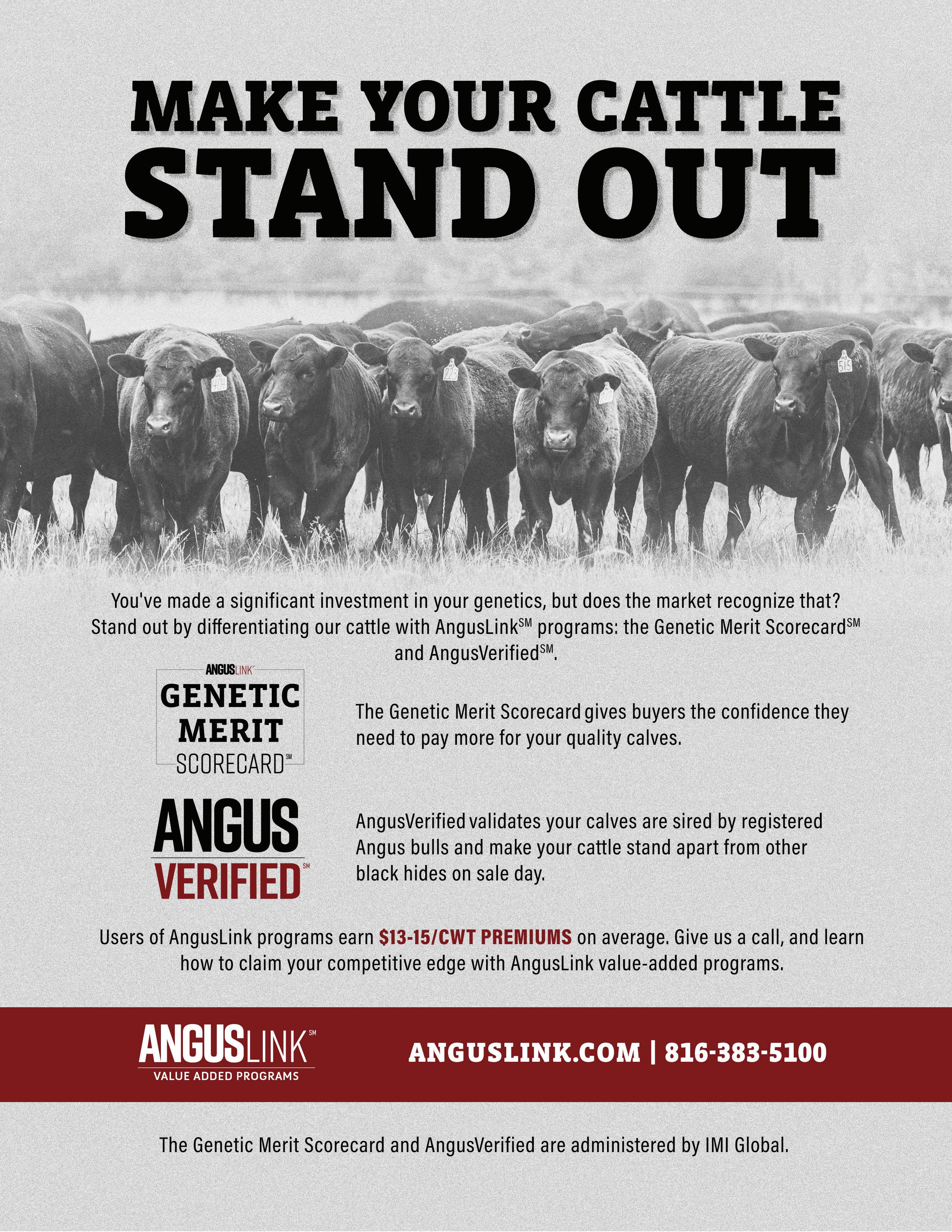
There’s little room for error in the cattle business. You need the most advanced information to make smart selection decisions, and Angus Genetics Inc. (AGI®) provides it through genomically-enhanced expected progeny differences (GE-EPDs). GE-EPDs have become the industry standard for herd improvement, building on decades of science-backed genetic evaluation tools originated and maintained through the American Angus Association®, home to the largest and ever-growing single-breed beef cattle database.
EPDs that traditionally contained all pedigree, performance and progeny information now also include results from available genomic, or DNA, tests. Breeders who use genomic technology give buyers access to AGI-generated GE-EPDs that provide:
Increased predictability and decreased risk for young and unproven animals due to enhanced accuracy of EPDs
Better characterization of genetics for difficult-to-measure performance traits
(such as carcass traits, maternal traits and feed efficiency)
The ability to make more rapid progress for traits that are important to you, due to:
· more accurate selection
· easier identification of genetic outliers
· the ability to propagate young animals with confidence earlier in their lives
In fact, GE-EPDs on unproven animals have the same level of accuracy as if they had recorded 7-33 calves, depending on the trait. That’s valuable insight, offered regularly through the breed’s weekly national cattle evaluation.
your breeder, refer to the
PAP Testing
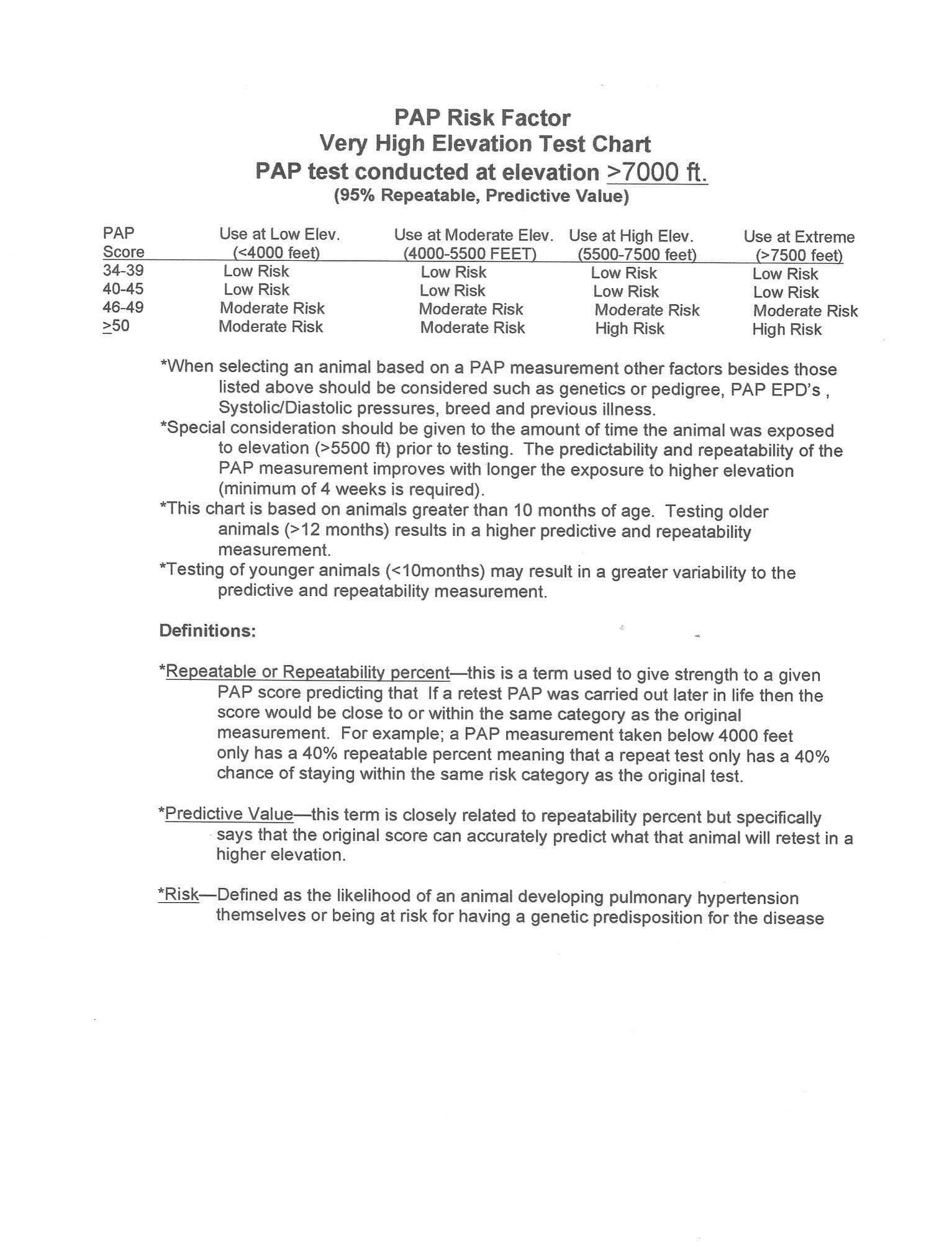
As a veterinarian I am often asked about PAP (Pulmonary Arterial Pressure) tests on cattle and how to interpret the results. Unfortunately, as in much medicine there seems to be much confusion and misunderstanding surrounding pulmonary arterial pressures. PAP measurements are taken to identify which animals are more likely to be able to handle high altitude without undue high pulmonary arterial pressure elevations associated with the decrease in oxygen concentration at altitude. High pulmonary arterial pressures and the cardiovascular changes that go with it are a leading cause of brisket disease in cattle. It is normal physiologic response for PAP to increase at altitude to accommodate the decreased oxygen availability, however it is the exaggerated response that some animals have that lead to high PAP and secondary heart failure.
Normally, pulmonary arterial pressures increase with higher elevations. A 1 to 2 mm pressure change is expected for each 1000 ft. Increase in elevation. Therefore, a bull that tests well with a pressure of 38 at 5000 feet in elevation could easily have a test in the upper 40’s at 8,500 feet and still be considered good. Cattle that have been at altitude and tested have a much greater likely hood of an accurate test than those tested at much lower altitude. It is important to interpret the score considering the altitude that the cattle were at and the test was performed. It is impossible to interpret PAP scores without taking into consideration the altitude that generated those scores. The higher the altitude the higher a normal pap score is and accuracy increases.
I have been asked recently with the difficulty in interpreting PAP score should we just use the PAP EPD to guide in high altitude selection. PAP EPD is and will continue to be a great tool to genetic selection. However, as with most tools it has limitations. The EPD is generated with the aid of physical PAP pressures taken as yearlings and the addition of genetic tests used to indicate the presence of genes associated with excessively high pulmonary arterial pressures. This presents some issues. It is heavily dependent on cohort data. It is not improbable that EPDs will change substantially and become more accurate as more data becomes available. Calves that may have been culled or have died from high pulmonary arterial pressures may not show in the data as PAP scores are generally done on yearlings. Subsequently, this lack of data may skew the EPD until more data from more years is available. Because of this the EPD may have a latency that over time should correct itself, however, may currently misrepresent a new bull to the genetic pool. We have all seen bulls that the EPDs change substantially from the initial EPDs and PAP EPD is no different.
The net result is that PAP scores and PAP EPDs are tools that used in combination with other known management factors, i.e. how the cattle are raised, can help a producer decide on what genetics are best for a herd. All these factors taken with consideration for their limitations will give a rancher the best possibility of selecting the right animals.
~Dr. Tim Thompson, DVM
Calving Ease Direct (CED) EPD
Expressed as a percentage of unassisted births, predicting the average difference in calving ease with which a sire’s calves will be born when he is bred to first calf heifers.
Birth Weight (BW) EPD
A predictor of progeny birth weight attributed to the parent. Expressed in pounds.
Weaning (WW) & Yearling (YW) EPD’s
Predictor of an animal’s ability to transmit weaning growth and yearling growth to its progeny. Expressed in pounds.
Scrotal (SC) EPD
Expressed in centimeters. A predictor of the difference in transmitting ability for scrotal size compared to that of other sires.
Heifer Pregnancy (HP) EPD
Selection tool to increase the probability or chance of a sire’s daughters becoming pregnant as first-calf heifers during a normal breeding season. Reported in percentage units.
Calving Ease Maternal (CEM) EPD
Expressed as a percentage of unassisted births with a high value indicating greater calving ease in first-calf daughters. It predicts the average calving ease with which a sire’s daughters will calve as first-calf heifers when compared to daughters of other sires.
Milk EPD
Predictor of an animal’s genetic merit for milking and mothering ability. Expressed in pounds.
Functional Longevity (FL)
Expressed in number of calves, is a predictor of the number of calves a sire’s daughters are predicted to produce by 6 years of age compared to that of other sires’ daughters. A higher EPD is the more favorable direction indicating more calves produced on average.
Actual Birth Weight
Our Birth weights are recorded on a “legal for trade” scale 1-2 days after birth while tagging. We highly recommend not to solely look at the actual birth weight, but making your calving ease judgment from the three calving ease EPD’s that are backed by genomics. Refer to the page to the left to see the progeny equivalents for each birth weight/calving ease EPD. A bottle of colostrum weighs 7 lbs, so if a calf is weighed on day two their actual birth weight may be misleading.
- Excellent Calving Ease, Use with high confidence on any type of heifer.
- Superior Calving Ease, will work on most heifers and most situations.
- Moderate Calving Ease, will work on heifers with known calving ease genetics or larger framed heifers.
- Slight Claving Ease, will work on smaller framed cows
- We Recommend these bulls for cows only.
Pulmonary Artery Pressure (PAP) EPD
Expressed in millimeters of Mercury (mmHg), with a lower EPD being more favorable indicating a sire should produce progeny with a lower PAP score. PAP score is an indicator of susceptibility to high altitude disease commonly experienced at elevations greater than 5,500 feet. Selection for this trait aims to improve the genetic potential for a sire’s progeny to have lower PAP scores thus a lower chance of contracting high altitude disease increasing the environmental adaptability of cattle living in mountain areas.
Carcass Weight (CW) EPD
Expressed in pounds is a predictor of the differences in hot carcass weight of a sire’s progeny compared to progeny of other sires.
Marbling (MB) EPD
Expressed as a fraction of the difference in USDA marbling score of a sire’s progeny compared to progeny of other sires.
Rib Eye (RE) EPD
Expressed in square inches, is a predictor of the difference in Ribeye area of a sire’s progeny compared to progeny of other sires.
Maternal Weaned Calf Value ($M) *NEW
An index expressed in dollars per head, predicts profitability differences from conception to weaning, assuming that replacement heifers will be retained in herd and cull females and steers will be sold as feeders. Traits include CED, CEM WW milk HP, DOC, MW, Claw Set and Foot Angle.
Weaned Calf Value ($W)
An index value expressed in dollars per head, is the expected average difference in future progeny performance for pre-weaning merit. $W includes both revenue and cost adjustments associated with differences in birth weight, weaning weight, milk, and mature cow size. Use for selling calves at weaning.
Grid Value ($G)
An index value expressed in dollars per head, is the expected average difference in future progeny performance for carcass grid merit compared to progeny of other sires. Use for selling cattle on the Grid.
Combined Value ($C)
An index value expressed in dollars per head, includes all traits that make up $M and $B. Index is to be used for ranches that retain their top 20% replacement heifers and finish the cull heifers and steers, and market them on a quality based grid.
Certified Angus Beef Stamp: Represents animals that have higher potential for their offspring to grade CAB
Sitz Resilient 10208 Sitz Miss Burgess 1856
Sitz Galactic 723G
#19393010 DOB: 1/28/19
Mohnen Substantial 272
Sitz Stellar 726D
Sitz Pride 200B
Sitz Emblem 11125
Sitz Barbaramere Jet 328E
Sitz Barbaramere Jet 771Z
WKenny Institution 2010
#20138612
First Year Breeding Guarantee
In Lieu of commercial “loss of use” policy, we would like to offer our own First-Breeding Year Guarantee. For Bulls selling for $5,000 or more, and does not complete the first full breeding season, we will share in the replacement cost up to 50% of the value of the bull. Breeding season is defined as 90 days after turning the bull out. Fifty percent of the value of the bull, minus salvage value will be given as a credit in the following year’s sale, or toward a replacement bull if one is available. All injured bulls must be diagnosed by a licensed veterinarian. Buyer must notify seller as soon as the injury occurs, and prior to the injured bull being sold for salvage. All claims must be made September 1st, 2026.
-Example 1: An $8,000 bull is injured, a credit of $4,000 minus salvage value will be given to the buyer.
-Example 2: A $3,500 bull is injured, no credit is given and buyer retains all salvage value.
Applicable credits honored from our breeding guarantee are to be used within one year of submission. Breeding Guarantee does not cover replacement bulls, and/or bulls purchased with credit.
1
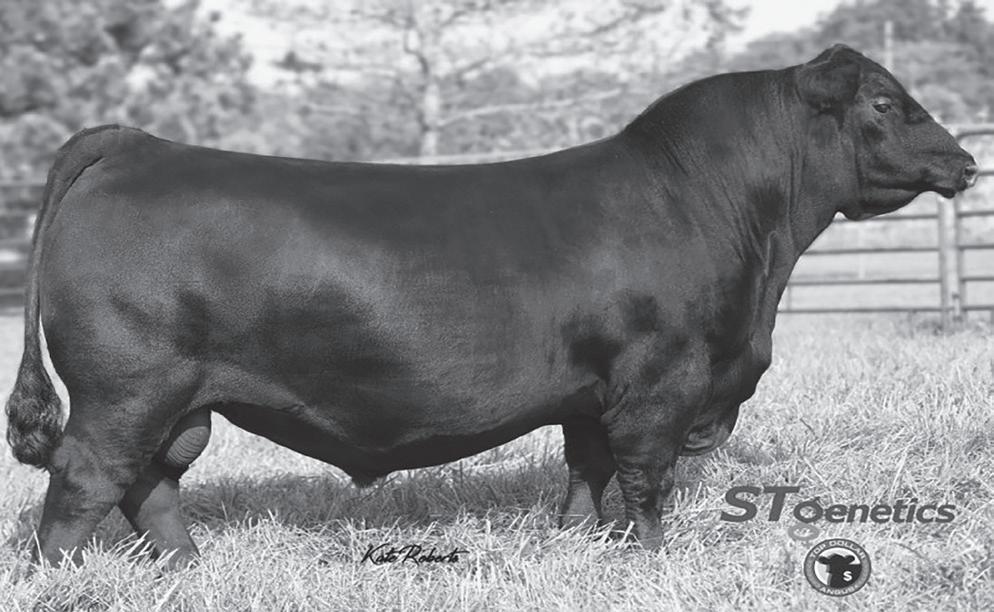
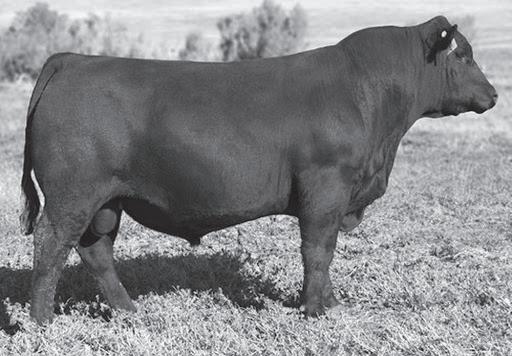
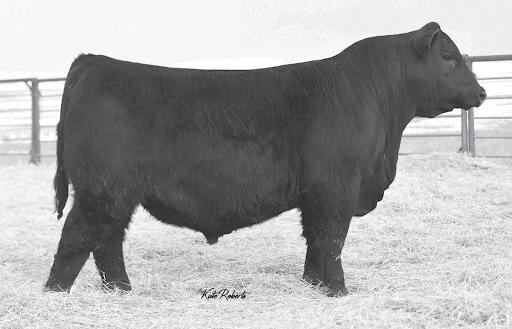
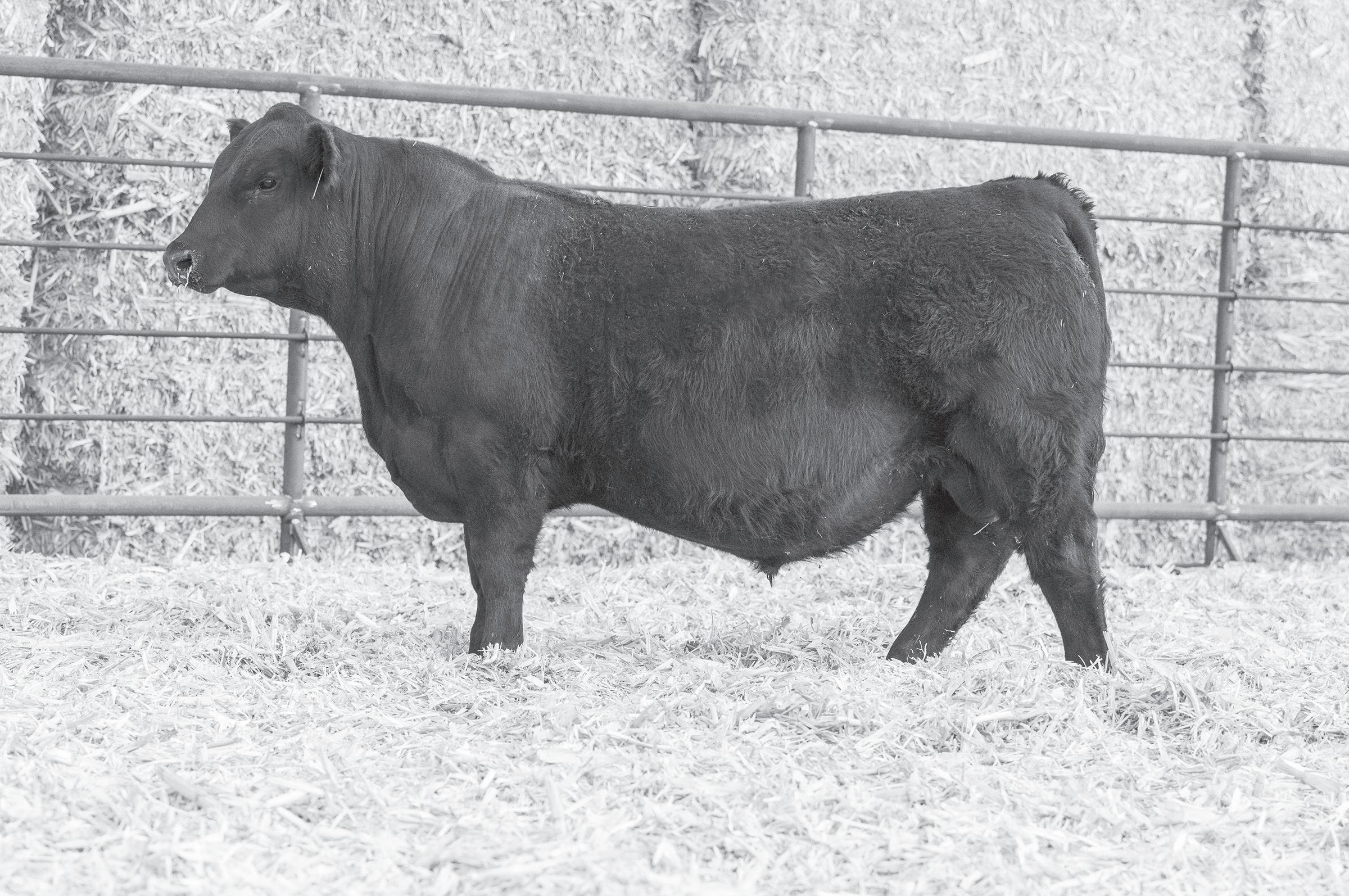
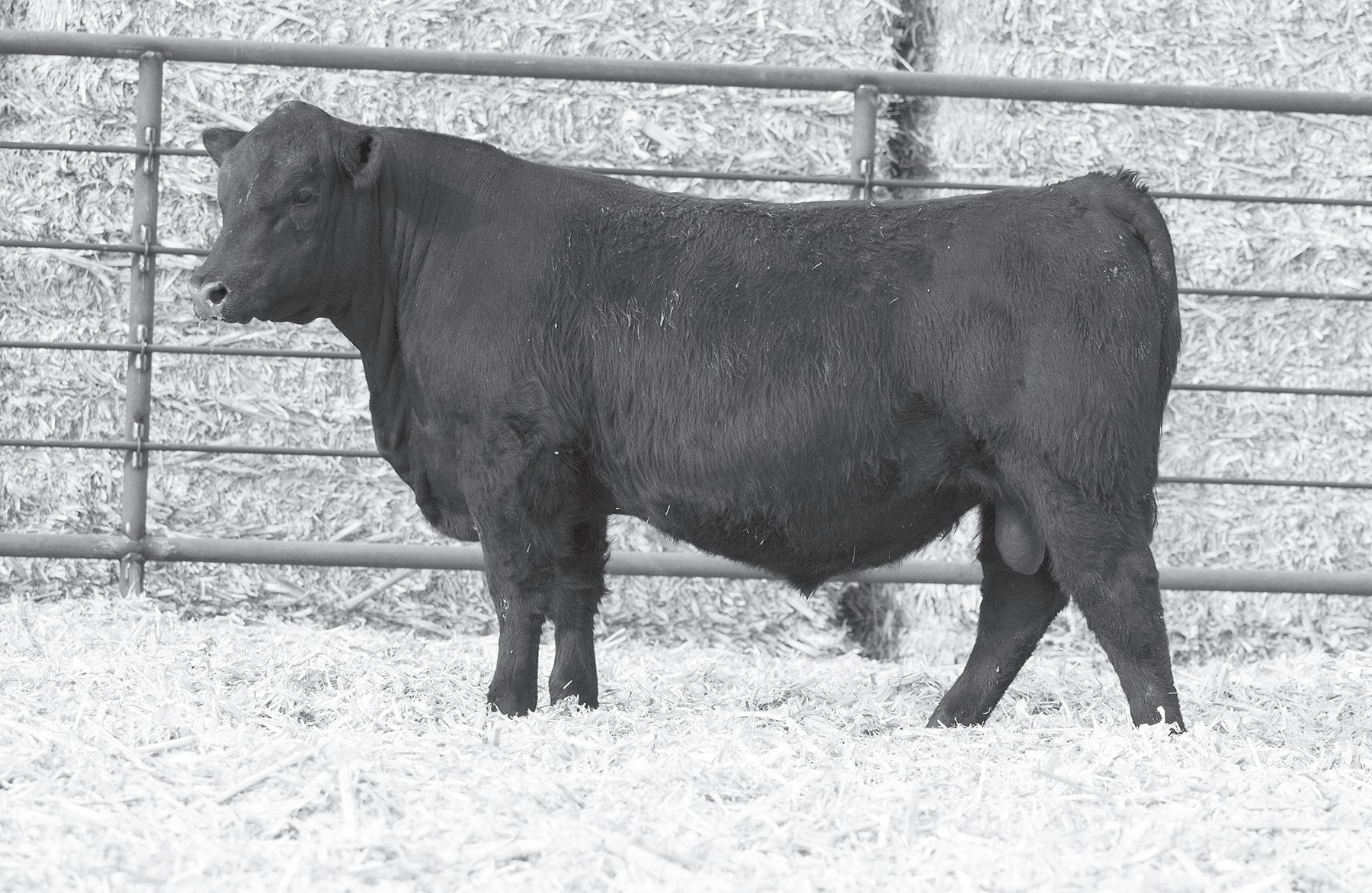
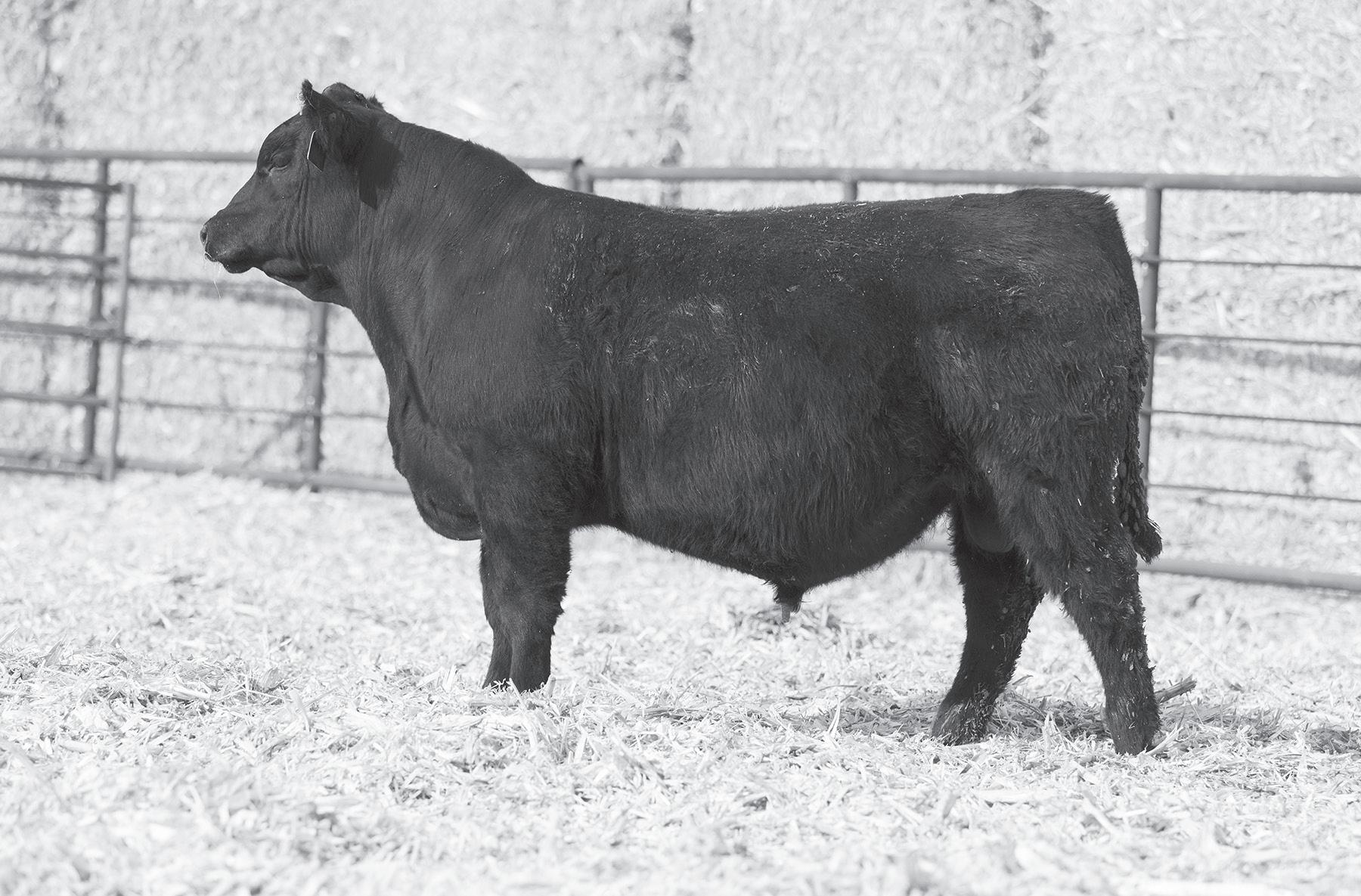
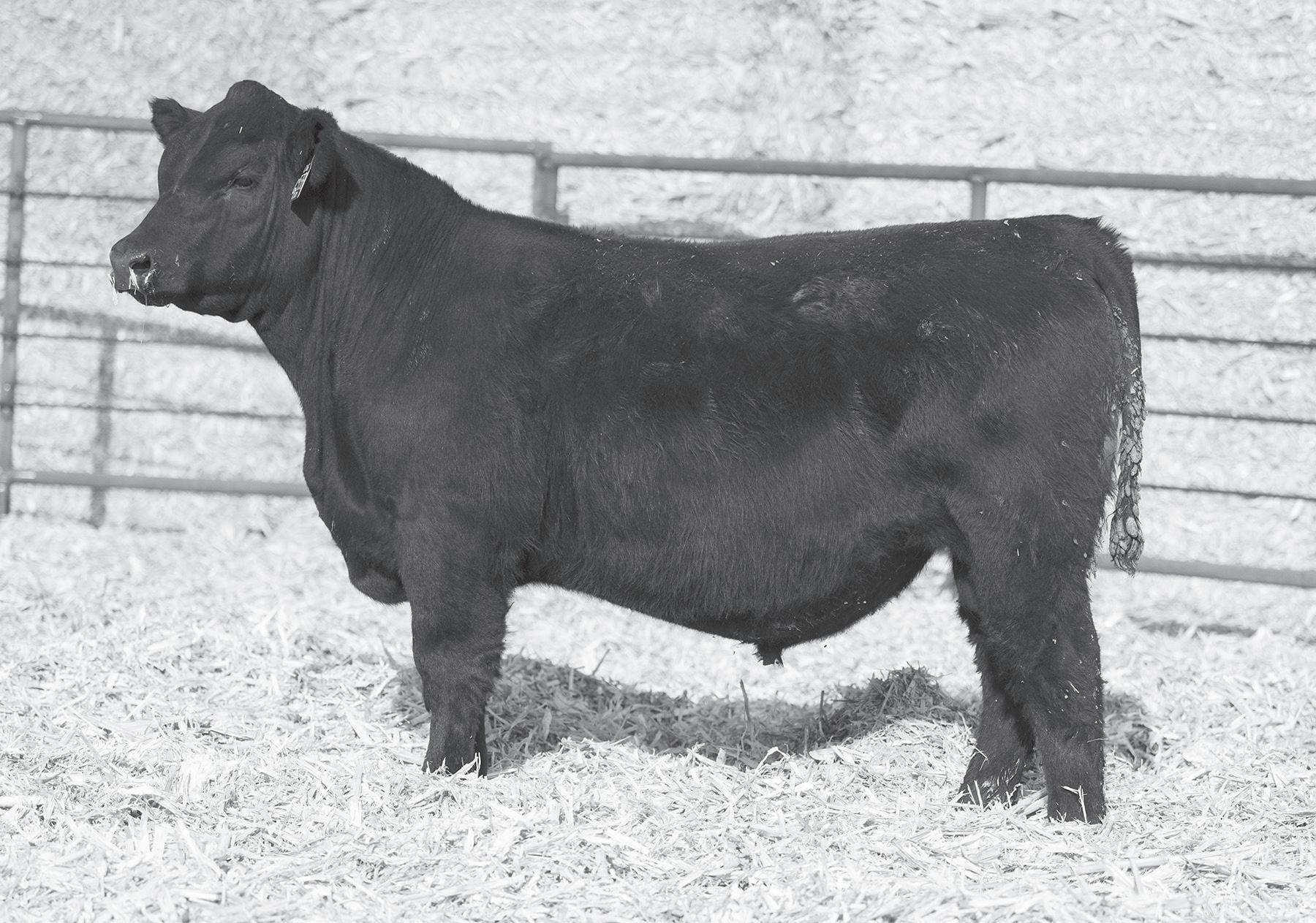
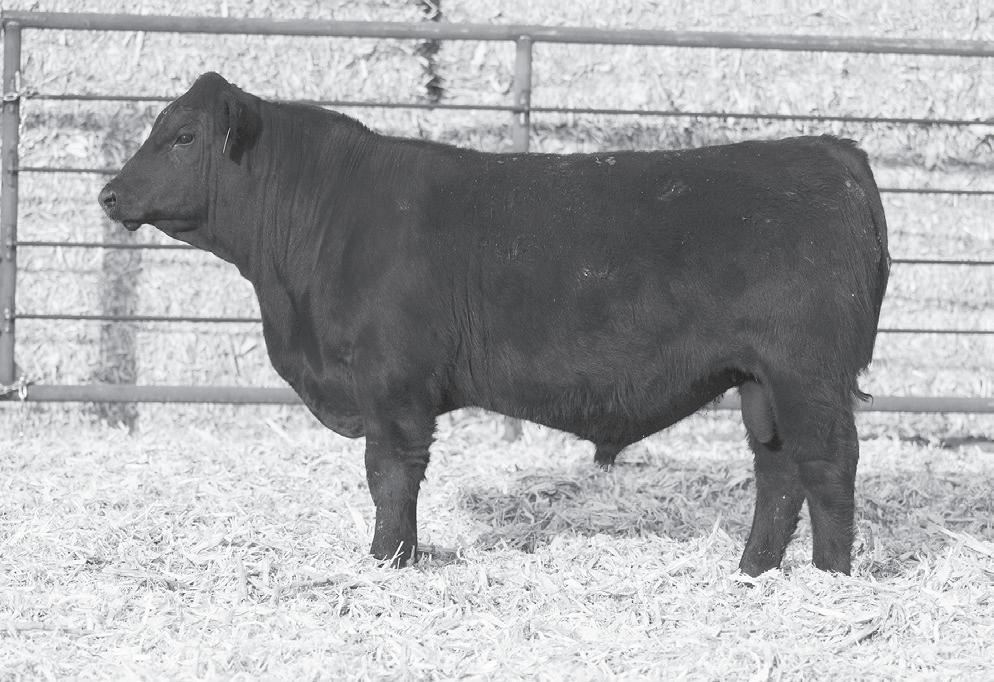
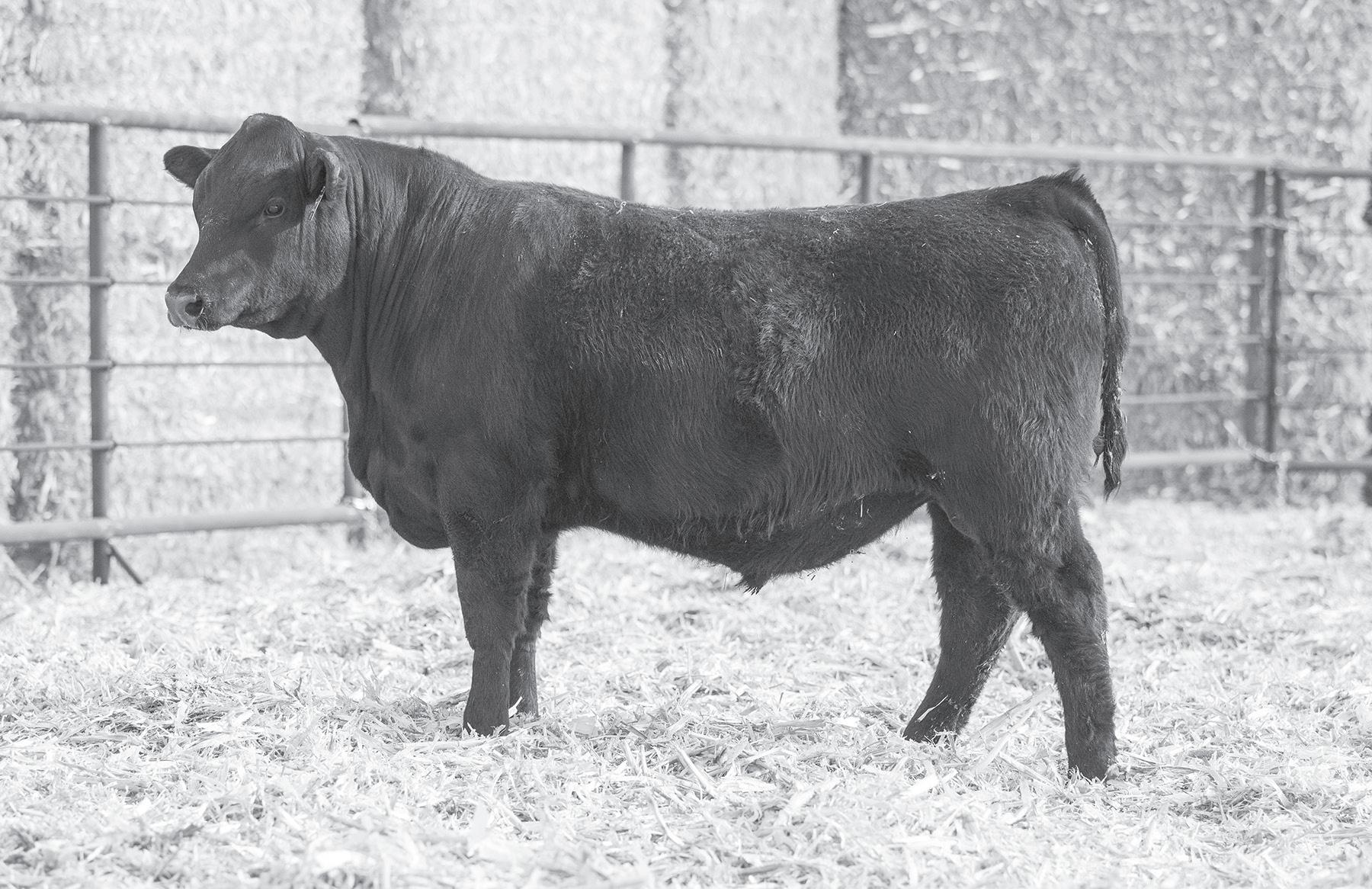
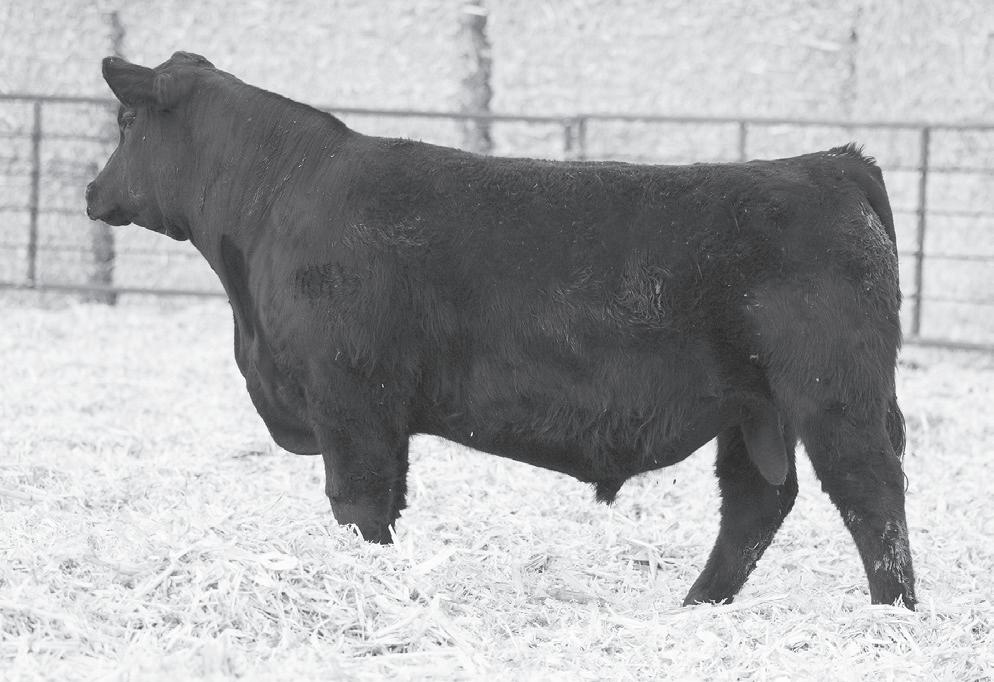
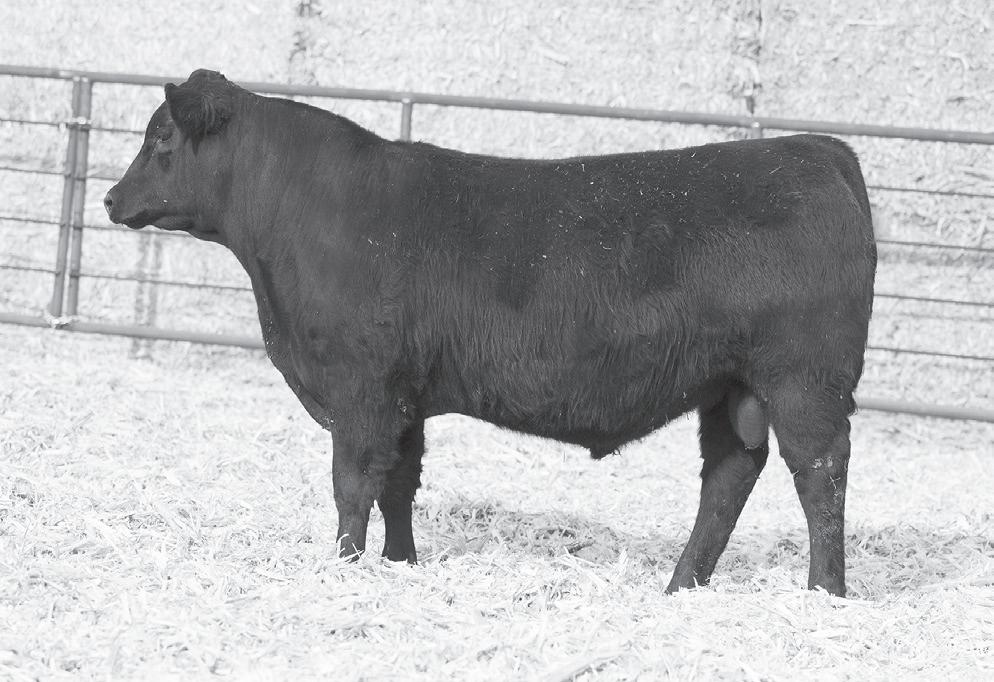
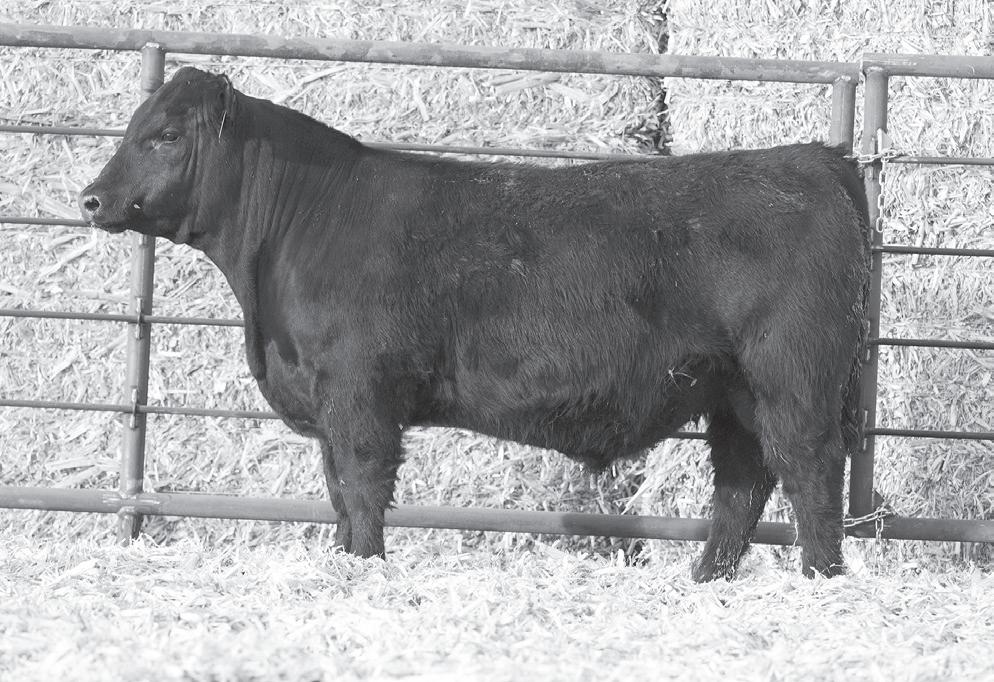
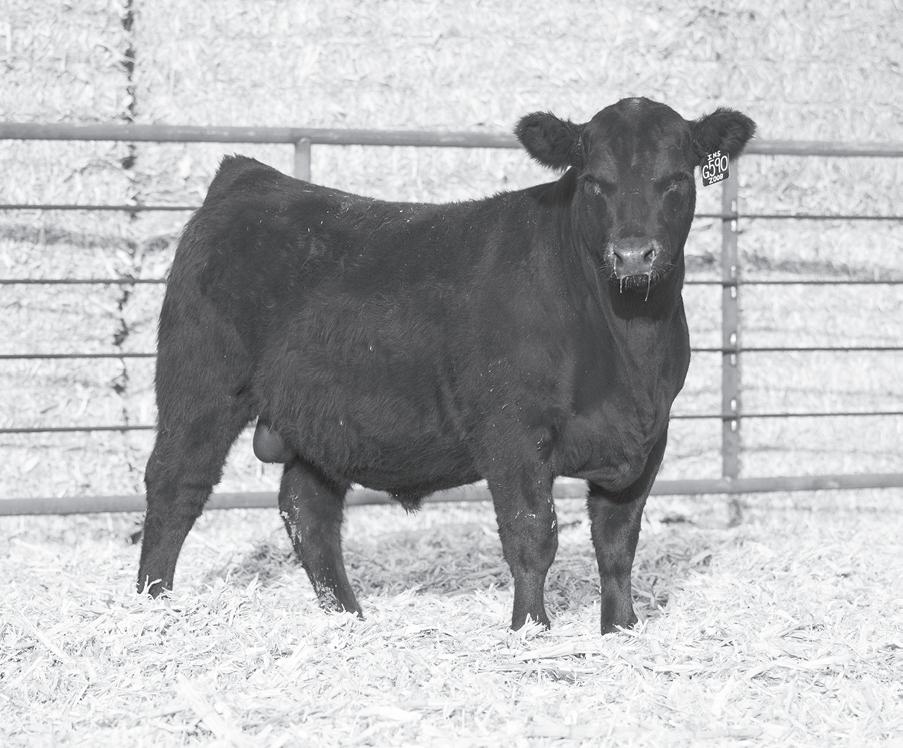
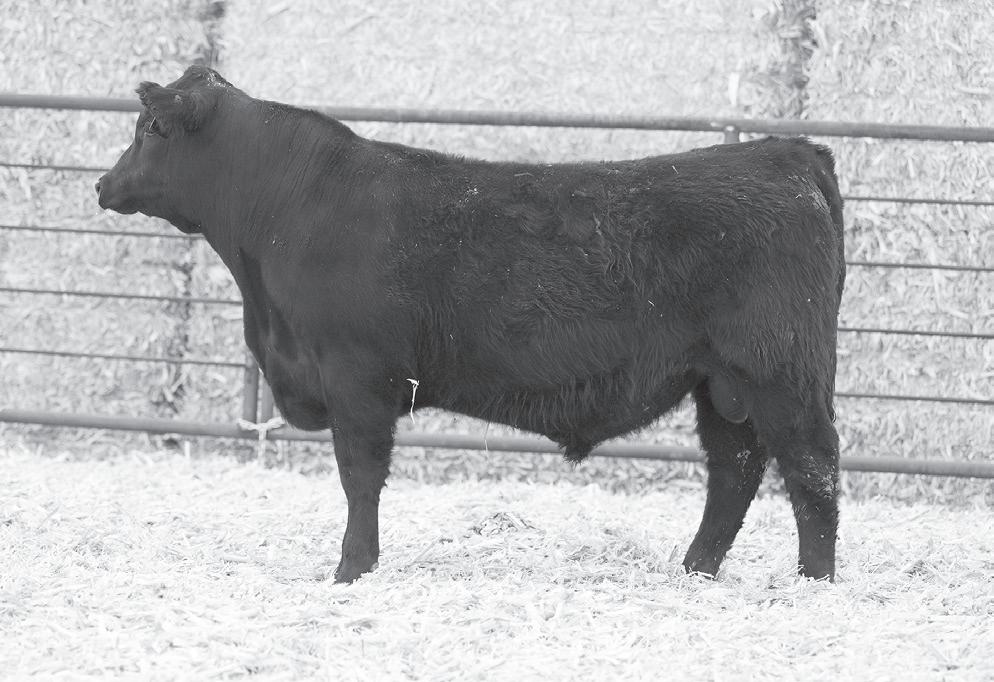
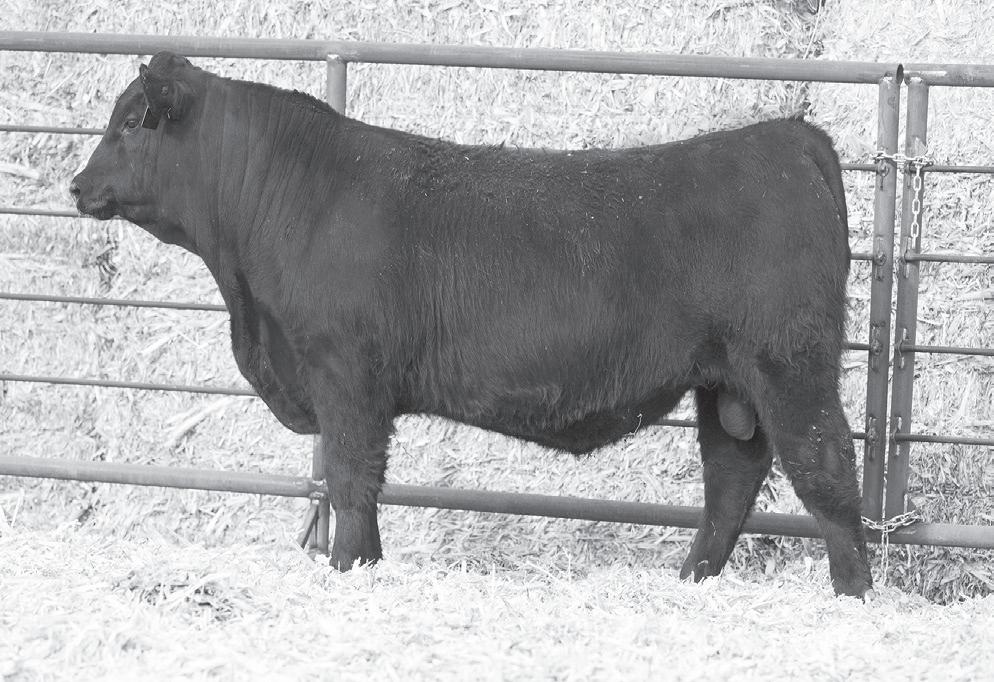
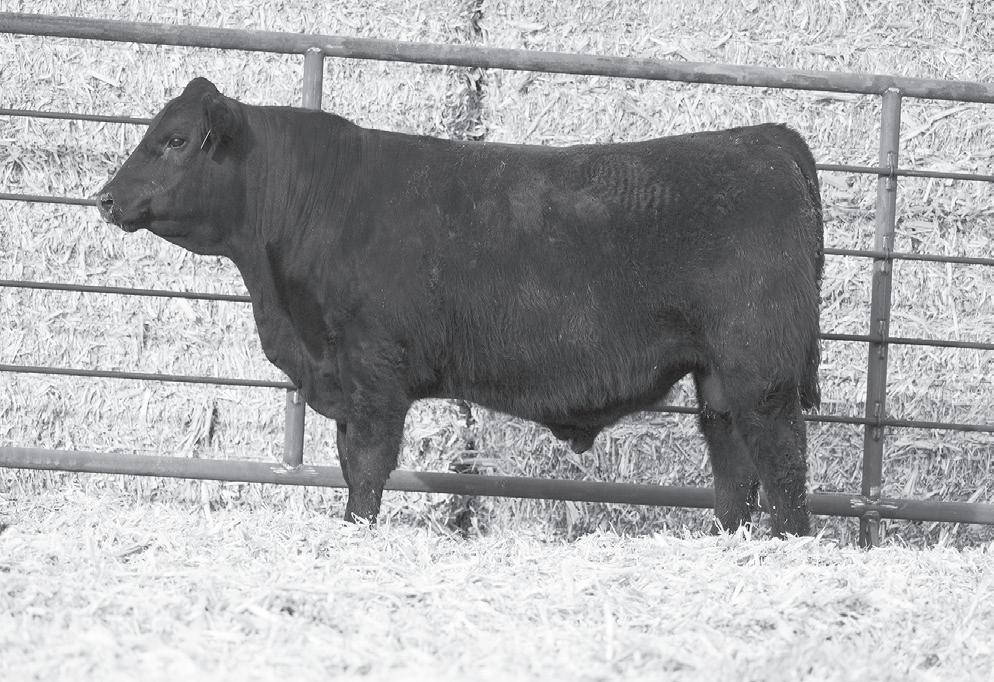
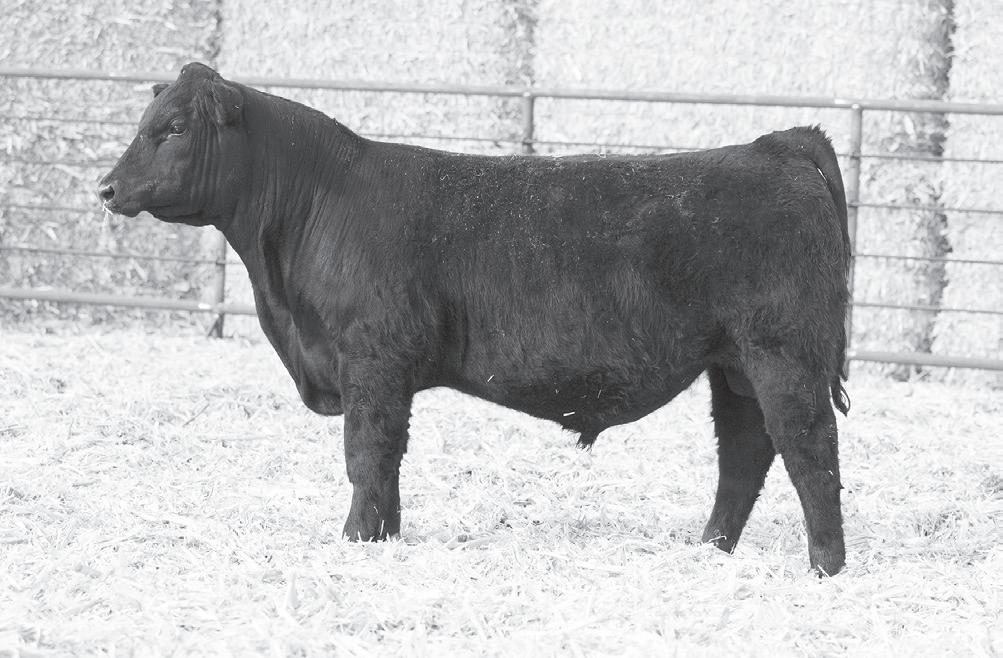
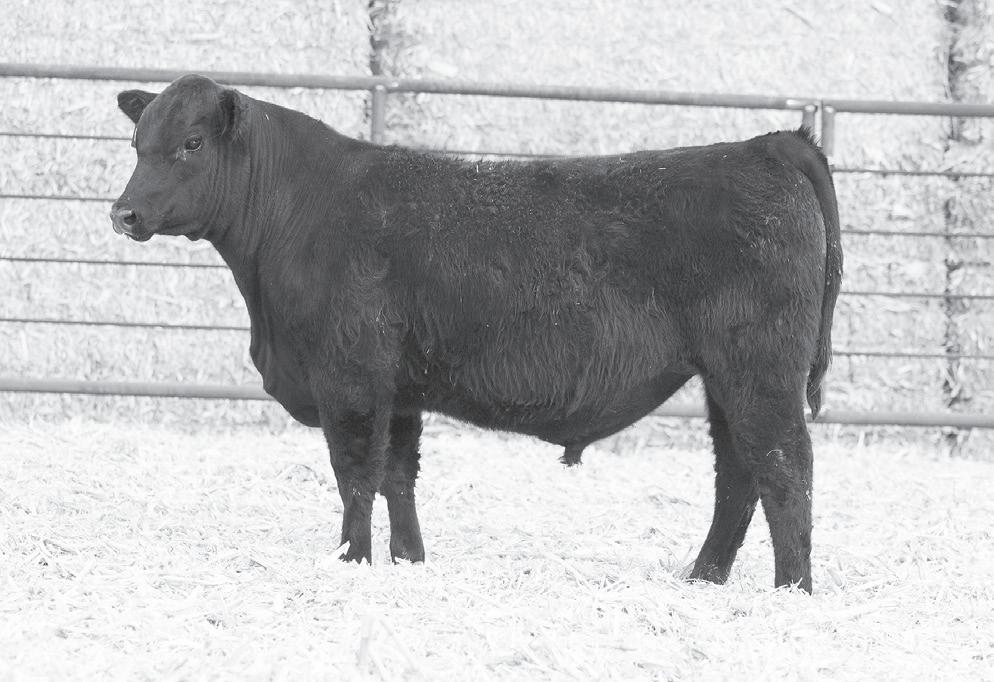
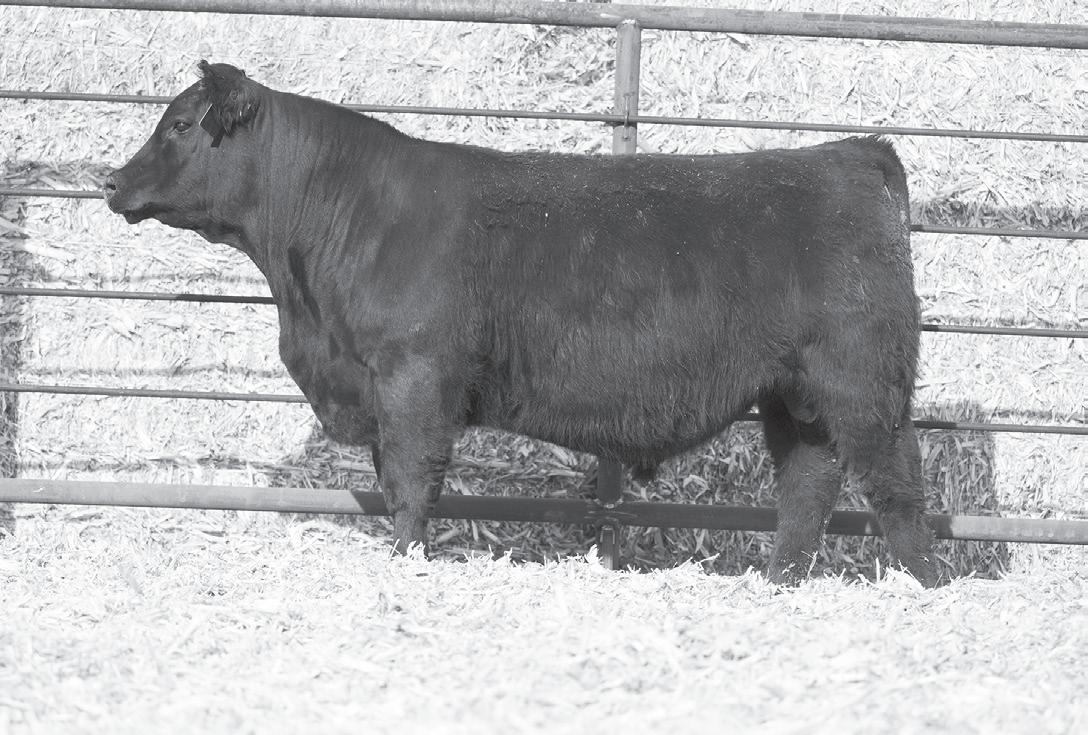
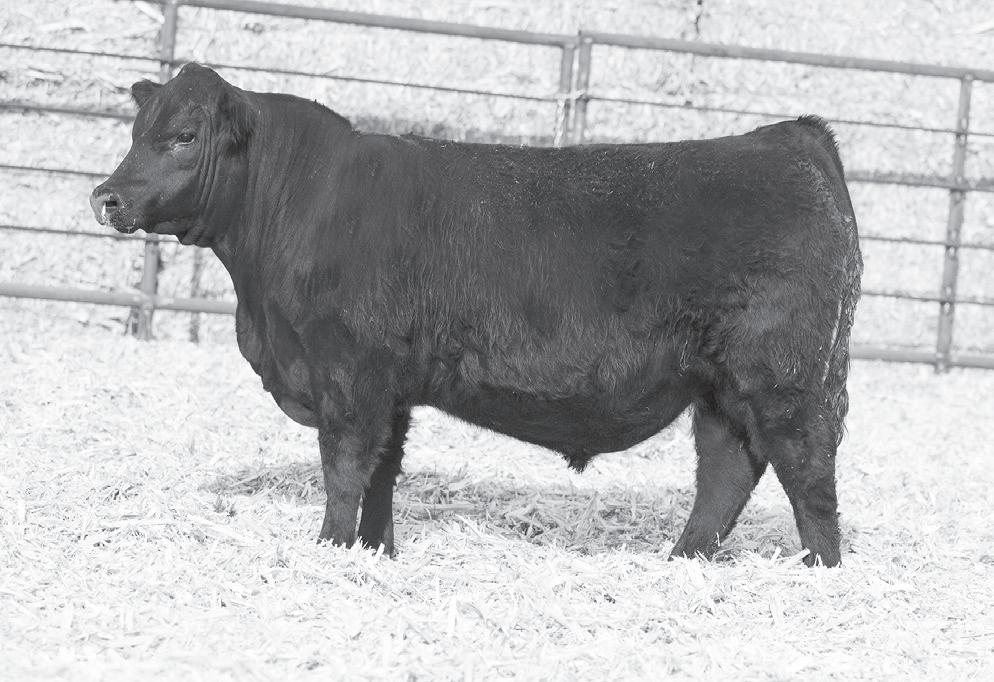
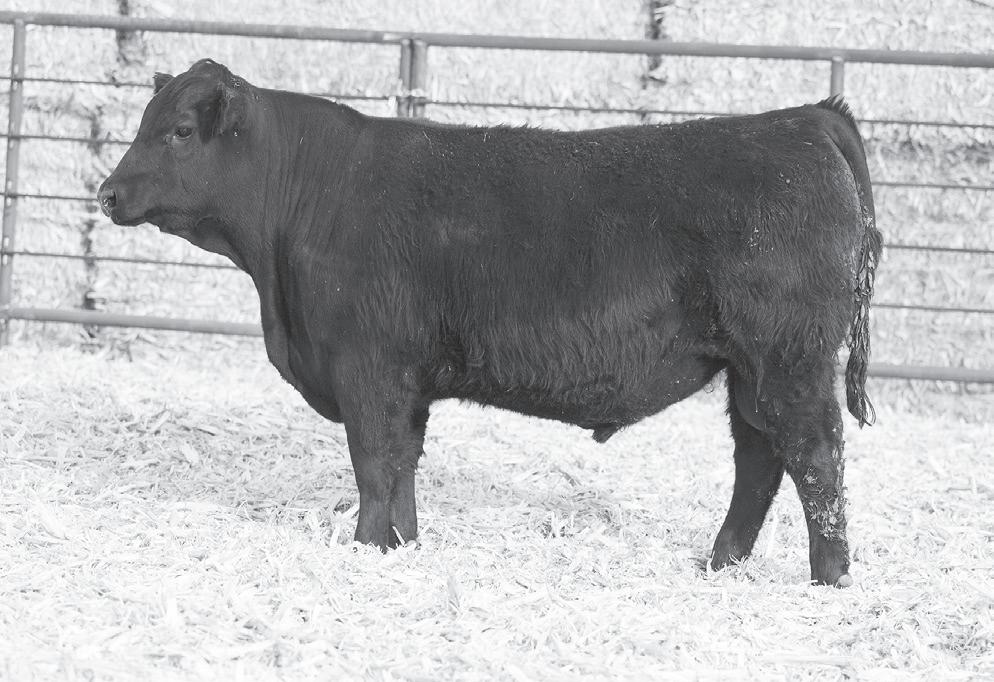
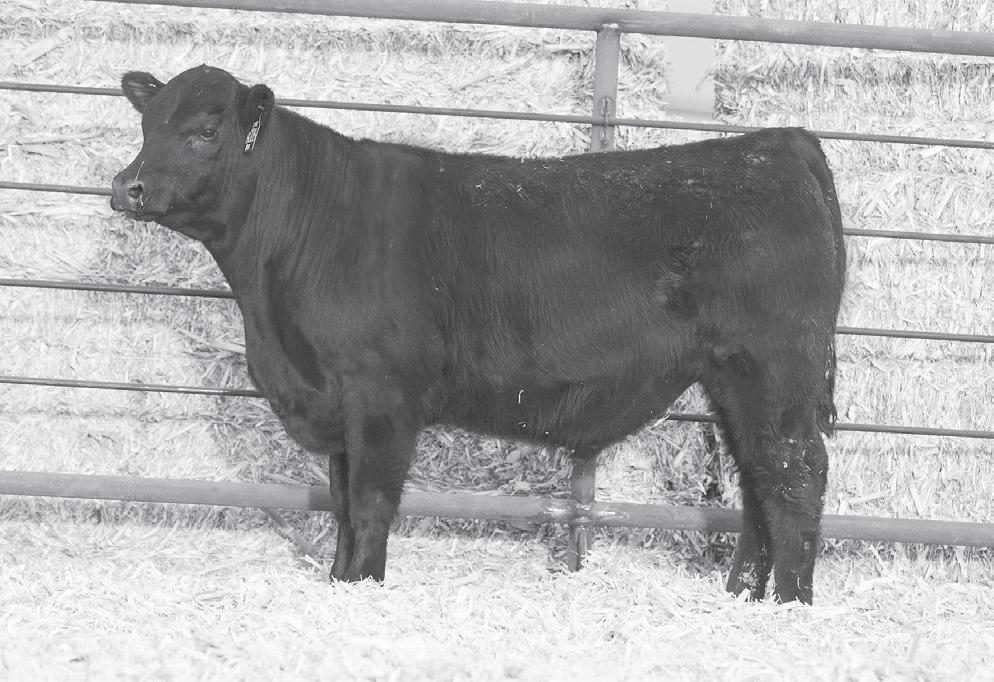
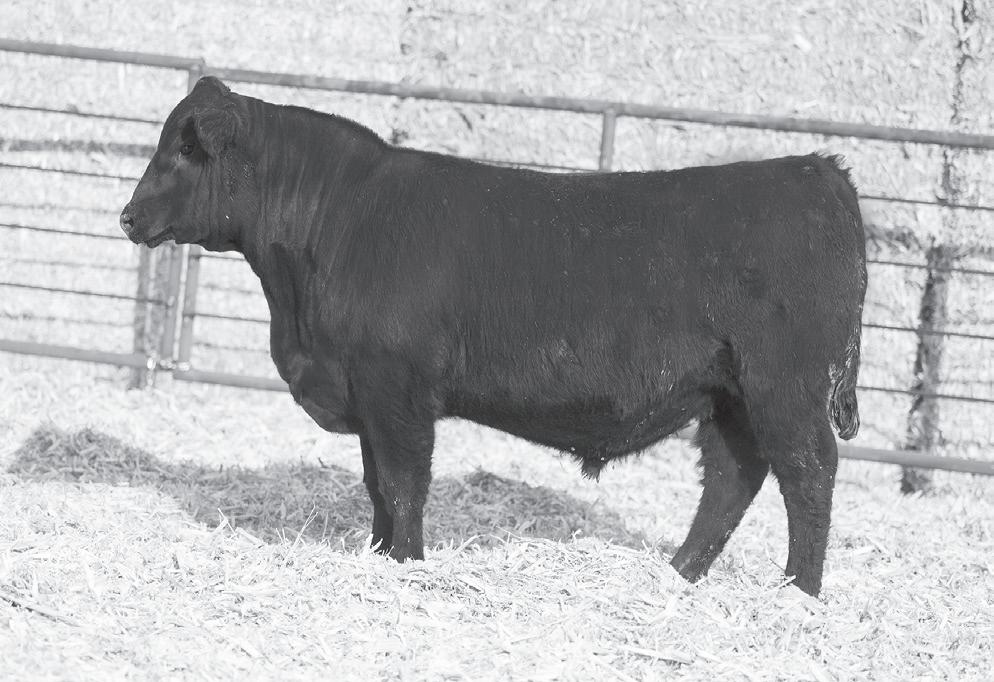
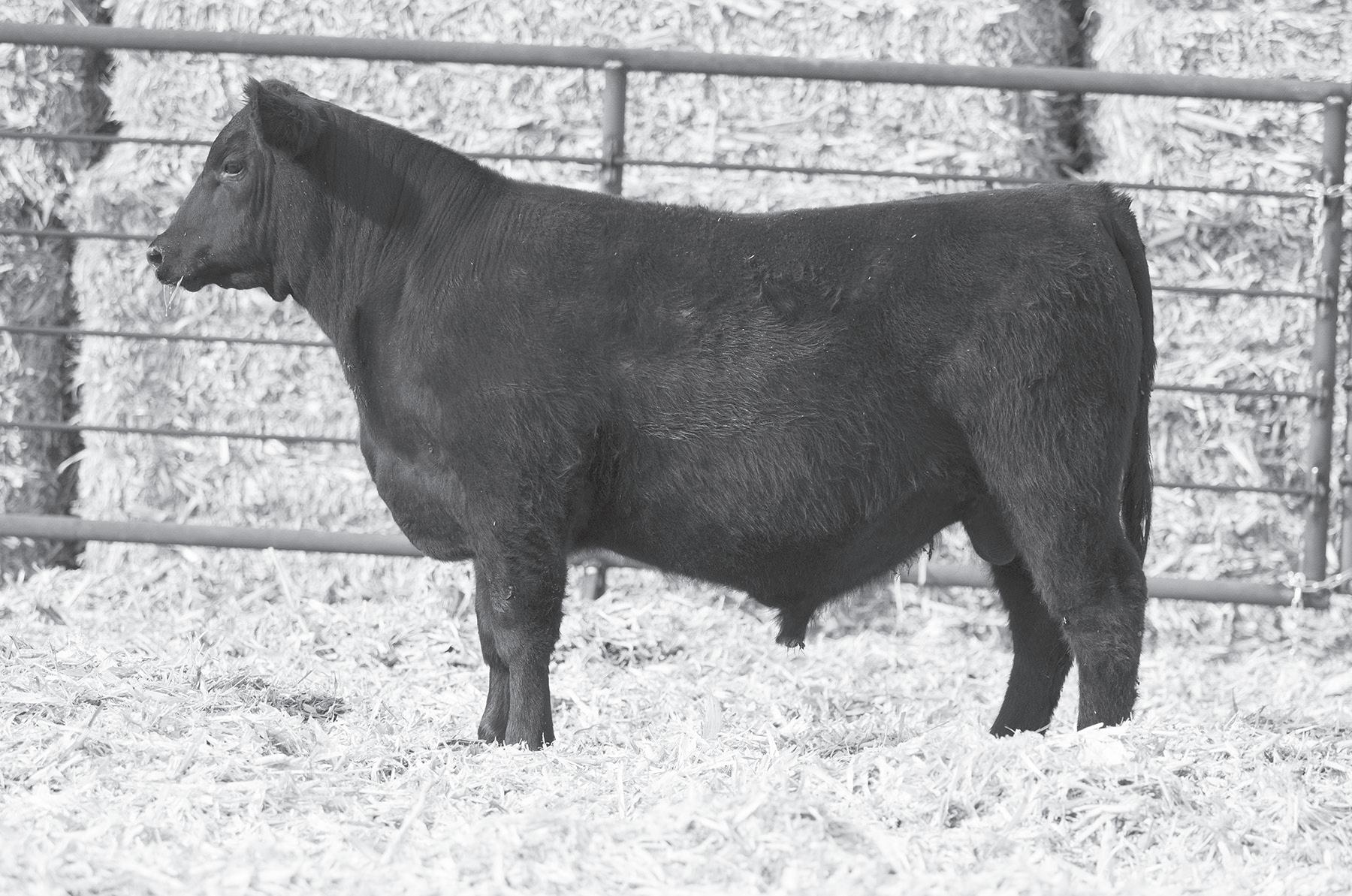
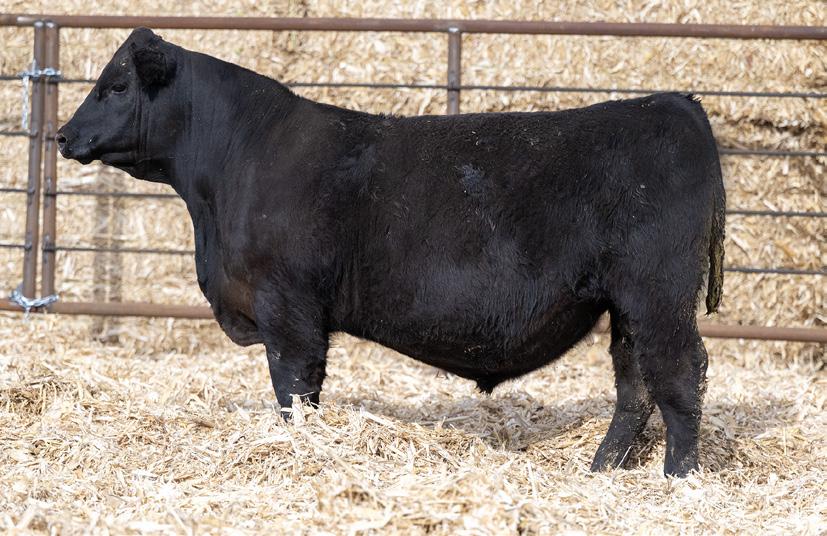
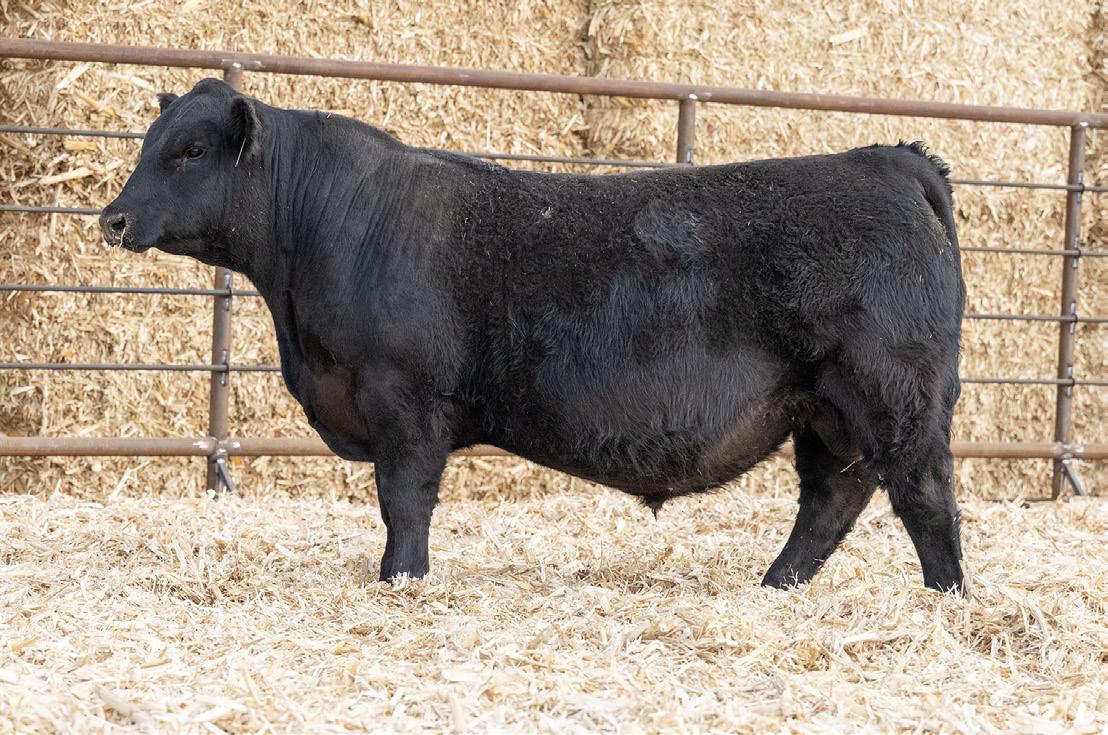
Lot One was a true standout since birth and had him projected as lot one at just one month of age. His dam is proving to be a top cow here, with her first two bulls grossing $29,000, both going to registered herds. She is a beautiful, moderate Justified daughter and each year she is one of the first to calve. It is very difficult to find the mass, substance, and volume he characterizes, all while being in a 5-star calving ease package, and PAP testing a 37 at 7,500 feet.
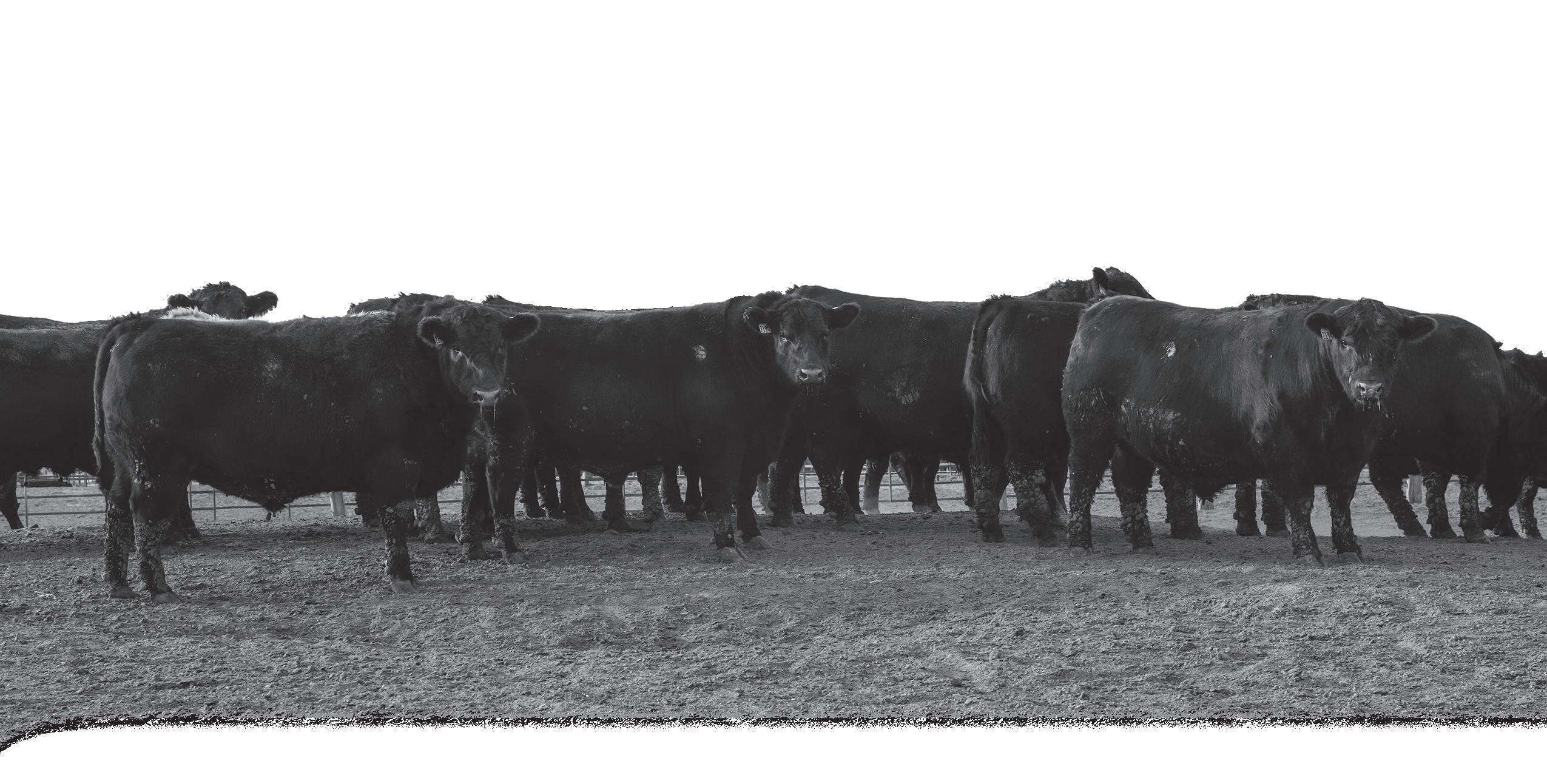
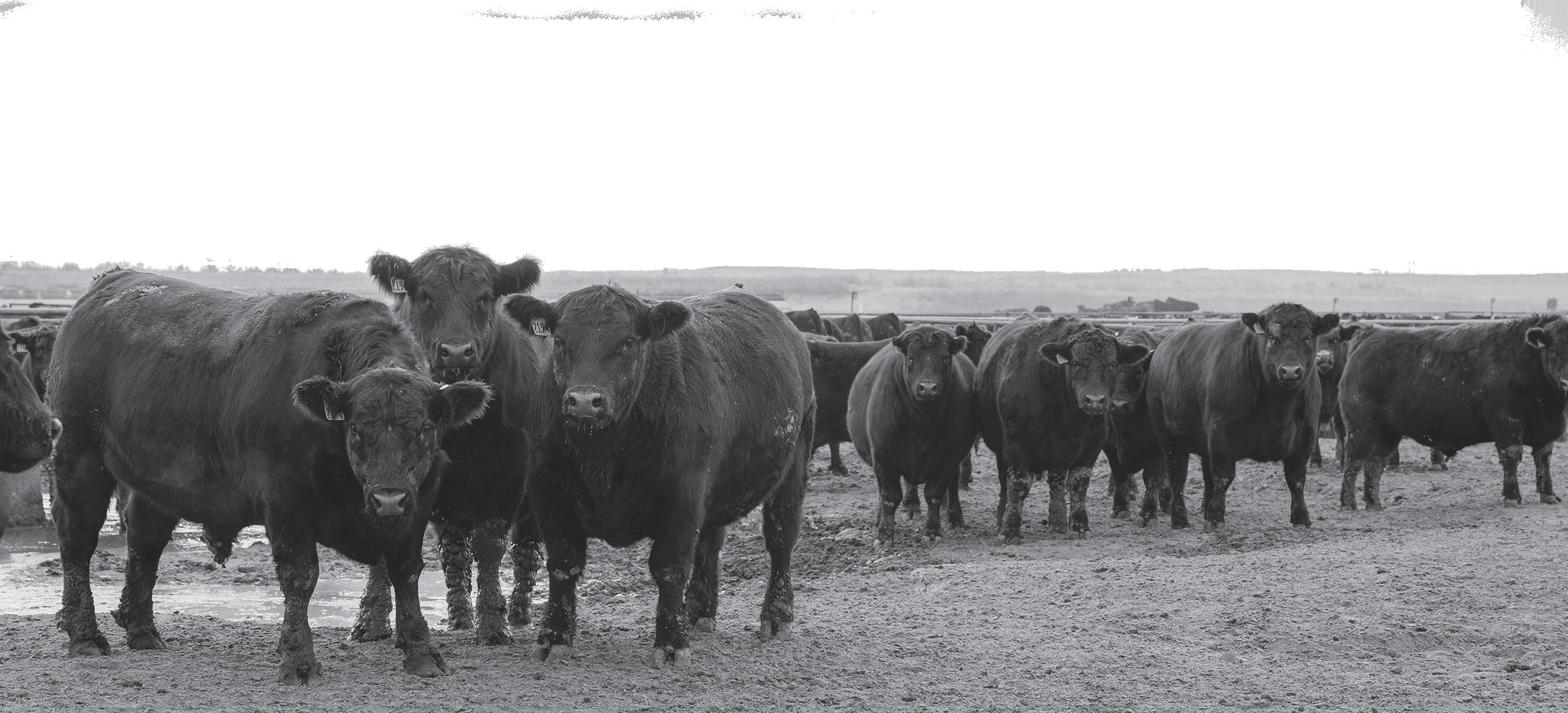
The Walter Angus cattle are the kind of stock that make feeding cattle fun. The steers we had this year came in as a backgrounded animal, averaging 683 lbs. Typically with an animal of this size we would figure about 220 days on feed with a projected out weight of 1450-1480. To feed the cattle any longer than those 220 days we would fear losing performance. Towards the end of a feeding period, cattle typically slow down on feed conversion as well as their average daily gain can be significantly impacted each day going forward. This was not the case with the Walter Angus cattle! We fed them for an average of 243 days with an average out weight of 1626. 150 lbs BIGGER than what we would project for an average feeder steer being placed of similar size and background. What is even more impressive is the fact that, by putting almost an extra month of feed into these cattle, no performance was lost. The cattle converted a 6.07 and had an average daily gain of 3.86! For comparison sake, if I took an average set of cattle that were coming into the yard as a backgrounded, big 6 wt calf, and fed them for 243 days I would expect more like a 3.4 ADG and a 6.6 conversion. The fact that these cattle never slowed down through an extra month of feeding says a lot about their genetics. To be able to take those cattle, and put an extra 30 days of feed into them, without losing conversion is worth $88 per head using a ration cost of $220 DM. If you throw in the extra 150 lbs over an average feeder animal projection, on a $230 cwt fat market, that is another $345 dollars per head. It is important to consider, with an average animal, these numbers would be significantly different, especially the feed conversion. Feed conversion is the #1 factor in what drives the cost of gain in the feedlot, and on the ranch. To be able to efficiently put pounds on an animal, especially into late day feeding is huge. This is where the Walter Angus cattle standout the most in my opinion. The Walter Angus cattle are a set of cattle we look forward to feeding every year. Their cattle print the kind of closeouts that are fun to send to a customer, and make us feel good about what we do.
Sincerely,
Conor T. Dwyer President/CEO
Maverick Beef Feedlot Bridgeport, NE
Commercial DOB: 2/8/25 WXW In The Black 1526 V331
In The Money Z153
Queenie W243
Commercial Bull’s EPD’s are estimated usinging their ANGUS GS DNA Scores correlated to the Angus Non-Parent Bull Percentile Rankings
Heifer Information
Bred Heifers
There will be ~70 Commercial Bred Heifers. The Commercial Breds will be sold in Groups of 5, where winning bidder must take the entire group, but also has the opportunity to take additional lots, at that price. They will be grouped by preg check due date and weight. All heifers are bangs vaccinated and will have been given precalving vaccinations.
Open Heifers
There will be ~70 open heifers. They will sell in groups of 4-5. Registered Heifers will SELL CHOICE, and Commercial Heifers will be sold in groups of 4-5. All yearling heifers will be checked safe for breeding, bangs vaccinated, and have been given pre-breeding shots