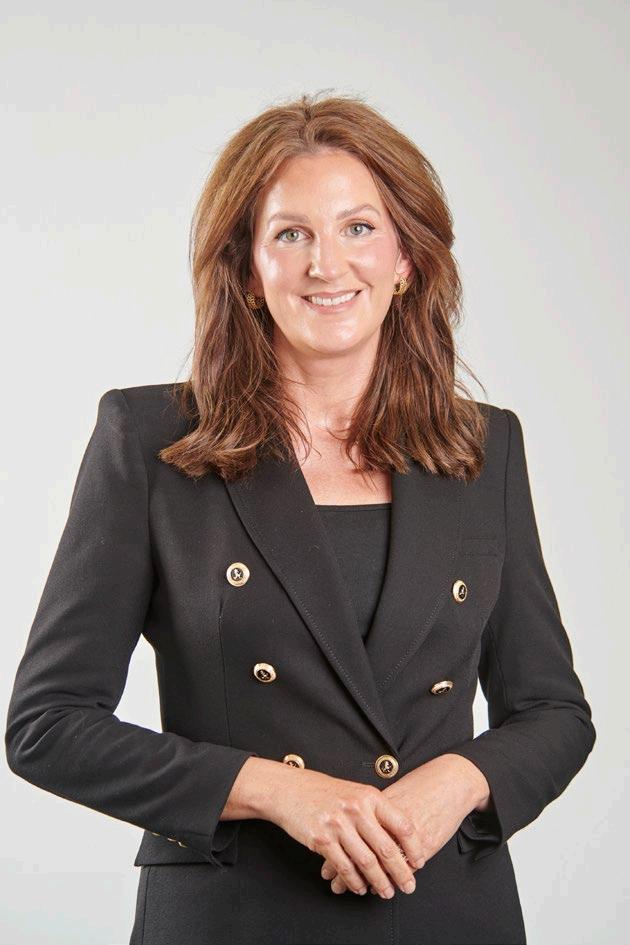
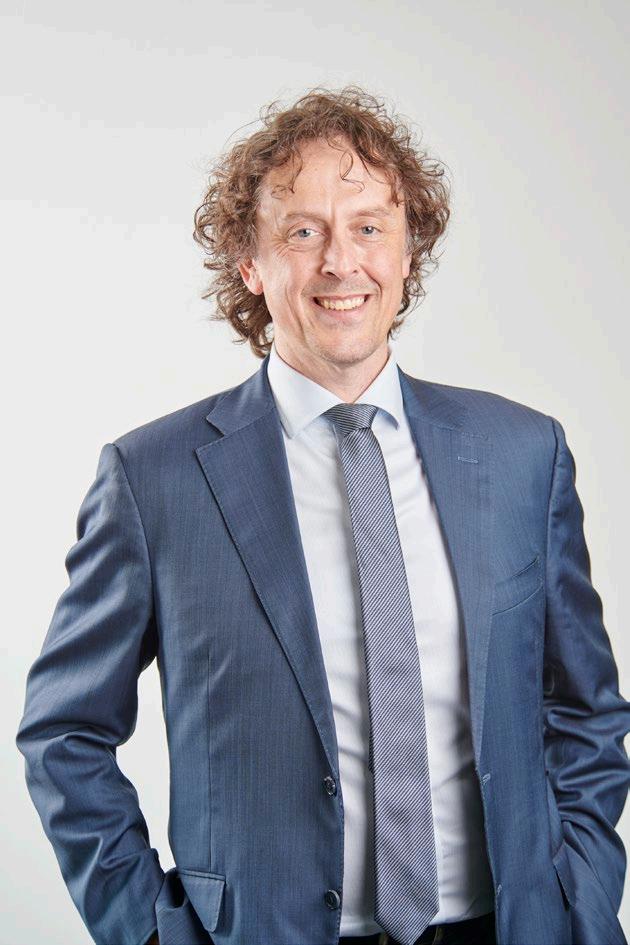
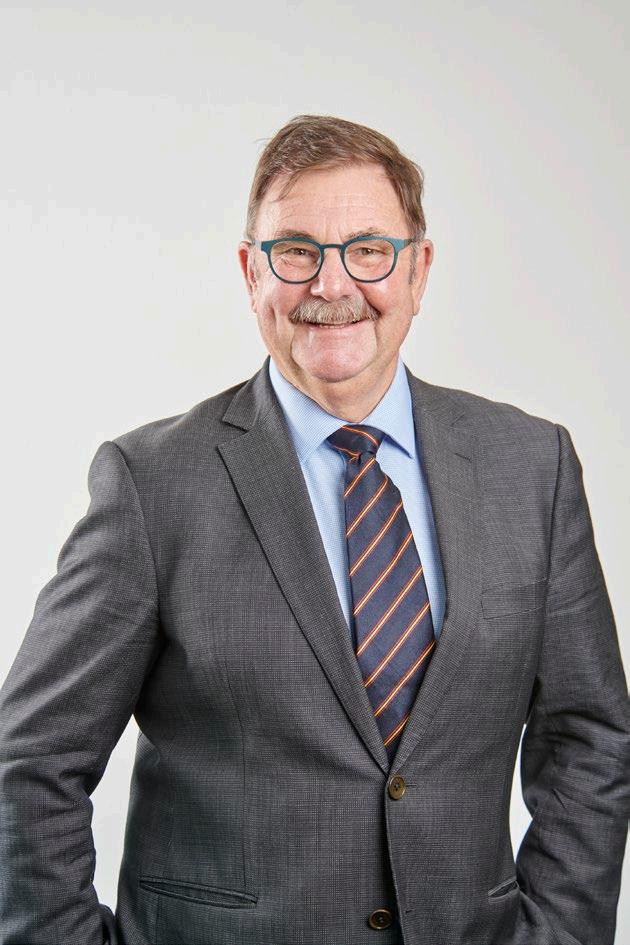
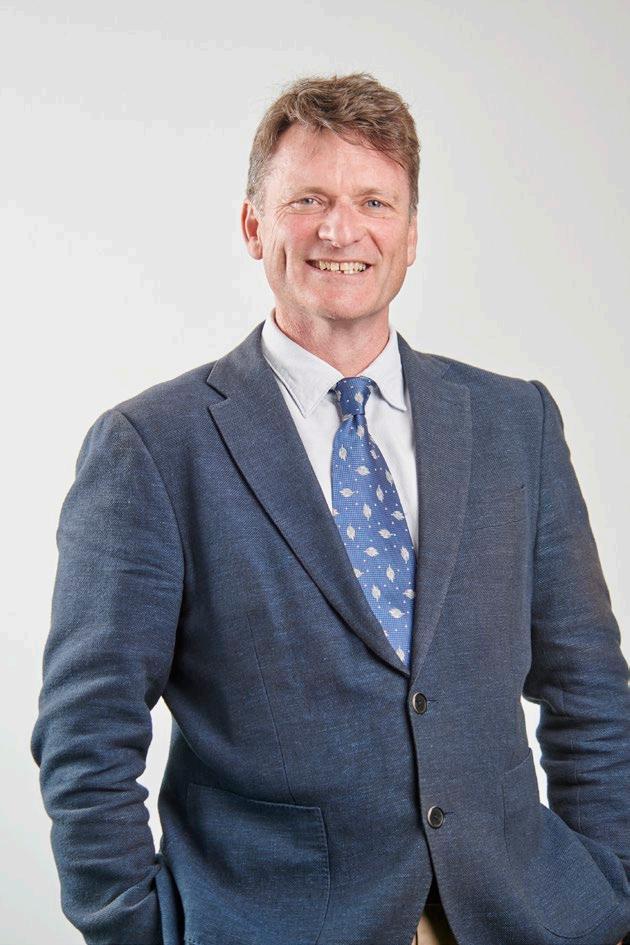
I’m pleased to share Waipā District Council’s Annual Plan for 2026/27 with you.
There’s no sugar-coating it this has been a tough Annual Plan to put together. We have had to work through the transition of water supply and wastewater services to Waikato Waters Limited from 1 July 2026, the impacts of the February severe weather event, ongoing cost pressures, and the uncertainty that comes with central government reform.
Through it all, we have kept our focus on the things that matter most: looking after the services our communities rely on, supporting a district that continues to grow, and keeping affordability front of mind for ratepayers.
This Annual Plan keeps the overall average rates increase at 10.7% after growth. That figure is made up of an 8.1% increase for Council services and activities, and a 19.1% increase for water supply and wastewater, which must be ringfenced ahead of those services transferring to Waikato Waters Limited from 1 July 2026. Together, they match what was signalled for year two of the 2025-34 Long Term Plan, and I know how important that certainty is when families, businesses and farmers are all watching costs closely.
Getting there has taken a lot of hard work. After the waters transition, the starting point for the budget was higher than we wanted. Staff have gone back through the numbers, challenged costs, and found $3.6 million in operating savings to help bring the average rates increase back to 10.7%.
We also acknowledge that there are still some unknowns in front of us. The full cost of recovery from February’s weather event is still being worked through, and inflation remains hard to predict. Some of the assumptions in this budget will only become clearer as the year unfolds.
That is why we are not treating any short-term capacity in the budget as spare money. Instead, we are holding it carefully so we can respond to recovery costs, protect against inflation, deal with any further unexpected events, and invest in changes that can make Council more efficient over time.
It is also the sensible thing to do as we look ahead to a changing local government environment, including the possibility of rates capping from 2029.
I want to thank my fellow elected members and Council staff for the way they have approached this work. It has not been simple, but it has been done with care, discipline and a strong commitment to doing the right thing for Waipā.
As always, our commitment is to the people of Waipā to deliver the services you need, support our communities, and make careful decisions so our district continues to be a great place to live, work and raise a family.
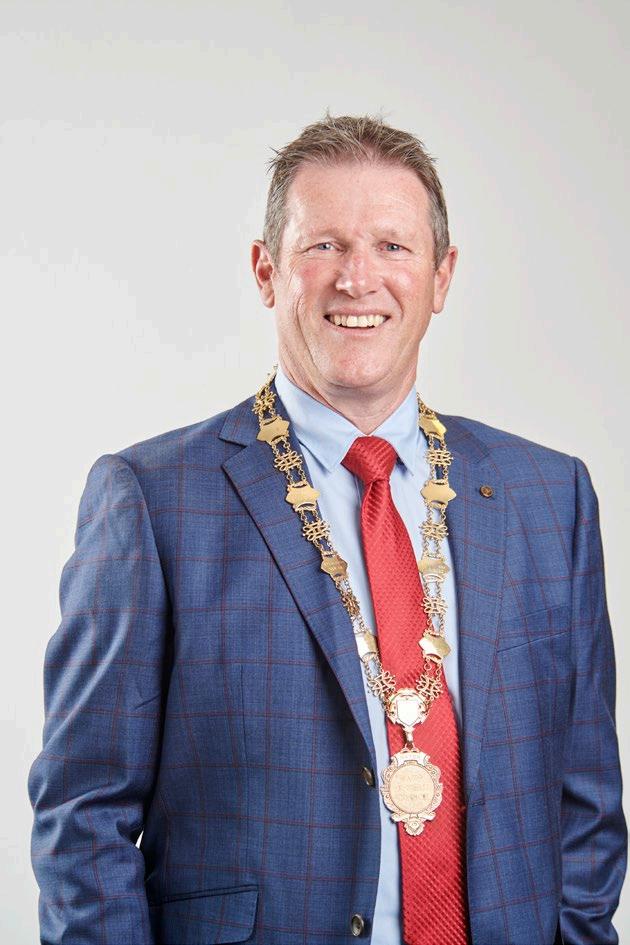
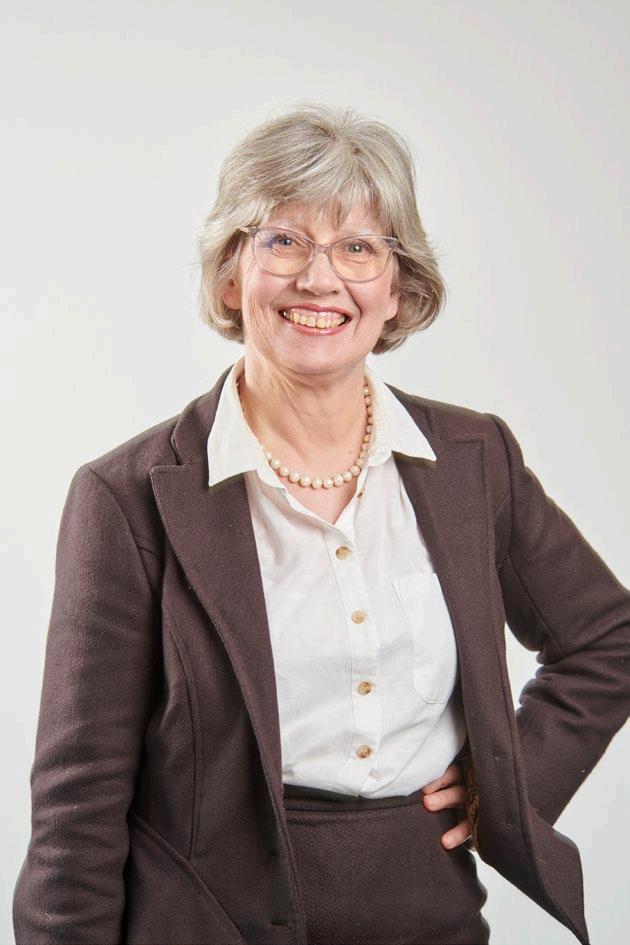
Mike Pettit Mayor, Waipā District Council
ANNUAL PLAN OVERVIEW
Under the Local Government Act 2002, Council is required to prepare and adopt a Long Term Plan (LTP) every three years and an Annual Plan in the intervening years.
What is an Annual Plan?
An Annual Plan shows what Council will deliver in a single year. It updates the community on any changes or new projects since the last LTP and confirms the budgets and priorities for the year. It also explains how we plan to achieve the goals set in our LTP.
What is a Long Term Plan (LTP)?
The LTP sets the direction for our district and outlines key projects, services, and financial forecasts over the next decade. It is the primary document that determines how much Council needs to spend to deliver services and infrastructure and therefore, what rates need to be collected.
Our current LTP was adopted in 2025 and covers the period 2025-2034. Normally an LTP spans ten years, but in March 2024 Council decided to pause the 2024-34 LTP and instead create an Enhanced Annual Plan. This was due to financial pressures arising from the inclusion of three waters costs for the full ten-year period and uncertainty around future funding. As a result, the 2025-34 LTP spans nine years instead of ten.
Annual Reports
Each year, we also produce an Annual Report, which reviews how well we’ve delivered on the goals set in our LTP and Annual Plans.
Together, these documents:
1. Show what Council’s priorities are
2. Set out the work we plan to do
3. Track how we’re performing
YOUR MAYOR AND COUNCILLORS
Mike Pettit Mayor
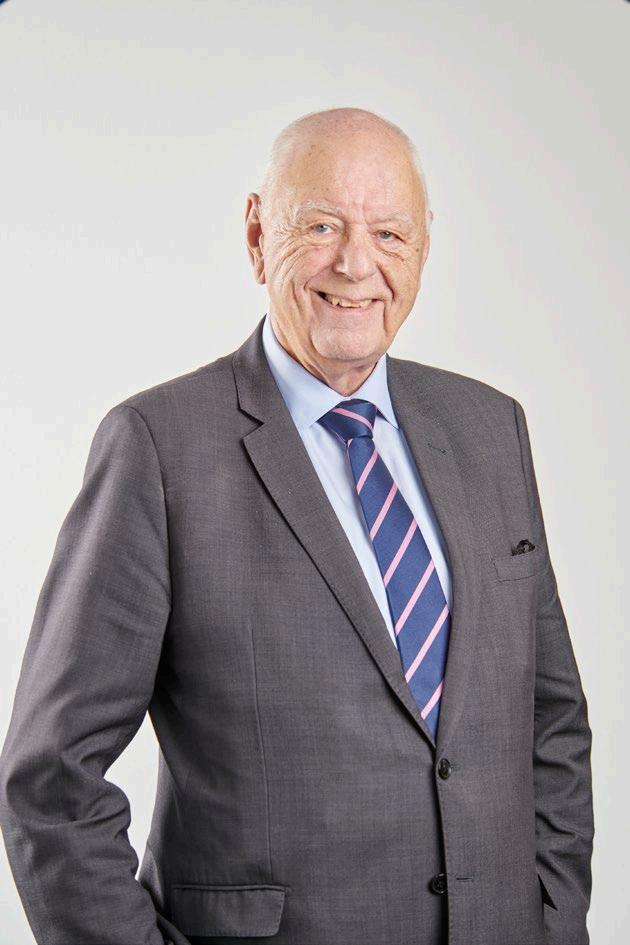
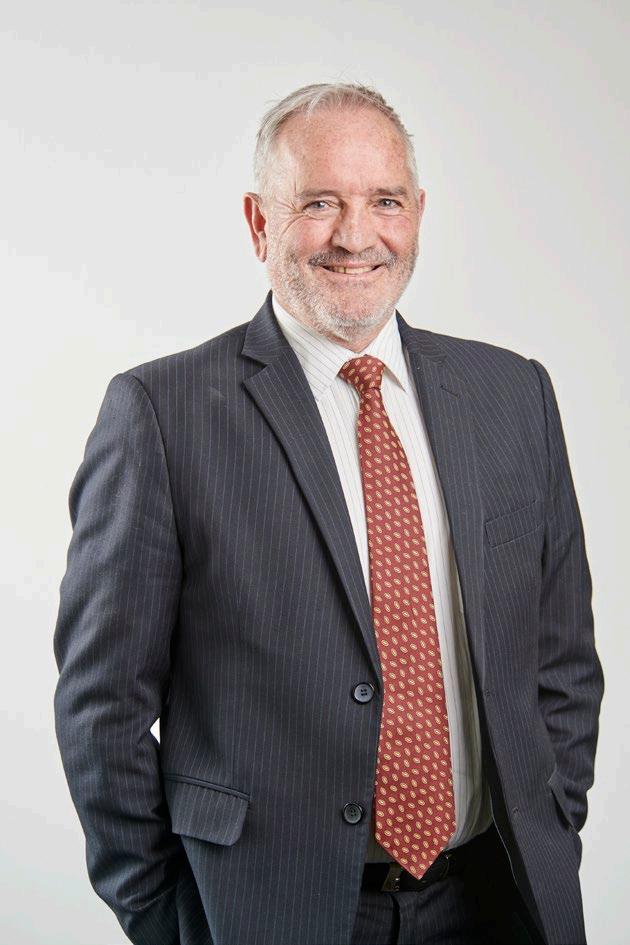
Roger Gordon Cambridge Ward
Jo Davies-Colley Deputy Mayor and Cambridge Ward
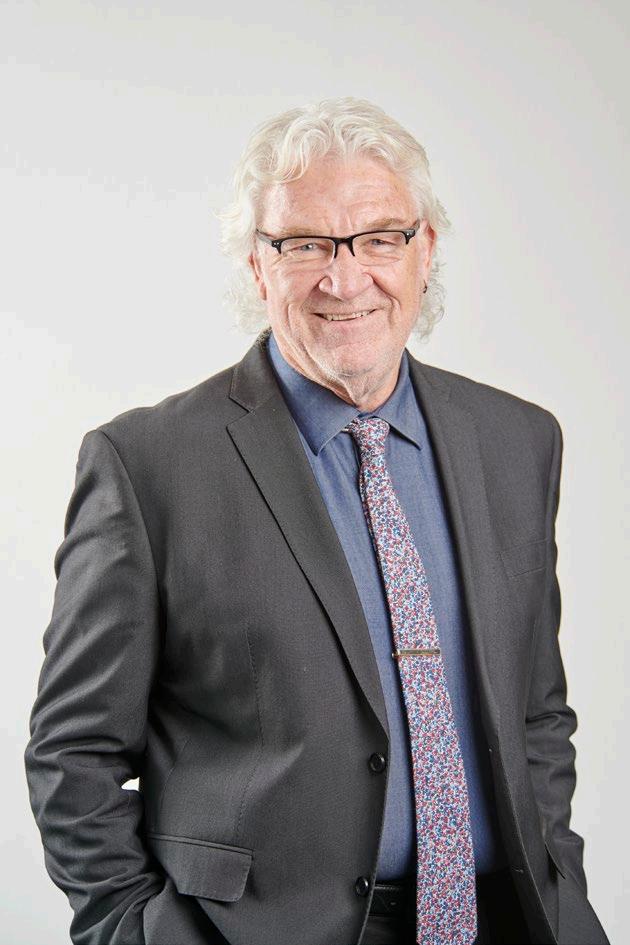
Aidean Camson Cambridge Ward
Pip Kempthorne Cambridge Ward
Mike Montgomerie Maungatautari Ward
Clare St Pierre Pirongia and Kakepuku Ward
Les Bennett Pirongia and Kakepuku Ward
Shane Walsh Te Awamutu and Kihikihi Ward
Dean Taylor Te Awamutu and Kihikihi Ward
Marcus Gower Te Awamutu and Kihikihi Ward
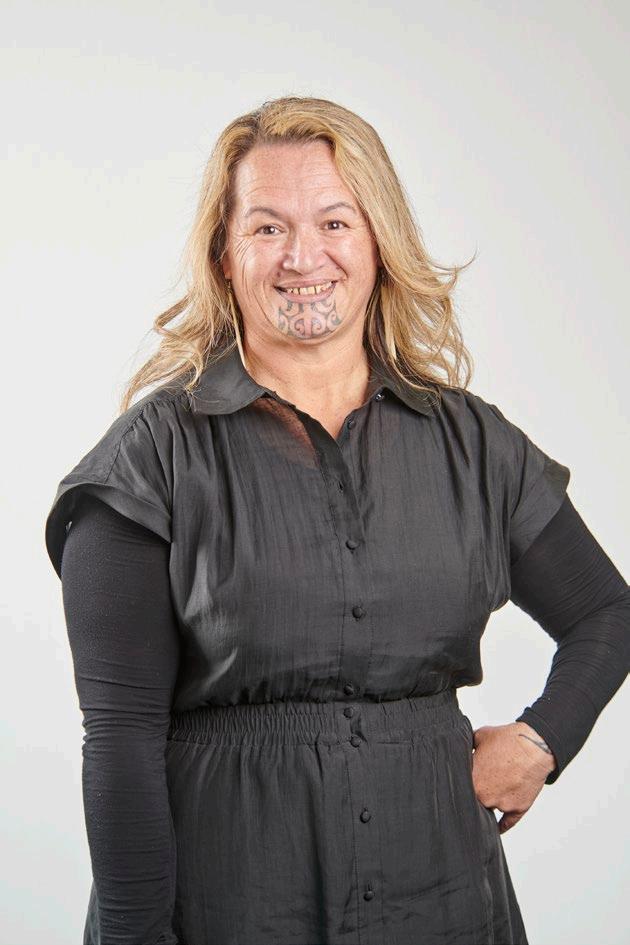
Dale-Maree Morgan Waipā Māori Ward
OUR VISION AND COMMUNITY OUTCOMES
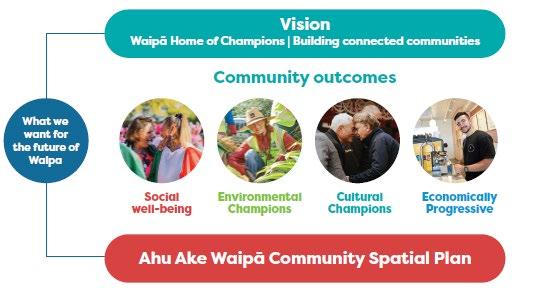
Our vision and community outcomes show what we’re working towards for Waipā. They reflect what’s important to our community and guide the decisions we make, the projects we do, and how we plan for the future.
Our community outcomes are shaped by both the Council’s Vision and the aspirations we heard from the community through the development of Ahu Ake – Waipā Community Spatial Plan. They describe the high-level results we want to achieve for Waipā and guide the work Council does each year.
Social wellbeing | All about people
• A great place to live, work, play and invest
• Invest in health, well-being, and support community groups
• Promote a high quality of life for all
Environmental champions | Protect and sustain the environment
• Promote environmental awareness and responsibility
• Support programmes that protect and sustain our environment
• Respond to climate change and its impacts
Cultural champions | Promote culture and heritage
• Raise awareness of Waipā’s unique history and culture
• Build strong partnerships with Tangata Whenua
• Respect cultural diversity
Economically progressive | Support thriving sustainable economy
• Make financially sustainable decisions
• Provide economic stimulus through new infrastructure
• Deliver value for money and create a great place to invest and do business
All the activities we carry out contribute to the achievement of our community outcomes. If we achieve all the expectations that we have set we will be making progress towards achieving all four outcomes.
STRATEGIC GOALS AND PRIORITIES
As part of the development of the 2027–37 Long Term Plan (LTP), Council adopted strategic goals and priorities While the 2027-37 LTP is the primary mechanism through which these strategic goals and priorities will be given effect, the 2026/27 Annual Plan provides an opportunity to ensure that what is proposed for the 2026/27 year is not inconsistent with Council’s agreed strategic direction for the longer term.
Strategic goals
Council has identified the following five themes as its short to medium term strategic goals (3 to 10 years):
Theme
1. Responsible financial management
2. Well-planned communities and great places
3. Shared outcomes through partnership
4. Trust and confidence in Council
5. Community resilience
Goal statement
Ensure prudent and sustainable financial management to deliver value for our community now and into the future
Enable well-planned growth, renewal and development that creates vibrant, connected and liveable places and communities
Foster partnerships to deliver better economic, community and environmental outcomes than we can achieve alone
Strengthen trust and confidence with our community through transparent decision-making, meaningful engagement and effective service delivery
Position our communities to thrive in the face of economic, social and environmental change
Priorities
The following three themes were identified as priorities for the short term (0 to 3 years):
Lean organisation
• Right size after waters divestment
• Ensure organisational capability to deliver on our strategic goals
• Deliver levels of service in line with community affordability
• Maximise efficiency opportunities with neighbouring councils and other partners
• Embed a continuous improvement culture across the organisation
• Optimise economy, efficiency and effectiveness
Managing growth
• Ensure we are not over-investing in growth
• Deliver capital projects on a just-in-time basis to align investment with need
• Maximise growth cost recovery from developers and users
Broadening funding base
• Pursue opportunities to generate revenue or returns from Council’s asset base
• Ensure appropriate user charges
• Foster partnerships to leverage external funding and expertise
• Pursue investment opportunities that reduce long-term reliance on rates
EXECUTIVE SUMMARY
The 2026/27 Annual Plan has been prepared in a highly complex and uncertain environment, shaped by the transition of water supply and waste-water services to Waikato Waters Limited (WWL) from 1 July 2026, the impacts of the February 2026 severe weather event, ongoing Central Government reforms and heightened inflation risk.
Within this context, the Annual Plan focuses on maintaining community affordability and protecting essential service delivery through disciplined management of operating expenditure and the delivery of identified operating cost savings.
The Annual Plan retains an average rates increase of 10.7% (after growth), the rates increase which was consulted on with the community as part of the development of the 2025-34 Long Term Plan (2025-34 LTP). Maintaining this position provides affordability certainty for the community and supports longer-term financial resilience as Council prepares for the imposition of a potential rates capping model from 2029.
Council is financially constrained, with a number of assumptions needing to be made which will only become clearer as the financial year progresses. Therefore, it is prudent that we take a conservative approach to provide for contingencies in the 2026/27 year. Of particular concern are the increased costs associated with post severe weather event recovery and emerging inflationary pressures, which may reduce Council’s capacity to respond to any other unforeseen events.
Significant operating cost savings are proposed for the 2026/27 year totalling $3.6m. These significant savings, in addition to the assumptions and budget components outlined below, enable Council to reduce the average rates increase (after growth) from 15.5% (the starting position post waters transition) to 10.7%.
The key budget assumptions and components are as follows:
Eight month capital programme reforecast: Carry forwards from the 2025/26 year to the 2026/27 year reduce interest and depreciation costs in the 2026/27 year.
WWL transition arrangements: On-charging of services Council will deliver on behalf of WWL (including billing, customer support, development services), consistent with approved service orders.
Severe weather event impacts: Provision for operating and capital cost impacts of the February 2026 event and recovery activities as costs and funding pathways are confirmed.
Inflation and growth updates: Updated inflation assumptions reflecting global fuel-supply volatility and an updated rating-base growth assumption.
The following table sets out what was included in Year 2 of the 2025-34 LTP, compared with what is included in the 2026/27 Annual Plan.
For each activity provided by Council, further details on key projects and changes from what was proposed for year 2 of the 2025-34 LTP are included in relevant sections of this plan.
GROUPS OF ACTIVITIES
COMMUNITY SERVICES AND FACILITIES
Community Services and Facilities cover the services and spaces that make our district a great place to live, work, and visit. They focus on supporting community wellbeing, preserving our heritage, providing safe and welcoming public spaces, and delivering essential services for everyday life.
There are seven activities in Community Services and Facilities:
• Emergency Management
• Heritage
• Libraries
• Parks and Reserves
• Property Services
• Swimming Pools
• Waste Management and Minimisation
Key
projects for 2026/27
• Te Awamutu T11 Growth Cell Reserves
Budgeted for 2026/27 year: $3.055 million
• Cambridge Water Tower upgrade
Budgeted for 2026/27 year: $2.536 million
• Resource Recovery Centre
Budgeted for 2026/27 year: $1.450 million
• Matos Segedin Dr Subdivision
Budgeted for 2026/27 year: $2.001 million
Key changes from the 2025-34 Long Term Plan
Variations from what was included in year 2 of the 2025-34 Long Term Plan are detailed below:
Operating Expenditure
• Increased revenue due to the sale of assets, largely delayed from 2025/26 and an increase in property related costs, which had previously been classified as capital
Capital Expenditure
• Increase in growth related projects, delayed from 2025/26
• Reduction in property related costs, reclassified as operating
• Increase in capital expenditure for Matos Segedin Drive Subdivision, which has been deferred from 2025/26
• Increase due to roof membrane replacement at Mighty River Domain Facility
What we’re spending
Community
Community Services and Facilities Funding Impact Statement
(deficit) of capital funding (C - D)
GOVERNANCE
The Governance group of activities focuses on ensuring the Council operates transparently, effectively, and in partnership with the community. These activities help keep residents informed, represent their interests, and guide strategic decision-making for the district.
There are three activities in the Governance Group:
• Communication and Engagement
• Representation
• Strategy and Strategic Partnerships
Key projects for 2026/27
• Review of the Growth Strategy
Budgeted for 2026/27 year: $90,000
• Review of the Waipā District representation
Budgeted for 2026/27 year: $25,000
• Development and implementation of the Economic Wellbeing Strategy
Budgeted for 2026/27 year: $44,402
Key changes from
the
2025-34 Long Term Plan
Variations from what was included in year 2 of the 2025-34 Long Term Plan are detailed below:
Operating Expenditure
Increase in operating expenditure due to the deferral of projects from 2025/26
Capital Expenditure
No change in capital expenditure
What we’re spending
Governance Capital Expenditure
Governance Funding Impact Statement
PLANNING AND REGULATORY
The Planning and Regulatory group of activities ensures our district is safe, healthy, and wellplanned. These activities help manage growth, maintain standards, protect public health, and support compliance with local regulations.
There are five activities in the Planning and Regulatory group:
• Animal Control
• Building Compliance
• Development Engineering
• Environmental Health
• Resource Consents, Enforcement and Land Information Memoranda
Key projects for 2026/27
• Cambridge dog pound development Budgeted for 2026/27 year: $314,000
Key changes from the 2025-34 Long Term Plan
There are no significant or material changes from what was included in year 2 of the 2025-34 Long Term Plan.
What we’re spending
Planning and Regulatory Funding Impact Statement
TRANSPORTATION
The Transportation activity is responsible for maintaining and improving the district’s transport network, which includes sealed and unsealed roads, bridges, large culverts, retaining walls, bus shelters, cycleways, footpaths, and streetlights in key areas.
It also covers the development and upkeep of town and village centre streets, carparks, sporting facilities, and community spaces. Road safety is a key focus, including speed management, intersection improvements, addressing network deficiencies, and providing road safety education.
Key projects for 2026/27
• C1 Structure Plan Roading
Budgeted for 2026/27 year: $5.0 million
• C2 & C3 Structure Plan Roading
Budgeted for 2026/27 year: $4.2 million
• C8, C9 and C10 Hautapu Road Industrial area roading, roundabout and collector roads
Budgeted for 2026/27 year: $18.3 million
• C4 & C11 Cambridge Road intersection and new Collector Road
Budgeted for 2026/27 year: $4.6 million
• T9/T10 New Collector Road and walkway
Budgeted for 2026/27 year: $4.8 million
• Picquet Hill
Budgeted for 2026/27 year: $3.1 million
• February 2026 weather event
Budgeted for 2026/27 year: $3.7 million
Key changes from the 2025-34 Long Term Plan
Variations from what was included in year 2 of the 2025-34 Long Term Plan are detailed below:
Operating Expenditure
• Increase in NZTA funding due to storm damage
• Reduction in depreciation due to less capital expenditure in earlier years
Capital Expenditure
• Increase in growth related projects and minor improvements which have been deferred from 2025/26
What we’re spending
Transportation Capital Expenditure
Transportation Funding Impact Statement
Applications
Surplus (deficit) of
SUPPORT SERVICES
The Support Services group provides the essential behind-the-scenes systems and support that help Council deliver services effectively. These activities ensure residents can access information and assistance when they need it, and that Council staff have the tools and information required to do their work efficiently.
There are two activities in the Support Services group:
• Customer Support
• Information Services
Key projects for 2026/27
• Renewals on Council owned land and buildings
Budgeted for 2026/27 year: $4.440 million
• Computer software upgrades
Budgeted for 2026/27 year: $441,000
Key changes from the 2025-34 Long Term Plan
Variations from what was included in year 2 of the 2025-34 Long Term Plan are detailed below:
Operating Expenditure
• Increase in revenue due to charging Waikato Water Limited for services Waipā will continue to deliver on their behalf
• Decrease in operating costs as cost structure has changed due to the transfer to Waikato Waters Limited
Capital Expenditure
• Increase in building improvements which have been deferred from 2025/26
What we’re spending
Support Services Capital Expenditure
Support Services Funding Impact Statement
Funding balance ((A - B) + (C - D))
STORMWATER
Council operates and maintains stormwater infrastructure and stormwater networks across the district to reduce the risk of flooding and to ensure stormwater entering waterways is as free from contaminants as possible. This network includes pipes, manholes, open drains, swales, soak systems, and retention structures.
Key projects for 2026/27
• Cambridge Growth Cells (C1, C2 and C3)
Budgeted for 2026/27 year: $23.591 million
Key changes from the 2025-34 Long Term Plan
Variations from what was included in year 2 of the 2025-34 Long Term Plan are detailed below:
Operating Expenditure
• Reduction in depreciation and interest costs due to less expenditure in previous years
Capital Expenditure
• Increase in growth related projects and minor improvements which have been deferred from 2025/26
What we’re spending
Stormwater Capital Expenditure
Stormwater Funding Impact Statement
Funding balance ((A - B) + (C - D))
WATER SUPPLY
Waikato Waters Limited will deliver water supply services to the community from 1 July 2026 Council has worked with Waikato Waters to determine its revenue requirements for these services, and has agreed to set and collect that revenue for Waikato Waters. This will be through the setting of rates for those services, with the revenue provided to Waikato Waters Limited to support its delivery of these services.
Water Supply Funding Impact Statement
Sources of operating funding
General rates, uniform annual general charges, rates penalties
- to improve the level of service
Increase (decrease) of investments
Funding balance ((A - B) + (C - D))
WASTEWATER
Waikato Waters Limited will deliver wastewater services to the community from 1 July 2026 Council has worked with Waikato Waters to determine its revenue requirements for these services, and has agreed to set and collect that revenue for Waikato Waters. This will be through the setting of rates for those services, with the revenue provided to Waikato Waters Limited to support its delivery of these services.
Wastewater Funding Impact Statement
((A - B) + (C - D))
FINANCES
STATEMENT OF PROSPECTIVE FINANCIAL INFORMATION
Statement of Comprehensive Income for the Period Ended 30 June 2027
Revaluation gains/(losses) taken to
Prospective Statement of Changes in Equity
Prospective Statement of Financial Position
Forecast financial statements
Prospective Cash Flow Statement
Statement of Borrowing
Movements in Borrowings
The above represents the level of external borrowing but this could fluctuate depending on
Cost of Service Variance analysis
Increased project costs due to deferral from 2025/26
No material changes from the LTP Community Services and Facilities
Additional revenue due to property revenue offset by property costs that had previously been classified as capital
Increase in NZTA revenue due to storm damage and less depreciation due to less capital in previous years
Reduction in depreciation and interest costs due to less expenditure in previous years
Transferred to Waikato Waters Ltd
Transferred
Increase in revenue due to recharging Waikato Water Limited for services Waipa will continue to do on their behalf. Decrease in operating costs as cost structure as changed due to the transfer to Waikato Waters Limited
Capital Expenditure Programme
COUNCIL RESERVES
The tables below set out the purpose of the reserves held by Council and the related activities for these reserves.
Council reserves – Property
Asset sales: Cambridge Proceeds from Cambridge asset sales held in reserve to fund future asset purchases
Asset sales: Te Awamutu Proceeds from Te Awamutu asset sales held in reserve to fund future asset purchases
Asset sales: General Proceeds from district -wide asset sales held in reserve to fund future asset purchases
Endowment land: Cambridge Proceeds from sale of Cambridge endowment land held in reserve for endowment purposes
Endowment land: Pirongia Proceeds from sale of Pirongia endowment land held in reserve for endowment purposes
Endowment land: Te Awamutu Proceeds from sale of Te Awamutu endowment land held in reserve for endowment purposes
Endowment land: Waipā district Proceeds from sale of district-wide endowment land held in reserve for endowment purposes
Forestry reserve Proceeds from forestry harvesting to fund future forestry activities
Residential housing reserve Proceeds from residential housing rental revenue to fund the operating and capital expenditure of that activity
Property services
Property services
Property services
Property services
Property services
Property services
Property services
Forestry
Housing for the Elderly and Own Your Own Housing
Council reserves – Reserve contributions and development contributions
Reserve
District-wide stormwater
District-wide wastewater
District-wide water treatment & supply
District-wide roading
District-wide reserve developments
District-wide land purchase
Karāpiro Reserve development
Te Awamutu library / museum
Purpose
Proceeds from development contributions to fund growth-related expenditure
This reserve transferred to Waikato Water Limited on 1 July 2026.
This reserve transferred to Waikato Water Limited on 1 July 2026.
Proceeds from development contributions to fund growth-related expenditure
Proceeds from development contributions to fund growth-related expenditure
Proceeds from development contributions to fund growth-related expenditure
Proceeds from development contributions to fund growth-related expenditure for Karāpiro Reserve and Cambridge Pool
Proceeds from development contributions to fund growth-related expenditure for Te Awamutu library / museum
Activity
Stormwater
Wastewater treatment & disposal
Water treatment & supply
Transportation
Parks & reserves
Parks & reserves
Parks & Reserves
District libraries/museums
Council reserves – Special funds
Cemetery: Paterangi
Project funding reserve
General insurance reserve
Infrastructure insurance reserve
Te Awamutu 100kv compensation reserve
Pavement levies
Regional Asset Technical Accord (RATA)
Waste minimisation
Proceeds held in reserve to fund future capital works Cemeteries
Funding for specific projects to be completed in the following year
Provision to pay call-ups and to fund increase in deductibles of claims as well as to help to pay future premium increases
Provision to help cover the insurance deductible if a major event happens in the Waipā district. Part of this reserve transferred to Waikato Waters Limited on 1 July 2026.
Proceeds from the granting of easement rights for the Waipā Networks 110kv line, held in reserve for appropriate future utilisation with due regard to the source of these funds
All activities
All activities
Stormwater/ wastewater treatment and disposal/ water treatment & supply
Properties
Levies collected from land use consents for future pavement rehabilitation Transportation
Funds held in reserve for future works Transportation
Funds held in reserve for future works
Council reserves – Separate balances
Stormwater reserve
Water supply reserve
Wastewater reserve
Depreciation reserve long term assets
Depreciation reserve medium term assets
held in reserve for
This reserve transferred to Waikato Water Limited on 1 July 2026.
This reserve transferred to Waikato Water Limited on 1 July 2026.
Funds held in reserve for capital works expenditure
Funds held in reserve for capital works
Recycling
& supply
treatment & disposal
Operational
Land
Buildings
Infrastructural assets
Sewerage system
Water system
Drainage network
Roading network
Non-cash reserve to record appreciation values arising from asset revaluations
Non-cash reserve to record appreciation values arising from asset revaluations
This reserve transferred to Waikato Water Limited on 1 July 2026.
This reserve transferred to Waikato Water Limited on 1 July 2026.
Non-cash reserve to record appreciation values arising from asset revaluations
Non-cash reserve to record appreciation values arising from asset revaluations
Community services & facilities
Community services & facilities
Wastewater treatment & disposal
Water treatment & supply
Stormwater
Transportation
Reserve Movement and Balances
FINANCIAL DISCLOSURE STATEMENTS
Annual Plan disclosure statement for year ending 30 June 2027
What’s the purpose of this statement?
The purpose of this statement is to disclose the Council’s planned financial performance in relation to various benchmarks to enable the assessment of whether the Council is prudently managing its revenues, expenses, assets, liabilities, and general financial dealings. The Council is required to include this statement in its Annual Plan in accordance with the Local Government (Financial Reporting and Prudence) Regulations 2014 (the regulations). Refer to the regulations for more information, including definitions of some of the terms used in this statement (via https://www.legislation.govt.nz/).
*Revenue excludes development contribution revenue, fair value adjustments, vested asset revenue and financial contributions
1. Rates affordability benchmark
a) For this benchmark:
i. The Council’s planned rates income for the year is compared with a quantified limit on rates contained in the financial strategy included in the Council’s Long Term Plan; and
ii. The Council’s planned rates increases for the year are compared with a quantified limit on rates increases for the year contained in the financial strategy included in the council’s Long Term Plan.
b) The Council meets the rates affordability benchmark if:
i. Its planned rates income for the year equals or is less than each quantified limit on rates; and
ii. Its planned rates increases for the year equal or are less than each quantified limit on rates increases.
2. Debt affordability benchmark
a) For this benchmark, the Council’s planned borrowing is compared with a quantified limit on borrowing contained in the financial strategy included in the Council’s LTP.
b) The Council meets the debt affordability benchmark if its planned borrowing is within each quantified limit on borrowing.
3. Balanced budget benchmark
a) For this benchmark, the Council’s planned revenue (excluding development contributions, vested assets, financial contributions, gains on derivative financial instruments, and revaluations of property, plant, or equipment) is presented as a proportion of its planned operating expenses (excluding losses on derivative financial instruments and revaluations of property, plant, or equipment).
b) The Council meets the balanced budget benchmark if its revenue equals or is greater than its operating expenses.
4. Essential services benchmark
a) For this benchmark, the Council’s planned capital expenditure on network services is presented as a proportion of expected depreciation on network services.
b) The Council meets the essential services benchmark if its planned capital expenditure on network services equals or is greater than expected depreciation on network services.
5. Debt servicing benchmark
a) For this benchmark, the Council’s planned borrowing costs are presented as a proportion of planned revenue (excluding development contributions, financial contributions, vested assets, gains on derivative financial instruments, and revaluations of property, plant, or equipment).
b) Because Statistics New Zealand projects that the Council’s population will grow faster than the national population is projected to grow, it meets the debt servicing benchmark if its planned borrowing costs equal or are less than 15% of its planned revenue
STATEMENT OF ACCOUNTING POLICIES
Useful lives and associated depreciation rates of major classes of assets
FUNDING IMPACT STATEMENTS
Council Funding Impact Statement
Surplus (deficit) of capital funding (C - D) (16,959)
Reconciliation between the funding impact statement and statement of comprehensive revenue and expense
RATES INFORMATION
Rateable property numbers, capital value and land values at the end of the preceding year are as required by legislation. The projected number of rating units within the district on 30 June 2026 is 25,040. The projected capital value is $33,538,396,050 and the projected land value is $18,882,229,587.
Rates requirement figures quoted in the section below are inclusive of GST at the prevailing rate.
District-wide funding
The funding of district-wide activities will be from a combination of general rates and uniform annual general charge (UAGC). This combination of general rates and UAGC is referred to as ‘district-wide funding’. Activities funded from district-wide funding include governance, animal control, building, environmental health, resource management, development engineering, parks and reserves, Mighty River Domain, libraries, Cambridge Pool, Te Awamutu Events Centre, museums, cemeteries, public toilets, property, rural halls, town halls, community buildings, emergency management, litter bins and waste management, recycling, roading and stormwater.
Definition of a separately used or inhabited part of a rating unit (SUIP)
A separately used or inhabited part of a rating unit exists where there is use or ability to use a part or parts of the rating unit as an independent residence; or in the case of a rating unit
used for commercial or industrial business, where there is use or ability to use a part or parts of the rating unit for independent trading operations. This is on the basis that where a rating unit is configured for the purpose of separate inhabitation or use, even if it is not currently occupied, this constitutes a separate use of the rating unit by the owner
General rate
A general rate is set under section 13 of the Local Government (Rating) Act 2002 based on the capital value of each rating unit in the district with no differential being set. The rate for 2026/27 is 0.1405 cents in the dollar on the capital value of each rating unit.
The general rate will fund 66.1 percent of the district wide funding.
Amount to be raised: $47,163,345 inclusive of GST.
Uniform annual general charge (UAGC)
A uniform annual general charge is set under section 15 of the Local Government (Rating) Act 2002 at $893.55 per SUIP.
The uniform annual general charge will fund a portion of the district-wide funding.
Amount to be raised: $24,203,589 inclusive of GST.
Targeted rates
Targeted rates are set under sections 16 and 19 of the Local Government (Rating) Act 2002 for the activities listed below. Council will not invite lump sum contributions in respect of any of these targeted rates.
(a) Targeted area rate
A targeted area rate is set on each rating unit in the district. The targeted area rate will be a fixed amount per rating unit. This rate will be set on a differential basis based on location of the rating unit, being the areas of Te Awamutu, Kakepuku, Cambridge, Maungatautari and Pirongia.
The rate for the 2026/27 year is shown in the following table:
The targeted area rate will fund a portion of the district-wide funding and fund the public community/group benefit element of activities.
The activities funded from the targeted area rate include community boards, community grants, libraries, swimming pools, district museum, Cambridge town hall (Cambridge area only) community properties (Cambridge and Te Awamutu areas), passenger transport, Cambridge Refuse Centre grant, and National Cycling Centre of Excellence.
Amount to be raised: $8,709,462 inclusive of GST.
(b)
Cambridge community sports hall
A targeted rate is set to fund the loan charges for the grant made for the development of the sports hall located at the Cambridge High School.
The targeted rate is a fixed amount per rating unit. A rate of $12.44 is set for each rating unit in the Cambridge and Maungatautari areas.
Amount to be raised: $139,808 inclusive of GST.
(c) Urban Town Halls
A targeted rate is set to fund the maintenance costs for the Pirongia Memorial Hall and the Kihikihi Town Hall and part of the maintenance costs of the Cambridge Town Hall.
The targeted rate is a fixed amount per rating unit. A rate of $4.69 is set for each rating unit in the Cambridge and Te Awamutu areas, and in the Pirongia township being roll number 4,605.
Amount to be raised: $77,684 inclusive of GST.
(d)
Capital works
A targeted rate is set to fund capital costs in connection with improvements and extensions to footpaths, kerbing and channelling of roads and street lighting as follows. The rate is set on land in the Cambridge and Te Awamutu areas only.
The targeted rate is based on the capital value of the rating unit. The targeted rate is set on a differential basis based on location of the rating unit, with the categories being the areas of Te Awamutu and Cambridge. The rates in cents per dollar of capital value are shown in the following table:
Amount to be raised: $58,574 inclusive of GST.
(e) Stormwater
A targeted rate is set to fund the operating costs and loan charges for stormwater in urban and rural areas of the district. The targeted rate is based on the capital value of each rating unit in the district. The stormwater rate is set on a differential basis based on location of the rating unit, the categories being urban and rural. Urban is defined as being the urban drainage areas of Cambridge, Te Awamutu, Kihikihi, Ōhaupō, Pirongia and Karāpiro, as shown on the drainage maps. Rural is defined as the remaining area of the district not defined as urban. The rates for 2026/27 in cents per dollar of capital value are shown in the following table:
Amount to be raised: $9,816,149 inclusive of GST.
(f) Sewerage rates
A targeted rate is set for sewerage disposal costs and loan charges for each rating unit in the areas of the Cambridge sewerage scheme, Hamilton Airport Sewerage scheme and the Te Awamutu sewerage scheme.
The targeted rate is set on a differential basis based on the provision of service, the categories of service being connected and serviceable. Connected means any rating unit that is connected to the Cambridge, Hamilton Airport or Te Awamutu sewerage schemes. Serviceable means any rating unit situated within 30 metres of a public sewerage drain in one of the above Council sewerage scheme areas to which it is capable of being effectively connected but which is not so connected. For connected rating units, the liability is an amount per rating unit, calculated based on the number of pans and urinals at the rating unit. The rates for the 2026/27 year are:
A rating unit used primarily as a residence for one household will be treated as having no more than one pan or urinal. Rating units that are neither connected to the scheme nor serviceable are not liable for this rate.
Amount to be raised: $26,380,742 inclusive of GST.
(g) Water rates
A targeted rate is set to contribute to the funding of water supply costs and loan charges to serviceable properties in the areas of the Cambridge water supply and the Te Awamutu water supply.
The targeted rate is set for serviceable rating units and is a fixed amount per separately used or inhabited part of a rating unit. Serviceable means within 100 metres of a supply pipe in the Cambridge and Te Awamutu areas and capable of being effectively connected but not so connected, but does not include any rating unit that has a restriction on connecting as a condition of a subdivision consent, until after the expiry of that condition. The rates for the 2026/27 year are:
Amount to be raised: $40,256 inclusive of GST.
A targeted rate is set to contribute to the funding of water supply costs and loan charges in the areas of the Cambridge water supply and Te Awamutu water supply and to fund loan charges to rating units with metered connections.
The metered water targeted rate includes both an amount per separately used or inhabited part of a rating unit and a charge based on the cubic metres of water consumed and is set on a differential basis based on the provision of service for all metered rating units. The differential categories of service are potable and raw water supply. The rates for the 2026/27 year are:
Amount to be raised: $27,194,083 inclusive of GST.
A targeted rate is set to fund the Arohena rural water supply loan costs for Waipā ratepayers within the Arohena rural water supply area. This revenue is collected on behalf of Ōtorohanga District Council who administers the Arohena rural water supply. The Arohena water rate is based on the capital value of each rating unit located within the Arohena rural water supply area.
The rate for 2026/27 in cents per dollar of capital value is 0.0071.
Amount to be raised: $5,635 inclusive of GST.
(h) Recycling rate
A targeted rate is set to fund the provision of a kerbside refuse recycling service to each household in the district.
The targeted rate is a fixed amount of $202.08 per SUIP.
Amount to be raised: $4,905,905 inclusive of GST.
(i) Community hall rates
Council has several community halls that have a targeted rate set for each hall. The targeted rates are to fund part of the costs of the relevant community hall.
These rates are a fixed amount per separately used or inhabited part of a rating unit and will be charged to every rating unit within the relevant community hall areas on which there is at least one residential household.
The plans showing the boundaries of the various community hall areas can be found here.
The following table shows the details for the various community hall targeted rates:
(j) Community Centres Rates
Council has several community centres that have a targeted rate set for each community centre. The targeted rates are to fund part of the costs of the relevant community centre.
These rates are a fixed amount per SUIP (where for the purpose of Community Centre rates SUIP is defined to include only household units) and will be charged to every rating unit within the relevant community centre area on which there is at least one residential household.
The plans showing the boundaries of the various community centres areas can be found here. The following table shows the details for the various community centres targeted rates:
Early payment of rates
Sections 55 and 56 of the Local Government (Rating) Act 2002 empowers Council to accept early payment of rates. Council accepts payment in full of all rates assessed in each year on or before the due date for the first instalment of the year. No discount will be given to any payment of rates received on this basis.
Rates payable by instalments
Rates (other than rates for metered water supply) are payable by four equal instalments with the due dates and penalty dates as set out in the table below:
Instalment 3
Instalment 4
May 2027
Water rates payable by instalment
2027
Invoices for the supply of water via metered connections are payable in four instalments. The location where the water is supplied within the district will determine the month of meter reading, invoice date, due date and the penalty date. The due dates and penalty dates are per the following table.
June 2027
June 2027 7 October 2026 13 January 2027
April 2027 7 July 2027
July 2027
Penalties on rates not paid by the due date
November 2026 5 February 2027 7 May 2027 6 August 2027
Sections 57 and 58 of the Local Government (Rating) Act 2002 enables penalties to be imposed. A penalty of 10 percent will be added to all instalments or part thereof remaining unpaid on the relevant date in the ‘Penalty Added’ column of the table above under the heading ‘Rates payable by instalment’. This penalty does not apply to invoices for metered water supply.
An additional penalty of 10 percent will be added to any rates assessed in any previous year that are still unpaid on 1 July 2026. The penalty will be added on 6 July 2026.
A further additional penalty of 10 percent will be added to rates from the previous years that are still unpaid after 5 January 2027. The penalty will be added on 6 January 2027.
Penalties on metered water supply not paid by the due date
Sections 57 and 58 of the Local Government Rating Act 2002 enables penalties to be imposed. A penalty of 10 percent will be added to all instalments or part thereof remaining unpaid on the relevant date in the ‘Penalty Added’ column of the table above under the heading ‘Water Rates payable by instalment’.
INDICATOR PROPERTIES
A rates calculator is provided on Council's website which enables the proposed rates changes to be seen on individual properties.
The indicator properties are shown GST INCLUSIVE and include an estimate for metered water where applicable.