SHAPING THE COMMUNITY CONNECTIONS WOMEN’S GROUP
WHO WAS NATHAN STRAUS? A NEW BIOGRAPHY BY ANDREW FISHER



SHAPING THE COMMUNITY CONNECTIONS WOMEN’S GROUP
WHO WAS NATHAN STRAUS? A NEW BIOGRAPHY BY ANDREW FISHER
$1,595,000


FEATURES
12 Back to Life
Ridgewood resident Andrew Fisher’s new biography resurrects Nathan Straus, the Macy’s co-owner whose philanthropic movements helped transform public health around the world.
A Ridgewood women’s group is creating new opportunities for members to expand their social circles, enjoy favorite activities, and engage in community service.
22
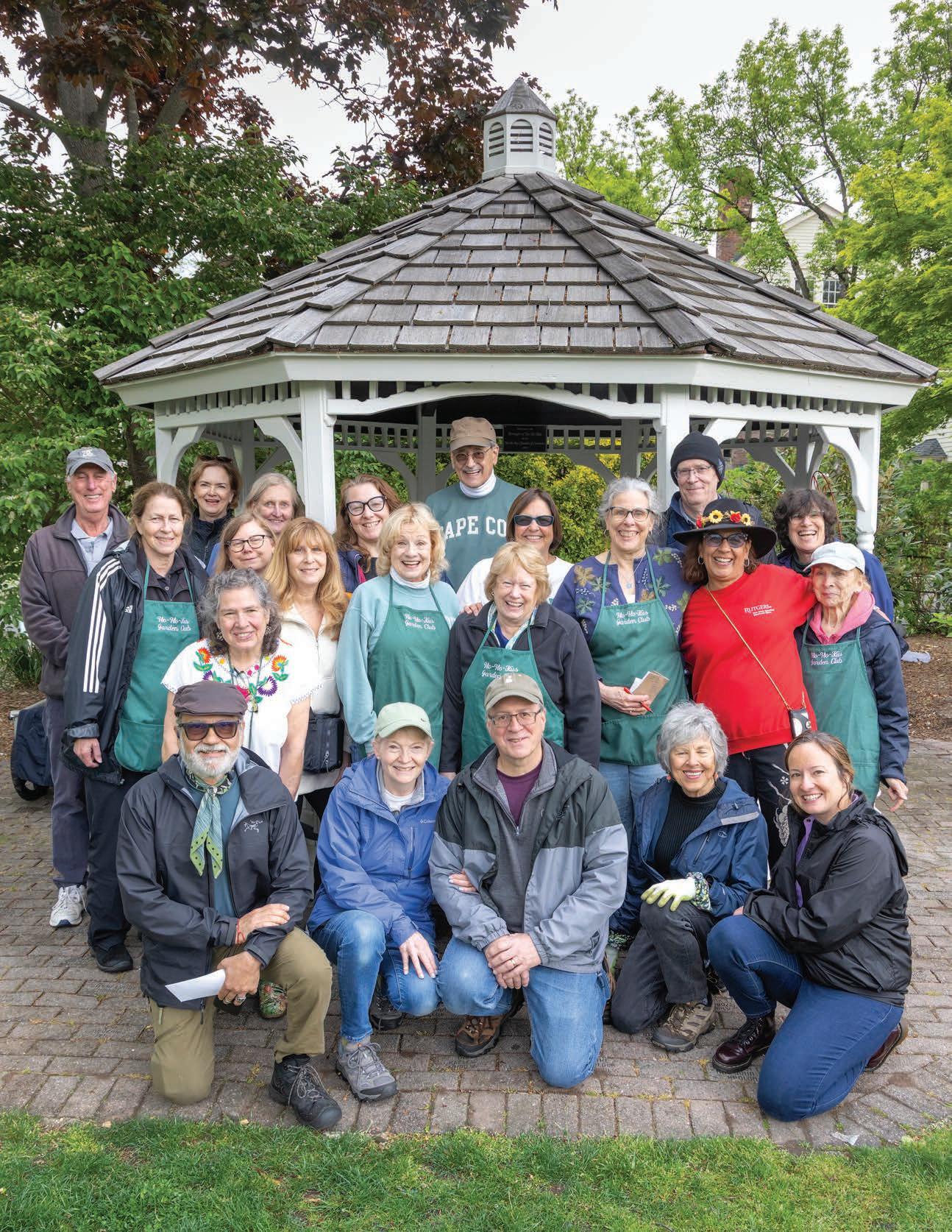
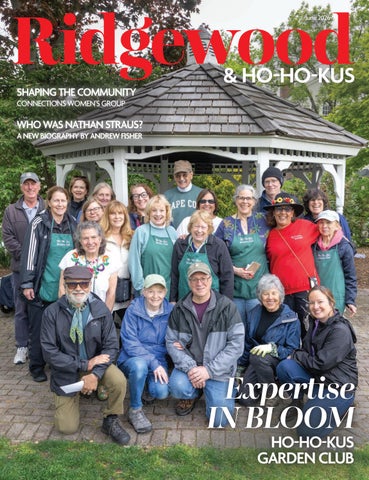
For more than a century, members of the Ho-Ho-Kus organization have gathered to help beautify the borough and build meaningful relationships along the way.


aAS LONGER DAYS and the summer vibes settle into our neighborhoods, this issue of Ridgewood and Ho-HoKus Magazine arrives with the kind of energy that defines the season—vibrant, connected, and engaged.
This month, we’re spotlighting the HoHo-Kus Garden Club, whose passion for cultivating beauty reminds us of the joy that can grow from shared effort and a love of the outdoors. Their work is more than flowers and landscapes—it’s about community, stewardship, and the simple pleasure of making our surroundings a little brighter.
You’ll also meet Ridgewood resident Andrew Fisher, who just released his first book, sharing the untold story of business
titan and philanthropist Nathan Straus.
Our feature on the Connections women’s activity group highlights the importance of friendship and shared experiences at every stage of life. Our Q&A on the Ridgewood Dads’ Night group shows how a group of committed local fathers makes a meaningful impact through fundraising, humor, and heart.
As always, we are incredibly grateful for the positive feedback we receive from both residents and advertisers. Your kind words, story ideas, and support help shape each issue and keep this publication thriving.
A quick but important reminder: when you visit our local businesses this summer, please mention that you saw their ads in Ridgewood and Ho-Ho-Kus Magazine. Our advertisers are the backbone of this publication—they are the reason we can bring these stories directly to your mailbox each month.
Wishing you a joyful, sun-filled start to summer!
Warmly,

Kris Pepper Editor
editor@ridgewoodmag.com
ridgewoodmag.com @ridgewoodmag
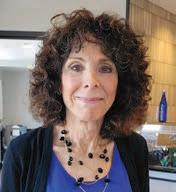
Publisher Karen Stires
karen.stires@wainscotmedia.com
Editor
Kris Pepper
Writers
Kris Pepper
Harris Fleming
Rebecca Bleich
Sarah Nolan
Stacey Antine, RD Wendy Lees
WAINSCOT MEDIA
Chairman Carroll V. Dowden
President and CEO
Mark Dowden
SVP, Group Publisher
Thomas Flannery
VP, Content Strategy
Maria Regan
Creative Director
Kijoo Kim
Art Director
Rosemary O’Connell
Executive Editor
Elaine Paoloni Quilici
Associate Editor
Sophia Carlisle
Advertising Services Director
Jacquelynn Fischer
Operations Director
Catherine Rosario
Production Designer
Chris Ferrante
Print Production Manager
Fern Meshulam
Advertising Production Associate
Griff Dowden
Ridgewood Magazine is published by Wainscot Media. Serving residents of Ridgewood and Ho-Ho-Kus, the magazine is distributed monthly via U.S. mail. Articles and advertisements contained here in do not necessarily reflect the opinions of the publishers. Copyright 2026 by Wainscot Media LLC. No portion of this magazine may be reproduced in any form without written consent.




Kick off the summer months and stay local! There’s so much going on in Ridgewood and Ho-Ho-Kus!
BY REBECCA BLEICH
When: Saturday, June 6, 2026; 9 a.m. to 3 p.m.
Where: The Hermitage, 335 North Franklin Turnpike, Ho-Ho-Kus
Entry fee required. $10 per person
Back for another year, The Hermitage hosts the Keystone British Car Club for a gathering of classic British motor cars. View over 150 classic cars and motorcycles and vote on your favorites.
For more information, visit keystonebritish.com and thehermitage.org.

When: Saturday, June 6, 2026; 7:30 p.m.
Where: 933 East Saddle River Road, Ho-Ho-Kus
Tickets Required. $80 per person and $90 after May 16
Join the Contemporary Club of Ho-Ho-Kus for an exciting evening with BBQ, a mechanical bull, a live DJ, a silent auction, and much more.
For more information, visit contemporaryclubhhk.com.
When: Saturday, June 6, 2026; 11 a.m. to 6 p.m.
Where: Van Neste Square Memorial Park, South Walnut Street, Ridgewood
Celebrate Pride Month in Ridgewood with special speakers, live performances, a celebration ceremony, and a marketplace. Support the Ridgewood community and come out for a day full of festivities.
For more information, visit westbergen.org.


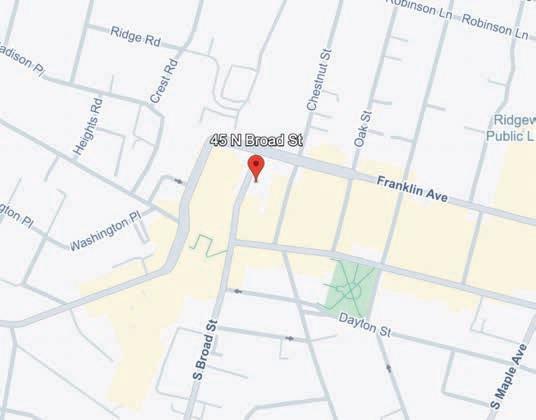
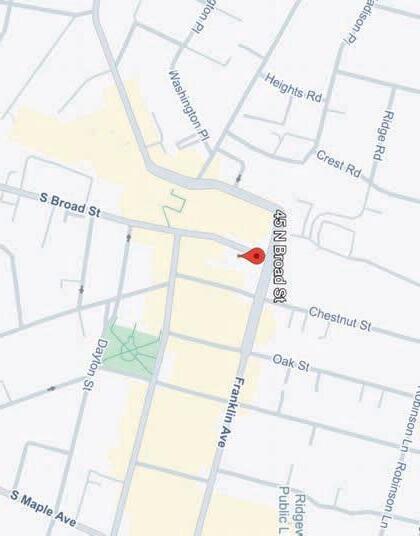




When: Saturdays, June 6, 13, 20, 27, 2026; 7:30 to 9:30 p.m.
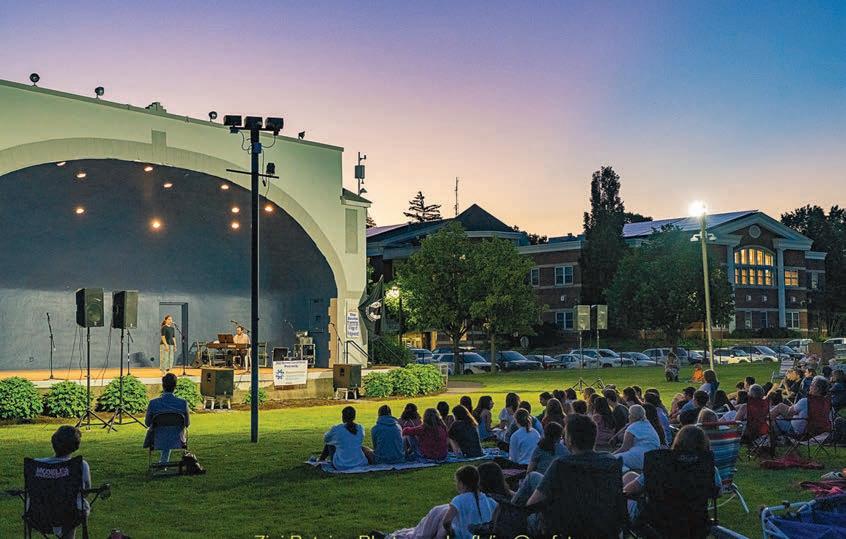
Where: Memorial Park at Van Neste Square, Ridgewood
Enjoy an evening under the stars listening to local and talented musicians for this free summer concert series brought by the Ridgewood Guild and Ridgewood musicians. Look out for the Heartbreak Beat, AMPED, Thursday Evening Collective, and Pete Diamond and Friends. Bring the family (and your dancing shoes).
For more information, visit ridgewoodguild.com and New Jersey Music Scene
When: Saturday, June 20, 2026; 8:30 a.m. to 3 p.m.
Where: The Hermitage, 335 North Franklin Turnpike. Ho-Ho-Kus
Entry fee required. $10 per person
Spend the day at The Hermitage with the local Mercedes-Benz Club of America. Enjoy a walk around the grounds and take a peek at rare, historic, and current models.
For more information, visit: mbca.org and thehermitage.org.
When: Thursday, June 25, 2026; 10:30 to 11:15 a.m.
Where: Sycamore Community Church; 32 Sycamore Avenue, Ho-Ho-Kus
Take the kids to a live animal show presented by Unique Creatures. Learn about some of the most interesting animals from all over the world and see them up close and personal. Registration is required.
For more information visit: hohokuslibrary.org.

When: Saturday, June 13, 2026; 1 to 4 p.m.
Where: Ridgewood Public Library, 125 North Maple Avenue, Ridgewood
No registration required.
Bring new life to your well-used items at the Ridgewood Library’s Repair Café. Stop by the lobby, and fill out a ticket to get your item of choice fixed.
For more information, visit ridgewoodlibrary.org.
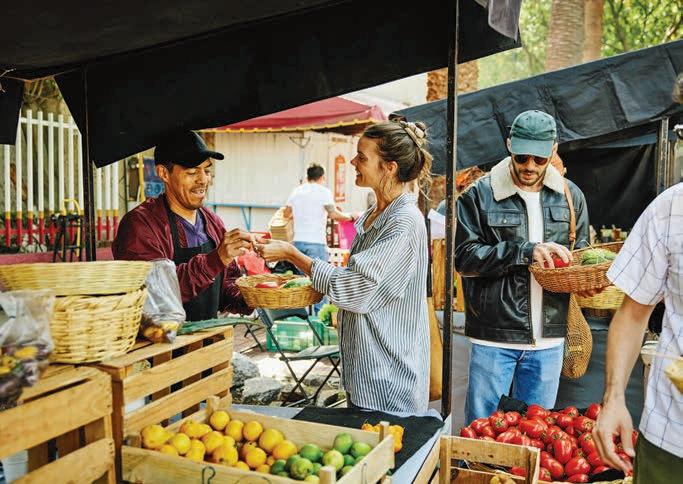
When: Sunday, June 28, 2026; 9 a.m. to 3 p.m.
Where: New Jersey Train Station Parking Lot on the West Side of Ridgewood
The Ridgewood Chamber of Commerce is bringing back the weekly farmers market from Sunday, June 28 through Sunday, Oct. 25. Enjoy the selection of fresh produce, fresh baked goods, local honey, and so much more. All are welcome to come and spend the day supporting the local community.
For more information, visit ridgewoodnj.net.
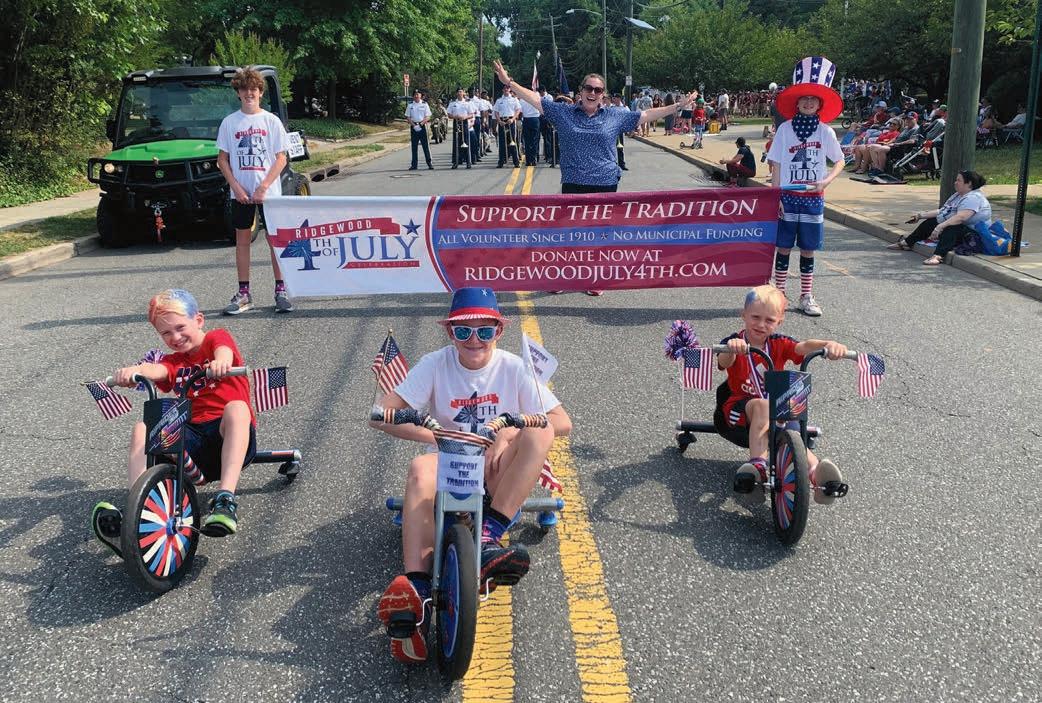
When: Saturday, July 4, 2026; 9 a.m. to 6 p.m.
Where: Wilsey Square and Veterans Field in Ridgewood
Join in on the all-day festivities with the Village of Ridgewood. The day starts with flag raising at Wilsey Square followed by our renowned parade, starting at Godwin & Monroe. Cap off the day with evening musical entertainment and fireworks at Veterans Field.
For more information, visit ridgewoodnj.net.
Rebecca Bleich is a recent graduate of Ramapo College, where she majored in journalism and writing.
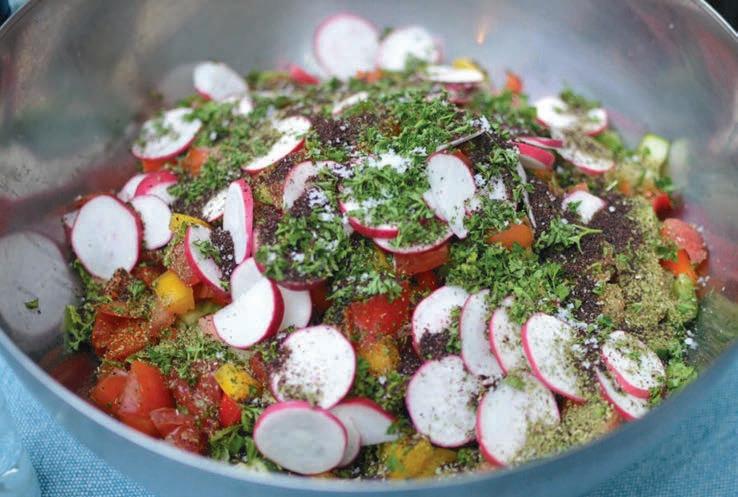
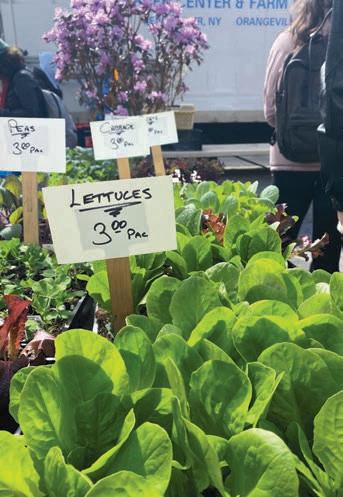
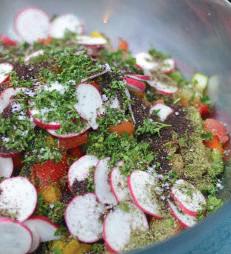
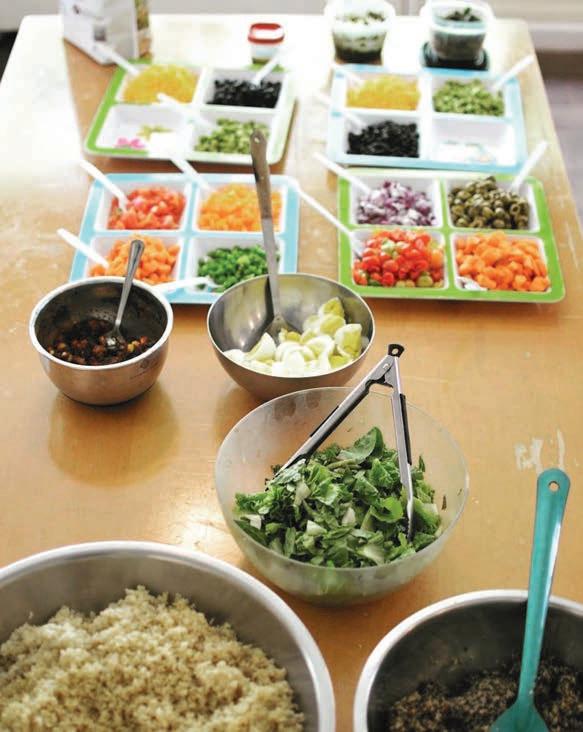
Hearty, customizable, and packed with flavor—today’s salads are redefining what it means to eat well.
BY STACEY ANTINE, MS, RDN, HEALTHBARN USA
NOT LONG AGO, ordering a salad often meant sacrificing satisfaction. It was the “light” option—something you chose if you weren’t that hungry. Today, that narrative has completely changed. Salads are no longer playing a supporting role—they are the main event.
Walk into fast-casual favorites like Just Salad, and you’ll see the shift in real time. Lines of customers—students, professionals, athletes, even local police officers—are building bowls that are anything but boring. These meals are layered, colorful, and designed to truly satisfy.
• Fuel, not filler: Built with fiber, protein, and healthy fats that support steady energy.
• Customization counts: Endless combinations meet every lifestyle—
plant-based, gluten-free, high-protein, and more.
• Flavor-forward thinking: Bold ingredients and textures make every bite interesting.
• Seasonal appeal: Fresh, local ingredients bring peak flavor and nutrition.
For years, salads carried the reputation of being “diet food”—light, unsatisfying, and often skipped in favor of something more substantial.
Today’s salads tell a different story. By adding whole grains like quinoa or farro, quality proteins such as grilled chicken, beans, or salmon, and healthy fats like avocado, nuts, and seeds, salads have become balanced meals that provide staying power. A thoughtfully built bowl can carry you through your afternoon—not leave you
searching for a snack an hour later.
More than a healthy choice, salads now reflect a broader shift toward eating with intention—food that tastes good, feels good, and connects us to what’s in season.
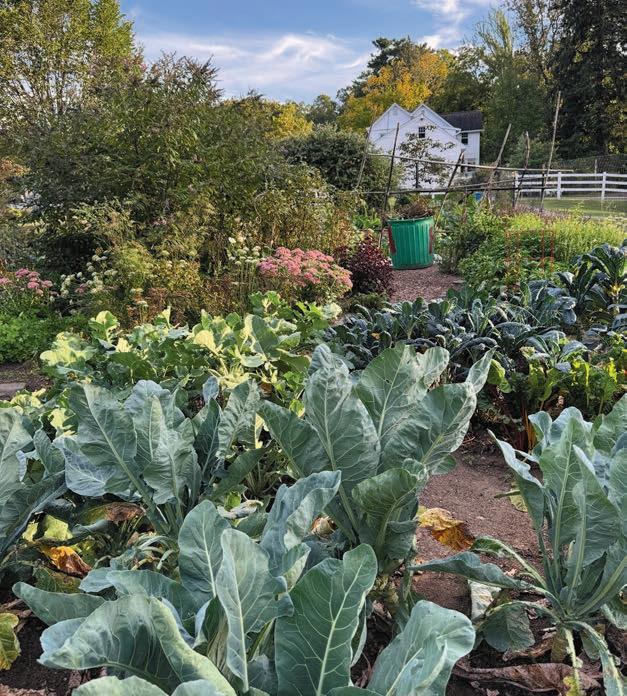
This June, as gardens across New Jersey come to life, there’s no better time to rethink what a salad can be. Fresh, vibrant, and full of possibility— it’s a main course worth celebrating.
Eating seasonally makes your salads shine. Look for these local favorites:
• Leafy greens (spinach, arugula, lettuce)
• Strawberries
• Radishes
• Peas
• Scallions
• Fresh herbs
• Early tomatoes
Build a Salad That Satisfies
Think of your salad like a composed meal—not just greens in a bowl. Here’s how to make it balanced and delicious:
1. Start with a Green Base
Arugula
Baby spinach
Mixed greens
Romaine or kale
2. Add Whole Grains (for lasting energy)
Quinoa
Farro
Brown rice
Barley
3. Choose Your Protein
Grilled chicken
Salmon or tuna
Hard-boiled eggs
Chickpeas or lentils
Tofu or tempeh
4. Pile on the Veggies
Cucumbers
Radishes
Roasted sweet potatoes, Brussels sprouts, and more
Shredded carrots
Cherry tomatoes
5. Add Healthy Fats
Avocado
Nuts (almonds, walnuts)
Seeds (pumpkin, sunflower)
Olive oil–based dressings
6. Finish with Flavor
Fresh herbs (basil, parsley, mint)
Crumbled cheese (feta, goat cheese)
Citrus squeeze or vinaigrette
A sprinkle of spice or crunch
If there’s one place a salad can go sideways, it’s the dressing—but not for the reasons you might think. It’s less about avoiding certain ingredients and more about balance.
Vinaigrettes lead the way: Olive oil paired with vinegar or citrus enhances flavor without overpowering fresh ingredients.
Creamy can still work: Dressings made with yogurt, tahini, or even a touch of cheese can add richness—just use them intentionally.
Portion matters: A light drizzle goes a long way. The goal is to complement, not coat.
Let ingredients shine: When your salad is built with fresh, seasonal foods, you naturally need less dressing.
Think of dressing as the finishing touch—like a sauce that brings everything together. A well-dressed salad doesn’t feel like diet food—it feels like a complete, crave-worthy meal.
Stacey Antine is the founder of Ridgewood’s HealthBarn USA and author of Appetite for Life. She is a national expert in family nutrition and has appeared on The Rachael Ray Show, CNN, PBS-TV, and hundreds of broadcast, print, and social channels.
Ridgewood resident
Andrew Fisher’s new biography resurrects the extraordinary life of Nathan Straus, the Macy’s coowner whose philanthropic movements helped transform public health around the world.
BY KRIS PEPPER
Andrew Fisher, retirement didn’t mean slowing down. Instead, it sparked a deep desire to research history, culminating in his new biography, “Nathan Straus: From Macy’s Magnate to International Humanitarian.”
Fisher and his wife, Lois, moved from Brooklyn to the Willard School district in 1985, shortly after they were married. Over the years, the Village became the backdrop for family life as they raised their children, Daniel and Julia, who are both graduates of the Ridgewood public school system.
Like many residents, Fisher says he was drawn to the community’s emphasis on education and civic life. That spirit of curiosity and engagement would later shape the project that would occupy his retirement.
Before becoming an author, Fisher spent 35 years working with charitable foundations in Manhattan. During the latter part of his career, he served as the founding executive director of the Lavelle Fund for the Blind, advancing the adaptive school and professional success of New York-based people who are blind. The organization also works to prevent or reverse
blindness in the developing world. “An energizing mission,” as Fisher puts it, which led to his recognition as a recipient of the Helen Keller International Humanitarian Award.
After retiring in 2020, Fisher found himself looking for a project that would combine his lifelong interest in philanthropy with his experience as a writer. “I was seeking a story of a great American philanthropist whose story was untold,” says Fisher. I noticed that no one had written a book-length biography of Nathan Straus.”
He found exactly that in the story of a man most Americans have heard of—but rarely know.
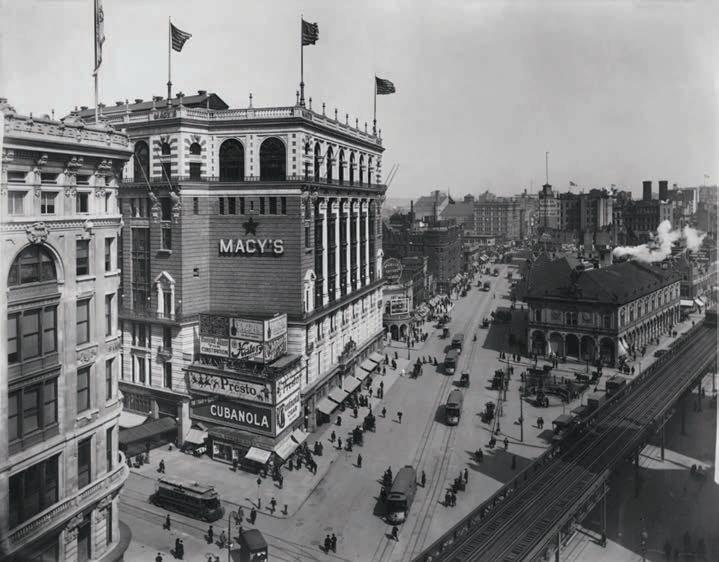
Many people recognize the department store name Macy’s, but far fewer know the remarkable story of one of its former coowners, Nathan Straus.
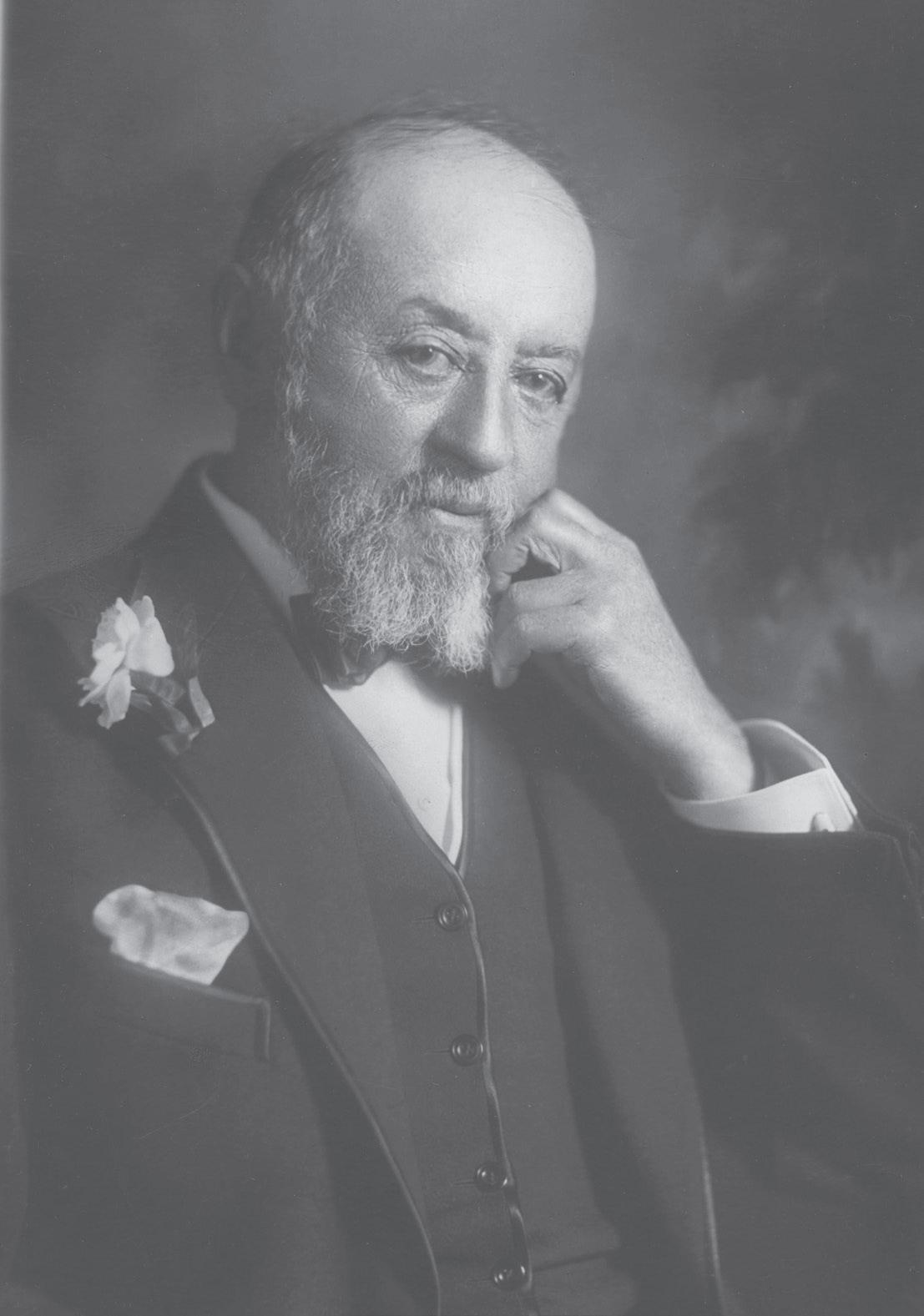
Straus, who lived from 1848 to 1931, was a German-Jewish immigrant who rose from modest beginnings to become a successful merchant and department store partner in both Macy’s and Brooklyn’s Abraham & Straus. But according to Fisher, Straus’s greatest achievements happened outside the retail world.
“He was something of a Renaissance man,” Fisher explains. “A nonstop dynamo who achieved in many realms.”
Straus’s philanthropy earned praise from leaders across the globe—including figures such as Albert Einstein—and when he died in 1931, thousands attended his funeral. Yet despite that prominence during his lifetime, his story faded from public memory.
That absence is what first intrigued Fisher, who felt that Straus deserved to be remembered.
Straus became one of the first major businessmen to back the American Zionist movement’s Jewish homeland work to establish a sovereign Jewish state (eventually this became Israel). He served in high government offices in New York and was even once nominated for New York City mayor.
But Straus’s most historic efforts were in another realm: philanthropy. Inspired by both his Jewish golden-rule values and non-nonsense pragmatism, he designed, funded, and oversaw four large philanthropic initiatives. Three of these worked to advance public health, including the founding of America’s first tuberculosis preventorium for at-risk children; a model for 45 others that followed. However, Straus’s most important legacy came from an unlikely source: milk.
In the late 19th century, contaminated
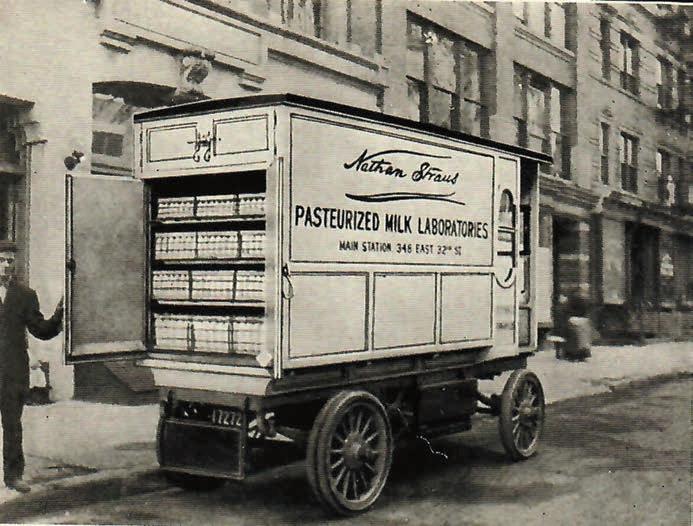
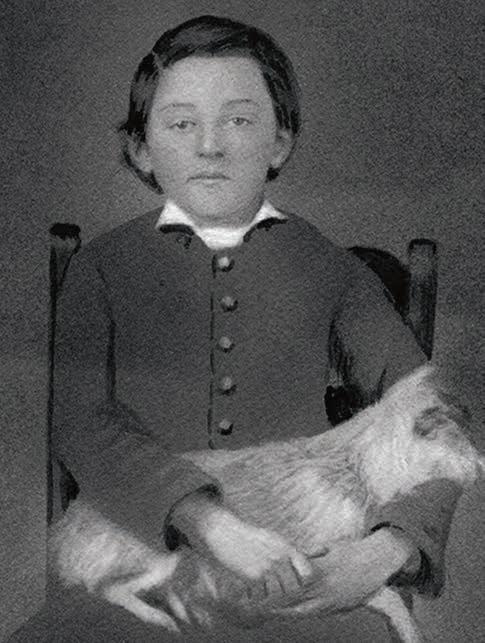
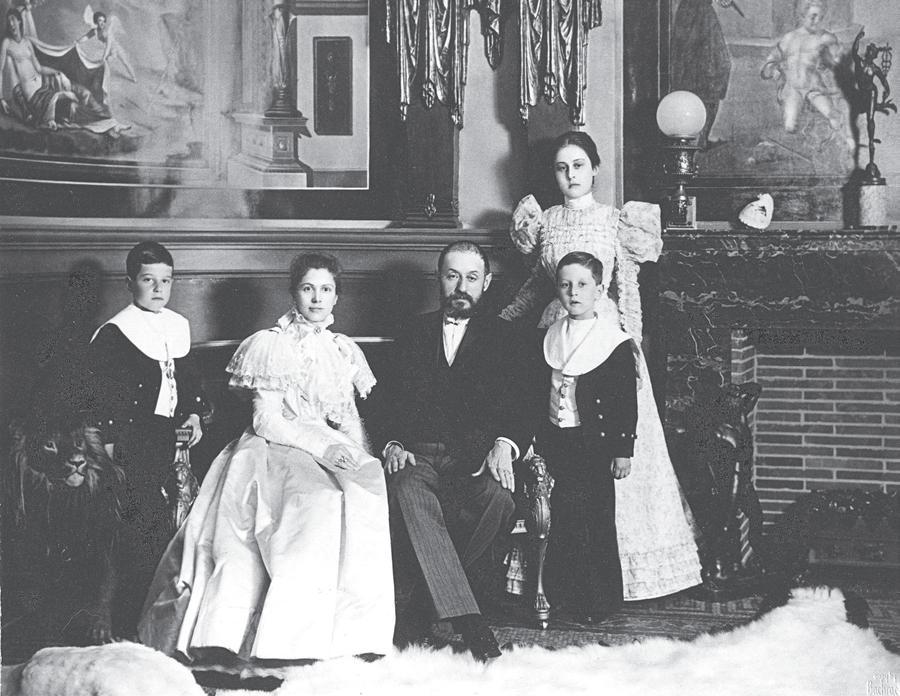
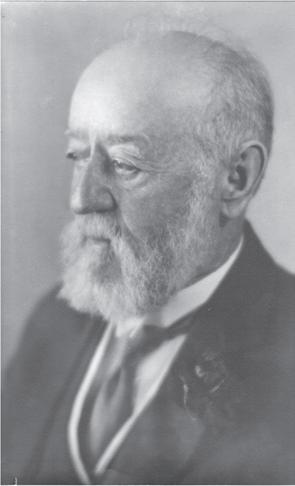
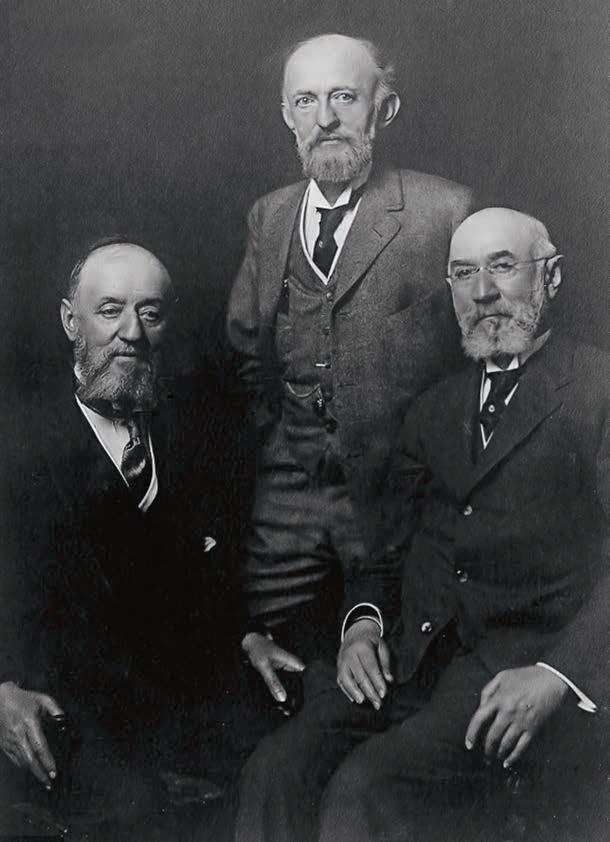
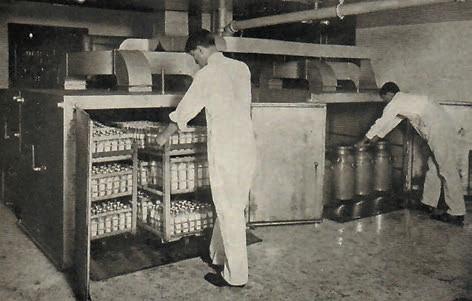
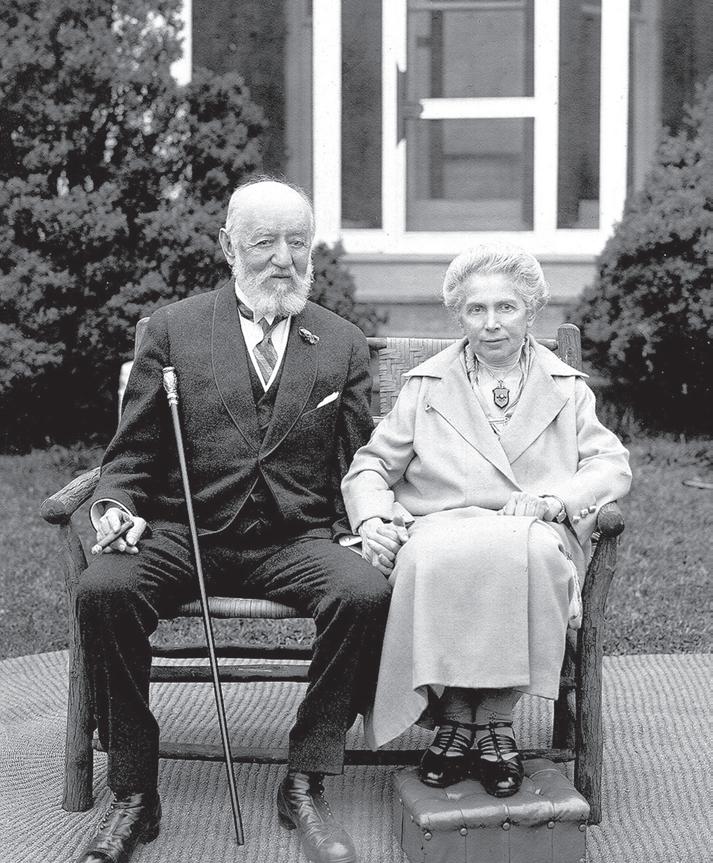
Opposite page: clockwise from top, left: The new Macy’s store in Herald Square, said to be the world’s largest, 1903. Straus in his seventies, circa. 1920s. Despite his and Lina’s growing fragility, the couple sustained their funding and oversight of multiple philanthropic programs in Palestine through the 1920s. Nathan with brothers Oscar (center) and Isidor (right), at the height of their careers, 1909.
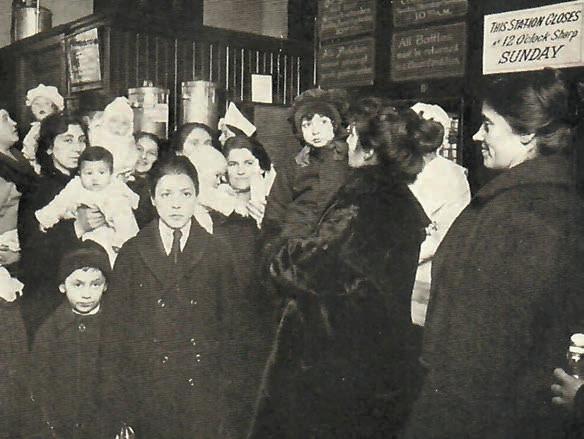
This page: clockwise from top, left: Customer families inside Straus’s Tomkins Square milk depot, near Manhattan’s East 10th Street. By the mid-1890s, Straus was operating 17 such stations throughout Manhattan: seven year-round and 10 in the summer months, when imperfectly cooled milk spoiled fastest.
Photographs courtesy of Lina Gutherz Straus, “Disease in Milk.”
milk posed a deadly threat to infants and young children. Raw milk frequently carried diseases such as tuberculosis, cholera, and scarlet fever. The supply chain was lengthy and inconsistent. Milk traveled long distances through poorly refrigerated systems and passed through numerous handlers before reaching consumers. By the time city residents consumed it, the milk may have traveled 50 to 200 miles and be two to three days old. Risky delays for an organic liquid that decomposes faster than most foods!
Straus became convinced that pasteurization—the heating of milk to kill harmful bacteria—could save lives. The process had been pioneered only a generation earlier by French scientist Louis Pasteur, but many physicians were still skeptical of its value. Straus, however, was not.
In 1893, he began funding pasteurized milk depots in New York City that
provided safe milk to families with infants. Eventually, he established 17 such stations in Manhattan alone, distributing thousands of bottles daily to 2500 needy families with infants.
Straus used his influence, resources, and business know-how to persuade governments across the United States and Europe to mandate milk pasteurization. The impact was enormous: infant mortality rates dropped dramatically as safer milk became standard. Public health historians today credit these efforts with saving countless lives.
During the same period of time, Straus also launched a food, fuel, and housing relief program that benefited tens of thousands of jobless New Yorkers during the 1890s depression, all while helping to lead Macy’s and acquiring a major stake in Abraham and Straus.
While researching the biography, Fisher spent years examining archives, including the Nathan Straus papers at the New York Public Library and materials held by the Straus Historical Society Archives on Long Island. He also consulted records at the Library of Congress and the Center for Jewish History.
The deeper he dug, the more complex Straus became.
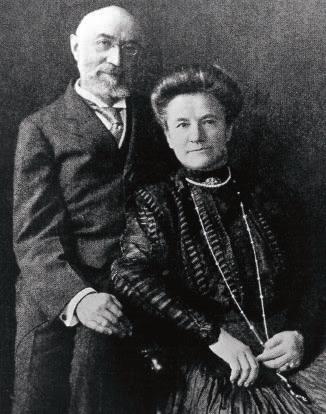
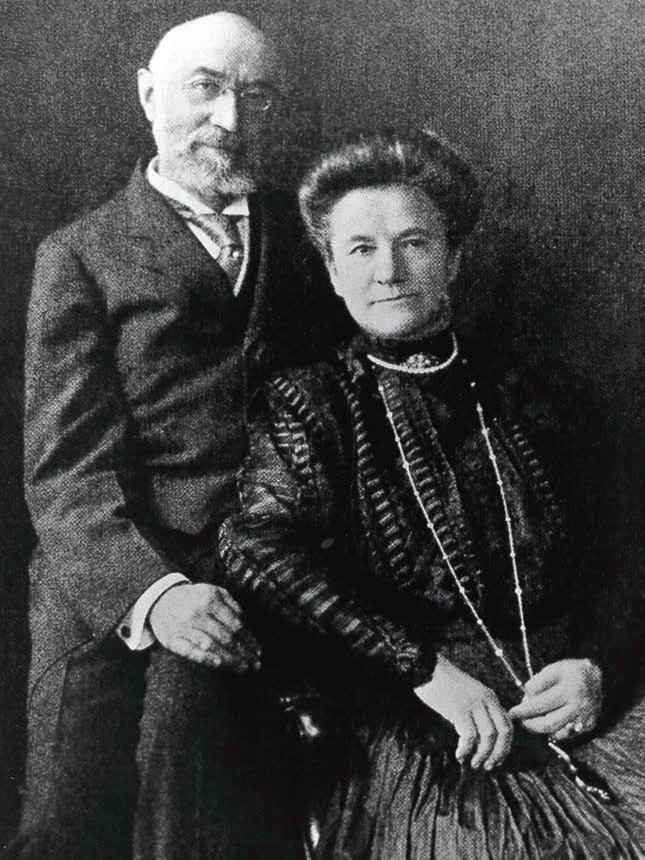
Despite his accomplishments, Straus struggled with emotional volatility and periods of exhaustion. The death of his brother, Isidor Straus, and sister-in-law, Ida, aboard the Titanic in 1912 deeply affected him. He was at odds with Isidor’s sons over control of Macy’s and suffered what his family referred to as “nervous breakdowns,” forcing him into months of secluded rest at home.
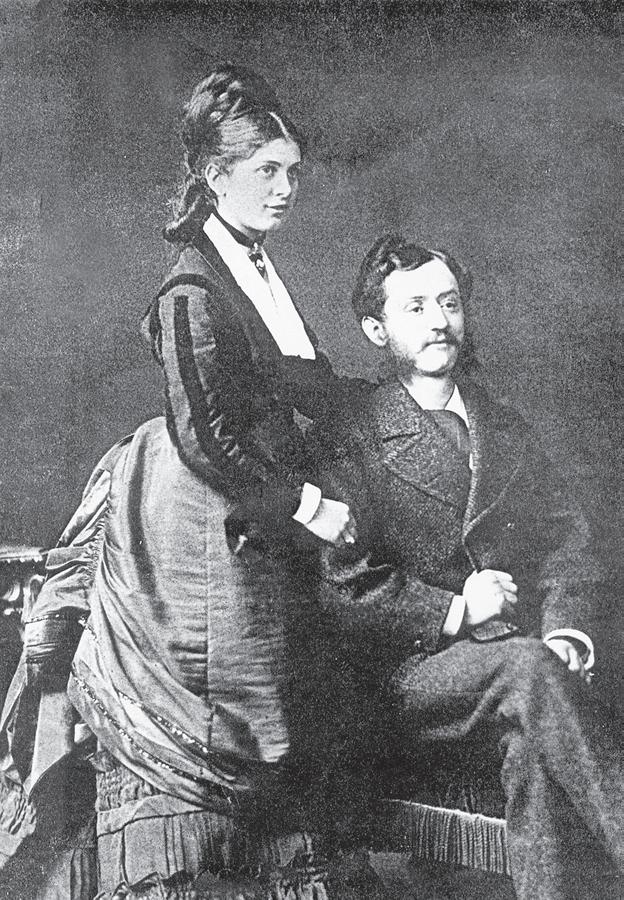
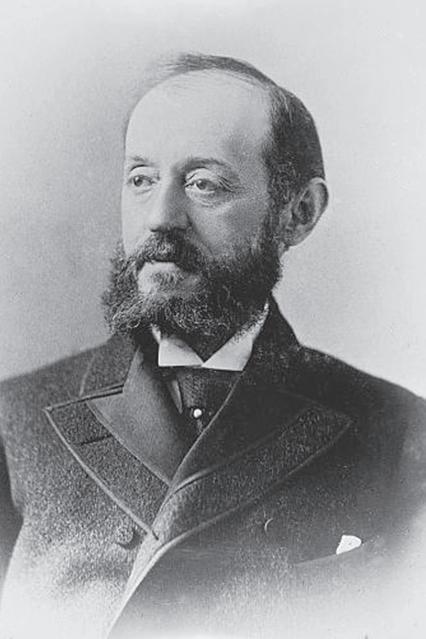
From top: Fisidor (Nathan’s brother) and Ida Straus, circa. 1909. Both were lost on the Titanic in 1912. Straus in early middle age, circa late 1880s.
“I was astonished that a person with such emotional wiring could sustain high-octane careers in business, philanthropy, and Jewish leadership for decades,” says Fisher. “One indispensable support here was the devoted love and protection of his remarkable wife, Lina.”
What makes Straus’s story resonate today, Fisher believes, is his unwavering commitment to moral responsibility and belief in the evidence of science.
Straus believed wealth carried an obligation to help others—a principle rooted in his Jewish faith and belief in justice through charity. Much of his fortune was given away while he was still living, and he was actively involved in designing, overseeing, documenting, and promoting his philanthropic initiatives. “It was a bravura performance matched by few,” says Fisher.
Straus also relied heavily on proven science. His advocacy for pasteurization came at a time when many experts doubted the emerging field of bacteriology. By trusting scientific research and insisting on practical solutions, Straus helped transform public health policy.
“Those lessons feel especially relevant today,” Fisher says, “empathy paired with respect for science and facts.”
Early reactions to Fisher’s book have been enthusiastic. Readers have praised both its scholarship and storytelling. Scholars of Jewish history, public health, and philanthropy have welcomed the biography as a long-overdue recognition of a figure whose contributions shaped modern society.
For Fisher, the project has been deeply rewarding—not only as a historian but as a storyteller.
After years spent piecing together letters, records, and forgotten accounts, he feels a sense of satisfaction in helping restore Straus to the historical narrative.
“It’s astonishing,” he says, “that someone with substantial but not unlimited wealth could influence public health across so many cities and countries.”
For now, Fisher is focused on sharing the book with readers and speaking about Straus’s legacy. But the writing bug has clearly taken hold. He hopes to eventually take on another biographical project— ideally about someone equally fascinating within the world of philanthropy.
Local readers may look forward to other compelling biographies from their Ridgewood neighbor in the years to come!
For more information, visit andrewfisherwriter.com.
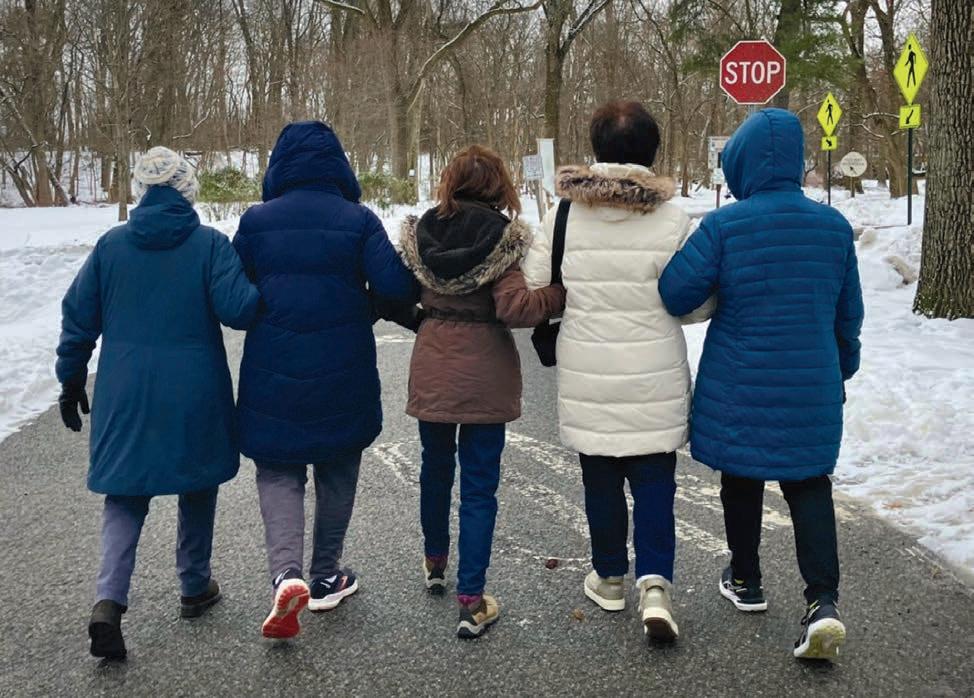
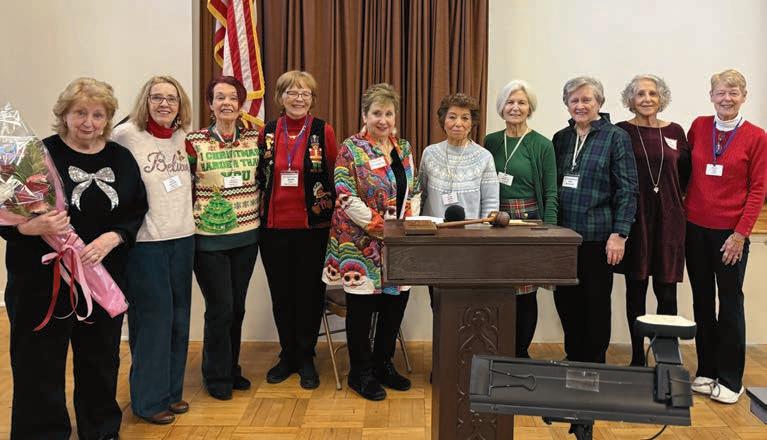
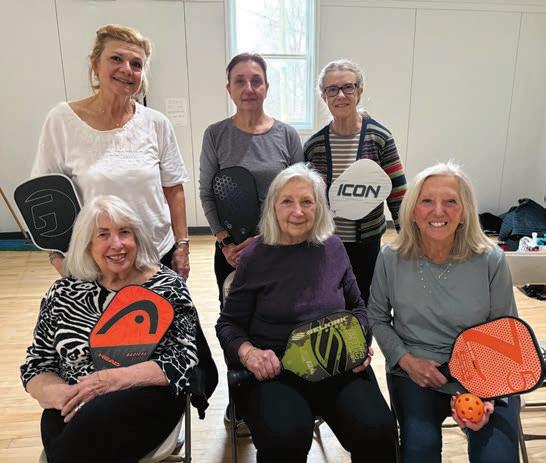
A Ridgewood women’s group is creating new opportunities for members to expand their social circles, enjoy favorite activities, and engage in community service.
BY HARRIS FLEMING
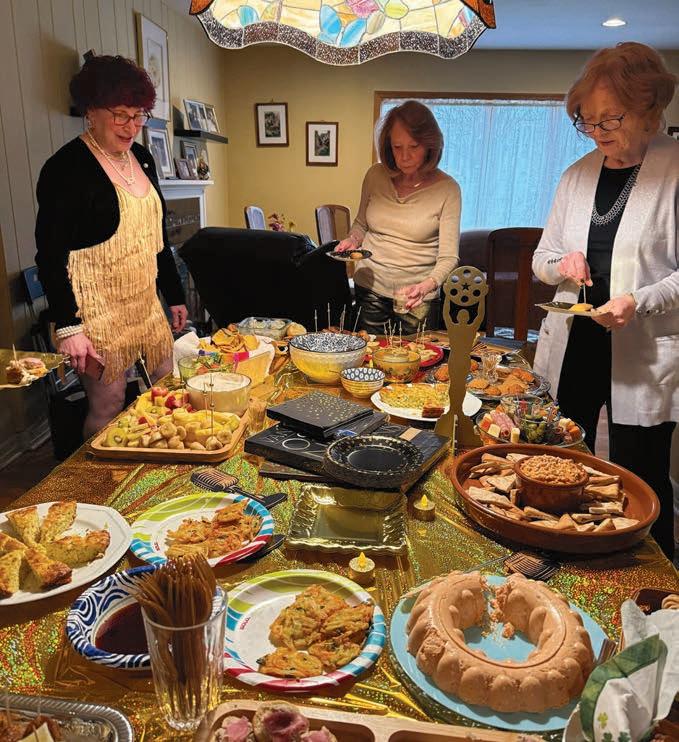
TTHERE’S A RICH history in Ridgewood of organizations for women who want to share their blessings by supporting the community (and each other) while enjoying the company of old and new friends. Some, such as the venerable Women’s Club of Ridgewood, are probably familiar to you. Others are probably not—though one of the more recently established groups, Connections, should be. The group’s mission is to “provide social interactions that will offer support, educational opportunities, cultural events, community service, and just plain enjoyment for our membership.”
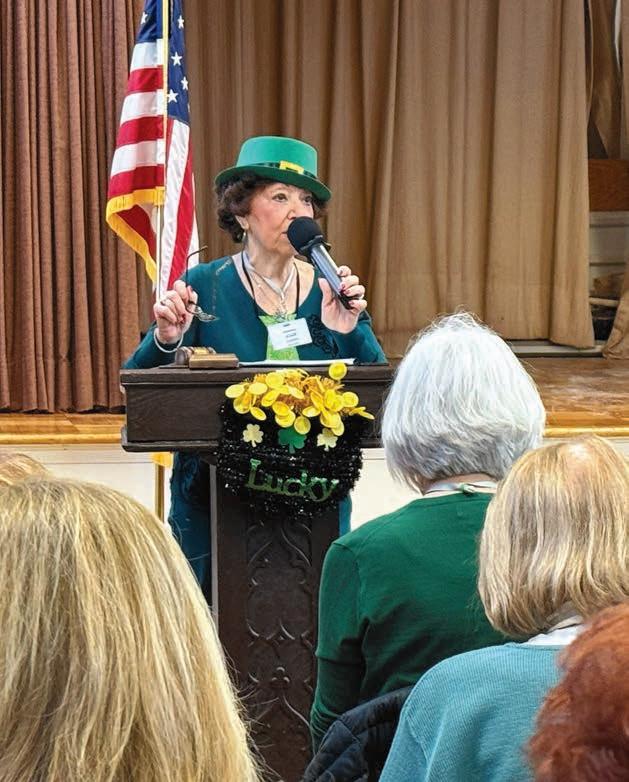
According to founding President Donna Mainardi Singer, Connections initially was inspired by another social/activity group in Ridgewood.
Both Singer and her husband, Mark, worked at Ramapo College for years. Upon his retirement, Mark was invited by a friend to join Hobbyists Unlimited, made up of retired or semiretired men eager to expand their social circles while pursuing the activities they’re passionate about. (You may have read about them in the January 2026 issue of Ridgewood and Ho-Ho-Kus Magazine.)
“They had different activities where they invited spouses. I went to a few, and I thought, What about us?” she recalls. “There was a group of
women who formed a friend group, but nothing formal. So a few of us got together and tried to figure out how to move this forward.”
The first “meeting” consisted of 35 women getting together at the Duck Pond in Ridgewood in June 2018. “We put together a survey of the kinds of activities we thought people might be interested in, handed it out, and asked people to let us know,” Singer says.
Singer understands why the idea caught on so quickly. “There are so many of us who had careers. When I retired, I kept in touch with a few people I worked with, but it’s different now. My support group, my socialization, was at the college. I think many of us were feeling the same thing.”
Apparently, they were. Today, Connections counts 250 women among its members, taking part in 22 activities.
Monthly member meetings occur at First Presbyterian Church in Ridgewood, though the group is nonsectarian, nonpolitical, and nonprofit. The meetings are a draw not only for their fellowship and to conduct club business, but also because they feature speakers who illuminate broader, often timely subjects. At one recent monthly meeting, for example, Connections hosted a speaker from Ramapo College who invited members to don their CSI hats and learn how DNA and genealogical research are used to solve longstanding cold cases.
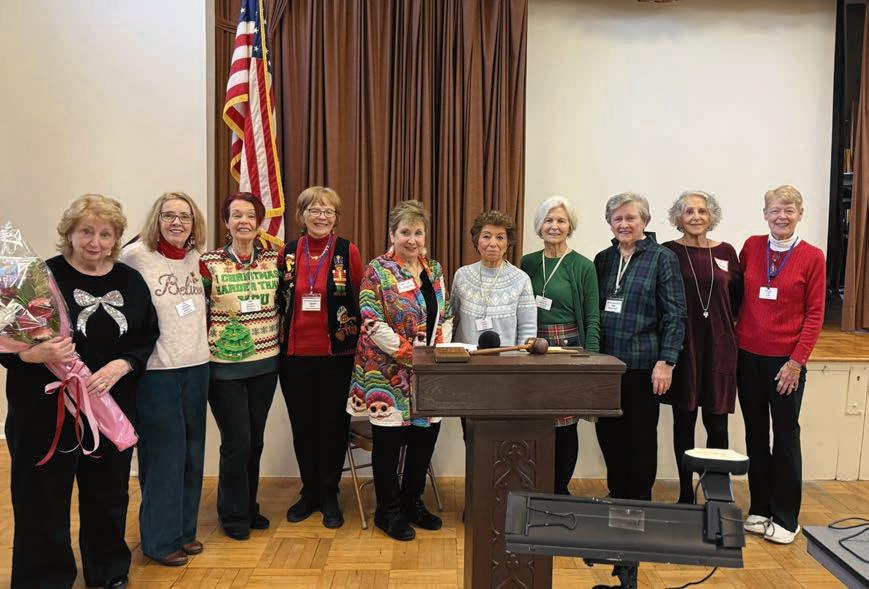
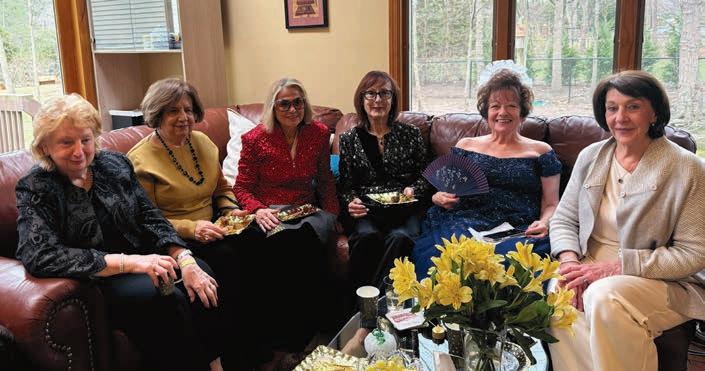
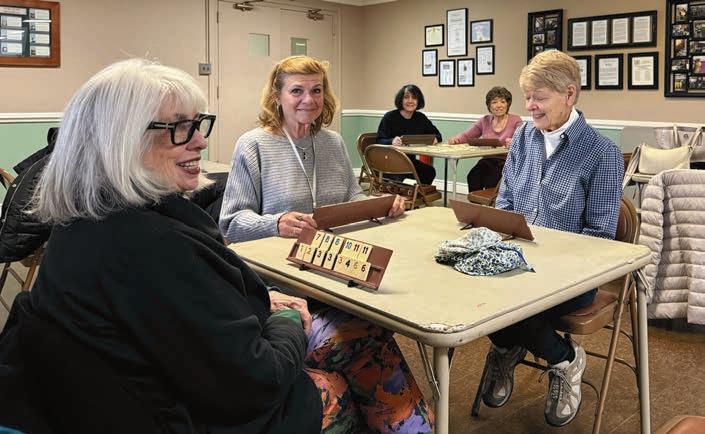
Activity groups within the organization meet more frequently and are categorized under Card and Tabletop Games, Books, Film and Theater, Arts & Crafts, Sports and Outdoor Recreation, and other activities. Any member with an idea for a new group is welcome to submit a proposal to the board. If it’s approved, that member often becomes the group’s leader. Some groups, such as the one for Mah Jongg aficionados, meet several times a week to accommodate players of different skill levels.
The most popular subject matter, by far, is books—so much so that there are seven book groups, with the possibility that more could follow. “It’s kind of amazing,” Singer says. “We try to keep the membership in each book group to 25. More than that is unwieldy.”
Most of the book groups are general interest, though one is dedicated to the classics and another is virtual-only.
While there’s no shortage of women interested in joining Connections, the group limits
Cards & Tabletop Games
Cards (bridge, canasta, pinochle)
Mah jongg Rummikub
Books, Film & Theater
Book clubs
Movies, with discussion
PBS/Masterpiece Theater Chat
Opera Club
Arts & Crafts
Cooking Writing Group
Stitch and Chat
Sports & Outdoor Recreation
Golf
Hiking
Other Activities
Connection Cares
Day Trips
Connections Celebrates You Luncheons
membership to 250 at a time. “We don’t want to keep growing past the point where we can offer the services. It wouldn’t be fair to current members,” Singer explains. “We’re victims of our own success!”
Current President Joan Cooke noted a key issue is simply ensuring there’s room for everyone. “Our challenge in properly satisfying our members’ requests and interests is mostly finding meeting space and ample parking facilities,” she says. Prospective members must be invited or sponsored by a current member. As women leave the group, members on the wait list are invited to join. Over the course of the past year, 18 spots opened up; however, they fill up quickly from the wait list.
Cooke sees the ongoing strength of Connections as being twofold. “It’s the social connections and the activities. I really believe it is both,” she says. As one of the first women to join
Connections, beyond the original 35 who met at the Duck Pond, Cooke recognized the club’s appeal right away. She discovered its deeper value, though, on the heels of a great personal loss.
“My husband and I used to travel extensively. When he passed away three-and-a-half years ago, Connections became a very integral part of my life,” she explains. “It really became a connection for me.”
According to Cooke, it’s a happily diverse group of women. “We have a lot of retired teachers, and a lot of nurses, but I would not say there’s any ‘typical’ kind of person who’s going to be interested in joining the group,” she says. Singer agrees. “It’s an interesting mix. We have some women who only go to the monthly luncheons, and we have women who are involved in many activities concurrently,” she says. What is a consistent factor, as the name of the group suggests, is an eagerness to connect with other local
women who are at a similar stage of life. “I think it’s people who enjoy being engaged, people who are energetic, and like to do things,” Singer surmises. She admitted it’s gratifying to know the group she and that first group at the Duck Pond founded has come to mean so much to so many. “I had a woman say to me at canasta, ‘If not for this group, I’d be sitting home. But here I am, we’re playing cards, we’re laughing, and we’re joking,” Singer shares. “I’ve had more than a few women tell me—you know, who retired, who lost a spouse, whose kids relocated away, and whatnot—that it really changed their life.”
Learn more about Connections by visiting their website at njconnections.com.
Harris Fleming is a freelance writer who lives in Waldwick with his wife (a Ridgewood school teacher) and teenage son. Were he not both male and still working, he would be eager to get on the wait list to join Connections.
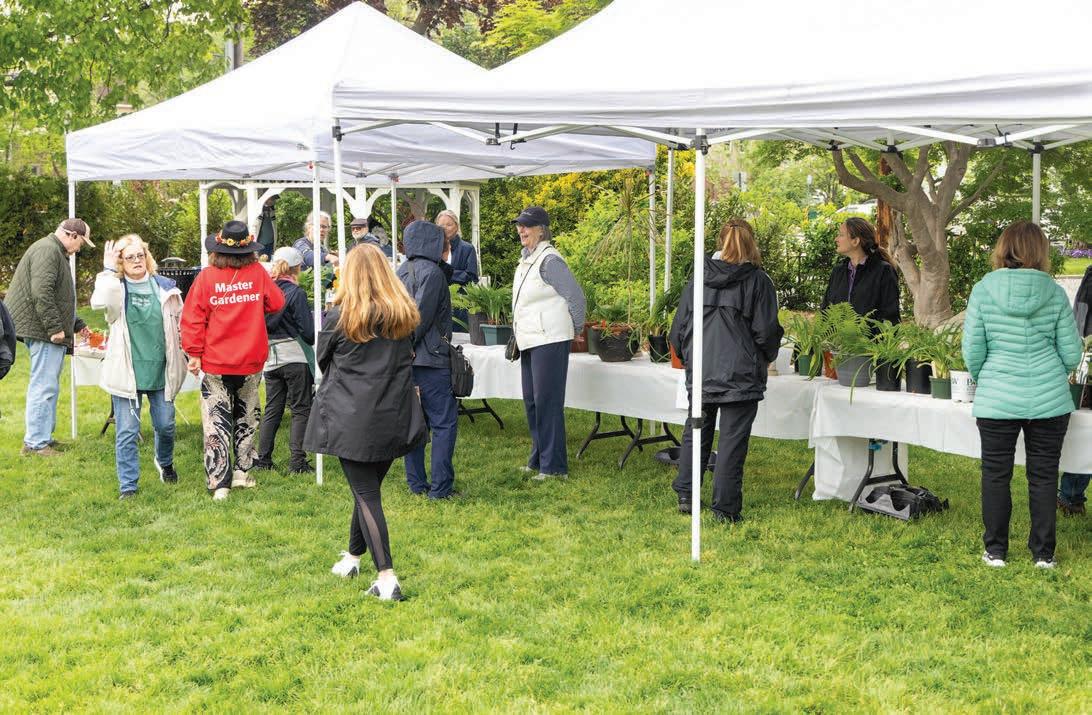
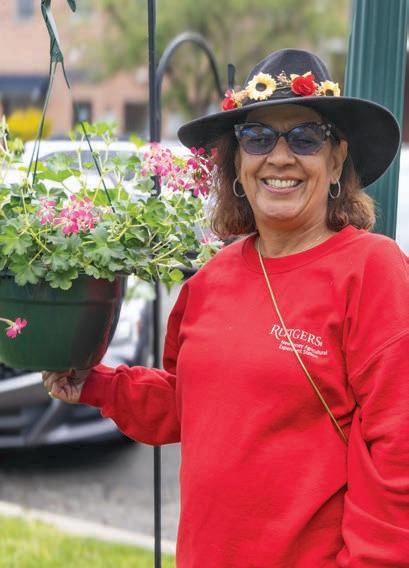
For more than a century, members of the Ho-Ho-Kus Garden Club have gathered to help beautify the borough, sharing tips, information and building meaningful relationships along the way.
BY SARAH NOLAN
MMEMBERS OF THE Ho-Ho-Kus Garden Club concur that if there’s one thing they know about gardening, it’s that there’s always more to learn.
Take Sue Robertson, who has been part of the club for more than 30 years. She says she picked up some gardening know-how on a superficial level from her parents (tomatoes would sprout from their compost pile, an occurrence that always intrigued her dad). But she wasn’t particularly interested in gardening until she moved to Ho-Ho-Kus at age 50 and decided she wanted to delve into the art.
“I joined the Garden Club and was so intent on learning as much as I could that I would eavesdrop on
conversations,” Roberton says. “I’d be talking and listening to neighboring discussions with one ear. What I’ve learned from the club is endless—it goes on and on and on.”
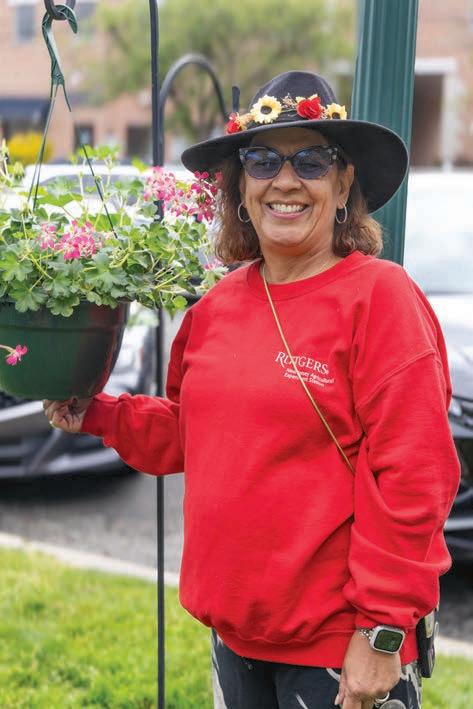
And yet, she wanted to know more. About eight years ago, she decided to become a master gardener, attending classes in Hackensack for nine months and completing 100 hours of volunteer work.
“Becoming a master gardener makes you feel like you know nothing— there are people who have degrees in soil science, for example, not to mention all the other subtle aspects of gardening,” she says.
The varying degrees of experience, knowledge, ideas, and skills each
person brings to the club are among the things participants love most about the group, longtime member and current president Lynda Byer says. That and the fact that no one judges others for what they may or may not know.
Paul Magliano and his wife, Pat Magliano, moved to town five years ago and are grateful for the community they’ve found within the club.
“Joining something new can be intimidating, but there’s no intimidation,” Paul says. “We’ve made such wonderful friendships in the past four-and-a-half years. It doesn’t matter if you have zero knowledge; no one looks down on you. The club is very welcoming and friendly.”
When the Ho-Ho-Kus Garden Club was formed in 1919, it was a men’s club for vegetable gardeners. By the time the 1950s and ‘60s rolled around, more women were getting involved, and the plantings also became more diverse.
In the 1960s, the Johnson Beautification Program—a nationwide urban beautification and environmental improvement initiative championed by Lady Bird Johnson during her time as First Lady—had repercussions locally, and the club purchased dogwood trees to plant along each side of Route 17 in the borough.
When environmental interests were nationally stirred in the 1970s, the club lobbied state officials for maintenance funding in support of the Green Acres Program and donated dozens of fruit trees to Ringwood State Park to advance the initiative.
The 1980s brought greater reach, with the club planting a tree at Great Falls in Paterson and helping fund the renovation of The Stable in Ridgewood.
In the borough, the club was and still is vital to beautification, putting
its touch on so many outdoor spaces throughout town. From providing $1,500 worth of shrubs and trees at the Police Department/Ambulance Corps building (pre-renovation), to planting more than 1,500 bulbs along the Ho-HoKus Brooke embankment and providing dogwood trees to any residents who wanted one for a period of time.
Byer, who is on her second tenure as club president, says her mom always had a green thumb, and when she had her own home in Ho-Ho-Kus, she wanted to start her own garden.
“I started, like many people, with not so much knowledge,” she says. “The first time I planted based on colors and plants I liked, and I quickly learned it’s really all about the sun and the shade, and what the deer and other animals will and won’t eat.”
She joined the club in 2004 after a friend convinced her to attend a meeting. Byer has fond memories of attending the club’s annual plant sale on the green, a longstanding tradition, and purchasing a fern plant wrapped in aluminum foil for $1.
“One of the things that I always tell
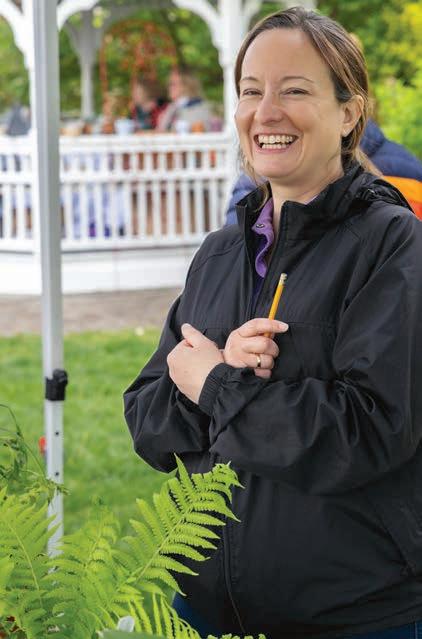
people I appreciate so much about the Garden Club is that I have met people that would not have known any other way,” she says. “In town, you meet people through the school and your children, but Garden Club people are fascinating, interesting people from all aspects of life.”
Nicole Zanetakos, the program director and one of the club’s younger members, agrees.
Like the others we spoke to, after gardening with her father growing up, she says she realized she was still a beginner when she began her own garden at her Ho-Ho-Kus home.
She says she has gained a wealth of knowledge from other members and the amazing programs and speakers the club prides itself on hosting.
“Gardening has been very therapeutic for me,” Zanetakos says. “I think it’s very important to garden—it does something for our emotional wellbeing as a species. Humans have been working with the land for hundreds of thousands of years; to suddenly stop is not good. It feels good to keep working and gardening.”
One way the Garden Club supports future gardeners is by providing annual scholarships to qualified local-area college students majoring in horticulture or environmentally related studies. Byer says the club has a particularly good relationship
with Bergen Community College.
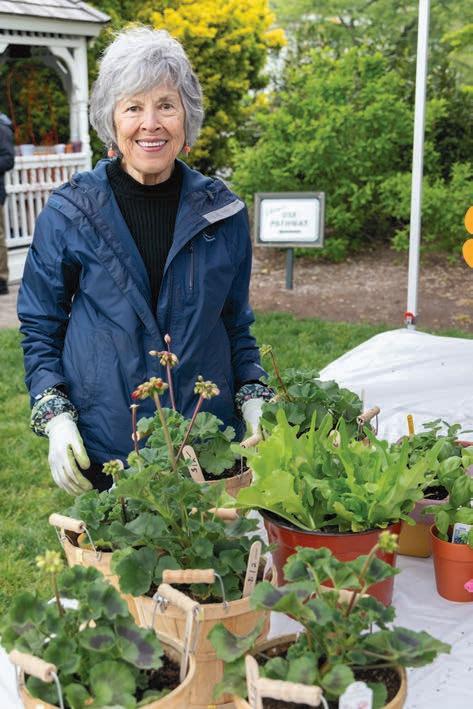
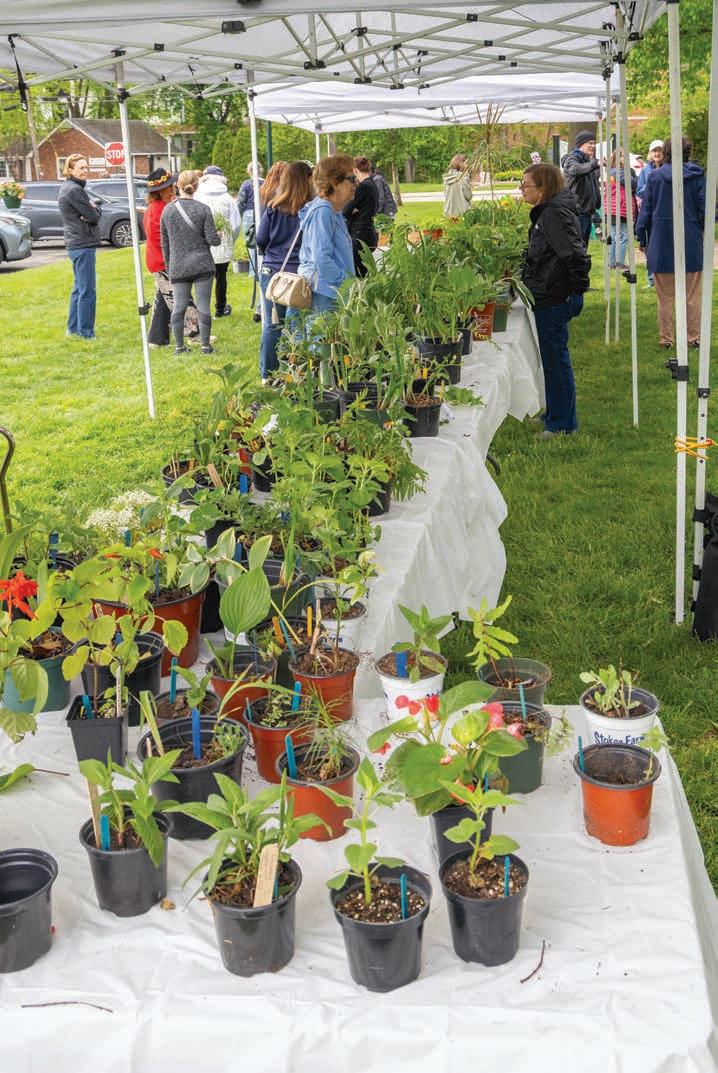
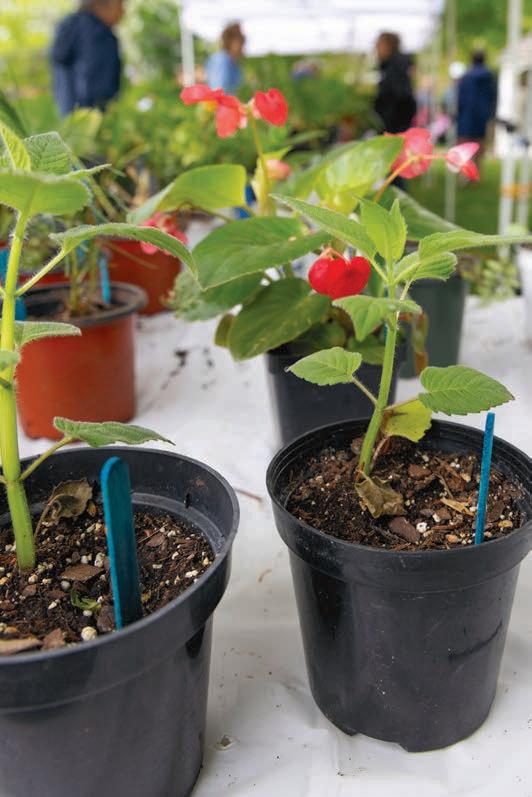
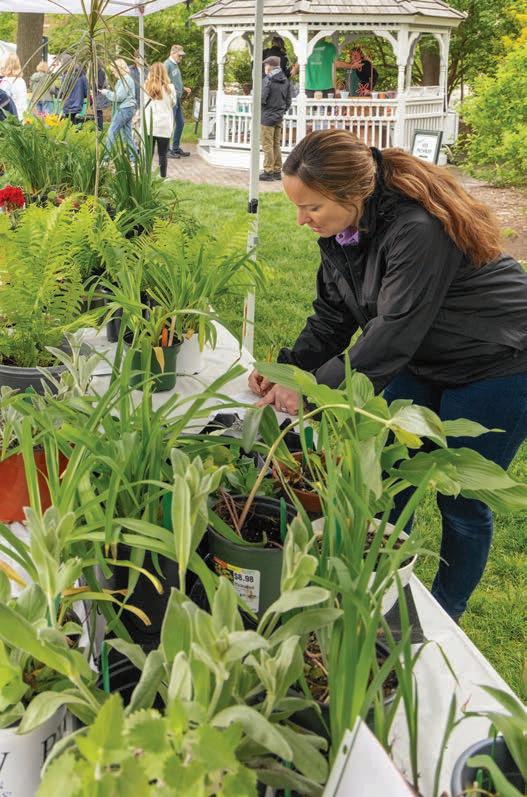
Funds for the scholarship are raised at the annual plant sale on the green, where perennials (many dug from members’ own gardens), annuals, hanging baskets, and gently used gardening equipment are sold.
Members say it feels good to give back to those starting their education in the field. They also feel great pride walking around town and seeing the various spots they tend to.
Whether it’s the garden along the Ho-Ho-Kus Brook named for longtime member Sally Ditton—a “brilliant gardener,” according to members, who shared her expertise and artistry with the club before her passing in 2015, or the plantings at the Hermitage, Sycamore Community Church, or the library, where
an herb garden was also recently added.
Paul, who says he’s always liked planting, maintaining, landscaping, and beautifying his property, and coming up with solutions to problems (namely, how to keep those pesky deer from eating everything he grows), says seeing what the club contributes to the borough is meaningful.
“Beautifying the town and even your own property or street feels good,” he says. “People walking by might comment that they love your flowers and maybe you’ve brightened their day for a few minutes.”
Robertson adds that half the fun of being involved with the Garden Club is that it’s fun.
“It isn’t just work, or commitment to the community, or the responsibility
of gardening, which are so important,” she says. “But also, everyone is so nice, and you feel like you’re part of a community, and that contributes to your enjoyment.
The Ho-Ho-Kus Garden Club meets from September through May on the last Monday of the month, usually at Sycamore Community Church at 7:30 p.m. For more information about the club, visit the website, hohokusgardenclub.com, or the Instagram page @hhkgardenclub.
Sarah Nolan is a writer with a passion for telling people’s stories. A Ho-HoKus native, she believes in the power of local journalism to connect and inform residents and foster a sense of community.









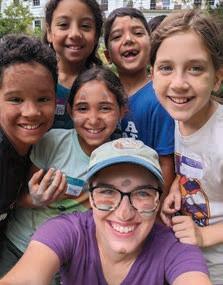
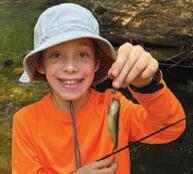


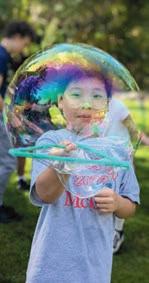





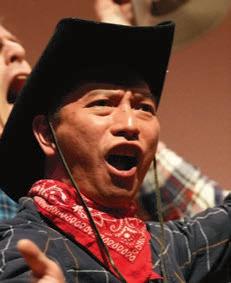
We’re giving a Father’s Day shoutout to the Ridgewood fathers who have been turning friendship, family, and a little showmanship into meaningful support for schools and the community.
BY KRIS PEPPER
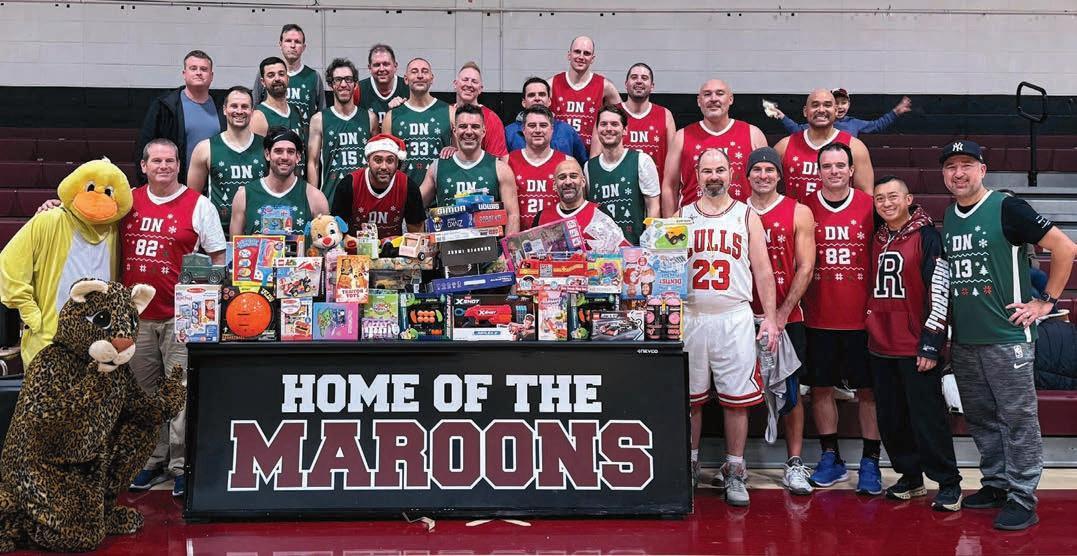
RIDGEWOOD DADS’ NIGHT brings fathers together in support of their families, their schools, and one another. Founded in 1944, the volunteer-driven organization serves the Somerville and Hawes elementary school communities, raising funds for programs and initiatives that go beyond traditional school budgets. But ask any member, and they’ll tell you the real impact goes far deeper: It’s about connection, camaraderie, and showing up in a meaningful way for their kids.
We spoke with Dan Morgan, co-chair of the group, to learn more about what makes Dads’ Night such a lasting and beloved Ridgewood tradition.
For those who may not know, what exactly is Dads’ Night?
We support and raise funds for the Somerville and Hawes elementary communities while providing additional support to greater Ridgewood when the need arises.
How do you work with sponsors and the community to support your mission?
Their support helps us fund school initiatives—things that aren’t provided by the BOE—like assemblies, library furniture, etc. We also host many fundraising events to support the mission.
Give us examples of some of these events.
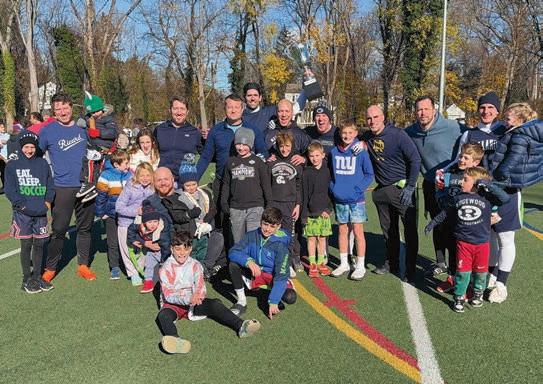
“Dad and Me” mini-golf, a summer family picnic, softball tournament, golf outing, and a husband and wife dinner dance, to name a few. Our endof-year event celebrates a successful season of fun as we send one group of dads off and launch a new season with a fresh group of new school dads.
Dads’ Night is known for giving back beyond the schools as well. Can you share more?
We have a big turkey drive each fall to collect turkeys for food pantries. We also do blood drives and support local needs as they arise.
And of course, your annual Dad’s Show is a major highlight. What can people expect?
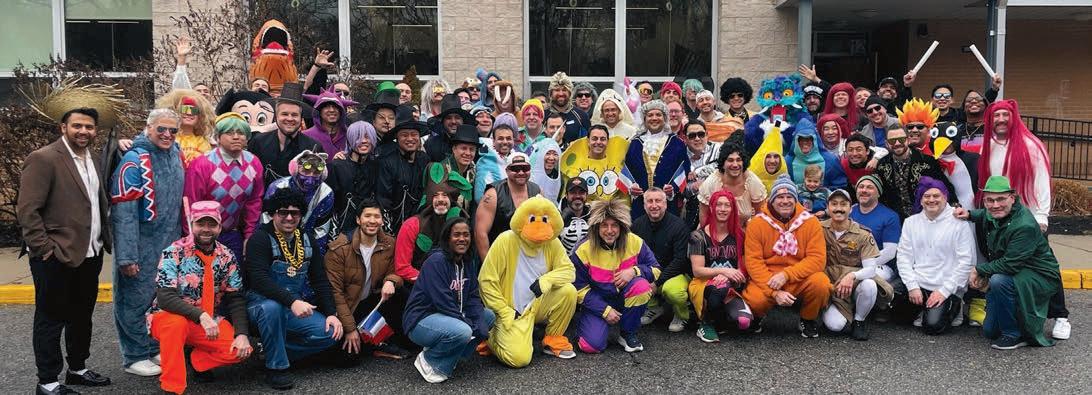
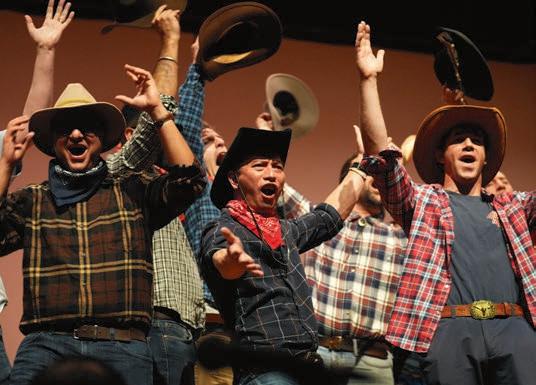
Our largest fundraiser is a three-hour show written, directed, produced, and performed by dads. It’s a lot of fun. I would tell you what next year’s theme is, but I’m sworn to secrecy.
What makes this group special for the families involved?
The kids love it—it brings families together and builds new friendships, and our kids recognize the value in that. They see dads having fun and being present—it’s impactful.
With such a long history, how has the organization evolved?
The mission remains the same, but
the production level has certainly increased with new ideas and technologies.
What’s the best part about joining Ridgewood Dads’ Night?
The camaraderie. It’s meeting and becoming friendly with all these guys in the community—it’s amazing, and we make lifelong friendships. I always enjoy hearing stories from past “grad” dads. The magnitude of this organization is great—the kids love it—and it really is for them.
How can new dads get involved?
We just put out flyers for the dads of rising kindergartners. Our HSA provides information for new families moving in, and we give a presentation
at Back-to-School Night. We also have new dad coordinators who specialize in recruiting new dads. They love doing it and say that it’s extremely rewarding.
Dads’ Night is designed to be flexible—encouraging dads to get involved at whatever level fits their schedules and interests, whether that means stepping into the spotlight or working behind the scenes.
In the end, Ridgewood Dads’ Night is about far more than fundraising. It’s about showing up for the kids, community, and each other, and finding a little joy, laughter, and friendship along the way. Happy Father’s Day!
For more information, visit dadsnight.org.
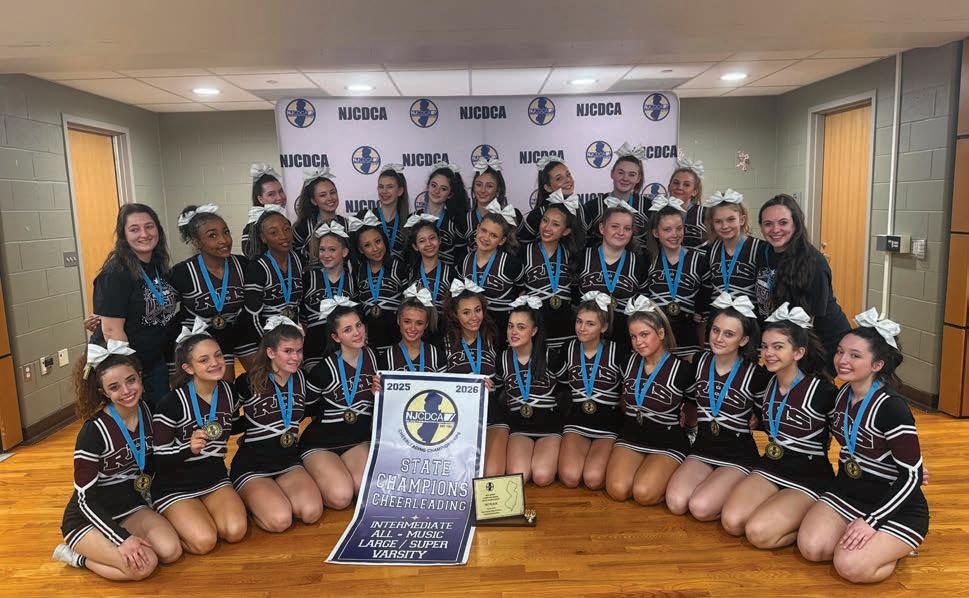
For the first time in program history, the Ridgewood High School Varsity cheerleading team was recently recognized as New Jersey State Champions.
BY KRIS PEPPER
RIDGEWOOD HIGH School’s varsity cheerleaders recently celebrated a milestone victory by winning the New Jersey State Championship. This marks a turning point for Ridgewood Cheer, punctuating a season defined by grit and athletic excellence. The squad demonstrated remarkable resilience, navigating a gauntlet of injuries, illnesses, and highpressure moments. Teamwork and camaraderie are the keys to the sport, and these varsity athletes proved that their bond off the mat was just as strong as their performance on it.
EXCELLENCE IN LEADERSHIP
The year’s success was built on the firm foundation of coaching excellence.
Coach Erica Casler was honored with the prestigious Coaches Recognition Award, acknowledging her pivotal role in steering the team through its most successful campaign to date. Her leadership and dedication were instrumental in transforming this season’s challenges into a championship-winning narrative.
“I am beyond proud of this team and the hard work they’ve put in all year,” says Casler. “It was truly a team effort and such a special moment for Ridgewood Cheer.”
Congratulations to the Ridgewood Cheer squad for setting a new benchmark for the Ridgewood Public Schools athletic program!
5 books to finally check off your to-be-read list.
BY WENDY LEES, WORTH-PINKHAM MEMORIAL LIBRARY
THERE ARE CERTAIN books that everyone seems to have heard of. If you’ve yet to read one of them, you may find yourself wondering, “Has everyone read this book but me?”
With new books getting published every week, it’s easy to default to the latest bestseller or a celebrity book club pick. These five titles are just as good today as when they were first published. And best of all, our 78 BCCLS libraries have plenty of copies in stock, which means no long waitlist for you!
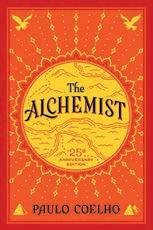
by Paulo Coelho
An inspirational classic under 200 pages
A young Spanish shepherd falls asleep amid church ruins and dreams of hidden treasure near the Great Pyramids. When a fortune-teller and a man claiming to be a king convince him that his dream is real, he sets off for Egypt determined to fulfill his destiny…and neither hardship nor love will stop him. A great choice for when your life is at a crossroads or you’re struggling to find your life’s purpose.
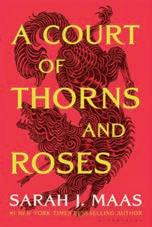
by Sarah J. Maas
The viral romantasy known as ACOTAR
After unknowingly breaking the treaty between humans and the fae, a young woman is forced to leave her struggling family and live in the fae realm forever. Is the High Fae Lord who brought her there her captor, or her protector? Discover why the BookTok and Bookstagram communities are swooning over this viral romantasy (romance + fantasy).
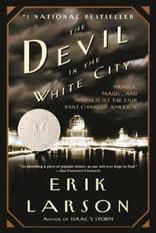
by Erik
Larson
Spectacle and murder at the 1893 World Fair
Architect Daniel Burnham races to build the gleaming “White City” that will transform Chicago for the 1893 World’s Fair. Meanwhile, local doctor, H. H. Holmes, is constructing a hotel for a far darker purpose: to lure female fairgoers in as guests and murder them. This historical nonfiction is both a behind-the-scenes look at the glitz, glamour, and innovation of the fair and a chilling true crime account of one of America’s first serial killers.
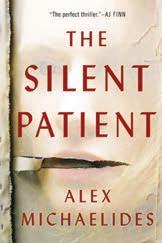
by
Alex Michaelides
This thriller may leave you speechless
A celebrated painter shoots her husband five times in the face and then stops speaking. Is she mute from trauma or by choice? Confined to a secure psychiatric facility, she becomes the patient of a criminal psychotherapist obsessed with uncovering what really happened that night and breaking her silence. Hailed as having one of the best twists in the psychological thriller genre.
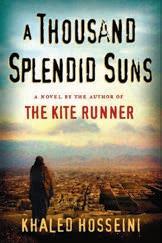
by Khaled Hosseini
Heartbreaking, yet hopeful story of resilience
A 15-year-old outcast is forced to marry a widower three times her age. A decade later, a second child bride joins the household after a sudden tragedy. Are they rivals, or each other’s best chance at survival? A powerful look at the plight of women in Afghanistan, a country ravaged by war and ruled by the Taliban.
Wendy Lees is the Marketing & Adult Programs Coordinator for Worth-Pinkham Memorial Library. She also runs one of the library’s three book clubs, is part of their Book Concierge personalized book recommendation team, and is semi-obsessed with talking about books with fellow readers. As the library’s social media manager, she still calls her mom whenever the library goes viral
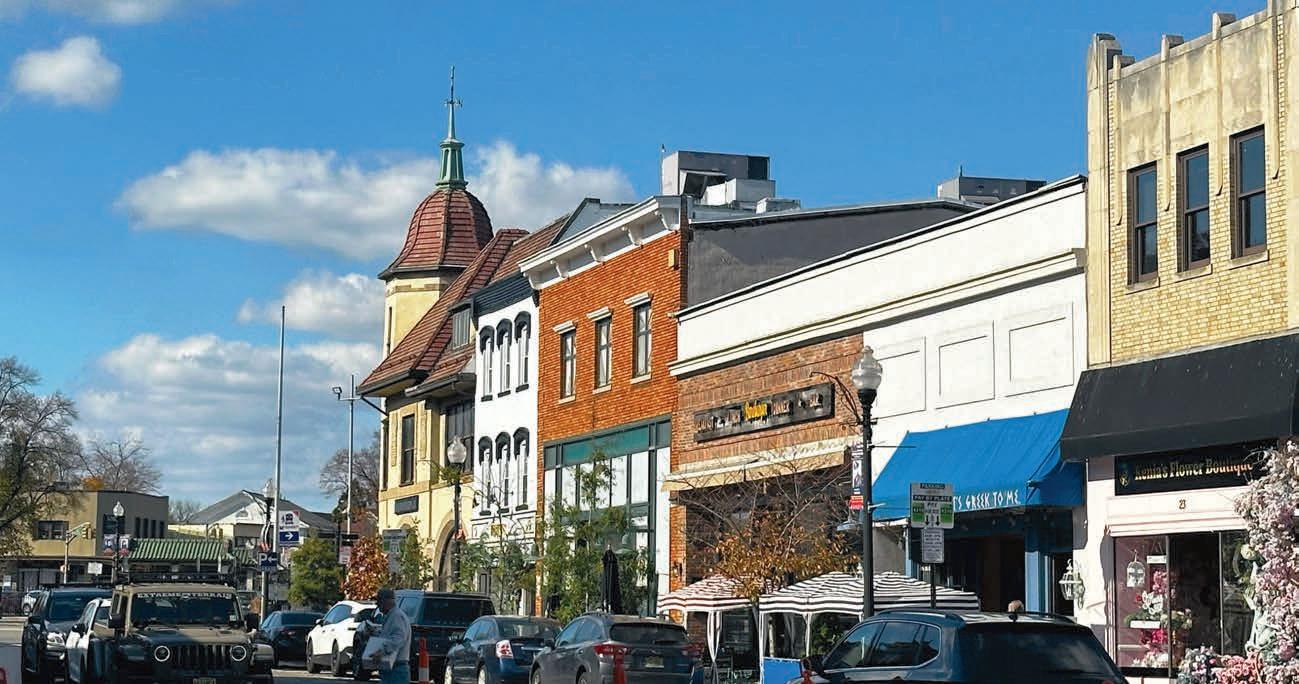
SWEATER WEATHER has gone away, and blue skies once again prevail over the Village of Ridgewood. Time to get outside!
Have a great image for Photo Op?
Submit your high-resolution shot to editor@ridgewoodmag.com






When you need an imaging procedure, you want to book your appointment easily and obtain your results quickly. We hear you.
When you choose Valley:
Your call will be answered within two minutes by a live Valley agent.

Results will be available to you and your doctor the same day for mammography and within 24 hours* for all other procedures.

Valley has locations in Ridgewood, Paramus, Mahwah, Montvale, and at several Valley Medical Group locations.

Ultrasound & Vascular Ultrasound Nuclear Medicine
PET/CT
Bone Densitometry
Fluoroscopy
*Next business day for Friday and weekend procedures. Availability of results may vary based on the imaging procedure.

Call: 201-447-8200. Monday through Friday, 8 a.m. to 5:30 p.m. Saturdays, 8 a.m. to 4:30 p.m.
Book Online for Mammography, X-Ray, and Ultrasound: ValleyHealth.com/Imaging
Choose Valley for your next imaging procedure.