MyBoston
BACK BAY & BEACON HILL
VISION QUEST
DR. STACY COEN OF BLINK
5 BEST BOSTON BEACHES

DR. STACY COEN OF BLINK
5 BEST BOSTON BEACHES
30 Years of Shakespeare on the Common


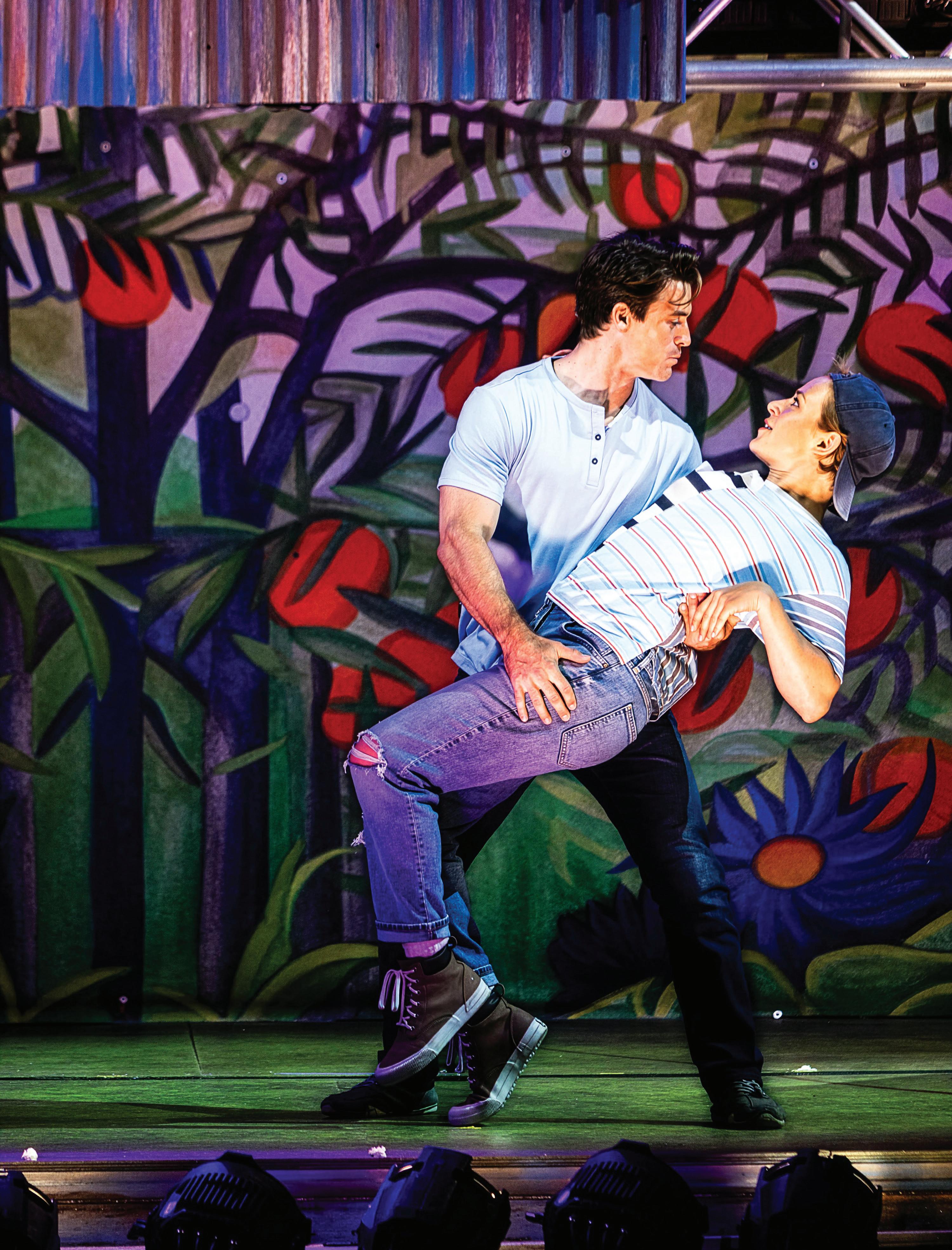
Shakespeare Company and its summer production of “A Midsummer Night’s Dream.” We went behind the scenes to learn more about this beloved Boston tradition. This year, the organization is celebrating three decades of Shakespeare for all, bringing free performances to Boston Common and continuing to make the magic of live theater accessible to audiences throughout the city.
Our second feature, Vision Quest, with Dr. Stacy Coen, highlights the importance of supporting local businesses and the role they play in investing in our communities. These businesses are built on relationships—connecting with local residents, families, and generations over time. This is exactly why MyBoston exists: to showcase the very best of what our neighborhoods have to offer.
a“Though she be but little, she is fierce.” — William Shakespeare
This beloved Shakespeare quote perfectly captures the spirit of MyBoston magazine. While we may be a small, independent publication, our connection to this community is powerful. Each month, we have the privilege of sharing stories about the people, organizations, and businesses that make Back Bay and Beacon Hill truly exceptional.
Our August issue celebrates that same spirit of creativity, imagination, and community with a feature on Commonwealth
We invite you to enjoy some of Boston’s favorite summer traditions—from gathering under the open sky with a blanket for Shakespeare in the Park to exploring one of our Five Best beaches close to the city. We hope this issue inspires you to slow down, dream a little, and enjoy the rest of the summer.
Thank you, as always, to our valued partners. Without their support, we would not be able to bring MyBoston to our community each month. See you in the neighborhood.

Renata Coker Publisher, MyBoston
mybostonmag.com @mybostonmag
Publisher
Renata Coker
Renata.Coker@mybostonmag.com
Editor and Photographer
Claire Vail
editor@mybostonmag.com
Writers
Morgan Vail
Sharin Schober
Cover Photographer Liz Linder
Advisory Board
Collin Bray
Leigh Harrington
John Michael Kennedy
Lisa Mulman
Sharin Schober
David Sharff
Cindy Sullivan
Zach Kinnard
Business Development Manager
Lizzie Taylor
Lizzie.Taylor@mybostonmag.com
WAINSCOT MEDIA
Chairman
Carroll V. Dowden
President and CEO
Mark Dowden
SVP, Group Publisher
Thomas Flannery
VP, Content Strategy
Maria Regan
VP, Director of Digital Media
Nigel Edelshain
Creative Director Kijoo Kim
Advertising Services Director Jacquelynn Fischer
Operations Director
Catherine Rosario
Production Designer
Chris Ferrante
Circulation Manager
Kathy Wenzler
Advertising Production Associate
Griff Dowden MyBoston
Sun, salt, chlorine, and heat leave their mark. August is the perfect time to restore shine, refresh your color, and prepare your hair for the season ahead.

August 1st-August 15th



A NEWBURY STREET CLASSIC WORTH RETURNING TO
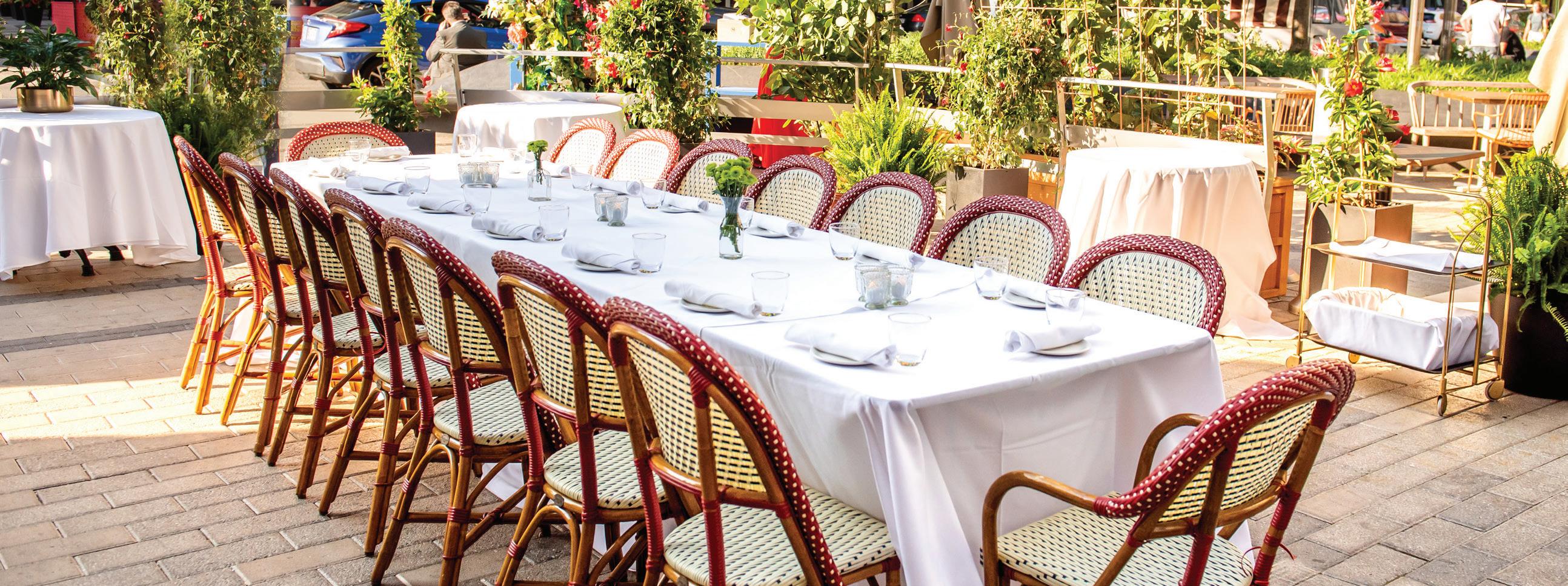
Celebrate Dine Out Boston at Sonsie with our prix fixe dinner menu available August 1–15. With signature favorites, neighborhood charm, and one of Boston’s most iconic dining rooms, Sonsie is always a good idea.
PARISIAN ENERGY IN THE HEART OF BACK BAY
Enjoy a prix fixe lunch and dinner at Rochambeau during Dine Out Boston, August 1–15. From French brasserie classics to the lively atmosphere on Boylston Street, Rochambeau makes every meal feel like an occasion.
BOLD ITALIAN FLAVORS AT SCAMPO
Join us August 1–15 for a prix fixe lunch featuring signature dishes from one of Boston’s most iconic restaurants. Set inside the Liberty Hotel, Scampo is the perfect excuse for your next lunch, date night, or celebratory dinner.
August 8
Charles River Jazz Festival
Join the Charles River Jazz Festival for its sixth annual celebration to enjoy local art, food vendors, arts and crafts, and fun for an entire day as upcoming artists of the community perform. This free event will run from noon to 8:30 p.m. at 47 David G Mugar Way.
August 11
Pipes on the Plaza
Come to The Mother Church for an incredible journey into organ music as this free event, featuring Joshua Boyd, Parish Organist of St. Rita Catholic Church, Dallas, demonstrates the art of pipe instrumentals. Pipes on the Plaza will go from 12:15 p.m. and 12:45 p.m. at the Auditorium of The Mother Church Extension.
August 13
Summer Cinematheque: Deli Man
Join the Vilna Shul for a summer sandwich dinner and a screening of “Deli Man,” a documentary that examines the Jewish deli and its significance through a third-generation deli owner. The screening of the movie will be $10, with optional dinner priced at $35, running from 6 to 9 p.m. at The Vilna Shul, 18 Phillips Street.
August 15
African Festival of Boston
Featuring the best of arts and culture of Boston, this festival will have you singing along to the rhythms of African music, eating incredible African food, and appreciating the works of African artisans. This festival, open to everyone, begins at 9 a.m. and ends at 8:30 p.m. at Boston Common, 139 Tremont Street.

August 18
Zine Making: What Does the Declaration Mean 250 Years Later?
Through an art-making crafts opportunity, reflect on the history of the Declaration of Independence and how the American Revolution influences different cultures and countries across the world. Supplies will be provided at this free event from 10 to 11:30 p.m., open to everyone. Boston Public Library in Copley Square, 700 Boylston Street.
August 23
A Tale of Two Eras at the Otis House
Uncover the hidden mystique of the last surviving mansion in Bowdoin Square through two separate chapters of its history. Explore the lives of Otis family members both in the Federal era

and during its transformation into a genteel boarding house. With tour tickets beginning at $20 for non-members, this event will be from 10 to 11 a.m. at 141 Cambridge Street. For more information, call 617-994-5920.
August 26
“Wilma or the Ghosts of Freedom”
Head over to the Goethe Institut to watch “Wilma or the Ghosts of Freedom,” featuring a woman named Wilma who is shaped by her past and losing job security after German reunification. This free movie screening follows Wilma as she decides to start her life over in Vienna, and begins at 8 p.m. at the Goethe Institut, 170 Beacon Street.
Movie Night: “Wicked: For Good”
Attend a showing of “Wicked: For Good” under the night sky and journey into a magical land with fellow audience members. Free popcorn (while supplies last) and musical wonder await you at this free film screening that begins at 8 p.m. in Copley Square, 560 Boylston Street.
Girls in Gear Volunteer Session
Attend a session with Girls in Gear, a nonprofit that helps girls on and off their bikes gain strength and confidence. Learn how you might join the organization or help out as part of the community in this free, short meeting from 1 to 4 p.m. at the Central Library in Copley Square.





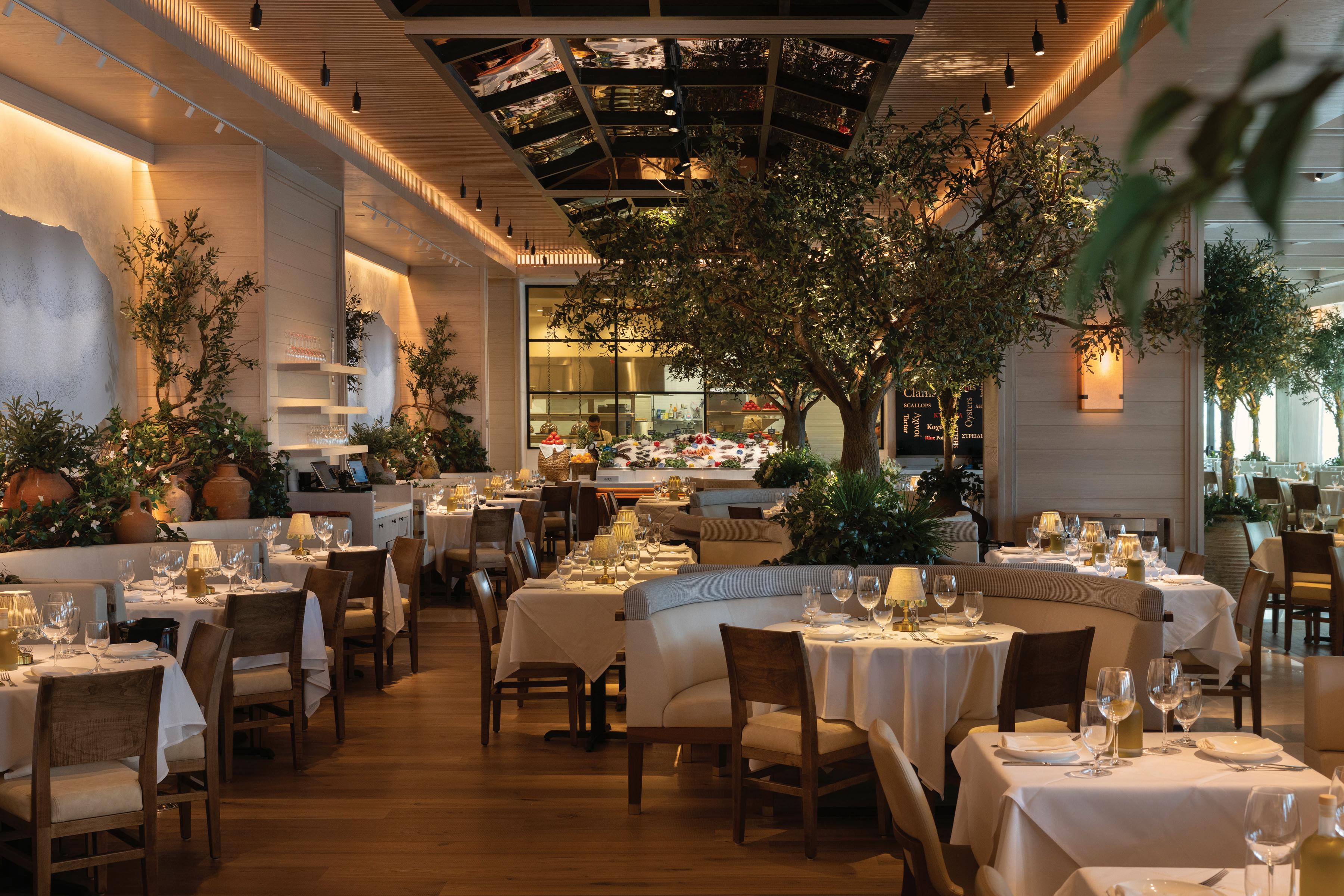

Avra, a new fine-dining experience in Back Bay’s Lyrik complex, pairs fresh, simple Greek fare with exceptional service.
BY CLAIRE VAIL
AT 6:30 P.M. ON a balmy Wednesday evening in June, every table in Avra’s spacious, elegant dining room is already full, and the energy is high. Light from the setting sun filters in through large glass walls, bathing the faux olive trees, yellow walls, and stone interiors in a Mediterranean glow. A tempting variety of fish—the restaurant’s specialty—rests on an ice-packed display, clear-eyed catches that were swimming only hours before.
It’s precisely the scene that cofounder Nick Tsoulos had in mind when he founded Avra, a fine-dining concept with several
locations around the U.S. Tsoulos’s love of good food began early in life, when he, his father and uncles fished the Gulf of Corinth for fagri, dorado, octopus and red mullet in their hometown of Nafpaktos, a picaresque village with a storied past that dates back to the golden age of Athens in the 5th century BC. According to Tsoulos, his family prepared their daily catches simply, grilling the fish over charcoal and drizzling it with olive oil from their own farm, along with lemon and a pinch of salt. Salads came from produce from the farm, too, and Tsoulos’s grandmother made spanakopita and other hot dishes.
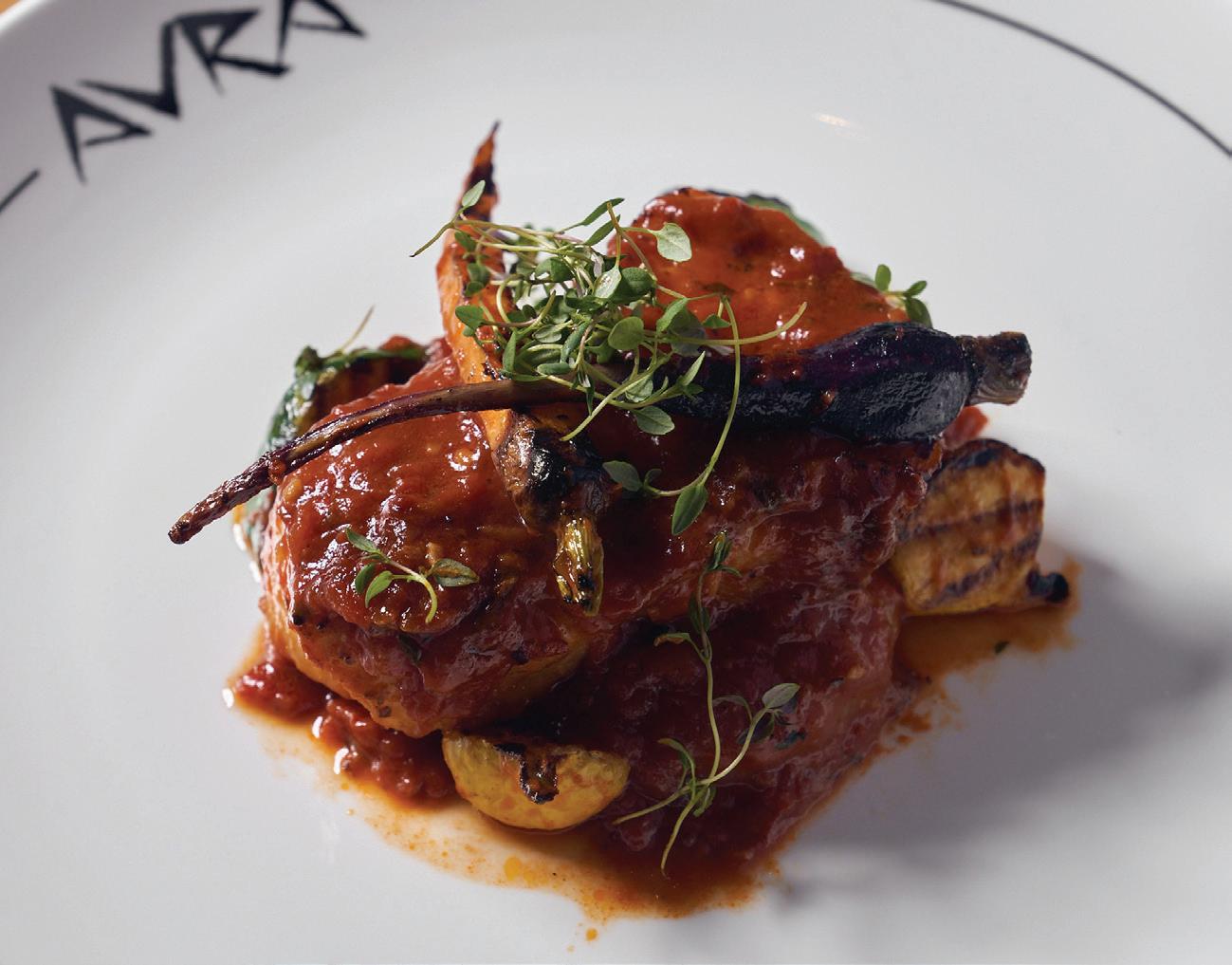
Opposite page top: Avra’s elegant, 250-seat dining room. Bottom left: Amish tomatoes make this Greek salad a standout dish.
This page top right: The Chilean Seabass Plaki, oven-baked with Vidalia onions, potato, herbs, and a light tomato fish broth. Bottom left: A variety of dishes on Avra’s menu. Photographs courtesy of Avra Estiatorio
The adults drank wines from local vineyards.
Avra Estiatorio is Tsoulos’s homage to the Greek dishes from his childhood, served in an upscale setting with prices to match (the Greek word estiatorio denotes a formal dining experience, as opposed to the more casual taverna). His partners, Marc Packer and Nick Pashalis, opened the first Avra in 2000 in midtown Manhattan, and 16 years later, a second at East 60th Street, which attracted a prestigious clientele, clinching the restaurant’s reputation and paving the way for expansion. Boston is the latest location, with others in Madison, Wisconsin, Beverly Hills, Dallas, and Miami.
The menu offers a range of Greek dishes and other options, including Colorado lamb chops, New York strip steak, and sushi. The finest quality meats, seafood, and produce is central

to the concept, and fresh fish is the star. Servers walk guests to the display, where they can select the fish that tickles their fancy, the exact fish that they’ll have for dinner.
Ivy Evers, our server, who can describe the difference between branzino and bluefish, conversed with us at length about the variations of texture and flavor among species from American and European waters. There’s delicious Mediterranean fish that may be less familiar to American diners, such as tsipoura, royal dorado, fagri, lithrini, along with more familiar options, like Atlantic-sourced dover sole, turbot, red snapper, black sea bass, plus pompano and New Zealand snapper. Once you select a fish, your server brings it to your table for inspection before it’s off to the kitchen—a nice touch. Before Avra opened, its servers were treated to a multiweek training experience, which Evers likened to summer camp for foodies. The result is that the servers know each other and the fish and can, if you like, explain provenance, differences in flavor, and preparation techniques. They can also recommend suitable wine pairings for each dish. Educating curious guests is part of the dining experience. Knowing more about
what you’re eating not only builds anticipation for the food, but it also generates an appreciation for the quality of the ingredients and the thoughtfulness behind the many informed choices that went into your meal.
The final product doesn’t disappoint. The fish is expertly deboned, and the simple preparation makes the most of the flavor. A Greek salad with tomatoes that have never been refrigerated and which are sourced from Amish farms bursts with vitality. A firm slice of halloumi cheese is simply grilled and served with candied citrus peel that complements its salty richness. Wagayu beef is meltin-your-mouth quality.
Avra’s signature cocktail, the Greek Tomatini, is a fascinating drink, a basil-forward take on a Greek salad in a glass, a blend of artisan vodka distilled from olives, dry vermouth, white balsamic, muddled tomato, and a dash of salt and black pepper. Yassou!
Avra is open for dinner Sunday through Thursday from 4 p.m. to 10 p.m., and Friday through Saturday from 4 p.m. to 11 p.m. Private rooms are available to rent. Avra is located at 400 Newbury Street in the Lyrik complex at the intersection of Mass Avenue and Newbury Street in Back Bay. Paid valet parking is available at 1001 Boylston Street.

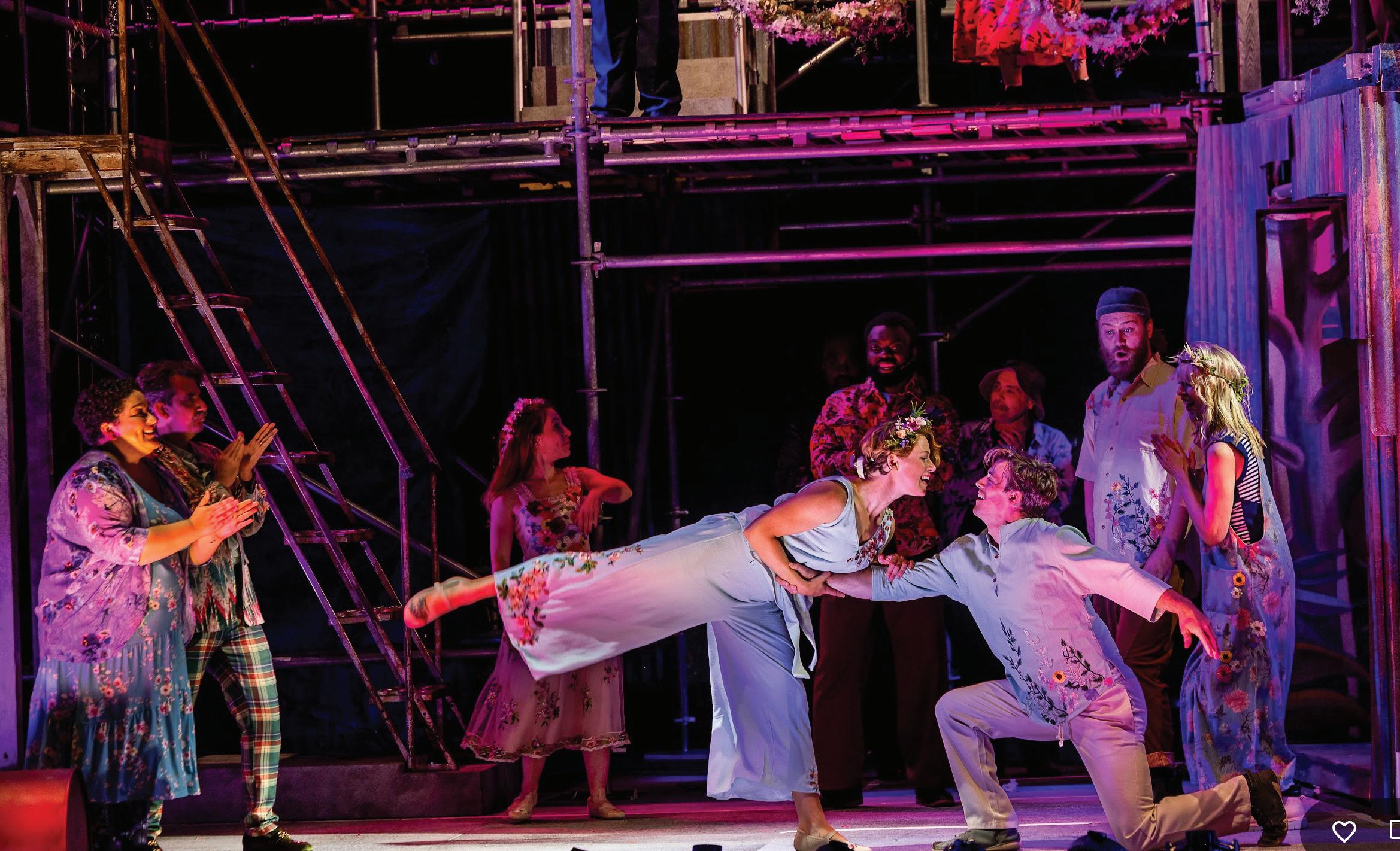
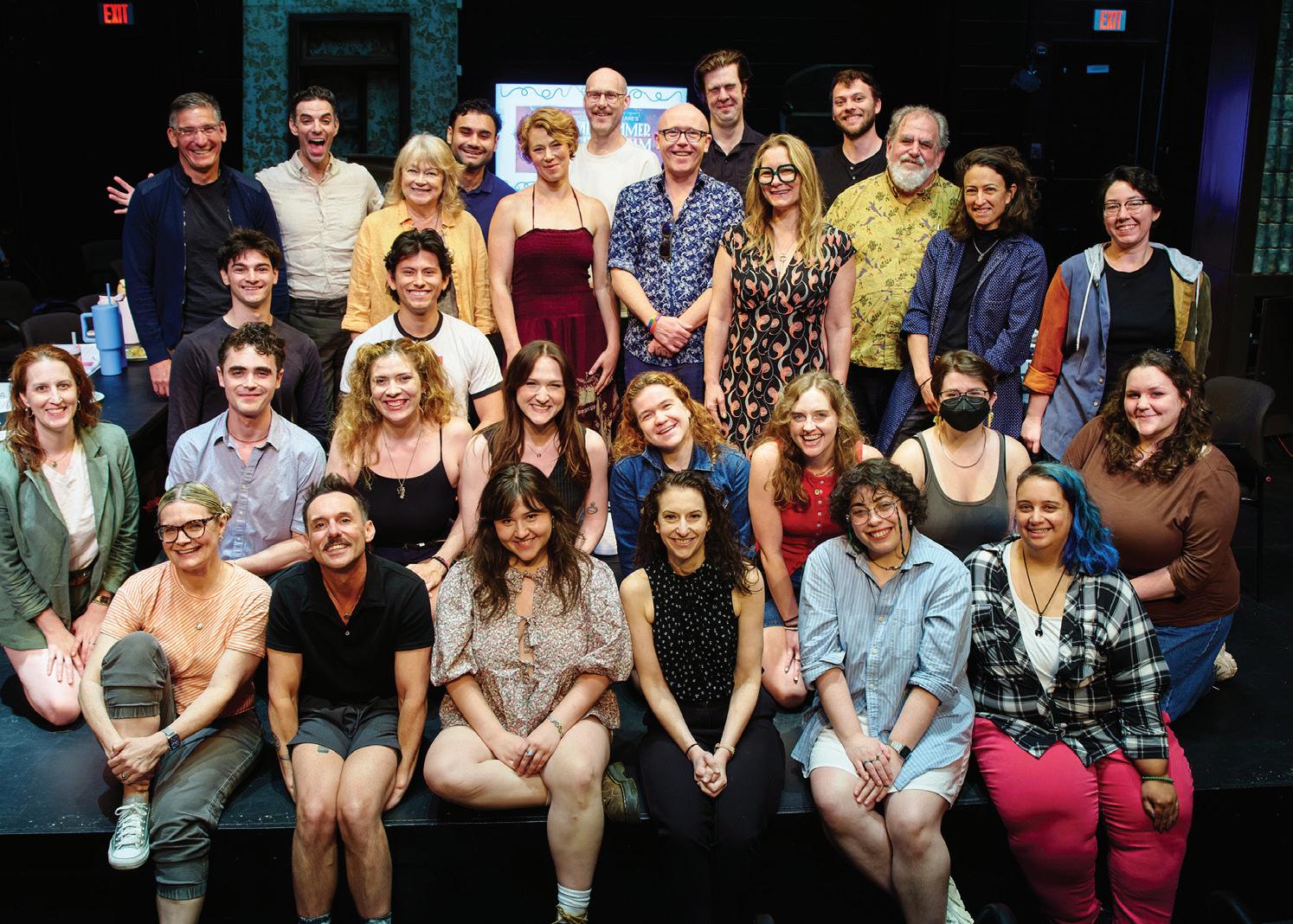
The Commonwealth Shakespeare Company celebrates its 30th anniversary of free Shakespeare on the Common with an energetic, colorful production of “A Midsummer Night’s Dream,” the same play that launched the organization in 1996.
BY CLAIRE VAIL
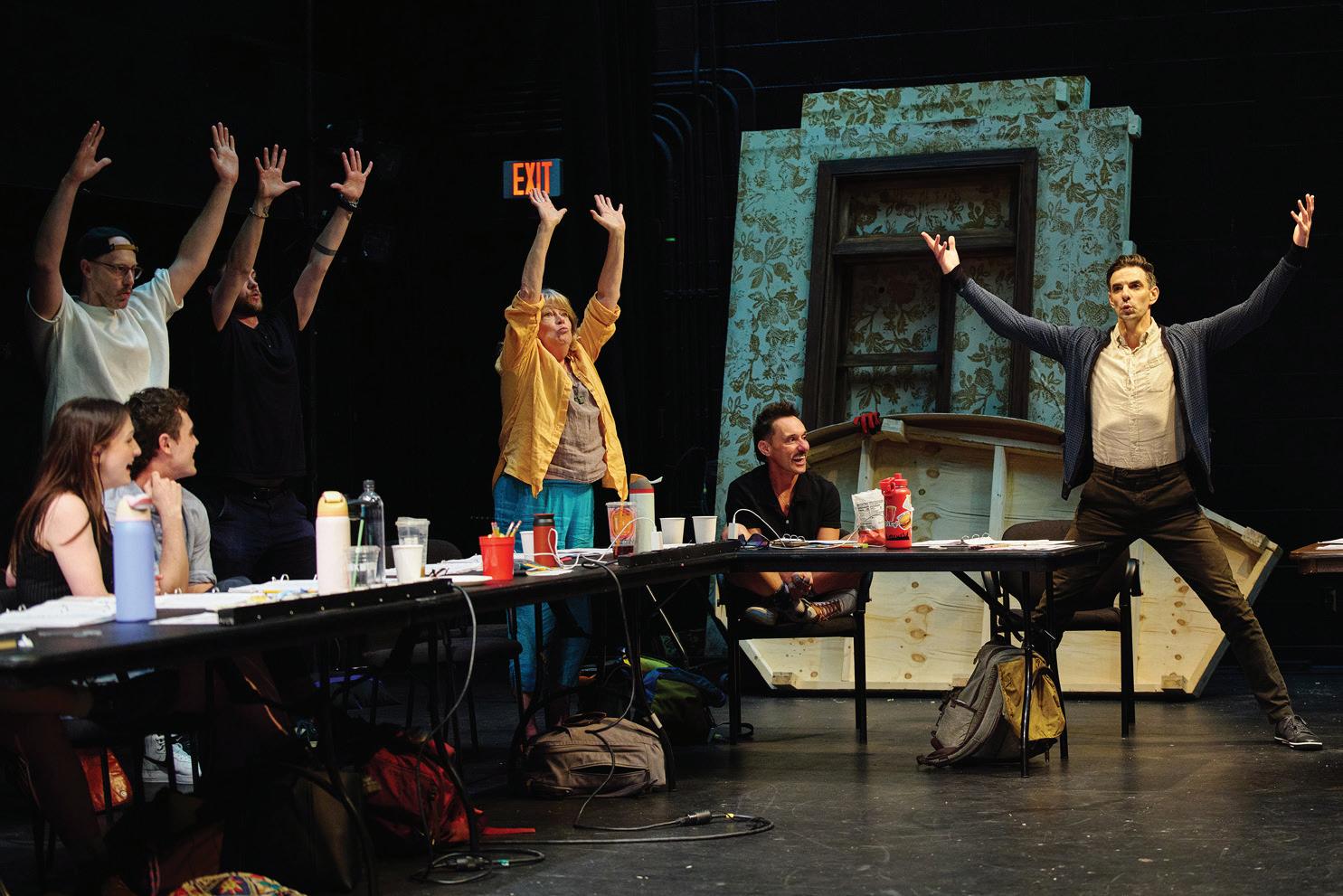
S“Such stuff as dreams are made on…” It’s June 29, and the cast and crew of the Commonwealth Shakespeare Company are crammed into Suffolk’s Modern Theatre for the inaugural reading of this summer’s free play on the Common, the beloved fantasy-comedy “A Midsummer Night’s Dream.” The assembly listens, spellbound, as company founder and director Steven Maler introduces the artistic concept for a production that will debut in less than a month.
“Think about being a teenager today and that feeling of needing to escape. Where do you go? Into the forest? Or somewhere else?”
On a big screen, one of the
costume designers displays dramatic photos from Burning Man, the annual counterculture festival held in Nevada’s Black Rock Desert. First, a model draped in a billowing emerald silk gown, then a female warrior in leather and metal, followed by pyre-like sculptures glittering under a starry firmament. A scan of the room reveals rapt expressions as a hundred minds dream the same dream.
Like Prospero, Shakespeare’s enigmatic sorcerer in “The Tempest,” Maler has dedicated his life to conjuring magic on a grand scale, though that’s where the resemblance ends. Maler is warm and affable, with a smile and a kind
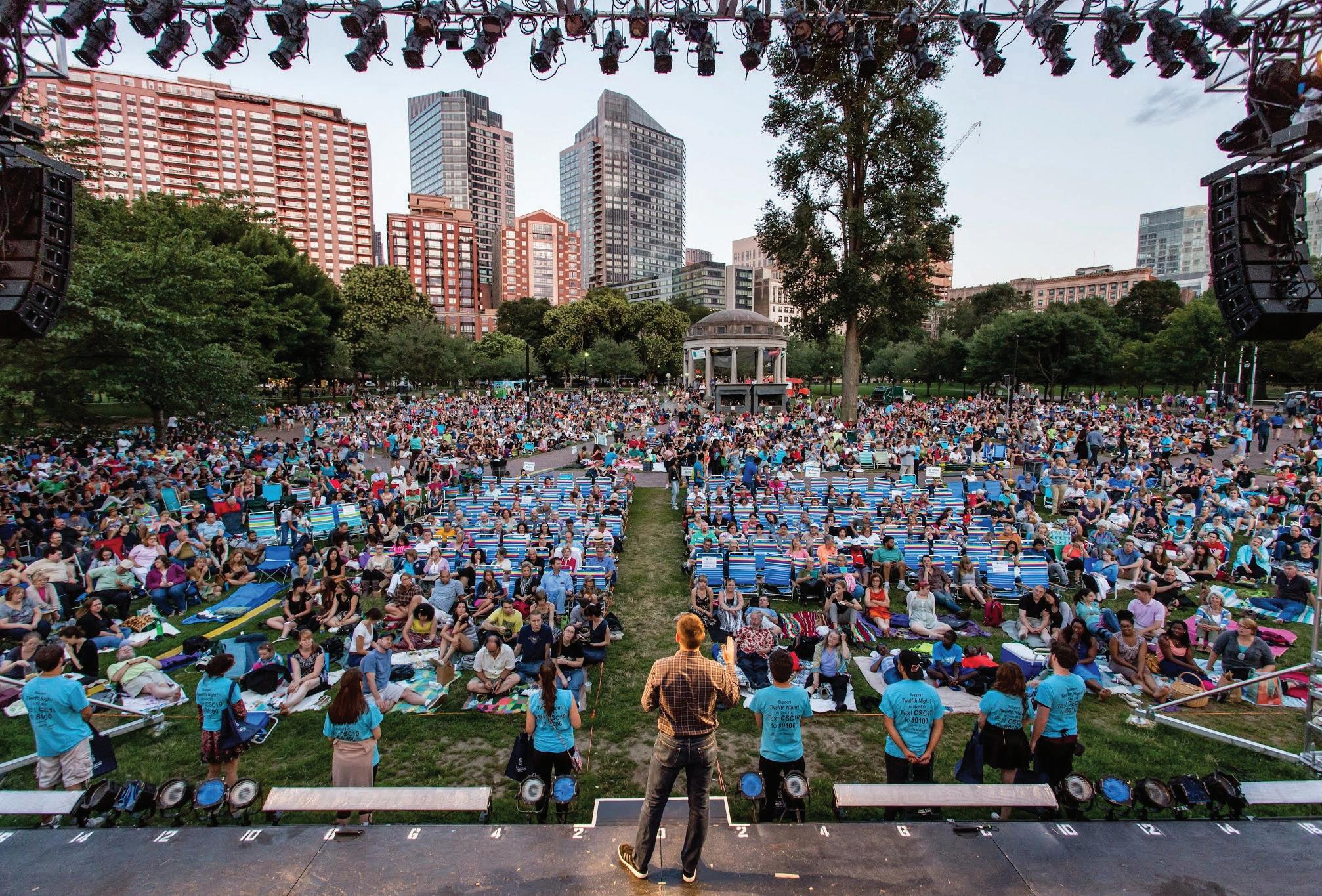
word for everyone. Every summer for the past 30 years, he and CSC’s cast and crew have accomplished a feat that borders on the supernatural: staging a Shakespeare play on Boston Common for a crowd of 10,000 spectators, many of whom are encountering the world’s most famous playwright for the first time.
It’s a big responsibility. But when it works, and CSC’s enthusiastic reviews and growing crowds are proof it does, the plays demonstrate not only Shakespeare’s lasting appeal but also a receptiveness on the part of modern audiences to engage with a live performance in English from over 400 years ago.
“There’s something profoundly
36 college students the opportunity to study with CSC for six to eight weeks during the summer. Called apprentices, they are involved in many aspects of production from the ground up.
The CSC also has an initiative that brings Shakespeare to young audiences, funded through a partnership with the Rodman for Kids charity. The funding helps CSC bring free performances to 6,000 high school and middle school kids. For many, it’s their first exposure to live theater.
Shakespeare was never elitist, says Maler. His plays were always intended for the masses.
Maler says “the phrase we use is redemocratizing, because this material was wildly democratic when it was created. It was for everyone. And we like to say we’re returning Shakespeare to its populist roots.”
“The play’s the thing…” Putting on any play is an enormous undertaking, requiring coordination of a large group of people, willing to toil at less than glamorous tasks to make a few hours of entertainment possible. To pull it off each summer, Maler’s permanent staff of nine expands to 200. Each production costs “well north of a million dollars,” nearly half of the CSC’s annual operating budget of roughly three and a half million.
Then there’s the added challenge of mounting a production outdoors. Maler describes the Common as “a really inhospitable place to do a play.”
“We have to build a stage from the ground up. You’re trying to create something iconic, like a piece of temporary sculpture in what is essentially an open field.”
For the play to happen, technology, weather, and people must all cooperate, Maler explains.
“Every actor has a wireless microphone on them. All the microphones are individually controlled and programmed on a scene-by-scene basis. And if one mic fails, no one can hear anything that’s happening on stage. There’s a lighting rig with a hundred lights in it. We have two spot operators who are following the action of the show as it’s happening. We have dressers backstage, plus a front-of-house crew. It’s a massive infrastructure that, you know, comes together for this three-week time and then dissipates. As Shakespeare said, it fades into a dream.”
The scale of the operation is so immense, says Maler, that partnerships, community support, and creative approaches to fundraising are critical.
“It’s a tremendous amount of work to keep pace with climbing costs.

There are things you just can’t do without. We have to have security. We have to have dressing rooms for the actors. The professional production of the scale that we’re mounting requires serious philanthropy. Since most of the work that we do is free, we’re raising that money from zero every year,” explains Maler.
Maler and his crew are determined to keep the show going despite a national political climate that isn’t friendly to the arts.
“A small town in Italy has more funding than the National Endowment for the Arts has in our country. We’re lucky in Massachusetts to have a governor and state legislature that get it. But it’s still a challenge.”
There’s plenty of evidence that the CSC has an impact, especially on young minds. In 1997, Boston native and Emerson graduate Kai Thomani Tshikosi’s parents brought him to a CSC performance of “Romeo and Juliet.” They had a ball and books to distract him, but were impressed by how their toddler
snapped to attention once the sword fighting began.
Tshikosi’s mother remembers, “It launched the journey to involve him in as much live theater as could meet his appetite through the rest of his childhood and beyond.”
In 2017, Tshikosi was hired to play Tybalt in CSC’s production of “Romeo and Juliet,” while his mother watched proudly from the green. Today, he is an actor, director, and multidisciplinary artist best known for playing the dual roles of Hercules Mulligan and James Madison in a national touring production of “Hamilton.”
“You never know what happy accidents you set into motion when you make art accessible to the world. Getting to share the arc of that journey with my mother 20 years on from that fateful summer evening is one of the proudest moments of my working life,” says Tshikosi.
“A girdle round the Earth…”
“A Midsummer Night’s Dream” is what directors and academics call
“central canon,” meaning it’s a major play from the middle of Shakespeare’s career, a bridge between his early comedies to more mature masterworks such as “Hamlet” and “Othello”.
In the play, four lovers from Athens escape into an enchanted forest where Oberon and Titania, the king and queen of the fairies, are arguing. Spells and romantic chaos ensue, and when a group of amateur actors arrives to rehearse a play, they are drawn into the comedy. The characters lose themselves, then find themselves again, a bit wiser for the experience. Transformation is
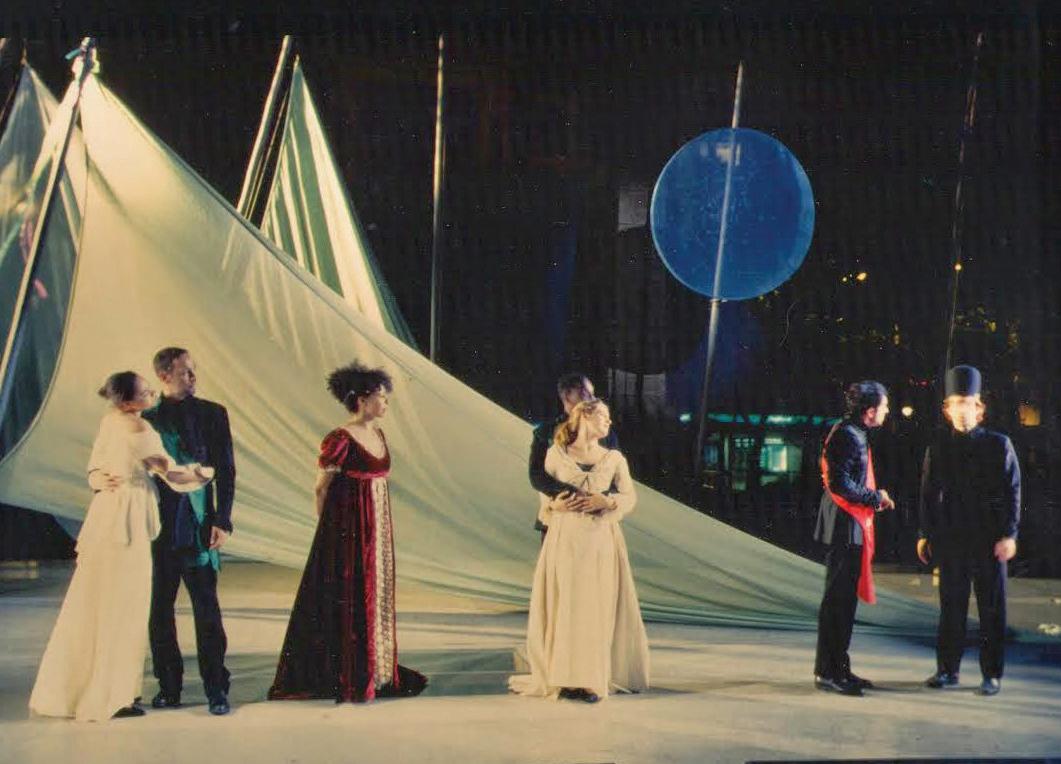
one of Shakespeare’s favorite themes, and “A Midsummer Night’s Dream” is rife with it.
“Ultimately, this is a play about people defining themselves, loving the people that they want to love, and choosing the lives they want,” says Maler.
Depicting the fairy world offers actors the opportunity to transcend their mortal coils for a few hours.
Chameleonic actor Nora Eschenheimer, who plays the imperious fairy queen Titania, brings a unique set of talents to the role.
Eschenheimer has been nominated twice by the Boston Theater Critics Association for other CSC roles: Rosalind in last year’s “As You Like It” and Imogen in “Cymbeline” (2020).
Broadway World called her “a powerhouse,” and Maler thinks of her as the “quintessential actor, bold and daring.”
At the reading, Eschenheimer is already off book and preparing for the challenge of performing.
“CSC productions are very physically demanding. You’re running around the stage, climbing up and down structures, and you’re always using your entire body to communicate. The physicality is important because it helps the audience connect with the language they’re hearing,” she says.
“We don’t sort of park and bark, as they say in the opera world, where you just kind of stand down center and recite beautiful phrases. There’s an energy and a heartbeat in this material that I’m trying to surface,” explains Maler.
She and Maler are confident Shakespeare can compete with Netflix and other forms of modern entertainment. As mischief-making fairy Puck brags in “A Midsummer Night’s Dream,” he can “put a girdle round the earth in forty minutes.”
Staging a Shakespeare play isn’t all that different.
Maler agrees. “The plays have a scale and scope that rivals most writing you see. They’re big and bold, wildly theatrical; they have sword fights; they have dances; they have songs. They’re a total theater kind of experience.
They’re also like all great literature— as you journey through life, your understanding of them changes as you grow.”
While Maler is quick to praise other playwrights, he says Shakespeare is in a category by himself.
“One of the things I really love about Shakespeare is that ability to see the personal and the political. You can have this massive sweep of history like that portrayed in the Henry plays, for example. But in the middle of that, you see this really tortured father-son relationship that is so intimate and painful and personal and specific. And that ability to be personal and
epic at the same time is what I find so incredibly enthralling about these plays, is that they just continue to show you new things about humanity.”
Maler smiles when asked about the language in the plays and whether it’s ever a barrier.
“Sometimes kids come up to us at intermission and say, ‘Hey, was all that really Shakespeare? Because I understood everything.’”
The Commonwealth Shakespeare Company will perform “A Midsummer Night’s Dream” from July 22 to August 9 in Boston Common at the Parkman Bandstand. Visit commshakes.org for times.
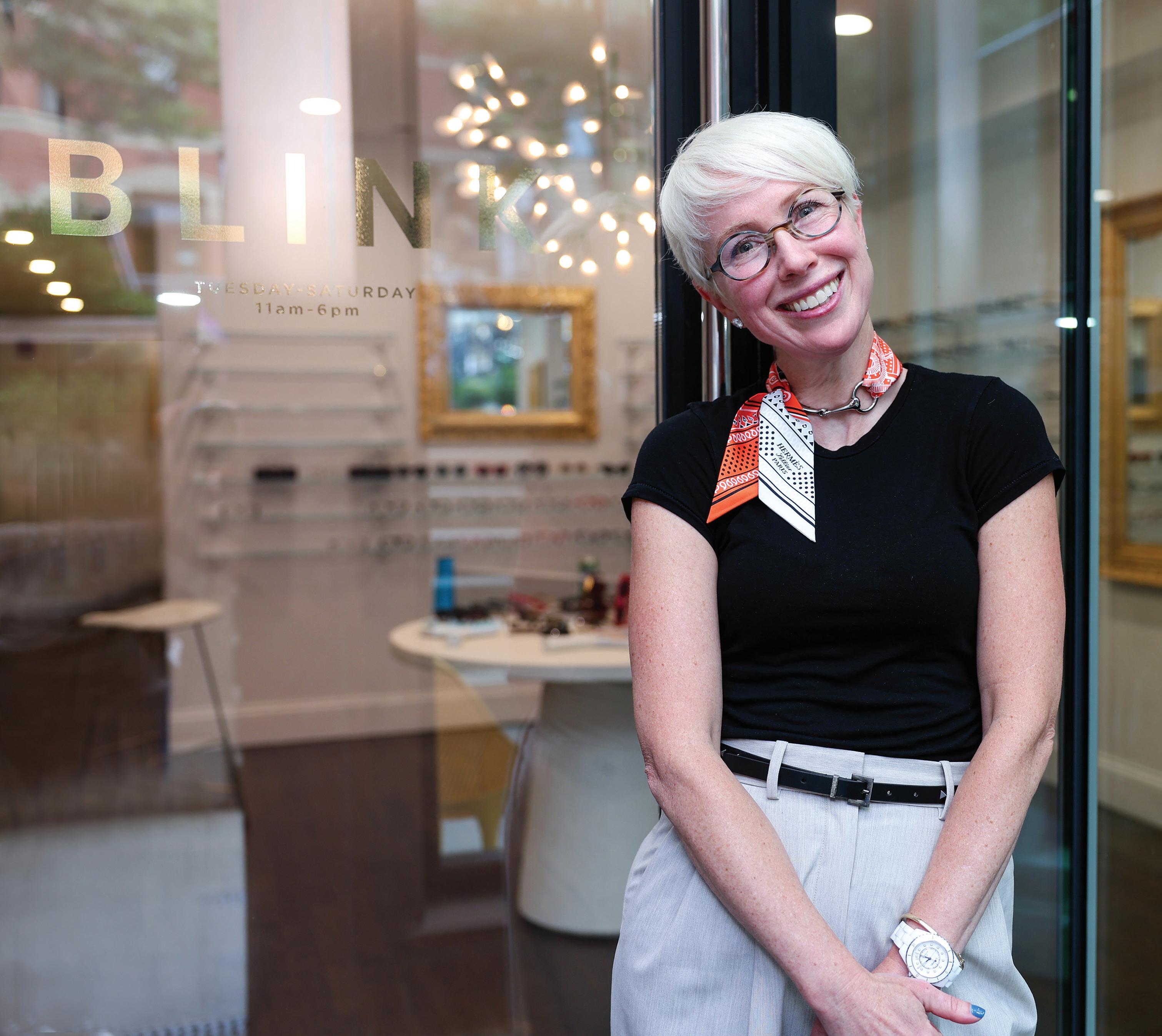
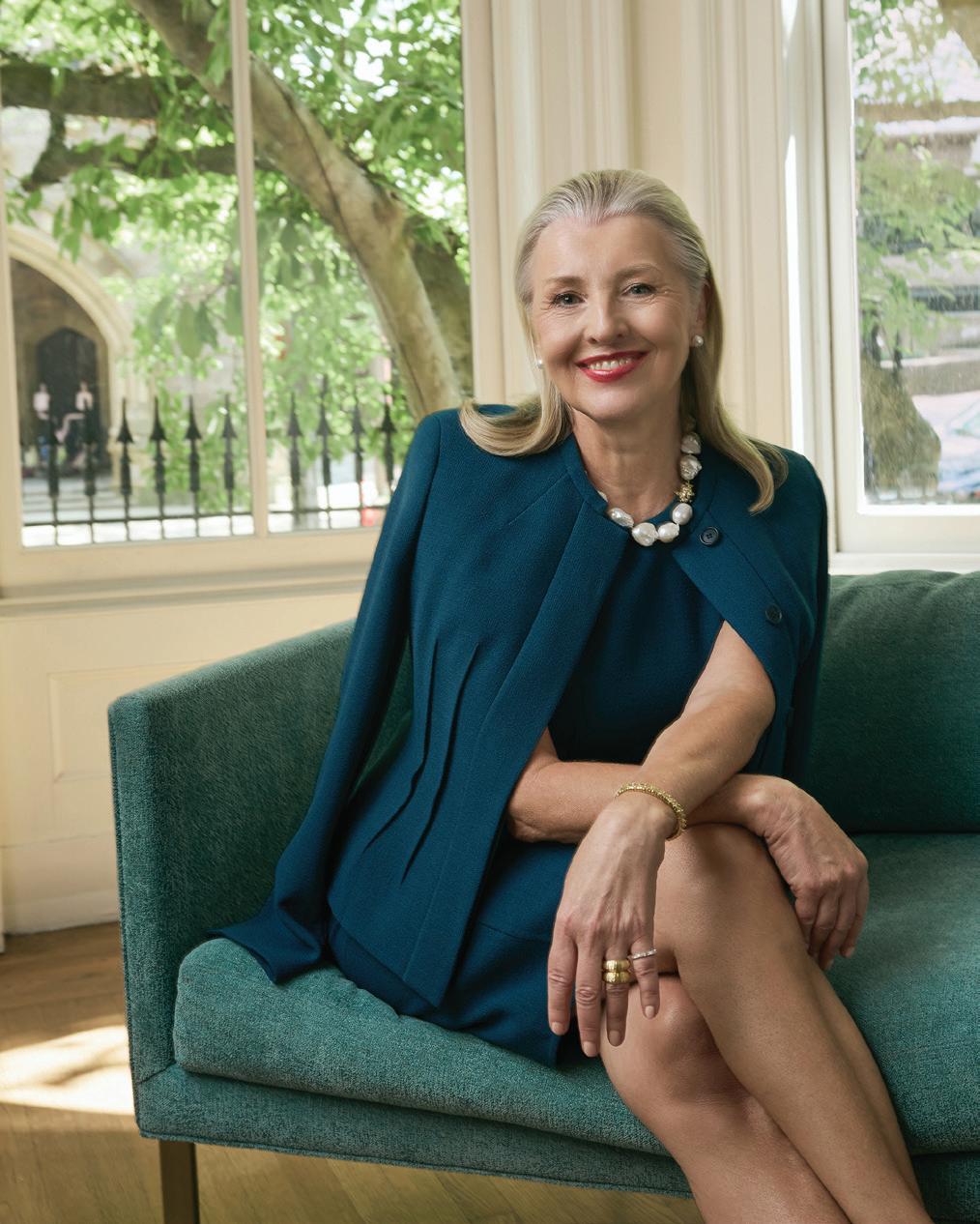
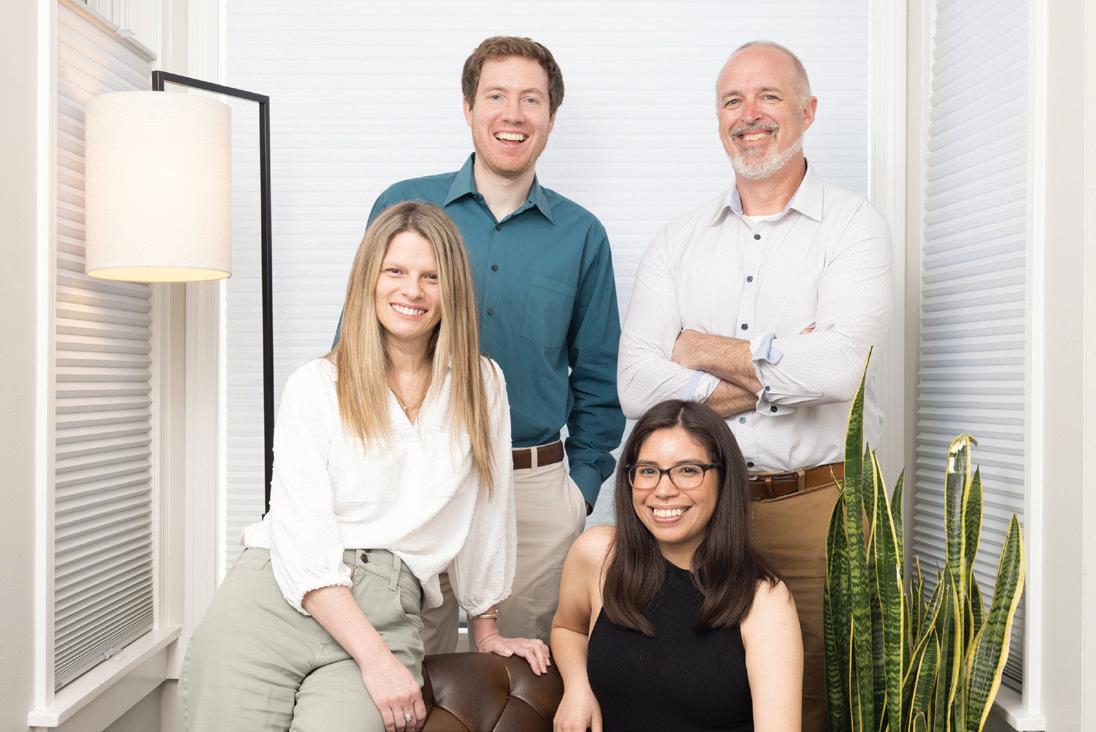
Dr. Stacy Coen of Blink, a boutique eyecare clinic and frame store, sits down with MyBoston to discuss her unique approach to her business.
BY MY BOSTON STAFF

WWhat inspired you to open Blink?
Creating Blink was a deliberate and deeply personal process. Being an independent doctor-owner meant that I was free to build my practice around my own values: personalized care, meaningful relationships, and an appreciation for craftsmanship and human creativity.
My goal was to create a clinical experience that eased a patient’s anxieties while providing the highest level of eye care. The practice is equipped with advanced diagnostic technology that allows for precise eye examinations, comprehensive ocular health assessments, and innovative treatments for dry eye disease, migraines, and light sensitivity. Every detail is designed to make patients feel comfortable, cared for, and confident in their eye health.
I also wanted to curate eyewear with meaning. I wasn’t interested in filling the showroom with massproduced products driven by trends. Instead, I sought out independent designers and artisans from around the world who share a commitment to craftsmanship, sustainability, innovation, and thoughtful design. Blink became a reflection of my belief that people deserve both exceptional healthcare and access to objects created with purpose, artistry, and integrity.
How are the frames different?
I traveled far beyond traditional industry offerings to discover independent artisans and manufacturers who prioritize responsible sourcing, eco-conscious production, and enduring quality
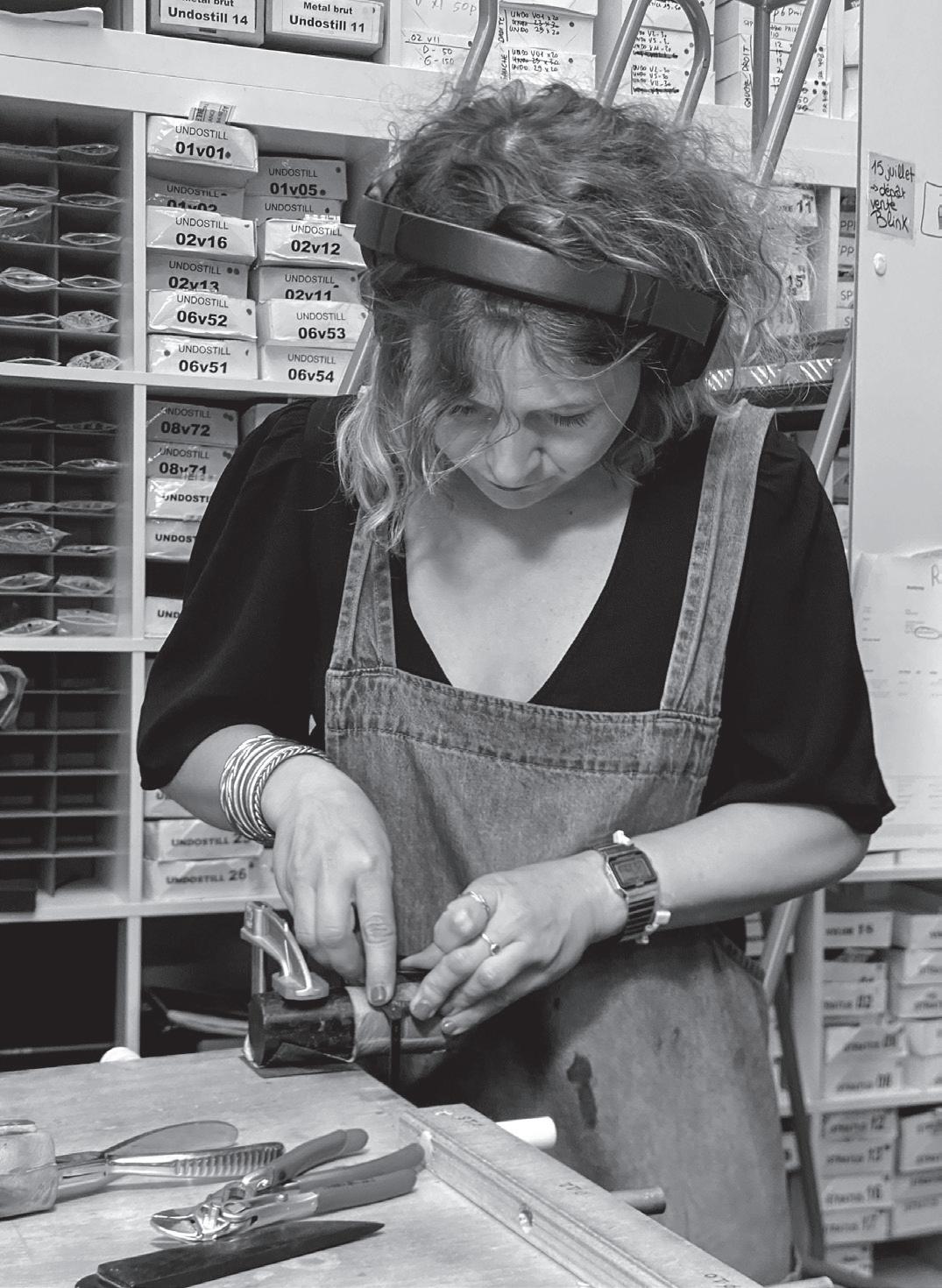
over mass-market trends. The frames at Blink are handcrafted from remarkable materials, including wood, stone, buffalo horn, titanium powder, and innovative forms of leather. Many of these collections are produced in small batches by highly skilled artisans whose work reflects generations of craftsmanship.
In many ways, Blink is the opposite of a big-box optical retailer. Rather than relying on large-scale production and trend-driven inventory, we curate distinctive eyewear with purpose—pieces designed to complement individual facial features, personalities, and lifestyles. Every frame has a story, every designer has a vision, and every patient receives a highly personalized experience.
How do you approach selecting eyewear for Blink?
I’m drawn to the creative mind behind a brand—the person reimagining something familiar into something unexpected. I appreciate the complexity of the design process, the inspiration, the artistic references, the philosophy, and the story.
The more I understand the creator, the more meaningful the object becomes. That same philosophy guides every eyewear collection at Blink. When selecting frames, I’m not simply evaluating shapes, colors, or trends. I want to know who designed them. I want to understand their workshop, their team, their heritage, their manufacturing process, and what motivates them to create. I seek out
designers who view eyewear not as a commodity but as a form of functional art.
Many of the collections at Blink come from family-owned workshops that have spent decades—sometimes generations—perfecting their craft. These are people who work with wood, horn, titanium, stone, leather, and other extraordinary materials, often producing only a small number of pieces each year. Their focus is on creating something thoughtful, enduring, and deeply personal.
I believe today’s consumer is looking for a deeper connection. We spend so much of our lives shopping through screens, scrolling through endless products that often feel anonymous and interchangeable. What inspires me is discovering the people behind the objects—the artists,
craftspeople, and visionaries whose passion is embedded in every detail.
What do you wish more people understood about the difference between comprehensive eye care and simply buying glasses?
Many people think an eye exam is simply a way to update a glasses prescription, but comprehensive eye care is about so much more than seeing clearly.
A thorough eye examination evaluates the overall health of the eyes and can often reveal signs of systemic conditions such as diabetes, hypertension, autoimmune disease, neurological disorders, and other health concerns long before symptoms appear elsewhere. It is an important part of preventative healthcare.

At Blink, we also focus on quality of vision, not just quantity. We evaluate how the eyes function together, investigate the causes of symptoms such as headaches, migraines, dry eye discomfort, light sensitivity, eye strain, and fluctuating vision, and recommend personalized solutions based on each patient’s unique needs and lifestyle.
Buying glasses is a transaction. Comprehensive eye care is an ongoing healthcare relationship. One addresses a product; the other addresses a person’s well-being.
Why does shopping local matter when it comes to something as personal and medical as eyewear?
Eyewear occupies a unique space because it is both a medical device and a personal expression of identity. When you shop locally at an independent

practice, you benefit from expertise that extends far beyond selecting a frame. You’re working with professionals who understand prescription optics, facial anatomy, lens technology, visual demands, and long-term eye health. Every recommendation is tailored to the individual rather than driven by sales quotas or inventory targets.
Shopping local also supports

businesses that are invested in their communities. Independent practices build relationships with patients over years and often generations. We know our patients personally, understand their visual needs, and are available when adjustments, repairs, follow-up care, or medical concerns arise.
Beyond the healthcare aspect, local businesses often introduce consumers to designers, artisans, and makers whose work would otherwise be overlooked in a marketplace dominated by large corporations. When patients purchase a frame, they’re supporting a network of independent creators and preserving traditions that have often been passed down through generations.
How does being independent allow you to care for patients differently than a larger chain or corporate setting? Independence gives me the freedom to make decisions based on what is best for my patients rather than what is best for a corporation. I am not restricted by corporate buying agreements, sales
metrics, or predetermined product offerings. This allows me to select the most advanced diagnostic technology, offer treatments that I genuinely believe improve patients’ lives, and curate eyewear based on quality, craftsmanship, and design rather than volume and profitability.
It also allows me to spend time with patients. Eye care is deeply personal, and every patient arrives with a unique combination of visual needs, lifestyle demands, medical history, and aesthetic preferences. Independence allows me to listen, educate, and customize solutions without the pressures that often exist in larger corporate environments.
Most importantly, Blink reflects a philosophy rather than a business model. It is built on the belief that healthcare should be personal, craftsmanship should be celebrated, and patients should never feel like a number.
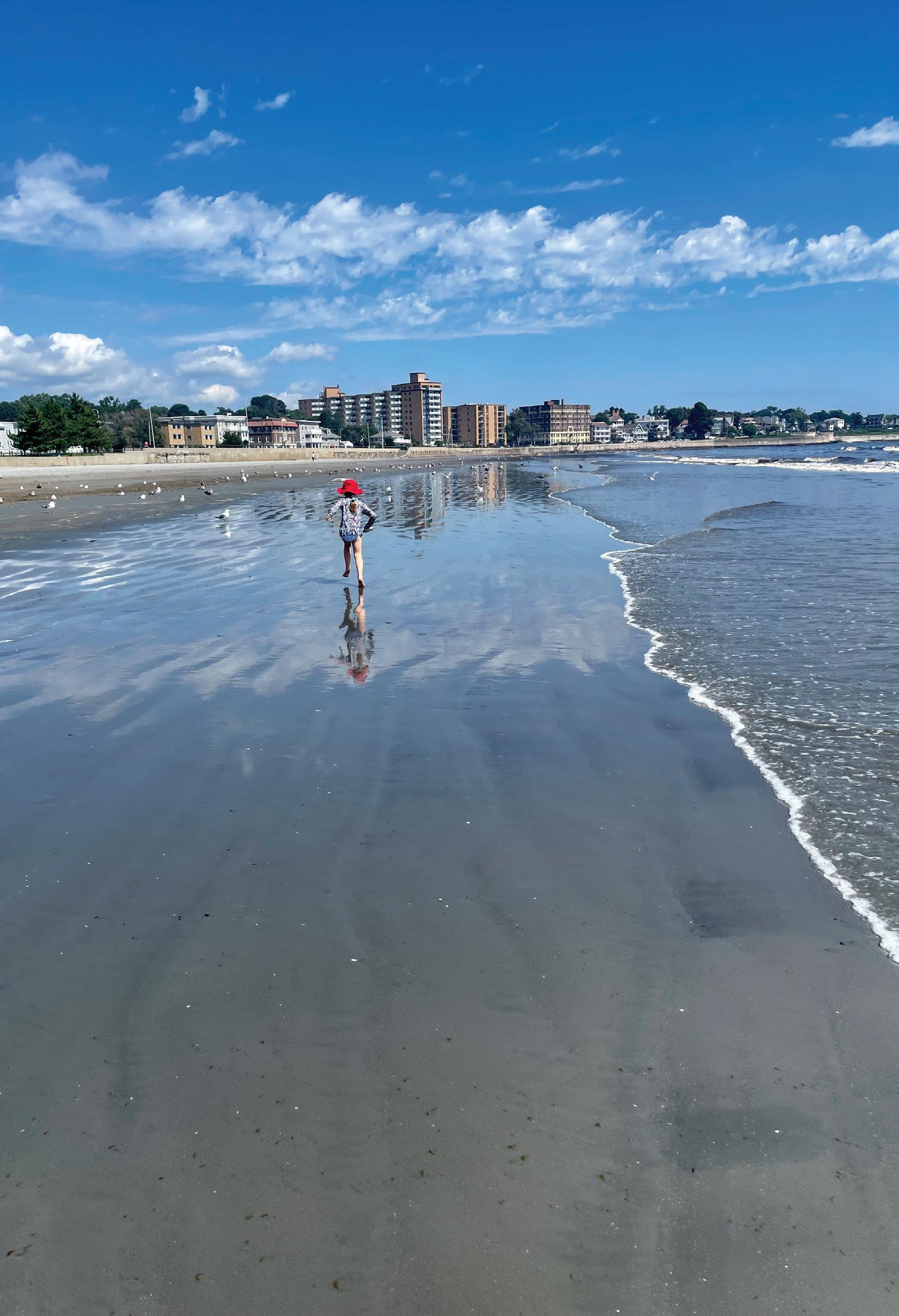
Whether you’re looking for a spontaneous afternoon outing or a full beach day with the kids, these beaches are among the best in and around Boston.
BY SHARIN SCHOBER
FOR MANY BOSTON families, summer isn’t complete without sandy toes, salty air, and a day spent by the water. While Cape Cod and Maine often top the summer wish lists, some of the region’s best beach adventures are much closer to home. From neighborhood beaches along South Boston’s shoreline and harbor islands reached by ferry to beloved stretches of sand on the North Shore, Greater Boston offers surprisingly diverse ways to enjoy a day by the water.
2010 William J. Day Boulevard
Nestled between Castle Island and South Boston, Pleasure Bay offers calmer waters and a more relaxed atmosphere than some of the area’s larger beaches. Its protected lagoon makes it especially popular with families and younger swimmers. Add in sweeping harbor views and spectacular sunsets, and it’s easy to see why locals return year after year.
Local Tip: Bring a picnic and stay for sunset—it’s one of Boston’s most beautiful evening views.
CASTLE ISLAND BEACH
2010 William J. Day Boulevard
Part beach, part waterfront park, and entirely Boston, Castle Island is a summer favorite for families. Kids can splash in the water, explore
historic Fort Independence, watch boats pass through the harbor, and enjoy one of the city’s most beloved playgrounds. With walking paths, open green space, and plenty to explore, it’s easy to spend an entire day here.
Local Tip: Pair beach time with a visit to the playground and a walk around Fort Independence for a perfect family outing.
2010 William J. Day Boulevard
Located along South Boston’s waterfront, Carson Beach is one of the city’s most popular summer destinations. Its wide stretch of sand, calm waters, and convenient location make it a favorite for families, runners, and beachgoers alike. Connected to the Harborwalk, it’s easy to combine a beach day with a scenic stroll along Boston Harbor.
Local Tip: Grab an iced coffee and enjoy a walk along the Harborwalk before settling into the sand.
799 Bennington Street
East Boston’s Constitution Beach is a longtime neighborhood favorite that often feels like a hidden gem. Families appreciate the calm water,

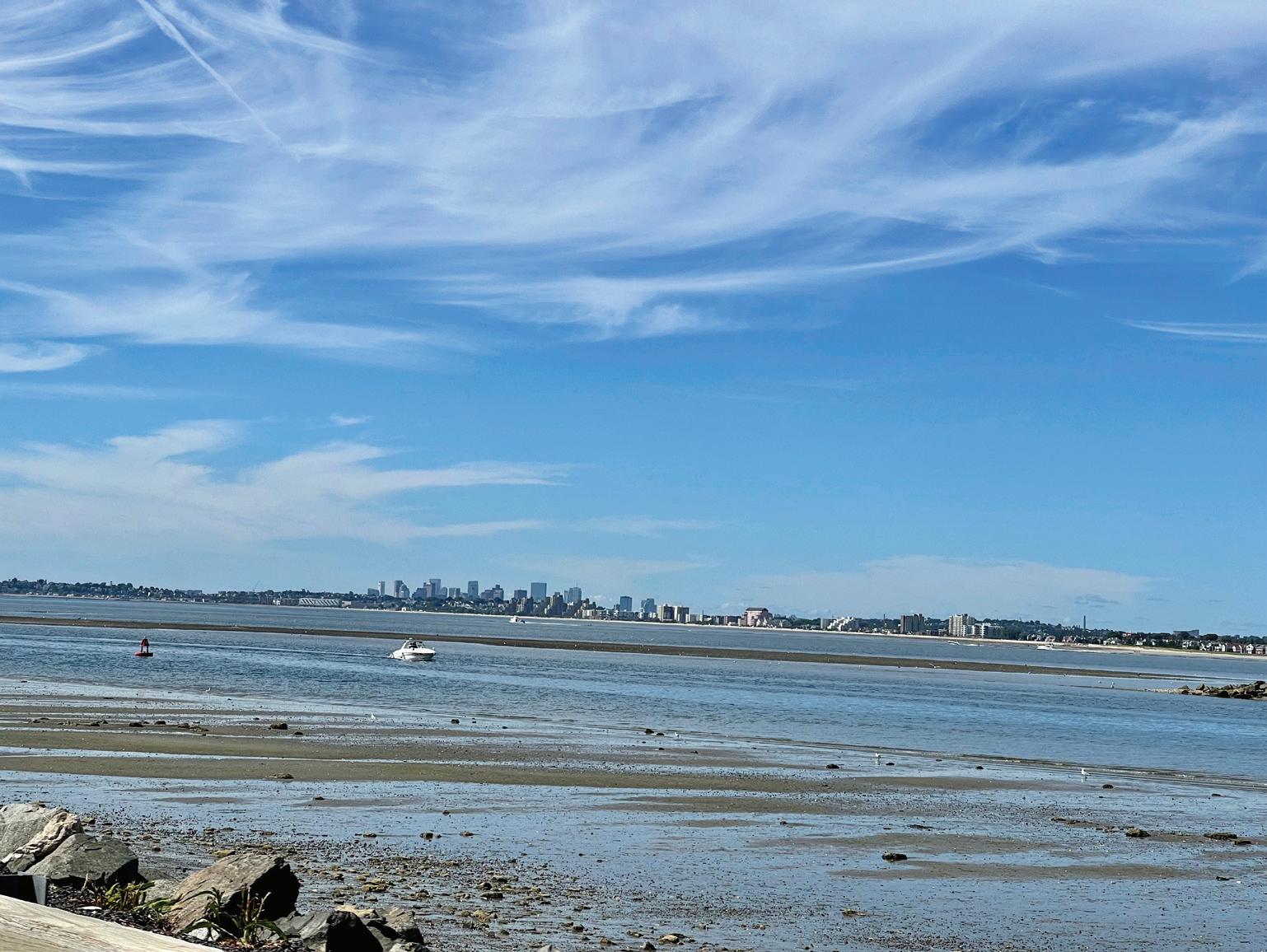
playground, and open space, while kids are fascinated by the nearby planes taking off and landing at Logan Airport. The combination of beach fun and airplane watching makes this one of the most unique beach experiences in the city.
Local Tip: Stay through sunset for beautiful harbor views and a front-row seat to the evening arrivals at Logan.
350 Revere Beach Boulevard, Revere
Just a quick ride on the Blue Line, Revere Beach holds a special place in Massachusetts history as America’s first public beach. Today, visitors come for its expansive shoreline, lively atmosphere, and classic boardwalk feel. Whether you’re swimming, walking, or simply enjoying the ocean breeze, Revere Beach remains a quintessential New England summer destination.
Local Tip: Take the T and skip the challenge of summer parking
Sometimes the best way to experience a Boston summer is the way kids do—one beach day at a time.
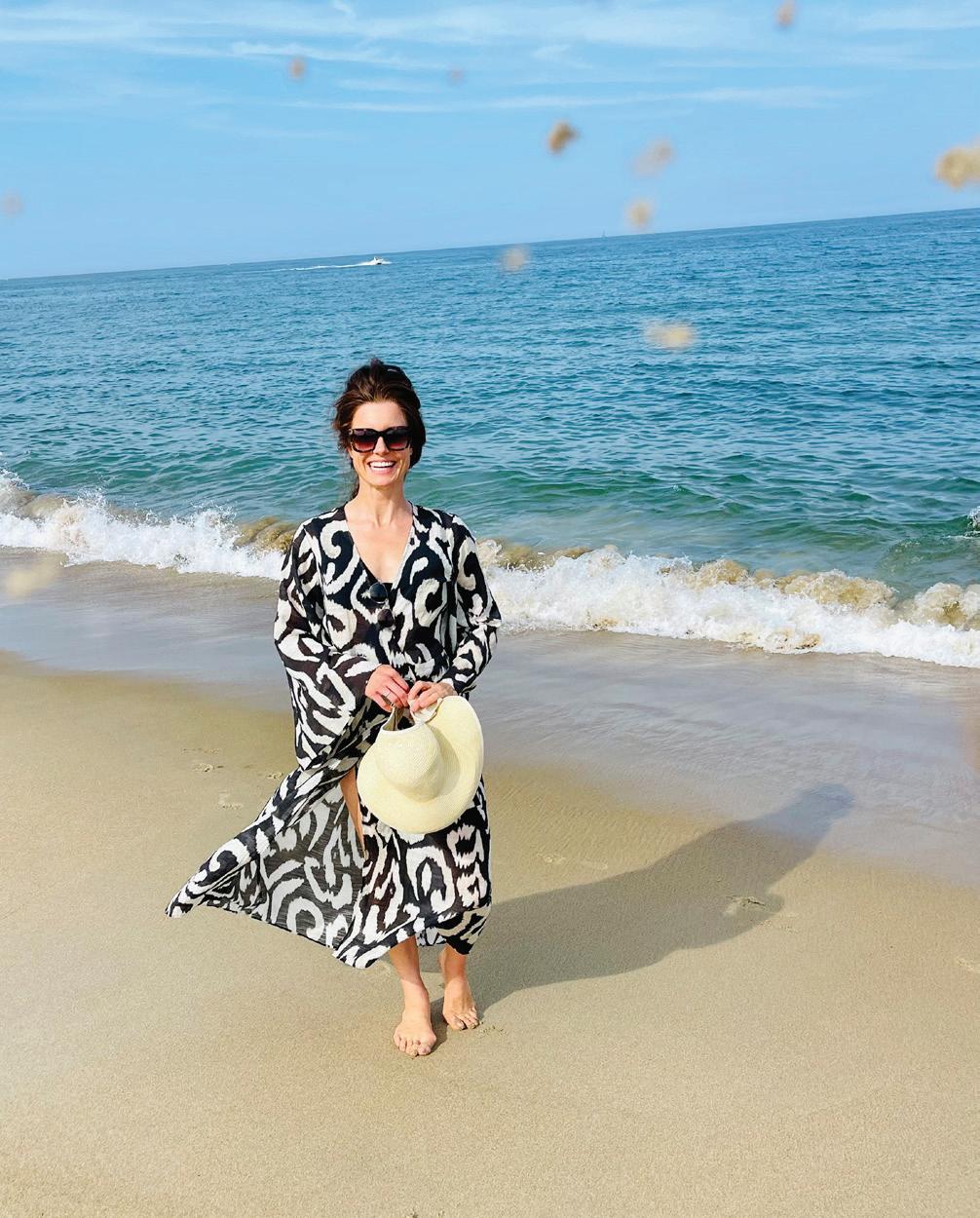
Sharin Schober is a Boston artist and mother of two small city explorers who never say no to a beach day and dip in the ocean. For more about her work and to explore collaborations, see www.sharinschober-art.com and instagram. com/sharin.schober.art
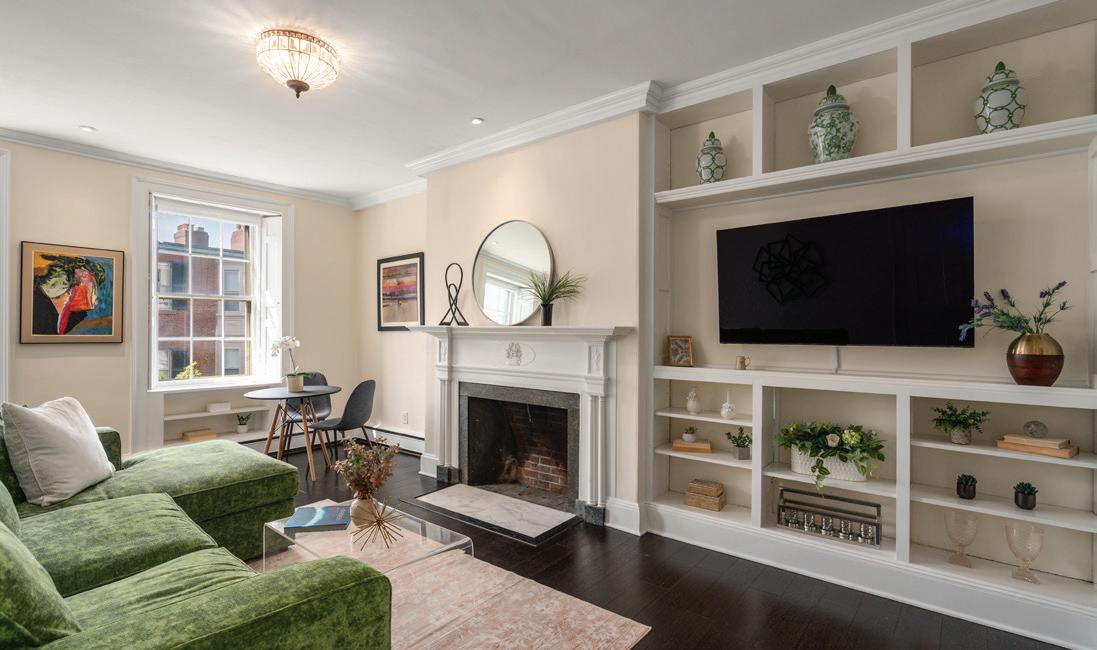
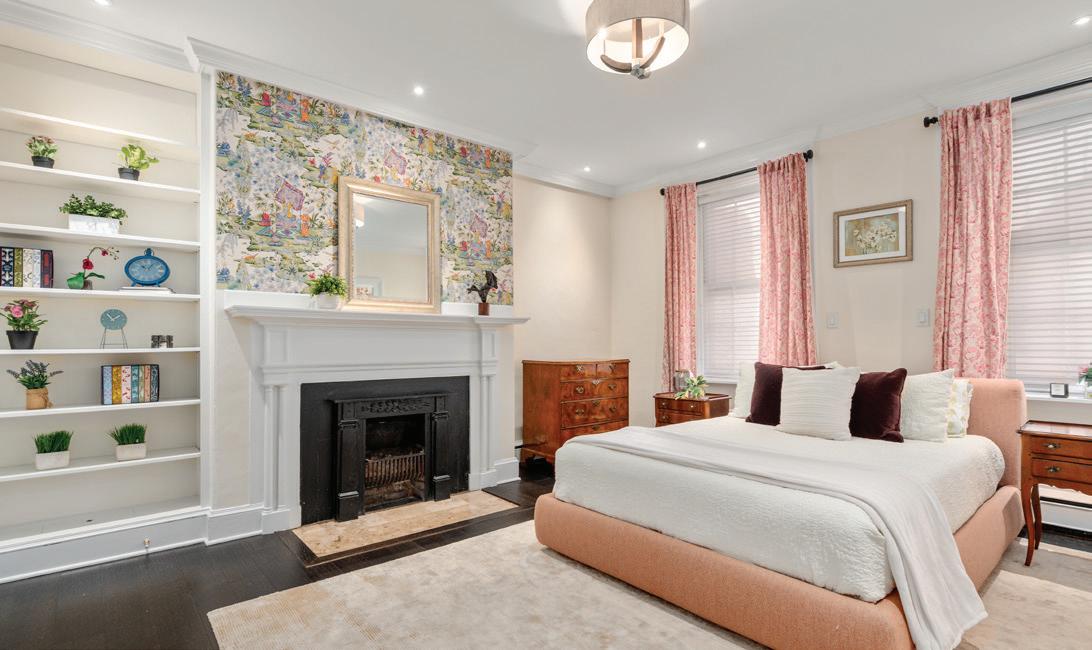
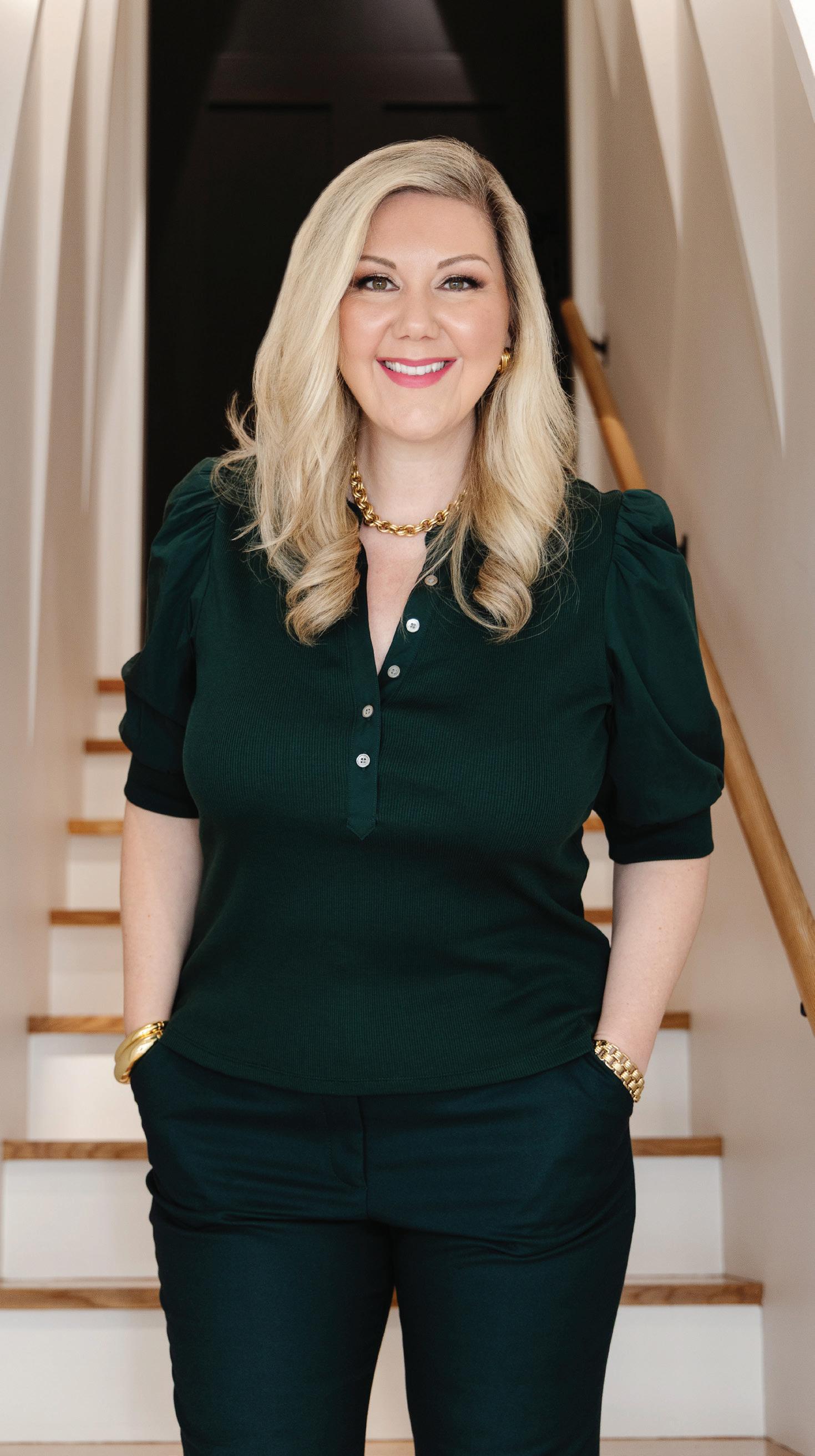
Brought to you by Lara Shuqom, Principal of The Collective
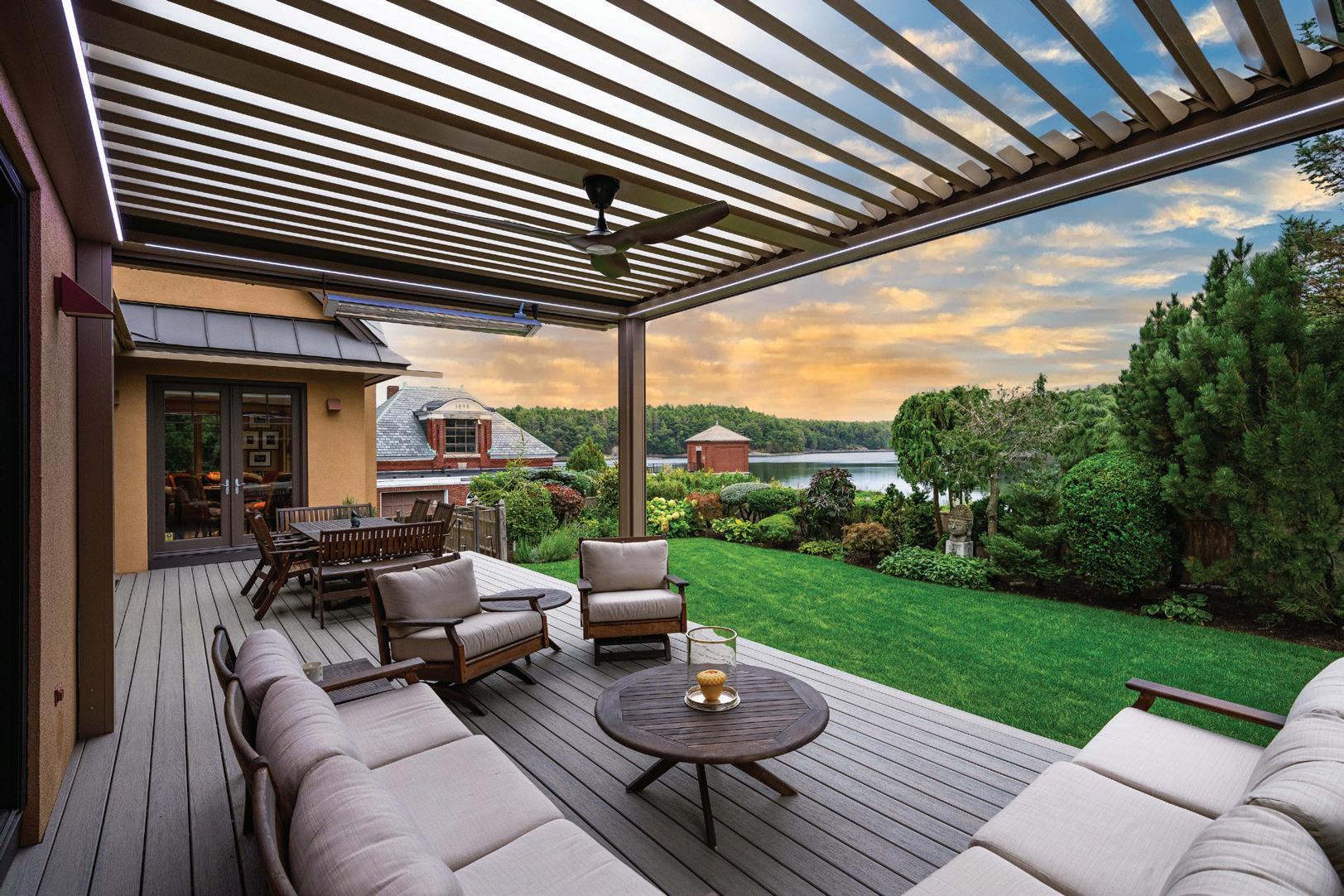
Outdoor living has become one of the fastestgrowing home improvement investments. Kathy Egasti answers some of the most common questions homeowners ask when planning a custom pergola.
BY MYBOSTON STAFF
What should homeowners consider before investing in a pergola?
Start by thinking about how you want to use the space. Some homeowners want shade over an outdoor kitchen, while others are looking for protection from rain, wind, insects, or heavy New England snow. Defining your goals early helps determine the right size, structural design, and features for your lifestyle.
Why do some pergolas cost $10,000 while others exceed $100,000?
The difference goes far beyond size. Materials, engineering, and functionality all affect price. Lowercost pergolas often use thinner aluminum, single-wall louvers, and are

intended for lighter-duty applications. Higher-end systems typically feature heavier-gauge aircraft-grade powdercoated aluminum, reinforced doublewall louvers, concealed drainage, integrated electrical pathways, and motorized technology. They are also engineered to meet local building codes and withstand the demands of New England’s climate.
When should a pergola be planned?
The earlier, the better. If your project includes an outdoor kitchen, fireplace, lighting, electrical service, or drainage, incorporating the pergola into the design phase helps avoid costly modifications and creates a more cohesive outdoor living space.
What features are homeowners requesting most?
Motorized louvered roofs remain the most popular feature because they allow homeowners to control sunlight, shade, and ventilation. Integrated LED lighting, retractable screens, heaters, ceiling fans, and entertainment systems are also frequently incorporated, allowing the space to be enjoyed well beyond the summer months.
Can a pergola add value to a home?
A thoughtfully designed pergola can enhance both the enjoyment and perceived value of a home. Beyond expanding functional outdoor living space, a well-designed structure improves curb appeal and creates an inviting setting for entertaining and everyday living. Choosing a professionally engineered system that complements the home’s architecture can provide lasting value for years to come.
Kathy Egasti is the co-owner of Distinctive Pergolas, the elite division of MKE Development Corp., where she specializes in the design, planning, and project management of custom outdoor living spaces throughout New England. Working alongside her husband, Michael Egasti, she helps homeowners, builders, architects, and commercial property owners create beautifully engineered pergolas that combine thoughtful design with long-term performance.





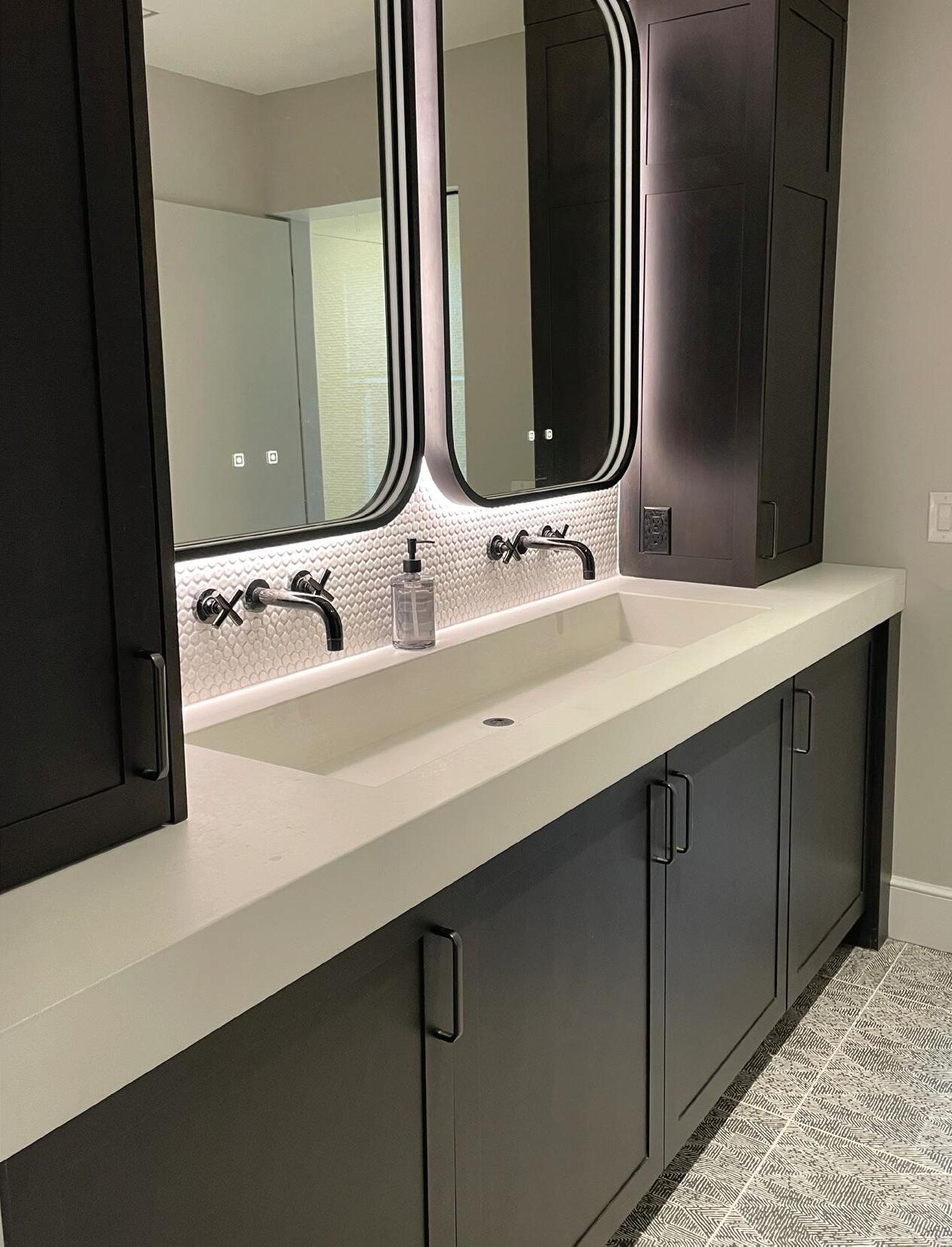



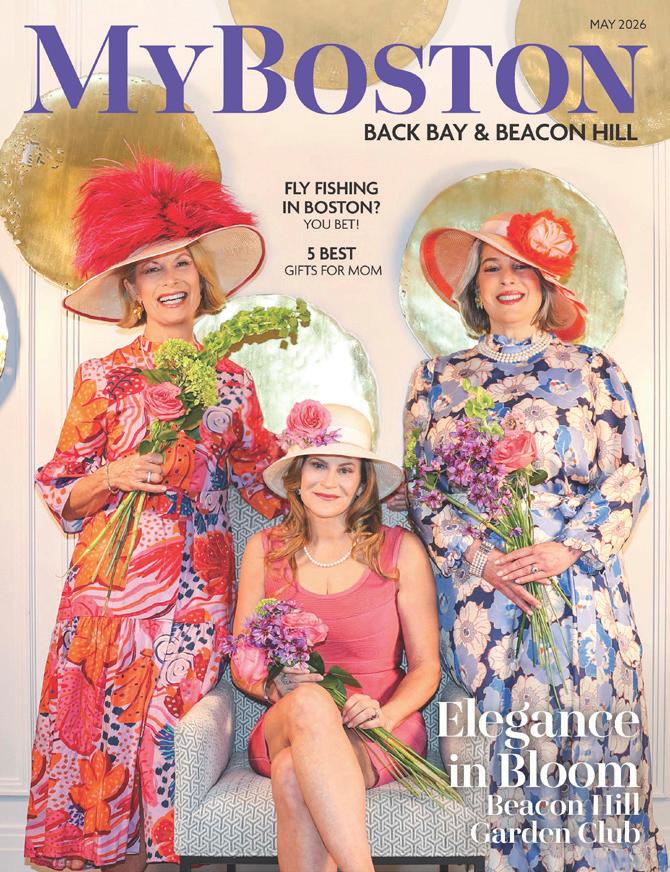
ON THE EVENING of May 20, the Beacon Hill Garden Club held its 97th annual soiree a day before the famous Hidden Garden Tour in the King’s Chapel Parish House Garden, where guests enjoyed a lavish spread, cocktails, and music. Before the reception, guests were also able to preview several of the hidden gardens on the next day’s tour.
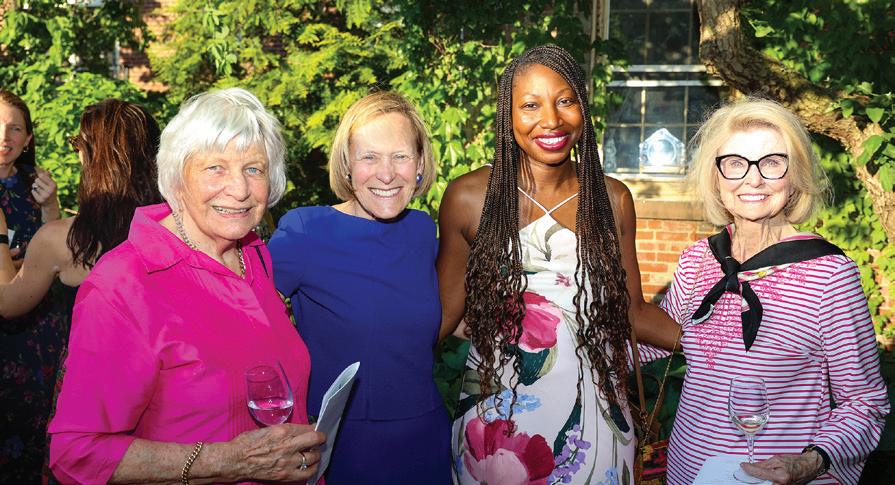

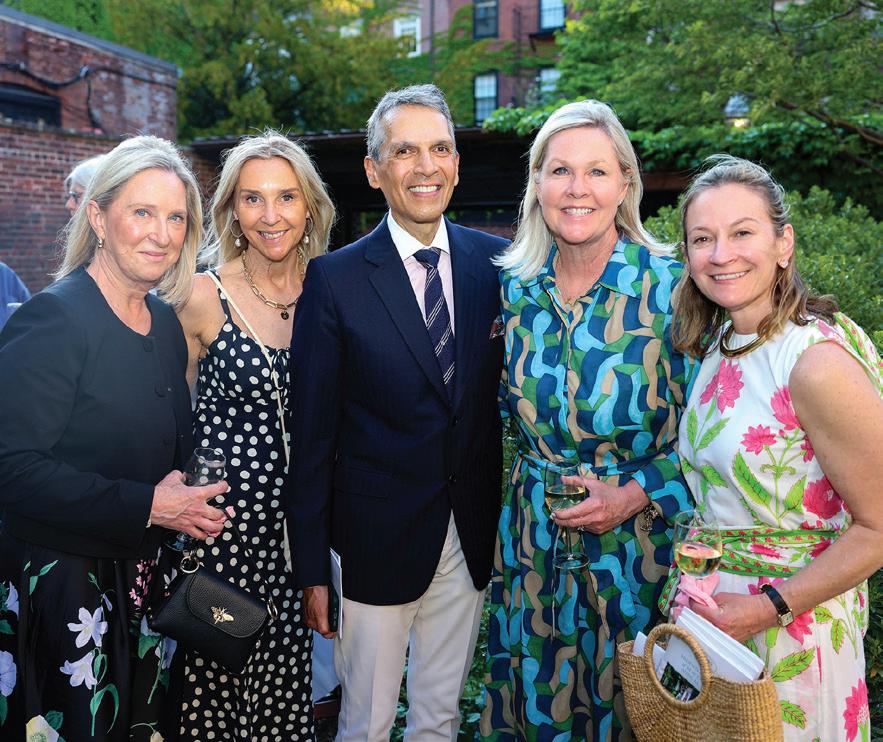
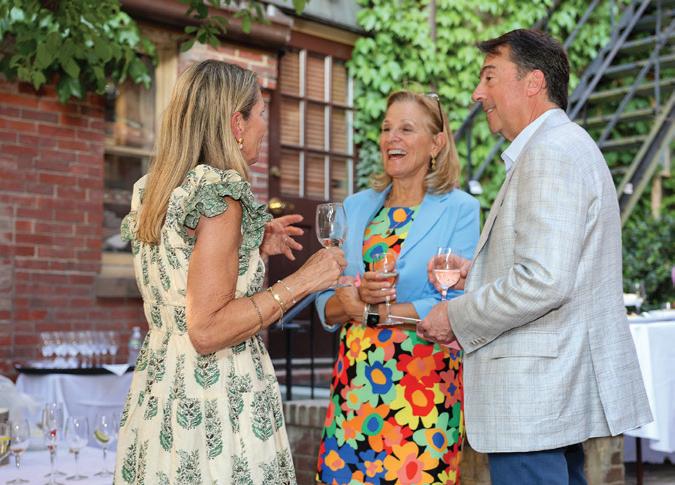

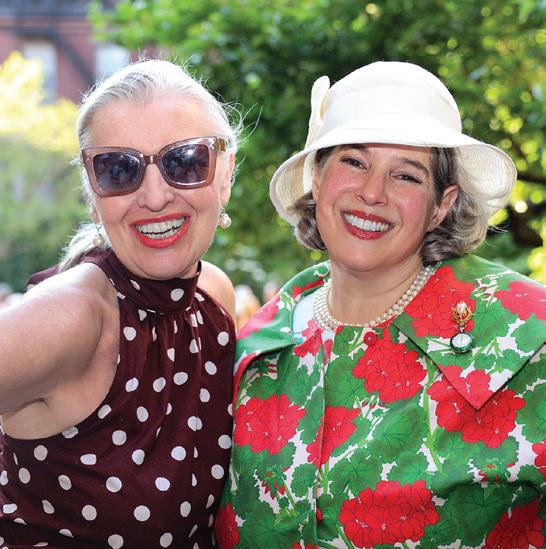
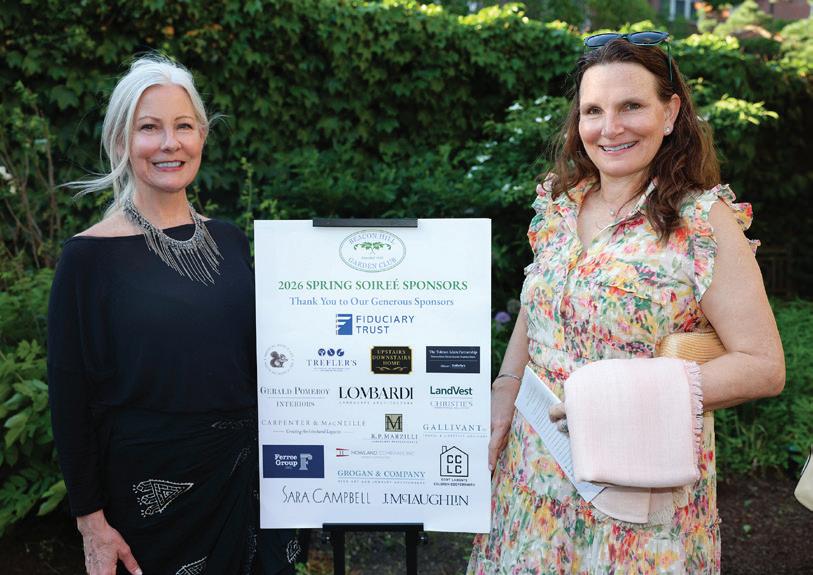
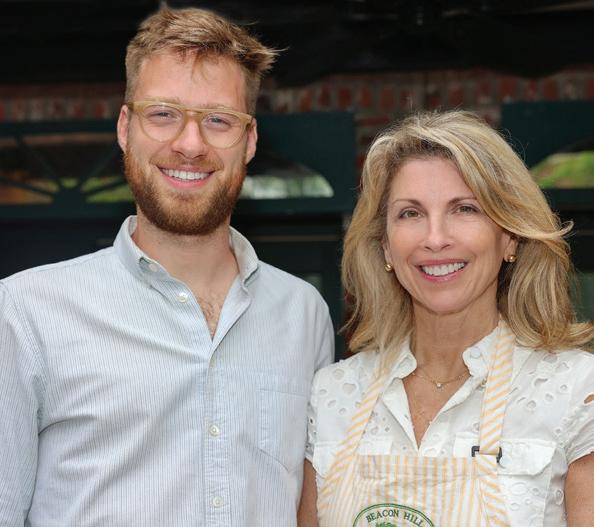
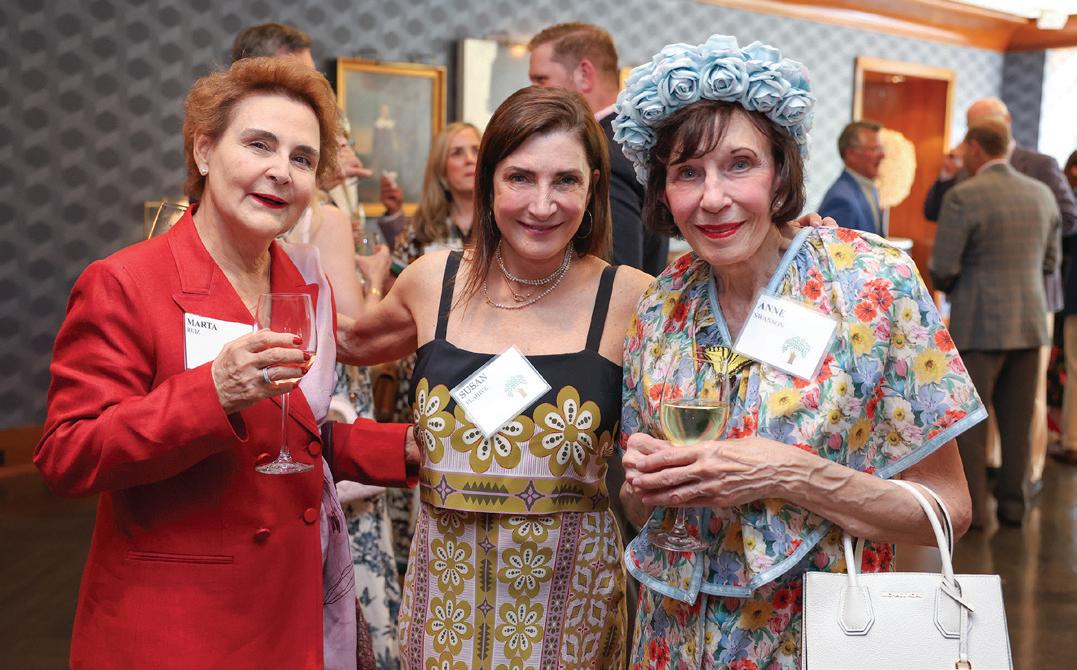
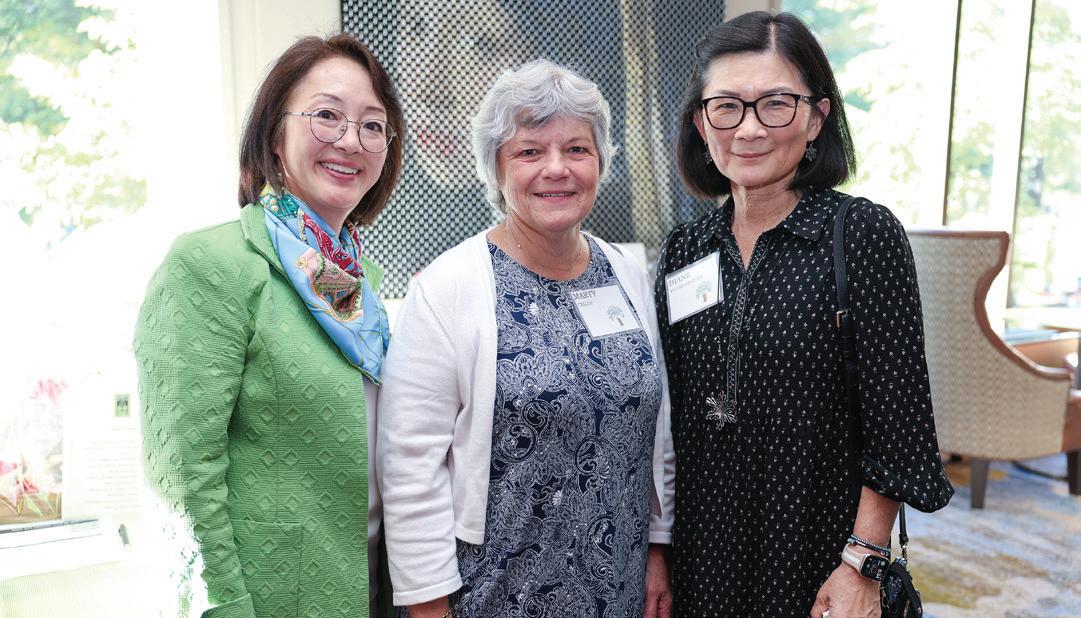
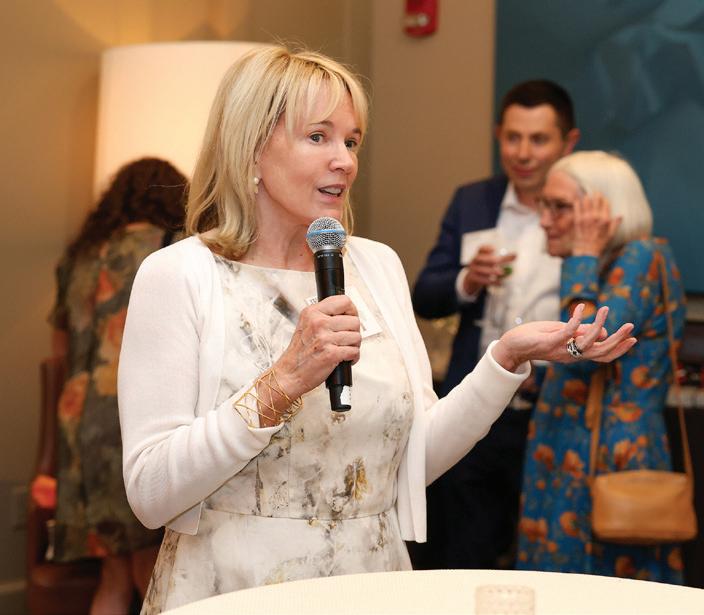
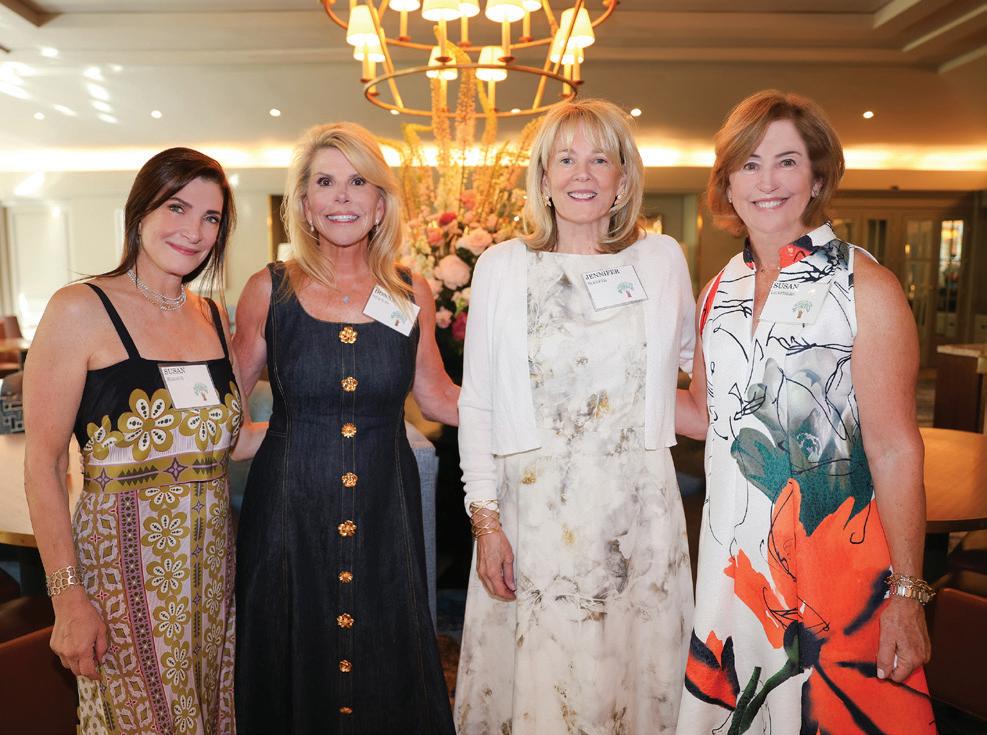
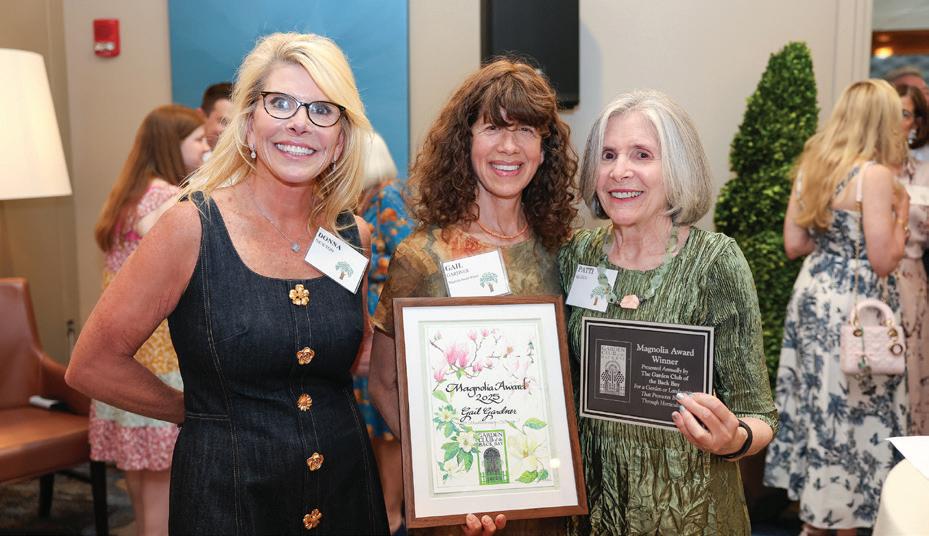
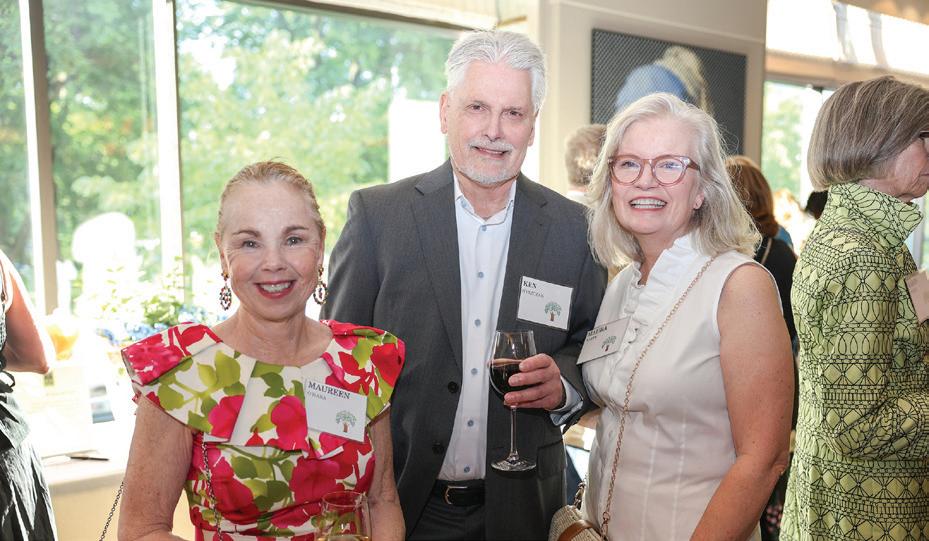
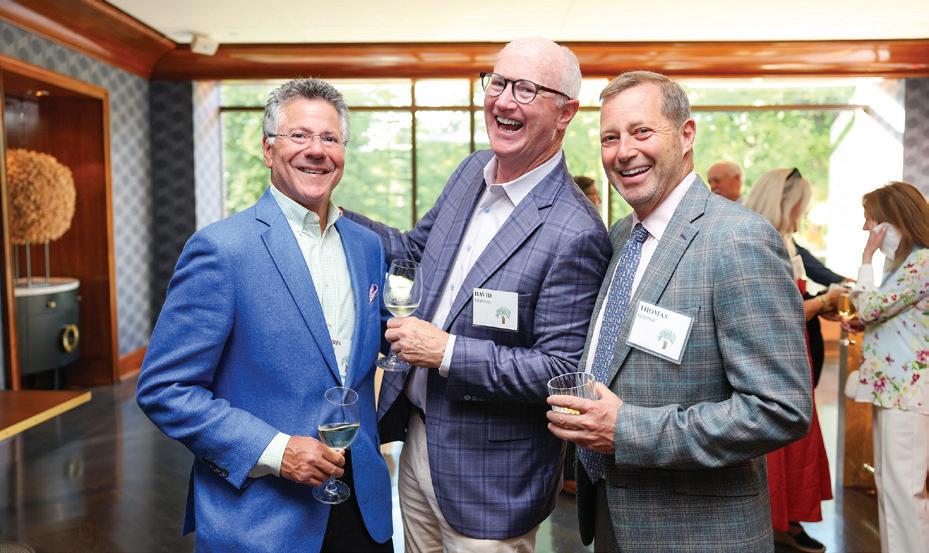
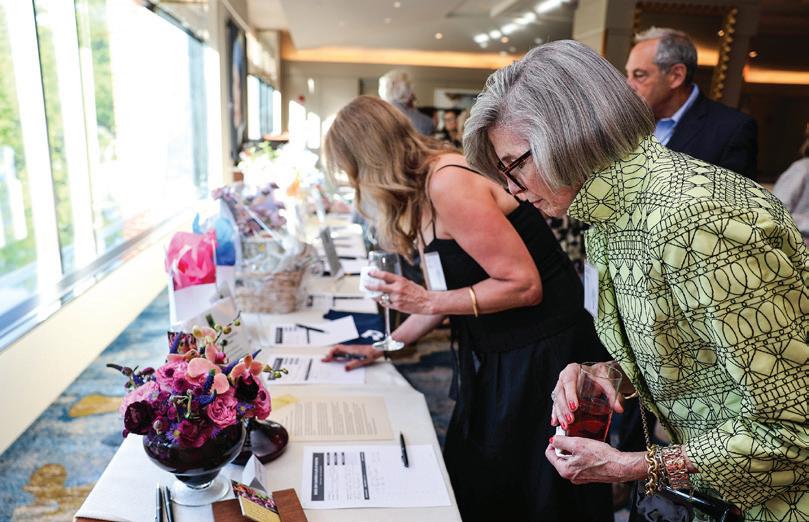
ON JUNE 3, GUESTS in summer attire gathered at the Four Seasons Hotel for The Garden Club of Back Bay Twilight Garden Party, a benefit for the organization. Guests enjoyed a silent auction, hors d’ouvre and, cocktails and conversation. Gail Gardner won the 2026 Magnolia Award, designed by her own artistic hand. The award was presented by Patti Quinn, Chair of the Community Outreach committee.
BY LIZZIE TAYLOR
DURING WHAT can feel like perpetual New England winters, Sundays are days of rest, but in August, Bostonians are maximizing every glorious moment of our long-awaited summer. My Sunday starts right here on Newbury Street with Tracksmith run club as we take on the weekly long run. For distance runners, August is a training month for the upcoming fall marathon season (I run Charlotte, North Carolina every year), and Boston boasts incredible routes along the Charles River Esplanade, Chestnut Hill Reservoir, or Emerald Necklace loops.
After my run, it’s time to grab a banana from the track house and head to the Public Garden to read, stretch, and enjoy the green spaces of our city. August brings the heat, but the garden is filled year-round with blooms, birds, and the smiling faces of tourists and residents alike. Boston is truly a book lover’s town, and on a nice Sunday afternoon, you’ll see people with paperbacks all around the garden and the Common, from parents reading “Make Way for Ducklings” aloud to fidgety toddlers to grad students cramming Dickens novels. Spending time in the Public Garden always inspires me to fill my own apartment with seasonal flowers, and I usually browse Winston Flowers on Newbury on Sundays, so my Monday morning starts with a fresh arrangement on my desk.
We wait all year for those long August summer nights. The later
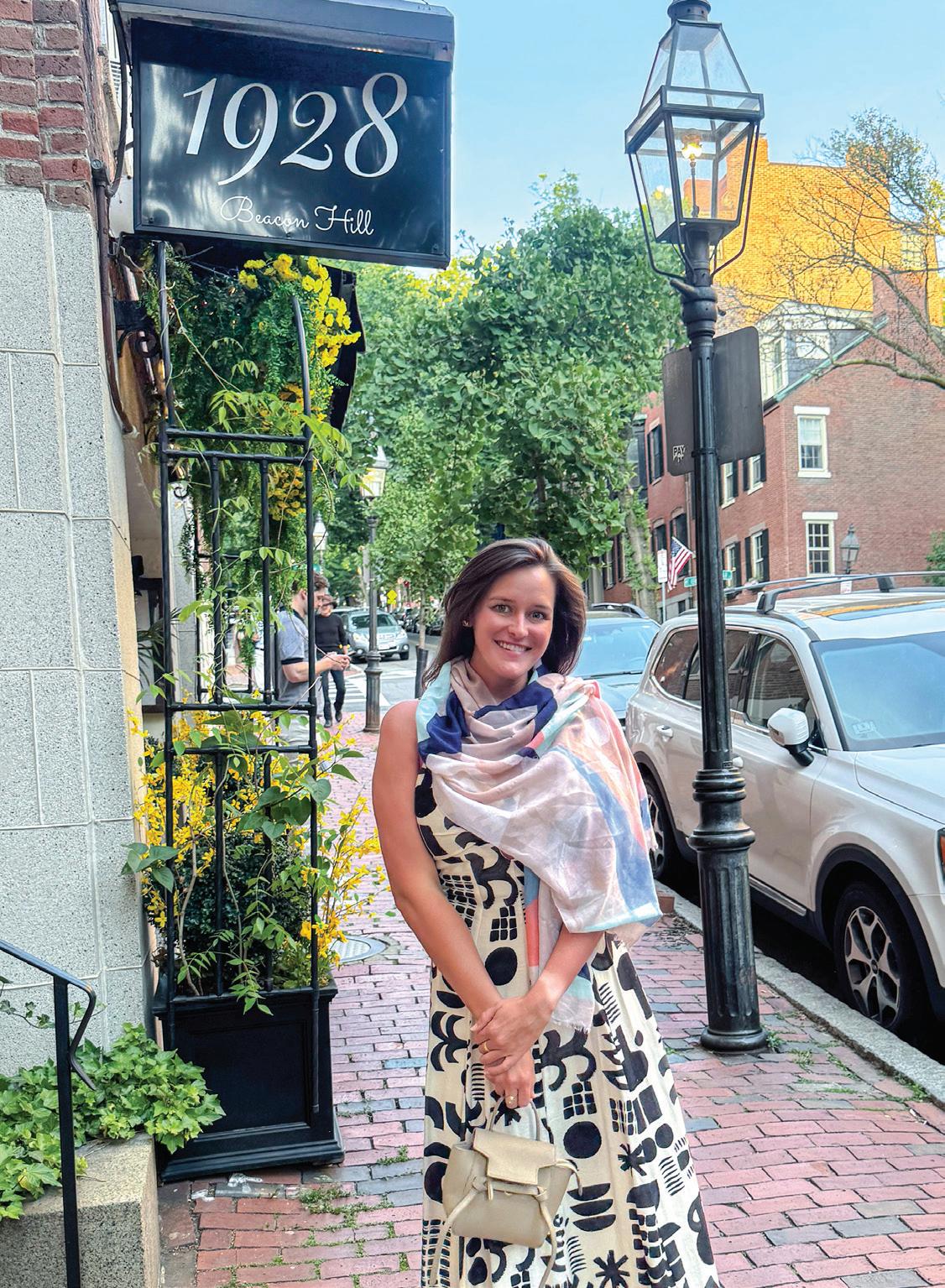
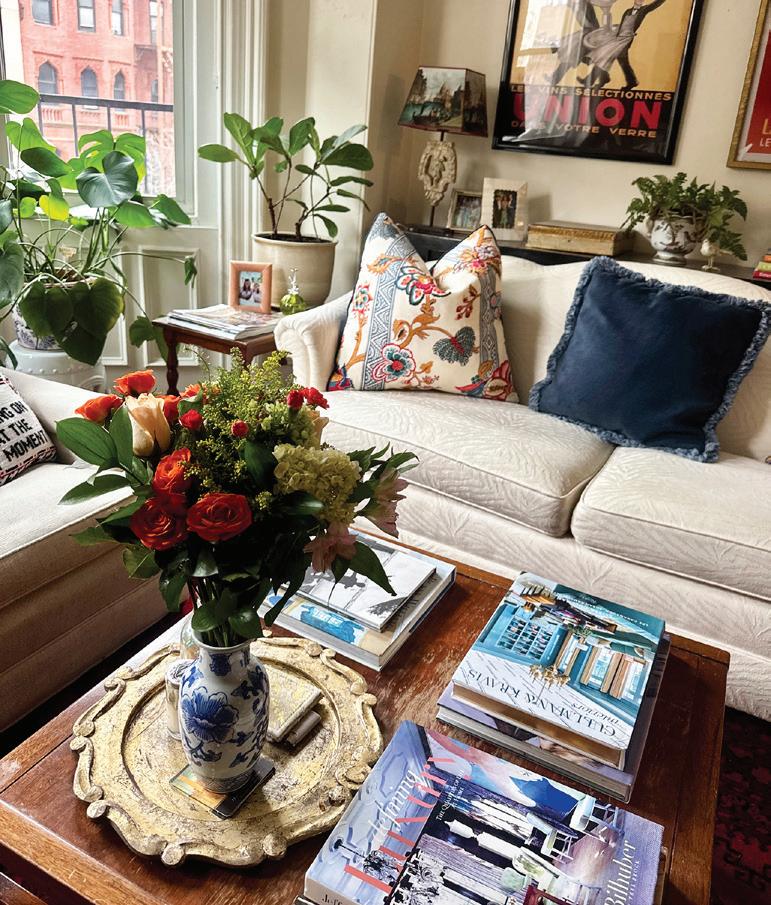
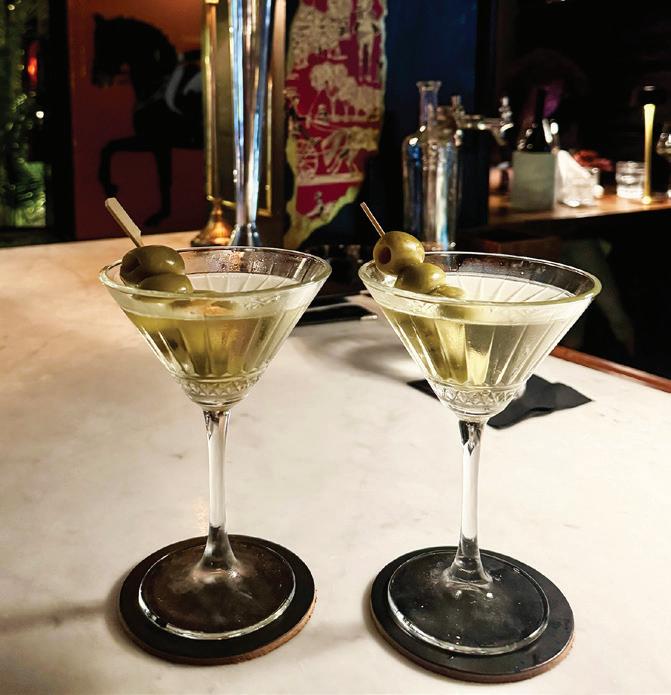
sunsets and evening breezes after a hot day make every night feel like something to celebrate, and my favorite occasion spot is 1928 Beacon Hill. Tucked away on Mt. Vernon Street, this neighborhood gem serves up the coldest martinis, refined and curated interiors, and unbeatable service.
Although I’m not a Boston native,
this city is an easy one to fall in love with. I learned the streets and neighborhoods by running around the city, but it’s the people who make Boston feel like home.
Lizzie received her master’s degree in English at Boston College. She is now working as the Business Development Manager of MyBoston Magazine and lives in Back Bay.





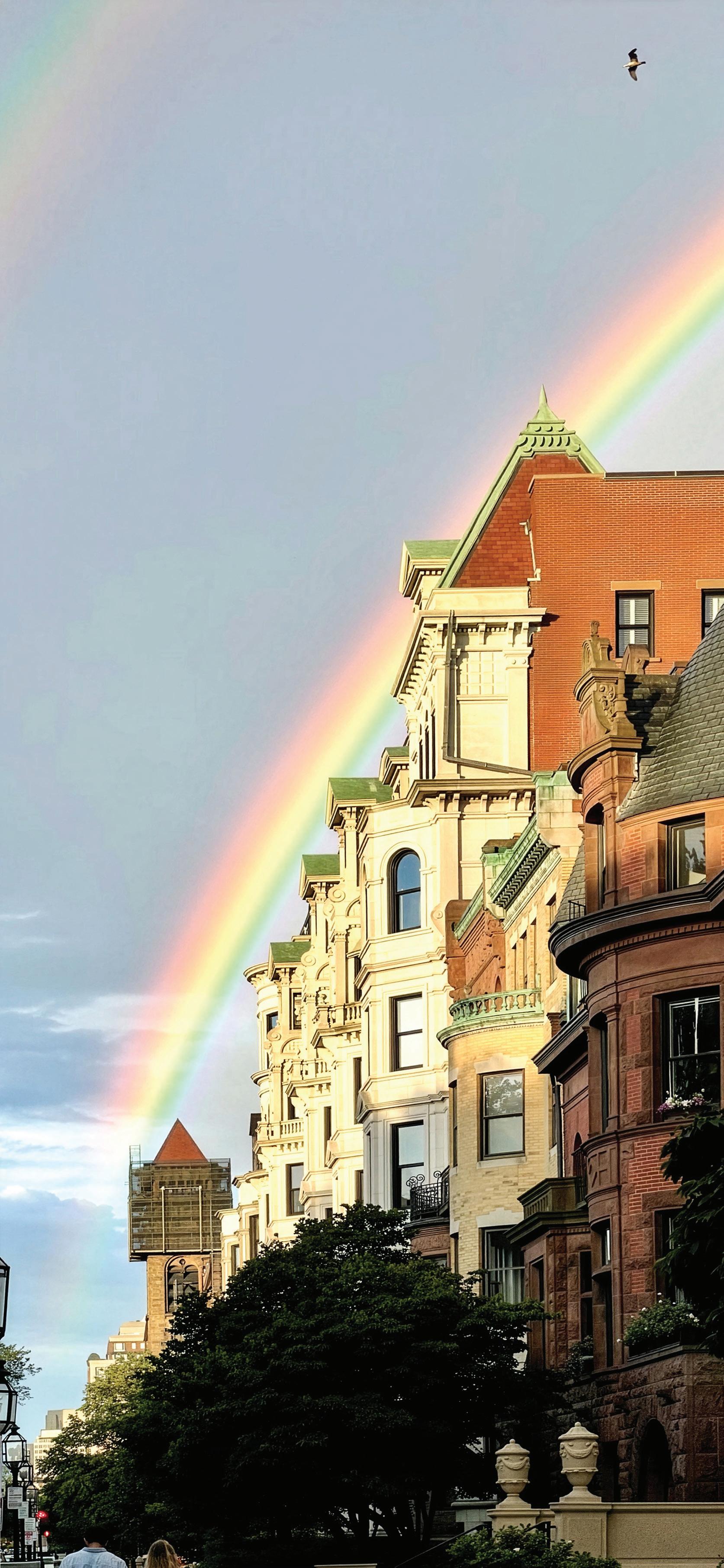
WHILE DRIVING down Commonwealth Avenue with her husband, Back Bay resident Cynthia Delpidio asked him to pull over so she could capture this rainbow, a brief, beautiful bridge of light arcing over the neighborhood’s historic brownstones.
Have a great image for Photo Op? Submit your high-resolution shot to editor@mybostonmag.com.




(or text!) Peter at (508) 353-9721, or email him at peter@mgsgrouprealestate.com.
Some people call their co-workers colleagues, but Peter Hill calls them friends — really smart friends. See, Peter is part of MGS Group Real Estate, where the best of the best come together to form a team that works seamlessly to offer every client an exceptionally smooth, simple, and successful real estate experience. While Peter possesses wisdom, expertise, and a keen knowledge of every town from Boston to the burbs, he also has a secret weapon — his can-do consortium of colleagues who have his back at every turn. And a team like that can make a big difference in the competitive world of real estate. So, if you’re ready to buy or sell, hire the MVP (Most Valuable Peter) who comes with a whole team of exceptional players behind him.
