RETAIL ROUNDTABLE
HOW HIGH IS UP?
THE CUSTOM EXPERIENCE
DALLAS MARKET
BIGGER & BETTER!

RETAIL ROUNDTABLE
HOW HIGH IS UP?
THE CUSTOM EXPERIENCE
DALLAS MARKET
BIGGER & BETTER!



JOIN US AT THE 19TH EDITION OF THE MOST COVETED & CELEBRATED EVENT IN THE MENSWEAR INDUSTRY...
MR AWARDS
TUESDAY JULY 21
GOTHAM HALL NYC

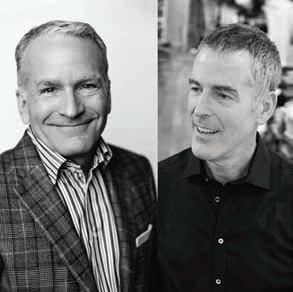
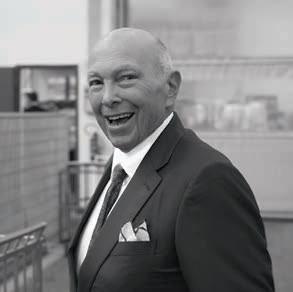
LEGEND AWARD
MICKEY SOLOMON | CEO | GLADSON NEW YORK
LIFETIME ACHIEVEMENT AWARD
GARY WASSNER | CEO | HILLDUN CORPORATION
PEOPLE’S CHOICE AWARD
GARY FLYNN | CEO/CO-OWNER | DAVID DUMAS | CO-OWNER | M. DUMAS & SONS
VISIONARY AWARD
CÉCILE REVAH | CEO | BUGATCHI
RETAILER OF THE YEAR | CONTEMPORARY
PAUL C. WITT | FOUNDER | WITTMORE
RETAILER OF THE YEAR | DEPARTMENT STORE
JAMES NEWELL | VICE PRESIDENT/GMM MEN’S | BLOOMINGDALE’S
RETAILER OF THE YEAR | SPECIALTY STORE
DANA SWINDLER | CEO | GREG WALSH | FOUNDER/CHAIRMAN OF THE BOARD | MARTINPATRICK3
VANGUARD AWARD
JEFF STAPLE | FOUNDER/CREATIVE DIRECTOR | STAPLE


JULY 25 - 27, 2026 WORLD TRADE CENTER
PREVIEW DAY JULY 24, NOON - 6PM

EDITOR-IN-CHIEF KAREN ALBERG GROSSMAN
MANAGING EDITOR JOHN RUSSEL JONES
WEB & CONTENT EDITOR BRETT EDWARD STOUT
ART DIRECTOR MIKE STEVEN FRANCOIS
CONTRIBUTING EDITOR CRAIG CRAWFORD
CONTRIBUTING CREATIVE DIRECTORS
NANCY CAMPBELL/TREVETT MCCANDLISS
GROUP PUBLISHER LIZETTE CHIN
PUBLISHER CHARLES GARONE
PRODUCTION MANAGERS
LAURIE GUPTILL / FERN MESHULAM
MARKETING & PRODUCTION SPECIALIST
CATHERINE ROSARIO
OFFICE MANAGER
KRIS PEPPER
ACCOUNTING
KASIE CARLETON / URZULA JANECZKO / SCOTT KATIRACHI
CHAIRMAN CARROLL V. DOWDEN
PRESIDENT & CEO MARK DOWDEN
SENIOR VICE PRESIDENTS LIZETTE CHIN / RITA GUARNA/ ED BURNS
CHIEF FINANCIAL OFFICER/VICE PRESIDENT STEVEN RESNICK
VICE PRESIDENTS
NIGEL EDELSHAIN / THOMAS FLANNERY
NOELLE HEFFERNAN / MARIA REGAN
“Life is Good, Enjoy and Have Fun” – Raffi
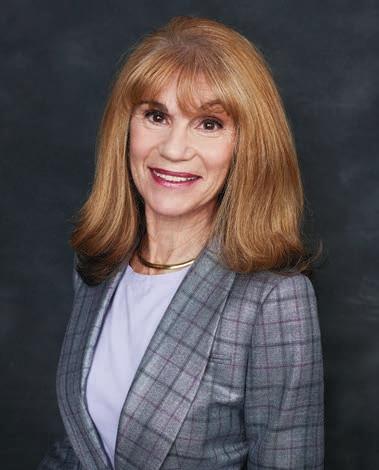
By Karen Alberg Grossman
I realize I’m the last person on earth who should be giving advice on staying sane but knowing that some of you have been as depressed/saddened/confused/angry as I’ve been lately, here are a few tips that might help.
01. Call a friend. Don’t call to complain about your life, or your problems; instead, open your heart to theirs.
02. Go for a walk, with a partner or by yourself. Whether you’re walking along city streets, a sandy beach, or a winding trail through the woods, breathe deeply and enjoy your surroundings. Don’t bring your phone, forget about unfinished chores. Just take it all in with gratitude.
03. Write a letter to a special someone. Not an email, not a text but an old-fashioned letter, written on paper with pen or pencil and sent with a stamp. (If you’re not feeling inspired, a simple “Thinking of You” is sure to delight.)
04. Turn off the news.
05. Hug your favorite pet. Tell him/her your problems.
06. Organize a drawer, just one single drawer. I realize this can take hours, only to be messy again in no time… But it’s uplifting. Really!
07. Play your favorite song at high volume. Play it again. Sing along, at high volume.
08. Treat yourself to something you’ve been craving. It’s called Retail Therapy and it works! Be it a hot fudge sundae, new loosefit jeans, or a relaxing massage, a little selflove goes a long way.
We look forward to seeing our MR readers at the MR Awards dinner on Tuesday July 21 and at our new MRX (MR Exchange) series of FREE interactive seminars on Wednesday July 22. For timing, tickets and more information, check out our MR website, or contact Charles.Garone@wainscotmedia.com.
09. Don’t accept the craziness: fight back! Write to your Congressmen and Representatives. Protest what you don’t believe in. Join a rally. Write a Letter to the Editor of your local paper. Or to The New York Times. And of course VOTE!
10. Read this June issue of MR Magazine. It’s got some insightful features including Surviving Tough Times; When your Boss is also your Dad; How to Customize your Clothing Business; How to Sell Golfwear like a Pro; Big Doings in Dallas, and more. It’s also got some inspiring fashion featuring lots of layers, soft greens and aquatic blues, dress sneakers, fashion neckwear, updated suits and sport coats! May beautiful new menswear elevate our spirits, even if it can’t change our New World Order.
By Douglas Hand
“ With the right to remodel, subdivide, or repurpose vacant anchor space, malls can finally move from restriction to reinvention.”
The future of malls, far from clear at this point in time, has nevertheless seen a recent positive development. Retail behemoth Simon Property Group has recently negotiated the removal of restrictive reciprocal easement agreements at many malls, freeing them from outdated anchor tenant veto powers that hinder renovations. According to the real estate investment trust’s CEO, nearly 60 of Simon’s shopping centers are now free of these legal provisions.
What are “reciprocal easement agreements?” In legal speak, they are also referred to as covenants, conditions, and restrictions in major department store leases. These legally binding provisions – which remain with the property regardless of who occupies it – have allowed anchor-tenant department stores to veto renovations of all types.
Why would a department store veto a mall improvement? Several, sometimes conflicting reasons. Some leases require the department store to fund improvements. Some improvements to the mall as a whole adversely impact the department store (such as parking limitations, access issues, visibility, and layout changes). Other department stores may be protecting co-tenancy agreements that allow them to reduce rent if other tenants leave.
Whatever the reasons, these roadblocks to mall modernization have been the case for decades, preventing malls from making sorely needed updates and improvements. With the right to remodel, subdivide, or repurpose vacant anchor space, Simon seeks to stem the decline of traditional retail hubs. Things like mixed-use redevelopment with a focus on lifestyle and experiential offerings are now much more possible.
How was Simon able to gain this leverage in mall negotiations? Saks Global’s recent struggles have a lot to do with it. Simon contributed $100 million for preferred equity in Saks Global, the entity formed to combine Saks Fifth Avenue and Neiman Marcus (two anchor-tenant department stores). By leveraging this $100 million investment, Simon obtained important and much-needed flexibility to modify unused space, improve properties, and modernize them. This is critical to bringing retail hubs back to commercial relevance and viability and part of a broader strategic push by Simon to revitalize its portfolio.








By Craig Crawford
The American menswear industry is finally emerging from a two-decadelong “Trough of Disillusionment” regarding 3D body scanning. In the early 2000s, pioneering tech consultancies like TC2 introduced the concept of digital fit rooms, promising a future where traditional tape measures would become obsolete. Legacy brands like Brooks Brothers eagerly installed early-generation scanning booths.
Yet, the retail reality stalled. Those early systems cost upwards of $20,000, required dark environments to combat structured white light pollution, and forced consumers into uncomfortable, clinical scenarios. Crucially, brands simply did not trust the data because the hardware was decades ahead of the software’s ability to interpret how fabric drapes over human anatomy.
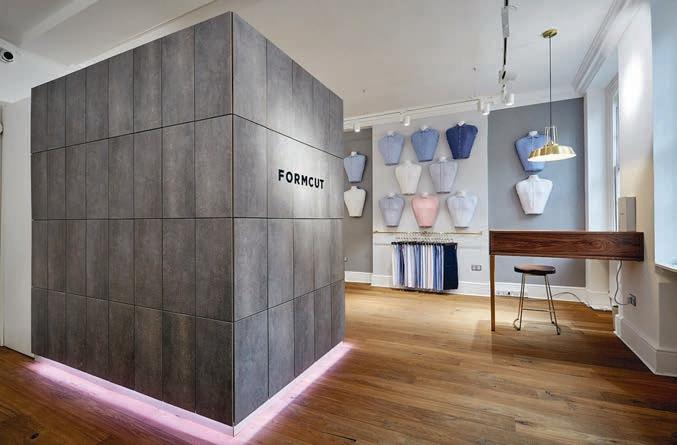
Today, the narrative has fundamentally changed. Led by innovators like FormCut— powered by its sister company Size Stream and backed by manufacturing giant TAL Apparel—3D body data has transitioned from an in-store gimmick into a precision supply chain solution. As the industry moves away from the unsustainable model of buying massive volume upfront and relying on deep markdowns, body data is proving to be the most valuable asset a modern retailer can own.
To understand why body scanning is finally sticking, one must look at the pedigree of FormCut’s leadership. Chief Product Officer Andre D’Elia is not a Silicon Valley software engineer trying to disrupt a market he doesn’t
understand; he is an Italian pattern-maker. Having grown up around his family’s apparel factory in Italy before studying formal pattern making in 1994, D’Elia went on to run made-to-measure (M2M) operations at Brooks Brothers.
“I’m a product guy. I’m not fond of tech just for the sake of it, because tech isn’t perfect,” D’Elia candidly admits. “Manufacturing is tech; body scan is tech; bringing them together is the hard part.”
This grounded perspective has shifted FormCut’s mission. The scan is no longer treated as an end in itself, but rather as a “digital tape measure”—a reliable data conduit to feed an automated, on-demand manufacturing engine.
The historical disconnect between a 3D scan and a well-fitting garment lay in the oversimplification of data. Traditional apparel manufacturing relies on two-dimensional spreadsheets and rigid size grading. But D’Elia points out that an isolated measurement, like a 34-inch waist or a size 40 jacket, is an incomplete metric.
“Is the weight distributed more in the front or in the back?” D’Elia asks. “Our proprietary fit technology and 3D manufacturing technology allow us to make a pattern specifically for you from the output of the scanner”.
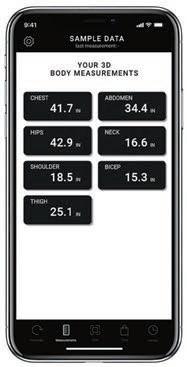
FormCut achieves this by utilizing Size Stream’s TruShape Engine. When a customer is scanned, the platform processes 2 million raw data points to build a “water-tight” digital body mesh consisting of 50,000 polygons. The

software then automatically plots 300 landmarks across key anatomical zones, extracting 240 precise measurements of circumference, length, width, and geometric volume. It is a strict 3D-to-2D-to-3D workflow that maps exactly how a unique body occupies physical space, modifying the garment’s base blocks accordingly.
The physical evolution of Size Stream’s technology highlights how the industry corrected its early operational mistakes:
2003 (The Visible Light Era): Scanners relied on structured white light. The booths were massive, slow, and highly susceptible to ambient light pollution, forcing retailers to allocate valuable floor space to dark, ominous chambers.
2013 (The Infrared Array Shift): Systems transitioned to infrared depth-sensing arrays. This allowed fast, 10-second data acquisition in a small, well-lit space designed to blend seamlessly into a standard fitting room.
The Modern Era: The heavy hardware barrier has largely evaporated. FormCut now operates primarily via cloud-based iOS and Android applications, utilizing the advanced LiDAR and camera technology natively built into modern iPads and smartphones.
In the early days, a consumer had to wear a
highly specialized, compression-style body suit and stand on a designated mat to get an accurate reading. Today, smartphone camera and machine learning advancements mean those physical barriers are disappearing, allowing frictionless scanning both in-store and in the comfort of a consumer’s home.
Operationally, this pivot is what makes the technology truly scalable. For a major brand, installing and maintaining hundreds of physical hardware booths across a national footprint is cost-prohibitive; mounting an iPad to a fitting room wall or having a customer download an app is virtually seamless.
A massive market driver for on-demand clothing in 2026 is the explosive popularity of GLP-1 weight-loss medications like Ozempic and Wegovy. These medical advancements are altering consumer body shapes at a velocity that traditional made-to-measure supply chains simply cannot support.
“Six weeks into a rapid weight-loss journey, a customer no longer fits what they purchased six weeks ago,” notes D’Elia. Under the standard industry paradigm—where an M2M suit takes six to twelve weeks to arrive from overseas—the garment is frequently ill-fitting before it even reaches the store floor.
FormCut has re-engineered the timeline by building a rapid-response, single-unit manufacturing ecosystem. By integrating their digital pattern engine directly with agile factories in
Mexico, Italy, and Taiwan, FormCut can turn around a custom shirt or made-to-measure suit in as little as four to eight days.
Furthermore, because the cloud platform tracks a user’s ongoing body data, consumers can monitor their physical transformation. Features like “Future Me” allow users to visualize weight loss or muscle mass gains, enabling them to easily trigger a quick digital “re-purchase” of their wardrobe basics—like a crisp white shirt or a core navy suit—calibrated instantly to their newly altered shape.
For independent specialty store owners, adopting this technology is less about chasing a futurist aesthetic and more about survival in an era of challenging foot traffic.
Joe Orlando, a second-generation clothier who runs Joseph Orlando Clothiers in Pittsburgh, represents the practical retail buy-in FormCut is winning across the country. Established by his father in 1981, Orlando’s single-door boutique caters to a vast, loyal clientele that traditionally skews 50 years and older, though it is experiencing strong growth among younger consumers influenced by digital media.
“To be honest, technology usually makes me a bit squeamish,” Orlando admits. “But we were looking for a secondary M2M source that would appeal to a younger demographic at an accessible price point. We gave FormCut an opportunity, and today they have become our main custom shirt source.”
Orlando has an infrared 3D scanner integrated directly into his fitting room, and the operational payoff has been immediate. “The
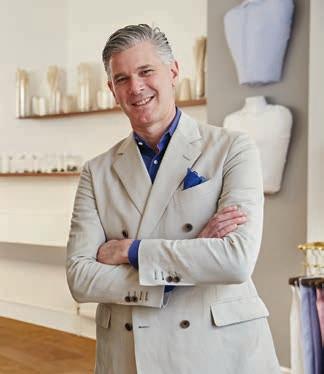
concept is fantastic. Younger guys embrace it instantly, and even our older, traditional clientele walk out saying, ‘Wow, that was really cool’,” he explains.
With custom clothing making up 30% of Orlando’s total business, mitigating human error is a major financial priority. “I have a staff of four. If we all use a traditional cloth tape measure, I guarantee you we will introduce slight human variances from person to person,” Orlando says. “The scanner eliminates that variance. But the real beauty of the partnership is their accountability. If something isn’t 100% right on an order of six shirts, FormCut will produce the first ‘test’ shirt, allow us to feed fit nuance adjustments back into the cloud, and then execute the remaining five perfectly. If a remake is needed, they do it, no questions asked.”
Importantly for a single-store operator, the platform hasn’t disrupted his core seasonal
THE NEW FRONTIER OF FIT: ADAPTIVE FASHION AND THE DATA-DRIVEN PATTERN
For decades, the “standard block” in menswear manufacturing has assumed a rigid, perfectly symmetrical silhouette. For millions of consumers living with physical differences—such as significant scoliosis, posture imbalances, or limb differences— traditional tailoring often fails to account for how fabric must drape over a non-standard frame. This is where the evolution of body scanning shifts from a corporate convenience to an empathetic necessity.
Beyond the Symmetrical Block
The true breakthrough for adaptive fashion lies within the automated 3D-to-2D-to-3D workflow. While traditional made-to-measure relies on static measurements that assume a standardized, upright posture, FormCut’s pattern engine can map the precise, asymmetrical nuances of an individual’s unique spinal alignment or torso geometry.
inventory buys. Instead, it acts as an agile buffer, allowing him to capture high-margin custom sales without tying up capital in excessive, unmoving inventory.
For the modern menswear merchant, the traditional wholesale model is showing severe financial strain. Retailers are trapped in a cycle of ordering thousands of units upfront, stocking deep inventory, and taking massive margin hits via markdowns just to clear out slower-moving sizes.
FormCut’s parent infrastructure, anchored by TAL Apparel, is heavily invested in shifting the global supply chain toward single-unit manufacturing. D’Elia’s mantra for the modern boutique is simple: “Sell it, then produce it. Do not produce it and then hope to sell it.”
By utilizing pre-selected core fabrics to dramatically reduce textile lead times, FormCut allows a store to carry virtually zero inventory on staple items. Instead of stocking a table full of white dress shirts in every collar and sleeve permutation, the retailer uses the iPad platform to scan the customer, curate the trims, and trigger an individual order that ships in just over a week. It turns the traditional wholesale supply chain from a speculative gamble into a highly reactive, transparent replenishment ecosystem.
As consumer comfort with digital data reaches parity with daily interactions like ATM cameras or smartphone facial recognition, the ultimate
Dynamic Geometry: By capturing three-dimensional volume distribution rather than simple, flat circumferences, the software can automatically adjust pattern pieces for conditions like scoliosis, where one side of the ribcage or shoulder profile may be rotated or uneven. This ensures that the lapels, shoulder expressions, and drape of a custom sport coat remain perfectly balanced and visually aligned, honoring the individual’s actual body structure.
The Hybrid Approach: FormCut team members emphasize that while the automated tech is highly advanced, the “human element” remains a critical component of adaptive retail. The platform features a manual measurement override system within its digital ecosystem. If a client has highly specialized anatomical needs—such as a shorter sleeve profile for a limb difference or added ease to accommodate a medical device—the store associate can manually input those precise parameters directly into the digital block alongside the 3D scan data.
value of FormCut’s platform will extend far beyond the confines of the tailored clothing sector. FormCut and Size Stream view 3D body data as an open, expansive ecosystem.
“Much like GPS technology, a 3D body scan is simply a conduit for delivering meaningful value across multiple industries,” notes a Size Stream strategic brief. Once a customer securely owns their verified 3D point-cloud data, the applications are vast. A consumer could hypothetically port their anonymous data file to a specialty bike shop to mill a custom-fitted carbon fiber frame, order a perfectly sealed neoprene scuba suit, configure ergonomic automotive interiors, or even securely share body composition changes with their healthcare provider for a remote wellness assessment.
For independent menswear retailers navigating a rapidly shifting economic landscape, the lesson of the past two decades is clear: technology cannot replace the touch, taste, and hospitality of a great local merchant. However, when an experienced product specialist is armed with an accurate, cloud-based digital tape measure, the retail store is no longer just selling clothing—it is capturing the data that defines the modern consumer.

Craig Crawford is a two-time Tabbie award-winning author and founderprenuer of Crawford IT (https://crawfordit.com), a London-based consulting firm specializing in the digital transformation of brands. He’s on Instagram and X, @getamobilelife; or call +44 07834584785.
The “Purple Dollar” ROI
From a strict trade perspective, adaptive fashion represents a massive, historically underserved global market. Retailers leveraging precise scanning to solve adaptive needs aren’t just engaging in a corporate social responsibility initiative; they are tapping into a highly lucrative revenue stream. Off-the-rack garment returns are notoriously high among consumers with physical disabilities due to structural fit failures. Precision scanning virtually eliminates this friction, driving return rates down toward zero and cultivating fierce brand loyalty. Furthermore, because the platform routes orders directly to single-unit manufacturing facilities, producing a highly customized adaptive blazer costs the factory no more time or disruption than standard production runs. It is simply another “unit of one” in the digital manufacturing queue.
1. You get the customer’s money upfront!
2. You reduce your inventory liability.
3. You become experts in a growing category.
4. The customer gets a personalized garment he will wear with pride.
5. The customer returns to you for his next custom garment.
Kip Helverson from Smiths Men’s Store in Lake Forest and Winnetka, Illinois, explains the emphasis on custom in his two stores. “From January 2023 through April 2026, custom clothing represented just over 8% (averaged) of total net sales, growing from about 6% in 2023 to roughly 12% year to date in 2026. Both stores are now seeing similar momentum, with custom penetration trending in the 10–12% range.
“The growth is intentional. Made-to-measure allows us to deliver a more personalized experience, strengthen client relationships, and offer a superior fit and product. It also brings strong margins, larger transactions, and repeat business, while limiting markdown risk. The challenges are executional. It requires a highly trained team, disciplined follow-through, and managing longer lead times in an on-demand world. Overall, we view made-to-measure as a natural extension of our growth in clothing and a meaningful driver of where our business is headed.”
At Andrew Davis in Bloomington, Indiana, custom is a year-round business with definite spikes during trunk shows. Says Andy Mallor, “Almost all of our wedding business is custom. Our average custom suit is $2000 and a custom sportcoat is $1800. Most of our custom suit business is done in the $1500-$2500 range.
“For those worried about mistakes and re-makes, I’d say 70-80 percent of custom orders are done right the first time and walk out the door with no alterations. Of the remainder, a huge portion is minor alterations; in only a small percent are we looking at issues that require significant alterations or a remake.”
On the pages that follows: a few different takes on custom clothing at a time when men are looking to upgrade their wardrobes and retailers are looking to improve their margins.
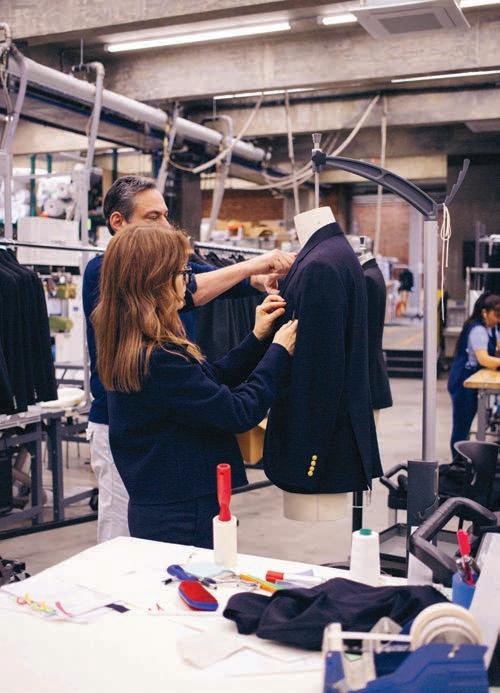
A Conversation with Bob Rosenblum
By Karen Alberg Grossman
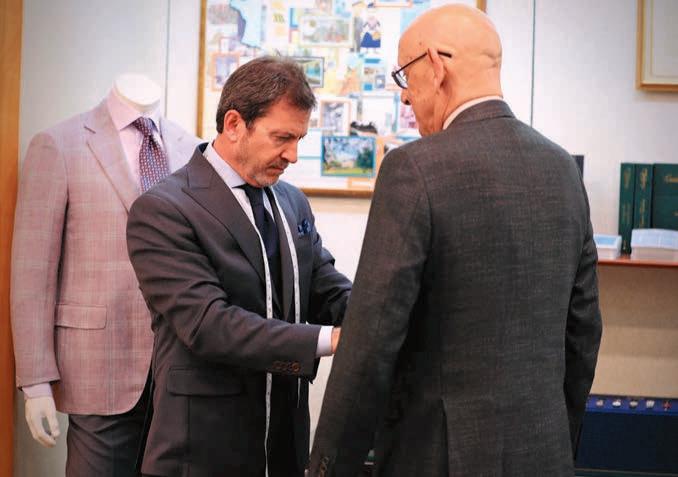
How did you get into the custom business?
Our custom clothing business dates back to the days of Martin Greenfield and 3G clothing and others. Those days we stocked so much clothing on the racks too. While we are fortunate and still enjoy a healthy off the rack business with great brands, our Custom business has continued to evolve into one the most profitable classifications in our store.
Why focus on custom?
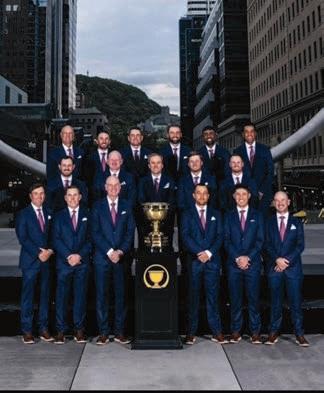
Custom affords us and the client such a wide selection of fabrics and options and greater personalizes the shopping experience. Clients are so accustomed to making personal choices in all facets of life today and that transcends into their wardrobes as well. Custom gives us so many opportunities. We were able to custom make with Coppley the 2024 USA President’s Cup Team for the gala for our friend Jim Furyk. It’s also very cool to have a young couple come in for their custom wedding outfit and later share their wedding pictures and hopefully make a new client for life.
How did you get started?
It took a lot of heavy lifting in the beginning. From getting our sales associates comfortable and confident to explain to customers the benefits of custom. We all have to be well versed in the fitting process. Our tailors are great in assisting in the final fittings as well. During the season, you must manage swatches, know all the procedures each vendor can and can’t do, and keep the customer in the loop.
What is your price range on custom suits?
Suit prices generally range from $1800 to $6000 but can go up to $14,000. Our prices are less intimidating if the value is explained to the customers upfront.
Who actually measures the customer and cuts the fabric: you or your vendors?
We do all the measuring, at least twice, ourselves. We use our brands for support but it’s important for us to be the experts. It’s great when our partners come down for Trunk Shows but Custom is a year round business for sure.
How long does it take from first visit to the customer getting his suit?
The time frame from vendors varies, depending on the time of the year, the amount of handwork that goes into the garments. In general, it ranges from a few weeks to six weeks. It’s very important to first ask the customer if there’s a due date (a wedding, a meeting) when the garment needs to be in their hands. Most vendors offer rush service for an extra fee.
Do you offer custom beyond suits and sport coats?
Depending on the time of the year, most of our custom business is in suits, followed by sport coats, shirts and then formalwear (which is growing!) We have a great relationship with our NFL team here (Jaguars) and expanded into custom footwear with a trunk show that was successful and fun too. Stay tuned!
By Karen Alberg Grossman
As a kid attending high school in a small town near Raleigh, North Carolina, Jack Simpson’s first job was working in tobacco fields. But born with a strong fashion sensibility, he soon sought part time work at Ashworth’s, run by third-generation owner Steve Ashworth.
Although on scholarship at UNC, Simpson found that his creative streak was not being nurtured, so he dove full-time into retailing. “I was soon recruited by Alex Julian to work with him in sales and marketing. The company was small so I was exposed to all facets of the business. Alex, inspired by the great Color Field artists, is a genius in the use of color and pattern juxtaposition. I recall him giving an interview while slowly twisting strands of yarn saying: ‘I can envision not just the fabric and the finished jacket but also the guy who will buy it, and the girlfriend of that guy…’”
The two worked together for 13 years, with Simpson serving as president of Julian’s namesake label, while the cash cow was the mainfloor brand: Colours by Alexander Julian. “Through my many trunk shows with top merchants,” Simpson recalls, “I knew that my passion was serving the needs of the luxury customer. So I founded my own business with a vision to bring the culture of women’s haute couture to menswear.”
The brand soon established itself as an elite custom business, sought out by Neiman Marcus. Simpson travelled to their top markets for private showings with their best clients, and was later asked to join forces with Oxxford to expand the one-on-one relationship between designer and customer. As Oxxford’s Creative Director, Wilkes Bashford pulled Jack aside one
day and said, “Jack, we’ve sold Brioni and Kiton in the same manner for 25 years. I think our customers are being underserved. I’d like for you to change that…” So Jack did his thing, and his next trunk show outsold Brioni…
These days, Simpson works from his home in Cary, NC, where he moved to be closer to family while caring for his wife, who is battling Parkinson’s. He works chiefly with private customers and a few specialty stores who seek a more refined alternative to conventional MTM trunk shows. His clients range from young men planning their wedding to accomplished 40+ business execs. His suits range from $4,000 to $10,000, contingent on fabric; his expressions range from soft-shouldered to lightly capped to true rope-shouldered models. “I base the expression on anatomical evaluation in order to create a garment that shows the individual physique to its best advantage.”
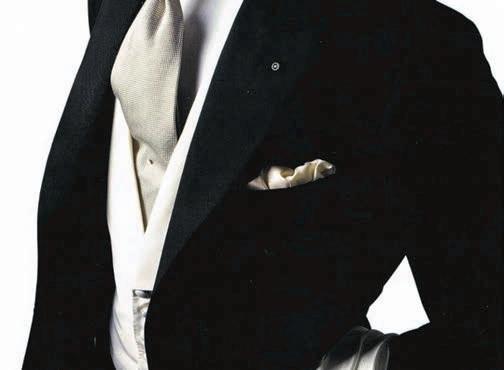
For men of all ages, Simpson focuses on creative formalwear that includes a jacket, waistcoat, trouser and long tie. (He’s not a big fan of bowties, believing they emphasize the width of the face.) “My goal is to help each customer establish a unique point of view, a look he’s comfortable with, be it a classic blacktie tuxedo or a colorful cashmere jacket to wear with jeans. The soul of custom clothing is to personalize, most often with a spirited point of view.” Toward this end, Simpson travels around the country with large story boards to illustrate how various components of an outfit will work together for a cohesive look. “Selling from swatches is less effective,” he maintains. “Few men can visualize a finished ensemble from a few inches of cloth.”
Graciously sharing success secrets, Simpson talks me through his process. “For each
customer, I first create an extensive database of fashion preferences, lifestyle requirements, special interests. I then put together ensemble boards, including shirts and neckwear. I create 100 boards each season, introducing a color palette with both primary and accent shades. I then take detailed measurements and create an individual pattern for each client. The pattern is then transferred to the selected cloth, which is then hand-cut and the garment hand-tailored. To ensure the cloth is softly molded into the client’s physical form, there are 32 individual pressing stages. The whole process is usually finished within 7 weeks, followed by another fitting and final enhancements.”
Endorsements for Simpson’s craftsmanship are plentiful, my favorite from a doctor on the faculty of NYU. “Jack can look at you objectively and guide you through the clothing battleground. He’s got superb taste with a modern flair and understands fashion in an intrinsic sense. The result is not the look of a dandy, but simply beautiful, up-to-the-minute chic.”
By Karen Alberg Grossman
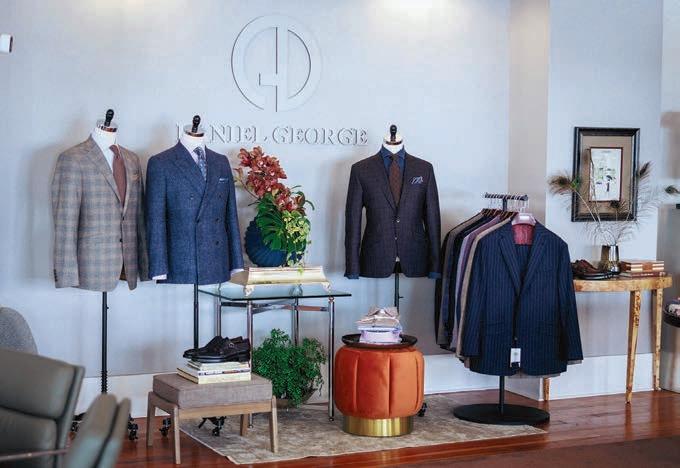
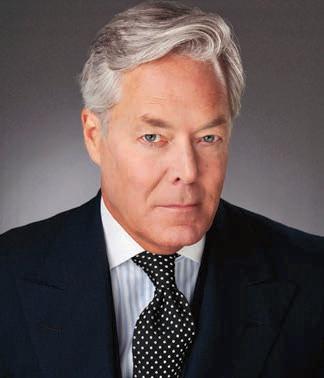
If you haven’t heard of Daniel George, let me introduce you. He’s the guy who created a business model to design, produce, and sell custom clothing via low-overhead locations and high conversion rates. Most clients form long-term relationships rather than one-time transactions.
Some might assume that high advertising costs to acquire the right clients curtail the potential of this business model. Daniel (above, right) explains, “Foot traffic is uncertain and often unqualified. Targeted acquisition brings in clients who are already seeking the product. In the end, it all comes down to who’s guiding the experience. Knowledgeable professionals create confidence and drive results. A transactional retail environment does not.”
Daniel credits his two very stylish parents for inspiring his foray into fashion. He describes his mom as “a force: red hair, blue eyes, a cross between Lucille Ball and Katherine Hepburn. She dressed to get noticed and was generous to a fault. Everything was for her five kids. She played the piano and sang. She was a true extrovert, and everyone loved her.
“My dad, who I adored, was intrinsically elegant, always perfectly dressed as he drove
around Winter Park, Florida, in his Austin Healy. My parents were divorced, and I was extremely close with my dad; he took me shopping starting when I was 8. He also took me to Broadway shows and introduced me to the actors. But what I most admired was his charisma: strangers would come up to him and recall meeting him years earlier in New York, Connecticut, or Los Angeles. He was hard to forget.”
Daniel’s sartorial career started at The Custom Shop when it was the only game in town. “I fell into it by accident through friends who ran the San Francisco shop. It turned out I was pretty good at it, especially measuring and building relationships. So I ventured out on my own, first renting a suite at The Four Seasons or The Ritz Carlton and seeing six to eight clients a day. It started out as a hobby; I now have full tailoring shops in Chicago and San Francisco, where I split most of my time. My suits open at $2495 for a full canvas garment made from top fabrics.”
Daniel worries that too many people are jumping into the custom business for the wrong reasons. “It’s becoming like the used car market,” he believes. “Most $1500 suits
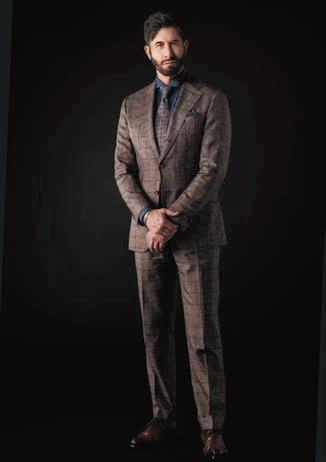
have already deleted everything good in the garment: it’s made completely by machine with fused construction and none of the upgrades like hand stitching or horn buttons. It likely costs $175 to make that $1500 suit, so even if they have to remake it, they’re still making money…”
In fact, although most clients assume you can’t get your money back on a custom suit, Daniel George offers a full, money-back guarantee. “We remove the risk for the client, so their investment is protected,” Daniel explains. “It’s all about trust, which is clearly the strongest driver of conversion and loyalty.”
His top three tips to custom clothing start-ups:
1)Don’t open on the ground floor of a busy shopping district: having more customers does not mean having the right customers.
2)Make appointments and allow plenty of time for each.
3)Hire enough talented sellers to build the best possible team.
As Daniel sums it up, “At Daniel George, the team is not separated from the brand; they are the brand!”
Nordstrom’s made-to-measure blends craftsmanship, service, and accessibility.
By John Russel Jones
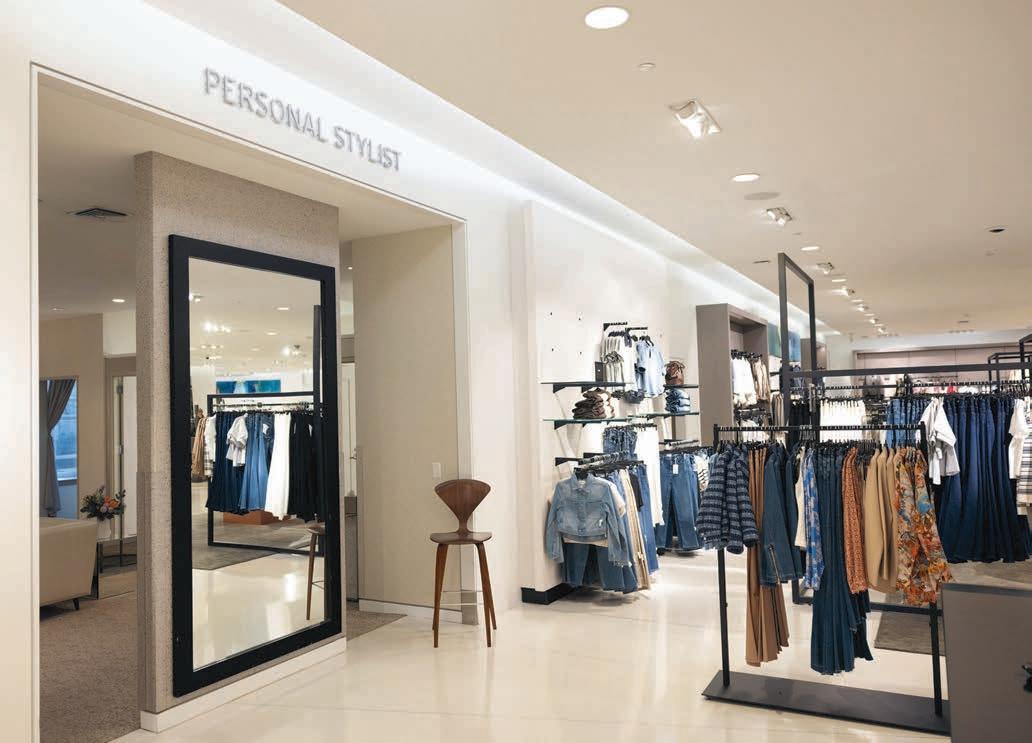
n an era when many men have fewer reasons to wear tailored clothing, Nordstrom is betting that the experience of custom dressing still carries emotional power. Through a growing network of brand partners, skilled alterations specialists, and personalized service, the retailer is positioning made-to-measure not as an elite niche, but as an increasingly approachable entry point into modern tailoring.
Nordstrom’s MTM customer is remarkably wide-ranging, from University of Washington
basketball player Riley Sorenson, who stands 7-foot-5 and was outfitted for his wedding, to a customer who lost the use of his legs in a car accident and received the first custom suit he had been able to wear since. The Nordstrom brothers themselves, all well over six feet tall, are also frequent MTM customers.
“We regularly work with Thom Browne and Zegna for our Very Important Customers’ made-to-measure requests,” says Mens’ Fashion Director, Jian DeLeon. “Thom Browne pulled exclusive Scabal herringbones and jacquards
directly from the runway collection for us.
With Zegna, we do a lot of custom tailoring, but we’ve also expanded into custom sportswear, creating pieces like cashmere shirts in the brand’s fabrics, made in its own factories. We even hosted a special activation with John Lobb for the store’s 125th anniversary.”
Other tailoring partners include Jack Victor, Hart Schaffner Marx, and Thom Sweeney, the latter offering true bespoke services. Nordstrom is also expanding its assortment with brands such as Peter Millar and Canali, while revisiting
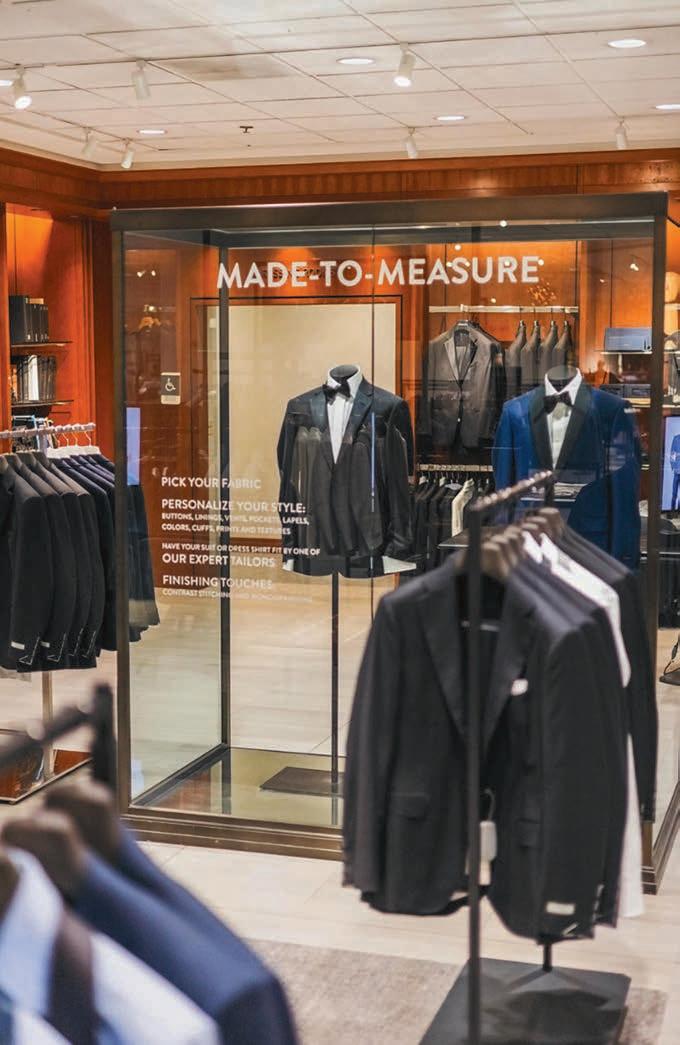
one of its earliest MTM successes, the Hugo Boss Einstein Sigma suit, whose silhouette nods to the fuller tailoring of the 1980s and ’90s. This season, New York-based tailor J. Mueser will also launch at Nordstrom, initially with ready-to-wear.
Nordstrom stylists regularly fly top clients to stores in New York, Chicago, and Tysons Corner for exclusive experiences. DeLeon notes that while many MTM customers begin as VICs, the category often becomes addictive after a first purchase.
“I always think a customer is saying, ‘This is the last thing I’m going to buy,’” he says. “Then they get their first custom suit and they’re hooked. If any customer walks into a Nordstrom store and says they want an MTM experience, one of our stylists can make it happen.”
Nordstrom’s largest MTM partner is Knot Standard, now available in approximately 50 Nordstrom locations nationwide.
“It’s a true partnership,” says DeLeon. “What they do is fascinating because they
combine old-school measuring techniques with modern technology. They have a 97 percent fit accuracy rate. A customer can get a Knot Standard MTM suit in a great fabric starting around $1,800. A Barberis fabric might come in just under $2,000, while a Loro Piana fabric could reach $2,500.”
Supporting the business is one of the largest tailoring operations in American retail. Nordstrom employs approximately 1,500 alterations specialists nationwide and recently partnered with the Fashion Institute of Technology’s Center for Continuing and Professional Education on a tailoring certification program. The curriculum covers foundational sewing skills, advanced alterations techniques, garment construction, and specialized men’s and women’s tailoring, with graduates eligible to apply for positions within Nordstrom Alterations.
DeLeon also notes that turnaround times continue to impress, “Depending on the brand, an MTM suit can take as little as three to four weeks. The average is about four to six weeks for a suit or shirt, while Stantt can complete orders in as little as two weeks.”
For DeLeon, however, the appeal of MTM extends beyond the practical.
“It’s the same reason I love fashion and retail,” he says. “It’s something that can’t really be replicated virtually. There’s something intensely gratifying about seeing a customer put on a garment and say, ‘I didn’t know I could look like this.’ A lot of men don’t wear suits regularly anymore, or maybe never have, so when they put on something made specifically for them, they feel incredible.”
He also believes customers increasingly appreciate the human side of the process.
“There’s a sense of artisanship to it,” DeLeon says. “The customer picked the fabric. They were measured. The garment was cut to their liking. They become part of the process. Maybe they’re having a coffee, a glass of champagne, or a bite to eat while it’s happening. It restores a sense of ceremony to shopping. We don’t have many experiences like that anymore.”
By Negi Darsses

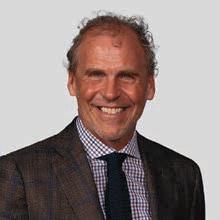





One of the things I’ve always enjoyed about MR Magazine is that it has never felt like a one-way conversation. Yes, it reports on business. Yes, it spotlights the people shaping menswear. But more than that, it has long served as a hub for a genuinely close-knit community—one where readers engage with one another. They respond, share thoughts, and speak directly to peers in the comments section – congratulating and rooting for one another.
This industry has always had a generosity of spirit. It’s one of the reasons so many of us love being a part of it. There’s a real willingness to share ideas, swap hard-won lessons, and help one another succeed. Independent men’s retail—and the brands that support it—may span states and continents, yet it still feels remarkably small. Connected. Like everyone is part of the same ongoing conversation.
This July, that conversation steps off the page.
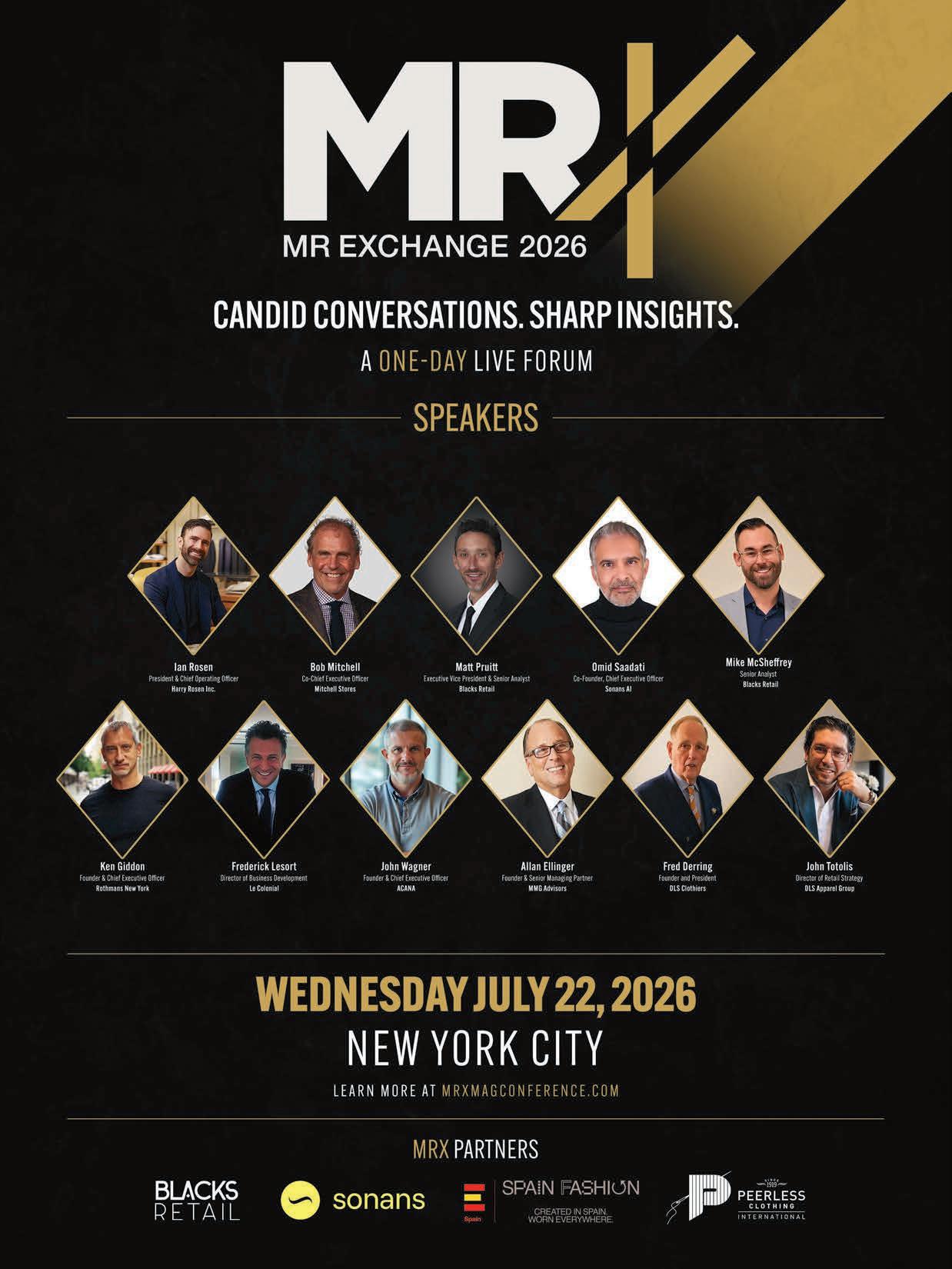
On Wednesday, July 22, 2026, MR will host the inaugural MR Exchange (MRX) in New York City as a one-day gathering designed to bring that long-standing culture of dialogue into the room. It’s a natural extension of what this magazine has always done best: create space for ideas to be shared and built upon.
“All of us at MR are truly excited to be launching MRX,” said Editor-in-Chief Karen Alberg Grossman. “The X is for Exchange—our goal is to bring together top thought leaders, not just in men’s apparel but in relevant walks of life, for discussion, inspiration, and real solutions. We want to create a relaxed forum where industry execs and retailers can ask the tough questions, debate the key issues, learn from each other, and walk away with fresh perspective. We’d love for you to join us.”
The day’s programming reflects the issues that matter most right now.
One conversation will center on what it means to grow—and eventually transition—a retail business in today’s landscape. Bob Mitchell, co-CEO of Mitchell Stores, will speak to his experience acquiring other stores and what he looks for when evaluating opportunities. Allan Ellinger of MMG Advisors will join him, addressing both the acquisition landscape and succession planning for retailers heading down that path.
Another session explores the idea that luxury retail is no longer just about product, it’s about experience. Ken Giddons of Rothman’s and Frederick Lesort of Le Colonial will examine how a hospitality mindset—service, atmosphere, human connection—is redefining the way consumers choose where to shop.
Digital transformation is part of the conversation too, but grounded in reality rather than hype. Ian Rosen of Harry Rosen will share his perspective on evolving a legacy business—not for technology’s sake, but for what it enables: a more relevant experience for the customer standing in front of you.
All of us at MR are truly excited to be launching MRX. The X is for Exchange—our goal is to bring together top thought leaders, not just in men’s apparel but in relevant walks of life, for discussion, inspiration, and real solutions.
Karen Alberg Grossman, Editor-in-Chief

AI seems to be everything, everywhere, all at once. Omid Saadati of Sonans AI will look at how these tools can move beyond theory and into practice to help retailers operate more efficiently while giving back something increasingly precious: time on the floor with customers.
There will also be a conversation on the art and science of buying, which is more complex than ever in today’s fluid global market. Success requires both instinct and insight. Matt Pruitt of Blacks Retail brings a data-driven lens, while, from the DLS Apparel Group, Fred Derring offers decades of merchandising instinct and John Totolis adds perspective shaped by years of buying.
“With the MR Awards bringing so many of the industry’s most influential leaders together in New York, MRX felt like a natural and exciting extension of that energy,” adds SVP/Group Publisher Lizette Chin. “We saw a chance to build on that momentum and create a forum that delivers real value to the people shaping the market.”
MR Exchange is made possible through the generous support of its sponsors—Peerless Clothing, Blacks Retail, The Spanish Edit (sponsored by the Trade Commission of Spain), and Sonans AI—whose partnership helps bring this important industry dialogue to life.
What ties all this together isn’t just the content, it’s the format. MRX isn’t designed as a series of presentations. It’s meant to feel like the conversations that have always lived within these pages: thoughtful, direct, and rooted in shared experience.
For those who can’t make it, sessions will be recorded and available afterward. But for those in the room, the value is something else entirely, It’s the chance to be part of a dialogue that’s been unfolding for years, and to experience it live, surrounded by the people who have helped shape it.
Because MR does more than just document the menswear industry. Its success lies in connecting it.

Negi Darsses is a marketing and communications strategist and founder of The Dastan Agency. She is currently working with MR Magazine to develop and launch MR Exchange. Over the course of her career, she’s worked with globally renowned brands including Ralph Lauren, Robert Talbott, Samuelsohn, and Barneys New York. Her work is grounded in the power of storytelling to connect brands with their audiences in meaningful and lasting ways.
By Karen Alberg Grossman
MRrecently gathered a group of smart retailers from across the country to discuss the current business climate and ways to facilitate growth.
MR: How has the Mideast war impacted menswear sales? What changes are you making in light of possible ramifications?
Dan Farrington, Mitchells: We try to keep bad news out of our stores. We don’t think our customers want to talk politics, so we try to minimize it. We even deliberate about what’s on TV in our fitting areas! Especially if the stock market is dropping, it kind of kills the shopping mood… Obviously, what’s happening in the Mideast drives up oil prices: inflation hurts the stock market in a big way so the impact will come. But we’re not seeing it happening at this point. It’s not something clear like Covid or the ’08 crash. For those events, we knew something dramatic was happening and we had to react instantly. This is just more bad news, but it hasn’t dampened business yet. Both luxury and mid-tier are selling well, especially mid-tier brands like Pescarolo, Fedeli, Paul&Shark… Still, luxury remains dominant for us. Almost all our luxury brands are running nice increases. Without luxury growing, we don’t grow.
MR: So price increases have not impacted sales?
Dan: Prices have been skyrocketing for a while now, and yes, we get pushback from clients buying brands that haven’t updated or upgraded their product. We hear customer comments like “Why are these shirts that I used to buy at $600 now $1,200?” It’s unrelated to Middle East affairs, and the real question is what are we going to do about it? At the moment: nothing, since business overall remains strong.
Scott Shapiro, Syd Jerome, Chicago: We’ve always had a philosophy that, in times of economic uncertainty, we look for new product at the top, not at the bottom. We never want to trade our customer down. We want to keep distancing ourselves from our competition by continuing to offer what’s new and exciting. For example, I brought in Stefano Ricci for this spring because I needed something to work with my Brioni business. We’ve found that the Ricci customer mirrors the Brioni customer but with a slightly different attitude. The same customer likes both collections so if tweaked correctly, that customer will buy both. In fact, adding the brand has already boosted my Brioni business: we just had a customer who bought five Stefano Ricci units and three Brioni units. Once you get that customer, one plays off the other…
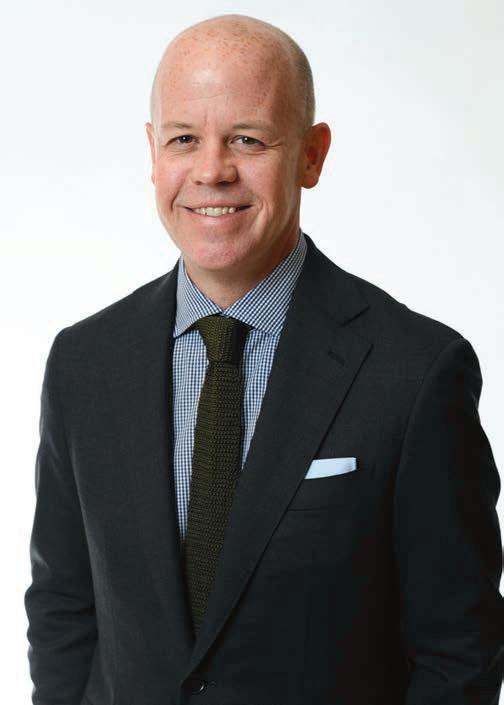
“Luxury remains dominant for us. Without luxury growing, we don’t grow.”
Dan Farrington, Mitchell Stores, USA
MR: At what price points are your selling those units?
Scott: The sport coats retail from $6,000 to $8,000; suits from $8,000 to $12,000. The good news is that luxury customers are usually the last to be affected by economic turmoil, and the first to recover.
Of course, there are carrying costs to consider so we need to focus on what we can actually sell. As you bring in more expensive merchandise, it’s going to cost you more, so you’ve got to have enough money on hand to pay what you owe. I take baby steps when adding at this level. But I’m always looking to add at the top, as opposed to the bottom. Because there’s no bottom in less expensive goods; somebody will always do it cheaper. I don’t want to compete on that level.
Andy Mallor, Andrew Davis Men’s, Bloomington, Indiana:
I agree that at the luxury level, the consumer is not impacted by Mideast wars. They still have money. They still enjoy spending. We’re catering to a very small percent of the population to begin with. I think the only real issue that might impact spending is fluctuating dollar-euro valuations. Although our store is not at the level of Mitchells or Harry Rosen, we sell a lot of Pescarolo, Castangia, Scabal and Fedeli, so a change in the value of the euro does impact sales.
Shannon Stewart, Harry Rosen, Canada: I’m thinking back to spring 2025, which was a really rough season for us. Speaking of bad news headlines: our country was going to be annexed by your president, so it was a very strange time for us. Consumer confidence then was lower than it is now, so against a very bad last year, we planned modestly for spring 2026, and we’re exceeding those targets. We’re not seeing clients pull back: people are spending! Our goal is to delight people when they come into the stores and give them an exceptional experience. It’s not like we’re getting a lot more traffic, but we’re making business happen and seeing positive results.
So I’m not nervous about world events, but there are things that we need to manage through. For example, our dollar is very weak right now against both the US dollar and the euro, but that’s nothing we haven’t navigated through before. So pricing is something we
have to manage internally: our customers are not as concerned; it’s more about how it’s hitting our bottom line.
Another challenge: forget about war; what about the weather? At least on the eastern part of the country, it’s been terrible: we didn’t have any spring in March or April.
James R Bower Jr., The Clothing Commission, Virginia:
For my market in Virginia, considering inventories across all five stores, we’ve had an increase this spring that I wasn’t prepared for. I agree that consumer confidence is still high; I’m not seeing any pushback. Nor do I think the war is affecting any of my businesses.
It sounds crazy, but I’m seeing menswear stores becoming places for men to congregate, comfortable places for guys to sit around and converse. We have clients who come in weekly just to hang out and talk, to share opinions in a ‘safe’ environment. I believe this confidence carries over to their shopping.
Scott: My challenge has always been the same: how to reach more customers. I’m in a major metropolitan city with stiff competition because virtually every brand has a store here, whether a shop-in-shop in department stores or their own store. We’re all vying for the same customers so I keep looking for ways to either find or reconnect with the customer who’s not coming downtown to the office anymore, or who’s moved away to more tax-friendly states, or who’s retired… I leave no stone unturned.
Shannon: For us too, new customer acquisition is a top priority, but it’s also the most difficult part. Our luxury business is very solid. Mid-level luxury is definitely a growth area, and we see opportunity in entry level menswear as well, mostly because we have big stores (the smallest are 8,000 to 10,000 square feet) and because of the recent exit of The Bay, a massive department store with locations across the country. They carried brands like Hugo Boss and Strellson as well as opening price tailored clothing and a huge Polo business.
So we see opportunity to capture some of those opening price sales. We’re comfortable reaching down a bit, not at the expense of our mid-level or luxury businesses, but in addition to them. We’re already seeing, at entry level, more success online than in stores, because there can be an intimidation factor
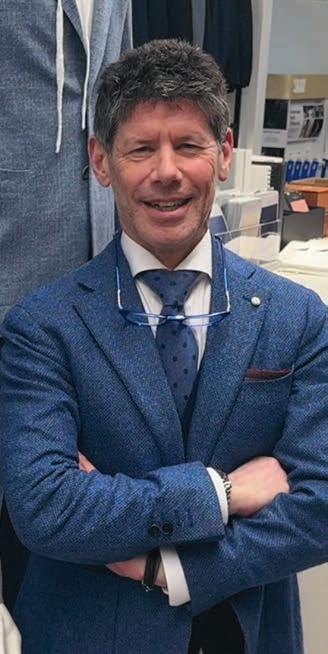
“Once the customer comes in, we can sell him; the challenge is getting him in.”
Scott Shapiro, Syd Jerome, Chicago
for first-time customers coming into our stores. They assume they can’t afford to buy a suit at Harry Rosen, which is not true: we open at under $1,000. So our job is to get the message out.
Dan: Luckily for us, opportunities are outweighing challenges. There’s always the dayto-day challenges: flow of goods, having the right things at the right time. The opportunity for us throughout most of our markets lies in the weakness of department stores these days. There’s lots of uncertainty for both the people who work in these stores and the customers who shop there. Many are now open to change. Hopefully we can get new business on the heels of what’s happening out there with our competitors.
A big, long-term challenge, previously alluded to, is price point escalation. I don’t think the final chapter on that has yet been written. People are talking about it, but business is still pretty good. So I don’t think we’re feeling the pain yet, but I do believe there’s some shopping fatigue once clothing becomes so expensive, with no end in sight. Going forward, I believe vendors might have to rethink pricing a bit.
Another ubiquitous challenge is vendors going direct to consumer, doing their own thing, creating exclusive VIC (Very Important Customer) experiences that aren’t available to their wholesale clients. Many vendors now have plenty of ammunition to capture business without independent stores. They’ve gotten much better at it over the years, so this becomes tricky for us.
Clearly, the addition of mid-tier brands in many stores was in response to luxury brands being excessively particular on distribution, even dictating things a bit. So we’ve embraced several of these mid-tier brands, turning these collaborations into big business. If it means we lose a luxury brand over time, we can withstand the loss. We don’t want to be too dependent on any single brand these days.
Scott: Dan, do you have a VIC program?
Dan: We do. We’re doing a lot of VIC trips in women’s and in jewelry. In men’s, we’re hosting a few things: Cucinelli in Solomeo, Brioni in Rome, Kiton in Naples. We’ve got things happening, but it’s getting the men’s clients into it that’s a little harder. We’ve talked about having
someone head up VIC because there are many moving parts to it and lots of logistics.
Andy: I think one challenge that we all face now is staffing. We have exceptional training programs, including Sales Training with B.J. Stringham, which we require that all employees learn. We’ve had fantastic results with it, but just finding the right people who want to work—and work on Saturdays—is difficult. So that’s always going to be a challenge, as is replacing an aging customer base. If we look to demographics, the biggest spenders are older people. So we’ve got to find a way to nurture the next generation. While I believe that staffing is the major challenge, we’re all in the relationship business, which will not make us immune from vendor or AI competition but should put us in better position to take care of our clients. But to do that, staffing is key.
James: I agree. When I first started going to market, I noticed that it wasn’t just the buyers at market who seemed older than me, but also the clients coming into our stores. So for us, the challenge is getting younger guys “addicted” to shopping in our stores. At the end of the day, this addiction happens when the suit a guy buys is styled, tailored and customized exclusively for him. That’s the opportunity for us: establishing a connection between the customer and his go-to salesperson. Once this clicks, the customer comes back for more.
Interestingly, two of the young men I recently hired to work in the store are former clients who fell in love with tailored clothing. For as we all know: we’re not just selling clothes, we’re selling confidence. It’s our greatest vehicle for growth and our greatest gift to our customers.
MR: Can we briefly touch on your current best sellers?
Andy: We’re part of Blacks Inventory Planning, and we created a separate category for “shackets” (overshirts, field jackets) which I never thought we could sustain as a separate category, but it’s been great for us, whether from Baldassari, Pescarolo or Scabal. Also our shoe business is strong, especially Magnanni. In knitwear, it’s Gran Sasso and Fedeli among others. Our Stenströms has never slowed down.
When we talk about DTC, a few of these brands might be competing with us online,
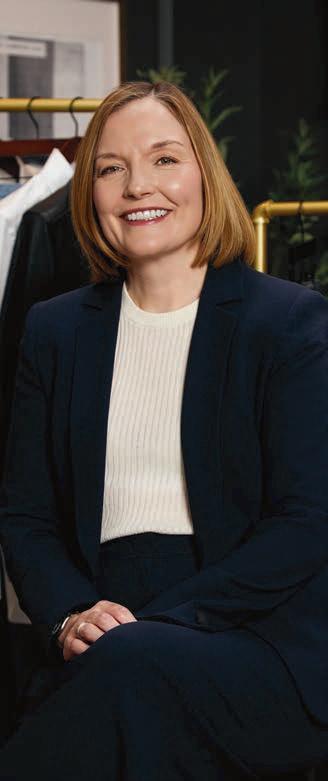
“Forget about war; what about the weather?”
Shannon Stewart, Harry Rosen, Canada
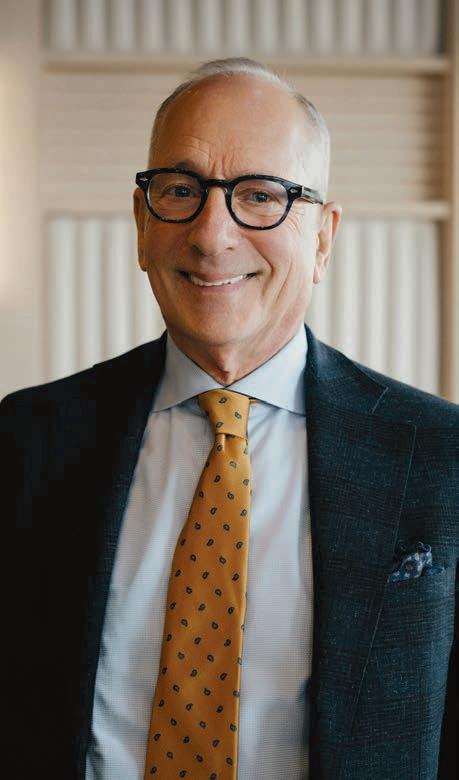
but most aren’t, and they’re producing a much better product than the DTC brands. So for us, that’s what’s selling the best. We did a custom event this past weekend and sold 11 custom shirt jackets at $2,000 each. Sportcoat business is still strong but our guys like variety. And they like something new. Newness always sells.
Shannon: Our biggest growth categories are made-to-measure and knitwear, largely driven by events. What makes an event successful? It’s really simple: great people behind the product, not just our internal team, but people from our vendors. When we have sharp, solid people from our vendor community to help engage with our clients, that’s when we have success. So that’s what’s driving sales: made-to-measure and knitwear that’s dressier, fine gauge knitwear that you can wear under a shirt jacket, or under a soft sport coat. We love Patrick Assaraf, a super successful Canadian brand. And at the luxe end: Zegna knitwear is on fire. And in between, specialists like Gran Sasso are having
“Just finding people who want to work— and work on Saturdays—is difficult.”
a terrific season, not necessarily in basics but in fashion knitwear and unique pieces.
Andy: Our collegiate business has been on fire! Maybe because we’re national champions, it’s been crazy. So we went from a very small to very large business in collegiate: it’s what’s driving a lot of people to come into the store. I think James can relate to that a bit.
James: Especially out of our Charlottesville location with UVA, collegiate sales are strong. I even had the Oxxford and Rochester factories make a few UVA-inspired coats that are selling well.
Category-wise, tailored clothing has exploded for us, especially with younger guys. For a while there, it was scary trying to figure out how to get them excited and hooked. But the big growth for me has been spring/summer knitwear, as opposed to golf polos. I am so tired of competing with country clubs! I’m selling a lot of wider cuts, especially suitings. For so long, everything was so slim and tight. Now
that it’s starting to go back to a more classic silhouette, I can sell what I love. I’ve always been a side tab, single pleat, two-inch cuff kind of guy, and now that that’s back in vogue, it’s pretty cool to see clients wanting that look.
Dan: Our growth is balanced right now: all divisions, all stores, we’re very solid. Madeto-measure is a key component. We’ve had great trunk shows, and that’s what will pay off in coming months. We’ve had very strong VIC events. Luxury in general is the driver of everything for us: Zegna, Cuccinelli, and Brioni are very strong. Zegna Triple Stitch is still crazy strong. And we’re doing other things with Zegna: more couture, more elevated sportswear.
Luxury sportswear overall has been strong: alternative tailored jackets, soft jackets, knit jackets, softer constructed jackets, and overshirts, too. It varies by store. The West Coast is probably strongest for overshirts; the East Coast consumer understands the jacket silhouette
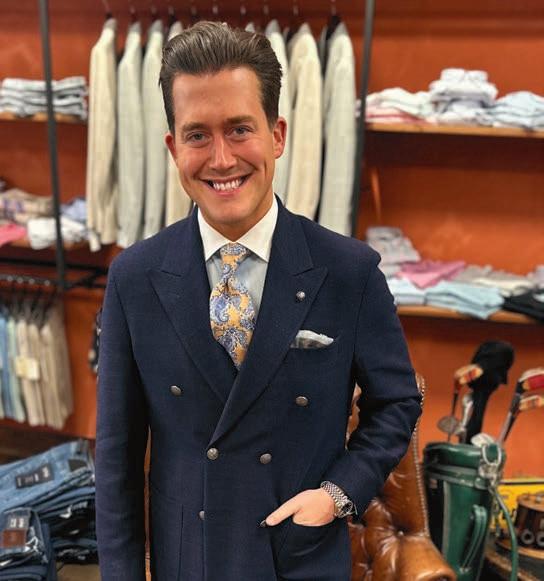
a bit more, but in a knit fabric and a deconstructed make. It surprised me how much knitwear we can sell. We try to do it as discretely and tastefully as we can. And like others have said, that middle price tier (Pescarolo, Fedeli, Baldassari) is flying for us right now.
Luckily, we’ve got lots of things working at once.
Of course, we also have a few duds: I have to admit we’re seeing little interest where we’ve pushed too far on bigger fits. We’ve had limited response to oversized jeans, pants, and tailored styles. We’re showing oversized—I think it’s important that we move new trends along— but many of our guys just got into flat front and skinnier models, so the market’s clearly ahead of the consumer at this point.
MR: Last question: what do you need from your vendors at this time?
Scott: I harp on this almost ad nauseum to my vendor partners: they’ve got to do a better job promoting their product and driving the consumer into our stores. The onus to drive business can’t be entirely on us: brands need to let consumers know that they have a retail partner. Some brands are good at it, most are lousy, but I keep beating them up!
Truth is, vendors have a love-hate relationship with their independent store accounts.
“We’re not just selling clothes, we’re selling confidence.”
They love us in tough times, but the minute they’re able to ship Neiman Marcus and Saks again, we became yesterday’s news.
Shannon: Like I said earlier, for me it’s boots on the ground: the more we have our vendors in the store, the better. Of course it’s got to be the right people, quality people, engaging with our advisors on the floor, getting them enthusiastic about the product, providing them with selling propositions. And if they can also engage with our customers, we’re certain to see great results.
And it’s not just trunk shows. We welcome vendors in our stores for both formal presentations and informal product knowledge. This helps our advisors embrace the product, understand the value in it, and give it meaning. Our business can’t be run from a spreadsheet or an office.
Andy: We rely on early deliveries: we can’t wait too far into the season. And like Shannon and Scott said, we love having vendors in the store at trunk shows because it’s a teaching opportunity: a chance to show our staff why we made certain buying decisions. I believe the retailer-vendor relationship is critical: the better the vendor’s rep, the better the performance of the brand.
James: I agree with Andy: just ship us when we want it shipped. We spend so much time placing orders but how can we plan when we have no idea when it will arrive in store? And as Shannon was saying, quality people from our brands coming into our stores is truly helpful. We have a team mindset, and our vendors are a key part of our team.
Dan: We share our data freely with our vendors because we’d like our vendors to know more about our business than we do. We want them to be partners with us, to be committed to events, etc. And most are, but as of late, some have been falling down on delivery cadence, maintaining stock positions, shipping, etc. Things like that are frustrating because money can be left on the table simply by not flowing things properly or not having stock at the right times.
So what do we need from our vendors? How about a little more synergy between wholesale and retail, so when a customer walks into our store and sees something he’d like to buy from us, it’s available! We’re all fighting the same fight here. Make it simple. Let us get the sale. Don’t be our competitor when the customer prefers to choose us. Some vendors are good at this, some aren’t. But for the most part, we’ve got great brand partners; we just continue to ask more of them.
It’s not always smooth sailing when your boss is also your dad.
By Karen Alberg Grossman
John Craig Clothiers
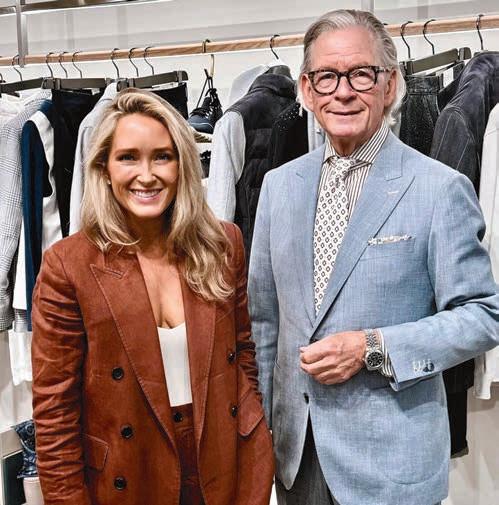
Craig DeLongy
Blair has always been observant and quick to learn. A big part of her growth has come from traveling with me and seeing firsthand how I interact with staff, customers, and vendors. She’s more tolerant than I am and has built incredible relationships with the vendors she works with. A few years ago, I was ready to drop a major vendor, but Blair took over the buying and turned that relationship into a significant contributor to our success. She also has a great ability to negotiate vendor swaps, which helps us reduce markdowns. However, she’s not yet involved in the financial side of the business, something I plan to change over the next year.
The best part of working together is the quality time we spend together—it’s something I truly value. The challenge is that we’re very similar. We share a taste level that carries across our three brands. We both have strong opinions. We share a deep passion for both our business and our family. We’re more alike than different and I find myself saying, “Yes, Blair!” more and more each day.
What I want for Father’s Day? Time with my children—Blair and Brant—their spouses, and my grandchildren. Time is the greatest gift; nothing else matters as much to me now.
“
I’ve learned that we get along best when I don’t speak and just listen. We’re both very opinionated and honest in how we see things.
Blair DeLongy Sanchez ”
Blair DeLongy Sanchez
I’ve learned everything from my dad. He taught me that if I find someone really talented who can complement my business, don’t let him/her get away—hire them immediately and trust that it will work out. If it doesn’t, move on quickly. He also taught me to buy into color stories. Everything merchandises better and sells better in color stories.
What I most admire about my dad is his charisma. It’s incredible how many people come up to him saying they met him years ago—in NYC, Palm Beach, wherever. Everyone remembers him; he always leaves a lasting impression.
What bothers me about him is his lack of a filter. When I once wore white pants out at night, he told me my legs looked like “two pigs fighting under a blanket.” Nor would he hesitate to point out a pimple on my face…
While our relationship is a good one and we’re close, I’ve learned that we get along best when I don’t speak and just listen. We’re both very opinionated and honest in how we see things. The difference is that he acts on his instincts right away, while I tend to take a more measured approach—thinking through how best to handle a situation to achieve the right outcome. I naturally lean toward being collaborative and solution-oriented, working closely with vendors to build strong relationships and make things work.
I love my job and working with my dad but I always wanted to work for the Neiman’s buying office in Dallas. In hindsight, it’s probably for the best that it didn’t work out.
Ken Giddon
I’ve tried to teach my son Will that life isn’t easy. Sometimes you’re the windshield wiper and sometimes you’re the bug. In business and in life, you’re going to get knocked down. Expect it, learn from it, and get back up.
What does he do better than me? Most things! He’s a lot more patient and open-minded than I am. On a skill level, he’s a much better 3-point shooter in basketball. He’s so strong that he can consistently hit a threepoint shot while sitting on the gym floor…
What does he still need to learn? That in business, relationships are everything. Whether with clients or vendors, build them, nurture them, cherish them.
Of course, the best part of working together is building something with family. Family is everything. I’ve had 35 years with my brother Jim and that’s been incredible. Having Will involved just extends the dream.
The worst part? Talking business at holidays.
How are we most alike? We’re both super competitive. We both like to win.
How are we most different? His taste in music sucks.
On my Father’s Day wish list: An old fashioned pushcart to honor my grandfather. It’s how he started Rothman’s.
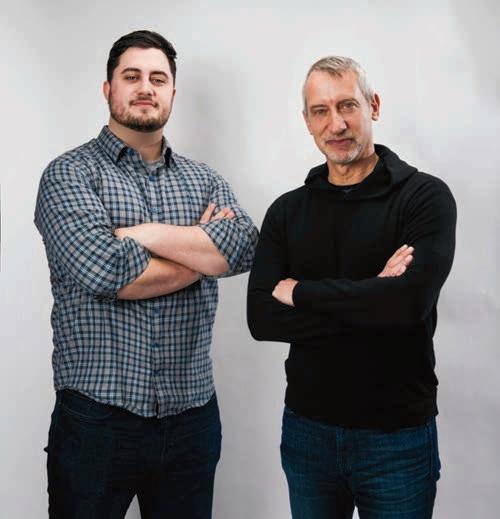
We learn from each other every day, and we have a great time doing it. Our weekly lunch, where we’re banned from talking business, is a nice addition. “ ”
Will Giddon
Will Giddon
From my dad, I’ve learned perseverance. No matter the obstacle, he finds a way to keep a smile on his face and push toward the best outcome. I’ve also learned a lot about leadership and culture. He’s built an environment that expects high-quality work but still feels lighthearted, and he does this by leading by example.
On a personal level, he taught me how to go above and beyond for the people you care about, I’ve tried to extend that same mentality to our customers, so they feel like family. He also taught me a damn good jump shot.
But what I most admire is his relentless promotional mindset. He’s always thinking about how to move the business forward and never really turns it off. I also admire his curiosity. He genuinely wants to learn and is open to hearing from anyone, no matter where the insight comes from. And his discipline is incredible. I don’t think I’ve seen anyone more consistent with a gym routine.
What bothers me most about him? He might be more glued to his phone than I am, which is a bit of a generational surprise. That said, it’s usually because he’s focused on the business or staying connected with customers, so it’s hard to give him too much grief about it.
I’d describe our current relationship as fantastic. Although there were
challenges early on, as we build trust and mutual respect we’ve only grown stronger as a team. We learn from each other every day (definitely more me learning from him), and we have a great time doing it. Our weekly lunch, where we’re banned from talking business, is a nice addition.
We’re most alike in our obsession with making people happy. At the core, we both love taking care of people and getting that feeling that we’ve done something meaningful for them. We also share a competitive edge. Any game between us gets intense pretty quickly.
Where we differ is in how we approach decisions. He’s instinct-driven and trusts his gut immediately, especially when it comes to people. I tend to be more analytical and structured, wanting to understand the full picture before acting. That balance has actually become a real strength for us.
As for my road not taken, there was once a version of my life where I stayed in Los Angeles and continued chasing filmmaking. It was a huge passion of mine and still is, now expressed through things like my horror film blog Elm Street HOA. But I absolutely made the right choice: the opportunity to join a 100-year-old family business in NYC, working alongside my dad and uncle, and helping to carry forward a legacy while shaping what comes next, that’s a rare opportunity, and not one I take for granted.
I don’t take for granted that I get to learn the business side by side with family, building something that extends beyond any one role or moment.
”
Dana Mitchell
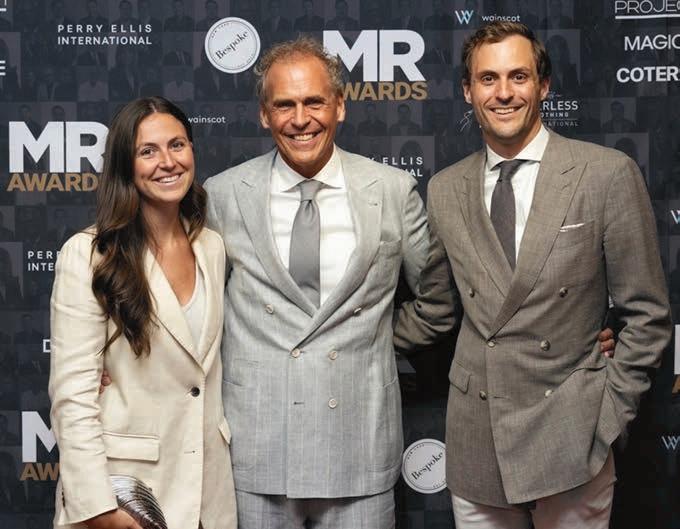
Bob Mitchell
I’ve tried to teach Lyle and Dana that respect is earned not given and that they need to work twice as hard because of their last name.
Lyle is amazing doing any analytical work; Dana is a natural floor leader who connects with associates and customers. Both are doing great work already, but more time and experience will help them grow outside their respective areas. The best part of them working here is being together every day. They are a great blend of the two things I love in this business: Lyle and I both love new projects and analytics; Dana loves the game of being on the floor with our associates and clients
What I want for Father’s Day: a fishing trip with my three kids.
Lyle Mitchell
Working with my dad has been one of the most rewarding, and honestly surreal, parts of my career. I’ve always looked up to him, so getting to sit 25 feet from his office and watch how he operates day to day is pretty special. We think a lot alike, which makes working together feel natural and, most of the time, genuinely fun.
Of course, there are moments where the lines between dad and co-CEO blur. We try to separate work from family, but when it’s what you both live and breathe, that’s not always easy. In a way, that overlap is what makes it function: there’s a level of trust and shared commitment that’s hard to replicate outside a family business.
The biggest thing I’ve learned from my dad is that this business, and really life, doesn’t operate in black and white. It’s all about navigating the gray. He has an incredible instinct for people and relationships, and a way of handling situations with nuance that I’m constantly trying, and not always succeeding, to emulate. I’d love to be more like him in how he does not overthink things. It’s a real superpower.
On a lighter note, I’ve made at least one meaningful contribution since we started working together. There was a stretch where his lunch diet was a rotation of Chinese, Thai, and Italian takeout. I may have pushed a bit hard on the “we’d like you around as a grandparent” angle, but to his credit, he’s now more of a salad guy. I’ll take that as a win.
Dana Mitchell
If you know Bob Mitchell, you know he lives his life with gratitude. Some of my earliest memories are of walking the floor with him, watching him greet clients, listening without fully understanding, but sensing he was building with care and intention something that mattered.
Now, working alongside him these past two years, I get to see up close what I only glimpsed as a kid. His instinct for people, the way he reads a room, the consistency in how he shows up whether it’s for a client, a team member, or family. There’s no “off” switch with him, which is something I didn’t fully appreciate growing up, but see so clearly now.
Of course, the lines sometimes blur. Conversations move quickly from business to life and back again. I’m not always sure if I’m talking to my dad or to CEO Bob. But that overlap has become one of the most valuable parts of the experience. There’s a trust and a shared understanding that can’t be taught, only lived. I don’t take for granted that I get to learn the business the same way he did: side by side with family, building something that extends beyond any one role or moment. It’s something I’m endlessly thankful to be a part of.
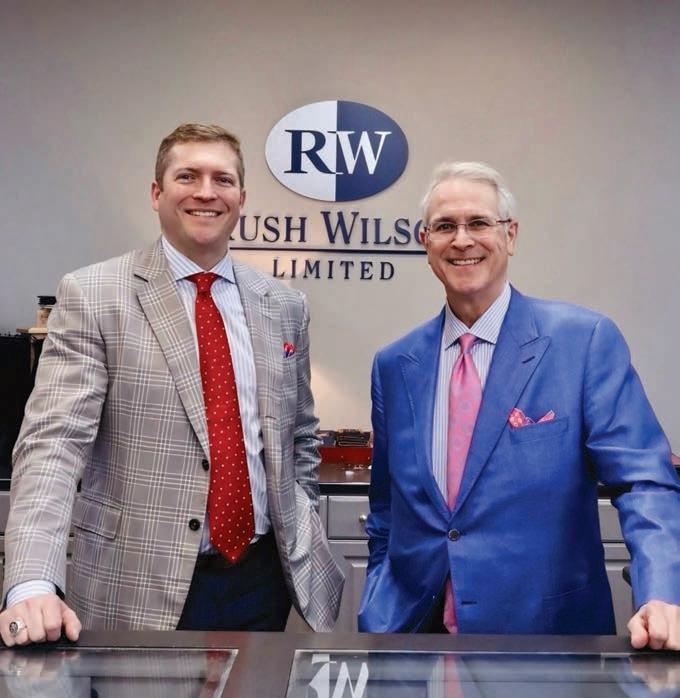
Rush Wilson III
I love working with Jay! After he graduated from college, we decided that he needed to work somewhere else for five years to learn how to deal with a boss who wasn’t his dad. He went into the banking world and worked more than 7 years in management and retail banking, learning how to read financial reports, deal with employees and their goals, solve customers’ problems while making them feel special. When he finally joined us, he had a sense of maturity and understanding of management that comes only with experience.
His last day at the bank was a Friday so I asked him to start on Saturday, the next day. Some of his friends who were managers at the bank wanted to be his first customers so they were at waiting outside our door at 7:30 a.m. (We open at 9:30!)
When we started going to market together, I’d choose the swatches and share my point of view with Jay. He quickly developed a similar point of view and could pick out the same swatches I would select. So I happily turned over all the buying to Jay. (When we’re both involved, we buy too much!) He’s developed his own sense of style, bringing in more fashion-forward models and colors. I give him my opinion if I think he’s buying too much of a new color, but I trust him to communicate with his customers to make his choices appealing.
He’s done an excellent job developing new clients (who are very loyal
Rush Wilson III “”
If Jay buys something I don’t like, I tell him he’d better sell it quickly when it first comes in!
to him) and a great job leading our terrific staff. During market, we talk about what we’re seeing and if we disagree, we discuss it. We respect each other. If Jay buys something I don’t like, I tell him he’d better sell it quickly when it first comes in! I’m here to help guide him through tough times and think through issues. We talk about everything every day.
Can you tell I love working with him?
Jay Wilson
I love working with my dad. We have similar interests and personalities, so we work well together. Plus it’s great to see him finally take some time off to travel and relax. It shows he has confidence in me.
One of the hardest parts of working with my dad is making sure I don’t take anything personally. Having gone into the banking business for seven years before starting at the store really helped me understand the business and work better with my father. Early on, working with him, I’d ask for help making a decision and he’d indicate he would help me. But time would pass and he’d delay or else something would always seem to come up until I finally just made the decision myself. I later realized that this might have been a passive way to force me to make the decision. Since then, I’ve been more confident in my decision making, while still learning from my father every day.
Caruso Caruso
Frank Caruso
“Personally, I’m done with retailing, and I told my son Lennon several years ago to sell the store, burn it down, whatever. Go enjoy his life and his family. Get a job he can punch in and out of and not think about the business 24/7. But he (Lennon) just redid the lease last summer for ten more years and he’s already talking about adding a five-year option. He must like it...”
“ ”
I told my son several years ago to sell the store, burn it down, whatever. But he just redid the lease last summer for ten more years...he must like it.
Frank Caruso
Lennon Caruso
I’ve learned from my dad that in most cases, the simplest approach is probably the way to go. As someone running a small business, you’ve got to solve a thousand little problems per day. If you let yourself go too far down any one path, too many other things will suffer. I think we both agree on that great line from No Country for Old Men: “All the time you spend trying to get back what’s been took from you, more is going out the back door…”
My dad built a business from nothing. He was divorced with two daughters who needed him. He came from very simple means. Stay at home mom, car salesman father. He had just met my mom and they started flipping junk and vintage until they could get enough money to start buying new stuff at wholesale to sell. He started getting into denim and then made the choice to go all in on new emerging premium denim brands coming over from Europe.
What bothers me most about him? He’ll come in and ask for a full explanation about something we’ve been working on for weeks. We don’t really have the time to start from scratch just for him because we’re already working on the next thing. It can be annoying, but I’ve learned that once you have to explain it back to someone, you realize something that’s missing or a better way to approach it. We’ve accepted it as the “Frank test…”
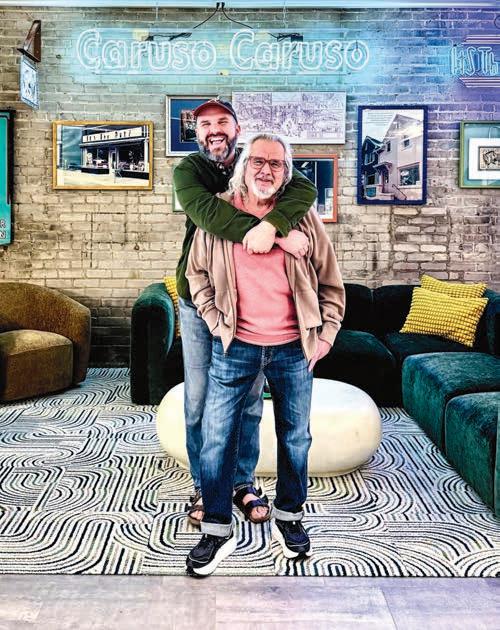
I would describe our relationship as pretty traditional father and son. We’re not besties and we don’t express our feelings. In my earlier years I’ve definitely called him a few times late at night on drugs to tell him I’m dying and heading to the hospital. He’d just say “OK maybe take a bath first, try and chill out…” I never ended up going or dying. We communicate without communicating. If I need him, I know he’s there and vice versa but overall, we go weeks without seeing each other.
We’re more alike than different. Traditional country and folk music, simple good food and we like things the way we like them. My wife has known my dad for almost 20 years and we’ve had some of the same staff for almost as long. They’ll call me out and say “you’re being your father right now” and I’ll know what they mean because I had to deal with it, too. The apple doesn’t fall far from the tree.
If I wasn’t doing this, I’d be in the culinary or hospitality business. I also think I’d make a great number two for a major businessperson, as long as I believed in the mission. You know: the person behind the guy or girl who gets it done and makes them shine. I don’t regret my choices. As Woody Allen put it in Annie Hall, “I feel that life is divided into the horrible and the miserable. That’s the two categories, the horrible are like, I don’t know, terminal cases, you know, blind people, crippled. I don’t know how they get though life. It’s amazing to me. And the miserable is everyone else. So you should be thankful that you’re miserable...”
From margaritas and market parties to trend-spotting and serious order writing, the Dallas Men’s Show returns with Texas-sized energy for Spring 2027.
By John Russel Jones
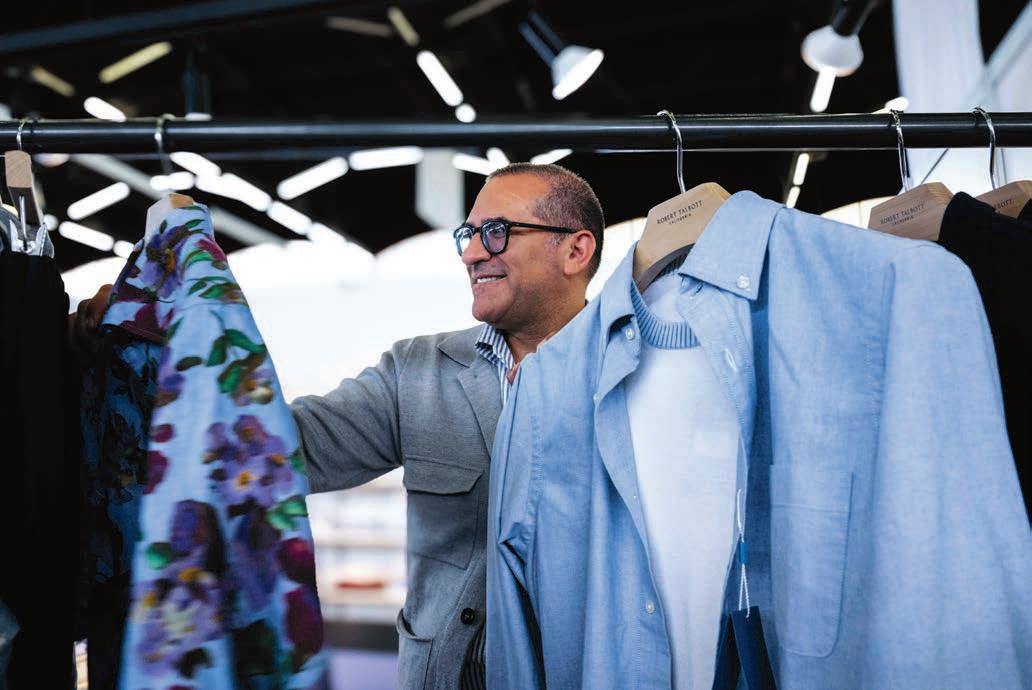
The Dallas Men’s Show is July 25 to 27 this year, with a preview day on July 24. As the United States celebrates its 250th birthday, it’s worth remembering that the land beneath modern-day Dallas was once a quiet, forested region inhabited by the Caddo people and claimed by both Spain and France. Dallas itself wasn’t settled until 1841, and Texas officially joined the United States in 1845.
Fast-forward a century and a half or so and, well… subtlety is no longer part of the regional branding strategy.
Today, the Texas Triangle, anchored by Dallas-Fort Worth, Houston, San Antonio, and Austin, accounts for roughly two-thirds of the state’s population and an estimated $2.2 trillion in economic output. That’s about 80 percent of Texas GDP, for anyone keeping score at home.
And yes, Dallas has the lifestyle credentials to match the swagger. The city has become a bona fide culinary destination, particularly for BBQ and Tex-Mex devotees. Eater Dallas recommends El Ranchito
(610 W. Jefferson Blvd.), where monthly Elvis nights encourage guests to arrive dressed as The King himself. Dallas also lays claim to being the birthplace of the Margarita, which feels apropos for a market week. The Tipsy Alchemist (2101 Cedar Springs Road) promises drinks designed to “blow your mind with elevated cocktails through science, art & technique.” Want to become a real “Dallasite?” Dine at Montlake Cut in Preston Center (8220 Westchester Drive) just a shortish drive from the Market. Fishing cottage chic meets Texas soigné, and only sit at the bar if you want to see and be seen!
Need a culture break between appointments? The Dallas Museum of Art will host Paradise on Earth: Florals in Indian Textiles during market week, while Americana-rock outfit The Speaker Wars, featuring Rock & Roll Hall of Fame member Stan Lynch alongside Texas songwriter Jon Christopher Davis, takes the stage at the historic Kessler Theater on July 18.
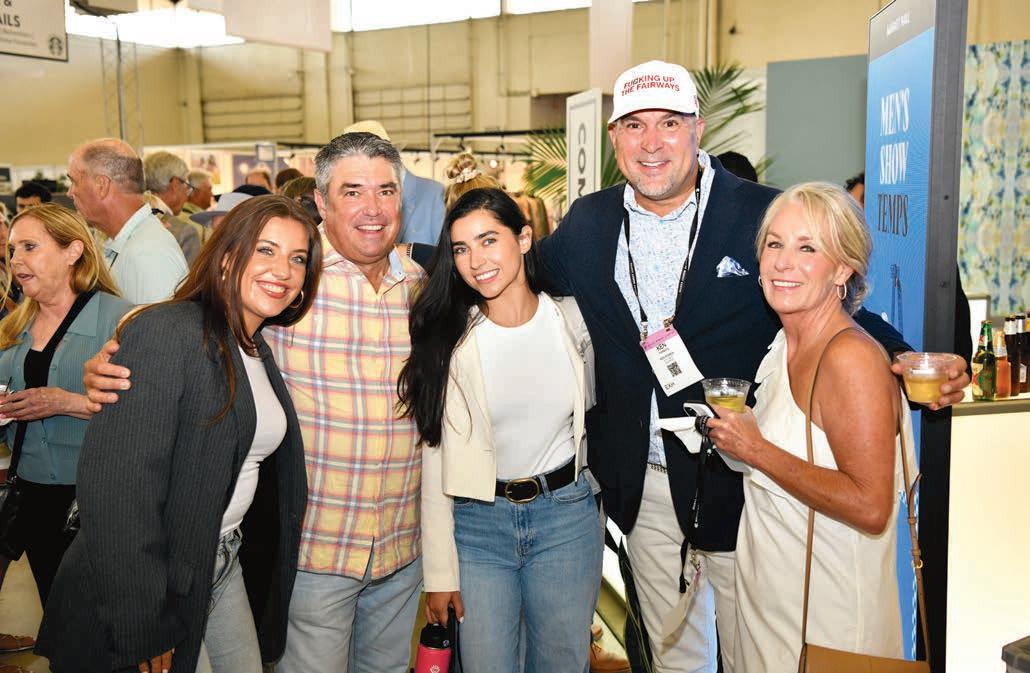

With all that energy, it’s no surprise the Texas fashion community has made itself comfortable here. Retail landmarks like NorthPark Center and Highland Park Village remain essential stops, and both the Bishop Arts District and Knox-Henderson areas continue as the city’s coolest neighborhoods for shopping, dining, thrifting, and low-key trend reconnaissance before market officially begins.
The Show kicks off with a Preview Day, beginning at noon on Friday, and continues through Monday, returning to the World Trade Center, where hundreds of brands will exhibit on the 11th floor alongside permanent showrooms on the 7th, 14th, and 15th floors. Industry eyes will also be on the ongoing partnership with the Association of Golf Merchandisers, a collaboration that continues to expand the show’s reach and relevance.
Events include the always-popular Men’s Show Party on Saturday evening with cocktails in the WTC 1 Atrium. And proving that miracles still happen in wholesale menswear, complimentary lunch will once again be served to buyers Saturday through Monday in the Buyers Lounge on the 11th floor.
Among the new brands expected at the Dallas Men’s Show this season, at press time: Mason Cruz, The Umber and Ochre, Tori Richard, Frye Footwear, Rakho, JZ Richards, Torino Leather Company, La Matera, and Snaps Clothing.
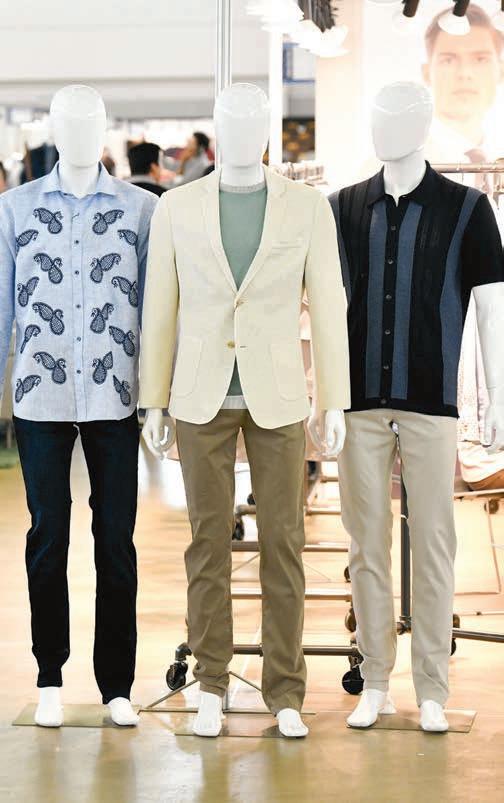
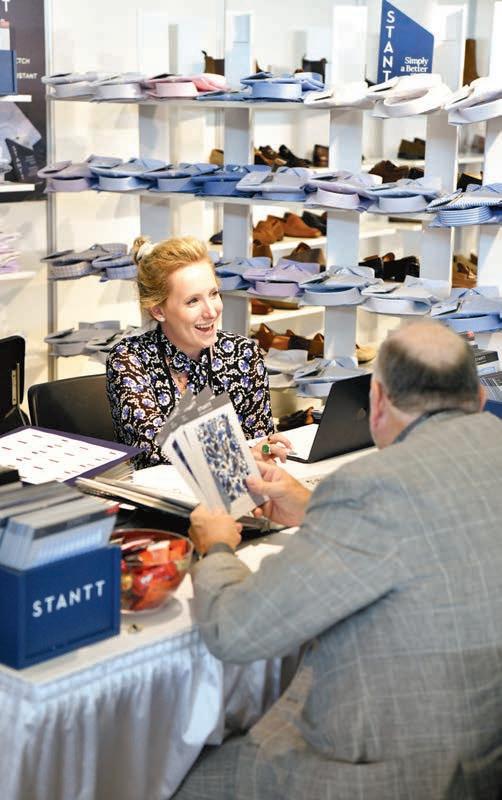
Cowboy Country Club
Waggle Golf
Mizzen + Main
Jack Apparel
Greyson Clothiers
Outdoor/Lifestyle
Duck Camp
Burlebo Filson
Local Boy Outfitters
Southern Shirt Company
Baja Llama
The golf market has evolved well beyond the performance polo.
By John Russel Jones
Ten years ago, the golf industry seemed stuck in a bit of a sand trap. While the business boomed during the late 1990s and early 2000s thanks to “The Tiger Woods Effect,” the celebrity’s injuries, personal scandals, as well as overexpansion eventually caught up with the sport. Too many courses had been built, millennials weren’t embracing the game at the same pace as their parents, and the 2008 financial crisis took a sizable divot out of discretionary spending.
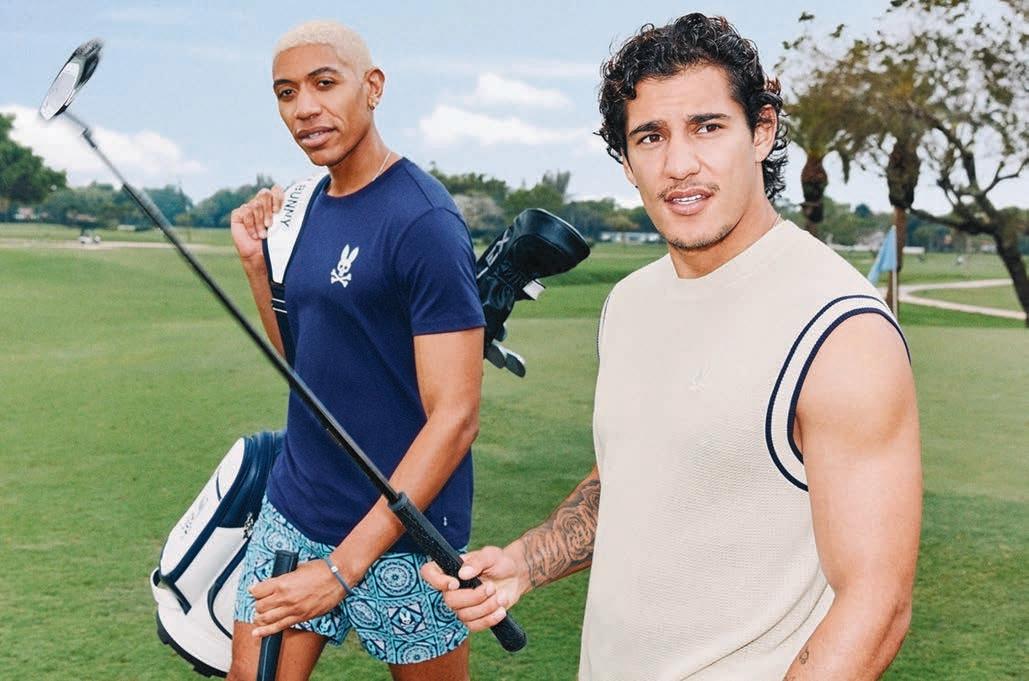
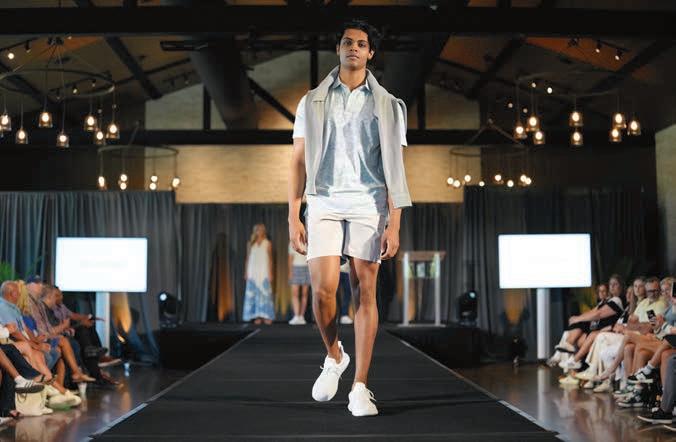
Then came Topgolf, the high-tech mashup of driving range, sports bar, and video arcade that helped reintroduce the game to a younger, more social audience. What began as a stripped-down, less intimidating version of golf eventually became one of the industry’s biggest success stories. Initially dismissed by some traditionalists, the concept proved transformative enough that Callaway Golf acquired the company for $2 billion in 2020, only to spin it off in 2024. Today, Topgolf operates more than 100 locations worldwide.
“Golf got a huge lift during COVID because you could still play during lockdown,” says Bert Brunner of Devereux Golf. “A lot of people got introduced to it that way and, once you’re introduced to it, well…it becomes a problem in your life,” he jokes. “Since then, there’s been a lot more creative energy around the game and around golf culture in general. Traditional golf was quiet, polite applause. Now it feels much more social.”
That shift has dramatically impacted apparel. For years, golf clothing leaned heavily into performance: moisture management, stretch fabrication, lightweight synthetics, and UV protection. While those features remain important, the category is now moving toward something broader and more lifestyle oriented.
Back in the early aughts, companies like Raffi had a thriving business in mercerized-cotton polos embroidered with country-club logos and shipped to green-grass shops nationwide. By 2005, much of that business was already migrating toward technical performance
fabrics. By
had firmly established itself as the opening-price-point luxury leader in golf apparel. Today, however, the category is widening again.
“The apparel side is still dominated by brands like Peter Millar, Holderness & Bourne, Polo and Grayson,” explains Lisa Langas, event director for the PGA Show and PGA Buying Summit. “There are still strong mid-tier brands like Greg Norman, Nike, and Adidas, but the excitement is really coming from newer brands that are bringing back a more elevated and fashion-oriented perspective.”
Langas points to brands like Psycho Bunny, Students Golf, Public Drip, Quiet Golf, and Del Campo as examples of companies approaching golf less through traditional
country club distribution and more through lifestyle channels.
“They’re looking at where the consumer actually meets golf,” Langas says. “At resorts, on social media, online, through entertainment concepts. The National Golf Foundation considers that if you’re swinging a golf club, you’re participating in the sport. The demographic may differ from the traditional golfer, but the two worlds are starting to merge.”
For apparel retailers, that evolution matters.
“Golf is now much more of a lifestyle category,” Langas adds. “You don’t even have to play golf to want the look.”
That broader appeal is also reshaping fabrication trends. While technical performance remains essential, consumers increasingly want products that feel softer, more natural, and less chemically engineered.
“You’re still seeing moisture management and cooling technology,” says Langas. “But the really heavy synthetic fabrics have given way to blends incorporating cotton, natural fibers, and more sophisticated fabric constructions. UV protection is huge, but comfort and hand matter more than ever.”
Brunner believes golf apparel is occupying cultural territory once dominated by skate/surf.
“Skaters grew up, and now they golf,” he says. “They started looking for something more mature than graphic tees and loud printed polos. Golf has become a connector to fashion. The brands succeeding right now are the ones finding that balance between respecting the traditions of the game while pushing style forward.”
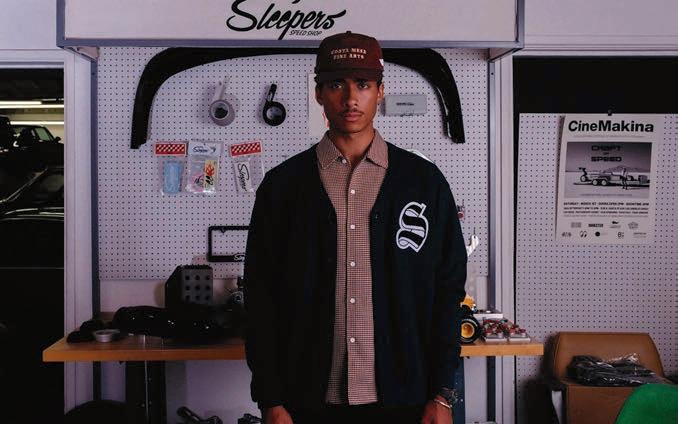
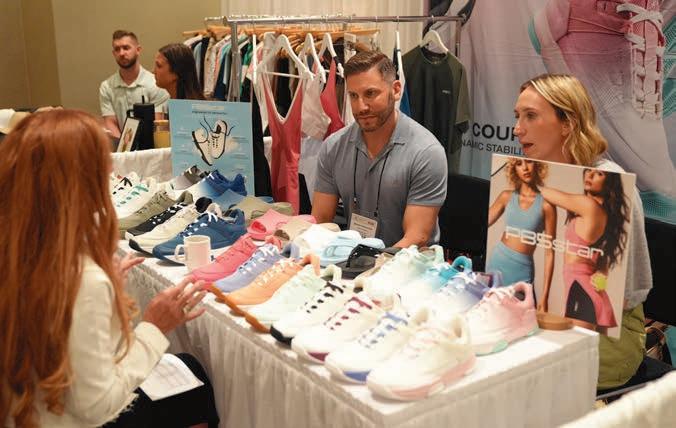
That fashion component is precisely what has companies like Psycho Bunny investing aggressively in the category. The brand recently hired Heath Martin to oversee wholesale sport distribution.
“We want to be in the very best green-grass stores,” says Adam Ray, vice president of wholesale for Psycho Bunny. “It’s not necessarily about volume. It’s about showing up in the right places with the right presentation. Golf today is about the entire lifestyle. It’s about what the customer wears pulling up to the club, having lunch afterward, traveling, socializing. It’s bigger than just the polo shirt.”
Of course, the brand faces a unique challenge: its signature Bunny Skull logo competes directly with country club embroidery programs. Psycho Bunny addresses that issue by placing club logos on sleeves while maintaining its own branding on the chest.
“When you’re walking through an airport, you see golf club logos everywhere,” Martin notes. “For a lot of guys, they’re status symbols. Pairing the club logo with the brand logo elevates both.”
That embroidery business remains enormously important within golf retail.
“When men travel to resorts, they want the souvenir,” Langas says. “They want their friends to know where they played. The logo becomes part of their identity as a golfer.”
Tournament merchandise has become especially lucrative. Events like the WM Phoenix Open generate millions of dollars in branded apparel sales annually.
Still, traditional menswear retailers face
a balancing act. During MR’s recent retail roundtable, James Bower Jr. of The Clothing Commission admitted some fatigue with the category.
“I’m tired of competing with country clubs,” Bower said. “We’re focusing more on true summer knitwear instead of golf polos.”
Others are taking a more hybrid approach. Michael Druskin of Jaxen Grey says his sixstore Midwest operation approaches golf primarily as a lifestyle opportunity.
“A lot of our customers golf, but we’re selling clothing that takes them from the course to the office to dinner,” Druskin explains. “We’re not overly technical. The opportunity is offering brands they won’t necessarily find in traditional golf shops.”
At press time, Jaxen Grey’s homepage prominently featured a golf lifestyle edit showcasing labels such as Sun Day Red, Bad Birdie, and Macade Golf, alongside more versatile sportswear from 7 Diamonds and Faherty.
David and Ellen Levy of Levy’s in Nashville have been very interested in the category, especially wicking knits and layering tops that are multipurpose, but without the golf course logo. The couple featured one golf lifestyle brand that sold through for three years but ultimately struggled to maintain traction. One concern involved product appearing at a wholesale club.
“We spent a day at the PGA Frisco show after the Dallas Men’s Show, but don’t necessarily believe club logo golf apparel belongs in a business or business-casual environment—unless you’re actually at the club. We’d rather focus on sophisticated sportswear and knitwear with a
timeless feel that also works on the golf course. One success story has been shorts by Deke.”
That distinction between “golf apparel” and “golf-inspired apparel” continues to blur.
Andrew Redvanly, founder of Redvanly, believes the office itself has become more golf-influenced since the pandemic.
“Ever since COVID, office dress codes have relaxed,” Redvanly says. “Quarter-zips, performance pants, pull-on trousers…that aesthetic has become normalized.”
His 13-year-old brand combines technical fabrication with elevated materials like cashmere and merino wool. The company’s best-selling Calvin trouser, a pull-on chino made from cotton, Tencel, and spandex, reflects that crossover appeal.
“We’re premium,” Redvanly says. “We land in the top 15 percent pricewise within golf apparel, but our customer wants modern styling without looking overly fashion-forward.”
The brand currently sells through retailers including Mitchell Stores, Garmany, and Darien Sport Shop, as well as green-grass locations and fitness-focused retailers like Equinox.
Michelle Kempe, vice president of retail for Escalante Golf, oversees merchandising for 26 properties across 17 states and sees the shift firsthand.
Peter Millar remains her top seller, but she’s increasingly seeing momentum behind brands like Malbon Golf, Eastside Golf, and Students Golf. She also cites the Lululemon ABC Pant as a core performer.
“A lot of these newer brands were built through influencers and social media,” Kempe says. “Some of the looks feel closer to runway fashion than traditional golf apparel. These customers aren’t necessarily shopping based on performance. They want to stand out.”
Kempe believes that presents opportunities for specialty retailers willing to think creatively.
“Partnering with local clubs makes a lot of sense,” she suggests. “Most golf shops don’t have space to carry full collections. A traditional menswear store can complement what the club is already doing.”
Some retailers are already moving in that direction.
During MR’s roundtable discussion, Scott Shapiro of Syd Jerome described an emerging partnership with a local country club that includes pop-ups, rotating merchandise assortments, and trunk shows tied directly to the golf professional’s client base.
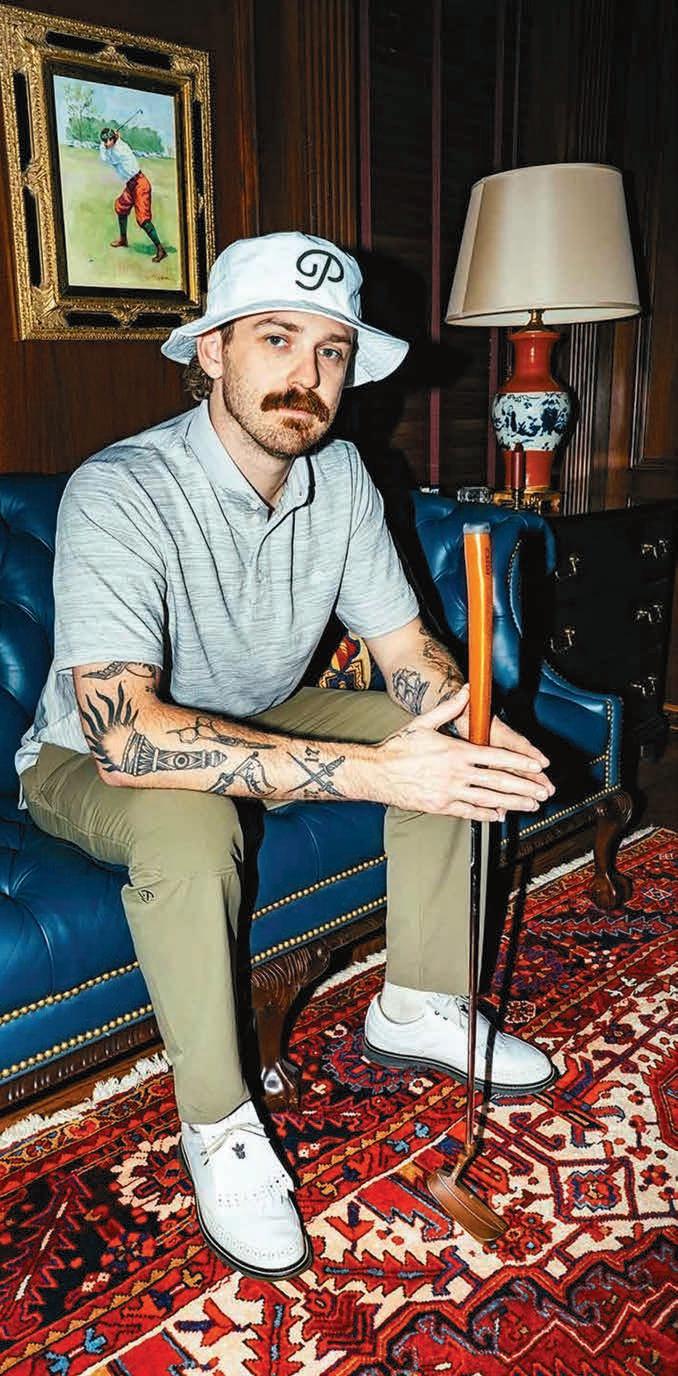
“It gives us the equivalent of a second location without signing another lease,” Shapiro explained. “And it reconnects us with customers we may not see as often anymore.”
That may ultimately be the biggest takeaway from golf’s current evolution. This is no longer simply a performance apparel business tied exclusively to the country club set. It has become part fashion category, part social identity, part travel wardrobe, and part entertainment culture.
In other words, the game has loosened up a little. The collars are softer. The silhouettes are cleaner. The rules feel less rigid. And somewhere between the driving range, the clubhouse, the office, and dinner reservations, menswear retailers are discovering that golf may no longer be a niche business at all.
Golf apparel’s biggest shift may not be technical innovation or even fashion influence. It’s accessibility. What was once a highly specialized category centered on country clubs and performance polos has evolved into a broader lifestyle business spanning travel, entertainment, hospitality, and everyday sportswear. For menswear retailers, the opportunity isn’t simply selling golfers another shirt. It’s understanding that today’s customer increasingly wants clothing that moves seamlessly between the fairway and the rest of his life.
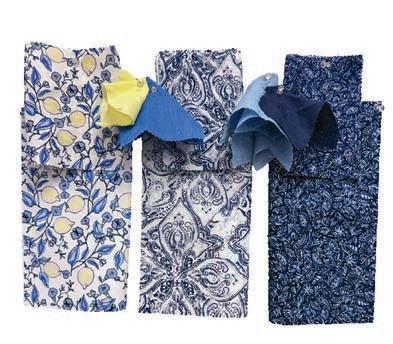
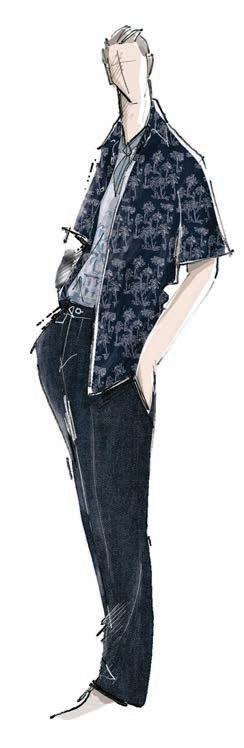
Coloro hails Luminous Blue as 2027 Color of the Year. A perennial favorite, we say bring on the blues!

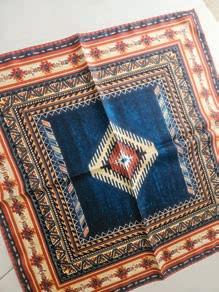
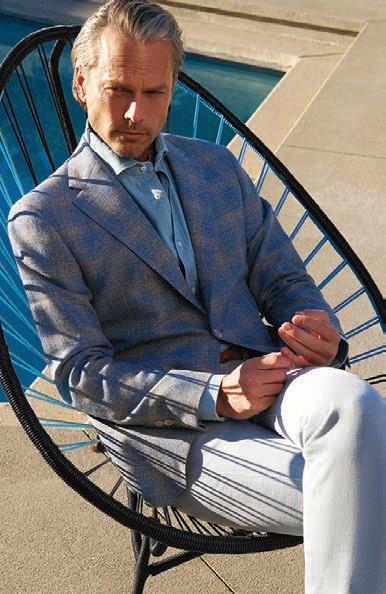

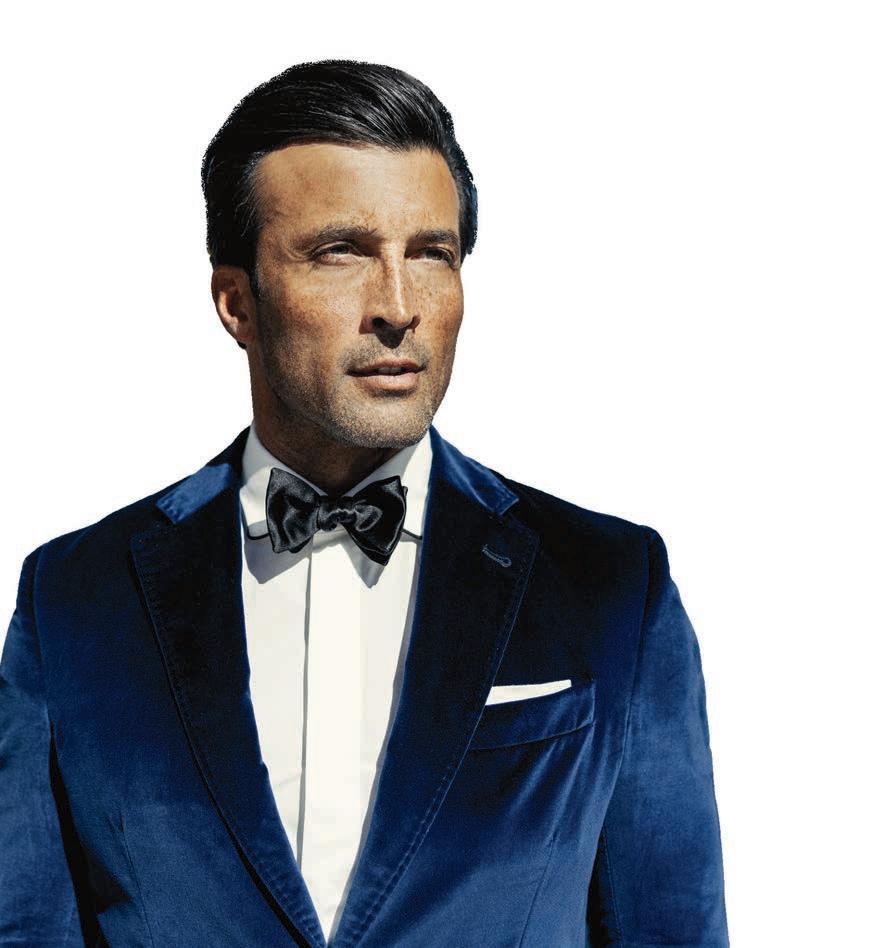
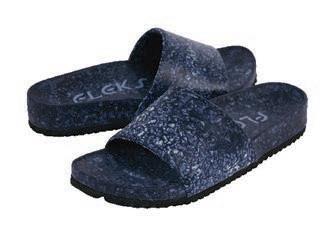
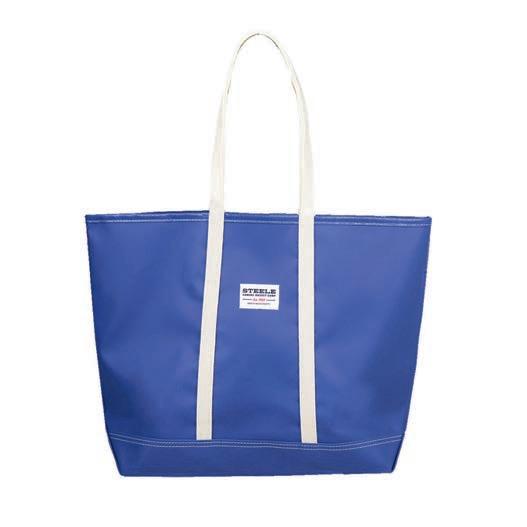
A surprise runner-up, earthy greens look like the color of money for the coming season.
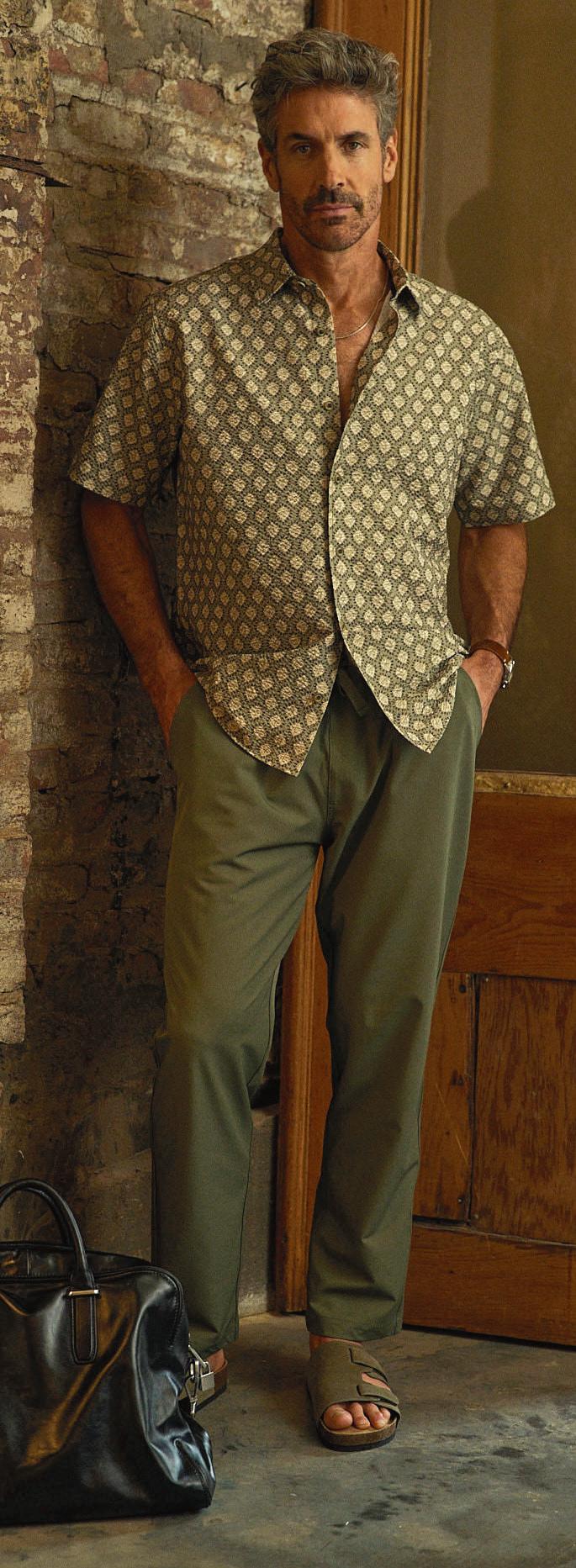
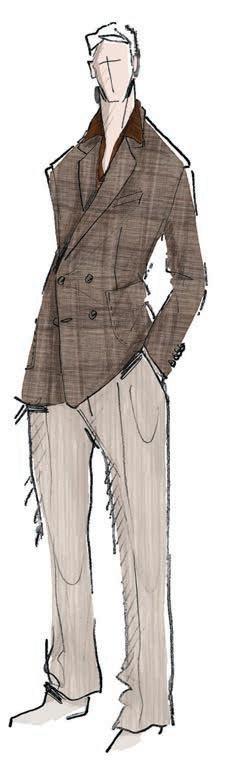
We see a return to tailored clothing with high-buton stance jackets like this beauty from Bugatchi.
Ponchos and capes are another trend we’re spotting this season
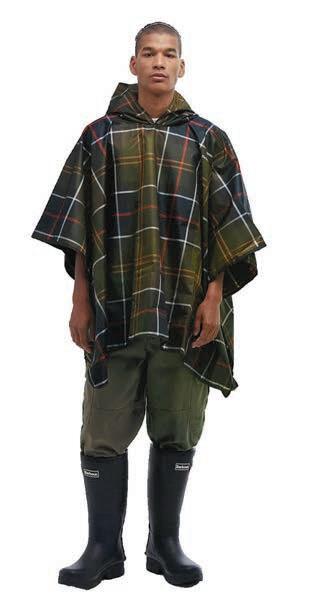



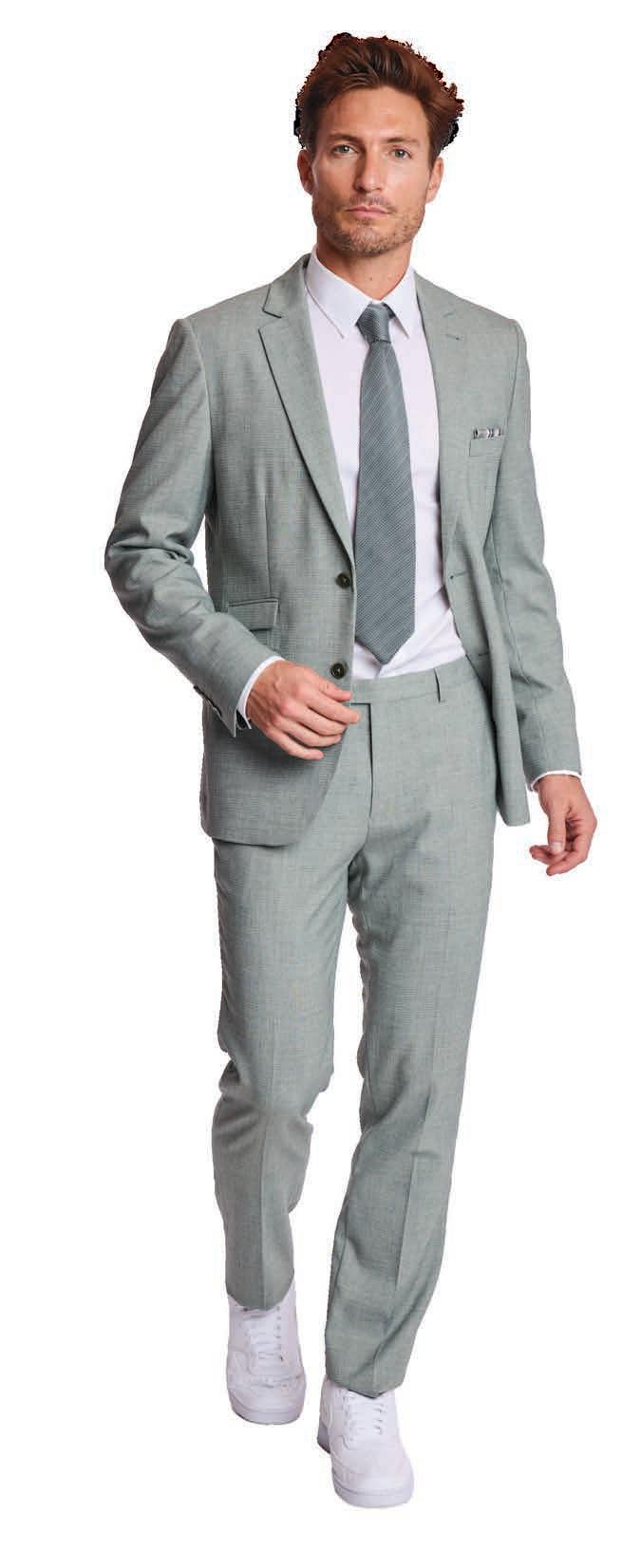
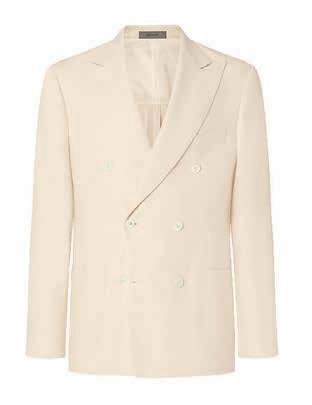
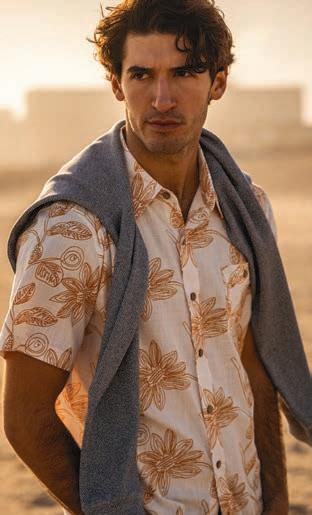
Avoid coffee and red wine: ivories and whites move beyond neutral to the fore as a must-have hue.


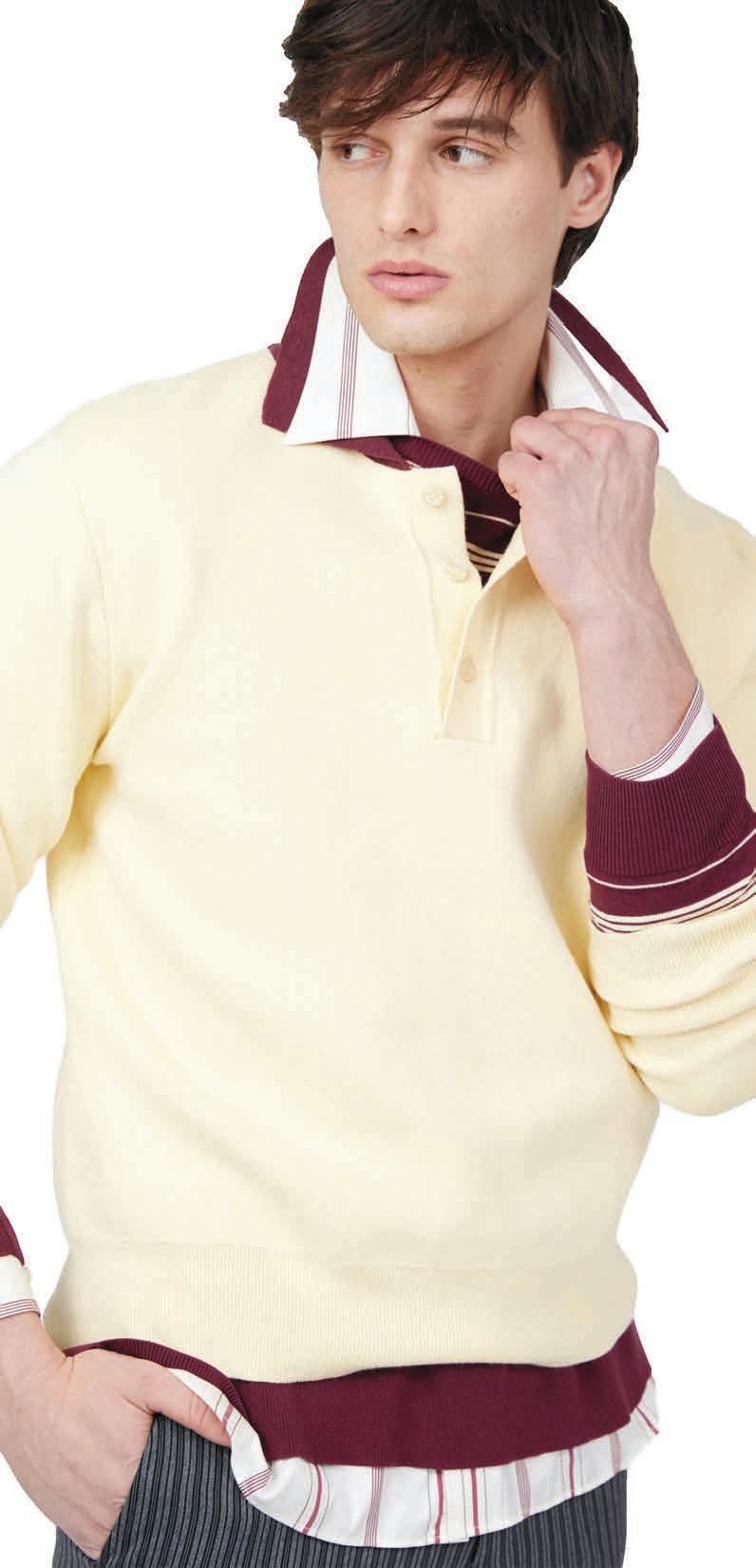
We also like “Layermaxxing” for the season, as
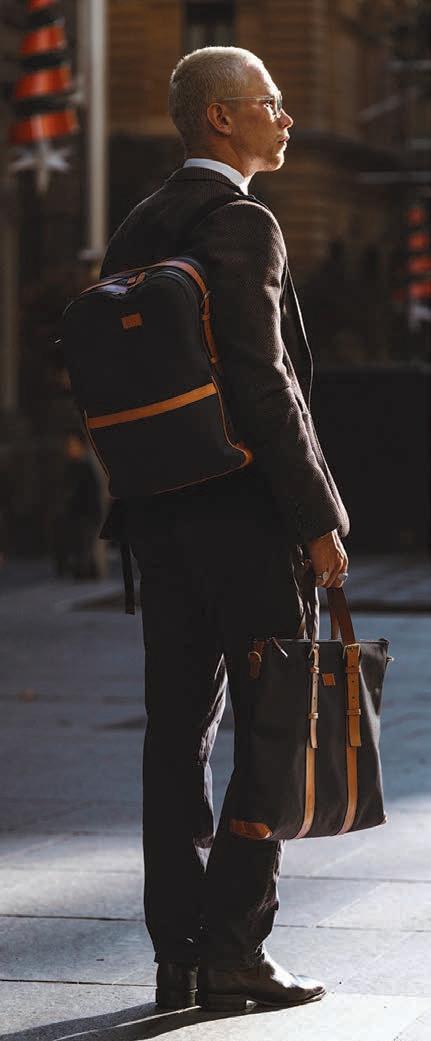
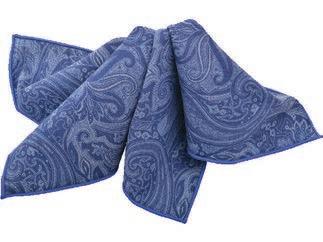
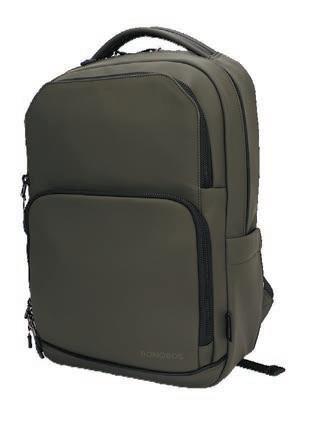
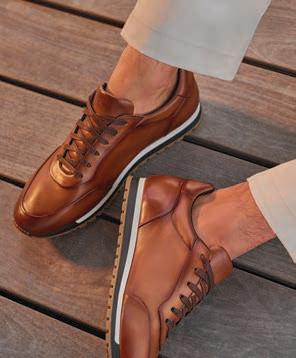
There’s a renewed focus on lightweight, comfortable items that travel well, even if the commute is just around the house.
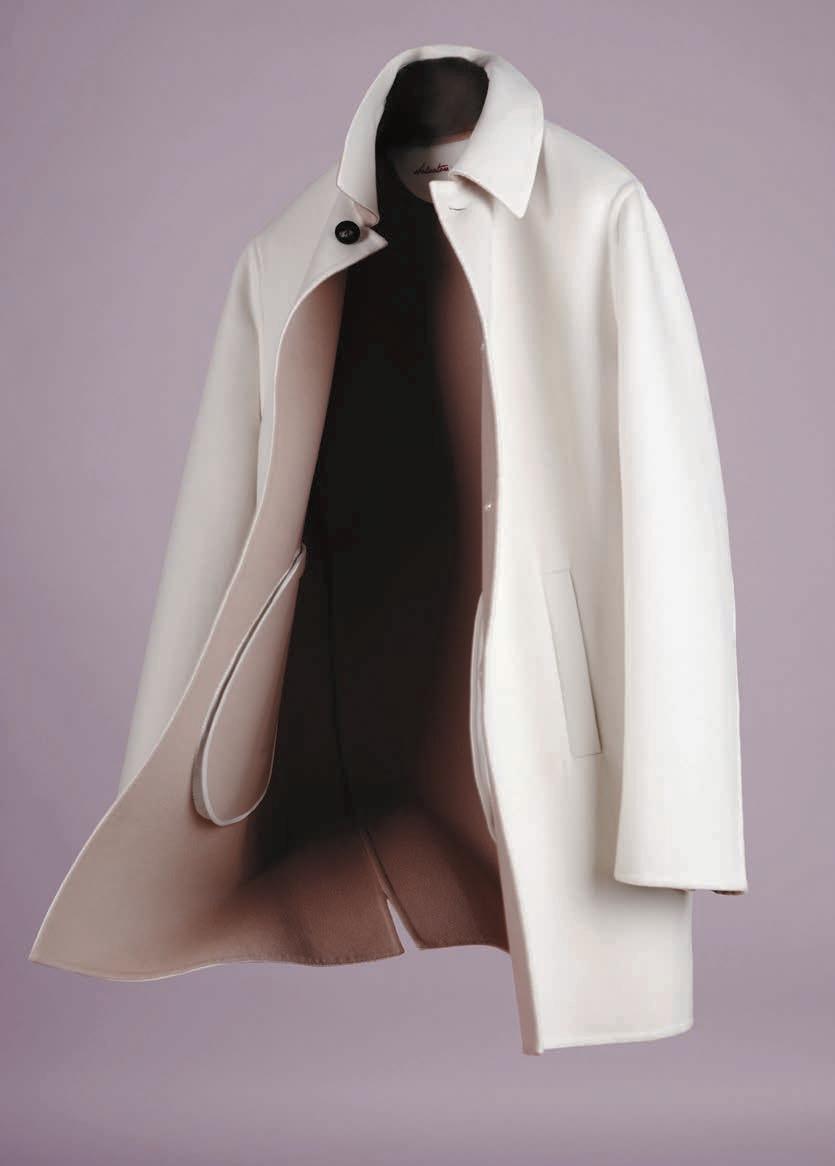
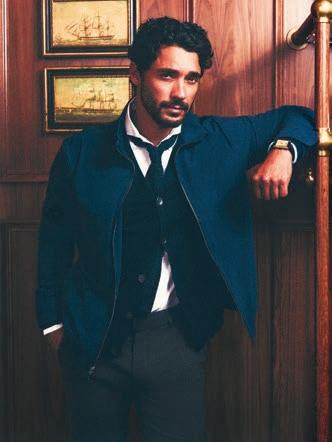
Dressing up feels easier than ever with today’s mix of new tailoring and sophisticated sportswear.
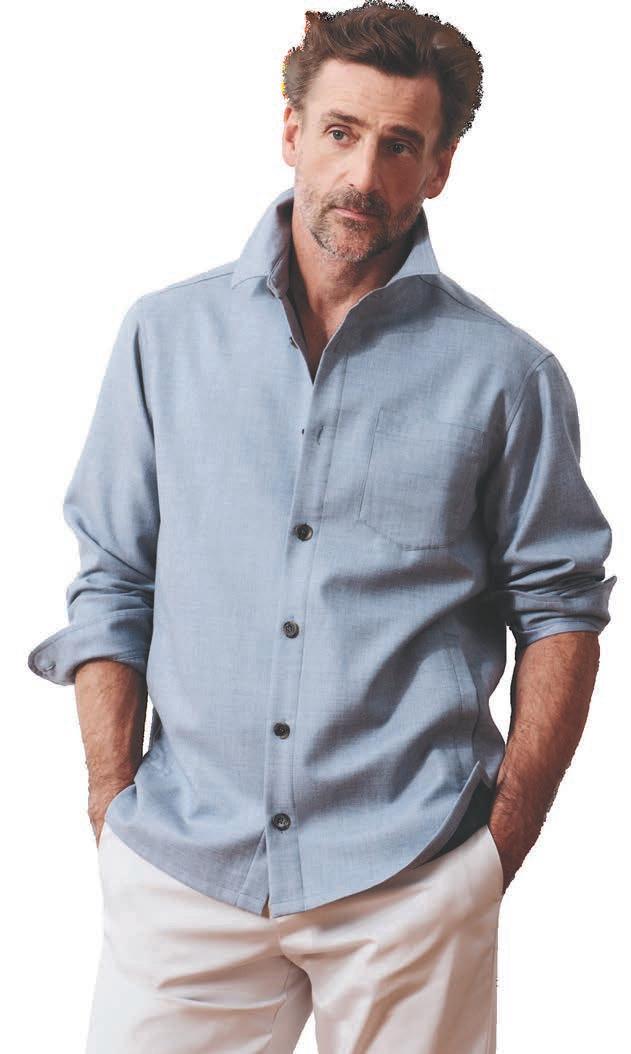
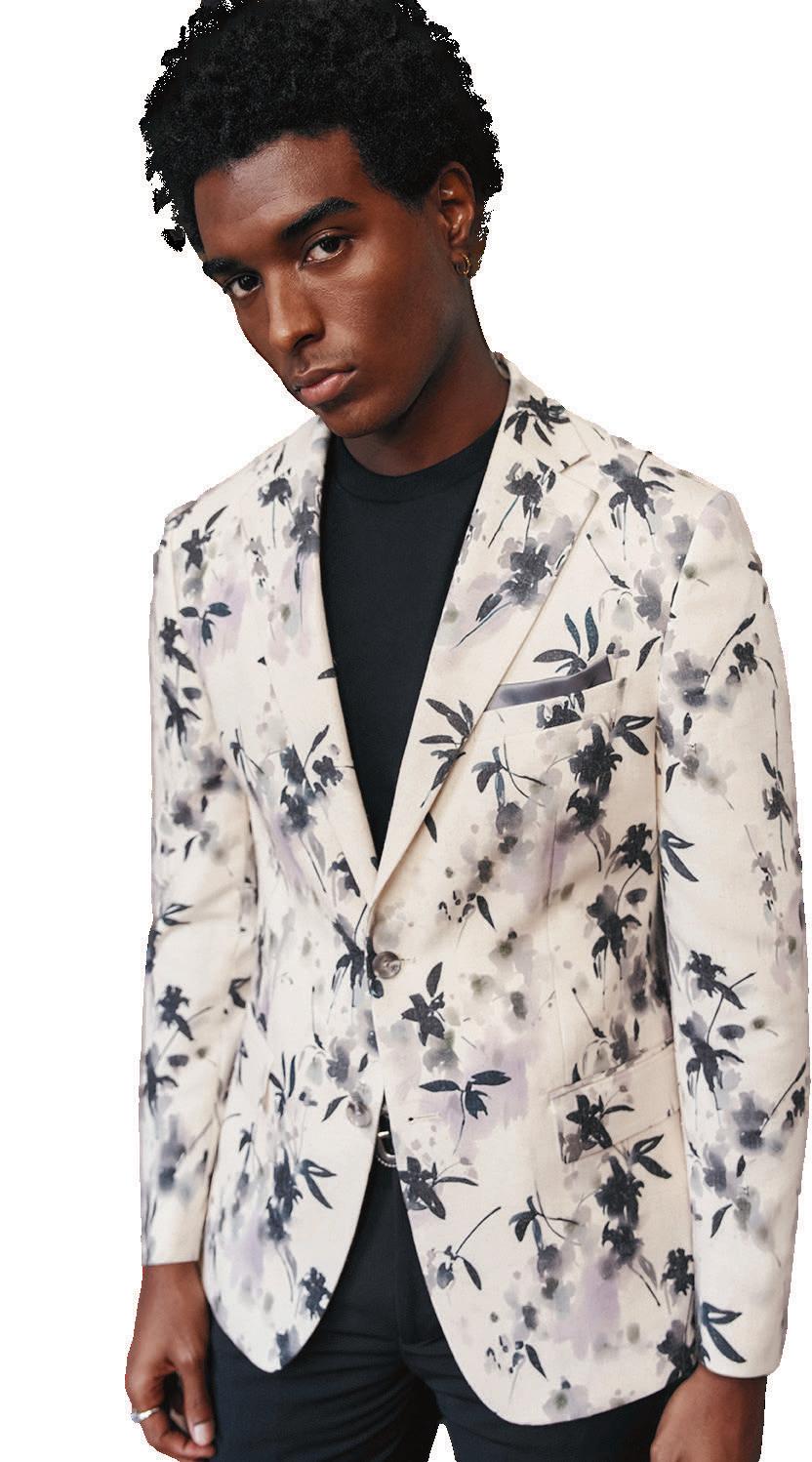
a touch of
to
We like this refined version from
or everyday!
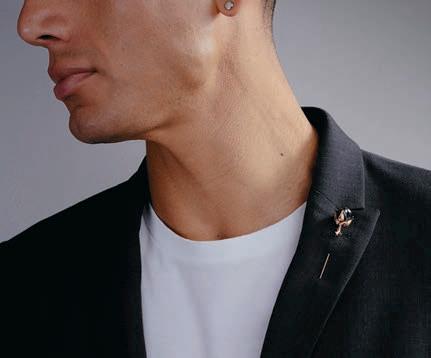

1. Stitch type common in hand tailoring
5 Refined men’s dress code for formal occasions
7. Traditional British bespoke district
9. Lightweight summer tailoring fabric
10. Retail appointment for suit consultation
11. Measure around the pectoral muscles in a fitting
13. Classic men’s jacket fabric with diagonal rib
15. Interior material that gives a jacket shape
17 Garment fitting stage before final delivery
19. Hand-finished buttonhole style
20. Fabric pattern of small repeating squares
22. Formal menswear staple jacket
23. Retailer’s in-house clothing line
25. Fabric with natural stretch and resilience
2. Luxury fiber prized in soft tailoring 3. Small fabric sample used in selling tailored clothing 4. Guide used as the basis for custom cutting 6. Term for partially constructed sample garment
7. Shoulder construction without heavy padding
8. Premium Italian suiting region
11. Industry term for specifically to client specs
12. Sleeve detail often left functional on bespoke suits
14. Skilled artisan who shapes garments
15. Retail floor specialist in tailored department
16. Measurement from neck to shoulder edge
17. Garment cut specifically for one client
18. Trousers feature that helps adjust the waist
19. Custom program between off-the-rack and bespoke
21. Measurement taken around the midsection
24. Tailor’s pressing equipment

A collaborative alliance of showrooms, trade shows, retailers, brands, and press — connecting the menswear industry through market intelligence, showroom access, and preferred partnerships in New York City, the undisputed capital of American menswear.

SS27 NY MARKET WEEK · JULY 13 – 25, 2026
Market Week updates & member events — www.umfa.us
Preferred hotels at umfa.us/hotels — rates from $209 / night. Instagram @umfa.us · LinkedIn linkedin.com/company/umfa-us Contact info@umfa.us New York City SCAN