THE PEOPLE DEFINING MENSWEAR NOW

THE PEOPLE DEFINING MENSWEAR NOW
HONORING LEADERSHIP. CELEBRATING IMPACT. INSPIRING WHAT’S NEXT.
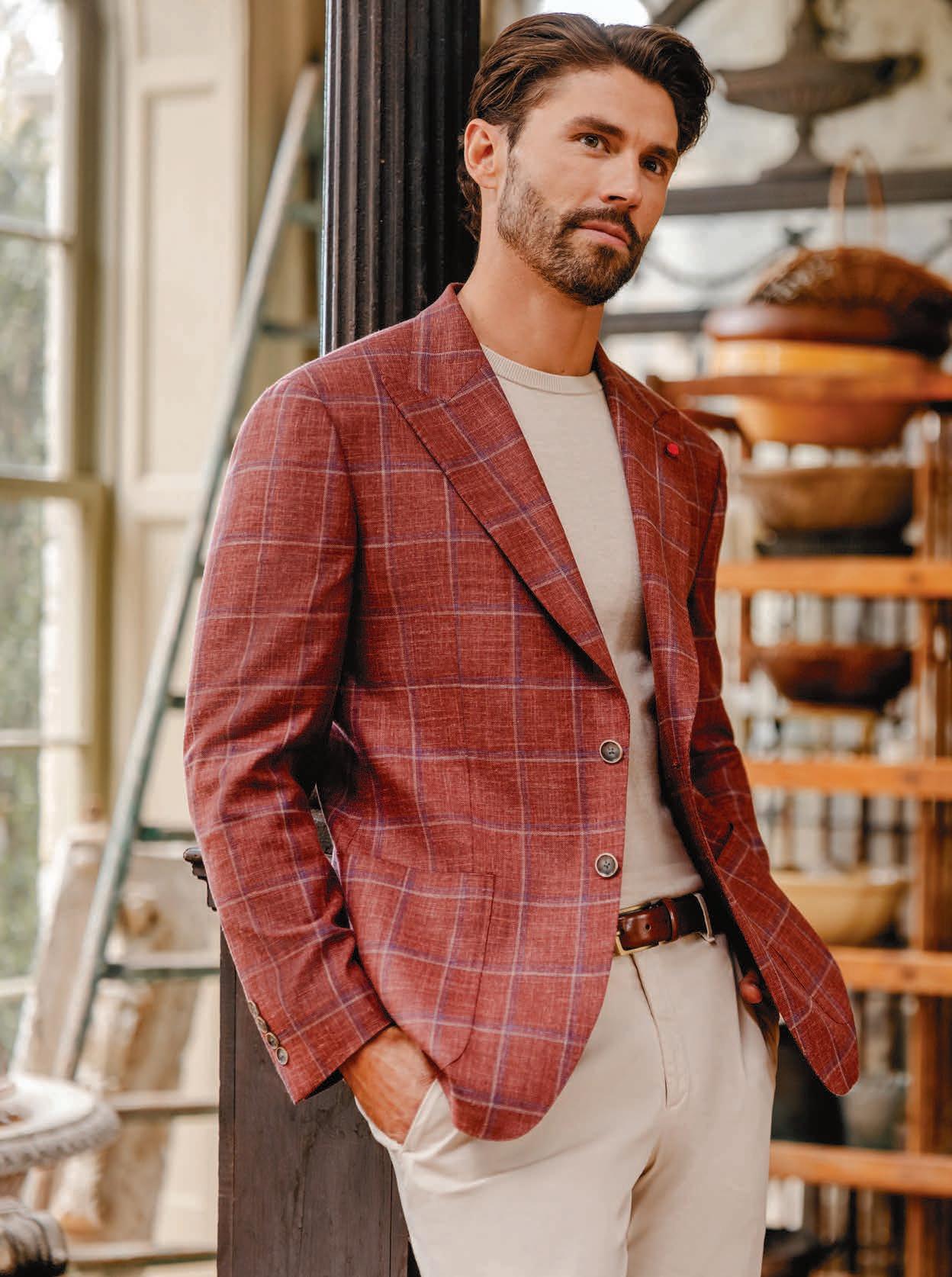
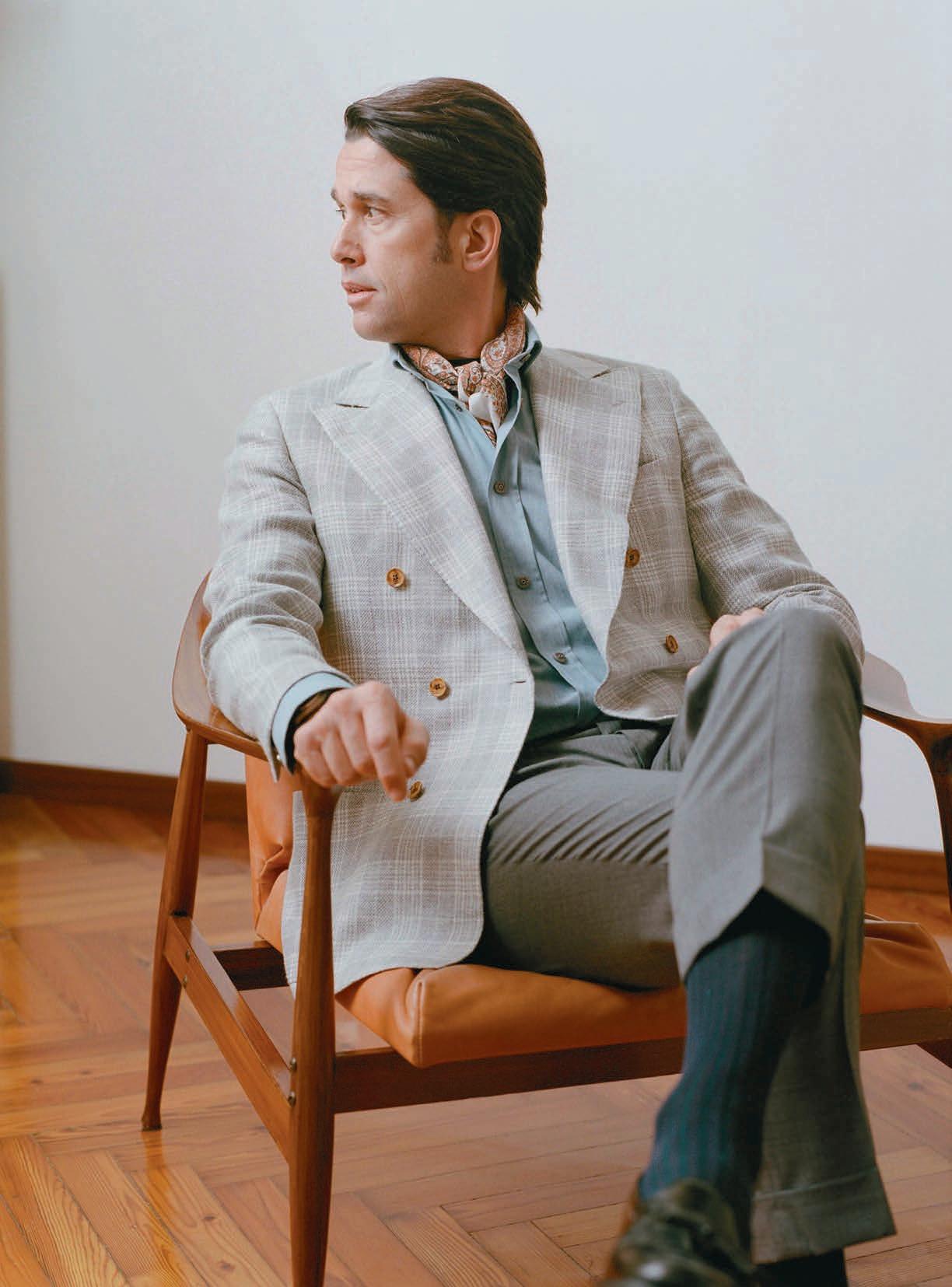
REINVENTING THE CONCEPT OF TAILORING SARTORIO.STORE
Some stores sell menswear. Others shape its culture.



LAS VEGAS
AUGUST 10-12
NEW YORK
SEPTEMBER 9-11
LAS VEGAS
AUGUST 10-12
NEW YORK
SEPTEMBER 9-11
LAS VEGAS
AUGUST 10-12
LAS VEGAS
AUGUST 10-12
NEW YORK
SEPTEMBER 9-11

Congratulations & all the MR Awards Honorees. James Newell, Gary Flynn, Dana & Greg
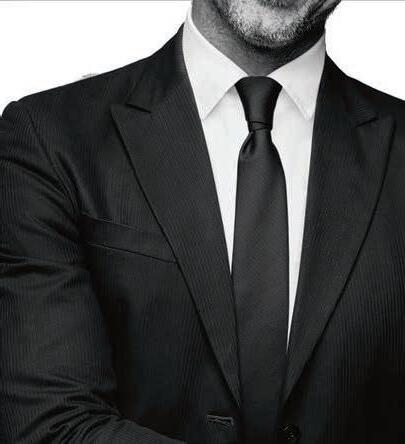
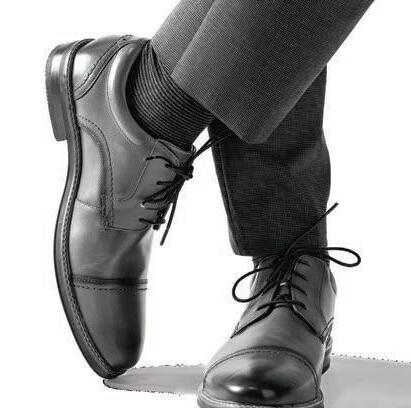
FROM WORKDAY

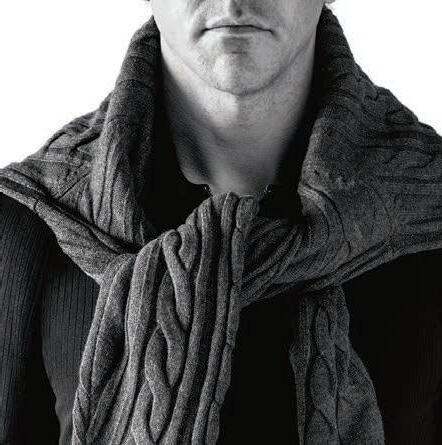

TO WEEKEND
JULY 25 - 27, 2026
PREVIEW DAY JULY 24, NOON - 6PM
JANUARY 23 - 25, 2027
PREVIEW DAY JANUARY 22, NOON - 6PM
EDITOR’S LETTER What Can We Learn...
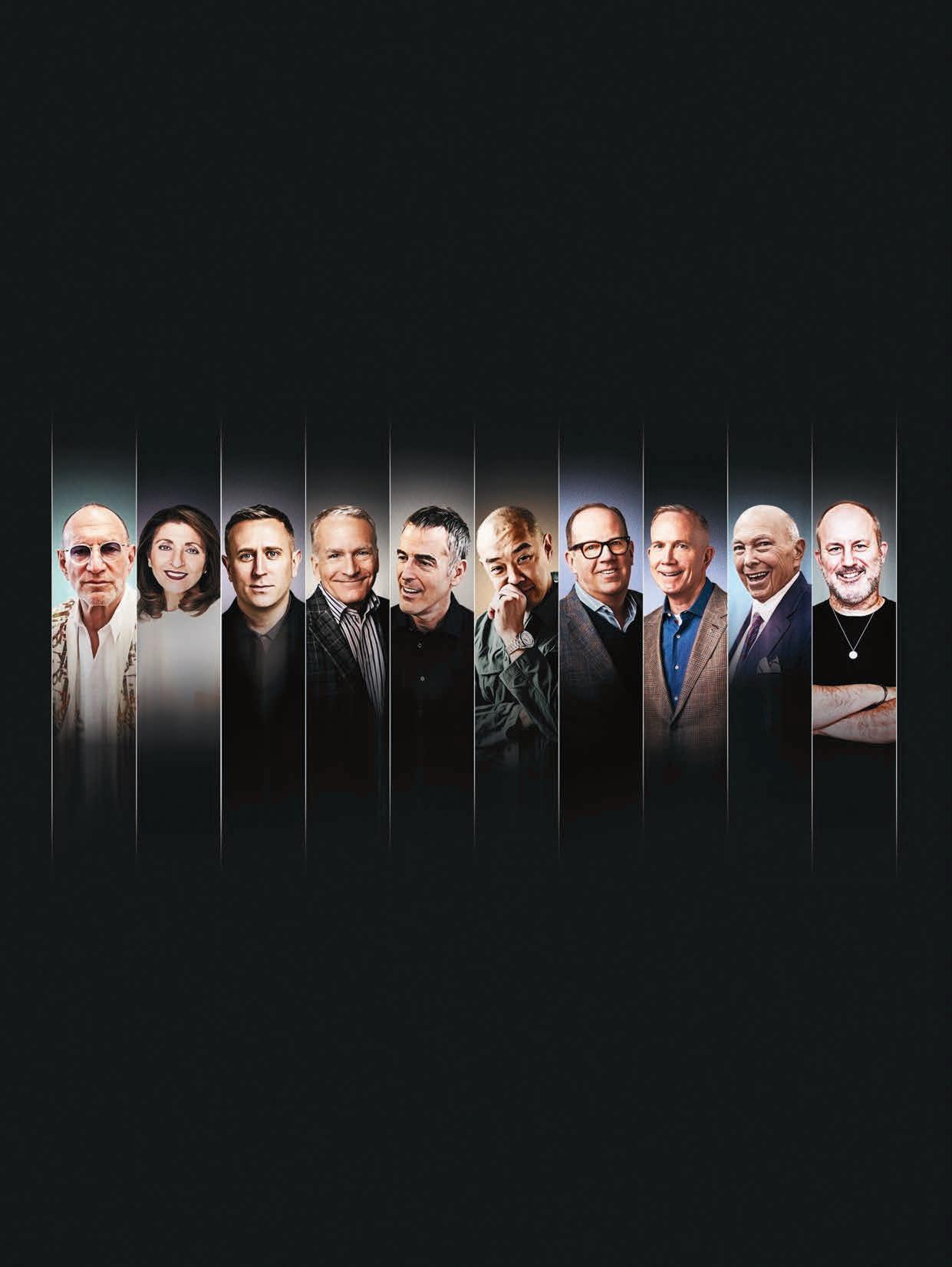
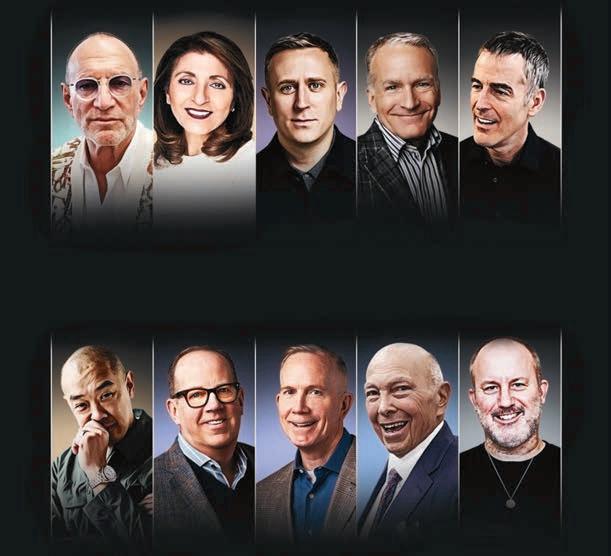
JAMES NEWELL BLOOMINGDALE’S Retailer of the Year: Department Store
CECILE REVAH BUGATCHI Visionary Award
DANA SWINDLER & GREG WALSH MARTINPATRICK 3 Retailer of the Year: Specialty Store
MICKEY SOLOMON GLADSON LTD. Legend Award
GARY FLYNN & DAVID DUMAS M. DUMAS People’s Choice Award
GARY WASSNER HILLDUN Lifetime Achievement Award
PAUL WITT WITTMORE Retailer of the Year: Contemporary
JEFF STAPLE Vanguard Award END STORY Color of the Season: Twisted Lime


EDITOR-IN-CHIEF KAREN ALBERG GROSSMAN
EDITORIAL DIRECTOR MICHAEL FISHER
WEB & CONTENT EDITOR BRETT EDWARD STOUT
ART DIRECTOR MIKE STEVEN FRANÇOIS
CONTRIBUTING EDITORS
CHRISTOPHER BLOMQUIST / JOHN RUSSEL JONES
CONTRIBUTING CREATIVE DIRECTORS
NANCY CAMPBELL / TREVETT MCCANDLISS
GROUP PUBLISHER LIZETTE CHIN
PUBLISHER CHARLES GARONE
PRODUCTION MANAGERS
LAURIE GUPTILL / BARB VAN SICKLE
MARKETING & PRODUCTION SPECIALIST
CATHERINE ROSARIO
OFFICE MANAGER
KRIS PEPPER ACCOUNTING
KASIE CARLETON / URZULA JANECZKO / SCOTT KATIRACHI
CHAIRMAN CARROLL V. DOWDEN
PRESIDENT & CEO MARK DOWDEN
SENIOR VICE PRESIDENTS LIZETTE CHIN / RITA GUARNA/ ED BURNS
CHIEF FINANCIAL OFFICER/VICE PRESIDENT STEVEN RESNICK
VICE PRESIDENTS
NIGEL EDELSHAIN / THOMAS FLANNERY
NOELLE HEFFERNAN / MARIA REGAN


By Karen Alberg Grossman
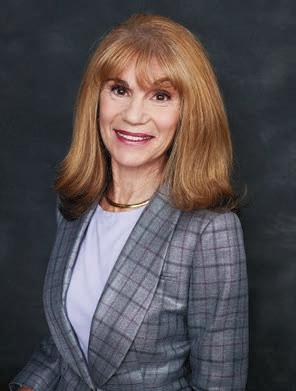
Every specialty store is unique, a reflection of the ones who founded it and of those who fine-tune the mission over the years. Each generation adds a fresh perspective, and while there are no fool-proof success secrets, I’ve picked up many helpful insights from the retailers, brands and innovators we honor at our annual MR Awards dinners.
From this year’s roster of notable honorees:
To many industry insiders, Gary Flynn from M. Dumas in Charleston models kindness and generosity of spirit. Our 2026 People’s Choice award winner, Gary purchased this storied business from the founding Dumas family just over ten years ago. While he could easily have changed the M. Dumas name to his own, he opted to respect the store’s legacy by leaving the name as it was, allowing Charleston residents and visitors to honor the Dumas family with every purchase. Co-owner David Dumas is certain that his parents and grandparents would be extremely proud.
Paul Witt of Wittmore, MR’s 2026 Contemporary Retailer of the Year, has reinforced my belief in the importance of listening. Paul prides himself on an unusually sharp memory, something he calls the “Rain Man Effect.” His ability to readily recall his customers’ names, their kids’ names, their past purchases, their vacation spots, makes his unique contemporary business as much about relationships as about buying and selling. With four stores already, Paul and his partner Doug have recently opened their fifth, with a fresh focus on women’s and gifts.
Cecile Revah at Bugatchi, MR’s 2026 Visionary award winner, continues to prove that being female in the world of menswear need not preclude strength. For quite simply, Cecile is a powerhouse! Physically present each season at dozens of trunk shows and trade shows across the country, she understands how much retailers appreciate working with the company founder. As Bugatchi’s top exec and guiding light, Cecile also wrote the rule book on working with family: “Discipline, clarity, and separating emotion from decision-making.” Words to live by, indeed.
James Newell at Bloomingdale’s, MR’s 2026 Department Store of the Year honoree, has mastered the art of learning from role models.
Engaging with top execs at nearly every retail store he’s worked for, James has learned much by borrowing from the playbooks of brilliant merchants, especially Karen Katz at Neiman Marcus, June Horne and Denise Magid at Saks. James is described by his brand partners as “curious, always ready to discover new brands and new creative ways to showcase them,” thereby keeping Bloomingdale’s “like no other store in the world.”
Streetwear fashion entrepreneur Jeff Staple, winner of MR’s 2026 Vanguard award, has never followed a playbook. Instead, he’s forever creating his own rules, trusting gut instinct over surveys and focus groups. Yes, he’s made mistakes along the way, admitting that “every life-affirming high is reliably chased by a gut punch!” But those punches inevitably come with valuable life lessons, so he continues to move forward. From a business that was mostly direct-to-consumer, Jeff will have 10 stores across the globe by year’s end.
What can be said about our 2026 Specialty Store Retailer of the Year, MartinPatrick 3? Dana Swindler and Greg Walsh are founders of what’s often described as “the most fabulous store in America.” With help from their amazing team, MP3 continues to update, innovate and entertain, not just in fashion but in home furnishings, design and gifts. They jokingly describe their success secret as “launching a business at such a low point in our economy that there was nowhere to go but up!”
“
Mickey Solomon, Gladson
Would any of us be here were it not for factors? Gary Wassner, CEO of Hilldun Corporation and our 2026 Lifetime Achievement award winner, graciously shares his wisdom about the financial workings of retailers and brands. Known as the “fairy godfather of fashion” for assisting retailers and brands with all things financial, Gary became among the first companies to become totally automated. What’s more, he strongly believes that retailers need strong margins from the start. “You’re fooling yourself if you think increasing volume will save everything. It won’t,” he insists. Mickey Solomon, our 2026 Legend award winner and arguably the smartest, most generous person in the menswear business, knows more about fibers, fabrics and textiles than anyone. Always low-key and modest about his accomplishments, Mickey has spent a lifetime giving back to the industry he loves, taking clients on international trips to see the mills, arranging seminars, panels and workshops to educate both retailers and brands. Among his many mantras: ‘Knowledge is Power’ and ‘Differentiation—the solution to stagnation.’ I’ve never seen Mickey without a big smile on his face and I’m truly delighted that he’s receiving this well-deserved award.
All of us at MR look forward to seeing our readers at the MR Awards Dinner on July 21, and at our MRX Conference on July 22nd. (For info: Charles.Garone@wainscotmedia.com)
Congratulations to our 2026 honorees and may we all keep on learning.
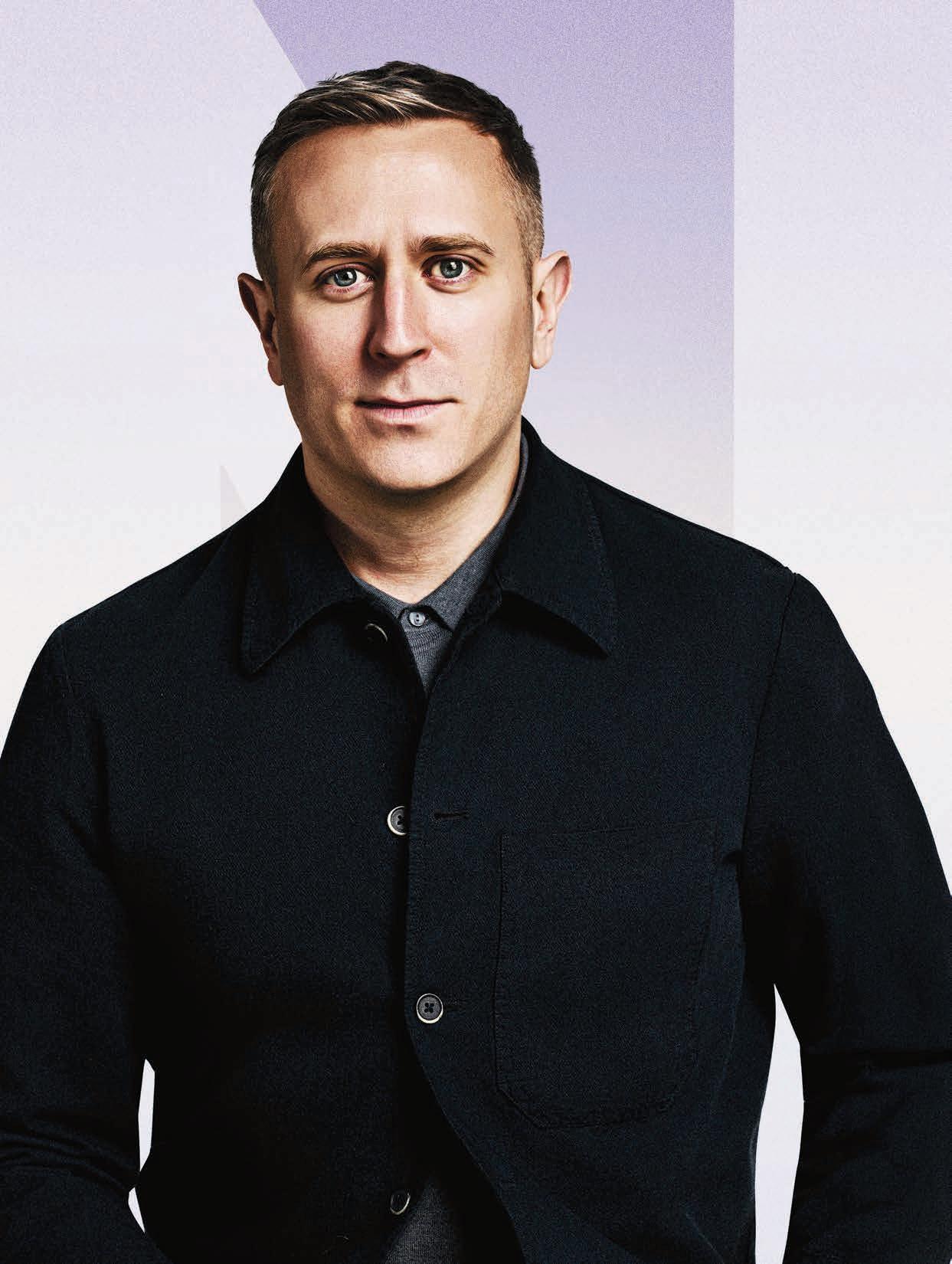
It’s like no other store in the world, for so many reasons. Menswear SVP/GMM James Newell shares a few of them.
By Karen Alberg Grossman
We use algorithms to calculate missed areas of opportunity, so we know how much more volume we could have done by following different demand curves. This takes lots of analysis and lots of guts. ” “
James Newell
His passion for retailing was apparent by age 12. Inspired by his very fashionable mom, a Neiman Marcus shopper with an affinity for David Yurman jewelry and chic sensible shoes, James Newell found a first job at William Sonoma while still in high school. This was followed by stints at several Chicago specialty stores, and then off to Dallas to join the executive training program at Neiman Marcus.
“I’ve always had an interest in fashion,” James recalls. “I was the only kid in 8th grade saving up for Diesel shoes. As a teenager, my after-school jobs were at local specialty retailers, where, on my breaks, I’d devour WWD along with my sandwich.”
His luxury store experiences reinforced this calling, and James still draws inspiration from top merchants of that time. “At Neiman Marcus, Karen Katz was an incredibly inspiring leader. It was early in my career, during the 2007 market turmoil, and I still remember Katz (dressed in Givenchy) bringing the merchant team together and calmly laying out a clear, confident path forward. Her composure and clarity in that moment left a lasting impression on me.”
From Neiman’s, James went on to Saks, under the tutelage of two influential and highly regarded merchants. “June Horne set an exceptionally high bar and pushed me to operate well beyond my level—engaging directly with brand presidents and thinking strategically beyond the buy. She gave me real autonomy, matched with very direct feedback, which fundamentally shaped how I approach the role of merchant. I later spent three years in women’s contemporary under Denise Magid, where I developed a strong foundation in building vendor partnerships and driving a business with both discipline and creativity.”

James then moved on to Barneys during a particularly dynamic period for the business. “It was a unique moment,” he says. “We were driving real volume in high fashion, and at a profit! People were buying crazy stuff and sell-throughs were off the charts.” Post Barneys, James put in four years at Rent the Runway. “It was at the peak of startups attempting to disrupt established formats. For me, it was an opportunity to think of inventory as an experience. We had incredible metrics that determined how much new fashion we needed to reduce subscriber churn.”
Returning to Saks in 2022, James oversaw contemporary and designer collections. “This was an incredible experience of rebalancing our portfolio following the post-Covid shift in customer behavior. The challenge wasn’t increasing inventory; it was the opposite—driving more efficiency and profitability.”
Now heading up menswear as Bloomingdale’s SVP/GMM, James can combine and maximize the skills he’s absorbed over many years. “By end 2025, menswear at Bloomingdale’s closed another record-breaking year of double-digit growth,” he notes with obvious pride. “We’re seeing incredible increases in contemporary sportswear, active, and tailored clothing. We’re also thrilled with our pick-up in designer fashion and in our more advanced collections.”
James attributes these gains to the discipline, analysis and rigor that goes into the planning and buying of all categories. “One thing I’ve found unique to Bloomingdales is how we balance the art with the science. We have entire teams building tools to help shape decision making, to make sure we can register compelling fashion in all doors while always backing up the business with data.”
FOUNDED: 1861 by brothers Lyman and Joseph Bloomingdale
FULL-LINE STORES: 31
OUTLET STORES: 25
SMALLER FORMAT LOCATIONS: 4
EMPLOYEES: 2,500
ONLINE PENETRATION: 35% to total sales
OWNED BY: Macys Inc.
CEO: Olivier Bron since 2023
“”
A key goal for Bloomingdale’s is to create a sense of discovery throughout the store.
James Newell
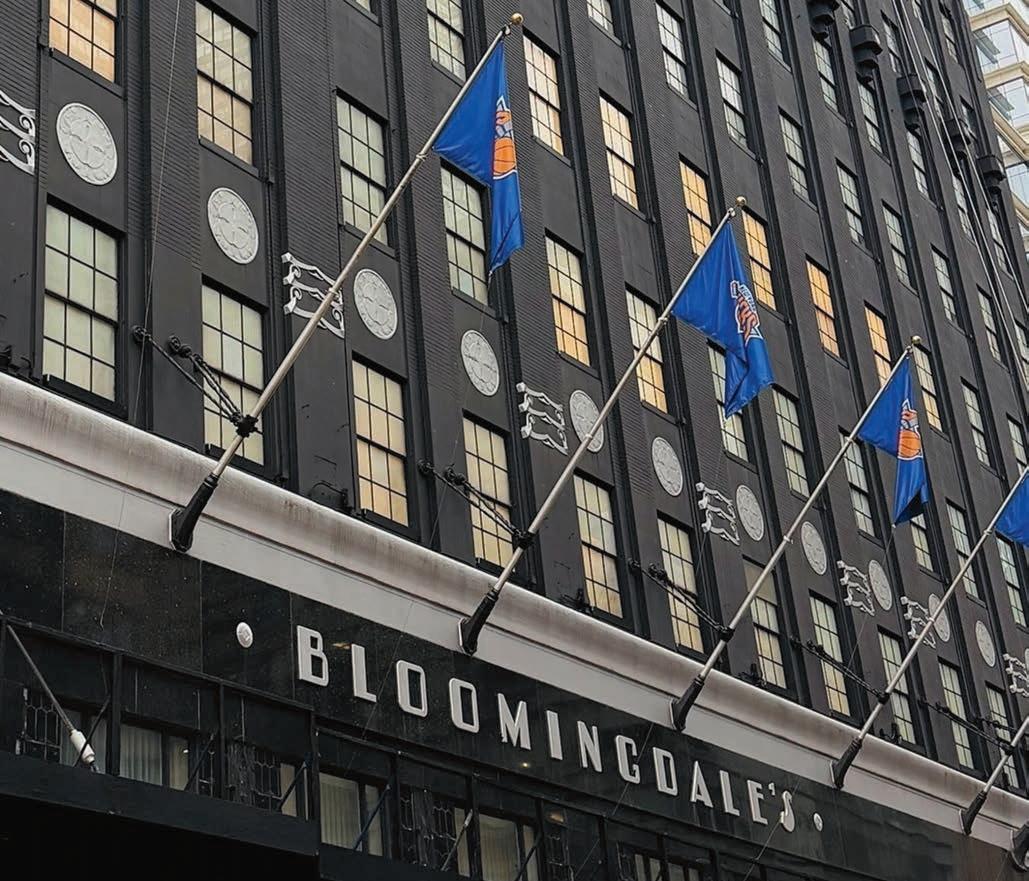
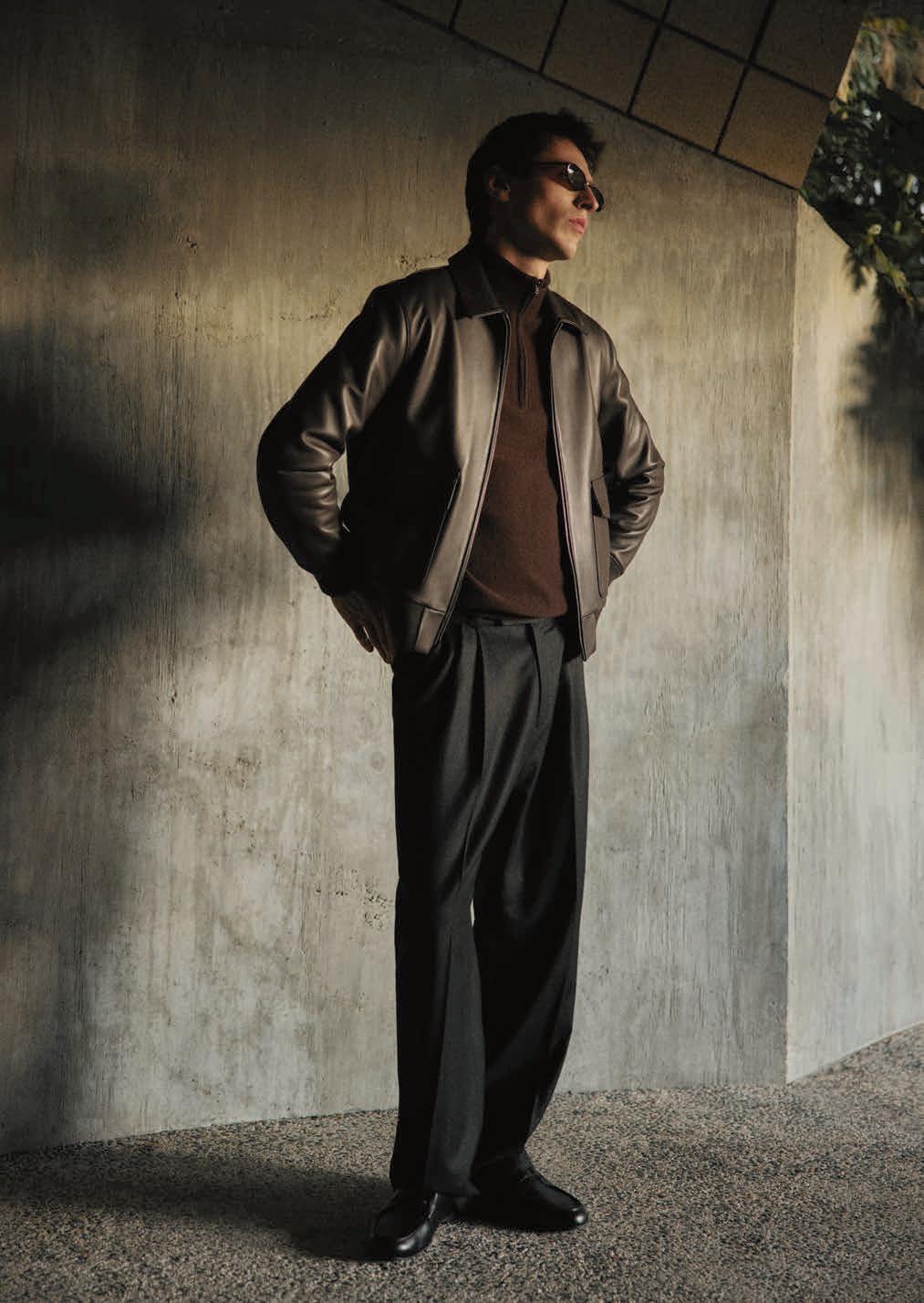
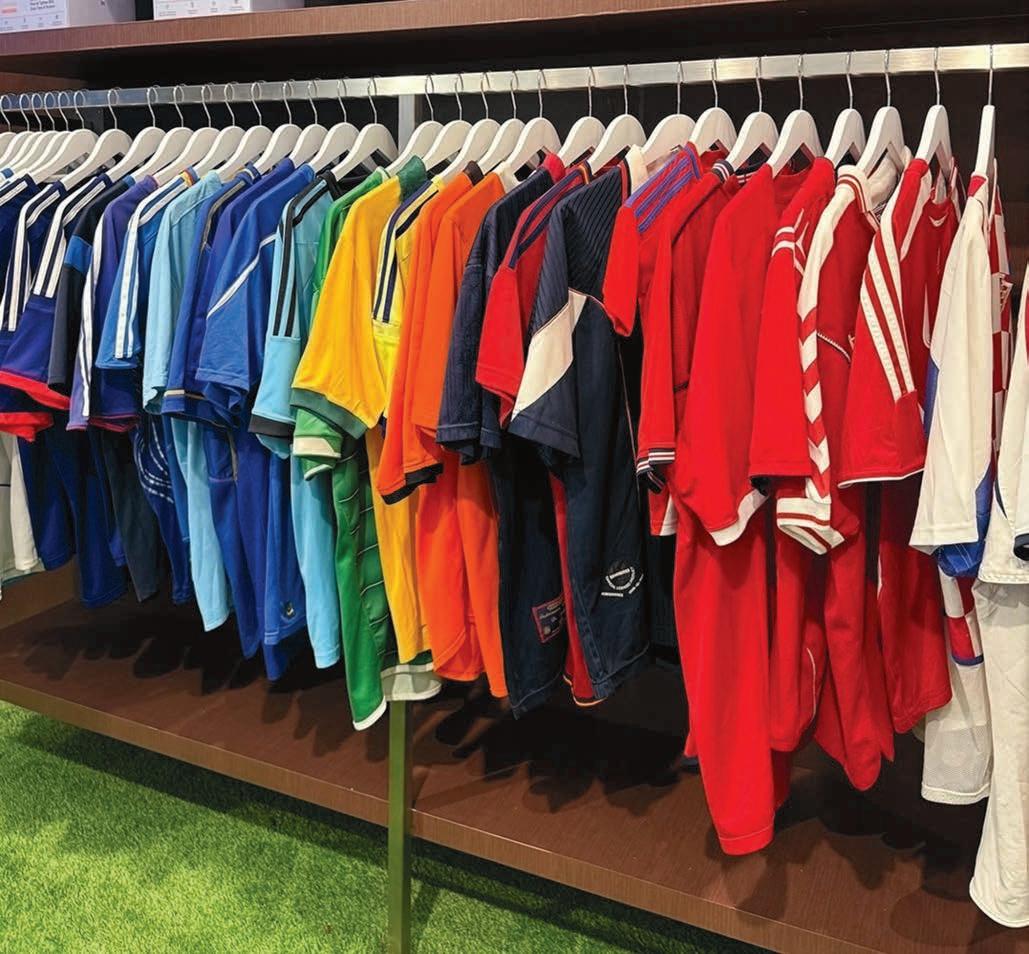
James credits much of the store’s recent success to Bloomingdales’ hands-on CEO Olivier Bron, formerly CEO at Galleries Lafayette and other European department stores. “His plan includes an unmatched level of investment in both our stores and our digital experience. He’s laser focused on elevating the store environment, offering very specific feedback for how we can make the floors feel more upscale and welcoming. Toward that end, we’re now updating our building codes to make our spaces feel warmer and more inviting.”
While focused on productivity per square foot, Bloomingdale’s executives are equally concerned with “lifetime value.” As Bron has
phrased it, “Lifetime value is about shifting from a single transaction to a long-term relationship. It’s about how often customers come back, and how long they stay. It’s about creating a sense of discovery and relevance, ensuring that for every risk we take, there are metrics in line to offset uncertainty.”
Asked what he needs from the market that he’s not getting, James responds without hesitation: faster deliveries! “But I’m not complaining,” he insists. “Our vendors are wonderful, always backing us up so we can experiment, test, and learn. That said, finding solutions to supply chain issues has become a global challenge these days.”
Asked if men’s fashion is leaning dressy or casual, James is thoughtful. “You can’t really push guys one way or the other,” James observes. “If their lifestyle includes working in an office and/or going to events, they’re coming in for a suit or sport coat. If they’re not venturing beyond the gym or Starbucks, they’re buying sportswear or performance wear. Our goal is to meet them where they are, to help them feel confident whatever their choices, but always through a Bloomingdale’s lens, which means elevated and understandable.”
Acknowledging that tailored clothing business has been exceptionally strong lately, with suits at suggested retails from $900 - $1,200
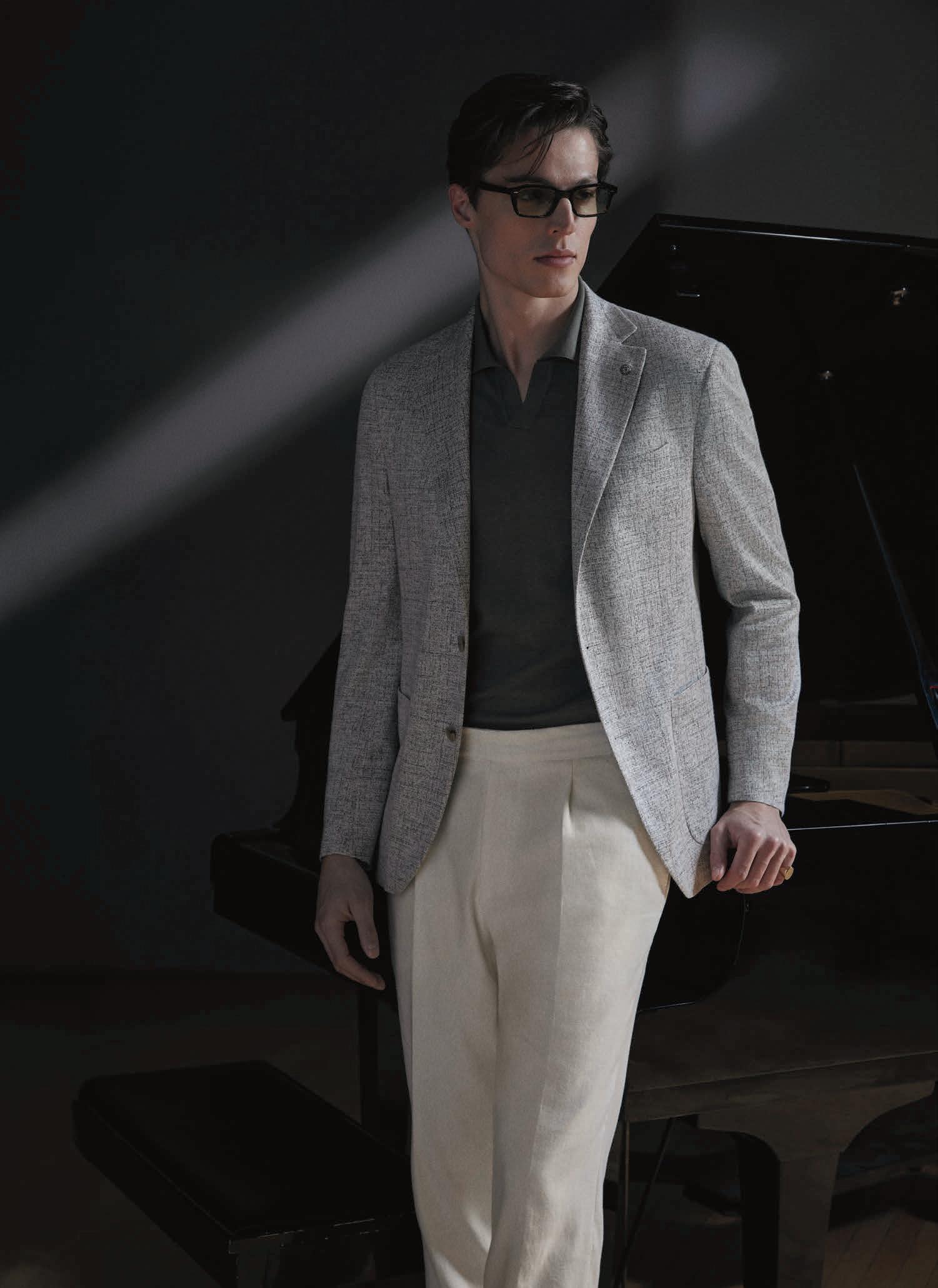
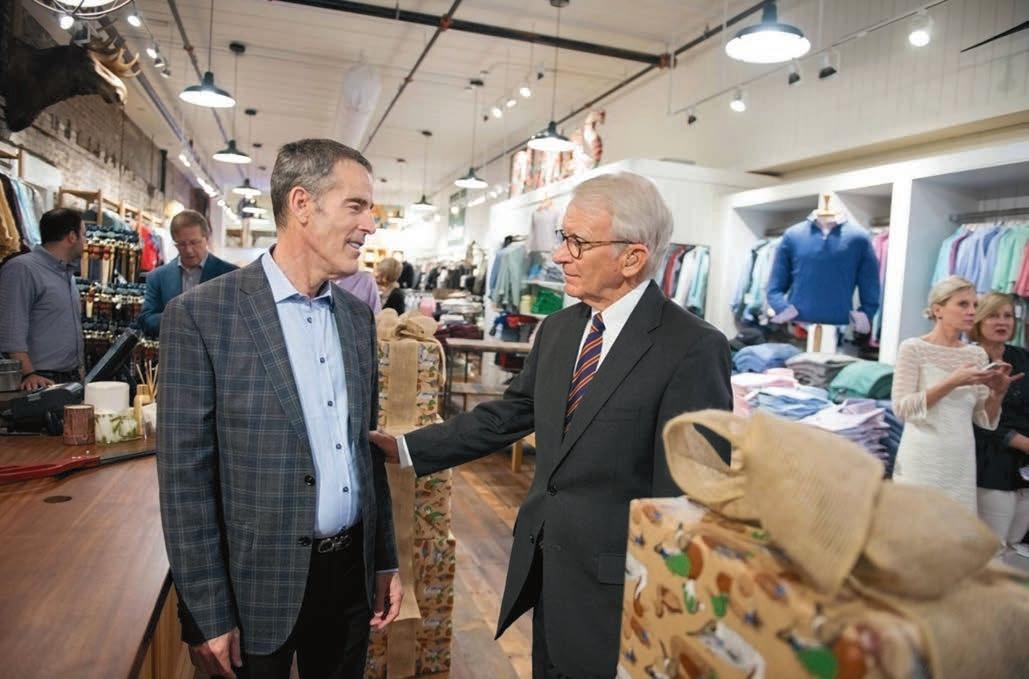
NEWELL, GARY FLYNN, DAVID DUMAS, DANA SWINDLER, AND GREG WALSH
(but up to $6,000 from certain luxury makers), James also notes a voracious appetite for evening wear: “Guys seem to have an acute interest in updating their high school tuxedos…” he observes.
On this topic of updating wardrobes, I ask James about any recent purchases for himself. “I have to admit I had a Ralph moment,” he confides. “I splurged on a spring/summer wardrobe that’s head-to-toe Polo. My wish list going forward is broader however: we’re in the process of bringing in a bunch of great new brands. With hero pieces from Comme Des Garcons, Studio Nicholson, Ranra, and Aaron Levine, there’s lots of tempting product on our selling floors…”
James describes himself as curious and hands-on. His typical day includes regular meetings with his team to discuss seasonal plans and productivity, phone calls with brand partners, selling floor visits, coaching (with a goal to visit all stores at least once a year), and travel to top trade shows. He’s hoping to make time for more frequent NYC showroom visits.
If he didn’t choose retailing, James says he might have worked in travel, restaurants or design. He loves New York City and spending time off strolling his Grammercy Park neighborhood with his partner Michael Carl and their beloved dog Bonnie, a pit bull mix rescued from Puerto Rico. “After the city’s third cold snap this past winter, we simply had to
I’ve known and worked with James for many years throughout his tenure at Saks, Barneys, Rent the Runway and now Bloomingdale’s. James is a talented merchant with an exacting eye and great business acumen. But above all, he is curious, always ready to discover new brands or new creative ways to showcase them. In addition, he’s a delightful and charming dinner companion, full of verve and tongue-in-cheek comments. A fantastic partner.
Christophe Desmaison, CD Network
James Newell is a welcome addition to the team at Bloomingdale’s. He’s a true gentleman who brings a different perspective to the mix. He’s extremely professional and so complementary of the team he’s now leading. His move to Bloomingdales is great for him and great for Bloomingdales!
Ross Gershkowitz, Telaio Design
buy Bonnie a warm Moncler dog coat,” James apologizes, acknowledging the extravagance. Wrapping it up, I ask James to describe in a nutshell what makes Bloomingdale’s “like no other store in the world.” His response: “We offer a balance of carefully curated product, both aspirational and accessible. Our buyers are super-close to the market, ensuring that 1.customers get what they want; and 2.customers discover fashion they didn’t know they wanted until we presented it to them in ways they simply couldn’t resist.”
Easier said than done, we all know. Kudos to Bloomingdale’s for doing it!
James has great instincts, impeccable taste, and a true understanding of the men’s customer. We’ve grown up in the industry together and over the years, James has been both an outstanding partner and a trusted friend.” Jill Norton, Chief Commercial Officer, Vince
It has been a pleasure working with James throughout his career. He has an incredible taste level, a deep understanding of the consumer, and is a strategically bold merchant. That is critically important and very rare these days.
“Aside from his obvious professional acumen, James has great energy and a natural ease that makes it a pleasure to do business together
Vira Capeci, Balenciaga, CEO Americas





























SAT/SUN/MON/TUE

AUGUST 1 - 4, 2026
THE MART | FLOORS 4 & 7






The Chicago Collective is the premier menswear show in North America. On 2 floors at THE MART, Chicago Collective hosts the top brands and retailers from around the world. Come shop your favorite lines, and enjoy exciting events and amenities.
OPENING NIGHT PARTY
SUNDAY, AUGUST 2, AT 6:00 PM SPONSORED BY:
SHOW HOURS:
SATURDAY PREVIEW DAY: 12:00 - 6:00 PM
SUNDAY: 8:00 AM - 6:00 PM
MONDAY: 8:00 AM - 6:00 PM
TUESDAY: 8:00 AM - 3:00 PM








SUN/MON/TUE
AUGUST 23 - 25, 2026
THE MART | FLOOR 7
The Women’s Edition features everything you love about Chicago Collective. Enjoy a great selection of brands, an easy to shop floor, a fun opening night party, special pop-up events and our popular buyer hotel reimbursement program.
OPENING NIGHT PARTY SUNDAY, AUGUST 23 AT 6:00 PM
SHOW HOURS:
SUNDAY: 9:00 AM - 6:00 PM
MONDAY: 9:00 AM - 6:00 PM
TUESDAY: 9:00 AM - 3:00 PM
“Celebrate
Life Everyday” – Raffi
The Raffi family would like to congratulate all of the 2026 MR Award Honorees.

By Karen Alberg Grossman

Let’s start with a bit of background.
I was born in Casablanca, Morocco, and moved to Montreal at age 6. Growing up between cultures shaped my perspective early. It instilled in me an appreciation for quality, discipline and a strong sense of presentation.
Montreal’s European influence played a defining role in developing my sensibility. I was always drawn to the idea that clothing extends beyond style. It reflects identity, confidence and a certain way of moving through the world.
From the very beginning, I understood that presentation is a form of expression.
Can you share a few specifics about starting the business?
My entry into retailing was not something I had planned. My brother Daniel had opened four stores with his closest friend and needed support for what was meant to be a short period of time. Obviously, things changed once I started working with him.

Those early years were formative. They taught me the value of being hands-on, learning through experience, understanding the customer and developing instinct through both success and failure.
In 1981, we decided to close the stores and focus entirely on building the Bugatchi brand. It’s truly hard to believe that was 45 years ago.
It wasn’t easy, but once we identified a distinct opportunity, we just moved forward. And clearly, at the level we envisioned, there was a definite lack of Italian-inspired clothing that combined quality, design, and wearability. From the beginning, our goal was to offer something elevated yet accessible, bringing an aspirational standard of design and quality into everyday life.
What made it possible from the outset was trust. Daniel has been my business partner from the very beginning, with the bonus of being my best friend. Alongside us, my husband Richard shared our vision and played an integral role in building the company.
In 1983, Richard and I moved from Montreal to New York to establish the American market. It was a decisive moment, one that required conviction and clarity. From there, Bugatchi evolved into a complete lifestyle collection, always grounded in vision, craftsmanship, and purpose.
What are your greatest challenges today?
One of our greatest challenges is the continued elevation of the collection, done thoughtfully and with discipline. “Elevate” is a term often used loosely but for us, it reflects a very deliberate process. It involves refining fabrics, improving construction and bringing a greater level of cohesion and intention to every category.
It’s not about change for the sake of change. It’s about progression, season after season, while remaining true to the identity of the brand. For us, elevation is something that’s built over time, not simply declared.
What are the trials and tribulations of working with family?
Family has always been central to my journey. I built this business with Daniel and Richard, and today I have the privilege of working with two of my sons.
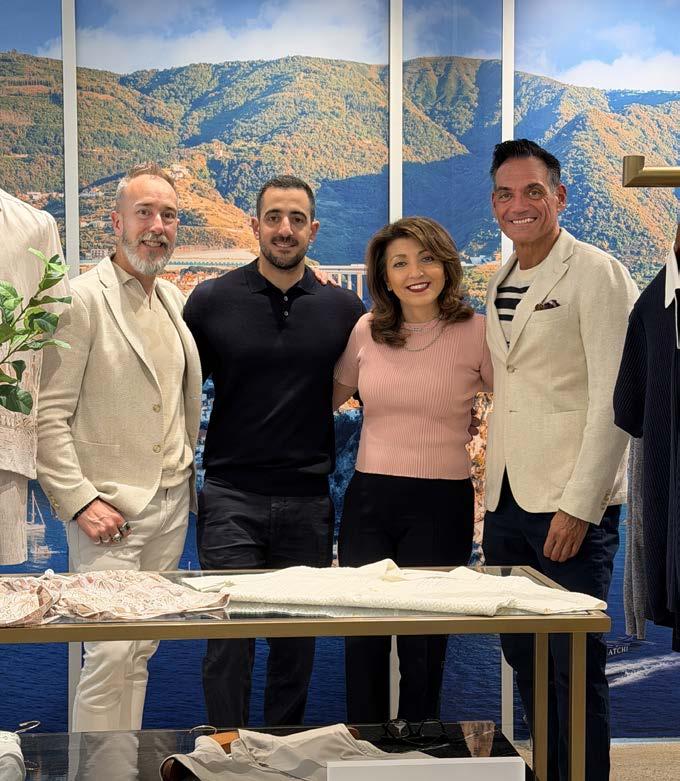
Stephane joined Bugatchi in 2018 and serves as EVP of Corporate Development and Legal, while Michael joined in 2019 and today is SVP of Brand Strategy and Content Creation, bringing a fresh and creative perspective to the brand. My oldest son, Jason, has built an impressive career as a real estate attorney and broker, which is a source of great pride.
Working with family requires discipline and clarity; you must separate emotion from decision-making. But when that balance is achieved, it creates something enduring. The most meaningful success is the legacy you build together.
You seem to have a great team of experienced sellers. How important today are your salespeople?
The most effective salespeople today understand that the role is no longer transactional, it’s relational. They listen, observe and develop a deep understanding of their client’s lifestyle. Trust and transparency are essential.
Now more than ever, the sales team is a vital component of achieving our long-term goals. Sellers need to execute multi-year brand strategies, even at the expense of short-term gains.
We’re fortunate that many of our sales team members have been with us for more than 15 years. Enduring success is built on relationships and relationships are built over time.
How tough is it being a female executive in the men’s business?
My experience in menswear has always been shaped by perspective rather than boundaries. Luxury menswear is a richly established space — one that rewards preparation, focus, and a strong point of view.
Over time, I came to recognize what my unique perspective brings to this industry. I approach menswear both technically and emotionally — with a deep understanding of how a man wants to feel in what he wears: empowered, at ease, and true to himself. That sensibility is woven into every decision we make. In this industry, respect is built through consistency and craft — season after season.
What prompted your decision to move into the luxury business? Do the pricepoints scare you? Do they scare your customers?
The launch of our Italian Daydream curation in 2024, fully made in Italy, was a natural
“ When a man is well dressed, there’s an ease that follows — a quiet confidence that influences how he moves through a room…”
evolution. It represents a deeper level of refinement and craftsmanship, aligned with the standards we’ve always believed in.
What’s been particularly meaningful is how our clients have responded. They are embracing Italian Daydream not as a departure from the brand, but as an extension of it, integrating it seamlessly into their existing mix. In this way, they continue to engage with the full Bugatchi collection, rather than choosing one over the other.
We’ve always believed in delivering exceptional quality at attainable prices. This latest curation allows us to bring forward a more distinguished styling point of view. Italian Daydream elevates the brand, but the full Bugatchi collection completes the lifestyle.
Do you believe there’s a psychological value to dressing well?
Of course! Dressing well is fundamentally an act of self-respect. It’s one of the few elements entirely within our control — and that autonomy is powerful. The way we present ourselves shapes how we feel from the inside and how the world meets us on the outside.
When a man is well dressed, there’s an ease that follows — a quiet confidence that influences how he moves through a room, how he engages, and ultimately, how he sees himself.
How would you describe yourself to someone who doesn’t know you?
I’d describe myself as disciplined, resilient, and clear in my vision. Building a business while raising a family — and navigating the constant evolution that comes with both — demands clarity and a strong sense of direction.
If there’s one thing I would refine in myself, it’s patience. I’ve always been drawn to moving forward with purpose, which is a strength, but stillness has its own value. Or so I’m told. Ultimately, it’s consistency over time that reveals who you truly are.
Your road not taken?
My father believed that a life lived with intention leaves little room for regret. That optimism has become the foundation of how I approach both business and life.
Describe a perfect day
A perfect day is being somewhere that inspires me. Italy always comes to mind, surrounded by my husband, my children, my grandchildren and the people closest to me. After everything,
these moments hold the greatest value. In the end, time with the people you love is the greatest luxury.
Can you articulate what differentiates today’s successful retailers from less successful ones?
Clarity of identity, consistency of vision, and a genuine understanding of your customer form the foundation — but it’s the relationships built over time that give a business its true longevity.
What are the best and worst parts of being in the men’s fashion business today?
The best part: Each season brings with it a sense of renewal — a chance to reassess, to grow, and to move forward with greater intention. There’s a discipline in that rhythm that I have come
to deeply value. The most challenging aspect is learning to navigate uncertainty — but over time, I’ve come to see that the ability to move through what you cannot control is where true resilience is built.
What Cecile has done with Bugatchi is fantastic. She’s a strong leader for several reasons. First of all: she hires skilled, talented people and lets them do the work. This is evident not just from the product, but from the contact I have with her employees. In this industry, at trade shows, you can tell when associates feel second-guessed, unsupported, or not on the same page as their bosses. You can also tell the opposite, when they are fully supported and trusted with the brand vision.
Number two, Cecile goes to the shows and talks to retailers, understanding that retailers like to meet the boss. One of the main reasons I picked up Bugatchi after many seasons of just looking was that Cecile was there in the booth to explain her vision and listen to my concerns.
And three: the changes she’s made in the product mix are terrific! She pivoted the brand to target a product between opening and luxury price points. This enables us to bring something new to that customer who wants more than the usual plaid shirt or golf polo.
”
Cecile has done a wonderful job building a brand from the ground up. She’s known to work long and hard to grow Bugatchi into the successful luxury brand it has become. Among very few women successful in a predominantly male clothing business, Cecile is a true and inspiring leader. She’s always as gracious to our family as she would be to her own. Congratulations Cecile for this well-deserved honor!
”
I first met Cecile when I oversaw the Men’s Sportswear buyers at Nordstrom. Nordstrom was doing some serious business with Bugatchi and Cecile was heavily involved in working with the team to leverage the brand’s strengths to meet our needs. I’ve always been impressed with her knowledge, passion, and integrity. Now, almost 25 years later, I’m doing business with her again through M. Dumas & Sons. For one thing, she doesn’t look like she’s aged a single year let alone 25! She’s assembled a great team and continues to be aggressive in her approach to growth. They are currently trying to secure space by offering shop-in-shops at their own expense. That’s a hard offer to refuse, and I’m 100% certain that it’s her brainchild. ”
What defines Cecile’s leadership is her relentless spirit and deep, unwavering belief in her brand, an energy that is truly contagious. She leads with grit and conviction, transformed by an obsessive passion for product and an uncompromising commitment to excellence. Cecile is uniquely in tune with every facet of her business and tackles both opportunity and risk with rigor and foresight. That same mindset carries through to the collection itself, where meticulous construction, thoughtful detail, and exceptional quality come together to create something truly special. Cecile’s vision allows her to anticipate the customers by delivering what they need before they even know they want it.
Tina Aniversario, VP/DMM


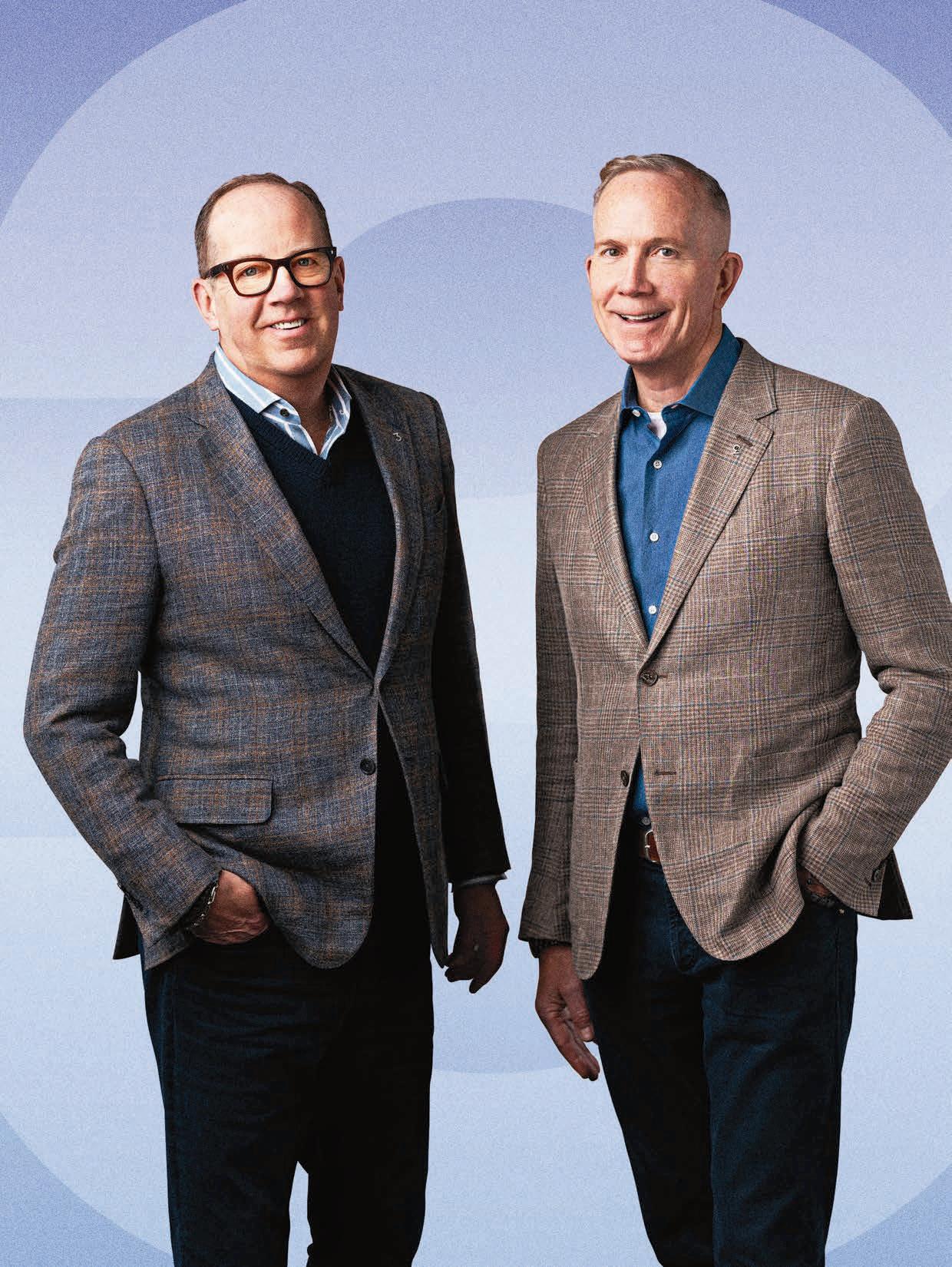


Two guys with no retail background, a 30,000-squarefoot labyrinth in Minneapolis, and an uncanny talent for opening stores at the worst possible moment.
By Michael Fisher & John Russel Jones
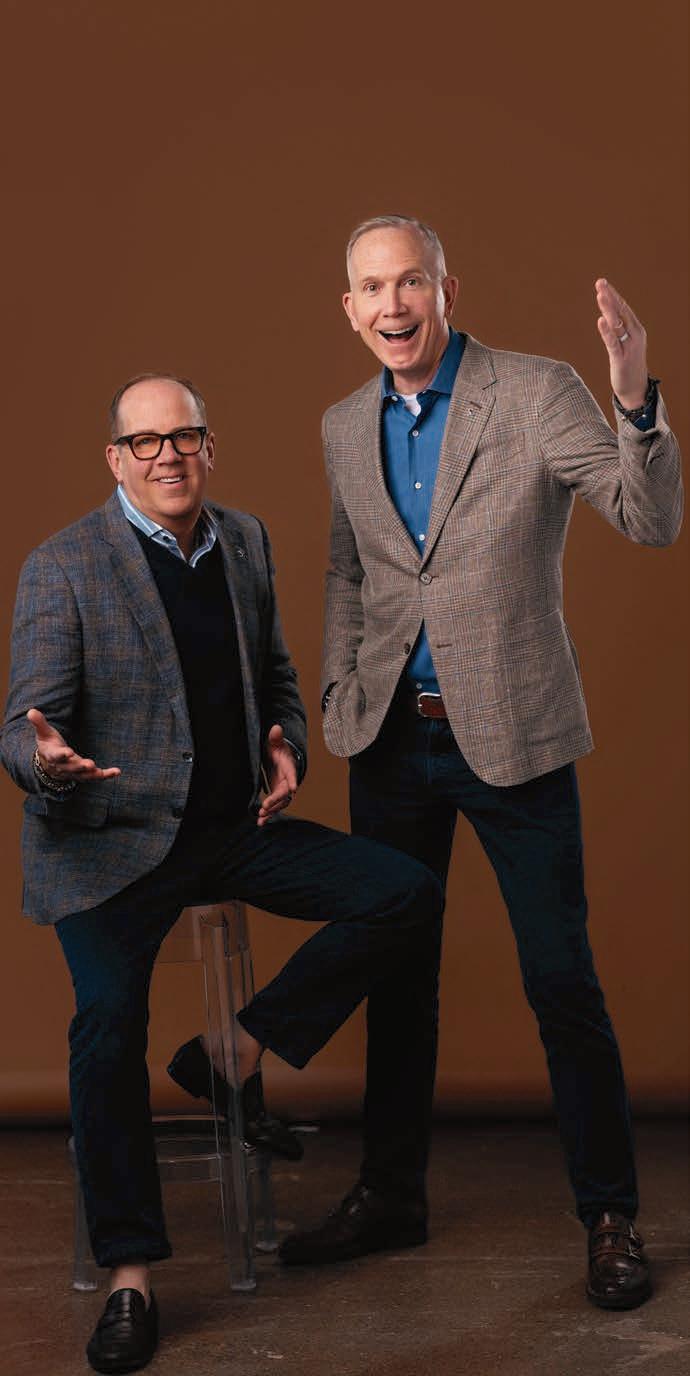
Greg Walsh and Dana Swindler have a running joke about their own timing, and like most good jokes, it lands because it’s true. The first store Greg ever built out began demolition the same week of 9/11. Seven years later, the two of them opened a small men’s shop they called MartinPatrick 3, cut the ribbon, and watched the global economy fall off a cliff a few weeks after. “We always pick the worst times to start,” Greg says, laughing. “That way you’re at the very bottom, and there’s nowhere to go but up.”
That gallows humor, paired with a genuine refusal to panic, is a big part of how a residential interior design studio in the Twin Cities became one of the most admired specialty retailers in the country. This July, MR honors MartinPatrick 3 as Retailer of the Year, Specialty Store. The funny part is that neither of the men accepting the award ever planned to be in retail at all. The ambition from the start was almost stubbornly simple: build something beautiful, not something big.
Greg is the designer of the pair. His degree is in fine arts with a concentration in interior design, and before he hung out his own shingle in 1994, he spent six years learning the trade at another local firm. For a long time the work was purely residential interiors, full service, new construction—the whole thing. But there was always an itch. As a consultant, he says, you don’t get to influence anything at the retail level, and his team kept buying home pieces from showrooms around town that never quite matched what they had in their heads. “Everybody here will tell you the showrooms are a sea of brown furniture,” he says. He wanted something with more of a modern edge and couldn’t find it, so in 2001 he opened a home furnishings store of his own.
The men’s side started, improbably, with two bookcases. Around 2006 and 2007, on buying trips to the gift and home markets in Atlanta, High Point and Las Vegas, Greg began picking up the kind of men’s goods that don’t come in sizes: barware, books, cufflinks, leather bags, and
belts. He set it all on a couple of shelves inside the home store, and it flew off them. So he added more shelves. Then he paused and thought, hold on, there might be something here.
Which is where Dana comes in, though he didn’t exactly volunteer. The two met in 2002. Dana owned a civil engineering company and had no intention of selling clothes for a living. “He came home one night and said, I want to do a men’s store,” Dana recalls. “I’m like, what?” They found roughly 1,000 square feet a block away and built the entire thing out themselves, painting walls, laying floors, and roping in friends to help. MartinPatrick 3 opened in the fall of 2008.
Dana had sold his engineering company by then, which turned out to be a mercy, because the next couple of years were brutal. There were days the store rang up $100. The first $1,000 day felt like a miracle. To keep the lights on, Greg and Dana pledged their house as collateral for an SBA loan, the kind of detail that sounds romantic in hindsight and was terrifying at the time. Dana came in part time at first, splitting his weeks with a finance consulting gig, until the day the store’s CFO got tired of his questions and quit. Dana took an accounting manual home over the holidays, taught himself retail finance, and never left. “Greg’s not the worrier,” he says. “I’m the finance warrior.”
He did set one condition. If he was going full time, the business had to grow big enough that they weren’t sweating every single day. “I had no idea what that even meant,” he admits. “No idea how big we should be or could be. But it had to be big enough.”
Big enough turned out to be enormous. After moving into a restored 1880s warehouse in the North Loop, back when the neighborhood was mostly empty buildings and hit-or-miss blocks, they signed a lease on 5,000 square feet with a clause that let them grab any adjacent space that opened up. They figured they would never need it. Six expansions later
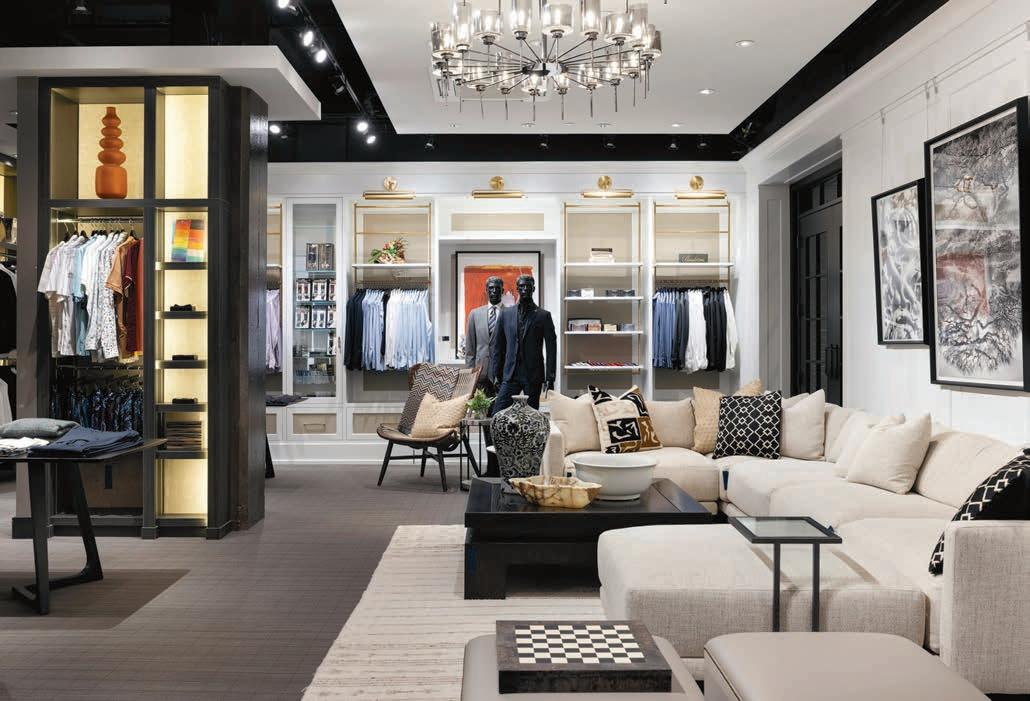
they sit at around 30,000 square feet, having poured money back into the place every few years to make it bigger and better.
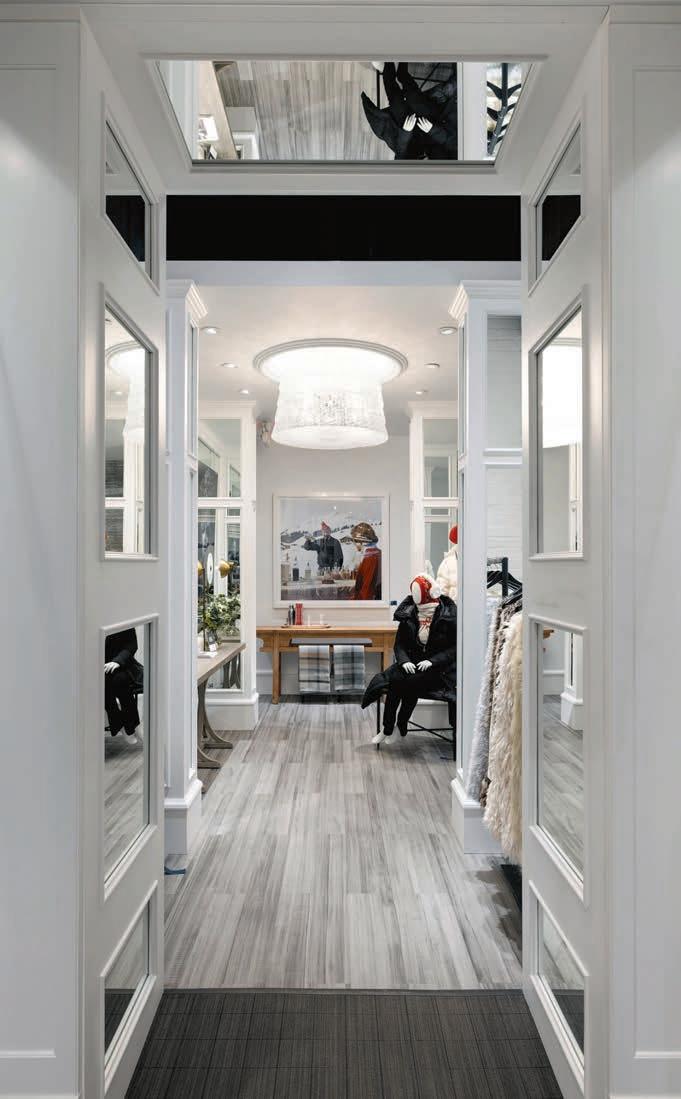
What they built is less a store than a labyrinth, a series of rooms that keep unfolding into one another, each with its own mood. There is menswear and womenswear, fine jewelry under the name The Loupe, fragrance and apothecary, contemporary furniture and art, a custom tailoring operation, and an actual barbershop called Marty’s. The whole thing runs on a good, better, best logic, so you can wander in for a pair of socks and walk out having commissioned a sectional. Roughly speaking, men’s is about 60 percent of the business, women’s is climbing toward a third, and the rest splits among home, fragrance and accessories, with the interior design studio layered on top of all of it.
That studio never went anywhere. Greg still runs a five-person design team and takes on projects, many for clients he has worked with for 25 years, or their kids, or their second homes. The surprise has been how much design work now walks in off the store floor. People sink into a chair, look around, and ask who did
all this. The answer is, we did. It has turned into corporate headquarters, other retailers, and lately a run of restaurants for a local restaurateur who had never seen them do a restaurant and didn’t care. “Greg’s like, okay, so we did,” Dana says. “They loved it. Now we’re doing two more.” Neither of them counted on that kind of synergy, and they are the first to say so.
The thing that makes all of it possible is that they build everything themselves. No shopin-shops, no brand handing them money to construct a fixture, no waiting on an architect and a contractor and a committee. When they want a new concept, they design it, contract it, and start the following week. Dana likes to tell the story of Aesop, one of their first higher-end lines, back when they were trying to open a little shop for it. Aesop wanted to design the space, fly out, see it, and approve it. Months passed and nothing happened, so Greg went online, studied every Aesop store he could find, and built it himself. When the brand finally came to look, the verdict was that it was better than what they would have done.
“Since then,” Dana says, “we’re like, we’re not waiting. We’ll take care of it.”
The womenswear story is its own little case study in making lemonade. For about a decade, women kept asking for a MartinPatrick 3 of their own, and for about a decade the answer was no. Then the pandemic hit in 2020, men’s cratered by 60 percent, and suddenly there was a lot of floor to fill. Dana called their buyer, handed her a $60,000 budget, and said, buy something, we open in September. “Now, what should I buy? I have no idea,” he says. “That’s literally how we began.” They brought on a buyer who had spent a decade at Dior and had an eye to match Greg’s, and women’s took off. The men, for their part, grumbled. The store had always been their clubhouse, the one place that was theirs while the women, as they saw it, had a thousand little shops to choose from. Dana’s answer was the answer of a man who had run the numbers: women had quietly been half the business all along.
Made-to-measure now runs about 12 percent of sales, skewed by a handful of stylists
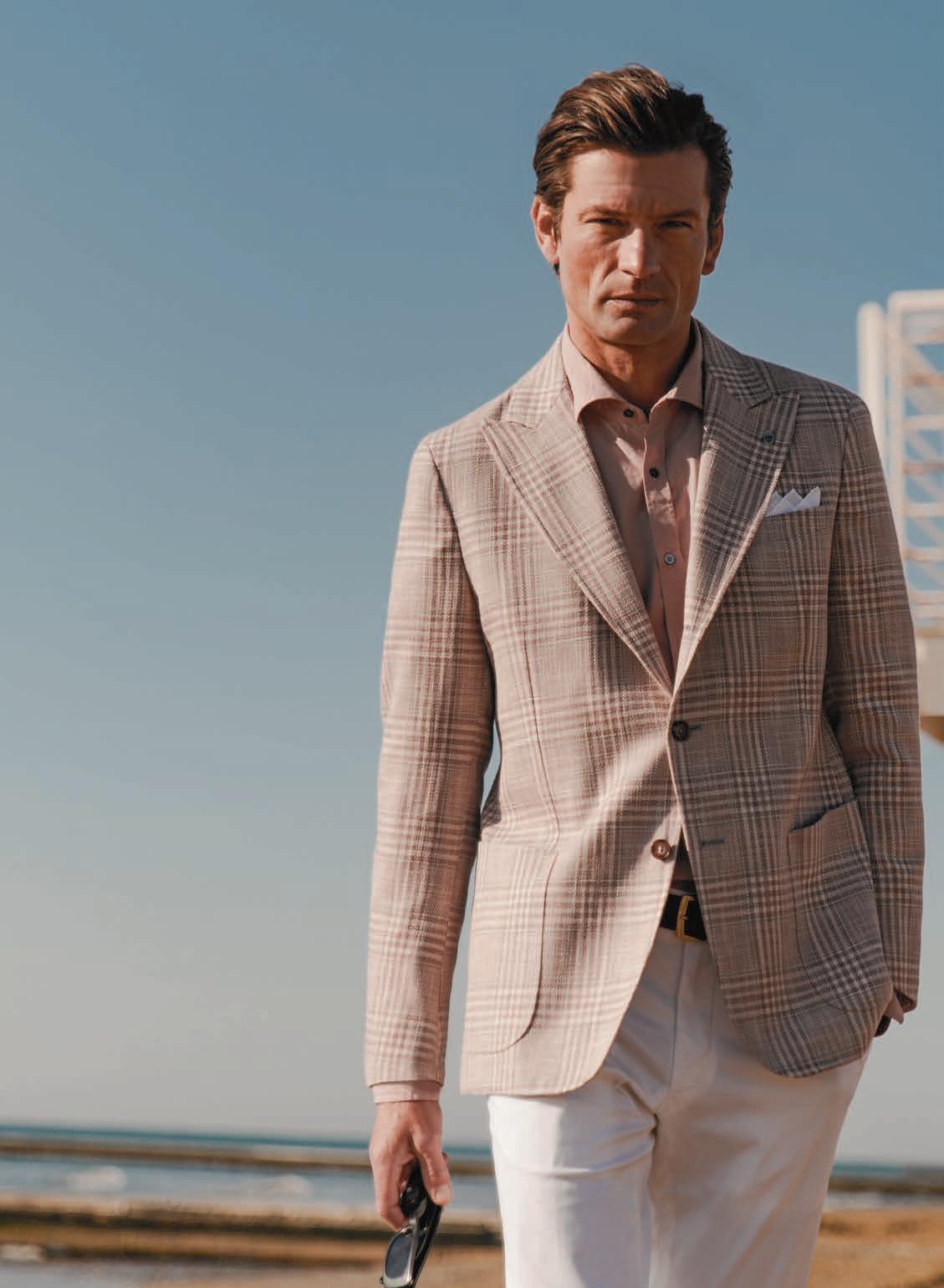
Whether it’s a sock, a sectional or a suit, we look at everything through the same design eye. “ ”
Greg Walsh
who lean into it and clients who want exactly what they want, whether that is Brunello Cucinelli for everyday or something more formal for a wedding. One detail says more about the store’s reach than any sales figure could. The tailor for Cucinelli, the one who fits for Brunello himself, comes to Minneapolis to fit clients in person. Designers do not send their tailor to a Midwestern store without a very good reason.
For all the square footage and all the categories, what Greg and Dana keep returning to is the experience of being there. This is not an e-commerce business, and they are at peace with that. They tried selling product online years ago, and Dana, ever the finance warrior, looked at what it was costing and pulled the plug. The website now exists to make you want to come in, anchored by store walk-through videos so well done it makes you feel like you have already visited and enjoyed the ambiance. Inside, the personal stylists know your name. They will pull a rack before you arrive, have a room waiting, and order you lunch if you come around that time. “It’s not like you have to spend X or Y,” Dana says. “This is just what we do.”
It is also a store that refuses to sit still, which is the point. “We want you to come in and go, when did you move this, when did you get this brand, I’ve never seen this room before,” Dana says.
Plenty of people have tried to talk them into doing more of it somewhere else. The Mall of America has come calling more than once, complete with a rendering of the MartinPatrick 3 name splashed across the front of the building. A big suburban shopping center courted them for years. The answer has stayed no, and they have turned away private-equity money more than once for the same reason, preferring to stay nimble and answer to no one. “We’re
Greg Walsh “”
We always pick the worst times to start. That way you’re at the very bottom, and there’s nowhere to go but up.

just not mall people,” Dana says, and there is a philosophy under the one-liner. Walk into a luxury brand’s store in any mall in the world and it looks identical to the one you just left. Why leave town for that? Greg and Dana would rather keep refining the one place they have, sourcing the artisanal and the handmade and the pieces you cannot get everywhere, and trusting that the people who want that will keep turning up.
That belief is the whole bet on the next decade. The way Greg sees it, the future of retail is personal and relationship-driven—built on knowledgeable people and special product, the opposite of a big room where someone can ring you up but cannot tell you a thing about what you are buying. Downtown Minneapolis lost its department stores years ago, Neiman
Shelly Ibach knows a thing or two about retail. She spent 25 years at Dayton’s, Marshall Field’s and Target Corporation, ran the home business as a GMM, and went on to serve as chair, CEO and president of Sleep Number. She has also been a MartinPatrick 3 customer, friend and informal mentor since the tiny early days, back when the men’s goods were stacked in a cramped little space and the design studio was still the main event.
Her read on what makes the store rare comes down to this: “It inspires, and it serves, and it does both in a broadly relevant way,” she says. “So few retailers can pull that off.” Walk the floor and you
will find the hipsters and the 60-year-old businesspeople equally at home, “and everybody’s cooler because of MP3.” Just as telling, there is no off season. “It’s consistently exciting and relevant over time. It never disappoints, and it’s never boring.” What she values most is the relationship. “It’s not clientele, it’s a life relationship. These are our friends,” she says. Robert, who has been with the store for years, fitted her late husband for his wedding tux and even helped the couple pick their wedding music.
She also has a favorite illustration of how the partnership works. Greg once fell for an expensive holiday ribbon for the store’s complimentary gift
Marcus among them, and the two of them read that less as a threat than as confirmation. The store that wins is the one you have to walk into to understand.
Ask Greg to sum up MartinPatrick 3 in the time it takes a customer to cross the floor and he keeps it simple. It is about design and quality, he says, whether the object in question is a sock, a sectional or a suit, all of it seen through the same keen eye. You might be shopping for a lake house, a city condo, an upcoming wedding or a trip to France, and somewhere in the labyrinth there is a room that will stop you. For two men who never spent a day in retail before they accidentally built one of the best stores in America, that is not a bad place to land. Especially for a couple of guys with such famously terrible timing.
wrap. Dana took one look at the price and slashed the budget in half. Greg, unbothered, went off and found a different ribbon that looked just as good and came in under Dana’s number. “That’s them,” Shelly says. “Greg always finds a way, and Dana makes sure it adds up.”
“ ”
Dana Swindler We’re just not mall people.
Being small and close to the floor means Greg and Dana can chase a hunch fast, no GMM sign-off required. Here’s some of what is moving at MartinPatrick 3 right now, much of it tipped off by their own customers.
RUBIROSA:
Quality men’s shoes, only a few years old, and already one of the store’s big stories.
Hiroshi Kato:
The Japanese denim line they, in Dana’s words, “slaughter with.” A quiet powerhouse on the men’s floor.
Les Deux:
Came looking for them, landed recently, and took off fast.
God’s True Cashmere:
The hard-to-find cashmere label co-founded by Brad Pitt, brought to their attention by a customer who couldn’t stop raving about it.
Maurizio Baldassari:
An Italian house that had been around for years but was new to MP3. The first fall delivery sold out, so they doubled down for the season ahead.
The flip side of moving quickly is knowing when to let go. MP3 runs two clearance rooms, a rarity for a store this size, and the buyers review sell-throughs and profitability every week. If something isn’t working, it quietly fades into clearance rather than getting dumped by the pound, and the hunt for the next discovery starts again.

By Christopher Blomquist and John Russel Jones
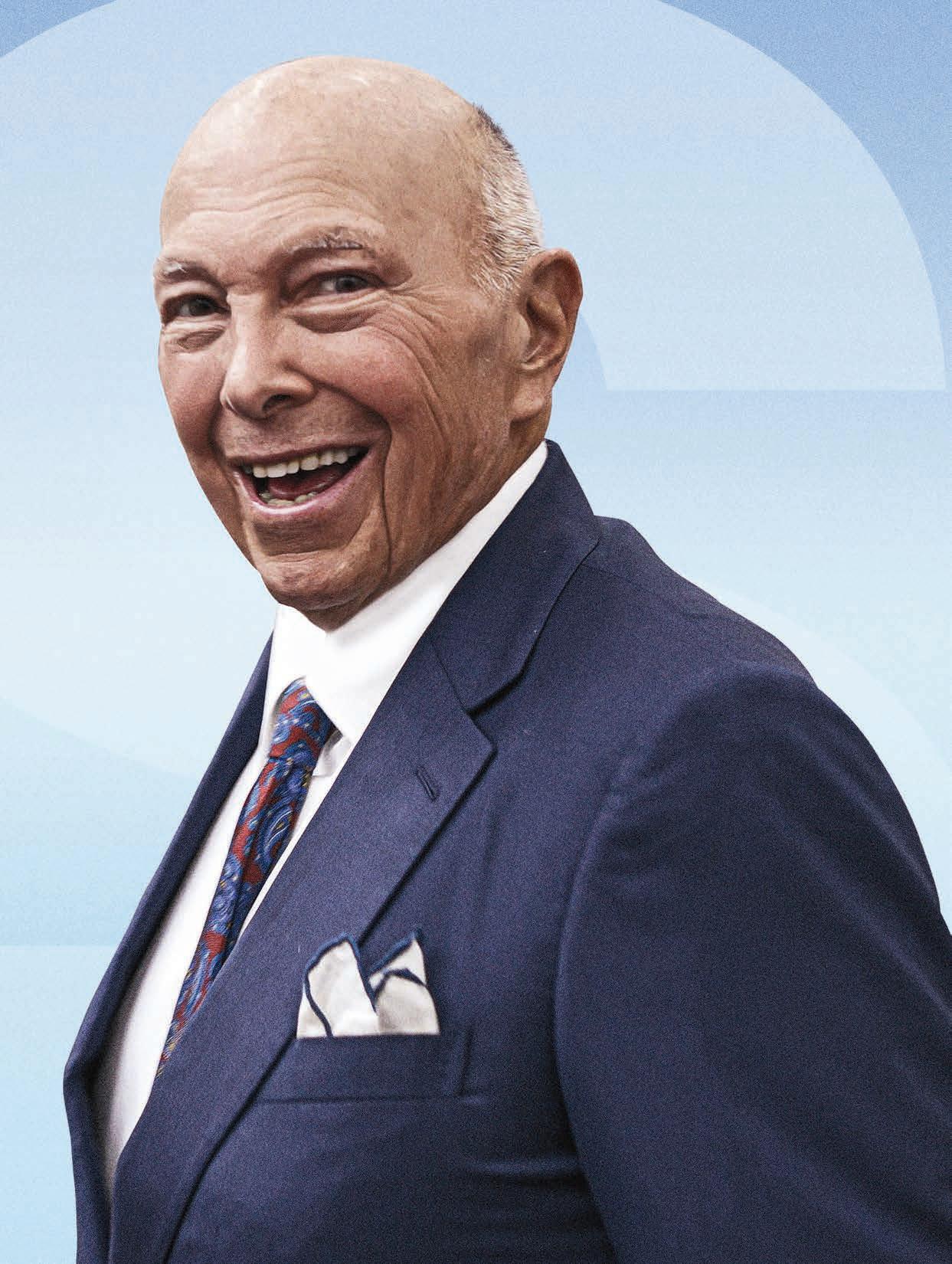
If you want to understand the arc of American menswear over the past six decades, you could do worse than to sit down with Mickey Solomon. As owner and CEO of HMS International and Gladson Ltd., Solomon has been in the room, or on the plane to Biella, or on the mill floor in Huddersfield, for virtually every seismic shift the industry has experienced, from the mohair boom of the Kennedy years to the Italian takeover of the luxury market, from double knits to Fresco. He has represented mills on four continents, rescued iconic British heritage brands from bankruptcy, and helped build one of the most respected fabric houses in the business. All of it, remarkably, traceable back to a kid from Brooklyn cutting swatches in his father’s office.
It is fitting, then, that MR’s Legend Award goes to a man whose career is itself a kind of legend, one built not just on commercial instincts but on a genuine passion for the cloth and an equally genuine desire to share that knowledge with anyone who would listen. As MR’s Editor in Chief Karen Alberg Grossman puts it: “I don’t think there’s anyone in the entire industry who knows more about fabrics than Mickey, who has done more to help other people learn about fabrics. And he just does it from his heart.”
Let’s start at the very beginning. Where were you born?
Mickey Solomon: I grew up in Brooklyn during the Second World War. It was the best time to grow up and the best time for neighborhoods. That was your life, your neighborhood. It was a special time.
And your father was in the fabric business too?
MS: He came from a big family and had five brothers. Several of them got the idea that they were attracted to different parts of the textile or clothing business. My father, before and during the war, was looking for a way to make a living. Eventually, he got together with a friend who owned a mill in Canada and they decided to invest in raw wool and then manufacture it into fabric. They thought it would be a good purchase with the possibility of war happening. It turned out that their idea was too good. The war came along, everything became in short supply, the availability of commodities like wool diminished, prices went through the roof and the supplier that they bought it from did not deliver it. They went through whatever they could to try to rescue the situation, and as I understood it, they
got their money out, but no more. That was his first connection with the textile business.
But the ultimate connection was when, in the mid 1950s, he connected with a group of mills in Yorkshire, England under the name John Emsley Ltd. and they decided to open an office in New York. They hired him to run it.
Were you already at that point, coming into the office, hanging out, cutting swatches, etc.?
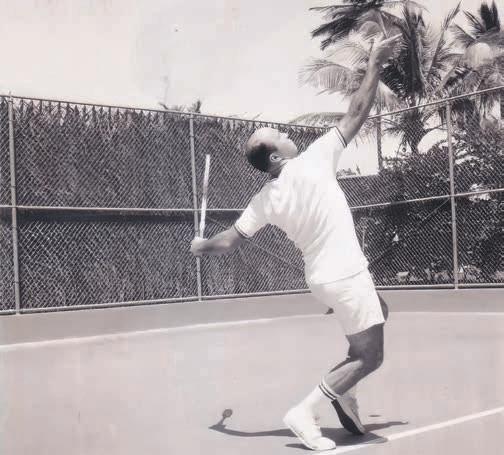
MS: Exactly. I did that mainly in the summer when I wasn’t playing tennis. I wouldn’t say that I got any particularly important training at the time but there was an awareness of what the business was, what was going on and the way things worked.
Tell us more about this tennis thing …
MS: Among my fondest memories are having played in the first two tournaments that Rod Laver played in when he first came to the United States. And in 1964 when I reached the quarter finals of the Eastern Clay Court Championship in which Arthur Ashe participated.
Where did you go to school and what did you study?
MS: North Carolina State, textile technology.
When you joined the business what was your impression?
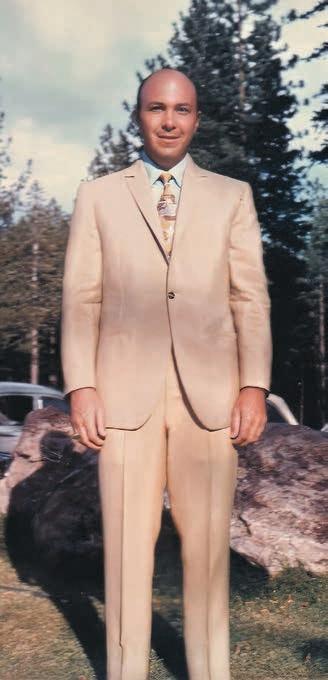
MS: At the very beginning we were selling exclusively to clothing manufacturers in the United States and Canada. Basically, that was the function of the office, and the main product was wool and mohair fabric, even though they made some fine worsteds as well. Every kid seemed to be wearing a mohair suit at his bar mitzvah, every groom wearing one at his wedding. The Rat Pack also helped popularize it. That was the heyday of the mohair fabric business…in fact it was the heyday of the entire men’s clothing industry in the United States. It boomed during the Kennedy years and was just growing like a weed with clothing manufacturers going full throttle and men’s specialty stores opening up every day all over the country. It reached a peak, I think, of 23 million sleeve units in the middle 1960s and that was done at a time when the population was about 125 million. That was amazing!


What else was it like back then?
MS: Prior to Japan coming in, the principal fabric suppliers for US made clothing were domestic mills for popular priced ready-to-wear and British mills for upscale, luxury clothing. We rode the England situation as long as it stayed viable. And then, during the 1960’s, Japan started producing fine worsted fabricthey copied the British system. Japan became the biggest fabric supplier to American clothing manufacturers. And most of those British mills - I’m talking on the wool side - went out of business by 1970 at the hands of the Japanese. That was the demise of the American wool textile industry as well, with the exception of a handful of volume producers.
What was it like representing Japanese mills versus British ones?
MS: We became the agent for Itochu, a large Japanese trading company and as such, we needed volume business. The Japanese were probably more demanding than the British. My typical routine was taking two design trips a year to Japan. Somebody counted that there were over 80 mills, agents or agencies supporting the men’s clothing industry in the

















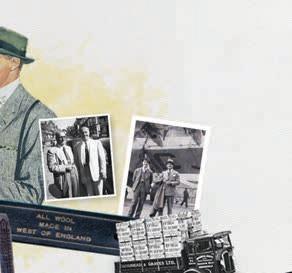





























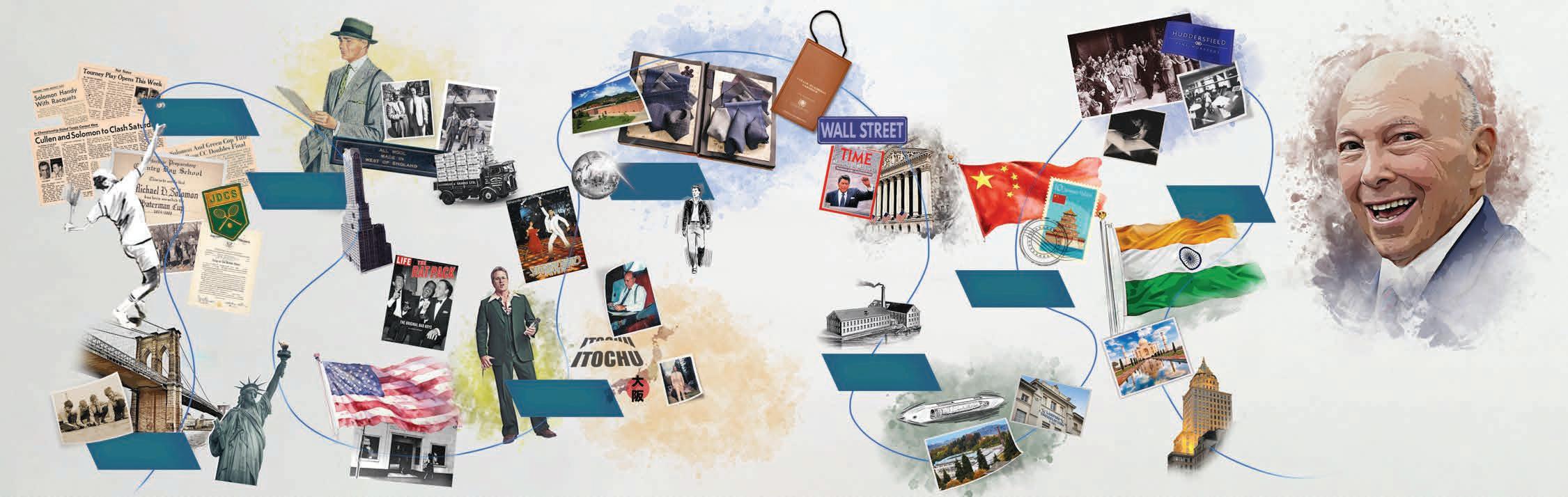

United States at that time. That meant that a clothing manufacturer might have 80 different companies knocking on his door to sell him bulk goods to keep their factories running. A lot of those 80 fabric suppliers were Japanese mills or trading companies like we were at the time. That lasted until the mid 1970s when Korea replaced the Japanese. Ultimately the Chinese mills became the main source for fabrics for bulk production for men’s readyto-wear clothing.
What was happening in terms of the trends for suits in the United States at the time?
MS: One really significant, life-changing period for the industry started about 1969, when double knits became the rage. It really took over the entire clothing industry. It reached the point in the very early 1970s that some manufacturers said they didn’t even want to look at woven fabric anymore. It lasted a maximum of five years but at its height you could easily sell what you could make by luck and happenstance. I knew nothing about producing double knits. I contacted a long-time friend who was a producer of them. He coached me in the basics of converting [the fabric]…mainly yarn sourcing and

booking commission knitting machines. He also recommended one or two staff to oversee the project in New Jersey. Within 12 months this evolved into a situation where from 19701973 over 80% of our US business was double knits. I remember only one store in New York City at the time that refused to put them in. It was Saks 5th Avenue.
When did Italian fabrics begin their ascendancy in the United States?
MS: When the mills from Biella started servicing the American market in 1979-80-ish, they quickly dominated not only the upper end, luxury part of the market, but I would say even the medium price points. It was a big help to not just the big manufacturers, but to the smaller clothing manufacturers, who couldn’t absorb big quantities. The Italian mills would sell them single pieces, so it opened up that source of supply to many small retailers.
Was Gladson already beginning to work with them at that point?
MS: We had a visit from the owners of Vitale Barberis Canonico in the late 1970s. They were looking for an agent in order to do business in
the American market. We quickly came to an agreement. Immediately, it was a success with us and we have worked with them continuously since early 1980.
What was happening in England during this time?
MS: We were still trying to make goods in England. Did I mention Bryan Dolley? He had been a converter in the UK, producing goods in the Huddersfield area. We had some good luck with him and we were doing commission weaving and finishing.
Were you still designing at this point?
MS: Yes. We were designing the blankets and they were producing the goods. I can’t remember whether Bryan retired or exactly how that situation ended, but Bryan put me in touch with another commission weaver who was weaving for a company that had been a conglomerate. It was an amalgamation of five or six of the most iconic mills in England. The company itself was failing, and they were about to be put it into administration, which is bankruptcy. Long story short, I was able to throw my hat in the ring and buy it out of bankruptcy.



















































I’ve always wanted to do things not just to help ourselves but to help our customers. I believe that knowledge is power and that if we can give our customers more knowledge, it’s empowering.
That was beyond my wildest dreams. We called it Huddersfield Fine Worsteds Ltd.
They were famous, one of our promotional pieces says that at one time they were the largest textile producer in the world, and they had thousands of people working for them. This is the only textile company in the UK that has a Royal Warrant to the Queen, and ultimately, it was Charles. So they have all this history. It’s like a skeleton that I was buying, but all the intellectual property was there. In other words, we didn’t take the flavor away from it. We didn’t impose the American idea of styling or fabrication on them. We went with their vision. If they were making bulletproof fabrics, we just kept on making it, whether it was Gamekeepers cloth, Shetlands, Tweeds or heavier worsted suitings. They also had a patent for the name Fresco® which goes back to 1907 and is the biggest selling fabric that our whole company has between England and the US. A lot of people try to sneak in the word Fresco, but we have it copyrighted. We’re looked upon as the legitimate source for Fresco. The bottom line is that it’s all good now. We do business with Prada, LVMH, Gucci, Marni, Celine and Paul Smith he’s a big customer for Fresco. We have had excellent growth so far this year and now we have to figure out what we can do to stay true to the tradition of the company, but different enough that it would catch people’s fancy.
You mentioned Bryan Dolley earlier, he introduced you to Reliance Industries?
MS: That’s correct. At the suggestion of my friend Bryan we got to meet somebody from a company called Reliance Industries in India. We were very determined, and we
Mickey Solomon “”
came to an agreement to represent Reliance in the United States. It was founded by a man named Dhirubhai Ambani. They started as a textile company and they diversified into other things. By the time we became their agent, they had already successfully moved in other directions. Eventually, they grew to be a behemoth. Reliance is India’s most valuable company, highest-ranked Indian enterprise on Fortune’s Global 500 and 45th on Fortune’s Global 2000. We remain their agent.
Our liaison at Reliance was a guy named Chandramouli Neelakantan who left Reliance. Both Bob McAuley (President of HMS International) and I had an excellent relationship with Mouli. Bob liked the idea of trying to do business with India. Bob asked for Mouli’s help in finding somebody who could run this for us. And Mouli looked and looked and finally, he found the right person. It was him! That was the beginning of Huddersfield Fine Worsteds India. At the beginning, they started by selling to clothing manufacturers. They tried that for a year, and I think they sold about 100 yards. So we abandoned that and did what we’re good at, which was to go after the custom trade business in India. We started with 2 employees and now it’s 125 people, with 25 full-time salespeople. We don’t produce anything. Mouli’s main support in this endeavor is Maulika Chandramouli, who comes from an IT background, and together they have made an incredible mark. They’ve developed their own inventory app that gives you real-time inventory control with great CRM. She’s really changed the dynamics of how custom fabrics are sold in India. We’re on a real growth path. It’s a fantastic story.
What do you think has been the secret to Gladson’s longtime success?
MS: There are a couple different mantras and philosophies that I’ve always had. I’ve always wanted to do things not just to help ourselves but to help our customers. I believe that knowledge is power and that if we can give our customers more knowledge, it’s empowering. As a result, we’ve done all kinds of seminars, panels and workshops. We even take customers on international visits to mills and clothing factories. It’s a regular routine with us. But I would say that, in addition to that, another mantra is differentiation. It’s really a wonderful solution to stagnation.
That last quality, the giving-from-the-heart part, may be what separates Mickey Solomon from the many other sharp operators who have come and gone in this business. Mills have risen and fallen, markets have shifted from England to Japan to Korea to China, and fashion has cycled through mohair and double knits and back to fine Italian worsted wools. Through all of it, Solomon kept showing up, kept teaching, kept building. The Legend Award exists to recognize people who have shaped this industry in ways that outlast any single season or trend. Mickey Solomon has spent a lifetime doing exactly that.

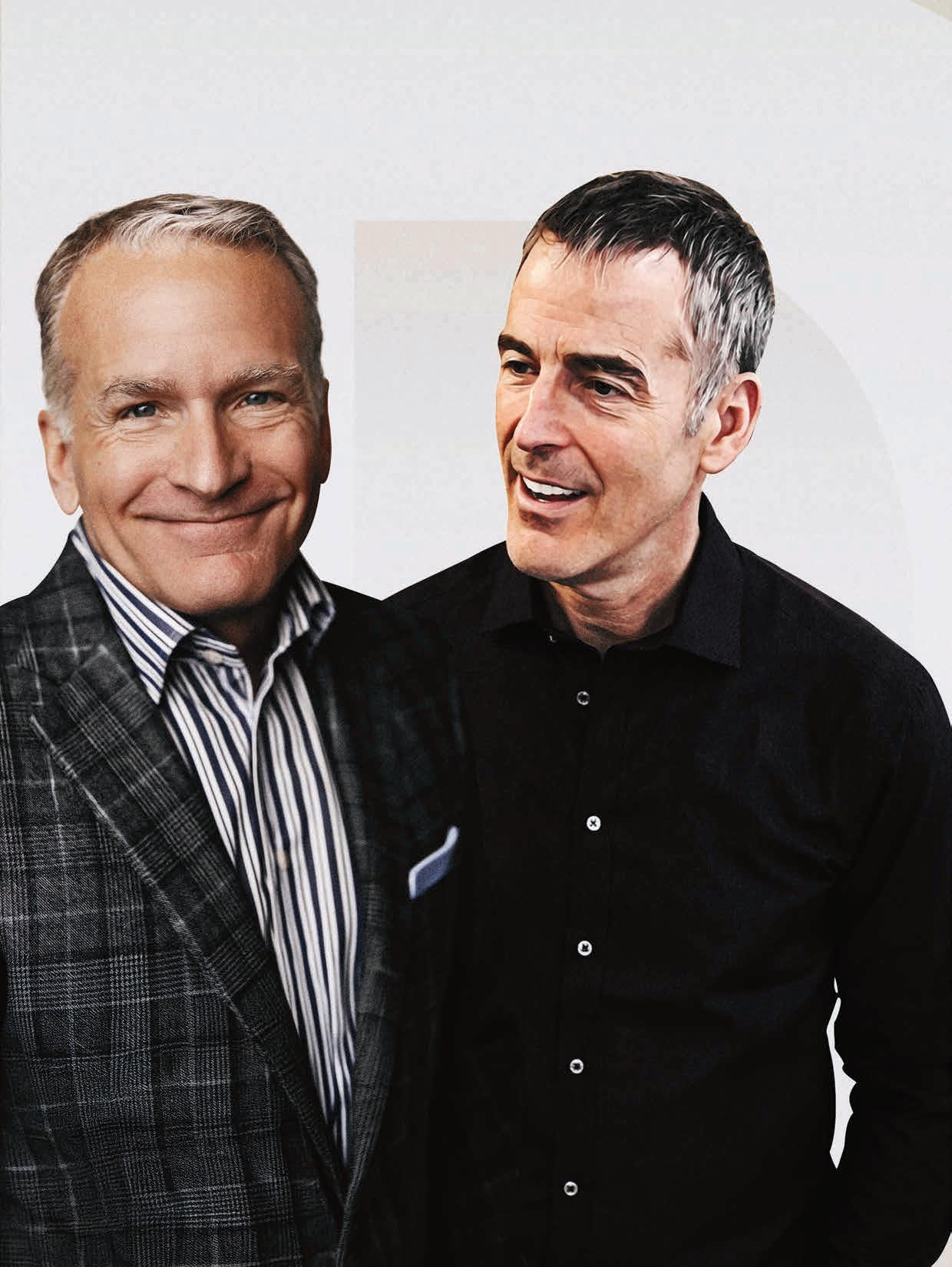





Gary Flynn and David Dumas Build on a Strong Foundation.
By Karen Alberg Grossman
He’s the guy who speeds off to work each day on his Harley, dressed in an impeccable linen suit. He’s known to work hard, play hard, and be his own toughest critic, yet the entire menswear industry seems to adore him. “My dad was a salesman so we moved around a lot,” recalls Gary Flynn, now CEO and Co-Owner of M. Dumas. “We lived in Cleveland, New Hampshire, Southern California... I started working retail at a California branch of Nordstrom while still in college. I did back-of-house maintenance, which meant everything from picking up hangers to cleaning bathrooms. I really liked the job: the energy, the people, the product... I ultimately went from maintenance to receiving to the selling floor to management: I was DMM of kids’ wear under David Witman and worked at their Mall of America store.”
Gary proudly shares what he learned about retailing from his 27 years at Nordstrom. “From Pete, Erik, and Jamie, I learned to put the customer first in all things. I learned humility, active listening, and the constant drive to improve. I had great mentors during my years there, executives whose words and actions inspire me to this day. I hope I’m instilling these same values into my team here at M. Dumas.”
After Nordstrom, Gary worked five years at Hugo Boss and then as a consultant for Samsung. But unhappy with the extensive travel that kept him away from his family, he followed up on a rumor that an independent family-owned men’s store in Charleston South Carolina was up for sale. “So with my wife Heather and daughter Lila, I booked a flight to Charleston to check it out. Right away, just driving from the airport to downtown, we all fell in love with Charleston. The city does such a great job preserving the historical buildings, the quaint shops and restaurants, all exuding an intrinsic charm. It’s a dressier city than most: people care about how they look. Yet other than a single Belk store, there are no department stores or malls in Charleston. If you go out to dinner on your visit and haven’t packed a sport coat, you’ll feel underdressed.”
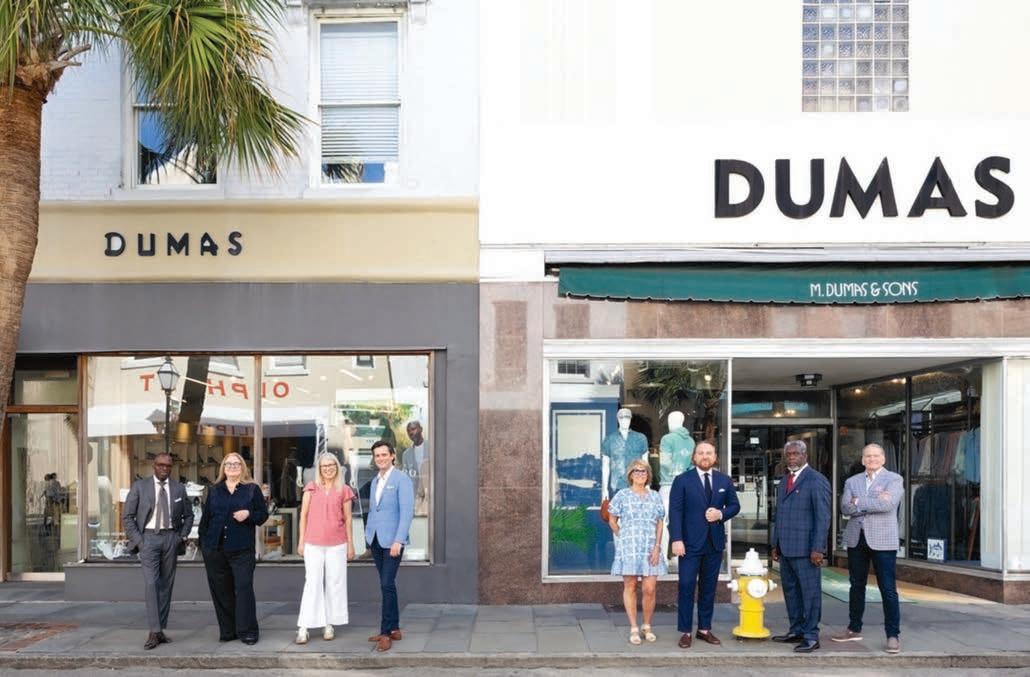
When Gary started working at Dumas in 2016, 10 years ago and a century after the store was founded in 1917, they carried virtually no Italian brands. Today, the flagship store is merchandised in two separate but connected spaces: #296 King Street is luxury goods, mostly Italian; #294 is more casual sportswear with shop-in-shops for Faherty, Johnnie-O, 34 Heritage and other well-marketed brands. Overall, the
10,000 ft square foot flagship is 60 percent sportswear, 40% tailored clothing, now showcasing luxury labels including Castangia, Lardini, Fedeli, Eton, PT Torino, Gran Sasso, Stile Latino, Sartorio, and Kiton, to name a few.
Asked about the biggest mistake he’s made over the years, Gary is thoughtful. “I tend to hold on to things too long, be it a brand, a category, or a concept. Customers today are smarter than ever: they know what’s trending and they want what’s new. By holding on too long to an underperforming brand, you limit the space you can give to something new or else you’re over-assorted to the point of clutter. It’s a delicate balance.”
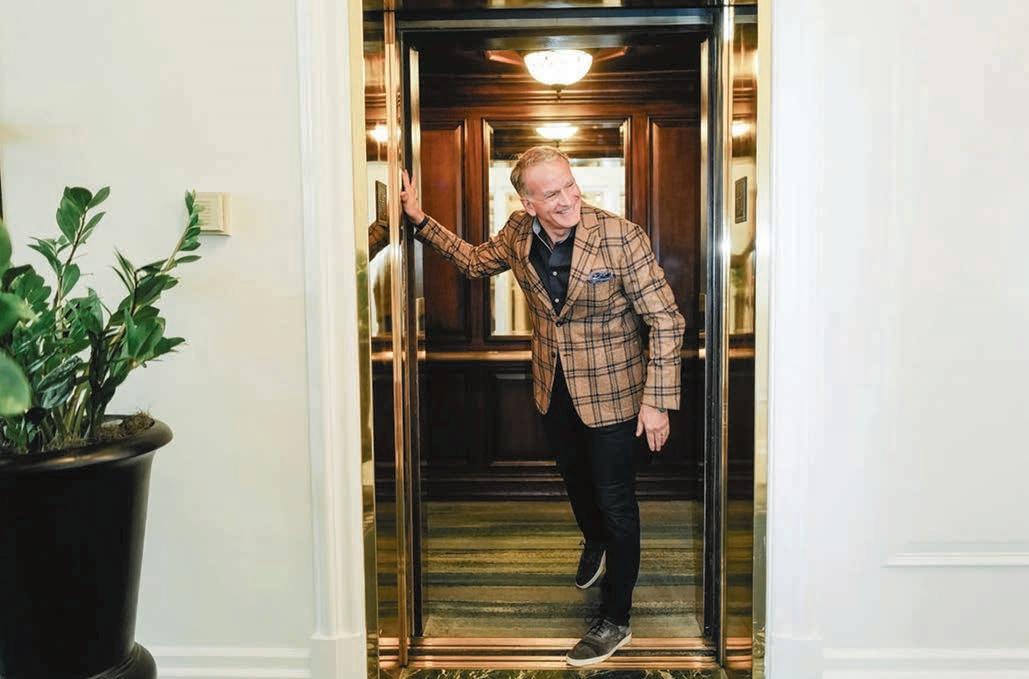
Gary Flynn, CEO and Co-Owner, M. Dumas & Sons “
If you go out to dinner on your visit to Charleston and haven’t packed a sport coat, you’ll feel underdressed.
What’s the latest “something new” that customers are currently craving? Gary sings the praises of Stile Latino out of Italy: its pants, shirts, sport coats, knitwear and outerwear all work seamlessly together. He also appreciates all that’s going on in fabric innovation: linen for fall, interesting mixes of silk/wool/cashmere. “Fabrics look and feel different than they used to, giving customers more reasons to buy. Although a good 10 stores on King Street are now owned by brands I also carry, our customers are still buying from us. They like mixing our brands for a more customized look.”
Does it bother him that many of the brands that Dumas (and other independent men’s stores) supported and nurtured over the years are now his competitors? “Of course it bothers me,” Gary confides. “But fortunately, my customers seem to prefer multi-brand options, putting pieces together in their own
way. They’re very plugged in to what’s trending and they trust us to offer the right stuff.”
What’s missing from the mix these days?
Gary would like to discover an exciting new sportswear brand or two, something beyond the ubiquitous classic/preppy/heritage looks that still dominate the shelves (and sell out) in Charleston.
Asked how to plan a business in these uncertain times, Gary doesn’t hesitate. “Don’t spend your seasonal buy all at once; stay liquid and pivot as needed. By balancing luxury with aspirational brands, modern with traditional styling, we’re able to pivot up or down accordingly. That said, our top-level customers are still spending on luxury goods, seemingly unaffected by tariffs, gas prices and Mideast bombings. Although vendors like to say that if you don’t place early, you won’t get the goods, we’ve so far managed to get the right products
at the right time. The ability to be liquid is critical right now; I’m sure my friends at Blacks Retail will back me up on that…”
As for expansion plans, Gary doesn’t hesitate. “When I was chosen to lead the M. Dumas and Sons business, the desire to grow and expand was near the top of my priority list. Yet before we could expand, I needed to work on our foundation. Going from a one-store to a multi store operation takes more than just desire. Ensuring a strong foundation for the King Street store was my top priority. Once we accomplished that, we could discuss expansion.
“Opening a partner store seemed like the best approach from a risk perspective;” Gary continues. “And after the success of our first branded partner store, we remained open to other opportunities and acted on the ones that made the most sense. The M. Dumas & Sons brand is a strong one in our market, so we make
sure people know that it’s us running the partner stores, thereby leveraging our reputation as well as that of our partners Southern Tide and Johnnie-O. Looking ahead, while we remain open to more collaborations, we aren’t actively pursuing them.”
Discussing the importance of store-sponsored events, Gary raves about his most successful one: last year’s Italian dinner. “It was our 8th one and a true extravaganza; we’re now planning the 9th and 10th which will be even bigger…”
Business aside, Gary loves the water, which is why he bought a house with a pool, a dock and a boat. He loves riding his motorcycle and playing golf. Most of all, Gary loves spending time with his family, their two dogs (Ace and Sargeant), two goats and three horses. He’s extremely proud of his wife’s profession as an Equine Therapist, treating women in distress and recovery by bringing them in closer contact with nature. “I love being Heather’s husband, Lila’s dad and Nick, Christopher and Michael’s
stepfather. I love spending time with them away from work, especially on the water.”
Still, Gary admits he’s driven by a strong work ethic and discipline. “I’m highly focused on execution and commitment to finishing what I start. Beyond work, I value positivity. I strive to inspire and motivate the people around me through positive energy and shared experiences.” That said, Gary wishes he were better at delegating. “I too often want to be involved in every detail, which can limit my ability to fully step back and focus on the bigger, more strategic picture.”
In addition to his family, Gary is extremely proud of the many genuine friendships he’s made in the industry over the years. “I really want to thank all my menswear friends, both vendors and other retailers, without whom I wouldn’t be getting this MR Award. Every one of you has helped guide me on my journey; you are the reason M.Dumas & Sons is receiving this prestigious award, for which my team and I are so very proud.”
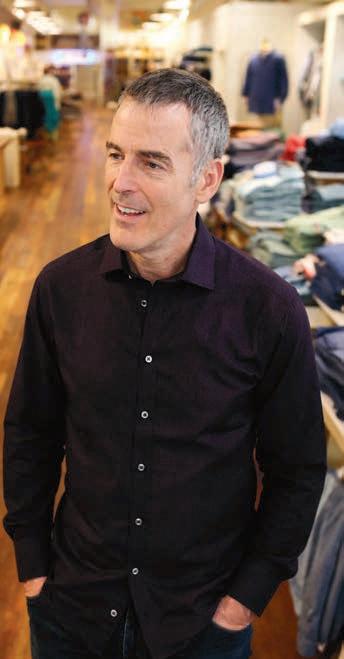
Did you always know you’d go into the family business?
No, in fact my dad sent me to NYC to work outside our store for a while. I landed at Lord and Taylor. After being there for a time, I thought I was destined to stay in NYC, which I loved, and work my way up the department store hierarchy. But I was summoned back to Charleston.
What did you learn from your father?
I will always remember one particular day: it was near closing and very quiet in the store. My dad made a big production of going to the speaker and announcing to everyone there “This (stillness) is the future of specialty store retail. You’d better get used to it because if we just wait around for customers to come through the door, we won’t make it.” That was many years ago, but I believe those words today as much as I did back then.
How would you describe the changes since Gary Flynn got involved in the business?
We’ve been elevating our brands pretty consistently since Gary came on board. This upscale direction has been very successful for us. I didn’t realize we had so many customers who would buy luxury goods from us. We soon learned that our core customer has always
We choose our brand partners carefully so we can both benefit.
Gary Flynn “”
bought luxury products, just not from us. Also, since Gary arrived, we’ve expanded from a one-store operation to four stores and a website. It’s a whole different ballgame we’re now playing.
What are the best and worst parts of working in a family business?
Having spent some time in the department store world, I realized that working in a local, family-owned business is much more personal. Your actions can have an immediate impact and customers love supporting local businesses.
The most difficult part is balancing the emotional dynamics of family relationships with the professional demands of running a company. It’s sometimes difficult to prevent disagreements on business topics from affecting your family relationships.
What else should readers know about M Dumas?
Only that I feel a HUGE sense of pride that my family name is still associated with one of the most respected specialty stores in the business. I’m certain that my parents and grandparents would be extremely proud of receiving this MR award.
I’m certain that my parents and grandparents would be extremely proud of receiving this MR award.
David Dumas,
Sons
Gary is one of the most professional and genuine people I have ever worked with. He is a tremendous merchant, and his vision for elevating M. Dumas to an exceptional level of luxury and assortment is a truly outstanding accomplishment!
Gary is incredibly deserving of the People’s Choice Award because he truly does put people first. I’ve had the pleasure of working with him for many years and have seen firsthand how he connects with his team, his partners, his customers, and his community. What sets Gary apart is that he genuinely cares: he brings positivity, passion, and trust to everything he does, and that impact is felt by everyone around him. Congratulations Gary!
How would I describe Gary Flynn?
Charismatic, easy-going, astute, focused. His incredible entrepreneurial spirit is apparent in how he modeled three branch stores on his highly successful King Street location, all running strong. He’s an aggressive merchant who can balance more than a few things at once and stay focused. He carries tons of inventory (1100 pairs of 34 Heritage pants in one store!) yet effortlessly manages his sophisticated POS system on a weekly basis.
Bottom line: he’s a great guy and a team builder who does LOTS of business. One could learn a great deal by following him around for a year.
Gary is not only an exceptional merchant, but above all a truly special person. From the very beginning, he built a natural and genuine connection with the entire Kiton family thanks to his humility, refined sensibility, and the authentic passion he brings to everything he does. He approaches his work with care, respect for craftsmanship, and a deep understanding of what true luxury represents.
Through his dedication and vision, Gary has helped shape M. Dumas into a true point of reference in menswear, consistently elevating the level of excellence and storytelling within the store. He has played an important role in giving visibility and strength to both Sartorio and Kiton, always presenting the collections with intelligence, taste, and a modern perspective that resonates with today’s client.
Beyond his professional achievements, Gary is someone we deeply value on a personal level. He is a trusted partner and a dear friend, someone who shares our values, understands our heritage, and represents them with integrity and passion every day. We feel truly proud and fortunate to work alongside him, and even more grateful to call him part of the extended Kiton family.
Congratulations to Gary and the entire Dumas Team. Your vision, dedication and impeccable taste have made your store truly exceptional. Cheers to this wonderful recognition and to many more years of partnership ahead!

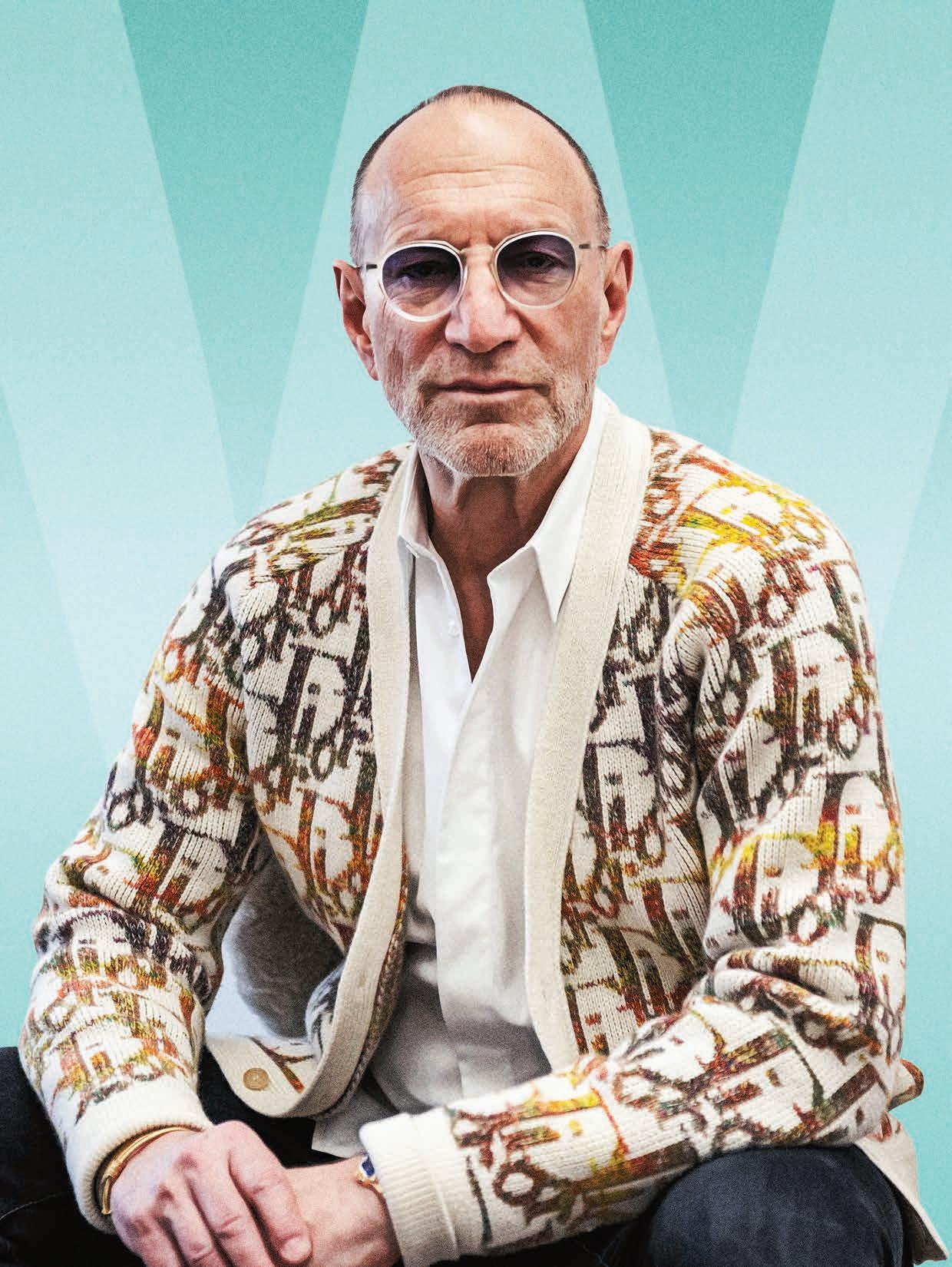

By Christopher Blomquist and John Russel Jones
Next year Gary Wassner will celebrate a half century of being immersed in – and nurturing – the fashion industry.
As CEO of Hilldun Corporation, a 68-year-old financing and factoring company with offices in New York City, Los Angeles and London, Gary Wassner has spent nearly five decades helping fashion labels navigate the often-treacherous gap between creative vision and commercial reality.
It started with a phone call. In 1977, a friend named Betsey Johnson asked for his help fulfilling $15,000 in orders for her newly launched namesake label. Wassner said yes, and Hilldun has never looked back. Since then, the firm has provided accounts receivable management, credit protection, back-office services, receivable financing and DTC financing to over 450 nascent and established brands.
The client roster reads like a fashion hall of fame: Tommy Hilfiger, Thom Browne, Marc Jacobs, John Elliott, Derek Lam, Jason Wu, Golden Goose, Vivienne Westwood, Sacai and Fear of God, among many others.
While Hilldun is probably best known for factoring, which involves buying a company’s outstanding invoices, immediately providing a partial but substantial cash advance and later remitting the remaining balance once the bill is actually paid (usually 30, 60 or 90 days later), Wassner insists that its other services are just as valuable. “We do a lot more than traditional factors,” he says. “We also do purchase order funding for reliable clients that we’ve come to know. They’ve proven that they can ship and sample according to order, and that the quality and fit are right.”
He continues: “We’re the largest supplier of credit and retail product to many of the large specialty stores like Elyse Walker and Mitchell’s. We have 170 brands shipping to Saks and are probably shipping 150 to Nordstrom and Bloomingdale’s. So when it comes to leverage with the stores, we have more than anyone else. We’re on par with LVMH and Kering when it comes to negotiating or dealing with the senior people at all these stores. If we deny and decline their credit, then they’re not going to get merchandise from 170 brands.”
Wassner’s relationship with retailers is often symbiotic. “We’re their supply chain,” he says. “They’ll ask me, “Can you help us get a certain brand? They’re not answering our calls.’ I will frequently recommend a

brand to the CEO or the president or GMM. I’m very close with all of them after all these years. If I feel it’s right for Bloomingdale’s, I’ll call [Chief Merchant] Denise Magid, and I’ll tell her, ‘Take a look at this brand,’ and she’ll send a buyer.”
But it’s Wassner’s connection to Hilldun’s many signed designers and brands where he can really leverage his expertise and business acumen.
Noting that he is “not a suit and tie banker,” he says the company’s success is a result of its understanding of and longevity in the fashion field – and knowing how to adapt to modern times such as when he made the fateful decision to bring computers into the office 46 years ago, long before PCs were ubiquitous. “I said, ‘Listen, if we’re gonna compete, we need to be top notch in automation’ and so we now are. We’ve written every single program in-house. Our entire system is custom and is ours,” he explains. “There’s nothing like it in the market. We provide the most information to our clients and our data is more extensive than their own. That’s been really important to our business.”
He adds, “We are able, with 57 people, to do $2 billion worth of sales. So I would say, if it were 30 years ago, I would have needed 200 people.”
As far as steering his creative clients on a course of financial success, the CEO, who has always been known for his ongoing guidance and assistance to brands, notes that stressing practicality is a top rule. “We have clients who have been here for 30 years and are extremely successful. The first thing I want to know is, do they understand that this is an industry that combines art and commerce? It’s not just art and it’s not just commerce, it combines both. And frequently it takes two people in one company, as opposed to one person trying to do it all. I know as an author, it’s very hard to self-edit.”
Expanding on his suggestion to have one person head creative and another to lead commerce, he notes, “Designers tend to want to see and touch everything they sketch. So there you go: $200,000 to see and touch, 50% of which you’re going to discard and not even put in your collection, and then another 60% you’re not going to produce. I need to understand that there are two people there checking each other in some way.”
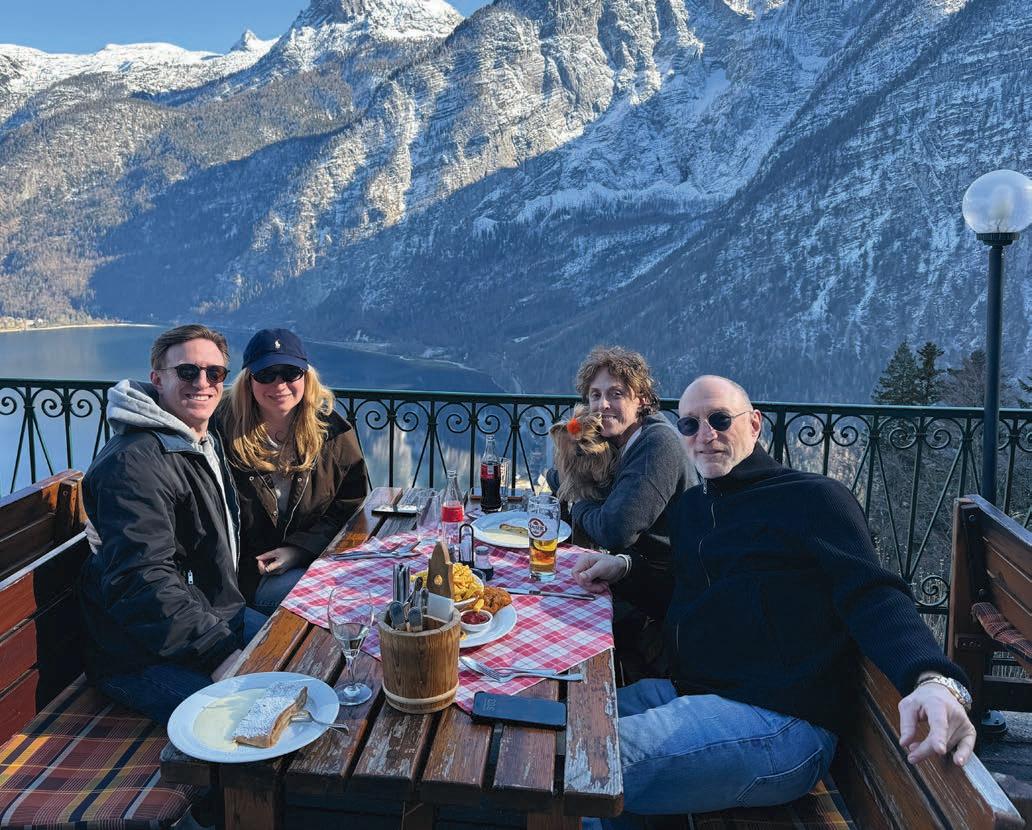
He’s also highly aware that high order numbers don’t necessarily translate to profitability: “Ultimately, this is a business so you must have the proper margin from the beginning. You’re fooling yourself if you think that volume is going to save everything; it doesn’t.”
But to Wassner, consistency is of paramount importance. “The thing that I emphasize above all else, once a brand is up and running, is consistency in fit, quality and style. That doesn’t mean repeat the same old thing every season. It means that there’s a thread that can be pulled from your first season to your next, and then to all that follow, that allows the consumer to emotionally connect and identify with the brand.”
It’s perhaps somewhat ironic, then, that this fashion-focused executive and his fashion-centric company’s origins were not rooted in apparel at all, and that their pivot into fashion
was a drastic transformation for both. Wassner planned to be a college professor and Hilldun was a very traditional finance and management company focused on real estate. A New York City native, Wassner was a bookworm growing up (he’s still an avid reader) and was pursuing a doctorate in Philosophy at Bryn Mawr in the mid 1970s when his father, Marvin, who managed the family-owned business together with his brother-in-law Robert Greenberg, was diagnosed with cancer. Gary withdrew from Bryn Mawr and assumed the reins, eventually shifting Hilldun’s focus. Still a private and family-owned-and-run corporation today, its two Managing Directors are Gary’s son Cris (he has two other sons with his wife Cathy, an artist, who he met when they were 15) and Joshua Kapelman, the grandson of Greenberg.
But Wassner’s foray into fashion does not encompass only his work at Hilldun. A
multifaceted achiever, he became a founding member and Chairman of Interluxe Holdings LLC in 2014. At Interluxe, he’s partnered with Lee Equity to purchase equity stakes in luxury, designer and contemporary apparel and accessory brands including Jason Wu, women’s contemporary label A.L.C. and Mackage. In March 2022, he became a partner in the consumer-focused private equity firm BVG, Brand Velocity Group, to helm its fashion acquisition division.
He’s also served as an advisory board member of Fordham Law School’s Fashion Law Institute, a board member of Fashion Group International, an instructor for the Design Entrepreneurs NYC program, a board member of the High School of Fashion Industries and member of FIT’s Social Justice Advisory Council. He has taught at Parsons and FIT, among other schools.
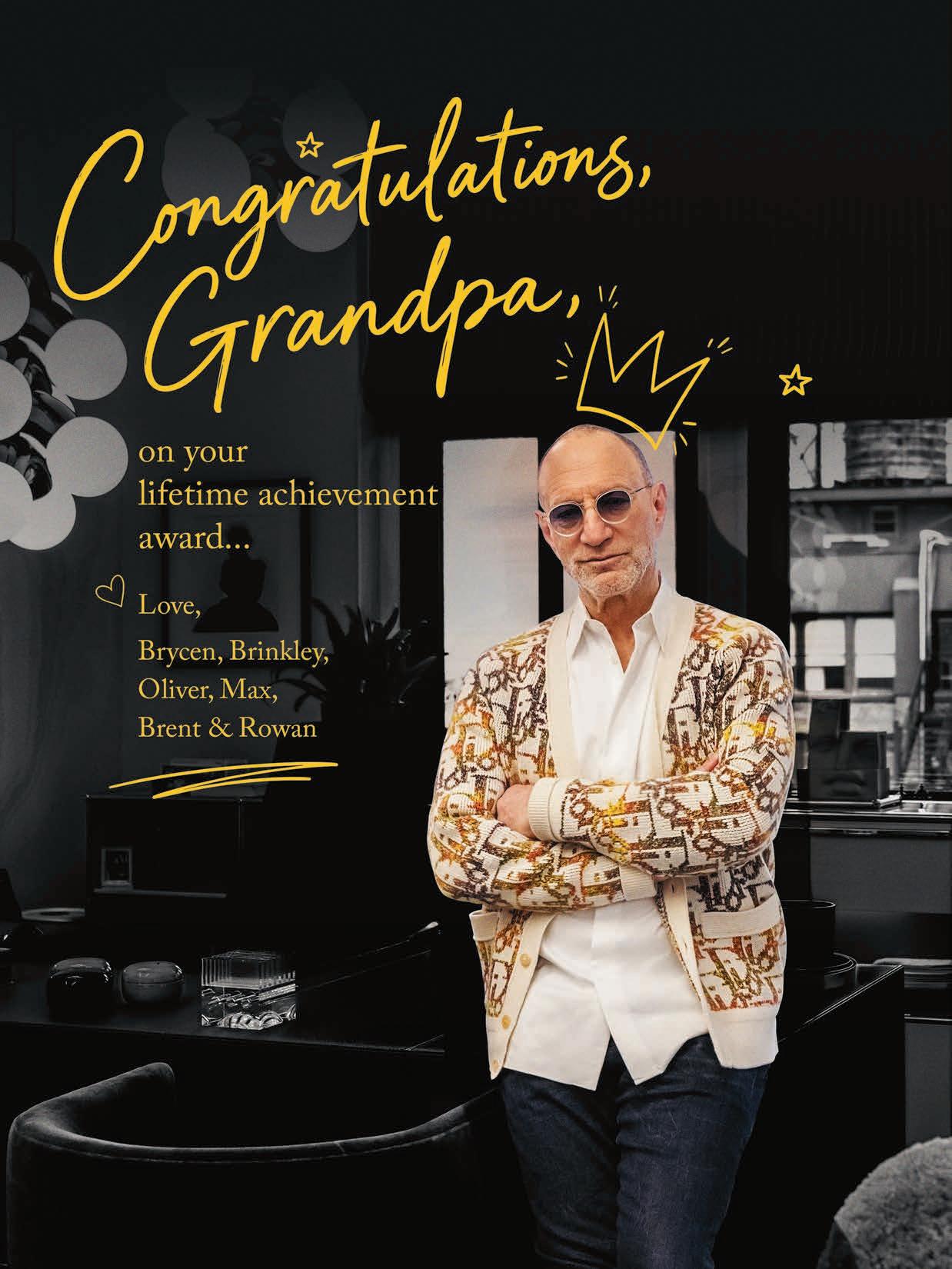
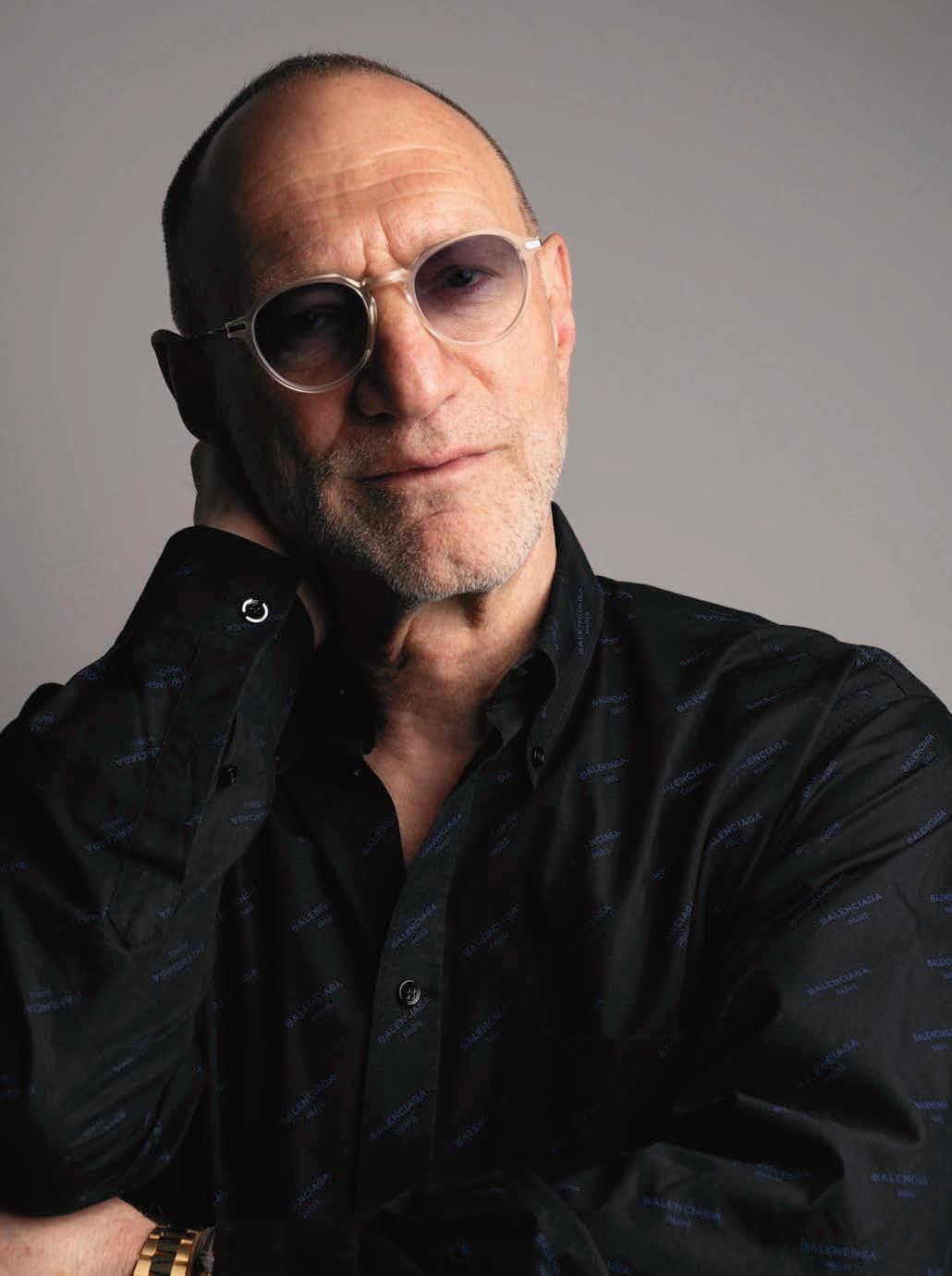
“ We are able, with 57 people, to do $2 billion worth of sales. Thirty years ago, I would have needed 200 people.”
Gary Wassner

In addition, he appeared as a panelist on the eight-episode Lifetime television show Project Runway Fashion Startup in 2016 and that same year produced and designed a highly successful collection of “ugly” Christmas sweaters with his friend and business partner Whoopi Goldberg that was sold exclusively at Lord & Taylor and Hudsons Bay Canada before transferring to Zappos in 2017 and 2018 and Nordstrom in 2020.
Forever an academic, Wassner has also written stories for the CFDA and major fashion publications and is a successfully published fiction and children’s book author whose specialty is the fantasy genre with a philosophical and ethical bent. With his master’s degree in philosophy, it’s a very apt side gig. “I was very creative and very involved in academics, writing
and literature. I love poetry, and I couldn’t part from it,” he explains. “I needed to continue. So I started writing, probably in the late1990s.”
Speaking to the blog Vaguely Borgesian in January 2005 Wassner talked about his constantly contemplative childhood and how it set the tone for some of his guiding philosophies and principles. “I remember even now hoping that as I grew older, I’d never forget to be compassionate, though that may sound silly to some. The fact is those differences [to the other boys in the neighborhood who were “cruel” and would often “act without thought”] that I was aware of early in my youth continued to guide my moral sense and therefore my actions throughout my entire life.”
This compassion clearly shines through, especially compassion for the fashion industry.
“I believe that you must give back. It’s easy for some people to write a check, but that’s not it, you know? I mean, it’s giving your time and your love so that people are inspired by the feeling that there’s something very special about this fashion industry.”
He concludes by explaining what means the most to him. “I get tremendous gratification from designers who say to me, ‘Gary, you’ve been with me the whole way, you never lost faith and you’ve taught me so much.’ What better compliment than that?”

With a background in graphic design, photography, and visual arts, Paul Witt was destined to create Wittmore.
By Karen Alberg Grossman

We used our savings to launch a small online business 14 years ago. Our guest bedroom became the fulfillment center. “ ”
Paul Witt is described by industry friends as a wonderful human being: unpretentious, self-effacing and nice. Within his stores, he’s curated a brand assortment with a strippeddown aesthetic and a personal connection to each client. Elements from various brands are merchandised together for a unique point of view. What’s more, his team is armed with a story to tell about virtually every item the store showcases.
Paul grew-up in the tri-state area: Long Island, Hoboken, New York City. The youngest of five siblings, he shares that his mother was a dancer, his dad a lithographer. He spent much time as a kid hanging around NYC’s printing presses.
Graduating from the School of Visual Arts, Paul’s first thoughts of retailing were inspired by Antique Boutique in the Village, then by Barneys. “Fresh out of college, I took a job at Diesel; Antique Boutique was their largest wholesale account. This was in 1995 and Diesel’s then-president, Johann Lindeberg, solidified my love for fashion retailing.”
In addition to Diesel, Paul headed up marketing and communications in-house for a several global brands including Mavi Jeans and Original Penguin. His role evolved into “image fixer”—he enjoyed reimagining the messaging for numerous brands and re-positioning the marketing accordingly.
During the economic crash of 2008, Paul became a consultant to several sneaker brands which ultimately led him to create his own online platform. “I was aware of the many specialty stores getting into e-comm, so the timing seemed right. In 2012, my partner Doug and I launched an e-commerce site after reaching out to a few favorite brands for product
and pulling any strings we could. It was a small site but very creative. I used my future weekend house fund to cover the launch costs; our logo was drawn at my kitchen table...”
But it wasn’t until Liberty Fairs sponsored a pop-up space in LA that Paul followed his heart to the West Coast. “I’d always loved California, but no brand had paid the way. So I decided to try out Sam BenAvraham’s four-week pop-up space, which extended to three months and then to never moving back. Doug packed up our east coast apartment and drove out a few months later. Meanwhile, I signed our first long-term lease on West Third Street, and dove right into our future: opening in downtown Los Angeles (in 2015), Malibu (in 2019), Larchmont Village (2021), Studio City and Silver Lake (2024). This summer, we’re set to open our first women’s home and gift location. Two regional stores are also in the works.
“Our mission is approachable fashion,” he explains. “We’re not luxury. We’re contemporary with core customers in their 30s, 40s, and 50’s; our full customer range is more like 18-60. We’re for anyone who wants pared-down, quality clothing made from mostly sustainable fabrics. The consumer is finally paying real attention to sustainability, quality and value.
“I’m excited about expanding into home goods and gifts,” Paul continues. “Since I come from a design background, this is a natural step. We’ve always had a dedicated gift section in our stores for holiday, but this will be a more expansive push.”
Where does he discover the simple sustainable fashion that makes up the core of his business? Paul shops markets in LA, New York and Chicago, and is in close touch with contemporary sales reps. He shops
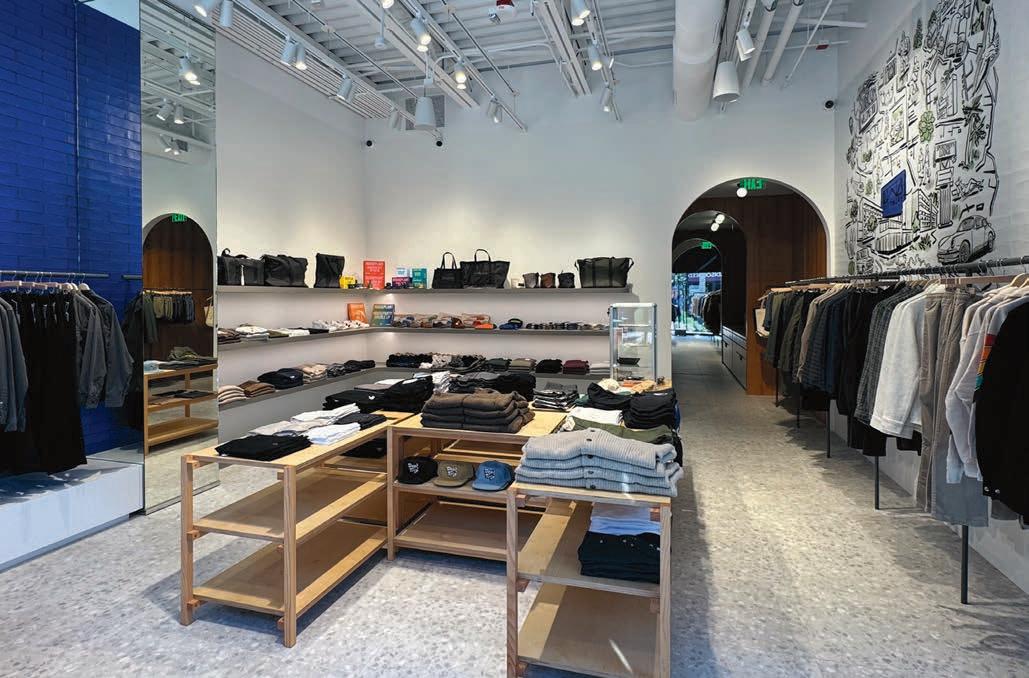
Europe as often as possible and, recently returning from London where he hadn’t been in many years, he marvels at their level of sophistication.
“The food, the hospitality, the retail, it was all over-the-top,” Paul relates. “So many British guys were dressed up in sharp suits and beautiful shoes. It was truly inspiring!”
He notes that Paris and Portugal have also become focal points for contemporary fashion. “There’s so much excitement coming from Portugal: I’ve been there twice this past year working on our soon-to-launch Wittmore-brand capsule collection. But even with our own collection, the excitement comes from how we merchandise our stores, mixing different brands so that the finished look comes together organically, like a single brand but with our unique spin.
launch our own brand, I’m energized! We’re starting out slowly, leaning into what’s showing on the runways but giving it our own twist. Our take on fit is modified: we’re selling mostly straight leg pants with some wider bottoms but nothing too extreme. Only a small percent of our mix is cut really wide. We have customers who understand a wide leg pant but are nonetheless buying straight leg, and some who are
in recent years,” he admits. “But our business is pretty solid, and up significantly over last year, which blows my mind to be honest. But since last year we were dealing with the LA fires, it’s not a fair comparison. In any case, we’re trying to be smart about each decision and enjoy riding the wave. I’m happy at the moment to be growing and evolving.”
Paul Witt “ ”
I feel it’s our job to introduce the forward trends but it’s also important to sell stuff.
“Developing our own brand has rejuvenated me,” Paul confides. “We’d lost a few big brands when the tariffs came along which was extremely disheartening. And our #2 brand out of Paris had also just closed so I wasn’t sure we could continue. But now, as we’re about to
still wearing tight and tapered. I feel it’s our job to introduce the forward trends but it’s also important to sell stuff.”
As for pricing, Paul acknowledges increases in recent seasons. Tops are now $185-$300 retail; pants are $200-$350; tees are $70-$150. “Clearly, contemporary pricing has increased
Paul expresses much admiration for all his fellow independent retailers who, like him, are still standing. “And bravo to those who are doing their own thing. Ours is a business based on gut intuition, emotion, and passion,” he maintains. “Why should anyone buy new clothes when they have full closets? It’s rarely about need but rather about reinvention, about helping customers express themselves in ways that bring confidence, that make them feel good. As independent retailers, the more we can do that, the more valuable to our clients we become.”
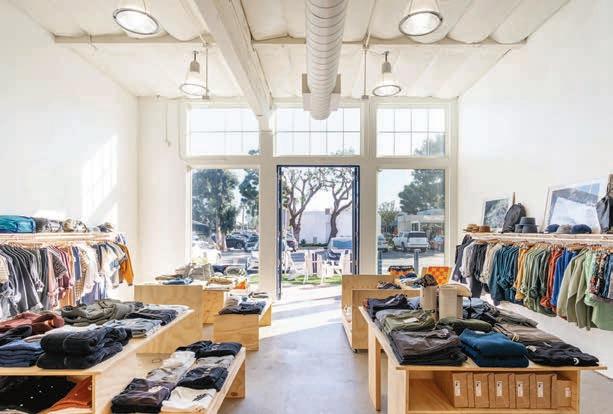
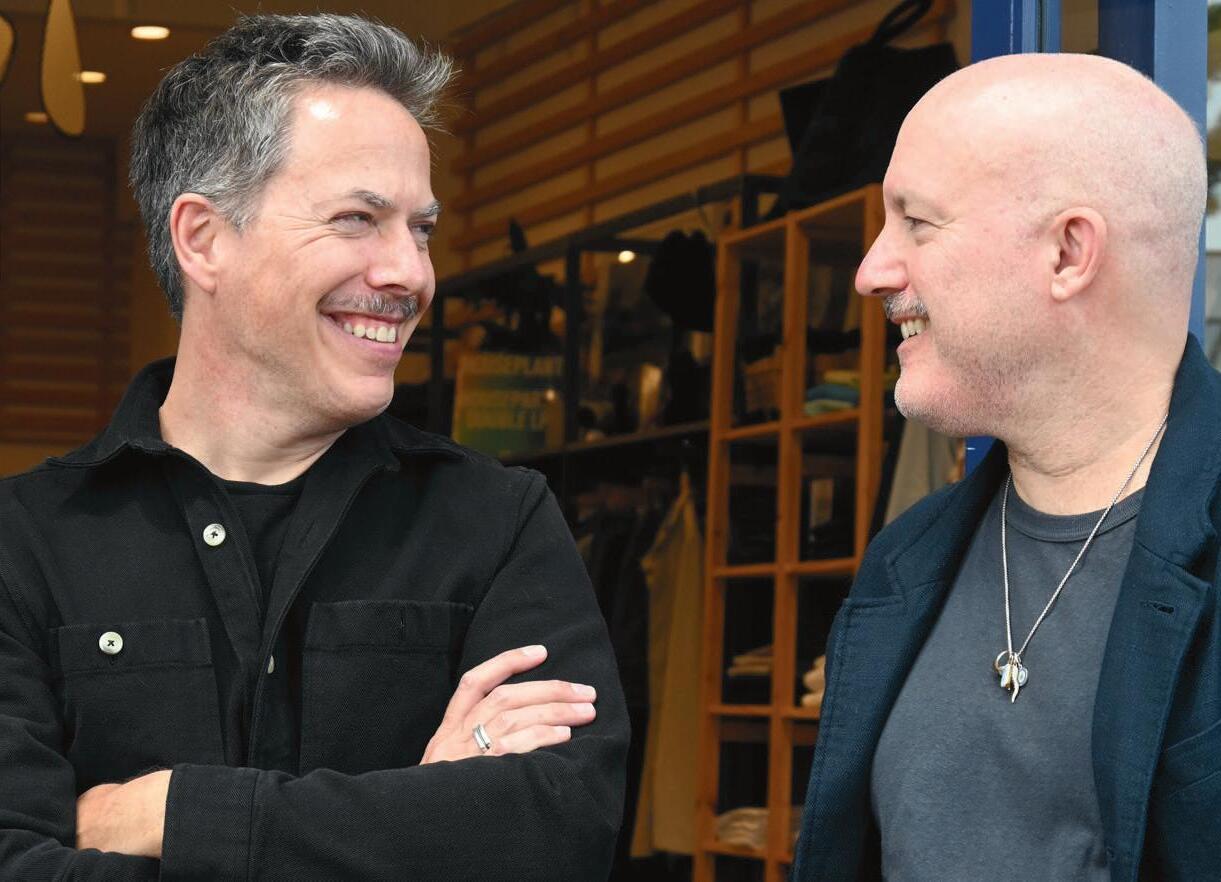
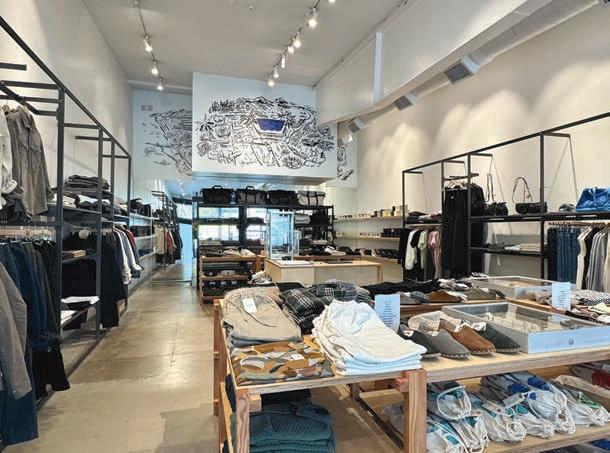
How would you describe yourself to someone who doesn’t know you?
I see myself as a “connector”—especially when someone needs support. I love to match people up with other people, with projects, with advice.
What would you change about yourself if you could?
I’d stop dwelling on things I can’t fix. I tend to think too long about certain situations and certain people, especially if a relationship is not reciprocated, or not meant to be. Sometimes you just have to move forward, even if it’s hard.
What might it surprise people to learn about you?
I have an exceptional memory, which is a real asset on the selling floor. I remember customers’ names, their kids’ names, their most recent purchases, their travel plans. I call it the Rain Man effect. Clients appreciate when you take a genuine interest in them.
What was the biggest mistake you’ve made in your career?
I once had the opportunity to work for a well-known luxury designer, but I turned it down because at the time, I didn’t feel I could deal with additional pressure. Sometimes I wonder about the direction my life would have taken had I accepted that prestigious role.
Other interests:
I love spending time with my husband in our little backyard garden. I’m usually doing the gardening while he’s cooking in the kitchen. In our business, we’re ‘on’ so much of the time that I find just enjoying nature to be extremely therapeutic. I also love spending time in museums; I like all kinds of contemporary art.
Most proud of:
The business Doug and I have built here. It’s been 14 years so far and it hasn’t always been easy; we’ve hit our stride several times already. But I look at what’s going on in the world and I feel grateful: that I’m able to do what I love, to help people, connect people, create and travel. For this, I must thank our small but terrific Wittmore team.
Greatest challenge:
Fulfilling demand on our most wanted items. From an SKU perspective, our stores need to turn more quickly to keep things fresh so there’s a reason for customers to buy.
Greatest opportunity:
To better manage inventory. That part of the business is stressful!
Your success secret:
Great customer service. We put away our phones and make our customers feel seen and appreciated the moment they walk through the door.
Paul is great! He’s been in the industry for years: at Diesel, Mavi, Penguin... He was in PR and Marketing for most of his career. He loved clubbing when I met him and contemporary, modern, and pop art. He also has amazing taste in music. He’s just super fun, with a great sense of humor and a big heart… I can’t say enough good things about him!
The Wittmore stores are unique, beautifully curated, with a nice balance of forward collections and easy wearable items that work seamlessly together. What’s more, Paul pays his bills and is super organized when it comes to orders and inventory. How can a vendor not love him?
Paul’s advantage is that he’s not following someone else’s play book. He’s got a media mind and was one of the first to launch his enterprise online before getting into physical stores. He’s equally brilliant at the store part because he’s doing it in his own way, with his own stripped-down aesthetic. By curating an assortment of brands and featuring elements from each, he creates looks you don’t see everywhere, or anywhere, else.
More importantly, Paul is a wonderful human being. He truly believes in being nice. He’s also a good businessman and he pays his bills— not something to be taken lightly. Nice doesn’t count if you’re not accountable. Finally, Paul has a great sense of humor. He’s self-effacing and very comfortable just being who he is. What might surprise people to learn about him: he’s very entrepreneurial, with a mind that goes well beyond retailing...
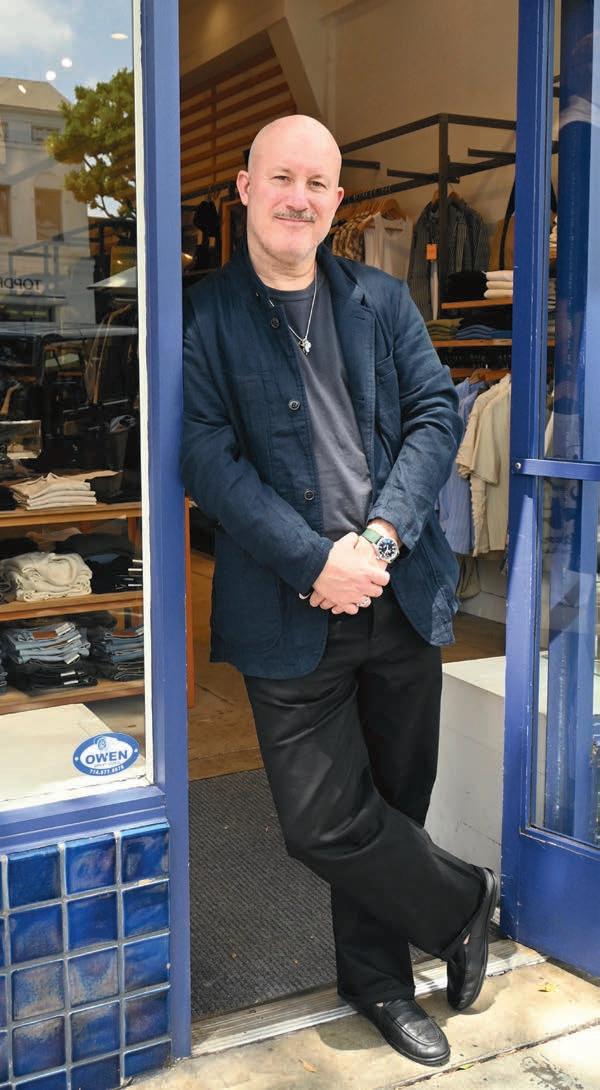

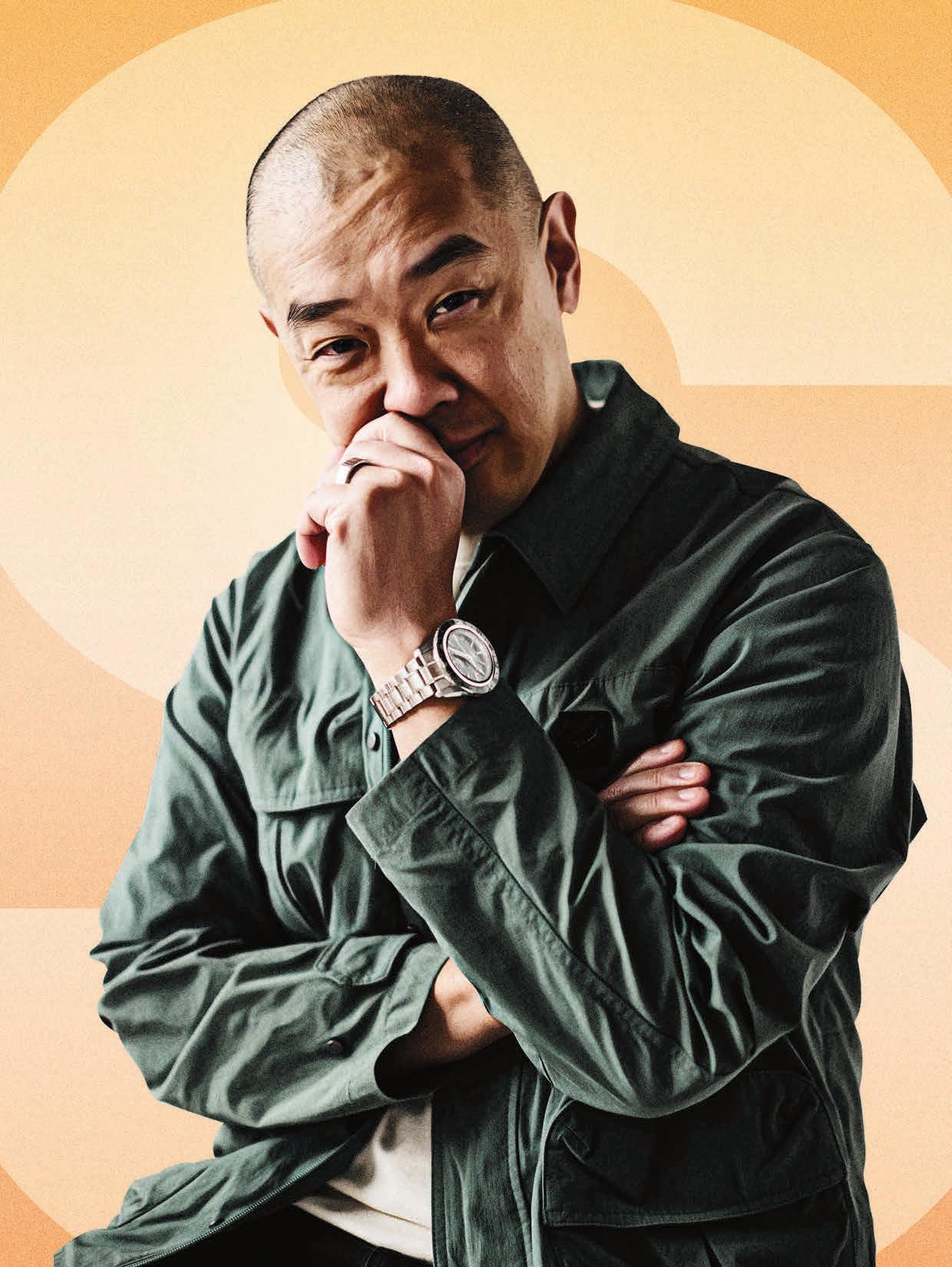




How a kid who broke into Parsons to print T-shirts turned a New York pigeon into a global language, and why he’s betting the next big thing is a real, human store.
By Michael Fisher and John Russel Jones
The experience of walking into a space and meeting real people will be the new luxury. People will camp out just to talk to a human being. “ ”
Jeff Staple
Jeff Staple has a routine that sounds less like a travel schedule than a migratory pattern. “I’m going a lot to the Middle East, [to] Dubai. Then of course Paris Fashion Week and Cannes Lions, so I end up in Europe. Add New York and LA into that,” he says. “It’s kind of like a lily pad around the world.” He delivers it the way other people describe their morning commute, then immediately undercuts the glamour: “I don’t know how much longer my body can take it.”
He tells a story about a friend, Lex Fenwick, the former president of Bloomberg and Dow Jones, who once warned him that at a certain point it doesn’t matter if you’re flying private and staying at the Aman, it’s still not as good as home. “Now I’ve hit that age where I’m like, no, home can’t be beat, no matter where you go,” Staple laughs. It’s a fitting note to open on, because Jeff Staple has spent nearly three decades turning a deeply local, deeply personal point of view into something the whole world wants a piece of. This year, MR honors him with the Vanguard Award, a recognition that forces a man whose nose is perpetually to the grindstone to do something he rarely does: zoom out. “It’s humbling,” he admits. “I look back and think, I guess I did do a lot… but let me get back to work now.”
If there’s a thesis statement for that work, it’s a few words he’s carried since 1997: “positive social contagion.” He’s the first to admit it’s a mouthful. “To be honest, it’s not that great of a catchphrase. It’s too wordy, too highly academic,” he says. But it stuck, because it captured the one thread tying together his clothing line, his retail store and his design studio—the idea of rallying people to spread something good. “Something that spreads,” he says. “I’ve liked it enough to keep it for 30 years, so I guess it’s not bad.”
crime, a hot dog, and the long slog
The contagion started with a misdemeanor. As a Communication Design major at New York’s Parsons School of Design, Staple wanted to silkscreen T-shirts, but his teacher forbade printing on garments. So he broke into the school to do it anyway. “I often think about what would’ve happened if I just listened to my teacher,” he says. “Where would I be today if I followed the rules all the time?” He calls it a butterfly-effect moment—the kind of pivot that, only in hindsight, cleanly splits a life into before and after.
At the time, the future looked considerably less than legendary. “I was living off the McDonald’s dollar menu (when it was actually $1.99) and Gray’s Papaya hot dogs that I’d eat for breakfast and lunch,” he recalls. He had no grand plan. “I didn’t even know how I was gonna pay for my Gray’s Papaya hot dog the next month.”
Ask Staple to name the moment he “made it” and he rejects the premise. “There weren’t these ‘I’ve made it’ moments where you spike the football,” he says. “It was a slog and a grind; one brick on top of another.” The wins were small and cumulative. One of the first came from Japan: a customer who’d bought a Staple shirt at the old Triple Five Soul store on the Lower East Side called wanting more. “I go, how many do you want? And he says, ‘I want 1,000 shirts.’” Staple was printing twenty at a time, by hand, by breaking into Parsons. “My mind went to: how am I gonna stuff 1,000 shirts through this window?” A four-figure order is a blip today, he notes, “but a 1,000-shirt order back in 1997 was like the Super Bowl to me.”
Residence: New York City & Los Angeles
Education: Communication Design at Parsons School of Design
Founded STAPLE: 1997: began by silkscreening T-shirts; home of the iconic “Pigeon” logo
The Reed Space: Opened 2001: pioneering experiential lifestyle retail
Nike SB “Pigeon” Dunk: 2005: the release that sparked a citywide sneaker frenzy and grail status
Agency: Reed Art Department (RAD): creative work for startups to Fortune 100 brands
Flagships: 7 worldwide, targeting 10 by year’s end; wholesale under 20% of business
Also: Founder of Stapleverse; host of The Business of HYPE (Hypebeast) and Do Process (web3 and crypto-focused series in partnership with Coinbase); top instructor on Skillshare; in-demand keynote speaker and moderator
Motto: “Positive Social Contagion”
On the horizon: STAPLE’s 30th anniversary in 2027
A bigger Super Bowl followed when the NFL asked Staple to become the first streetwear brand to produce a full collection across all its teams. “Holy cow, the whole NFL. That’s insane.” But he’s quick with the entrepreneur’s caveat: every life-affirming high is reliably chased by a gut-punch. “Inevitably, the next day, someone comes and punches you in the gut, like, oh yeah, I’m still a human.”
THE MAN WHO REFUSED THE CATEGORY
What makes Staple a Vanguard isn’t merely that he was early. It’s that he was early to a category that didn’t yet have a name. “Streetwear was not a term in 1997. Nobody said the word,” he says. The racks back then were segregated: contemporary sportswear (Polo, Tommy, Perry Ellis); “urban,” a label he points out was too often just code for Black- and brown-owned brands; and skate and surf, largely white kids in California. “Why do I have to fit into one
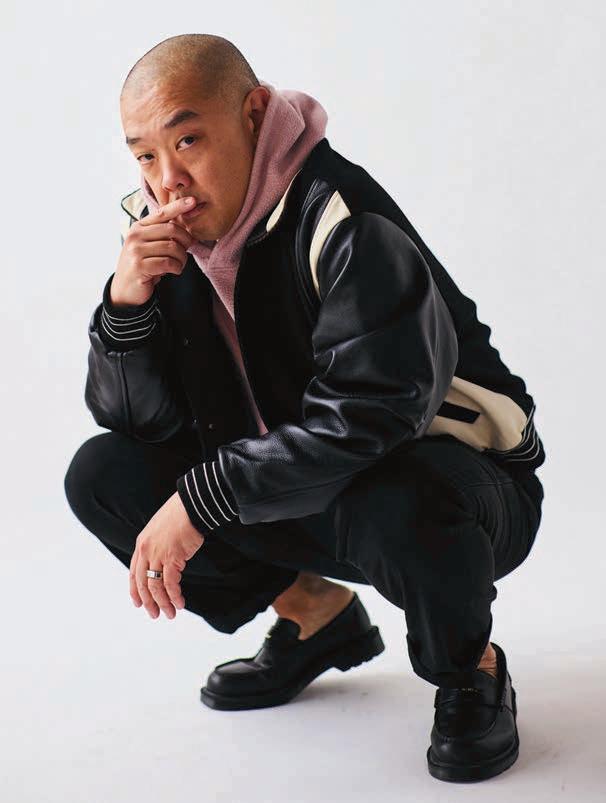
of these categories?” he remembers thinking. “Why can’t I wear it all at the same time?”
He likens it to the old Tower Records on West Fourth Street in New York’s West Village, where you went upstairs for hip-hop, downstairs for rock and made a left for jazz. “I was the weird one shopping in all the departments,” he says. To him, street culture was always exactly that, “the amalgamation, the remixing of all these things together.” Two decades ago he predicted it would grow bigger than skate, hip-hop and punk combined, precisely because of its gravitational pull across cultures. He was right. “Now you’ve got limited-edition yogurt and collaboration toilet paper. That all came from streetwear.” These days he hears the vocabulary in places it has no business being. “Every Fortune 100 company now talks about drops. It’s so weird to hear in a boardroom. Clorox, you want to do a drop?”
Where would I be today if I followed the rules all the time?
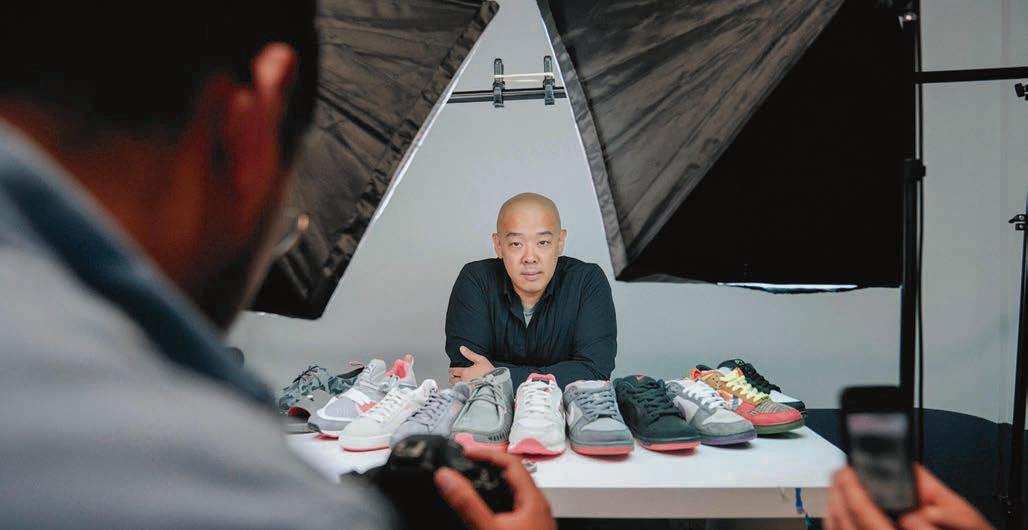
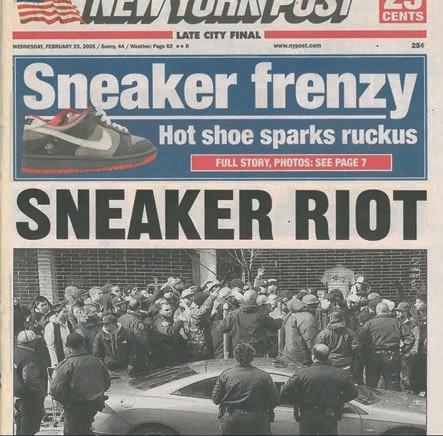
And then there’s the bird. The 2005 Nike SB “Pigeon” Dunk is now the stuff of sneaker mythology—a release so frenzied it ended in arrests and a New York Post front page. At the time, Staple was terrified. “I thought I’d severed my relationship with Nike. I was enemy number one with the NYPD.” It would be years before he understood what the shoe had become, and he’s careful to note, that wasn’t his call to make. “It’s up to the community to decide if it becomes a grail. Not me.”
What people forget is that Nike said no first. The Pigeon was Staple’s sixth design with the brand, not his first, and when he pitched a New York City shoe inspired by the city’s most reviled bird, the folks at Nike’s HQ were baffled. “They literally said, did you not understand the brief?” He had to fall on his sword to keep it alive, risking the collaboration entirely. The line he delivered has since become gospel: “If I created a shoe that the guys sitting in Beaverton understood, I failed at my job.”
The deeper lesson, he says, was trusting his gut over the focus group. “I did not ask one other human what they thought about this pigeon sneaker. I just went with my gut and defied Nike.” He suspected New Yorkers had a love-hate thing with pigeons; he never ran a survey. “I think a lot of that is why it’s such a special grail item to this day.”
Today much of Staple’s work runs through Reed Art Department, the creative agency that spent years also being called Staple, until
a 2019 rebrand finally separated the brand from the studio. He describes RAD as “the Navy SEAL Team Six of marketing”: small, surgical, built to translate brands to the audiences they’re struggling to reach. His friend Nick Woodhouse, Executive Vice Chairman of Authentic Brands Group, once handed him an analogy he loves: Authentic was the battleship, and Staple was “the cigarette speedboat on the side that could go to different ships and different islands.” Put him on the mother ship, Woodhouse warned, and he’d be miserable. “I love that. RAD is this little speedboat. Beautiful. Complete the mission.”
On collaborations—the currency of his industry, and now everyone else’s—Staple is refreshingly blunt. “Collaborations have become a deliverable on a PowerPoint presentation,” he says, picturing the junior staffer scrambling to find a partner because the marketing plan demands one. “Consumers feel the inauthenticity.” There’s no formula, he insists; if one-plus-one reliably equaled three, everyone would nail it. It’s like music: you can’t just put the hottest producer with the hottest rapper and get a hit. “You still need magic.” And when collaborations fail, the root cause is almost always the same: a lack of empathy on one side of the table or the other. “If both sides actually care about what the other one needs, then it’s just execution at that point.”
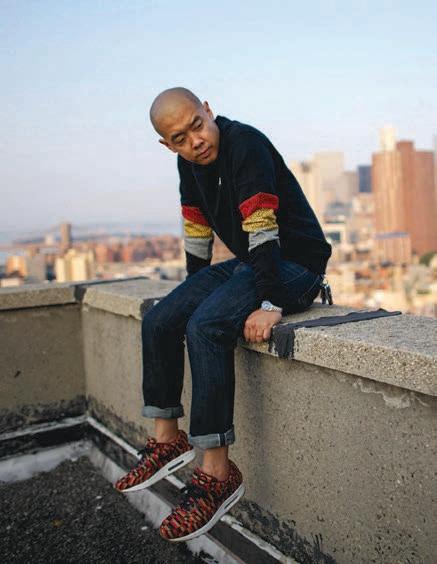
For a founder who built his name online and in drops, Staple is strikingly bullish on the least futuristic thing imaginable: the brickand-mortar store. Staple is now mostly directto-consumer (wholesale is under 20%) yet he’s opening flagships, seven worldwide with ten in sight by year’s end. His reasoning is counterintuitive, and a little ominous. He believes that within two to three years, AI will make it impossible to tell real from fake on your phone, even, he says, your niece’s photo of her puppy. “The experience of walking into a space, gathering with like-minded people and meeting real humans, will be the new luxury. People will wait in line, buy tickets, camp out just to talk to a human being with their own two eyeballs.” The silver lining of the AI era, he figures, is that it’ll remind us what it means to be human. “Go touch grass. Go make pottery.”
For the independent retailers who make up much of MR’s readership, Staple offers a field guide. Be a truffle pig, meaning, “relentlessly find that little piece of truffle in the dirt,” the unknown footwear label in Johannesburg or São Paulo, and be the first in your city to carry it. Run your store like a magazine editor, dropping something fresh every week. “It could be a freaking wristband or a sticker” rather than waiting on the seasonal calendar. Turn the floor
into a content engine; your staff is already the cast. And don’t panic, he adds, when a customer browses your store while buying the same item on their phone. “He’s still supporting the brand. That’s just an accounting shift. We can’t think so siloed.”
Above all: go local to go global. His proof is Drake, who built a planetary empire by obsessively name-dropping obscure Toronto intersections. “Everyone admires the authenticity of being localized.” It’s the same physics that powered the pigeon. When Staple began traveling, people in Paris, Venice and Tokyo insisted the pigeon was their bird. “I’d say, no, that’s our bird, and then realize, well, there are a lot of pigeons here too.” The most local idea he ever had turned out to be the most universal, and the world claimed ownership of it. “That’s even more powerful than the Drake analogy.” He extends the same trust to his own teams abroad: “I’ve never hung out in Shenzhen. If I bring in the right people, I have to let them run with it.”
So what’s left? After the riots, the awards, the lily-pad life, Staple’s answer is almost monastic: “the relentless pursuit of perfection.” He’s still the guy who holds a T-shirt and weighs the fabric, the graphic, the neck rib. Even now, he notes, the care label on the shirt he’s wearing sits a touch too high and is itching his neck. In 20 years, he says, he has released exactly one hooded sweatshirt he’d call perfect. The cruel irony is that scale makes perfection harder: more money, more people, more cooks in the kitchen.
But he’s not losing sleep over it. “We’re not doing surgery,” he says. “We’re making fashion, doing collabs, opening retail stores. Let’s just try to be as perfect as we can, and have a good time along the way.” For a man whose whole motto is spreading something positive, it’s about as on-brand as it gets.
Three decades of hard-won advice for anyone building a brand or a store, in the Vanguard’s own logic:
BE A TRUFFLE PIG.
Scour the earth for the brand nobody’s carrying yet—the footwear label out of Johannesburg, the find from São Paulo—and be the first in your city to have it. Become known as the place to get great “truffles,” and people will line up at your door.
RUN YOUR BRAND LIKE A MAGAZINE.
Don’t wait for four seasonal drops a year. Think like an editor with a weekly issue to fill. What are you dropping this week? It can be a sticker or a wristband. Just keep talking, or you’ll be yesterday’s news.
GO LOCAL TO GO GLOBAL.
The more specific and hometown your story, the further it travels. Drake name-drops obscure Toronto corners and owns the world. Lean all the way into where you’re from.
EMPATHY IS THE WHOLE GAME.
When a collaboration falls apart, it’s almost never the money, it’s that one side stopped caring what the other side needed. Align on that first; the rest is execution.
MAKE THE STORE A SHOW.
You already have a cast: your staff. Turn the floor into a content engine that earns attention (and revenue) beyond the cash register.
TRUST YOUR GUT OVER THE SURVEY. Staple never polled a soul on the pigeon. He bet on a hunch about how New Yorkers feel about their birds. If everyone in the room immediately gets it, you may have already failed.
By Michael Fisher
Every awards issue needs a standout. The one that walks in the room and owns it — no speech prepared, just an undeniable presence. This season, that honor goes to Twist of Lime (Pantone 18-0330).
Consider this its superlative.
We’re not suggesting every guy will be sporting head-to-toe lime this summer. But as a key accent color that works across virtually every category and surface, from technical outerwear to tailored suiting to accessories, Twist of Lime earns its moment in a way few seasonal colors do.
Part matcha ceremony, part morning in a sun-drenched garden, and part summertime happy hour, Twist of Lime is the rare shade that manages to be both grounding and electric. It’s earthy without being dull, fresh without being flashy. In a market where men are increasingly drawn to color that does something, that means something, this particular green has arrived with quiet authority and zero apologies.
The timing is not coincidental. Consumers right now are navigating a peculiar tension: financial pressure on one side, a deep craving for beauty and renewal on the other. Twist of Lime threads that needle beautifully. It doesn’t demand attention the way a cobalt or a fire-engine red does. Instead, it earns it, the way a well-made garment earns it. There’s a reason the wellness economy and the fashion economy keep gravitating toward the same palette. Calm sells. Restoration sells. And apparently, so does a color that looks like it was invented by a person who starts every morning with a green juice and actually means it.
For menswear specifically, this is a significant moment. Twist of Lime is functioning as a genuine new neutral, a replacement not for grey or navy, but for the idea that men’s color choices have to be a binary between safe and bold. On classic suiting, it’s the unexpected refresh that makes a traditional silhouette suddenly feel like the most interesting thing in the room. Layered into texture-rich knitwear or dropped into a clean, structured jacket, it has range.
Culturally, there’s something larger at play, too. Twist of Lime is one of the unofficial colors of sustainability as a consumer shift, and while it is rooted in the organic and is certainly enduring, it still manages to look luxurious and feel optimistic at the same time. It reframes the whole conversation: sustainability doesn’t have to mean sacrifice. It can also be an expression of taste.
So here’s to Twist of Lime: Most Likely to Be Everywhere by next spring, Most Improved Neutral, and frankly, Best Dressed. It showed up this season with the energy of a comeback that never actually needed one.

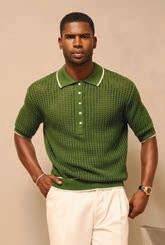
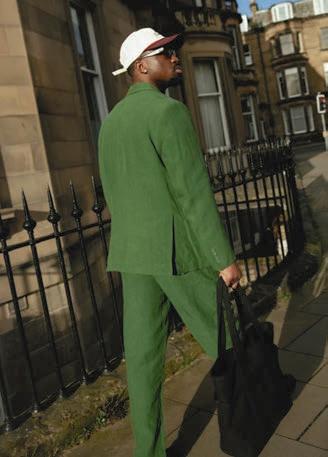
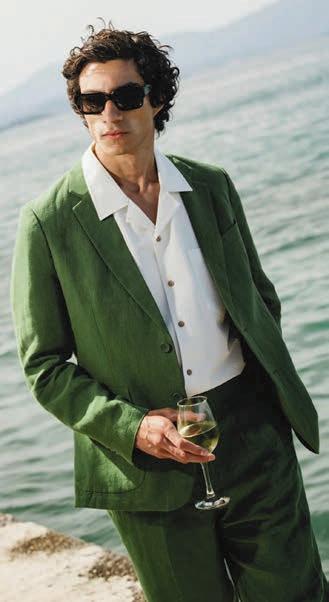
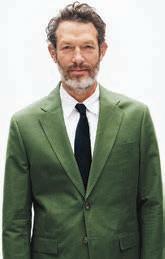
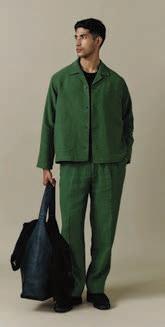
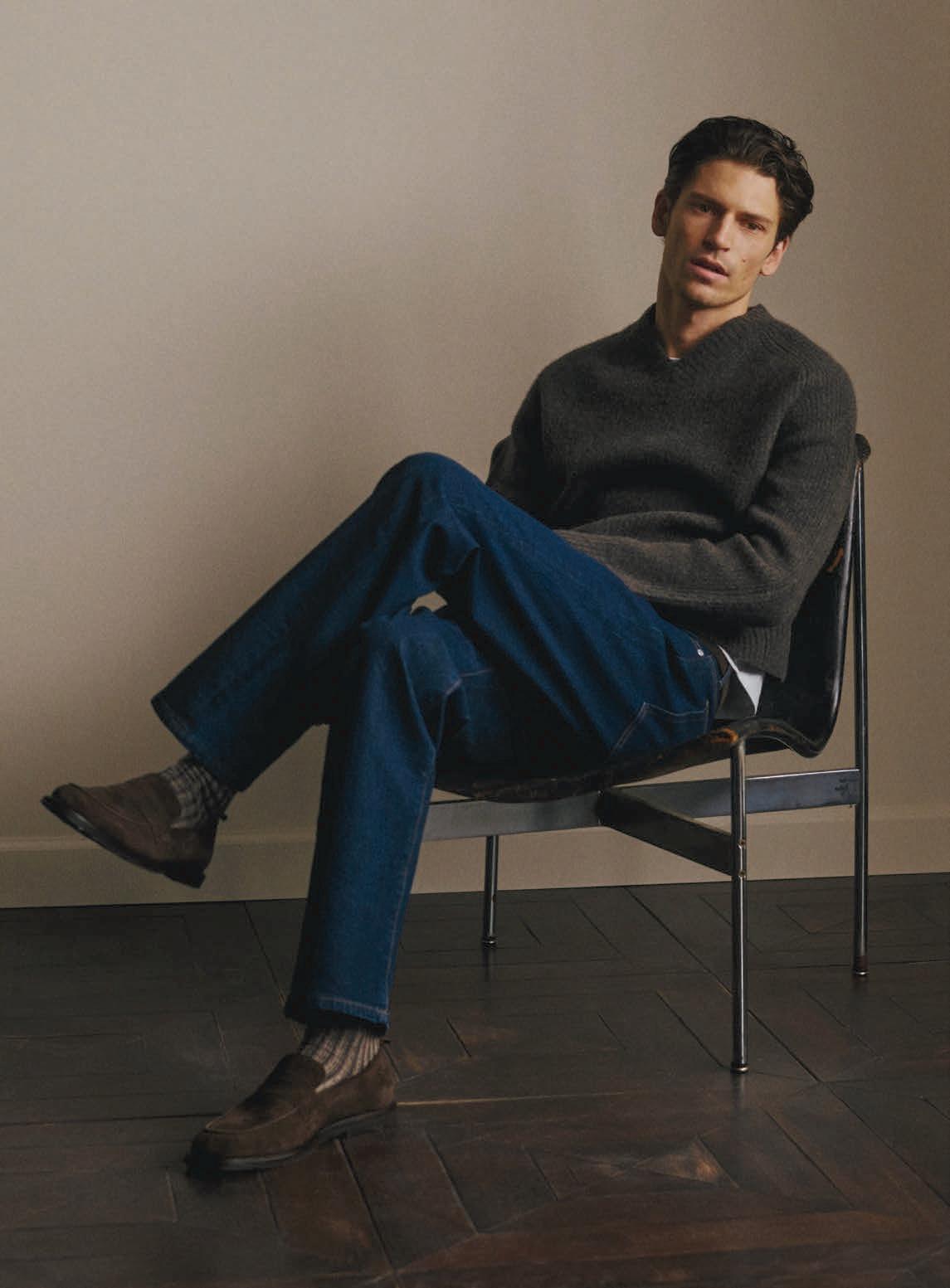
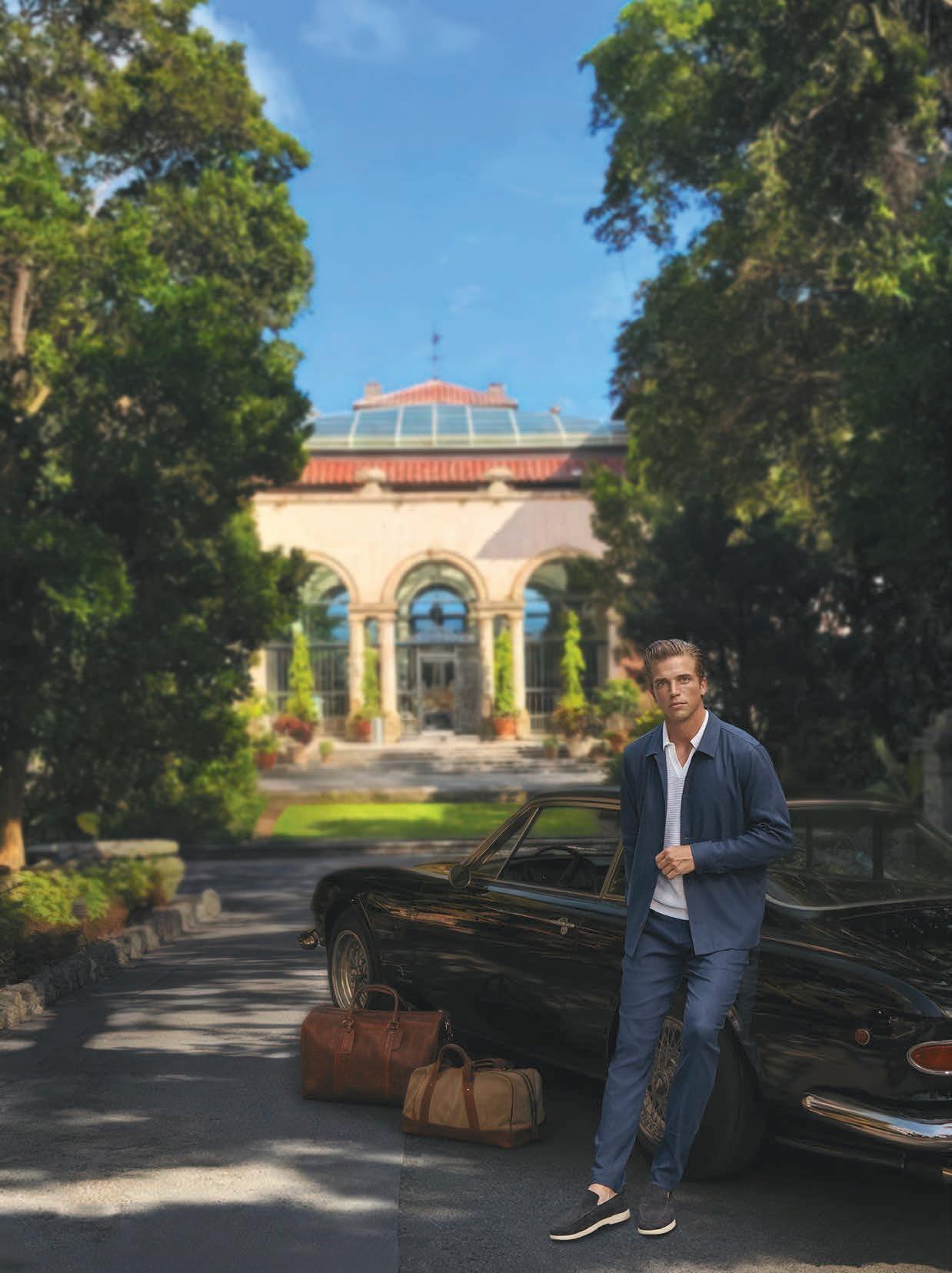
To my fellow MR Awards recipients, Congratulations on this well-deserved honor.
As our next season reflects on the beauty of arrival, both as a destination and as a deeply personal experience, this recognition feels especially meaningful. To arrive at this moment among such distinguished peers is a privilege, and one that makes this milestone all the more memorable. It is an honor to celebrate creativity and excellence alongside you. With admiration, Cecile Revah