From Our Editor
Dear Readers,
If someone asked you what “Eco-Friendly” meant, how would you define it? I believe that most of us understand the effects our choices make on the environment. However, when the articles started coming in for this issue’s theme, I was delighted with the unusual approach our writers took. Our Financial writer gives us ideas for investing in environmental issues and Jessica Brown tells us about Eco-Friendly Travel (I didn’t even know there was such a thing!).
The other part of our theme is “Easy Living” which conjures up summertime fun, relaxing, and trips. Again, our writers have unique ways of writing about this theme. (We really do have the best team of writers!)
Jamie MacNeill addresses easy living with a “maybe so, maybe not” article. Joy Dettling has an easy way of gardening that is quite unique and appealing. Dr. Melissa has given us some easy ways to simplify our wellness routine. Trice Berlinski illustrates why meditation is necessary, sharing a personal experience. Our Financial writer, Jill Carr, gives us ideas for investing.
Our team of exceptional writers is expanding, and we are quite happy to welcome three new ones in this issue.
Joanna Lantzy is an avid reader (who is also an insurance producer with Hartland Insurance Agency) and is writing book reviews for us in her column Joanna’s Shelf Life.
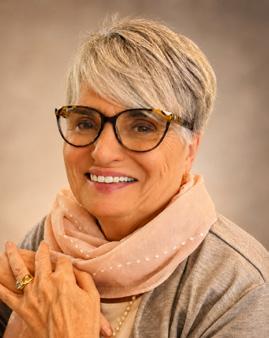
Johanne Edwards, DNM, PhD, is a Doctor of Natural Medicine. The first article in her column The Natural Doctor’s Secrets is an introduction to Natural Medicine.
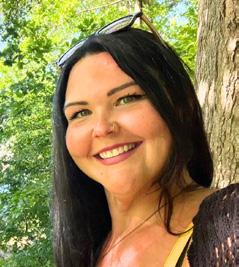
Lisa Scott, our cover girl from Spring 2025, has a new column with us titled And That’s Okay! She tells us what to do if we aren’t really feeling the “easy”.
Exciting news! We are having an Expo on November 7 and 8 at the Sloan Museum. Look for the page that tells about it. Also, you will want to be signed up for our newsletter so you can receive information about vendors, tickets, prizes, and general information. Sign up at www.w2wmichigan.com.
Even though our summer is rushing by, I hope you will still have some easy and lovely moments before fall. Thank you for being part of our community.
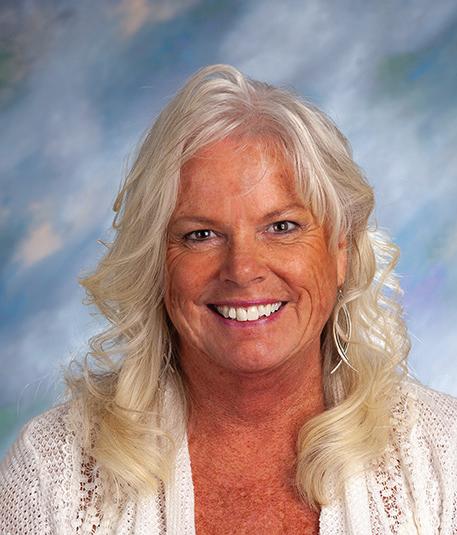
Blessings & joy to you, , Editor
Why not gift yourself a print copy subscription? Carry it with you to read during those times you are waiting for the next thing. Give one to your girlfriend—then discuss like a book club. Stay informed of W2W happenings through our email newsletter. If you haven’t been receiving them, visit www.w2wmichigan.com and sign up!
www.W2WMichiganc.om info@w2wmichigan.com
Trice Berlinski
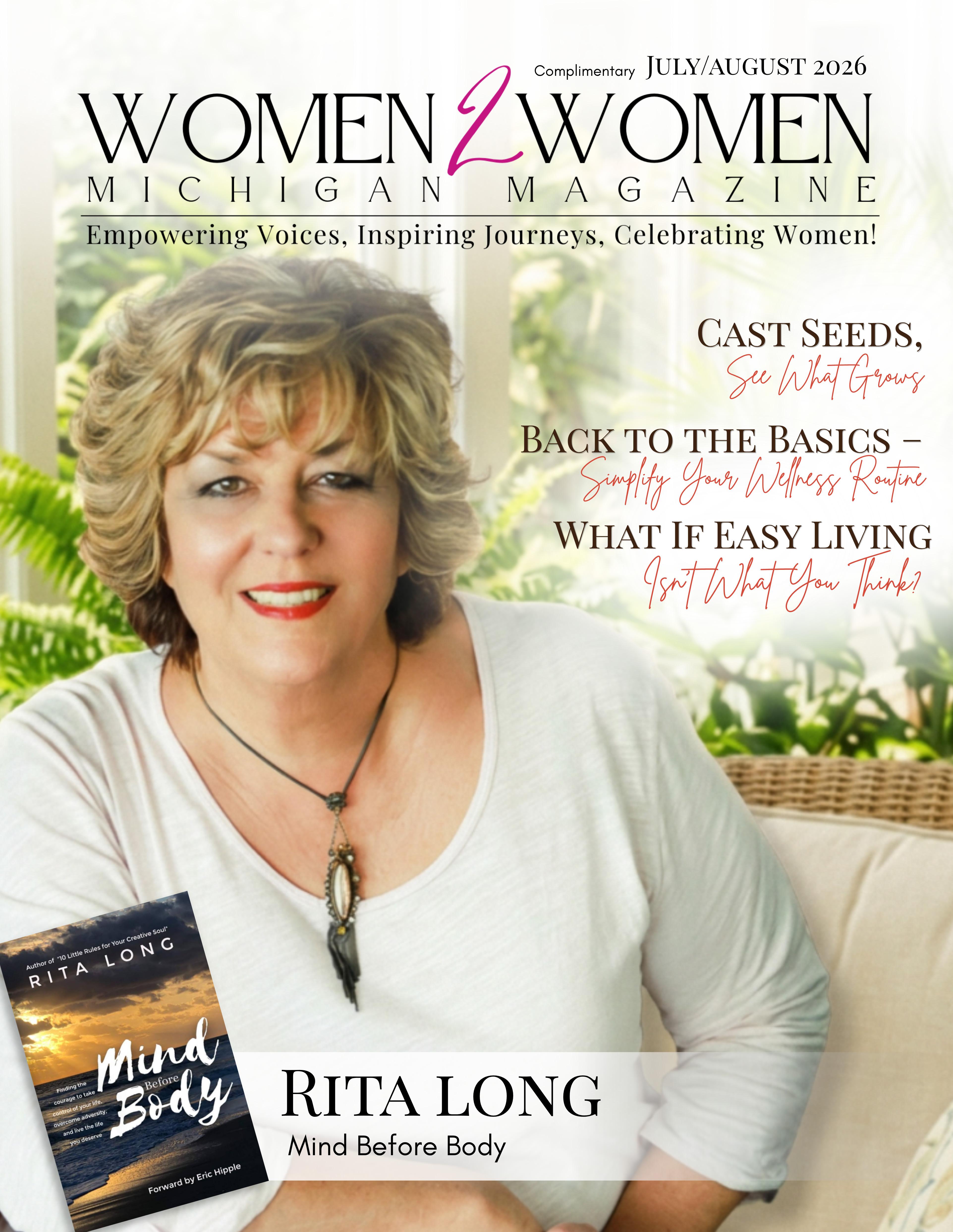
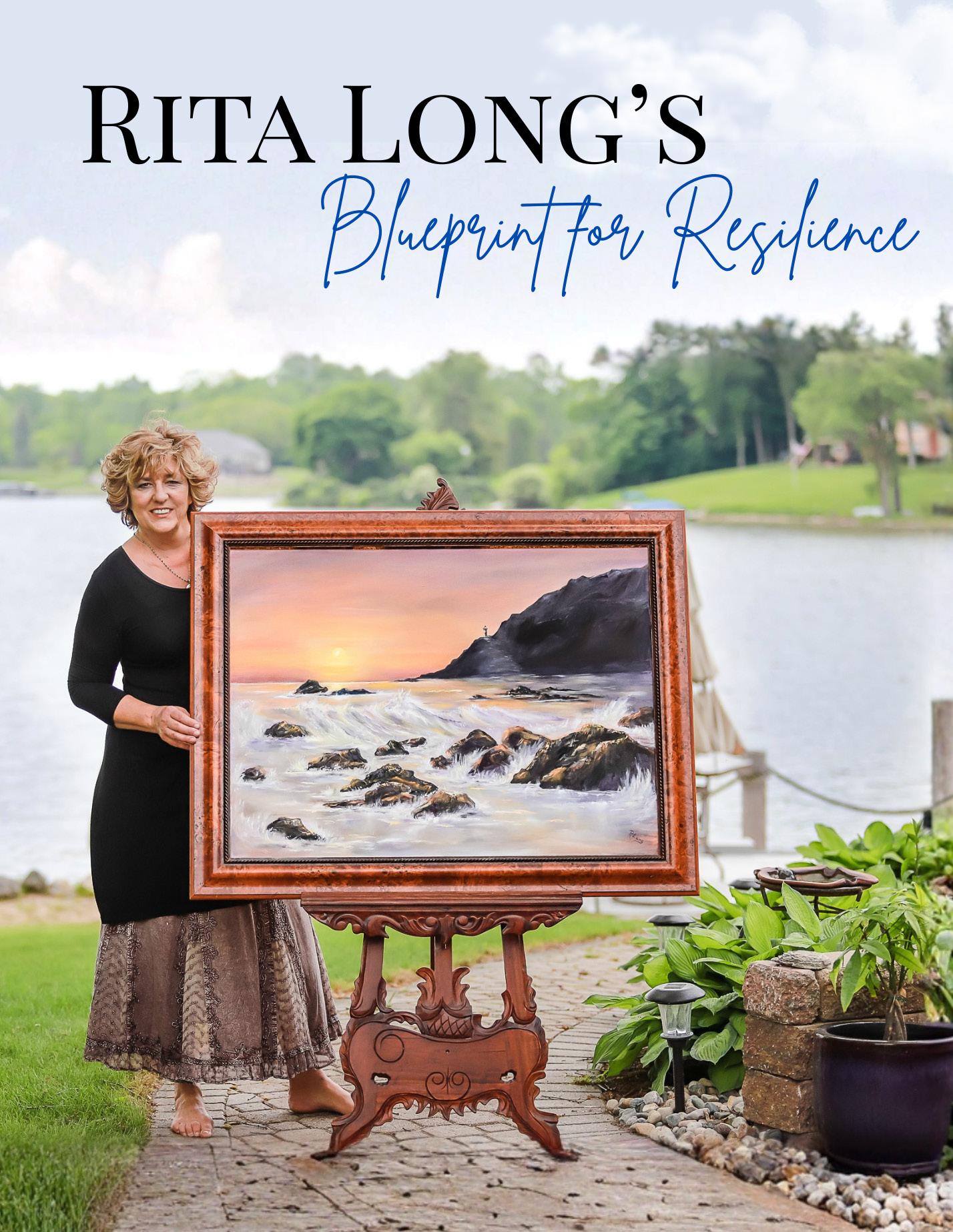
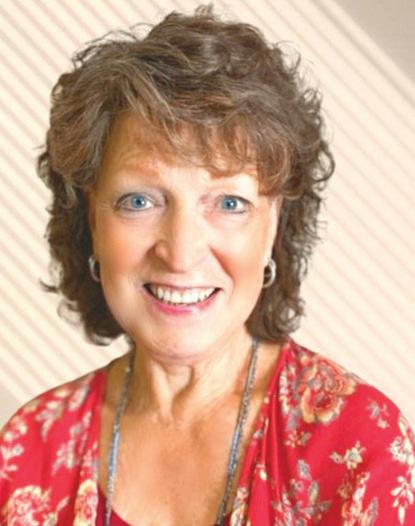
W2W is excited to introduce our cover girl, Rita Long! Rita has a lot to offer us through her books and wisdom. She has created a personalized assessment tool (available in September) for women navigating major life shifts who may feel disoriented but are ready to move from healing to growth. Her goal is to help them honor their life experiences and integrate a new version of themselves after a traumatic or uncharted life event.
In her own words, here is a bit about Rita’s journey.
“I didn’t set out to become a coach for women dealing with disruptive life events. Life actually trained me for this work.
Early on, I learned that life can change quickly. My father died when I was young, and that shaped how I see strength—not as something loud, but something steady and deeply personal.
My two young children were held hostage for half a day, and that shaped how I see leadership - not as a position but as a responsibility and a calling to resilience and the power of our thoughts.
Professionally, I spent many years in training and leadership development. I was a certified instructor in Dale Carnegie courses for ten years and became one of their top salespeople. I was also invited to participate in a pilot program at Corporate Space Academy, where I received the “Right Stuff Award” for qualities deemed essential for success. Later, I worked on a national training initiative for a major automotive organization, helping design and implement programs across the country. That work taught me how people actually build confidence and make real change.
Then life brought a season that changed me forever. I was a caregiver for my husband for nearly four years, and in a span of fourteen months, I lost my son, my sister, and my husband.
Trauma, loss, and grief change your orientation, but they don’t have to define who you are. However, even capable, strong people find themselves unrecognizable and unable to make decisions as they once did. Grief and identity loss change your map. Uncharted waters disrupt your sense of direction. But these experiences also deepen your understanding of what really matters.
During that time, I began to see something clearly: women don’t need to be fixed. They need help remembering who they are, trusting themselves again, and taking one small, clear step forward. When healing becomes growth, it begins with not only remembering who you truly are, but also integrating who that woman has become. Magic happens, the clouds lift, and a path appears.
That’s why I created Strong for Her… where healing becomes growth.
I am a Personal Growth Strategist and the founder of Strong for Her, a transformational platform that helps women turn their life experiences into earned wisdom and momentum. I bring decades of experience in national training, creative development, and real-world reinvention.
I help women turn their strengths into a life they love—not by becoming someone new, but by coming home to themselves and integrating everything life has taught them into a life that fits them right now, right where they are.
The moment I listen for, in every woman I work with, is when she says quietly…
‘I’m not done yet.’”
Rita has been told that her superpower is her “X-ray vision”—seeing things that others don’t, and getting to the root of the issue quickly. Being direct, yet kind, with the truth, her preference is to work mainly with women because they “fit” better. She works with those who are ready for growth, and not still deep in grieving, blaming, or being a victim.
As a long-time learner who looks for solutions rather than problems, Rita feels called to learn, teach, grow, and share. Life always seemed to begin her learning, and then she studied her areas
of expertise by practicing and evaluating what worked and what did not, adjusting accordingly.
Rita’s strength and inspiration have come from those closest to her: her mom, who, after losing a son, two husbands, siblings and friends, told her “Honey, life goes on.” Her dad who told her she could do anything she chose to do, and friends and family members who have supported her. She surrounds herself with people who are as invested as she is in a relationship or goal.
Rita has written three books: Her first book, 10 Little Rules for your Creative Soul, is a short and direct “Rita’s rule for a Creative Life”. She believes the most important relationship you can have is the one you have with yourself, and that our lives are ours to create. She says that’s art where it starts.
Mind Before Body was inspired by Eric & Shelly Hipple, her friends. Eric wrote the forward and helped her through some tough times over the years. She learned that tragedy can become triumph and it all starts in the mind.
Whispers to Wisdom is a self-guided, 44-day-journal Rita wrote because she learned over the years that everyone wants to be confident. But there is one thing that always comes before confidence and she teaches that secret. She teaches women who answer the 44 questions to find out what they love and what makes their heart sing— what she calls “the yummy giggles of life”. Rita’s assessment tool will be available in September when her new website launches. Meanwhile, visit her web site https://strongforher.net/ to view books and stay current.
Words of Wisdom from Rita’s life journey:
• Trust yourself - as much (or more) - than you do others.
• The most important relationship you can have is the one you have with yourself.
• Find quiet time each morning - own your first hour (if possible), ask, listen, reflect.
• Stop dancing on peanut butter - activity is not always progress
• Learn to live an intentional life. Learn - Try - Review - Decide
• Trust is earned. Wisdom is learned
• You don’t walk away to teach someone else a lesson; you walk away because you’ve learned yours.
• Everything is always working out for me! Especially if I get out of my own way.
For many travelers, the word “ecotourism” sounds more intimidating than inspiring. It brings to mind offthe-grid huts deep in the Costa Rican rainforest, solar-powered showers and a complete lack of Wi-Fi. While those experiences certainly exist, eco-friendly travel today is far more practical — and far more accessible — than most people realize.
Striving for eco-friendly practices has become standard practice in the travel industry. In the cruise space for example, Virgin Voyages has emerged as one of the most eco-friendly mainstream cruise lines. They have implemented technology to turn waste heat into electricity, smart cabins that turn off lights and adjust climate when guests are out of the cabin, eliminated single use plastics in all forms and significantly reduced food waste by eliminating the standard cruise buffet.
On land, eco-responsible resorts are looking at different ways to use renewable energy, water-saving systems, recycling and composting, local sourcing of foods and goods and attaining sustainability certifications. Practices like changing bedding and towels every other day instead of every day, reusable water bottles and reducing waste are high on the priority list.
While reducing consumption of energy and waste are major factors that define the eco-friendly space, they aren’t the
only characteristics. It also encompasses destinations. In reality eco-friendly travel is indeed a bit more off the beaten track. It doesn’t need to be the middle of the rain forest, just think less tourist central.
Other tips include utilizing smaller, privately/locally owned accommodations, seeking out the neighborhood restaurants owned and operated by locals, walking or using public transportation, and finding a knowledgeable local guide.
Eco-friendly travel doesn’t require sleeping in a jungle hut. Sometimes it’s as simple as taking the train, carrying a reusable water bottle, or choosing the locally-owned inn over the giant resort. It isn’t about sacrificing comfort. It’s about traveling with intention — and leaving a destination better than you found it.
Eco-friendly travel tips:
● Carry a reusable water bottle
● Use reef safe sunscreen in ocean waters
● Buy direct from locals
● Stay on marked trails
● Don’t disturb wildlife
● Follow “Leave No Trace” principles
● Avoid activities that damage ecosystems
Best for: Wellness, scenery, and sustainable lodging
Sedona has numerous eco-conscious resorts and spas, locally owned restaurants, and easy access to nature without strenuous hiking.
Scenic drives and overlooks, Gentle walks among the red
and
Best for: Sustainable food, arts, and mountain culture
Asheville is known for its commitment to local agriculture, green businesses, and environmental stewardship.
Farm-to-table restaurants, Botanical gardens, Artisan studios, Scenic drives on the Blue Ridge Parkway, Easy waterfalls and nature walks
San Juan Islands
Best for: Marine wildlife & slow travel
These islands emphasize conservation and are perfect for travelers who want a relaxed pace.
Whale-watching tours, Sea kayaking (or guided boat tours if you prefer not to paddle) Cycling or leisurely walks, Local farms and vineyards, Small, eco-conscious inns and lodges
Jessica
agent
rocks, Spa
wellness retreats, Local art galleries, Stargazing tours
Sedona
Asheville
Sometimes you hear the phrase, “put your money where your mouth is,” meaning, use your dollars towards things you really are passionate about. If this matters to you, then you might be interested in ESG or SRI investing.
ESG stands for Environment, Social, and Governance. SRI stands for Sustainable, Responsible, and Impact.
These terms usually refer to a set of criteria or standards used to evaluate potential investments in a company or business. Some people attribute this to socially conscious investors, but we believe it goes beyond that. Some people call this impact investing. In my view, impact investing means using your investment dollars with the intention of creating an impact of your choice, alongside financial returns.
There are many ways to do this, and demand for ESG investing grows each day. This chart to the right, shows the many areas for potential investment. You’ll
see, to keep with the “eco” theme of this issue, that one way to invest in this arena is by finding ways to invest specifically in environmental issues.
Not too long ago, there was a common belief that investing in companies that cared about climate change, avoided sweat shop labor, or prioritized other socially responsible factors that seemed limiting were not going to be as profitable as companies that did not consider these criteria. However, certain studies1 suggest the relationship between positive
financial returns and ESG investing positing that a focus on ESG factors can lead to better risk management by reducing capital costs and lowering risk through greater transparency.
ESG and SRI investing provide a way to integrate your values with your investments. If interested, speak to a wealth advisor (like me!) to learn more. I’d love to help you learn more about this.
*ESG investing’s impact on financial outcomes can vary and is not guaranteed.
1https://www.thecorporategovernanceinstitute.com/insights/news-analysis/companies-with-good-esg-perform-bet-
Important Disclosure: Jill Carr is a Senior Wealth Advisor at Beacon Pointe Advisors, LLC. The information contained in this article is for general informational purposes only. Opinions referenced are as of the publication date and may be modified due to changes in the market or economic conditions and may not necessarily come to pass. Forward-looking statements cannot be guaranteed. Past performance is not a guarantee of future results. Beacon Pointe has exercised all reasonable professional care in preparing this information. The information has been obtained from sources we believe to be reliable; however, Beacon Pointe has not independently verified or attested to the accuracy or authenticity of the information. The discussions, outlook, and viewpoints featured are not intended to be investment advice and do not consider specific investment objectives or risk tolerance you may have. All investments involve risks, including the loss of principal. Consult your financial professional for guidance specific to your circumstances.

Jill Carr, CPA, CFP®, CEPA®, CPFA® Jill is a Senior Wealth Advisor in the Beacon Pointe Flint, MI office. She specializes in empowering individuals and families through comprehensive financial planning, drawing on deep expertise in taxes, estate planning, and personal finance. Deeply rooted in the Flint community, Jill serves on several boards of non-profits in the area. Outside of the office, she enjoys spending time with her family and friends, reading, and staying up to date on the latest TV shows.
When I think of the three pillars of my coaching practice—and really my own health journey—Healthy Eating, Healthy Lifestyle, and Healthy Mindset, is "easy" the first word that comes to mind? If you're like me, the answer is probably no. Creating a healthy lifestyle sounds hard. Developing a healthy mindset sounds hard. After all, if it were easy, wouldn't we already be doing it?
The good news is that healthy living doesn't have to be complicated. In fact, some of the most powerful changes come from the simplest actions. Instead of focusing on doing everything perfectly, what if we focused on making healthy choices easier?
Easy Eating
Most of us approach healthy eating by thinking about everything we need to give up. No sugar. No chips. No desserts. No favorite snacks. Honestly, that sounds more like deprivation than health. Instead of asking, "What do I need to eliminate?" ask, "What can I add?"
Maybe you add a serving of vegetables to your lunch, swap chips for apple slices or carrots, choose fruit when you're craving something sweet. My favorite is grapes!
One simple step I encourage is choosing organic produce when possible. Rather than counting calories, try counting chemicals. The quality of the food we eat matters. Here are a few easy ways to improve the quality of your produce:
• Prioritize organic versions of produce known to carry higher pesticide residues, such as apples, strawberries, blueberries, spinach, kale, peaches, pears, and potatoes.
• Look for the USDA Organic Seal or 100% Organic label. Even better, choose products with the Real Organic Project Seal.
• If organic produce isn't available, soak produce in a mixture of one teaspoon
baking soda to two cups of water for 15 to 20 minutes before rinsing.
• Don't overlook frozen organic fruits and vegetables. They're often less expensive, just as nutritious, and always ready when you need them.
You don't need to throw everything out of your pantry and start over. The next time you grocery shop, simply pick up a few organic fruits or vegetables and keep them handy for snacking.
Easy Lifestyle
Many people assume a healthy lifestyle requires hours in the gym. What if it doesn't? What if movement could be enjoyable?
Do you like music? Turn on your favorite song and dance around the kitchen. Not much of a dancer? Take a short walk around the neighborhood. A few minutes of movement and fresh air can lift your mood, clear your mind, and energize your body.
One of the biggest misconceptions about health is that everything has to be dramatic to make a difference. Yet some of the healthiest habits are surprisingly small.
Take drinking water, for example.
Motivational speaker Jim Rohn once said, "What's easy to do is easy not to do." That perfectly describes hydration. Most of us know we should drink more water. It's simple. It's inexpensive. It improves energy, digestion, concentration, and overall health. Yet it's also easy to skip.
One of the simplest habits you can create is drinking a full glass of water before you make your first cup of coffee each morning.
Easy Mindset
Perhaps the most important pillar of health has nothing to do with food or exercise. It's the way we think.
Abraham Lincoln is credited with saying,
"Most people are about as happy as they make up their minds to be."
Life isn't always easy. We all face challenges, disappointments, and circumstances that can pull our attention toward what's wrong. But what if we intentionally focused on what's right? What if we practiced gratitude? Gratitude doesn't require perfect circumstances. It simply requires noticing. Notice the friend who checked on you, sunshine coming through the window, the meal on your table, the strength that carried you through a difficult day.
You can build a gratitude habit by saying thank you out loud, sending a note of appreciation, complimenting someone, giving back to others, or simply writing down three things you're grateful for before bed. You don't have to do all of them. Pick one. Keep it simple.
The Power of Simplicity
We live in a culture that constantly tells us we need more—more information, more rules, more complicated plans. But health doesn't have to be hard. Sometimes the healthiest thing we can do is simplify. Eat one more serving of vegetables. Drink one more glass of water. Take one short walk. Write down one thing you're grateful for.
Small steps. Simple choices. Lasting results.
Healthy living isn't about perfection. It's about creating habits that fit into your real life and support the person you want to become. Let's stop making healthy harder than it needs to be.
Let's make it Easy Healthy Living.
Debra Loader is a Christian Health and Wellness Coach, a Christian Life Coach, as well as a National Board Certified Health and Wellness Coach (NBC-HWC). She helps women integrate their Christian faith into their health and wellness journey. Contact Debra at debra@debraloaderlivingwell.com 810-287-4096
DEADLINE. The very word itself conjures up a threat.
Yet here I sit, constricted in thought by the looming deadline, knowing our editor is waiting for my article, the last article to be submitted for the upcoming issue, the issue you have in your hands right now.
I know better. My best creations have come from stillness, times when I have relaxed into being, letting go of doing.
Like me, you may be used to fighting your way through, holding tightly with a clenched fist to the analytical process to figure your way out of your current existential crisis, whether that’s a health challenge or how to hopscotch your way through all of your commitments.
I resisted. I don’t have time to meditate. I have too much to do. I need to get this
article done. I’m going to keep pushing through. The resistance is fierce. The mind thinks it knows better. Overcoming the habit of using the mind to figure things out is akin to trying to tame a relentless wild bull.
Finally, I let go. I set the timer on my Insight Timer app to 12 minutes. Almost immediately the words came to me. I stayed in the meditation. The temptation to think poked at me. I noticed it. I returned to focusing on my breath. When the timer went off I began to write.
Every day for a month, I have given thought to writing this article on easy living, and every day I noticed the hardships people are experiencing.
Life brings challenges to each and every one of us. Some days it seems suffering is hiding around every corner, under the
bed and most certainly in the basement.
Habitually, people focus on the threats in their lives much like I was focused on coming up with the right words for this article. It seems counterintuitive, but inviting silence is both where the peace is found, and where the answers come.
In many ways, our experiences can be like being in a Funhouse, our perspectives distorted by the mirrors and uneven floors. Silencing your mind can bring the clarity, stability and breath of fresh air you feel when you exit that Funhouse!
Trice is a Meditation Therapist, certified in Mindfulness Meditation and the Neuroscience of Meditation by Dr. Joe Dispenza. Email her at Trice@presencetopupils.com for a free 20-minute consultation.
Kurt Vonnegut once said that an angry art critic is almost the same as someone putting on full armor to attack a banana split. While I find the imagery hilarious, I’d rather think of myself as an appreciator, aka - someone who enjoys what another person has created and describes it well enough for others to decide whether it’s worth their time to dive in themselves.
And so we begin with...
Unreasonable Hospitality
by Will Guidara
This book wasn’t what I expected! I assumed it would be just another rah-rah self-help book, but that couldn’t have been further from the truth. Guidara introduces himself by recounting what he considered a great failure: learning that his restaurant had ranked dead last in a competition featuring only 50 of the world’s most celebrated restaurants.
From there, he takes readers on a journey from his humble beginnings to a very interesting ending. (I use that word loosely, because I’ll let you decide whether it’s truly an ending at all.) Along the way, I found valuable lessons that
extend far beyond the restaurant industry. Guidara shares specific examples of how to distinguish yourself in your profession, while candidly discussing the mistakes he believes he made along the way.
Whether you’re a restaurant owner, insurance producer, realtor, entrepreneur, or simply someone looking to elevate your career, Unreasonable Hospitality is a mustread.
For a Bit of Fiction Fun... Broken Country
by Clare Leslie Hall
This book turned out quite differently than I had imagined, and I mean that in the best possible way. It will almost certainly have you rooting for one character at the beginning, only to make you question everything by the end. With a compelling blend of mystery, romance, and a twist I genuinely didn’t see coming, this novel earned a permanent spot on my summer reading recommendations. If it’s not already on your TBR list, it should be.
Remarkably Bright Creatures
by Shelby Van Pelt
This is the literary equivalent of a palate cleanser; a charming, feel-good read that’s perfect for summer. While parts of the story are somewhat predictable, I’m a firm believer that there’s nothing wrong with a book that leaves you smiling. Van Pelt ties up the loose ends beautifully and delivers exactly the kind of heartwarming story many readers are looking for.
After you finish the book, feel free to watch the Netflix adaptation and let me know how it compares. I always enjoy hearing which one readers think—the book or the screen version—comes out on top.
Great books change minds; the best ones though, change lives. From my bookshelf to yours, until the next chapter, happy reading!
Joanna *Joey* Lantzy is a writer, reader, community advocate, and insurance producer with Hartland Insurance Agency. A Brighton High and Michigan State graduate, she proudly calls Livingston County home.
We have all been told a very specific lie about what a good summer is supposed to look like.
It usually involves a sun-drenched porch, a perfectly chilled glass of lemonade, effortless laughter with friends, and a gentle breeze that somehow always leaves your hair looking flawless. It is a beautiful, idyllic picture. But if we are being completely honest, life rarely follows a script, and the arrival of summer does not magically hit the “pause” button on real life.
Sometimes, right in the middle of a pictureperfect backyard barbecue or a longawaited beach trip, a heavy sigh escapes. A wave of unexplained anxiety rolls in, or a sudden pang of sadness interrupts the sunshine. In those moments, the contrast between the “easy” world around us and the complicated feelings inside us can feel incredibly isolated. When we are supposed to be having fun, it is easy to believe that feeling anything other than pure joy means we are doing summer wrong.
But what if the goal of easy living is not about forcing a flawless experience? What if true ease comes from finally learning to listen to what is happening beneath the surface?
Imagine a woman—let us call her Sarah— who spent weeks planning the perfect summer weekend getaway. She packed the ideal outfits, created the ultimate playlist, and secured a beautiful lakeside cabin. On paper, it is the absolute definition of easy living. Yet, as she sits on the dock watching the sunset, instead of feeling peaceful, she feels an overwhelming sense of restlessness.
Her immediate reaction might be to fight it. She tells herself to snap out of it, to force a smile, and to stop ruining the trip.
She tries to shove the frustration down, but the harder she pushes, the louder the restlessness becomes. The weekend quickly becomes a silent battleground between how she thinks she should feel and how she genuinely feels.
This is where the paradigm shifts. We have been conditioned to view uncomfortable feelings as intruders, especially during seasons meant for relaxation. We treat our emotions like nuisances that need to be avoided so we can get back to the script. But what if we stopped fighting?
I want to introduce you to a concept that has the power to transform your entire relationship with yourself: Your feelings are not flaws, and they are not failures. Your feelings are signals.
Think of the dashboard in your car. When the check engine light comes on, you do not take a hammer to the dashboard to smash the light. You do not ignore it and hope the car fixes itself. You understand that the light is a messenger, alerting you that something under the hood needs your attention.
Your emotions work in the exact same way. They are an internal guidance system, holding vital information about what you need, what you value, and what might be out of balance in your life.
When Sarah felt that restlessness on the dock, it was not a sign that she was incapable of relaxing. Maybe that frustration was a signal that she had been running on empty for months, and her mind was struggling to suddenly shift gears. The feeling was not the enemy; it was the messenger.
When we begin to view our feelings as signals, the pressure to maintain a flawless facade fades away. We stop wasting
exhausting amounts of energy trying to suppress what is truly happening inside us.
So, how do we begin to decode these signals? It starts with a simple pause. The next time you feel a wave of emotion that seems out of place, resist the urge to immediately push it away.
Instead, get curious. Ask yourself: What is this feeling trying to tell me? What information is it holding?
Taking this step requires courage, because looking under the hood can be intimidating. But by acknowledging the signal, you validate your own experience. You stop abandoning yourself in favor of a picture-perfect illusion. This practice of tuning in is the foundation of genuine emotional resilience.
Easy living does not mean living without hard emotions. True ease is found in the absence of internal conflict. It is found in the quiet confidence of knowing that you do not have to be afraid of your own feelings.
As we navigate these beautiful summer months, I invite you to drop the script. Embrace the messy, beautiful reality of what you are experiencing.
In a world that often tells us to ignore or dismiss our emotions, I’m here to remind you that whatever you’re feeling or going through, you have feelings... And That’s Okay!
Lisa Rena Scott is a certified life coach, speaker, author of And That's Okay!, and podcast host. She believes every feeling is a signal carrying information we’ve been taught to dismiss or ignore. She helps people recognize emotional signals as tools for awareness, growth, and clarity through her “Name It. Claim It. Navigate It.” framework. www.lisarenascott.com
July and August are my favorite months to simply enjoy summer in Michigan. By this point, most of the outdoor projects are finished, the gardens are thriving, and the endless lists of spring chores are finally behind us. The work is done, and now it's time to savor the season.
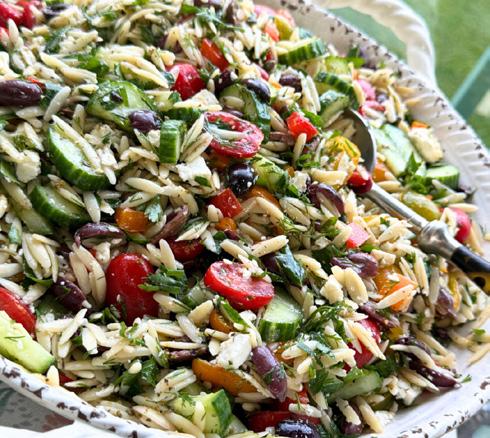
One of the things I love most about summer entertaining is its simplicity. There is no need for elaborate menus or complicated preparations. Some of the most memorable gatherings happen around a table filled with simple foods: a fresh salad made from seasonal ingredients, a colorful fruit tray, an assortment of cheeses, creamy hummus, and grilled chicken and vegetables prepared in just a few minutes.
Even the smallest touches can feel special. A glass of sparkling water from the SodaStream served in a favorite wineglass
instantly feels like a luxury. Summer reminds us that entertaining doesn't have to be extravagant to be meaningful. It's about creating moments that allow us to slow down and connect with one another.
This is the season for family and friends. Long evenings spent sharing meals, playing games, laughing, and enjoying each other's company are what summer is truly about. Some of life's greatest pleasures are also the simplest.
Beyond entertaining, I love spending time antiquing, thrifting, and visiting public gardens throughout the summer. There is always something inspiring waiting to be discovered. An antique shop may reveal a unique treasure for my home, while a beautifully designed public garden often sparks ideas for future projects and plantings. These outings fuel my creativity and remind me that inspiration can be found almost anywhere.
Summer also encourages us to remain curious. Try something new. Visit a place you've never been. Plant a flower you've never grown before. Invite a neighbor for dinner. Explore a new antique store or take a walk through a public garden. New experiences often become our favorite memories.
As the season unfolds, my hope is that you take time to celebrate the everyday moments. Make an ordinary Tuesday dinner feel special. Gather friends around a simple meal. Watch a sunset. Enjoy a walk through the garden. Life moves quickly, and these warm summer days are fleeting.
Make every day a celebration. Try new things. Experience new things. Whatever you do, embrace it fully and enjoy every minute.
Wishing you a beautiful summer filled with laughter, inspiration, and simple joys.
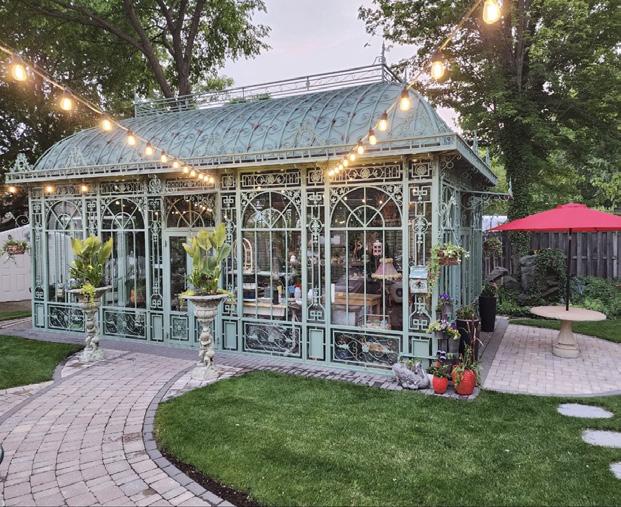
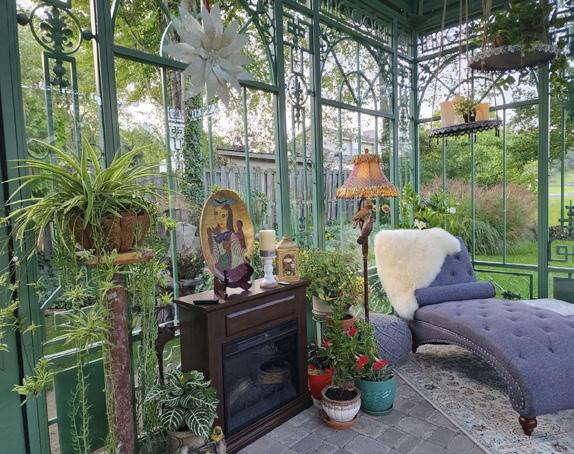
Christine Stephens “For those who find beauty in the everyday - welcome to The Green Table.” - The Green Table Home & Garden.
While I may be a bit old-school, I love a good dress moment.
Especially in the summer, when the days are long and the temperatures rise, there's something effortlessly chic about slipping into a dress. It's a one-piece solution that manages to be comfortable, cool, and chic all at once. From backyard gatherings to brunch with friends, a great dress carries us through the season until the first crisp leaves of autumn begin to fall.
But what is it about a dress that makes so many women feel feminine and confident? Is it an art? A science? Or simply a feeling?
The history of dress stretches back thousands of years. The earliest known woven garment, the Tarkhan Dress, was discovered in Egypt and dates to approximately 34 BC. Long before sewing techniques were invented, garments were assembled from rectangular pieces of fabric draped around the body and secured with knots or sashes.
As civilization evolved, so did the dress. What began as a practical form of protection gradually became a reflection of culture, status, identity, and personal expression. Through the centuries, dresses have transformed from animal skins, flowing draped silhouettes to structured corseted gowns and eventually into the versatile, individualistic apparel we wear today.
Perhaps that is why dresses continue to hold such a special place in fashion. They tell a story—not only of history and tradition, but of the women who wear them. A dress can convey confidence, elegance, creativity, or joy.
Have you ever noticed a woman wearing that dress? The one that turns heads when she enters a room—not because it is flashy or expensive, but because she wears it with complete confidence. The right dress has a way of becoming an extension of the woman herself. It can make a statement without speaking a single word.
So how does one choose the right dress? The answer is simpler than you might think: the best dress is the one that makes you feel like the best version of yourself. Think about the moment a bride finds her wedding dress. Often, there are tears, smiles, and an undeniable sense that she has found the one. While most dresses won't inspire quite that level of emotion, the feeling is familiar. When you find a dress that fits beautifully, flatters your shape, and makes you stand a little taller, you know it. Whether it's a simple sundress, a sophisticated sheath, or a glamorous evening gown, the right dress doesn't just change how you look—it changes how you feel.
While many of us reserve dresses for work, weddings, church, or special occasions, today's aesthetic embraces a more relaxed approach. A casual cotton dress paired with a favorite pair of sneakers or flat sandals can feel just as modern and effortless as jeans and a T-shirt—while instantly elevating your look. It's an easy way to add a touch of polish without sacrificing comfort.
And then there's the iconic little black dress.
Every woman should have a little black dress hanging in her closet. Timeless, versatile, and effortlessly elegant, it is perhaps the hardest-working piece in
any wardrobe. A well-chosen black dress can take you from an important business dinner to a wedding, from a cocktail party to a bridal shower, from a night at the theater to a last-minute ladies' luncheon. It can even provide grace and appropriateness during life's more somber occasions.
Among its many variations, the classic black sheath dress remains the gold standard. Its clean lines, flattering silhouette, and understated sophistication have made it a wardrobe staple for generations. Fashion trends may come and go, but the little black dress endures—always ready, always stylish, and always in season.
Whether it's a breezy sundress worn on a warm afternoon, a sophisticated cocktail dress for a celebration, or a treasured gown passed down through generations, the dress remains one of fashion's most enduring pieces.
Trends may come and go, but the art of the dress is truly timeless.
Historical Sources: Britannica, University College London
Michelle Shook is the General Manager of Birch Run Premium Outlets. With extensive experience in the fashion industry, she has worked closely with leading brands and developed a deep appreciation for the confidence, creativity, and self expression that fashion inspires.
I have been thinking a lot about the “soft life”, which is unfortunate, because the moment I start thinking about anything too much, it immediately stops being soft. It becomes a concept. Then a standard. Then somehow a performance review.
I would love to be the kind of woman who lives a simple, gentle, easy breezy life. The kind where mornings go as planned. Where coffee is just coffee and not a launching pad for seventeen intrusive thoughts and a mild identity crisis. A woman who sits down in the middle of the day for no reason other than she is sitting. One who dillies as much as she dallies. I want that, really bad. But I also just don’t trust anything that comes easily. A real personal problem, if you will.
forgotten. If someone is kind and consistent and does not trigger a single abandonment wound, I’m immediately like, clearly this is fake, I need to investigate this person further.
I don’t relax. I pause aggressively. I check to see if the garage door is closed, then check again just in case the first version of me was reckless. I cannot breathe
“Every time ease shows up in my life, I react to it the way you’d react to an eerily cheap flight. Like, what’s wrong with it, why is it so available, and where is the emotional layover no one told me about? What are the hidden fees? If an interaction goes smoothly, I assume it’s a setup.”
Every time ease shows up in my life, I react to it the way you’d react to an eerily cheap flight. Like, what’s wrong with it, why is it so available, and where is the emotional layover no one told me about? What are the hidden fees? If an interaction goes smoothly, I assume it’s a setup.
If I feel calm, I check to see what I’ve
when there are dishes in the sink. I mourn things that are still happening. If I’m not slightly stressed, I will absolutely create a situation to stress over. Nothing major. Just a light internal crisis to keep things spicy. A fun little thought to spiral, a future scenario to pre-ruin, a vibe to investigate until it is no longer a vibe.
Peace, for me, has often felt like a missed email. Important to note that I also genuinely do not check my email, so that tells you something. There is a word for some of this. I know the word. Naming it doesn’t make the garage door feel any more closed, nor does it does stop me from checking it again.
What I know is this: some part of me believes effort equals value. That if something required endurance, sacrifice, a little emotional bruising, grit, then it means something. It counts. It was earned, so therefore it’s real.
Ease feels different. Ease feels like I somehow skipped a step. Like I’m going to get a follow up email asking me to circle back and suffer properly. Like the universe has a rubric and I have not yet met the minimum requirements for this good thing to be mine. So I stay braced. Ready for the shift that hasn’t happened yet. Waiting for the part where it all makes sense.
This is not a small thing to live inside. It is exhausting in a way that’s genuinely hard to explain, because from the outside
it can look like drive, or ambition, or competence. It looks like showing up, like work ethic, like a woman who is on top of it.
It is also, quietly, a way of never fully arriving anywhere. Because arrival would require putting down the bags, unpacking them, and I have not fully committed to that. If ease can be trusted, what would I do with all this time I spend preparing? I have pre-ruined some very good moments this way. Lovely ones, even. Moments that deserved better. I jokingly name this “my process”…freak out first, then enjoy.
However, almost daily now, I catch myself asking a quiet question. Where can I soften? I learned this from yoga. Sometimes the answer is genuinely small. I sit down when I would normally keep moving. I let something be good without immediately preparing for its loss. I leave a text unread for a few extra minutes, for no reason, accountable to no one, which feels so unhinged and reckless that I have to talk myself into it, like I’m diffusing something.
Sometimes it actually brings me peace. Real peace. Unprompted. Free of charge.
Sometimes I am the calm in the storm. Regulated, grounded, breathing through it. A woman who has clearly done the work. Serene, even. Someone you would describe using the word “centered” without being ironic.
Other times, someone folds a towel incorrectly in my general vicinity and I absolutely lose my mind internally. Full spiral.
Don’t even talk to me about chewing sounds. I haven’t received permission to use foul language in these musings yet. I contain multitudes.
What can I say? I don’t have a clean answer for any of this. I don’t know if I trust ease yet. I don’t know if I ever fully will. I suspect there will always be a part of me that questions everything. I have no proof otherwise.
But I am starting to experiment with not interfering with softness when it shows up. Letting something be simple without adding a layer. Letting something be easy without tightening around it. Letting a moment just be a moment, not a lesson, not a project, not something I
need to catch and examine and properly document before it disappears. I can do it for a minute. Sometimes two. Once, I forgot to worry for like an hour. For me, this is major growth.
I am choosing to celebrate it here first, for your literary pleasure. What I am learning, slowly and with great resistance, is what it feels like to put something down and just leave it there. To let a quiet morning be exactly what it is. To sit in the good without scanning it for the exit. To let ease be ease, without immediately sending it a list of follow up questions.
It still feels veeerrrrryyyyy suspicious. But also like something I might actually be able to live in, if I stop optimizing it long enough to sit down.
In Diary of a Hairapist, Jamie MacNeill explores the sacred absurdity of modern womanhood, from the tangles in our hair to the tangles in our hearts. It’s wit with wisdom, scissors with soul, and proof that beauty and truth often come from the same messy place. Instagram: @jamiemacneill, Facebook: Jamie MacNeill
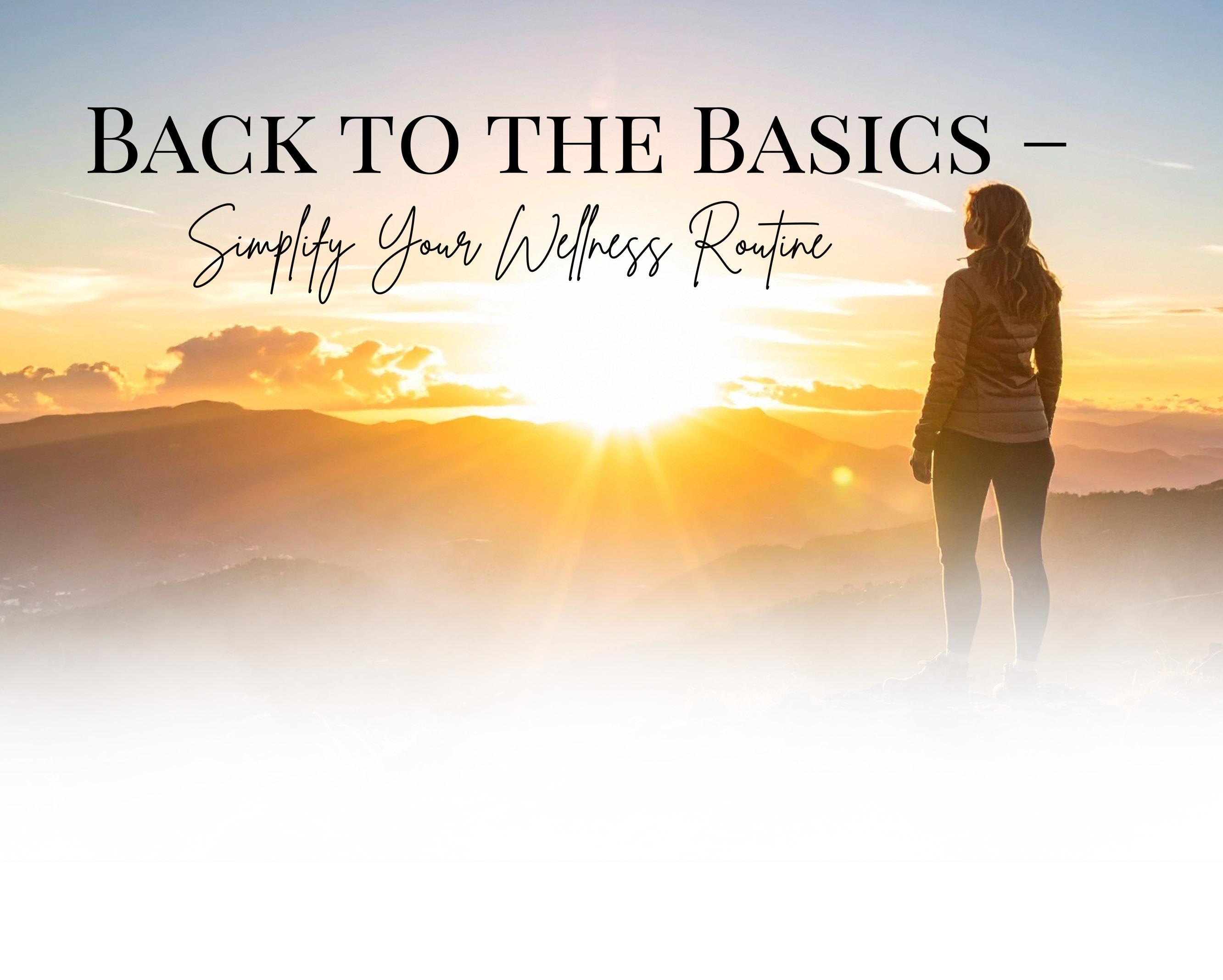
In our modern world, over-complication has quickly become a theme that most women are reaching, in hopes that it will reveal a quick way to attain a certain health goal. From fancy red light devices, to infrared saunas, expensive gym equipment/memberships, hyperbaric chambers, and hydrogen water bottles – the list goes on and on. But one thing that holds true with all these fancy tools and devices is that they are in some way trying to mimic nature.
Did you know that you can expose yourself to the sun during sunrise and sunset to gain the benefits of red light and near infrared rays? Swap out the pricey hydrogen water bottle for structured and mineralized water that is naturally occurring and contained within fruit (always choose organic to avoid contaminants). Movement often during the day instead of the intense 5AM gym session may be more beneficial to hit metabolic goals.
There are so many bright and shiny objects that are popping up non-stop over the past few years, but getting back to our roots and staying close to nature is the best, and least expensive way, to attain true health.
When we think about the common health challenges that most women struggle with today, they can most often be tied
to modern culture. Women are expected to fulfill their womanly roles within the household, but also keep up with their male counterparts within the workplace. All this additional stress takes a toll on the female body, and it’s quite apparent in recent years.
Instead of slowing down and finding ways to de-stress, we tend to look to the newest greatest thing that is sparking attention on social media. But instead of following these trends, here are a few tips that can be started now to start moving the needle in the right direction. And the best part is…these are free!
Enjoy 5-10 minutes outside during sunrise and sunset to gain the many benefits of the sun. The red light and infrared rays being emitted can help improve sleep, decrease pain, reduce inflammation, and actually help reduce wrinkles!
Instead of taking a single long walk or gym class, replace it with 10 body weight squats every 45 minutes during an 8-hour period. This has more benefits for metabolic health than the single workout and can help keep energy levels boosted (not to mention can help those jeans fit better).
Sweating is an excellent way to release toxins from the body, but investing in a sauna is not always practical for everyone.
Try sunbathing around noon for 15-20 minutes on a hot day. This will not only induce sweating to eliminate toxins, but also boost vitamin D and nitric oxide levels naturally. And yes, wearing a sunhat to protect the delicate skin on the face is a smart option.
Find a natural spring in your area to source clean water that may have naturally occurring hydrogen instead of the pricey H2 water bottles. Or another option is to eat organic fruit that has a high-water content like watermelon, and gain the benefits of the structured water that is contained within, as well as a wide array of minerals and electrolytes.
At the end of the day we can only do our best, and that may vary greatly from woman to woman. A great rule of thumb is to simply stick as close to nature as possible and get back to the basics.
Dr. Melissa Vandermissen is a Chiropractor and Certified Functional Medicine Practitioner, as well as a wife and a mom. She operates a fully virtual clinic, where she works with women from preconception through menopause. Dr. Melissa utilizes the best of science and nature to formulate personalized protocols for her clients so they can live out their full potential. You can follow her on Instagram at drmelissavandermissen or at thedrmelissa.com. 2017
Every spring when I return to the garden, I can't help but feel both wildly excited and quietly daunted. I love the dream of what this season will be — and at the same time, I feel the immensity of what I'm going to be working through as I work our 10,000 sq ft garden. Somehow, the garden has become my yearly microcosm for life. My deepest, trickiest and stickiest issues tend to surface through the metaphors of plants and nature; living the dream, and the unexpected twists, turns, and sometimes crises of nature.
As I write this, it's only late May. The season is young. But there has already been enough to show me clearly what I'm up against…and also how I am being invited to grow.
This year, my garden partners (my parents) are traveling for much of the spring and summer. A garden already too big for three people now falls to me for several weeks of our growing season. And life, in its perfect timing, has presented me with the perfect growth edge: slowing down, pacing myself and letting go of over-doing. For most of my life I have pushed through. Pushed through fatigue, pushed through pain, pushed through the sense that my body just didn't recover the way it should. Every time I forced it, I would eventually pay. A flare, a setback, a crash that would wipe out the ground I had just gained. I kept thinking I needed to try harder, do more. What I didn't yet understand was that the forcing itself was the problem.
Recently, the pieces of my boom/ bust cycle finally came together into a name: EhlersDanlos Syndrome, a hypermobility spectrum disorder affecting the connective tissue. Suddenly a lifetime of symptoms made sense. And with that clarity came a truth
I could no longer argue with: my capacity for sustained, effortful output is genuinely limited. To actually move forward — in the garden, in my body, in my life — I have to slow down. I have to embrace ease and then steady, slow, foundational growth. Every time I force, I set myself back. The only way through is the gentle way.
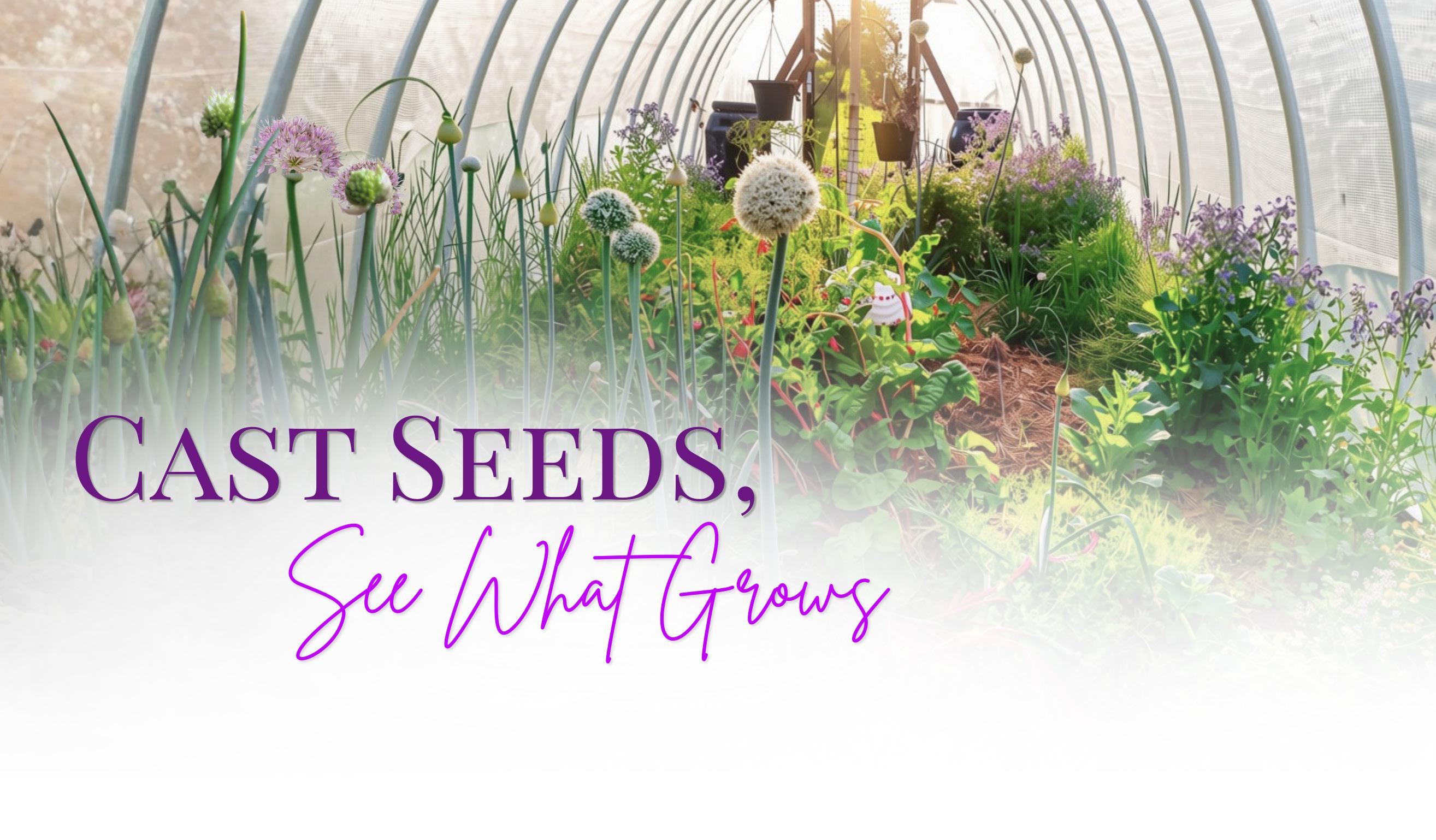
And maybe this is the way I have always craved to live life anyways. For years, I'd dreamed of a different kind of garden. One where weeding less simply means letting the weeds stay, sharing their own beauty. Where the beds breathe on their own, sprawl and surprise you. I came across Japanese natural farming years ago in Masanobu Fukuoka's classic The One-Straw Revolution, and it resonated immediately. Fukuoka's central idea is radical in its simplicity: scatter many seeds, and see what grows. Don't force. Don't control. Observe — and then preference what you love. The old way of gardening felt like the hard way, the controlled way, the exhausting way. But this season, with fewer hands and a body that genuinely cannot sustain the old approach, I finally had the opportunity to try something new.
This spring, I cast seeds over several of our beds. Mostly clover, to start building a living mulch that would quietly do the work of suppressing weeds without me having to. But I mixed in other seeds too — lettuce, bok choy, kale, dill — and then I let go. What has come up is a delight. Green clover spreading across the beds, with little surprises popping up in between: a lettuce here, a bok choy there, something unknown in the corner. Some I clear space around and tend. Some I'll eventually pull. But each one
gets to show me what it is first. This feels like a new co-creation with nature.
Reflecting on the garden as my microcosm, just around the same time I was casting seeds in the garden, I started casting them in my work too. I've been experimenting — offering my healing sessions in new forms and new places. Pop-ups at health food stores. A table at a psychic fair. Opening myself to environments where this work might reach people who would never have found me otherwise. Just like the garden beds, some of these pop up and I think: yes, this one stays, let's give it more room. Others I may decide to let go. I don't need to know in advance which is which. I just need to keep casting.
This way of living is not particularly predictable. That part can be uncomfortable. But for me it is so much lighter than forcing and controlling and exhausting myself into the shape I think things should be. Because of what I am learning in the garden, my new life exploration is: Cast seeds. See what grows. Preference what you want to keep.
And it turns out limitation can be liberating if you let it redirect you rather than defeat you. When I stopped fighting what I couldn't force, I found what I'd been reaching for all along. A garden that breathes. A life that surprises. Something I never could have planned.
Joy Dettling helps you move forward with clarity and confidence to release what’s keeping you stuck, and take aligned steps that truly work for you. She offers 1:1 sessions that get to the root of what’s in the way so you can move forward. Learn more or book a session at: www.ignitelife.net
Let’s be honest, Americans have been complaining about and feeling the pinch of rising food costs and inflation for several years since the Pandemic. Unfortunately, food costs have not gone down, and new data shows that food prices are continuing to spike and are expected to keep rising. This will be further complicated in months to come with looming fertilizer shortages expected. While Summer is the season of “living easy,” many consumers will feel these price spikes even more during the busy summer travel season.
The average family household loses roughly $2,000 in uneaten food per year! That’s roughly 2-3 pounds of edible food waste per week! Let alone higher numbers when we consider what many deem as “inedible” food scraps. It’s not just financial concerns here, as Americans are notorious for food waste in comparison around the globe. There are several ecological consequences, including increasing landfill strain, greenhouse gas emissions, and a bit of a cringe slap in the face to the millions suffering from food insecurity around the globe. In the United States, food waste is estimated to account for 30-40% of our entire food supply! We can do better, individually and collectively.
I am all about practical “twofers;” saving money in your wallet while also contributing towards the survival of the planet by producing less waste. You’ve probably heard about meal planning and proper produce storage tips that prevent spoilage, so I would like to offer some other pro tips on how to utilize various food scraps that most Americans would throw away.
Scrap Pesto
This is a great way to use up various scraps! Leftover herbs or stems, throw them in the blender! Many summer produce items come into play here, as many people don’t know what to do with Carrot greens, Radish greens, Beet greens and stems, and so on. These are great additions to a homemade
pesto sauce, especially if eating those greens in a salad or sauteed on the stove is not your thing. It’s a way to use them without necessarily tasting them. Add this pesto to veggie platters as a dip, eggs, sandwiches/wraps, pastas, and pasta salads.
Smoothie Additions
Save your Strawberry Tops! Most people cut off the green top and throw them away, but these can be frozen and reserved to add to smoothies. Not only do you still get some of the fruit flavor and color, but the Strawberry leaves themselves are nutritional powerhouses full of anti-inflammatory antioxidants, vitamins, and minerals. Avocados often ripen too fast for use. If you find one a little too ripe for normal dishes and salads, consider freezing chunks of them before they go bad. This adds a hormone balancing gem to your smoothie while also giving it a really creamy texture. Green Scrapes, as long as they aren’t too bitter, can also be saved for smoothies, like Swiss Chard Stems and Beet Greens/Stems!
Bone Broth
When you eat meat dishes, save the Bones in a bag in the freezer. Any time you have various Veggie/Herb scraps (herb stems, ends of onions and carrots, the greens and ends from celery, ends of sweet potatoes and beets, tops of bell peppers with a little flesh left, garlic skins, etc.) save those in a bag in the freezer as well. When you have enough, throw them in a pot with other seasonings, spices, and water and make a roughly free, nutrient-dense batch to sip on, cook with (such as in soups/stews, cook rice and pasta in it), or freeze for future use.
Stale Bread Becomes Salad Croutons Especially if it’s a healthy Sourdough you don’t want to waste, cube it up and toss with olive oil and seasonings and bake it low util it’s crispy.
Roasted Squash Seeds
You’ve heard of roasted Pumpkin Seeds in the Fall, but you can literally do the same
thing with any Squash Seed, and they are nutrient-dense powerhouses as well! Add your favorite seasonings and eat them as a snack, on salads and pastas, on yogurt and oatmeal bowls.
Leftover Brines
When you finish a jar of something pickled or fermented, don’t toss the liquid! Repurpose it! Use it to marinade meats, add a splash of flavor in pasta salads, chicken/ egg/chickpea salad dishes, homemade salad dressings, etc.
I love Quick Pickled Veggies! Just chop up some raw vegetables and add them to the brine to let them quick pickle. You can eat them hours later or in the days to come as they continue to pickle. I love doing this with sliced Radishes! It takes away some of the bitter and gives it some tang.
Regrow Kitchen Scraps to get Free Food
A lot of vegetables from the grocery store can be regrown as long as you have a viable base of the plant, a shallow container of water, and plenty of sunlight. I have even regrown some indoors in the windowsill. Consider Celery, Lettuces, Cabbages, Green Onions, Leeks, and so forth.
Rethinking how you utilize your own kitchen food scraps can be an easy and sustainable hack for cultivating more eco-friendly practices in your life, while also saving and spreading your grocery money further. There are plenty of other ways to contribute to less or no food waste. What are some of your other favorite tricks and tips?
Emily Cowen is an Integrative Nutrition Health Coaching and Body Positive Coach, available in person and remotely via phone/ video chat! If you are looking for a more sustainable, integrative approach your health goals or to treat health conditions, disease, and diagnoses by using food as medicine visit phoenixtransform.com
In 1978, my husband at the time, my four children and I moved into a new home in Novi, Michigan. One of the reasons we chose this home was because it had a beautiful big backyard with a very large, gorgeous oak tree in the center of the yard.
I loved this tree because it provided a lot of shade that my family enjoyed during hot summer days and during the fall it displayed a wide range of beautiful yellow, orange and red leaves.
Over time I noticed that my big oak tree wasn’t doing so well, so I called a tree service company to come out and look at it. They told me it had a disease that had been running rampant throughout southern Michigan and the usual treatments for this disease were not working. Unfortunately, over the next few years it withered away and died. I had it cut down and removed but left the remaining tree trunk and roots in the ground to deteriorate organically.
my life and make me feel calmer and more peaceful. I had read a lot of positive things about journaling. I decided to start sitting outside on my back patio to journal. Within a couple of months, I realized that my beautiful garden area had turned into a place where I could easily quiet my mind and become grounded and centered in my body. I soon found out that when I overlooked my garden area it magically pulled me into my heart space where I felt inspired to write.
On June 8th I sat down to journal. I asked
deadlines, and I suddenly became aware that it wasn't deadlines that I hated but the pressure I put on myself to be perfect every time a deadline approached.
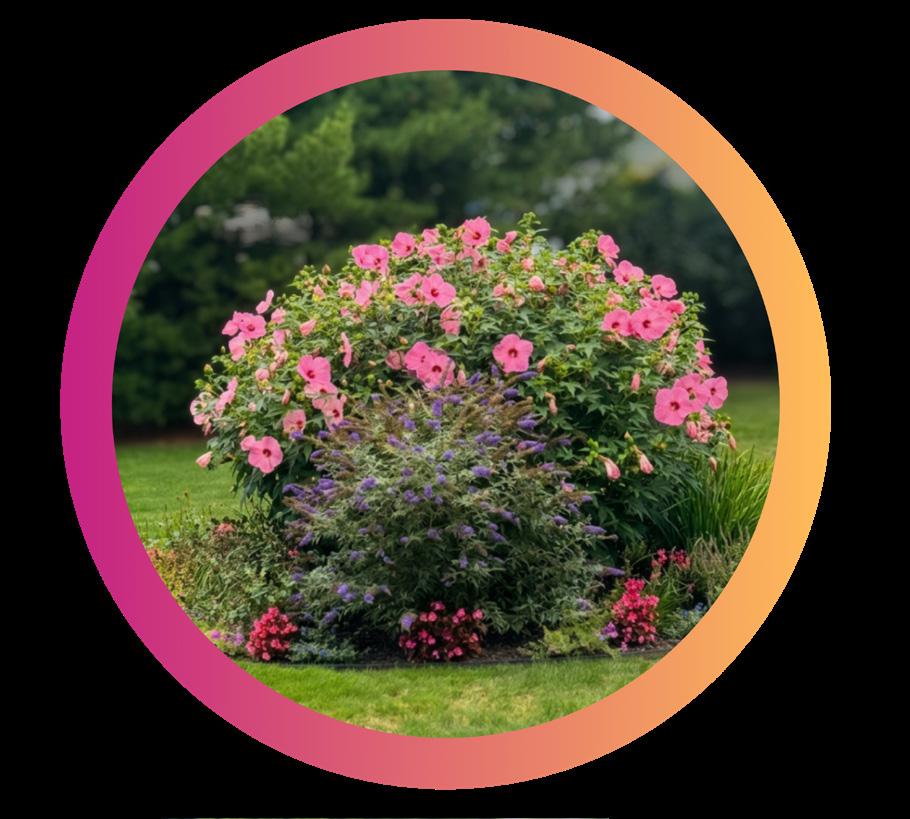
As time went by, I noticed that a plethora of weeds had been happily growing in the fertile soil where the old tree had died. A thought quickly popped into my head “out with the old and in with the new”. I'd seen my mother enjoy gardening throughout my whole life, so I decided to get a book and learn how to plant a successful flower garden in this spot. I started pulling out the weeds and dug out a large round circle area. I learned to plant perennials and annuals and found out which flowers the rabbits wouldn’t eat. I added bird feeders around my patio and a bird bath to the center garden area. Slowly my yard became a playground for lots of beautiful birds, butterflies, bees, squirrels, and chipmunks. Decades later, my bright colorful flower garden had turned into the perfect centerpiece for my large backyard.
During 2021, when the Covid pandemic was in full swing, the government was telling everyone to stay at home. I began looking for something that would enhance
Spirit to help me come up with a new idea for my next W2W article that was due to be submitted by June 10th. Instead of the peaceful aligned state I usually got into, I found myself feeling anxious. I stopped and asked myself, what was I thinking that was making me feel this way? The LoA principle that quickly popped into my head was: Where attention goes, energy flows. I wondered where my attention had gone astray.
I grew quiet and listened. As I watched my little bird friends having fun splashing around in the bird bath, I suddenly became aware that my focus had slipped from writing an inspiring article to reliving an old habitual childhood thought pattern. As I reminisced through a few childhood memories, I realized that I used to hate
As an insecure child and young adult, the pressure I put on myself seemed like the right thing to do at the time. I quickly knew in my heart that this old thought did not serve me any longer. I thanked myself for doing the best I could when I was an unaware child. I released the old story of always trying to be a perfectionist to please others, back to the universe and immediately shifted my focus into higher-frequency, better-feeling thoughts. I began to think about all the reasons I love to write my true-life short story articles. I quickly realized that when my articles are completed, they always lift me up and make me smile. Sometimes I even get chills when I’m rereading them. When that happens, I stop and intentionally thank God/Source Energy/my Inner Being for co-creating with me whenever I ask for help.
It took a triggering thought (I hate deadlines) to remind me that there is always a high frequency stream of consciousness with my name on it, and my job is to find that stream and let it carry me to where I want to go. After deliberately focusing on everything I loved about writing, I raised my energy field and I found what I was searching for: a new topic, My Center Garden. After easily and effortlessly writing this true-life story, I clearly appreciated the fact that My Center Garden is the perfect place to sit and quiet my overactive mind and once again find my soul.
Suzanne Young is an intuitive life coach who specializes in the Law of Attraction. She is also an inspirational speaker, author, and co-owner of Personal Success Programs, since 2007, with her husband Kevin Young.You can email her at suzanne@psprograms. com and their website is www.psprograms.com.
D.O.S.E Your Mind, Body, & Planet
10 Feel-Good Chemicals & How to Activate Them Naturally
Purifying our inner world is key to easy, harmonious living. Ready to DOSE yourself with positivity? Here are 10 natural brain chemicals and simple eco-friendly actions to elevate your mental, emotional, and spiritual space.
1
D = Dopamine
Plant a seed, water it, and celebrate its growth—it’s nature’s tiny reward system.
4
E = Endorphins
Laugh out loud with a loved one or engage in a playful eco-friendly activity like a bike ride.
6
Anandamide
Practice gratitude under the sky—this "bliss molecule" thrives on simple joys.
9
Melatonin
Align with natural light cycles—early nights and mornings support a restful, balanced life.
2
O = Oxytocin
Share a physical hug or gentle skin-to-skin contact for at least 20 seconds—this natural bonding act boosts your feelgood connection chemical.
“When we remember how embedded we are in the Earth, how we are literally made of the same stuff as rivers, rocks, and roots, we can see how separating from this beautiful world might be damaging to our psyches.”
~ Mary Reynolds Thompson
7
Norepinephrine
Try cold-water therapy— invigorating moments can sharpen both mind and resilience.
10
Phenylethylamine
Dance or move freely— this "love chemical" sparks joy in both you and your environment.
3
S = Serotonin
Start your day with a mindful walk in the morning sun—nature's gentle mood booster.
8
Acetylcholine
Learn something new, like eco-crafting—mental focus meets sustainable creativity.
Jennifer Gardner is a wife and mother of two girls. She loves being creative with the ladies of Women2Women Michigan Magazine.
Unbelievably so, I have become one of them. You may know one of them, those people who see a “life lesson” behind every bush. Heck, they see lessons in the bush, above the bush, around the bush…. you get the idea. I’m one of them now, and I want to share with you some “bird rules” that can apply to our lives.
While observing my feathered friends at the feeder I’ve noticed some interesting behaviors that could actually teach us a few life skills. Those birds are quite the smart ones. And since I believe in sharing everything I learn (well, almost) it’s your lucky day!
Below I’ve listed some bird observations and applied them as ways to enhance our human lives. You might be surprised.
Start singing before dawn. Have you noticed how birds start their songs while it’s still dark? It’s usually quite a while before they start eating at the feeders. And they are quite zealous in their singing!
Lesson 1: Carve out some quiet minutes before getting ready for work to focus and plan. Then, even though you can’t control how your day happens to you, with a calmer spirit you can choose how you respond. You might even find yourself singing with gusto!
Don’t be greedy. Some of the birds (and it’s usually the same ones) are constantly chasing others away from their area. While they are busy with that, the ones who don’t bother are getting more to eat.
Lesson 2: Don’t let fear drive you into competition. There really is enough love, joy, work, creative spark, or whatever else you need. While you are comparing, fearing, and keeping others away, your focus and energy has shifted from your goal.
Don’t be flighty. Most of the birds seemed to take flight at the slightest ruffle
of the wind. Many times as I watch, all the birds will suddenly fly into the tree. The best I can tell, one started and they all followed. Interestingly enough, there are usually some who remain on the ground where they unconcernedly continue to eat.
Lesson 3: Stick to your purpose, stay your course. You get more in the long run. It doesn’t matter how you eat, just eat! Some birds feed from the feeders only. Some birds feed from the ground. Some birds do both. Do you think it matters to them?
Lesson 4: Don’t compare yourself to the way others live or make their living or create. It’s not your business, really. Your concern is your own life and living it as joyfully and completely and fully as possible and helping those whom you love do the same.
Prepare for the storm. Birds seem to know when the weather is going to become crazy. They start a feeding frenzy, with extra determination.
Lesson 5: If you have foreknowledge, get ready for the hard stuff ahead. When you know that there will be extra demands on you, your time, and patience (for example: the holidays, a huge job-related project, or a time of extended travel), prepare by getting more sleep, staying more organized, taking care of some tasks beforehand like buying groceries and doing laundry, even getting meals in the freezer.
Hunker down during the storm Do you ever see birds during blizzards or thunderstorms? Nope. They know to take shelter and stay put.
Lesson 6: During times of extreme stress, practice self-care. Limit your activities. Be very selective in how you spend your time because your body and brain are
being taxed. Choose some self-nurturing activities to replenish your spirit (reading for fun, cuddling your children or hanging out with your family, walking outside—a wise choice during times of stress because of the effective energy of nature). During a storm, birds are all cuddled together, keeping each other warm in a sheltered spot. Mimic them during times of stress. After the storm passes hit the feeders with renewed vigor. After the weather clears it seems that every bird in the area appears and starts gathering seed at a rapid pace!
Lesson 7: Refocus. If you prepare as much as possible before times of stress, and practice self-care and nurturing during, when the difficult times have passed you will be more apt to give your job and goals the focus and energy needed because you’re not completely wiped out. So do that—intently refocus.
I told you the birds were smart. Here are their seven rules in a nutshell:
• Focus.
• Share.
• Remain steadfast.
• Don’t compare.
• Prepare.
• Practice self-care.
• Hit it!
I hope you will take some time to watch birds. Besides being entertaining, it’s also very relaxing. While you are watching, see if you can catch them following these rules.
Mimi Matthews is in the “encouragement business” as the owner of Empowordment Cards by Mimi. She is also a speaker, workshop leader, writer, and our editor. Visit her shop at www.etsy.com/ shop/EmPOWordmentCards and her blog at www. particularpassions.me.
What does it mean to hold everything you own a little more lightly? I didn't have a real answer until I met Ethel.
She was in her eighties, Polish-born, elegant without effort. Even on vacation, she had a flair for beauty — colorful silk scarves, distinctive jewelry, and small touches that reflected her spirit.
We met during a winter stay at a Palm Springs resort where friends and family had gathered. I was immediately drawn to her warmth and curiosity and her Eastern-European accent.
The next day, we found ourselves side by side at the pool. On paper, we shouldn't have had much in common — a young American woman and a European émigré who had outlived nearly everyone she'd ever loved. Yet conversation came easily. She delighted in teaching me Yiddish expressions, which I delighted in learning and still carry with me today.
What one unforgettable woman taught me about generosity, loss, and letting go.
us at that Palm Springs resort caught on, and more than thirty years later, I am still Colleenka to some.
In the days that followed, Ethel shared pieces of her story.
She had grown up in Chełm, Poland, in the 1920s. By the late 1930s, rumors of a Nazi invasion had reached her Jewish community. Fearing what lay ahead, she and her sweetheart made the painful
the family they'd left behind grew fewer and fewer — until they stopped coming altogether. She lost nearly everyone.
Yet what struck me was not her sorrow, but her openness. There was no bitterness about her, no sense that hardship had caused her to withdraw from life. Whatever she had carried across an ocean and through a lifetime of loss had not made her smaller.
decision to leave. They said a tearful goodbye to their families — not knowing it would be their last — and fled.
One day, I complimented her on the aquamarine brooch she was wearing and the colorful silk scarf it fastened.
She thanked me, placed her hand gently over it — and then asked: "Would you like them?"
I hesitated. "Oh, I couldn't take your beautiful brooch and scarf."
She smiled and said, "I would love to give them to you as a memento of our time together," and carefully placed them in my hands.
My Irish name proved a challenge for her, so she found her own way in. "Kalinka," a Russian folk song she had loved since childhood, helped her remember. The way she sang it — light and affectionate — made me laugh. Family members with
The journey was harrowing: an overland escape through Europe, followed by a transatlantic voyage into the unknown with little more than the clothes on their backs. They soon began building a life together in Montreal. But as the war unfolded back home, the letters from
I was stunned — not just by the gift, but by the ease with which she let them go. No hesitation. No ceremony. Just generosity.
At the time, I didn't realize I was witnessing a philosophy.
We saw each other a few more times at that same resort over the next few years — easy, unhurried visits that felt like picking up a conversation mid-sentence. Eventually, Ethel was diagnosed with Alzheimer's and stopped traveling. She passed away not long after.
Years later, as I began simplifying, my thoughts kept returning to Ethel and the effortless grace with which she had placed her brooch and scarf in my hands.
Only then did I begin to understand the lesson she had never tried to teach.
I decided to put her way of giving into practice: if someone admires something I own, I offer it to them. No pressure. No persuading. Just a quiet, "Only if you'd enjoy it."
Over the past few years, I've watched all kinds of things find their way into new hands — a chair, a coat, a work of art, cut flowers from my garden, a jar of homemade hot sauce, even a small can of paint the color of my front door.
One Sunday, a woman from my church complimented me on the title of my book. I thanked her and offered her a copy. As I placed it in her hands, she said, "This morning, I asked God to give me a sign that we live in an abundant universe —
and this is it. Thank you."
That stopped me.
I'll be honest — this practice isn't always effortless. There's often a split second when I ask myself, “Am I really ready to let this go?” And the person receiving often hesitates too, just as I once did with Ethel. That moment can press on the quiet place where scarcity lives — on both sides. Yet, when we move past it, it almost always ends with both of us smiling.
And I've noticed something unexpected: With each small act of letting go, the space it creates isn't just in my home. It's in my energy, my attention, and my sense of enough.
The silk scarf she gave me that day has since found its way into new hands — as perhaps it was always meant to.
I still have the brooch. Every time I see it, I think of Ethel — a woman who had every reason to close her heart, yet never stopped meeting life with an open one.
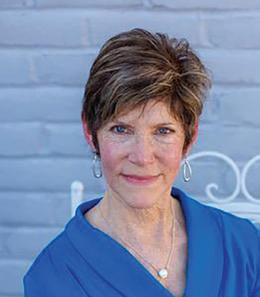
Colleen Kilpatrick is a speaker, storyteller, and wellness advocate. The author of Eliminate What You Tolerate, she supports women as they navigate the brave work of letting go of what no longer serves them and making space for what truly lights them up.
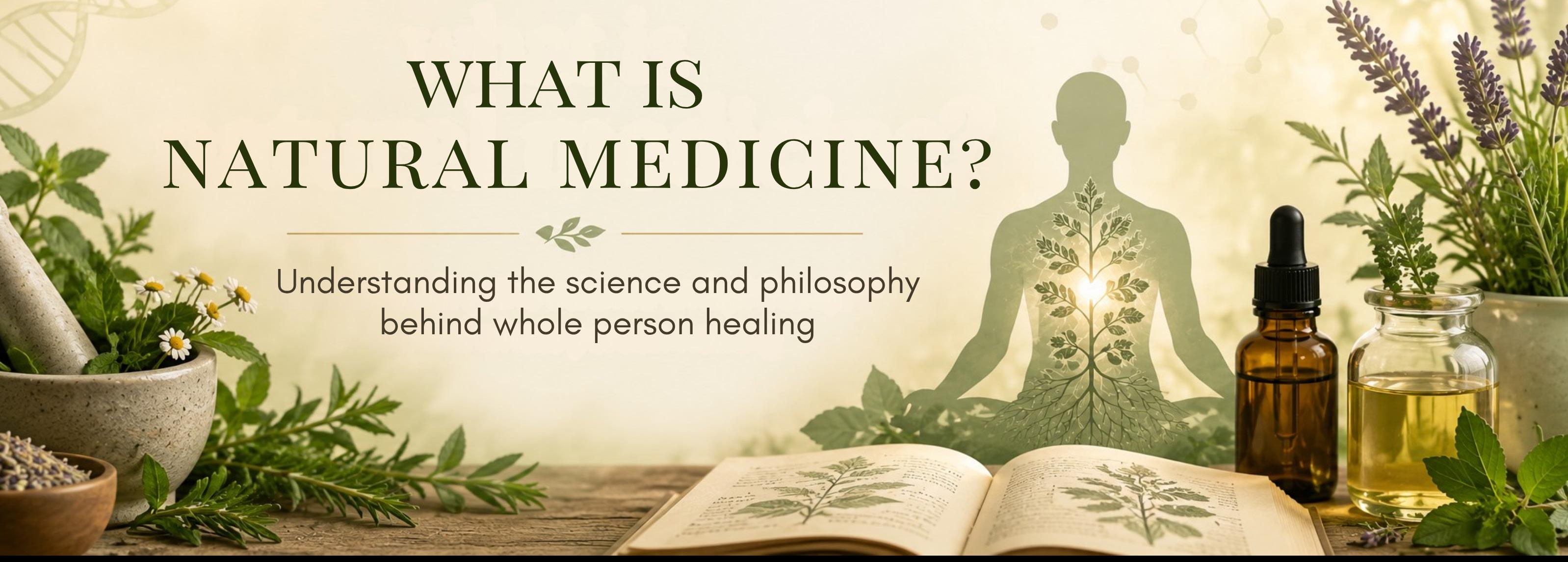
We live in an era of remarkable medical technology, yet more people than ever are searching for something beyond the prescription pad. They are asking deeper questions: Why am I sick? What is my body trying to tell me? Is there a way to heal that works with my body rather than against it? These are precisely the questions that natural medicine was built to answer.
Natural medicine is a comprehensive, scientifically grounded approach to health that sees the human body as a living, intelligent system operating at three interconnected levels: the physical, the cellular, and the vital energy field. Lasting health requires that we understand and support all three.
The Three Pillars of Natural Medicine
Natural medicine integrates three distinct but deeply interrelated bodies of knowledge — physiology, mind/ body medicine, and energy medicine. Together they offer a complete picture of human health that no single discipline can provide alone. Each pillar informs the others, and it is their integration that makes this approach uniquely powerful.
Physiology: The Architecture of the Body
At the foundation of natural medicine is a thorough understanding of physiology — how the body's systems function, communicate, and maintain balance. Rather than suppressing symptoms, natural medicine works to identify and correct the underlying imbalances that give rise to them.
Nutrition is central to this work. Food is not merely fuel — it is information. Every nutrient, every deficiency, every inflammatory food sends signals that either support or undermine the body's
ability to heal. Sleep quality, movement, gut health, and environmental exposures are considered equally, because in natural medicine, everything is connected.
Mind/Body Medicine: Where Thought Meets Biology
One of the most significant shifts in modern science has been the recognition that the mind and body are not separate systems — they are one. Thoughts, emotions, beliefs, and chronic stress do not merely influence how we feel; they alter our biochemistry, suppress immune function, and shape our genetic expression.
Dr. Candace Pert, a pioneering neuroscientist, demonstrated that every emotional state has a measurable chemical signature. The body produces neuropeptides — messenger molecules corresponding to each emotion — that travel to every cell, influencing everything from inflammation to cellular repair. Unresolved trauma and deeply held negative beliefs are not just psychological burdens; they are physiological ones.
The mind is not in the brain. It is in every cell of the body. Mind/body modalities — breathwork, meditation, somatic therapies, and belief-change work — are not optional extras in natural medicine. They are foundational to healing that lasts.
Energy Medicine: The Vital Force
Ancient healing traditions have long recognized a vital energy that animates living systems. Modern physics is beginning to validate what they knew: every living organism generates and is sustained by an electromagnetic field. Disruptions to this field — through trauma, toxins, or prolonged stress — can precede physical illness by months or years.
Energy medicine — encompassing acupuncture, homeopathy, bioelectric therapies, and frequency-based approaches — works to restore coherence and flow to this field. When the body's energy system is balanced, the conditions for deep physical healing are in place.
A Medicine for the Whole Person
We are facing a chronic disease epidemic that conventional medicine has struggled to reverse. Rates of autoimmune disorders, metabolic disease, mental health conditions, and chronic inflammation continue to climb — in large part because we have focused on managing symptoms rather than restoring the whole system.
Natural medicine asks a different question: not just what is wrong, but why. It treats the person, not the diagnosis. It honors the body's innate intelligence and its remarkable capacity for self-repair — given the right conditions, the right support, and a complete understanding of what health truly means.
Natural medicine does not fight the body. It listens to it.
Whether you are managing a chronic condition, working to prevent illness, or simply seeking a deeper understanding of your own health, natural medicine offers a path — grounded in science, guided by wisdom, and centered entirely on you.
Johanne Edwards, DNM, PhD, is a Doctor of Natural Medicine specializing in the three pillars of natural healing—physiology, mind/body medicine, and energy medicine. Her work explores how the body operates at all levels, and how beliefs, emotions, andperception shape our health as well. JEdwards Natural Care LLC, drjohanneedwards. com, email: de.johanne.edwards@gmail.com