
Everything

Building sustainable data centers of the future

FLAP-D no longer unflappable
Europe's next big data center markets
Singapore's vision for sustainable data centers




Burn, drown, or starve: How will we experience Gaia’s wrath?
Smarter planning, intelligent construction: Building sustainable data centers of the future
FLAP-D no longer unflappable: Powered land becoming scarce CEE, Nordics, and the Mediterranean: Europe's next big data center markets
Singapore’s vision for sustainable data centers
40 Why the future of data centers will be software-defined, not just hardware-dense
Japan’s Datasection bets on neocloud dominance with GPU supercluster ambitions
Can America be at peace with the neighbourhood data center?
The data center that arrives almost finished 22 The future of data centers won't be built on yesterday's infrastructure 45 w.media’s Sijori Week exceeded expectations
Here's what transpired at Chennai CDC and Interconnect World 2026!
Inside Japan’s plan to engineer a data center boom
Stepping out of Tokyo and Osaka
Powering data centers in Japan
From the Editor ’s Desk
In the three years that yours truly has been with this publication, sustainability has gone from being an afterthought and a PR buzz word, to an absolute necessity.
In the same period, we have seen shocking examples of climate change: from snow storms in Texas, to extreme wildfires in Canada, to torrential rainfall and floods in Dubai!
And while we can’t blame data center development alone for what is clearly a culmination of decades of unchecked and unplanned industrial and urban development, the digital infrastructure industry must come together to ensure we don’t exacerbate the climate crisis.
There are growing concerns surrounding water and power use by data centers, especially AI factories and giga projects. A variety of legislations have been proposed and enacted across the world, to ensure ordinary people don’t suffer from the scarcity of essential resources. Advocacy for responsible consumption and transparency is growing, and now even Erin Brockovich has joined the
Meet the team
conversation.
So, what can the data center industry do to be on the right side? How do we balance business interests with climate concerns? How do we design and build our data centers to achieve our sustainability goals? Is Net Zero even possible?
In this issue, find out how governments, and the data center industry, are gearing up for this tightrope walk. Also, check out our special supplement on Japan’s exciting digital infrastructure landscape.
We hope you enjoy reading this issue as much as we enjoyed putting it together.
Deborah Grey Editor-in-Chief w.media





Deborah Grey Jan Young SEA Editor
Conor McNevin
Paul Mah
Correspondent, Europe & Americas
Simon Dux Contributor


Fastest Time-to-Market from Greenfield for AI-Ready DCs
Be in the Center of Indonesia's IT Ecosystem
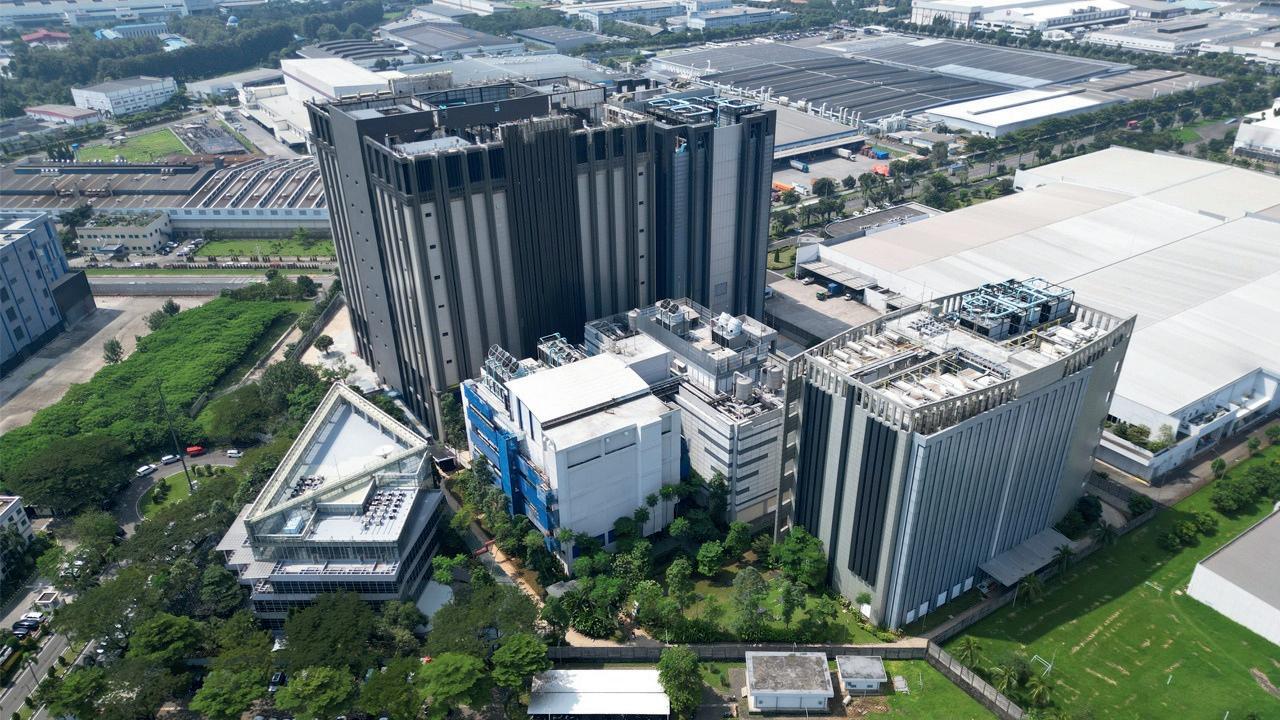
DCI Indonesia is trusted to serve 6 major global cloud providers, 70+ internet service providers, and 200+ local and multinational enterprises
Lower Your Total Cost of Ownership
On top of using DCI's rich ecosystem, IT Leaders can optimize connectivity costs via DCI-owned dark fibres across its Platform and to key data centers and Internet Exchanges in Jakarta (e.g., Cyber, IDC3D, etc)
DCI Platform®



H1 Cibitung Campus (5 DCs, 73 MW, up to 300 MW)
H2 Karawang Campus (2 DCs, 27 MW, up to 600 MW)
H3 Bintan (up to 1,000 MW)
E1 Jakarta DC (19 MW)
E2 Surabaya DC (9 MW)
More to be announced
DCI Indonesia has a track record of building DCs from greenfield to RFS within 12 months Explore What's Possible with DCI Platform® connect @dci-indonesia.com www.dci-indonesia.com

PDG, Equinix, Pi Datacenters & Techno Digital launch new projects in Mumbai
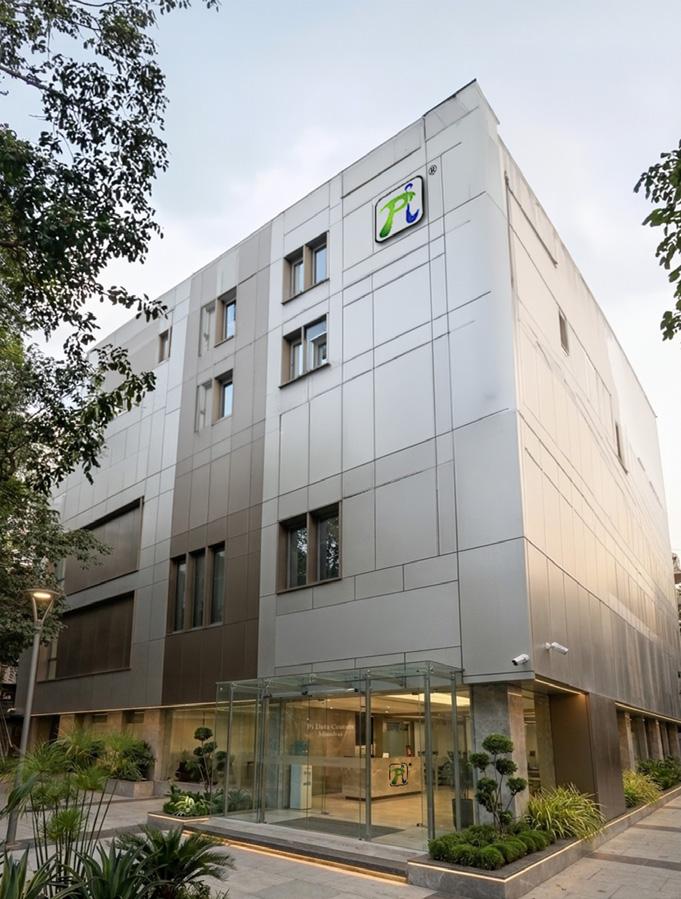
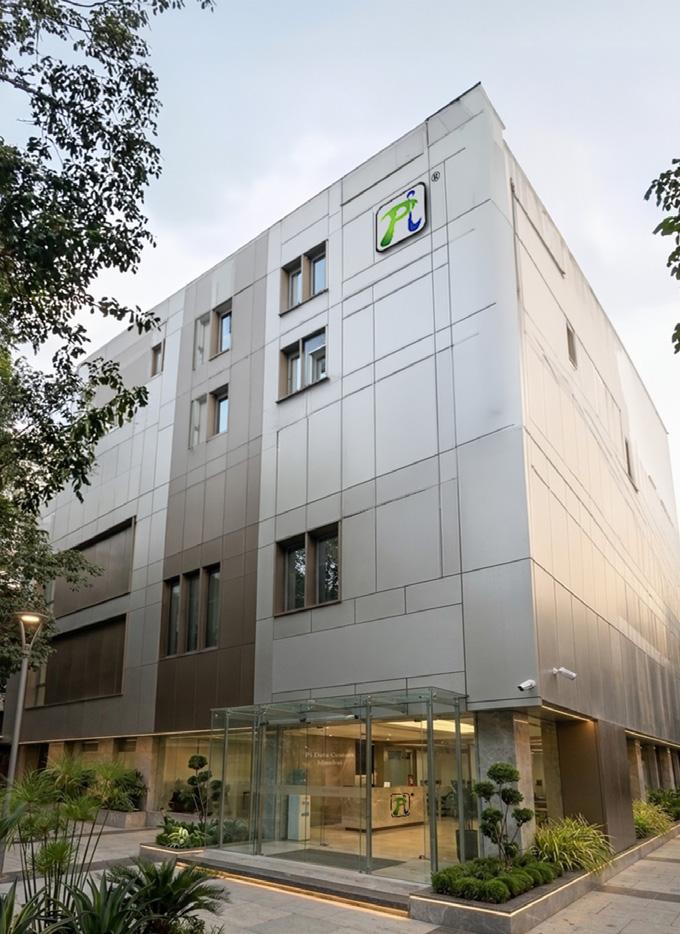
Facade of Mumbai data center | Image courtesy: Pi Data Center
Princeton Digital Group (PDG) has commenced construction of its MU2 data center campus in Mumbai, following a recent groundbreaking ceremony
MU2 is a 120 MW hyperscale data center campus and part of PDG’s recently announced expansion toward
South Korea pours trillions into AI industry
The South Korean government, through the Financial Services Commission, has approved KRW 8.4 trillion (US$ 5.71 billion) via the National Growth Fund to build out the country’s AI industry. The government will take an equity position in a public-private initiative to construct a national AI computing center equipped with 15,000 GPUs. Direct support is also being channelled into domestic AI firms.
a 1 GW portfolio in India. In March 2026, PDG had announced a multi-site acquisition in India that adds 210 MW of capacity to its current platform.
Equinix has announced the opening of its fourth International Business Exchange™ (IBX®) data center in Mumbai. Located in Chandivali, Powai (Central Mumbai), MB3 is a five-story building and spreads over 4 acres of land.
Pi Data Centers, an Indian data center platform has launched Phase I of a 3 MW data center facility in Central Mumbai, which is set to go live in August 2026. The new facility will complement Pi’s existing 60 MW hyperscale capacity in Amaravati, Andhra Pradesh, and another upcoming 3 MW facility in Hyderabad, Telangana, slated for October 2026 operation.
Techno Digital, the digital infrastructure arm of Techno Electric & Engineering Company Limited (TEECL), has commissioned its Mumbai Edge Data Center (EDC) located in Mahalakshmi, South Mumbai. This facility is part of Techno Digital’s wider edge infrastructure rollout under its strategic partnership with RailTel Corporation of India, a Navratna Central Public Sector Enterprise (CPSE), to build a distributed network of edge data centers across over 100 Indian cities.
KRW 560 billion (US$ 380 million) will be invested in Upstage, a South Korean AI firm focused on LLM, with KRW 100 billion (US$ 68 million) allocated through a strategic industry fund.
Core42 raises US$ 550 million to scale AI infrastructure
Core42, a G42 firm specializing in sovereign cloud and AI infrastructure, has secured US$ 550 million to scale its AI cloud and compute deployments
Poland launches €70 million Gaia AI Factory

Poland has launched the Gaia AI Factory project in Kraków under the European High Performance Computing Joint Undertaking (EuroHPC JU). To be operated by the Academic Computer Centre Cyfronet AGH, the 10 exoflops supercomputer project will include over 1,000 GPU accelerators for AI training and inference workloads which would deliver several times the performance of Poland’s current fastest supercomputer, Helios. The Gaia AI Factory will also be integrated with the PIAST AI Factory and the LUMI AI Factory as part of a wider European AI infrastructure aligned with the Digital Europe Programme, Horizon Europe, and the AI Continent Action Plan.
Pantheon Atlas plans €50 billion AI DC campus in Croatia
Pantheon Atlas LLC, a transatlantic investment group, has announced plans to build a €50 billion (US$ 54 billion) hyperscale AI data center campus in Topusko, Croatia. The project will enable up to 5.2 GW of renewable energy integration into Croatia’s electricity grid. Construction is scheduled to begin in early 2027, with full operations expected by Q1 2029.
across the US and Europe. These funds were raised via two structured trade finance facilities with HSBC, one for US$ 240 million and another for US$ 310 million, completed in February and May 2026, respectively. Headquartered in the UAE with deployments across the US and Europe, Core42’s full-stack AI infrastructure is anchored by its European headquarters in Dublin, with deployments underway in Italy and France.
Gaia AI Factory Consortium representatives at Gaia AI factory Inauguration ceremony | Image courtesy: Cyfronet
Momentum in Malaysia still strong
The momentum in Malaysia is still going strong despite a slight slowdown since the end of last year. Big player AirTrunk plans to invest RM12 billion (USD 3 billion) to develop two new hyperscale data centres in Malaysia, with a combined capacity of 280 MW of IT load. This will bring its total capacity to more than 700 MW of IT load across four campuses in Malaysia at a total committed investment of RM27 billion (US$ 6.8 billion).
A company believed to be an affiliate of Alibaba Group has inked an MOU with Malaysia-based firm DPS Resources to potentially build a US$ 1 billion AI data center in Melaka.
Singapore-based Digital Edge has bought a 50-acre piece of land to build a data center – its first in Malaysia.
Gamuda, a giant infrastructure and property player in Malaysia has secured a construction job worth RM1.72 billion (US$ 430 million), for a US tech giant’s hyperscale data center in Port Dickson, West Malaysia. To commence in Q2 2026, the work entails site infrastructure works, core and shell construction, and MEP fit-out construction.
But the biggest story in Malaysia so far is the imminent completion by the end of 2026 of the first and possibly
most advanced AI factory campus in the country. Located in Johor, the 510MW campus boasts 100 per cent high-end GPU offerings – with Nvidia Blackwell, Vera Rubin and Rubin Ultra being deployed at each successive phase of the RM26.6 billion (US$ 6.73 billion) project. Currently built by Singapore-based data center platform Racks Central, this 4-facility campus is already the talk of town.
announces US$ 15 billion investment into Missouri data center
Google has announced a US$ 15 billion investment in data center infrastructure in Montgomery County, Missouri. It has contracted over 1 GW of new generation capacity in Missouri while its partnership with Ameren Corporation, supports development of 500 MW additional capacity. Google also worked with Ameren to implement the Capacity Commitment Framework in Missouri, which requires large energy users to pay for their electricity and infrastructure requirements. Google also set up a US$ 20 million Energy Impact Fund aimed at reducing monthly energy bills for households in counties near planned data center sites in Missouri.
VOLT to build AI factory in Dubai
VOLT UAE, the regional platform established by Dutch data center and AI factory developer VOLT, has entered into a joint venture with the Dubai Integrated Economic Zones Authority (DIEZ) to build an AI factory at Dubai Silicon Oasis. Spanning up to 60,000 sqm, the development will
be implemented in two phases: an initial 29 MW readily available capacity, followed by an additional 100 MW of committed power. DIEZ will provide land and core infrastructure, while VOLT UAE will develop, finance, and lead construction of the data center facilities.

Investments pour into Singapore
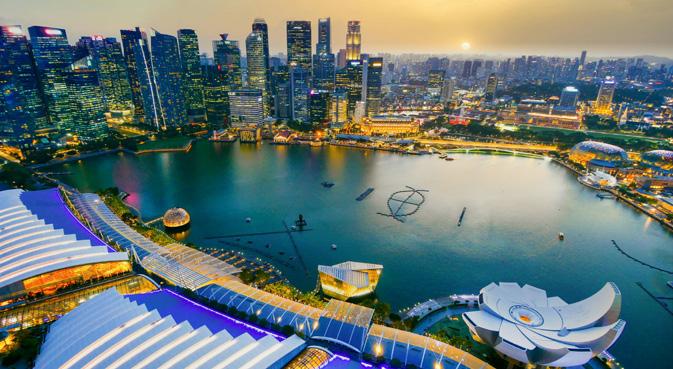
Local data center platform Empyrion Digital joined the long line of investors and pledged to invest about US$ 860 million to scale its data center capabilities including a proposed new data center in Singapore.
Speaking of funds, a cool S$ 10 billion (about US$ 8 billion) over the next five to 10 years has been pledged by Singapore-based Yovole International and China-based Fortera Capital to scale artificial intelligence on an industrial scale across Asia Pacific with Singapore being positioned as the headquarters.
Indonesia sees surge in DC activities
Indonesia saw quite a hive of activities lately. In one week alone in May, it saw almost US$ 2 billion raised for data center expansions in Indonesia by two of the biggest data center players in the country. DCII, one of the biggest data center platforms in Indonesia, had secured US$ 976 million of loan while Singapore-based PDG had raised US$ 856 million debt to build its JC3 campus.
Additionally, PDG had bought 240MW of powered land in Jakarta for its fourth and latest hyperscale data center campus, bringing its total capacity in Indonesia to 400 MW. DayOne had also signed Indonesia’s largest power deal equivalent to 450 MW to power its second hyperscale data center in Batam.
Stonepeak-backed Digital Edge has secured US$ 665 million green loan, the largest data center green loan ever in Indonesia, to finance the first phase of its 500MW CGK Campus in the country.
The focus on Indonesia came at the right time - Mordor Intelligence has projected a 1-GW shortfall of capacity by 2030 accompanied by a critical undersupply of Tier 3/4 data centers. This indicates ample room for growth in Southeast Asia’s largest economy.
(L to R) Han de Groot, CEO of VOLT; His Excellency Dr. Mohammed Al Zarooni, Executive Chairman of DIEZ; and Amel Chadli, President, Gulf Cluster at Schneider Electric | Image courtesy: Dubai Media Office
Google breaks ground for US$ 15 billion
India AI hub
Google has broken ground for its most ambitious project in India yet, the US$ 15 billion India AI hub in Vishakhapatnam covering 600 acres across Tarluvada, Adavivaram and Rambilli villages. Adani Connex and Nxtra by Airtel are partners in the project. The project would feature “fullstack” AI infrastructure, including data centers, renewable energy sources, and an expanded fiber-optic network. Google’s AI hub investment includes construction of a new international subsea gateway, including multiple international subsea cables to land in
Photonic raises US$ 200 million at US$ 2 billion valuation in quantum push
Photonic Inc, a quantum technology firm has raised over US$ 200 million (CA$ 275 million) in capital as the company pushes to scale distributed quantum computing systems using existing telecom infrastructure. The round was led by Planet First Partners and drew backing from a mix of government agencies, telecom companies and institutional investors across Canada, Europe, the US, and the Middle East. The financing values Photonic at US$ 2 billion (CA$ 2.7 billion) post-money and brings its total capital raised to more than US$ 350 million (CA$ 475 million). These new investors
SoftBank to launch AI data center GPU cloud in Japan
SoftBank Corp. will launch an AI Data Center GPU Cloud, as part of its neocloud business in October 2026. This will allow their customers to leverage advanced GPU-accelerated AI computing infrastructure, including NVIDIA GB200 NVL72 deployed in SoftBank’s Japan-based data centers, and execute a wide range of AI workloads, from model training and inference to data processing, while ensuring secure data management and operations within Japan.
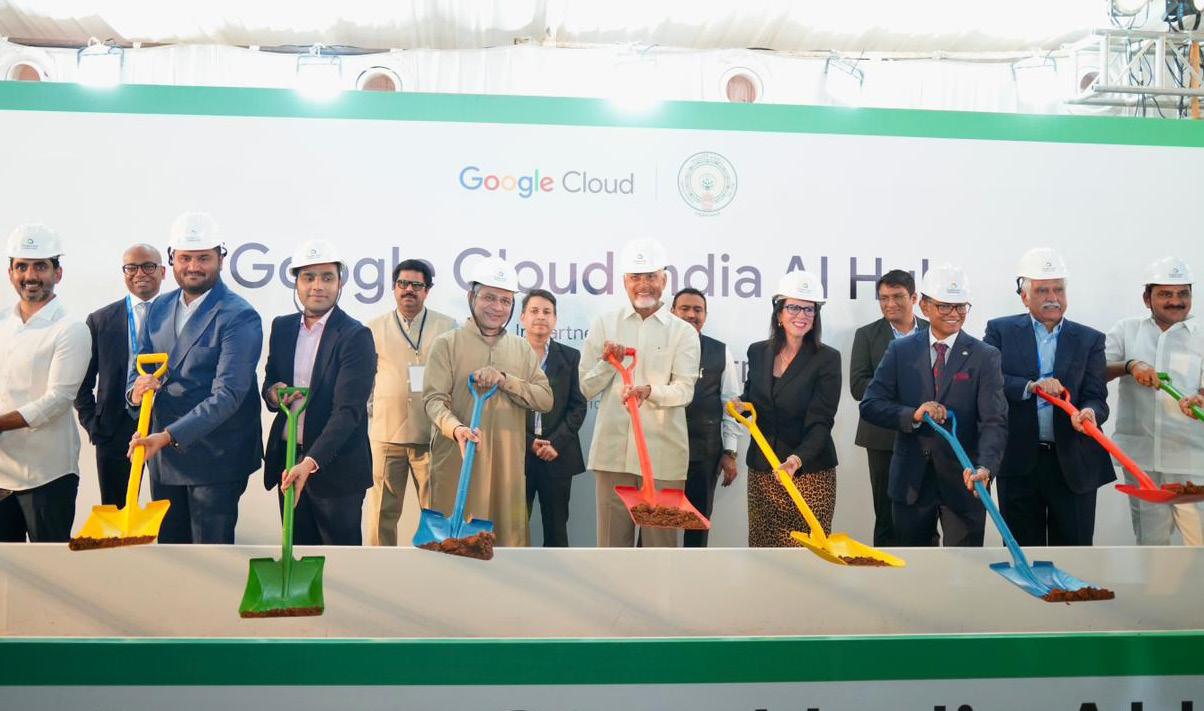
Visakhapatnam on India’s eastern coast, connecting to Google’s more than two million miles of existing terrestrial and subsea cables. Bharti Airtel is spearheading this part of the project.
included Business Development Bank of Canada, Export Development Canada, Bell Ventures, Firgun Ventures and InBC Investment Corp., alongside existing investor Mubadala Capital. A first close of the round announced in January 2026 also brought in Royal Bank of Canada, TELUS, British Columbia Investment Management Corporation and Microsoft. Photonic is developing an Entanglement First architecture, which combines siliconbased qubits with photonic networking technology allowing quantum systems to operate over existing fiber networks, thus avoiding the need for entirely new infrastructure.
Karnataka plans 1GW data center parks
The southern Indian state of Karnataka is planning for three sustainable data center parks with a combined capacity of 1 GW. Bengaluru, one of India’s oldest technology hubs, will get a data center park of 500 MW capacity, while the remainder will be divided between Mysuru, and Mangaluru. Solar power generated at Pavagada will be supplied directly to the park while the municipality will supply 60 MLD of secondary treated water with the industries themselves undertaking tertiary treatment.
BharatGen and L&T ink
MoU to build India’s sovereign AI platform
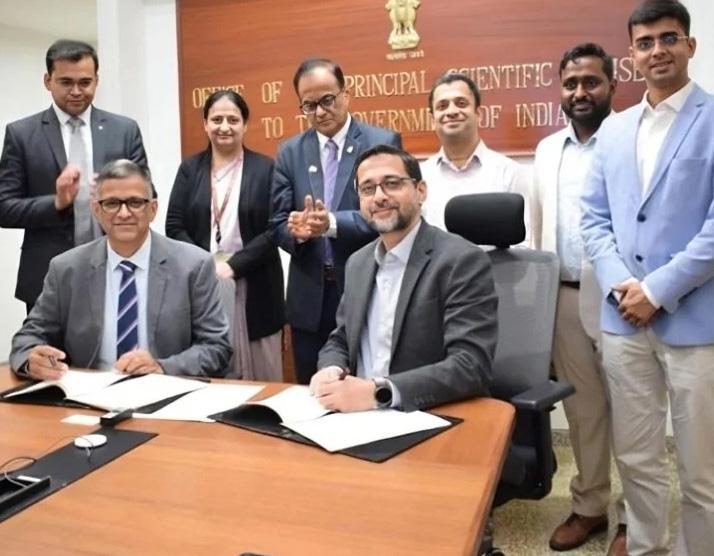
BharatGen, a fully governmentfunded AI initiative under India’s Department of Science & Technology (DST), has signed a Memorandum of Understanding (MoU) with L&T Semiconductor Technologies and L&T-Vyoma, to jointly design, build, and deploy an end-to-end sovereign AI compute platform for India. L&T Semiconductor Technologies will design and develop custom AI ASIC and xPU chips optimized specifically for BharatGen’s AI workloads. L&TVyoma, which is L&T’s data center arm, will provide AI-ready data center infrastructure, including its upcoming 30 MW data center facility in Kanchipuram.
Ministers and dignitaries break ground for Google's India AI hub in Vishakhapatnam | Image courtesy: CMO Andhra Pradesh's official X account
BharatGen and L&T officials signing MoU to build India’s sovereign AI compute infrastructure platform | Image courtesy: BharatGen
Thailand amps up the heat
Thailand is heating up considerably and is emerging as a key data center hub in the region, after Singapore and Johor.
The Thailand Board of Investment has approved investments worth US$29 billion in six projects, out of which TikTok’s US$ 25 billion stole the limelight. TikTok plans to spend the investment on expansions and developing digital literacy. The other two data center projects approved were Skyline Data Center and Cloud Services Co., Ltd.’s data center which comes under the UAE-based DAMAC Group, and Singapore-based Bridge Data Centres IIO (Thailand) Co., Ltd.’s 134 MW data center project in Chonburi. Adding to the excitement were two significant entrants to the Thai market. First, London-headquartered security intelligence specialist Gorilla Technology Group had acquired 40 acres of land in Thailand to develop a 200 MW AI data center campus to meet growing Southeast Asian compute demand. Located in Korat (Nakhon
Naver secures KRW 400 billion to fund AI expansion in South Korea
Naver, a South Korean internet conglomerate, is developing an AI data center located in Sejong City with a KRW 400 billion (US$ 270 million) loan approved by the country’s Financial Services Commission (FSC). The facility will serve as the primary hub for Naver’s AI infrastructure and its AI model, HyperCLOVA X. The loan will fund the
Winda Energy plans €500 million data center in Finland
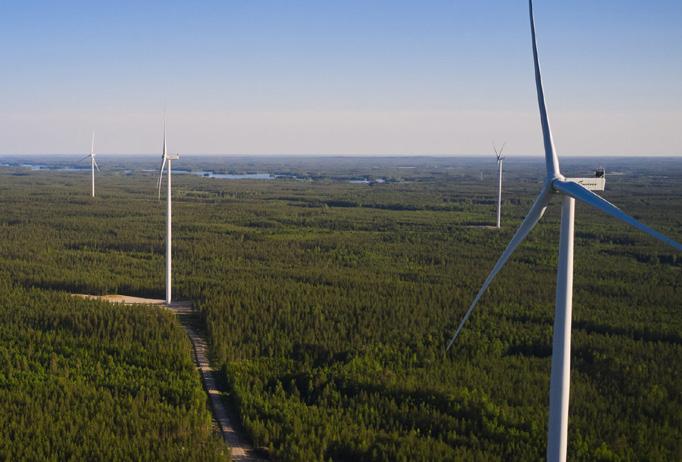
Ratchasima), the campus will comprise six data halls, five of which will have about 30MW capacity each and one will have about 50MW. Construction is expected to commence in July 2026 with the first phase targeted for completion by Q1 2027.
Second, Singapore-headquartered data centre platform Empyrion Digital, debuted in Thailand with a 20 MW AI-ready data center in Bang Na, a connectivity hub in Bangkok.
At the same time, another Singapore-based digital platform, Digital Edge and its Thai partner, power producer B.Grimm Power, have jointly secured a US$ 880 million green loan – the largest financing ever secured for a data center project in Thailand – to finance the development of the joint venture’s 100MW BKK Campus in Chonburi.
expansion of Naver’s data center in Sejong, aimed at advancing its LLM, scaling AI integration, and deploying the latest GPU servers.
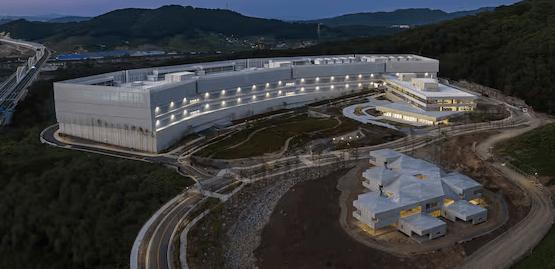
Winda Energy Oy, a renewable energy player, plans to invest about €500 million (US$ 584 million) to build a 100 MW data center in Janakkala, Finland in collaboration with Gi21 Capital, a European firm that invests in and operates data center projects. The site covers 22 hectares in Rastikangas and construction is scheduled to start in 2027 and is expected to be fully operational in 2028. Janakkala is expected to benefit financially through higher municipal, property and corporate tax income as well as proceeds from the sale of the land.
Nscale secures US$ 790 million to expand Norway data center
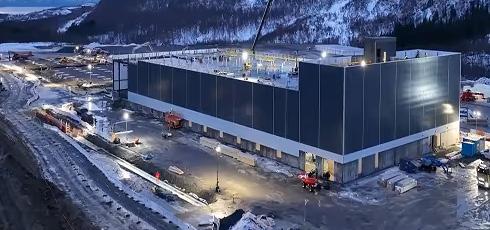
Nscale, an AI infrastructure company, has secured an additional US$ 790 million in financing for the expansion of its AI data center in Narvik, Norway, described by the company as the country’s largest AI infrastructure investment. The financing also includes a further US$ 790 million uncommitted accordion feature that could be used to support an additional 115MW expansion at the Narvik site. ABN AMRO Bank N.V., DNB Bank ASA and Nordea Bank Abp, filial i Norge acted as bookrunners while Export Finance Norway (Eksfin) and Skandinaviska Enskilda Banken AB (publ) were mandated lead arrangers.
Aramco and Pasqal inaugurate Saudi Arabia’s first Quantum Computer
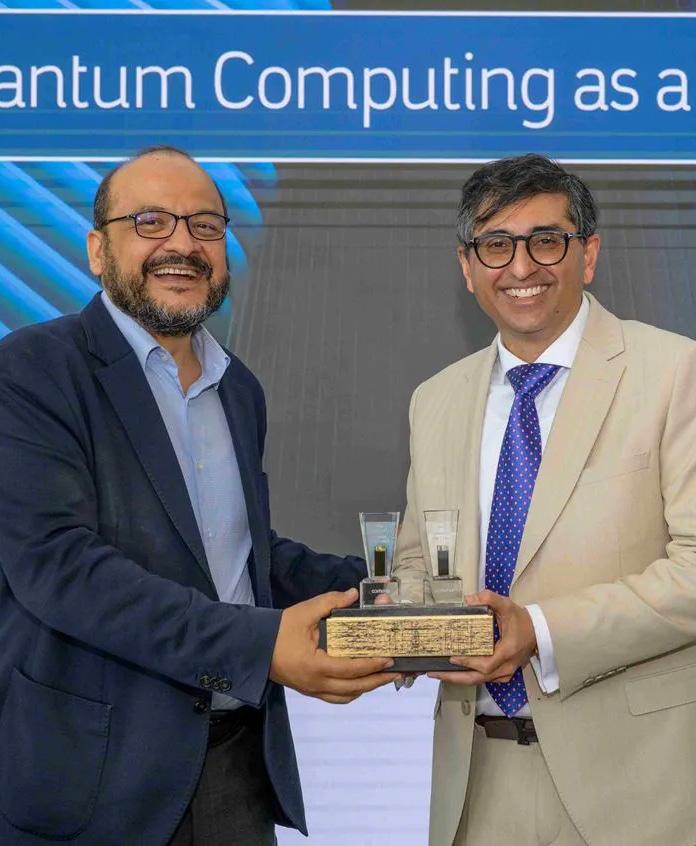
Aramco, a Saudi Arabian energy and chemicals firm, and Pasqal, a quantum computing firm, have inaugurated Saudi Arabia’s first quantum computer, and launched one of the Middle East’s first commercial Quantum Computing as a Service (QCaaS) platforms. The quantum computer is located at Aramco’s data center in Dhahran and provides cloud-based access to customers globally. Aramco will use the system to develop quantum-hybrid applications related to port logistics, carbon dioxide storage, well placement and rig scheduling.
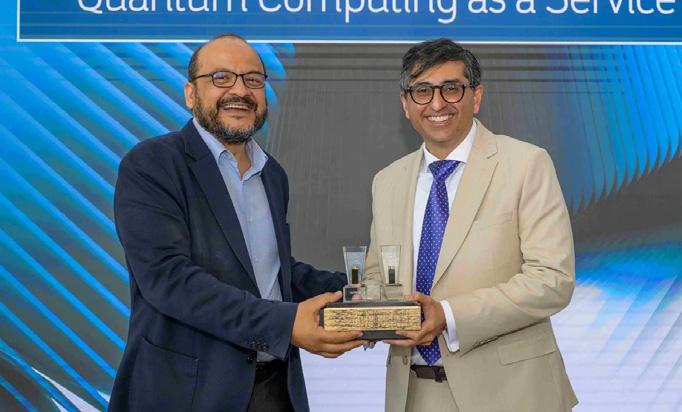
Image courtesy: Winda Energy
Nscale’s Narvik AI gigafactory | Image courtesy: Nscale
Aramco Executive Vice President of Technology and Innovation, Ahmad O. Al (Left) Khowaiter and Pasqal CEO, Wasiq Bokhari (Right) | Image courtesy: Aramco
Naver's AI data center in Gak Sejong | Image courtesy: Naver
2026 Events Calendar






Smarter planning, intelligent construction: Building sustainable data centers of the future
With growing consciousness surrounding sustainability, the data center industry is also carefully calibrating their next steps vis-a-vis developing energy-efficient digital infrastructure; “green” data centers are no longer an option, but the mandate.
By Deborah Grey
Asustainable data center is a facility that incorporates prudent water and power use practices, lowemission construction materials, energy efficient cooling and waste management systems, as well as responsible computing practices and virtualization, to ensure that the overall carbon footprint of the data center remains as low and possible without adversely impacting its productivity.
Planning a sustainable data center
Building a sustainable or “green” data center requires a different approach to the entire planning and design process.
“Sustainability cannot be treated as an add-on at the operational stage; it must be embedded from the very conception of the project,” says Syed Mohamed Beary, Founder and CMD, Bearys Group, a company that has designed, built and delivered data centers for several international data center providers in India. “Site selection is evaluated not just from connectivity and power availability perspectives, but also climate suitability, water availability, renewable energy access and environmental impact. Building orientation, thermal performance, material selection, daylight optimization, embodied carbon and future scalability are all considered together,” adds Beary who
is also Chairman, Indian Green Building Council (IGBC), Bangalore Chapter.
Elisabetta Baronio, Director– ESG Program Management, Khazna Data Centers concurs. “If sustainability is treated as an ‘add-on’, you usually miss the biggest levers,” she says. “The goal is to avoid lock-in. Once core power and cooling architectures, supply chain choices, and commissioning plans are set, it’s harder and costlier to improve outcomes later.”
Beary adds, “In conventional construction, the focus is often on CAPEX and speed of delivery. In sustainable construction, lifecycle efficiency becomes equally important.”
Overcoming geographical challenges
While colder climates help reduce cooling resources and power consumption, these days data centers, even humongous AI factories are being built in tropical, and even arid environments. So how do developers overcome these challenges?
“The region’s heat and humidity increase cooling demand, and water scarcity makes water stewardship a priority,” admits Baronio, whose company builds data centers in the Middle East where temperatures routinely shoot past the 45℃. “Supply chains can also vary in maturity for low-carbon materials, certified waste streams, and consistent ESG data.” But Khazna chooses to focus on elements they can control, such as thermal performance, prioritizing
“Sustainability cannot be treated as an add-on at the operational stage; it must be embedded from the very conception of the project.”
___ Syed Mohamed Beary, Founder and CMD, Bearys Group
efficient cooling strategies, and building systems that support strong energy and water management once operational. “On the construction side, we work closely with partners to

Syed Mohamed Beary
“Practical goals include reducing embodied carbon through smarter material choices and efficient design, minimizing waste through circularity and certified diversion pathways, and designing for energy performance and upgradeability so the facility can take advantage of cleaner power as it becomes available.”
Elisabetta Baronio, Director– ESG Program Management, Khazna Data Centers
standardize methods, reduce rework, and improve material efficiency.”
Similarly in a tropical country like India there are challenges pertaining to heat management, water and power availability. Beary elaborates, “Some of the major challenges include inconsistent availability of green materials, higher upfront costs for advanced sustainable technologies, limited awareness across parts of the supply chain, and infrastructure constraints such as water stress and grid dependency. In many cases, developers also face pressure to deliver projects rapidly, which can discourage long-term sustainability thinking.”
But he shed light on how to persevere despite such odds, saying, “These challenges can be overcome through integrated planning and strong stakeholder alignment. Involving sustainability consultants, architects, MEP engineers, and operators together from the early design stage, significantly improves outcomes. Vendor selection also becomes critical, choosing partners who understand lifecycle performance rather than only initial cost.”
The decarbonization challenge
Governments across the world are gearing up to meet an ambitious goal: Net Zero by 2050. This is in line with the findings and recommendations of the Intergovernmental Panel on Climate Change (IPCC). However, keeping a data center’s carbon footprint low is

much harder than what one would expect.
Yet, developers are taking the bull by its horns, employing methods like using supplementary cementitious materials, recycled steel, modular construction techniques and energy-efficient mechanical systems. “Realistic goals include reducing embodied carbon in construction materials, improving energy efficiency, maximizing renewable energy adoption, optimizing cooling systems, reducing water dependency and increasing circularity in resource usage,” says Beary.
Baronio is also a fan of practical goal setting. “Practical goals include reducing embodied carbon through smarter material choices and efficient design, minimizing waste through circularity and certified diversion pathways, and designing for energy performance and upgradeability so the facility can take advantage of cleaner power as it becomes available,” she says listing elements of Khazna’s decarbonization strategy.
Impact of intelligent construction on operational sustainability
Operational sustainability is directly influenced by the thought that goes into construction. The quality of design and construction determines how
efficiently the facility will perform throughout its life. It also helps maintain healthy PUE and WUE during the facility’s life cycle.
“Smart sensor integration and Building Management Systems incorporated during construction enable real-time monitoring and predictive optimization later. Similarly, water-efficient plumbing infrastructure, rainwater harvesting systems, treated water reuse systems and efficient drainage planning all contribute to lower WUE performance during operations,” explains Beary.
Baronio elaborates, “At the construction stage, intelligent construction links design intent to real-world performance by reducing variability and ensuring systems are installed, tested, and commissioned exactly as intended. That starts with quality control and digital oversight, so operations teams inherit a facility that performs predictably from day one.” She adds, “It also includes designing and building for maintainability and measurement: placing sensors and metering where they matter, creating accessible routes for maintenance, and ensuring control systems are tuned and validated during commissioning.”
Beary agrees. “Intelligent construction creates the foundation upon which operational efficiency becomes achievable and scalable,” he says. "For example, optimized building envelopes reduce thermal gain and cooling loads. Efficient airflow planning during construction improves cooling performance and lowers energy consumption.” A fan of modular construction, Beary also says, “Structural planning for modular expansion prevents unnecessary future demolition and material wastage.”
Conclusion
In the age of AI, where we are all basically playing a catch-up game, perhaps it is important to press pause… step back and look at the bigger picture - what’s the point of building something that won’t last? A well thought-through sustainable construction strategy, that comes into play even before the facility comes together on a drawing board, will go a long way in keeping it running in an environmentally friendly manner for years to come.
Elisabetta Baronio
FLAP-D no longer unflappable: Powered land becoming scarce
Europe’s data center industry is entering a strategic inflection point. For more than two decades, the Frankfurt, London, Amsterdam, Paris, and Dublin (FLAP-D) markets have served as the continent’s digital core. Their unparalleled connectivity, mature ecosystems, and concentrated demand have attracted hyperscalers, enterprises, and investors. But today, the dynamics that built these hubs are no longer sufficient to sustain them.
By Conor McNevin
Aconvergence of energy policy, environmental regulation, and exponential AI-driven compute demand is fundamentally reshaping the economics and geography of digital infrastructure across Europe.
The iron hand of regulation: EU policies take center stage
The European Union is at the forefront of this transformation with a suite of ambitious policies compelling data center operators to fundamentally rethink their environmental footprint and energy transition. Hyperscale operators including Amazon, Microsoft, Google, and Meta are increasingly powering European cloud regions through long-term renewable power purchase agreements (PPAs), sourcing electricity from offshore wind farms, solar parks, and cross-border renewable portfolios rather than relying solely on local grids.
The European Union’s sustainability agenda has become a defining force behind the evolution of the data center industry. The revised Energy Efficiency Directive1 (EED), the EU Taxonomy for Sustainable Activities2, and the Corporate Sustainability Reporting Directive3 (CSRD) now require operators to disclose energy performance, emissions, water usage, and waste heat recovery metrics.
Future regulation is expected to tighten even further. A forthcoming
EU “Data Center Energy Efficiency Package4” is likely to introduce continent-wide performance standards and efficiency ratings, while the proposed Cloud and AI Development Act is expected to focus on the rapidly growing energy footprint of artificial intelligence infrastructure.
At the same time, local governments in FLAP-D markets are imposing their own restrictions. Frankfurt now requires waste heat reuse targets under Germany’s Energy Efficiency Act5. Amsterdam has tightened development rules amid severe grid congestion. Dublin faces a de facto grid connection moratorium until at least 2028. London is struggling with electricity capacity shortages, while Paris increasingly links incentives to strict sustainability metrics.
As a result, hyperscale operators are adapting not only where they build, but how they procure energy.
Frankfurt: Energy efficiency and distributed power procurement
The Energy Efficiency Act6 (EnEfG) adopted by the German Bundestag establishes clear energy efficiency targets and introduces concrete measures for the public sector and companies, including for the first time efficiency standards for data centers, aligning with the revised EU Energy Efficiency Directive7 (EED).
After the Energy Efficiency Act was officially adopted by the German Bundestag,Robert Habeck, Federal Minister for Economic Affairs and Climate Action stated in a press release, "The Energy Efficiency Act for the first
time creates a clear legal framework for more energy efficiency. The past winter has made it very clear to us that we need to keep an eye not only on the supply side, but also on the demand side. Each unit of energy should in the future be used as efficiently as possible. This makes sense in economic terms, strengthens our preparedness and at the same time helps to mitigate climate change."
In Frankfurt, hyperscalers increasingly depend on globally sourced renewable procurement rather than Germany-specific generation alone. Offshore wind and large-scale solar contracts have become central to the region’s cloud infrastructure strategy, even the world’s largest oil companies are getting involved.
Amazon recently signed a 110 MW offshore wind PPA with RWE tied to the Nordseecluster B wind farm in the German North Sea. The agreement builds on a broader strategic partnership in which RWE supports Amazon’s carbon-free energy goals while AWS provides cloud and AI services for RWE’s digital transformation. The project is expected to generate enough electricity to power more than 139,000 German households annually.
Shell Energy Europe Limited signed a 15-year Power Purchase Agreement (PPA) with HANSAINVEST Real Assets for 600 MW of renewable electricity from Germany’s largest solar facility, the Witznitz solar park. The project was developed by MOVE ON Energy on the site of a former open-cast coal mine near Leipzig, Germany, and was scheduled to begin generating electricity at the end of 2023.
Google has also deepened its German renewable portfolio through a 15-year offshore wind agreement with EnBW for 100 MW from the He Dreiht offshore wind farm, which is expected to become Germany’s largest offshore wind installation once operational. The deal supports Google’s broader goal of operating on 24/7 carbon-free energy
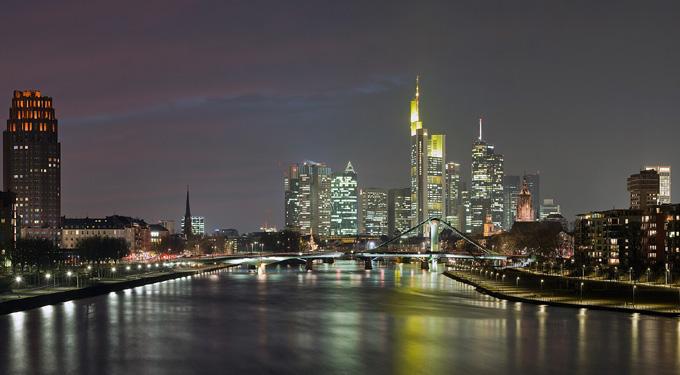
City of Frankfurt | image courtesy: Wikimedia Commons
by 2030.
Frankfurt represents a hyperscale market increasingly powered by distributed European wind and solar procurement rather than purely local electricity generation.
London: Infrastructure regulation at scale
In September 2024, the UK Government formally designated data centers as part of the country’s Critical National Infrastructure (CNI). This elevates their regulatory significance, placing greater emphasis on security, resilience, and continuity requirements across planning, cyber protection, and operational risk management frameworks.
From a regulatory classification perspective, UK policy distinguishes between enterprise, co-location, hyperscale, and AI-optimized data centers. While these categories are not yet governed by separate legal regimes, they are increasingly relevant to how planning authorities and infrastructure strategies assess applications, particularly where large-scale or AIrelated facilities are involved according to the Data centers: planning policy, sustainability, and resilience8 release by parliament.
Planning regulation has been materially strengthened following the December 2024 revisions to the National Planning Policy Framework9
(NPPF) in England. Local planning authorities are now explicitly required to account for data center demand in local development plans and decisionmaking. In parallel, data centers can access the Nationally Significant Infrastructure Projects10 (NSIP) regime, shifting approval authority from local councils to the Secretary of State for major projects. The emerging AI Growth Zones (AIGZs) also introduce fast-track planning and infrastructure coordination mechanisms for AI-
References: [8] [9] [10] [11] [12]
focused data center development. Scotland’s planning policy explicitly supports data centers aligned with renewable energy generation, while Wales and Northern Ireland currently lack dedicated data center provisions.
The London Assembly Planning and Regeneration Committee has published Gridlocked: How planning can ease London’s electricity constraints11 , highlighting growing pressure on London’s electricity grid and the need to align planning for housing and digital infrastructure. The report points to West London as a key pressure point, where electricity capacity is increasingly constrained.
Renewable PPAs are now standard procurement instruments. Among notable examples is Telehouse Europe that secured a 10-year wind energy supply agreement linked to the London Array offshore wind farm. Meanwhile, Global Switch signed an eight-year renewable contract involving wind assets developed by RWE. VIRTUS data center entered a 31 MW wind PPA associated with the Lynn and Inner Dowsing windfarms, representing 16 percent of their total generation which commenced in October 2025.
The result is a market increasingly defined by offshore wind-backed procurement layered onto a constrained metropolitan grid environment.
Recently, Mubadala Investment Company, an Abu Dhabi sovereign investor, announced a US$ 325 million investment in Ørsted’s Hornsea 3 offshore wind project, located off the coast of Norfolk in the United Kingdom. The investment is made alongside a consortium led by Apollomanaged funds, including Universities Superannuation Scheme and La Caisse, following Apollo Funds’ acquisition of a 50 percent stake in the joint venture, with Ørsted retaining the remaining 50 percent and continuing to lead development, construction, and operations.
Hornsea 3 is Ørsted’s third gigawattscale offshore wind development in the Hornsea zone of the North Sea and is expected to reach 2.9 GW of capacity, generating enough renewable electricity to power more than 3.3 million UK homes upon completion.
Amsterdam: Renewable energy and data center policies
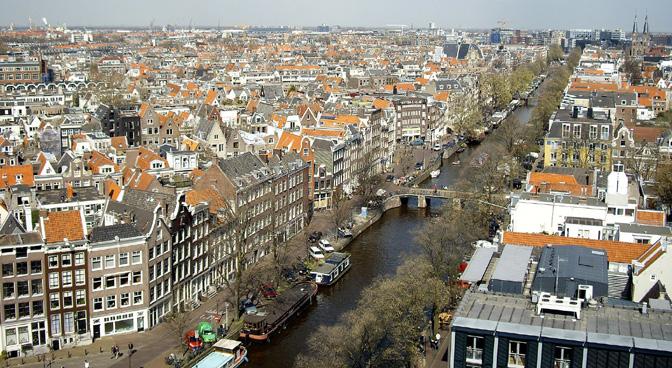
Amsterdam has implemented some of Europe's most restrictive data center policies. In late 2023, the Municipality of Amsterdam announced "drastic" measures, limiting new data centers to designated business parks within the broader Amsterdam Metropolitan Area. This is largely a response to severe grid congestion in North Holland, which has effectively blocked new industrial development.
The Dutch Data Center Association (DDA) has criticized these as "symbol politics," arguing they fail to address the root cause of grid issues. Despite the criticism, Amsterdam's focus on sustainable practices, including waste heat reuse and "green-blue integration," is deterring new investments and forcing developers to seek more accommodating locations.
The association hosts a yearly Green Data Center Conference where data center operators and shareholders gather to determine sustainability and efficiency in the data center industry.
The Climate Neutral Data center Pact is an industry-led initiative bringing together more than 100 data center operators and trade associations committed to supporting the European Green Deal and Europe’s ambition to become climate neutral by 2050. Through the pact, signatories pledge to make data centers climate neutral by 2030 by improving energy efficiency, increasing the use of renewable energy, reducing greenhouse gas emissions, and leveraging digital technologies to support a more sustainable European economy.
In 2022, the Dutch Ministry of the Interior had imposed a nationwide interim ban on permitting new hyperscale data centers while it prepared permanent legislation to regulate their location, citing concerns over high electricity consumption and spatial planning. This ties up with the Spatial Planning Act12, which establishes the legal framework for the decision by providing that, if national interests require an intervention on the
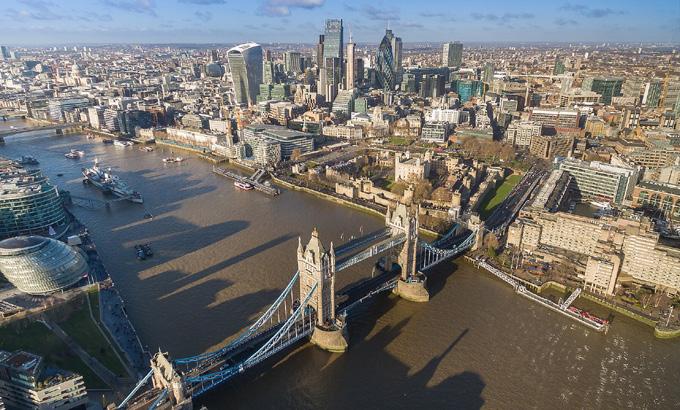
City of London | image courtesy: Wikimedia Commons
City of London | image courtesy: Wikimedia Commons
national level to ensure good spatial planning, rules regarding the content of zoning plans and other spatial decisions at a decentralized level can be set by or under a General administrative order.
However, despite these strict policies and regulations implemented by the Dutch government, hyperscalers are still being granted permission to build their facilities in and around Amsterdam.
Paris: Critical infrastructure with renewable incentives
Unlike other FLAP-D markets, Paris benefits from France’s inherently low-carbon electricity system, which is dominated by nuclear power and supplemented by hydroelectric generation, while hyperscalers are layering renewable PPAs on top of this already low-emission grid.
France is balancing incentives with mandates to steer data center development towards sustainability. To benefit from reduced electricity consumption tax (TICFE), operators must meet strict PUE and WUE targets from early 2027 and implement ISO 50001-compliant energy management systems. The DDADUE Act and subsequent decrees that mandate waste heat recovery for data centers over 1 MW. While the French Senate passed the Projects of Major National Interest13 (projets d'intérêt national majeur or PINM) bill to designate data centers as critical infrastructure to streamline permitting, this is counterbalanced by strict environmental criteria.
Regulatory pressure, such as the Establishment of Data Centers on French Territory bill14 which enhances the role of local authorities in planning

References: [13] [14] [15]
and coordinating data center projects through territorial coherence plans (SCoT). Strategic orientations must consider energy transition, land use, regional balance, and infrastructure attractiveness. Exploring further controls in the Paris region, leading to a strategic shift towards regional hubs like Marseille that reportedly has better grid access and available land.
Paris therefore operates as a nuclear- and hydro-supported grid environment enhanced by large-scale renewable procurement overlays.
Dublin: Development restrictions and grid pressure
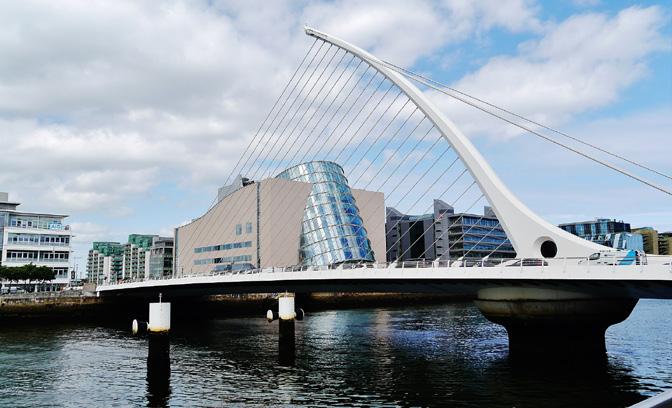
Dublin, once a data center darling, now faces significant regulatory hurdles. EirGrid, Ireland's transmission operator, imposed a connection moratorium for new data centers in the Dublin region, expected to last until at least 2028, due to escalating power demand. Data centers accounted for 22 percent of Ireland's power consumption in 2024, projected to reach 31 percent by 2034.
Ireland' s Commission for Regulation Utilities (CRU) introduced a new policy called Large Energy Users Connection Policy15 in December 2025 which requires new data centers to source at least 80 percent of their annual power from newly installed renewable energy plants and incorporate on-site dispatchable generators or batteries to support the grid. These stringent requirements have significantly curtailed new development in Dublin, pushing operators to explore other regions, including the wider agglomeration; areas such as County Meath, just north of Dublin and County Kerry, in South West Ireland. However, hyperscalers are adapting fast to Dublin’s sustainability standards. Microsoft was among the first major hyperscalers to back Irish renewable development directly through a 15-year agreement supporting the
Tullahennel wind farm in County Kerry. The project added 37 MW of new wind capacity to the Irish grid and reinforced Microsoft’s long-standing sustainability investments in Ireland.
Google signed its first long-term Irish renewable agreement through a 58 MW solar PPA with Power Capital Renewable Energy, supporting both Ireland’s national decarbonization goals and Google’s 24/7 carbon-free energy ambitions.
Meta has also expanded aggressively in Ireland through two 15-year solar PPAs with Highfield Solar covering projects in Meath and Wexford with a combined capacity of 276 MWp. The projects support Meta’s Clonee data center operations while contributing new renewable generation capacity to the Irish grid.
Amazon, meanwhile, has focused on grid-balancing and community energy innovation through its partnership with EnergyCloud Ireland, which redirects surplus renewable energy to heat water tanks in hundreds of homes.
Despite this renewable momentum, Dublin faces some of Europe’s most severe infrastructure constraints. Ireland’s transmission operator has effectively frozen new grid connections for Dublin-area data centers until at least 2028, while new policy measures increasingly require operators to directly support renewable generation and grid stability.
Dublin therefore remains a winddominant hyperscale hub, but one operating under intensifying grid and regulatory pressure.
Conclusion: A new era for Europe’s digital infrastructure
It is clear, therefore, that the European data center market is no longer defined solely by connectivity and proximity to financial centers. Energy availability, renewable integration, grid resilience, and regulatory compliance have become equally decisive factors.
Europe’s digital future is becoming more distributed, more renewable, and far more tightly connected to the continent’s climate ambitions. Rather than slowing the market, these policies are accelerating the evolution of a more balanced, efficient, and environmentally responsible data center ecosystem across Europe.
City of Paris | image courtesy: Wikimedia Commons
City of Dublin | image courtesy: Wikimedia Commons
CEE, Nordics, and the Mediterranean: Europe's next big data center markets
For years, Western Europe has dominated the continent’s digital infrastructure, technological innovation and data center development. But now Tier 1 markets like Frankfurt, London, Amsterdam, Paris and Dublin (FLAP-D) are all struggling with limited land availability, power capacity restrictions, and rising building costs. So where will Europe build data centers now?
By Conor McNevin
These days Central and Eastern Europe (CEE), the Nordics, and the Mediterranean are emerging as destinations of choice. Additionally, as new infrastructure is being developed here, there is also growing consciousness surrounding developing renewable energy infrastructure along with it.
Let’s take a closer look at some of these markets.
Poland: The new powerhouse of CEE
Poland is quickly emerging as a major data center hub, attracting numerous data center operators that seek available land and cheaper power costs. Poland’s electricity generation remains heavily reliant on coal, Apple has supported Econergy1’s 40 MW solar array which came online in late 2025.
Poland’s data center market is expected to grow from US$ 2.17 billion in 2026 to US$ 4.29 billion by 2031, according to a report from ResearchAndMarkets.com.2 The report
forecasts annual growth of 14.63 percent during that period, driven by cloud infrastructure investment, enterprise digitalization, and renewable energy expansion.
Installed IT load capacity is projected to increase from 660 MW in 2025 to 930 MW by 2030. Growth is being driven partly by demand for AI and highdensity computing infrastructure. Large cloud providers including Microsoft, Google, and Amazon continue to expand in Poland, increasing demand for power and construction capacity. Hyperscale operators are gaining market share over local providers and expanding outside Warsaw as power availability in the capital tightens.
Veolia3 has a major renewable energy and district heating transformation project in Poznań, Poland that will phase out coal entirely by 2030. The project combines highefficiency cogeneration with a broader decarbonization strategy that will reduce CO₂ emissions by 25 percent and eliminate more than 300,000 tons of coal use annually.
In the next phase, Veolia will expand renewable and recovered energy sources by integrating residual heat
from industrial production, wastewater, and data centers, alongside new geothermal heating plants expected to cover around 20 percent of the city’s heating demand powered by biomethane, hydrogen, geothermal energy, and other local renewable sources.
In w.media’s4 CEE & Europe Webinar 2026: Overview of Central and Eastern Europe’s datacenter market, Scott Roots vice president and director of sales –EMEA, DC Byte, said, “There is more power availability in CEE. There’s much less congestion on the power grids in Eastern Europe as there is compared to Western or Northern Europe. However, some of the limiting factors which may be putting off Western investors might be the energy mix itself. Poland is still quite heavy on fossil fuels for their energy source. So organizations looking at sustainability that’s an absolutely critical factor. I think data sovereignty is a really interesting thing as well, and also proximity and safety of where your data center is.”
He further said, “There’s a large portion of people coming to market wanting 10 MW yesterday, looking at the availability rates at the moment,

Warsaw skyline | Image courtesy: Wikimedia Commons
probably Poland is the only place you could get 10 MW plus tomorrow, across the EU. So, in terms of the investment strategies, it comes down to risk aversion really, I suppose, is to a slight gamble on if I build it, will I attract some customers? I’m pretty sure, yes.”
Poland’s renewable energy sector is also expanding. Renewables accounted for 30 percent of the country’s electricity mix in 2024, supported mainly by growth in solar energy generation. The country is targeting 57 GW of renewable capacity by 2030 as data center operators are increasingly using long-term power purchase agreements (PPAs) and on-site solar generation to reduce energy costs.
Grid constraints in Warsaw remain a challenge. Available grid connection capacity in the city fell 41 percent between 2022 and 2024, according to the report, prompting some operators to build on-site substations or move projects to secondary cities.
Nordics: Europe’s natural home for sustainable AI infrastructure
The Nordics represent Europe’s sustainability benchmark. Cold climate, abundant renewable energy, political stability, and access to hydroelectric and wind power, have made the Nordic region one of the world’s most attractive destinations for hyperscale and colocation development. For operators under pressure to reduce emissions while supporting energyintensive AI workloads, the Nordics offer a rare combination of scalability and sustainability.
Colocators and hyperscalers recognize that the climate and geography can minimize operational expenditures through free cooling methods and enhance digital infrastructure green goals with reduced Power Usage Effectiveness (PUE) which has a ratio of 1.1 to 1.2 as most data center companies have set their
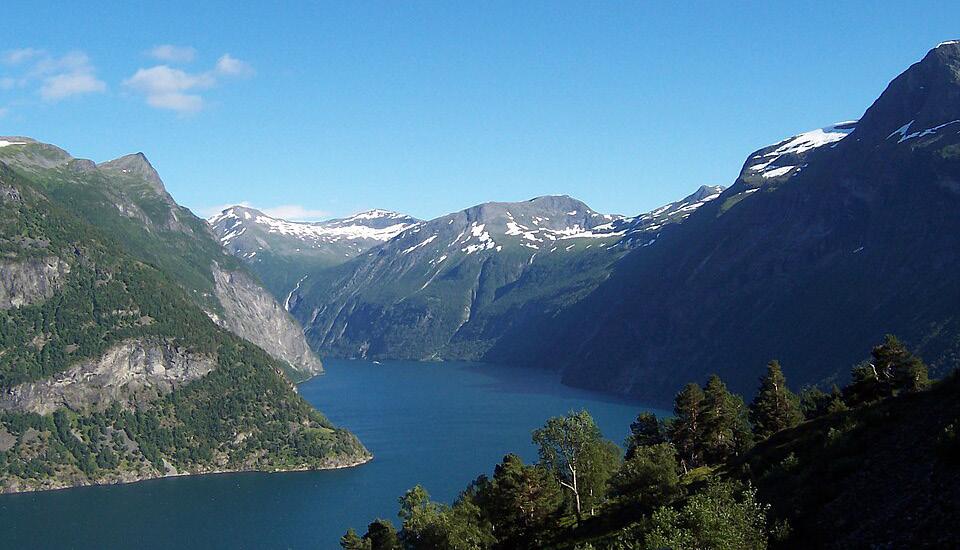
carbon neutral target by 2030. This is why global players are gravitating towards the region, making strategic acquisitions and investments.
Take the case of global digital infrastructure provider Equinix, that partnered with Canada Pension Plan Investment Board (CPP Investments) to acquire at North5, a leading Nordic high-density colocation and built-tosuit data center provider, from Partners Group, one of the major players in the global private markets industry.
atNorth’s portfolio includes eight operational data centers alongside several sites under development across Denmark, Finland, Iceland, Norway and Sweden, as well as plans for further expansion, with 1 GW of secured power and a considerable amount of additional future capacity planned.

Spain: Southern Europe’s emerging AI connectivity hub
Madrid is rapidly positioning itself as one of the Mediterranean’s most important digital infrastructure markets. Its rise is being driven by a powerful combination of fibre connectivity, renewable energy availability, subsea cable access, and growing hyperscale investment.
Among those who are investing in Madrid is AVAIO Digital, which built a €650 million (US$ 765 million) hyperscale data center campus in Algete, north of Madrid. The facility, called AVAIO Digital Scorpio6, is designed to support both cloud computing and AI workloads. The facility secured 56.3 MW of renewable power through Iberdrola, in addition to an initial 8 MW interconnection agreement scheduled to begin delivery in 2028.
The facility connects to Madrid’s main data center clusters in Alcobendas and Alcalá while Spain’s national fiber network and subsea cable infrastructure linking Europe and
international markets.
Investments into renewable energy came from the Spanish Regional Resilience Fund7, which is committing €62 million via its Alternative Lending Instrument for Sustainable Development, to the Qualitas Energy Credit Fund. It will support investments in energy transition and sustainability projects developed by small and medium-sized enterprises (SMEs) and mid-caps. The operation is implemented by the European Investment Fund (EIF), part of the EIB Group, using NextGenerationEU resources.
Qualitas Energy has already deployed five investments totalling approximately €170 million, building a diversified portfolio of renewable energy infrastructure debt transactions across Spain, Poland, Germany and Italy.
Apple's new solar array8 in Spain will add a total of 650 MW of clean electricity generation capacity to European power grids over the coming years. Another 131 MW solar project developed by ib vogt in Segovia, Spain, became operational earlier this year
Italy: Building cloud sovereignty and sustainable infrastructure
Italy’s digital infrastructure strategy is being shaped by two priorities: cloud modernization and energy transition. This is drawing global hyperscalers to the region.
In 2021 Oracle opened its first cloud region in Milan, Italy to support growing demand for cloud computing from public and private sector organizations in Italy. The location was chosen because Lombardy9 is Italy’s main business and industrial center, accounting for nearly a quarter of the country’s GDP.
Then in November 2025, it went on to open its second cloud region in the country, this time in Turin10 with TIM Enterprise (TIM Group) as the host partner. In addition to its public cloud regions in Milan and Turin, Oracle supports an Oracle Alloy11 region for Polo Strategico Nazionale (PSN) to deliver hyperscale cloud and AI services to the Italian government.
With technology giants showing interest in Italy with repeated expansions and investments, it is but natural that there was greater interest in also developing sustainable power
References: [5] [6] [7] [8] [9] [10] [11]
A fjord in Norway | Image courtesy: Wikimedia Commons
Milan skyline | Image courtesy: Wikimedia Commons
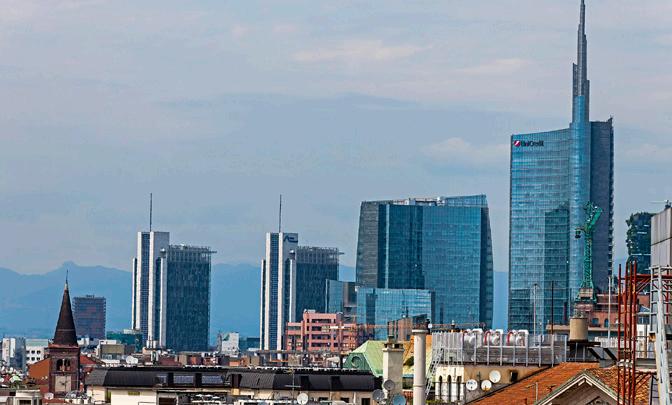
infrastructure to meet the demands of the country’s growing digital infrastructure industry.
Apple12 is supporting a 129 MW portfolio of solar and wind projects, with the first installation, a solar array in Sicily, expected to begin operations soon. In fact, across Europe Apple is investing a total of US$ 600 million to support numerous projects and generate over one million MW in renewable energy per year by 2030.
Meanwhile, Encavis13, a Hamburg headquartered pan-European independent renewable energy producer, has secured one of the largest allocations under Italy’s Energy Release 2.0 mechanism. The company obtained contracts covering approximately 3.7 terawatt hours (TWh), representing more than 16 percent of the total volume available under the programme.
Introduced by the Italian Ministry of the Environment and Energy Security, the Energy Release 2.0 scheme is designed to help electricity-intensive companies manage price volatility while accelerating the development of new renewable energy capacity.
Portugal: Renewable energy meets Hyperscale ambition
Portugal’s data center market is entering a period of explosive growth with many international operators showing increasing interest in the country.
Digital Realty14 made its entry into the Portuguese market by acquiring a 2.4 MW facility in Carcavelos, strategically located near crucial submarine cable landing stations and operations at this site are projected to begin in 2027. Carcavelos is located about 12 kms west of Portugal’s capital city of Lisbon.
Lisbon itself is rapidly emerging as a strategic Atlantic gateway for digital infrastructure, supported by subsea
References: [12] [13] [14] [15] [16]
cable connectivity, renewable energy expansion, and significant hyperscale investment. Lisbon's planned IT capacity has soared to 1,389 MW from 373 MW a year ago.
AtlasEdge15 expanded its Lisbon campus capacity from 20 MW to 25 MW with the launch of LIS001 and LIS002 acquired an adjacent 10,000 sqm site for a third facility, LIS003, increasing planned campus capacity to 30 MW. The company also secured €253 million (US$297 million) in green financing to support the expansion, part of its broader strategy to deliver over 150 MW across Europe in the coming years.
Meanwhile, EDP and MERLIN Properties16 partnered to supply renewable energy to Portugal’s first carbon-neutral data center campus in Vila Franca de Xira near Lisbon. The project will include EDP’s largest decentralized solar installation, with potential capacity of up to 100 MW, supported by long-term renewable energy solutions to provide continuous 24/7 clean power.
The initiative aims to support rising AI- and digital-driven data center demand while reinforcing the Iberian Peninsula’s position as a growing European technology and data hub.

Greece Europe’s new AI frontier
Greece may soon become one of Europe’s most unexpected hyperscale success stories. Traditionally known for tourism, shipping, philosophy, and history, the country is now making an ambitious push to become a regional green energy and AI infrastructure hub.
According to Mordor Intelligence, the Greece data center market is valued at 21 MW in 2025 and is forecast to grow to 36.2 MW by 2030, representing a CAGR of 11.51 percent. Market expansion is being driven by EU Recovery and Resilience Facility investments, additional submarine cable landings, and a cloud-first mandate across

the public sector, all of which are accelerating demand for colocation and hyperscale infrastructure. Strategic cable systems such as BlueMed, Blue-Raman, and MEDUSA are strengthening Greece’s role as a lowlatency gateway connecting Europe, Africa, and Asia, attracting major cloud and content providers.
Apple has signed a long-term agreement to buy energy from a 110 MW solar project owned by HELLENiQ ENERGY, which is now operational in Greece. Meanwhile, PPC Group has unveiled a €5.75 billion (US$ 6.76 billion) investment plan to transform former lignite sites in Western Macedonia into a green energy and technology hub for Greece and Southeastern Europe.
A key pillar of the roadmap is a planned 300 MW mega data center at the Agios Dimitrios power plant, backed by a €2.3 billion (US$ 2.7 billion) investment and targeted for completion by 2027 once agreements with hyperscalers are finalized. The facility would rank among the largest in Europe and could ultimately scale to 1,000 MW in a second phase. The data center will operate with “behind the meter” energy supply, avoiding additional pressure on the national grid, while leveraging the region’s renewable energy portfolio, water resources, highvoltage interconnections, and ultra-fast fiber connectivity.
Conclusion
While Western Europe may be nearing saturation, the next wave of digital infrastructure growth is beginning to take shape further North, South and East. Emerging markets across the Nordics, Southern, Central and Eastern Europe are rapidly becoming compelling frontiers for data center expansion, where abundant land, more accessible power, and lower development costs create the ideal conditions for hyperscale growth.
Milan skyline | Image courtesy: Wikimedia Commons
City of Lisbon | Image courtesy: Wikimedia Commons
City of Athens | Image courtesy: Wikimedia Commons
Singapore’s vision for sustainable data centers
Relative to its size, Singapore has built more data centers than any country on earth. Yet it has no spare land, no domestic energy to speak of, and a hard climate pledge to keep. The obvious move would be to stop. Singapore is doing the opposite, just not in the way anyone expected.
By Paul Mah
Singapore wants sustainable data centers. From the time when it imposed a data center moratorium in 2019 to the unveiling of the Green Data Centre Roadmap in 2024, it has consistently said it wants to make data centers more sustainable and balance its digital infrastructure growth with its climate commitments.
Yet the island nation's seemingly languid moves with its data center policy have puzzled some observers. The contrast is especially sharp against the accelerated global data center builds of the last few years. This restraint is less hesitation and more design, however. Singapore has a strategy. And if the plan works, the Lion City could eventually be in a position to decouple data center growth from its resource constraints.
Maxed out by every metric
Singapore is Southeast Asia’s original data center hub and current leader with 1,400MW of operational data center capacity. This capacity was painstakingly built up over decades, the fruits of its focus on data centers to empower digitization that started long before the era of AI. A small country with a limited absolute carbon footprint measured against its size and population, it had to be pragmatic about the number of data centers it can support.

Singapore is Southeast Asia’s original data center hub and current leader with 1,400MW of operational data center capacity.
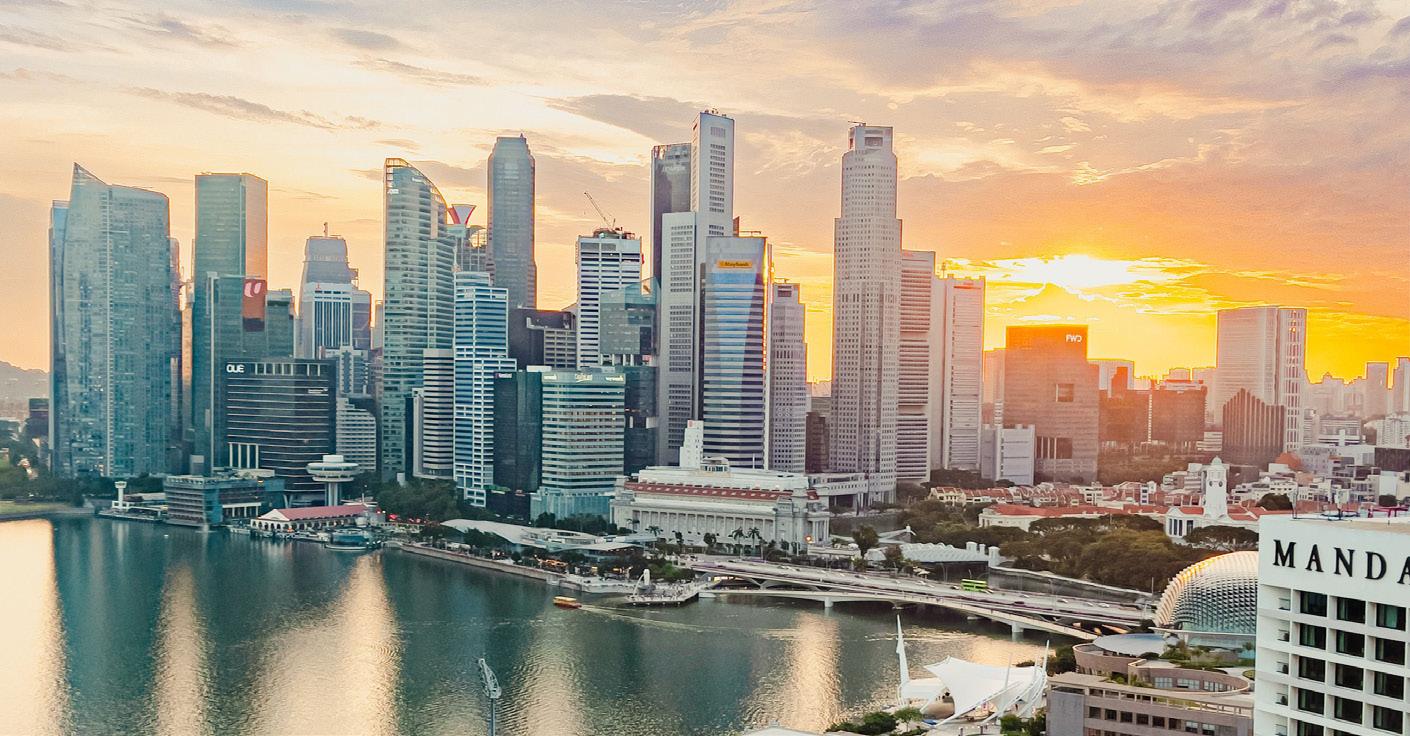
After imposing a moratorium on new data centers for several years, Singapore has since adopted a policy of controlled growth. Singapore is also working to ensure its data centers meet every other green standard. As outlined in the Green Data Centre Roadmap, Singapore is tackling energy efficiency at both facility and IT equipment levels. At the facility level, this means upgrading M&E equipment, adopting alternative cooling technologies including liquid cooling, and running data centers at higher temperatures.
But these are really stop-gap measures that don’t adequately address the severe limitations. Because when compared by metrics such as GDP, population, or even land mass, Singapore has already built far more data centers than anyone else on the planet. And its limited land means that even blanketing all available land and reservoirs with solar panels will yield at most 10% of its projected energy demand. Is there no way for Singapore to compete in digital infrastructure?
Singapore
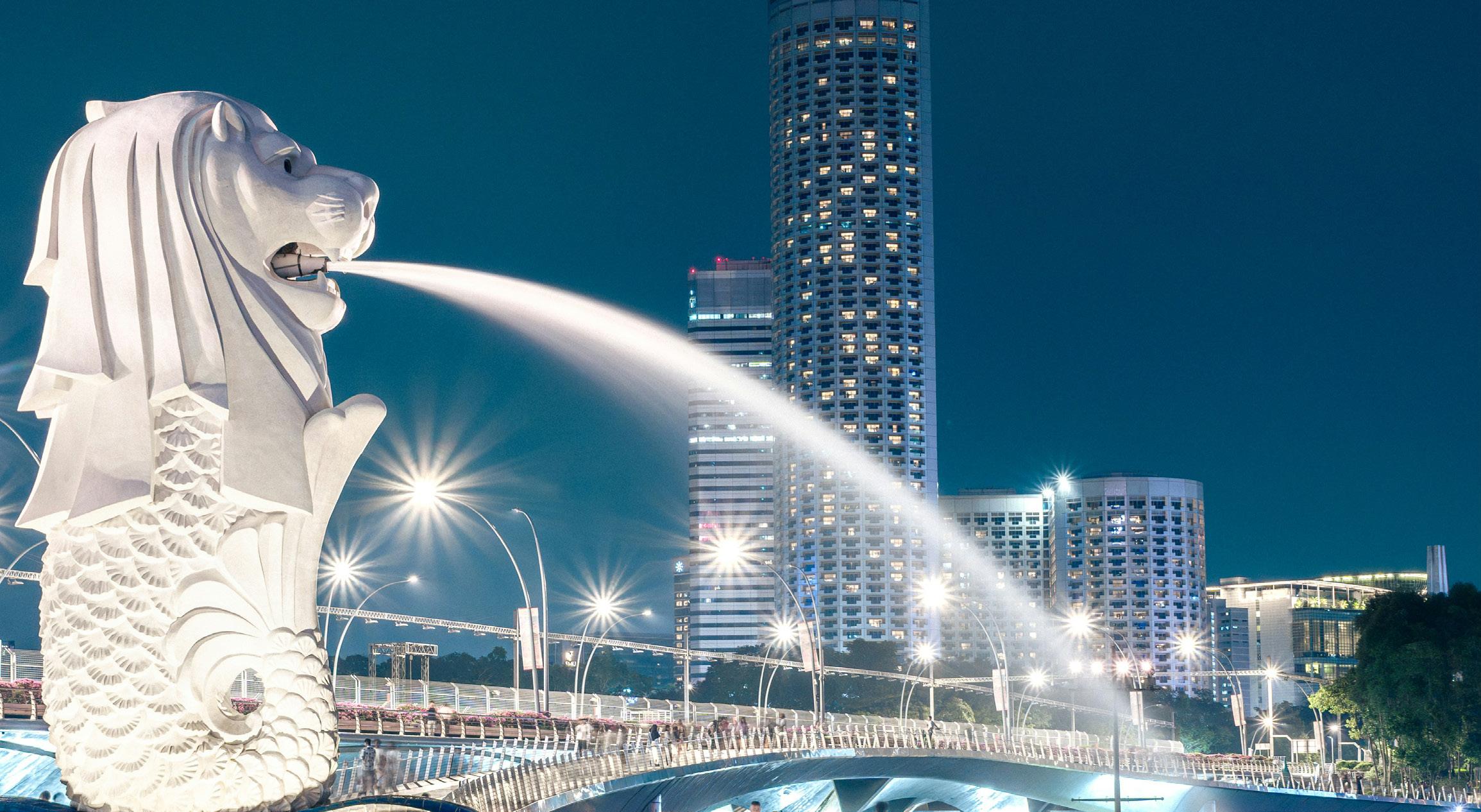
Singapore | Cre: Pexels
It all comes down to energy
Drill down to what really matters for a modern data center, and one thing sits above all else. At the heart of the most advanced AI facilities, increasingly in demand as generative AI workloads grow, lies an insatiable appetite for energy. Viewed from this angle, the picture changes: every market faces the same constraint. And in a world that is starting to prioritise sustainability, it comes down to a single question: how far can renewables go in powering these data centers?
This is the genius of Singapore's Data Centre Call for Application (DCCFA) process, in which data center operators pitch for new capacity against requirements spanning Singapore's standing as a data center hub, economic contribution, and sustainability. In the DC-CFA2, the sustainability bar is set extremely high, mandating at least 50% green energy use, the highest anywhere in the world for data centers. But the high bar isn't simply about making operators foot the bill.
Given the round-the-clock
demand that data centers generate, the hope is that the sector can kickstart Singapore's green energy ecosystem. It is also why Singapore established a Sustainable Data Centre Park on Jurong Island, a man-made petrochemical and energy hub now being developed as a low-carbon energy and chemicals test-bed.
The new objective? To develop and scale the technologies needed for the decarbonisation of Singapore's industrial ecosystem.
A grid without borders
Jurong Island is but one prong of Singapore's multi-faceted plan to recast itself as a sustainability leader. In parallel, it has given conditional approval to import 1GW of low-carbon electricity from Sarawak, Malaysia. A separate agreement will study a second 2GW interconnection with Johor by 2030, which would widen the capacity to bring in more hydroelectric power from Laos through the Lao PDRThailand-Malaysia-Singapore Power Integration Project (LTMS-PIP), and potentially wind-generated electricity from Vietnam.
Singapore is looking at other renewables too. It is exploring
geothermal energy in the north of the island, has awarded grants to develop ammonia as a marine fuel, and is studying carbon-capture technologies. And every new natural gas power plant built since 2022 is hydrogenready, designed to burn hydrogen or a hydrogen blend once supply becomes commercially available.
With renewables in place, data centers are no longer limited by what a small island can physically generate. Energy, the one constraint that mattered most, becomes something Singapore can secure from across the region rather than squeeze from its own land, and the ceiling on how much it can build rises with it.
Is the vision nothing more than a pipe dream? Consider the precedent: Singapore became Asia's undisputed oil hub, with massive refining, storage, and trading operations, despite having no oil reserves of its own. If there is one thing that Singapore is demonstrating, it would be that sustainability is possible if we put our hearts and minds to it. It doesn't have to be a choice between growth and green; with the right strategy, the two can reinforce each other.
The future of data centers won't be built on yesterday's infrastructure
Data centers are seeing a surge of construction that has few parallels, with 2025 construction figures more than double that of 2024.
Where the water goes
Around the world, massive amounts of money are being spent on one of the largest infrastructure buildups in modern history.
In that rush to build, cost efficiency is often pushed down the priority list. And it is easy to understand why: substantial cost is incurred up front, on hefty line items such as land and construction. Yet operational cost and resilience can make or break the business case. The more profitable data center operator would arguably be the one that can better manage costs across the entire life cycle and keep running reliably for years. And as data centers grow larger, that edge only widens.
Much of that edge is won or lost in cooling, and in Southeast Asia and parts of the Asia Pacific, cooling increasingly comes down to water. How efficiently a facility runs is largely decided before it goes live, because a building's efficiency is difficult to change once it is in operation. And the pressure to get this right is already here. In Johor, authorities have warned there is not enough water to cool all the data centers currently planned. This means operators either have to wait for new infrastructure to be completed or redesign their data centers to function without evaporative cooling.
For most operators the choices are less dramatic, but no less consequential. Much of the answer comes down to design, specifically the
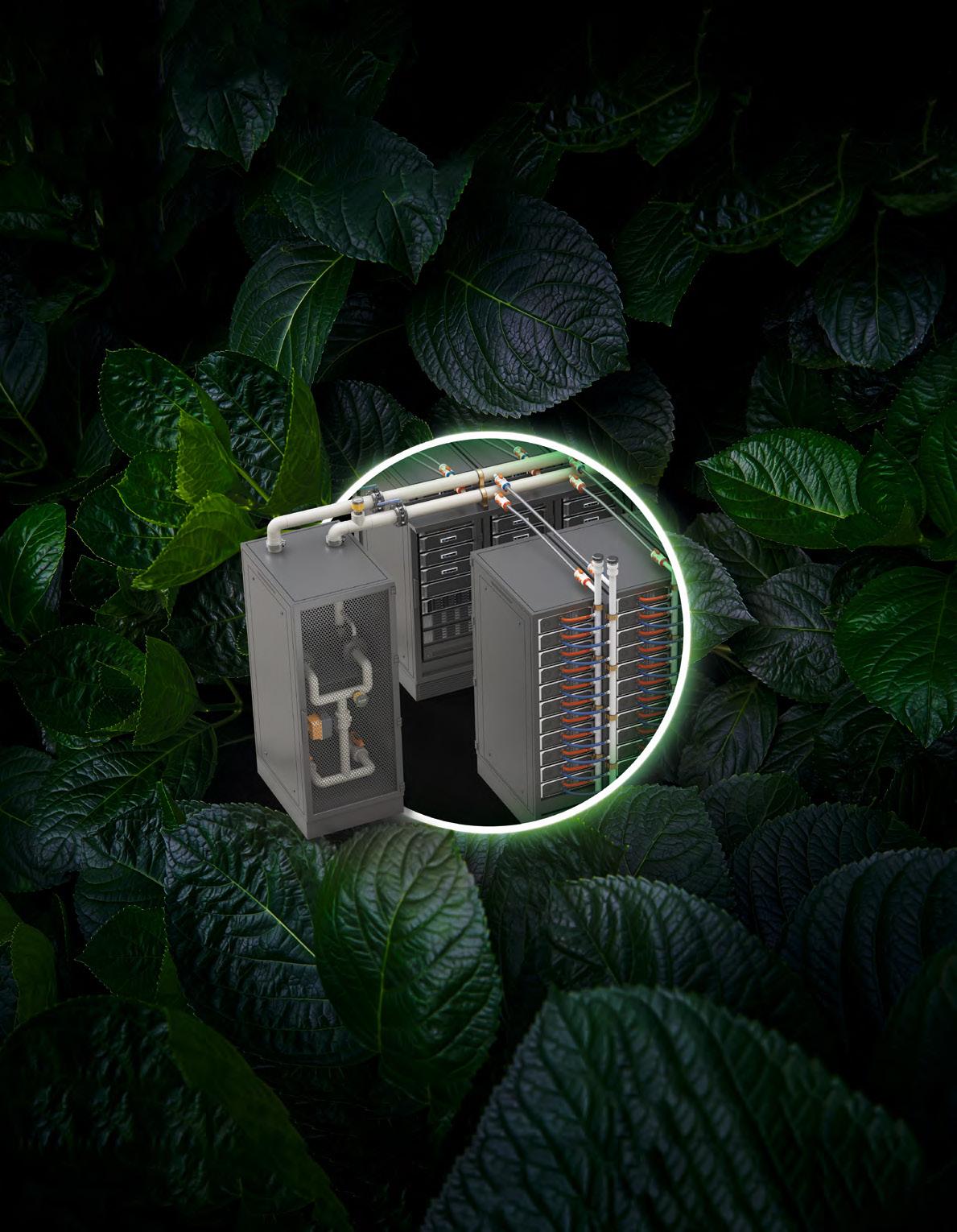
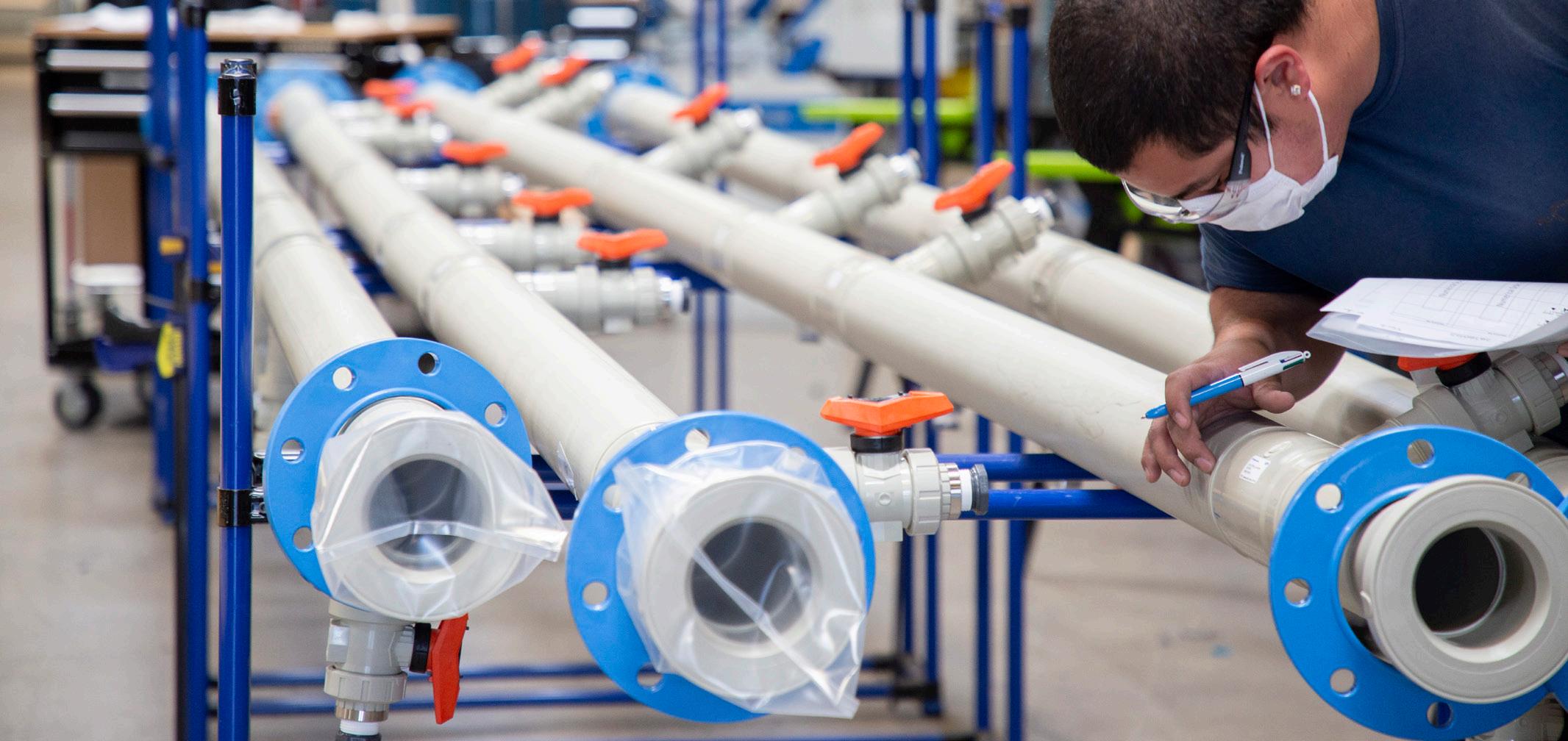
Pre-fabrication of PROGEF (PP-H) spools with flanges and ball valves.
This means operators either have to wait for new infrastructure to be completed or redesign their data centers to function without evaporative cooling.
cooling loop's plumbing. The pipes that carry cooling water are easy to overlook, but their internal condition governs how hard the system has to work. A piping system with a stable internal diameter, free of scaling and incrustation, holds a stable operating point. As deposits build within pipes, pumps work harder and power consumption climbs.
Given the many pumps that
work around the clock even a few percentage points of lost efficiency compounds into millions of dollars across a 15-to-25-year life.
The stakes are not only financial. Higher power consumption raises PUE, which can put an operator at odds with their commitments. And the decline is often invisible: corrosion works from the inside out, with no sign until a pipe suddenly leaks. Liquid cooling brings this into sharper relief: direct-to-chip systems are sometimes built without multiple tiers of redundancy. In this context, taking a primary pipe offline can mean switching systems off, a real risk that no upfront budget captures.
When the pipes fail
The problem tends to announce itself through failure. One data center project in Southeast Asia found that some of their water pipes made from carbon steel, located close to the sea, had begun leaking from corrosion after just four or five years. But proximity to the coast is not the only cause. Airborne particles, including exhaust, settle on the system and react chemically with water, a pattern seen at a site in Jakarta. The result is the same: metal degrading from contact with its surroundings.
Traditionally, replacing pipes in a live facility is no walk in the park. Welding steel is hot work, putting open flame beside running equipment, with the attendant fire risk and use of heavy gear. Operators cannot accept downtime, so the work demands interdepartmental discussions and painstaking planning of what can be shut down – and whether isolating one section creates a single point of failure elsewhere.
This is where GF's approach changes the calculation. Its welding technology requires no hot works, removing the risk of flames or fumes, and can join polymer piping inside a data hall using only electricity. Polymer is typically around 50 percent lighter than metal, easing the load on support structures. The process is also clean enough to require no chemical or static flushing; and because installation is so fast, operators can minimize the downtime on revenue-generating racks In short, polymer turns a disruptive job into a fast, clean, low-risk one.
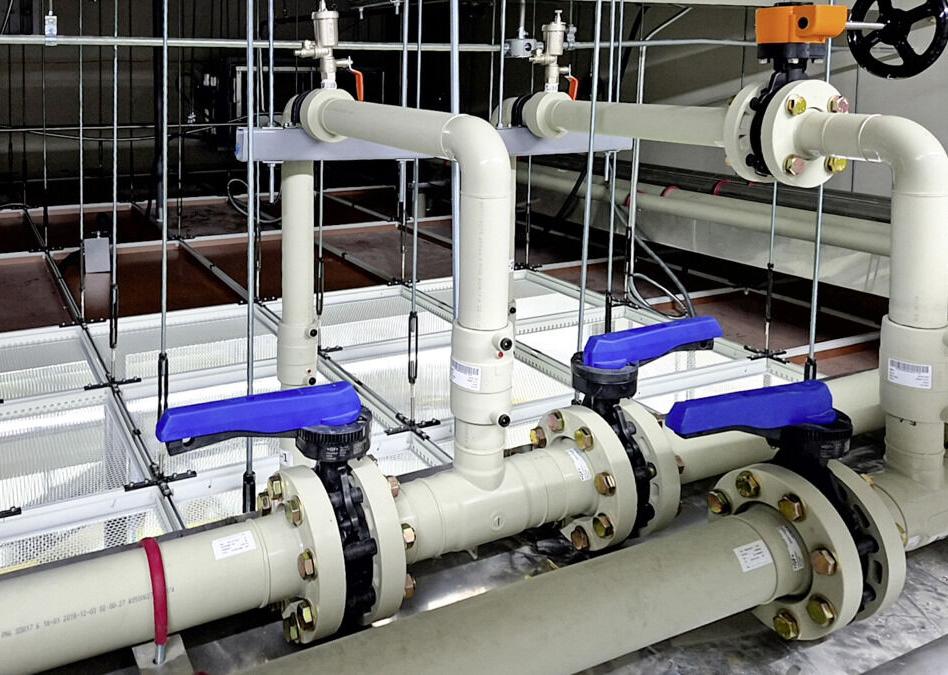
Welding steel is hot work, putting open flame beside running equipment, with the attendant fire risk and use of heavy gear.
Built to last for decades
The move to polymer follows a transition the semiconductor industry has made before, from carbon steel to stainless steel and, eventually, to plastics. GF designs its polymer systems for a service life of at least 25 years. The system leaves no weaker or stronger points for corrosion to exploit. Moreover, it is flexible and can be tied into existing pipework at any point regardless of the original material.
GF's role does not end at supplying the pipe; the company supports the full workflow from design through prefabrication and installation. Pipe spools and manifolds are fabricated off-site to exact specifications, reducing on-site work to assembly and connection rather than cutting, fitting, and welding in a live hall. Engineering resources across the region and a global project track record compress lead times, and local teams are on hand to support commissioning from
day one.
One recommendation for operators looking to make the transition to polymer is to design their facilities based on their future roadmap and the full operational cost, not just capex. That means being honest about risk appetite. From there, the path forward need not be wholesale. An operator can start with a pilot, change a single data center row, and build from there rather than trying to settle everything at once.
Ultimately, the build is only one portion of the lifetime cost. The rest is decided in how it runs, and that is determined at the design stage. The operators who move early, whether building new or retrofitting a row at a time, are the ones who come out ahead over the life of the facility.

Discover more about GF’s solution for Direct Liquid Cooling (DLC)LiquidCore
• Start the conversation early. GF can review your cooling loop design against your future roadmap, not just your CAPEX
• Whether you're building new or retrofitting a row at a time, GF can help you come out ahead. Contact the team to get started.
Pre-fabricated PROGEF (PP-H) spools for AI Data Centres
The data center that arrives almost finished
The data center industry has evolved rapidly over the last few years, as each new generation of AI hardware pushes rack densities ever higher. But something else is happening at the same time: build schedules are being rapidly compressed. Operators that once planned and delivered facilities over several years are now expected to complete them in far less time.
Why fast builds are hard
The data center industry has evolved rapidly over the last few years, as each new generation of AI hardware pushes rack densities ever higher. But something else is happening at the same time: build schedules are being rapidly compressed. Operators that once planned and delivered facilities over several years are now expected to complete them in far less time.
Yet meeting those timelines cannot be achieved by simply putting more people on site. A modern facility brings multiple systems into a single delivery, and much of the risk lies in how well those pieces are integrated. In short, the building and delivery of key systems is only one part of how quickly a new data center can go live.
The appetite for speed is easy to understand, and can often be met with smart project management and better strategies. But as deployment
For a start, a traditional build leans heavily on the availability of skilled labor and on conditions at the site, and neither is easy to predict
cycles shorten with each project, the gap between what operators need and what traditional approaches can deliver is becoming harder and harder to ignore. And as the monetary stakes of AI data centers surge, the pressure is rising for certainty in the handover date.
Yet a conventional data center build is exposed to uncertainty from several directions at once. For a start, a traditional build leans heavily on the availability of skilled labor and on conditions at the site, and neither is easy to predict. In markets with either high demand or without a robust workforce, manpower issues can cause schedules to slip in unanticipated ways. And once a project loses its place in the queue for people and equipment, getting it back on track is rarely simple.
Cost can be another source of uncertainty. Over the 24 months or more that a traditional build takes to complete, the price of materials and equipment can move sharply. This means a budget that looked sensible at the outset can morph into something very different by the time the work is done.
Finally, there is the on-site integration of data center systems. In this phase, highly complex systems
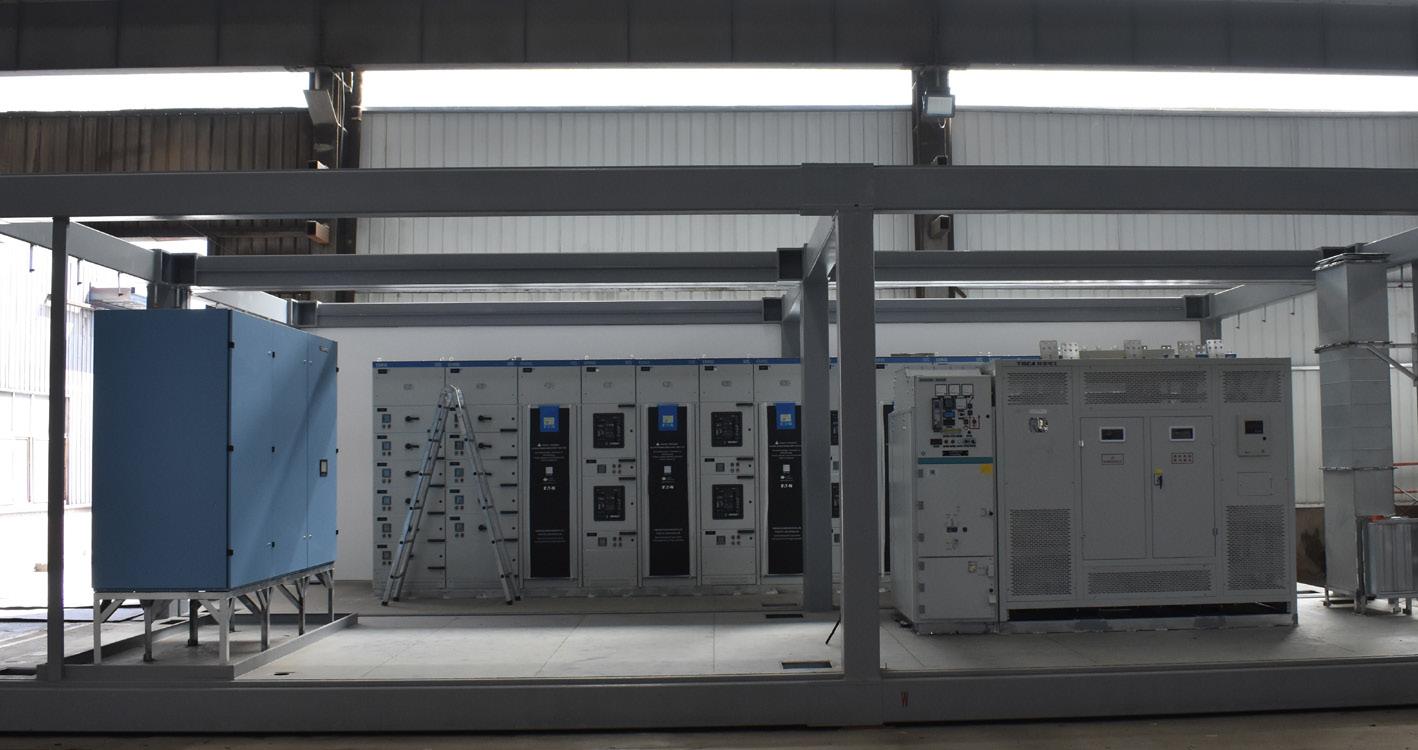
Equipment Intergration in the Factory
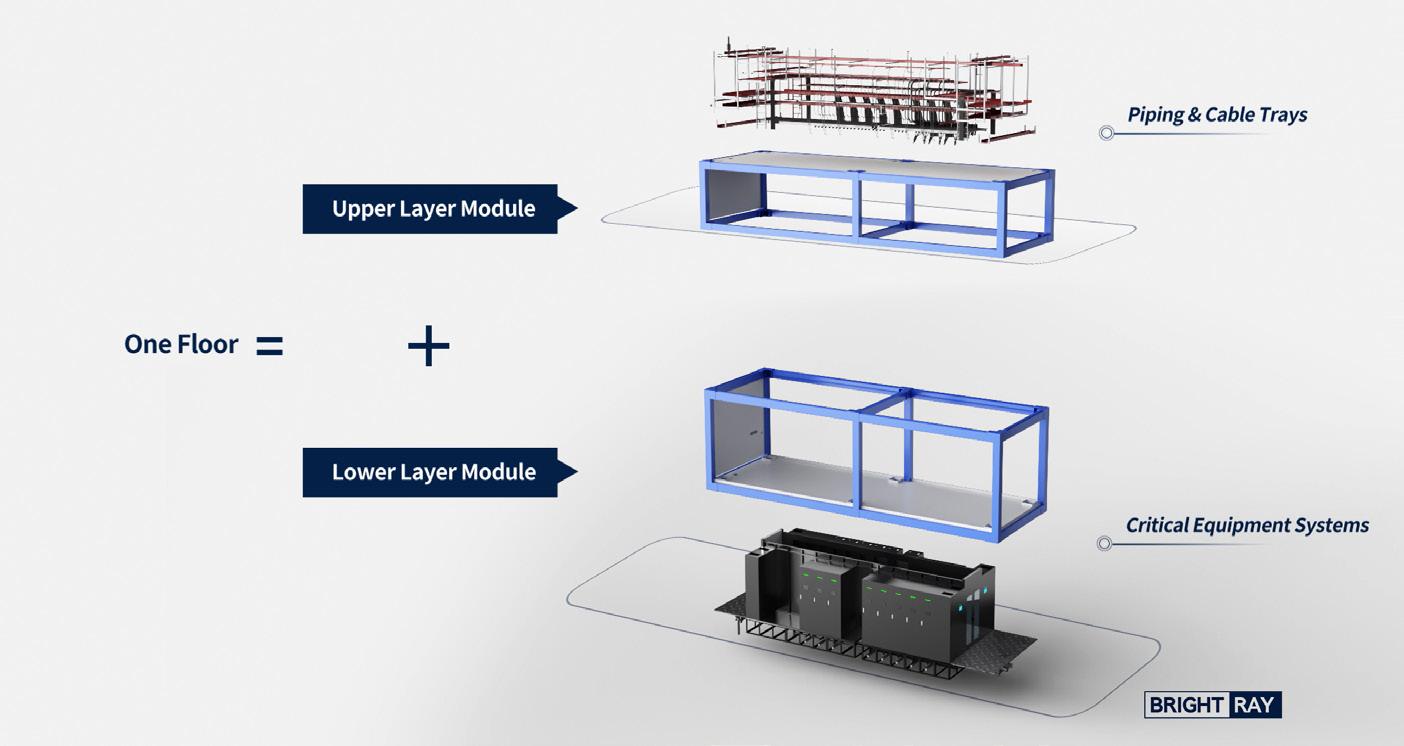
One Floor = Upper + Lower Layer Module
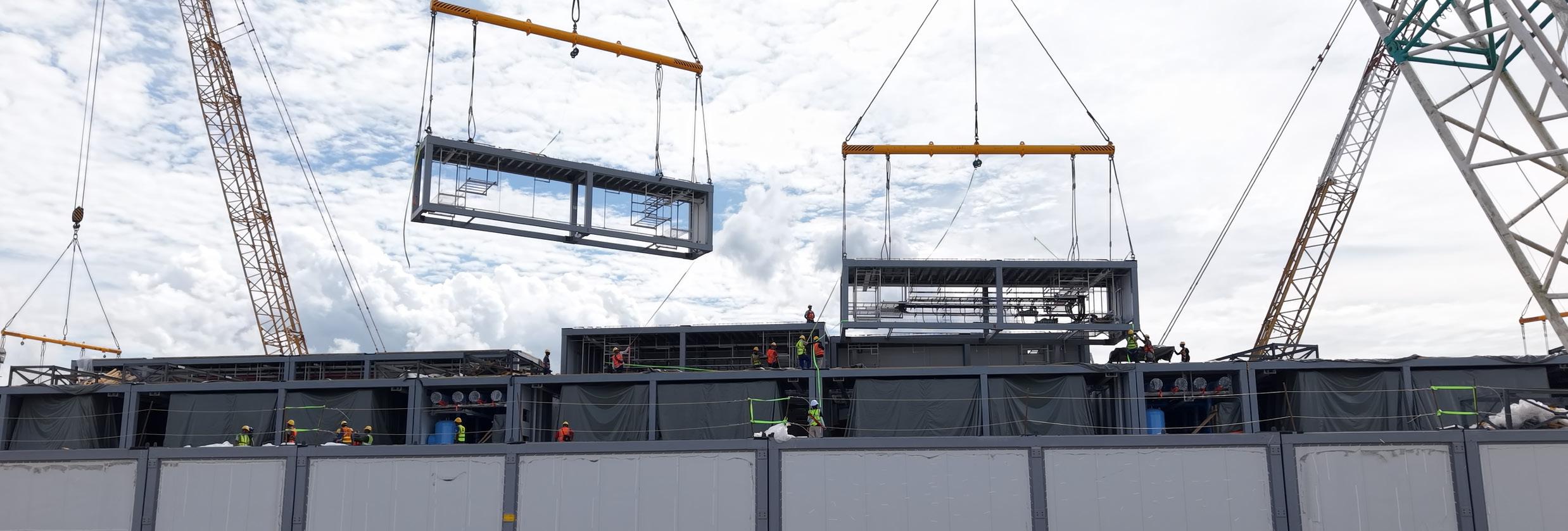
must often be installed and configured in sequence, each one waiting on the one before. This is crunch time, where mistakes are made and accidents happen. When a single step runs late, everything behind it stalls. And as work gets rushed, quality inevitably suffers, sometimes necessitating laborious rework. Individually, each is just one more variable. Together, they make a build's timeline harder to predict than ever.
The shift towards prefabrication
If the problem with a conventional build is uncertainty introduced on site, the obvious response is to move as much of the work off it as possible. That is the thesis behind prefabrication. Construction shifts into a factory, where conditions are controlled and quality can be checked as the work proceeds, leaving less to do on site and fewer points at which a project can slip.
Not all prefabrication is the same, though, and the word "modular" can mean a lot of different things. A more useful lens by which to read it is by degree: how much of the facility is built before it ever reaches the site.
Containerized approaches sit at one end, with data center systems pre-
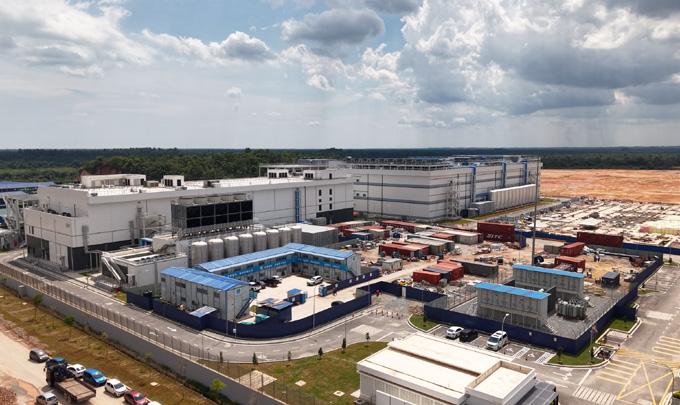
integrated into shipping containers and delivered ready to run. They work well for small-scale, edge, relocatable, or permit-constrained deployments. The limitation is the container itself. As rack densities climb and liquid cooling becomes standard, there is only so much that will fit.
Another approach is a skid-andshell method which segregates civil work from data center systems to speed things up considerably. But using skid-mounted components still leaves a fair amount of integration to be done on site, along with the experienced labor that work demands. It also carries the very on-site uncertainty the industry set out to remove.
Delivering the AI data center
The logical next step is to prefabricate the whole facility, structure included. BRIGHTRAY offers solutions across this spectrum, from containerized to interior prefabrication, and has taken that next step with a full prefabrication model that builds the structure and core systems in a factory before shipping them in and assembling them on site.
With full prefabrication, as much as 90% is completed in the factory, with the facility is certified as a permanent building when finished on site. With most of the work done, tested, and signed off before the modules arrive, much of the uncertainty is removed from construction timelines.
These are not deployments with traditional rack densities either: BRIGHTRAY offers data center configurations that support up to 132 kW per rack with liquid cooling and
Not all prefabrication is the same, though, and the word "modular" can mean a lot of different things.
built to Tier III standards. And because so much of the work is done in the factory, lead times to completion in as few as nine months.
What makes this possible is that BRIGHTRAY's real product is integration in terms of design, standards, and tier-one supplier base. This is similar to how a carmaker engineers a finished automobile using systems and components from specialist suppliers. The same thinking extends across the full data center lifecycle: feasibility and design consultation, and commissioning, each fitted to the customer's particular scenario.
Building a data center quickly is hard because so many things must come together, and a delay in any one of them drags everything else along. What operators need is certainty across the whole delivery. That is what an integrator provides, and it is why, as rack densities climb and AI demand continues to grow, predictable, endto-end delivery will only become more valuable.

Follow BRIGHTRAY on LinkedIn to see how prefabrication is reshaping data center delivery.
Module Hoisting
Proven Experience in Johor, Malaysia
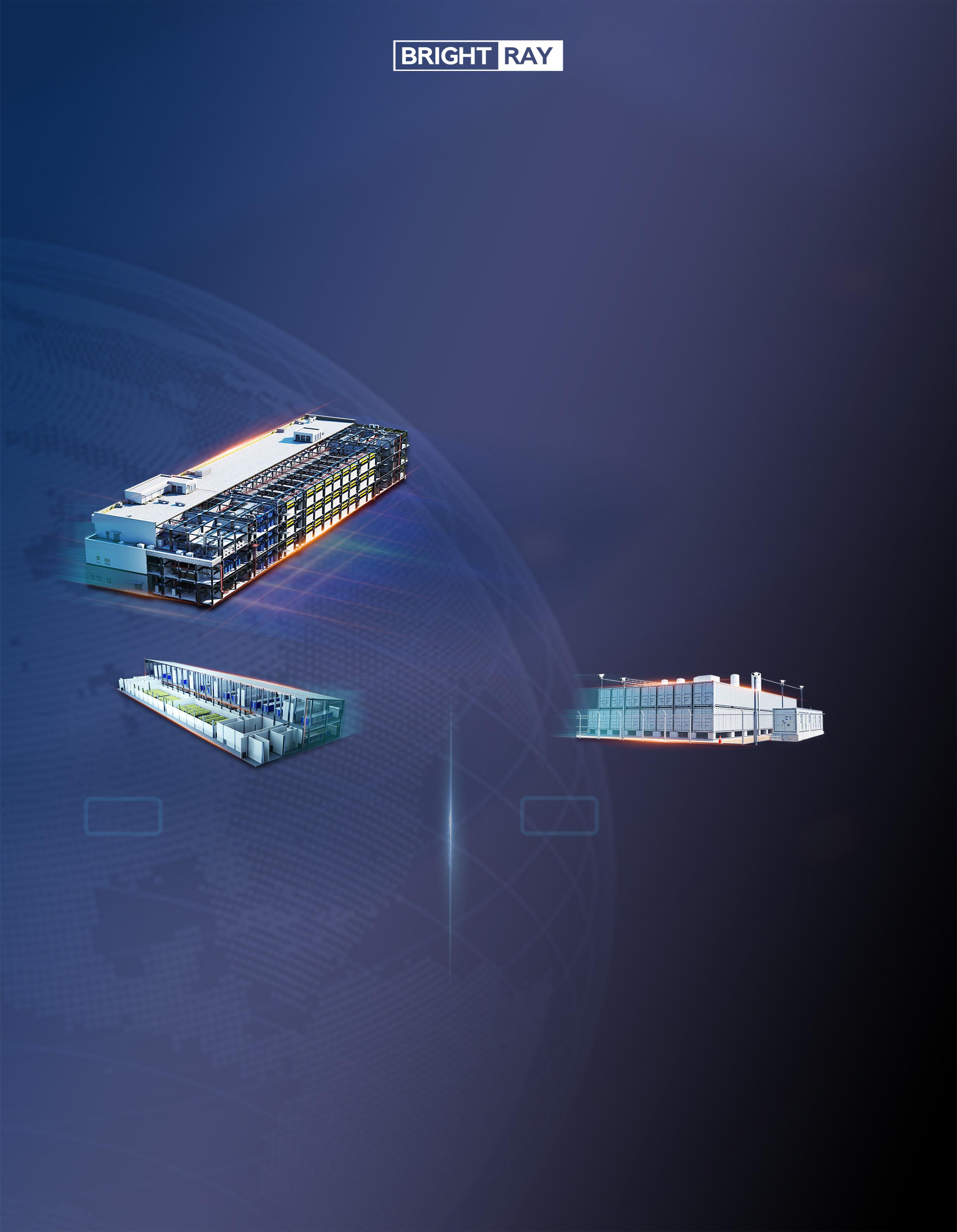


Japan SUPPLEMENT
Inside: Japan Rising
Powering data centers in Japan
Inside Japan’s plan to engineer a data center boom
Stepping out of Tokyo and Osaka
Japan Rising
The data center outlook looks bright for the Land of the Rising Sun.
By Jan Yong
When the world’s largest alternative asset manager Blackstone announced its plan to invest US$ 30 billion in Japan's AI data centers over the next three to five years, it was record-breaking on many levels. First, it was the single biggest investment in the country for data centers, doubling the record US$ 15.2 billion pledged by AWS earlier. It also exceeded the US$ 27 billion in total investment by all western hyperscalers since 2024.
Just days earlier within the same month of June, Korean conglomerate SK Group had announced plans to build an AI factory in Japan and possibly a semiconductor business, adding to the buzz that charts increasing number of foreign investors beating a path to the country.
In recent years, Big Tech, which have long been a feature of the Japanese data center market, have expanded aggressively in Japan driven by surging demand for cloud expansion, AI workloads, 5G rollout, Internet of Things (IoT), and increasingly data sovereignty requirements.
Before Blackstone took over the
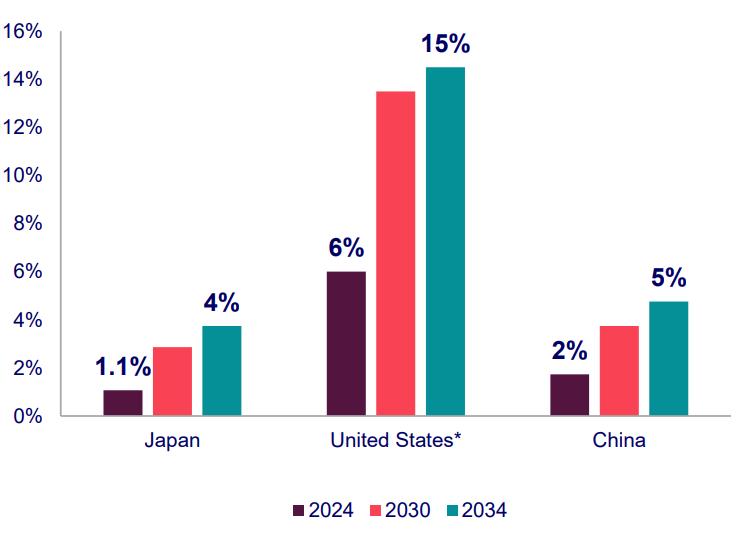
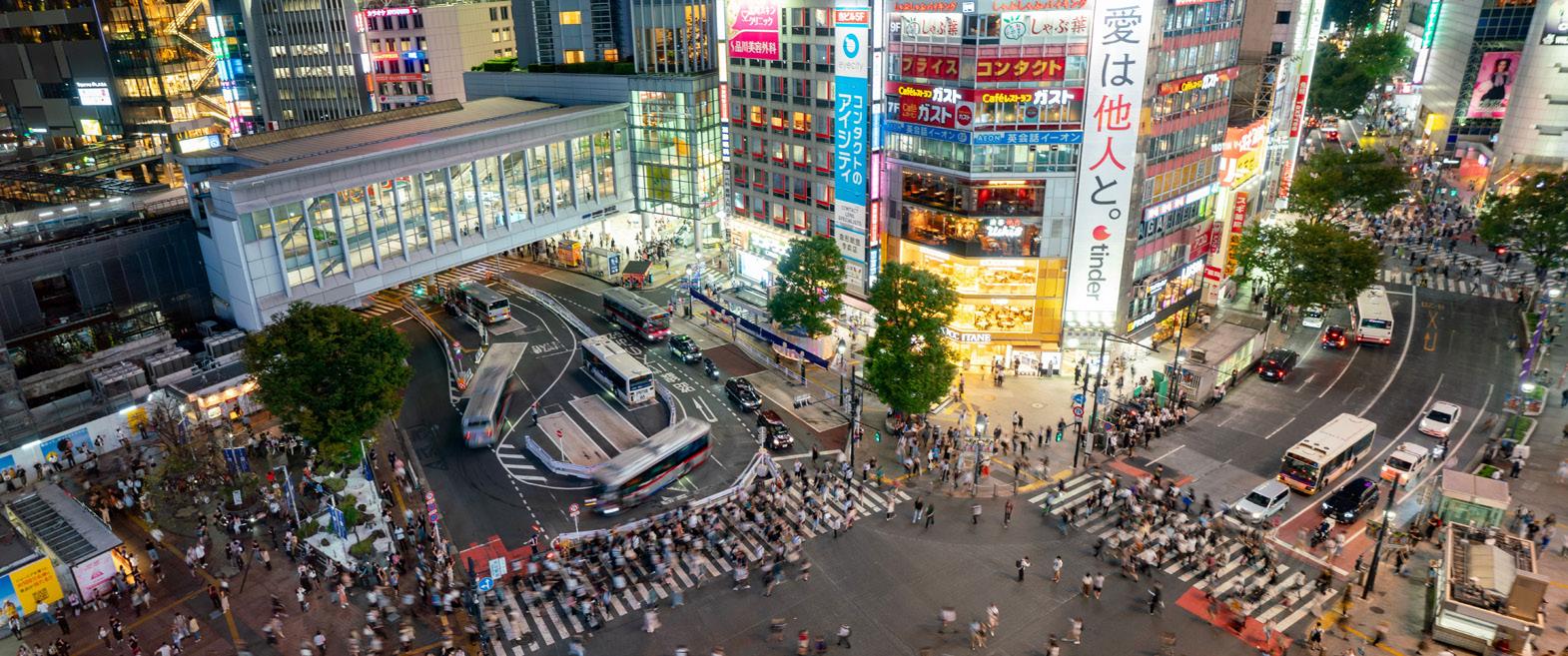
crown, Amazon Web Services (AWS) was the biggest spender followed by Microsoft which has allocated about US$ 12.9 billion to fund AI infrastructure between 2026 - 2029. Also in the game is Australia-based AirTrunk which plans to spend US$ 8 billion to expand its capacity to 530MW in the next few years. Meanwhile, Oracle and Google have each committed US$ 8 billion and US$ 1 billion respectively to meet growing cloud and AI demand.
Western firms are not the only ones who saw the potential in Japan - at least six Singaporean firms have flocked to Japan enticed by the high returns in the thriving market. One of them is CapitaLand Ascendas REIT, which has purchased a 40.5-MW data center in Osaka for ¥156 billion (US$1 billion), said to be Japan's largest single-asset data center transaction as of June 2026.
But one of the biggest changes to the data center landscape in Japan is the wave of Chinese hyperscalers descending onto Tokyo and Osaka since 2025. While their previous presence has been merely peripheral, as of 2025, an influx of Chinese companies has witnessed over 100MW of planned contracted capacity across just a few deals. This represented a huge jump from the typical contract sizes of between 1 and 3MW, according to DC Byte in its latest report.
The reasons are simple - America’s export controls on high-end chips and semiconductors targetted at China has forced Chinese firms to seek a third country to access them. Japan offers the perfect alternative having a stable economy and government complemented with high standards of labour, equipment, and data and physical security. The country also
The country also boasts unparalleled subsea cable connectivity.
boasts unparalleled subsea cable connectivity.
Domestic players are just as upbeat, if not more so, about Japan’s potential. Heavyweights such as NTT Global Data Centers, KDDI Corporation and SoftBank Corp continue to invest heavily focusing on hyperscale, colocation, and enterprise facilities. For example, in April 2026, NTT Data Group announced it will construct one of Japan’s largest data centers , a 200MW DC near Tokyo. SoftBank Group has also announced it will launch in October 2026 an AI Data Center GPU Cloud, allowing its customers to leverage advanced GPU-accelerated AI computing infrastructure. As the biggest funder of OpenAI’s US$ 500 billion Stargate AI project, SoftBank is said to be bringing elements of Stargate to Japan, with a vision to transforming regions like Sakai City and Toyama into potential hubs for massive AI data centers and superclusters.
Other leading local players include Fujitsu Limited, NEC Corporation, Hitachi Systems, SCSK Corporation, and Itochu Techno-Solutions.
The top five operators in the country, comprising both locals and foreigners, dominate about 60-65 per cent of installed megawatts.The fiveEquinix, NTT Data, KDDI Telehouse, Colt, and Digital Realty - leverage the latest practices that are not easy to replicate, for example, NTT utilises micro-modular builds inside its telecom exchanges to speed up service while Equinix uses
Power demand for Japan, China & US
Aerial view of Shibuya Crossing in Tokyo
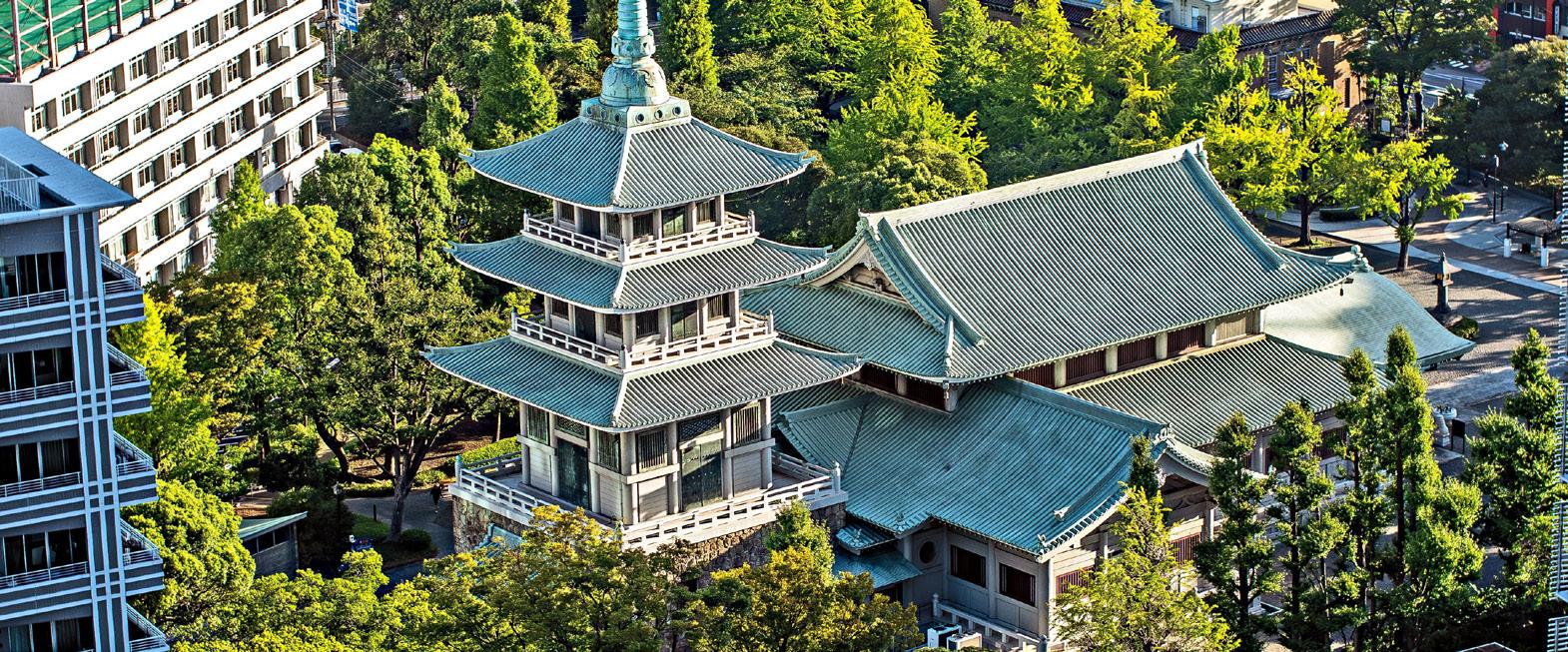
district-heating loops and has inked a long-term virtual power purchase agreement (vPPA) for solar power.
Another recent announcement is by new entrant Tokyo Exchange-listed Datasection, which had recently pivoted from data analytics into AI describing itself now as a neocloud operator. It claims to be the only Japanese company developing large-scale AI clusters whilst simultaneously securing huge GPU capacity (20,000 - 30,000 GPUs), power resources and customers on a global scale.
As the examples above show, Japan is firmly on investors’ radar, both foreign and domestic. Not only is the nation the second largest data center market in the developed world after the US, demand for compute is accelerating like never before.
The Japan data center market size as of early 2026 is valued at about US$ 14 billion and is projected to grow at a compound annual growth rate (CAGR) of about 14.5 per cent reaching about US$ 41.2 billion by 2034, according to Fortune Business Insights. JLL meanwhile estimates that about USD $3 trillion in investment will be needed by 2030 to support the digital transformation in Japan.
Tokyo - Osaka Dominance
Tokyo and Osaka corner 90 per cent of the data center footprint in Japan. Tokyo metropolitan area alone commands 40.7 per cent of the market size. Various reasons contribute to its draw - central location, reliable power supply, direct links to trans-Pacific subsea cables, proximity to corporate headquarters, fintech trading nodes, and a dense population.
Hence, despite hefty rentals and land prices, scarcity of land as well as eye-popping power connection queues of up to 10 years, Japan’s capital city continues to be much sought-after.
Changes are afoot however, with the most significant being a decisive shift out of Tokyo into Osaka for expansions and new builds. The Kansai capital, which is about 500 kilometers from Tokyo, offers lower seismic risk, faster grid connection approvals, municipal incentives, and is connected by a vast network of routes. It offers geographical diversity without giving up on latency to Tokyo.
Tokyo’s power grid connection queue of between 8-10 years makes Osaka’s 3-5 years’ wait akin to the speed difference between an ordinary train and a bullet train. But even more staggering are land prices for large plots of land in Tokyo - these have shot up by 770 per cent above national averages, by some accounts. In contrast, Osaka offers abundant land at a fraction of the cost.
Not surprisingly, between 20242026, hyperscalers’ take-up rate in Osaka had doubled, led by Oracle, Microsoft and AirTrunk. Backed by Blackstone, AirTrunk plans to build a 100MW hyperscale data center in West Osaka, adding to its existing 20MW there.
Local operator, Mitsubishi Estate’s multi-billion-yen commitment to Kansai data centers is another example of growing confidence in this corridor. Osaka data center market is projected to grow at 13.28 per cent CAGR to 2031. Beyond that, operators are leasing former industrial properties in suburban regions like Inzai and Akishima, which are about 30 kilometers from central
Tokyo.
Accelerating Demand
Data centers are clearly proliferating at an accelerated pace in Japan. The country has the advantage of a large domestic economy, low power outage rates, world class energy infrastructure, supportive digital demographics, and extensive fibre network. A number of subsea cables are being built, the latest being the 8,100-km subsea cable connecting Japan, Malaysia and Singapore. Significantly, Google’s USD 1 billion Proa and Taihei subsea cables help improve trans-Pacific connectivity.
The Japanese government has proven to be very supportive as well. In June, PM Sanae Takaichi ‘s government unveiled a US$ 2.3 trillion planned investment for the economy which includes a massive allocation for AI and semiconductors, among others.
The government’s target of migrating all central government’s workloads to the cloud by 2025, followed by similar moves in municipals and state-owned corporations, add to
The top five operators, Equinix, NTT Data, KDDI Telehouse, Colt, and Digital Realty dominate about 60-65 per cent of installed megawatts.
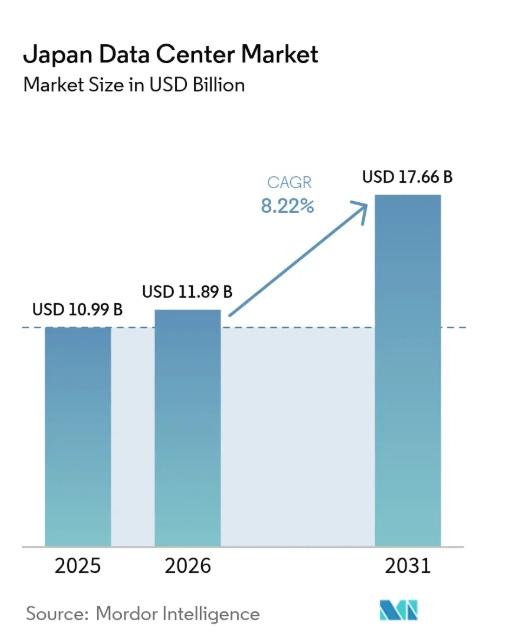
Source: Mordor Intelligence
Aerial view of temple surrounded by buildings in Tokyo.
the upward trajectory. Data sovereignty requirements have also accelerated joint ventures between global hyperscalers and domestic players due to the latter’s advantage in public tenders. This has resulted in a steady pipeline of government workloads over the next few years.
Another growth factor is the decommissioning of enterprise selfbuilt server rooms which average 15 years of age, and lack seismic and energy-efficiency features. This has pushed enterprises towards Tier 3 colocation facilities creating another source of strong demand.
Demand is so high that it surpasses the available digital infrastructure to the point that hyperscalers are either self-building high capacity campuses or pre-leasing entire blocks years in advance. This has created vast opportunities for foreign investors to tap into the booming market.
Overcoming Challenges
However, rapid expansion comes with a price. Issues like electricity and water consumption, and grid strain that plague data centers elsewhere in the world are starting to bite in Japan.
But the main constraint in the country is the high cost as reflected in its high capital investment. Hyperscale data center construction costs 40–50 per cent higher than conventional facilities. Also, large scale expansions are limited in some regions due to power supply constraints and/ or lack of suitable land. If suburban land is utilized, the wait time for grid connection takes up to three years, while substation upgrades would also be needed.
As a result, edge computing is gaining traction especially near manufacturing centers which require low latency. Energy-efficient data centers are becoming the standard as Tier 3 data centers become the norm. With the high heat emission from AI data centers, operators are adopting liquid cooling and integrating renewable energy to reduce power usage. This can bring down power by 20-25 per cent. Operators are also starting to adopt modular construction to reduce deployment timelines by up to 30 per cent, hence increasing investment returns.
High seismic engineering premiums
are also forcing developers to optimize space in their facilities and diversify away from Tokyo/Osaka regions. But seismic risk increases construction complexity - and with a shortage of skilled personnel, it is an operational challenge facing every data center in Japan.
A shortage of specialized labour has resulted in a serious construction bottleneck unique in Japan’s DC industry. According to DC Byte, only the ‘Big Five’ general contractors are capable of building large scale data centers. Imported labour is not a good option due to cultural and language obstacles. All these factors have naturally driven up development costs. “It’s still possible now to build but one has to expect extended timelines and exercise a lot of patience,” DC Byte cautions.
Optimistic Outlook
Within APAC, Japan’s data center market leads in scale, stability and sophistication. Key trends include a wave of Chinese hyperscalers entering the market since 2025, expansion of hyperscale campuses, shifting to regions beyond Tokyo and Osaka such as Kyushu, integrating renewable energy, adopting advanced technologies such as liquid cooling, and increasing deployment of AI-ready infrastructure and edge data centers.
Growth is driven by huge hyperscale spend from both western and Chinese Big Tech, government cloud mandates, data residency requirements and increased AI workloads.
As a result, there is strong investment potential - high returns from a stable environment that prioritizes quality on the back of long-term digital demand. There are attractive opportunities in AI infrastructure, renewables, edge facilities, green DCs, and subsea cables.
Kyushu, considered an up-andcoming third hub after Tokyo and Osaka, presents a vast opportunity for hyperscalers wanting to avoid the power and land bottlenecks in Tokyo. The island offers abundant and affordable renewable power, available land for large scale projects and proximity to East Asian hubs. A pipeline of self-builds suggests it will be increasingly used by hyperscalers as a good alternative.
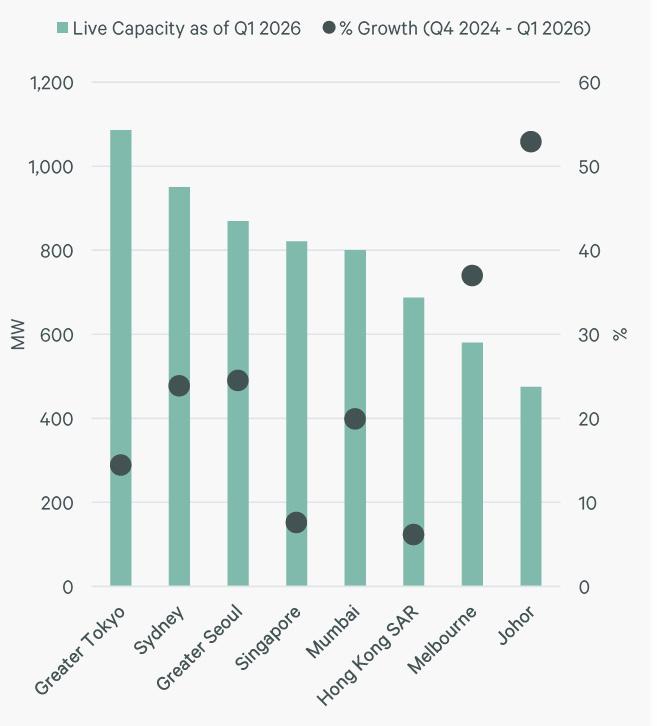
Verdict: Japan is clearly at the beginning of an AI boom especially with the recent US$ 30 billion Blackstone investment and massive government allocation. High ROI is expected due to the many positive factors. There are vast opportunities for hyperscalers especially further away from Tokyo and Osaka regions.
List of Singapore firms in Japan
1. ST Telemedia Global Data Centres (STT GDC): STT GDC operates a 70MW campus in Inzai City (Greater Tokyo), comprising two data centres: STT Tokyo 1 and STT Tokyo 2.
2. Keppel Group (Keppel DC REIT & Keppel Ltd.): Keppel owns and manages several data centres in the Greater Tokyo area including Tokyo Data Centre 1 and the hyperscale Tokyo Data Centre 3 in Inzai City, which was bought for JPY 82.1 billion (US$ 553 million).
3. Digital Edge: Backed by Stonepeak, it operates multiple data centres in Japan, especially in Tokyo and Osaka.
4. CapitaLand Ascendas REIT (CLAR): The REIT acquired a major stake in a hyperscale data centre facility in Osaka, Japan.
5. Singtel (via Nxera & Digital InfraCo): Singtel partnered with Hitachi to jointly develop data centers and GPU cloud infrastructure in Japan.
6. SC Zeus Data Centers Pte. Ltd:. Zeus has broken ground on its first data center in Japan, a 70MW facility in Osaka to be powered by 100MW from Kansai Electric Power Company.
Q1 2026 Asia Pacific Data Center Live Capacity vs growth | Source: CBRE
Inside Japan’s plan to engineer a data center boom
Most countries are letting the AI data center boom happen to them. Japan has decided to build one.
By Paul Mah
Japan’s data center market is already one of the largest among developed economies, valued by JLL at US$23.4 billion in 2024. Yet the electricity consumption of the data center market could nearly triple over the next decade due to generative AI adoption and hyperscale investment, says Wood Mackenzie.
According to its projections, power consumption by Japan’s data centers could jump from 19 TWh in 2024 to as much as 66 TWh in 2034. The reason for this surge? Hyperscalers have made massive investment commitments in Japan. The sharp growth means that by 2030, data centers are expected to account for 7% of the power load in areas such as the Tokyo and Kansai regions.
The builders
Behind those numbers sits a familiar cast of hyperscalers, and they have moved fast. Take Microsoft, for instance, which has made two pledges on this front. The first, announced in 2024, was $2.9 billion, described at the time as its largest investment in 46 years of operating in Japan, aimed at hyperscale cloud and AI infrastructure. The second was even larger: $10 billion through 2029, announced on 3 April 2026 to fund data center expansion across Tokyo and Osaka.
On its part, Google had previously announced a US$730 million investment in Japan in 2022, part of a broader infrastructure plan. But while it has not made any new infrastructure investments announcements for Japan, sources indicate that it is nonetheless building in Japan. Traditional cloud
players aside, demand is bolstered by the growing scale of neoclouds, which are specialist cloud providers built mainly for AI work, particularly GPUheavy tasks focused on training and running AI models.
Others are moving too. AWS has committed heavily to cloud infrastructure in Japan, while Oracle has also announced multi-year AI and cloud infrastructure investment, adding to the sense that Japan is becoming a core hyperscale battleground. As AI demand grows, neocloud players are also building furiously, leading to heightened data center demand. In an
The sharp growth means that by 2030, data centers are expected to account for 7% of the power load in areas such as the Tokyo and Kansai regions.
announcement in May 2026, Japan’s SoftBank announced that it will launch an “AI Data Center GPU Cloud” to offer GPU cloud and sovereign cloud services, starting from its Japan-based data centers.
A newer entrant, GMI Cloud launched a $12 billion sovereign AI infrastructure initiative in Japan in 2026 with the aim to establish 1 gigawatt
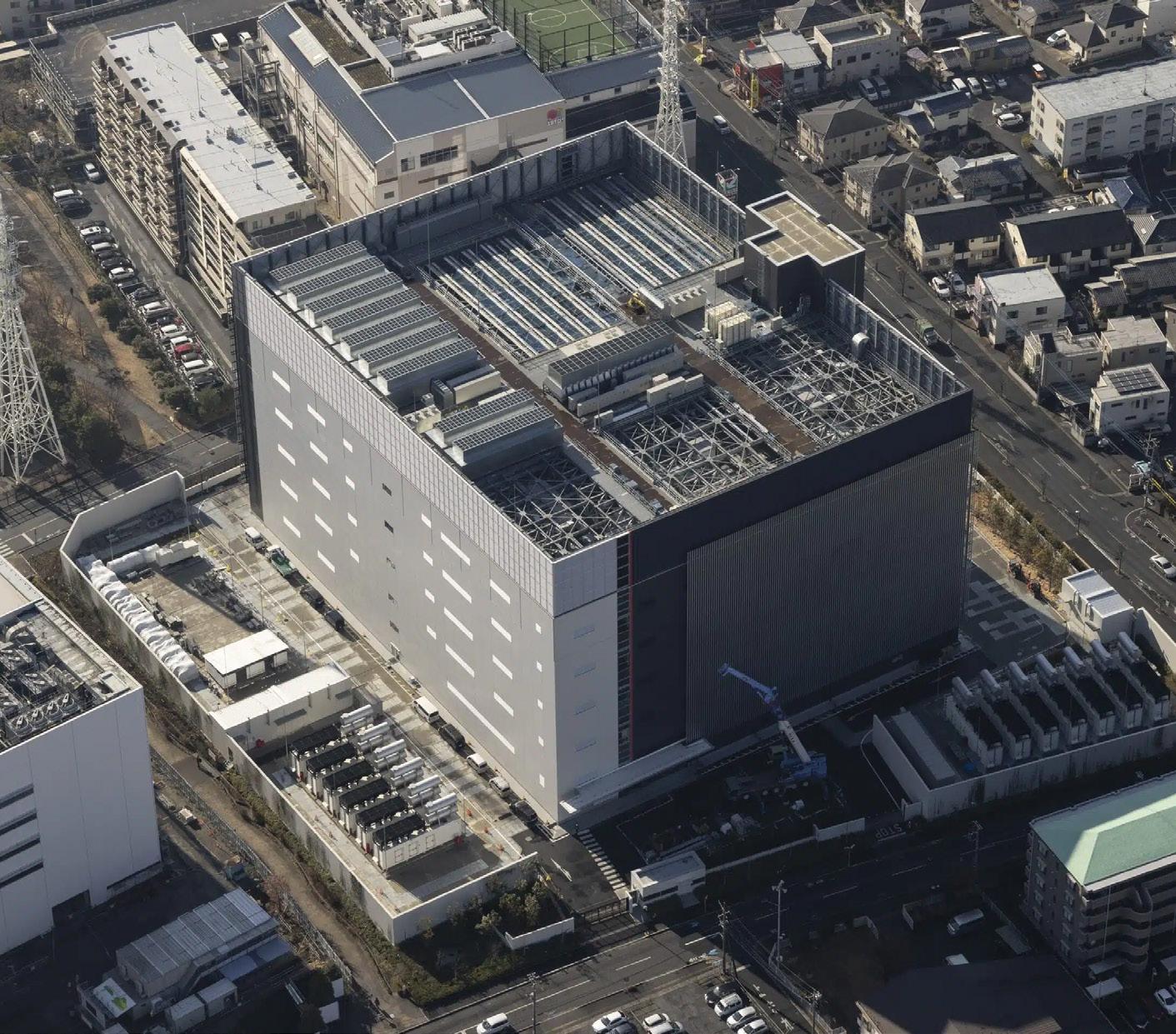
PDG’s TY1 campus in Saitama, Greater Tokyo
The second was even larger: $10 billion through 2029, announced on 3 April 2026 to fund data center expansion across Tokyo and Osaka.
of capacity. Speaking at the w.media SIJORI HPC Summit Southeast Asia 2026 held in Singapore in June, Andy Chen, the global VP of business and product development shared how the daily consumption of AI tokens has jumped from 1 to 2 million tokens per day, just six months earlier, to more than 200 billion tokens today. The point was not just the number itself, but what it signals: AI usage is scaling far faster than traditional cloud infrastructure cycles were designed for.
Tokyo clears the path
When it comes to AI, Tokyo has decided it cannot afford to fall behind on AI. Instead of riding it, the Japanese government has decided to grab it by its horns. The Artificial Intelligence Basic Plan, which the Cabinet approved in December 2025, reads less like a regulatory framework than an industrial strategy. It commits the country to
building data centers and clean energy projects side by side by the mid-2030s, and frames AI compute, infrastructure, and data as strategic national assets. The wider aims are to accelerate AI adoption across government and society, strengthen domestic development, lead on AI governance, and reshape industry, employment, and public systems. As the government treats AI compute, infrastructure, and data as strategic national assets, which means demand for GPU capacity, cloud regions, local data storage, and powerefficient facilities should only keep rising.
It is also removing the obstacles. The Financial Services Agency (FSA) recently clarified that data center equipment can sit inside REIT portfolios, settling a long-running question over whether facilities stuffed with expensive hardware still count as "real estate." This should help attract institutional investment and improve financing options for new data center builds. Japan is also pushing efficiency and regional diversification. A low-carbon data center program launched in May 2026 puts up to JPY 500 million behind individual projects through fiscal 2029, while policy quietly steers developers toward Hokkaido and Kyushu, where cheaper renewable power and spare land take the strain off a crowded Tokyo and Osaka.

When it comes to AI, Tokyo has decided it cannot afford to fall behind on AI.
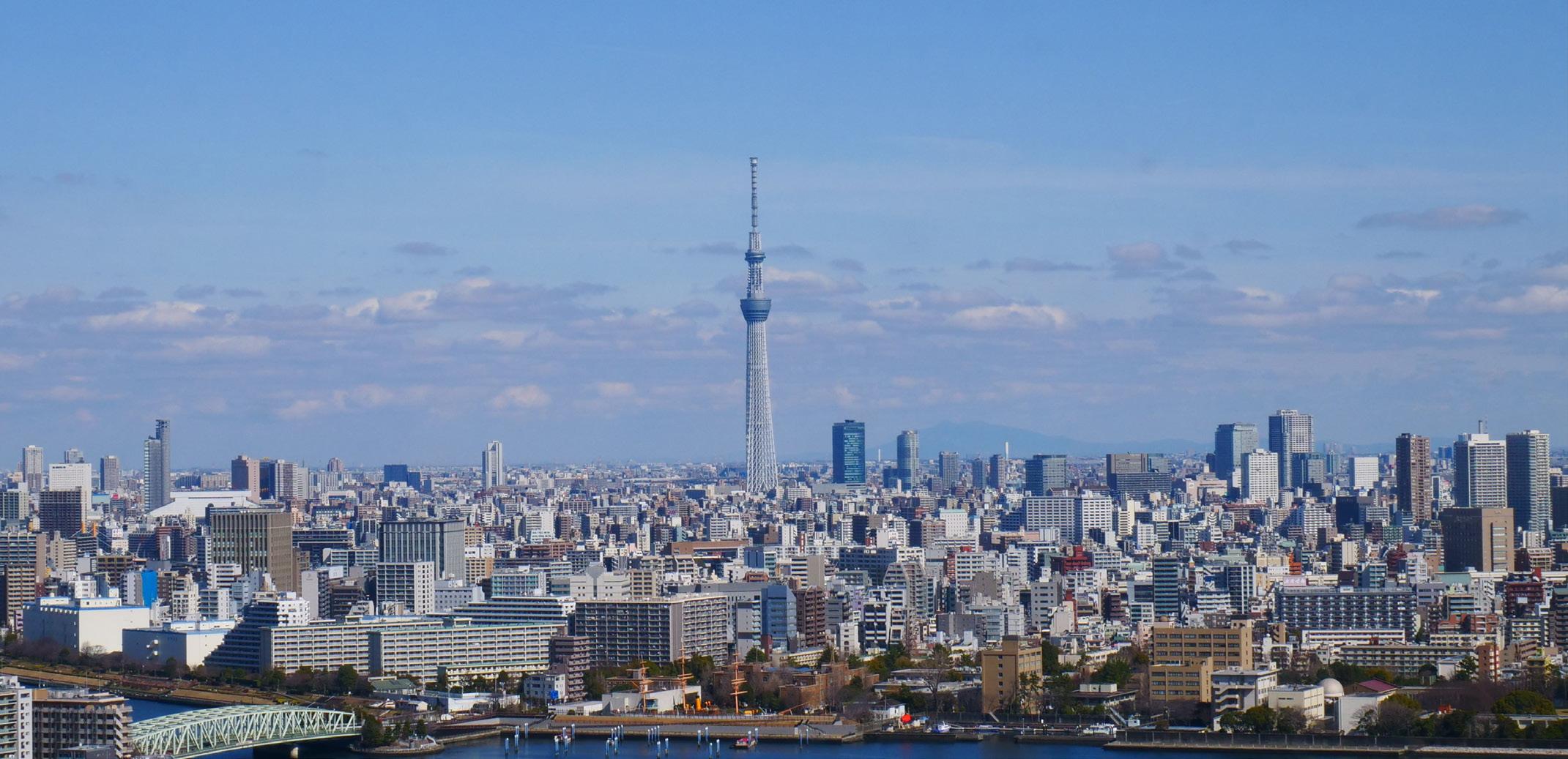
Japan | Cre: Pexels
Tokyo,Japan | Cre: Pexels
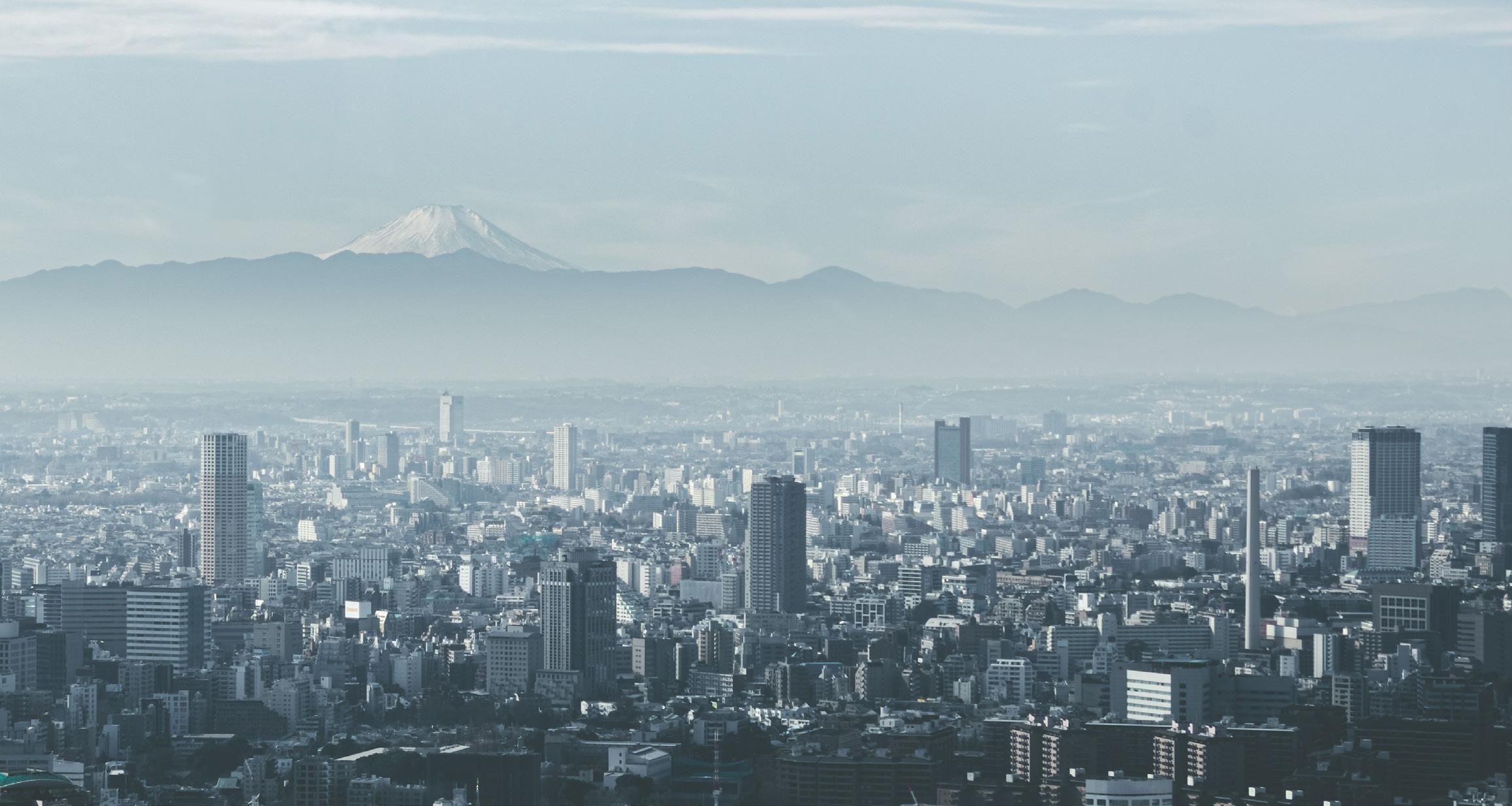
The FSA clarification opened the door to institutional money, and the low-carbon program put public funds behind cleaner builds. The intent is not in doubt. Power is.
What’s at stake
It has plenty going for it. Policy, capital, and location are being moved in concert rather than left to the market. The FSA clarification opened the door to institutional money, and the low-carbon program put public funds behind cleaner builds. The intent is not in doubt. Power is.
The government has long acknowledged its "grid constraints," and is now pursuing both reinforcement and operational fixes: new interregional transmission lines, and reforms to move renewable power to where the demand actually sits.
But this is the one thing Tokyo cannot legislate into existence. The plan sets efficiency and decarbonization
targets. They don't generate electricity, though, or speed up a grid upgrade. Steering developers toward Hokkaido and Kyushu helps, where renewable supply and cooler air improve the economics, but only so far. So it really comes down to whether
Japan can build the power in time. The projects have to move from announcement to actual construction, and developers have to be willing to build outside the big two cities. If that happens, the boom is real. If it doesn't, the grid sets the limit, not the plan.
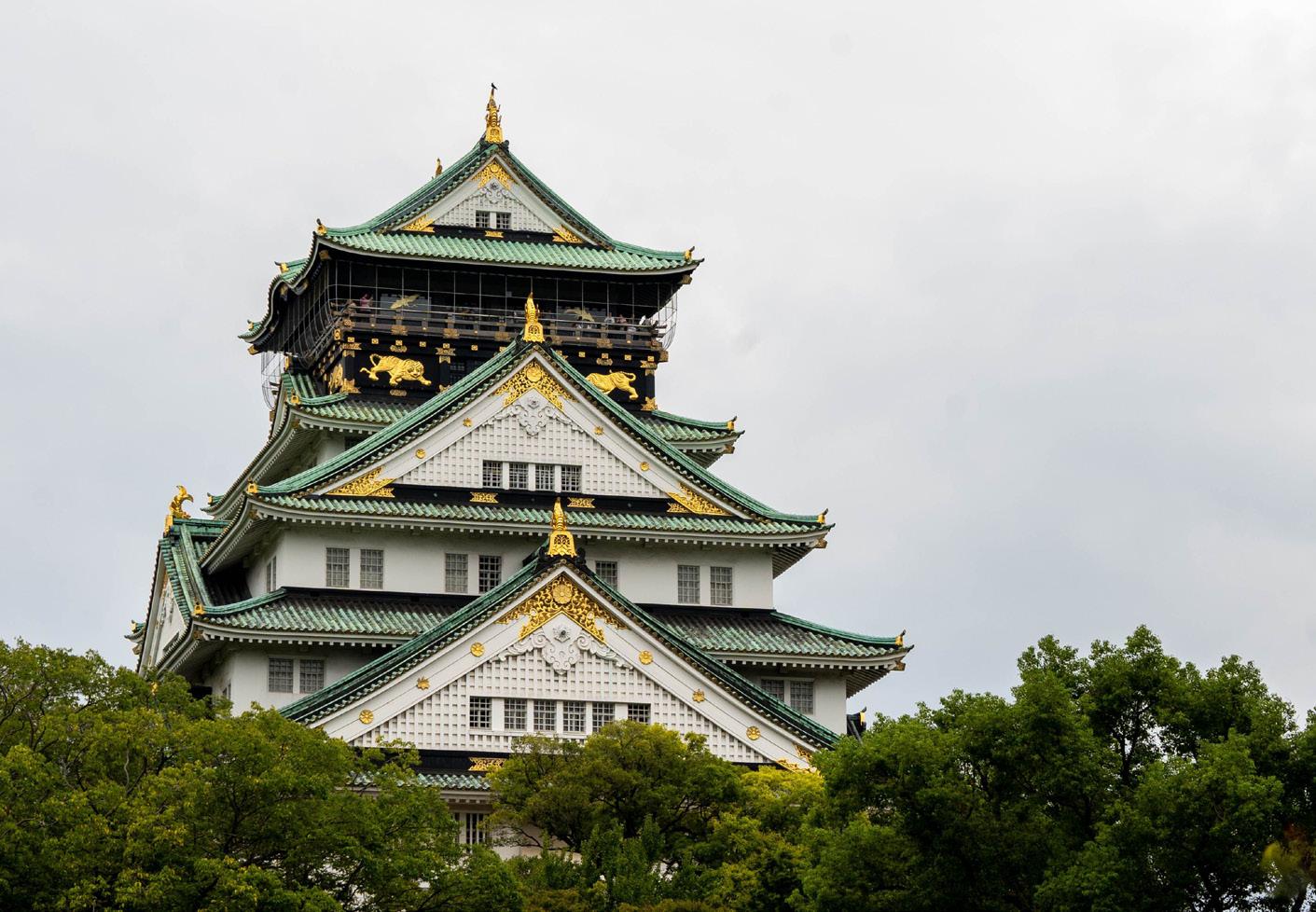
Osaka Castle in Osaka,Japan | Cre: Pexels
Stepping out beyond Tokyo and Osaka
There are strong compelling reasons for developing data centers outside of the traditional hubs of Tokyo and Osaka regions.
By Jan Yong
The growth of data centers in Japan is highly concentrated in two regions - Greater Tokyo and Greater Osaka - together accounting for 90 per cent of data centre locations. Ironically, these two megaregions represent less than 10 per cent of the country’s land area, 40 per cent of the population, and half of the country’s total GDP of US$ 4.87 trillion.
Such hyper geographical concentration would have had catastrophic consequences if an earthquake happened. In seismicprone Japan, such large-scale natural disasters are foreseeable risks. Hence, a diversification strategy away from those megacities is a natural step towards protecting and providing redundancies for these critical infrastructure.
Earthquakes and consequently higher seismic engineering premiums especially in densely populated megacities are just two risks that immediately come to mind - there are other equally compelling reasons for the move towards suburban corridors. Key among them are high capital
investment required in Tokyo and Osaka compared to other regions in Japan. Land prices are much higher and availability is very limited especially in Tokyo. According to a Mordor Intelligence report, average land prices in central Tokyo rose by an astounding 69 per cent in 2024, significantly raising the cost of development.
Also in densely built areas within the megaregions, large scale expansions are not practical.
Moreover, some areas experience power supply constraints thus limiting buildouts.
The case for developing data centers in suburban areas gets even stronger when one takes into account community pushbacks. As with the rest of the world especially in the US and Europe, community resistance is becoming a real risk. For example, the local community in Koto ward (Eastern Tokyo) was up in arms against data centers, according to Mordor report. This has pushed operators to develop in suburban areas like Inzai City which has rolled out the red carpet to data centers granting them municipal incentives. Inzai also has the advantage of having larger plots of land available for data
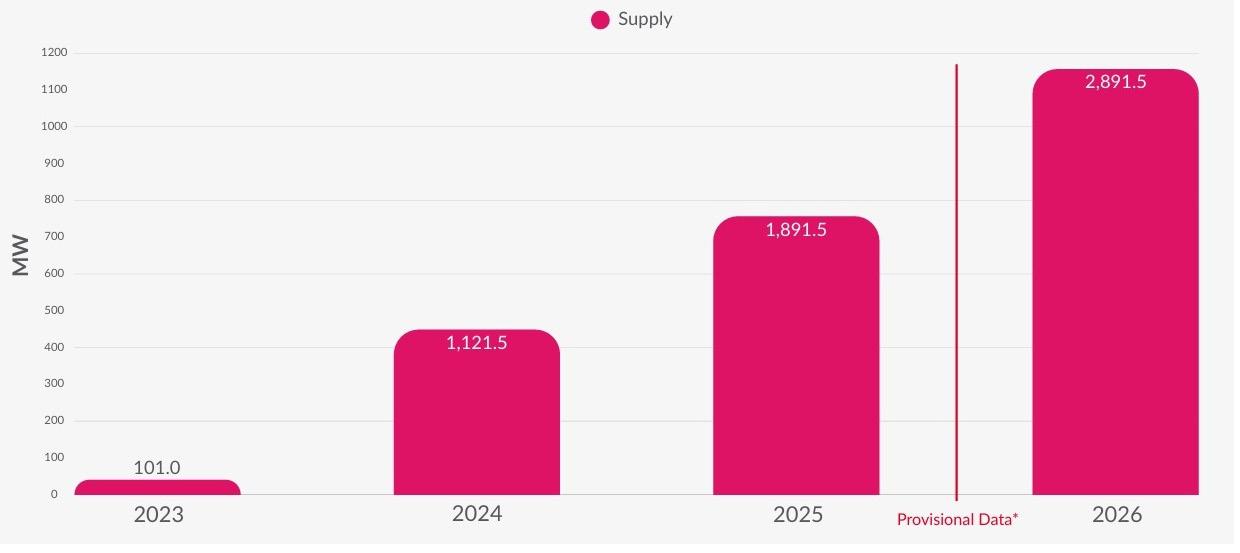
Traditional vs Strategic DC hubs in Japan.
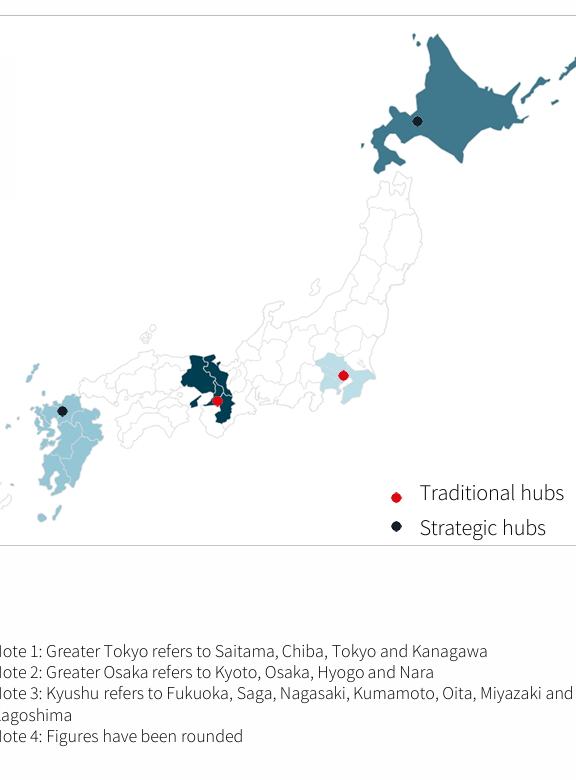
Source: JLL
centers. The number of data centers in the city now stands at 10, which is the largest after Tokyo and Osaka.
The other push factors towards a suburban setup is the extraordinary long wait time for grid connection approvals.
Some developers have tried to solve this problem by installing on-site gas turbines and lithium-ion storage while waiting for utility supply but this only adds a layer of complexity and risk to the project.
Government Initiatives
Acknowledging this, the government is actively promoting regional diversification of data centers.
Since 2021, the government has extended various types of assistance to companies developing data centers outside of the two mega regions and other metropolitan areas. The assistance includes resilience strengthening measures and communication efficiency. The government has also come up with initiatives such as "Regional Revitalization" and "Digital Infrastructure Development Plan 2030", to promote regional diversification while also encouraging the decarbonisation of data centers.
The government also hopes to create five or more data center hubs to
Supply in Kyushu | Source: DC Byte
enhance GX-driven industrial growth while regional DX promotion including AI utilisation is also encouraged.
The other policy relies on advanced technology to achieve low latency inter-data center connections using All Photonic Network technology by 2030 and advanced computing resource power load control by 2035. Lower latency and better connection would encourage data center development outside of the densely populated megaregions.
Emerging DC clusters
One of the major players developing data centers outside of traditional hubs is SoftBank Group which is said to have identified Sakai City and Toyama as potential hubs for massive AI data centers and superclusters. Toyama (Nanto Campus) is emerging as a massive digital infrastructure hub due to its abundant power supplies (about 3.1GW) and its strategic location being part of an economic triangle with Tokyo and Osaka. One of the companies developing large-scale AI data centers there is Gigastream Toyama.
Hokkaido and Kyushu have also emerged as popular new data center clusters. Hokkaido (Sapporo and Ishikari) has the advantage of a cool climate supporting free air-cooling. Ishikari hosts major facilities, including Rakuten Ishikari data center and White Data Center (WDC) which makes use of winter snow for cooling.
Meanwhile, Kyushu, the most southerly island of Japan, stands out due to its many advantages such as abundant and affordable renewable energy, easy availability of land and power, direct submarine cable connections and its proximity to Shanghai and Seoul. The island has even been positioned as the data center gateway to East Asia.
As a result, hyperscalers and AI operators are rushing in to build, contributing to 88 per cent of all planned projects being selfbuilt. Cumulative supply has risen exponentially from just 101 MW in 2023 to about 3 GW by Q2 2026, according to research firm DC Byte.
The island hosts some of the largest data centers in Japan, for example, IDC Frontier Asian Frontier and Telehouse Fukuoka, as well as Asia-Pacific Land’s upcoming Kitakyushu Data Center

Hokkaido - using snow as free cooling for data centers.
Campus, sited on 15.5 acres of land; and the US$ 2 billion Itoshima Campus, which aims to expand up to 150MW capacity.
Okinawa is an important landing point for submarine cables connecting Japan to North America and mainland Asia. Nagoya, an important industrial and manufacturing hub, meanwhile attracts data centers like KDDI/ Telehouse and major network exchange hubs serving the Tokai and Kinki districts.
The subsidised 15MW AI data center in Fukushima is a clear example of the government’s commitment to distribute critical digital infrastructure nationwide.
According to Data Center Map Japan directory, as of early June, there are a total of 256 data centers in Japan run by 73 operators. Out of that, 105 are in Tokyo and 55 in Osaka. This is followed by 10 in Inzai City, 9 in Yokohama, 8 in Sapporo and 6 each in Nagoya, Fukuoka and Kanazawa, 5 in Kawasaki, 4 each in Tsukuba, Naha, and Takamatsu, and between 1 - 3 in a few other locations.
Massive room for growth
Clearly, there is still a lot of room for growth in regions outside of Tokyo and Osaka. With compelling pull factors
Okinawa is an important landing point for submarine cables connecting Japan to North America and mainland Asia.
such as abundant renewable energy, lower costs, proximity to Tokyo and Osaka, or to manufacturing hubs, direct submarine cable connections and even free snow cooling, on the back of strong government support, it is only a matter of time before DC developers realise the advantages and start beating a path there.
However, relocating to suburban areas is not all smooth sailing. While land prices might be cheaper, the developer would have to fork out extra to invest in dark fiber routes and redundant substations. This will extend project timelines and costs thus affecting the overall data center supply market in Japan.
Still, data centers in non-traditional locations are perfect for edge and disaster-recovery workloads. More importantly, they possess a host of advantages as outlined earlier that their counterparts in the megacities do not have.
Powering data centers in Japan
Nuclear and geothermal are making a comeback on the back of strong data center demand.
By Jan Yong
Japan's data centers will consume as much electricity as 15 to 18 million households by 2034, driving 60 per cent of the country's total power demand growth. This will triple electricity consumption from 19 TWh (Terawatt hours) in 2024 to 57 TWh -66 TWh by 2034, according to Wood Mackenzie’s report ‘Japan's data centre gold rush: the battle to power a datadriven future’.
“Peak demand from data centres is expected to reach 6.6 GW (gigawatt) to 7.7 GW in 2034, hitting 4 per cent of Japan's total peak load and representing a threefold increase from 2024 levels,” the report states.
However, there is a critical mismatch between demand growth and supply development timelines. A typical combined-cycle gas turbine project typically takes seven to 10 years to complete compared to hyperscalers deployment schedules of under five years.
“This explains why infrastructure bottlenecks are pushing major data centre and chip foundry projects to 2029,” says Naomi Oshita, research associate, Asia Pacific power &
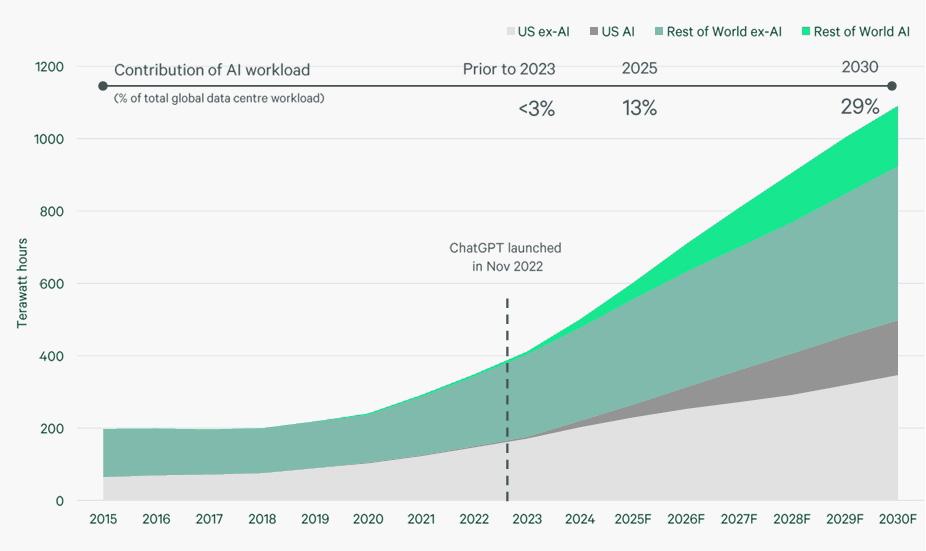
renewables at Wood Mackenzie. Data centers are expected to account for 7 per cent of the power load in the Tokyo and Kansai regions by 2030. Fortunately, the gradual rollout of these facilities suggests that immediate power shortages are unlikely, as reserve margins remain above 15 per cent.
According to Wood Mackenzie, coal and gas installations will dominate these regions, representing over 40
However, there is a critical mismatch between demand growth and supply development timelines.
per cent of capacity by 2034. This creates challenges for hyperscalers’ carbon neutral commitments. At the same time, Japan’s renewable energy
Geothermal source
Global Data Center Electricity Consumption 2015 - 2030F. Source: Goldman Sachs, CBRE Research (Feb 2026).
transition adds complexity to meeting data centre power requirements.
“The decarbonisation challenge is particularly acute given the scale of data centre demand growth,” says Oshita. “With renewables (solar and wind) reaching only 17 per cent by 2030, Japan will need to accelerate nuclear restarts and renewable deployment to meet both climate goals and hyperscaler sustainability requirements.”
Nuclear and geothermal are particularly attractive due to their ability to produce a stable power supply. The Japanese government also offers subsidies to build zero-carbon facilities near low-carbon hubs.
Japan plans to achieve carbon neutrality by 2050. By then, it is projected that offshore wind power will become the main renewable energy source in Japan supplying 33 per cent of total renewables. The rest are likely to come from nuclear and geothermal.
Nuclear Comeback
Japan closed down most of its nuclear plants after the Fukushima Daiichi disaster in 2011, resulting in a huge drop in nuclear output. The energy shortfall was replaced mostly by fossil fuel like coal and gas.
Four years after the disaster, the first nuclear reactors were restarted underpinned by stricter new regulations. As of early 2026, 15 out
Location of geothermal power plants in Japan
of 54 pre-Fukushima reactors were operating supplying a third of its pre2011 electricity.
Moving forward, the government plans to rebuild and replace aging reactors by the 2040s. Companies are also exploring Small Modular Reactors (SMRs) which are smaller, safer, faster to deploy and can be built right next to energy-heavy sites.
Nuclear energy is imperative because traditional renewables like solar and wind are not sufficient. Foreign hyperscalers like Amazon, Google and Microsoft require stable, constant and large amounts of power to run their huge data centers. As a clean energy with little carbon footprint, nuclear aligns with the hyperscalers’ zero-carbon and net-zero ambitions.
Geothermal Innovations
Japan is blessed with lots of geothermal energy thanks to its location within the volcanic and tectonic Pacific Ring of Fire. Geothermal is clean energy that can run around the clock.
As of March 2025, the country generated about 618 MW of electricity which the government plans to double to 1,500 MW by 2030.
After the Fukushima incident, in an effort to shift reliance to other renewables, the government amended several strict laws on natural parks that had previously restricted geothermal
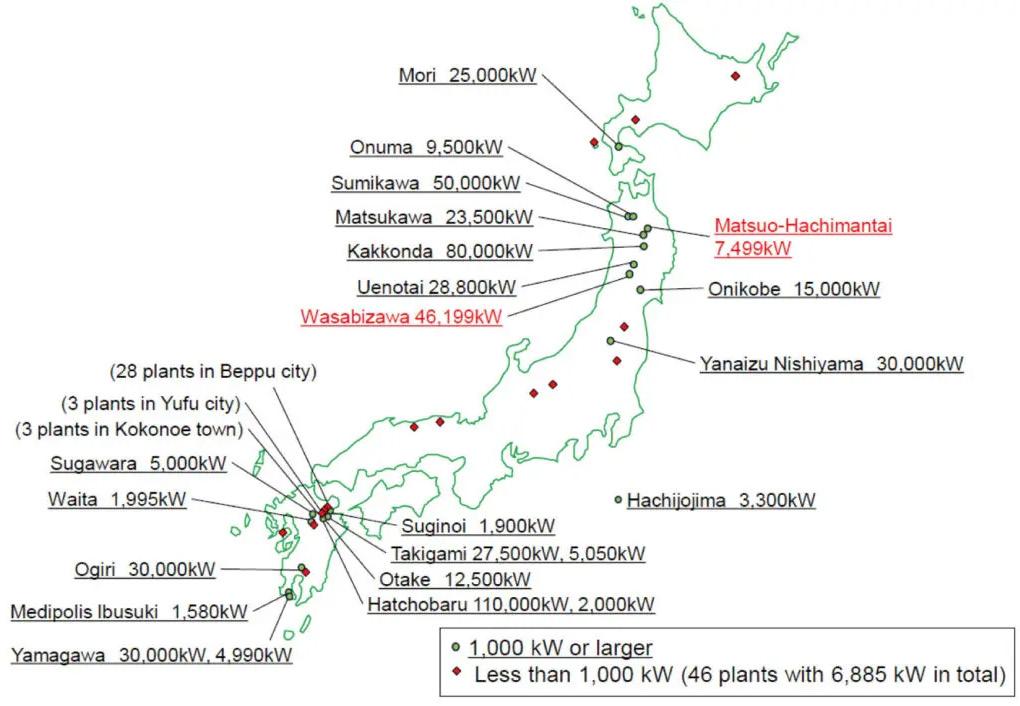
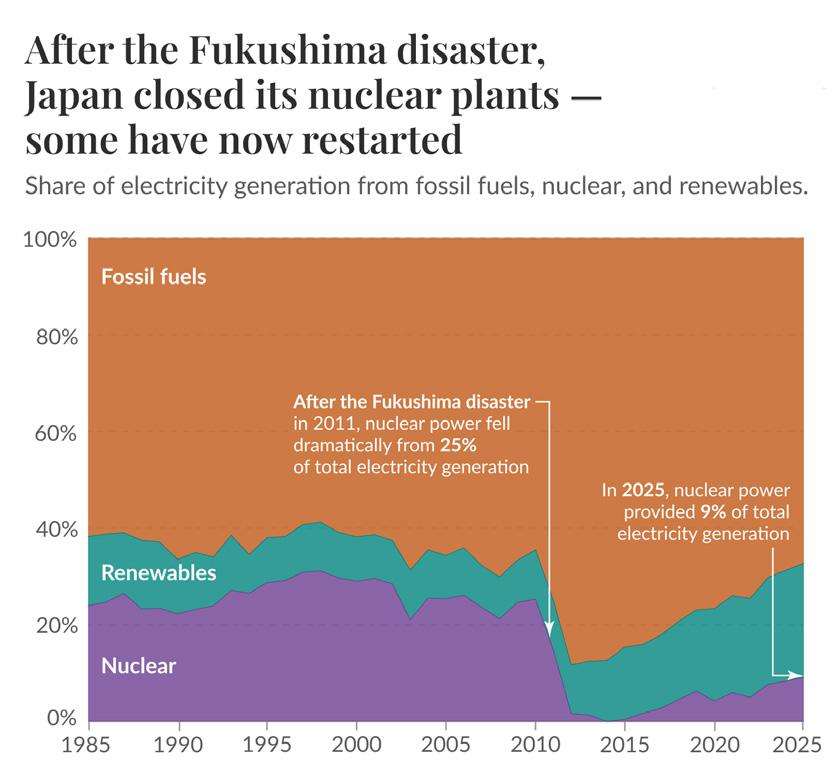
Share of electricity generation from fossil fuels, nuclear, and renewables. Source: Energy Institute - Statistical Review of World Energy (2025)
Japan is blessed with lots of geothermal energy thanks to its location within the volcanic and tectonic Pacific Ring of Fire.
development. It also provided economic incentives to promote geothermal energy utilization, as well as made efforts to raise social acceptance.
As a result, the private sector ramped up exploration of advanced technologies to unlock the nation’s deep geothermal potential sparking a wave of innovation in the sector.
Legacy geothermal plants use underground steam to spin turbines to create electricity, a slow and expensive process made worse by locals’ concerns over the effects of the equipment and drilling on the spring water.
Hence, some developers like Baseload Power Japan are utilizing next-generation drilling including deep underground imaging and millimeterwave drilling adapted from nuclear fusion research.
Other advanced geothermal systems include closed-loop systems and supercritical geothermal technology. Essentially, all these systems target heat sources far below conventional reservoirs to increase efficiency and output, thus expanding the nation’s geothermal potential.


In the race for AI, power is the new prime location.


ASIA PACIFIC
Data Centre Trends & Outlook 2026
AI is driving the fastest data centre expansion Asia Pacific has ever seen — but power, not demand, now decides where capacity gets built. Our Asia Pacific Data Centre Solutions team helps operators and investors secure powered land, read the region’s shifting hotspots, and choose the right route to scale. Backed by the industry’s leading research and data platform, we turn market intelligence into investment advantage. Imagine everything. Realize anything.
Why the future of data centers will be software-defined, not just hardware-dense
For years, data center growth emphasized scale, larger campuses, and higher densities. Now, the focus shifts from hardware to intelligent operations. As AI adoption increases and enterprises expand cloud environments for real-time data, operational intelligence becomes as vital as physical capacity. The industry moves from 'bigger is better' to how well infrastructure adapts, optimizes, and responds in real time.

By Rahul Dhar, President, Global Datacenter Operations, CtrlS Datacenters
We are entering a key phase of infrastructure investment. Industry research shows global datacenter capacity will nearly double from 103 GW to 200 GW by 2030, backed by almost US$ 3 trillion in global investment. In India, the datacenter sector is expected to grow exponentially as AI adoption, cloud expansion, and digital infrastructure needs continue to rise. This expansion is powered by AI workloads, cloud and edge computing, 5G deployment, evolving data regulations, India’s rapid digital transformation, and increasing internet penetration. However, expansion alone is not sufficient. This rapid expansion shifts
the industry's focus from building infrastructure to operating it intelligently. Capacity alone will not ensure competitive advantage, but operational efficiency, automation, and resource optimization will.
The shift from reactive infrastructure
Traditional datacenter operations prioritized predictability, with stable workloads, slow provisioning, and manual infrastructure management. Cooling systems react after temperature increases, power is distributed by fixed thresholds, and workloads are assigned based on space rather than real-time efficiency. That operational model is no longer sustainable.
AI and high-performance computing workloads differ from traditional apps. Training large AI models can require over 40-50 kW per rack, while inference requires low-latency deployment near users. Enterprises demand instant scalability, uptime, and energy efficiency. Managing these variables manually across facilities adds complexity that physical capacity alone can no longer manage.
Software-defined environments use orchestration, automation, and real-
Training large AI models can require over 40-50 kW per rack, while inference requires low-latency deployment near users
time analytics to automatically boost infrastructure performance. Rather than reacting to human actions, these systems adjust cooling, power, workload placement, and resources based on current conditions. This shift from reactive to policy-driven operations is a crucial trend in modern datacenter strategies.
Orchestration intelligence as the new competitive layer
Next-gen datacenters use AI for thermal management, monitoring heat and energy to optimize cooling and power, boosting efficiency and reducing waste. Smart power management prioritizes workloads and balances demand for better utilisation. Software control handles power restrictions, grid delays, and costs, ensuring infrastructure efficiency. Operators are upgrading cooling systems and utilizing
Images courtesy: Pexels
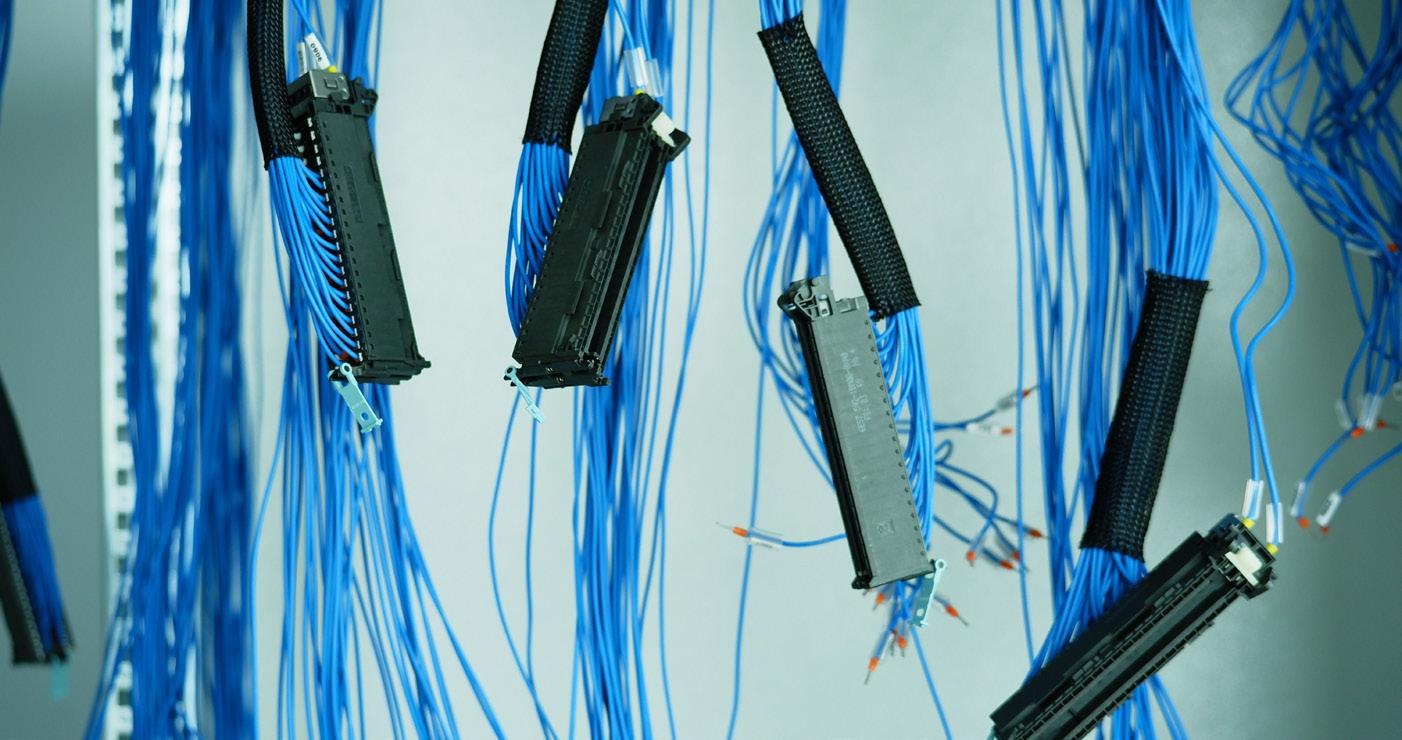
intelligent orchestration, shifting from DX to chilled-water systems to improve PUE, energy use, and emissions. These examples show software optimization enhances sustainability, resilience, and uptime.
Workload placement is now often managed by advanced software tools, which evaluate factors like latency, thermal conditions, renewable energy, compliance, and efficiency. For operators with distributed facilities, this intelligent layer offers more flexibility than just scaling hardware.
The rise of digital twins enables operators to create virtual datacenter replicas for simulating infrastructure behaviour, testing failure scenarios, cooling strategies, and optimizing layouts without impacting live systems. This reduces operational risk and supports long-term planning.
Why this shift matters more in the AI era
The growth of AI accelerates the need for rapid software-defined operations. The scale and variability of AI workloads make static infrastructure models increasingly inefficient. Expanding hardware solely is neither cost-effective nor practical.
Investment in AI infrastructure highlights the urgent need for smart management of datacenters, as demand for AI-optimized systems grows. Gartner forecasts global datacenter spending will exceed $650 billion by 2026, driven by expanding AI workloads. Expanding physical infrastructure is less viable due to higher energy costs, greater operational complexity, and higher costs.
Software-defined operations boost adaptability by making infrastructure
programmable, allowing real-time capacity adjustments and proactive maintenance. Resilience will rely more on predictive and adaptive operations than physical redundancy.
India’s opportunity to build smarter from the start
India’s datacenter sector offers a strategic advantage due to ongoing growth, unlike mature markets with outdated infrastructure. Hubs like Mumbai, Chennai, Hyderabad, and Noida attract investments in hyperscale and AI facilities. Embedding orchestration, automation, predictive analytics, digital twins, and softwarecontrolled power into the core architecture from the start ensures these technologies become integral to operations.
India can set global standards for operational resilience as datacenters
The scale and variability of AI workloads make static infrastructure models increasingly inefficient.
become denser and more reliant on software. Intelligent monitoring and centralized visibility will be vital for system uptime, safety, and risk reduction. Future datacenters will integrate infrastructure intelligence, sustainability, and governance. This shift requires new talent and operational models; professionals must excel in engineering, automation, AI, analytics, cybersecurity, and orchestration. Early investment in these skills ensures scale, efficiency, and resilience.
The future will reward intelligent infrastructure
The datacenter industry depends on robust physical infrastructure like servers, cooling, power, and networks. The industry is shifting to datacenters as smart, self-optimizing ecosystems instead of static assets. Facilities that cut operational complexity while ensuring scalability, resilience, and energy efficiency will define the next phase of digital infrastructure.
The new datacenters will be judged not only by size but also by their autonomy and efficiency. As infrastructure grows more complex, intelligence, not mere capacity, will define industry leadership.
Images courtesy: Pexels
Images courtesy: Pexels
Japan’s Datasection bets on neocloud dominance with GPU supercluster ambitions
The Tokyo-listed company has gone from marketing data startup to AI infrastructure player in under two years, with 20,000 GPUs already running and a pipeline stretching from Chiba to the UAE
By Simon Dux
Datasection, a Tokyo Stock Exchange-listed company that until recently was known primarily for data analytics and marketing services, has posted revenues of JPY 33.6 billion (approximately USD 217 million) for the fiscal year ended March 2026 – a 933% increase on the prior year – almost entirely on the back of a pivot into AI infrastructure that the company is now calling its core business.
The engine behind the surge is what Datasection calls its AI Infrastructure Business: a GPU-as-a-service operation running under the brand name TAIZA, which the company says is positioning Japan as a meaningful player in the global AI compute race. Net sales recognition commenced in September 2025, with GPU clusters added sequentially from mid-September, generating approximately JPY 320 million in that month alone. By October, with full-scale operations underway, the business was generating approximately JPY 4.5 billion per month. As of 18 May 2026, TAIZA was operating 20,180 GPUs across Japan, Australia, and Thailand, according to the company’s results.
The operating profit swing was
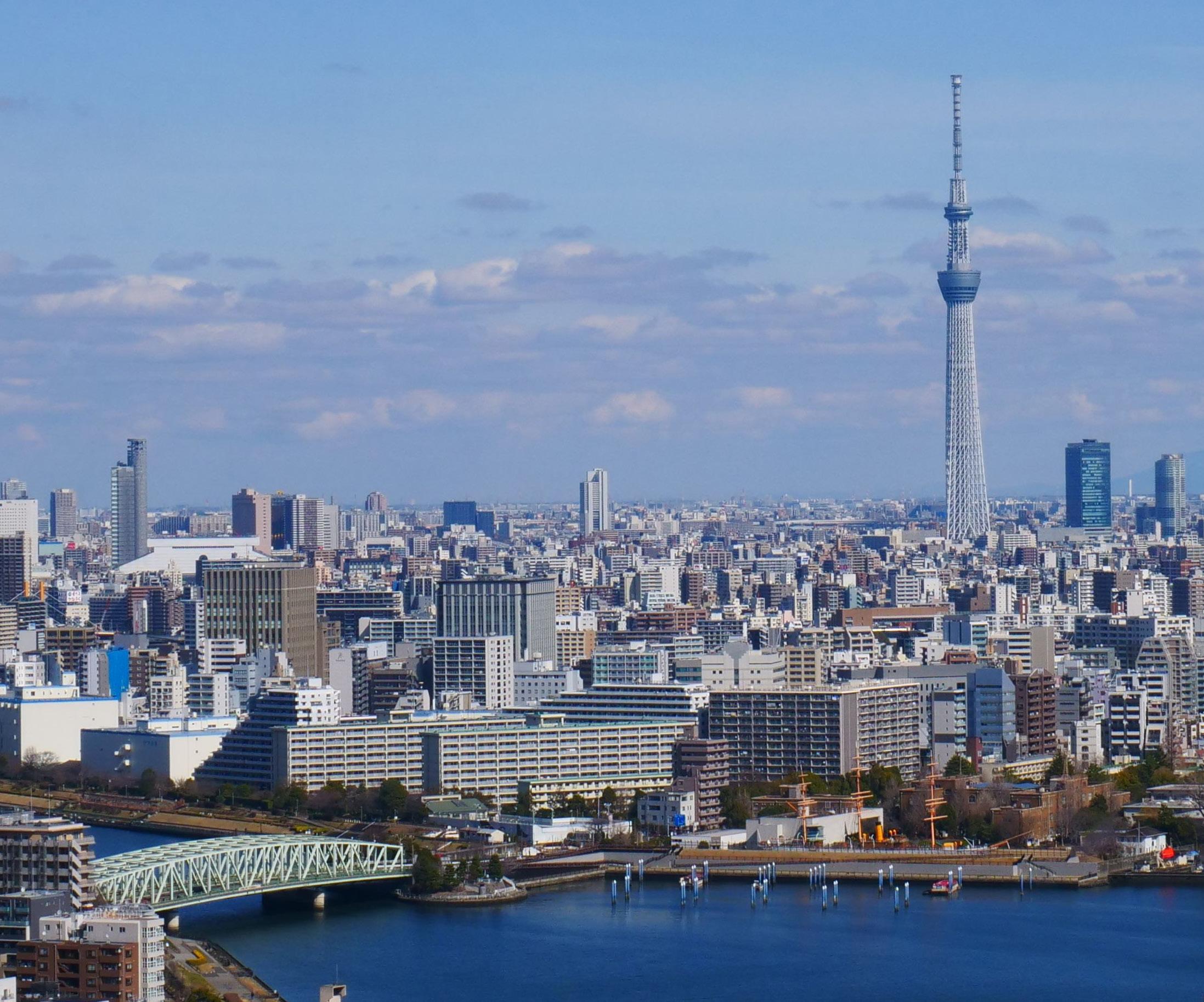
As of 18 May 2026, TAIZA was operating 20,180 GPUs across Japan, Australia, and Thailand, according to the company’s results.
equally stark: from a loss of JPY 496 million in FY03/25 to a profit of JPY 3.54 billion in FY03/26, with adjusted EBITDA reaching JPY 4.2 billion. The final quarter alone generated JPY 17.7 billion in net sales and JPY 3.9 billion in operating profit. However, the cash flow picture warrants a closer look. Despite the accounting profit, net cash used in operating activities was JPY 4.9 billion, driven by a JPY 10.5 billion increase in trade receivables as revenue scaled rapidly. Cash and equivalents at 31 March 2026 stood at just JPY 397 million, with liquidity sustained almost entirely by JPY 13.1 billion in proceeds from share acquisition rights exercises.
The financing of the next growth phase – targeted at USD 500 million to USD 1 billion through an exclusive arrangement agreement signed in May 2026 with an unnamed global investment firm managing approximately USD 100 billion in assets – is therefore not optional infrastructure
but an operational necessity.
The customer and the intermediary
Almost all of Datasection’s AI infrastructure revenue flows through a single intermediary: NauNau Japan Co., Ltd., a Tokyo-based business alliance partner named in the company’s formal financial results as the major customer accounting for JPY 30.5 billion in FY03/26. The underlying end customer is described as one of the world’s largest cloud service providers but has not been named by Datasection, citing confidentiality obligations. According to Australia’s AFR, citing company sources, multiple media outlets including the UK’s Financial Times have reported that Datasection’s biggest customer is Tencent, the Hong Kong-listed technology group. Datasection has not confirmed or denied this.
The Australia play
The most commercially significant near-term project is the company’s first Australian data centre, operating out
Tokyo, Japan | Cre: Pexels
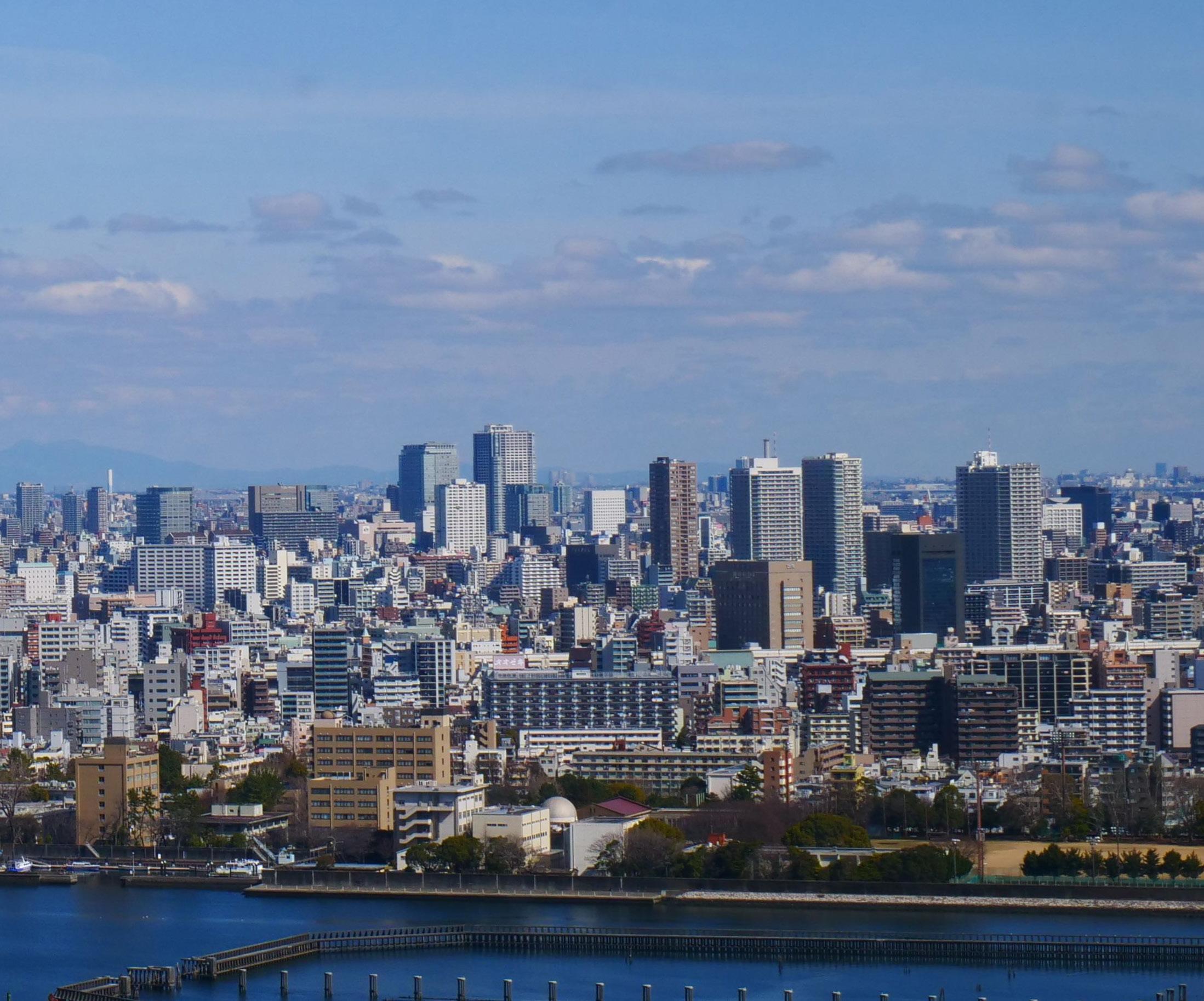
of DigiCo Infrastructure REIT’s SYD1 facility at Ultimo in Sydney. According to the AFR, citing company sources, Datasection struck a deal with DigiCo in October 2025. The Sydney centre is central to the FY03/27 forecast, with the company projecting JPY 34.2 billion in revenue from the first Australian project and a further JPY 12.8 billion from an expansion phase described as highly probable. The facility will commence phased operations from July 2026, initially running 10,000 NVIDIA B300 GPUs across 1,250 servers with approximately 20 MW of capacity, expanding to 40 MW by January 2027 and eventually scaling to 30,000 GPU units.
The domestic and regional build-out Japan’s first domestic project, in Inzai City, Chiba Prefecture, involves 5,000 NVIDIA B300 GPUs across 635 servers, with hardware sourced through agreements with GIGA COMPUTING of Taiwan and, in May 2026, Compal Electronics at a cost of USD 325 million. Operations are scheduled to commence from July 2026, contributing JPY 15.9 billion to the FY03/27 forecast. In Thailand, a 5,000-GPU B200 cluster in
Bangkok adds a further JPY 15.9 billion, classified as a highly probable pipeline project.
Beyond these initial deployments, the project pipeline is ambitious. Projects A and B – Japan and Australia – are contracted. Projects C through I remain prospective, but include clusters of 70,000 and 100,000 GB200/300 units, and a 70,000-unit B300 deployment in the UAE underpinned by a February 2026 memorandum of understanding with Dubai-based National Pulse Group covering a data centre of approximately 150 to 180 MW. None of these pipeline projects are included in the current FY03/27 guidance.
TAIZA and the competitive moat
Central to Datasection’s positioning is TAIZA, its proprietary cloud stack for operating large-scale AI clusters, developed in partnership with CUDO Ventures Ltd., a London-based NVIDIA-certified cloud partner. The company argues that through supplier partnerships spanning GIGA COMPUTING, Inventec, and Compal, its GPU procurement capability is
disproportionately strong relative to other Japanese operators – most of which, it contends, are currently incapable of constructing large-scale AI clusters at all. In March 2026, the company appointed Scott Trowbridge, an early member of Stability AI, as Chief Business Officer to accelerate global expansion.
Central to Datasection’s positioning is TAIZA, its proprietary cloud stack for operating large-scale AI clusters, developed in partnership with CUDO Ventures Ltd., a Londonbased NVIDIA-certified cloud partner.
Outlook and risks
The FY03/27 guidance – JPY 162.2 billion in net sales, JPY 24.8 billion in operating profit, and JPY 58.2 billion in adjusted EBITDA – projects increases of 383% and 600% respectively. It rests on four projects: the existing customer service provision (JPY 79.9 billion, the single largest line), the Japan data centre (JPY 15.9 billion), the Australian project and expansion (JPY 47.0 billion combined), and Thailand (JPY 15.9 billion).
The concentration of revenue through a single intermediary and a single undisclosed end customer represents a structural dependency that investors will be watching closely. So will the working capital dynamics: the financing arrangement under negotiation is the mechanism by which the next tranche of GPU procurement gets funded, and the recent history of equipment delivery delays serves as a reminder that execution risk in this business is real.
What is less disputed is the scale and speed of what has already been built. A company generating JPY 2.9 billion in FY03/25 is forecasting JPY 162 billion in FY03/27. Whether that trajectory holds will depend on whether Datasection can commission its facilities on time, whether its anchor customer continues to expand, and whether the broader pipeline converts from ambition into contracted revenue.
Here’s what transpired at Chennai CDC and
Interconnect World 2026
Nearly 1,000 delegates thronged ITC Grand Chola on May 21 to attend w.media’s Chennai Cloud & Datacenter Convention (CDC) and Interconnect World 2026. The event drew much attention for its curated panel discussions and technology presentations where we brought together 125 speakers and panelists from among the top leadership of some of the biggest and most renowned digital infrastructure and telecommunications companies from India and across the world.
By Deborah Grey
Also in attendance were architects, engineers and consultants (AEC), industry veterans and technology experts. Present at the inaugural session were industry stalwarts, senior government officials and technocrats such as:
• Anand Khare, Director General, Telecom, Department of Telecommunications, Government of India
• Syed Mohamad Beary, Founder and Chairman, Bearys Group
• Bimal Khandelwal, CEO ST Telemedia Global Data Centers India
• Vimal Kaw, Country MD - India, and Global Head of Sales Enablement, NTT GLobal Data Centers
Mageshwar R., Vice President, Promotion and Facilitation, Electronics Corporation of Tamil Nadu Ltd. (ELCOT)
Delivering the inaugural address, Anand Khare, Director General, Telecom, Department of Telecommunications, Government of India, said, “The world is no longer connected through cables, towers and switches. Today we are connected through data platforms, cloud ecosystems, digital trusts, and increasingly through real time decision making powered by AI. Interconnection today is not simply about networks; it’s about economies talking to economies, it is about governments connecting with citizens, it is about enterprises
connecting with opportunities, and above all, it is about people connecting with possibilities.”
Throughout the day, many exciting power panel discussions examined the myriad aspects of a variety of technological challenges and proposed innovative solutions before audiences at CDC and Interconnect World.
“We have just started, and taken off. Technology is ever evolving. With AI workloads coming in, there is a requirement for higher rack densities, more power, and energy efficient capacities that are scalable. But there isn’t enough skilled execution capability,” said Bimal Khandelwal giving a sobering reality check during the very first power panel discussion of the day. “That’s where we all will have to work. While we build data centers to channelise the demand, it is more important to maintain and run the data center well. Many new players are yet to step into that role, they are just in the building phase.”
Vimal Kaw concurred saying, “We are slow on capacity. Supply is less, the demand is more.” Shedding light on another challenge, he said, “We have a lot of talent, lots of engineers, but no
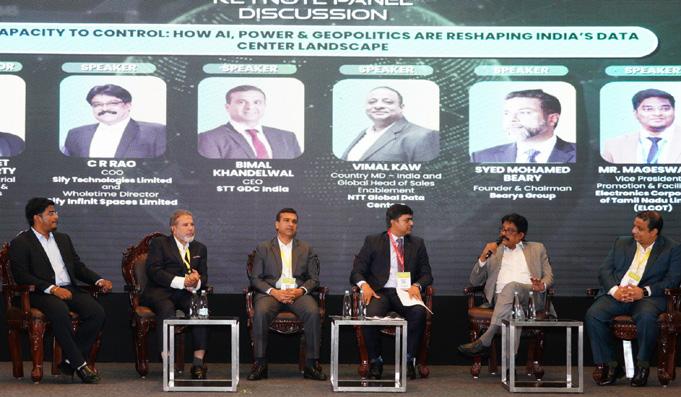
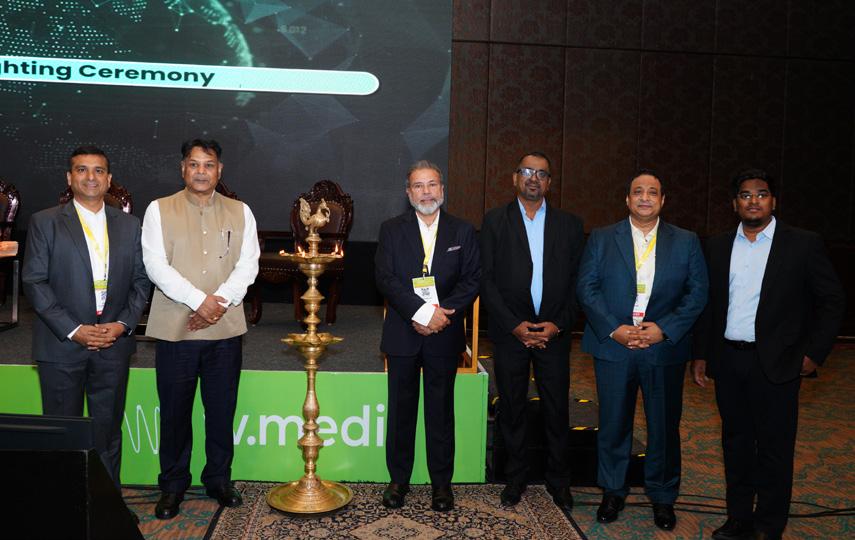
specific degree that gets them data center jobs. So when these people enter the workforce, they need to be trained in how we operate our data centers.”
Meanwhile, at Interconnect World, there were panelists and speakers from telecommunications companies, subsea cable operators, internet exchange providers and government officials.
“From the network standpoint, prior to the AI era, until about five years ago, most of the network was consumed for video streaming or social media,” said Narendra K. Data, Vice President, Network Services, India, NTT Ltd. during a discussion on scaling subsea cable capacity for the AI and cloud era. “All such data traffic was more deterministic in nature, and downstream heavy. But in the AI era, traffic has exploded. This requires us to change how we plan and design our networks.”
“Because of the true nature of AI, you cannot have compute centralised,” said Gaurav Hirani, General Manager, Head, Cloud and DevSecOps, Reliance Jio, showcasing how the connectivity demands of today were leading to a shift in design and deployment of digital infrastructure. “You need to move it closer to where inference is required. It could be in industries, it could be a connected car, a smart electricity meter. Because of this there is a major change in how data centers are designed, and these days we see a multi-region active set up.”
Meanwhile, a breakaway session titled CenterStage took place in the expo hall. This is where industry leaders and technology experts discussed matters in a more relaxed and semiformal setting. Also exhibiting their latest products and technologies were nearly two dozen technology vendors whose products and services are used in data centers across the world.
All Images courtesy: CDC Chennai 2025
w.media’s Sijori Week exceeded expectations
A fixture in the digital infrastructure circuit, Sijori Week highlighted once again the importance of the industry coming together to exchange insights and update on the latest trends while having a good time.
“I like to attend SIJORI events because these events offer a great platform to network and gain insights into the latest trends and insights shaping the digital infrastructure growth in this region.”
- Tang Ai Leen, Partner at Wong & Partners.
By Jan Yong
Judging from the above remarks, SIJORI Week, organised by w.media has clearly proven to be a crowd favourite and a fixture in the data center events industry. Every attendee said they were looking forward to it. And indeed, this year had a lot more to offer including two new events, DCIS Summit Asia 2026 and HPC Summit Southeast Asia 2026. This year saw record-breaking number of attendees across all events - more than 3,000 digital infrastructure leaders from across Asia Pacific converged into Singapore, Batam, and Johor during the week of 21 - 27 June
“Attending SIJORI allows us to enhance our transformer brand directly with data centre decision-makers and keeps us informed of current DC market activity and future planning.”
- Andrew Morrow, MD, SGB MY
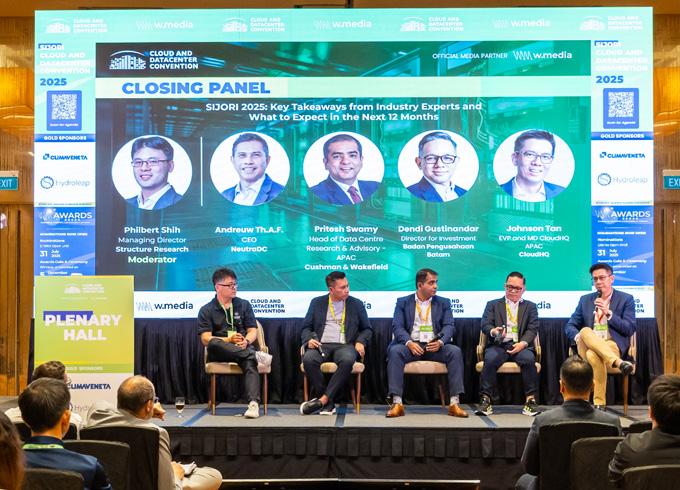
“I have found SJORI week to be a great opportunity to get together with the local data centre players to exchange knowledge and to deepen relationships, along with listening to some great thought leadership.”
- James Rix, Head of Data Centres Practice – Southeast Asia & Korea (SEAK) at JLL.
“It is always great to attend SIJORI, being one of w.media’s flagship regional events, spanning Johor, Batam and Singapore. It brings together a broad mix of stakeholders across the ecosystem, from government agencies and network providers to data centre operators, making it a valuable platform to exchange insights and understand how the wider regional market is developing.”


2026.
SIJORI is a region comprising Singapore, Johor (Malaysia), and the Riau Islands (Indonesia). It is the fastestgrowing digital infrastructure hub in Asia and is poised to be a major player in the global stage.
With more than 15 industryleading companies as sponsors, the event featured a lineup of six exciting activities. Highlights included a Golf Open in Batam, Interconnect World in Johor, networking drinks, High Performance Computing Summit, SIJORI Cloud and Datacenter Convention, and the Data Center Investment Summit, as well as some Football in Singapore to wrap everything up.
- - Vivian Wong, Lead Analyst, DC Byte
All Images courtesy: CDC Singapore 2025
Can America be at peace with the neighbourhood data center?
“Be at war with your vices, at peace with your neighbors,” advised Benjamin Franklin, one of the Founding Fathers of the United States of America. Now, two hundred years later, as data centers pop up across the country, can the common man be at peace with a neighbour that keeps demanding more and more of everything - land, electricity and water?
By Deborah Grey
The US is the world’s largest data center market, with its size estimated at US$ 122.08 billion in 2026 by Mordor Intelligence1. It is projected to grow to US$ 168.34 billion by 2031, at a CAGR of 6.64 percent over 20262031. With growing investments into AI factories and mega projects, Goldman Sachs2 estimates the power demand to surge from 31 GW in 2025 to 66 GW in 2027, doubling over a mere two-year period!
The pressure this is putting on resources, has led to protests, and legislation pausing or restricting data center development in some states. We have been covering these legislations on w.media, and at the time of writing this piece as many as 200 local governments, including New York, Seattle, and Baltimore, and nearly a dozen states, have passed a variety of laws and issued moratoriums to check the indiscriminate development of hyperscale and AI data centers.
Who is pressing pause?
For example, New York State Senator Liz Krueger and Assemblymember Anna Kelles introduced legislation in February this year to impose a temporary, threeyear moratorium on new data center construction across the state. The move came in response to growing public pressure since December 2025, when over 50 groups called for a moratorium, citing unsustainable resource use and
rising utility costs.
Liz Kruege, New York State Senator, said, “Massive data centers are gunning for New York, and right now we are completely unprepared. When one of these energy-guzzling facilities comes to town they drive up utility prices and have significant negative impacts on the environment and the community – and they have little to no positive impact on the local economy.”
Anna Kelles, Assemblymember, said, “This legislation creates a responsible pause so the state can complete a comprehensive assessment and put clear, data-driven standards in place, ensuring that any future development is aligned with our climate goals and the long-term health and economic stability of New Yorkers.”
But, perhaps the most talked about among these moratoriums is the Artificial Intelligence (AI) Data Center Moratorium Act3 which was jointly proposed by Sen. Bernie Sanders (I-Vt.) and Rep. Alexandria OcasioCortez (D-N.Y.) in March this year. The legislation aims to create a temporary prohibition on the construction of new data centers and the expansion of existing data centers until Congress passes comprehensive legislation to address the economic, environmental, and safety impacts of artificial intelligence.
“AI and robotics are creating the most sweeping technological revolution in the history of humanity. The scale, scope and speed of that change is unprecedented. Congress is way behind where it should be in understanding the nature of this revolution and its impacts,” said Sanders. “We need
“If AI data centers are such a tremendous benefit to communities, why are so many of them being built without meaningful community input?”

Erin Brockovich
serious public debate and democratic oversight over this enormously consequential issue. The time for action is now. We need a federal moratorium on AI data centers.”
There are also growing concerns surrounding the unethical use of AI in surveillance and creating content harmful to women and children.
“We have seen ICE partner with AI companies to surveil Americans, social media users employ AI bots to create sexually explicit deepfakes of women and children, and data center construction inflate electric bills in communities across the country. And all of this harm has occurred because of the absence of federal legislation to regulate AI,” said Ocasio-Cortez.
“Congress has a moral obligation to stand with the American people and stop the expansion of these data centers until we have a framework to adequately address the existential harm AI poses to our society. We must choose humanity over profit.”
In fact, Ocasio-Cortez recently introduced it in the House with Sanders leading it in the Senate. The legislation is cosponsored4 by Representatives André Carson (IN-07), Steve Cohen (TN-09), Jesús “Chuy” García (IL-04), Dan Goldman (NY-10), Adelita Grijalva (AZ-07), Jim McGovern (MA-02), Terri Sewell (AL-07), Rashida Tlaib (MI-12), and Bonnie Watson Coleman (NJ-12).
Ocasio-Cortez had also raised concerns over impact of data centers on water resources, famously holding
up glass jars of red-brown water as she appealed to the Environmental Protection Agency (EPA) to investigate environmental complaints tied to the Stanton Springs industrial area in Georgia in May this year.
Activists and environmental groups are demanding greater transparency in site selection and a stronger commitment to sustainability and responsible resource usage. Writing about the need for greater transparency on her blog, American paralegal, consumer advocate, and environmental activist Erin Brockovich asked, “If AI data centers are such a tremendous benefit to communities, why are so many of them being built without meaningful community input?”
She invited ordinary people to share their experiences and after receiving more than 3,000 responses launched a crowd-sourced map of data center related complaints on her website. Brockovich discovered, “The single most common concern—more than noise, more than water usage, more than rising utility bills—is the one word that keeps appearing in submission after submission: transparency. Residents are using words like silenced, ignored, secretive, and not seen and not heard.”
Brockovich also highlighted issues pertaining to an increase in utility bills and long-term impact on health and property value.
Who is taking remedial measures?
One of the things the industry
“AI and robotics are creating the most sweeping technological revolution in the history of humanity. The scale, scope and speed of that change is unprecedented. We need serious public debate and democratic oversight over this enormously consequential issue.”

References: [5] [6] [7]
agrees upon unanimously is that data centers do indeed consume a large amount of electricity. This has led to two types of measures being taken.
As a first step, data centers developers, owners and operators, are now increasingly sourcing power from renewable energy sources. For this they are either entering into power purchase agreements (PPAs) with solar and wind energy companies, or investing in developing their own solar and wind farms.
For example, in February this year, Google signed two long-term PPAS with TotalEnergies to power its data centers in Texas with 1 GW of solar capacity over 15 years. The power will come from two solar projects under development in Texas: the 805 MWp Wichita site, and the 195 MWp Mustang Creek site.
Also in Texas, Meta, and Spanish renewable energy company, Zelestra, are expanding their clean energy collaboration with a new PPA for the 176 MWdc (136 MWac) Skull Creek Solar Plant in Anderson, Texas. The project is currently under development and is expected to reach operational status in May 2027, after which it will deliver power into the Electric Reliability Council of Texas (ERCOT) grid.
Then in March this year, US President Donald Trump announced the Ratepayer Protection Pledge5, a voluntary agreement signed by major technology companies including Amazon, Google, Meta, Microsoft, OpenAI, Oracle and xAI to prevent electricity costs tied to data center expansion from being passed to households. The companies agreed to “build, bring, or buy” new generation resources for data centers and cover costs of required transmission and distribution upgrades, even if they do not use all the electricity requested.
“Congress has a moral obligation to stand with the American people and stop the expansion of these data centers until we have a framework to adequately address the existential harm AI poses to our society. We must choose humanity over profit.”

and Energy Study Institute (EESI)6 , large data centers can consume up to 5 million gallons per day, equivalent to the water use of a town populated by 10,000 to 50,000 people. As per a study by the University of California, Riverside7, a data center's water consumption is calculated by taking into account not only the on site water use, but also water use by power plant facilities that supply power to data centers, and water consumption during the manufacturing process of processor chips. This is a more comprehensive scope of analysis and evaluation.
While switching to recycled or grey water seems like a better idea than tapping into groundwater or water from municipal sources, the most efficient way to reduce the water consumption of a data center is to switch to liquid cooling. Techniques like immersion cooling or direct to chip cooling using dielectric fluids, offer more effective and energy efficient thermal management compared to traditional evaporative cooling methods using water.
Sen. Bernie Sanders
“As that infrastructure grows and the related electricity demand increases, the American people should not be footing the bill for the benefit of private companies. Instead, the data center boom should be leveraged to address affordability and benefit all American households and businesses,” says the pledge. However, this pledge lacks teeth, as it lacks binding legal enforceability. Moreover, it only covers electricity use, and ignores concerns surrounding water use.
According to the Environmental
Conclusion
This takes us back to Benjamin Franklin’s advice about waging war and making peace. Can American authorities and data center developers tell the difference between value and price? Will they, for once, look at the face of the man whose face appears on their currency notes, and take his advice to wage war against vices like greed? Or will the common man be forced to make peace with a difficult neighbour?
Rep. Alexandria Ocasio Cortez
Is Your Business Ready to Take the Spotlight? Get in touch with us today at media@w.media
Scan to watch our exclusive interviews with Industry leaders.
With a readership of top decision-makers across APAC, we’ll ensure your message reaches the right audience. Our Offerings Include:
• Magazine – Online � ���ine
• Interviews - In person & Virtual
• Editorial content
• Newsletter Features
• Digital Ad Campaigns
• Annual APAC Cloud and Datacenter Awards Our Community at a Glance:
• 80,000+ Subscribers across APAC
• 100,000+ Monthly Website Visits
• 47,000+ Social Media Followers
• 16,000+ Industry Decision-Makers Engaged


Submit your nominations now for a chance to be recognized on the industry's biggest stage
1.
What’s New for 2026
After two memorable ceremonies in Singapore, the Awards will now travel to Bangkok, Thailand - a booming hub for digital stage for our annual celebration.
This year's program is built around our 5Ps framework: Project, Platform, Power, Planet and People, with 19 new categories to recognize achievement across cloud and digital infrastructure.
2 .
Nominations Open: 1 June - 31 July 2026
Submit your nominations now and put forward the achievements defining the industry across Asia:
• Your projects and initiatives must take place from 1st June 2025 – 31st May 2026
• Entry remains free, and organizations are welcome to submit multiple nominations

3.
Limited Sponsorships Opportunities Available
Sponsorship places this year are limited. Partnering with the Awards puts your brand in front of the industry across the full campaign, from the nomination launch through months of editorial and social coverage to the Gala Dinner itself.
Early partners gain the most visibility, with presence built from the opening of nominations all the way to the night the winners are announced.
!

Burn, drown, or starve: How will we experience Gaia’s wrath?
In Greek mythology, Gaia is the goddess of Earth - the one who creates and nurtures all living beings. Much has been written about her wrath and vengeance against those who break her rules. I wonder what’s in store for us…
By Deborah Grey
As I write this piece, India is reeling under a cruel heatwave, with temperatures soaring to 45°C in multiple cities and villages. What’s truly shocking is that on a single day - April 27, 2026, the top 50 hottest cities1 in the world were from India - not the Middle East, or sub-Saharan Africa - every single city on that list was located in India. The average temperature hovered at ~44°C, and the “coolest” among these cities was Solapur in the western Indian state of Maharashtra, recording a temperature of 41.9°C. Similarly on May 22, as many as 97 of the top 100 hottest cities in the world2 were all from India, with Balangir in Odisha emerging as the hottest location at 48°C.
Now, heatwaves are not uncommon in this part of the world, and according to the World Health Organization3 India sees as many as five to six heatwaves every year, usually between the months of March and June. But according to the Indian Meteorological Department4, the frequency of heatwaves in the country has increased by 0.1 days per decade since 1961, and the total duration of a heatwave has gone up by 0.44 days per decade.
Another recent study5 by the India Energy and Climate Center, Goldman School of Public Policy, UC Berkeley, estimates that a single day of extreme heat in India causes approximately 3,400 excess deaths nationally; a fiveday heatwave causes nearly 30,000.
And that’s not the only kind of climate change taking place across
the world. In 2025 alone, instances of torrential rain and flooding were reported from Gaza, Morocco, Pakistan, Nepal, Indonesia, Thailand and Sri Lanka. The cumulative death toll from these floods was in the thousands. This doesn’t even take into account the impact of climate change on global agriculture. What happens when the food runs out?
Climate change is neither some imaginary conspiracy, nor is it something that will happen in a distant dystopian future; it’s happening now, and it’s killing people. Most governments understand this, and have made a variety of pledges and Net Zero commitments, most hoping to accomplish the goal by 2050 in line with the findings and recommendations of the Intergovernmental Panel on Climate Change (IPCC). But the concept of Net Zero is also a complicated compromise.
According to the University of Oxford6, “Net zero refers to a state in which the greenhouse gases going into the atmosphere are balanced by removal out of the atmosphere.”
Meanwhile, the UN7 explains the terms in simpler words saying net zero means cutting carbon emissions to a small amount of residual emissions that can be absorbed and durably stored by nature and other carbon dioxide removal measures, leaving zero in the atmosphere.
This puts the spotlight on CO2 removal measures such as carbon offsets and credits. Simply put, carbon offsets are tradable rights or certificates linked to projects that lower CO2 emissions. This allows
companies to invest in afforestation initiatives, and carbon sequestration projects.
But intrepid journalists8, and climate activists9 have revealed how many of these projects either just exist on paper, or are hard to track. Some are located in remote areas in the global south making it virtually impossible to track progress. Some others might be “phantom credits” and therefore completely worthless. Some have been revealed to have sold the same unit of the project many times over leading to limited real offsetting. Yet others have benefits that may materialize only in the distant future.
None of this should dissuade the data center industry from doing what’s right, but caution must be exercised to ensure genuineness of the commitment to sustainability. Many data center companies are today investing in captive renewable energy generation projects to power their ambitious hyperscale projects and AI factories. And this is perhaps the best option given how it is easier to track progress and also enable power infrastructure planning to be more aligned with project development and scaling.
We are not going to stop needing data centers, so we don’t really have a choice. Our survival depends on making increasingly sustainable choices. Because if we don’t make a serious course correction now, we are doomed to suffer more heatwaves, floods and eventually the collapse of global agriculture. So how will a wrathful Gaia exact her revenge? Will we burn, drown or starve?
“Recognizedasanofficial solutionproviderwithinthe OCPecosystem”