

Why Is 2026 Becoming a Turning Point for Industrial Transition?
The industrial sector is entering a defining moment Around the world, companies are facing mounting pressure to adapt to new environmental regulations, changing investor expectations, and fast-moving technological advancements In Canada, this transformation is especially visible across energy-intensive industries, where businesses are reassessing long-term operational strategies Many organizations are increasingly relying on oil and gas consulting in Canada to better understand these shifts and prepare for what comes next.
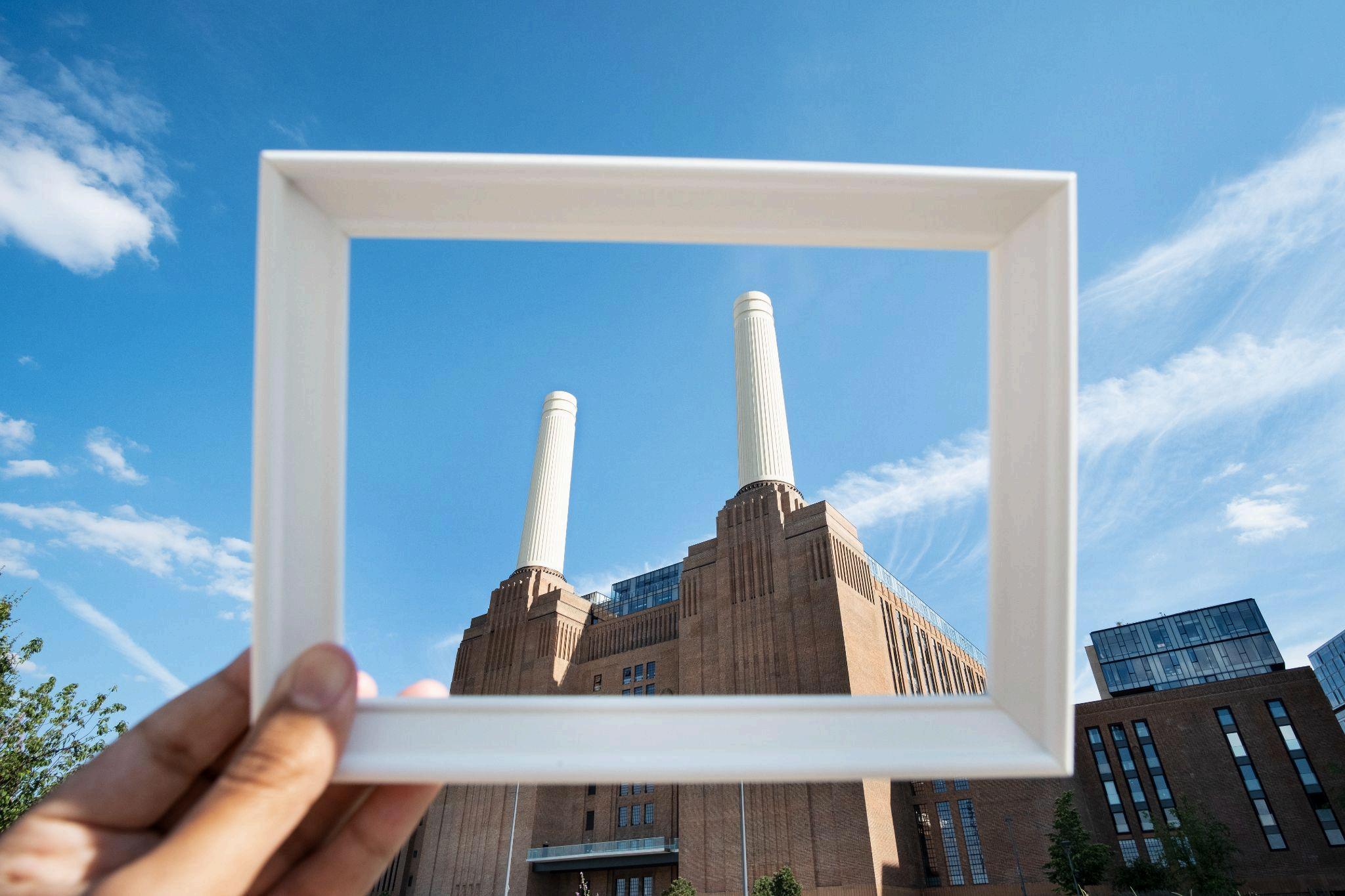
The year 2026 is emerging as a major milestone because it represents the point where planning is no longer enough. For years, industries have discussed decarbonization, efficiency improvements, and sustainability targets Now, those conversations are becoming action plans Companies are being pushed to move from ambition to execution
This transition is not just about compliance It is about survival, competitiveness, and long-term resilience in a rapidly evolving industrial landscape.
The Global Pressure Reshaping Industry
Industrial transition is being driven by a combination of forces that have been building for more than a decade Climate agreements, stricter emissions policies, technological breakthroughs, and shifting market demands are all converging.
Several factors are making 2026 particularly significant:
● New regulatory deadlines are coming into effect
● Investor scrutiny on environmental performance is increasing
● Carbon pricing frameworks are becoming more aggressive
● Industrial customers are demanding lower-emission supply chains
● Clean technology is becoming more commercially viable
For industrial operators, these pressures create both risks and opportunities Companies that adapt early can gain strategic advantages, while those that delay may face operational inefficiencies, financial penalties, or lost market access
Why Canada Is at the Center of This Shift
Canada occupies a unique position in the global industrial transition.
As one of the world's leading energy producers, the country has significant industrial infrastructure tied to traditional resource development At the same time, Canada is advancing ambitious climate objectives that require substantial emissions reductions across heavy industry
This dual reality is accelerating transformation
The country's industrial sectors, including energy, manufacturing, mining, and transportation, are increasingly focused on balancing economic growth with environmental responsibility
Key developments shaping Canada's industrial transition include:
Federal and provincial policies are becoming more structured around measurable outcomes
Reporting requirements are becoming more detailed, and performance benchmarks are rising
Expansion of Low-Carbon Incentives
Government-backed funding programs are helping companies invest in cleaner technologies, infrastructure modernization, and emissions reduction strategies.
Greater Industry Collaboration
Partnerships between private operators, engineering specialists, and regulatory experts are becoming essential for navigating complex transition requirements
This is one reason why industrial operators are turning to specialists in oil and gas consulting in Calgary, where technical expertise is closely aligned with regional energy realities
The Rise of Technology-Driven Decarbonization
Technology is one of the strongest reasons 2026 is becoming a tipping point.
Many solutions that were once considered experimental are now commercially scalable Industrial businesses are no longer asking whether these technologies will work They are asking how quickly they can implement them.
Some of the most important advancements include:
Carbon Capture and Storage
Carbon capture is becoming one of the most practical pathways for emissions-intensive industries
It enables facilities to reduce carbon output without completely redesigning core operations. This is especially valuable for sectors where electrification is not yet feasible at scale
As implementation grows more sophisticated, the role of carbon capture consulting has become increasingly important for helping companies assess technical feasibility, infrastructure integration, and regulatory pathways
Digital Monitoring Systems
Advanced monitoring tools now allow operators to:
● Track emissions in real time
● Identify inefficiencies quickly
● Improve operational transparency
● Strengthen compliance reporting
These capabilities reduce uncertainty and improve decision-making
Process Optimization Technologies
Industrial facilities are investing in automation, predictive analytics, and energy optimization tools that improve performance while lowering emissions intensity
The result is a more efficient industrial model that supports both economic and environmental goals
Net Zero Is Becoming an Operational Strategy
For many organizations, net zero was once viewed as a long-term aspiration
That perspective is changing rapidly.
In 2026, net zero planning is becoming deeply integrated into day-to-day operational decision-making. Companies are embedding emissions targets into project development, capital allocation, infrastructure planning, and performance evaluation
This shift reflects a broader understanding that sustainability is no longer separate from business strategy.
Industrial leaders are increasingly focusing on practical pathways such as:
Short-Term Action Plans
These often include:
● Energy efficiency upgrades
● Methane reduction initiatives
● Operational electrification where feasible
● Enhanced emissions tracking
Medium-Term Infrastructure Investment
Companies are evaluating facility redesigns, carbon management systems, and clean fuel integration
Long-Term Transformation Models
These involve larger structural shifts toward lower-emission operating frameworks
Because this planning requires technical precision and regulatory alignment, many organizations are seeking net zero consulting support to ensure strategies are realistic, measurable, and commercially viable.
Why
2026
Represents the Shift from Planning to Execution
The industrial world has spent years analyzing transition pathways
Now, timelines are tightening
There are several reasons why 2026 marks this move toward action
Policy Deadlines Are Arriving
Governments are moving beyond broad climate commitments and introducing specific implementation frameworks.
This means companies must begin demonstrating measurable progress
Financial Stakeholders Expect Results
Investors and lenders increasingly evaluate industrial companies based on transition readiness
Organizations with weak transition strategies may face:
● Higher capital costs
● Reduced investor confidence
● Increased operational scrutiny
Competitive Positioning Matters
Industrial buyers are paying closer attention to emissions intensity across supply chains
Companies that can demonstrate lower-carbon operations may gain stronger market access and long-term contract opportunities
The Human and Organizational Challenge
Technology and policy are only part of the equation.
Industrial transition also requires organizational change
Companies must build internal capabilities, improve cross-functional coordination, and align leadership around shared transition goals
This often includes:
Workforce Development
Employees need training to operate new systems and understand evolving compliance requirements
Strategic Decision-Making
Leadership teams must balance short-term operational realities with long-term transformation investments
Risk Management
Transition planning must account for technical, financial, and regulatory uncertainties.
Organizations that approach industrial transition as a strategic business evolution rather than a compliance exercise are generally better positioned for long-term success.
Conclusion
It is the point where industrial transition is no longer theoretical It is becoming immediate, measurable, and unavoidable For industrial operators across Canada and beyond, the coming year presents a critical opportunity to modernize infrastructure, strengthen resilience, and build competitive advantage in a lower-carbon economy
The businesses that succeed will be those that act decisively, invest thoughtfully, and approach transition with technical clarity. Industrial transformation is rarely simple. It demands expertise, planning, and adaptability
But for those prepared to embrace change, 2026 could mark the beginning of a stronger, smarter, and more sustainable industrial future
Thank you
Website: https://www.vzfoxcanada.com/
Email: sales@vzfoxcanada com
Contact: +1 (403) 775-0551