
Growing the
Physician Workforce in Arkansas: A Statewide GME Strategy 2026
1.
2.
3.
3.
4.
5.
6.
7.
In everything we do at Heartland Whole Health Institute (the Institute), “access” is a central theme. Access means a mother can get the care she needs close to home. It means a family can see the right specialist without months of waiting. Access means every community, whether it be urban or rural, can depend on consistent, high-quality, compassionate care.
That’s why the Institute is investing in a statewide Graduate Medical Education (GME) strategy. When physicians train in Arkansas, they are far more likely to build their lives and careers here. Long-term, this strengthens access and improves care quality. This work is about building the teams that make great care possible, including primary care, specialty care, and the full range of services communities rely on.
Growing our own workforce helps Arkansas move from constant scarcity toward stability. It reduces reliance on temporary fixes and helps hospitals and clinics build durable teams, stronger continuity, and a better patient experience.
Most importantly, this initiative is about lasting change. Arkansas has the talent, partners, and momentum to build a statewide training system that strengthens care quality and access for generations.
With focused leadership and coordinated investment, Arkansas can convert recent momentum into measurable workforce growth, strengthening access to care, improving retention, and building a GME infrastructure designed to endure beyond short-term funding cycles or political transitions.
Alice Walton Founder, Heartland Whole Health Institute
Claude Pirtle, MD, MBA, MSACI President, Heartland Whole Health Institute
Sarah Bemis, DNP, BA, RN Associate Vice President, Policy and Workforce, Heartland Whole Health Institute
“I hope my biggest impact will be the lasting change that access to health care provides”
- Alice Walton
Executive Summary
Arkansas stands at a pivotal moment in shaping its physician workforce. The state’s medical schools — the University of Arkansas for Medical Sciences (UAMS) College of Medicine, New York Institute of Technology College of Osteopathic Medicine (NYITCOM) at Arkansas State University, and the Arkansas College of Osteopathic Medicine (ARCOM) — collectively graduate approximately 430 doctors annually (ARCOM, 2025; NYITCOM, 2025; (ARCOM, 2025; NYITCOM, 2025; UAMS, 2025a). With the opening of Alice L. Walton School of Medicine (AWSOM) in 2025, medical school output will increase by an additional 48 graduates per year beginning in 2029 (AWSOM, 2025).
Despite growing medical education programs in Arkansas, there are not enough entry-level residency positions to match the number of graduates. Of the state’s 1,281 accredited residency and fellowship positions, only 375 are first-year (PGY-1) positions — the required starting point for all medical school graduates (ACGME, 2025a; National Resident Matching Program, 2025). These first-year slots are essential because physicians cannot become licensed or practice independently without completing residency training. When there are not enough PGY-1 positions, medical graduates have no choice but to leave Arkansas to continue their training. This creates a significant workforce challenge. Most physicians ultimately practice near where they complete their residency. As a result, when Arkansas-trained medical students leave for residency, many do not return — weakening the state’s ability to build and retain its physician workforce and reducing the return on investment in medical education. At the same time, Arkansas performs better than most states at retaining residents who do train here. This means the state is well-positioned to see a strong return on investment — if it expands entry-level residency capacity to keep more trainees in-state from the start. Some examples of nationally competitive outcomes that demonstrate this ROI include:
• 58% retention from residency to in-state independent practice, among the highest rates in the country (Arkansas Center for Health Improvement [ACHI], 2026)
• Strong evidence that physicians practice within 100 miles of where they train (Topmiller et al., 2025)
• Significantly higher retention in underserved communities when residency includes rural training exposure (Russell et al., 2022)
Yet workforce shortages and access challenges remain acute. More than one third of Arkansans live in federally designated Health Professional Shortage Areas, several counties lack a primary care physician (ACHI, n.d.; ACHI, 2025a), and approximately 35% of the physician workforce is age 60 or older (Tripp Umbach, 2024), signaling an imminent wave of retirements. These pressures disproportionately affect rural communities and limit access to both primary and specialty care statewide.
58% retention from residency to in-state independent practice, among the highest rates in the country
The Strategic Opportunity
Coordinated expansion of Graduate Medical Education (GME) presents a rare opportunity to address physician workforce shortages, access to care, and economic growth simultaneously. When aligned with statewide strategy, regional needs, institutional readiness, and high-need specialties, GME expansion delivers durable returns across health and economic systems.
Through a coordinated statewide approach, Arkansas can:
• Add up to 500 residency positions statewide through new and expanded programs, particularly in high-need specialties and underserved regions
• Generate an economic impact associated with the addition of 500 new residents
• Achieve a return on investment exceeding 4:1, making residency expansion one of the most cost-effective physician workforce strategies available (DeVol et al., 2025)
• Strengthen access to care, physician retention, and economic resilience—especially in communities facing the greatest barriers to care
Peer-reviewed research consistently shows that GME expansion is associated with lower patient mortality, improved access to care, and stronger physician retention, particularly when training pathways are aligned with local workforce needs (Abdul Jabbar et al., 2024; Davis et al., 2022).
Realizing this opportunity in Arkansas requires future growth to be planned, coordinated, and strategically targeted, rather than incremental or siloed.
System Constraints and the Need for Transformation
Despite strong institutional commitment, Arkansas’ GME system faces persistent structural barriers:
• Only 35% of Arkansas GME positions receive Medicare (CMS) GME funding
• Federal funding caps under the Balanced Budget Act of 1997 no longer reflect current workforce demand (Balanced Budget Act of 1997, 1997)
• Opportunities to diversify and optimize funding streams remain underutilized
• Expansion efforts are constrained by financial complexity, operational risk, and limited technical support
Arkansas must transition from fragmented growth toward a coordinated statewide GME strategy that prioritizes high-need specialties, regional training pathways, diversified financing models, and shared accountability.
GME Funding and Training Capacity
Within Arkansas’ 1,281 Accreditation Council for Graduate Medical Education (ACGME)accredited residency and fellowship positions, funding support varies significantly by source. Apart from the 35% of positions that are CMS-funded, the remainder are supported through U.S. Department of Veterans Affairs (VA) funding, Children’s Hospital GME (CHGME) funding, Teaching Health Center GME (THCGME), CMS-reported-but-unfunded slots, and institution self-funded positions (He et al., 2021).
Only
35% of Arkansas GME positions receive Medicare (CMS) GME funding
Some institution-funded positions operate during Medicare cap-building periods as programs ramp up at GME-naive hospitals, meaning overall training capacity will slightly increase before all positions are reflected in CMS payment files. This fragmented financing structure underscores why Arkansas cannot rely on Medicare alone to sustain or expand its physician pipeline.
Training capacity is growing modestly, with four new ACGME-accredited programs established in 2025–2026, though not all GME positions belonging to each program were captured in national datasets at the time of data collection (ACGME, 2025b). Future phases of this work will include direct engagement with health systems and medical schools to validate additional accredited and planned positions.
Specialty Distribution and access Gaps
Arkansas maintains relatively stronger GME training capacity in Family Medicine and Internal Medicine when compared to other specialties. However, these programs remain insufficient to meet population needs given the state’s high chronic disease burden and uneven access to preventive care. While Arkansas requires investment in GME expansion across all specialties to strengthen access and health outcomes, regional benchmarking highlights more acute gaps. A seven-state comparison reveals that Arkansas consistently ranks at or near the bottom across several specialties (Appendix A) including:
and Gynecology
Surgery
Pediatric subspecialties also warrant attention because they play a critical role in access to specialized care for children, particularly children with medically complex conditions (Myers et al., 2024). Pediatric training also relies on distinct, limited GME financing mechanisms, including Children’s Hospital GME (Health Resources and Services Administration, n.d.).
These shortages directly constrain access to care across large portions of the state.
Feasible Growth and Economic impact
A statewide assessment of clinical volume, institutional readiness, and training capacity indicates Arkansas could support up to 500 additional residency positions. Key assumptions include conservative ratios for patient volume, faculty capacity, and institutional readiness, with emphasis on communities facing the greatest access challenges.
Residency expansion represents a high-return workforce investment. Modeling indicates:
• 17.1 jobs created per new physician (Tripp Umbach, 2024)
• $2.4M in economic impact per physician (Tripp Umbach, 2024)
The Case for a Statewide GME Technical assistance Center
To protect and maximize public and private investment, Arkansas should establish a Statewide GME Technical Assistance (TA) Center. The TA Center would provide expert, unbiased guidance across the full lifecycle of GME development, offering feasibility assessment, accreditation support, faculty and site readiness, financial sustainability planning, and statewide data reporting. Its role would be programmatic support, not funding allocation.
States that have invested in GME expansion without centralized technical assistance have experienced stalled or failed programs due to avoidable operational and accreditation challenges. By contrast, states such as Wisconsin, Missouri, and North Carolina use TA Centers to stabilize programs, coordinate expansion, and avoid leaving federal dollars unclaimed.
Financing and Path Forward
A sustainable GME expansion strategy requires a braided financing approach integrating Medicare and Medicaid GME funding along with other federal sources, state policy levers, workforce grants, philanthropy, and health system investment. Key implementation tools include rural training tracks, regional consortia, shared rotations, and flexible teaching site models.
Conclusion
Arkansas has a rare and time-sensitive opportunity to align its physician training pipeline with workforce needs. Strategic expansion of GME, supported by coordinated planning, diversified financing, and centralized technical assistance, will strengthen physician retention, improve access to care, and generate substantial economic returns.
Failure to act will perpetuate workforce shortages and continue the outmigration of physicians trained in-state. Coordinated action, by contrast, positions Arkansas to build a resilient, highperforming health care workforce for decades to come.
Residency expansion represents a high return on workforce investment.
“it is encouraging to see new residency programs being established; however, sustainability remains a concern. Historically, programs have struggled and closed due not only to funding constraints but also to challenges related to patient volume. rural hospitals must be sustainable for GME to be successful.”
Danna Taylor, MHA, FACHE President South arkansas regional Hospital
Section I
GME Defined
Section I GME Defined
GME begins with residency, the supervised clinical training that state medical boards mandate for physician licensure and independent practice. Upon graduating from medical school, doctors enter residency by matching into a paid training position at a hospital or clinic. After residency, many physicians complete fellowship training — an advanced phase of GME that occurs after residency where intensive subspecialty training is provided. While not required for initial medical licensure, fellowship is required for many essential specialties and subspecialties (180+), including but not limited to Interventional Cardiology, Pulmonary and Critical Care Medicine, Pediatric Emergency Medicine, Addiction Psychiatry, and Medical Oncology, making it a critical component of the physician workforce pipeline.
While both residency and fellowship training are important components of the physician workforce, this report focuses primarily on residency expansion as the most powerful physician workforce lever available to Arkansas.
Two Distinct GME Stages
Becoming a Physician in Arkansas
Undergraduate Education 4 years
Complete pre-med coursework and take the MCAT to apply to medical school.
Residency Training 3 to 7 years depending on specialty
Complete supervised specialty training in a chosen field and take the required licensing exam.
Examples of specialties that often require fellowship for more specialized practice: Cardiology, Gastroenterology, Endocrinology, Nephrology, Urology subspecialties, and Pediatric Cardiology. Fellowships are optional overall, but required for physicians who want to practice in those subspecialty areas.
Practice
Physician enters independent practice after training and licensure
Featured pathway: Cardiologist
To become a cardiologist, a physician must typically complete:
High School or GED 4 years
Medical School 4 years
Complete coursework, clinical training, and required pre-licensing exams.
Fellowship Training Optional, 1 to 3+ years
Examples of specialties with optional subspecialty training: Family Medicine, Internal Medicine, Pediatrics, Psychiatry, Emergency Medicine, and General Surgery.
Complete additional subspecialty training. Some physicians pursue additional subspecialty training after residency.
Arkansas has limited in-state cardiology fellowship capacity, with only a small number of cardiology fellowship programs, all based in Little Rock.
1-2
Additional subspecialty training for procedural, advanced disease/ transplant, congenital, imaging or other cardiac-focused areas 4
Where GME Training Occurs
Training Setting Category Examples
CLINICAL AND COMMUNITY-BASED SETTINGS
ACADEMIC AND EDUCATIONAL SETTINGS
PUBLIC AND GOVERNMENT SETTINGS
Teaching hospitals, nursing homes, physician group practices, Federally Qualified Health Centers, Teaching Health Centers
universities, medical schools, schools of public health, educational foundations, educational consortia
Health departments, public health agencies, organized health care delivery systems, medical examiners’ offices
Note. Adapted from ACGME (2026a, 2026b).
*ACGME notes that sponsoring institutions and participating training sites may encompass inpatient and outpatient settings, including but not limited to the examples listed above.
Most Residents Stay Within 100 Miles of their Residency
Physicians practice in close geographic proximity to where they trained. Most practice within 100 miles of their training site.
KEY POINT
Medical school shapes who enters the physician workforce; residency training strongly shapes where physicians ultimately practice.
FIGURE
Section II Arkansas’ Current GME Landscape
1Methodology
This assessment reflects a comprehensive, statewide effort led by Heartland Whole Health Institute (the Institute) to understand Arkansas’ GME landscape through both data-driven analysis and deep stakeholder engagement. The assessment was developed in partnership with GME development experts at the University of North Carolina (UNC) at Chapel Hill’s Cecil G. Sheps Center for Health Services Research, which houses both state and national Technical Assistance (TA) Centers that support GME development and sustainability.
To ensure accuracy, relevance, and alignment with real-world conditions, the project team used:
• A statewide survey of GME stakeholders with 26 respondents
• Over 42 interviews and listening sessions with leaders, physicians, educators, and trainees across the state
• Five regional forums across Arkansas, organized using Arkansas Department of Health regions — Northwest, Northeast, Central, Southwest, and Southeast (Arkansas Department of Health, n.d.) — with over 100 program leaders and representatives from essential community partners, including health systems, rural providers, academic institutions, and workforce leaders (Appendix B)
• Collaborative discussions with stakeholders to validate findings
This work was complemented by:
• Analysis of ACGME and CMS-reported training data1
• Review of clinical capacity and training potential
• Benchmarking via seven peer-state comparison and national best practices
Result: A grounded, consensus-informed understanding of where Arkansas stands today and where it can grow.
1Unless otherwise stated, program and resident/fellow counts reflect 2024–2025 data, the most recent complete year available at the time of analysis. Arkansas’ GME landscape continues to evolve, and some program, resident, and fellow counts may have changed modestly since the 2024–2025 data year.
2 Stakeholder Findings
Stakeholder engagement across Arkansas revealed a consistent and urgent message: demand for physician training capacity across specialties and regions significantly exceeds current supply. Across all levels of engagement with individual organizations, stakeholders consistently identified four recurring barriers to GME expansion.
1 Lack of Funding Is the Primary Barrier to Growth
across arkansas, health system leaders consistently identified flexible funding, particularly for start-up and early-stage operations, as the most significant barrier to expanding GME. across all five regions of the state, hospitals, health systems, community-based providers, educational institutions, workforce partners, plus local and statewide organizations emphasized that while demand for residency programs is strong, the ability to finance early program development remains limited.
Critical funding gaps included:
• Program director and faculty recruitment
• Accreditation preparation and application
• Administrative and operational infrastructure
• Bridge funding before programs reach financial stability
• Expansion capital for adding new residency positions
2 Accreditation Requirements Limit Independent Growth
Hospitals across Arkansas reported that accreditation requirements, particularly clinical volume and case mix thresholds, are difficult to meet independently. For smaller and rural hospitals, limited clinical volume can make development difficult for independent programs, while specialty programs often face even higher accreditation thresholds. As a result, standalone program development is often not feasible.
Several practical solutions emerged from these discussions:
• Shared training across multiple institutions
• Regional partnerships to aggregate patient volume
• Distributed rotations across hospitals, clinics, and FQHCs
KEY POINT
GME programs are not constrained by a lack of demand; they are constrained by the inability to absorb early financial risk.
KEY POINT
Growth depends on connecting individual, organization-specific opportunities for enhanced systemic function.
3
Practical, Hands-On Technical Support Is a Critical Gap
Funding alone is insufficient to move many interested organizations from planning to implementation. Hospitals, health centers, educational institutions, and potential sponsoring partners need practical, implementation-focused support to successfully launch and sustain programs.
Common support gaps included:
• Feasibility assessment and readiness evaluation
• Accreditation navigation and application development
• Curriculum and program design
• Financial modeling and sustainability planning
• Faculty development and training infrastructure
• Consistent access to these services, especially during times of leadership transition, major policy shifts, and rising care demand
These capabilities are highly specialized and not routinely available within organizations, particularly for first-time GME program sponsors or rural health centers.
4 Rural Rotations are a High-Impact, Underutilized Strategy
Rural training exposure, even for a limited portion of residency, emerged as one of the most effective drivers of long-term physician retention in underserved areas. It does not need to encompass an entire residency experience to be influential. In many Arkansas communities, family medicine physicians serve simultaneously as primary care providers, hospitalists, and obstetric providers. Rural training therefore offers a broader and more integrated clinical experience than many urban-only models where a higher level of competition for training experiences exists.
Even short-term rotations in rural communities can add significant value, including:
• Building a resident’s confidence in low-resource settings
• Expanding a resident’s clinical scope and autonomy
• Fostering collaborative relationships between physicians and community members that encourages an enhanced sense of trust
• Influencing a resident’s long-term career decisions, leading to strengthened retention rates and increased access to care
Adding rural rotations as part of a broader residency experience also offers important system-level benefits:
• Expands training capacity without creating entirely new programs
• Allows rural sites to participate in GME, eliminating a barrier often constrained by specialty volume that can’t otherwise be addressed without consortium planning
• Strengthens statewide workforce distribution
KEY POINT
Programs do not fail for lack of interest; they stall due to limited availability of specialized operational expertise.
KEY POINT
Rural exposure is one of the most efficient and scalable tools to improve physician distribution without requiring full program replication.
Synthesis: Key Stakeholder Priorities Across health systems, rural providers, academic institutions, and statewide partners, a clear and consistent message emerged: the barriers to GME expansion are well understood and, importantly, solvable.
Common Barriers to GME Expansion
Lack of Flexible Funding
Prevents program launch and expansion
Accreditation Constraints
Limits independent participation
The challenge to expanding GME in Arkansas is not theoretical — it’s operational. With targeted investment, collaborative models, and implementation support, the state can convert stakeholder readiness into measurable workforce expansion and improved access to care.
Arkansas has made meaningful progress in building GME infrastructure through sustained institutional investment and
3
Workforce Data Analysis
Limited Technical Expertise
Underutilized Rural Exposure
Missed opportunity for retention Impact
Delays or stalls program development
growing statewide alignment. At the same time, stakeholder engagement revealed a consistent and urgent message: demand for physician training capacity across specialties and regions significantly exceeds current supply. Arkansas is poised to transition from institution-by-institution advancement to a robust, coordinated GME system that ensures all participating organizations can start, sustain, and optimize the impact of their programs.
Across Arkansas, stakeholders are pointing to a widening disconnect: the number of available training positions has not kept pace with the scale of distribution of workforce need, leaving critical gaps across specialties and regions.
Current Supply Overview
arkansas has built a meaningful foundation for GME, supported by years of investment and institutional growth across multiple regions of the state. according to aCGME’s 2024–2025 data, arkansas had nine sponsoring institutions (appendix C) and accounted for 1,281 aCGMEaccredited residency and fellowship positions statewide (appendix D).
Arkansas Graduate Medical Education Totals
FIGURE 3
Newly accredited programs in Family Medicine in El Dorado as well as Neurology and Emergency Medicine in Fayetteville plan to begin training residents in the summer of 2026 (Allison, 2025; Wise, 2025).
Arkansas Medical Education Pipeline
Figure 4 illustrates Arkansas’ central physician pipeline bottleneck: the state produces more medical school graduates each year than it has Post Graduate Year 1 (PGY-1) residency positions available, and that gap will widen further in 2029. To build a sustainable, geographically aligned physician workforce, states must develop a diversified, competitive portfolio of residency programs aligned with public health needs and specialty demand.
Graduating medical students need enhanced access to PGY-1 (first-year) residency positions to stop forced talent migration to other states. Additionally, since most physicians practice where they train, expanding the mix and number of residency opportunities beyond simply accommodating the number of medical school graduates enables Arkansas to better align workforce supply, attract out-of-state trainees, and create durable pipelines in high need areas.
Arkansas Medical Education at a Glance
University of Arkansas for Medical Sciences (UAMS) College of Medicine annual graduates, Degree: MD
Arkansas College of Osteopathic Medicine (ARCOM) annual graduates, Degree: DO
New York Institute of Technology College of Osteopathic Medicine (NYITCOM) at Arkansas State University annual graduates, Degree: DO
Alice L. Walton School of Medicine (AWSOM), annual graduates, Degree: MD
Estimated Arkansas medical school graduates per year
Estimated Arkansas medical school graduates per year, beginning in 2029
Arkansas PGY-1 (first-year) residency positions available each year
*AWSOM’s inaugural class of 48 students began in 2025 with expected graduation in 2029.
(ARCOM, 2025; NYITCOM, 2025; UAMS, 2025a; AWSOM, 2025; National Resident Matching Program, 2025).
FIGURE 4
Current GME Funding Streams
While Arkansas’ medical education pipeline defines how physicians are trained, the availability and structure of GME funding ultimately determines how many residency positions can be supported and sustained statewide. Understanding the current sources of GME funding is essential before exploring constraints and future funding opportunities.
Arkansas GME Positions and Funding Sources
161
445
Total Arkansas GME Positions: 1,281
322
160
189 4
CMS-reported, but not CMS-funded
CMS-reported and CMS-funded
CMS-reported positions exceed the number of CMS-funded positions because the Balanced Budget Act of 1997 limits the number of residency slots eligible for federal funding.
VA-funded
Self-funded by health systems*
CHGME-funded
THCGME-funded
* Institution-funded positions not reported to CMS or residency slots supported through non-CMS mechanisms.
GME Sponsoring Institutions
Sponsoring GME organizations are the entities that hold ultimate authority and accountability for residency and fellowship programs. In Arkansas, these organizations are typically hospitals, health systems, or medical schools. However, academic consortiums, FQHCs, or other health and education accredited entities may also assume this role. Sponsoring institutions assume full academic, financial, and operational responsibility for GME, including accreditation compliance, educational quality, patient safety, and resident support across all participating training sites. As such, sponsoring organizations are the primary stewards of GME
investment, exercising direct control over program governance, sustainability, and long-term workforce impact.
While each program operates under a single sponsoring institution, as required by ACGME standards, training is typically delivered across a network of participating sites, including hospitals, clinics, and community-based settings, through formally defined affiliation agreements. This collaborative model enables residents and fellows to access the clinical volume, faculty expertise, and specialty experiences required for completion of training, while distributing teaching responsibilities and resource demands across the system.
FIGURE 5
Understanding this distinction between program sponsorship and training site participation is essential for accurately assessing workforce capacity, institutional roles, and resource distribution statewide.
Geographic Distribution of GME Programs
Arkansas has made measurable progress expanding GME beyond central Arkansas, with training now occurring in communities including Fayetteville, Fort Smith, Jonesboro, Searcy, Pine Bluff, Texarkana, Batesville, Crossett, Dardanelle, and El Dorado. Despite this expansion, the state’s overall GME footprint remains highly centralized, particularly for specialty and subspecialty training.
Of the state’s 100 ACGME-accredited programs, 74 are sponsored in central Arkansas (Appendix E), and associated participating training sites frequently cluster geographically by specialty. This pattern has supported institutional growth and program maturity, but it constrains Arkansas’ ability to develop regionally distributed physician training pipelines aligned with population health needs across the state.
Specifically, continued geographic concentration of GME programs limits Arkansas’ ability to:
• Expose residents and fellows to diverse patient populations and practice environments, including rural, frontier, and medically underserved communities
• Build sustainable regional specialty and subspecialty pipelines outside the state’s primary academic hub
• Align training locations with current and projected workforce shortages, particularly in high-need regions
The figures that follow illustrate the GME landscape across Arkansas. The maps reflect differences in training focus and structure, with the first displaying all training sites for primary care and high-need residencies and the second showing just primary training locations for other common residency specialties.
Total Arkansas Primary Care and High-Need Residency Training Sites
Residency Training Sites
Family Medicine (n=93)
Internal Medicine (n=36)
Psychiatry (n=8)
General Surgery (n=6)
Obstetrics and Gynecology (n=3)
Pediatrics (n=2)
Note: Internal Medicine/Pediatrics and Geriatric Medicine (Internal Medicine) programs are categorized under Internal Medicine. Data Source: Accreditation Council for Graduate Medical Education, 2024-2025
FIGURE 6
Primary Training Location per Common Residency Specialty
Specialty Residency Programs in Arkansas
Anesthesiology
Dermatology
Emergency Medicine
Neurological Surgery
Neurology
Ophthalmology
Orthopaedic Surgery
Otolaryngology / ENT
Pathology – Clinical
Physical Medicine and Rehabilitation
Radiology – Diagnostic
Urology
Source: Accreditation Council for Graduate Medical Education, 2024–2025
Demand, Training Opportunities, and Specialty Alignment
Arkansas’ GME system relies on several established training models, particularly sponsoring institution-based programs and participating training site arrangements. However, models such as rural tracks, community-based rotations, and health center-based training remain underused relative to their potential. Emerging models such as tele-supervision and tele-precepting also create new opportunities to expand training capacity, particularly in specialties and regions where faculty availability is limited.
FIGURE 7
Arkansas Training Model Utilization and Strategic Opportunities
Training Model How It Works
Current Use in Arkansas Strategic Opportunity
Sponsoring
Institution-Based
Participating
Training Site Model
Residents train primarily at a central teaching hospital and core affiliated sites
Widely used (dominant model, especially in central Arkansas)
Community-Based Rotation Model
Residents train at formally approved partner sites that provide specific required experiences within an accredited program
Short-term rotations in local hospitals, clinics, physician practices, or community care settings to gain exposure to specific patient populations, services, or practice environments
Commonly used
Used in select programs
Strong foundation for expansion but may reinforce geographic concentration; opportunity for new hospital-based ACGME sponsoring institutions to draw down federal CMS GME funding. Consortia models can allow for statewide or regional collaboration across hospitals and other health care organizations.
Expand partnerships with regional hospitals, clinics, and community sites to increase distributed training capacity. Rural and health center sites can be incorporated as participating sites of an accredited program.
Can be expanded to increase exposure to underserved and highneed settings without requiring new independent programs.
Rural Track Model
Health Center / FQHC Model
Structured portion of residency is intentionally based in a rural setting, often with longitudinal rural clinical experiences
Training occurs in federally qualified health centers and community-based primary care sites
Established but limited in scale, mostly in primary care
Present but underutilized
High-impact opportunity to strengthen rural retention and improve workforce distribution. Opportunity to receive federal Medicare funding with over 50% rural training time.
Significant opportunity to expand primary care, behavioral health, and community-based training capacity. Potential opportunity to grow THCGME training if federal funding becomes available.
Tele-Supervision / Tele-Precepting
Faculty supervise residents remotely using real-time audio-video technology
Emerging; permitted in selected settings under recent CMS and ACGME policy updates
Major opportunity to expand psychiatry, behavioral health, and rural training where on-site faculty capacity is limited.
Specialty Care Access
Specialty training capacity is a key indicator of how Arkansas’ current physician pipeline aligns with access needs across primary care, hospital-based care, procedural specialties, and subspecialty services. To put Arkansas’ GME capacity in context, this section compares the state with six peer states: Kansas, Louisiana, Missouri, Oklahoma, Oregon, and Wisconsin, using programs actively training residents in 2025, cross-referenced with ACGME data and normalized by population (see Appendix A for full rankings). These states were selected because they share relevant comparison attributes, including population size, rural-urban composition, regional workforce dynamics, and evidence of statewide GME investment or expansion strategies.
Rather than focusing on raw training counts alone, the comparison below uses programs actively training residents in 2025, cross-referenced with ACGME data to determine total training counts, then normalized by population. This provides a clearer view of where Arkansas has built relative strength and where limited training capacity may translate into access challenges for patients, hospitals, and communities over time. The rankings provide a useful lens for understanding relative capacity, but they should not be read as a standalone formula; interpretation should also account for local need, specialty-specific feasibility, accreditation requirements, patient volumes, funding timelines, and broader public health considerations.
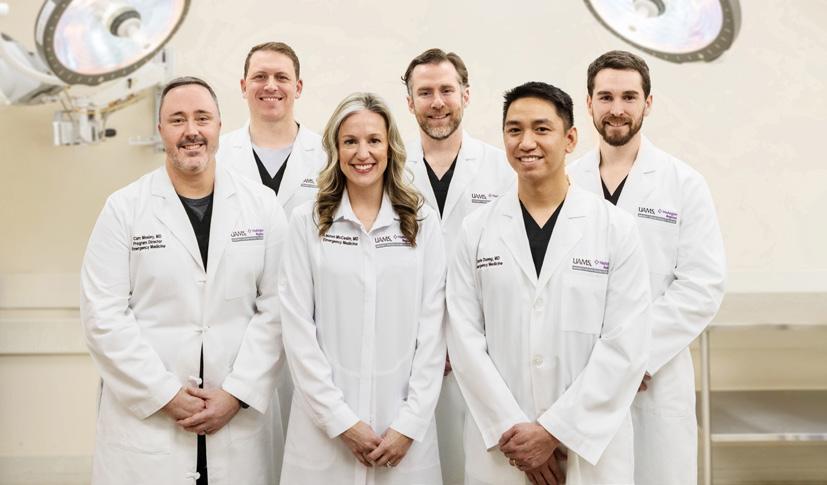

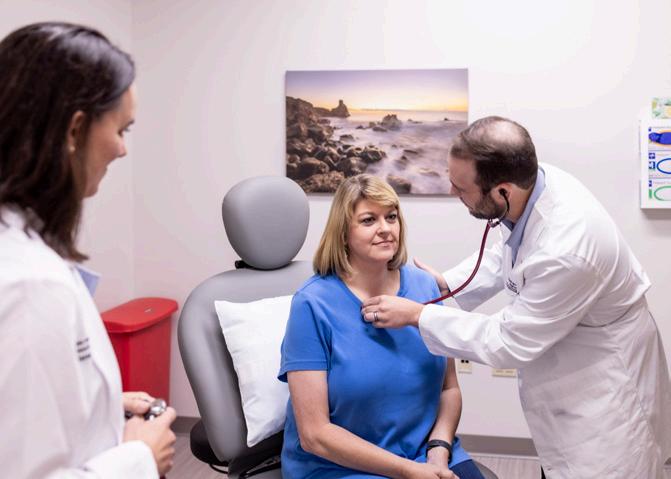
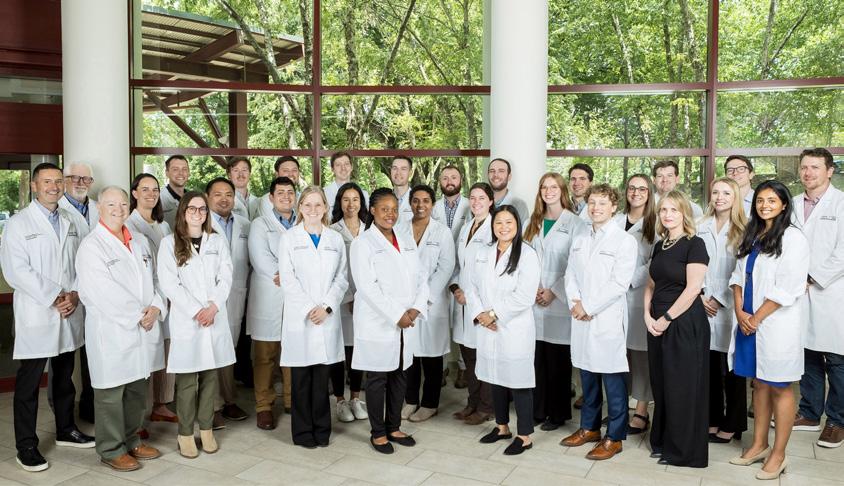
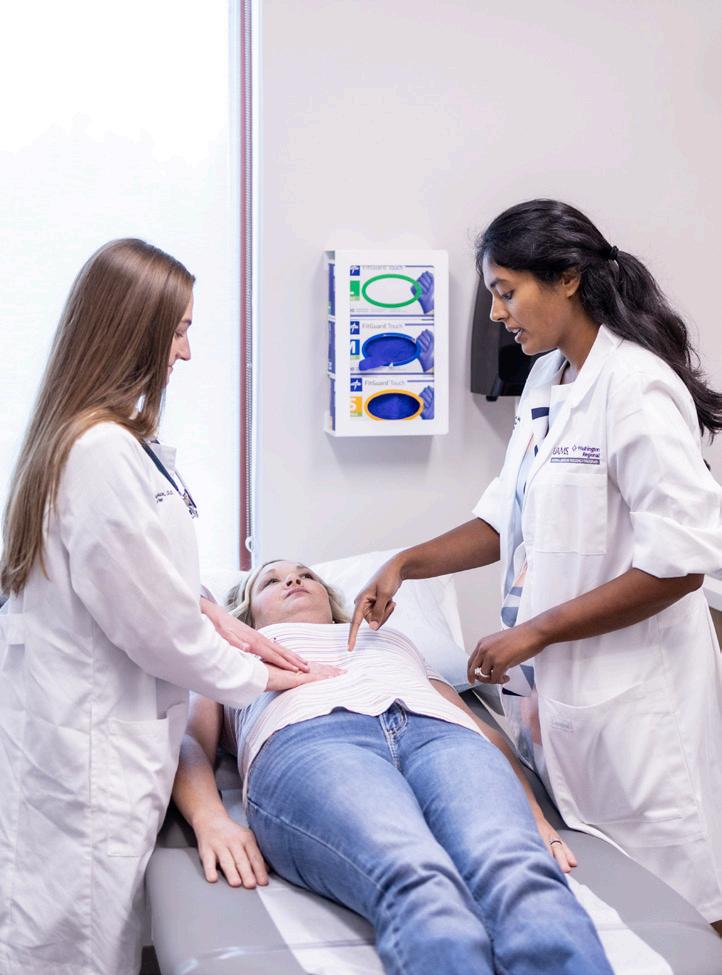
Residents at Washington Regional Medical Center
Tier 1 Priorities
Specialties with the Most Acute Capacity Constraints
These specialties place Arkansas 7th out of 7 peer states per capita, indicating the most limited training pipelines relative to comparison states and potential risk to access, hospital capability, and time-sensitive care.
Tier 1 Priorities
Tier 2 Priorities
Severely Constrained Clinical and Procedural Capacity
Arkansas ranks 6th out of 7 peer states in these specialties, signaling significant limitations that affect system resilience, patient throughput, and timely access to specialized care.
Tier 2 Priorities
Tier 3 Priorities
Broad Access and Population Health Gaps
These specialties fall in the lower half of the seven-state comparison, with capacity levels that can constrain access across large portions of the state, particularly where local specialty coverage is limited.
Tier 3 Priorities
3 State Comparison
Tier 4 Priorities
Foundational Primary Care Capacity
Arkansas performs well relative to peer states in Family Medicine and Internal Medicine training, ranking #1 and #2 per capita, respectively. This strength reflects years of investment and represents an important part of the state’s current GME foundation.
However, high relative training capacity does not mean statewide primary care needs have been met. Arkansas’ primary care workforce remains constrained, with just 9.4 active primary care physicians per 10,000 residents (ACHI, 2025a), alongside persistent shortage designations, uneven geographic distribution, and future supply risks (Arkansas Department of Health, n.d.).
Tier 4 Priorities
Internal Medicine
Family Medicine
Adult primary care, hospital-based care, and subspecialty training pathway #2 of 7
Community primary care, rural care, and broad-scope practice #1 of 7
Tier 4 State Comparison
Note. See Appendix A for data sources, specialty selection criteria, and calculation methodology.
FIGURE
Specialty Care Implications
Arkansas’ Family Medicine and Internal Medicine training foundation gives the state an important base to build from. Family Medicine and Internal Medicine physicians serve as key entry points into the health care system, helping patients manage chronic disease, receive preventive care, navigate referrals, and connect to specialty services. In a state marked by uneven primary care access, high chronic disease burden, and an aging physician workforce, sustained investment in these fields remains essential. Growing evidence shows that primary care physicians play a vital role in preventive care, early detection and treatment of disease, and long-term management of chronic conditions (National Center for Health Workforce Analysis, 2025). As disease severity and complexity increase, population health outcomes also depend on timely access to specialty and hospital-based services, making primary care and specialty care complementary, not interchangeable, components of an effective workforce.
Arkansas ranks at or near the bottom of peer states in several specialties essential to hospital operations, procedural access, maternal health, emergency care, and cancer-related services. These gaps have implications beyond individual specialties; they affect whether hospitals can sustain key service lines and whether patients can access timely care close to home.
General Surgery is a particularly important example. Limited training capacity, geographic gaps, reduced clinical availability, and an aging workforce create vulnerability for emergency, trauma, and hospital-based care (ACHI, 2025b). Recent training outcomes reinforce this concern in 2025, only one out of six UAMS graduating chief residents stayed in Arkansas for practice or training (UAMS Surgery, 2025a, 2025b, 2025c, 2025d, 2025e, 2025f), highlighting the importance of tracking in-state training and retention outcomes over time. Peer-reviewed workforce projections underscore this risk, identifying Arkansas among the states with the lowest projected general surgeon workforce adequacy over the next decade, driven by retirements, limited rural training pathways, and rising procedural demand (Silvestre et al., 2025).
Taken together, Arkansas’ specialty training profile reveals both meaningful strengths and clear constraints. Interpreting data by specialty, geography, and training pathway is essential to understanding the state’s GME landscape and its capacity to support access to care.
4 Significant Capacity for Additional Growth
Statewide capacity modeling indicates that Arkansas could support approximately 500 additional GME positions across new and expanded programs. This estimate was developed by comparing existing training activity with clinical volume, institutional readiness, and potential training capacity across the state. At a high level, the analysis identified opportunities to expand existing programs, develop new programs where sufficient clinical volume exists, and use distributed training sites to broaden capacity beyond current teaching hubs.
KEY POINT
Arkansas could support approximately 500 additional GME positions across new and expanded programs.
The modeled capacity is distributed across several types of training environments, including:
• GME-naive hospitals2 with sufficient clinical volume to support new programs
• Existing teaching hospitals with potential to expand based on volume, faculty capacity, and infrastructure
• Rural hospitals and critical access hospitals that may serve as participating training sites or rural rotation partners
• FQHCs and other community-based primary care sites
• U.S. Department of Veterans Affairs (VA) facilities and other public-sector training partners
• Behavioral health and integrated care training sites
• Rural private practices and other community-based specialty sites
• Telehealth-enabled training settings where appropriate supervision and accreditation requirements can be met
The projected GME growth capacity estimates should be understood as a statewide opportunity, not a determination that every site or specialty is immediately ready to launch. Achieving this level of growth will require the next phase of work: site-level feasibility assessment, specialty-specific planning, financial modeling, accreditation review, faculty assessment, partnership development, and long-term financing strategies.
New program development often takes three to four years from planning to launch, while expansion of existing programs can occur more quickly and at lower cost. In both cases long-term financing must be considered early, so new positions can be sustained beyond start-up funding.
2 A GME-naive hospital is a hospital that has not yet sponsored or hosted ACGME-accredited residency programs but has the potential to develop training capacity with the right support and partnerships.
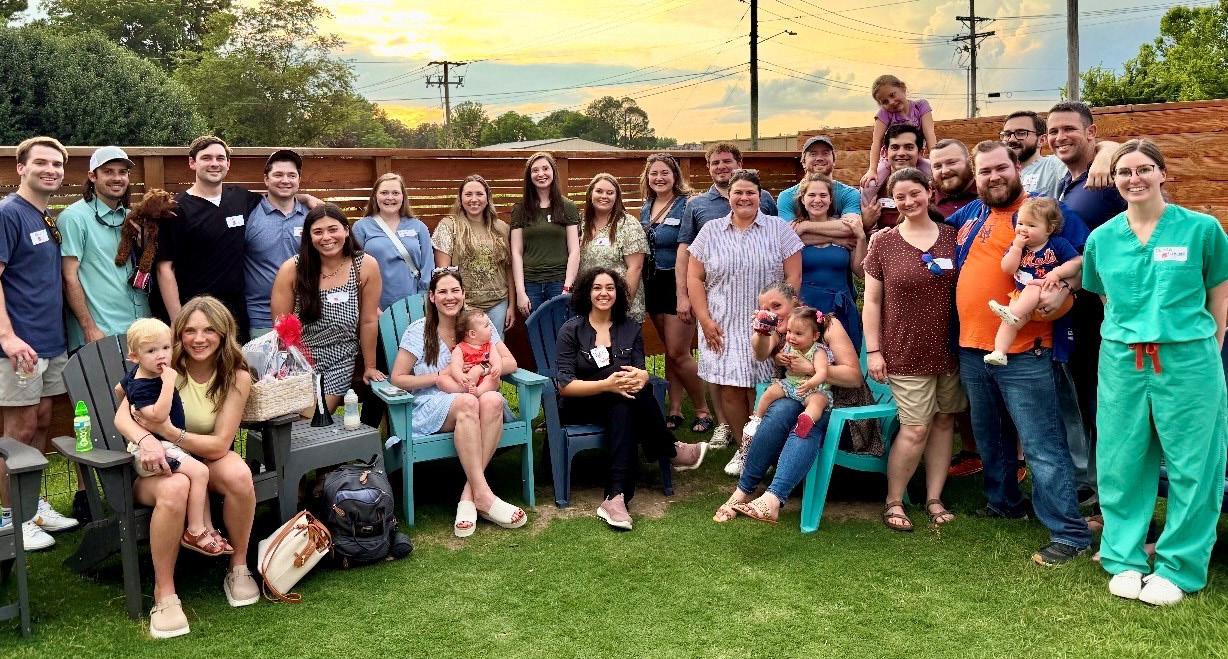
UAMS NEA Family Residency Program at St. Bernards
“Training residents in rural communities increases the likelihood that they will return to practice there. it also helps ease the strain on existing rural physicians by providing needed support. For physicians without rural training experience, adapting to limited resources and a broad scope of practice can be a significant challenge, particularly when serving as the sole provider.”
G. Allan Nichols Chief Executive Officer Mainline Health Systems, inc.
Section III Barriers to GME Growth
Section III Barriers to GME Growth
1
Residency Capacity Has Not Kept Pace with Workforce Needs
The landscape analysis shows a persistent mismatch between arkansas’ physician workforce needs and its available residency training capacity. while the state has built a meaningful GME foundation, the number and distribution of positions have not grown at the scale needed to absorb the physician pipeline, address specialty gaps, or strengthen regional access. Stakeholders reinforced this finding across interviews, surveys, and regional forums, with 100% of surveyed respondents indicating that arkansas lacks enough residency positions.
2
Potential Training Sites Face Implementation Barriers
Many hospitals, critical access hospitals, FQHCs, and other potential training sites expressed interest in participating in GME expansion. However, moving from interest to implementation requires capabilities and resources that many organizations do not yet have in place. across stakeholder discussions, the most common barriers included start-up funding, faculty recruitment and development, accreditation readiness, financial planning, and organizational capacity to support early program development.
These barriers are especially important because many potential training sites may not be positioned to operate independent residency programs on their own. Some may be better suited to serve as participating training sites, rotation partners, rural track sites, or community-based training locations under an existing sponsoring institution. in practice, arkansas’ growth opportunity depends not only on where clinical capacity exists, but also on whether organizations have the infrastructure, partnerships, and readiness needed to support accredited training.
Faculty availability and specialty coverage also affect where training and care can occur. in some rural and regional settings, hospitals and clinics may have patient volume and community need but limited on-site specialty faculty or physician capacity. This can constrain both GME participation and access to specialty service lines, particularly in communities where no full-time in-person provider is available. in these settings, unstable or unclear telehealth coverage, payment, supervision, and accreditation policies can further limit the use of technology-enabled care and training models.
KEY POINT
100% of surveyed stakeholders say Arkansas lacks enough residency positions.
KEY POINTS
Rural and regional sites are interested in training residents but often need practical start-up support, including short-term lodging for residents during rotations, faculty development, accreditation assistance, and financial planning capacity.
Arkansas retains
30.8% of its residency graduates in medically underserved areas, higher than the national average, but stakeholders note that additional exposure to rural and underserved training sites would strengthen this further (AAMC, 2023).
GME Financing is Fragmented
GME financing is complex, fragmented, and difficult to scale. Medicare remains the largest source of GME support nationally, but most teaching hospitals operate under Medicarefunded resident caps tied to historic training levels established after the Balanced Budget act of 1997. as a result, hospitals may have workforce need, patient volume, and educational interest but still lack Medicare funding for additional positions.
Medicaid Match Process
GME in the u.S. is funded through several federal and state sources, each with different rules and limitations. Figure 12 illustrates the major funding pathways that support GME nationally, including Medicare, Medicaid, Health resources and Services administration (HrSa) programs, private payers, and va
Graduate Medical Education Funding Mechanisms
Via states, with federal matching
Note. Adapted from “Graduate Medical Education Funding Mechanisms, Challenges, and Solutions: A Narrative Review,” by K. He, E. Whang, and G. Kristo, 2021, The American Journal of Surgery, 221(1), p. 69, Figure 3. Copyright 2020 by Elsevier Inc.
The largest of these is Medicare GME, which supports residency training through two types of payments:
• Direct Graduate Medical Education (DGME): helps pay for resident salaries, benefits, and program administration
• Indirect Medical Education (IME): supports the added costs of being a GMEparticipating hospital, such as more complex patient care and higher staffing needs
FIGURE
Estimated State Medicaid Expenditures
CMS Matching Expenditures
State reports estimated expenditures to CMS.
CMS provides matching federal funds.
State pays providers with a combination of federal and non-federal funds.
State and CMS reconcile spending based on actual expenditures.
Source: GAO. | GAO-20571R. Note. Adapted from Medicaid: Primer on financing arrangements by the U.S. Government Accountability Office, 2020, Figure 1.
Source: GAO. | GAO-20571R
Since 1997, most GME-participating hospitals have Medicarefunded resident caps tied to historic training levels. In practice, expansion often depends on non-Medicare financing, redistributed slots, or targeted federal flexibilities for new teaching programs and other eligible hospitals.
Because Medicare GME funding is tied to the care of Medicare-insured patients, hospitals that do not bill Medicare, including freestanding children’s hospitals, do not receive Medicare GME support. These residency and fellowship positions are partially funded through the Children’s Hospitals Graduate Medical Education (CHGME) program, which relies on annual appropriations and provides only partial funding of per-resident costs. In Arkansas, adding GME positions supported through CHGME does not automatically result in additional federal funding, because CHGME is funded through a fixed annual appropriation that must be divided among participating hospitals nationally rather than increasing with position growth (Congressional Research Service, 2023).
Note. IME payment amounts reflect 2023 hospital cost report data. Adapted from Hospital provider cost report by CMS, 2023.
In addition to Medicare and CHGME, Arkansas relies on additional federal GME funding to support physician training. These include the HRSA-funded Teaching Health Center GME (THCGME) program, through which Arkansas supports a limited number of community-based residency positions sponsored by the UAMS Regional Campuses. Like CHGME, THCGME is subject to annual congressional appropriations and operates at a fixed funding level, meaning that additional training positions do not necessarily generate additional federal support. Another key contributor to GME in Arkansas is the VA, supporting approximately 161 GME positions in Little Rock and Fayetteville.
Arkansas also has emerging state-level tools to support GME growth. Preliminary review of 2025 data suggests that combined state and federal Medicaid GME expenditures in Arkansas have increased to approximately $26M annually (Arkansas Department of Human Services, personal communication, 2026), compared with the last published AAMC estimate of $10.5M in 2022 (AAMC, 2024). Further analysis will help clarify current payment structures while informing future policy and financing strategies. Medicaid is one of several funding levers that should be included in a diversified, sustainable funding model, as Arkansas can draw down a favorable federal match on qualifying expenditures. For federal fiscal year 2026, Arkansas’ regular Medicaid match rate is 69.23% (U.S. Department of Health and Human Services, 2024), meaning that qualifying state Medicaid expenditures can draw roughly 70 cents in federal funding for every 30 cents of non-federal share. Because that match rate is recalculated annually, it should be viewed as a significant but variable opportunity rather than a fixed long-term assumption. State statute also authorizes a GME fund and board to support program development and expansion, creating a framework the state can build on as funding and implementation move forward.
Arkansas’ GME financing landscape includes multiple federal, state, and institutional funding streams, each with different eligibility rules, limitations, and sustainability considerations. Table 11 summarizes the major funding mechanisms currently relevant to Arkansas.
2022 Peer State Medicaid GME Funding*
Note. Medicaid GME funding amounts are from the AAMC’s 2022 50-state survey; population estimates are from the U.S. Census Bureau’s 2025 population estimates (AAMC, 2024; U.S. Census Bureau, 2025).
2022 was the last year the AAMC officially published validated Medicaid GME expenditures by state and we anticipate updated numbers being released later in 2026. The Institute’s preliminary analysis in partnership with DHS suggests Medicaid GME expenditures have grown to approximately $26M. Arkansas’ rankings among peer states could shift depending on their comparative pace of GME expansion since 2022.
How GME Funding Works
Type of Funding Description
Medicaid Fee-for-Service (FFS) Payments
Medicare GME Funding
Resident Salaries Program Operations Teaching Costs
Salaries & Benefits Faculty Time Indirect Costs
VA Salaries & Benefits
HRSA Payments
State Appropriations
Institutional Investment
Resident Salaries Portion of Direct Costs
New Residency Slots Program Expansion
Start-Up Costs Operational Needs
Other Funding
Private Philanthropy Tax Revenues (tobacco, lottery) Settlement Funds (opioid)
Arkansas Status
Arkansas predominantly relies on a FFS payment structure
16 Resident Training Hospitals in Arkansas. CMS reports 767 total FTEs (445 of which receive CMS funding and 322 are reported yet unfunded by CMS)
161 FTEs reported in Little Rock and Fayetteville
Few organizations receive THCGME and CHGME funding, covering part of salaries, benefits, and select costs
$10M approved, in process
Major institutional investments made to cover positions unfunded by CMS, new programs, and ongoing operational costs. Some start-up funding from federal sources (i.e. RRPD)
Not reported
Note. Funding categories and Arkansas status reflect information compiled from federal and state program documentation, institutional materials, and available Arkansas GME funding data. Full source citations are provided in the References section.
Fragmented financing also creates fragmented visibility. Because Arkansas GME positions are supported through multiple federal, state, institutional, and other funding streams, no single data source fully captures training capacity, funding status, specialty distribution, participating sites, or long-term retention outcomes. This limits the state’s ability to understand where growth is feasible, where investments are producing workforce impact, and where additional support may be needed.
KEY POINT
Financing is fragmented. Federal programs such as Medicare DGME/IME, VA GME, CHGME, and THCGME are essential but cannot by themselves match regional workforce needs.
Policy and Market Conditions Affect Recruitment and Sustainability
Federal resources are essential to GME but cannot meet arkansas’ needs alone. Medicare remains the backbone of national GME financing, but its cap structure limits how many teaching hospitals can expand federally supported residency positions. These caps can limit a hospital’s ability to add federally supported positions even when workforce need, patient volume, and educational capacity exist.
recent federal actions have added some new Medicare-supported residency positions, including 1,000 slots authorized under the Consolidated appropriations act of 2021 (Consolidated appropriations act, 2021, 2020) and an additional 200 positions under the 2023 act (Consolidated appropriations act, 2023, 2022), with at least 100 reserved for Psychiatry. However, these additions are limited relative to national workforce needs and are distributed across all states through federal processes over time. Other federal programs, including HrSa’s rural residency Planning and Development grants, Teaching Health Center GME, and va-supported GME, can support new activity, but they are competitive, limited in scale, or tied to specific eligibility requirements.
arkansas’ reimbursement environment also shapes its GME capacity. Lower reimbursement leaves hospitals and physician practices with less margin to recruit physicians, protect faculty teaching time, sustain specialty service lines, and invest in residency expansion. Medicare physician and hospital payments are geographically adjusted through different mechanisms, including the area wage index for hospitals. Medicaid rates are often lower than Medicare, and private hospital payments in arkansas were closer to Medicare rates than in any other state in 2022 (aCHi, 2024; Centers for Medicare & Medicaid Services, n.d.). Together, these dynamics limit hospitals’ ability to rely on higher commercial reimbursement to offset lower public payer rates, a common source of financial flexibility in other states. raND analyses further show that arkansas hospitals had the lowest commercial prices relative to Medicare nationwide (aCHi, 2024; raND Corporation, 2024). These patterns indicate a constrained reimbursement environment, which can make physician recruitment and program sustainability more difficult, particularly in high-need and hard-to-recruit specialties.
Because GME expansion takes time, arkansas faces a near-term access gap while new residency capacity is developed. Primary care demand continues even as physician training pipelines grow slowly, creating pressure on existing clinicians and care teams. in this context, the policy environment for team-based care, including how nurse practitioners, physician assistants, and other clinicians are integrated into care delivery, affects the state’s ability to maintain access while long-term physician workforce strategies mature.
The broader policy environment also affects arkansas’ ability to recruit, train, and retain physicians. Stakeholders across regional meetings identified the medical liability climate, including concerns related to tort reform, as a barrier, particularly for highrisk specialties such as obstetrician and gynecologist (OB/GyN). arkansas has made progress through adoption of the interstate Medical Licensure Compact (arkansas interstate Medical Licensure Compact act, 2025) which improves licensure portability and supports physician recruitment, but recruitment and retention remain influenced by broader practice conditions.
KEY POINT
Medicare caps, constrained reimbursement, competitive federal funding streams, and broader recruitment conditions all affect Arkansas’ ability to convert GME capacity into sustainable training positions.
Medical education affordability and borrowing constraints add another layer of pressure to the future physician pipeline. in 2024, 71% of medical students graduated with a median education debt of $205,000 (american Medical association [aMa], 2025), and medical school costs have increased by approximately 25% over the past decade. a 2025 federal law established a $200,000 aggregate borrowing limit for new professional students, including medical students, beginning in July 2026 (u.S. Department of Education, 2026). if implemented as proposed, this would replace the long-standing ability to borrow up to the full cost of attendance through federal graduate and professional student loan programs, increasing financial pressure on future medical students as training costs continue to rise.
These policy and market conditions help explain why expanding GME requires more than identifying available training capacity. Medicare caps, competitive federal programs, constrained reimbursement, liability concerns, telehealth policy uncertainty, licensure and practice environment considerations, medical education affordability and borrowing constraints, and near-term access pressures all shape whether programs can launch, recruit faculty, attract residents, and remain sustainable over time.
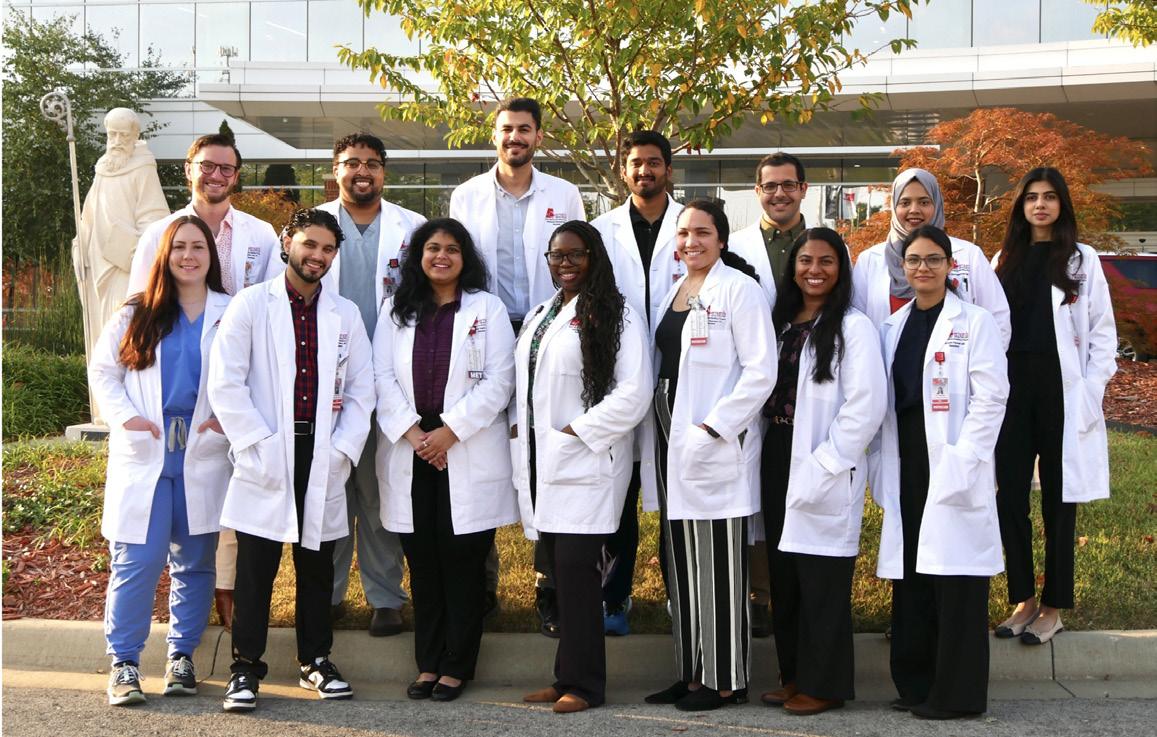
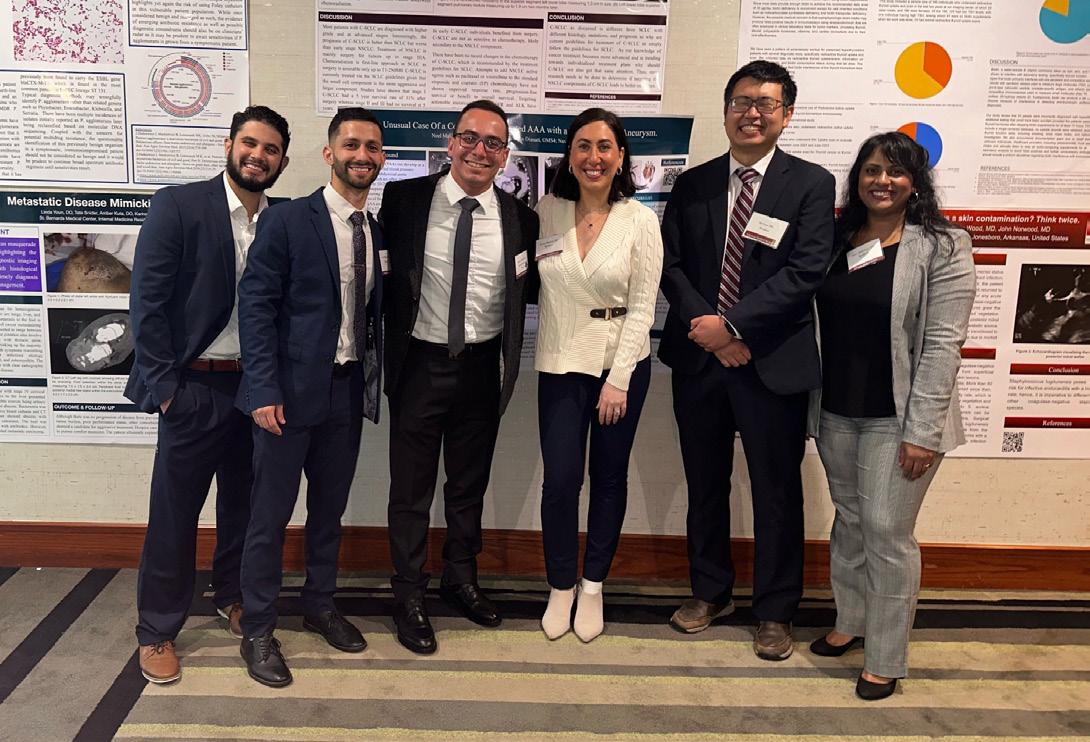
Internal Medicine Residents at St. Bernards Healthcare
Section IV
Lessons from Successful GME Expansion States
Across the country, states are adopting coordinated GME strategies to address federal limitations on residency growth and to better align training capacity with workforce needs. Federal financing alone has not kept pace with medical school growth, population aging, access needs, and specialty shortages. With Medicare’s long-standing FTE caps limiting hospitals’ ability to expand on their own, states have stepped in by developing structured approaches that combine technical assistance, targeted grants, rural training incentives, and statewide planning frameworks. These models, seen in Wisconsin, Missouri, and North Carolina, demonstrate how state support can accelerate program development, strengthen rural and community-based training, and ensure that new GME strategies support needed workforce growth.
For arkansas, understanding how other states have built successful support systems offers options to consider in developing a coordinated strategy that moves programs from interest to implementation and builds the physician workforce the state needs. arkansas has already made meaningful progress by launching new residency programs through institutional investment from health care organizations and medical schools, demonstrating strong local commitment to growing the workforce; these state models highlight how targeted, statewide strategies can build on that foundation and help arkansas scale, coordinate, and sustain GME growth effectively.
Who Benefits from a Statewide GME Strategy
Patients and Communities
• Care closer to home
• Shorter wait times
• More stable local services, especially in rural regions
• Local training — local retention
Hospitals and Health Centers
• Strongest pipeline for physician recruitment
• Stabilizes service lines
• reduces recruitment costs
• Enables new or expanded services
Medical Schools and Sponsors
• aligned education to practice pathways
• improved Match outcomes
• Stronger rural and community-based training
State Leaders and Workforce Agencies
• addresses shortages in high-need specialities
• Targets rural and underserved areas
• Data-informed planning
1 Wisconsin
wisconsin established technical assistance early in the process of developing a statewide strategy which led to the formation of the wisconsin Collaborative for rural GME (wCrGME). Housed at the rural wisconsin Health Cooperative, wCrGME was selected to serve as an independent entity offering hands-on support with program planning, accreditation readiness, financial modeling, and faculty development, while fostering a peer learning network across the state. This is complemented by targeted state grant programs focused on creating programs eligible for federal Medicare funding or Medicaid-funded expansion positions in high-need specialties, capacity building through rural rotations, multi-specialty program growth, and expansion of successful, high-need specialties. The Ta Center includes a Director, Manager, and Program Coordinator along with staff support from the rural wisconsin Health Cooperative. all state grant programs require at least two months of rural training, allowing for needed multi-specialty growth while ensuring that every supported position contributes to rural workforce development.
wisconsin’s coordinated approach has produced 300+ new residency positions, expanding training in Family Medicine, internal Medicine, OB/GyN, Psychiatry, Surgery, and multiple primary care and subspecialty fellowship programs. GME efforts have led to strong impact with over 60% of rural residency graduates practicing rural and over 70% of residency graduates from expansion-funded grants remaining in state after training. wisconsin’s approach is supported through a combination of state appropriations, economic development funding, hospital provider taxes, and Medicaid GME.
2025 Wisconsin Training Sites
15 rural residency rotation
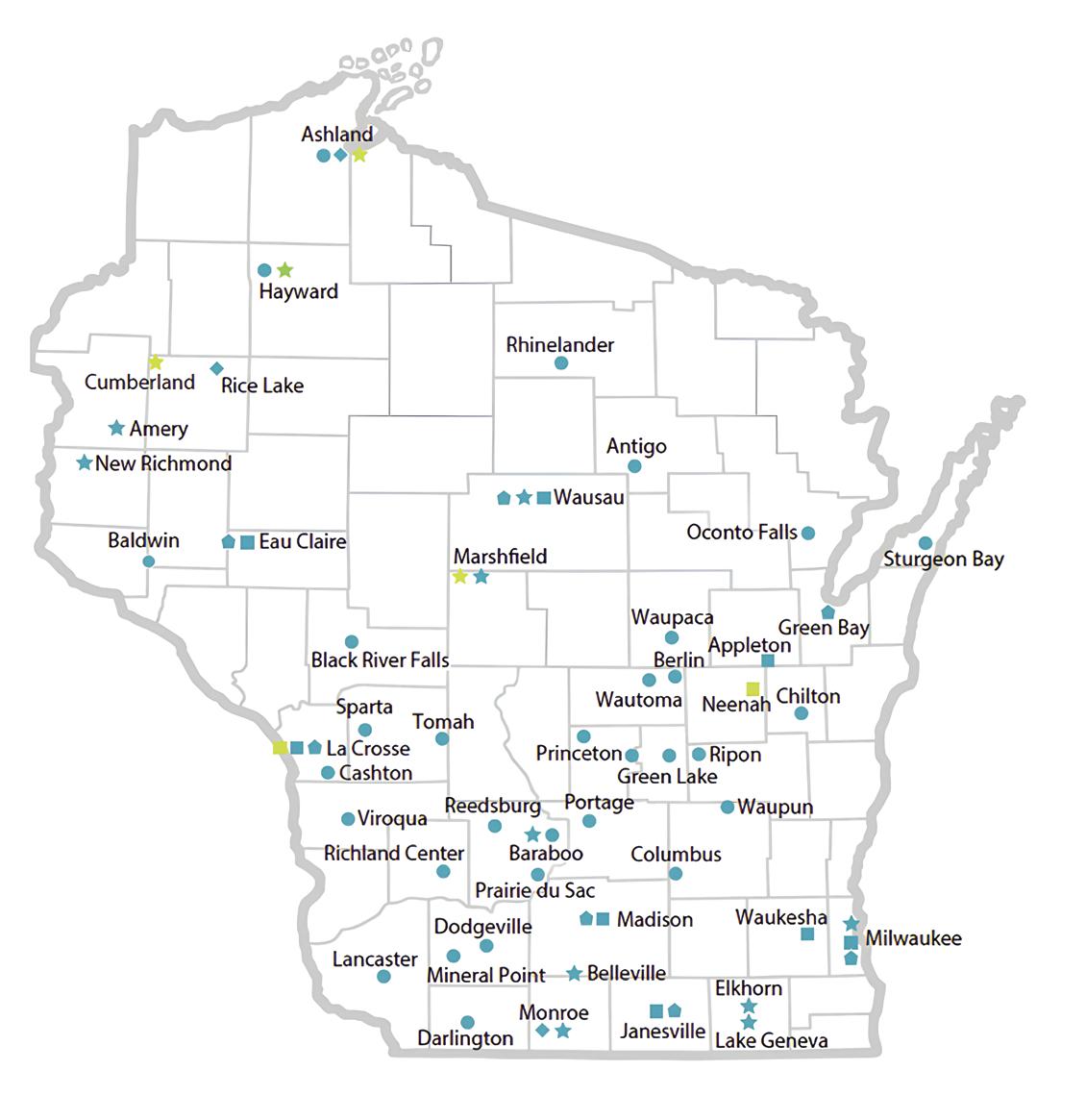
Note. Adapted from Wisconsin Collaborative for Rural Graduate Medical Education training site maps.
Developing
wisconsin launched six rural Family Medicine residency tracks in the 1990s, but five closed in the early 2000s. The state reinvested by establishing a technical assistance center in 2012, and since then, programs have demonstrated sustained growth and improved long-term stability, with more than 300 new residency positions added since 2014.
2 Missouri
Missouri’s approach centers on collaboration, establishment of strategic goals, and dedicated technical assistance selected through a competitive process. The state funds feasibility assessments, new program development (including rural tracks), and curriculum enhancements (e.g., addiction and rural training). Missouri selected a .T. Still university as the statewide Ta center, giving programs access to resources related to planning, accreditation, and GME finance. The Ta Center includes a Director, Project Manager, and Program Coordinator in addition to content experts who support new program growth.
in two years, Missouri has created 25 new residency positions, funded six programs in development, and three feasibility grants. The state aims to create 1,000 new positions by 2036. Missouri’s approach is funded by state appropriations and Opioid settlement funds. GME strategy is informed by an advisory committee that includes medical schools, GME, workforce, specialty associations, workforce leaders, and other key partners. Ongoing sustainability funding supports all GME positions statewide via Medicaid GME, offering both DGME and iME funding for all resident positions.
FIGURE
3 North Carolina
North Carolina’s model shows the impact of stable support paired with technical assistance infrastructure and robust workforce data, allowing for ongoing analysis and stakeholder communication regarding both statewide trends and physician workforce needs. The state established an $8M recurring rural residency and Medical Education Training Fund focused on strengthening high-need specialties including Family Medicine, internal Medicine, Pediatrics, Psychiatry, OB/GyN, and General Surgery in rural and underserved areas.
The North Carolina GME Ta Center, housed within uNC’s Sheps Center for Health Services research, was selected as the state’s trusted, expert partner due to its nationally
recognized experience in GME program development. The Sheps Center provides hospitals and health centers with comprehensive support to plan, launch, and sustain new or expanded GME programs, offering specialized expertise in rural training pathways, accreditation readiness, and coordination across multiple health systems. North Carolina’s investment in rigorous workforce data, in collaboration with the Sheps Center, also enables targeted planning that aligns GME expansion with data on workforce needs. Staff include a Deputy Director, Program Coordinator, and a team of advisors and content experts who support programs from feasibility to accreditation and beyond. North Carolina’s long-standing investment in workforce data enables targeted planning and helps align GME growth with regional needs.
North Carolina GME TA Center Support Functions
New Program Planning
Our advisors have extensive experience planning programs in the six high-need specialties and can support you through all stages of planning a new program utilizing the assessment and roadmap tools available to you in our portal.
Help with GME Funding Q’s
Our GME finance experts are available to answer questions about GME funding and to work with you to develop financial models and plans that support long-term program sustainability.
Best Practice Resources
Our toolbox contains resources you need to grow and sustain your programs or consult with our advisors for resources specifically tailored to your needs.
GME Office Staff Support
Our team is here to answer any questions your GME office staff may have, direct you to appropriate advisors, or recommend tools from our toolbox to support your staff.
Informational Meetings
NC GME partners are invited to participate in webinars, workshops, and other events sponsored by our partner programs – rural GME and THCGME – to support staff and faculty development.
Administration and Accreditation Assistance
Our advisors can provide guidance on accreditation processes, facilitate mock site visits, review applications, and answer any questions you may have.
Faculty Development
Connect with our national network of faculty development experts through our faculty development series and toolbox.
Recruitment and Marketing
Our advisors can provide advice on effective strategies for marketing your program and recruiting residents who are most likely to stay in your community to practice after graduation.
Section V Strategic Framework for Strengthening GME in Arkansas
Section V Strategic Framework for Strengthening GME in Arkansas
A statewide GME strategy for Arkansas should build on the state’s existing training foundation while addressing the specialty, geographic, financing, and implementation gaps identified in this report. The strategic priorities below are intended as a framework for action. Each priority highlights a pathway Arkansas may take, individually or in combination, to support residency growth, enhance statewide coordination, and reduce barriers for institutions interested in training physicians. These priorities reflect lessons from peer states and stakeholder input, while allowing Arkansas to tailor its approach to its unique needs, opportunities, and regional differences.
Because building new residency programs takes time, arkansas will also need complementary policies that help stretch the current workforce while new training capacity is developed. This includes policies that support telehealth-enabled care, strengthened recruitment and retention in high-need specialties, and the expanded ability for nurse practitioners and other advanced practice providers to help meet primary care demand in independent or collaborative models. These approaches are not a substitute for GME expansion, but they can help improve access while the state builds a larger long-term physician workforce.
1Expand Training in High-need Specialties While Capitalizing on Strengths
arkansas should expand training in high-need specialties and subspecialties, including OB/GyN, General Surgery, Psychiatry, Cardiology, and Oncology-related fields, while continuing to build Family Medicine and internal Medicine capacity in regions where primary care shortages remain significant.
Primary care access gaps in arkansas will require a multi-pronged workforce response. Expanding residency training in Family Medicine and internal Medicine remains essential, but physician growth alone is unlikely to close access gaps quickly. arkansas should therefore continue to strengthen team-based primary care by supporting the contribution of advanced practice clinicians alongside physicians. in this context, policies that allow nurse practitioners and physician assistants to practice at the top of their license can complement physician workforce investments and help improve nearterm access to primary care.
in many parts of arkansas, Family Medicine physicians are an important part of the obstetric workforce. Nationally, more than half of rural counties lack an obstetrician, and family physicians provide a substantial share of obstetric care in rural hospitals. research indicates that family physicians help fill critical obstetric care gaps in rural communities, underscoring their role in maintaining maternal health access (u.S.
Government accountability Office, 2022). The depth and quality of obstetrical training during Family Medicine residency can influence whether graduates continue to provide maternity care in practice, particularly in communities where additional specialty support may be limited.
2
Build Regional Training Pathways
Build capacity across regions by supporting growth in GME-naive hospitals where feasible, expanding existing programs, and using rotations, rural tracks, participating training sites, and other distributed training models to broaden training access. This should include stronger partnerships with health centers, community-based training sites, and regional health systems so residents train in a wider range of care settings that reflect arkansas’ workforce needs.
a regional approach can help arkansas match training models to local readiness, patient volume, specialty need, and available infrastructure, rather than relying on a one-sizefits-all model of program development.
3
Create Statewide Technical Assistance and Implementation Support
Provide coordinated technical assistance to support program development, including feasibility assessment, accreditation planning, financial modeling, operational guidance, and faculty development.
States that have successfully scaled and sustained GME growth have prioritized technical assistance as a critical first step when implementing a coordinated strategy, consistent with broader evidence on technical assistance as a capacity-building strategy for complex health system implementation (rodefeld et al., 2026; Scott et al., 2022). Historically, some states have invested millions in funding toward GME expansion without the necessary leadership and coordination a Ta Center provides, resulting in stalled or ultimately closed programs and lost investments. These lessons are clear: without upfront technical leadership and support, GME expansion efforts are highly vulnerable to failure. a statewide Ta Center, costing roughly $1M annually, helps mitigate this risk by ensuring program readiness, alignment, and long-term sustainability. Ta Centers protect against costly missteps and strengthen a state’s coordinated GME strategy.
Beyond improving program readiness and sustainability, a statewide Ta Center also creates the infrastructure needed to regionalize GME growth. rather than concentrating development in a single part of the state, the Ta Center can help identify regional assets, connect hospitals and community training sites with sponsoring institutions, support local feasibility planning, and design training models that reflect the workforce needs and implementation realities of different areas of arkansas. in practice, this means helping each region pursue the type of GME growth that fits its capacity, whether through a new residency program, a participating training site, a shared rotation model, or a specialty partnership. By matching development strategies to local readiness and need, the Ta Center can help expand training opportunities beyond the state’s traditional training hubs.
4 Use Diversified Financing to Support Growth
States have the flexibility to tailor GME financing strategies to their workforce priorities. Medicaid GME and state appropriations are commonly used to target shortage specialties, expand rural and community-based training, including FQHCs and rural Health Clinics, and pair time-limited start-up grants with more predictable operating support once residents matriculate. rather than relying on a single funding source, states often use a mix of federal resources, Medicaid GME, state appropriations, institutional investment, philanthropy, settlement funds, and other targeted sources to support GME growth.
a diversified financing approach is central to a coordinated GME growth strategy. Startup support is often needed to move programs from planning to implementation. across peer-state models, new program development support is commonly structured around awards of approximately $1M–$1.5M per program, while ongoing support averages $150,000–$175,000 per resident per year for faculty effort, curriculum, administration, and accreditation (university of North Carolina at Chapel Hill, Cecil G. Sheps Center for Health Services research, 2026). Long-term operating sustainability can be supported by a diversified financing approach including DGME and iME, Medicaid GME, va GME, CHGME, and state investment.
across stakeholder conversations, regional meetings emphasized a consistent theme: early-stage investment is essential. Organizations need support with recruiting program directors and faculty, building administrative and curriculum capacity, and achieving accreditation readiness before new programs can successfully launch. Early dollars from diverse sources can be time-limited and milestone-based, such as for accreditation submission, first-cohort recruitment, or rural site onboarding, then taper as Medicare DGME/iME, Medicaid GME, and other long-term financing mechanisms begin to support the program.
arkansas has already begun making targeted investments in GME expansion. in recent years, the state has taken meaningful steps to support new and expanded training capacity, including rural Health Transformation Program funding that identifies GME as a priority need, including funding for program start-up support, regional planning and feasibility, and trainee support (Office of Governor Sarah Huckabee Sanders, 2025). in 2025, arkansas invested $4.5M to support expansion of the uaMS/washington regional Graduate Medical Education Program, $4.8M for Mercy Fort Smith, and $2.55M to support development of uaMS-affiliated Family Medicine residency programs in El Dorado and Crossett (arkansas Department of Finance and administration, personal communication, 2026; uaMS, 2025b; washington regional Medical System, 2025). Earlier, in 2021, arkansas invested nearly $12.5M to support 92 new residency and fellowship positions at washington regional Medical Center and the uaMS Northwest regional Campus by 2030 (washington regional Medical System, 2021). These investments demonstrate important momentum, while also reinforcing the need for a coordinated financing strategy that aligns new dollars with statewide workforce priorities, technical assistance, and long-term sustainability.
in addition to direct state appropriations, federal Medicaid financing approaches, such as State Plan amendments (SPas), can leverage public funds transferred from or certified by governmental entities. Currently, only a limited number of institutions in arkansas are positioned to utilize these pathways. Expanding organizational inclusion criteria in SPas or promoting the development of new academic medical programs has been shown to create more opportunities to optimize funding in other states.
KEY POINT
Federal programs can catalyze GME growth, but state strategy helps sustain it. Arkansas can combine federal start-up opportunities with flexible state funding, Medicaid GME, institutional investment, and technical assistance to support programs where they are needed most.
5 Expand Telehealth-enabled Specialty Access and Training
Telehealth-enabled training can support specialty access and expand educational reach, particularly in fields and settings where on-site faculty capacity is limited. For example, Cleveland Clinic’s internal Medicine residency Program reported more than 2,000 supervised virtual visits by residents after implementing a telemedicine curriculum and faculty preceptor training, offering a practical model for integrating telehealth into routine care (Savage et al., 2022). as federal and accreditation policies increasingly allow selected forms of tele-supervision and teleprecepting, arkansas can explore how these tools support psychiatry, behavioral health, rural training experiences, and other specialty rotations while maintaining appropriate supervision, quality, and compliance standards.
6
Strengthen Data, Accountability, and Coordination
invest in data and evaluation to track training capacity, specialty distribution, regional access, retention outcomes, and program sustainability over time.
a statewide strategy should include routine tracking of GME positions, specialty distribution, training locations, rural and community-based exposure, in-state retention, and program outcomes. Equally important is ensuring accountability through transparent, consistently available data and evidence, complemented by interpretation and implications provided by subject matter experts. Strengthening this data infrastructure would enable arkansas to clearly monitor what is working, identify where targeted support is needed, and refine priorities over time, underscoring the critical role of a TaC in advancing and sustaining this work.
7
Policy Considerations for Arkansas
• Federal GME modernization: Continue to support modernization of Medicarefunded resident caps so hospitals can grow in response to current workforce need rather than historic training levels.
• Permanent telehealth coverage: Support permanent federal telehealth coverage and payment policies that sustain tele-supervision, tele-precepting, and specialty access.
• Medical liability environment: Consider reforms that strengthen physician recruitment and retention, particularly in high-risk specialties such as OB/GYN.
• Licensure, reimbursement, and team-based care: Continue advancing policies that improve licensure portability, payment adequacy and parity, practice sustainability, and team-based primary care, including appropriate use of nurse practitioners and physician assistants practicing at the top of their license.
arkansas has built a strong GME foundation through years of investment by hospitals, health systems, health centers, and the state’s medical schools. as physician demand continues to grow and federal policies limit rapid expansion, the state has an opportunity to build on this momentum through a more coordinated statewide strategy.
KEY POINT
Coordinated planning helps existing and new programs leverage available resources, reduce duplication, and avoid leaving potential funding or training opportunities on the table.
“ we need to train physicians where we want them to practice, and support the physicians already there who are experiencing burnout. without that support, volume and on-call demands can push rural providers to scale back services or leave altogether. when community GME programs are set up correctly, residents help relieve that pressure and give physicians the support they need.”
Shane Speights, ABOFP, ABFM, FAAFP, DO Dean
New york institute of Technology College of Medicine at arkansas State university
Section VI Implementation
Section VI Implementation
The following guidelines for implementation translate the framework above into specific tools Arkansas could use to expand and sustain GME growth. Each option addresses a different stage of the GME development pathway, from early feasibility assessment to new program development, expansion of existing programs, regional rotations, and long-term financing. These options are not mutually exclusive; a coordinated approach entails blending options together to enable optimal success.
1
Technical Assistance Center (TAC)
a statewide TaC would give hospitals, health centers, sponsoring institutions, and potential training partners a single place to access practical GME support, including feasibility assessments, accreditation guidance, financial planning, program development assistance, faculty development, and peer learning. Technical assistance can also address stakeholder-identified barriers by offering statewide or regional faculty development to build teaching capacity among clinicians and organizations with limited experience in medical education. This type of coordinated support structure has been central to GME expansion in several states and nationally. Structured technical assistance also reduces the risk of costly delays or program closure by providing consistent, expert guidance through the complex accreditation and startup process. By stabilizing early development and offering ongoing support, a TaC helps ensure that new programs launch successfully and remain sustainable over time.
Technical Assistance Center Support for
Statewide Efforts
How A Technical Assistance Center Can Support Scaling Statewide Efforts
What It Is
a Technical assistance Center (TaC) is a small, expert team that turns statewide goals into action, bringing data, policy insight, and specialized expertise to help hospitals, health centers, and other sites plan, launch, accredit, expand, and sustain GME programs while measuring what works. By handling the complex coordination and technical work, TaCs take a major burden off state leaders and provide a clear path to grow the physician workforce across the state and improve care for all arkansans.
Core Functions
Feasibility and Design right-sizing plans to local volumes and case-mix.
Accreditation Support
Curriculum mapping, policy templates, readiness checks.
Financial Planning
Scenario planning, budgeting, Medicare/Medicaid pathways, startup funding plans.
2 Program Development
Faculty And Staff Development Faculty and program director development, coordinator training.
Rural Tracks And Rotations Support and promote new sites, provide best practice resources, and leverage innovation (i.e. teleprecepting).
Why It Matters
a TaC converts interest into accredited capacity, reduces duplication and false starts, and ensures public dollars are used effectively, with data to prove impact and guide course corrections.
Data and Dashboards retention tracking, fill rates, rural exposure, monitoring existing programs.
Peer Learning
Convening stakeholders, annual statewide meeting, ongoing sharing of best practices.
This option provides structured support for organizations preparing to launch new residency programs by covering start-up costs, not resident salaries or benefits. These start-up investments typically include accreditation planning, core faculty effort, program administration, curriculum development, and early infrastructure needs such as recruitment, staff training, supplies, and educational space preparation. Ongoing operating expenses may be supported through Medicare, Medicaid GME, institutional investment, or other funding streams, depending on the program, sponsoring institution, and eligibility rules. Total costs may vary by specialty and setting and can be influenced by available resources and partnership with an academic institution. Coordinated implementation support strengthens consistency, mitigates financial and accreditation challenges, and prevents common pitfalls that may threaten long-term program viability.
3 Expansion Support for Existing Programs
Established residency programs could receive targeted support to expand by adding new resident positions in high-need specialties. This approach can bring new training capacity online more quickly and strengthen programs already rooted in arkansas communities. Like other states, arkansas could tie expansion support to training experiences in underserved or community-based settings. For example, wisconsin requires at least two months of rural training for all funded expansion positions. That model has also supported the development of distributed training pathways, including rural tracks, in specialties that can be difficult to expand in smaller or under-resourced settings, including Surgery, OB/GyN, and Psychiatry. additionally, wisconsin requires expansion of positions to meet a 50% in-state retention threshold to receive ongoing funding.
4
Feasibility Planning
Some hospitals and health care organizations may need time and targeted support to determine whether launching or expanding a residency program, rural track, or health center-based training model is feasible. Feasibility support can help organizations assess patient volume, faculty capacity and interest, accreditation requirements, curriculum design, partnership structure, and overall readiness for participation. Feasibility grants, used in other states, could help arkansas organizations evaluate their options before committing to expansion or full program development. For example, Missouri offers grants of up to $100,000 to support early-stage exploration of GME development opportunities.
5 Regional Training and Rotation Support
This option would support the development of structured rotations and regional training experiences in rural, underserved, and community-based settings. Eligible uses could include curriculum development, faculty training, travel and rotational housing support, affiliation agreements, site readiness work, and tele-precepting models where appropriate. These supports can allow rural hospitals, FQHCs, community clinics, and other training sites to participate in GME without requiring every site to operate a fully independent residency program.
6 Medicaid GME Strategy
arkansas could explore opportunities to strengthen the long-term sustainability of residency programs through Medicaid, building on the state’s existing Medicaid GME framework. Medicaid is the second largest explicit public funding source for GME (aMa , 2025), and many states use it as a tool to support residency training while aligning financing with statewide workforce priorities. unlike Medicare GME, Medicaid GME is optional and designed at the state level. States decide whether to use Medicaid to support residency training, which entities are eligible, and how payments are structured. That flexibility makes Medicaid GME a potentially powerful workforce tool, allowing
states to align funding with state-specific physician workforce needs. at the same time, because Medicaid GME is embedded within broader Medicaid financing and administrative rules, it requires deliberate state design, ongoing oversight, and a clear operational home.
arkansas has not yet fully leveraged Medicaid as a broad statewide strategy for GME growth. a more strategic Medicaid GME approach could move beyond institutionspecific financing arrangements that better supports residency expansion across high-need specialties and emerging training regions. arkansas’ federal Medicaid match rate makes Medicaid GME a significant financing opportunity, but the rate is recalculated annually and should not be treated as a fixed long-term assumption. Peerstate experience also suggests that Medicaid GME is strongest when paired with explicit accountability measures, including reporting on resident positions, specialty distribution, training activity, and workforce outcomes.
For arkansas, this means any long-term Medicaid GME strategy will need to consider not only the level of state investment, but also which agency is best positioned to administer funding, how matching dollars would be structured, and which types of GME activities are eligible for patient care versus administrative match. any future approach in arkansas would require close partnership with state Medicaid officials and thoughtful planning to determine what is feasible, appropriate, and aligned with federal rules.
Sustainable statewide GME strategy links financing, technical assistance, aligned incentives, data, and regional planning so programs can launch, grow, and retain physicians where arkansas needs them most.
Together, These Strategies can Help arkansas:
• Turn interest into training sites and accredited programs.
• Expand positions where the state needs them most.
• Build rural and regional pathways that retain physicians.
• Verify, through data, what is working, and what needs to evolve.
By pairing statewide coordination with practical support for interested organizations, arkansas can move from fragmented efforts toward a more intentional GME system capable of meeting long-term workforce needs (see appendix F).
“Our primary need is specialized expertise. we believe our organization is well-suited to support graduate medical education and are ready to move forward, but we need to find the right partner to help us do that.”
Tobias Pugsley, MBA, FACHE vice President, Marketing and Communications Baxter Health
Section VII Converting Momentum into GME Growth
Section VII Converting Momentum into GME Growth
arkansas enters this next phase of GME planning with a strong foundation built by hospitals, health systems, health centers, medical schools, and statewide partners that have created and expanded training programs over many years. The findings in this report point to clear progress, but also to a significant opportunity to strengthen the physician workforce in high-need specialties and communities across the state.
regional meetings underscored a practical reality: interest in GME expansion is strong, but start-up investment and implementation support are essential. Organizations need help recruiting program directors and core faculty, meeting accreditation requirements, building partnerships, and solving common early-stage barriers. By advancing a coordinated strategy that pairs data, technical assistance, targeted support, and aligned incentives, arkansas can turn interest into accredited capacity, expand positions where they are needed most, and track what works over time.
This report represents Phase 1 of a broader statewide GME growth strategy. The work to date has focused on assessing arkansas’ current landscape, including training capacity, specialty and geographic gaps, financing, stakeholder input, and modeled opportunity for expansion. Phase 2 should move from statewide analysis to deeper regional planning and implementation support, working with partners across the state to identify feasible pathways for growth, strengthen regional partnerships, and move arkansas toward the modeled opportunity of approximately 500 additional residency positions.
1
Broader Statewide GME Growth Strategy
The work to date has focused on assessing arkansas’ current landscape, including training capacity, specialty and geographic gaps, financing, stakeholder input, and modeled opportunity for expansion.
2
Move from statewide analysis to deeper regional planning
Future work should expand to working with partners across the state to identify feasible pathways for growth, strengthen regional partnerships, and help expand, sustain, and develop programs that can move arkansas toward 500 additional residency positions.
FIGURE 18
arkansas is already training the next generation of physicians, but without sufficient residency capacity, too many graduates must leave the state to complete their training. The path forward is to build on the state’s existing foundation with a proactive, evidence-based strategy that expands training in the communities and specialties where physicians are needed most. with targeted start-up investment, practical implementation support, and sustained statewide coordination, arkansas can grow its GME capacity, retain more of the physicians it educates, and bring highquality care closer to our friends, family, and neighbors who are depending on us to build the most robust system possible.

Residents at Baptist Health
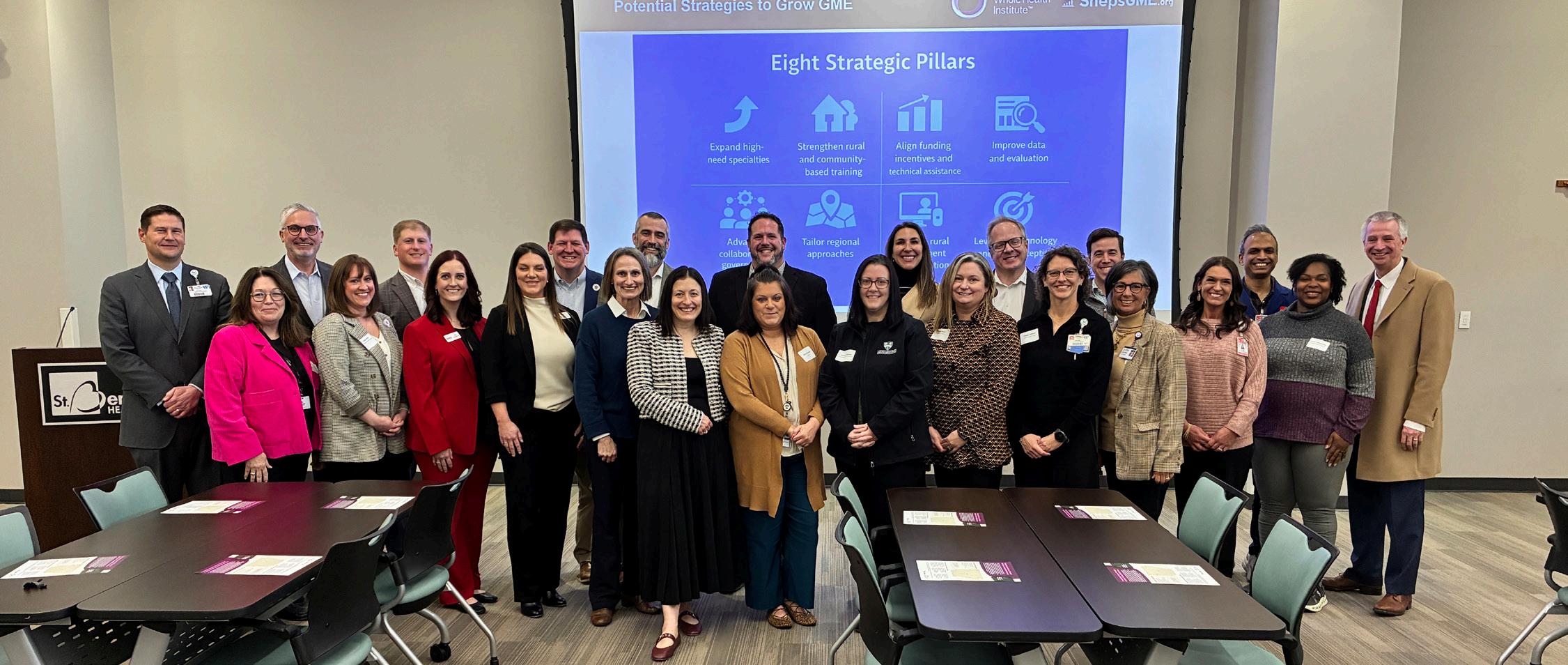
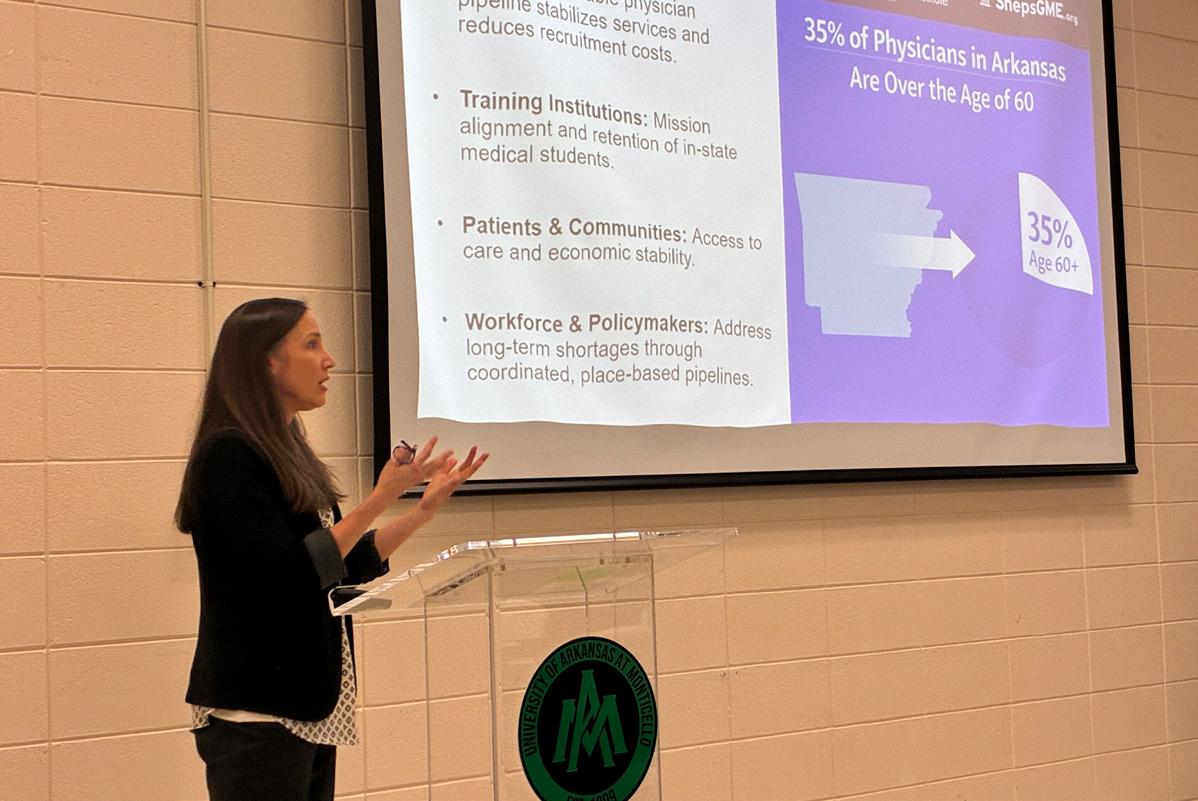
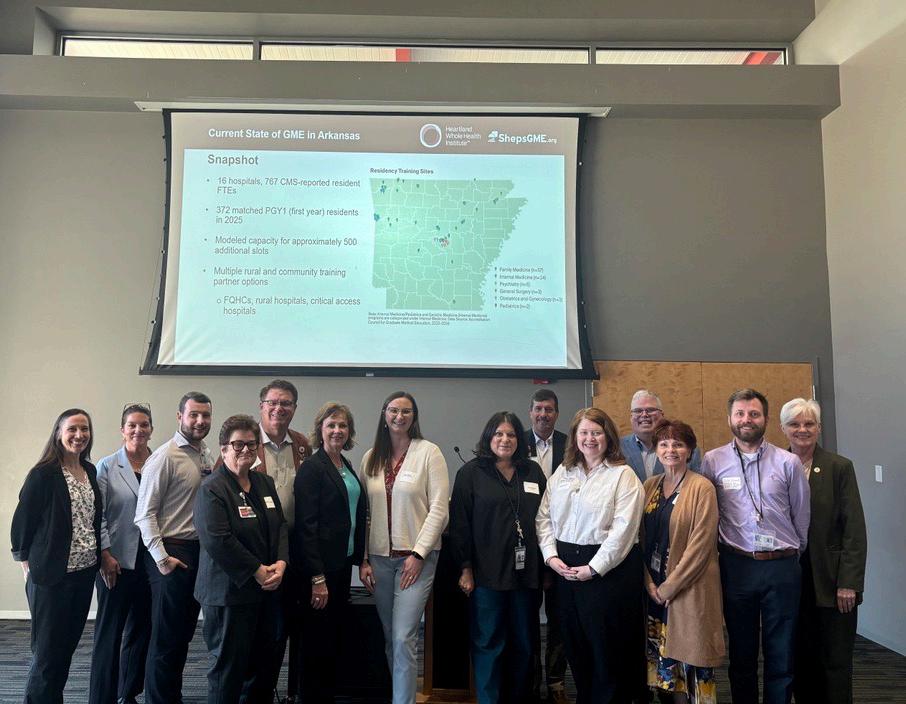
Regional meetings at Jonesboro, Arkansas
Children’s Hospital, U of A Monticello & U of A Hope Texarkana
Acknowledgements
This report reflects a truly collaborative effort across arkansas’ health, education, workforce, and policy ecosystems. Development was made possible through the time, expertise, and commitment of over 100 individuals and organizations dedicated to strengthening the physician workforce and improving access to care for communities across the state.
we are grateful to Governor Sarah Huckabee Sanders for her support of efforts to expand access to quality care and strengthen the physician workforce in arkansas. we also recognize the critical collaboration of her teams at the arkansas Department of Human Services (DHS) and the arkansas Department of Health (aDH), whose support has been instrumental to this effort.
Heartland whole Health institute extends sincere appreciation to the physicians, residents, fellows, medical educators, health system leaders, academic partners, workforce experts, policymakers, and community-based providers who shared their insight through interviews, surveys, regional forums, and ongoing consultation. we also acknowledge the many individuals and organizations involved in rural Health Transformation (rHT) across arkansas, whose contributions are foundational to advancing access and innovation in rural communities. Their candor and engagement were essential to understanding both the opportunities and barriers shaping arkansas’ GME landscape.
we are deeply grateful to the hospitals, health systems, federally qualified health centers, rural and community providers, associations, medical schools, and sponsoring institutions that contributed data, participated in regional discussions, and opened their programs and practices to review. Their willingness to engage in thoughtful dialogue strengthened the accuracy, relevance, and practicality of this report.
This work also benefited from close partnership with national GME experts who provided analytical support, comparative insight, and technical guidance grounded in evidence and best practices from across the country.
we further recognize the leadership and support of state agencies, workforce and economic development partners, professional and trade associations, philanthropic partners, and regional stakeholders whose perspectives helped shape a forward-looking, statewide approach, underscoring both the shared responsibility and opportunity to build a responsive, coordinated, and sustainable physician training system.
we also acknowledge our founder, alice walton, whose visionary leadership continually advances transformative work that creates lasting impact for the people of arkansas.
Finally, we recognize the many staff members, analysts, designers, facilitators, and advisors whose behind-the-scenes efforts made this work possible. This report reflects not only an assessment of current conditions, but a shared commitment to continued collaboration as arkansas moves from analysis to action.
Together, these contributions form the foundation for a statewide GME strategy designed to grow and retain physicians, strengthen regional training pathways, and improve access to high-quality care for all arkansans.
“There is strong interest in developing a residency program; however, the complexity of accreditation requirements and administrative expectations can be daunting. without prior expertise, it can be difficult to assess feasibility or proceed with confidence. additionally, securing the financial resources necessary to support physician leadership for such a program presents a significant challenge.”
- Debbie Ackerson Chief Executive and administrative Officer Boston Mountain rural Health Center
abdul Jabbar, a. B., Talha, k. M., Nambi, v., abramov, D., & Minhas, a. M. k. (2024). Primary care physician density and mortality in the united States. Journal of the National Medical Association, 116(5), 600–606. https://doi.org/10.1016/j.jnma.2024.10.001
alice L. walton School of Medicine. (2025, July 18). Alice L. Walton School of Medicine hosts White Coat Ceremony for inaugural Class of 2029 https://www.alwmedschool.org/resources/news/white-coatceremony-2025/
allison, P. (2025, June 19). UAMS earns initial accreditation for Family Medicine residency program in El Dorado. uaMS News. https://news.uams.edu/2025/06/19/uams-earns-initial-accreditation-for-familymedicine-residency-program-in-el-dorado/
accreditation Council for Graduate Medical Education. (2025a, September 29). Graduate medical education totals by state: Academic year 2024–2025, United States. https://apps.acgme.org/ads/Public/reports/ reportrun
accreditation Council for Graduate Medical Education. (2025b). List of newly accredited all specialties programs: Academic year 2025–2026, United States https://apps.acgme.org/ads/Public/reports/report/8
accreditation Council for Graduate Medical Education. (2026a). ACGME common program requirements (fellowship) https://www.acgme.org/globalassets/pfassets/programrequirements/2026-prs/ cprfellowship_2026_feb_revision.pdf
accreditation Council for Graduate Medical Education. (2026b). ACGME common program requirements (residency). https://www.acgme.org/globalassets/pfassets/programrequirements/2026-prs/ cprresidency_2026_feb_revision.pdf
american Medical association. (2025). Compendium of graduate medical education initiatives https://www. ama-assn.org/system/files/2025-gme-compendium-report.pdf
arkansas Center for Health improvement. (n.d.). Arkansas healthcare workforce. retrieved May 3, 2026, from https://achi.net/arkansas-healthcare-workforce/
arkansas Center for Health improvement. (2024, May 15). Commercial insurers’ payments to hospitals closer to Medicare rates in Arkansas than in any other state https://achi.net/newsroom/commercial-insurerspayments-to-hospitals-closer-to-medicare-rates-in-arkansas-than-in-any-other-state/
arkansas Center for Health improvement. (2025a, November 7). Dashboard: Arkansas primary care physician workforce. https://achi.net/publications/arkansas-primary-care-physician-workforce
arkansas Center for Health improvement. (2025b, December 4). Dashboard: Arkansas general surgeon workforce https://achi.net/publications/dashboard-arkansas-general-surgeon-workforce/
arkansas Center for Health improvement. (2026, March 19). Where newly licensed Arkansas physicians studied, trained https://achi.net/publications/where-newly-licensed-arkansas-physicians-studied-trained/
arkansas College of Osteopathic Medicine. (2025, March 21). Match Day success for ARCOM Class of 2025 https://arcom.achehealth.edu/match-day-success-for-arcom-class-of-2025/
arkansas Department of Health. (n.d.-a). Health units. retrieved May 3, 2026, from https://healthy.arkansas. gov/health-units/
arkansas Department of Health. (n.d.-b). Shortage designation areas: Primary care HPSAs. arkansas State Primary Care Office. retrieved May 3, 2026, from https://healthy.arkansas.gov/programs-services/ prevention-healthy-living/rural-health-primary-care/primary-care-office-pco/shortage-designation-areas/
arkansas Department of Higher Education. (2025). Graduate Medical Education Residency Expansion Board meeting minutes. https://adhe.edu/File/GMErE%20Board%20Minutes%2006June2025.pdf
arkansas interstate Medical Licensure Compact act, act 269, 95th Gen. assemb., reg. Sess. (ark. 2025). https://arkleg.state.ar.us/Home/FTPDocument?path=%2FaCTS%2F2025r%2FPublic%2FaCT269.pdf
association of american Medical Colleges. (2023). 2023 report on residents and physicians in underserved areas: Table C3. Number of individuals who completed residency and are practicing in federally designated medically underserved areas, by state
association of american Medical Colleges. (2024). Medicaid graduate medical education payments: Results from the 2022 50-state survey. https://store.aamc.org/medicaid-graduate-medical-education-paymentsresults-from-the-2022-50-state-survey.html
Balanced Budget act of 1997, Pub. L. No. 105–33, 111 Stat. 251 (1997). https://www.congress.gov/bill/105thcongress/house-bill/2015
Centers for Medicare & Medicaid Services. (n.d.). Medicare physician fee schedule. u.S. Department of Health & Human Services. retrieved May 3, 2026, from https://pfs.data.cms.gov/
Centers for Medicare & Medicaid Services. (2013, December 11). Arkansas Medicaid state plan amendment 13-21: Graduate medical education payments https://www.medicaid.gov/sites/default/files/State-resourcecenter/Medicaid-State-Plan-amendments/Downloads/ar/ar-13-21.pdf
Centers for Medicare & Medicaid Services. (2023). Hospital provider cost report [Data set]. u.S. Department of Health & Human Services. https://data.cms.gov/provider-compliance/cost-reports/hospital-providercost-report
Centers for Medicare & Medicaid Services. (2024). FY 2024 impact file: Final rule [Data file]. u.S. Department of Health & Human Services. https://www.cms.gov/medicare/payment/prospective-payment-systems/ impact-files
Congressional research Service. (2023, June 13). Children’s hospitals graduate medical education (CHGME) (r45067). https://www.congress.gov/crs_external_products/r/PDF/r45067/r45067.11.pdf
Consolidated appropriations act, 2021, Pub. L. No. 116–260, 134 Stat. 1182 (2020). https://www.congress.gov/ bill/116th-congress/house-bill/133
Consolidated appropriations act, 2023, Pub. L. No. 117–328, 136 Stat. 4459 (2022). https://www.congress. gov/bill/117th-congress/house-bill/2617
Davis, C. S., roy, T., Peterson, L. E., & Bazemore, a. w. (2022). Evaluating the teaching health center Graduate Medical Education model at 10 years: Practice-based outcomes and opportunities. Journal of Graduate Medical Education, 14(5), 599–605. https://doi.org/10.4300/JGME-D-22-00187.1
Devol, r., ramirez-Perez, r., Shideler, D., & young, T. (2025). Economic contributions of medical residencies to Arkansas. Heartland Forward. https://heartlandforward.org/research/economic-contributions-ofmedical-residencies-to-arkansas/
Health resources and Services administration. (n.d.-a). Children’s Hospitals Graduate Medical Education Payment Program. u.S. Department of Health & Human Services. retrieved May 3, 2026, from https://bhw. hrsa.gov/funding/apply-grant/childrens-hospitals-gme-payment-program
Health resources and Services administration. (n.d.-b). Rural Residency Planning and Development Program. u.S. Department of Health & Human Services. retrieved May 3, 2026, from https://www.hrsa.gov/ rural-health/grants/rural-health-research-policy/rrpd
Health resources and Services administration. (n.d.-c). Teaching Health Center Graduate Medical Education Program. u.S. Department of Health & Human Services. retrieved May 3, 2026, from https://www.hrsa.gov/ grants/find-funding/hrsa-25-091
He, k., whang, E., & kristo, G. (2021). Graduate medical education funding mechanisms, challenges, and solutions: a narrative review. The American Journal of Surgery, 221(1), 65–71. https://doi.org/10.1016/j. amjsurg.2020.06.007
Medicaid and CHiP Payment and access Commission. (n.d.). Provider payment and delivery systems retrieved May 3, 2026, from https://www.macpac.gov/medicaid-101/provider-payment-and-deliverysystems/
Myers, a. L., Leslie, L. k., St Geme, J. w., iii, et al. (2024). The importance of pediatric subspecialists to the health and well-being of the nation’s children. Pediatrics Open Science, 1(3), 1. https://doi.org/10.1542/ pedsopenscience.2023-203533
National Center for Health workforce analysis. (2025, December). State of the primary care workforce, 2025 Health resources and Services administration. https://bhw.hrsa.gov/sites/default/files/bureau-healthworkforce/data-research/State-of-the-Primary-Care-workforce-2025.pdf
National resident Matching Program. (2025). 2025 Main Residency Match snapshot: Arkansas. https://www. nrmp.org/wp-content/uploads/2025/05/arkansas_2025.pdf
New york institute of Technology. (2025, May 28). Hooding NYITCOM’s Class of 2025 https://www.nyit.edu/ news/articles/hooding-nyitcoms-class-of-2025/
Office of Governor Sarah Huckabee Sanders. (2025). Arkansas Rural Healthcare Transformation Program application. https://governor.arkansas.gov/wp-content/uploads/arkansas-rural-Health-TransformationProgram-application.pdf
raND Corporation. (2024). Hospital price transparency study: round 5 results. raND Health Care Price Transparency initiative. https://www.rand.org/health/projects/hospital-pricing/round5.html
robert Graham Center. (2024). Graduate medical education for teaching hospitals interactive data table retrieved May 3, 2026, from https://www.graham-center.org/content/brand/rgc/maps-data-tools/gmedata-tables/interactive-data-table.html
rodefeld, L., Hawes, E. M., Davis, r., rimmler-Cohen, S., Miller, H. B., Scott, M. a., adhikari, M., & Fraher, E. (2026, april). a roadmap for building and implementing a comprehensive state graduate medical education strategy: actionable steps to align investments with workforce needs. Milbank Memorial Fund. https://www. milbank.org/publications/a-roadmap-for-building-and-implementing-a-comprehensive-state-graduatemedical-education-strategy-actionable-steps-to-align-investments-with-workforce-needs/
russell, D. J., wilkinson, E., Petterson, S., Chen, C., & Bazemore, a. (2022). Family medicine residencies: How rural training exposure in GME is associated with subsequent rural practice. Journal of Graduate Medical Education, 14(4), 441–450. https://doi.org/10.4300/JGME-D-21-01143.1
Savage, D. J., Gutierrez, O., Montané, B. E., Singh, a. D., yudelevich, E., Mahar, J., Brateanu, a., khatri, L., Fleisher, C., & Jolly, S. E. (2022). implementing a telemedicine curriculum for internal medicine residents during a pandemic: The Cleveland Clinic experience. Postgraduate Medical Journal, 98(1161), 487–491. https://doi.org/10.1136/postgradmedj-2020-139228
Scott, v. C., Jillani, Z., Malpert, a., kolodny-Goetz, J., & wandersman, a. (2022). a scoping review of the evaluation and effectiveness of technical assistance. implementation Science Communications, 3, article 70. https://doi.org/10.1186/s43058-022-00314-1
Silvestre, J., Seeger, S., & reitman, C. a. (2025). Geographic disparities in the supply and adequacy of the general surgeon workforce across the united States: Projections to 2037. The American Journal of Surgery. advance online publication. https://doi.org/10.1016/j.amjsurg.2025.116685
Topmiller, M., Peterson, L. E., Jabbarpour, y., Bazemore, a. w., & Carrozza, M. (2025). Proximity to residency training programs still matters for practice location. The Annals of Family Medicine, 23(Supplement 1), 7639. https://doi.org/10.1370/afm.23.s1.7639
Tripp umbach. (2024). Northwest Arkansas health care: Continuing the transformation, Vision 2030 Northwest arkansas Council & Heartland whole Health institute.
uaMS Surgery. (2025a, June 22). [instagram post]. Instagram. https://www.instagram.com/p/ DLNwOisOwHv/
uaMS Surgery. (2025b, June 22). [instagram post]. Instagram https://www.instagram.com/p/DLNylPauruH/
uaMS Surgery. (2025c, June 22). [instagram post]. Instagram https://www.instagram.com/p/DLNbltiuLbS/
uaMS Surgery. (2025d, June 22). [instagram post]. Instagram. https://www.instagram.com/p/ DLNcuS8OzHT/
uaMS Surgery. (2025e, June 22). [instagram post]. Instagram https://www.instagram.com/p/DLNcssiOqdv/
uaMS Surgery. (2025f, June 22). [instagram post]. Instagram https://www.instagram.com/p/ DLNdOkyO4Mx/
u.S. Census Bureau. (2025). Annual estimates of the resident population for the United States, regions, states, District of Columbia, and Puerto Rico: April 1, 2020 to July 1, 2025 [Data set]. https://www.census.gov/ programs-surveys/popest.html
u.S. Department of Education. (2026, January 29). U.S. Department of Education issues proposed rule to make higher education more affordable and simplify student loan repayment https://www.ed.gov/about/ news/press-release/us-department-of-education-issues-proposed-rule-make-higher-education-moreaffordable-and-simplify-student-loan-repayment
u.S. Department of Health and Human Services. (2024, November 29). Federal financial participation in state assistance expenditures; Federal matching shares for Medicaid, the Children’s Health insurance Program, and aid to Needy aged, Blind, or Disabled Persons for October 1, 2025, through September 30, 2026. Federal Register, 89(230), 94742–94746. https://www.federalregister.gov/d/2024-27910
u.S. Department of veterans affairs. (n.d.). VA Graduate Medical Education (GME). retrieved May 3, 2026, from https://www.va.gov/Oaa/GME
u.S. Department of veterans affairs, Office of academic affiliations. (n.d.). Medical and dental education. retrieved May 3, 2026, from https://department.va.gov/academic-affiliations/medical-and-dental/
u.S. Government accountability Office. (2020). Medicaid: Primer on financing arrangements (GaO-20-571r). https://www.gao.gov/products/gao-20-571r
u.S. Government accountability Office. (2022). Maternal health: Availability of hospital-based obstetric care in rural areas (GaO-23-105515). https://www.gao.gov/products/gao-23-105515
university of arkansas for Medical Sciences. (2025a, May 28). UAMS College of Medicine graduates 168. https://news.uams.edu/2025/05/28/uams-college-of-medicine-graduates-168/
university of arkansas for Medical Sciences. (2025b, March 19). UAMS receives $2.5 million for Family Medicine residency programs in South Arkansas https://news.uams.edu/2025/03/19/uams-receives-2-5million-for-family-medicine-residency-programs-in-south-arkansas/
university of North Carolina at Chapel Hill, Cecil G. Sheps Center for Health Services research. (2026). Technical assistance guidance and peer-state model review for Arkansas graduate medical education strategy project [unpublished project analysis].
washington regional Medical System. (2021, June 21). Plan approved to expand physician residencies and fellowships in Arkansas https://www.wregional.com/main/news/plan-approved-to-expand-physicianresidencies-and-316
washington regional Medical System. (2025, March 6). Washington Regional receives $4.5 million for expansion of graduate medical education. https://www.wregional.com/main/press-releases/washingtonregional-receives-45-million-for-expans-521
wise, D. (2025, april 16). UAMS, Washington Regional approved for residency programs in Neurology, Emergency Medicine in Northwest Arkansas. uaMS News. https://news.uams.edu/2025/04/16/uamswashington-regional-approved-for-residency-programs-in-neurology-emergency-medicine-in-northwestarkansas/
wisconsin Collaborative for rural Graduate Medical Education. (n.d.). WCRGME training sites map. retrieved May 3, 2026, from https://www.wcrgme.org/wcrgme-training-sites-map
Appendix A: Arkansas Specialty Training Capacity and Peer-State Rankings
*Specialties and program types were selected based on those most commonly represented across peer states. Counts reflect programs actively training residents or fellows in 2025, using NRMP data, cross-referenced with ACGME data, and normalized per 100,000 residents.
Appendix B: Organizations Participating in the Arkansas GME Expansion Initiative
Apprenticely
Community
East Arkansas Family Health Center Heartland Whole Health Institute
Jefferson Regional
McGehee Hospital Mercy Northwest Arkansas
North Arkansas Regional Medical Center
Arkansas Council
Northwest Medical Center – Springdale NYIT College of Osteopathic Medicine at Arkansas State
Priorly Sevier County Medical Center
Southwest Arkansas Regional Medical Center
True Dermatology
University
Oncology
Health Systems
Health Systems
Medical Center – Bentonville
Medical Services
Arkansas Regional Hospital
Appendix C: Arkansas GME
Sponsoring Institutions, Programs, and Participating Training Sites
Sponsoring Institution
Arkansas College of Osteopathic Medicine Family Medicine Internal Medicine
Baptist Health – UAMS Family Medicine Internal Medicine Psychiatry
CHI St. Vincent – Hot Springs Internal Medicine
Conway Regional Health System Family Medicine Internal Medicine
St. Bernards Medical Center Internal Medicine
Unity Health–White County Medical Center Family Medicine
Internal Medicine
Psychiatry Emergency Medicine
University of Arkansas for Medical Sciences College of Medicine
Anesthesiology
Child Neurology
Dermatology
Emergency Medicine
Family medicine
Internal Med/Pediatrics
Internal medicine
Interventional Radiology, Independent
Interventional Radiology, Integrated
Neurological Surgery
Neurology
Nuclear Medicine
Arkansas Extended Care Hospital - Fort Smith
Dermatology Center
Fort Smith Regional Dialysis Center
Fort Smith Rheumatology
Greenhurst Nursing Center
Legacy Health and Rehab Center
MANA Fayetteville Diagnostic Clinic
Mercy Children’s Hospital St. Louis
Mercy Hospital, Fort Smith
Mercy Rehabilitation Hospital, LLC
Oak Manor Nursing Home
Paris Health and Rehabilitation Center
Arkansas Children’s Hospital
Baptist Health Medical Center- North Little Rock
Baptist Health Medical Center-Little Rock
NEA Baptist Memorial Hospital
UAMS Medical Center
Arkansas Renal Group
CHI St. Vincent - Hot Springs
Arkansas Children’s Hospital
CHI St Vincent Infirmary
Conway Behavioral Health Hospital
Conway Regional Medical Center
Dardanelle Regional Medical Center
Arthritis and Rheumatism Associates
St. Bernards Medical Center
Arkansas Children’s Hospital
Arkansas Ear Nose & Throat
Blossoms at Oakdale
CHI St Vincent Infirmary
CHI St. Vincent Gastroenterology Clinic
CHI St. Vincent Little Rock Diagnostic Clinic
CHI St. Vincent Primary Care - JacksonvilleBraden
Conway Regional Physician Hospital Organization
Little Rock Endocrinology Services
Mocek Spine Center
NorthStar EMS
Searcy Dermatology, PA
UAMS Medical Center
Unity Health - Newport
Unity Health-White County Medical Center
Arkansas Children’s Hospital
Arkansas Fertility and Gynecology Associates
Arkansas State Crime Laboratory
Arkansas State Hospital (DBHS)
Baptist Health Medical Center- Conway
Baptist Health Medical Center-Little Rock
Baptist Health Rehabilitation Institute of Arkansas
Central Arkansas Veterans Healthcare System
CHI St Vincent Infirmary
Conservative Care Occupational Health - Little Rock
Highlands Oncology Group
Sponsoring Institution
University of Arkansas for Medical Sciences College of Medicine (Continuation)
Residency Programs
Obstetrics and gynecology
Ophthalmology
Orthopedic Surgery
Otolaryngology- Head and Neck
Surgery
Pathology – Anatomic and Clinical
Pediatrics
Physical Medicine & Rehabilitation
Psychiatry
Radiation Oncology
Radiology - Diagnostic
Surgery
Urology
Vascular Surgery, Integrated
Participating Training Sites
Little Rock Surgery Center
Mercy Northwest Arkansas
Planned Parenthood - Springfield Health Center
Presbyterian Village
UAMS Fay W. Boozman College of Public Health
UAMS Medical Center
UAMS Northwest
Veteran Affairs Medical Center (Fayetteville)
University of Arkansas for Medical Sciences Regional Centers
Emergency Medicine
Family Medicine
Internal Medicine
Neurology
1st Choice Healthcare
Arkansas Children’s Hospital
Arkansas Children’s Northwest Hospital and Clinics
Arkansas Veterans Home at Fayetteville
Ashley County Medical Center
Baptist Health - Fort Smith
Beebe Retirement Center, Inc.
Blossoms at Eureka Springs Rehab and Nursing Center
Boone County Health Unit - Harrison
Boston Mountain Rural Health Center - Huntsville
Boston Mountain Rural Health Centers - Harrison
CARTI Crossett
Carroll County Local Health Unit - Berryville
Central EMS
Child & Adolescent Clinic
Christus St Michael Health System
Collom & Carney Clinic
Community Clinic of Northwest Arkansas
Encompass Health Rehabilitation Hospital
Encompass Health Rehabilitation Hospital of Fort Smith
ENT Group - Texarkana Allergy and Sinus
Family Clinic of Ashley County
Healing Hands Pediatrics
Jefferson Regional Medical Center
Jonesboro Orthopedics and Sports Medicine
Legacy Health and Rehab Center
Mainline Health Rison Medical Center
MANA Fayetteville Diagnostic Clinic
Mercy Clinic Family Medicine - Berryville
Mercy Hospital Berryville
Methodist Health and Rehab
Northwest Medical Center
OB GYN Associates Ltd
OB/GYN Center
Otolaryngology and Facial Surgery Center
Pillars of the Community
Select Specialty Hospital
Sills Dermatology
South Arkansas Orthopedics and Sports Medicine Center
South Arkansas Regional Hospital
South Arkansas Women’s Clinic
Springs of El Dorado
St. Bernards Medical Center
University of Arkansas for Medical Sciences Regional Centers (Continuation)
Emergency Medicine
Family Medicine
Internal Medicine
Neurology
Participating Training Sites
The Children’s Clinic
UAMS Health Family Medical Center in El Dorado
UAMS Medical Center
UAMS North Central Regional Campus Batesville
UAMS Northeast Regional Campus Jonesboro
UAMS Northwest
UAMS Psychiatric Research Institute (PRI)
Northwest
UAMS South Central Regional Campus Pine Bluff
UAMS Southwest Regional Campus Texarkana
UAMS West Regional Campus Fort Smith
Wadley Regional Medical Center (Texarkana, TX)
Washington Regional Eureka Springs Family Clinic
Washington Regional Medical Center
White River Medical Center
Wood-Lawn Heights
White River Health System Internal Medicine
UAMS Medical Center
White River Medical Center
*Data reflect publicly available ACGME 2024–2025 academic year data, the most recent complete year available at the time of analysis. Participating training site information should be interpreted as a non-exhaustive inventory; additional active, planned, or recently added sites may not be reflected. Transitional year programs are not separately reflected in this table.
Batesville; Berryville; Conway; Crossett; Dardanelle; El Dorado; Fayetteville; Fort Smith (2); Jonesboro; Little Rock; North Little Rock; Pine Bluff; Searcy; Texarkana
Conway; Fayetteville (2); Fort Smith; Hot Springs; Jonesboro; Little Rock; North Little Rock; Searcy
*A Transitional Year is a one-year foundational residency for doctors entering specialized fields, serving as a temporary “bridge” that typically does not contribute to the permanent local physician workforce.
Appendix F: GME Development Challenges and Recommended Strategies
1. Limited federal funding due to Medicare FTE caps
Create or expand state GME grant programs to support new or expanded residency positions.
Provide planning and start-up funding to incentivize growth of new programs at hospitals eligible for GME funding (GME-naive hospitals or rural track programs).
TA Center Expansion Grants
New Program Grants
2. High start-up and accreditation costs for new programs
3. Difficulty recruiting faculty and program directors — especially in rural areas
Establish a statewide TA center to assist with ACGME accreditation, financial planning, and program design.
Ensure planning and start-up grants support costs associated with faculty recruitment, faculty development, curriculum development, and accreditation fees.
Support statewide or regional faculty development collaboratives to train preceptors and new faculty.
Build support for ‘resident as teacher’ or leadership training in residency programs and support efforts to retain recent graduates as faculty.
TA Center
New Program Grants
Feasibility Planning
TA Center
4. Lack of clinical training sites or preceptors
5. Workforce maldistribution — difficulty attracting trainees to rural or high-need specialties
Coordinate statewide promotion of rural and health center rotation opportunities (like WCRGME or Maine’s MERGE Collaborative).
Establish support for rural faculty to participate in faculty and professional development activities to support their growth as medical educators.
Prioritize funding for specialties in high-need areas. Allow flexibility for specialties that can demonstrate physician workforce needs in the state.
Support rural track program development and rotations, which demonstrate strong retention rates.
Tie funding to in-state retention goals (like Wisconsin and North Carolina which require 50% in-state retention).
TA Center
Rural Curriculum and Rotation Support
6. Fragmented GME governance and lack of data for planning
Create a TA center with input from an advisory body to inform priorities.
Build out workforce data to track supply, pipeline, and retention of UME and GME.
Utilize data to target regions and specialties of need.
TA Center
Expansion Grants
New Program Grants
Feasibility Planning
Rural Curriculum and Rotation Support
TA Center
Stakeholder Identified Challenge Best Practice Recommendation
7. Limited collaboration among health systems, academic institutions, and rural partners
Leverage TA center to bring together stakeholders, including programs, medical schools, hospitals, and other key organizations.
Explore regional consortia models to support GME growth in smaller, resource-limited settings. Examples include the Wisconsin Northern GME Consortium (WiNC) or New Mexico Primary Care Training Consortium (NMPCTC).
Plan annual state convening to align partners, build relationships, and minimize barriers to growth.
8. Insufficient support for community hospitals or FQHCs seeking to become teaching sites
9. Challenges establishing surgical or procedural-based specialties (e.g., General Surgery, OB, Orthopedics, Urology)
Provide technical assistance for community-based training sites interested in residency training.
Offer feasibility assessments to provide options to FQHCs and community hospitals, for example, planning to serve as a rotation site for a nearby program.
Explore teaching health center models funded either by the state or federal government.
Provide start-up and expansion grants that build in reduced rural training time requirements (i.e. 2+ months of rural rotations), making development more feasible while still maintaining rural exposure.
Use the TA center to help identify appropriate rural sites, assess readiness, and ensure programs meet accreditation requirements for procedural case volume and supervision.
Offer feasibility assessments to explore options related to program expansion and initial scenario planning.
TA Center New Program Grants Feasibility Planning
TA Center New Program Grants Expansion Grants Feasibility Planning

“We have a strong desire to host student and resident rotations and believe we offer meaningful educational value. Practicing in a small, rural community provides a distinct experience — one that fosters deep patient relationships and a strong sense of belonging. Providers become integral members of the community in ways that are less common in urban settings. After more than 25 years at this health center, I can say that while community health centers may not offer the highest compensation, they provide professional fulfillment and personal rewards that are deeply meaningful.”
- Susan Ward-Jones, MD Chief Executive Officer and Physician
East arkansas Family Health Center
Stakeholder Voices

“Arkansas remains one of the few states without a recurring, statewide funding model for graduate medical education. To move forward effectively, we need clear leadership and a proactive statewide strategy. In the absence of coordinated action, hospitals and academic institutions cannot afford to wait — they must continue advancing solutions independently while building toward a more sustainable, aligned approach.”
- Clay Hobbs, CCEMTP Chief Operating Officer Pafford Medical Services
“Expanding graduate medical education in Arkansas requires targeted investment and intentional program design. Physicians are more likely to practice where they train, yet traditional rural track models that require multiple relocations during residency can deter recruitment. Emerging models anchor residents in rural communities with short, focused rotations at urban centers, offering strong clinical preparation through greater hands-on experience and closer faculty mentorship. While rural residency programs are challenging to develop, they are feasible and can be strengthened through philanthropy and local investment as part of a sustainable workforce pipeline for communities and employers.”
- Brian W. Jones, DHSc vice Chancellor for regional Campuses and assistant Professor of Health Policy and Management university of arkansas for Medical Sciences
“The number one challenge is no secret: funding. Launching a program within our existing operations is a significant hurdle.”
- Judd Semingson, APRN, MSN, MBA President and Chief Executive Officer
Community Clinic Nwa
“The number one benefit of residents is a strong, sustainable workforce. They also play an important role in physician recruitment and deliver more immediate impact. As we deploy more residents, we have seen a dramatic positive impact on our medical center and the community. Over the past five years, we’ve been able to stabilize our behavioral health workforce through residents from a program outside our system.”
- Michael Givens, MBA, FACHE administrator and Chief Operating Officer St. Bernards Medical Center