Veterinary Practitioners Board
New South Wales
Veterinary Practitioners Board
New South Wales
As President of the Veterinary Practitioners Board of NSW, I welcome the Minns Government Veterinary Services Bill 2026 as a significant step toward modernising our regulatory framework and strengthening the profession.
These reforms reflect long-standing priorities raised by veterinarians, particularly the need to improve workforce sustainability, enhance access to services, especially in regional and remote communities, and better support practitioner wellbeing.
A clearer framework for mobile and telehealth services will expand care delivery, while the introduction of registration for veterinary nurses and technologists appropriately recognises their vital contribution and builds team-based capacity.
Equally important is the move toward a fairer, more contemporary approach to complaints and investigations, supporting both public confidence and practitioner wellbeing.
These changes acknowledge the essential role veterinarians play across animal welfare, agriculture, and biosecurity.
Importantly, they represent meaningful progress toward a modern, transparent, and risk-based system that will help ensure a resilient and sustainable veterinary sector for NSW.
I encourage the profession to engage in the consultation process
Veterinary registration and hospital licence renewals are due 30 June.
Registration renewal requires completion of the Annual Return followed by payment of the registration renewal fee of $330 (unless honorary).
The annual registration renewal process is completed online using the Veterinary Board NSW portal. A late fee of $60 applies to registrations renewed after 30 June and if you have not renewed by 31 July your name will be removed from the Register. Restoration to the Register under these circumstances will incur an additional fee equal to the registration fee.
Licence renewals are also completed online using the Veterinary Board NSW portal. Prior to payment a Hospital Annual Return will need to be completed by the superintendent or a veterinarian with a controlling interest in the licence. The annual licence renewal fee this year is $420 and must be completed prior to 30 June.
It is possible with both registration and licence renewals to organise for someone else to pay by adding their name and email address. If you experience any difficulties with registration or licence renewals please call 8338 1177 or contact us
Please
Survey:
Survey:
Survey:
Centenary Award
completed by 30 June for the registration period 1 July 2026 to 30 June 2027.
The registration fee is $330.
To complete your renewal you will need to login to the Veterinary Board NSW portal
If you have not received your registration renewal notice by email please contact us
If you have forgotten your password you can change it by selecting I forgot my password
You can also change your email address and your phone number after logging in to the portal.
If you are not planning on working in NSW from 1 July please login, select the Registration tile, Apply and Cancellation buttons to voluntarily remove your name from the Register (avoiding a future penalty fee).
Problems with the portal or completing your annual renewal?
Call the 8338 1177 or contact us for assistance.
The second stage of the Veterinary Board NSW portal has been completed and the hospital or business module is now available. This module complements the registration module and is also accessed using the Login page of the Board’s website.
The hospital module allows the Board to better track changes in hospital licences and provide for greater levels of self-service such as changing superintendent details, contact details, and licence types and divisions.
The hospital module also provides for online payments of annual licence renewal fees through the Customer Payment Platform developed by Service NSW.
Payments may be made via credit card (Visa, Mastercard, American Express, UnionPay), PayPal, PayID and BPAY after submission of the hospital annual return.
Prior to payment of the annual licence fee a hospital annual return will need to be submitted.
The hospital annual return will be used to confirm details on our hospital register and to provide additional information to assist with workforce planning and workforce capacity in NSW as part of our response to the workforce shortage enquiry.
This form also complements our inspection program and licence transfer processes which have been used to assist licence holders in meeting requirements under the 2003
Superintendents of veterinary hospitals receive an email notification to complete the form via the

Any veterinarian with a controlling interest in the hospital licence will also be able to access and complete the hospital annual return form.
A licence holder is also able to appoint a Licence Officer, who may not be a veterinarian, to submit various forms for the licence holder to ensure details of the licence are up-to-date.
After logging in to the portal, superintendents and veterinarians with a controlling interest in the licence will see a Businesses link at the top of the screen next to their Registration link.
Selecting the Businesses link will lead to a page listing any hospitals in which they have a role as superintendent, licence officer, or controlling interest. To complete the hospital annual return, select the name of the hospital.
Either a superintendent or a veterinarian with a controlling interest in the licence will be able to complete the form but the person who starts the form must submit the form
After logging in, you are also able to submit various forms such as appointing a superintendent, appointing a licence officer, changing contact details for the hospital or licence holder, changing the licence type and division, or changing the languages spoken and various services offered and species treated (details which will be displayed on the website).
If you are unsure of some details when completing the annual return please check with a colleague or select ‘these details have changed’ and our staff will review later
As per registration renewals, once the annual return form is completed you will have the option to either pay the licence renewal fee or to enter the name and email address of another person who will be able to pay this fee via an emailed payment link.
The 2025 Workforce Report was released earlier this year and is designed to complement the 2024 Workforce Report and continue to assist the government in its response to the Report on the Inquiry into the veterinary workforce shortage in New South Wales and the NSW Government Response
Information about the veterinary workforce in NSW has previously been provided in the Board’s Annual Reports and presentations
A variety of data are available in the Report including demographic features, work area, employment type, average hours worked, and full-time equivalent number of veterinarians (38 hour week) by area of practice (see tables 1 and 2 below), and additional information is also available by remoteness (rural or urban), Local Land Services area, and local government area.
Data collected in hospital annual returns this year will complement information collected from individual veterinarians enabling a more detailed picture of capacity with respect to species treated. An understanding of workforce capacity will be improved with numbers of veterinarians, qualified veterinary nursing staff, and other support staff also being collected from the hospital annual returns.
Future reports will enable a more detailed analysis of workforce trends but you can also compare data from 2025 with data from 2024 by reviewing these reports on our website.

The Annual Centenary Awards program will continue to celebrate the achievements of veterinarians who have provided outstanding service in the fields of professional practice, public health, and animal welfare.
This year, there is an additional category.
The Early Career Award was created to recognise the achievements of veterinarians within their first 10 years postgraduation in any of the above fields.
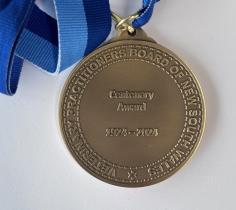
Nominate a colleague
A committee external to the Board will once again review applications and award winners will be announced at the AGM in November.
Please consider nominating a colleague using the online application form today!
Applications close 31 July.
Health Program
An impairment is defined in the Veterinary Practice Act 2003 (s 4(3)) as any physical or mental impairment, disability, condition or disorder which detrimentally affects, or is likely to detrimentally affect the person’s physical or mental capacity to practice veterinary science.
The Board appreciates the difficulties faced by a veterinarian suffering from an impairment and is committed to assisting these veterinarians through the establishment of its Health Program for Veterinarians
The goal of this program is to enable veterinarians to work their way through their health issues with the support of suitably qualified professionals and the Board.
The Board has adopted the procedures outlined in the Doctors’ Health Program (Medical Council of NSW) to achieve this goal.
Over the 6 month period from 1 November 2025 to 30 April 2026, the Complaints Committee (Committee) determined 31 complaints involving 53 veterinarians. Of the complaints investigated, 24 were dismissed and 7 resulted in an adverse finding against a veterinarian. There are currently 35 complaints being investigated by the Committee.
Findings of unsatisfactory professional conduct were made against 9 veterinarians in 7 complaints; 8 were cautioned (3 of these veterinarians were fined), and one veterinarian was required to complete an educational course. Brief summaries of the 7 cases linked to these findings are provided below.
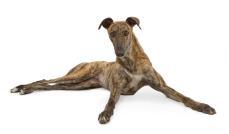
In this case, a Greyhound was presented to the veterinarian for limb amputation for suspected osteosarcoma. Thoracic radiographs were performed prior to amputation and the veterinarian noted possible metastasis but did not inform the client prior to surgery.
The Committee found that the failure to inform the client of the new finding of suspected pulmonary metastasis prior to surgery showed a lack of judgment in the practice of veterinary science and was therefore in breach of the Veterinary Practice Act 2003 (Act) (s 35(k)).
Post-operatively, the dog developed rhabdomyolysis which the veterinarian failed to identify and treat in accordance with current standards of veterinary practice in breach of the Veterinary Practitioners Code of Professional Conduct (Code) (cl 4).
The patient had not recovered as expected from surgery and without prior assessment, the veterinarian authorised discharge by a nurse. The dog died the next day.
The Committee found it was the veterinarian’s responsibility to ensure that the dog was stable and appropriate for discharge and the failure to do so demonstrated a lack of judgment in the practice of veterinary science in breach of the Act (s 35(k)).
A cat was presented to a veterinarian for removal of an abdominal wall mass. The veterinarian misread a pre-surgical ultrasound report from a mobile sonographer as showing liver nodules when the liver had been reported as normal.
The veterinarian erroneously informed the client that the cat had liver nodules and recommended and performed a liver biopsy at the time of the mass removal surgery.
The Committee found the veterinarian demonstrated a lack of care and judgment in breach of the Act (s 35(k)).
The cat was transferred to another veterinary hospital for post-operative care. Around closing time, the cat was noticed to have significantly deteriorated and was in shock. The veterinarian was unable to stay back to investigate or treat the shock, and as the client had declined referral to a 24 hour hospital, the cat was administered subcutaneous fluids, medications, and discharged.
The cat died shortly after discharge. The complainant raised concerns that euthanasia had not been discussed as an alternative option to discharge.
The Committee agreed with the complainant and found that by not discussing euthanasia as an option, the veterinarian demonstrated a lack of judgment in breach of the Act (s 35(k)).
In this matter, a veterinarian dispensed thiamazole to a cat for treatment of hyperthyroidism with incorrect dosages on the labels on three occasions resulting in the cat being chronically incorrectly dosed.
The Committee found that the veterinarian demonstrated a lack of care in the practice of veterinary science and was therefore in breach of the Act (s 35(k)).
Examination not in accordance with current standards
A dog with a history of chronic right pelvic limb lameness was presented to a veterinarian with new signs of abnormal urination and defaecation
The veterinarian diagnosed the dog with spondylosis based on radiographs and recommended treatment with a non-steroidal anti-inflammatory drug.
The dog was presented to another veterinarian in the practice a month later with no improvement and was treated with additional analgesia.
A rectal mass was subsequently found on rectal examination by a third veterinarian, and the dog was euthanised due to the highly aggressive and infiltrative nature of the neoplasia.
The Committee considered that a rectal examination should have been performed on each of the prior occasions when the dog had reported signs of abnormal urination and defecation and that the first two veterinarians failed to carry out professional procedures in accordance with current standards of veterinary practice (Code (cl 4)).
Misdiagnosis due to lack of skill
In this matter, a veterinarian attended a farm to pregnancy test a herd of 35 cows. The veterinarian misdiagnosed 7 cows in advanced pregnancy as being “empty” using ultrasound and manual transrectal palpation.
The Committee considered that this demonstrated a lack of skill and was therefore a breach of the Act (s 35(k)). The veterinarian was required to do an educational course.
Lack of care and CPR not to current standards
This complaint involved a dog spey that developed post-operative bleeding due to a slipped ligature which required corrective surgery. During the corrective surgery, a laparotomy sponge was left in the abdomen.
The retained sponge was identified when the dog re-presented unwell four days later and the dog was anaesthetised for surgery to remove the sponge but cardiac arrested.
Cardiopulmonary resuscitation (CPR) was initiated but was unsuccessful. During CPR, the veterinarian administered incorrect doses of adrenaline and atropine, failed to administer reversal agents, and continued to deliver anaesthetic agents to the dog.
With respect to the retained laparotomy sponge, the Committee determined that this demonstrated a lack of adequate care in the practice of veterinary science and was therefore a breach of the Act (s 35(k)). The Committee also found that the performance of CPR was not in accordance with current standards (Code (cl 4).
The veterinarian completed a CPR educational course in response to procedural fairness and therefore the Committee did not require this action in its decision.
Lack of informed consent and misleading conduct
A dog was admitted for a dental scale and polish and possible extractions. After examination and radiographs, the veterinarian established that extractions were indicated.
The veterinarian delegated a veterinary nurse to telephone the client to confirm that extractions were indicated and to perform the extractions.
The veterinarian left the room to perform a consultation. The veterinary nurse attempted to call the client but there was no answer, so a message was left. The veterinary nurse proceeded to extract the teeth. When the client returned the call approximately 10 minutes later, they indicated that they did not want the teeth to be extracted.
The veterinarian then telephoned the client to inform them of the clinical indication for extraction and to seek consent for their extraction. The client reiterated that they did not provide consent for their extraction.
The Committee found that the veterinarian failed to obtain the consent of the client prior to the extractions being performed and was therefore in breach of their obligations under the Code (cl 7).
Additionally, the Committee noted that the veterinarian was aware that extractions had already occurred at the time of telephoning the client but did not indicate this to the client.
The Committee found that at the time of making the call, the veterinarian engaged in misleading behaviour which was in breach of the Code (cl 6).
The Committee also found that the veterinarian breached the Code (cl 6) by engaging in conduct that had an adverse effect on the standing of any veterinary practitioner, or the veterinary profession, when they directed the nurse, a non-veterinarian, to perform the teeth extractions which are a restricted act of veterinary science.

The Board has recently completed the development of its hospital or business module and all functions and payments for hospital transactions are now completed online.
Veterinarians with a controlling interest in the licence, or a licence officer (see below), are able to complete hospital licence transactions.
Superintendents are able to complete the Annual Return as well as remove themselves from this position.
For ease of use and to reduce the administrative burden on veterinarians and superintendents, a veterinarian with a controlling interest in a licence is able to appoint a veterinarian or a nonveterinarian as a licence officer.
The licence officer will gain access to the business portal and hospital dashboard which will enable them to complete the various online forms on behalf of the licence holder.
A non-veterinarian will firstly need to apply to become a licence officer by completing an online form (identity verification) and adding the ABN of the licence holder. A veterinarian with controlling interest will then need to approve the appointment. If multiple hospitals are listed under one ABN the licence officer can be appointed to any number of these hospitals.
A licence officer could also be added to the hospital by a veterinarian with a controlling interest selecting them if the person is already listed on the system. This could be a veterinarian (registered in NSW) or a non-veterinarian already listed as a licence officer.
Hospital licence renewals must be completed by 30 June 2026 for the licensing period 1 July 2026 to 30 June 2027.
The licence renewal fee is $420.
Renewal notices are generally sent to the superintendent initially and then to licence holder(s).
If you have not yet received your hospital licence renewal notice by email please contact us
Hospital licences are renewed using the Veterinary Board NSW portal.
The Hospital Annual Return must be submitted prior to payment of the licence renewal fee.
The Hospital Annual Return must be submitted by the person who starts the form but the licence renewal payment may be completed by anyone who is provided with an email link to the payment site.
contact details
Changes to the hospital telephone, website, email address and mailing address can all be made using the Details tile.
Changes to languages available at the hospital can also be made using this tile.
Changes to the address of the hospital itself require a new licence application.
Changes to ownership of the licence
To change the licence holder entity (individual, partnership, company or exempt body) to a different entity select the Licence tile.
The form to complete this also allows you to change the details of veterinarians with a controlling interest in the licence.
The licence holder address, licence division (general or specialist), and licence type (small, mixed, large or wildlife) can also be completed by selecting the Edit button on the licence tile.
If you are changing the licence entity or controlling interest and you do not want the new entity or controlling interest veterinarians to be able to view records on the business portal you need to select Notification of Sale under the licence tile.
Changes to controlling interest may also be made using the Controlling Interest tile but, as above,

Sale and purchase of a hospital licence
To sell your practice to another entity a veterinarian with a controlling interest or the licence officer must select the Notification of Sale form under the licence tile.
Use this form to enter the name of the contact person for the purchaser.
The Board recommends the purchaser ask for a copy of the most recent hospital inspection report at this time.
The purchaser will need to be either a registered veterinarian in NSW or be listed as a licence officer on the Veterinary Board NSW portal. They will receive a link to the partially completed purchase form and complete the purchase of the licence.
The partially completed form will retain the address of the licensed premises which cannot be changed however, website address, telephone, email, services, and staff numbers can all be updated at this time or later.
Once the purchase is approved by the Board the new licence holder will need to appoint a superintendent within 7 days..
The superintendent must be registered in NSW.
A veterinarian registered in NSW or licence officer is also able to apply for a new hospital licence by completing an online form available from our website under Businesses, Veterinary Hospitals, Getting Licensed
Please note that a trust is not an eligible entity only an individual, partnership, company or exempt body such as an animal welfare charity may hold a licence.
Once approved, a superintendent will need to be appointed within 7 days.
A veterinarian with a controlling interest or a licence officer is able to appoint or remove a superintendent from a record.
The superintendent must confirm they accept this role.
The superintendent is also able to remove themselves from the record for a hospital.
Updates to staff numbers and services offered can be made using the Annual Return during the renewal period or by selecting the Staff or Services tiles respectively.
A record of all applications, payments and correspondence is available under the relevant tiles.
Many of the above forms do not require Board approval but all interested parties in the licence (veterinarians with a controlling interest and licence officers) will be notified of any important changes.
The forms will enable licence holders to comply with requirements under legislation to notify the Board of changes to licence details within 7 days.
Fees are only applicable for changes that need to be processed by staff including changes to the name of the hospital and new licence applications.
Whilst changes to ownership of a licence do require staff processing this fee ($110) to the purchaser is being waived until 1 December 2026 to ensure the Board has up-to-date details in the new portal.
Hospital engagement and support program
The scheduled hospital inspection program will now be referred to as the engagement and support program to better reflect its purpose of supporting licence holders in meeting their obligations under the legislation.
Inspectors also perform a vital liaison role for the Board.
Inspectors will continue to visit premises every 3 years (within 6 months) but the schedule of visits will also change.
To provide for more efficient management of this program inspector visits will be completed by local land services area .
This will also enable better tracking of the progress of inspections.
New hospitals will be inspected within 6 months of approval which will also provide an opportunity for any required re-visits to hospitals within that local land services area.

Both John and Jennelle will receive training in the new business module and will be able to assist you with any questions.
If you have questions about the new business portal or the engagement and support program please contact us
The Resources section of the Board’s website includes a number of guidelines produced to assist the profession.
• Oath for veterinary graduates in NSW
• Health program for veterinarians
• Self assessment checklist for house call and on-site veterinary practices
• Technology based patient consultations
• Compounded medications
• Restricted substances protocol checklist
• Complaint management checklist
• Supply of pain relief medication for animal husbandry procedures
• Records
• AI based record keeping and note taking
• Lifetime breeding limit for dogs
Complaints are a normal event to occur and in the veterinary profession they are often emotionally charged. This stems from a myriad of reasons including the client’s concern for their s health, or the financial pressures of care.
managed complaint provides resolution to conflict and a tool for quality improvement and building long-term client trust. The inverse is true for a poorly managed complaint
As detailed in the self-assessment checklist for veterinary hospital superintendents, the Board requires veterinary hospitals to develop a written complaints process to ensure a consistent and fair approach to managing complaints.
A complaint is any expression of dissatisfaction regarding a service provided, or feedback that identifies a need for improvement. Whether formal (a written letter) or informal (a verbal comment at the front desk), every piece of feedback should be treated as an opportunity to refine practice standards.
Complaints can originate from:
• clients and referring veterinarians
• suppliers and neighbouring businesses
• members of the public.
Every complaint regardless of how minor it may seem should be recorded immediately. The record should Include:
• Personnel: Name of the staff member receiving the complaint.
• Contact Details: Full name and preferred contact method of the complainant.
• The Narrative: A factual, objective account of the concerns raised.
• Immediate Actions: Any steps already taken to mitigate the issue.
A complaints manager can be nominated in the practice, and once documented, the record should be forwarded to this person. The complaint should be acknowledged immediately in the first instance, and then time taken to investigate the complaint.
Complainant details must remain confidential and should not be shared with third parties without written consent, except where required by law.
The goal of the first point of contact is to de-escalate and understand, not to debate. When receiving a complaint, staff should:
• Acknowledge and Thank: Introduce yourself and thank the person for bringing the matter to your attention.
• Listen Actively: Allow the person to speak without interruption.
• Empathise: Use phrases like, "I can see this has been a very stressful experience for you."
• Maintain Neutrality: Avoid making immediate judgments, admitting liability, or making "on-the-spot" promises that may not be fulfillable.
• Summarise: Repeat the core concerns back to the complainant to ensure they feel heard and understood.
• Set Expectations: Clearly explain the next steps and the timeframe for a response.
4. Resolution Timeframes
Timely responses prevent minor issues from escalating into major disputes.
• Acknowledgement: If possible, complaints should generally be acknowledged within one business day. Verbal complaints should be acknowledged verbally; written complaints require a written response.
• Resolution: Aim to conclude the investigation and provide a final response within a clearly defined timeframe and provide updates if there are delays. The Final Response should detail:
• The outcome of the internal review
• Any corrective actions taken
• Changes implemented to prevent recurrence (e.g., new protocols or staff training).
5. De-Escalation and Managed Discussions
When a complaint requires a formal meeting, the environment and approach are vital.
• The Setting: Choose a private, quiet space free from clinical interruptions.
• Preparation: Review all medical notes and previous communications thoroughly before the meeting.
• Collaborative Tone: Use "reframing" to move the conversation from "who is wrong" to "how we can resolve this."
• Shared Goals: Emphasise that both the practice and the client want the same thing: the best possible welfare for the animal and high-quality care.
6. Supporting the Team
Complaints are a significant source of stress for veterinary staff. A "just culture" approach ensures that team members feel supported rather than blamed.
• Confidentiality: Keep the details of the complaint private within the management team.
• Practical Support: If a staff member is the subject of a complaint, consider temporarily reducing their client-facing duties.
• Mental Health: Provide access to an Employee Assistance Program (EAP) or external counselling to help them process the stress of the situation.
7. Escalation Protocols
If a resolution cannot be reached at the local level, or if the complaint involves high clinical risk or potential legal action, it must be escalated:
• Internal Escalation: Move the matter to the Practice Owner, Regional Manager, or Veterinary Director.
• Professional Advice: Seek early guidance from your professional indemnity insurance provider or legal counsel.
• External Bodies: If a stalemate is reached, the client should be informed of their right to contact the Veterinary Practitioners Board.
The Board has also developed a checklist to assist veterinary practices in developing a written complaints process.
By treating complaints as a structured clinical process rather than a personal attack, veterinary practices can protect their reputation, support their staff, and continually improve the care they provide.
In June 2024, the Board officially recognised sentience in animals treated by veterinarians.
This formalises what's already embedded in daily practice. When you prescribe analgesia, fluoxetine or gabapentin you do so because animals feel pain and experience emotional states.
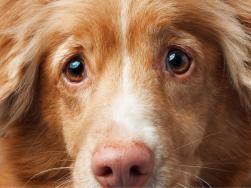
When clients question the cost of post-operative analgesia or dismiss behavioural interventions, you now have formal backing.
Sentience recognition isn't sentimental; it's professional standard.
The Five Domains Model,¹ built on this recognition, asks not just "Is this animal healthy?" but "What is this animal experiencing?"
Your quality-of-life assessments, environmental enrichment recommendations, and psychotropic prescriptions all reflect this framework.
Analgesia isn't optional because pain perception is real. Behavioural medicine addresses genuine distress, not simply "bad behaviour."
Continued p 28
Under NSW law, pets are considered “goods”. As a result, purchasers of pets are entitled to consumer guarantees under the Australian Consumer Law
One of the protections afforded under the consumer guarantees is that goods sold will be of an ‘acceptable quality’.
What this means in relation to the purchase of brachycephalic dogs in NSW was explored in the recent decision by the NSW Civil and Administrative Tribunal Appeals Panel in Taylor v Lay [2023] NSWCATAP 328
This case involved a claim by the owner of a British Bulldog puppy, called Bobby, who was diagnosed with Brachycephalic Obstructive Airway Syndrome (BOAS)..
His treatment incurred considerable veterinary fees. The owner claimed against the breeder for the purchase price of the dog (awarded), the veterinary fees incurred up to a certain date (awarded) and future veterinary fees (denied).
During the case, veterinary records were submitted by Ms Taylor and analysed by the Tribunal.
This case highlights one of the ways that veterinary records can be utilised in legal proceedings.
An article in the Conversation provides further discussion and opinion on the role of veterinarians with respect to brachycephalic dog welfare.
This article sets out the professional obligations of NSW veterinary practitioners when examining companion animals that may have been bred from or sold with heritable conformational conditions that affect their capacity to live and function normally.
A significant legal and regulatory development has occurred that directly affects how NSW veterinary practitioners should approach their examination and recording obligations when dealing with companion animals bred for extreme physical characteristics.
In Taylor v Lay [2023] NSWCATAP 328, the NSW Civil and Administrative Tribunal Appeal Panel found that an English Bulldog puppy sold with severe Brachycephalic Obstructive Airway Syndrome (BOAS) constituted a 'major failure' of the acceptable quality guarantee under the Australian Consumer Law (ACL).
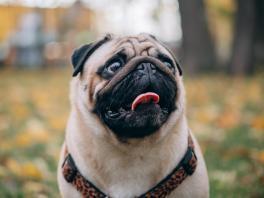
Under s54 of the ACL, goods sold in trade or commerce must be of acceptable quality, which includes being fit for the purposes for which goods of that kind are commonly supplied. Pets are goods for the purposes of the ACL. The guarantee is strict liability: it applies regardless of the seller's or examining vet's knowledge.
This is not only a consumer law matter. The Animal Welfare Code of Practice for Breeding Dogs and Cats (NSW, 2021), made as an enforceable standard under the Prevention of Cruelty to Animals Regulation 2012, provides at clause 10.1.1.3:
A dog or cat must be physically and mentally fit, healthy and free of disease at the time of being mated.
This is an enforceable standard, not a guideline. Failure to meet it may result in a Penalty Infringement Notice or a prosecution under the POCTA Regulation, administered by DPI and enforced by RSPCA NSW.
The practical implication is this: dogs and cats bred from parents with significant heritable conformational disease may simultaneously involve a breach of this welfare standard at the breeding stage and a breach of the ACL acceptable quality guarantee at the point of sale.
These are not separate problems. They are the same problem, seen through two different legal instruments. Veterinary practitioners are uniquely positioned at the junction of both.
When does this arise for veterinarians?
Two scenarios are most relevant:
Scenario A: The first post-purchase consultation
The most common and most consequential encounter is when a new client presents a recently purchased companion animal for the continuation of its vaccination program, typically within a few weeks of purchase. At this consultation:
• The vet may be the first and only professional to examine the animal properly after purchase.
• Conformational disease that was present at the time of purchase may now be clinically apparent.
• The owner (if also the client) may still be within, or close to, the period during which consumer law remedies are most accessible.
• The vet holds information that is directly relevant to the owner's legal rights as a consumer.
This is not a specialist referral context. It arises in general practice, routinely, for any practitioner who sees puppies and kittens in their first weeks of life.
Scenario B: Assessment of breeding stock or show animals
Veterinarians are sometimes asked to examine animals before mating, as part of the admission process to competitive exhibitions, or to issue health certificates for breeding purposes. In this context, the POCTAA Breeding Code standard is directly engaged: the question being put to the vet is, in effect, whether the animal is physically fit for breeding purposes under the enforceable standard at clause 10.1.1.3.
This assessment carries professional weight regardless of whether it is formalised in a certificate. A vet who examines a prospective breeding animal, recognises conformational disease of clinical significance, and does not record or communicate those findings is in the same position as the vet in the Board's own disciplinary precedent: recognising the condition but choosing not to record it is a professional conduct matter.
Your professional obligations
Veterinarians must create detailed records of any consultation, procedure or treatment as soon as is practicable (Code (cl 15)). The Board has previously made a finding of unsatisfactory professional conduct against a veterinarian who recognised the anatomical components and clinical signs of BOAS in four brachycephalic dogs but failed to record those findings in the clinical records (BoardTalk Issue 60, June 2024).
That finding establishes that recognising but not recording conformational disease is a professional conduct failure, not merely a clinical oversight.
When a veterinarian examines an animal and identifies findings consistent with heritable conformational disease (whether respiratory, locomotor, ocular, reproductive, or dermatological in nature), those findings must be recorded with sufficient clinical specificity to be useful to a subsequent treating practitioner and, where relevant, to any future regulatory or legal proceedings.
Where conformational disease is identified at a first post-purchase consultation and was likely present at the time of purchase, the veterinarian should communicate those findings to the client clearly and in terms the client can understand. Findings should not be minimised by reference to what is 'normal for the breed.' The question is not what is typical for that breed but what the animal can functionally do.
Veterinarians are not able to provide legal advice. However, where a veterinarian identifies at a first post-purchase consultation conformational disease that was likely present at the time of purchase, it is consistent with professional obligations to note to the owner (if also the client) that they may wish to seek information from NSW Fair Trading about their rights as a consumer.
A referral to Fair Trading or to independent legal advice is no different in kind from a referral to a specialist: it is signposting the client to the appropriate resource.
NSW Fair Trading provides consumer guidance on purchasing pets at: www.fairtrading.nsw.gov.au
It is possible that practitioners who earn income from treating conformational disease, or who have referral relationships with breeders of affected breeds, may have a financial interest that runs against the full recording and disclosure of conformational findings. The Board is explicit: that financial interest does not modify professional obligations. A pattern of failure to record or disclose heritable conformational disease in circumstances where financial incentive to do so is present is a professional conduct matter.
The Board acknowledges that these are not easy consultations. Being the first professional to tell a client that the puppy they have just brought home may have serious inherited health problems, and that the owner may have legal remedies against the seller, requires both clinical courage and communication skill.
Continued p 12.
The Veterinary Practitioners Code of Professional Conduct (Code) (cl 15) requires a veterinarian to ensure all records of any consultation, procedure or treatment are retained for at least 3 years
Records must:
• Be made as soon as practicable
• Be legible and in sufficient detail to enable another veterinarian to continue treatment of the animal
• Include the results of any diagnostic tests, analysis and treatments
• Clearly identify any alteration in the records as such
• When requested, and with the consent of the client, be provided to a veterinarian who is taking over the care of an animal.

Please note that if you are recording consultations these will need to be transcribed to fulfil current requirements under the legislation.
For further information regarding records please review the following resources:
Records Guideline
Ownership of Records
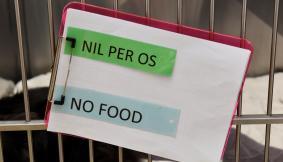
Are you a veterinarian, nurse, technician or receptionist who schedules elective procedures in your practice?
If so, we invite you to participate in a brief survey about preanaesthetic fasting via this link
This survey is open to veterinarians, veterinary nurses/ technicians, and veterinary practice managers of the age of 18 or older and working with dogs and cats in Australia.
Should you wish to contact us about this study, please email Dr Anne Quain: anne.quain@sydney.edu.au
The ethical aspects of this study have been approved by the Human Research Ethics Committee (HREC) of The University of Sydney [ethics reference: 2025/HE001250]

The profession cannot resolve this by relying on individual veterinarians to act as moral heroes in a system that financially incentivises silence. The Board's role is to make the professional standard clear so that veterinarians who do the right thing are protected, and those who do not are accountable.
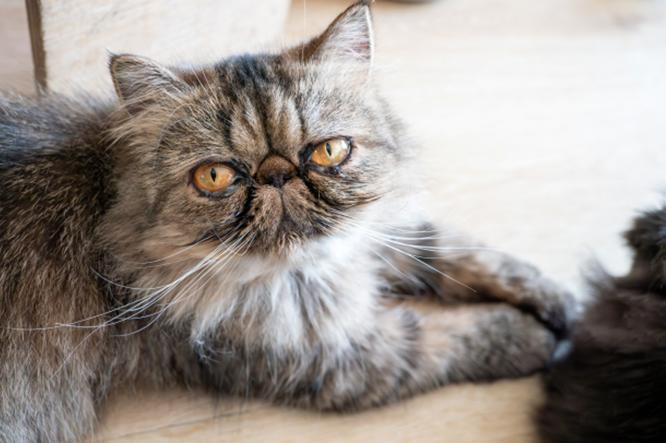
standards.
It was deliberately designed to be simple and consistent enough for anyone to apply, while drawing on decades of peer-reviewed clinical evidence. It is not a clinical diagnostic tool: it assesses observable conformation and function, not underlying health conditions.
The IHA criteria span five functional domains: respiratory function (the ability to breathe without audible effort at rest and during normal activity); locomotor function (the ability to move freely and exercise without distress); ocular function (the absence of conformationally caused eye injury or discharge); reproductive function (the ability to whelp without routine requirement for caesarean section); and integumentary function (the absence of infected or ulcerated skin folds arising from conformation).
1. Is the muzzle long enough to allow easy breathing?
2. Do the eyelids sit normally not turning in, turning out, or drooping?
3. Do the eyes sit deeply in the socket rather than bulging forward?
4. Do the jaws close correctly with no overbite or underbite?
5. Is the tail long enough to wag?
6. Are the legs straight with no bowing?
7. Are the legs a natural length with no dwarfism?
8. Can the spine flex normally?
9. Is the dog free of merle colouring?
10. Is the skin smooth with no folds?
A dog or cat that fails two of the IHA criteria should not, in the IHA's assessment, be bred from. For veterinarians, the IHA provides a structured, internationally validated reference for what the POCTAA Breeding Code standard already requires in legal terms.
An animal that fails the IHA criteria cannot, on any reasonable clinical reading, be described as 'physically and mentally fit' for the purposes of clause 10.1.1.3.
The Board encourages all veterinarians to familiarise themselves with the IHA tool at www.innatehealthassessment.org and to consider it as a reference framework when assessing conformational fitness in both clinical and breeding contexts.
Summary of the Board's Position
What veterinarians should do when examining a companion animal with potential conformational disease:
1. Record all findings consistent with conformational disease in the clinical record with sufficient detail to enable another veterinarian to continue the treatment of the animal
2. Disclose findings to the client clearly and without minimisation by reference to breed norms. The question is what the animal can do, not what is typical for animals of its breed.
3. Apply the IHA criteria (www.innatehealthassessment.org) as a structured reference for assessing functional fitness, whether at a post-purchase consultation, a breeding stock examination, or a show health check.
4. Where conformational disease likely present at the time of purchase is identified at a first post-purchase consultation, note to the client that the owner may wish to contact NSW Fair Trading or seek independent advice about their consumer rights.
5. Where the examination is of a prospective breeding animal, note that the POCTAA Breeding Code (clause 10.1.1.3) requires breeding animals to be physically and mentally fit, and that the IHA provides criteria against which this standard can be assessed.
6. Disclose any material financial or referral relationship with the breeder that may affect your objectivity, and consider whether you can discharge your professional obligations impartially in the circumstances.
Further information on the IHA tool is available at www.innatehealthassessment.org Practitioners with queries about their professional obligations in this area are encouraged to contact the Board.
References and further reading
Taylor v Lay [2023] NSWCATCD 66; [2023] NSWCATAP 328 (NCAT Appeal Panel, 12 December 2023)
Animal Welfare Code of Practice for Breeding Dogs and Cats (NSW, 2021), clause 10.1.1.3. Enforceable standard under the Prevention of Cruelty to Animals Regulation 2012.
APGAW / O'Neill, D.G. (2025). The Innate Health Assessment (IHA) tool. All-Party Parliamentary Group for Animal Welfare (cross-party, UK Parliament), with the Royal Veterinary College. Launched November 2025. www.innatehealthassessment.org
Frontier Economics (2025). Report into the APGAW Innate Health Assessment. September 2025. Packer, R. & O'Neill, D. (eds) (2021). Health and Welfare of Brachycephalic (Flat-faced) Companion Animals. Routledge. [Including Chapter 4: Quain, Mullan & McGreevy on ethical challenges of treating brachycephalic dogs]
Veterinary Practitioners Code of Professional Conduct (NSW), clauses 2, 15, 16.
NSW VPB BoardTalk Issue 60 (June 2024): BOAS disciplinary finding (unsatisfactory professional conduct, recording obligations).
The Veterinary Practice Act 2003 (s 13) states that a veterinarian must not refer to themselves as a specialist in the course of their practice or use any description that implies specialist knowledge or qualification unless they have been granted registration as a veterinary specialist by the Board.
The Board has previously stated that ‘ist’ descriptors such as dermatologist imply specialist registration.
The Board is also of the opinion that terms such as ‘cat vet’ do not imply specialist status .
A veterinary specialist is a registered veterinarian with an exceptionally high level of skills and knowledge in a specific field of veterinary science.
A specialist must have undergone extensive, advanced supervised training culminating in the passing of a rigorous set of examinations.
Applications for specialist endorsement are assessed by the Australasian Veterinary Boards Council Advisory Committee on the Registration of Veterinary Specialists.
This process ensures a consistent approach to the registration of specialists in Australia.
To become a registered specialist a veterinarian must apply to the Board.
The Board licenses the premises (hospitals) where major surgery is performed.
Major surgery is defined in the legislation as a restricted act of veterinary science that includes the carrying out of a procedure that:
a) According to current standards of veterinary practice requires the administration of an anaesthetic (other than local), or
b) Involves a spinal anaesthetic.
Major surgery may be performed at unlicensed premises under the following circumstances:
1. In an emergency and there is no time to move the animal to a hospital
2. If it is impractical to move the animal because of its size or type
3. If it is dangerous to the health of the animal to move it to a hospital
Licence premises must be able to demonstrate to the Board that they are able to provide acceptable levels of care for animals before, during, and after major surgery.
To assist licence applicants in meeting these requirements the Board has developed the following resources:
Minimum requirements for licensed premises
Self-assessment checklist for hospital superintendents
Veterinarians may be asked to provide sedation (or tranquilisation) for animals in order for a procedure to be performed effectively and safely by a non-veterinarian. This role may therefore be vital for both animal welfare and human safety. Examples include the sedation of rams for
There is a range of risks for veterinarians to consider when supplying sedatives for animals from relatively minor procedures associated with shearing of rams to significant, invasive procedures
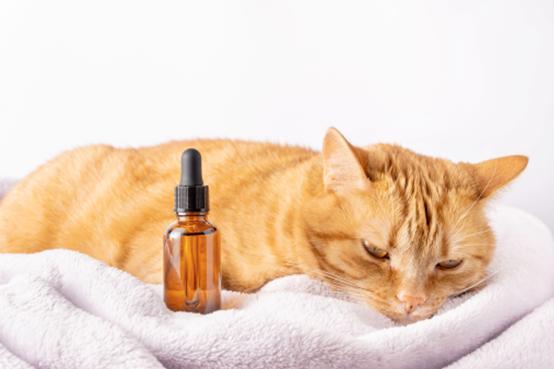
If veterinarians choose to supply sedation for procedures to be performed on animals by nonveterinarians, they need to ensure they are aware of their responsibilities, including those imposed by veterinary practice and poisons and therapeutic goods legislation:
• Veterinarians must only supply a sedative for an animal they have either physically examined or have under their direct care (Veterinary practitioners code of professional conduct (Code) (cl 20)). For multiple animals, such as sedation of rams for shearing, it is unlikely you will have examined each animal but you need to be able to show that these animals are under your direct care. This includes regular visits to the property, knowledge of the husbandry and client, and physical examination of a representative number of animals.
• Veterinarians must not supply any restricted substance in a quantity, or for a purpose, that does not accord with the recognised therapeutic standard of what is appropriate in the circumstances (Poisons and Therapeutic Goods Regulation 2008 (cl 54)).
• The administration of a sedative or tranquiliser is a restricted act of veterinary science and hence the veterinarian must only supply these agents to the owner of the animal. Owners of animals are exempt persons under the Veterinary Practice Act 2003 (s 9(2)) and may therefore perform a restricted act of veterinary science. This does not extend to the shearing contractor, horse farrier, dog groomer or other similar service providers.
• Veterinarians must be aware of both the legislative and skill limitations of nonveterinarians. If the owner of the animal or supervised lay person is incompetent or negligent, the veterinarian may be subject to professional misconduct allegations and proceedings.
• Veterinarians must be aware that, in providing such a service, they are responsible for sedation and appropriate analgesia if required, the assessment of each animal’s health status prior to administration of appropriate doses of the drug, and may be held responsible for the outcome of the procedure (as above). They are also responsible for follow up of the animal and they must clearly explain the use, side effects, storage, and safety requirements when supplying these agents as they would for other restricted substances (Code (cl 4)).
• Veterinarians must be familiar with the expected outcomes and associated risks of the procedures being performed. For example, the incorrect use of power tools for equine dental procedures can result in over-heating of teeth, which can cause the death of blood vessels and nerves, resulting in pain when eating, loss of appetite and weight loss. Sedated animals may also behave unpredictably and a sedated dog in a car can pose a significant risk to public safety.
A detailed record of any procedure, treatment or supply of a restricted substance must be made as soon as practicable and in sufficient detail to enable another veterinarian to continue treatment of the animal (Code (cl 15)).
The supply of sedatives and tranquilisers to anyone other than the owner of the animal may lead to a finding of unsatisfactory professional conduct or professional misconduct as defined by the Veterinary Practice Act 2003 (s 35).
The administration of sedatives and tranquilisers is a restricted act of veterinary science because by reducing or removing an animal’s ability to respond normally to its environment, including potentially painful stimuli, it presents a danger to the welfare of the animal.
Under the Code (cl 1), when providing for or administering sedation to an animal the veterinarian must ensure that his or her primary concern is for the welfare of that animal. Accordingly, the veterinarian is responsible for ensuring any procedure carried out on a sedated animal will not jeopardise the animal’s health or welfare.
A veterinarian cannot simply provide for sedation and then disregard what is being done to the animal. If any damage is caused by a non-veterinarian to an animal while under sedation the Board will consider action against the veterinarian concerned and consider referring the lay operator to the appropriate authorities for a potential breach of the Prevention of Cruelty to Animals Act 1979
In summary, veterinarians supplying sedatives and tranquilisers need to consider their obligations under the appropriate legislation, their responsibilities to the safety and welfare of animals being sedated and their responsibilities for the safety and welfare of the owners of these animals when administering these agents and managing sedated animals.
Note: For the purposes of this guidance, the term "sedatives" includes tranquillisers.
This article is largely derived from the Guidance note: Use of sedatives or tranquillisers during ridden exercise, published by the Racing Integrity Board New Zealand
In the June 2025 edition of BoardTalk, an article by Racing NSW reminded racetrack veterinarians of their responsibilities around the provision of Schedule 4 medications including tranquilisers and sedatives.
This article also reiterated that the administration of these sedative agents was a restricted act of veterinary science other than under the immediate and direct supervision of a veterinarian (Veterinary Practice Regulation 2013 (cl 4(1)(c))).
The phenothiazine acepromazine has been widely used as a calming and tranquilising agent in both horses and small animals for many years.
It remains an appropriate choice (with a few contraindications) as a premedication agent in the general anaesthesia of horses while also remaining a sound choice for standing tranquilisation/ sedation when performing non-painful procedures in horses, or in combination with opioids or alpha 2 agonists if analgesia is required.
The main sedation effect of acepromazine is mediated through antagonism at the dopamine receptor, but it should be remembered that this sedative has actions at numerous other receptors which can lead to some beneficial properties as well as unwanted side effects.
Continued p 16
The Board appreciates that providing a 24 hour service is demanding and this has been exacerbated by the shortage of veterinarians in NSW.
In order to meet requirements under the Code (cl 8) there are three options available to veterinarians:
1. Make arrangements with the veterinarians providing an after-hours service and provide the details of this service to your clients.
2. Make arrangements with your colleagues to share after-hours duties.
3. Provide contact details for after-hours emergencies to your existing clients only. You are not required to accept an animal for after-hours care if you have not previously accepted the animal for diagnosis or treatment.
The Board appreciates that afterhours services may require the client to travel a significant distance.
It would be appropriate to inform the client of the approximate travel time to an after hours service.
Do you speak a language other than English?
The Board has redeveloped its database and website so that both veterinarians and hospitals can record information about languages spoken other than English.
The information is displayed on the website in a similar manner to the Australian Health Practitioner Regulation Agency (AHPRA).
It is possible to search for a veterinarian on our website using the name of a language other than English.
If you are able to speak a language other than English you can update this information by logging in, selecting the Personal tile, Edit and Languages buttons.
If you are working in a hospital where staff speak another language, similarly, under the Details tile you can select Edit and Languages.
The website will be updated in the future to allow searching for a hospital by the name of a language.
As noted previously by the Board, there is an emerging issue regarding communication between veterinarians and clients in situations where there is a language barrier.
The use of sedatives during routine ridden exercise can compromise the safety of both rider and horse. Their use may also have implications for insurance coverage and trainers' workplace health and safety obligations.
It is the veterinarian's responsibility to ensure that any dispensed medication is clearly justified, correctly documented and monitored for both adverse effects and the horse's response to treatment.
Sedation during routine exercise is generally not recommended, except in specific, limited circumstances where its use is clearly justified on clinical grounds.
This is primarily due to concerns about the potential effects of such medications on the horse's coordination, which may impact rider safety, as well as the risk that sedation may obscure rather than address, underlying behavioural, training, or management issues.
The inherent properties of sedatives and tranquilisers can present an increased danger to both the horse and rider and therefore administration in the ridden horse is difficult to justify.
If sedatives are used before ridden exercise, and their use clearly justified, the veterinarian should inform the trainer of their responsibility in disclosing this information to the relevant rider so that an informed decision can be made by the rider and to enable appropriate precautions to manage the horse safely.
There is no evidence to support the use of acepromazine to circumvent sub-optimal husbandry within racing stables especially in regard to the facilitation of ridden track work.
The usefulness of sedatives as a training aid is limited by their potential to impair the horse's awareness, responsiveness to cues and capacity for learning, thereby reducing the effectiveness of training and ultimately failing to address the underlying behavioural issues for which the medication was administered.
Where sedatives are used, they must be prescribed by a veterinarian and supported by a clear, evidence-based clinical rationale.
Clear written instructions must be provided outlining the appropriate use, dosage and method of administration.
The prescribing veterinarian is responsible for documenting the product used, dosage, timing and intended purpose, and for ensuring that the horse's response is closely and appropriately monitored throughout the course of treatment.
In summary, the Board does not endorse the use of sedatives during ridden exercise. The use of acepromazine in such circumstances would be considered off-label, and as stated above, any veterinarian supplying acepromazine for this purpose is responsible for any adverse events associated with the administration of this medication.
Accordingly, the Board would strongly encourage any veterinarian supplying this medication for use in the ridden horse to seek their own legal advice.
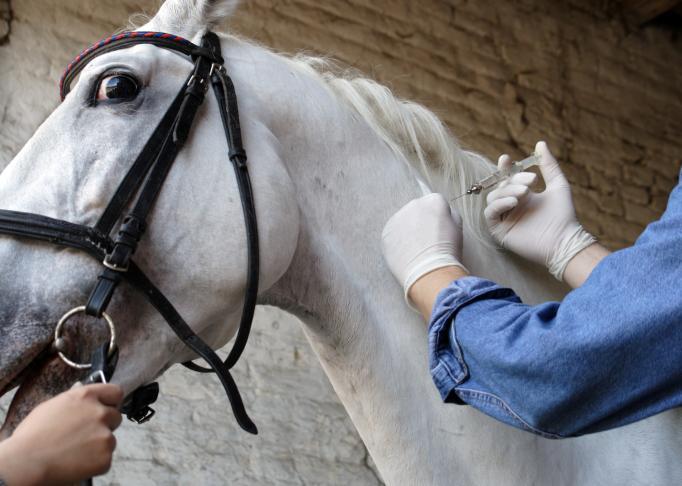
Veterinarians may be asked to supply restricted substances (such as Schedule 4 and Schedule 4D drugs) to non veterinary scientifically qualified researchers conducting animal research under the authority of an Animal Ethics Committee (AEC).
The relevant legislation that applies is:
Veterinary Practice Act 2023
Veterinary Practice Regulation 2013
Animal Research Act 1985
Animal Research Regulation 2021
Poisons and Therapeutic Goods Act 1966
Poisons and Therapeutic Goods Regulation 2008
Some relevant points are:
• All animal research undertaken in NSW must go through an application review process by an Animal Ethics Committee. When a project is approved, a legal document called an Animal Research Authority is issued to the researcher.
• Under Part 2 Clause 5(b) of the Veterinary Practice Regulation 2013, non veterinary researchers can be approved by an AEC to conduct restricted acts of veterinary science, as well as the use of any drugs required to conduct the activity(s), under an Animal Research

use in an animal research project, where the veterinarian is not undertaking all the project’s restricted acts of veterinary science and/or administering the drugs or directly supervising a researcher doing this, they need to be aware of their obligations under the Veterinary Practice legislation.
Veterinarians can agree to supply restricted substances to non-veterinary animal researchers that are approved to use the substances under an Animal Research Authority. Under the NSW Veterinary Practice legislation, it is expected that the veterinarian has:
• examined a representative sample of animals on that the substances will be used on within the last 12 months and
• formed the opinion that the researcher(s) has the required level of knowledge, experience and skill to safely use the substance(s) for the approved research procedure(s) and
• agreed to a record/log of the use of the restricted substance(s) supplied being kept by the researcher and any remaining drug and the record of use being provided back to the veterinarian to check the log and dispose of.
The Board would like to thank Cathie Savage from NSW DPIRD for providing the above summary.
Access to restricted substances
Schedule 4 and Schedule 8 medications are referred to as restricted substances.
A registered veterinarian is defined as an authorised person under poisons and therapeutic goods legislation and this allows veterinarians to access these substances.
Under poisons and therapeutic goods legislation only veterinarians, and other persons directed by a veterinarian who is on the premises, are able to access restricted substances.
Importantly:
• Restricted substances must not be supplied to clients if a veterinarian is not on the premises to authorise this supply.
• Restricted substances can be administered to in-hospital patients if a veterinarian is not on the premises providing the veterinarian has examined the animal and supplied this medication for administration by non-veterinarian staff (similar to supply for a client).
• Restricted substances, including S4 vaccines, must not be stored in reception areas, consultation rooms and other areas to which the public have access.
I am a veterinarian and a PhD candidate at the University of Melbourne with a background in digital health and innovation. I am conducting research on veterinarians’ perceptions of Clinical Decision Support Systems (CDSS) and digital tools in veterinary practice.
You are invited to participate in a short online survey exploring your opinion of CDSS in Australia. It takes a few minutes to complete the survey, and participation is entirely voluntary and anonymous.
There are no right or wrong answers to any of the questions; this is about understanding your perspective.
Your input is highly valuable. The findings will contribute to the development of practical digital tools designed to support veterinarians in clinical decisionmaking.
This project has human research ethics approval from the University of Melbourne, Ethics ID: 35358.
If you would like to participate, please access the survey using this link: Survey
If you have any questions, please feel free to contact Reza at seyedreza.hashemipourzavare@st udent.unimelb.edu.au
Confidentiality is a very important area of veterinary practice which is sometimes poorly understood.
Confidentiality provides a significant foundation to the trust the public and our clients have in the veterinary profession.
Breaches of confidentiality may be subject to investigations by the Board and proceedings in the courts.
What does the veterinary practice legislation say about confidentiality?
The Veterinary Practice Act 2003 (Act) (s 55) states that:
(1) A veterinary practitioner must comply with a requirement under this Part to answer a question or to produce information or a document despite any duty of confidentiality in respect of a communication between the veterinary practitioner and a client (but only if the client is the complainant or consents to its disclosure).
(2) A veterinary practitioner may disclose a matter to the Board, a committee of the Board or the Tribunal in breach of any duty of confidentiality if the Board, committee or Tribunal is satisfied that it is necessary for the veterinary practitioner to do so to rebut an allegation in the complaint.
‘A requirement under this Part’ in paragraph (1) above refers to Part 5 of the Act, complaints and disciplinary proceedings.
In relation to a complaint investigation by the Board, if the client is the complainant, you must release records and other information to the Board when requested.
The Veterinary Practice Regulation 2013 (Regulation) schedule 2 Veterinary Practitioners Code of Professional Conduct (Code) (cl 12) states that:
A veterinary practitioner must maintain the confidentiality of information obtained in the course of professional practice, unless the disclosure of the information is:
(a) authorised or required by this code of conduct or a law of this State or of the Commonwealth, or another State or Territory, or
(b) to an officer under the Prevention of Cruelty to Animals Act 1979 or an approved charitable organisation within the meaning of that Act and relates to an alleged offence under that Act or an alleged offence relating to animal cruelty under the Crimes Act 1900, or
(c) to the Greyhound Welfare and Integrity Commission under the Greyhound Racing Act 2017 and relates to an alleged offence under the Prevention of Cruelty to Animals Act 1979.
The Code (cl 10) states that:
A veterinary practitioner who has previously treated an animal must, when requested to do so, and with the consent of the person responsible for the care of the animal, provide copies or originals of all relevant case history records directly to another veterinary practitioner who has

A second treating veterinarian who has received records from a first treating veterinarian is not able to pass these records to any other party, including the client, without the consent of the first treating veterinarian.
The release of client information gained in the course of your professional activities in other circumstances is therefore likely to be viewed as a breach of client confidentiality under clause 12 of the Code. Exceptions however can be found from an examination of other legislation and circumstances below.
A subpoena is issued in connection with court proceedings and compels you to provide evidence. It specifies exactly what is required, nominates the court to which this must be delivered, and the date by which this information must be supplied.
If your medical records are included in a subpoena, the client has the right to appeal to the court against the release of these records. If you were to give the records to anyone else (e.g. police), you will deprive your client of that right.
If a court requires you to release specific client information you must do so.
The other area of law that requires veterinarians to release information gained during the course of their professional practice is in relation to notifiable diseases in NSW declared under the Biosecurity Act 2015
There is a legal obligation on veterinarians (and stock owners or managers) who know or suspect that an animal has a notifiable disease to notify the relevant authorities.
Finally, there are a few circumstances where you are not required medical records. For example:
• Releasing information to your legal, insurance or other professional advisor who is assisting you to defend an allegation before a court, tribunal or the Board. That advisor has a duty of confidentiality to you.
• Releasing records to your client but remember consent is specific and release records only for the period when your client was the person responsible for the care of the animal concerned.

• Release of records with the consent of the client to a client’s animal insurance provider.
• Release of records to a racing steward upon request and in relation to an investigation where the client has provided a signed consent for the release of these records to the racing authorities. It would be prudent before releasing such records to confirm this permission with the client and ensure that you release only the relevant record for that specific horse.
Medical records are the property either of the individual veterinarian or of the veterinary practice. Veterinarians working in a multi-person practice should also seek permission from the practice superintendent before releasing medical records.
It is worthy of noting that veterinary practice legislation refers to ‘client’ and ‘person responsible for the care of the animal’ and not ‘owner’ in these matters.
Please also refer to the BoardTalk article ‘Social media and veterinarians’ in this issue.
In summary, there are a few circumstances where you must release information you have obtained in the course of your professional practice and a few circumstances when you may release this information, but otherwise you must maintain the confidentiality of information obtained in the course of your professional practice.
If you are unsure about what to do when confronted with issues of confidentiality it is prudent to seek independent legal advice.
Survey: Occupational noise in companion animal veterinary clinics
We would love to hear from companion animal vets, vet nurses, vet technicians and employers about your experiences of occupational noise in your workplace!
The University of Queensland is undertaking a research project titled: Occupational noise in Australian companion animal veterinary clinics: A study of worker perceptions, health impacts and hazard controls (Ethics approval: 2026/HE010884).
You are invited to participate in a survey asking questions on the topic.
Your participation will be completely anonymous and is voluntary. The survey will take 1015 minutes. We are hoping to hear from around 600 people. The survey will be open until 31 July 2026.
You can enter into a draw to win one of 5 (five) $100 Coles Myer vouchers, as our way of saying thanks for your time.
QR code to access the survey:

Veterinary practice legislation in NSW does not define the terms veterinary nurse or veterinary technician.
There are training programs for veterinary nurses and veterinary technicians in Australia but as yet only Western Australia and Queensland currently either register these persons or define these terms.
The Veterinary Practice Regulation 2013 (cl 4) prescribes the ‘restricted acts of veterinary science’.
A person is not able to perform a restricted act of veterinary science in NSW unless that person is a registered veterinarian in Australia although there are some exemptions.
Based on these restricted acts, any person can:
1. Administer an anaesthetic agent (including a narcoleptic, analgesic, sedative or tranquilliser) under the immediate and direct supervision of a veterinarian
2. Administer restricted substances but only a veterinarian is able to access these medications to then instruct the non-veterinarian to administer
3. Take vital signs, drawing blood and taking a medical history providing these tasks do not amount to attendance on or examination for the purpose of diagnosing a physiological or pathological condition.
For further information please see the December issue of BoardTalk 2022
Social media platforms such as Facebook, Instagram, X (formerly Twitter), LinkedIn and Google reviews are now embedded in everyday life.
For veterinarians, they provide powerful opportunities to educate clients, promote services, and contribute to informed public discussion about animal health and welfare. However, these benefits come with professional responsibilities.
It is important to remember that online activity is not separate from professional practice. Whether using a personal or business account, veterinarians are identifiable as members of a regulated profession.
Statements made online can influence public perception, affect client decisions, and impact the reputation of colleagues and the broader veterinary profession.
Key requirements under the Code
When using social media, veterinarians must abide by their obligations under the Veterinary Practitioners Code of Professional Conduct (Code).
These obligations include:
• Ensuring the foundation of their comments is a primary concern for the welfare of animals (Code (cl 2))
• Ensuring their comments are based on evidence-based science or well-recognised current knowledge and practice or both (Code (cl 4))

• Ensuring their comments do not mislead or deceive in such a way as to have an adverse
Ensuring their comments do not breach their obligation to maintain confidentiality of
• Obtain consent: Before posting case details or images, secure explicit, informed client consent, preferably in writing. When posting de-identified material, carefully consider whether there remains a possibility that confidential information such as the identity of a client or colleague may be released inadvertently.
• Develop a social media policy: Define who can post, what content is appropriate, and approval processes. Ensure client consent has been given.
• Separate personal and professional content: Where possible maintaining distinct boundaries can reduce risk.
• Pause before posting: Ask whether the content is accurate, respectful, and compliant with professional obligations. Carefully consider whether to post a response, and whether any response will likely escalate or de-escalate the situation.
• Avoid engaging in disputes online: If concerns arise regarding a client or another veterinarian or case, address them through appropriate professional channels. Avoid the use of public commentary in this setting. Commenting on a case or review without a full understanding of the facts may lead to a breach of the Code.
The Board is commonly required to adjudicate complaints where the core issue isn't a failure of clinical knowledge, but a breakdown in alignment between the veterinarian’s expectations and the client’s reality.
Spectrum of Care (SpoC) and Contextualised Care (CC) are terms being used more frequently to describe the what and the how of navigating patient care. They support a framework for protecting animal welfare and access to care.
• Spectrum of Care is option-oriented. It defines the broad, continuous range of safe, evidencebased clinical pathways spanning from simple, low-cost, or conservative interventions to advanced, high-tech diagnostics and therapeutics. From a regulatory standpoint, SpoC establishes that multiple points along this continuum are ethically and professionally acceptable, provided they meet a minimum standard of animal welfare. There is no single "right" textbook answer.
• Contextualised Care is relationship- and environment-oriented. It is the active process of custom -fitting that spectrum to the holistic reality of the specific patient, client, and practice environment. It explicitly weighs non-clinical "human factors," such as a client’s physical ability to administer medication, emotional capacity, financial boundaries, and the patient's temperament or comorbidities.
In practice, a veterinarian uses their knowledge of the Spectrum of Care to map out what is medically defensible. They then use Contextualised Care to partner with the client via shared decision-making, arriving at a treatment plan that safeguards welfare while remaining practically achievable.
From the Board’s perspective, implementing these concepts in practice involves focusing on elements of the Veterinary Practitioners Code of Professional Conduct.
1. Informed Consent Through Shared Decision-Making
Contextualised care relies on transparency. Clients must be informed of the reasonable options across the spectrum, including the likely risks, benefits, and estimated costs of each in accordance with their obligations under clauses 7 and 16 of the Code.
The chosen path should be a mutual decision, not one forced by a lack of alternative options being offered. Clients should feel supported and respected regardless of the option they choose.
2. Robust Contemporary Documentation
If a conservative or non-traditional pathway is selected, the medical records should tell the story. Document informed consent including the contextual factors that influenced the decision (e.g., client's physical limitations or financial constraints) and explicitly state the rationale for the chosen plan.
This will complement the detailed record of the consultation, procedures undertaken, or treatment provided as required under clause 15 of the Code.
3. Safeguarding Minimum Welfare Standards
While the spectrum of care provides flexibility, it does not permit substandard care. Veterinarians must prioritise the welfare of the animal and manage cases in accordance with current standards (clause 4), decline to provide care that is inadequate or likely to cause harm (clause 2), and consider alternative options such as referral (clause 5) or euthanasia where appropriate (clause 3).
A contextualised plan must still address pain relief, suffering, and basic welfare needs. If a client’s constraints mean that even the minimum acceptable care on the spectrum cannot be achieved, the discussion should compassionately but firmly pivot toward palliative care or humane euthanasia.
By understanding the distinct roles of the Spectrum of Care and Contextualised Care, veterinary teams can confidently deliver legally and ethically defensible medicine that respects the unique boundaries of every client and patient.




Department of Primary Industries and Regional Development
Six months on from commencement
Since the commencement of the puppy farming reforms on 1 December 2025, veterinarians across NSW have continued to play a vital role in supporting responsible breeding practices and safeguarding dog welfare.
We have received a number of enquiries from practitioners seeking clarification on breeder identification numbers (BINs), reporting concerns, reproductive limits, and routine veterinary care obligations. The guidance below addresses some of the most common scenarios raised with the Department.
Scenario 1: A breeder does not have a BIN. Can I still microchip and vaccinate the litter?
Yes. Veterinary practitioners should continue to provide routine care, including vaccination, microchipping and treatment.
The legal responsibility to obtain a BIN rests with the breeder not the veterinarian. Puppies and kittens must still be microchipped by 12 weeks of age or before sale or transfer, whichever occurs first.
The absence of a BIN does not prevent veterinarians from:
• microchipping
• vaccinating
• treating the animals

Veterinarians are not liable if a breeder chooses not to obtain a BIN. However, clinics should continue to encourage compliance with breeder requirements.
Scenario 2: What are my responsibilities if I suspect unlawful breeding or poor welfare?
Examples of concern may include:
• breeders refusing to obtain a BIN
• repeated litters with inadequate or missing records
• animals being sold without microchips
• incorrect or inconsistent microchip information
• poor hygiene or overcrowded housing
• untreated illness or heavy parasite burdens
Veterinarians may report suspected unlawful breeding or welfare concerns to an enforcement agency. The Veterinary Practitioners Code of Professional Conduct (cl 12) allows confidential information to be provided to inspectors where animal welfare concerns exist. For more information on how to make a report visit: Reporting & enforcement | Department of Primary Industries
Scenario 3: How do the new breeding caps and caesarean limits work?
From 1 December 2025, female dogs are limited to:
• a maximum of 5 litters in their lifetime, or
• a maximum of 3 caesarean deliveries, whichever occurs first.
If a dog has already undergone two caesarean deliveries, written veterinary approval is required before any further pregnancy.
Before providing approval, veterinarians should:
• verify breeding records
• review the dog’s reproductive history
• confirm previous litters and caesarean procedures
• assess whether a further pregnancy would pose a significant health risk
• review the Veterinary Practitioners boards lifetime breeding limit guideline
The NSW Pet Registry is progressively updating the registry to support veterinarians and authorised identifiers in tracking litter and caesarean caps.
Don’t see your question here! Visit out dedicated FAQs for veterinary practitioners
Free hardcopy resources
Scan the QR code to get resources free of charge to your clinic.

For more information please visit: Breeding a dog | Department of Primary Industries
• Do not refuse treatment solely because a breeder does not have a BIN
• Continue providing routine care
• Encourage compliance with breeder requirements
• Report suspected unlawful breeding or welfare concerns where appropriate

newsletter
The EAD VetWrap got a makeover at the end of 2026 and is now known simply as VetWrap with the aim of connecting you to animal surveillance insights to strengthen our shared biosecurity responsibilities.
Under its new format, VetWrap has shifted its primary focus to NSW surveillance insights, while continuing to provide key updates on the global Emergency Animal Disease (EAD) situation.
Distributed at the start of each season, VetWrap provides:
• Surveillance data for cattle, sheep, poultry and pigs, including:
• An overview of top diagnoses from the previous season across NSW
• Seasonal expectations for the current season based on historical trends
• Short seasonal updates for wildlife and companion animals
• Relevant resources to support seasonal or emerging issues
Updates on training opportunities
This refreshed format ensures VetWrap continues to be a practical, timely tool that supports the animal health workforce across NSW.
Subscribe here
View previous editions here:
Department of Primary Industries and Regional Development
NSW DPIRD has changed the way it funds testing for Brucella suis in dogs, Australian Bat Lyssavirus (ABLV) and Hendra virus
In February 2026, NSW DPIRD advised veterinarians of several policy changes relating to testing for canine brucellosis, Australian bat lyssavirus (ABLV), and Hendra virus.
The CVO bulletin outlined updates to eligibility criteria for subsidised laboratory testing and reinforced expectations around disease risk assessment and sample submission practices.
Brucellosis (Brucella suis)
• From the 2nd March 2026, testing is funded only for dogs with clinical suspicion of B. suis infection. Testing of asymptomatic in-contact dogs will be at the submitter’s expense.
• The accuracy of testing asymptomatic dogs is reduced, and these dogs present a much lower infection risk in comparison to dogs showing clinical signs.
• More information about canine brucellosis can be found at Brucellosis (Brucella suis).
Australian Bat Lyssavirus (ABLV)
From the 2nd March 2026:
• Testing of bats that have interacted with an animal is at the submitter’s expense.
• Testing continues to be funded for bats that show neurological signs and bats that have had a human interaction.
• Rabies vaccination is recommended for all suspected or confirmed bat interactions.
• More information about ABLV can be found at Australian Bat Lyssavirus
Hendra Virus
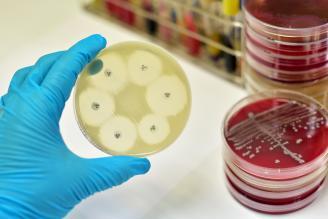
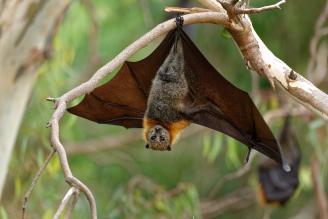
• From the 2nd March 2026, testing for Hendra virus in horses remains free. However, a complete history and clinical exam findings on each submission form will be required for eligibility for funding.
• Details required include age, vaccination history, location, presence of flying foxes, clinical examination findings including temperature, heart rate, behaviour, clinical progression and response to treatment, and level of human contact.
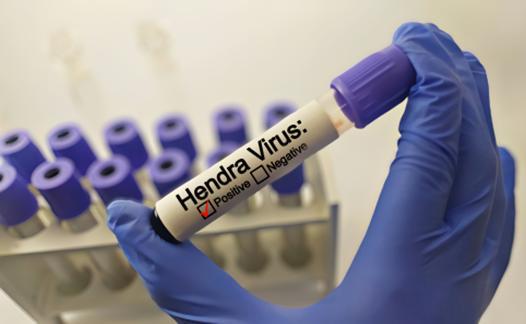

What's new in the NSW Pet Registry: Vets required to enter caesarean delivery information for new dog litters
Changes to the NSW breeding laws in December 2025, introduced new limits on dog litters to help prevent puppy farming.
Each dog can now have up to five litters over their lifetime, with a maximum of three delivered by caesarean (C-section).
What’s changing
• From Monday 1 June, vets will be required to log all C-section deliveries of dog litters in the NSW Pet Registry.
• A dog’s litter delivery method will be visible to both vets and Authorised Identifiers (AIs).
• Breeders with a NSW Pet Registry account, you can view your pet’s recorded litters and
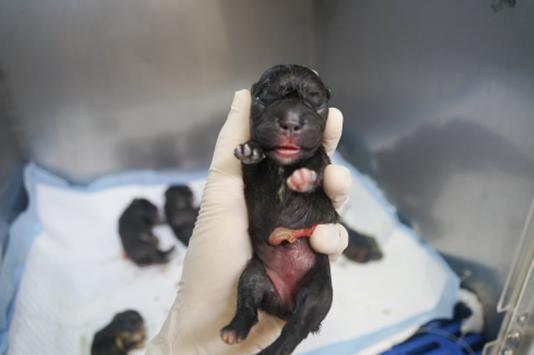
What you need to know and do
• Vets are now required to enter all C-section deliveries of dog litters into the Pet Registry immediately after delivery.
• Breeders must obtain written consent from a vet for a dog to deliver a third litter by Csection. This documentation must be retained for future verification.
• Vets and Authorised Identifiers (AIs) can now view a dog’s litter delivery method (C‑section or natural) in the online NSW Pet Registry.
• Note - some older litters, recorded before this feature was added, may show in the Litter Log as ‘Unknown’.
• When recording microchipping details, Vets and AIs should:- ask the breeder for the dog mother’s microchip number- check if a litter already exists for the mother dog to avoid duplication
• Following these steps helps ensure delivery information in the Litter Log is accurate and complete.
• For more information, including step by step instructions on how to update the Pet Registry, please refer to the Frequently Asked Questions on the NSW Pet Registry
In response to changes to rental laws in May 2025, making it easier than ever to live with pets in NSW, the RSPCA NSW has launched the ‘Living with Pets’ web resources.
‘Living with Pets’ is a free education website providing practical information on positive pet guardianship and animal welfare.
The platform has been created with the support of the NSW Government Department of Customer Service.
‘Living with Pets’ is able to support veterinarians by reinforcing advice provided during consultations through clear, evidence-based and welfare-aligned client resources.
All materials are written in simple English and presented in a friendly, non-judgemental tone. Core assets are also translated into numerous languages other than English to further enhance their reach and utility.
Free downloadable handouts and videos are available on topics including species’ needs, animal welfare, preventative health care, living safely with pets and ways to avoid common behaviour issues.
Resources can be shared digitally or printed for use in practice, including with new pet guardians or where knowledge gaps are identified for your clients.
All resources are free to access at:
Living with Pets - RSPCA New South Wales (main page)
Living with Pets - RSPCA New South Wales (downloadable resources)
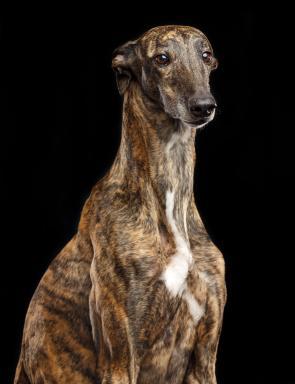
In Australia, the most up to date National List of Notifiable Animal Diseases can be found on the departmental website:
https://www.agriculture.gov.au/ pests-diseases-weeds/animal/state -notifiable
Notification can be undertaken by contacting:
Local Land Services, Department of Primary Industries
T: 1300 795 299
https://www.dpi.nsw.gov.au/ biosecurity/animal/notifiableanimal-diseases-nsw or by telephoning:
Australia - Emergency Animal Disease Watch Hotline
T: 1800 675 888
In the greyhound racing industry, an outbreak of infectious disease can have significant consequences. Outbreaks - defined as an unexpected occurrence or a marked increase above normal endemic levels – not only negatively impacts greyhound welfare on a larger scale, but may disrupt racing activities and industry operations.
Greyhound racing environments present an elevated transmission risk, with greyhounds from multiple locations mixing in kennels and sharing facilities.
Despite mandatory vaccination protocols and proactive biosecurity management, outbreaks of conditions such as canine infectious respiratory disease complex (CIRDC/kennel cough) and infectious gastroenteritis may more easily occur and can spread rapidly through racing populations.
Under the NSW Greyhound Racing Rules (1), certain infectious diseases are classified as reportable diseases (Rule 40). These are identified based on factors such as transmissibility, difficulty of control, and potential industry impact.
(1) A Controlling Body may declare an infectious or contagious animal disease or condition to be a reportable disease from the date the declaration is published, including whenever there are multiple unexplained deaths or an outbreak of serious illness from greyhounds connected to the same location/premises.
(2) The following are all reportable diseases under the Rules:
(a) any disease declared to be a “notifiable disease” under relevant legislation;
(b) canine adenovirus (hepatitis); (c) canine coronavirus; (d) canine distemper virus;
(e) canine infectious respiratory disease complex (kennel cough); (f) canine parvovirus;
(g) and Borrelia burgdorferi (Lyme disease).
Under the NSW Greyhound Racing Rules, the responsibility for reporting a suspected or confirmed reportable disease sits with the owner or person in charge of the greyhound.
Where a reportable disease is suspected (or reasonably should be suspected), the person must notify GWIC as soon as possible using the quickest available means of communication.
They must also take reasonable steps to isolate the greyhound from others and seek appropriate veterinary advice and treatment. In some cases, they may also be required to provide evidence confirming resolution of the condition.
Notification will trigger a disease-specific regulatory response, which may include investigation and, where required, declaration of an infected premises.
In addition to a trainer or veterinarian alerting GWIC, any disease listed on the National List of Notifiable Animal Diseases in Australia must be reported to the agricultural authorities, currently under the Australian Government Department of Agriculture, Water and the Environment.
For advice regarding investigation, testing, or management of suspected cases, veterinarians can contact GWIC directly.
Contact us | Greyhound Welfare & Integrity Commission
NSW Greyhound Racing Rules https://www.gwic.nsw.gov.au/integrity/rules-and-policies
The Australian Pesticides and Veterinary Medicines Authority (APVMA) is responsible for the recall of veterinary medicines from the market. Participation in a recall, whether it’s initiated by the manufacturer or the APVMA, is mandatory.
There are a number of reasons why a product (or a particular batch) may be recalled, those most relevant to practicing veterinarians include:
• Risks to safety
• Lack of efficacy
• The product is unregistered
• Labelling or manufacturing errors.
The majority of recalls are initiated and managed by the manufacturer. However, in certain situations the APVMA may compulsorily require the recall of a product.
The easiest way to be kept informed of recalls is to subscribe to the APVMA’s listing of recalls notices.
To be notified of recalls via email, veterinarians are invited to complete a subscription form and select ‘recall notices.’
Any queries or comments regarding a particular recall or stop supply notice can be submitted directly to recalls@apvma.gov.au.

Australian law requires all agricultural and veterinary chemical products sold in Australia to be registered by the Australian Pesticides and Veterinary Medicines Authority (APVMA).
Products assessed must meet safety, trade, efficacy and labelling criteria.
Once a product is registered, it is approved for the purposes and uses stated on the product’s label.
Limited use of an unregistered chemical may also be allowed by permit.
Veterinarians are also able to supply and use products for animal treatment not registered by the APVMA but registered for human use by the Therapeutic Goods Administration (TGA) and unregistered products in animals generally but only in prescribed circumstances under the Stock Medicines Act (1989)
This legislation also allows a veterinarian to use a registered product contrary to use instructions (off-label) in prescribed circumstances.
Unregistered products include substances or a mixture of substances prepared by a pharmacist under the instruction of a veterinarian (compounded medications) and substances or a mixture of substances prepared by the veterinarian in the course of the practice of his or her profession.
Registered products and products with a permit for use may be found by searching the PubCRIS database and the Permits database available from the APVMA website
The Adverse Experience Reporting Program (AERP) is a postregistration program that assesses reports of adverse experiences associated with the use of a registered chemical product (or those on permit).
An adverse experience is an unintended or unexpected outcome associated with the registered use of a product when used according to the approved label instructions.
This includes impacts on human beings, animals, crops and the environment or a lack of efficacy.
Anyone can report a problem with a chemical product.
Holders are required to report relevant information to the APVMA, in accordance with the legislation.
The AERP is not intended to replace a consumer’s right or responsibility to complain to the registration holder or manufacturer about an adverse experience involving an agricultural or veterinary chemical product.
Reports of adverse experiences are closely monitored by the APVMA.
It is vital to record, assess and classify adverse experiences to detect uncommon events not evident during the initial registration process of a product.
The object of the Veterinary Practice Act 2003 is to regulate the provision of veterinary services in NSW to:
a) Promote animal welfare
b) Ensure consumers are well informed as to the competencies of veterinarians
c) Ensure acceptable standards are required to be met by veterinarians
d) Provide public health protection.
Board members:
Magdoline Awad (President)
Peter Alexander
Allison Harker
Paul McGreevy
Sandra Nguyen
Ellenor Nixon
Julie Simmons
Neil Walton
Veterinary Practitioners Board Suite 7.09, 247 Coward St Mascot NSW 2020
T: +61 2 8338 1177
E: enquiries@vpb.nsw.gov.au
W: www.vpb.nsw.gov.au
The information contained in this newsletter reflects the policies of the Veterinary Practitioners Board (Board) and current legislation.
Any advice on specific issues not relating to Board policy should be obtained from the appropriate authority, government department, or your own legal advisors.
End-of-life decisions centre on subjective experience, not just clinical parameters. Environmental modifications and psychotropics are legitimate therapeutic interventions, not just afterthoughts.
Recent national research confirms this aligns with public expectations: 71% of Australians believe sentience should be explicitly recognised in animal welfare legislation, with strong support across all political groups.²
Knowing that sentience is officially recognised as a professional standard, not merely a philosophical position, will support how you communicate with clients, advocate for patients, and approach animal welfare challenges.
When codes of practice permit painful procedures without anaesthesia, or regulations ignore emotional needs, sentience recognition strengthens your professional voice.
Every analgesic you administer, every behavioural assessment you conduct and every end-of-life conversation you navigate, acknowledges that your patients are sentient beings whose experiences matter.
References
1. Mellor DJ, Beausoleil NJ, Littlewood KE, McLean AN, McGreevy PD, Jones B, Wilkins C. The 2020 Five Domains Model: including human-animal interactions in assessments of animal welfare. Animals. 2020;10:1870. doi: 10.3390/ani10101870
2. Shaw M, Borg K. Australian Animal Welfare Survey: 2026 Summary Report. BehaviourWorks Australia, Monash University; 2026. Available from: https://osf.io/ynbqp
Back to p 9.