
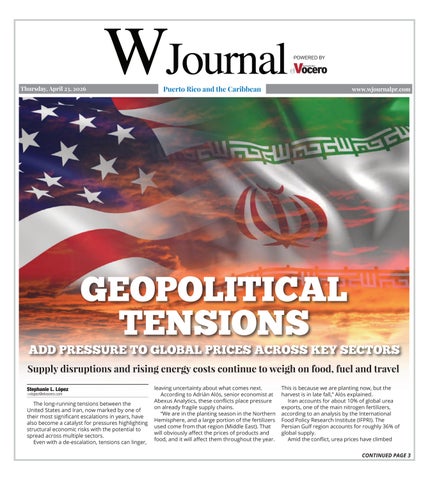
Supply disruptions and rising energy costs continue to weigh on food, fuel and travel
Stephanie L. López >slopez@elvocero.com
The long-running tensions between the United States and Iran, now marked by one of their most significant escalations in years, have also become a catalyst for pressures highlighting structural economic risks with the potential to spread across multiple sectors.
Even with a de-escalation, tensions can linger,
leaving uncertainty about what comes next.
According to Adrián Alós, senior economist at Abexus Analytics, these conflicts place pressure on already fragile supply chains.
“We are in the planting season in the Northern Hemisphere, and a large portion of the fertilizers used come from that region (Middle East). That will obviously affect the prices of products and food, and it will affect them throughout the year.
This is because we are planting now, but the harvest is in late fall,” Alós explained.
Iran accounts for about 10% of global urea exports, one of the main nitrogen fertilizers, according to an analysis by the International Food Policy Research Institute (IFPRI). The Persian Gulf region accounts for roughly 36% of global supply.
Amid the conflict, urea prices have climbed


Tand hope. The return to print of the News Journal has an emphasis on the W in the word “news,” as in the five foundational Ws of journalism—Who?; What?; Why?; When? and Where?
We want to know Who is giving Puerto Rico reason to hope for jobs that drive our economic development, not with empty slogans, but with investments and action—putting money be hind endeavors employing the many talented profes sionals across industries in Puerto Rico. We want to inform readers What makes our “empresarios” so special—is it their belief that new residential devel opment would fit the needs of young families building a future? Repeatedly, we will report on “Why is it worth investing in Puerto Rico?”—because of our talented professionals, federal regulatory compliance, and attractive tax incentives. Admittedly, there is work to be done—on the permits front and so many other works in progress. Our solemn promise is to ask wise questions for essential answers.
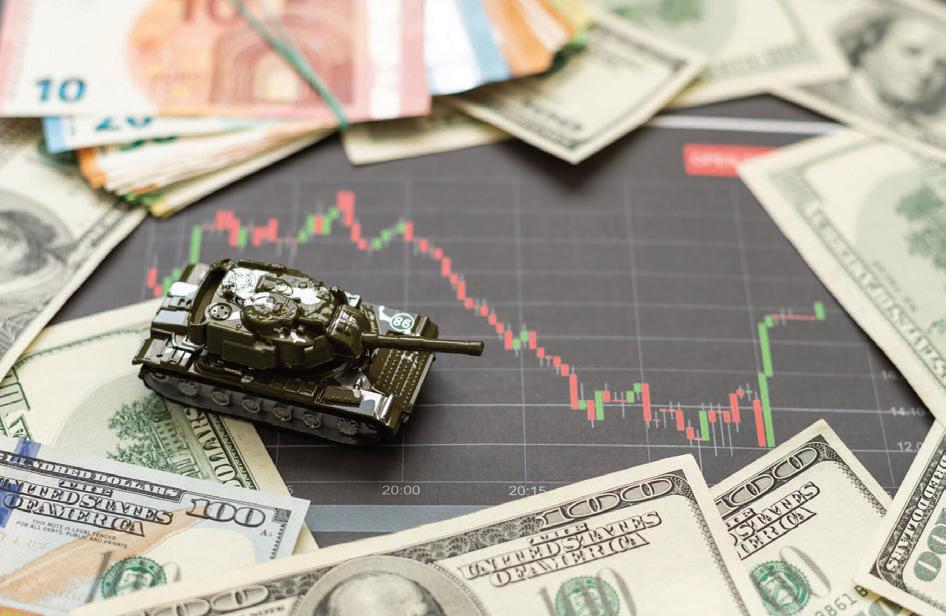
sharply in many regions, rising by up to 50%.
Data from S&P Platts shows Middle East granular urea priced between $604 and $710 per ton, compared to a pre-conflict range of $435 to $490 and roughly $400 at the start of the year.
Readers who want to know when meaningful measures are coming down the legislative pike will want to read the News Journal; so, will investors who want to know where to put their money behind the next big thing. In this return to a print edition—a momentous occasion in itself—you will read about an exodus of talented physicians who are leaving the island because of the Health Department’s tardiness in paying residents and paltry compensation. The story is not meant as a fire and brimstone indictment,
trying to create as many jobs as possible—I don’t want to put words in [the Governor-elect’s] mouth, but that is my interpretation of what she has said. And, I think the Oversight board has an interest in that because it also has an interest in economic growth in Puerto Rico.”
He warns the impact could escalate into sustained increases in food, energy, manufacturing and even global inflation, reigniting debates about possible interest rate adjustments.
In fact, according to the latest Consumer Price Index (CPI) report, inflation skyrocketed in March 2026, with an estimated year-over-
At this writing, it seems the Financial Oversight and Management Board is focused on finalizing Puerto Rico’s debt restructuring with PREPA and securing discipline in achieving structurally balanced budgets. However, without much-needed job creation, we will not achieve the economic development that was stripped from this island’s progress. We believe in the foot soldiers of economic development set to thrive in this new era. The possibilities are endless; this W Journal aims to make them a reality.
Back to the drawing board will go back into mediation and do what the court asks us to. At the end of the day, as the chairman
We are in the planting season in the Northern Hemisphere, and a large portion of the fertilizers used come from that region (Middle East).
Adrián Alós, senior economist at Abexus Analytics


President Salvador Hasbún shasbun@elvocero.com
VP of Editorial Content Carlos Otero cotero@elvocero@com
VP of Accounting Félix A. Rosa frosa@elvocero.com
VP of Marketing and Business Operations Michelle Pérez miperez@elvocero.com
Human Resources Director Arlene Rolón, PHR arolon@elvocero.com
year increase of 3.3% and a monthly increase of 0.9%, driven by rising energy costs linked to the conflict with Iran, marking the highest inflation rate since May 2024.
electricity is overburdened by regulation. It will take serious work on the legislative front to start our way back to energy transformation.”
“When agriculture is affected, the entire distribution chain suffers a ripple effect, and all input prices in restaurants also rise, because electricity is more expensive and gasoline is more expensive. Not only that, but in our case (Puerto Rico), we import the vast majority of what we consume,” added Antonio Fernós, an economist and professor at the Inter American University of Puerto Rico.
— An expert source with knowledge on energy affairs
Arlene Rolón, PHR arolon@elvocero.com
Multi-Platform Graphic and Technology Director Héctor L. Vázquez hvazquez@elvocero.com
Multi-Platform Digital Director Ayeza Díaz adiaz@elvocero.com
Héctor L. Vázquez hvazquez@elvocero.com


This is an even greater concern, as food prices have been rising over the past five years.
Chantal Benet, executive vice president of Economic Intelligence, revealed recently that the overall cost of the basic food basket increased by 20% between 2020 and 2025. Food prices in general rose by 4.5% between 2024 and 2025; meat prices by 5.2%; oil prices by 17.1%; and dairy prices by 14.1%.
Benet, along with the firm’s economists, explained that even after the war ends, oil supplies would not be restored and distribution chains would not automatically reorganize. She warned that this impact will persist over time and could continue to affect consumers’ wallets for the next six to eight months, or even throughout the entire year.
Other sources consulted agree that the effects of the war will not disappear immediately, as it takes time for supply chains to return to normal and for markets to reorganize. In this regard, the economic impact could last for several months, keeping pressure on inflation and consumers’ wallets.
before strikes began between the two countries, to over $112 by late March.
Meanwhile, West Texas Intermediate (WTI), the benchmark for the United States, rose from $65 per barrel on February 27 up to $116 on April 6.
In Puerto Rico, the price of a liter of regular gasoline has risen by over 20%, with prices averaging between 101.7 cents and 105.7 cents, according to prices published by the Department of Consumer Affairs.

The average wholesale price of regular gasoline in Puerto Rico on April 6, 2026, was 104 cents per liter, a 39.2% increase from February 27, 2026, when it was 74.7 cents.
Luis Gueits, president of the Association of Gasoline Retailers in Puerto Rico, explained that gasoline prices remain trapped in a period of severe volatility caused by the conflict in the Middle East.
“We’re still dealing with geopolitical instability, and unfortunately we can’t guarantee the public that there will actually be a decrease, because so many things are happening right now,” Gueits explained.
Since the conflict in the Middle East began, oil prices have increased by up to 50%.
Brent crude, the global benchmark for oil prices, rose from $72 a barrel on February 27, the day
For his part, Leslie Adames, economist at Estudios Técnicos, warned that the rise in fuel prices could lead to adjustments in energy rates, which would put additional pressure on the operating costs of businesses and hotels.
“Obviously, importers who rely on maritime, rail, or truck transport will have to adjust their prices to
offset the increase in fuel costs,” Adames explained.
It is worth noting that the impact has not been limited to fuel for traditional modes of transportation but has also affected air travel around the world.
Jet fuel prices have risen to approximately $209 per barrel globally, a dramatic increase from around $99 per barrel at the end of February, according to the International Air Transport Association.
University professor Luis Ríos Silva warned that one of the hardest-hit sectors is aviation.
“Fuel accounts for approximately a quarter of airlines’ operating costs, so the rise in oil prices directly impacts their profitability,” he said in statements sent to this media outlet.
He noted that as a result, the stock prices of several international airlines saw significant declines, and the travel sector lost more than $22 billion in market value in just a few days.
At the same time, airlines have recently resorted to raising baggage fees.
At least five major U.S. airlines, including American, Delta, United, Southwest, and JetBlue, raised checked baggage fees in April 2026, with most increasing costs by around $5 to $10 for the first and second bags due to surging jet fuel prices. Standard domestic first-bag fees now often start at $45, while second bags typically cost around $55, with some variations depending on the airline and fare type.
In general, other sectors such as construction, manufacturing, finance, and others have been impacted by the strains of the recent conflict.
Stephanie L. López >slopez@elvocero.com
In times of economic uncertainty, both on the Island and nationwide, saving becomes even more important; it’s not just a healthy habit, but it can also serve as a safety net against financial setbacks.
“It doesn’t matter if you’re living paycheck to paycheck, if you’re just starting out in your career, or if you already have a good income and feel comfortable. One of the problems I’ve always seen is that saving has never been a priority and is viewed more as a nuisance. It’s seen as something mandatory rather than something natural—something that should be viewed as an incentive or a way to help yourself,” said Lysbell Araujo, financial advisor in an interview with W JOURNAL
With inflation on the rise, prices climbing to multiyear highs, and wages lagging, consumers are finding themselves with tighter budgets and reduced spending power.
The savings rate for Puerto Rican households plummeted to -8.1% in fiscal year (FY) 2025, according to revised data from the Statistical Appendix of the Economic Report to the Governor published by the Planning Board.
A negative savings rate means that households are spending more than they earn, and in this case, it’s the lowest savings rate since 1988.
In FY 2025, households’ personal disposable income decreased by 1.3%, following a 5.6% decline in FY 2023 and a 0.1% increase in 2024.
In light of this reality, Araujo offered several tips on how to start saving, a practice that should become part of one’s regular financial routine.
Saving as a Priority, Not an Afterthought
For Araujo, one of the most common mistakes


in financial management is assuming that saving happens “if there’s anything left over.” That mindset, she says, guarantees that you’ll never save.
Her recommendation is to reverse the order: savings should come first, before any other expenses, as if it were just another bill.
“The first thing people tell me is, ‘I can’t afford to save,’ and that’s because they’re leaving it for last. It should be the exact opposite. It’s the first thing that should go out when you get paid, and you should put it in a separate account,” she explained.
The advisor emphasized that technology is a key ally for those struggling with financial discipline. Automating savings, whether by splitting your direct deposit or scheduling weekly transfers, eliminates the temptation to put it off and reduces mental load.
Lysbell Araujo, financial advisor

“That’s extremely easy, and it’s the first thing you should do, because it even takes that responsibility off your shoulders,” she said.
In fact, she added that for those who receive their pay via direct deposit through their employer, it is sometimes possible to ask the employer to deposit part of the payment into another savings account held by the employee.
The goal is for saving to happen without the person having to think about it.
When asked about the ideal place to keep your savings, the advisor explained that it depends on the person’s needs and goals, whether they are short- or long-term, and on the purpose of the savings.
For emergencies or short-term goals, such as a trip or buying a car, she recommends high-yield savings accounts, which offer higher interest rates than traditional accounts without exposing your money to risk.
“High-yield accounts give you a higher interest rate than regular savings accounts. The ones we
might have are often just the savings sections of our regular bank accounts, but the interest they generate is almost always very low,” she clarified.
The national average savings account yield is 0.6% Annual Percentage Yield (APY), according to Bankrate’s survey of institutions as of April 9, 2026, while the best high-yield savings accounts are paying around 4% APY.
While long-term investments, such as retirement, can be directed to accounts such as a traditional 401(k), Roth IRA, or traditional IRA, CDs, mutual funds, ETFs and other options may be appropriate for other purposes.
According to a 2024 study by the FINRA Foundation (Financial Industry Regulatory Authority), 48% of Puerto Ricans would be unable to cover a $2,000 emergency, and 59% of this group are young adults aged 18 to 29.
For Araujo, this reality is worrying, especially in light of multiple disastrous events such as Hurricane Maria and Irma in 2017, the earthquakes in 2019, and, most recently, the worldwide COVID-19 pandemic.
According to the expert, the pandemic, specifically, changed the game when it comes to financial reserves.
Although historically it was recommended to have three to six months’ worth of essential expenses set aside, Araujo notes that today the goal should be closer to six or even nine months, given the volatility of the job market and the rising cost of living.
“What you must do is add up your necessary expenses, which might include utilities, food, and transportation, for example. So, I need to cover those three things and then have some money saved up for an established period,” Araujo mentioned.
Although economic uncertainty can lead to anxiety and impulsive decisions, Araujo insisted that these are precisely the moments when discipline is most needed.
“This situation requires a lot of patience. Everything we’re hearing can be quite overwhelming... which is creating a lot of insecurity and uncertainty. That can sometimes cloud our judgment about how we should manage our finances, but it’s something we mustn’t lose sight of,” she concluded.

Andrea Cruz >wjournal PR
Despite the economic volatility caused by geopolitical conflicts, leaders of Puerto Rico’s banking industry assert that the island’s financial institutions are in a solid position in terms of liquidity, capitalization, and responsiveness to serve their customers in an uncertain environment.
The president of the Puerto Rico Bankers Association, Zoimé Álvarez, argued that the local banking sector is experiencing one of its strongest periods in terms of financial stability, after having weathered events like the banking crisis of 2010, the aftermath of Hurricanes Irma and Maria, the COVID-19 pandemic, and the bankruptcy of the Puerto Rico Electric Power Authority (PREPA).
“We have very strong liquidity, and although this (the war in Iran) may limit the banks’ liquidity—since the banking sector is sensitive to all kinds of crises—we believe that right now is the best time to face it. Perhaps at some point in the past, more than 20 years ago, we weren’t as strong as we are now to handle it,” said Álvarez.
Similarly, José Rafael Fernández, CEO of Oriental Bank, stated that the institution is well positioned to weather periods of global volatility, having built a robust capital base through multiple adverse cycles over the past 22 years, strengthened its digital proposition, and closed out 2025 with a record net income of $55.89 million compared to 2024, along with a 4.26% increase in customers.
“What happened last year in the first quarter—due to the inflows we’re currently seeing from the Child Tax Credit and tax refunds—is exactly what we’re seeing this quarter. We’re seeing a trend where Puerto Rico has greater liquidity, which is being distributed across various institutions. Oriental is benefiting from this, and our customers are benefiting as well because, at the end of

$55.89 million Record net income reported by Oriental Bank for 2025
the day, they have greater liquidity,” stated the banker.
Meanwhile, Ginoris López-Lay, Senior Executive Vice President of Strategy Management at FirstBank, expressed in a written statement that the financial institution is “emerging from a period of expansion that is beginning to show signs of slowing down in some economic sectors, even as we see a strong labor market and low unemployment.”
“We have a solid capital base that exceeds all regulatory requirements and the experience to navigate the challenges and opportunities that this cycle may bring,” López-Lay added.
The president and CEO of Banco Popular, Javier D. Ferrer, said the institution’s “strong performance in 2025 reflects the resilience of our franchise and the continued momentum” of the island’s economy, adding that they continue to see “healthy financial behaviors” among customers and “strong credit metrics” across a diversified portfolio.
“Ultimately, the impact on Puerto Rico’s economy, which continues to show fundamental strength across multiple sectors, will depend on the magnitude and duration of the geopolitical uncertainty and other
> THURSDAY, APRIL 23, 2026
related disruptions brought about by those conflicts,” added Ferrer in a written statement, asserting that their “top-tier performance positions Popular as a trusted banking partner through different economic environments.”
According to the president of the Puerto Rico Bankers Association, if the conflict in the Middle East leads to a sustained rise in inflation for goods and services, it could directly affect customers’ creditworthiness, making it crucial to preserve the financial system’s liquidity to continue providing financing.
“Since we currently have that financial strength, capital base, and profitability—and we have the capacity to tackle this challenging economic environment—we believe we have the tools to face it. But they must let us tackle it, and we must respond to our customers in the best way possible by finding alternatives and financial products that will meet their needs… We need effective tools to secure liquidity from financial institutions. And that liquidity is safeguarded, for example, under the Commercial Transactions Act,” added Álvarez.
While Fernández emphasized the effects of the Middle East conflict, noting that the main risk for Puerto Rico would be a spike in inflation linked to energy markets and global uncertainty, he estimated that the island might be better positioned than other jurisdictions to absorb the impact.
The banker also said he believes the conflict could benefit Puerto Rico through reshoring and increased military investment on the island.
“We see 2026 as a positive year for Puerto Rico and for Oriental. Despite all the noise, the ups and downs, the volatility, and the uncertainty, Puerto Rico’s economy is in a stable state... I feel optimistic and believe that Oriental is very well positioned to continue growing its customer base by 4% or 5%, its deposit base by 3% or 4% annually, and its loan portfolio,” added Fernández.
Although Francisco Rodríguez, president of Birling Capital, explained that geopolitical tensions could accelerate inflationary pressures—primarily due to rising oil and energy prices—he emphasized that this does not compel the Federal Reserve to change its strategy immediately.
The financial analyst said the current estimate is for a 50-basis-point rate cut by the end of 2026.
“Geopolitical tensions act as a catalyst, but they don’t change the Fed’s monetary policy stance because the Fed views them as temporary. However, they could force the Fed to act sooner on interest rates if inflation gets out of control. So, in the short term, we need to be more patient, keep an eye on the headlines, and try to save a little so we can weather the storm,” he added.
While he assured that “there is no structural vulnerability on the island nor issues with access to emergency liquidity,” he recognized that “a shock in oil prices is directly transmitted to energy costs… eroding the financial health of businesses and households.”
“For many of these families, a 20% increase is the difference between being able to pay the electric bill or put food on the table,” Rodríguez concluded.












While prices will go down, they will not return to previous levels
Enrique Muchacho >WJournalpr
The road to economic recovery following the conflict in Iran is expected to be long and slow before there is a near-complete restoration of economic stability.
According to Chantal Bennet, economist and general manager of Inteligencia Económica, gasoline prices—greatly affected by developments in the conflict—are expected to stabilize but not decrease.
“There was a lot of disruption during that period, so the effect will last a few months while the damage is first evaluated, because there were attacks on some of the gas and gasoline production infrastructure in several of those countries,” she said.
The economist also added that oil prices will remain high on a global scale, particularly in Asian markets, which suffered from being cut off from a major oil source. When it comes to the United States and Puerto Rico, she expects a faster decrease in gas prices, though they would not drop to pre-conflict levels.
“We will probably see relief in gasoline prices within the coming weeks. It’s not that we are going to reach previous levels, but there will be relief. In places like the Middle East and Asia, etc., it will take a little more time compared to the United States, and the same for Europe, which will take a bit longer,” Bennet mentioned.
When asked by W JOURNAL why other markets would take more time to recover, the economist explained that it was related to a switch in petroleum sources due to the conflict’s effects on exports.
“If I depended on all oil and gas coming from the Middle East and now I have to look for another distributor or other suppliers, then the price of
those suppliers will increase because they will have more demand. So that is what will be normalizing over time,” she explained.
According to the United States Energy Information Administration (EIA), approximately 20 million barrels of crude oil are transported through the Strait of Hormuz daily, accounting for up to a quarter of the world’s oil supply. The conflict gradually caused a decrease in the amount of product transported, with daily traffic dropping below 95%.
According to Luis R. Gueits, president of the Association of Gasoline Retailers in Puerto Rico, markets can take between three and four months to stabilize after armed or geopolitical conflicts. Gueits also explained that gas price shifts relate to various messages and incidents during these conflicts.
“The war and the president’s statements—where one day he talks about a heavy hand and another day he talks about a ceasefire for a couple of days—cause rises and falls in the fuel markets. Unfortunately, that creates price instability. That’s

why a gasoline retailer receives one price one day and another price the next,” he said.
Gueits also stated that despite the war’s end, inflation in gas prices will persist.
“And it’s not just the impact of the war on fuel, but the impact on different industries—mercantile and pharmaceutical industries that are based in these countries where various products are produced,” he stated.
According to Adrián Alós, chief economist at Abexus Analytics, as gas prices go down, people will be more willing to spend on transportation, which they had cut back on as a way to save.
“When they start going out, they start consuming other goods and services they had stopped consuming because of the conflict and retail prices. But it takes a little while for transportation and energy prices to start reducing and for people to start feeling a bit more comfortable—in the sense that they see they have a little money left over at the end of each pay period or month—and then they feel more free to increase consumption,” he stated.
Alós also noted that the war impacted other sectors, including tourism, due to consumer attempts to save money. In his opinion, restaurants and entertainment venues are where the first effects are felt when prices rise. Aside from gas, the war in Iran affected other oil-related products.
“Petroleum derivatives are almost innumerable. Anything that has plastic is a petroleum derivative and, therefore, an increase in the price of oil eventually leads to an increase in the price of that good,” he stated.
Regarding the effects of high gas prices on the Island, Ramón Barquín, president of the United Retailers Center (CUD), stated that the general effects center on a rupture in international goods transportation and a change in consumer confidence.
“At the end of the day, general logistics have increased in cost, whether due to the cost of truck fuel or maritime transport, and all the impact caused to diesel, natural gas, and of course, oil— which ends up being the source for gasoline, plastic, oils, and the entire hydrocarbon derivative chain,” he said.
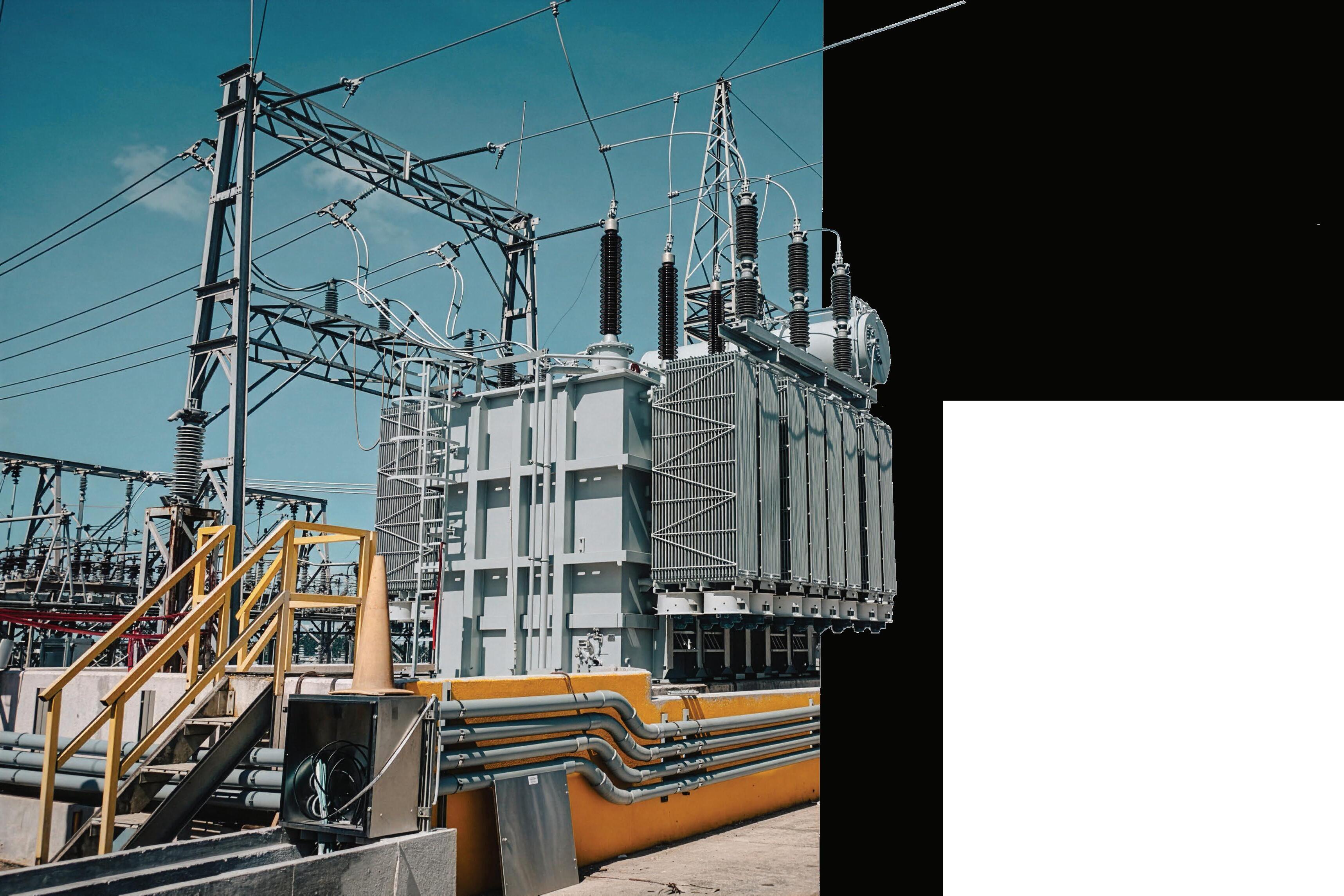
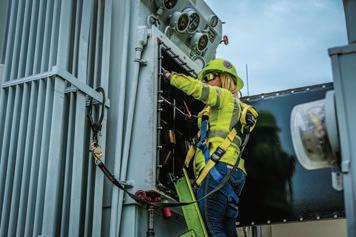
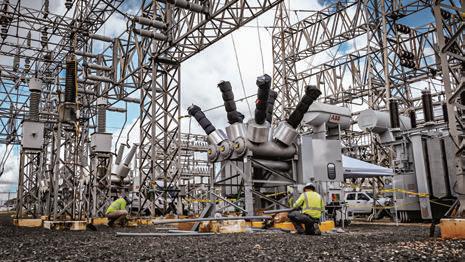
Transformers are essential to delivering power where we live and work. Some regulate voltage so electricity reaches local lines safely. Others, with higher capacity, power entire communities helping keep service running for homes across Puerto Rico.
We’re currently replacing aging transformers that have exceeded their lifespan with higher-capacity units to provide:
• greater grid stability
• improved efficiency
• fewer service interruptions
This work is part of our Substation Stabilization and Modernization Plan.


Luis Raúl Torres Cruz, former chairman of the House Commission on Economic Development and Energy, warns that international conflicts and reliance on fossil fuels are pushing Puerto Rico to the brink of a deeper energy crisis, with rising rates and power outages threatening both the economy and households.
The recent closure of the Strait of Hormuz—a strategic route for global oil transport—has placed Puerto Rico and the rest of the world in a position of heightened energy vulnerability.
Torres Cruz, who also led the House Commission on Economic Development, Planning, Telecommunications, Public-Private Partnerships, and Energy, asserts that the island is ill-prepared to face the effects of ongoing conflicts in the Middle East.
“These countries are major producers of oil and
natural gas. Wars and conflicts, such as the closure of the Strait of Hormuz, drive fuel prices up and immediately impact consumers’ finances,” Torres Cruz explained. The effects are felt directly in Puerto Rico’s power system, already weakened by years of mismanagement and rising tariffs.
In Puerto Rico, utility companies LUMA Energy and Genera PR have passed on more than ten electricity rate increases to consumers over the past four years. “A new one-cent hike has already been imposed this quarter, and if the war continues, oil costs could spike again starting in July,” Torres Cruz warned, highlighting the threat this poses to commerce, the public sector, and working-class families.
The former House chairman also flagged the legal situation of the Puerto Rico Electric Power Authority (PREPA). The corporation’s bankruptcy has opened the door to lawsuits that could place a trustee over its assets, affecting budget management and tariffs. “All of this puts us in an extremely critical position amid these global conflicts,” he noted.

>
These countries are major producers of oil and natural gas. Wars and conflicts, such as the closure of the Strait of Hormuz, drive fuel prices up and immediately impact consumers’ finances.
Discussion around electric vehicles and solar panels as energy alternatives has gained traction in Puerto Rico. Torres Cruz emphasized that following the devastation of Hurricanes Irma and María, the Integrated Resource Plan for the Electric Service was created and approved by the Energy Bureau. The plan envisioned a gradual shift from fossil fuels to renewable energy sources, including solar and wind power.
“Goals were set for 2027, 2030, and 2050, aiming for up to 100% solar energy, but implementation has been minimal,” he said. According to Torres Cruz, the administration of Jennifer González Colón altered public policies, removing short- and medium-term targets and prioritizing 15-year natural gas contracts with Genera PR. This, he argues, has left the island dependent on fossil fuels.
An international example Torres Cruz cites is Ecuador, where coherent public policy allowed the country to achieve 95% solar energy with only 5% fossil fuel backup, demonstrating that a sustainable energy transition is possible with political will.
When asked if the island had already passed the worst of the energy crisis, Torres Cruz was categorical: “No. The worst is yet to come,” emphasizing that dependence on fossil fuels and the lack of local control over prices keep Puerto Rico vulnerable. He warned that base rate increases, combined with fuel adjustments, could exceed 30 cents per kilowatt-hour—a cost “almost unaffordable for most Puerto Rican families.”
Additionally, the operation of the electricity system through LUMA Energy adds uncertainty. Torres Cruz noted that control of the Energy
Operations Center was handed over to LUMA, including data collection on outages. “The government has no control over what is actually happening. LUMA provides the data, and there is no independent verification,” he said.
Engineer Ángel Díaz, president of the Institute of Electrical Engineers of the Puerto Rico College of Engineers and Surveyors, concurs with Torres Cruz’s warning and stresses that, as a territory, the island relies almost entirely on imported oil and gas. “If oil goes up, electricity goes up. If it goes down, it goes down—but we are always subject to international market prices,” Díaz explained.
Díaz also highlighted the obsolescence of generation equipment as an aggravating factor. “We have machines from the 1950s and ‘60s that consume large amounts of fuel to generate energy. Modernizing the engines could save up to 50–60% in energy consumption,” he noted.
Regarding public preparedness, Díaz recommends energy efficiency measures at home and in businesses: setting air conditioners to comfortable temperatures (70–72 °F), minimizing lighting, and opening refrigerators only as needed, especially during summer and hurricane season.
“It’s a way to ease the financial burden and avoid excessive household consumption,” he said.
Economy and Costs: A Critical Combination
Both experts agree that the energy crisis’s impact is compounded by inflation and rising costs of basic goods. Díaz added that the electric industry faces higher costs for materials and equipment due to scarcity and rising international prices: “Transformers, cables, copper, and PVC piping have increased by up to 40% in the past three years. This forces shorter project quotes and significant upfront payments.”
Torres Cruz criticized government announcements touting robust economic growth and a strengthened power system, insisting the reality is different. “The system is still reliant on fossil fuels, and there are no clear public policies to promote solar or renewable energy. The worst is yet to come,” he concluded.
Both Luis Raúl Torres Cruz and Engineer Ángel Díaz agree that the public should prepare for a summer of high energy costs and potential outages as the island navigates an uncertain and volatile international landscape.
Elián Flores García
>EL VOCERO
Inflation in Puerto Rico is not only facing renewed pressure from the international oil shock but is also exposing persistent internal strains in key sectors such as construction, within what economists and business leaders describe as a structurally fragile economic landscape.
Updated in early April, a projection model for the period between April and December 2026—based on a Cleveland Federal Reserve-style decomposition adapted to Puerto Rico and fed by 5,000 trajectories from a Bayesian simulation—anticipates that the impact of the conflict in the Persian Gulf will filter into local inflation through four channels, each operating on a different timeline.
The first is transportation, which accounts for 23% of the Consumer Price Index (CPI) and is already showing the most immediate effects. Gasoline prices have increased by nearly 40% since February, with direct impacts expected between April and June. Next is housing and utilities (25%), where electricity costs—through the fuel adjustment charge (FCA)—are projected to rise with a lag of one to two months, beginning in July. Food (26%) represents the third channel and is considered the slowest but most persistent component. Higher fertilizer and freight costs are expected to increase imported food prices, with effects beginning in May and accumulating throughout the remainder of the year. Finally, the core component (27%), which includes clothing, healthcare, education, and entertainment, remains relatively stable, with an annualized rate close to 2.2%.
For Ramón Barquín III, president of the United Retailers Center (CUD, by its Spanish acronym), the outlook confirms that “inflation is undoubtedly still rising,” driven by both external shocks and domestic

weaknesses. In his view, Puerto Rico is experiencing “a total dislocation in the economy,” marked by elevated operating costs, expanding bureaucracy, and heavy reliance on federal funds.
“The cost of doing business in Puerto Rico is extremely high,” Barquín stated. He explained that higher fuel prices affect far more than what consumers pay at the pump. They ripple through maritime and air transportation, natural gas markets, and, ultimately, the entire distribution chain.
“This is a global dislocation,” he said, warning that the most severe effects could materialize over the next three to six months as inventories adjust and supply contracts reset.
Barquín also challenged the prevailing narrative of economic stability.
“That is not true,” he said, rejecting claims that recent growth reflects genuine productivity gains. He argued that economic activity has been driven largely
by federal transfers rather than sustained expansion in manufacturing or foreign direct investment. “The growth we’ve seen is fictitious,” the retail leader insisted.
One example he cited is residential construction.
“There were 600 new homes built when in 2000 more than 10,000 were constructed. So what are we talking about?” he asked, underscoring that recent upticks do not amount to structural prosperity.
Recent data from the Construction Price Index (CPI for construction) reinforce that assessment, showing the sector remains under pressure despite rising costs. In February 2026, the index posted a monthly increase of 0.5%, marking the third consecutive month of sustained gains—a pattern not observed since the first quarter of 2022.
Economist Ángel Rivera explained that this


behavior confirms “a recent rebound in inflationary pressure within the sector,” driven primarily by higher costs for key materials such as lumber, paints, metal piping, machinery, and construction equipment. Since the current inflationary spiral began in April 2020, construction prices have accumulated a 40.1% increase, which Rivera described as evidence of “a structural shift in sector costs.”
Among the components posting the sharpest increases are cast-iron pipes and fittings, electrical wiring and construction aggregates, signaling sustained pressure on essential inputs.
On a year-over-year basis, the index rose 2.8% in February 2026, representing a relative moderation compared to previous months when annual rates hovered near 4%. However, Rivera cautioned that this slowdown “does not imply a reversal of the trend, but rather a stabilization at elevated levels.”
The cumulative analysis reinforces that conclusion. In the current fiscal year 2026 (July through February), construction prices have increased by 3.6%, surpassing the growth rate of the general CPI. Meanwhile, during the first two months of calendar year 2026, the index recorded a 2.6% increase compared to the same period a year earlier.
From academia, Professor Rashid Marcano Rivera warned that inflation could range between 3.9% and 4% in the coming months, exceeding the Federal Reserve’s 2% target. He explained that the energy shock will have a particularly strong impact on an
economy that is “highly dependent on the individual vehicle,” where rising gasoline and electricity prices directly affect household budgets.
Marcano emphasized that inflation erodes purchasing power. Using the CPI with a 2006 base year as reference, he estimated that today’s dollar is worth roughly 71 cents in real terms. “Inflation drains and subtracts value from the dollar,” he said, stressing that the problem is compounded because wages have not grown at the same pace.
In this environment, both business leaders and economists agree that prudence and planning are essential. For Barquín, the first step is acknowledging reality without embellishment. “We have to embrace our reality in order to genuinely outline a vision and strategic actions for the future,” he said.
As the effects of the international conflict compound local structural pressures—in energy, consumption, and construction—Puerto Rico’s economy faces decisive months ahead. Stability will depend not only on external developments but also on the island’s internal capacity to respond with coherent leadership, fiscal discipline, and a sustainable development strategy.
In a portal developed by Professor Marcano Rivera, he outlines the actions that, in his view, municipalities should implement to confront the looming economic crisis. Marcano emphasizes that municipalities, as the level of government
closest to the people, are the first to respond when the effects are felt at the community level. Recommended measures include opening cooling centers in libraries, coliseums, and community centers—especially for elderly residents—amid rising electricity bills or excessive air-conditioning use.
He also proposes expanding municipal transportation routes and schedules, such as the free trolleys already operating in municipalities like Caguas, Bayamón, Ponce, and Carolina, or evaluating alternative transport options where services do not exist. Another key point is ensuring water distribution in case the Puerto Rico Aqueduct and Sewer Authority is affected by power outages, with plans that, according to Marcano, should have been in place since Hurricane María.
Additionally, he underscores the importance of direct communication from mayors to their communities, conveying clear information supported by data, and coordinating neighborhood networks through residents’ associations, community centers, and grassroots organizations—citing the self-management model in health and agriculture developed by COSSAO in Otoao, Utuado, as a replicable example.
Finally, Marcano stresses the need to visit vulnerable populations, including isolated elderly individuals, people relying on electrically powered medical equipment, and communities in remote mountainous areas, to ensure that resources reach those who need them most.

disrupt prices and access to essential goods
Victoria Carolina Méndez Delgado
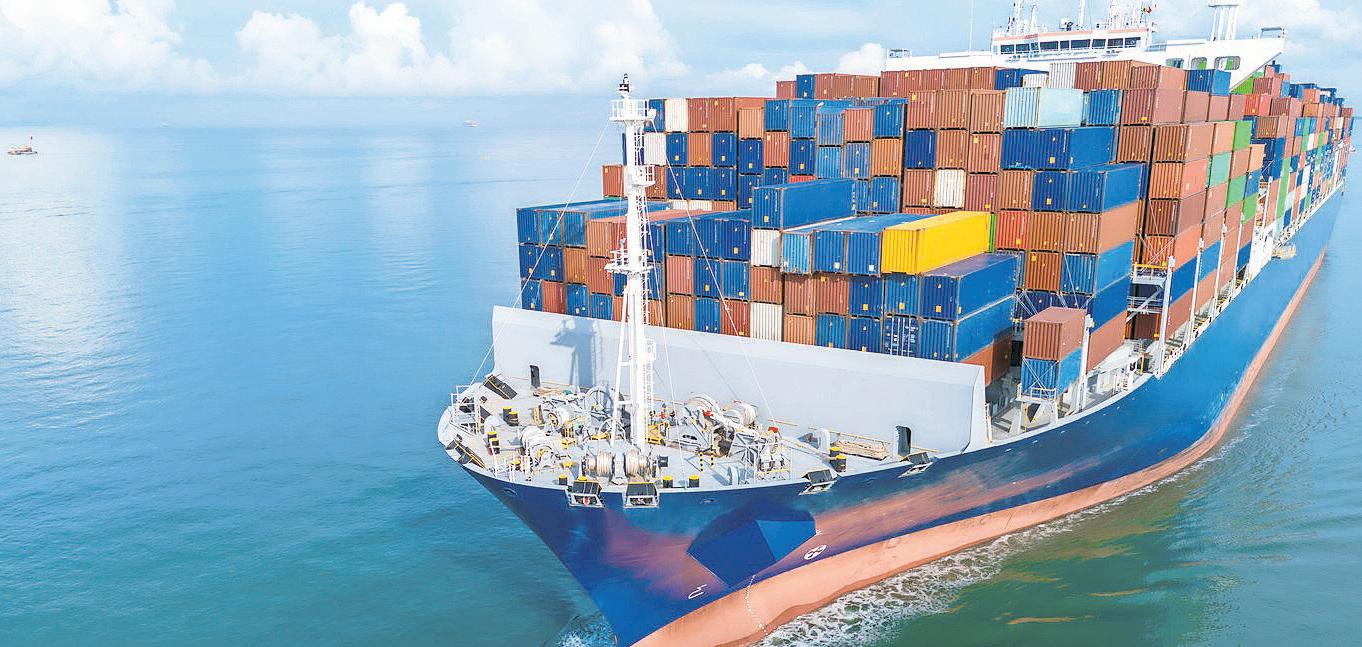
In a landscape where Puerto Rico imports more than 80% of its goods, escalation of geopolitical conflicts exposes the island’s supply system to disruption.
According to data from the Puerto Rico Institute of Statistics, the island imported $4,054,245,255 in goods in January 2026. This supply chain draws from at least 56 countries, with the United States as the main supplier—$2,933,522,294—followed by markets such as Ireland ($137,828,666), Singapore ($110,499,049), Brazil ($87,654,372), Mexico ($79,327,864), Spain ($75,849,696), and China ($74,358,385).
Imports in January were mainly concentrated in consumer goods ($1,577,485,844), followed by
industrial supplies and materials ($807,259,504), capital goods—excluding automotive goods— ($611,850,039), and food, feed, and beverages ($522,520,544).
Experts consulted by W JOURNAL do not foresee an immediate shortage of supplies— particularly consumer goods—, however, they anticipate that rising maritime transport costs, driven by increases in oil and its derivatives, could affect accessibility in the long term.
“If there is a shortage of oil, there is no distribution of products,” summarized Chantal Benet Arbona, economist and executive vice president of Economic Intelligence, in an interview with this outlet.
The president of the Gasoline Retailers Association, Luis Gueits, previously clarified in an interview with this outlet that the island does not receive fuel directly from Iran, Saudi Arabia, or Iraq, but is mostly supplied from the Gulf of Mexico. However, local prices are affected by global crude oil prices, regardless of whether there is sufficient supply.
Although Benet Arbona emphasized that the United States produces “enough” and has alternative routes, as well as the proximity of other strategic partners to Puerto Rico, the expert warned that it will be “impossible” to maintain a sustainable cost of living in the long term, which in practice will translate into more expensive purchases and reduced consumption.
“If I used to pay $20 or $35 to fill the tank and now $50, that difference forces me to adjust my budget and limit other expenses, which ultimately affects consumption... Add to that that, since 2020, the cost of living has been rising rapidly. Last year the discussion was tariffs, and at that time we said the impact could be between two and 18 months; we are already here,” she explained.
In that regard, the executive vice president of the Food Marketing, Industry and Distribution Chamber (MIDA), Manuel Reyes Alfonso, stated that Puerto Rico is a jurisdiction with high poverty rates, so citizens do not necessarily have the purchasing power to absorb price increases resulting from these conflicts.

“Puerto Rico, I would say, is self-sufficient in milk, perhaps in bananas, plantains... By regulation, fresh products cannot be imported, but processed and frozen products are imported... We produce other things, but we are not self-sufficient,” he said in a conversation with W JOURNAL.
“Local production depends on imported inputs,” the attorney asserted.
Reyes Alfonso reiterated that, for now, the main concern is rising prices rather than a shortage of goods. “This is a situation we are monitoring; it is extremely difficult to predict... Some foods go up, others go down, and there is a complex dynamic.”
“Supermarkets, distributors, and suppliers in Puerto Rico understand that, by importing most products, there is sufficient inventory to cover between two and three weeks. This is not a time for panic; it is still too early to determine how this conflict will evolve,” Benet Arbona stated.
For her part, economist Odalys Arroyo warned that the energy sector—particularly the supply of natural gas—is highly vulnerable to disruptions in international trade routes, and its rising cost ultimately translates into higher electricity bills.
“A large part of Puerto Rico’s electricity generation system depends on natural gas. If the conflict in the Middle East affects strategic energy trade routes or limits supply from major producers such as Qatar, gas prices will also rise,” she explained to this newspaper.
“First the cost of raw materials increases, then
manufacturing costs, and finally that increase reaches the consumer,” Arroyo added.
The economist also noted that rising fuel costs would have implications for the tourism sector by increasing airfare and cruise operation costs. “It could potentially reduce demand or alter travel patterns,” she summarized.
“Hotels, in turn, face higher operating costs, especially in electricity, which pressures their margins or translates into higher rates for visitors,” she elaborated.
According to the president of MIDA, there is an urgent need to adopt public policies aimed at reducing or eliminating taxes to mitigate the impact on the supply chain.
“There are places considering eliminating, reducing, or capping certain taxes, such as those related to fuel. We have been waiting since last year for the container inspection fee to be eliminated. The inventory tax is another pending issue,” Reyes Alfonso specified.
For her part, the executive vice president of Economic Intelligence agreed on the need to evaluate the crude oil and inventory taxes, as well as to incentivize local agricultural production as a measure to support consumers.
“When tariffs were imposed with the idea that production would return to the United States, there was no simultaneous legislative policy to increase or incentivize local production,” she noted.
The impact of the war is immediate in the short term, but if this conflict continues, we will see more marked increases in the coming months.
Chantal Benet Arbona, economist and executive vice president of Economic Intelligence