Essential Skills You Need to Become a Successful Snowboard Instructor
Embarking on the journey to become a snowboard instructor is both exciting and rewarding. This career offers the opportunity to combine a passion for the sport with the satisfaction of helping others progress on the mountain. However, it requires more than just technical ability on a snowboard. A truly successful instructor must also possess a well-rounded set of soft and hard skills that elevate the teaching experience for every student. This article outlines the key competencies every aspiring snowboard instructor should cultivate to thrive in a competitive and dynamic environment. From communication to adaptability, each skill contributes to a holistic teaching approach that fosters safety, enjoyment, and lasting learning outcomes.
1. Strong Communication Abilities
Clear and effective communication is the foundation of successful instruction. Snowboard instructors must explain techniques, safety guidelines, and feedback in a way that is easily understood by students of all levels and backgrounds. The ability to convey complex movements or corrections in simple, relatable terms is critical. Furthermore, instructors must be active listeners. Understanding a student's goals, anxieties, or limitations allows for a more personalized teaching experience. When communication flows both ways, students feel heard and supported, increasing their confidence and motivation.
2. Technical Snowboarding Proficiency
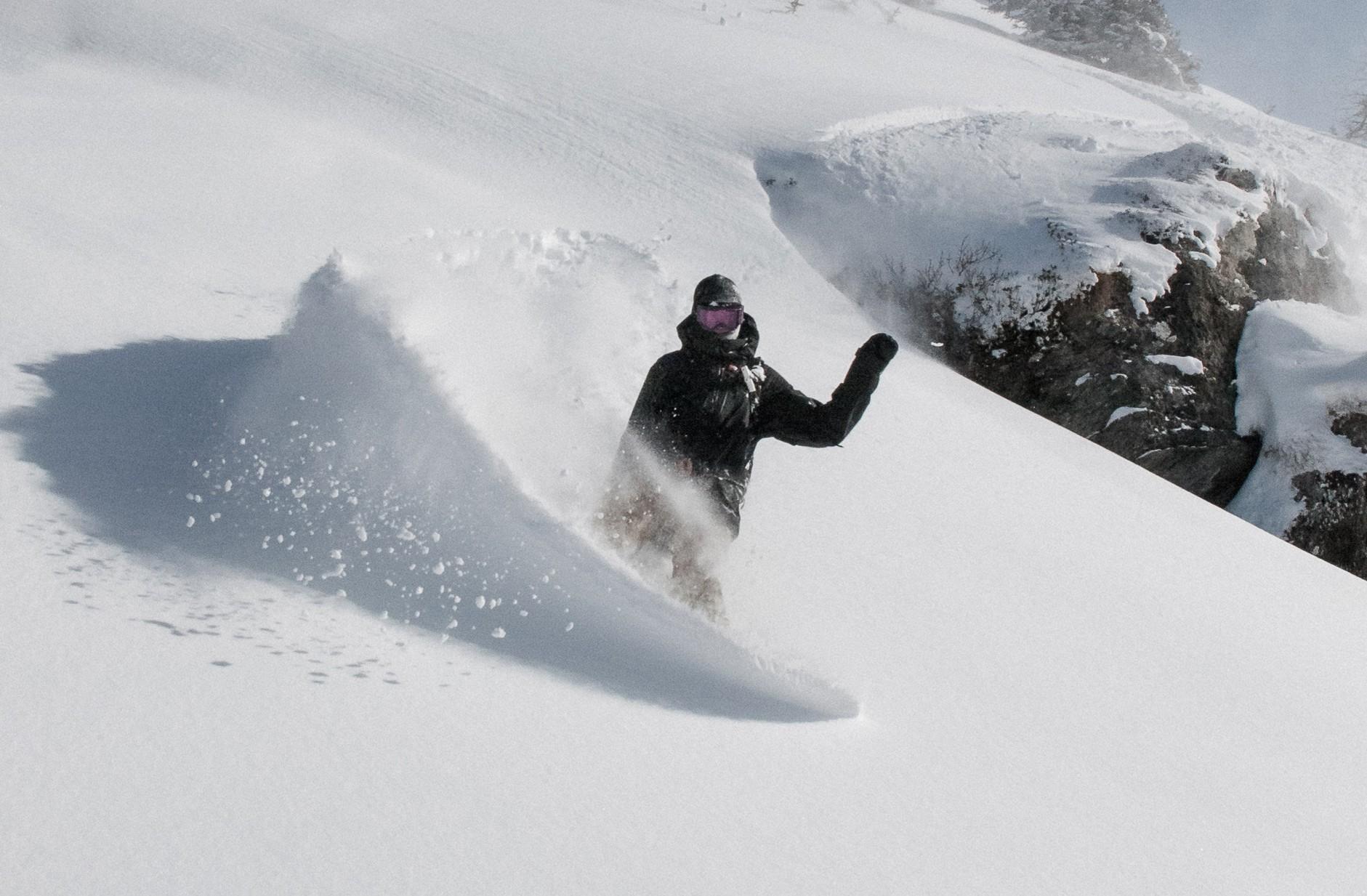
While interpersonal skills are essential, technical mastery of the sport cannot
be overlooked. To become a snowboard instructor, one must demonstrate competent riding across varied terrain and in changing conditions. Control, balance, and fluency in movement are crucial. Additionally, instructors must be capable of demonstrating techniques clearly and consistently. Whether executing precise turns or teaching the basics of stance and posture, the instructor’s performance directly influences the learning experience of their students.
3. Patience and Emotional Intelligence
Snowboarding can be physically and mentally challenging for beginners. Instructors need to remain patient and composed, especially when students struggle or progress at a slower pace. Emotional intelligence enables instructors to read non-verbal cues, adjust their approach, and provide encouragement as needed.
Moreover, teaching diverse groups—ranging from young children to older adults—requires sensitivity to individual learning styles and emotional states. Patience paired with empathy ensures that students feel safe, respected, and
4. Adaptability in Varying Conditions
Mountain environments are dynamic and sometimes unpredictable. Weather conditions, terrain changes, and group dynamics can all influence how a lesson unfolds. A great instructor must adapt quickly and make decisions that prioritize safety while maintaining an engaging experience. Adaptability also extends to teaching methods. Some students may respond better to visual demonstrations, while others benefit from verbal instructions or physical guidance. The ability to modify instructional techniques on the fly is key to effective teaching.
5. Strong Leadership and Responsibility
Instructors are not just teachers; they are also role models and leaders on the mountain. Demonstrating professionalism, punctuality, and a positive attitude sets the tone for every session. Students look to their instructors for guidance, assurance, and motivation.
In addition, instructors are often responsible for managing groups, ensuring safety, and reacting swiftly in emergencies. The capacity to lead confidently and remain calm under pressure reflects a high level of professionalism and trustworthiness.
6. Passion for Teaching and Continuous Learning
To become a snowboard instructor is to embrace a lifelong learning process. Passion for the sport and a genuine desire to help others improve are what set outstanding instructors apart. This enthusiasm is often contagious, inspiring students and elevating the overall learning experience.
Moreover, the best instructors never stop refining their own skills. They seek additional certifications, participate in workshops, and stay informed about
evolving teaching methods. A commitment to growth ensures that instructors remain relevant and effective in a fast-evolving industry.
Conclusion
The path to becoming a respected and successful snowboard instructor involves far more than technical ability alone. It requires a unique blend of communication, patience, adaptability, leadership, and passion. By focusing on these essential skills, aspiring instructors can not only pass certification courses but also build a lasting, impactful career on the slopes.
At Vivid Snowboarding, we empower future instructors with industry-leading training that emphasizes both technical excellence and teaching expertise. Whether you're just starting out or seeking to refine your skills, our programs provide the tools and support needed to truly thrive.