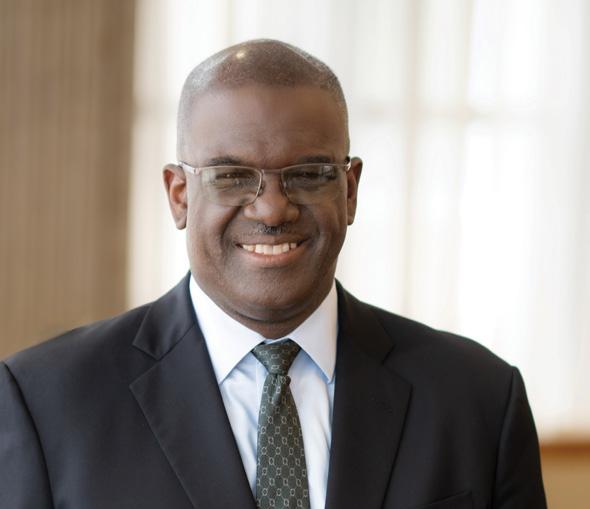
African American history is an integral part of Westchester County’s rich heritage, woven into the fabric of our past and present. Located in the picturesque Hudson Valley, our County’s African American Heritage Trail is home to 20 historical landmarks with some dating back to the 17th century. These sites serve as enduring tributes to the resilience, aspirations, and achievements of a people whose contributions have helped shape our nation. We invite you to explore all that Westchester has to offer. Immerse yourself in its history, engage with the many organizations dedicated to celebrating African American culture and traditions, and discover the vibrant legacy that continues to inspire and enrich our community.
To learn more about African American historical sites or to learn about the County’s African American advisory board, visit africanamerican.westchestergov.com.
For more information about Westchester County, see VisitWestchesterNY.com.
Photos by Kim Crichlow.
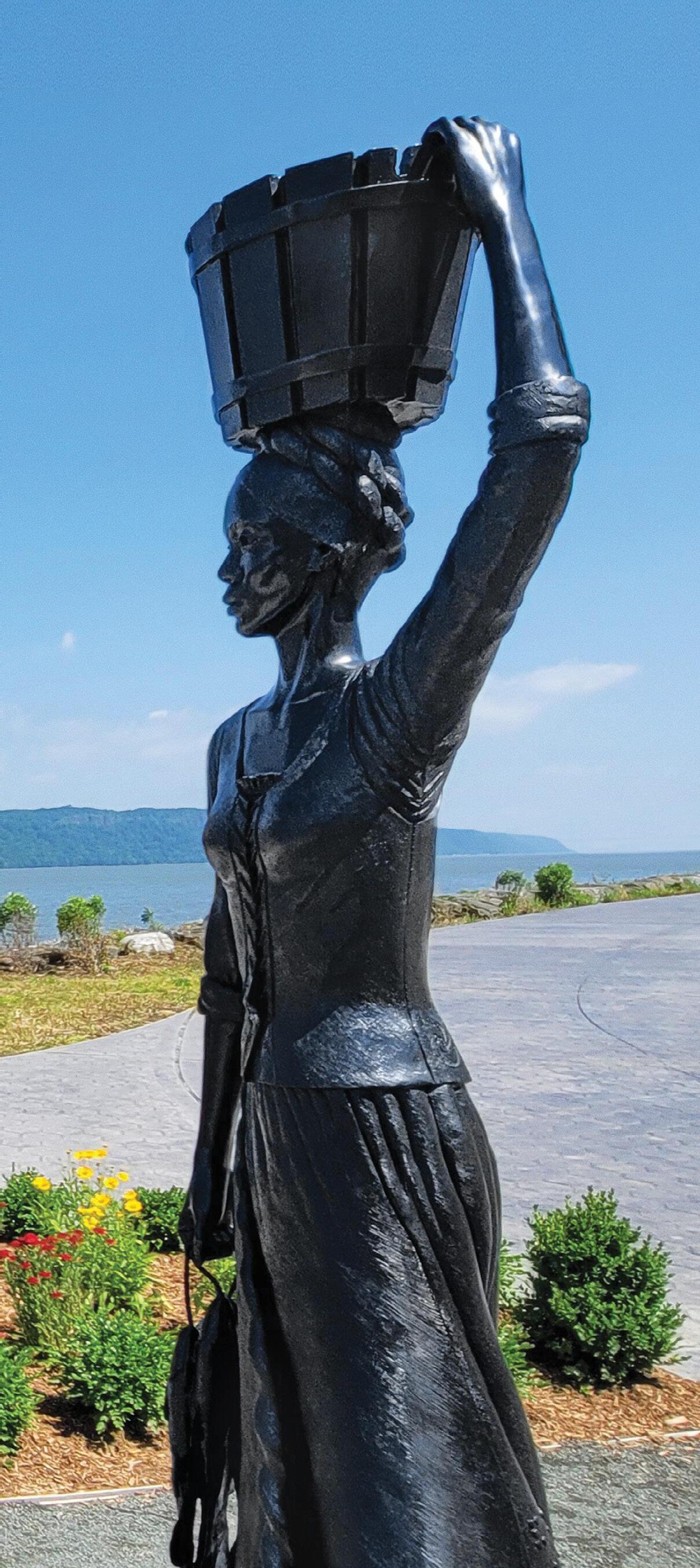
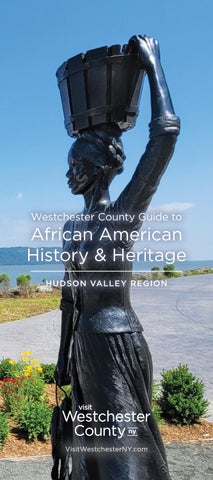
1Cover image, ©2022 Vinnie Bagwell, sculptor; photo by Donna Davis/ Ms. Davis Photography
2Unrecorded Kwele artist, Gabon and Republic of the Congo, Whistle, 20th century. Wood. 3 3/4 x 5 1/2 x 2 1/2 in. (9.53 x 13.97 x 6.35 cm).
Collection Neuberger Museum of Art, Purchase College, SUNY. Gift of Lawrence Gussman in memory of Dr. Albert Schweitzer. 1999.06.53.
Photo credit: Jim Frank
3Kay Hickman Photography for Historic Hudson Valley


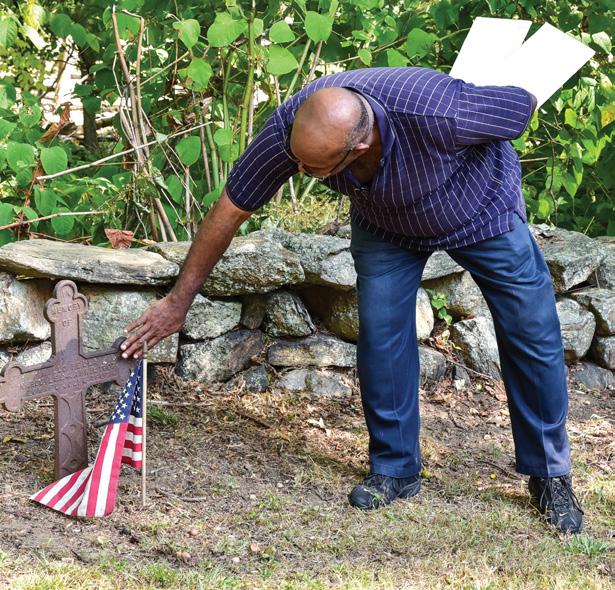
The African American Cemetery was established in Rye on June 27, 1860, by Underhill and Elizabeth Halsted, “(to) be forever after kept and used for the purposes of a cemetery or burial place for the colored inhabitants of the said Town of Rye and its vicinity free and clear of any charge therefore.” Underhill Halsted was a fervent follower of the Methodist movement, which was profoundly opposed to slavery. However, being anti-slavery did not mean one was not prejudiced. Such bias led African Americans to separate from the Methodist church and form their own Methodist organization, the African Methodist Episcopal Zion Church (AME Zion). The presence of two AME Zion churches nearby could have motivated Halsted to gift the cemetery to local free persons of color. The cemetery includes carved and dressed tombstones, with 35 indicating the interment of a war veteran. African American veterans from the Civil War through World War II are buried here. In 1983, the cemetery was listed as a Westchester County Tercentennial Historic Site, and in 2003 it was listed in the National Register of Historic Places. Accessed through Greenwood Union Cemetery, 215 North Street, Rye | facebook.com/FOAAC/
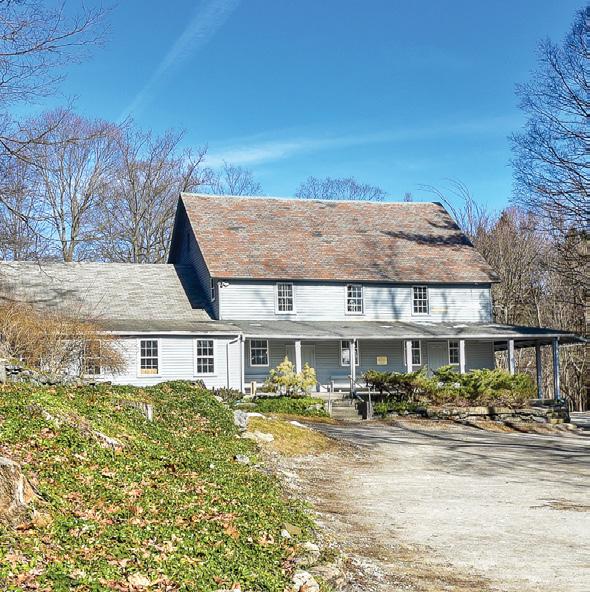
The Chappaqua Friends Meeting House, circa 1753, is the oldest Quaker meeting house standing in Westchester County. In the early 1750s, members of the Society of Friends, or Quakers, began to challenge the morality of slavery in colonial New York. In 1767, the Purchase community of Friends decreed that it was forbidden for its members to own slaves, stating that “[It] is not consistent with Christianity to buy or sell our fellow men for slaves.” The Society of Friends resolved that all of its members should release their slaves and seek to provide them with the means to support themselves and their families. The Quaker opposition to slavery served as a primary catalyst in its abolition in post–Revolutionary War New York. 420 Quaker Road, Chappaqua (914) 238-3170 | chappaquafriends.org
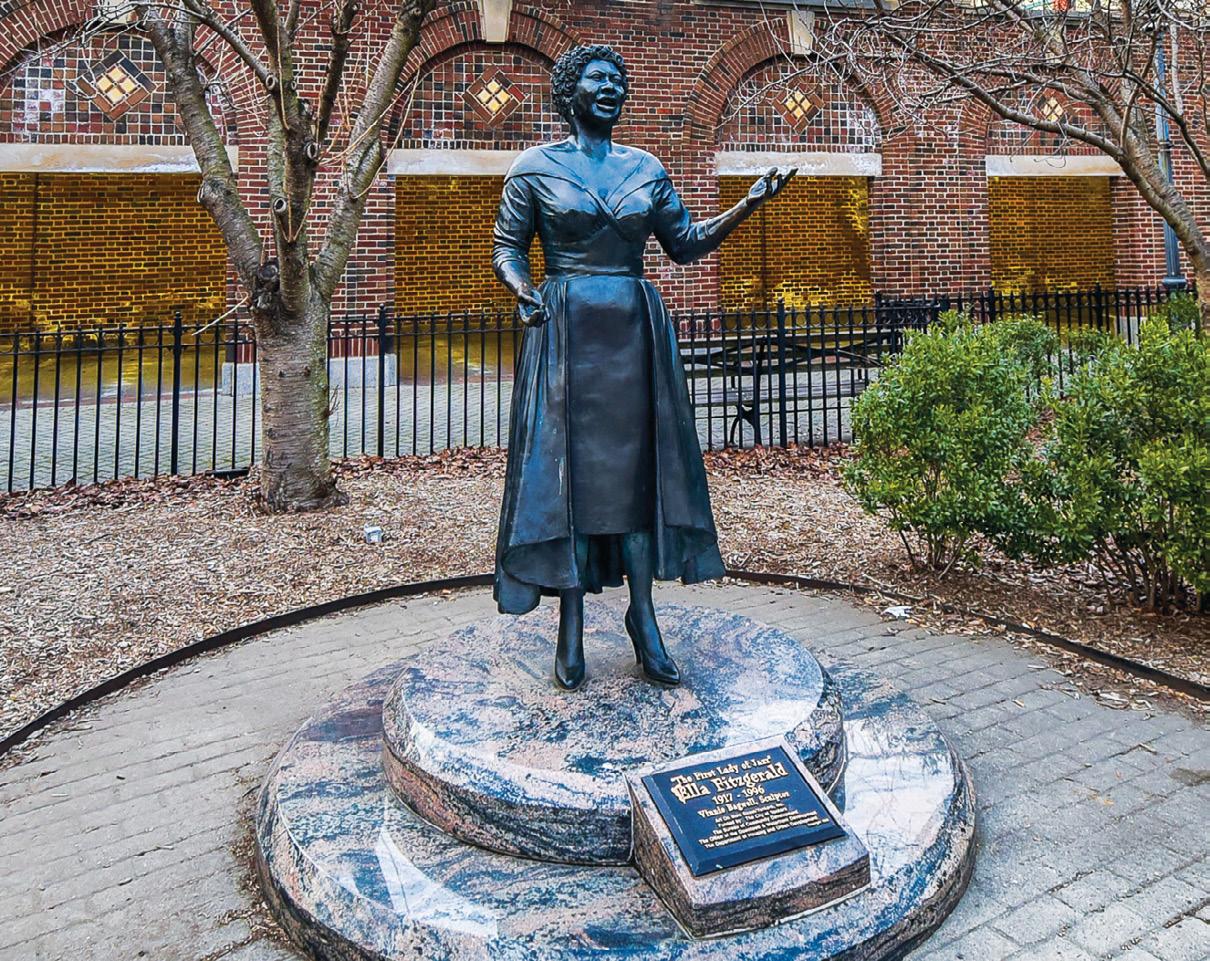
Dubbed “The First Lady of Song,” Ella Fitzgerald (1917–1996) was the most popular female jazz singer in the United States for more than half a century. As an African American woman, she experienced not only the adulation of this country, but also some of its most hideous and persistent moral defects. Raised in Yonkers, Ella lived and worked at a time when, for her, entrance to most white-owned clubs was through the back door. She literally conquered the bigoted, the insensitive, and the racist with love through song while serving as an ambassador for both music and our country. African American artist Vinnie Bagwell created a bronze statue entitled “The First Lady of Jazz, Ella Fitzgerald” in her honor in 1996. It stands next to the Metro-North train station in Yonkers.
Yonkers Metro-North Railroad Station Plaza
The Enslaved Africans’ Rain Garden is an exhibition of five life-size bronze sculptures. The sculptures, named “Themba the Boatman,” “I’Satta,” “Bibi,” “Sola” and “Olumide,” reside in a half-acre rain garden along the Hudson River esplanade in Yonkers. The installation allows guests to view the art from 360 degrees and appreciate the landscaped greenery of the work. The exhibition is the vision of Yonkers artist Vinnie Bagwell, which remembers the lives, feelings, and the legacy of men, women, and children who were stripped of their human rights, and were among the first to be manumitted/freed by law 64 years before the Emancipation Proclamation. 20 Water Grant Street, Yonkers Waterfront enslavedafricansraingarden.org
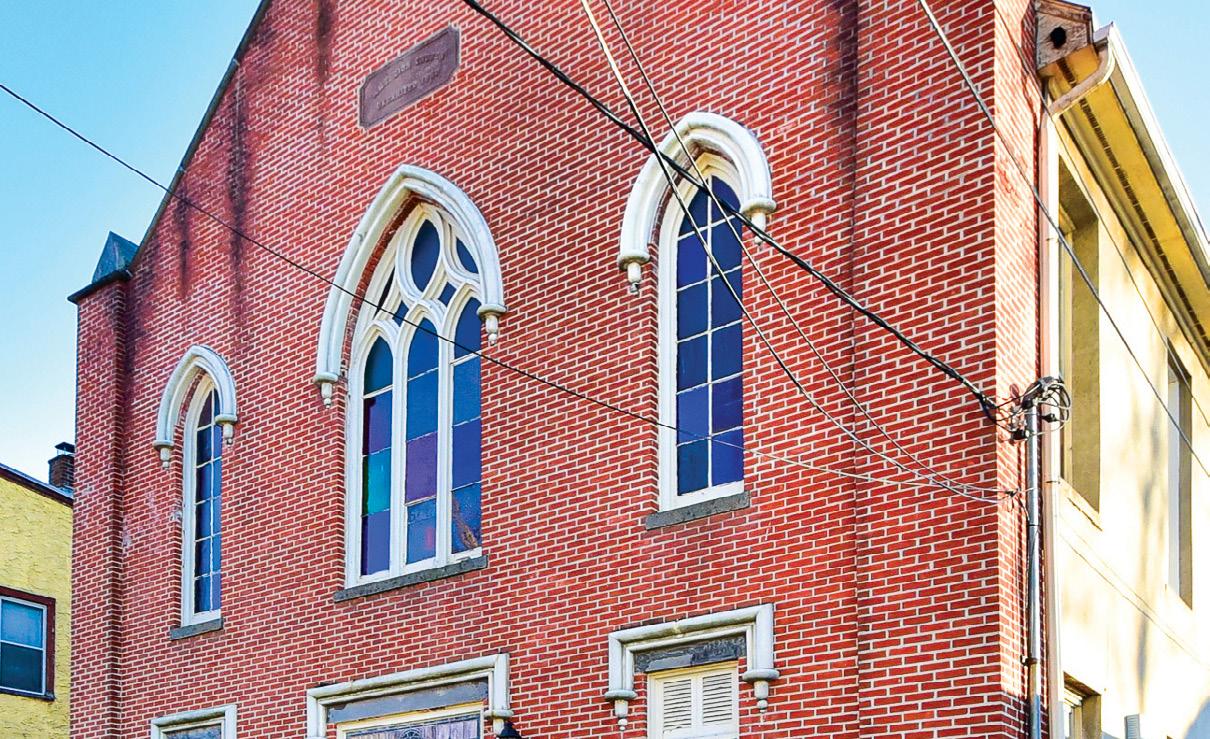
Founded in 1860 in Tarrytown, Foster Memorial African Methodist Episcopal AME Zion Church was established by Amanda and Henry Foster, the Reverend Jacob Thomas, and Hiram Jimerson. A stop on the Underground Railroad, the church traces its origins to meetings held in Amanda Foster’s Tarrytown confectionery. Amanda Foster is regarded as the “Mother of the Church” for her central role in forming the congregation. Carrying her “free papers,” she worked as a nurse for the children of the Arkansas governor and used those documents to help a young fugitive slave escape, contributing to the Underground Railroad. After returning to New York in 1837, she continued her activism. During the Civil War, church members provided food and shelter to freedom seekers traveling north to Canada. Long a religious and social crossroads for the African American community, the church was listed on the National Register of Historic Places in 1982 and designated a Westchester County Tricentennial Historic Site in 1983.
90 Wildey Street, Tarrytown | (914) 909-4618
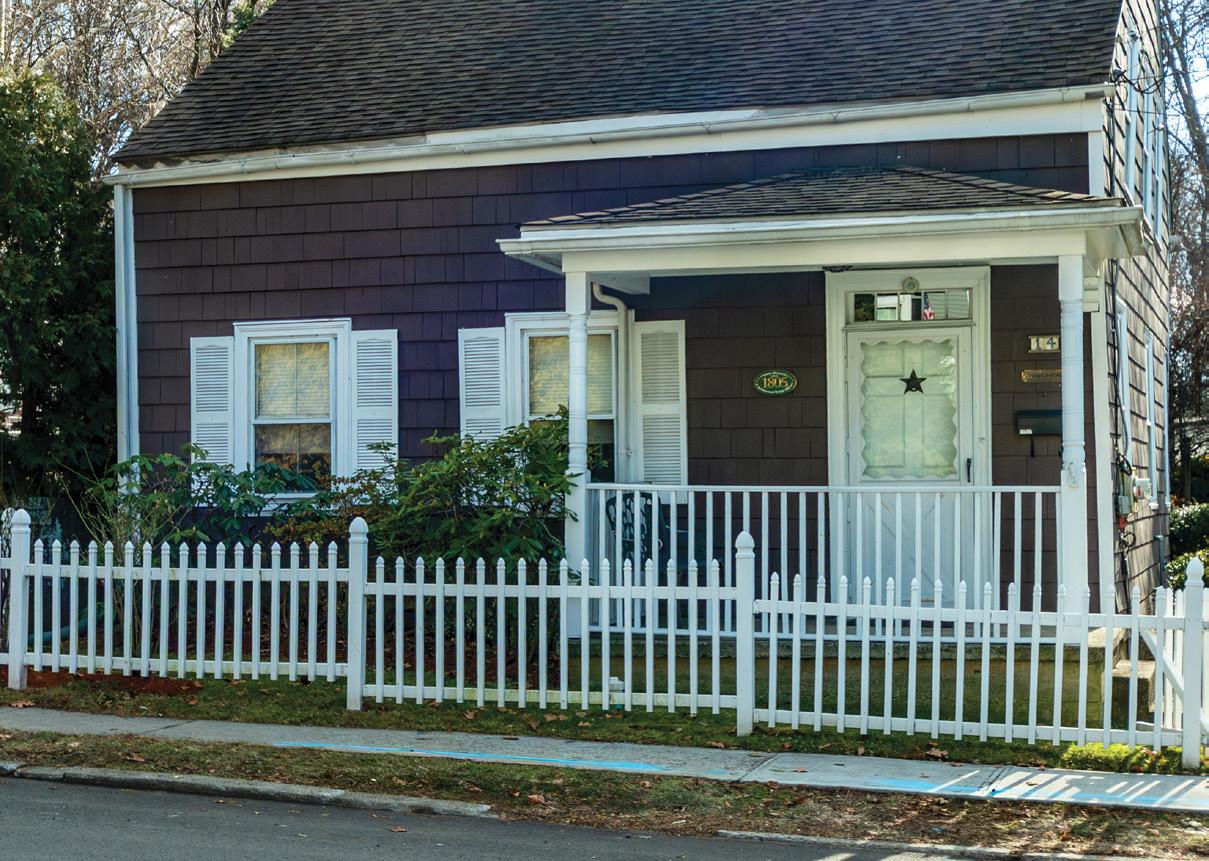
In 1805, the modest brown farmhouse known today as “Captain’s Cottage”—was home to Captain Lewis Brady and his family for more than 50 years. Born into slavery, Brady escaped bondage and forged a remarkable life rooted in freedom, perseverance, and community. Settling in the Sparta section of Ossining at age 63, he lived there until his death at the extraordinary age of 108. Brady built a successful business, earned the title “Captain,” and became a respected figure. His life story reflects the broader struggle and achievement of formerly enslaved African Americans in the 19th century. Today, the restored Captain’s Cottage stands as a powerful reminder of Brady’s legacy.
14 Rockledge Avenue, Ossining
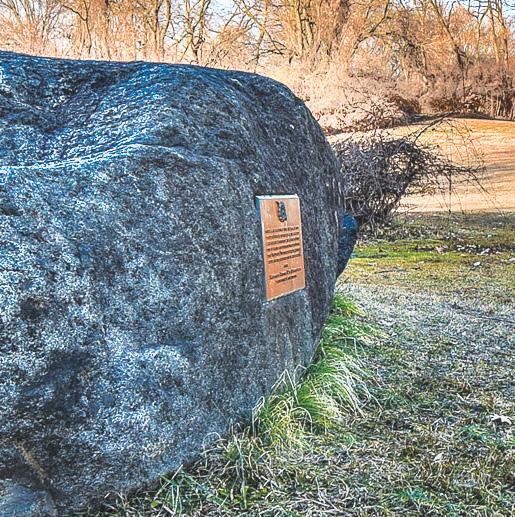
The Jack Peterson Memorial acknowledges a militiaman of African descent who, in 1780, fired on a boat of British soldiers attempting to come ashore. Peterson alerted officers at Fort Lafayette, who mobilized forces. A cannon greatly damaged the British ship, which was then unable to retrieve one of its commanders who had snuck ashore. The capture of this Major Andre led to the uncovering of the Benedict Arnold plot.
Croton Point Park, 1A Croton Point Ave., Croton-on-Hudson
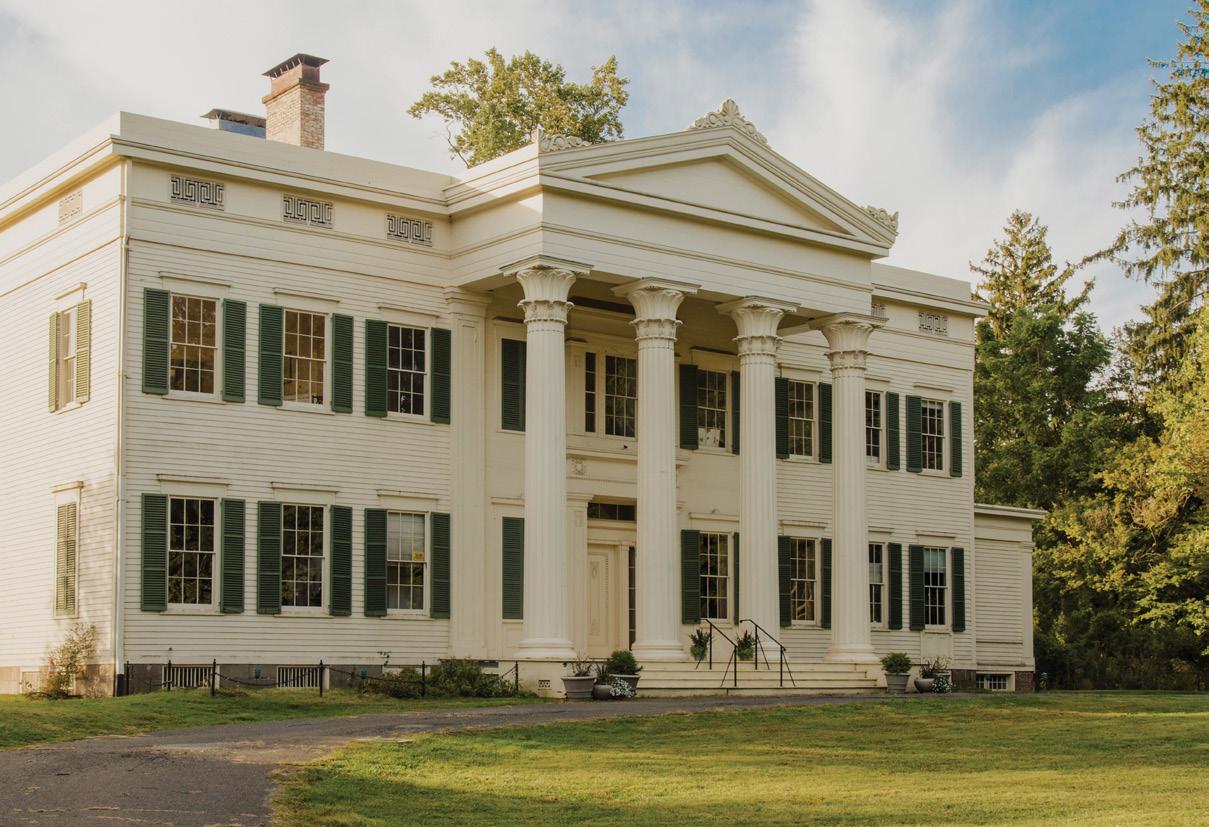
The Jay Heritage Center occupies the site of the home of Founding Father, jurist, and peacemaker John Jay. Archaeology reveals it was also home to, and the burial site of, several generations of free and enslaved people who worked for the Jay family, including Mary, Clarinda, Plato, and Peet. One man, Caesar Valentine, inspired one of the earliest significant African American characters in American literature in James Fenimore Cooper’s The Spy John Jay was a founder and president of the New York Manumission Society, which worked to abolish slavery and the transatlantic slave trade, and helped establish the African Free Schools. As New York governor, he signed the Gradual Emancipation Act of 1799. His son, Peter Augustus Jay, was a leading abolitionist who later argued for African American suffrage at the 1821 Constitutional Convention. Today, the Jay Estate hosts programs on African American history, including the annual Trailblazers Awards and the interactive play Striving for Freedom 210 Boston Post Road, Rye (914) 698-9275 | jayheritagecenter.org
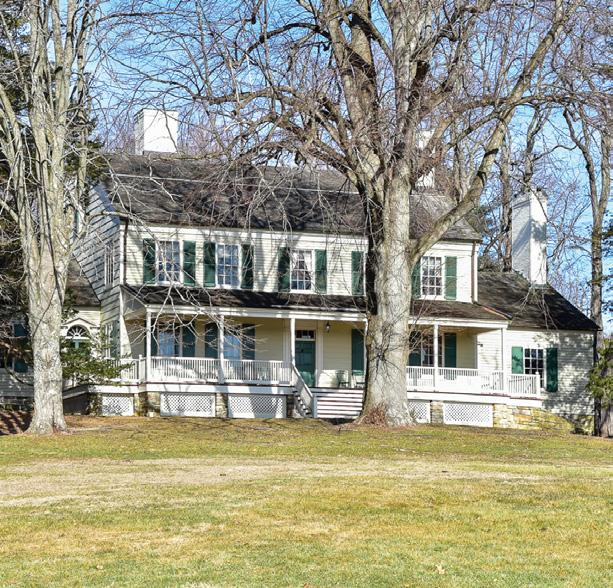
After growing up in Rye, Founding Father John Jay established a homestead for his family in Bedford. Enslaved and free Africans lived and worked on Jay properties throughout New York State during the 18th and early 19th centuries, reflecting the complex history of the Jay family and the era. Gain perspective from John Jay’s son and grandson who were at the forefront of the anti-slavery movement. Discover the stories of the slaves who lived at John Jay Homestead before the family championed the abolition cause. John Jay Homestead is a National Historic Landmark operated by the New York State Office of Parks, Recreation and Historic Preservation. The Education and Visitor Center features a main exhibit gallery, gift shop, map-model of the property and interactive kiosks. 400 Jay Street/Route 22, Katonah (914) 232-8119 | johnjayhomestead.org
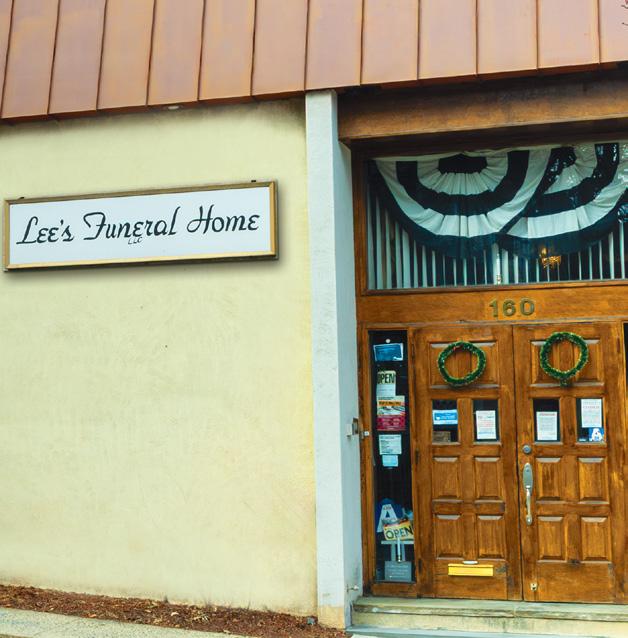
Founded in the early 20th century, Lee’s Funeral Home in White Plains has long served as a vital institution in the city’s African American community. At a time when segregation limited access to services and public accommodations, Black-owned funeral homes provided dignity, care, and autonomy for African American families during moments of loss. Beyond its professional role, the funeral home functioned as a gathering place where information was shared, social networks were sustained, and civic life was strengthened. Lee’s supported churches, fraternal organizations, and civil rights efforts, and helped families navigate legal and social systems that were often discriminatory. Today, Lee’s Funeral Home stands as a testament to Black entrepreneurship and resilience in Westchester County. 160 Fisher Ave, White Plains
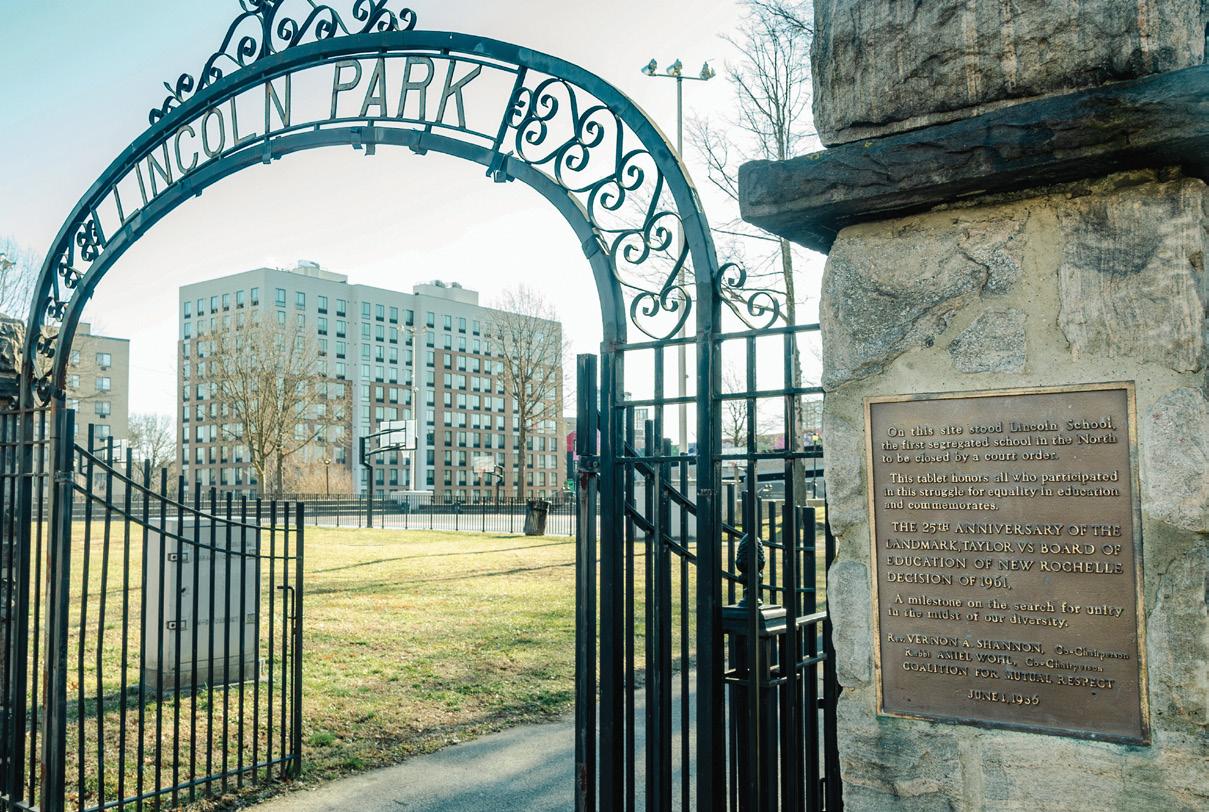
Lincoln Park in New Rochelle occupies land once central to African American community life and civil rights history. The park stands on the former site of Winyah Grammar School, built in 1898 to serve a racially mixed, largely working-class neighborhood. The school later became known as Lincoln School after Winyah Avenue was renamed Lincoln Avenue in 1941. In 1961, the school closed as a result of the first school desegregation case filed in a northern city following the 1954 Brown v. Board of Education decision, making the site a landmark in the national struggle for educational equity. Earlier, in 1905, Black residents founded the New Rochelle Cooperative Business League, which helped build homes, businesses, and institutions in the surrounding neighborhood. Today, Lincoln Park serves both as a vibrant community gathering space and a powerful reminder of the African American presence, activism, and resilience that shaped New Rochelle’s largest Black neighborhood and its ongoing pursuit of justice and opportunity.
7-25 Prince Street, New Rochelle thelincolnparkconservancy.org
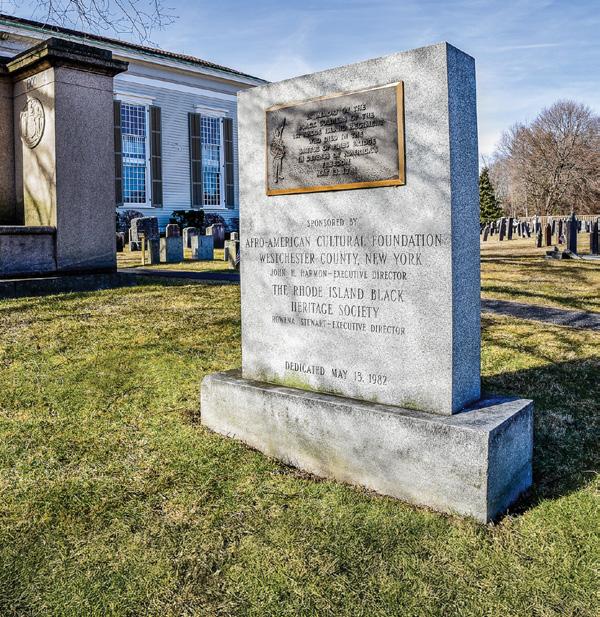
Erected in 1982 as a result of the pioneering research and activism of John H. Harmon, this monument is dedicated to the valiant and courageous soldiers of the First Rhode Island Regiment, which was composed predominantly of enslaved African American soldiers who had enlisted in the American Continental Army to earn their freedom. During the American Revolution, these men fought courageously to defend American liberty against the aggressions of British tyranny. Several dozen soldiers of the regiment were killed and wounded at the Battle of Pines Bridge in Yorktown on May 14, 1781.
First Presbyterian Church (Burial Grounds) 2880 Crompond Road, Yorktown Heights
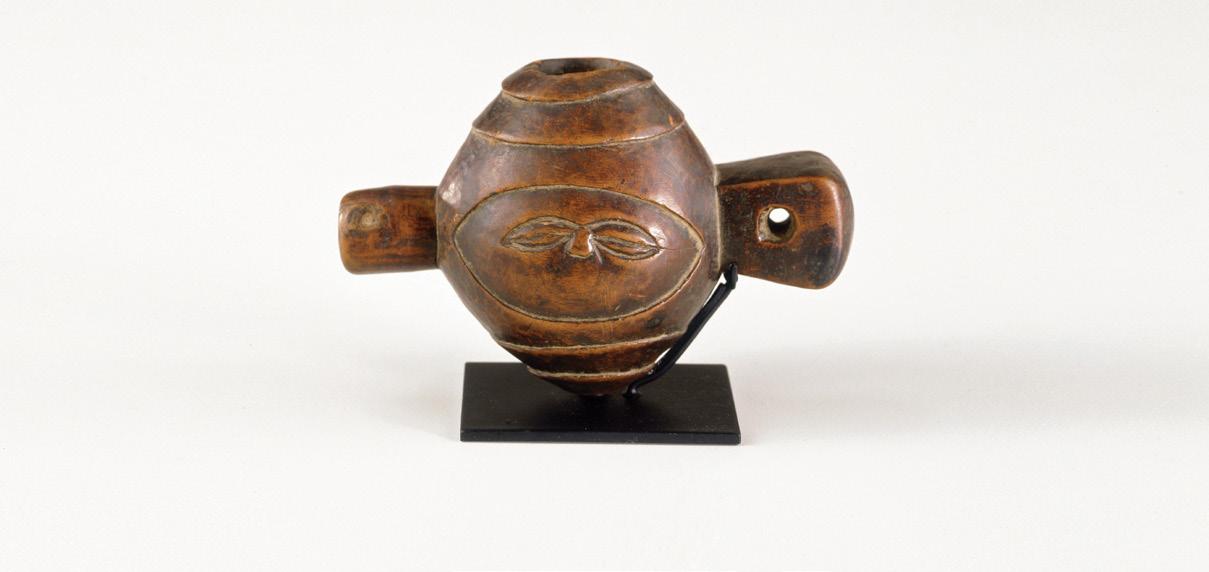
The Neuberger Museum of Art, the African Art Collection2
African art has been an integral part of the Neuberger Museum of Art since it opened in 1974. In 1999, the collection almost doubled in size with the major gift of 153 works from the collection of the late Lawrence Gussman, a notable collector and a resident of Scarsdale, New York. Since the museum’s inception, both African and African American art has been an integral part of the permanent collection. The collection is strongest in the arts of central Africa. However, major objects offer artistic insights into more than 30 cultures and span a geographic area from Mali to Mozambique.
735 Anderson Hill Road, Purchase (914) 251-6100 | neuberger.org
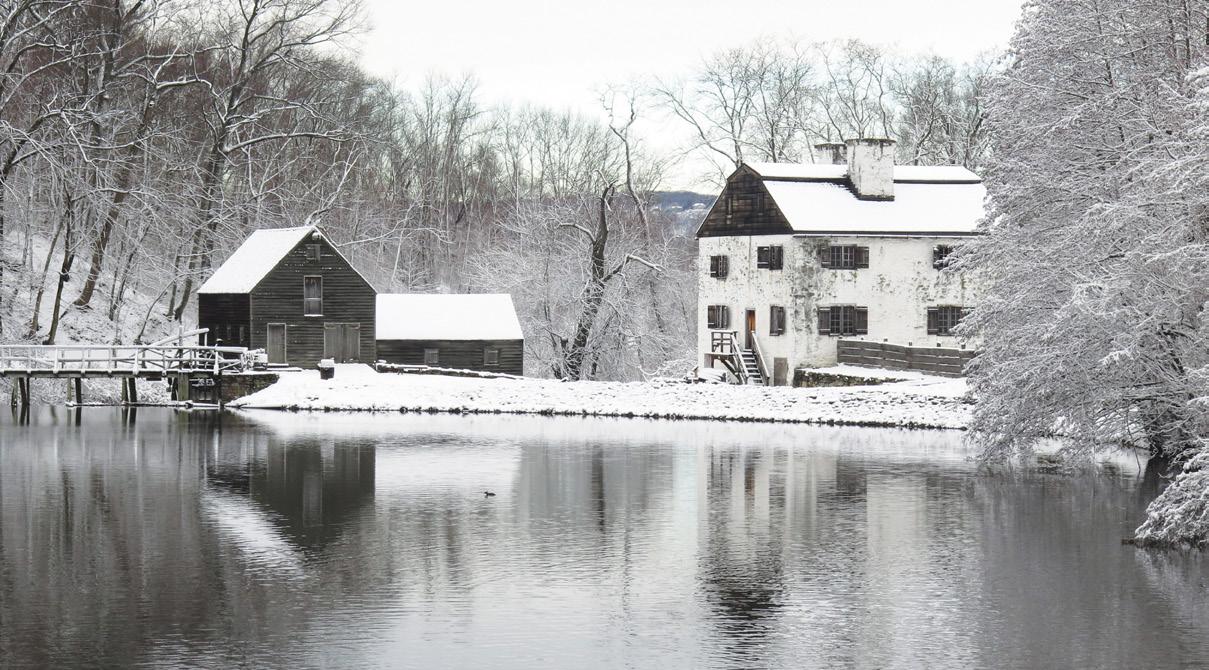
Philipsburg Manor, a property of Historic Hudson Valley, is a nationally significant late 17th and early 18th-century milling and trading complex that was part of a vast 52,000-acre estate owned by the Anglo-Dutch Philipse family. Enslaved individuals of African descent operated the commercial center of the estate in what is now the village of Sleepy Hollow. Today, costumed interpreters depict various aspects of colonial life that affected the culture and economy of those who lived and labored at the Manor. The interpreters offer regular performances dramatizing aspects of slavery in New York. Visitors experience hands-on tours of the water-powered gristmill, manor house, barn, activity center, and enslaved Africans’ garden. The visitor center includes a shop and cafe.
Route 9, Sleepy Hollow | hudsonvalley.org
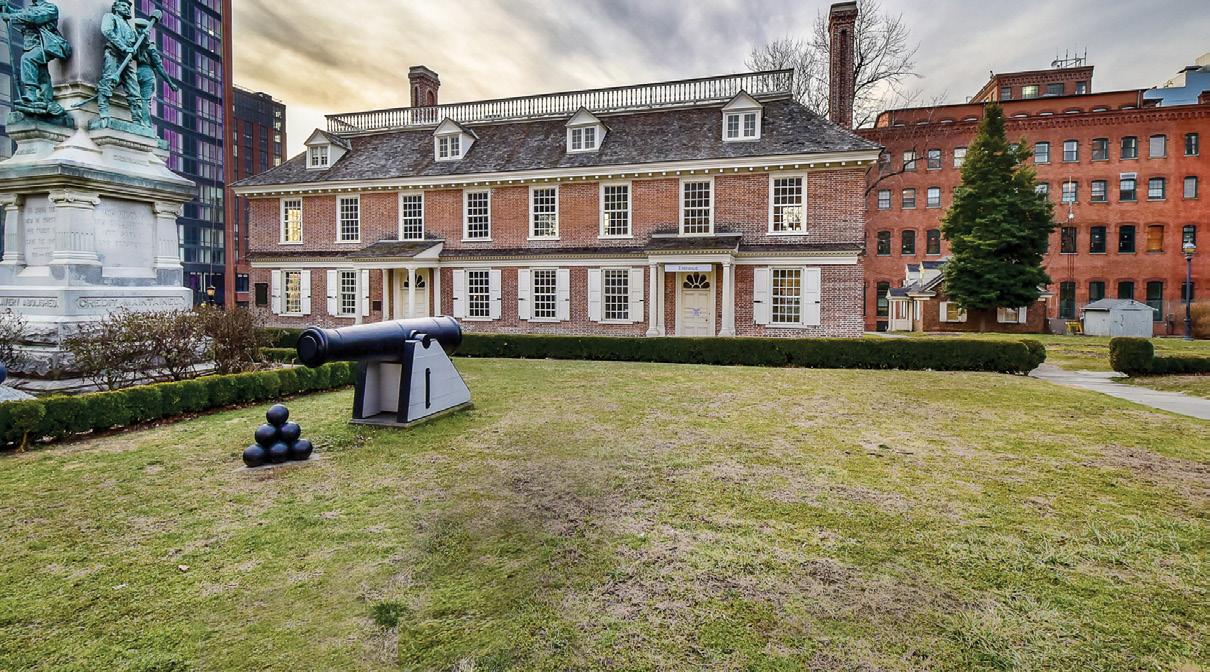
Philipse Manor Hall, listed in the National Register of Historic Places, was a major component of the original Philipsburg Manor and served as its Lower Mill complex. The Philipse family were deeply involved in both slave trading and slaveholding. Prior to the Revolutionary War, several generations of the Philipse family were leading merchants in New York’s commercial life. The site was designated New York’s first state historic site dedicated to 400 years of Black history in 2021 to highlight and expand upon the experience of African Americans, including those the Philipse family enslaved. The site now features exhibits and resources that provide an extensive account of slavery, resistance, the Underground Railroad, and the significant contributions of African Americans in New York. The museum also features a gift shop, community gallery, and park grounds in the heart of downtown Yonkers.
29 Warburton Avenue at Dock Street, Yonkers (914) 965-4027 | philipsemanorhall.com
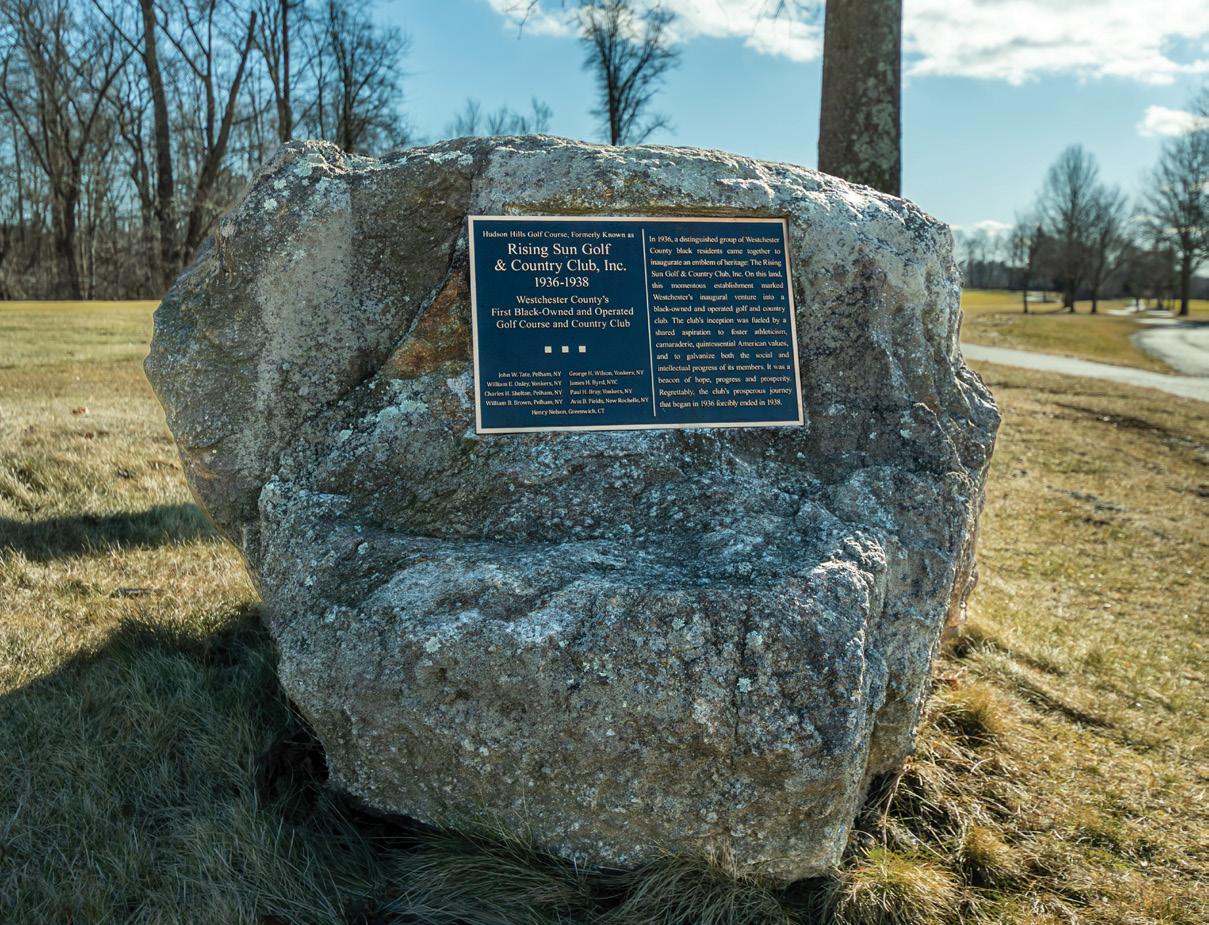
The Rising Sun Golf & Country Club holds a significant place in history, having been established in 1936 as the premier Black-owned and operated golf destination in the Tri-State Area. With its 18-hole golf course, the club offered all the luxurious amenities that were found at its whiteowned counterparts, marking a bold statement of excellence and resilience. Over the years, the property endured a series of ownership changes, struggling to find its place until it finally closed in 1982. IBM sold the land to Westchester County in 2004, paving the way for a fresh beginning. Today, the site is home to the Hudson Hills Golf Course, a reminder of the rich legacy that once thrived there and the relentless spirit of those who sought to make their mark.
400 Croton Dam Road, Ossining
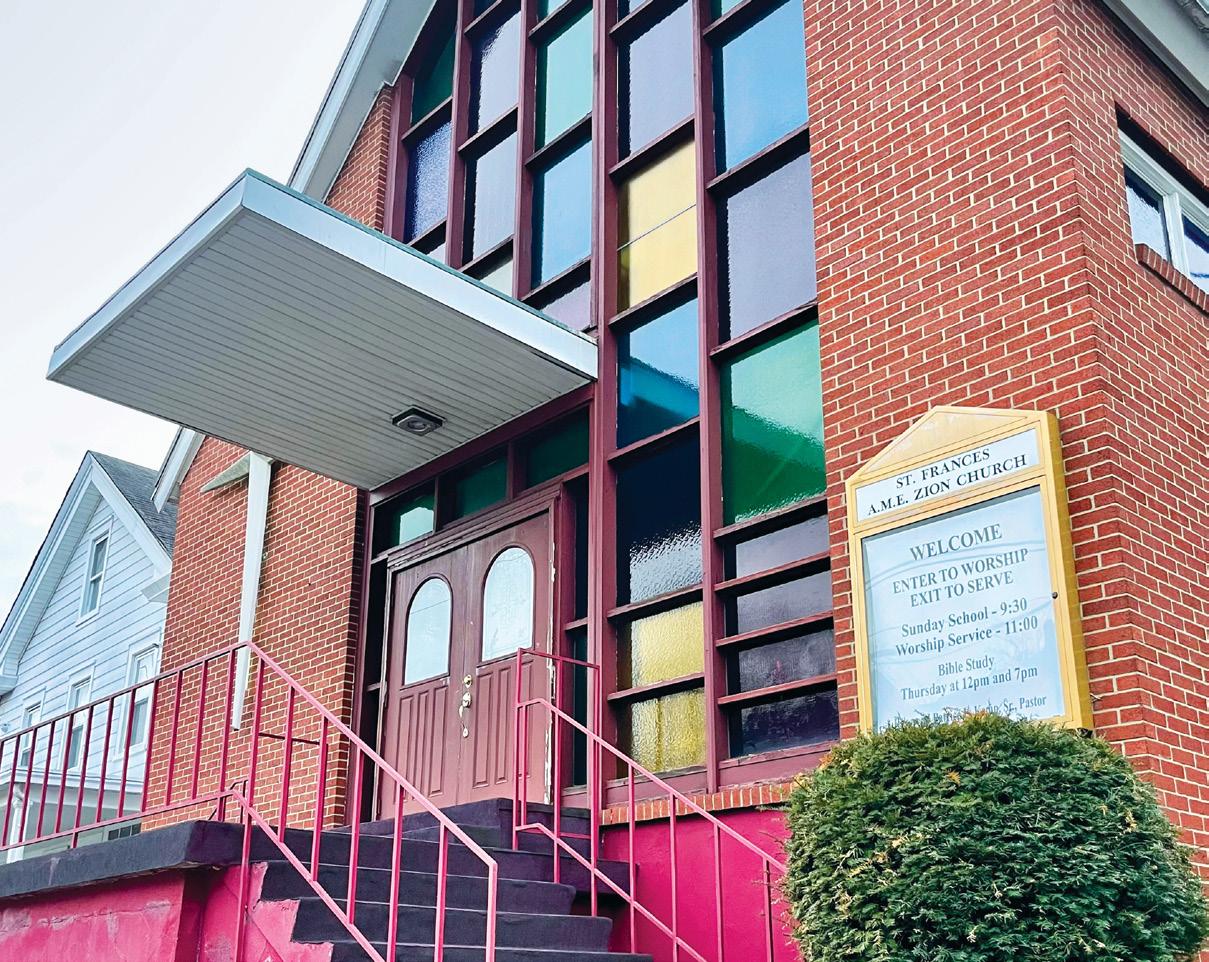
Founded in 1849, St. Frances African Methodist Episcopal (AME) Zion Church is the oldest African American church and one of the oldest congregations in Port Chester. It began when residents of Port Chester, Mamaroneck, and New Rochelle gathered for prayer at the Banks’ family home on South Main Street, guided by circuit preacher Father Tappan. As the congregation grew, it moved to King Street, and in 1856 Rev. Jephthah Barcroft became its first fulltime pastor. Two earlier church buildings were lost to fire before the present structure was built in 1889 on the site of a former schoolhouse. Named for its largest benefactor, Mrs. Frances Quintard, the church remains a vital community center and marked its 175th anniversary in 2024. Historically, it hosted AME Zion New York Conference meetings, stewarded the Rye African Cemetery, and produced leaders active in the NAACP.
18 Smith Street, Port Chester
Completed in 1787, St. Paul’s Church stands in what is now Mount Vernon, once part of the town of Eastchester. Records show the earliest reference to African Americans in Eastchester on April 23, 1672, documenting the sale of an enslaved woman by Moses Hoitte to Samuel Adams of Fairfield, Connecticut. Of the approximately 8,000 people buried in St. Paul’s cemetery, many are persons of African descent interred during the 19th and 20th centuries. Church records, including the sexton’s book and burial registers, note the race of those buried. A key interpretive focus is the story of Rebecca Turner, an African American woman who journeyed from slavery to freedom, became an independent landowner nearby, and is buried in the cemetery.
897 South Columbus Avenue, Mount Vernon
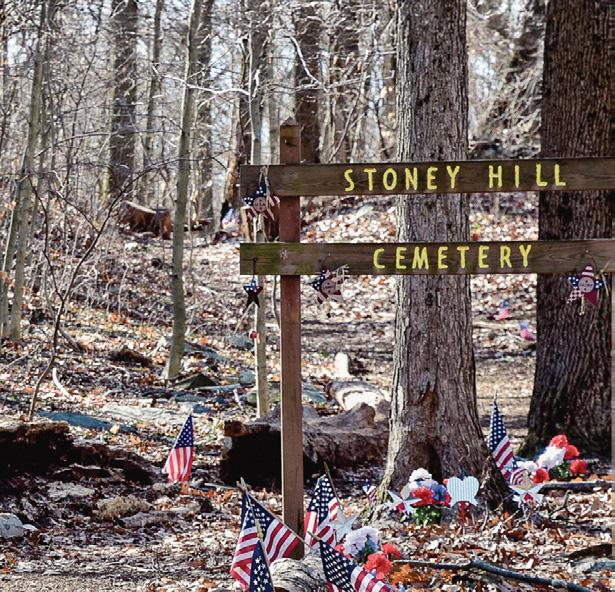
After the Revolutionary War, emancipated slaves settled in the rugged hills where Harrison, North Castle, and White Plains meet near Silver Lake. Known as “The Hills,” this community represented the emergence of a free African American population in early Westchester County. Many residents were literate and documented their lives through letters and poems, leaving valuable records of their experiences. Stony Hill Cemetery is the last remaining visible remnant of “The Hills.” The 6.5-acre site occupies land granted in the 18th century by the Purchase Friends (Quakers) to formerly enslaved people they had freed. About 200 community members are buried there, including 12 African American Civil War veterans. Now surrounded by residential development, the cemetery is stewarded by Mt. Hope AME Zion Church in White Plains and the Stony Hill Cemetery Committee, which honor those buried through preservation, beautification, and continued historical research.
Buckout Road, Harrison
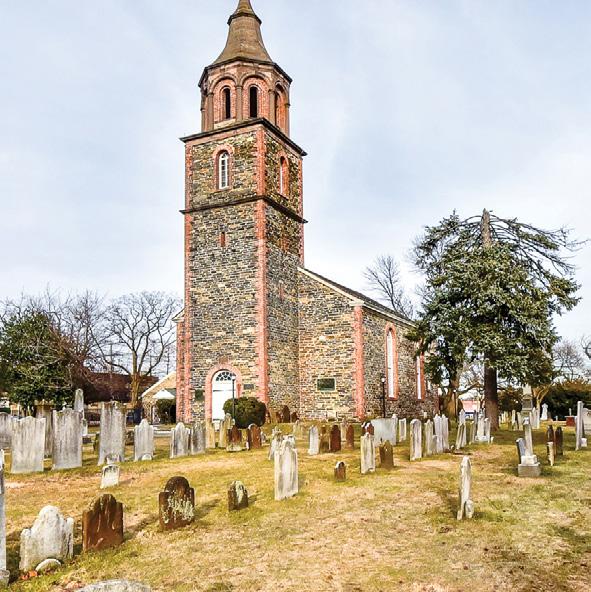
St. Paul’s Church National Historic Site
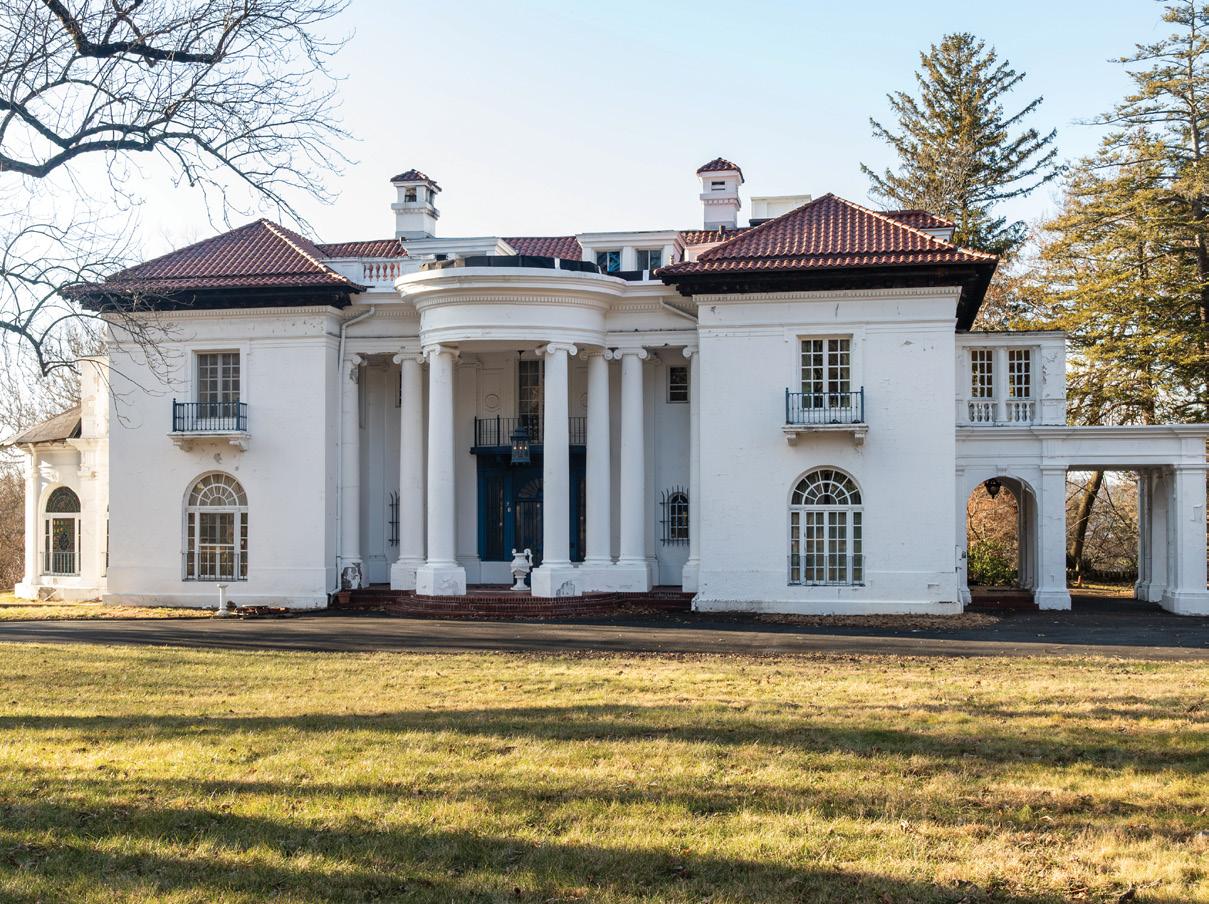
Madam C.J. Walker, born Sarah Breedlove in Louisiana, was the daughter of enslaved parents. She invented, patented, and brilliantly marketed hair and cosmetics for women of color. Walker’s success made her one of the first African American millionaires. In 1916, Madam Walker commissioned the design and construction of Villa Lewaro. The mansion is an astounding testimony to the genius of Vertner W. Tandy, New York’s first certified Black architect. The 32-room mansion includes exquisite stained-glass windows, vaulted ceilings, marble staircases, and intricate ceiling moldings. Villa Lewaro was placed in the National Register of Historic Places in 1976.
67 North Broadway, Irvington | Private residence. Not open to the public; historic marker on Broadway.
January
• MLK Jr. Legacy Youth Awards luncheon and awards ceremony | aamw.com
February—Black History Month
• Trailblazer Awards africanamerican.westchestergov.com
March
• MLK Jr. Literary Celebration at the Jay Heritage Center, Rye. Author readings and reception awah.org
May
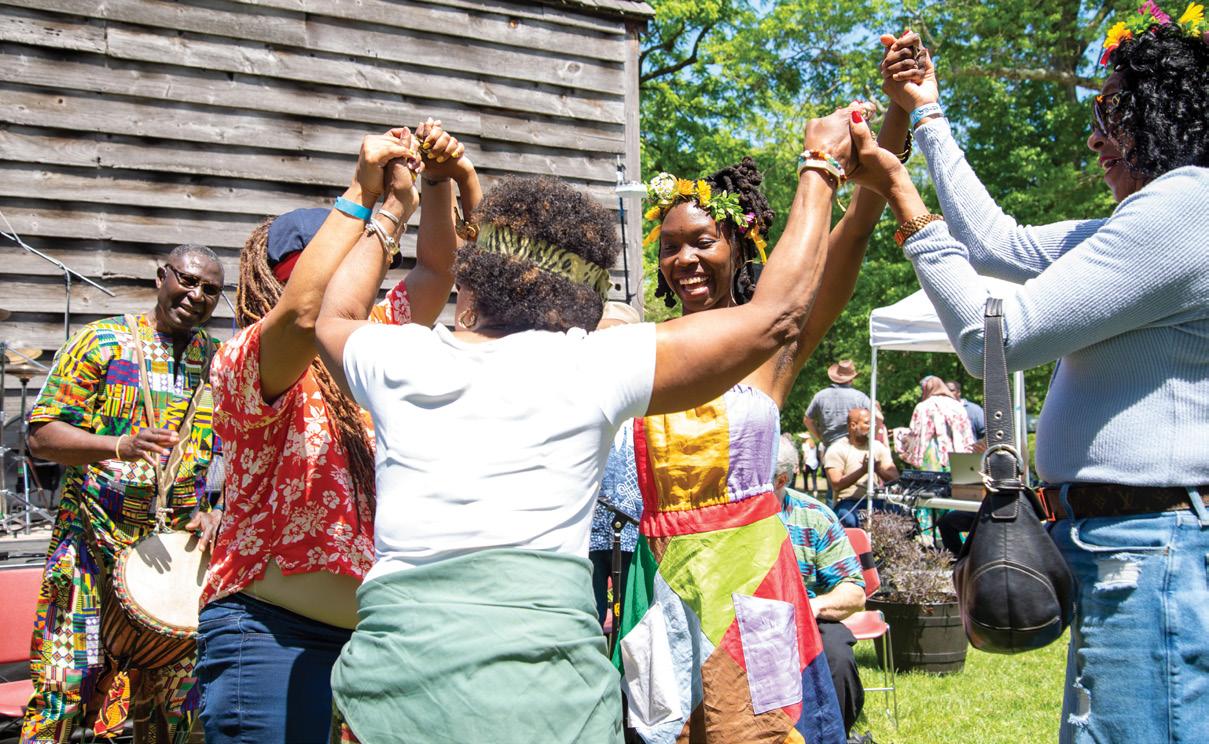
• Pinkster, Philipsburg Manor, Sleepy Hollow hudsonvalley.org
• Memorial Day Ceremony at the African American Cemetery, North Street, Rye facebook.com/FOAAC
June
• Juneteenth Parades and Festivals, White Plains, Yonkers, Peekskill, Mount Vernon and Ossining
• African American Heritage Festival, Kensico Dam parks.westchestergov.com
November
• Veterans’ Day Observation at the African American Cemetery, North Street, Rye facebook.com/FOAAC
December
• Kwanzaa celebration | jackandjillmhv.org Pinkster3
Westchester County is easily accessible by major interstate highways and thoroughfares including I-87 (New York State Thruway), I-95 (New England Thruway), I-287 (Cross-Westchester Expressway), and I-684. Westchester County Airport (HPN) is conveniently located in the center of the County.
Public Transport Provides Easy Access:
Rail Transit: For Metro-North information go to mta.info. Zipcars are available at many rail stations.
Bus Transit: The County’s Bee-Line bus shuttles and BxM4C Westchester-Manhattan Express provide many options. BeeLineBus.com
Additional bus service from surrounding counties into Westchester include: Tappan Zee Express (Rockland); Putnam Area Rapid Transit (Putnam) I-Bus, CT Transit.
For a complete look at our hotels and accommodations options, visit VisitWestchesterNY.com | (914) 995-8500
Westchester County Tourism & Film is the official destination tourism marketing organization for the County and can assist with planning your trip.
Westchester County African American Advisory Board
Barbara L. Edwards, Esq., Chair, Rabab Abdalla, Juliene Bell-Smith, Jill Bradshaw-Soto, Marvin V. Church, Joyce Cole, Rev. Frank Coleman, Astara Crews, Kecia Gaither, M.D., Christopher D. Grant, Charles Morgan, Phillip Morton, Gillian K. Mullings, Michelle A. Nicholas, Tamika Rose, Monica A. Scantlebury, M.D.
African American History Trail Committee
Charles Morgan, Chair, Lisa Burton, Secretary, Damon Jones, Joyce Cole, Mary Hoar, Patrick Raftery, Valerie Simmons, Larry Spruill