



Naturally beautiful, deliciously different and made for memories
Our Destination Management Plan 2024–2029

Naturally beautiful, deliciously different and made for memories
Our Destination Management Plan 2024–2029
Our Destination Management Plan (DMP) is a shared statement of intent to manage a destination over a stated period of time. It articulates the roles of the different stakeholders and identifies clear actions that they will take. Crucially, destination management includes the planning, development, and marketing of a destination, as well as how it is managed physically, financially, operationally and in other ways.
This DMP covers all the fundamental aspects of destination management, including:
• Tourism performance and impacts.
• Working structures and communication.
• Overall appeal and appearance, access, infrastructure, and visitor services
• Destination image, branding, and promotion (marketing).
• Product mix – development needs and opportunities.
The DMP sets a strategic direction for the destination over a period of up to five years. It contains prioritised actions within an annual rolling programme and identifies stakeholders responsible for their delivery. Tourism is the act of travelling to, and staying in, places outside one’s usual environment for leisure, business, and other purposes. Tourism includes day visits using the same criteria.
Tourism includes business tourism, social visitors staying for a function and day visitors i.e. anyone undertaking an activity that is not in their normal routine. These are important markets for Ribble Valley but not always recognised as tourism. More recently this activity is referred to as the visitor economy, for which the government t definition is - ‘The visitor economy covers all aspects of the economy related directly or indirectly through the supply chain to the provision of services to visitors and benefitting from their spending.’
The visitor economy is a more inclusive concept than tourism, involving a wider range of activities and embracing the total visitor experience including the ‘sense of place.’ It depends upon public bodies and voluntary groups as well as private sector businesses.
The visitor economy has an interdependent relationship with a range of sectors including transport, retailing, catering, culture, heritage, and entertainment, amongst others. The importance of these definitions for Ribble Valley is the recognition that the visitor economy is large and diverse including not only hotels and traditional tourist attractions but a range of local services and providers from transport to toilets, from the local cafe serving a visitor to the florist supplying a wedding venue.
The Destination Management Plan provides a framework for the prioritisation of Marketing resources and a foundation for creating effective partnership working. It is not a statutory document nor is it a strategy to influence physical development.
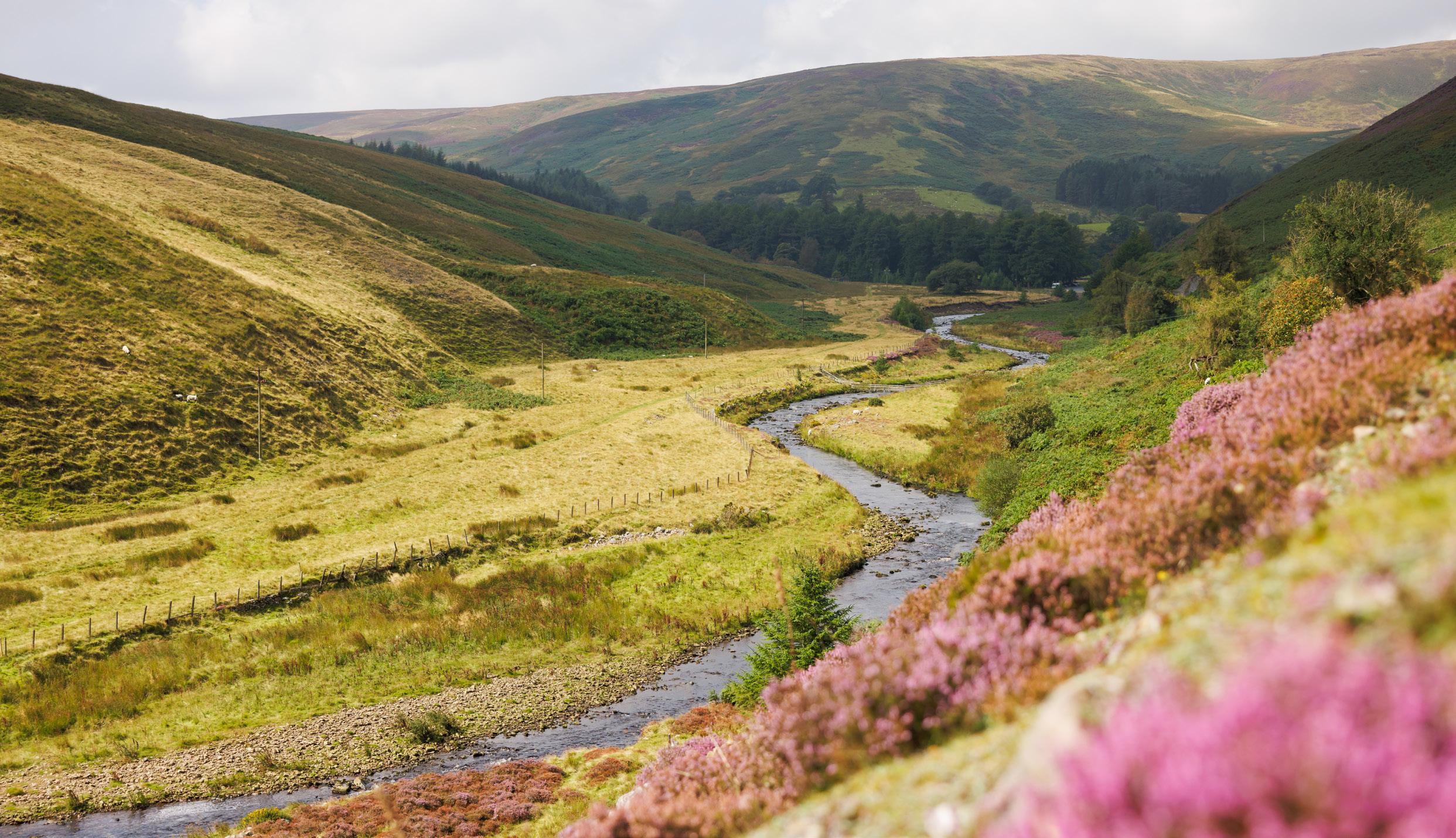
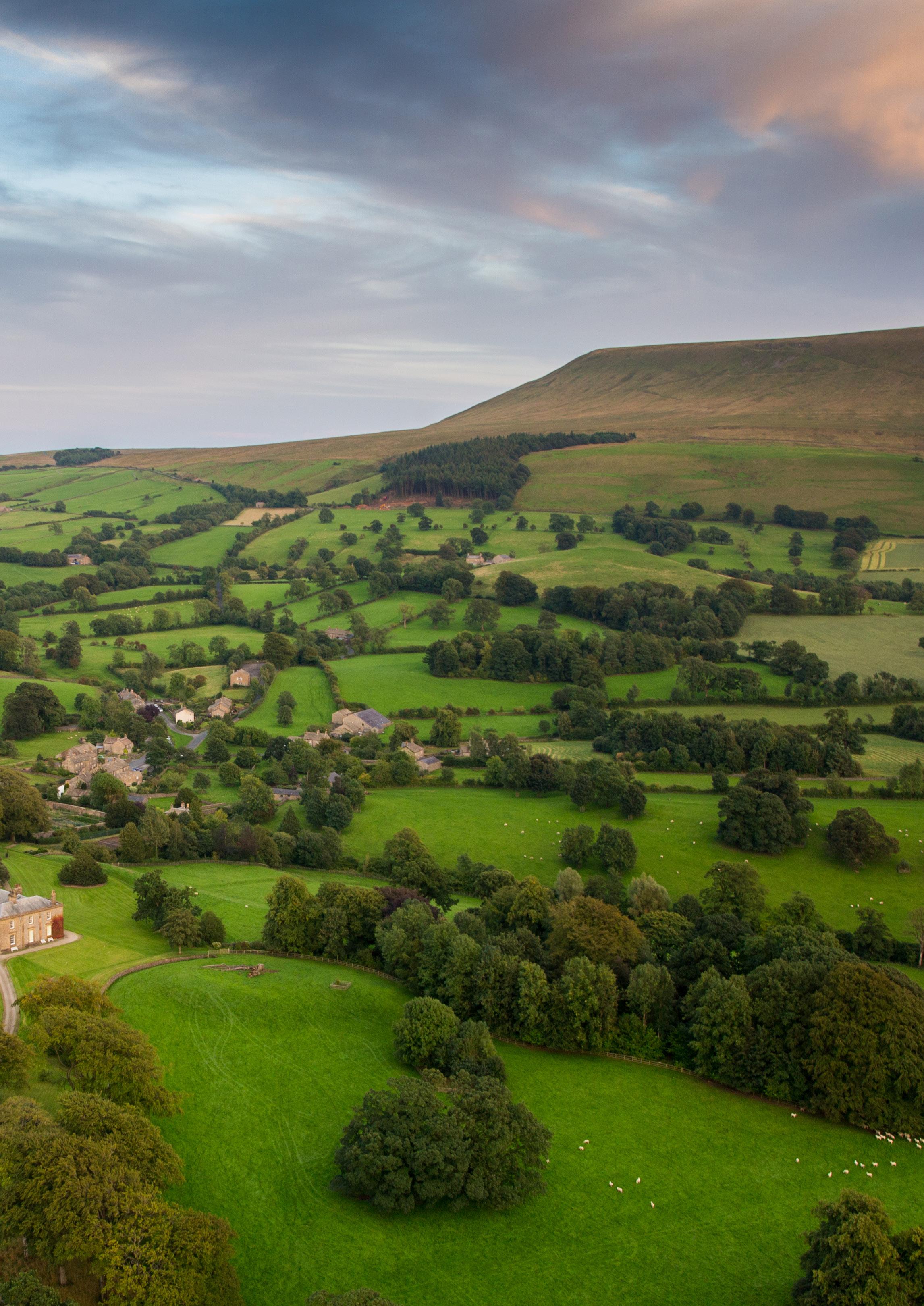
The official centre of the Kingdom, a landscape which inspired Tolkien’s ‘Lord of the Rings’ and linked to the famous Pendle witches. Home to historic abbeys, a castle, and miles of beautiful countryside. A place to shop, walk and cycle, taste and even to get married. Authentic to the core, Ribble Valley is quintessentially British.
The Borough of Ribble Valley lies in the Northeast of Lancashire and, with an area of 585 square kilometres, is the largest district in the County. Over seventy percent of the Borough is in a designated National Landscape a clear reflection of the quality of the area.
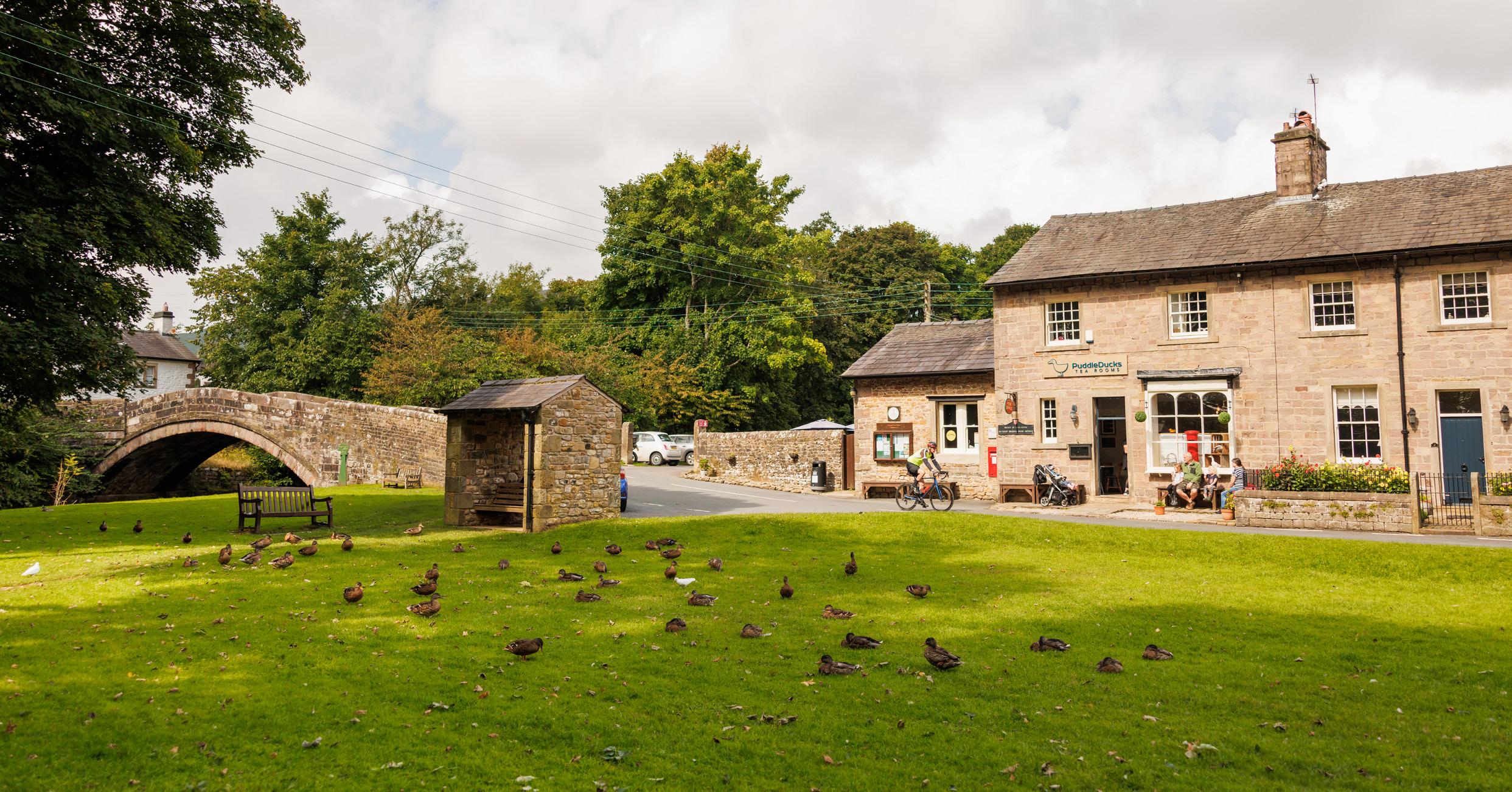
There are three main settlements in Ribble Valley, Clitheroe, the main administrative centre located at the centre of the Borough, plus Longridge and Whalley. The remainder of the area is mainly rural with a number of villages ranging in size from large villages such as Sabden and Chatburn through to small hamlets such as Great Mitton and Paythorne. Each village has its own unique charm, along with individual heritage features and scenic qualities.
Ribble Valley has good communications that open up the area to the rest of the country. The A59 is a main artery that dissects the Borough from the west through to the east, linking directly to the M6 and serving access routes to the M65 motorway. There are regular rail services from Clitheroe to Preston and Manchester. Airports at Manchester Liverpool and Leeds are all well within two hours’ drive.
Ribble Valley is well placed to benefit from the visitor and leisure economy, with a large percentage of the population of the Northwest of England within 90 minutes’ drive. Overview

The development of sustainable tourism features as an important priority in the council’s strategic plans, highlighted in two key documents.
The promotion of the visitor economy supports three important standards of the council’s corporate plan.
• Encourage Economic Development
• Support our business community and attract new investment.
• Support Employment opportunities within the borough. And this will be achieved in part, by building on the good reputation the Ribble Valley already has, with specific focus on promoting economically and environmentally sustainable tourism. And in the Local Development Framework (LDF) - core strategy
Proposals that contribute to and strengthen the visitor economy of Ribble Valley will be encouraged, including the creation of new accommodation and tourism facilities through the conversion of existing buildings, or associated with existing attractions. Significant new attractions will be supported, in circumstances where they would deliver overall improvements to the environment and benefits to local communities and employment opportunities.
Visitor expectations are constantly changing, and the tourism offer must meet demands for quality and service. This applies to the attractions, retail businesses and the food and drink sector. Also, the natural landscape is a valuable asset of Ribble Valley and a balance between promoting tourism and the protection and enhancement of the natural environment must be considered.
Whilst Tourism is not a statutory function, it is one which is integral to the economy of the Borough, and it is one which the council is keen to support, but in ways in which retain and enhance, rather than despoil, the character of the area.
In preparing this plan, it is important to define some of the Council’s roles relating to managing the visitor economy.
• Promoter – marketing brand Ribble Valley.
• Coordinator - creating partnerships.
• Facilitator - using public sector knowledge and resources.
• Advisor - to businesses, communities, and events
• Provider - of facilities including public open spaces .e.g. Edisford Bridge, parking, toilets, Platform Gallery, and the castle.
• Areas of growth potential
• Areas where we can make a difference
• Areas where we can facilitate action
• Areas where we can work in partnership
• Guardian of the Environment – National Landscape, open spaces, historic buildings, conservation areas, planning policy and development management
• Protection of consumers – Licencing and Environmental Health
In terms of tourism promotion, limited resources mean that it is impossible to support or promote everything, so it is important to target resources towards: -
The Council last produced a Destination Management Plan in 2017 and this successfully guided the promotion and development of tourism until the pandemic, when a supplementary plan was introduced to respond to the impact of the pandemic and then address measures for recovery. The Response and Recovery plan was subsequently used as a case study of best practice by the Local Government Association.
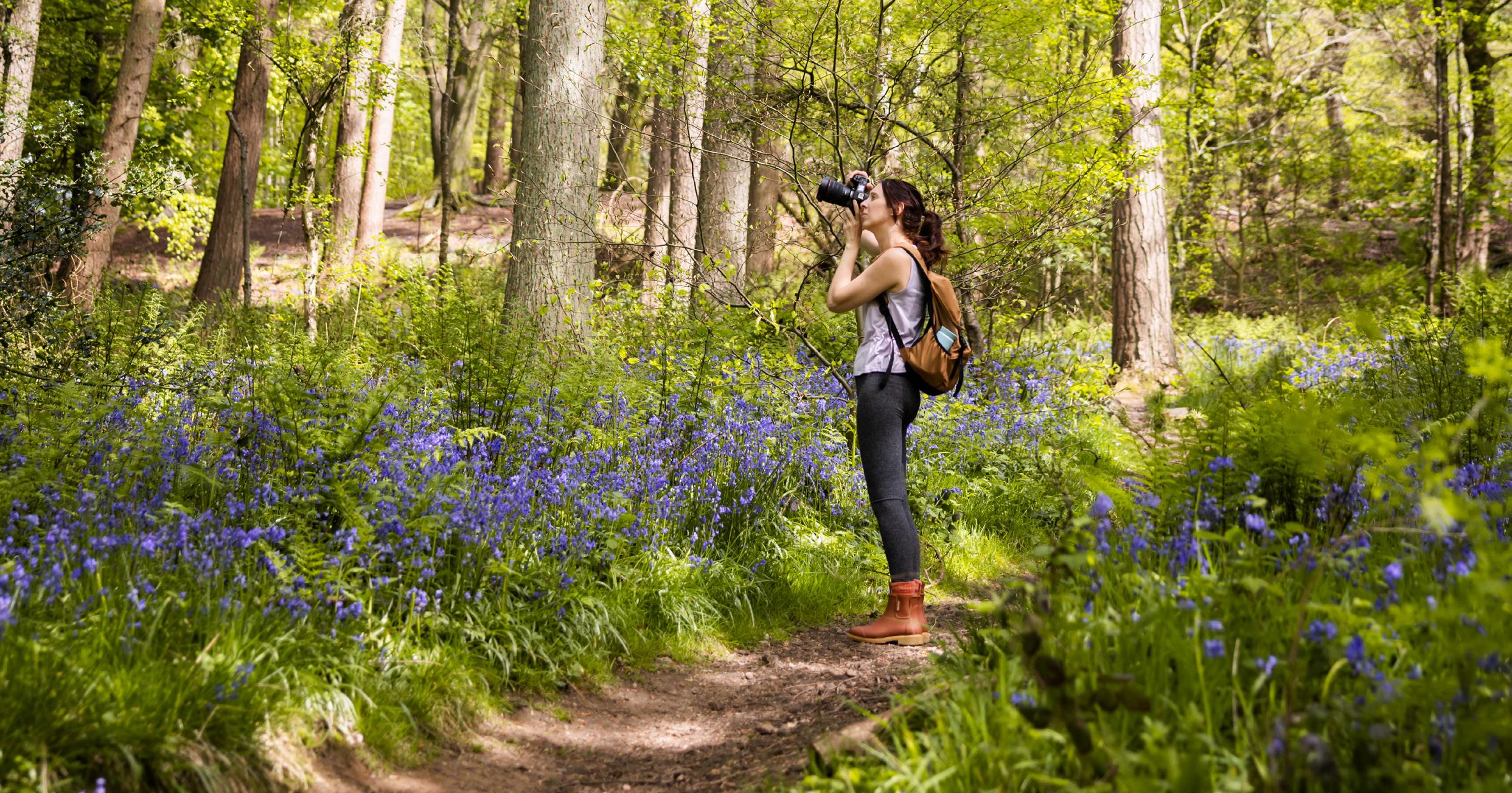
The true value of tourism to any tourism destination is particularly hard to measure; not least as tourism itself is challenging to define. Taking for example, Ribble Valley’s amazing food offer, just how far does someone need to travel to be classed a tourist or visitor.
The recognised model for measuring tourism performance adopted in Lancashire is called STEAM and the latest figures, collected by Marketing Lancashire are summarised below. They are considered to be an underestimate of the true picture, not least given recent developments in the area and the growth of the wedding market, but they do nonetheless create a year-on-year benchmark, and even as an underestimate, they reveal that tourism is a very large and important sector of the Ribble Valley economy.
The illustration below shows the importance of tourism to the economy in terms of employment, stay and values.
The visitor economy in Ribble Valley in comparison with many destinations, is relatively buoyant. Ribble Valley brand awareness has moved significantly forward in recent years, but there is still potential to get the area recognised as a first-class tourism destination, where the value of its heritage and culture are truly acknowledged and where people choose to visit, ahead of other major competitor regions in the north of England.
KEY ATTRIBUTES OF RIBBLE VALLEY AS A TOURISM DESTINATION?
• Strong brand identity
• Unique experiences
• Reasonable accessibility
• Vibrant private sector
WHAT ARE THE KEY CHARACTERISTICS OF THE RIBBLE VALLEY TOURISM PRODUCT?
• A consistently highquality tourism offer.
• A buoyant and rapidly growing wedding sector.
• A creative, award winning food and hospitality sector.
• Charming villages, many of which have unique characteristics of visitor appeal.
• Attractive scenery for countryside walking, cycling and outdoor pursuits.
• Strong themes and reputations
• A feel-good factor, a nice place to live and visit.
• A distinct retail sector, with varied, quality independent shopping experiences.
AND OF THE PEOPLE INVOLVED IN TOURISM BUSINESS
• An array of astute entrepreneurs willing to invest and take risks.
• Numerous award-winning individuals, many of whom are nationally acclaimed.
• Outstanding levels of customer service
• Many family businesses, some with long local pedigrees
• Private sector operators loyal to the Ribble Valley brand
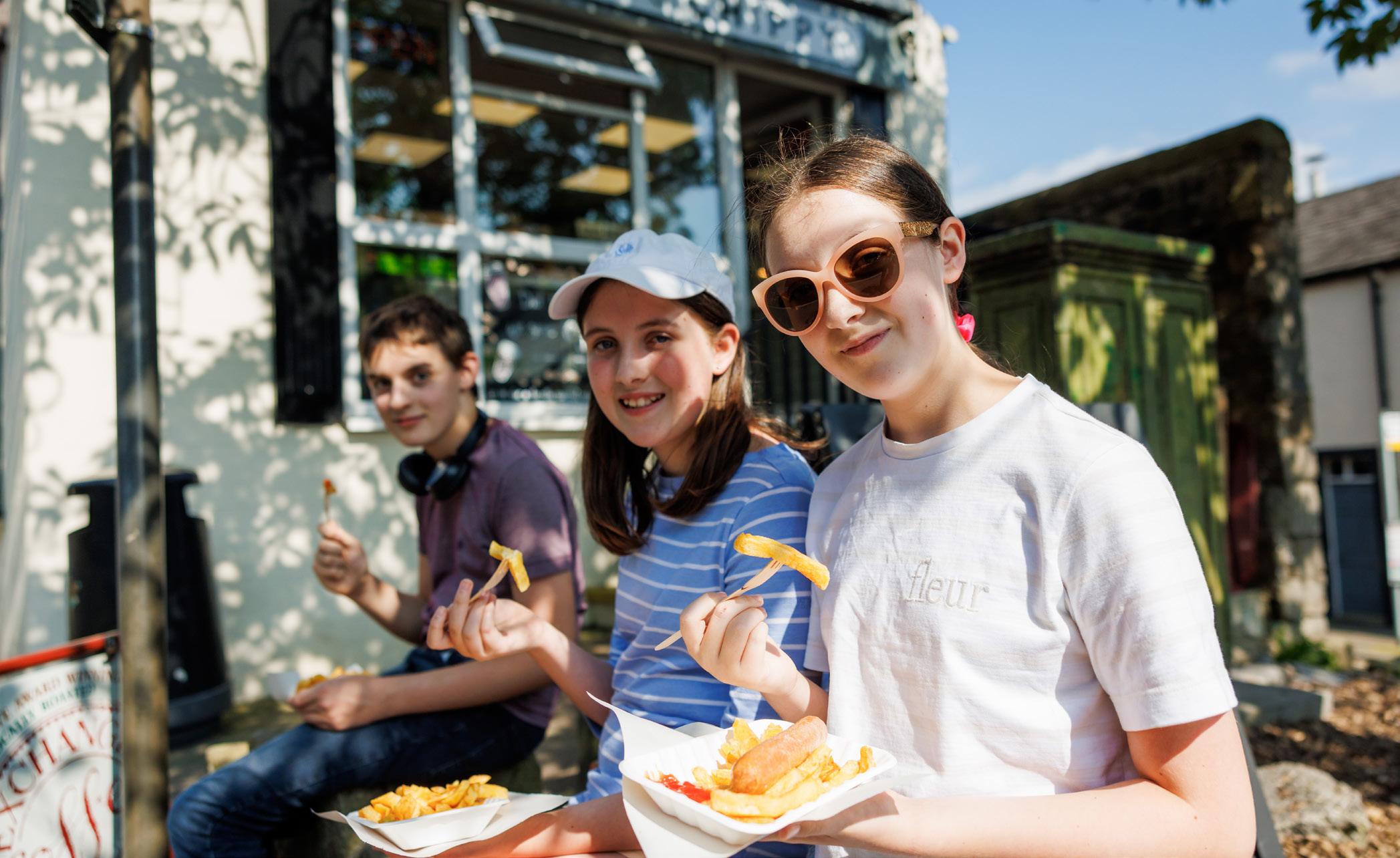
Much has changed since the Destination Management plan in 2017, and the tourism landscape has altered. There are several specific factors that have influenced the visitor economy in recent years.
The pandemic clearly had a major impact on the visitor economy, and indeed continues to do so. It not only severely impacted business but changed the ways in which businesses are organised and the way those employed, especially in hospitality, are managed. The pandemic also ignited a new wave of consumer interest in discovering the great outdoors and for experiential tourism.
The national economy, and inflation in particular, have also impacted businesses and changed customer behaviours.
The importance of minimising the impact of tourism is now of global importance. Ribble Valley welcomes over 3 million visitors per year which has the potential to impact on the landscape, heritage, and communities. It is therefore important that tourism businesses and visitors are encouraged to adopt and promote sustainable practices in order to minimise that impact. There are many aspects beyond our control, such as the use of high carbon transport to get here, especially from overseas and there are local barriers to sustainability, such as the limited public transport. It is therefore essential that we work in collaboration to encourage sustainable practices amongst businesses and visitors as well as in partnership with other public sector partners.
The forthcoming review of Local Government will result in the demise of Ribble Valley Borough Council in favour of a larger single tier authority. It is hoped that Ribble Valley as a successful destination will survive this change.
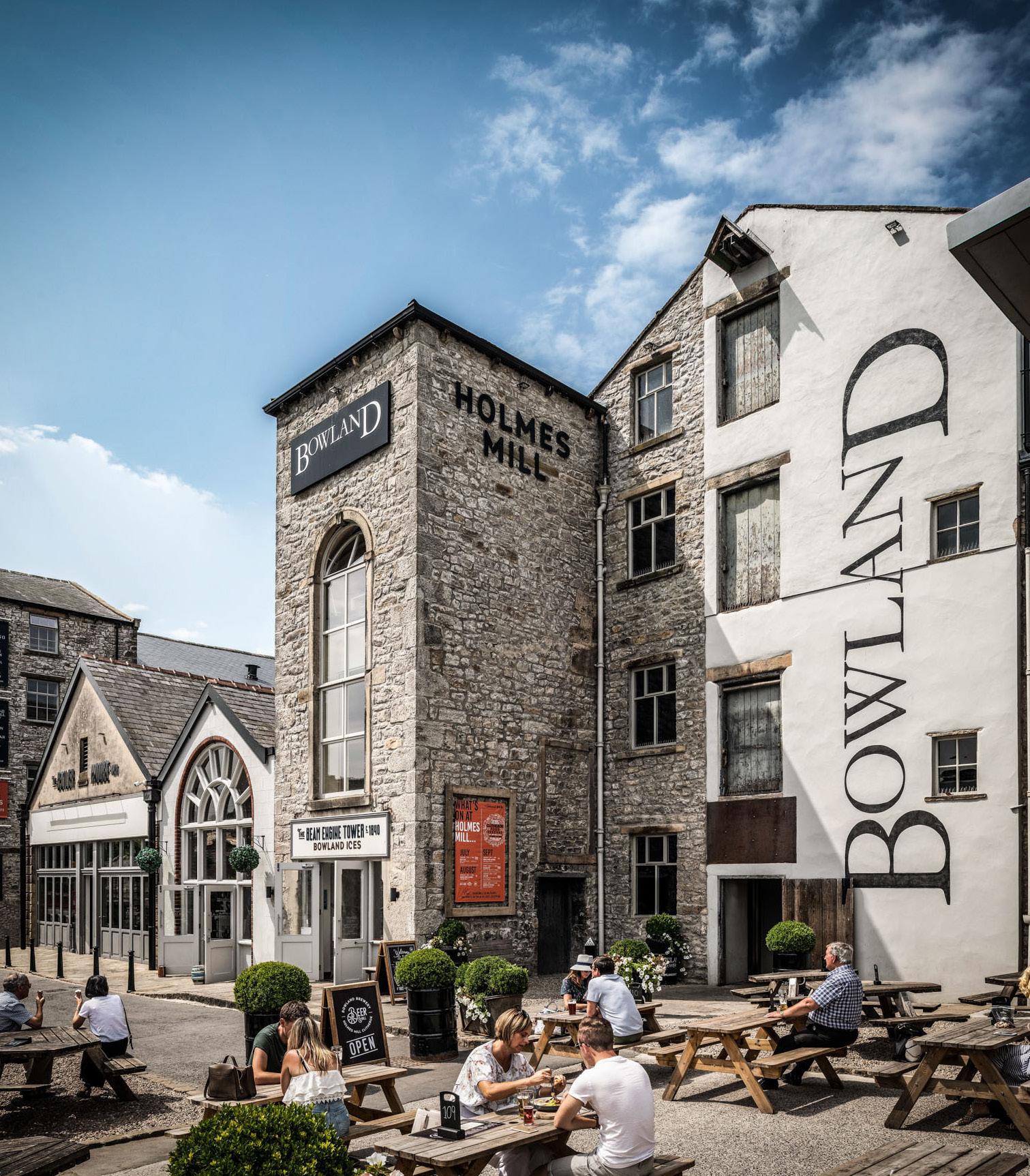
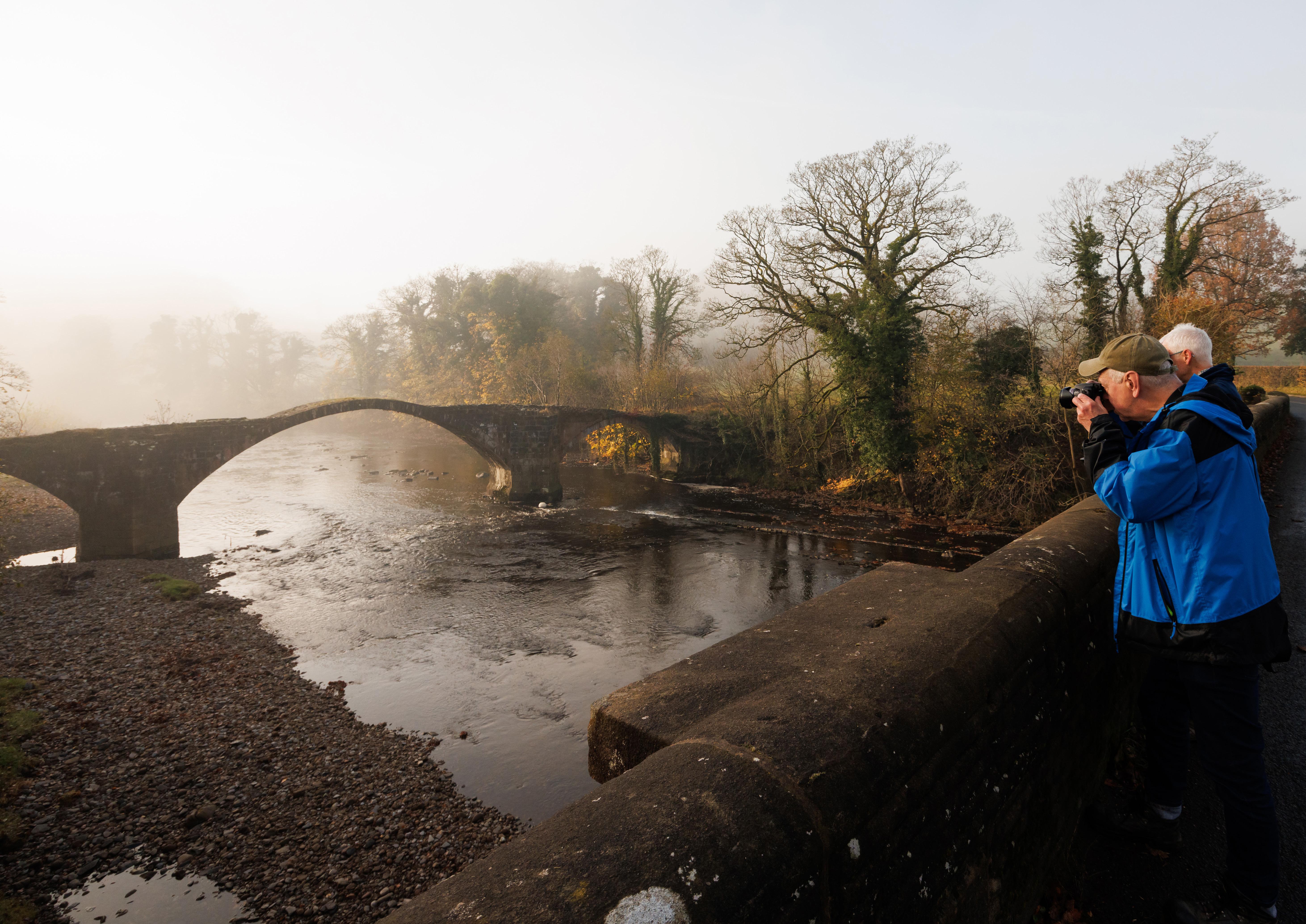
There has not been an accurate tourism bedspace survey for a number of years, nor has there been any formal occupancy survey, so the following summary is derived from consultation with operators. It highlights the absence of accurate data and identifies the need for more research.
• The accommodation stock is generally high quality, evidenced by accreditations.
• There are many award-winning and highly rated businesses.
• Hotels are generally recording high occupancy levels.
• In terms of occupancy levels across the whole accommodation sector there is currently unmet demand at peak times e.g. when the market is wedding dominated
• There appears to be over demand for touring caravan/motorhome/camping pitches.
• Accommodation is dominated by larger hotels and self-catering units.
• There is a good geographical spread but there are some gaps in provision especially at peak times.
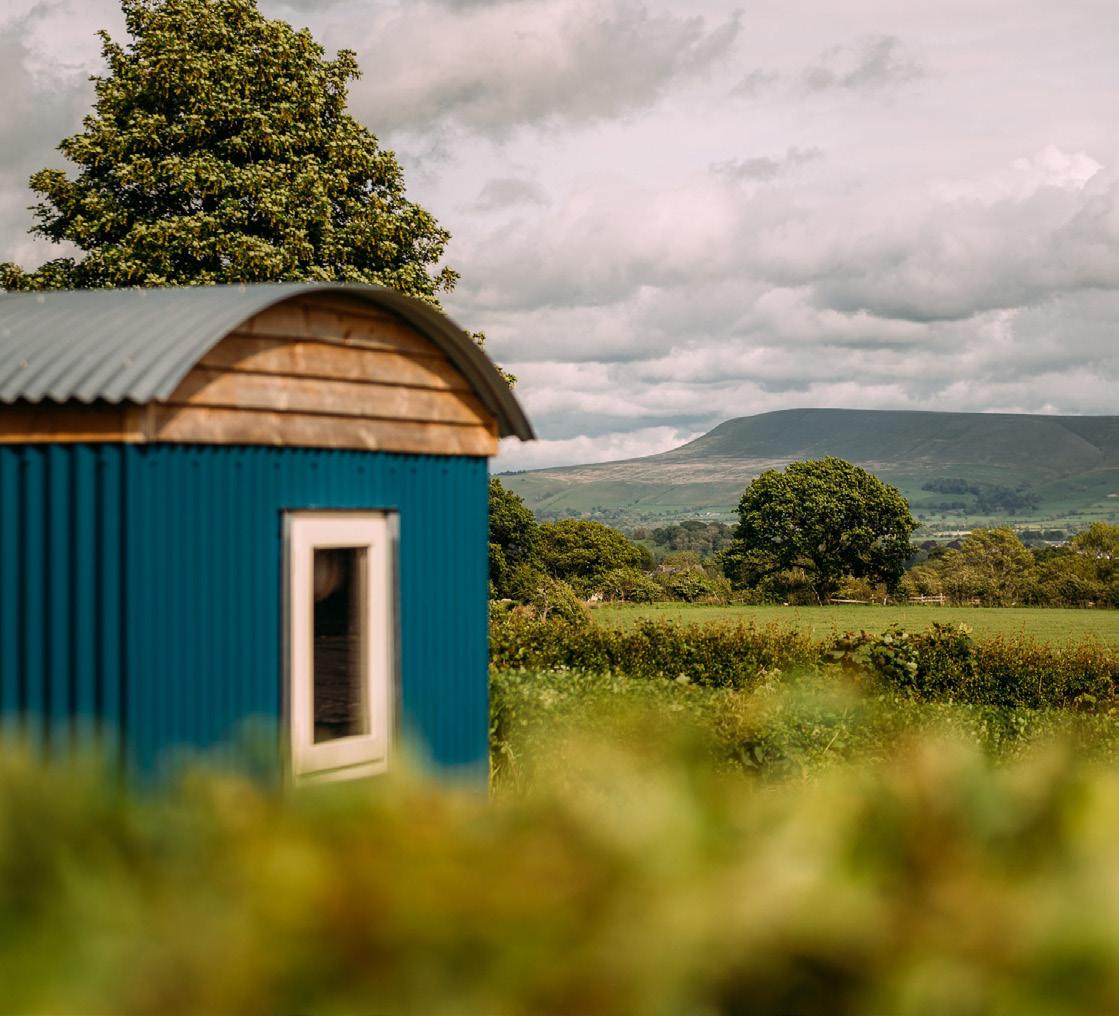
• There has been a post pandemic increase in demand for, and provision of, outdoor experiences such as glamping, yurts, shepherds’ huts, pods etc.
• Businesses that operate flexible bookings, as opposed to traditional approaches, are reaping the rewards of new business.
• The local wedding industry is boosting bookings and creating repeat/return visits.
• Serviced - Hotels, Guest houses, boutique hotels, Airbnb,
• Self-catering, mainly cottages
• Camping, caravanning, motorhome parks, holiday home parks, yurts, pods, glamping
• Outward bound centres and Youth Hostels
• Specialist centres and retreats
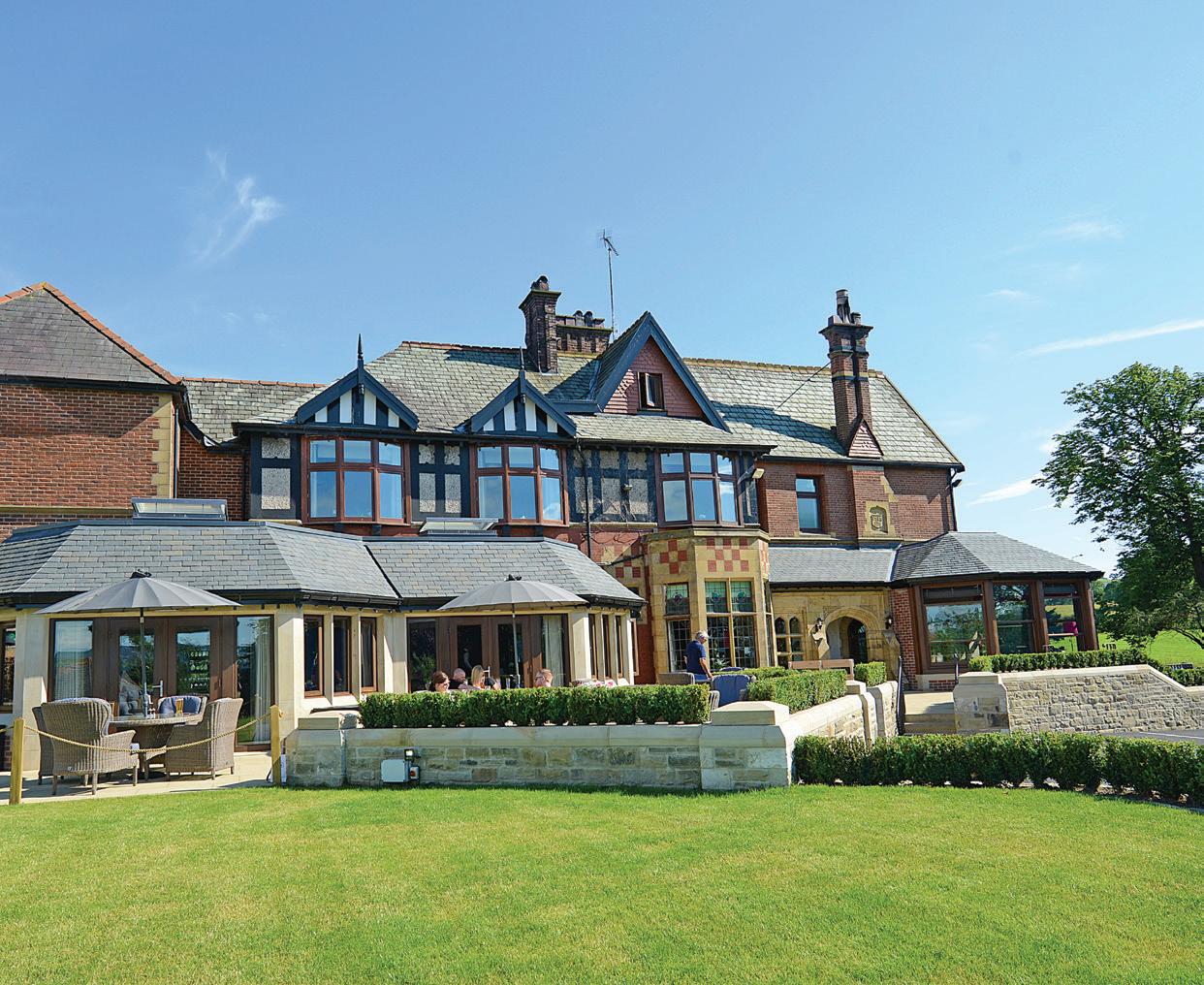
Ribble Valley has become one of the UK’s premier food destinations, with Clitheroe arguably the official food capital of Lancashire. Ribble Valley Borough Council spearheaded the borough’s promotion as a food destination by launching the Ribble Valley Food Trail in 2007 with partners in the food sector. The trail became one of the borough’s most talked about initiatives and went on to win numerous tourism, regeneration and communications awards, as well as unearthing some fantastic success stories, including several businesses that had successfully diversified following foot-and-mouth to become market leaders.
The trail played a significant role in the reputation of Ribble Valley as a desirable place to visit, and its impact on Ribble Valley’s profile as a food destination exceeded expectations. Building on the trail’s success, Ribble Valley Borough Council decided to host an annual food festival in Clitheroe. The first Clitheroe Food Festival in 2009 was a modest event attracting around 800 or so curious shoppers. Now, in its 17th year, the festival showcases food and drink and attracts up to an estimated 25,000 people from across the UK. Though the full economic impact has yet to be measured, consumer and trader feedback is excellent.
The other major factor in the area’s success as a culinary hub has been an extraordinary range of innovative developments by the private sector, particularly in terms of gastro pubs high quality hotels, and a diverse range of restaurants, in addition to award winning delicatessens and niche cafes.
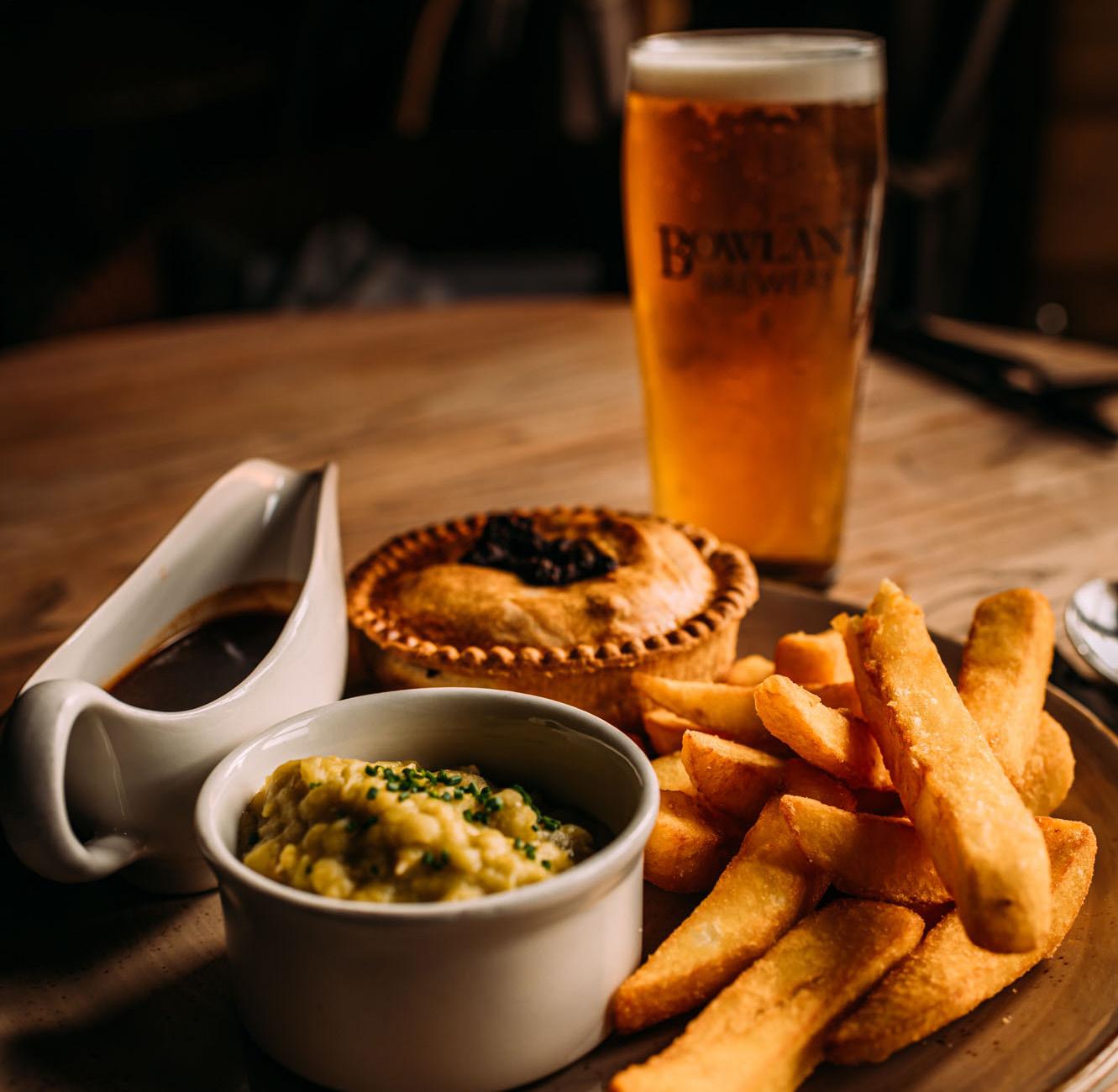
The popularity for food and drink in this area has grown at such a rate that it has had a major effect on local tourism and hospitality which has resulted in a quite sophisticated food and drink offer which, now quite varied in nature, contains many national award-winning establishments. Fine and quality dining has enhanced Ribble Valley’s reputation so much that it has boosted the accommodation and retail tourism sectors, as people come from afar to enjoy taste experiences and spend time in the area. This, in turn, has resulted in significant investment in tourism and hospitality generally, to meet growing demand and expectations for quality.
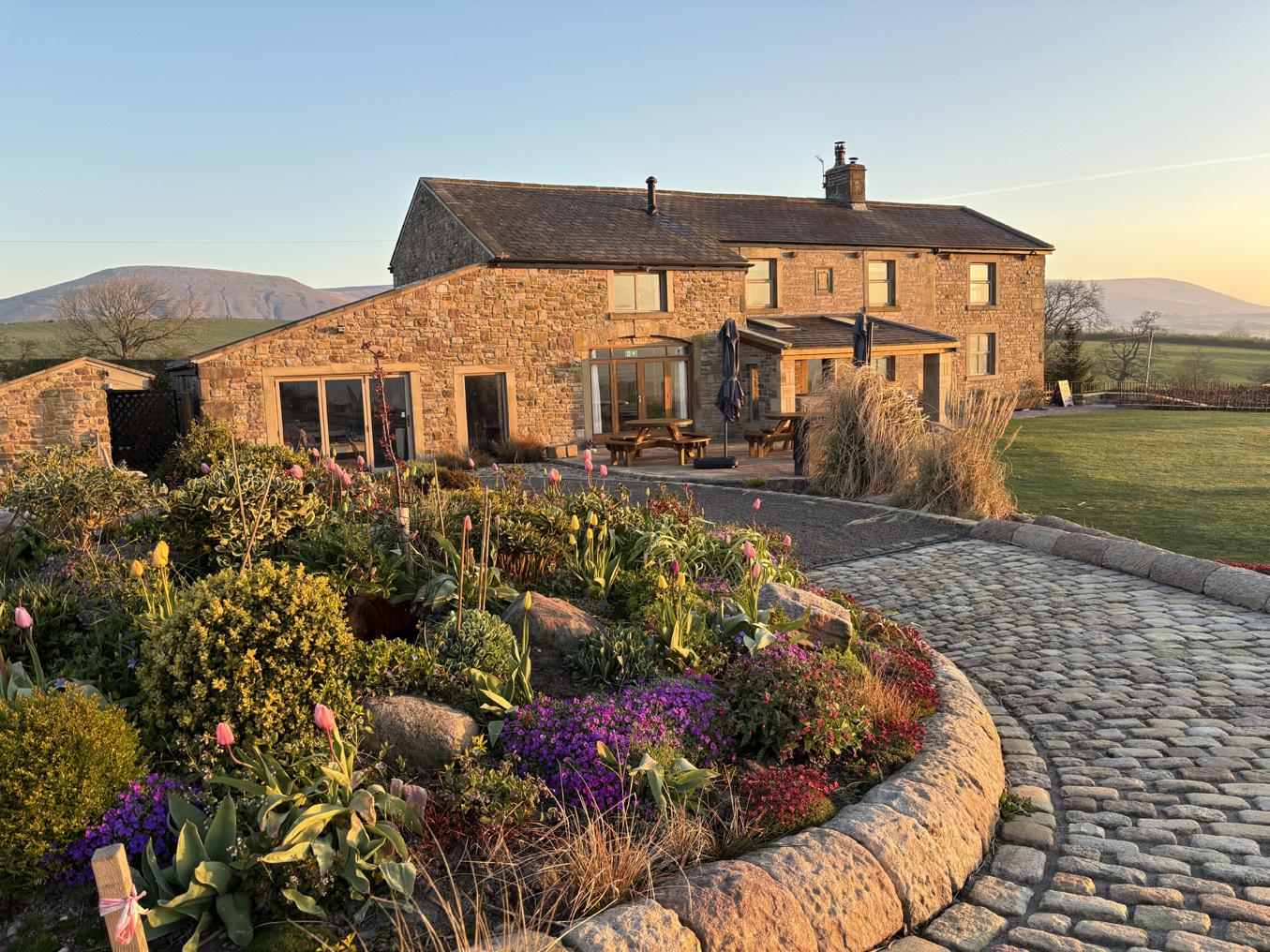
Food and drink tourism has been further boosted by a wave of general consumer interest in food, stimulated by TV and media, and there is a notable growth of interest in tasting food, cooking food, and understanding its provenance. In order to provide help to direct visitors to the density of quality food experiences, the Council created a dedicated food website www.ribblevalleyfoodheaven.com which is now being expanded and incorporated into the Council’s new tourism website www.visitribblevalley.co.uk


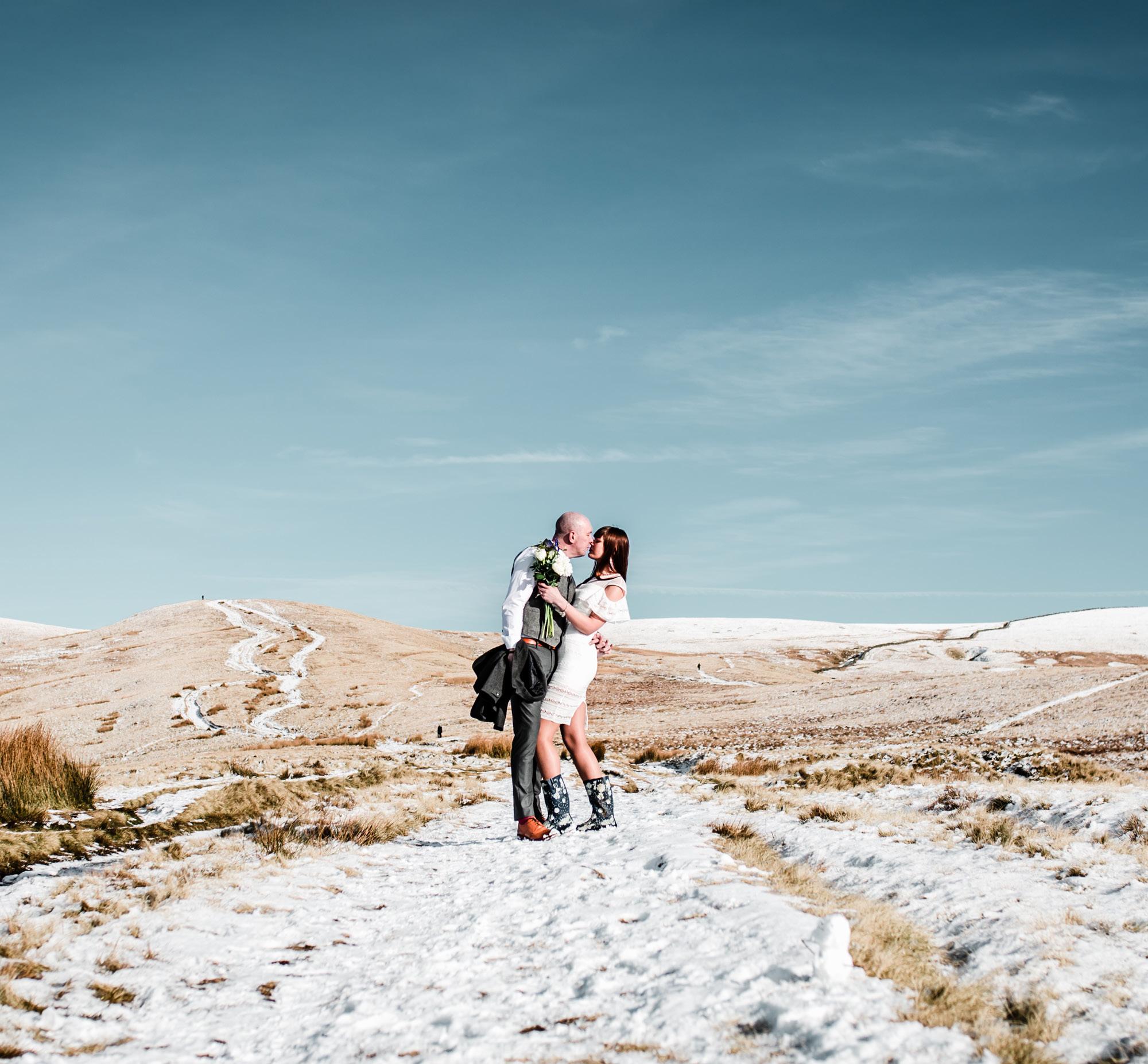
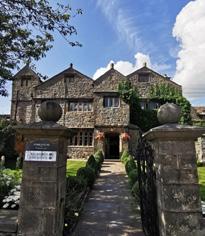
A more recent development has been the rapid growth in interest for quality wedding venues, an opportunity which the Council and its partners seized with the creation of a unique partnership of licenced wedding venues, created in 2014, which is believed still to be the only one of its kind in the UK, where venues collaborate with the council to promote a brand, based on a reputation of the perfect place to be married.
The success of the partnership can be attributed to a number of factors. Firstly, the strong brand identity of Ribble Valley, a place with great landscapes and a reputation for quality. Next, a local authority committed to partnership working. Then, by working together the group has recognised any wedding in Ribble Valley could potentially benefit any partner in the long run, whether through dining experiences or overflow accommodation, and that working collaboratively has great potential. Finally, every wedding venue in the partnership is quite different; therefore, the options available to customers are very wide from castles to abbeys and country house hotels to barns. And, whilst each is unique, they all share values of quality and outstanding customer service. The partnership was the only local government consultee on reforms to wedding law in UK.
• Direct employment and income
• Indirect benefit to the accommodation and hospitality sector
• Economic benefit to the retail sector especially specialist suppliers
• Return tourism visits by guests.
Since its inception, the group has launched a website, hosted a visit by journalists, and collectively attended national wedding fairs. It organised the first valley wide wedding fair, and hosted joint open evenings, enabling prospective customers to visit several venues in one evening. The group produces a highquality Ribble Valley Wedding Guide, particularly useful to potential customers, as it offers a one stop shop for venues.
Venues have recorded healthy increases in bookings in recent years notwithstanding the dramatic impact of pandemic and post pandemic influences. In addition to frequency, the patterns of weddings have also changed, and they now take place throughout the year as well on many days of the week, as opposed to the traditional weekends. The economic value of weddings in Ribble Valley extends beyond the actual wedding venue benefiting the wider economy, through shopping, suppliers, accommodation, and dining.
Weddings are a powerful tool in stimulating tourism, by providing large numbers of first-time staying visitors. Anecdotal evidence from accommodation providers suggest that many become repeat visitors. Having enjoyed their time, they return for longer holidays.
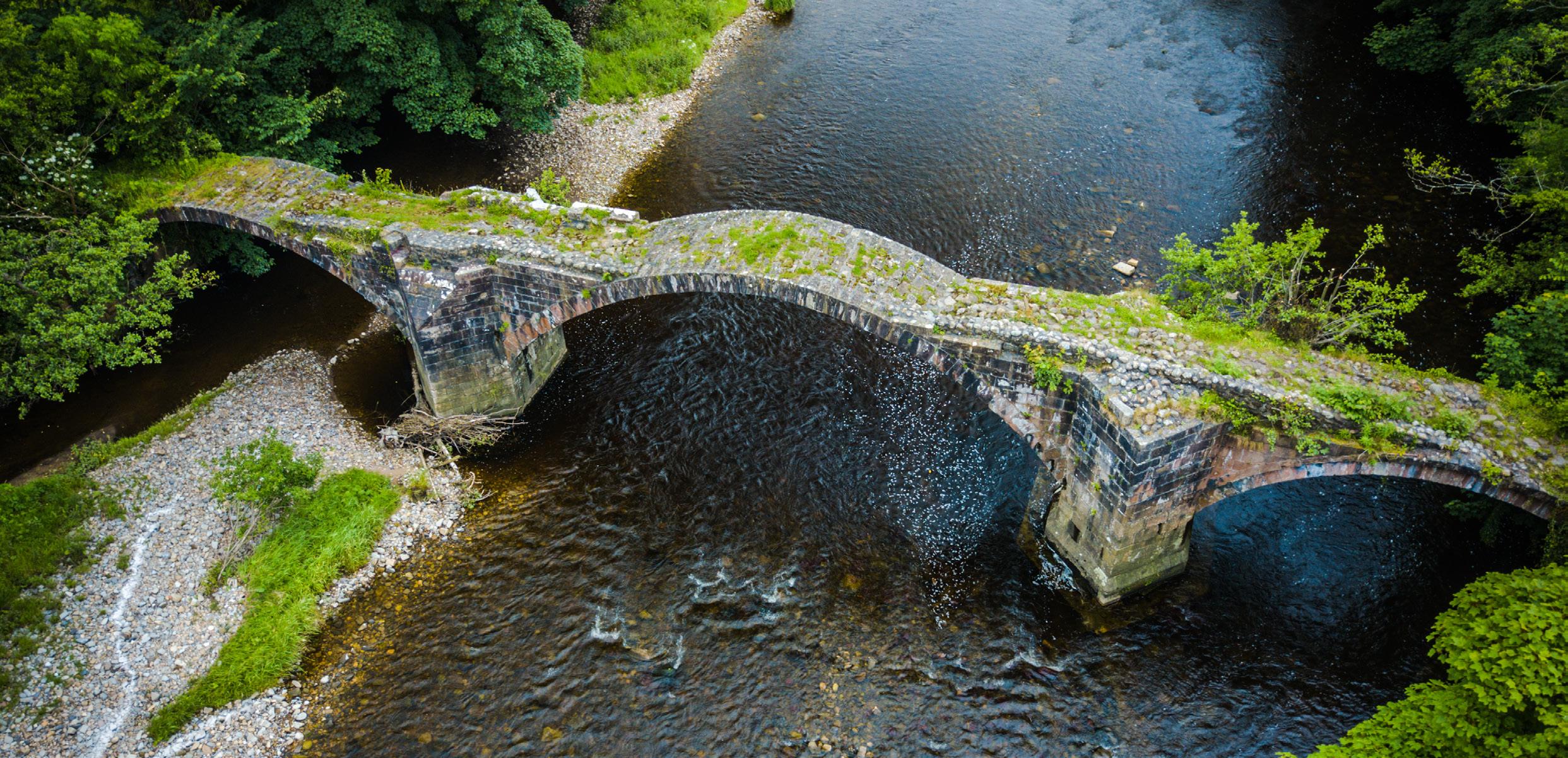
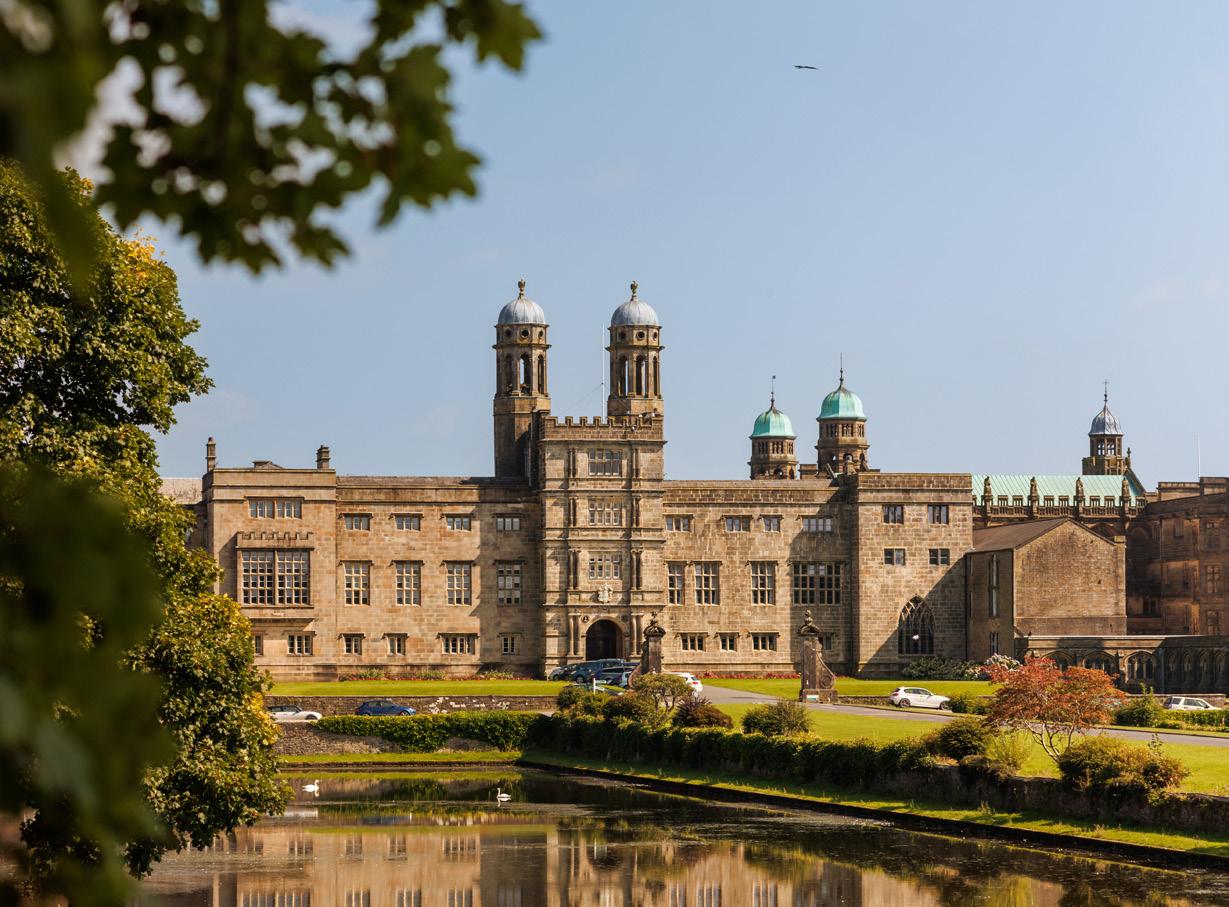
Ribble Valley boasts an absolute wealth of heritage and historical places, and yet there is a sense that they do not get the appreciation, patronage, and acknowledgement they deserve. Some are not effectively interpreted or require investment to enhance access.
There is growing consumer interest in heritage, local history, and genealogy. Ribble Valley has all the essential ingredients for a heritage destination of regional, if not national importance.
• Historic places
• Iconic locations
• Stories and legends
• People

However, there is work to be done for it to achieve the justifiable recognition it deserves. There is clearly a wealth of opportunities here to develop, explore and discover and that the natural way to achieve this is through the development of a trail or trails. There is the potential to undertake an audit of ‘Heritage Gems’ to Identify which have potential for tourism growth. This would involve -
• Access – Ownership and physical
• Potential – e.g. thematic trails
• Key dates and anniversaries
• Links to other tourism sectors, e.g. accommodation and food
• Identify partnerships and funding.
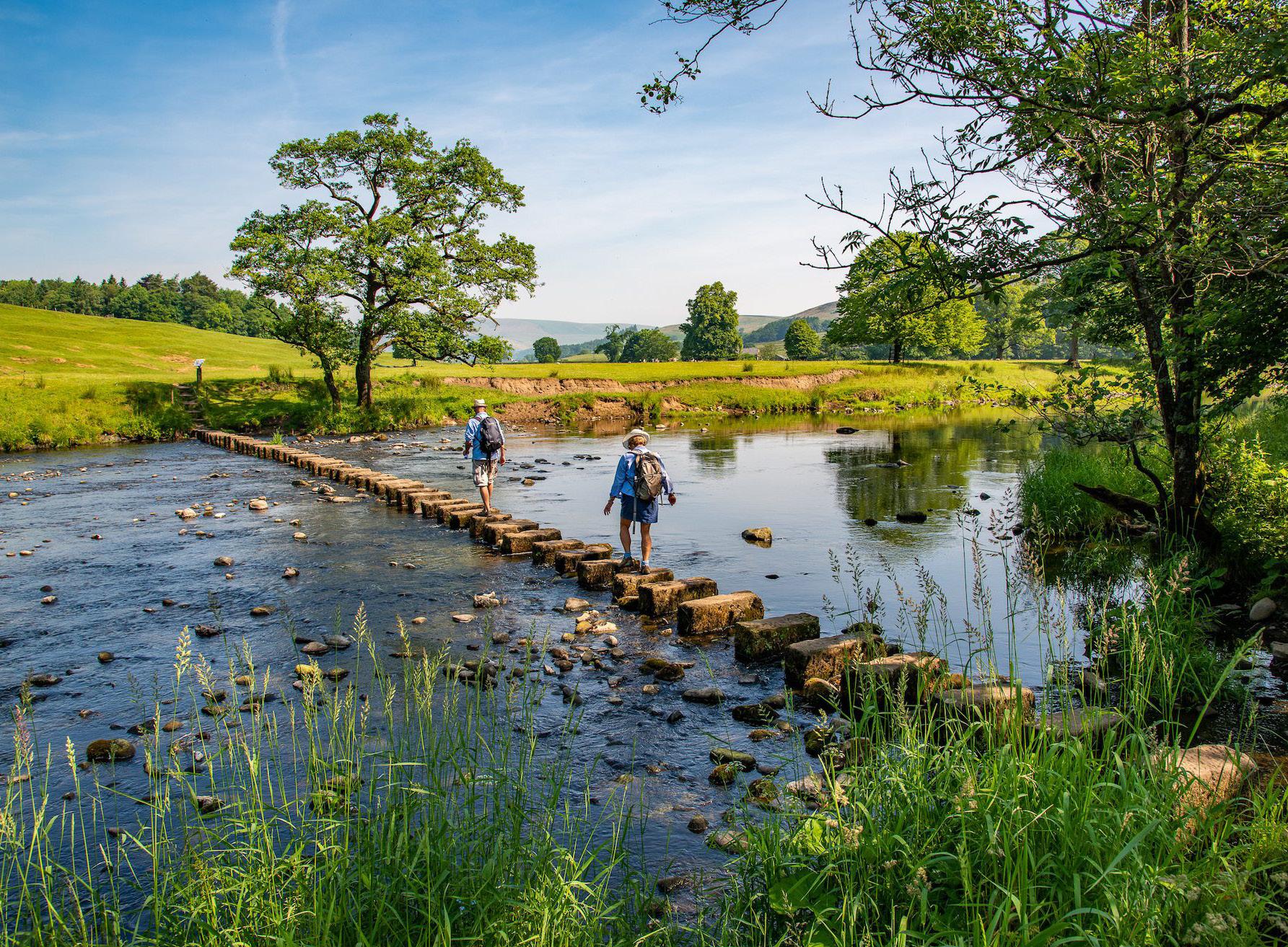
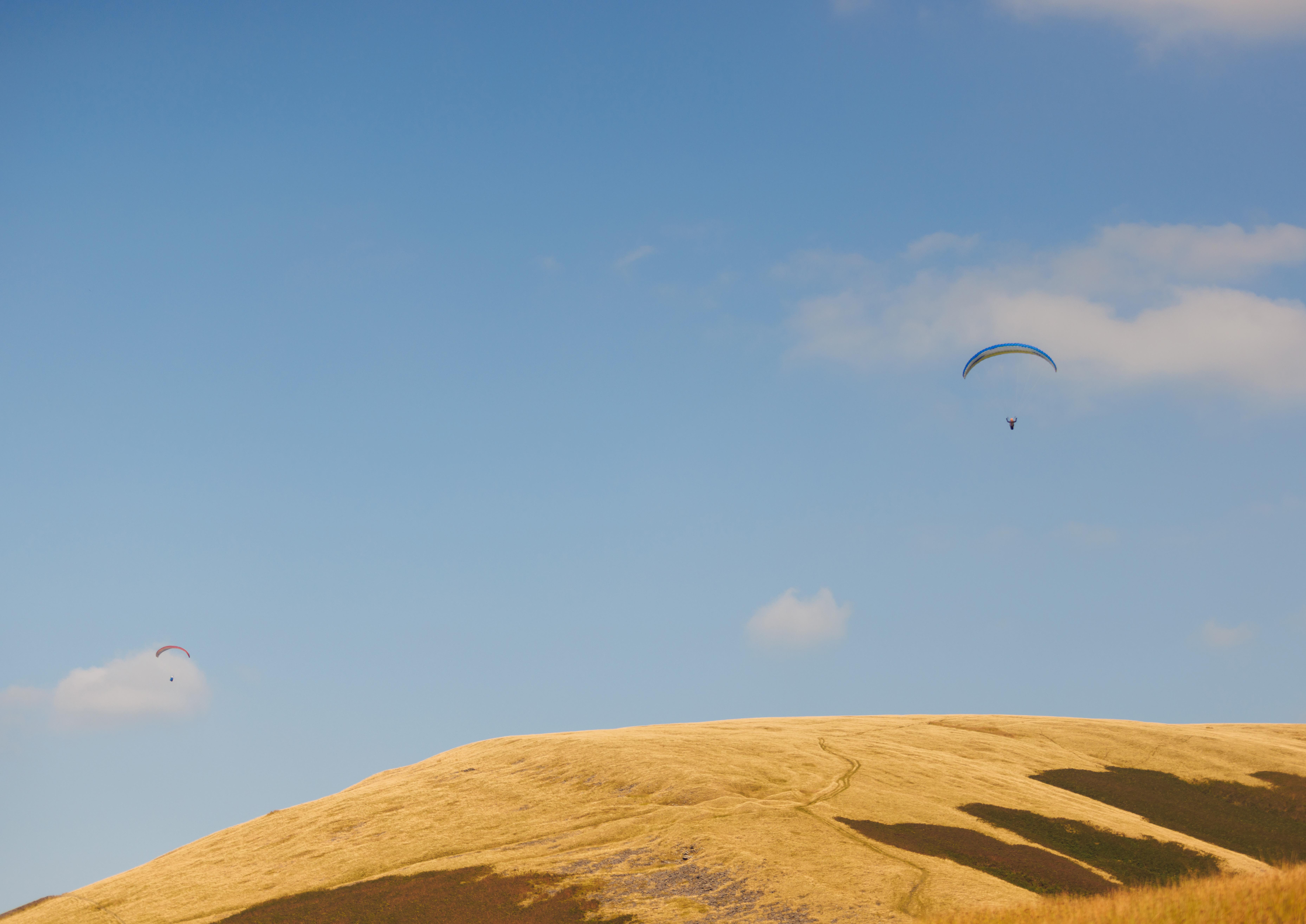
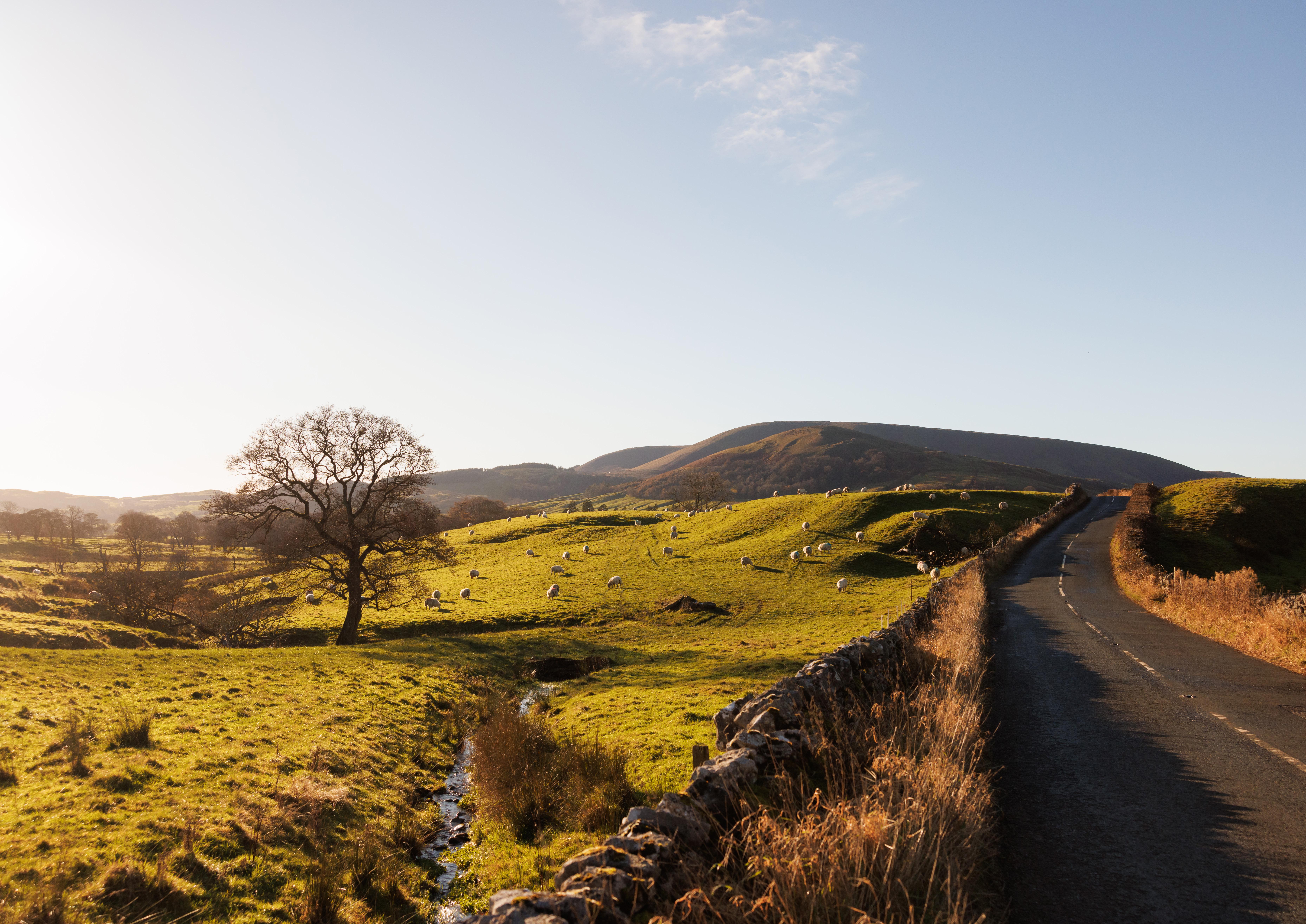
The Ribble Valley landscape welcomes visitors involved in a multitude of sports and pastimes, each beneficial to the visitor economy. One of the most endearing qualities of Ribble Valley is the scenery, making it a pleasant place to experience. With the close proximity of urban populations, Ribble Valley is still a great ‘drive out,’ not least when linked to the food offer. Pendle Hill and the Trough of Bowland are but two of the popular drives often quoted by the public, who still come in their numbers and invariably add lunch, or dinner to their excursion. Traditional country pursuits already bring strong economic value to the rural economy especially in the accommodation and dining sectors.
Looking forward, there is growing demand for rural and experiential tourism, with visitors seeking new and diverse encounters with nature, the countryside and agriculture. Similarly, there is a growth in alternative experience such as holistic medicine, yoga etc which are also rurally based to maximise peace in the countryside.
The following are just some of those which currently have a significant impact on the visitor economy and, more importantly, with potential to grow.
generationsyears,500nearlyspanninghistoryfamily mark,theirleftallhaveandlandthisworkedhavefamilythe

woodlandsPicturesquewalktakingin andfarmlandwith stunningviewsoftheriverRibble.


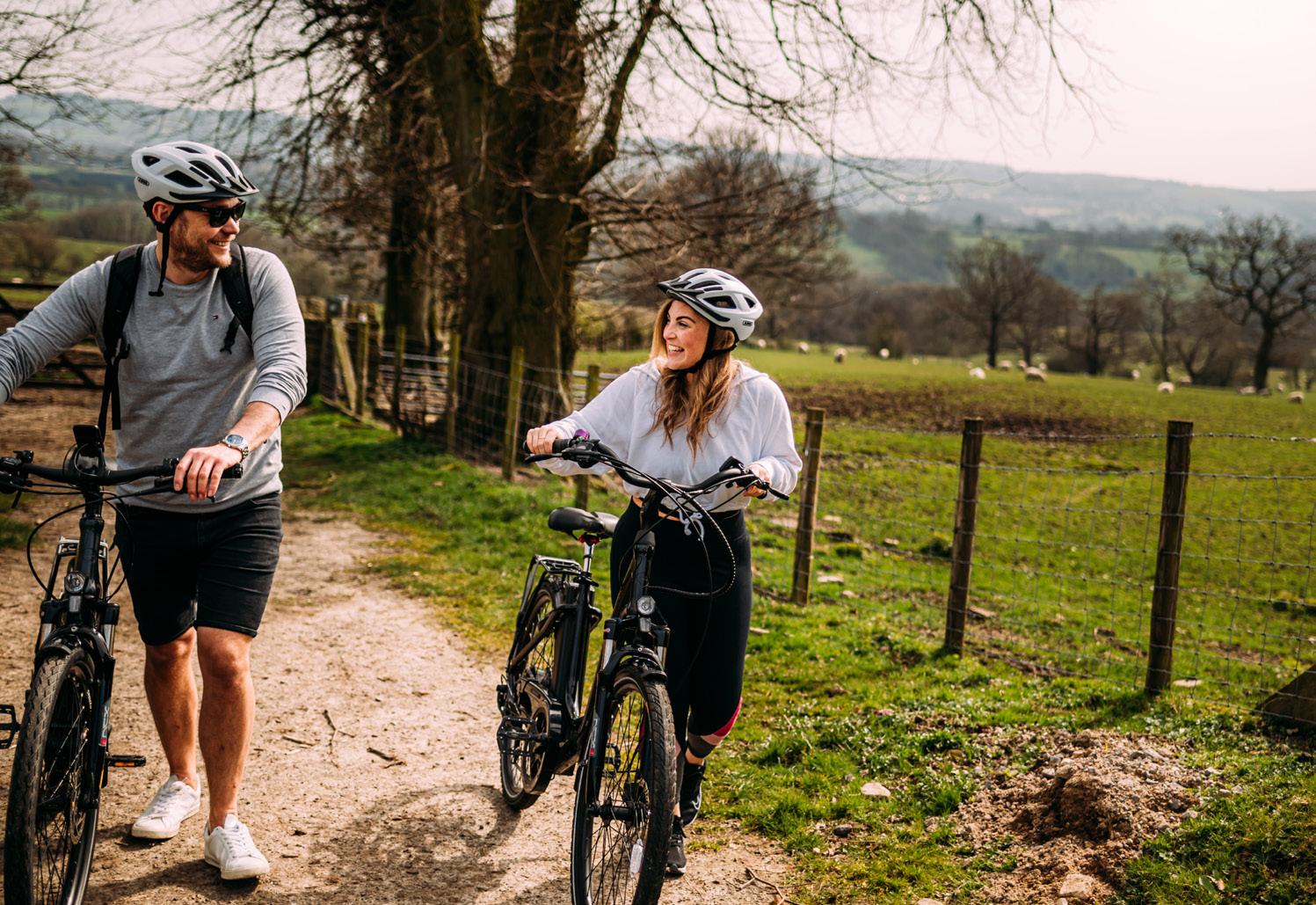
Leisure Cycling - Interest in cycling has grown at a phenomenal rate in recent years and Ribble Valley is well placed to maximise this market. To begin to address this demand four circular cycle routes have been created with the support of the UK shared prosperity funding. The routes follow relatively quiet lanes guiding visitors through some of Ribble Valley’s most scenic landscapes. Many local businesses are now providing facilities for cyclists. There is scope to expand the number of leisure routes and also facilities for cyclists.
Mountain biking - Gisburn Forest now has become a nationally important mountain biking experiences which is proving very popular, however in order to become a true mountain bike visitor destination, where people come and stay rather than just take a day trip, more infrastructure needs to be developed.
enjoytoplanningwhendisappointment,avoidtoorderInthis walk, timesopeningcheckyouthatrecommendedpre-bookingconsiderandvenuetheofavailabilityandshould food.requireyou THECOUNTRYSIDECODE Yourguidetoenjoyingparksandwaterways,coastandcountryside.
fingerofselectiondelightful andsconesfluffysandwiches, cakes.deliciousmost aremealspre-weddingandbirthdaysspecialshowers,Babyjust some celebratedoftenoccasionsspecialthe our Seasons.restaurant,atmospheric availableismenuchildren’s onlinetableyourBookfor.cateredarerequirementsdietaryandtoday service.classfirstandfoodunforgettablesomeenjoyandforcateredarerequirementsDietary includingSeasonsinformPleasegluten-free.andveganvegetarian, any allergies sobooking,uponpartyyourforrequirementsspecialvisityourthatsuremakecanwethat possible.asenjoyableas 4LJBB7ClitheroeGisburn,Tel: 44558101200 reservations@stirkhouse.co.uk with

Valley.RibblepicturesqueLancashire’sinsituatedAll-day availabledining available non-andresidentsbothluncheslightFromhotel.theofresidents
preparedingredients,sourcedlocallyfinest,
TeaAfternoonOurteam.kitchen
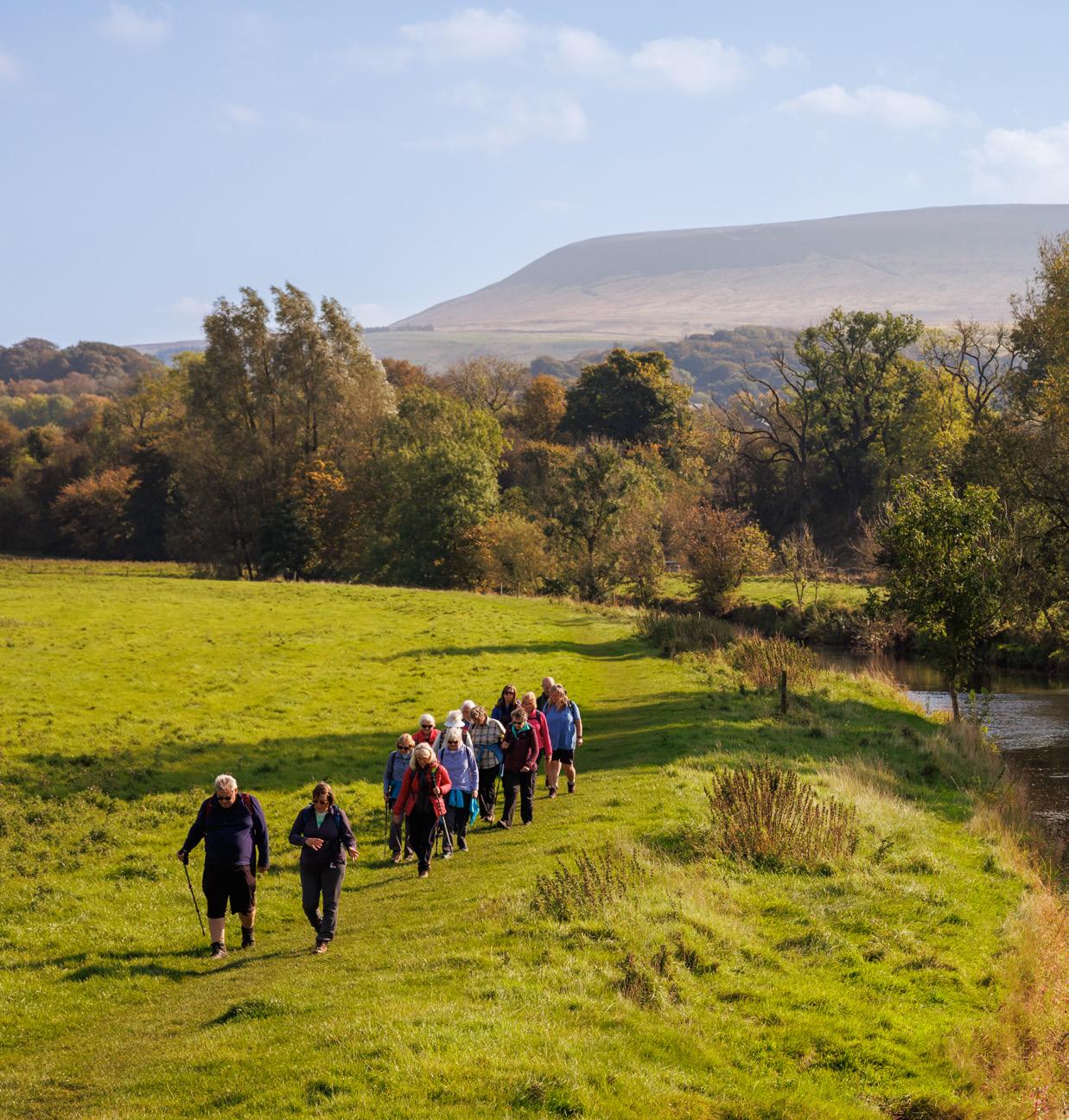
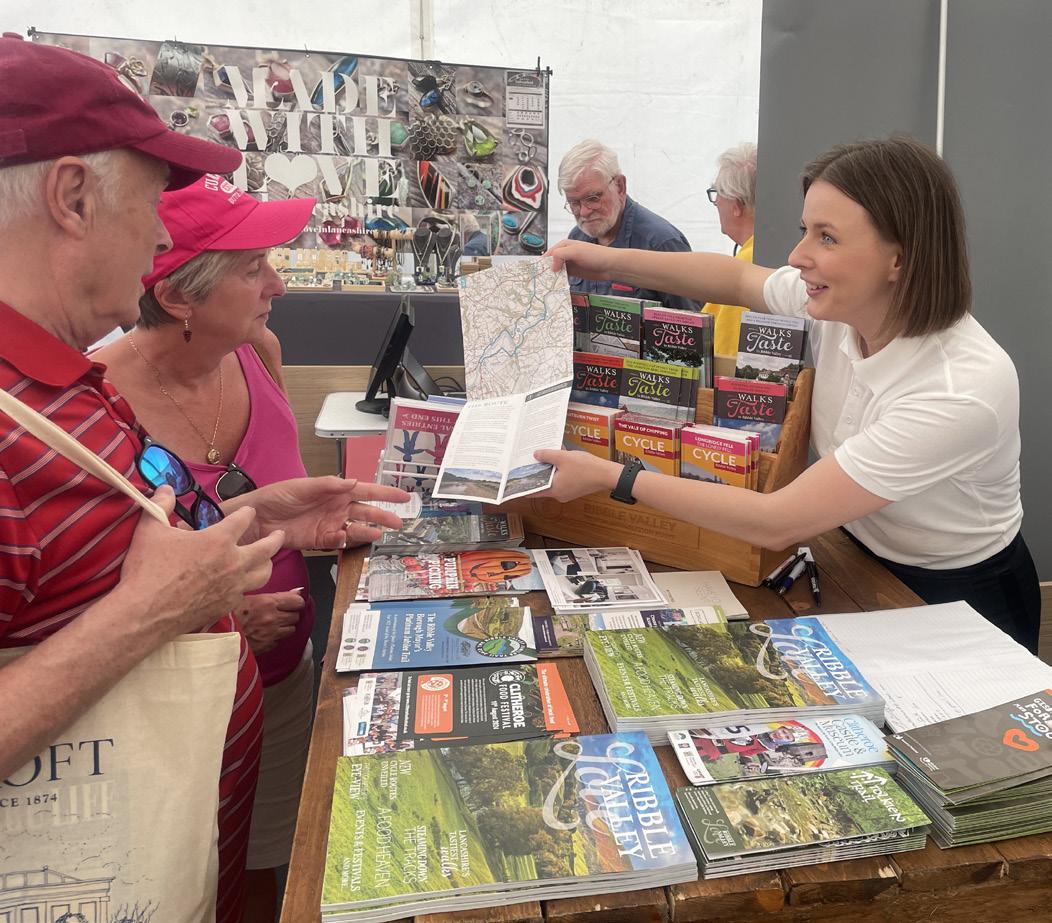
Walking - Ribble Valley contains first class countryside and a fantastic range of public paths to enjoy. Evidence shows that country walking continues to grow in popularity, and whilst there is scope for increasing visits by walking clubs, the main source of enquiries without question comes from couples and family groups seeking medium length, safe, self-guided circular walks but linked with a food offer. In response to this the Council worked with partners to introduce a series of Walks with Taste, a series of self-guided circular walks based on somewhere nice to eat. These have proved hugely popular, and the sixteen walks have been boosted with new walks, funded by UK shared prosperity funding. These walks provide the potential of economic benefits as well as safe parking and unique walking experience for people of all ages and abilities.
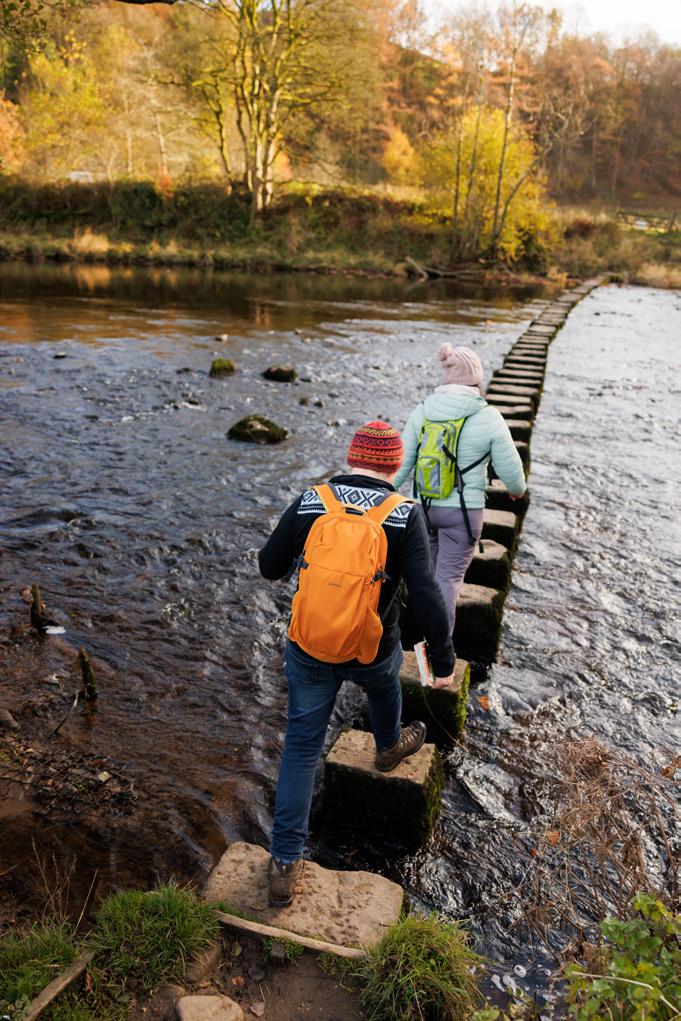
Compared to many tourism destinations of a similar profile, Ribble Valley has relatively few actual paid-entry family attractions. There are a couple of farm or animal parks plus a few heritage attractions, but the area is more dominated by non-paid entry destinations like garden centres, galleries, walks, picnic areas and retail-based opportunities. There are also some attractions which are linked within tourism complexes. This overall picture does create limitations for attracting families, not least the lack of all-weather facilities. That said, this area is well located for attractions across the county, including the coast. All attractions, add to the vibrancy of the area for tourism and what is yet again evident here is the quality of these experiences.
Location can be a challenge to our attractions, not only in travel distance but also in terms of location signposting. Such attractions have to work hard to maintain business. There are also some extremely niche attractions, to which people will travel from across the country, and even the globe. These tend to be very specialist outlets and they are significant because they regularly involve visitors staying overnight and enjoying local hospitality.
Ribble Valley has a rapidly expanding arts and culture scene, boosted by events like Create-Longridge and Clitheroe arts walk, together with several new galleries opening. Unleashing and revealing the creative sector is an area of potential growth but to be successful it will rely on the development of partnership working and further trails to be developed to strengthen the product.
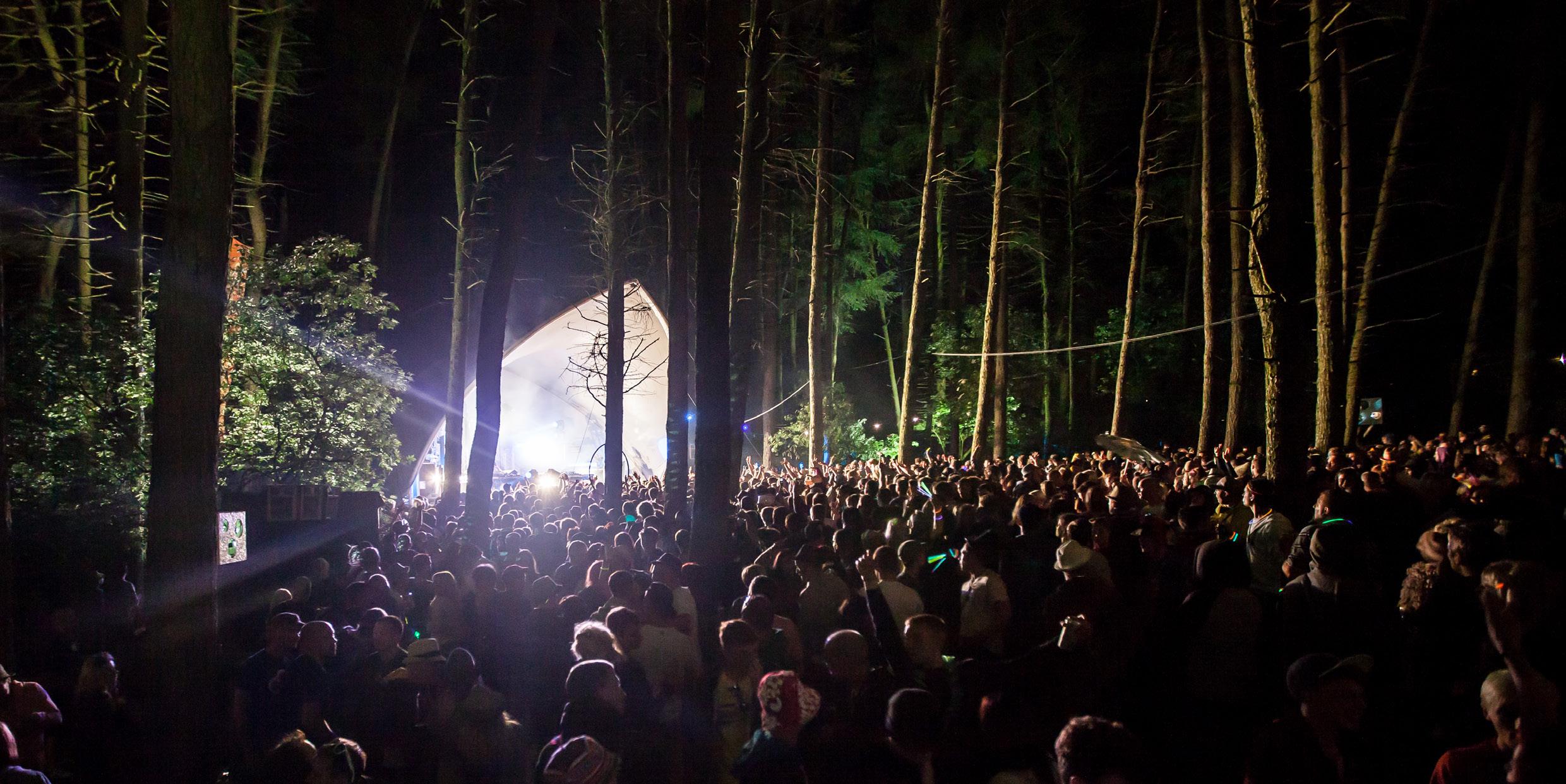
Events offer a unique opportunity to introduce a new destination to visitors and in Ribble Valley, there are some great examples, like Clitheroe Food Festival, Beat herders and the jazz festival. These and many more now bring people in for overnight stays and repeat visits at other times of the year. The Council frequently acts in an enabling role to encourage and support new events, but also in providing advice on planning and marketing. The best and most sustainable events are those which are initiated locally, created small and then build up over time gathering interest and engaging volunteer enthusiasts along the way. These events become sustainable because they are grounded in our communities.
Events also provide a valuable new offer for the itinerary of things to do for people staying in the area. Our major events are well attended but we perhaps underestimate the potential appeal of smaller, often community events to visitors. It is often the small rural gatherings which offers the most authentic local experience, and authenticity is one of the greatest tourism experiences. We need to ensure event information is readily accessible for customers and businesses, which should improve on the new website. The popularity of events is hard to predict generally, and the Council could take the lead by initiating an event programme which seeks to spread the visitor load across the year.
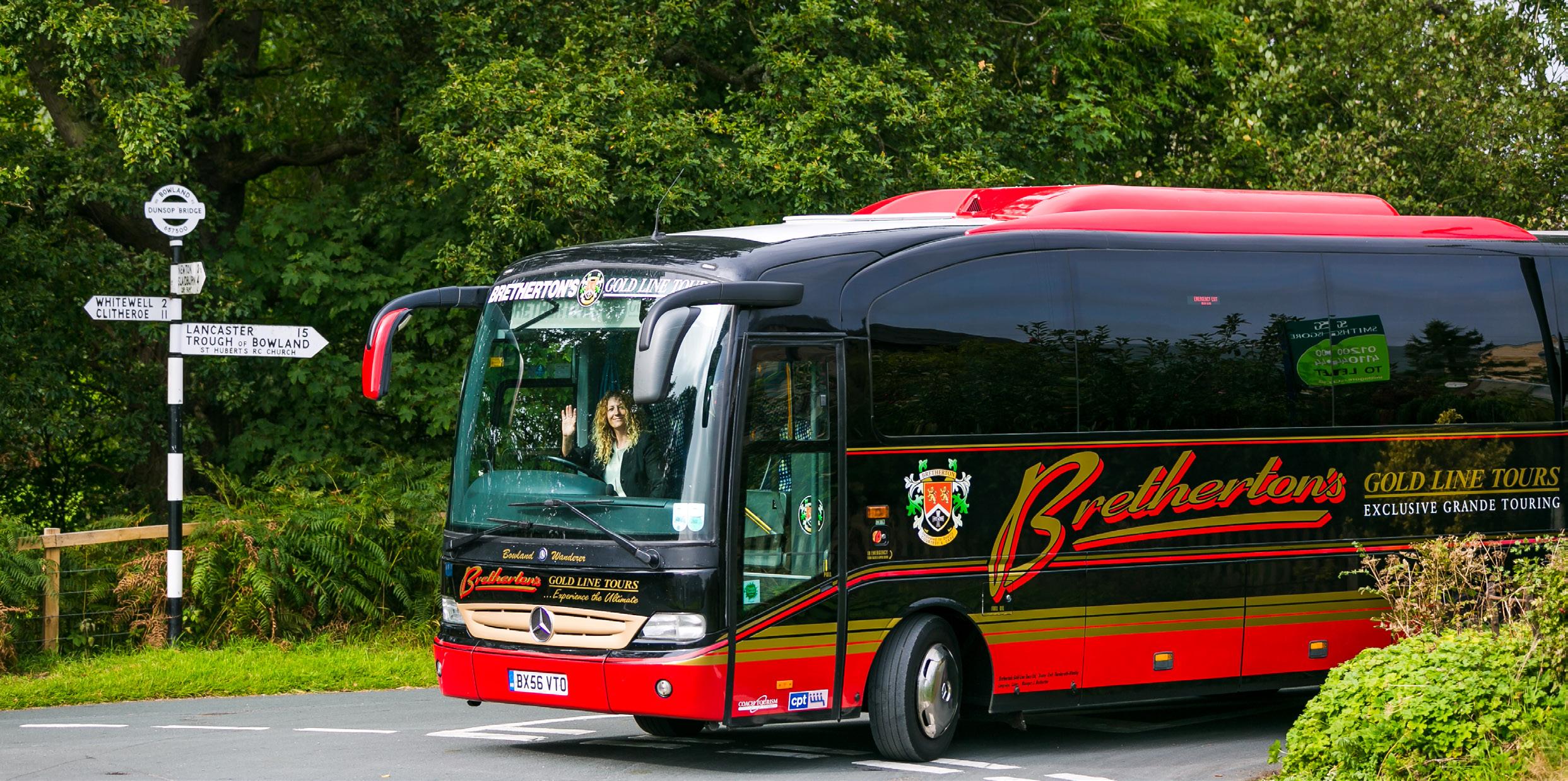
Ribble Valley hosts an interesting cluster of potential coach-stop attractions, including quaint market towns, heritage attractions, food experiences, accommodation, and scenic tour routes. Yet group travel to Ribble Valley is not something that has ever been properly targeted, and yet in many ways the area is well placed to maximise this growth market, not least as the trend is for group travel to involve more affluent, high spend visitors.
Group travel is a tourism market where working with partners is critical to success, as excursions invariably involve multi venue itineraries and moreover, cross district collaboration. This has been progressed by successive joint promotions with other Lancashire districts and activities have included -
• Collective attendance at Group Travel events
• Hosting Group Travel familiarisation visits
• Targeting key regional operators
• Recommending infrastructure improvements
Ribble Valley is not particularly known for business tourism and yet it has a wealth of meeting and training facilities, with opportunities to host big and small audiences. Industry consultation suggests there is a resurgence of interest in ‘office away days’ and similarly breakaway activities for companies seeking ‘clear blue skies;’ to regenerate their teams. Ribble Valley has first class hotel conference facilities as well as the more outward-bound style opportunities and is therefore well placed to maximise the market of business tourism. The surrounding landscapes act to the mix of atmosphere. This is an area of growth with effective marketing.
There is also potential to promote the visitor economy, especially accommodation, to the wider business sector, including in neighbouring areas. Many businesses have clients, associates and staff requiring places to stay.
Places in Ribble Valley appeal to visitors for a variety of reasons but fundamentally it is because they are experiences of quality which are naturally welcoming. Anecdotal evidence also suggests visitors find our places hard to find both in terms of getting there but more so finding their way around them. They do not have the signposting regimes and public infrastructure normally associated with major tourism destinations and yet our town and village centres offer quality, and often quirky tourism experiences, places of discovery and exploration.
What will be important for the future, is to examine each place as a tourism experience. Visitors have certain expectations about the feel of a place and anticipate it being both welcoming and easy to navigate. An audit of each, involving local businesses, may reveal how we can improve and ensure we increase our market share of the visitor economy into the future. It is important to concentrate on marketing the strengths of a place, as they can reinforce branding and marketing, particularly through portrayal via video and imagery.
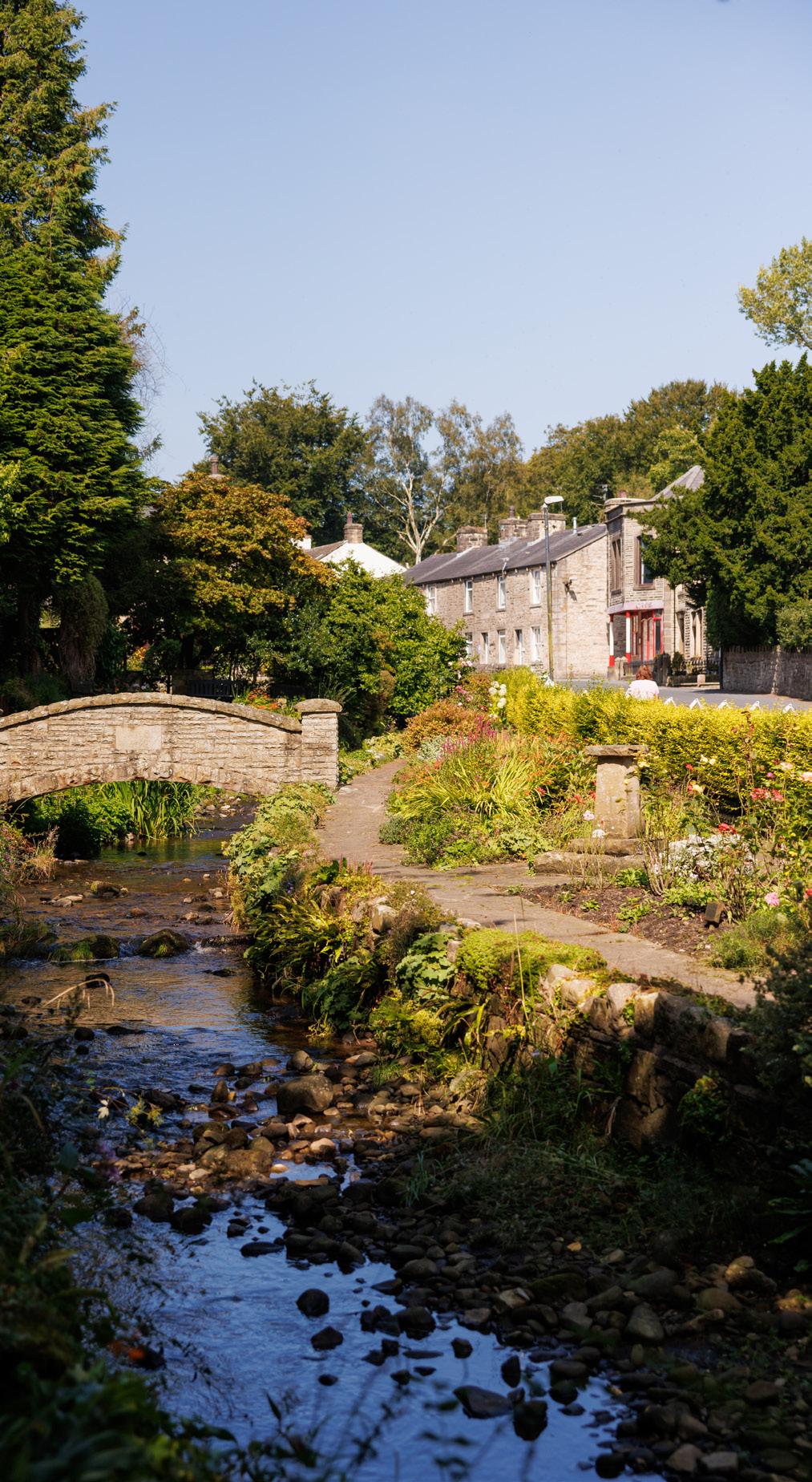
In evaluating the tourism potential our towns and villages, we should be striving to achieve the following physical experiences-
• A pleasant place to live as it is a wellresearched fact that by making somewhere nice to live people will choose to visit.
• An easy place to visit and understand.
• Outstanding street scene/country scene environment
• A customer journey with excellent visitor direction and information
• Excellent visitor interpretation of natural and historical features
• Excellent visitor welcome and service
• One continuous seamless experience
And in terms of the personal or customer experience -
• A place with distinct character and ‘personality’ and with evident strengths
• A place that delivers expectations
• A seamless journey, from decision to visit to visiting.
• A place that delivers distinctive and memorable experience
• A place which leaves good memories
The other important objective is to decide, in terms of tourism, is how to pitch each location, rather than trying to be all things to all people, which in marketing can be resource hungry and by trying to be all thing to all people, distinctiveness can be lost.
Here is a brief first attempt at identifying those strengths.
Clitheroe - Quality shopping, castle, food and drink, heritage, and market. There is also a growing ‘arts’ scene.
Whalley - Quality shopping, dining, heritage, and environment
Longridge – Quality shopping, arts, and gateway to Bowland.
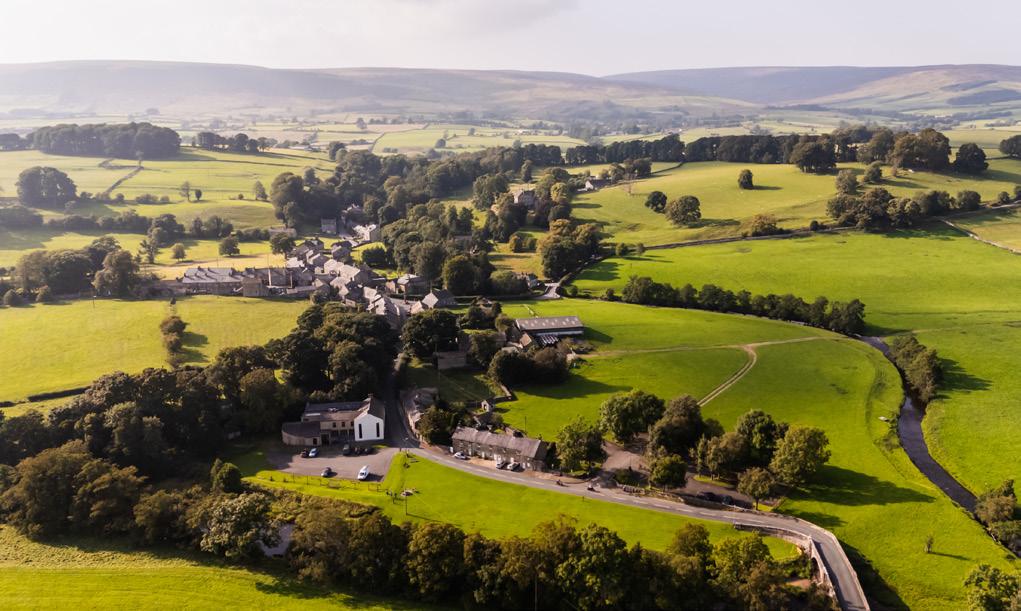
With so many villages and settlements in the area, it impossible to describe each in terms of tourism in any meaningful detail, as each has its own charm and character, and each its own ‘reasons to visit.’ Each place is nonetheless important in terms of visitor economy, and what will be important in the future is to identify and highlight the strength and unique qualities of each. This is particularly important in terms of sustainability and minimising the impact of tourism on small communities. Promotion and marketing must be sensitive to the individual needs and capacity of each place.
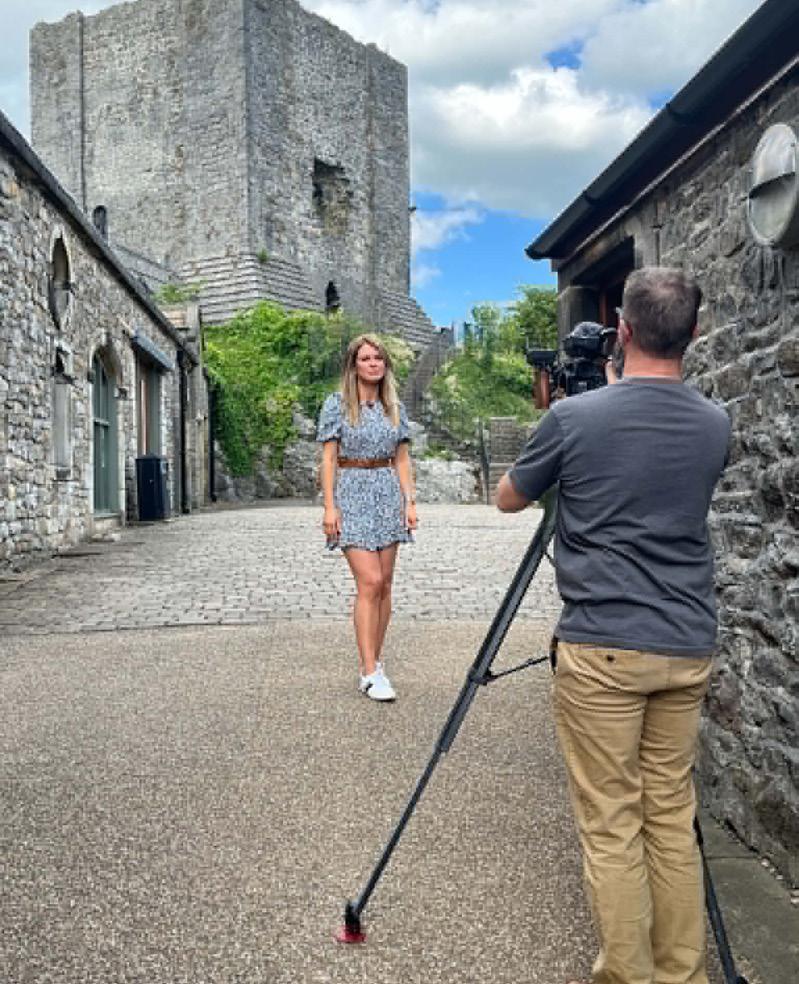
The success of the Greatest Days and other films and media events in raising the profile of Ribble Valley and attracting inward investment during filming, demonstrates the potential of Film and TV tourism. By working with Creative England, and location managers it will be possible to secure future media opportunities. This is however an activity which is resource hungry with the logistical management involved.
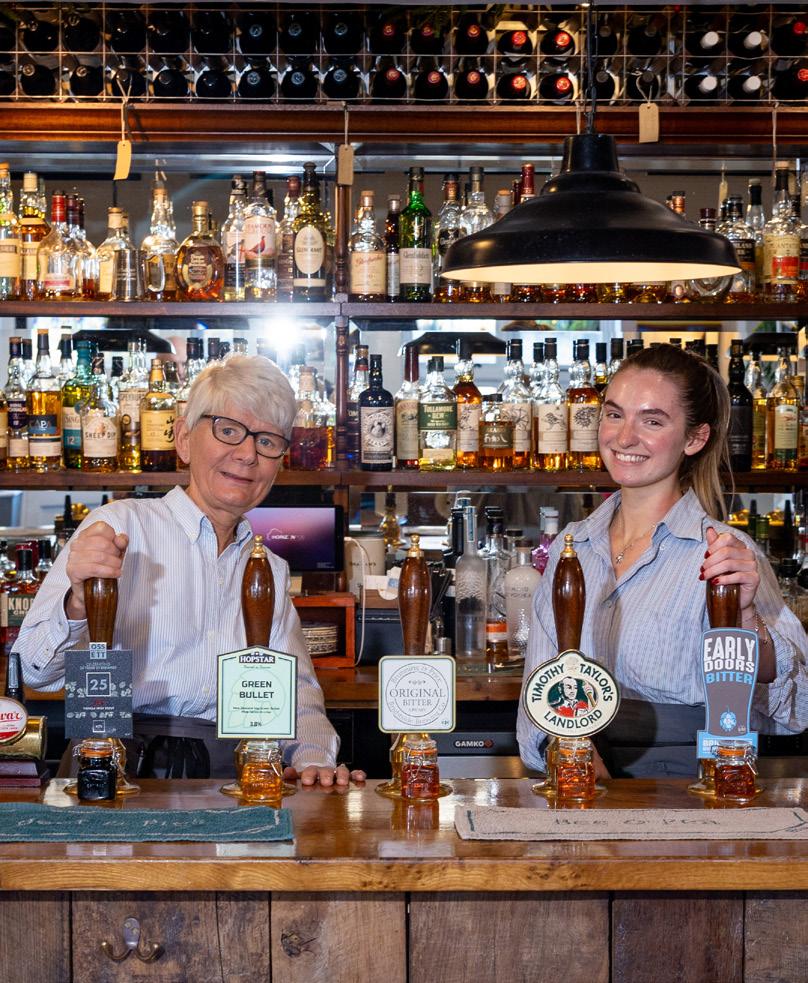
Ribble Valley’s town and village centres have had a successful dining offer for many years but more recently there has been a growth in the number of small bars, eating establishments and entertainment venues. Promoting the night-time economy is not without challenges, but it is nonetheless a markets niche of new younger visitors which could be maximised.
The tourism employment figures discussed earlier are considered not to be the true picture in terms of the true employment figures for those involved in the visitor economy, with an extremely large number of people employed or connected to tourism, leisure, and hospitality. There is also believed to be a considerable value of secondary spend hidden from the figures, which in turn supports additional employment.
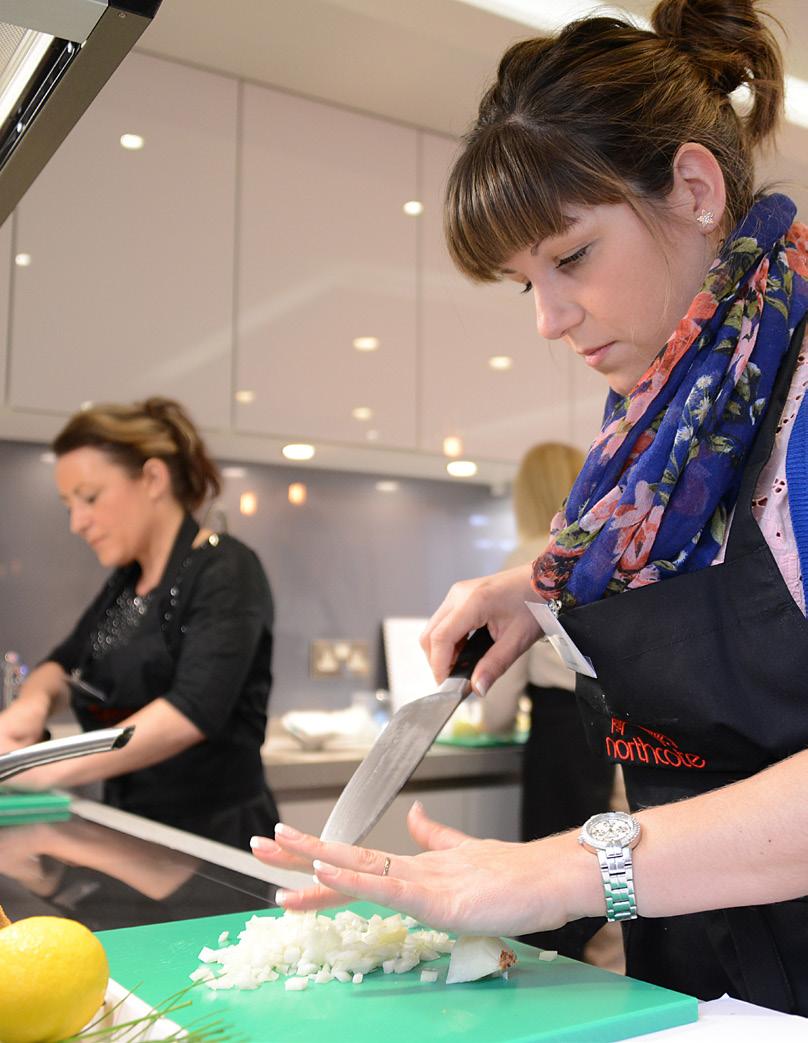
Local tourism businesses employ many skilled staff and there is a record of outstanding customer service, often recognised by a plethora of accreditations and awards.
There are, however, shortages of staff in certain localities and also specific skill sets. There are also issues around transport particularly for the remote businesses. In any strategy, where we are working towards enhancing the product and performance, it must be important to tease these issues out, quantify them and endeavour to work in partnership to address them, as they may pose a threat to business sustainability and quality standards.
It will be important to help raise the images of working in this sector and to work with the educational sectors to improve recruitment and retention.
Based on the evidence gathering analysis undertaken earlier in the plan, the following SWOT analysis considers the key issues raised, and particularly focuses on opportunities which can be capitalised on, or where threats can be addressed. This SWOT analysis informs an action plan which will be used to address the aims and objectives for developing the value of the visitor spending in the destination which are described later.
Key Area Strengths
Accommodation Wide variety and good geographical spread.
Above average Occupancy
Food and Drink Consistently high quality and value for money
Wedding Tourism Well-developed first-class venues and suppliers
Growth market with high value and wide benefits
Heritage Stunning array of heritage resources
Village heritage trails
The Great Outdoors
High quality visitor views and experiences
Families Good quality experiences
Arts and Culture
Vibrant growing arts scene with new outlets and good partnerships
Inadequate capacity in certain types of accommodation, at peak times
Visitor access to obtain information about venues and experiences
Inadequate capacity of accommodation at peak times
Maximising off peak and off-season times
New facilities
Encouraging more food tourists from further afield with innovative campaigns
New facilities coming on board.
New market interest from further afield
Strong partnership
Mixed quality interpretation
Lack of infrastructure and orientation
Poor marketing and limited joined up working.
Lack of infrastructure
Limited range of family attractions, especially all weather
Still developing, fragile infrastructure
Opportunities in pipeline and appetite for collaborative working
New facilities strengthen product and new trails
Create more opportunities in other themes for families
New events attract new customer markets
Loss of business due to over-demand at peak times.
Competition from other areas
Competition from neighbouring areas
Growth in DIY weddings
Lack of funding to develop products
Good quality and diverse experiences
Fuel prices and lack of public transport
Competition from other areas
Limited partnership working
Business
Tourism
Excellent facilities
Rural locations
(Retreat/escape)
Events Natural surroundings and great venues/ locations /facilities
Group Tourism
Film and Media
Night-time economy
PlacesClitheroe
Longridge
Whalley Villages
Good range of suitable products
Strong partnerships
Ribble Valley has some strong locations for filming
Vibrant growth in new businesses
Vibrant welcoming places
Strong dependant shopping offer
Good opening hours and parking
Aesthetic beauty of villages
Rural locations(travel) Better prices than the city
Big businesses in neighbouring areas
Timetabling not always controllable and can clash
Road infrastructure and parking in certain areas
Poor brand knowledge
Potential to bring new markets, good for targeting off peak
New markets, sustainable travel, manageable activity
Most locations in private ownership To work more effectively to provide a one stop shop
Lack of late-night public transport Appeal to a new younger market
Competition from more accessible locations/venues
Competition Lack of funding
Competition Lack of guides
Competition from other areas
Over provision Potential for community conflict
Lack of public realm
Poor sign posting
Limited customer information/direction
In the preparation of this draft Destination Management Plan, consultation has taken place with private sector partners. The findings of consultation thus far can be summarised as follows-
• There is an appreciation of the work of the Council in tourism marketing and for the role of facilitation of collaborative working around themes.
• There is strong loyalty for brand Ribble Valley’ over and above other brands such as Lancashire and Forest of Bowland
• There is strong support for the Ribble Valley Tourism Association and the Council’s support for it is valued greatly.
• More could be done to promote Ribble Valley as a brand, particularly to the North West audience, especially Yorkshire, Manchester, and Cheshire.
All markets in DMP
Many villages have a unique heritage often with trails and features which remain untapped.
Limited parking Potential congestion
National decline in high street shopping
• There is a strong desire for more information about events and ‘what’s on.’
• Weddings are critical to the success of local tourism businesses.
• Capitalize more on the vibrant food, walking and cycling opportunities.
• Arts and the creative industries are an area with great potential for tourism.
Tourism employment and skills
Outstanding businesses and opportunities to learn apprenticeships
Dated perceptions of the hospitality industry as a career path
Promote tourism as a valuable career path
Increased pressure on businesses to recruit and find staff and provide apprenticeships.
• There is concern at rising costs, especially interest rates, energy costs and increased bureaucracy resulting from new regulations.
• Recruitment and retention of staff is a challenge.
• Many respondents seek better highway signposting for their business.
• An enthusiasm to develop Clitheroe market as a major attraction.
• Strong support for promotion of the independent shopping offer
• An enthusiasm to enhance public realm in town centres including signposting.
• More joint working to address lack of mid-week custom.
There are two related organisations relevant to the delivery of the DMP.
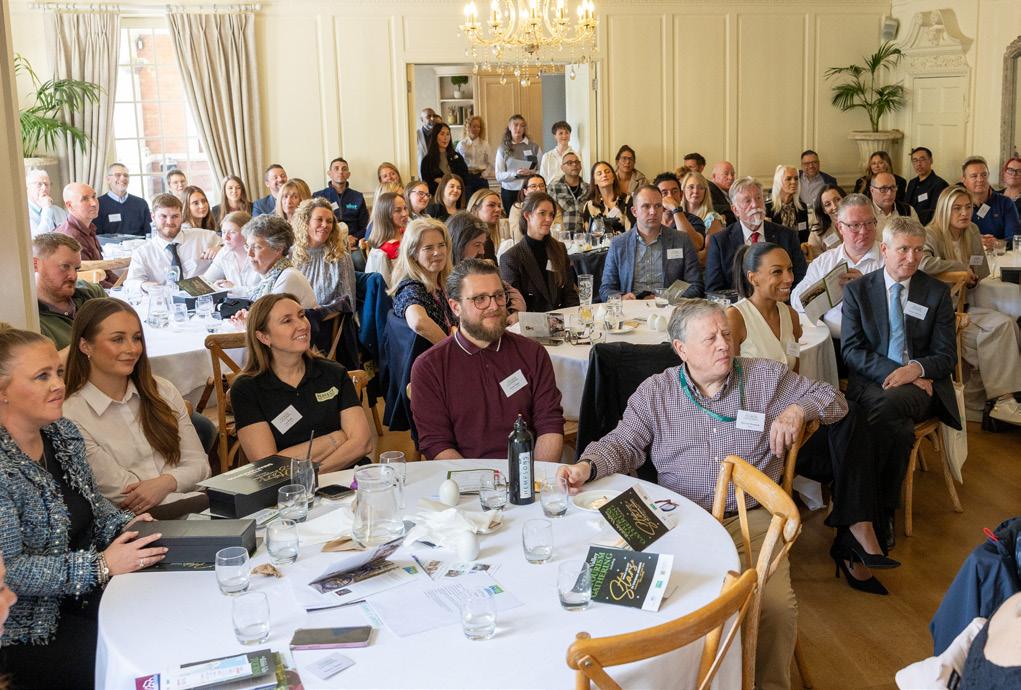
Ribble Valley Tourism Association (RVTA) is a partnership of businesses covering all sectors of the visitor economy, including hospitality, accommodation, retail, and visitor attractions. The association works with Ribble Valley Borough Council and other agencies, to encourage the development of quality tourism in this area, whilst making sure visitors benefit the locality, and are sensitive to all who live here. Their purpose is to act as the voice for the local tourism industry, encourage collaborative working and to actively promote visitors to come and visit the Ribble Valley. The association is the Councils main formal link with the private sector, and as a healthy representative organisation which is of great value, the Council provides them with administrative and secretarial support. The annual tourism awards are run in partnership with the association and their training and networking events help increase standards and business.
In terms of Ribble Valley in the context of Lancashire, the strategic development of tourism across the county is led by Marketing Lancashire, recently approved by Visit England as one the new network of LVEP’s (Local Visitor Economy Partnership). Marketing Lancashire are the agency charged with promoting the county on a national and international stage. Marketing Lancashire, which is part of Lancashire County Council, also generates income from private sector membership. The work of Marketing Lancashire is steered through a tourism growth strategy.
There is no question that the most productive partnerships are those with the private sector around specific topics of interest as this has led to effective collaboration, idea sharing and joint funding. This has been proven by the wedding partnership and there is a similar initiative around food. This approach could have potential for new ideas.
There are many more organisations which interface with the council’s tourism activities, especially the chambers of trade and specific town and parish councils. More specific groups are mentioned in the action plan.
Visitors do not necessarily acknowledge administrative boundaries and there are many opportunities which involve cross district working, particularly around group travel and heritage. In recent years such a collaborative approach has resulted in greater marketing exposure with promotional activities shared between district councils. Working with other districts has great potential, not least in the promotion of the wider valley of the river Ribble.
The tourism vision has been informed and developed during the preparation of this plan, including consultation, and also reflects key strengths and opportunities identified in the SWOT analysis.
‘Ribble Valley, a visitor destination of regional importance with distinctive qualities and welcoming to all, which supports local economy to thrive and respects its communities and environment.’
‘Distinctive qualities and welcoming to all,’ – acknowledging the many and varied, high quality and customer focussed tourism products within the area, including, strong heritage, family friendly attractions, arts and culture, independent shops and markets and beautiful countryside. It also reflects the warmth of welcome to be experienced here.
‘Local economy to thrive ‘– refers to adding value to the local economy and supporting Ribble Valley to be a quality, prosperous place to live, work and visit.
‘Respects its communities and environment.’ – acknowledges that tourism should not impact negatively on the lives of local people, and moreover that tourism should add value to their lives by providing wealth, employment and sustained rural services. Similarly, tourism should not be harmful or despoil the landscape, much of which is a designated National Landscape.
Having evaluated tourism and its performance, the next stage is to articulate the overall aims for the Destination Management Plan.
1
To work in partnership to ensure that Ribble Valley as a destination, and its tourism experiences, are promoted as effectively as possible, though clear branding and marketing
2
To maximise resources by clearly targeting those markets that will provide the best return and the greatest likelihood of repeat visits
4
To work in partnership to support the development of skills and training in the tourism and hospitality industry and to enhance the reputation of employment in that sector.
3
To broaden the geographical and seasonal spread of visitors by encouraging new visitors, increasing the duration of stays, and capitalising on niche markets
5
To encourage sustainable tourism development and business growth
1. TO WORK IN PARTNERSHIP TO ENSURE THAT RIBBLE VALLEY AS A DESTINATION, AND ITS TOURISM EXPERIENCES, ARE PROMOTED AS EFFECTIVELY AS POSSIBLE TO AS WIDE AN AUDIENCE AS POSSIBLE, THROUGH CLEAR BRANDING AND TARGET MARKETING
Sense of Place -Branding the destination
• Develop Ribble Valley as a strong brand reflective of its key tourism products.
• Develop sub brands for towns and villages in order that they will become recognised for their individual qualities.
• Undertake destination audits.
2. TO MAXIMISE RESOURCES BY CLEARLY TARGETING THOSE MARKETS THAT WILL PROVIDE THE BEST RETURN AND THE GREATEST LIKELIHOOD OF REPEAT VISITS
Focussing on success- Targeted marketing activity
• Increase visitor spending per head, by promoting higher yield activities.
• Work with relevant partners to target key activities and markets for which the area has a strong identity.
• Improve information on accessibility.
3. TO BROADEN THE GEOGRAPHICAL AND SEASONAL SPREAD OF VISITORS BY ENCOURAGING NEW VISITORS, INCREASING THE DURATION OF STAYS, AND CAPITALISING ON NICHE MARKETS
Enhancing performance - Attracting more staying visitors and repeat visits.
• Attract more staying visitors by targeting specific consumer groups through increasing awareness about products, events, and itineraries.
EXPANDING BUSINESSINCREASING LENGTH OF STAY
• Encourage the duration of visitor stays by promoting awareness of the full range of services available and by encouraging partnership working around products.
MAXIMISING OPPORTUNITIESPROMOTING OFF PEAK T OURISM.
• Identify opportunities which can be maximised at off peak times of the week and also seasonally.
DEVELOPING PRODUCTS
• Identity areas where investment into new products and partnership working will develop an event, activity, or location to make a significant difference to the tourism appeal.
4.TO WORK IN PARTNERSHIP TO SUPPORT THE DEVELOPMENT OF SKILLS AND TRAINING IN THE TOURISM AND HOSPITALITY INDUSTRY AND TO ENHANCE THE REPUTATION OF EMPLOYMENT IN THAT SECTOR
CELEBRATING SUCCESS
• Highlight the importance of employment in the visitor economy and celebrate the achievements of people working in the industry.
DEVELOPING SKILLS
• Maintain a dialogue with the private sector to help ensure that the local skills-needs are identified and addressed.
VALUING THE INDUSTRY
• Champion tourism as an industry and recognise its importance to the local economy.
5. TO ENCOURAGE SUSTAINABLE TOURISM DEVELOPMENT AND BUSINESS GROWTH
SUSTAINABLE TOURISM
• Support new developments which are sustainable in terms of community and environmental integration, as well as business modelling.
• Help businesses grow by providing direct advice and signposting to relevant support.
TOURISM INSIGHTS
• Strive to achieve a better understanding of the local tourism industry, its value and performance.
1. TO WORK IN PARTNERSHIP TO ENSURE THAT RIBBLE VALLEY AS A DESTINATION, AND ITS TOURISM EXPERIENCES, ARE PROMOTED AS EFFECTIVELY AS POSSIBLE, THROUGH CLEAR BRANDING AND TARGET MARKETING.
Reinforce the Love Ribble Valley brand and develop the values.
Develop a toolkit of facts, and images which reinforce the key attributes and the brand personality of Ribble Valley and make these available to partners.
Work with local communities, especially the business sectors to develop brands, destination audits and tool kits for towns and villages
Develop brands and toolkits around each of the major campaign themes in this plan
parish and community groups
RVWH, and other groups
2. TO MAXIMISE RESOURCES BY CLEARLY TARGETING THOSE MARKETS THAT WILL PROVIDE THE BEST RETURN AND THE GREATEST LIKELIHOOD OF REPEAT VISITS.
Produce publications to promote Ribble valley for day visits and holidays, along with electronic versions and parallel website profiles.
Develop the new Visit Ribble Valley website making it interactive and responsive to the changing demands of customers.
Produce an annual marketing plan to promote activities events and attractions via various forms of social media, press and exposure at regional events.
Raise the profile of Ribble Valley in joint marketing and thematic campaigns other Lancashire districts.
Develop a Ribble Valley food campaign including food experiences and places to buy local food and develop a food tourism toolkit.
Continue to support the Wedding Heaven initiative, growing its membership and extending its promotional campaigns and influence.
Create a better What’s On promotional campaign awareness, including a collection of any events with potential for tourism.
partnership
Develop a venue based ‘Meeting Places’ campaign
Engage with key media contacts including, journalists, influencers, and bloggers to raise the profile of Ribble Valley
Promote information of accessibility to events, facilities, and places
Create a campaign for independent shopping experiences offered in towns and villages
sector partners
3. TO BROADEN THE GEOGRAPHICAL AND SEASONAL SPREAD OF VISITORS BY ENCOURAGING NEW VISITORS, INCREASING THE DURATION OF STAYS, AND CAPITALISING ON NICHE MARKETS.
Develop an annual marketing plan to encourage more, and higher spend group visits,
Create a Heritage Trail involving partners and products across Ribble Valley and launch a plan of action to enhance the heritage products available, including features in towns and villages
Create a bank of itineraries based around target markets
Lancashire districts and private sector
partners
Promote awareness of the Ribble Valley tourism products at accommodation providers, visitor information points and other visitor services including effective social media and a quality website presence.
Initiate a campaign to promote business tourism, creating a database of facilities and opportunities and by engaging in targeted promotional activities.
Create a mid-week break campaign, including retail and accommodation partners.
4. TO BROADEN THE GEOGRAPHICAL AND SEASONAL SPREAD OF VISITORS BY ENCOURAGING NEW VISITORS, INCREASING THE DURATION OF STAYS, AND CAPITALISING ON NICHE MARKETS.
Identify and promote new cycle routes
Encourage private sector establishment to invest in cycle facilities and welcome cyclists.
Continue to develop the series of circular country walks linked to local hospitality venues and encourage businesses to participate in welcome walkers’ initiatives.
Review and promote existing Village walks and heritage trails and encourage them to be available on line and in print
Create a series of circular ‘drive’ trails or itineraries.
Support Arts and Culture programmes and explore the potential of new cultural events and trails.
Promote Ribble Valley settings as locations for film and media including creating an image library and by responding pro-actively to location searches.
5. TO WORK IN PARTNERSHIP TO SUPPORT THE DEVELOPMENT OF SKILLS AND TRAINING IN THE TOURISM AND HOSPITALITY INDUSTRY AND TO ENHANCE THE REPUTATION OF EMPLOYMENT IN THAT SECTOR.