ECONOMIC SCORECARD 2025


PLATINUM SPONSORS


GOLD SPONSOR
SILVER SPONSORS


BRONZE SPONSORS


Economic success in Brookings has long been a focused, collaborative effort. On January 1, 2026, that collaboration entered a new phase with the formation of the Brookings Regional Growth Alliance. By bringing together business, community, and destination development under one coordinated structure, Brookings has strengthened its ability to support growth across the region.
This unified model allows for clearer alignment between strategy and implementation. Businesses, entrepreneurs, and community partners now engage with a more connected system designed to reduce barriers, improve access to resources, and make it easier for ideas and businesses to move forward. This integrated ecosystem helps ensure economic development efforts remain coordinated and responsive as the region continues to grow.
Over the past year, that spirit of collaboration has taken on new meaning. With the formation of the Brookings Regional Growth Alliance, we have entered an important new chapter — one that brings business support, economic development, neighborhood initiatives, and hospitality into a single, coordinated effort. This unified approach reflects a shared belief that our greatest opportunities come when we align our strengths and move forward together.
Since stepping into this role, I have had the opportunity to meet many of the people who make this region so strong. Business owners, community leaders, partners, and residents have all made it clear there is a deep commitment to this community and a shared vision for its future.
The Growth Alliance was built to support that vision. Our goal is to create a more connected system that supports businesses, strengthens community development, and builds momentum for long-term growth. By aligning resources, we are making it easier for ideas to move forward and for opportunities to take shape.
The outcomes highlighted in this report are the result of coordinated efforts across organizations, industries, and individuals who are all working toward a stronger Brookings region.
As we look ahead, our focus remains on continuing that momentum. We are committed to supporting entrepreneurs and businesses, attracting and retaining talent, enhancing quality of place, and strengthening Brookings’ position as a destination to live, work, visit, and invest.
The future of the Brookings region is bright, and I am grateful to be part of this next chapter alongside all of you. Thank you for your continued partnership and for the role you play in shaping the future of this community.

Lori Frederick











The Brookings region is entering a new chapter in how it supports economic growth, community development, tourism promotion, and regional collaboration. In 2025, the boards of the Brookings Area Chamber of Commerce, Brookings Economic Development Corporation, Downtown Brookings, and Visit Brookings voted to unite as the Brookings Regional Growth Alliance. The new organization brings business development, community vitality, destination promotion, and regional growth into one structure to support economic development.
The Growth Alliance was formed to better connect the programs, partnerships, and experience that have supported the region for many years. With resources and services operating through one organization, Brookings is in a stronger position to support business growth, encourage entrepreneurship, and promote the region as a place to live, work, visit, and invest. Since the transition began, work has focused on practical integration efforts including development of a new brand, co-locating staff, combining budgets and internal systems, and coordinating programs under a shared direction. These changes have strengthened day-to-day operations and improved service delivery.


Leadership has remained central to the process. Board members representing business, community, and regional interests have helped guide priorities, shape governance, and keep the organization connected to the needs of the Brookings area. Their continued involvement provides direction and accountability as the organization grows.
• Laci Thompson, President
• Jamison Lamp, Vice President
• Angie Boersma
• Shawn Hostler
• Jeremy Johnson
• Elena McKeown
• Kyle Minnett
• Nate Schaefer
• Mike Turnwall
• Nick Wendell
• Michaela Willis
This transition builds on the work of each legacy organization. Their contributions continue to guide the direction of the Growth Alliance and reflect Brookings’ long-standing culture of cooperation. Over the past year, combined efforts supported workforce initiatives, entrepreneurship programs, housing and growth strategies, community events, business recruitment, tourism promotion, and stronger connections with neighboring communities.
Priorities moving ahead include supporting small business growth, helping existing employers expand, attracting and retaining talent, strengthening regional partnerships, and increasing visibility for Brookings as a destination for investment and visitation. By bringing these efforts together, the Growth Alliance creates a clearer path for businesses, residents, and partners to respond to opportunities and support long-term growth.

Business development efforts remain focused on supporting both entrepreneurs and established businesses as they grow. Through coordinated support, access to resources, and strategic partnerships, the region continues to strengthen its business ecosystem.
The Small Business Development Center (SBDC) remained a key resource for entrepreneurs and small businesses in 2025. Over the course of the year, the region’s business counselor delivered more than 113 hours of consulting across 135 sessions, providing new and existing clients guidance on business planning, financial analysis, and growth strategies. These efforts contributed to the launch of eight new businesses and supported three expansions. Access to capital also remained an important part of this work, with more than $3.75 million in funding connected to SBDC-supported projects through a range of financing sources.
The Business Retention & Expansion (BR&E) program completed its second year, engaging more than 100 businesses across the Brookings region, with most visits focused on companies not previously connected through the program. Outreach in Downtown Brookings and Volga helped identify business needs, growth opportunities, and barriers to expansion while strengthening access to available resources. The Business Development team also worked with utility providers, municipalities, and public partners to better understand infrastructure capacity and development readiness. In addition, the team partnered with state agencies and organizations such as South Dakota Trade and the Governor’s Office of Economic Development to connect local businesses with export, financing, and growth support.
Business recruitment efforts in 2025 focused on preparing the region for future growth while continuing to promote available sites and opportunities. The Business Development team worked with landowners and community partners to better understand available property and how sites can support future commercial and industrial development. Interest in available locations continued to rise, with engagement on the region’s property website increasing by approximately 44.6% during the fourth quarter of 2025.
In partnership with the South Dakota Governor’s Office of Economic Development, the team evaluated eight Requests for Proposals during the year, including seven state-led opportunities and one direct inquiry. Three proposals were fully submitted, while others did not advance due to project requirements related to site size, utility demand, or wage thresholds that did not align with current local conditions. Even when projects are not the right fit, these opportunities provide valuable insight into market demand and areas where the region can continue to strengthen its competitiveness.
Regional collaboration remained a central focus. New programming with area communities created regular opportunities to share current activity and identify opportunities for collaborative growth. Educational sessions on tools such as Tax Increment Financing helped local leaders better understand development strategies that can support future investment. Business recruitment efforts also extended beyond the region through partnership with South Dakota Trade, supporting local companies exploring international markets while introducing Brookings to future investment opportunities.
Local entrepreneurial initiatives continue to complement these efforts by providing space, connections, and support for emerging businesses. Together, these resources and programs help ensure the Brookings region remains a place where businesses can start, scale, and succeed.


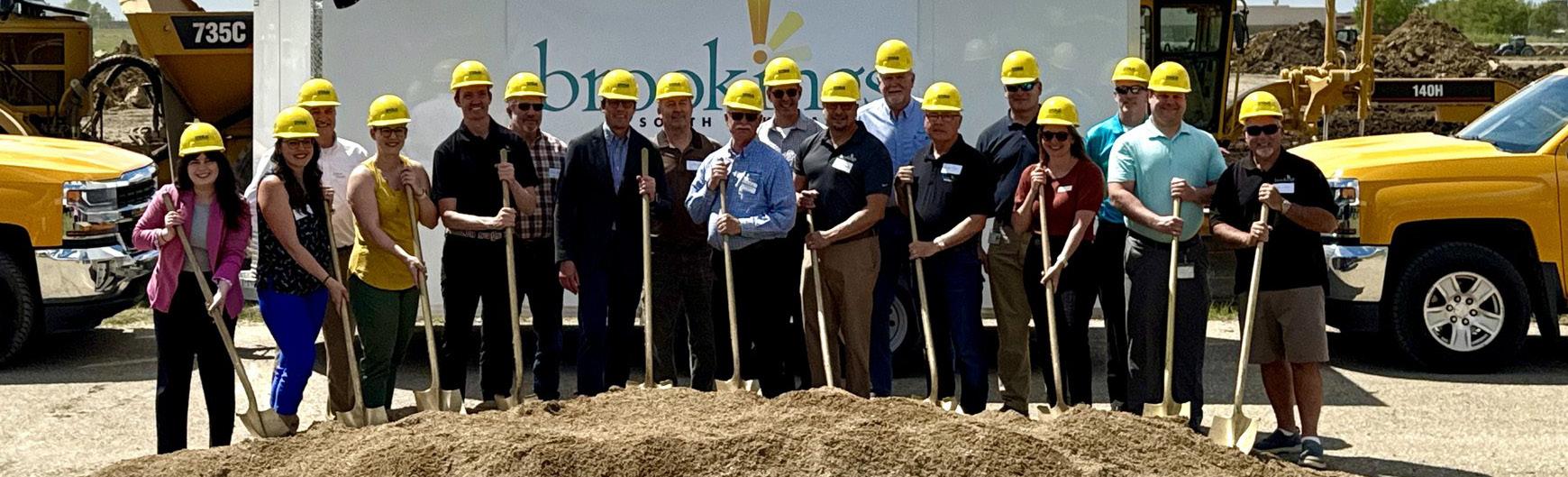


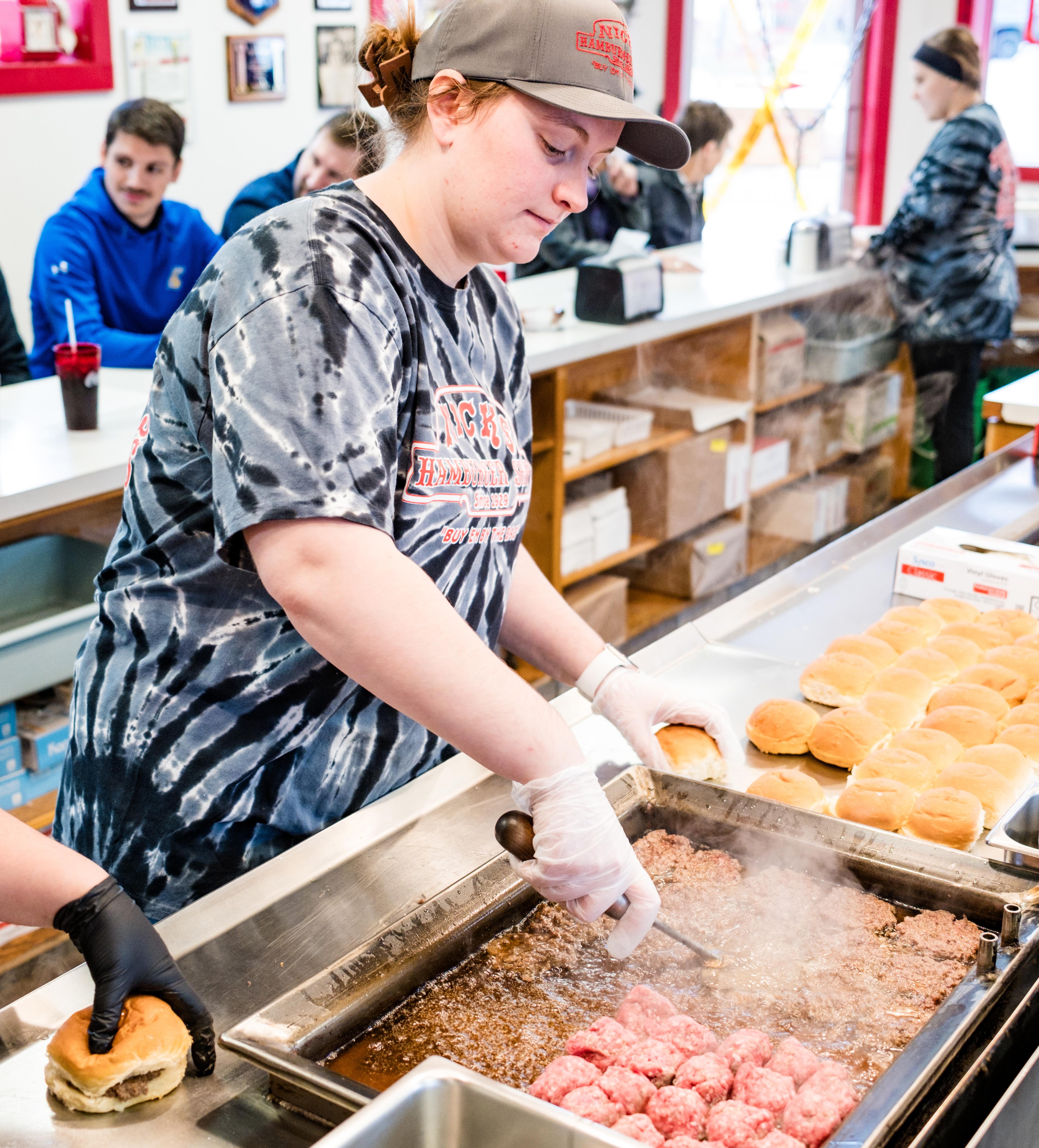
Tourism continues to play an important role in supporting the Brookings economy, driving visitor spending and contributing to the success of local businesses. In 2025, Brookings County saw visitor spending reach $127.6 million, reflecting continued stability and modest growth despite broader economic challenges within the tourism industry. Visitor activity supports lodging, dining, retail, entertainment, and a wide range of small businesses that benefit from spending throughout the year.
This level of visitation generated $10.4 million in state and local taxes and supported more than 2,000 jobs across tourism-related sectors, reinforcing the value of destination development as part of the region’s overall economic strategy. Tourism remains an important contributor to community vitality, helping sustain jobs, expand the tax base, and support amenities enjoyed by both residents and visitors.
Local event investment remained a key driver of visitation. Through the community’s grant program, 26 events were supported throughout the year, including several new additions that expanded Brookings’ event calendar and seasonal appeal. These events attracted approximately 62,000 visitors and generated an estimated $7.2 million in economic impact, demonstrating a strong return on investment and the value of strategic event development. Signature community events, sports tournaments, arts programming, and festivals continue to create consistent reasons for travelers to choose Brookings.
Brookings also welcomed industry professionals and group travel representatives through familiarization tours and partnership outreach designed to increase awareness of the destination. These efforts help showcase local assets such as South Dakota State University, downtown Brookings, family attractions, and the community’s strong hospitality network. Building these relationships creates future opportunities for meetings, events, and leisure travel.
Brookings continues to play a significant role within the broader Glacial Lakes & Prairies region, which experienced growth that outpaced the state average in 2025. This regional strength, combined with local investment and collaboration, positions Brookings as a resilient and competitive destination, supporting economic activity across multiple sectors.
Community development in Brookings is focused on strengthening connections and enhancing quality of life. In 2025, efforts focused on enhancing public spaces, safety upgrades, strengthening community connections, and supporting experiences that bring people together.
The downtown neighborhood saw continued investment in placemaking and design improvements aimed at increasing walkability, safety, and overall appeal. Public art installations, enhanced crosswalks, pedestrian signage, and streetscape improvements contributed to a more inviting and accessible downtown environment. Efforts were complemented by grant programs supporting exterior building improvements and signage, helping local businesses enhance their visibility and presence. These investments have been especially meaningful as the downtown district continues to recover and reinvest following the 2024 fire, reinforcing confidence and encouraging continued development.
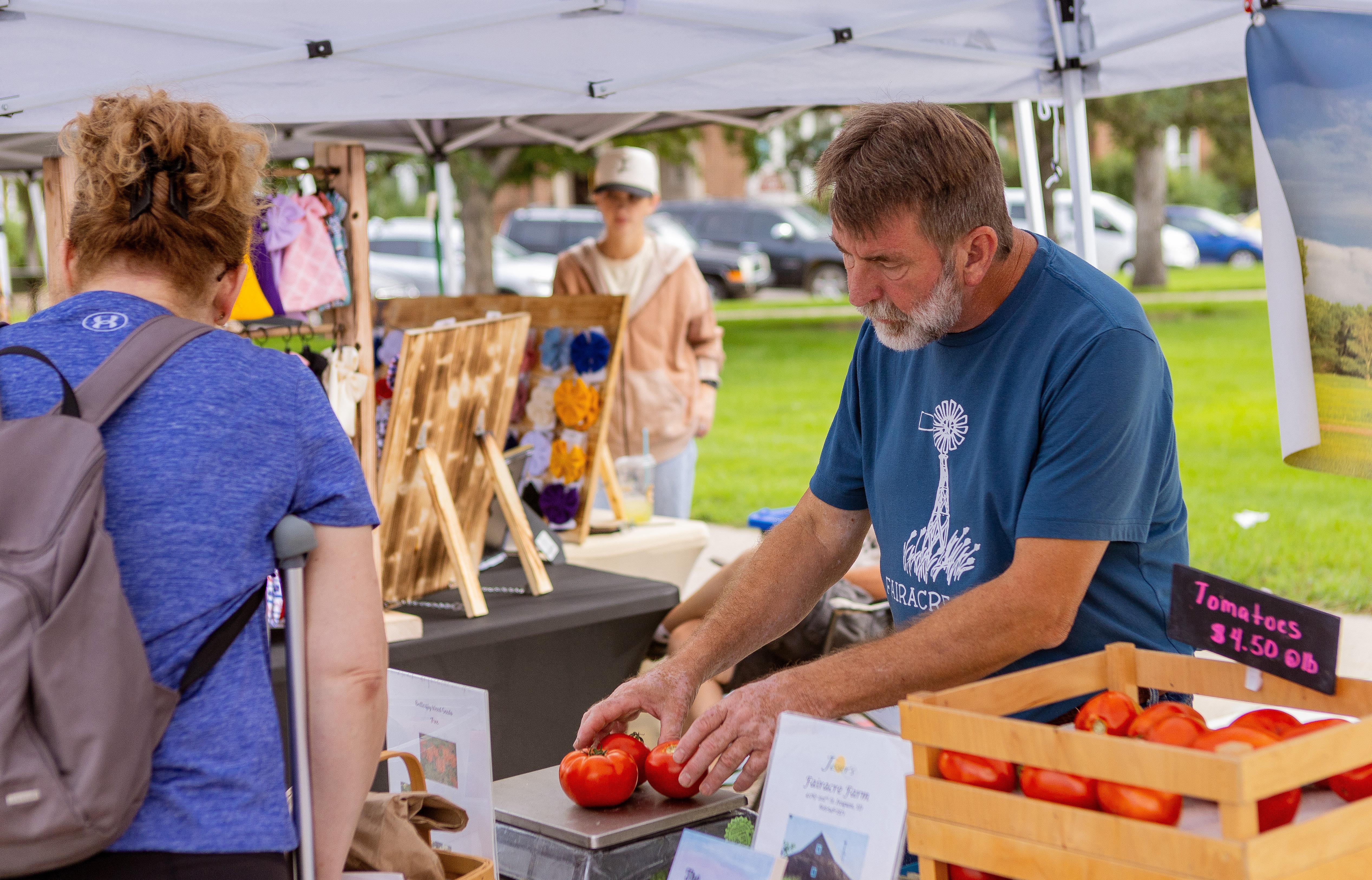
The downtown district also remained a hub for community activity through events and small business engagement. In 2025, forty pop-up markets and community events were organized, including twenty-four summer markets, eleven winter markets, two Main Avenue festivals, two farmers markets in partnership with the SDSU Agricultural Heritage Museum, and one Kidpreneur Market. These events provided 146 small businesses and organizations with the opportunity to connect directly with the public through more than 770 booths and activities throughout the year. The Brookings Farmers Market continued to draw strong weekly attendance, averaging 750 to 900 visitors each Saturday during the summer season, while larger festival events welcomed thousands more. Together, these events increased foot traffic, supported entrepreneurs, and helped create a vibrant downtown atmosphere throughout the year.


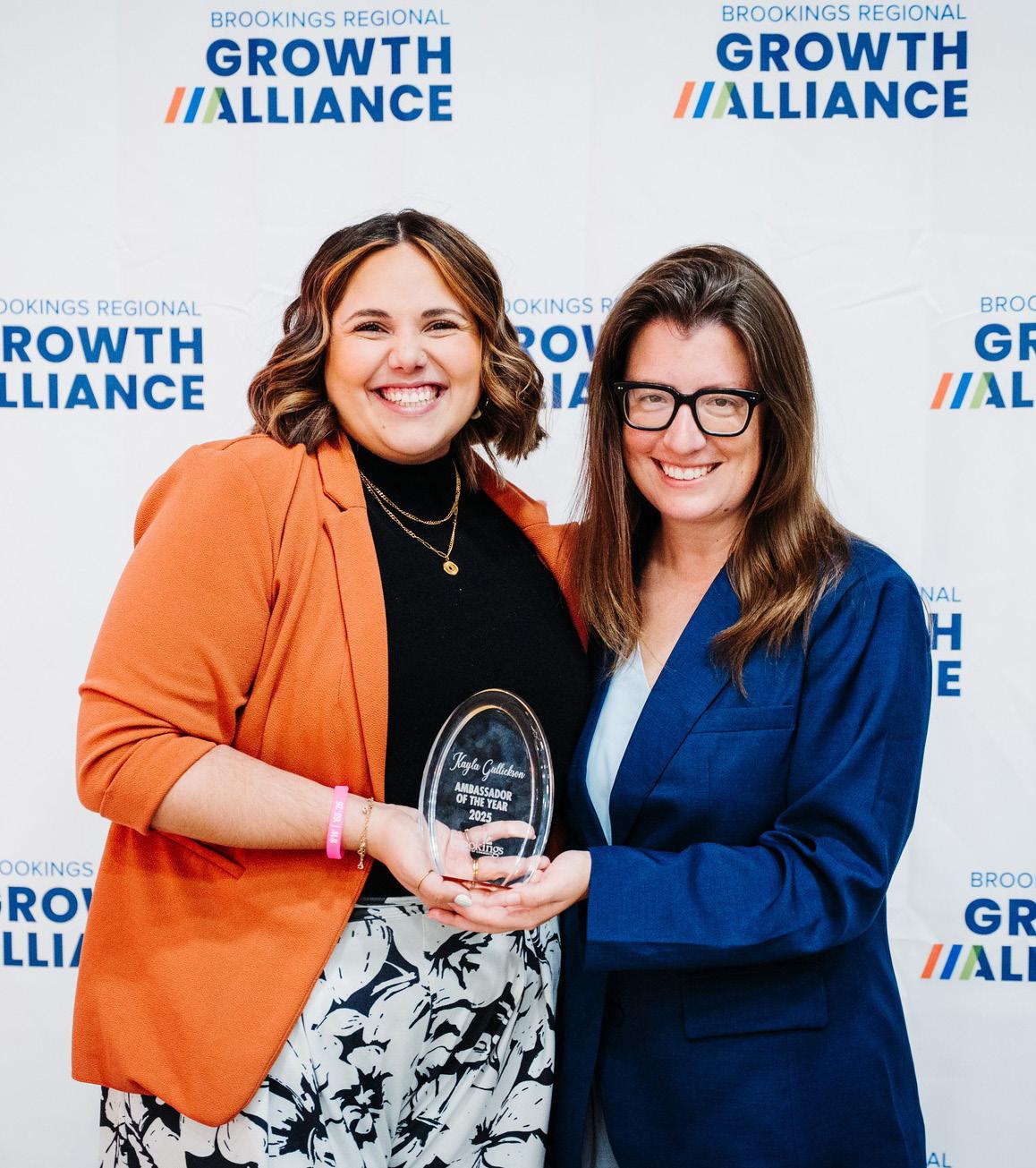
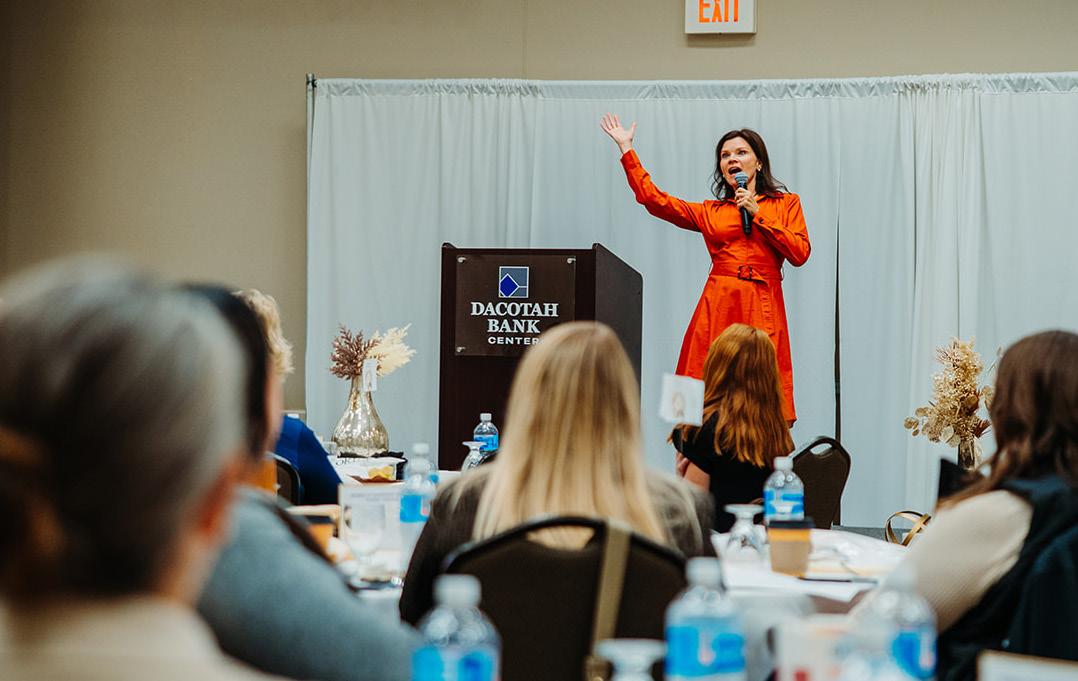

Downtown at Sundown marked its 10-year anniversary in 2025, reflecting a decade of steady growth and community engagement. Attendance has more than tripled since the event’s inception, drawing nearly 18,000 attendees over the five-week series and creating consistent opportunities for local businesses and vendors to connect with the community. The event has become a cornerstone of summer in Brookings, supporting economic activity while fostering a strong sense of belonging through inclusive programming and themed events.
Efforts to engage and retain talent also remained a priority. In 2025, student engagement initiatives generated 3,465 touchpoints, a 23.65% increase over the previous year, reflecting stronger connections between SDSU students and opportunities in Brookings. Outreach to new and potential residents generated 9,894 touchpoints, an 8.5% increase from 2024, through welcome events, direct outreach, relocation resources, and digital engagement. Together, these efforts help strengthen the talent pipeline, support workforce retention, and create a smoother path for individuals and families choosing to make Brookings home.
Leadership and professional development programs, including Leadership Brookings, Women in Leadership, and Young Professionals, continued to build capacity within the community. Workforce-focused initiatives such as AI training sessions also helped equip businesses and professionals with the tools needed to adapt and remain competitive in a changing economy.
Together, these efforts contribute to a community that is not only growing, but also intentional about creating meaningful connections and opportunities for those who live and work in Brookings.

The Research Park at South Dakota State University continues to be a major driver of innovation and economic growth in Brookings. Through entrepreneurship, industry collaboration, and research commercialization, the Park strengthens the regional economy and supports long-term competitiveness.
During the 2024–2025 reporting period, the Research Park supported 60 businesses while creating 101 new jobs and retaining 286 existing positions, for a total of 387 jobs supported across a range of industries. When broader economic impacts are included, this activity generated 176 total jobs, $14 million in labor income, $26.5 million in value added, and $55.2 million in total economic output.
Since its inception, the Research Park has supported more than 1,300 jobs and generated nearly $300 million in economic output. Its continued alignment with university research, private industry, and entrepreneurial support keeps it central to Brookings’ long-term growth strategy.
Vision Brookings is a volunteer-led organization that allows private organizations and citizens to invest in transformative initiatives that advance growth and prosperity in the Brookings area. Since 2005, the organization has supported projects that expand opportunity, strengthen competitiveness, and position the region for sustained success.
The current five-year campaign, Vision Brookings 2027, focuses on regional growth, business and entrepreneurship development, and strategic grant investments that leverage additional resources. In 2025, investments continued in priorities such as childcare capacity, the I-29 Exit 130 interchange, Small Business Development Center support, and workforce-ready housing.
In 2025, Vision Brookings recorded $376,142 in contributions and pledge payments, $48,972 in operational expenses, and $410,076 in grant distributions. Since the launch of VB27, the campaign has raised approximately $2.8 million and deployed more than $1 million toward regional priorities, with additional commitments scheduled through 2027.
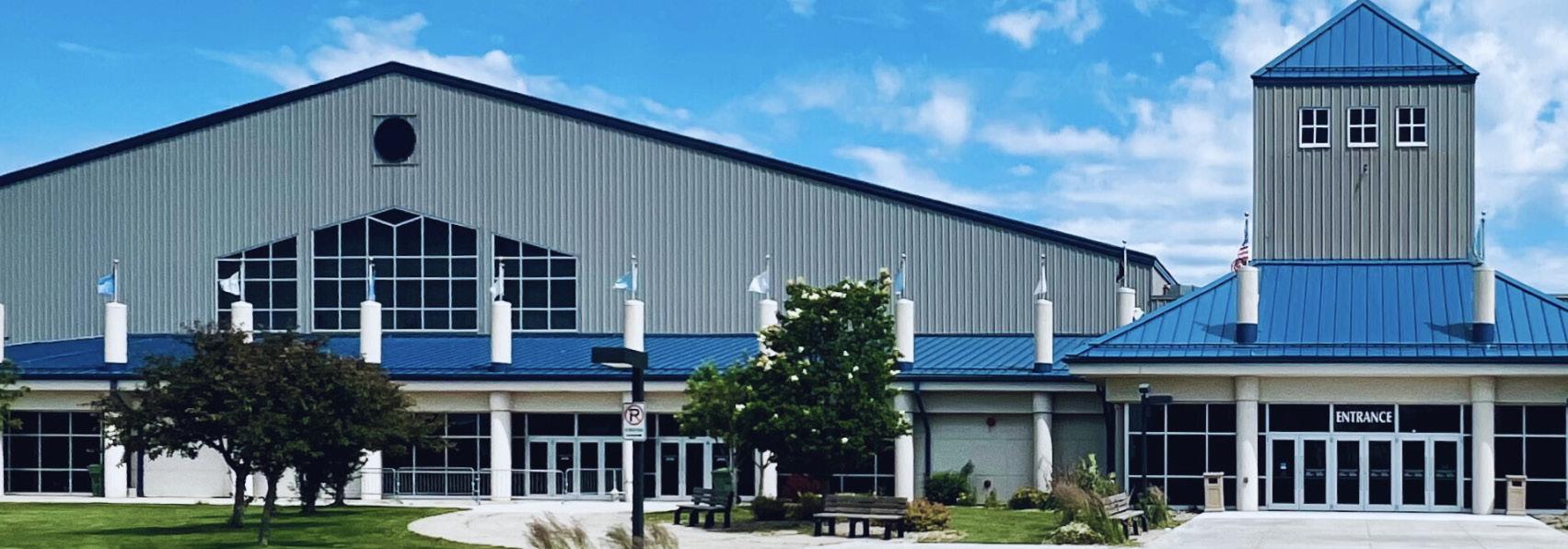
In February 2026, the City of Brookings, in collaboration with the Brookings Regional Growth Alliance, conducted a comprehensive community survey to better understand perspectives on the future of the Dacotah Bank Center. The effort generated 1,426 responses, with participants representing a broad cross-section of the community. Findings reflect a facility that is both widely utilized and highly valued, with 81% of respondents reporting attendance at least once in 2025.
Survey results indicate that community preferences are distributed across multiple potential pathways, with 35% favoring a hybrid model that combines events and recreation, 30% supporting an events-focused approach, and 24% preferring a recreation-focused model. No single direction emerged as a majority preference, underscoring the importance of thoughtful evaluation and continued community engagement. Responses also highlighted varying perspectives tied to usage patterns, with frequent users more likely to prioritize event programming, while others emphasized broader community access.
Supplemental analysis, including operational benchmarking and mobility data, reinforces the Dacotah Bank Center’s dual role as both a local gathering space and a regional destination, with approximately 44% of visits originating from more than 50 miles away. Together, these insights provide a data-driven foundation for future planning. As the City and Growth Alliance continue to work in partnership, this effort represents a shared commitment to aligning community input with long-term operational and financial considerations, ensuring informed decision-making for the facility’s future role in Brookings.
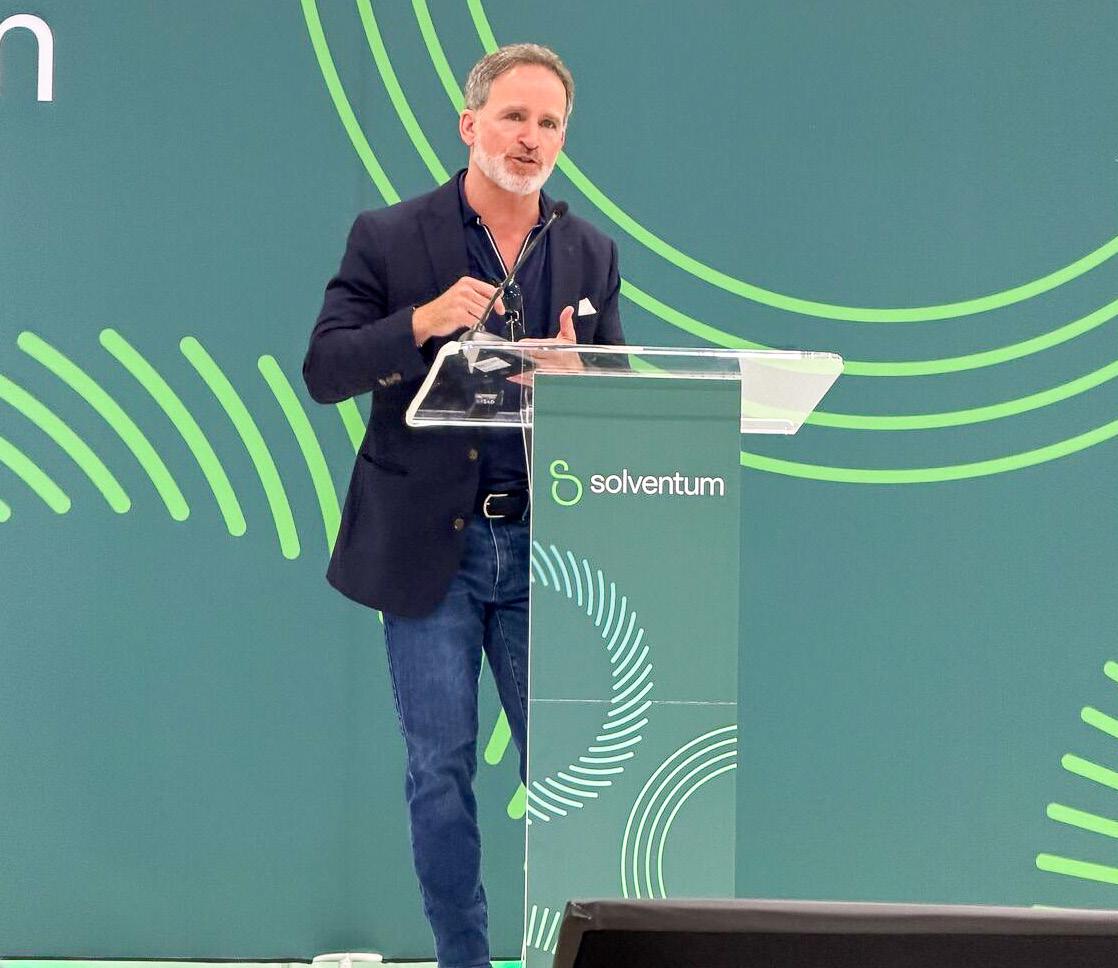

In April 2026, Solventum celebrated a major expansion of its Brookings manufacturing facility, marking another step forward in a presence that spans more than 50 years in the community. The project adds 200,000 square feet of advanced manufacturing space, 16 additional shipping docks, and an 8,000-pallet warehouse, strengthening Brookings’ role as a global manufacturing hub within Solventum’s operations.
The expansion reflects continued investment in advancing healthcare innovation, supporting the transition of new medical technologies from development into large-scale production. As products are designed and refined, the Brookings facility plays a central role in scaling them for use in hospitals and clinics worldwide while strengthening supply chain reliability for essential medical and surgical supplies.
Local and state leaders joined company representatives and approximately 300 employees to mark the occasion, recognizing both the scale of the investment and its longterm impact on the region. The project reflects continued confidence in Brookings’ business environment, supported by a skilled workforce, long-standing industry presence, and strong ties to South Dakota State University.
Beyond the facility itself, the expansion reinforces Brookings’ position as a national leader in advanced manufacturing, building on decades of investment in people and infrastructure while creating additional capacity for continued growth in one of the region’s cornerstone industries.

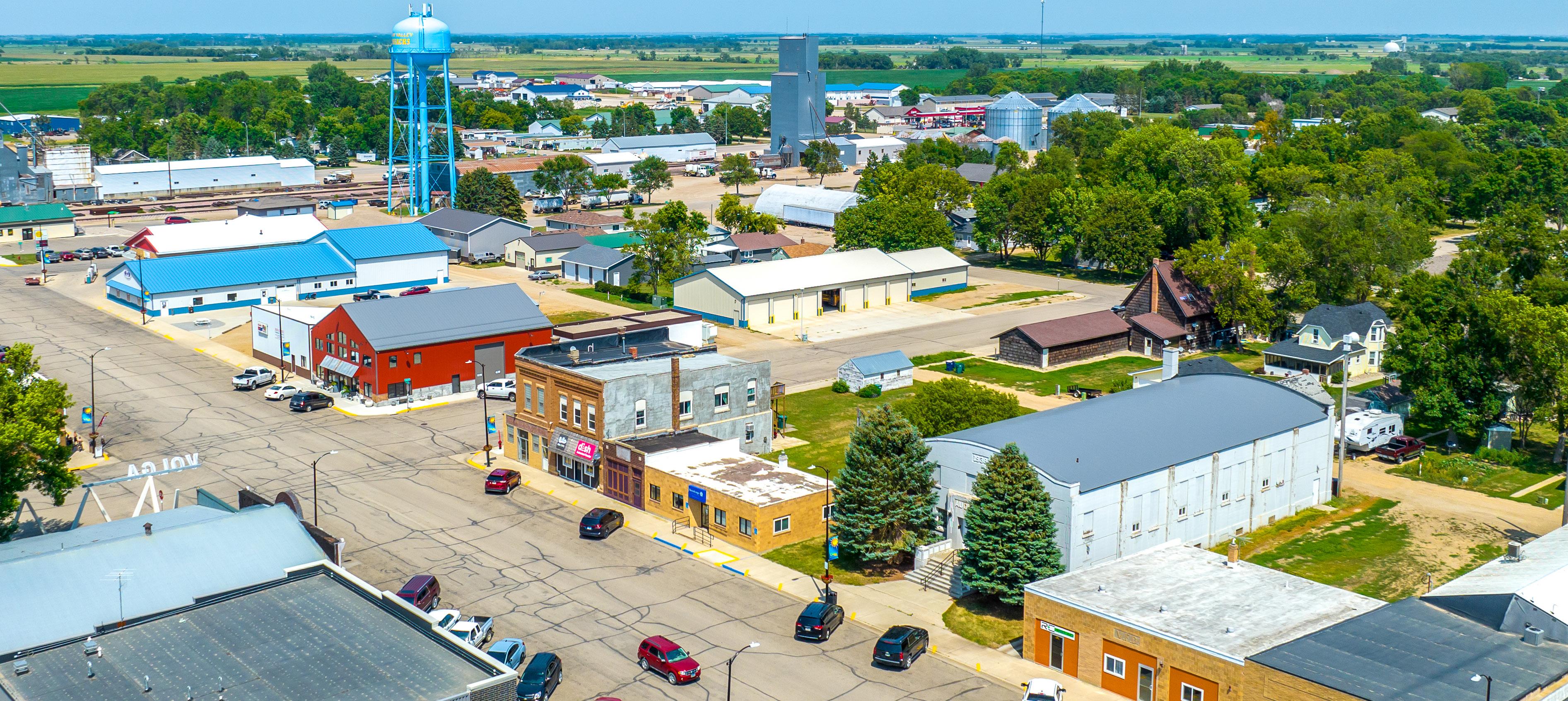
The Volga Consumer Survey was completed in partnership with the City of Volga as part of broader regional efforts to better understand local market conditions, consumer behavior, and service needs in smaller communities. The survey captured a wide range of inputs, including household demographics, employment and commute patterns, shopping habits across key retail categories (groceries, clothing, home improvement, electronics, and more), as well as preferences for in-store versus online purchasing and reasons residents may shop or dine outside of Volga.
In addition, the survey explored community priorities related to healthcare and professional services, perceptions of the Highway 14 and downtown Volga areas, and interest in potential new or expanded businesses and amenities. This comprehensive approach provides a clearer picture of how residents engage with both local and regional markets, while also identifying gaps and opportunities that may influence future business attraction, infrastructure investment, and community development efforts.
Findings will support ongoing, coordinated conversations with local leaders and regional partners to help ensure smaller communities have access to actionable data as they evaluate growth opportunities and long-term planning priorities.

The first section of the 2025 Brookings Economic Scorecard highlights year-over-year comparisons using current city and county data. This snapshot focuses on key indicators that help measure local momentum, including population growth, municipal tax revenue and annual percentage increase, capital investment, total housing units added, business establishment count, and number of employees. Together, these metrics provide a clear view of how Brookings continues to grow, invest, and strengthen its economic base.
Tracking these measures over time helps identify trends, measure progress, and inform future priorities. From business expansion and workforce growth to housing development and public revenue, the data reflects the many factors shaping long-term economic health in the Brookings region.

Brookings has experienced steady population growth over the past decade. It is estimated that the city’s resident population increased from 24,629 to 25,031, reflecting a consistent upward trend. Projections estimate the population will reach approximately 25,356 by 2026, assuming an annual growth rate of around 1.3% .
It’s important to note that these figures represent full-time residents and do not include the additional population influx during the academic year from South Dakota State University students. This growth trajectory highlights Brookings’ appeal as a
Municipal tax revenue in Brookings has seen steady growth over the past ten years, according to Department of Revenue annual reports. Total collections rose from just over $13 million to nearly $22.17 million, reflecting a consistent upward trend.
This long-term increase in revenue underscores the strength and resilience of the local economy, driven by sustained consumer activity and business engagement across the community.
Brookings continued to demonstrate strong economic performance in Fiscal Year 2025, with a 9.86% increase in municipal tax revenue compared to the previous year. According to the South Dakota Municipal Tax Report, the city collected $22.17 million in FY 2025, up from $21.75 million in FY 2024. This performance places Brookings among the leading municipalities in the state.
The increase in municipal tax revenue reflects sustained local economic activity and continued confidence in the Brookings market. Contributing factors may include steady consumer spending, population growth, strong visitor activity tied to events and attractions, and continued engagement from the South Dakota State University community. Notably, the tax rate remained unchanged, indicating the increase was driven by higher taxable sales rather than changes in rates.
This additional revenue creates meaningful opportunities for the City of Brookings. It supports continued investment in essential public services such as infrastructure maintenance, snow removal, parks and recreation, and public safety. It also positions the city to advance capital projects, expand community programming, and strengthen economic development initiatives. Sustained growth in sales tax revenue can also help reduce reliance on property tax increases, creating long-term benefits for residents and businesses alike.
Overall, this increase is a strong indicator of a healthy and resilient local economy. It reinforces Brookings’ position as a thriving regional center and supports its ability to plan strategically for future growth and development.
Housing development in Brookings has varied in both volume and type over the past several years, according to the City of Brookings Community Development Office. In the last ten years, totals have ranged from 94 to 316 new units, reflecting the city’s commitment to expanding residential options. Single-family homes remain a consistent component, with a peak of 88 units in one year. However, apartments have driven the largest increases, including a high of 228 units in a single year. Townhomes and duplexes also contribute to a balanced mix of density and affordability. Overall, the data highlights Brookings’ continued efforts to meet the needs of a growing and diverse population through a variety of housing types.
Business growth in Brookings County has been steady over the past several years, according to data from the Bureau of Labor Statistics. The number of business establishments increased from 1,061 to 1,429, reflecting a 34.68% over the last ten years. This upward trend suggests a resilient and expanding local economy, with new enterprises contributing to the county’s economic vitality.
* Q4 2025 Data
Source: City of Brookings, SD
Employment in Brookings County has remained a key indicator of regional economic strength, supported by growth across manufacturing, healthcare, education, retail, and professional services. According to data from the Bureau of Labor Statistics, the total number of employees increased from 18,029 to 19,667, representing a 9.09% increase over the last ten years. This steady rise reflects continued business investment, workforce demand, and the county’s ability to attract and retain employers across a diverse range of industries.
Capital investment continues to play a foundational role in Brookings’ economic development strategy. Investments in infrastructure, public spaces, and community assets support both current needs and future growth, ensuring that the region remains competitive and well-positioned for continued development.
These efforts not only enhance quality of life for residents but also create an environment that attracts businesses, workforce talent, and private investment. By maintaining a focus on strategic, long-term improvements, Brookings continues to build a strong and resilient community.
The 2024 Brookings Economic Dashboard includes peer community comparisons and the Brookings specific economic snapshot. It measures Brookings across four indexes — Economic Strength & Workforce, Affordability and Financial Health, Homeownership and Housing, and Education & Talent Pipeline — using national benchmarks and five comparable university communities. These tools provide context for how Brookings performs relative to similar markets while highlighting strengths and future areas of focus.
$63,493 AFFORDABILITY & FINANCIAL HEALTH
HOMEOWNERSHIP & HOUSING EDUCATION &
01 Mankato, MN
Population: 46,459
University: University of Minnesota Mankato
Student
Median
Peer
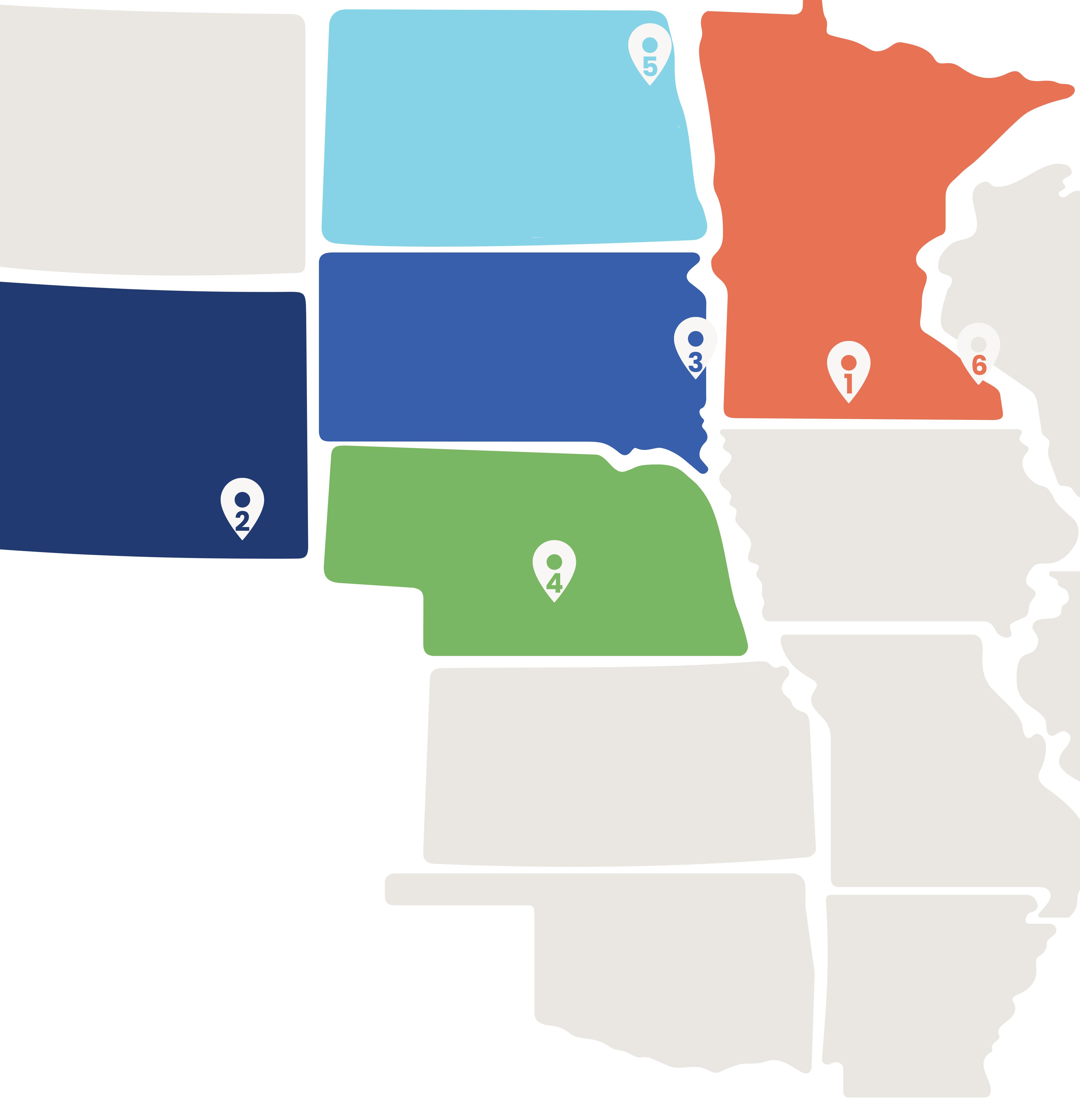
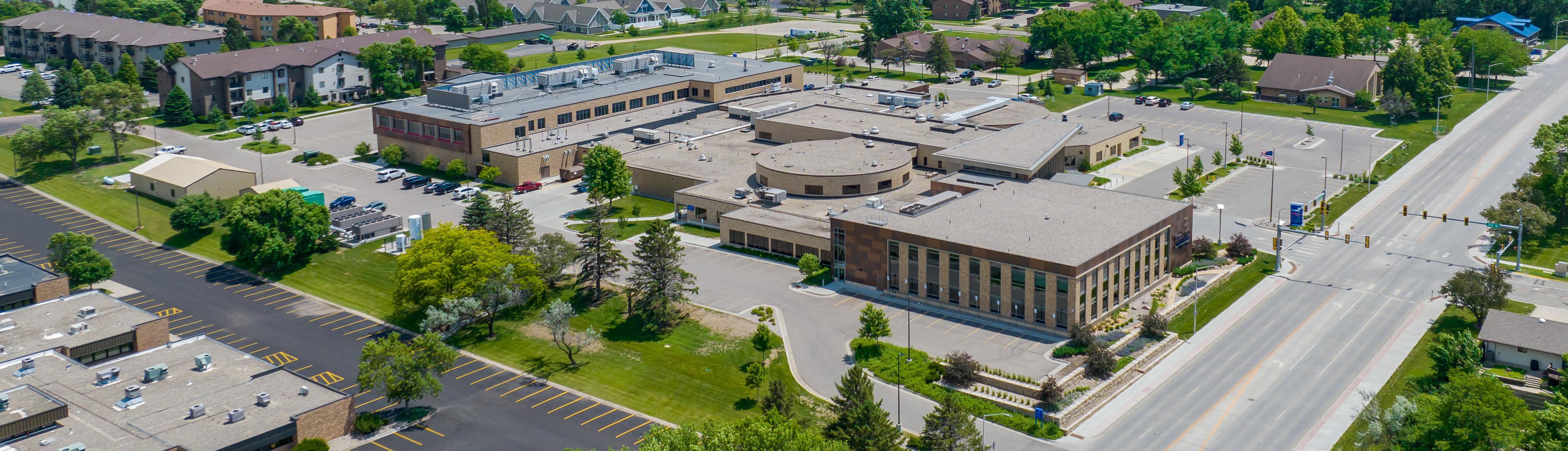
Population: 32,957
University: University of Wyoming
Student
Median
Population: 34,741
University:
Population: 24,555
University:
Student
Peer
Population:
University:
Population: 26,173
University:
A strong workforce drives local economies by supporting job creation, income growth, and business activity. Communities with reliable employment, rising participation, and steady growth tend to see more consistent development across sectors. Brookings ranks more than 20% above the national average across key workforce and economic strength indicators. The details below outline the factors used to compare regions, including unemployment, average weekly wage, GDP per capita, and labor force activity.
Unemployment Rate
The share of the population that are currently unemployed, but able to work.
Source: Census Bureau (2024)
GDP per Capita
Gross Domestic Product by population.
Source: Bureau of Economic Analysis (2024)
Average Weekly Wage
Average weekly wage per capita, age 16+
Source: Census Bureau (2024)
Employment Growth Rate
The percentage change of employment, increase or decrease over time.
Source: Census Bureau (2024)
Labor Force Participation Rate
The active portion of the economy’s labor force who are employed and age 16+.
Source: Census Bureau (2024)
Affordability and Financial Health are key indicators for assessing the economic well-being and stability of individuals and households in Brookings. Understanding these factors provides valuable insights into local trends and highlights opportunities for strategic initiatives that can strengthen long-term resilience. Brookings ranks second among peer communities, surpassing the national average by 22%. The information below outlines the factors used to compare regions, including median household income, cost of living index, uninsured rate, and persons in poverty rates.
Median Household Income
The median income for households within a population
Source: Census Bureau (2024)
Cost of Living Index
Index comparing regions based on price differences in consumer goods and services.
Source: Census Bureau (2024)
Persons in Poverty
The share of population that is below the Census Bureau poverty threshold.
Source: Census Bureau (2024)
Persons without Health Insurance
The share of the population that are without health insurance, under age 65.
Source: National Center for Science and Engineering Statistics (2024)
Housing Cost Burden
The share of households that are spending over 30% of their income on housing.
Source: Census Bureau (2024)
Homeownership contributes to local economic stability by promoting asset accumulation and supporting neighborhood investment. Communities with higher homeownership rates often experience increased property values, improved infrastructure, and a stronger sense of community. Brookings ranks third among peer communities and exceeds the national average in key homeownership metrics. Below are the factors used to compare regions, including owner-occupied housing rate, home affordability, median gross rent, and median home value.
The median value of owner-occupied housing units, including single-family and multi-family units.
Source: Census Bureau (2024)
The share of housing units that are occupied by its owner, including single-family and multi-family units.
Source: Census Bureau (2024)
Median
The median gross rent for housing.
Source: Census Bureau (2024)
Home
The median housing unit value divided by the median family income. Brookings is 98.6% as affordable as the U.S. national Average
Source: Census Bureau (2024)
A strong education system supports long-term growth by preparing people for a wide range of career paths. From early learning through advanced degrees, each stage plays a role in building workforce. When more individuals earn diplomas and degrees, it increases local skills, attracts employers, and supports high-value industries such as professional services. Brookings ranks second among peer communities and performs above the national average in several of these key areas. The following points detail the information pulled to determine a region’s ranking.
High School Graduation
The share of the population age 25+ with a High School diploma
Source: Census Bureau (2024)
Early Childhood Education Enrollment
Percentage of population under 5 years old enrolled in preschool (public or private.)
Source: Census Bureau (2024)
Four-Year College Degree Attainment
The share of the population with a Bachelor’s degree or higher.
Source: Census Bureau (2024)
Number of Graduate Students per 10K Residents
Number of Graduate and Post Doctorate students per 10,000 residents.
Source: National Center for Education Statistics (2024)
Employment in Professional Services Industry
The share of the population that is employed in the Professional Services Industry.
Source: Census Bureau (2024)